


Actors Who Stole Credit from Co-Writers for Screenplay Ideas

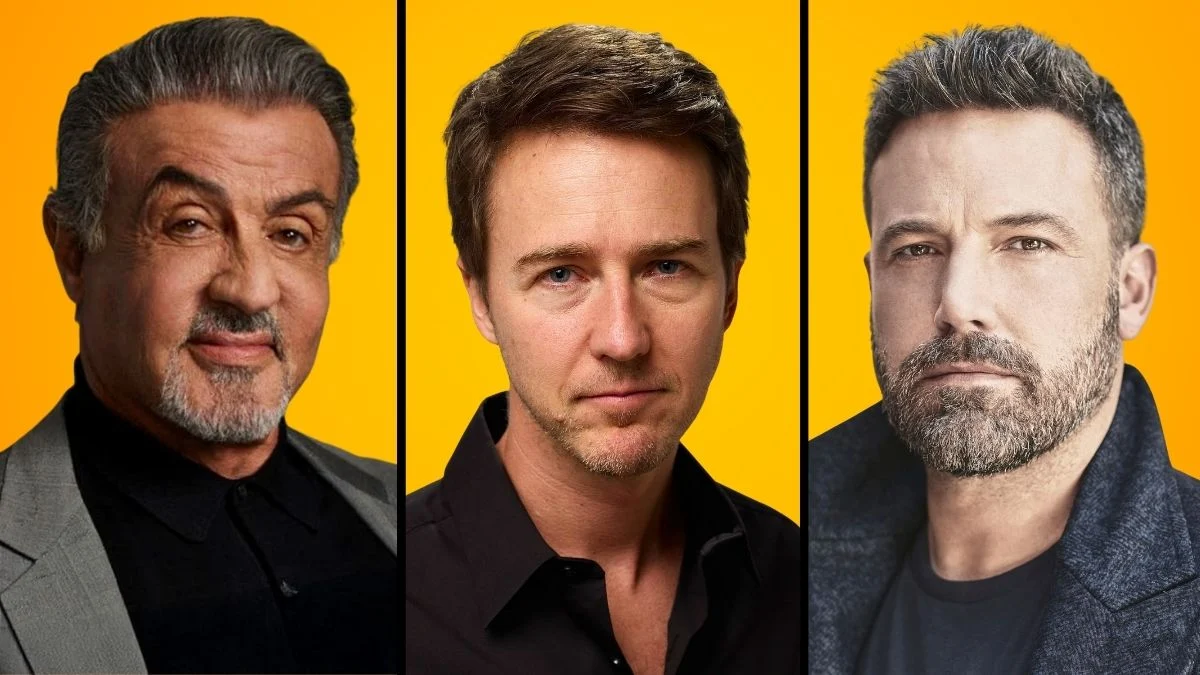


The relationship between actors and screenwriters is often a delicate balance of collaboration and ego in the film industry. While many actors contribute dialogue or character beats during production some have been accused of taking excessive credit for the underlying screenplay. These disputes frequently arise when a star performer seeks to establish themselves as a creative auteur or when improvisations overshadow the original script. This list explores several notable instances where actors faced scrutiny or controversy regarding their contributions to the writing process. Understanding these dynamics offers a glimpse into the complex power structures of Hollywood creative teams.
Sylvester Stallone
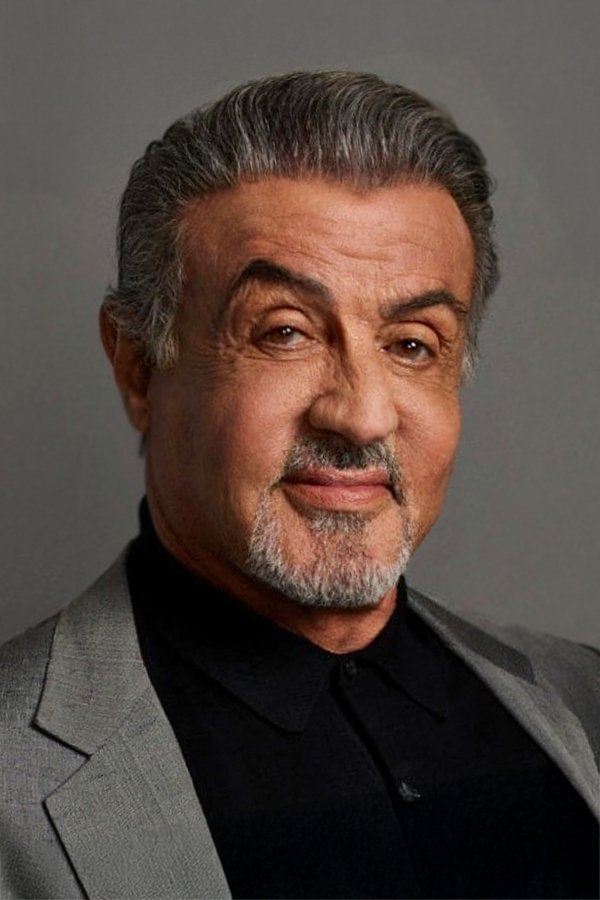
During the production of ‘Rocky’ he insisted on being the sole credited screenwriter despite contributions from others on set. He famously refused to sell the script unless he was cast in the lead role which cemented his creative control. Many crew members felt his script revisions during filming were minor compared to the original drafts provided by initial collaborators. This controversy followed him through various sequels where his writing dominance was often questioned by union members. He maintained that the heart of the story was entirely his own vision.
Orson Welles
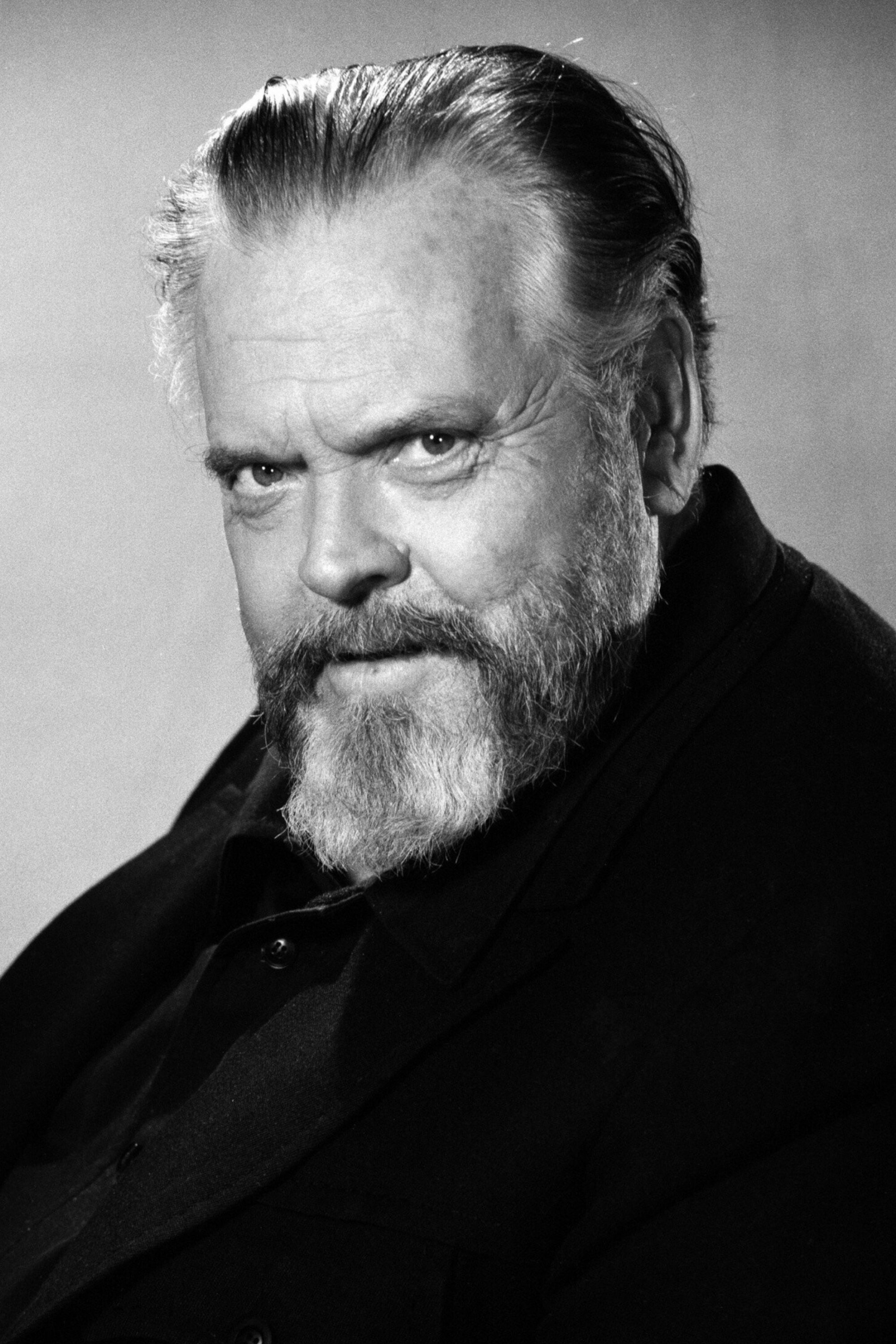
The authorship of ‘Citizen Kane’ remains one of the most famous disputes in Hollywood history between him and Herman J. Mankiewicz. Mankiewicz claimed that he wrote the bulk of the screenplay while Welles took a credit for what were essentially minor edits. The debate became public when critics suggested Welles did not write a single word of the script. Although Welles won an award for the screenplay he spent years defending his contribution against these allegations. The film is now a case study in how power dynamics affect writing credits.
Ben Affleck
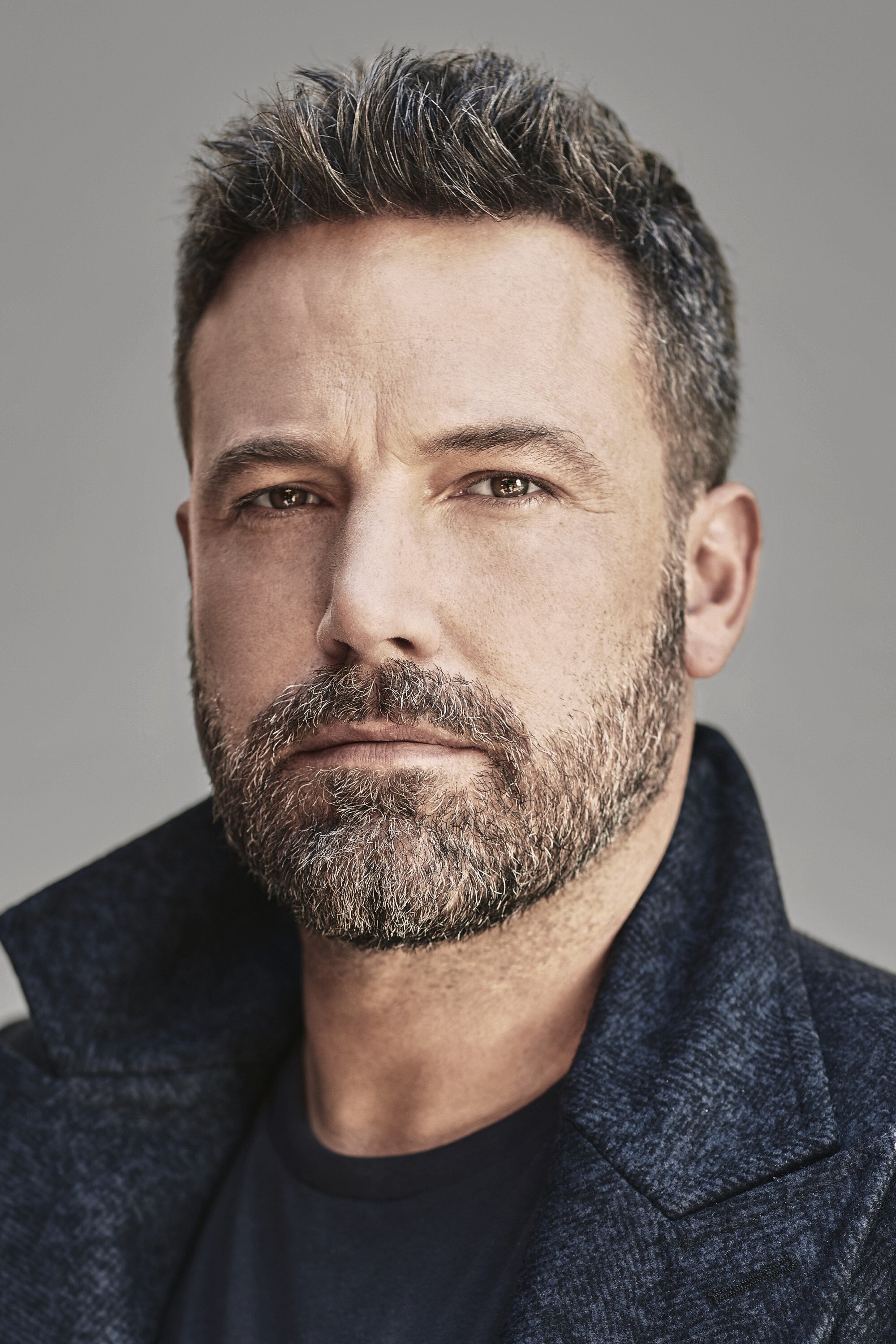
Rumors have long persisted that he and his creative partner did not write the entirety of the script for ‘Good Will Hunting’ themselves. Some industry insiders suggested that professional script doctors were the true architects behind the Academy Award winning screenplay. Affleck has consistently denied these claims stating they spent years refining the story in their apartment. The speed at which they rose to fame led many to believe they had significant help that went uncredited. This narrative continues to spark debate among film historians and aspiring writers.
Matt Damon
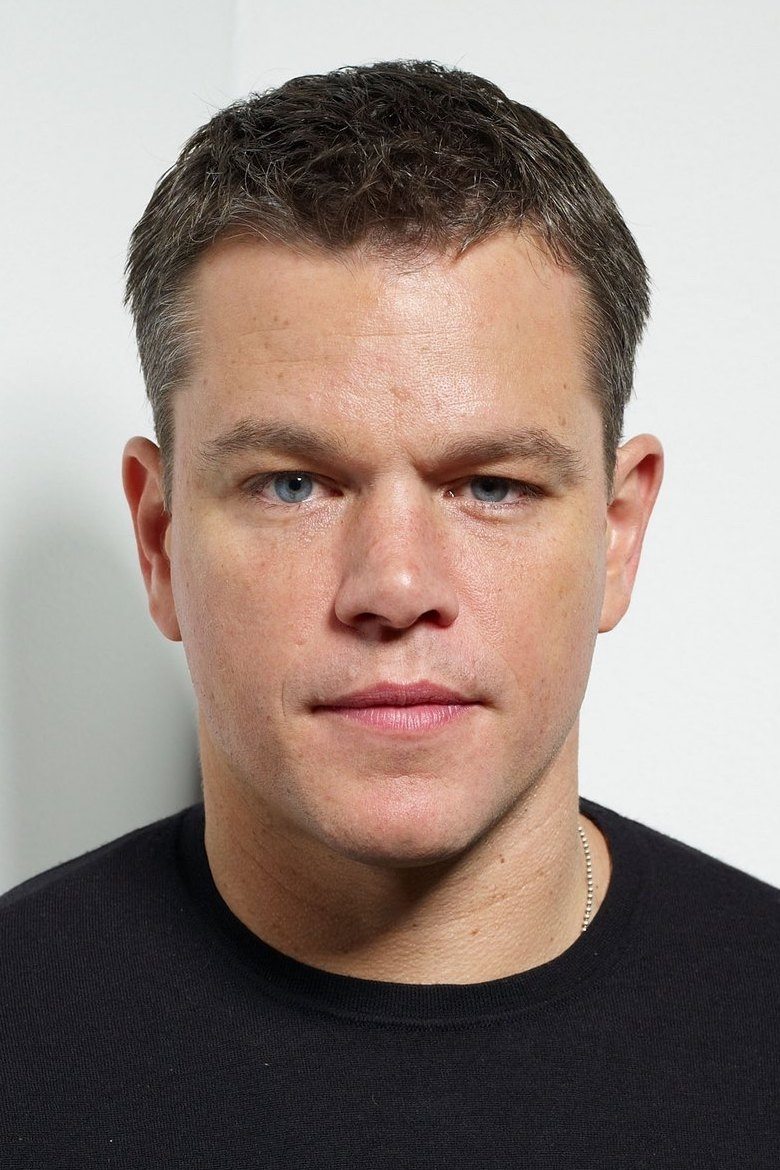
Much like his creative partner he faced scrutiny over the true authorship of the breakthrough film ‘Good Will Hunting’ which launched his career. Critics argued that two young actors could not have produced such a sophisticated script without professional intervention. The duo maintained that their personal experiences and late night writing sessions were the only sources of the material. Despite the rumors they received the Oscar and have both gone on to have successful writing careers. The controversy remains a hallmark of their early success in the entertainment industry.
Mike Myers
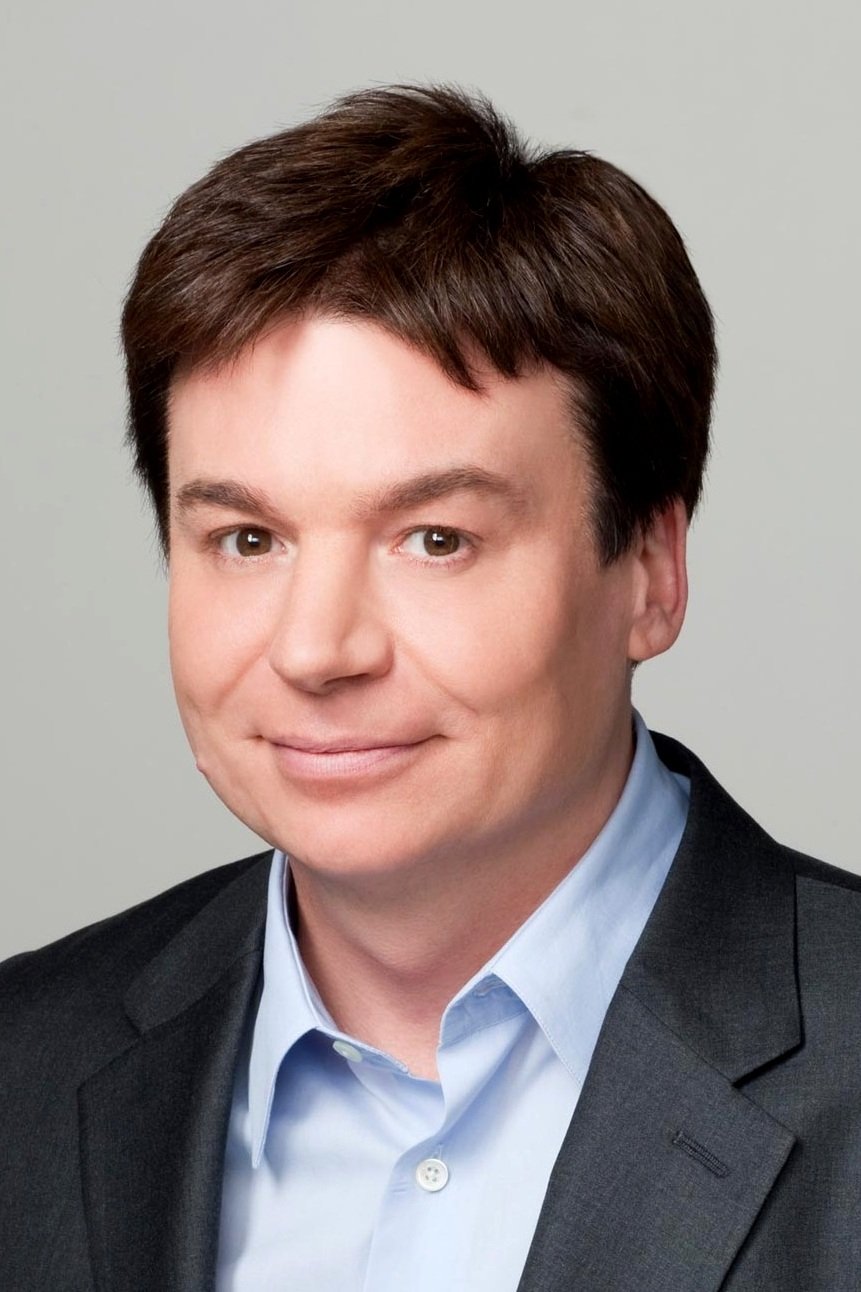
The production of ‘Wayne’s World’ was marked by tension regarding who deserved credit for the iconic characters and dialogue. Myers reportedly clashed with the director and other writers over the creative direction and script changes. Several writers felt that Myers marginalized their contributions to ensure his name was the most prominent in the credits. He has a reputation for being extremely protective of his material often at the expense of his collaborators. This pattern of behavior reportedly continued through the development of his later franchises.
Sacha Baron Cohen
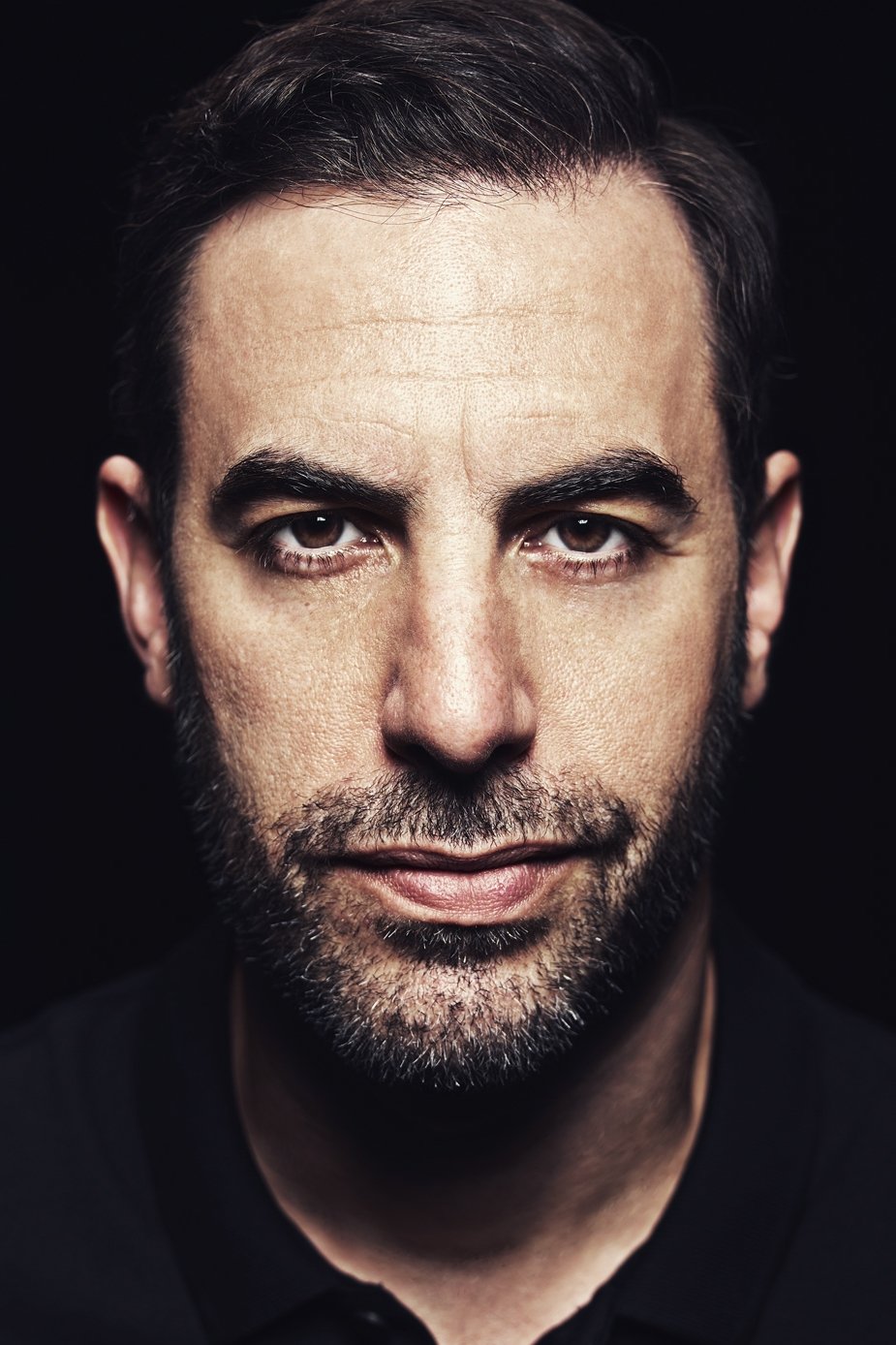
Writers on the film ‘Borat’ have expressed frustration over how credit was allocated for the improvised and scripted segments. Cohen is often seen as the sole creative force but a large team of writers worked to construct the scenarios and dialogue. Some collaborators felt their work was downplayed to maintain the illusion of total spontaneity led by the lead actor. The legal battles over writing credits highlighted the difficulty of defining authorship in mockumentary style films. Cohen remains the face of the projects while the writing staff often remains in the background.
Edward Norton
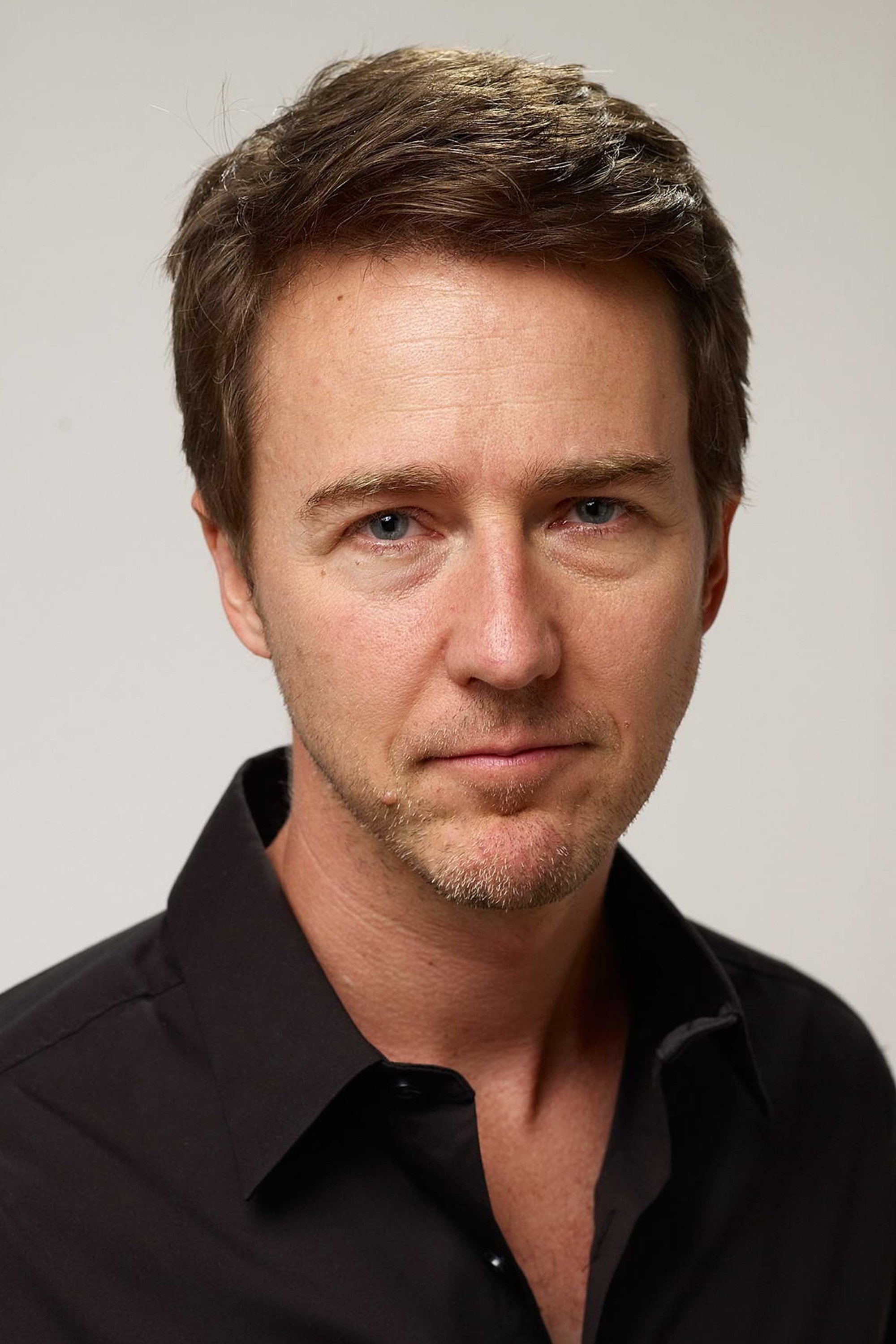
His reputation for rewriting scripts on set reached a peak during the filming of ‘The Incredible Hulk’ where he demanded significant changes. He performed an uncredited rewrite that led to a dispute with the credited screenwriter. Norton wanted a writing credit for his extensive overhaul of the character beats and dialogue. The Writers Guild of America ultimately ruled against him and kept the original writer as the sole credit. This incident solidified his image as an actor who seeks more creative control than traditionally allowed.
Warren Beatty
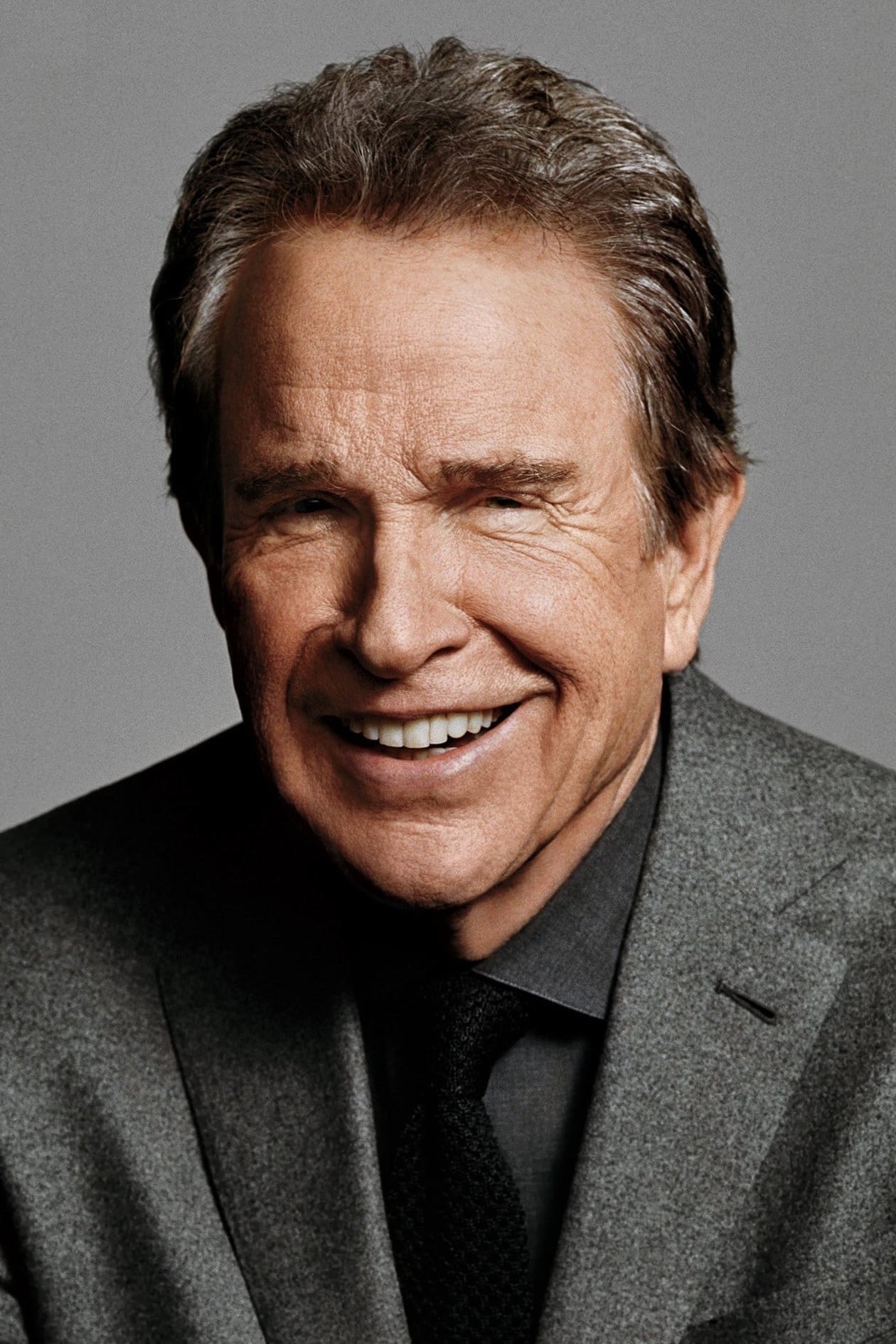
He is known for taking a heavy hand in the writing process of his films often leading to friction with official screenwriters. On ‘Bonnie and Clyde’ he worked closely with the writers but often overshadowed their public recognition. For the film ‘Heaven Can Wait’ he took a writing credit that some felt was disproportionate to his actual work. His perfectionism often meant that original writers felt their voices were drowned out by his star power. He remains one of the most powerful actor producers to influence script development.
Charlie Chaplin
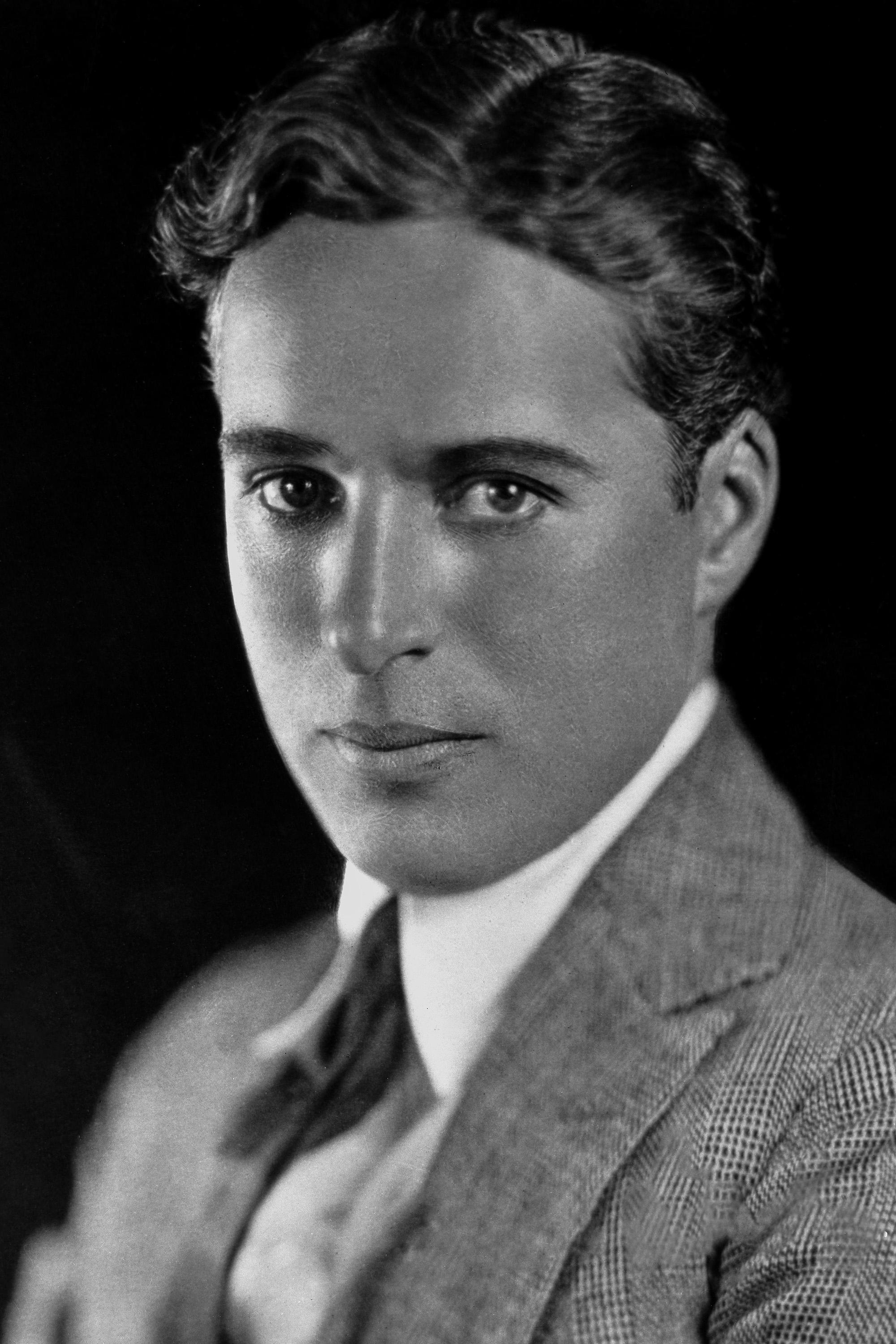
The legendary performer faced a major lawsuit over the screenplay for ‘The Great Dictator’ from an outside writer. The writer claimed he provided the central ideas and several scenes that Chaplin then used without proper compensation or credit. Chaplin eventually settled the lawsuit for a significant sum of money which many saw as an admission of guilt. This case was one of the first high profile instances of an actor being accused of stealing creative property. It changed how studios handled story submissions from outside writers.
Billy Bob Thornton
He received immense acclaim for ‘Sling Blade’ but the origins of the story were subject to some debate. While he is the sole credited writer many pointed to the play he had performed previously as the foundational text. Some collaborators from his early theater days felt his transition to a solo screenplay credit ignored their input during development. He has always maintained that the character was his singular creation from childhood. The film remains his most famous writing achievement despite the quiet whispers of shared inspiration.
Jerry Lewis
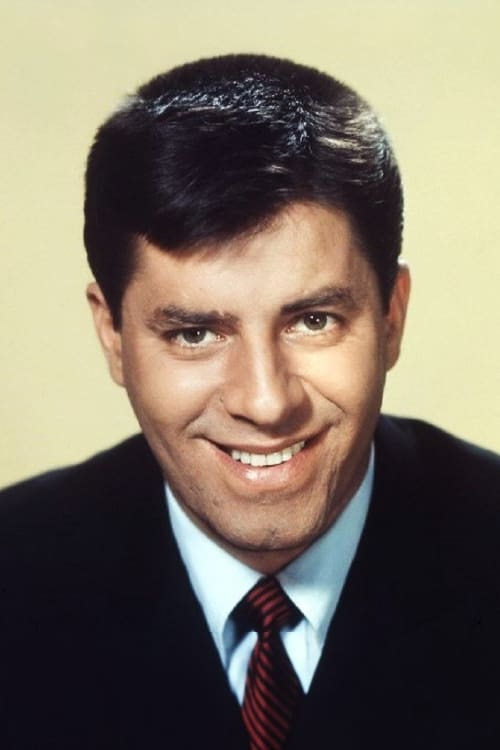
Throughout his career he took credit for writing many of his films like ‘The Bellboy’ which were heavily influenced by uncredited gag men. He was known for his total control over the production and would often discard scripts to favor his own improvisations. This led to many writers feeling their work was used as a mere skeletal frame for his personal brand of comedy. He rarely acknowledged the team of writers who helped structure the slapstick sequences that made him famous. His legacy is one of a singular auteur who often bypassed traditional collaborative credit.
Gene Kelly
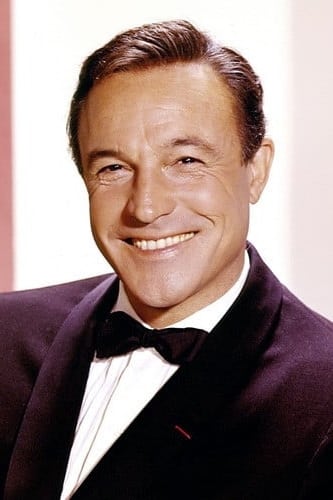
As the star and director of ‘Singin’ in the Rain’ he exercised immense influence over the script and choreography. The credited writers provided the screenplay but Kelly often claimed credit for the vision and structural flow. His demanding nature on set meant that many creative decisions were attributed solely to him. This created a perception that the writers were secondary to his performative genius. He is often remembered as the primary creator of the film’s most iconic moments.
James Franco
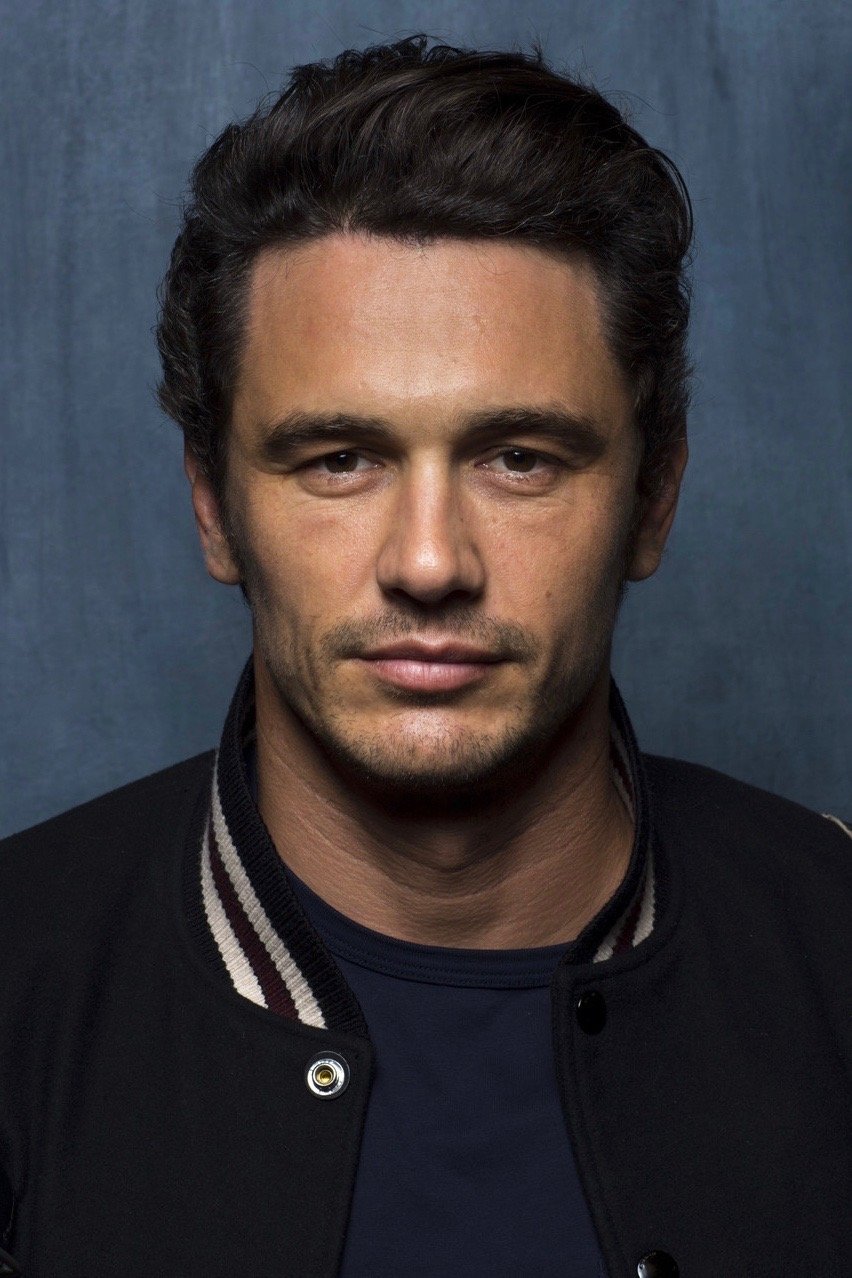
He faced allegations regarding the writing credit for ‘The Disaster Artist’ which chronicled the making of a cult classic. While he directed and starred the writing process involved several collaborators who felt their contributions were minimized in the press. He has often been criticized for taking on too many roles and not properly acknowledging the support staff behind his projects. The film won several awards for its writing but the focus remained largely on Franco’s performance. This dynamic is common in his prolific and varied career.
Tom Cruise
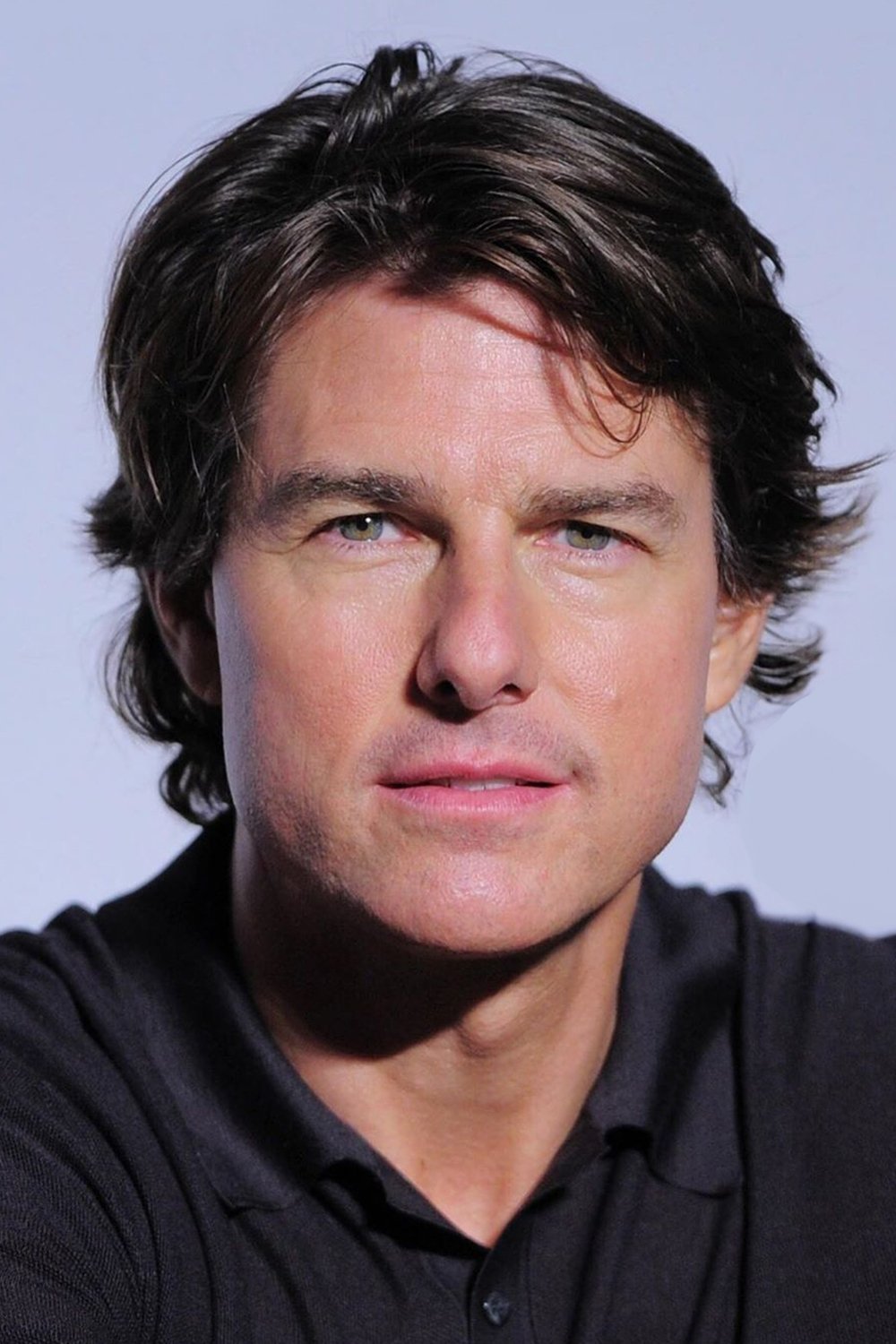
Although he is rarely credited as a writer he is known for having an enormous impact on the scripts of the ‘Mission Impossible’ films. He often brings in his own writers to overhaul scripts that other writers have already completed. This practice can lead to original writers being pushed out of the creative process and losing their influence over the final product. While the films are massive successes the behind the scenes shuffling often leaves the initial screenwriters feeling overlooked. Cruise’s control over his projects is nearly absolute in modern Hollywood.
Robert Downey Jr.
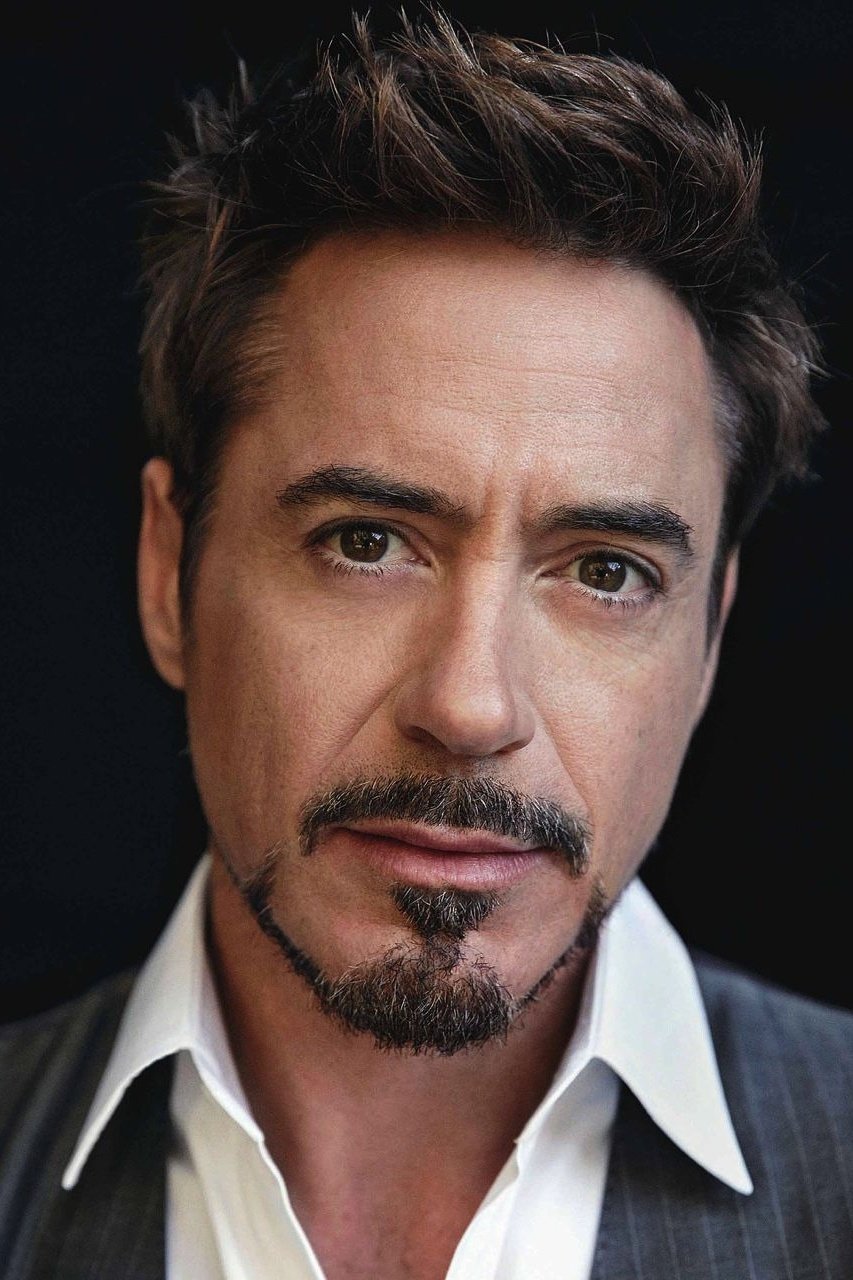
During the filming of ‘Sherlock Holmes’ he was known to lead daily script meetings that completely redesigned the day’s scenes. He worked closely with the director to rewrite dialogue and action beats on the fly. This improvisational approach often bypassed the work of the credited screenwriters who had spent months on the project. While the changes were often seen as improvements to the character they marginalized the original writing team. Downey Jr. is frequently cited as an actor who functions as an uncredited cowriter on his blockbusters.
Seth Rogen

He began writing at a very young age with ‘Superbad’ being a script he developed with his creative partner. While they are a famous duo some other writers in their circle have suggested that the collaborative process in their productions is more complex. Rogen often takes the lead in promotional interviews which can make the contributions of his cowriters seem less significant. The style of filmmaking relies heavily on group riffing which makes individual credit difficult to parse. He remains one of the most successful actor and writers in the industry today.
Jonah Hill

He transitioned from actor to writer with films like ’21 Jump Street’ where he received a story credit. Some critics and writers have noted that the heavy lifting of the screenplay was done by his professional collaborators. Hill’s public image as a creative polymath often centers on his writing abilities which some feel are bolstered by veteran writers. He has continued to write and direct his own projects to solidify his reputation as an independent creator. His influence on the comedic tone of his films is undeniable regardless of the credit line.
Paul Rudd
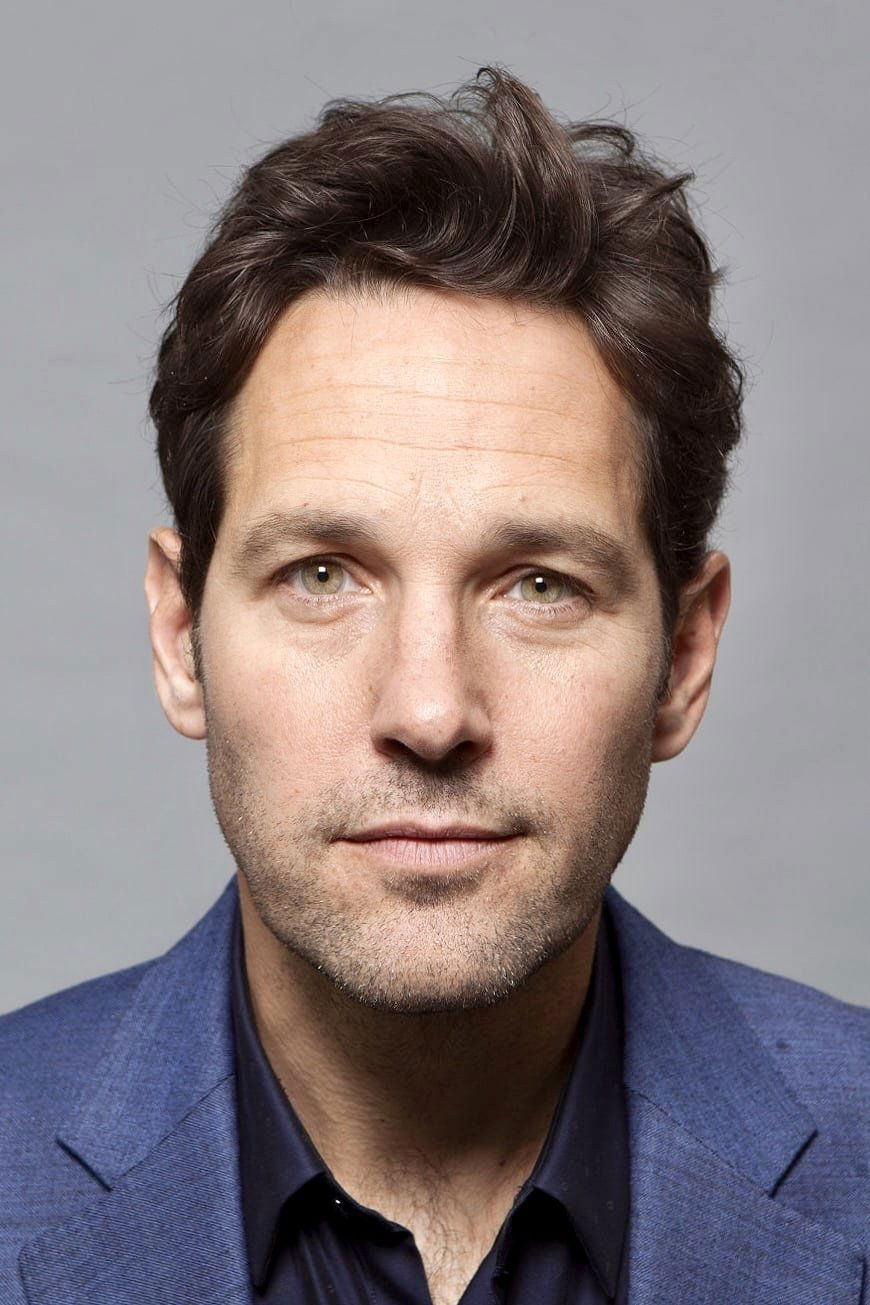
He joined the writing team for ‘Ant-Man’ after the departure of the original director and writer. Rudd worked with other writers to revamp the script to fit the franchise formula. While he received a writing credit some fans felt the spirit of the original script was lost in the shuffle. The transition was seen as a way for the studio to maintain control using a star who was also a capable writer. He has since become a key creative voice in the development of his superhero character.
Steve Carell
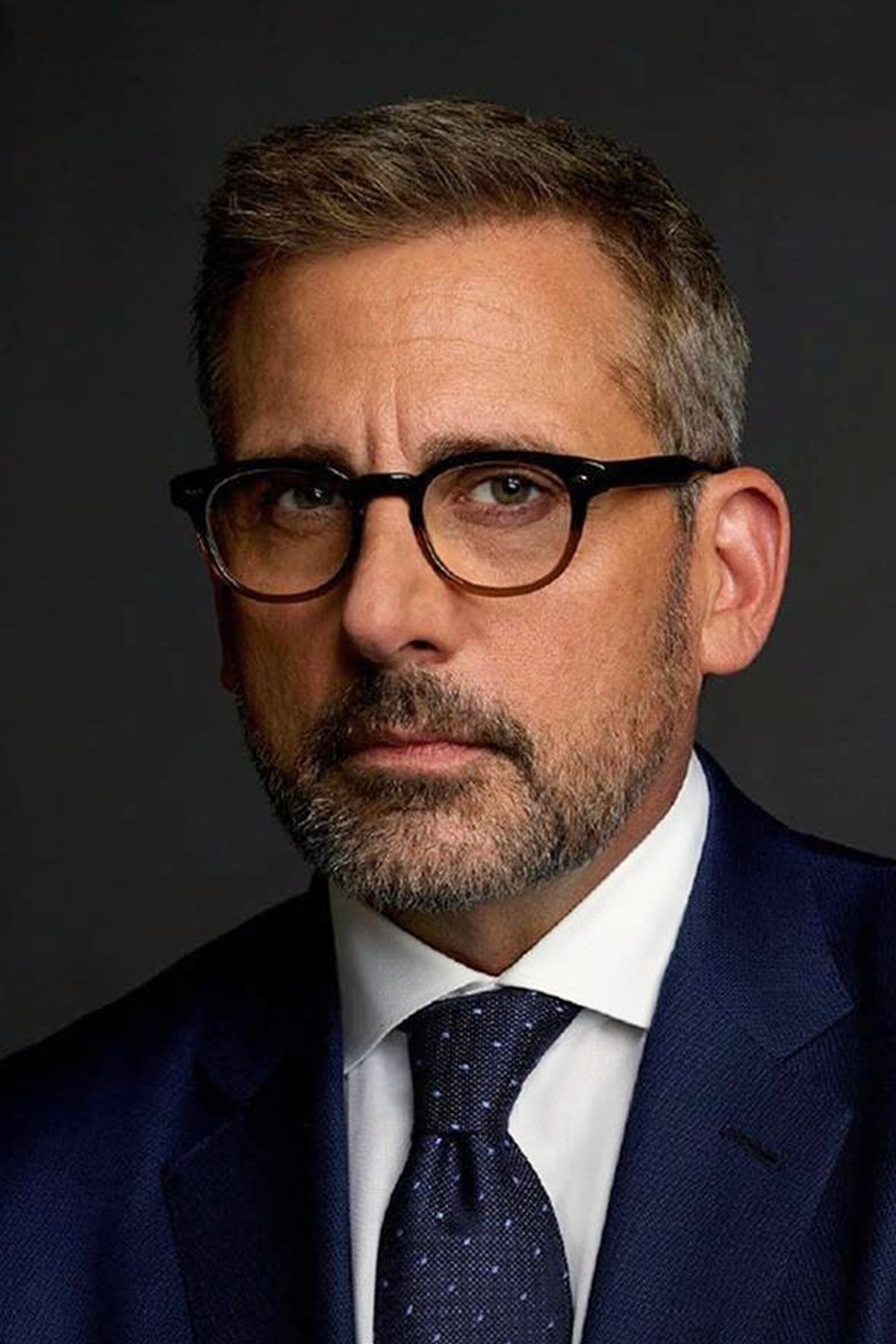
He cowrote ‘The 40 Year Old Virgin’ with his director which served as his breakout leading role. The film relied heavily on improvisation and the shared experiences of the cast and crew. Some writers on the project felt that the writing credit did not fully reflect the collaborative nature of the workshop environment. Carell’s input was vital to the character’s voice but the structure was a team effort. He has since moved into more dramatic writing and producing roles.
Adam Sandler
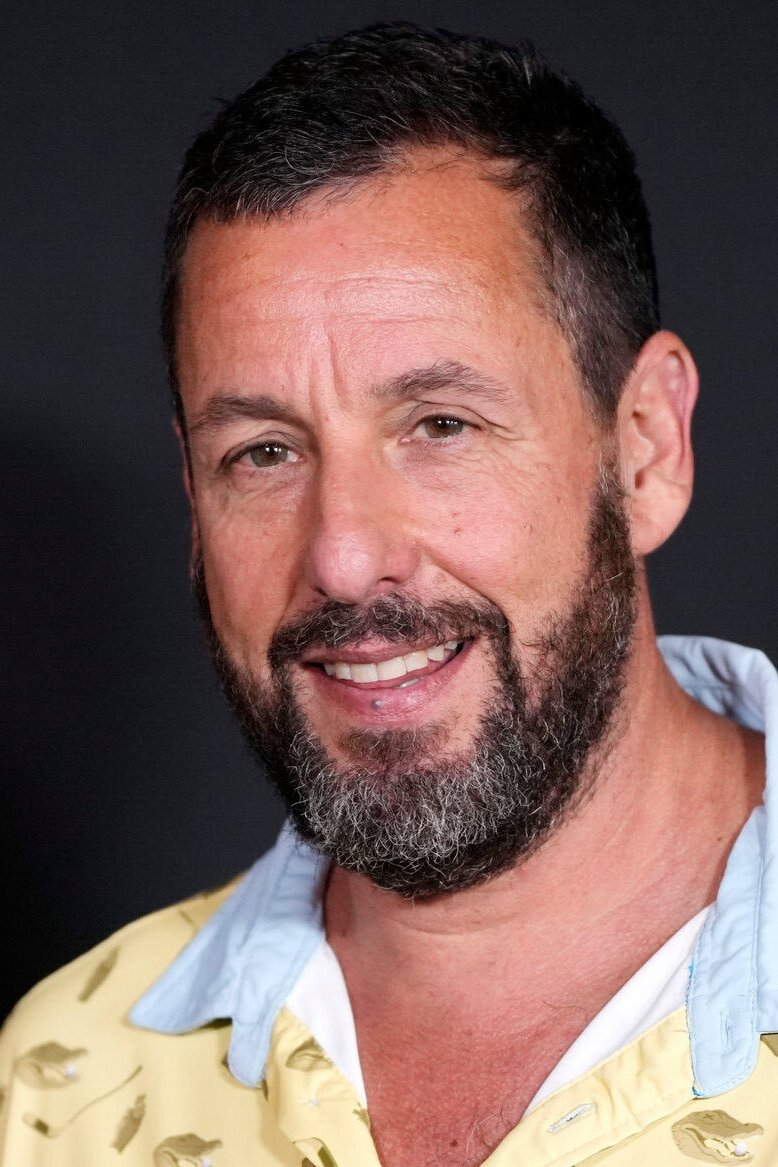
His production company frequently uses a stable of writers who often take a backseat to his persona. For films like ‘The Waterboy’ the writing credit is often shared but the public perception is that Sandler is the sole author of the humor. Some former collaborators have hinted that the environment is very insular and favors Sandler’s specific vision over outside ideas. He has maintained a consistent brand of comedy for decades by controlling the writing process of his projects. This level of control has made him one of the wealthiest actors in history.
Ben Stiller
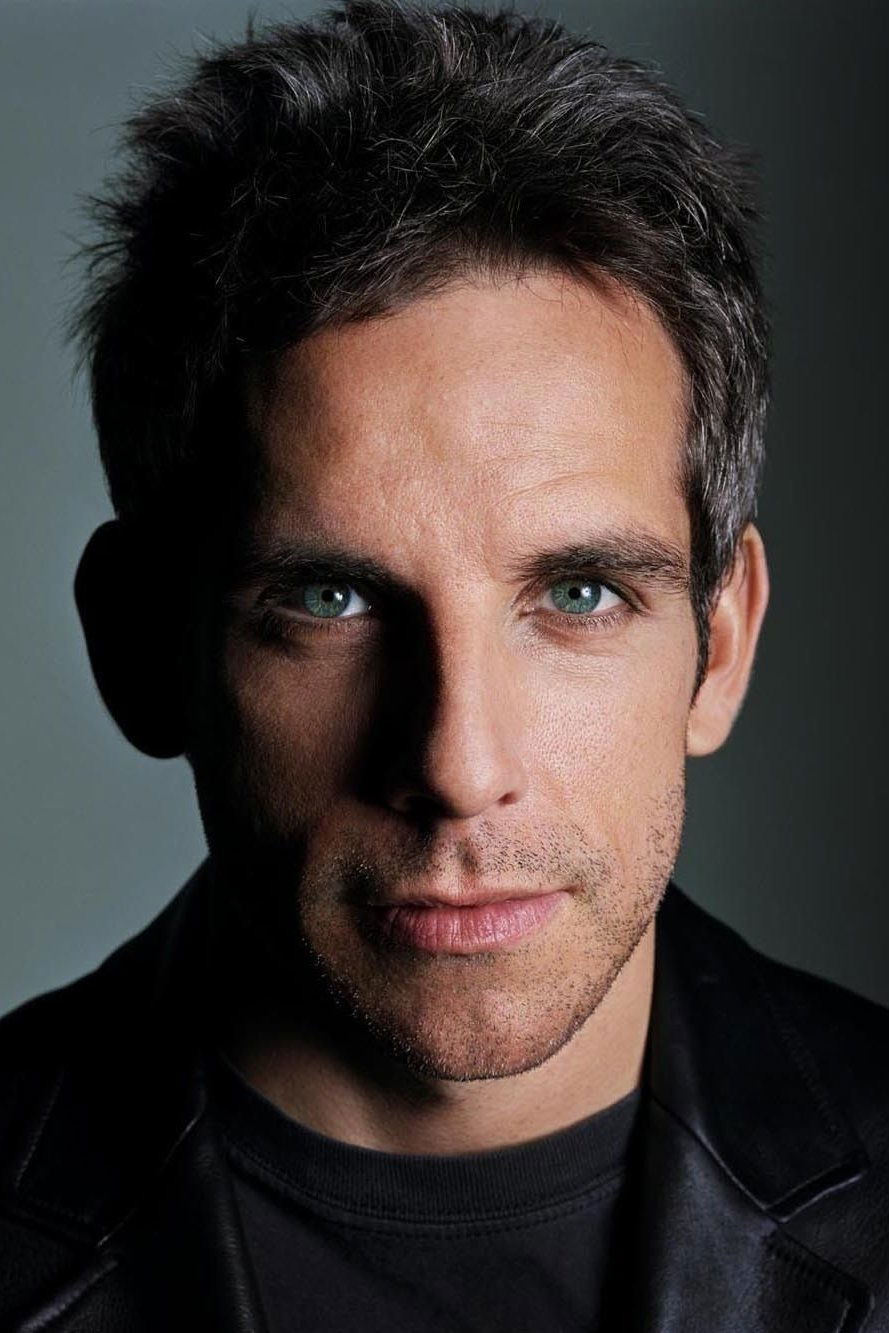
As a writer and director on ‘Zoolander’ he had total control over the comedic timing and satirical elements. He worked with several cowriters but the film is largely associated with his personal creative brand. Some members of the writing staff felt their specific jokes and character arcs were claimed by Stiller in the final edit. His intense focus on detail can sometimes lead to friction with those who feel their contributions are being erased. He continues to be a major force in high concept comedy writing.
Will Ferrell
He often writes with a steady partner on films like ‘Anchorman’ where the dialogue is a mix of script and improv. The writing credit is shared but Ferrell’s performance often overshadows the work put into the screenplay structure. Some writers have noted that the most famous lines were often collective efforts that the lead actors get the most credit for. This collaborative style is a hallmark of his career but it can sometimes leave the actual screenwriters in the dark. He is widely considered a primary author of modern American comedy.
Vince Vaughn
He received writing and story credits on ‘The Internship’ which featured his signature fast talking style. Some collaborators felt that his influence on the script was more about performance than structural writing. The tension between professional screenwriters and star actors who want credit is a common theme in his career. He often uses his writing credits to ensure the material fits his specific comedic strengths. This has led to a series of films that are tailor made for his onscreen persona.
Owen Wilson
He cowrote several films with a famous director including ‘The Royal Tenenbaums’ which earned them an award nomination. While their partnership is legendary some have questioned the balance of their writing duties. Wilson’s contribution is often seen as providing the heart and dialogue while the director handles the visuals and structure. As Wilson’s acting career took off he stepped away from writing which led some to wonder about his true involvement. He remains one of the few actors with a legitimate claim to high level screenplay authorship.
Danny McBride
He is a frequent collaborator with a close team on projects like ‘Pineapple Express’ and various television series. While they work as a group McBride is often the one who receives the most attention for the writing’s unique voice. Some writers in their circle have mentioned that the process is so collaborative that individual credit can be misleading. McBride uses his writing to create roles that perfectly suit his aggressive and awkward comedic style. He has built a successful production company based on this shared creative model.
George Clooney
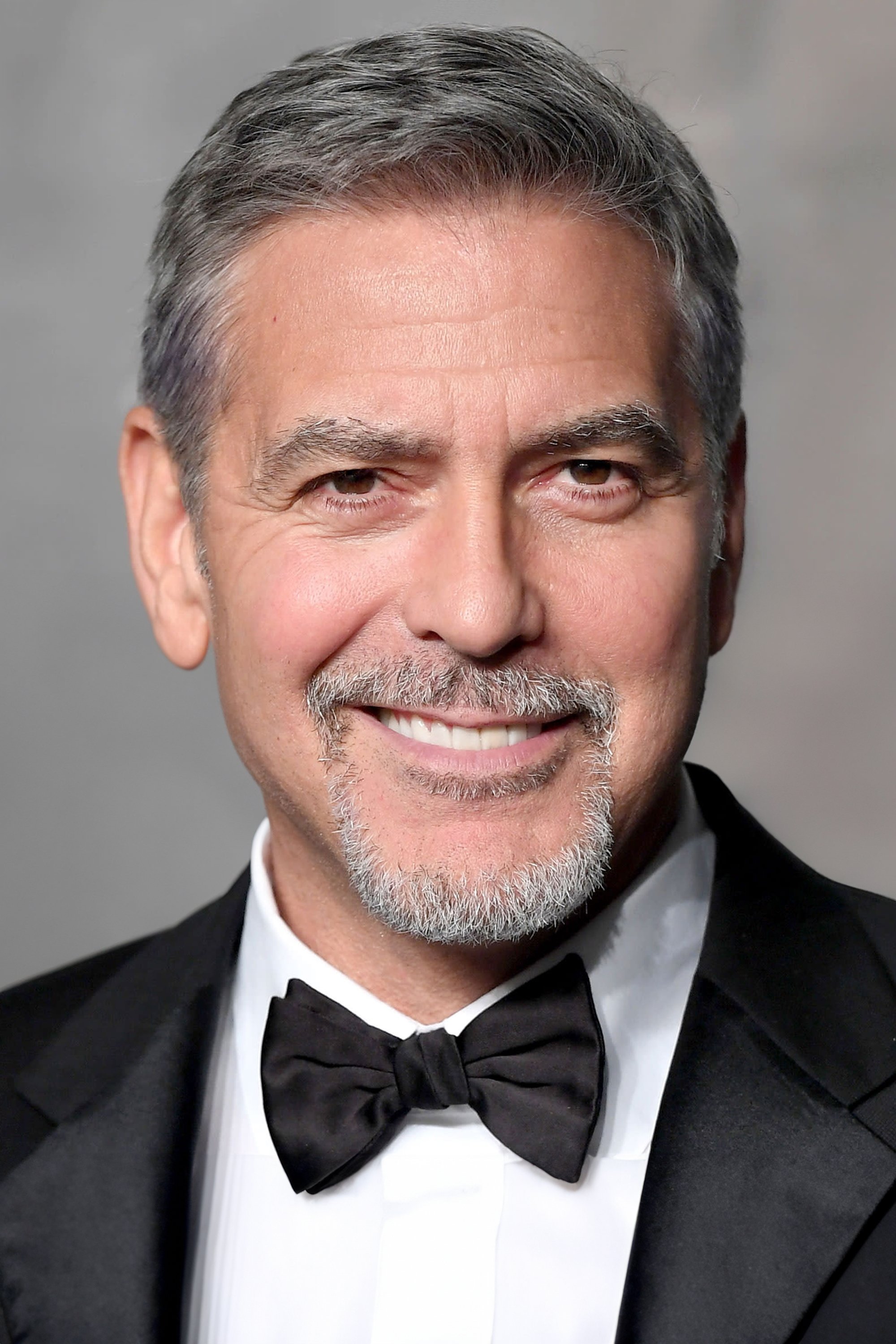
On the film ‘Good Night, and Good Luck’ he took a cowriting credit that was central to the film’s awards campaign. Some researchers pointed out that the historical material and previous drafts by other writers were more significant than acknowledged. Clooney’s role as a writer and director is a major part of his professional identity as a serious filmmaker. He often works with the same partner to develop scripts that tackle complex social and political issues. His writing credits are seen as a way to transition from a movie star to a respected auteur.
John Krasinski
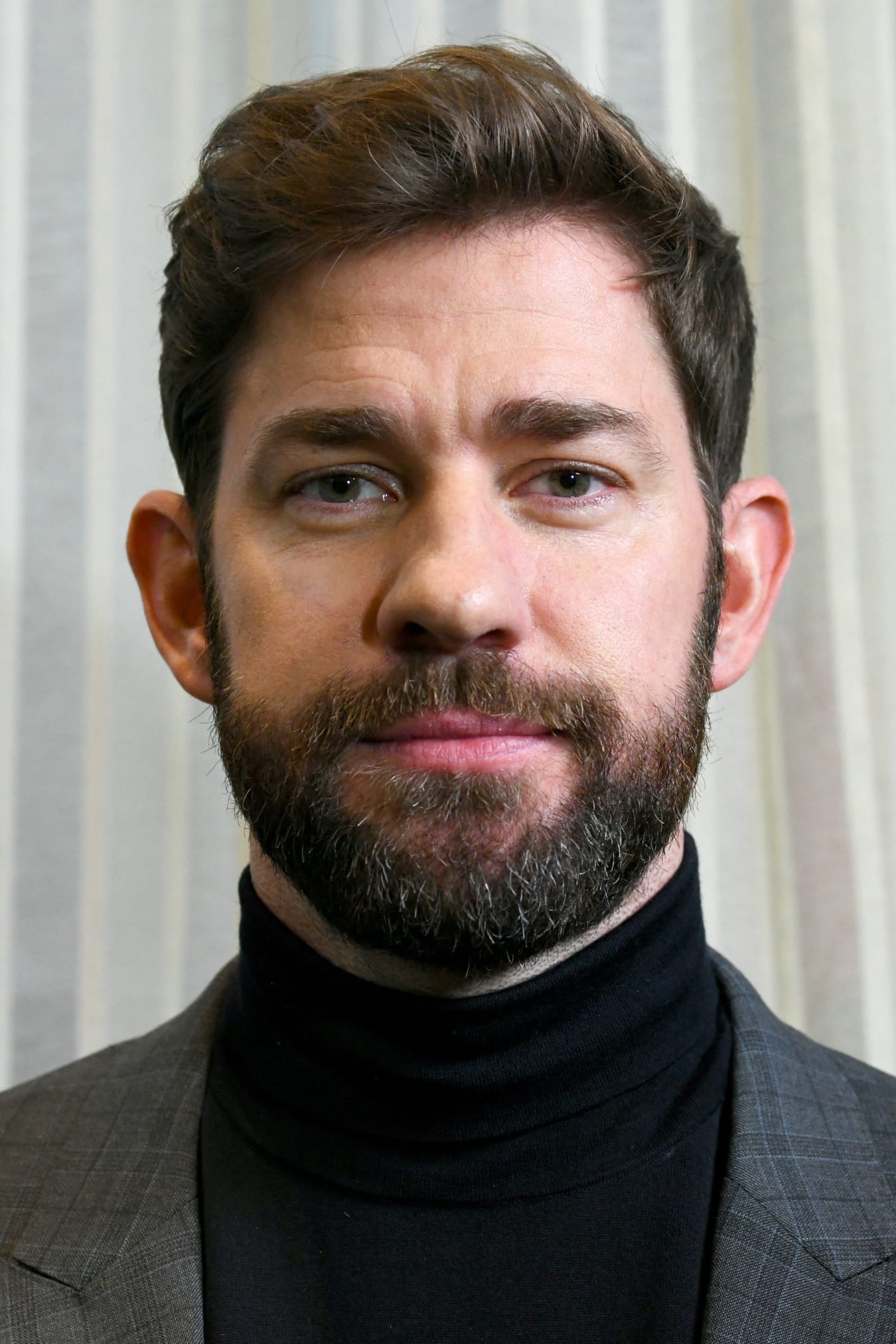
He received significant credit for the screenplay of ‘A Quiet Place’ despite the original draft being written by other authors. Krasinski performed a rewrite that focused more on the family dynamics which he then used to secure the director’s chair. The original writers were still credited but much of the press focus was on Krasinski’s vision for the story. This shift in narrative is common when a well known actor takes over a project from lesser known writers. He has since become a major player in the horror and thriller genres.
Joel Edgerton
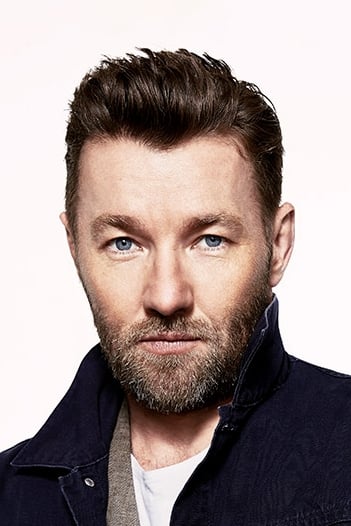
He wrote and directed ‘The Gift’ which was a major critical success and established him as a serious writer. There were reports that the development process involved other writers whose names did not make it to the final credit list. Edgerton has been vocal about his desire to write the roles he wants to play in Hollywood. This dual role allows him to maintain creative integrity over his projects from start to finish. He continues to balance a high profile acting career with a busy writing schedule.
Taylor Sheridan
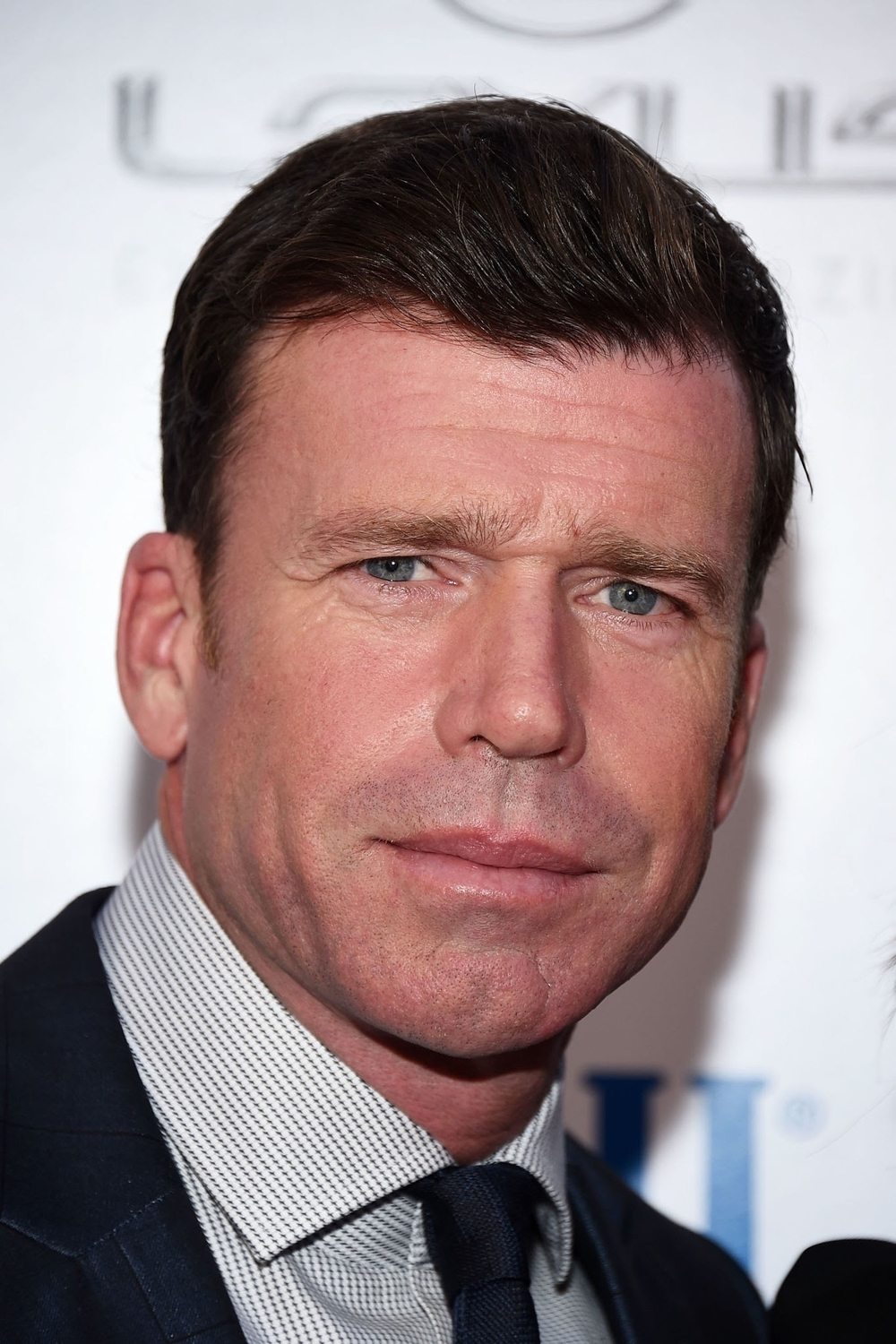
He began his career as an actor before becoming one of the most sought after writers in Hollywood. His scripts for ‘Sicario’ and other crime films were praised for their gritty realism and sharp dialogue. Some have noted that his transition to writing was so successful that his acting past is often forgotten. He has faced some criticism for the way he manages the writers’ rooms on his television shows. He remains a dominant force in the modern Western and crime genres.
Wentworth Miller
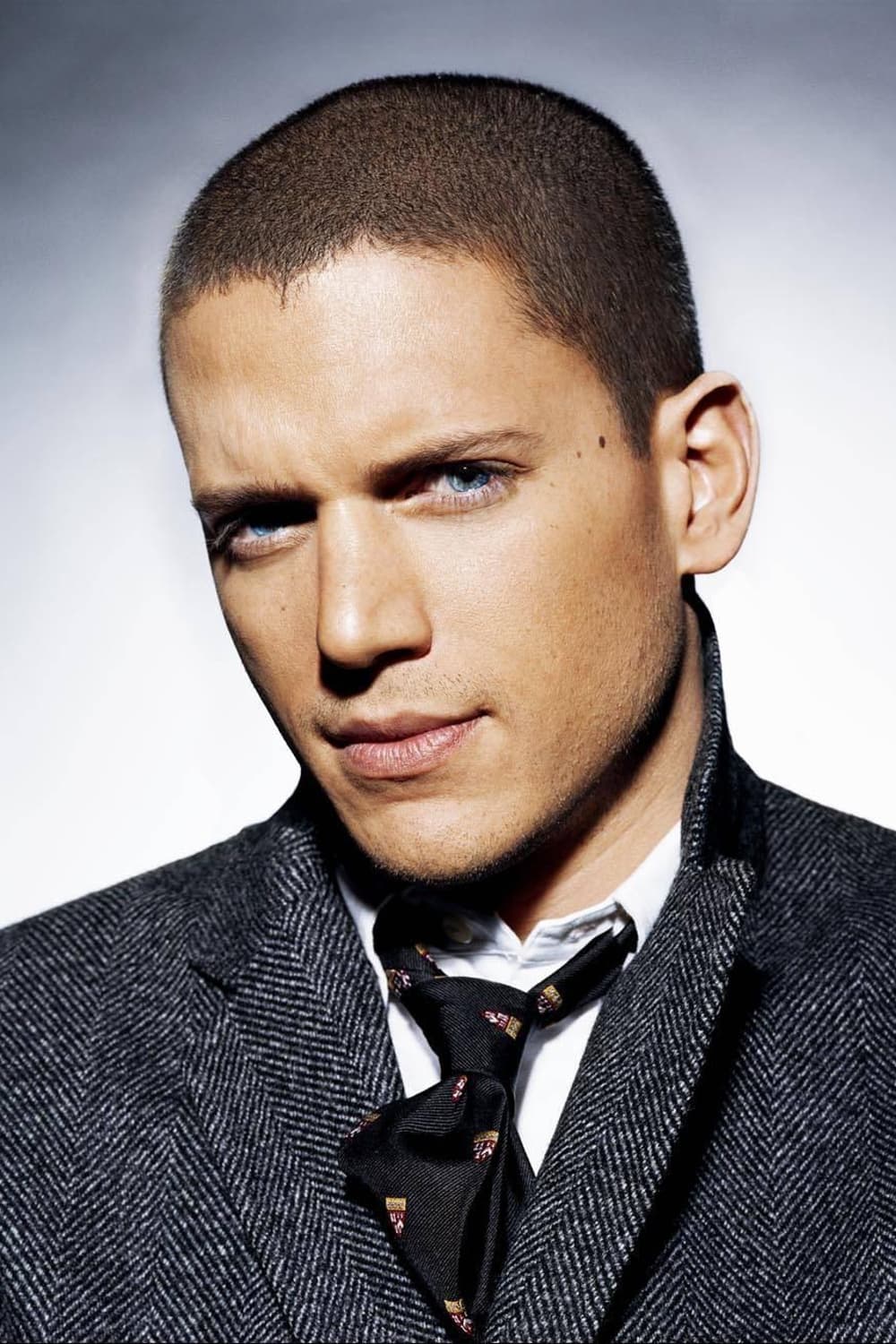
He surprised many in the industry by writing the screenplay for ‘Stoker’ under a pseudonym to avoid bias. When it was revealed that he was the author the film received a significant amount of media attention. Some writers felt that the use of a pseudonym was a marketing tactic that took away from the work itself. Miller has stated that he wanted the script to be judged on its own merits without his acting fame attached. He has since continued to develop several other writing projects in the thriller genre.
John Cleese
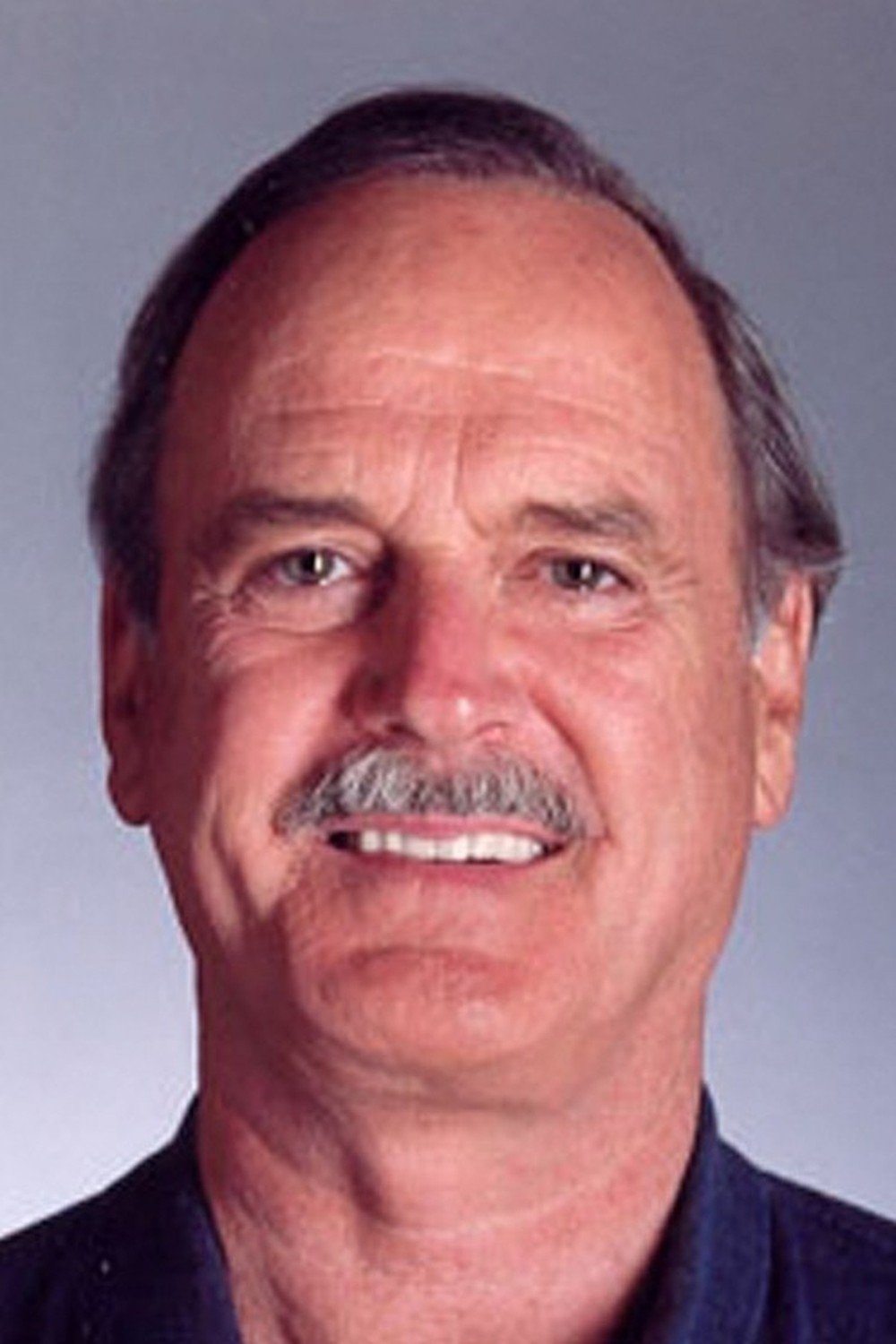
As a member of a famous comedy troupe he was a primary writer for ‘A Fish Called Wanda’ and their various films. The collaborative nature of the group often led to disputes over who wrote which specific sketches or lines. Cleese was known for being a meticulous writer who would often dominate the writing sessions. This led to some friction with other members who felt their contributions were being filtered through his perspective. He remains one of the most influential figures in British comedy writing.
Eric Idle
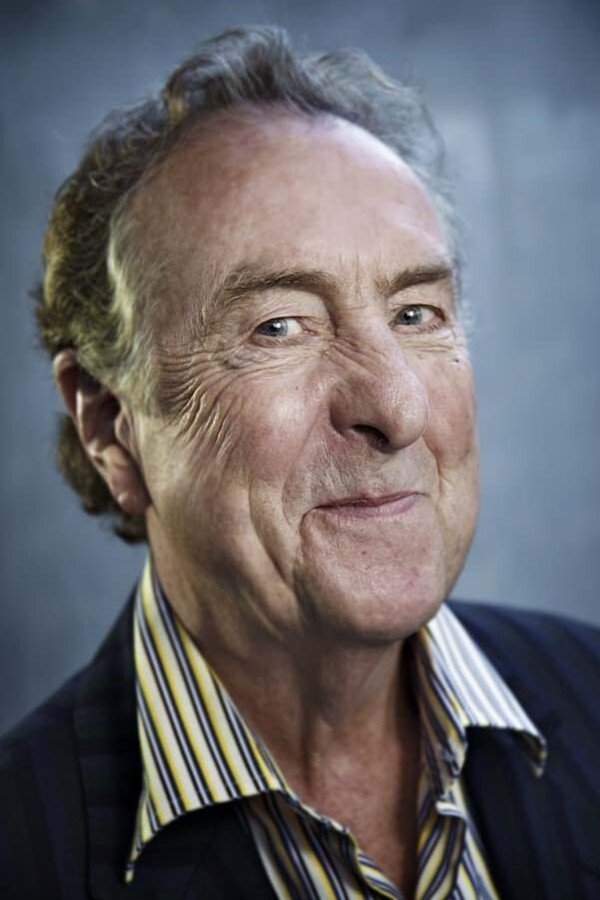
He was responsible for many of the musical numbers and surreal elements in legendary comedy films. His work on a major stage adaptation later led to legal and creative disputes with the other members of his troupe. They felt that he was taking too much credit and financial reward for material that was originally a group effort. Idle maintained that his adaptation and additional writing were what made the show a success. This tension has been a recurring theme in the history of his creative circle.
Graham Chapman
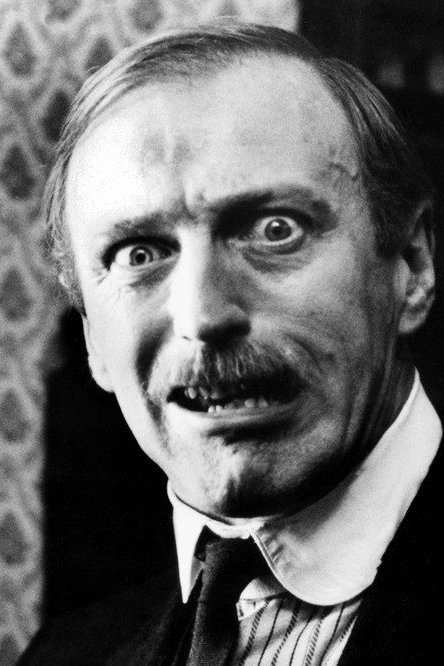
He was a key writer for several cult comedy classics and often provided the most absurd and philosophical ideas for his group. Because he struggled with personal issues during certain periods other members sometimes had to fill in the gaps in his writing. This created a complex dynamic regarding who deserved credit for the final polished scripts. Despite these challenges his voice was essential to the unique tone of his brand. He is remembered as one of the most brilliant writers of his generation.
Michael Palin
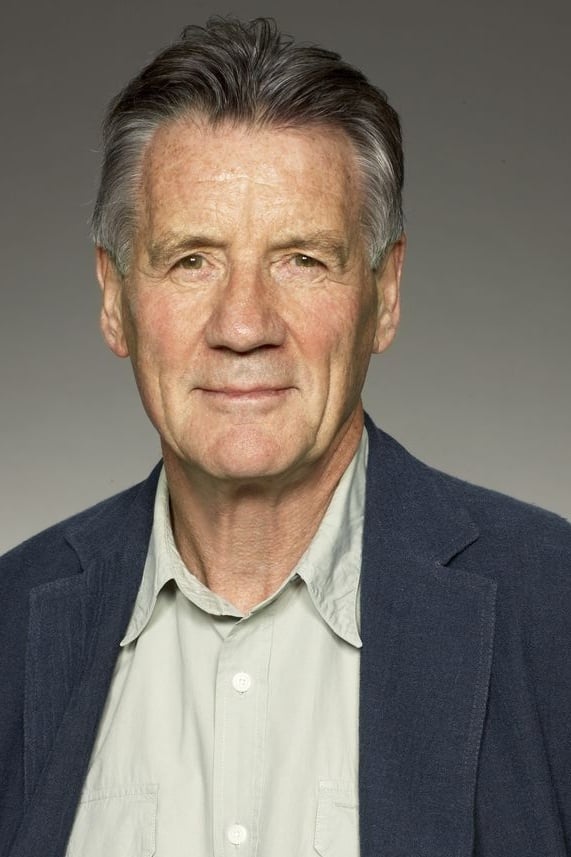
He often worked with a close partner to write the more grounded and historical segments of comedy sketches. Their partnership was seen as the heart of the group’s writing process but they often clashed with more dominant members. Palin’s ability to write charming and relatable characters balanced the more aggressive styles of his peers. He has since written several books and travel documentaries that showcase his solo writing talent. His contributions to his group’s legacy are often overshadowed by the more vocal members.
Terry Gilliam
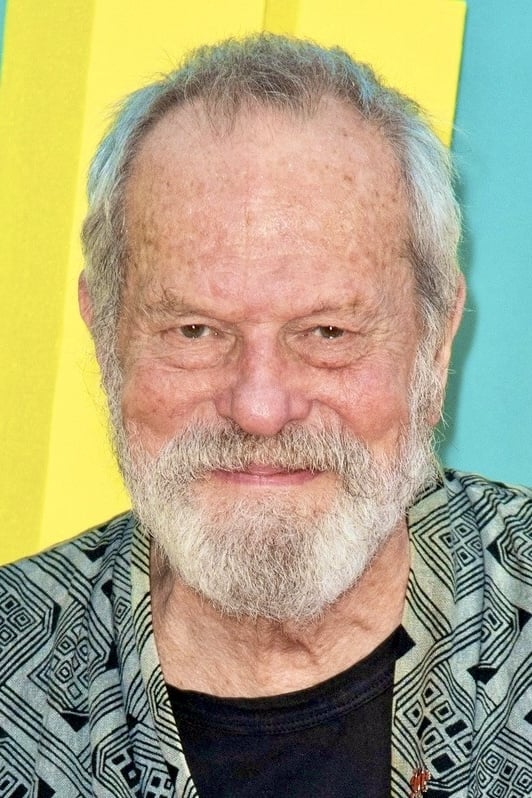
As a prominent visual artist in a famous comedy group he contributed heavily to the scripts of films like ‘Brazil’. His visual style often dictated the writing which led to disputes with traditional screenwriters over credit. On several projects he has fought for writing credits that the guild was hesitant to grant. He is known for having a singular vision that often requires him to overhaul existing scripts. His reputation as a difficult but brilliant auteur is well established in the film industry.
Terry Jones
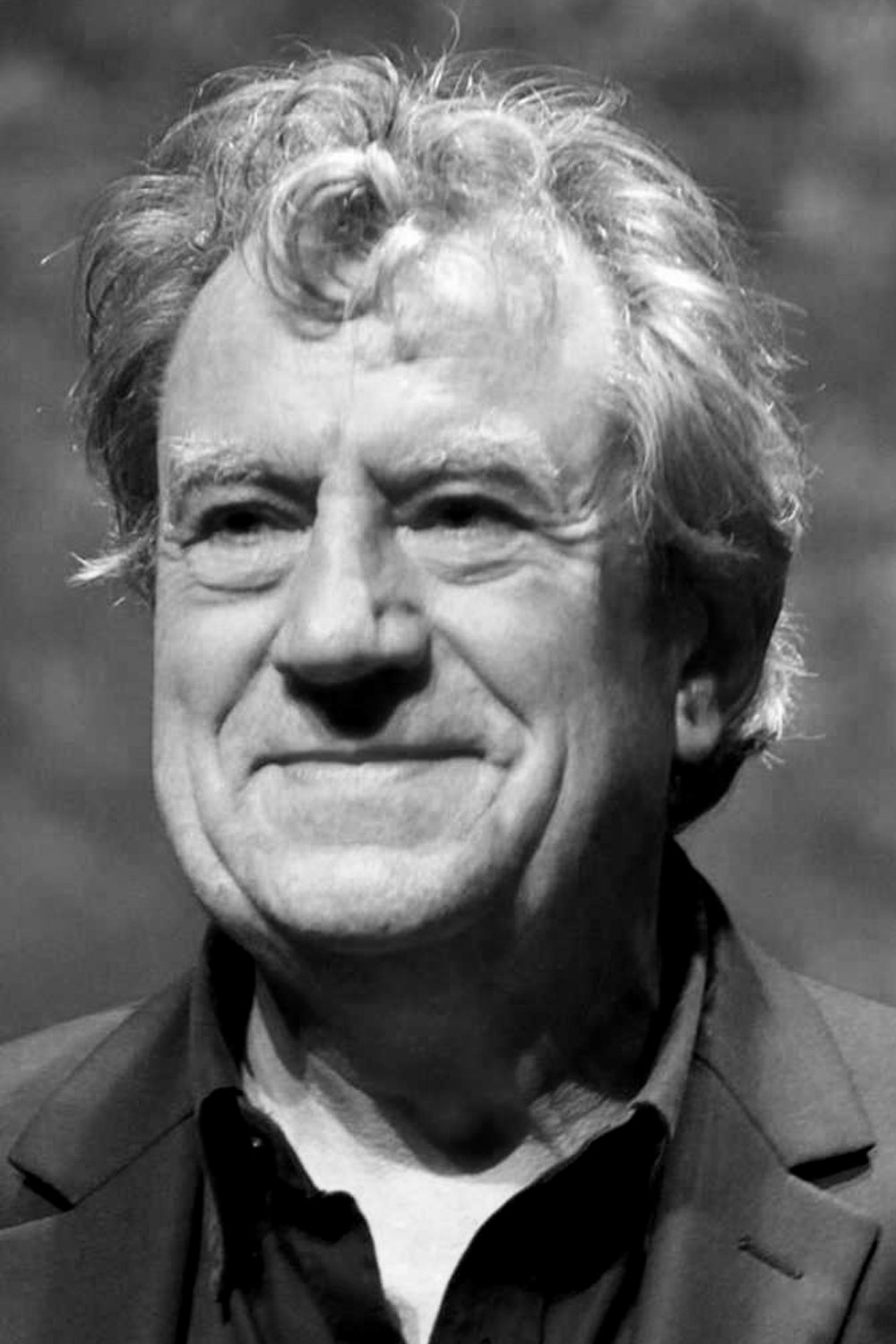
He co-directed several major comedy films and directed others while being a primary writer for all of them. His interest in history and structure often put him at odds with the more sketch oriented members of the group. He felt that his role in shaping the narrative arc of the films was often undervalued in favor of individual gags. Jones was instrumental in moving his troupe from short sketches to full length feature films. He remained a dedicated writer and director until his passing.
Kevin Costner
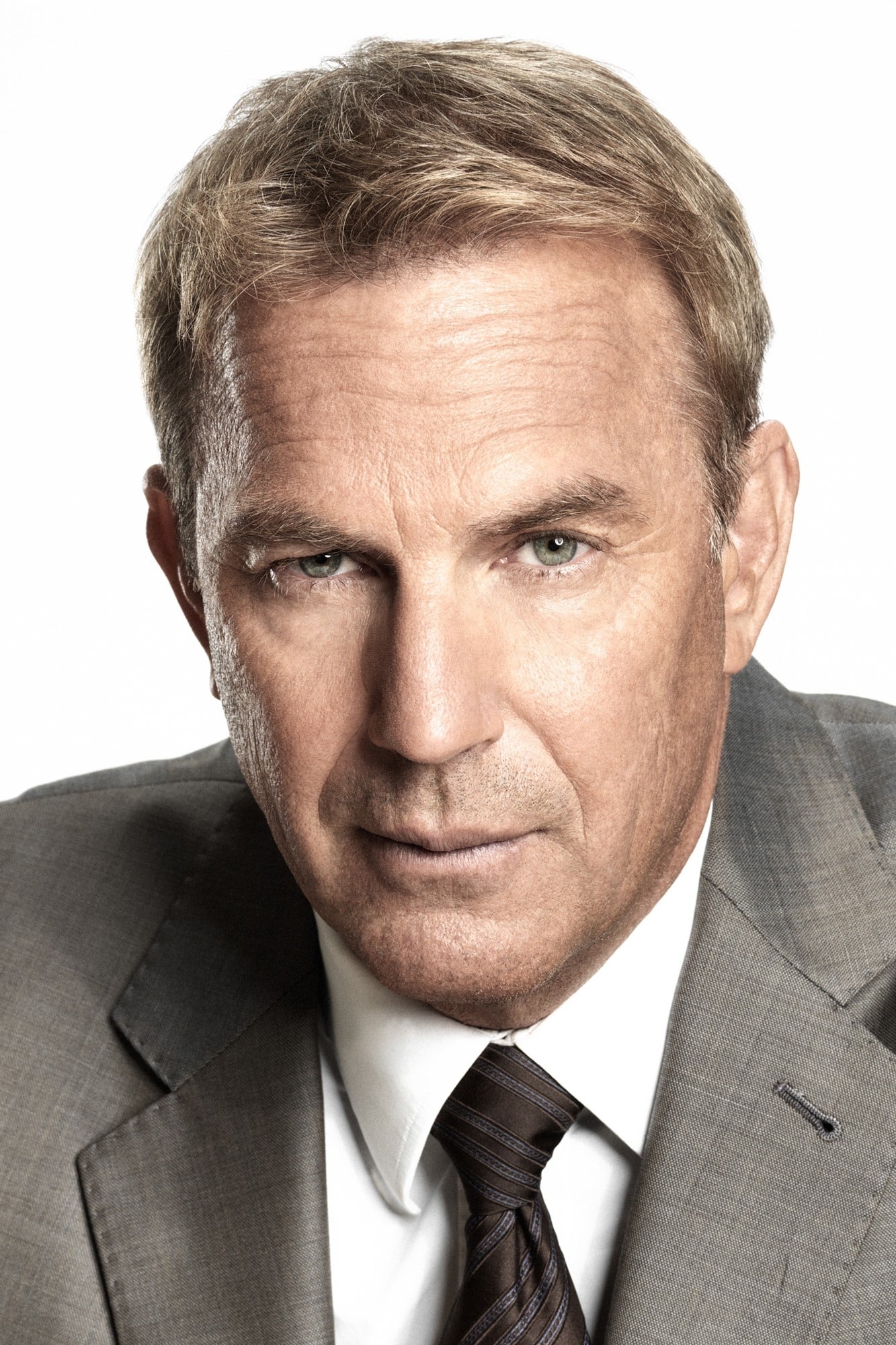
During the production of ‘Dances with Wolves’ he worked closely with the original writer to ensure the script met his vision. Costner’s influence was so great that many saw him as the true architect of the story’s emotional beats. He has a history of demanding significant changes to scripts once he is attached to a project as an actor. This can lead to tension with original writers who feel their scripts are being rewritten to serve his star persona. He won an award for directing but his impact on the script was equally significant.
Mel Gibson
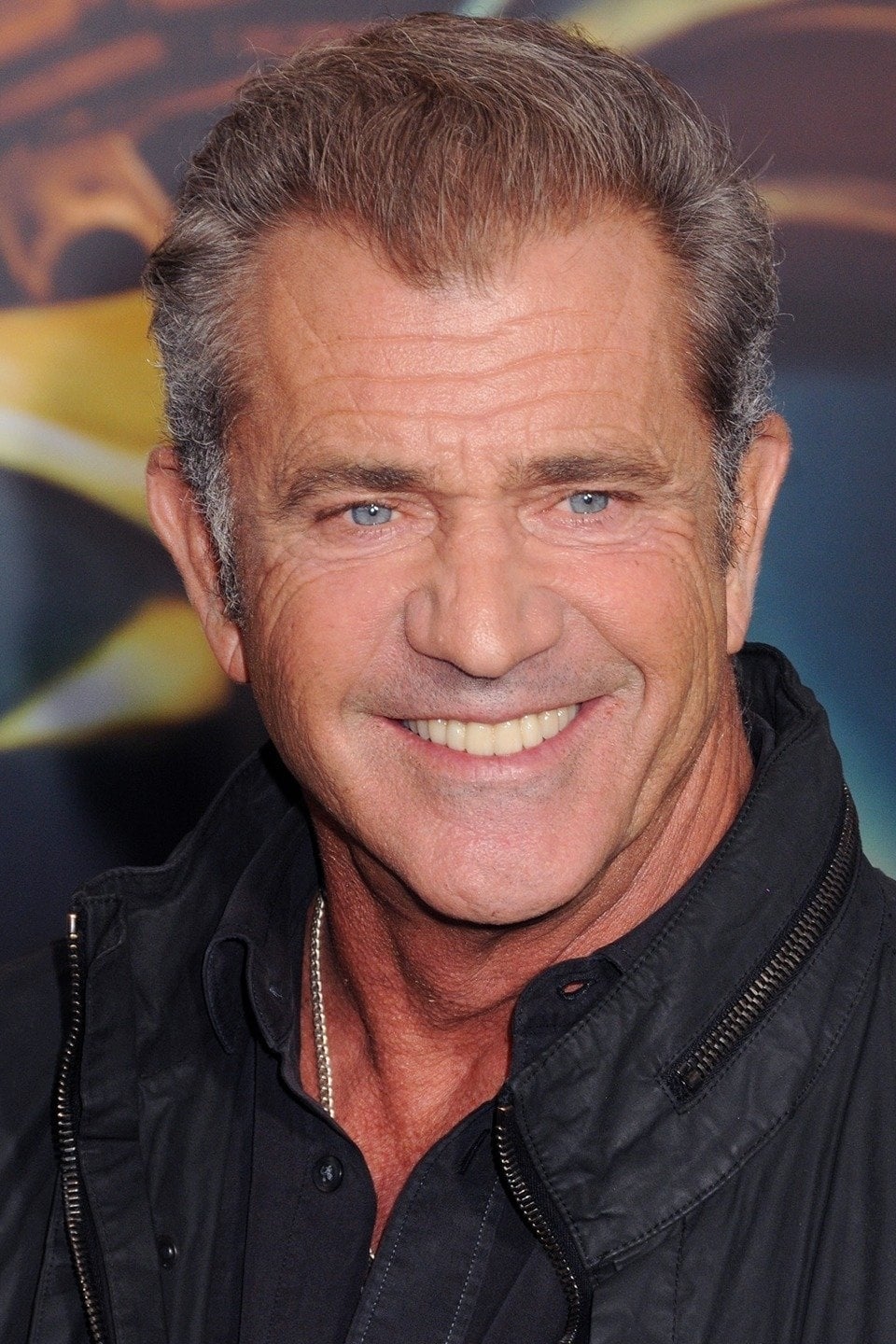
He took a very hands on approach to the script for ‘Braveheart’ which led to some historical inaccuracies for the sake of drama. The initial writer provided the script but Gibson’s revisions on set were extensive. The film’s success was largely attributed to Gibson’s direction and performance which pushed the writer’s role into the background. He has continued this practice on various films where he served as a primary writer. His creative control is a defining feature of his work as a filmmaker.
Clint Eastwood
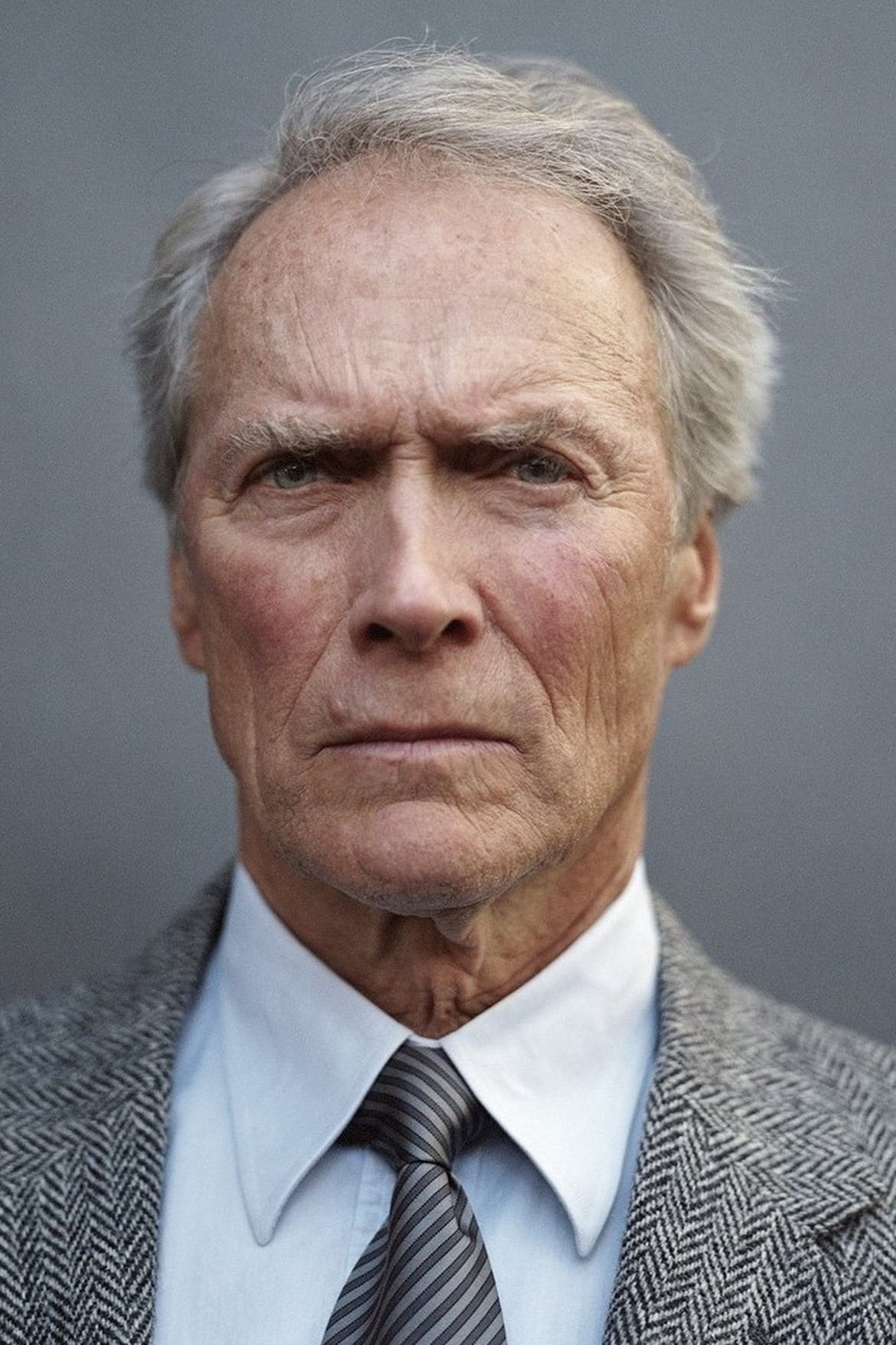
He is known for a efficient directing style and for making very few changes to the scripts he chooses. However he often works with a small circle of writers who understand his specific requirements for a character. On ‘Unforgiven’ he held onto the script for years until he felt he was the right age to play the role. His influence on the final product is so strong that the writers’ individual voices are often subsumed by his personal style. He remains one of the most respected and powerful figures in Hollywood history.
Robert De Niro
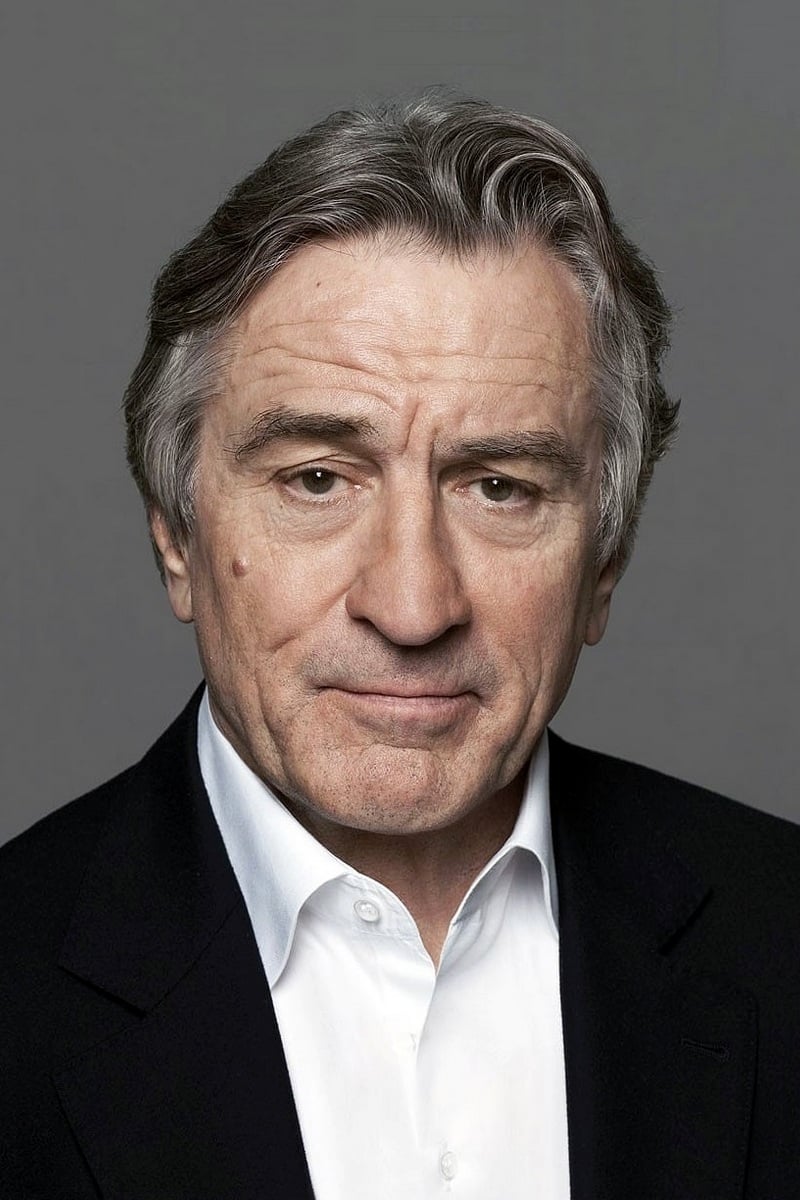
He is known for his intense character work which often involves him rewriting his own dialogue and scenes. On the set of ‘The Irishman’ he worked closely with the director and screenwriter to refine the script over many years. This collaborative process often means that the line between the actor’s input and the writer’s work becomes blurred. De Niro’s status allows him to have a level of influence that most actors never achieve. He is frequently credited with providing the emotional core of the scripts he performs.
Dustin Hoffman
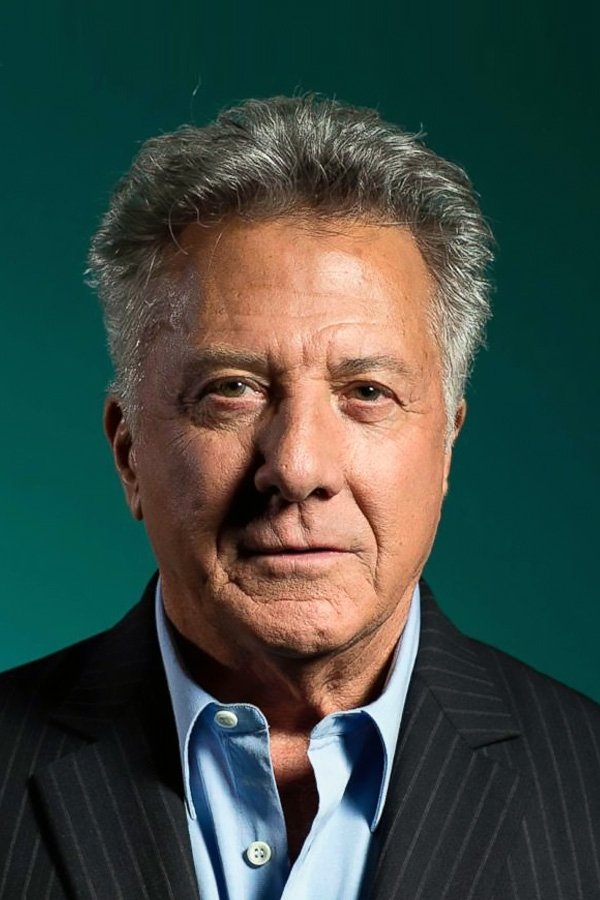
He famously clashed with writers and directors over the scripts for films like ‘Rain Man’ and others. He would often bring in his own writers to rework his scenes or spend hours debating specific lines of dialogue. This perfectionism led to a reputation for being difficult to work with but also for producing great performances. Many writers felt that their original visions were lost in the process of accommodating his demands. He has always defended his right to have a say in the material he brings to life.
Al Pacino
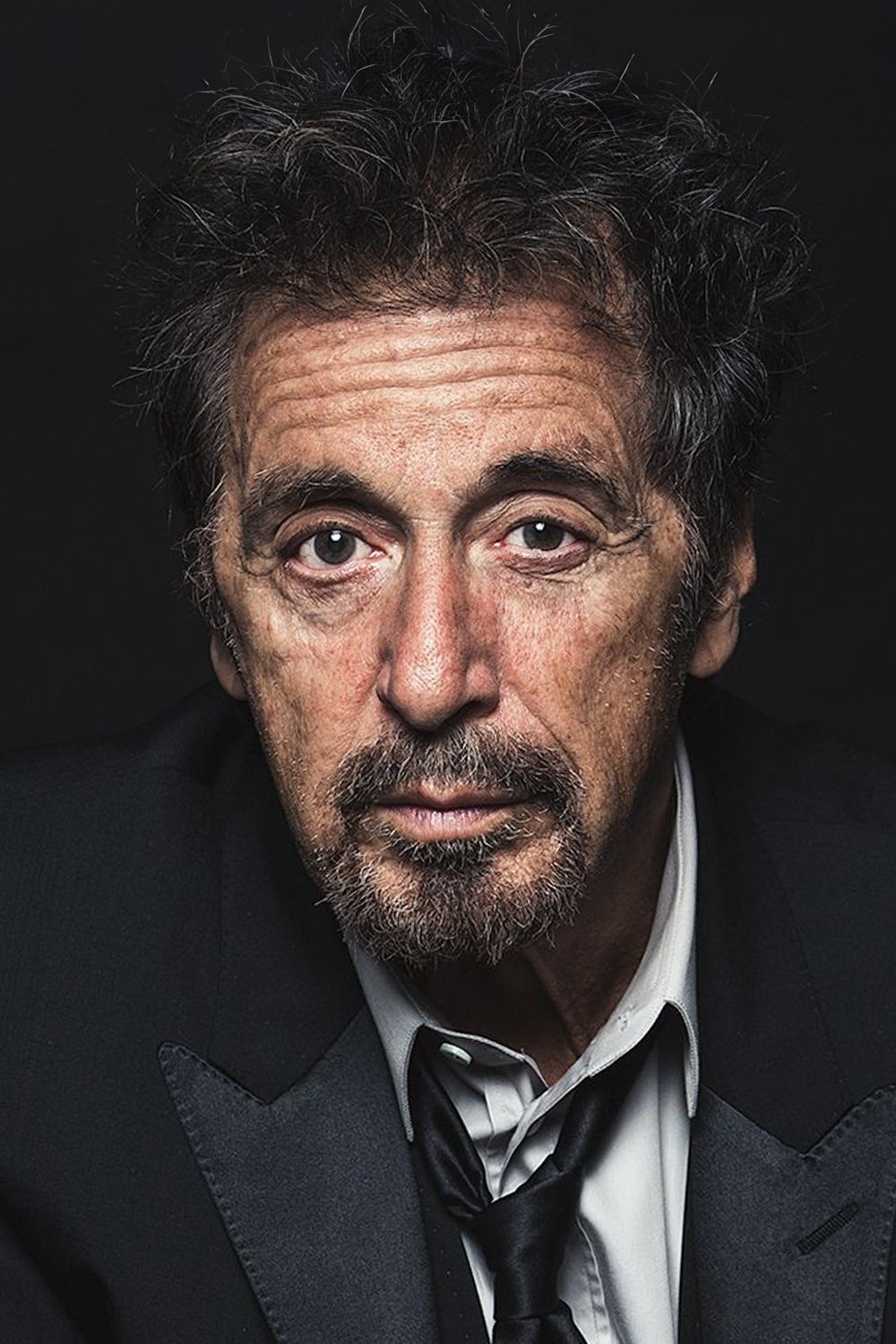
Like many of his contemporaries he has a significant influence on the scripts of his later films. He often requests changes to dialogue to better suit his theatrical style of acting. This can lead to friction with screenwriters who want to maintain the integrity of their original prose. Pacino’s performance style is so dominant that the writing often has to be adjusted to fit his energy. He remains a legendary figure whose creative input is both sought after and feared by writers.
Marlon Brando
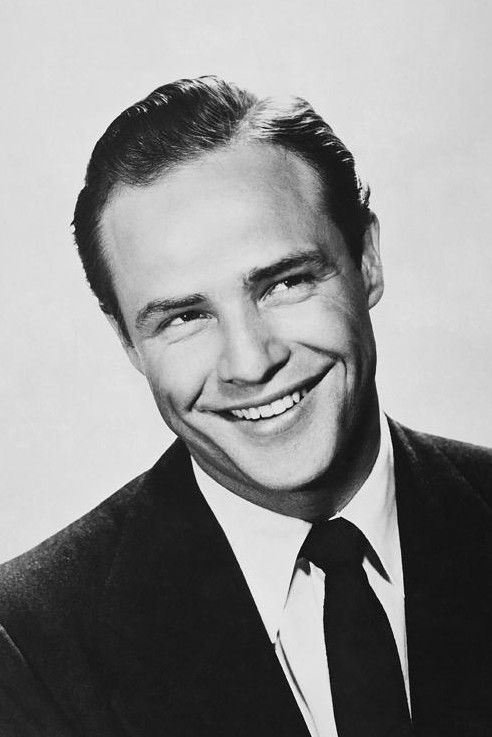
He was notorious for ignoring scripts entirely and improvising his scenes which forced writers to adapt around him. On the film ‘One Eyed Jacks’ he took over as director and significantly altered the screenplay from its original form. His refusal to follow the written word led to many disputes with screenwriters throughout his career. They often felt that their hard work was being discarded in favor of his erratic and unpredictable choices. Brando’s legacy is one of a performer who completely redefined the relationship between actor and script.
Kirk Douglas
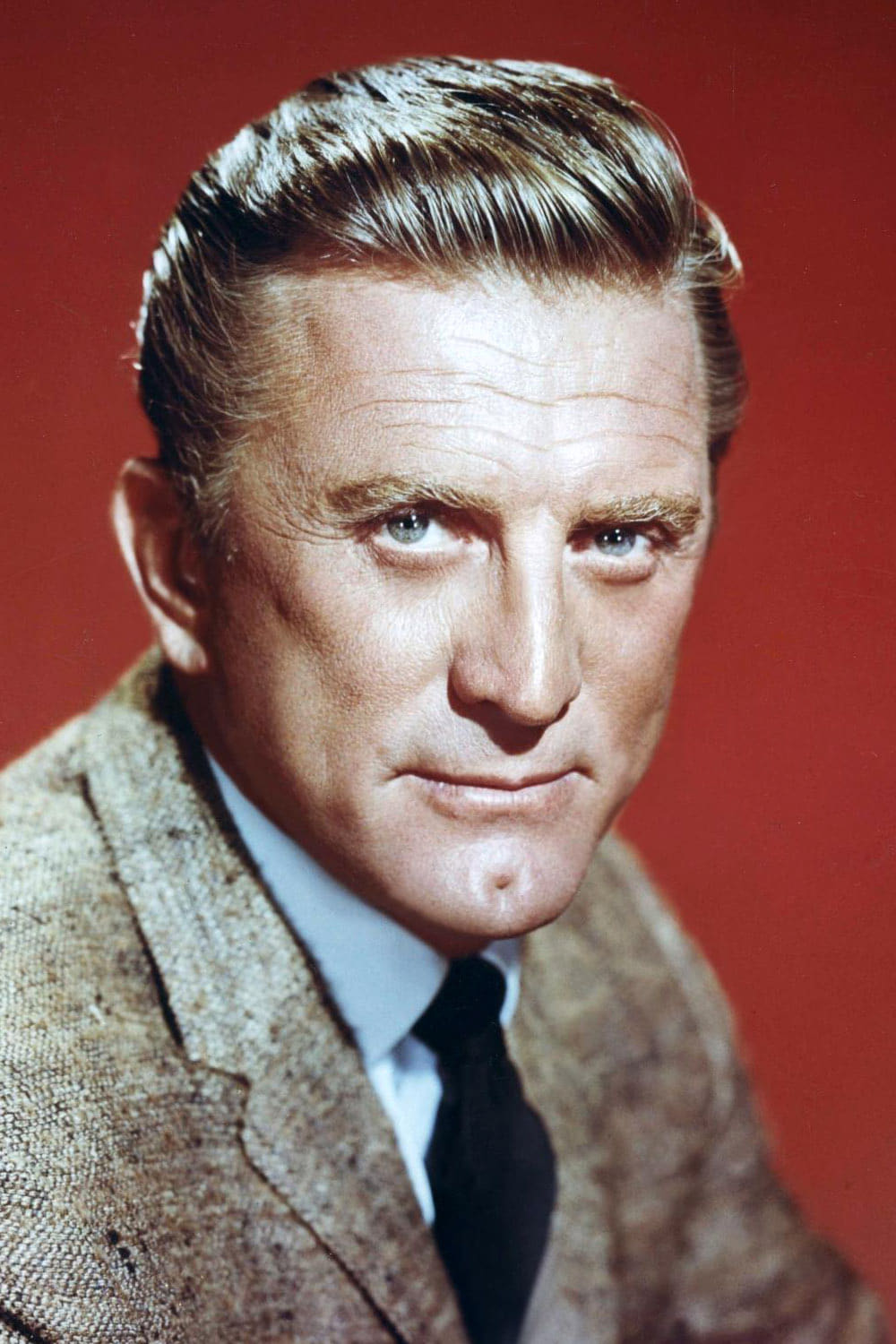
He was a powerful actor producer who used his own company to control every aspect of his films. On ‘Spartacus’ he famously changed directors and worked closely with the screenwriter on the script. While he is credited with helping to end professional blacklists he also exerted immense pressure on the writing process. His desire to be the center of the story often meant that other characters and subplots were minimized. He was one of the first actors to truly understand the power of controlling the screenplay.
John Wayne
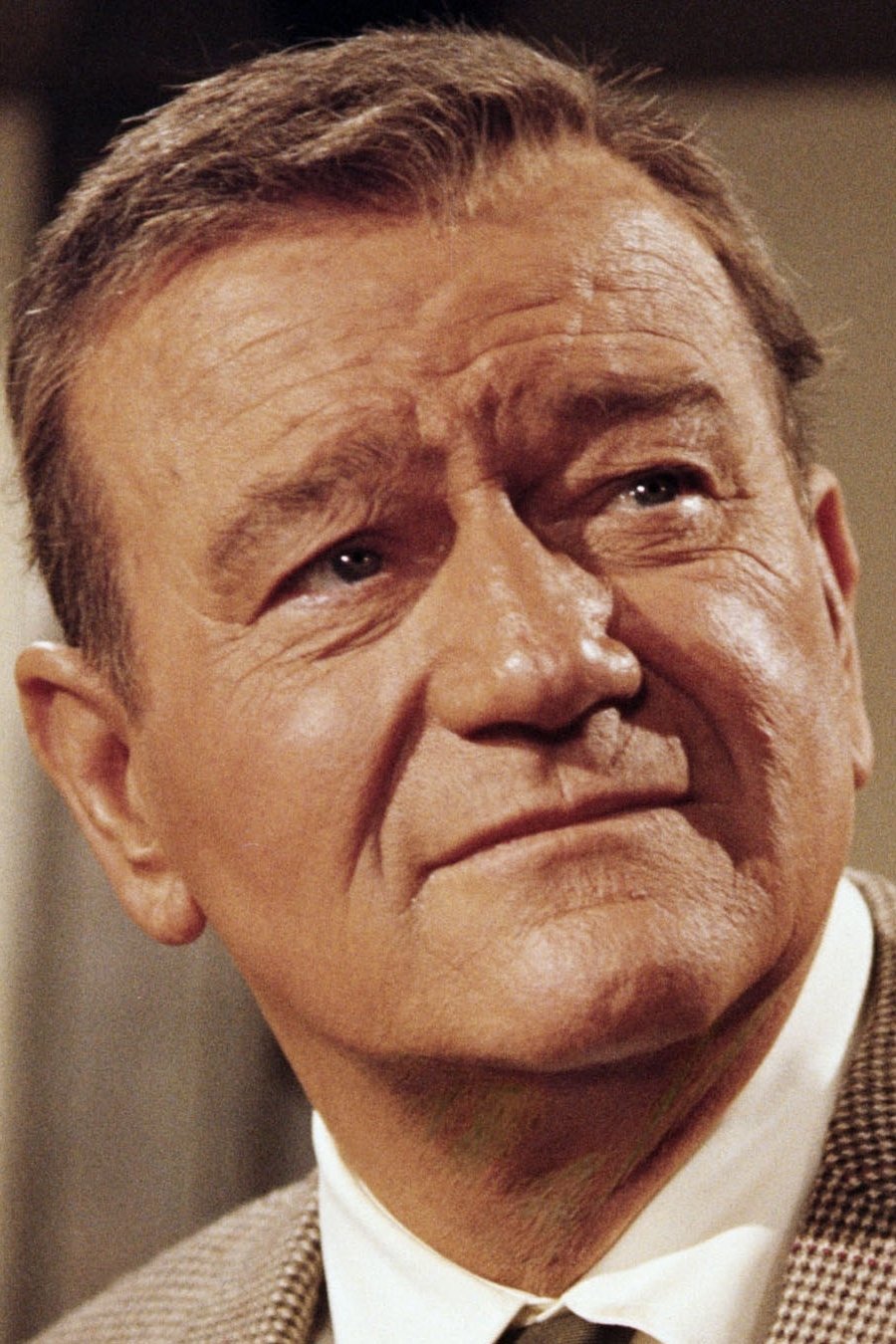
He was deeply involved in the writing and political messaging of his films particularly those he directed. He worked with a specific writer for decades to create a unique image of the American hero. This partnership was so close that it was often difficult to tell where the actor’s ideas ended and the writer’s work began. Many critics felt that Wayne used his writers to push his own personal and political agendas. He remains an icon of a bygone era of total star control over the narrative.
Roberto Benigni
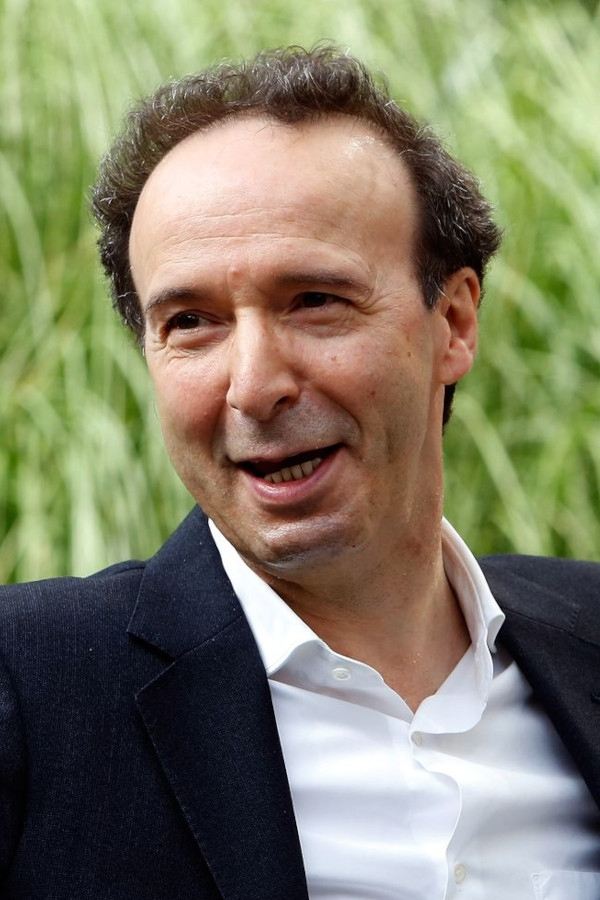
The production of ‘Life is Beautiful’ was a collaborative effort between him and his longtime writing partner. While Benigni is the face of the film the structural genius of the screenplay was a shared achievement. Some critics felt that Benigni took a disproportionate amount of credit during the film’s international success. The partnership was essential to balancing the humor and tragedy of the story. He continues to be celebrated as a primary creative force in Italian cinema.
Kenneth Branagh
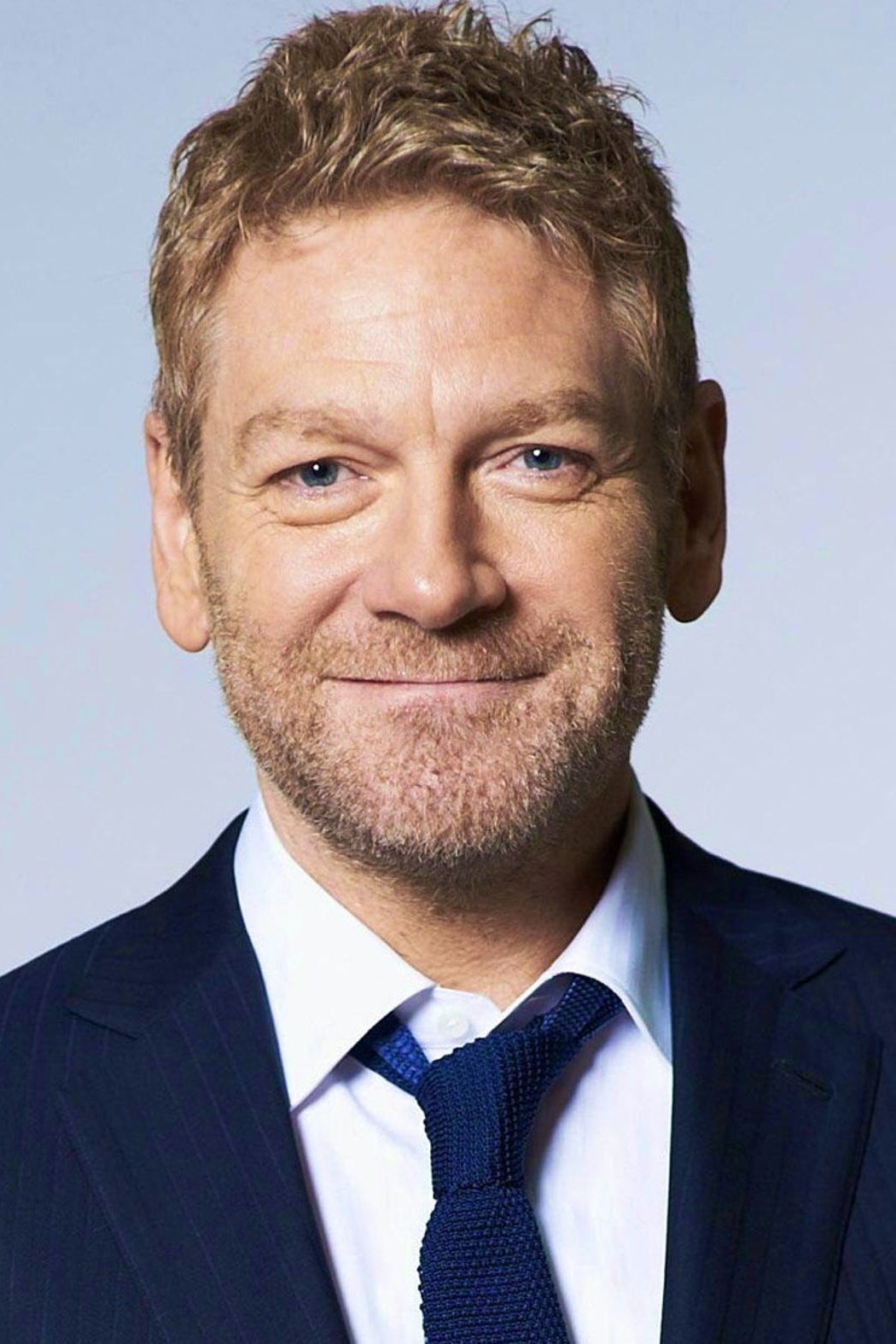
He is known for his adaptations of classic literature where he often takes the primary writing credit. Some scholars have pointed out that his scripts lean heavily on existing translations and previous adaptations without always giving full credit. Branagh’s goal is often to make these stories more accessible to a modern audience through his specific vision. This can lead to a marginalization of the historical and academic research that informs the scripts. He remains a major figure in the world of high end literary adaptations.
Mel Brooks
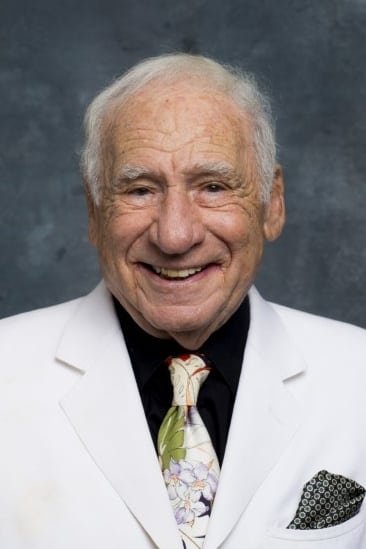
The creation of ‘Young Frankenstein’ involved a complex partnership between him and lead actor Gene Wilder. While both are credited Wilder often claimed that the original idea and core characters were his unique contribution. Brooks provided the structural expertise and his signature comedic flair to the final screenplay. Some theater historians suggest that Wilder felt his role as the primary author was diluted by the director’s overwhelming public persona. The film remains a masterpiece of collaboration despite the underlying competition for creative dominance.
Larry David
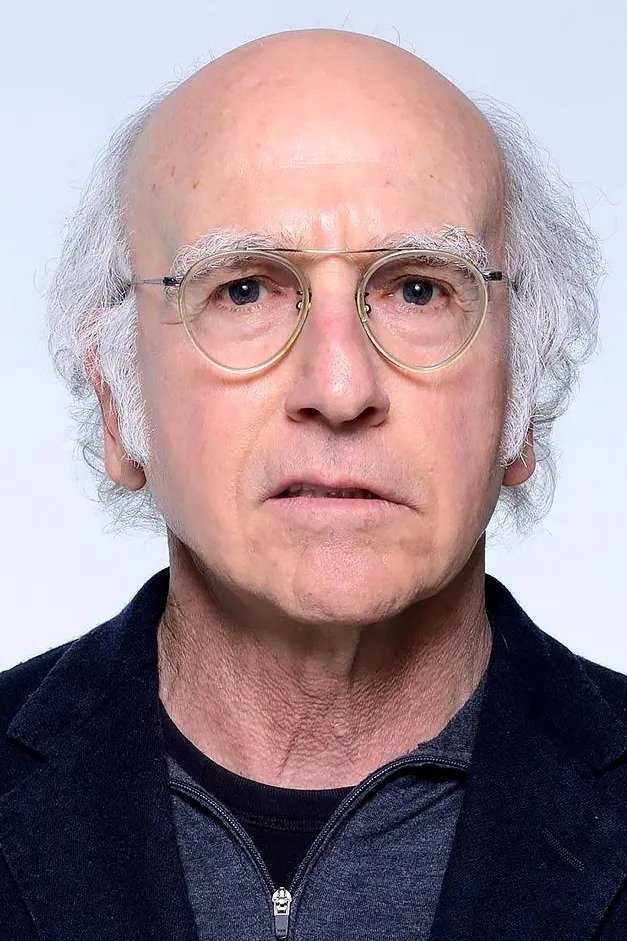
The success of his legendary sitcom was a result of a partnership that changed the face of television comedy. While he shared credit with his lead actor and a team of writers he was often seen as the singular genius behind the show’s voice. Many writers in the room felt that their contributions were filtered through his specific world view to the point of erasure. His transition to a solo series further cemented his reputation as a unique comedic auteur. He continues to influence the way television scripts are constructed and credited.
Ricky Gervais
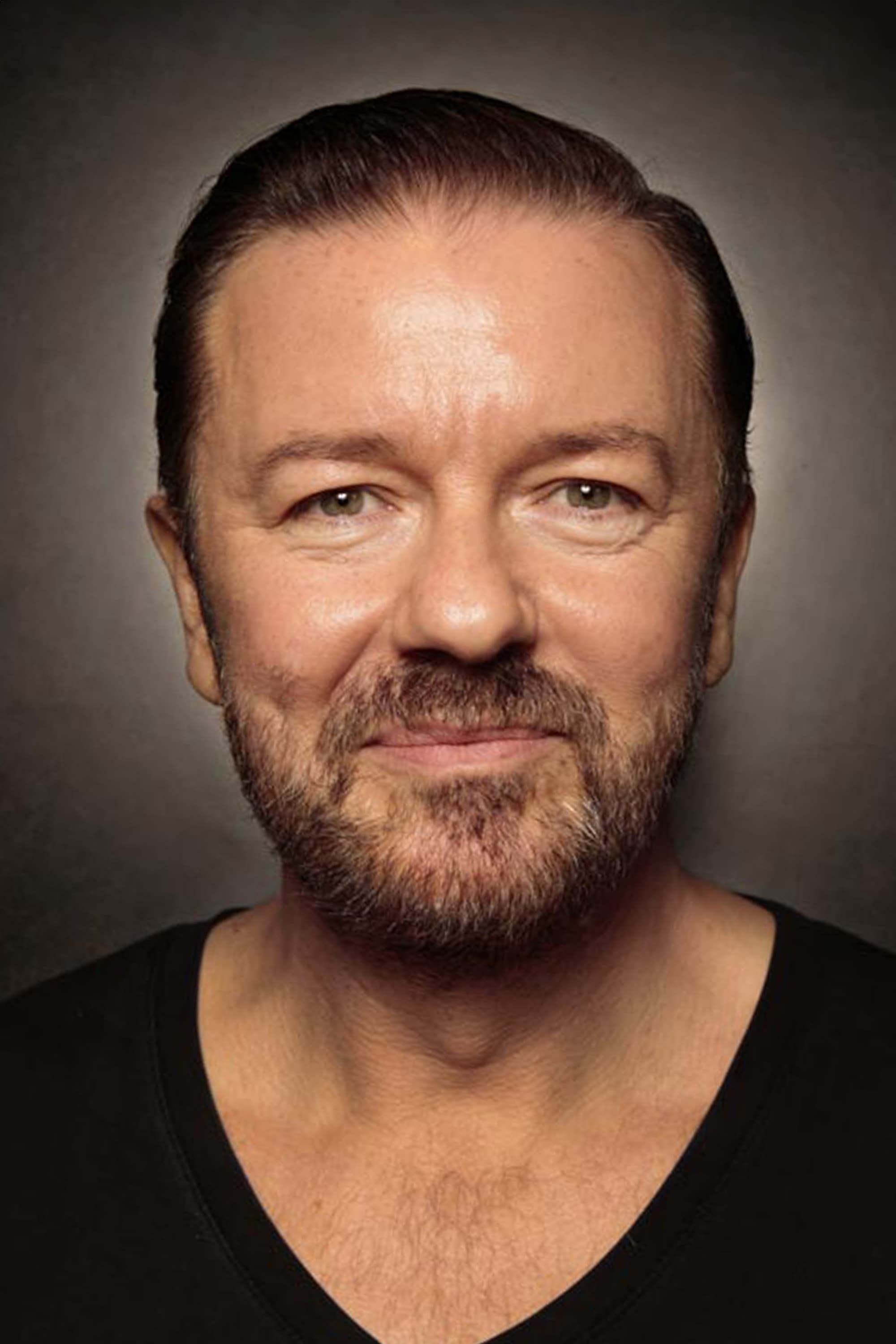
The success of his breakout television series is often attributed to his performance and writing but he worked in a tight partnership. While they share equal credit Gervais often became the public face of the show’s creative vision during interviews. His partner has occasionally hinted at the difficulties of maintaining a balanced creative partnership in the shadow of a massive star. The division of labor between the two was often invisible to the public which led to Gervais receiving the bulk of the praise. They eventually moved on to solo projects after years of shared success in the industry.
Share your thoughts on these Hollywood credit controversies in the comments.