


20 Actors Who Took Back-End Only—and Made a Fortune




Studios love predictable budgets. Actors love fair pay for the work that carries a movie. Somewhere in the middle sits the backend deal. Instead of pushing for a giant check on day one, some stars accept little to no upfront money and tie their payday to a share of ticket sales and other revenue. When the film hits, the payout can dwarf a traditional salary.
These deals can be structured in a lot of ways. Some offer a slice of gross revenue that starts counting from the very first ticket sold. Others pay out from defined profits after costs. Many include bonuses that trigger at specific box office milestones along with cuts from home entertainment, TV licensing, and merchandise. Here are twenty actors whose backend choices turned into life changing windfalls.
Jack Nicholson
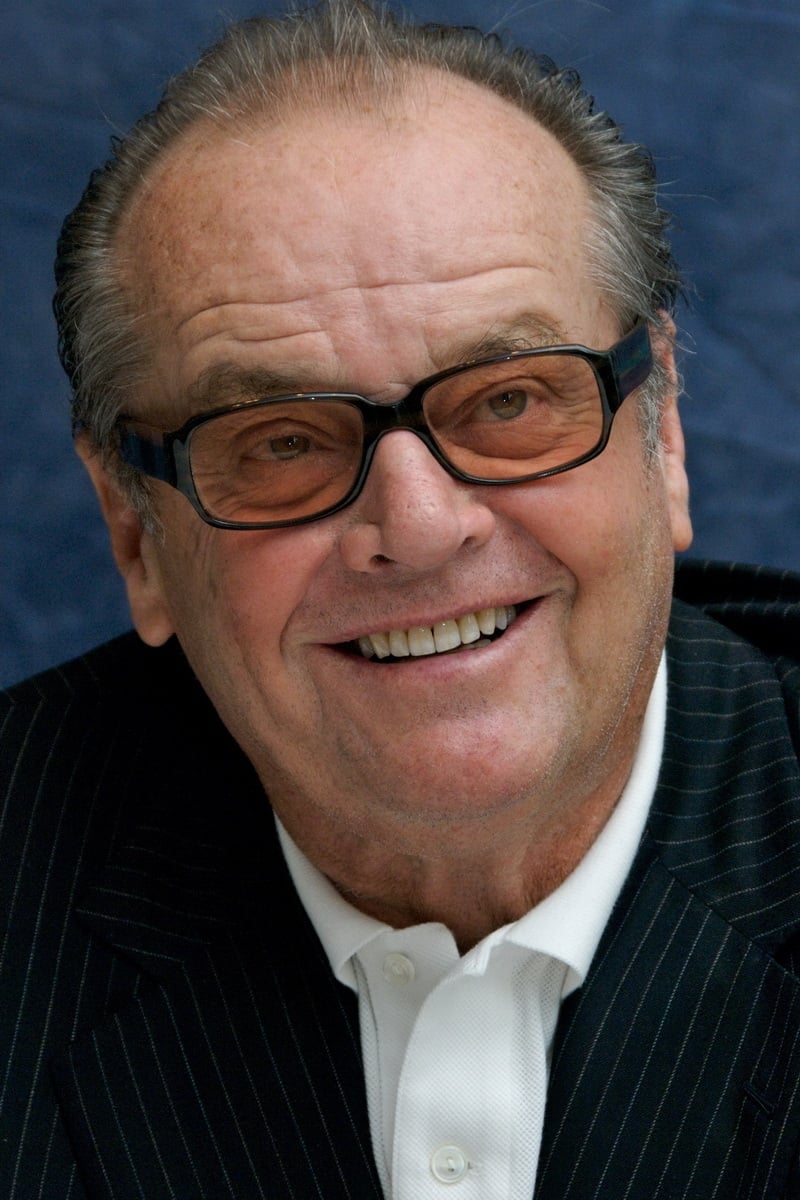
For ‘Batman’ he traded a typical salary structure for a wide slice of the take that included a percentage of gross and a piece of merchandise tied to the Joker. He also limited his shooting schedule which kept production costs down while protecting his share on the back end.
As the film became a global event his participation covered theatrical receipts along with video and licensing streams. The structure paid out for years and became a template that other A listers studied when negotiating comic book roles.
Tom Hanks
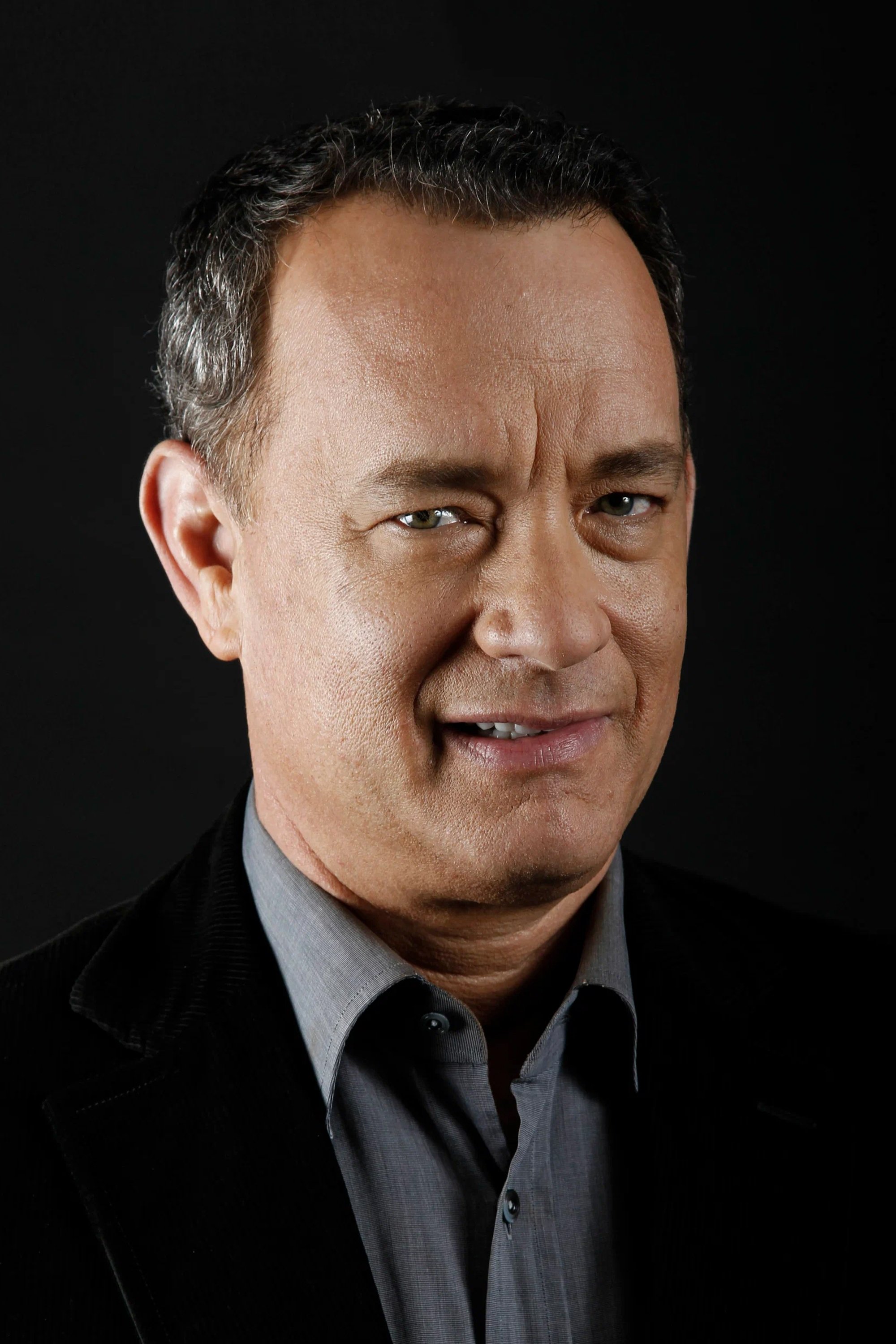
On ‘Forrest Gump’ he accepted a reduced upfront fee and tied his compensation to a share of the film’s revenues. The arrangement aligned him with the studio on marketing and awards windows because better performance directly boosted his pay.
When the film expanded worldwide his points applied to theatrical income and ancillary markets. VHS and TV deals were especially important at the time and the contract allowed his earnings to grow well beyond what a standard quote would have delivered.
Keanu Reeves
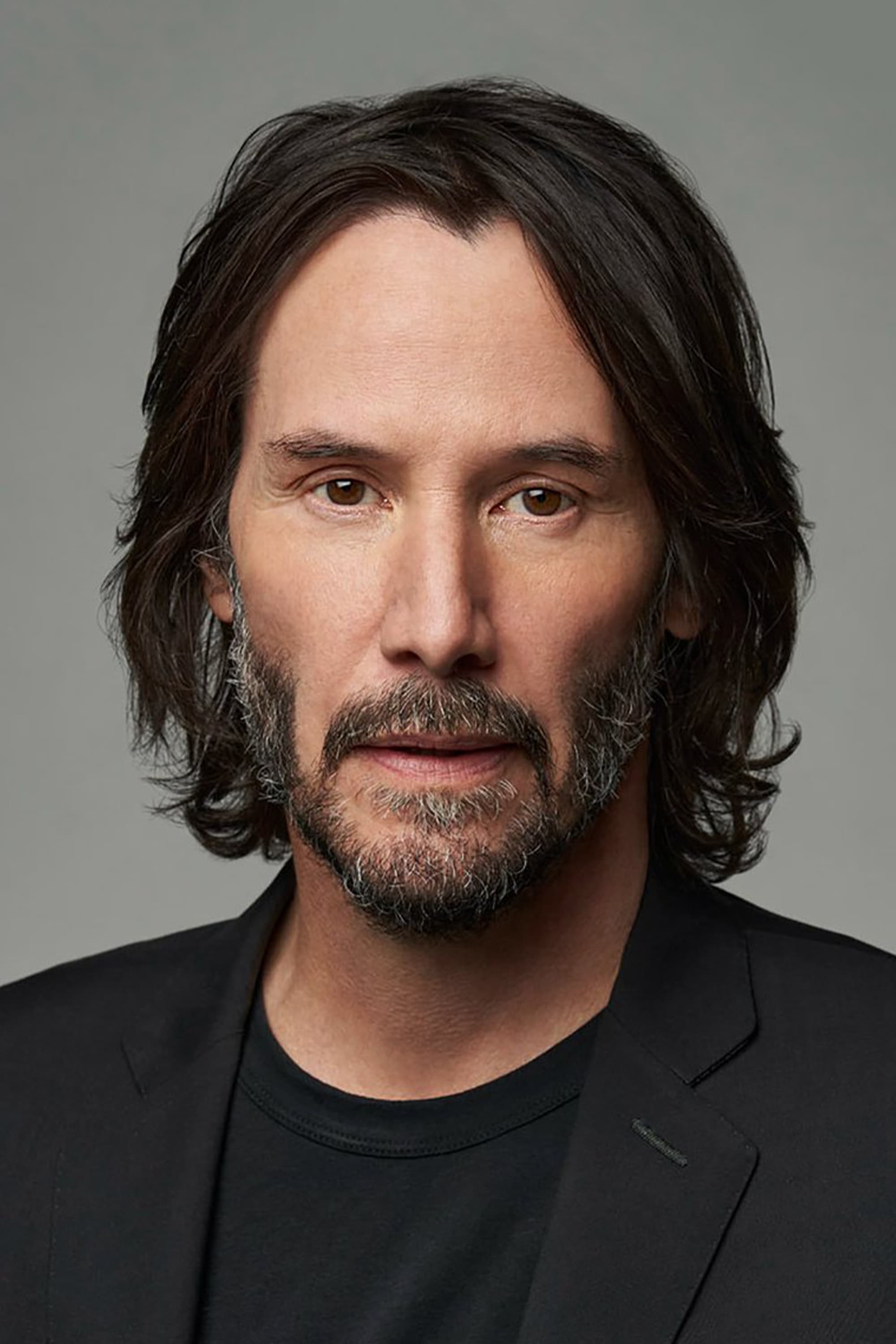
For the ‘The Matrix’ trilogy he took significant backend participation rather than pushing only for salary. The deal covered multiple films with points that scaled as the series grew.
Home video and television licensing were massive drivers for these movies and his contract captured value across those channels. The structure paid out over many years as each new format or reissue reached audiences.
Sandra Bullock

For ‘Gravity’ she negotiated a modest upfront payment combined with a robust share of gross receipts. She also had box office bonuses that kicked in at defined milestones.
Because the film performed strongly in premium formats her percentage of gross delivered unusually high returns. Her agreement extended to downstream revenue which kept checks coming from digital sales and TV licensing.
Robert Downey Jr.
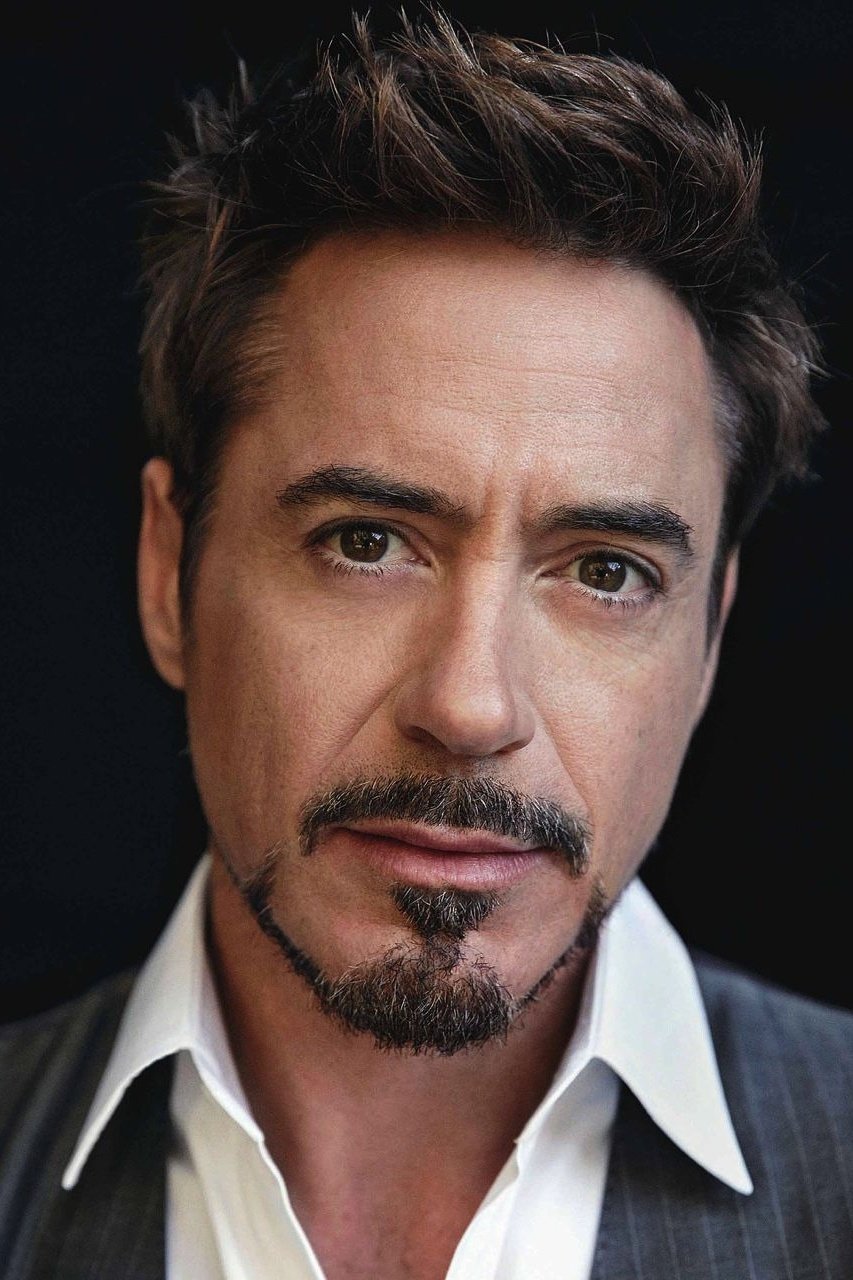
For the ensemble run that began with ‘The Avengers’ he set a compensation model that blended a base fee with meaningful participation in worldwide revenue. His points escalated with sequels and crossovers.
His agreements recognized the value of franchise building. The contracts accounted for performance across multiple territories and platforms which turned strong opening weekends into sustained backend income as films traveled through home entertainment and streaming windows.
Tom Cruise
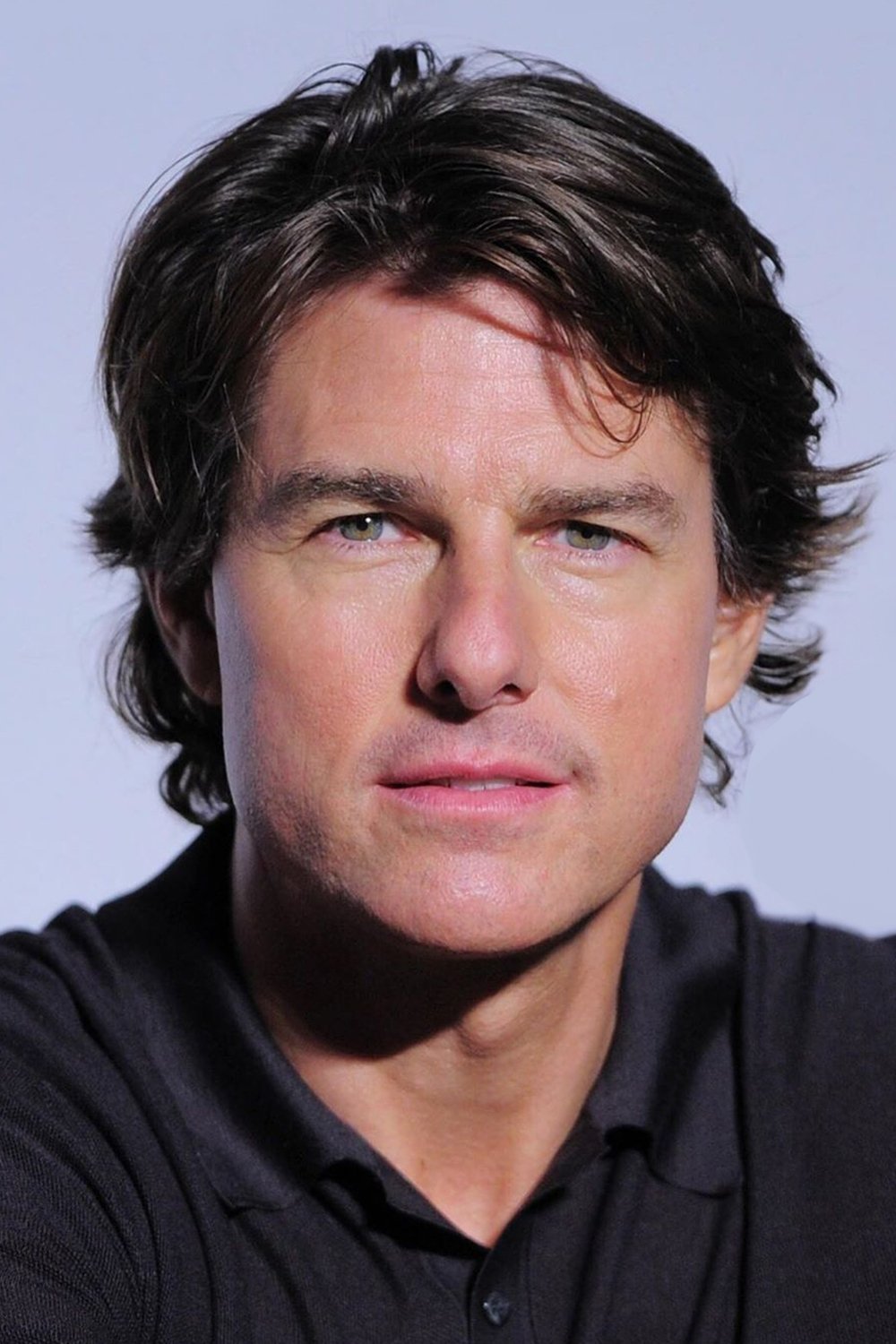
He is known for first dollar gross participation on franchises like ‘Mission Impossible’ and later ‘Top Gun: Maverick’. Instead of leaning on the largest possible salary he secures a percentage that starts paying as soon as tickets sell.
Those points are amplified by premium large format performance and long theatrical legs. Because his deals often include producer participation he benefits from multiple revenue streams including TV and digital sales.
Bruce Willis
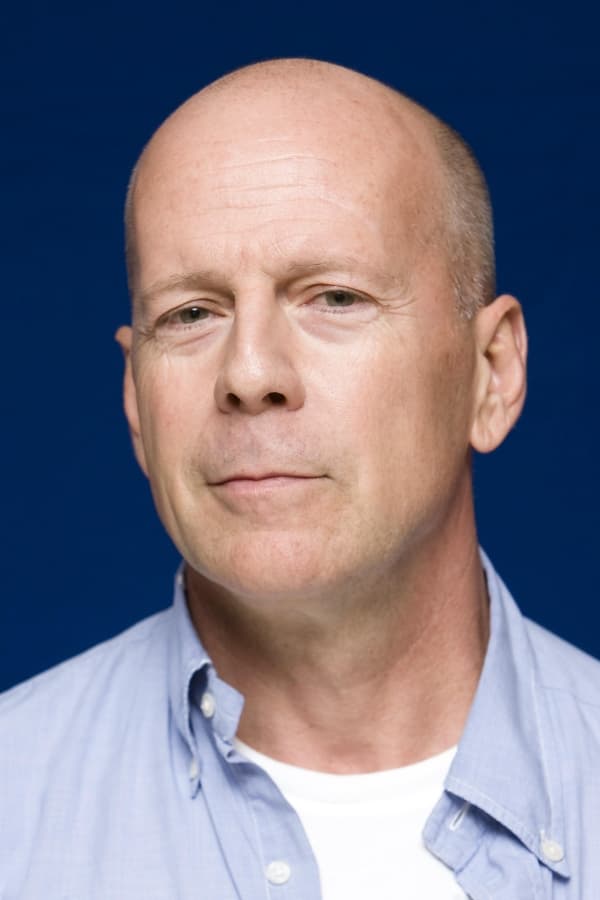
On ‘The Sixth Sense’ he took a lower upfront number tied to a share of gross and bonuses for hitting box office thresholds. The structure rewarded him quickly because the payout was not limited to net profits.
The film turned into a sleeper phenomenon with strong word of mouth and a long run. That longevity mattered because his participation kept paying across weeks of steady sales and later through home video.
Alec Guinness
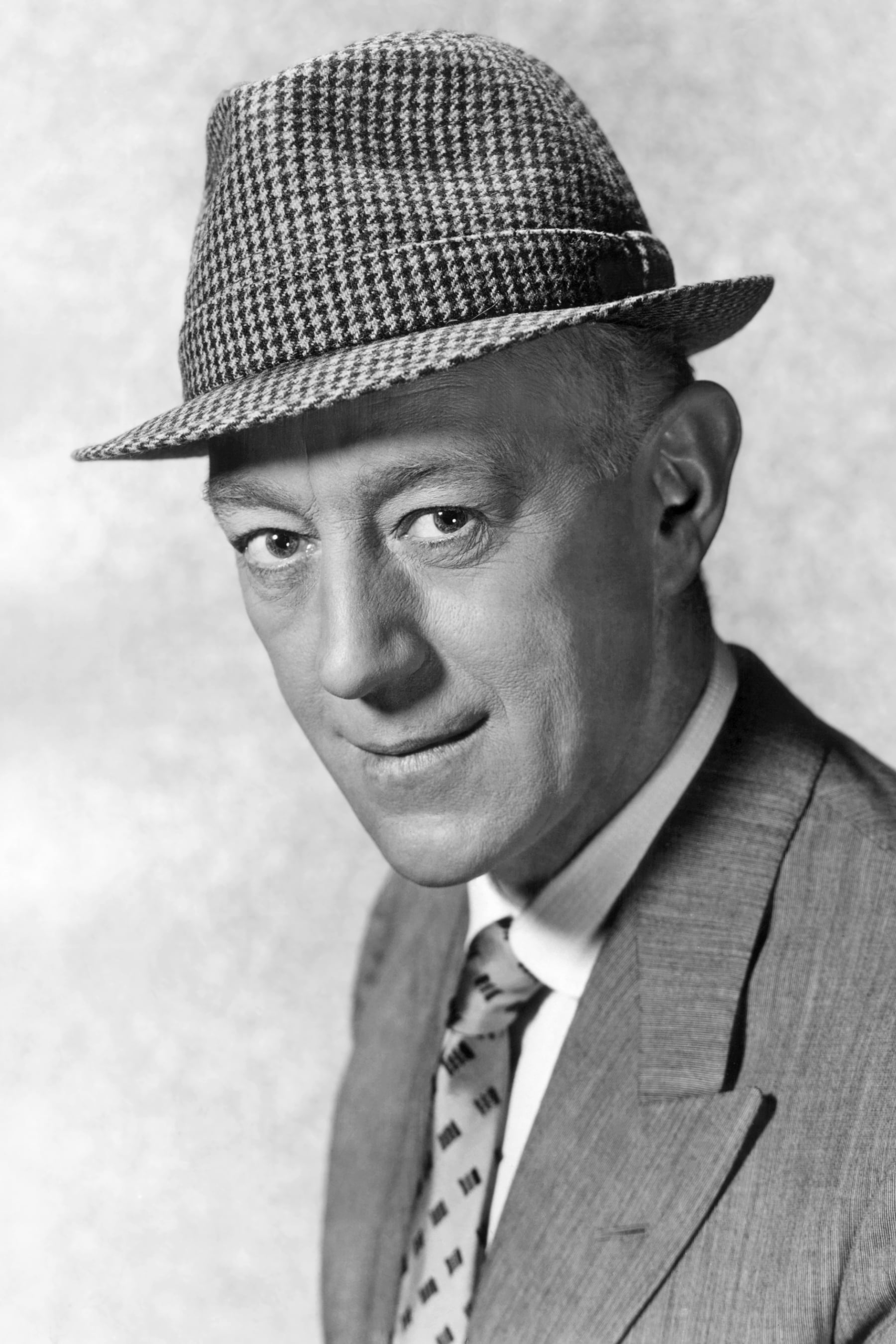
For ‘Star Wars’ he accepted a smaller fee and secured a percentage of the film’s takings. The agreement was unusual at the time for a supporting performance and it included participation in sequels and re releases.
Merchandise and home video reshaped the economics of the franchise. His contract captured that growth which turned a modest upfront into decades of residual income tied to continuing demand.
Cameron Diaz

With ‘Bad Teacher’ she chose a small upfront payment and negotiated a healthy slice of the film’s revenue. The move traded immediate cash for a potential multiple of her usual quote.
The R rated comedy delivered a strong multiple on its budget which made the backend incredibly valuable. International play and home entertainment added to the pot and pushed her total far beyond a standard paycheck.
Jim Carrey
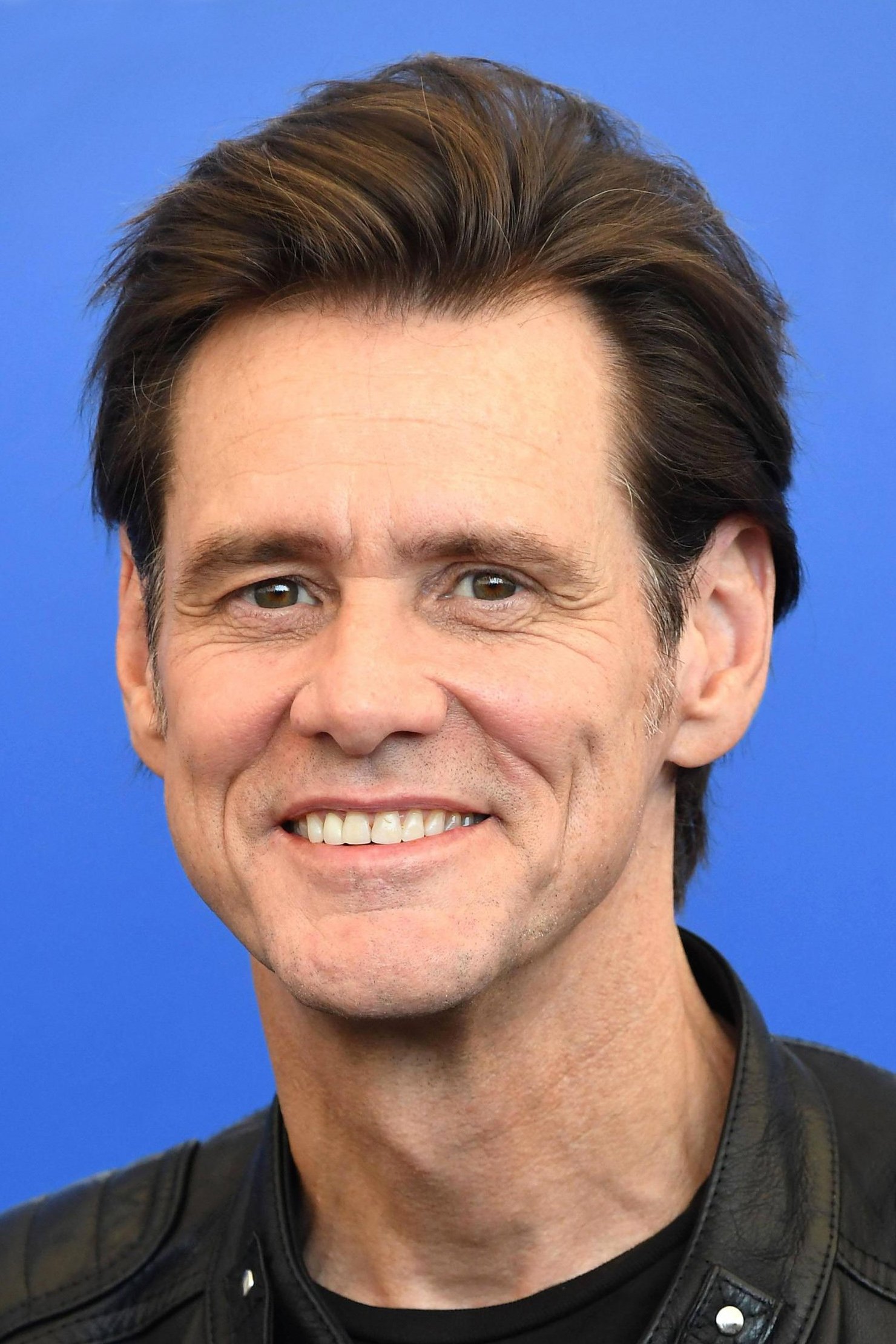
For ‘Yes Man’ he famously opted for no upfront salary in exchange for a large percentage of first dollar gross plus bonuses. That meant his payday moved in step with the box office from day one.
The film’s worldwide performance and healthy home video sales turned the gamble into a win. Because the percentage applied before costs his checks arrived quickly and accumulated as the movie cycled through additional markets.
Johnny Depp
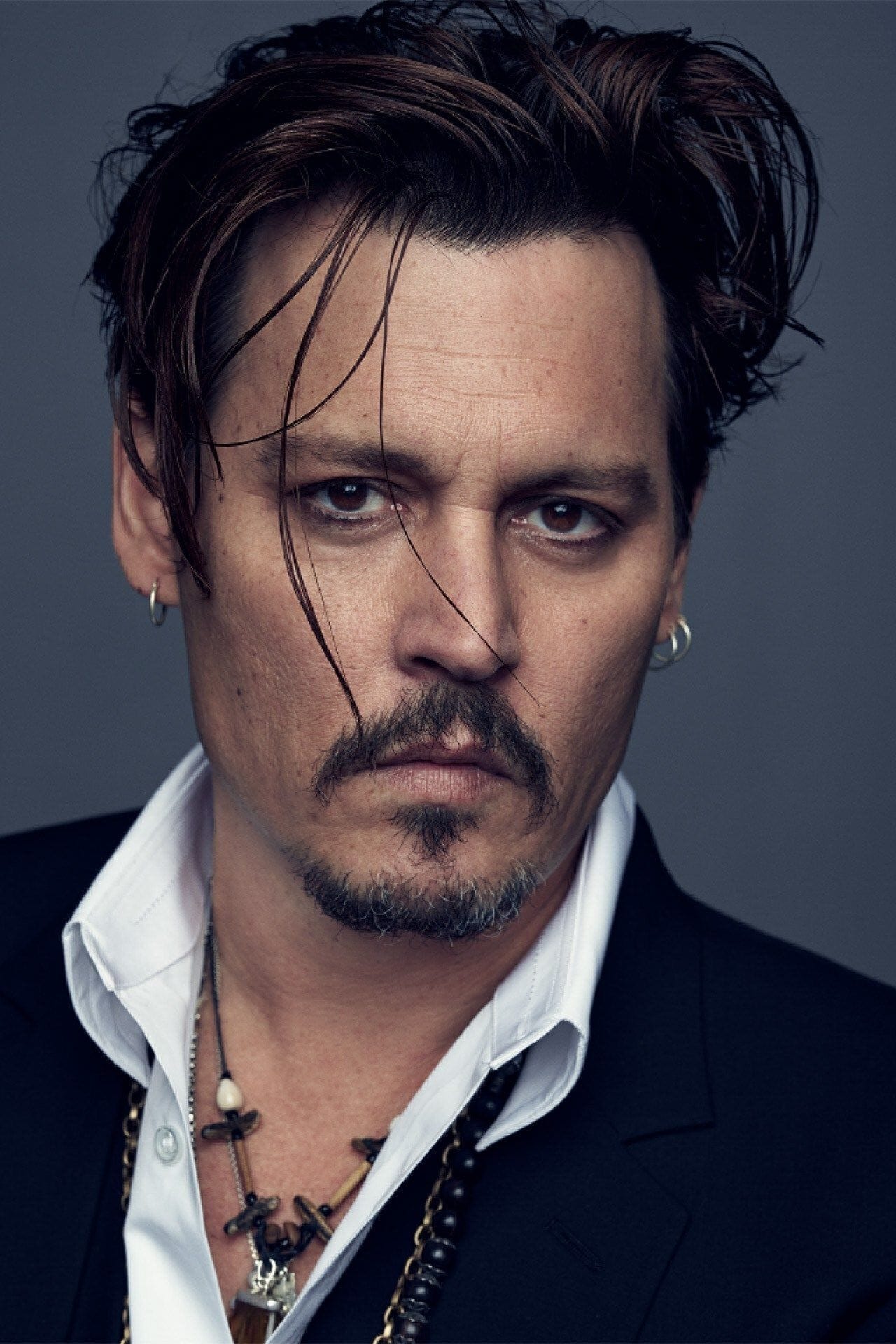
On hits like ‘Pirates of the Caribbean’ and ‘Alice in Wonderland’ he tied compensation to the films’ outsized global performance. The packages mixed base pay with big participation and milestone bonuses.
Those titles produced huge merchandising and park synergies which lifted licensing and downstream revenue. His contracts were designed to capture pieces of that value so results from beyond theaters flowed to him as well.
Leonardo DiCaprio
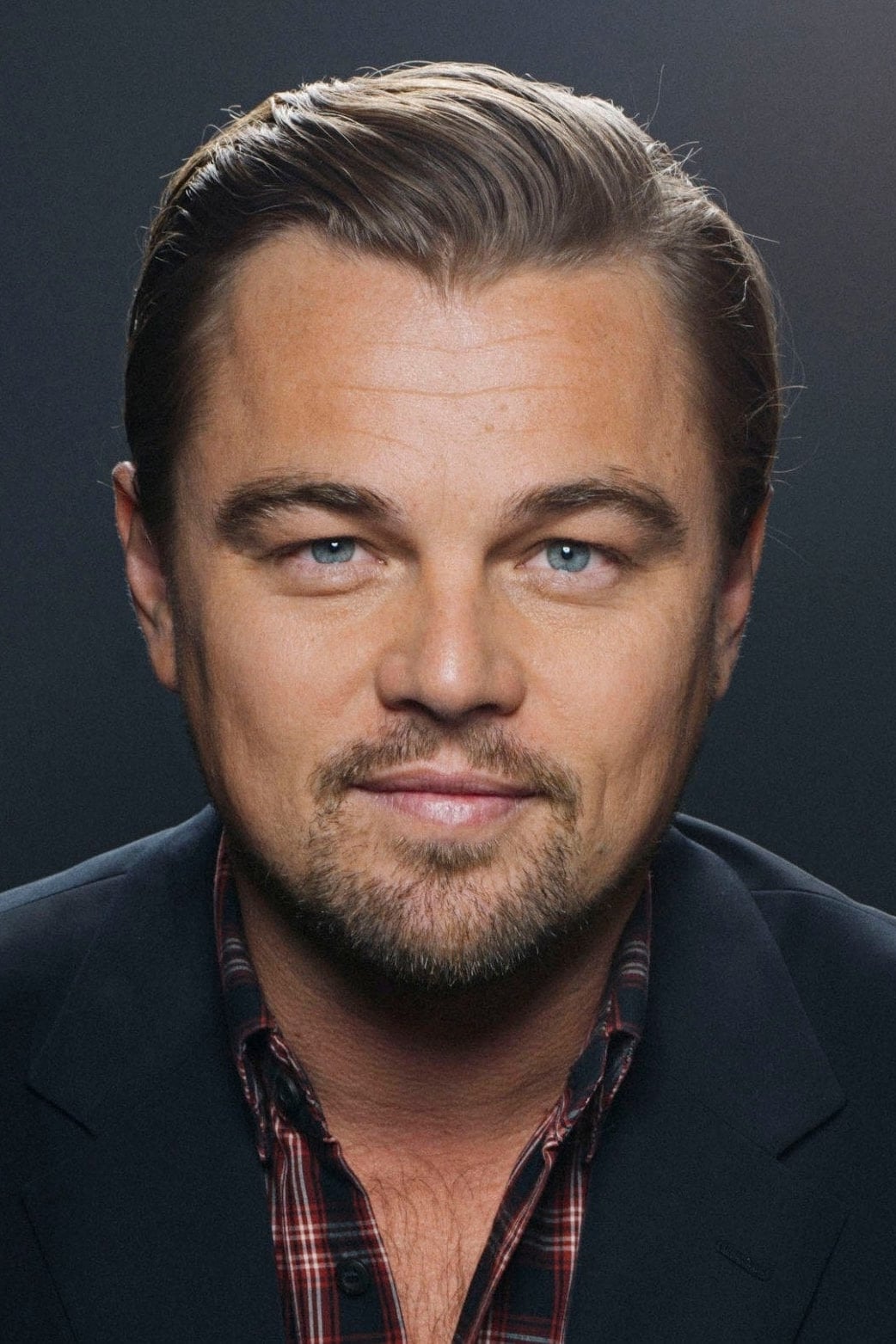
For ‘Inception’ he reworked his compensation to include a meaningful share of revenues in place of a higher salary. The structure aligned his upside with the film’s international run and premium format strength.
The movie outperformed expectations worldwide and had long legs in home entertainment. Because his points covered multiple revenue streams the total accumulated well beyond a standard fee for an original tentpole.
Harrison Ford
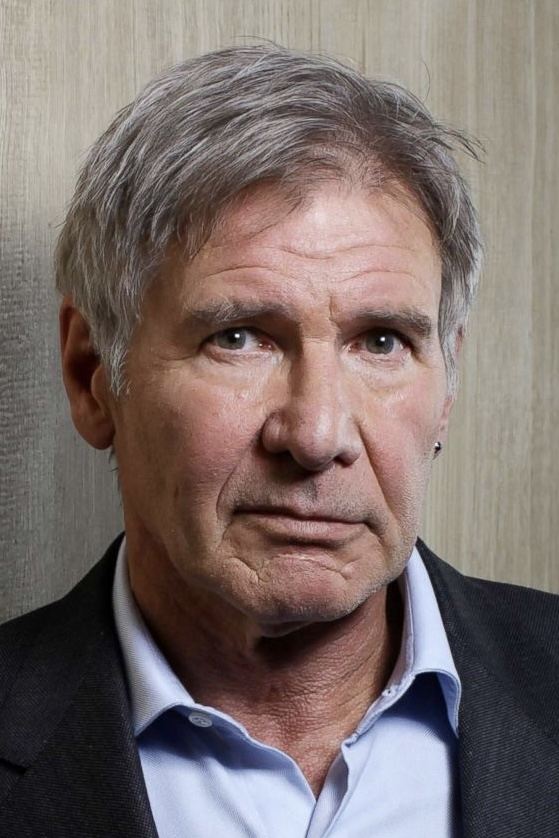
For ‘Indiana Jones and the Kingdom of the Crystal Skull’ he secured a large share of the take alongside the key creatives. The agreement balanced a significant but not extreme upfront with rich participation.
His backend covered theatrical and ancillary markets. As the film crossed major global milestones his share rose accordingly which delivered one of the biggest single film paydays of his career.
Will Smith
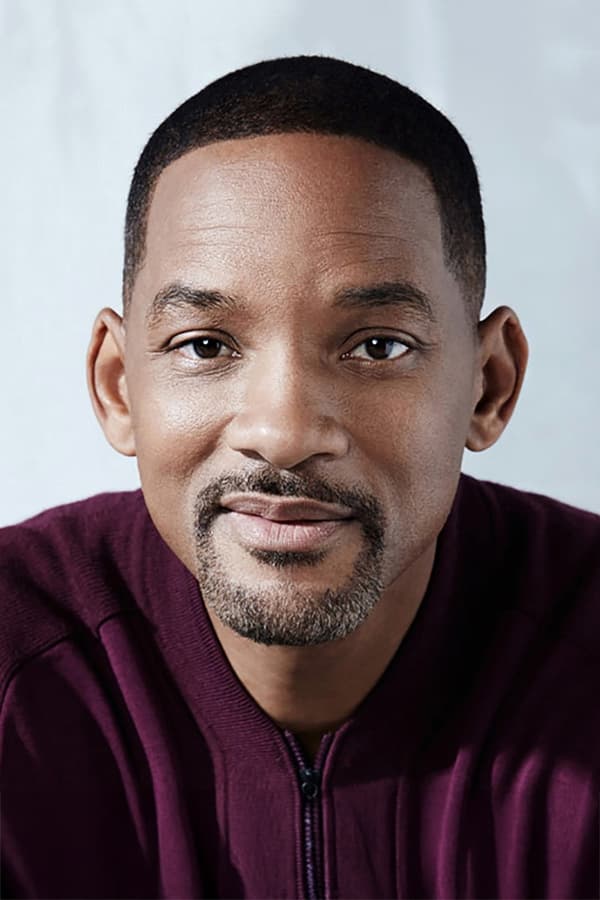
On ‘Men in Black 3’ he negotiated participation that reflected his role as the face of the franchise. The deal added bonuses tied to worldwide performance and expanded his slice of ancillary revenue.
The film’s international strength and strong placement on home platforms were central to the outcome. Because the contract attached to those channels his total compensation grew well beyond an initial fee.
Ryan Reynolds
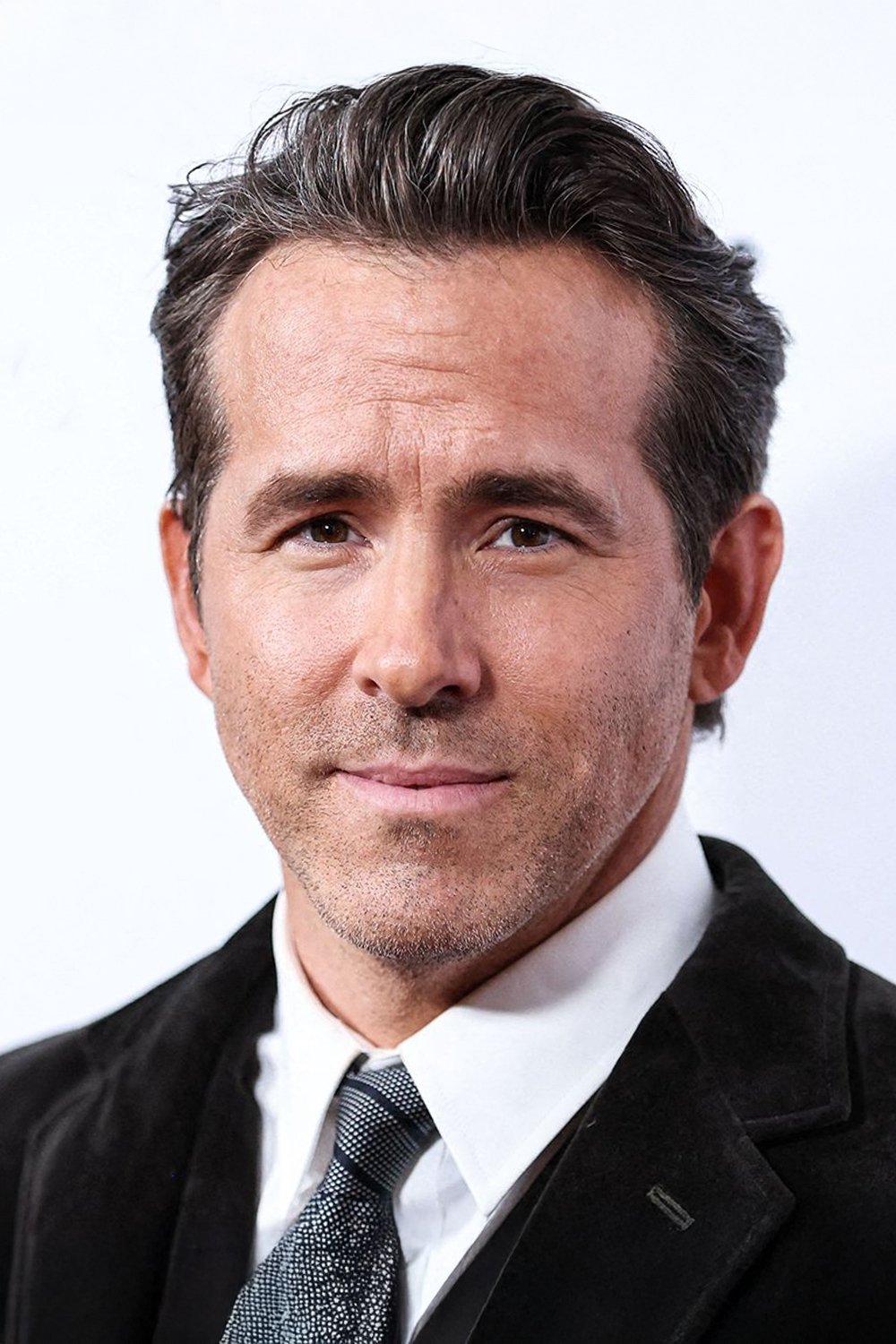
With ‘Deadpool’ he accepted a leaner upfront combined with producer participation and backend points. The structure recognized the risk on a modest budget superhero bet and gave him a path to outsized upside.
When the film broke out his share captured returns from theatrical, home entertainment, and licensing. The cost to gross ratio made profit pools large which turned his points into a major windfall.
Joaquin Phoenix
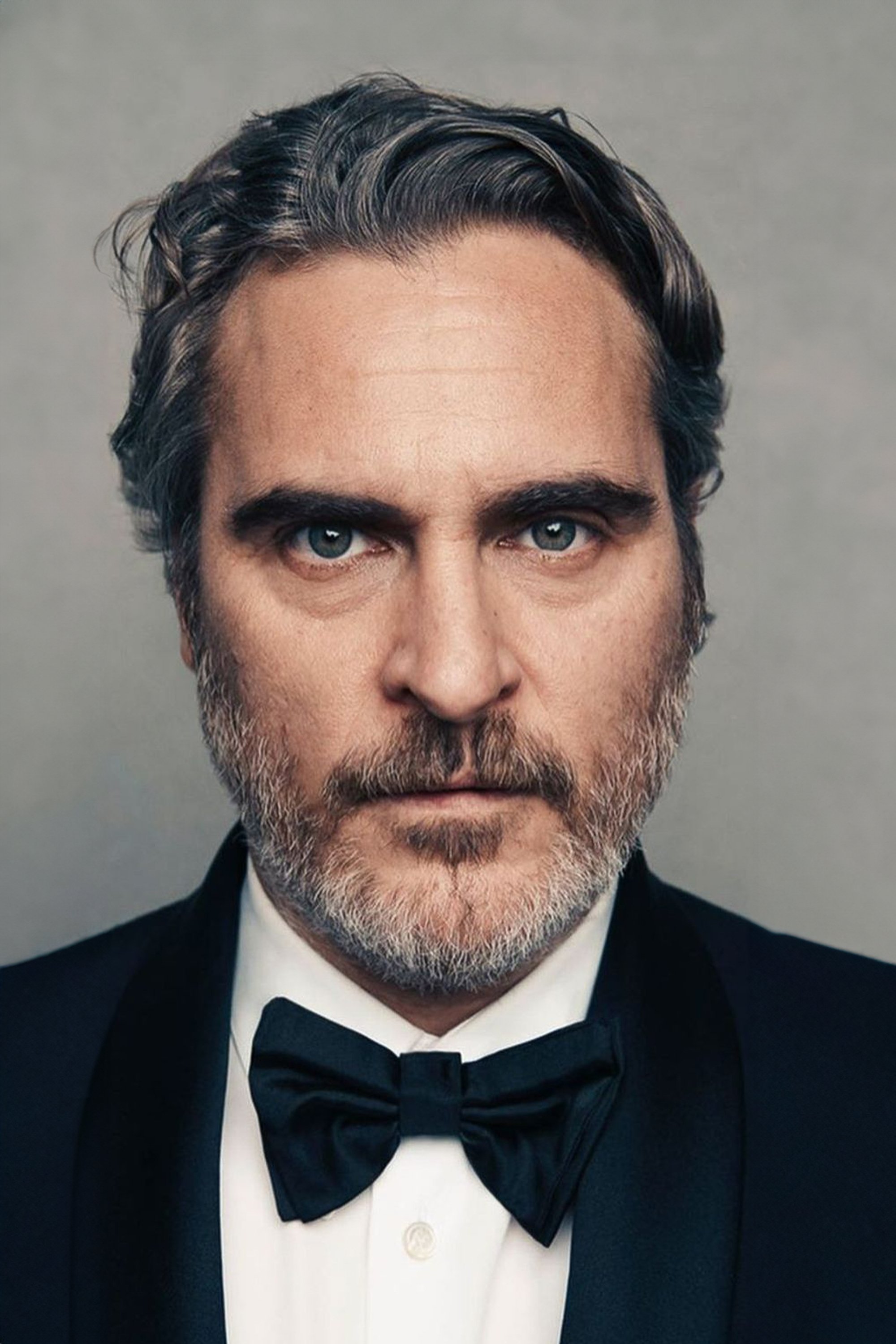
For ‘Joker’ he signed on at a restrained salary with meaningful bonuses and participation once the film cleared specific benchmarks. The agreement ensured that surprising box office would translate into real money for the star.
The movie delivered exceptional results relative to cost. International play and awards momentum extended its earnings cycle and his backend structure allowed those gains to flow through to him.
Sylvester Stallone
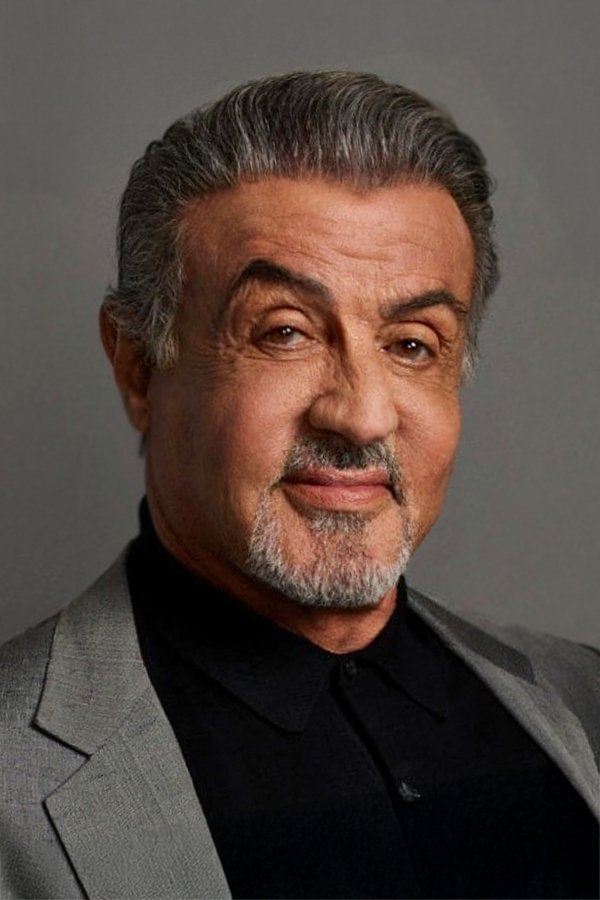
Across later ‘Rocky’ and ‘Rambo’ entries he relied on profit participation and producer points that rewarded performance rather than solely salary. His long involvement with the brands gave him leverage to shape favorable terms.
As sequels and re releases found new audiences his participation generated continued payouts. Television deals and catalog sales kept the revenue streams active which made the backend approach especially valuable over time.
Mark Wahlberg
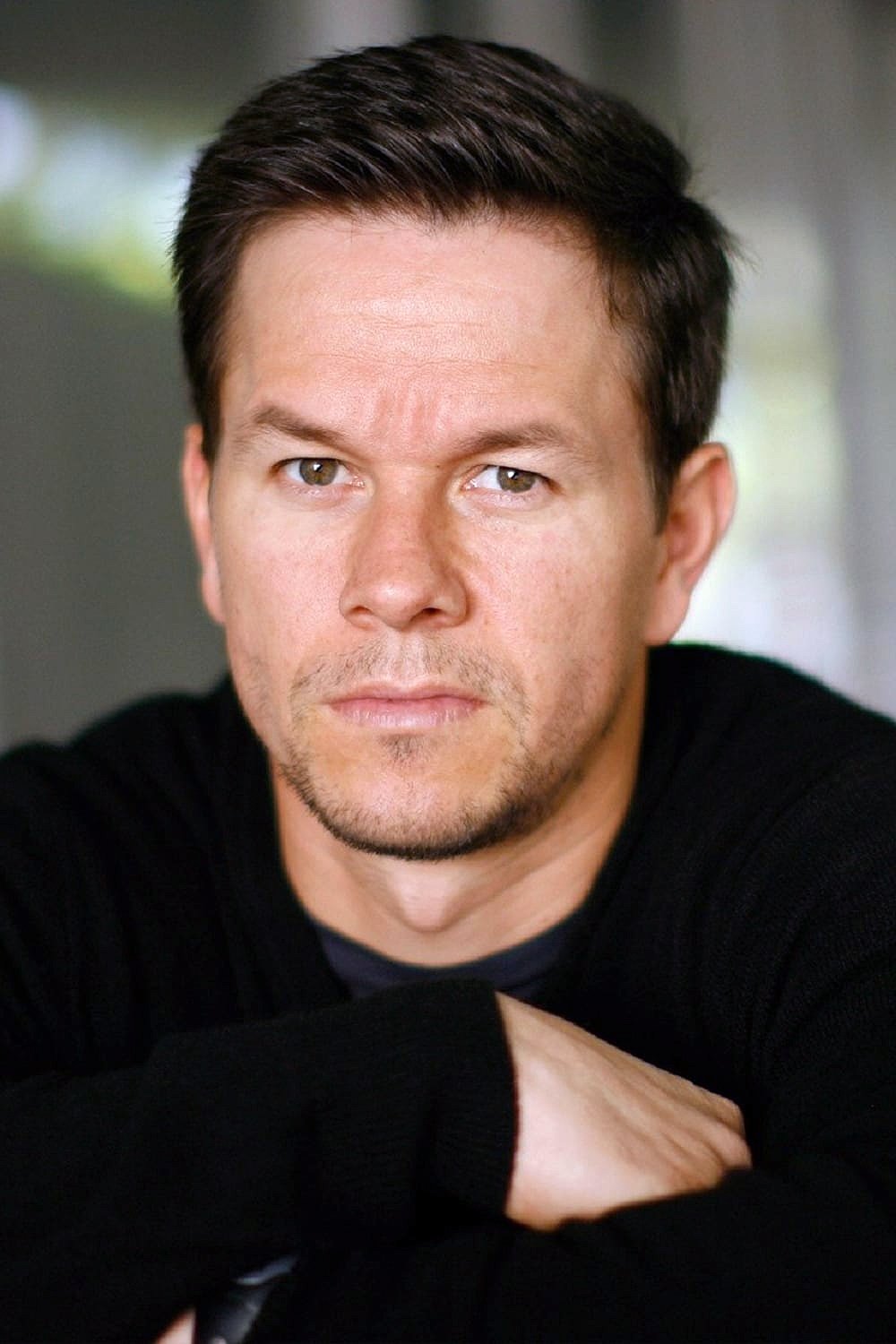
For ‘Ted’ he combined a modest upfront with producer and backend participation. The bet leaned on the film’s breakout potential rather than a massive paycheck on day one.
Strong worldwide grosses against a tight budget created large profit pools. His points reached into home video and TV which pushed his total compensation far beyond a conventional star salary for a comedy.
Ben Affleck
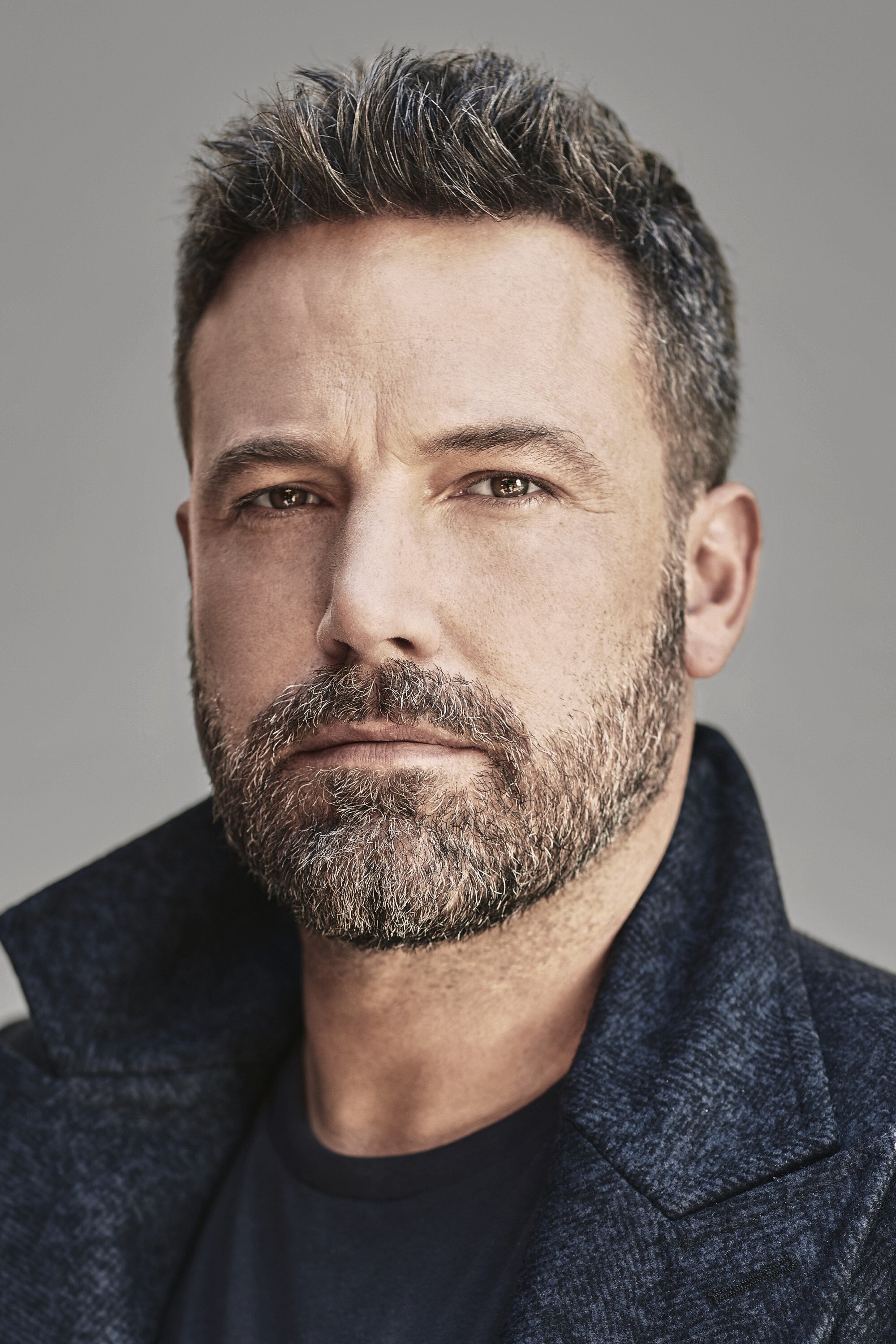
On ‘Argo’ he blended acting and directing fees with backend and producer participation. The contract set bonus triggers for awards season outcomes and for crossing global revenue marks.
The film’s steady international rollout and later platform sales mattered because his deal captured those channels. The combination of creative roles and participation turned solid performance into standout personal earnings.
Daniel Craig
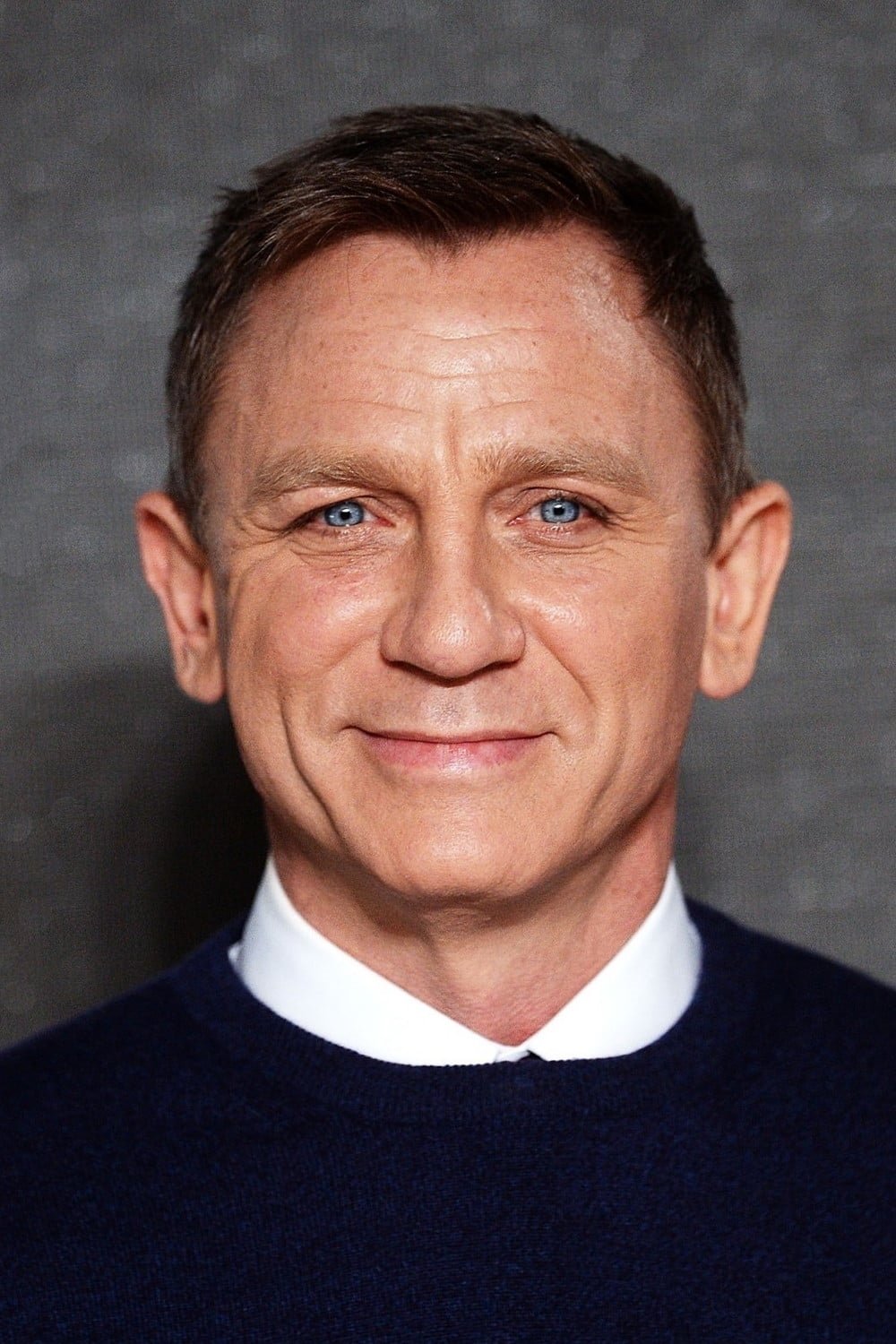
For later Bond entries like ‘Skyfall’ and ‘Spectre’ he secured significant participation that scaled with worldwide success. The packages recognized the franchise’s reliance on global markets and premium formats.
As the films delivered strong international grosses and robust home sales his backend paid out across multiple windows. The agreements also reflected merchandising and TV licensing which kept checks arriving well after theatrical runs ended.
Share your favorite example of a gutsy backend bet in the comments and tell us which deal surprised you most.