


15 Actors Who Took Roles Just for the Paycheck

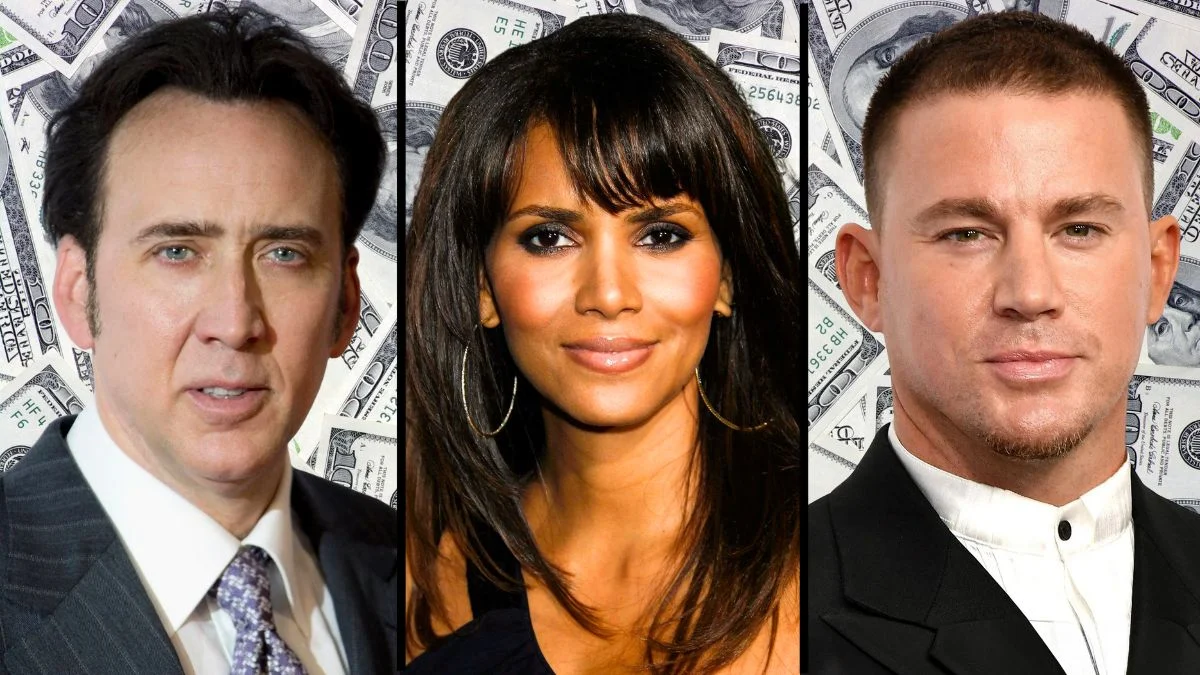


Every actor has a story about doing a job to keep the lights on. Even award winners and icons sometimes pick projects because the deal is too good to refuse or because a big studio check can fund passion projects that pay a lot less. Over the years many stars have been candid about taking certain roles for financial reasons and their honesty has become part of movie lore.
This list looks at well known cases where actors themselves have acknowledged that money played a primary role in saying yes. You will find pay driven choices that range from short voice gigs to franchise swings and even late career detours that helped cover bills or bankroll creative freedom elsewhere.
Michael Caine
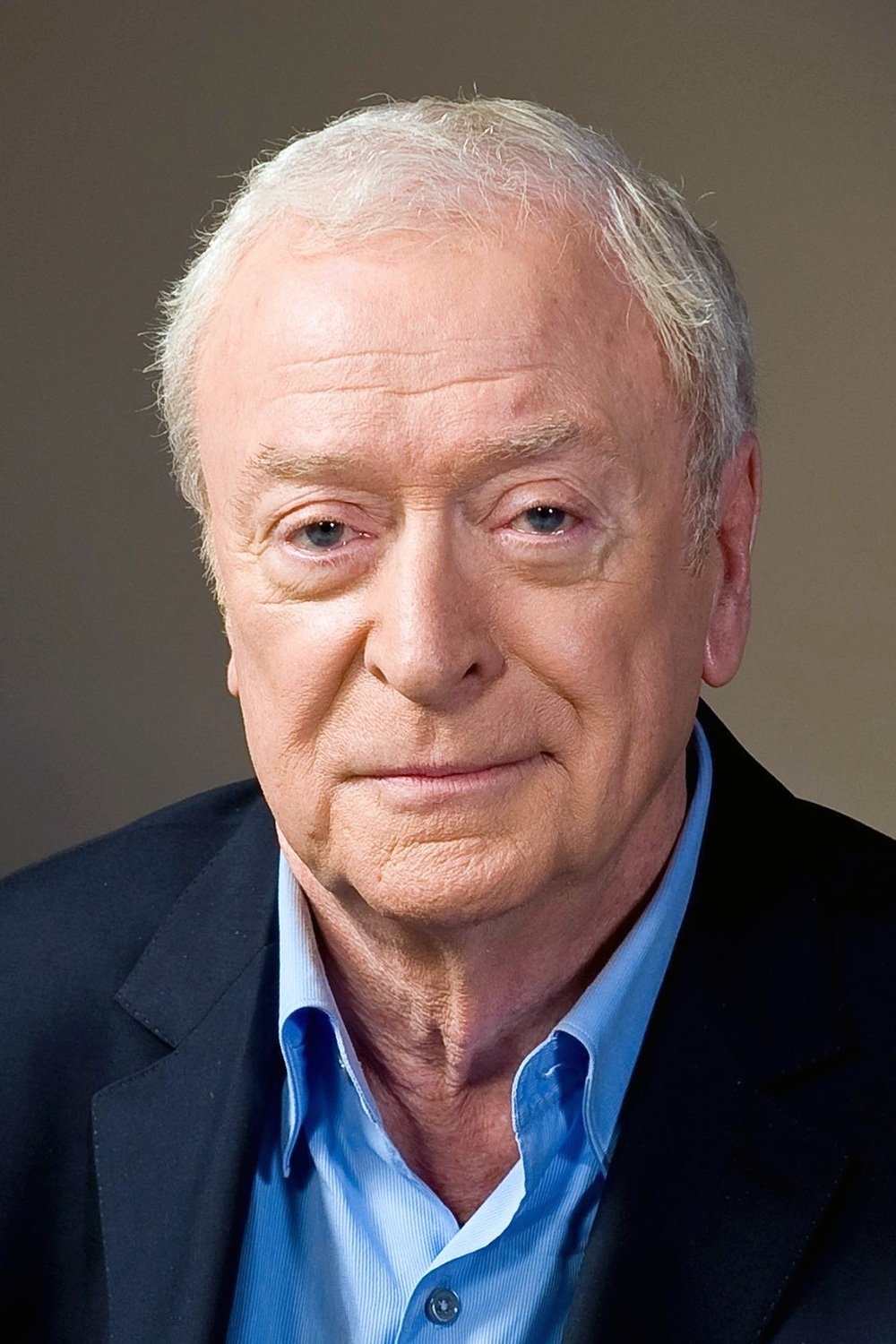
Michael Caine has long been upfront about signing on to ‘Jaws: The Revenge’. He was filming that movie when he missed the 1987 ceremony where he won an Academy Award for ‘Hannah and Her Sisters’. He later quipped that he had not seen the film but had seen the house it bought and that the house was terrific. He played a pilot named Hoagie and worked through reshoots in the Bahamas as Universal rushed to hit a summer date.
The paycheck story stuck because Caine made no attempt to dress it up. The role was a quick turnaround job on a sequel that needed a bankable name and he provided exactly that. His openness turned the decision into a famous example of a pragmatic choice that exchanged prestige for reliable pay.
Jeremy Irons
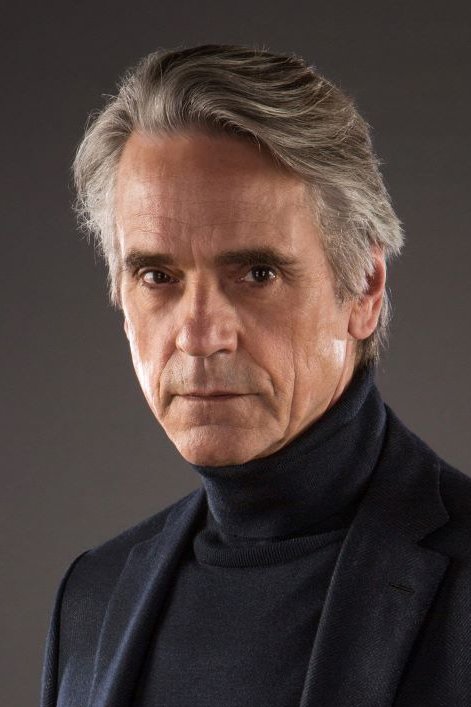
Jeremy Irons has said he took ‘Dungeons & Dragons’ at a time when he had just bought a castle and needed to pay for it. He played the villain Profion in a production that shot on tight schedules with heavy visual effects work for the era. The movie arrived in 2000 and leaned on his name to sell a fantasy world to mainstream audiences.
Irons has explained that actors sometimes take roles for very practical reasons and that this was one of them. The job offered a straightforward way to cover a large personal expense and the contract provided exactly what he needed. His candor turned a routine studio gig into a memorable paycheck tale.
Dennis Hopper

Dennis Hopper’s turn as King Koopa in ‘Super Mario Bros.’ became a classic paycheck anecdote. He later told an oft repeated story about his child asking why he played that part and his reply pointing to the need to buy shoes. The shoot was lengthy and difficult and the production relied on big name talent to anchor an ambitious game adaptation.
Hopper’s participation gave the film major credibility at the time. He delivered the work, collected the fee, and moved on while keeping the reasoning simple. It remains one of the clearest examples of a veteran actor taking a role for a solid payday and admitting it without hesitation.
Christopher Plummer
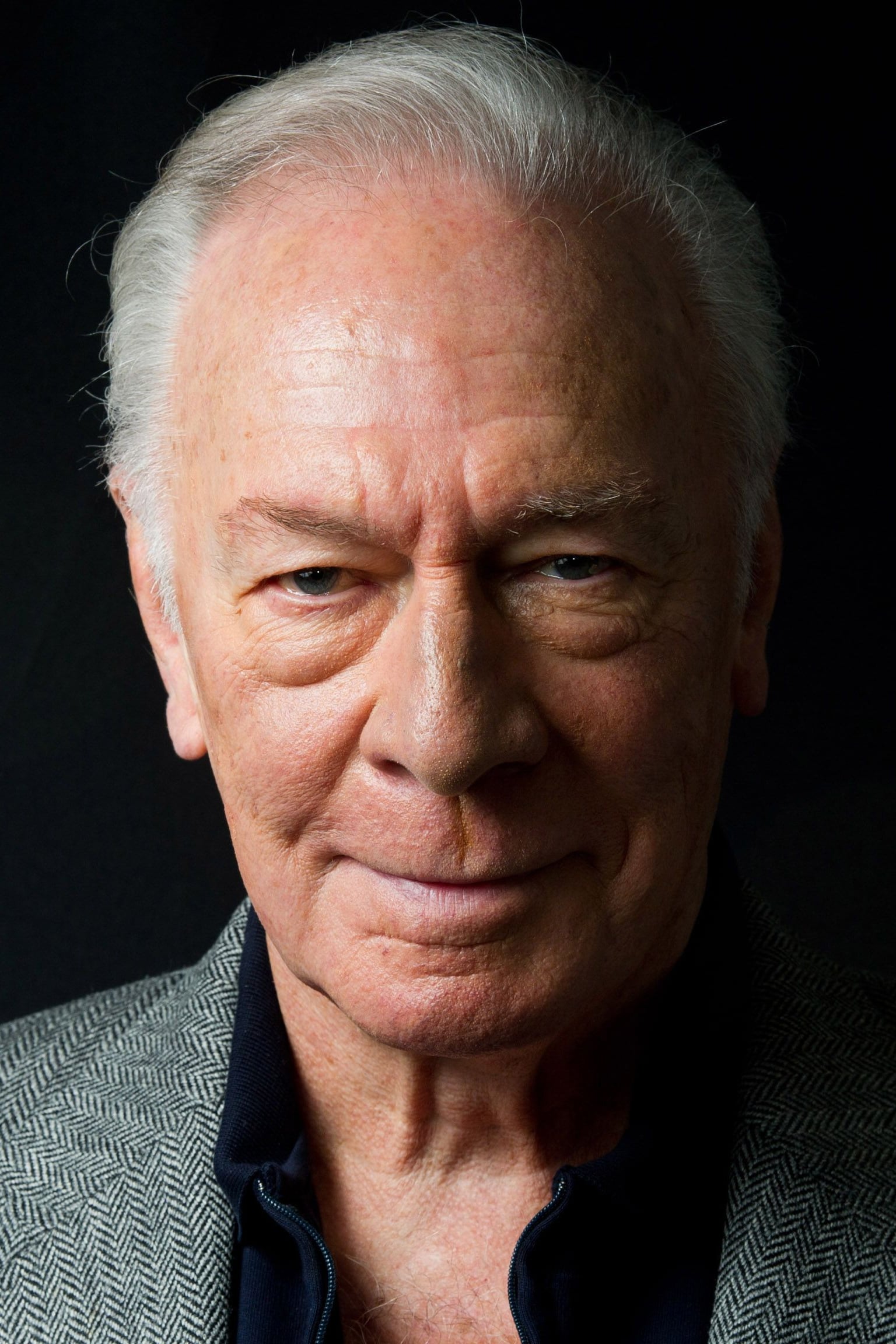
Christopher Plummer accepted a regal cameo in the Italian space opera ‘Starcrash’ and later joked that the job let him spend time in Rome while getting paid. He played the Emperor of the Universe for director Luigi Cozzi and worked in and around Cinecittà as the production mixed miniatures, costumes, and improvised sets.
Plummer called it an easy decision because the location and check lined up perfectly. It offered a brief commitment, a pleasant place to work, and a reliable fee. His straightforward explanation turned a cult title into a friendly example of how location plus money can make a role hard to turn down.
Marlon Brando
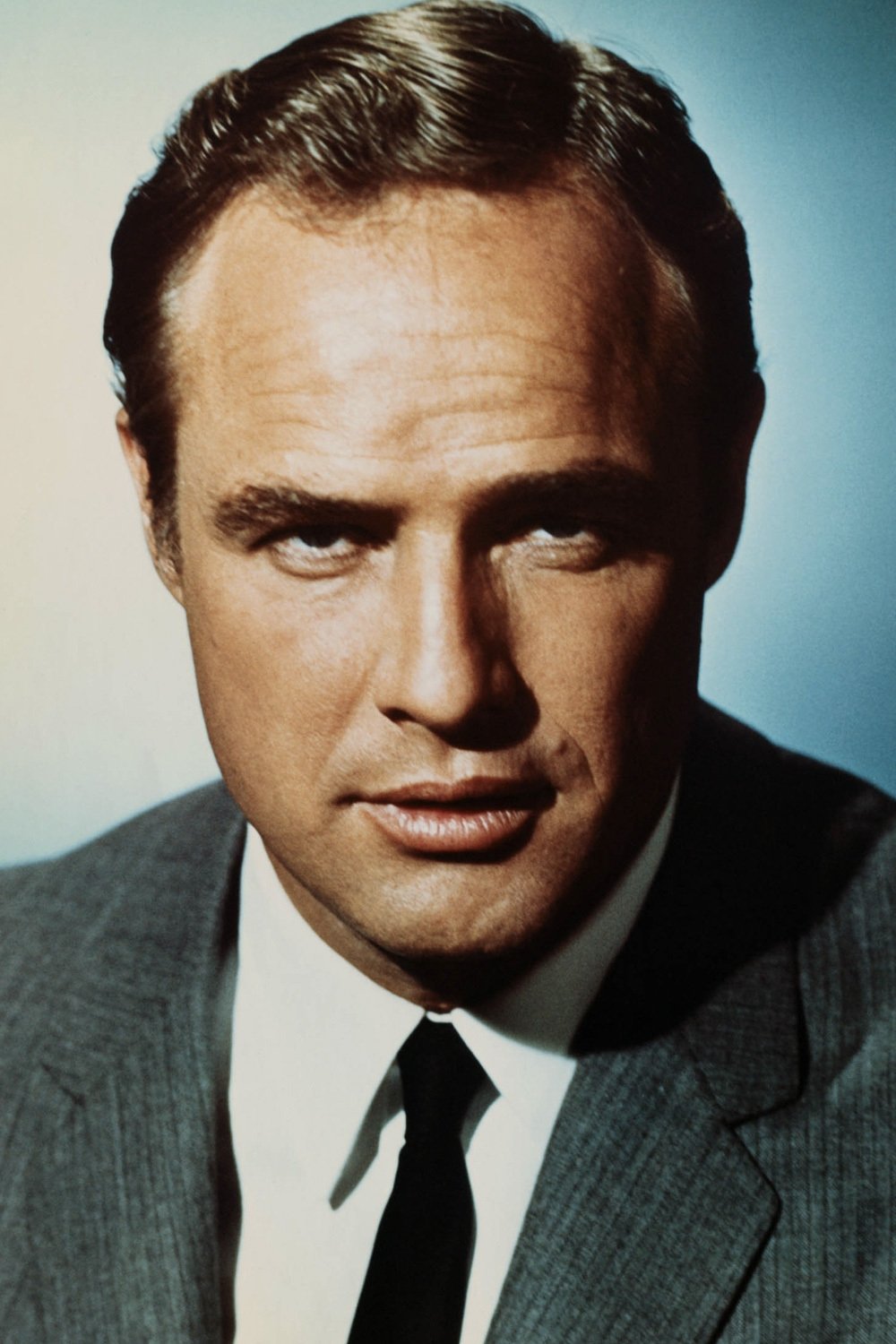
Marlon Brando negotiated an unusually rich deal to play Jor El in ‘Superman’. His contract secured a massive upfront salary along with participation that rewarded him far beyond the limited days he agreed to work. The production designed a schedule around his availability and used his presence to elevate the entire project.
Brando described the comic book material as a professional assignment that paid exceptionally well. The job delivered a quick shoot for him and a huge marketing boost for the studio. It stands as a textbook case of a star attaching to a film primarily because the terms made perfect financial sense.
Orson Welles
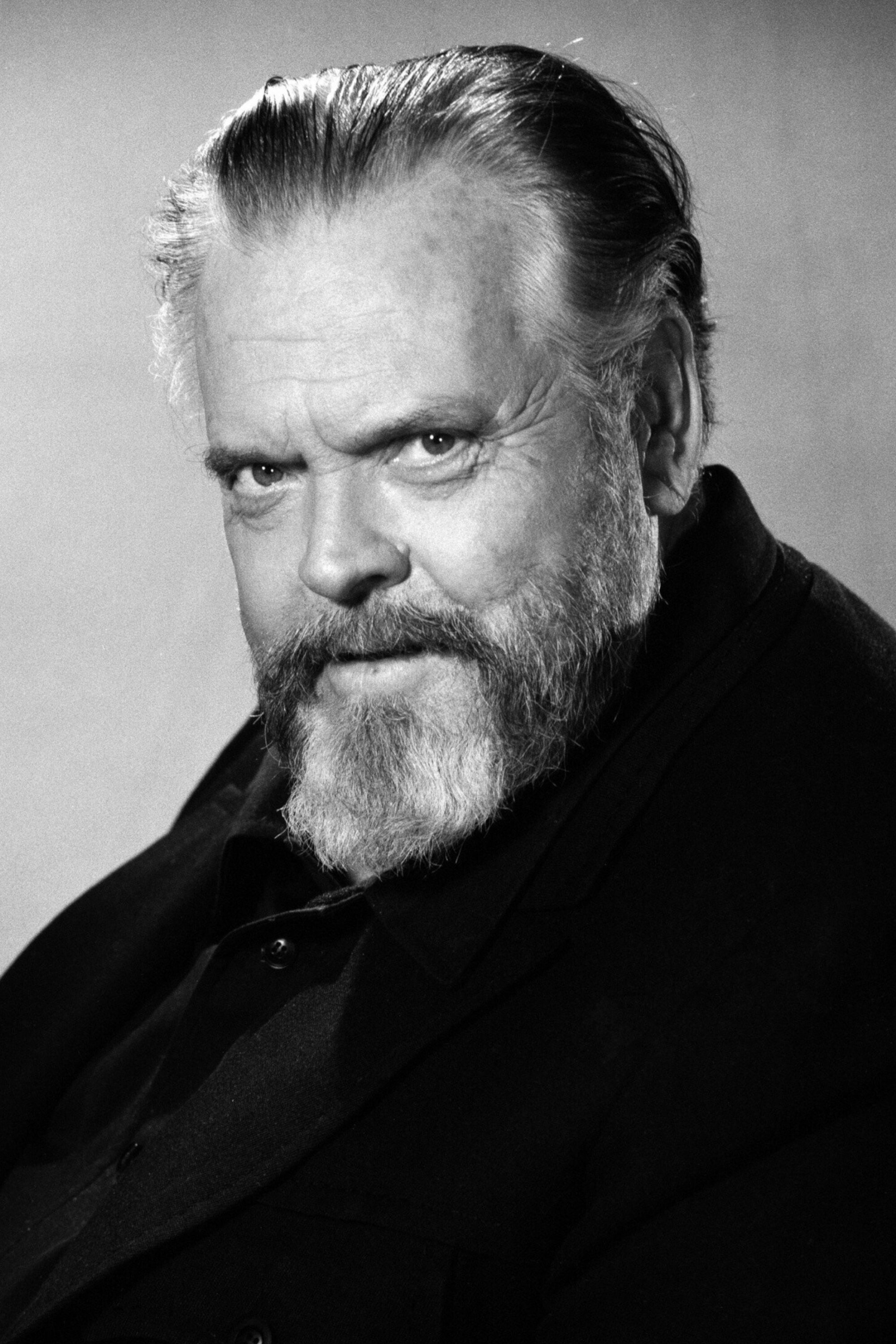
Orson Welles recorded the voice of Unicron for ‘Transformers: The Movie’ late in his life. He often spoke about doing commercial work to finance personal films and treated this recording session in that same spirit. The feature needed a distinctive voice for its planet sized villain and Welles provided it in a short block of studio time.
The paycheck rationale was direct and consistent with how Welles balanced art and income. He took a compact job that paid well and required little physical strain and he used such work to support the projects he truly wanted to make. The film became his final screen credit and a clear example of a practical money decision.
Nicolas Cage
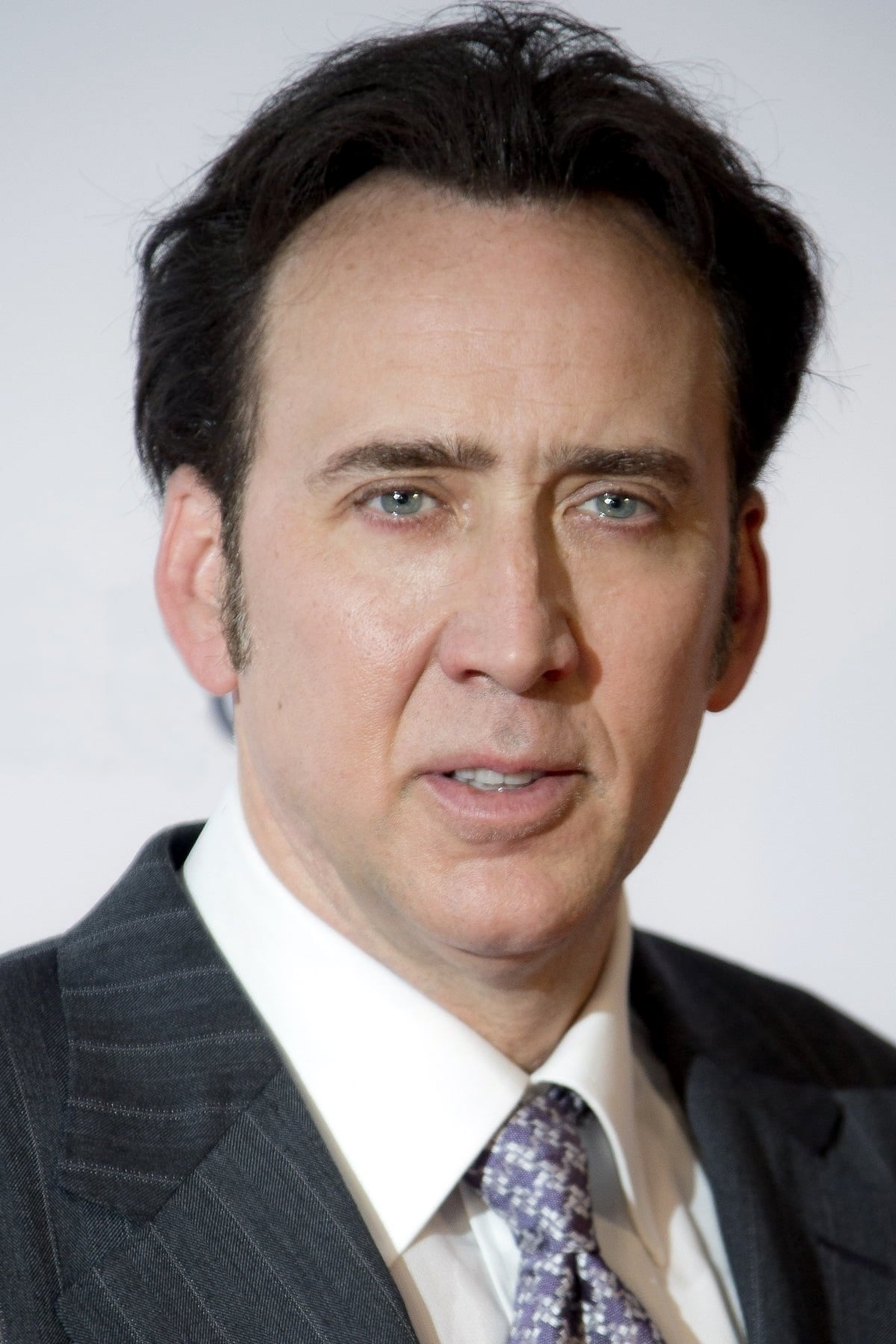
Nicolas Cage publicly addressed his financial troubles in the late 2000s and explained that he increased his workload to pay off debts and tax obligations. He said yes to a run of mid budget and direct to video thrillers like ‘Trespass’ and ‘Stolen’ along with genre pieces such as ‘Drive Angry’ and ‘Left Behind’. The strategy focused on volume and speed to generate steady cash flow.
Cage has emphasized that even when money was the reason to take a job he still gave maximum effort on set. The core fact remains that the paychecks were the driver behind accepting so many offers in a compressed period. His transparency turned a career pivot into one of the most documented financial rebounds in modern acting.
Alec Guinness
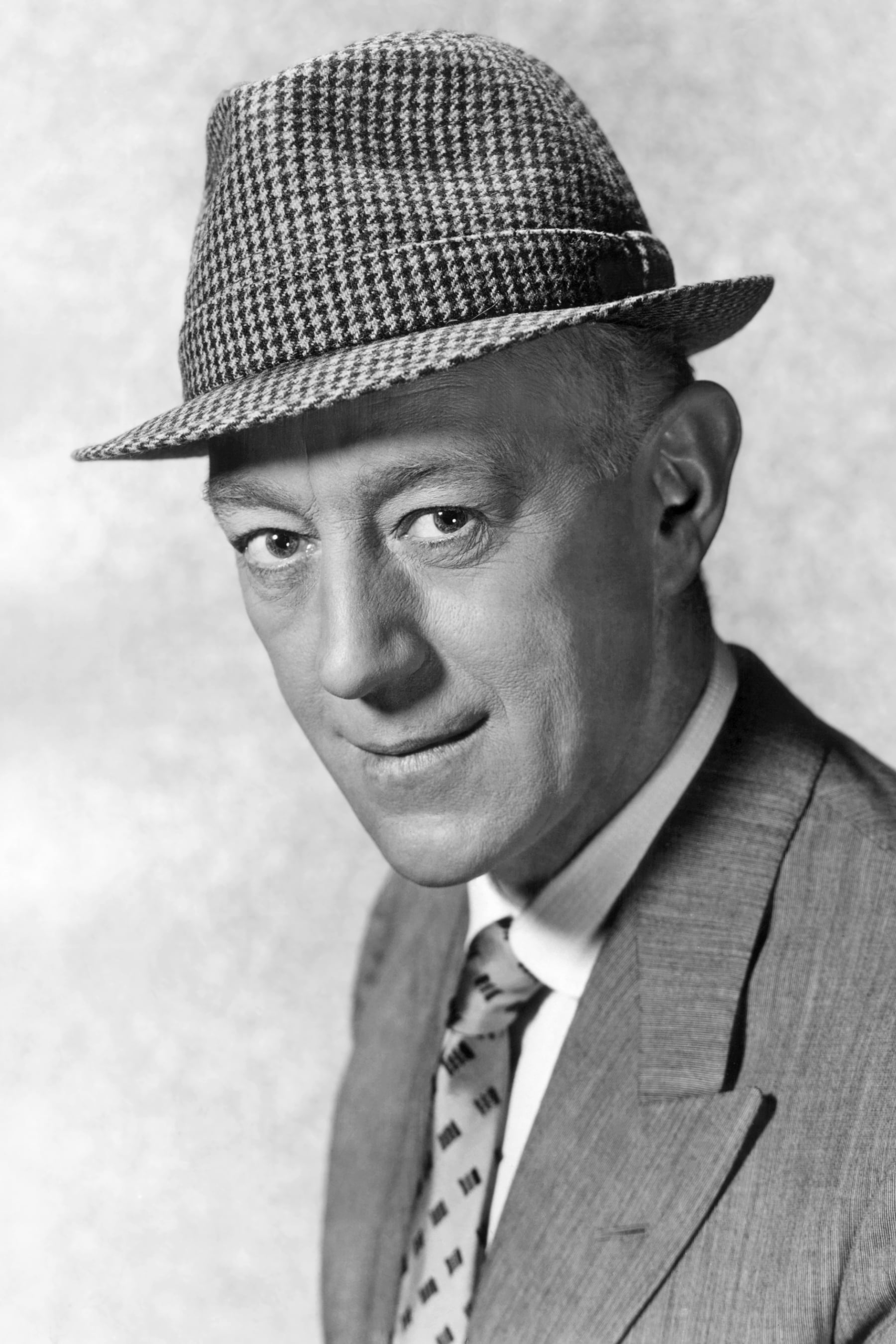
Alec Guinness wrote candid letters about his mixed feelings while making ‘Star Wars’ and also secured points on the film in addition to a healthy salary. He considered parts of the dialogue clunky yet recognized the financial upside and negotiated accordingly. The arrangement set him up with long term income from a role that required a finite shoot.
Guinness treated the job as a sensible business decision. He showed up prepared, delivered Obi Wan Kenobi with authority, and benefited from the success he expected once the deal was structured. The money logic behind accepting the part is a matter of record through his correspondence and contract details.
Halle Berry

Halle Berry accepted her Golden Raspberry for ‘Catwoman’ in person and joked on stage about the check while thanking the studio for the opportunity. She has talked about wanting to lead a superhero movie at a time when such chances were rare and also made it clear that the salary was significant. The production fast tracked her into a top line role with a strong back end package.
Berry’s remarks made the financial reality plain without apology. She worked hard on the film and collected a top tier payday that reflected the risk of anchoring a new comic book property. Her own public comments turned the decision into a straightforward example of taking a role that made monetary sense.
Channing Tatum
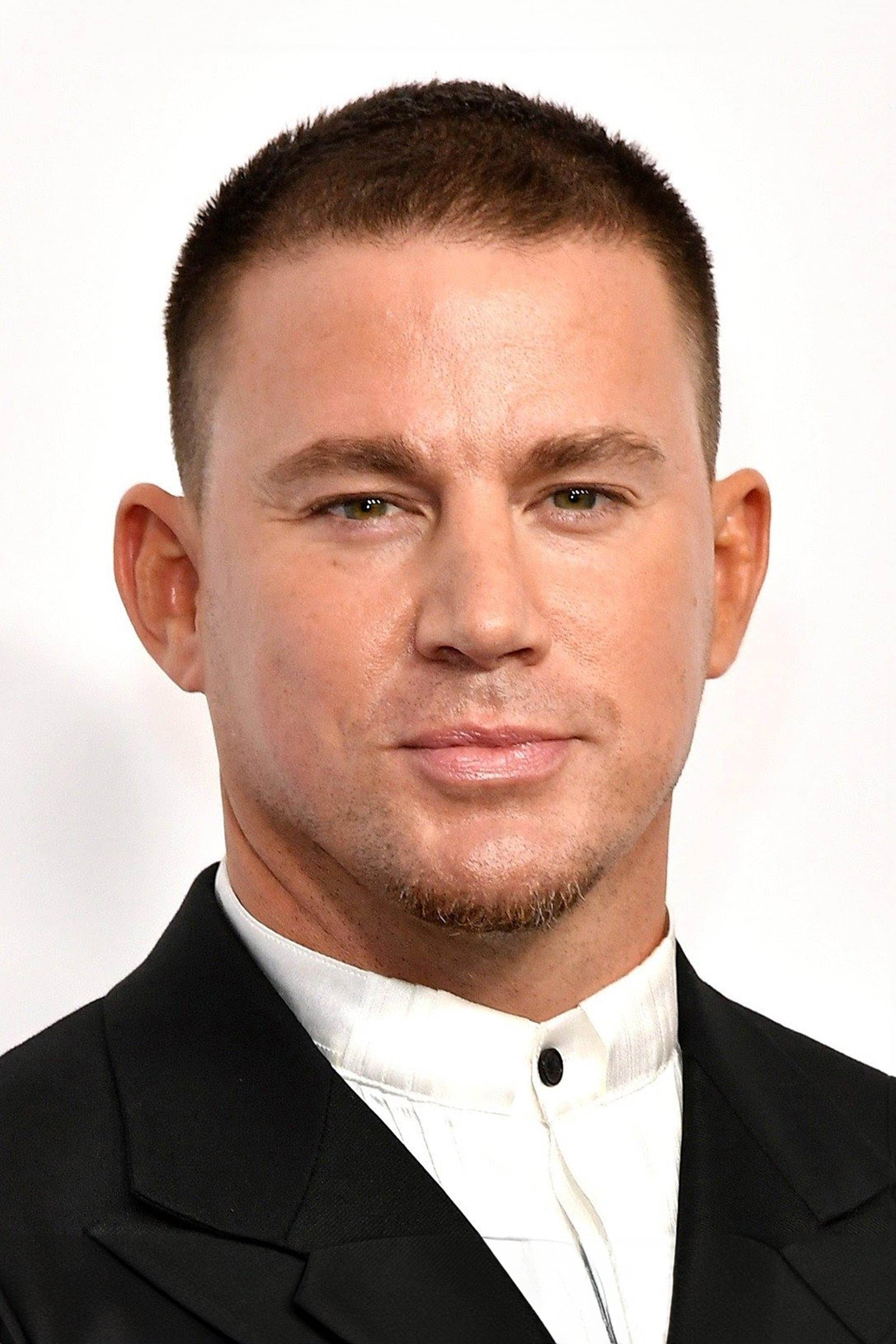
Channing Tatum has explained that he did ‘G.I. Joe’ because of a multi picture deal he signed very early in his career. He said he did not like the script but was obligated to fulfill the contract and could not walk away. The arrangement guaranteed him a substantial salary for a major studio release.
Tatum’s case shows how money and contracts can intertwine. The studio enforced a binding agreement that came with a big paycheck and he honored it. His public statements about the situation leave little doubt that financial terms and obligations were the main reasons he suited up.
James Caan
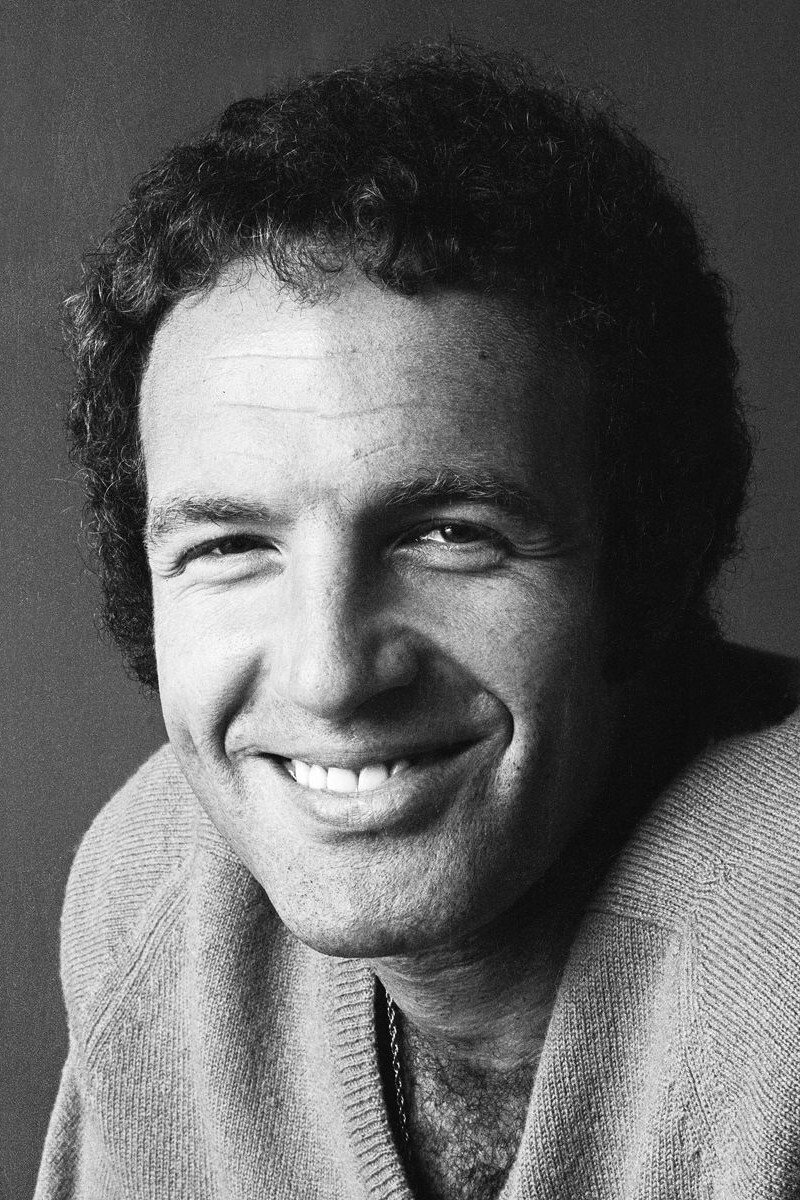
James Caan was frank about periods when he took films to pay the bills after personal and financial setbacks. He returned to steady work in the 1990s with studio projects like ‘Eraser’ and ‘For The Boys’ and later mixed in smaller titles that offered reliable fees. He also made television deals that provided consistent income between features.
Caan described these choices as practical moves to stabilize his life. The roles might not always have matched his taste but they met the financial needs he faced. His openness makes him a clear example of an actor who sometimes prioritized the paycheck to keep working and to support family commitments.
Richard Burton

Richard Burton signed on to ‘Exorcist II The Heretic’ for a highly paid turn that utilized his marquee value. The production built around his presence and scheduled him to work efficiently while chasing the heat of a huge original. He later distanced himself from the film and acknowledged that the offer had been financially irresistible.
Burton’s decision reflected the realities of stardom in the 1970s. A single contract on a prestige sequel could deliver income that smaller stage projects could not match. His own later comments underline that money sat at the center of why he agreed to appear.
Ben Kingsley
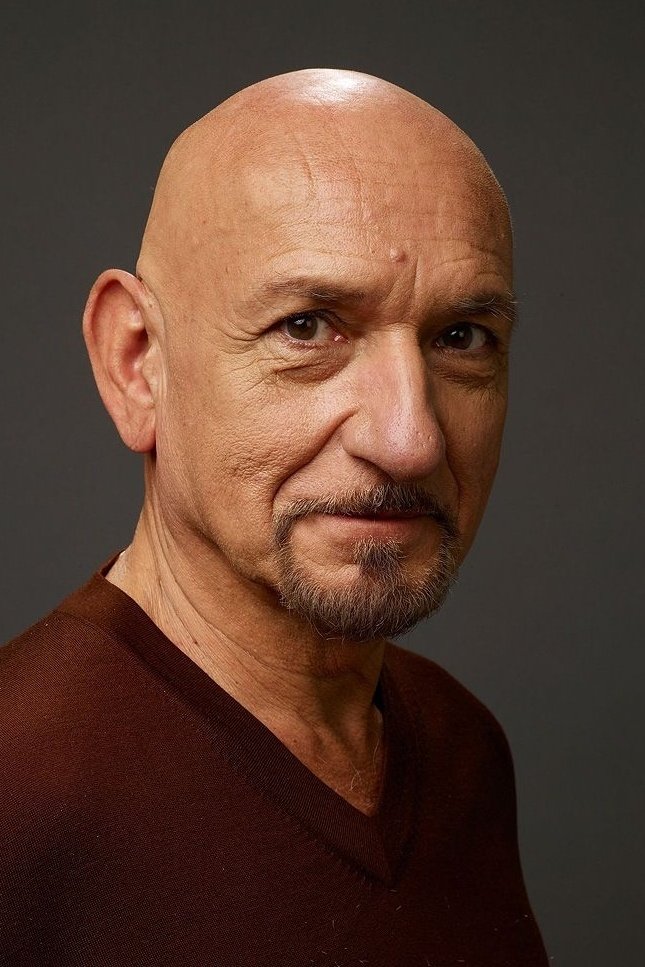
Ben Kingsley has said in interviews that actors accept jobs for many reasons and that money is sometimes one of them. He has pointed to effects heavy or low prestige assignments like ‘BloodRayne’ as examples of projects that fit around other commitments while offering strong pay. The work can be brisk and the compensation can underwrite more personal choices later in the year.
Kingsley treats these decisions as part of a balanced career. He delivers professional performances on set and uses the fees to maintain flexibility for theater or independent films. His matter of fact statements make his inclusion here straightforward because he has explicitly acknowledged the financial motive.
Glenn Close
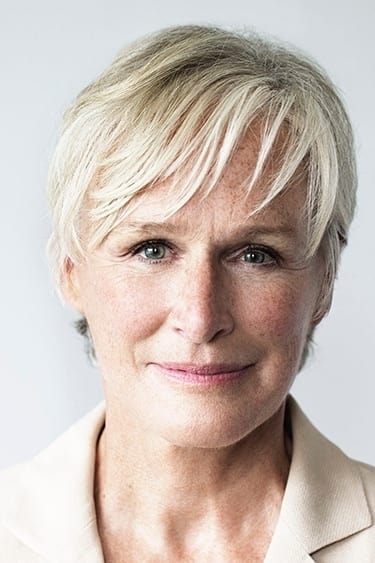
Glenn Close has spoken about occasionally taking big studio parts because they are well paid and easy to schedule around other goals. She joined ‘Guardians of the Galaxy’ as Nova Prime and described it as a smart way to do something fun while also adding to the pension. The shoot gave her a marquee credit without a long time commitment.
Close has explained that this kind of role helps fund smaller projects and stage work that pay less. She has presented the choice as a practical one that keeps her career varied and financially sound. Her own comments place money as a central reason for saying yes to certain franchise jobs.
Laurence Olivier
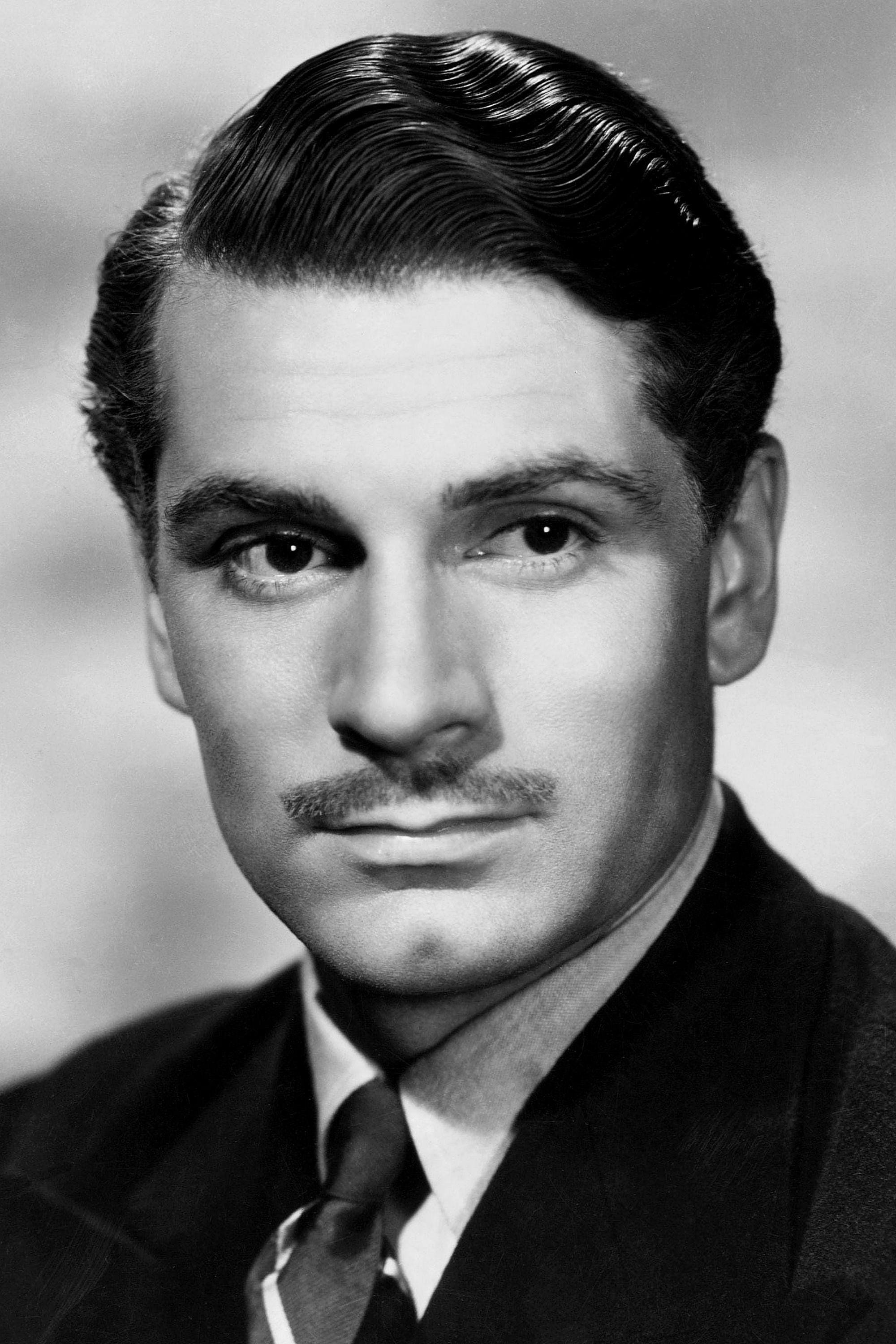
Laurence Olivier accepted roles late in his career that came with very large fees compared with his theater work. He appeared in ‘Inchon’ and ‘The Betsy’ and used the earnings to support family responsibilities and medical needs while continuing to direct and perform on stage. Producers built short schedules around him and marketed his name heavily.
Olivier addressed these choices directly by acknowledging that some offers were simply too lucrative to pass up. The films provided quick paydays that stabilized finances and kept him visible to new audiences. His frankness about the money component makes these roles enduring examples of paycheck driven work.
Share your thoughts in the comments about which other money motivated roles deserve a mention.