


Actors Who Trained With Military Units for Months

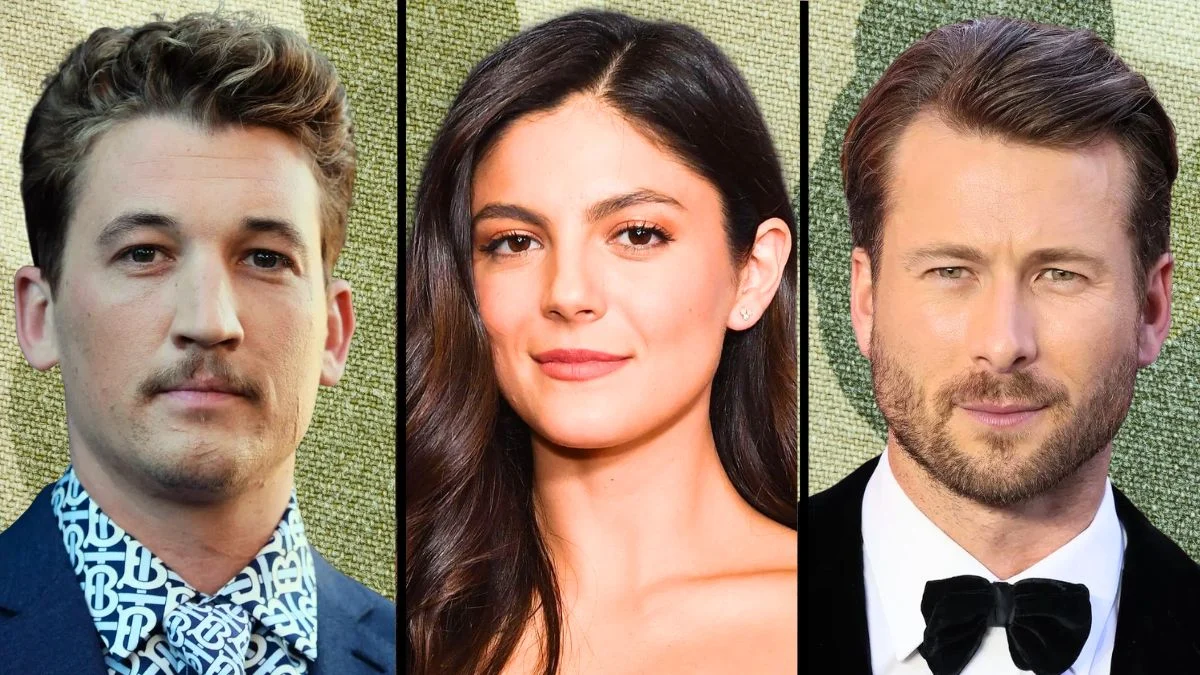


Spending months with real military units is not common in Hollywood, but some productions build that time into prep to make the work feel and look correct. The following actors logged extended time with active units or military instructors, learning everything from radio procedure to survival drills while carrying full kit for hours on end.
This kind of preparation usually covers more than weapons handling. It can include unit communication, navigation, medical basics, aircraft or vehicle familiarization, and long days of physical conditioning with the people who do the job for real. Those details shape performance while also keeping casts safe during demanding shoots.
Tom Cruise
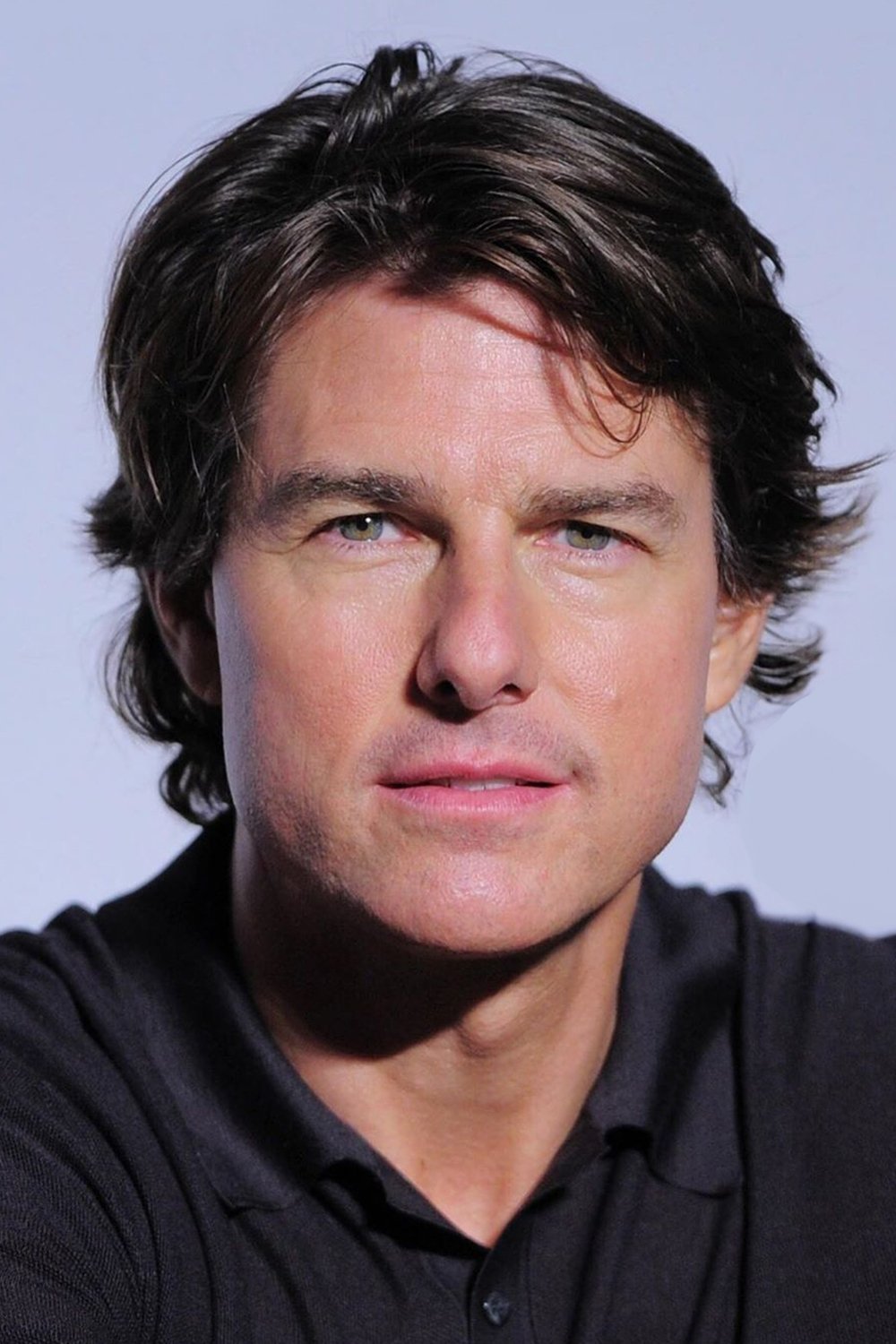
For ‘Top Gun: Maverick’ he spent months working with United States Navy aviation units, completing water survival, ejection seat procedures, and high G tolerance work before flying as a passenger in tactical sorties. Training included repeated carrier operations exposure and daily briefs and debriefs with Navy personnel to mirror real squadron rhythms.
He followed a progressive syllabus that moved from basic airsickness control to low level flight profiles in the back seat of fighter aircraft. Cruise also trained alongside the crew on deck to learn hand signals and safe movement around aircraft during launch and recovery windows at sea.
Miles Teller
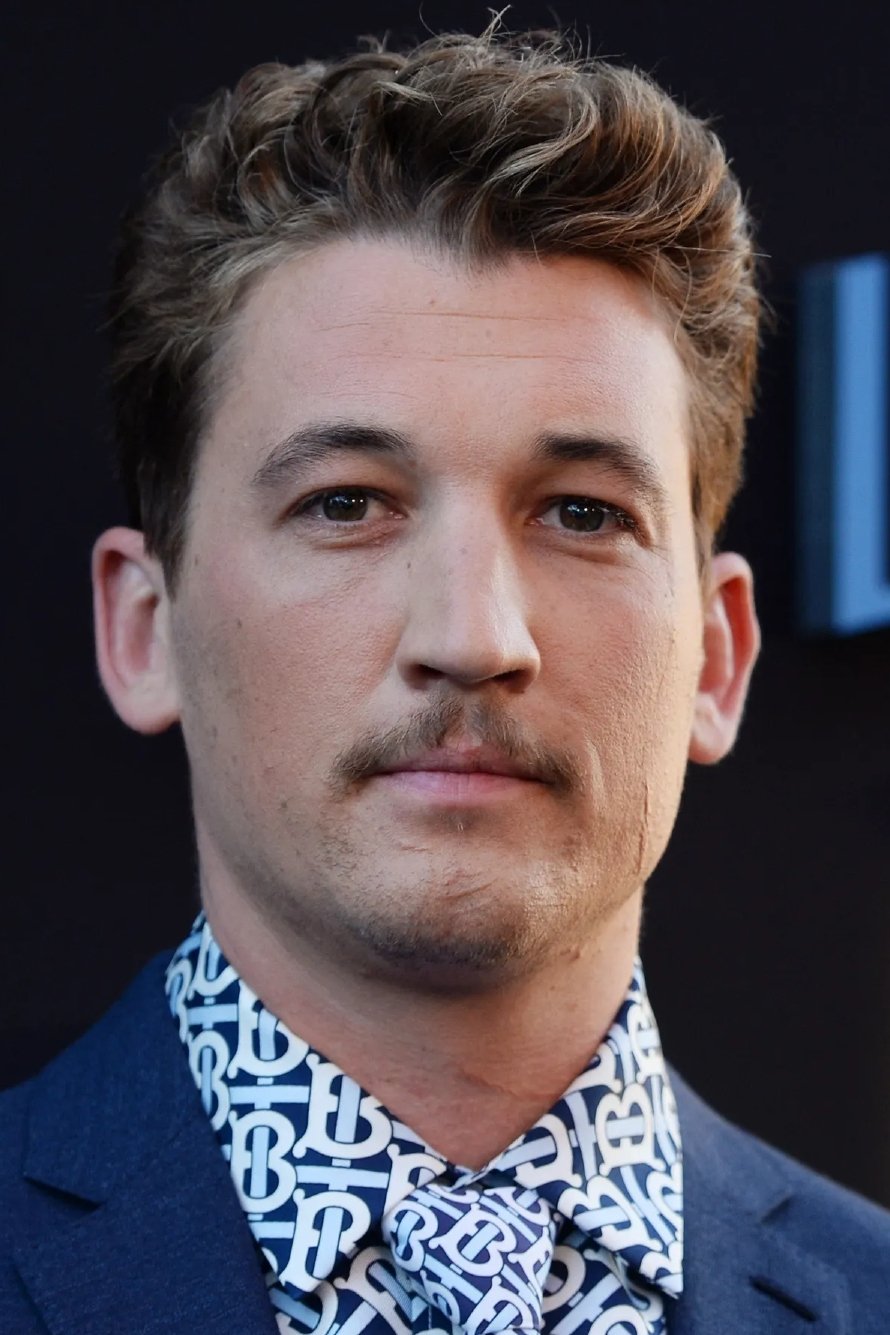
In preparation for ‘Top Gun: Maverick’ he trained with Navy pilots for months to handle extended flight days, cockpit tasks, and emergency procedures. The program covered water egress in a dunker, oxygen mask checks, and communications discipline across long sorties.
He built tolerance for sustained G forces by flying frequently and maintaining a daily conditioning plan designed by military trainers. Teller learned practical cockpit habits such as checklist flow, harness management, and quick gear checks that reduce small errors during tight maneuvers.
Glen Powell
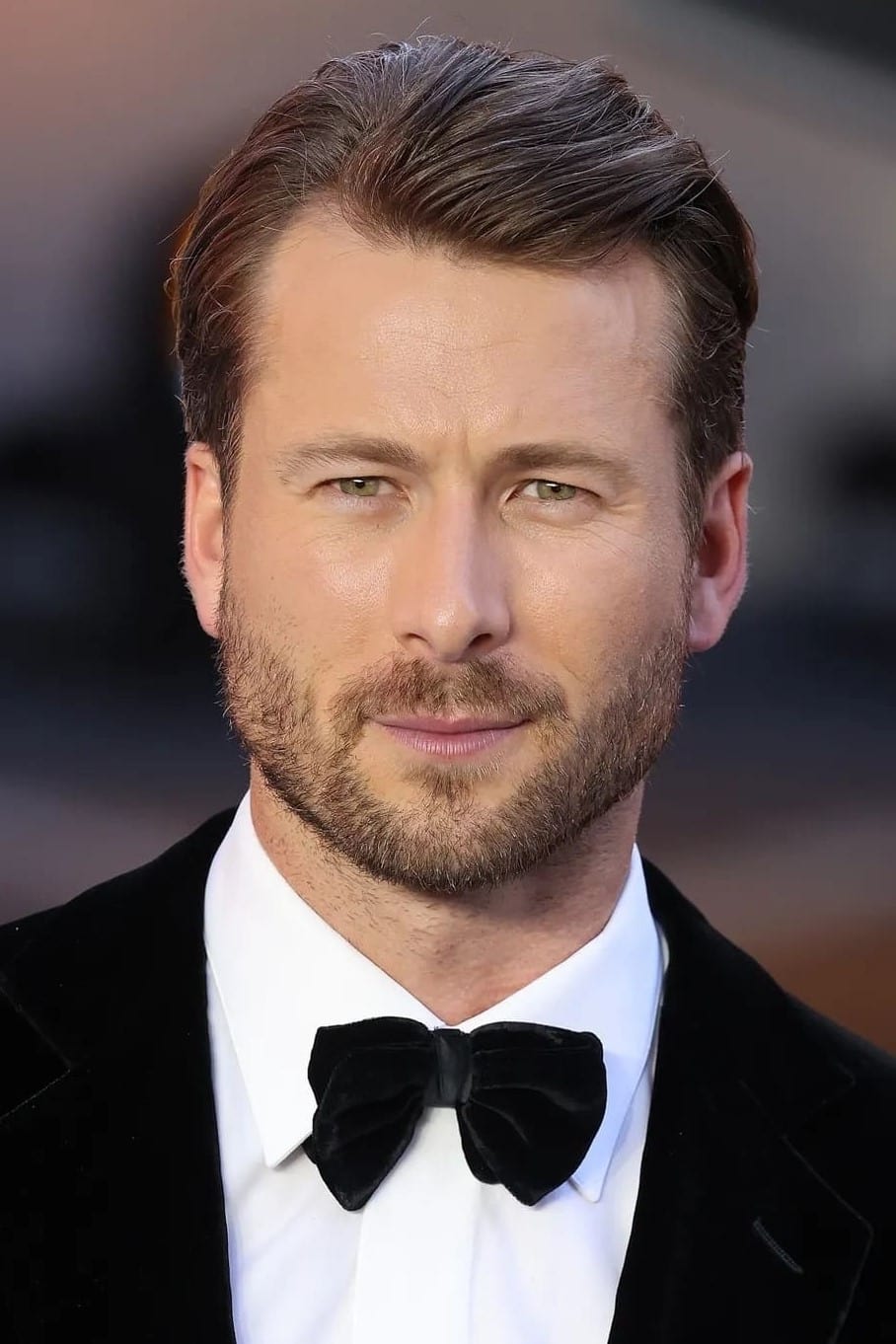
His ‘Top Gun: Maverick’ prep placed him with Navy aviation units for months where he learned how crews plan flights, brief contingencies, and recover after demanding evolutions. Training emphasized clear radio calls, rapid troubleshooting in cramped cockpits, and teamwork with maintainers who keep jets mission ready.
Powell completed repeated flights to build G tolerance while maintaining hydration and breathing techniques used by fighter pilots. He also trained on survival equipment checks and seat kit familiarity so he could move naturally in the aircraft and during emergency drills.
Monica Barbaro
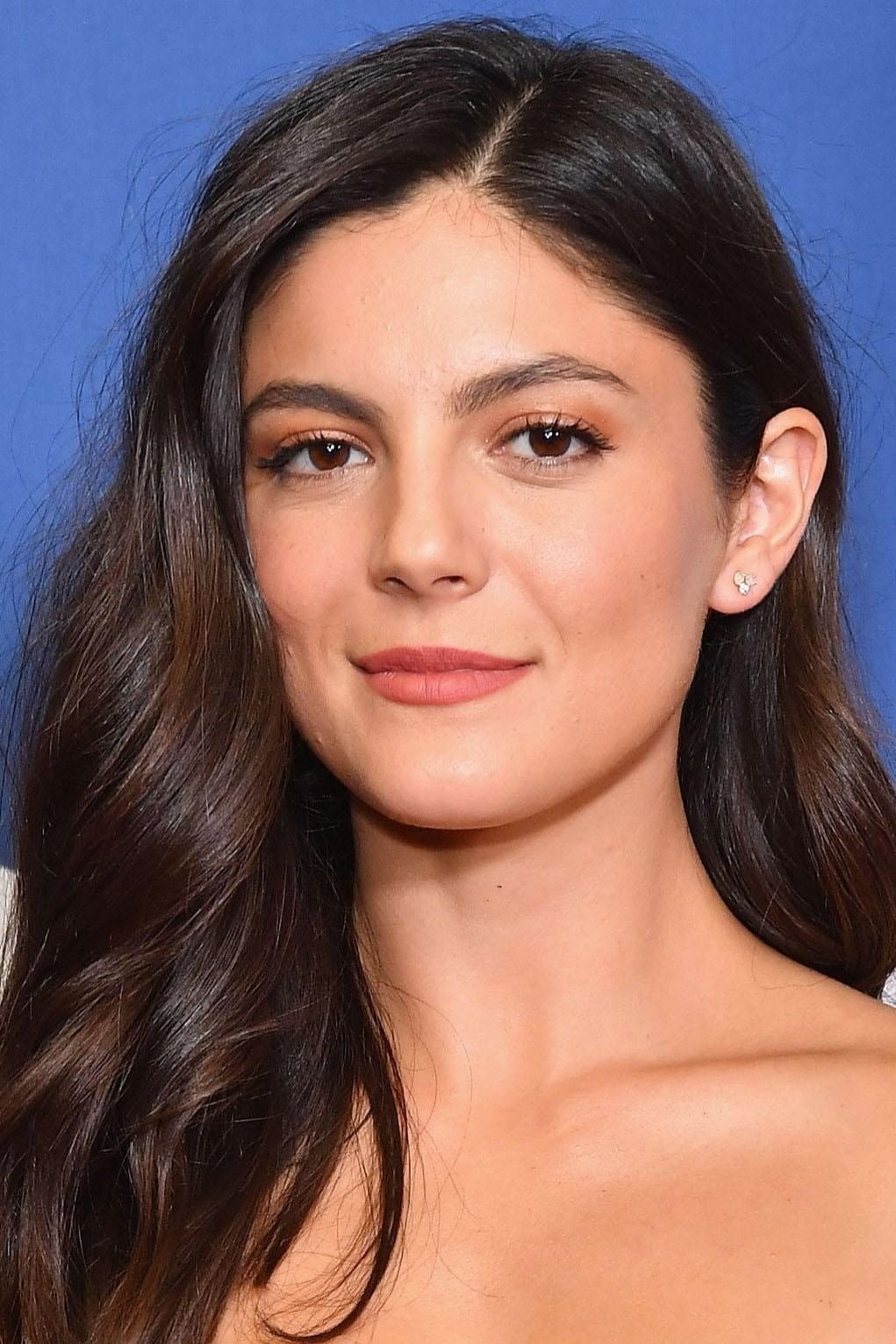
She trained for months with Navy aviation teams for ‘Top Gun: Maverick’ and completed overwater survival and egress drills before flying multiple training profiles. Workups covered aircraft systems at a practical level so she could manage kneeboard notes, visor use, and oxygen equipment without breaking concentration on camera.
Her schedule included daily briefs, post flight notes with instructors, and conditioning to handle extended time in flight gear. Barbaro practiced aircrew communication habits such as concise callouts, head nods, and hand taps that keep coordination smooth in tight cockpits.
Lewis Pullman
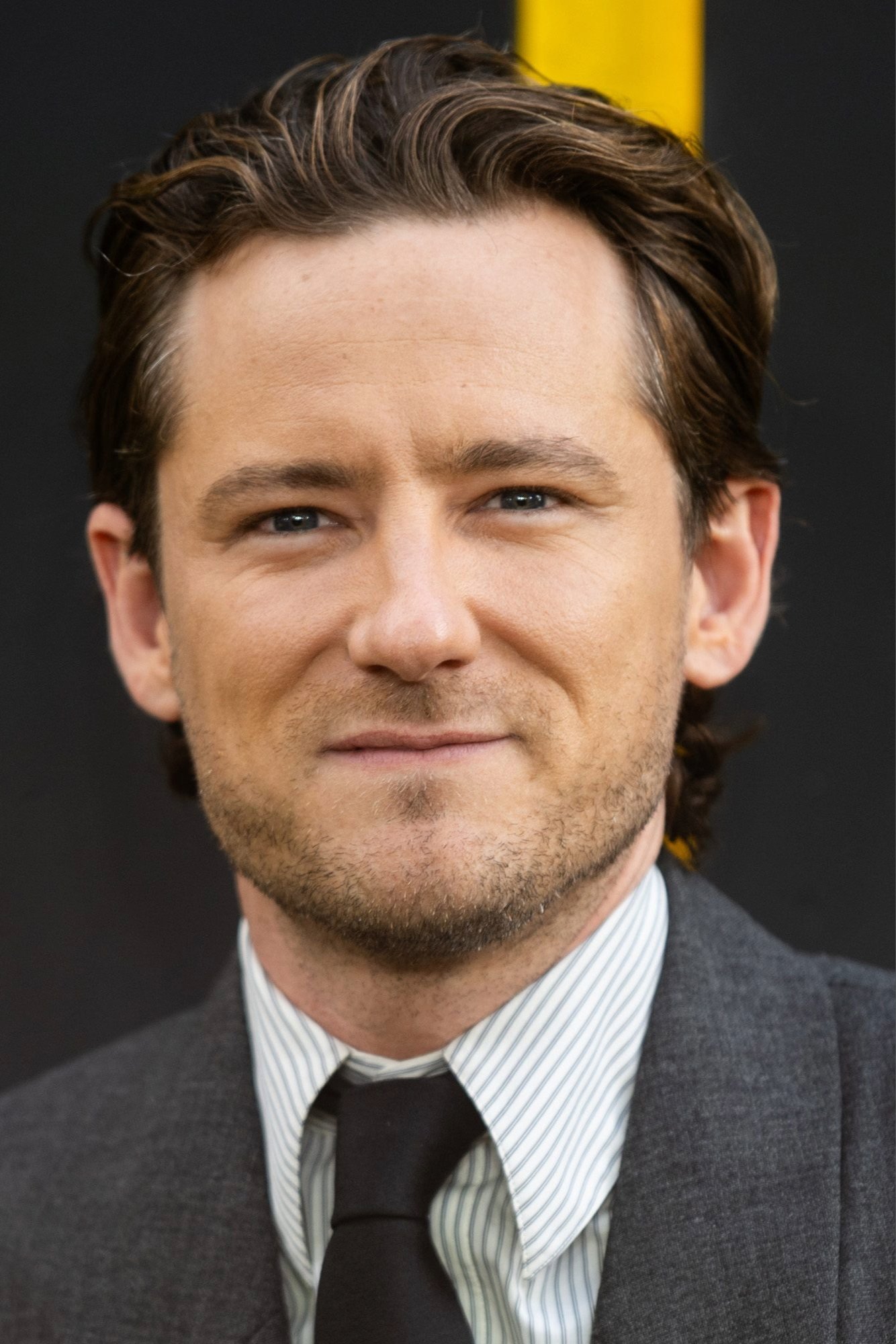
For ‘Top Gun: Maverick’ he spent months under Navy guidance learning cockpit discipline, emergency planning, and long duration flight endurance. He practiced strapping in quickly, running through preflight checks, and staying organized with maps and notes when turbulence made writing difficult.
Pullman also trained on water survival and practiced seat pan and canopy procedures so movements looked authentic when cameras rolled. Regular flying blocks helped him learn breathing techniques that control tunnel vision during high G turns.
Brad Pitt
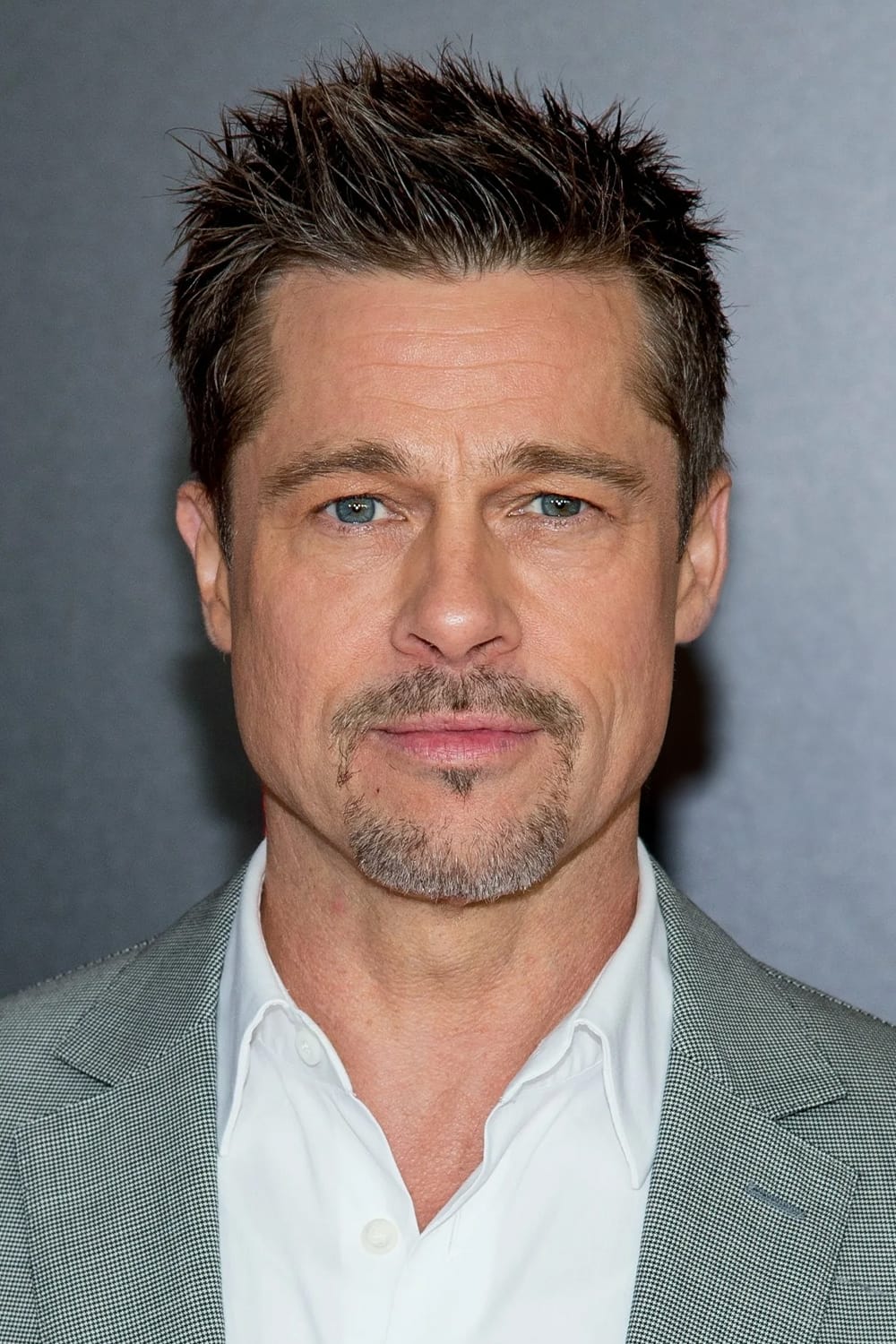
He prepared for ‘Fury’ by training for months with armor units and technical crews on real tanks, learning crew roles inside the tight interior of a World War Two vehicle. The regimen covered loading drills, intercom protocols, and blind spot awareness while the tank moved across rough ground.
He worked through maintenance tasks like track checks and basic servicing so he could handle tools and components accurately on set. Pitt drilled on coordination between the tank and infantry support to reflect how armor fights as part of a larger team.
Shia LaBeouf
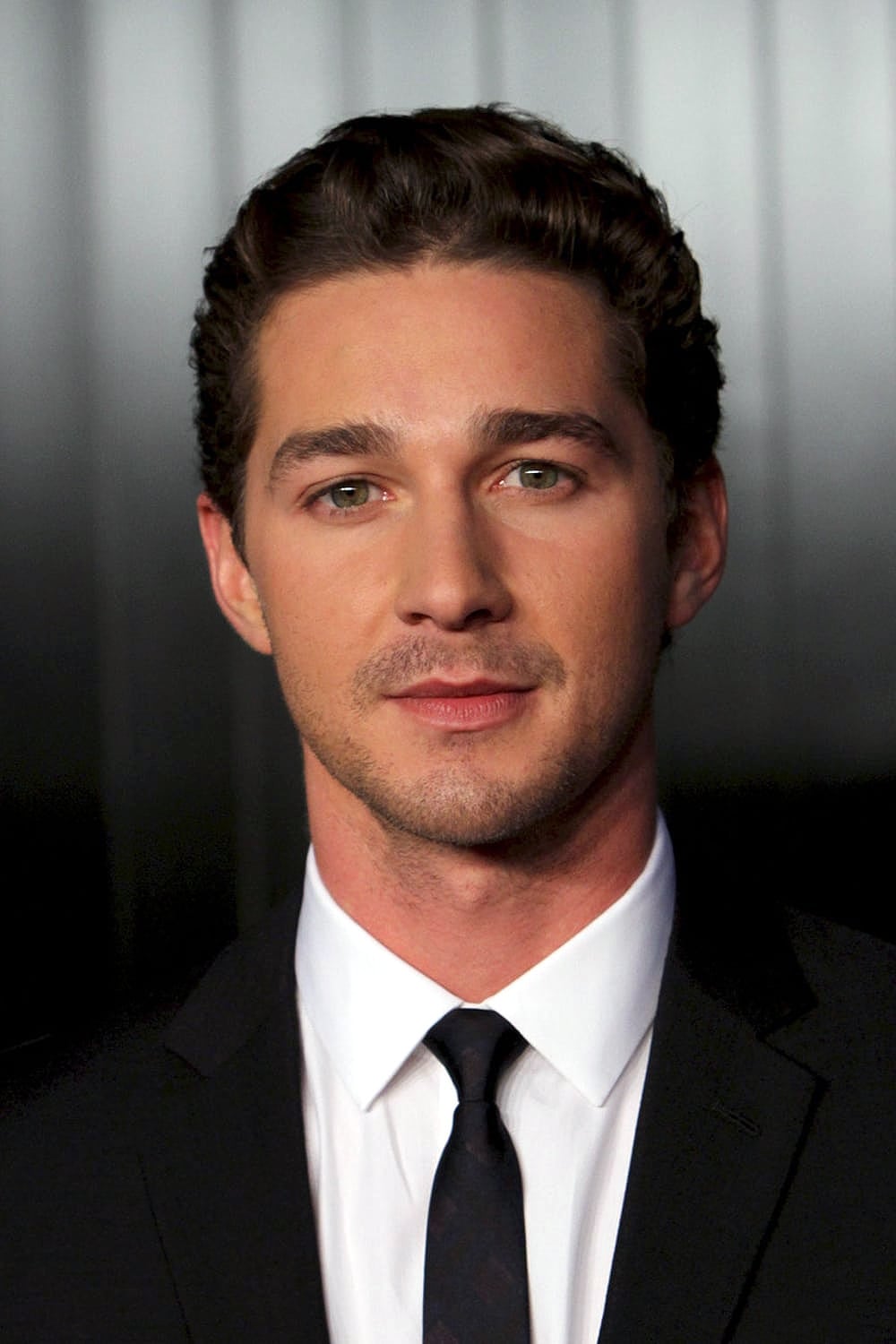
For ‘Fury’ he trained for months with armor specialists and military advisors, drilling gunnery commands, loader timing, and turret safety. He practiced communication under engine noise using headsets and hand signals to keep the crew synchronized during fast target changes.
His preparation included field time in mud and rain to simulate crew fatigue and equipment wear. LaBeouf repeated emergency procedures for jam clearing and turret stoppages so he could reset the system quickly during takes.
Logan Lerman
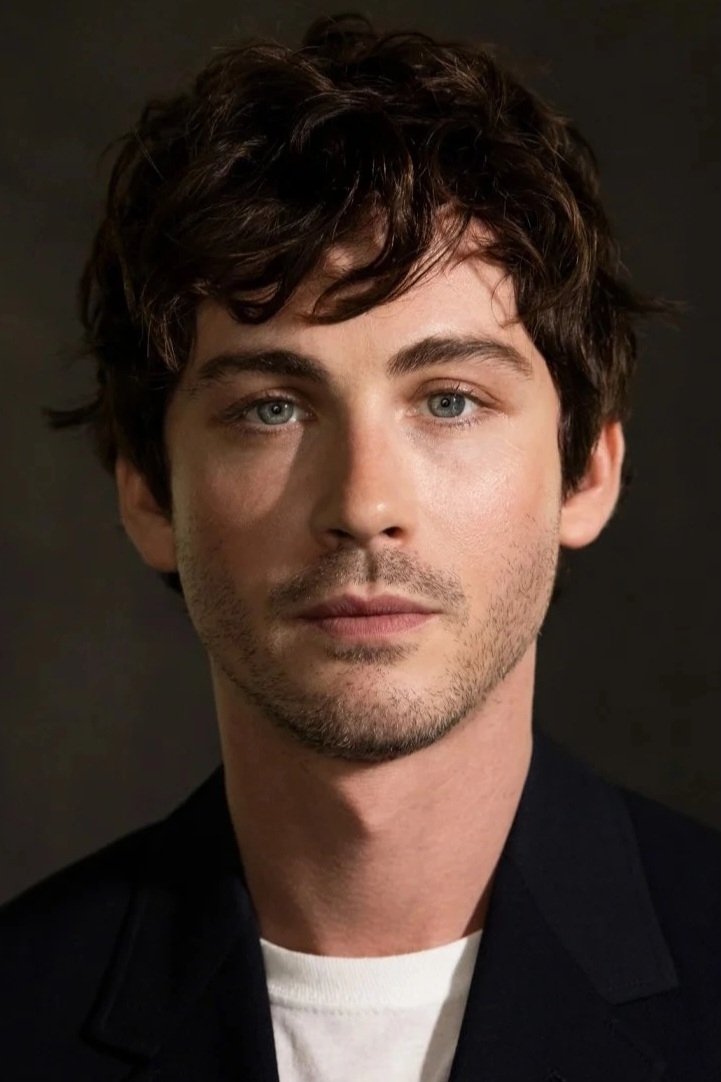
He spent months learning tank crew duties for ‘Fury’ with instruction from armor veterans and museum crews who keep historical vehicles running. Training focused on the loader role, ammunition handling, and safe movement in a cramped fighting compartment.
He practiced radio call formats and intercom discipline while the vehicle maneuvered, which improved timing between crew members. Lerman also learned how to stage gear and personal equipment inside the tank to avoid snagging cables or blocking traverse paths.
Jon Bernthal
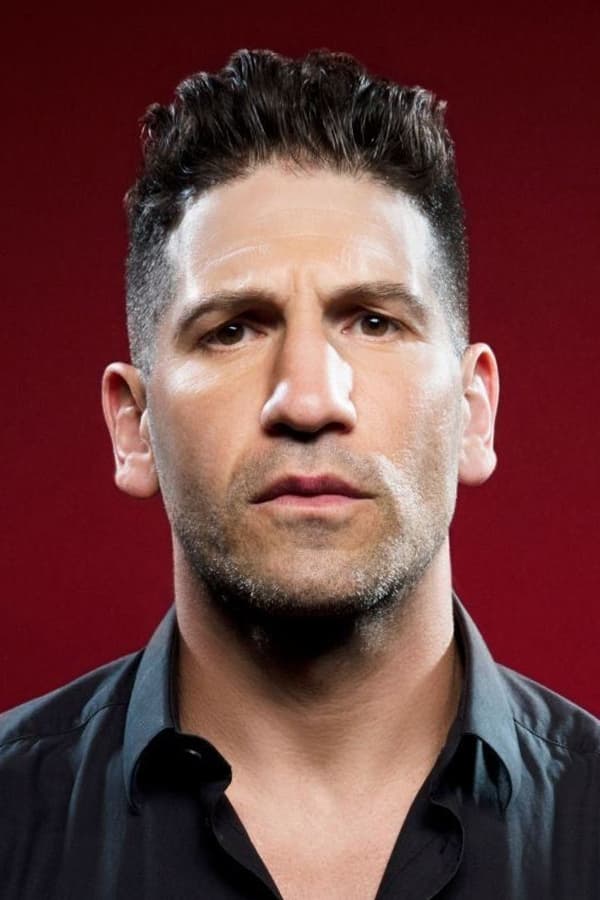
His ‘Fury’ preparation placed him with armor advisors for months to learn dismount and vehicle integration tactics. He drilled on mounting and dismounting under time pressure, weapon transitions near a moving vehicle, and security while the tank repositioned.
Bernthal trained to coordinate with an armored crew through clear signals so infantry and armor could move as a single element. He rehearsed field reloads, casualty movement near a vehicle, and sector coverage while the tank fired.
Michael Peña
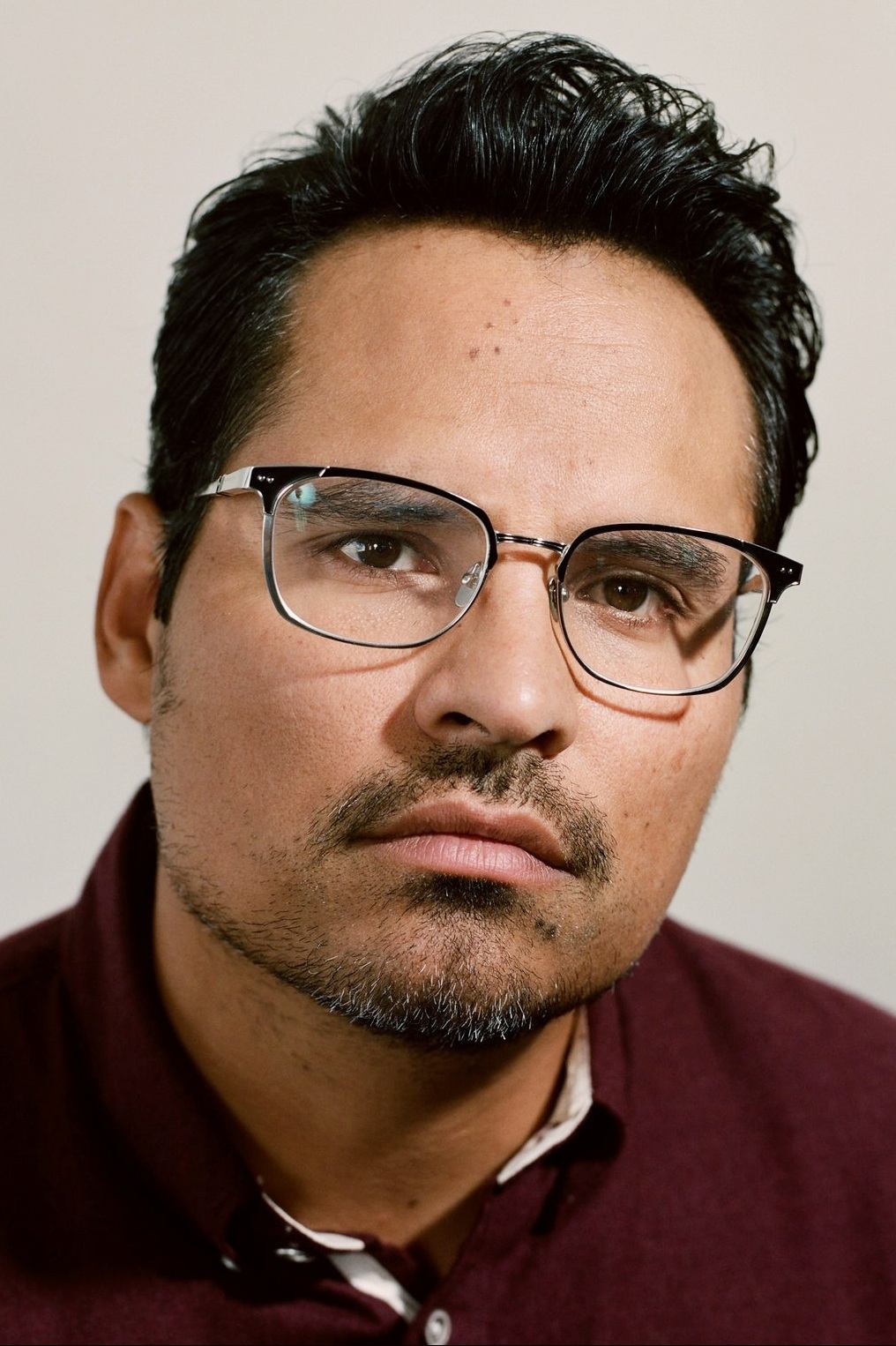
For ‘Fury’ he trained for months with armor teams to understand gunner tasks, ranging methods, and the way crews divide attention during contact. He worked on recognition of terrain and cover from a tank commander viewpoint so dialogue and movements matched real crew decision making.
His regimen included hours of dry runs in the turret to make hand placement, footwork, and headset checks automatic. Peña also practiced hatches, periscope use, and quick swaps between primary and secondary sights.
Mark Wahlberg
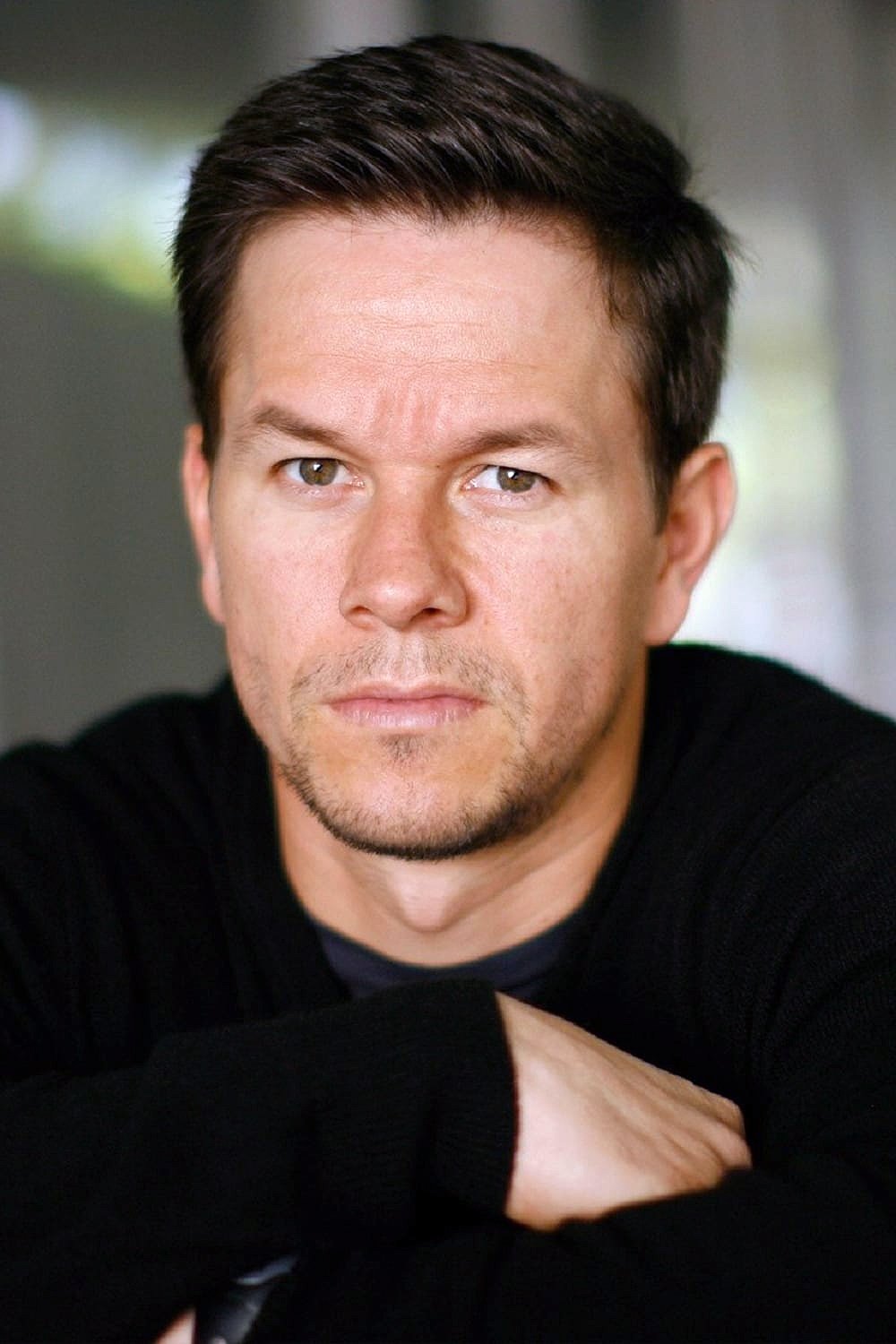
For ‘Lone Survivor’ he trained for months with Navy special operations instructors on mountain movement, patrolling, and live fire accuracy under stress. He learned to manage communications gear, confirm grids, and handle immediate action drills in steep terrain.
Wahlberg drilled casualty care fundamentals like tourniquet application and airway steps so he could move through those tasks smoothly on camera. He also trained on kit setup with plate carriers, hydration, and sling adjustment for long climbs.
Taylor Kitsch
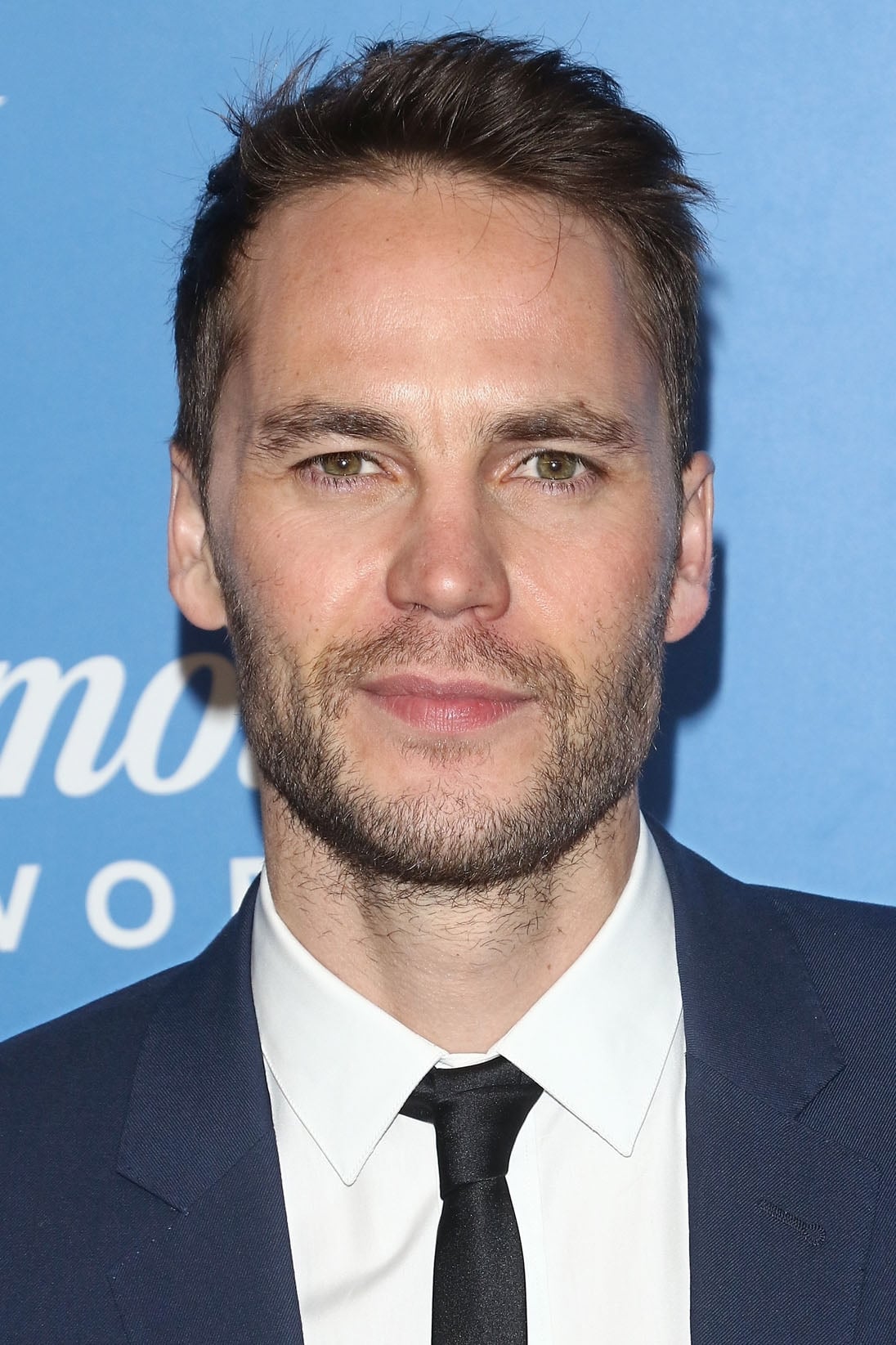
His ‘Lone Survivor’ workups ran for months with special operations trainers, covering small unit tactics, night navigation, and bounding through rocky ground. He learned standard hand signals, radio brevity, and how to keep spacing correct when moving on narrow ridgelines.
Kitsch spent hours at the range building accuracy from awkward positions while wearing full load. He rehearsed room entries and cross coverage so footwork and muzzle control stayed clean in tight interiors.
Emile Hirsch
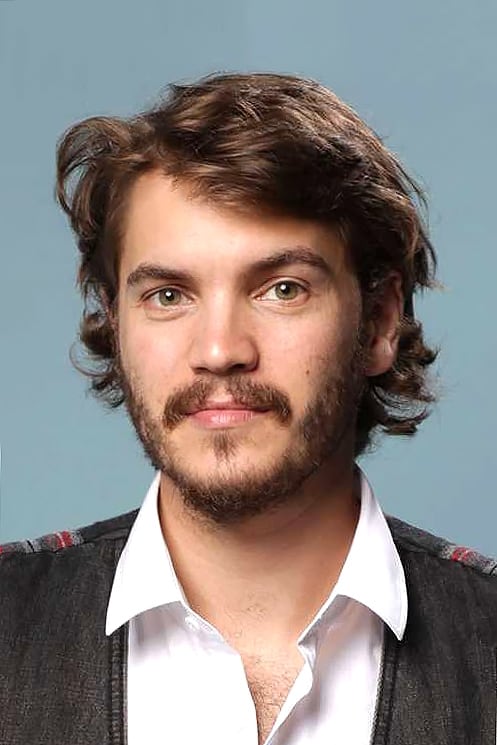
For ‘Lone Survivor’ he trained for months on endurance hikes with rucks, rifle handling in mountainous terrain, and contingency drills. Instructors emphasized hydration planning, blister prevention, and pace management that real teams use on long movements.
Hirsch learned to integrate maps, compass, and GPS checks into patrol rhythm without losing situational awareness. He practiced quick gear fixes like sling adjustments and fast magazine changes while keeping eyes up on the route.
Ben Foster
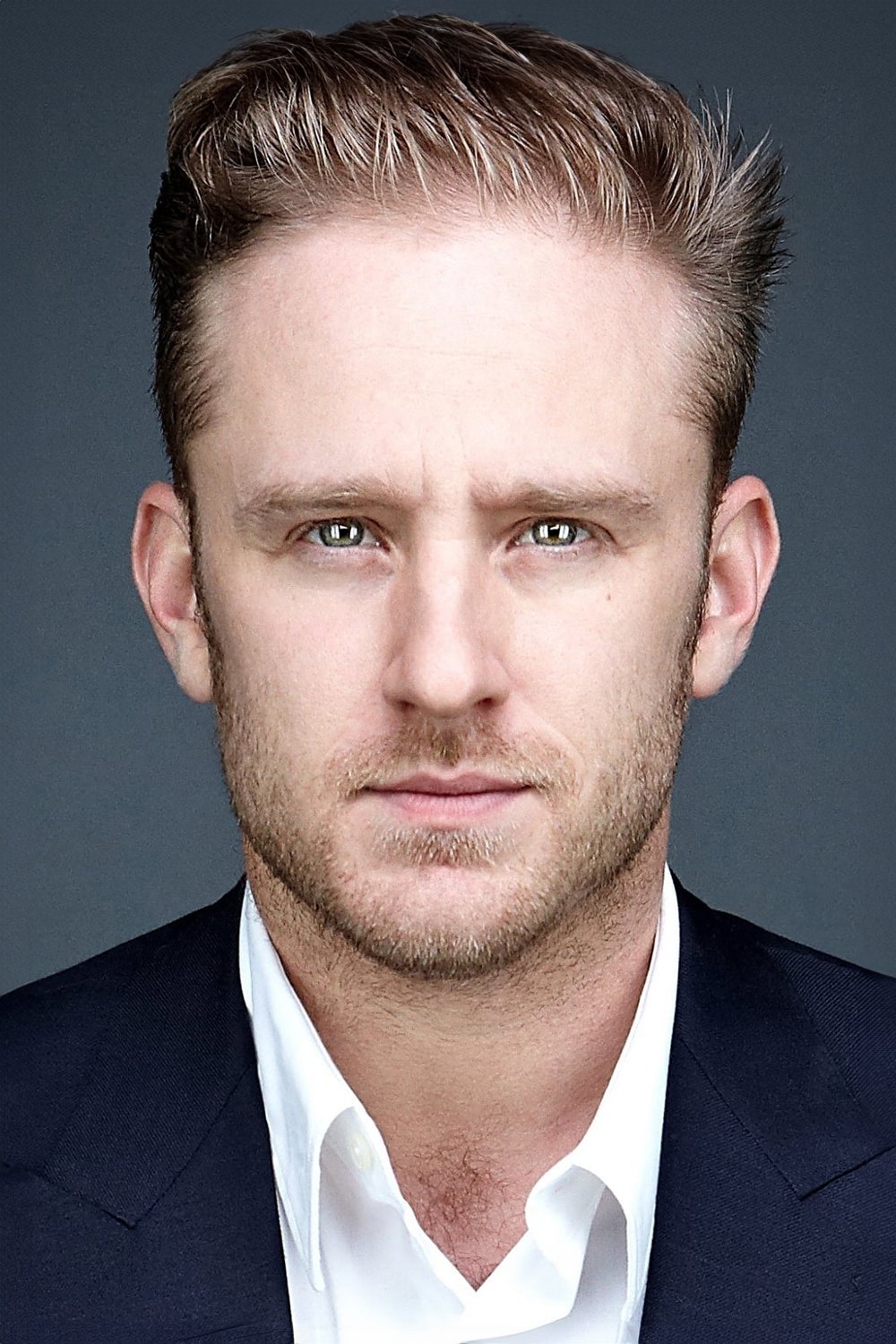
He completed months of training for ‘Lone Survivor’ with former Navy special operators on team communication, marksmanship, and close quarters movement. The program taught him to set up a rifle for his height and arm length and keep zero confirmed through repeated sessions.
Foster practiced silent signals, pieing corners, and buddy pair tactics that keep sectors covered in complex terrain. He also worked on immediate medical response and extraction procedures to match real world task sequencing.
Chris Hemsworth
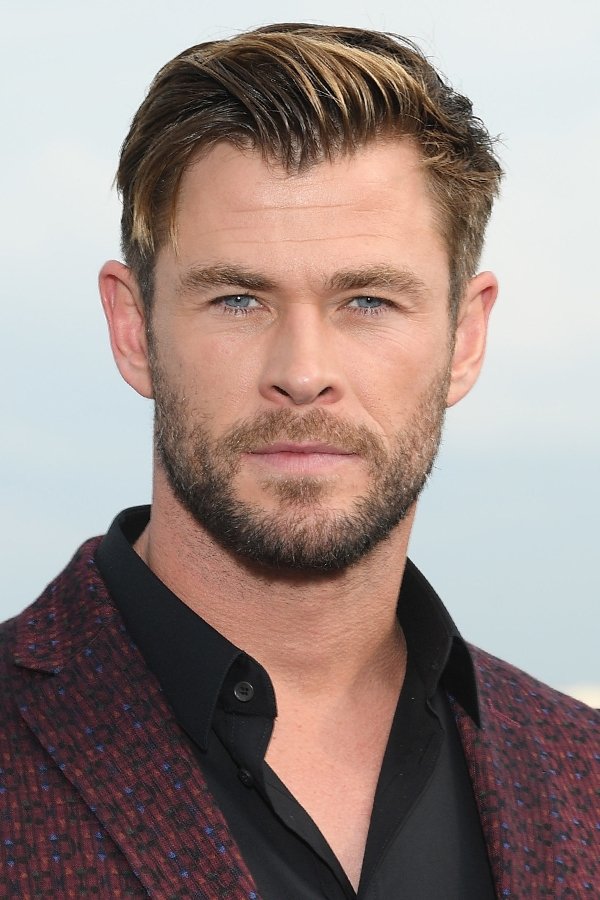
For ‘12 Strong’ he trained for months with Army special forces advisors and riding instructors to operate over broken ground while managing weapons from the saddle. Instruction covered how to approach and stand off from vehicles and how to communicate while mounted in noise and dust.
Hemsworth practiced calling for air support in training scenarios and learned how a detachment coordinates with local partners. He drilled on kit placement that avoids rubbing while riding and on quick dismounts into firing positions.
Michael Shannon
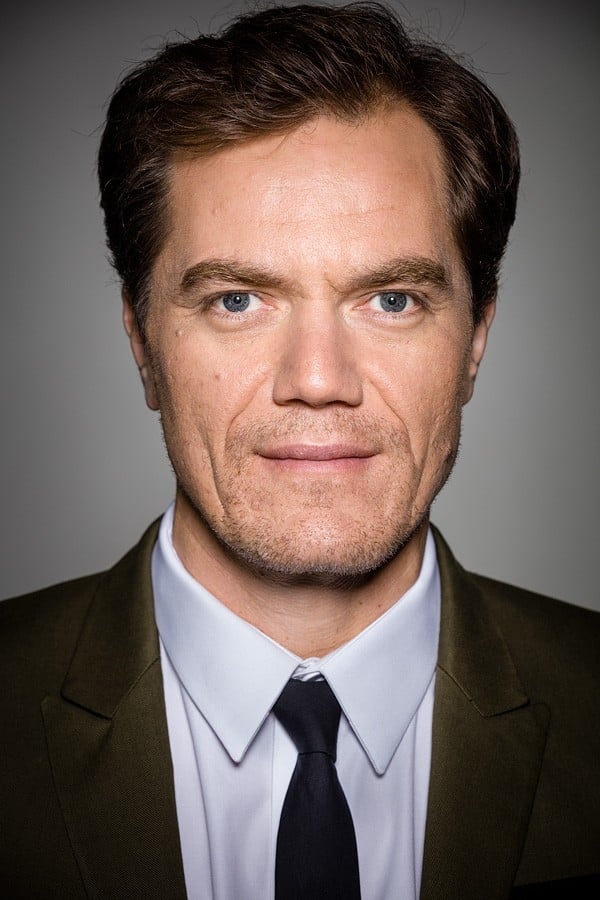
His preparation for ‘12 Strong’ ran for months and focused on detachment leadership habits, patrol planning, and long movements in cold and high wind. Training included rehearsals for linkups and deconfliction with supporting aircraft in fast changing conditions.
Shannon spent time on range work that emphasized controlled pairs, magazine management, and position changes on uneven ground. He learned team level communications and the way responsibilities shift during contact.
Trevante Rhodes
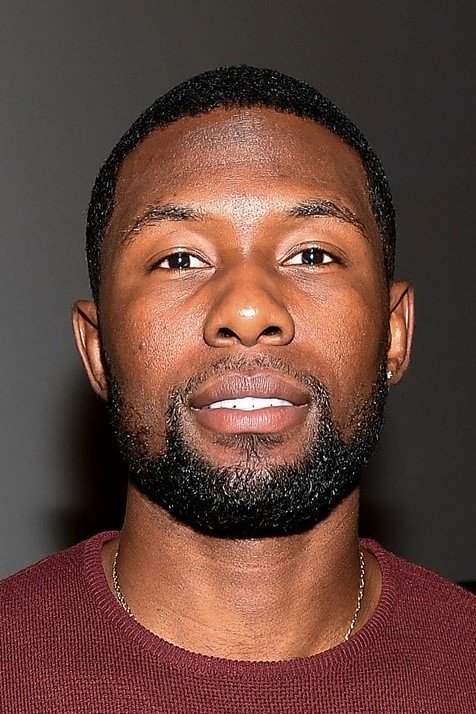
For ‘12 Strong’ he trained for months with special forces advisors on mounted tactics, convoy security, and movement through villages while coordinating with locals. He learned to manage weapon safety and muzzle discipline while riding and while dismounting into narrow alleys.
Rhodes practiced basic phrase sets and hand signs used to bridge language gaps during patrols. He drilled on accountability for gear, optics checks, and quick adjustments to maintain readiness across long days.
Bradley Cooper
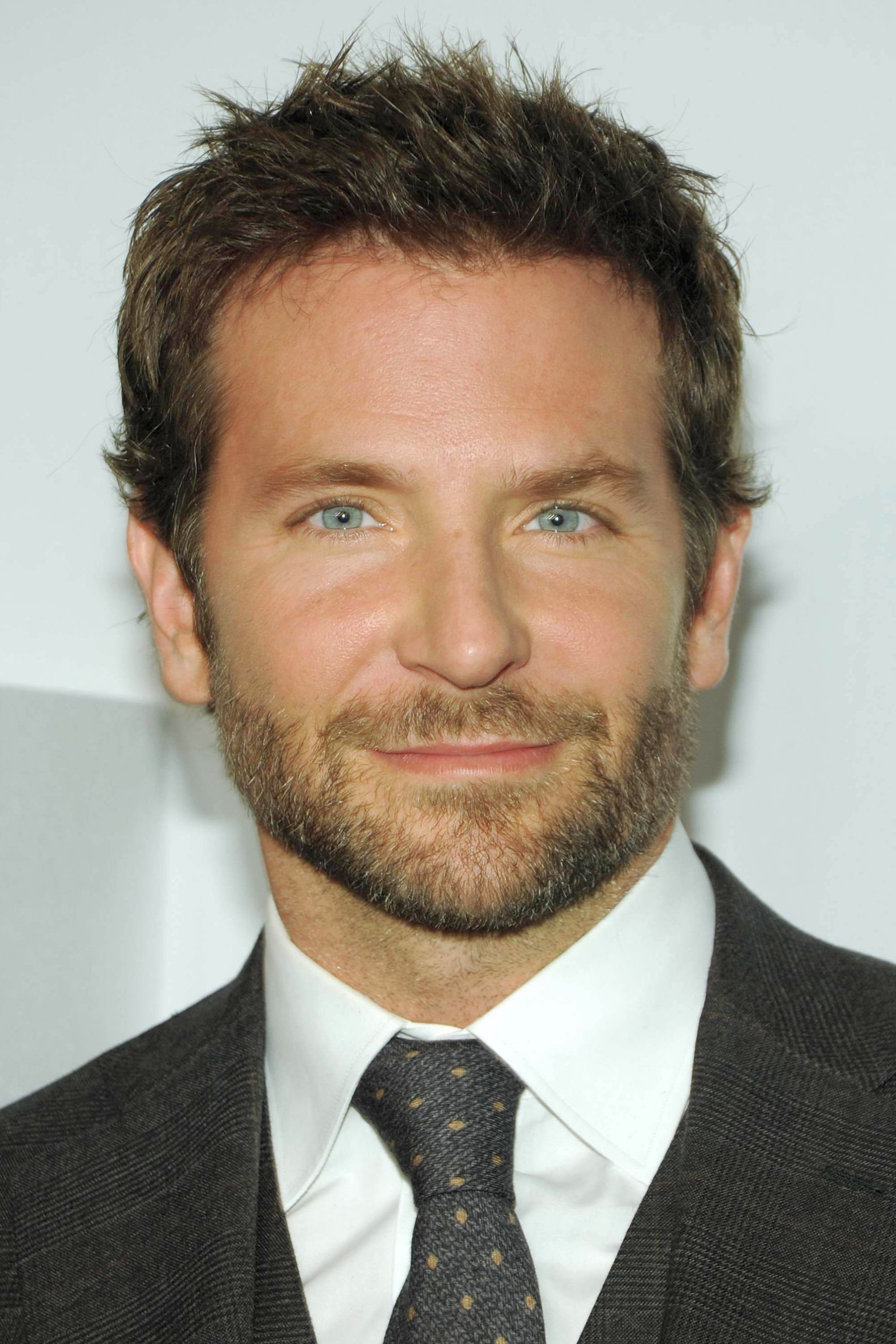
For ‘American Sniper’ he trained for months with sniper instructors on long range shooting, range estimation, and wind calls. The work included building stable positions with bags and barricades and logging data for different rifles and loads.
Cooper practiced spotting and shooter communication so corrections could be made quickly without wasted rounds. He also drilled on kit layout, sling use, and rifle maintenance to keep movements efficient during extended scenes.
Jake Gyllenhaal

For ‘Jarhead’ he spent months in Marine style preparation that covered field exercises, weapons cleaning, and desert movement. He learned squad signals, radio etiquette, and the daily routines that keep a team functional in heat and dust.
Gyllenhaal trained on live fire ranges and practiced nighttime movement with minimal light to mirror real training blocks. He built endurance through runs, ruck marches, and calisthenics that match standard military conditioning.
Vicky Kaushal
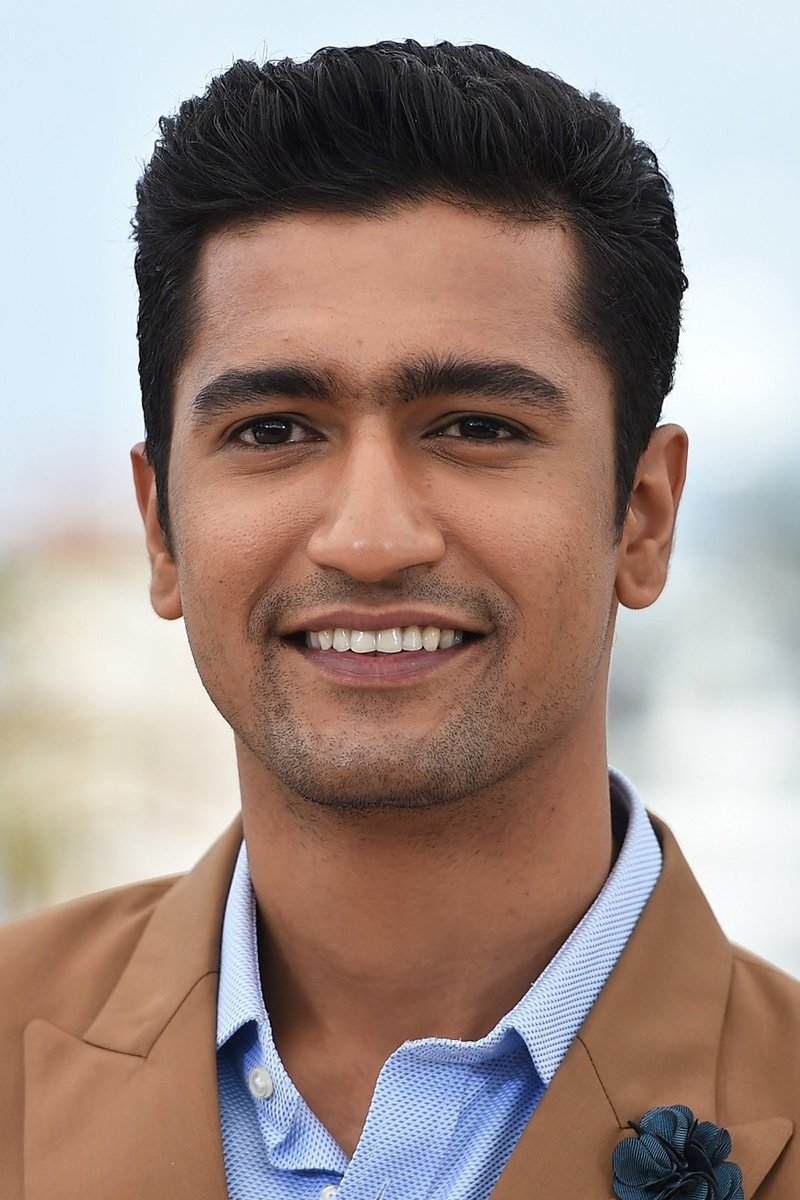
For ‘Uri The Surgical Strike’ he trained for months with Indian Army instructors on room intervention, patrol movement, and weapons handling. Prep included obstacle course work, early morning conditioning, and drills that simulate quick target discrimination in tight spaces.
Kaushal learned to manage magazines, lights, and sights while moving through multi room structures. He also trained on team communication and casualty carry methods that show up realistically during action sequences.
Have another name who put in months with real military units that should be here too? Share your pick in the comments.