


Actors Who Walked Away From Franchises Over Racist Marketing

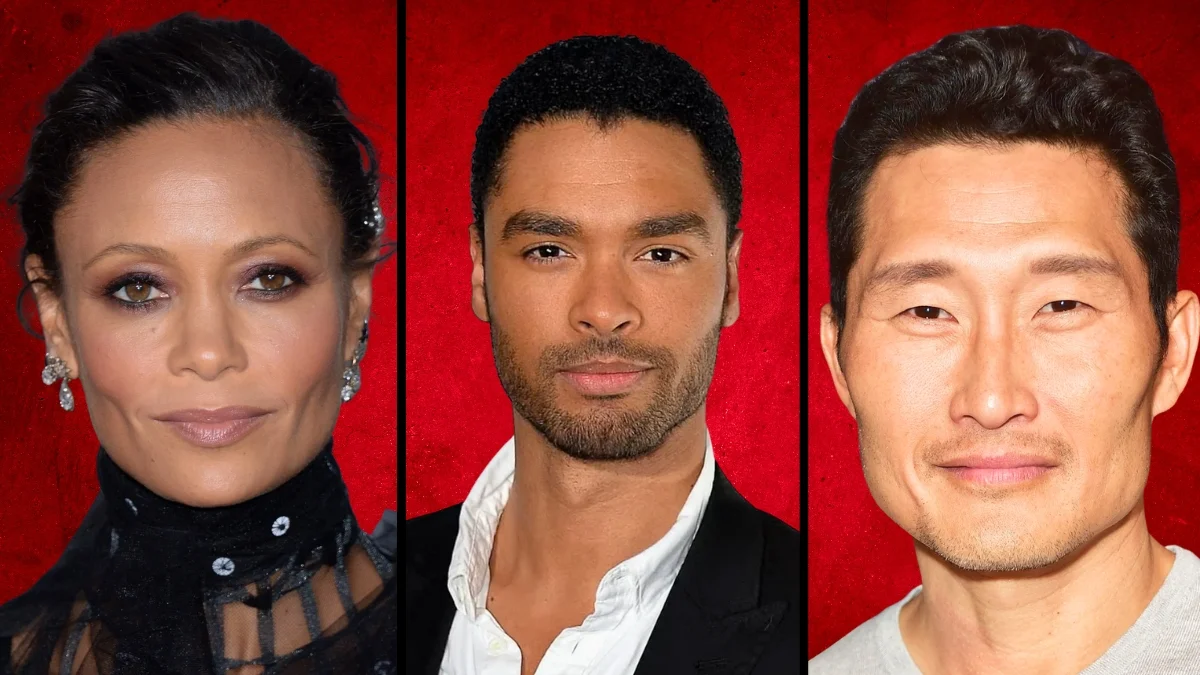


Casting decisions and marketing strategies play a massive role in the success of any film or television franchise. While many actors endure difficult production environments to advance their careers, some have chosen to walk away from lucrative opportunities due to racial insensitivity. These performers took a stand against whitewashing, stereotypical portrayals, and discriminatory marketing campaigns that misrepresented their heritage. The following list highlights actors who prioritized their integrity and principles over a paycheck by exiting or rejecting major franchise roles.
Thandiwe Newton

Thandiwe Newton was in negotiations to star as one of the leads in the 2000 reboot of ‘Charlie’s Angels’ alongside Cameron Diaz and Drew Barrymore. The actress decided to exit the project after a pitch meeting with studio head Amy Pascal that she described as racially offensive. Newton stated that the executive outlined a character arc that relied heavily on racial stereotypes and objectification for the film’s marketing. The proposed opening shot involved an extreme close-up of her body in a manner she felt was inappropriate. She walked away from the potential blockbuster franchise to avoid perpetuating those harmful tropes.
Ed Skrein
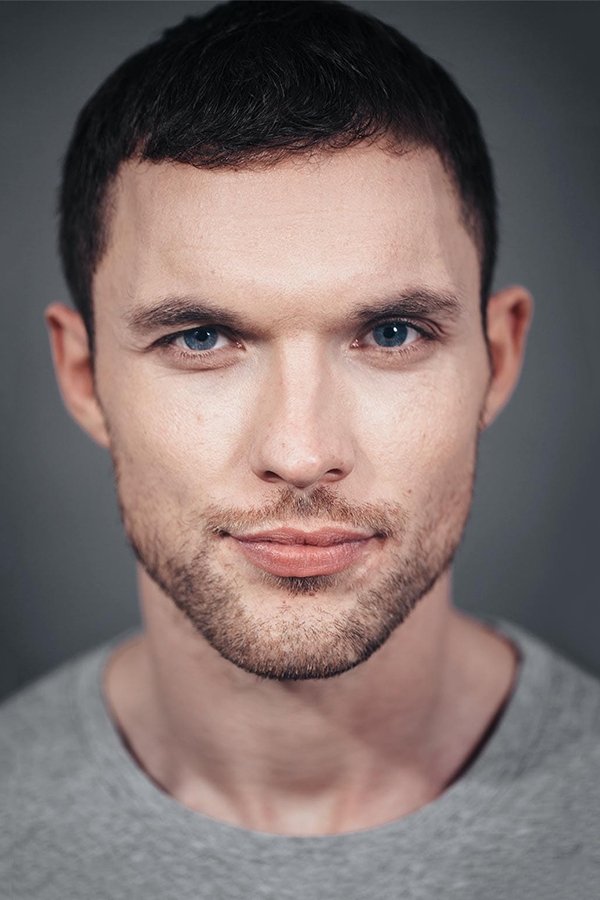
Ed Skrein was cast to play Major Ben Daimio in the 2019 reboot of the ‘Hellboy’ franchise. Fans immediately criticized the casting decision because the character is of Japanese descent in the original comic books. Skrein listened to the public outcry regarding the whitewashing of the role and the marketing of a white actor as an Asian character. He voluntarily stepped down from the project to allow the studio to cast the role authentically. His departure forced the production team to correct their course and they subsequently hired Daniel Dae Kim for the part.
Dave Chappelle
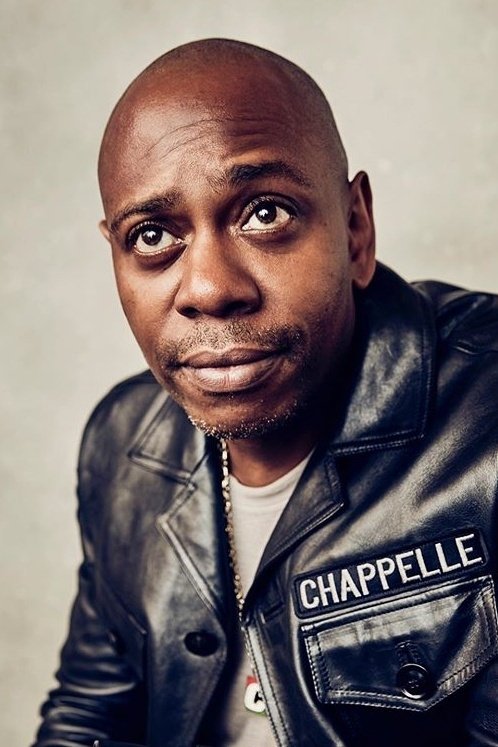
Dave Chappelle famously walked away from ‘Chappelle’s Show’ and a fifty million dollar contract during the production of its third season. The comedian felt that his sketches were being received by the audience and utilized in marketing in a way that reinforced negative stereotypes rather than subverting them. He specifically cited a moment where a crew member laughed at a sketch in a way that made him feel socially irresponsible. Chappelle fled to Africa to escape the environment and the feeling that his work was becoming a minstrel show. He chose to protect his integrity rather than continue a franchise he felt was damaging to his community.
Hank Azaria
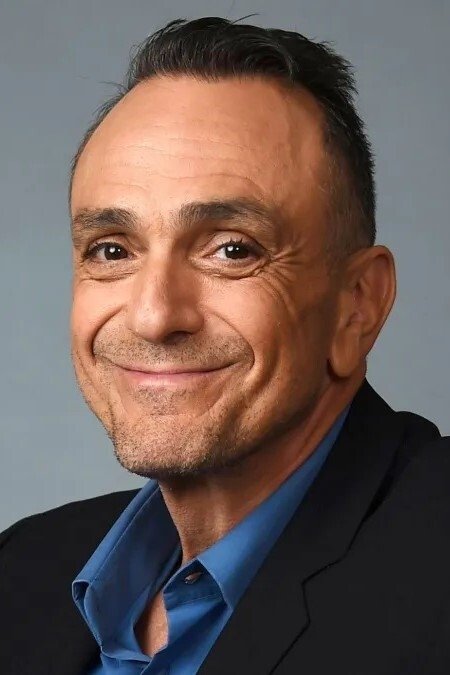
Hank Azaria voiced the character Apu Nahasapeemapetilon on the animated franchise ‘The Simpsons’ for over thirty years. The actor stepped away from the role after the documentary ‘The Problem with Apu’ highlighted how the character fueled racist bullying and stereotyping. Azaria acknowledged that his portrayal contributed to a harmful caricature that was marketed as acceptable comedy for decades. He agreed that a South Asian actor should voice the character or it should be retired completely. His decision marked a significant cultural shift in how legacy animation franchises handle representation.
Mike Henry
Mike Henry voiced Cleveland Brown on ‘Family Guy’ and its spinoff series for twenty years. He announced he would no longer voice the character because he believed persons of color should play characters of color. The actor stepped down during a wave of industry changes regarding authentic voice casting and representation. Henry felt that continuing to profit from a Black character as a white man was no longer acceptable in the modern entertainment landscape. His departure allowed the show to recast the role with a Black actor for future seasons.
Jenny Slate
Jenny Slate voiced the biracial character Missy on the popular animated series ‘Big Mouth’. She requested to be replaced because she reasoned that Black characters should be played by Black people. Slate admitted her original reasoning for taking the role was flawed and contributed to the erasure of Black culture in media marketing. She walked away to open up the space for authentic representation in the voice acting industry. The role was subsequently recast with Ayo Edebiri taking over the character.
Kristen Bell
Kristen Bell voiced the mixed-race character Molly in the Apple TV+ musical series ‘Central Park’. The actress and the production team mutually decided she should step down from the role to allow for accurate casting. Bell acknowledged that her casting showed a lack of awareness regarding the specific experience of growing up mixed-race. She walked away from the character to support the show’s commitment to correct its representation errors. The move was part of a broader industry correction regarding whitewashed voice roles.
Chadwick Boseman
Chadwick Boseman landed an early role on the soap opera franchise ‘All My Children’ playing a young gang member. He was fired from the show after he voiced concerns to the producers that the character was a stereotypical trope. Boseman felt the role reinforced negative images of young Black men and tried to suggest changes to the script. The future ‘Black Panther’ star was let go for being too difficult but he stood by his principles regarding representation. His willingness to lose a job over racist stereotyping defined his future career path.
Orlando Jones
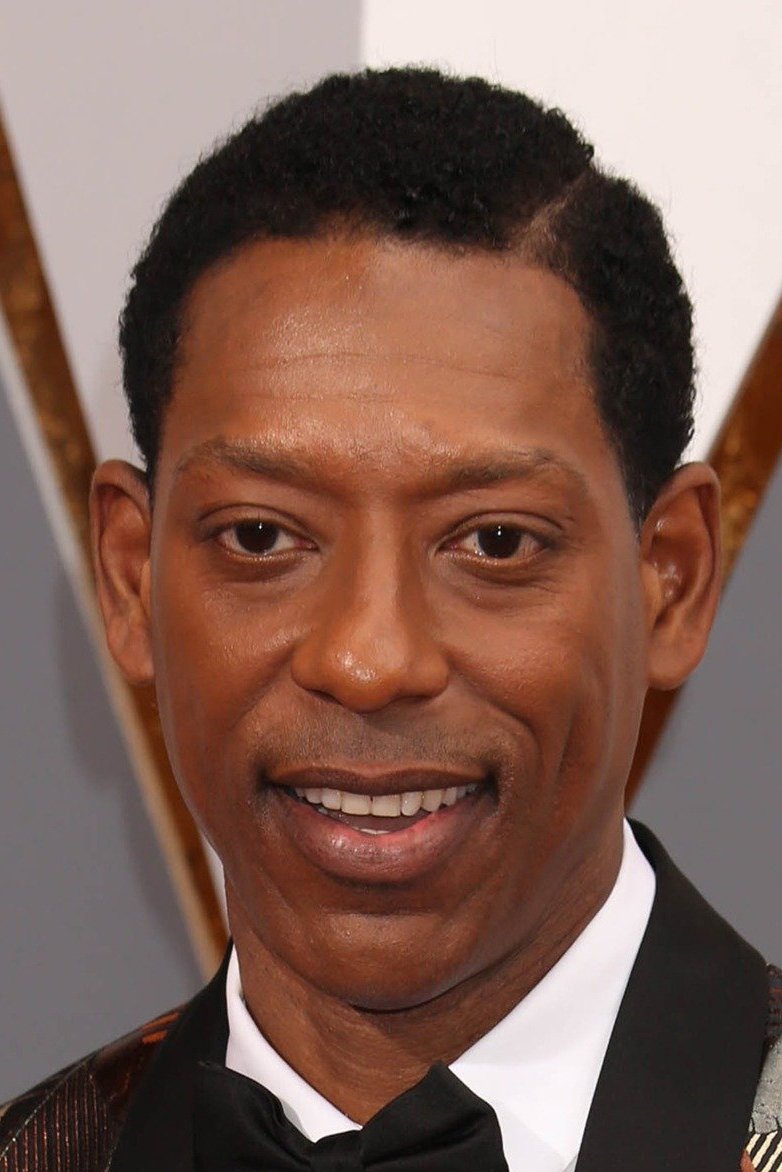
Orlando Jones played the trickster god Mr. Nancy in the Starz series ‘American Gods’ before being fired. The actor claimed the new showrunner decided his character’s anger sent the wrong message to Black America. Jones spoke out against the decision and framed it as a move to sanitize the show’s racial commentary for marketing purposes. He criticized the production company for failing to support the diverse perspectives the show originally promised. His exit led to a significant fan backlash against the series and its handling of race.
Ray Fisher
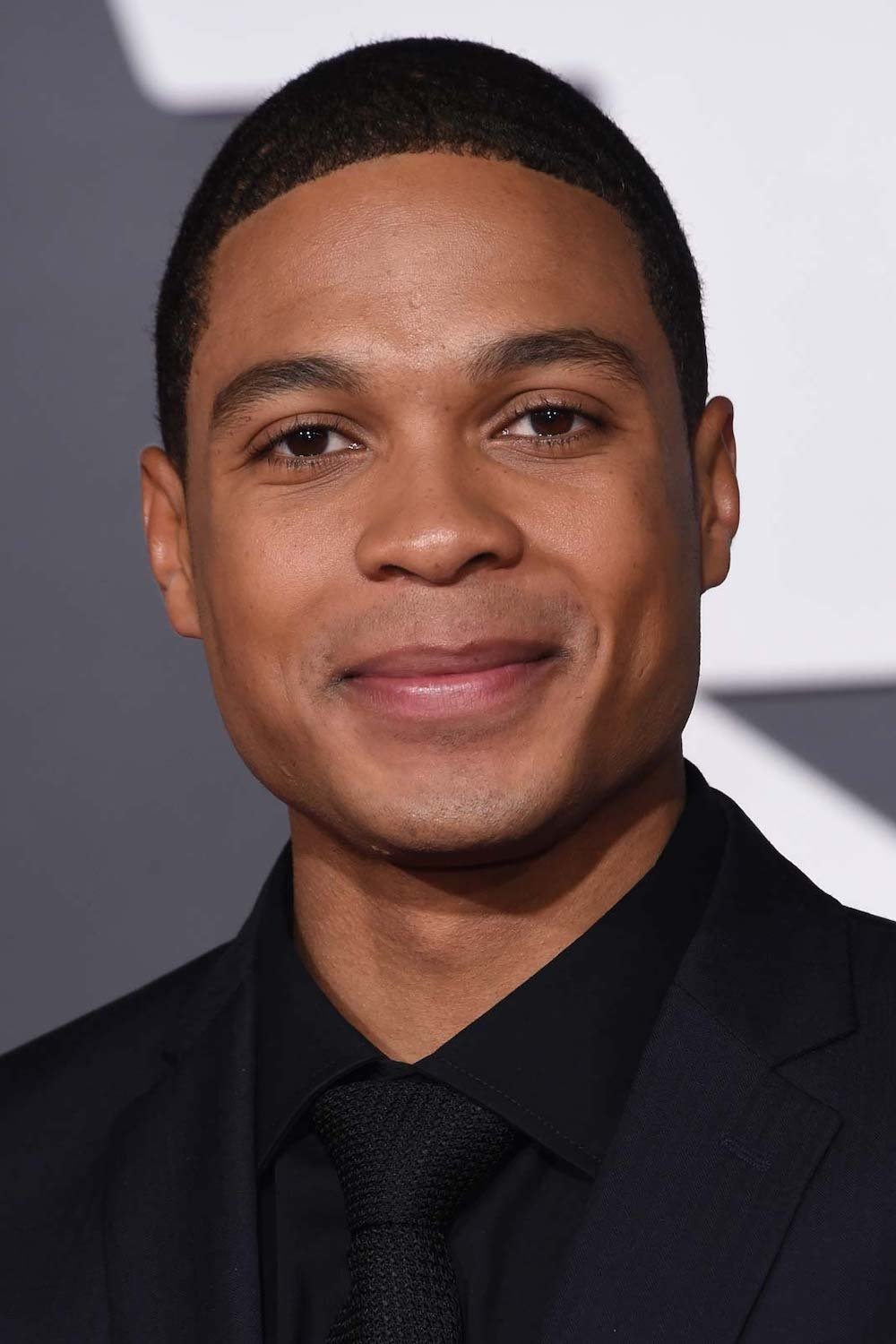
Ray Fisher played Cyborg in ‘Justice League’ but his tenure in the DC Universe ended after a public battle with the studio. He accused director Joss Whedon and studio executives of abusive behavior and racially insensitive editing that minimized his role. Fisher stated that the studio PR team attempted to protect the executives rather than address the racism he experienced on set. He was subsequently removed from the cast of ‘The Flash’ and effectively exited the franchise. Fisher continues to demand accountability for the treatment of actors of color in the industry.
Regé-Jean Page
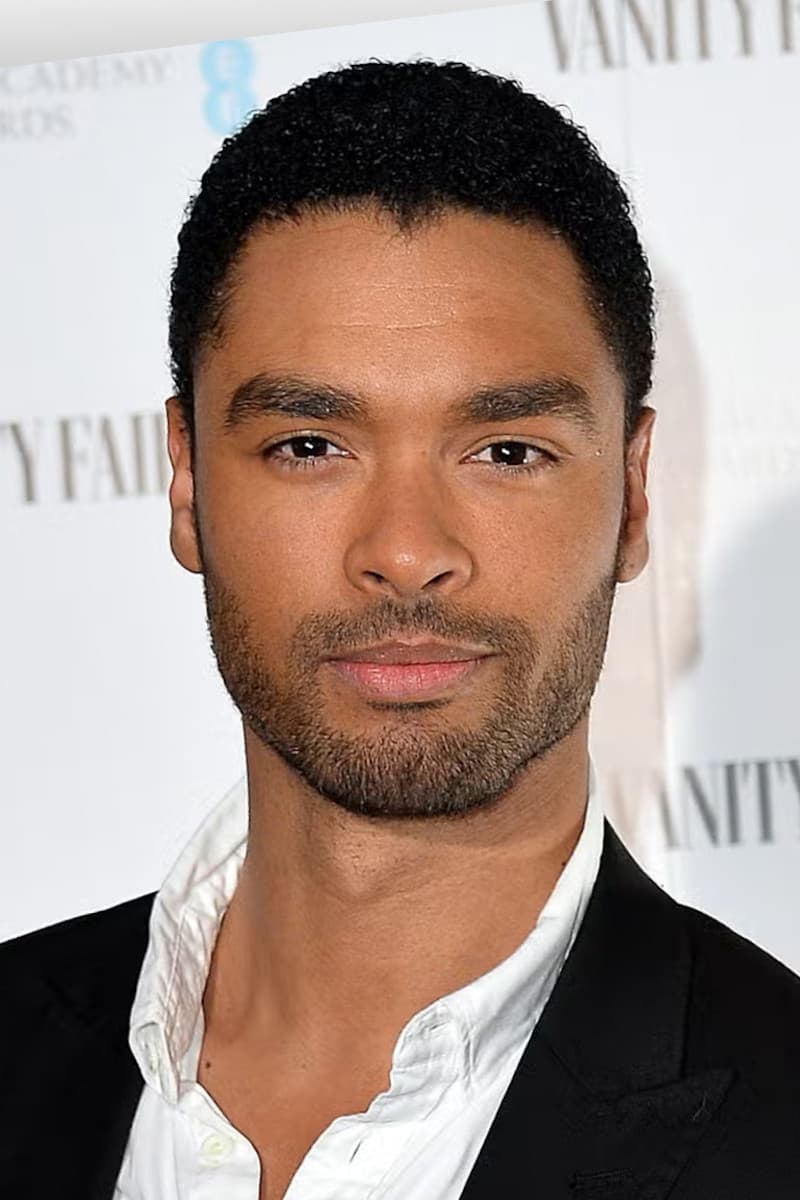
Regé-Jean Page auditioned for the role of Seg-El in the Superman prequel series ‘Krypton’. The actor was reportedly turned down because a creative executive believed Superman could not have a Black grandfather. Page later confirmed that he walked away from the opportunity after hearing the feedback regarding his race. The decision highlighted the restrictive and exclusionary marketing logic often applied to legacy superhero franchises. He moved on to find massive success in other projects that embraced his casting.
Amandla Stenberg
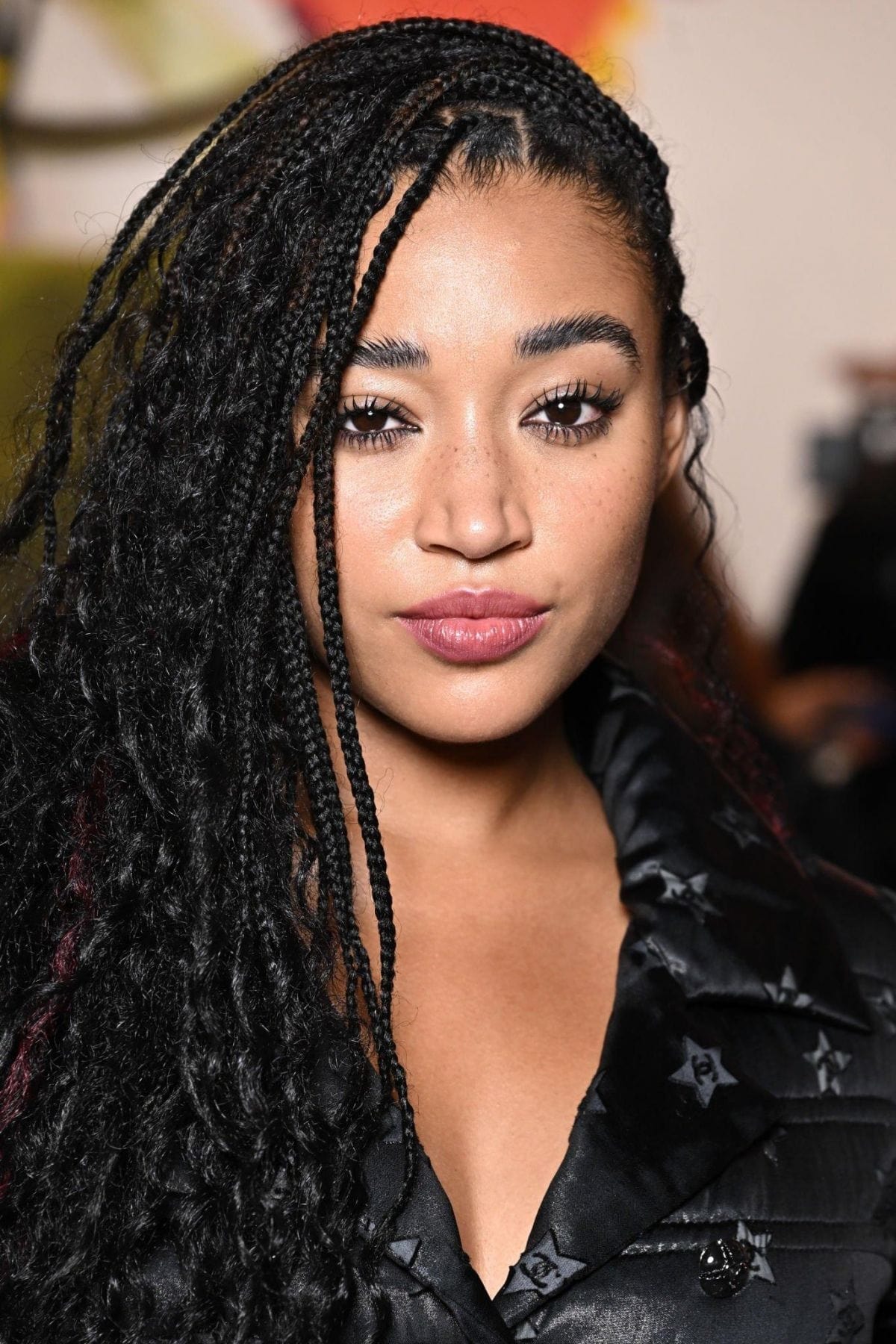
Amandla Stenberg was approached to audition for the role of Shuri in the Marvel blockbuster ‘Black Panther’. The actress walked away from the opportunity because she felt a dark-skinned actor should play the African princess. She believed her casting would have been colorist and would not have served the cultural representation the film aimed to market. Stenberg openly stated that there were spaces she should not take up simply because she could. Her choice ensured the role went to Letitia Wright and maintained the film’s integrity.
Marcus Chong
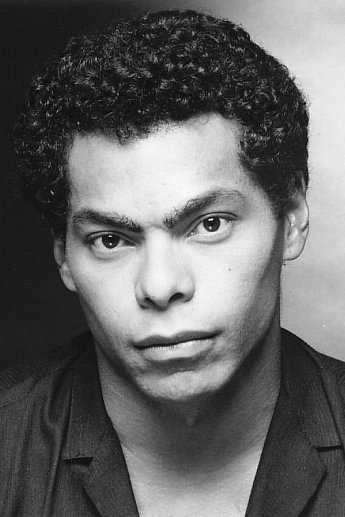
Marcus Chong played Tank in the original ‘The Matrix’ film but did not return for the sequels. The actor entered a heated dispute with the filmmakers over his salary and allegations of racism. Chong claimed that the studio undervalued his contribution and tried to silence him when he demanded fair treatment. He released a documentary detailing his exclusion from the franchise and the alleged conspiracy to ruin his career. His exit remains one of the most controversial departures in sci-fi history.
Terrence Howard
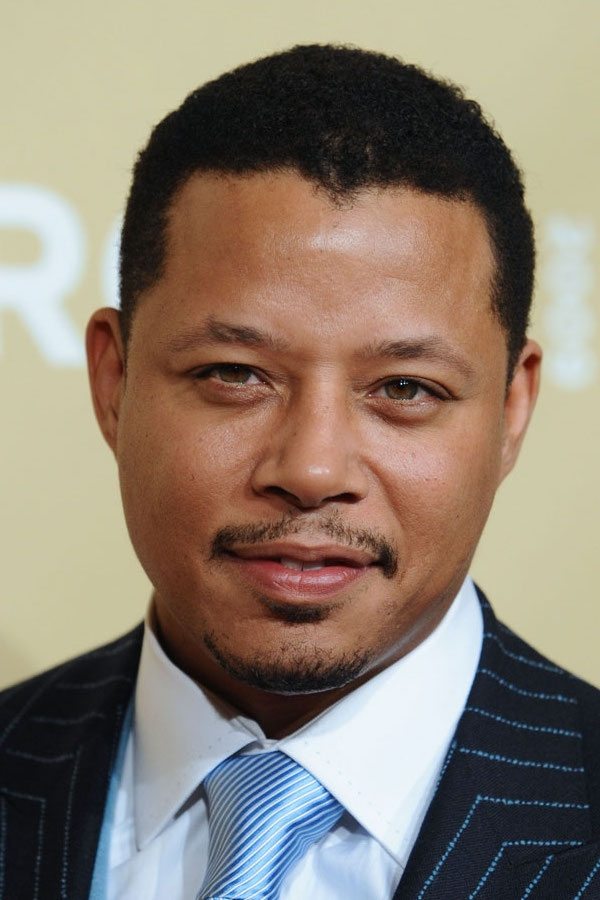
Terrence Howard was the highest-paid actor in the first ‘Iron Man’ film playing James Rhodes. He did not return for the sequel after the studio demanded he take a massive pay cut. Howard claimed the executives told him the franchise would be successful with or without him and undervalued his contribution. He felt the studio used the money meant for his contract to pay Robert Downey Jr. more. Don Cheadle replaced him in the role for the remainder of the franchise.
Ricky Whittle
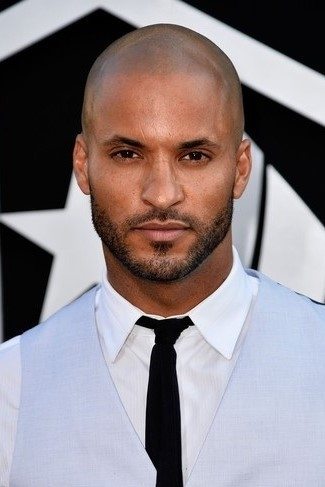
Ricky Whittle starred as Lincoln in the post-apocalyptic drama ‘The 100’. He left the show after accusing showrunner Jason Rothenberg of bullying and professionally sidelining his character. Whittle stated that his storyline was cut significantly effectively diminishing his presence in the show’s marketing and narrative. He felt his character was being treated as a prop rather than a fully realized person. The actor chose to walk away from the toxic environment to pursue better opportunities.
Adewale Akinnuoye-Agbaje
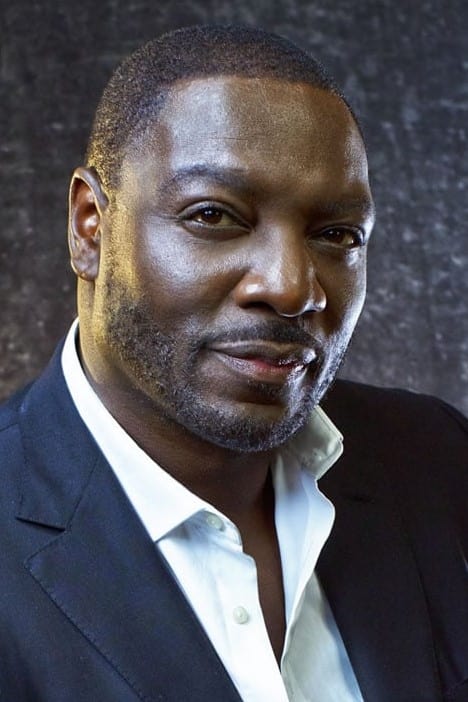
Adewale Akinnuoye-Agbaje played Mr. Eko on the hit series ‘Lost’ but requested to be written off the show. The actor felt the role was not progressing beyond certain stereotypes and he was unhappy with the filming location. He believed the character development did not match the initial promises made by the production. His departure forced the writers to alter their long-term plans for the character significantly. He chose his personal well-being and career satisfaction over the massive popularity of the franchise.
John Boyega
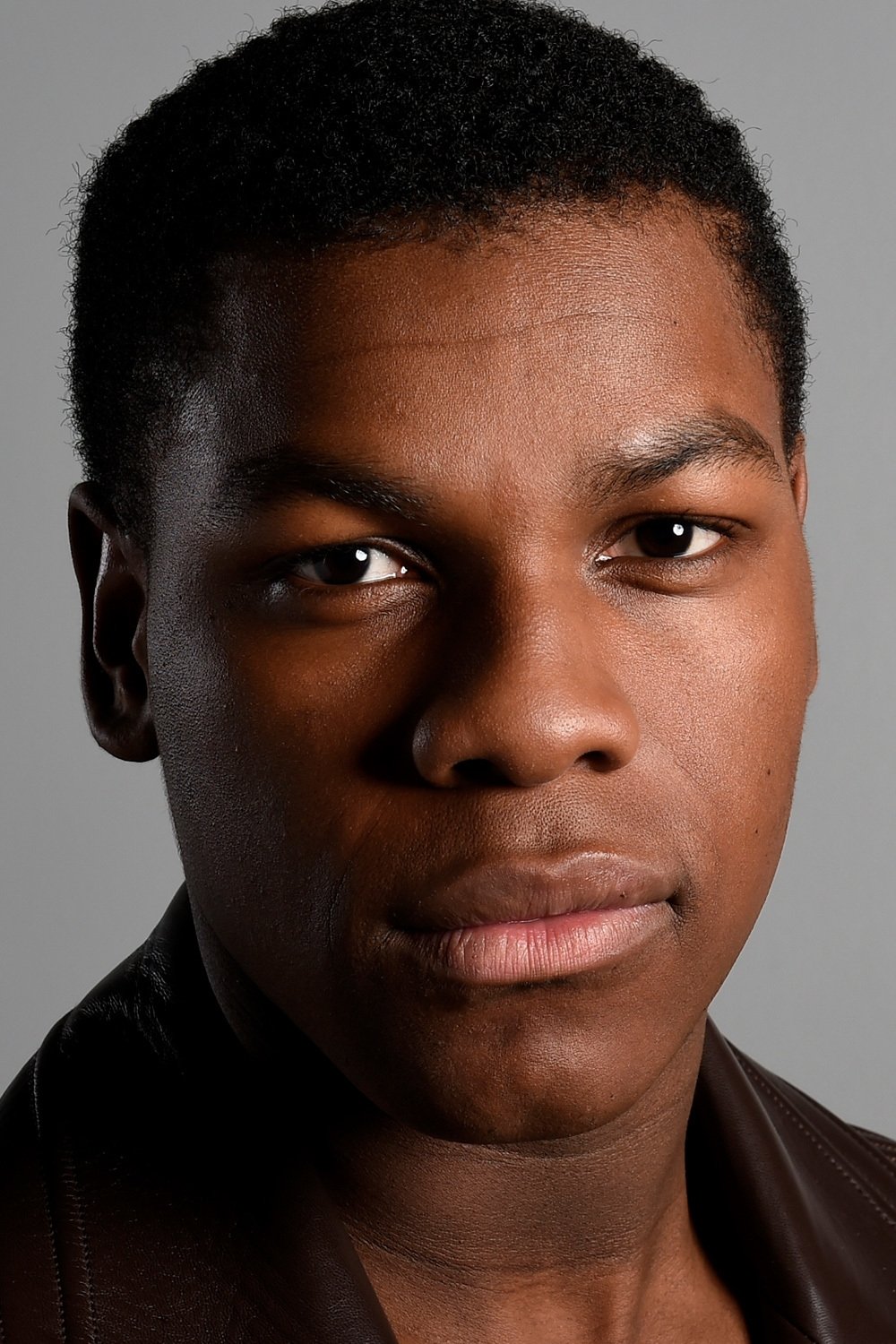
John Boyega played Finn in the ‘Star Wars’ sequel trilogy but has since distanced himself from the franchise. He openly criticized the marketing strategy that minimized his presence in international posters and sidelined his character arc. Boyega felt the studio marketed his character as a major lead but did not support him creatively or publicly when facing racist backlash. He has stated he has no interest in returning to the role under those previous conditions. His vocal stance highlighted the disparity in how studios protect and market their diverse talent.
Daniel Dae Kim
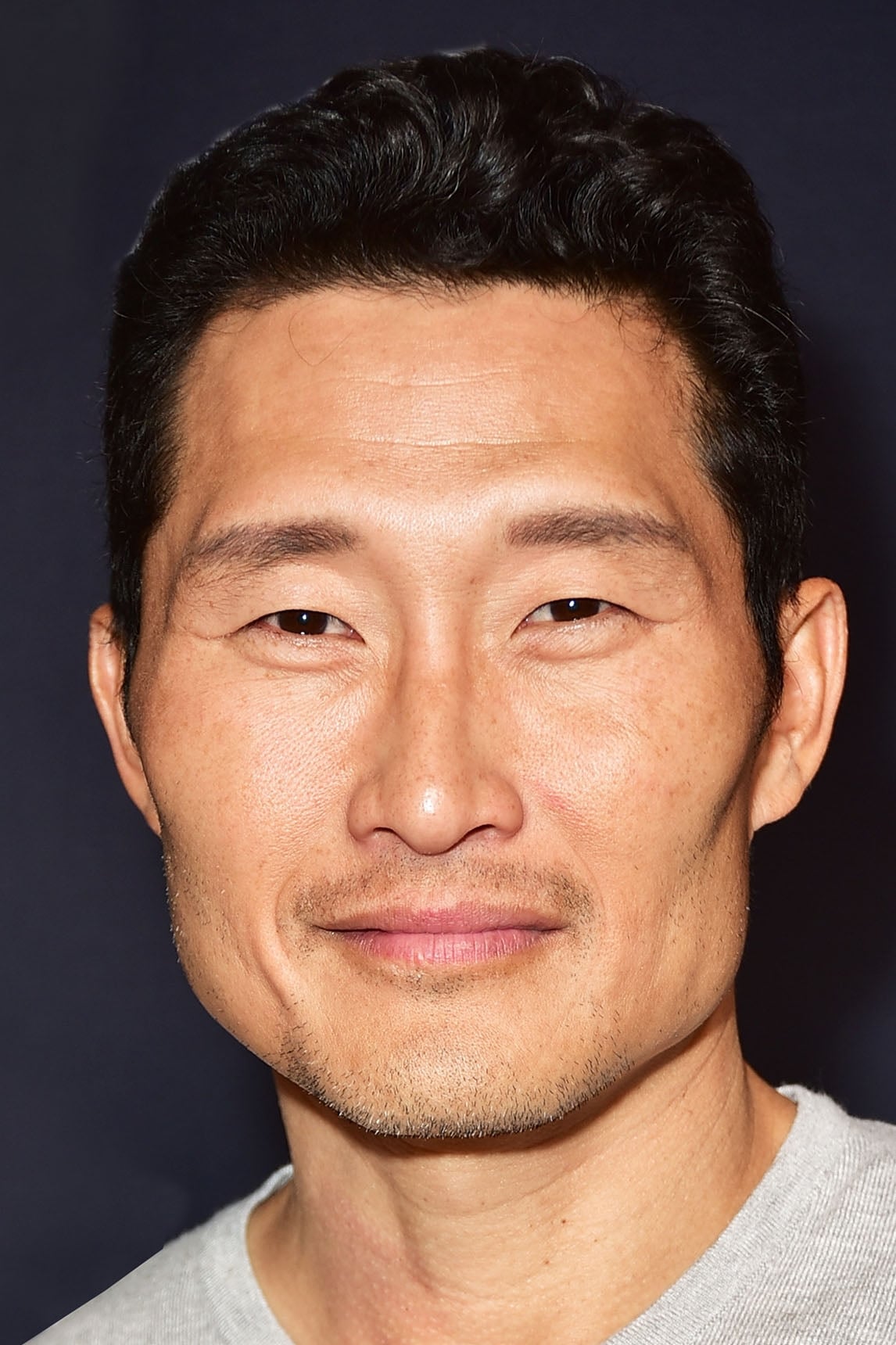
Daniel Dae Kim starred as Chin Ho Kelly in ‘Hawaii Five-0’ for seven seasons. He exited the series after failed contract negotiations seeking pay equality with his white co-stars. The network marketing relied heavily on the ensemble cast yet the salary offers did not reflect equal value for the Asian American leads. Kim stated that the path to equality is rarely easy and chose to leave the hit show behind. His departure sparked a significant conversation regarding the valuation of actors of color in television franchises.
Grace Park
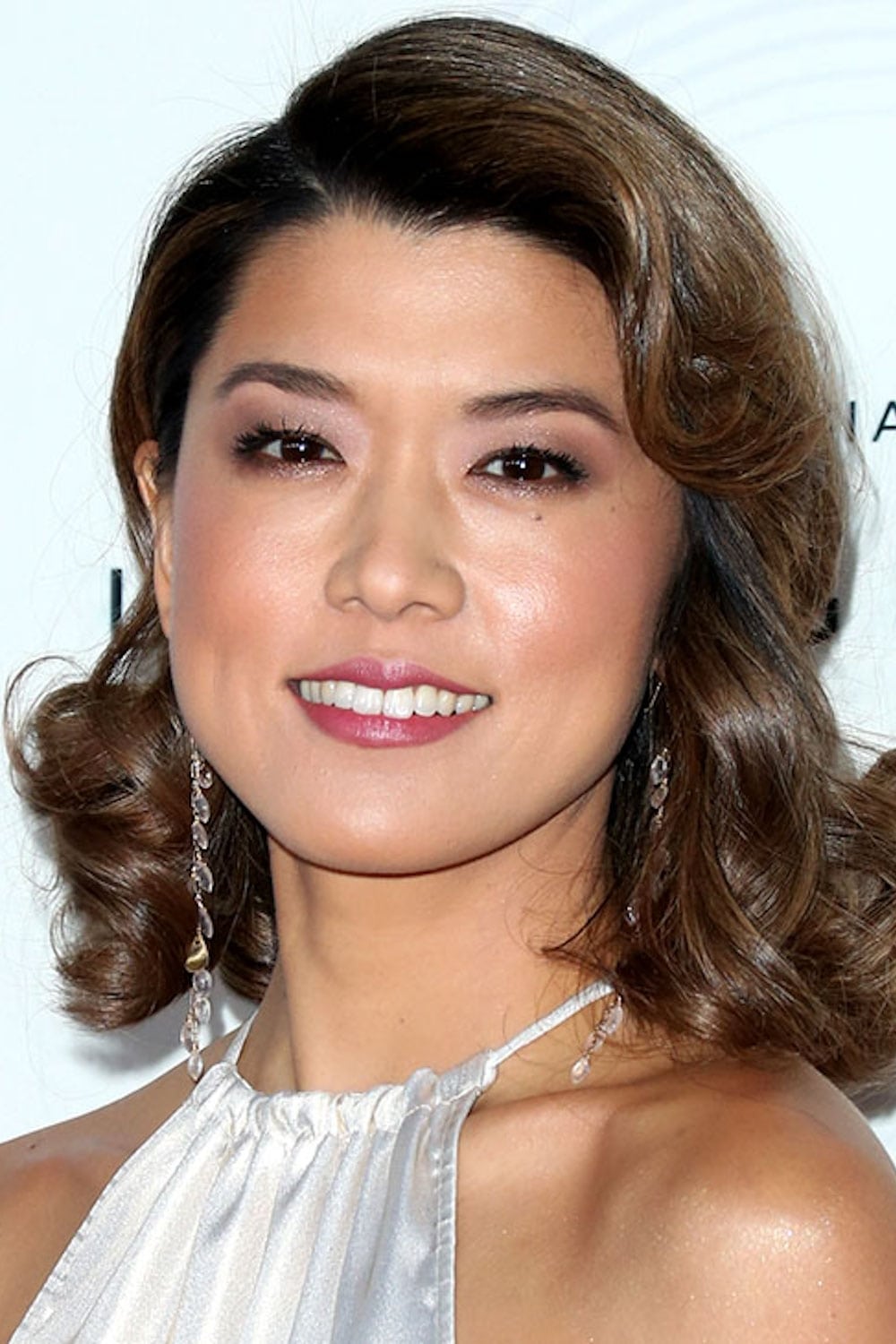
Grace Park starred as Kono Kalakaua in the police procedural ‘Hawaii Five-0’ alongside Daniel Dae Kim. She exited the series after the network refused to match her salary with her white co-stars. Park stood firm in her demand for pay equity that reflected her contribution to the franchise’s global marketing success. She chose to walk away rather than accept a deal she felt undervalued her worth as an Asian American actress. Her decision highlighted the pay gaps that often exist for actors of color in ensemble casts.
Gabrielle Union
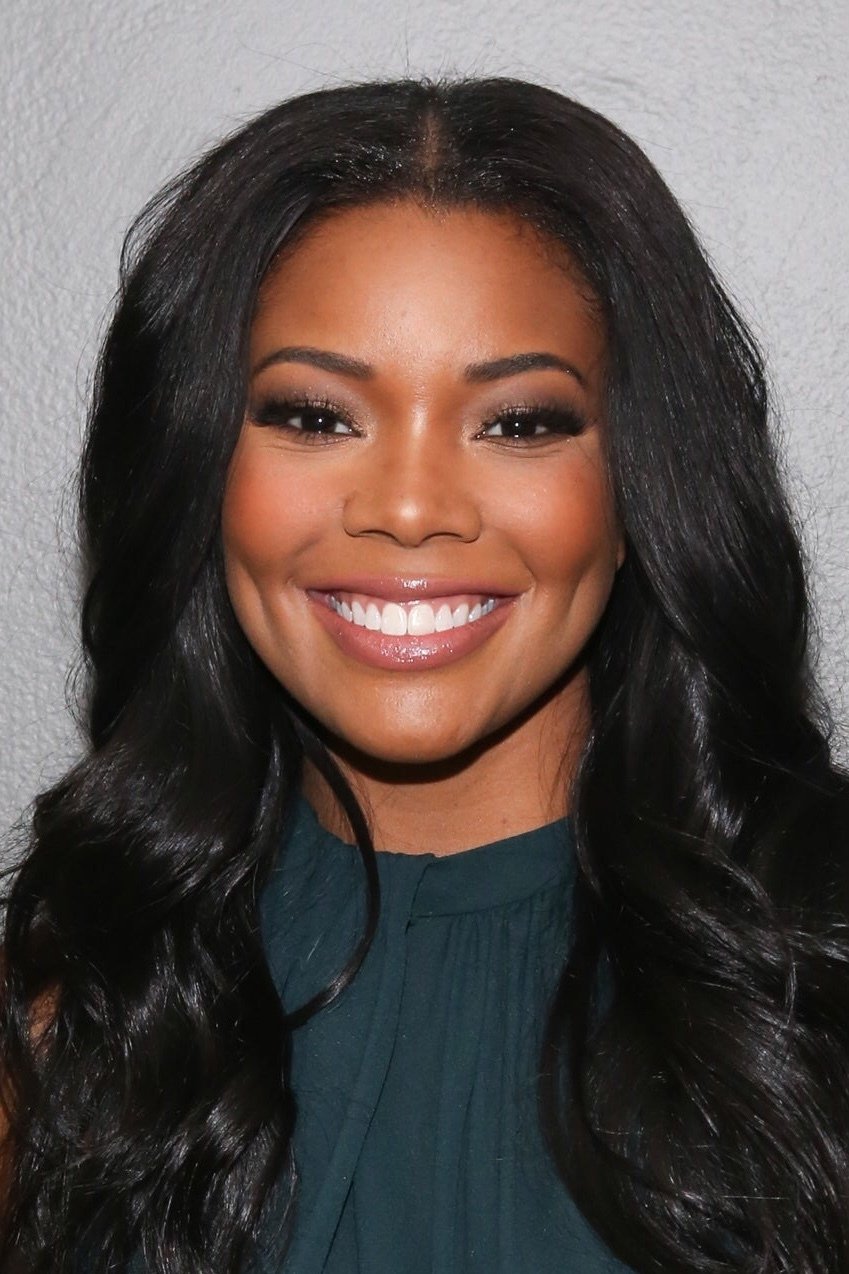
Gabrielle Union served as a judge on the reality franchise ‘America’s Got Talent’. She was let go after one season following her reports of a toxic workplace culture and racist incidents. Union cited specific complaints about racially insensitive jokes and critiques of her appearance that the network failed to address. She refused to remain silent about the discrimination she witnessed behind the scenes. Her departure triggered a formal investigation and a public conversation about racism in reality television production.
Share your thoughts on these casting controversies in the comments.