


20 Actors Who Walked Off Sets Over Racist or Homophobic Jokes in Scripts



Hollywood has a long history of grappling with representation and the types of stories that get told on screen. While some performers grit their teeth and endure problematic content, others have chosen to take a firm stand against bigotry by leaving a project entirely. These instances highlight the tension between creative expression and the responsibility to avoid perpetuating harmful stereotypes. The following actors prioritized their dignity and moral compass over a paycheck when faced with racist or homophobic material.
Dave Chappelle
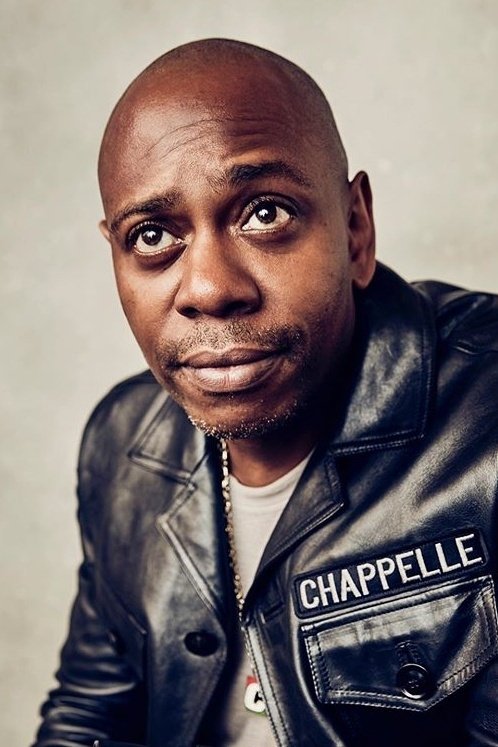
The celebrated comedian famously walked away from a fifty million dollar contract and his hit series ‘Chappelle’s Show’ during the production of its third season. Chappelle felt uncomfortable with a specific sketch involving pixies that he believed reinforced negative racial stereotypes rather than subverting them. He noticed a crew member laughing at the performance in a way that made him feel the joke was being received maliciously. This moment of clarity led him to question the social responsibility of his work and ultimately flee to South Africa. His departure remains one of the most significant acts of protest in television history.
John Amos
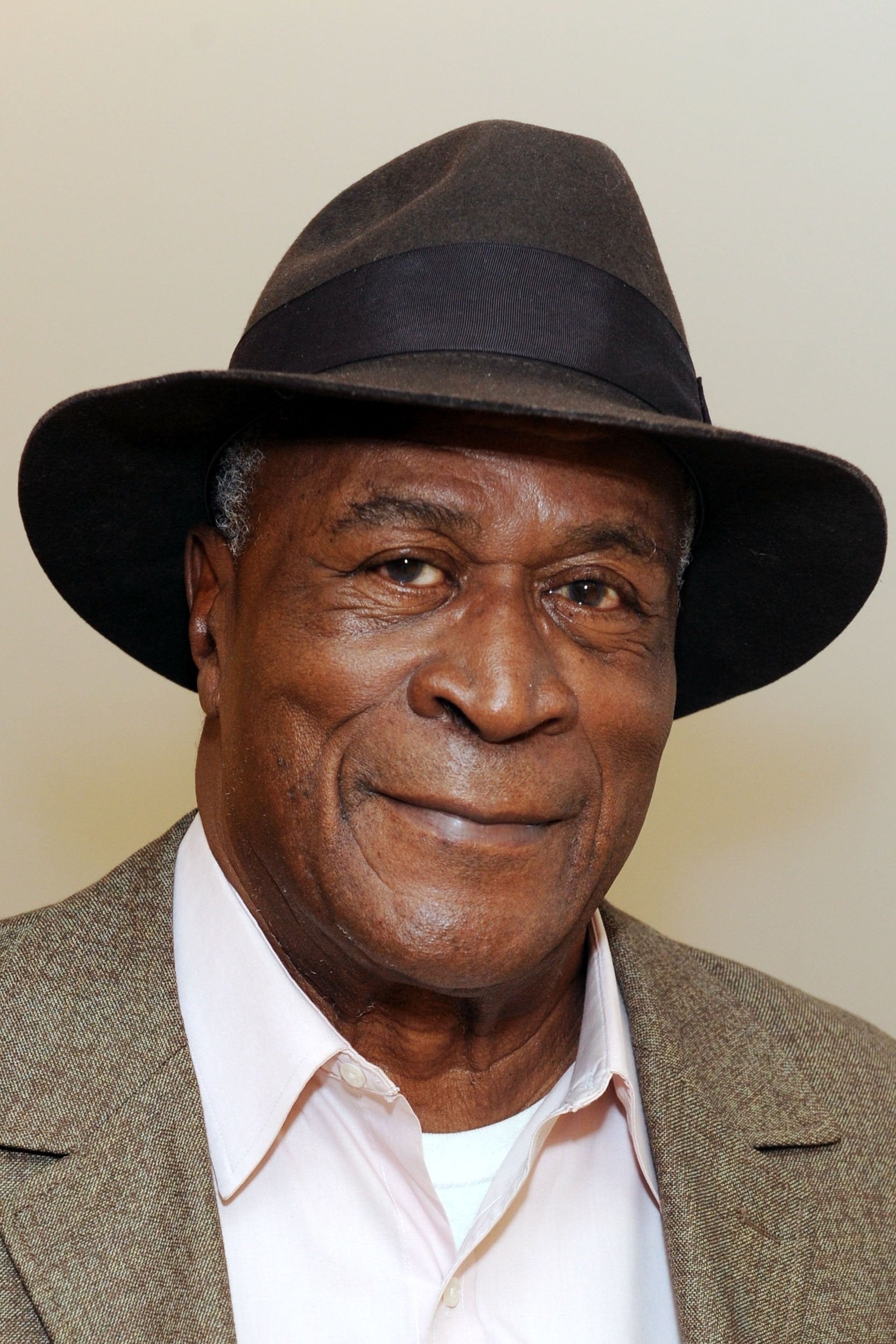
This actor starred as the patriarch James Evans Sr. on the sitcom ‘Good Times’ but grew increasingly frustrated with the direction of the show. Amos felt the writers were focusing too heavily on the buffoonish antics of the character J.J. Evans at the expense of the family’s dignity. He frequently clashed with the production team over scripts that he believed relied on offensive caricatures of African American life. The tension became so untenable that the producers eventually fired him from the series. Amos has since maintained that he was protecting his on-screen children from negative stereotypes.
Esther Rolle
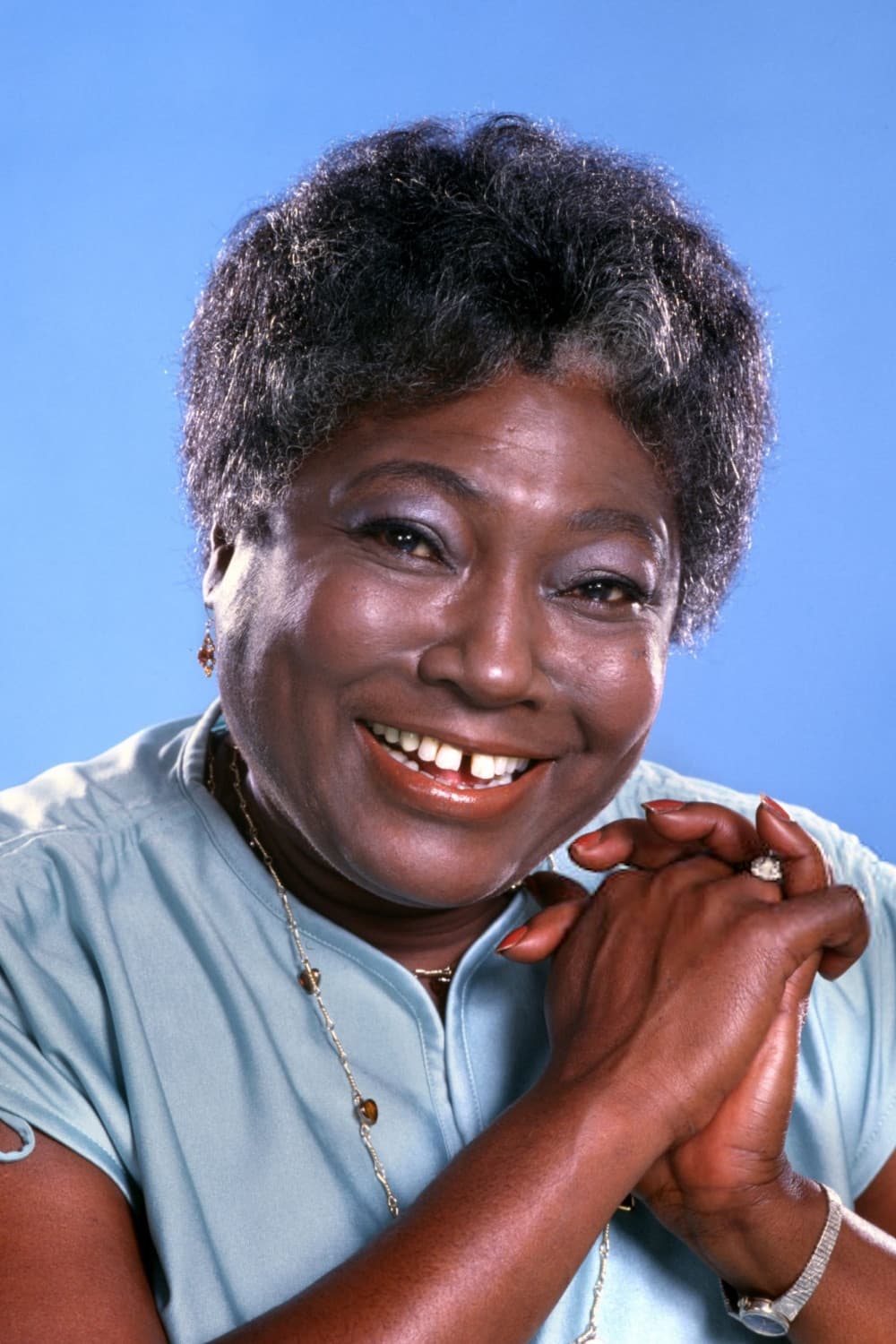
Much like her on-screen husband John Amos, Esther Rolle fought tirelessly for a respectful portrayal of the black family in ‘Good Times’. She was particularly vocal about the character of J.J. Evans and the minstrel-like quality of the comedy written for him. Rolle actually left the series for a season due to her unhappiness with the scripts and the refusal of the showrunners to add depth to the characters. She only agreed to return after the producers promised to make the father figure more central and reduce the stereotypical buffoonery. Her stand highlighted the limited power black actors held in the writers’ room during that era.
Angela Kinsey
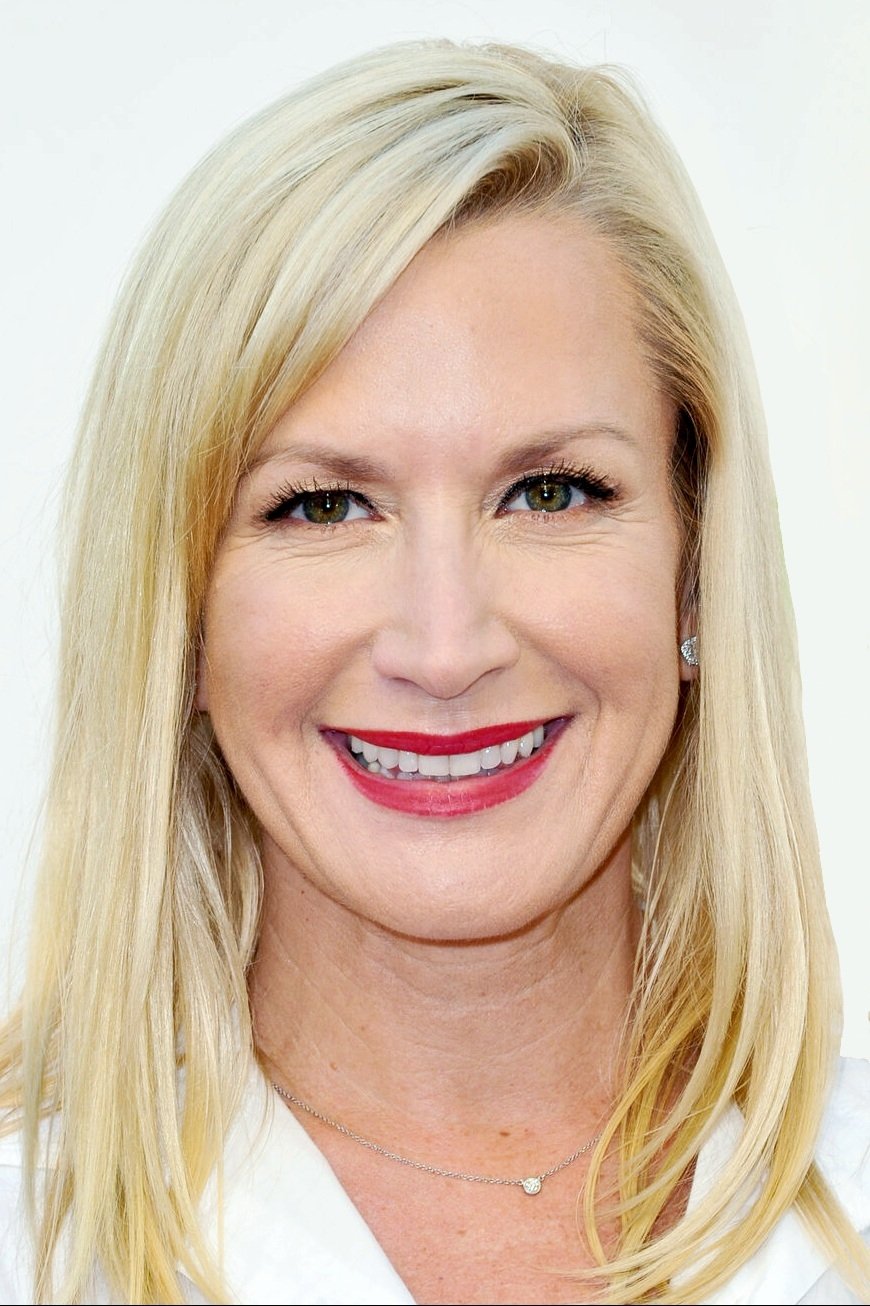
While filming ‘The Office’, Angela Kinsey refused to deliver a line she felt was hurtful and homophobic toward the character Oscar. The script called for her character to make a super judgy comment that relied heavily on religious intolerance and mean-spirited stereotypes. Kinsey approached the showrunner Greg Daniels and explained that she could not bring herself to say the dialogue as written. She believed her character was rigid but not hateful in that specific manner. The writers listened to her concern and removed the joke from the scene entirely.
Gabrielle Union
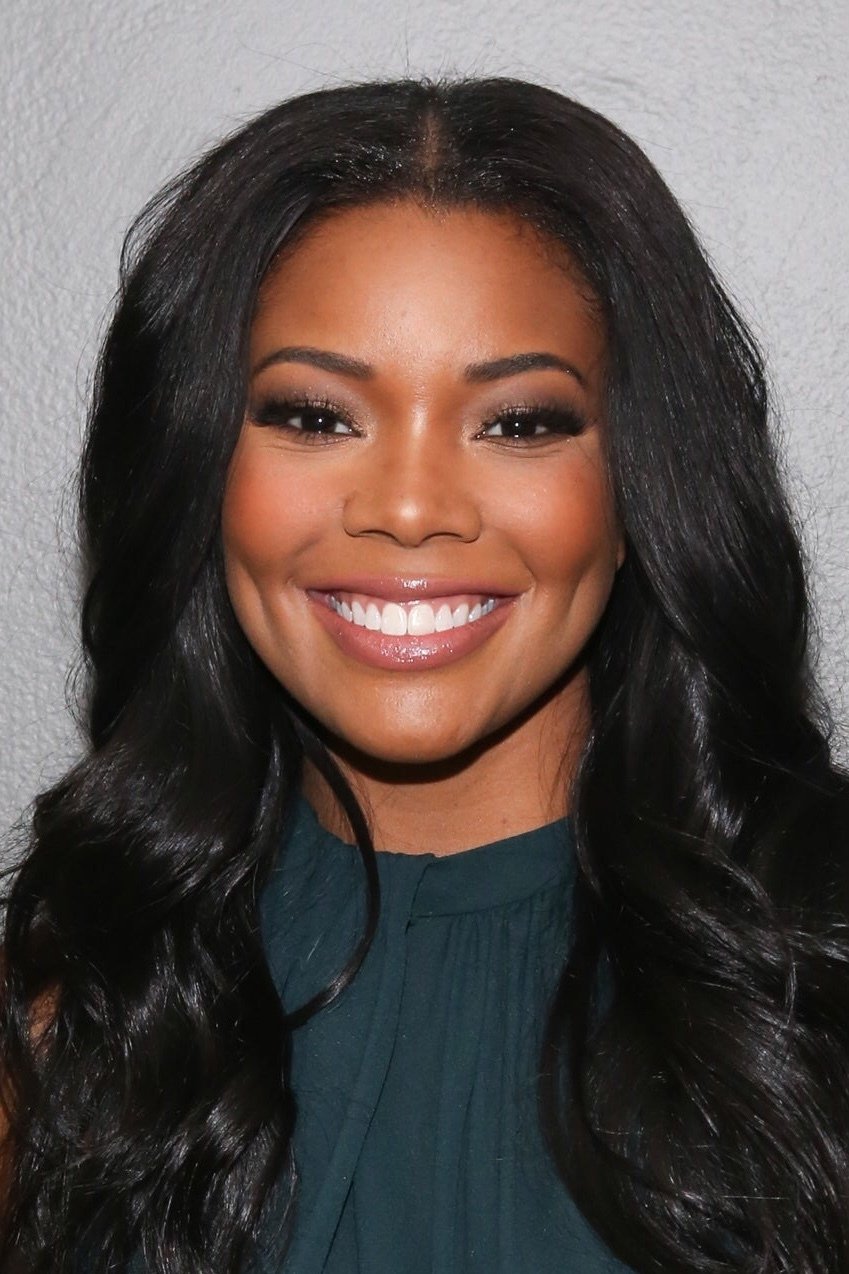
Gabrielle Union was let go from her position as a judge on ‘America’s Got Talent’ after she reported a toxic workplace culture. She specifically raised concerns about a racist joke made by guest judge Jay Leno regarding Korean food and dogs. Union urged the producers to report the incident to human resources because she felt it was offensive and perpetuated harmful Asian stereotypes. Her contract was not renewed following her complaints about this and other racially insensitive incidents on set. Her willingness to speak out sparked a larger conversation about racism in unscripted television.
Orlando Jones
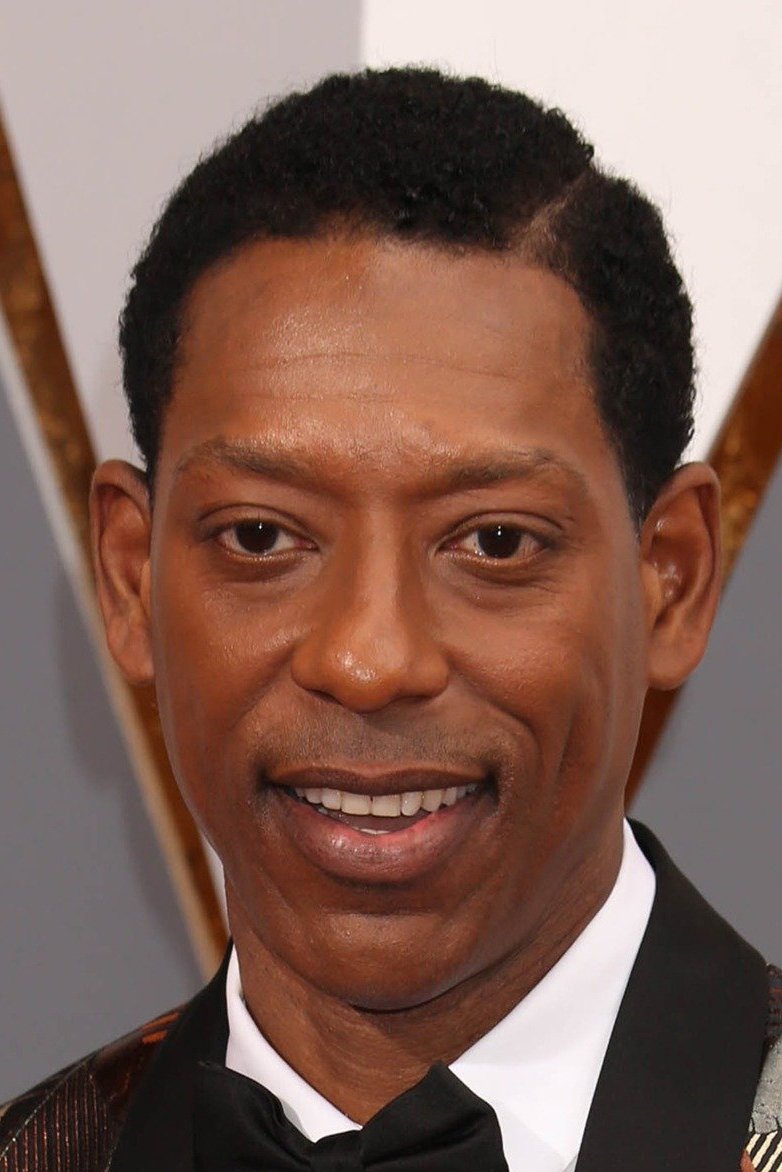
Orlando Jones was fired from the series ‘American Gods’ after he challenged the new showrunner’s vision for his character Mr. Nancy. Jones stated that the new direction for the show ignored the racial history and depth established in the first season. He claimed the showrunner thought his character’s anger and get it done attitude was the wrong message for black America. Jones argued that the writing was stripping the character of his cultural significance and replacing it with safe stereotypes. His public dismissal shed light on the creative battles that often happen behind the scenes regarding black representation.
Ed Skrein
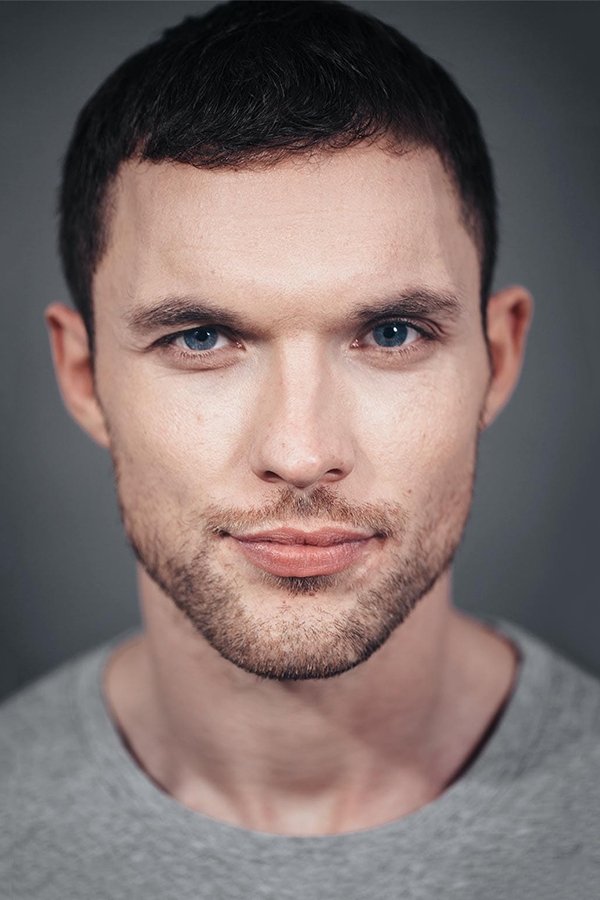
The actor Ed Skrein was cast as Major Ben Daimio in the reboot of ‘Hellboy’ but stepped down shortly after the announcement. He discovered that the character in the original comic books was of mixed Asian heritage. Skrein released a statement saying he accepted the role without knowing its history and did not want to contribute to the whitewashing of Asian characters. He voluntarily walked away from the project so the role could be cast appropriately. Daniel Dae Kim was eventually hired to replace him in a move that was praised by diversity advocates.
Hank Azaria
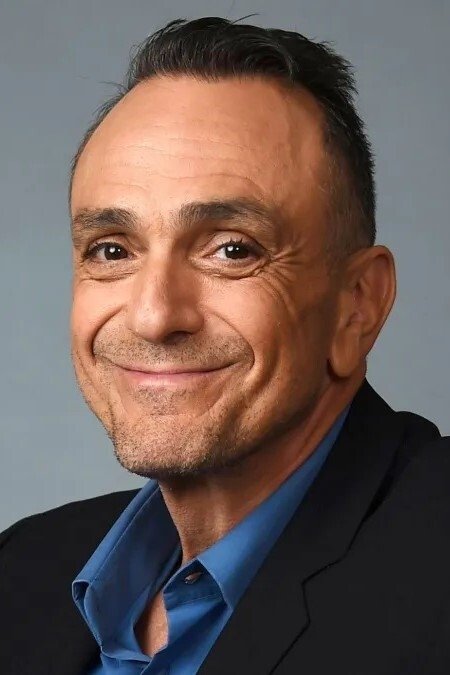
For decades, Hank Azaria voiced the Indian convenience store clerk Apu Nahasapeemapetilon on ‘The Simpsons’. Following the release of a documentary that highlighted how the character was used to bully South Asian children, Azaria began to reevaluate his participation. He eventually decided to step down from the role because he no longer wanted to perpetuate a stereotype that caused pain to real people. Azaria acknowledged that his performance was based on a blind spot regarding race and representation. The show has since recast the character and other non-white roles with actors of color.
Mike Henry
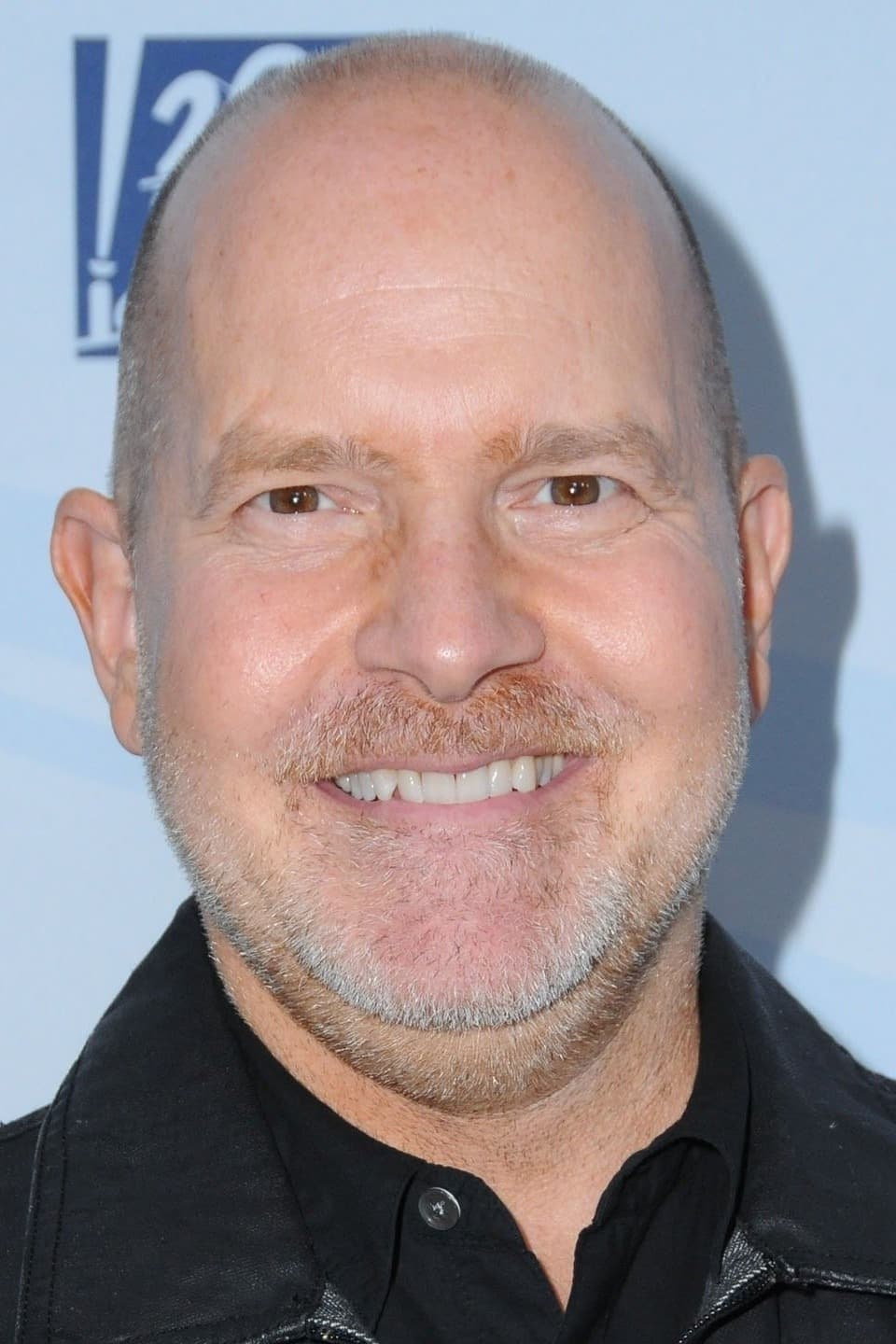
Mike Henry voiced the character Cleveland Brown on ‘Family Guy’ for twenty years before deciding to resign from the role. He announced his departure during the racial justice protests of 2020 and stated that persons of color should play characters of color. Henry felt that continuing to voice a black character as a white man was no longer acceptable in the current cultural climate. He voluntarily walked away from the significant recurring role to allow for more authentic representation. The role was subsequently recast with actor Arif Zahir.
Jenny Slate
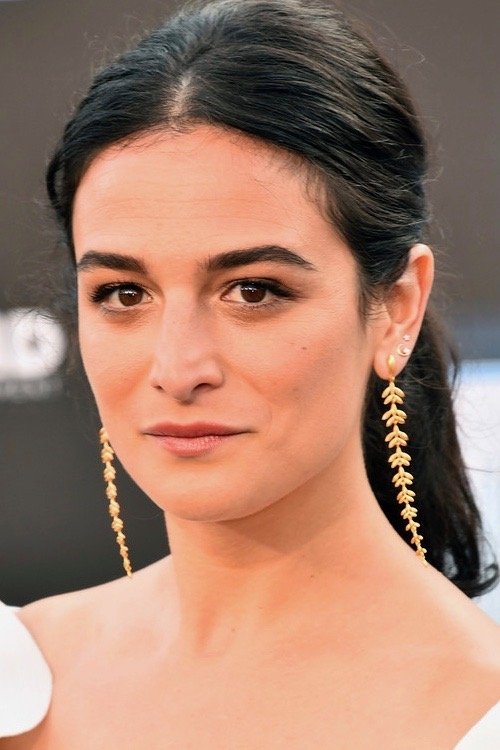
Comedian Jenny Slate voiced the biracial character Missy on the animated series ‘Big Mouth’ for several seasons. She ultimately requested to be replaced because she felt her reasoning for taking the role was flawed and racist. Slate admitted that she initially justified it by focusing on the character’s Jewish half but realized she was engaging in the erasure of Black people. She walked away from the show to open up the opportunity for a black actress to bring authentic lived experience to the character. Ayo Edebiri took over the role in subsequent seasons.
Kristen Bell
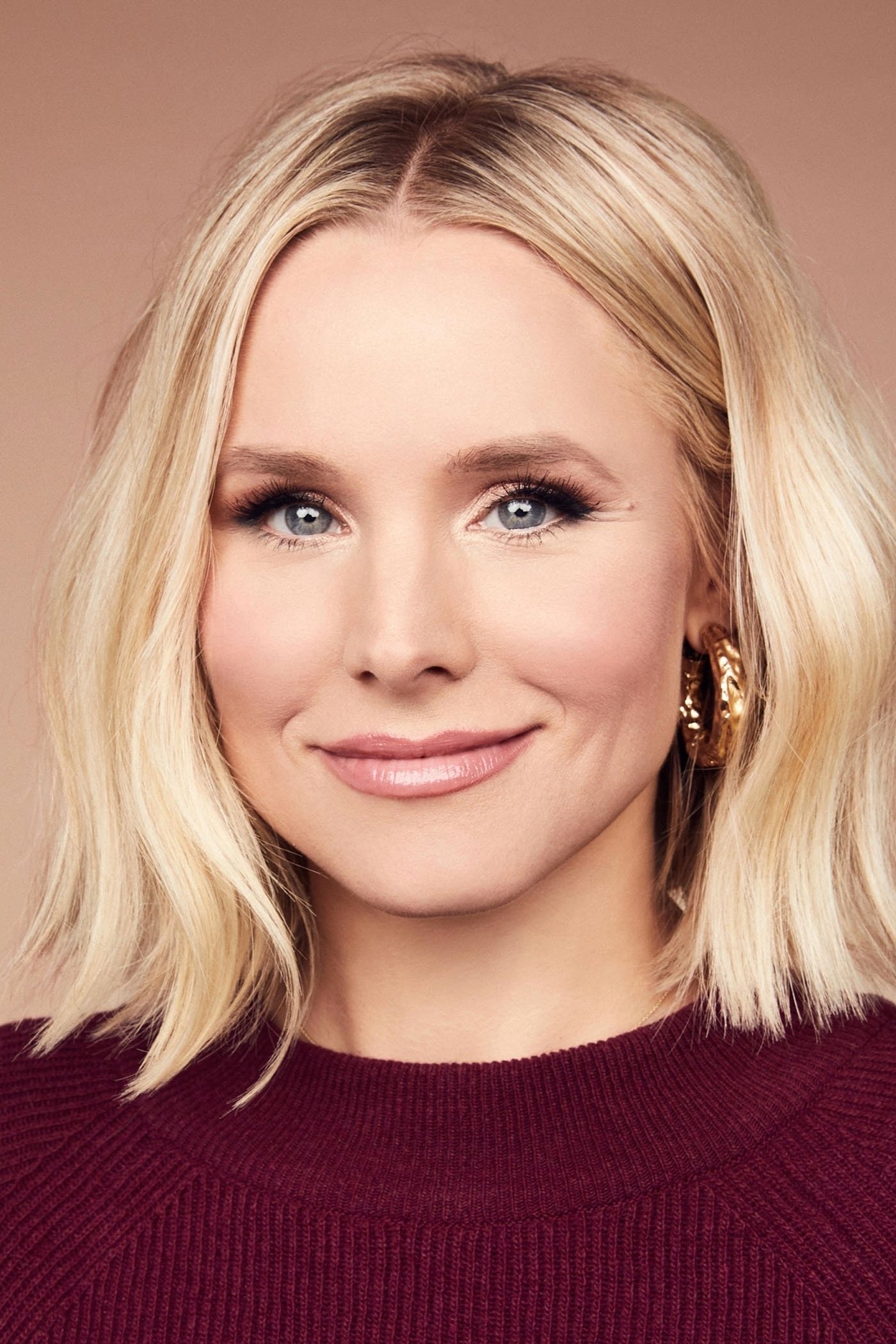
Kristen Bell voiced the mixed-race character Molly in the animated musical series ‘Central Park’ but decided to step down after the first season. She released a statement acknowledging that her casting undermined the specificity of the mixed-race experience. Bell felt that playing the character showed a lack of awareness and participated in a system that marginalizes people of color. She and the creative team agreed that she should leave the role so it could be recast with a black or mixed-race actress. Emmy Raver-Lampman was brought in to voice the character moving forward.
Alison Brie
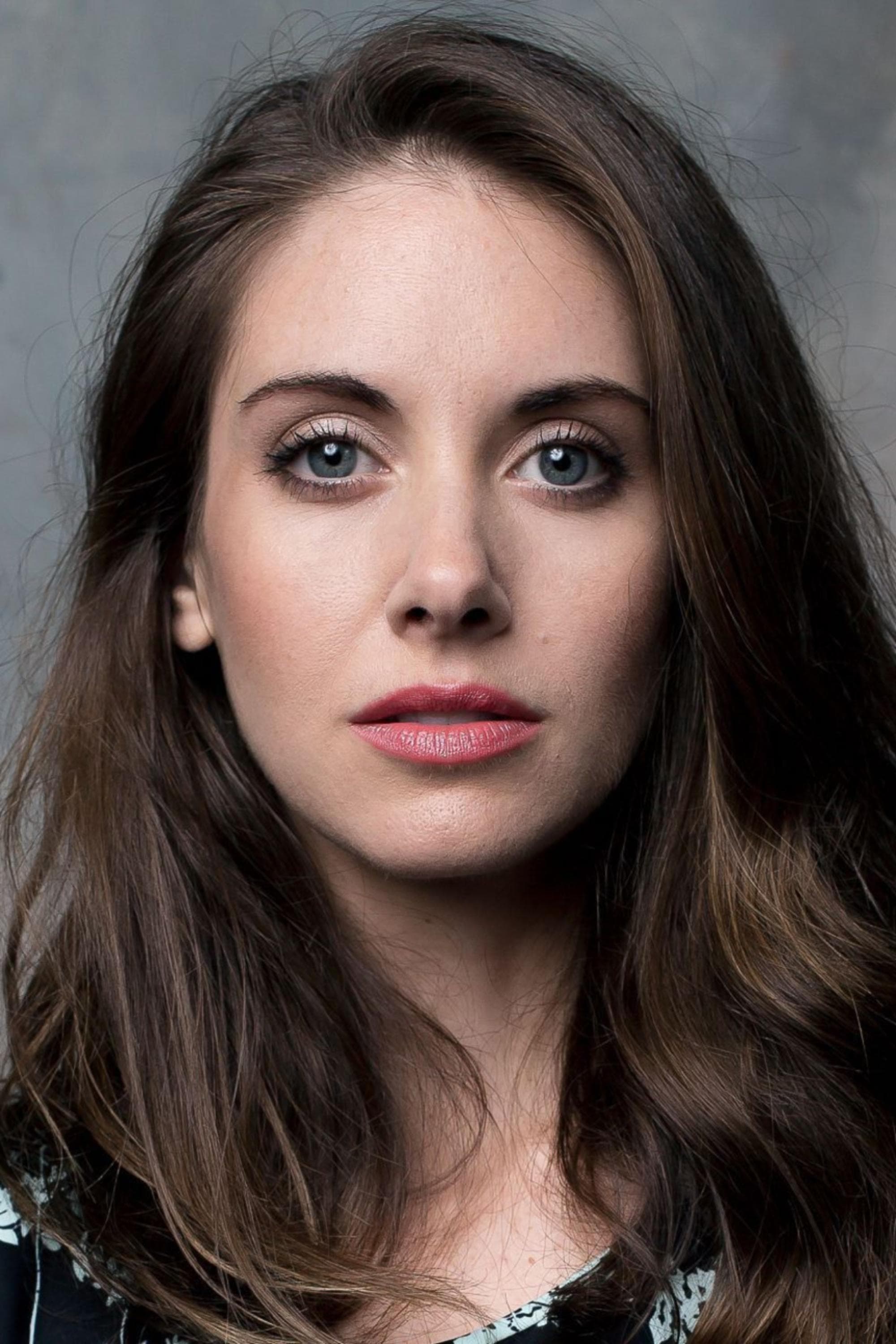
Alison Brie voiced the Vietnamese-American character Diane Nguyen on the acclaimed series ‘BoJack Horseman’ throughout its run. She later expressed deep regret over the casting and stated that she should have turned down the role initially. Brie posted a statement saying that she missed a clear opportunity to elevate the voice of the Vietnamese community. Although the show had already concluded when she made her full apology, she publicly distanced herself from the decision to play a race she did not belong to. Her comments added to the wave of voice actors acknowledging systemic racism in animation casting.
Sacha Baron Cohen
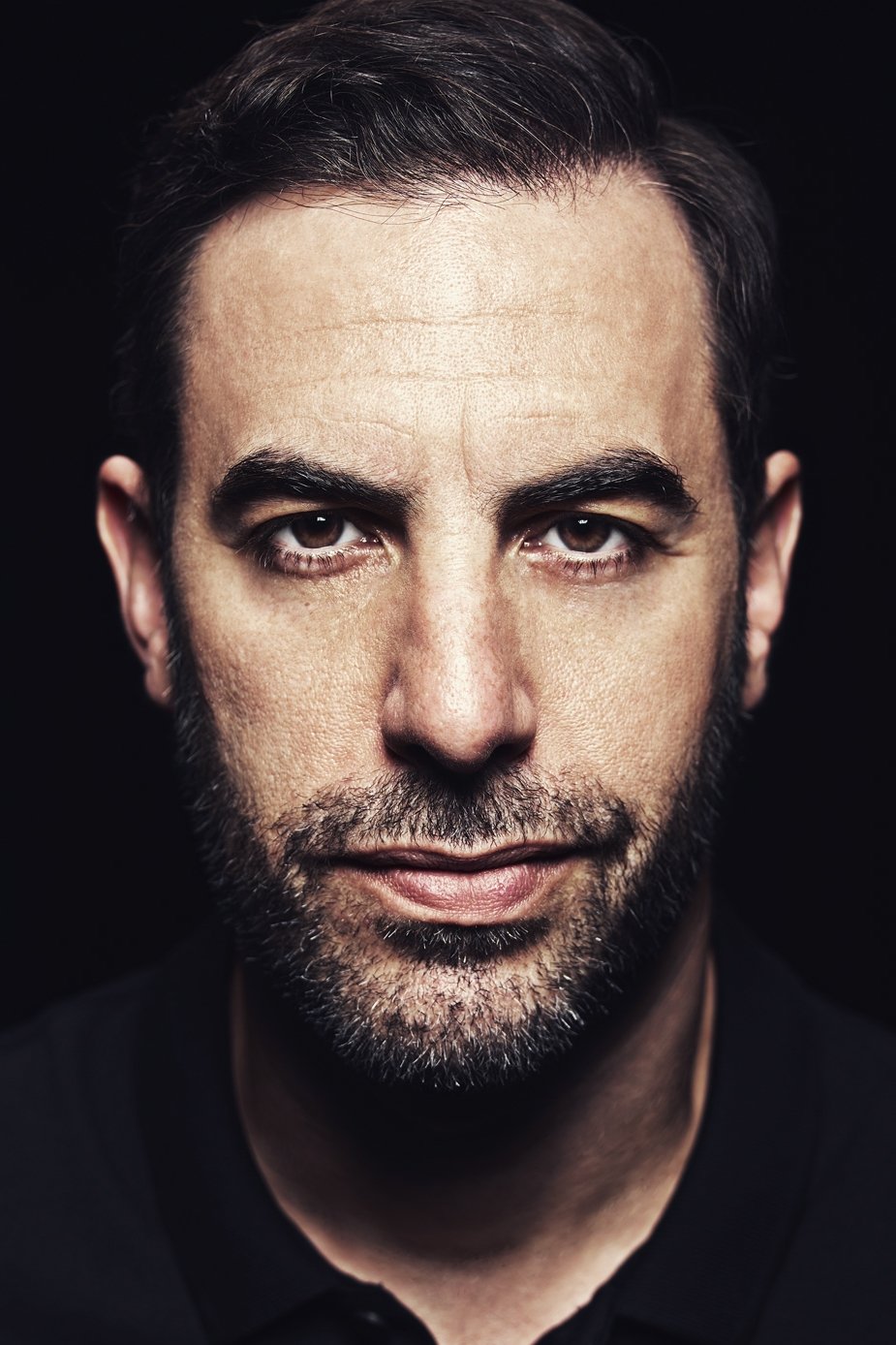
Sacha Baron Cohen was originally attached to star as Freddie Mercury in the biopic ‘Bohemian Rhapsody’ but left the project due to creative differences. Cohen wanted the film to include the gritty and realistic details of Mercury’s life, including his sexuality and wild lifestyle. The surviving band members wanted a more sanitized version of events that protected their legacy and the band’s image. Cohen felt the script was trying to hide the reality of Mercury’s gay relationships and eventual death from AIDS. He walked away rather than participate in a film he felt was dishonest about the lead singer’s identity.
Ray Fisher
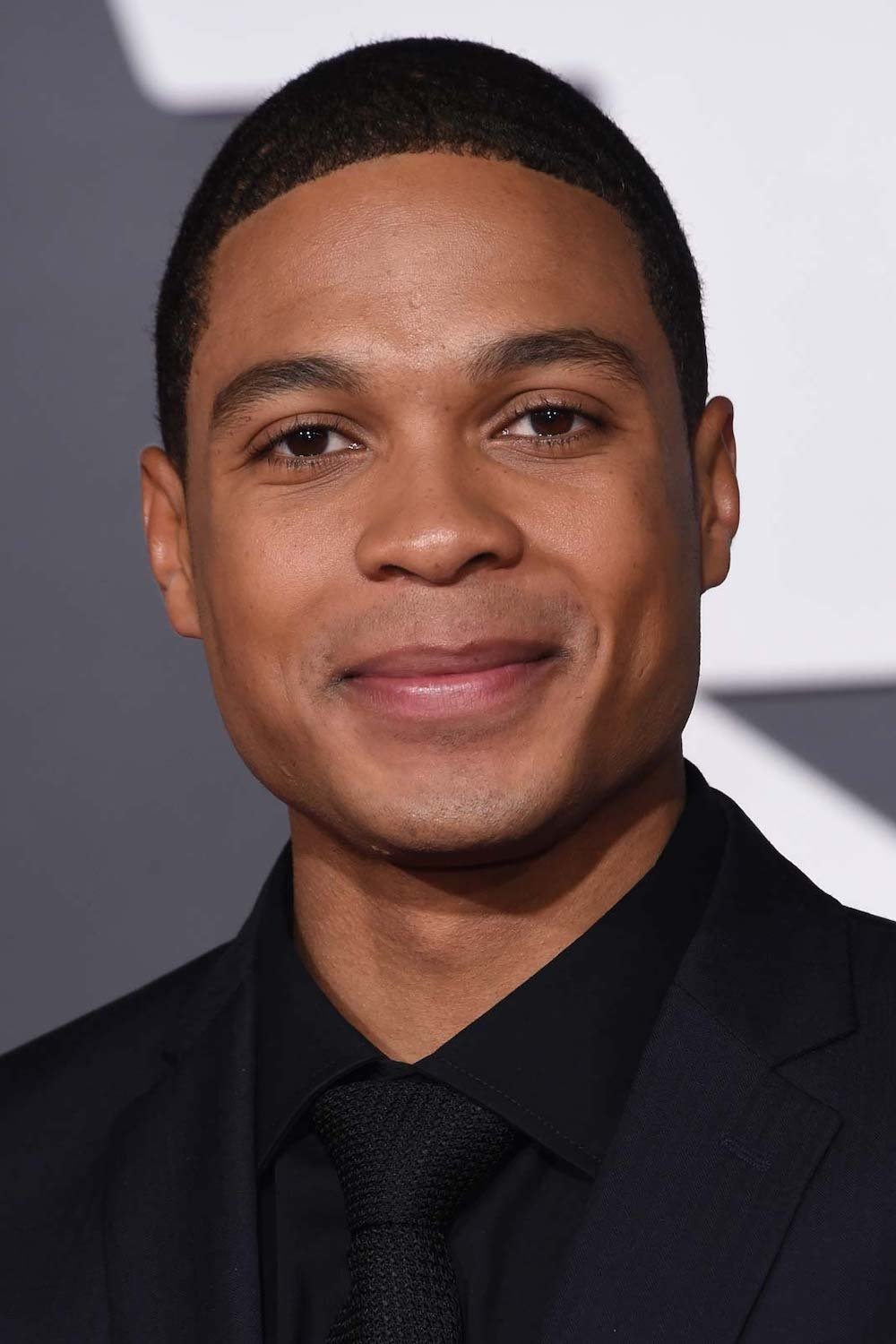
Ray Fisher played Cyborg in ‘Justice League’ and later accused director Joss Whedon of gross, abusive, and unprofessional behavior. Fisher claimed that the director and studio executives engaged in racist conversations and attempted to minimize the roles of actors of color. He stated that significant portions of his character’s backstory were cut in a way that he felt was racially motivated. Fisher refused to participate in future DC films produced by the executives he accused of enabling the toxic environment. His public stand halted his rising career within the franchise but sparked a massive internal investigation.
Daniel Dae Kim
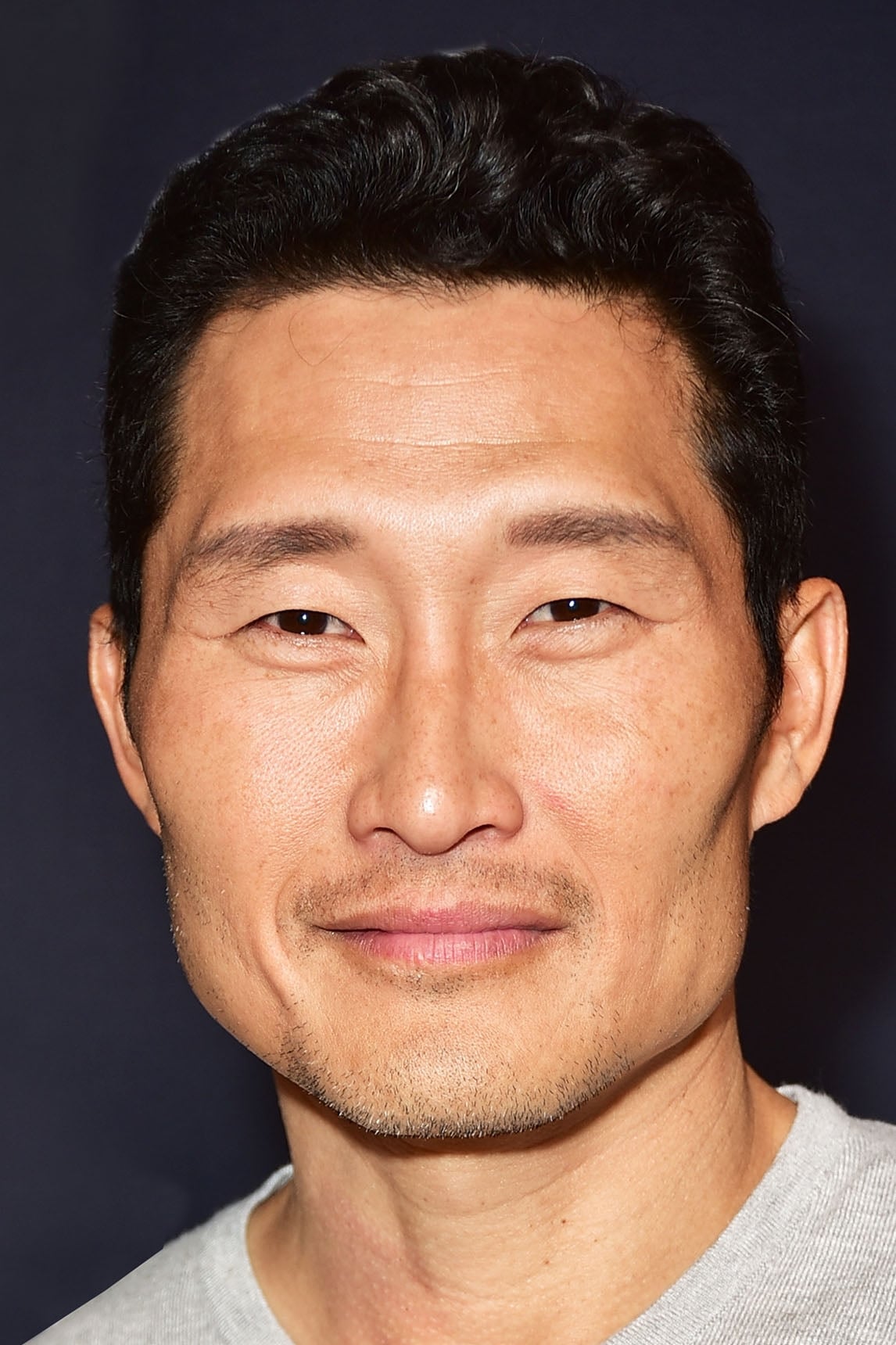
Daniel Dae Kim was a lead actor on the hit series ‘Hawaii Five-0’ for seven seasons before leaving the show during contract negotiations. He and his co-star Grace Park sought pay parity with their white co-stars Alex O’Loughlin and Scott Caan. The network refused to match the salaries despite Kim and Park being central to the show’s ensemble and success. Kim decided to walk away from the steady gig rather than accept being valued less than his white peers. His departure highlighted the persistent wage gap for Asian actors in Hollywood.
Grace Park
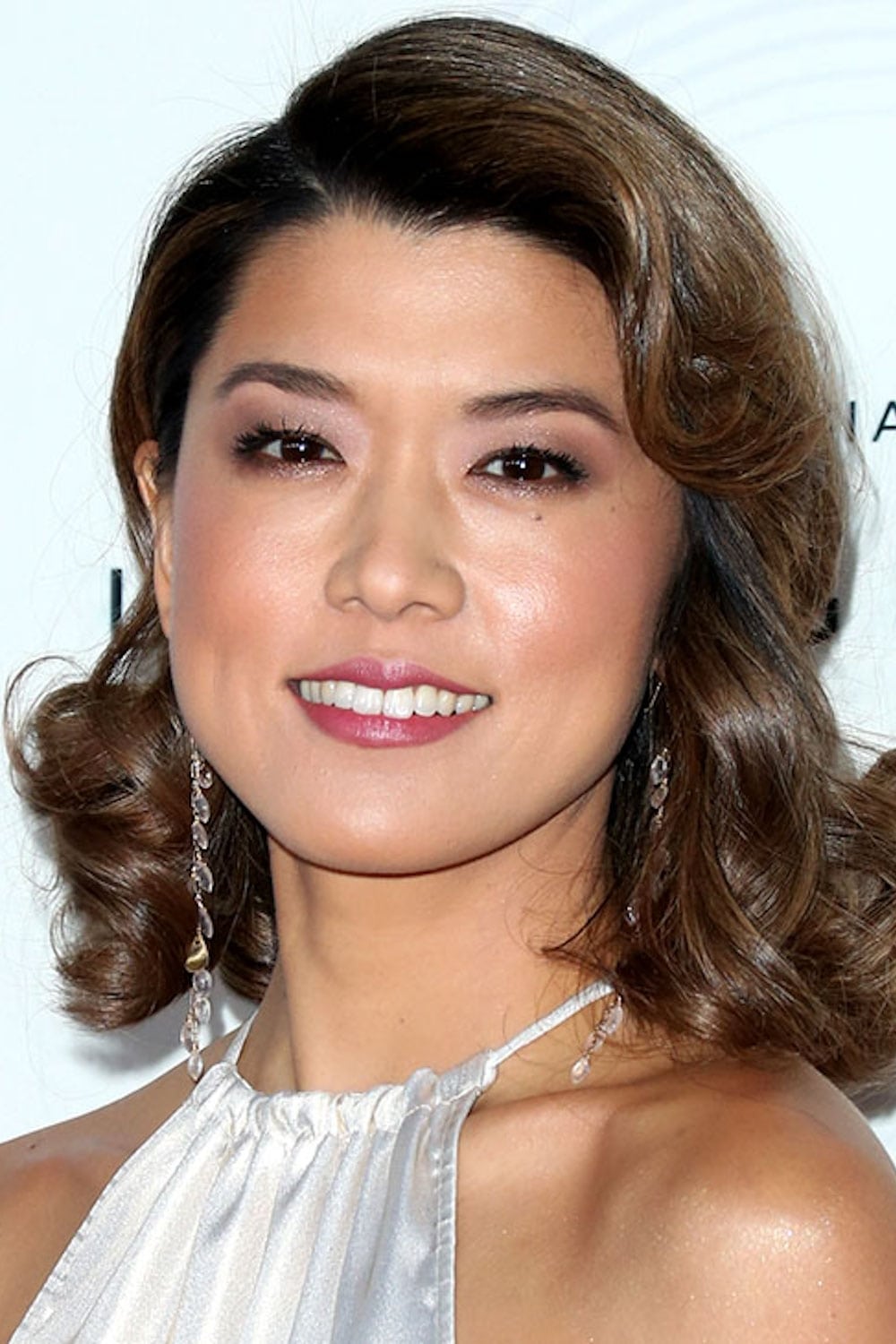
Grace Park starred alongside Daniel Dae Kim on ‘Hawaii Five-0’ and left the series at the exact same time for the same reasons. She stood firm in her demand to be paid equally to the white male leads of the show. When the network would not meet her terms, she chose to exit the popular police procedural rather than accept the disparity. Park later stated that she made the best decision for her integrity and did not regret leaving the high-profile role. Her exit emphasized that race often plays a silent but significant role in contract negotiations.
Zendaya

Zendaya was originally cast to play the R&B legend Aaliyah in a Lifetime biopic but chose to drop out of the project. She faced a backlash regarding her casting but cited the lack of production value and respect for the singer’s family as her main reasons for leaving. Zendaya felt the project was being rushed and did not honor the cultural weight of the subject matter properly. She stated that she could not support a film that Aaliyah’s family did not approve of or involved with. She walked away to ensure she did not participate in something that felt exploitative.
Scarlett Johansson

Scarlett Johansson was cast to play a transgender man in the film ‘Rub & Tug’ which sparked immediate backlash from the LGBTQ+ community. Activists argued that a cisgender woman should not play a trans masculine role and that the casting took opportunities away from trans actors. Johansson initially defended the casting but eventually listened to the criticism and withdrew from the film. She released a statement admitting that her initial reaction was insensitive and that she had learned a great deal about the conversation surrounding representation. The project was ultimately cancelled after her departure.
Halle Berry
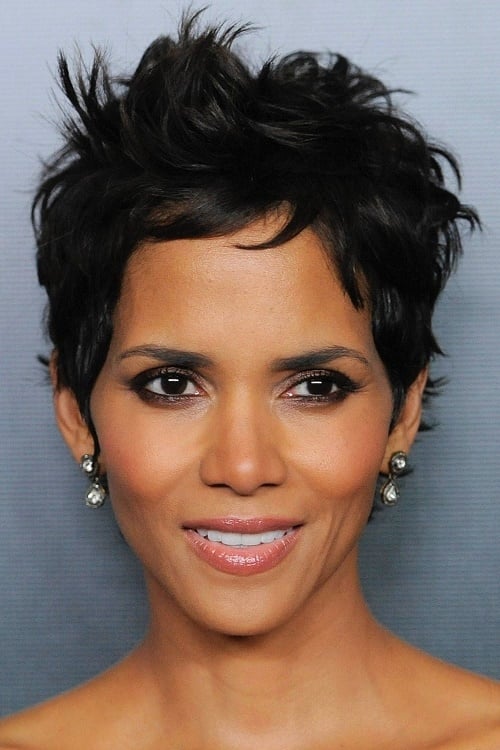
Halle Berry was preparing for a role in an upcoming film where she would play a transgender man but decided to pull out after facing public criticism. During an interview, she misgendered the character and described the role as a woman which caused an outcry online. Berry listened to the feedback from the trans community and issued an apology for her remarks. She acknowledged that the role should go to a trans actor who could bring the necessary truth to the story. She vowed to be a better ally and used her platform to amplify the need for authentic casting.
T. R. Knight
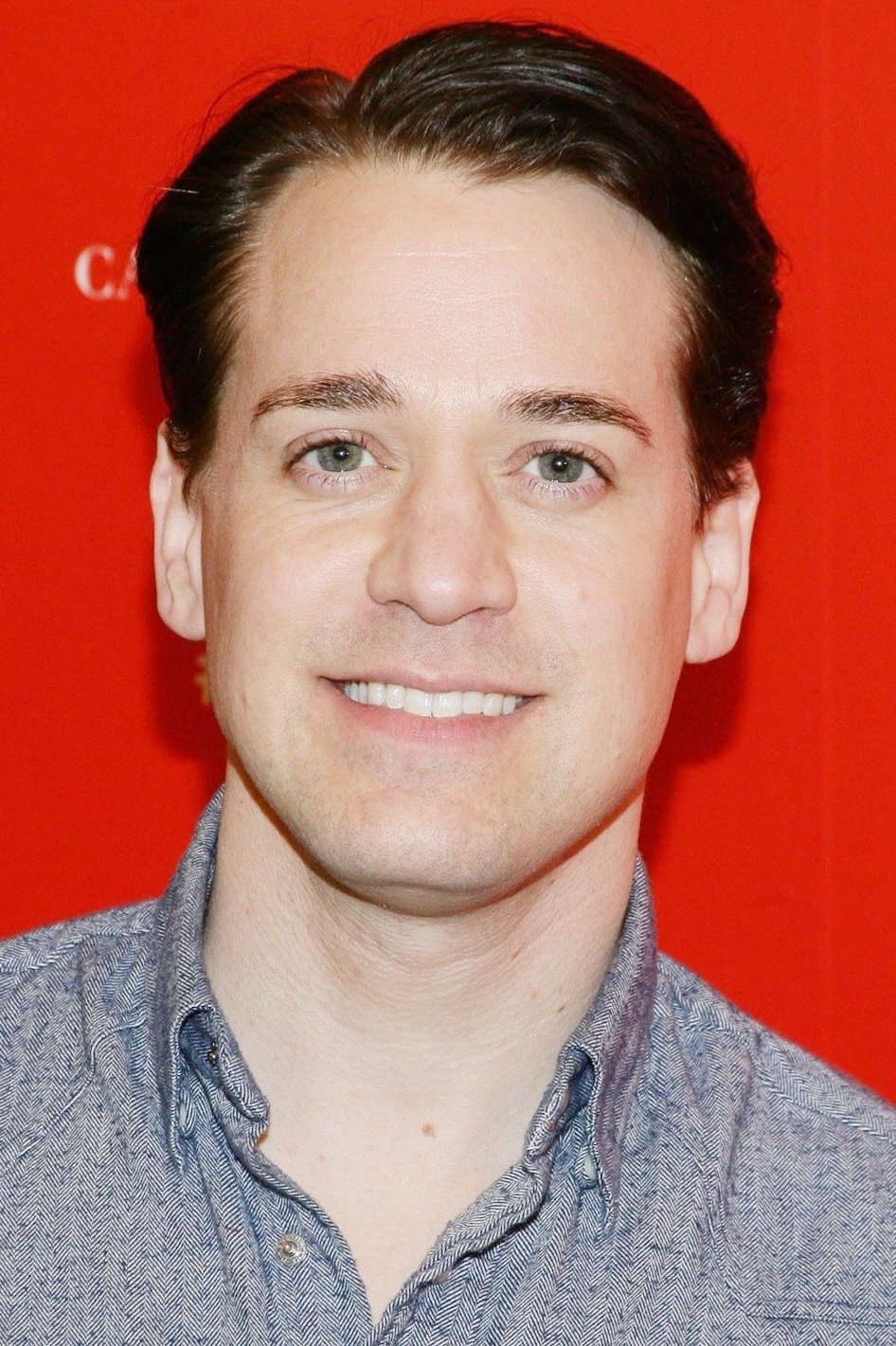
T.R. Knight left the medical drama ‘Grey’s Anatomy’ after a highly publicized incident involving a homophobic slur used by his co-star Isaiah Washington. Knight felt that the show’s creator and producers did not support him adequately in the aftermath of the event. He cited a breakdown in communication and a lack of trust in the direction of his character’s storylines following the scandal. Knight requested to be released from his multimillion-dollar contract three years early rather than continue in an environment he found toxic. His departure was a direct result of the mishandling of homophobia on the set.
Share your thoughts on these actors’ decisions in the comments.