


15 Actors Who Went Overboard with Their Movie Roles

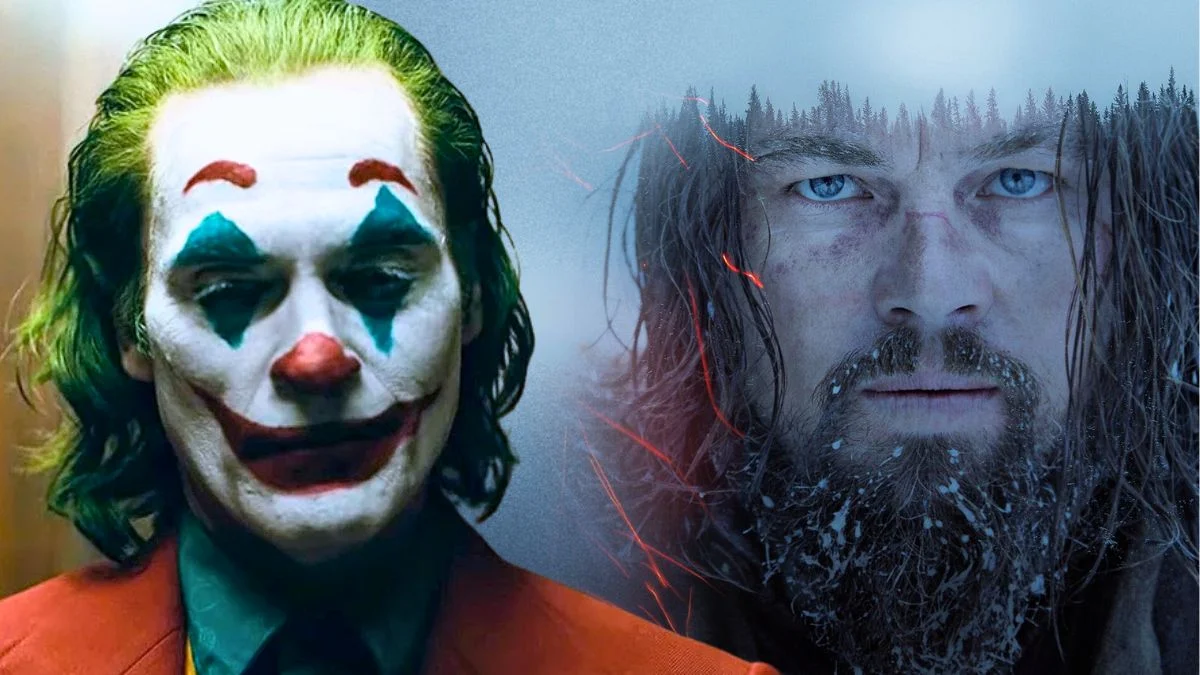


Some performances demand more than long days on set. Many actors have pushed their bodies and routines to extremes to capture a character with absolute precision. The results often include dramatic weight changes, intense training, isolation, and long periods of living as the role even when cameras were not rolling.
This list looks at performers who committed to notable transformations and demanding processes. You will find examples of rigorous skill building, tough locations, and choices that affected health and daily life well beyond a normal shoot. Each entry explains what the actor did and how those decisions shaped the work on screen.
Christian Bale in ‘The Machinist’
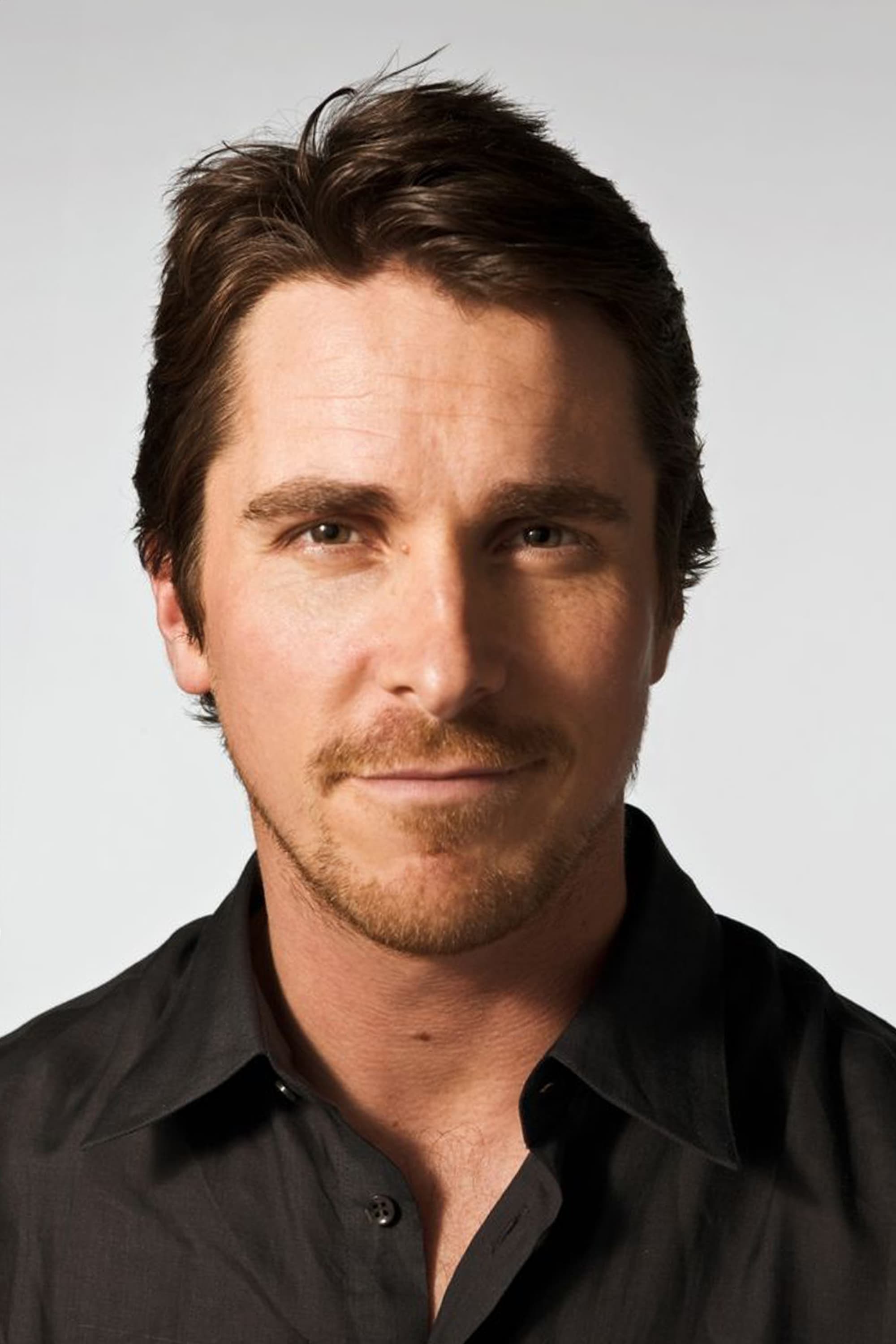
Bale reduced his weight to roughly 120 pounds by following a strict low calorie plan over several months to depict a factory worker ravaged by insomnia. Reports from the production describe a routine that limited solid food and set sleep patterns to mirror the character’s condition while maintaining enough energy to complete daily scenes.
After filming he rapidly rebuilt muscle for his next role in ‘Batman Begins’ through high calorie intake and intense strength training. The quick turnaround required close supervision from trainers and medical professionals to minimize risk during the shift from severe deficit to surplus while restarting heavy workouts.
Daniel Day-Lewis in ‘My Left Foot’
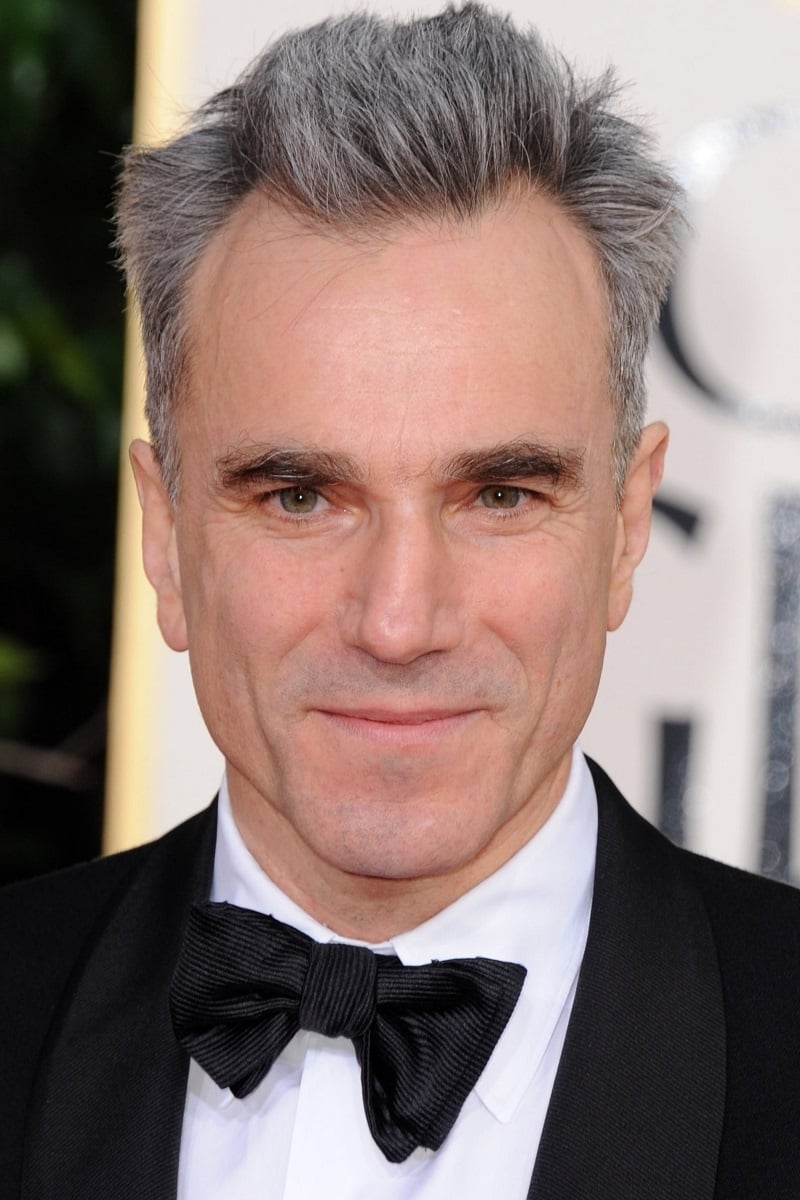
Day-Lewis remained in a wheelchair between takes and insisted on being fed and moved as if he had the character’s physical limitations. Maintaining a contorted seated posture during long days led to reported rib injuries and required careful coordination with crew for basic tasks.
He trained to paint and type using his toes to replicate Christy Brown’s creative process. To prepare further he spent time in treatment settings to observe daily routines, communication methods, and support techniques used by patients and caregivers.
Jared Leto in ‘Chapter 27’
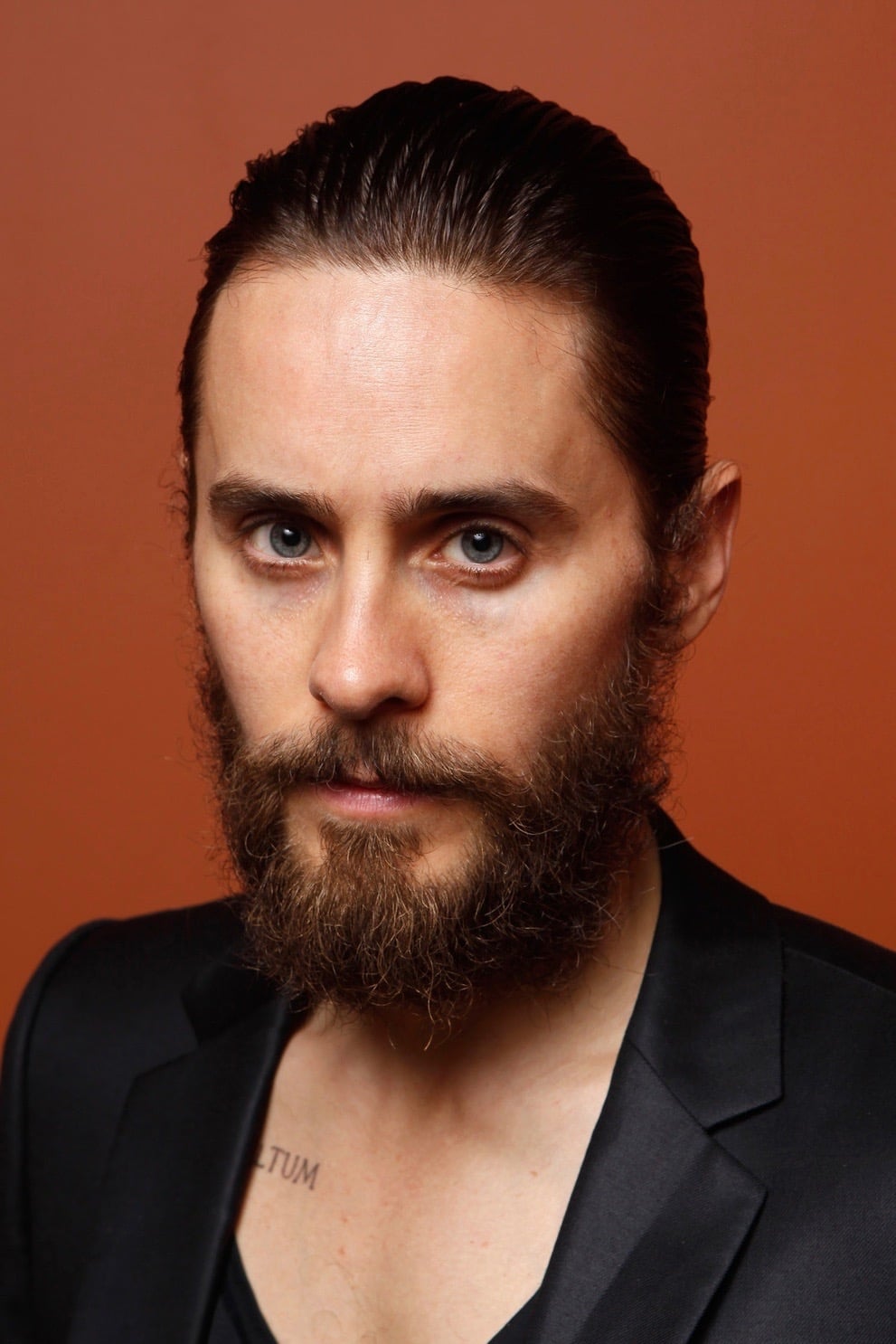
Leto gained more than 60 pounds to portray Mark David Chapman and experienced significant strain on his joints during production. He adopted a high calorie plan that included frequent late night eating to accelerate the change and required medical attention for complications related to the sudden weight increase.
He studied audio recordings and writings to match cadence and word choice used by Chapman. The preparation included periods of isolation and limited social interaction to reproduce the character’s withdrawn behavior during scenes in public spaces.
Tom Hanks in ‘Cast Away’
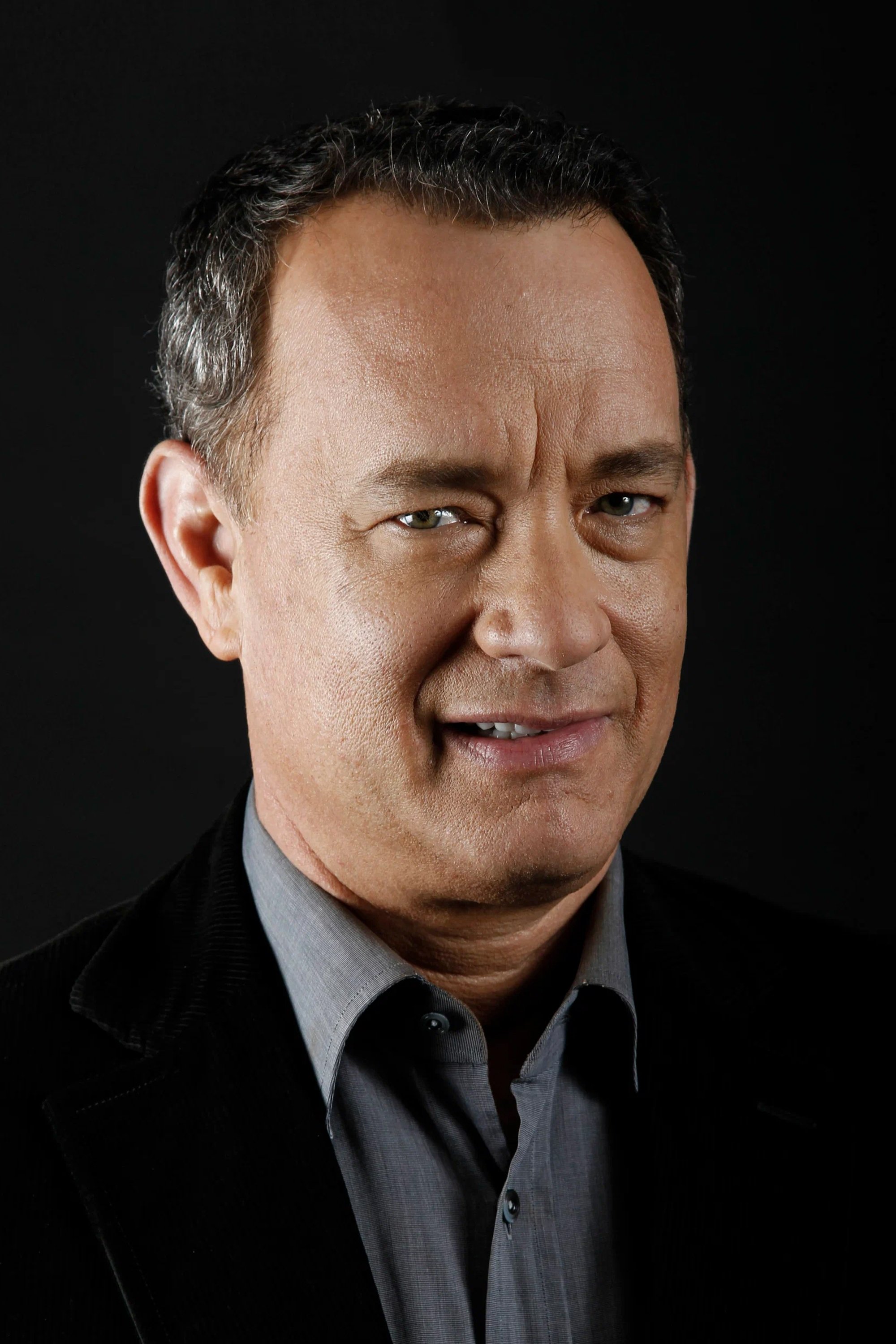
The production scheduled two phases so Hanks could first film as a heavier FedEx troubleshooter and later return as a stranded survivor with a gaunt look. During a months long break he lost around 50 pounds and grew his hair and beard, then resumed work for the island sequences with minimal makeup.
He trained in basic survival skills to interact realistically with the environment. The team filmed on a remote Fijian island and used natural light, which forced precise timing for each setup and extended days in heat, surf, and rough terrain.
Natalie Portman in ‘Black Swan’

Portman trained for months in ballet, often practicing several hours a day to build stamina and technique for sustained sequences. She reduced weight under supervision to adopt a dancer’s frame and sustained injuries including muscle strain that required careful management to keep filming on schedule.
She learned choreography designed to maintain continuity across camera angles and longer takes. The preparation covered vocabulary, rehearsal etiquette, and footwork patterns so she could execute repeated movements while matching professional doubles during complex combinations.
Leonardo DiCaprio in ‘The Revenant’

DiCaprio filmed in freezing locations with natural light, which meant early crew calls and limited daily windows for takes. He entered icy rivers and crawled through snow to keep the story grounded in real conditions and worked with safety teams to manage exposure and fatigue.
He ate raw bison liver on camera to capture the scene without substitutes and learned lines in Indigenous languages used in the film. Additional preparation included learning fire starting techniques, skinning practices, and period appropriate methods for handling weapons and tools.
Shia LaBeouf in ‘Fury’
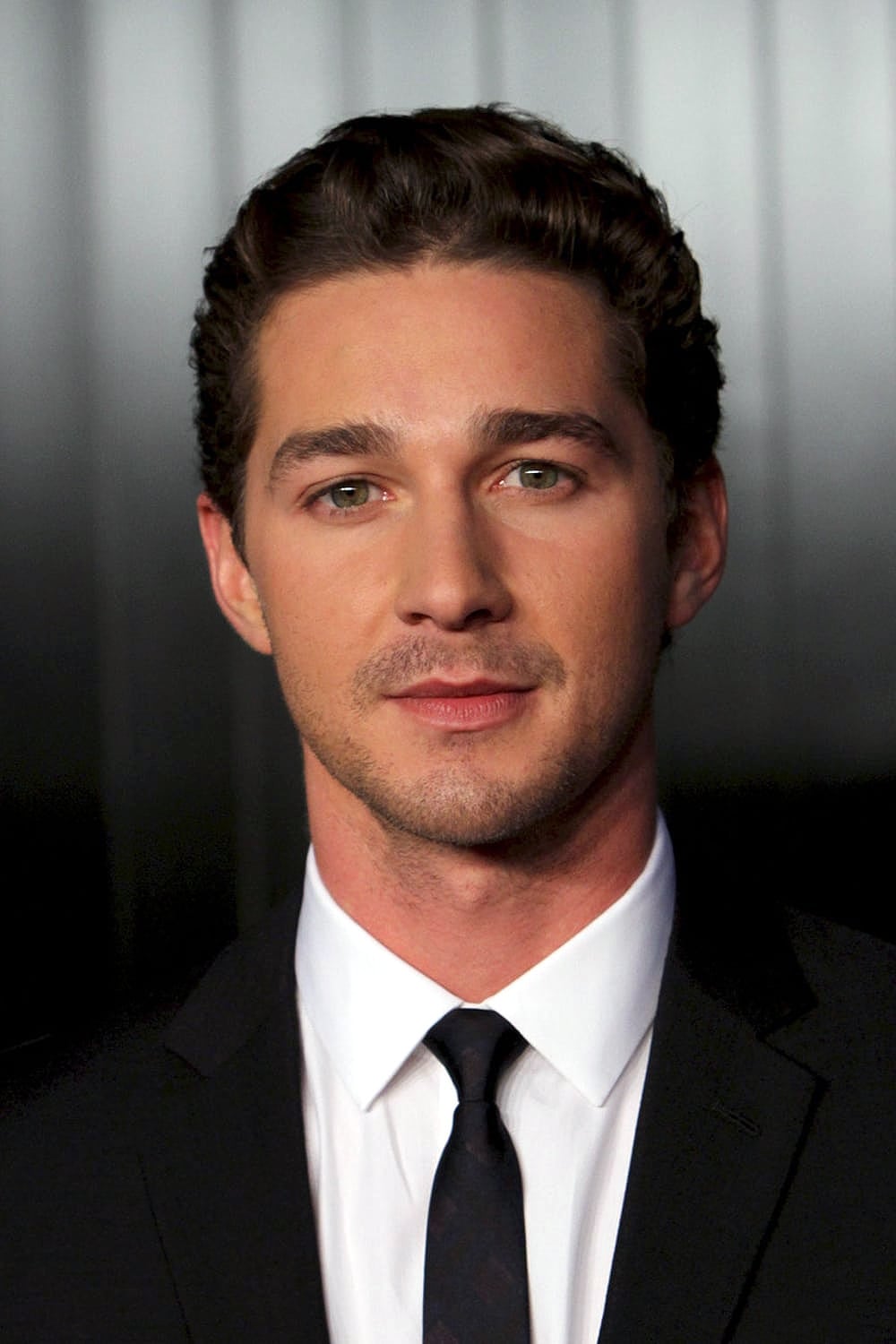
LaBeouf embedded with a tank unit for training and lived closely with fellow cast members to reproduce crew dynamics inside a cramped vehicle. He avoided regular washing during the shoot to keep consistent grime and scent continuity for scenes that took place in tight quarters.
He had a tooth removed to match his character’s appearance and created a real facial cut that he maintained for continuity. He drilled on tank loading procedures and battlefield communications so he could handle equipment and callouts without breaking timing in action sequences.
Joaquin Phoenix in ‘Joker’
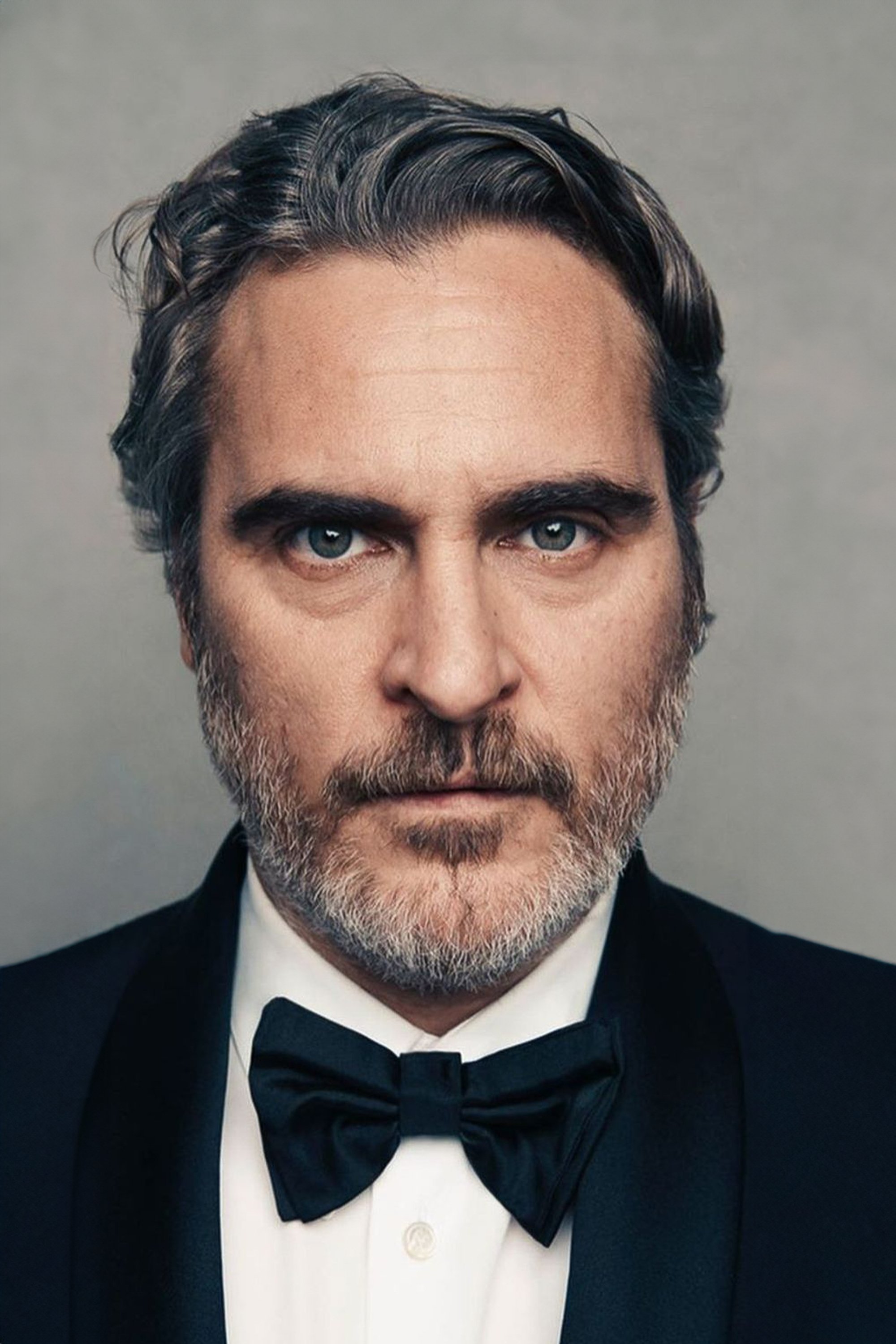
Phoenix lost more than 50 pounds under medical guidance to change his posture and movement. The reduced mass influenced how he sat, walked, and danced, which he incorporated into blocking and camera framing throughout the film.
He developed the character’s unsettling laugh by studying clinical cases of involuntary laughter and practicing controlled breathing patterns. He also built a library of gestures from silent era performances and rehearsal footage to craft repetitive motions that read clearly in closeups.
Robert De Niro in ‘Raging Bull’
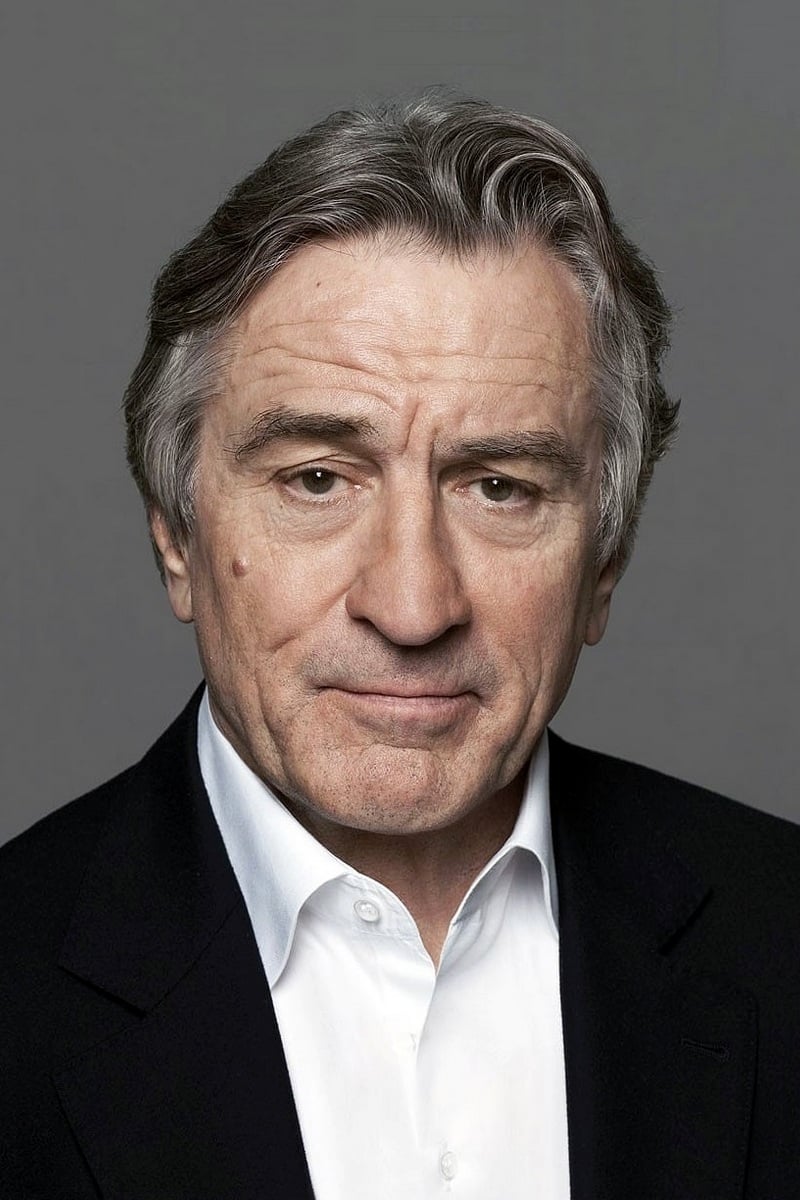
De Niro trained with Jake LaMotta for months to learn footwork, combinations, and ring tactics. The boxing scenes used choreography built from sparring sessions so exchanges would remain readable while allowing actors to move at fight speed.
Following the ring sequences he gained about 60 pounds to portray the retired version of LaMotta. The production paused to allow the change, then resumed with new wardrobe and tailored blocking to accommodate altered movement and breathing.
Charlize Theron in ‘Monster’

Theron gained around 30 pounds and wore prosthetic teeth to change her bite and facial silhouette. Makeup artists adjusted skin texture, hairline, and brows each day, which required hours in the chair before first setup and meticulous maintenance between takes.
She studied archival interviews and court records to learn Aileen Wuornos’s speech patterns and history. The work included targeted dialect coaching and posture adjustments to reproduce habitual gestures recorded on video.
Heath Ledger in ‘The Dark Knight’
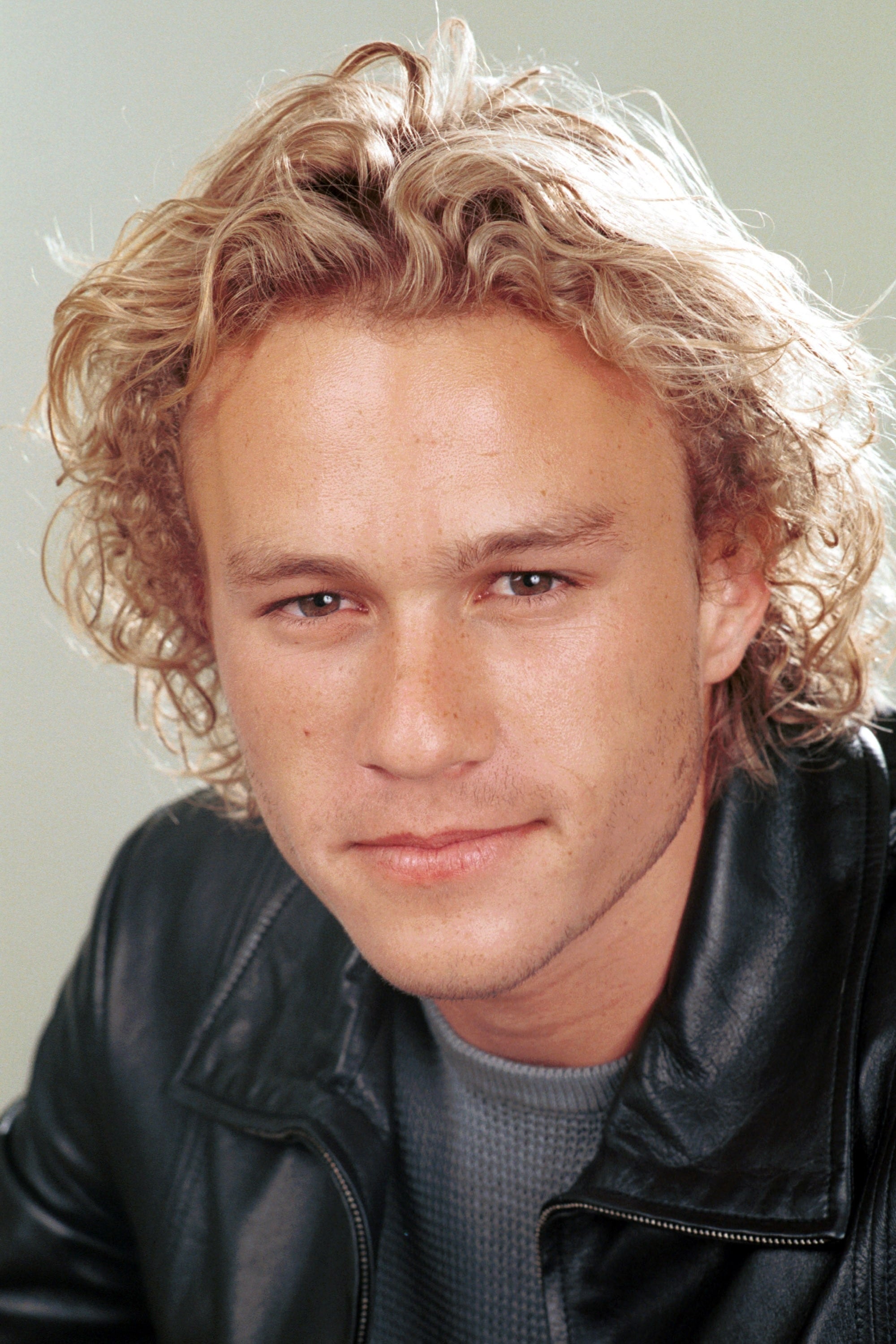
Ledger spent weeks in isolation to experiment with voice, laugh, and physical tics. He kept a character journal that helped maintain consistent choices for small motions like eye flicks and lip licks which the camera captured in extreme closeups.
He collaborated with the makeup department to apply smudged face paint by hand so it would crack and smear under heat and sweat. He also rehearsed practical gags with the stunt team so timing and eyelines would align without relying on digital fixes.
Adrien Brody in ‘The Pianist’
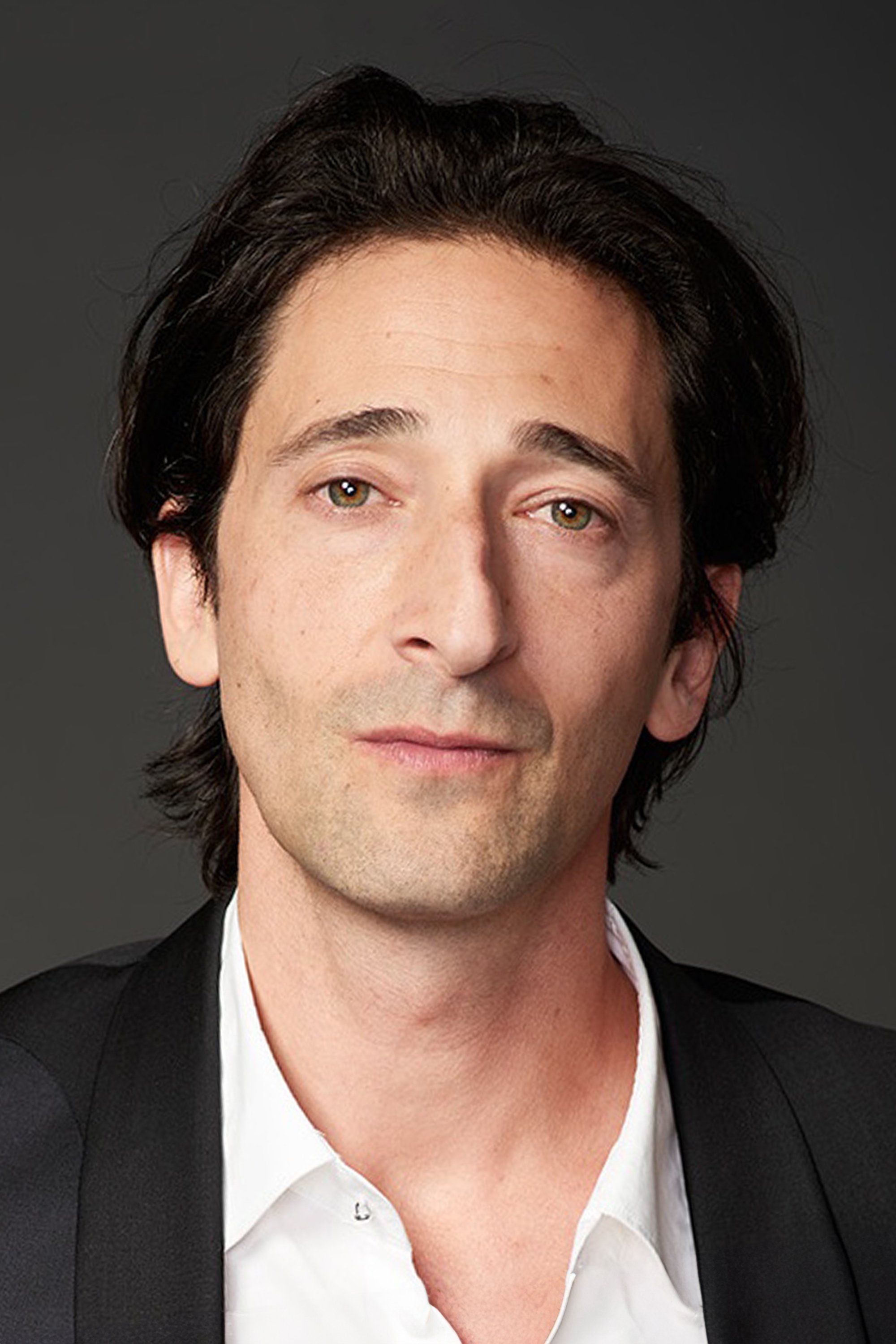
Brody lost roughly 30 pounds to reflect prolonged starvation and limited his personal possessions to deepen a sense of isolation. He moved without a phone for a period and cut off familiar routines to better focus on daily scarcity.
He trained on piano for months to perform specific passages on camera. The schedule organized scenes around pieces that required visible handwork so he could play fluently while matching the recorded performance.
Viggo Mortensen in ‘The Lord of the Rings’
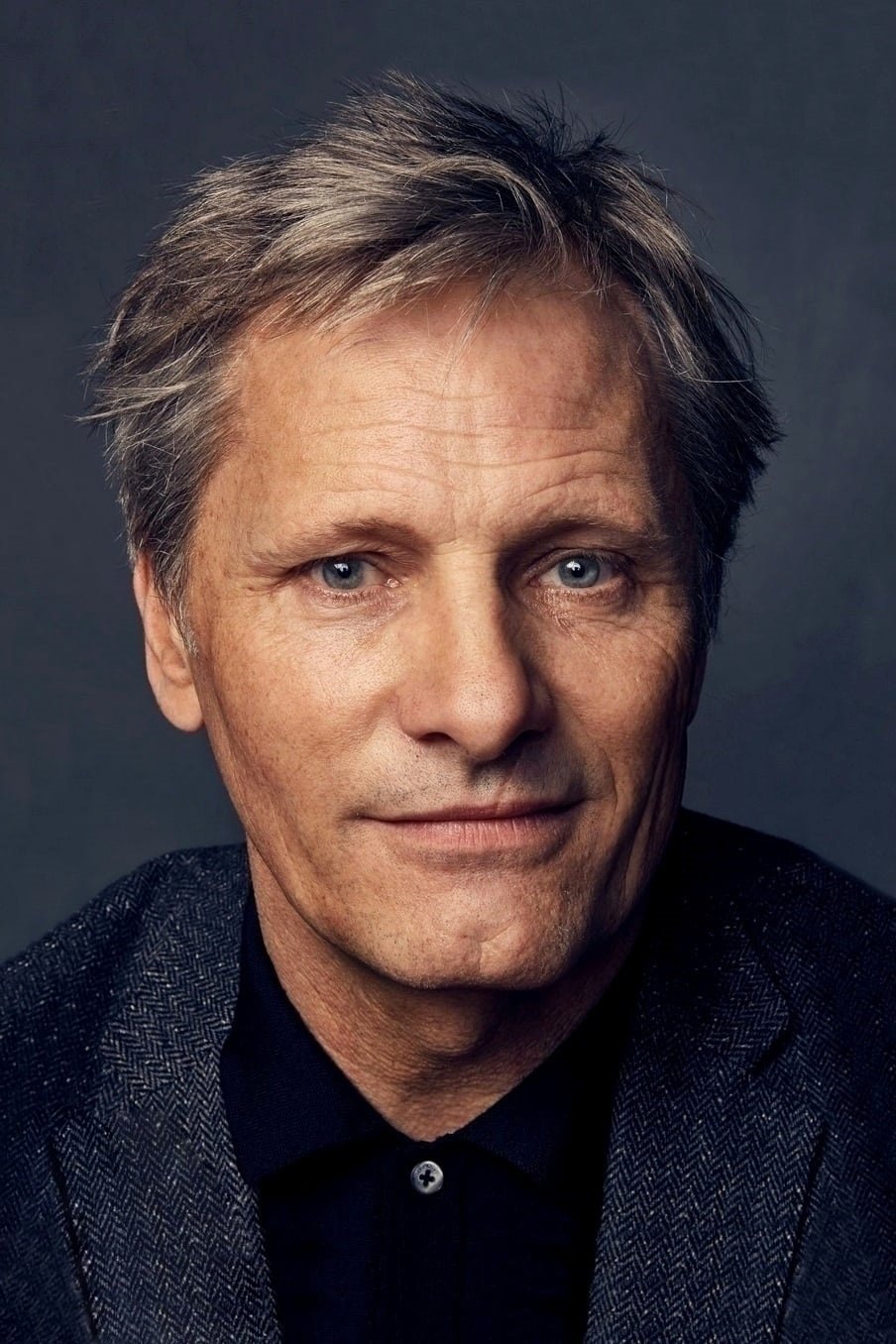
Mortensen carried his sword during off hours and requested heavy sparring to build endurance for long battles. He worked with horse trainers to perform riding sequences himself and maintained tack and gear so props would age naturally.
During ‘The Two Towers’ he broke a toe while kicking a prop helmet and continued the take, which the production kept for the final cut. He also chipped a tooth during a separate sequence and returned to set quickly after an emergency repair to keep the schedule moving.
Matthew McConaughey in ‘Dallas Buyers Club’
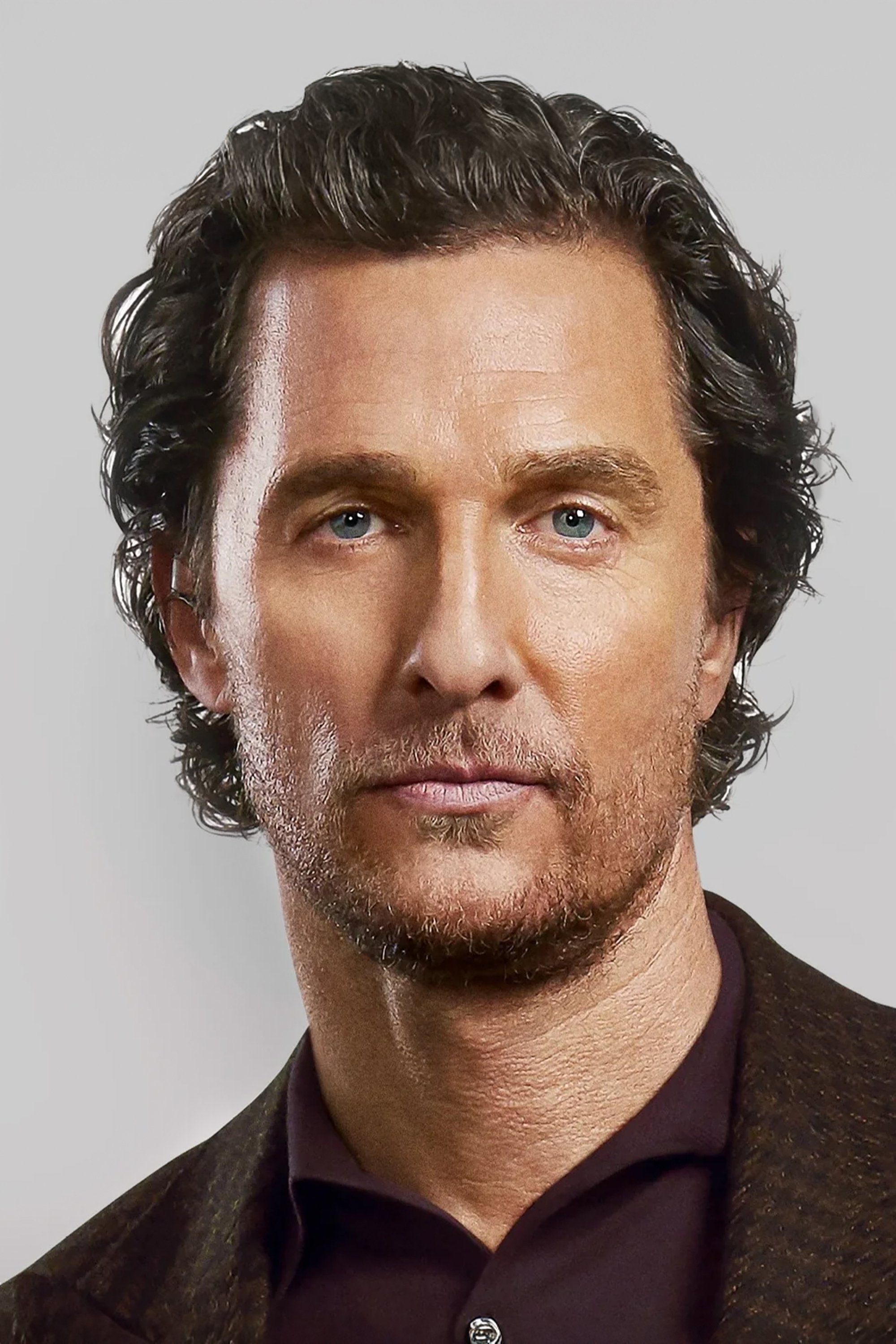
McConaughey lost about 45 pounds through a controlled diet in the months before filming. The physical change altered his wardrobe sizing and required daily monitoring on set to avoid fluctuations that could disrupt continuity.
He studied Ron Woodroof’s case files and interviews to ground scenes in the timeline of diagnosis and treatment. The production shot quickly with minimal artificial lighting, so he rehearsed blocking to hit marks precisely and conserve energy during long days.
Jim Carrey in ‘Man on the Moon’
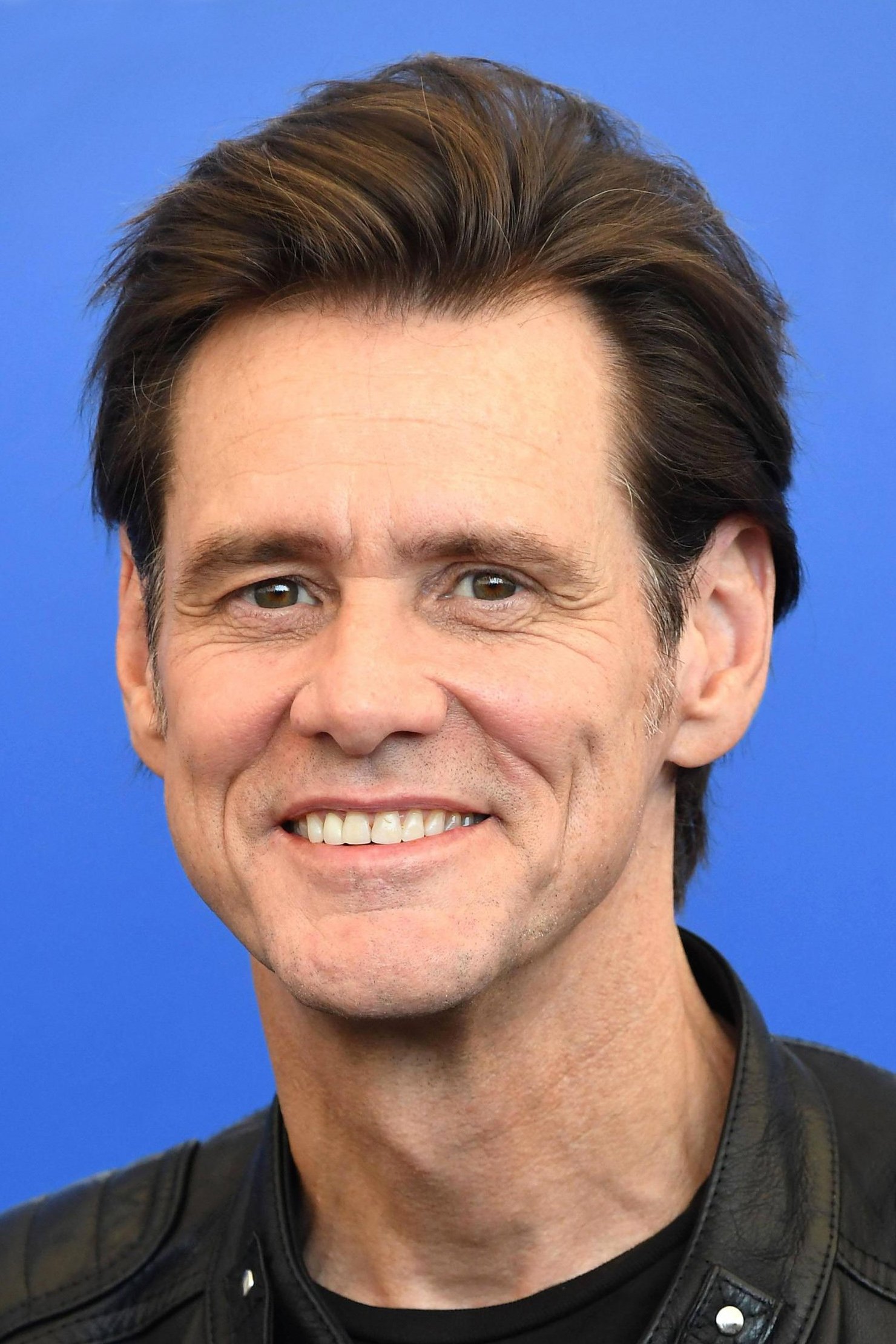
Carrey remained in character as Andy Kaufman and as the alter ego Tony Clifton on and off set for the duration of production. He adopted Kaufman’s stage methods during rehearsals and maintained that approach during press interactions while filming.
He trained with professional wrestlers to recreate Kaufman’s routines and coordinated with Jerry Lawler for ring sequences. The team used period accurate cameras for some scenes, which required him to adjust performance size and tempo to fit older equipment and lens behavior.
Share which performance you think went the furthest in the comments.