


Actors Who Were Almost Fired From Their Most Famous Roles

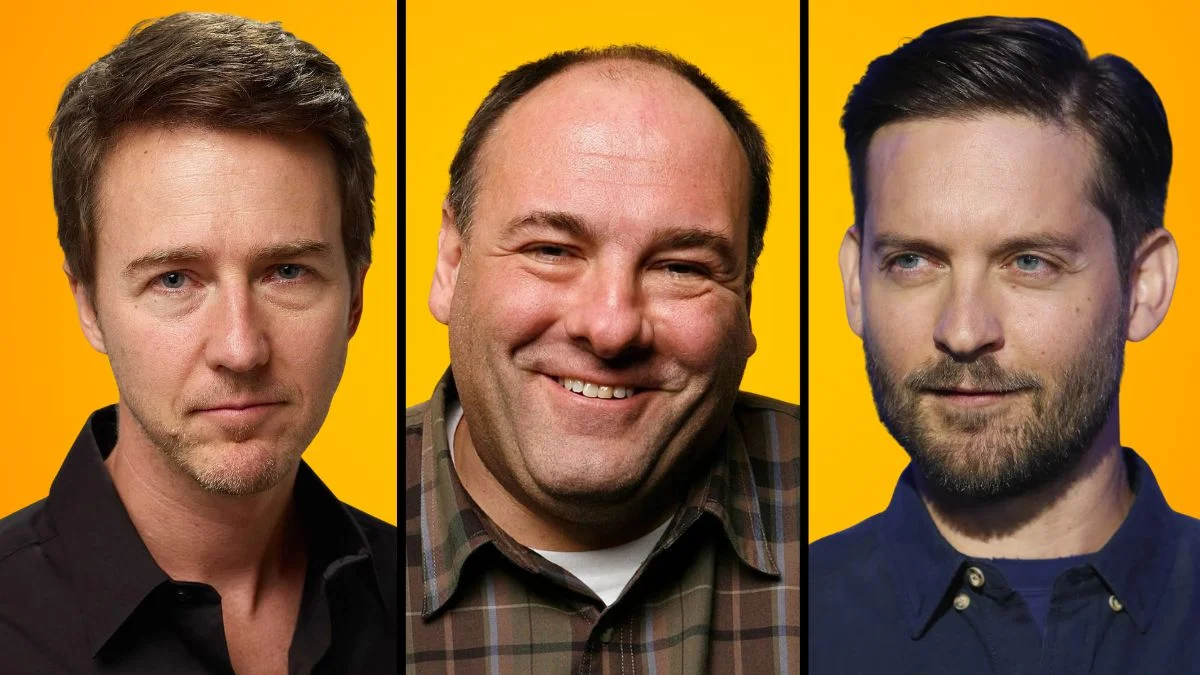


The history of cinema and television is filled with stories of legendary performances that almost never happened because of behind the scenes friction. Many of the most iconic characters in entertainment history were nearly recast during production due to creative differences or studio interference. These actors faced immense pressure from executives who doubted their ability to carry a project or fit a specific vision. This list explores the leading men who managed to save their careers and deliver career defining work despite being on the verge of dismissal.
Al Pacino
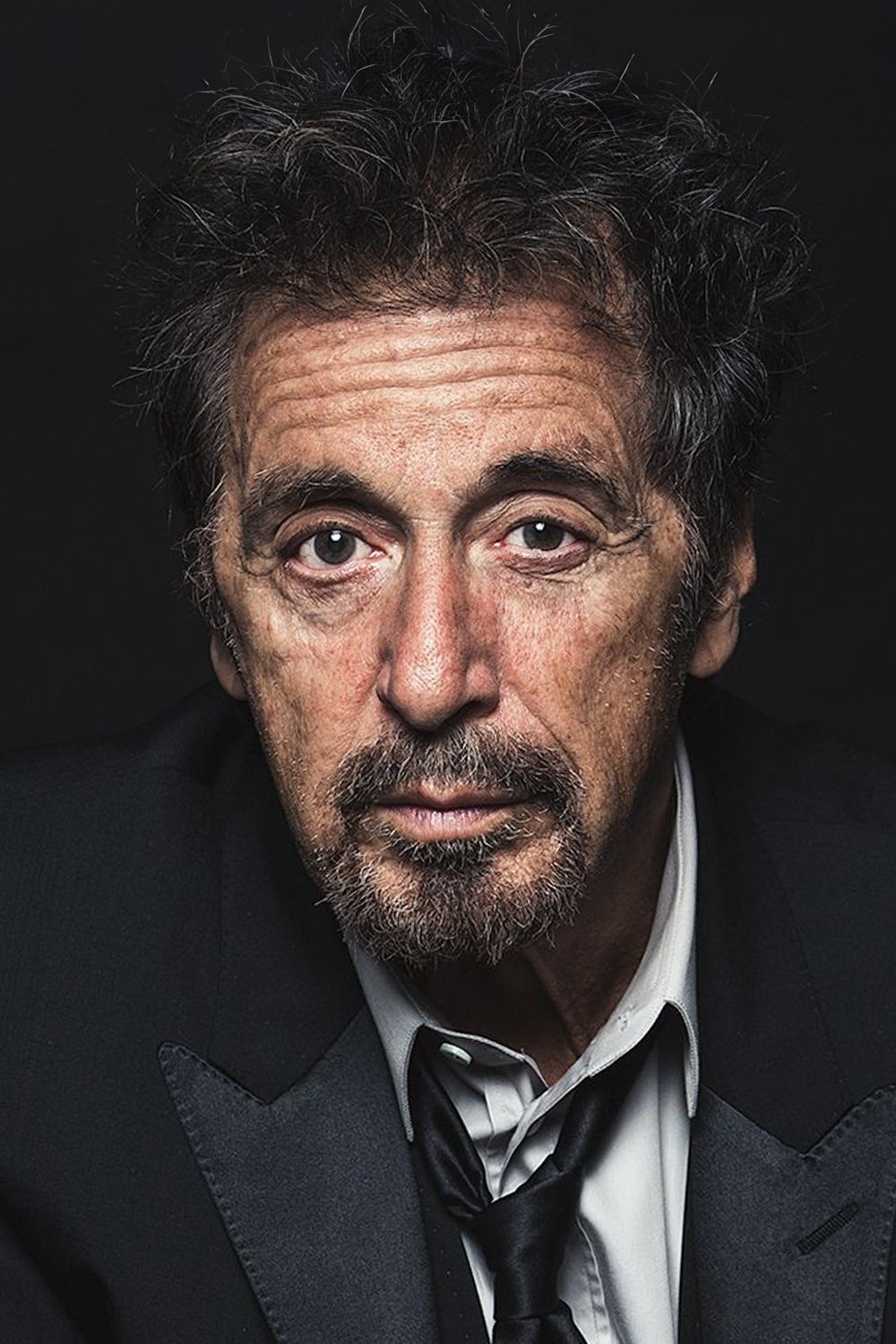
Early into the production of ‘The Godfather’ studio executives expressed significant dissatisfaction with his understated performance. The producers were looking for a more high energy portrayal of Michael Corleone and frequently suggested he be replaced. Director Francis Ford Coppola fought to keep him on the project and intentionally moved up the filming of the restaurant assassination scene. Once the studio saw his intense performance in that pivotal moment they finally agreed he was the right choice. This role eventually became one of the most iconic transformations in cinematic history.
Johnny Depp
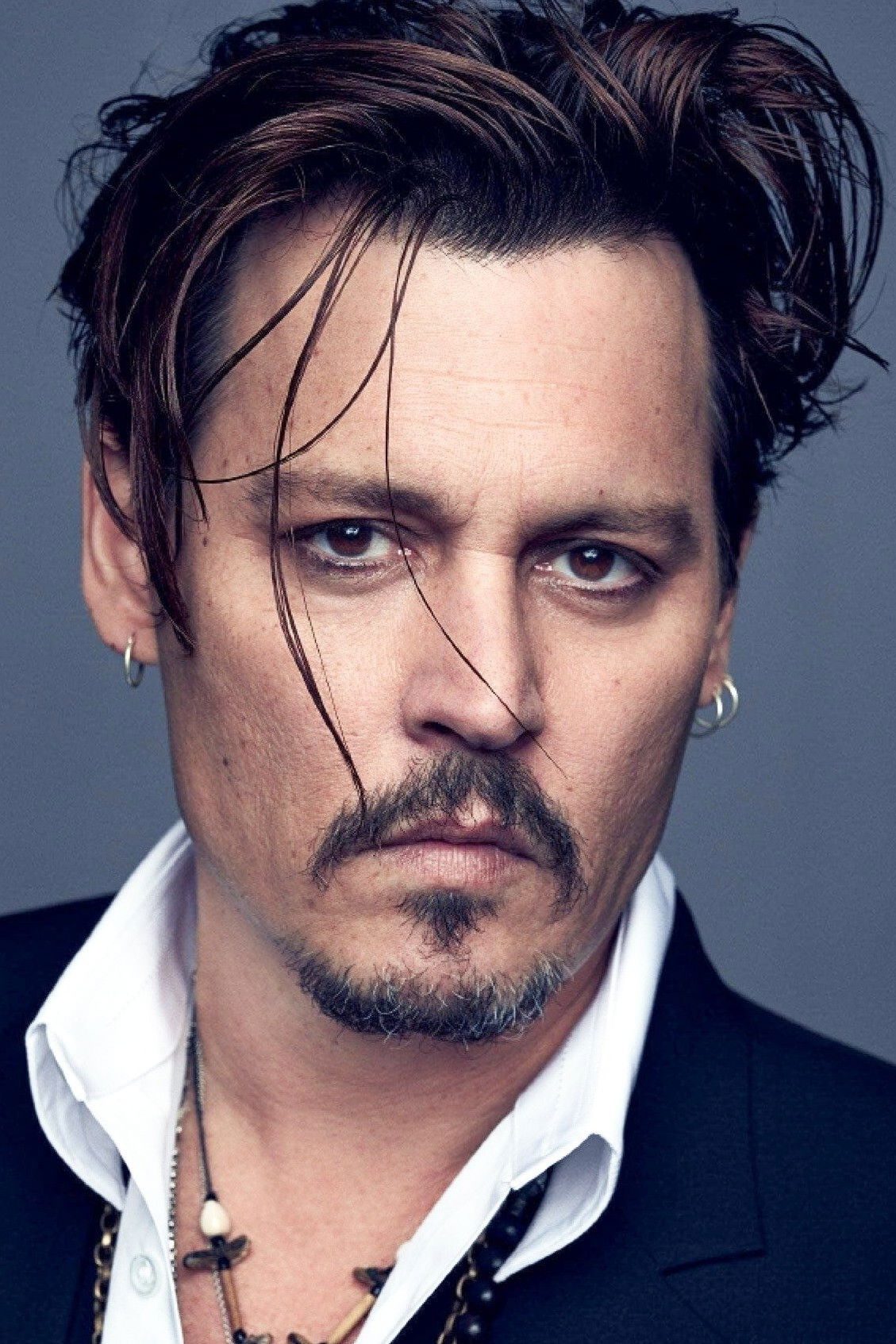
The actor faced immense pressure from Disney executives during the filming of ‘Pirates of the Caribbean’ because of his eccentric acting choices. High ranking officials were confused by his portrayal of Captain Jack Sparrow and worried it would alienate audiences. At one point they even questioned if the character was intoxicated or had a specific orientation. He stood his ground and told the studio they could fire him or trust his creative vision for the role. His performance earned an Academy Award nomination and launched a multi billion dollar franchise.
Robert Pattinson
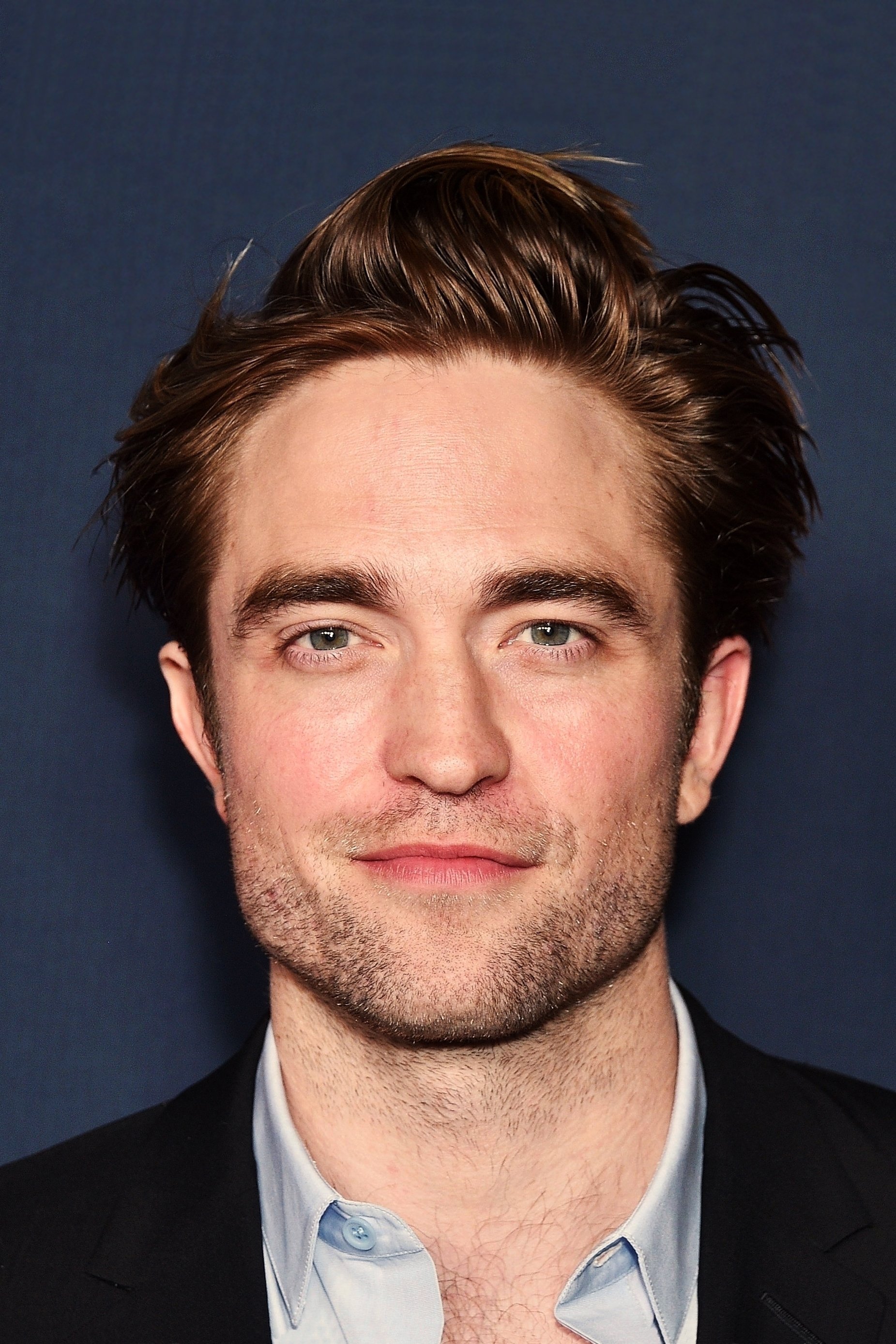
During the early days of filming ‘Twilight’ the actor took a very serious and moody approach to his character that worried the production team. His agents eventually had to fly to the set to warn him that the producers were on the verge of firing him. They encouraged him to smile more and make the character of Edward Cullen more likable to the target audience. He compromised by adding some lighter moments while still maintaining the brooding essence of the vampire. The film became a massive success and turned him into a global superstar.
Tobey Maguire
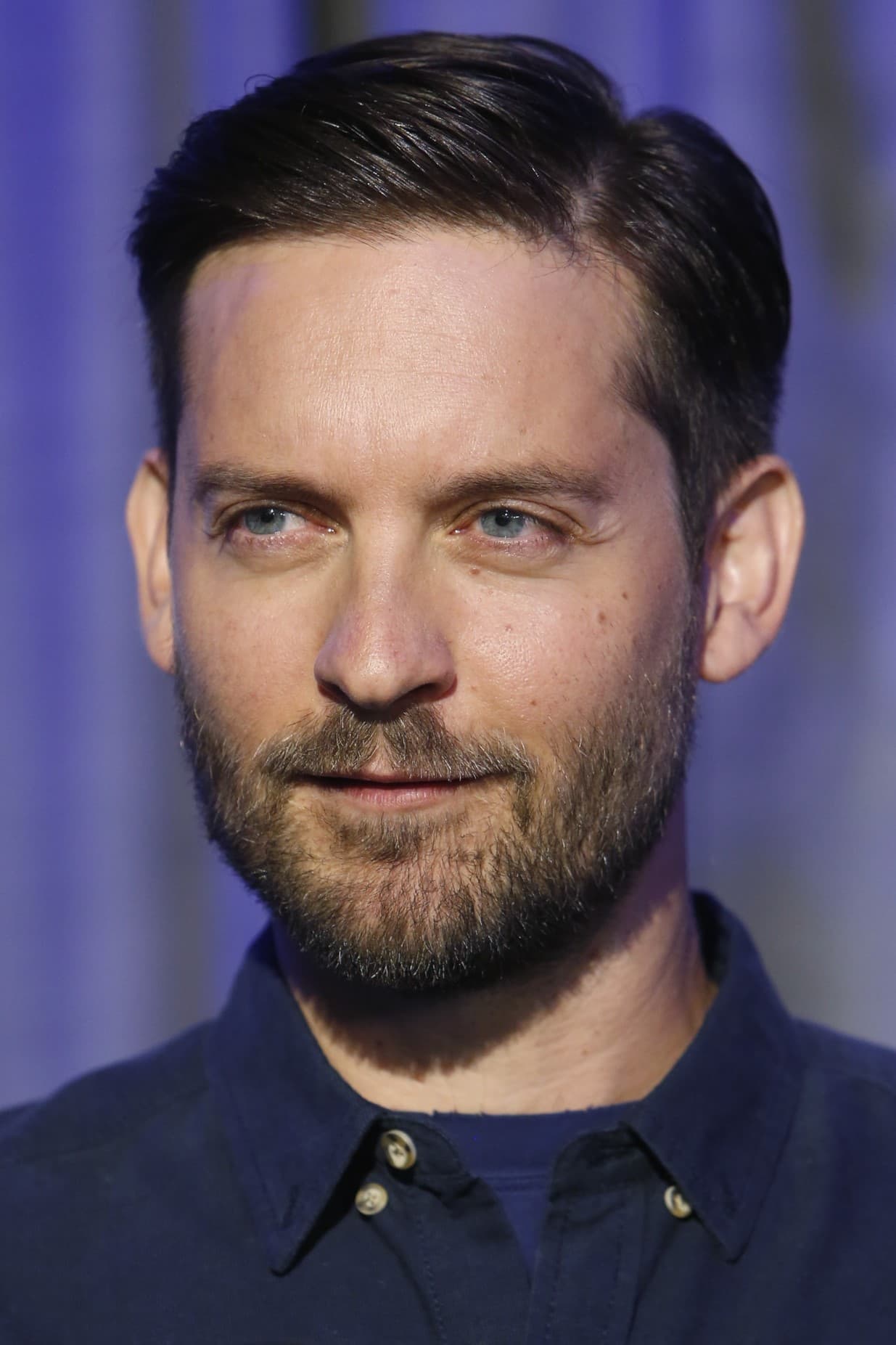
A dispute over a back injury almost cost him the lead role in ‘Spider-Man 2’ just as production was beginning. His representatives claimed he had suffered injuries during the filming of ‘Seabiscuit’ that might limit his physical performance. Sony Pictures took this as a potential liability and actually began negotiations with Jake Gyllenhaal to take over the role. He eventually underwent a medical examination and apologized to the studio to secure his position. He returned to complete the trilogy and helped solidify the modern superhero genre.
Marlon Brando
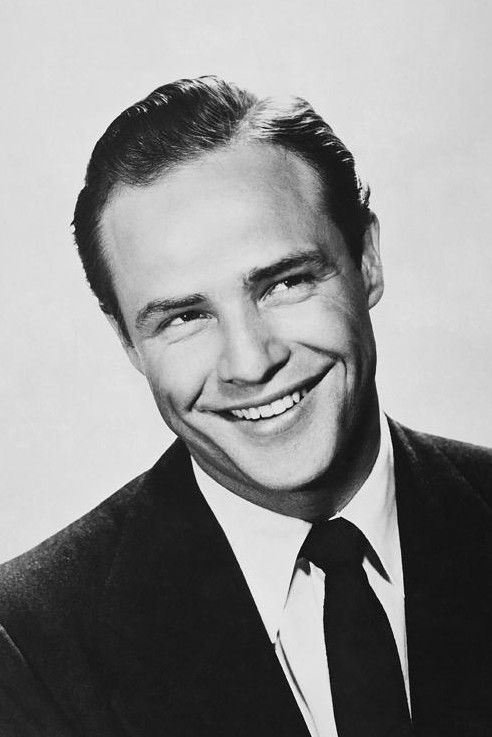
The studio was notoriously resistant to casting him in ‘The Godfather’ due to his reputation for being difficult on set. Paramount executives went so far as to state that they would never allow him to appear in the film under any circumstances. Director Francis Ford Coppola eventually convinced them to let the actor perform a screen test for the role of Vito Corleone. He transformed his appearance with cotton wool in his cheeks and a raspy voice which stunned the executives into submission. His performance won him an Oscar and revitalized his legendary career.
Robert Downey Jr.
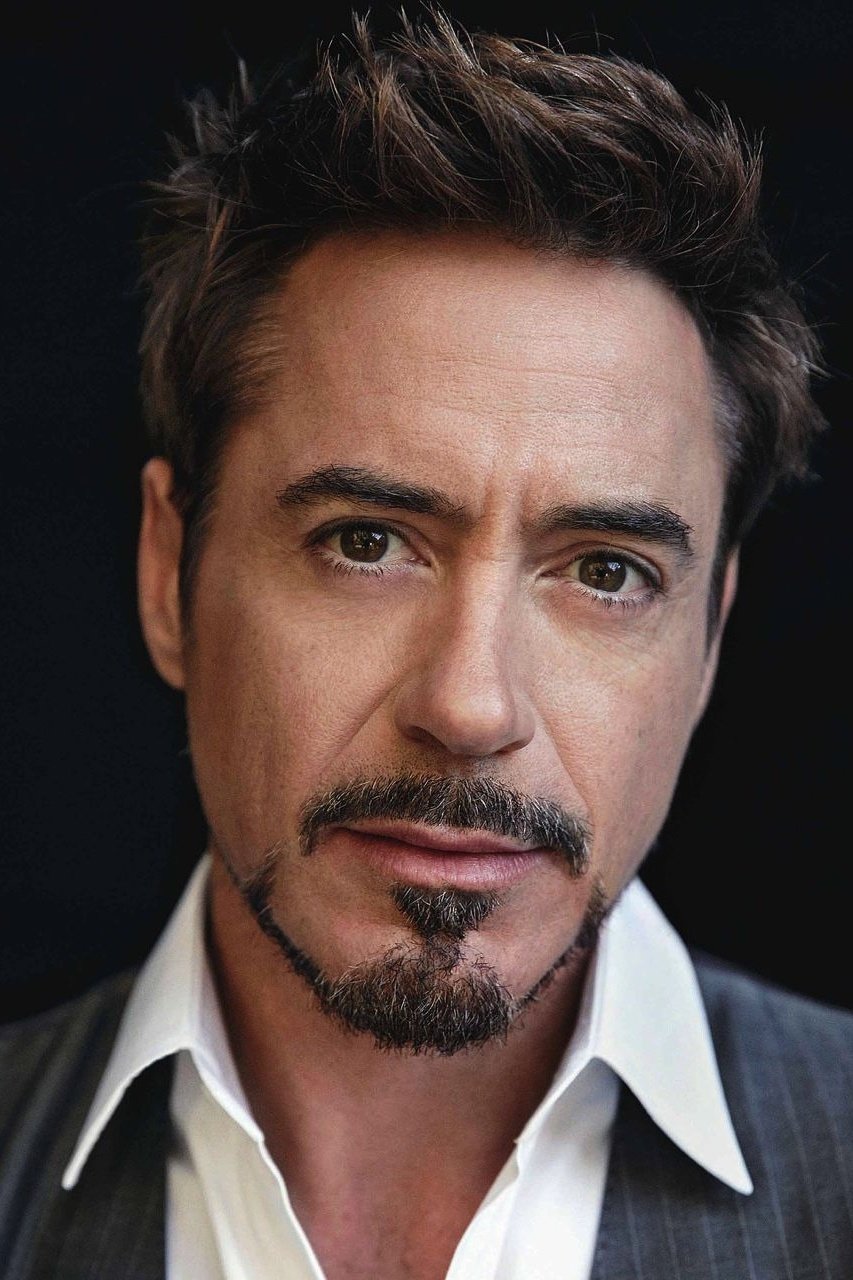
Marvel Studios was initially very hesitant to cast him as Tony Stark in ‘Iron Man’ due to his troubled past and legal issues. Director Jon Favreau had to fight an uphill battle against the executives who preferred a safer and more bankable star. His screen test was so impressive that it became impossible for the studio to ignore his natural charisma and fit for the role. The decision to keep him changed the trajectory of the entire Marvel Cinematic Universe. He is now considered the cornerstone of the most successful film franchise in history.
Hugh Jackman
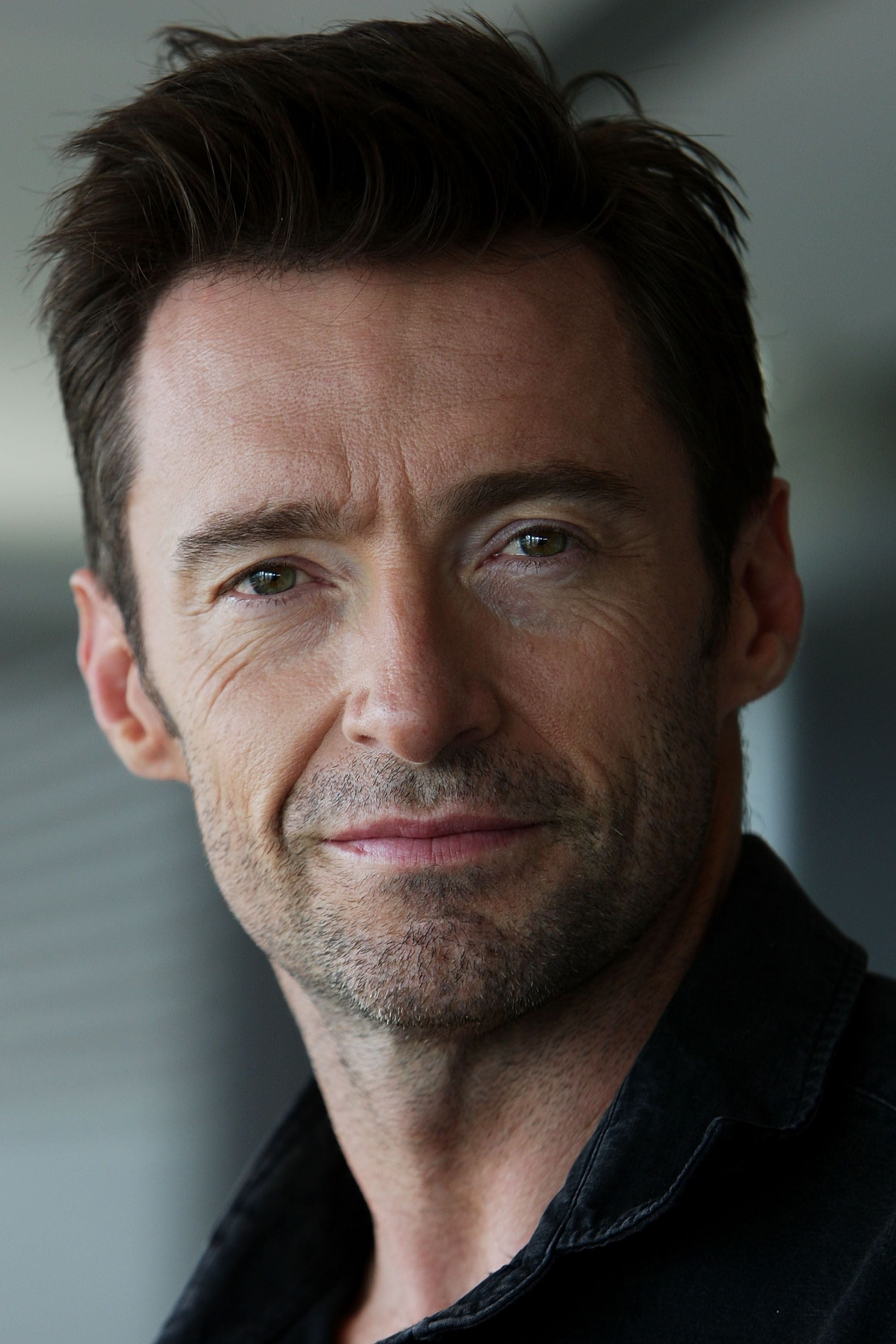
The actor nearly lost the role of Wolverine during the first ‘X-Men’ movie because his initial performance was deemed too soft. Director Bryan Singer took him aside and explained that his work was not meeting the intense expectations for the character. This conversation served as a wake up call that prompted him to increase his physical training and aggression on set. He managed to turn the performance around and perfectly captured the rugged nature of the mutant hero. He went on to play the character for over two decades across numerous sequels.
Taylor Lautner
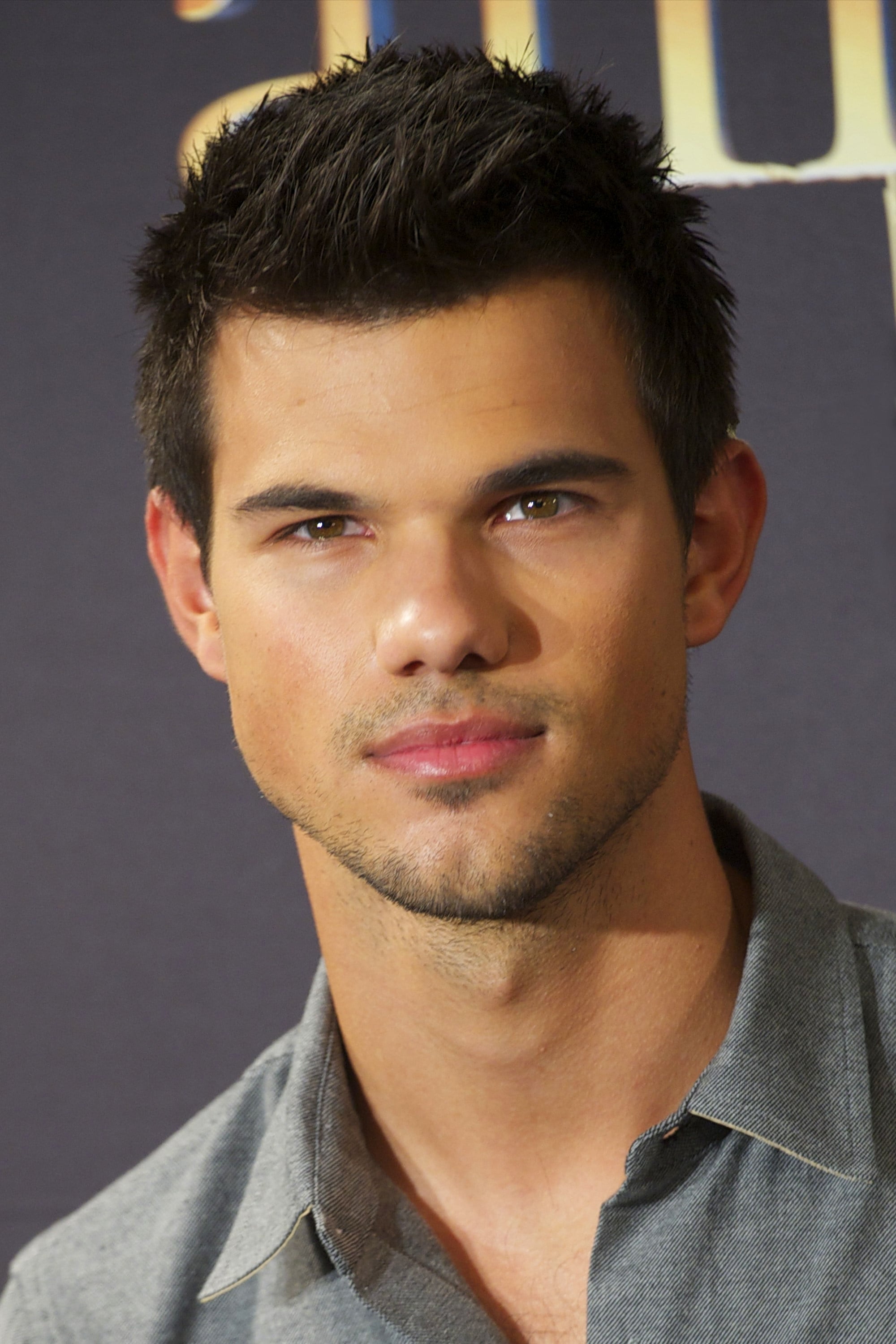
After the success of the first ‘Twilight’ film the studio considered recasting the role of Jacob Black for the sequel. The producers wanted an actor who looked more physically imposing to represent the character’s transformation into a werewolf. He dedicated himself to an intense diet and exercise regimen to gain thirty pounds of muscle in a short period. His physical transformation convinced the filmmakers that he could handle the demands of the expanded role. He remained part of the franchise through its final installment and became a fan favorite.
Jason Alexander
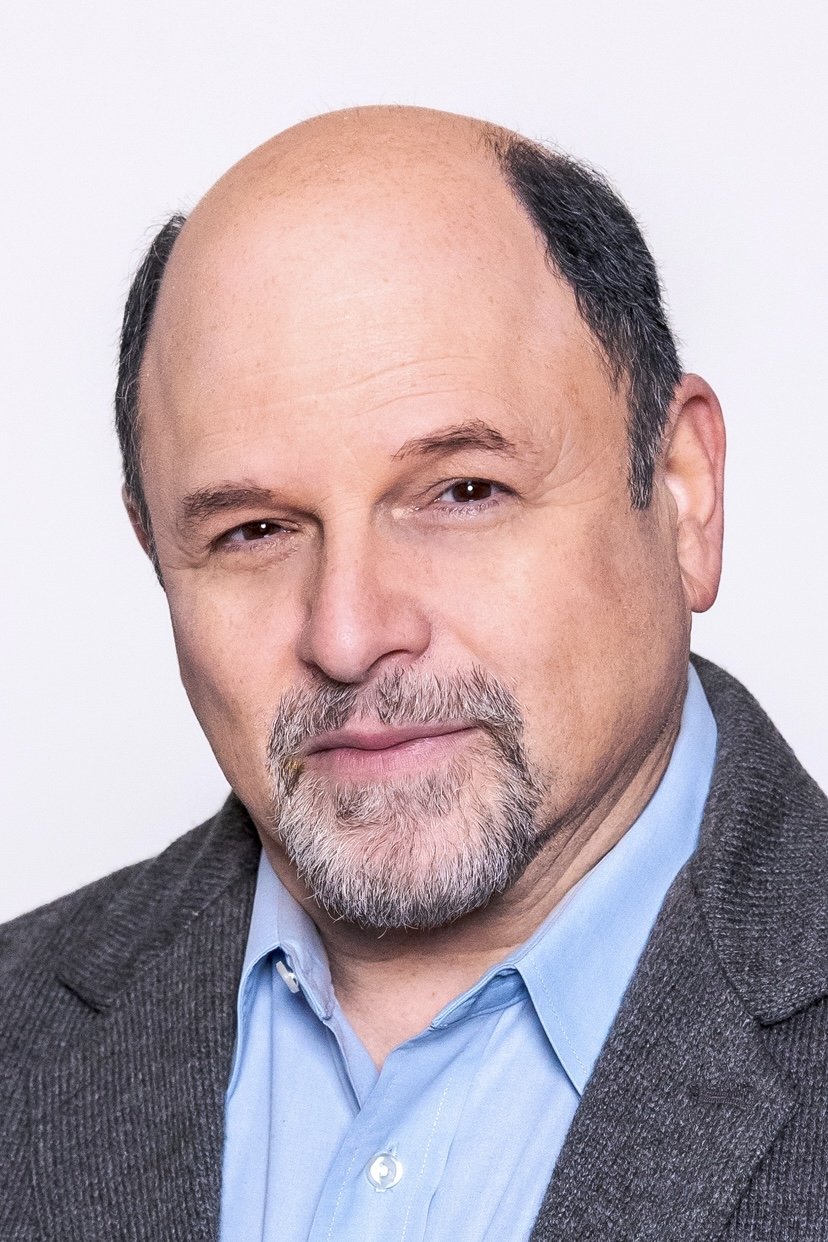
The actor became frustrated during the third season of ‘Seinfeld’ when his character George Costanza was written out of an entire episode. He approached creator Larry David and stated that he would leave the show if he was ever excluded from a script again. David explained that the cast members were not guaranteed to appear in every storyline but recognized the actor’s importance to the ensemble. They reached an agreement that ensured his presence in every subsequent episode of the series. His neurotic performance remained a central pillar of the legendary sitcom until it ended.
Mike Myers
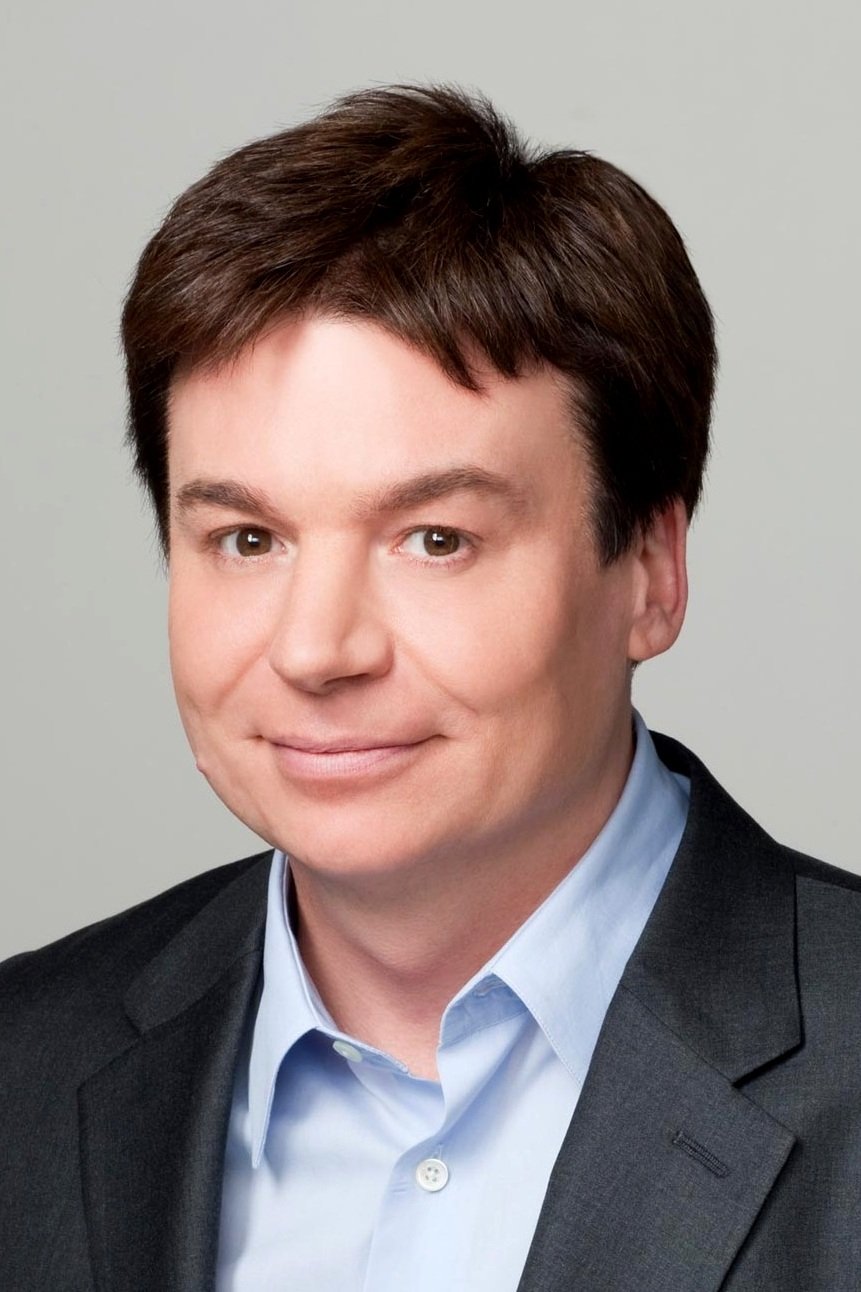
The production of ‘Shrek’ faced a major challenge when the lead actor decided to change the character voice after much of the animation was complete. He felt that a Scottish accent would better suit the personality of the ogre and insisted on re-recording all of his lines. This decision cost the studio millions of dollars in additional animation and production expenses. Executives were initially furious about the delay and the extra costs associated with the change. The gamble paid off as the new voice became an essential part of the character’s enduring charm.
Christian Bale
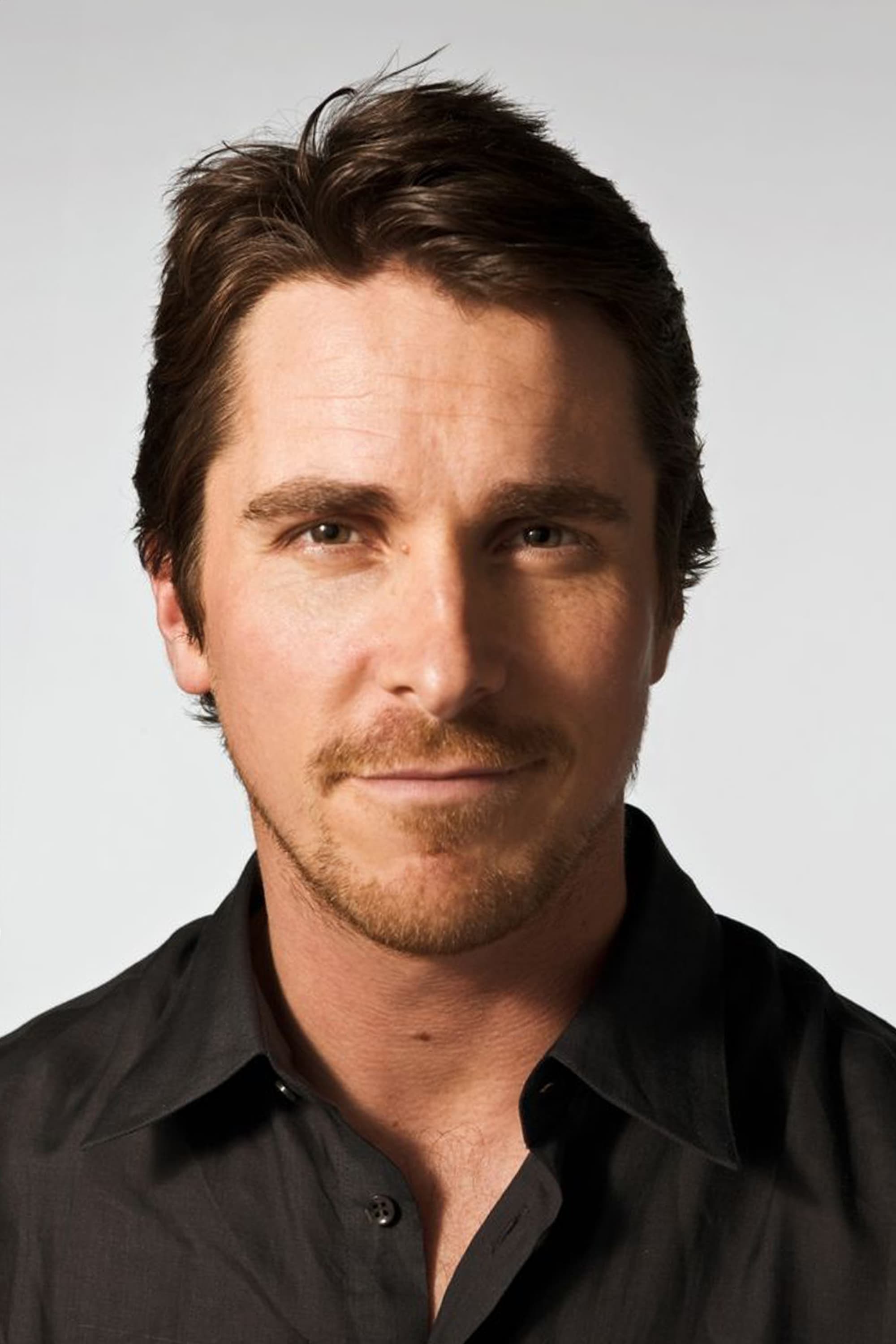
He was officially cast as Patrick Bateman in ‘American Psycho’ before the studio decided to replace him with Leonardo DiCaprio. The producers believed a bigger star would increase the film’s commercial potential and briefly terminated his contract. He refused to accept the decision and continued to train for the role while waiting for the production to stall. When DiCaprio eventually left the project the studio returned to their original choice and rehired him. His chilling performance became a cult classic and established him as a premier leading man.
Matthew McConaughey
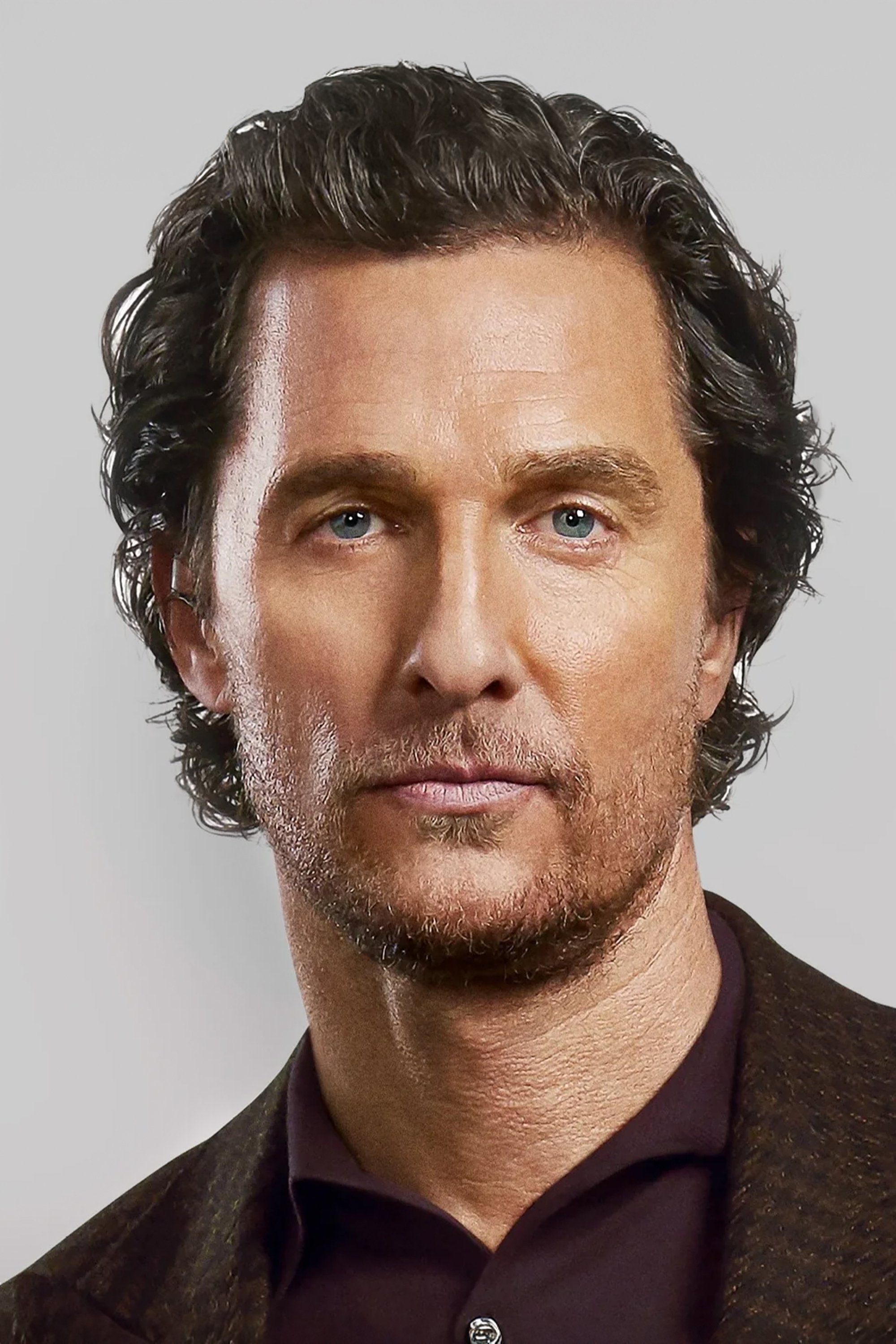
Warner Bros. was initially reluctant to cast him as the lead in ‘A Time to Kill’ because he was not yet a household name. The studio preferred established stars like Kevin Costner or Woody Harrelson to ensure the film’s financial success. Director Joel Schumacher insisted on a screen test and fought the executives to prove he was the perfect fit for the lawyer character. His performance in the screen test was so powerful that the studio eventually granted him the role. The film’s success transformed him into one of Hollywood’s most sought after actors.
Gene Hackman
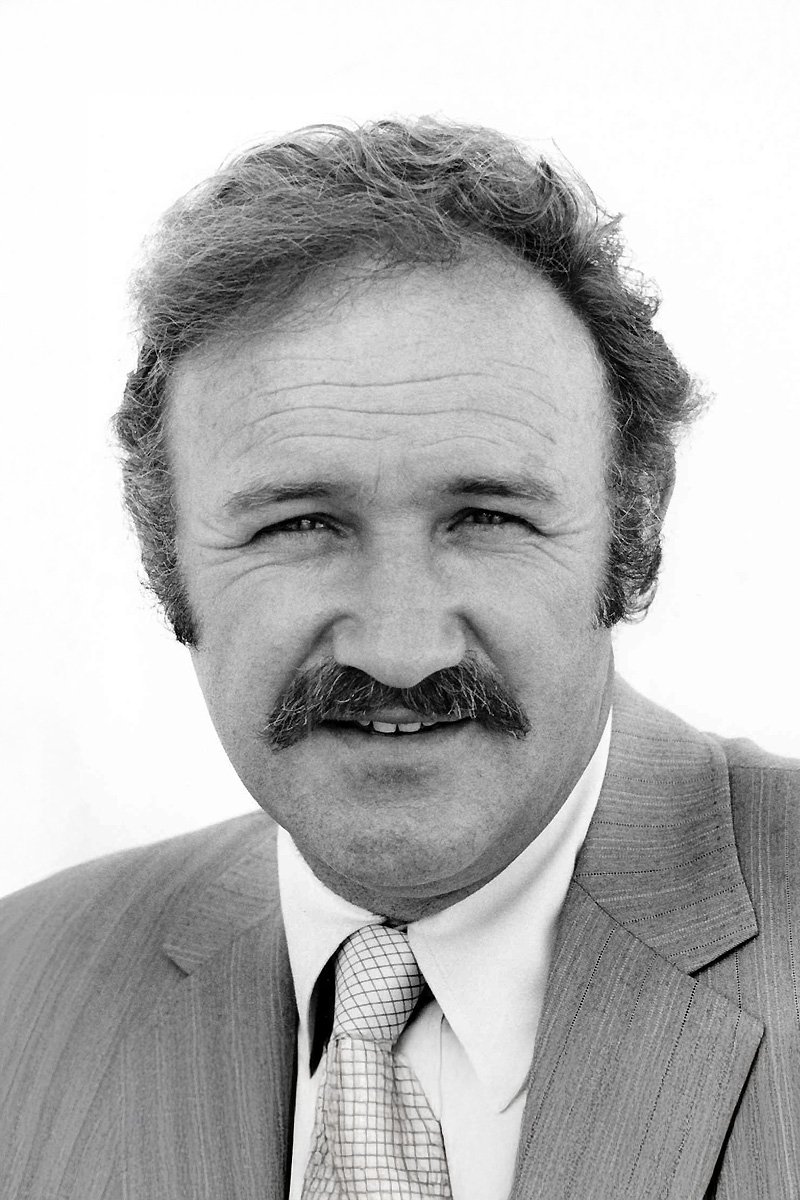
Director William Friedkin was notoriously difficult on the set of ‘The French Connection’ and frequently clashed with his lead actor. The director felt the performance lacked the necessary edge and threatened to fire him several times during the shoot. He struggled with the intense demands of the production and the gritty nature of the character Popeye Doyle. Despite the constant tension on set he delivered a performance that defined the police procedural genre. He eventually won an Academy Award for Best Actor for his work on the film.
James Gandolfini
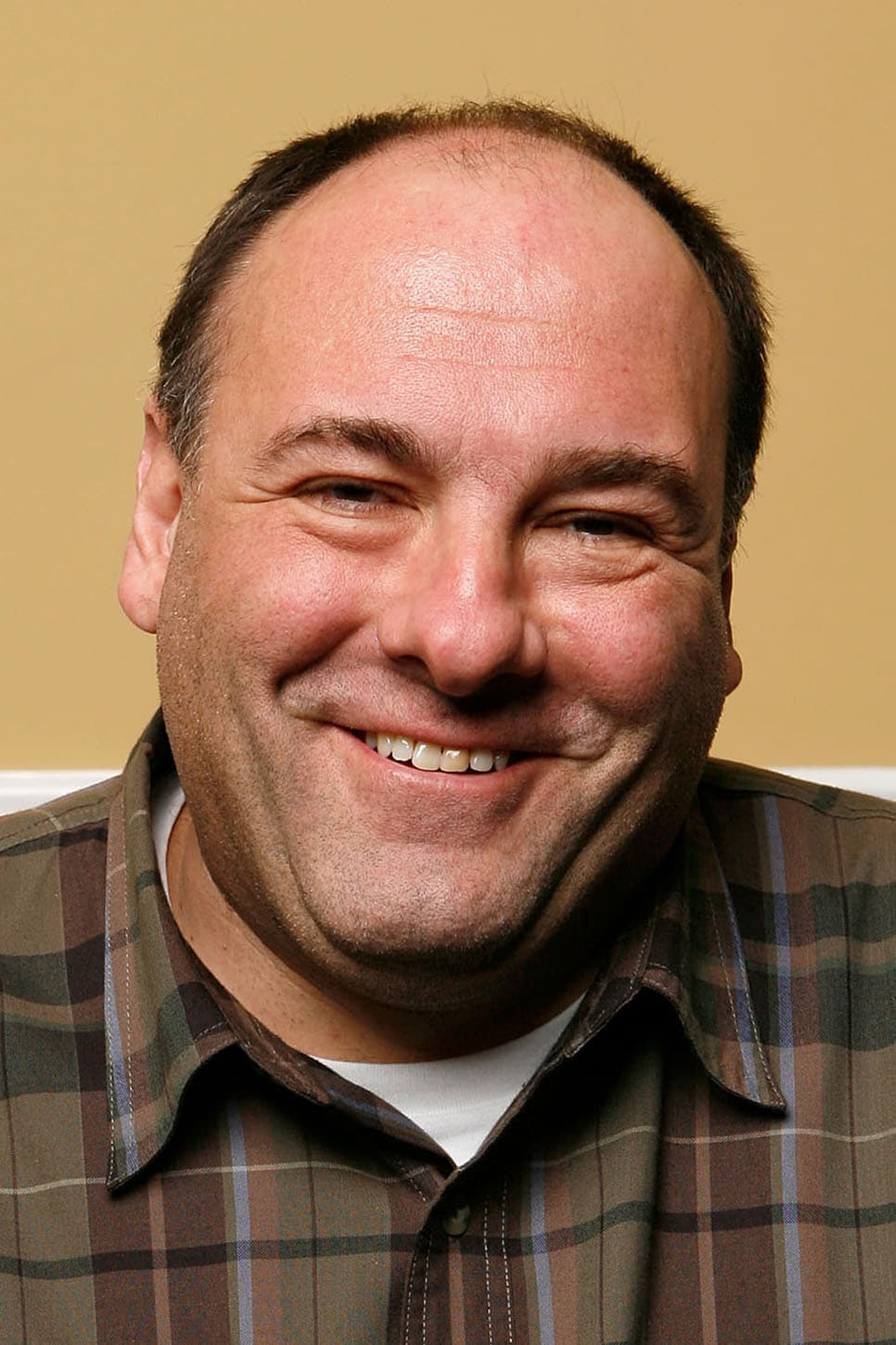
Production on ‘The Sopranos’ was nearly derailed several times due to the actor’s struggles with the pressures of fame and personal issues. During the fourth season he failed to show up for work for several days which caused significant financial losses for HBO. The network executives were concerned about his reliability and the future of the show if his behavior continued. He eventually returned to the set and negotiated a new contract that addressed both his compensation and the production schedule. His portrayal of Tony Soprano is widely regarded as one of the greatest television performances of all time.
Edward Norton
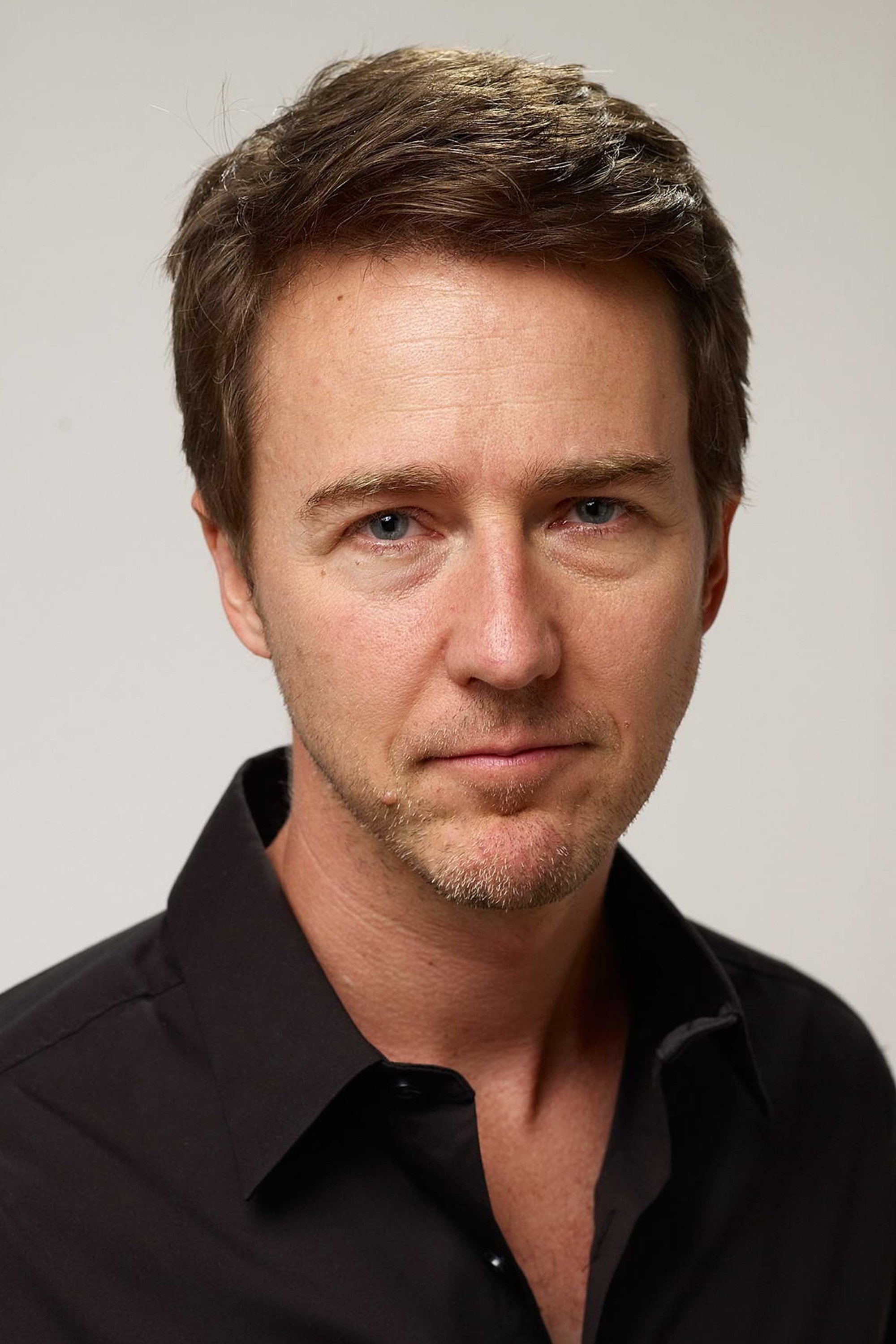
The filming of ‘American History X’ was marked by intense creative differences between the actor and director Tony Kaye. He eventually took over the editing process to create a version of the film that focused more on his character’s journey. The director was so outraged by this interference that he unsuccessfully tried to have his name removed from the credits. The studio supported the actor’s vision despite the extreme tension and potential for legal action. The final product earned him an Academy Award nomination and remains a powerful cinematic work.
Jeremy Renner
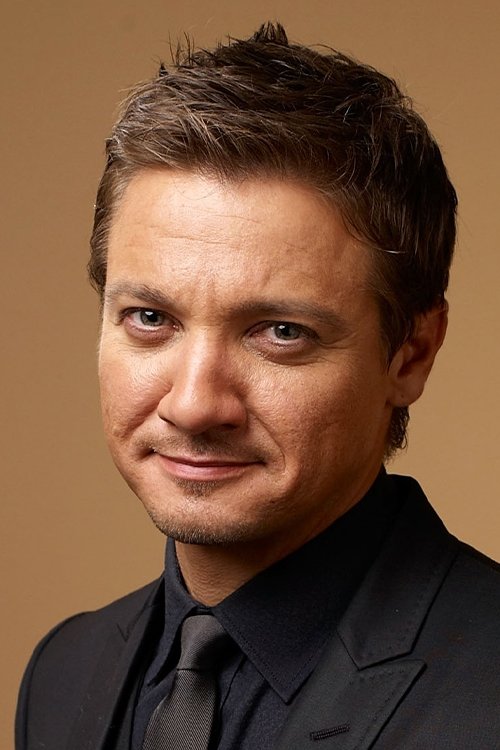
During the filming of ‘The Avengers’ the actor was unhappy with the direction of his character Hawkeye because he spent much of the movie brainwashed. He felt the role lacked depth and suggested to the producers that they should simply kill the character off if he had no real story. This frustration created tension with the production team who had to manage his expectations within the ensemble cast. They eventually assured him that the character would receive more development in future installments of the franchise. He continued to play the role for over a decade in multiple films and a solo series.
Mark Hamill
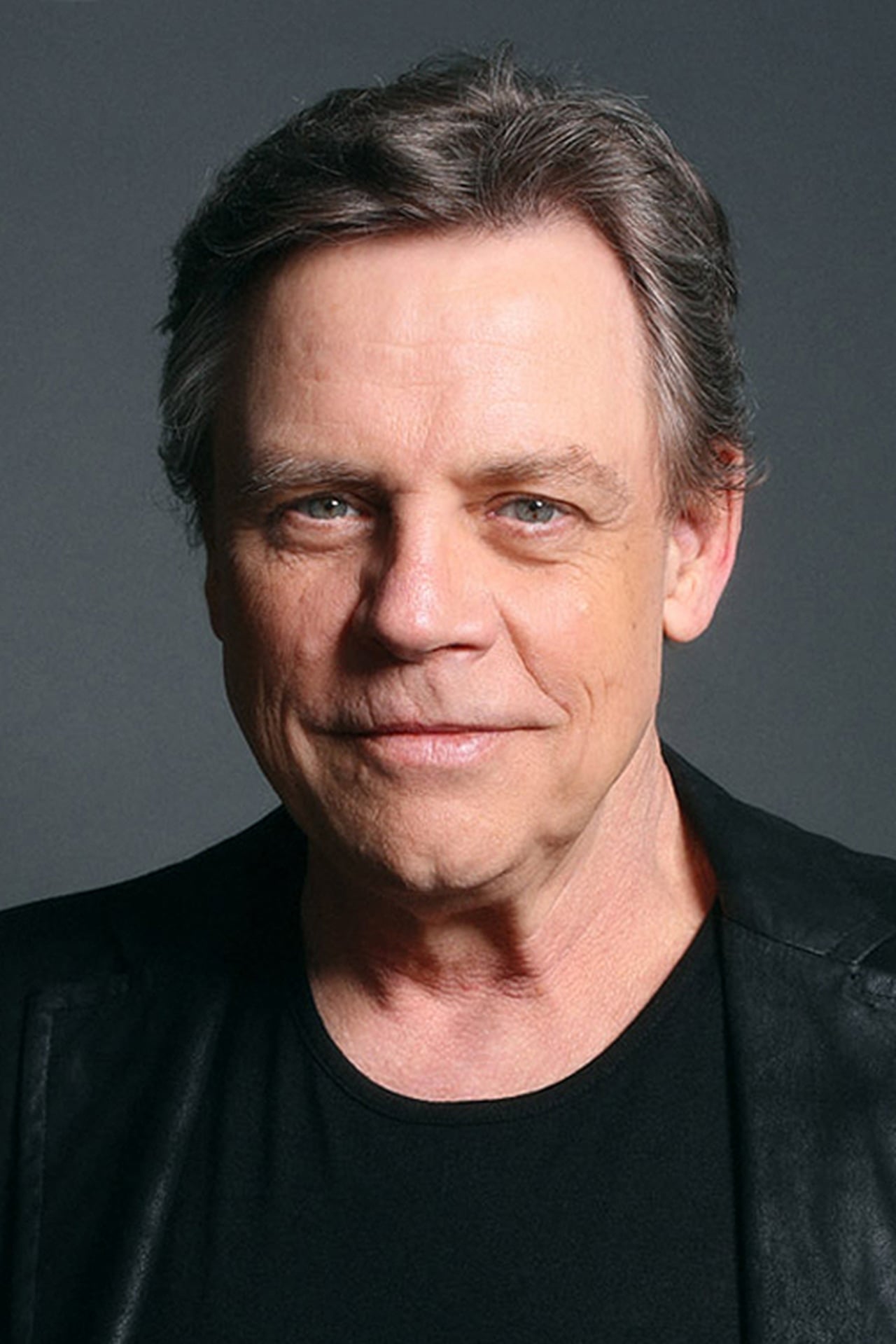
George Lucas had many doubts about casting him as Luke Skywalker in ‘Star Wars’ even after he had won the role. The director continued to look at other actors and worried that he might not have the presence to carry an epic space opera. During the production the studio also expressed concerns about the young cast and the experimental nature of the story. He worked hard to bring a sense of earnestness and heroism to the character that eventually won everyone over. His portrayal became the heart of one of the most successful media franchises in history.
Dustin Hoffman
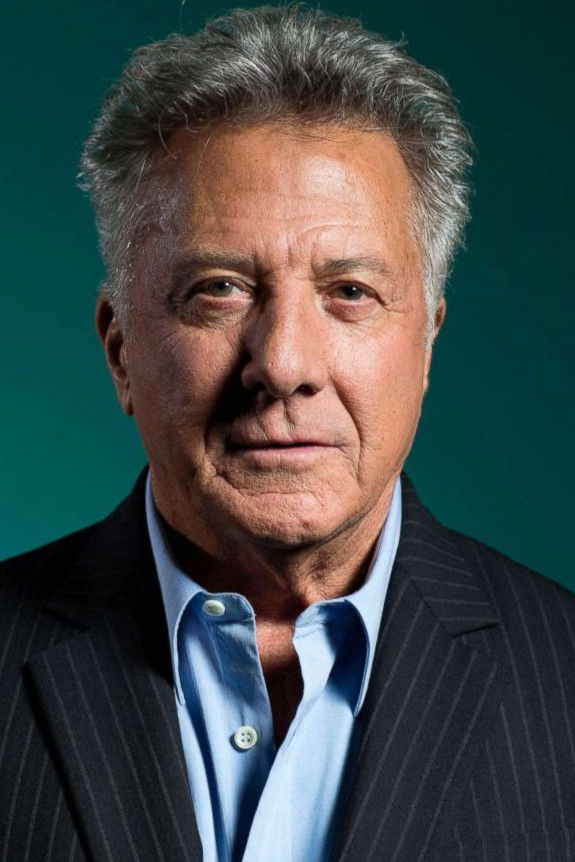
The producers of ‘The Graduate’ were looking for a more traditional leading man with a conventional athletic appearance. Director Mike Nichols had to fight the studio to cast an actor who looked like an ordinary person to fit the themes of the story. During the early days of filming the crew members were skeptical of his acting style and often treated him like an outsider. He channeled this feeling of alienation into his performance as Benjamin Braddock. The film’s massive success proved that audiences were ready for a new type of cinematic protagonist.
Harrison Ford
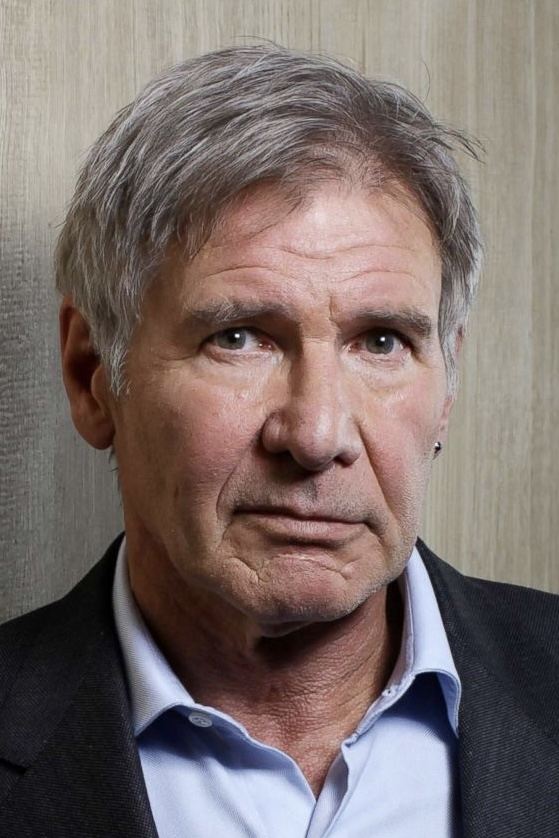
He was not the first choice for the role of Han Solo in ‘Star Wars’ and was originally hired only to read lines with other auditioning actors. George Lucas had worked with him before and wanted fresh faces for his new project. After seeing him interact with other potential cast members the director realized that his natural charisma was exactly what the character needed. The studio was initially hesitant but eventually agreed to give him the part. He turned the rogue smuggler into a legendary cinematic icon and became one of the biggest stars in the world.
Burt Reynolds

The actor was so unhappy with his experience on the set of ‘Boogie Nights’ that he reportedly tried to fire his agent after seeing a rough cut. He clashed with director Paul Thomas Anderson and found the subject matter of the film to be beneath his status. His behavior on set was often confrontational and he nearly walked away from the production several times. Despite his personal dislike for the project his performance as Jack Horner earned him an Academy Award nomination. He later admitted that the film was one of the best pieces of work in his career.
Alec Baldwin
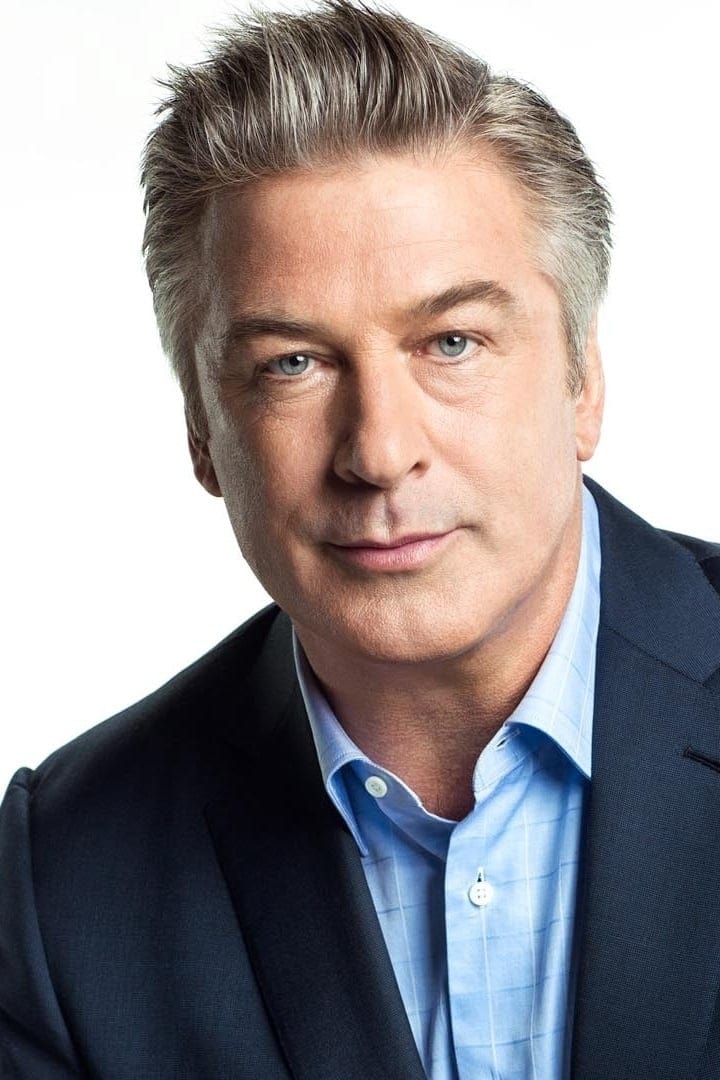
During the first season of ’30 Rock’ the actor struggled to adapt to the fast paced nature of the writing and the eccentricities of his character Jack Donaghy. He frequently expressed his desire to leave the show and even threatened to quit during several heated moments with the production team. Tina Fey and the other producers worked closely with him to refine the character and incorporate his natural comedic timing. He eventually embraced the role and became a vital part of the show’s success for seven seasons. His work on the series earned him multiple Emmy Awards and revitalized his career in comedy.
Jason Segel
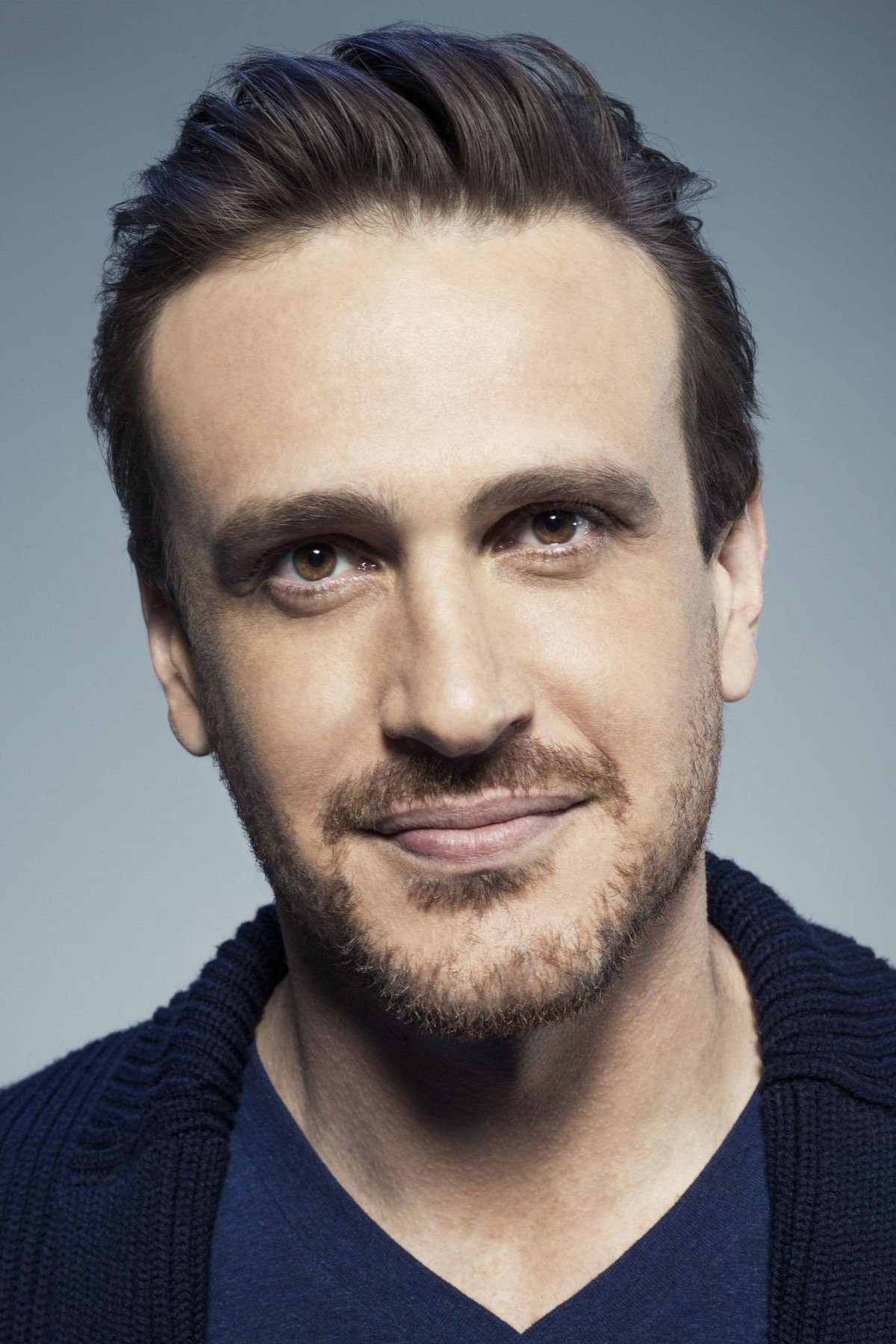
The creators of ‘How I Met Your Mother’ were initially unsure about his performance during the filming of the pilot episode. They worried that his acting style was too unconventional for a traditional multi camera sitcom format. He had to work closely with the directors to adjust his energy levels and timing to fit the requirements of the network. The chemistry he developed with the rest of the cast eventually convinced the producers that he was the right fit for Marshall Eriksen. He stayed with the show for its entire nine year run and became a cornerstone of the series.
Thomas Gibson
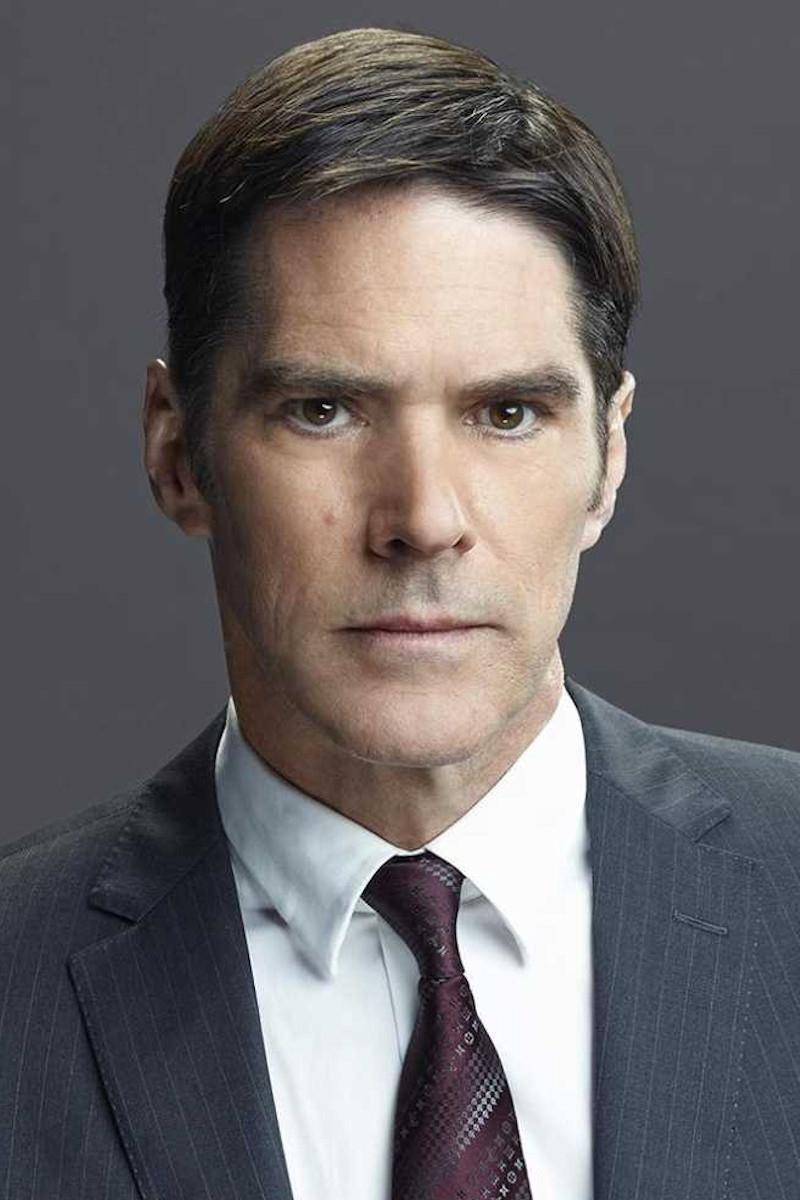
Before his final dismissal from ‘Criminal Minds’ the actor had a history of incidents that put his position on the show in jeopardy. He was required to attend anger management classes after a physical altercation with a production assistant several years earlier. The network monitored his behavior closely and issued multiple warnings regarding his conduct on set. His presence on the long running series was often a subject of internal debate among the executives. A final confrontation during the twelfth season eventually led to his official termination from the show.
Isaiah Washington
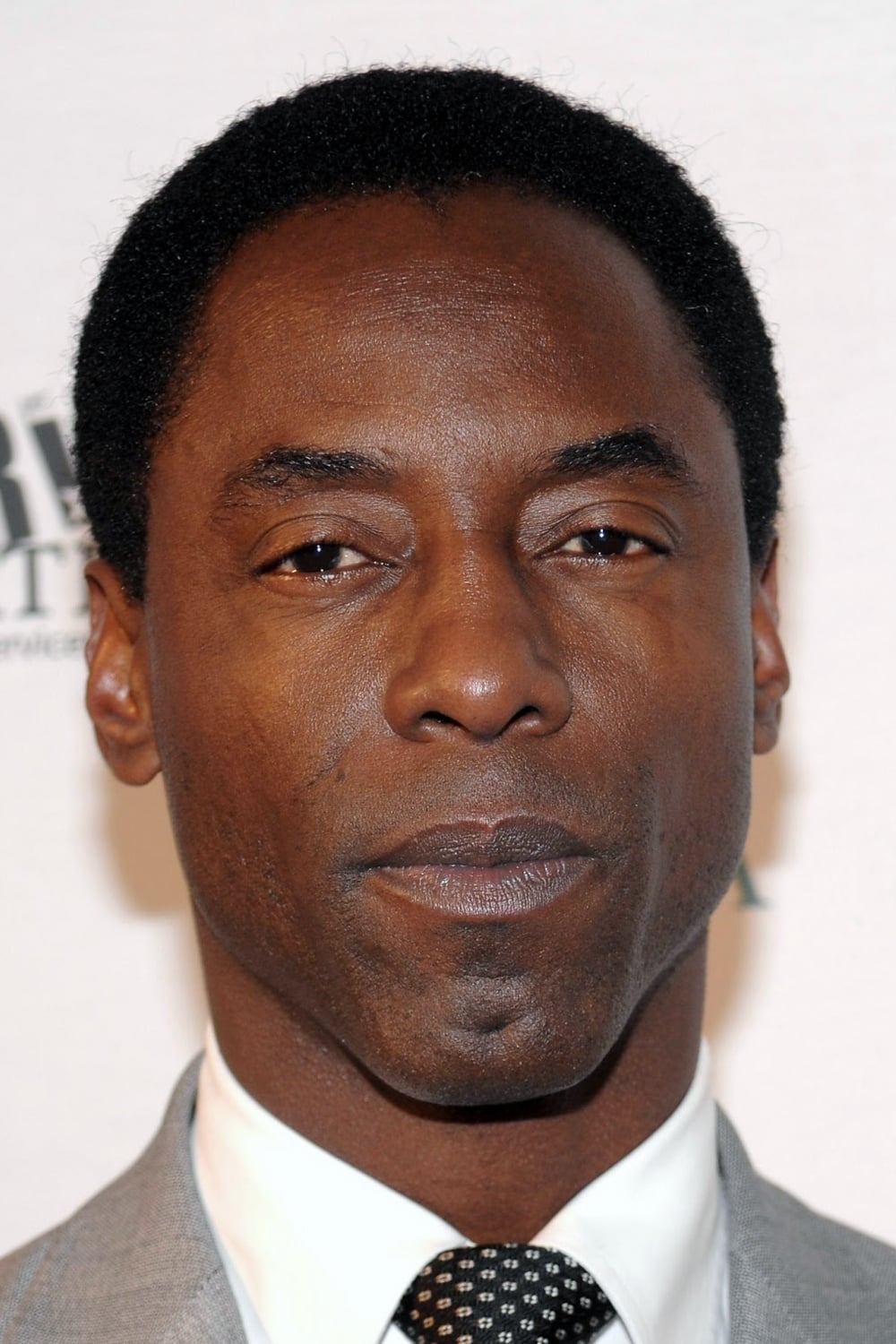
His time on ‘Grey’s Anatomy’ was marked by significant backstage drama that nearly led to his firing much earlier than his actual exit. An on set argument involving a homophobic slur directed at a co worker created a massive public relations crisis for the network. The producers faced intense pressure from the public and advocacy groups to remove him from the cast immediately. He issued several apologies and participated in public service announcements to mitigate the damage. He was eventually written out of the show at the end of the third season due to the ongoing controversy.
Patrick Dempsey
Long before he left ‘Grey’s Anatomy’ the actor reportedly had several disagreements with showrunner Shonda Rhimes. His behavior on set and clashes with other cast members led to a period where his character was sent away to another city. The production team considered writing him off the show permanently on several occasions to resolve the internal tension. They eventually reached a temporary truce that allowed him to return for a few more seasons. His character Derek Shepherd was ultimately killed off in a move that shocked the series’ loyal fanbase.
Charlie Sheen
The actor received numerous warnings from CBS and Warner Bros. regarding his personal life and its impact on the production of ‘Two and a Half Men’ over several years. The studio went to great lengths to accommodate his rehabilitation stints and erratic behavior to keep the high rated show on the air. Executives were often on the verge of shutting down production or replacing him as his public outbursts became more frequent. The relationship finally collapsed in 2011 after he made a series of disparaging remarks about the show’s creator. His firing became one of the most publicized events in television history.
Rob Lowe
During his time on ‘The West Wing’ the actor felt that his character Sam Seaborn was being marginalized in favor of the ensemble cast. He expressed his dissatisfaction to the producers and the network several times which led to a strained working relationship. There were internal discussions about whether the show should continue with his character or if he should be phased out to save on production costs. He eventually decided to leave the show during the fourth season after a long period of creative frustration. He later returned for the series finale to provide closure for his character.
Henry Cavill
The actor faced a difficult casting process for ‘Man of Steel’ and was almost passed over for another candidate. Zack Snyder had concerns about whether he could carry the physical and emotional weight of a modern Superman. The studio also looked at several other actors and conducted multiple screen tests to ensure they had the right person for the reboot. He eventually secured the role by demonstrating a deep understanding of the character’s dual nature. His performance launched the DC Extended Universe and established him as a premier action star.
Andrew Garfield
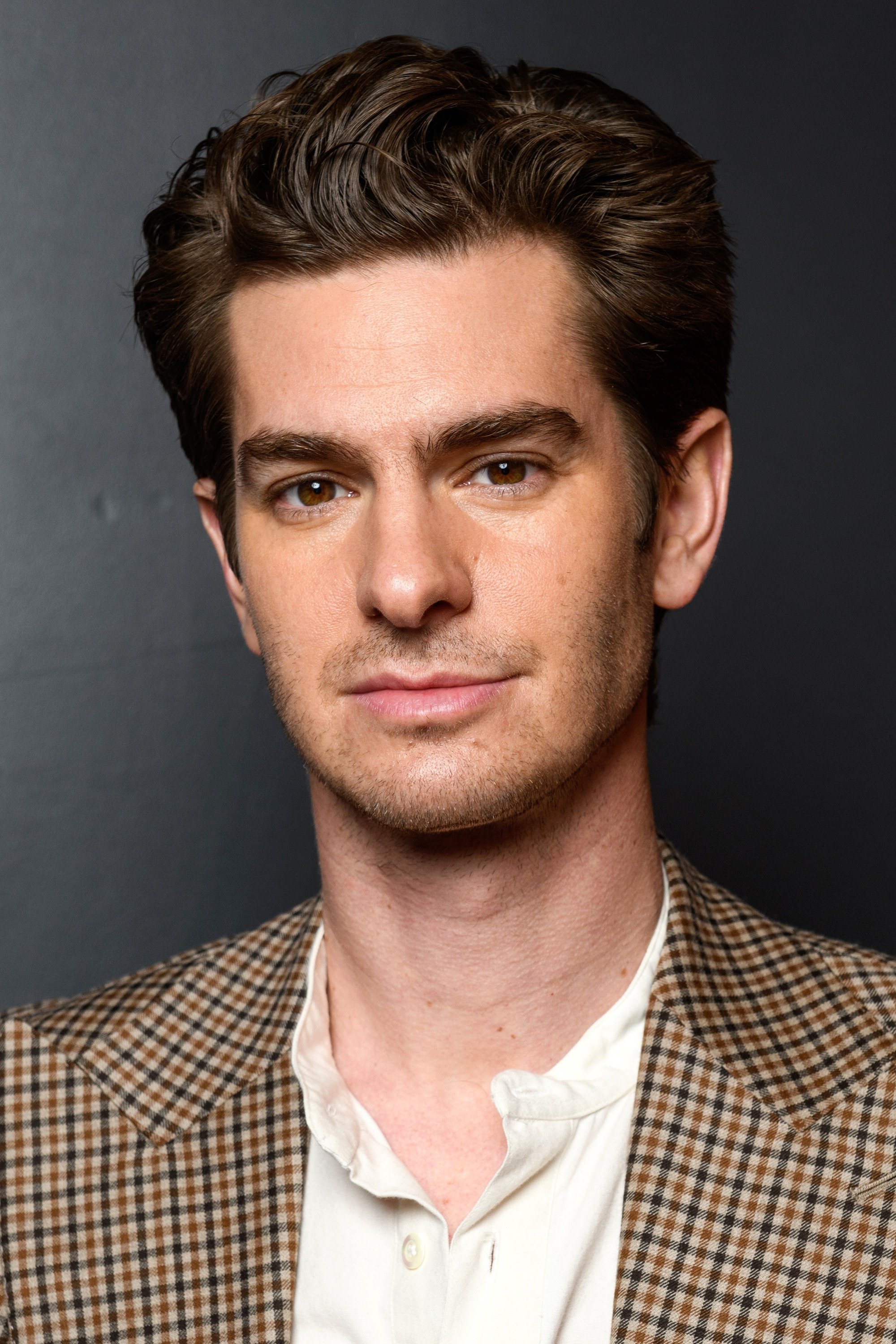
The actor’s relationship with Sony Pictures became strained during the promotion of ‘The Amazing Spider-Man 2’ due to his outspoken nature. He reportedly failed to attend a high profile corporate event in Brazil which deeply offended the top executives at the studio. This incident led to internal discussions about his future in the role and whether a younger actor should take over. The subsequent hack of Sony’s servers revealed emails discussing the plan to replace him. He was eventually let go when the studio decided to partner with Marvel to reboot the character again.
Daniel Craig
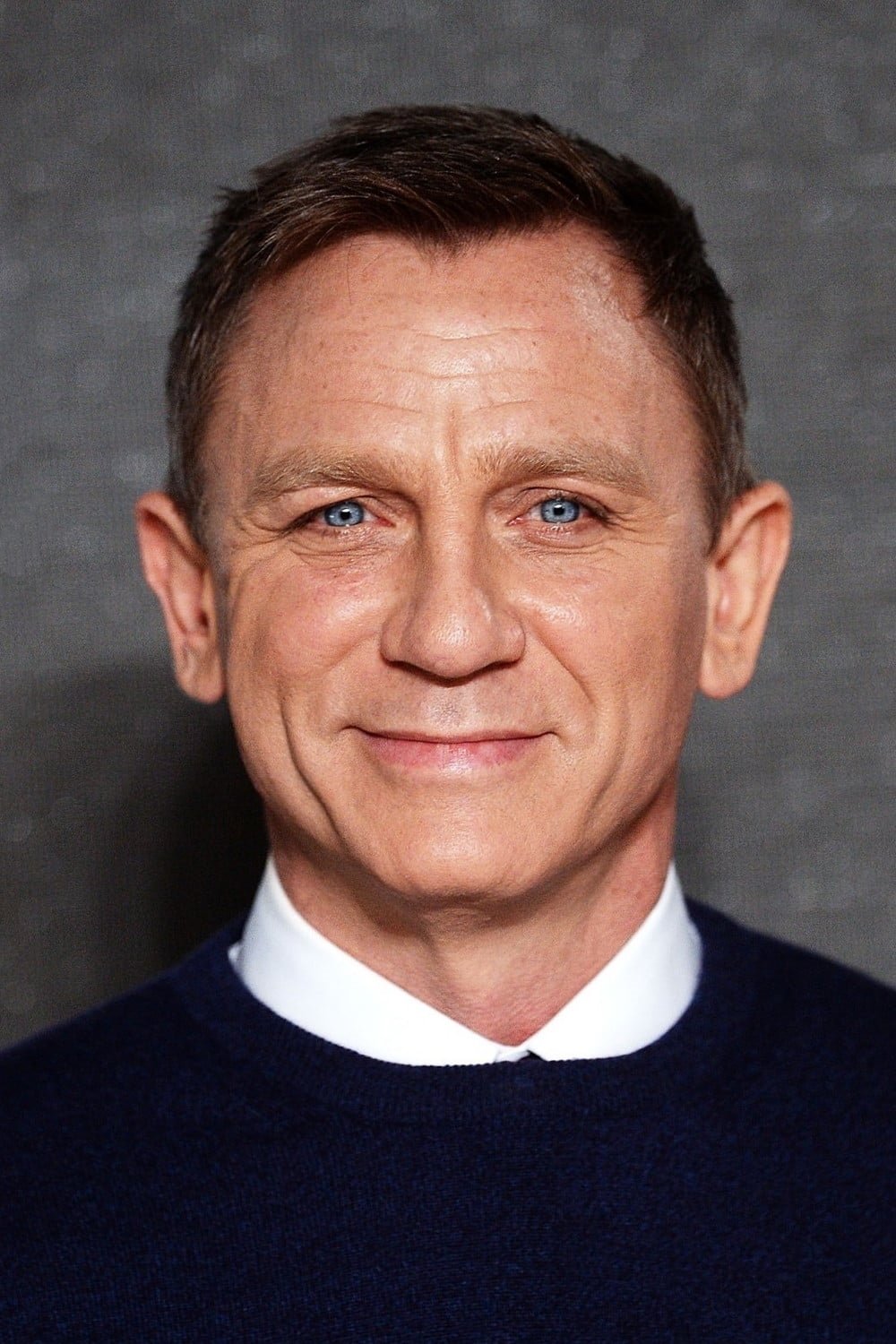
When he was first announced as the new James Bond for ‘Casino Royale’ the public reaction was overwhelmingly negative. Fans created websites calling for a boycott because they felt he did not fit the traditional image of the character. The pressure from the media and the fanbase almost led the producers to reconsider their choice before filming began. He ignored the criticism and focused on creating a more grounded and gritty version of the secret agent. The film’s critical and financial success silenced the doubters and redefined the franchise for a new generation.
Pierce Brosnan
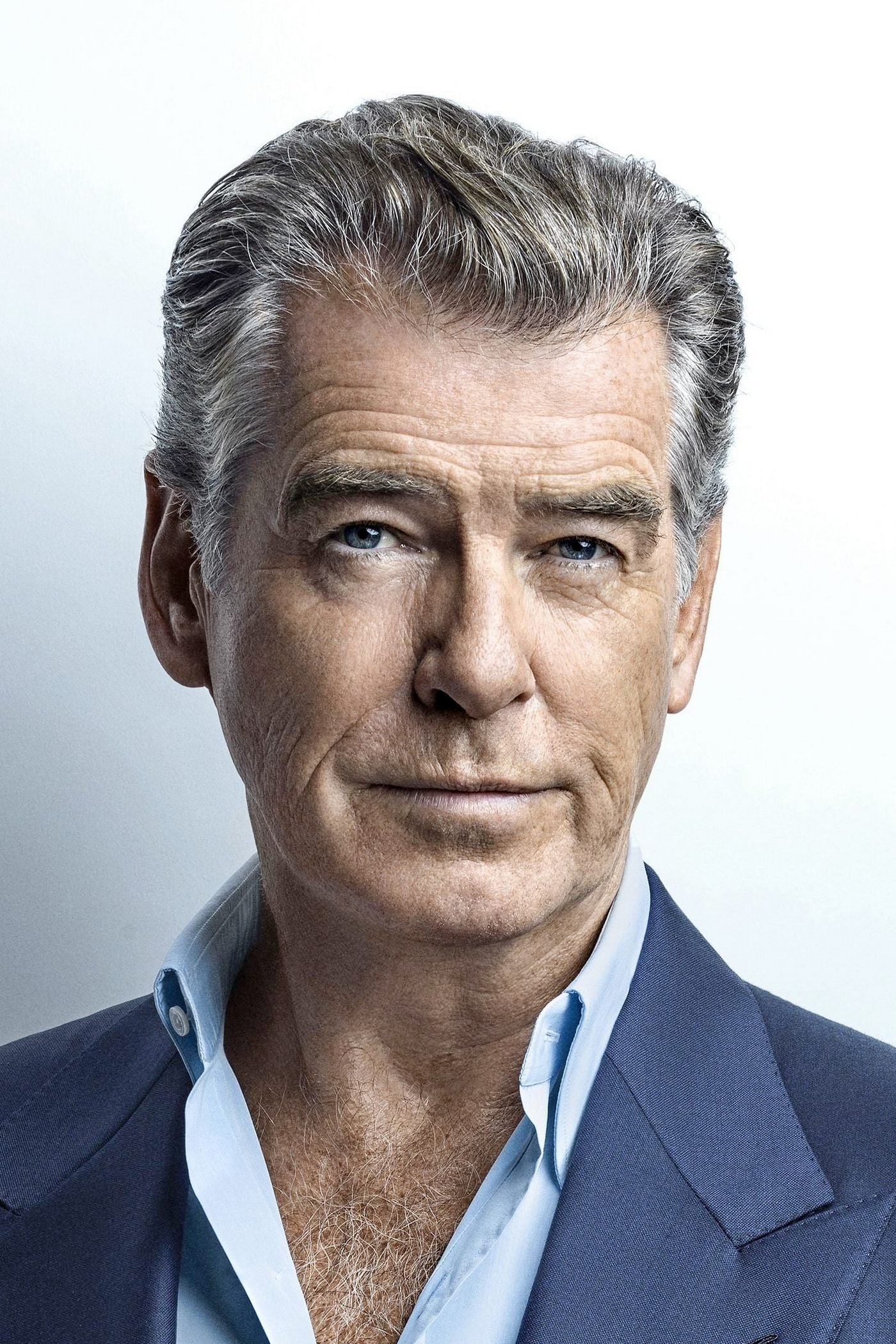
The actor was originally cast as James Bond in the mid eighties but was forced to drop out due to his contract with a television show. He almost lost the opportunity to play the character again when the franchise went on a long hiatus in the early nineties. There were concerns that he might be too old by the time the next film entered production and other actors were considered. The producers eventually decided to return to him for ‘GoldenEye’ which successfully modernized the series. He went on to star in four Bond films before being replaced by Daniel Craig.
Sylvester Stallone
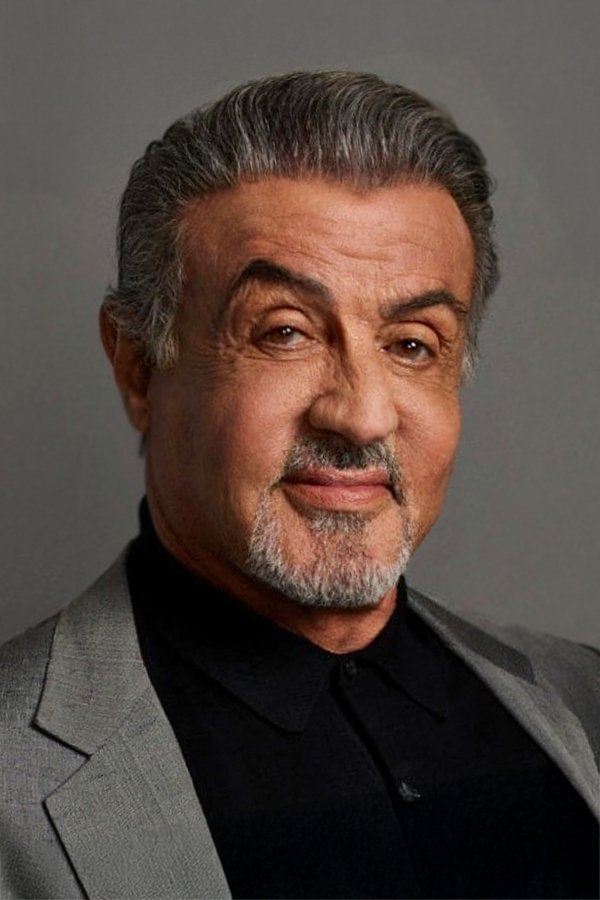
The studio that bought the script for ‘Rocky’ was adamant that they did not want him to play the lead role. They offered him large sums of money to step aside so that a famous actor like Robert Redford or James Caan could take the part. He was living in poverty at the time but refused to sell the script unless he was cast as the main character. The producers eventually relented and gave him a very small budget to make the film. It became a global phenomenon and won the Academy Award for Best Picture.
Arnold Schwarzenegger
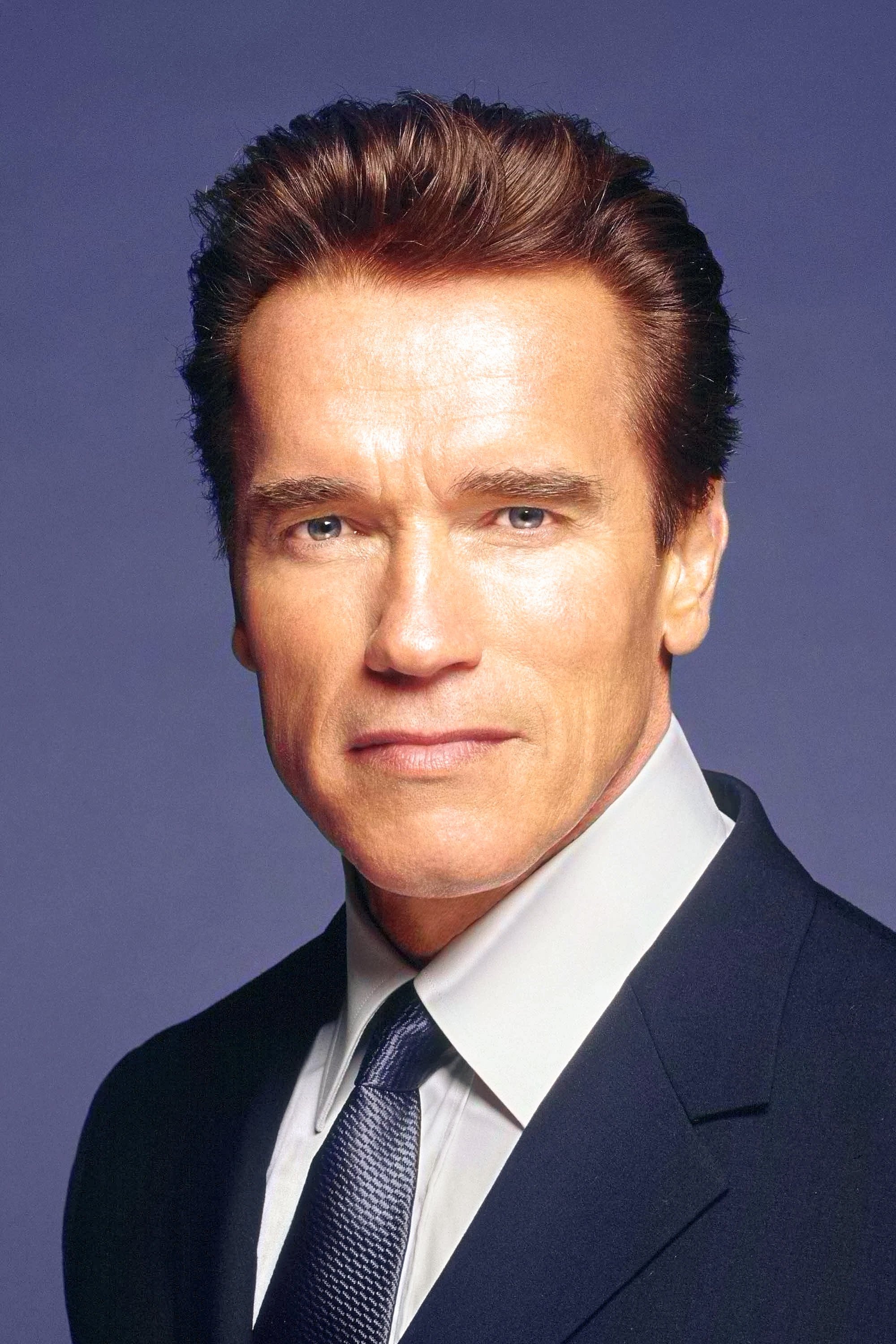
The director of ‘The Terminator’ originally wanted the actor to play the heroic character of Kyle Reese instead of the villain. James Cameron was also being pressured by the studio to cast a different celebrity as the titular cyborg. During a lunch meeting the director realized that the actor’s physical presence and unique cadence were perfect for the machine. There were still internal doubts about casting a relatively unknown bodybuilder in such a high stakes role. His iconic performance turned the low budget film into a massive franchise.
Bruce Willis
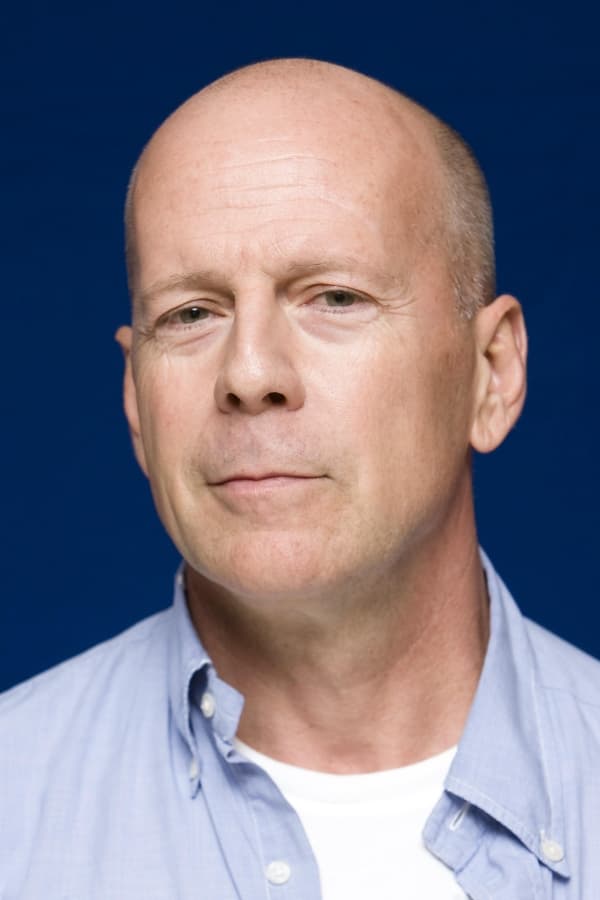
The casting of a comedic television actor in the high octane action film ‘Die Hard’ was seen as a massive risk by the studio. Many established action stars had turned down the role before the producers finally decided to take a chance on him. During the early screenings of the trailer audiences reportedly laughed when they saw his name on the screen. The studio was so worried that they removed his image from the film’s initial posters to focus on the building instead. The movie became a huge hit and transformed him into one of the world’s biggest action heroes.
Mel Gibson
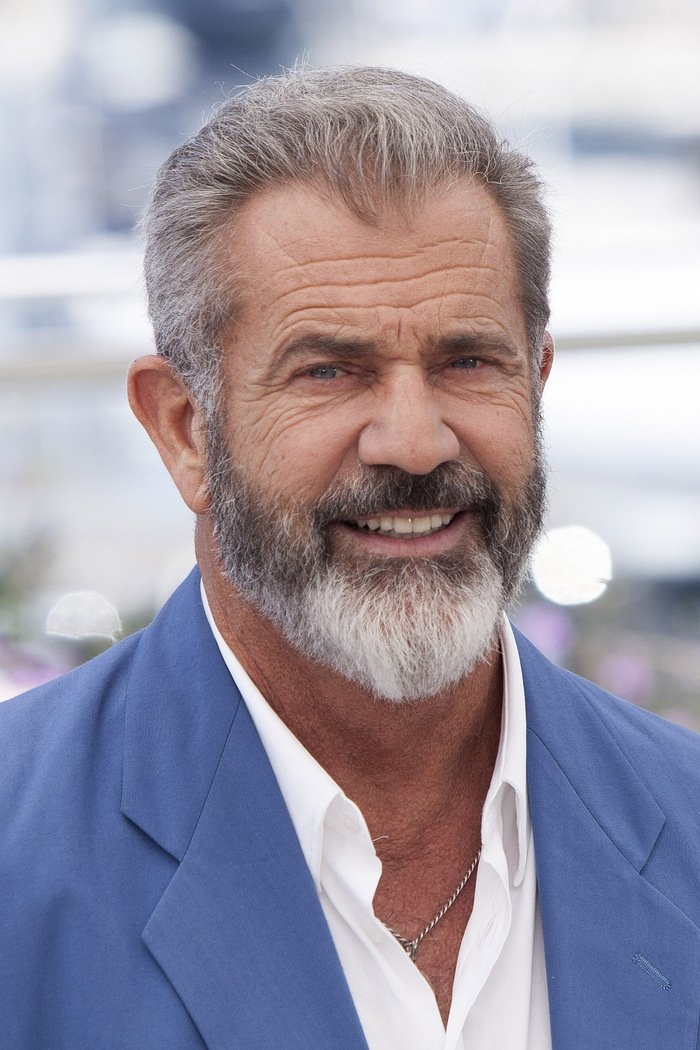
The actor was nearly replaced during the production of ‘Lethal Weapon’ because the studio was concerned about his chemistry with Danny Glover. Director Richard Donner had to work hard to prove that the two actors could create the necessary bond for a buddy cop film. There were also concerns about his intense acting style and whether it would alienate a mainstream audience. The filmmakers conducted several rehearsals to refine the dynamic between the lead characters. The final result was a perfect cinematic partnership that spawned three successful sequels.
Brad Pitt
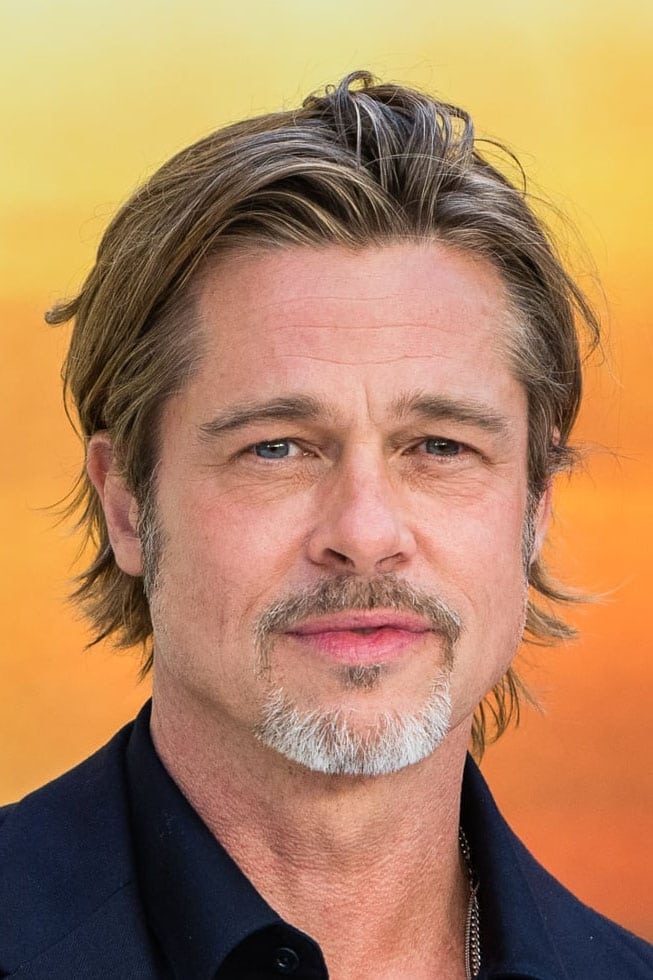
The production of ‘Moneyball’ was nearly canceled just days before filming was scheduled to begin due to script issues. Sony Pictures executives were unhappy with the creative direction and considered pulling the plug on the entire project. This would have effectively fired the lead actor and the rest of the cast from the film. He worked closely with the producers to find a new director and refine the screenplay to save the movie. His dedication to the project resulted in a critically acclaimed film that earned him an Academy Award nomination.
Jim Carrey

The studio was extremely nervous about the actor’s over the top performance in ‘Ace Ventura’ during the early stages of filming. Executives worried that his rubber faced comedy would be too weird for general audiences to appreciate. There were several discussions about toning down his performance or finding a more conventional comedic lead. He insisted that the character needed to be completely absurd to work within the context of the story. The film was a surprise box office smash and launched his career as a major movie star.
Keanu Reeves
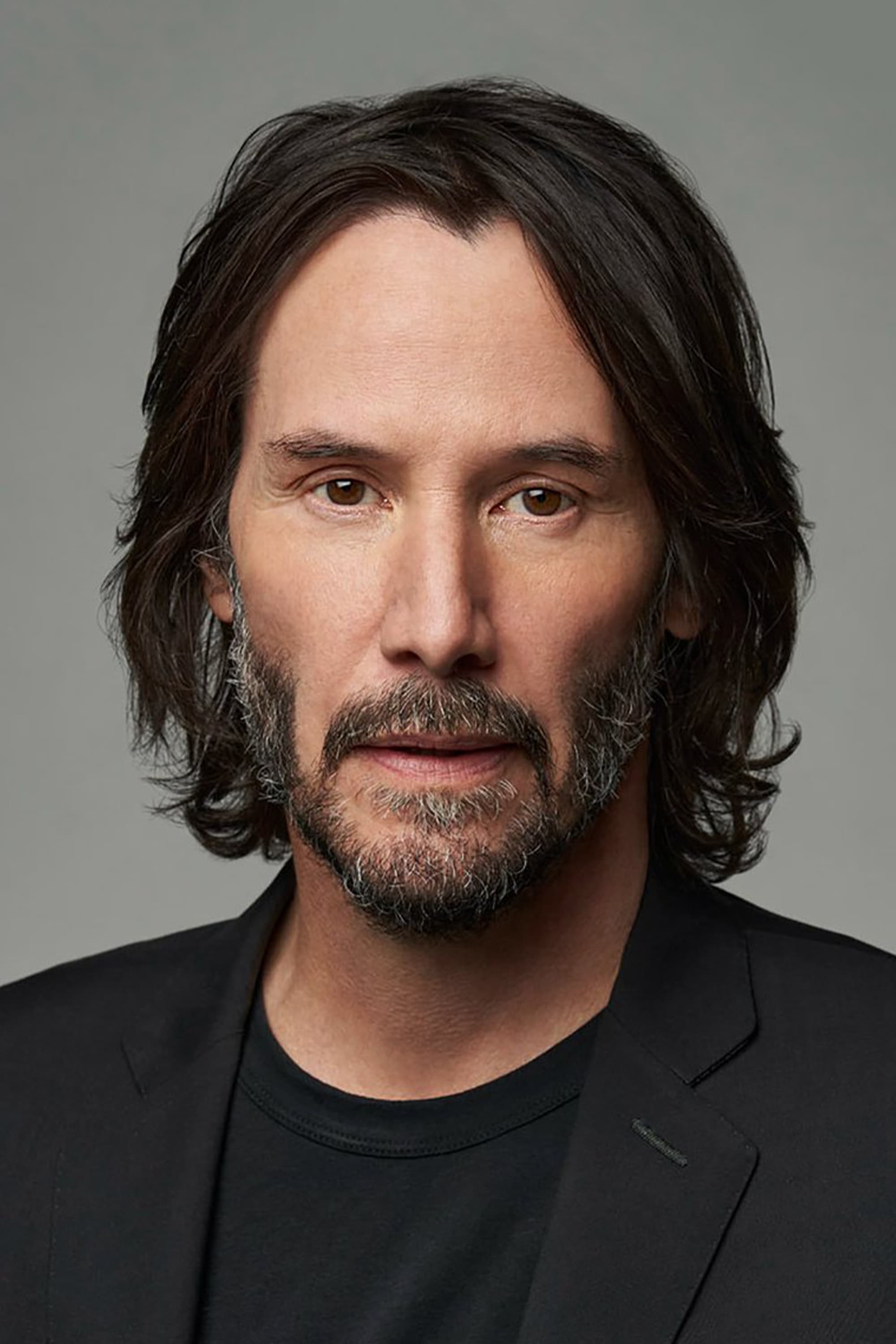
The actor was not the first choice for ‘Speed’ and the studio had significant doubts about his ability to lead an action blockbuster. Executives at Fox were concerned that he was not a big enough name to carry the high concept thriller. Director Jan de Bont fought for him because he felt the actor had the right blend of intensity and vulnerability for the role. During production there were also concerns about the stunts and the physical demands placed on the cast. The film’s massive success established him as a premier action star in Hollywood.
Colin Farrell
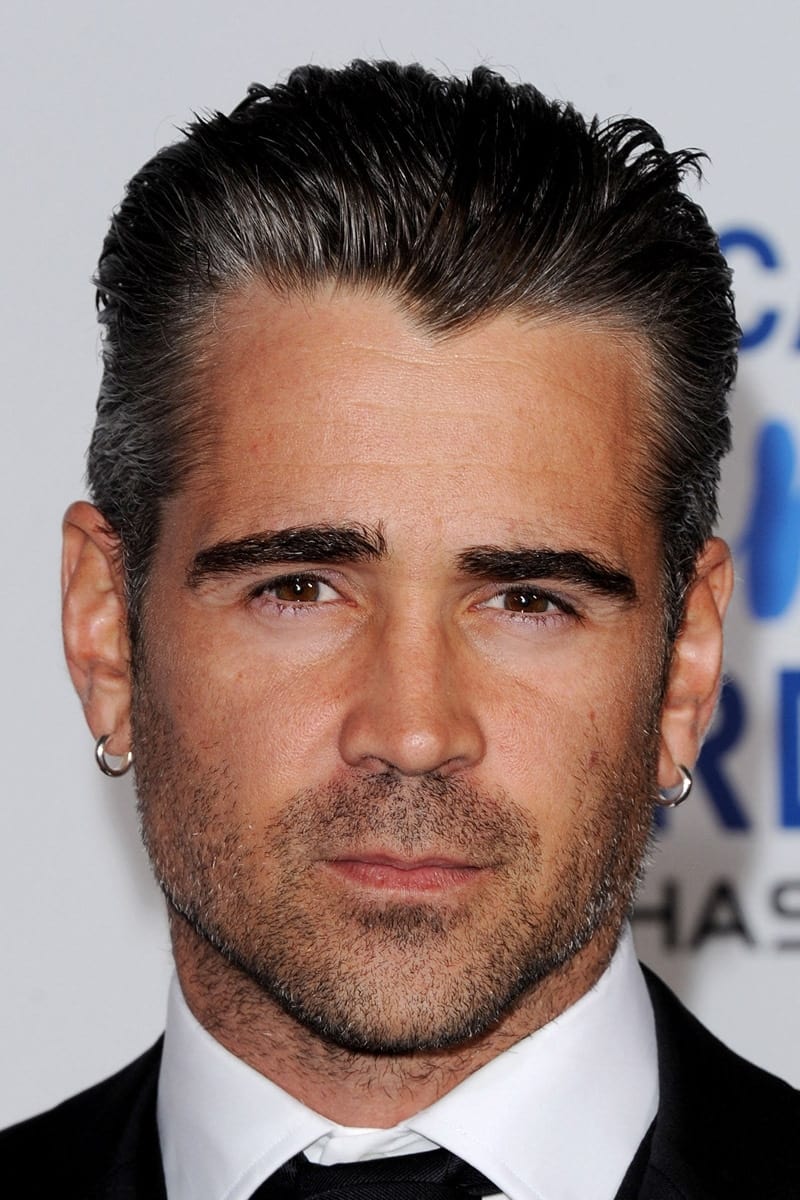
The studio behind ‘Phone Booth’ was initially hesitant to cast him as the lead because he was still a rising star. They wanted a more established American actor to ensure the film’s commercial appeal in the United States. Director Joel Schumacher insisted that he was the only one who could handle the intense close up work required for the role. The production was delayed several times as the studio evaluated other options before finally committing to him. His performance received critical praise and helped launch his career in major Hollywood productions.
Tom Cruise
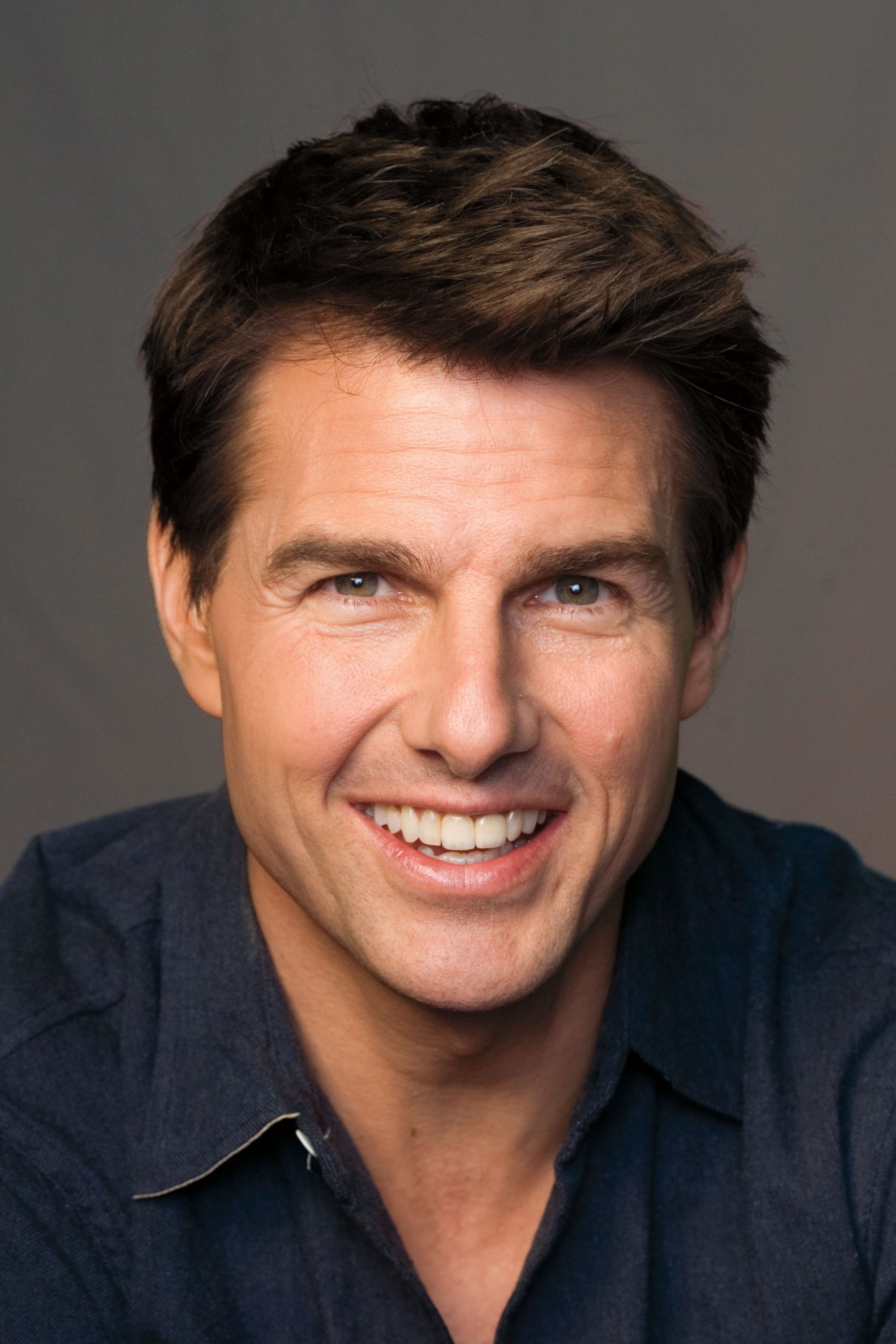
During the production of ‘Mission Impossible’ the actor clashed with several veteran cast members over the creative direction. Some of the older actors felt his approach was too focused on action and spectacle rather than the original show’s ensemble feel. There were rumors of significant tension on set that led to internal reviews by the studio executives. He used his position as a producer to maintain control over the project and ensure his vision was realized. The film’s success birthed a long running franchise that he continues to lead decades later.
Jason Statham
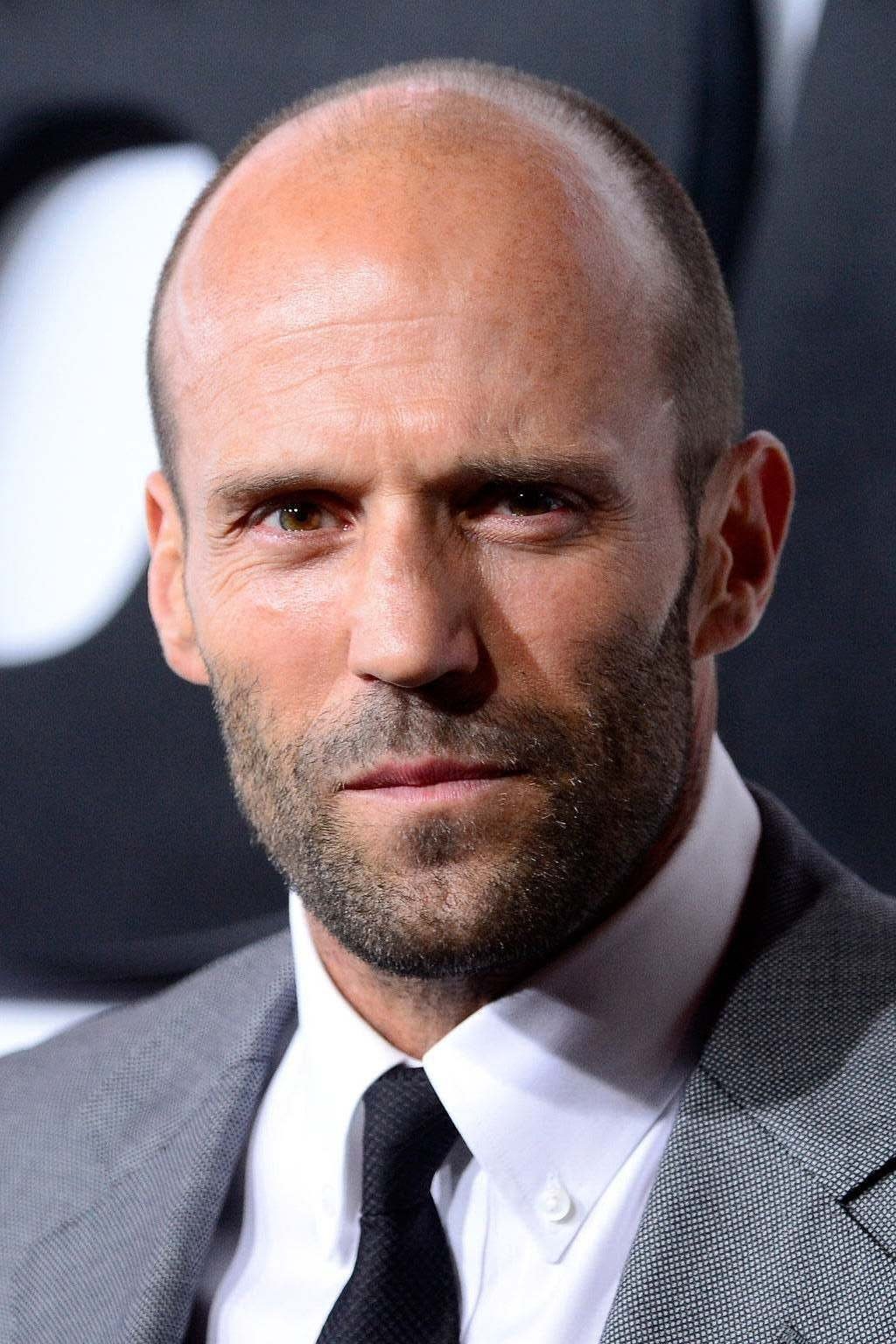
The actor almost lost his breakout role in ‘Lock Stock and Two Smoking Barrels’ because the producers were unsure of his acting experience. Director Guy Ritchie had to convince the investors that his background as a street merchant made him perfect for the character. There were several other actors considered for the part before the director made his final decision. He performed an improvised scene where he sold fake jewelry to prove he could handle the dialogue. His natural charisma won over the production team and launched his career as an action icon.
Viggo Mortensen
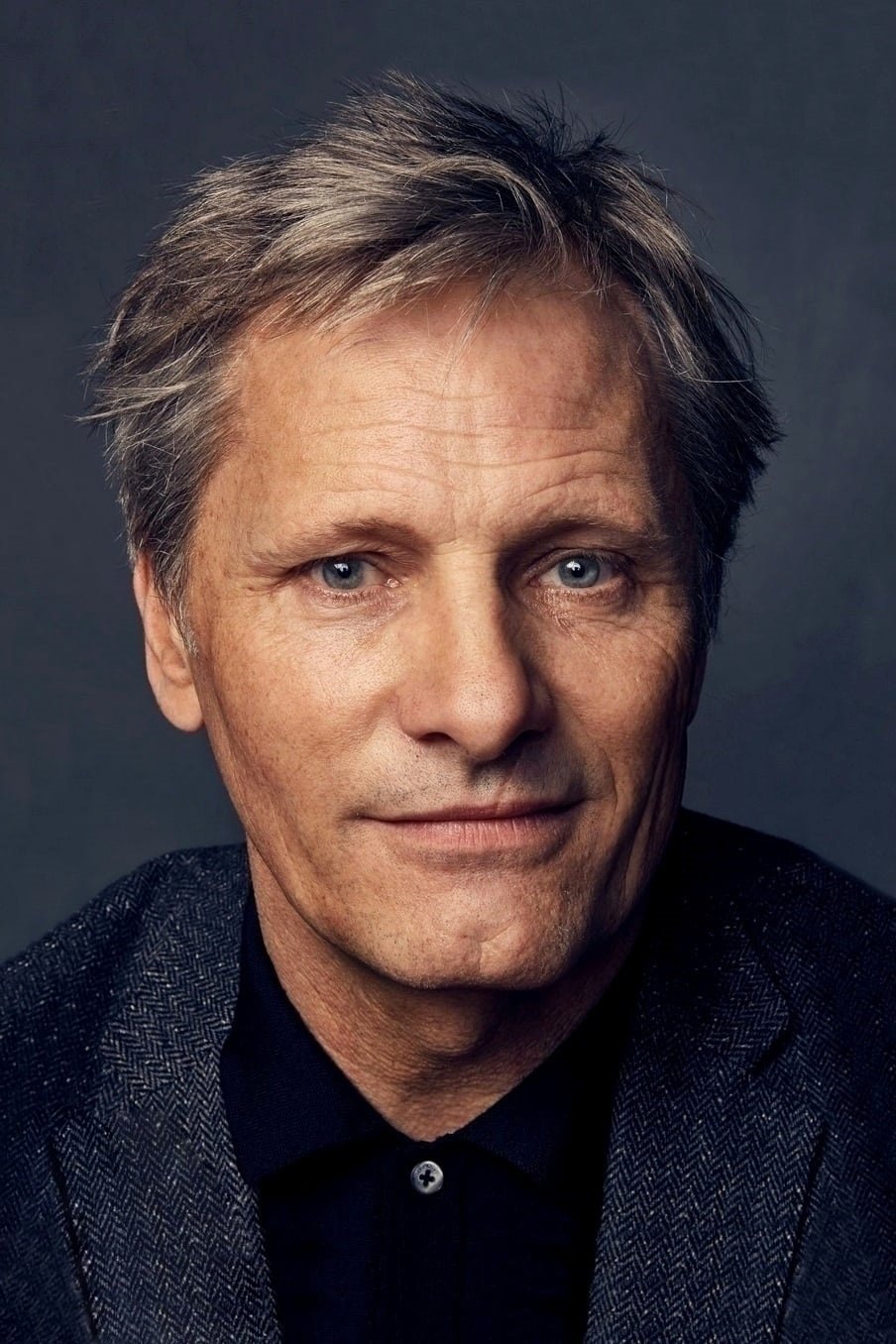
Although he eventually became the face of Aragorn in ‘The Lord of the Rings’ he was a last minute replacement for another actor. The studio had already started filming with a different lead but decided to fire him because they felt he was too young for the role. He was approached to take over the part just as production was getting into full swing in New Zealand. He had very little time to prepare and almost turned down the role because it would take him away from his family. His son eventually convinced him to take the part which became the most famous of his career.
Ben Affleck
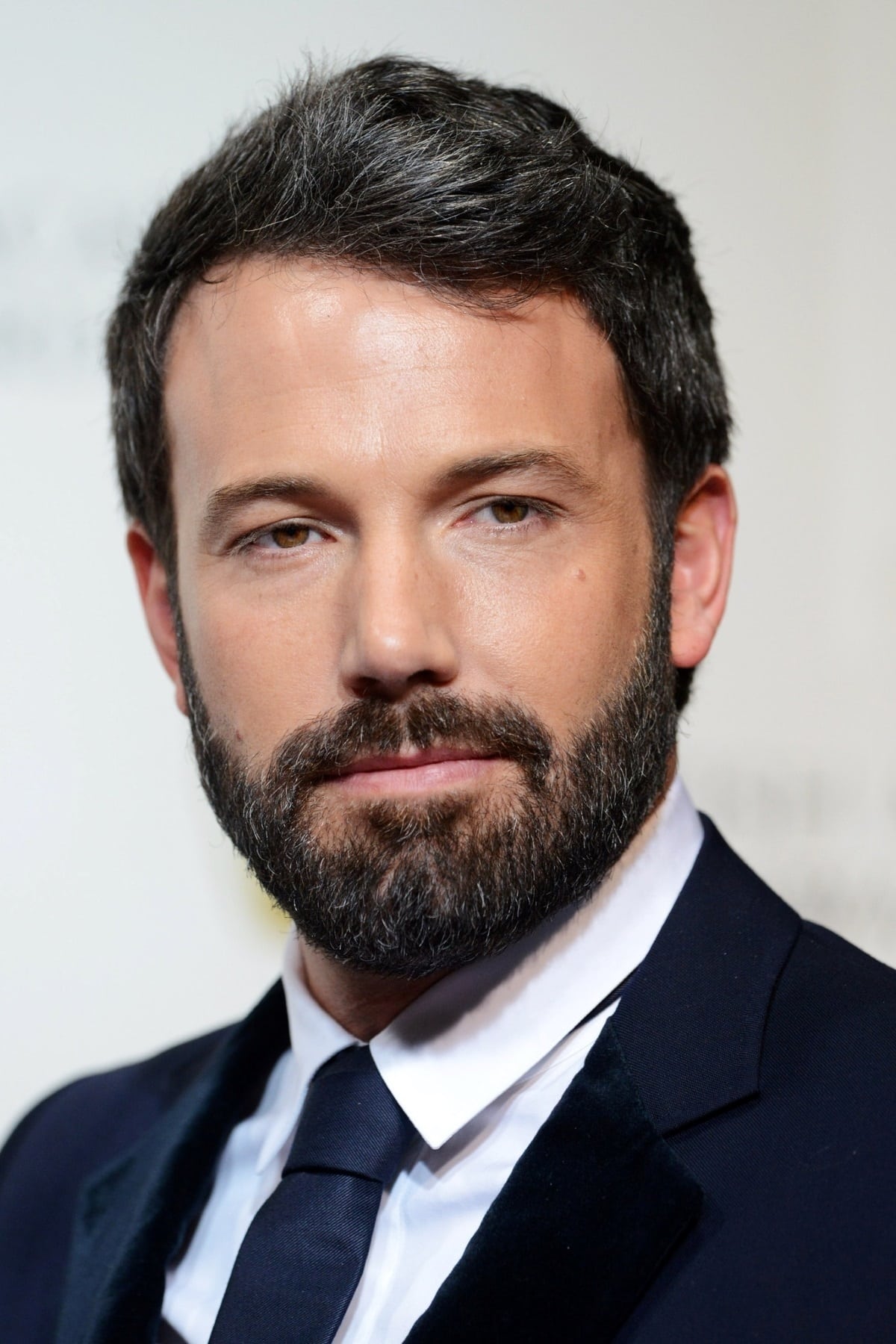
The casting of the actor as Batman in ‘Batman v Superman’ was met with an unprecedented level of internet backlash. Thousands of fans signed petitions demanding that the studio recast the role before filming even began. The intense negativity almost led Warner Bros. to reconsider their decision to avoid a potential box office disaster. Director Zack Snyder stood by his choice and insisted that the actor’s physical presence and experience were perfect for an older version of the hero. He eventually won over many critics with his portrayal of the dark and gritty vigilante.
Shia LaBeouf
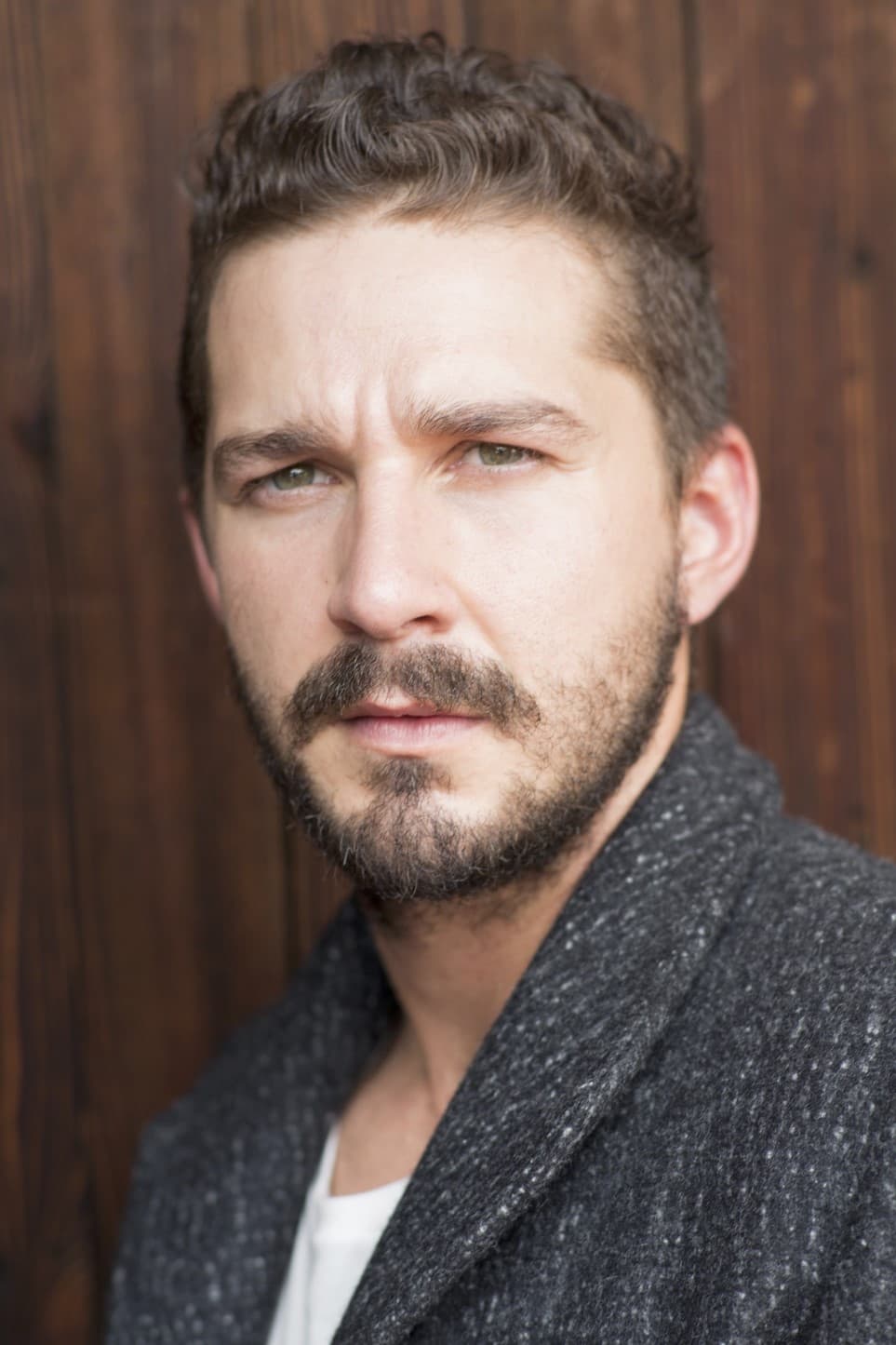
The actor’s eccentric behavior on and off set frequently put his role in the ‘Transformers’ franchise at risk. Director Michael Bay and the studio executives had to manage several public controversies that threatened the film’s brand image. There were multiple internal discussions about whether his character should be written out of future installments to avoid further headaches. He eventually starred in three of the films before the series moved on with a new lead actor. Despite the drama he remained a central part of the franchise’s early global success.
Share your thoughts on these casting close calls in the comments.