


20 Actors Who Were Blacklisted for Their Political Views

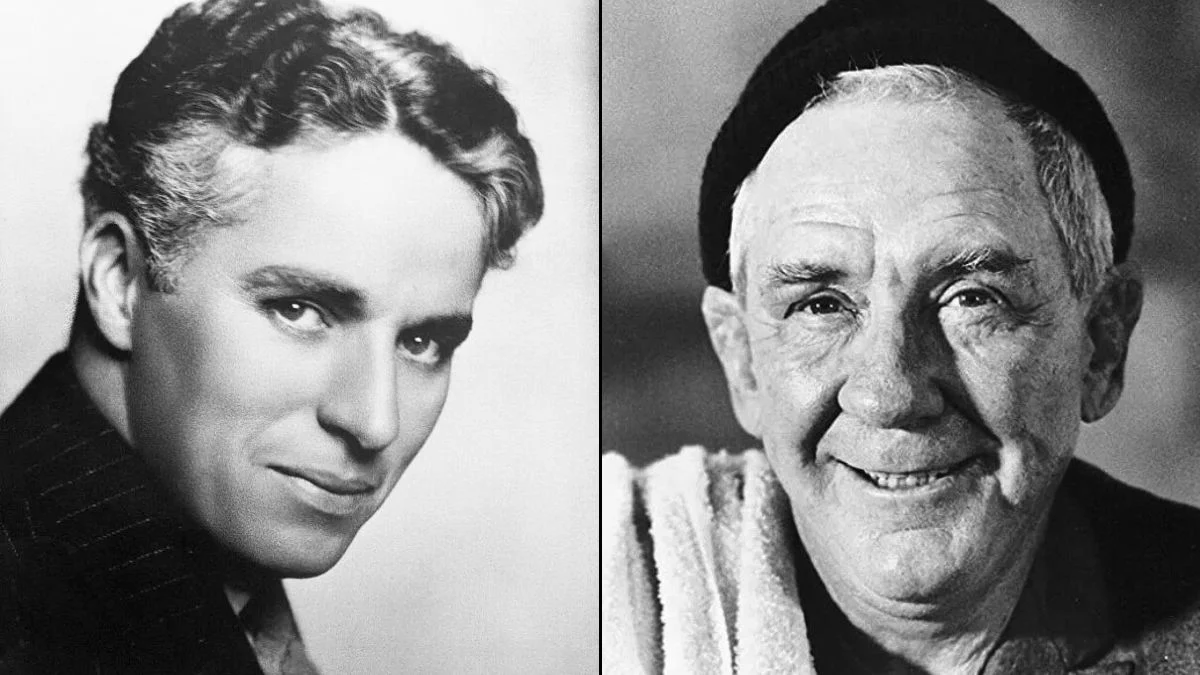


The intersection of politics and entertainment has often resulted in severe consequences for performers who dared to express unpopular opinions or affiliate with controversial groups. Throughout history various government bodies and studio executives have conspired to deny employment to talented individuals based solely on their personal beliefs or associations. This practice was most prevalent during the mid-20th century when anti-communist hysteria swept through the film industry and destroyed countless careers. The following list highlights twenty actors who faced professional exile and personal hardship after being blacklisted for their political views.
Charlie Chaplin
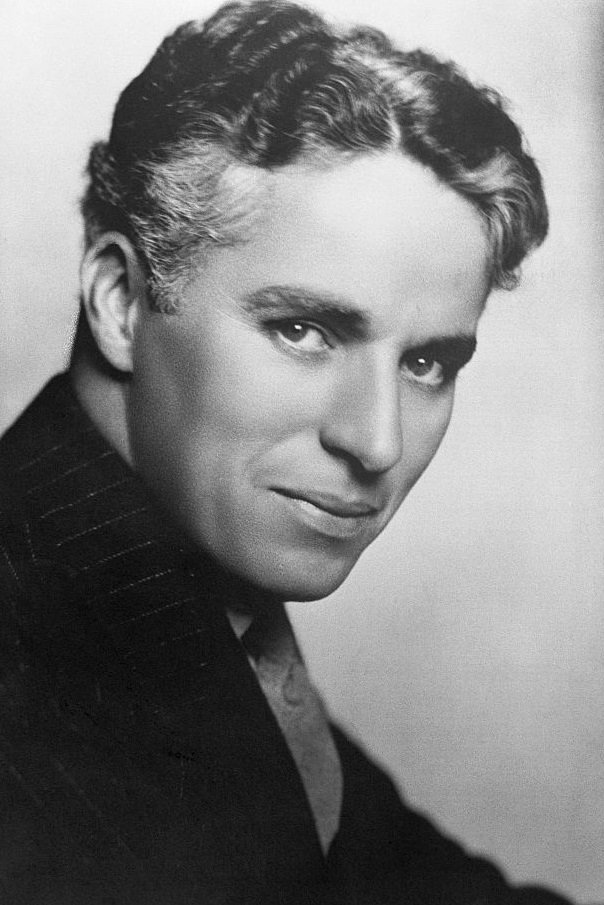
Chaplin faced intense scrutiny from the FBI and government officials due to his alleged communist sympathies and critical social commentary in films like ‘Modern Times’. He was denied reentry into the United States in 1952 after traveling to London for a film premiere. The actor chose to settle in Switzerland rather than fight for his return to a country that had become increasingly hostile toward his political leanings. His exile lasted for two decades before he finally returned to accept an honorary Academy Award near the end of his life.
Paul Robeson
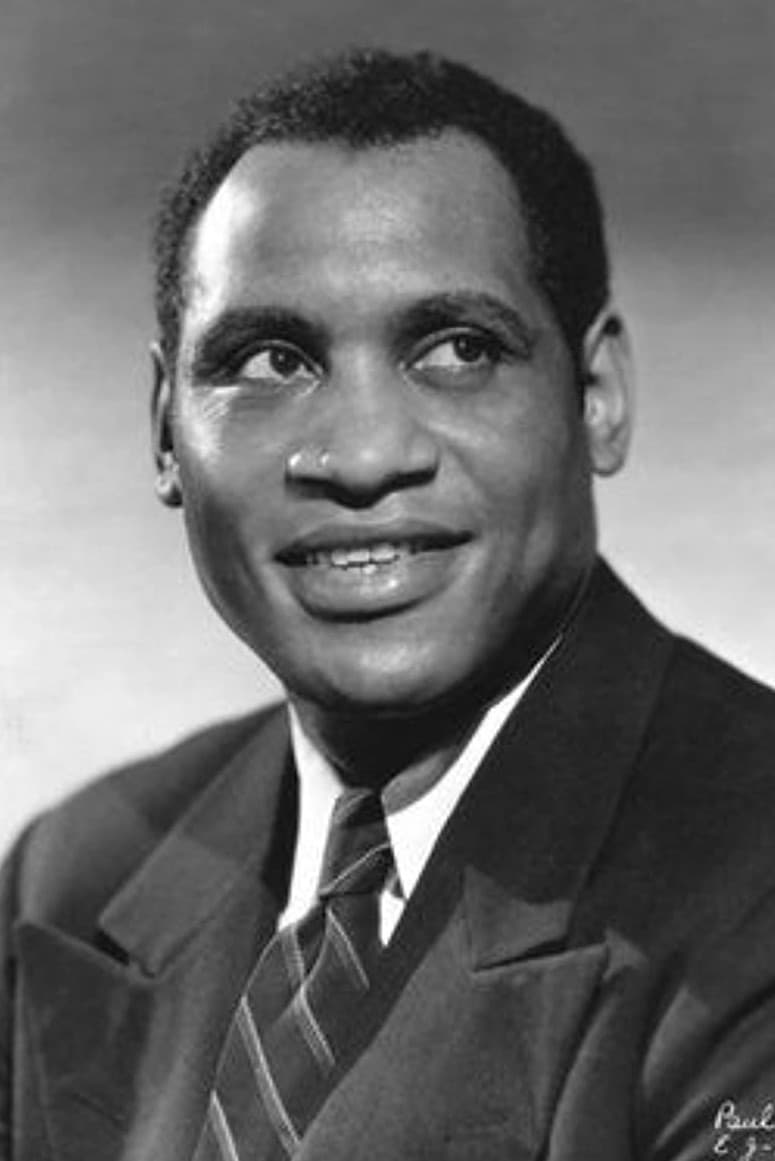
This renowned actor and singer was targeted for his outspoken advocacy for civil rights and his admiration for the Soviet Union. The State Department revoked his passport in 1950 which effectively prevented him from performing abroad and earning a living internationally. Domestic concert venues cancelled his appearances as he became a pariah within the mainstream entertainment industry. Robeson remained defiant despite the financial ruin and health struggles that resulted from the relentless government persecution.
Lee Grant
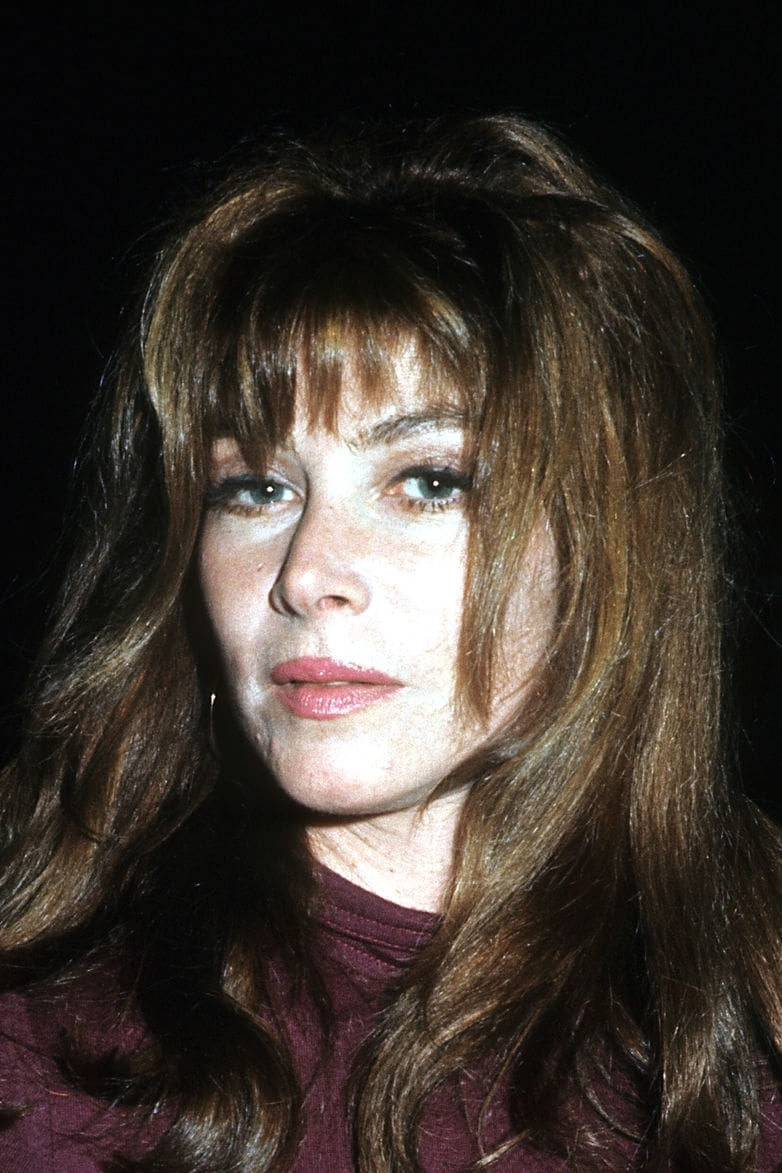
Grant was placed on the blacklist after she refused to testify against her husband before the House Un-American Activities Committee. Her career came to a sudden halt just as she was gaining recognition for her role in ‘Detective Story’ which earned her an Oscar nomination and a Best Actress award at Cannes. She spent twelve years unable to work in film or television and found employment only in theater or as a teacher during that difficult period. The actress eventually returned to the screen and won an Academy Award for ‘Shampoo’ after the ban was lifted.
Zero Mostel
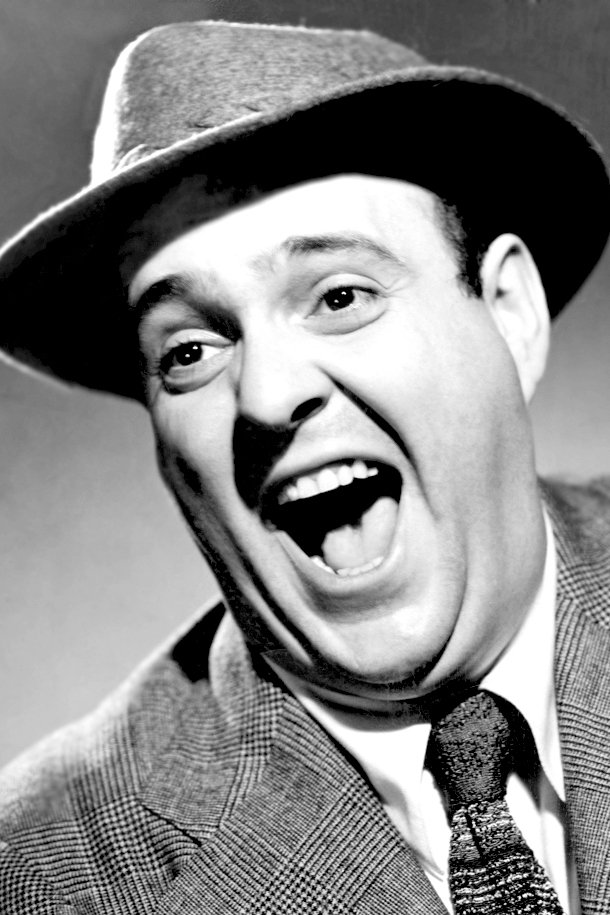
The comedic genius was subpoenaed by the House Un-American Activities Committee in 1955 and refused to name names of alleged communists. Mostel was subsequently blacklisted which forced him to focus on painting and low-paying theater gigs to support his family. His career revived in the 1960s with huge stage successes like ‘Fiddler on the Roof’ and ‘A Funny Thing Happened on the Way to the Forum’. He channeled his anger and frustration from the blacklist years into his intense performance in the film ‘The Front’.
Eartha Kitt
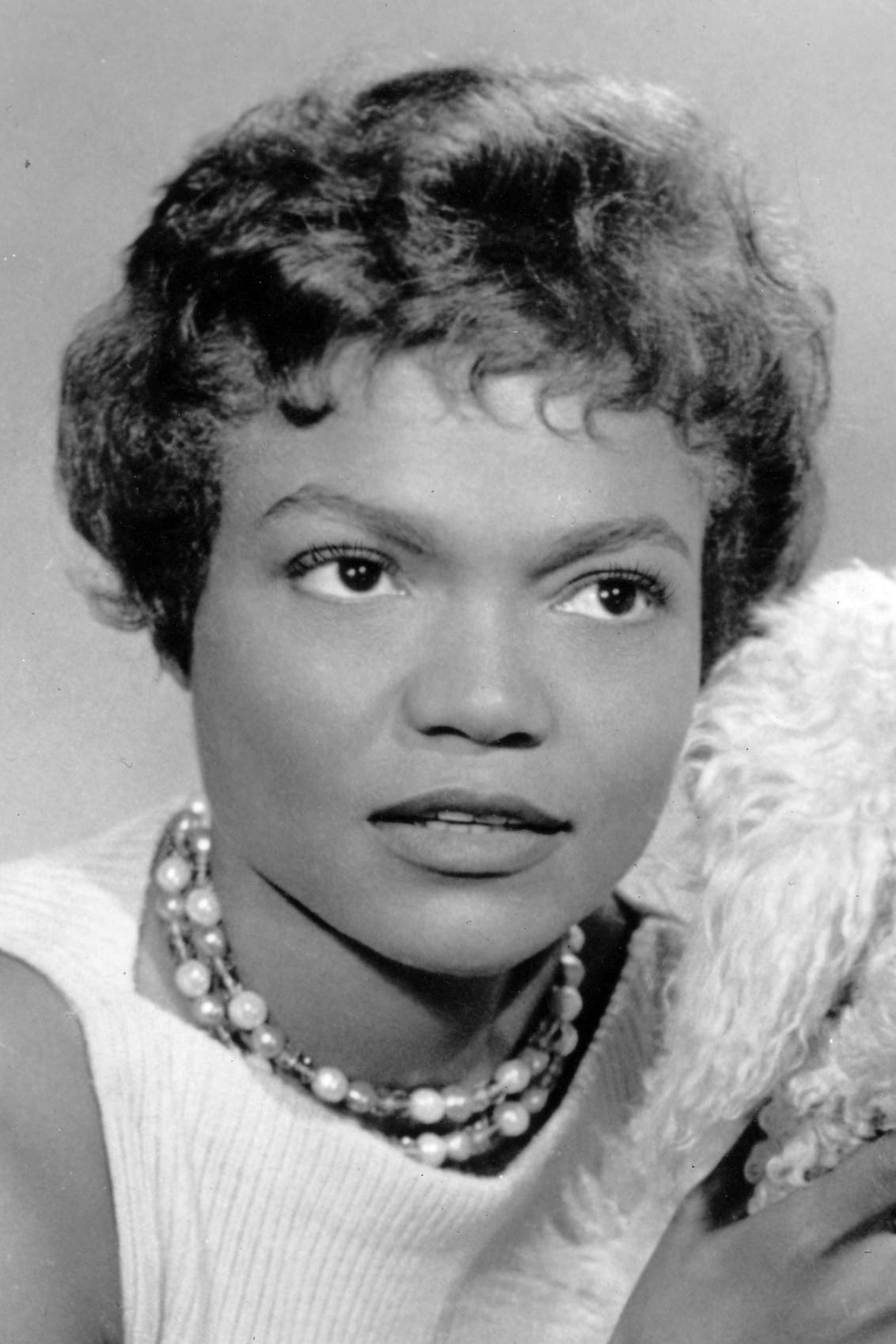
Kitt faced a sudden career decline after she criticized the Vietnam War during a White House luncheon hosted by Lady Bird Johnson in 1968. Her blunt comments about the impact of the war on American youth reportedly brought the First Lady to tears and angered President Lyndon B. Johnson. The CIA compiled a dossier on her and she found herself unable to book concerts or acting roles in the United States for several years. She spent much of the following decade working in Europe before making a triumphant return to Broadway and American cinema.
Will Geer
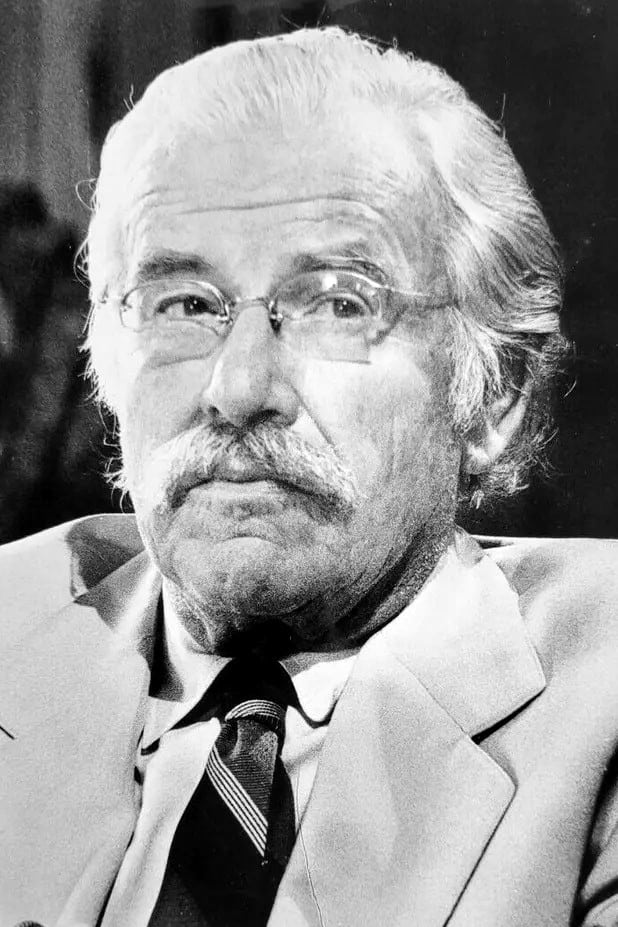
Geer became best known later in life as Grandpa in ‘The Waltons’ but his career was derailed for years due to his refusal to testify before Congress. He was a dedicated social activist who had been a member of the Communist Party and invoked the Fifth Amendment during his hearing. The blacklist forced him to sell his property and cultivate a garden to survive while taking occasional theater roles. He eventually founded a theater company that became a haven for other blacklisted artists and folksingers.
Burgess Meredith
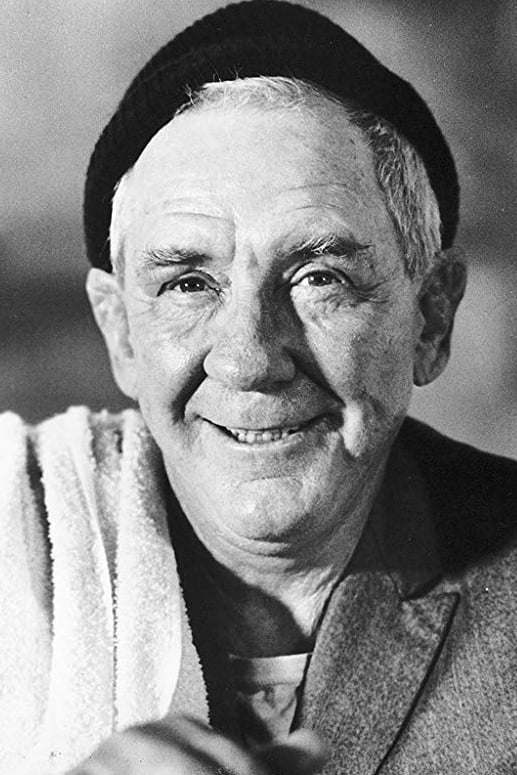
The actor found himself on the fringes of the industry after the House Un-American Activities Committee took an interest in his liberal political views. Although he was not a member of the Communist Party his career suffered significantly due to the general atmosphere of suspicion and fear. Meredith spent time away from Hollywood working on stage productions and radio while major film roles dried up for several years. He later made a successful comeback and became an iconic figure in films like ‘Rocky’ and the ‘Batman’ television series.
Marsha Hunt
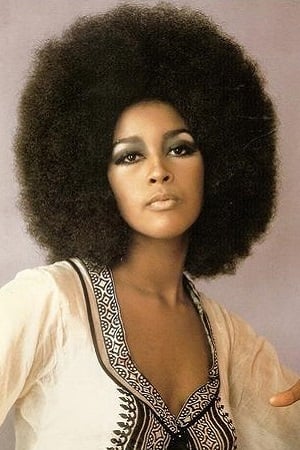
Hunt was a rising star at MGM until she joined the Committee for the First Amendment and flew to Washington to protest the actions of the House Un-American Activities Committee. Her name subsequently appeared in the publication Red Channels which listed individuals with alleged subversive ties. Executives asked her to sign a statement renouncing her activities but she refused to compromise her principles. This decision led to a premature end to her flourishing film career and she spent decades working primarily in humanitarian causes.
Gale Sondergaard

She was the very first recipient of the Academy Award for Best Supporting Actress but her success could not protect her from the blacklist. Sondergaard refused to testify before the House Un-American Activities Committee and invoked her Fifth Amendment rights alongside her husband. The studios promptly dropped her and she did not appear in a feature film for twenty years. She eventually returned to acting in the late 1960s and reprised her role in a ‘Sherlock Holmes’ episode she had been fired from decades earlier.
John Garfield
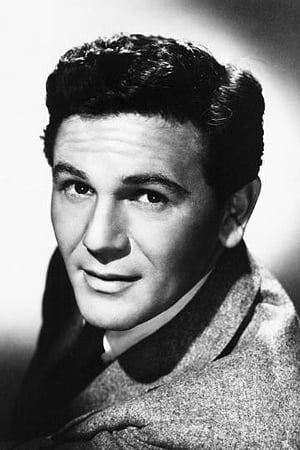
Garfield was a major star known for playing brooding rebels when he was called to testify about his political affiliations. He denied being a communist but refused to provide the names of friends or colleagues to the committee. The stress of the investigation and the subsequent loss of work took a severe toll on his physical health and existing heart condition. He died of a heart attack at the young age of thirty-nine without ever clearing his name or returning to the studio system.
Anne Revere
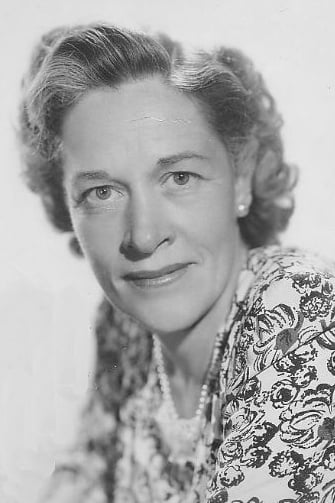
This character actress was known for playing motherly figures and won an Oscar for her role in ‘National Velvet’. Revere pleaded the Fifth Amendment during her testimony and was immediately cut from her contract and blacklisted from motion pictures. She resigned from the board of the Screen Actors Guild and did not appear in another film for two decades. Her eventual return was marked by critical acclaim but she lost the prime earning years of her career.
Kim Hunter
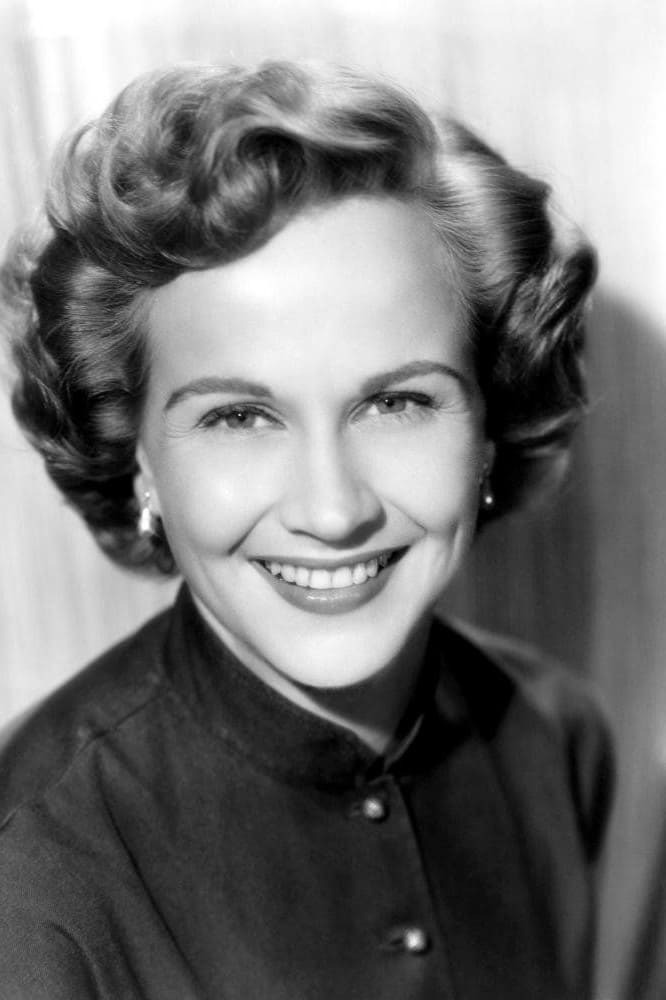
Hunter won an Academy Award for her role in ‘A Streetcar Named Desire’ but found herself unable to secure work shortly after. Her name had appeared in Red Channels because she sponsored a world peace conference and signed petitions supporting civil rights. The blacklist prevented her from capitalizing on her Oscar win and relegated her to sporadic television and stage work. She later revealed that she had not even been aware of the political implications of the petitions she signed.
Jean Seberg

Seberg was targeted by the FBI through its COINTELPRO operation due to her financial support of civil rights groups like the NAACP and the Black Panther Party. Agents spread false rumors about her personal life to media outlets in an attempt to discredit her reputation and destroy her career. The relentless surveillance and harassment contributed to her emotional instability and difficulty finding work in Hollywood. She passed away under tragic circumstances in Paris after years of systematic government persecution.
Lionel Stander
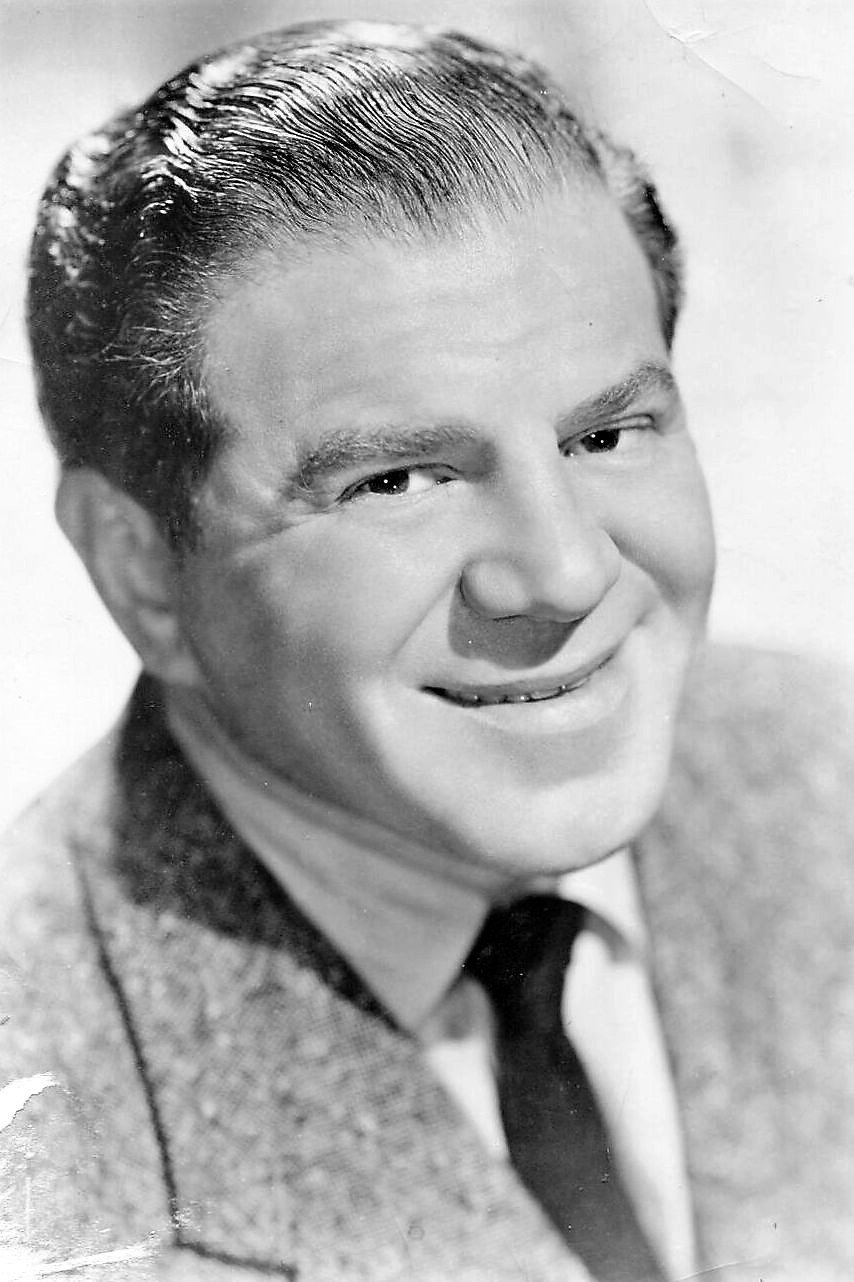
Stander was an outspoken founding member of the Screen Actors Guild who made no secret of his leftist political leanings. He was blacklisted first in the late 1930s and then again in the 1950s after testifying defiantly before the House Un-American Activities Committee. The actor spent twenty years working in Europe and on Wall Street before finding late career success in the television show ‘Hart to Hart’. His booming voice and distinctive presence were absent from American screens during his prime years.
Jeff Corey
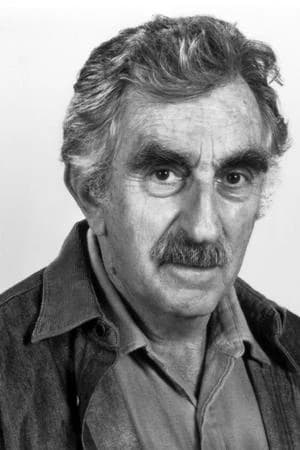
Corey was a busy character actor who refused to name names during his appearance before the committee and was subsequently barred from film work. He turned his garage into an acting studio where he taught students like Jack Nicholson and Barbra Streisand during his exile. The ban on his employment lasted for twelve years until he was finally cast in ‘Seconds’ and ‘In Cold Blood’. He became one of the most respected acting teachers in Hollywood while being unable to act himself.
Howard Da Silva
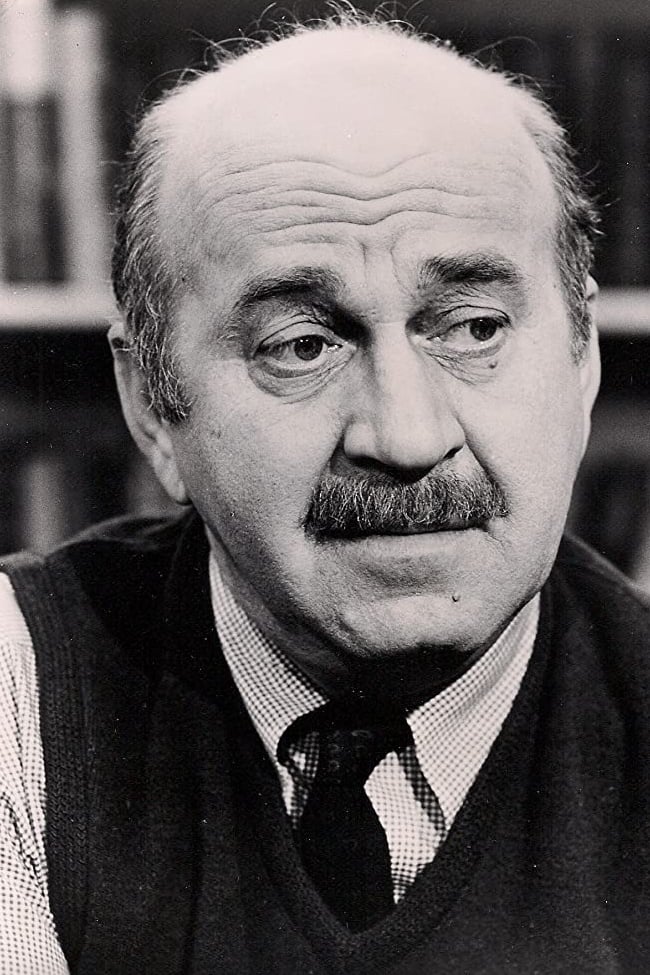
The actor was enjoying a successful run in films and on Broadway when he was identified as a communist and called to testify. Da Silva became the first witness to invoke the Fifth Amendment before the House Un-American Activities Committee in 1947. He was completely shut out of the film industry for over a decade and focused on theater work to make a living. He eventually returned to the screen and portrayed Benjamin Franklin in the musical film ‘1776’.
Larry Parks
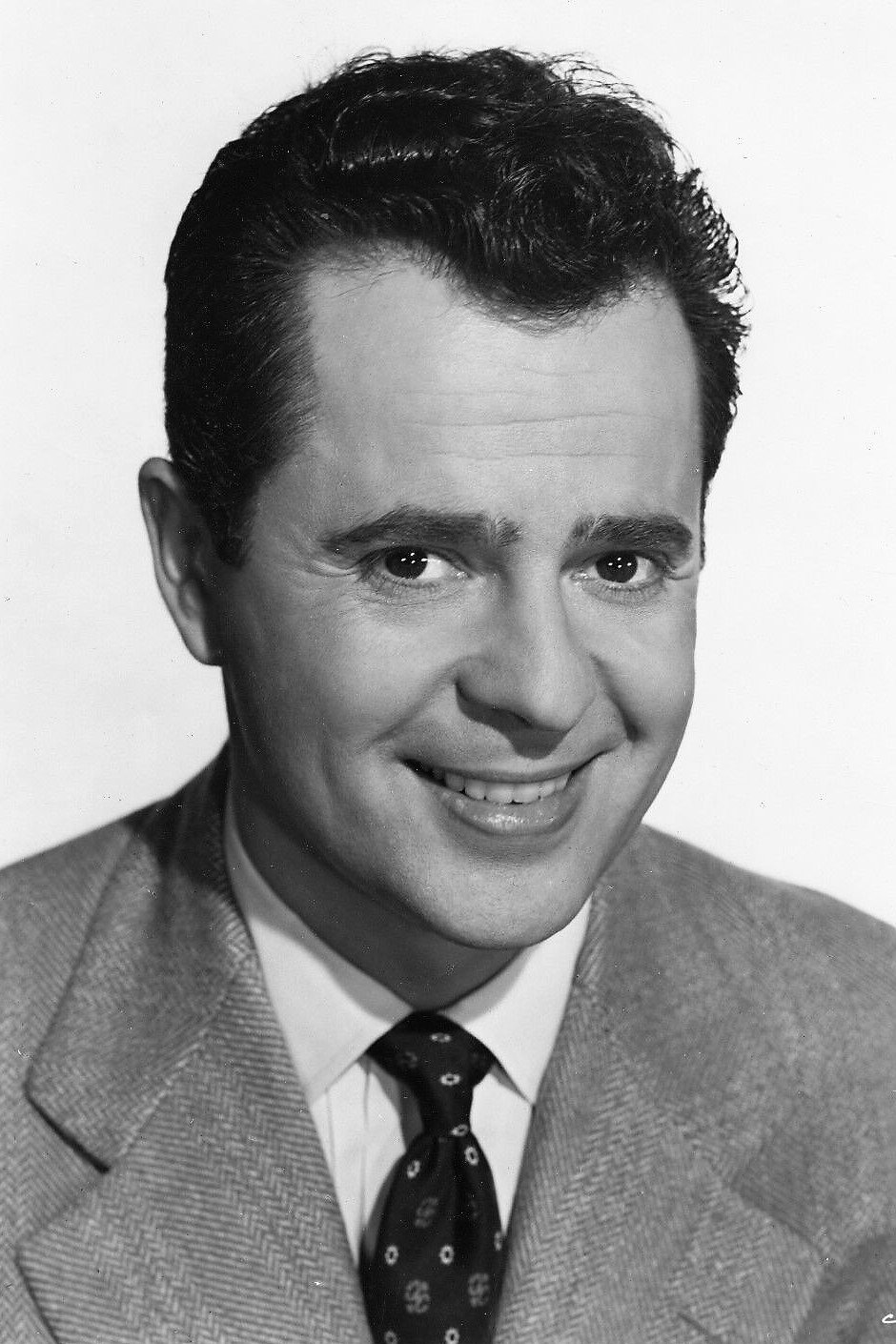
Parks was the star of ‘The Jolson Story’ and seemed poised for a major career until he was summoned by the committee. He initially admitted to being a member of the Communist Party but pleaded not to be forced to name others. Under intense pressure he eventually gave names but the damage was already done and the industry shunned him anyway. He appeared in only a few small roles after his testimony and spent the rest of his life working in construction and real estate.
Jack Gilford
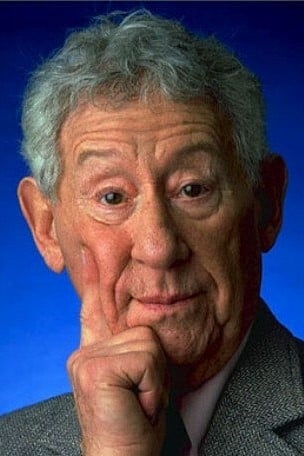
This beloved comedic actor was blacklisted during the 1950s after being named by choreographer Jerome Robbins during testimony. Gilford and his wife had been active in left-wing political causes and faced significant financial hardship during the ban. He managed to find work in the theater and eventually made a successful transition back to film and television in the 1960s. He received an Academy Award nomination for ‘Save the Tiger’ decades after his career had been interrupted.
Canada Lee
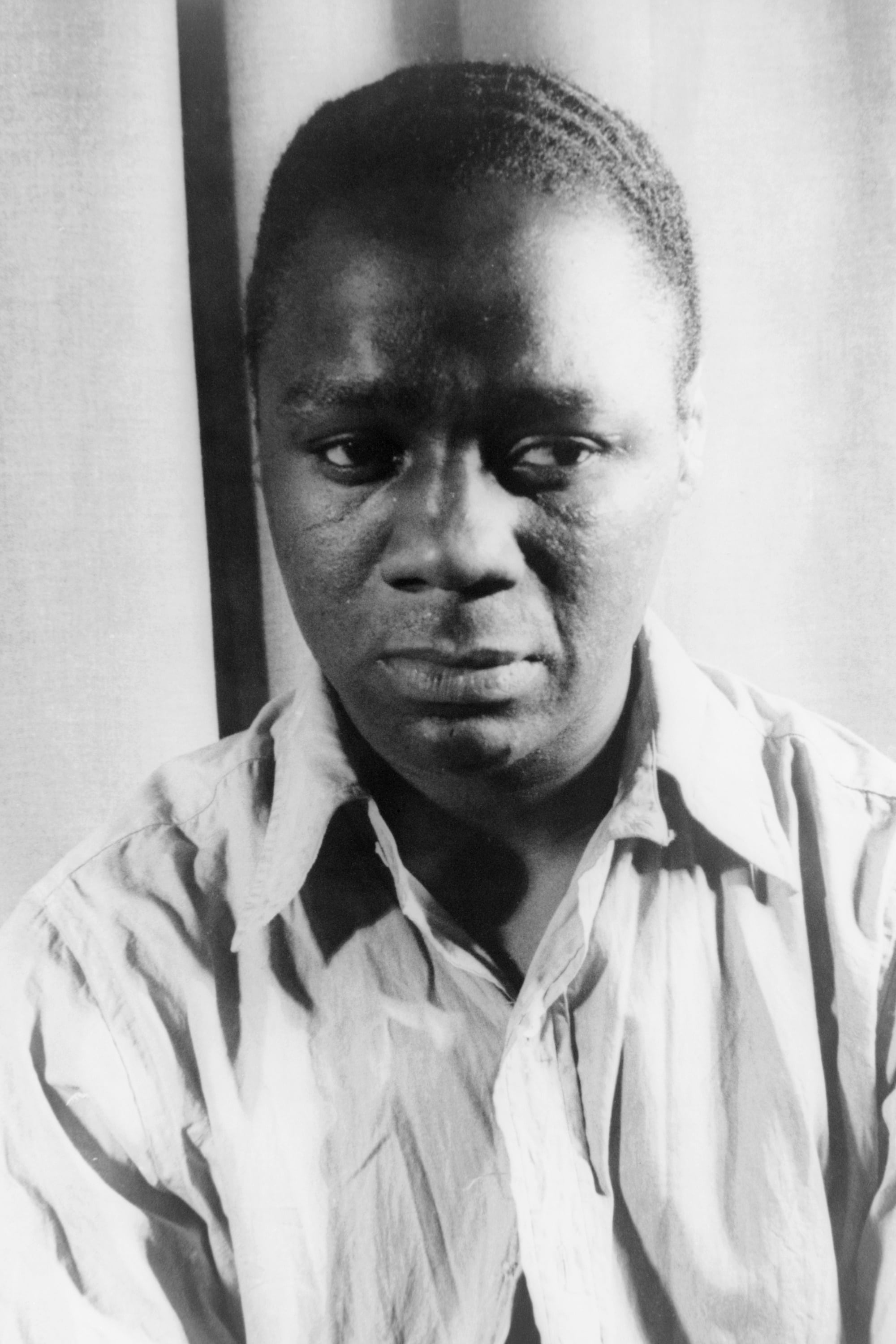
Lee was a trailblazing Black actor who broke racial barriers in theater and film before being labeled a communist. The FBI monitored his activities closely and the passport division denied him the ability to travel abroad for work. The stress of the blacklist and his inability to find employment contributed to his high blood pressure and kidney failure. He died at the age of forty-five just before he was scheduled to appear before the House Un-American Activities Committee.
Vanessa Redgrave
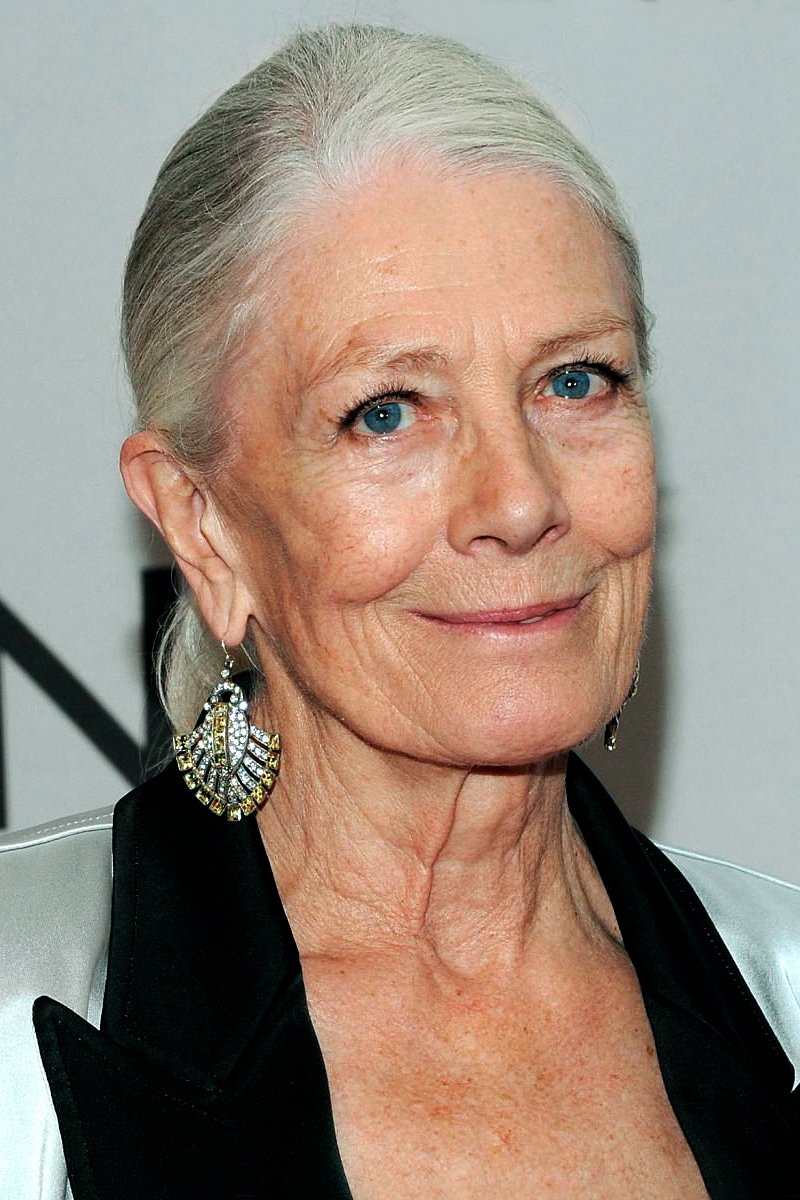
Redgrave faced a severe backlash in Hollywood after she produced and narrated a documentary supporting the Palestinian cause. Her acceptance speech at the 1978 Academy Awards was met with boos when she criticized what she called Zionist hoodlums. She faced death threats and lost numerous acting opportunities as studios feared the controversy she brought with her. Despite the intense professional repercussions she remained steadfast in her political activism throughout her career.
Tell us which of these actors’ stories surprised you the most in the comments below.