


Actors Who Were Called “Not Hot Enough” for Lead Romantic Roles

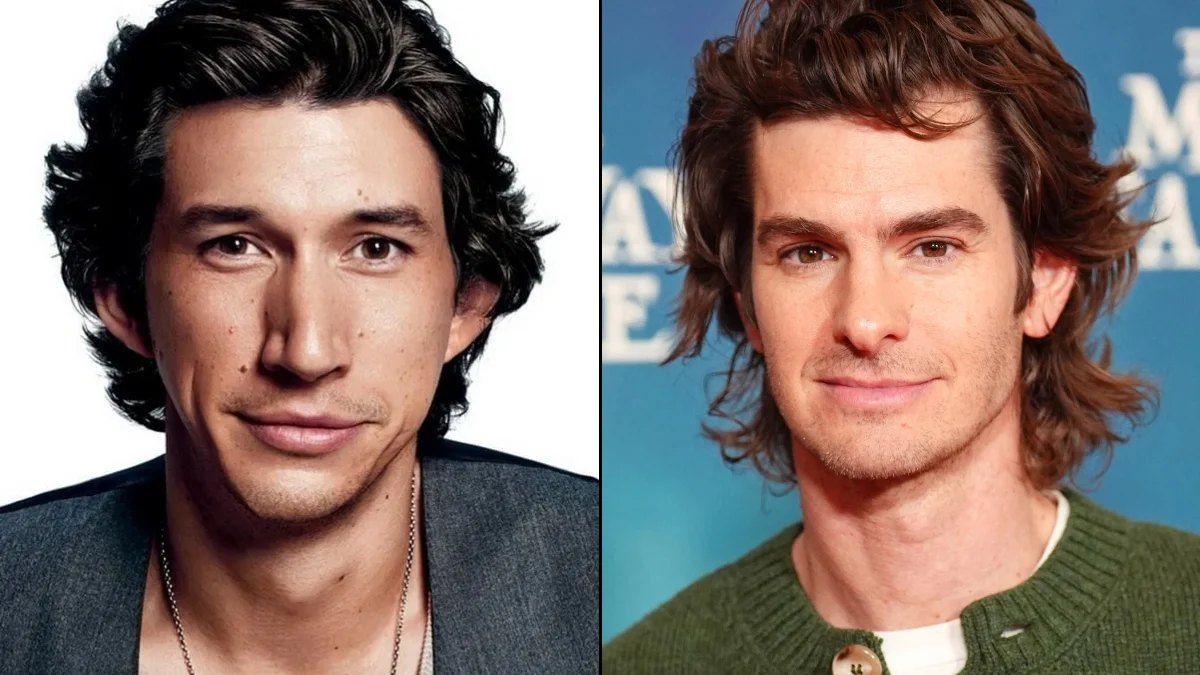


The film industry often relies on conventional beauty standards when casting leading men for romantic or high-profile roles, frequently sidelining talented performers who do not fit a specific mold. Many of Hollywood’s most celebrated actors faced early career rejections or intense public scrutiny because casting directors or executives believed they lacked the “sex appeal” or physical attractiveness required for a lead. These decisions often stem from a narrow definition of what a romantic hero should look like, prioritizing symmetrical features or specific physiques over acting range. However, many of these actors eventually secured career-defining roles that challenged these perceptions and expanded the industry’s standards of attractiveness. The following list highlights actors who were famously told they weren’t the right “look” for the spotlight.
Andrew Garfield
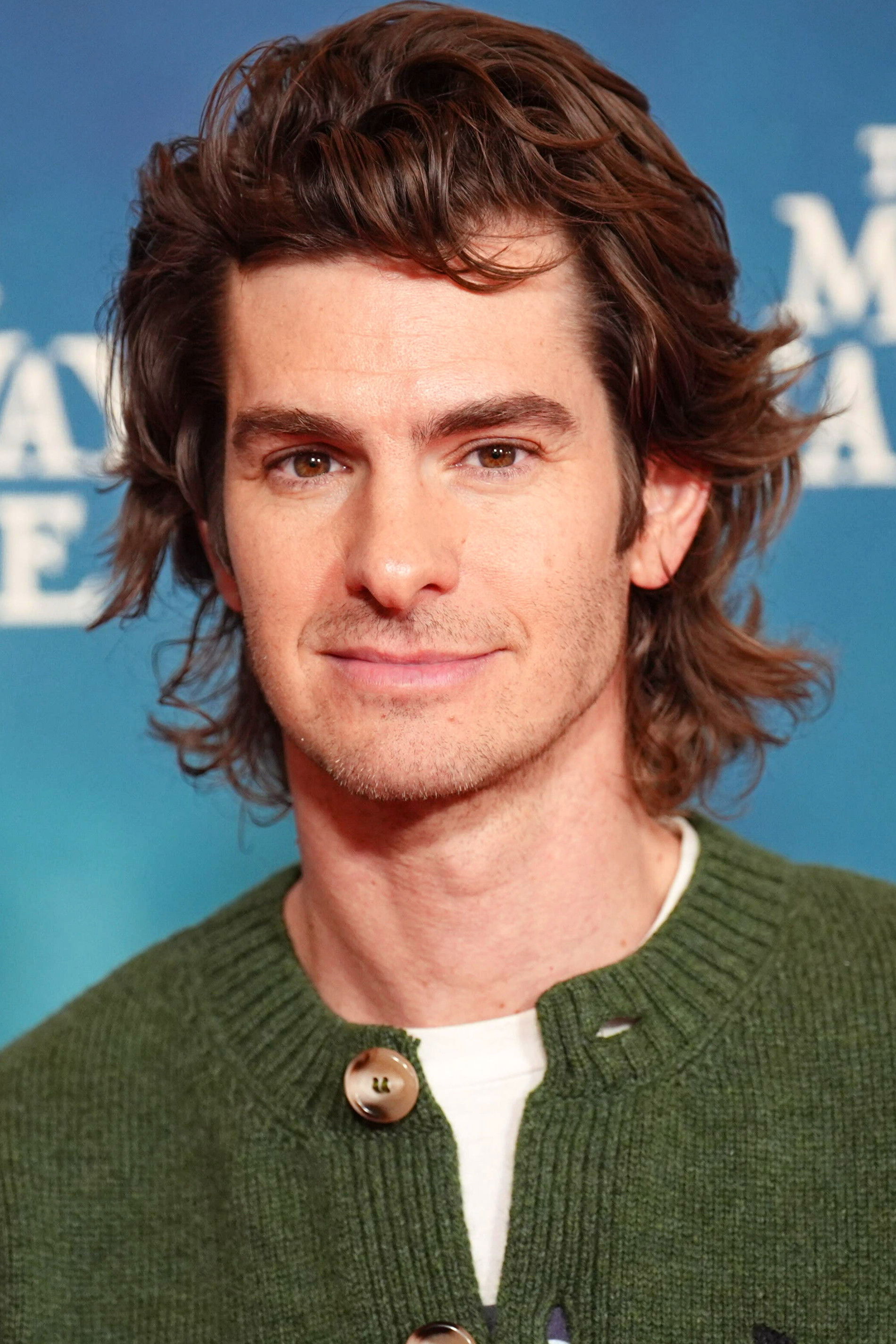
The actor famously revealed that he was rejected for the role of Prince Caspian in ‘The Chronicles of Narnia: Prince Caspian’ due to his appearance. He stated in an interview that he was told by his agent that the casting directors did not think he was “handsome enough” for the part. The role eventually went to Ben Barnes, while Garfield went on to achieve major success in other major franchises. This early rejection highlights the rigid beauty standards often found in high-budget fantasy and romantic productions.
Benedict Cumberbatch
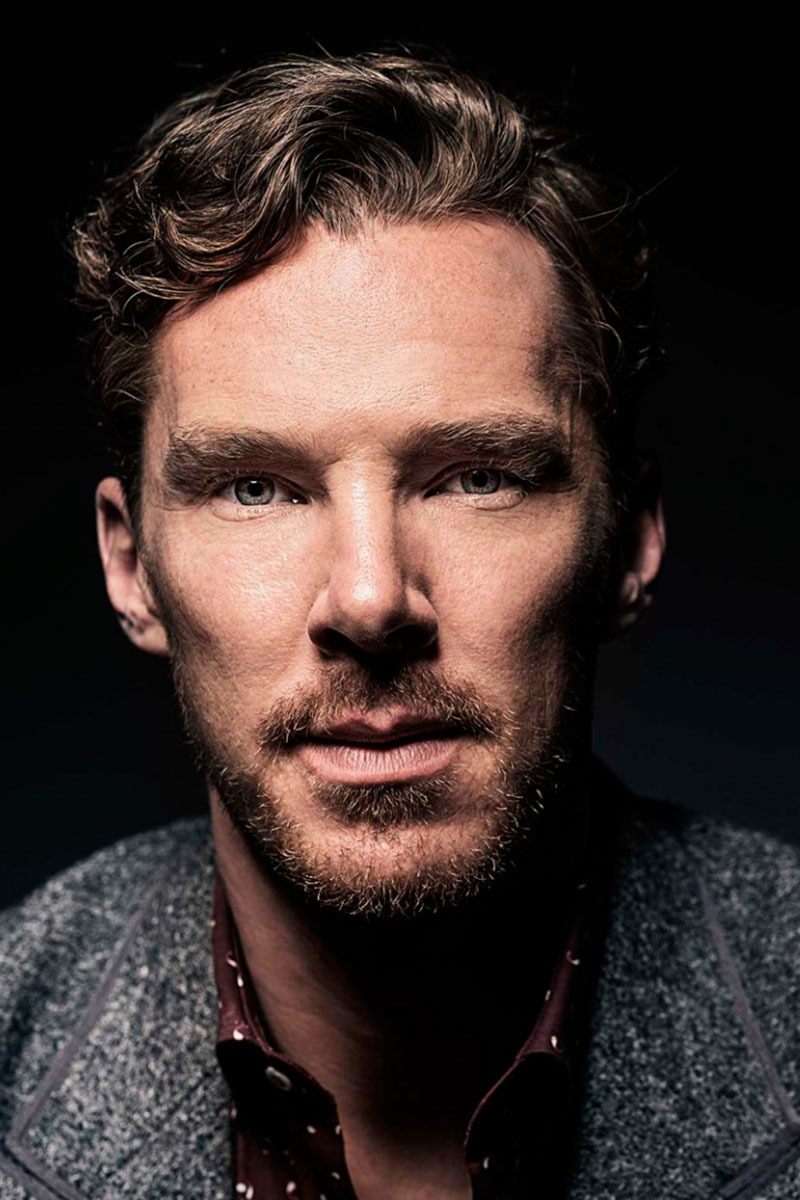
Before he was cast as the lead in ‘Sherlock’, television executives reportedly expressed concern that the actor was not “sexy” enough for the role. Series co-creator Mark Gatiss confirmed that there was a significant debate about whether Cumberbatch possessed the conventional leading-man looks required for a modern detective. Once the show aired, his portrayal of the character became a global sensation, effectively redefining what audiences consider attractive in a romanticized lead. His career subsequently flourished with numerous roles that combined high intellect with traditional leading-man appeal.
Hugh Grant
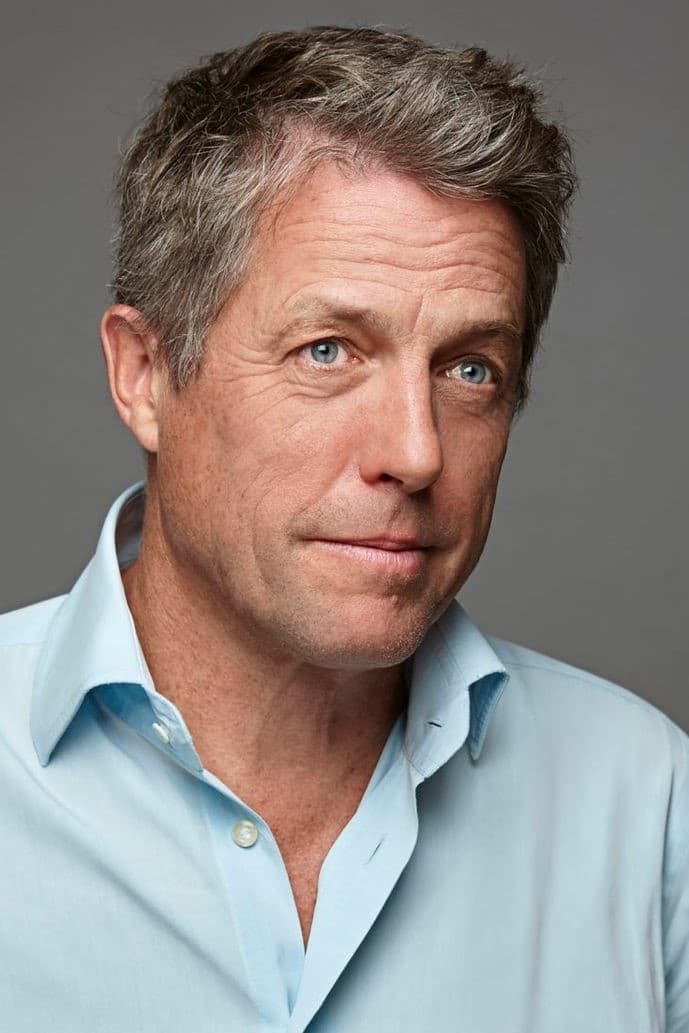
Despite becoming the face of British romantic comedies, the actor faced significant resistance during the casting of ‘Four Weddings and a Funeral’. Screenwriter Richard Curtis revealed that the production team initially thought Grant was not attractive enough and lacked the necessary charm for the romantic lead. Curtis himself admitted to being one of the strongest voices against casting him during the early production stages. The film eventually became a massive success, establishing Grant as a premier romantic lead for the next decade.
Robert Pattinson

When the casting for ‘Twilight’ was underway, studio executives were initially skeptical about whether the actor had the right look to play Edward Cullen. Director Catherine Hardwicke recounted that after seeing Pattinson’s photos, the studio questioned his attractiveness for the heartthrob role. It was only after a chemistry read with Kristen Stewart that his magnetism became undeniable to the production team. He went on to become one of the most recognizable icons of the young adult romance genre throughout the 2000s.
Henry Cavill
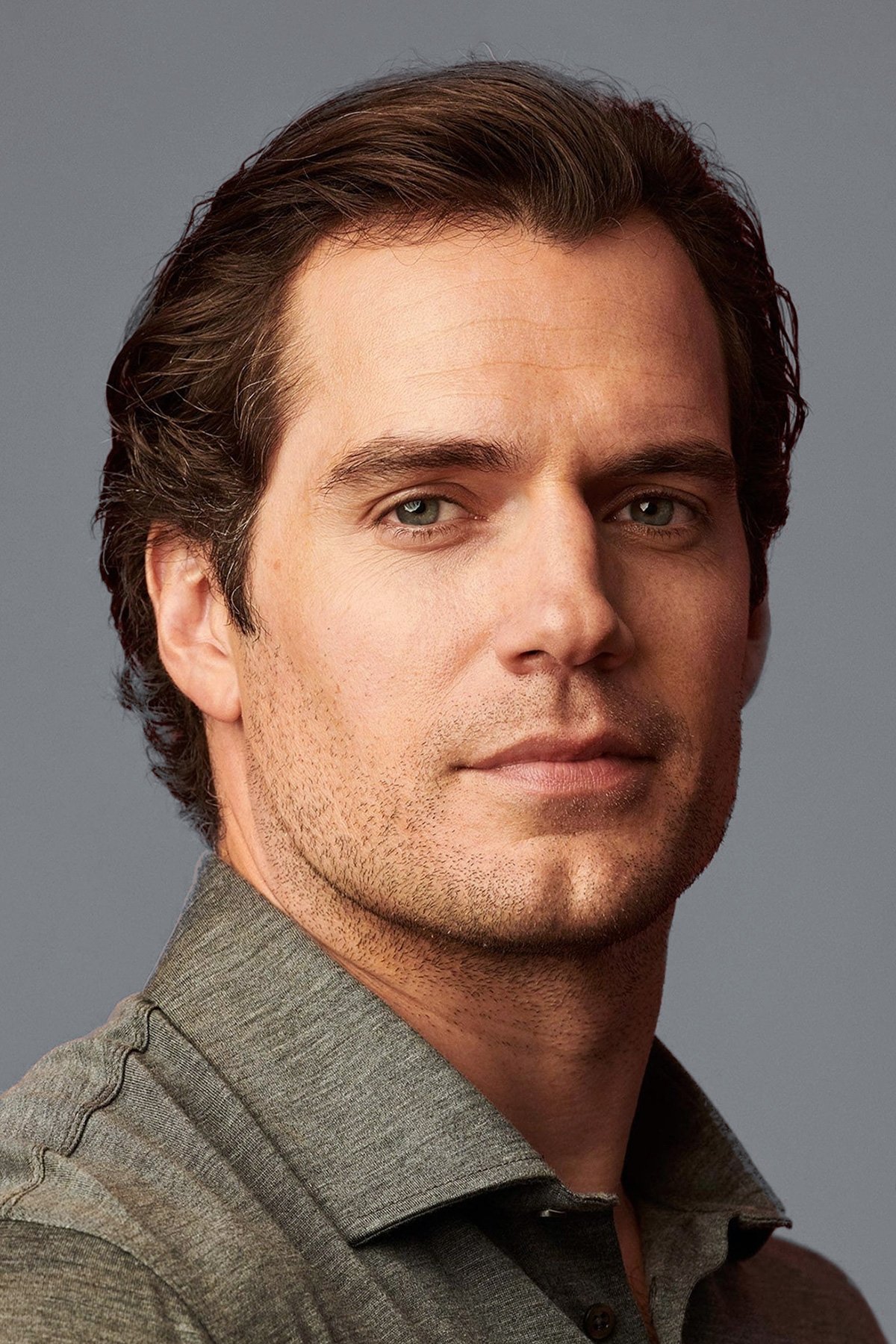
The actor, now known for his impressive physique, was famously told he was “too chubby” during an audition for the role of James Bond in ‘Casino Royale’. Director Martin Campbell reportedly gave him this blunt feedback after a screen test where Cavill had to wrap a towel around his waist. This critique suggested he lacked the traditional “lean” leading-man aesthetic required for the romantic and action-oriented role at that time. Cavill eventually transformed his physique and secured the role of Superman several years later, proving the casting director’s initial assessment wrong.
Dustin Hoffman
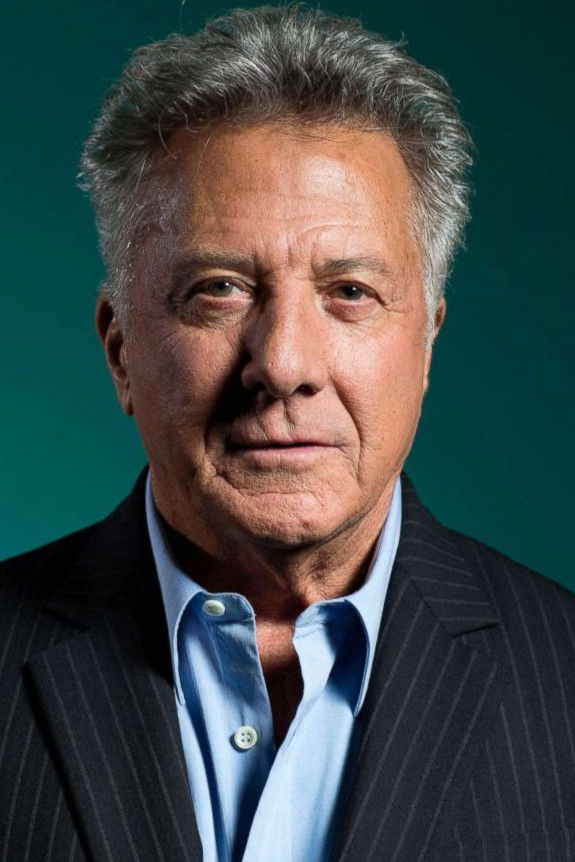
The actor was considered an unconventional choice for the lead in ‘The Graduate’, a film that typically would have starred a more traditional “pretty boy” archetype. Director Mike Nichols chose him specifically for his talent, despite internal concerns that he did not fit the stereotypical image of a romantic lead. Critics at the time of the film’s release often commented on his “homely” appearance compared to contemporary stars of the era. His success in the film paved the way for a new generation of “character” actors to take on romantic and leading roles.
Harrison Ford
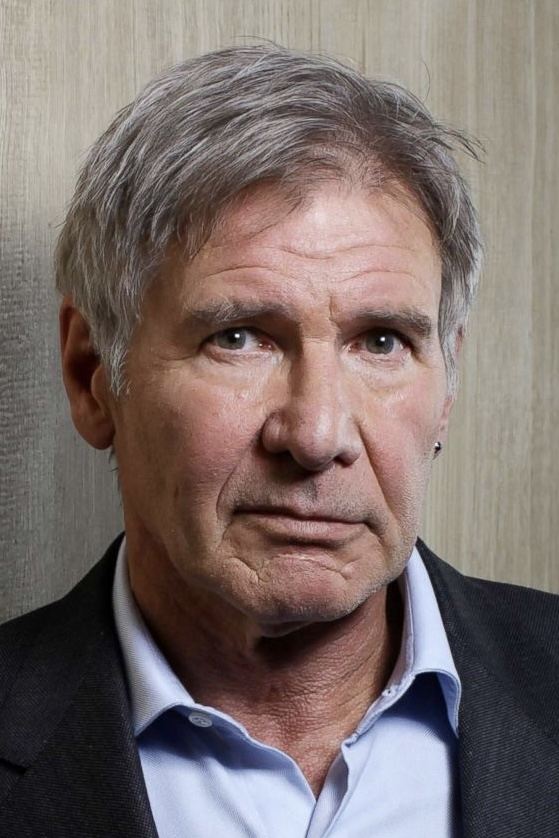
Early in his career, an executive at Columbia Pictures told the actor that he would never succeed as a leading man. The critique was based on a performance where Ford played a bellhop, with the executive claiming he lacked the “star quality” and physical look of a romantic lead. Ford famously responded by continuing his work as a carpenter before landing his breakout roles in ‘Star Wars’ and ‘Indiana Jones’. He eventually became one of the most profitable and beloved leading men in cinematic history, defying those early aesthetic critiques.
Daniel Craig
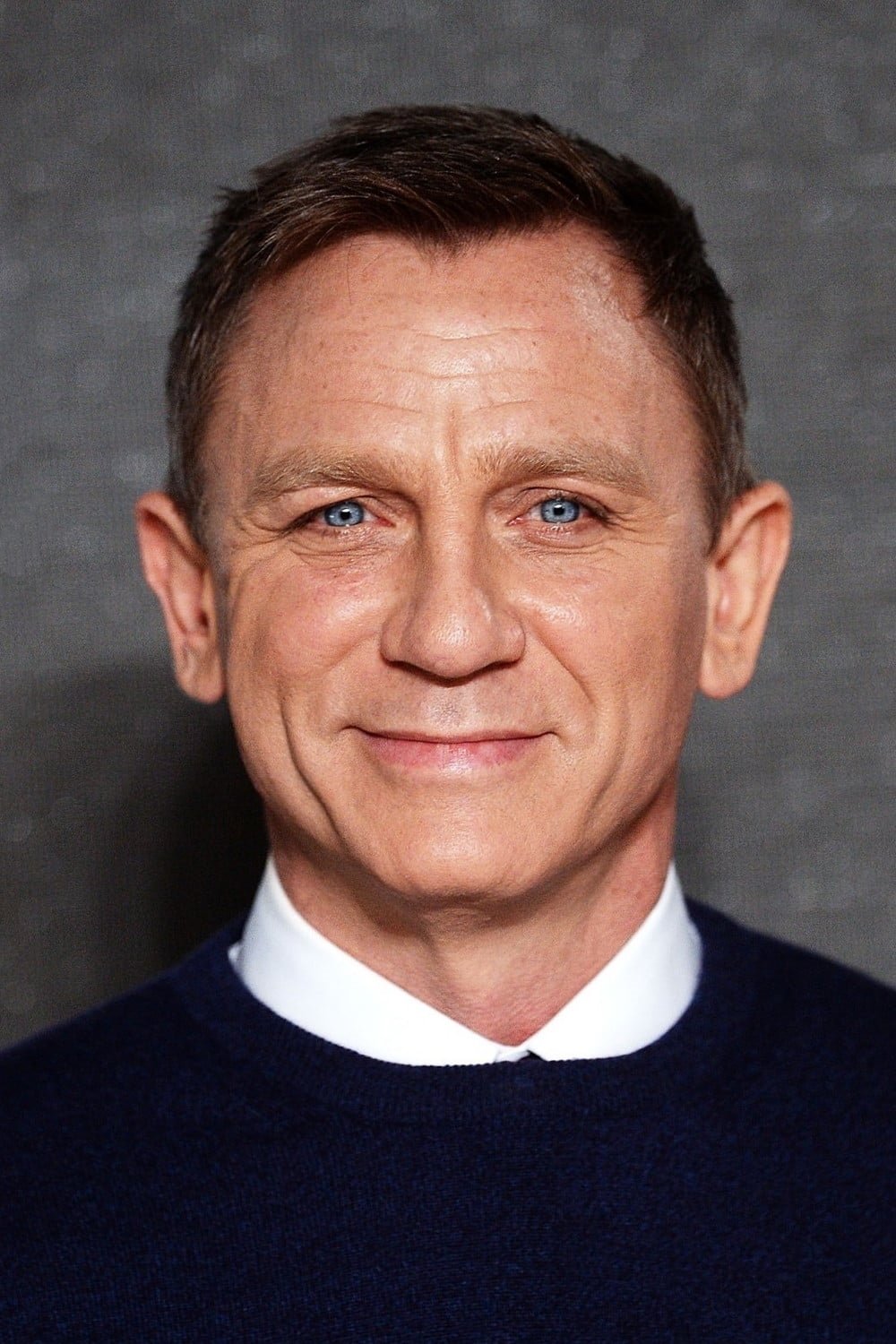
When the actor was announced as the next James Bond, he faced an unprecedented amount of public and critical backlash regarding his physical appearance. Critics labeled him “James Blond,” arguing that his rugged features and hair color did not fit the “tall, dark, and handsome” template of the romantic spy. The intensity of the “Bond, Not Blond” campaign suggested he was not attractive enough to maintain the franchise’s legacy of suave leading men. He proved detractors wrong with ‘Casino Royale’, which revitalized the character’s appeal for a modern, broader audience.
Adam Driver
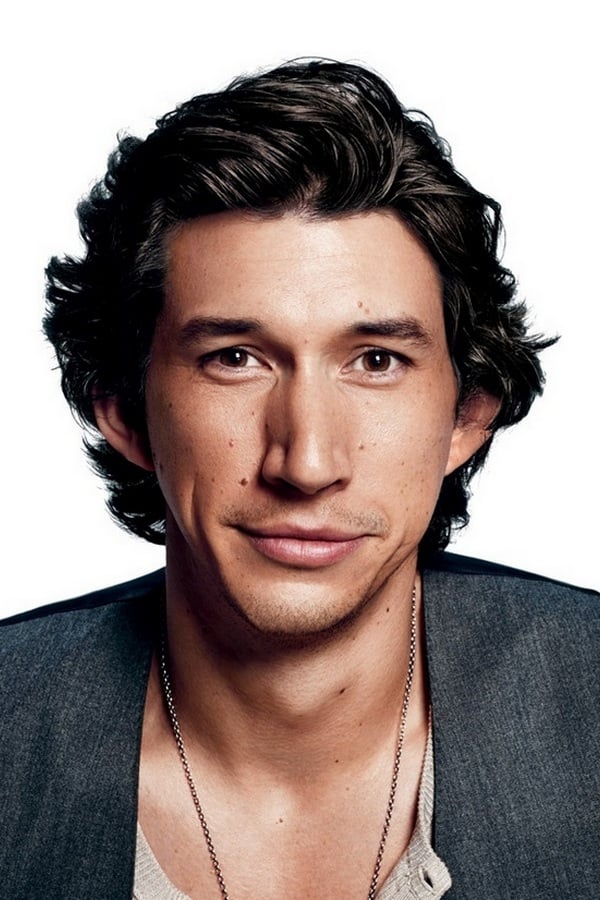
Throughout his rise to fame, the actor has frequently encountered commentary regarding his “unconventional” looks in relation to his status as a leading man. Critics and audiences have often debated his appearance, contrasting his features with the more symmetrical standards of Hollywood romance. Despite these public discussions, his performances in films like ‘Marriage Story’ and ‘Annette’ have solidified his position as a highly sought-after lead. He has successfully challenged the industry’s narrow definition of what a romantic or dramatic lead should look like.
Sylvester Stallone
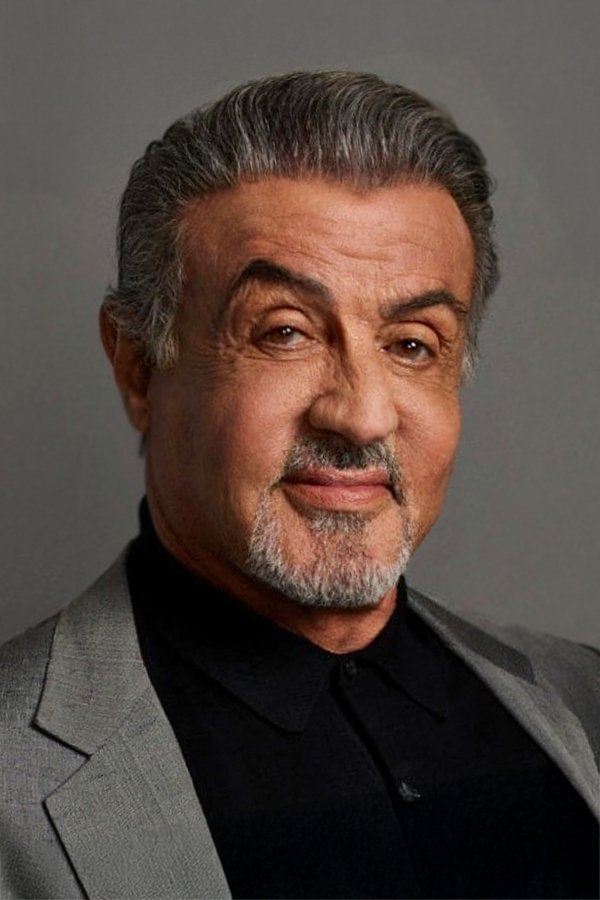
In the early days of his career, the actor was told by numerous agents and casting directors that his look and his speech impediment would prevent him from ever being a lead. He was frequently relegated to “thug” or background roles because he did not possess the polished aesthetic of a 1970s romantic hero. Stallone famously refused to sell the script for ‘Rocky’ unless he was allowed to star in the lead role himself. His perseverance resulted in one of the most iconic underdog stories and a prolific career as a leading man in both action and drama.
Adrien Brody
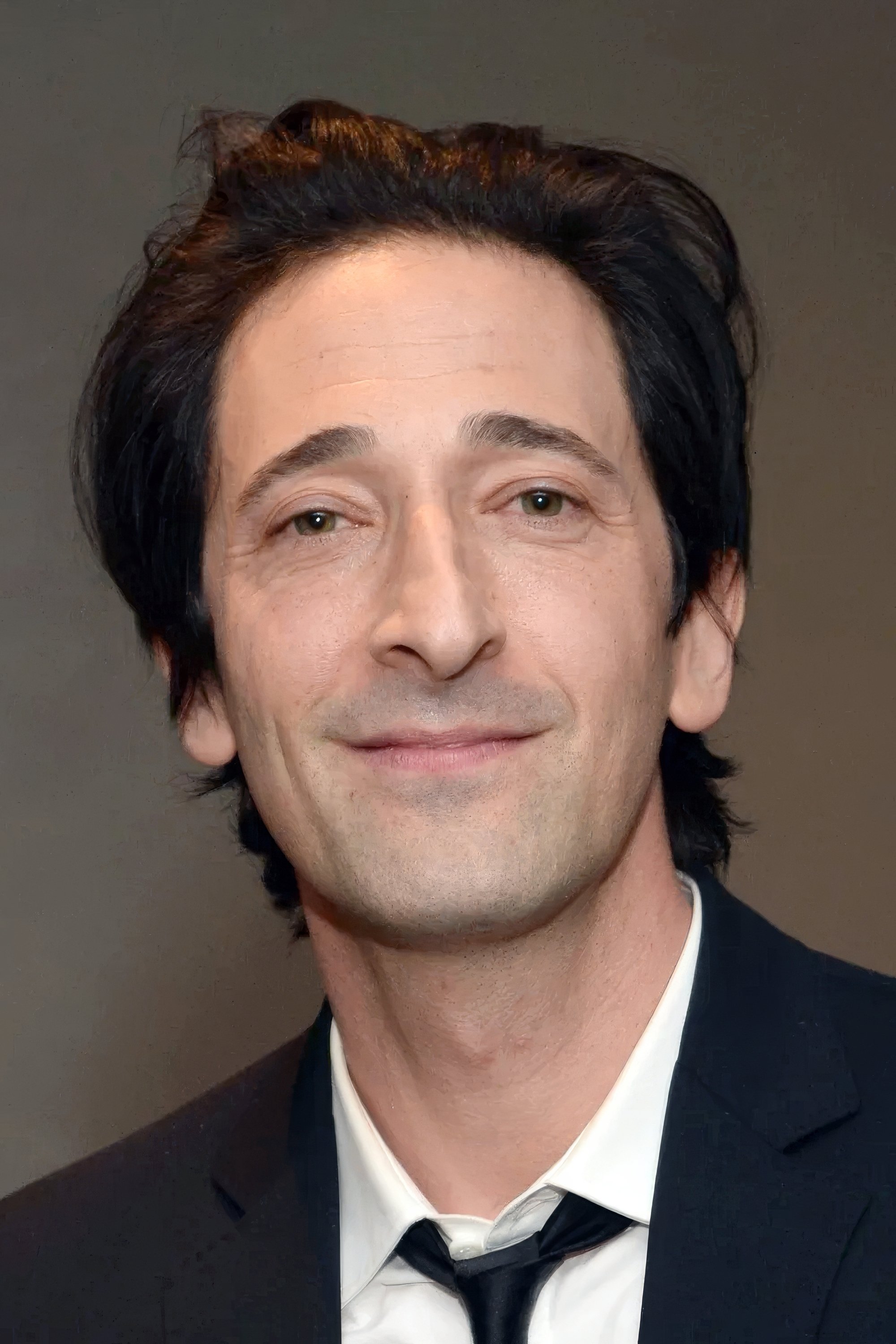
The Oscar-winning actor has often been described as having a look that was “too specific” or “unconventional” for standard romantic leads. Early in his career, his prominent features were seen as a barrier to being cast in traditional leading roles that required a generic “handsome” look. However, his performance in ‘The Pianist’ demonstrated his ability to carry a film through emotional depth and physical transformation. He has since navigated a successful career that includes both romantic interests and complex, character-driven dramatic leads.
Matt Smith
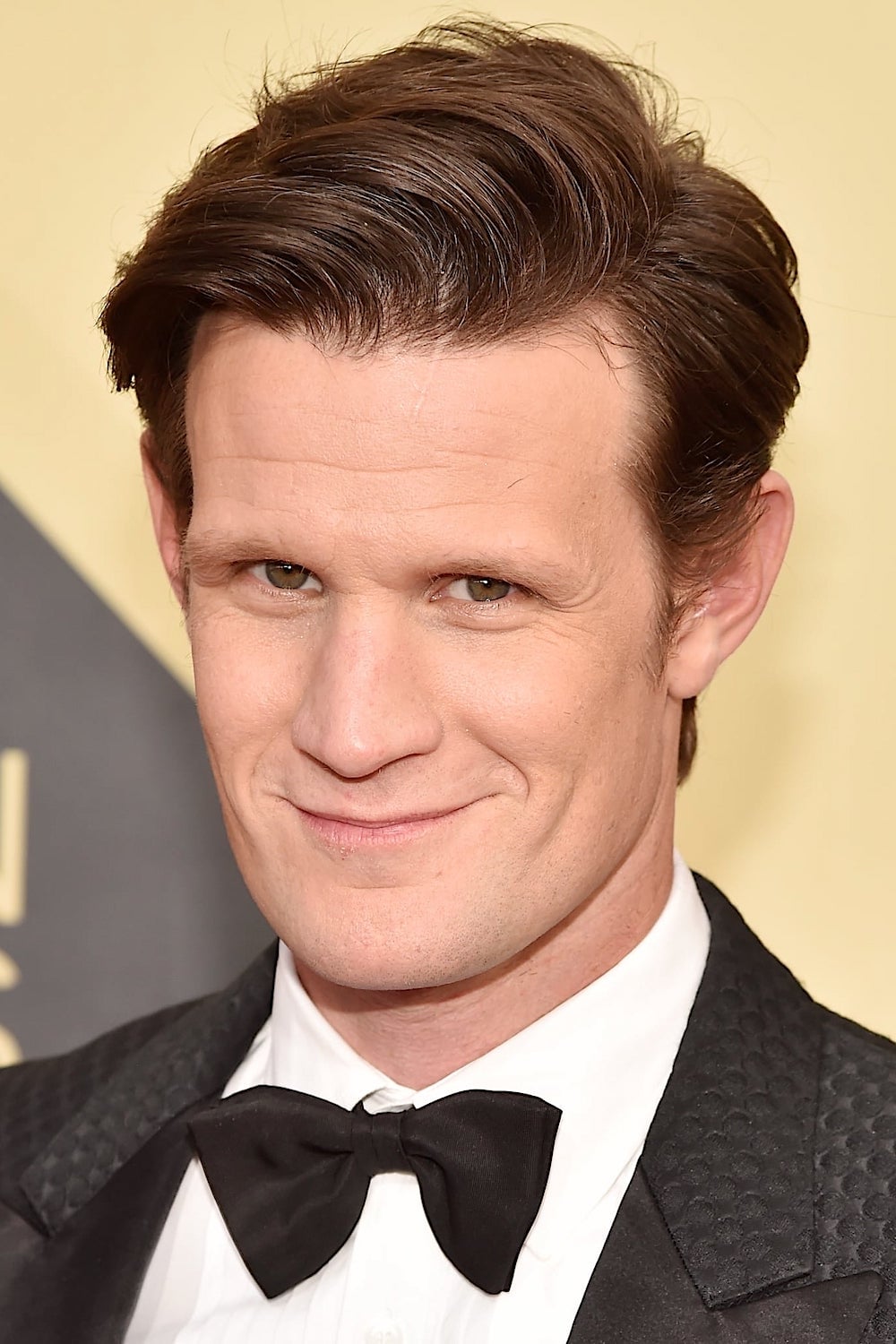
Upon being cast as the lead in ‘Doctor Who’, the actor faced immediate criticism from fans who felt he did not have the right look for the iconic role. Many observers commented that he was “too young” and “too strange-looking” to be the romanticized version of the Time Lord. The initial skepticism was high, with many doubting his ability to attract a broad audience or serve as a credible lead. Smith’s tenure eventually became highly acclaimed, and he was praised for the unique, quirky charm he brought to the screen.
Richard Madden
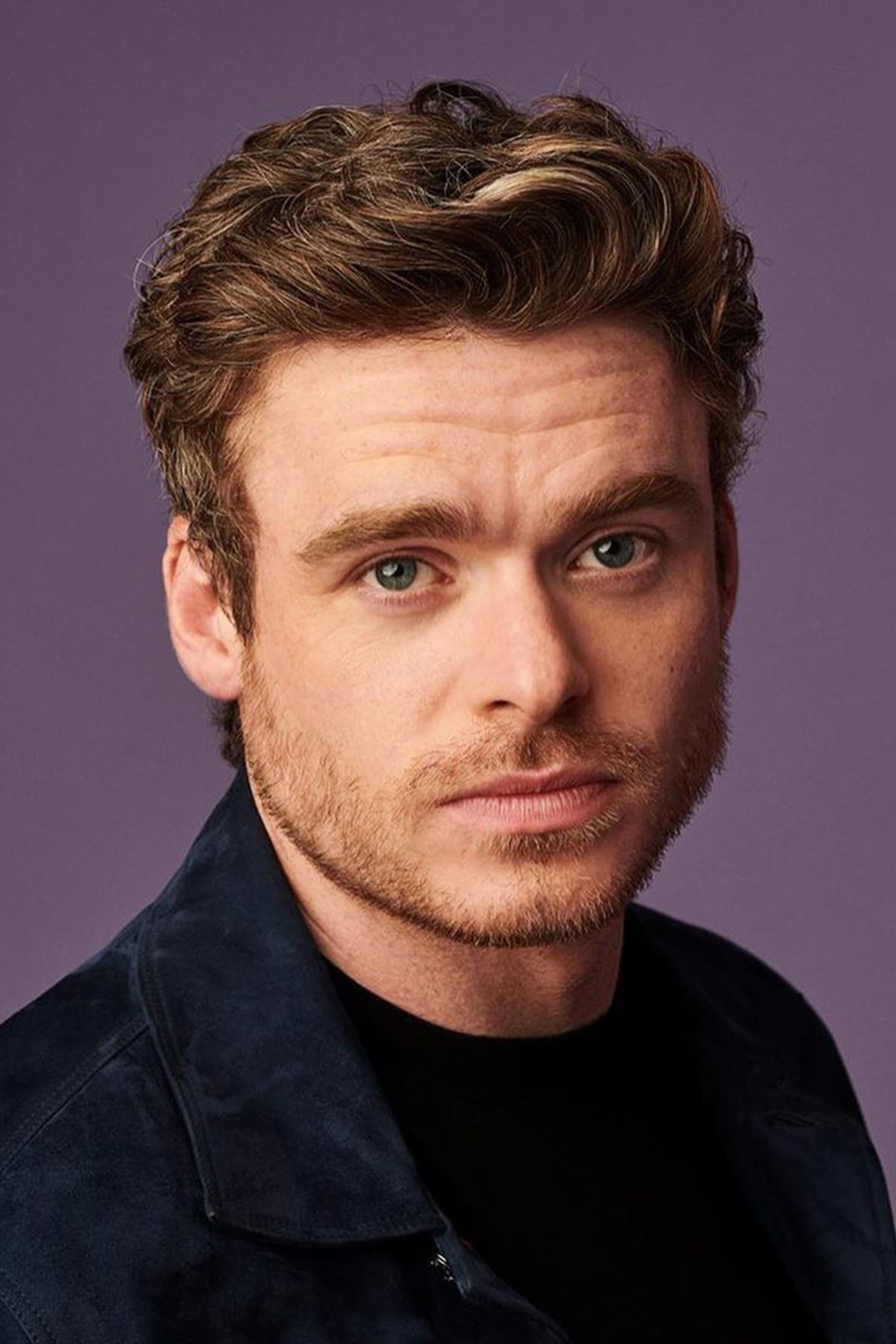
The actor has spoken candidly about the industry’s focus on physical perfection and how he was once told he wasn’t “fit” enough for certain roles. He noted that there is constant pressure on male actors to achieve a specific muscular “aesthetic” to be considered for romantic or action leads. Despite these early critiques, his performance in ‘Bodyguard’ and ‘Cinderella’ cemented his status as a global leading man. He continues to advocate for a more realistic representation of male bodies and health within the entertainment media.
Paul Giamatti
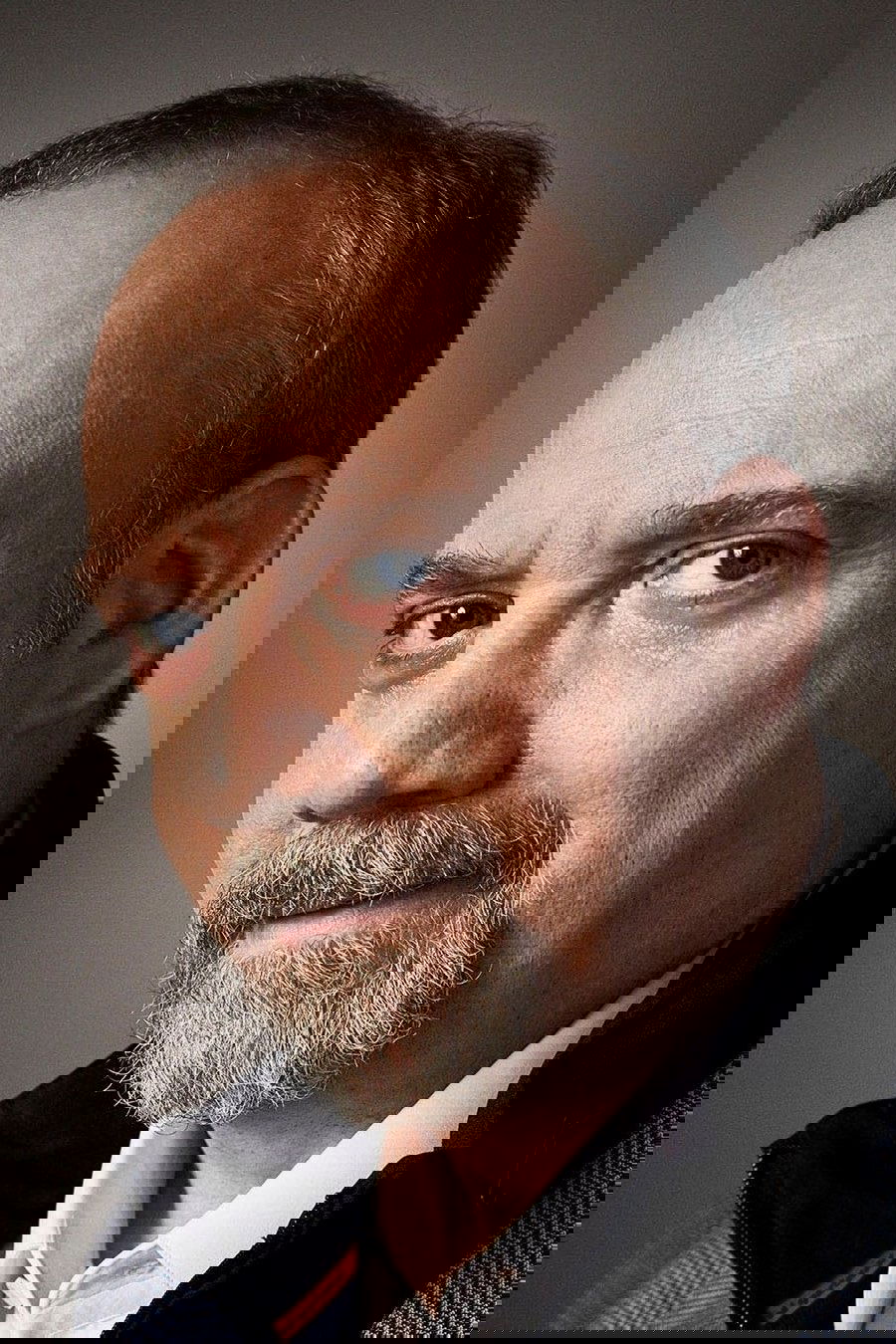
For much of his career, the actor was categorized strictly as a “character actor” rather than a leading man due to his everyday appearance. Producers and casting directors often overlooked him for central romantic roles in favor of actors with more conventional Hollywood looks. It was the film ‘Sideways’ that finally showcased his ability to lead a romantic-leaning narrative with great nuance and humor. His success proved that audiences could connect deeply with lead characters who do not fit the traditional, polished mold.
Tom Cruise
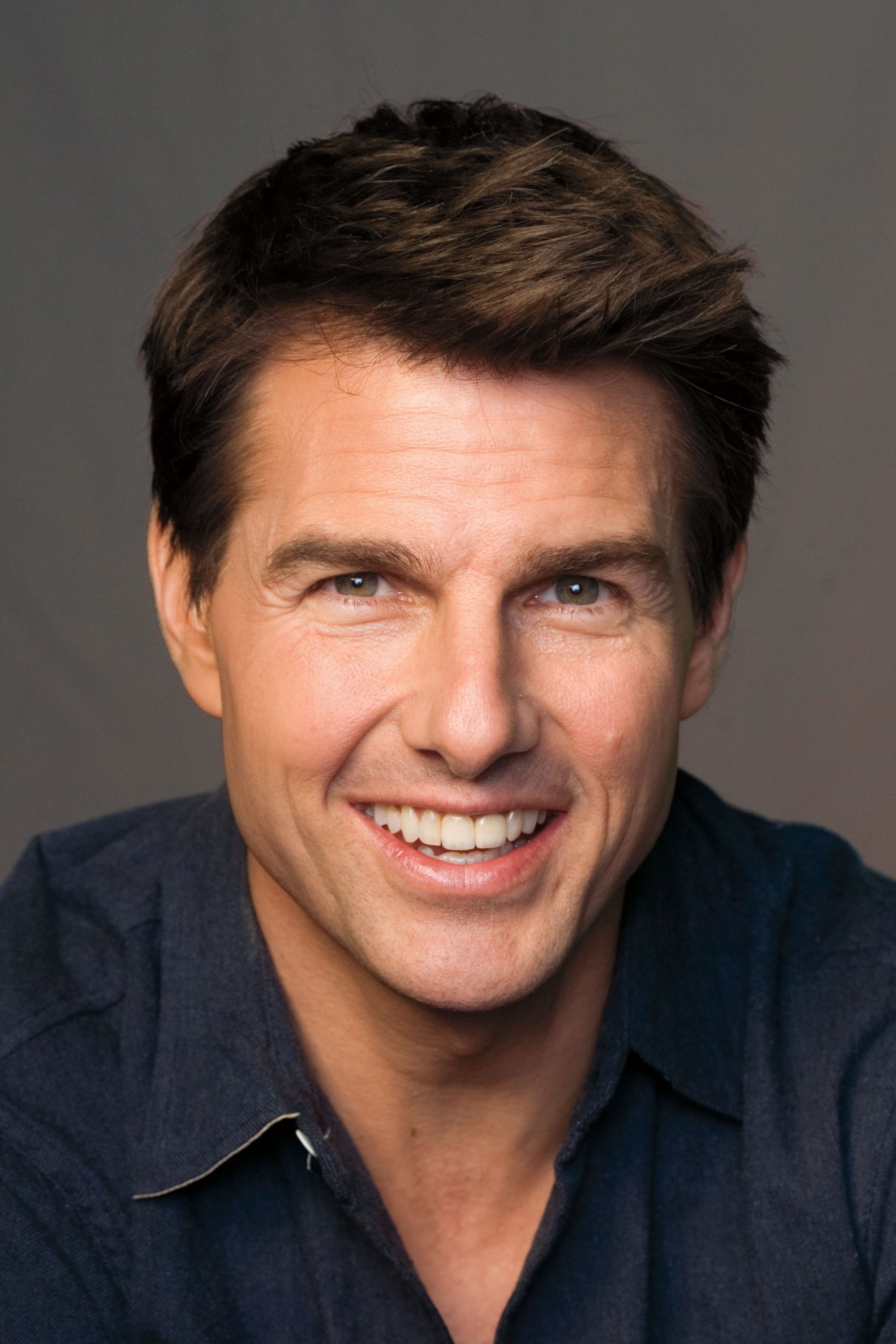
Although he is now a global superstar, the actor’s casting as Lestat in ‘Interview with the Vampire’ was met with fierce opposition from the book’s author, Anne Rice. She publicly stated that she did not believe he had the right look or the necessary “ethereal” beauty to play the romanticized vampire lead. Rice even suggested other actors who she felt were more physically suited to the role’s specific literary descriptions. After seeing the finished film, she retracted her comments and admitted that Cruise had perfectly captured the character’s essence and allure.
Share your thoughts on these casting stories and other actors who have challenged Hollywood’s beauty standards in the comments.