


Actors Who Were Publicly Attacked by Their Own Peers for Not Being “Black Enough”

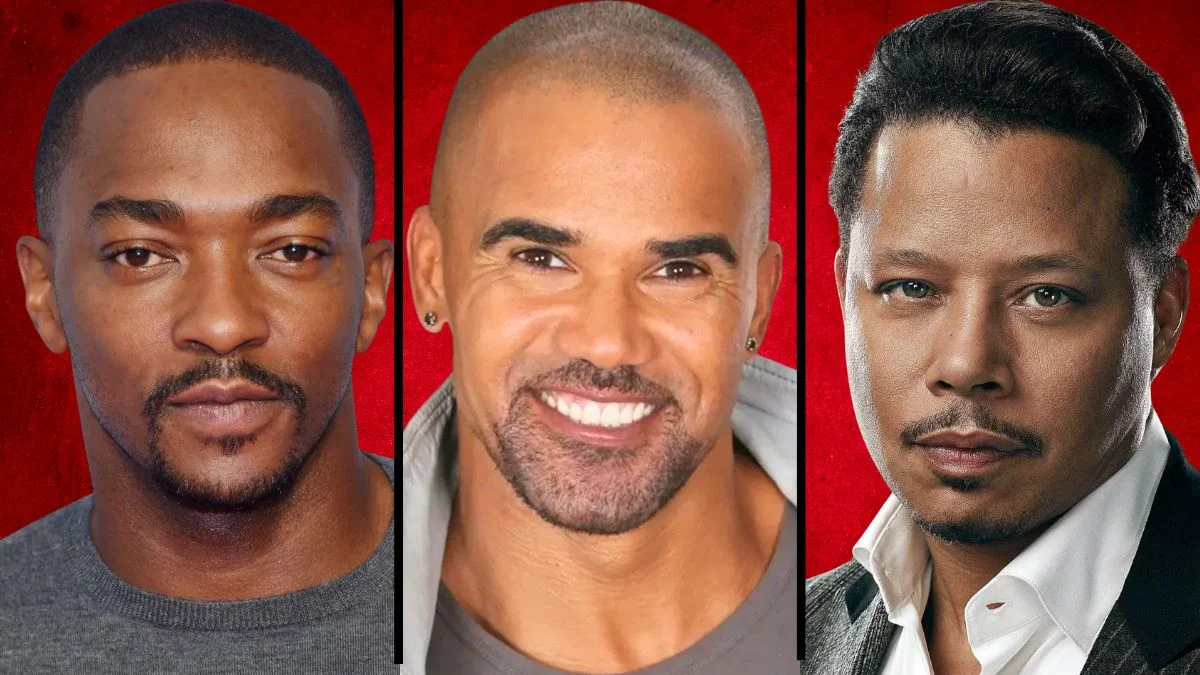


The entertainment industry often sees intense debates regarding cultural authenticity and the representation of the Black experience. Some actors have faced public scrutiny from fellow performers or critics who question their connection to their heritage based on their roles or public personas. These discussions frequently highlight the complex expectations placed on Black men in Hollywood. This list examines several male actors who have navigated these public challenges from their peers.
Wayne Brady
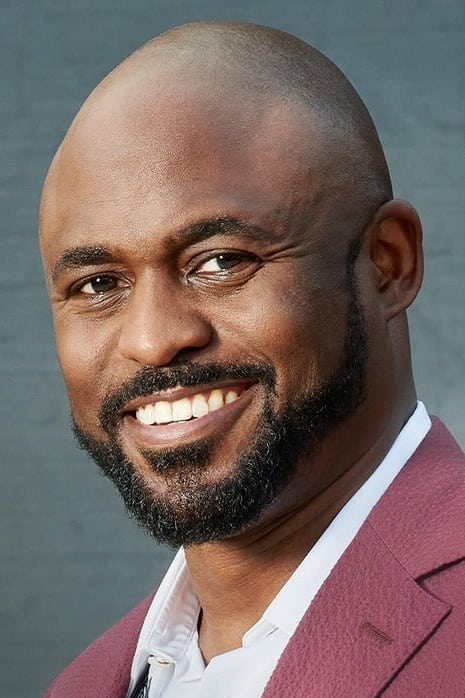
The comedian and actor faced public mockery from peers who suggested his persona was designed to make white audiences comfortable. Paul Mooney was particularly vocal about this sentiment by questioning the authenticity of his comedic style. Brady responded to these critiques by appearing on ‘Chappelle’s Show’ to showcase a much darker version of himself. He has since spoken about how these attacks impacted his mental health and his perception of his place in the community.
Will Smith
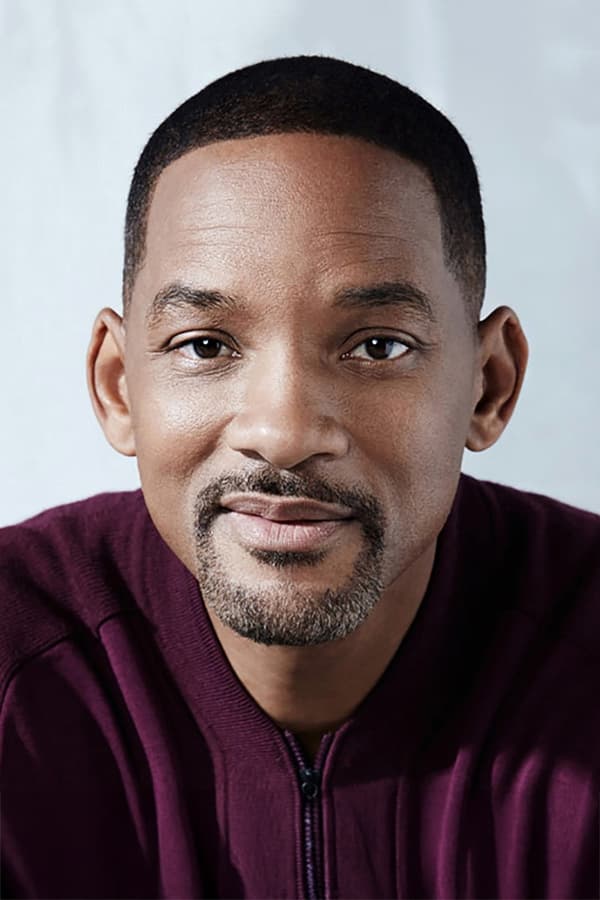
During the peak of his career some fellow actors and commentators labeled him as a safe choice for mainstream white audiences. His music and early acting roles in ‘The Fresh Prince of Bel Air’ were sometimes described as lacking the grit found in the work of his contemporaries. These peers suggested that his family friendly image distanced him from the struggles often associated with Black life in America. Smith eventually addressed these perceptions by taking on more dramatic and politically charged roles in films like ‘Ali’ and ‘King Richard’.
Samuel L. Jackson
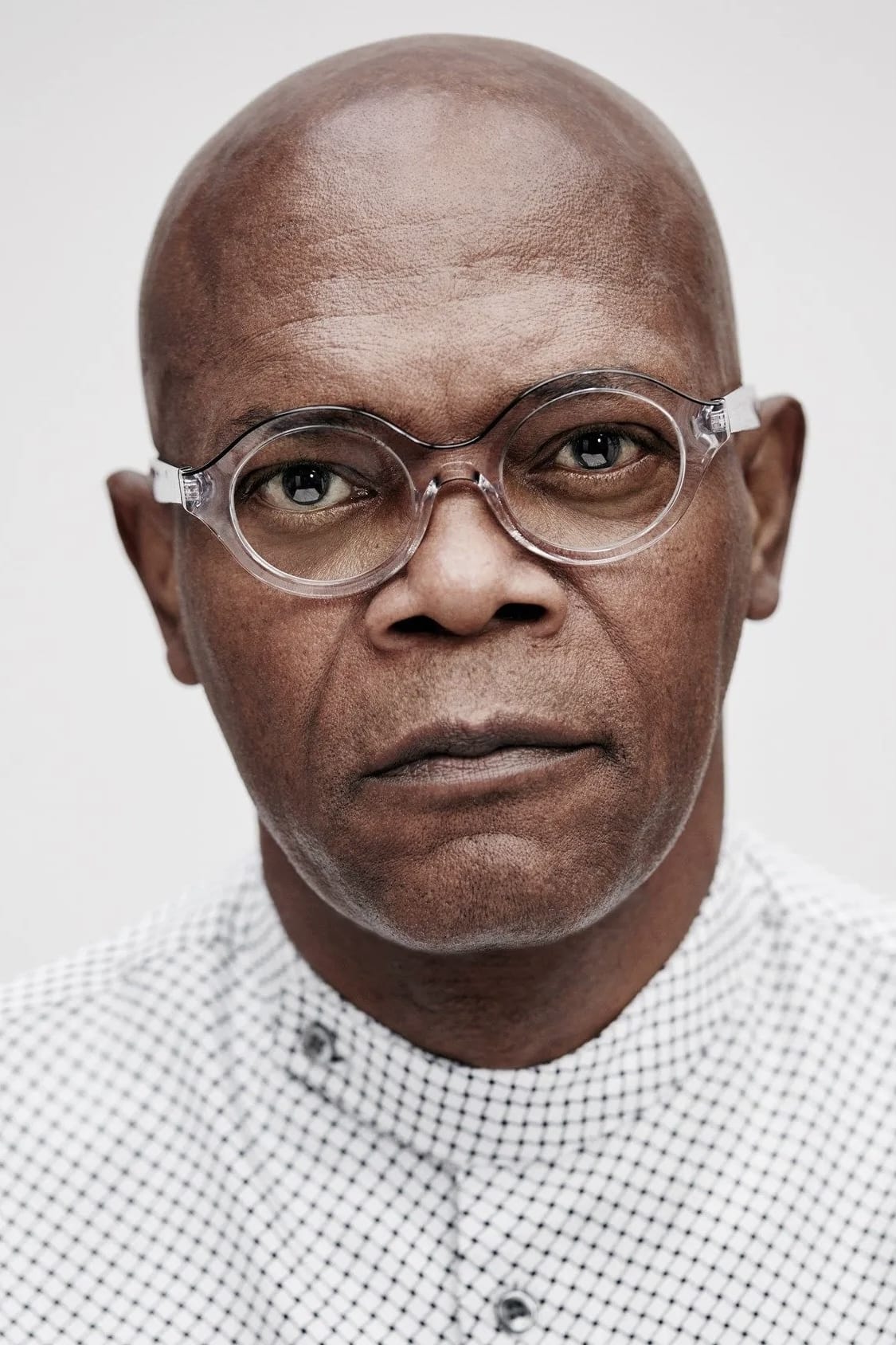
The veteran actor faced backlash from peers after he commented on the casting of British Black actors in American roles. He questioned why Daniel Kaluuya was cast in ‘Get Out’ instead of an African American actor who understood the nuances of the domestic racial climate. This sparked a massive debate among actors on both sides of the Atlantic about who has the right to tell specific stories. Jackson clarified that he was not attacking the talent of these actors but rather the industry casting trends.
Daniel Kaluuya
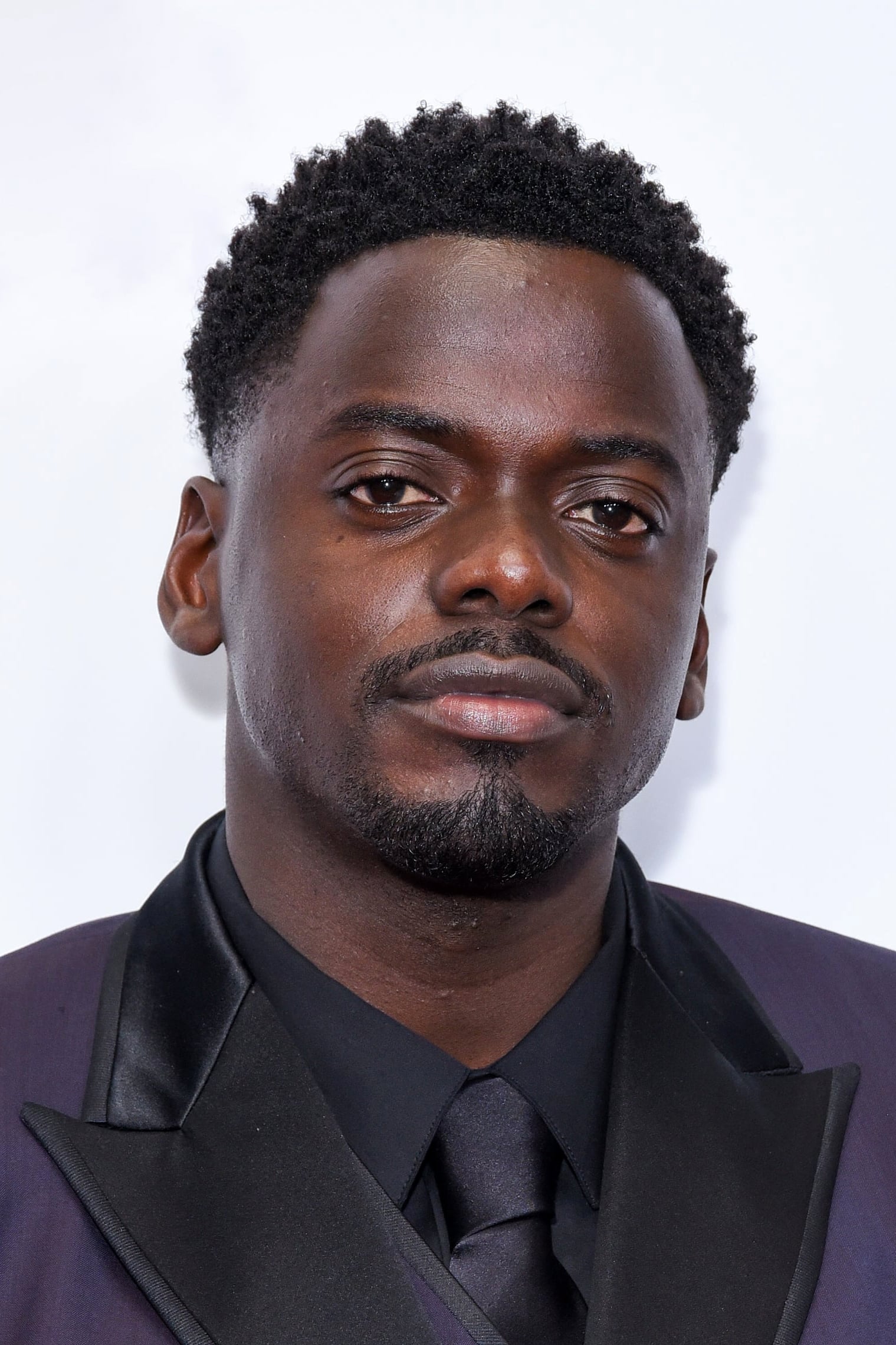
The British actor became a central figure in the debate about the authenticity of international actors playing American icons. Following his breakout role in ‘Get Out’ he was criticized by Samuel L. Jackson and other domestic performers for taking opportunities away from local talent. Critics argued that a British upbringing prevented him from fully embodying the specific generational trauma of the American South. Kaluuya defended his craft by emphasizing the shared global experience of the African diaspora.
Damson Idris
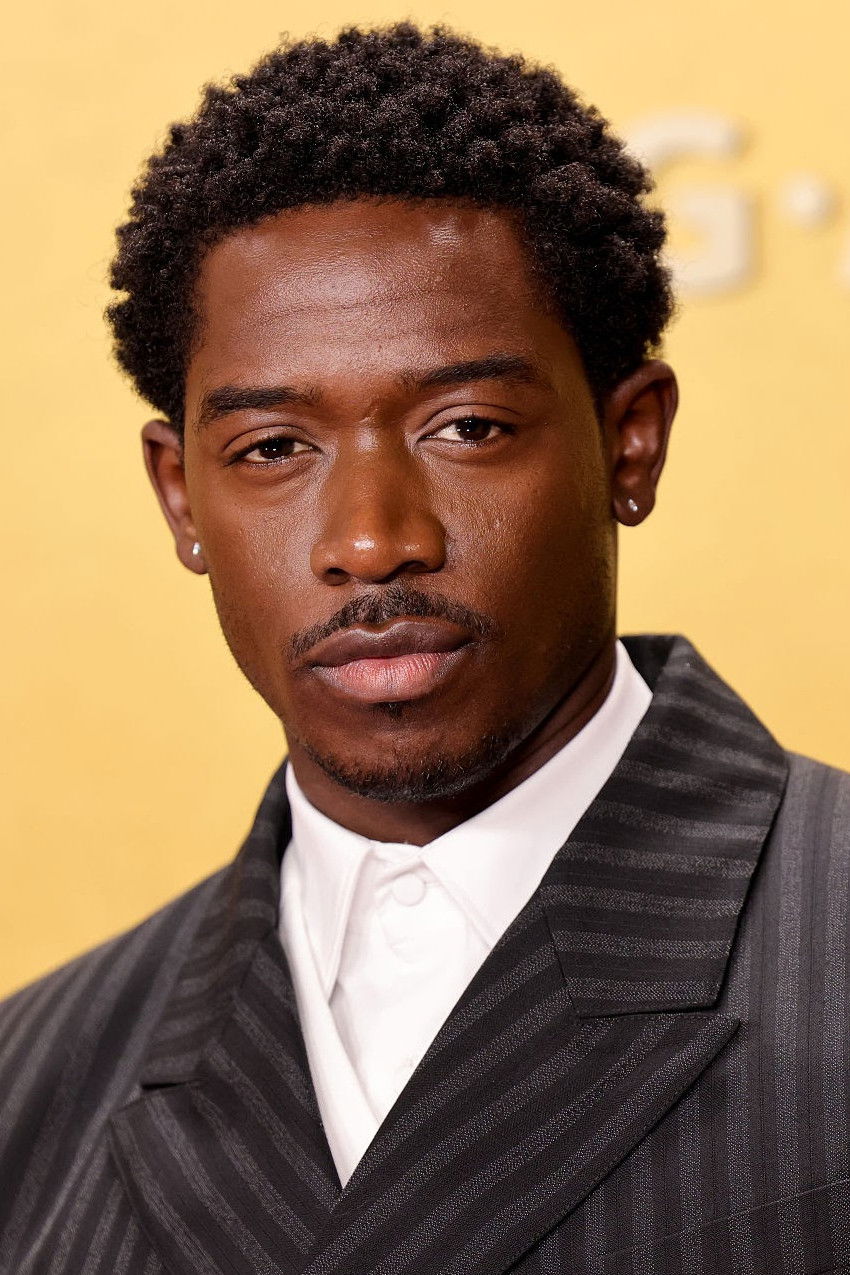
The star of ‘Snowfall’ has dealt with public criticism regarding his British roots while portraying an American drug dealer. Some American actors expressed frustration that a London native was chosen to represent a character from Los Angeles. These peers argued that the nuances of the local culture could only be properly conveyed by someone born into that specific environment. Idris has remained vocal about his dedication to the role and his respect for the history of the neighborhoods he depicts.
David Oyelowo
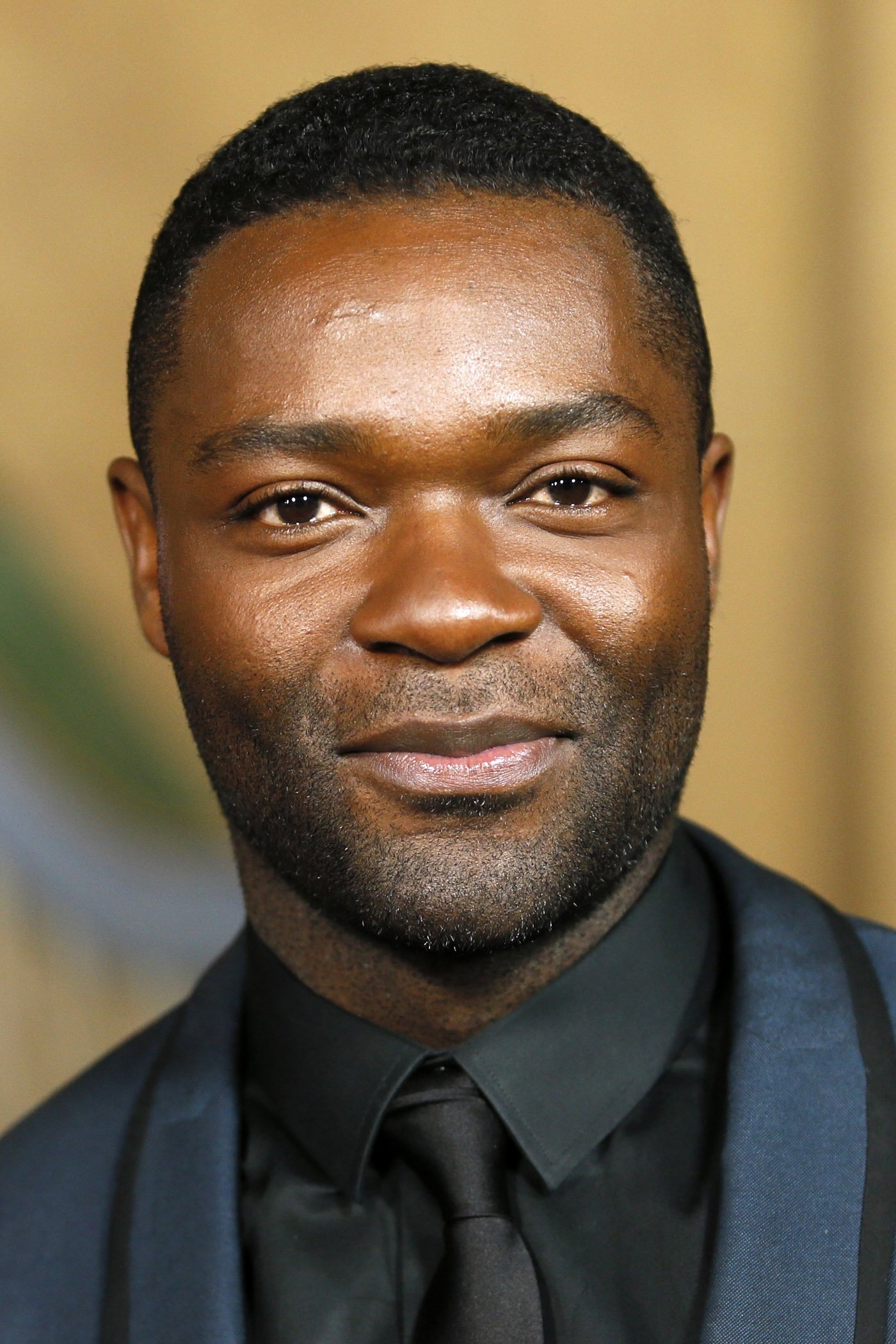
The actor faced significant scrutiny when he was cast as Martin Luther King Jr. in the film ‘Selma’. Several American peers questioned why a British actor was chosen to portray one of the most important figures in American history. These critics suggested that the lack of a personal connection to the American Civil Rights Movement would hinder the performance. Oyelowo argued that the universal themes of the movement allowed any actor of African descent to connect with the material.
John Boyega
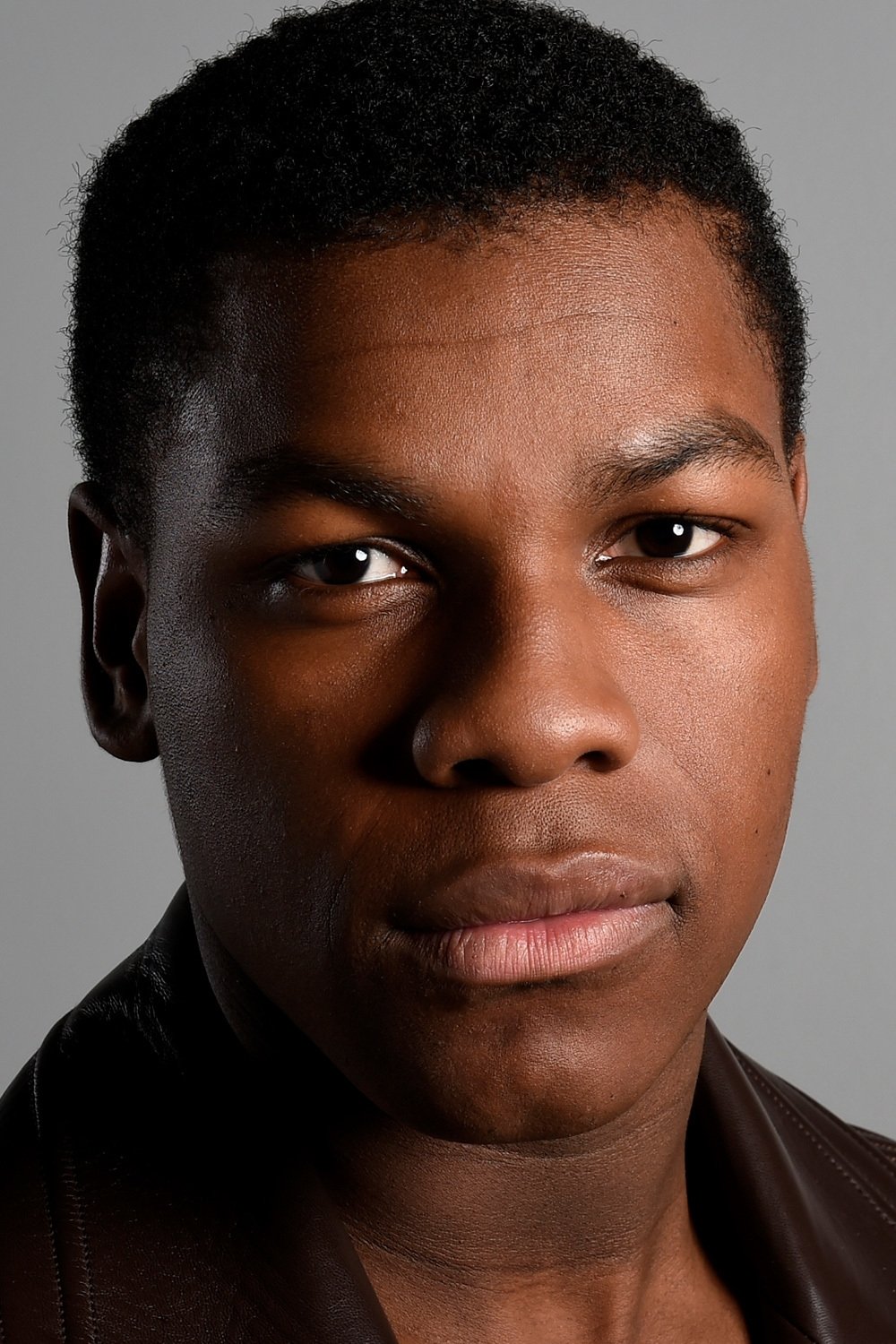
The ‘Star Wars’ actor has frequently been at the center of discussions regarding his identity and his activism. Some peers criticized him for being too vocal about racial issues while others questioned if his international background affected his perspective on American struggles. Boyega has consistently used his platform to speak out against systemic issues despite the risk to his career. He has faced these critiques by doubling down on his commitment to representing the Black experience in all its forms.
Chiwetel Ejiofor
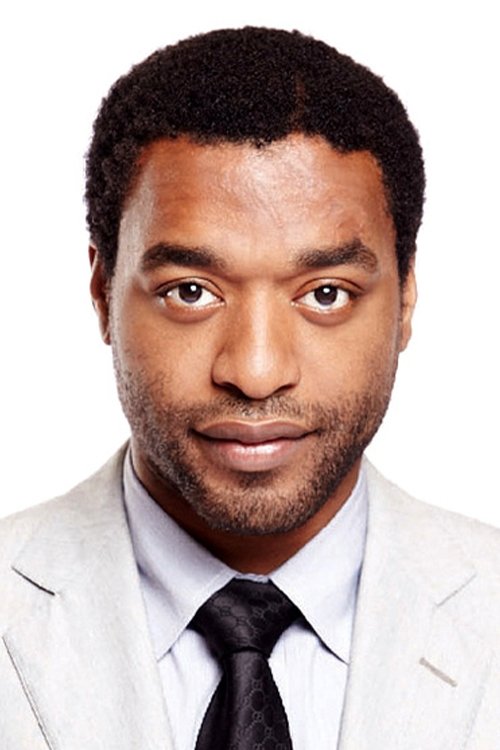
The acclaimed actor faced public questioning after starring in ’12 Years a Slave’ as a free man kidnapped into slavery. Some American critics and peers argued that the role should have gone to an African American actor with direct lineage to American slavery. This criticism focused on the idea that the internal emotional weight of the story belonged to a specific group of people. Ejiofor focused on the historical importance of the narrative while ignoring the public noise surrounding his heritage.
Idris Elba
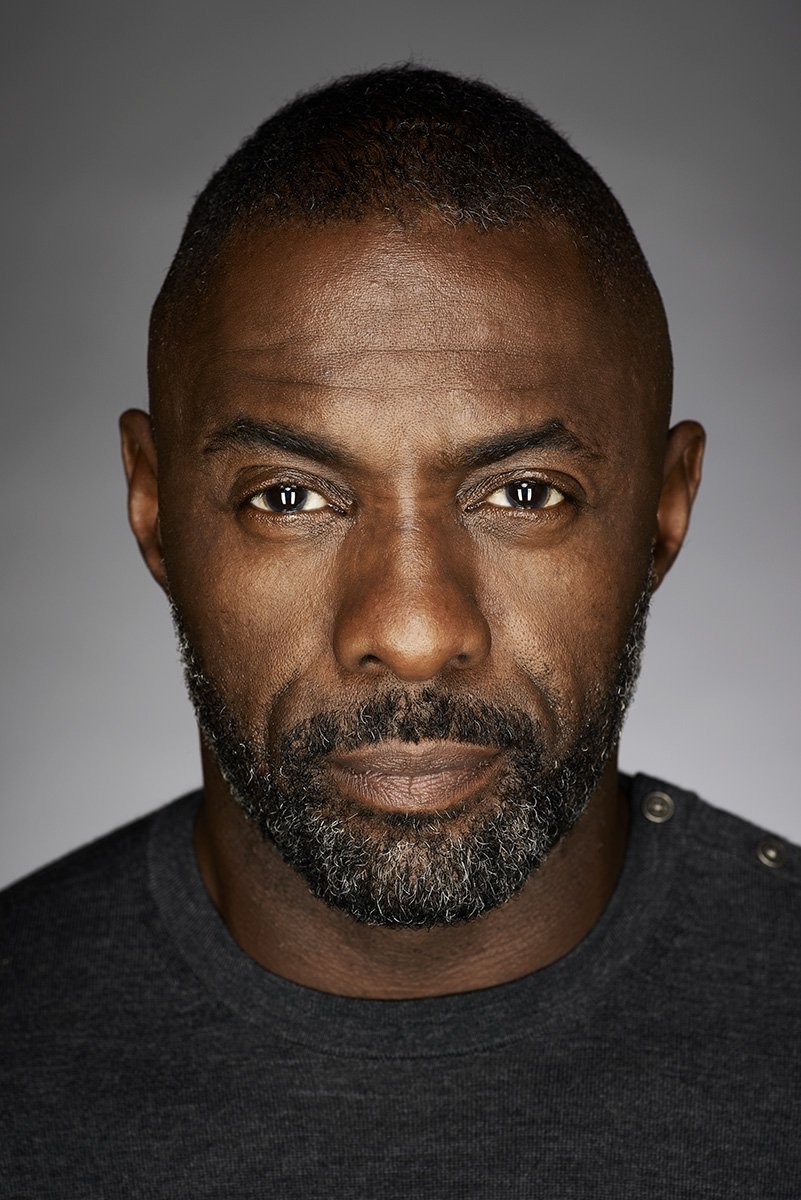
The actor has often been the subject of debate regarding his ability to play American characters like Stringer Bell in ‘The Wire’. Peer critics have suggested that his success in Hollywood has come at the expense of American born Black actors. These discussions often involve the idea that his British training makes him a preferred choice for studios looking for a certain aesthetic. Elba has consistently defended the work of international actors as a way to unite the diaspora.
Terry Crews
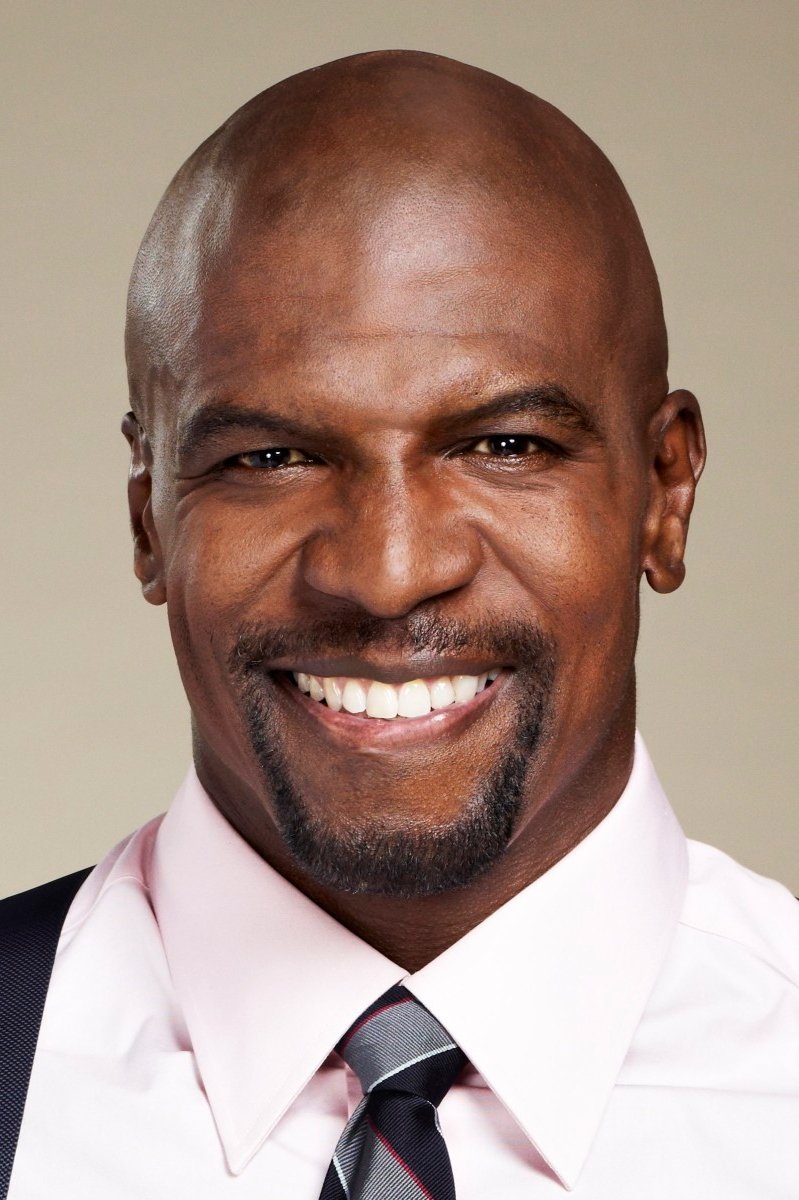
The ‘Brooklyn Nine Nine’ actor faced intense public criticism from his peers after making several controversial statements on social media. D.L. Hughley and other actors publicly called him out for his comments regarding certain social movements. These critics suggested that he was out of touch with the realities facing his community. Crews has attempted to clarify his position several times while still facing pushback from those within his industry.
Anthony Mackie
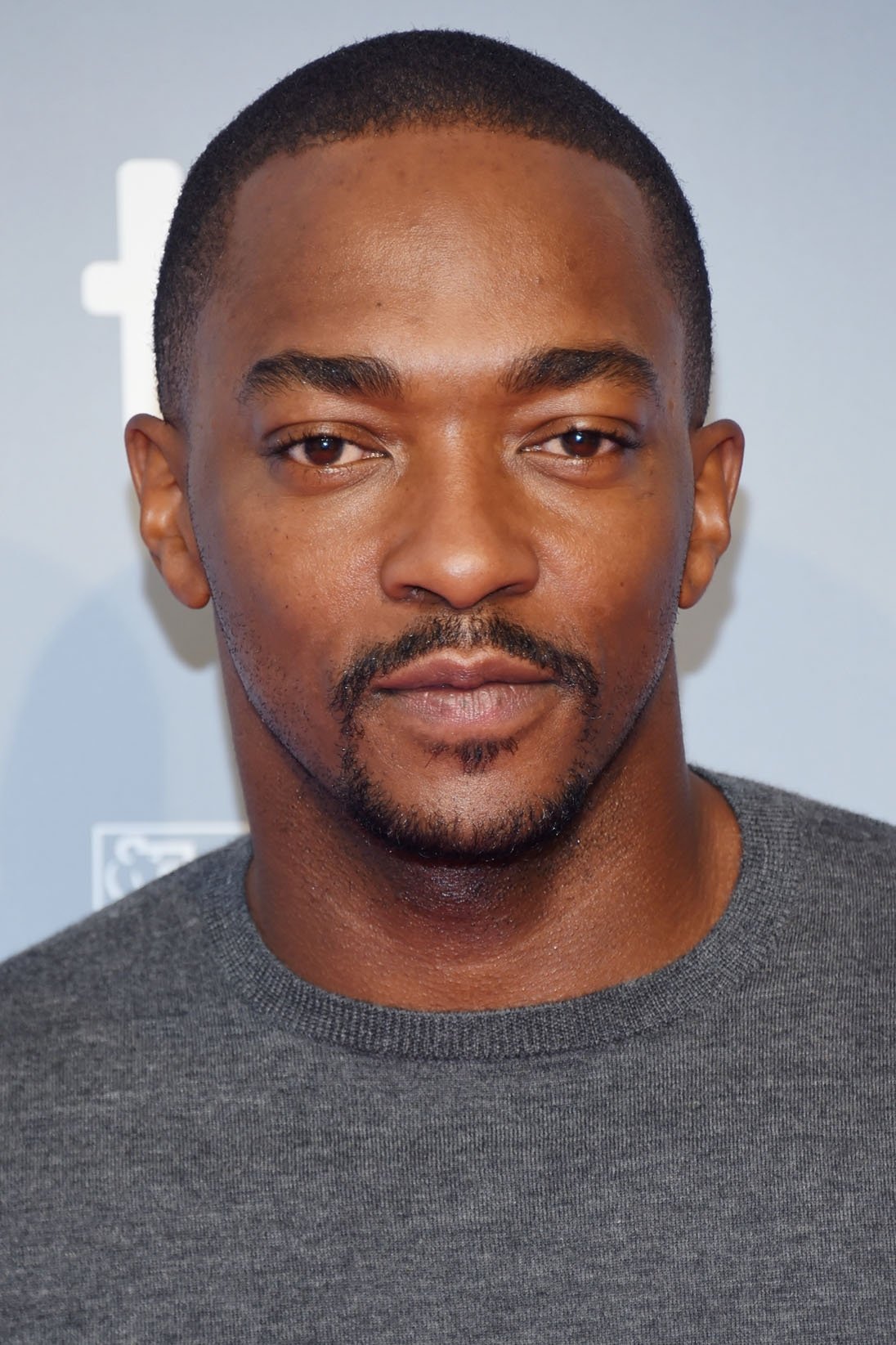
The Marvel star has been criticized by fellow performers for his views on the responsibility of fathers and his comments on the movie industry. Some peers felt that his public statements aligned more with respectability politics than with the actual needs of the community. These critics argued that his perspective was shaped by his individual success rather than the collective experience. Mackie has continued to share his opinions while maintaining a high profile in major film franchises.
Taye Diggs
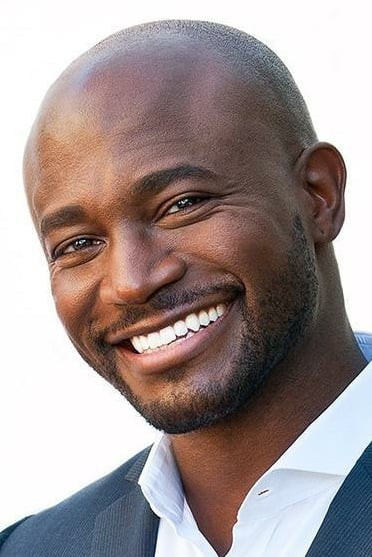
The actor has frequently been the target of peer criticism regarding his personal life and his comments on his mixed race son. Some fellow actors suggested that his preferences and public statements showed a desire to distance himself from his Black identity. These critics were particularly vocal after he released a book about the heritage of his child. Diggs has defended his right to his own identity and his approach to parenting in a multicultural world.
Shemar Moore
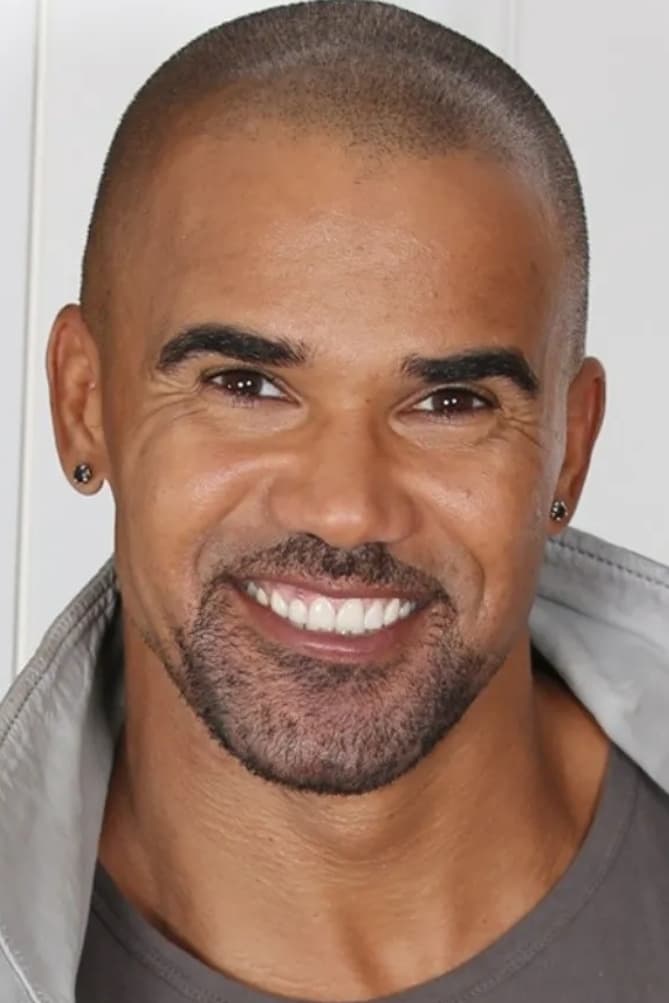
The ‘S.W.A.T.’ actor has dealt with comments from peers who questioned his authenticity throughout his career. Some critics pointed to his biracial background and his role choices as evidence of a persona that was not grounded in the Black experience. These discussions often centered on his transition from soap operas to mainstream action television. Moore has consistently addressed these critiques by expressing pride in his heritage and his work ethic.
Donald Glover
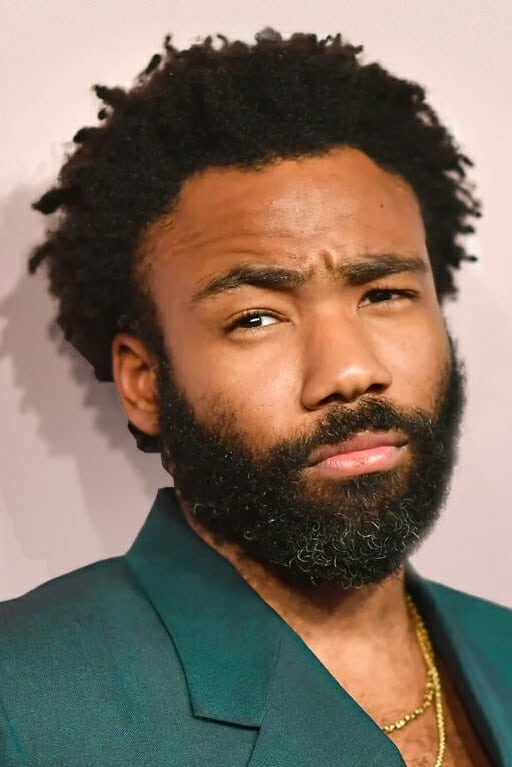
The creator of ‘Atlanta’ has been criticized by some peers for the way he depicts Black life and his choices in casting. Some commentators and fellow artists argued that his work felt as though it was catering to a specific subculture rather than the broader community. These critics questioned his connection to his roots based on his early comedic and musical work. Glover has often incorporated these very criticisms into the themes of his television projects.
Sidney Poitier
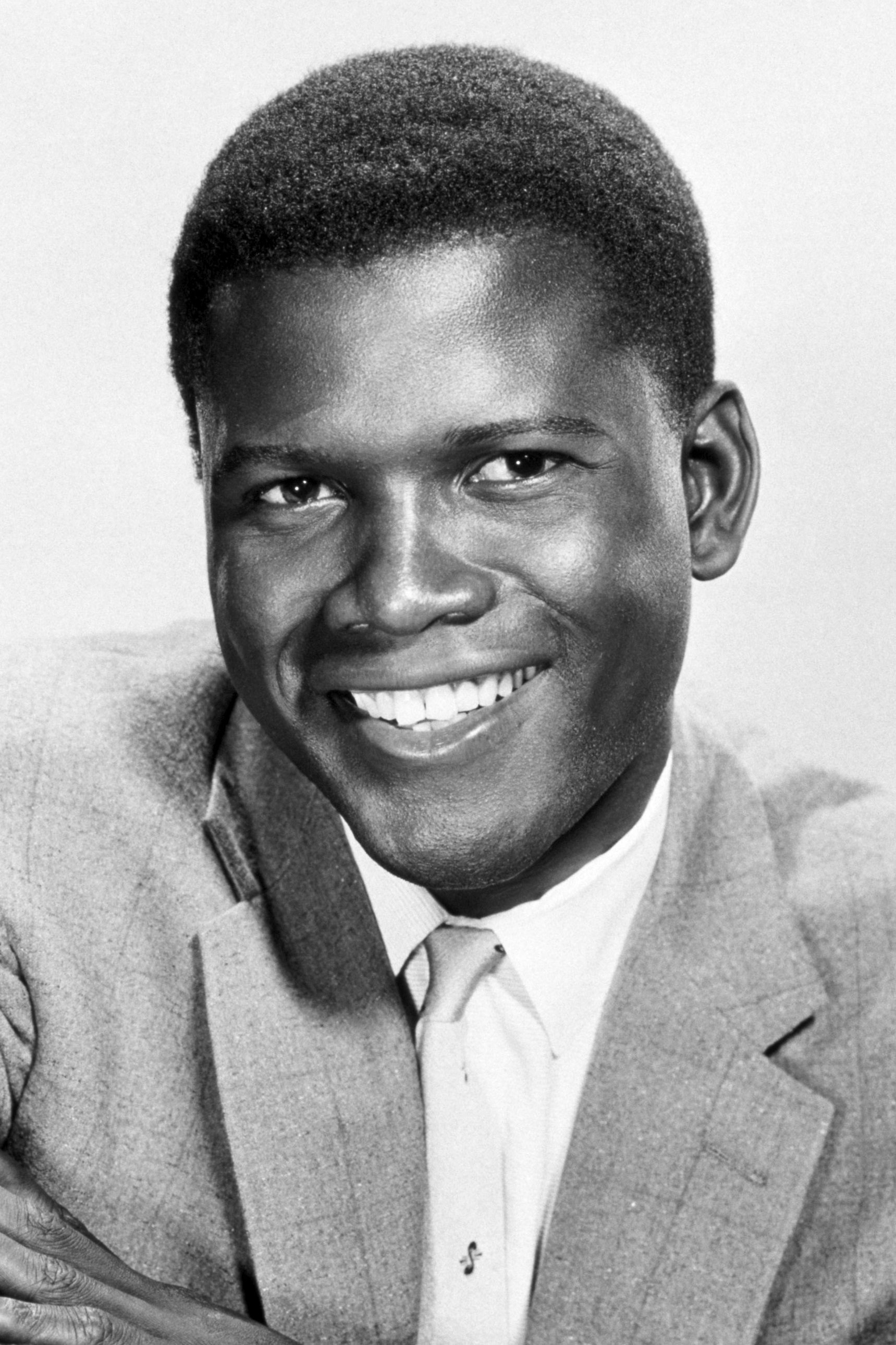
Despite his legendary status the actor faced significant criticism from younger peers and activists during the 1960s. Many felt that his roles were too polished and served only to reassure white audiences of a nonthreatening version of Blackness. Critics of the era argued that he was playing characters that lacked real human flaws or anger. Poitier later expressed that he felt the immense weight of representing an entire race in every role he accepted.
Bill Cosby
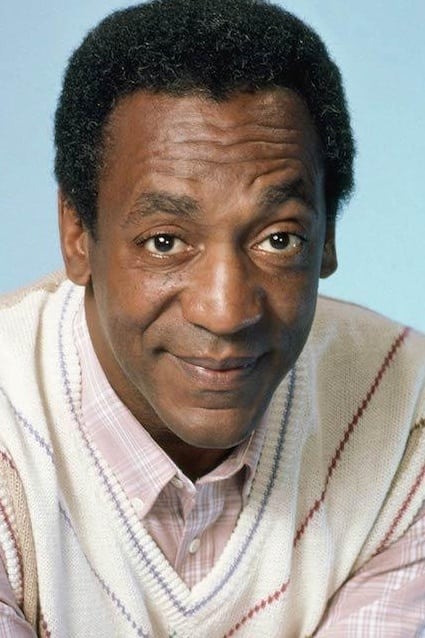
The actor and comedian became a controversial figure among his peers after his infamous speech regarding the behavior of the Black community. Many fellow entertainers felt that he was unfairly blaming the poor for systemic issues while ignoring his own privilege. These critics argued that his focus on respectability politics was harmful and out of touch. His legacy remains complicated by these public disagreements and his later legal troubles.
Don Cheadle
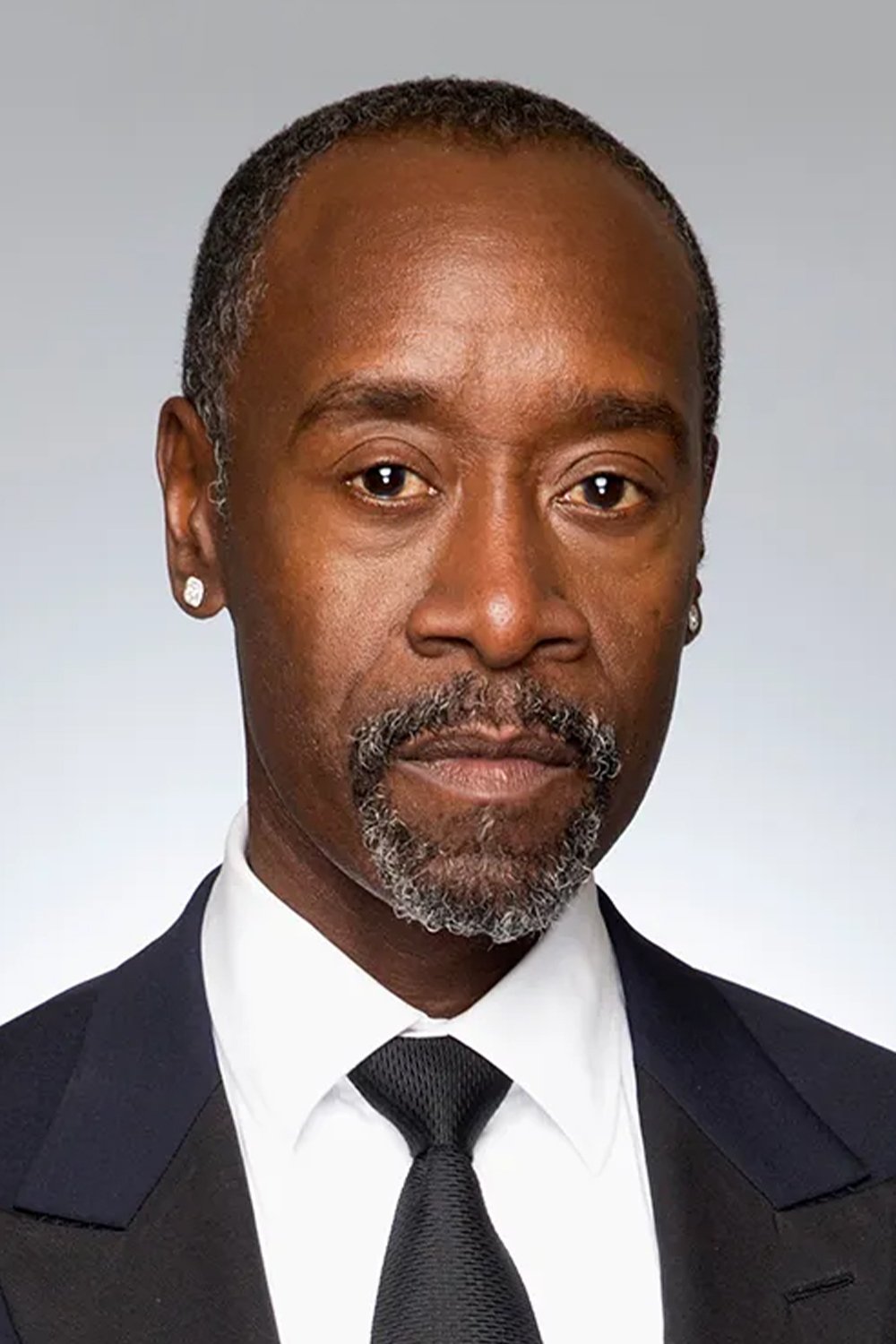
The actor faced some pushback from peers who felt that his role in ‘Hotel Rwanda’ was another example of a production prioritizing certain narratives. Some critics suggested that his advocacy work and film choices were aligned with a specific political agenda that did not always represent diverse views. These discussions were usually more academic but still involved public figures in the arts. Cheadle has remained a steadfast advocate for global issues while continuing his successful acting career.
Cuba Gooding Jr.
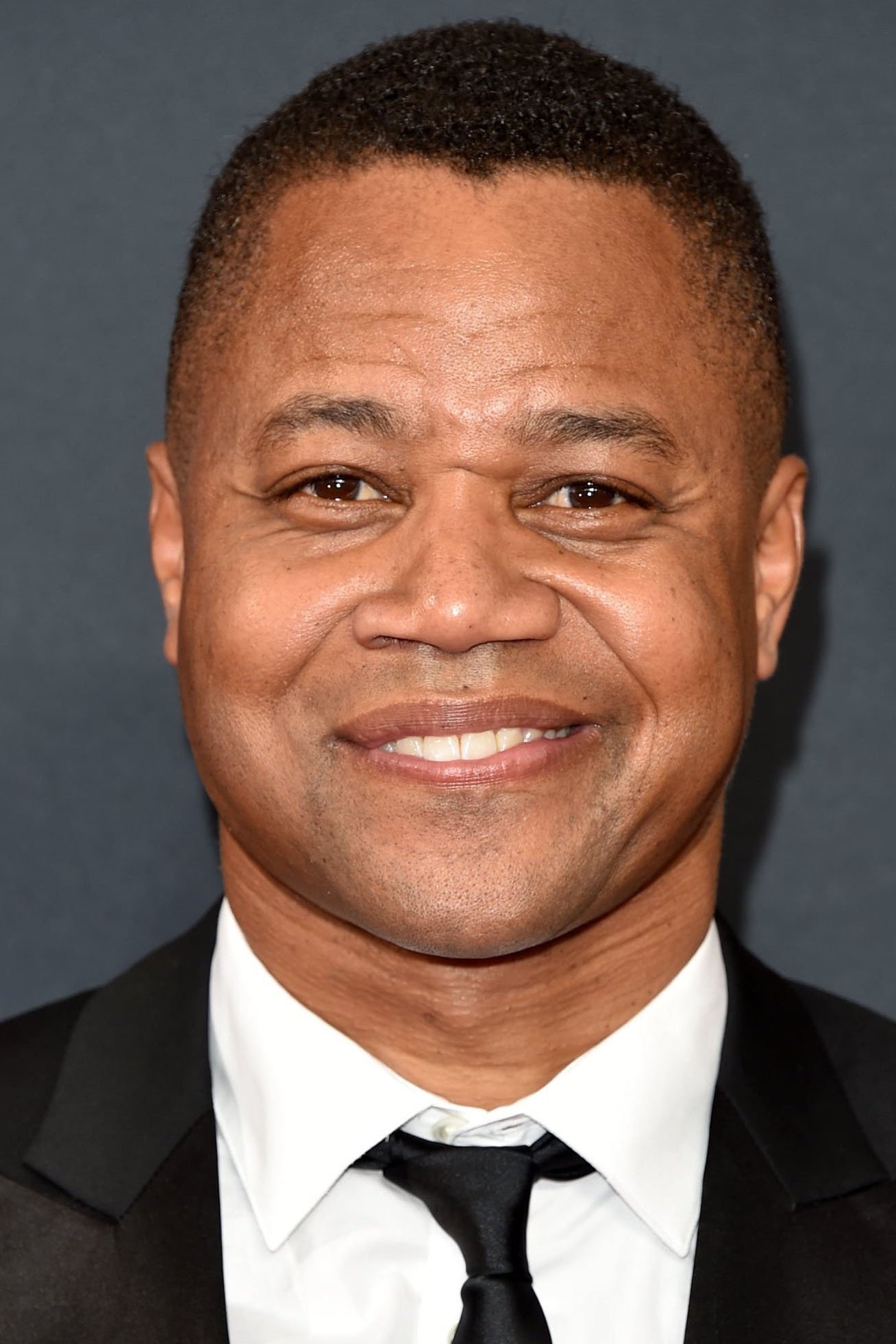
After winning an Oscar the actor faced criticism for the types of roles he chose to pursue in the following years. Some peers felt that he was taking on characters that did not honor his talent or his culture. These critics argued that his career path reflected a lack of commitment to meaningful representation. Gooding has navigated various career ups and downs while dealing with these public perceptions from his colleagues.
Terrence Howard
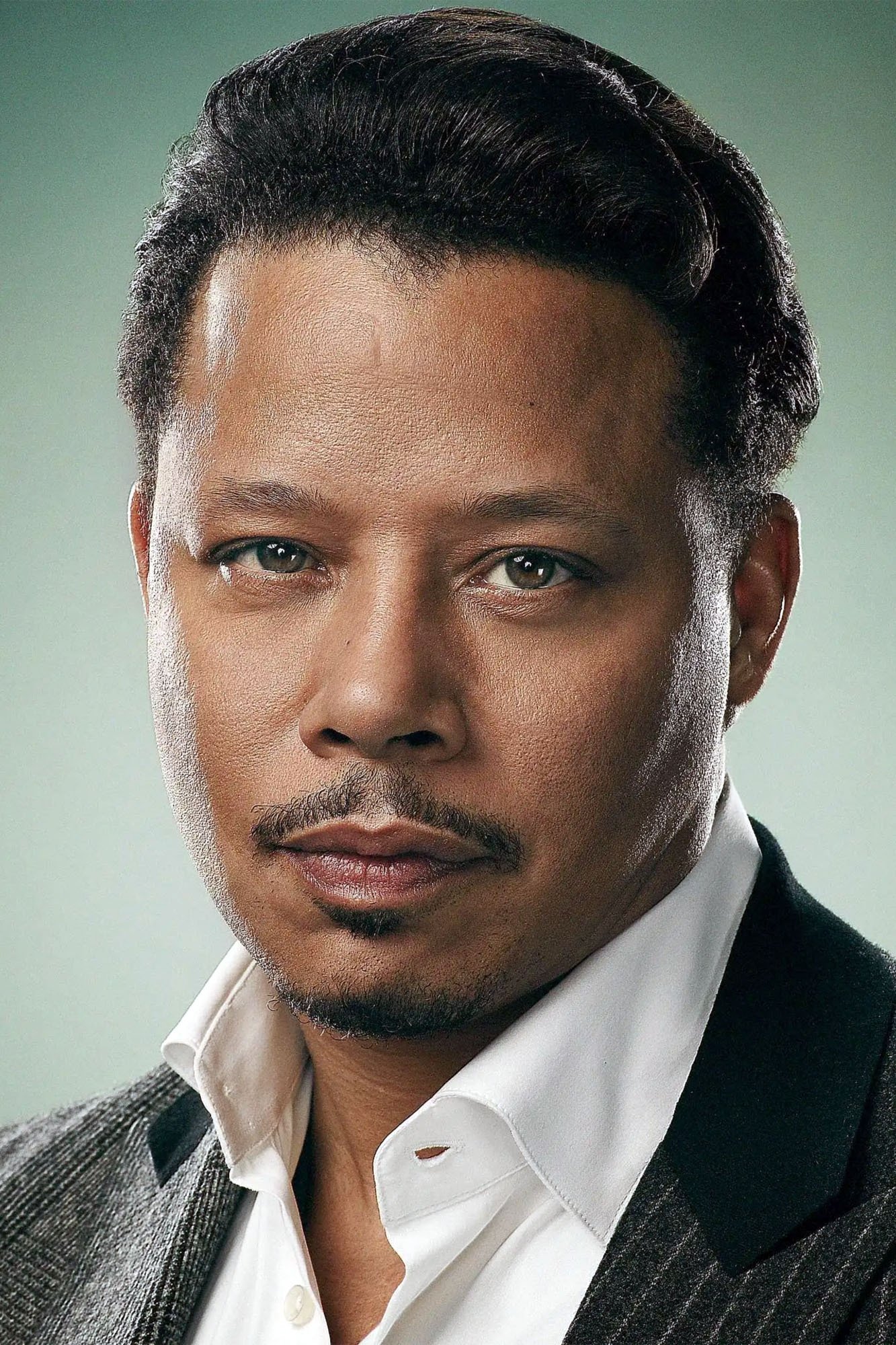
The ‘Empire’ star has often been criticized by peers for his unconventional views and his public personal life. Some actors have suggested that his eccentricities and certain comments made him a difficult representative for the community. These criticisms often focused on the way he articulated his thoughts on race and gender dynamics. Howard has remained unapologetic about his beliefs and his unique approach to his craft.
Reginald VelJohnson
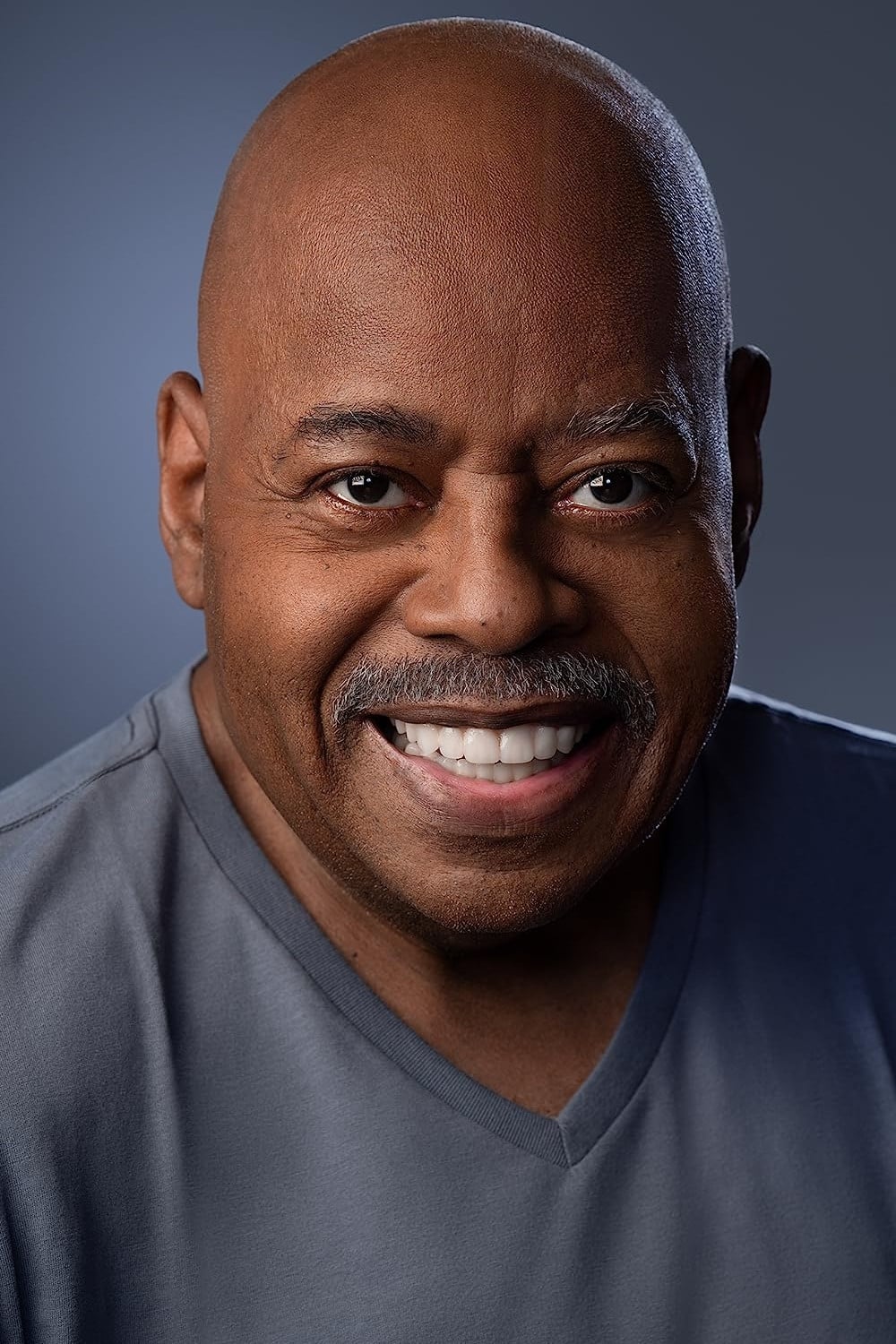
The actor known for his role in ‘Family Matters’ was often teased by peers for his frequent portrayals of police officers. Some critics felt that these roles contributed to a specific stereotype of the harmless Black man in a uniform. These discussions suggested that his career was built on characters that were too compliant with the status quo. VelJohnson has defended his work as providing positive and stable representations of Black families on television.
Bryant Gumbel
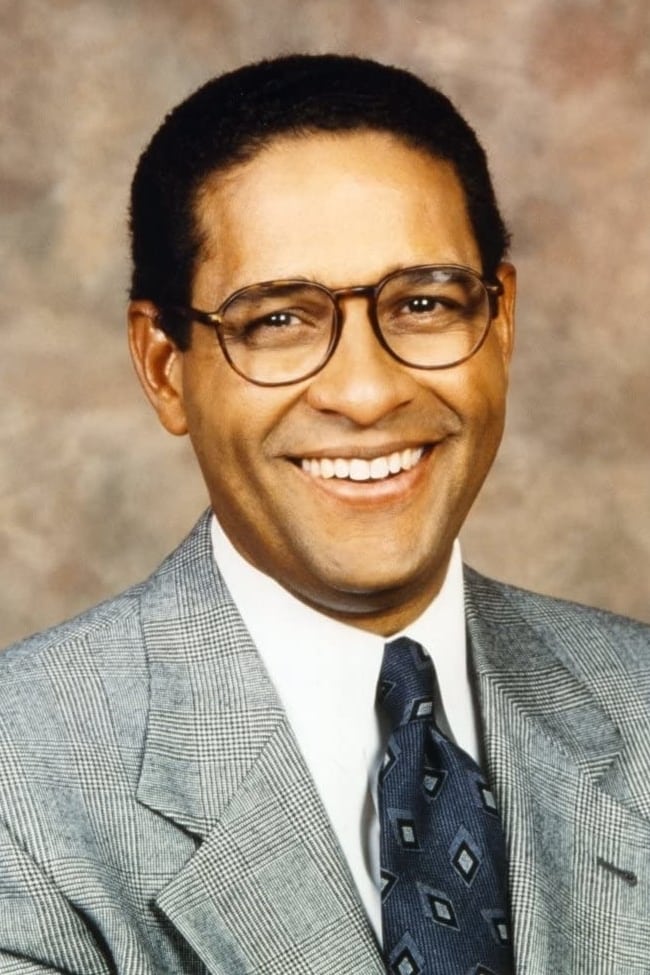
The television personality and actor faced one of the most famous public attacks regarding his identity from a peer. Spike Lee once famously compared him to a house slave due to his perceived mannerisms and professional demeanor. This comment sparked a massive public conversation about the internal policing of Black identity and professional success. Gumbel eventually responded by defending his right to be himself regardless of the expectations of others.
Derek Luke
The actor was criticized by some peers and fans after he posted a photo of his wife who is of Hispanic descent. The backlash included comments suggesting that he was not supporting Black women by choosing a partner outside of his race. These critics argued that his personal life was a reflection of his feelings toward his own community. Luke responded by defending his marriage and condemning the idea that his love life should be a matter of racial politics.
Jesse Williams
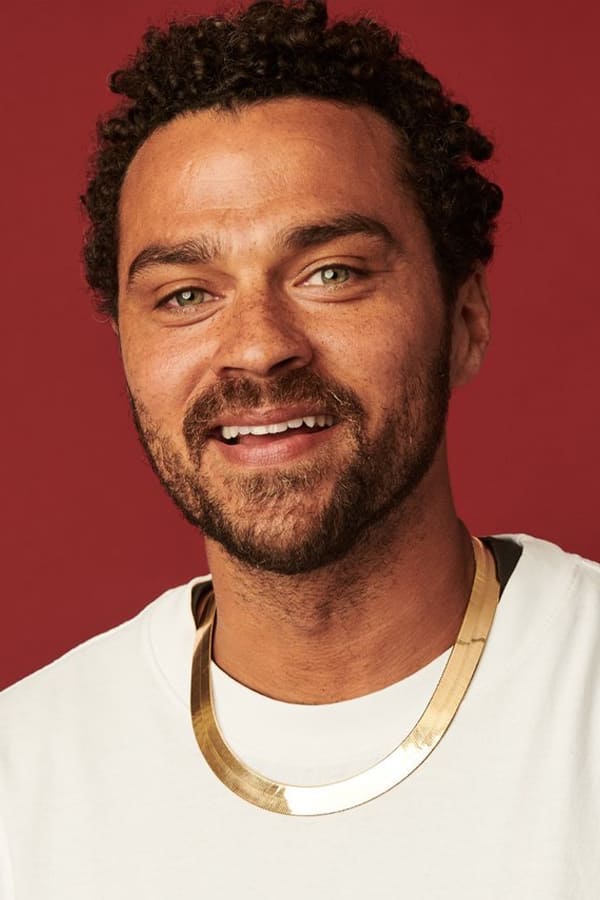
The ‘Grey’s Anatomy’ actor faced criticism from some peers who felt his light skin privilege made him a more acceptable face for activism. These critics argued that the attention he received for his speech at an award show overshadowed the work of darker skinned activists. Some peers suggested that his identity allowed him to move through spaces that others could not. Williams has acknowledged his privilege while continuing to use his platform for social justice.
Michael Ealy
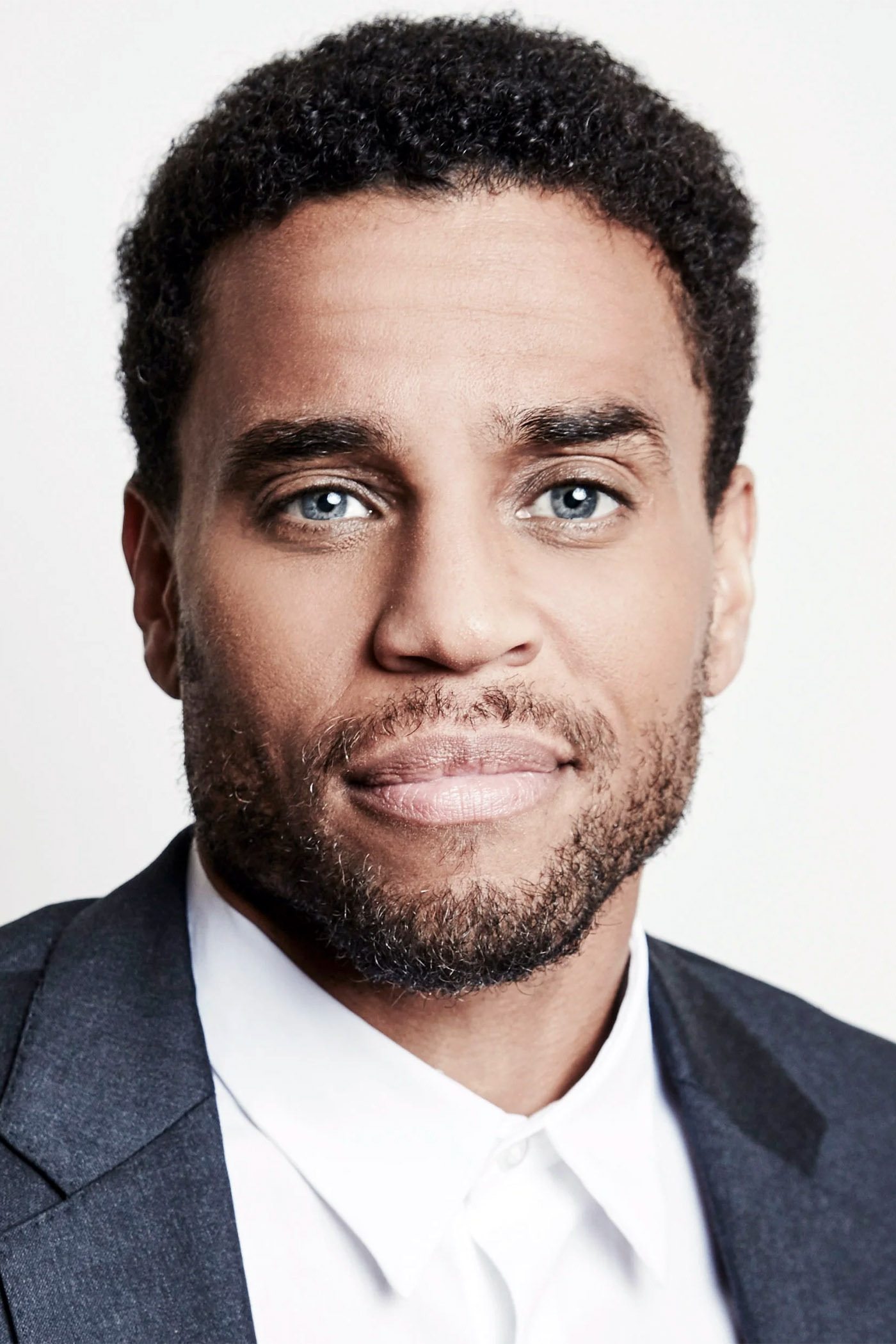
The actor has dealt with similar critiques regarding his physical appearance and the types of roles he is offered. Some peers suggested that he was often cast as the romantic lead because he fit a certain standard of beauty that was more palatable to a wide audience. These critics argued that his success was partially due to his distance from more traditional Black features. Ealy has consistently focused on his acting skills and the diversity of his performances.
Clarence Gilyard Jr.
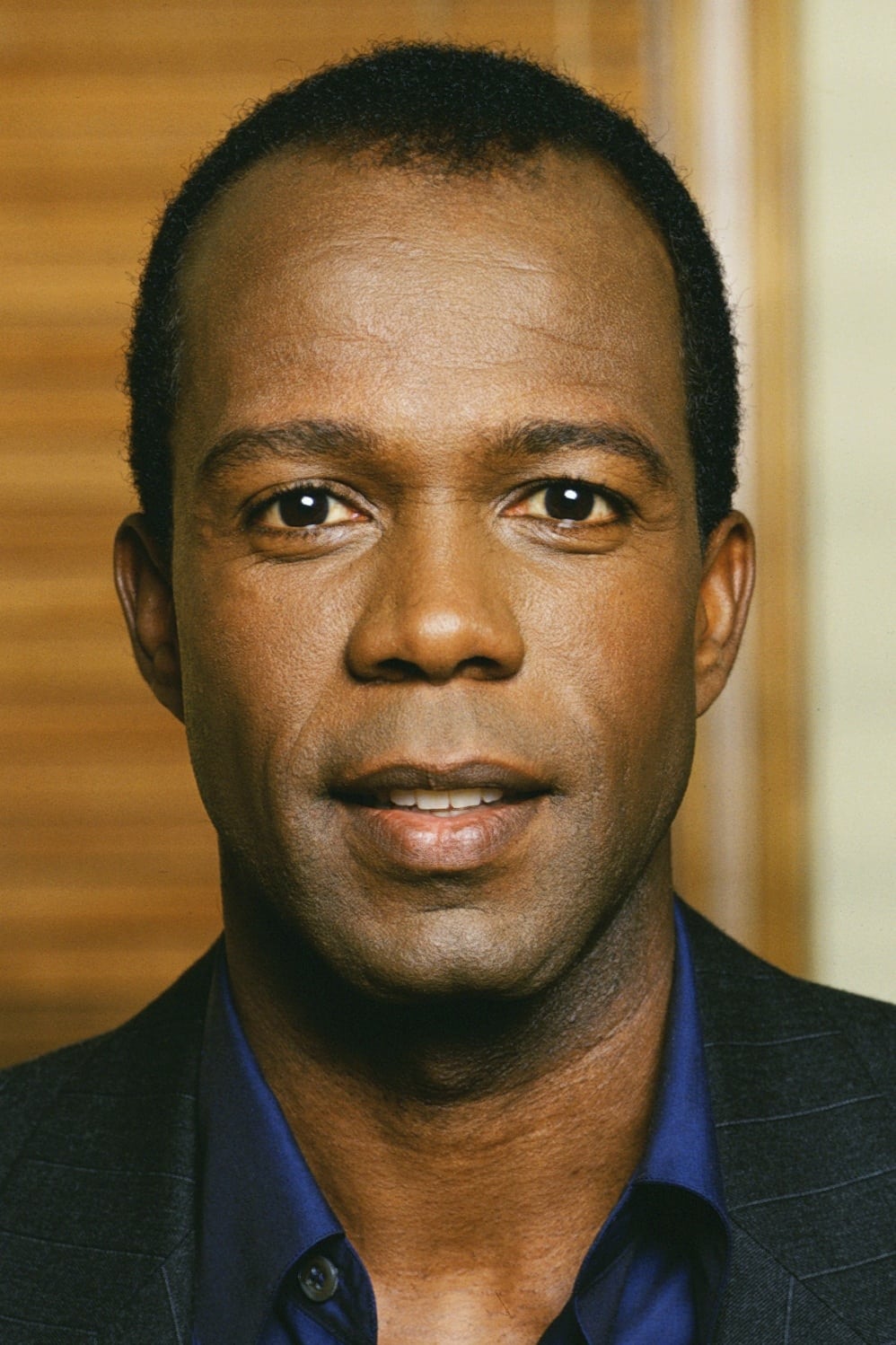
The ‘Walker, Texas Ranger’ actor was sometimes criticized for his conservative political views and his roles in traditional television dramas. Some peers felt that his public stance did not align with the typical political leanings of the entertainment industry. These critics suggested that his alignment with certain values was a way to distance himself from his community. Gilyard spent much of his later life teaching and focusing on his faith and his craft.
Harry Belafonte

The legendary actor and activist occasionally faced criticism from younger generations of peers who felt his methods were outdated. During the height of the Civil Rights Movement some felt he was too willing to work within existing power structures. Others criticized him later in life when he publicly called out modern entertainers for not doing enough for their communities. Belafonte never wavered in his commitment to social change despite these internal disagreements.
James Earl Jones
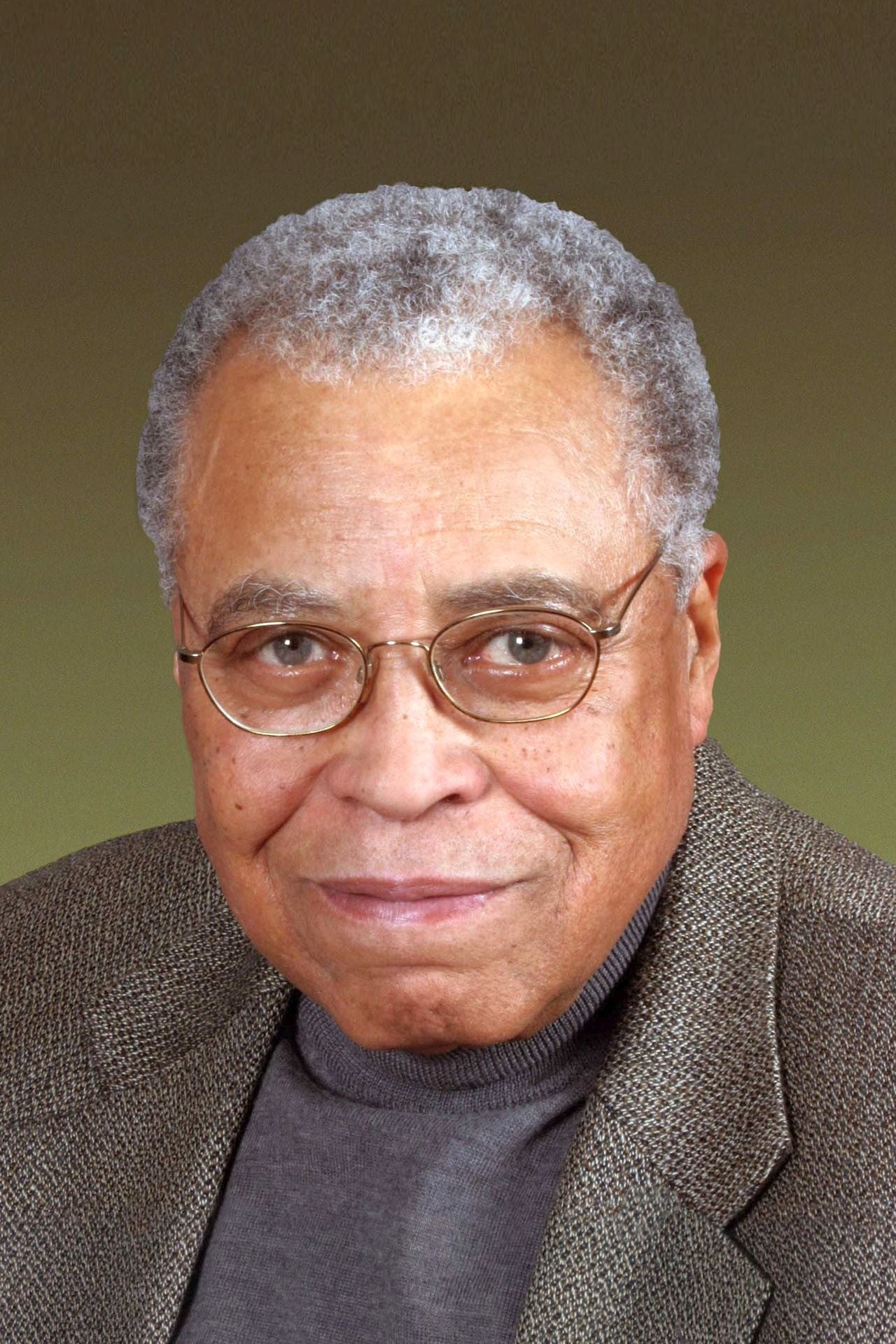
The iconic voice of Mufasa was once criticized by some for his classical training and his authoritative speech patterns. Some peers in the early days of his career suggested that he sounded too theatrical for certain roles. These critics argued that he should adopt a more colloquial style to be perceived as authentic. Jones proved that his talent and unique voice were universal and transcended these narrow definitions of identity.
Morgan Freeman
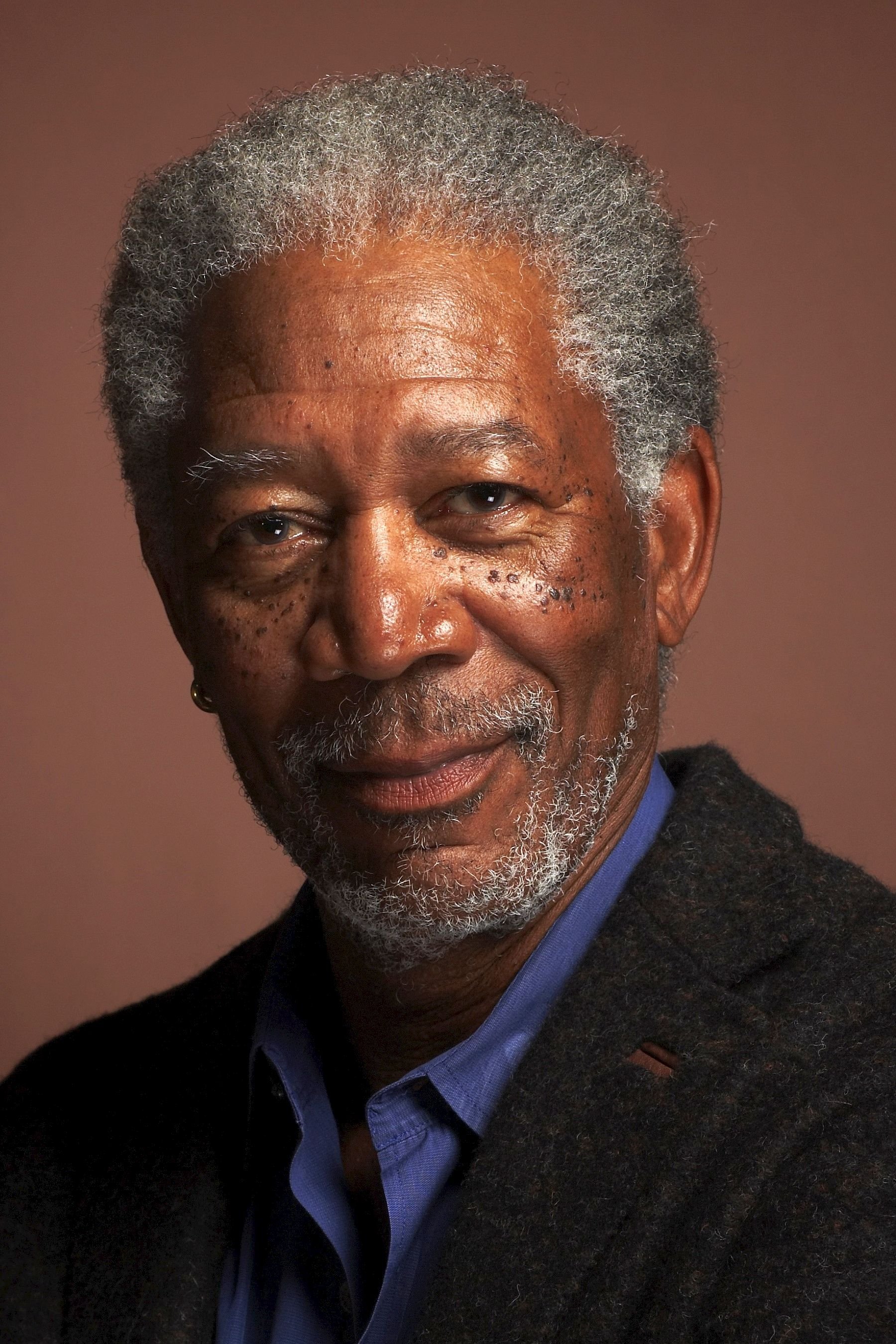
The actor has faced public pushback from peers and commentators for his views on the concept of racism. He famously stated that the way to stop racism is to stop talking about it which many fellow actors found deeply problematic. These critics argued that his perspective ignored the systemic nature of the issues facing the community. Freeman has maintained his stance while remaining one of the most respected figures in Hollywood.
Giancarlo Esposito
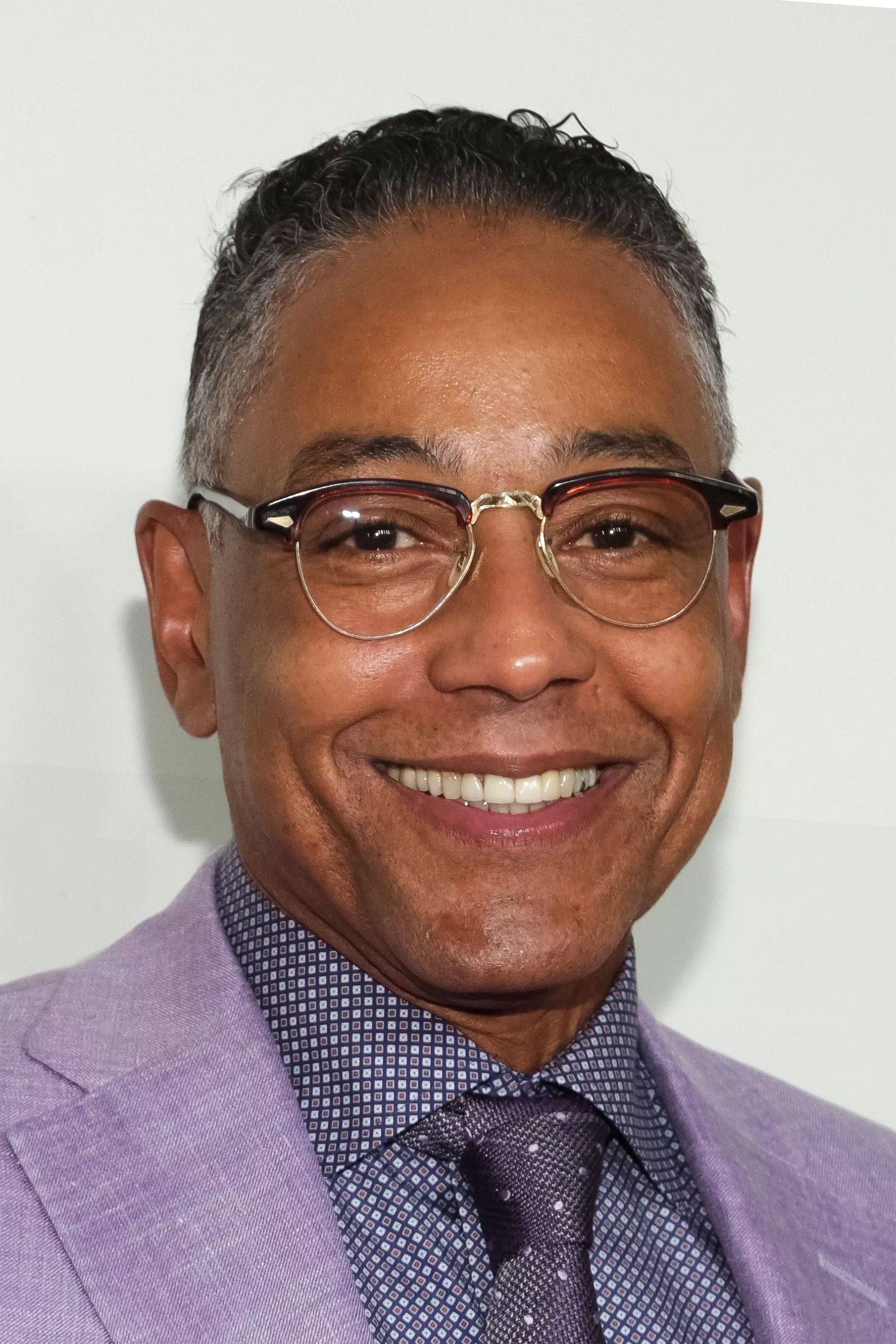
The ‘Breaking Bad’ star has spoken about how he was often told he was not Black enough or not Latino enough for certain roles. His mixed heritage led some peers and casting directors to question his authenticity in specific cultural contexts. These critics suggested that he did not fit the standard mold required for major parts. Esposito eventually found success by playing complex and multifaceted characters that defied easy categorization.
Boris Kodjoe
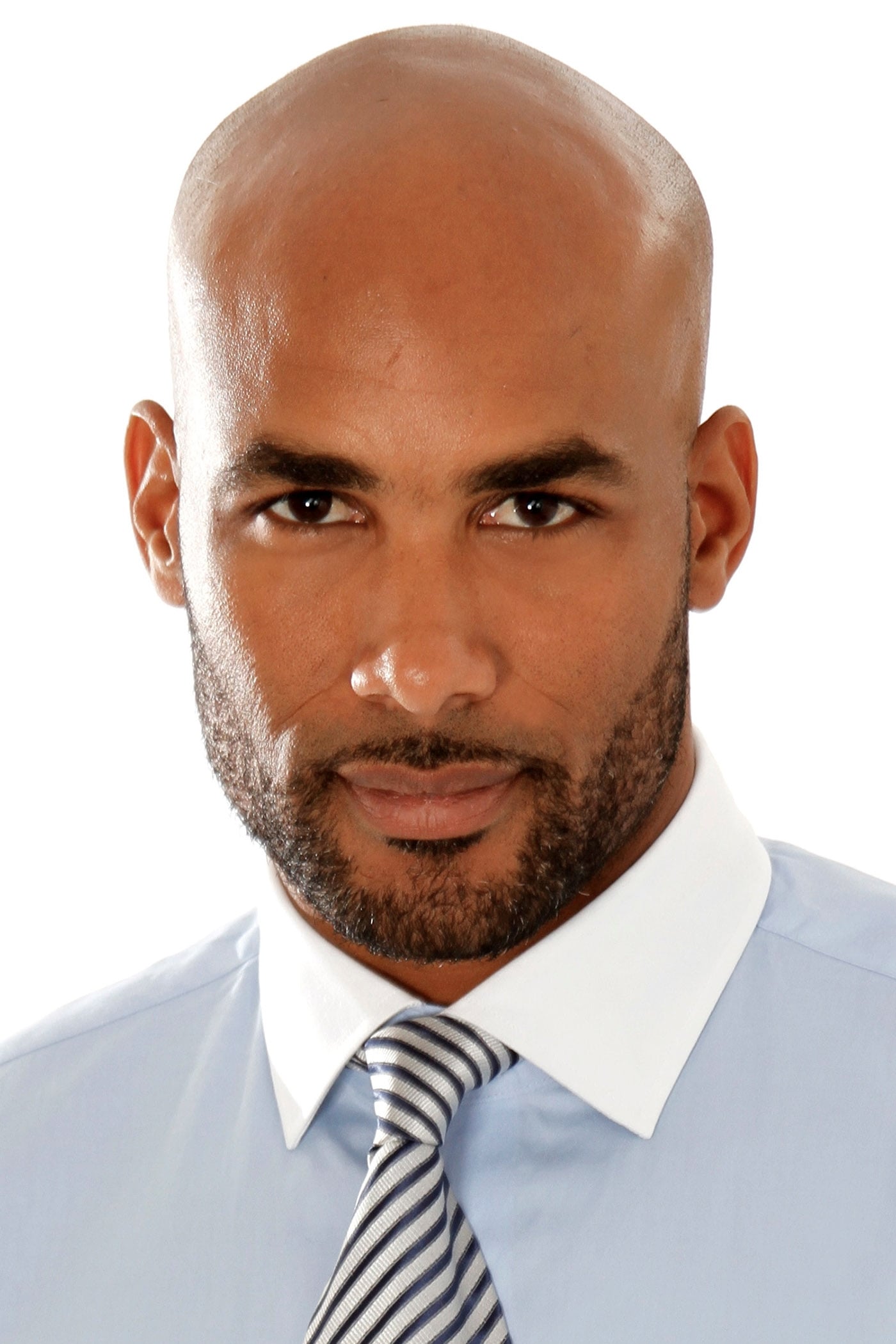
The actor has faced comments from peers who pointed to his European upbringing as a reason he could not fully understand the American Black experience. Being born in Austria to a German mother and a Ghanaian father he had a different perspective than many of his domestic colleagues. Some critics suggested that his look and background were used by the industry to represent a sanitized version of Blackness. Kodjoe has been a vocal supporter of global Black unity and has worked extensively in American media.
Omari Hardwick
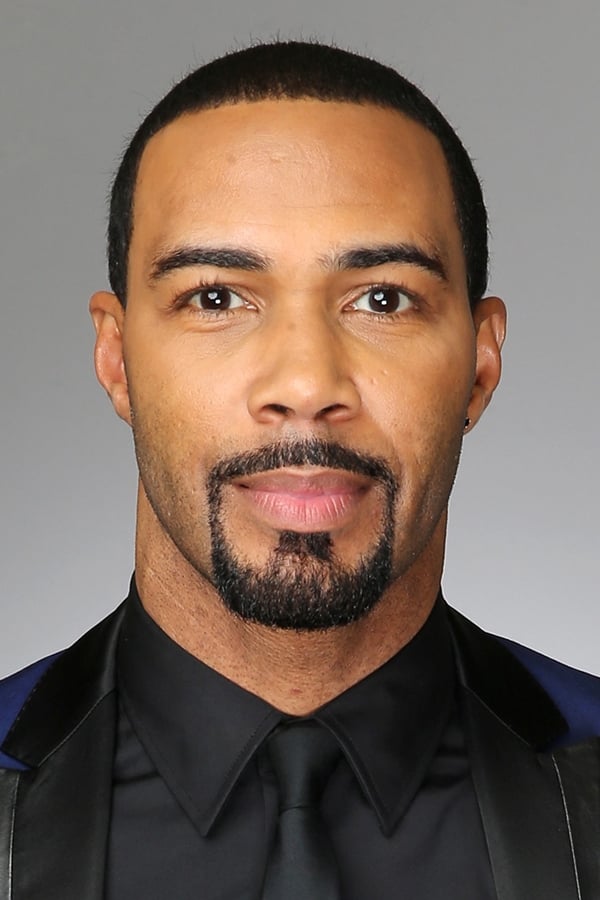
The ‘Power’ actor faced significant peer and public criticism regarding his personal life and his interactions with fans. Some critics suggested that his public persona and his marriage were indications of a lack of connection to his community. These discussions often became heated on social media where fellow actors would occasionally weigh in. Hardwick has used his poetry and his acting to express the complexities of his life and his identity.
Tyrese Gibson
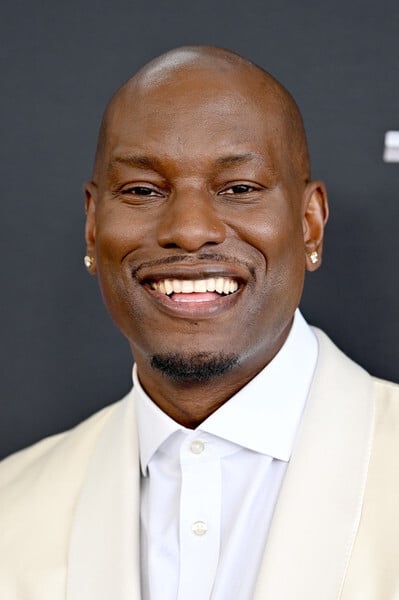
The actor and singer has been publicly criticized by peers like Dwayne Johnson for his public outbursts and his views on industry dynamics. Some critics argued that his behavior was a poor representation of his community and his profession. These discussions often centered on his loyalty to his co stars and his public demands for respect. Gibson has continued to be a polarizing figure while maintaining a long career in both music and film.
Nick Cannon
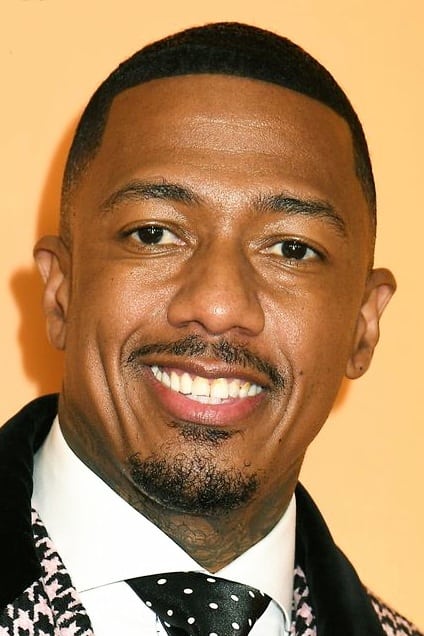
The multi talented entertainer has faced criticism from various peers for his wide range of business ventures and his personal choices. Some fellow actors felt that his early career as a teen star and his move into hosting made him less authentic as a dramatic performer. These critics suggested that he was more focused on commercial success than on cultural integrity. Cannon has responded by building a massive media empire and continuing to participate in social activism.
Robert Townsend
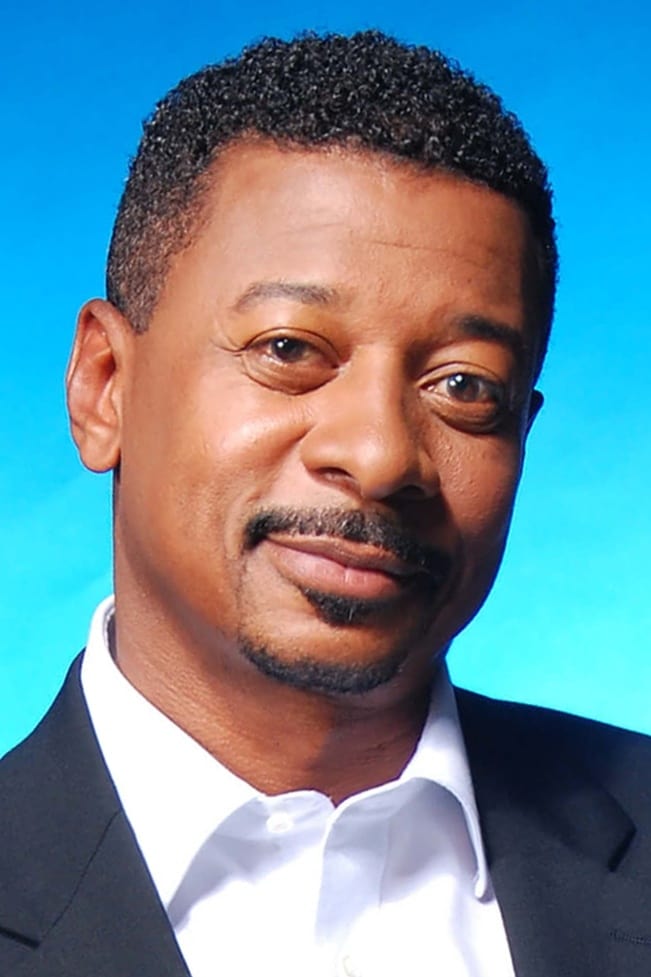
The director and actor faced some criticism early in his career for the way he used satire in ‘Hollywood Shuffle’ to mock the industry. Some peers felt that his depictions of stereotypes were too close to the real thing and could be misinterpreted. These critics argued that he was making fun of the very actors who were trying to make a living in a difficult business. Townsend has since been recognized as a pioneer who used comedy to highlight the limited opportunities for Black performers.
Keenen Ivory Wayans
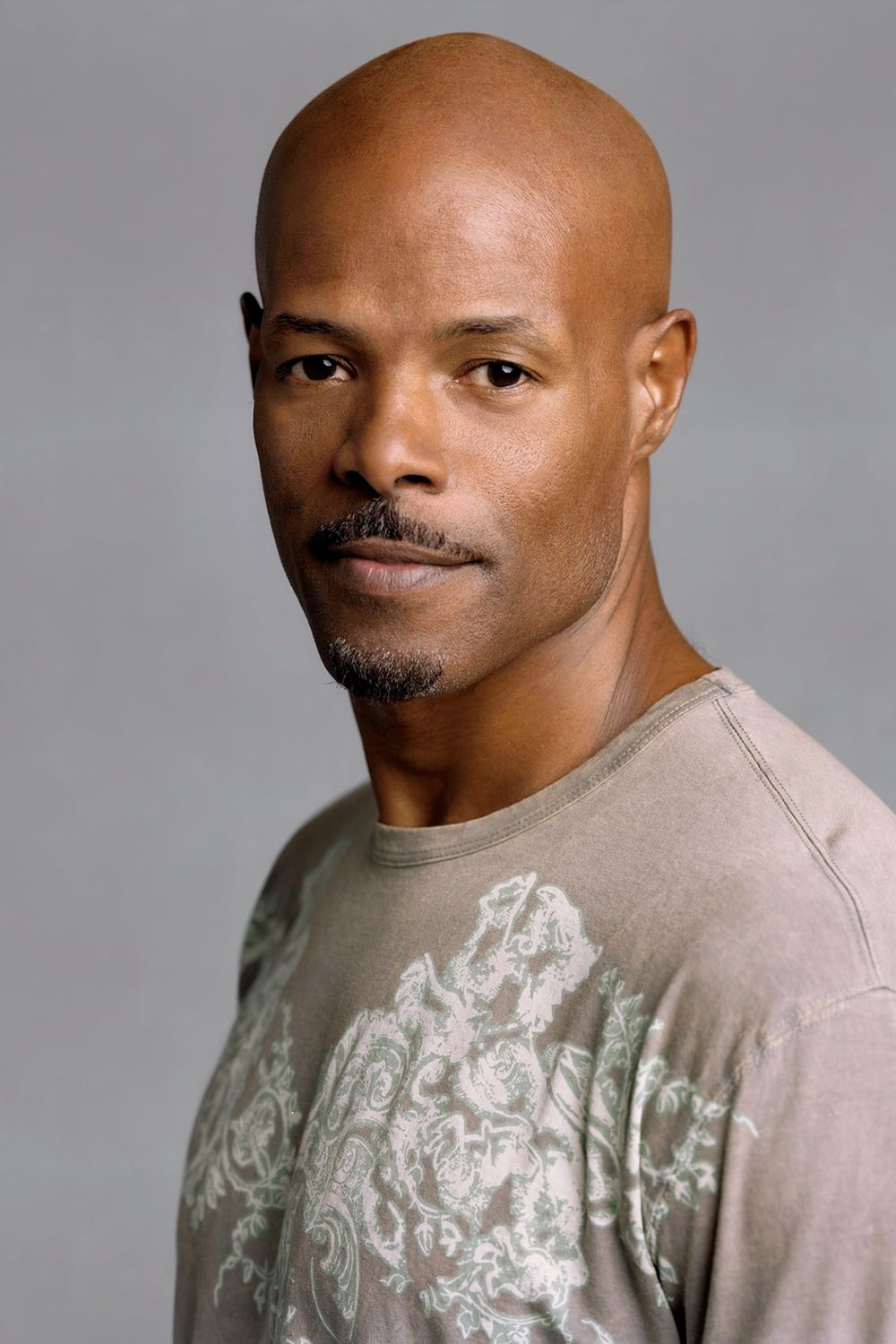
As the creator of ‘In Living Color’ he faced pushback from some peers who felt that the show’s humor was too irreverent toward Black icons. Critics argued that some of the sketches were unkind and played into the hands of those who wanted to mock the community. These discussions often involved prominent figures who felt the show went too far in its pursuit of laughs. Wayans defended the show as a necessary space for diverse voices and unfiltered comedy.
Damon Wayans
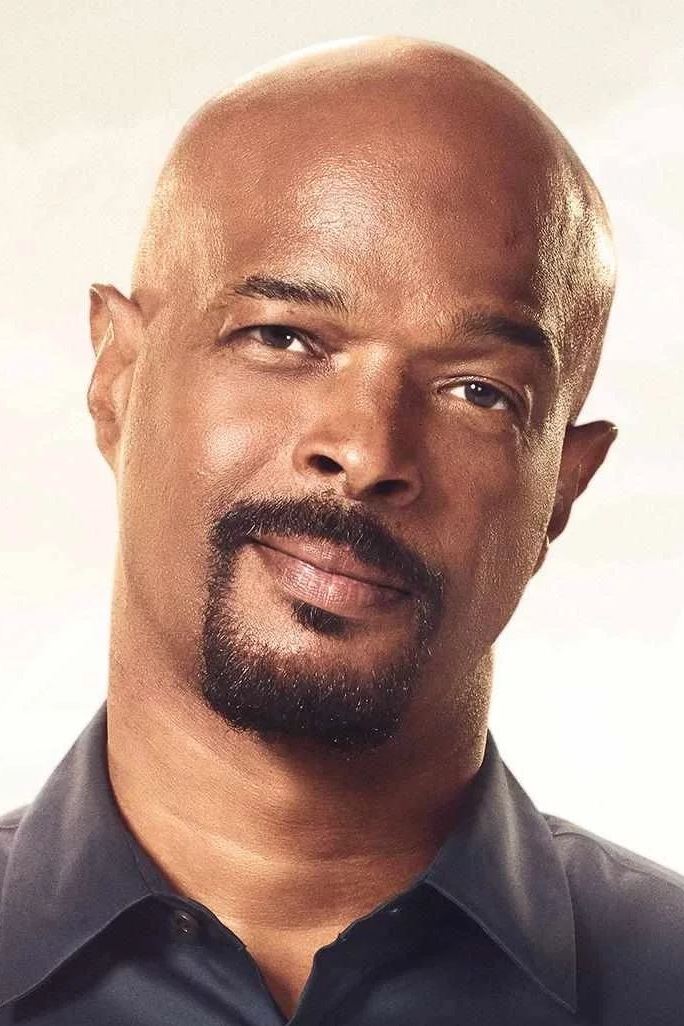
Similar to his brother he was criticized by some peers for his character choices and the way he utilized stereotypes for comedy. Some actors felt that his portrayals were damaging to the image of Black men in America. These critics suggested that his success came at the expense of the dignity of his subjects. Wayans has remained a comedy legend who believes that no topic should be off limits for humor.
Chris Rock
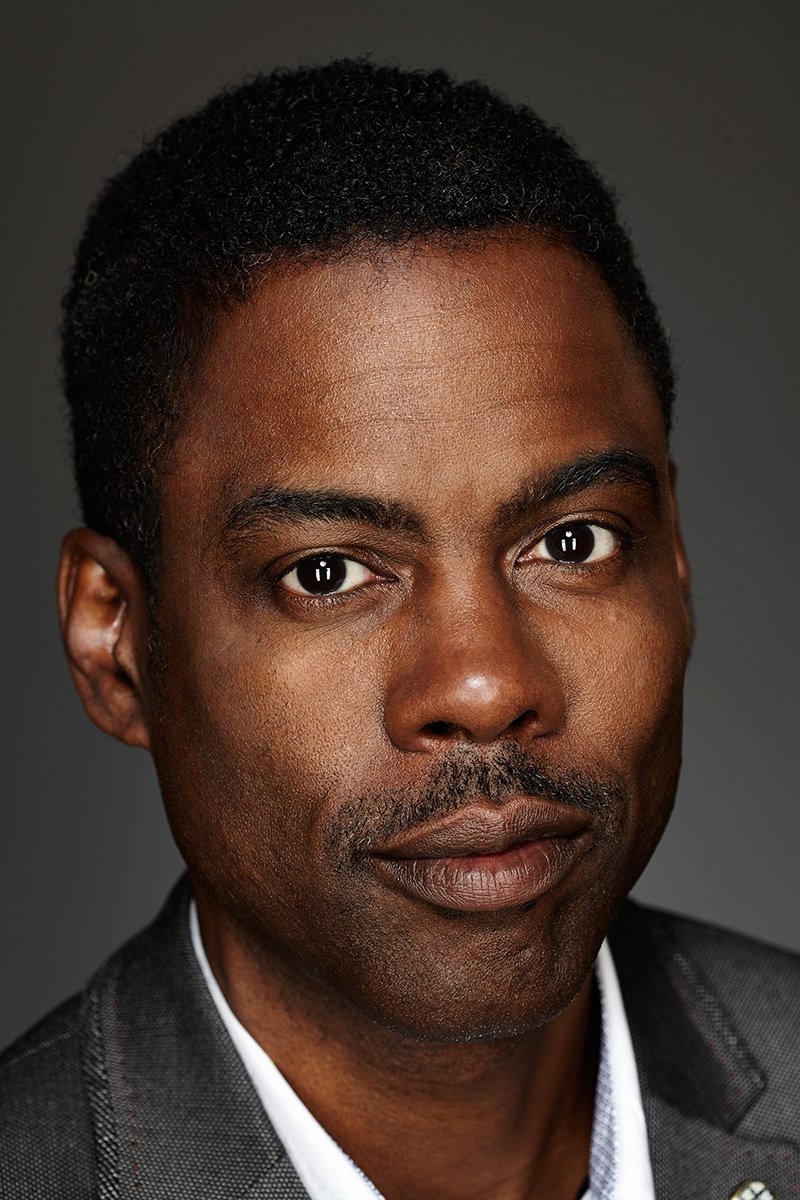
The comedian and actor has faced criticism from peers like Spike Lee for his choice of jokes and his perspective on race. Lee criticized Rock for his hosting of the Academy Awards and for certain routines that he felt were catering to white audiences. These critics argued that Rock was being used by the mainstream to laugh at the community rather than with it. Rock has continued to use his sharp wit to dissect the complexities of race in America.
Dave Chappelle
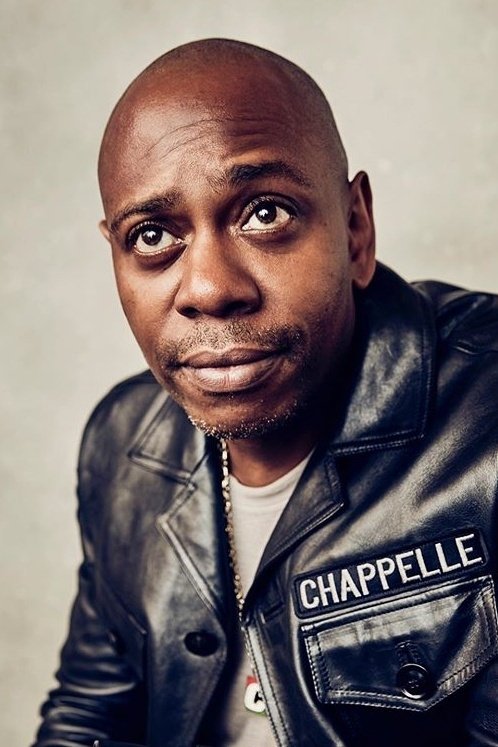
The actor and comedian has faced a new wave of criticism from peers in recent years regarding his views on gender and his later specials. Some fellow entertainers have suggested that his focus on certain topics shows a lack of empathy and a disconnect from the current social climate. These critics argue that his status as a legend does not exempt him from accountability for his words. Chappelle has addressed these critiques directly in his performances while maintaining a massive and loyal following.
Eddie Murphy
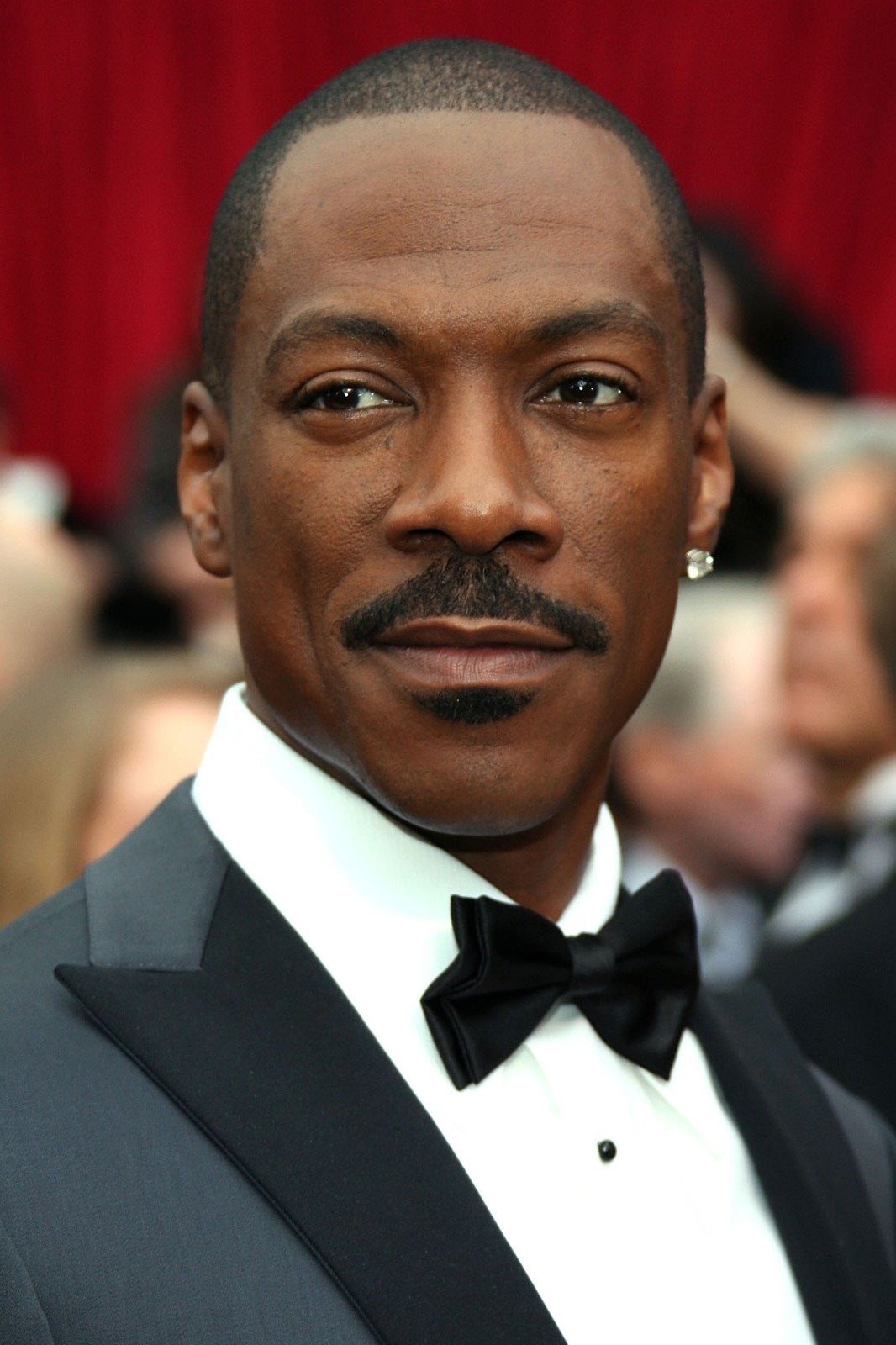
During the 1980s the superstar was criticized by Spike Lee for not using his massive industry power to hire more Black cast and crew members. Lee publicly called him out for his lack of activism at a time when he was one of the biggest stars in the world. These critics argued that his success was isolated and did not benefit the broader community of artists. Murphy later addressed these concerns by producing more projects that featured diverse talent.
Arsenio Hall
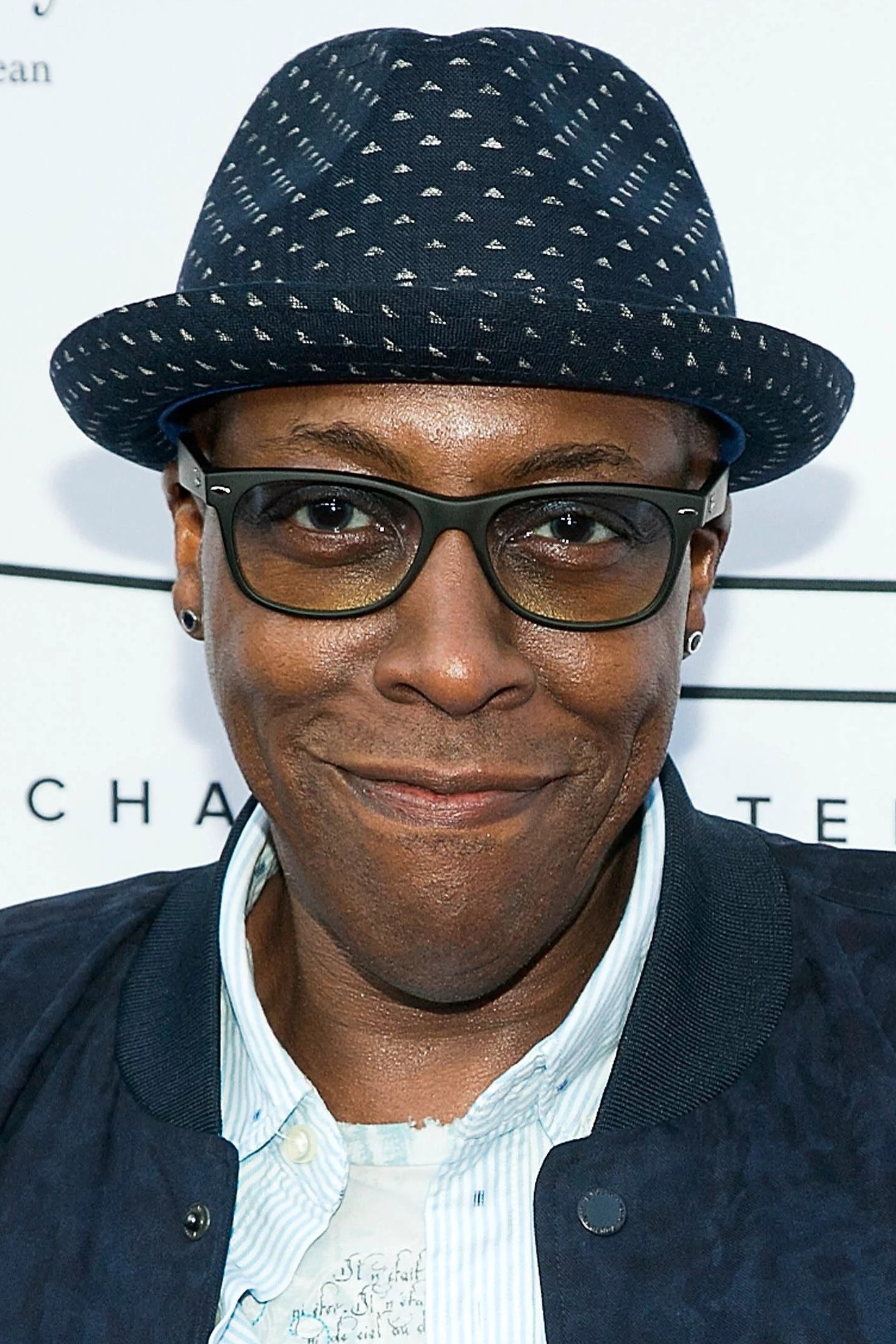
The late night host and actor faced peer criticism during the run of his show for his interviewing style and his choice of guests. Some felt that he was trying too hard to be the hip alternative while others felt he was not doing enough to address serious issues. These critics suggested that his persona was a performance that did not reflect the true diversity of the community. Hall has been credited with providing a platform for many artists who were ignored by other mainstream programs.
LeVar Burton
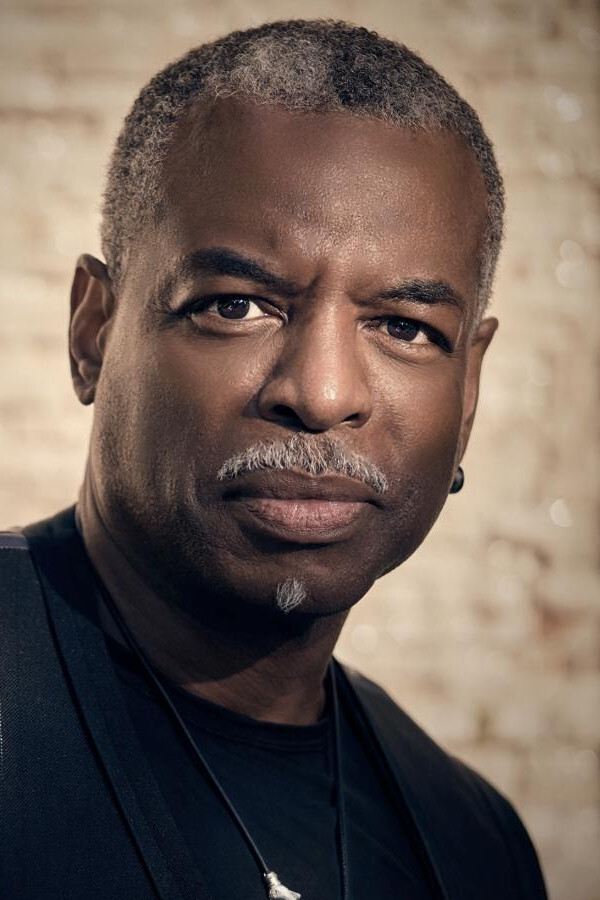
The ‘Star Trek’ and ‘Reading Rainbow’ star was sometimes criticized for his educational and wholesome image. Some peers felt that his persona was too aligned with a standard that did not represent the grit or reality of many Black lives. These critics suggested that his work was safe and did not challenge the status quo. Burton has consistently proven that his commitment to literacy and storytelling is a powerful form of activism.
Alfonso Ribeiro
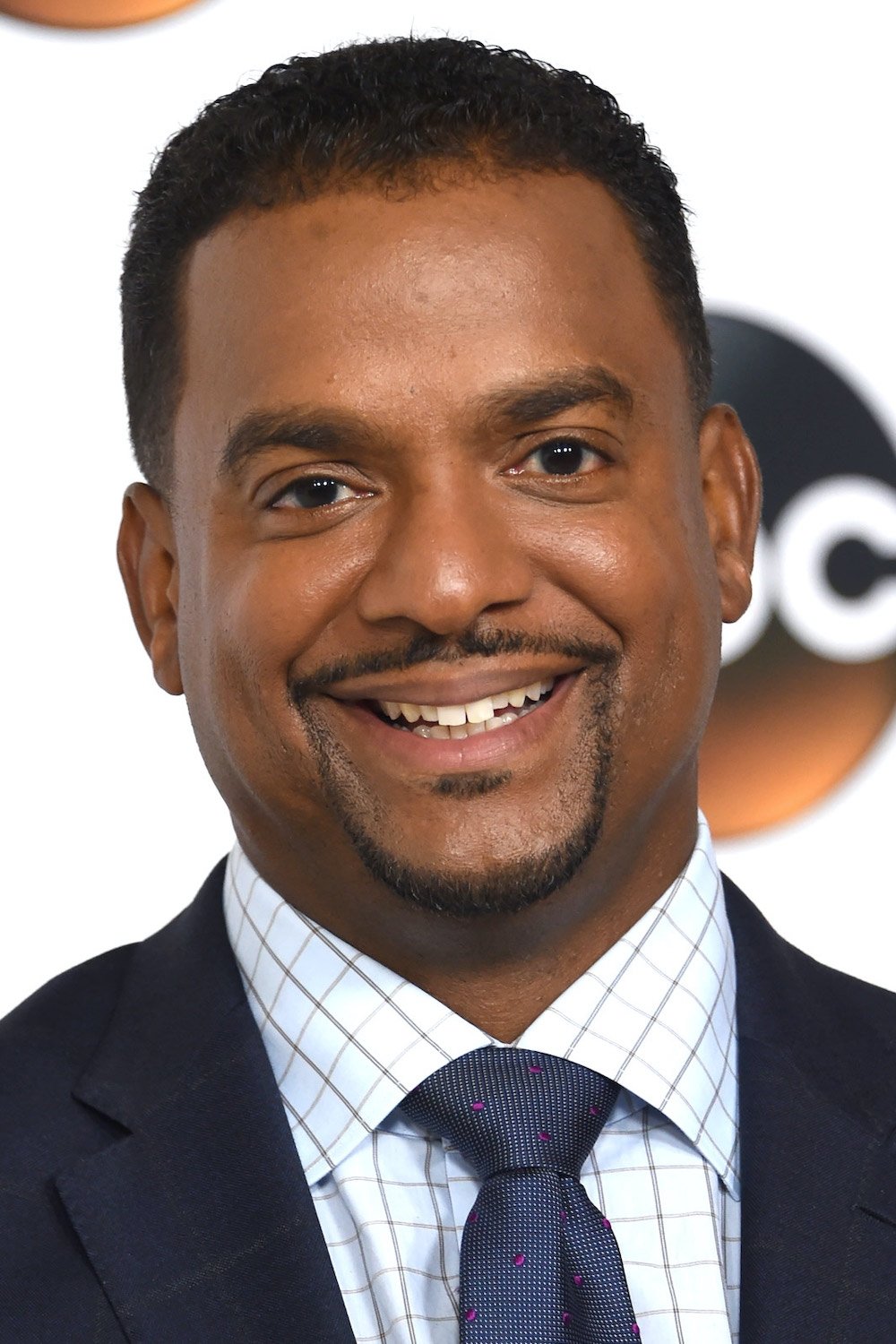
The actor became synonymous with his character Carlton Banks on ‘The Fresh Prince of Bel Air’ which led to peer criticism. Some critics felt that the character was a caricature of a Black man who was out of touch with his own culture. These discussions often blurred the lines between the actor and the role he played for years. Ribeiro has spoken about the difficulty of escaping that shadow and the critiques that came with it.
Jaleel White
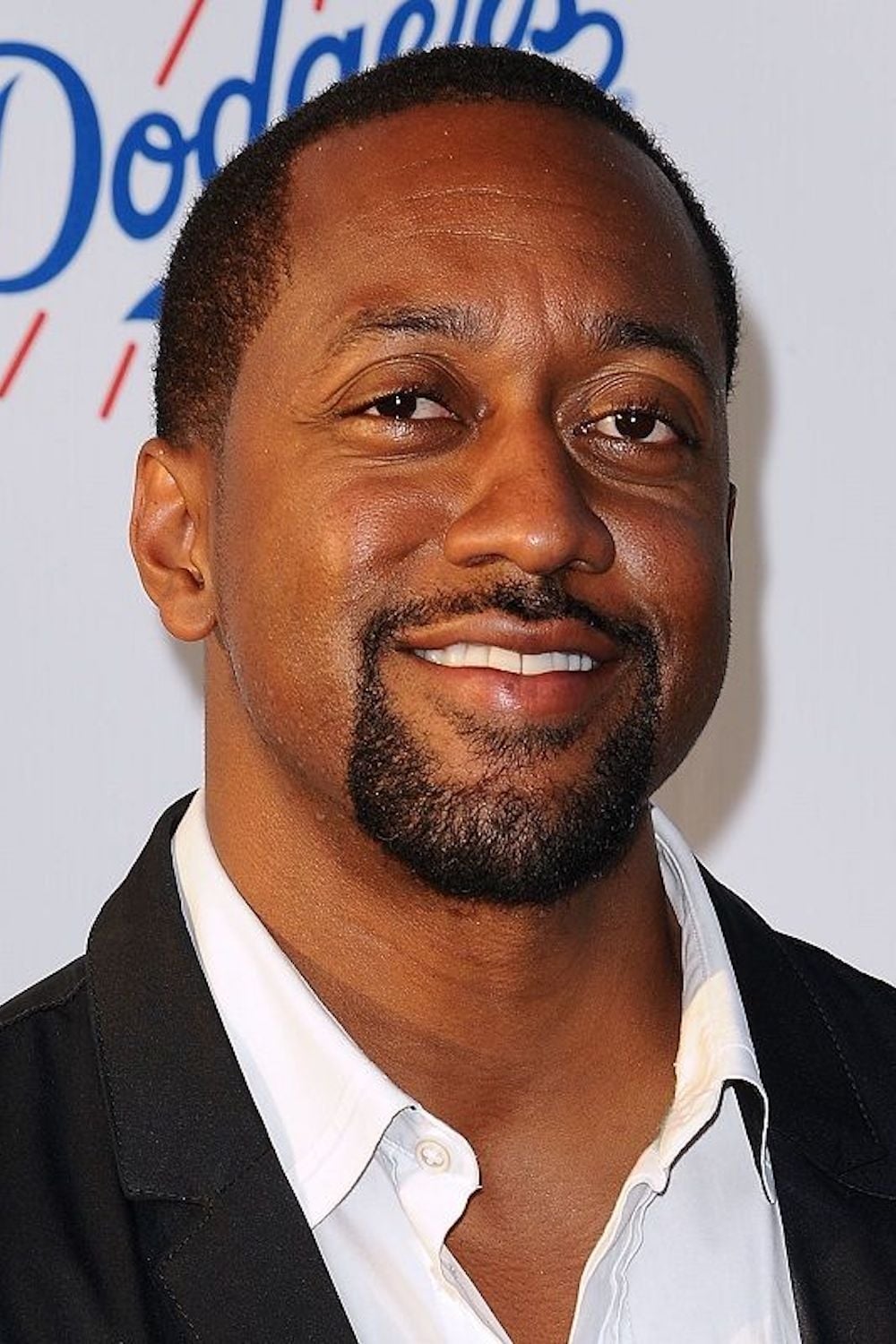
The actor who played Steve Urkel on ‘Family Matters’ faced similar challenges with his public perception. Some peers felt that the character was a negative stereotype that made Black men look foolish. These critics argued that the popularity of the role was a step backward for representation. White has since worked to show his range as an actor and to move past the nerd persona that defined his early career.
Common
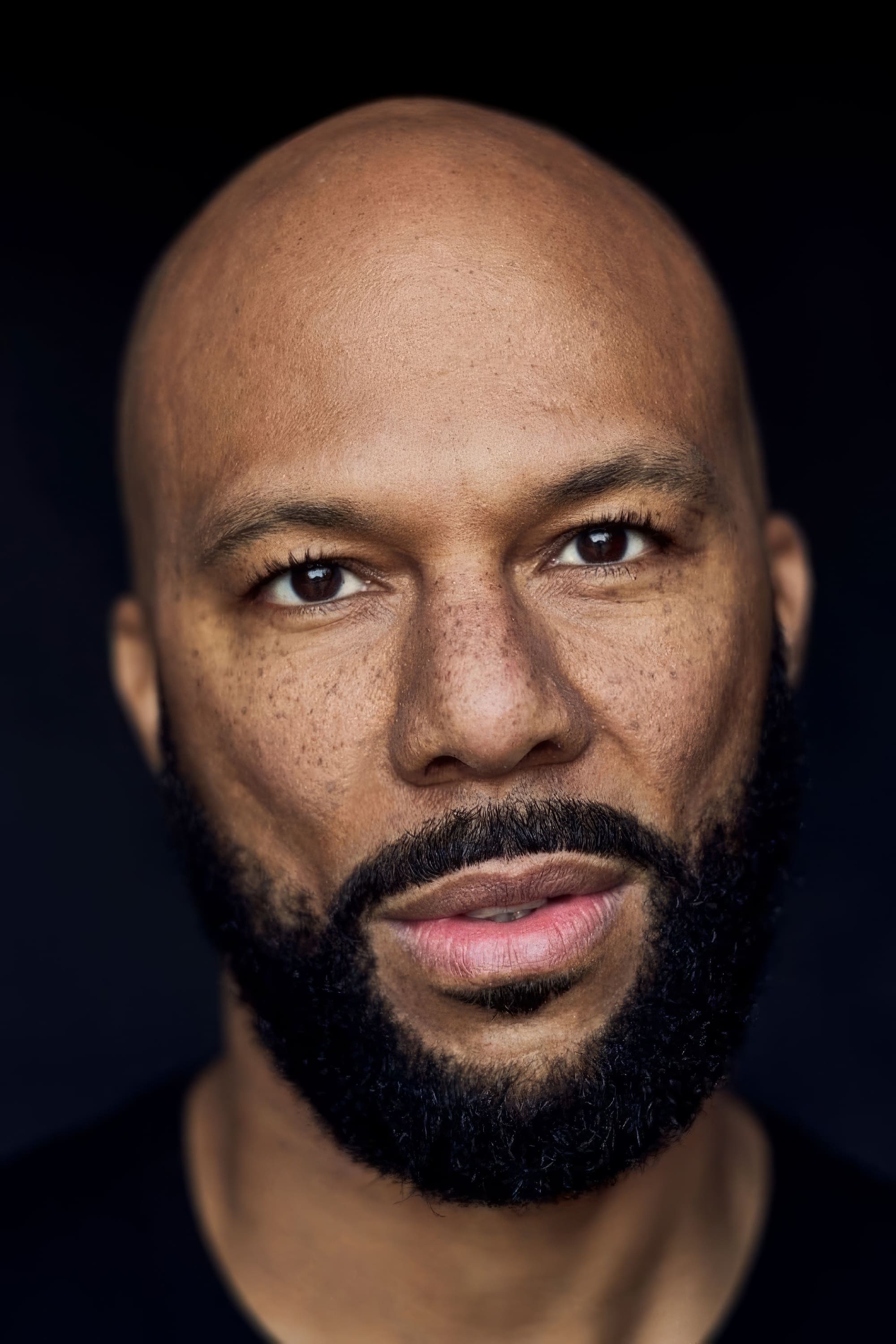
The rapper and actor faced public backlash from peers after he made comments about the need for a more peaceful approach to racial issues. Some fellow artists felt that his stance was a form of ignoring the harsh realities of systemic oppression. These critics argued that his message was too palatable for a mainstream audience that did not want to face hard truths. Common has continued to be a voice for peace and social justice through his music and film roles.
Ludacris
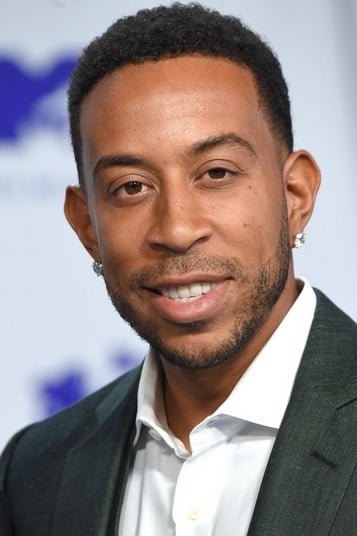
The rapper turned actor faced criticism from some in the hip hop community when he began taking on more mainstream and family friendly film roles. Some peers felt that he was losing his edge and his authenticity by appearing in large action franchises. These critics suggested that he was prioritizing a Hollywood career over his musical roots. Ludacris has successfully balanced both worlds while proving his longevity in the entertainment industry.
Ice-T
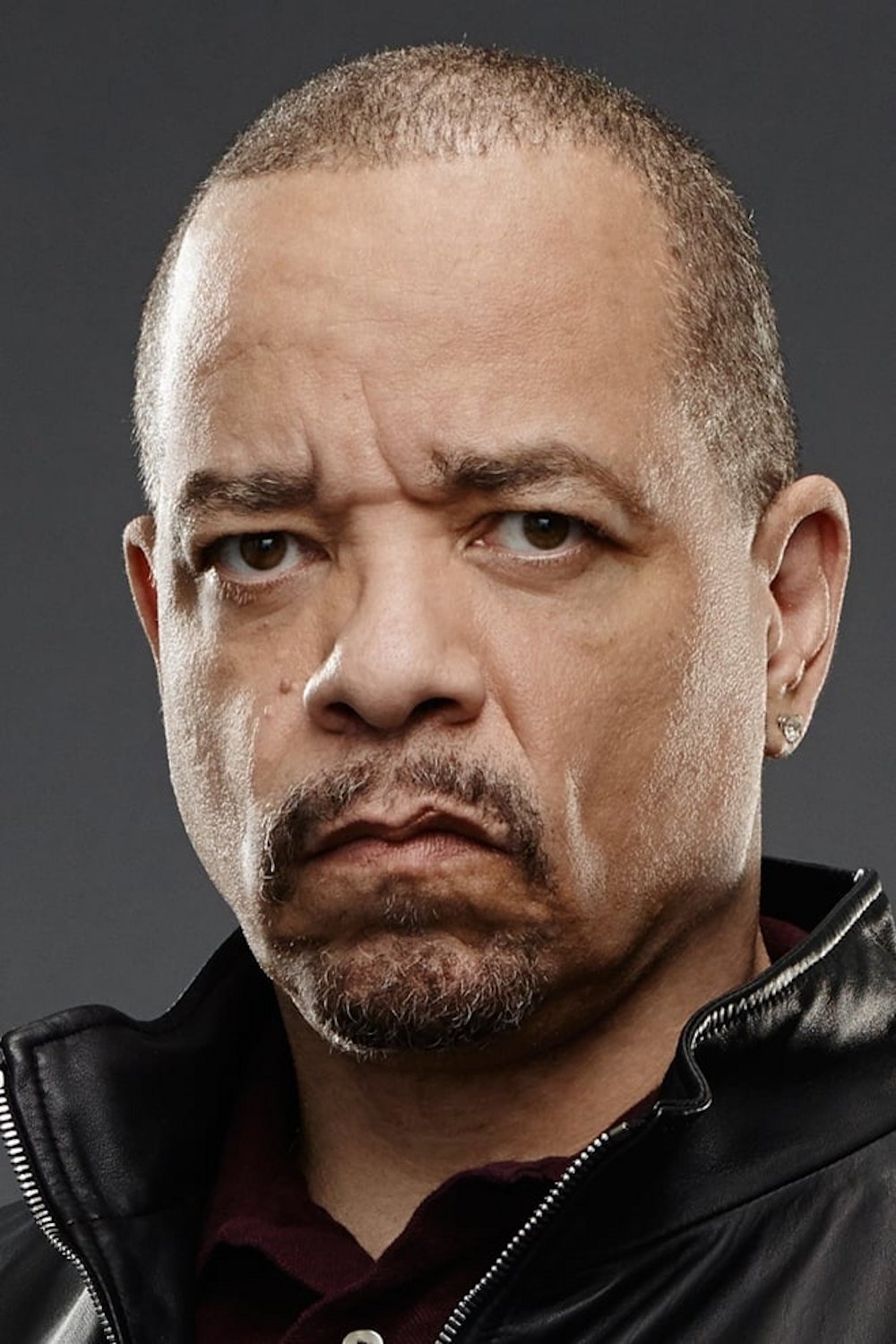
The legendary rapper and actor faced heavy criticism from peers and fans when he took the role of a police officer on television. Given his musical history many felt this was a direct betrayal of his earlier work and his community. These critics argued that he was now serving the system he once fought against. Ice-T has defended his career choice by stating that playing a character on television does not change his personal beliefs.
LL Cool J
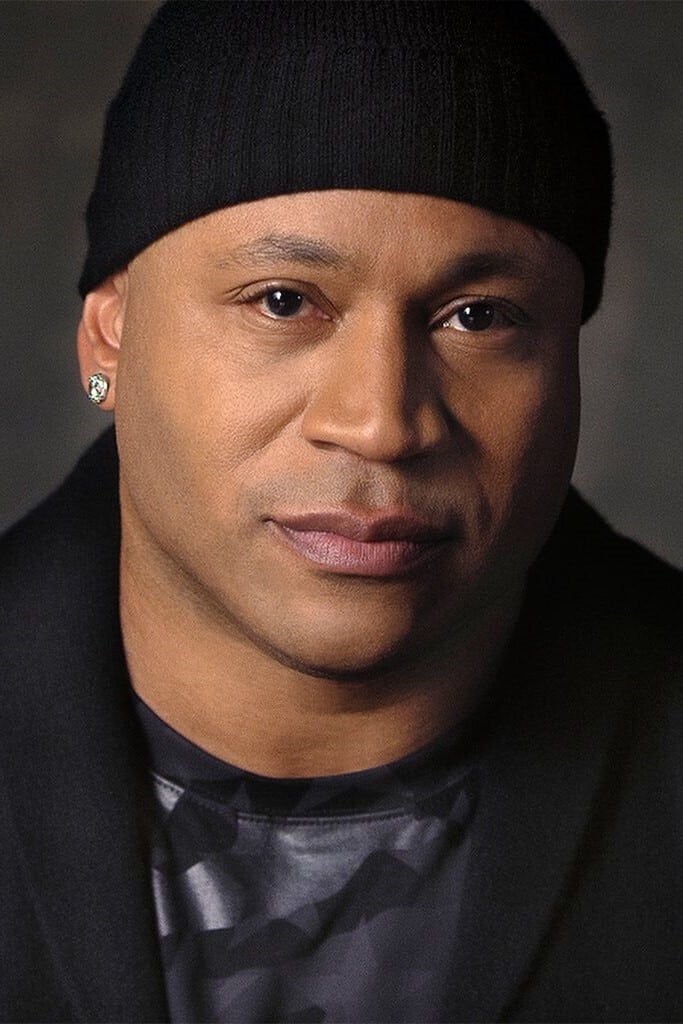
The actor and musician was criticized by some peers for his transition into mainstream television and for his participation in certain songs. Some critics felt that his move into the world of network dramas was a sign that he was distancing himself from the culture that made him a star. These discussions focused on the idea of the street artist becoming a safe Hollywood figure. He has maintained his status as a pioneer in both music and acting despite these critiques.
Ice Cube
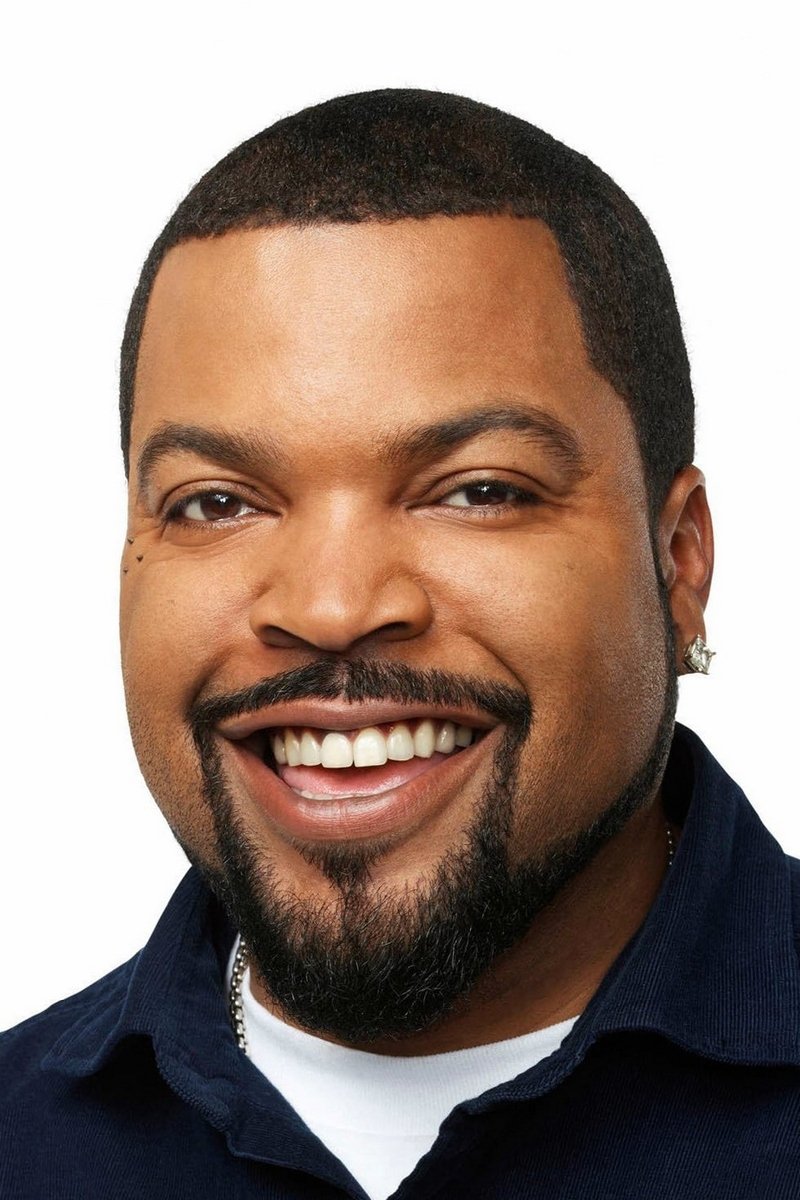
The actor and mogul faced public criticism from peers after he met with government officials to discuss economic plans for the community. Some fellow entertainers felt that his willingness to engage with that specific administration was a mistake. These critics argued that he was being used for a political purpose without gaining real concessions. Cube defended his actions as an attempt to get results for his people regardless of the political party in power.
Spike Lee
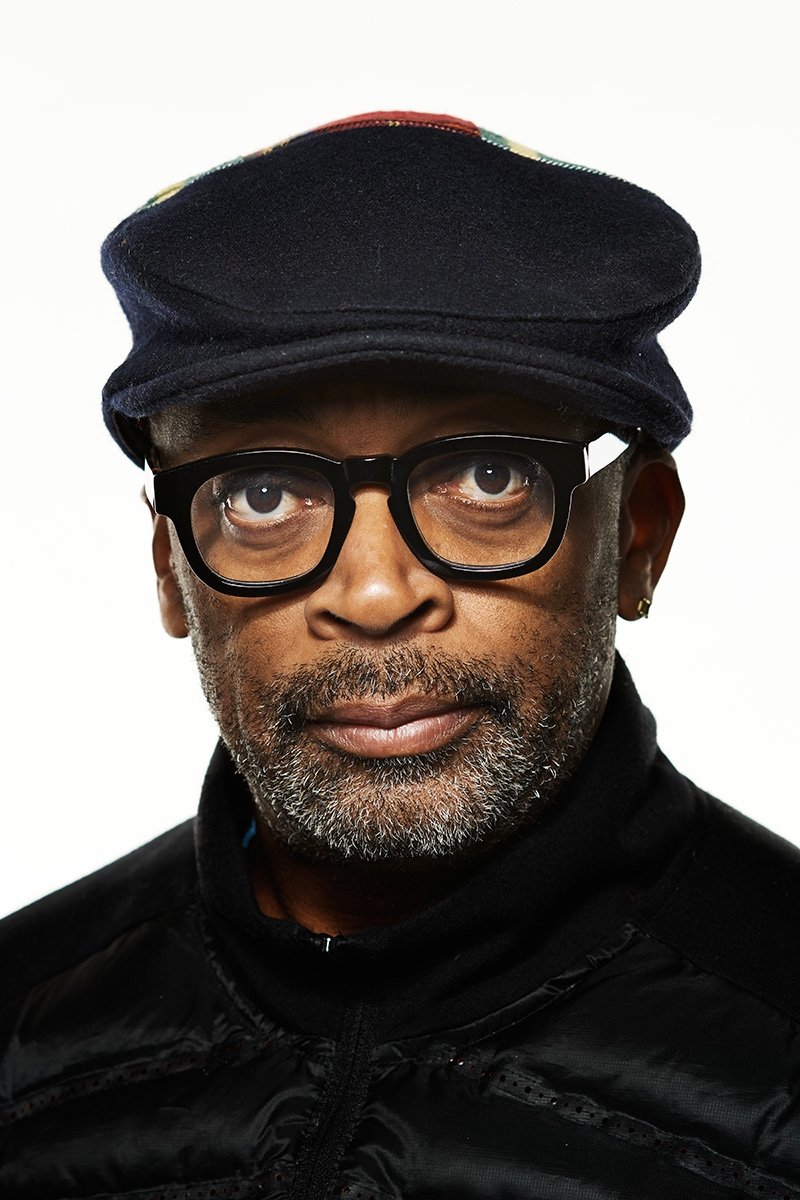
The director and actor has been on both sides of the authenticity debate throughout his long career. He has been criticized by peers like Tyler Perry and Boots Riley for his own portrayals of the community and his specific aesthetic choices. These critics argue that his perspective is limited to a certain New York sensibility that does not represent the whole. Lee has remained a vocal and influential figure who is never afraid to start a public dialogue.
Tyler Perry
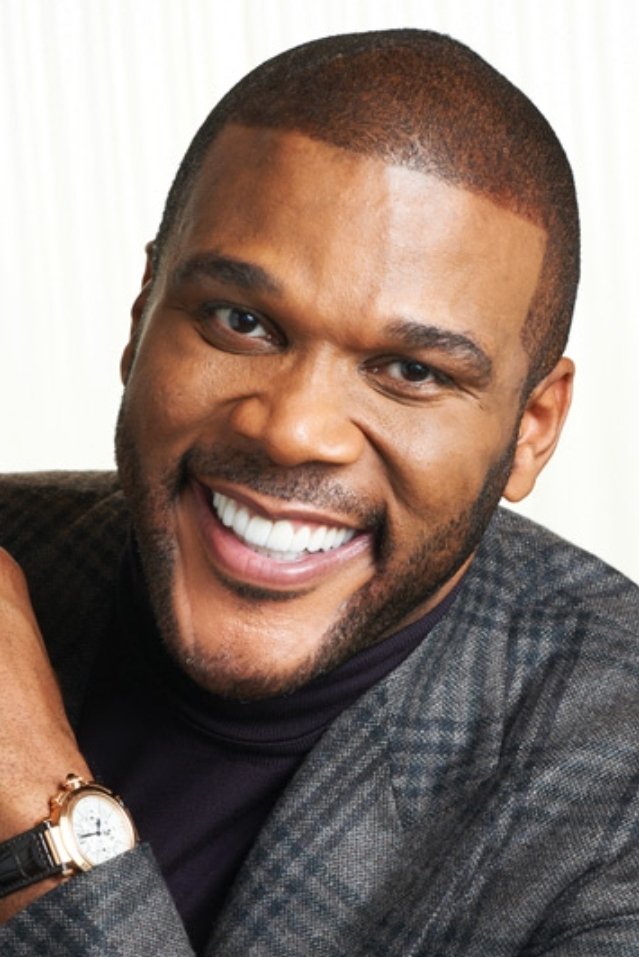
The mogul and actor has faced some of the most consistent peer criticism from figures like Spike Lee and others in the industry. These critics have famously called his work a step backward and argued that his characters play into harmful stereotypes. They suggest that his massive success is built on stories that do not accurately or respectfully represent the community. Perry has defended his work by pointing to the millions of fans who find his stories relatable and uplifting.
Please share your perspective on these complex industry debates in the comments.