


Actors Who Were Told They Were “Too Masculine” for Modern Leading Roles

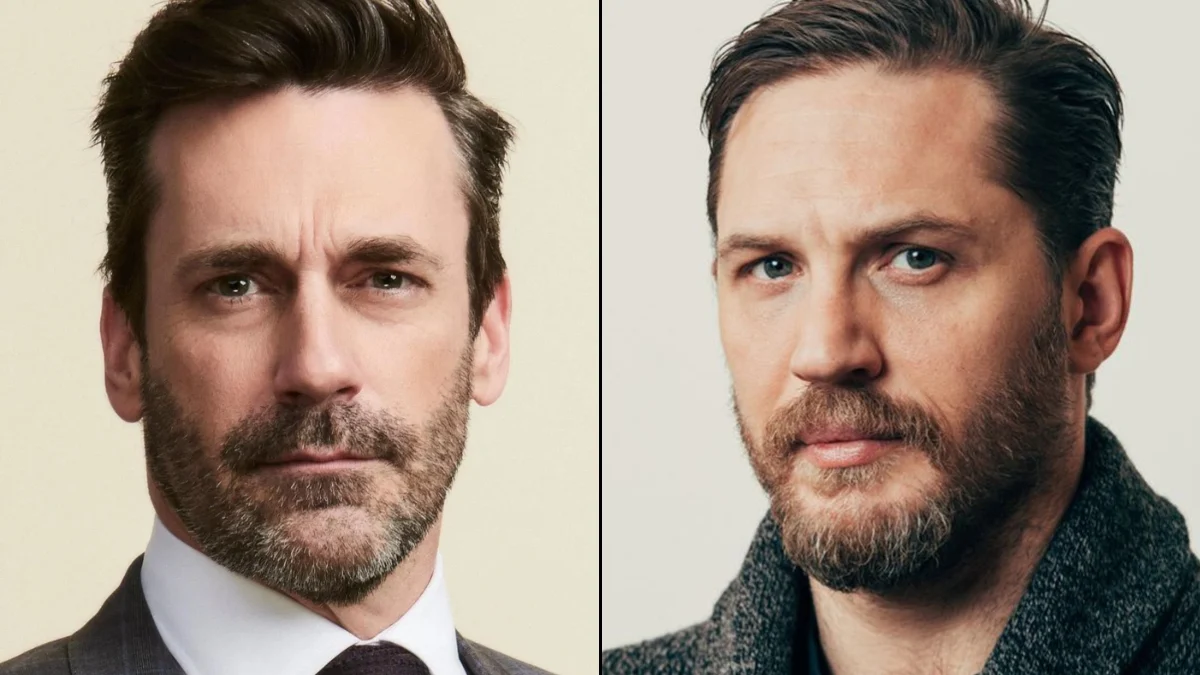


The landscape of Hollywood leading men has shifted significantly over the decades, moving from the rugged, stoic archetypes of the mid-20th century to more sensitive and relatable figures. As the industry prioritizes diverse characterizations and “boy-next-door” aesthetics, several actors with traditionally masculine features or hyper-muscular builds have found themselves at odds with casting trends. Many of these performers have shared accounts of being told their physical presence was “too classic” or “too imposing” for contemporary stories. This list explores 15 actors who faced industry pushback or typecasting due to their traditional masculine image.
Henry Cavill
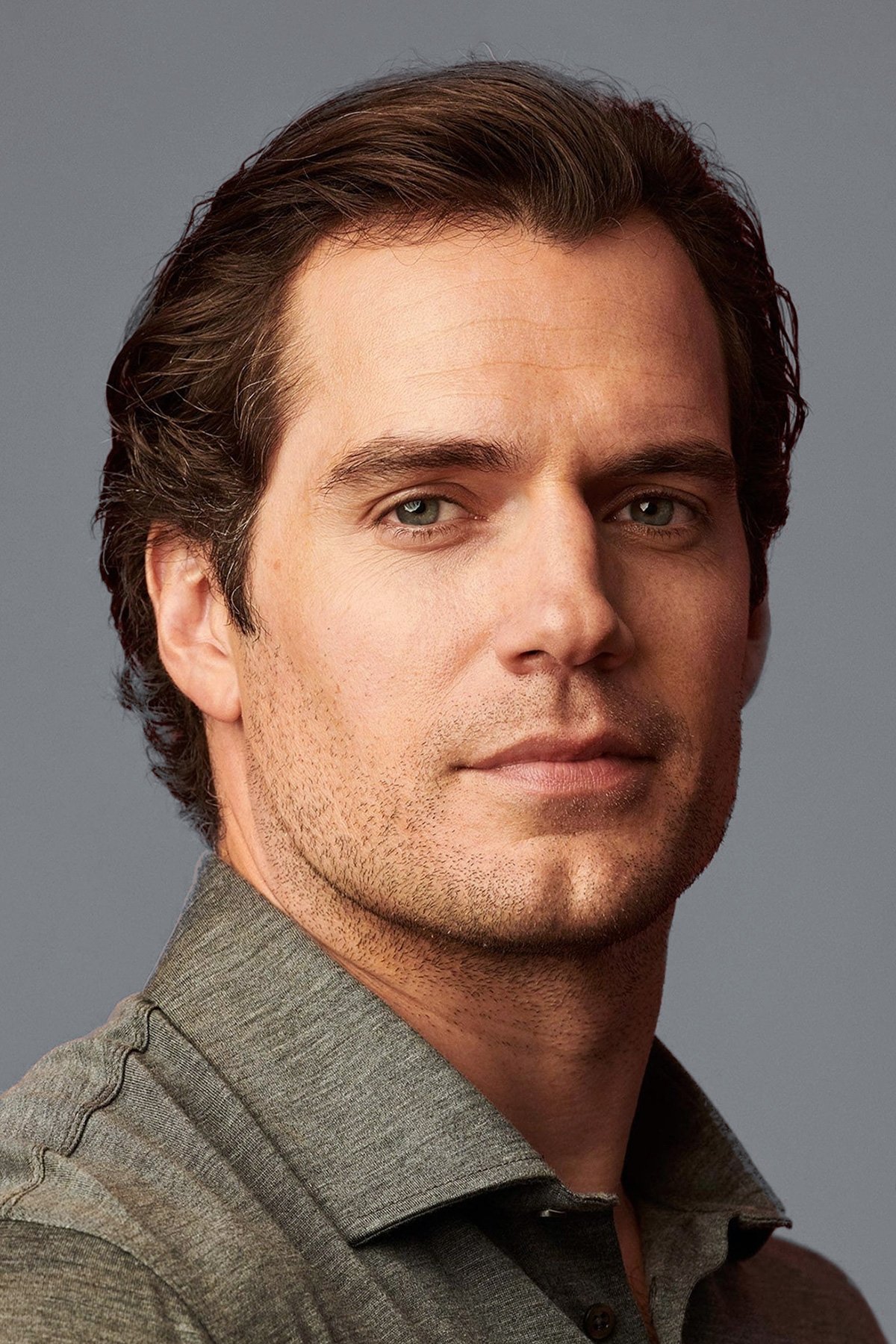
Before achieving global fame in ‘Man of Steel’, Cavill was frequently told that his “classical” look was out of step with the lean, indie-focused trends of the early 2000s. He famously lost out on the role of James Bond in ‘Casino Royale’ partly because he was deemed too young, but later faced challenges being cast in modern dramas. Directors often viewed his chiseled features and athletic frame as a better fit for period pieces or superheroes rather than contemporary leads. Cavill has noted in interviews that his physical stature sometimes made him “too big” for roles that required a more understated appearance. He eventually found success by leaning into his stature, though it initially limited his opportunities in character-driven independent films.
Jon Hamm
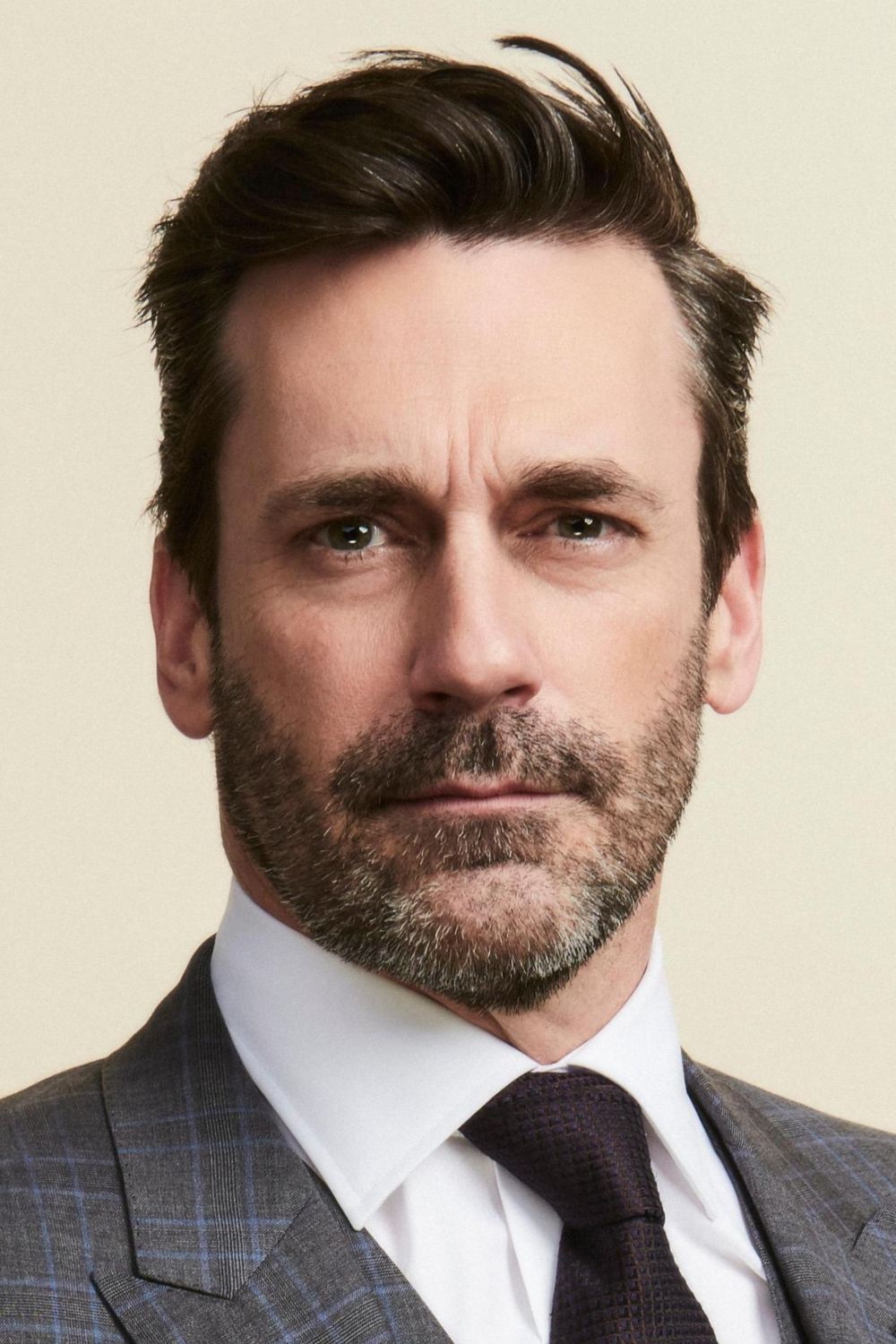
Jon Hamm struggled for years to find consistent work in Hollywood because casting directors felt he looked like he belonged in a different era. During the late 1990s and early 2000s, the industry preference leaned toward youthful, “pretty boy” aesthetics that Hamm did not fit. He was frequently told he looked too old and too much like a traditional 1950s leading man to play modern characters. It was not until he was cast as Don Draper in ‘Mad Men’ that his mid-century masculine appearance was viewed as a primary asset. This breakthrough allowed him to subvert his “classic” look in later comedic and dramatic roles.
Alan Ritchson
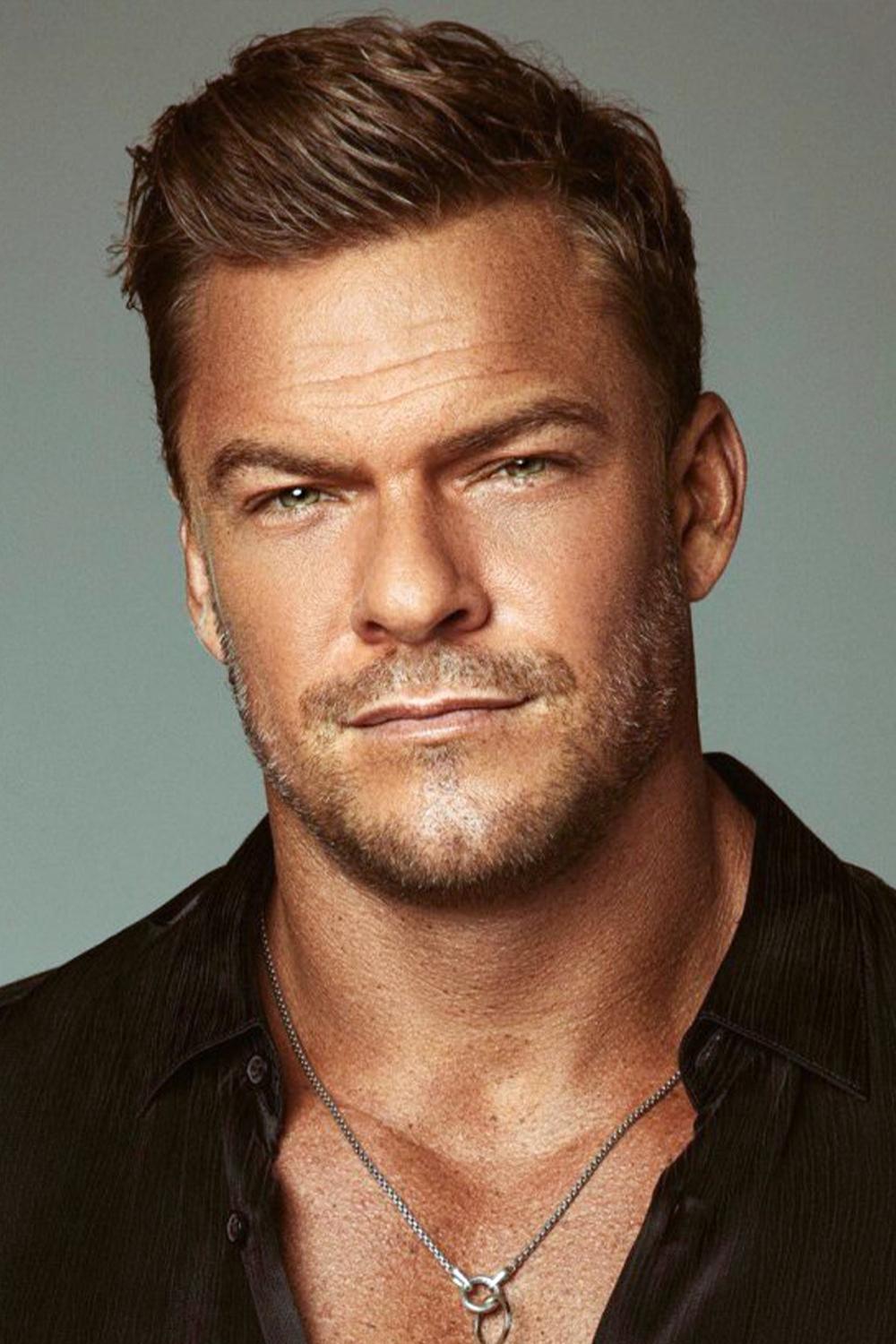
The star of ‘Reacher’ has been candid about the difficulties of navigating Hollywood as a physically imposing and traditionally masculine actor. Ritchson spent much of his early career in supporting roles, often being told that his size made him less “relatable” to modern audiences. He has observed that many contemporary scripts are written for leading men with smaller, more average builds to satisfy a specific sense of realism. Ritchson has expressed that he felt overlooked for prestige projects because his appearance was tied strictly to the action genre. His eventual success in ‘Reacher’ proved there was still a significant audience for the “muscle-bound” leading man archetype.
Frank Grillo
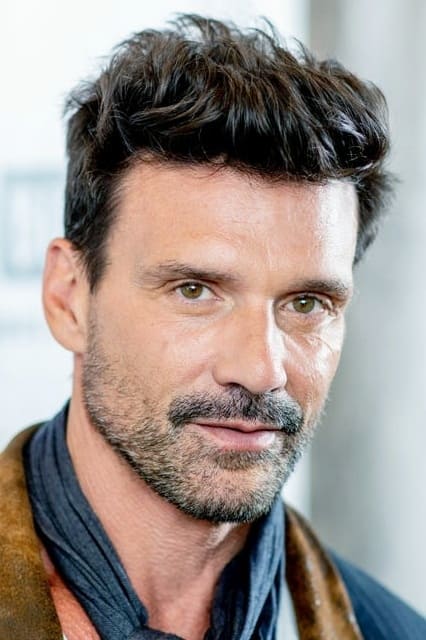
Frank Grillo has often spoken about how his “tough guy” exterior and gritty energy have restricted his career trajectory in a changing industry. He has noted that while he finds steady work in action films like ‘Captain America: The Winter Soldier’, he is rarely considered for sensitive leads in prestige dramas. Grillo believes that his sharp features and intense masculinity often lead casting directors to see him only as a villain or a soldier. He has expressed frustration that the industry has moved away from the rugged, blue-collar leading man that was once a staple of cinema. Despite this, he has carved out a loyal following by embracing the roles that fit his specific aesthetic.
Jason Momoa
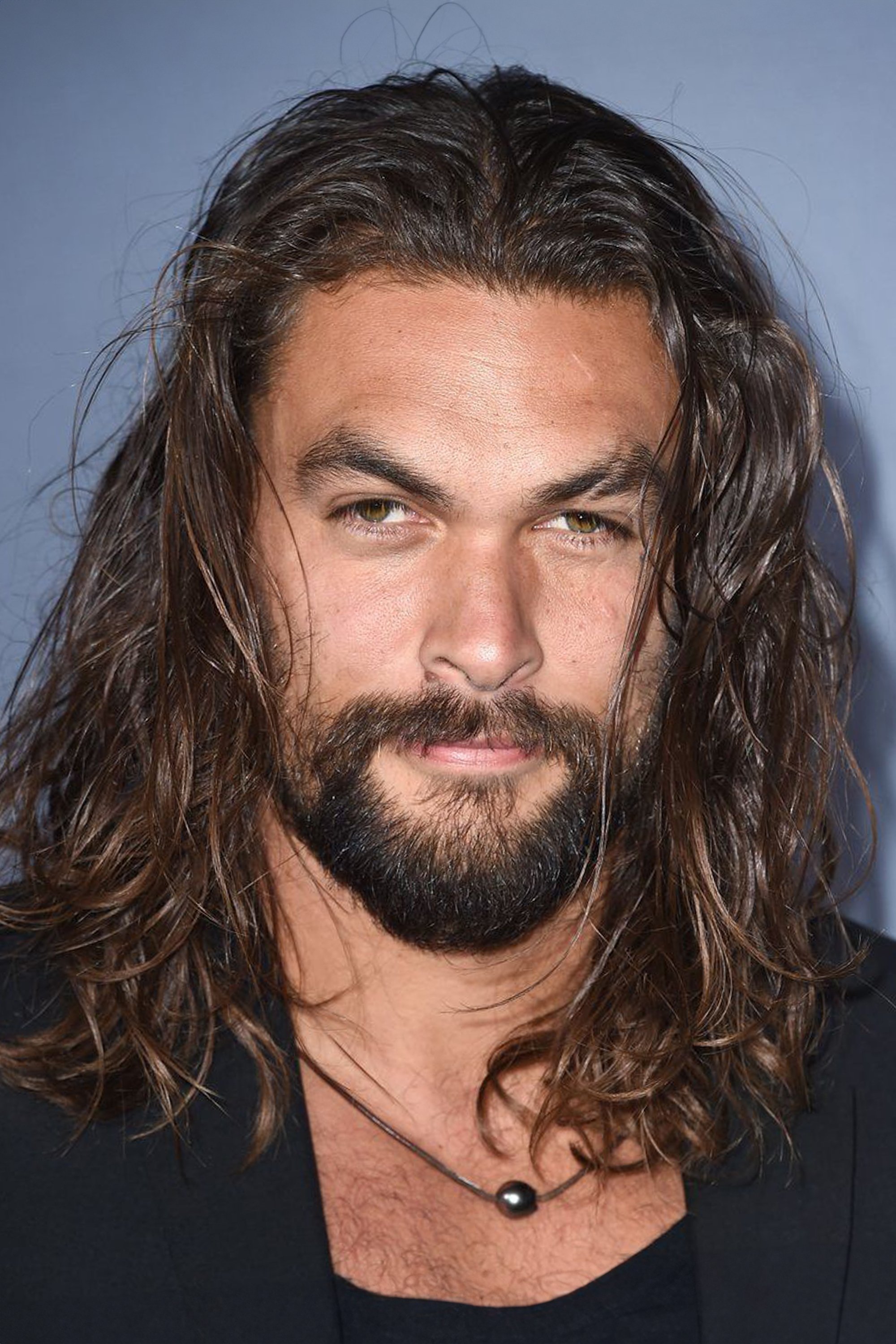
Jason Momoa faced significant hurdles after his breakout role in ‘Game of Thrones’ because his physical presence was deemed too niche for many leading roles. He has mentioned that after playing a stoic, hyper-masculine warrior, many people in the industry assumed he could not speak English or play a modern, intellectual character. His stature and rugged look often relegated him to “heavy” roles or fantasy archetypes rather than contemporary romantic or dramatic leads. Momoa had to actively seek out projects like ‘See’ and ‘Aquaman’ to prove he could carry a franchise while maintaining his distinct look. He remains one of the most prominent examples of an actor who had to fight against the “big guy” stereotype.
Tom Hardy
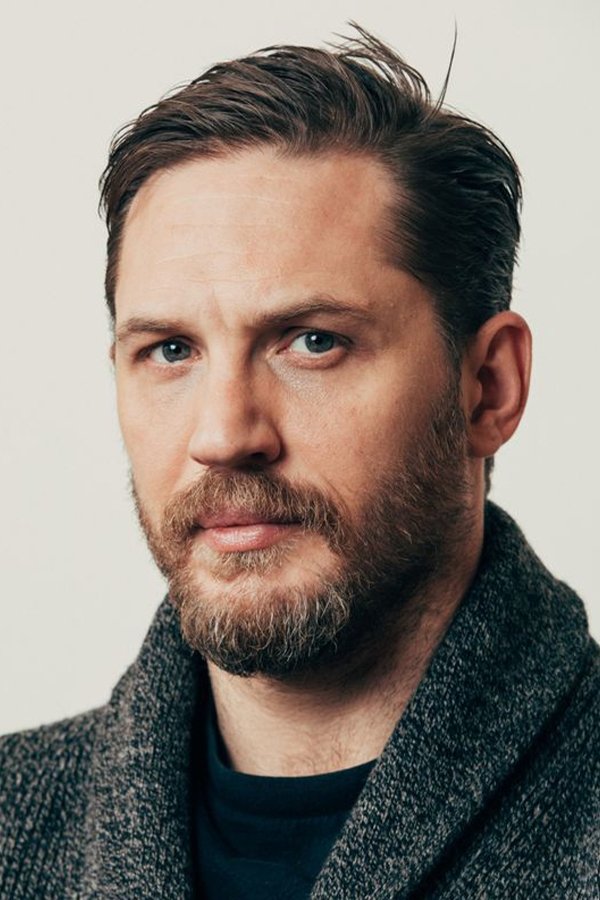
Tom Hardy is known for his intense physical transformations and raw masculine energy, which he has admitted can be a double-edged sword. While these traits have made him a favorite for directors like Christopher Nolan, they have also made him “too intense” for traditional romantic or lighthearted leading roles. Hardy has often played characters who are physically dominant or socially isolated, which some critics attribute to his formidable screen presence. He has discussed the challenge of finding roles that allow him to be vulnerable while still inhabiting a traditionally masculine frame. His career has largely been defined by his ability to bring complexity to characters that might otherwise be one-dimensional “tough guys.”
Josh Brolin
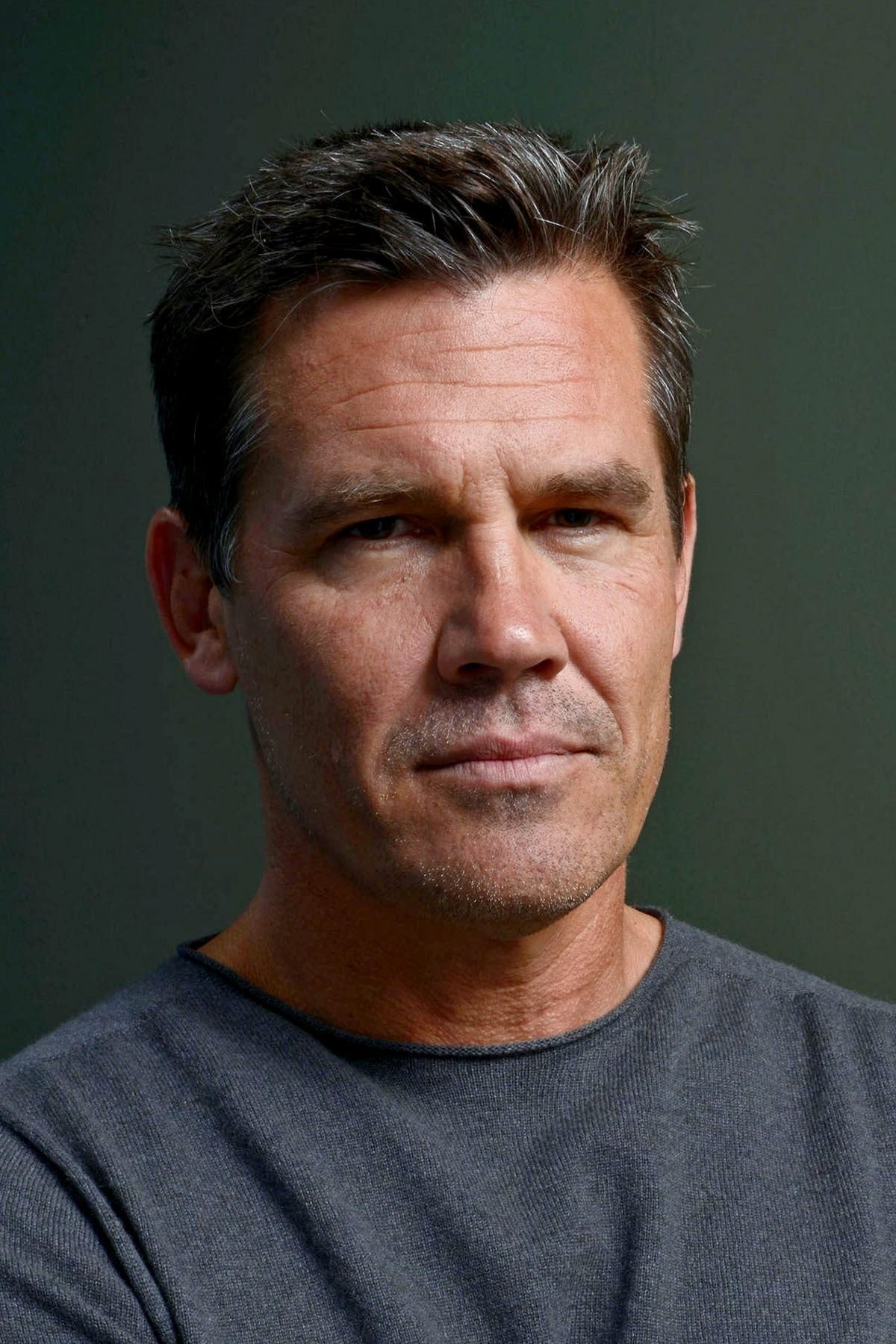
Josh Brolin experienced a long lull in his career during the 1990s when the industry shifted toward more polished and youthful leading men. He has reflected on how his rugged, “weathered” appearance made it difficult to secure the “pretty boy” roles that were popular at the time. Brolin often felt that his masculine features were seen as too aggressive for the sensitive protagonists favored by modern studios. It was not until his performance in ‘No Country for Old Men’ that his “old-school” masculinity was reconsidered as a powerful dramatic tool. Since then, he has balanced his career between blockbusters like ‘Avengers: Infinity War’ and more nuanced character studies.
Clive Owen
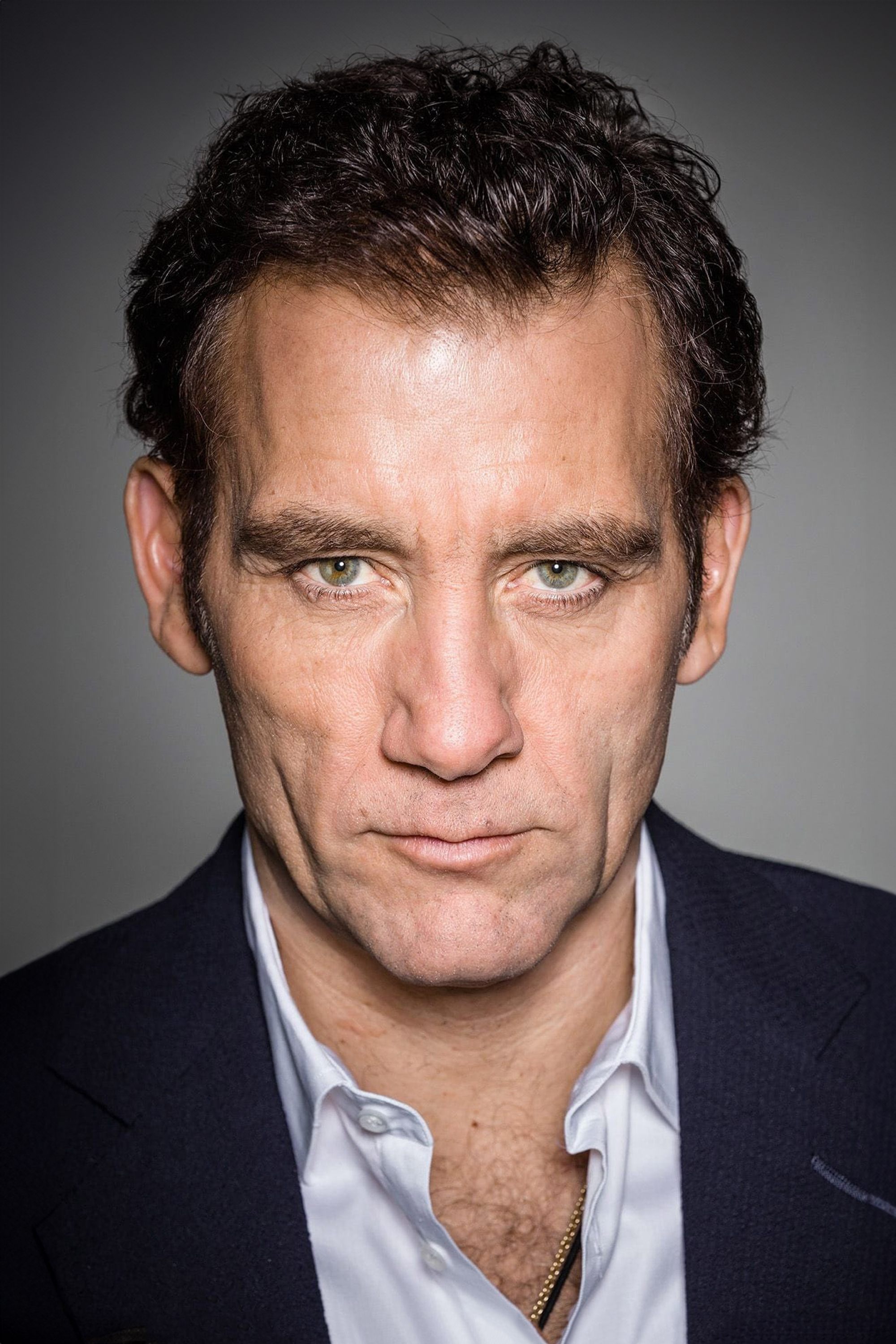
Clive Owen was once considered the heir apparent to the “stoic masculine lead” title, especially during his rise in ‘Children of Men’. However, as the industry moved toward “softer” male leads in the 2010s, Owen’s brand of brooding masculinity became less frequent in mainstream cinema. He has often been described as having a “classic noir” face that doesn’t always translate to modern, quirky, or tech-centric protagonist roles. Casting directors have sometimes viewed his intense, masculine gravity as too heavy for the lighthearted or “everyman” roles that dominate the current market. Despite this, he continues to be a sought-after talent for roles that require a specific, commanding presence.
Gerard Butler
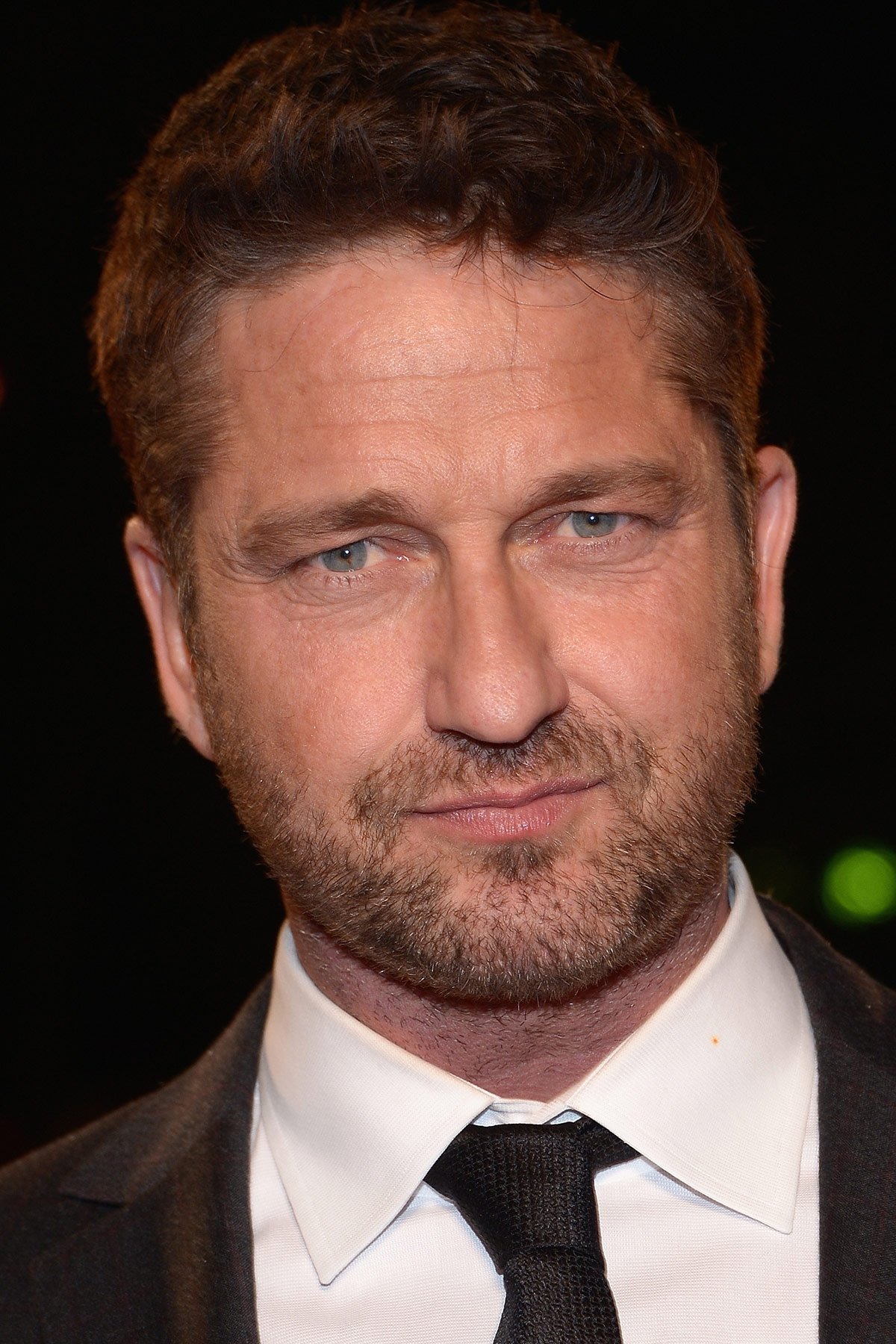
Gerard Butler became a household name following ‘300’, but that same hyper-masculine image made it difficult for him to transition into other genres. He has spoken about being typecast as the “action-man” and how that has limited his opportunities in “softer” dramatic films. Many modern directors prefer leading men with a more versatile, less rugged aesthetic for contemporary prestige films. Butler has found a sustainable niche in the “man-on-a-mission” subgenre, as seen in the ‘Has Fallen’ series. However, his career path illustrates the difficulty of breaking away from a persona defined by traditional physical dominance.
Sam Worthington
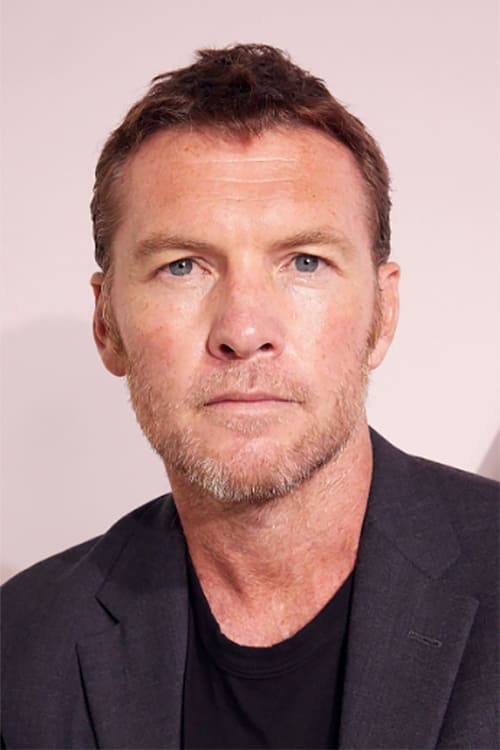
Following the massive success of ‘Avatar’, Sam Worthington was positioned as the next great action star, but he soon faced the limitations of the “stoic hero” archetype. As Hollywood moved toward leading men with more “vulnerable” or “neurotic” traits, Worthington’s traditional masculine stoicism was sometimes criticized as being too stiff. He has acknowledged that his “everyman” ruggedness was a specific fit for certain types of high-concept blockbusters but less so for modern character dramas. This shift led to a period where he was less visible in major studio leading roles. He has since focused on supporting roles and independent projects that allow for more varied performances.
Alexander Skarsgård
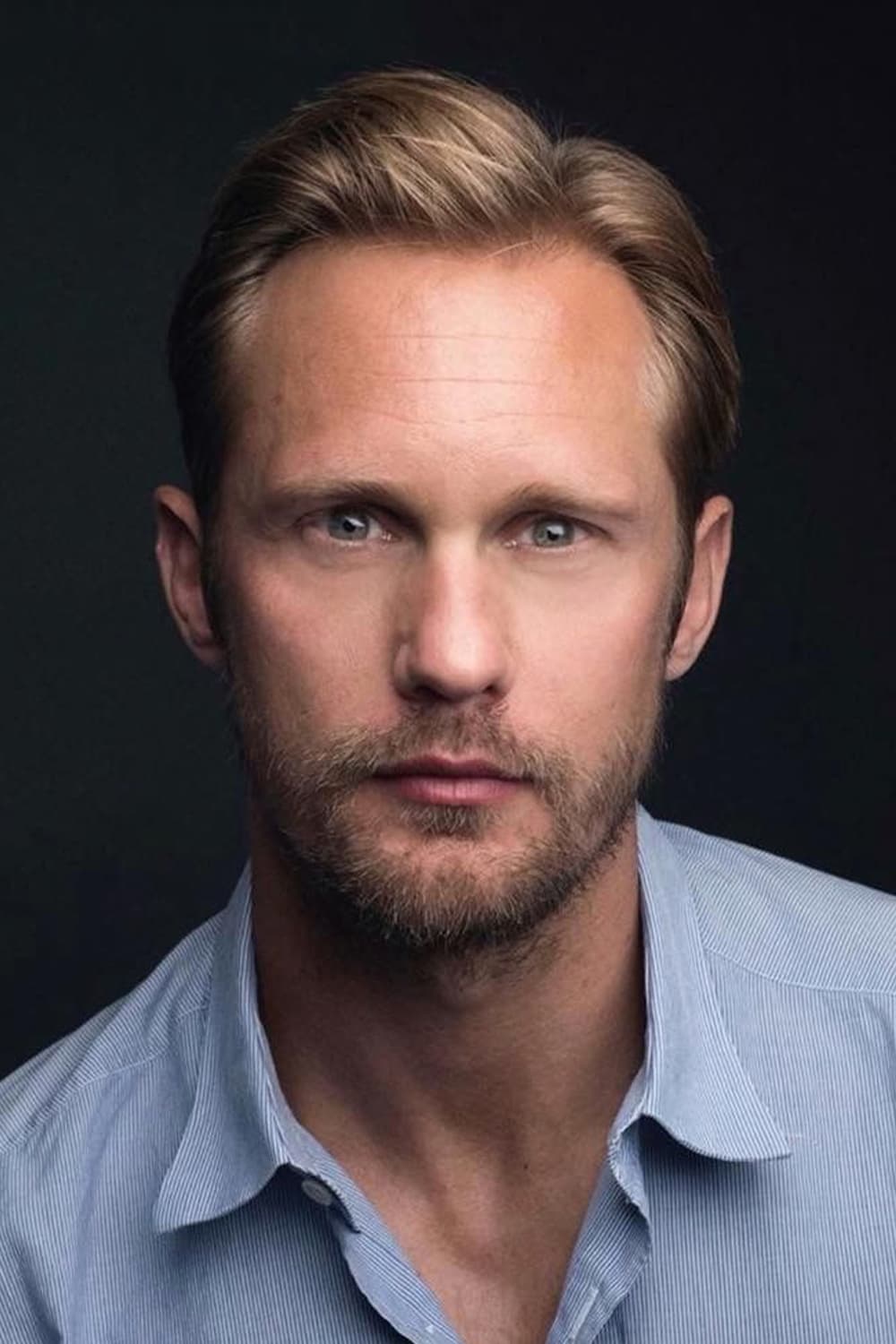
Despite his success in ‘True Blood’, Alexander Skarsgård has often had to fight against being seen solely as a “Nordic God” or an “Alpha” figure. His height and muscular build have occasionally made him “too imposing” for roles that require a more fragile or unassuming lead. Skarsgård has intentionally sought out unconventional roles, such as in ‘The Legend of Tarzan’ or ‘Big Little Lies’, to challenge these perceptions. He has noted that the industry often wants to put him in a “masculine box” that ignores his range as a character actor. By taking on darker and more complex characters, he has managed to navigate the “too masculine” critique.
Scott Eastwood
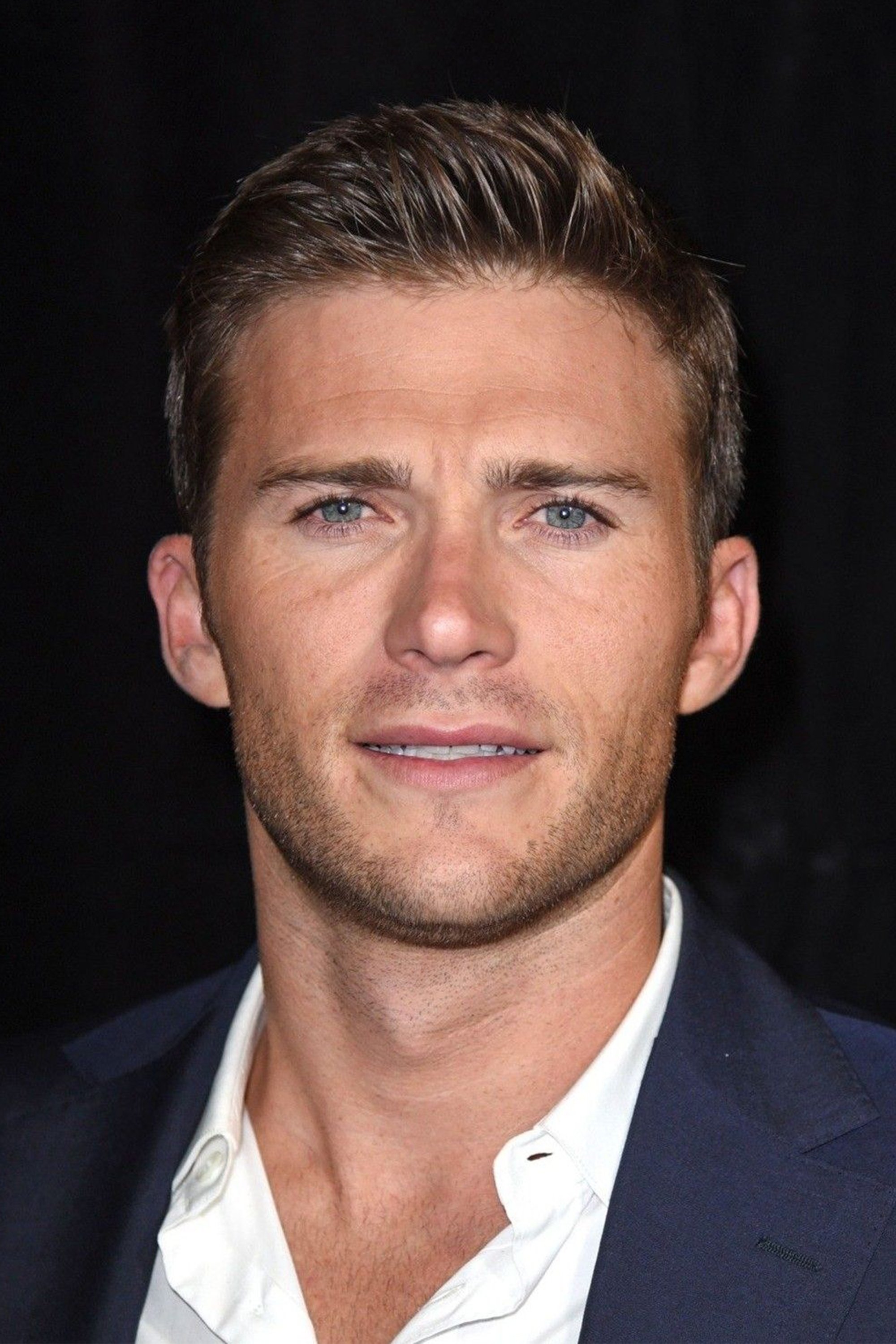
Scott Eastwood has frequently dealt with the shadow of his father’s legacy, which represents a pinnacle of “old-school” Hollywood masculinity. He has shared that he often encounters casting directors who view his look as a throwback that doesn’t always fit “trendy” modern scripts. His traditional features and athletic build have led to many roles in military or action films like ‘Suicide Squad’ and ‘The Fate of the Furious’. Eastwood has expressed a desire to move into more diverse genres, but his aesthetic remains firmly rooted in the “traditional lead” category. This has sometimes made it difficult for him to land roles in the “quirky” or “sensitive” indie projects favored by critics.
Karl Urban
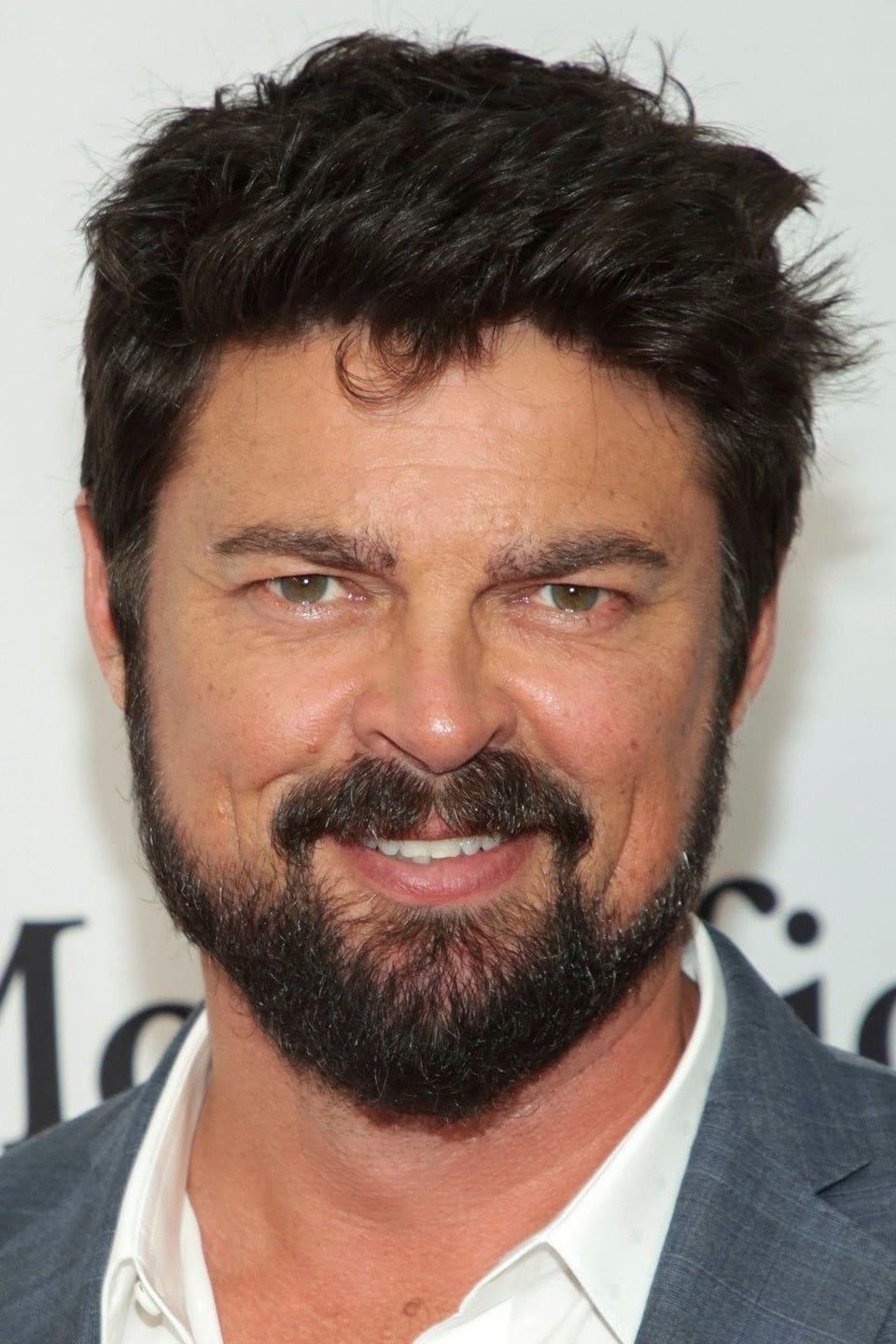
Karl Urban has built a career playing rugged, highly masculine characters in franchises like ‘The Lord of the Rings’ and ‘The Boys’. He has often been cast in roles that require a gruff, imposing presence, which he executes with significant acclaim. However, Urban has faced challenges in being considered for the “softer” leading roles that are often the focus of awards season. His deep voice and stern features are frequently seen as a perfect fit for “tough” characters but a barrier for more delicate portrayals. He has successfully navigated this by bringing a sense of irony and humor to his more masculine roles.
Richard Armitage
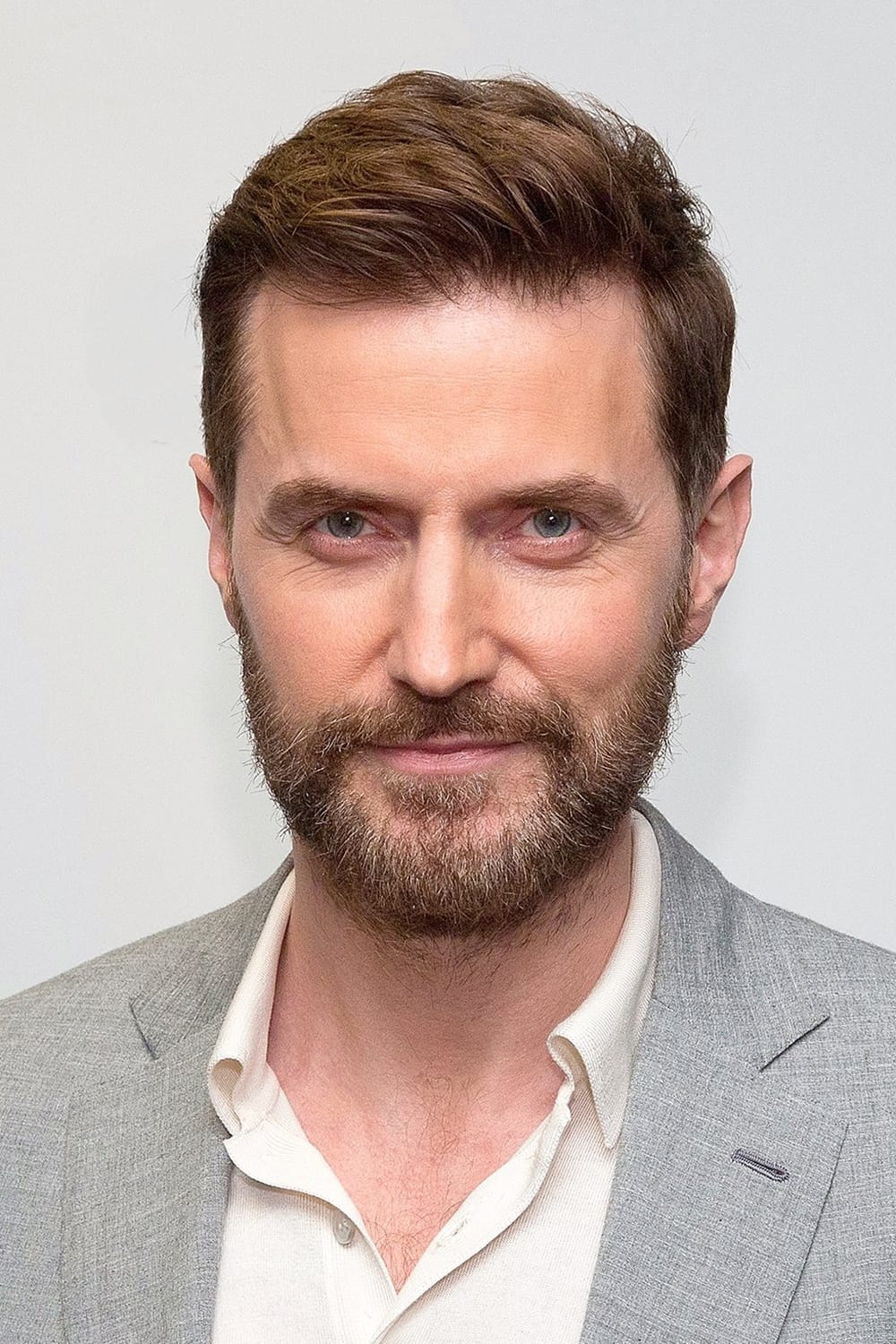
Richard Armitage, known for ‘The Hobbit’ and ‘North & South’, has discussed how his “classical” and “sturdy” appearance can be a hindrance in modern casting. He has noted that there is a specific “type” sought for modern London-set dramas or “edgy” indies that he doesn’t always satisfy. Armitage’s look is often associated with the “heroic” or “stately” masculinity of the past, making contemporary “average-guy” roles harder to come by. He has successfully utilized his presence in thrillers and period dramas where his look is an asset. However, he remains aware of the industry’s preference for a more “unassuming” male aesthetic in modern storytelling.
Joel Kinnaman
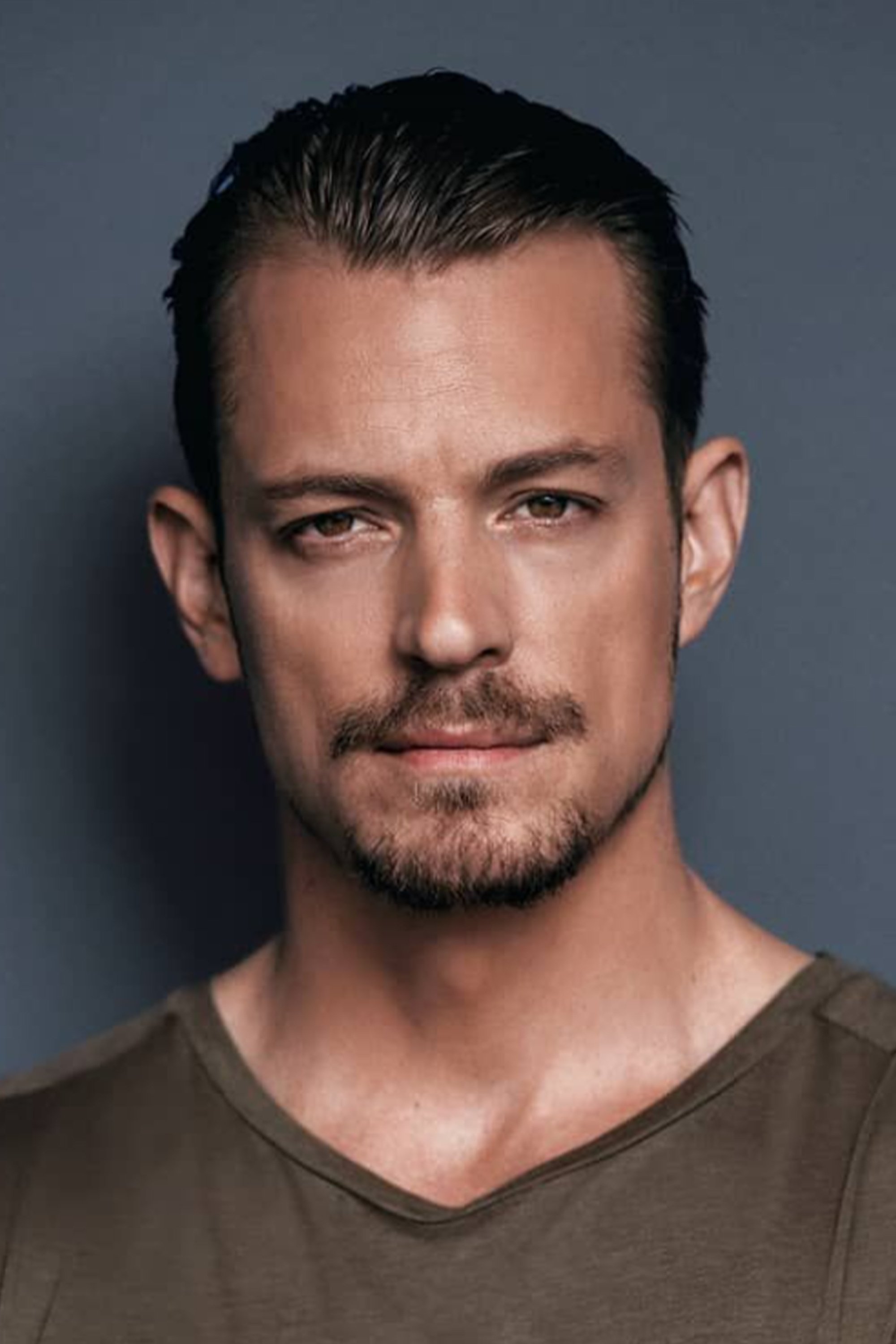
Joel Kinnaman has often been cast in roles that utilize his tall frame and stoic demeanor, such as in ‘RoboCop’ and ‘Altered Carbon’. He has faced the challenge of being typecast as the “cold, masculine lead” in science fiction and action genres. Kinnaman has expressed interest in roles that allow for more emotional vulnerability, but his physical presence often precedes him in the casting room. He has had to work harder to find projects that subvert his “tough guy” image, such as his work in ‘For All Mankind’. His career highlights the ongoing struggle for physically dominant actors to be seen as more than just an “action hero.”
Share your thoughts on these actors and the evolving image of the Hollywood leading man in the comments.