25 Actors Who Were Underpaid For Big Roles



Big roles do not always come with big paychecks right away. Many actors take a modest upfront salary to land a breakout part or accept scale pay to work with a dream director. Others discover pay gaps only after a project becomes a global hit. These cases show how early deals, newcomer status, and contract timing can leave stars earning far less than the cultural impact of their work.
Jonah Hill
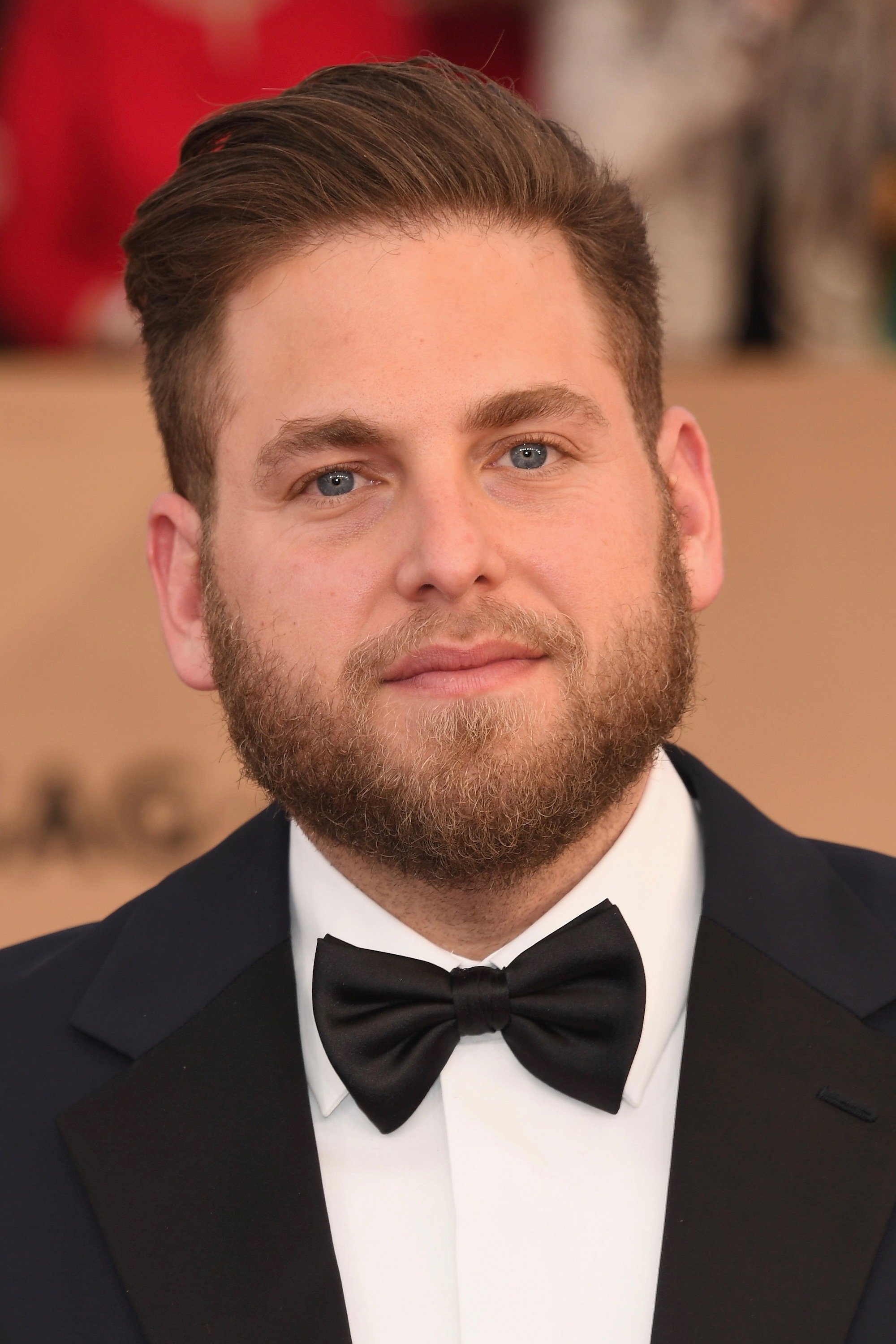
For ‘The Wolf of Wall Street’ he accepted Screen Actors Guild minimum so he could collaborate with Martin Scorsese. The part earned him an Oscar nomination and major industry credibility. His choice showed how strategic pay cuts can open doors to prestige projects. Later films reflected his increased value after the breakout.
Barkhad Abdi

He was a first time actor in ‘Captain Phillips’ and worked at a cell phone store before the film. He earned a modest sum and received no ongoing back end participation. The role brought widespread acclaim and an Oscar nomination. His story highlighted how festival buzz does not always translate to immediate financial reward.
Gal Gadot

Her first solo outing as ‘Wonder Woman’ paid a relatively low starter salary under a multi picture deal. The film became a global success and redefined her career. Subsequent negotiations brought her compensation in line with the franchise’s scale. Her early pay reflects how superhero contracts lock in rates before box office results are known.
Chris Hemsworth
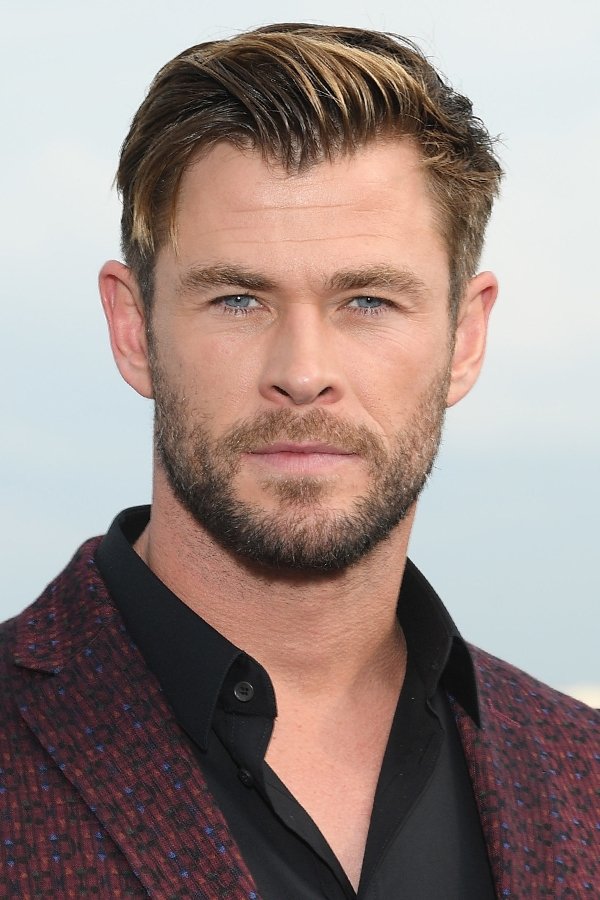
When he first played ‘Thor’ his paycheck reflected newcomer status rather than marquee power. Early Marvel contracts were structured to control costs across multiple films. As the character grew central to the universe his salary escalated with renegotiations. The jump shows how franchise leverage builds over time.
Jennifer Lawrence

She earned a modest initial fee for ‘The Hunger Games’ compared to later sequels. The franchise’s success allowed her to secure substantial raises as its face. She also navigated attention to profit share disparities on other projects. Over time her deals matched her box office draw.
Michelle Williams

During the reshoots for ‘All the Money in the World’ she was paid a fraction of her co star’s fee. The gap drew public scrutiny and sparked conversations about fairness in emergency scheduling. The uproar led to a donation in her name and helped push for more transparent bargaining. Her case became a touchpoint in pay equity discussions.
Taraji P. Henson

For ‘The Curious Case of Benjamin Button’ she has spoken about being paid far less than her peers. Despite delivering an Oscar nominated performance her compensation remained limited. Travel and living costs during production further reduced her take home pay. The experience motivated stronger negotiation strategies on future projects.
Harrison Ford
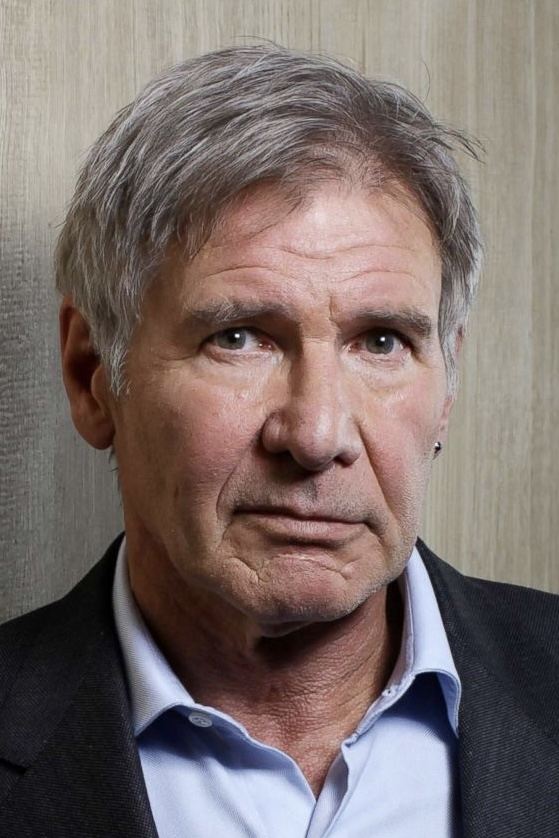
In the original ‘Star Wars’ his pay reflected a supporting credit and the film’s uncertain prospects. The unexpected phenomenon changed his career but not his initial rate. Later entries and separate franchises brought the compensation up to market. His early deal is a classic example of low pay on a future juggernaut.
Daisy Ridley

As a newcomer in ‘Star Wars’ her ‘The Force Awakens’ salary aligned with entry level franchise rates. The studio typically resets pay after a breakout. Subsequent films recognized her leading role and box office clout. Her trajectory shows how first time leads often start below the eventual value of their characters.
John Boyega

He joined ‘Star Wars’ with a rising profile but limited blockbuster experience. His initial compensation reflected that status. The film’s success opened doors to higher paying roles and endorsements. With each installment his bargaining position improved.
Kelly Marie Tran
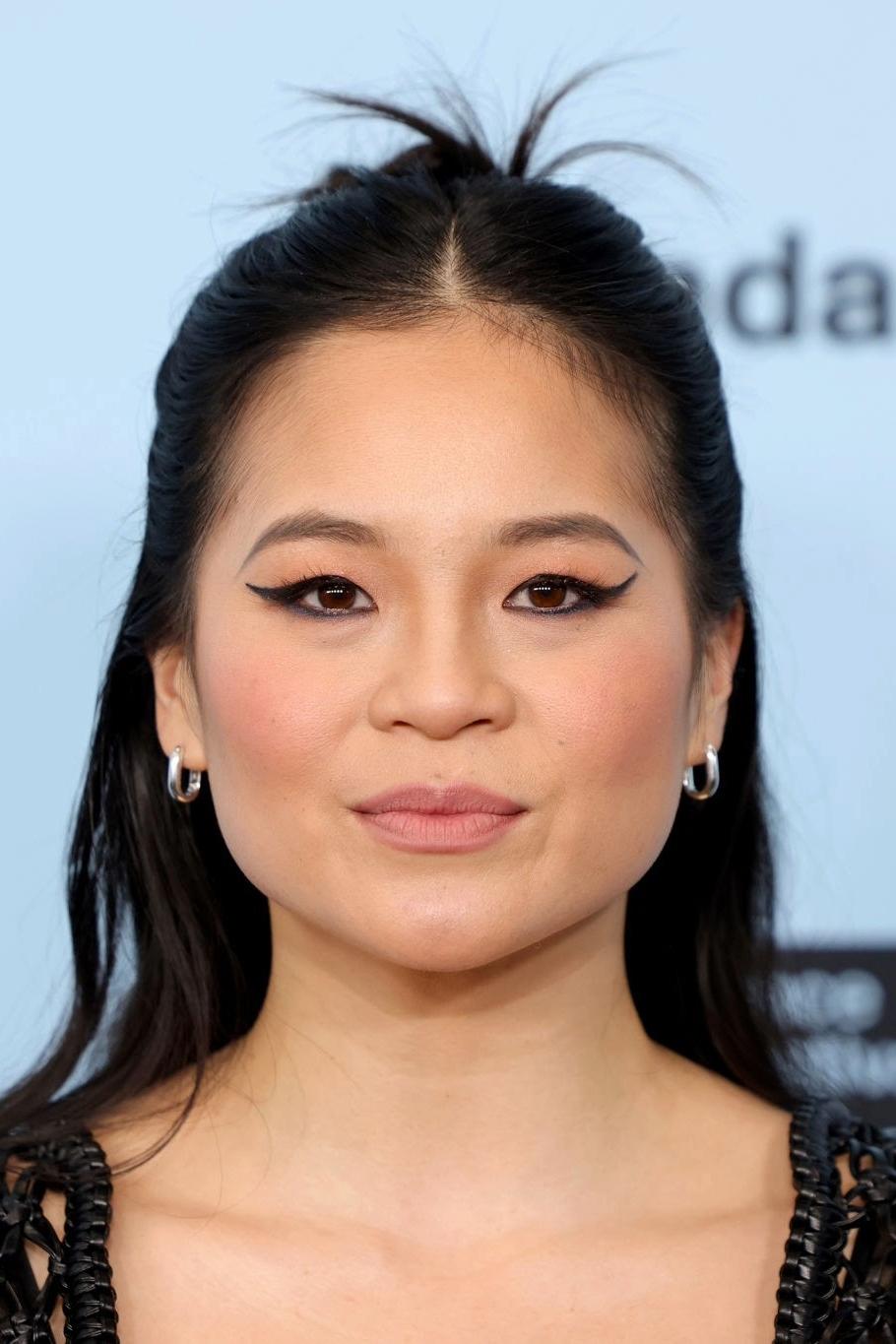
She entered ‘Star Wars’ as a fresh face with a standard starter contract. While the role brought global visibility it did not come with veteran level pay at first. Public engagement and franchise exposure helped boost her market value. Later opportunities allowed her to negotiate from a stronger position.
Seann William Scott
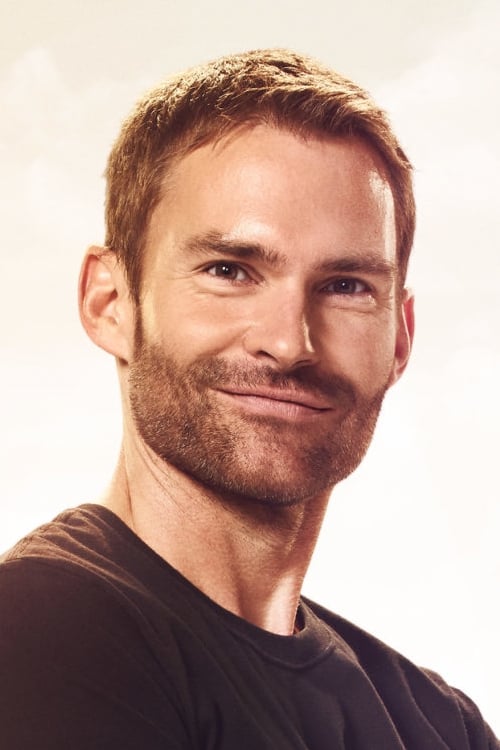
He reportedly earned only a few thousand dollars for the first ‘American Pie’. The teen comedy exploded into a cultural hit and launched multiple sequels. Future installments paid him far more in line with his importance to the series. His story is a textbook case of a small check on the first film that pays off later.
Jeff Daniels

For ‘Dumb and Dumber’ he took a fraction of his co star’s salary to secure the role. The studio initially doubted his box office potential in broad comedy. The film was a hit and reshaped perceptions of his range. His later deals reflected that new credibility.
Robert Pattinson

On the first ‘Twilight’ his compensation matched a young lead taking a chance on a new franchise. The series became a global phenomenon and transformed his market power. With each sequel his salary and backend improved. He later leveraged the visibility to choose more eclectic projects.
Emilia Clarke

In early seasons of ‘Game of Thrones’ she earned far less than the final seasons’ top rates. The show’s slow build into a worldwide event shifted the pay scale. Cast negotiations were revisited as the ensemble proved essential to the brand. By the end her compensation aligned with the show’s scale.
Kit Harington

He also started ‘Game of Thrones’ on modest episodic pay. As the audience grew he moved into premium tier television salaries. The renegotiations recognized his central role and heavy workload. His path mirrors how long running series rebalance pay over time.
Ellen Pompeo

In the early years of ‘Grey’s Anatomy’ she was paid below what a longtime lead of a medical juggernaut would later command. She has been candid about fighting for better terms and producer credit. Over time she secured deals that reflected her value to the series. Her advocacy became a model for other television leads.
Chris Evans
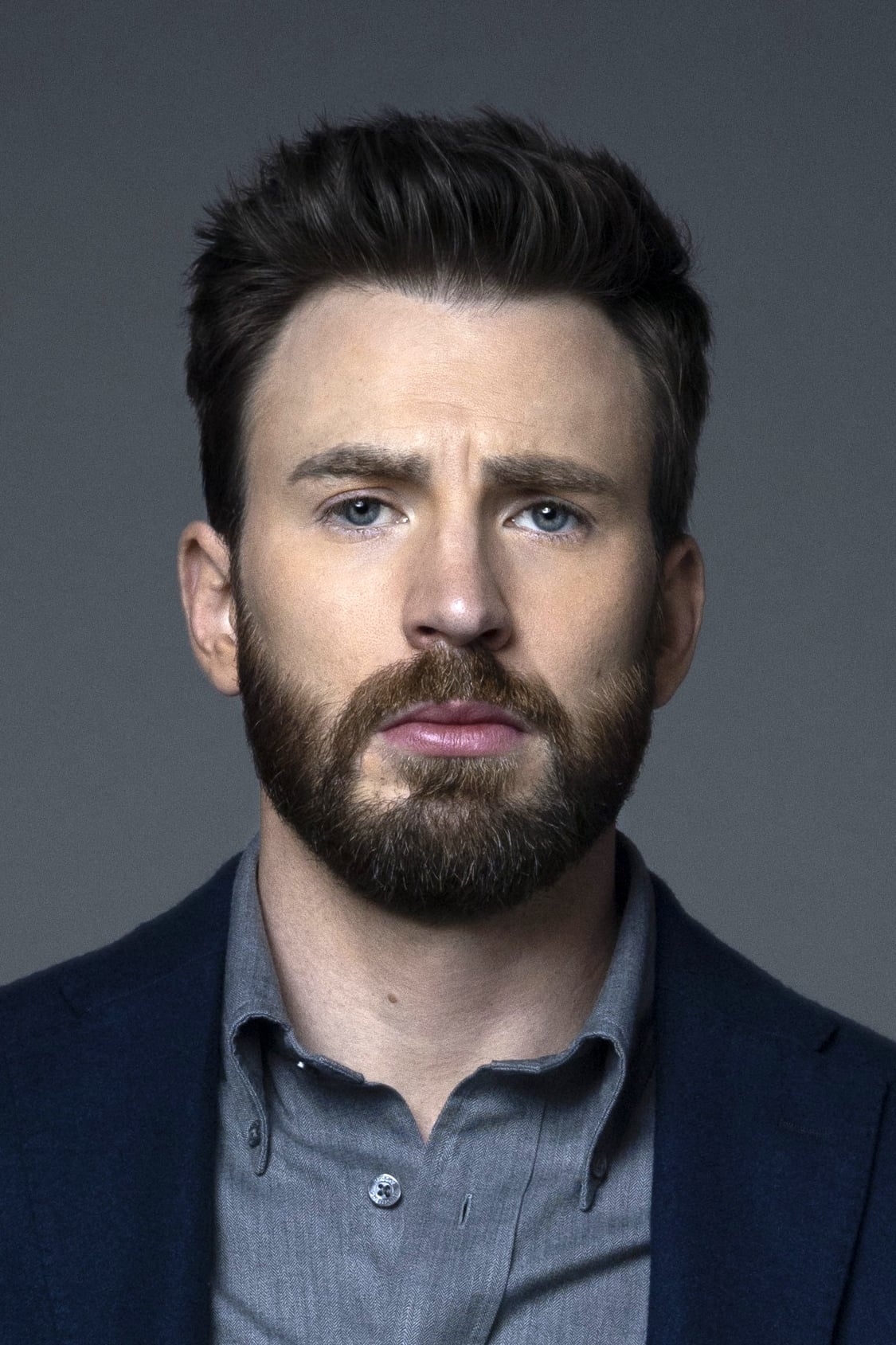
His first ‘Captain America’ contract locked in a relatively low figure for a multi picture commitment. As the Marvel universe grew he became one of its defining faces. Later renegotiations and bonuses adjusted his earnings. The case shows how early universe building keeps initial costs tight.
Henry Cavill
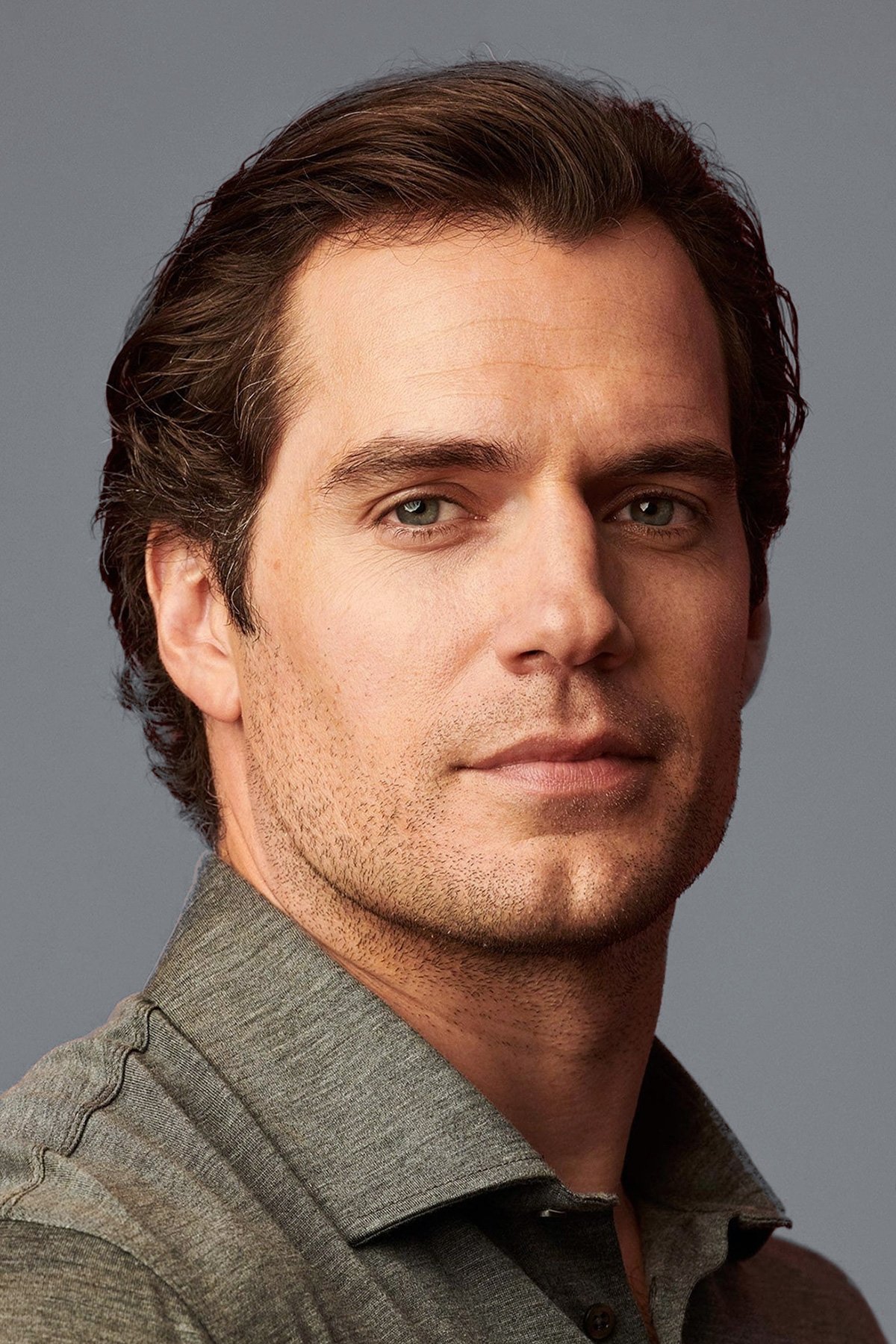
For ‘Man of Steel’ his compensation tracked with a reboot lead rather than an established superstar. The film’s performance and the character’s profile increased his leverage. Future appearances improved his deals and opportunities. His experience underscores how superhero salaries can climb with each outing.
Adam Driver
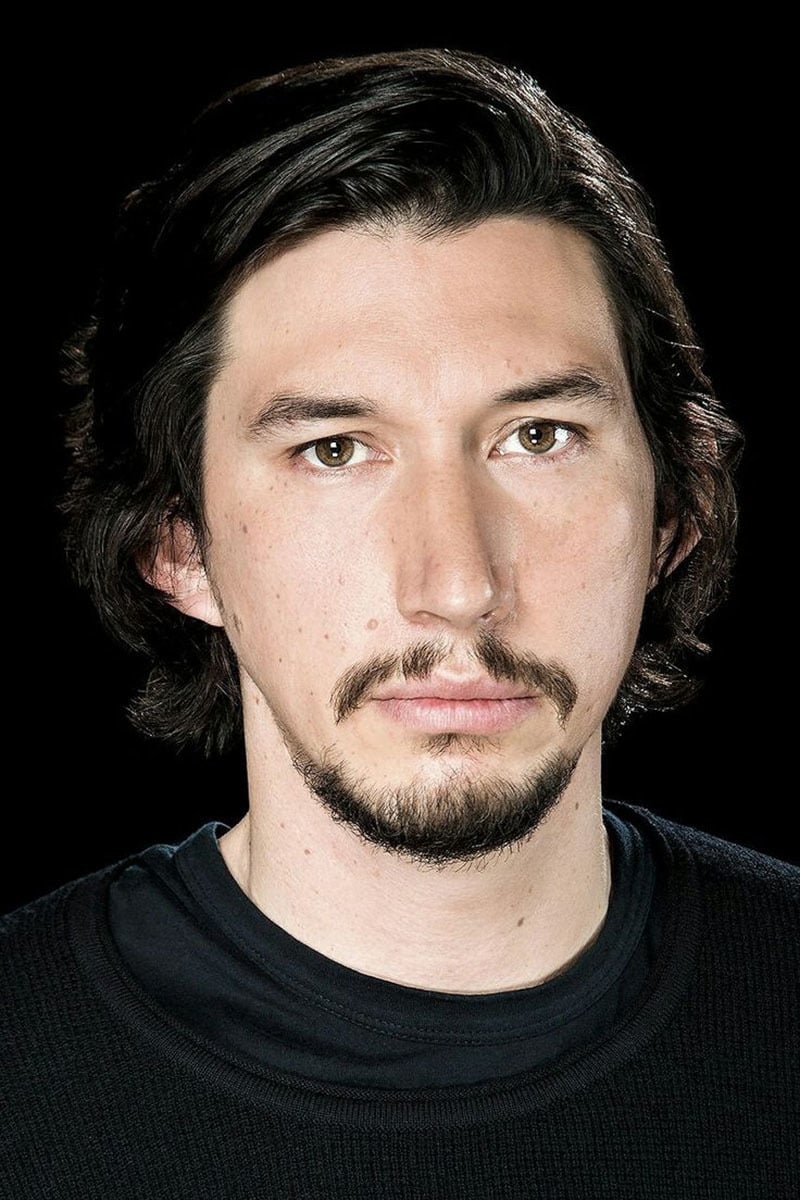
When he joined ‘Star Wars’ his pay started in line with strong supporting status. Critical praise and character prominence boosted his profile worldwide. Subsequent films and prestige projects followed with higher fees. His path shows how franchise exposure translates into market value.
Karen Gillan

During ‘Doctor Who’ she worked on public broadcaster rates that are modest compared to American network leads. The role brought huge visibility and fan base growth. It led directly to blockbuster opportunities that paid more competitively. The early pay was a career investment that later returned.
Pedro Pascal
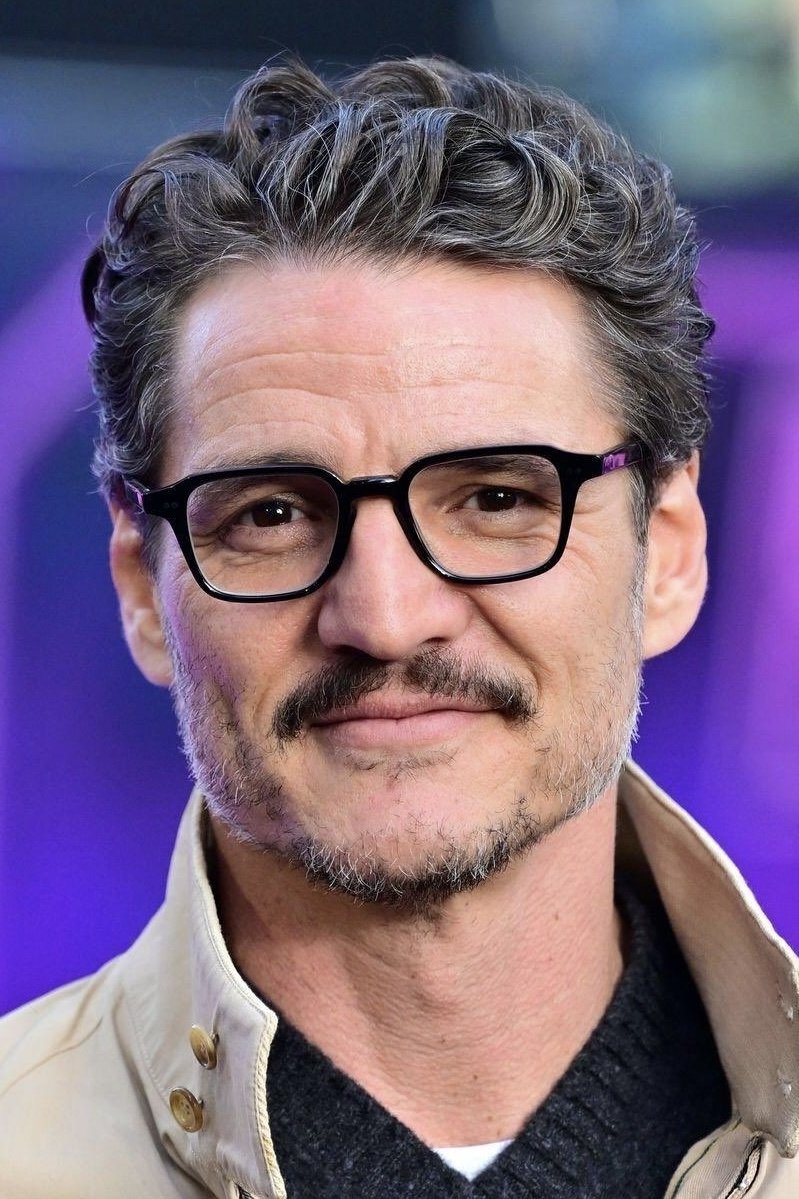
At the start of ‘The Mandalorian’ his episodic pay reflected a risky new streaming series. As the show became a flagship hit his value rose quickly. Later seasons and parallel projects improved his compensation. The helmeted lead still had to negotiate step by step to match the success.
Florence Pugh

Her breakout in ‘Midsommar’ gave her industry cachet without immediate superstar pay. Joining a major superhero franchise began on newcomer terms. As her profile grew she secured stronger deals and brand campaigns. Early prestige roles set the stage for later financial gains.
Anya Taylor-Joy

She built momentum through festival favorites before large checks arrived. ‘The Queen’s Gambit’ made her a household name yet initial contractual terms reflected pre hit expectations. Subsequent film leads and endorsements adjusted the scale. Her arc shows how streaming breakouts can lag pay until renewals or new contracts.
Ke Huy Quan

He returned to the screen with ‘Everything Everywhere All at Once’ after years away. The indie budget meant limited upfront compensation despite a demanding role. Awards season success propelled him into higher paying work. His resurgence demonstrates how acclaim can quickly reset an actor’s market rate.
Share which examples surprised you most and tell us who else belongs on this list in the comments.