


Actors Who Won Big for “Magical Minority” Tropes They Later Regretted



The history of cinema is filled with actors who achieved massive success and awards while portraying characters that relied on reductive stereotypes. These roles often involve a minority character whose primary purpose is to use their wisdom or mystical abilities to assist a white protagonist. Many prominent performers have looked back on these career defining moments with a mix of gratitude for the opportunity and regret for the message the trope conveys. The following list examines male actors who won acclaim for these roles and subsequently spoke out about the need for better representation.
Michael Clarke Duncan
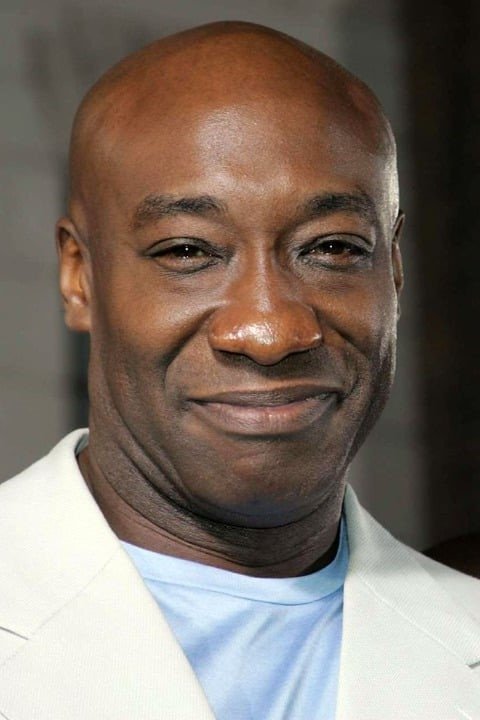
Duncan became a household name after his Oscar nominated performance in ‘The Green Mile’. He played a giant man with a child like mind and the ability to heal others through a touch. While the role brought him fame and critical acclaim it has often been cited as a prominent example of the magical negro trope. The character existed almost exclusively to redeem the white protagonist and offer emotional salvation. Duncan later expressed a desire to move away from these types of roles to prove his range as a serious actor.
Will Smith
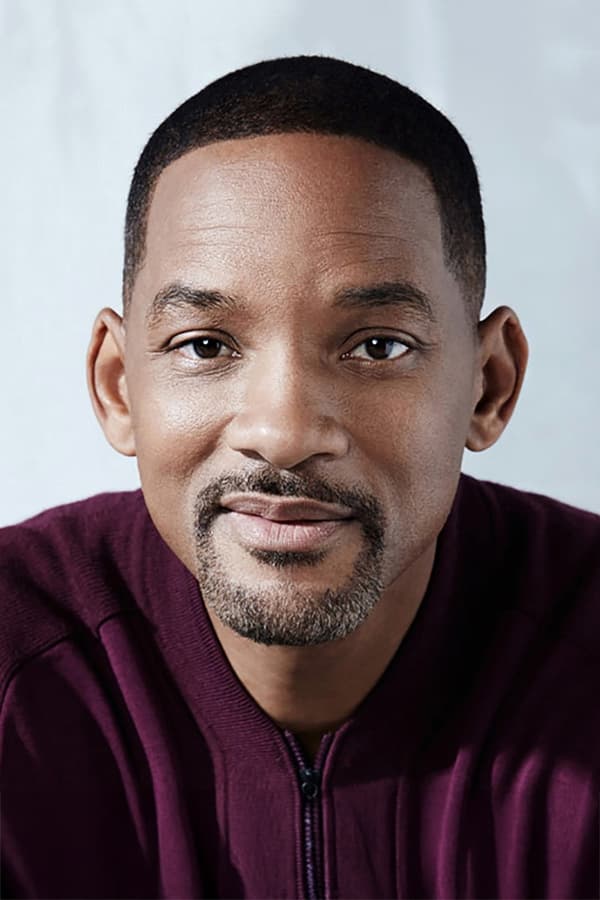
Smith starred in ‘The Legend of Bagger Vance’ as a mystical caddy who helps a troubled white war veteran find his spirit again. The role earned him significant attention but also drew criticism for its reliance on spiritual black character tropes. Despite the commercial success of the project Smith eventually pivoted toward roles that gave his characters more independent agency. He has since become more selective about parts that might reinforce historical stereotypes. His later career choices reflect a commitment to playing complex and fully realized human beings.
Morgan Freeman
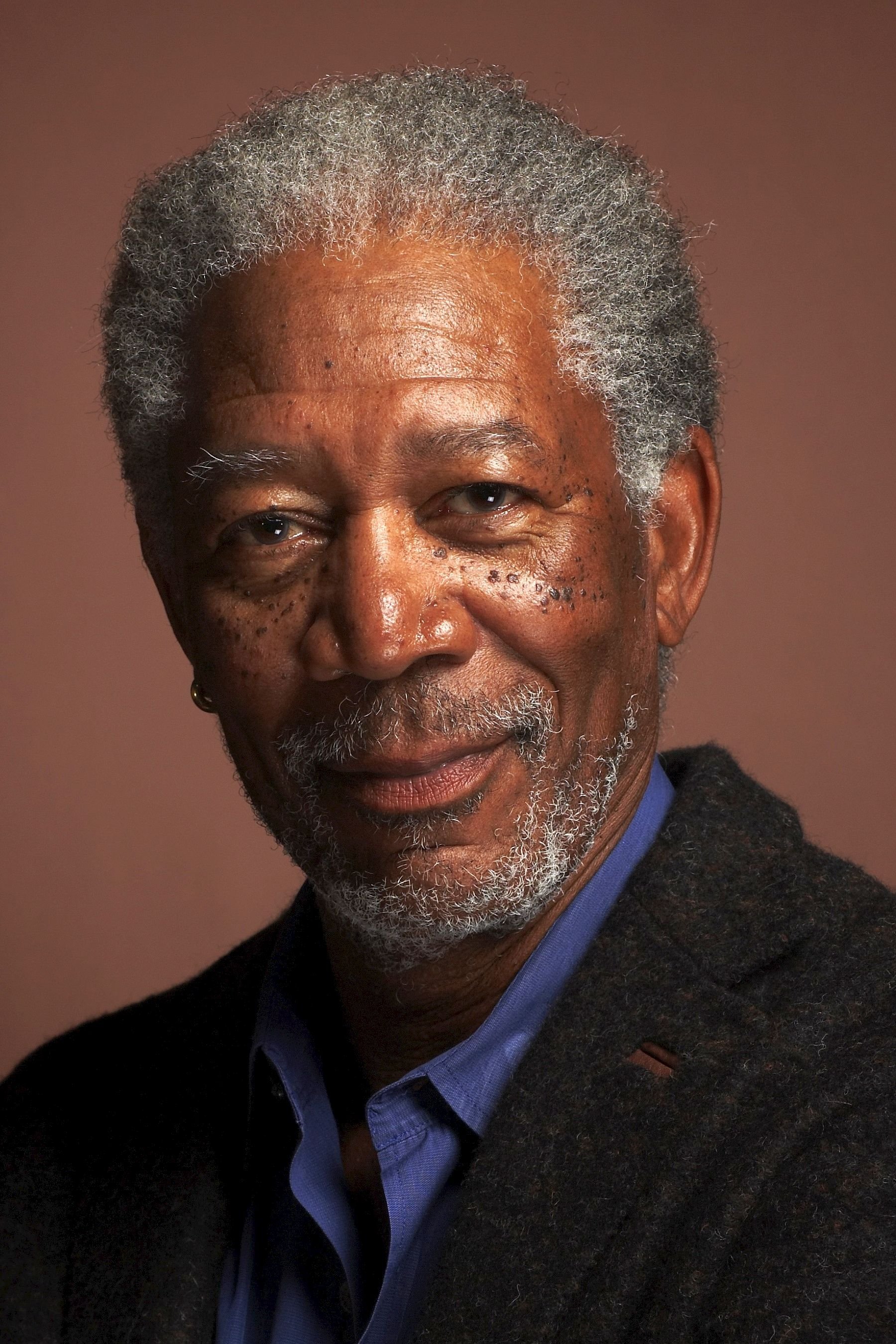
Freeman won an Academy Award for ‘Million Dollar Baby’ and received nominations for roles like ‘Driving Miss Daisy’. He often played the wise elder who guides a white protagonist toward enlightenment or success. While these roles established him as a legendary figure in Hollywood they are frequently analyzed through the lens of the magical minority trope. Freeman has addressed the way these characters are perceived in various interviews over the decades. He has pushed for scripts that allow black actors to exist outside of purely supportive or mystical contexts.
Mahershala Ali
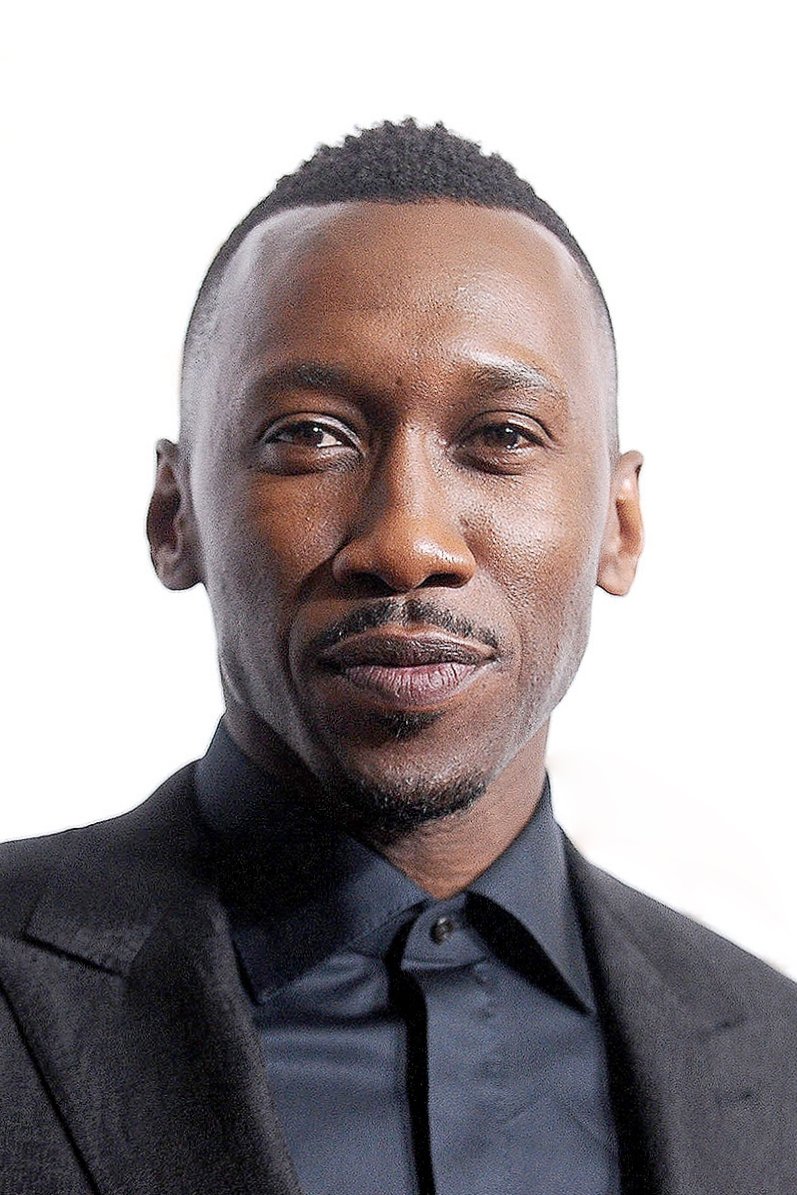
Ali won his second Academy Award for portraying Dr. Don Shirley in ‘Green Book’ which was a massive box office hit. The film was criticized for focusing on the white protagonist’s redemption through his relationship with a black musician. Ali acknowledged the controversy surrounding the film and the way it handled historical figures. He expressed regret regarding how the family of Dr. Shirley felt about the portrayal. The actor continues to seek roles that challenge traditional Hollywood narratives and provide deeper character studies.
Cuba Gooding Jr.
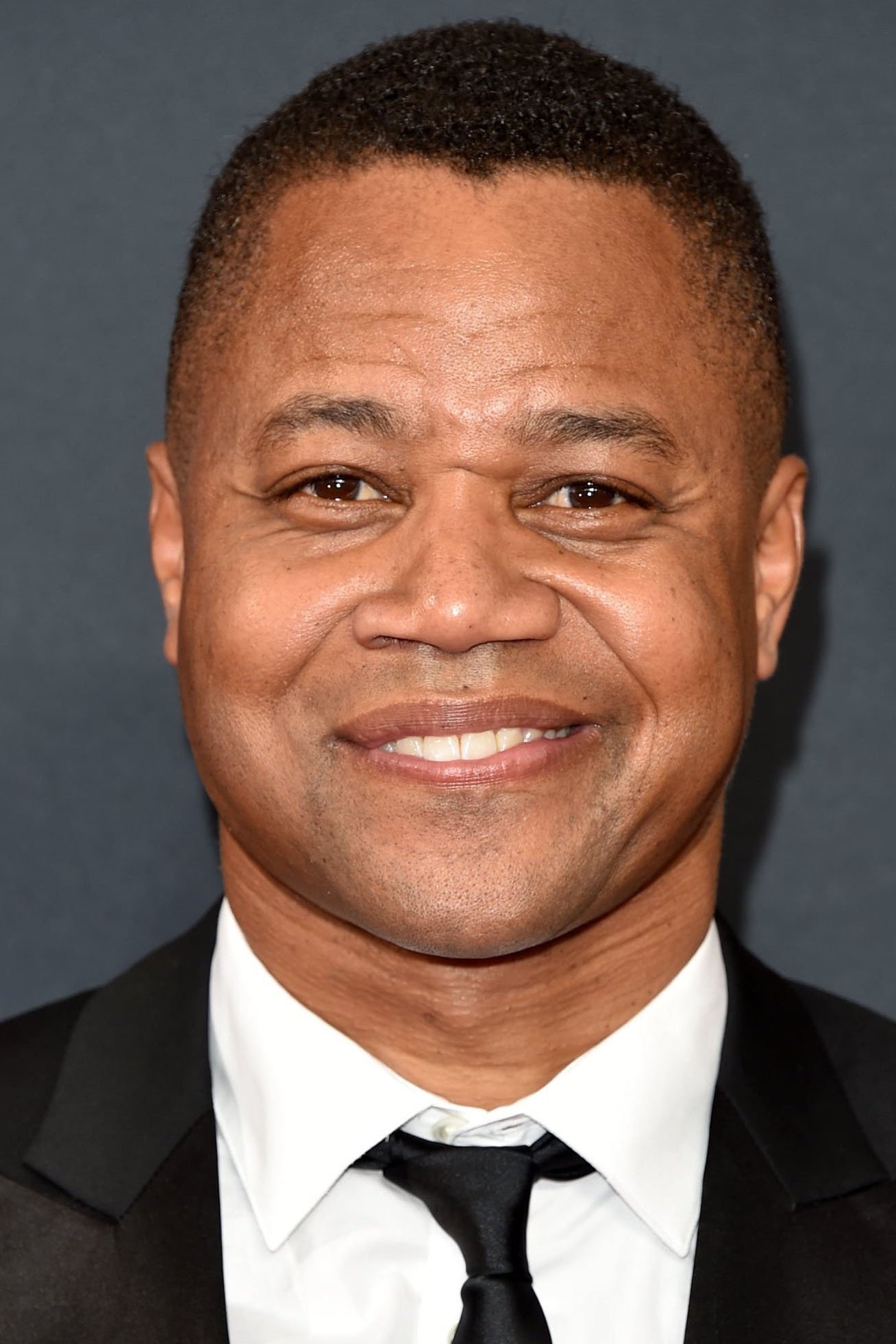
Gooding Jr. received widespread acclaim for his role in ‘Radio’ where he played a mentally disabled man who inspires a small town. The performance was intended to be heartwarming but was later seen by many as a reductive stereotype. He won several awards and nominations for the film during its initial release. Critics eventually pointed out that the character served mostly as a catalyst for the white characters’ personal growth. The actor has since reflected on the types of stories that get prioritized in the film industry.
Sidney Poitier
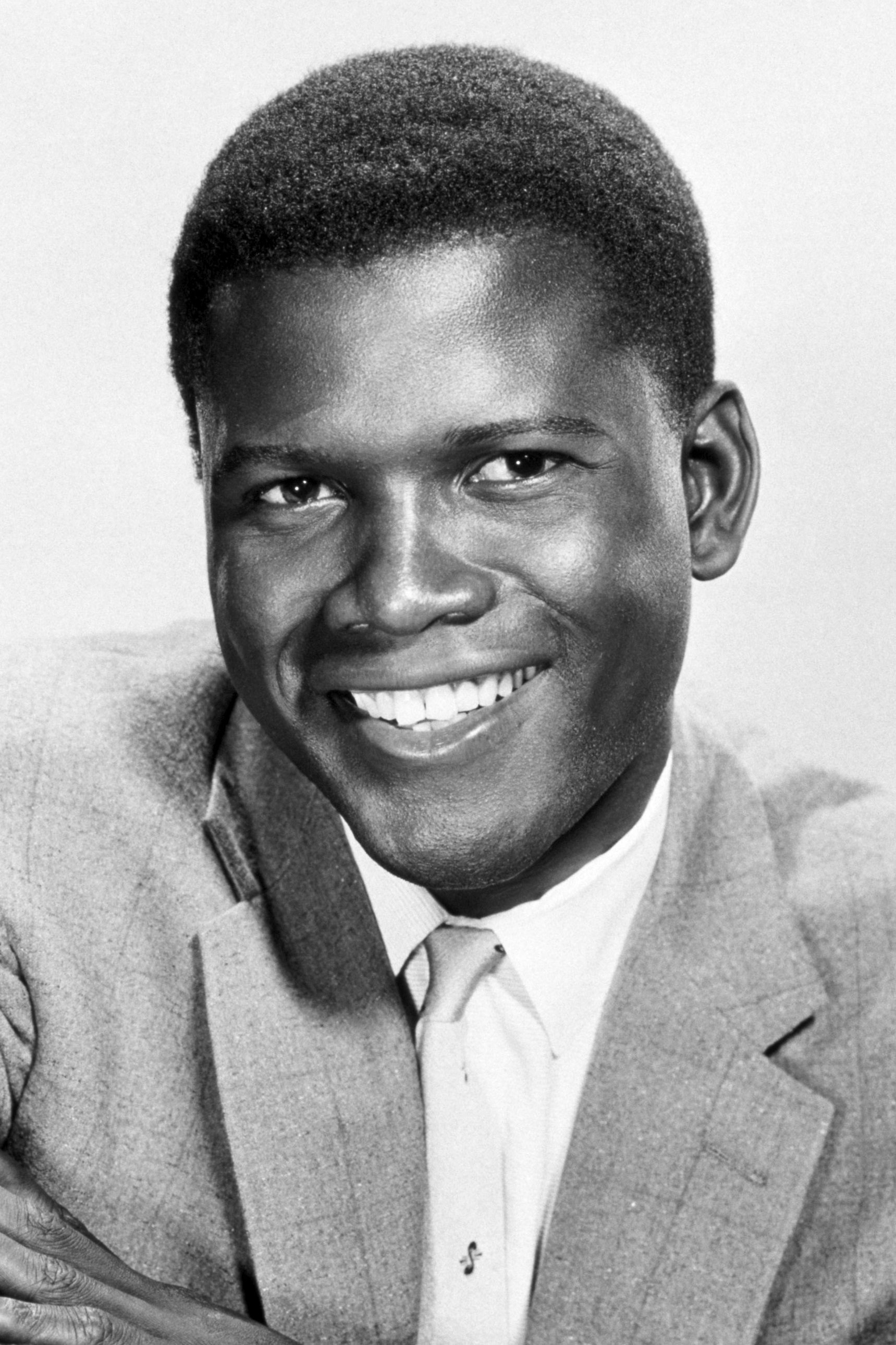
Poitier became the first black man to win the Academy Award for Best Actor for his role in ‘Lilies of the Field’. He played a handyman who helps a group of nuns build a chapel in the desert. While his win was a landmark moment for representation the role fit the mold of a saintly minority character. Poitier himself was often vocal about the burden of being the perfect representative for his race in cinema. He spent much of his later career working to ensure that black characters had more flaws and depth.
Pat Morita
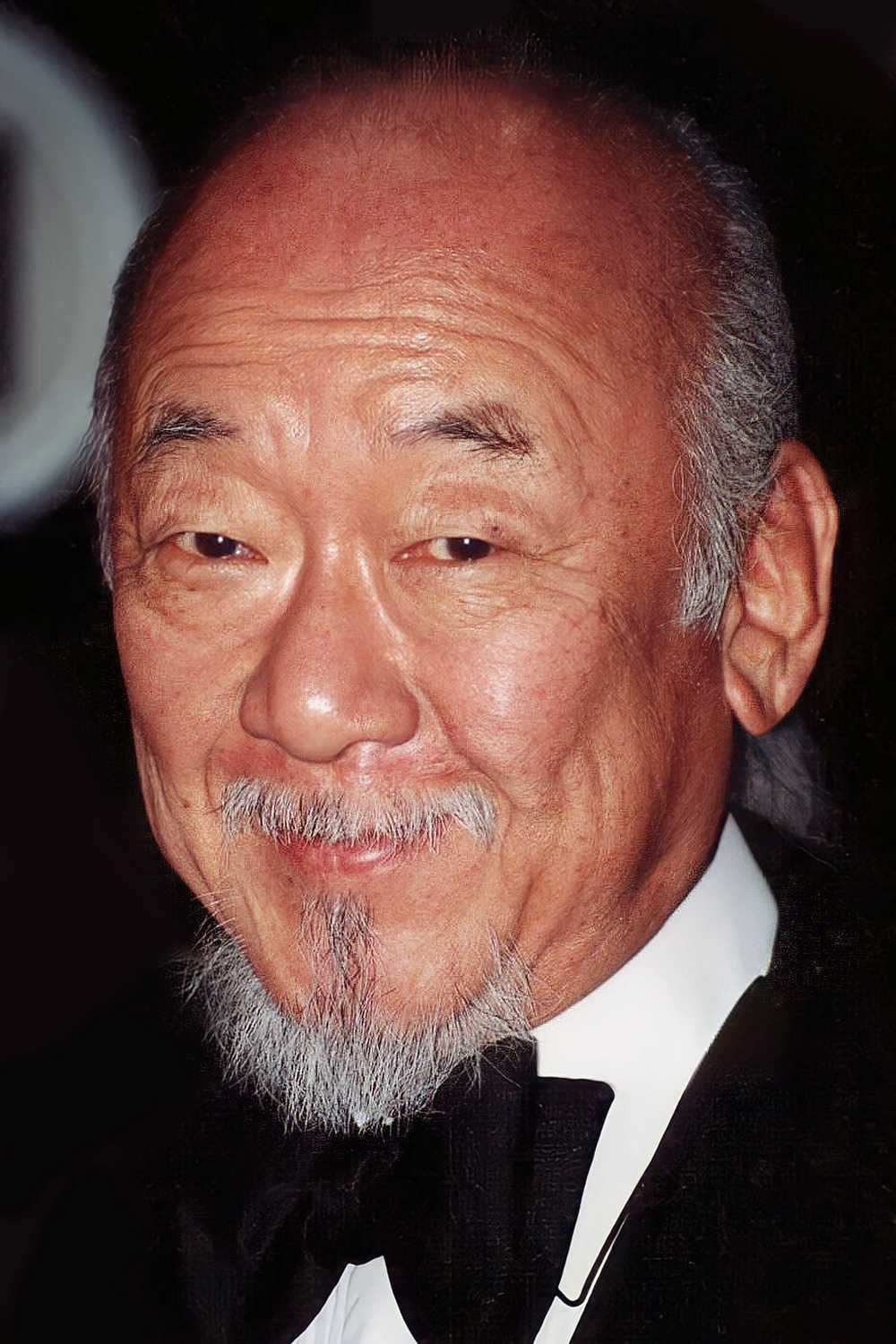
Morita earned an Academy Award nomination for playing Mr. Miyagi in ‘The Karate Kid’. The character provided essential wisdom and martial arts training to a young white boy. While the role is beloved it falls into the wise oriental trope that was common in eighties cinema. Morita appreciated the career boost but also spoke about the difficulty of finding work that did not require an accent. He spent years trying to break away from being typecast as a mystical mentor.
Ken Jeong
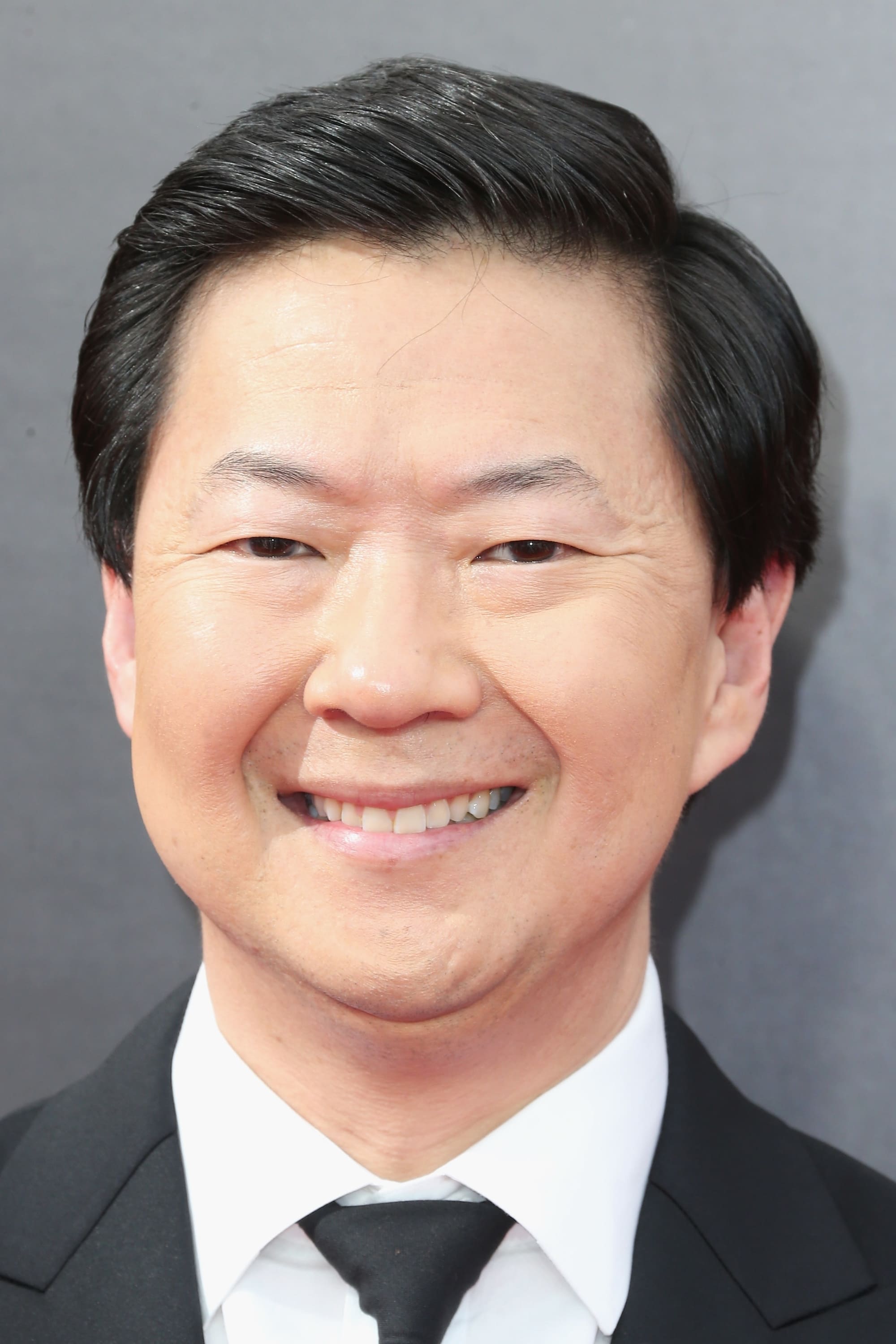
Jeong became famous for his portrayal of Mr. Chow in ‘The Hangover’ series. The character was a flamboyant and often stereotypical Asian caricature that was hugely popular with audiences. Jeong eventually expressed mixed feelings about the role and how it might have reinforced negative perceptions. He has since moved toward roles that showcase his versatility beyond broad comedy. The actor now uses his platform to advocate for more authentic Asian American representation in media.
Laurence Fishburne
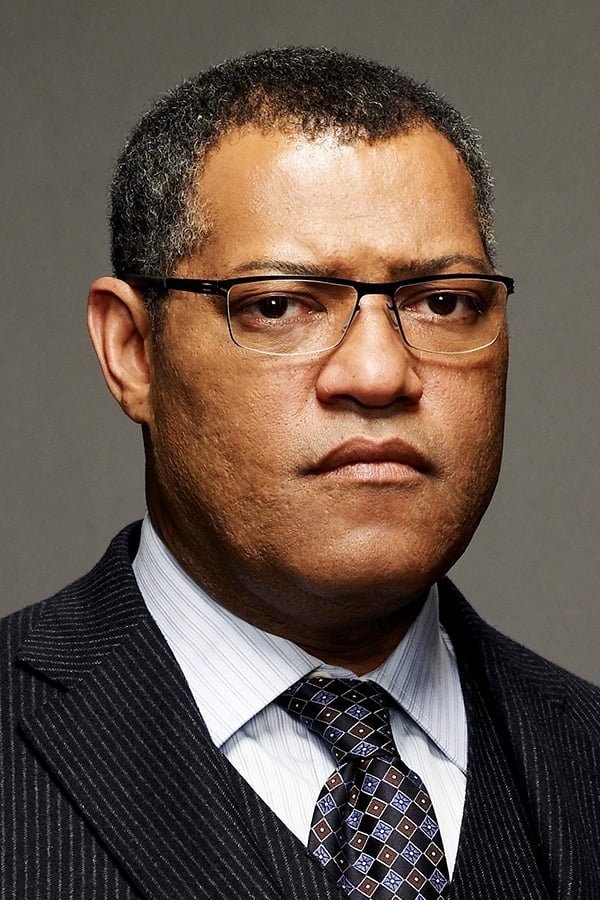
Fishburne played the iconic role of Morpheus in ‘The Matrix’ trilogy which became a global phenomenon. Morpheus is the quintessential mentor figure who believes in the white chosen one with religious fervor. While the role is celebrated for its coolness it also fits the magical minority archetype within the science fiction genre. Fishburne has discussed the nature of the role and its place in his storied career. He has consistently sought out roles that allow him to play leaders with their own complex motivations.
Anthony Mackie
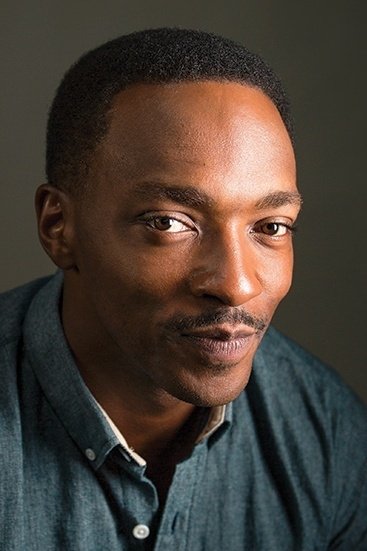
Mackie starred in ‘The Adjustment Bureau’ as a supernatural figure who guides the white protagonist through a series of obstacles. He has been vocal in interviews about the tendency of Hollywood to cast black actors as the magical helper. Mackie noted that these characters often lack their own backstories or personal desires. He has actively worked to diversify his filmography by taking on roles in major franchises and independent films. The actor continues to speak out against the limitations placed on minority performers in blockbuster cinema.
John Boyega
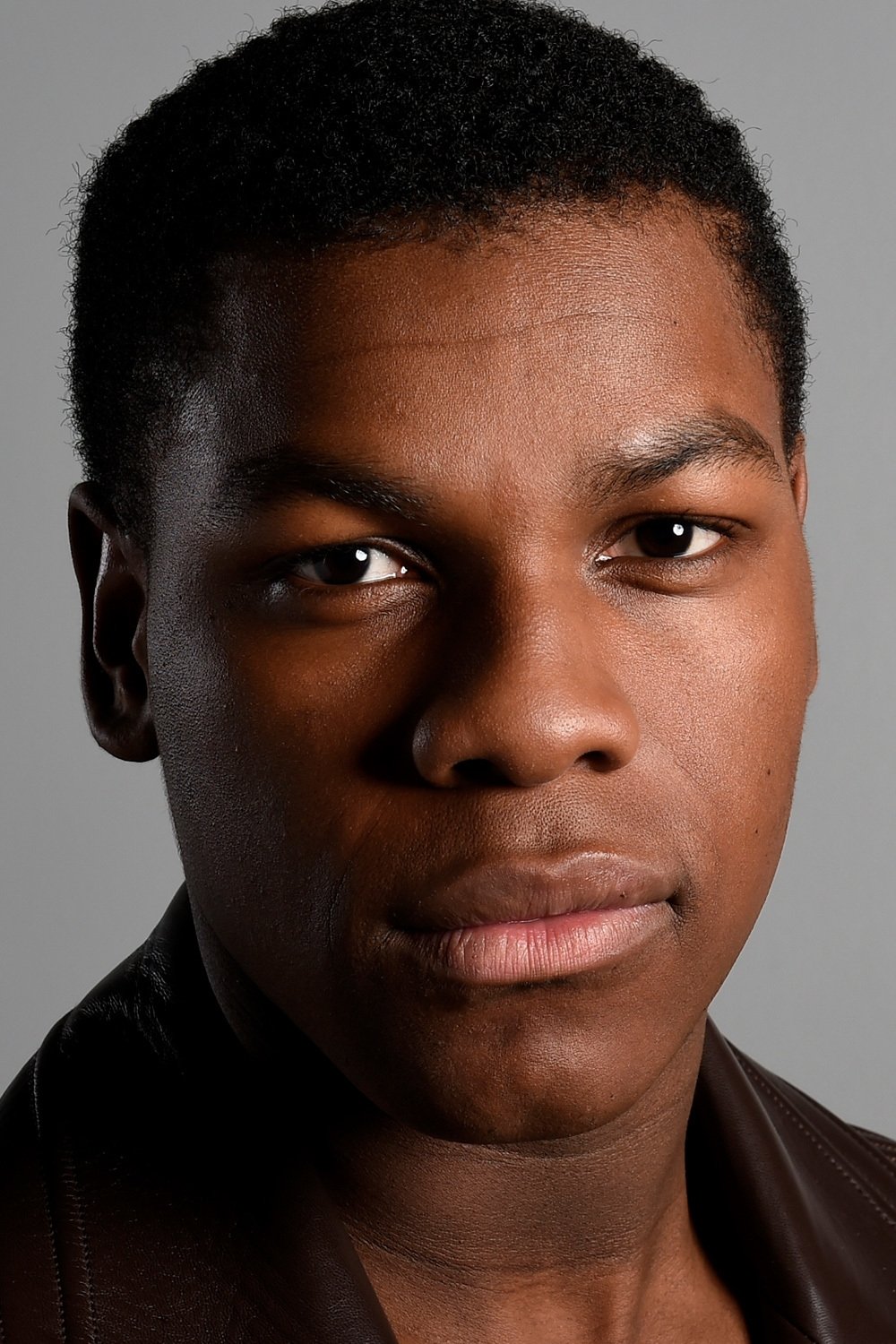
Boyega rose to international fame as Finn in the ‘Star Wars’ sequel trilogy. He later criticized the way his character was sidelined in favor of the white leads as the series progressed. Boyega felt that his character was initially presented as central but ultimately became a supportive figure. He spoke openly about the frustrations of being used as a marketing tool for diversity without having a meaningful arc. His public comments sparked a wider conversation about how major studios handle minority characters.
Samuel L. Jackson
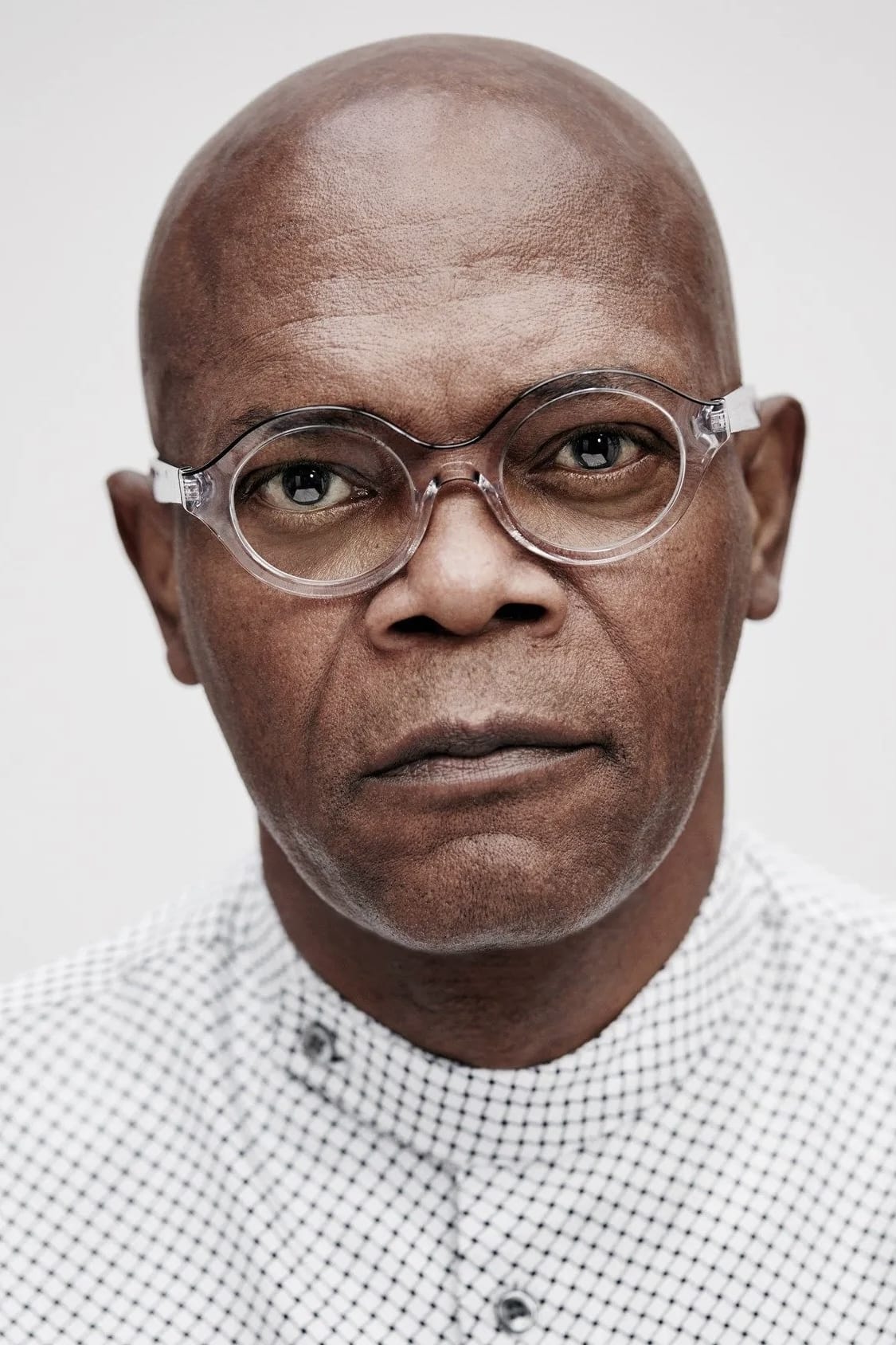
Jackson appeared in ‘The Legend of Tarzan’ as George Washington Williams who assists the title character in his quest. The role required him to play a sidekick to a white hero in an African setting. While Jackson is known for his powerful presence he has occasionally played into these supportive tropes. He has acknowledged the historical context of such stories and the challenges they present. The actor remains one of the most prolific figures in Hollywood while demanding more substantial roles.
Don Cheadle
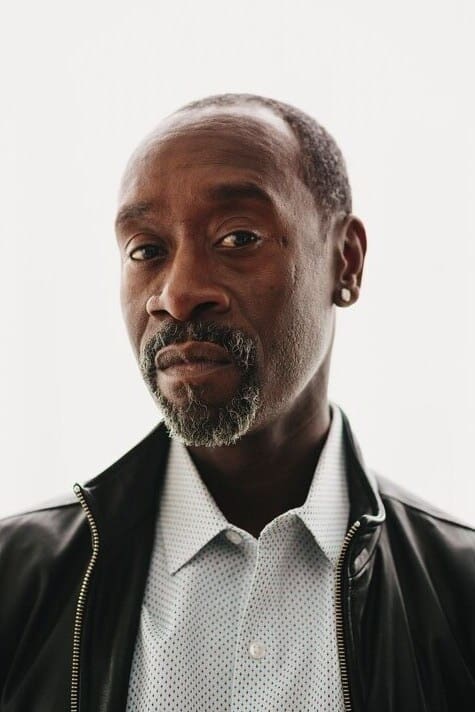
Cheadle appeared in ‘The Family Man’ as a mystical spirit who gives the white protagonist a glimpse into an alternate life. This role is a direct example of the magical minority trope appearing in romantic comedies. Cheadle has often balanced these commercial projects with deeply personal and political films. He has been a consistent voice for change within the industry regarding how minority characters are written. His career trajectory shows a clear preference for complex human dramas over archetypal tropes.
James Earl Jones
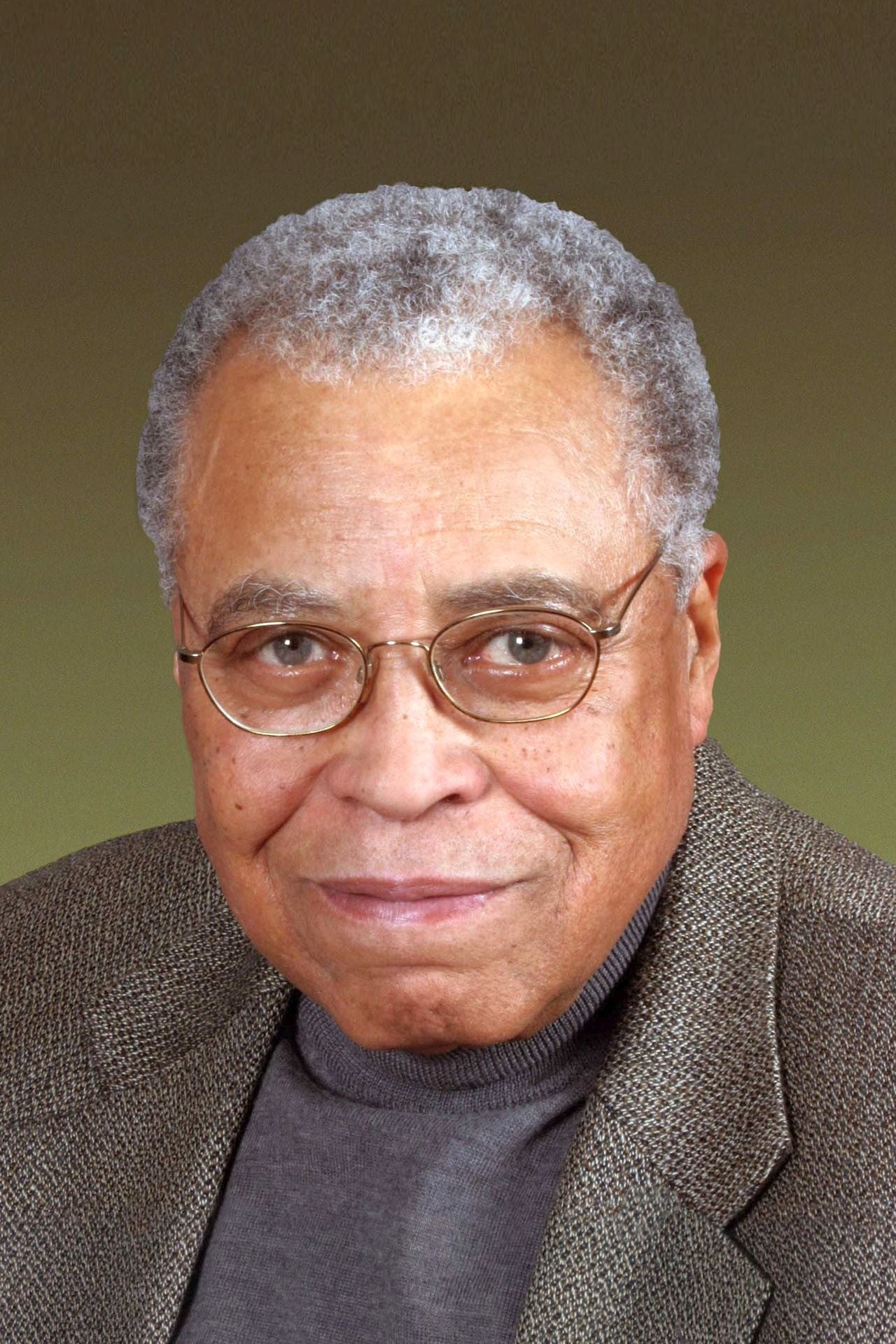
Jones played Terence Mann in ‘Field of Dreams’ where he acts as a spiritual guide for the main character. His commanding voice and presence added weight to the film but the role remained firmly in the mentor category. Jones has a career spanning decades with many legendary performances that transcend stereotypes. However he has noted the lack of opportunities for black actors to lead such high profile stories in the past. He continues to be regarded as one of the greatest actors of his generation.
Scatman Crothers
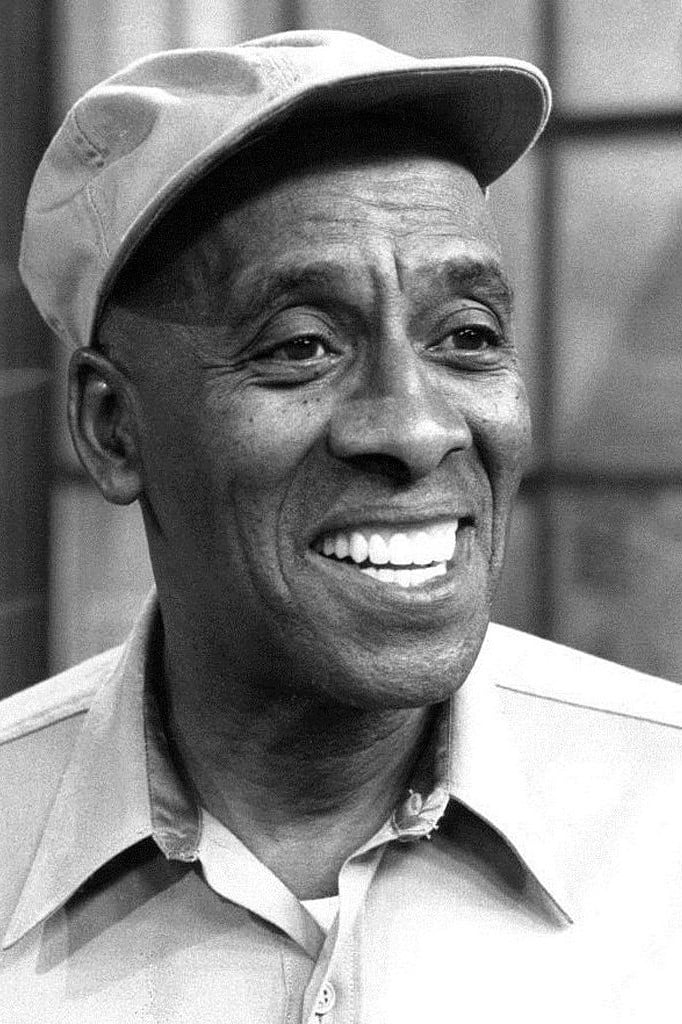
Crothers played Dick Hallorann in ‘The Shining’ and became famous for the character’s psychic abilities. The character’s primary function was to explain the supernatural elements to the audience and attempt to save the white family. This role is often cited as a definitive example of the magical minority trope in horror. Crothers was a versatile performer who worked in many different facets of entertainment. He faced the challenges of a system that often limited the roles available to talented black men.
Ken Watanabe
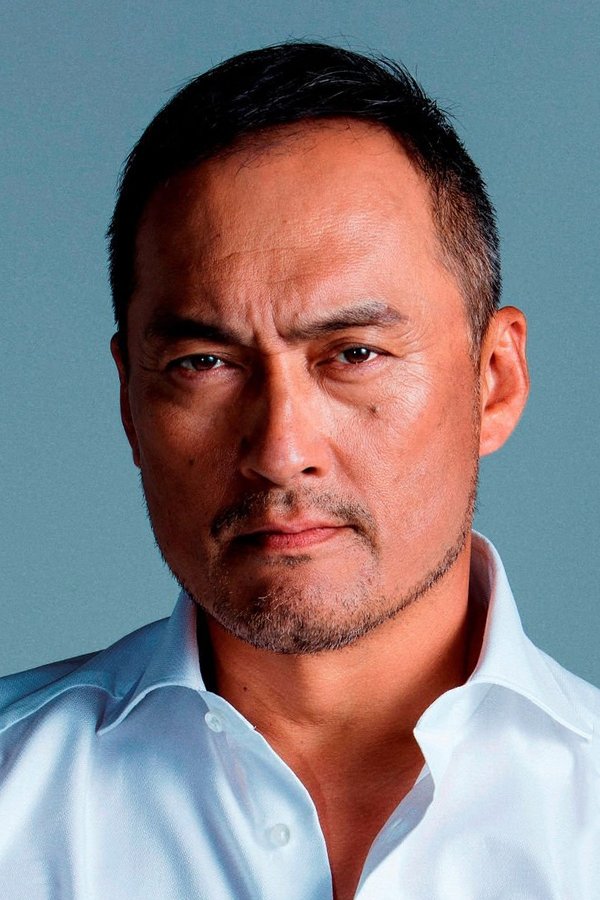
Watanabe received an Academy Award nomination for ‘The Last Samurai’ where he played a noble warrior. His character served as the spiritual and cultural guide for the white protagonist played by Tom Cruise. While the performance was powerful it relied on the noble savage and wise oriental tropes. Watanabe has expressed pride in the role but also a desire for Japanese actors to play more contemporary characters. He has since appeared in many international films that offer a wider range of representation.
Hiroyuki Sanada
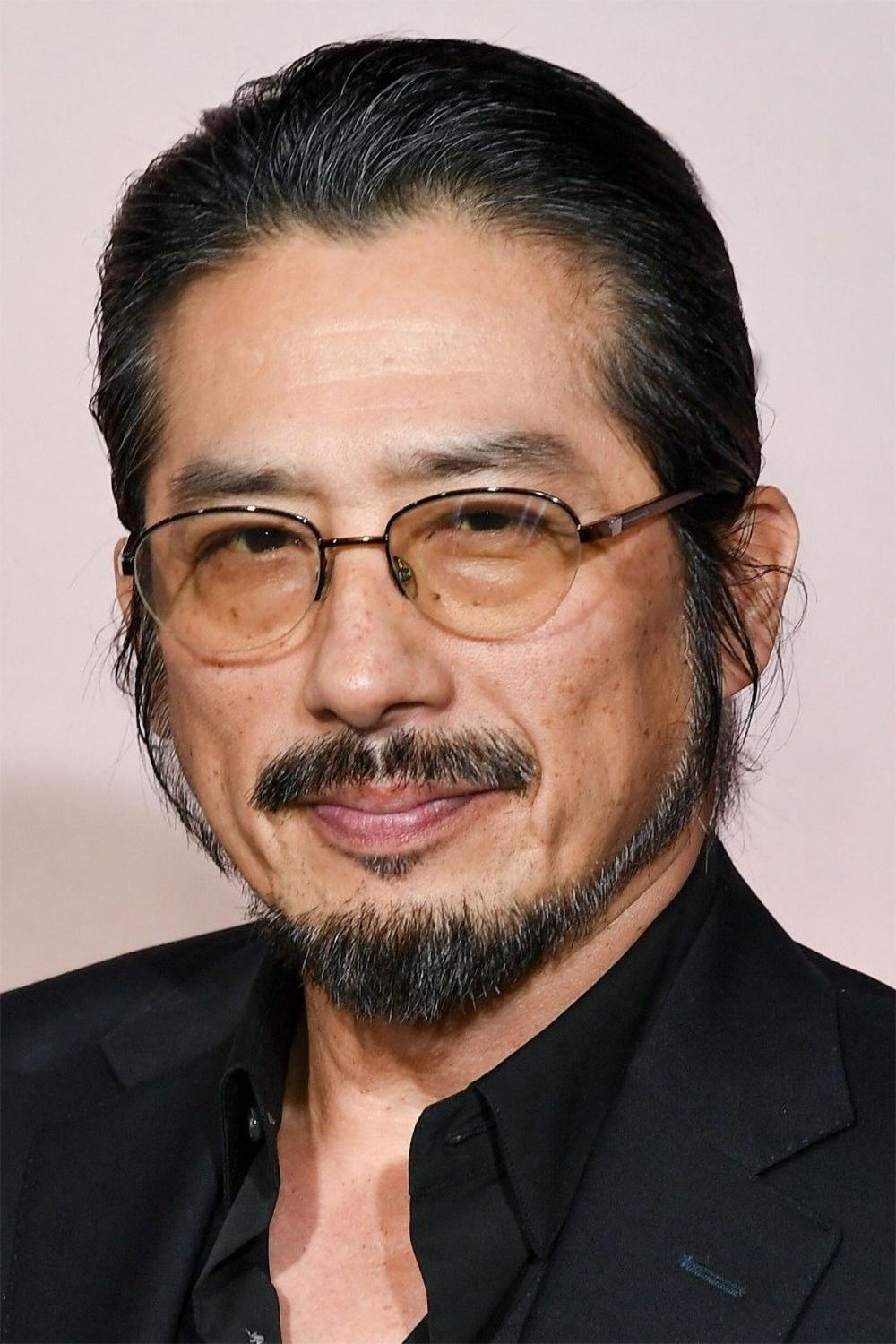
Sanada also appeared in ‘The Last Samurai’ and has spent years playing various mentor or warrior figures in Hollywood. He is a highly respected actor in Japan who found himself often typecast when working in Western cinema. Sanada has recently moved into producing roles to ensure more authentic portrayals of Japanese culture. He has spoken about the importance of moving beyond the mystical warrior trope. His recent work shows a dedication to creating more nuanced and historically accurate stories.
Graham Greene
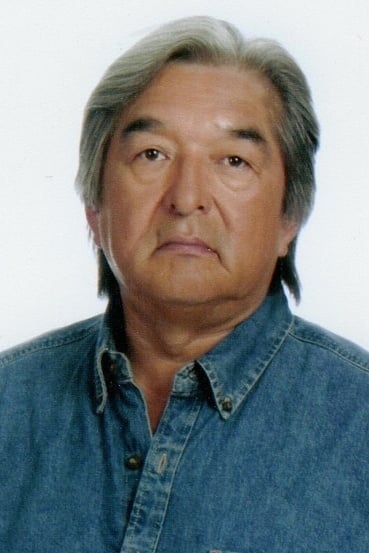
Greene earned an Academy Award nomination for ‘Dances with Wolves’ as Kicking Bird. He played a wise Native American who welcomes and guides the white protagonist into his culture. The film was a massive success but was later criticized for its white savior narrative. Greene has continued to work steadily and has often played roles that subvert these early career stereotypes. He remains one of the most recognizable Indigenous actors in the film industry.
Wes Studi
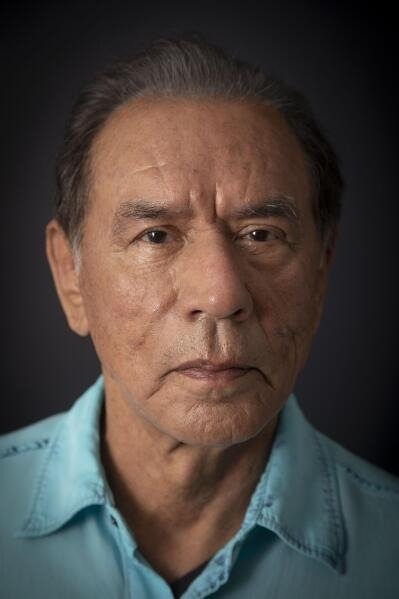
Studi is known for his powerful performances in films like ‘The Last of the Mohicans’ and ‘Geronimo’. He has often been cast in roles that lean into the noble or fierce warrior archetypes. While he has brought immense dignity to these parts he has also highlighted the need for Native actors to play modern characters. Studi was honored with an Honorary Oscar for his contributions to cinema. He remains an advocate for Indigenous voices in all aspects of filmmaking.
Chief Dan George
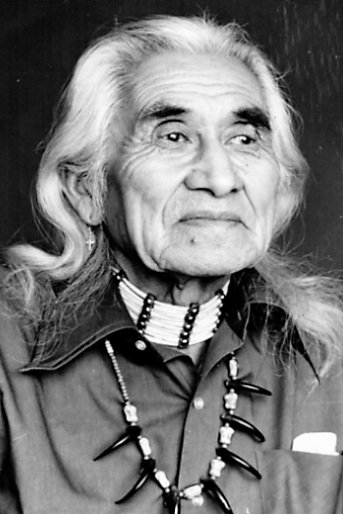
George was a celebrated actor who received an Oscar nomination for his role in ‘Little Big Man’. He played a wise elder who provided comic relief and spiritual guidance to the protagonist. His performance was a breakthrough for Native American representation at the time. However the role still fit within the established tropes of the era. George used his fame to speak about the rights of Indigenous people and the importance of cultural preservation.
Ben Kingsley
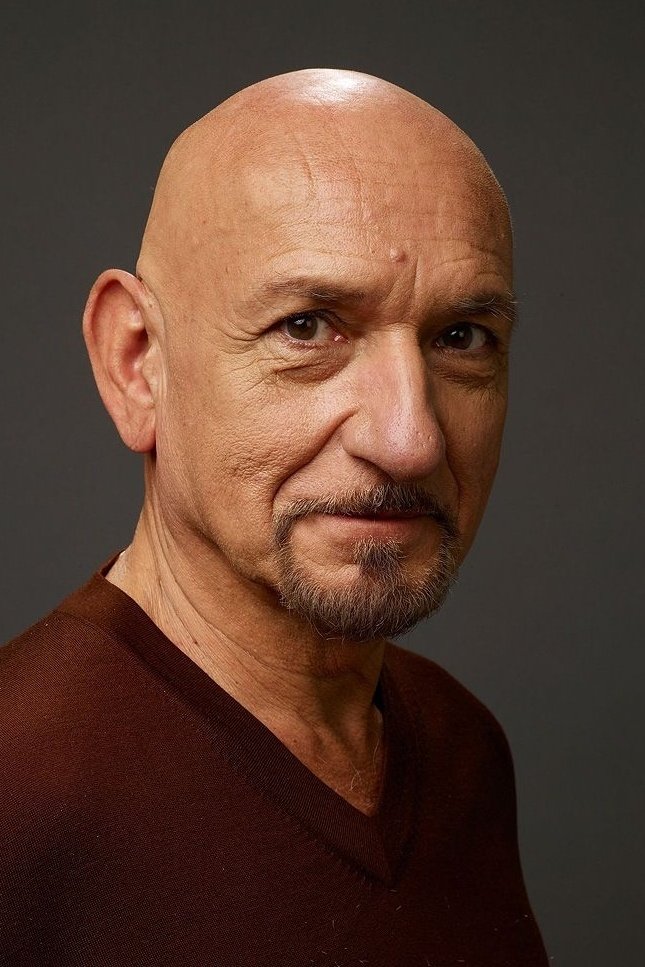
Kingsley won the Academy Award for Best Actor for his portrayal of the title character in ‘Gandhi’. While the film was a biographical drama it portrayed the leader as a saintly figure who inspires the world. Kingsley has a diverse background but his portrayal of various ethnicities has sometimes sparked debate. He has discussed the intensity of playing such an iconic and spiritually significant figure. The actor continues to take on a wide variety of roles that span different genres and cultures.
Dev Patel

Patel broke out in ‘Slumdog Millionaire’ playing a young man whose life experiences allow him to win a game show. The film was a global hit but some critics felt it simplified the complexities of poverty in India. Patel has since spoken about the difficulty of escaping the shadow of that early role. He has been very selective about his projects to avoid being pigeonholed into similar archetypes. His work in ‘Lion’ and other films demonstrates his growth as a leading man.
Suraj Sharma

Sharma starred in ‘Life of Pi’ as a young man who survives a shipwreck with a tiger. The film relied heavily on spiritual themes and the wonder of the natural world. While the performance was critically acclaimed Sharma faced challenges in finding diverse roles afterward. He has expressed a desire to play characters that are not defined by their mystical or exotic circumstances. The actor continues to work in both international and American television and film.
Gedde Watanabe
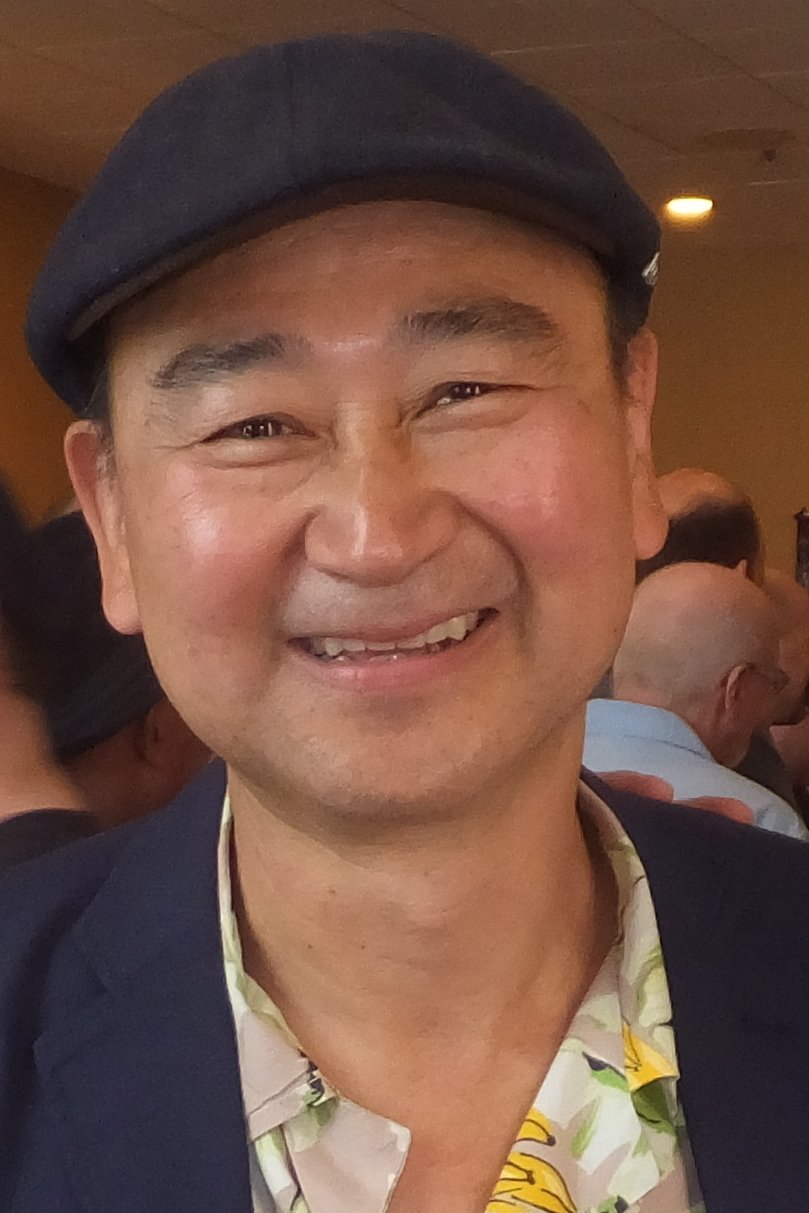
Watanabe is perhaps best known for his role as Long Duk Dong in ‘Sixteen Candles’. The character is one of the most infamous Asian stereotypes in cinema history. Watanabe has expressed deep regret over the role and its impact on the Asian American community. He has often spoken about how the role haunted his career and limited his opportunities. The actor has worked hard to move past that caricature and build a respected body of work.
Burt Kwouk
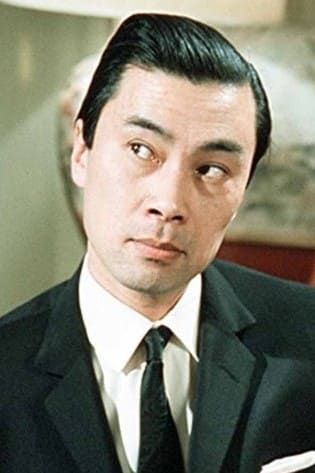
Kwouk played Cato in the ‘Pink Panther’ films where he was the martial arts sidekick to Inspector Clouseau. The character was largely defined by his sudden attacks and stereotypical traits. Kwouk was a talented actor who appeared in many classic films including several James Bond entries. He often navigated the limited landscape for Asian actors during his career. Despite the popularity of the role it remains a controversial part of his legacy.
Mako
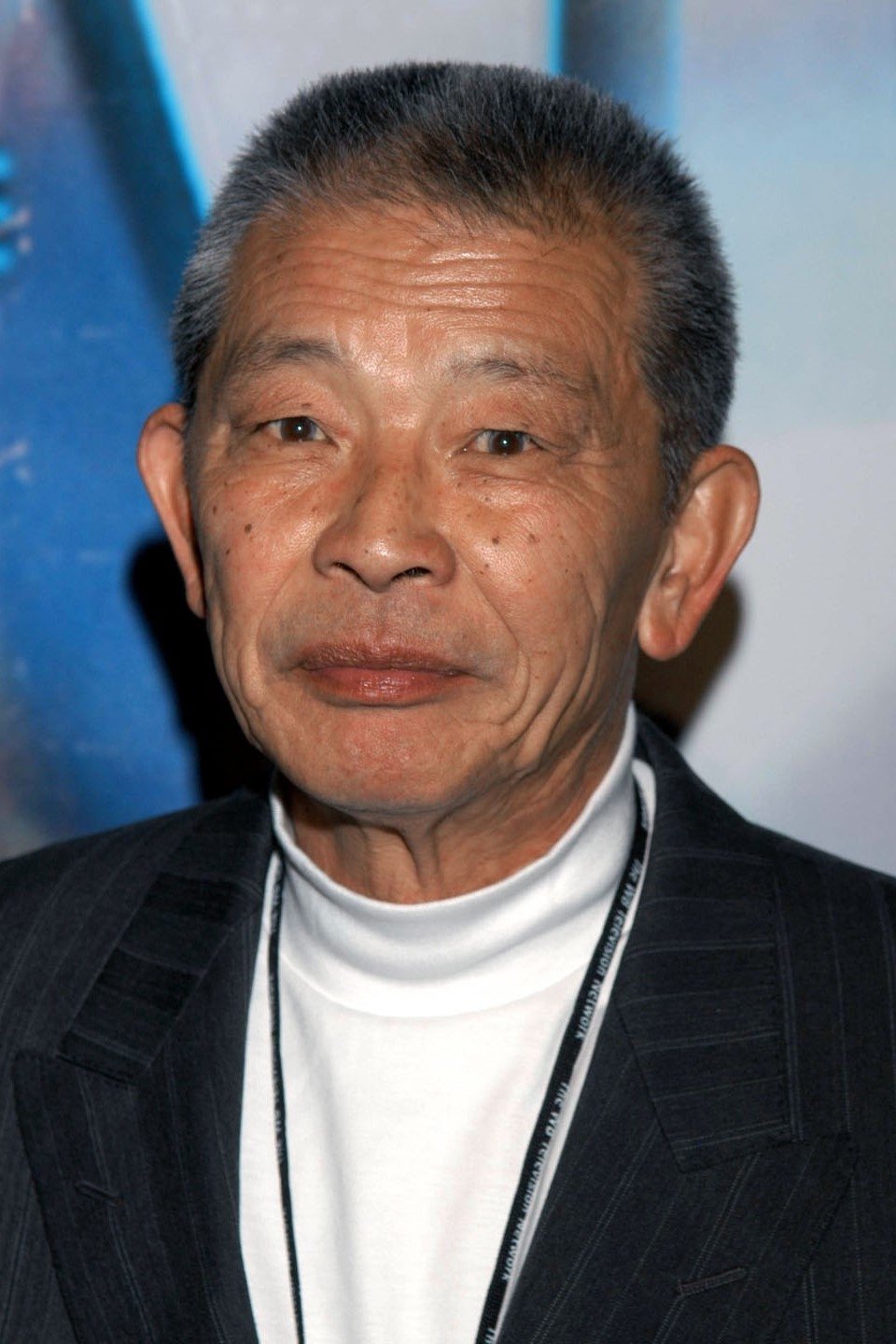
Mako was a pioneering actor who received an Oscar nomination for ‘The Sand Pebbles’. He often played roles like the wizard in ‘Conan the Barbarian’ which leaned into the wise oriental trope. Mako was a co founder of the East West Players and worked tirelessly to create better opportunities for Asian actors. He was vocal about his frustration with the lack of complex roles available in Hollywood. His legacy is defined by both his performances and his activism for representation.
Victor Wong
Wong was a frequent collaborator with John Carpenter and appeared in films like ‘Big Trouble in Little China’. He often played the mystical elder who understands the supernatural forces at work. While his performances were charismatic they were often confined to these specific archetypes. Wong was a multi talented individual who was also a journalist and an artist. He brought a unique energy to his roles despite the limitations of the scripts.
Keye Luke
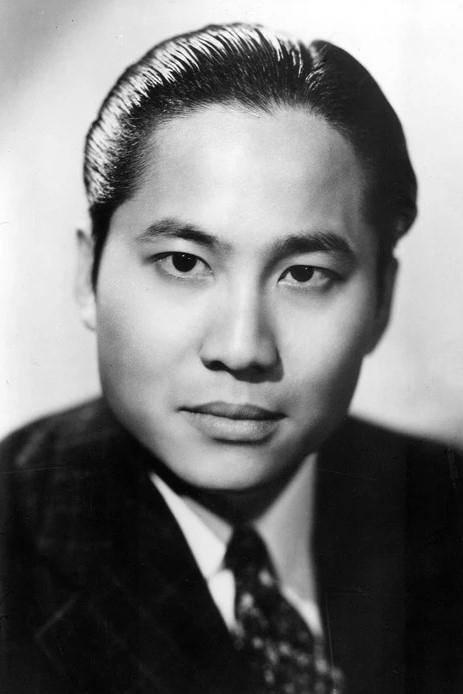
Luke had a long career playing roles like the Master in the ‘Kung Fu’ television series. He was one of the first Asian American actors to find consistent work in Hollywood. Many of his roles involved providing ancient wisdom to white protagonists. Luke was a trailblazer who paved the way for future generations of actors. He often spoke about the evolution of Asian characters in American media over his lifetime.
David Oyelowo
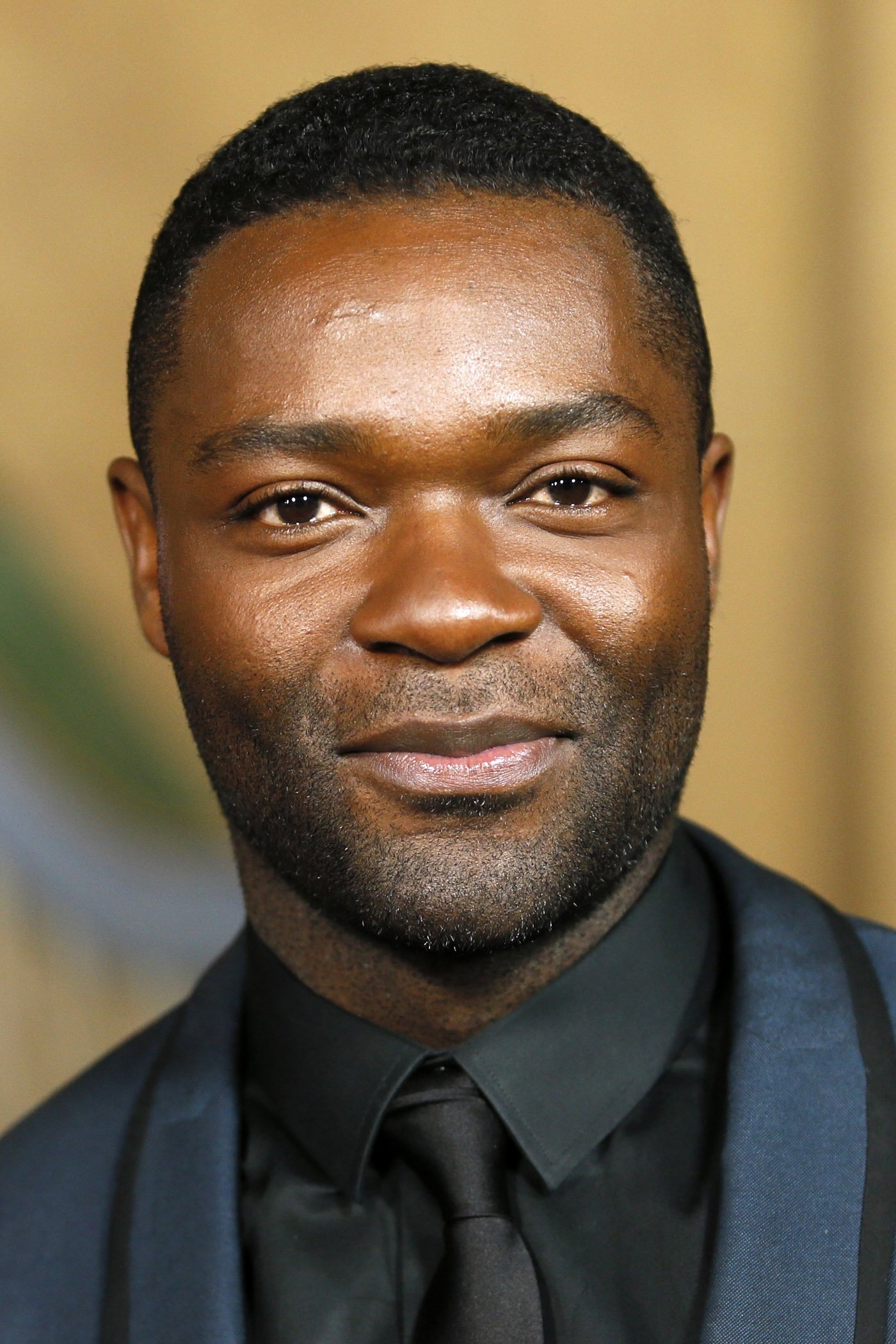
Oyelowo played the title character in ‘The Butler’ which followed a man serving multiple presidents. The film was a major success but some critics felt it focused too much on the white historical figures. Oyelowo has been very vocal about the types of black stories that Hollywood chooses to tell. He has expressed frustration with the industry’s obsession with black trauma and servitude. The actor now focuses on producing and starring in films that offer more diverse narratives.
Djimon Hounsou
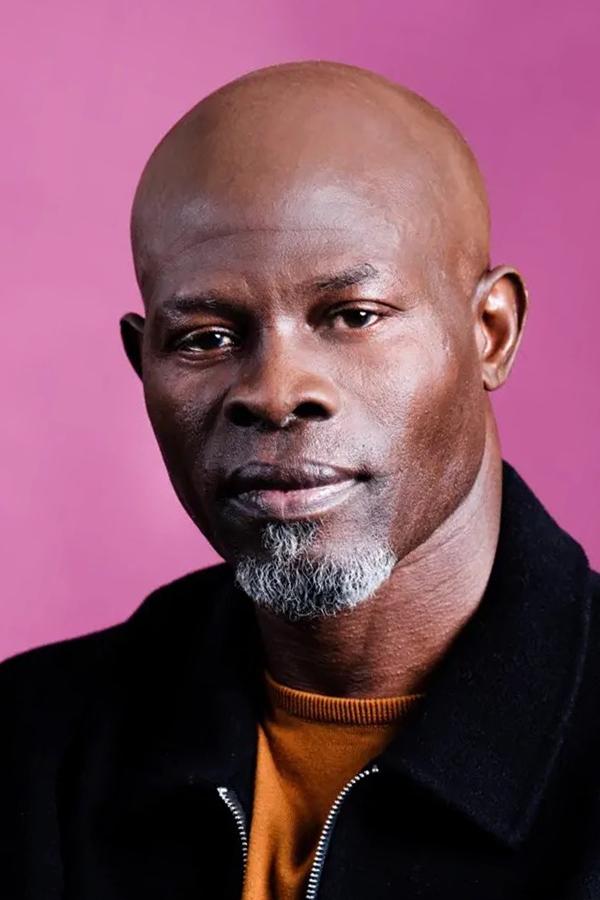
Hounsou received critical acclaim for his roles in ‘Amistad’ and ‘Gladiator’ where he often played a noble and physically powerful supportive character. He has been vocal about the frustration of being cast in roles that focus on his physique or a perceived tribal nobility rather than his acting range. Hounsou noted the difficulty of finding leading roles that do not revolve around slavery or historical trauma. He continues to push for more diverse opportunities for African actors in major Hollywood productions. His career highlights the ongoing struggle for African performers to be seen as more than archetypal figures.
Robert Guillaume
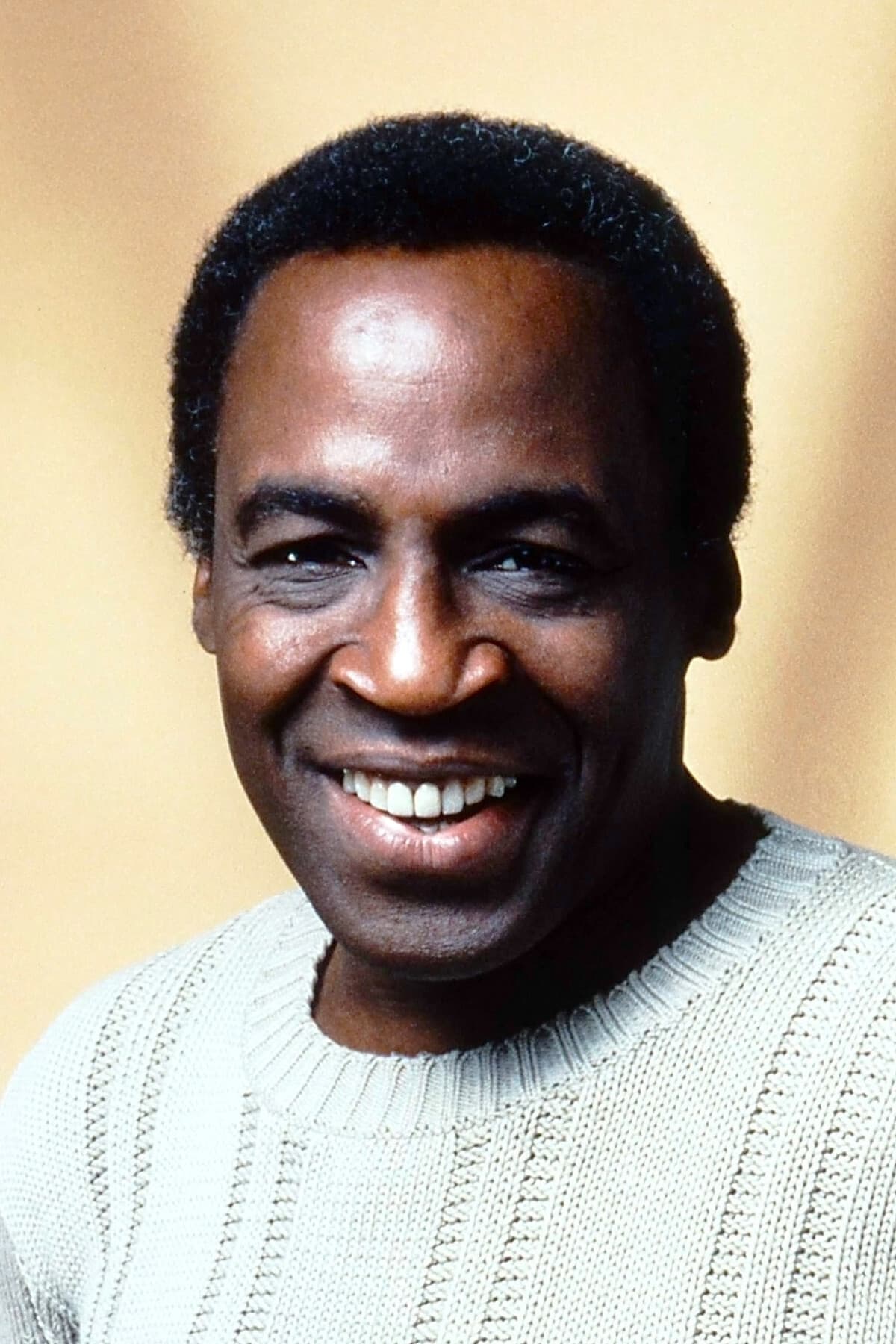
Guillaume won two Emmy Awards for his portrayal of Benson DuBois in the series ‘Soap’ and its spin off ‘Benson’. While the character was intelligent and capable he began as a domestic worker serving a white family. Guillaume worked hard to ensure the character evolved into a politician to move past the servant stereotype. He often discussed the careful balance required to play such a role during that era of television. His efforts were instrumental in shifting the perception of black characters on screen.
Yaphet Kotto
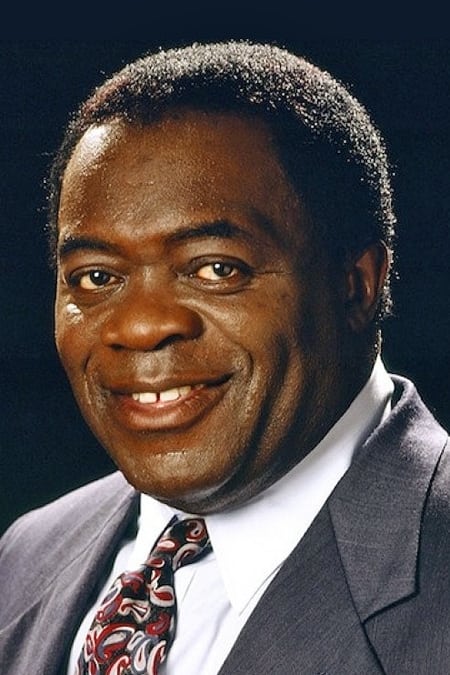
Kotto played the villainous Kananga in ‘Live and Let Die’ and later appeared in many roles that fit the formidable minority trope. He was often cast as the wise or dangerous figure who assists or opposes the white hero. Kotto expressed frustration with the limited types of characters offered to him throughout his career. He sought to bring dignity and complexity to every role regardless of the script limitations. His legacy remains that of an actor who demanded respect in a restrictive industry.
Share your perspective on how these actors navigated the transition from stereotypical tropes to more nuanced performances in the comments.