


Actors Who Won Oscars for Under 30 Minutes of Screen Time

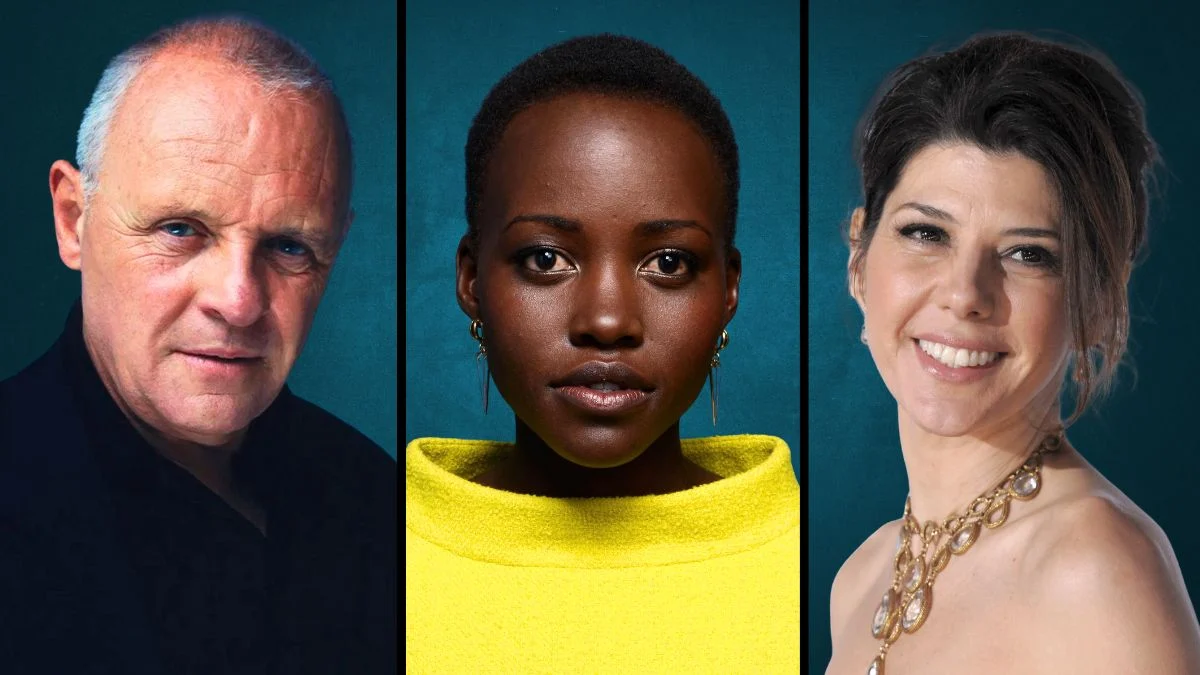


Sometimes the smallest part of a movie leaves the biggest footprint. A handful of performers have taken home Academy Awards despite appearing on screen for less than half an hour, proving that careful scene selection and tightly written roles can carry huge weight. These wins span leads and supporting categories and they show how the Academy often responds to performances that drive the story forward with precision.
Screen time is not officially tracked by the Academy, but historians and editors have tallied approximate counts by timing appearances scene by scene. Below are actors whose winning turns are widely documented as clocking in under 30 minutes. Each entry notes the role, the category won, and the kinds of scenes where that limited time delivers the story’s critical turns.
Anthony Hopkins in ‘The Silence of the Lambs’ (1991)
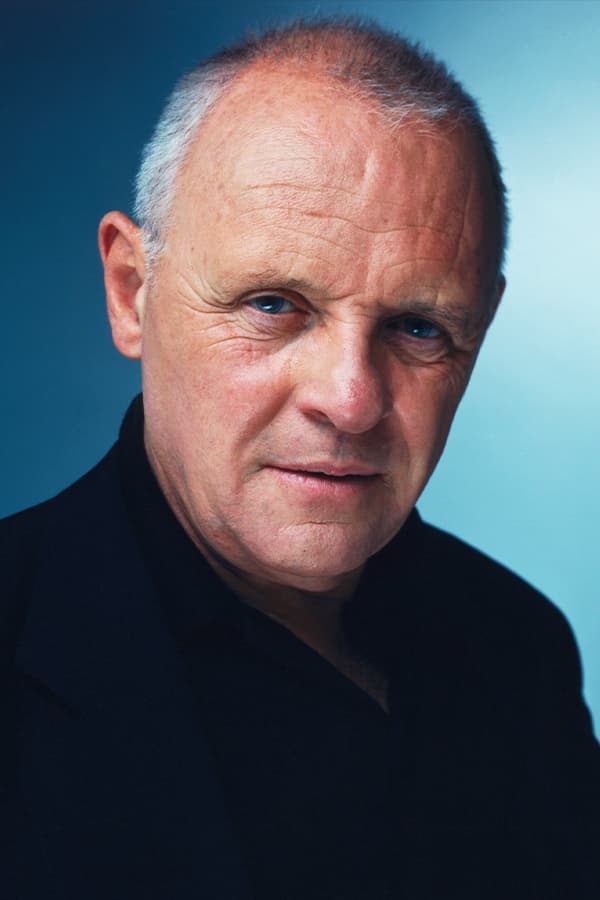
Anthony Hopkins won Best Actor for playing Dr. Hannibal Lecter with about 16 minutes on screen. His scenes are concentrated in the meetings with Clarice Starling, the escape sequence, and a closing phone call, all of which occur in discrete bursts rather than across the full running time. Those appearances shape the investigation plot and frame Clarice’s progress through interviews and clues.
The film earned wins across the major categories and his character functions as an expert source within the narrative. The story uses Lecter’s insights to move between crime scenes and psychological reveals, which allows a lead trophy despite limited physical presence in the broader casework.
David Niven in ‘Separate Tables’ (1958)
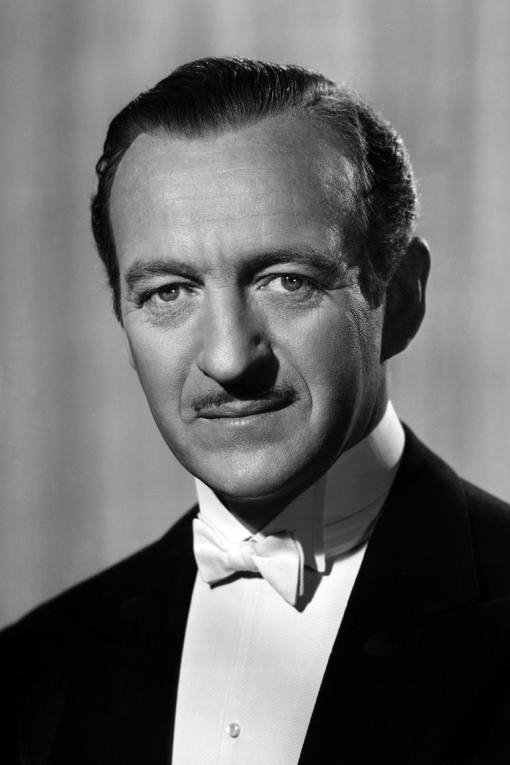
David Niven won Best Actor for Major Angus Pollock with around 15 to 18 minutes of screen time. The story unfolds in a seaside hotel with overlapping guests, so his scenes arrive in short visits to the dining room and lobby, plus a key confession that resolves his arc.
The ensemble structure keeps the camera rotating among several characters while Niven’s plot thread supplies the emotional hinge. His brief appearances carry the revelation that changes the relationships inside the hotel, which supports a lead win despite limited minutes.
Patricia Neal in ‘Hud’ (1963)
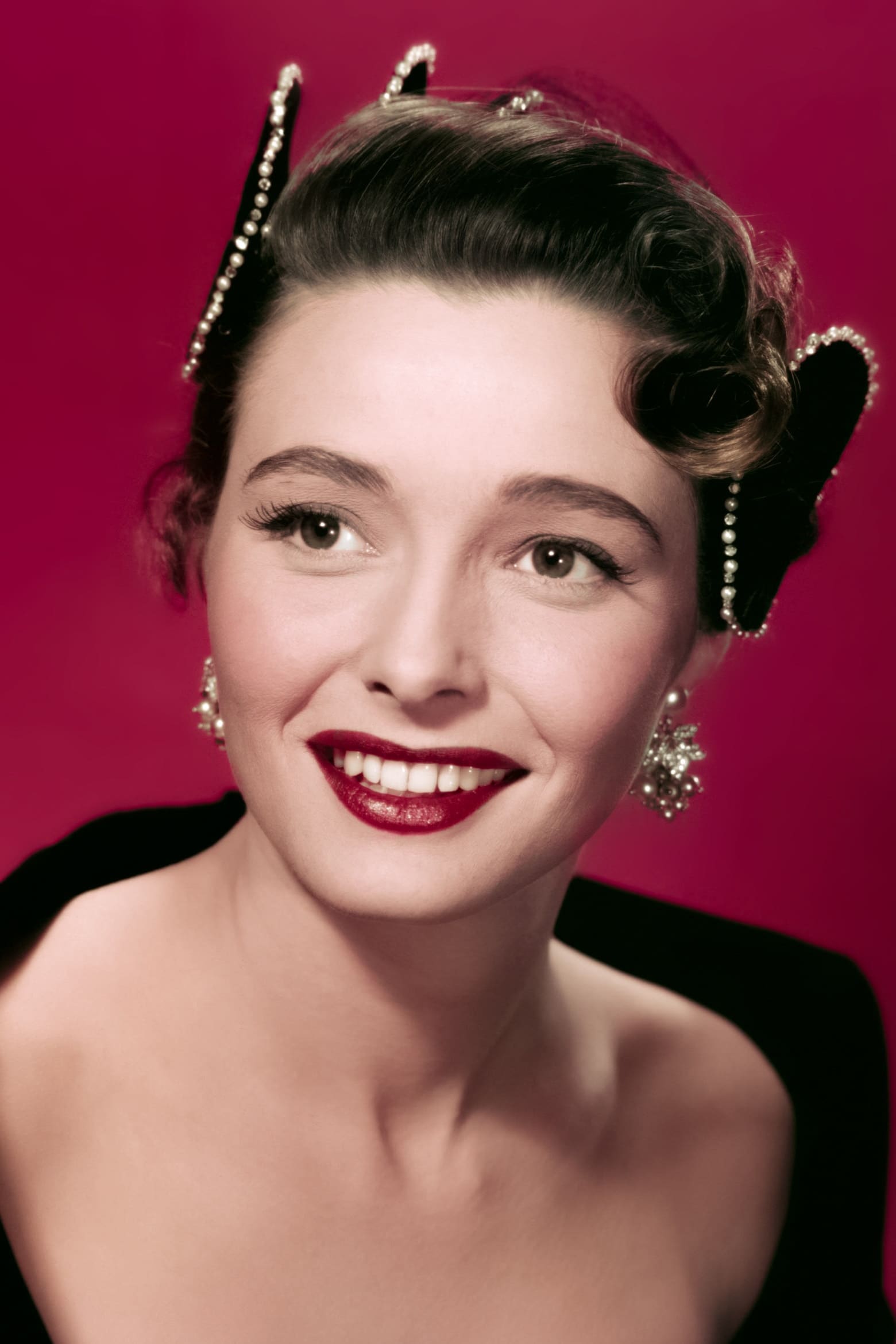
Patricia Neal won Best Actress for Alma Brown with roughly 21 minutes on screen. Her scenes occur in the ranch house kitchen and a handful of conversations that mark turning points between Hud and the rest of the family.
Because Alma’s choices set boundaries for the men around her, the film assigns her a small number of pivotal exchanges. That structure concentrates her impact in a few moments that shift loyalties and force decisions about the ranch and the family’s future.
Beatrice Straight in ‘Network’ (1976)
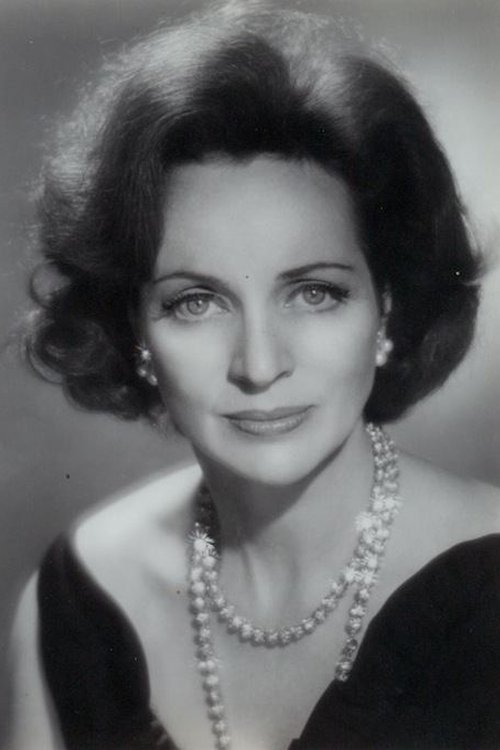
Beatrice Straight won Best Supporting Actress with about five minutes of screen time. Her most substantial sequence is a confrontation in her living room, and the role also includes a brief appearance that bookends that scene.
The script places the marriage fallout in a single extended conversation that changes the stakes for the characters linked to the television storyline. That compression gives the performance a clear narrative function while keeping total minutes extremely low.
Judi Dench in ‘Shakespeare in Love’ (1998)

Judi Dench won Best Supporting Actress for Queen Elizabeth I with around eight minutes on screen. She appears in short court scenes, a visit to the theater, and the final decision that resolves the playhouse conflict.
The film uses the Queen as an authority who sets the rules for writers and players. Each appearance delivers a ruling or observation that advances the theater plot, which allows a small amount of time to carry decisive power.
Anthony Quinn in ‘Lust for Life’ (1956)
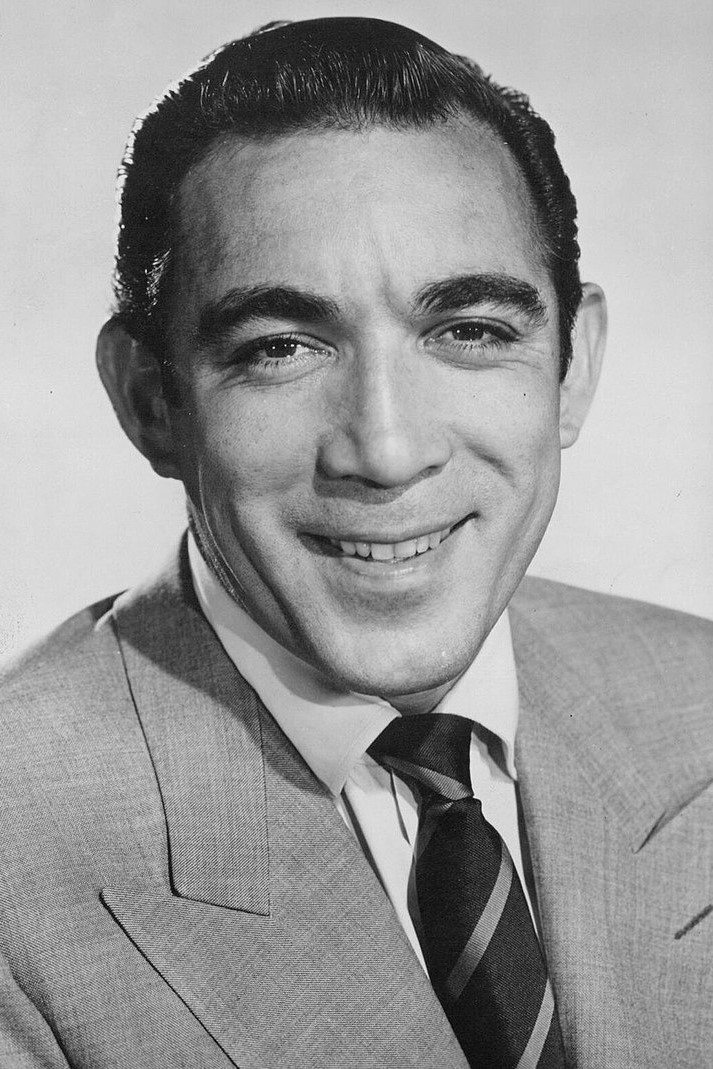
Anthony Quinn won Best Supporting Actor for Paul Gauguin with about eight minutes on screen. He appears in a few concentrated scenes that document the collaboration and break with Vincent van Gogh.
Those scenes are positioned at crucial points in van Gogh’s artistic progress. The film places their debates and separation as milestones, so Quinn’s limited minutes map directly to shifts in the painter’s life and work.
Gloria Grahame in ‘The Bad and the Beautiful’ (1952)
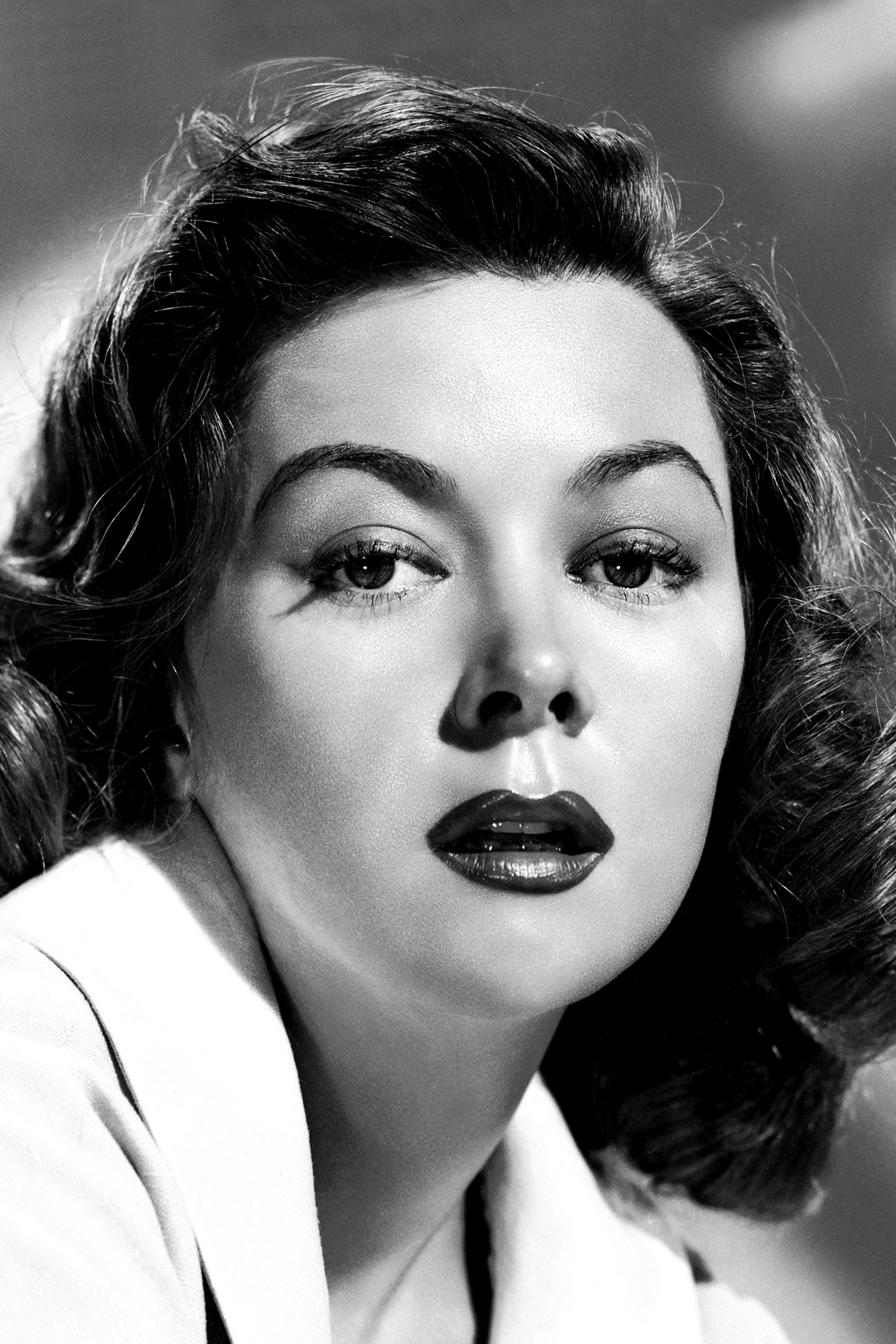
Gloria Grahame won Best Supporting Actress with roughly nine minutes on screen as Rosemary Bartlow. Her scenes fall within one of the film’s three Hollywood recollections, so her appearances are brief but plot specific.
The structure uses different viewpoints to explain a producer’s influence. Grahame’s segments set up consequences for a writer’s marriage and career, which supplies the necessary narrative turn in a compact window of time.
Lupita Nyong’o in ’12 Years a Slave’ (2013)

Lupita Nyong’o won Best Supporting Actress for Patsey with about 19 minutes on screen. Her scenes are concentrated on the Epps plantation and include key moments with Solomon Northup and the enslaver Edwin Epps.
These appearances document the conditions that define Solomon’s choices and they provide evidence that drives the story’s moral and legal stakes. The role’s limited minutes focus on events that directly alter Solomon’s path toward freedom.
Mahershala Ali in ‘Moonlight’ (2016)
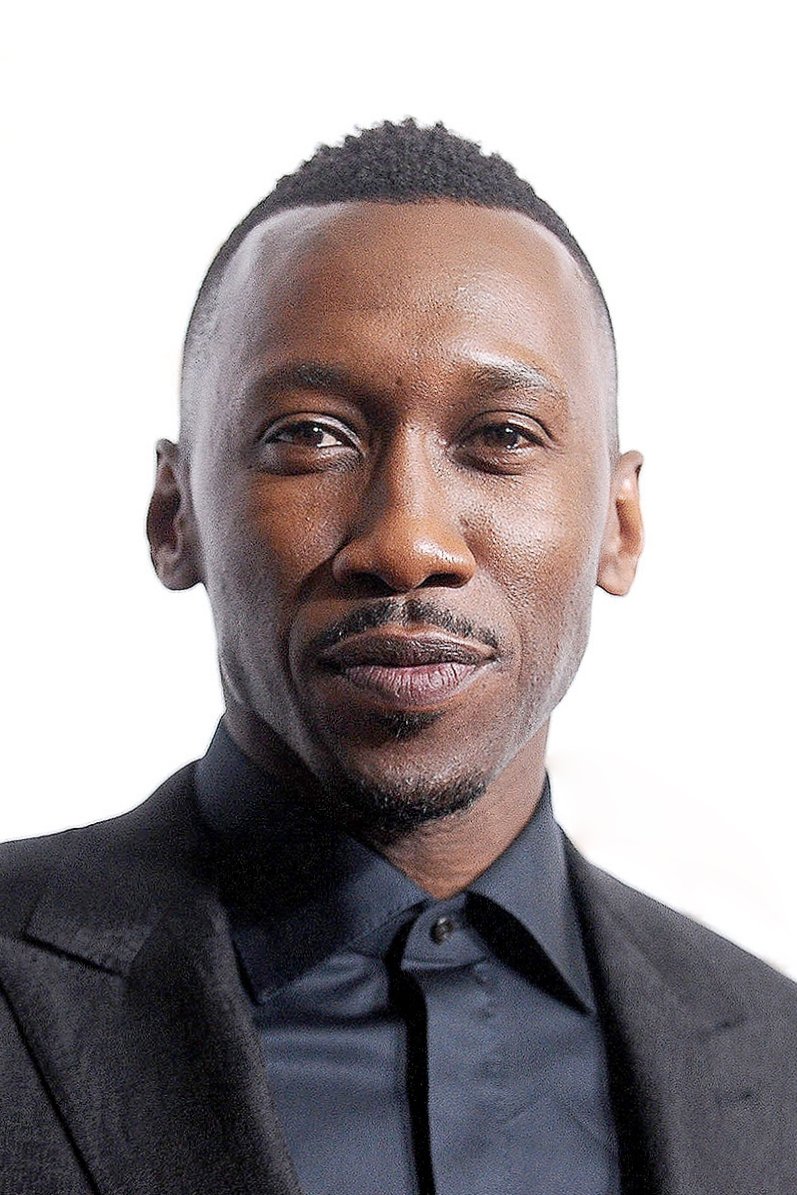
Mahershala Ali won Best Supporting Actor for Juan with roughly 20 minutes on screen. He appears primarily in the first chapter to establish a mentorship that shapes the protagonist’s identity.
The film is divided into three stages of life, and Juan’s scenes are confined to the opening portion by design. The guidance and conflicts introduced there ripple through the later chapters, which extends the effect of those early minutes across the full narrative.
Anne Hathaway in ‘Les Misérables’ (2012)

Anne Hathaway won Best Supporting Actress for Fantine with about 15 minutes on screen. The role occupies an early section of the story that includes factory scenes, a dismissal, and a performance of her character’s signature song.
The plot uses Fantine’s downfall to create obligations that drive Jean Valjean’s choices. That responsibility persists after her exit, so a short span of screen time sets up motivations that continue through the remainder of the film.
Marisa Tomei in ‘My Cousin Vinny’ (1992)
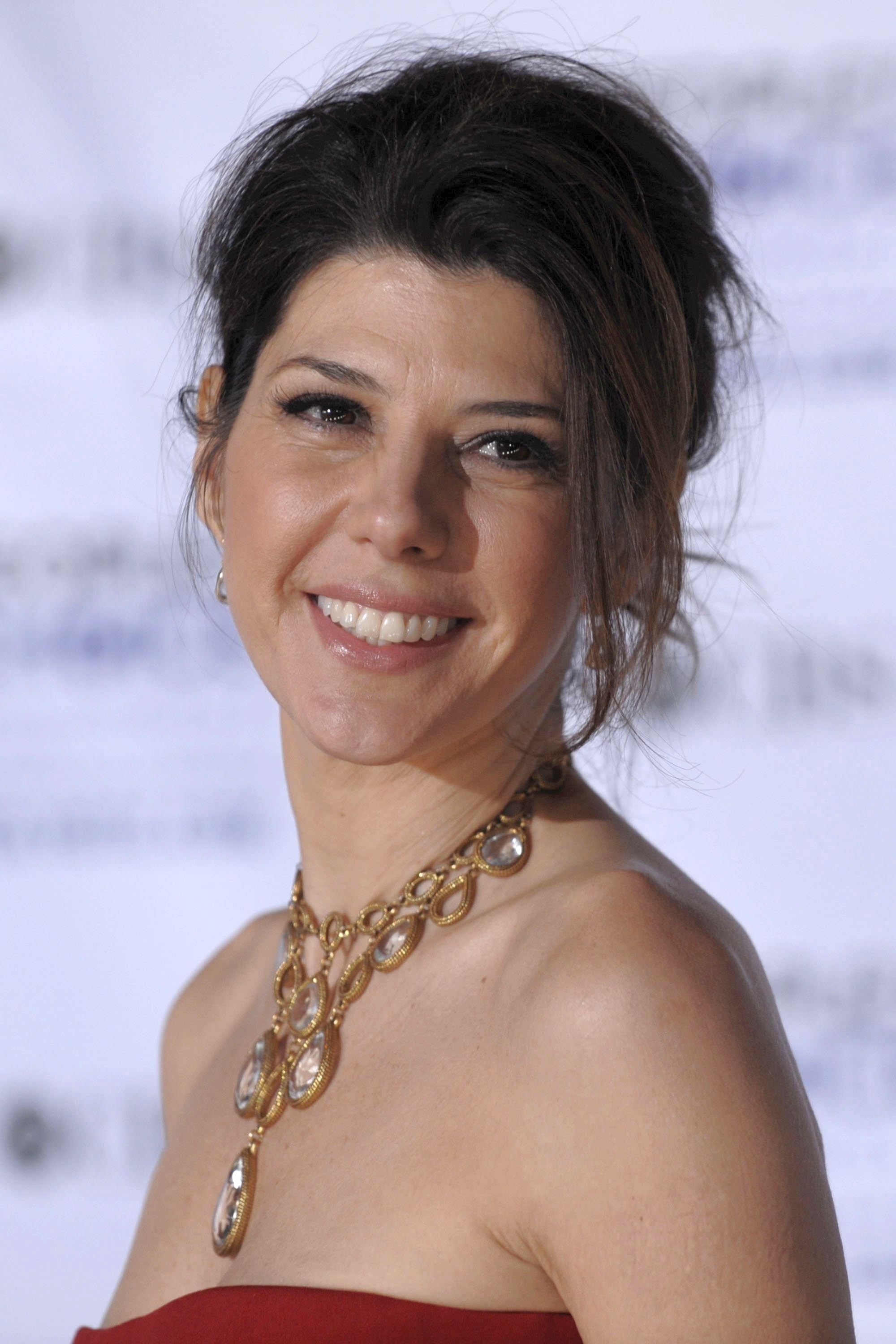
Marisa Tomei won Best Supporting Actress for Mona Lisa Vito with under 30 minutes on screen. Her appearances build across brief domestic scenes and courtroom testimony that addresses automotive details relevant to the case.
The structure saves her most technical material for the trial’s turning point. That placement compresses much of the role’s impact into a single expert witness sequence while earlier scenes quietly set up qualifications and relationship context.
Cloris Leachman in ‘The Last Picture Show’ (1971)
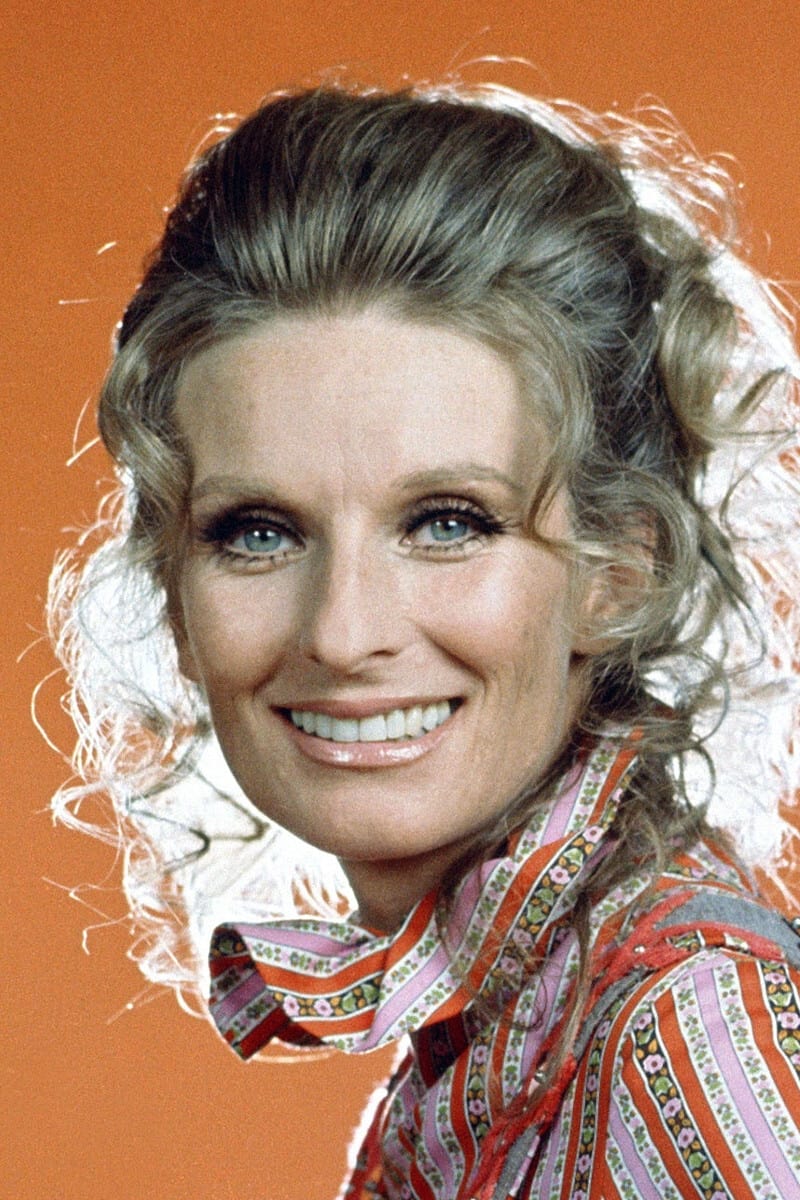
Cloris Leachman won Best Supporting Actress for Ruth Popper with well under 30 minutes of screen time. Her most significant scenes take place at home and in a final encounter that reframes earlier choices made by the younger characters.
The film tracks a small town through a series of short, naturalistic interactions. Leachman’s role intersects with those threads at a few key moments, which allows a short total time to close an important emotional loop in the story.
Brenda Fricker in ‘My Left Foot’ (1989)
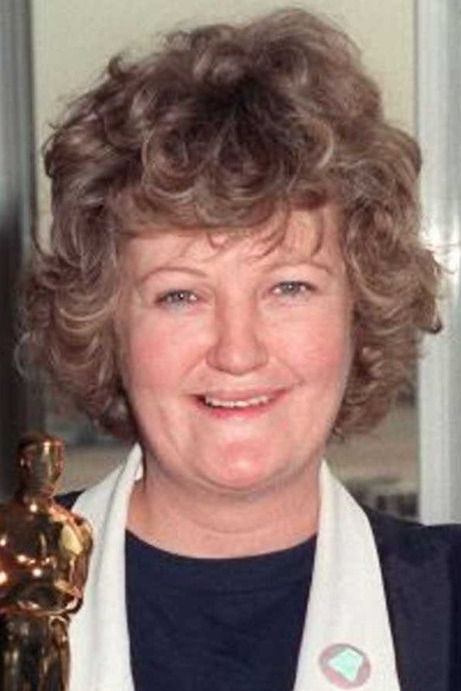
Brenda Fricker won Best Supporting Actress for Bridget Brown with under 30 minutes on screen. Her scenes focus on family life and the practical work of caring for Christy Brown as he learns to communicate and create art.
These appearances provide milestones that mark Christy’s progress at home and in school. The concentration on caregiving tasks and decisions gives the role clear narrative duties without requiring extensive time across the full film.
Margaret Rutherford in ‘The V.I.P.s’ (1963)
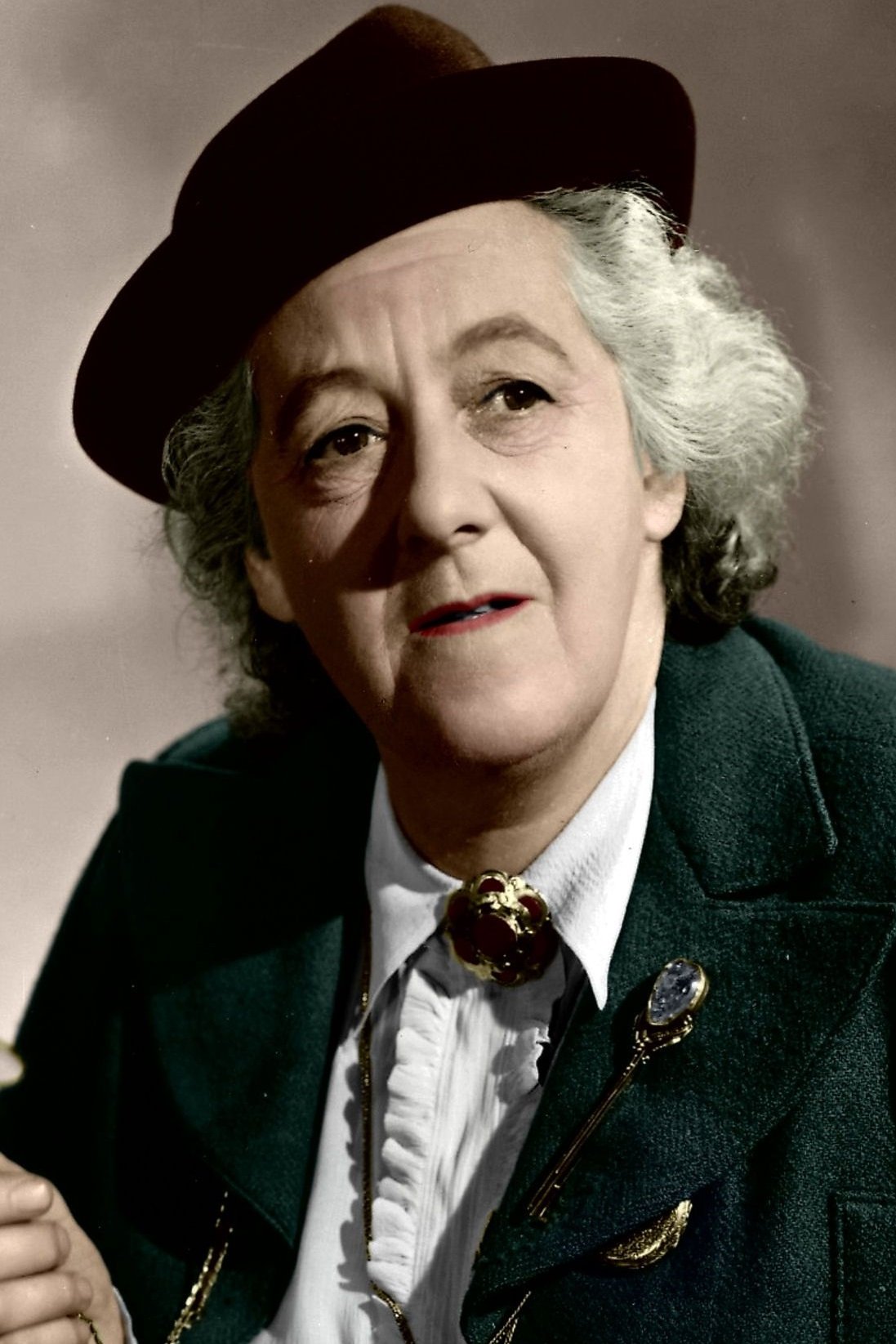
Margaret Rutherford won Best Supporting Actress for the Duchess of Brighton with under 30 minutes on screen. She appears in multiple short scenes inside an airport lounge as different passengers face delays and decisions.
Her character’s thread intersects the other stories at intervals that match the film’s mosaic structure. Those brief returns supply practical solutions and small revelations that help resolve several of the other plot lines.
Alan Arkin in ‘Little Miss Sunshine’ (2006)
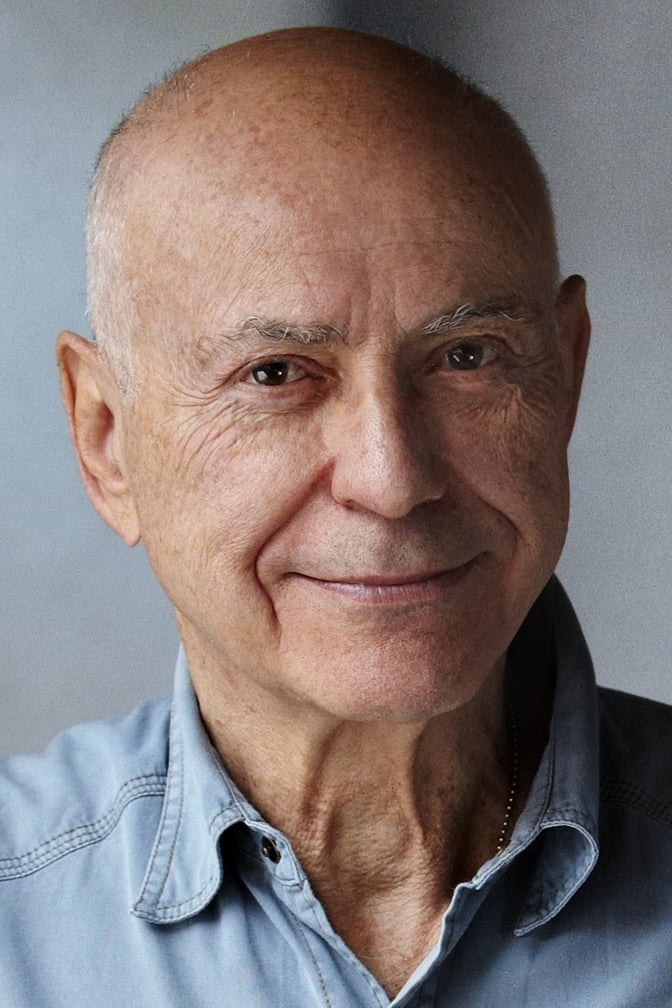
Alan Arkin won Best Supporting Actor for Edwin Hoover with about 14 minutes on screen. His scenes appear in the family home, in a motel, and during the early stages of the road trip.
The character’s departure before the final stretch keeps total time low while leaving instructions and consequences that shape what happens at the pageant. That arrangement lets a short appearance influence the outcome of the journey and the family’s decisions.
Share the short but mighty performances you would add to this list in the comments.