


20 Actors Whose Careers Sank After One Movie




Big swings can change everything in Hollywood, and one rough release has ended more than a few hot streaks. These actors arrived with hype, momentum, or proven hits, only to watch a single high profile misfire stall the next chapter. Here are the cautionary tales people still bring up when a star vehicle goes sideways.
Elizabeth Berkley

Fresh off a popular TV run, Elizabeth Berkley made a bold leap into features with ‘Showgirls’. The NC-17 drama was met with harsh reviews and minimal audience support on its initial release. The reaction overshadowed her earlier work and made major studio offers harder to land. Berkley continued to work, but mostly in smaller projects and stage roles rather than the big films many expected at the time.
Chris O’Donnell
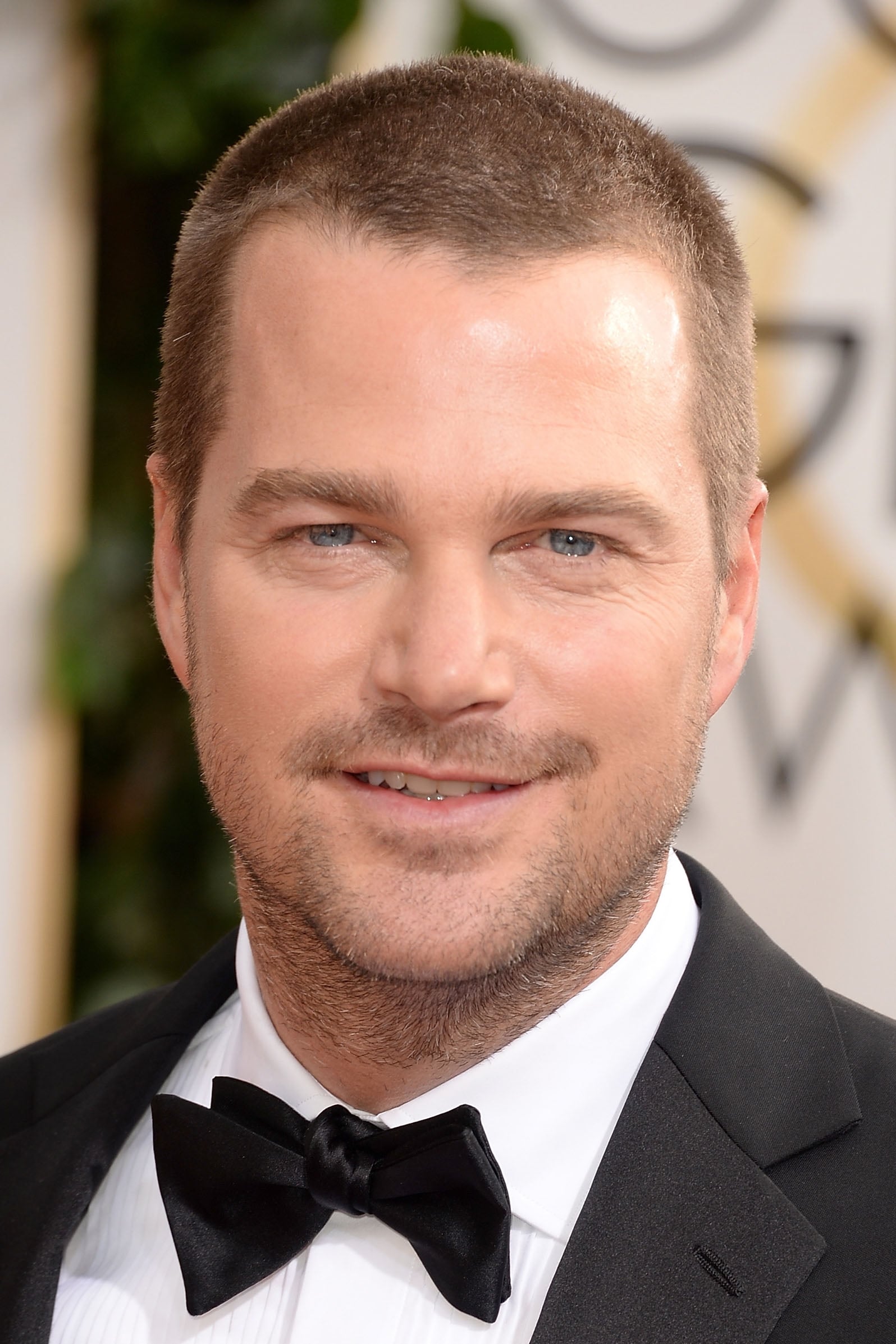
After strong early buzz, Chris O’Donnell headlined alongside a stacked cast in ‘Batman and Robin’. The comic book sequel drew criticism for its tone and design choices and it struggled to connect with fans. Leading man opportunities slowed soon after for O’Donnell. He later found steadier footing on television, where procedural drama work helped rebuild visibility.
Alicia Silverstone

Alicia Silverstone was riding the breakout success of ‘Clueless’ when ‘Batman and Robin’ arrived. The film’s poor reception affected several cast members, and Silverstone’s feature momentum cooled. She kept working across independent films and stage productions. Over time she carved out a niche with voice acting and select supporting roles rather than frequent studio leads.
Taylor Kitsch
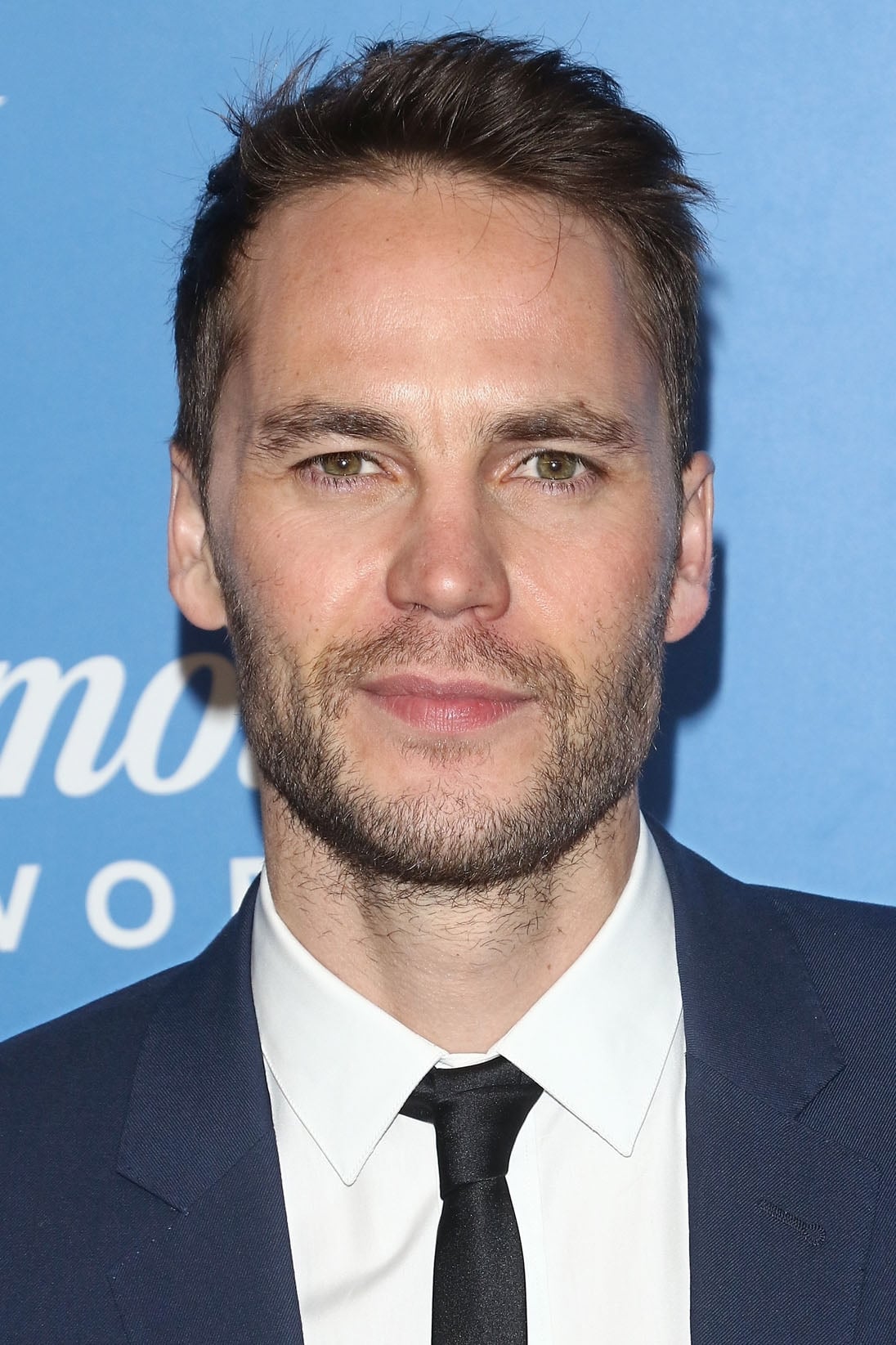
Taylor Kitsch’s big studio bet came with ‘John Carter’. The sci-fi adventure carried massive expectations and underwhelmed relative to its budget. The result stalled Kitsch’s rise as a go-to box office star. He shifted to character parts and prestige television to rebuild traction with audiences.
Dana Carvey
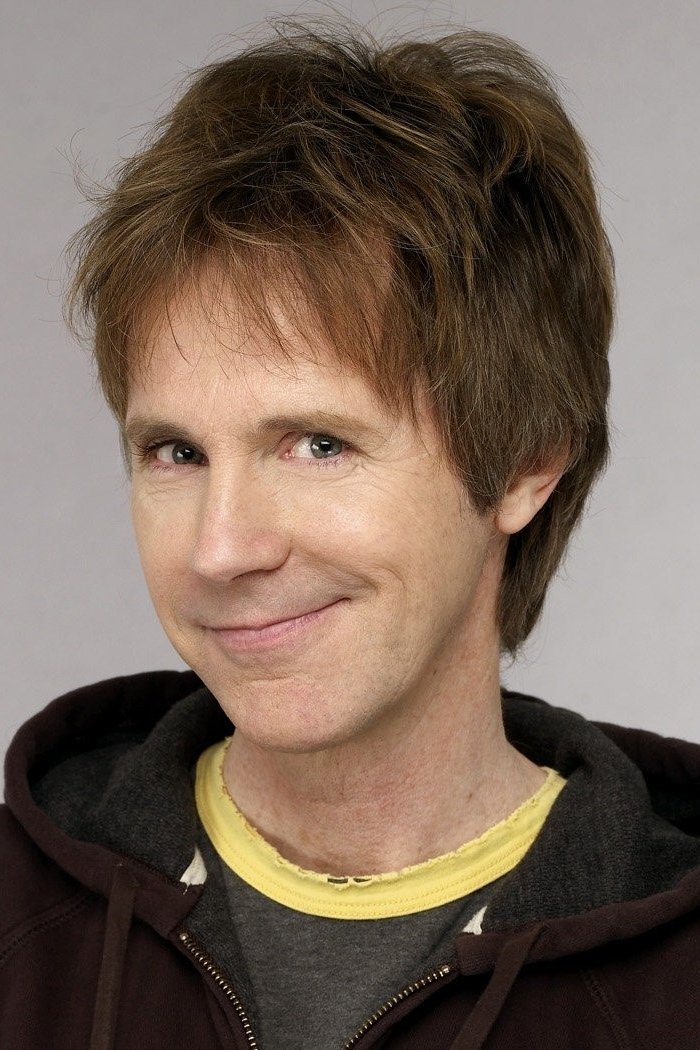
After sketch comedy fame, Dana Carvey tried a family friendly vehicle with ‘The Master of Disguise’. The movie was panned by critics and did not generate the kind of word of mouth that sustains comedies. The outcome limited prospects for more feature leads. Carvey focused more on stand-up and voice work rather than anchoring theatrical releases.
Jamie Kennedy
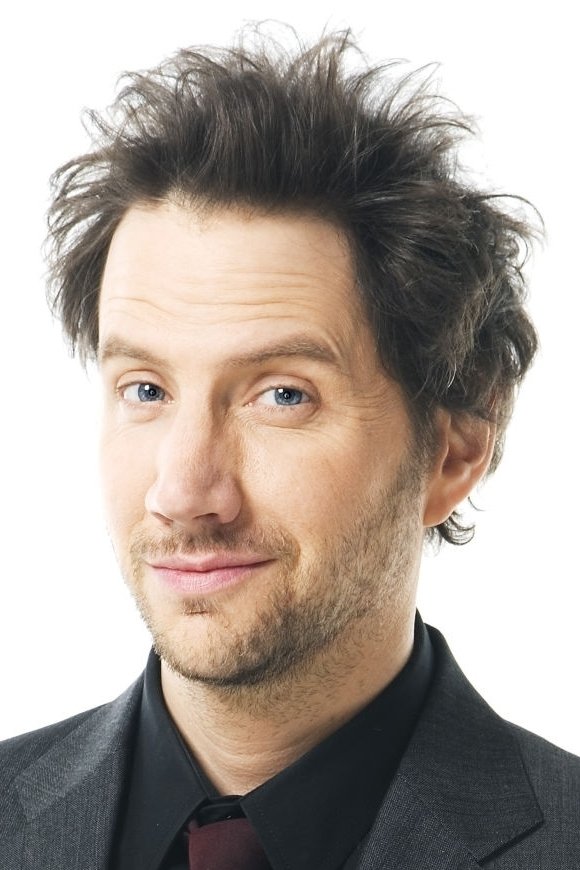
Jamie Kennedy sought to level up as a headliner with ‘Son of the Mask’. The follow up to a popular effects comedy struggled with reviews and audience turnout. Kennedy’s film career shifted toward smaller titles and direct to video releases afterward. He continued to work in stand-up and television where his fan base remained more consistent.
Eddie Murphy
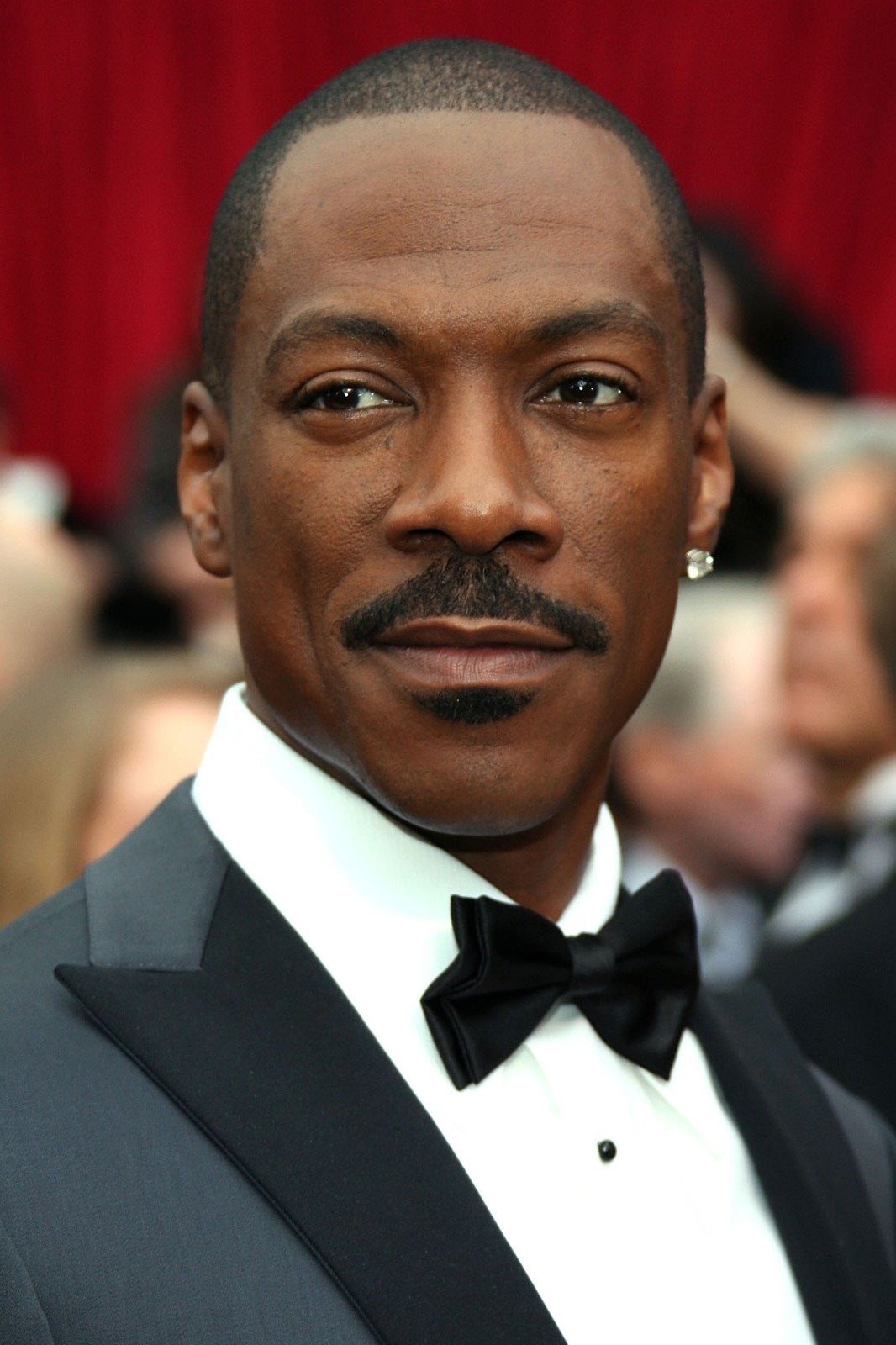
Eddie Murphy’s star power was undeniable, but ‘The Adventures of Pluto Nash’ became a textbook studio flop. The sci-fi comedy saw weak box office and poor critical response. Its performance chilled enthusiasm for similar vehicles built around Murphy at the time. He later found selective success by choosing more character driven or nostalgic projects.
Demi Moore
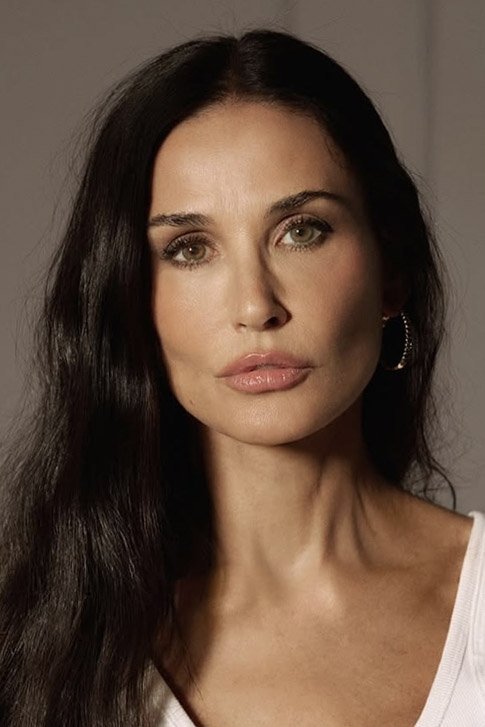
Demi Moore’s transition into ‘Striptease’ came during a stretch of highly paid star turns. The film was widely criticized and its financial performance disappointed. The combination made major studios more cautious about building projects around her. Moore continued to act, but the wave of top billed offers slowed significantly.
Geena Davis

Geena Davis was a proven draw when ‘Cutthroat Island’ set sail with a large budget. Production troubles and a soft reception left the film far short of expectations. The fallout affected not only the star but also the studio behind it. Davis moved toward television and later returned in selective roles rather than frequent tentpole leads.
Kevin Costner
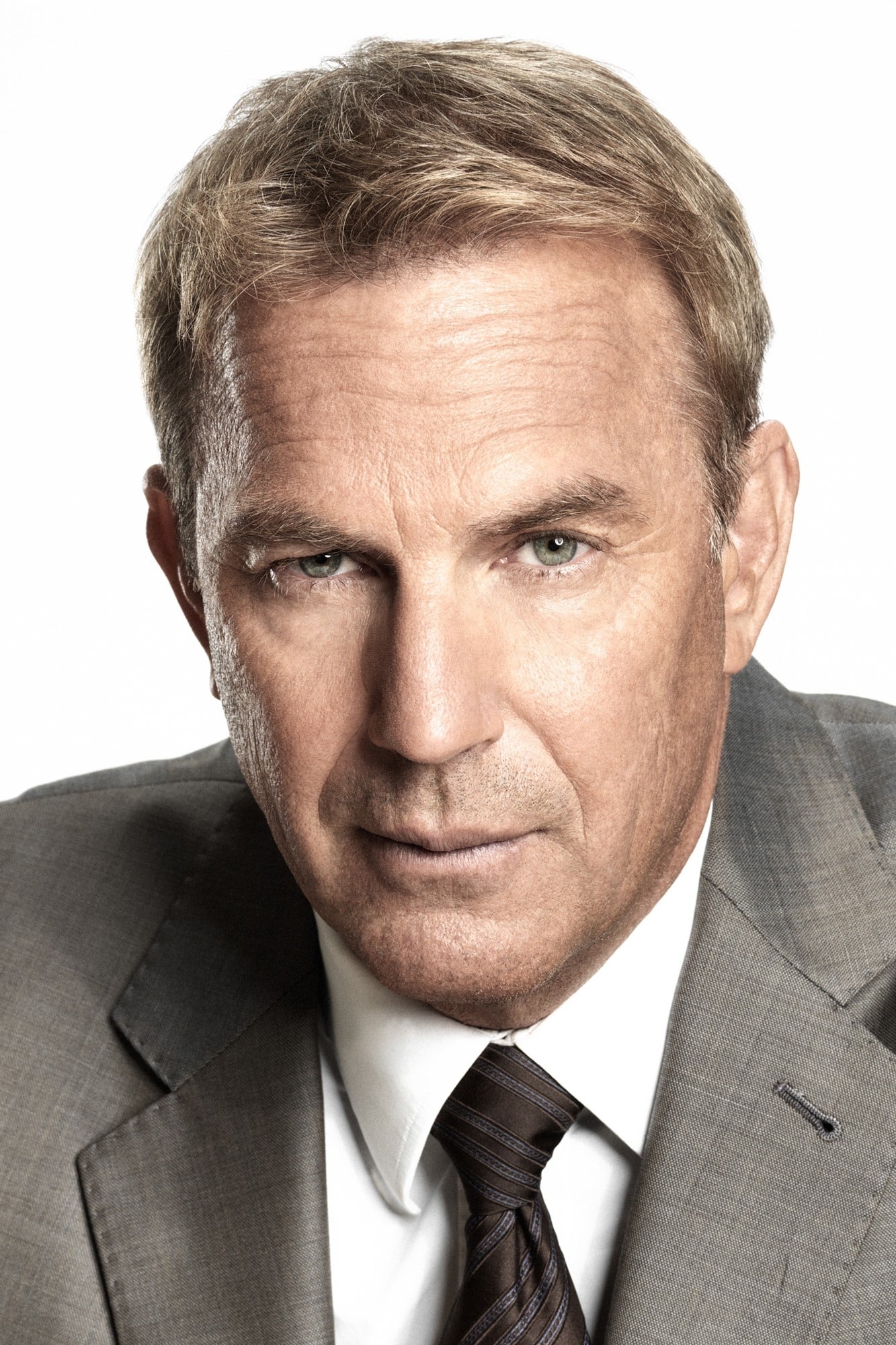
Kevin Costner’s ambitions were well known when ‘Waterworld’ reached theaters with heavy publicity. Reports of high costs and a mixed reception became part of the narrative around the release. The film’s reputation weighed on his image as a reliable box office anchor. Costner adjusted with ensemble roles, directing, and television projects to sustain his career.
Mike Myers

Following massive comedy hits, Mike Myers released ‘The Love Guru’. The film’s critical reception was notably poor and audience momentum faded quickly. Plans for similar star driven comedies slowed as a result. Myers pivoted to occasional voice work, cameos, and behind the scenes efforts rather than frequent lead roles.
Halle Berry
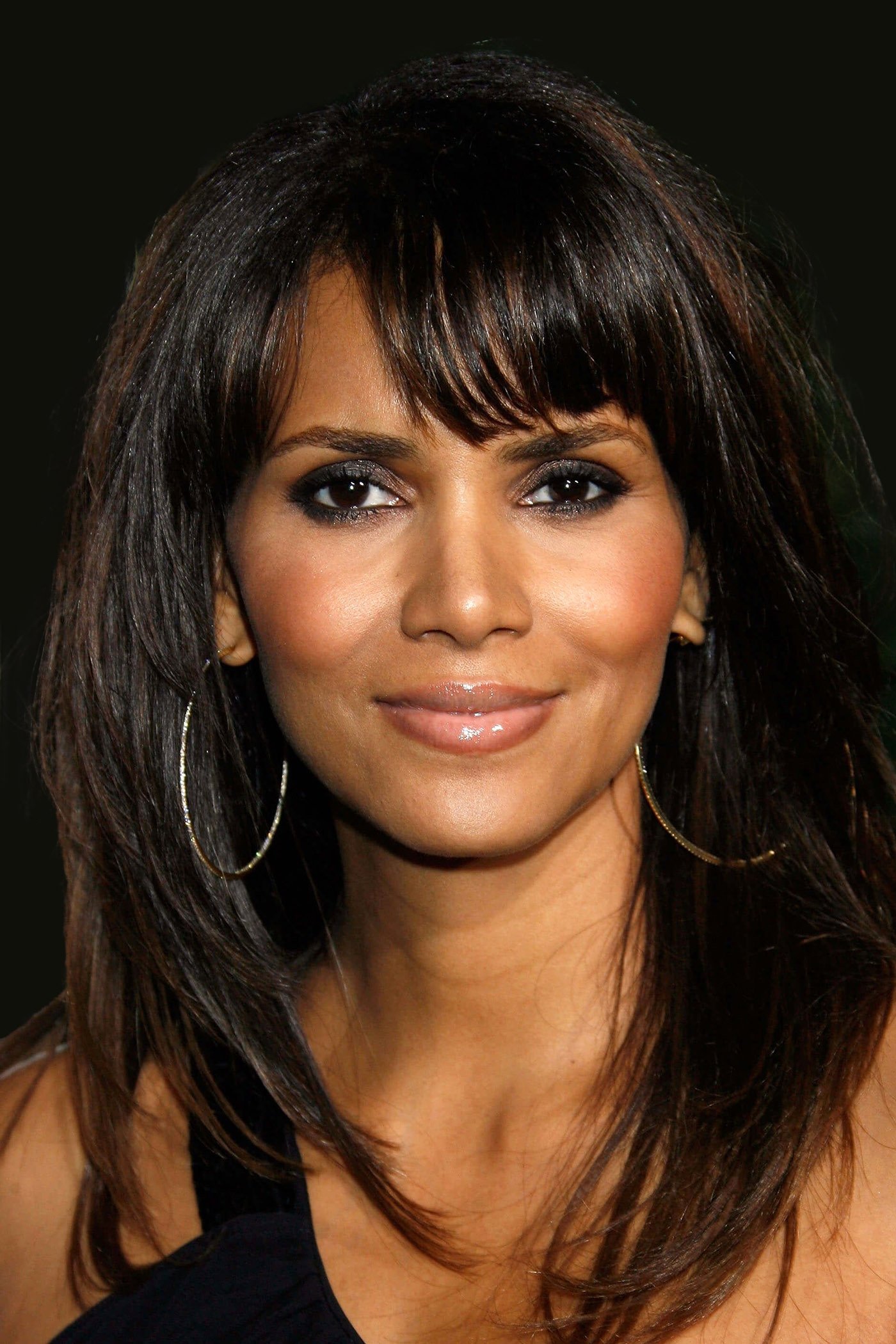
Halle Berry’s superhero turn in ‘Catwoman’ drew attention for all the wrong reasons. Critical reaction was negative and the film underperformed with moviegoers. The outcome cooled enthusiasm for her as a solo action lead in big budget films. Berry diversified with thrillers, prestige television, and producing to shape the next phase of her career.
Taylor Lautner
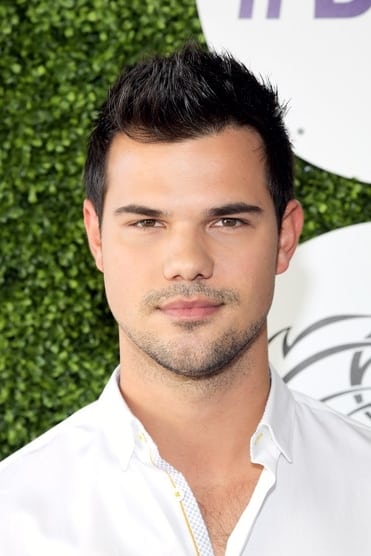
Taylor Lautner tried to launch a post franchise identity with ‘Abduction’. Critics panned the thriller and it failed to establish him as a standalone action star. Feature headlining offers slowed after that attempt. Lautner worked in television and supporting parts while reassessing the types of roles that resonated.
Brandon Routh
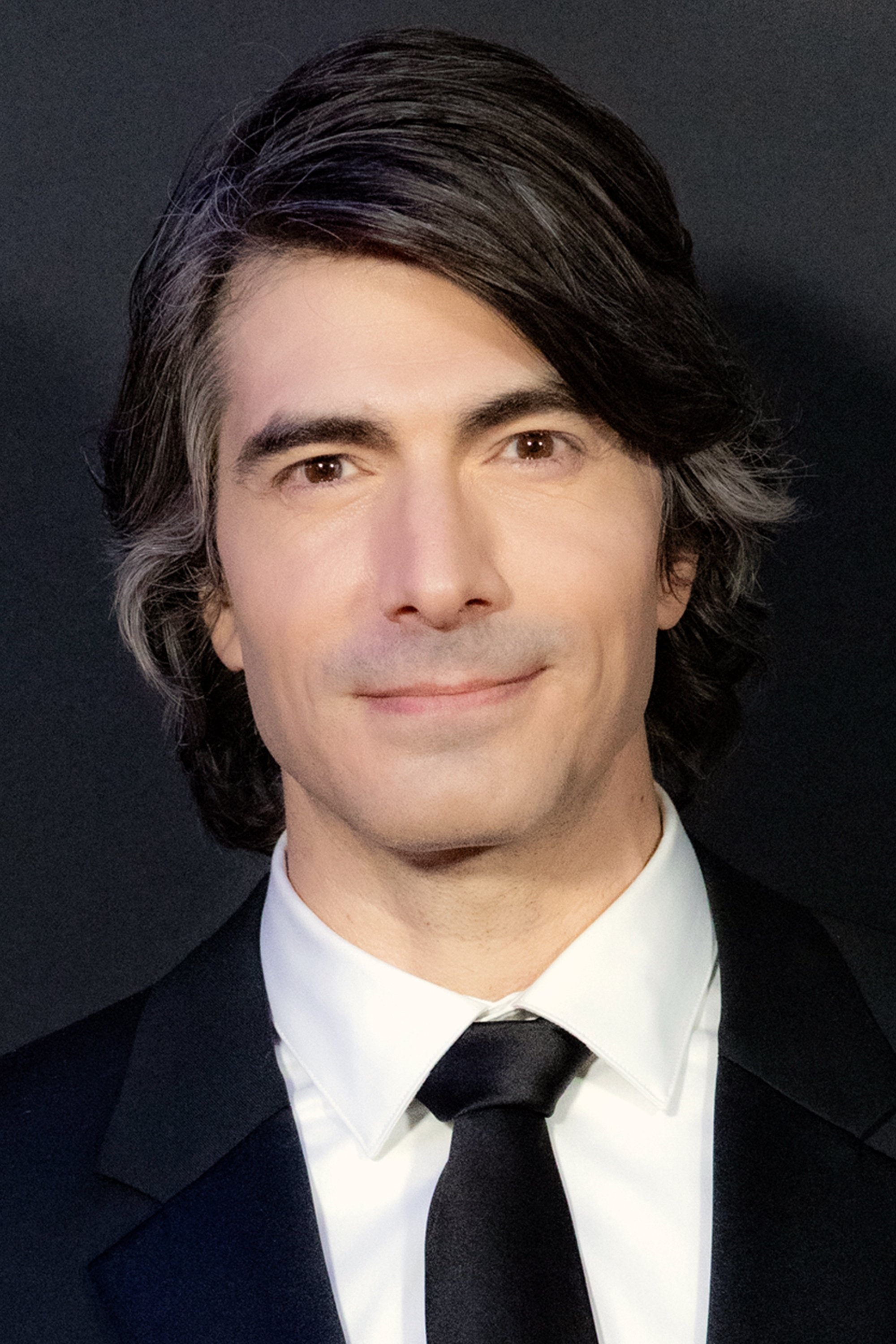
Brandon Routh stepped into an iconic cape with ‘Superman Returns’. The movie’s reception was mixed and the studio shifted direction for future installments. Routh did not continue in subsequent franchise films and feature leads became less frequent. He later found steady work on television, including superhero series that made use of his persona.
Hayden Christensen

Hayden Christensen sought a fresh lead vehicle with ‘Jumper’. The sci-fi thriller did not build strong critical support and audience enthusiasm waned. It failed to solidify him as a reliable box office headliner outside his earlier franchise recognition. Christensen moved toward smaller films and selective returns to familiar characters.
Rachael Leigh Cook

Rachael Leigh Cook starred in ‘Josie and the Pussycats’ following teen movie success. The music themed comedy struggled at the box office despite later cult interest. Studio lead offers became less common afterward. Cook continued to act in independent films and television projects where she maintained a loyal audience.
Sharon Stone
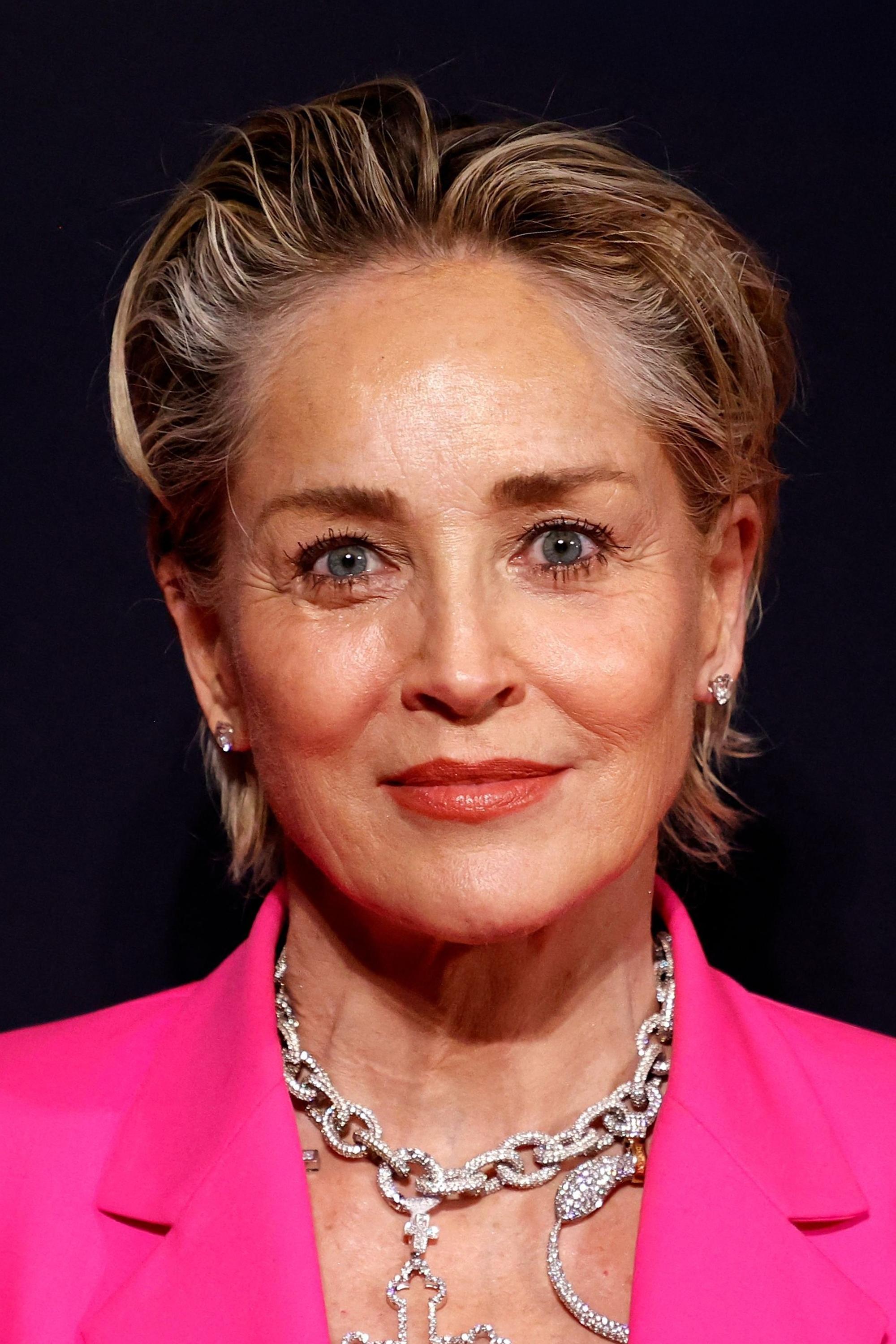
Sharon Stone returned to a signature role with ‘Basic Instinct 2’. The sequel failed to capture the critical or commercial spark of the original. Its performance limited immediate prospects for further high profile leads. Stone kept working in television and independent cinema, focusing on supporting and character roles.
Colin Farrell
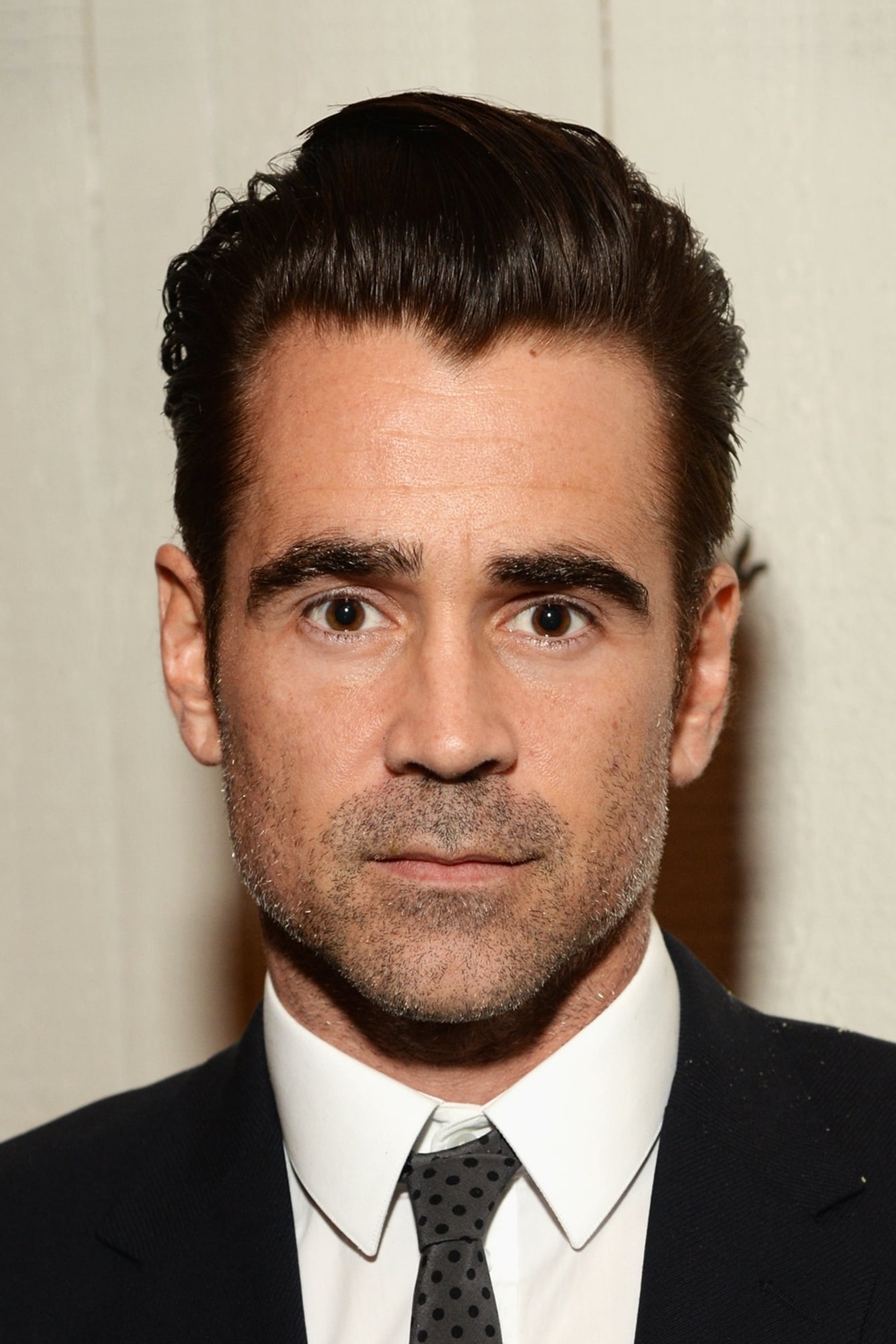
Colin Farrell took on the massive historical epic ‘Alexander’. Reviews were mixed and the film faced strong competition, which dampened its theatrical impact. The experience slowed his run of major studio leads for a period. Farrell recalibrated with auteur driven projects and character parts before building back to larger films.
Chris Klein
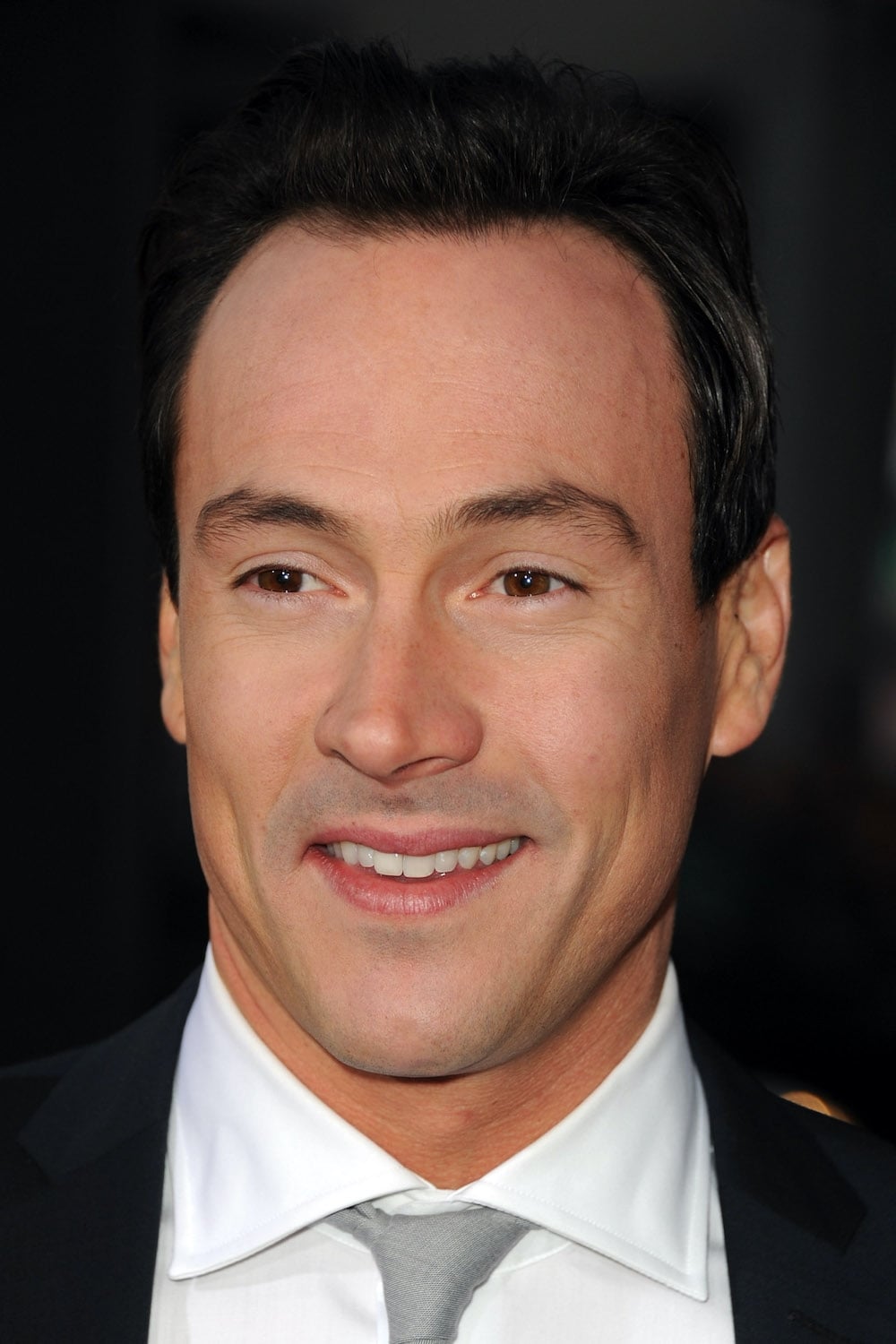
Chris Klein’s attempt to broaden his image came with ‘Rollerball’. The action remake was poorly received and underperformed in theaters. The setback reduced momentum for his leading man trajectory. Klein shifted toward ensemble comedies and television appearances to stay active.
Billy Zane

Billy Zane went from a global blockbuster to headlining ‘The Phantom’. The pulp adventure did not connect widely with audiences and fell short of franchise hopes. That outcome made additional lead vehicles scarce. Zane remained visible through supporting roles, independent films, and voice work.
Share your picks in the comments and tell us which one movie you think changed a career the most.