


Actors Whose On-Set Demands Improved Conditions for Everyone

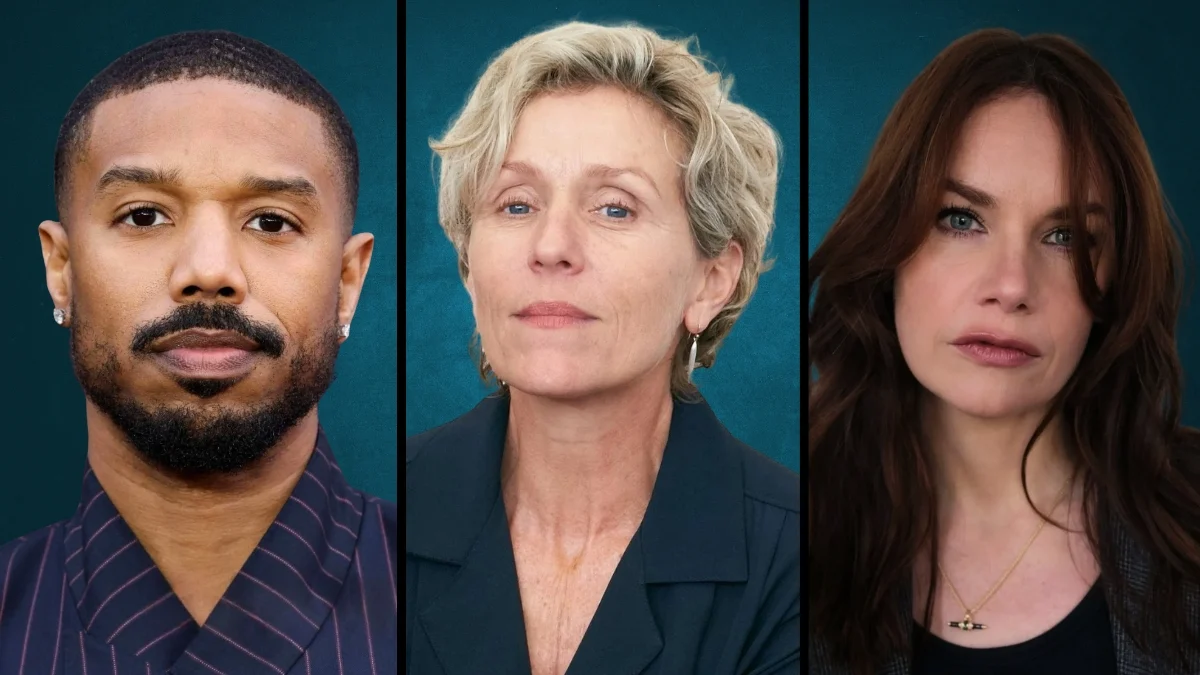


The entertainment industry has been shaped by influential performers who recognized their leverage and used it to advocate for systemic change. These actors demanded more than just personal perks and instead pushed for fair wages, increased safety, and inclusive hiring practices that benefited their entire production teams. By challenging the status quo, these individuals have set new professional standards that protect both current and future generations of cast and crew members.
Frances McDormand
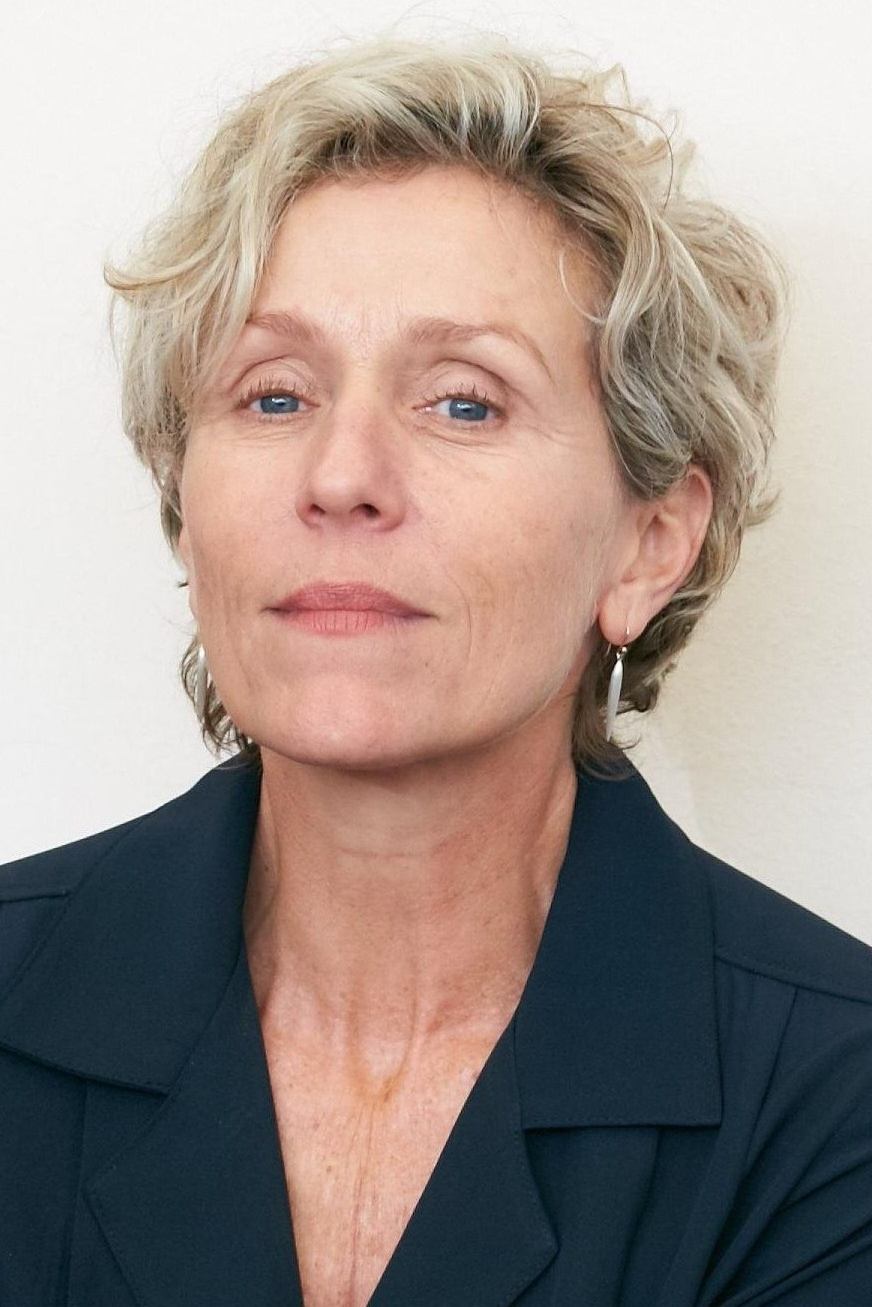
McDormand popularized the term inclusion rider during her acceptance speech at the 2018 Academy Awards. This contractual demand requires film productions to meet specific diversity benchmarks in their hiring practices for cast and crew. Her advocacy led major studios like Warner Bros and Disney to adopt these clauses as a standard part of their talent agreements. This shift has created measurable opportunities for underrepresented groups across the entire entertainment industry. The widespread use of these riders ensures that sets more accurately reflect the diversity of the real world.
Jessica Chastain
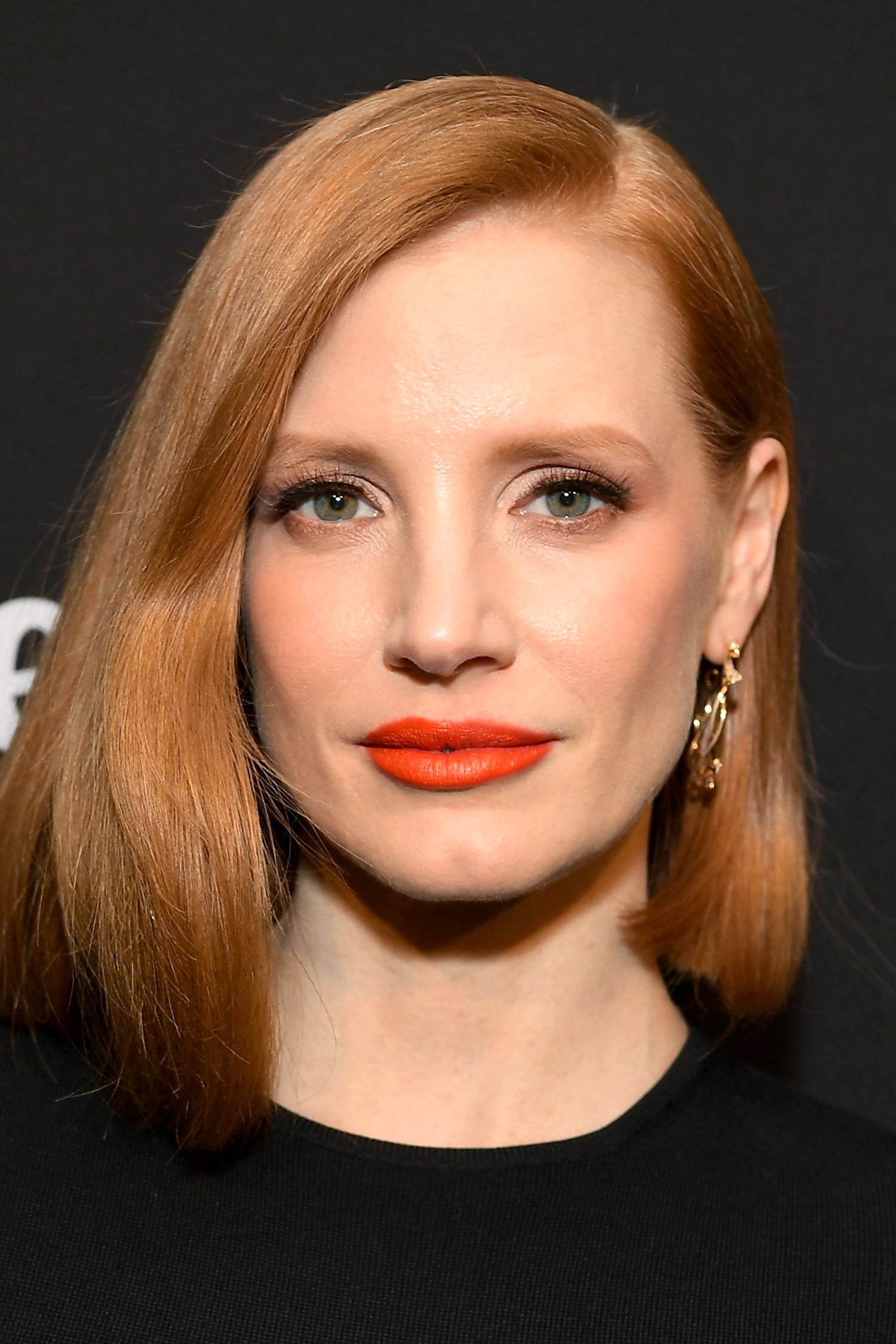
While working on a project with Octavia Spencer, Chastain discovered her colleague was being paid significantly less than her white peers. She insisted that they negotiate their salaries as a unit to ensure complete pay parity for the production. This demand resulted in Spencer receiving a salary five times higher than her initial offer from the studio. Chastain continues to use this collective bargaining strategy to help other women in Hollywood achieve fair compensation. Her commitment to transparency has encouraged many other actors to discuss their pay more openly.
Viola Davis
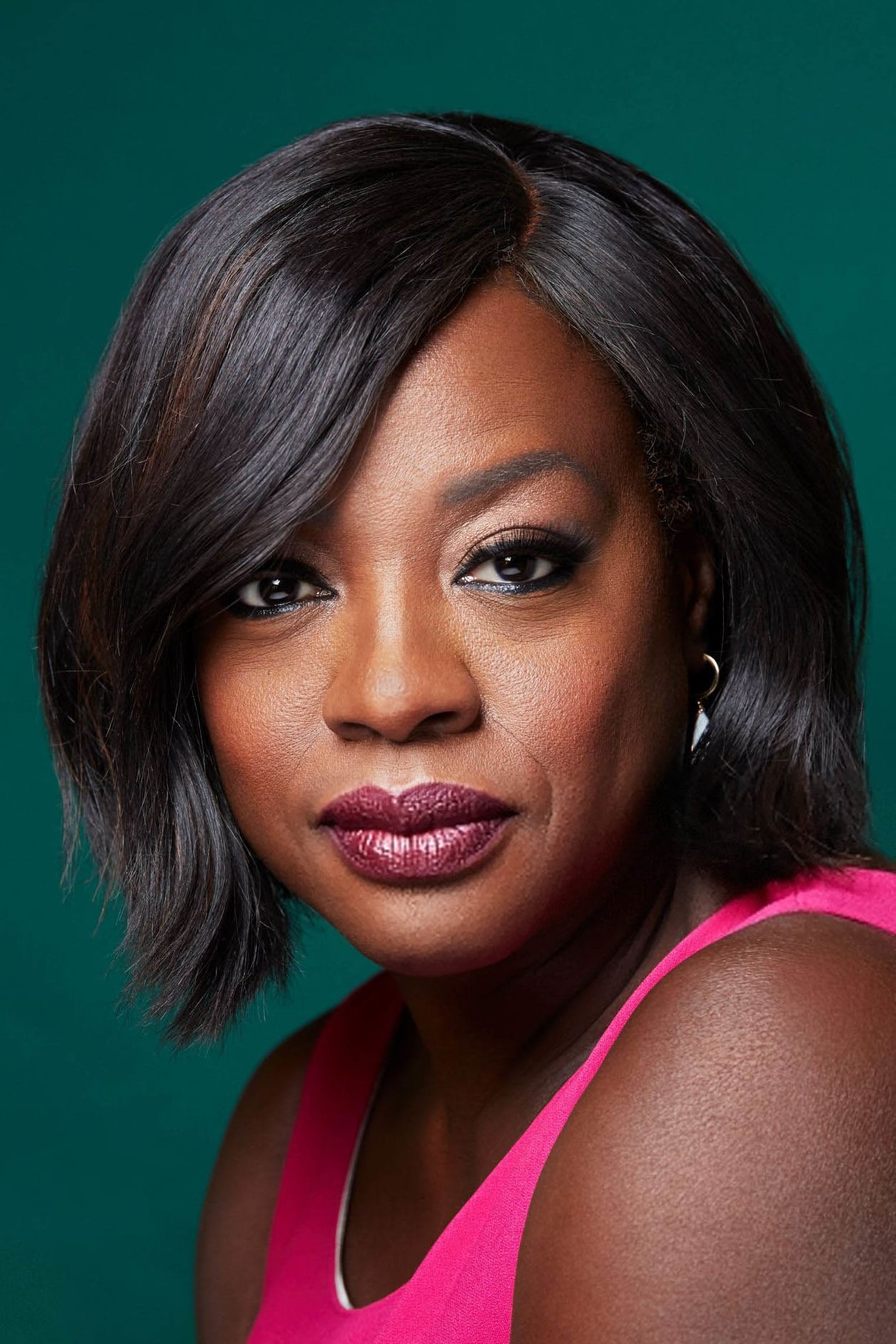
Davis has been a vocal advocate for having professional stylists on set who are trained to work with textured hair and diverse skin tones. She noted that many Black actors often had to do their own hair or makeup because the hired professionals lacked the necessary skills. Her demands for specialized hair and makeup departments have led to more inclusive hiring practices in the beauty departments of major productions. This change ensures that all actors feel respected and look their best on camera regardless of their ethnicity. The presence of these specialists has become a new industry standard that protects the dignity of all performers.
Jennifer Lawrence

After the Sony hack revealed she was paid less than her male co-stars in ‘American Hustle’, Lawrence became a prominent voice for gender pay equity. She penned an essay about her experiences which sparked a global conversation about the Hollywood wage gap. Her public stance encouraged other actresses to demand transparency and fairness in their contracts during negotiations. Many production companies now conduct internal pay audits to prevent such disparities from occurring in the future. Her transparency helped dismantle the stigma around discussing salary figures in the entertainment sector.
Gillian Anderson
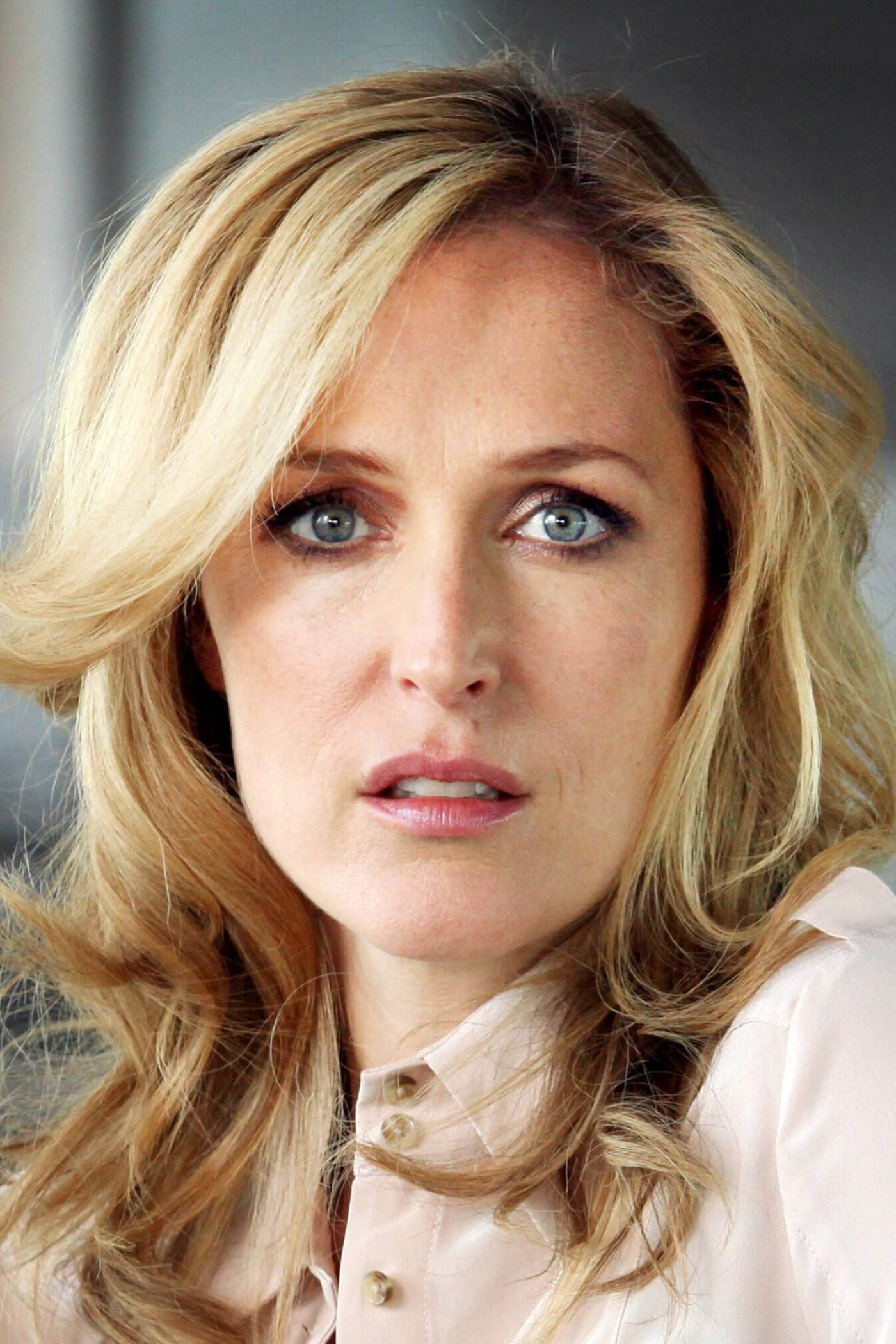
When ‘The X-Files’ returned for a revival, Anderson was initially offered half of what her male co-star David Duchovny was set to receive. She refused to sign her contract until the studio agreed to pay her an equal amount for the new episodes. Her stand was successful and set a vital precedent for returning cast members in legacy franchises. Anderson used her platform to highlight that even established stars must still fight for basic financial equality in the modern era. This victory provided leverage for other television actresses facing similar negotiation hurdles.
Michelle Williams
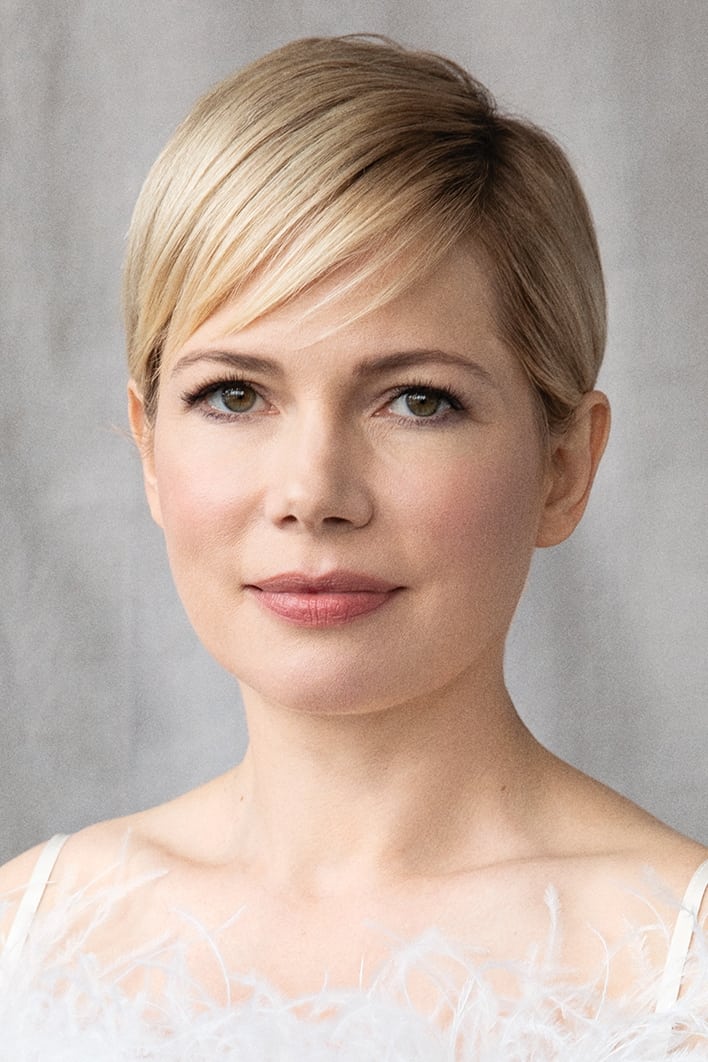
The discovery that Williams was paid a small fraction of her co-star’s salary for ‘All the Money in the World’ reshoots caused a massive public outcry. She advocated for the passage of the Paycheck Fairness Act and pushed for more transparent negotiations across the industry. Her experience led to the creation of the Time’s Up Legal Defense Fund to support workers facing workplace discrimination. Studios have since become more cautious about pay discrepancies during last-minute production changes and reshoots. Her resilience turned a private injustice into a catalyst for systemic labor reform.
Michael B. Jordan
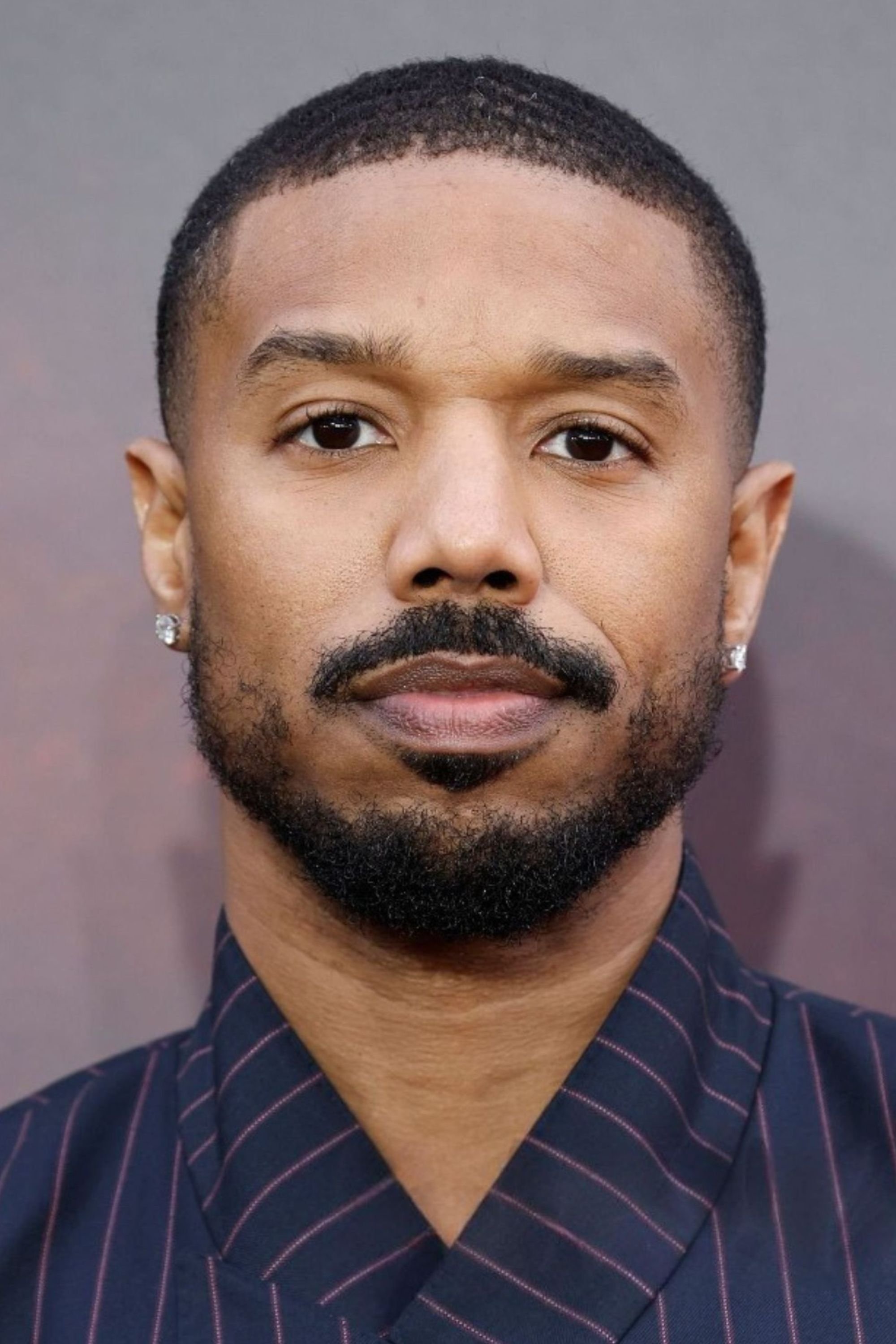
Following the 2018 Academy Awards, Jordan was one of the first high-profile actors to officially adopt inclusion riders through his company Outlier Society. This contractual demand ensures that a diverse range of people are interviewed and hired for both on-screen and off-screen roles. By making this a mandatory part of his projects, he provided a clear blueprint for other production companies to follow. This initiative has directly increased the representation of women and people of color in various technical and creative positions. His leadership demonstrates how individual stars can institutionalize diversity in their work.
Emilia Clarke
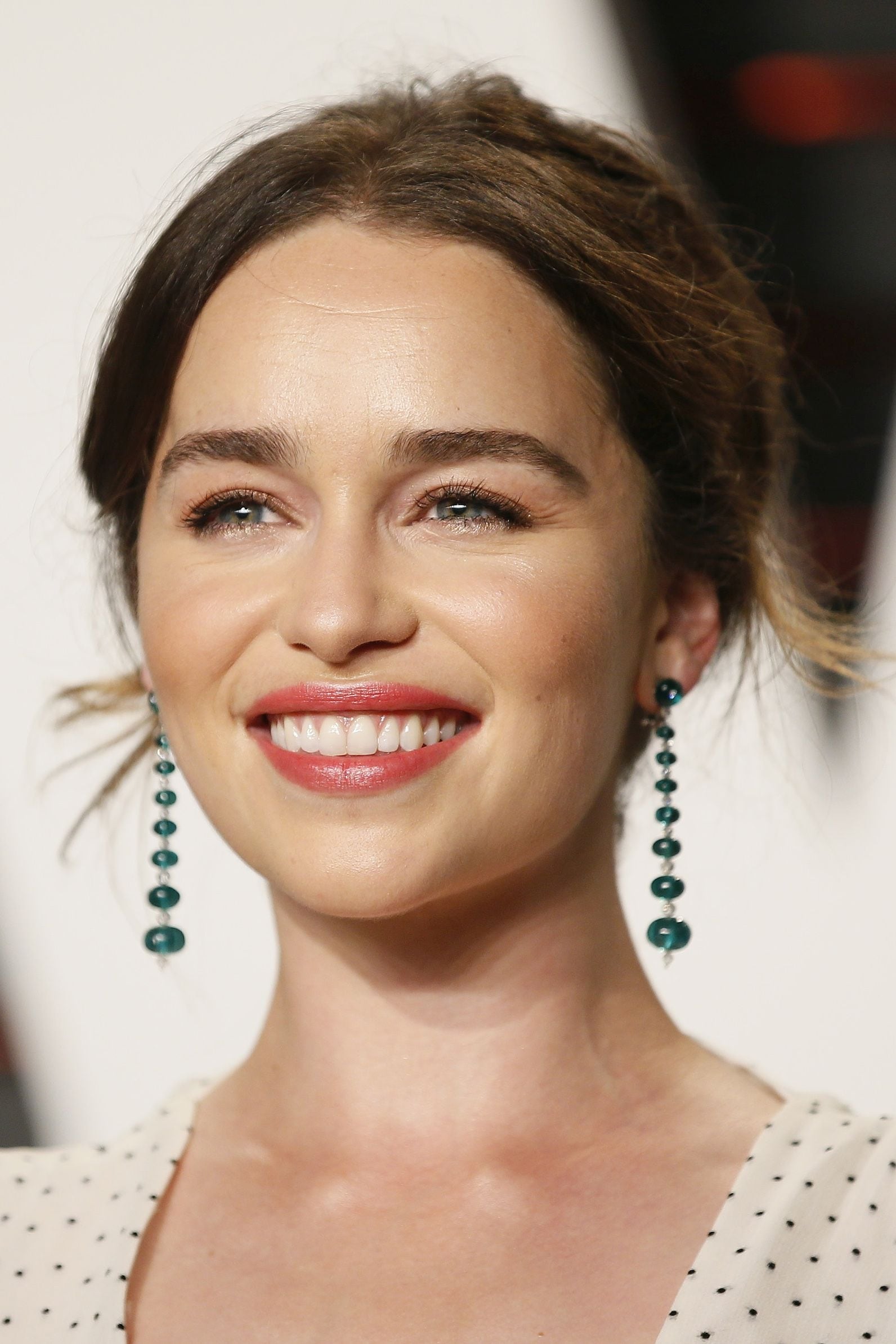
After experiencing discomfort during early seasons of ‘Game of Thrones’, Clarke began demanding the presence of intimacy coordinators for scenes involving nudity or physical contact. She advocated for these roles to become a standard requirement on all sets to protect the boundaries and well-being of the performers. Her influence helped make intimacy coordinators a common fixture in the modern television and film industry. This change provides a safer environment for actors to perform sensitive scenes without feeling pressured or exploited. These professionals ensure that consent and safety are prioritized during every production.
Benedict Cumberbatch
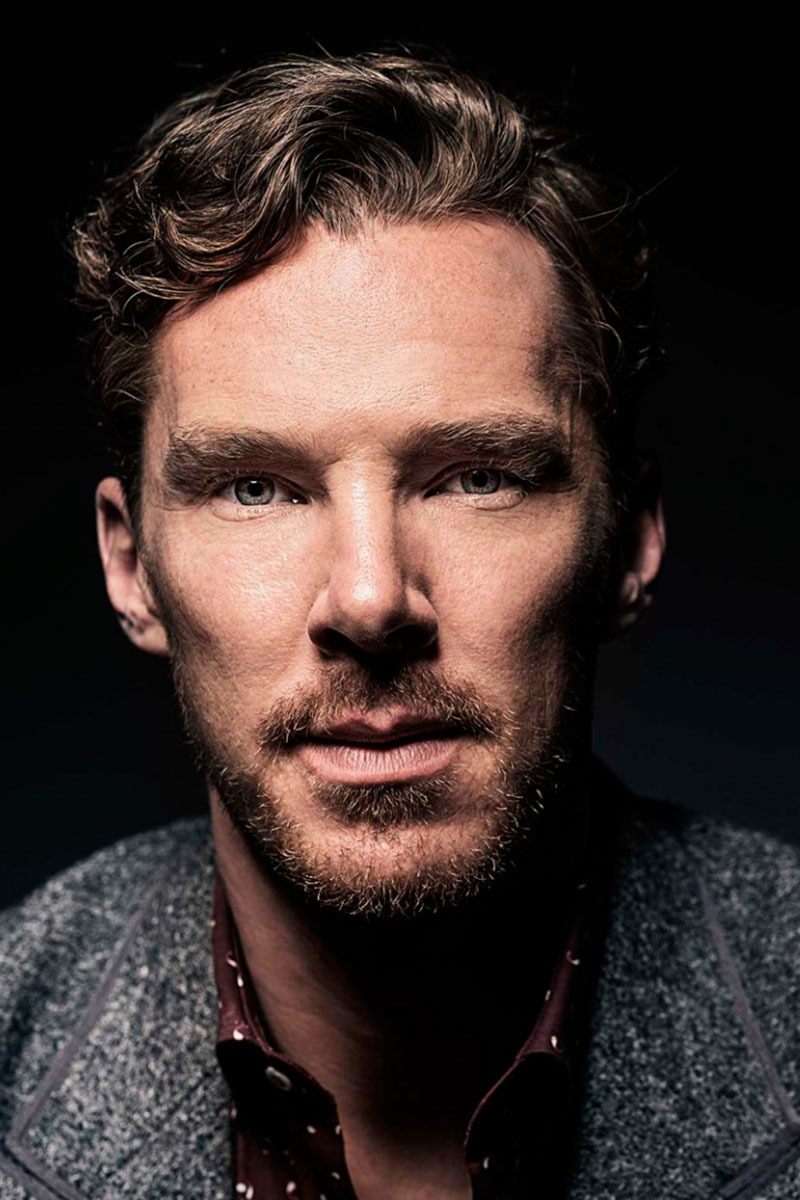
Cumberbatch announced that he would refuse any project where his female co-stars were not paid the same as him. He urged his male colleagues to look at their co-stars’ quotes and demand parity before signing onto any new film. This proactive approach forces production companies to address pay gaps during the initial casting phase. By using his leverage, he has helped ensure that his female peers receive the compensation they deserve. His stance shows that male allyship is a powerful tool for achieving industry-wide equity.
Tom Cruise
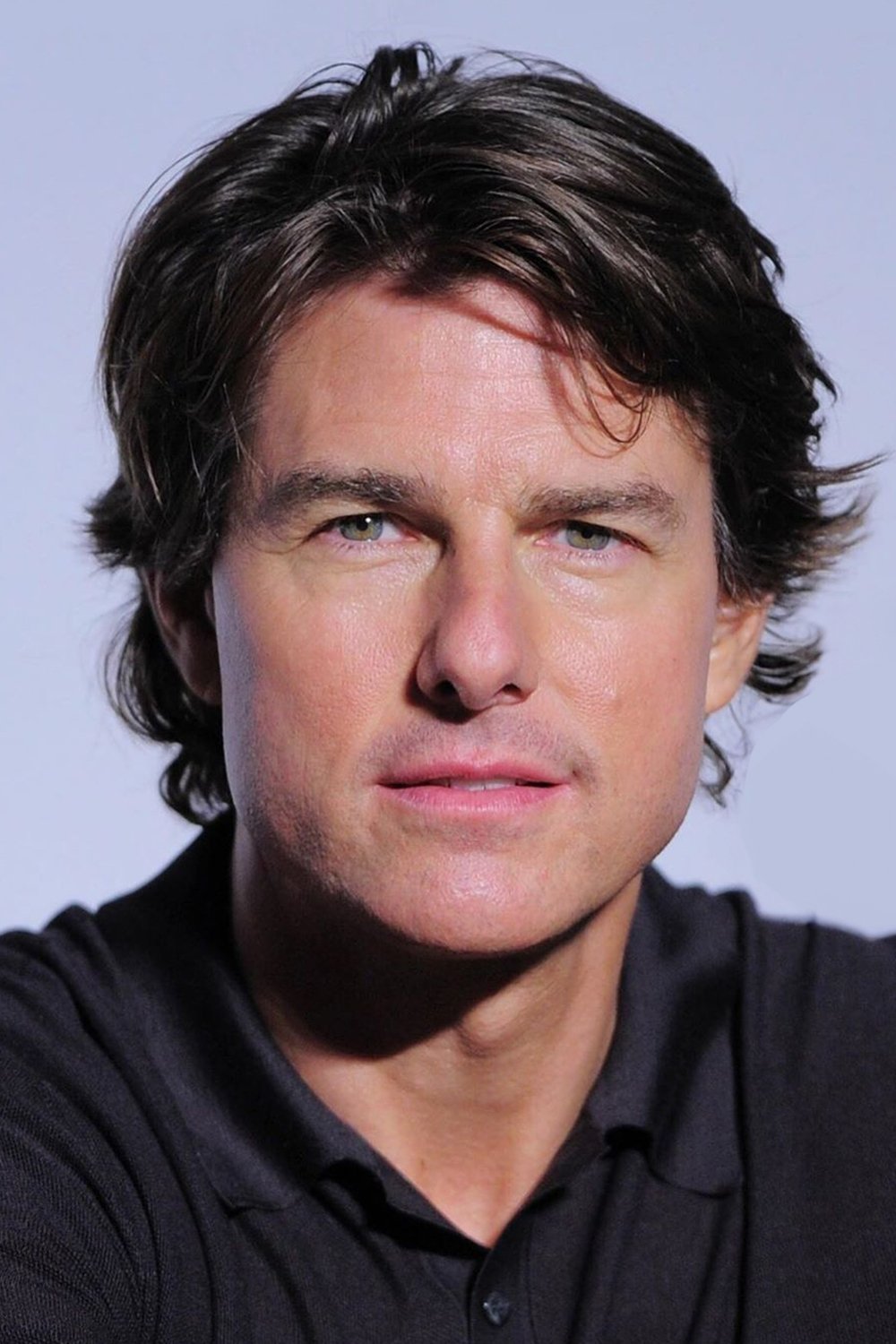
During the production of ‘Mission Impossible Dead Reckoning Part One’, Cruise enforced strict safety protocols to keep the industry running during the global pandemic. He invested his own money into safety measures and social distancing equipment to ensure the crew remained employed throughout the project. His rigorous standards were later adopted by other productions to maintain a safe working environment for all staff members. This leadership helped prevent shutdowns that would have cost thousands of crew members their livelihoods during a difficult time. His commitment to safety provided a roadmap for the safe return of film production.
Brie Larson

Larson used her press tours for ‘Captain Marvel’ to demand more diversity among the journalists invited to cover the film. She noticed that the majority of critics and reporters were white men and pushed for a more representative press pool. This move encouraged studios to evaluate their media outreach and include more women and people of color in press junkets. Her actions have helped democratize film criticism and media access for underrepresented journalists across the globe. This shift ensures that a wider range of perspectives is reflected in movie reviews and entertainment reporting.
Charlize Theron
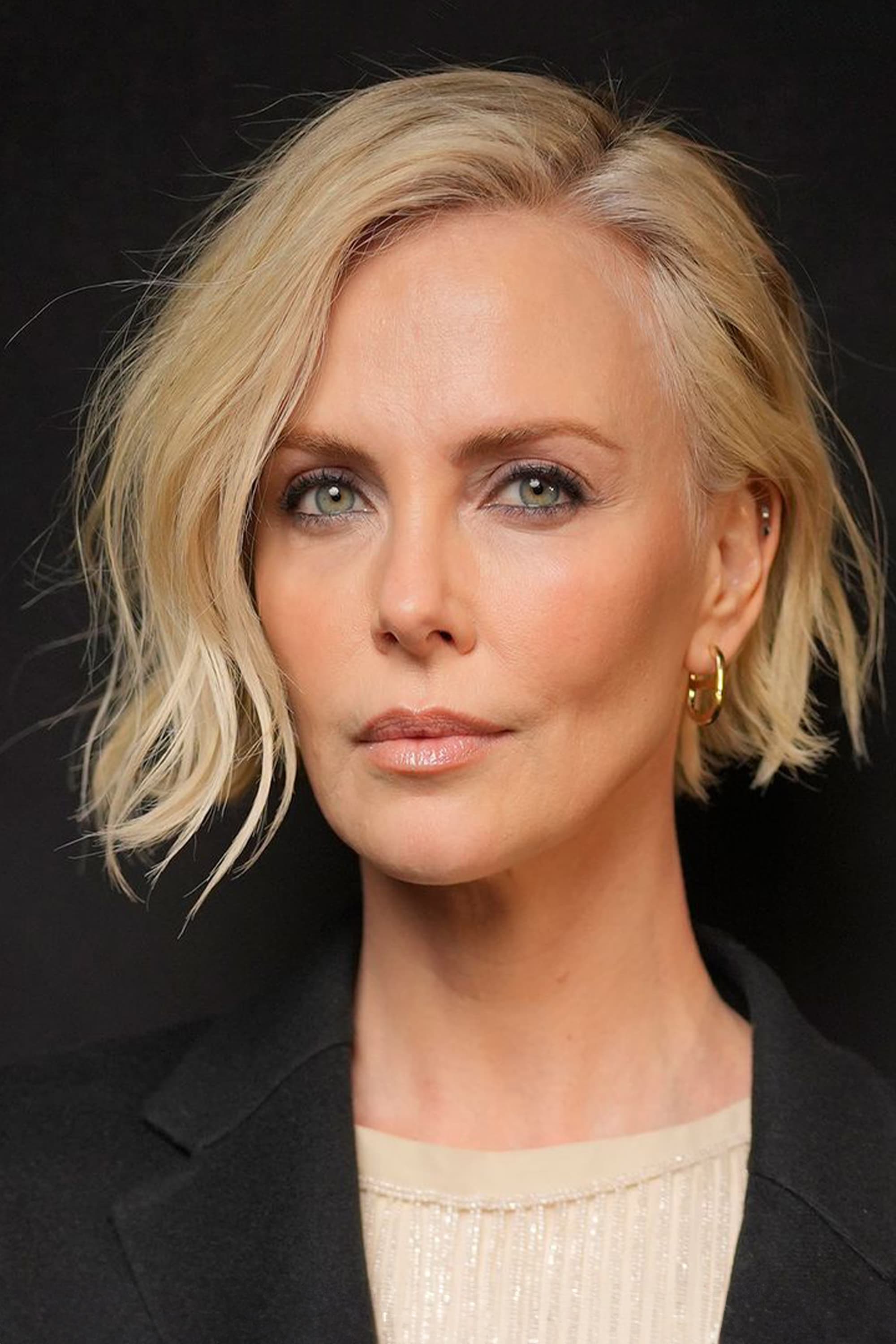
Upon learning about pay gaps in the industry, Theron negotiated for a salary equal to her male lead for the film ‘The Huntsman Winter’s War’. She insisted that she would not return to the franchise unless her pay matched that of her male counterpart. The studio complied with her request which demonstrated the power of established stars to force institutional change. This successful negotiation has been cited by many other actors as a turning point for pay discussions in big-budget sequels. Her resolve proved that stars could successfully demand their true market value.
Will Smith
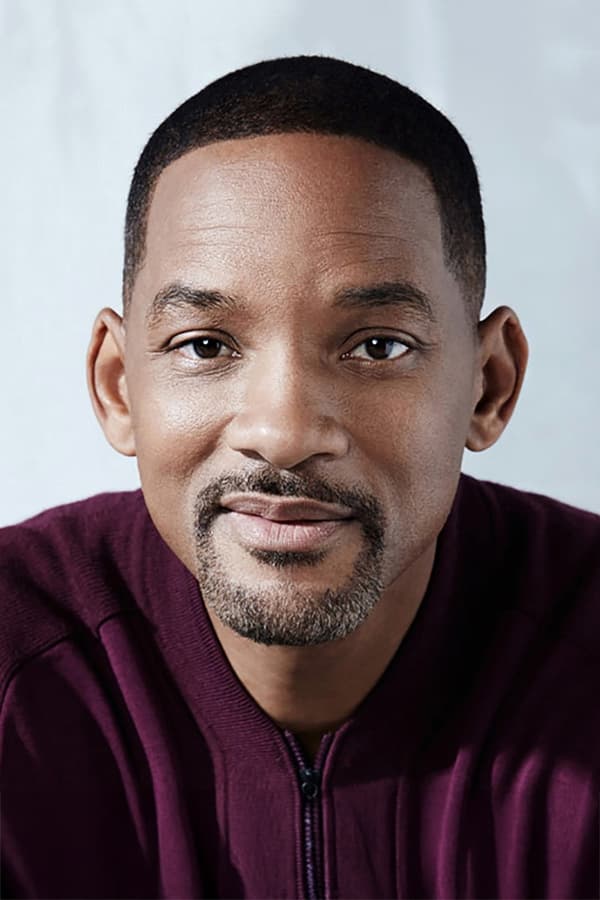
During the production of ‘King Richard’, Smith decided to use his own salary to provide bonuses for his castmates after the film moved to a hybrid release model. He wanted to ensure that the other actors were compensated for the potential loss of box office residuals caused by the streaming release. This gesture highlighted the financial impact that streaming platforms have on supporting cast members. His actions prompted a broader discussion about how studios should fairly compensate all performers in the evolving digital landscape. This move set a standard for generosity and fairness toward supporting actors.
Taraji P. Henson
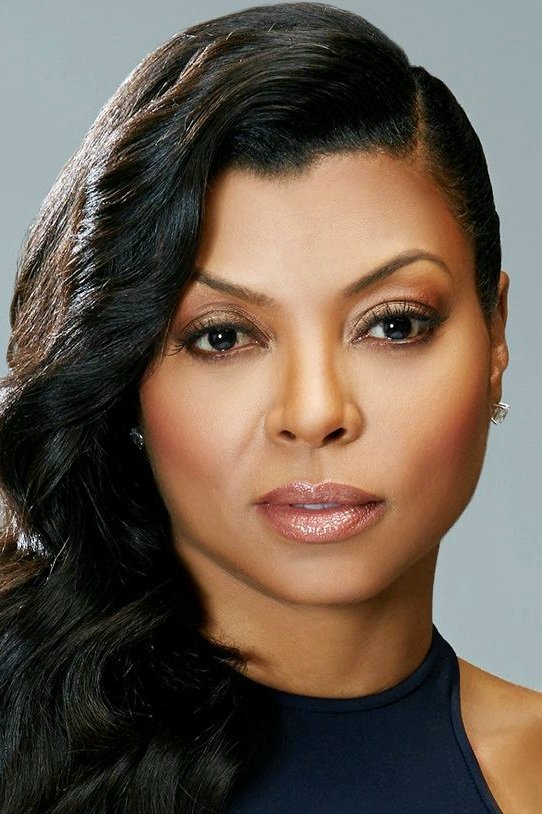
Henson has spoken out about the lack of basic amenities and security for actors on location shoots throughout her career. She demanded better transportation and living conditions to ensure that the cast and crew felt safe and respected while working away from home. Her advocacy led to significant improvements in the logistical planning of several major productions. These changes have benefited entire crews who often face difficult or unsafe working conditions in remote areas. Her persistence has made location sets more hospitable for everyone involved in the production process.
Geena Davis
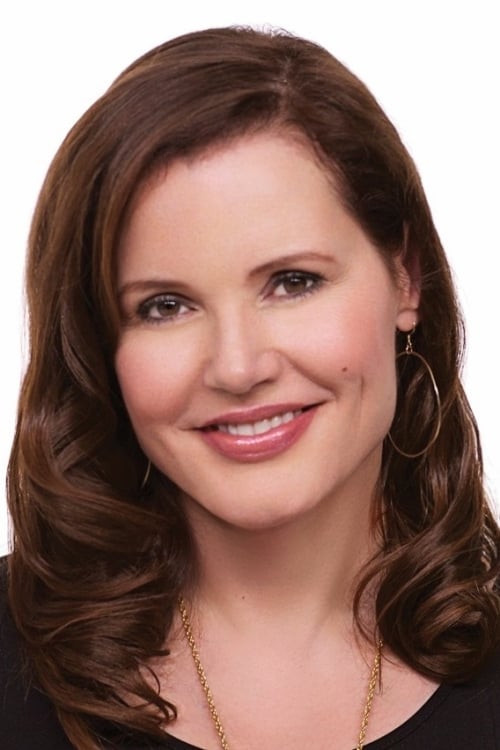
Through her Institute on Gender in Media, Davis has demanded more data-driven approaches to representation on screen and on set. She has worked directly with studios to increase the number of female characters in crowd scenes and technical roles. Her research has influenced writers and directors to be more conscious of gender balance in their storytelling and hiring. These efforts have created a more inclusive environment for women working in all departments of the entertainment industry. Her work proves that quantifiable data can lead to meaningful progress in representation.
Tracee Ellis Ross
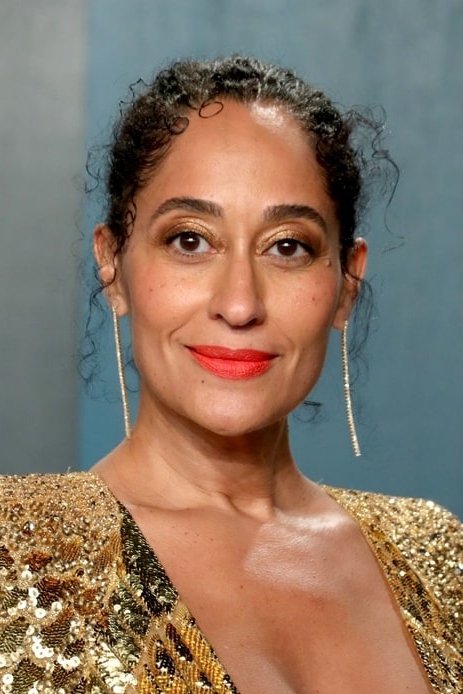
When negotiating for later seasons of ‘Black-ish’, Ross fought for a salary that reflected her vital contribution as a lead actress. She openly discussed her negotiations to shed light on the specific challenges faced by Black women in the television industry. Her success in achieving pay parity inspired other television actors to demand fair market value for their work. This transparency has helped dismantle some of the secrecy surrounding salary negotiations in the TV industry. Her actions empowered many of her peers to advocate for their worth during contract renewals.
Bryce Dallas Howard

Howard revealed that she was paid significantly less than her co-star for the ‘Jurassic World’ trilogy despite her status as a co-lead. She worked with her male lead who supported her in negotiating for higher pay in spin-off projects and theme park attractions. This collaboration showed the importance of male allies in the fight for gender pay equity in major franchises. Her story has encouraged more actors to share salary information with their co-stars to identify and address pay discrepancies. This openness helps ensure that all leads are compensated fairly regardless of gender.
Edward Norton
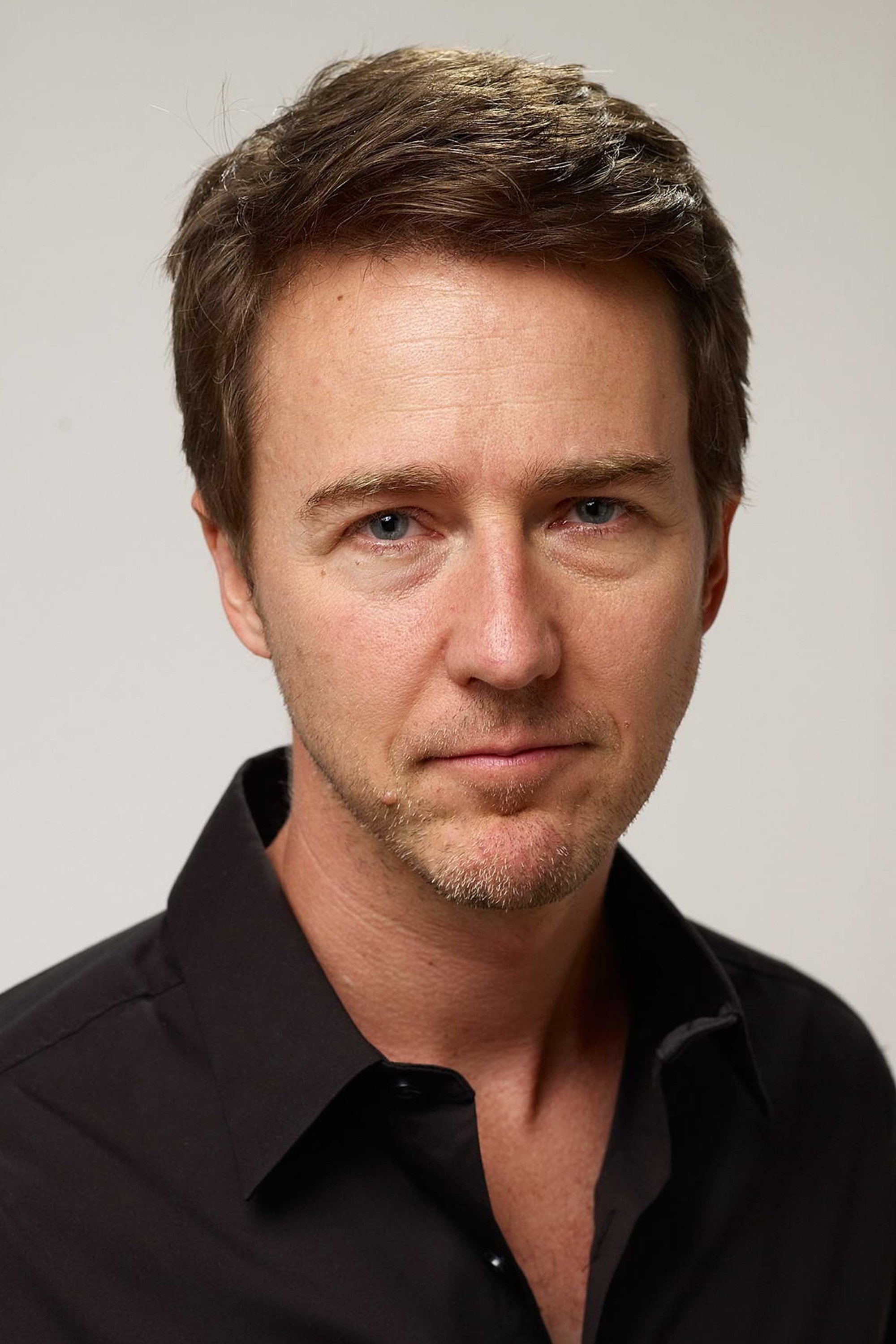
Known for his deep involvement in the creative process, Norton has often demanded higher standards for script quality and production safety. On the set of ‘The Incredible Hulk’, he pushed for more character development and better working conditions for the crew. While his approach was sometimes viewed as demanding, it often resulted in a more rigorous and professional environment for the team. Many crew members have credited his high standards with improving the overall quality of the production experience. His focus on excellence pushed the entire production to operate at a higher level.
Florence Pugh

Pugh has been vocal about refusing to change her physical appearance for film roles since the beginning of her career. She demanded that productions respect her natural body type and avoid pressuring her into unhealthy diets or extreme fitness routines. This stance has empowered other young actors to set firm boundaries regarding their physical autonomy. Her influence has helped shift the industry away from unrealistic beauty standards for performers of all backgrounds. This advocacy promotes a healthier and more inclusive culture within the casting process.
George Clooney
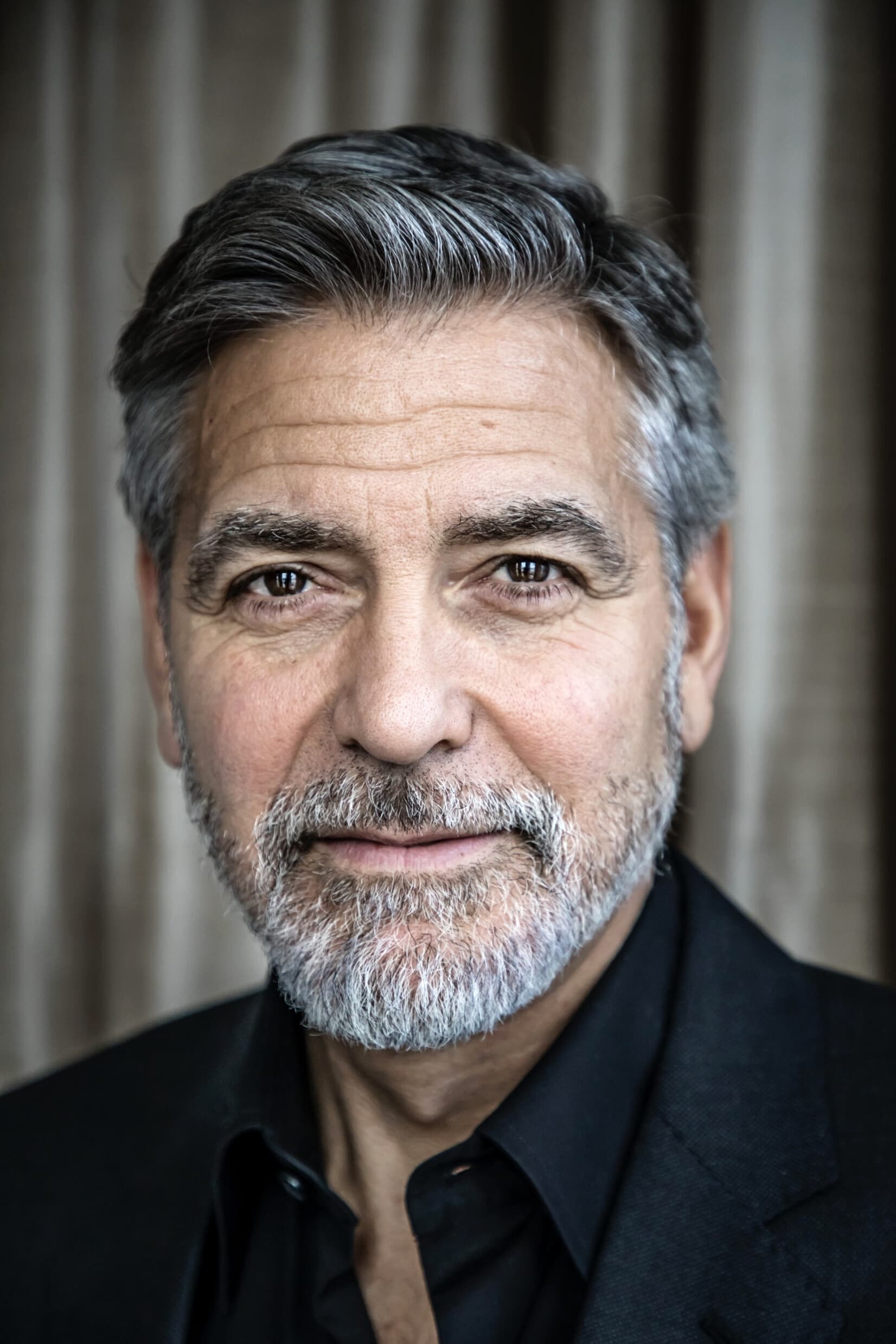
During various industry strikes and economic downturns, Clooney has advocated for the financial protection of crew members across Hollywood. He has proposed changes to union structures to provide more support for those in lower-paying positions. His leadership often involves donating to relief funds and encouraging other high earners to do the same for their colleagues. This advocacy has helped strengthen the safety nets for the thousands of workers who keep film sets running daily. His commitment to the working class of the film industry has improved conditions for many crew members.
Jason Momoa
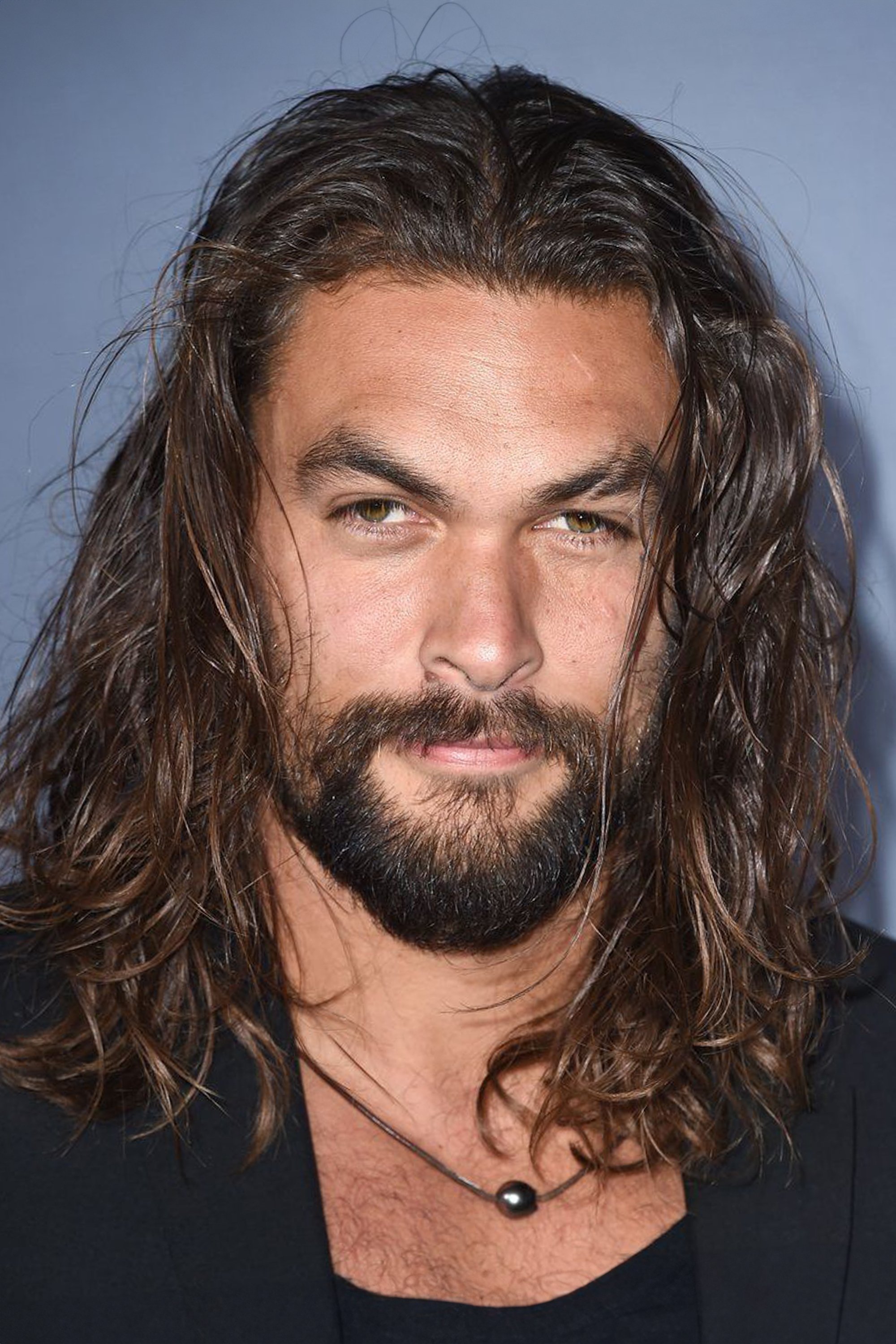
While filming ‘Aquaman’, Momoa took a stand for the safety of the stunt team and the local crew in various filming locations. He demanded that the production adhere to the highest safety standards to prevent injuries during complex action sequences. His hands-on approach ensured that everyone on set felt their physical well-being was a top priority for the studio. This focus on safety has set a positive example for other large-scale action productions that involve high-risk stunts. His leadership helped foster a culture of care on the set of the film.
Sandra Bullock
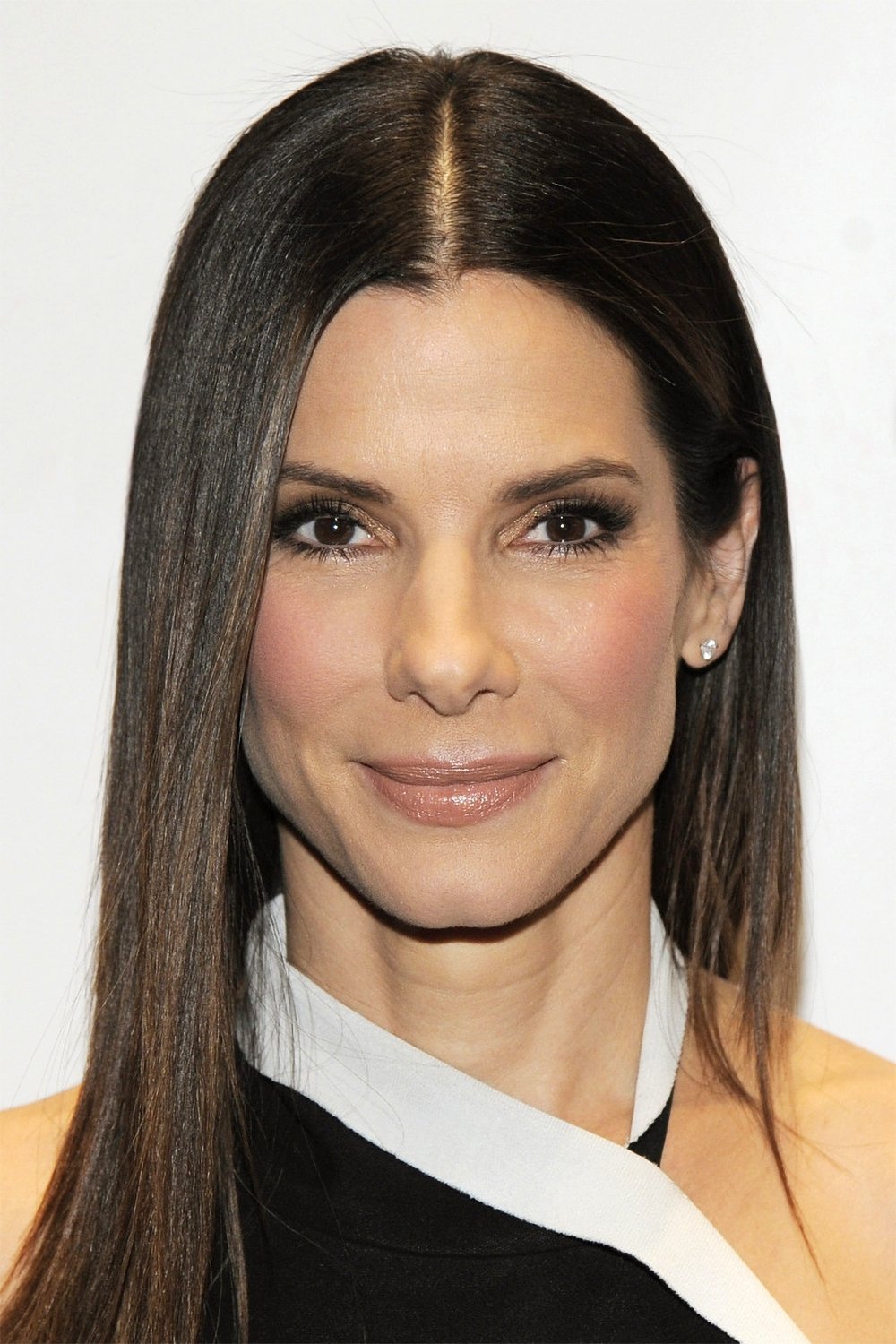
As a producer and actor, Bullock has demanded that sets be run with a focus on efficiency and respect for the crew’s time. She often pushes for shorter working days and better meal breaks to prevent burnout among the staff members. Her influence as a powerful figure in the industry has made these considerations more common on her projects. This approach fosters a more sustainable and healthy working environment for everyone involved in the filming process. Her focus on worker well-being has made her sets some of the most sought-after in Hollywood.
Daniel Dae Kim
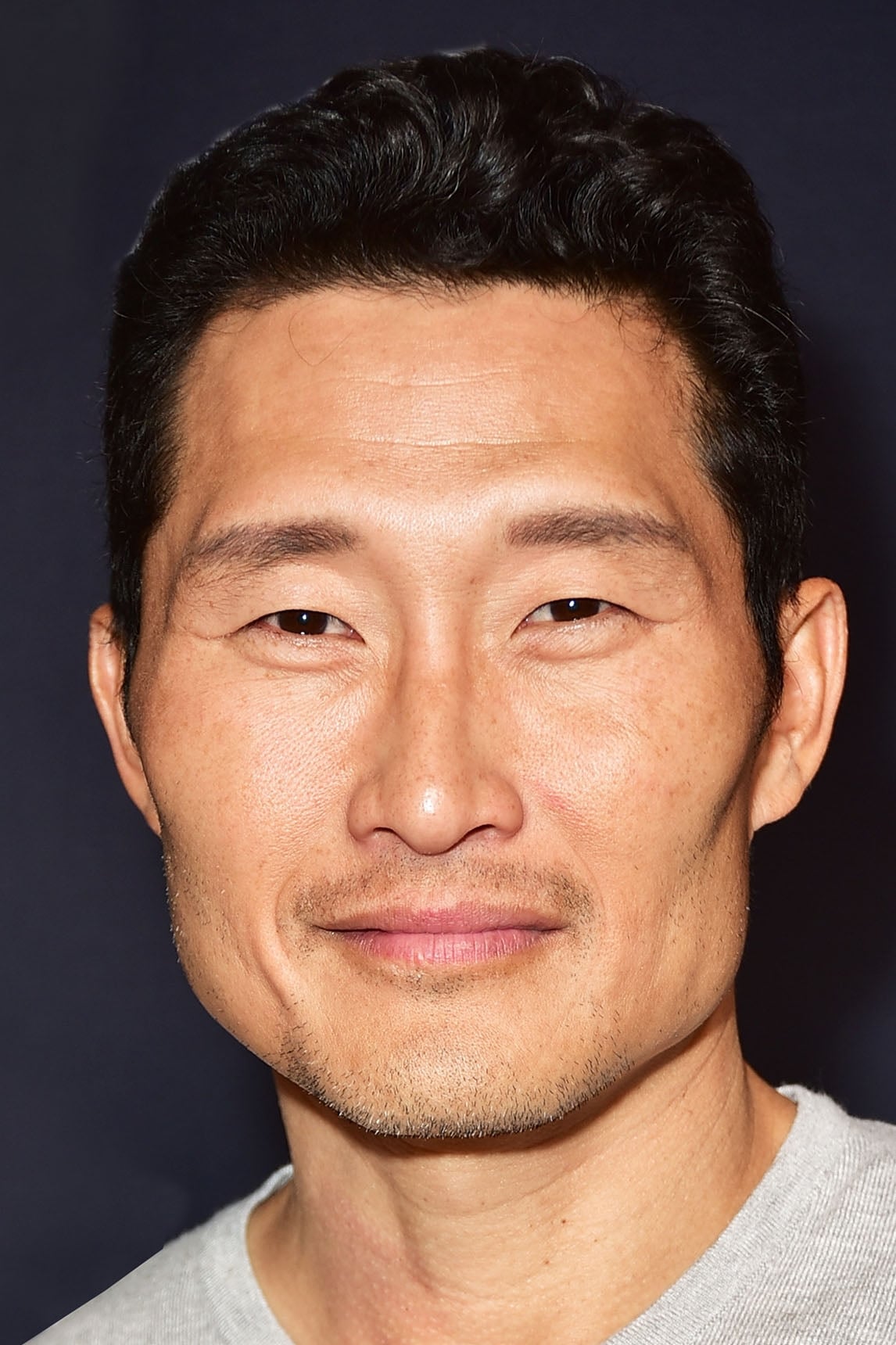
Kim left a lead role on ‘Hawaii Five-0’ after the studio refused to pay him as much as his white co-stars. While his departure was a loss for the show, it sparked a major national conversation about the systemic underpayment of Asian American actors. His stand forced the industry to reckon with racial pay gaps in long-running television series. Since then, more Asian American performers have been able to successfully negotiate for equitable compensation and lead roles. His sacrifice paved the way for more fair treatment of diverse talent in television.
Meryl Streep
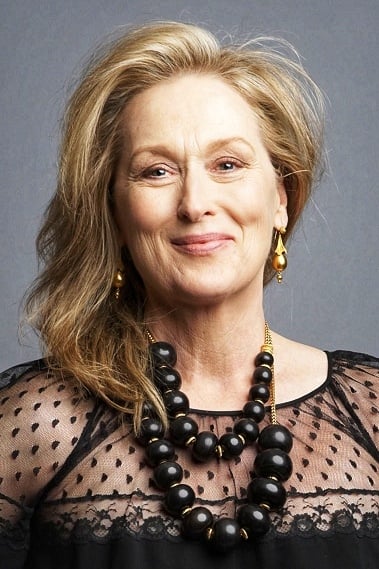
Streep has used her immense influence to demand more diversity in the writers’ rooms of her various projects. She personally funded the Writers Lab for women screenwriters over forty to ensure a broader range of voices in the industry. Her insistence on working with diverse creative teams has opened doors for many writers who were previously overlooked by major studios. This has led to more nuanced and varied storytelling across the films in which she participates. Her advocacy has improved the working conditions and visibility of veteran female writers.
Ruth Wilson
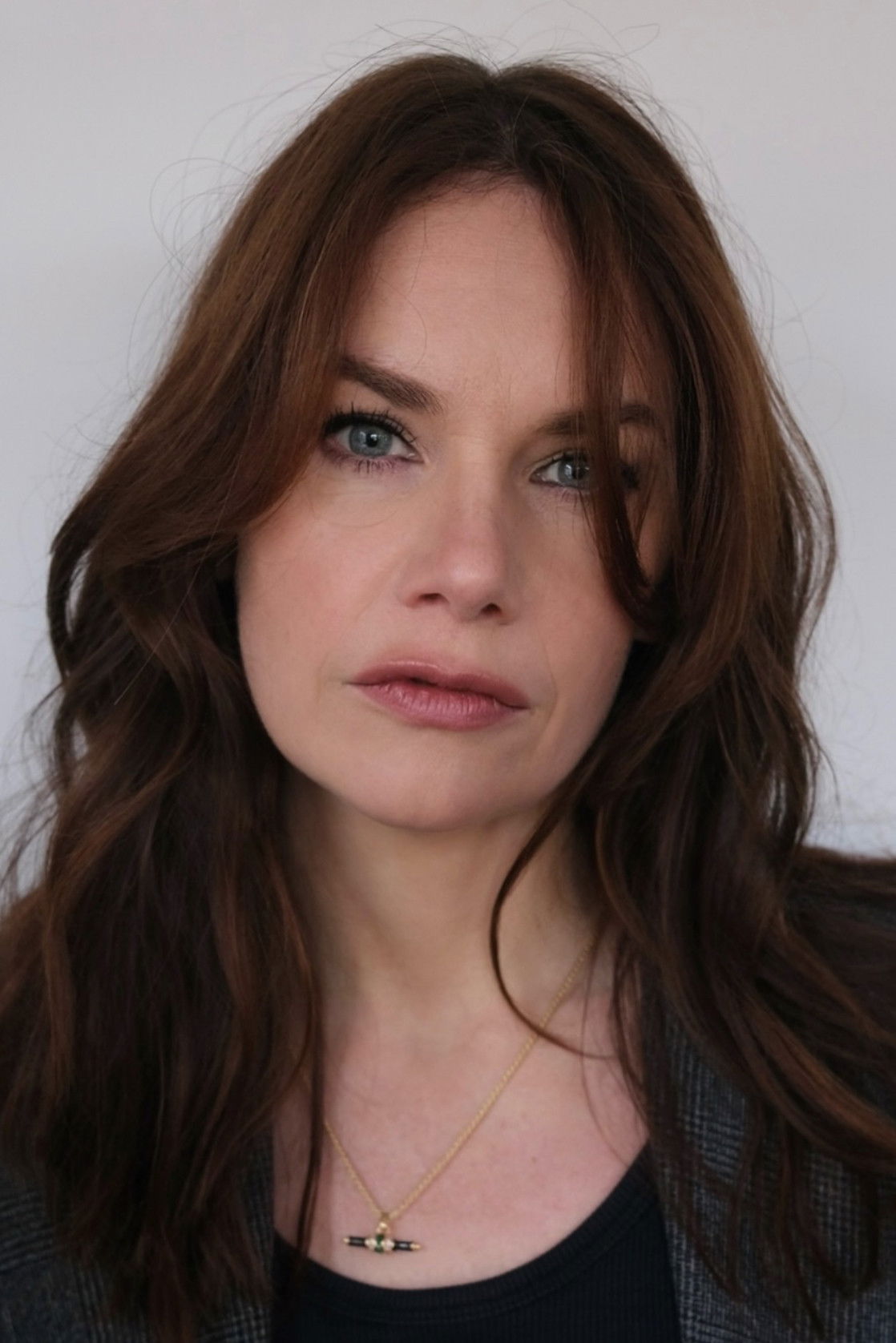
After dealing with toxic environments and a lack of protection during intimate scenes on ‘The Affair’, Wilson became a vocal advocate for systemic change. She demanded better protocols for actor safety and total transparency regarding production expectations for performers. Her public departure from the show brought much-needed attention to the need for stronger union protections for all performers. Her actions contributed to the widespread adoption of more rigorous safety standards on modern television sets. This advocacy has helped ensure that actors are treated with dignity and respect during sensitive scenes.
Please share your thoughts on these industry-changing demands in the comments.