


20 Actors Who’ve Criticized Their Own Films



Every so often an actor looks back at a project and explains why it did not work the way they hoped. These comments often mention script problems, studio changes, or production choices that shaped the final cut. Hearing these details offers a clearer picture of how decisions on set and in post production affect the story audiences see. Here are twenty cases where performers spoke plainly about their own films and what they learned.
Halle Berry – ‘Catwoman’ (2004)
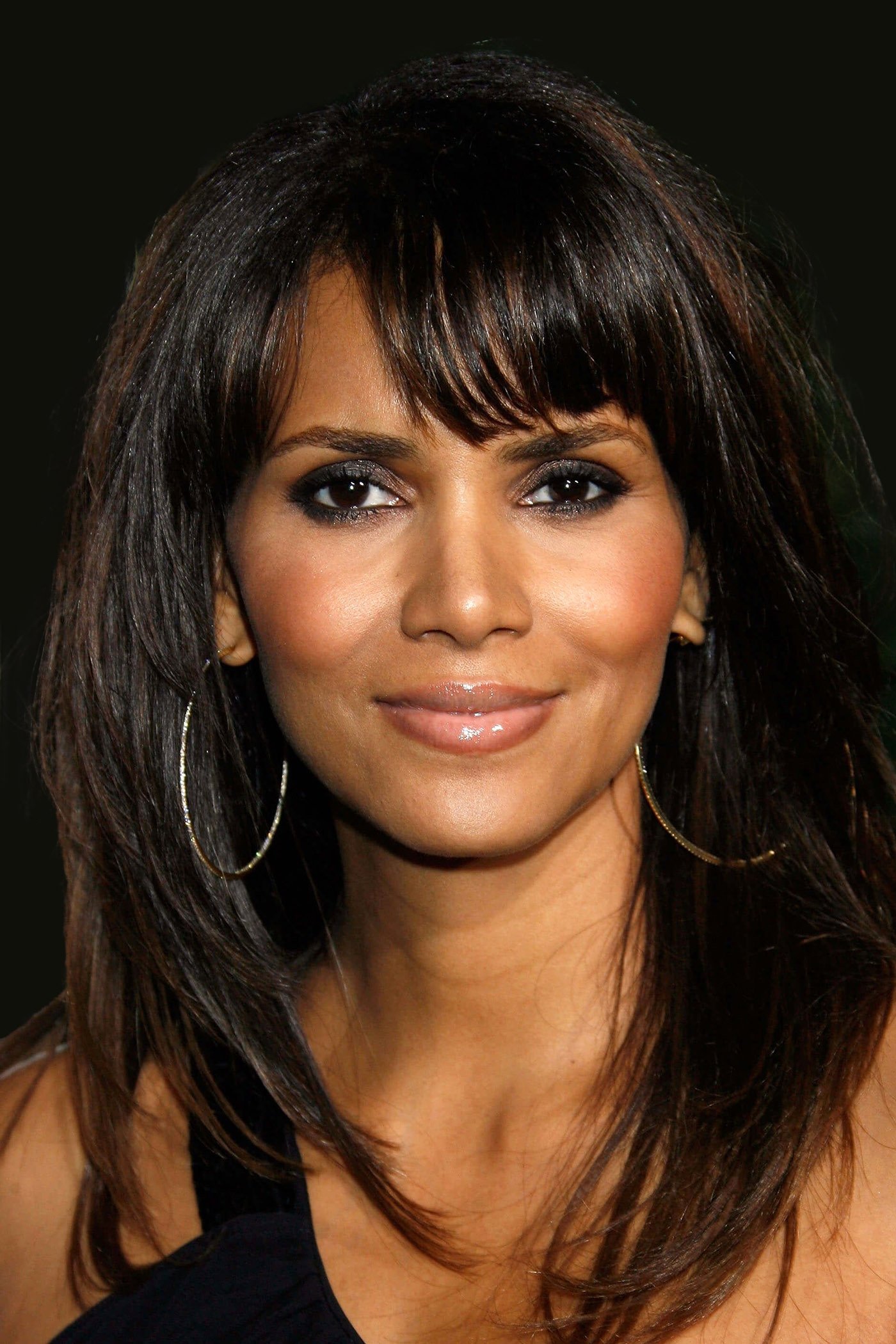
Berry accepted a Razzie in person and used the moment to call out issues with the script and character focus. She explained that the story leaned on surface level elements instead of a clear arc. Interviews later described reshoots and tone shifts that shaped the final cut. She has said the experience pushed her to prioritize stronger creative teams.
George Clooney – ‘Batman & Robin’ (1997)
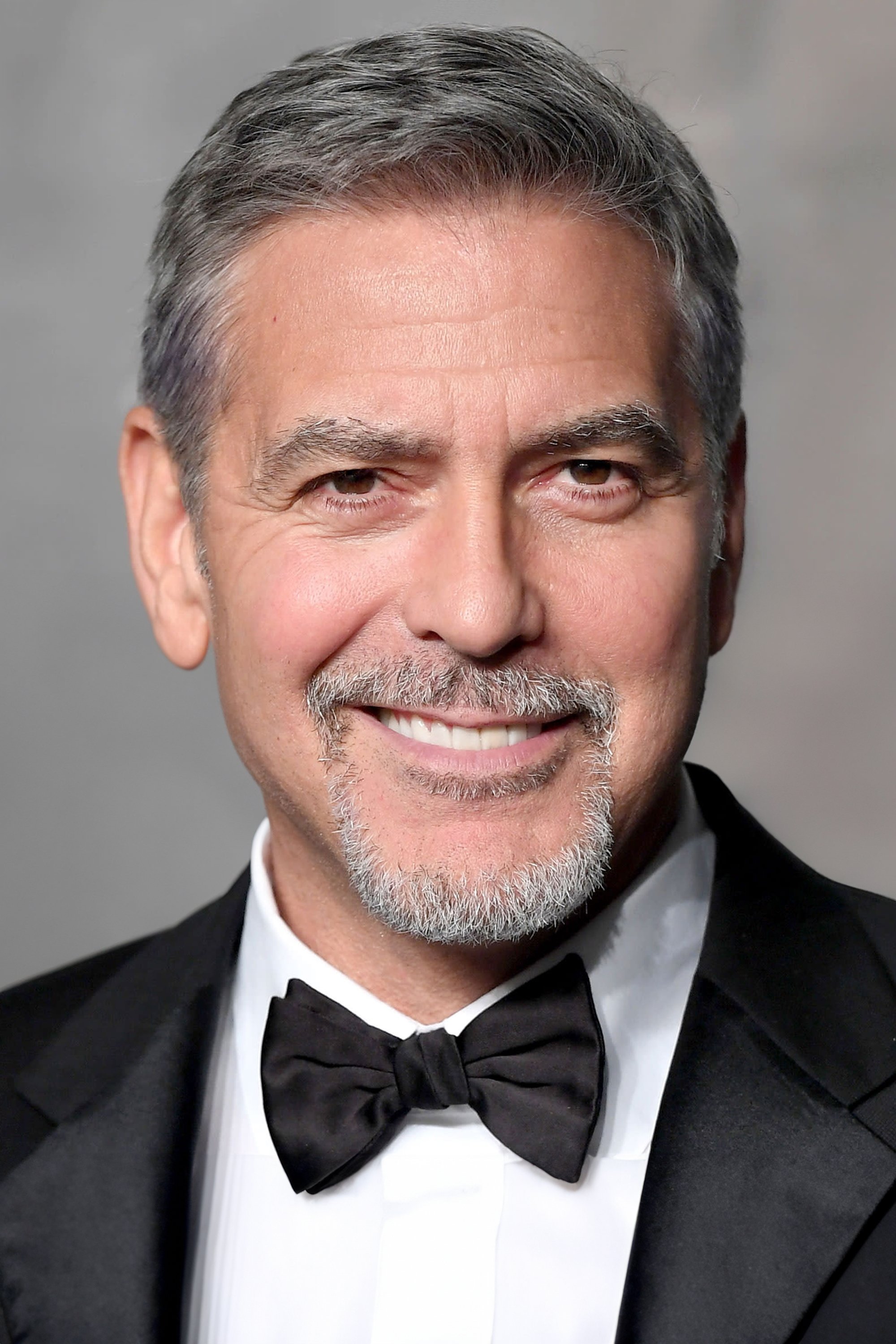
Clooney has said he takes responsibility for the film’s campy direction when discussing its reception with fans. He explained that the tone choices overwhelmed character work and story clarity. He often cites this project as a lesson in picking material with a unified vision. Public appearances include apologies that acknowledge how the film landed with audiences.
Ryan Reynolds – ‘Green Lantern’ (2011)
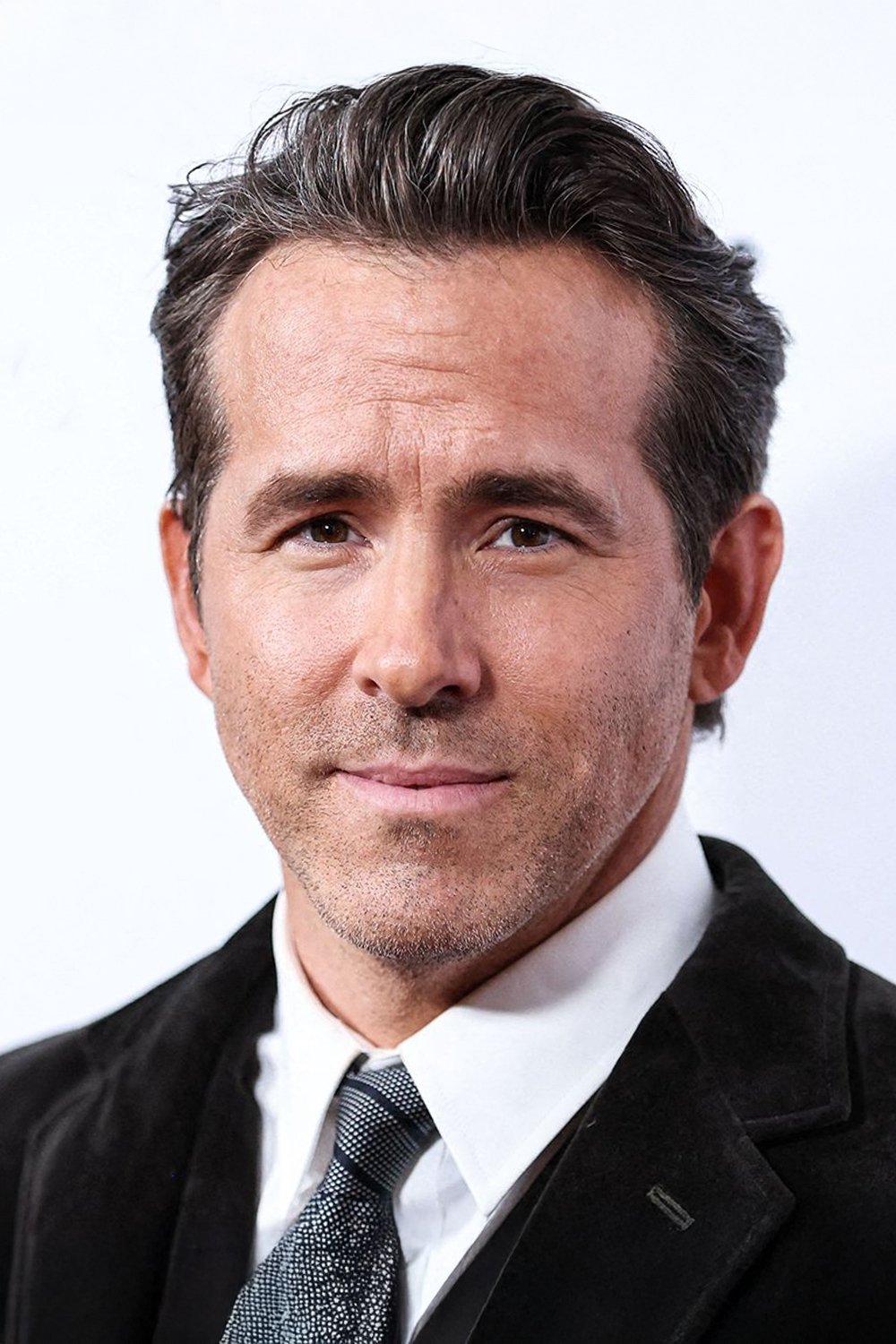
Reynolds has joked about the movie for years and detailed how heavy effects work eclipsed character building. He pointed to digital suit decisions and large scale world building as sources of imbalance. The experience informed his later push for tighter scripts and clearer tone control on superhero projects. He has described using creative oversight to avoid similar problems.
Mark Wahlberg – ‘The Happening’ (2008)
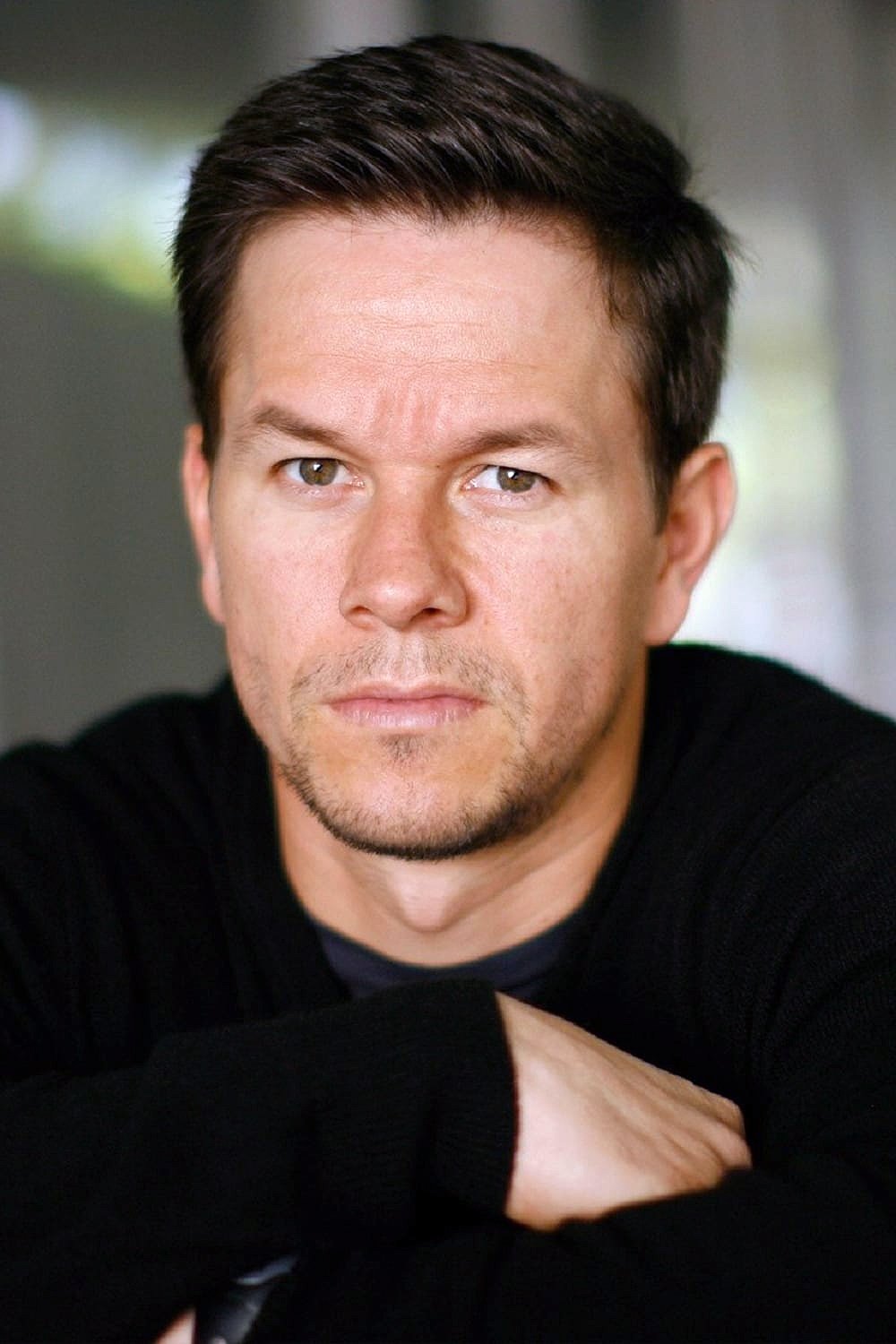
Wahlberg has said he struggled with the tone and that the dialogue was hard to play straight. He explained that the material did not match the performance style he tried to deliver. Interviews describe a takeaway about vetting genre pieces more carefully. He uses it as an example of asking more questions before committing.
Shia LaBeouf – ‘Indiana Jones and the Kingdom of the Crystal Skull’ (2008)
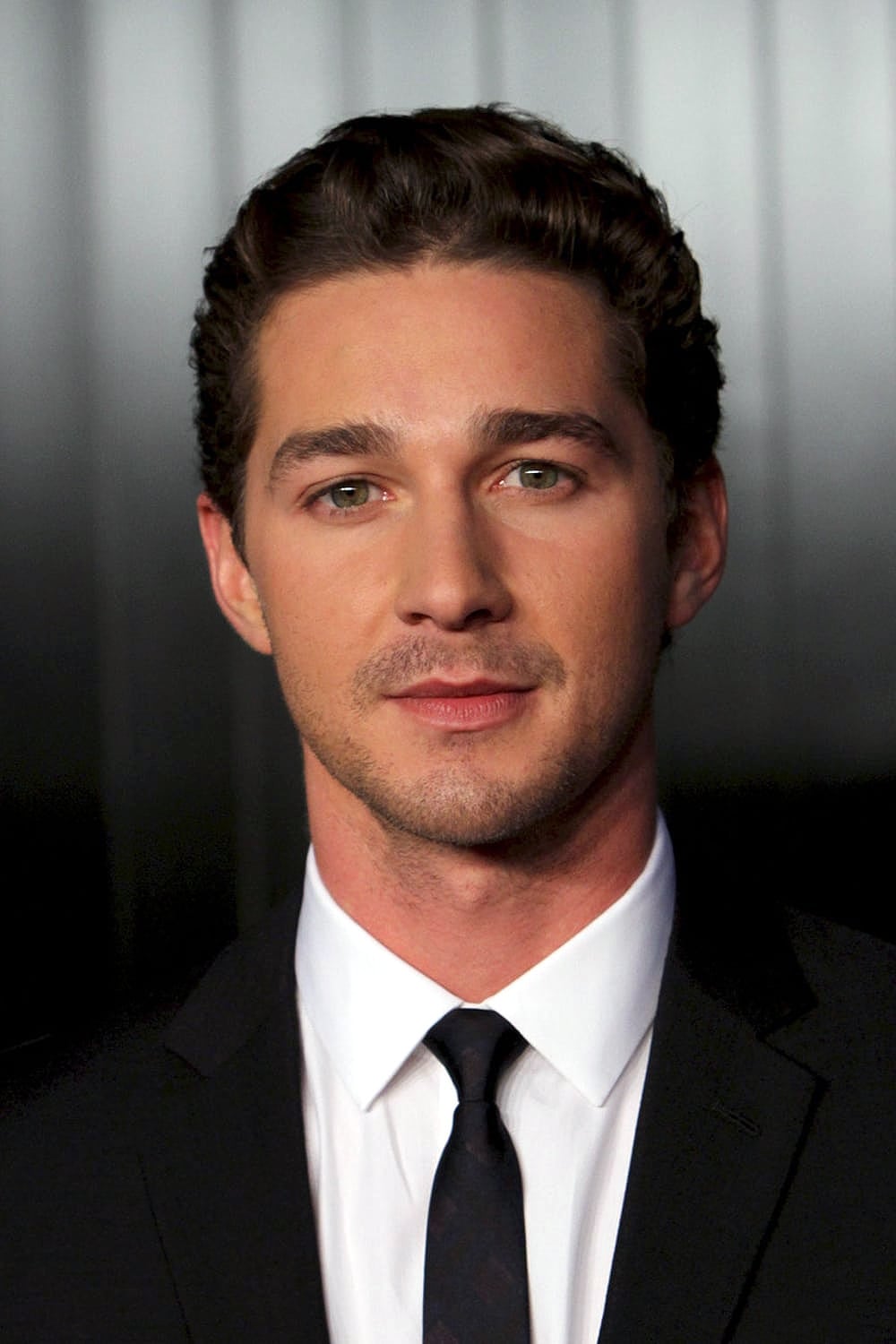
LaBeouf publicly said the film did not meet expectations and that his performance did not help. He later described a conversation with the director about airing criticism during promotion. The comments highlighted how franchise pressure can affect what actors say. He has since noted the value of keeping critiques internal while a series continues.
Ben Affleck – ‘Daredevil’ (2003)
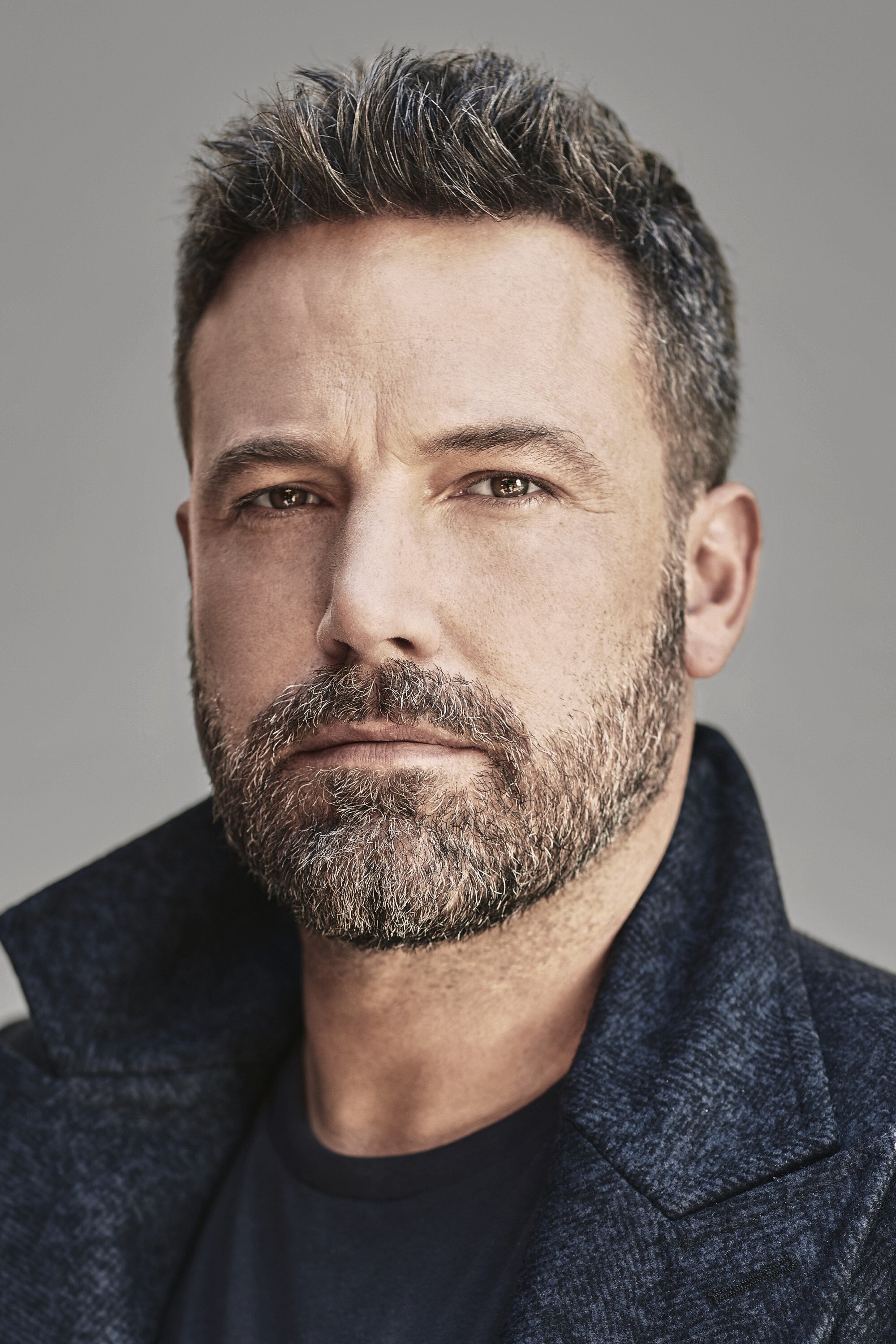
Affleck explained that the film missed what drew him to the character. He pointed to an uneven cut that left emotional beats underdeveloped. He has said the outcome guided him toward projects with better control over tone and editing. The experience helped shape his interest in directing character centered stories.
Charlize Theron – ‘Aeon Flux’ (2005)

Theron has said reshoots and a shifting vision diluted the core concept. She explained that large set pieces took precedence over narrative cohesion. Later interviews credit the film with steering her toward scripts with clearer arcs. She has emphasized the importance of a director led approach that holds through post production.
Channing Tatum – ‘G.I. Joe: The Rise of Cobra’ (2009)
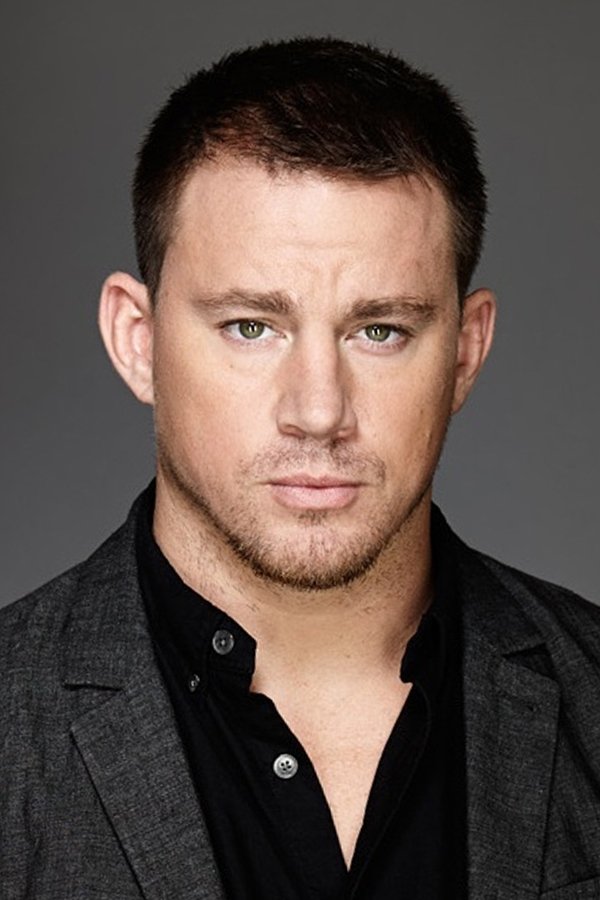
Tatum said he was under contract and later wished the story and character work were stronger. He described feeling limited by the script and the franchise setup. The experience pushed him to seek more input as a producer on action material. He has since focused on projects that better fit his instincts.
Michael Caine – ‘Jaws: The Revenge’ (1987)
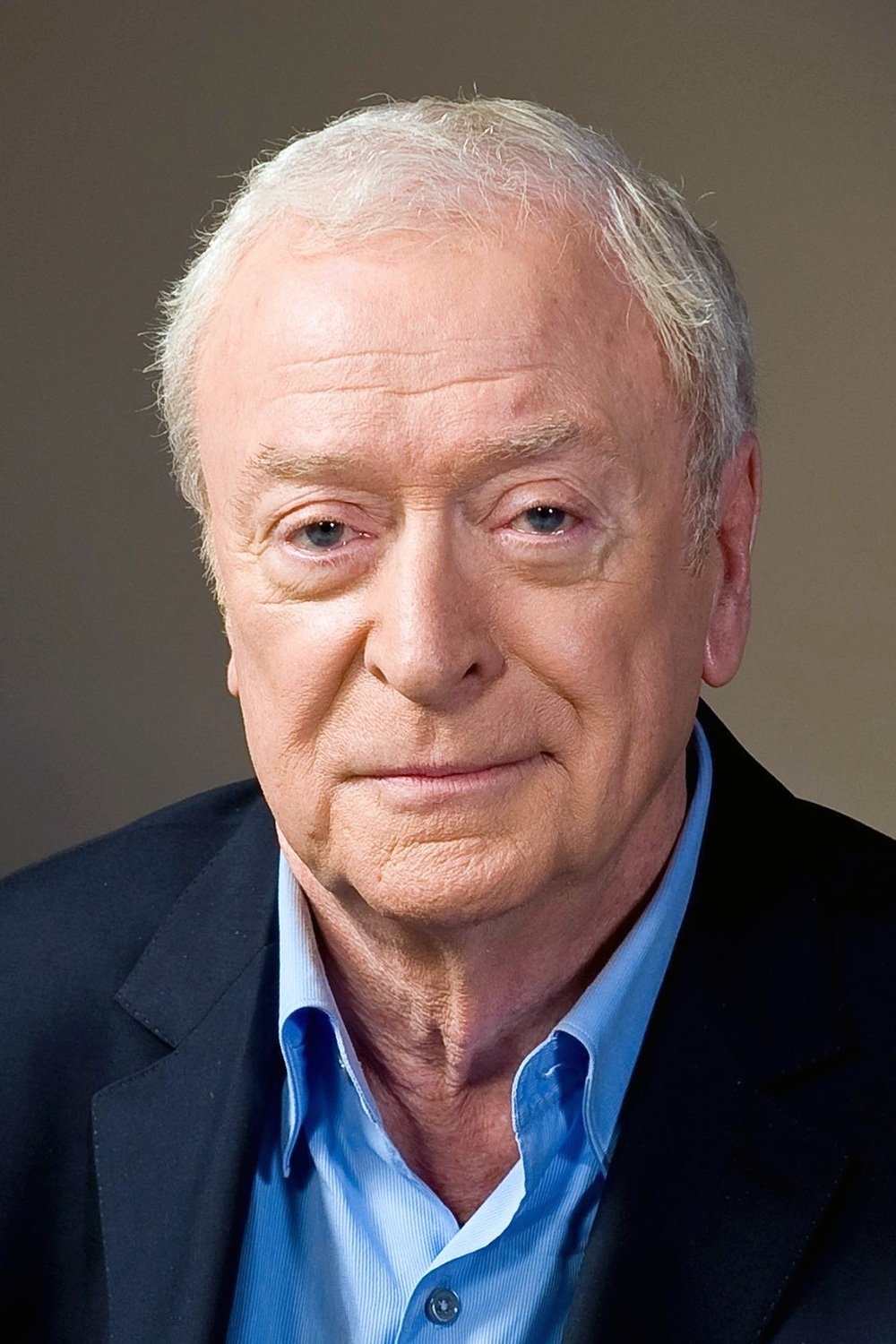
Caine has spoken openly about taking the role for practical reasons during a fast moving production. He explained that the pace left little room to refine the story. The film became a frequent reference in discussions about choosing jobs based on timing. He often contrasts it with projects that allowed more script development.
Christopher Plummer – ‘The Sound of Music’ (1965)
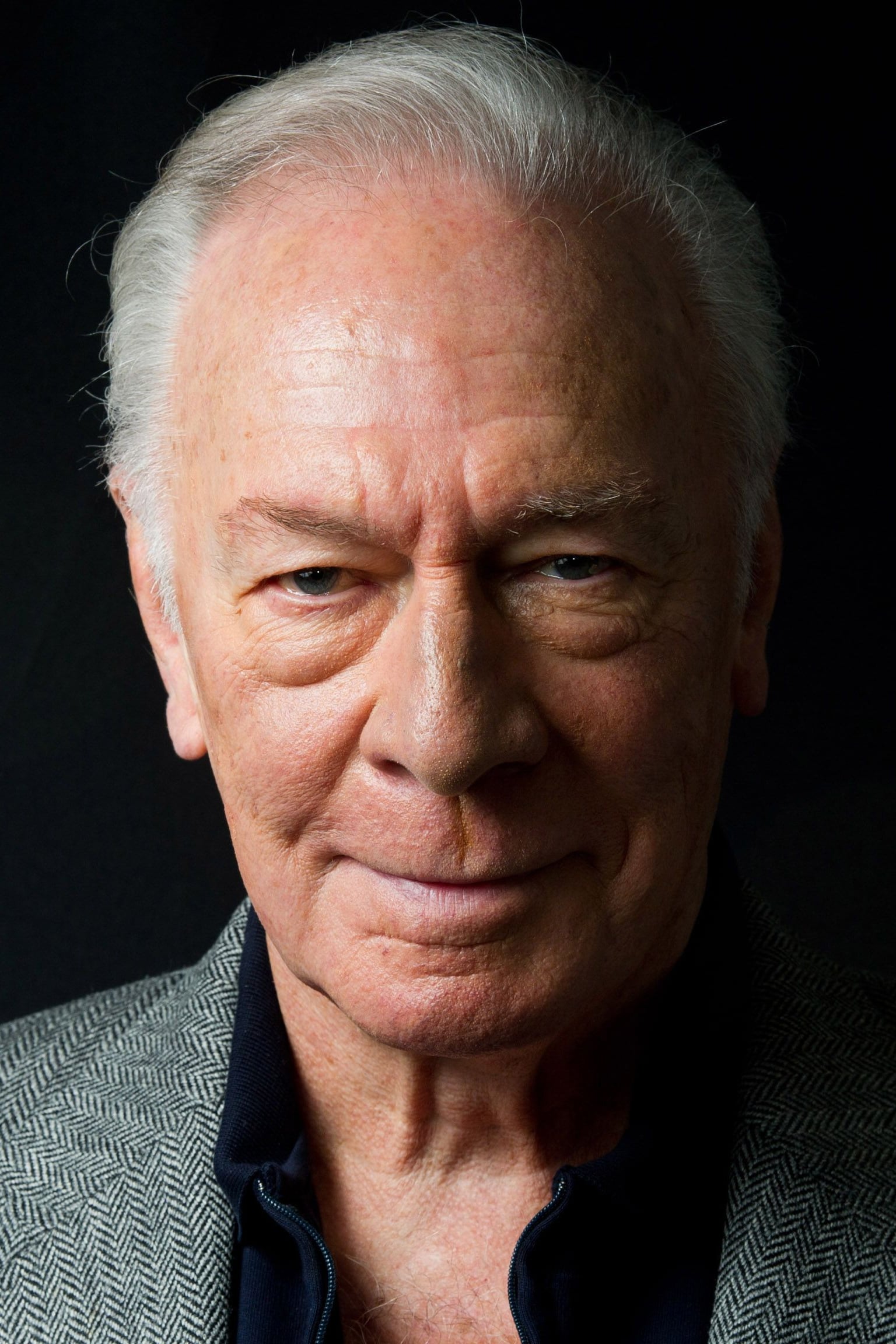
Plummer said he found the material overly sentimental and difficult to play with complete conviction. Over time he acknowledged the craft while keeping his personal misgivings. His remarks show how an actor can separate a film’s cultural impact from private taste. He later described appreciating the audience connection while maintaining his view.
Alec Guinness – ‘Star Wars’ (1977)
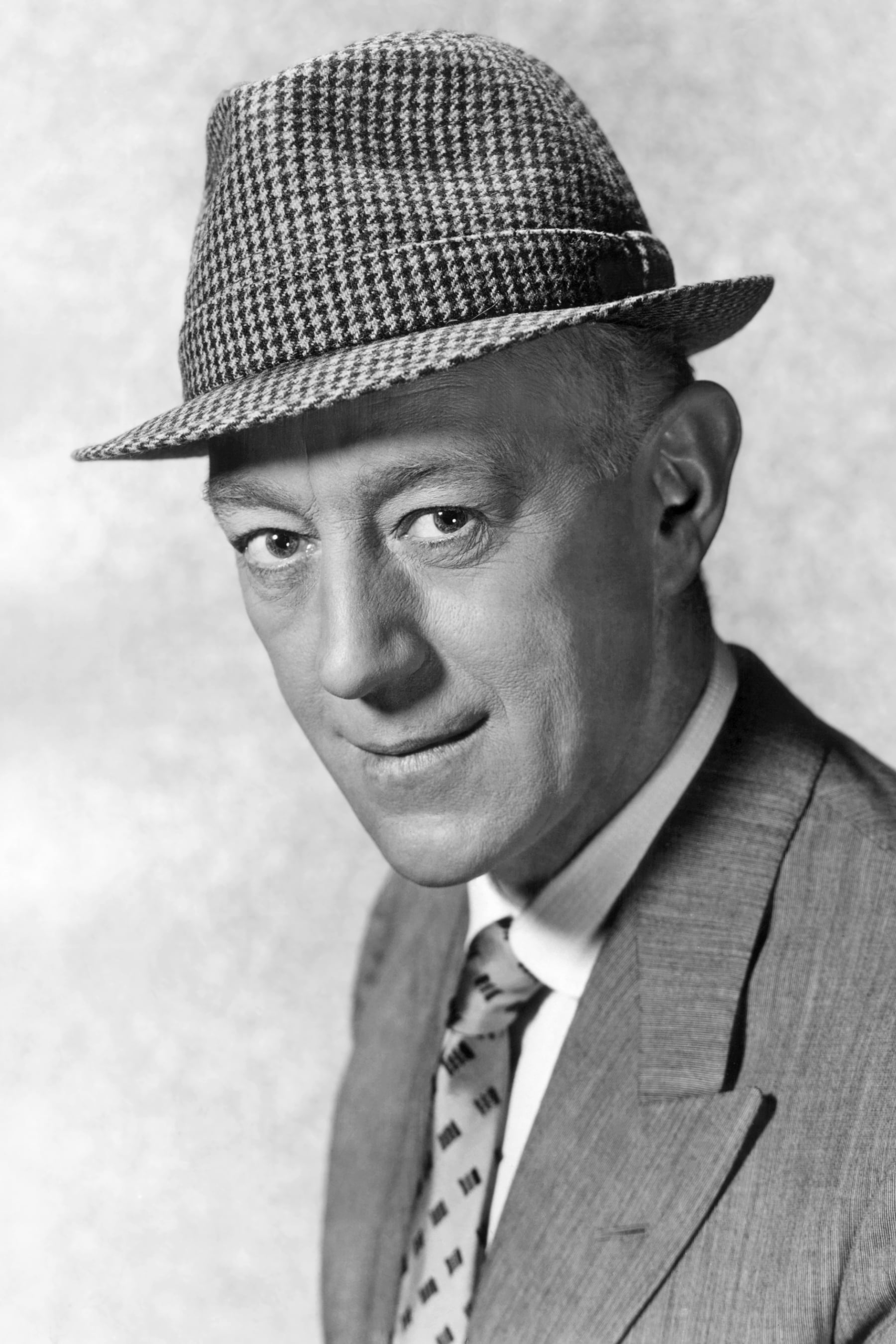
Guinness wrote about struggling with the dialogue and how it sounded to his ear. He encouraged a young fan to read widely, reflecting his feelings about the script’s language. Despite reservations he recognized the phenomenon and kept engaging with audiences. His comments illustrate how genre wording can challenge classical training.
Jessica Alba – ‘Fantastic Four: Rise of the Silver Surfer’ (2007)

Alba described notes during reshoots that pushed her toward flatter reactions. She said those directions reduced her emotional range in key scenes. The experience made her reconsider the roles she accepted afterward. She has used this case to explain how post production feedback can reshape performances.
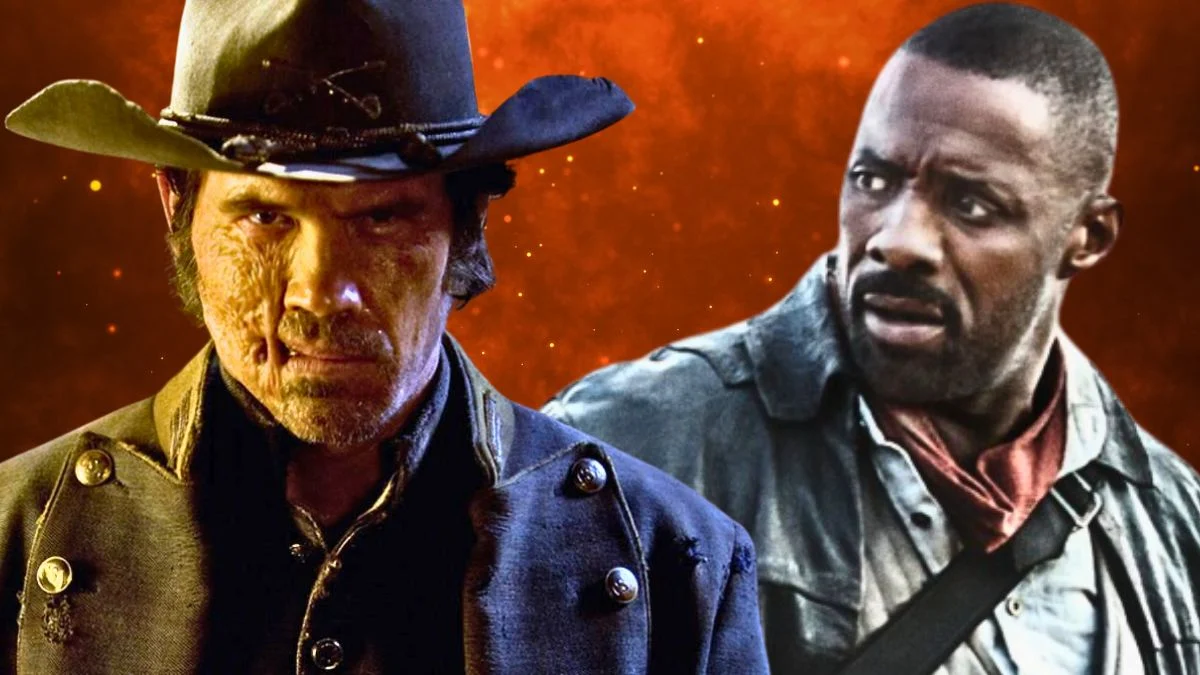
Idris Elba – ‘The Dark Tower’ (2017)
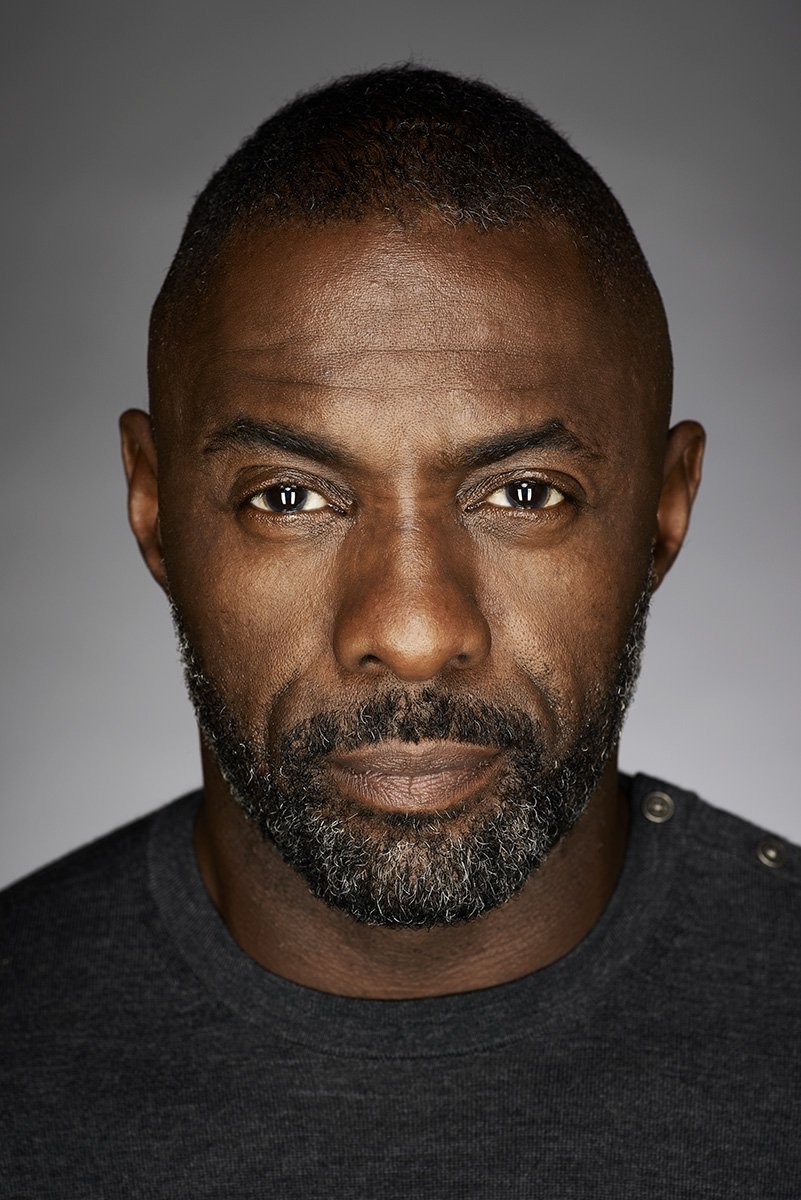
Elba said the adaptation tried to compress a large universe into a single film. He explained that world building crowded out character development. The result led him to favor long form storytelling for expansive material. He has pointed to television formats as better fits for similar projects.
Will Smith – ‘After Earth’ (2013)
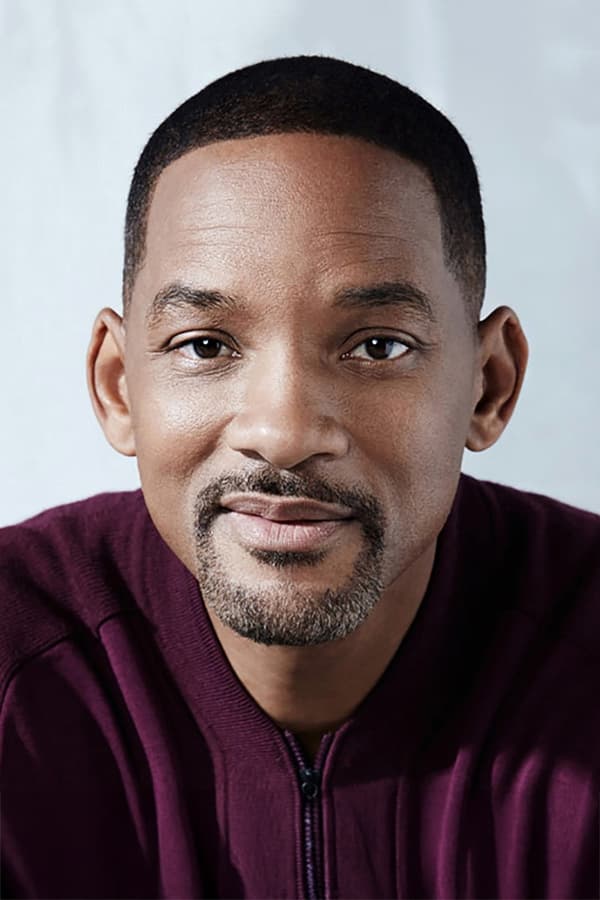
Smith analyzed the film as a painful failure and broke down where development choices went wrong. He discussed how branding and messaging set the wrong expectations. The outcome prompted him to rethink how he aligns scripts with marketing plans. He has described changing his strategy for evaluating future projects.
Jamie Lee Curtis – ‘Virus’ (1999)

Curtis has said the concept did not come together on screen. She explained that the premise felt thin once production began. The experience guided her toward stories with stronger character stakes. She references it when discussing how she selects material now.
Sylvester Stallone – ‘Stop! Or My Mom Will Shoot’ (1992)
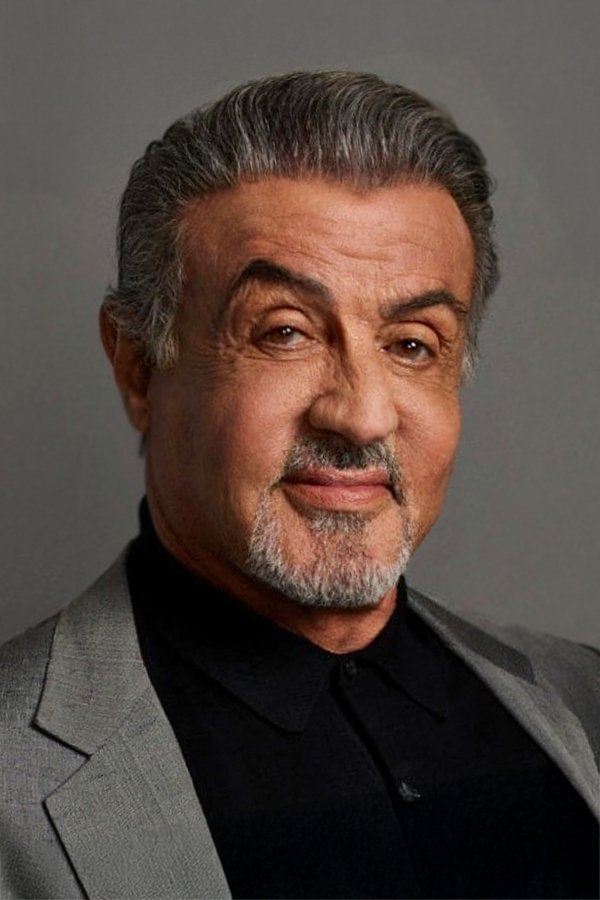
Stallone called the comedy a misstep and said the script never matched the high concept. He explained that the humor did not fit his screen persona at that time. The film’s reception moved him back to roles built around his strengths. He uses it to highlight the role of tone in casting.
Robert Pattinson – ‘Twilight’ (2008)

Pattinson often joked about the series and said he struggled with the intensity of the character. He explained that the global spotlight made honest discussion difficult during the run. The experience led him toward smaller auteur projects with more creative risk. He has framed the shift as a deliberate reset.
Josh Brolin – ‘Jonah Hex’ (2010)
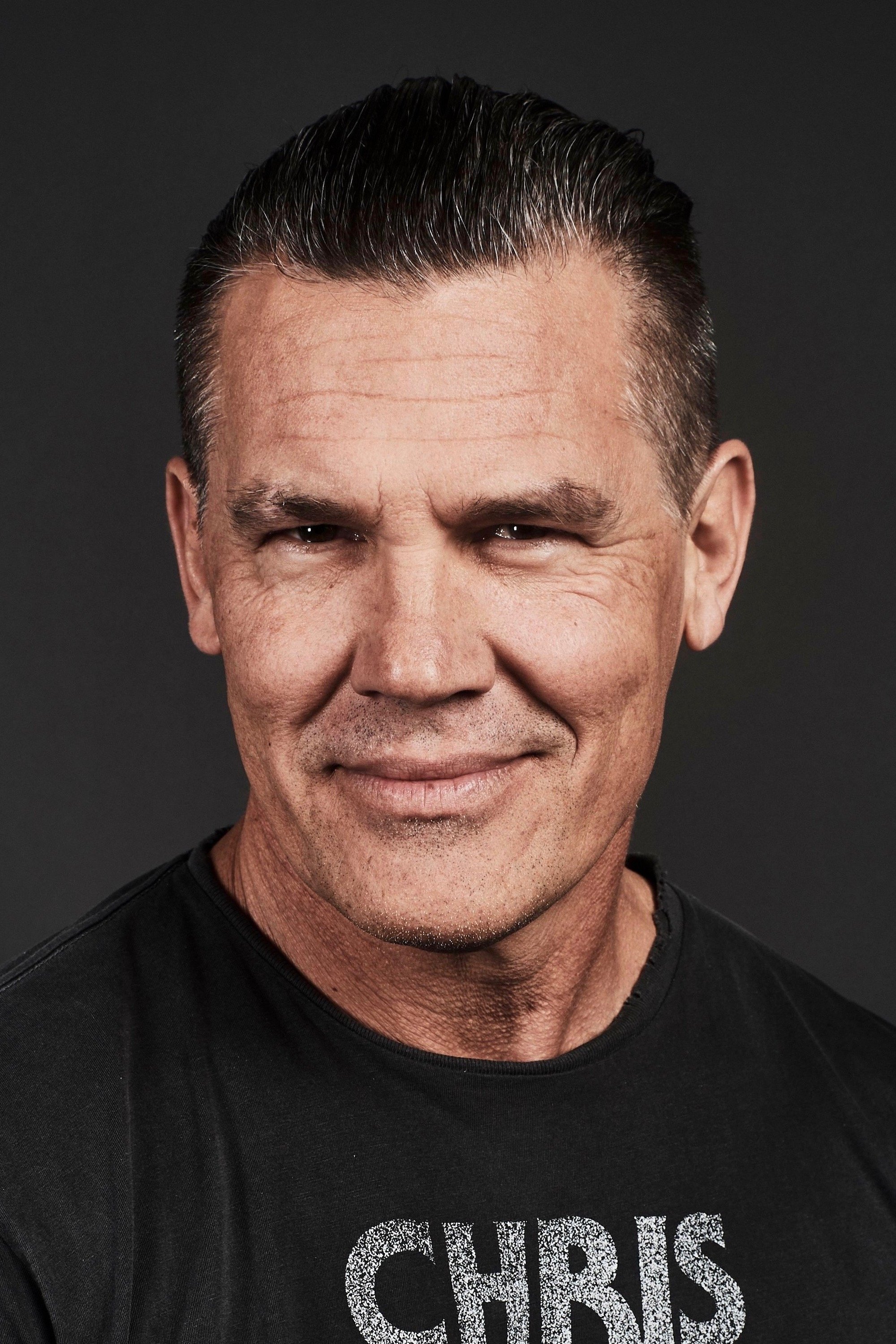
Brolin has said rewrites and behind the scenes changes kept the story from settling. He described trying to protect character moments amid shifting tones. The result pushed him to seek steadier development processes. He has emphasized aligning script, director, and schedule before signing on.
Ewan McGregor – ‘Star Wars: Episode I’ (1999)
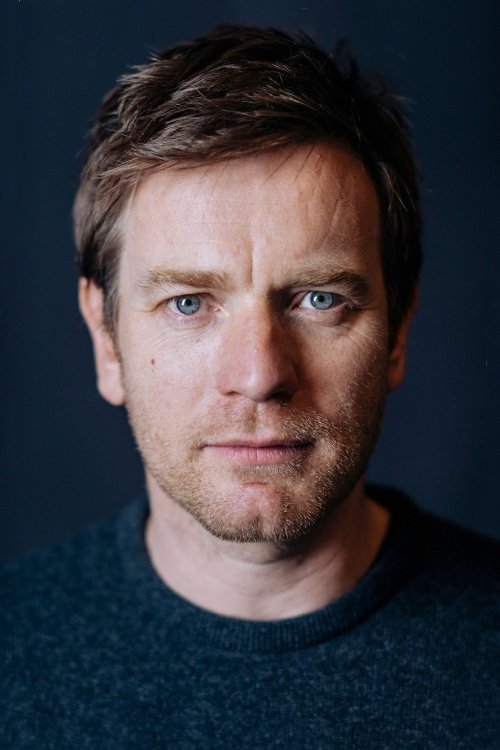
McGregor said heavy blue screen work left him feeling disconnected during filming. He later softened his view while acknowledging those early frustrations. The experience affected how he prepares for effects heavy production. He has talked about the benefits of practical elements to ground performances.
Megan Fox – ‘Transformers: Revenge of the Fallen’ (2009)
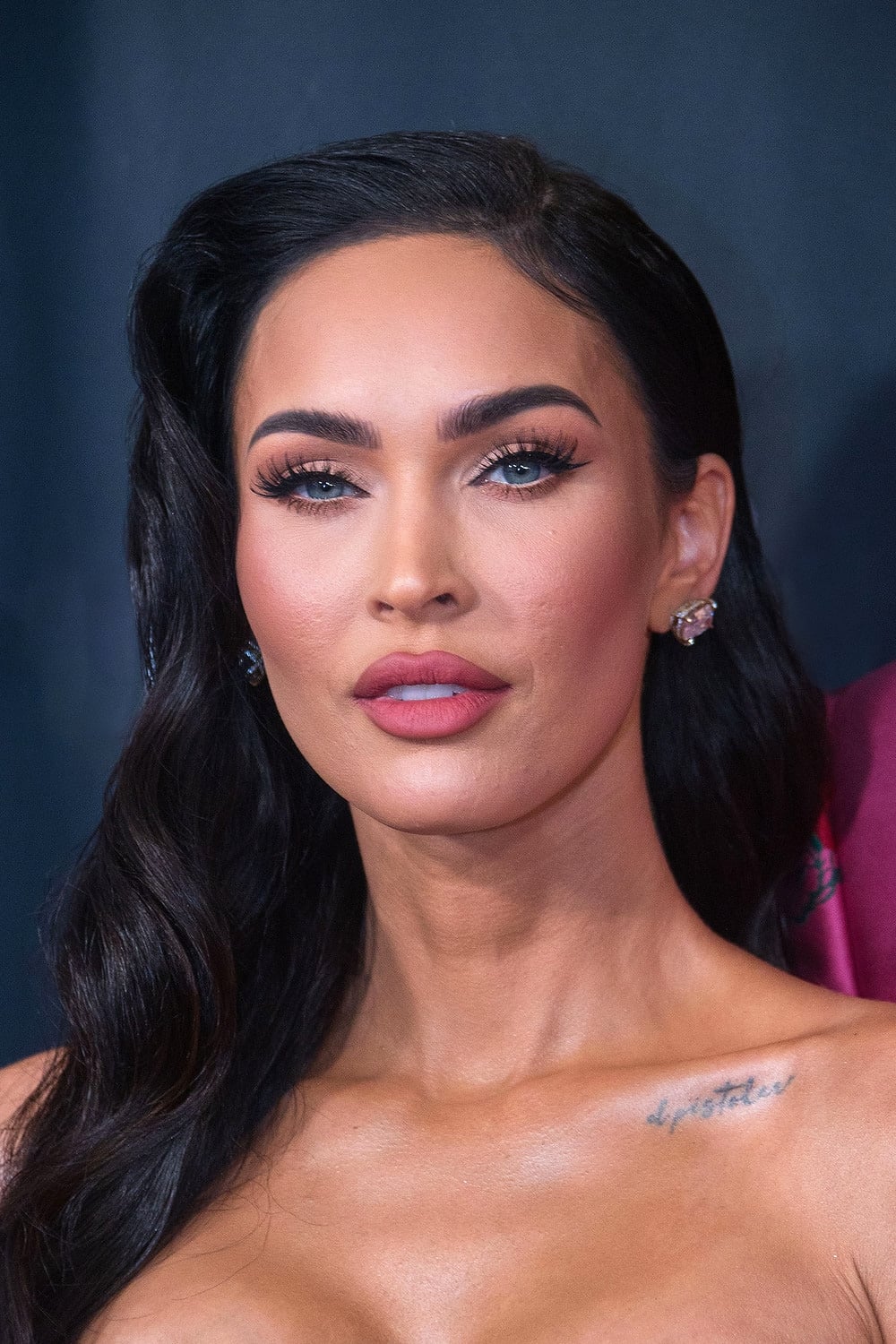
Fox criticized aspects of the production that put spectacle ahead of character focus. She described a working environment centered on action beats over performance. Her comments raised points about how sequels can expand scale and lose balance. They also underscored the need for collaboration between cast and crew.
Share which confession surprised you most and add your own examples in the comments.