


Actresses Hollywood Studios Tried to Blacklist




The history of the film industry is filled with stories of performers who faced systemic exclusion from major studios for various reasons. Many women found their careers derailed after demanding fair pay or speaking out against unsafe working conditions. Some faced professional consequences for their political beliefs or personal choices that did not align with studio expectations. These instances of blacklisting often served as a warning to other actors to comply with the existing power structures. Understanding these individual journeys provides a clearer picture of the evolution of labor rights and social standards in entertainment.
Bette Davis

She famously sued Warner Bros in an attempt to gain more freedom over her roles. The actress felt the studio forced her into mediocre projects that did not showcase her talent properly. While she lost the legal battle in court she gained a reputation for being a fierce negotiator. This conflict made many studio executives hesitant to work with her for several years. She eventually returned to prominence but the industry remained wary of her independence.
Olivia de Havilland

She challenged the restrictive studio contract system by taking Warner Bros to court. The studio attempted to extend her contract by adding time for every period she was on suspension. This legal victory resulted in the landmark legislation now known as the De Havilland Law. Her actions freed many other actors from indefinite servitude to major studios. She faced professional isolation for a period after the ruling as studios feared her influence.
Tippi Hedren
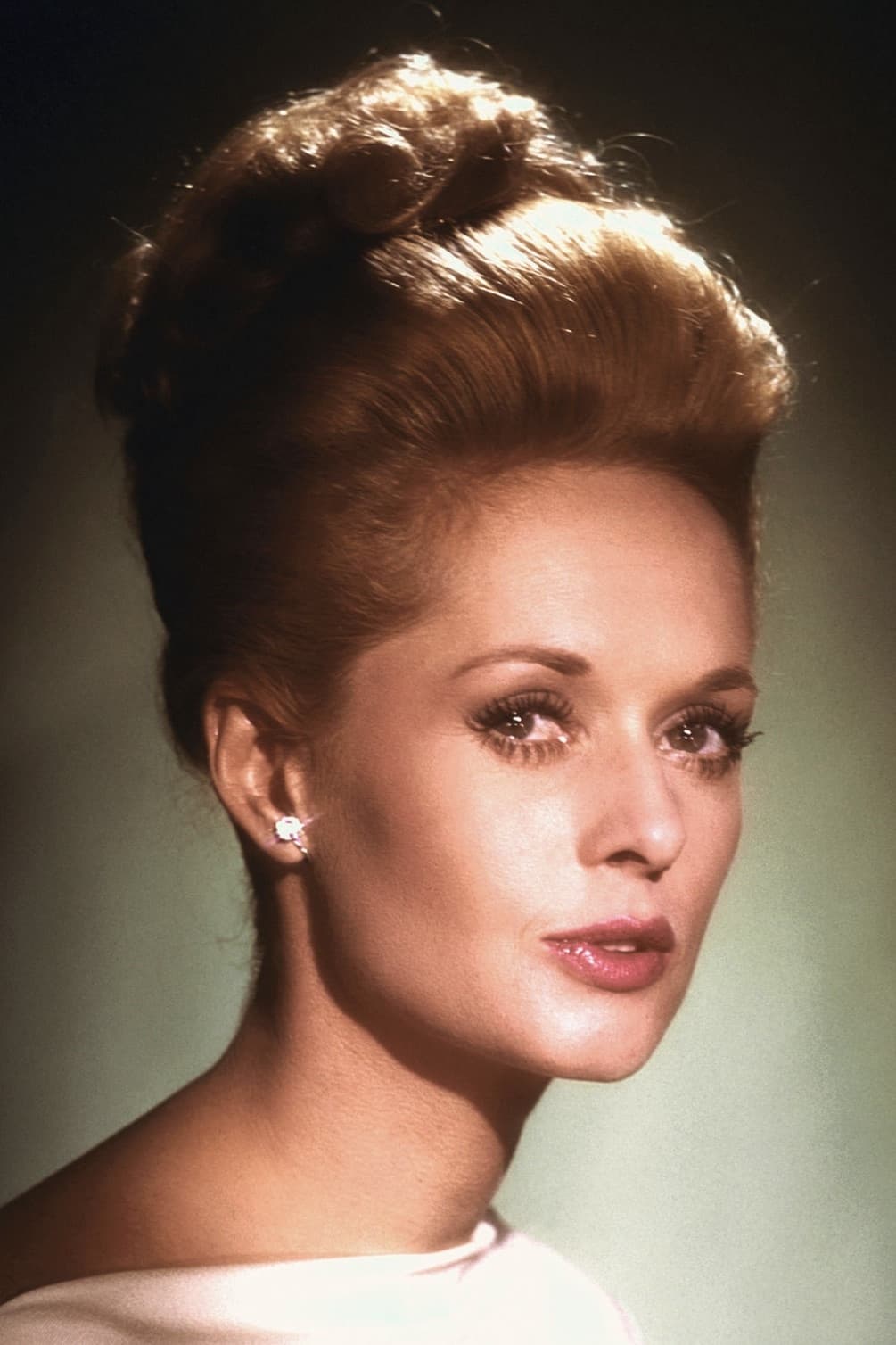
Alfred Hitchcock attempted to destroy her career after she rejected his personal advances. The director kept her under contract while refusing to cast her in new projects or allow her to work elsewhere. This situation prevented her from taking advantage of her initial success in ‘The Birds’. She spoke out decades later about the abuse and psychological manipulation she endured. Her career never fully recovered from the years of enforced inactivity.
Sondra Locke
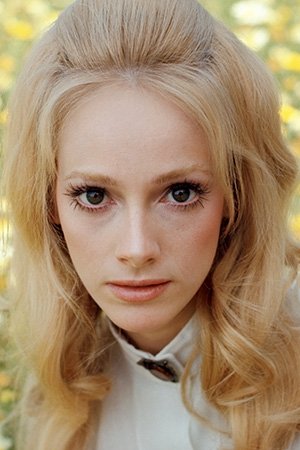
She entered into a long legal battle with Warner Bros and her former partner Clint Eastwood. The actress alleged that the studio gave her a fake directing contract to settle a separate lawsuit. This deal reportedly resulted in dozens of her pitches being rejected without consideration. She eventually settled for an undisclosed amount after proving the studio had no intention of working with her. The ordeal effectively ended her presence in mainstream Hollywood productions.
Hedy Lamarr
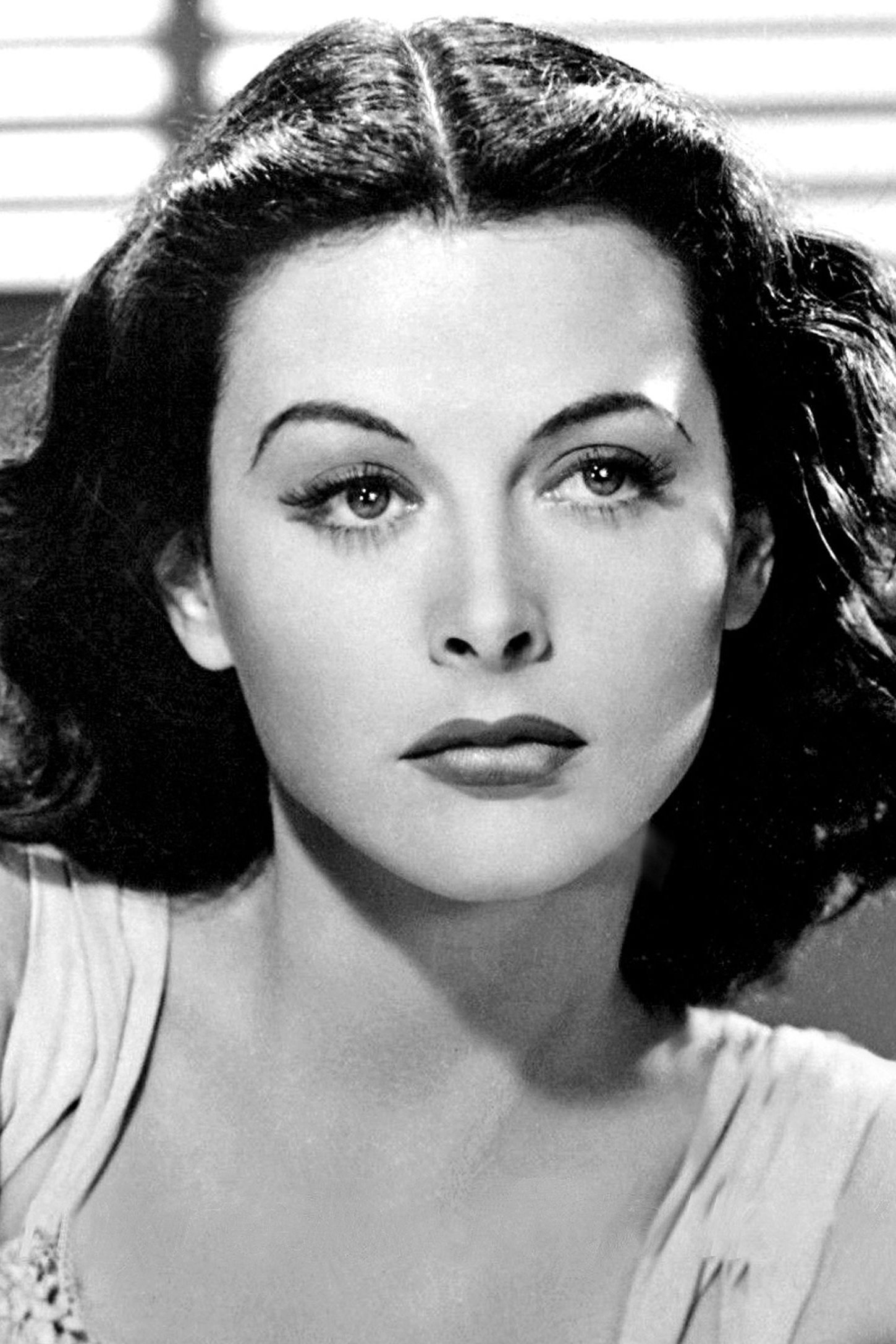
She struggled to find meaningful work after attempting to produce her own films. The studio system often marginalized women who sought creative control behind the scenes. Her intellectual contributions to radio technology were largely ignored by the industry during her lifetime. She was often typecast in roles that focused solely on her physical beauty rather than her acting range. This lack of opportunities led her to withdraw from the spotlight for long periods.
Lena Horne
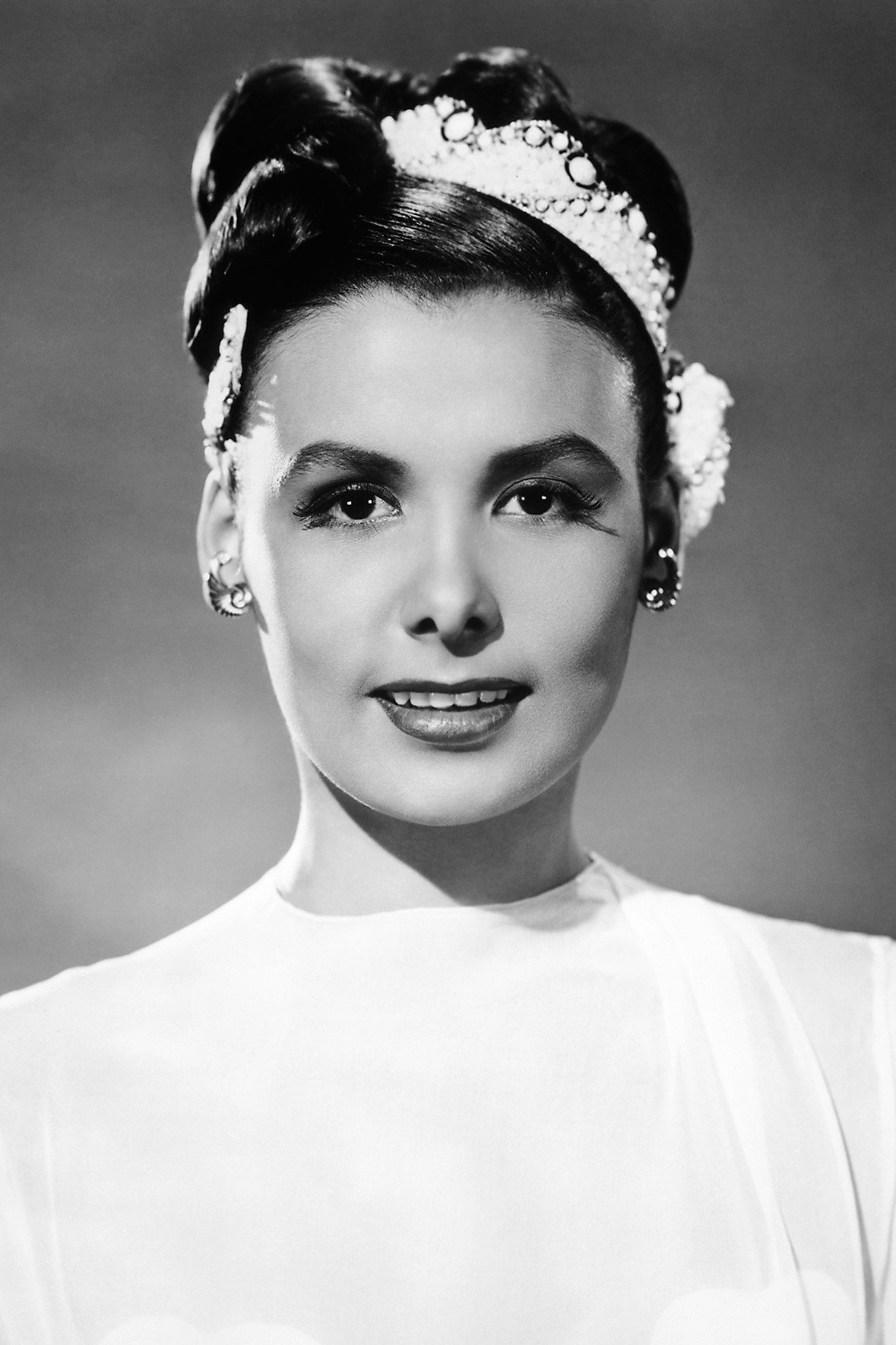
She faced significant barriers due to her skin color and her involvement in civil rights activism. The actress was often edited out of films when they were shown in certain geographic regions. Her refusal to perform for segregated audiences led to her being labeled a troublemaker by studio heads. She found herself on various industry blacklists during the peak of the Red Scare. Despite these obstacles she continued to use her platform to advocate for racial equality.
Dorothy Dandridge
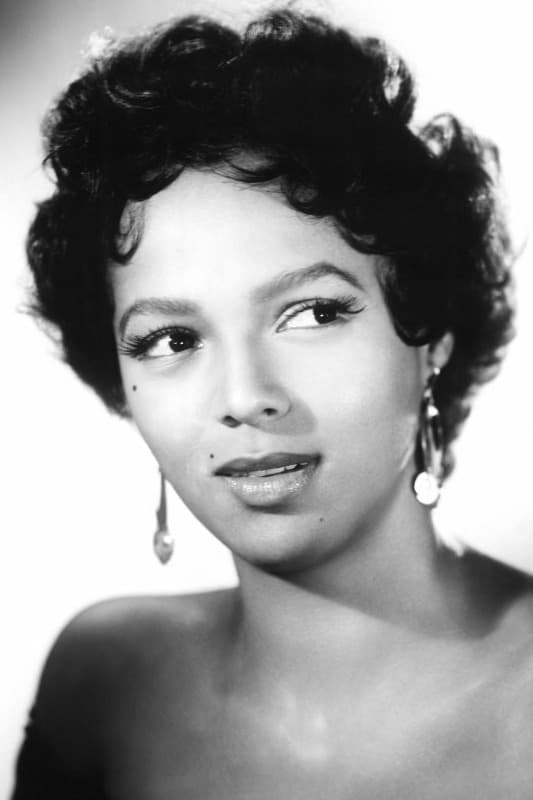
She became the first Black woman nominated for an Academy Award for Best Actress but struggled to find subsequent roles. Studios were unwilling to cast her in leading parts that did not rely on racial stereotypes. She famously turned down supporting roles that she felt were beneath her talent. This refusal to settle led to a lack of employment opportunities in major productions. The industry failed to provide the same trajectory for her that white contemporaries enjoyed.
Frances Farmer

She was known for her rebellious attitude toward the Hollywood publicity machine and studio demands. Her career was cut short when she was involuntarily committed to psychiatric hospitals. Many historians believe the studios played a role in her institutionalization to control her behavior. She was frequently labeled as difficult because she preferred stage acting over the film industry. Her story remains a cautionary tale about the mistreatment of nonconforming women in entertainment.
Katharine Hepburn
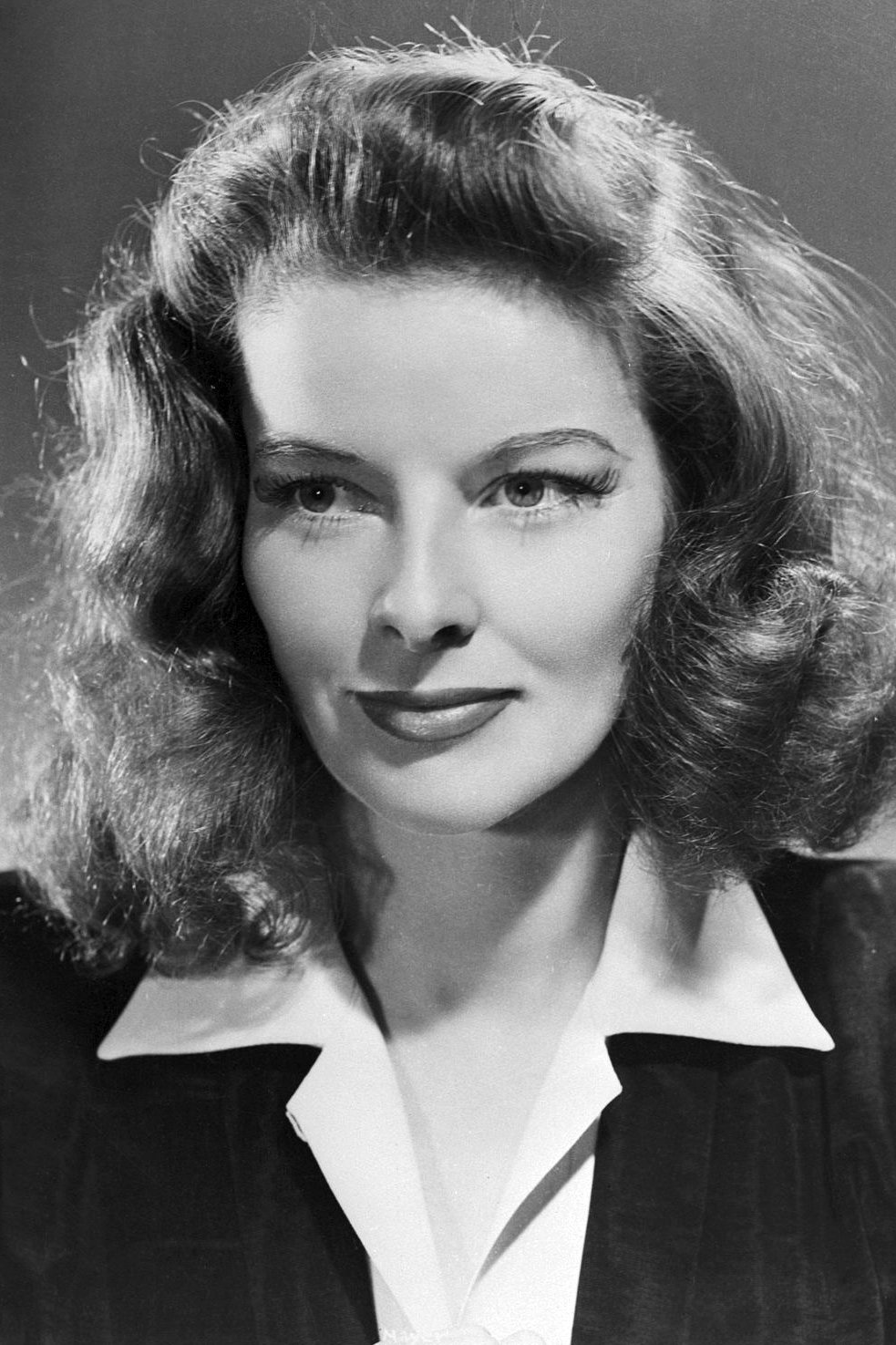
She was famously labeled box office poison early in her career after a series of commercial failures. Studios were hesitant to cast her because she did not fit the traditional image of a submissive starlet. She eventually took control of her own career by purchasing the film rights to ‘The Philadelphia Story’. This move forced the industry to reconsider her value as a leading lady. Her persistence allowed her to overcome the unofficial ban on her participation in major films.
Thandiwe Newton

She encountered professional difficulties after speaking out about her experiences with harassment in the industry. The actress noted that her refusal to participate in certain social circles led to fewer casting calls. She discussed how the pressure to remain silent about misconduct affected her mental health and career trajectory. Her honesty about the darker side of production sets created friction with some major power players. She has since found success by focusing on projects that align with her personal values.
Mo’Nique
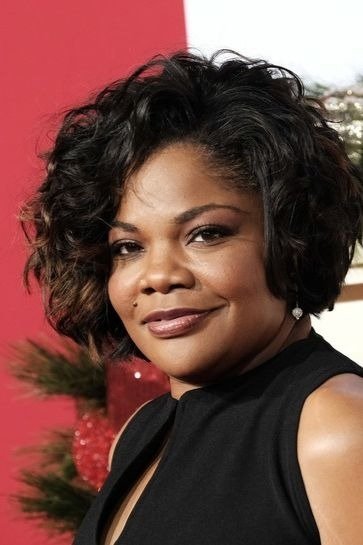
She claimed that she was blacklisted after refusing to participate in unpaid promotion for the film ‘Precious’. The actress argued that her contract did not require her to travel internationally without compensation. This stance led to public criticism from various industry figures and a lack of offers for several years. She later sued a major streaming platform over pay discrimination and unfair treatment. Her experience highlighted the tensions between talent and studio expectations regarding marketing efforts.
Katherine Heigl

She faced a significant career downturn after publicly criticizing the writing and working conditions of her projects. Her comments about ‘Knocked Up’ and ‘Grey’s Anatomy’ were perceived as ungrateful by studio executives. This reputation for being difficult to work with led to a decrease in leading roles in major studio films. She eventually transitioned to independent projects and television work to sustain her career. The backlash she experienced served as a prominent example of the risks of criticizing industry veterans.
Ashley Judd
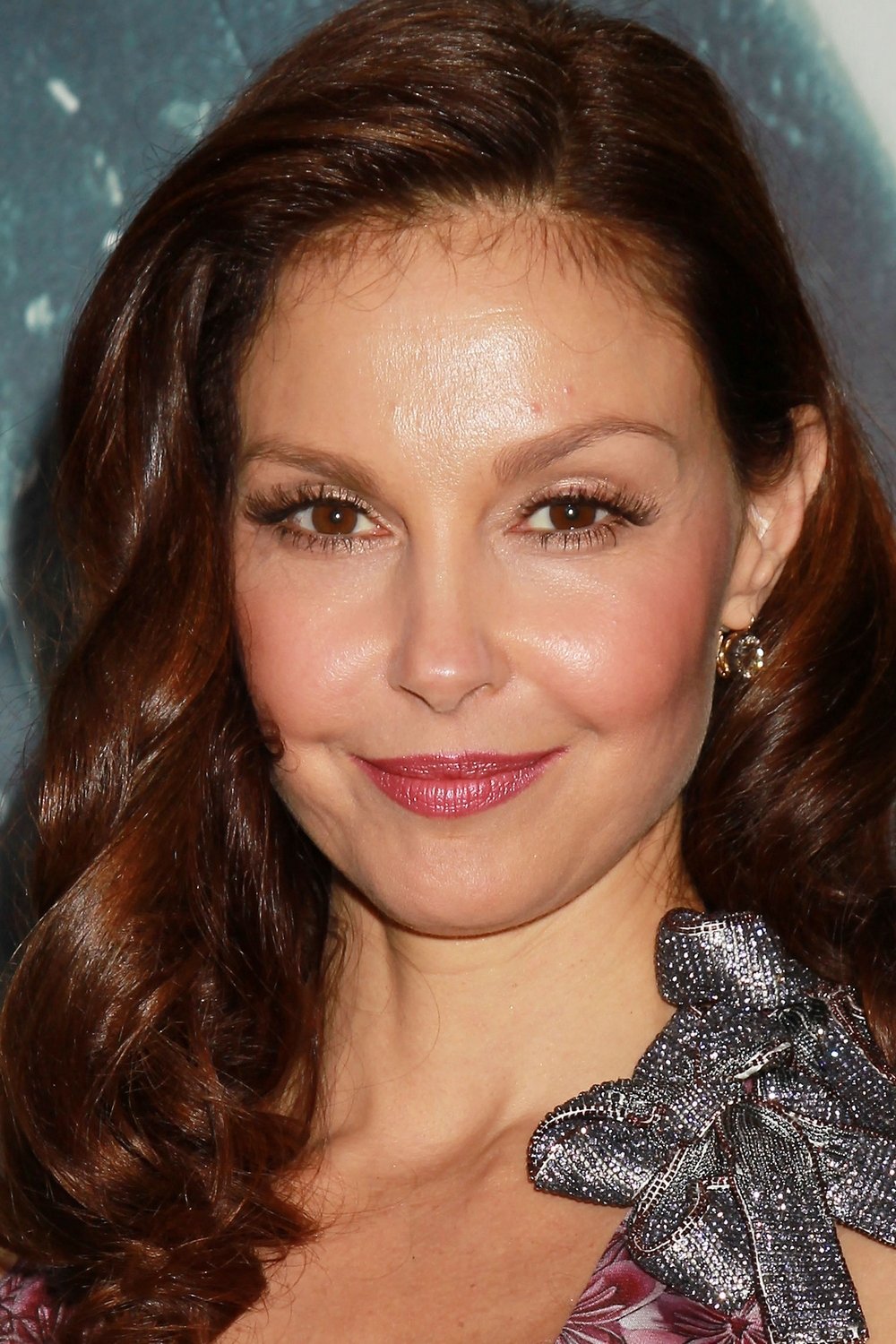
She was one of the many women whose careers were intentionally sabotaged by Harvey Weinstein. The producer reportedly told directors that she was a nightmare to work with to prevent her from being cast. This coordinated effort kept her out of major franchises like ‘The Lord of the Rings’. She later became one of the first women to go on the record with allegations of misconduct against him. Her lawsuit against the producer revealed how behind the scenes manipulation can ruin a performer’s livelihood.
Mira Sorvino

She experienced a sudden and unexplained decline in her career after winning an Academy Award. It was later revealed that Miramax executives actively discouraged directors from hiring her. This blacklisting was a direct result of her rebuffing unwanted advances from a powerful producer. She spent years wondering why the industry had turned its back on her during her prime. The truth only emerged during the global reckoning of the Me Too movement.
Salma Hayek Pinault

She detailed the immense pressure and harassment she faced while working on the film ‘Frida’. The actress shared how a powerful executive threatened to shut down production if she did not comply with his demands. This environment made it difficult for her to secure other major studio roles without facing similar obstacles. She had to fight for every aspect of her creative vision against a system designed to exploit her. Her resilience eventually led to her becoming a successful producer and advocate for change.
Rose McGowan

She was essentially forced out of the industry after reporting an assault by a high profile executive. The actress found that she was no longer being considered for mainstream roles that she would have previously secured. She shifted her focus to independent films and activism to escape the toxic culture of the major studios. Her vocal criticism of Hollywood power structures made her a polarizing figure in the industry for many years. She played a pivotal role in exposing systemic abuse within the film community.
Annabella Sciorra

She struggled to find consistent work after an encounter with a powerful studio head left her traumatized. The actress noted that her professional opportunities seemed to vanish almost overnight. She was excluded from the types of high profile projects that defined her early career. For years she remained quiet about her experience while witnessing others achieve the success she was denied. Her testimony eventually helped hold influential figures accountable for their predatory behavior.
Courtney Love

She claimed that her acting career was sabotaged because she warned other women about the behavior of certain producers. The actress had received critical acclaim for her role in ‘The People vs. Larry Flynt’ before seeing a decline in offers. She suggested that powerful men in the industry colluded to keep her from being cast in major films. Her reputation as a provocateur was often used to justify her exclusion from professional circles. She has remained a vocal critic of the ways the industry punishes whistleblowers.
Vanessa Williams

She was forced to resign her title as Miss America after private photographs were published without her consent. This scandal led to a period where she was shunned by mainstream entertainment outlets. Many industry insiders believed her career was over before it had truly begun. She eventually rebuilt her reputation through successful music and acting roles on Broadway and television. Her comeback demonstrated her ability to overcome a media-driven blacklist through pure talent and perseverance.
Megan Fox
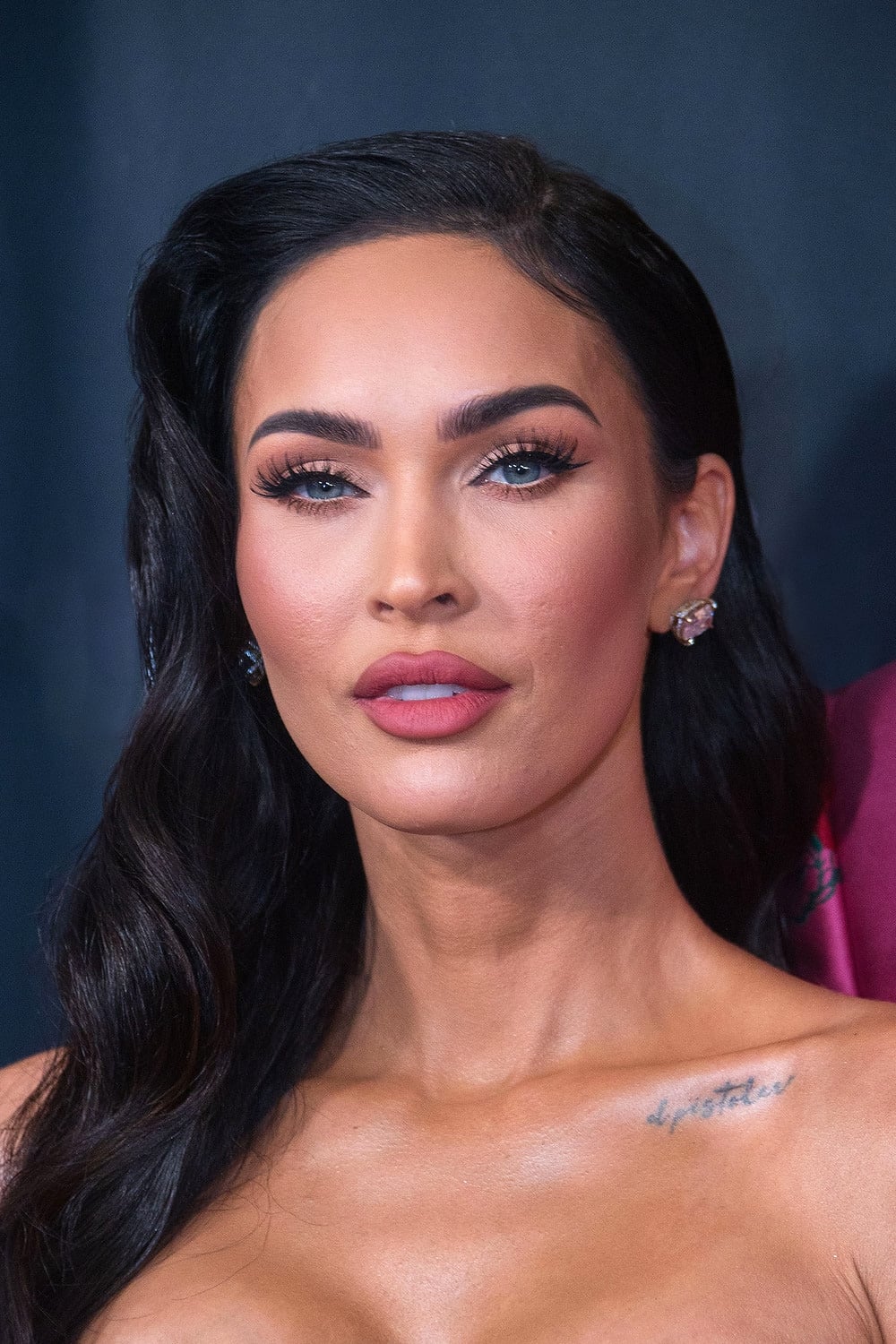
She was famously fired from the ‘Transformers’ franchise after making derogatory comments about the director. Her comparison of the director to historical figures led to a public fallout and industry backlash. For several years she struggled to find roles in big budget studio productions. The media often focused on her personal life and appearance rather than her professional capabilities. She has since spoken about the misogyny she experienced as a young star in Hollywood.
Sean Young
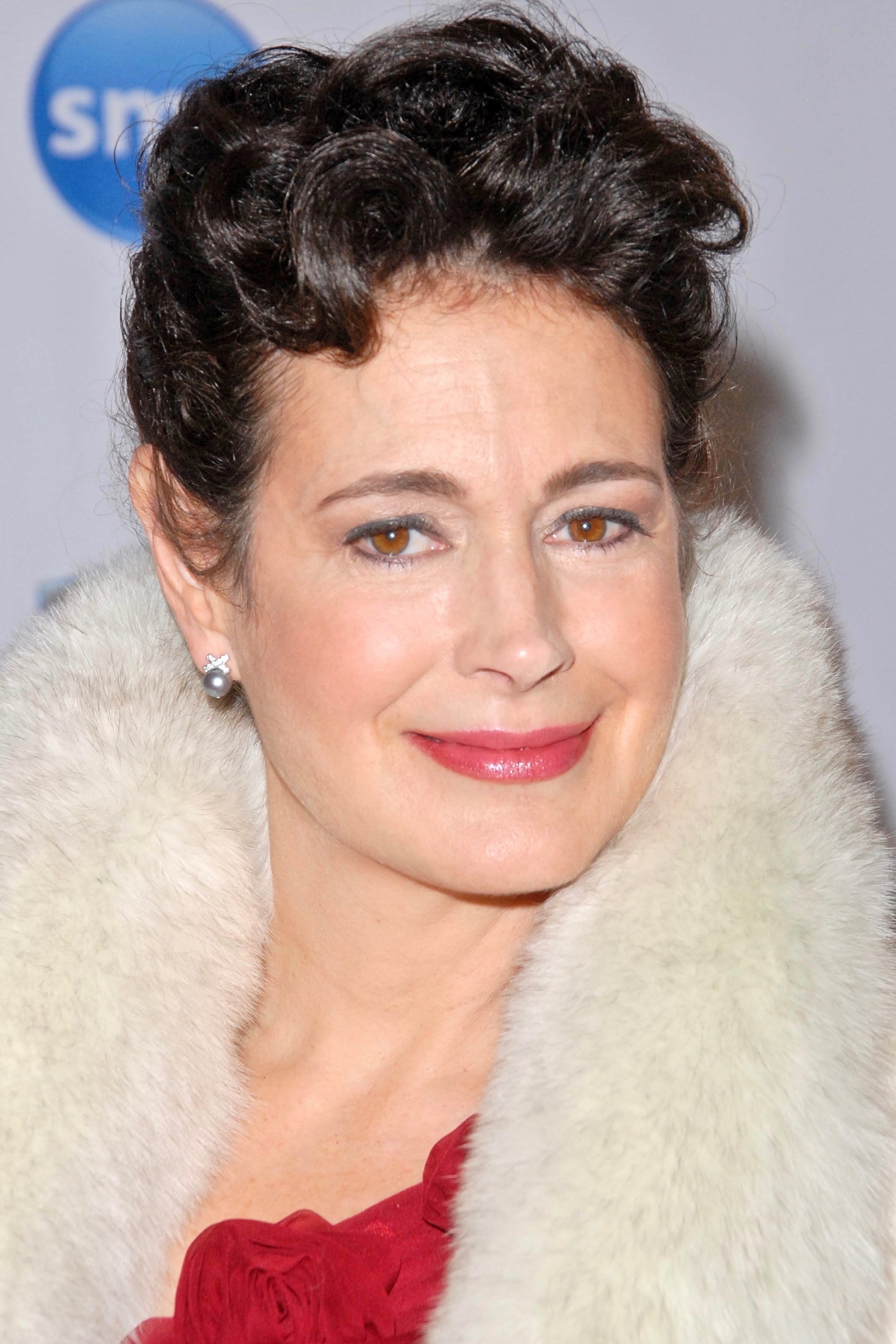
She gained a reputation for being difficult after a series of public disputes with major actors and directors. Her attempt to secure the role of Catwoman by showing up at a studio in costume became an infamous industry story. This behavior led to her being avoided by major studios and talent agencies. She claimed that powerful men in the industry worked together to prevent her from finding work. Her career eventually transitioned into smaller independent films and cameos.
Shannen Doherty
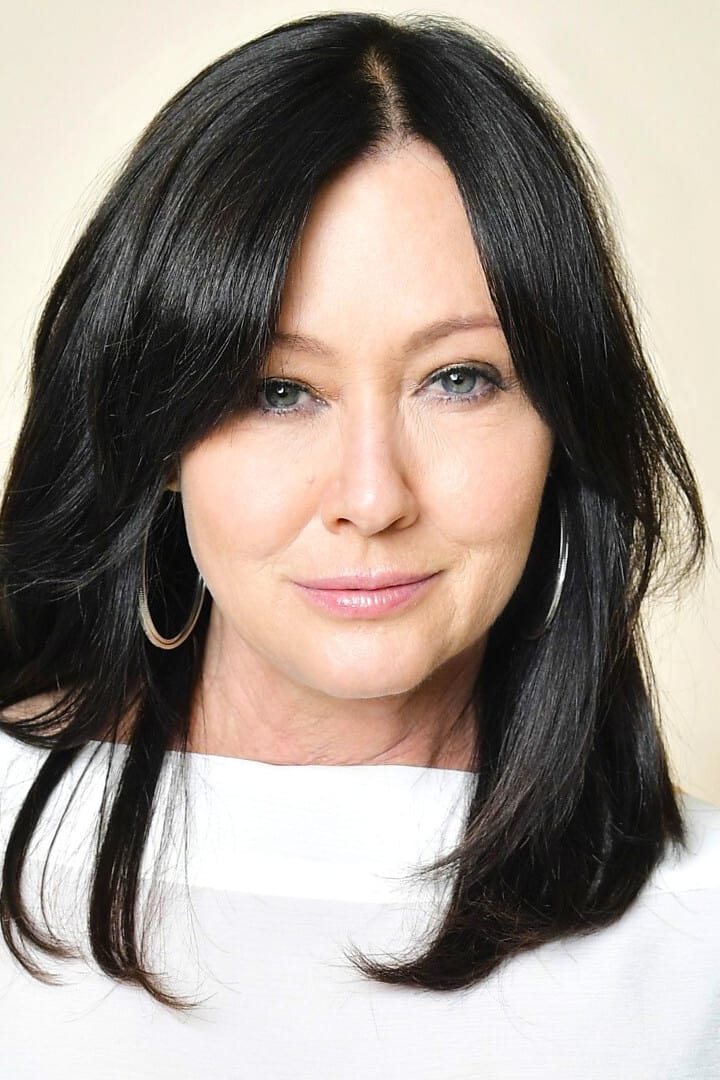
She was fired from two high profile television series amid reports of tension on set. These departures led to a widespread narrative that she was a problematic collaborator. This reputation made it difficult for her to land leading roles in major motion pictures for a significant period. She eventually used the public perception of her character to her advantage in later roles. Her experiences highlighted how the industry can label women as difficult based on rumors and tabloid reporting.
Winona Ryder

She faced a significant career hiatus following a highly publicized shoplifting incident in the early two thousands. The media coverage of the trial overshadowed her acting accomplishments and led to a loss of insurance coverage for films. Studios were reluctant to hire her due to the perceived risk and negative publicity. She spent several years taking smaller roles in independent projects before a major comeback in television. Her journey reflects the difficulty of maintaining a career under extreme public scrutiny.
Jane Fonda
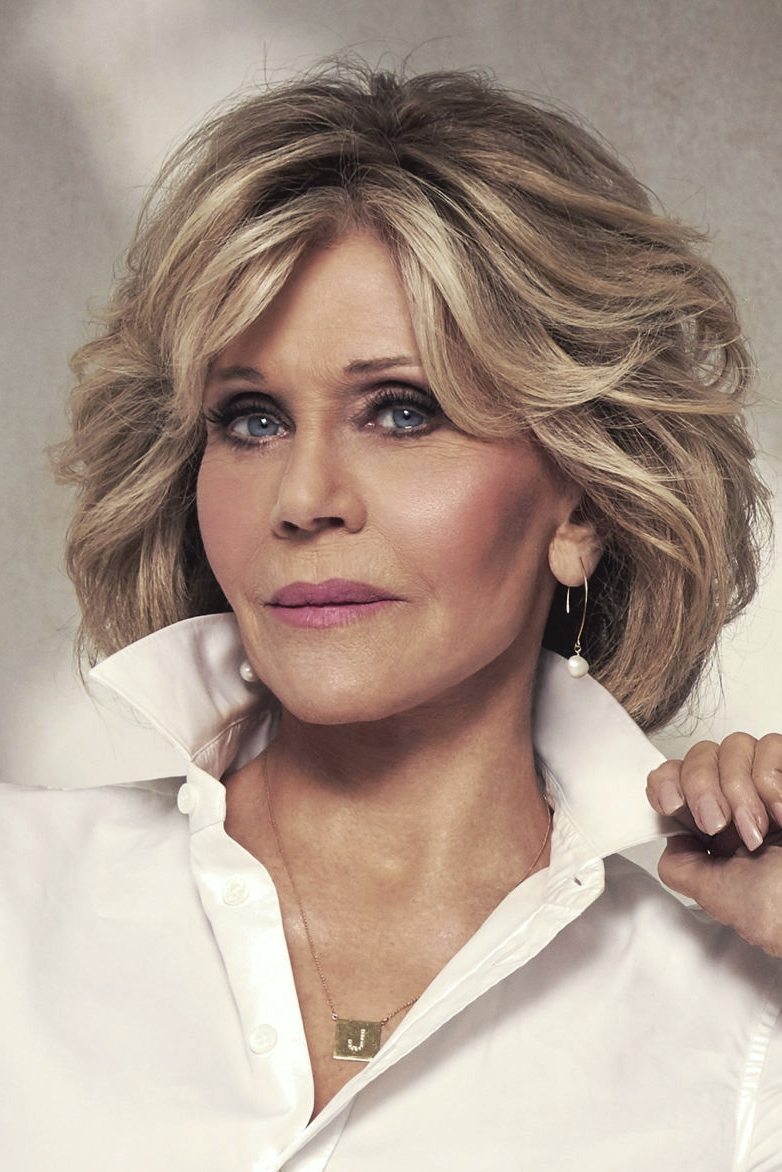
She became a target of industry exclusion due to her vocal opposition to the Vietnam War. Her visit to Hanoi earned her the nickname Hanoi Jane and led to calls for a total boycott of her films. For many years she was considered a liability by major studios who feared conservative backlash. She managed to sustain her career by producing her own projects and focusing on fitness media. Her political activism remains one of the most controversial chapters in Hollywood history.
Eartha Kitt
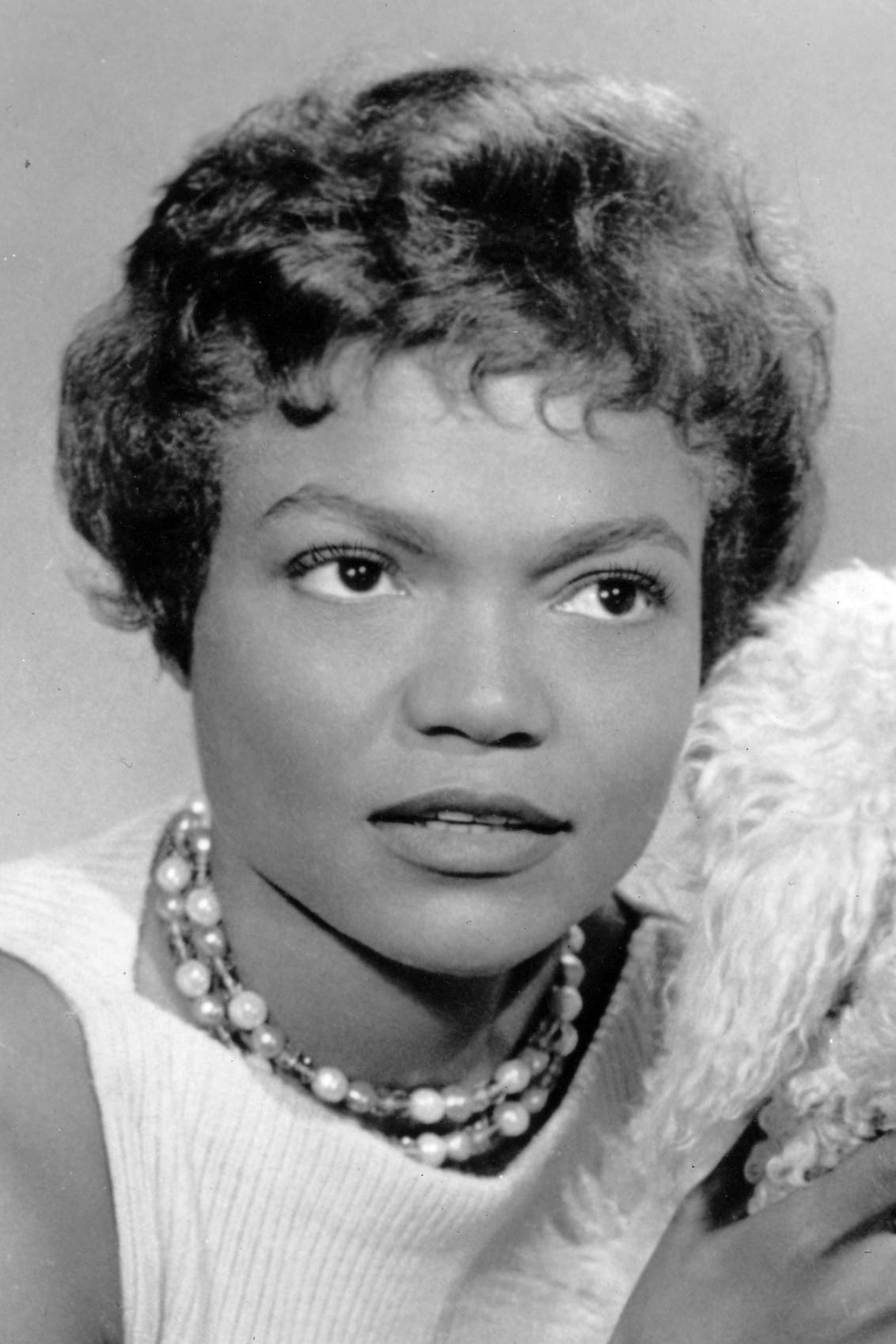
She was effectively blacklisted from American entertainment for over a decade after criticizing the Vietnam War at a White House luncheon. Her comments led to an investigation by the CIA and a smear campaign in the media. She was unable to find work in the United States and was forced to perform in Europe to earn a living. The industry eventually welcomed her back but the loss of her peak years was a significant professional blow. She remained unapologetic about her stance for the rest of her life.
Jean Seberg

She was targeted by the FBI through a program designed to discredit her due to her support for civil rights groups. The agency planted false stories in the press that devastated her personal and professional life. This systematic harassment led to a decline in her mental health and her standing in the film community. She spent much of her later career working in Europe away from the scrutiny of American studios. Her story is a tragic example of how government interference can destroy a Hollywood career.
Louise Brooks
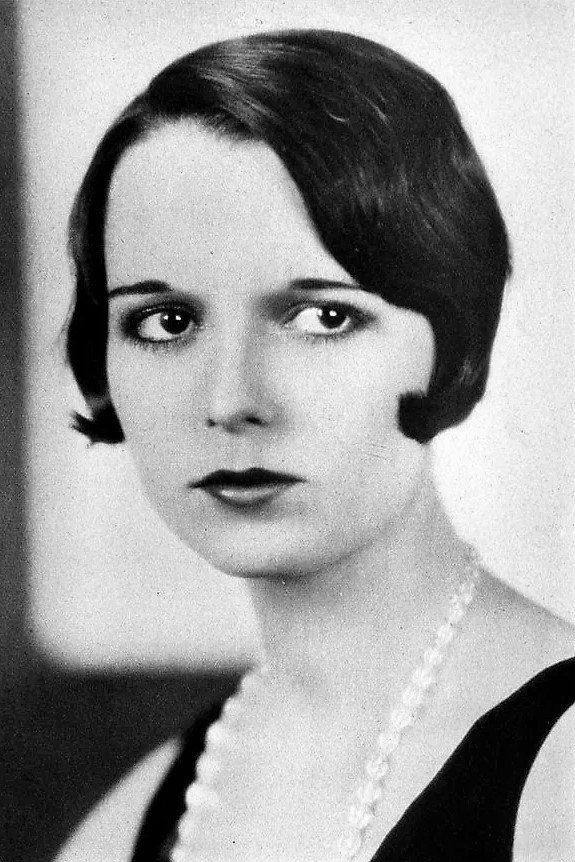
She left Hollywood at the height of her fame after refusing to record sound for her final silent film. Her defiance of the studio system led to her being placed on an unofficial blacklist by major producers. She spent several years in Europe where she made some of her most celebrated artistic contributions. Upon her return to America she found that her career in mainstream films was effectively over. She eventually found a second career as a respected film historian and writer.
Anna May Wong
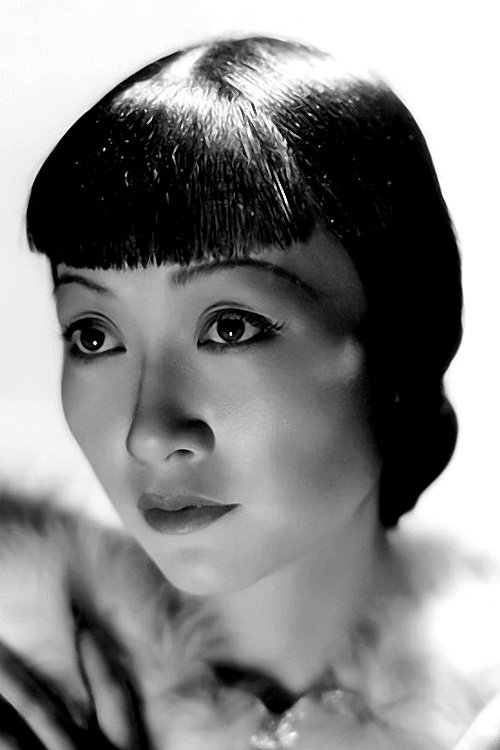
She faced constant discrimination and was frequently passed over for leading roles in favor of white actresses in yellowface. The production of ‘The Good Earth’ remains a famous example where she was denied the lead role due to anti-miscegenation laws. She moved to Europe for a period to find characters that were not based on harmful stereotypes. Despite her immense talent she was often restricted to supporting roles that marginalized her heritage. Her career was a constant struggle against the systemic racism of the studio era.
Lupe Vélez
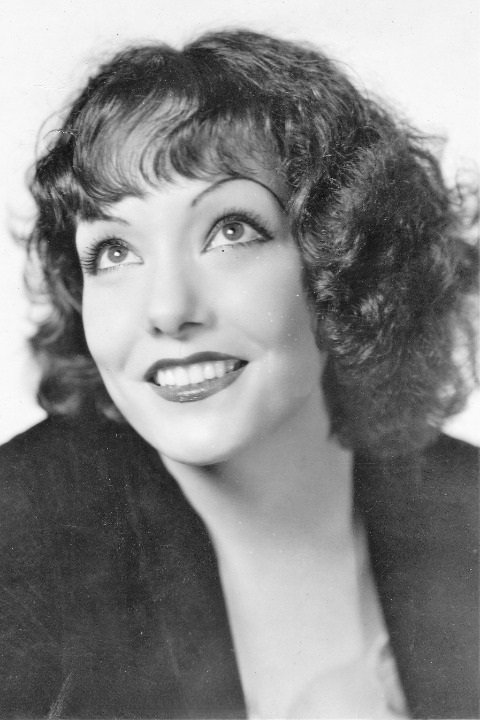
She was often reduced to a caricature of the fiery Latina by studios that did not value her range as an actress. Her personal life was heavily sensationalized by the press which further damaged her professional reputation. She fought against the limitations placed on her by the ‘Mexican Spitfire’ film series. The industry’s refusal to cast her in serious dramatic roles led to a sense of professional stagnation. Her legacy is often overshadowed by the tragic nature of her death and the myths surrounding it.
Dolores del Río
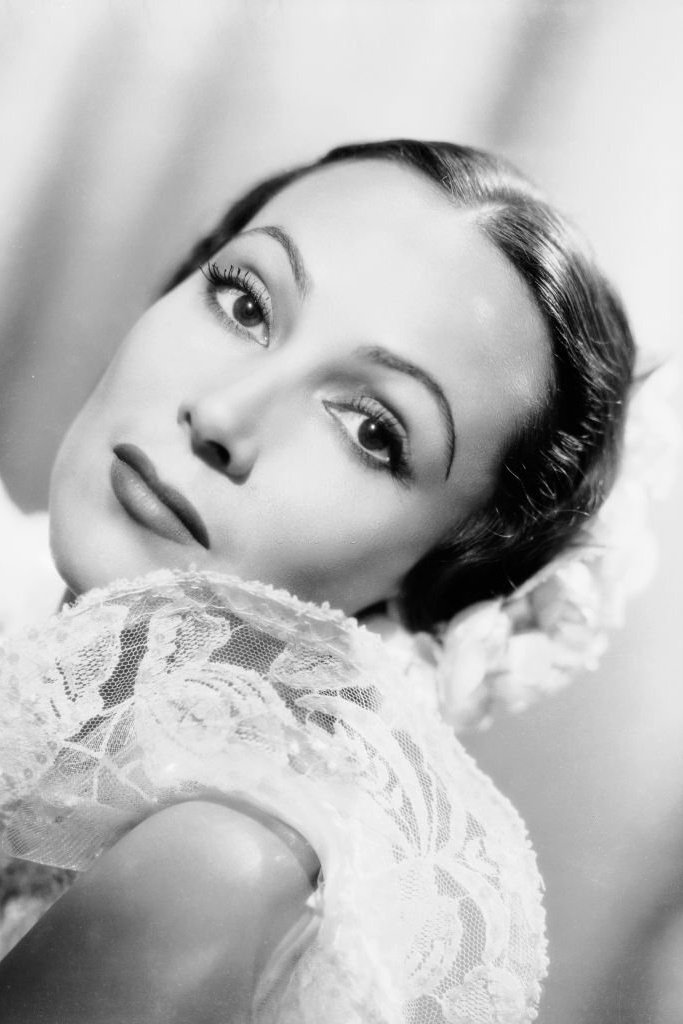
She left Hollywood for Mexico after feeling that the American film industry was no longer offering her substantial roles. As the sound era began she faced xenophobia and criticism regarding her accent. She became a major star in the Golden Age of Mexican cinema where she had more creative freedom. Her departure from Hollywood was a reaction to the narrow mindedness of studio executives at the time. She later returned for occasional roles but remained primarily a fixture of international cinema.
Hattie McDaniel
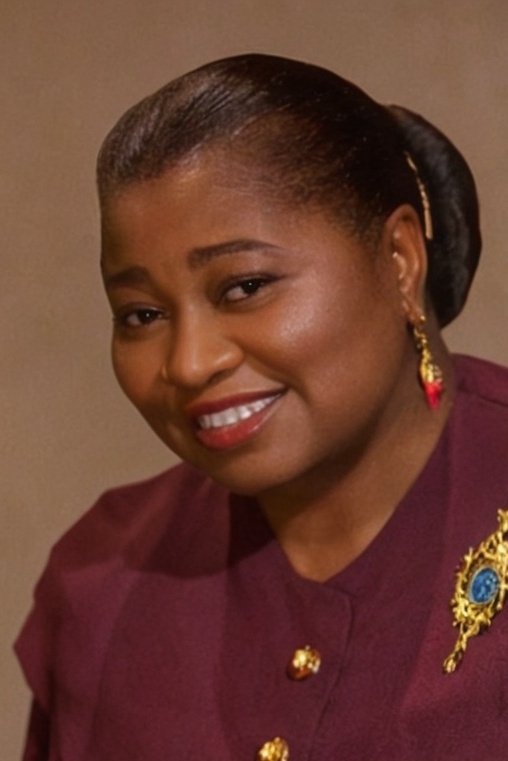
She faced criticism from both the studio system and civil rights organizations for the roles she played. While she was a trailblazer she was often trapped in a cycle of playing domestic servants due to industry constraints. The NAACP criticized her for taking parts they felt perpetuated stereotypes while studios refused to cast her in anything else. This double pressure made it difficult for her to navigate a sustainable long term career. She remained a complex figure who challenged the industry from within its limited framework.
Judy Garland
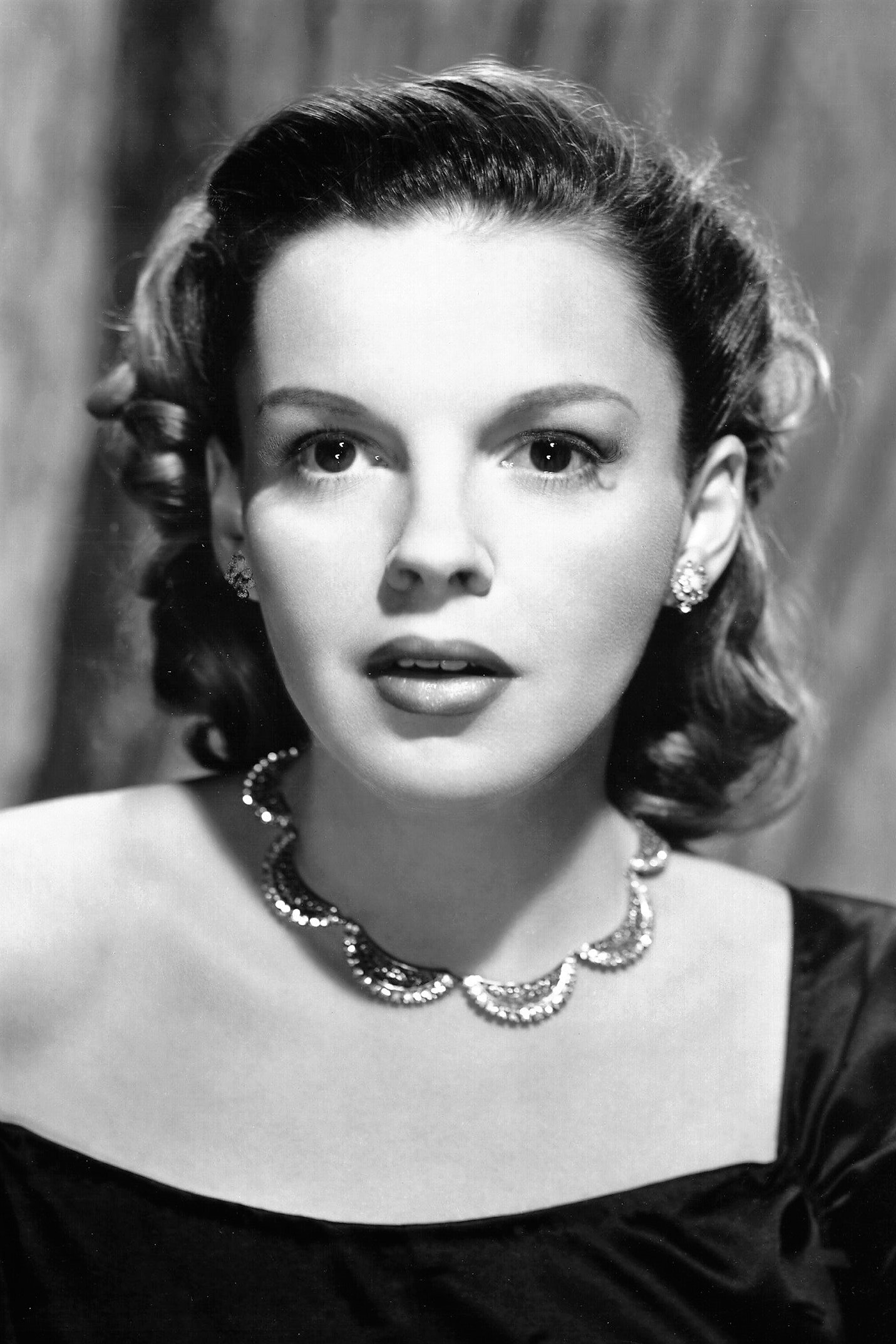
She was subjected to intense physical and emotional pressure by Metro Goldwyn Mayer from a young age. The studio reportedly provided her with medication to control her weight and energy levels which led to lifelong struggles. When her health began to fail her contract was terminated and she was labeled as unreliable. She had to fight to rebuild her career through live performances and independent film projects. Her relationship with the studio system was characterized by exploitation and eventual abandonment.
Marilyn Monroe
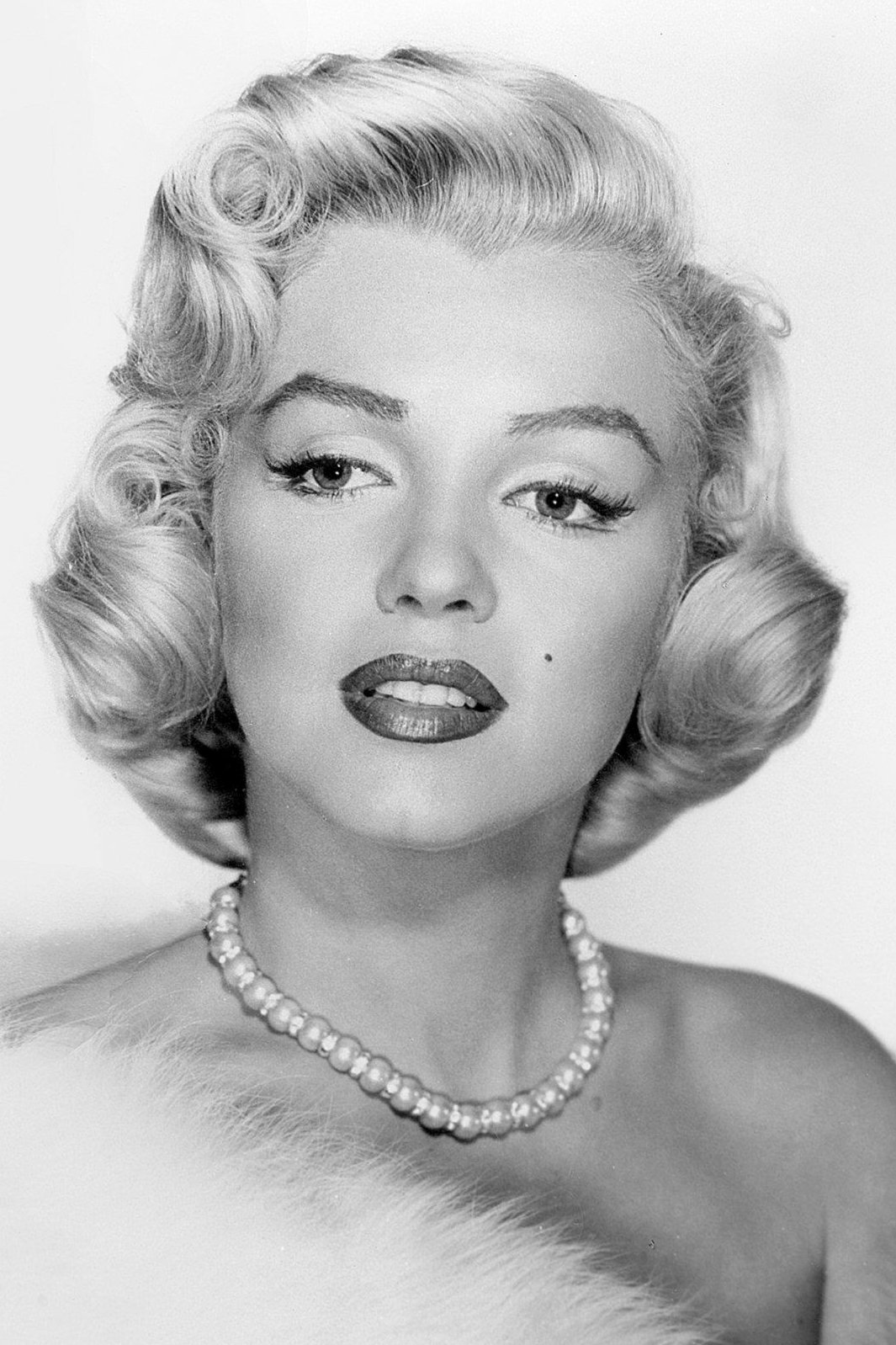
She famously walked out on her contract with Twentieth Century Fox to seek better pay and more creative input. The actress was tired of being cast in stereotypical blonde roles and wanted to study serious acting. The studio responded by suspending her and attempting to damage her public image. She eventually won her battle and formed her own production company to produce ‘The Prince and the Showgirl’. Her rebellion against the studio system was a significant moment for actor autonomy.
Sharon Stone

She gained a reputation for being difficult to work with during the height of her fame in the nineteen nineties. The actress spoke out about the lack of respect she received compared to her male costars. This outspoken nature led to her being sidelined for major roles as she aged in the industry. She faced challenges securing financing for projects she wanted to produce or star in. Her experiences highlighted the double standards applied to successful women in Hollywood.
Geena Davis
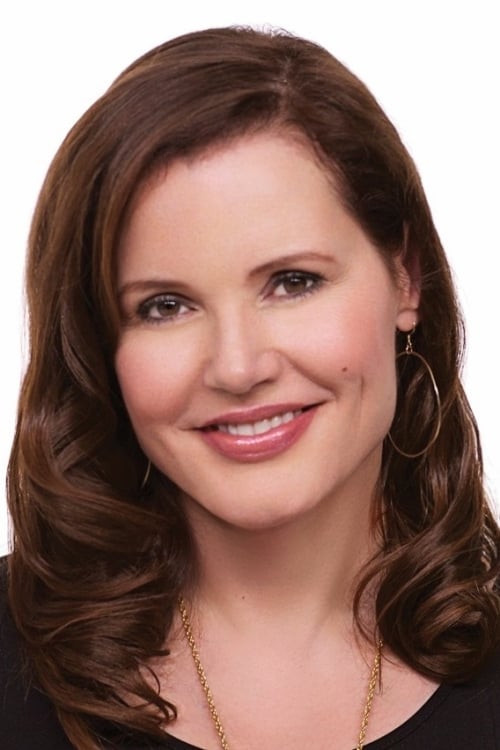
She noticed a sharp decline in offers for leading roles as she reached her late thirties and early forties. The actress has since become an advocate for gender balance and diversity in the media. She founded an institute to study the representation of women in film and television to address systemic bias. Many believe her shift toward activism was a response to the industry’s tendency to age out female talent. Her work continues to challenge the invisible barriers that limit the careers of women in entertainment.
Debra Winger
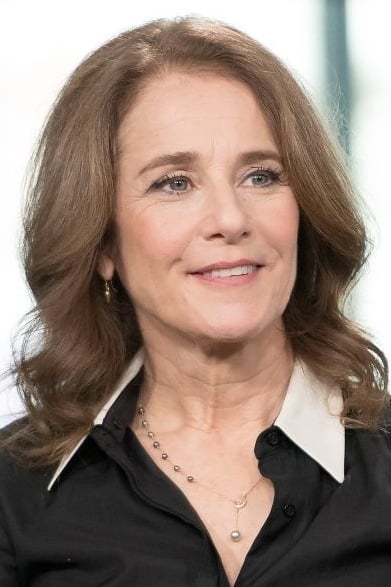
She was known for her intense commitment to her craft and her tendency to clash with directors and costars. Her refusal to participate in the traditional Hollywood publicity machine made her an outsider in the industry. She famously walked away from a major role in ‘A League of Their Own’ because she disagreed with the casting of a pop star. This uncompromising attitude led to her being viewed as a difficult collaborator by major studios. She eventually took a long hiatus from acting to focus on her personal life.
Daryl Hannah
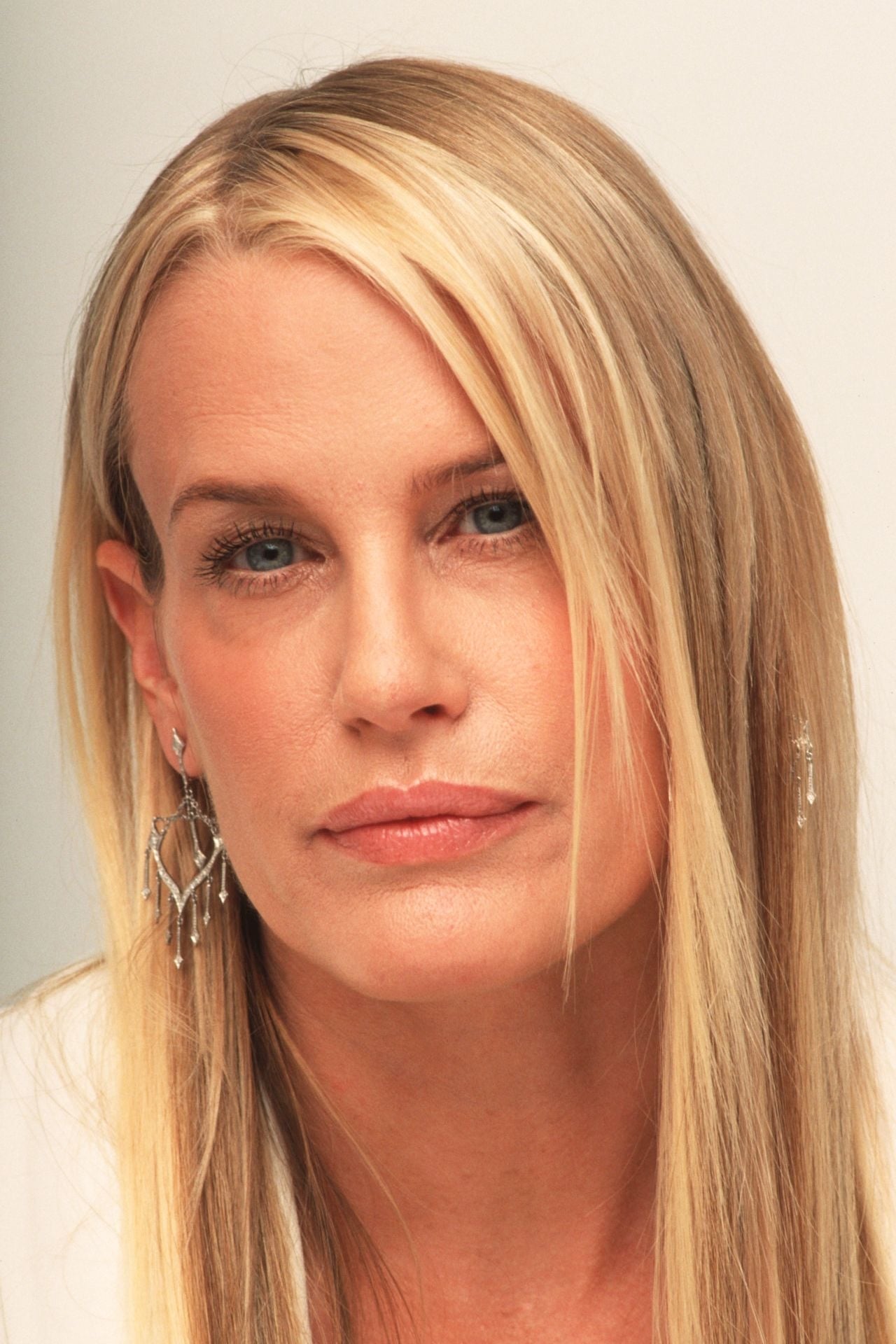
She claimed that she was blacklisted by a powerful producer after she refused to attend a private meeting in his hotel room. The actress saw a noticeable drop in quality and quantity of roles following the incident. She was one of the early voices to speak about the systemic harassment prevalent in the film industry. Her career shifted toward independent films and environmental activism where she felt more empowered. She later confirmed that her experiences with industry predators had a lasting impact on her professional path.
Fairuza Balk

She sought to maintain her artistic integrity by avoiding the typical starlet trajectory in the nineteen nineties. Her focus on darker and more unconventional roles led to friction with mainstream studio expectations. She expressed frustration with the way the industry treated young actresses as disposable products. This tension resulted in her taking fewer roles in big budget films over time. She remains a cult icon known for her unique performances in independent and genre cinema.
Elizabeth Taylor
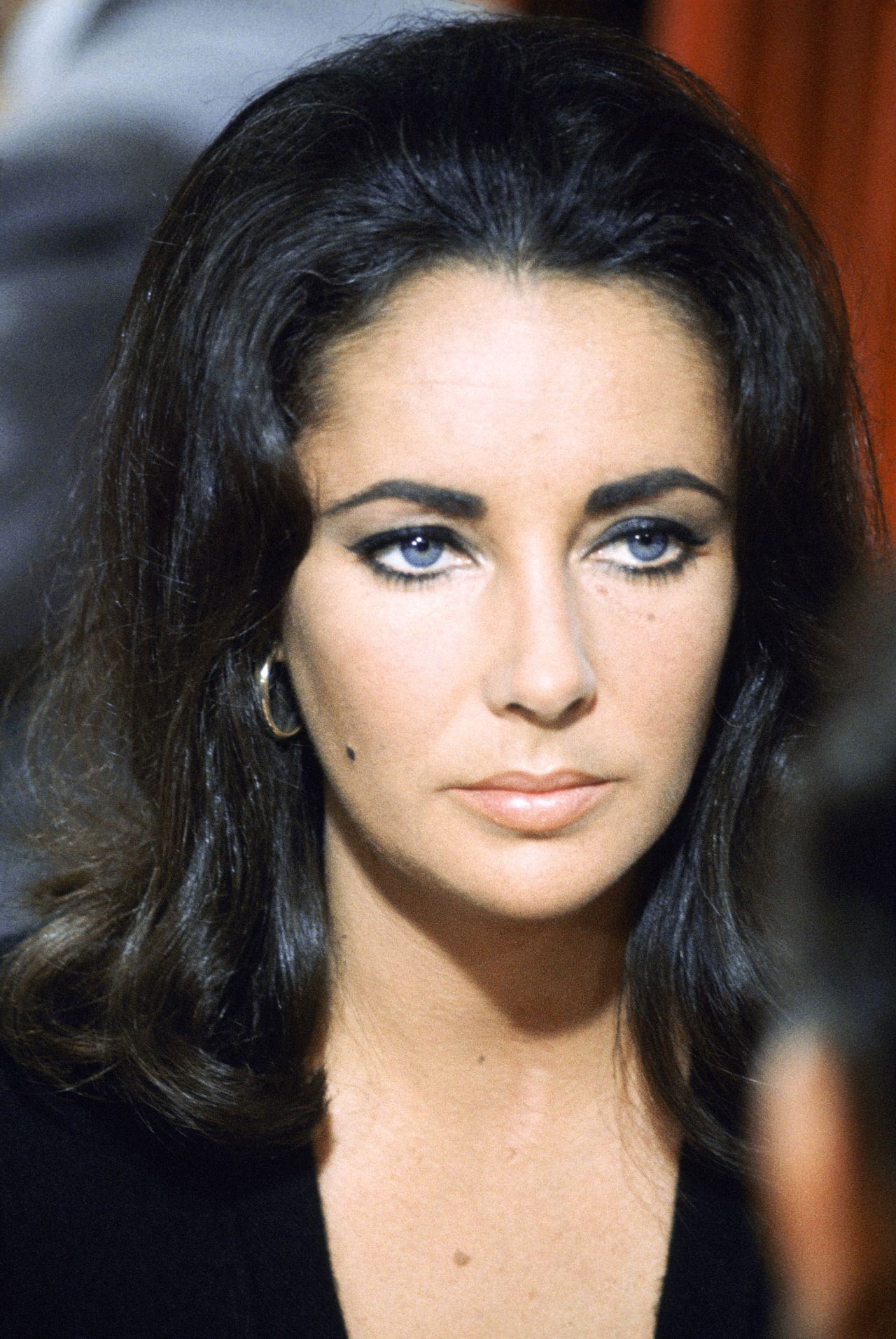
She faced immense scrutiny and threats of blacklisting during the troubled production of ‘Cleopatra’. Her health issues and personal scandals caused significant delays and massive budget overruns for the studio. Executives considered replacing her several times but were held back by her massive popularity. She eventually became one of the first actors to secure a million dollar salary which changed industry standards. Her ability to navigate these crises cemented her status as a powerful force in Hollywood history.
Zhang Ziyi

She was the subject of various media controversies that impacted her standing in the international film market. These scandals often involved her personal life and were amplified by aggressive tabloid reporting. For a period she found it difficult to secure the same level of leading roles in Hollywood that she previously enjoyed. She shifted her focus back to Chinese cinema where she continued to find significant success. Her experience shows how quickly the industry can turn on international stars during times of public scrutiny.
Romy Schneider

She struggled to escape the wholesome image created by her early roles in the ‘Sissi’ trilogy. Her attempt to take on more mature and provocative roles in international cinema was initially met with resistance. She moved to France to find the creative freedom that was being denied to her in the German and American markets. This transition allowed her to work with legendary directors and prove her dramatic range. She eventually became a symbol of European artistic sophistication away from her initial typecasting.
Marlene Dietrich
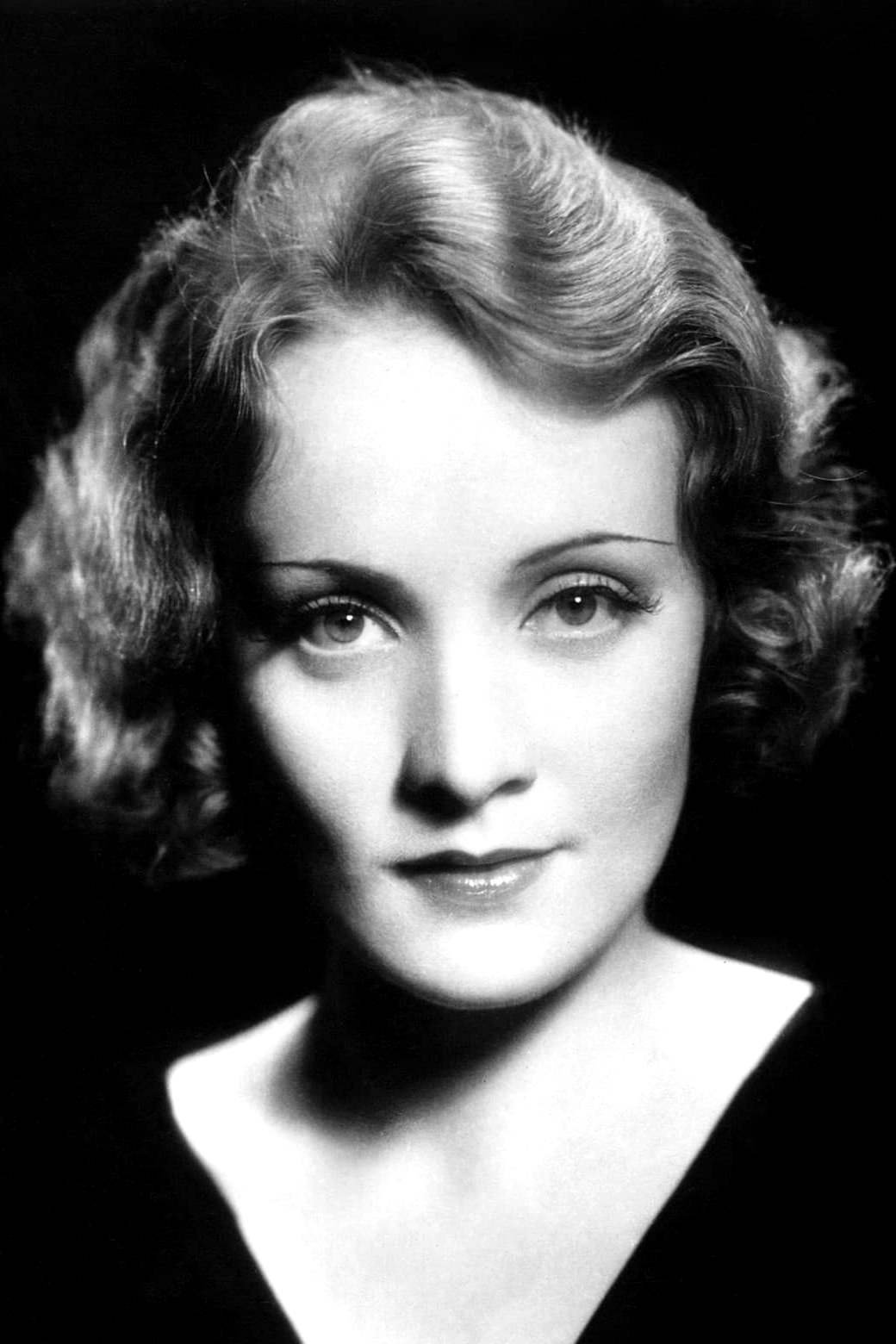
She took a firm stand against the Nazi party which led to her films being banned in her native Germany. Her decision to become an American citizen and entertain troops during the war made her a hero to many but a traitor to others. She faced professional risks as the political landscape shifted throughout the mid twentieth century. Her career evolved into a successful cabaret act when film roles became less frequent. She remained a symbol of resistance and glamorous defiance until her final years.
Ingrid Bergman
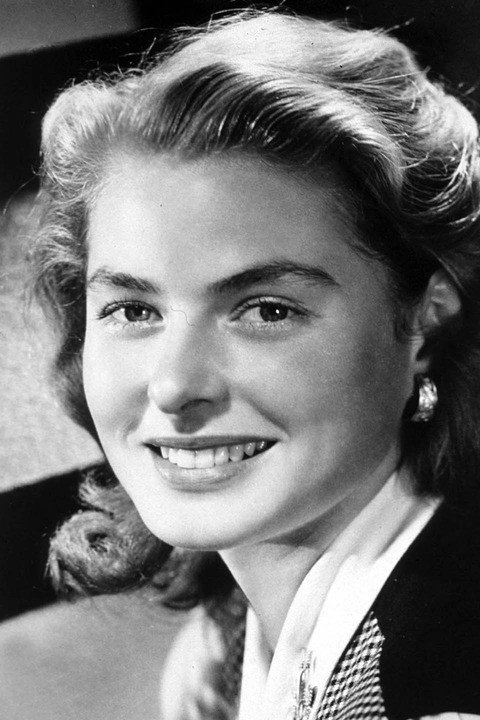
She was denounced on the floor of the United States Senate following her affair with director Roberto Rossellini. The public outrage over her personal life led to an unofficial ban on her work in Hollywood for several years. She was forced to live and work in Italy until the social climate in America changed. Her eventual return to Hollywood was marked by an Academy Award win for ‘Anastasia’. This transition showed how the industry’s moral standards could fluctuate based on a star’s popularity.
Greta Garbo
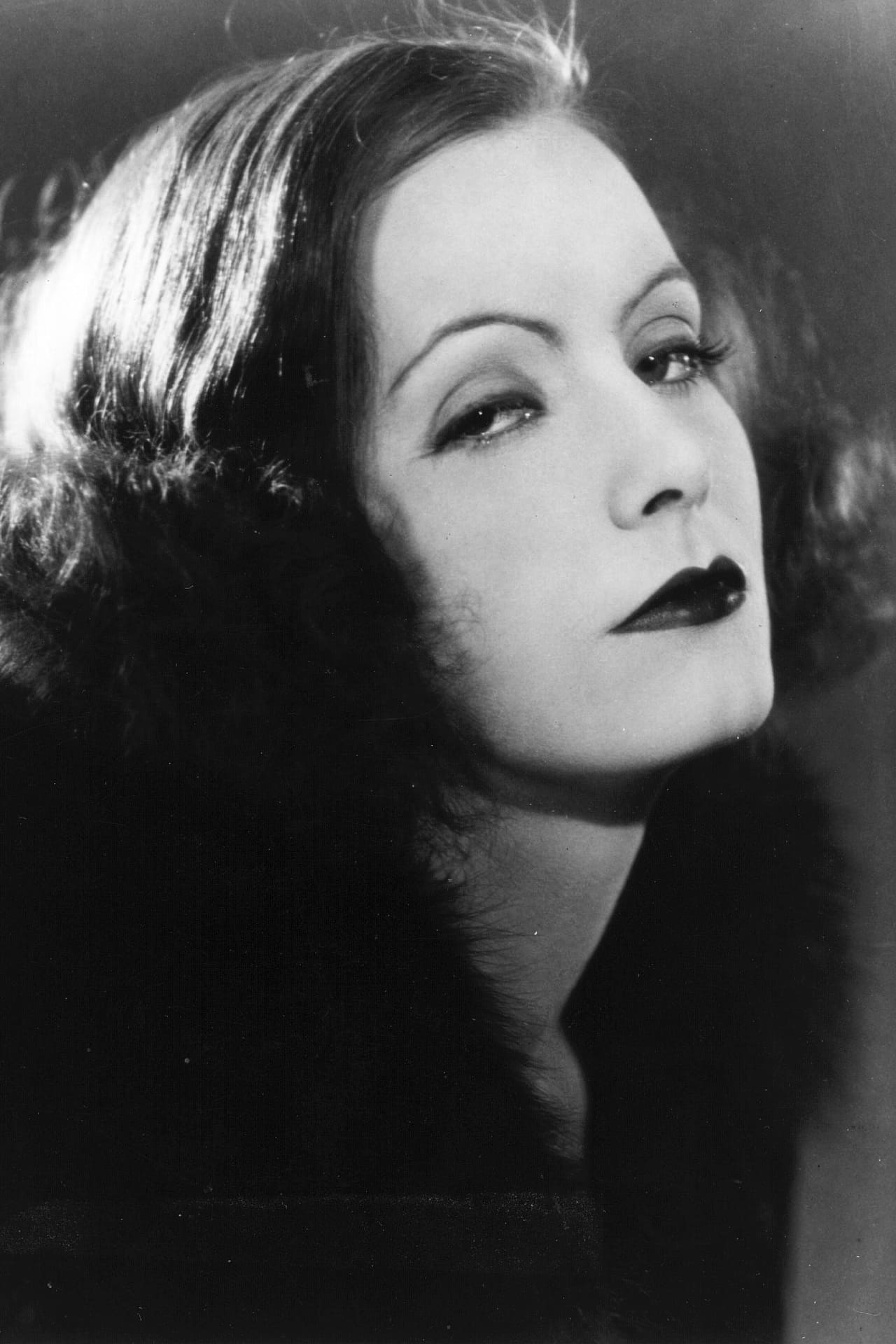
She famously retreated from public life at the age of thirty six after the failure of her film ‘Two-Faced Woman’. The studio had attempted to modernize her image in a way that did not resonate with her or the audience. She refused to participate in the traditional publicity machine and became increasingly reclusive. Despite numerous offers to return to the screen she chose to maintain her privacy for the rest of her life. Her departure remains one of the greatest mysteries and most definitive exits in film history.
Mary Pickford
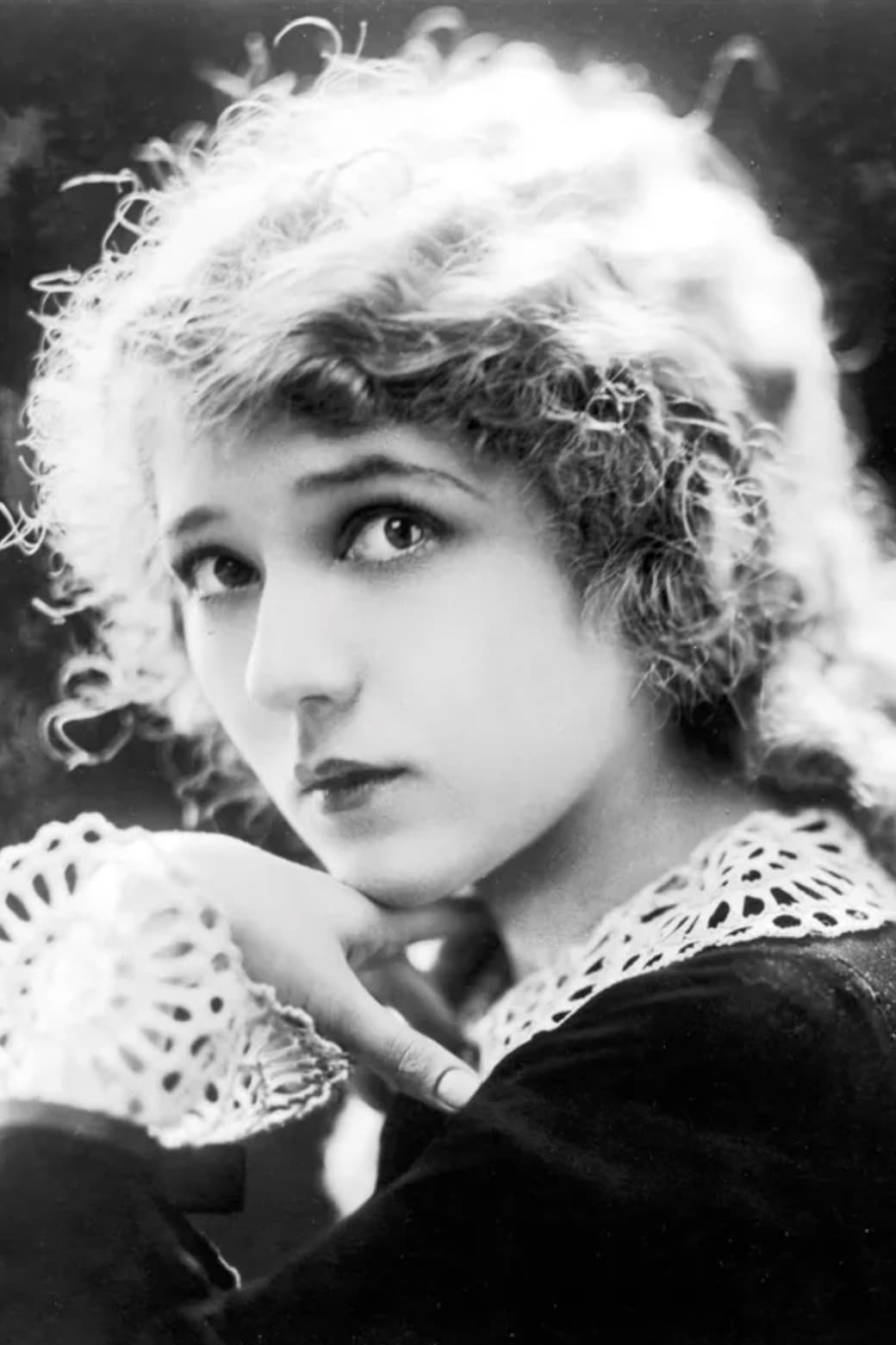
She was one of the most powerful women in early Hollywood and co-founded United Artists to protect her interests. This move was a direct challenge to the monopoly of the major studios at the time. As she aged the industry struggled to find roles for her that moved beyond her ‘America’s Sweetheart’ persona. She eventually retired from acting to focus on her work as a producer and industry leader. Her influence on the business side of filmmaking was often viewed with apprehension by male executives.
Grace Kelly
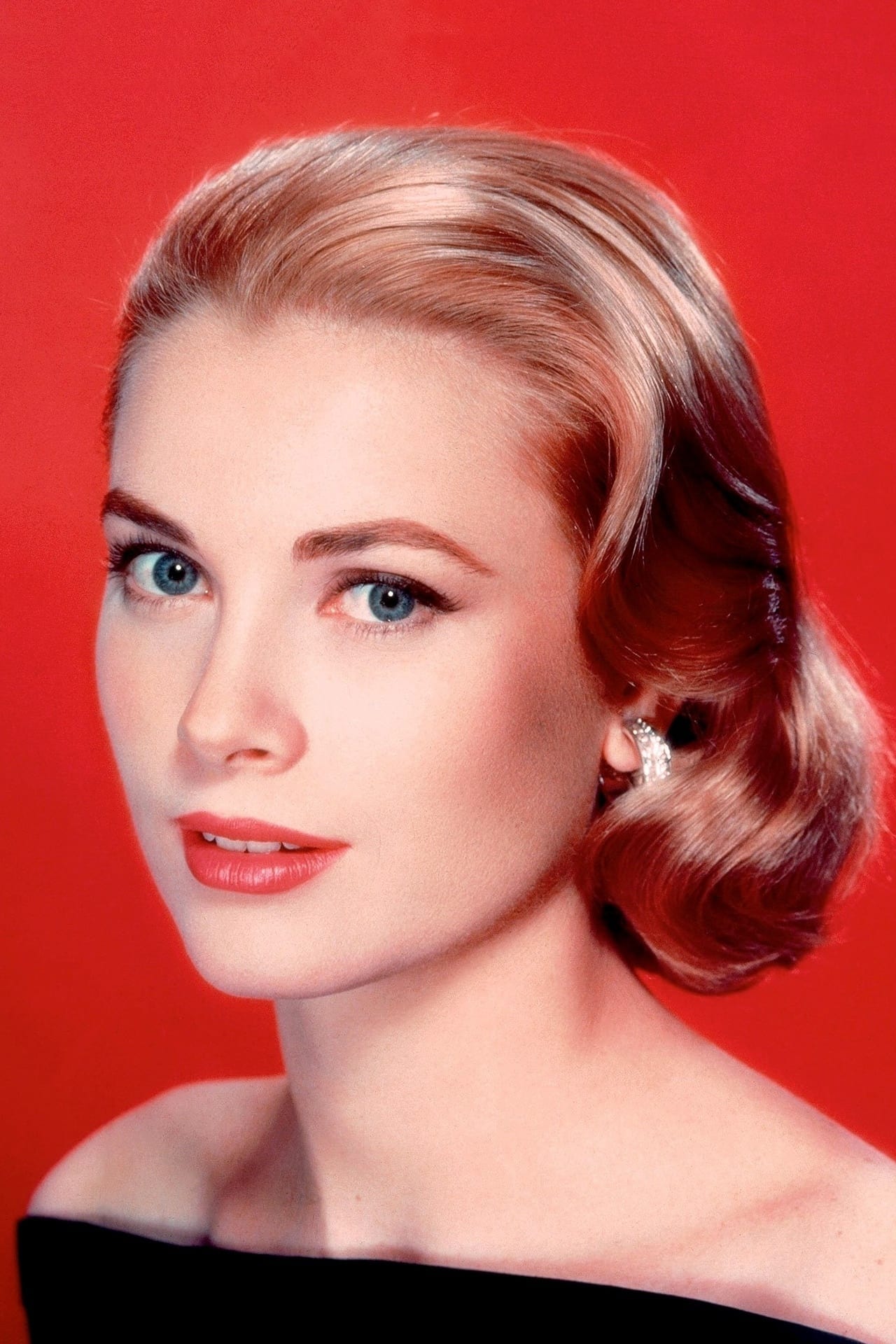
She was forced to abandon her acting career upon her marriage into the royal family of Monaco. Metro Goldwyn Mayer held her to a restrictive contract that prevented her from taking new roles even after she left Hollywood. The studio famously refused to release her to star in ‘Marnie’ for Alfred Hitchcock. This legal entanglement effectively ended her time on screen despite her desire to occasionally return to her craft. Her career serves as an example of how contracts can be used to control a performer’s life outside of film.
Clara Bow
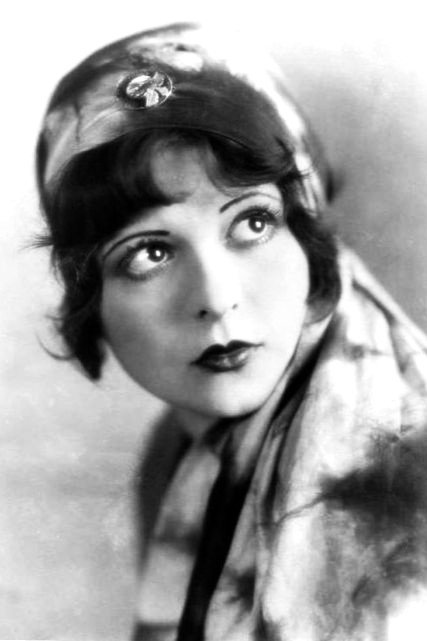
She was the ultimate ‘It Girl’ of the silent era but her career suffered during the transition to sound. Her personal life was the subject of intense tabloid gossip and legal battles that damaged her public standing. Studios used her mental health struggles and scandals as a reason to phase her out of leading roles. She eventually retired to a ranch in Nevada to escape the pressures of the industry. Her story highlights the lack of support provided to early stars facing personal crises.
Anita Page
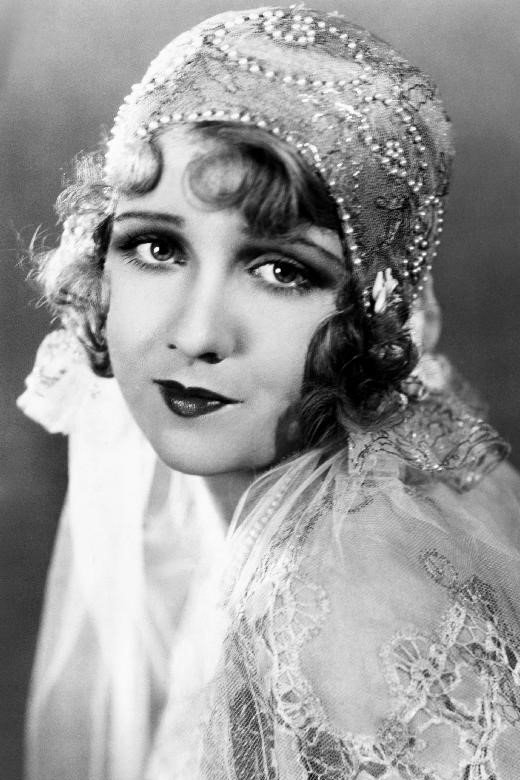
She was a major star of the silent era whose career abruptly ended in the early nineteen thirties. The actress later claimed that she was blacklisted because she refused to accept the sexual advances of a high level studio executive. She disappeared from the screen for several decades before returning for small roles in her later years. Her experience was a precursor to the modern discussions about the casting couch culture in Hollywood. She remained one of the last living links to the silent film era.
Roseanne Barr
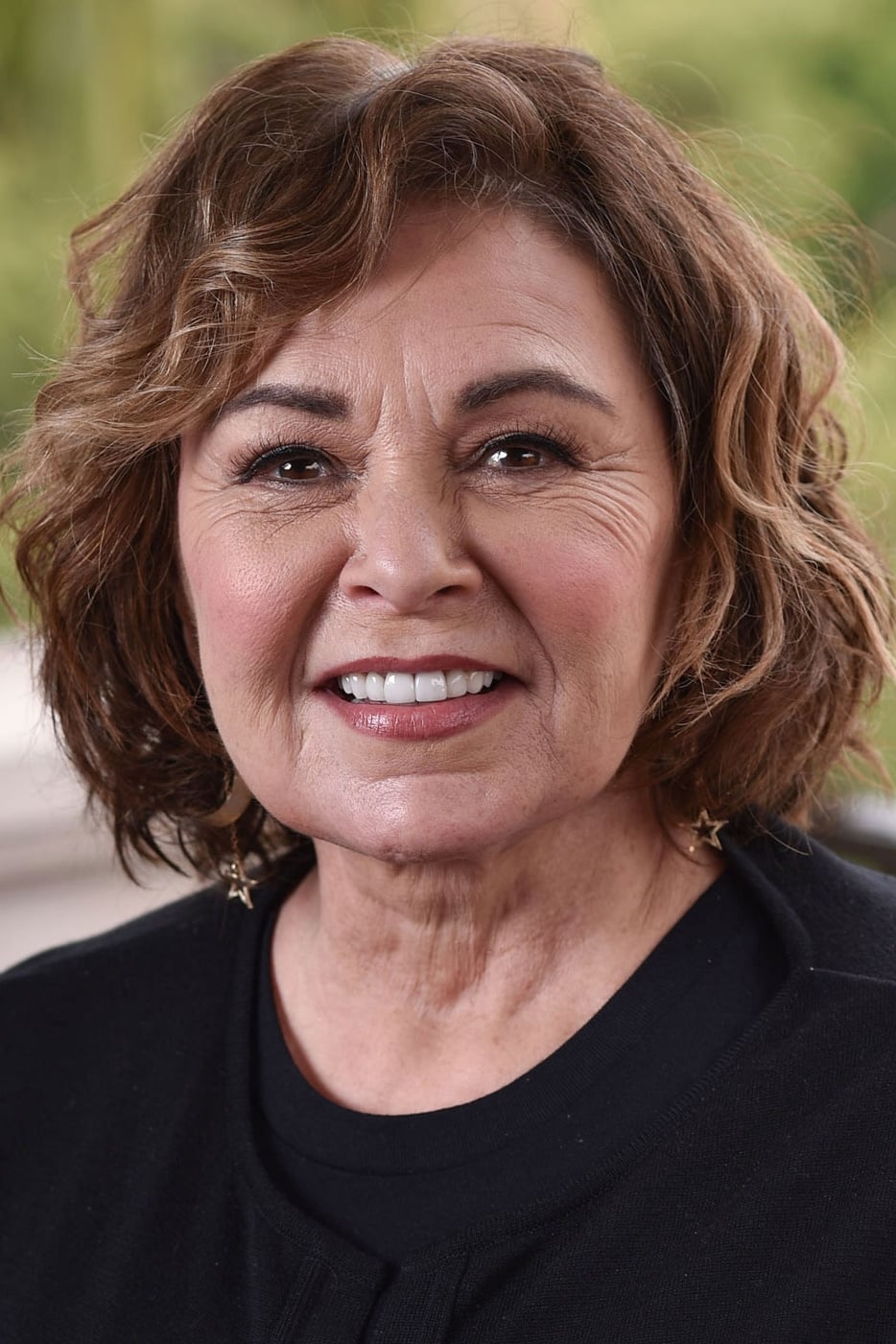
She experienced a swift and total industry rejection after a controversial social media post led to the cancellation of her hit show. The network immediately severed ties with her and rebooted the series without her character. Many major talent agencies and production partners also ended their professional relationships with her. This incident highlighted the modern era’s speed in enforcing consequences for public statements that violate brand standards. She has since moved to alternative platforms to share her content outside the mainstream studio system.
Share your thoughts on these industry stories in the comments.