


20 Actresses Who Are Only Hot Because Of The Characters They Play

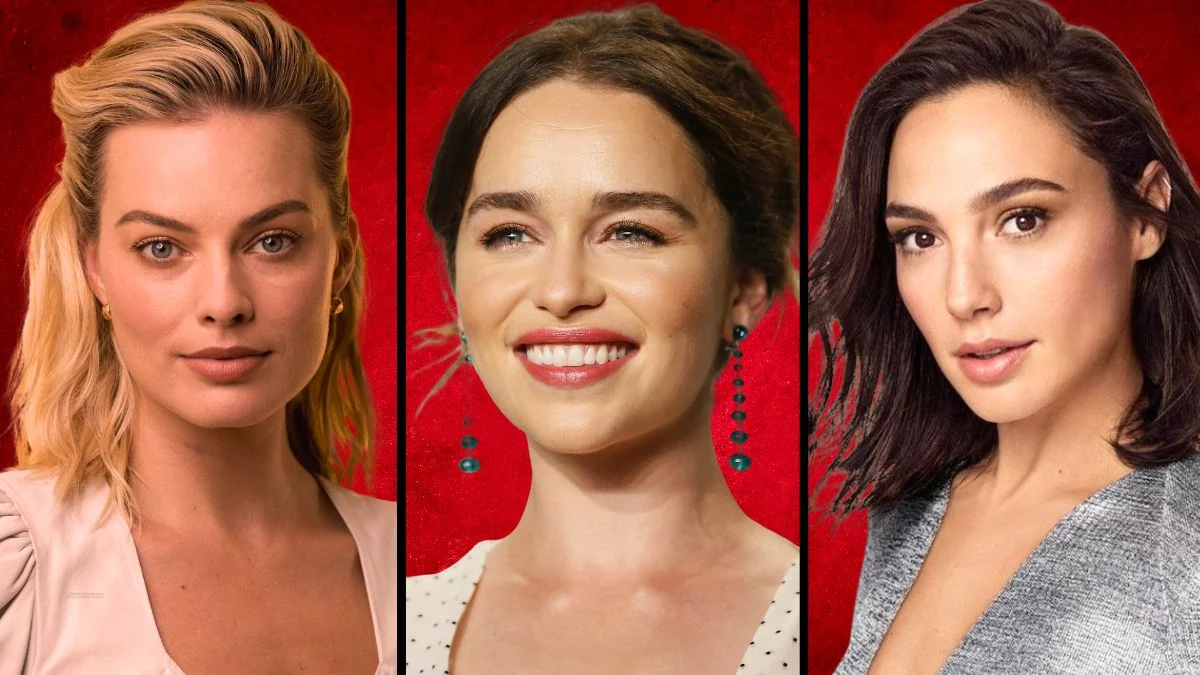


Sometimes the right role changes everything. Costumes, hair, lighting, and a character’s attitude can reshape how audiences see a performer. The entries below highlight roles that used styling and storytelling to amplify on screen presence in a big way. Each example focuses on how the character’s design, arc, and production choices shaped public perception.
Margot Robbie
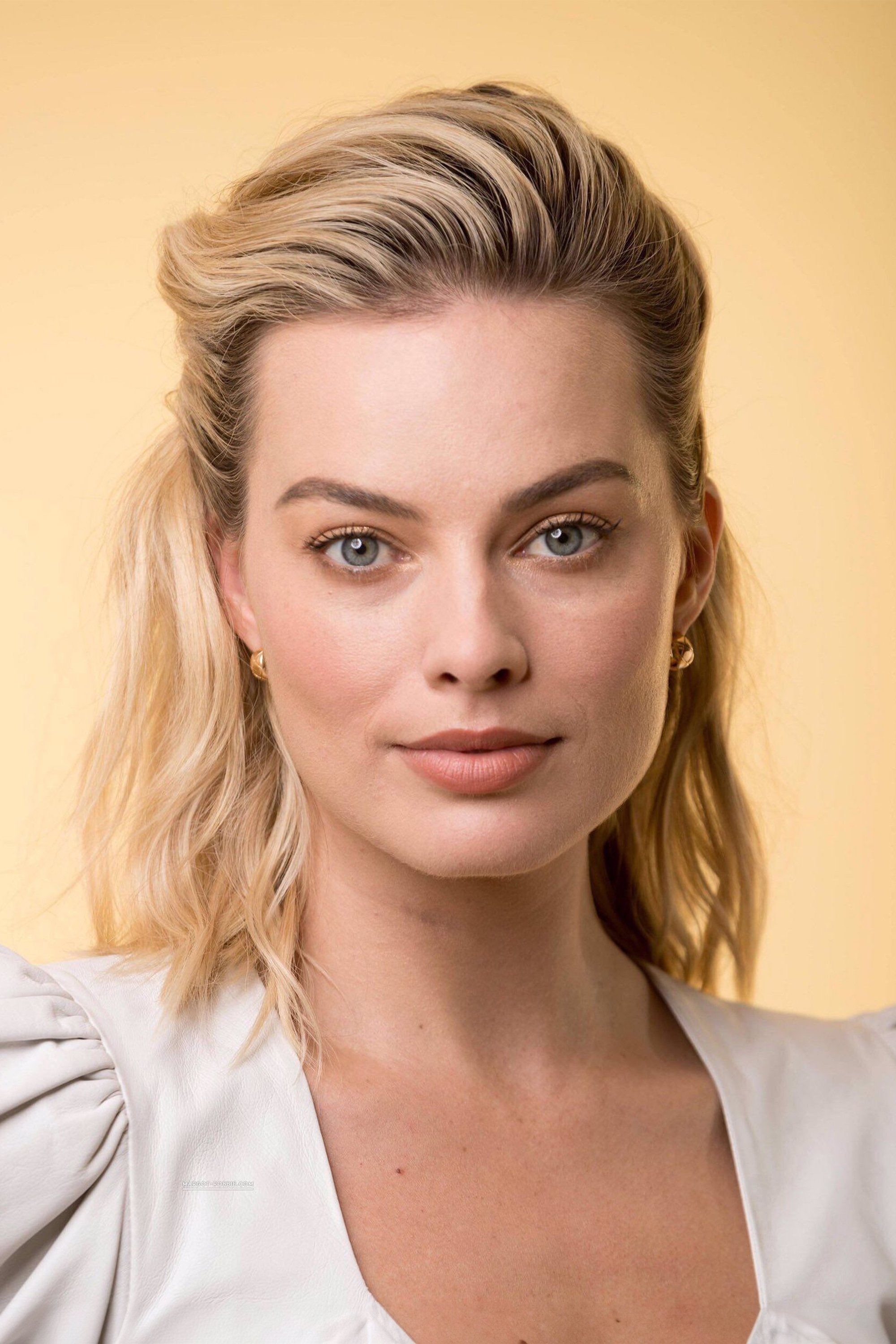
Her turn as Harley Quinn in ‘Suicide Squad’, ‘Birds of Prey’, and ‘The Suicide Squad’ paired vivid makeup with punk inspired wardrobe pieces and acrobatic fight scenes. The character’s Brooklyn inflection, mischievous dialogue, and stunt heavy set pieces built a distinct persona. Marketing leaned on Harley’s look across posters, trailers, and merchandise. The result was a pop culture image that audiences could spot instantly.
Emilia Clarke
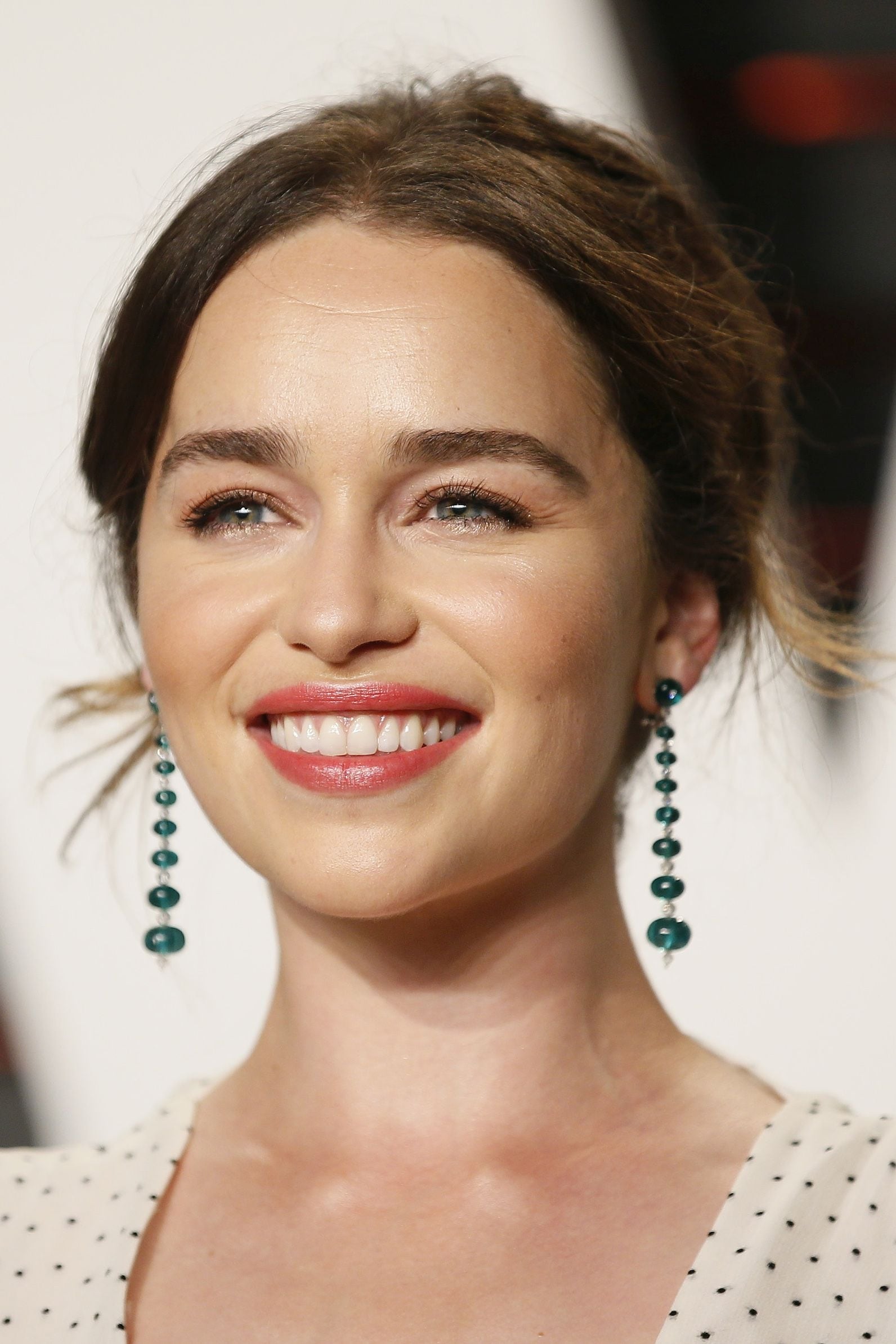
As Daenerys Targaryen in ‘Game of Thrones’ she wore flowing gowns, intricate braids, and later regal armor that marked each stage of her rise. Cinematography frequently framed her with firelight and wide landscapes that emphasized scale. Iconic props like dragon eggs and a silver hair wig completed the transformation. Her character’s titles and speeches further reinforced an image of command.
Gal Gadot

Playing Diana Prince in ‘Wonder Woman’ combined classical armor, a signature tiara, and the Lasso of Truth with confident physicality. Training focused on movement that read heroic on camera. The film’s action beats highlighted shield work and slow motion entries that built mythic presence. Costume and stunt teams collaborated to keep the silhouette readable in battle scenes.
Charlize Theron
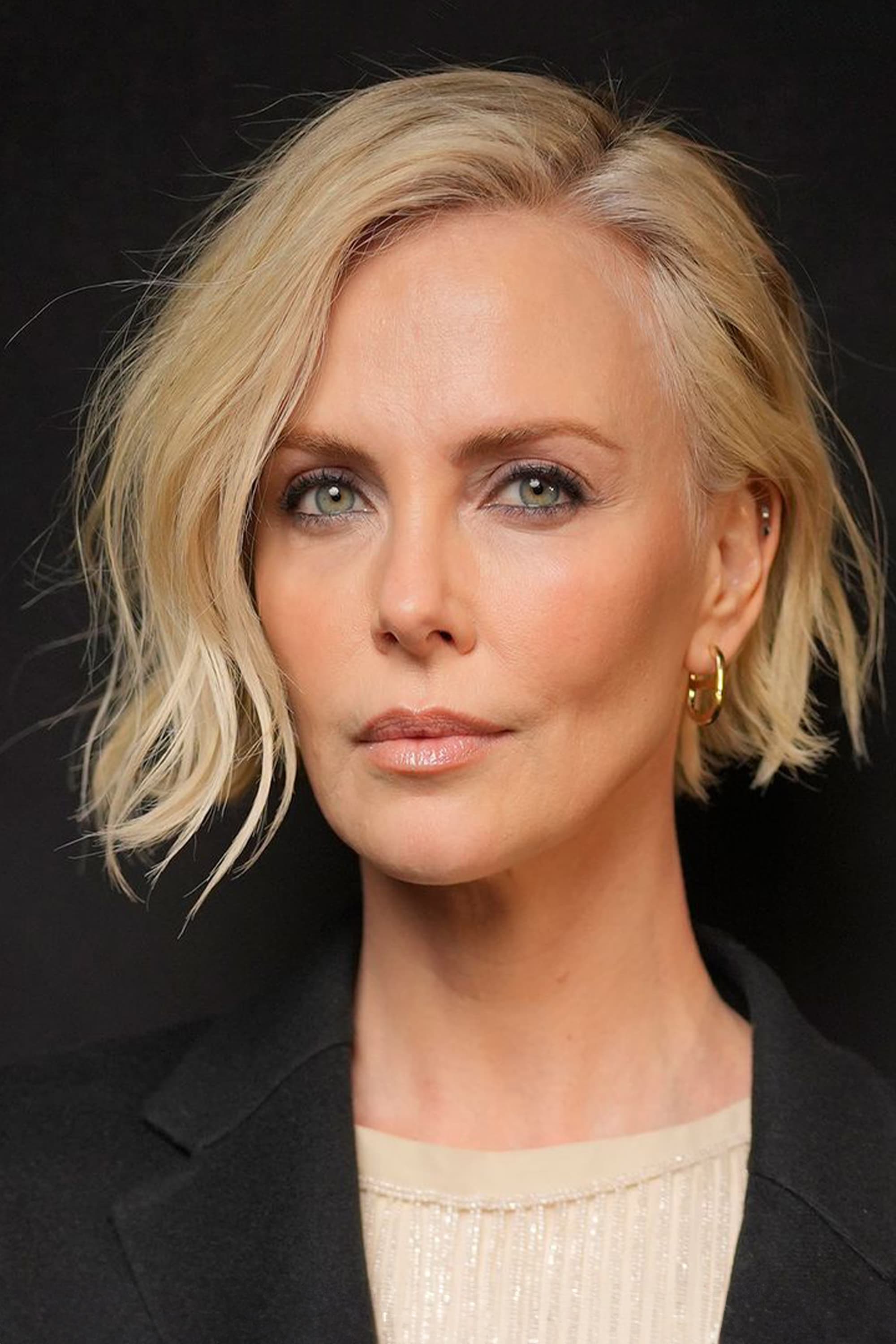
As Lorraine Broughton in ‘Atomic Blonde’ she wore structured coats, monochrome palettes, and sharp bobs that matched a cold war spy aesthetic. Fight choreography used long takes to showcase precision and endurance. Neon soaked lighting and period tracks set an icy mood around the character. The styling choices aligned with a high fashion espionage persona.
Ana de Armas
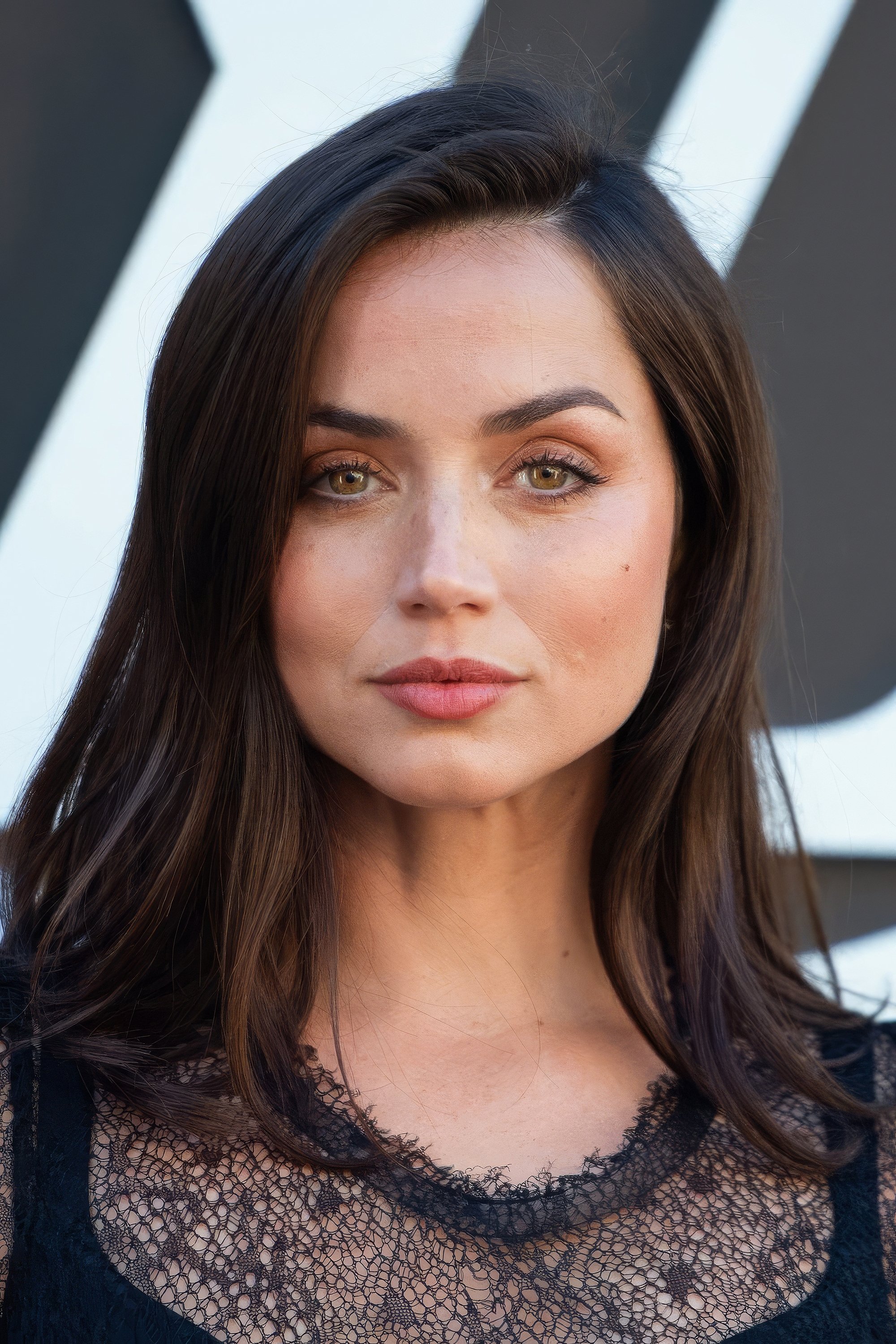
Her performance as Joi in ‘Blade Runner 2049’ mixed holographic effects with intimate staging to create a futuristic muse. Later, as Paloma in ‘No Time To Die’, a sleek evening gown contrasted with brisk, efficient combat beats. Both roles used quick tonal shifts to keep scenes lively and surprising. Wardrobe and blocking worked together to deliver memorable entrances.
Megan Fox

As Mikaela Banes in ‘Transformers’ she was introduced through low angle car hood shots and mid daylight outdoor scenes. The character’s affinity for engines and tools gave the role a specific hook. Product placement and summer blockbuster framing amplified visibility. The camera often paired mechanical close ups with expressive reaction shots.
Jennifer Lawrence
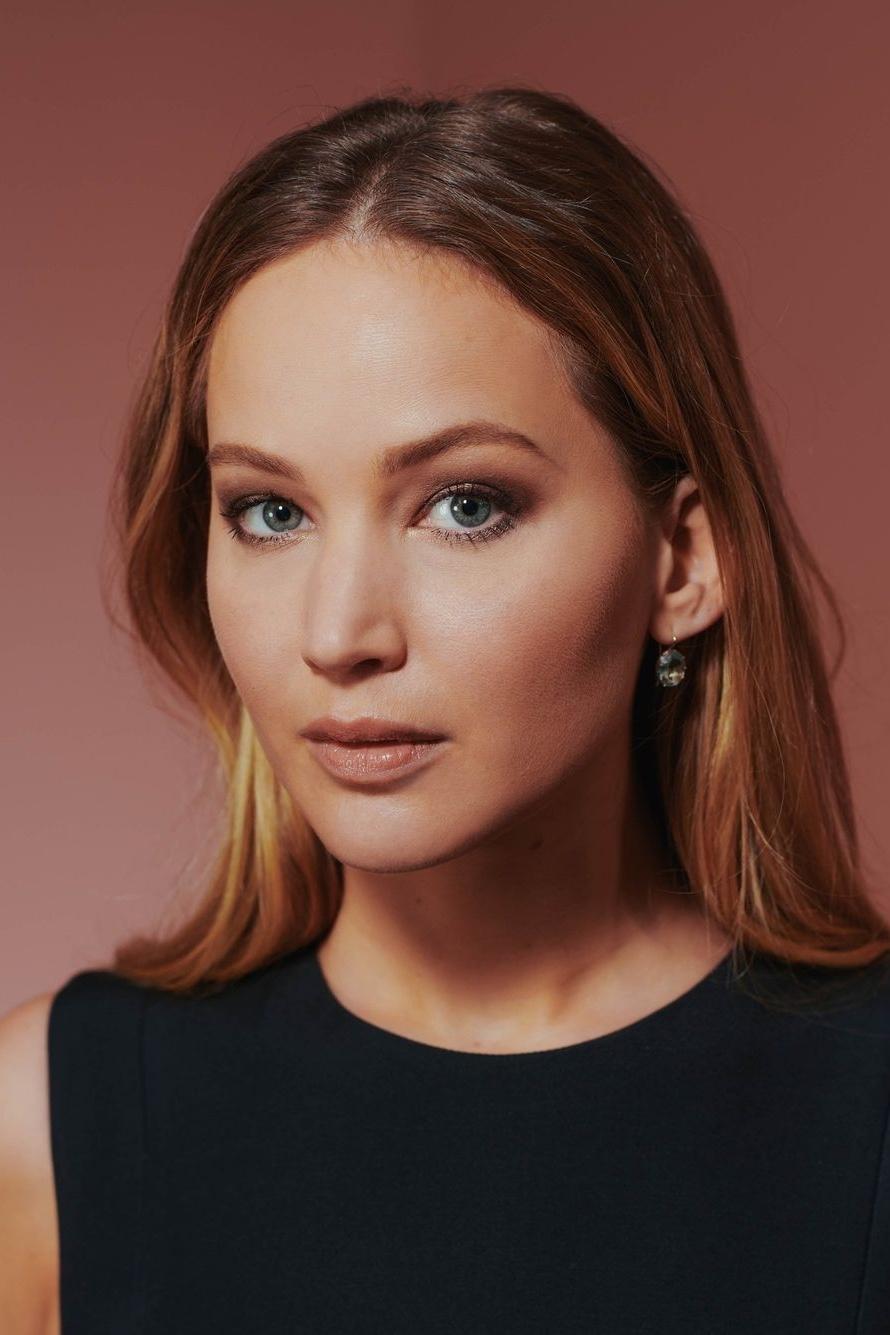
Katniss Everdeen in ‘The Hunger Games’ arrived with a utilitarian District 12 look that evolved into stylized Capitol designs. The “Girl on Fire” effect and ornate gowns made spectacle part of the narrative. Archery training shaped posture and movement in action scenes. Press tours echoed the character arc with couture statements.
Scarlett Johansson
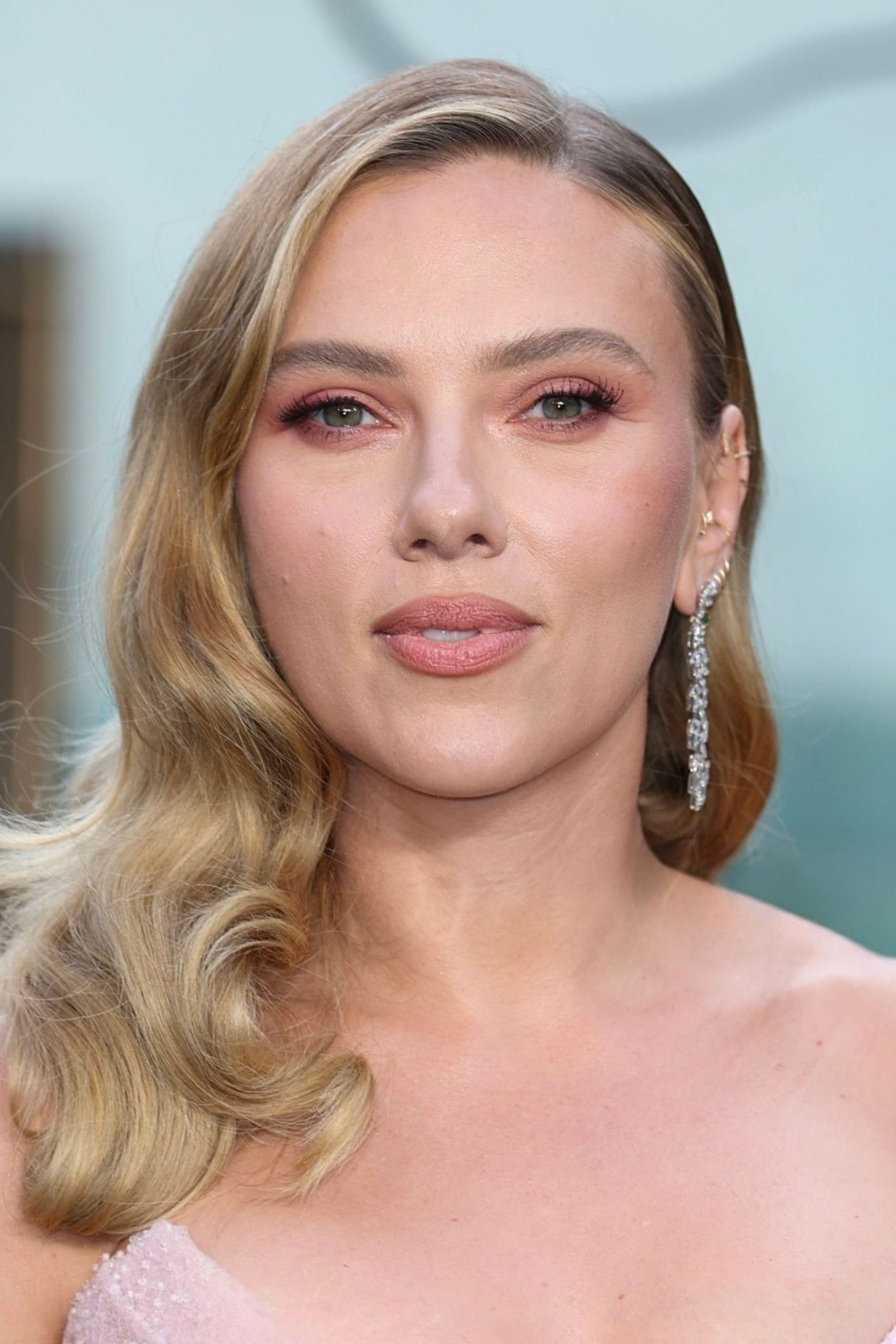
As Natasha Romanoff in the ‘Avengers’ films she wore tactical catsuits that balanced mobility with a recognizable silhouette. Fight scenes emphasized grapples, flips, and close quarters work. The character’s brief quips and calm under pressure built a composed demeanor. Consistent visual language across multiple films cemented the image.
Zendaya

Her roles as MJ in ‘Spider Man’ and Chani in ‘Dune’ used minimal makeup, purposeful costuming, and quiet confidence. In ‘Dune’ the stillsuit and desert veil created strong outlines in wide shots. In ‘Spider Man’ casual layers and dry humor grounded the character in school hallways. Both parts relied on subtle expressions and framing to leave an impression.
Alexandra Daddario
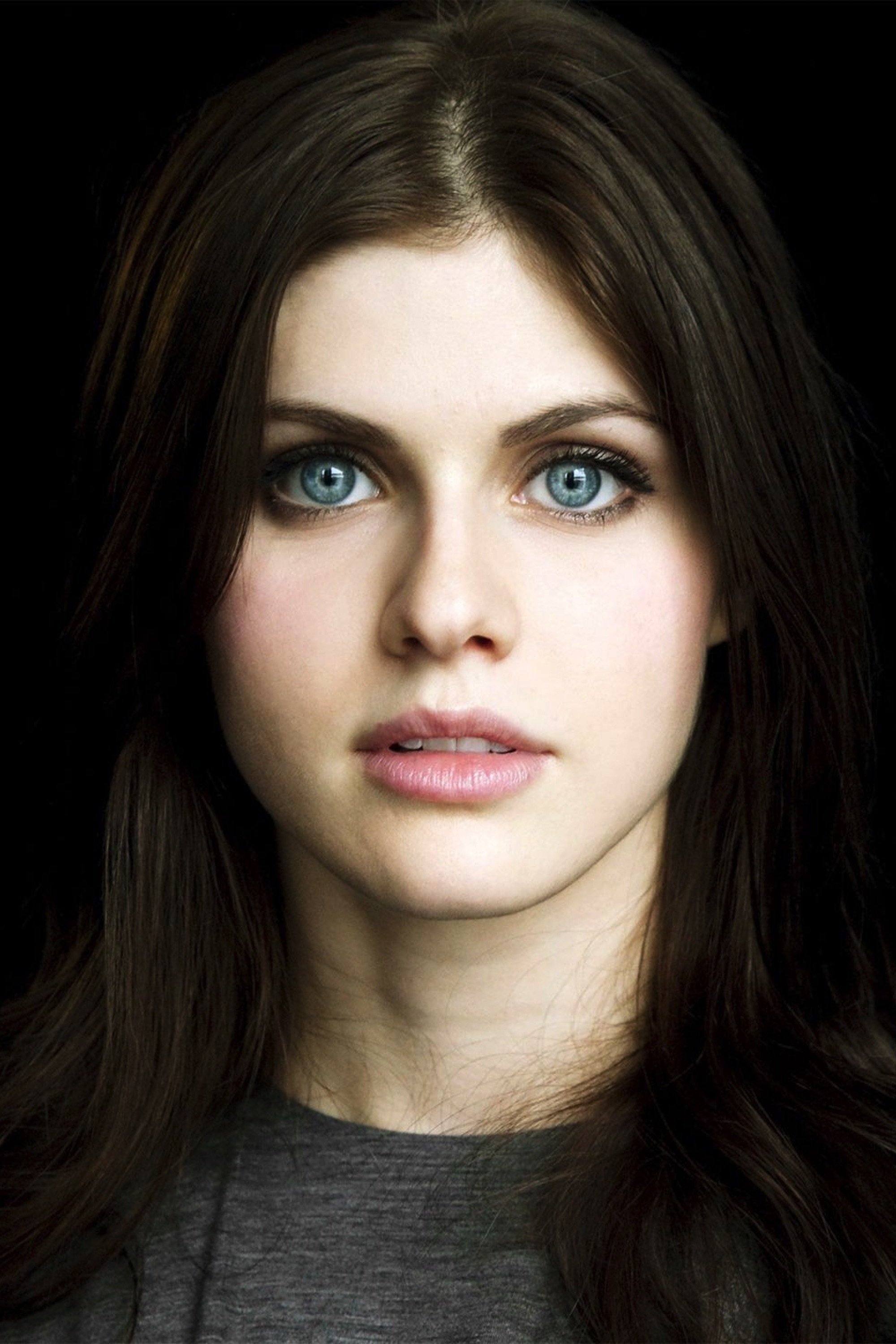
As Lisa Tragnetti in ‘True Detective’ the show’s moody lighting and close framing emphasized intimacy and tension. Scenes used warm interior palettes that contrasted with procedural grit. The character’s presence intersected with key plot turns, increasing screen impact. Later roles leveraged similar camera proximity to maintain visibility.
Karen Gillan
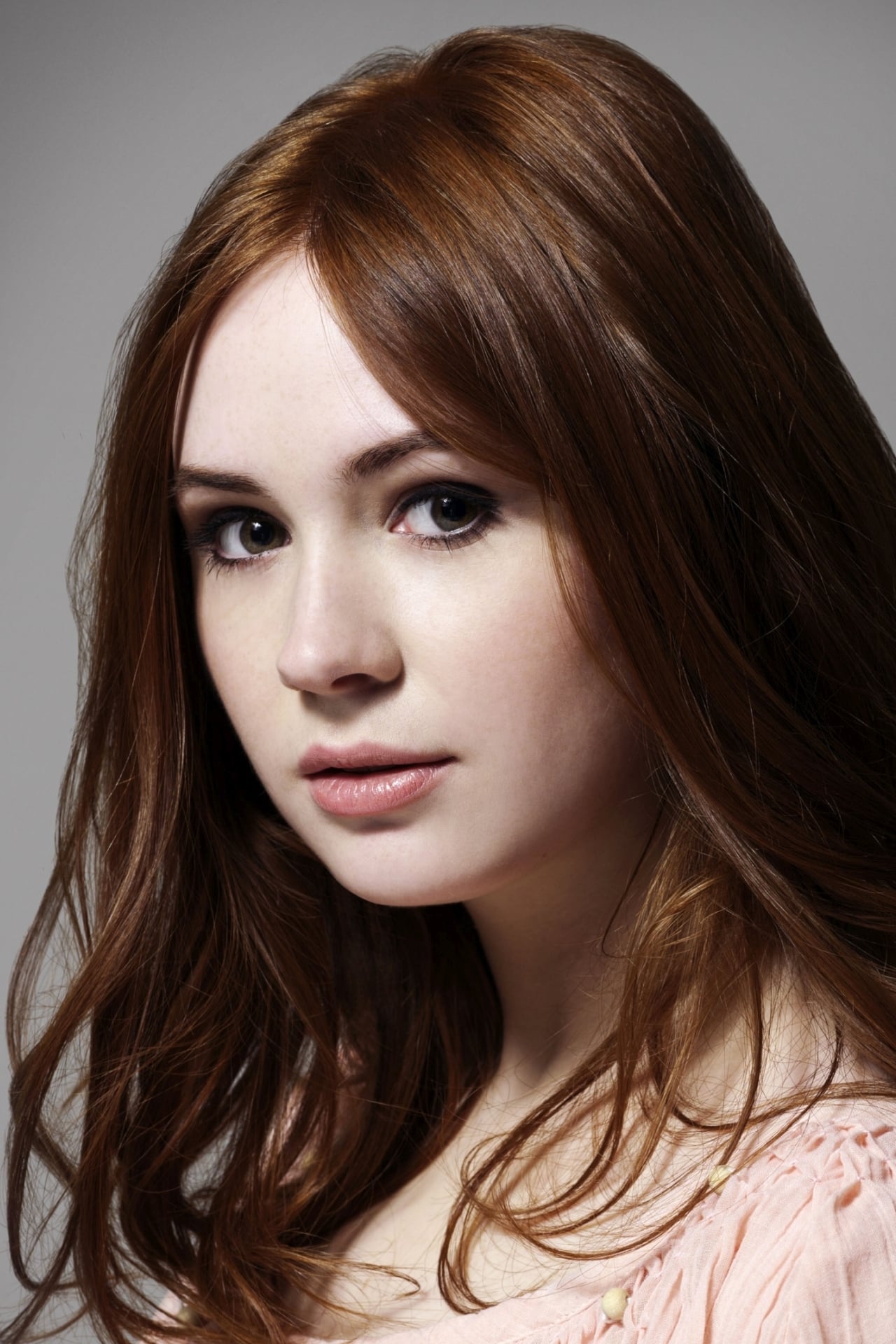
Nebula in ‘Guardians of the Galaxy’ used extensive prosthetics, metallic textures, and defined scars to craft a distinct look. The character’s clipped speech and rigid posture matched the design. Blue skin tones photographed cleanly against starship interiors and cosmic backdrops. The transformation made the performance immediately identifiable.
Sophie Turner
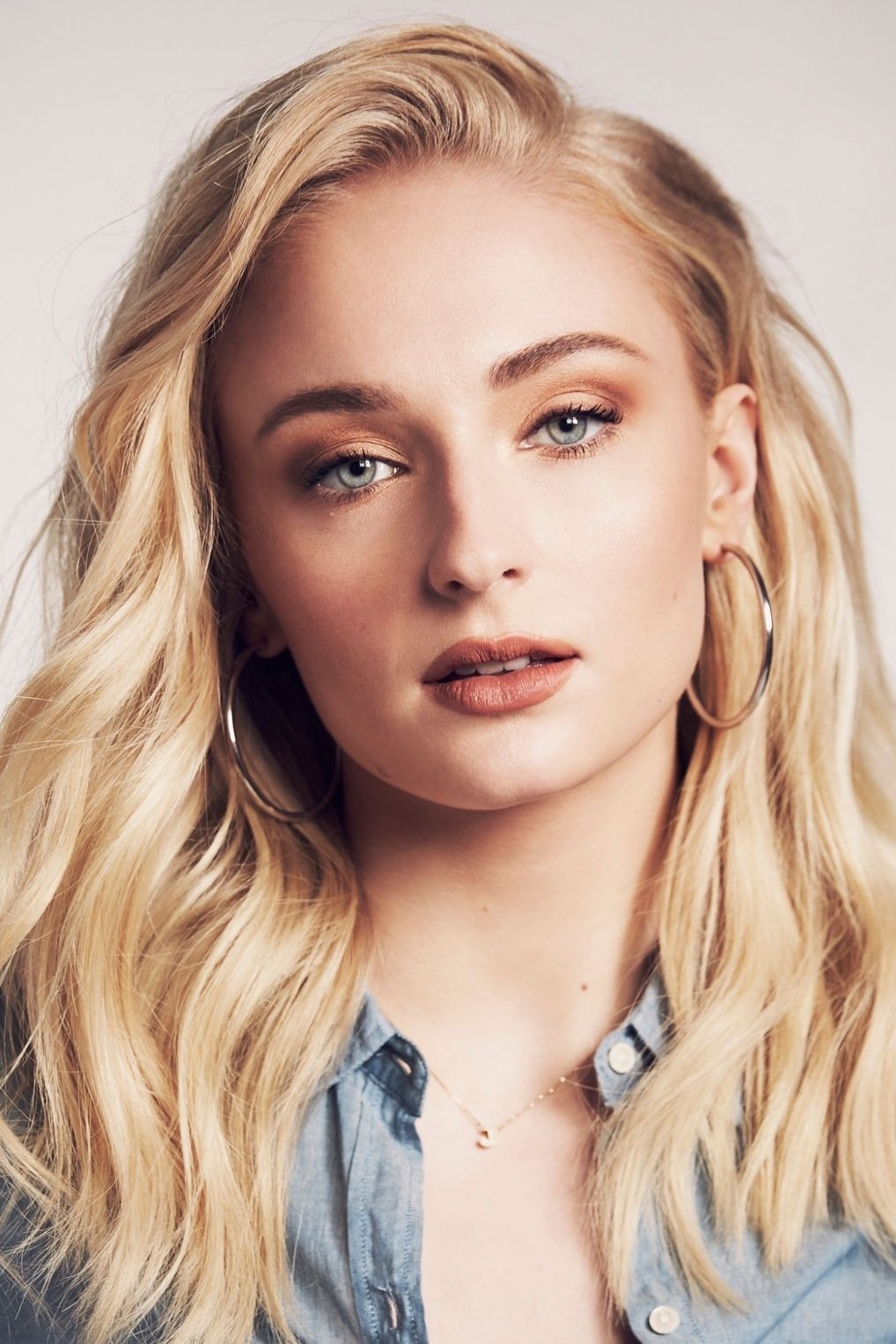
As Sansa Stark in ‘Game of Thrones’ she moved from muted northern fabrics to intricate King’s Landing styles and back to austere winter wear. Hair designs signaled political alliances and personal growth. The series used candle and snow light to sculpt features during pivotal scenes. The wardrobe team mapped each chapter of the character’s evolution through textiles.
Eva Green
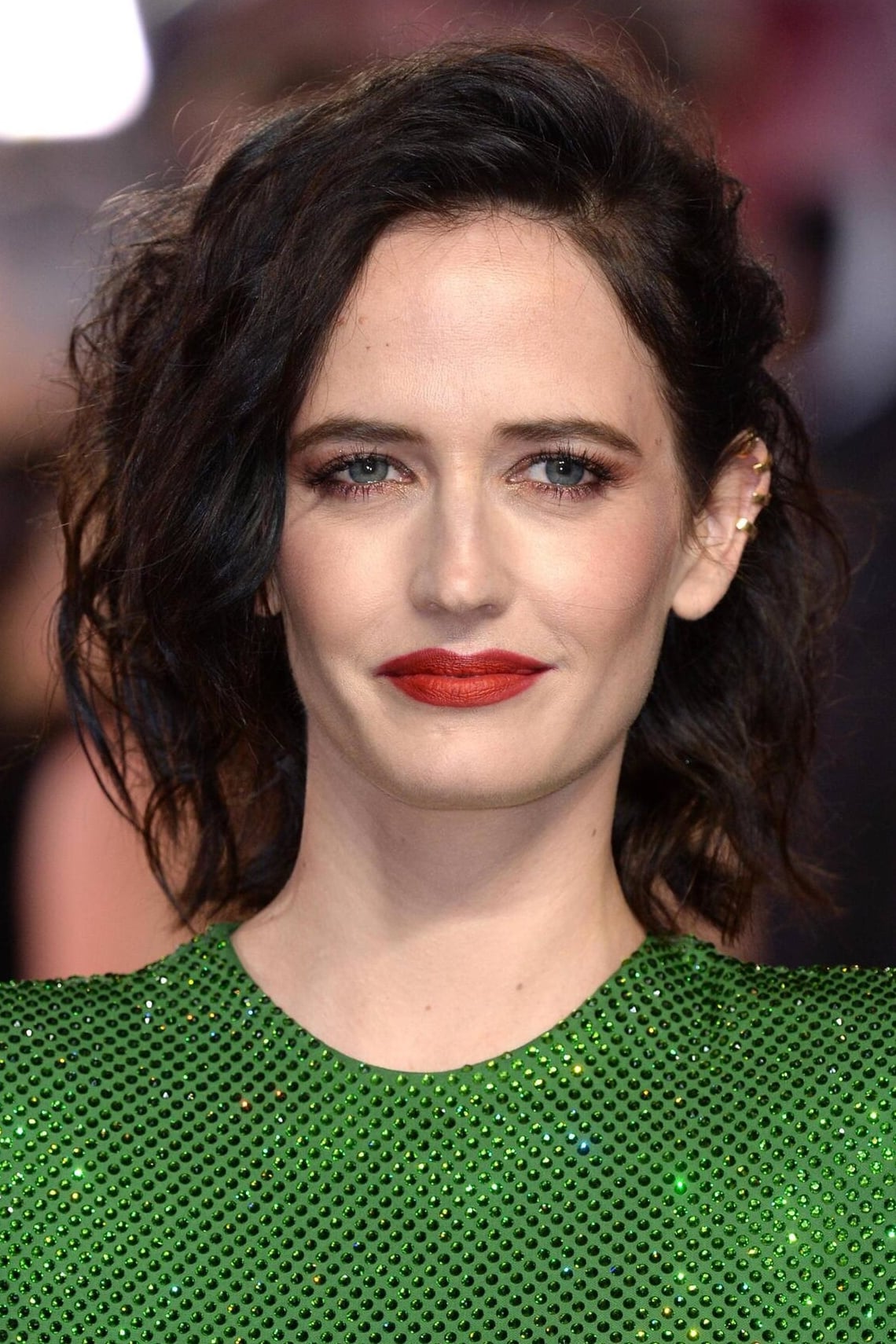
Vesper Lynd in ‘Casino Royale’ combined tailored evening wear with sharp dialogue during train and casino sequences. The character’s jewelry and rich color palettes matched the Bond film’s luxurious settings. Close ups emphasized eye contact to heighten verbal sparring. The role’s narrative turn gave her scenes lasting resonance.
Michelle Pfeiffer
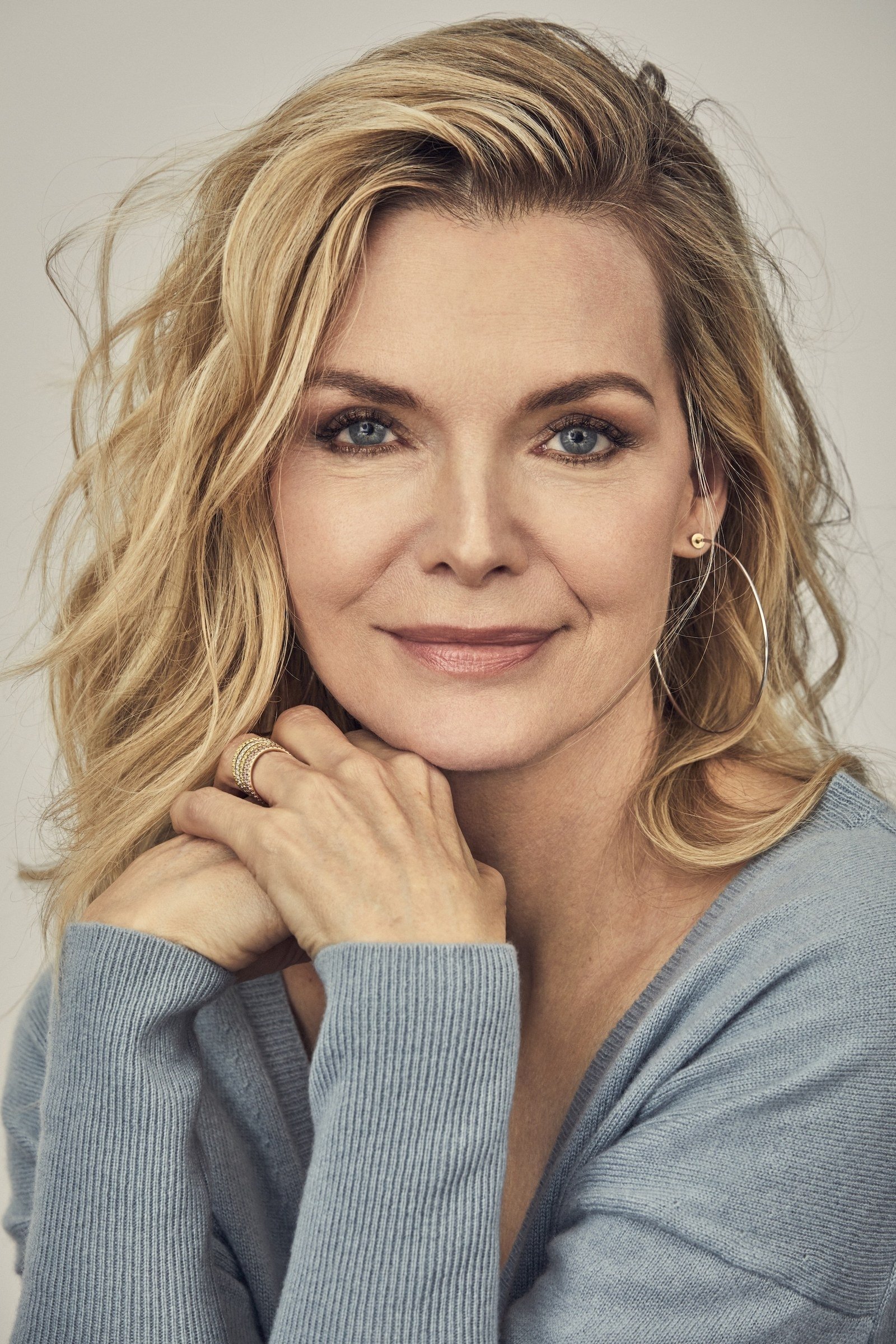
Selina Kyle in ‘Batman Returns’ featured a stitched vinyl suit, red lipstick, and reflective surfaces that caught moonlight. The film’s gothic sets and snow created high contrast frames. Whip work and feline movement training defined physical beats. The character’s dual identities allowed for dramatic shifts between office wear and vigilante style.
Natalie Dormer
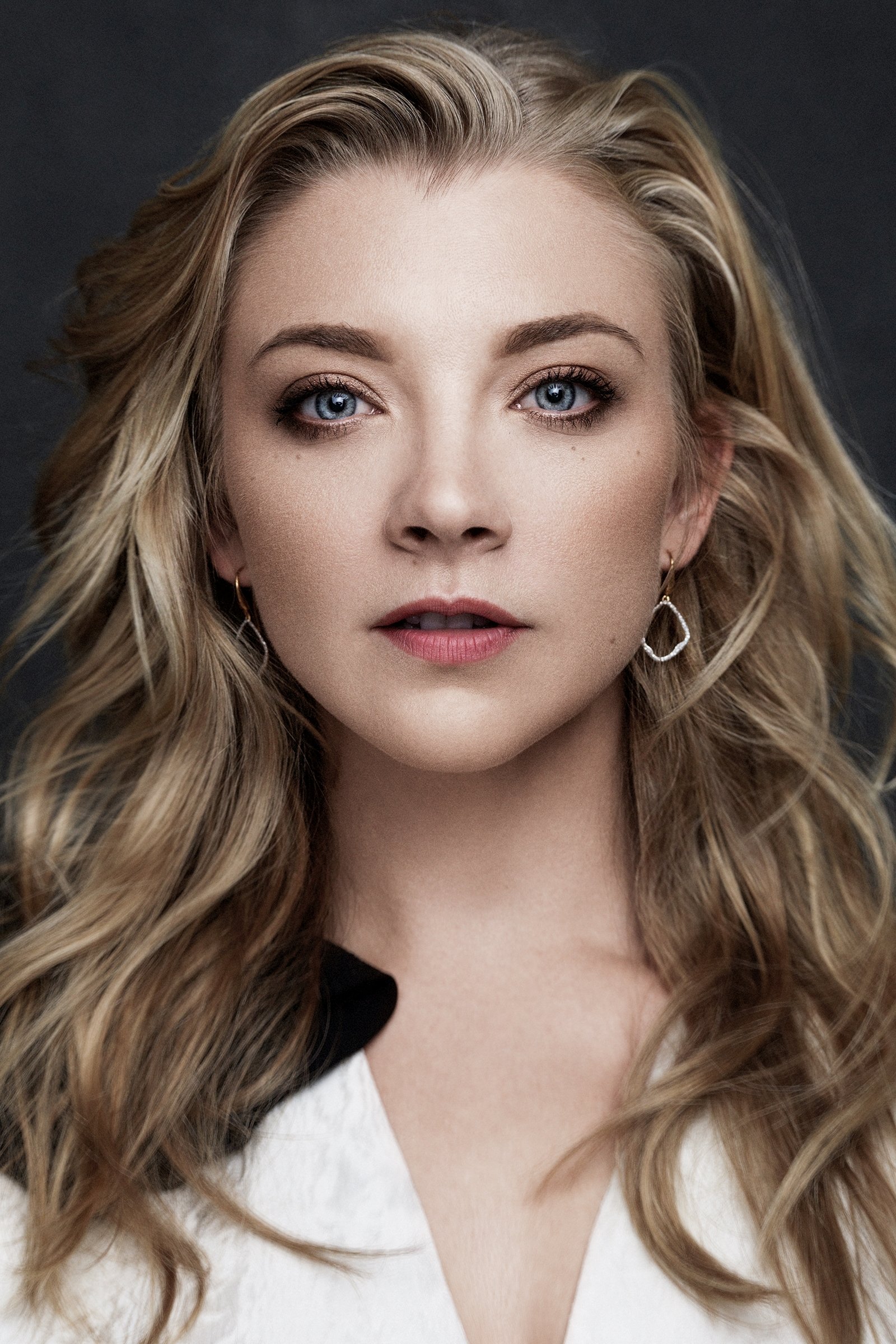
As Margaery Tyrell in ‘Game of Thrones’ she wore floral motifs, open necklines, and soft fabrics that fit the Reach’s courtly image. The character used strategic smiles and measured speech in public scenes. Costuming contrasted with the harsher northern looks to signal political finesse. Ceremonies and balcony appearances placed her in prominent compositions.
Blake Lively
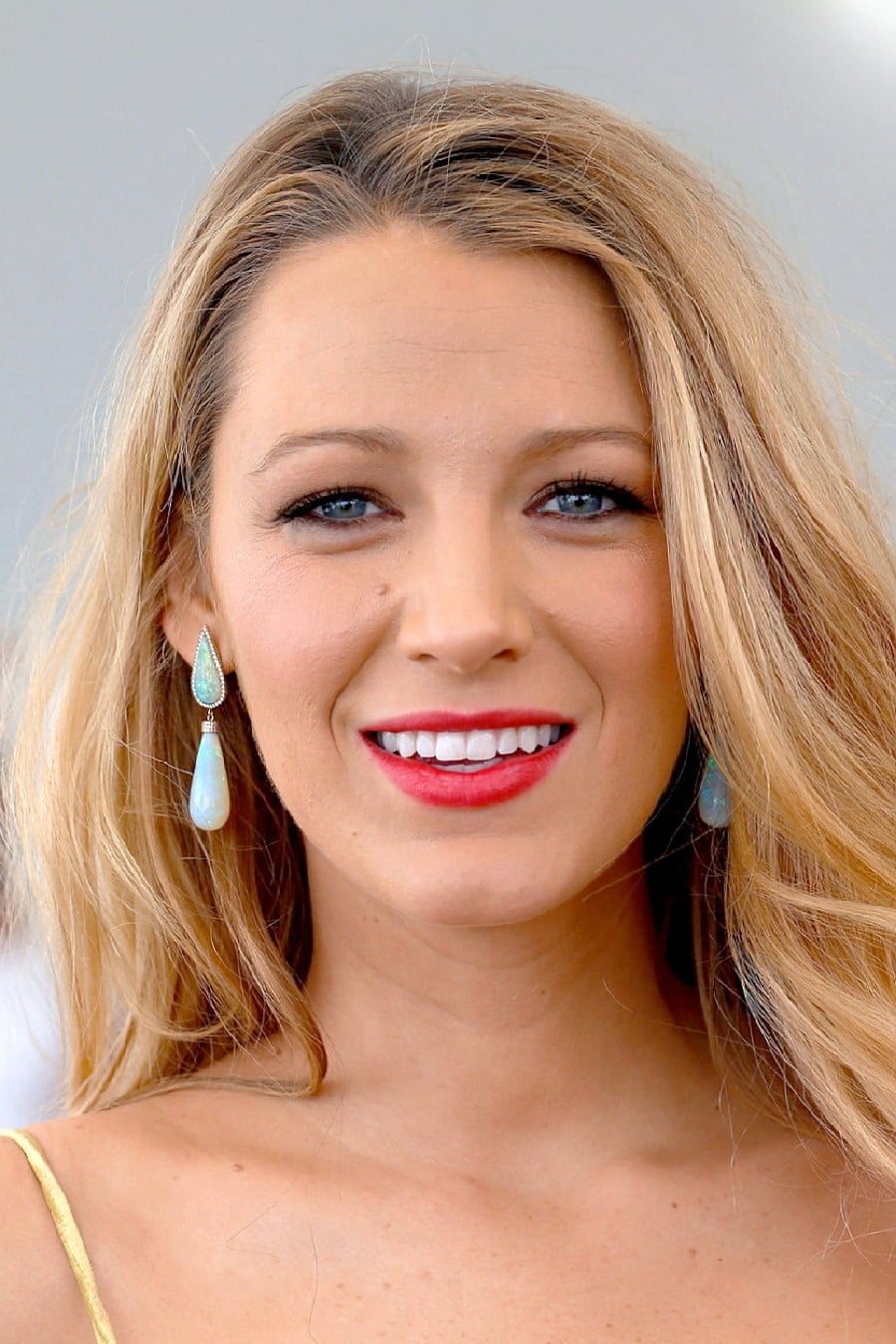
Serena van der Woodsen in ‘Gossip Girl’ leaned on high fashion styling, hair volume, and upscale Manhattan locations. The show’s wardrobe cycling kept the character in fresh looks episode to episode. Daytime street scenes and evening galas offered varied lighting setups. Social set storylines ensured frequent grand entrances.
Halle Berry
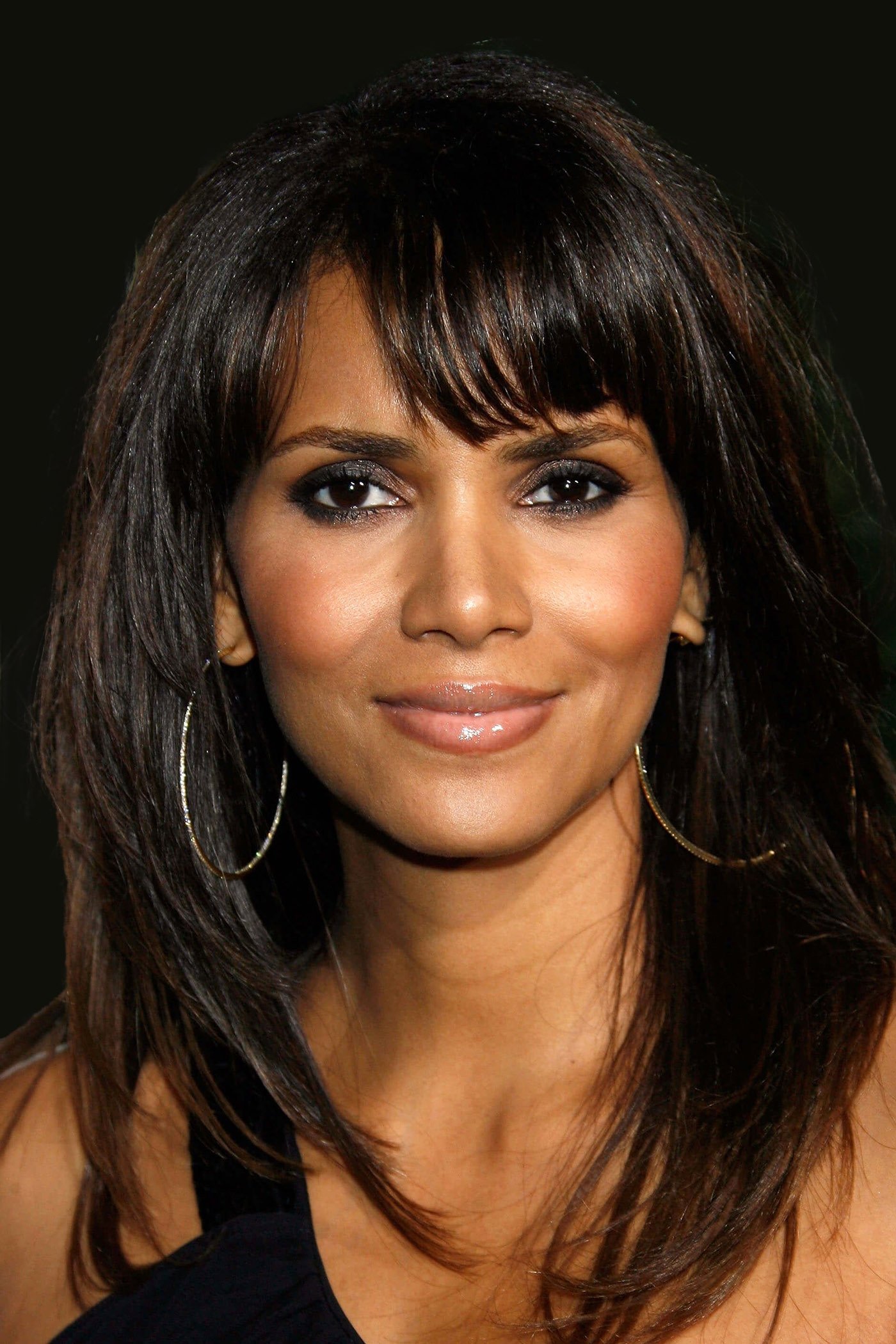
As Jinx in ‘Die Another Day’ she arrived with a bright beach scene that echoed classic franchise imagery. Later, Storm in ‘X Men’ used white hair, capes, and elemental effects to craft a superhero outline. Wire work and weather visuals added dynamism to action shots. Publicity materials placed these designs at the center of the campaign.
Jessica Alba
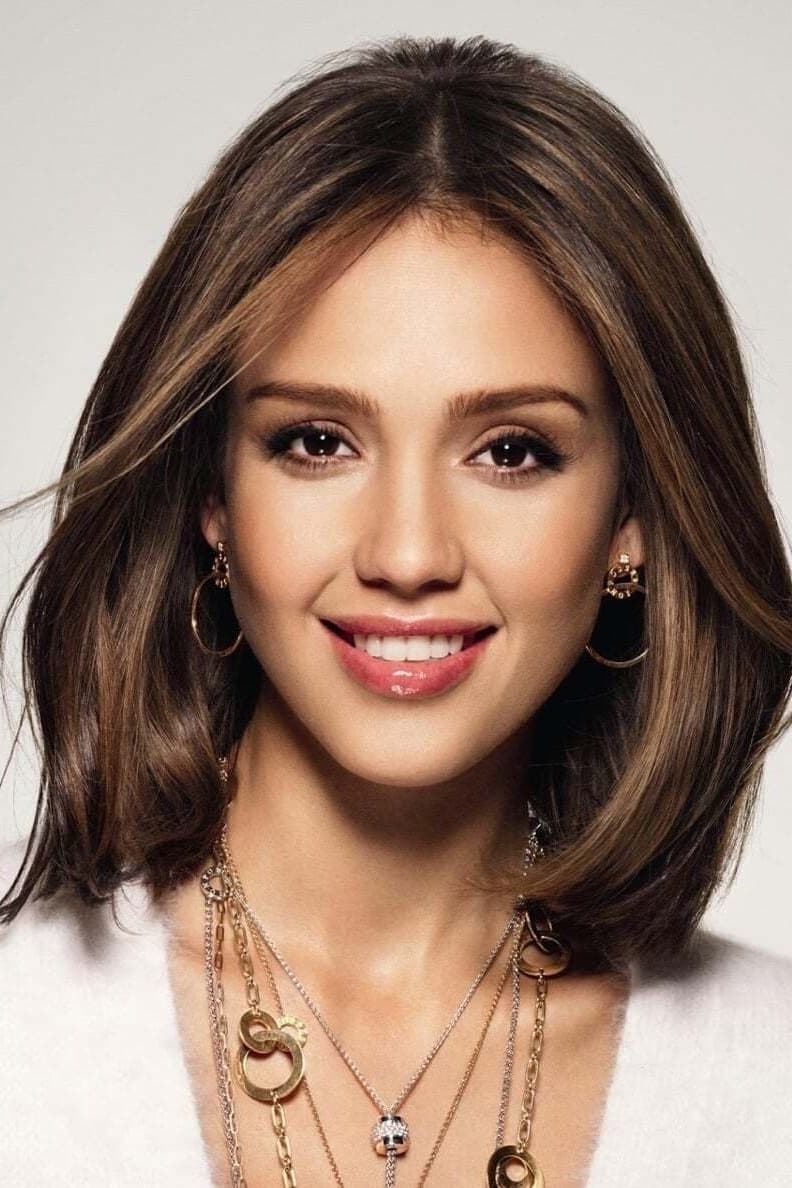
Nancy Callahan in ‘Sin City’ blended noir lighting, high contrast black and white, and a standout lasso routine. Stylized frames isolated the character with selective color accents in key moments. Choreography and camera angles emphasized rhythm over dialogue. The graphic novel aesthetic turned simple poses into strong tableaus.
Milla Jovovich
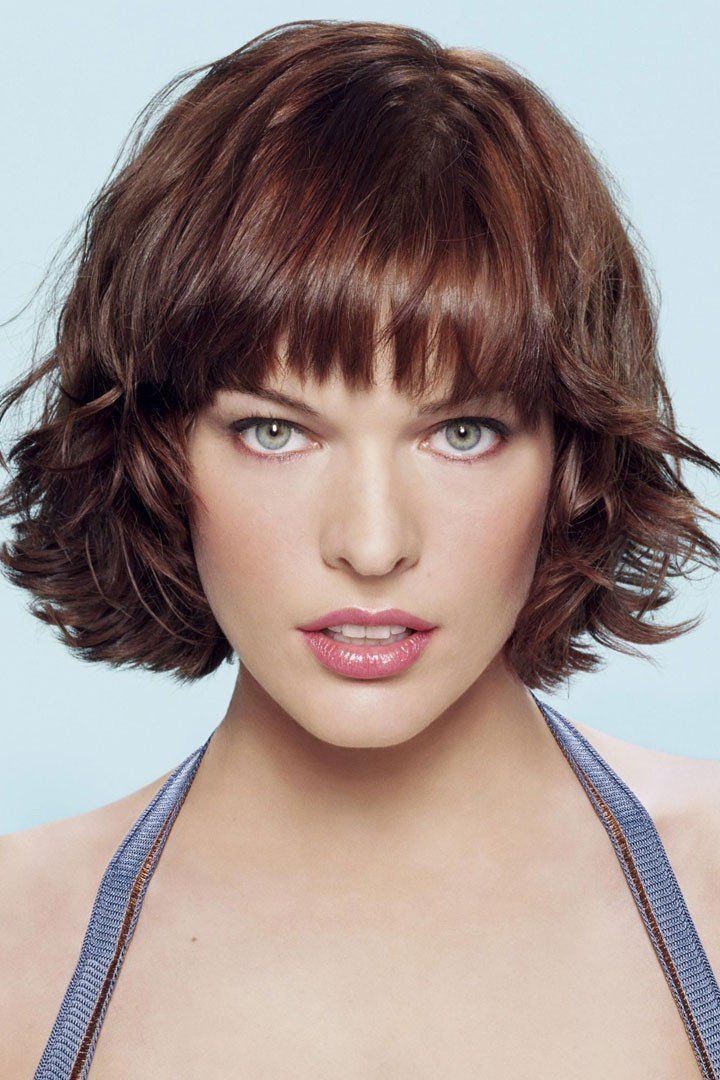
Alice in ‘Resident Evil’ combined combat boots, trench coats, and dual weapons for a consistent action silhouette. The series used hallway fights, laboratory sets, and urban ruins to showcase movement. Editing favored quick cuts that kept energy high. The character’s repeated reintroductions across sequels maintained a recognizable image.
Morena Baccarin
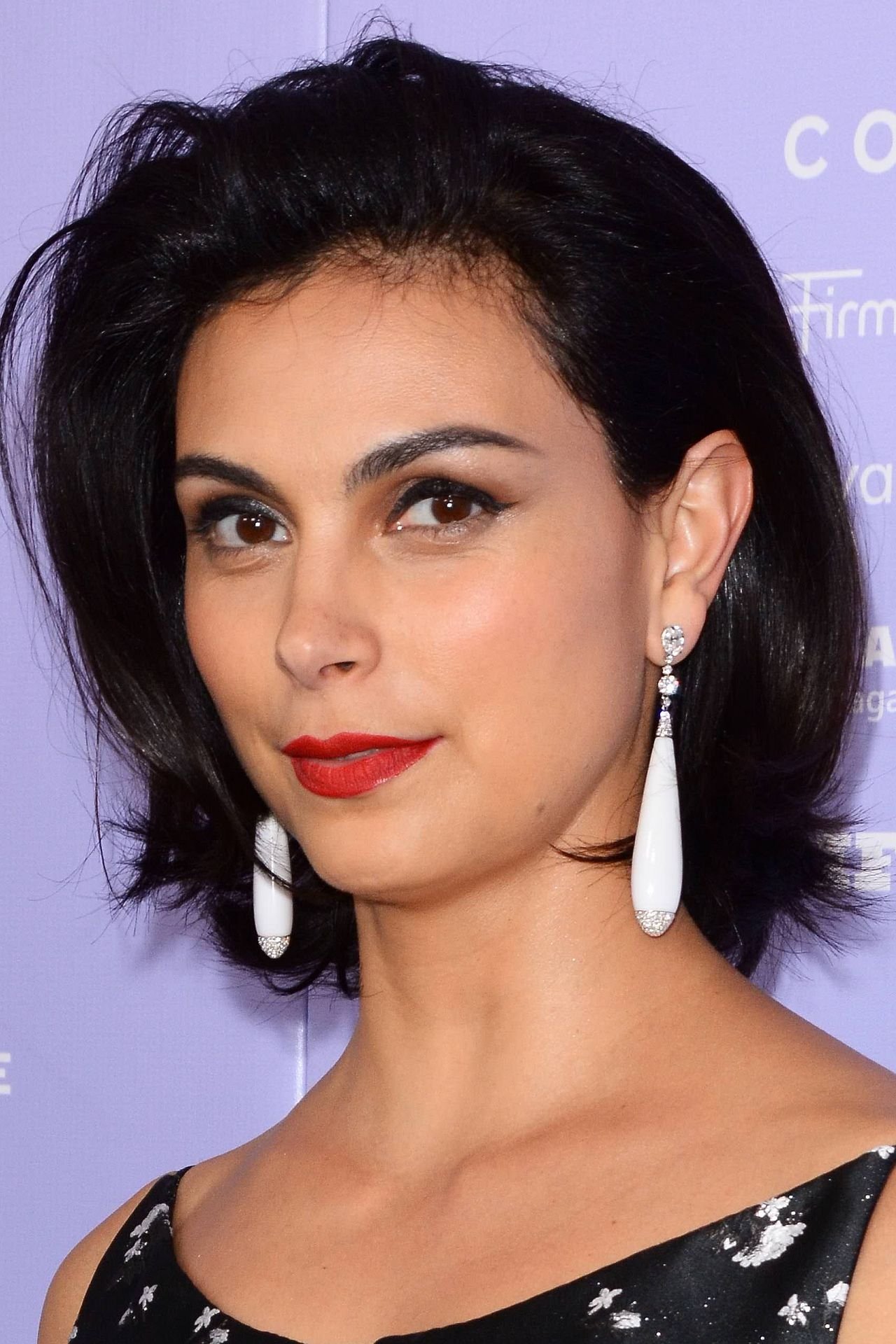
Vanessa in ‘Deadpool’ balanced grounded romance scenes with sharp banter and club interiors. Lighting often warmed her close ups to counter the film’s cooler action palette. The role’s emotional beats anchored the lead’s story arc. Earlier, as Inara in ‘Firefly’, ornate gowns and shipboard lighting established a refined presence.
Share your picks in the comments and tell us which characters changed your view the most.