


Actresses Who Burned Bridges With Hollywood Studios

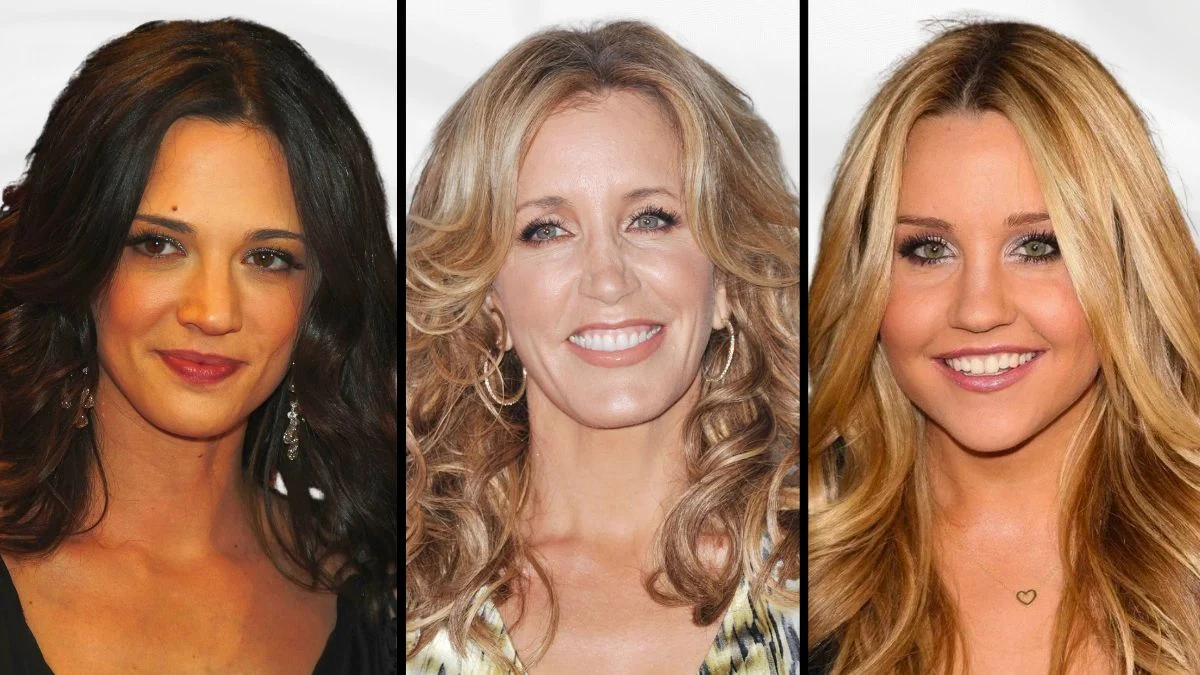


The relationship between actresses and major Hollywood studios is often a delicate balance of professional cooperation and creative tension. While many stars maintain long careers through diplomacy, others have faced significant professional fallout due to public disputes or creative differences. These instances of burned bridges frequently lead to blacklisting or a sudden shift in career momentum within the entertainment industry. Whether through legal battles or outspoken criticism, the following actresses have navigated challenging and sometimes permanent breaks with major production houses.
Katherine Heigl
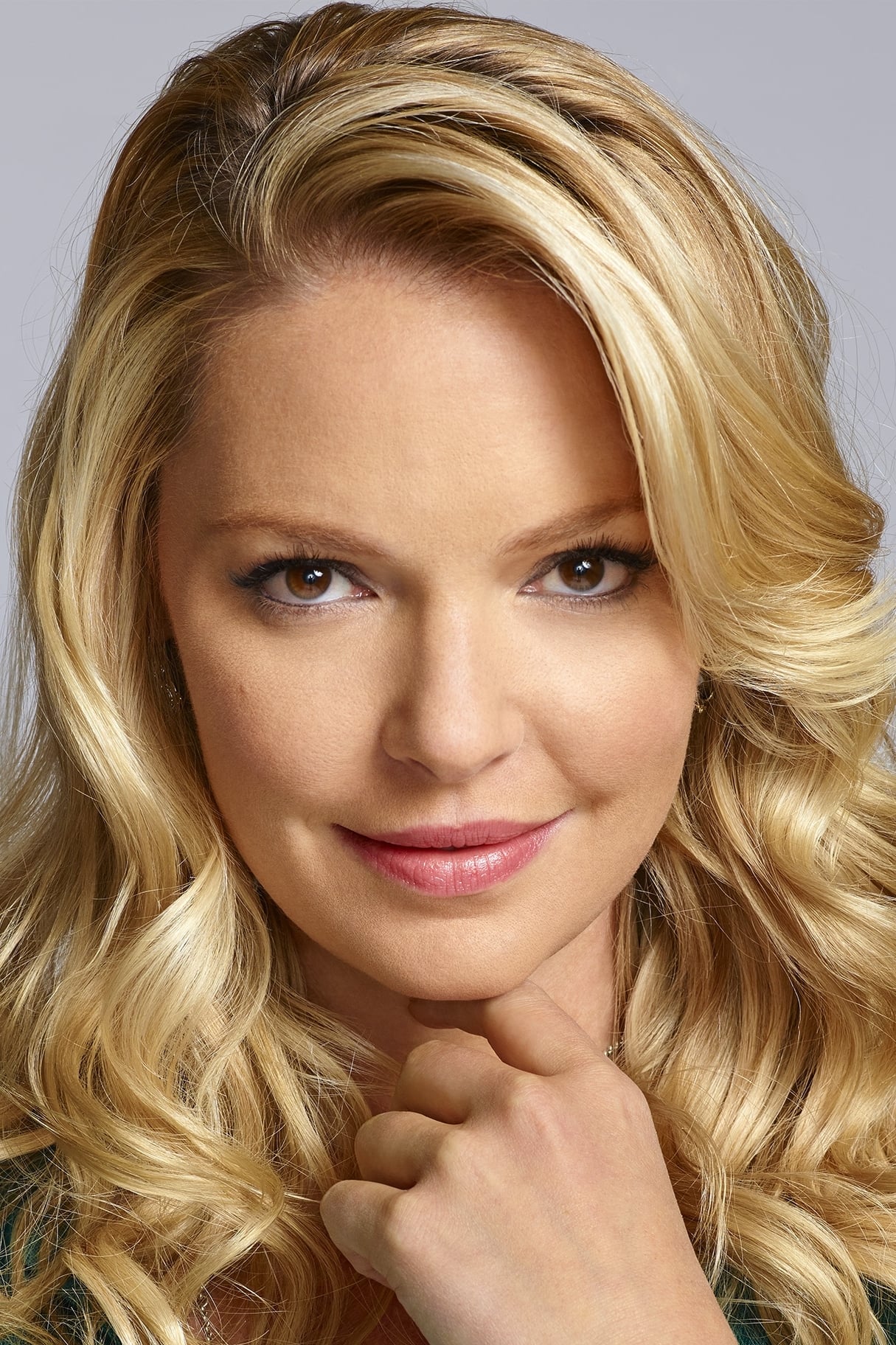
Katherine Heigl experienced a significant career shift after she publicly criticized the writing quality of ‘Grey’s Anatomy’. She famously withdrew her name from Emmy consideration because she believed her material did not deserve an award nomination. This decision created lasting tension with show creator Shonda Rhimes and the ABC network. Heigl also faced backlash after calling the film ‘Knocked Up’ a sexist production during a high profile interview. These public statements contributed to a reputation that hindered her prospects for leading roles in major studio projects for many years.
Megan Fox
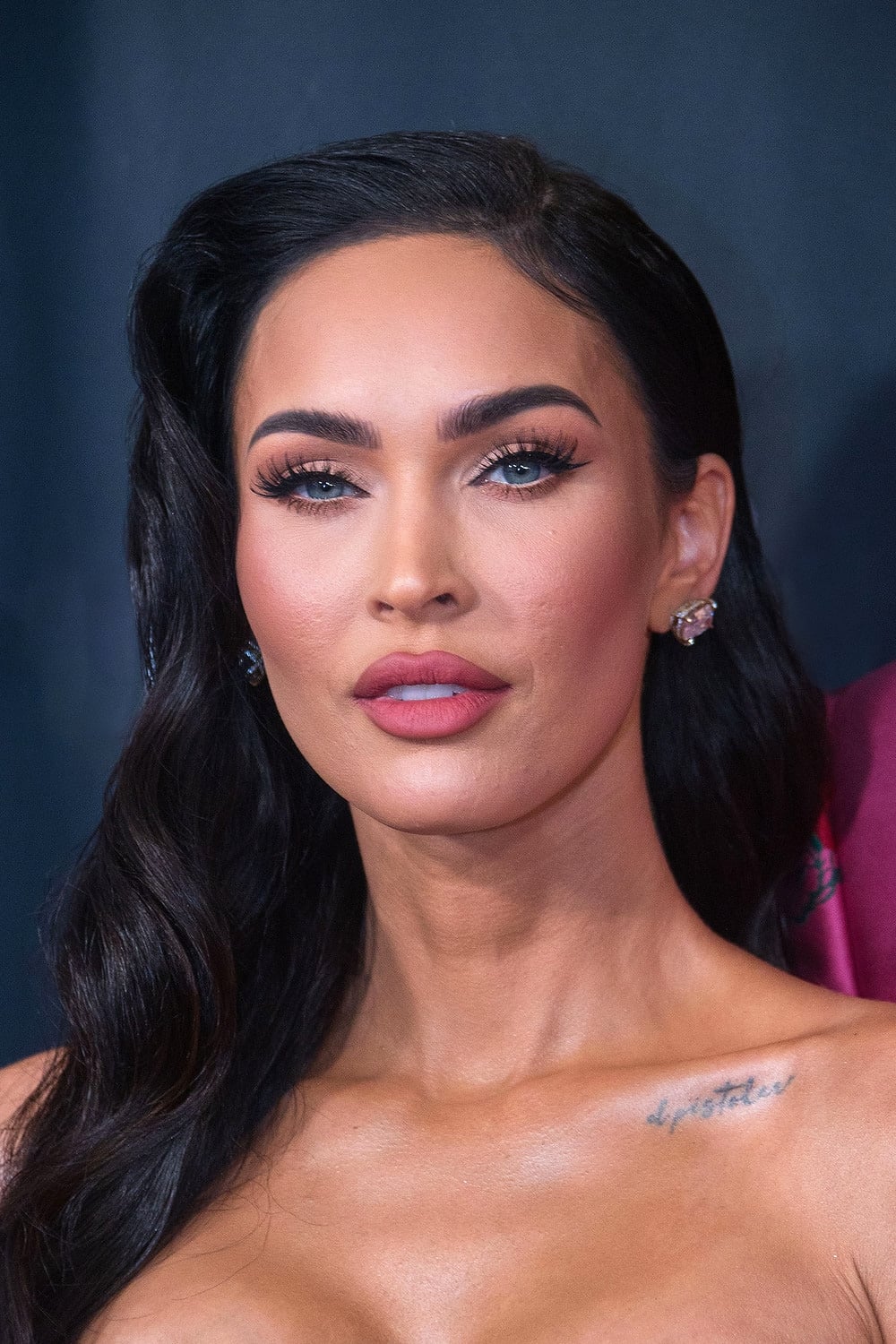
Megan Fox saw her involvement in the ‘Transformers’ franchise come to an abrupt end after she made controversial comments about director Michael Bay. She compared the director to a dictator and used inflammatory language that deeply offended the production team. Producer Steven Spielberg reportedly requested her immediate termination from the third installment of the series following these remarks. The fallout from this incident stalled her career in big budget action films for a considerable period. She eventually reconciled with Bay for the ‘Teenage Mutant Ninja Turtles’ films though the initial bridge was severely damaged.
Mo’Nique
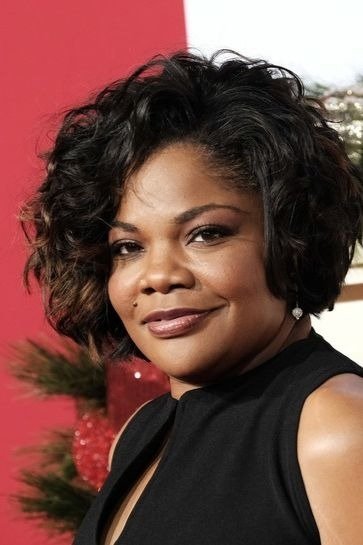
Mo’Nique faced professional repercussions after she declined to participate in the international promotion of the film ‘Precious’ during awards season. She maintained that performers should be compensated for promotional work that falls outside of their initial filming contracts. This stance led to a public disagreement with director Lee Daniels and producer Oprah Winfrey. Mo’Nique later stated that she was blackballed by the industry as a result of her refusal to play the traditional Hollywood game. Her experience highlighted the intense pressure performers face to engage in unpaid publicity campaigns for major studios.
Roseanne Barr
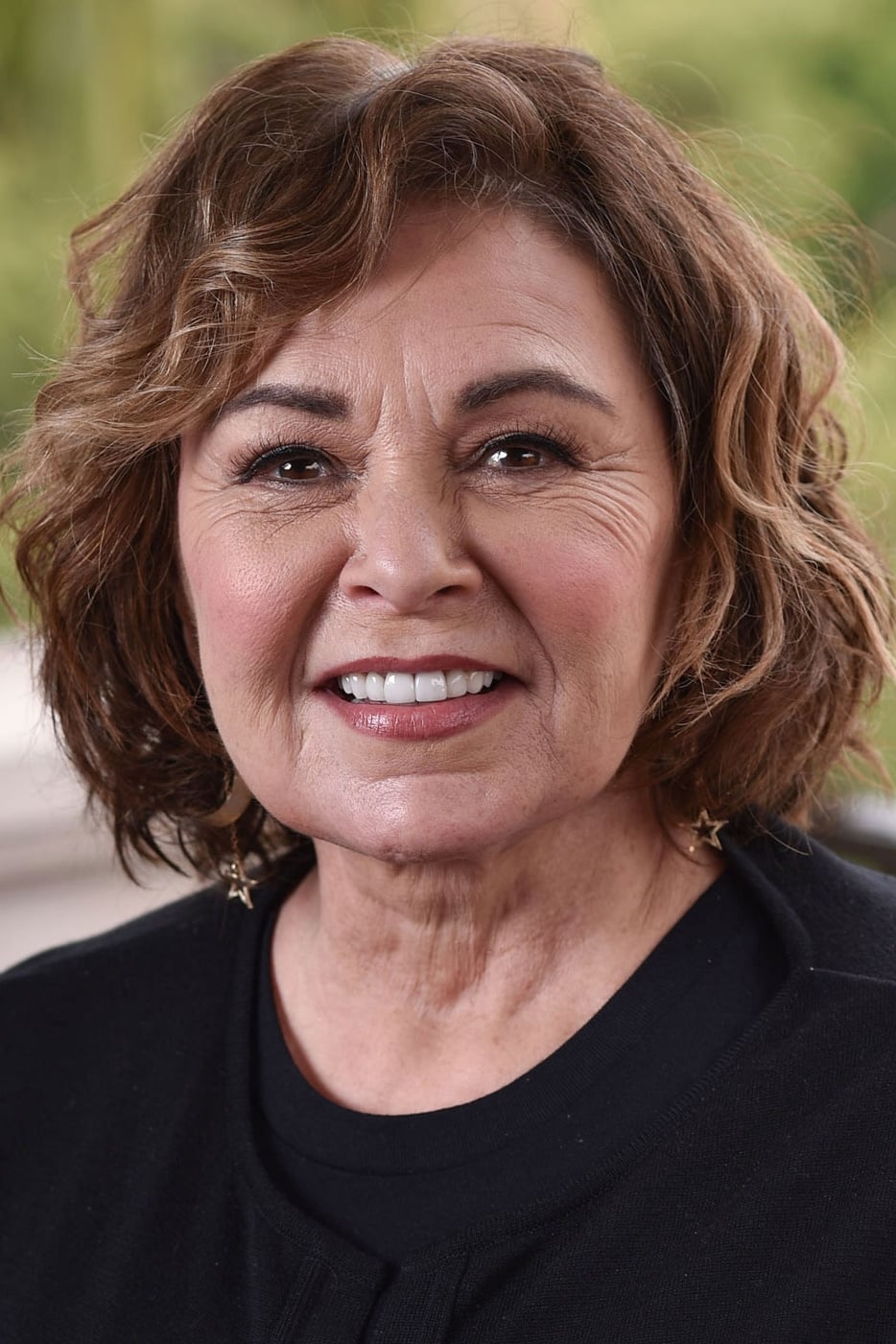
Roseanne Barr lost her leading role and her namesake show when ABC canceled the revival of ‘Roseanne’ following a controversial social media post. The network executives condemned her remarks and immediately severed all ties with the actress. This decision led to the creation of the spin-off series ‘The Conners’ which famously killed off her character to move forward without her. The incident remains one of the swiftest studio reactions to a star making problematic public statements. Barr has since remained largely outside the mainstream Hollywood studio system.
Shannen Doherty
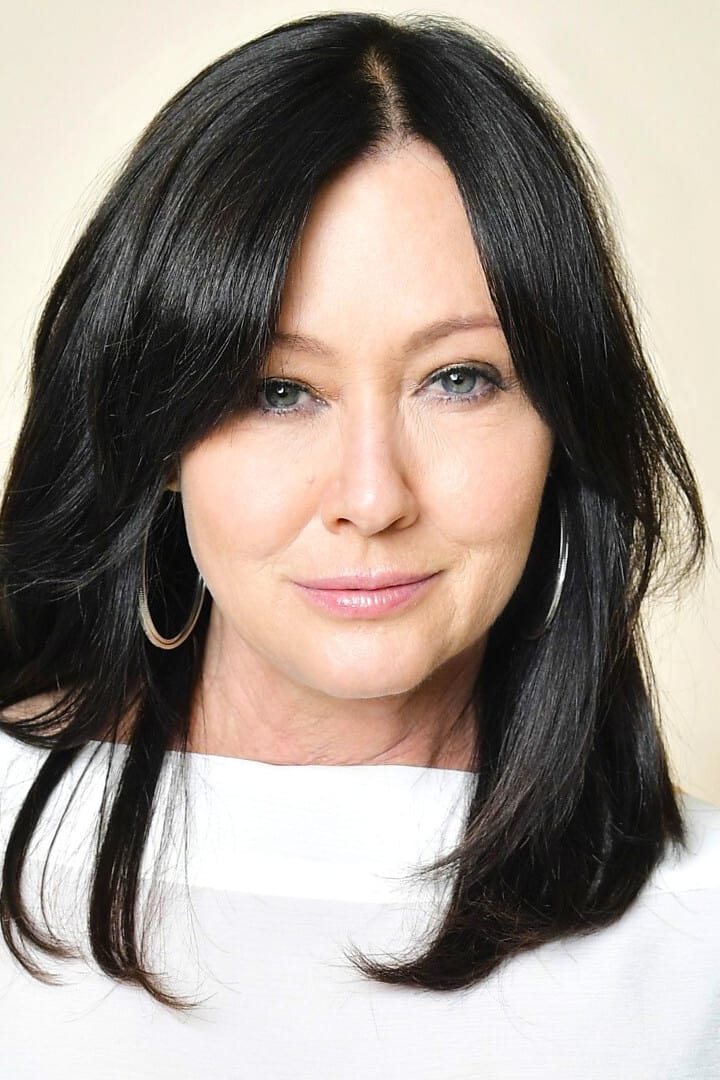
Shannen Doherty earned a reputation for being difficult on set during her time on ‘Beverly Hills, 90210’. Her frequent conflicts with cast members and production staff eventually led to her character being written off the show after the fourth season. Years later she faced a similar situation on the set of ‘Charmed’ where she reportedly had a major falling out with co-star Alyssa Milano. The tension became so great that she left the series despite its high ratings at the time. Her history of on-set friction made studios cautious about casting her in long-running television projects.
Sean Young
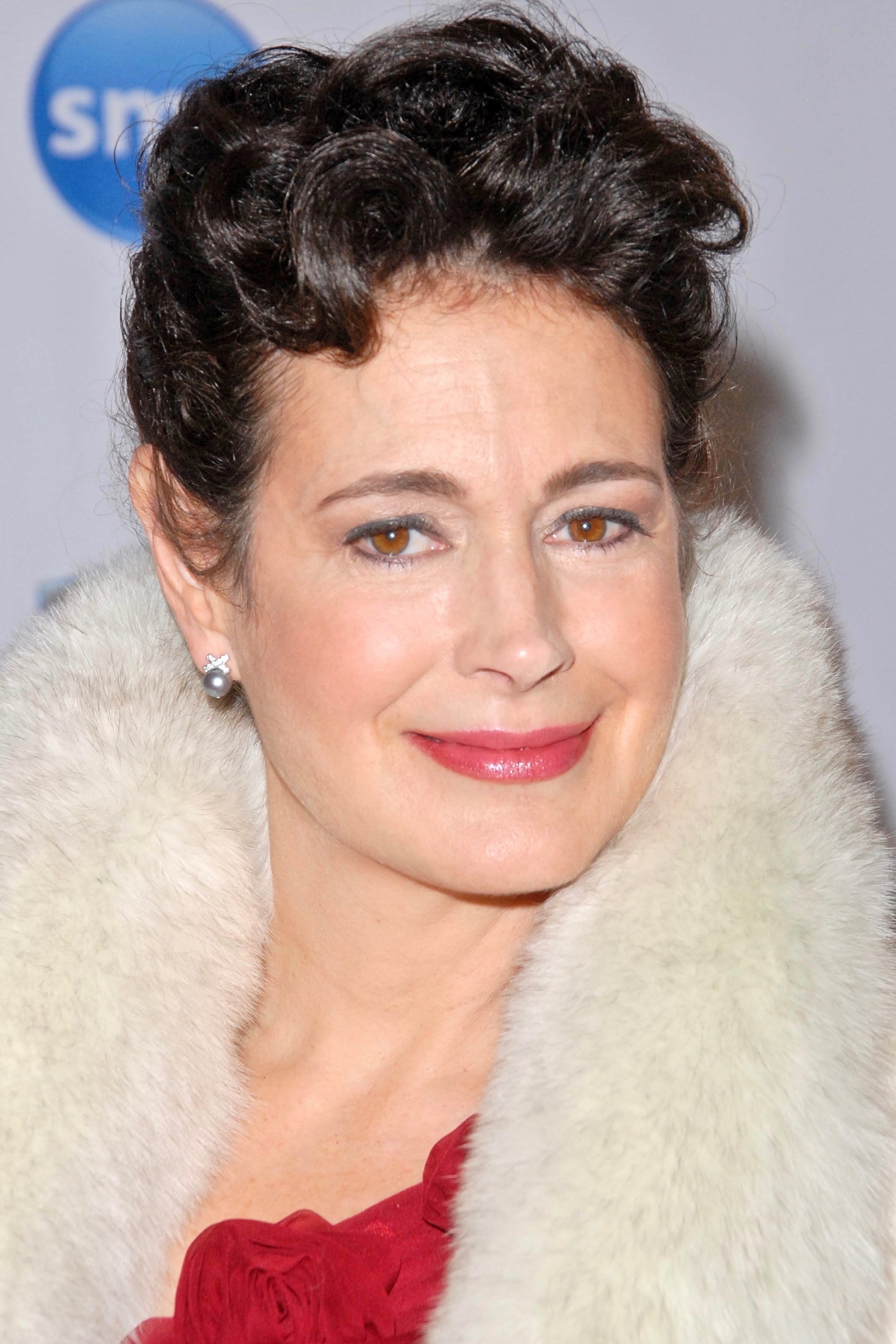
Sean Young famously struggled with her professional reputation after several public incidents involving major directors and stars. She was reportedly fired from the film ‘Dick Tracy’ and had a highly publicized conflict with director Warren Beatty. Young also made headlines when she showed up at the Warner Bros lot in a homemade Catwoman costume to confront Tim Burton about casting. These eccentric actions and her outspoken nature led to her being marginalized by major studios for much of the nineties. She has since spoken openly about the difficulties of being a woman with a strong personality in old Hollywood.
Thandiwe Newton

Thandiwe Newton experienced a public departure from the production of ‘Magic Mike’s Last Dance’ following a reported disagreement with Channing Tatum. While initial reports cited personal matters for her exit the trade publications suggested a heated argument on set led to her replacement. This incident was not her first time speaking out about the industry as she has often criticized the systemic issues within major studios. Newton has remained a respected performer but her willingness to confront powerful figures has sometimes created friction. She eventually spoke about her experiences with the ‘Mission: Impossible’ franchise and the challenges of working under intense studio pressure.
Salma Hayek Pinault

Salma Hayek Pinault navigated a very difficult relationship with Miramax during the production of her passion project ‘Frida’. She later detailed the immense harassment and impossible demands placed upon her by Harvey Weinstein. Despite the critical success of the film the actress had to fight the studio at every turn to ensure its completion and release. Her refusal to comply with inappropriate demands led to threats that the project would be shut down or recast. Hayek Pinault eventually succeeded in bringing the story to the screen but the experience left a permanent scar on her relationship with that specific studio era.
Meghan, Duchess of Sussex
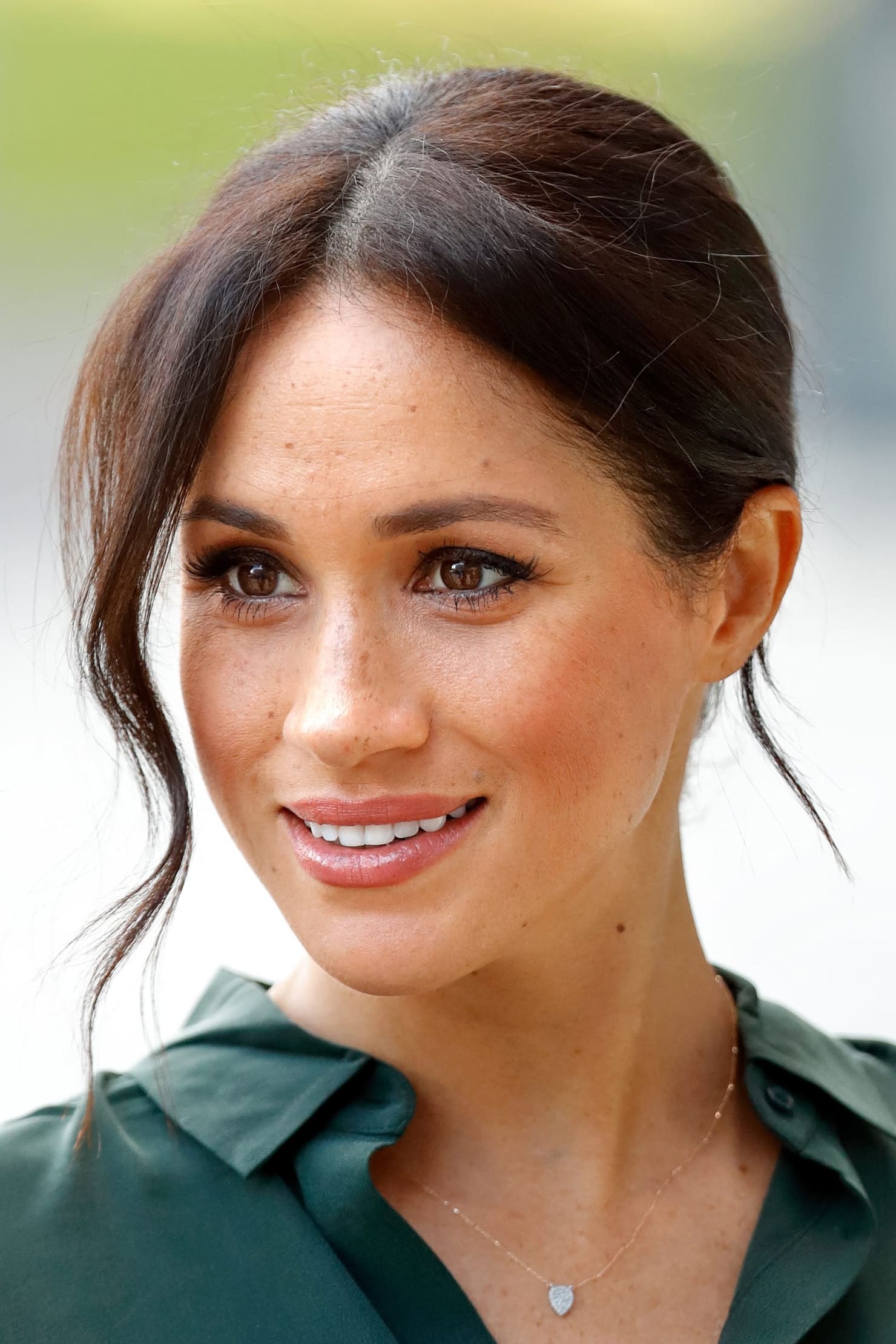
Meghan, Duchess of Sussex faced a complex relationship with the entertainment industry and global media after stepping back from her role as a working royal. While she initially secured a massive deal with Netflix her projects have faced various levels of studio scrutiny and cancellation. The animated series ‘Pearl’ was famously scrapped by the streaming giant during a round of budget cuts. Her public discussions regarding the constraints of the royal family and the industry have created a polarizing reputation among traditional studio executives. She continues to produce content but her path back to mainstream Hollywood acting remains complicated.
Rose McGowan

Rose McGowan became one of the most vocal critics of the Hollywood studio system after speaking out against the systemic abuse at Miramax. She claimed that her career was intentionally sabotaged by powerful executives after she reported an assault. McGowan chose to move away from traditional acting roles to focus on activism and exposing the inner workings of the industry. Her advocacy was instrumental in the movement that changed how studios handle misconduct allegations. While she is celebrated as a pioneer her relationship with major studios remains one of mutual distance.
Sondra Locke
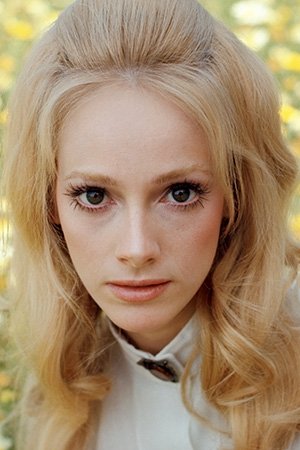
Sondra Locke entered into a high profile legal battle with Warner Bros following her separation from Clint Eastwood. She alleged that the studio offered her a fake development deal as part of a settlement orchestrated by her former partner. Locke argued that the studio had no intention of producing her projects and only signed the deal to end her legal claims. The case reached a significant settlement after she proved that none of her pitched projects were ever greenlit. This landmark legal action exposed the behind the scenes tactics used by studios to manage the personal lives of their stars.
Tippi Hedren
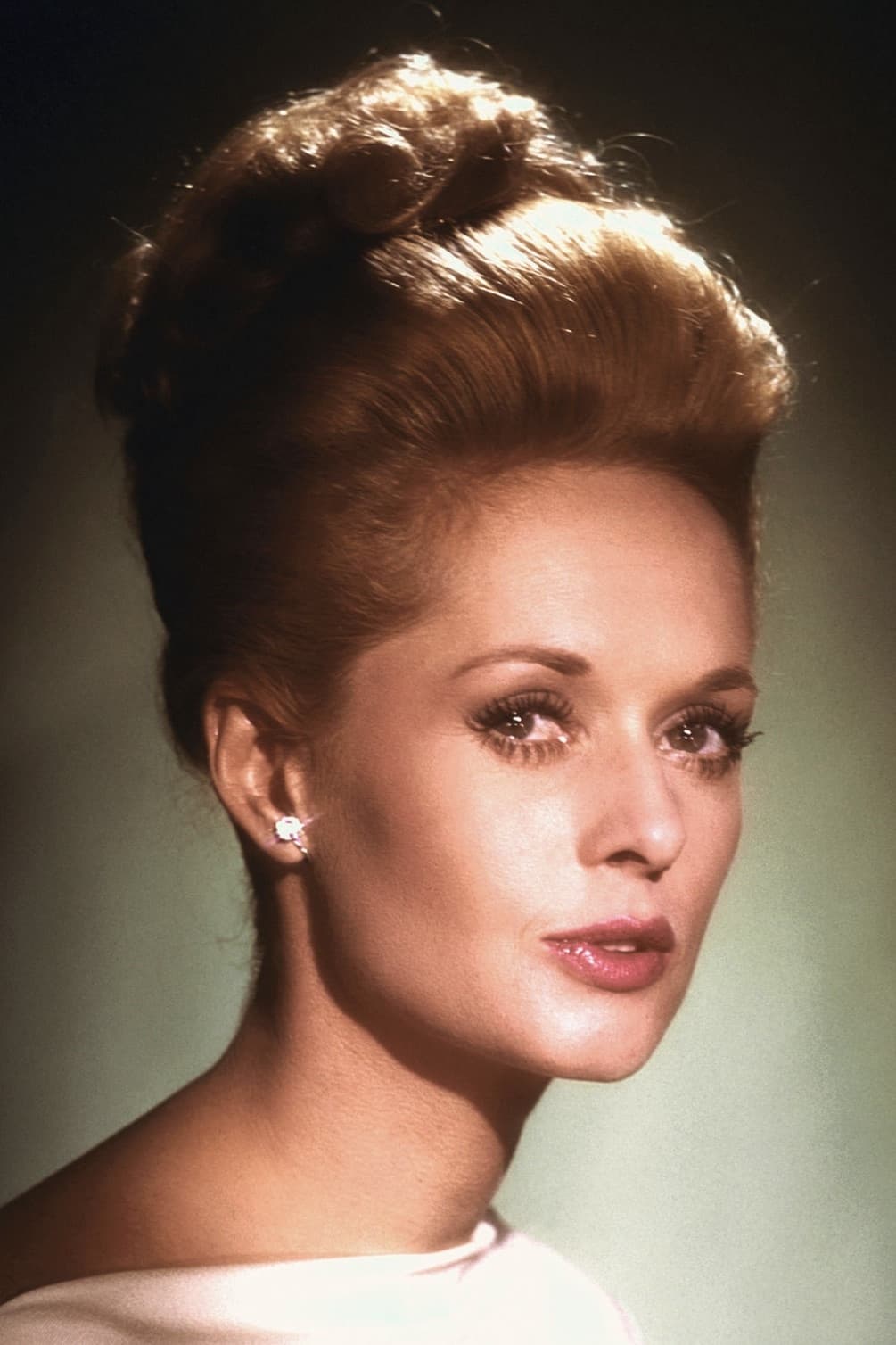
Tippi Hedren saw her promising career at Universal Pictures derailed after she rejected the advances of director Alfred Hitchcock. She alleged that the director became obsessed with her and used his power to control her professional life. Because she was under a personal contract with him she was unable to work for other studios while he refused to cast her. This effective blacklisting lasted for years and prevented her from capitalizing on the success of ‘The Birds’. Her story remains a cautionary tale about the absolute power directors once held over female performers.
Lindsay Lohan
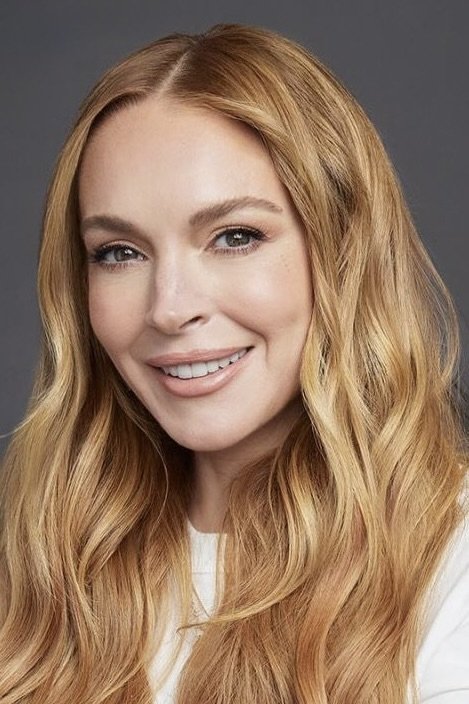
Lindsay Lohan faced a series of professional setbacks due to reliability issues on various film sets. Her behavior during the production of ‘Georgia Rule’ prompted a stern public letter from a studio executive regarding her lack of professionalism. Insurance companies eventually became hesitant to cover her for major projects making her a high risk for studios. These difficulties led to her transition away from big budget studio films and into independent projects and reality television. Lohan has recently attempted a comeback with a holiday film deal indicating a gradual mending of industry ties.
Amanda Bynes
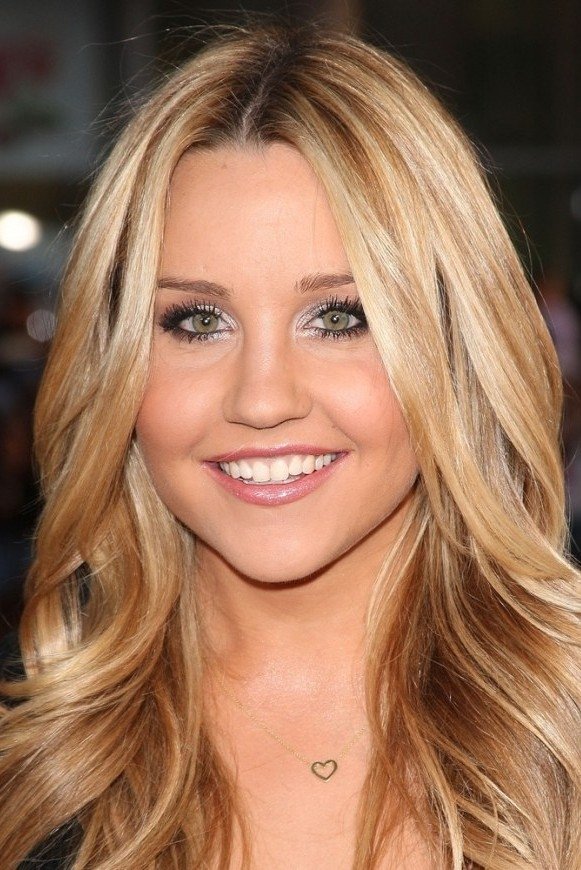
Amanda Bynes stepped away from the spotlight after a series of public outbursts and personal struggles made her a difficult choice for major studios. She announced her retirement from acting via social media at a young age which surprised her fans and colleagues. Her erratic behavior during this period led to a loss of commercial endorsements and future film roles. The former child star found it impossible to maintain the clean image required by the studios that launched her career. She has since focused on her personal health and education away from the entertainment industry.
Lea Michele

Lea Michele faced a public reckoning when several former cast members from ‘Glee’ accused her of creating a toxic work environment. The allegations of bullying and unprofessional behavior led to her being dropped from major brand partnerships. While she was once a favorite of the Fox network and producer Ryan Murphy the controversy made her a controversial figure for new casting calls. She eventually returned to the stage in ‘Funny Girl’ but the transition back to major studio television has been slow. Her reputation for being difficult on set continues to be a topic of discussion in industry circles.
Stacey Dash
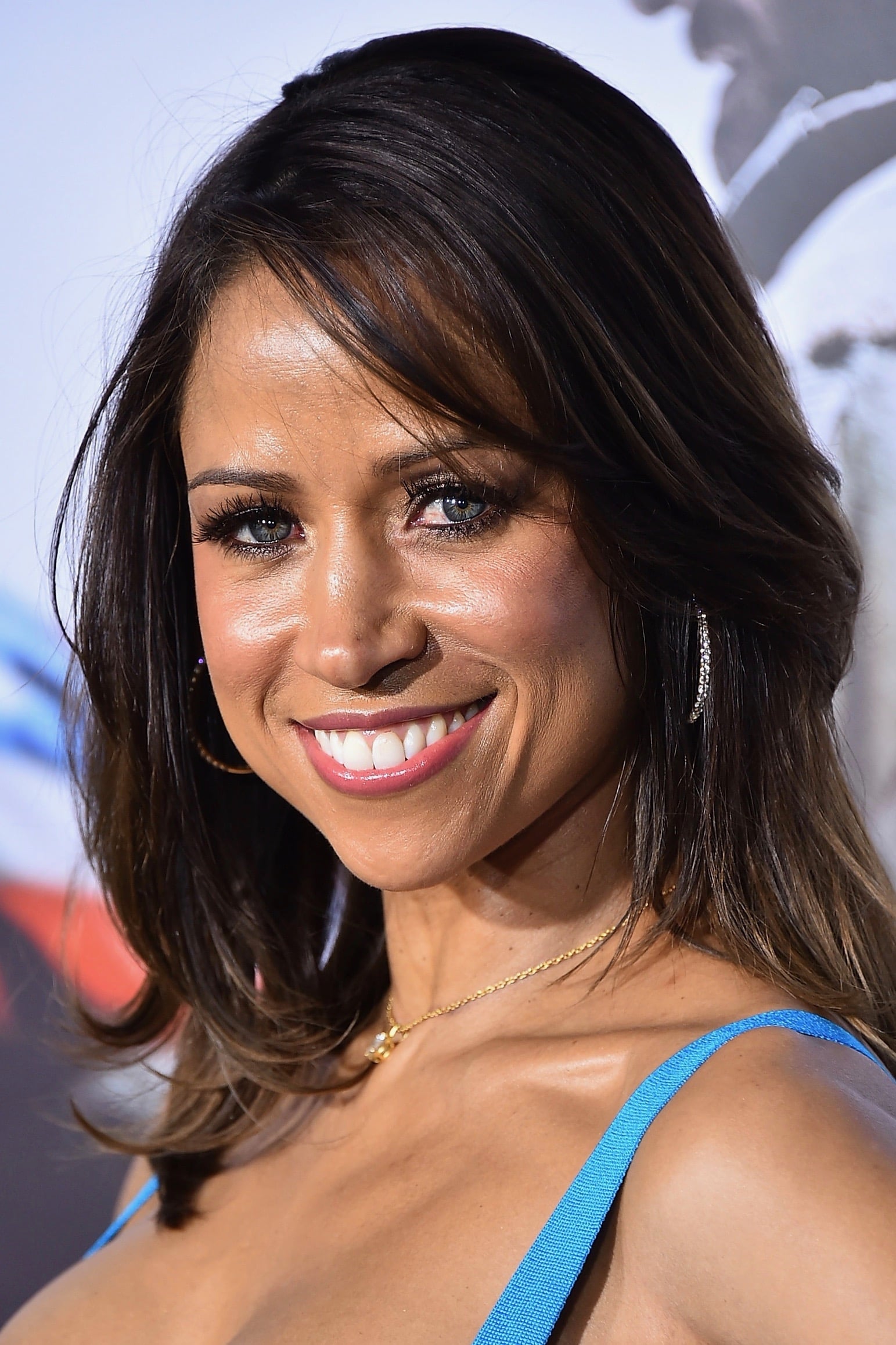
Stacey Dash transitioned from a successful acting career to a controversial role as a political commentator. Her outspoken views often put her at odds with the predominantly liberal leaning Hollywood studio culture. She faced significant backlash for her comments regarding award shows and cultural organizations. These public stances led to a decline in acting opportunities within mainstream studio productions. Dash has acknowledged that her political shift resulted in her being marginalized by many of her former colleagues in the industry.
Faye Dunaway

Faye Dunaway earned a reputation for being extremely demanding and difficult to manage on various film sets. Her behavior during the production of ‘Charmed’ led to her being fired and replaced before filming was completed. She also famously clashed with director Roman Polanski during the making of ‘Chinatown’ which became a legendary piece of Hollywood lore. While her talent is undisputed her intense personality often created bridges that were difficult to cross for many producers. In recent years she has faced further scrutiny following reports of unprofessional conduct on Broadway sets.
Kim Basinger
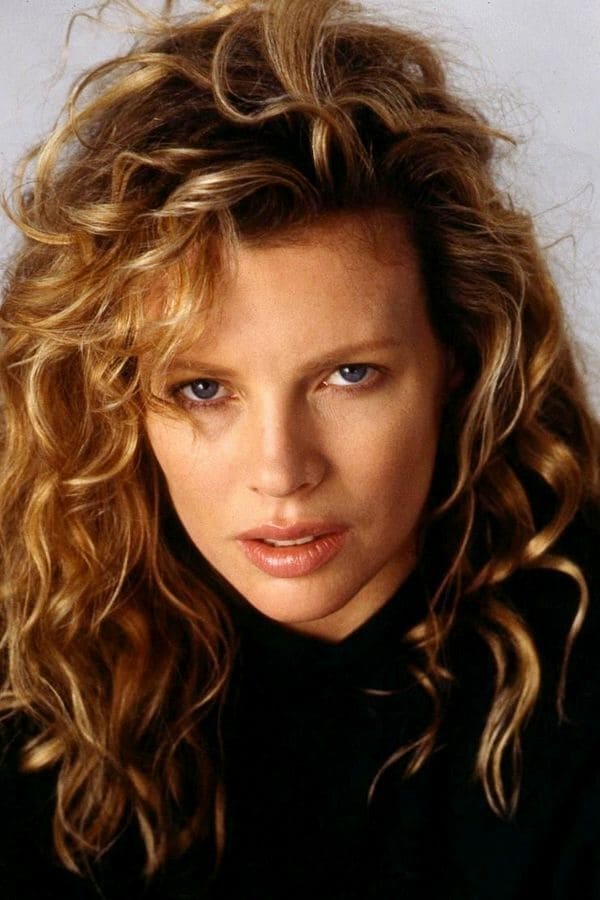
Kim Basinger faced a major legal crisis when she backed out of the film ‘Boxing Helena’ after verbally agreeing to star in it. The studio sued her for breach of contract and a jury initially awarded them millions of dollars in damages. This legal battle forced her into bankruptcy and sent a shockwave through the industry regarding verbal commitments. While she eventually won an appeal the incident made studios wary of her reliability for a time. She eventually rebuilt her career and won an Academy Award but the legal drama remained a defining moment of her studio relations.
Winona Ryder
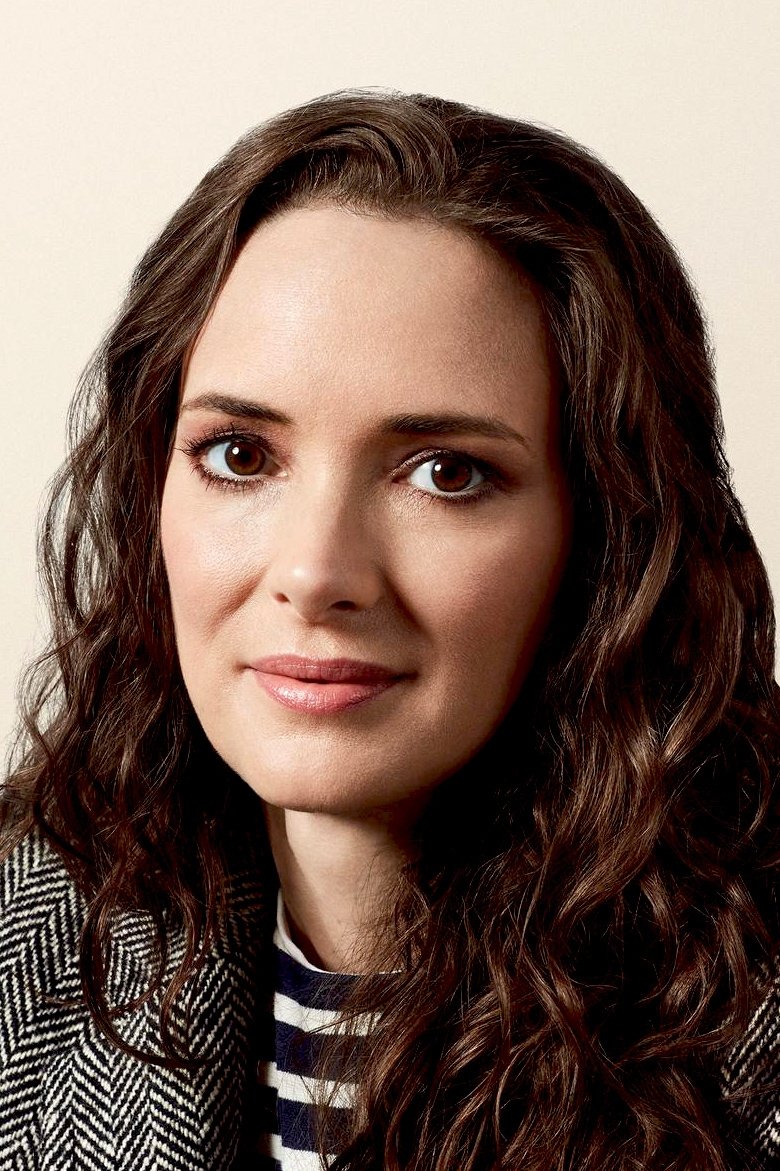
Winona Ryder experienced a significant career hiatus after a high profile shoplifting arrest in the early two thousands. The incident made it difficult for studios to secure insurance for her on major productions for several years. She went from being one of the most sought after leading ladies to being almost entirely absent from mainstream cinema. It took over a decade for her to fully return to the spotlight with her role in ‘Stranger Things’. Her comeback is one of the few instances where an actress successfully rebuilt a bridge that appeared permanently burned.
Lori Loughlin
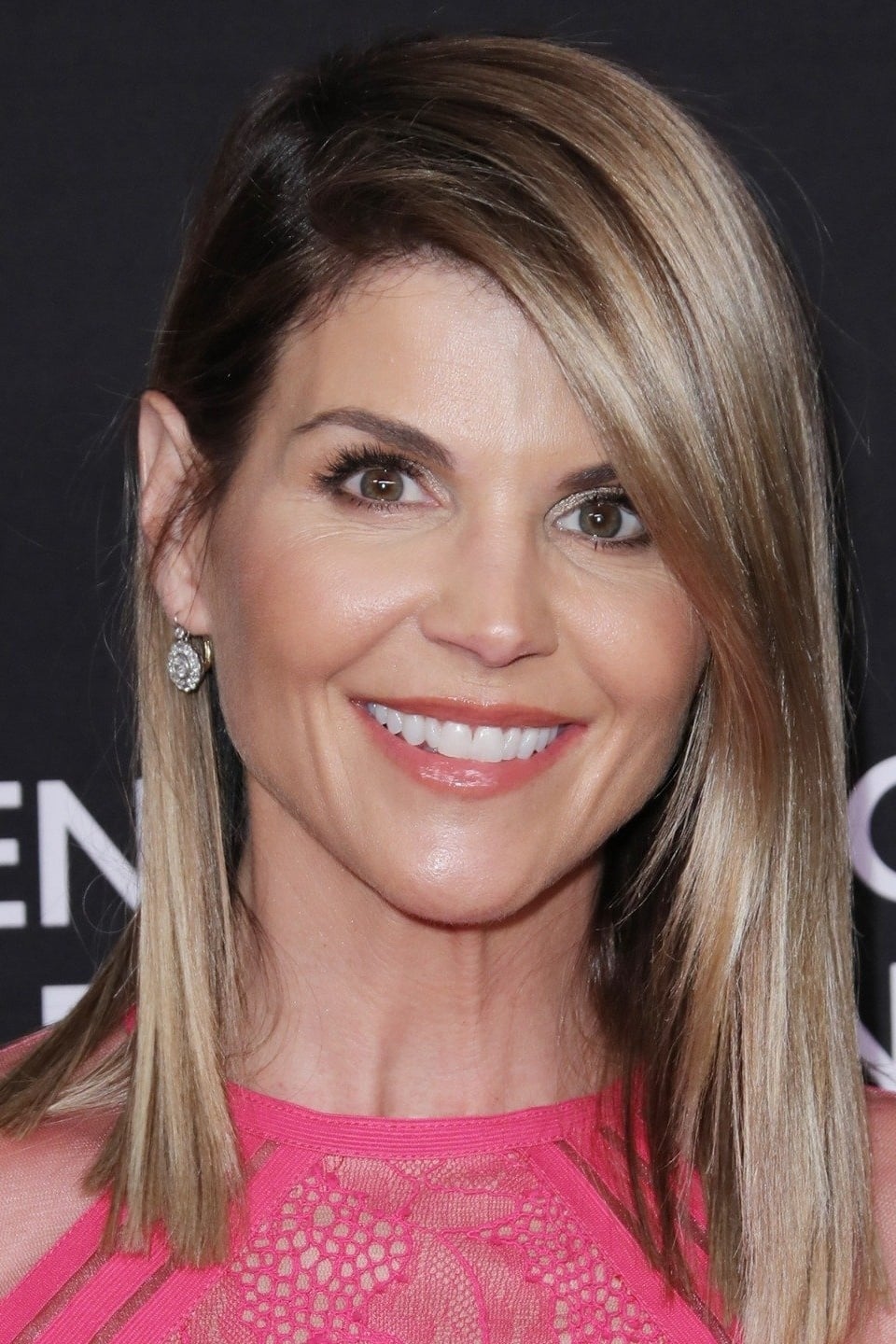
Lori Loughlin was immediately dropped by Hallmark and the Netflix series ‘Fuller House’ following her involvement in a college admissions scandal. The studios moved quickly to distance themselves from the controversy to protect their family friendly brands. Loughlin served time in prison and faced a massive public backlash that ended her long standing relationship with major networks. While she has recently started appearing in projects for smaller cable channels her status as a mainstream studio star has not been restored. The scandal remains a primary example of how personal legal issues can terminate lucrative studio partnerships.
Felicity Huffman
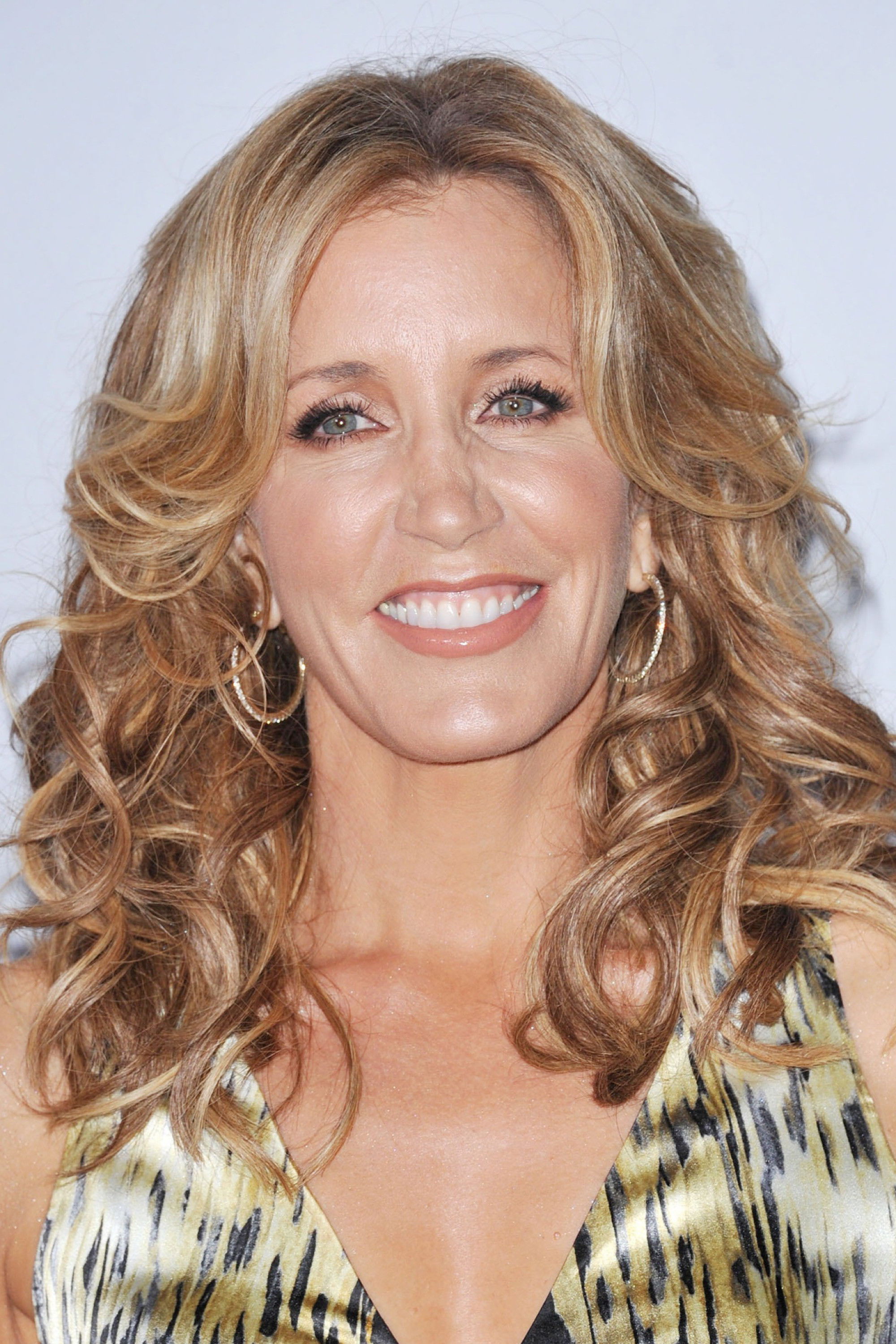
Felicity Huffman also faced career devastation due to her role in the college admissions scandal. She was a respected Emmy winning actress with strong ties to major networks like ABC prior to the incident. Following her guilty plea she was largely absent from the industry as studios avoided the negative publicity associated with her name. She has recently begun a slow return to acting but the sheer volume of major projects she once commanded has diminished. The incident effectively severed her standing as a reliable lead for major studio dramas.
Mischa Barton

Mischa Barton saw her relationship with the Fox network deteriorate after her departure from the hit series ‘The O.C.’. There were numerous reports of on-set tension and a lack of desire from Barton to continue with the show that made her famous. Her character was killed off in a move that shocked fans and limited any potential for her return. Following the show she struggled to find footing in major studio films and often appeared in independent or direct to video projects. Barton later spoke about the pressures of early fame and the toxic environment she felt existed on the set.
Jennifer Grey
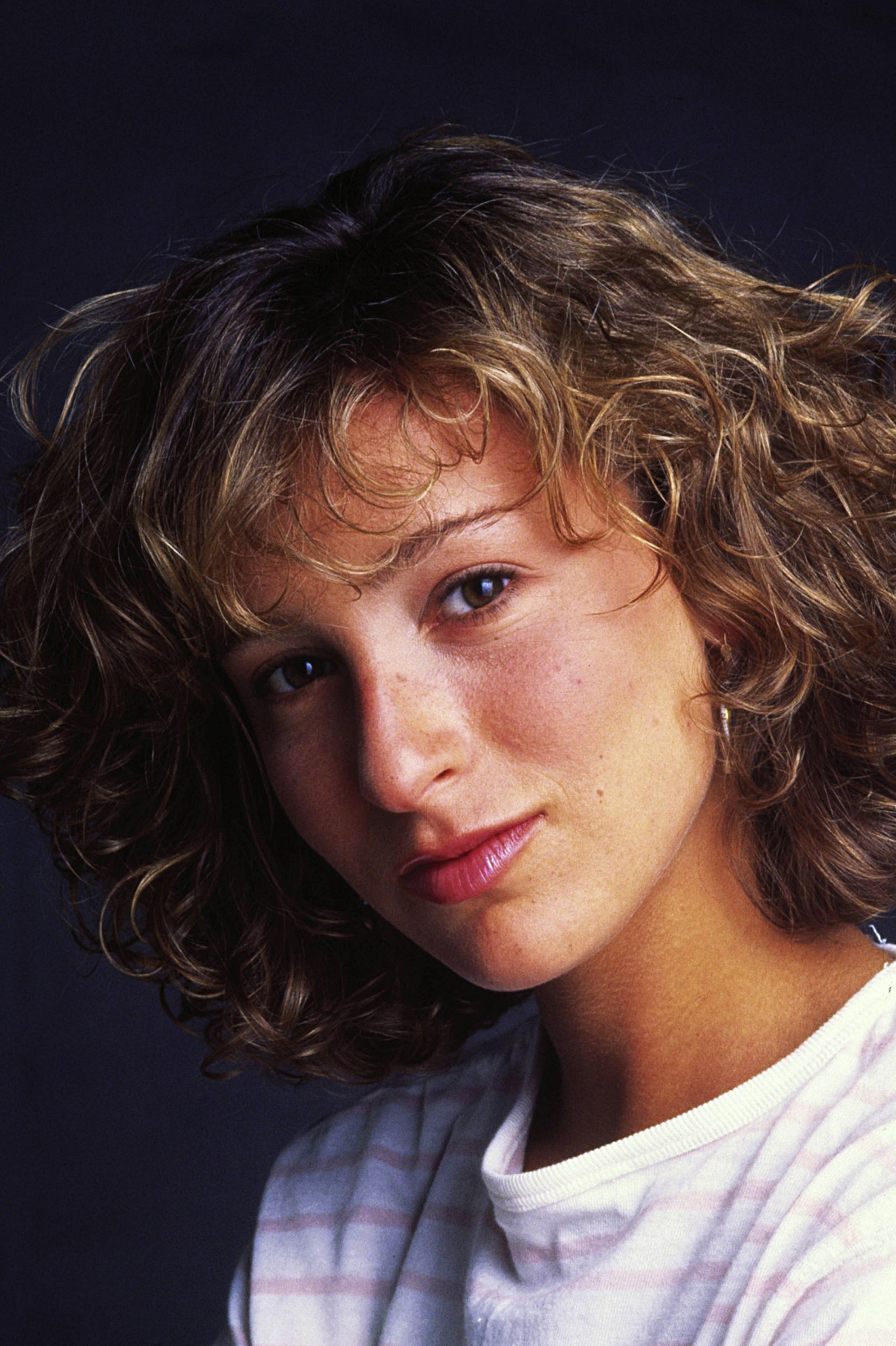
Jennifer Grey experienced a unique form of career fallout after undergoing a plastic surgery procedure that significantly altered her appearance. She famously stated that she went into the operating room a celebrity and came out anonymous. Studios that had previously sought her for her unique look no longer recognized the star of ‘Dirty Dancing’. This change in her physical brand led to a sharp decline in major film offers and a move away from the Hollywood A-list. While not a bridge burned through malice it was a professional severance caused by a loss of commercial identity.
Asia Argento
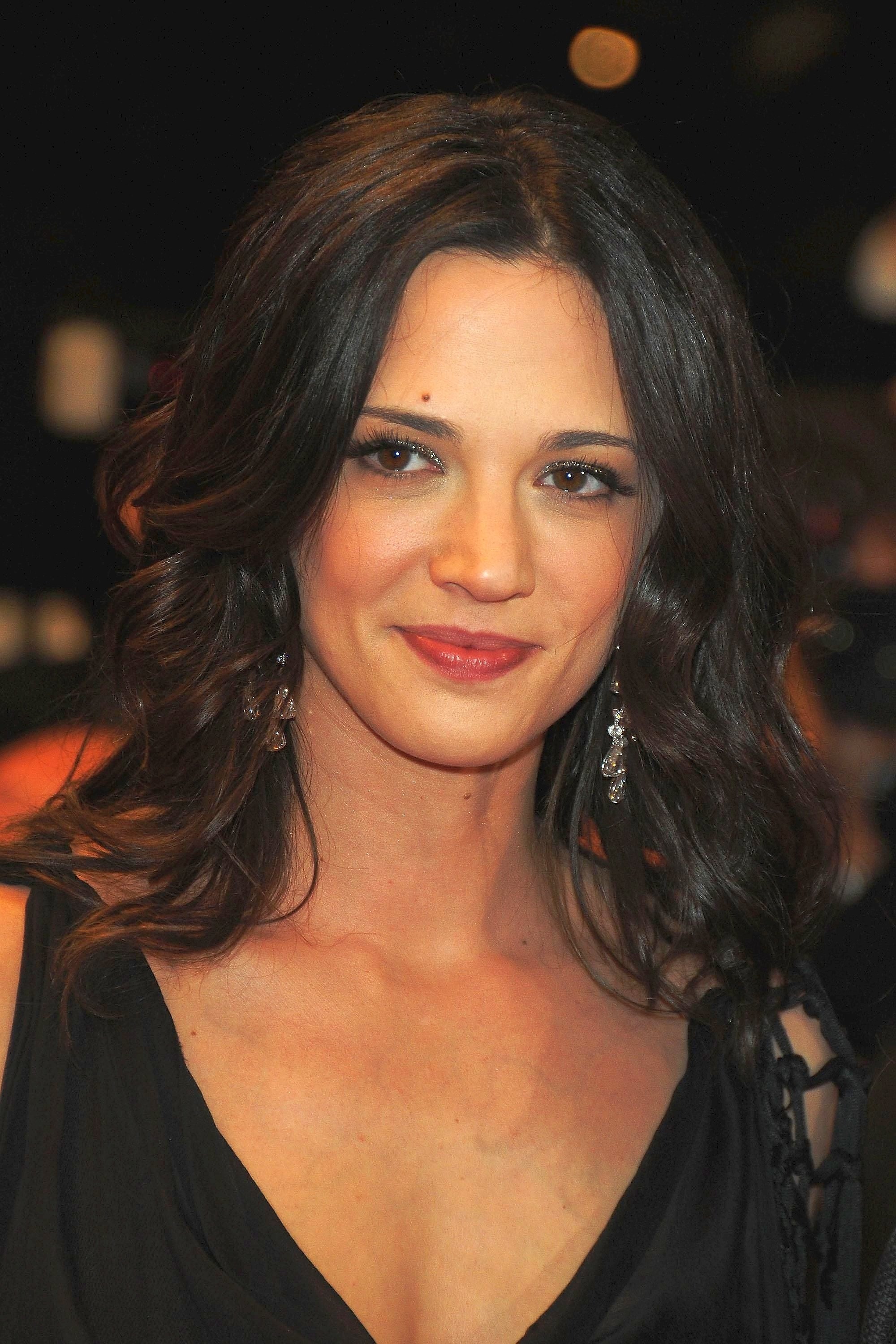
Asia Argento was a prominent figure in the movement against studio misconduct until she faced her own legal and professional controversies. Allegations made against her led to her being removed from her role as a judge on ‘X Factor Italy’. Major studios and production houses became hesitant to associate with her following the public shift in her reputation. This fallout was particularly notable given her previous status as a leader in industry reform. Her career has since shifted primarily to projects outside of the major Hollywood studio system.
Paz de la Huerta
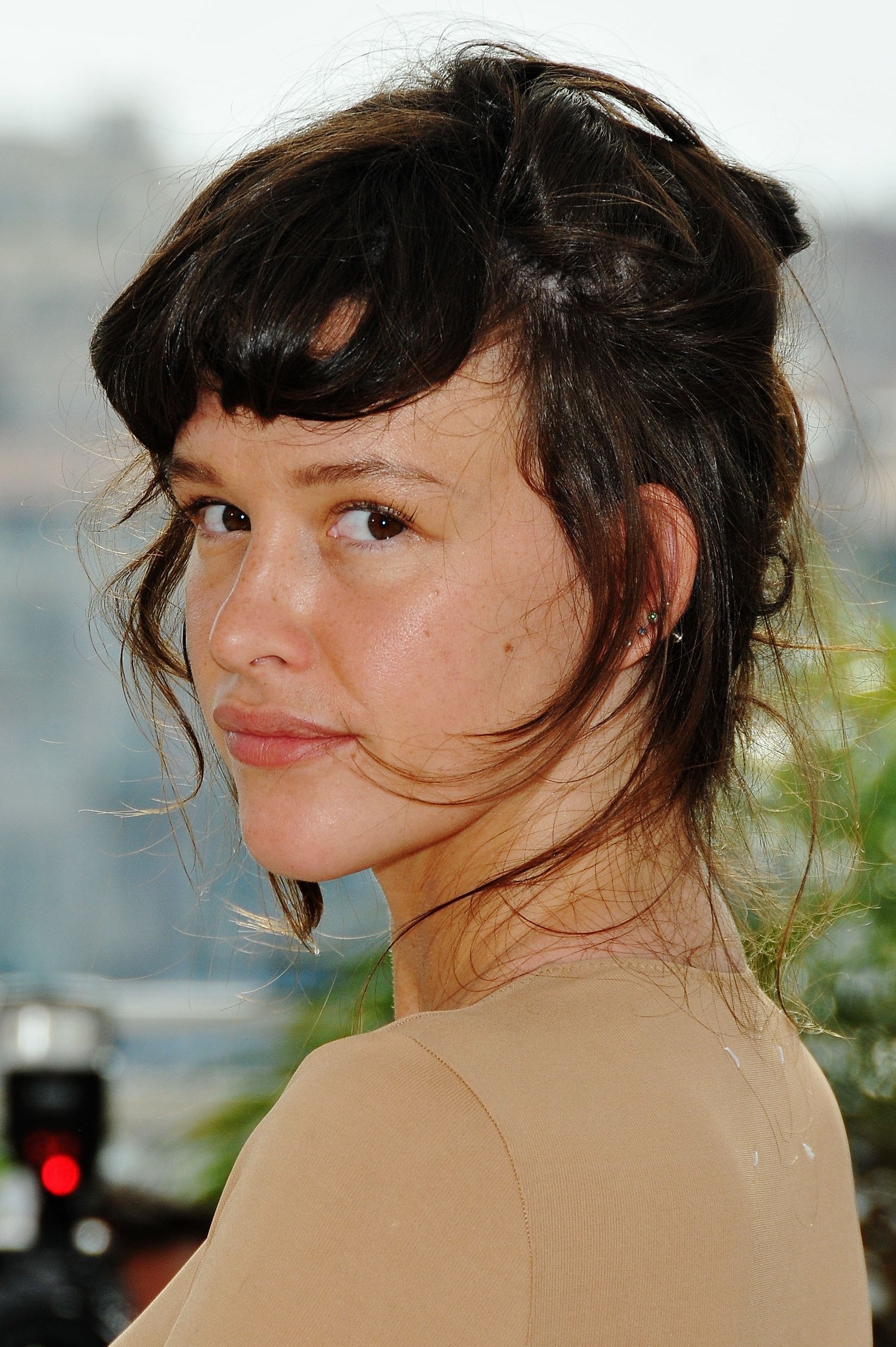
Paz de la Huerta had a very public falling out with the producers of the HBO series ‘Boardwalk Empire’. Her character was abruptly written off the show following reports of erratic behavior and legal issues off set. She later filed a lawsuit against a production company regarding an on-set injury which further complicated her relationship with industry executives. Her outspoken nature and legal battles have made her a polarizing figure for major studios. Consequently she has focused more on independent cinema and avant-garde projects in recent years.
Estella Warren

Estella Warren saw her promising career as a studio leading lady falter after several high profile legal incidents. Her arrest for a series of charges including a hit and run and resisting an officer damaged her professional standing significantly. Studios that had cast her in films like ‘Planet of the Apes’ were no longer willing to take a chance on her for major releases. The transition from a rising star to a high risk performer happened very quickly for Warren. She has largely disappeared from mainstream Hollywood productions following these events.
Fairuza Balk

Fairuza Balk has always been known for her unique style and intense performances in films like ‘The Craft’. However she has also been vocal about her dissatisfaction with the Hollywood studio system and the way it treats artists. She eventually chose to distance herself from major studio productions to focus on more creative and independent endeavors. Balk has expressed that the commercial demands of the industry often clashed with her personal integrity as an actress. This self-imposed exile has kept her away from the blockbuster circuit for many years.
Julia Ormond
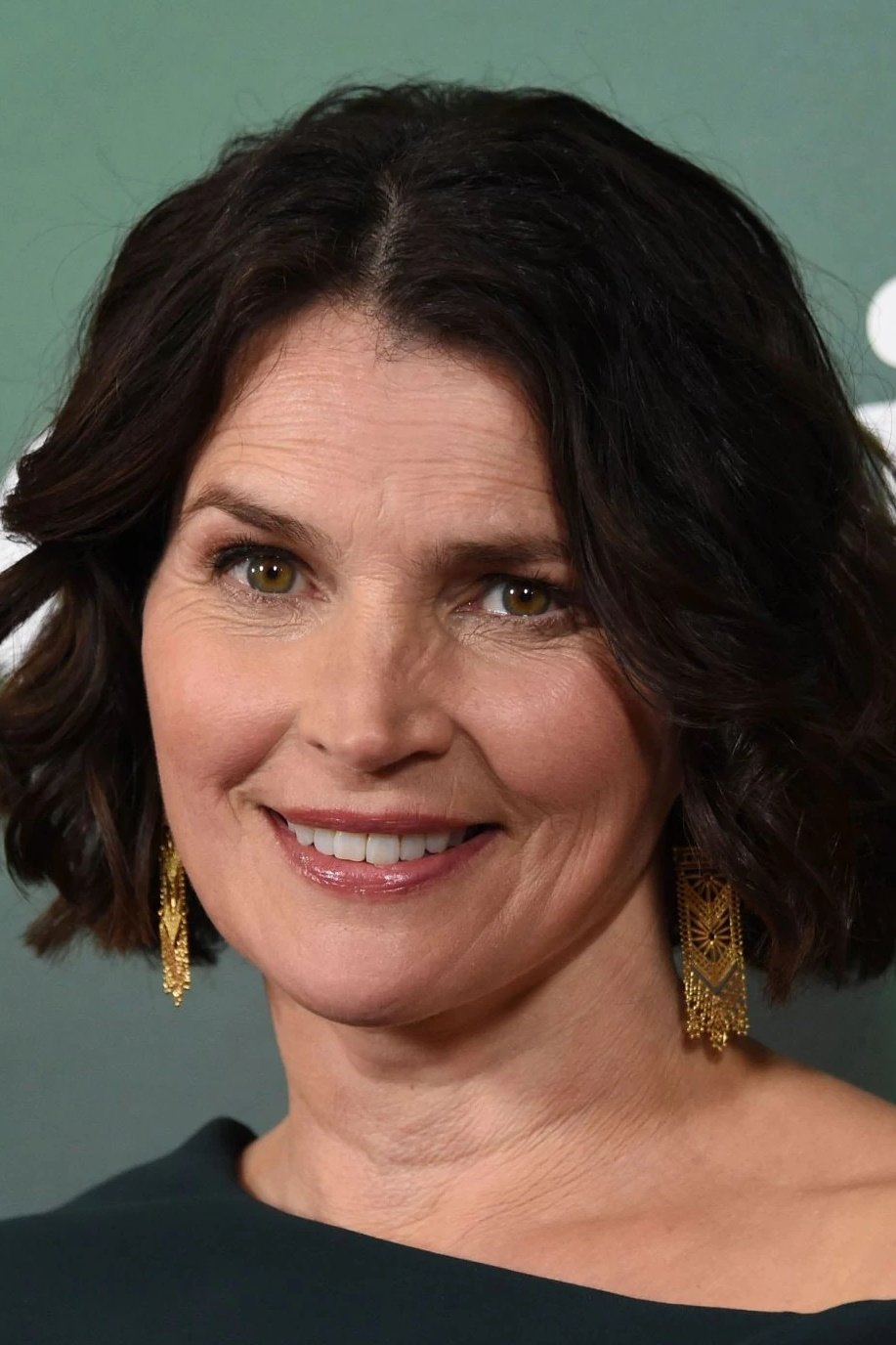
Julia Ormond was once positioned as the next major Hollywood star with leading roles in ‘Sabrina’ and ‘Legends of the Fall’. Her career trajectory slowed down significantly which she later attributed to the influence of powerful studio figures. She was one of the many actresses who alleged that her career was stifled after she resisted the advances of Harvey Weinstein. The sudden drop in major film offers after her initial success was a common pattern for those who crossed the head of Miramax. She has since found great success in television and supporting roles but her time as a studio leading lady was cut short.
Mira Sorvino
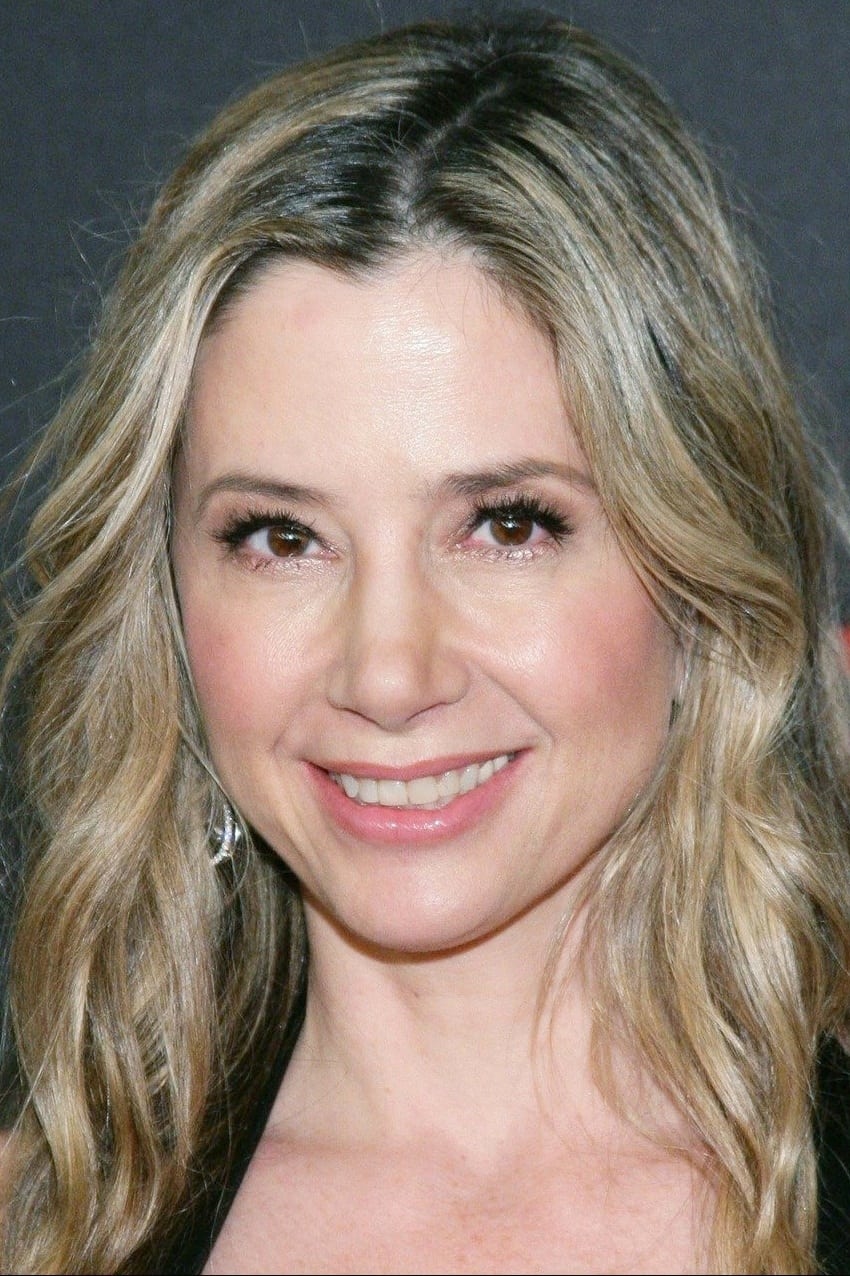
Mira Sorvino experienced a mysterious decline in her career after winning an Academy Award for ‘Mighty Aphrodite’. It was later revealed by directors like Peter Jackson that Miramax executives had actively discouraged studios from hiring her. They claimed she was difficult to work with as a tactic to punish her for personal reasons. This blacklisting effectively removed one of the most talented actresses of her generation from major studio consideration for years. Since the truth came to light she has received an outpouring of support and has begun working more frequently in major projects again.
Ashley Judd
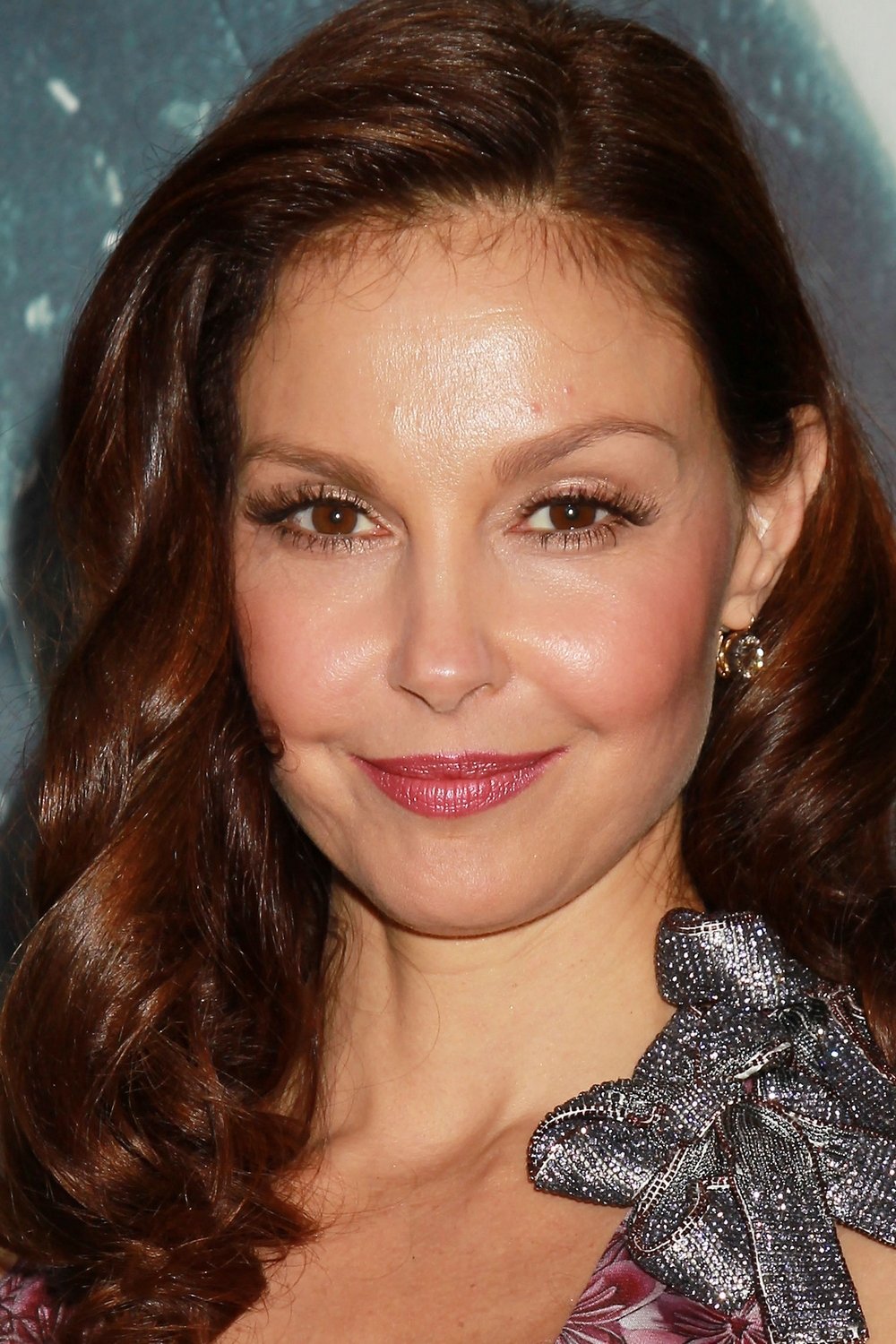
Ashley Judd was another high profile actress who faced a significant loss of work due to studio interference. Like Sorvino she was reportedly blacklisted by Miramax which led to her losing out on major roles in franchises like ‘The Lord of the Rings’. Judd was at the height of her fame when she began to find herself excluded from top tier studio meetings. She became one of the first actresses to go on the record about the systemic issues that caused her career to stall. Her bravery in speaking out helped reveal the extent to which studios could control an actress’s livelihood.
Anna May Wong
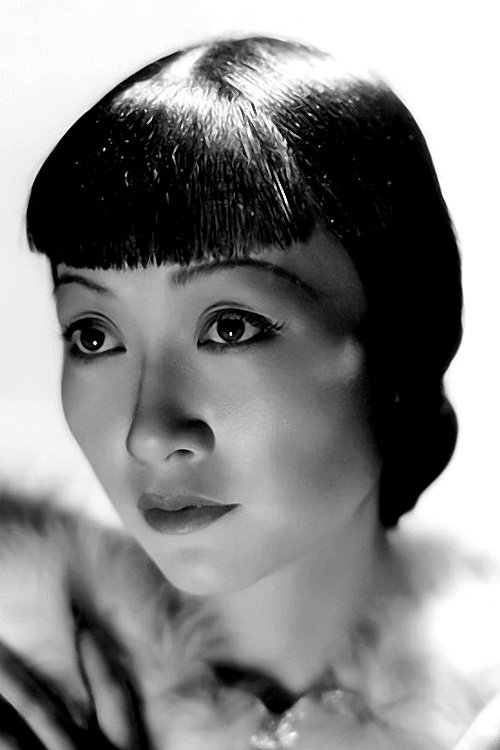
Anna May Wong faced a lifelong struggle with the major Hollywood studios of the early twentieth century. Despite being a major talent she was frequently passed over for lead roles in favor of white actresses in yellowface. Her most famous bridge burning occurred when she lost the lead in ‘The Good Earth’ to Luise Rainer. Frustrated by the systemic racism and the restrictive Hays Code she left Hollywood to work in Europe where she was treated with more respect. She eventually returned to the United States but her relationship with the studios remained one of constant negotiation against prejudice.
Hedy Lamarr
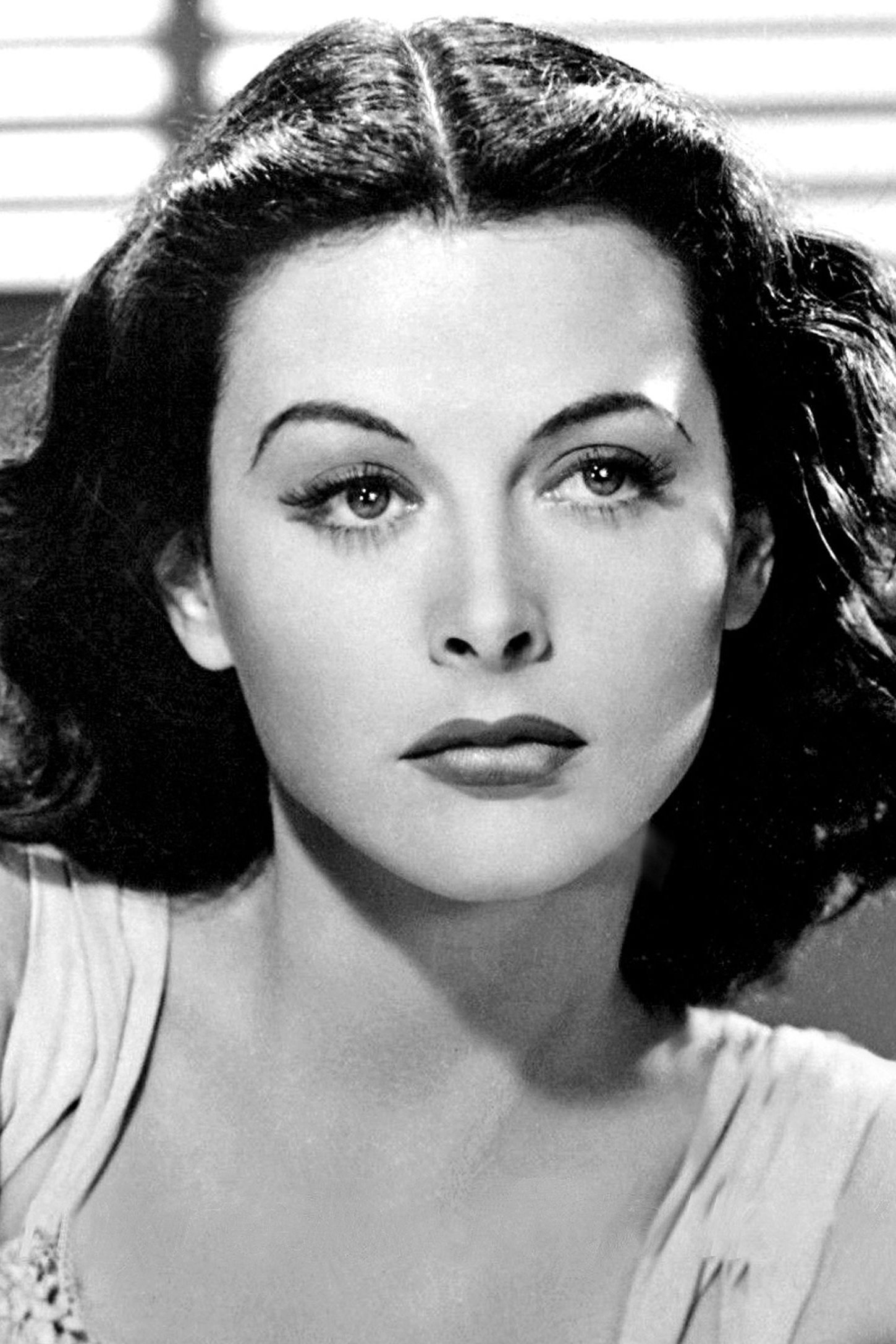
Hedy Lamarr was often at odds with the studio executives who focused solely on her physical beauty rather than her intellect. She famously sued her studio to get out of a restrictive contract that she felt limited her artistic growth. Lamarr also faced a difficult time when she attempted to produce her own films which was a rarity for women at the time. Her technical inventions were often ignored by the industry that marketed her as the most beautiful woman in the world. This disconnect led to a complicated legacy where she was both a studio icon and a professional rebel.
Bette Davis

Bette Davis was famously litigious and once sued Warner Bros to gain more control over the roles she was offered. She fled to England to avoid the studio’s restrictive contracts which led to a high profile court case. Although she lost the legal battle her defiance earned her the respect of her peers and eventually better roles. She was known for her fierce battles with studio heads over the quality of scripts and production values. Her willingness to burn bridges in the short term often led to long term changes in how studios handled their top stars.
Joan Crawford
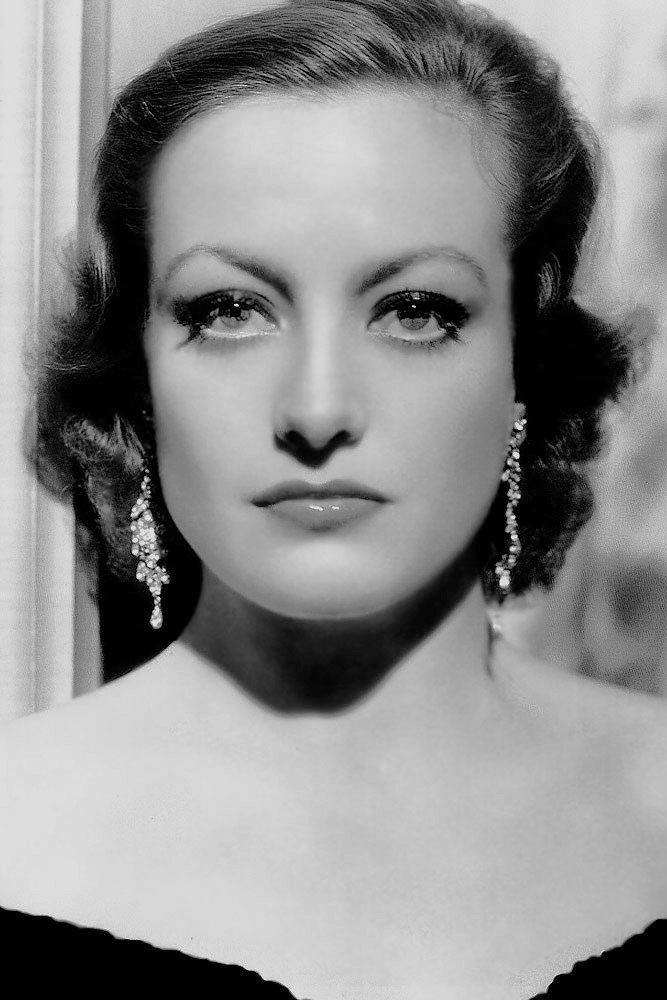
Joan Crawford had a notoriously difficult relationship with MGM after years of being one of their biggest stars. As she aged the studio began to offer her roles she felt were beneath her talent leading to a mutual parting of ways. She famously took a gamble by signing with Warner Bros where she eventually won an Oscar for ‘Mildred Pierce’. However her reputation for being a demanding presence on set followed her throughout her career. Her rivalry with other stars and her intense demands for perfection often strained her relationships with production houses.
Olivia de Havilland

Olivia de Havilland changed Hollywood forever when she sued Warner Bros over the length of her contract. At the time studios would add suspension time to the end of a performer’s contract which effectively made them indentured servants. De Havilland won her case resulting in the De Havilland Law which limited contracts to a maximum of seven years. While the lawsuit made her a hero to fellow actors it initially made her a pariah among studio executives who feared her influence. She eventually returned to the screen in major roles but her legal victory remains her most significant impact on the studio system.
Constance Wu
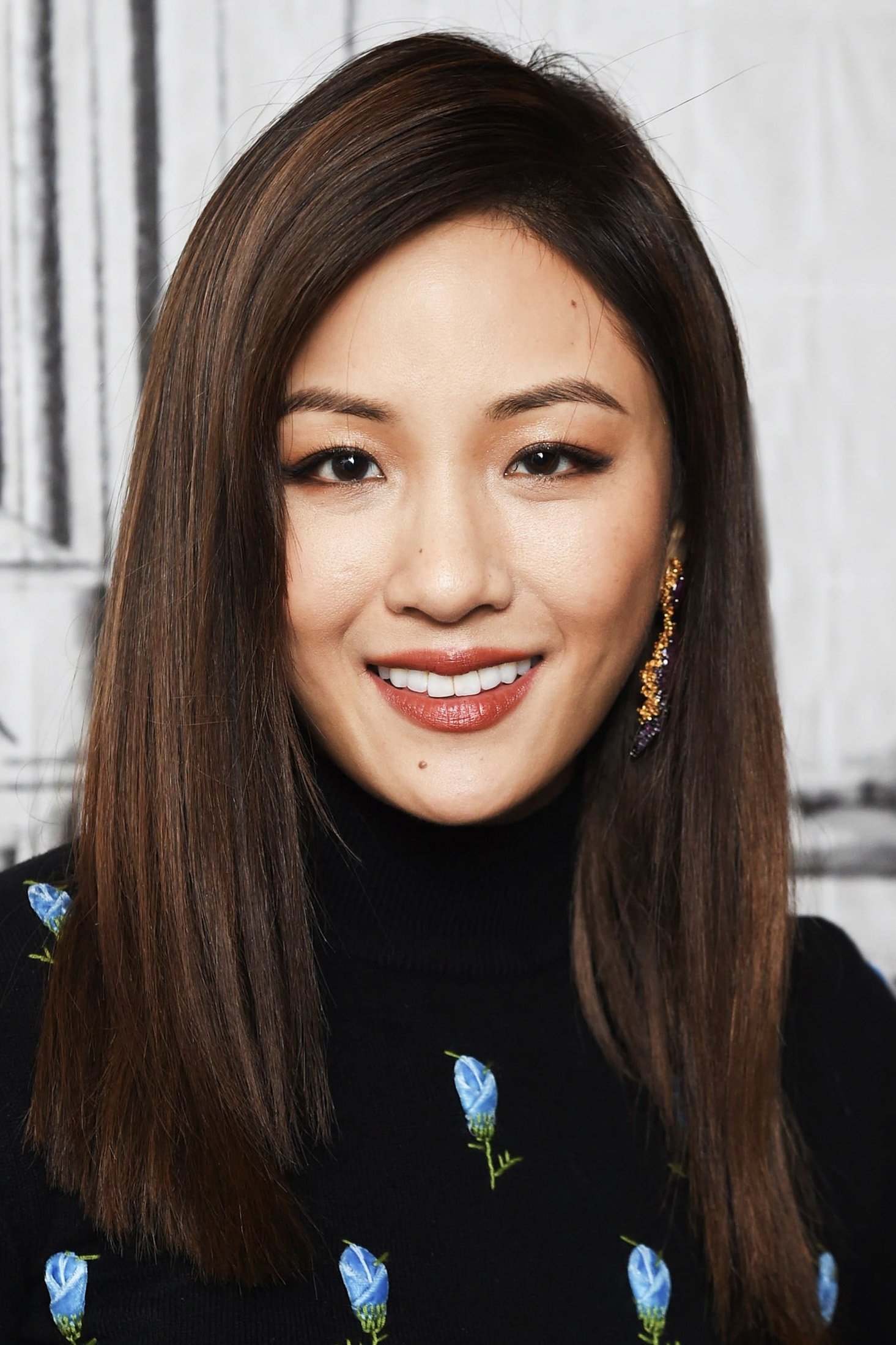
Constance Wu faced a public backlash after she posted a series of frustrated tweets regarding the renewal of her show ‘Fresh Off the Boat’. Her comments were perceived as ungrateful toward the network and the production team that had supported her. She later explained that the renewal meant she had to pass on a project she was deeply passionate about but the damage to her reputation was immediate. Wu took a break from the spotlight following the incident and the intense online criticism. She has since spoken about the mental health struggles that contributed to her reaction and has slowly returned to studio work.
Evan Rachel Wood

Evan Rachel Wood has been an outspoken advocate for survivors and has shared her difficult experiences within the industry. Her public statements regarding the production of certain projects have sometimes led to friction with the studios involved. She has used her platform to demand better protections for actors and to expose toxic behaviors on sets. While she continues to work in high profile projects like ‘Westworld’ her activism has made her a formidable figure for studio executives. Wood remains committed to changing the industry from the inside despite the professional risks involved.
Gabrielle Union
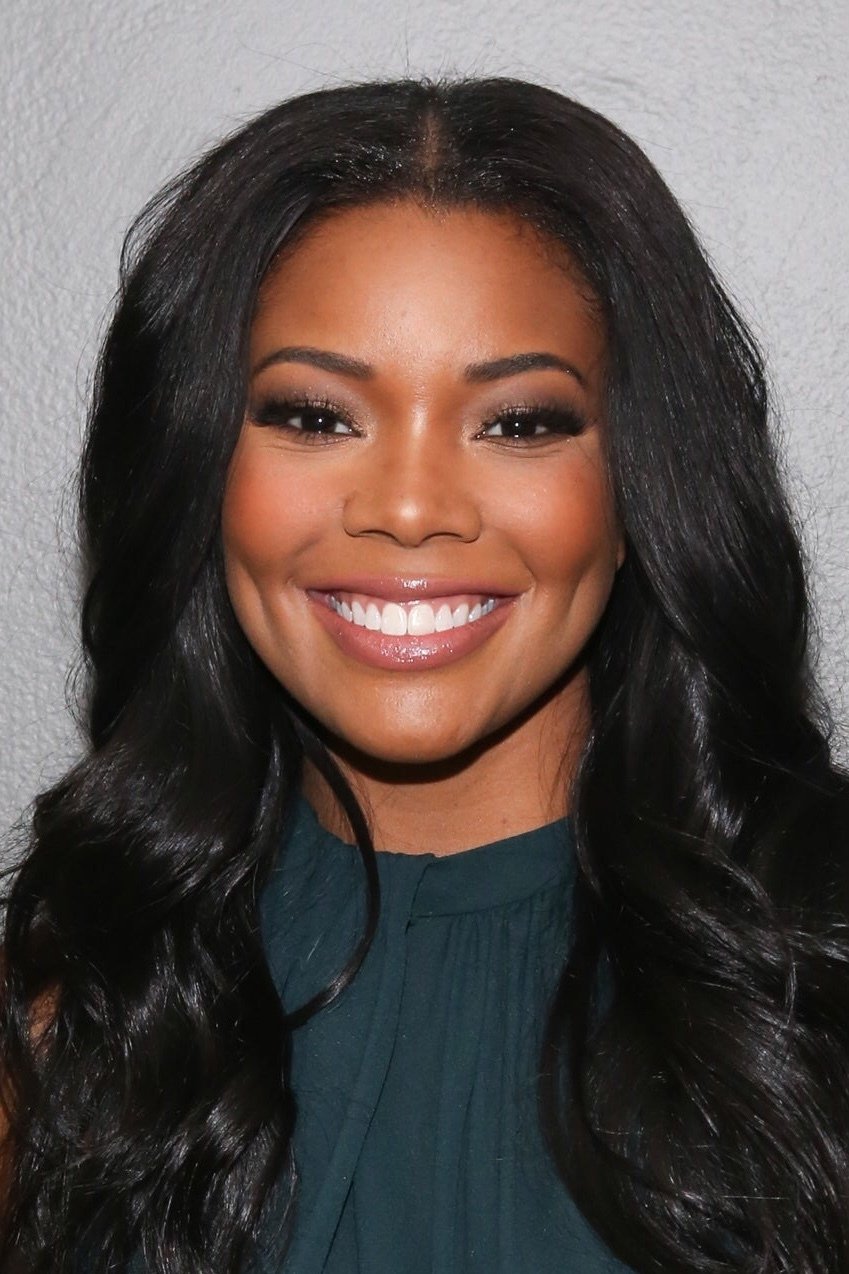
Gabrielle Union had a very public fallout with NBC and the production companies behind ‘America’s Got Talent’. She reported a toxic work environment and incidents of racial insensitivity during her time as a judge. When her contract was not renewed she filed a formal complaint and spoke openly about her experiences in the media. This lead to an investigation and a significant shift in the show’s production culture. Union has continued to be a vocal critic of how major networks handle diversity and inclusion issues.
Eliza Dushku

Eliza Dushku received a significant settlement from CBS after she reported sexual harassment on the set of the show ‘Bull’. She alleged that her character was written off the show in retaliation for her complaints against the lead actor. The internal investigation confirmed her claims and revealed a pattern of behavior that the studio had initially ignored. Dushku’s experience became a major talking point in the discussion about how studios protect their stars at the expense of others. Since the settlement she has focused more on her personal life and advocacy than mainstream acting.
Charisma Carpenter
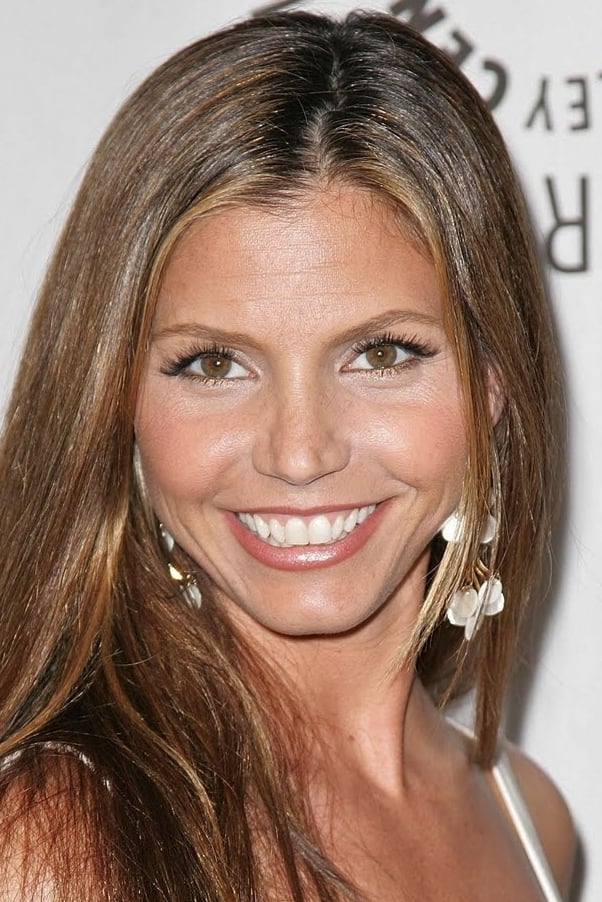
Charisma Carpenter spoke out about the professional retribution she faced from showrunner Joss Whedon during her time on ‘Angel’. She alleged that her pregnancy led to her character being written off and her eventual firing from the series. Her statements were supported by many of her former cast members who also described a toxic work environment. This public disclosure years after the events occurred added to a growing movement of actresses calling out powerful creators. Carpenter has remained a respected figure in the fan community while being honest about the cost of standing up to the studio system.
Erika Eleniak
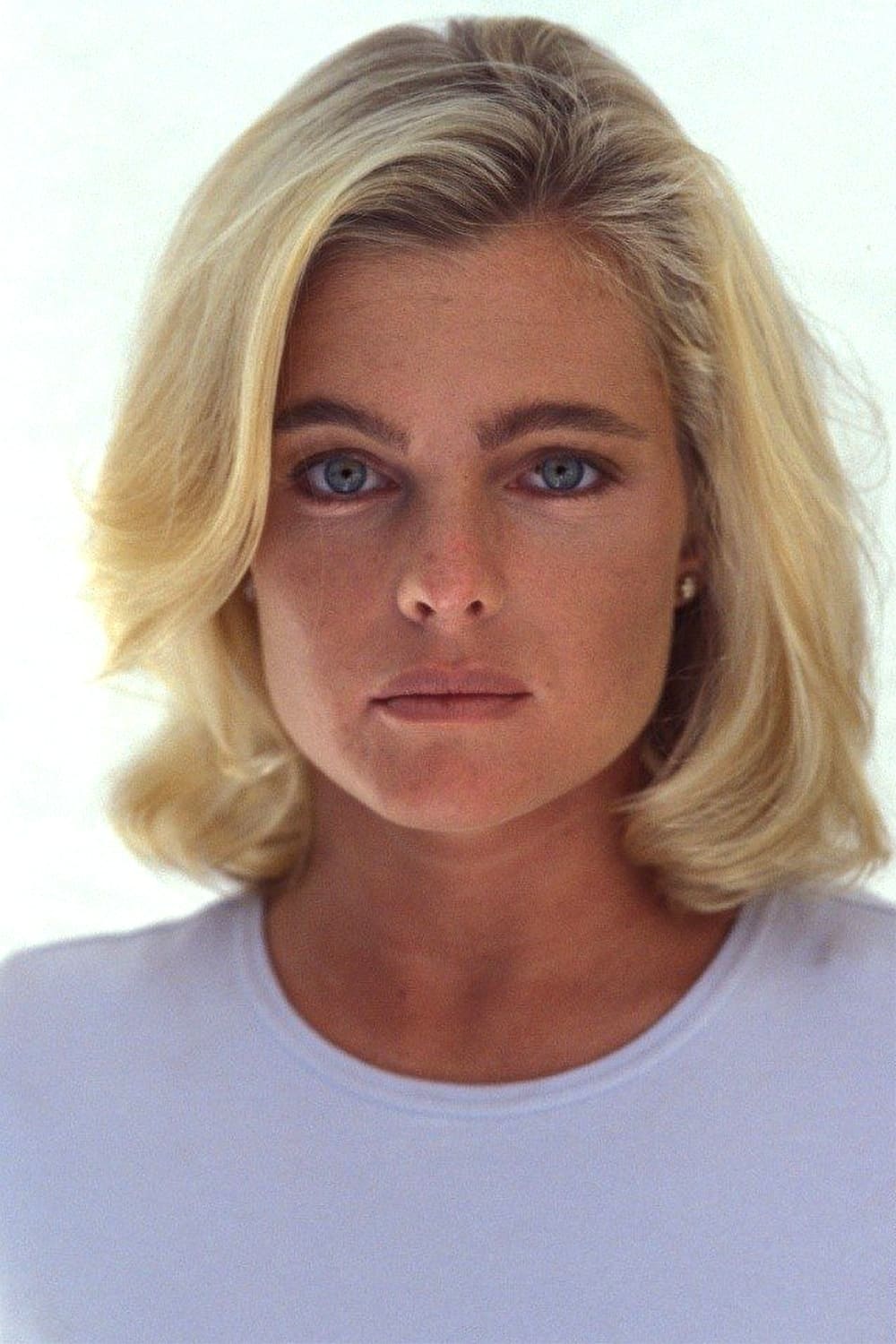
Erika Eleniak was one of the original stars of ‘Baywatch’ but her departure from the show was marked by creative differences. She felt the series was moving in a direction that focused more on physical appearance than the stories she wanted to tell. Her decision to leave the hit show at the height of its popularity was seen as a bold move that some executives did not appreciate. Following her exit she struggled to find roles of similar magnitude in the major studio system. She eventually transitioned to independent films and television guest appearances away from the blockbuster spotlight.
Nicollette Sheridan
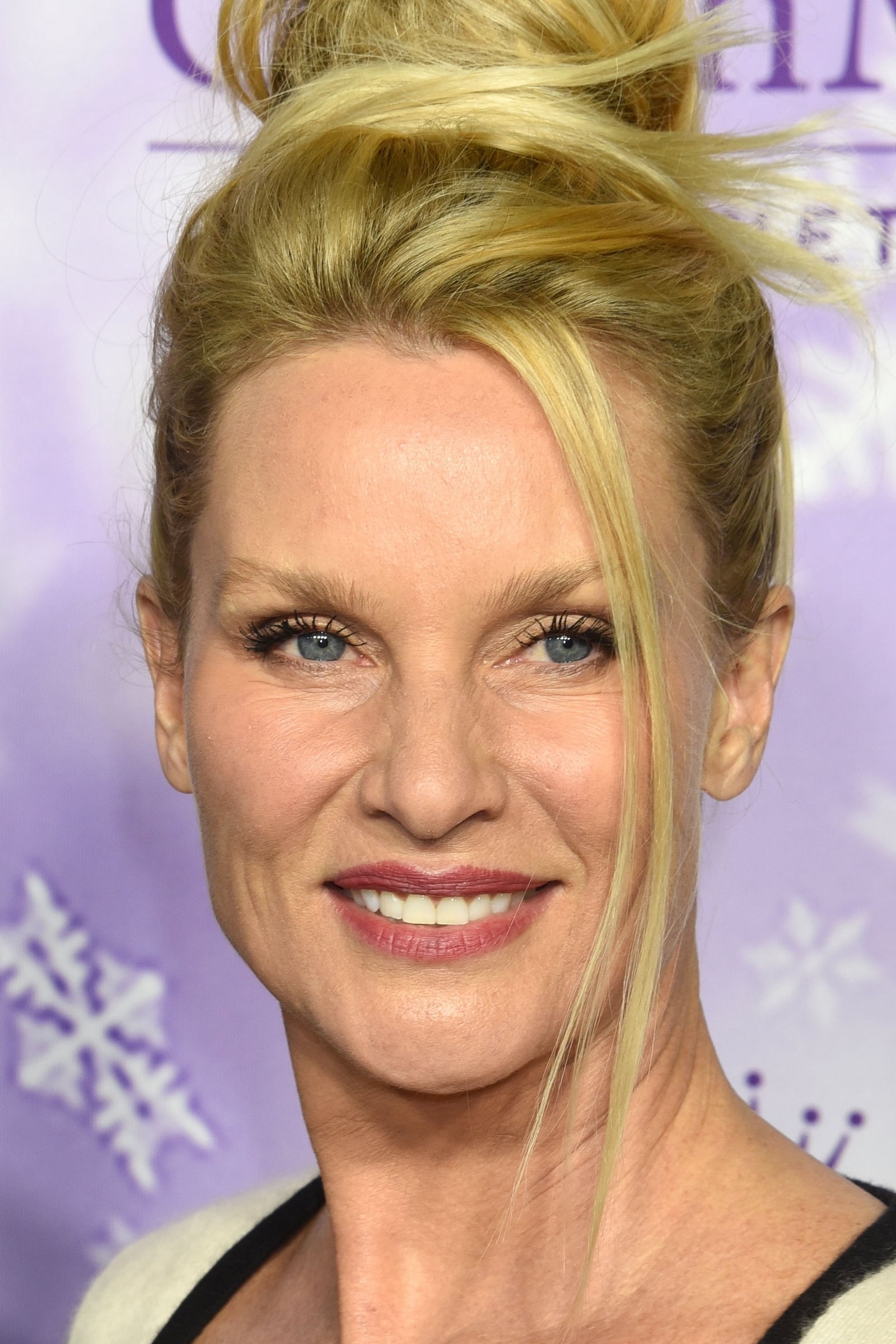
Nicollette Sheridan filed a massive lawsuit against ABC and creator Marc Cherry following her exit from ‘Desperate Housewives’. She alleged wrongful termination and assault which led to a highly publicized trial that lasted for years. The legal battle revealed many behind the scenes tensions and strained her relationship with the network permanently. While the case resulted in a mistrial the damage to her professional standing with major studios was significant. Sheridan eventually returned to television in the ‘Dynasty’ reboot but her years in the legal spotlight had a lasting effect on her career.
Teri Hatcher
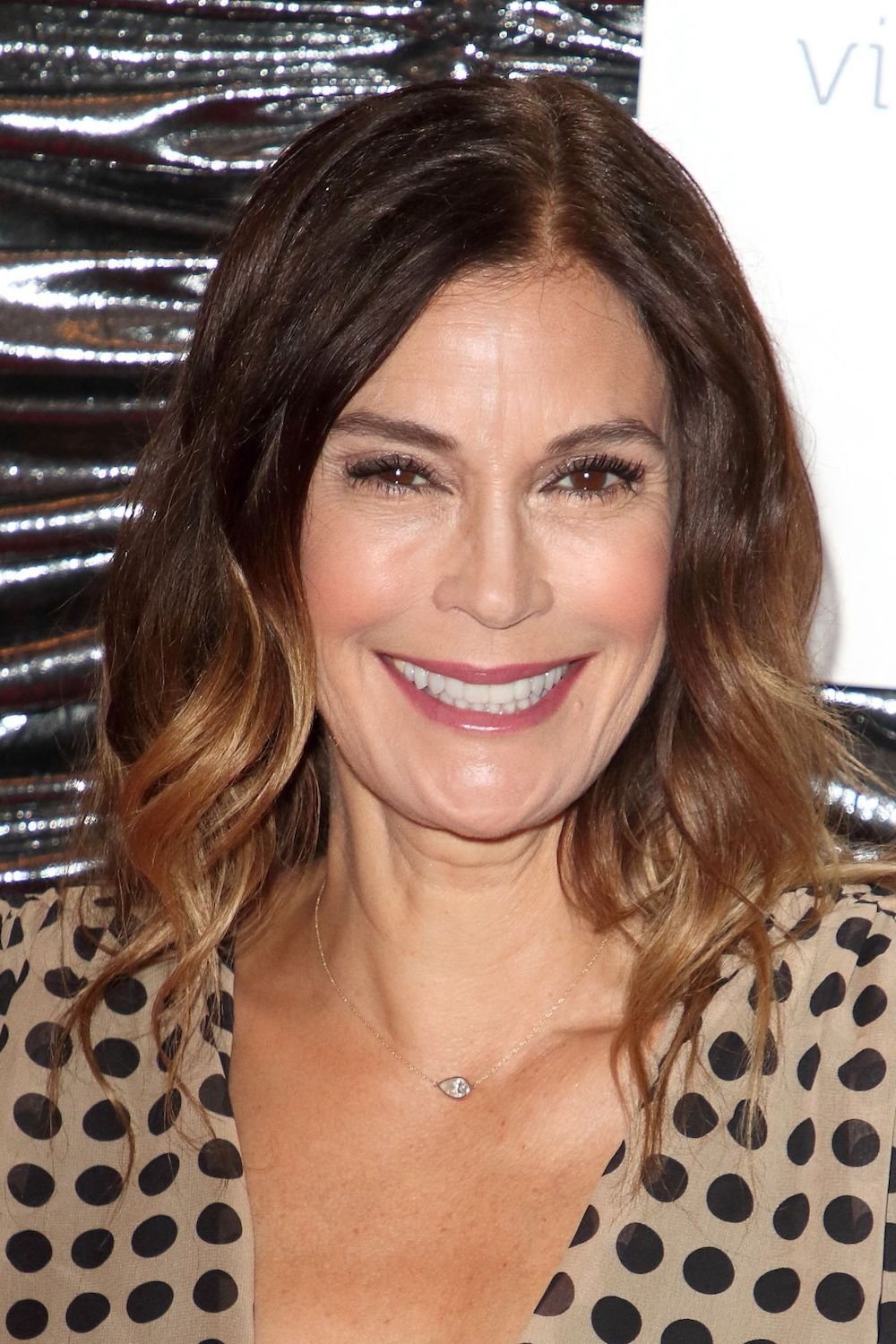
Teri Hatcher was reportedly at the center of significant tension during the production of ‘Desperate Housewives’. While she remained with the series until its conclusion her relationship with the other lead actresses and the studio was famously strained. Reports of her being isolated from the rest of the cast were common and she was notably absent from joint farewell gifts. This reputation for being difficult to work with followed her after the show ended. Since the series finale she has worked less frequently in major studio productions compared to her costars.
Shelley Duvall
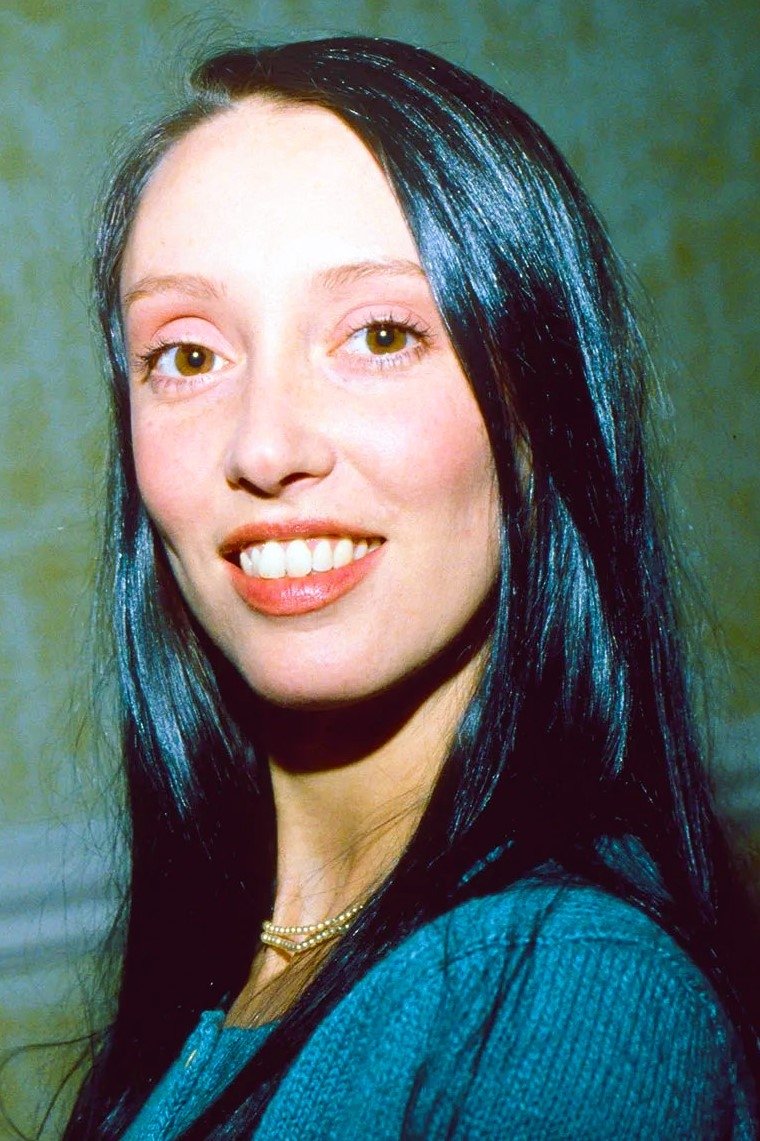
Shelley Duvall experienced a traumatic production process during the filming of ‘The Shining’ under director Stanley Kubrick. The intense psychological pressure she was placed under reportedly had a lasting impact on her mental health and her view of the industry. Following a string of successful films in the eighties she began to move away from the Hollywood center. She eventually retired from acting and moved back to Texas away from the demands of the studio system. Her rare public appearances in later years highlighted the toll that high pressure studio environments can take on performers.
Debra Winger
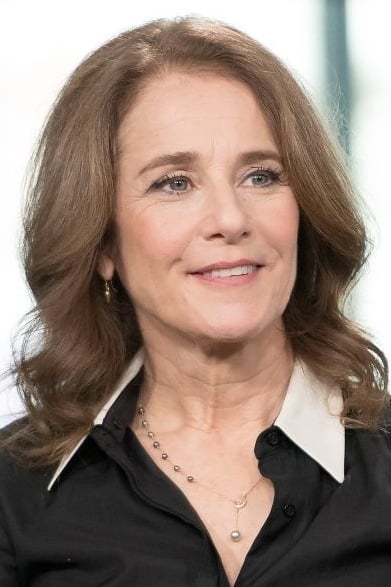
Debra Winger was known for her extreme honesty and her tendency to clash with directors and costars. She famously walked away from the lead role in ‘A League of Their Own’ because she did not agree with the casting of Madonna. Winger often spoke about her disdain for the artifice of the Hollywood studio system and the way it marketed female stars. At the height of her fame she took a multi year hiatus from acting which surprised the industry. Her return to the screen was on her own terms focusing on roles that met her high creative standards.
Kathy Griffin
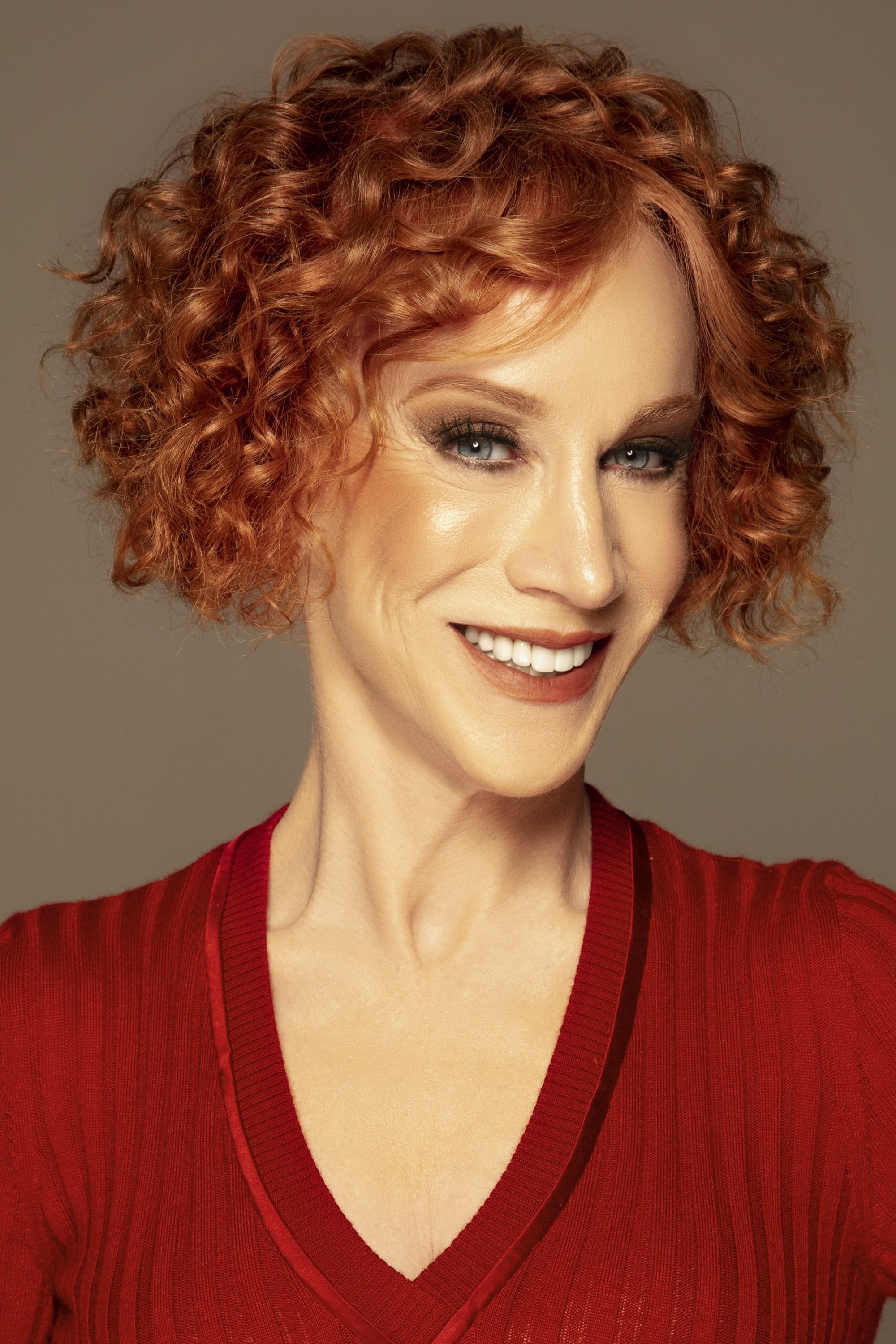
Kathy Griffin saw her relationship with major networks like CNN and Bravo evaporate almost overnight following a controversial political photo shoot. She was fired from her long standing New Year’s Eve hosting gig and had several tour dates canceled. Griffin was also placed under federal investigation which she claimed was a direct result of her falling out with the mainstream media establishment. While she has attempted several comebacks she remains a polarizing figure for major studio executives. She continues to produce her own content and tour independently of the major networks.
Kirstie Alley
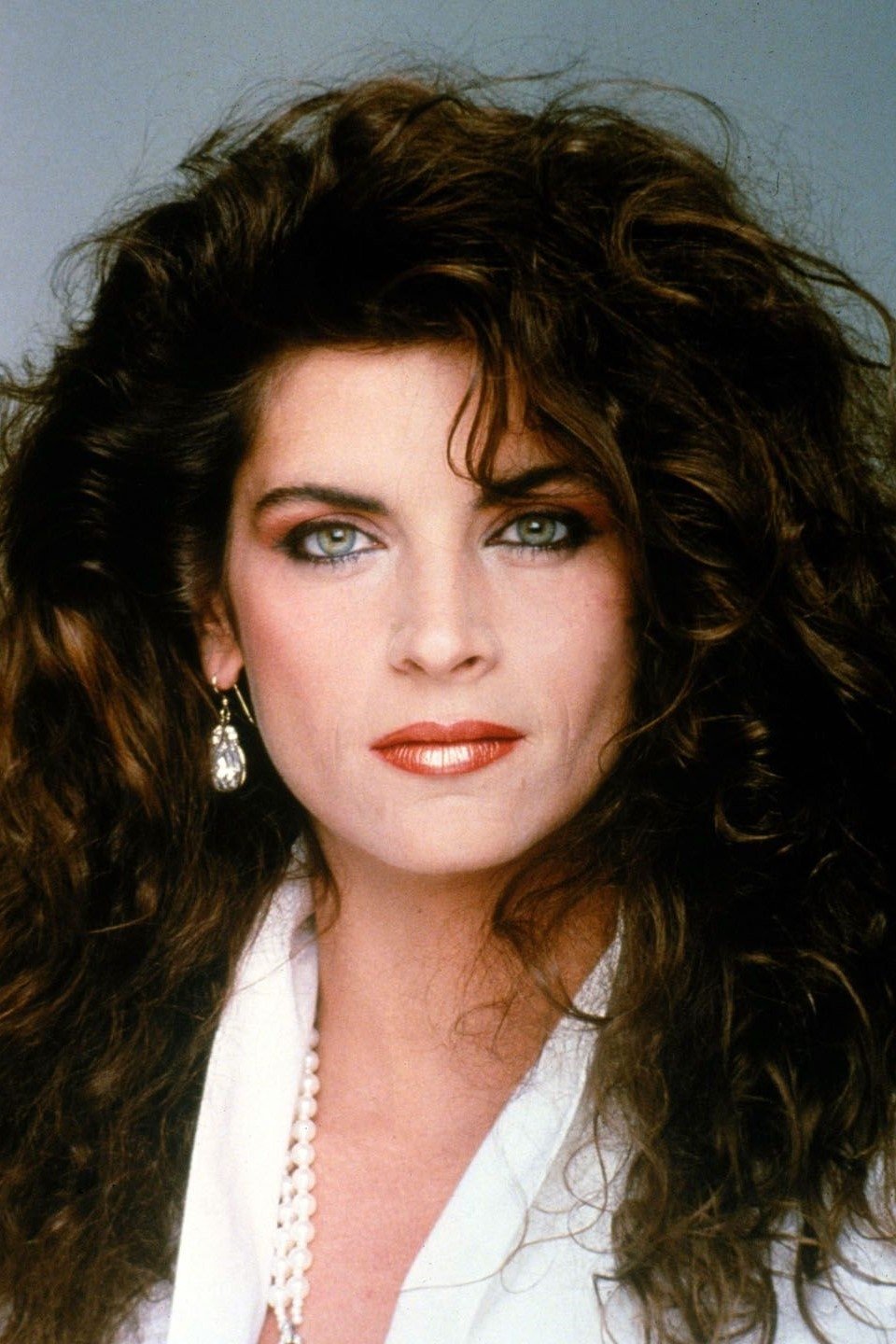
Kirstie Alley became increasingly distanced from the mainstream Hollywood studio system as her personal and political views became more public. Her outspoken nature on social media often put her at odds with the prevailing sentiments of the entertainment industry. While she was once a staple of sitcoms and studio comedies her opportunities in major projects declined in her later years. She often expressed that her views had led to her being marginalized by former colleagues. Alley remained active in reality television and independent projects until her passing.
Gina Carano
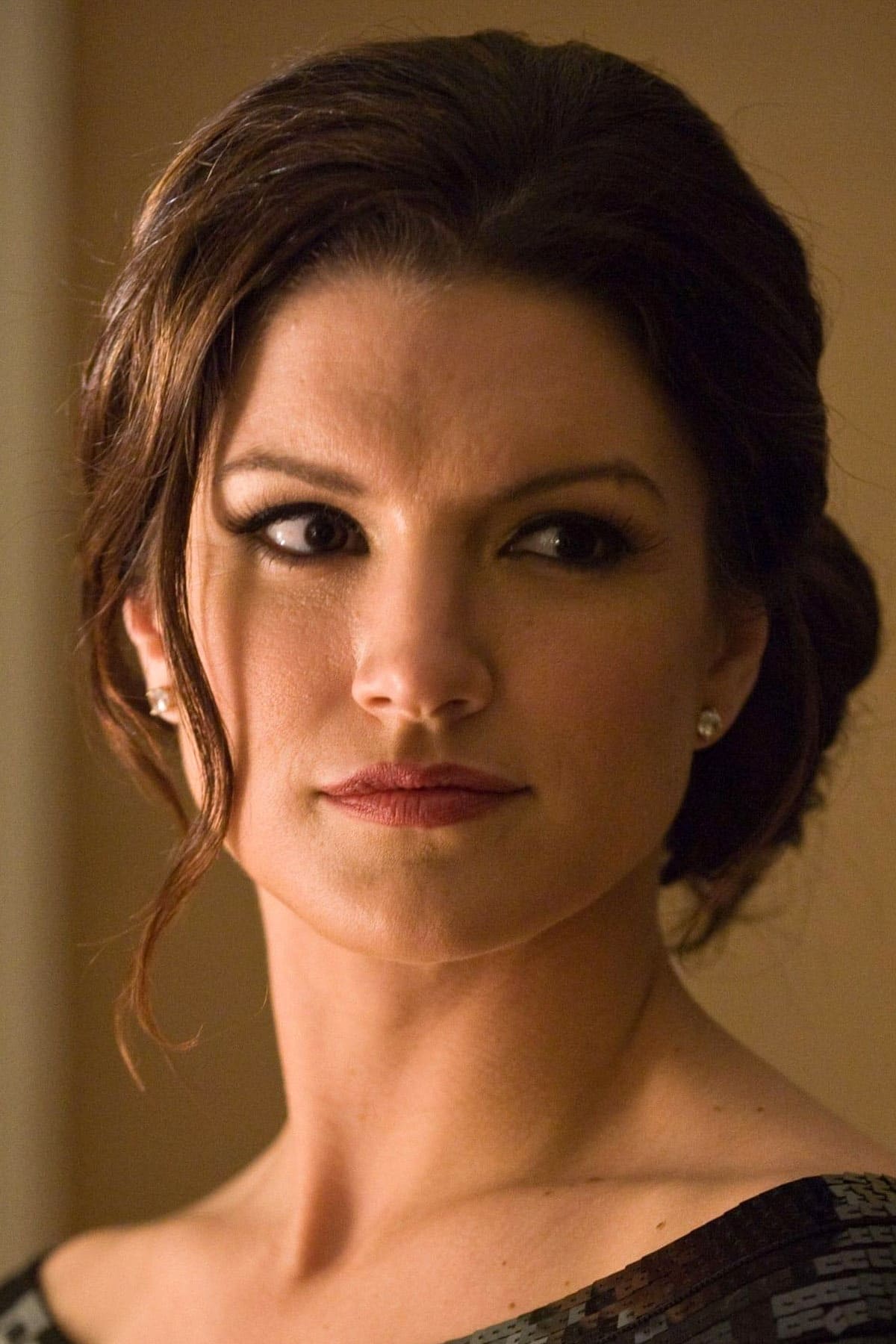
Gina Carano was removed from her role in the hit series ‘The Mandalorian’ after a series of controversial social media posts. Lucasfilm issued a statement saying that her remarks were abhorrent and that they had no plans to work with her in the future. This termination ended her association with the ‘Star Wars’ franchise and the Disney studio system. Carano has since moved into producing and starring in films for alternative media platforms. Her exit remains a prominent example of how social media activity can lead to a total severance of studio ties.
Kelly McGillis
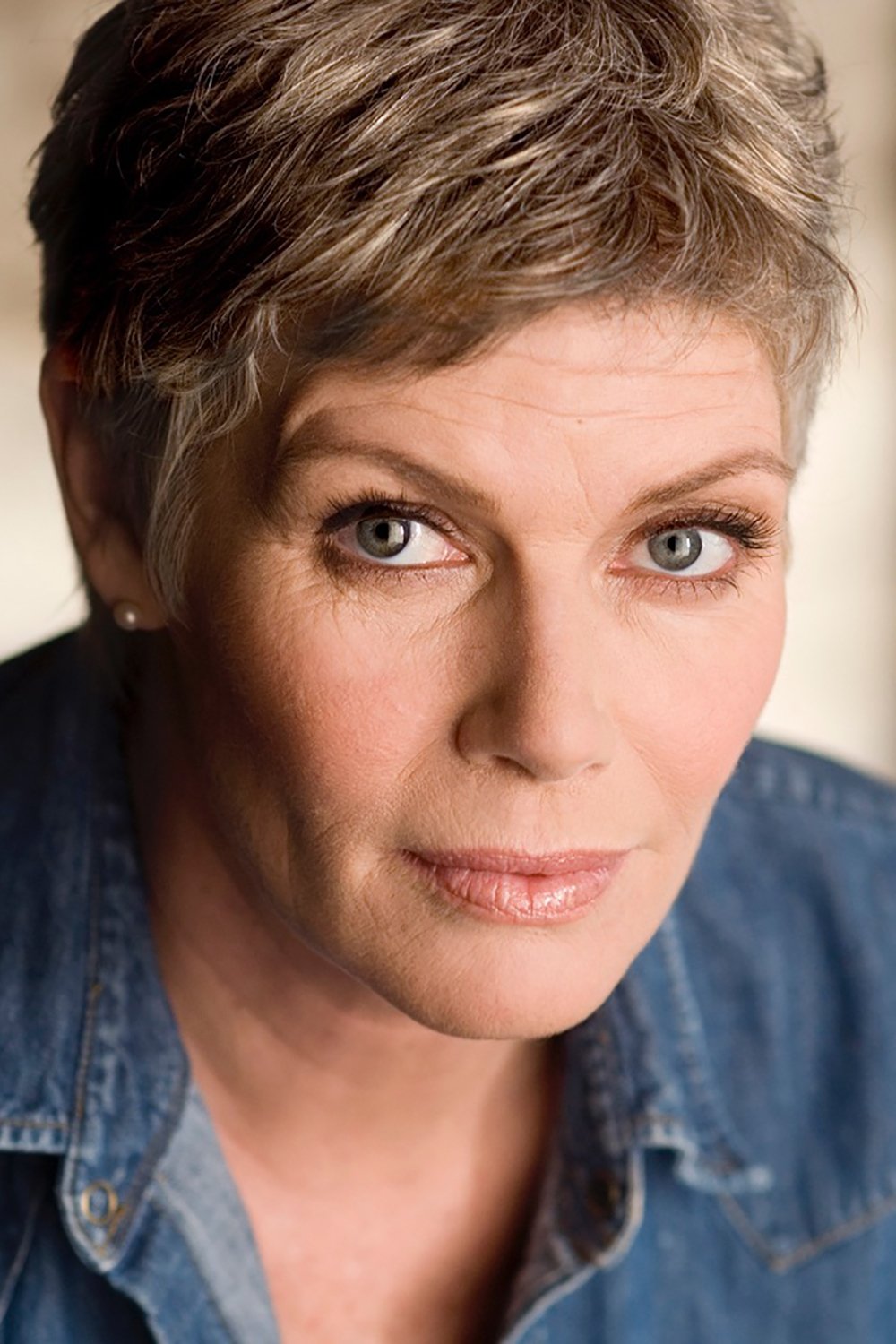
Kelly McGillis experienced a sharp decline in studio offers as she aged and moved away from the traditional Hollywood aesthetic. She was famously not invited back for the ‘Top Gun’ sequel which she attributed to her appearance and age. McGillis has been very open about her decision to leave the industry’s beauty standards behind and the resulting loss of work. She chose to focus on her personal life and teaching rather than fighting for roles in an industry she felt no longer wanted her. Her story reflects a more quiet but permanent bridge burning based on the refusal to conform to studio expectations.
Share your thoughts on these Hollywood fallout stories in the comments.