


Actresses Who Called Out Pay Inequality on Set

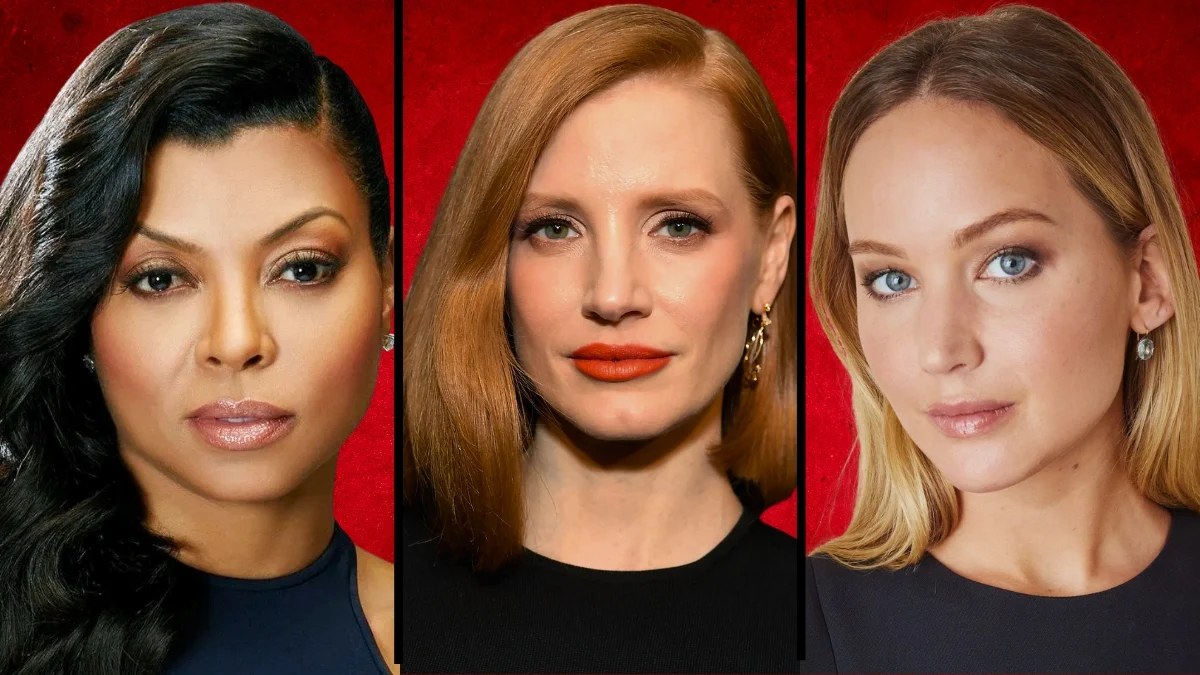


The gender pay gap remains a persistent issue within the global entertainment industry. Numerous prominent women have utilized their platforms to address the financial disparities they faced compared to their male costars. These public statements sparked widespread conversations about transparency and fair compensation across Hollywood. By demanding equity, these performers influenced industry standards and advocated for systemic changes in contract negotiations.
Jennifer Lawrence
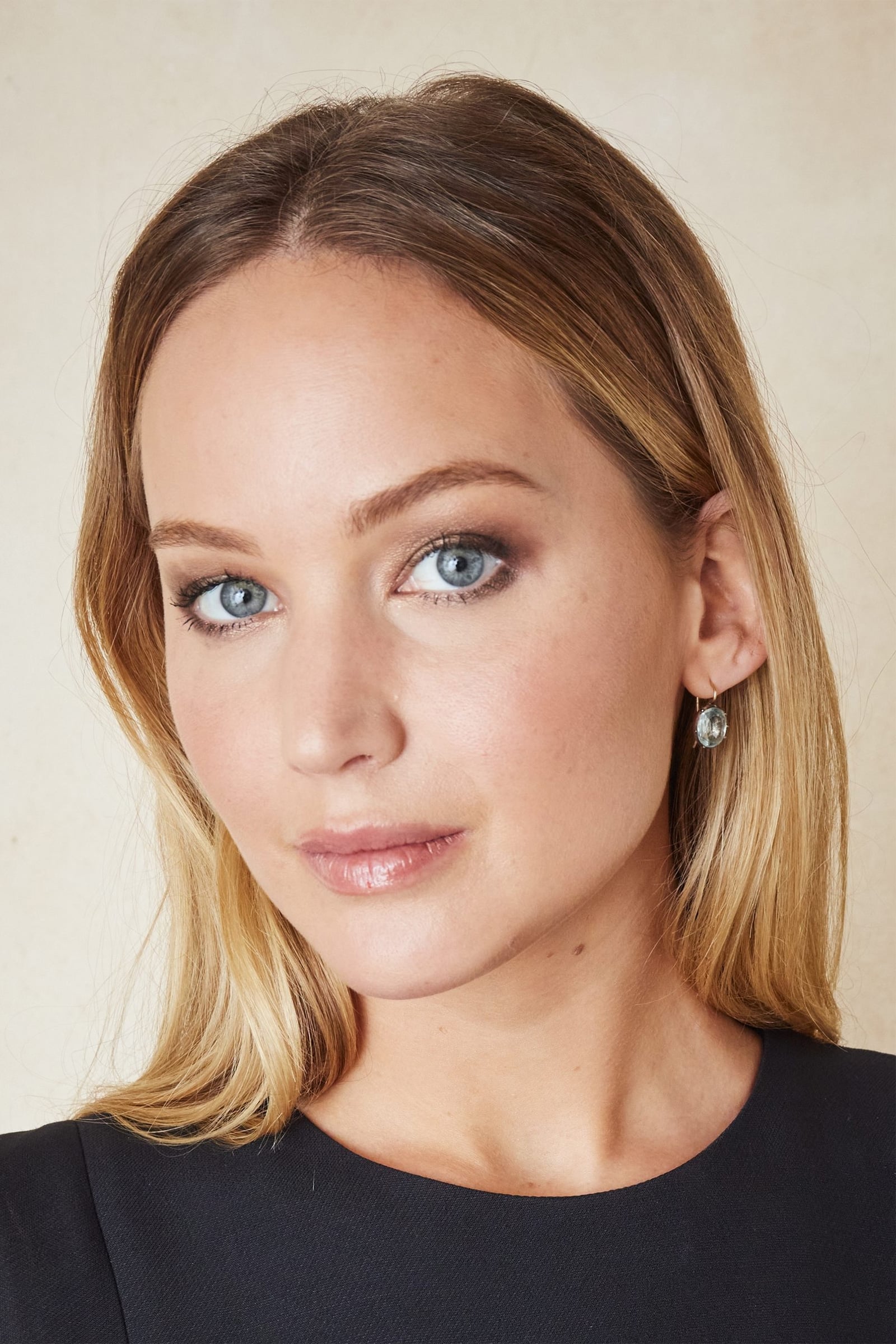
Jennifer Lawrence penned an essay for a digital newsletter after a major studio hack revealed she was paid less than her male costars in ‘American Hustle’. She expressed frustration at herself for giving up early in negotiations to avoid being difficult. The actress noted that her male peers were commended for being fierce and tactical while women often feared being perceived as spoiled. This admission brought significant mainstream attention to the lack of parity in prominent film productions.
Patricia Arquette
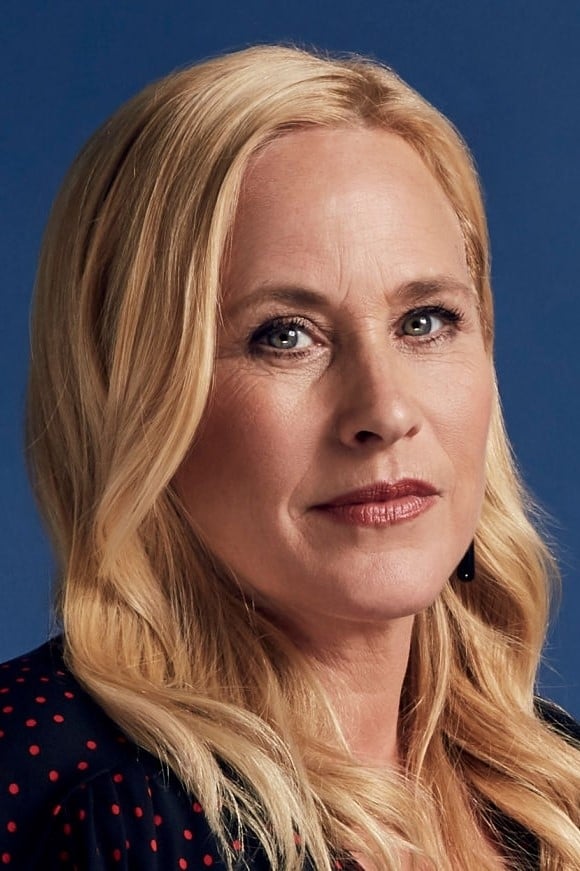
Patricia Arquette used her 2015 Academy Award acceptance speech to demand equal pay and rights for women in the United States. She highlighted that women have fought for everyone else and it was finally time for their own financial equality. The speech received a standing ovation from many of her peers in the audience. Arquette later mentioned that the public stance cost her some acting opportunities but remained a necessary step for the movement.
Michelle Williams
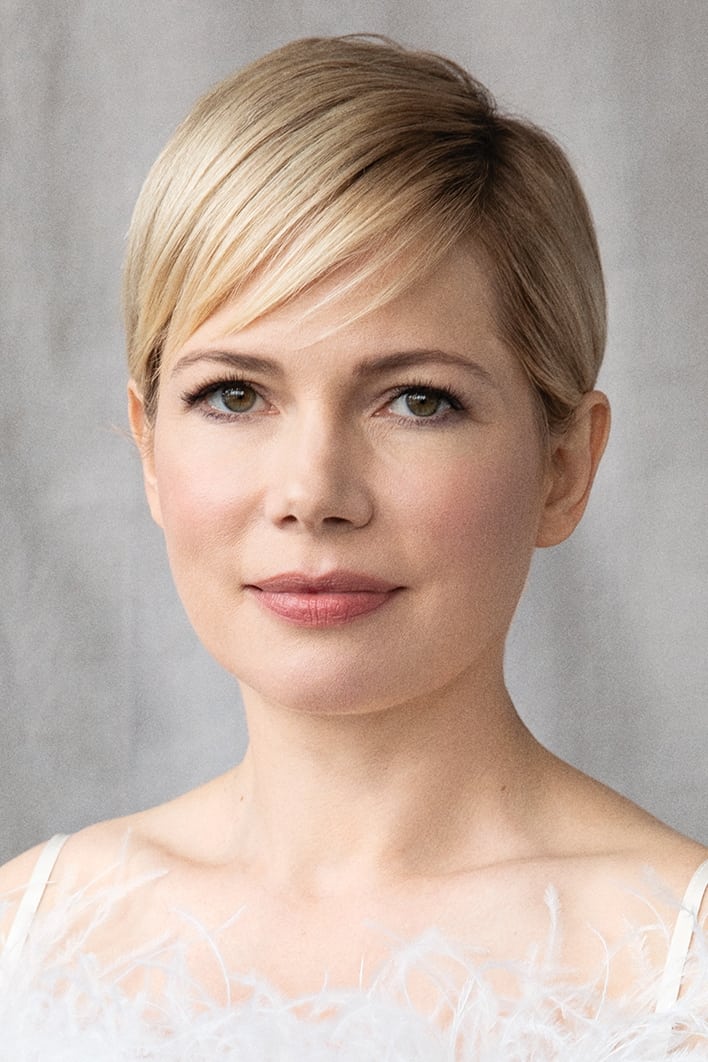
Michelle Williams made headlines when reports surfaced that she earned significantly less than Mark Wahlberg for reshoots on ‘All the Money in the World’. While her male costar received over one million dollars, Williams was reportedly paid less than one thousand dollars for the same amount of work. This massive discrepancy led to Wahlberg donating his fee to a legal defense fund in her name. Williams eventually spoke before Congress to advocate for the Paycheck Fairness Act and shared how the experience affected her.
Jessica Chastain
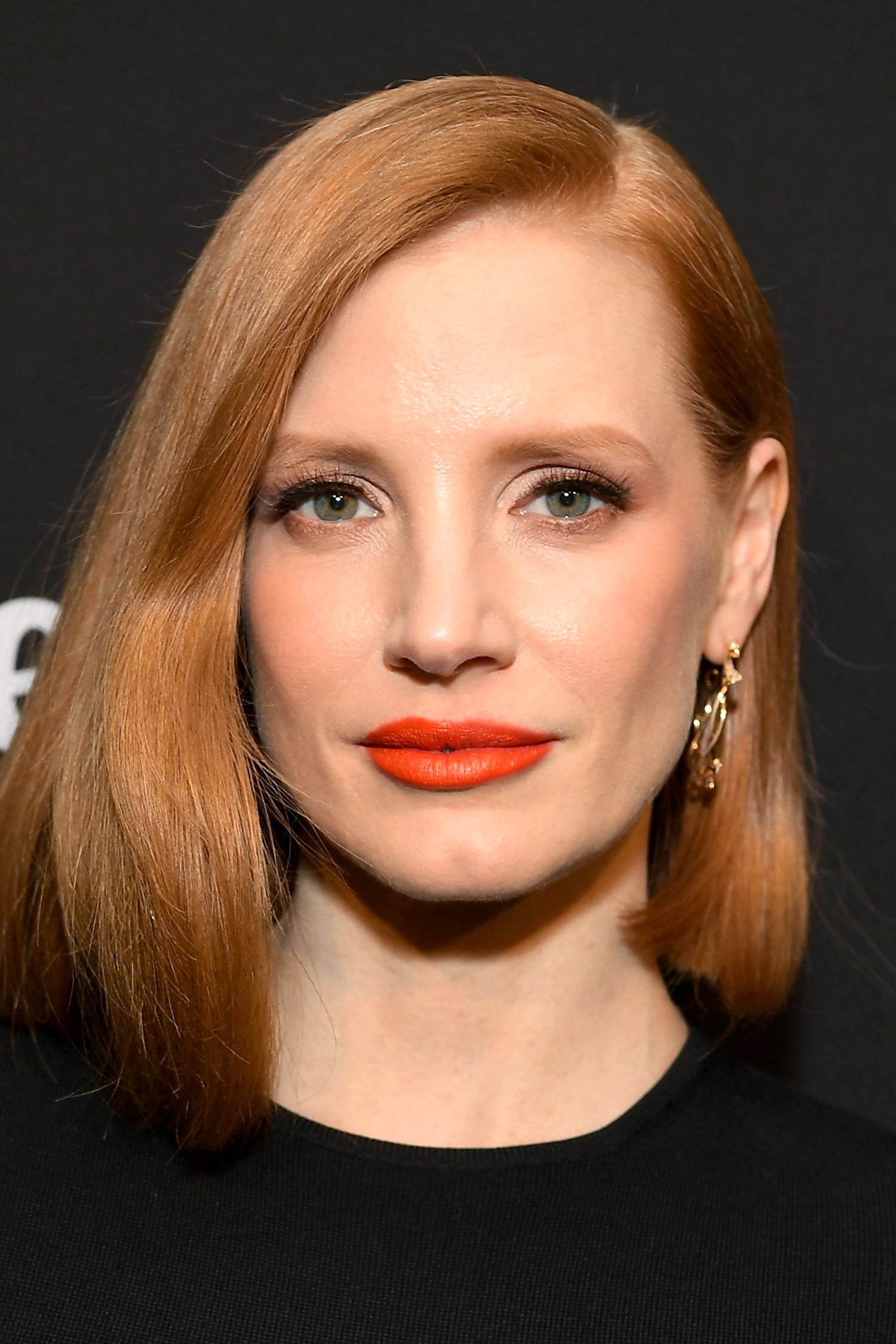
Jessica Chastain has been a vocal advocate for pay transparency and frequently insists on knowing the salaries of her male costars. She famously stated that she would no longer accept roles where she is paid a fraction of what a man in a similar position makes. Chastain collaborated with Octavia Spencer to ensure they both received fair compensation for a project they worked on together. She believes that when women stand together they can secure better deals for everyone involved.
Charlize Theron
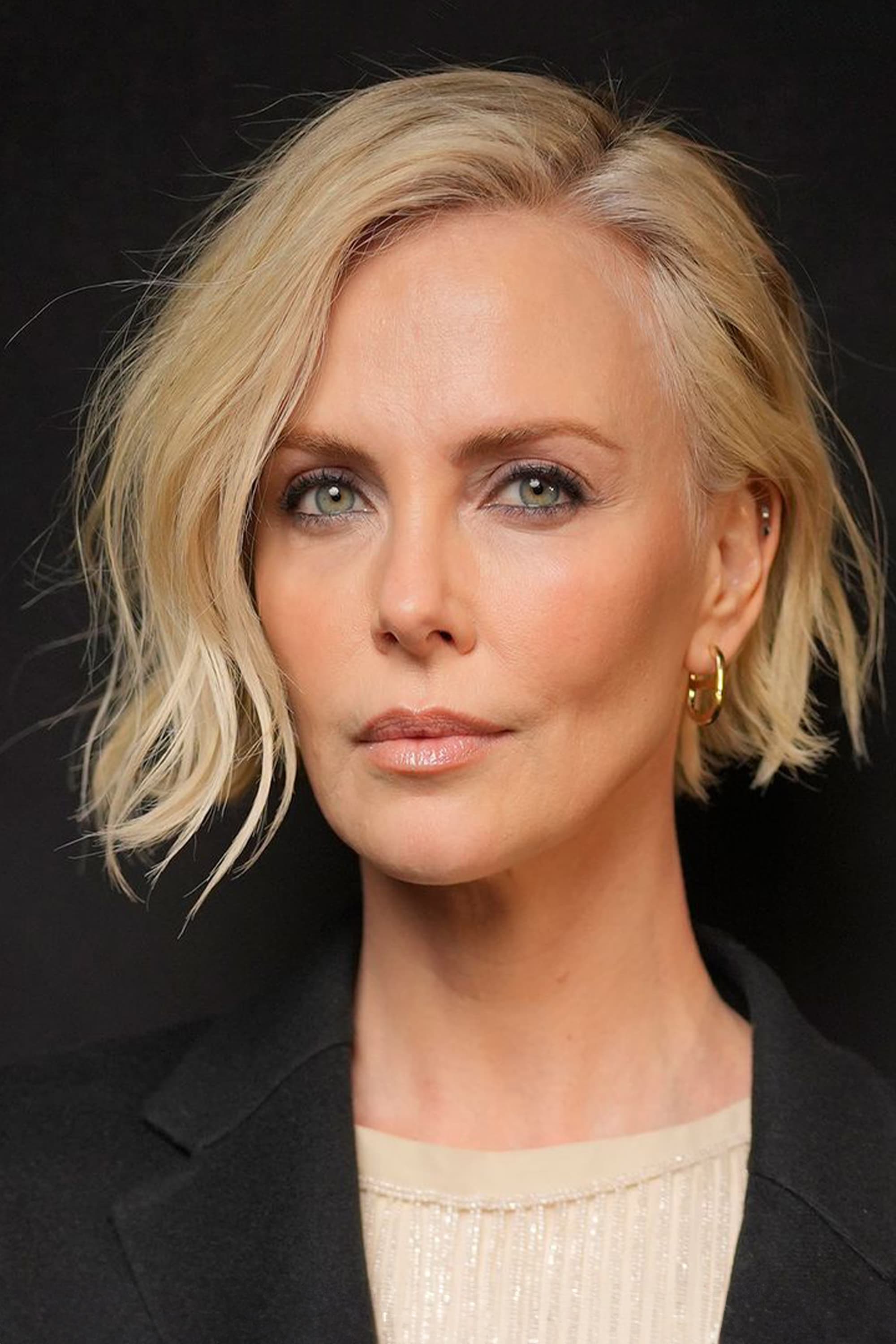
Charlize Theron negotiated for a significant pay raise on ‘The Huntsman Winter’s War’ after learning about the pay gap in other major productions. She insisted on being paid the same as her costar Chris Hemsworth for the fantasy sequel. The studio eventually agreed to her terms which resulted in an increase of more than ten million dollars. Theron encouraged other women to stand their ground because she believes the industry will only change when performers demand it.
Robin Wright
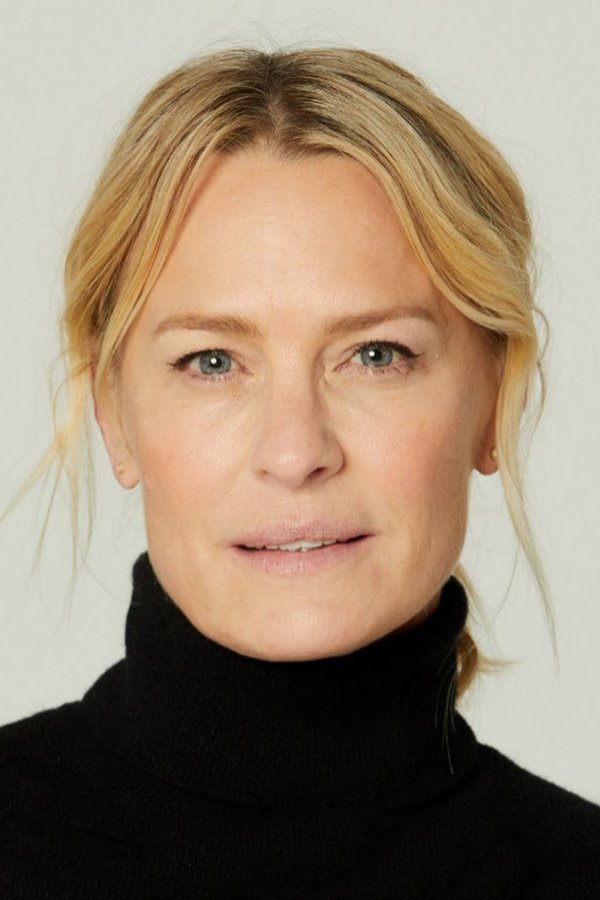
Robin Wright demanded the same salary as Kevin Spacey for her leading role in the series ‘House of Cards’. She threatened to go public with the disparity if the production company did not meet her request for equal pay. Wright argued that her character was just as essential to the success of the show as the male lead. Despite initial promises of parity, she later revealed that she still had not reached full pay equality during the final seasons.
Ellen Pompeo
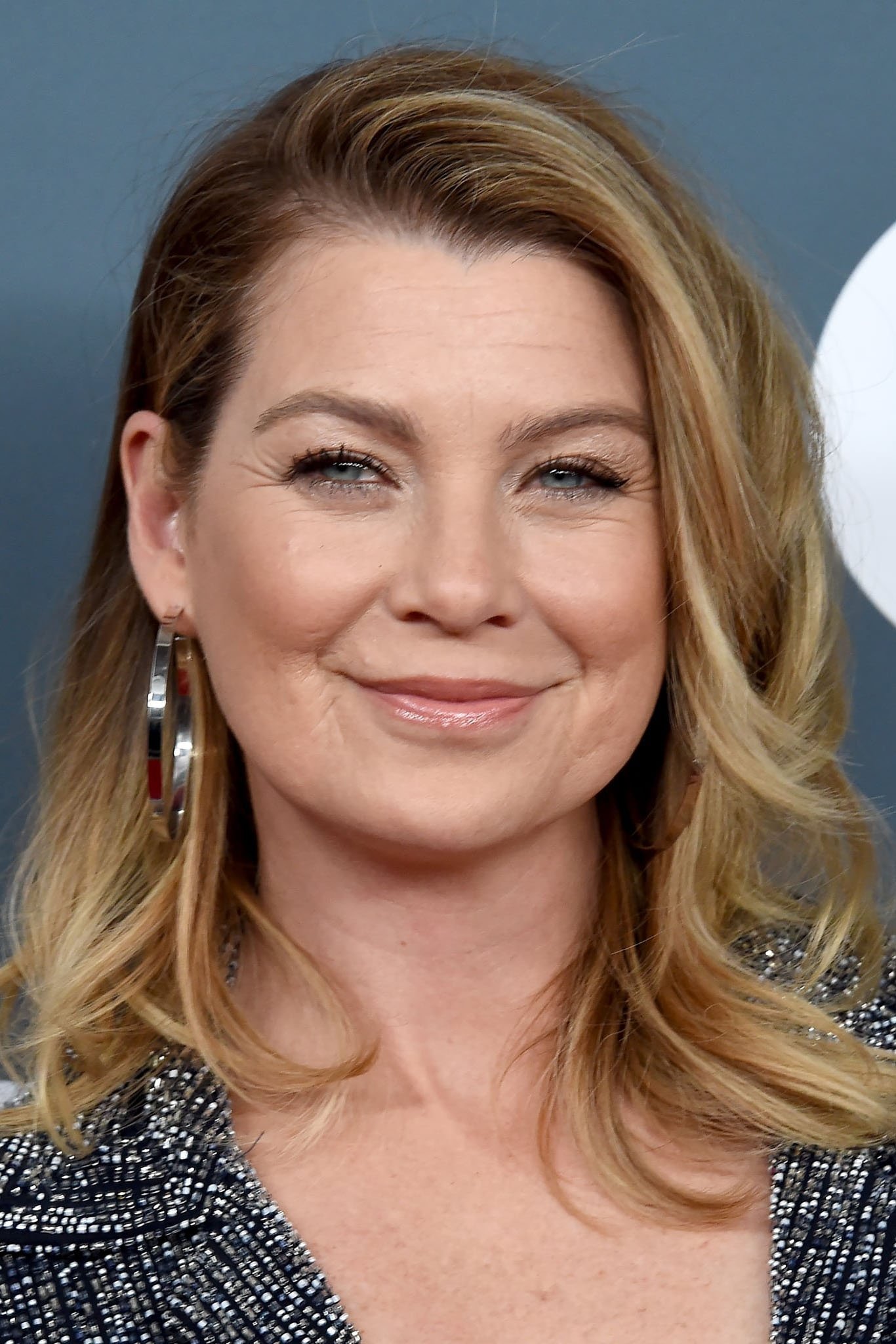
Ellen Pompeo became the highest paid actress on a television drama after renegotiating her contract for ‘Grey’s Anatomy’. She spoke openly about the difficulty of asking for more money while being compared to her former costar Patrick Dempsey. Pompeo credited her showrunner for empowering her to know her worth and demand a salary that reflected her contribution to the successful series. Her transparency was intended to encourage other women to own their power in business discussions.
Natalie Portman
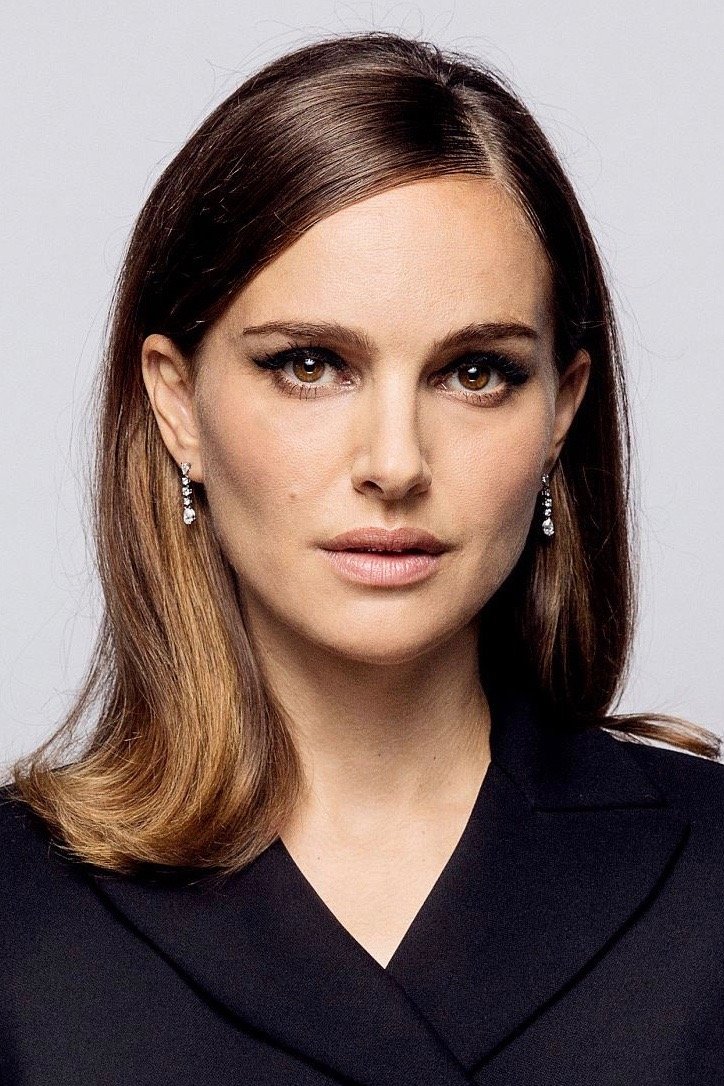
Natalie Portman revealed that Ashton Kutcher was paid three times as much as she was for their romantic comedy ‘No Strings Attached’. She admitted that she knew about the gap at the time but did not speak out because it was a common practice in Hollywood. Portman later noted that the disparity was particularly striking given that her role was just as significant as his. She emphasized that while actors make a lot of money, the percentage difference reflects a broader societal problem.
Viola Davis
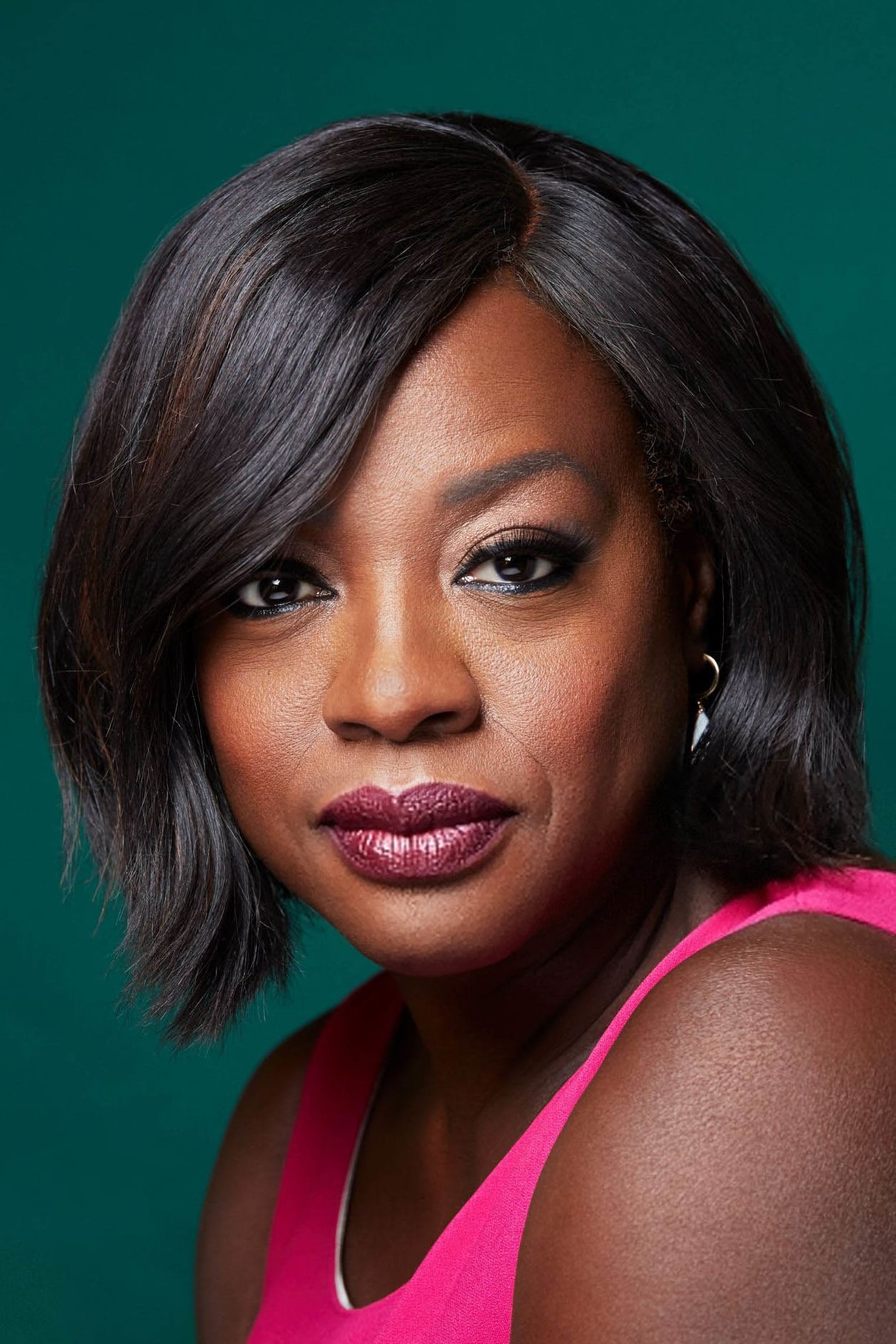
Viola Davis has frequently discussed the intersection of race and gender when it comes to pay inequality in the film industry. She pointed out that while white women fight for equality with white men, women of color often earn even less. Davis stated that she has the same credentials as her major peers but does not receive the same financial compensation. She continues to advocate for a system that values the talent and experience of Black actresses.
Taraji P. Henson
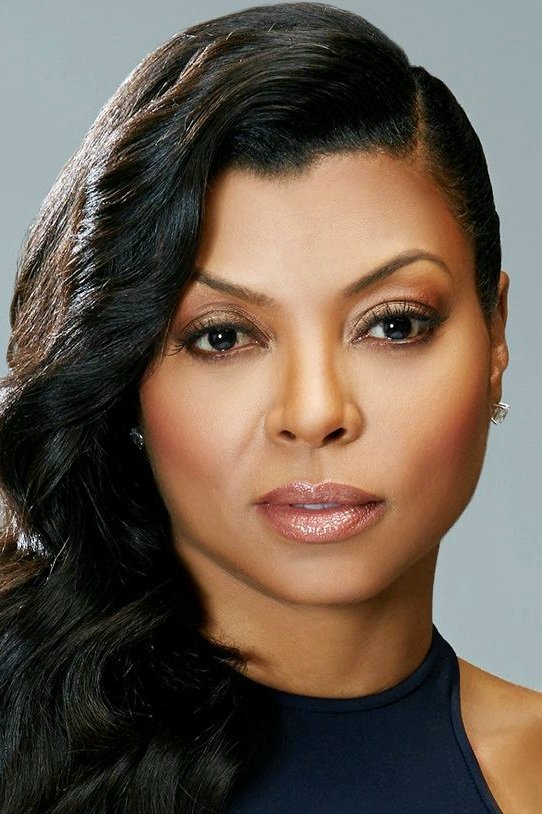
Taraji P. Henson spoke out about receiving a low offer for her Academy Award nominated role in ‘The Curious Case of Benjamin Button’. She explained that she had to pay her own travel and lodging expenses out of her paycheck. Henson recently expressed frustration through tears during an interview about the ongoing struggle to be paid fairly after decades in the industry. She noted that the overhead costs for actors often leave them with much less than the public assumes.
Kerry Washington
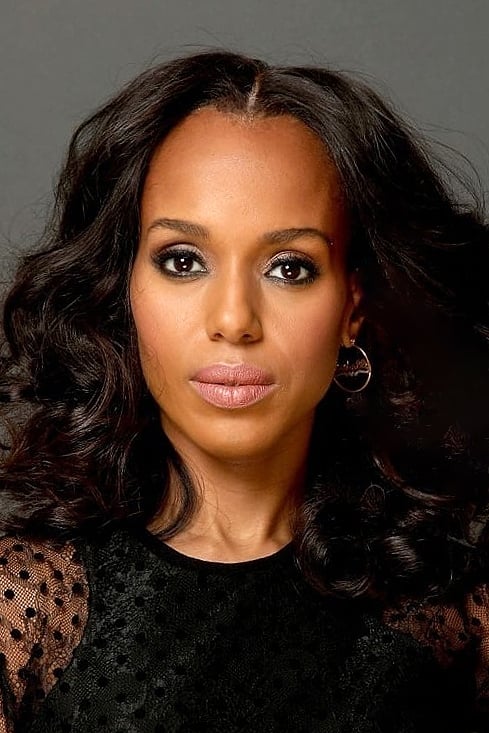
Kerry Washington has used her platform to speak about the importance of pay equity for women of color in television. She pointed out that the lack of diversity in high level decision making roles often leads to biased financial offers. Washington worked closely with the creators of ‘Scandal’ to ensure her compensation reflected her role as the lead of a major network drama. She continues to advocate for transparency to help other performers navigate the complexities of contract negotiations.
Gillian Anderson
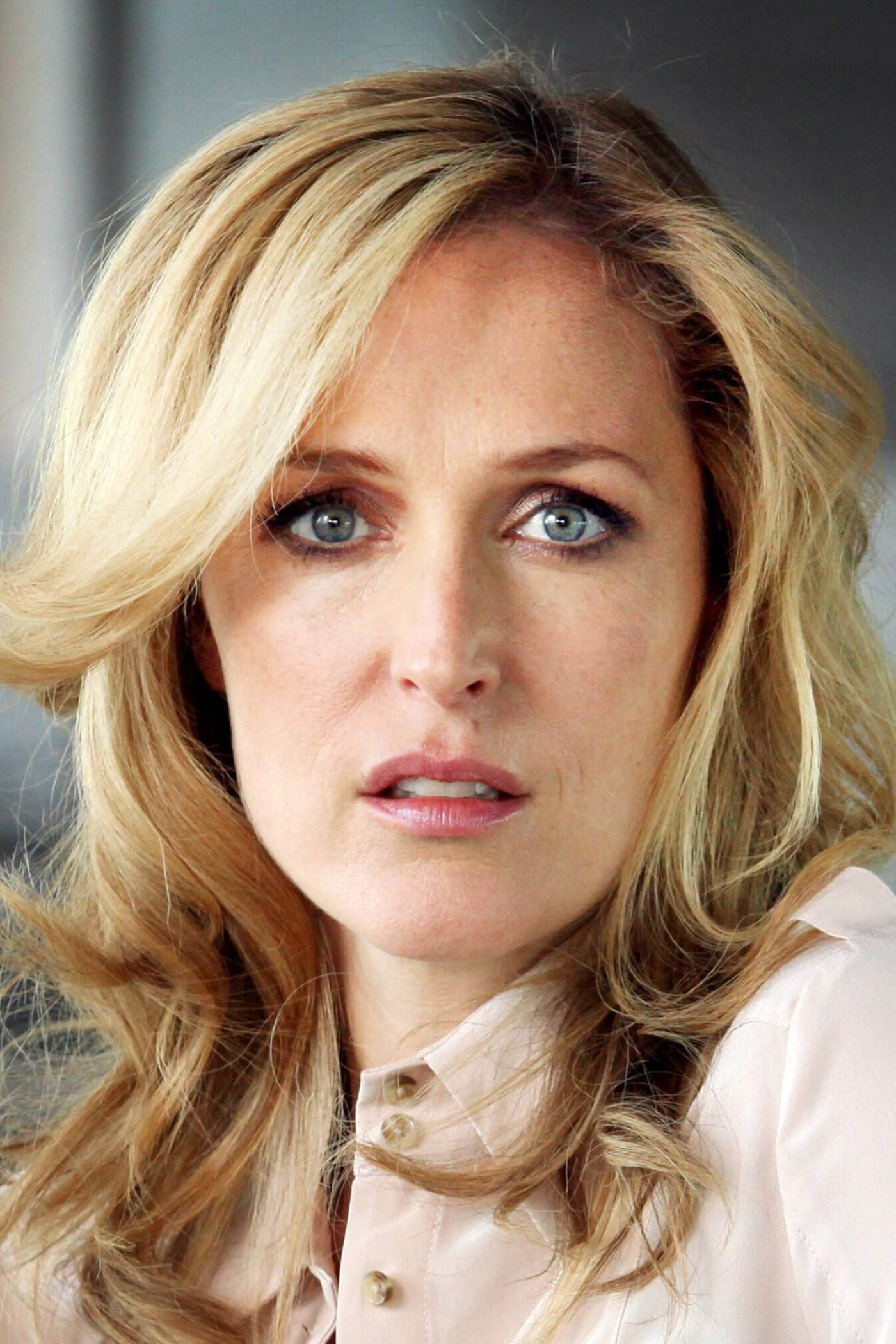
Gillian Anderson revealed that she was initially offered half of what David Duchovny was for the revival of the series ‘The X Files’. This came after she had already fought for years during the original production to achieve pay parity. Anderson expressed shock that the studio would still attempt to pay her less decades later despite her essential role in the franchise. She chose to speak out to show that even established stars face these persistent financial hurdles.
Claire Foy
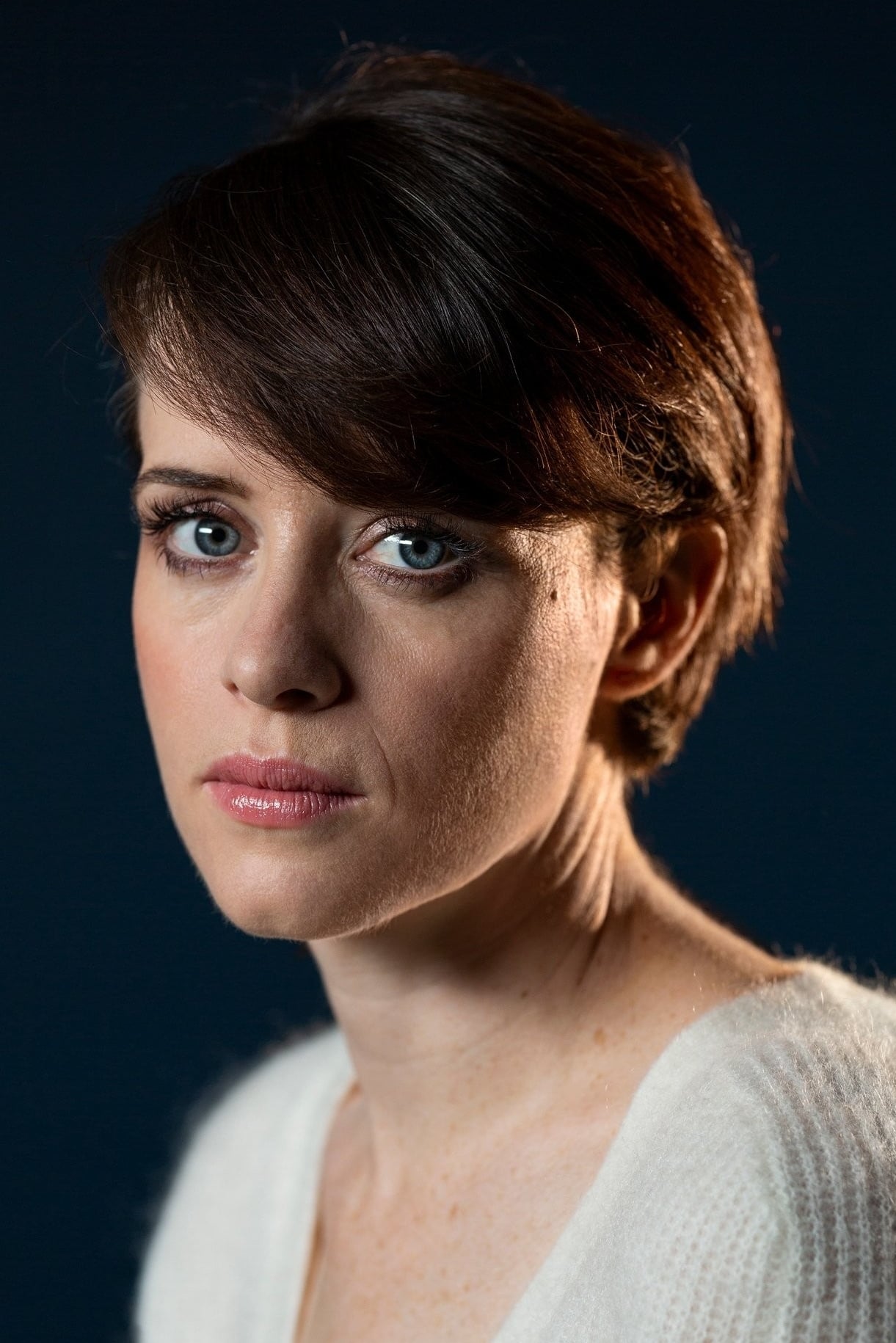
Claire Foy gained international attention when it was revealed she was paid less than Matt Smith for her role in ‘The Crown’. Even though she played the lead character Queen Elizabeth II, her costar received higher compensation. The production company eventually apologized and settled the pay gap with a back pay arrangement. Foy described the situation as an awkward position to be in but recognized the importance of the conversation it started.
Emmy Rossum
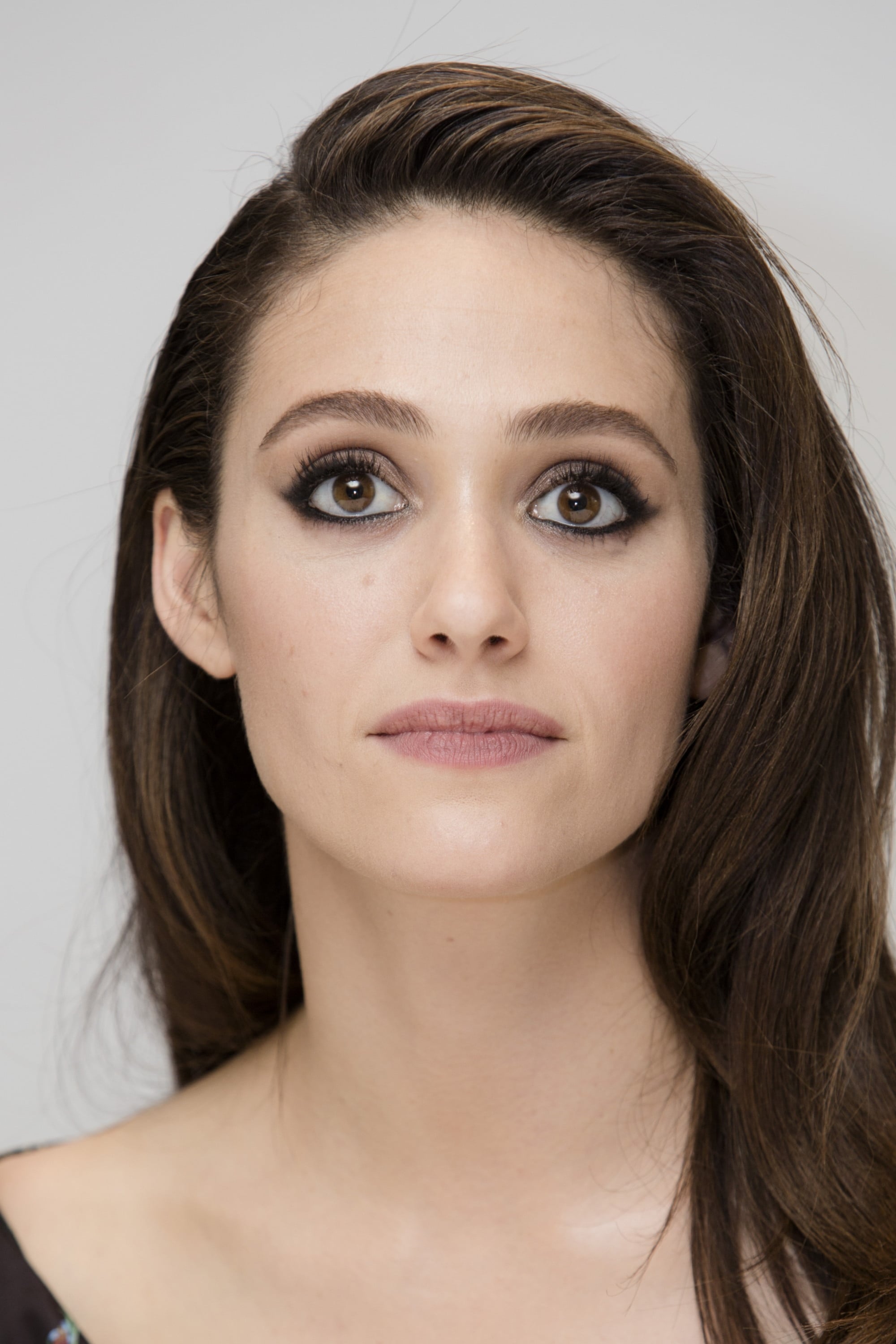
Emmy Rossum delayed the production of ‘Shameless’ when she demanded equal pay and a higher salary than her costar William H. Macy. She argued that her character had become the emotional core of the series over several seasons. Macy supported her publicly and stated that she deserved to be paid at least as much as he was. Her successful negotiation resulted in a new contract that reflected her leading status on the show.
Amy Adams
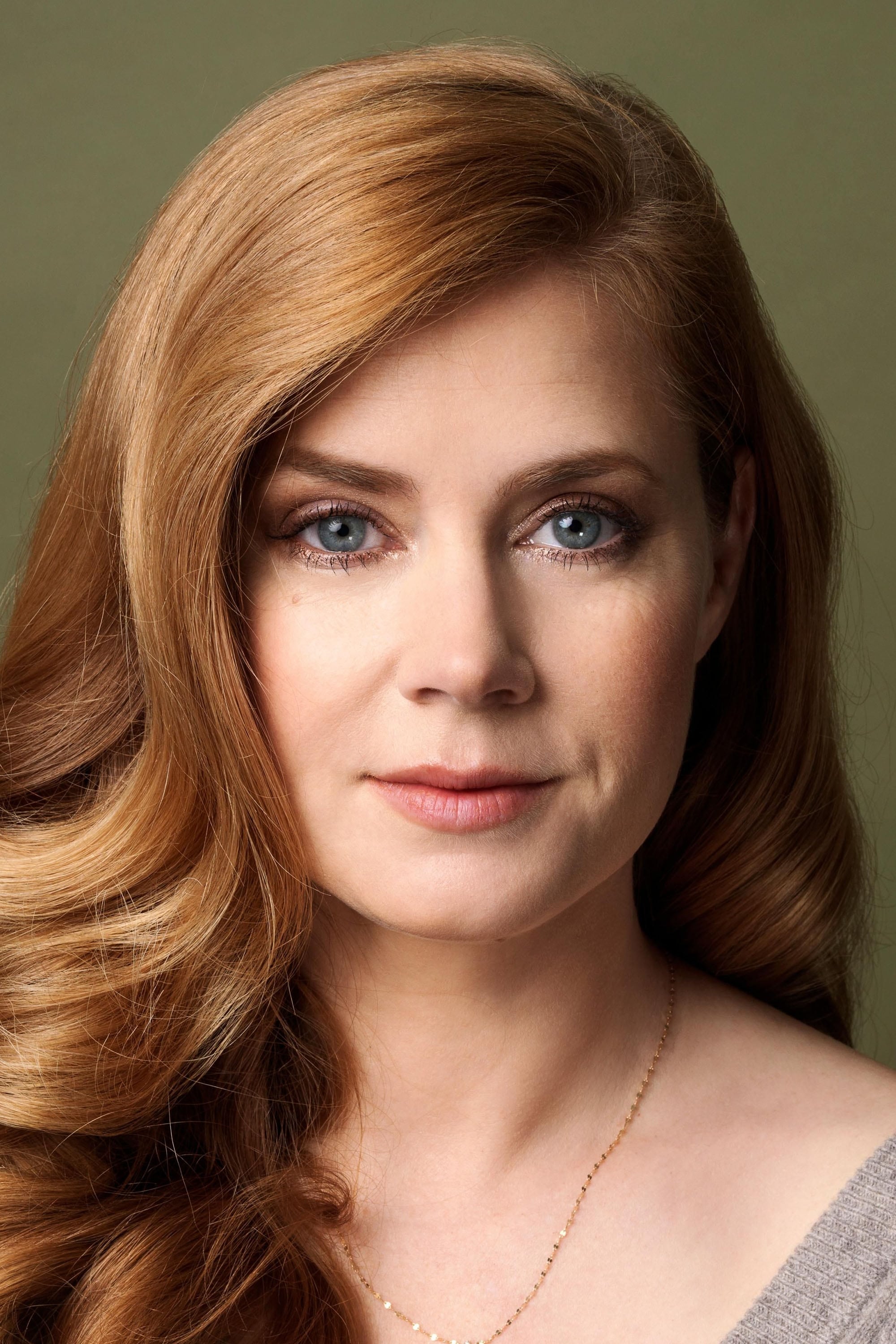
Amy Adams was another actress affected by the ‘American Hustle’ pay gap revealed through internal studio communications. She confirmed that she knew she was being paid less than the male actors but chose to move forward with the project anyway. Adams later explained that she felt she had to decide whether the role was worth the lower pay at that specific moment in her career. She has since become more vocal about the need for systemic change so that women do not have to make such compromises.
Bryce Dallas Howard
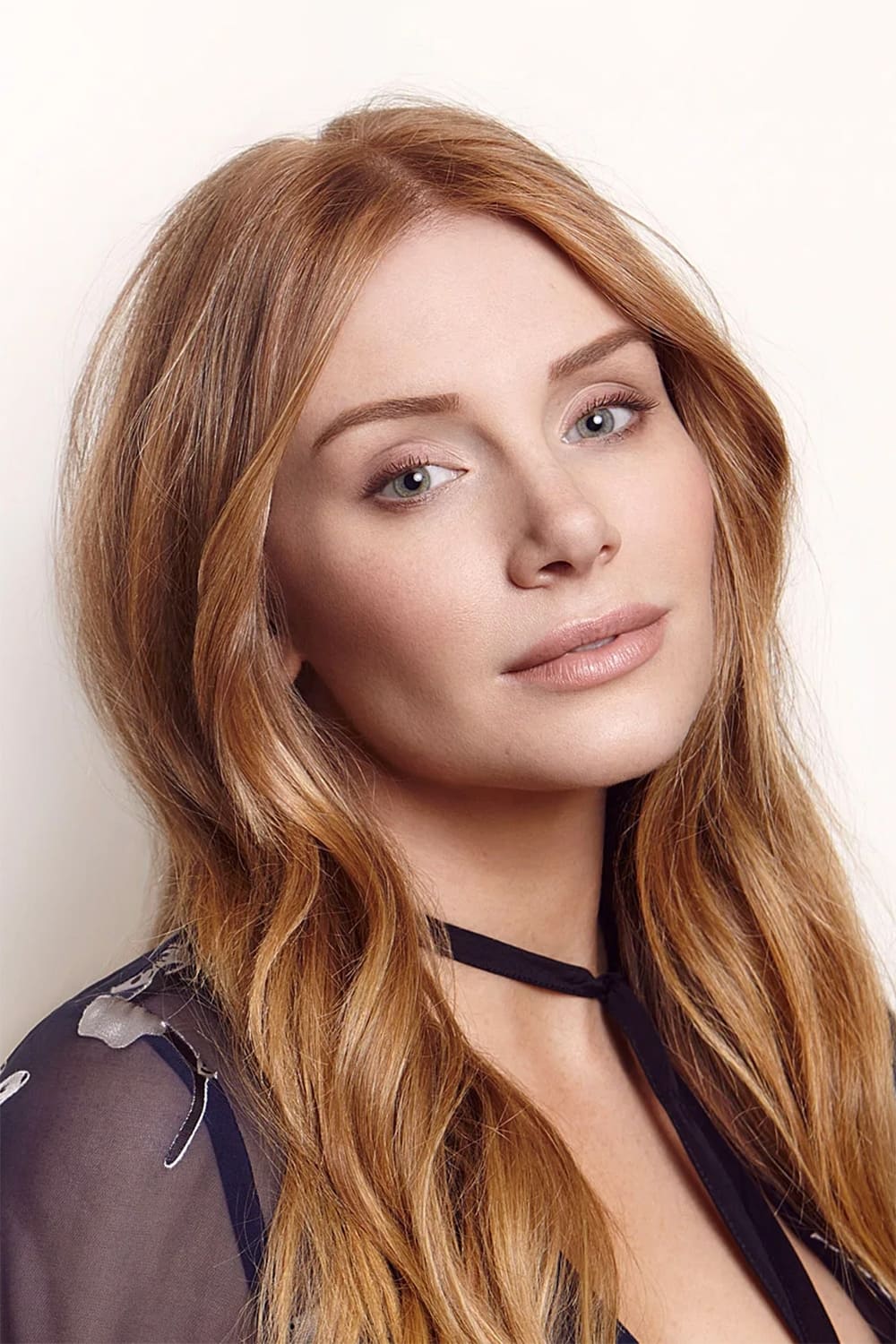
Bryce Dallas Howard revealed that she was paid significantly less than Chris Pratt for the ‘Jurassic World’ films. While initial reports suggested a two million dollar difference, she later clarified that the gap was actually much larger. Howard noted that she was at a disadvantage because she signed a multiple film deal early on when her negotiating power was lower. She praised Pratt for pushing for her to receive equal pay on other franchise opportunities.
Salma Hayek
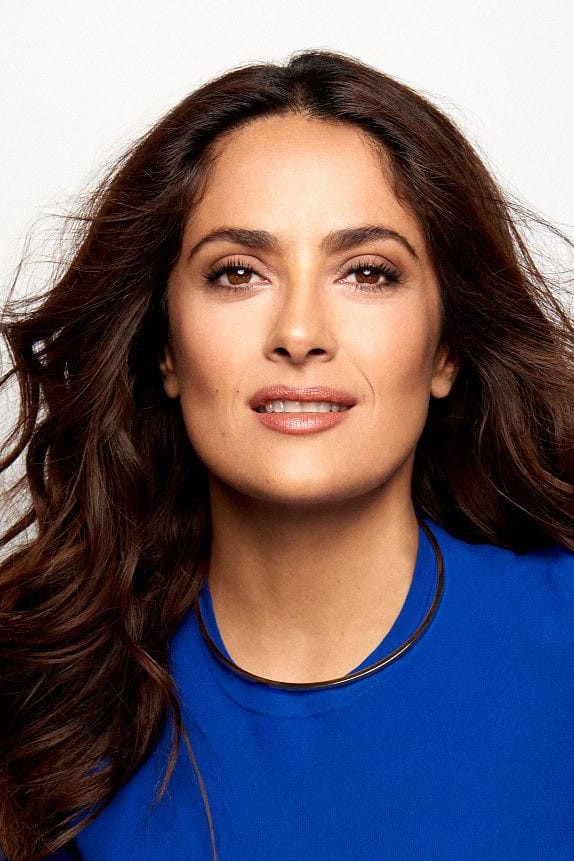
Salma Hayek has spoken about the difficulty of achieving pay equality as a Latina actress in Hollywood. She mentioned that studios often use the excuse that international audiences do not value women as much as men to justify lower salaries. Hayek challenged this notion by pointing out the global success of films led by women. She continues to use her production company to create better opportunities and fair wages for diverse talent.
Meryl Streep
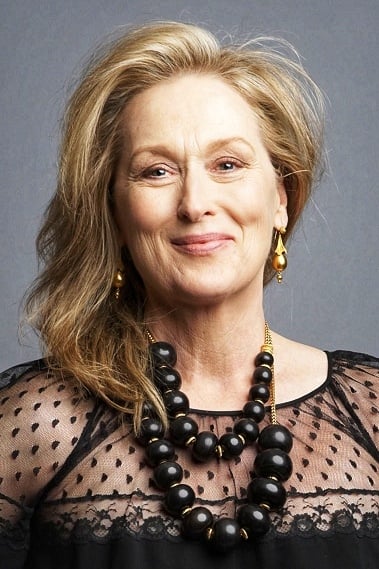
Meryl Streep has often commented on the fact that she is paid less than her male peers despite her legendary status and numerous awards. She famously funded a screenwriters lab for women over forty to help bridge the opportunity gap. Streep has emphasized that the problem is not just about the money but about the value placed on female perspectives. She remains a prominent figure in the movement for total equality in the entertainment business.
Emma Watson
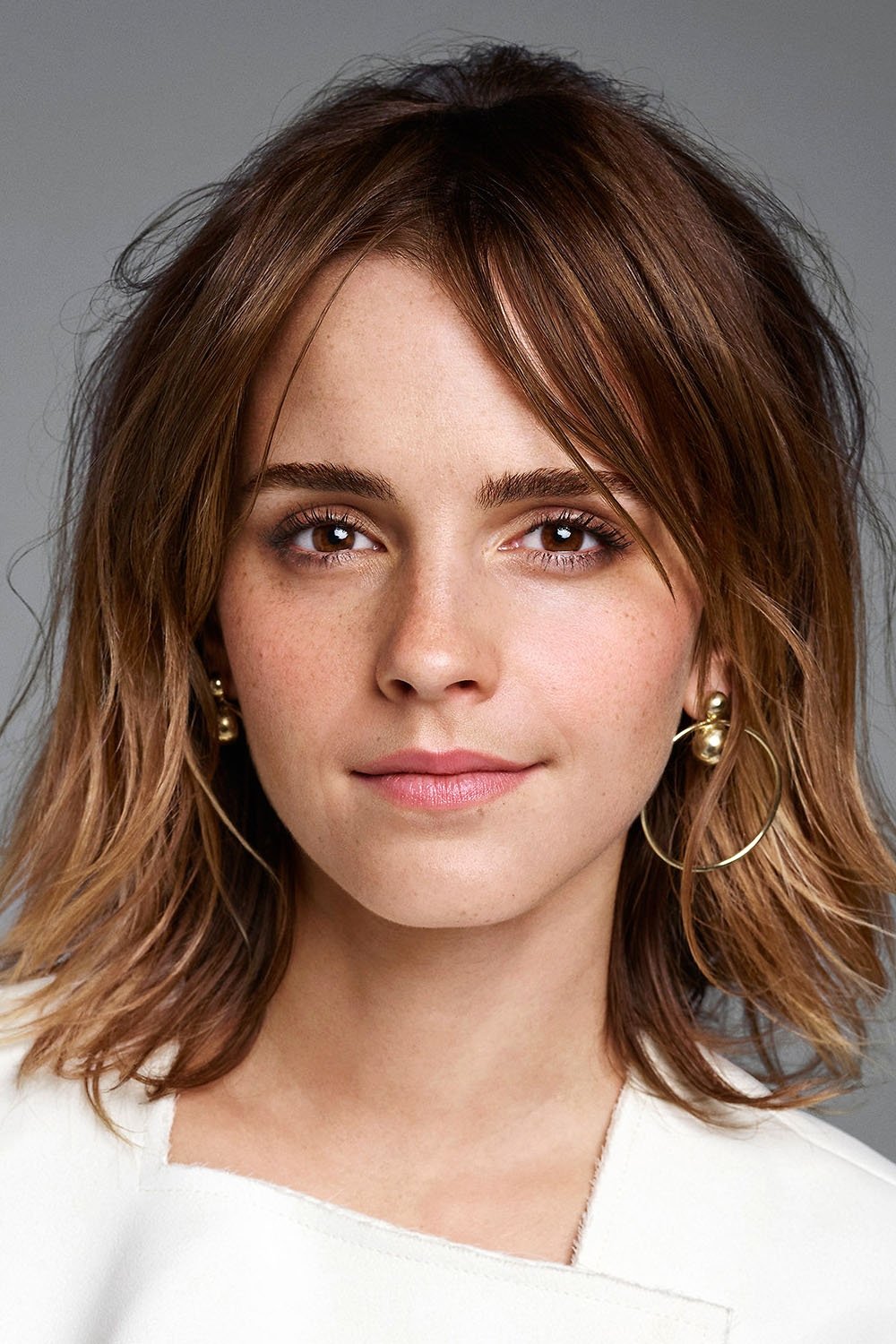
Emma Watson addressed the pay gap as part of her role as a UN Women Goodwill Ambassador. She launched a global campaign to encourage men to take an active role in the fight for gender equality. Watson noted that the industry often penalizes women for being ambitious or demanding. She has used her personal experiences on film sets to illustrate the need for structural changes in how contracts are negotiated.
Gwyneth Paltrow
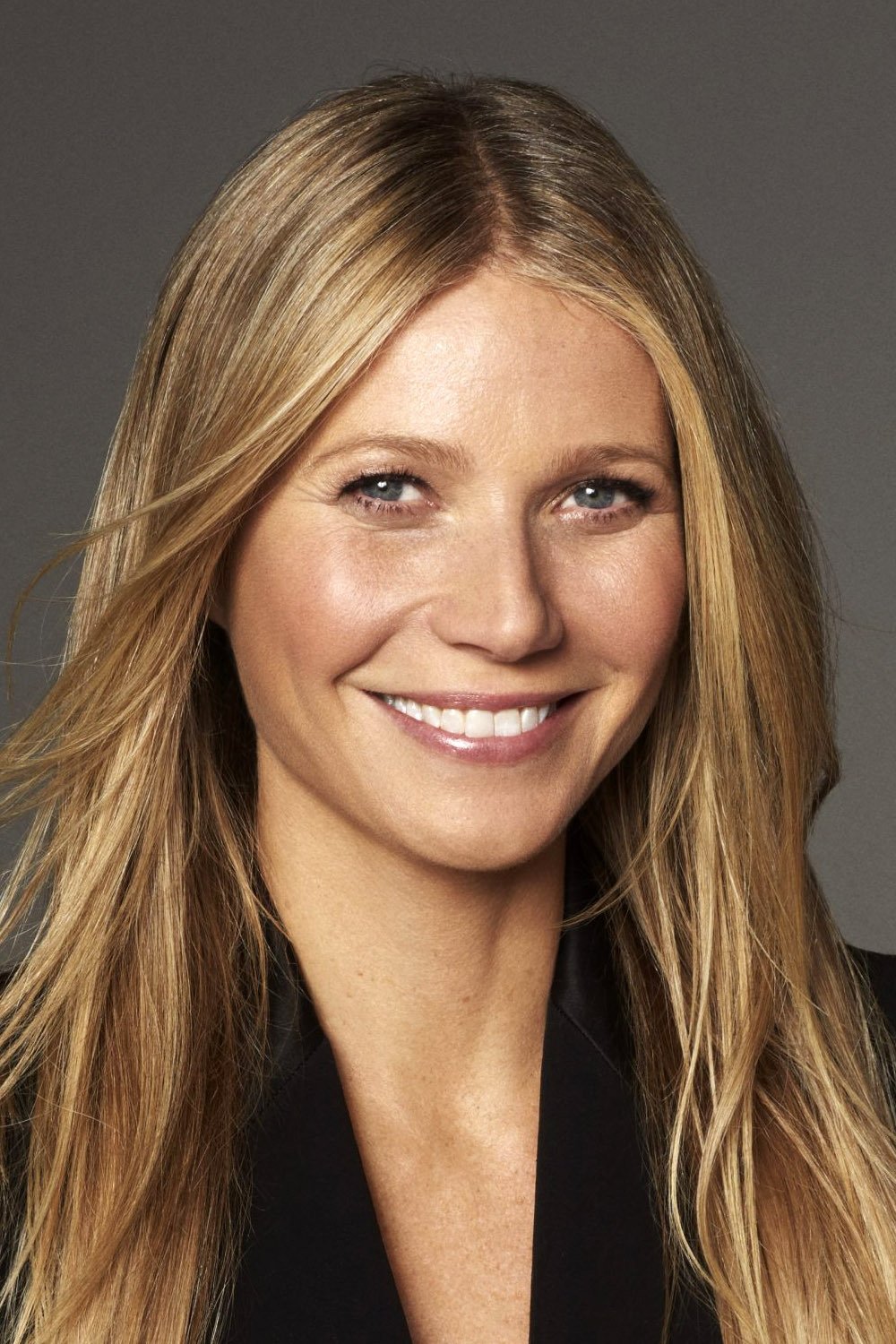
Gwyneth Paltrow spoke out about the disparity in her salary compared to Robert Downey Jr. for the ‘Iron Man’ films. She stated that while she understood he was the main star, the difference in their paychecks was still enormous. Paltrow argued that if women are doing the same amount of work they should be compensated in a way that feels fair. She highlighted that the pay gap can be painful even when the salaries are already high.
Reese Witherspoon
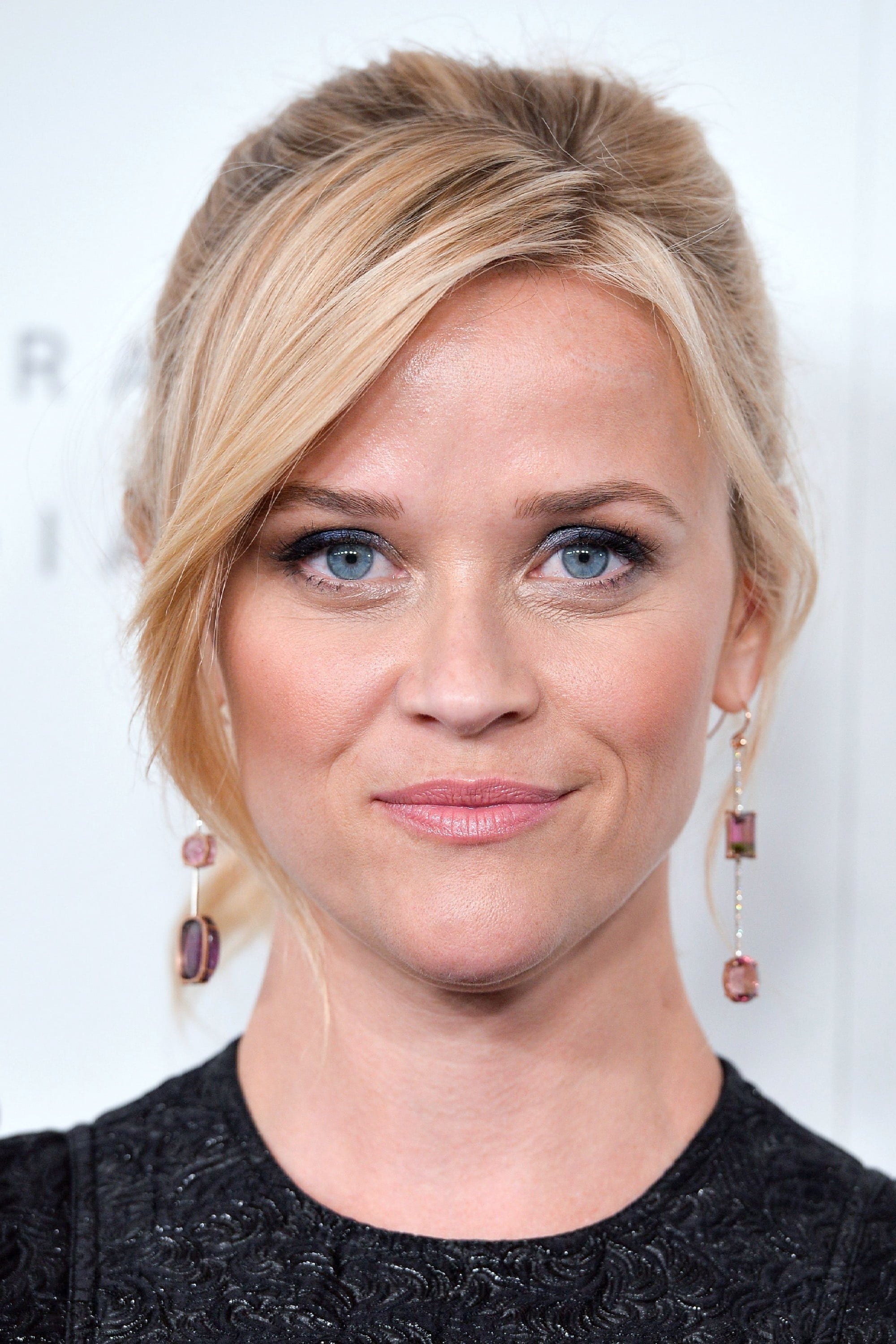
Reese Witherspoon has been a major force in changing the business landscape for women through her own production company. She took action after being told that a studio would not pay her what she was worth for a specific project. Witherspoon decided to produce her own content to ensure that she and other women were paid fairly. She often discusses the importance of women having financial literacy and control over their own careers.
Octavia Spencer
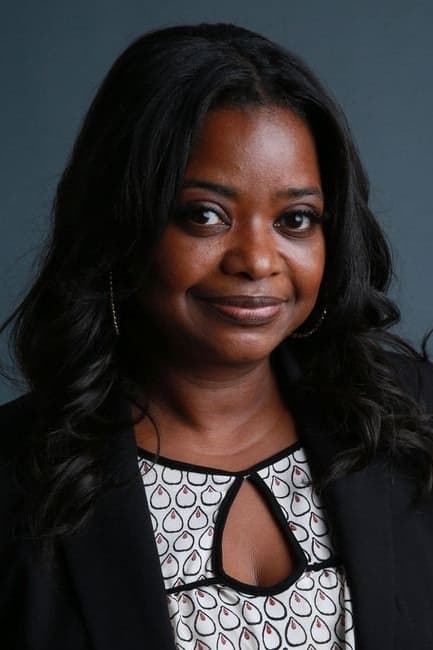
Octavia Spencer shared a story about how Jessica Chastain helped her achieve a massive increase in her salary for a project. She explained that as a woman of color her pay was traditionally even lower than that of her white female costars. Chastain insisted that they be tied together in negotiations to ensure they both received the same rate. This moment became a widely cited example of how allyship can directly impact pay equity.
Priyanka Chopra Jonas

Priyanka Chopra revealed that she achieved pay parity for the first time in her career with the series ‘Citadel’. After working in the industry for over twenty years she finally received the same compensation as her male costar. She noted that she had previously accepted that pay gaps were simply the way the business functioned. Chopra credited the shift to a change in leadership and a more conscious effort to value women.
Gabrielle Union
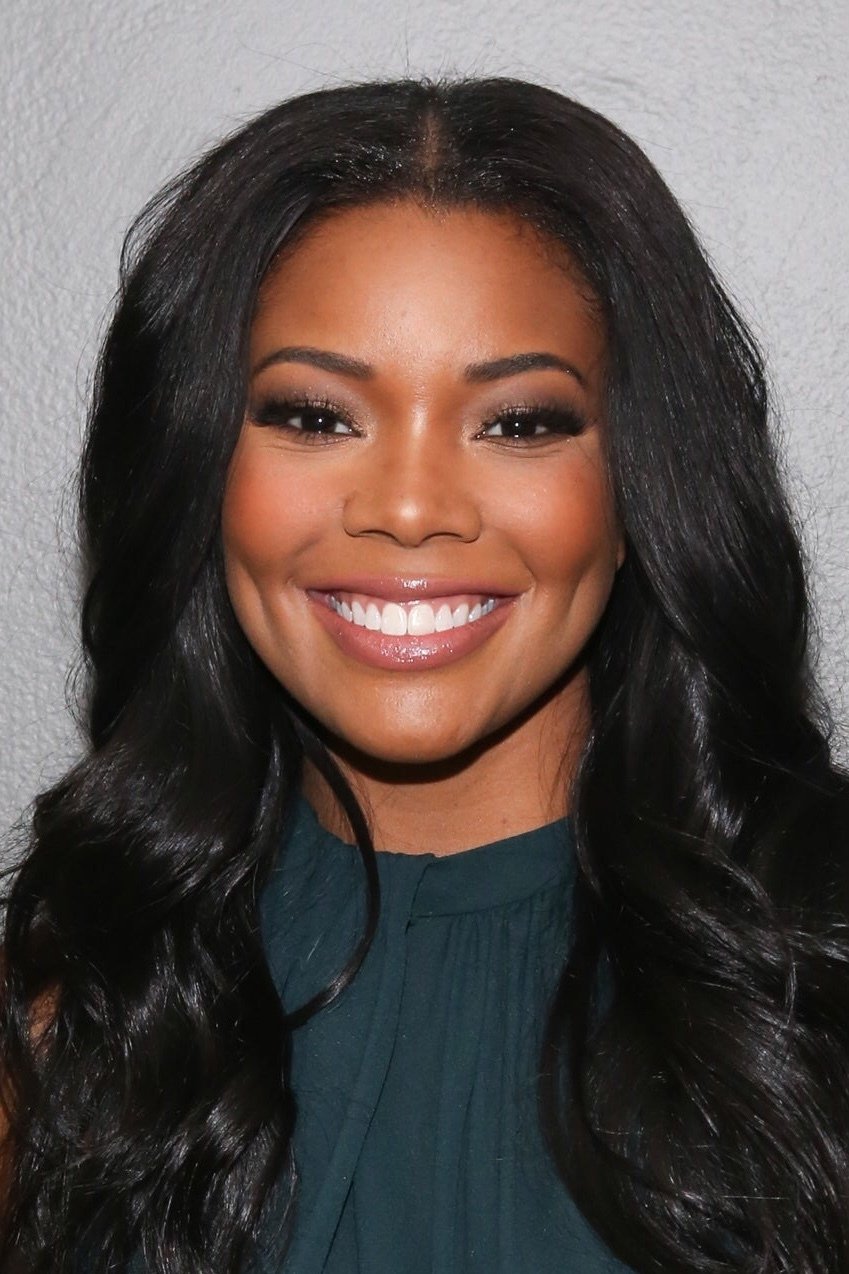
Gabrielle Union has been vocal about her experiences with pay inequality and workplace discrimination throughout her career. She has spoken out about the lack of transparency that allows studios to pay women and people of color less than their peers. Union often uses her social media platforms to advocate for the rights of marginalized groups in the industry. She believes that holding corporations accountable is the only way to achieve lasting financial justice.
Sandra Oh
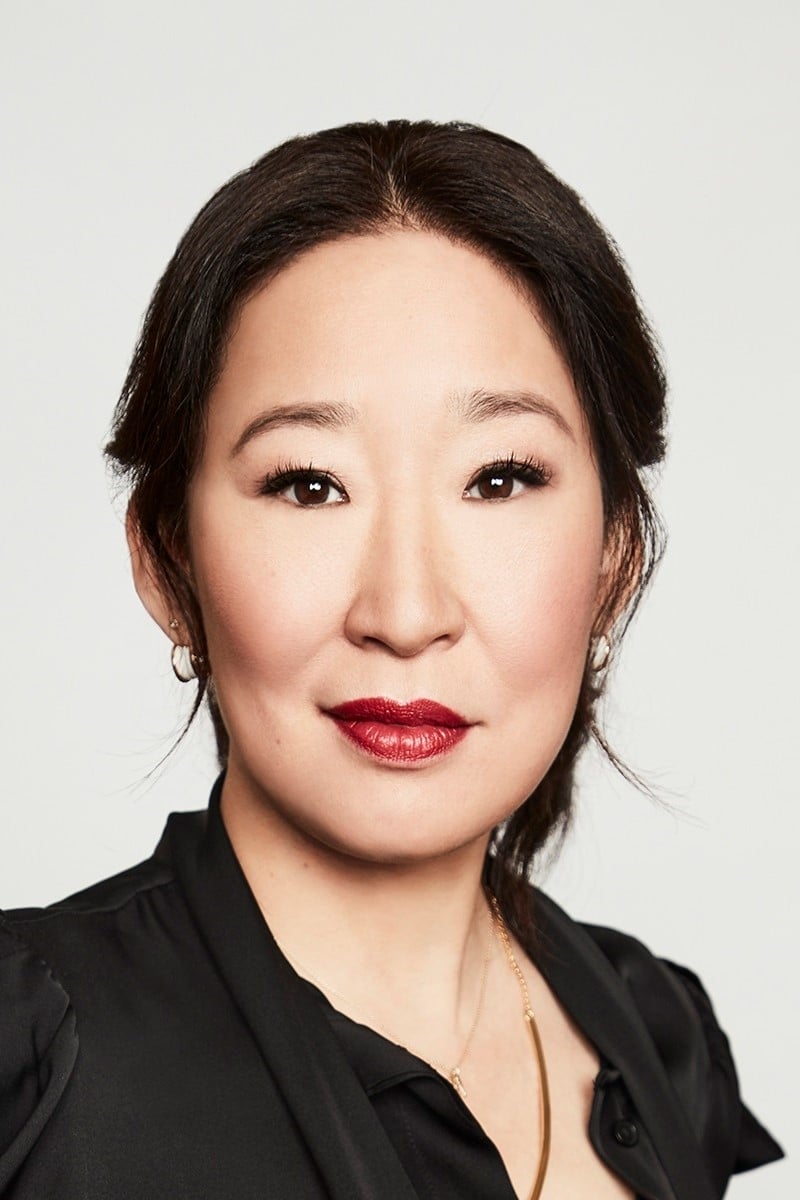
Sandra Oh discussed the challenges of negotiating fair pay as an actress in a predominately white industry. She highlighted the importance of knowing your value and refusing to settle for less than what is deserved. Oh has used her success on shows like ‘Killing Eve’ to advocate for more diverse representation and better compensation for all performers. She emphasizes that the struggle for equality is ongoing and requires constant vigilance.
Carey Mulligan
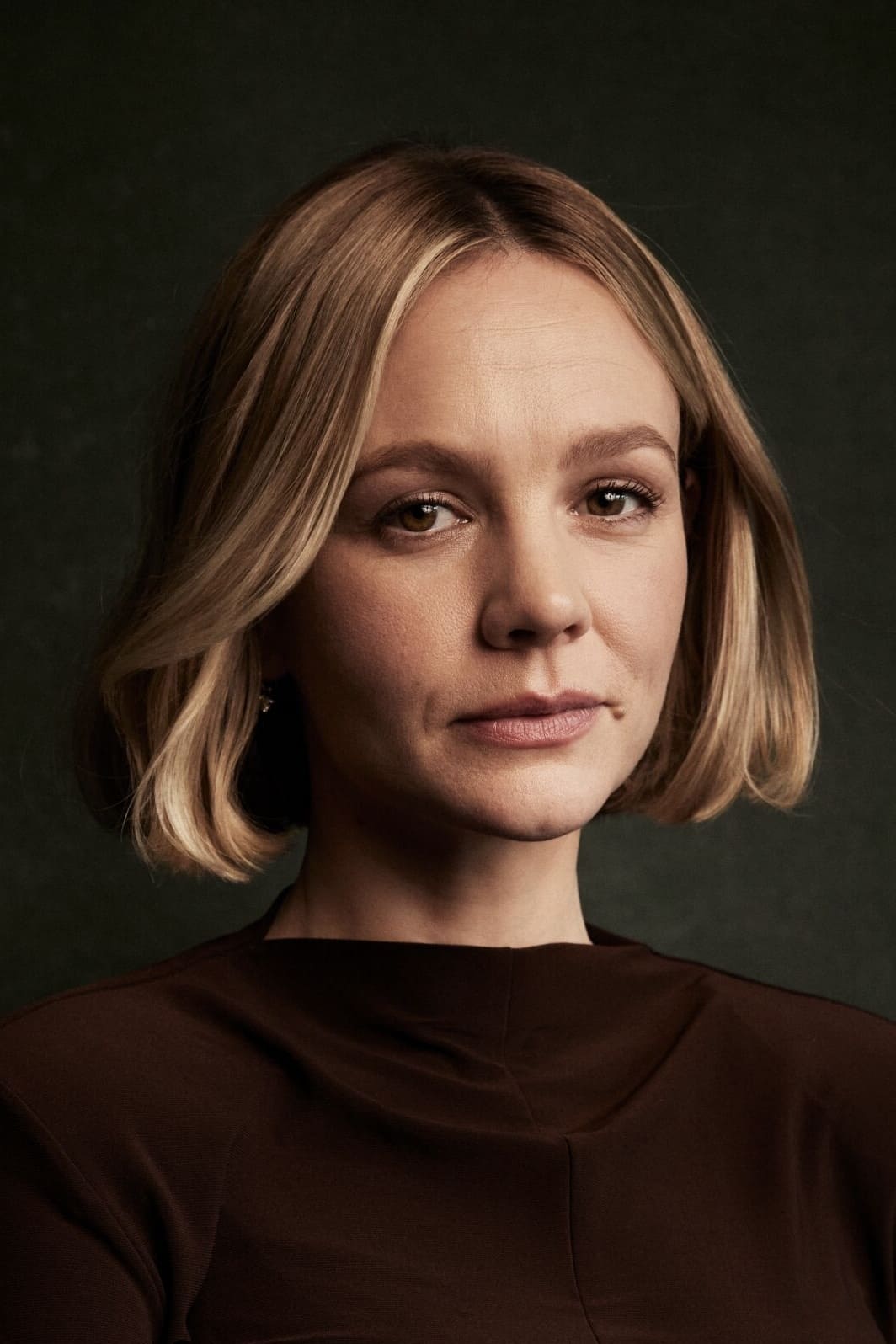
Carey Mulligan expressed her support for pay transparency and equal compensation during interviews for her film ‘Suffragette’. She noted that the themes of the movie were still incredibly relevant to the modern struggle for women’s rights. Mulligan argued that the pay gap is a symptom of a larger lack of respect for women in professional settings. She encouraged more open dialogue among actors to help expose and fix these financial discrepancies.
Felicity Jones

Felicity Jones reportedly negotiated a higher salary for ‘Rogue One’ than her male costars. This was seen as a significant win for female performers in major action franchises. Jones used her leverage as an Academy Award nominee to ensure she was the highest paid actor on the production. Her success proved that leading women can command major salaries when they are the primary draw for a blockbuster film.
Rooney Mara
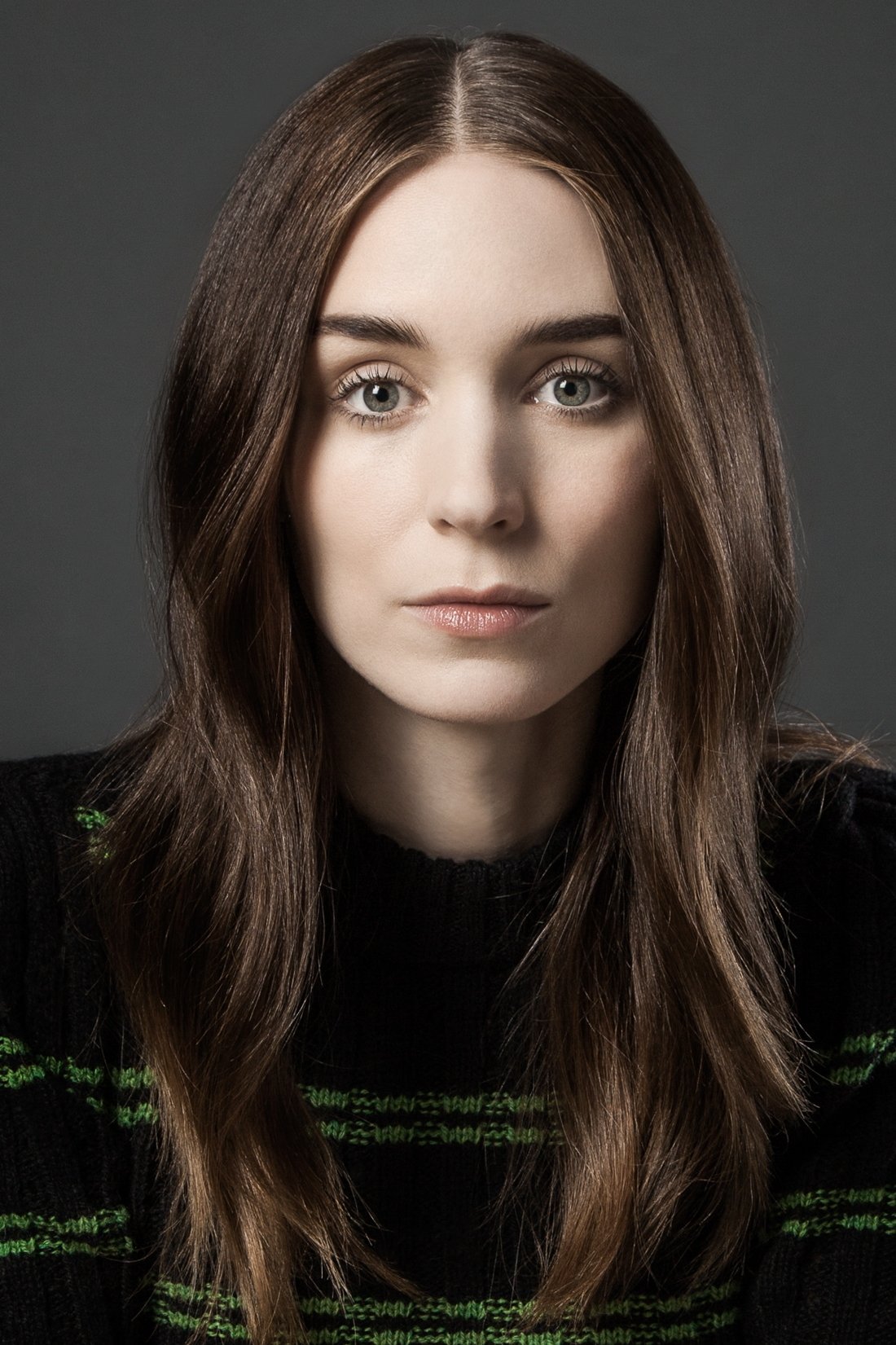
Rooney Mara commented on the pay gap by stating that she has been in several films where she was paid much less than her male costars. She mentioned that the frustration often comes from the realization that the work is exactly the same but the reward is not. Mara pointed out that women are often afraid to speak up because they do not want to lose out on good roles. She believes that more honest conversations are needed to break the cycle of inequality.
Diane Keaton
Diane Keaton revealed in her memoir that Jack Nicholson gave her a portion of his back end profits from the film ‘Something’s Gotta Give’. She was not originally offered a share of the profits despite her leading role and critical acclaim. Nicholson realized the unfairness of the situation and decided to personally rectify the pay gap. This gesture highlighted the importance of male costars advocating for their female peers in the industry.
Jennifer Lopez
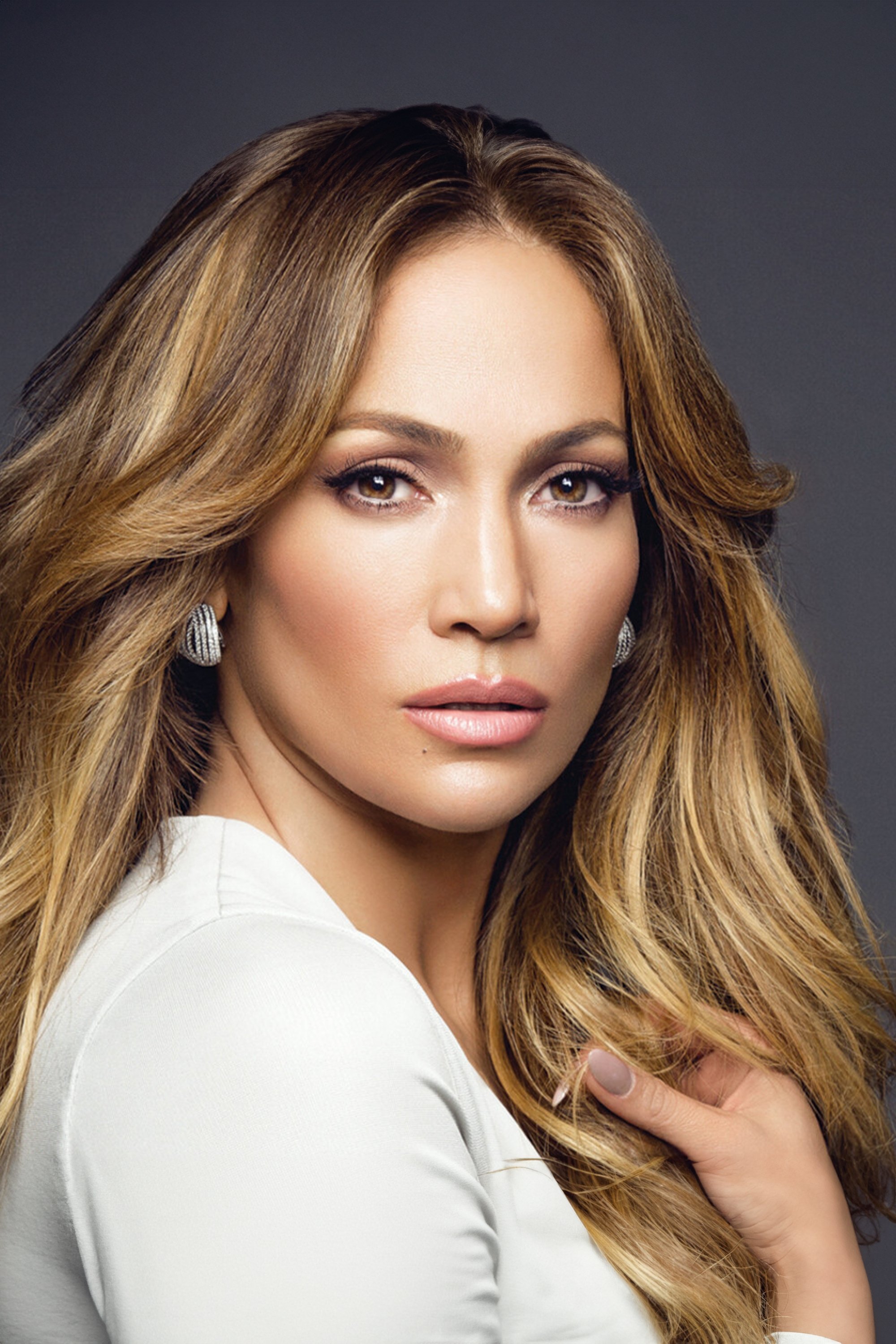
Jennifer Lopez has discussed the early stages of her career where she felt she was not being compensated fairly compared to her male peers. She noted that women are often labeled as difficult or divas when they ask for what they deserve in a contract. Lopez emphasized that she had to work twice as hard to prove her value and command the same respect as men in the industry. She believes that financial independence is a crucial part of empowerment for all women.
Please share your thoughts on the fight for pay equality in the comments.