


Actresses Who Changed Their Names to Hide Their Family Background

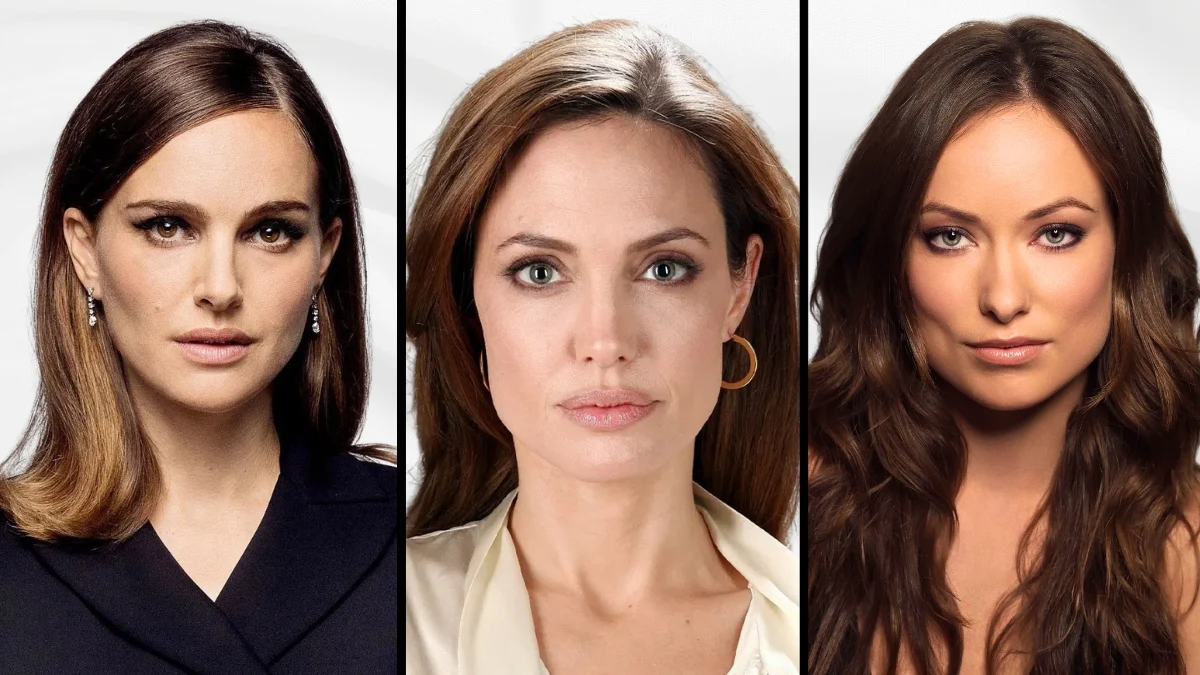


In the high-stakes world of Hollywood, identity is often a curated asset designed for marketability, privacy, or personal liberation. Many actresses have famously discarded their birth names to escape the shadows of their families, whether to protect their relatives’ privacy or to distance themselves from a famous parent’s legacy. Others have sought to bypass cultural prejudices or to simplify their public personas for a global audience. These transitions represent a strategic shift that allows these women to define their careers on their own terms.
Natalie Portman
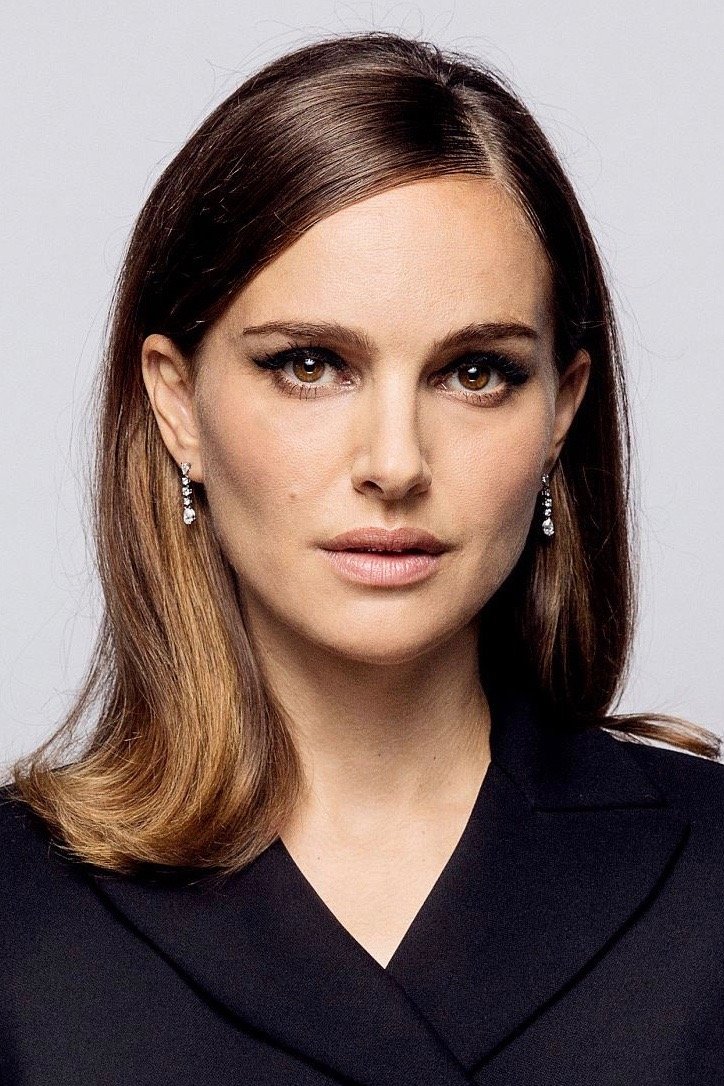
Natalie Hershlag changed her name to Natalie Portman when she began her acting career at age 11. She adopted her grandmother’s maiden name to protect her family’s privacy following her debut in ‘Léon: The Professional’. This decision allowed her to maintain a clear boundary between her high-profile film career and her private life as a student. The change was specifically intended to shield her relatives from the media attention her early fame generated.
Angelina Jolie
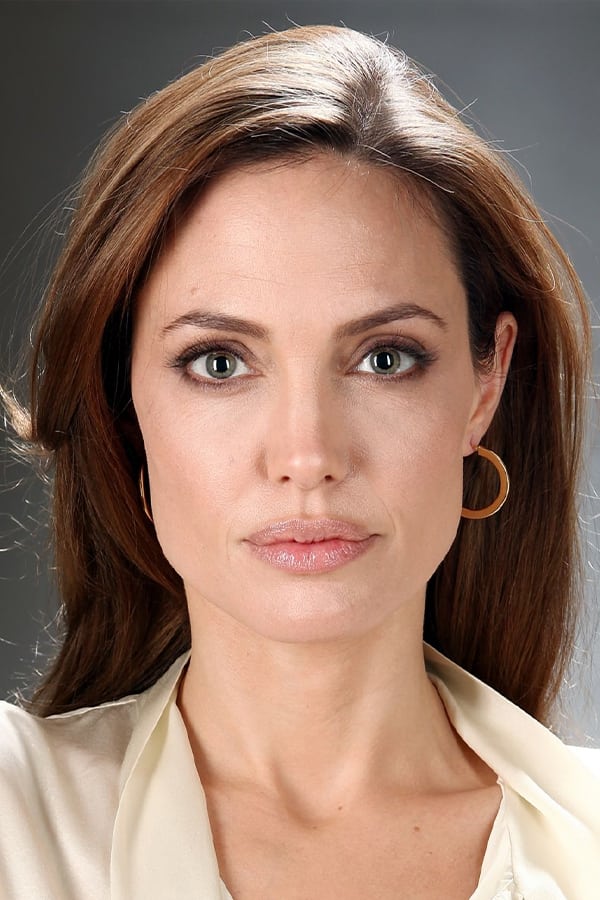
Born Angelina Jolie Voight, the actress filed a legal petition to drop her father’s surname in 2002. This move was a public effort to distance herself from her father, actor Jon Voight, following a long-standing personal rift. She chose to use her middle name, Jolie, as her professional surname for all credits in films like ‘Lara Croft: Tomb Raider’. The name change solidified her identity as an individual separate from her father’s Hollywood legacy.
Rita Hayworth
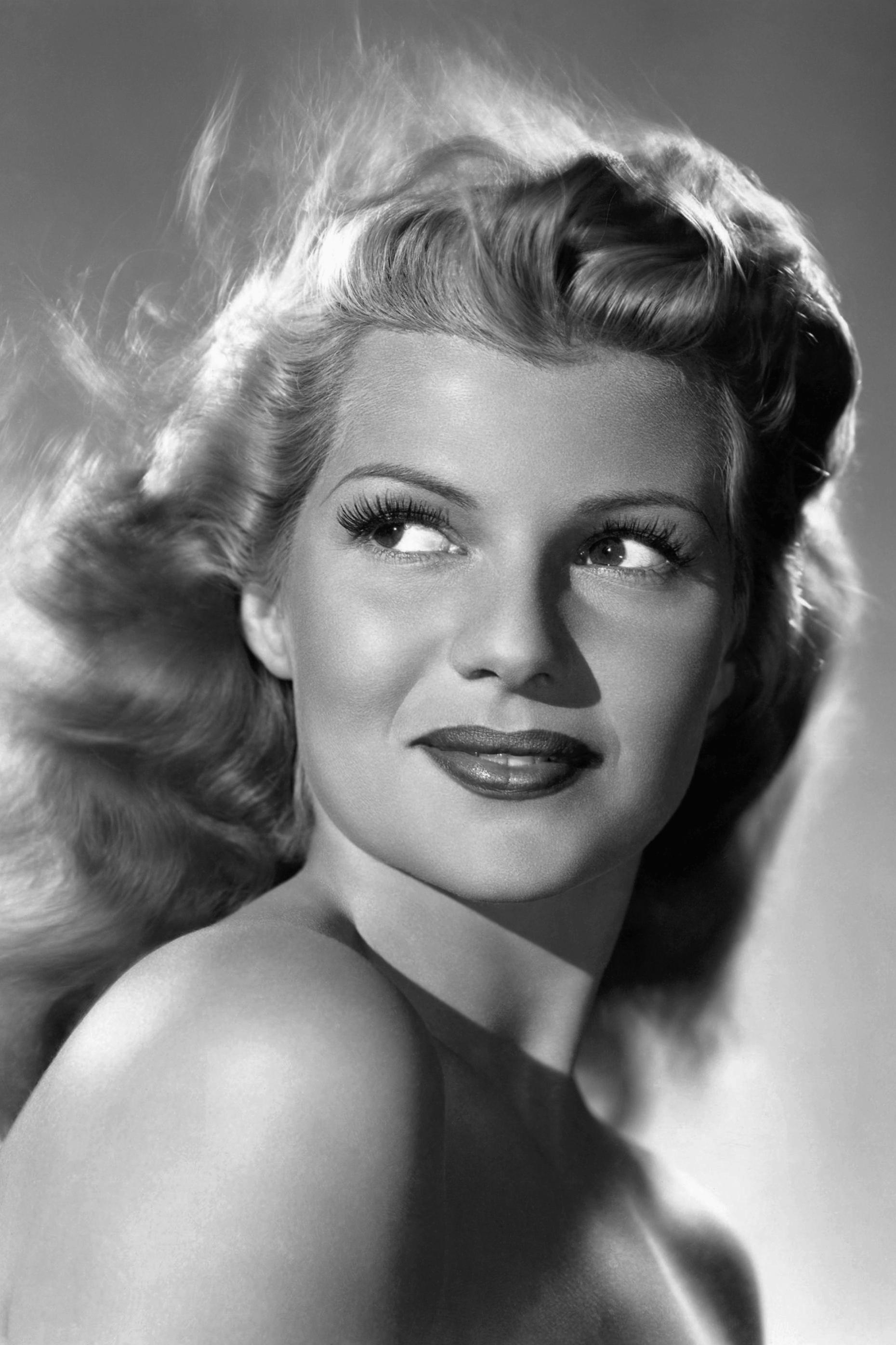
Born Margarita Carmen Cansino, the actress changed her name to her mother’s maiden name, Hayworth, to hide her Spanish heritage. In addition to the name change, she underwent painful electrolysis to raise her hairline and dyed her hair red to appear more “All-American” to audiences. These alterations were driven by a desire to avoid the “ethnic” typecasting prevalent in the 1930s and 1940s. She eventually became a massive star in classics such as ‘Gilda’.
Whoopi Goldberg
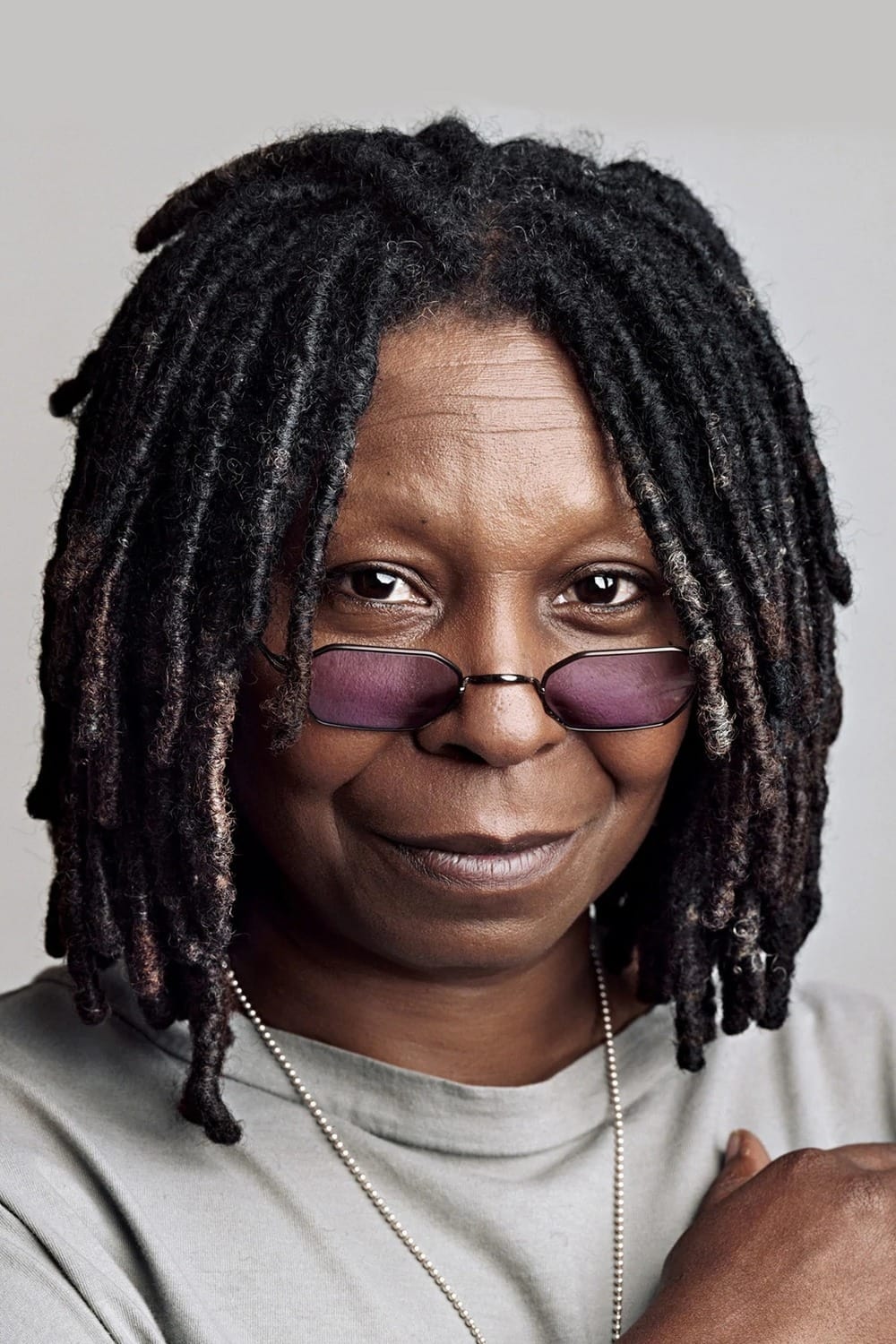
Born Caryn Elaine Johnson, she adopted a stage name that was intentionally distinct from her birth name. The surname Goldberg was suggested by her mother, who believed that a Jewish-sounding name would help her career prospects in the industry. She combined this with the nickname Whoopi, derived from a “whoopee cushion,” to create a memorable persona. This transformation completely obscured her family’s actual background and heritage from the public eye.
Helen Mirren
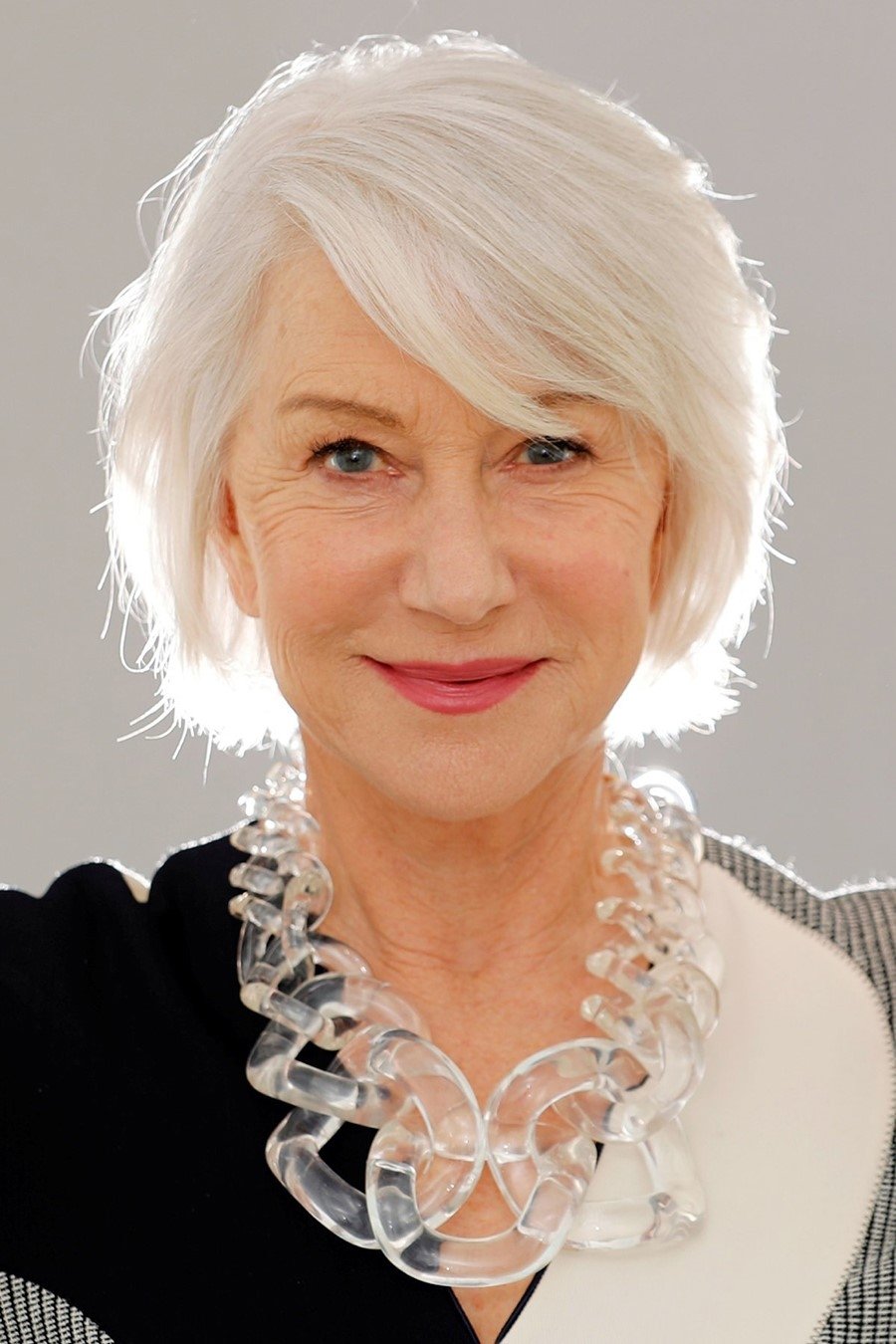
The actress was born Ilyena Lydia Mironoff to a father of Russian descent and a British mother. Her father legally changed the family surname to Mirren in the 1950s to help the family blend into English society during the Cold War. She continued to use this Anglicized name as she began her career in ‘The Age of Consent’ and ‘The Queen’. The change was a strategic move to hide the family’s aristocratic Russian roots and avoid xenophobia.
Olivia Wilde
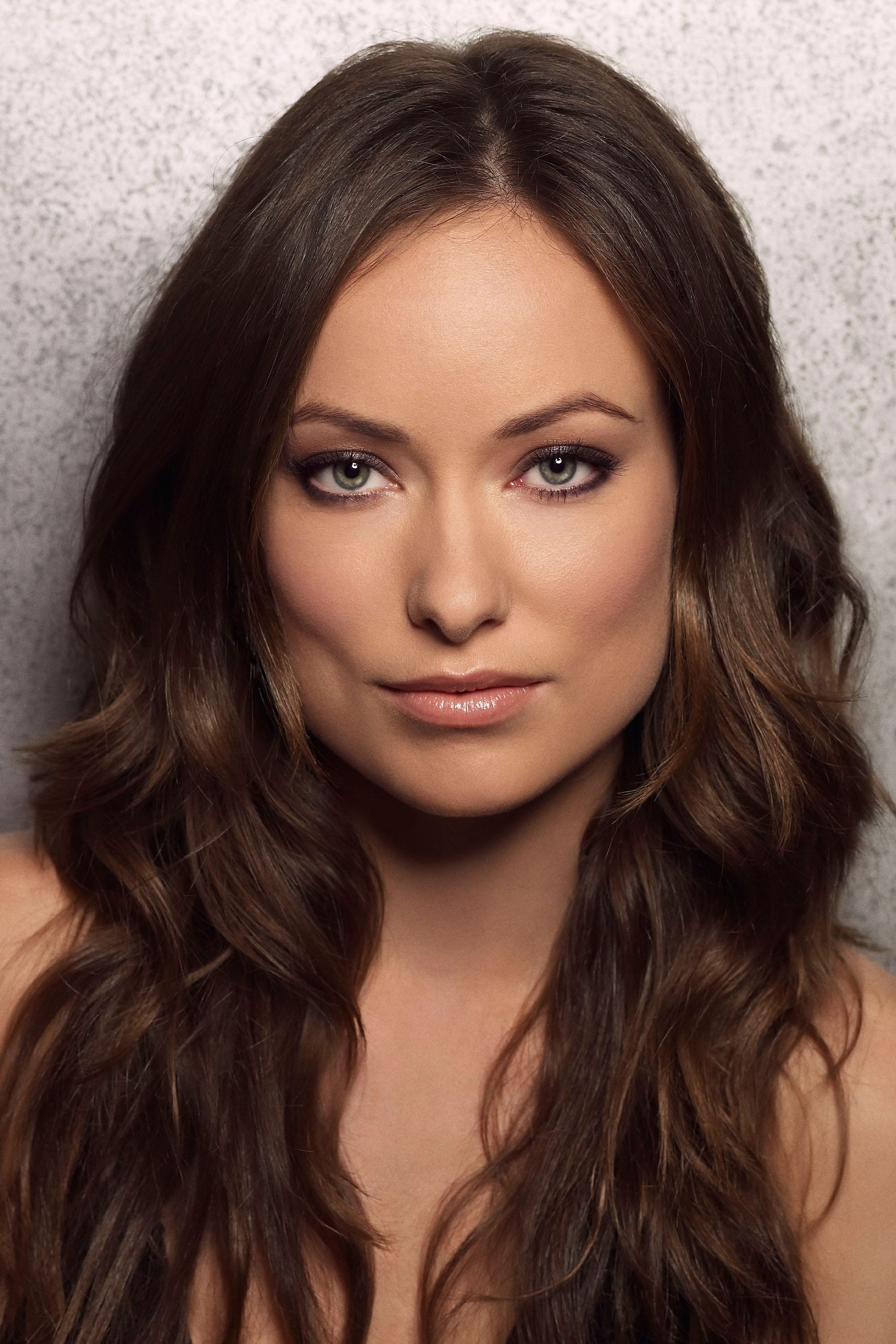
Born Olivia Cockburn, she changed her last name to Wilde during her high school years as an homage to the writer Oscar Wilde. This change helped her distance her professional identity from her family of prominent journalists and writers. She felt that Wilde reflected her own creative aspirations more than her birth name did. She subsequently used this name throughout her career in ‘House’ and as a director.
Sigourney Weaver
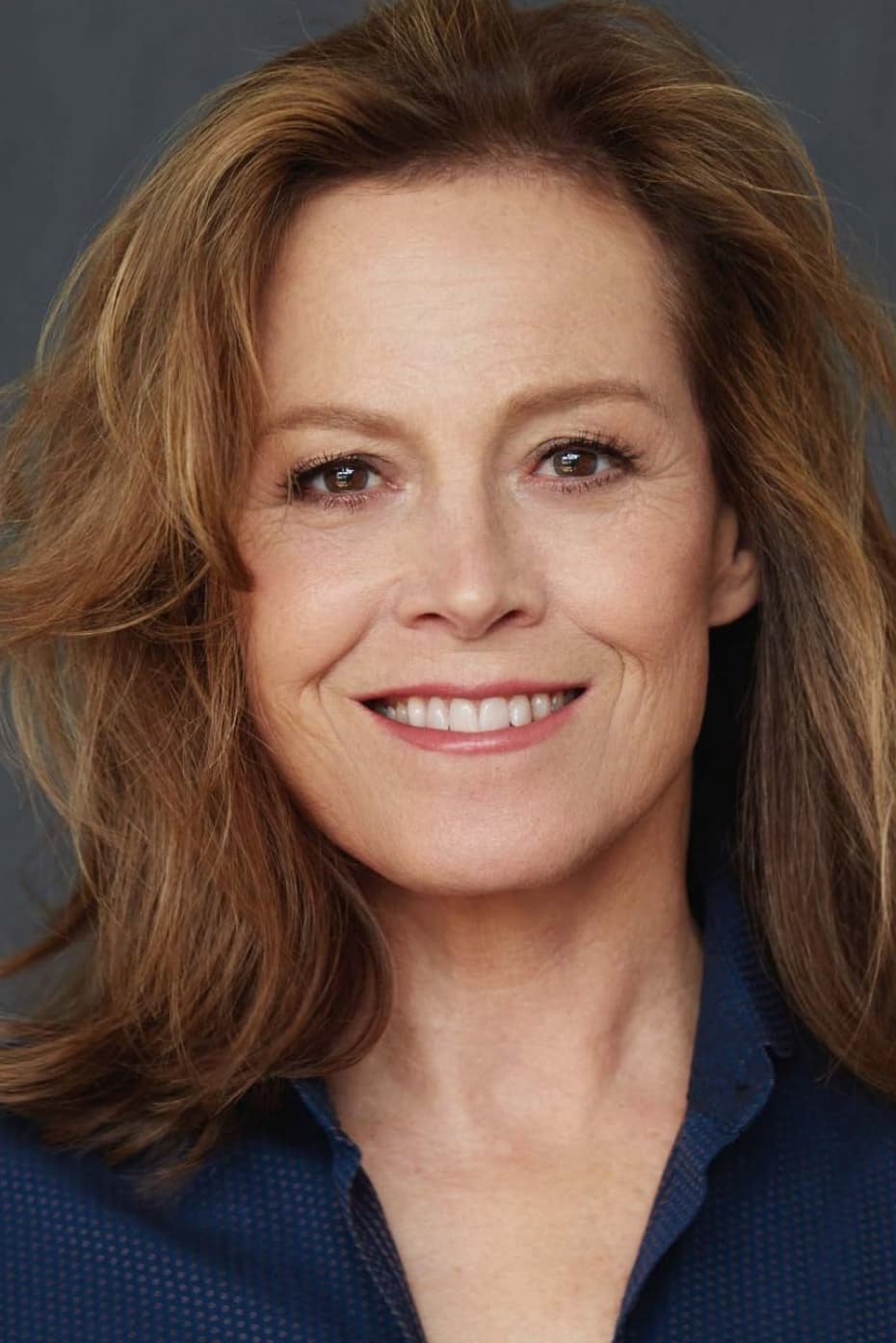
At the age of 14, Susan Alexandra Weaver decided to change her name after reading ‘The Great Gatsby’. She took the name Sigourney from a minor character to create a unique identity distinct from her mother, actress Elizabeth Inglis, and her father, NBC executive Sylvester Weaver. The new name gave her a sense of individuality and independence as she pursued a career in the arts. It has since become one of the most recognizable names in the industry.
Malia Ann

Malia Obama chose to use her first and middle names, Malia Ann, for her professional debut as a filmmaker. This decision was made to distance her creative work from the massive political profile of her parents, Barack and Michelle Obama. She utilized this name in the credits for the short film ‘The Heart’ at the Sundance Film Festival. By doing so, she sought to have her work judged on its own merits rather than her famous background.
Elle King

Born Tanner Elle Schneider, the singer and actress chose to use her mother’s maiden name to establish her own career. She wanted to avoid being immediately associated with her father, the famous comedian and actor Rob Schneider. This choice allowed her to enter the entertainment industry without the shadow of her father’s ‘Saturday Night Live’ fame influencing her reception. She has stated that she wanted to achieve success through her own hard work.
Louisa Jacobson
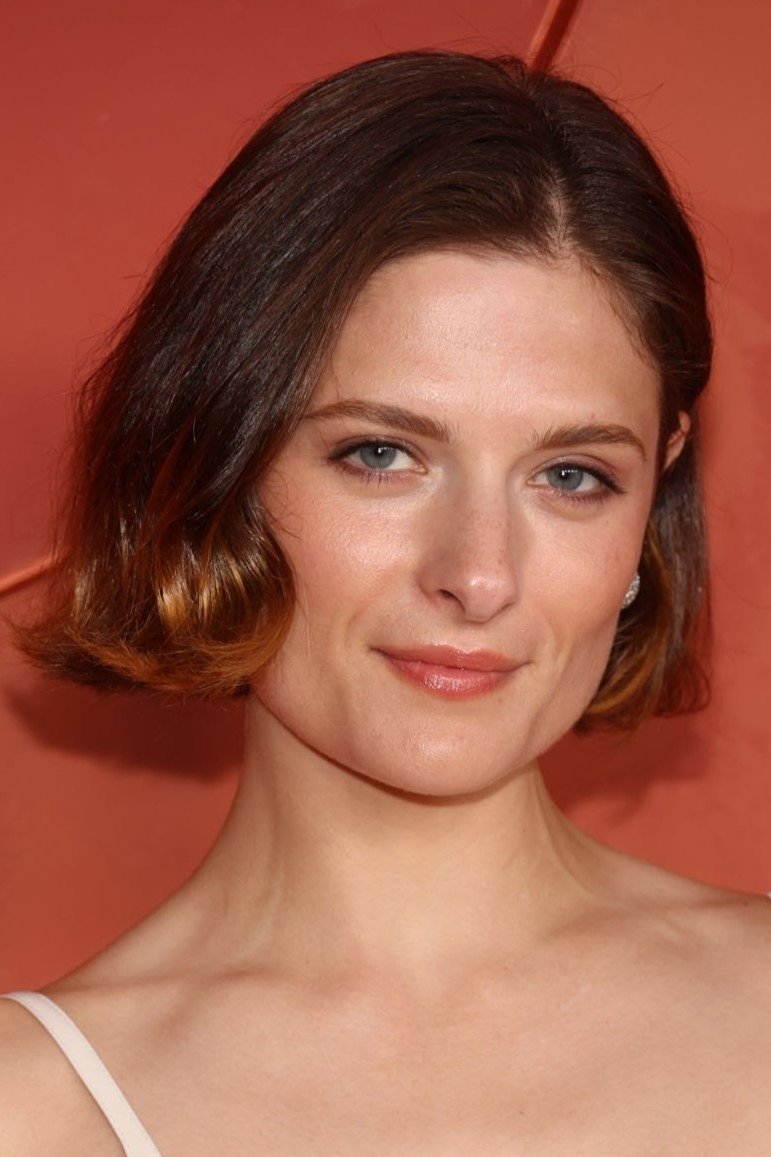
The youngest daughter of Meryl Streep, born Louisa Jacobson Gummer, dropped her famous surname for her professional acting career. She chose to use her middle name, Jacobson, which is also a nod to her mother’s Norwegian heritage. This allowed her to star in projects like ‘The Gilded Age’ without the immediate label of being a “celebrity child.” The name change serves as a professional boundary to help her build an independent identity in Hollywood.
Hedy Lamarr
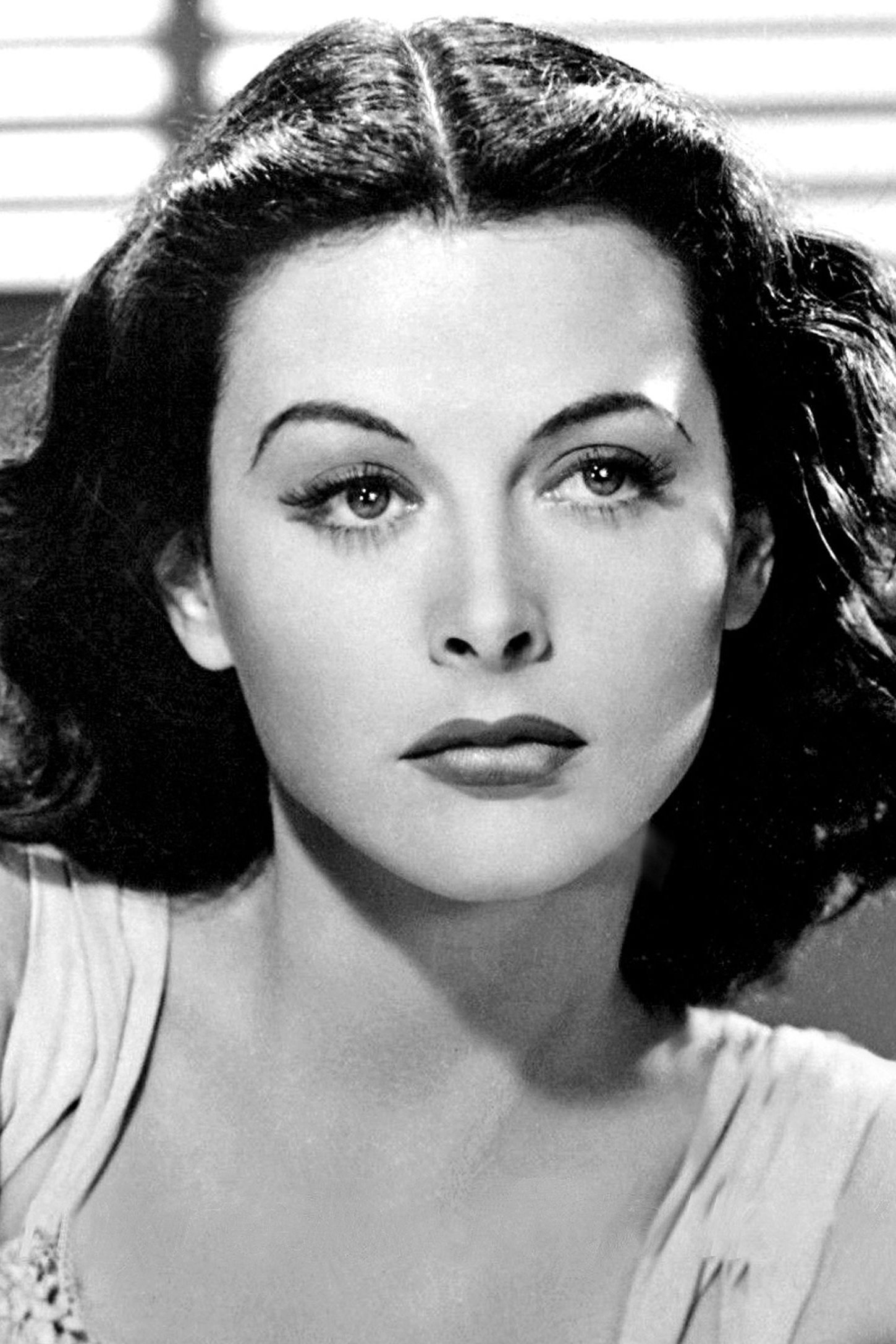
Born Hedwig Eva Maria Kiesler in Austria, she was given the name Hedy Lamarr by MGM head Louis B. Mayer. The name change was intended to distance her from her past scandals and her European Jewish roots as she entered the American market. Mayer named her after the silent film star Barbara La Marr to emphasize her beauty and create a new Hollywood mystique. She became one of the most famous actresses of the 1940s under this name.
Lauren Bacall
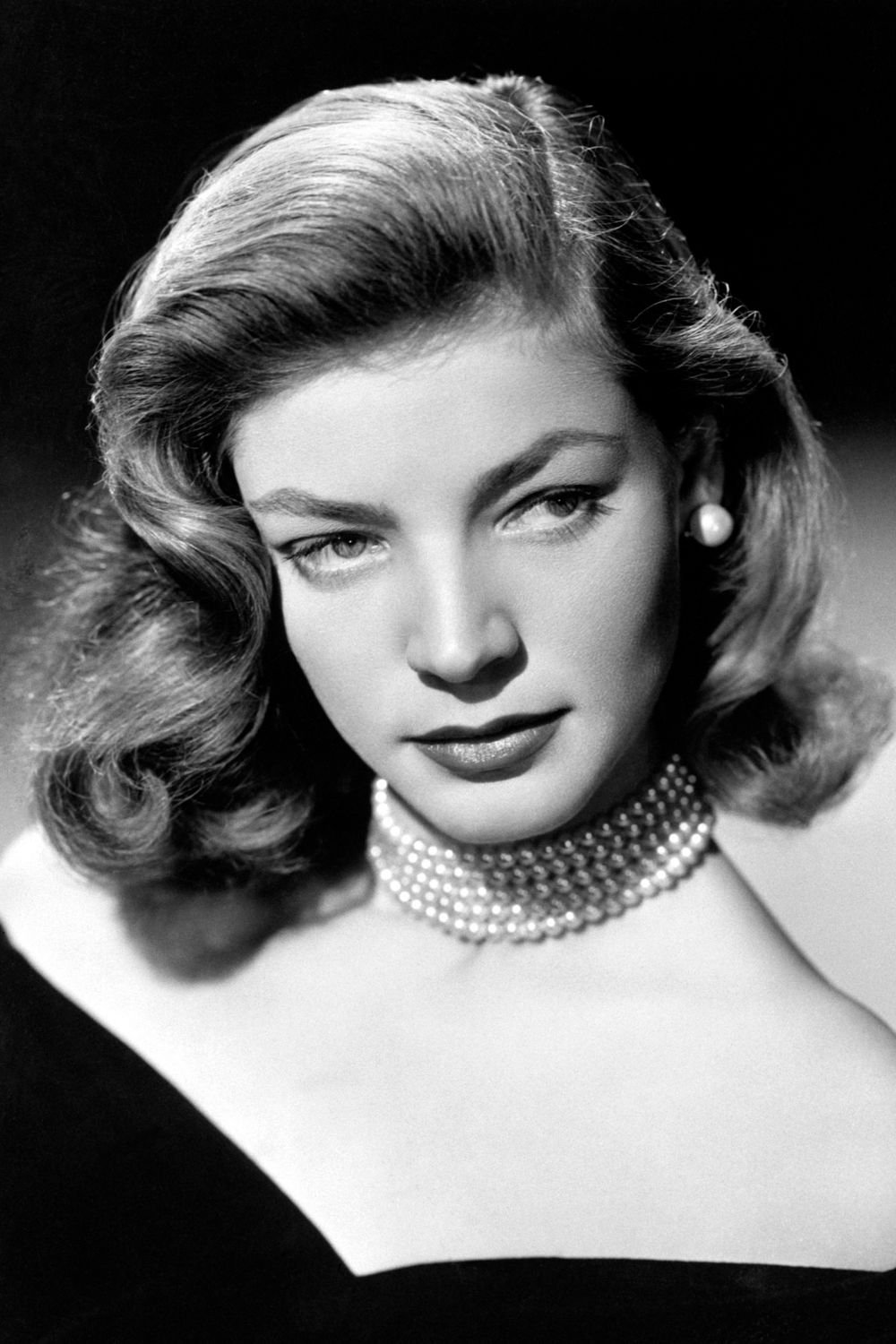
Born Betty Joan Perske, the actress was given the name Lauren Bacall by director Howard Hawks. He suggested the name to hide her Romanian-Jewish heritage and make her seem more mysterious and “All-American” to audiences. She initially disliked the name but eventually accepted it as she rose to fame in ‘To Have and Have Not’. The change allowed her to navigate the industry during a period when ethnic names were often a barrier to lead roles.
Audrey Hepburn
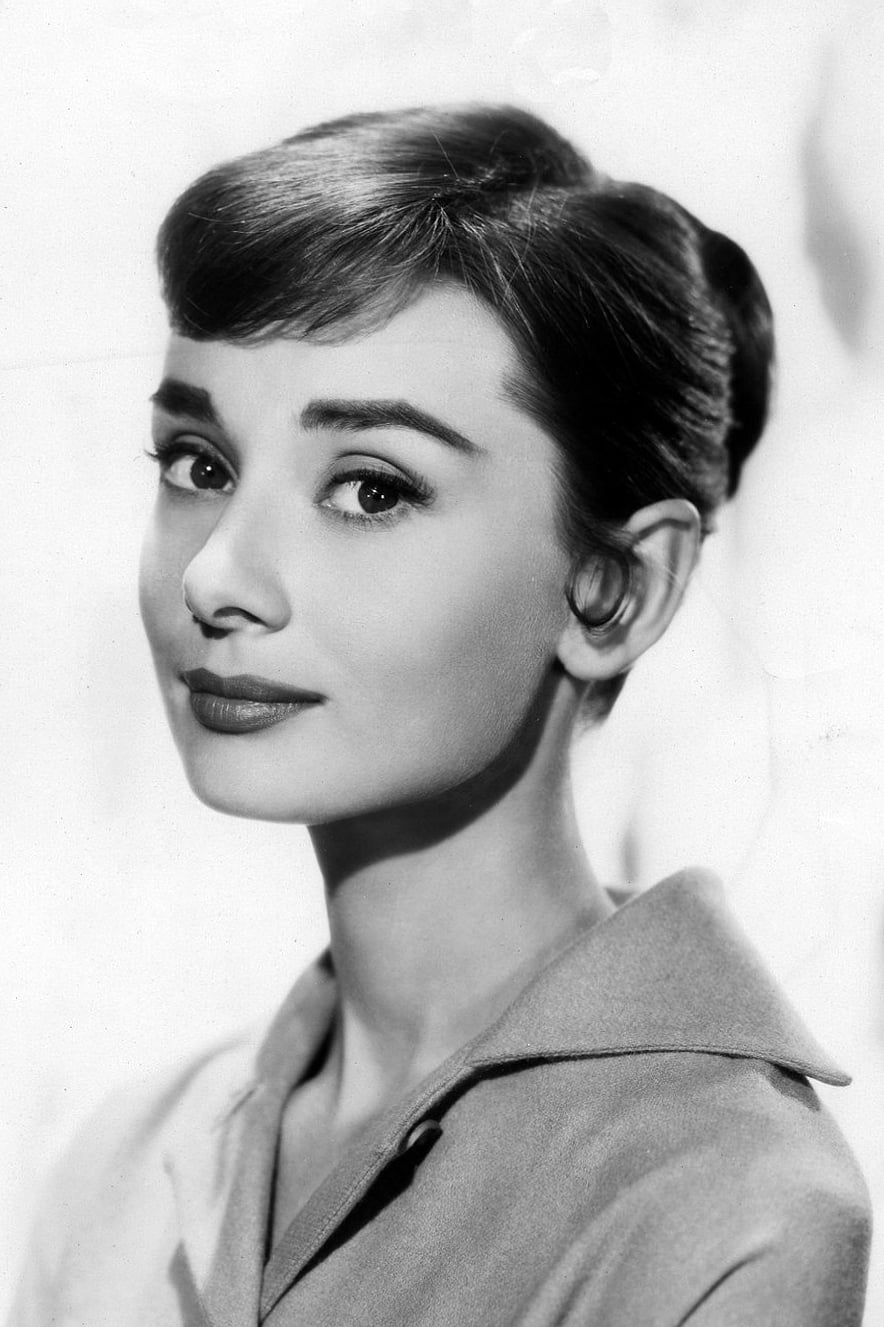
Born Audrey Kathleen Ruston, she and her family lived in the Netherlands during the Nazi occupation. To hide her British identity and the danger associated with it, her mother called her Edda van Heemstra. After the war, she combined her father’s surname, Ruston, with an ancestral name, Hepburn, to create her stage name. This identity allowed her to start a new life in the London theater scene before becoming a cinematic icon.
Marilyn Monroe
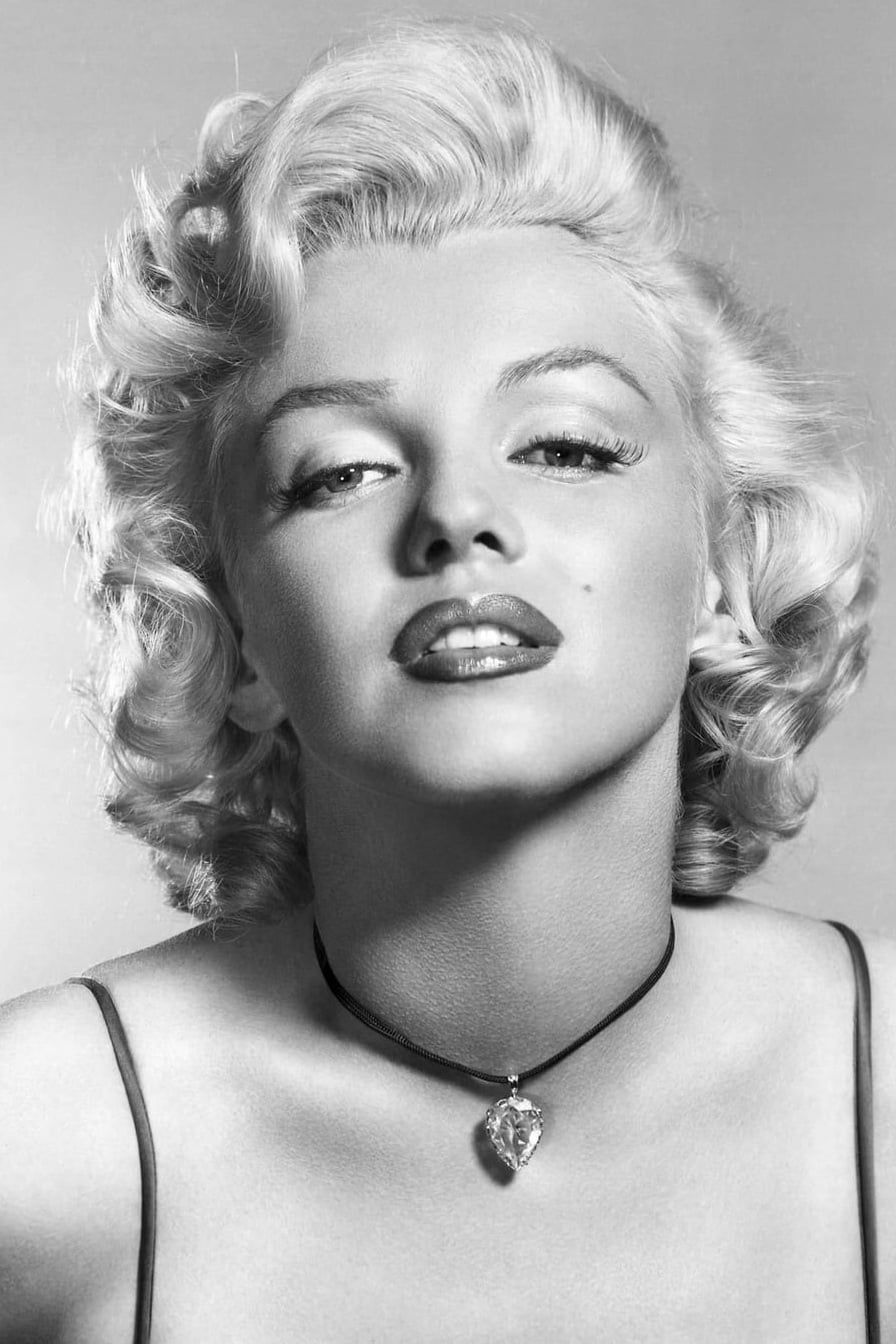
Born Norma Jeane Mortenson, the actress changed her name to Marilyn Monroe at the start of her contract with 20th Century Fox. The name was chosen to create a glamorous persona that was entirely separate from her difficult upbringing in foster homes and her early marriage. She took the surname Monroe from her mother’s family to maintain a small link to her heritage while reinventing herself for the screen. This name change became a symbol of her transformation into a Hollywood icon in ‘Some Like It Hot’.
Joan Crawford
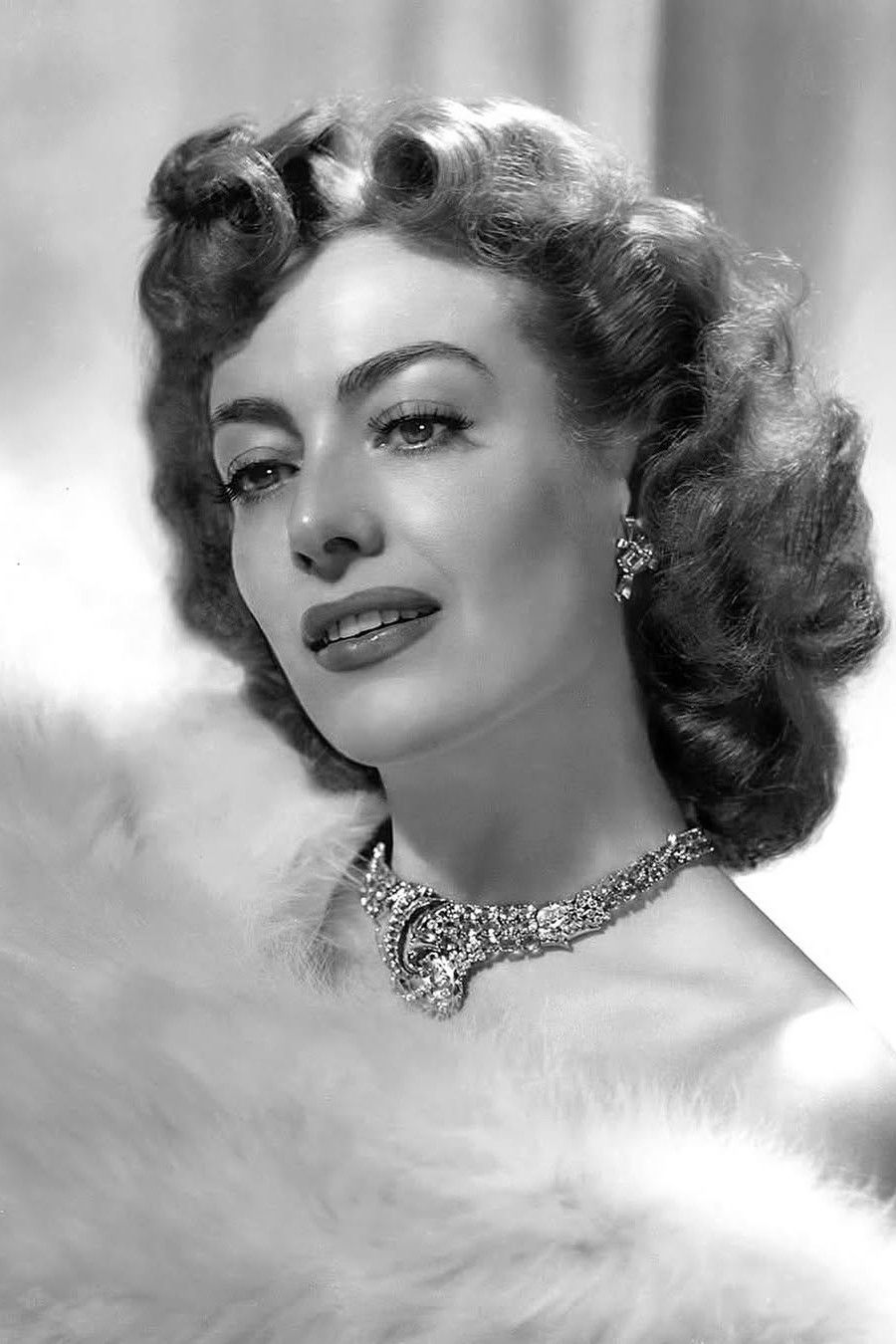
Born Lucille Fay LeSueur, she was renamed Joan Crawford following a public contest organized by MGM. The studio felt her birth name was too “theatrical” and difficult to pronounce, while her background was considered too humble. The name change was part of a complete image overhaul to turn her into a sophisticated star. She embraced the new identity so fully that she rarely spoke of her life as Lucille LeSueur.
Greta Garbo
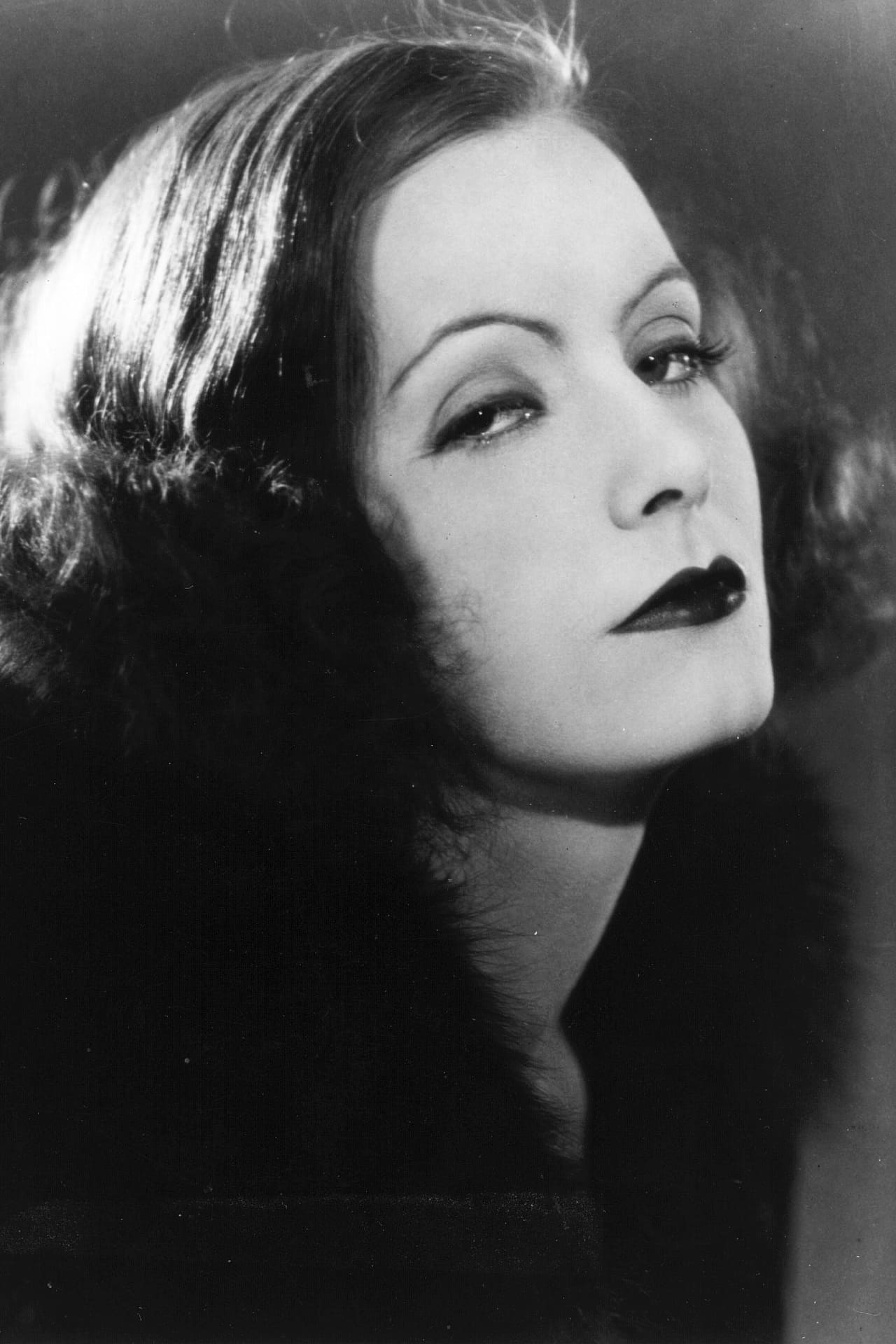
Born Greta Lovisa Gustafsson, the Swedish actress was given the name Garbo by director Mauritz Stiller. He wanted a name that was short, modern, and easy to pronounce in any language to prepare her for international fame. The change completely obscured her working-class background in Stockholm as she moved to Hollywood. Under this name, she became one of the most enigmatic and famous faces in cinema history.
Barbara Stanwyck
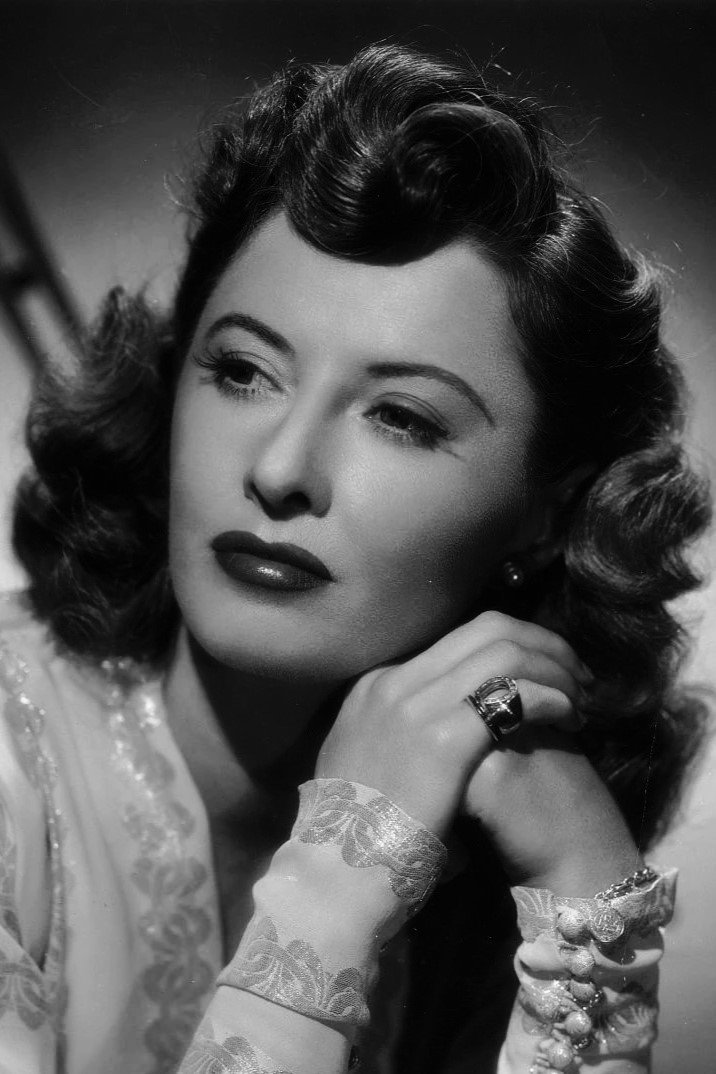
Born Ruby Catherine Stevens, she adopted her stage name while working as a chorus girl in New York. She took the name from a theater poster for a play called ‘Barbara Frietchie’ starring an actress named Jane Stanwyck. The new identity helped her leave behind a traumatic childhood spent in foster care. She went on to become one of the most versatile actresses in Hollywood history, starring in ‘Double Indemnity’.
Jane Seymour
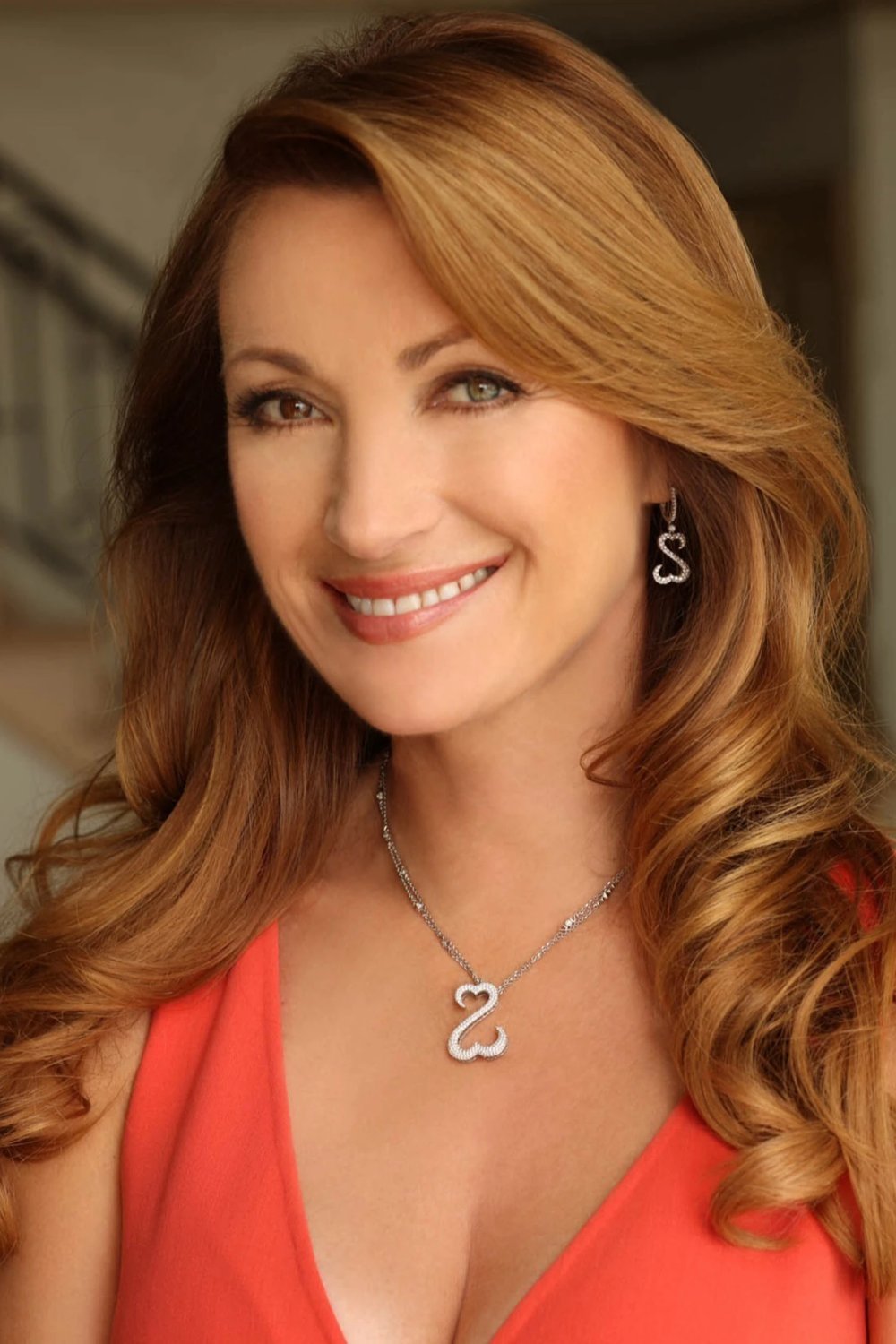
Born Joyce Penelope Wilhelmina Frankenberg, the actress adopted her stage name at the age of 17. She chose the name of King Henry VIII’s third wife because it was more “theatrical” and easier for audiences to remember. The change helped her hide her Dutch and Polish-Jewish roots during a time when Hollywood preferred more traditional British-sounding names. She achieved international fame using this name in the ‘James Bond’ series.
Winona Ryder
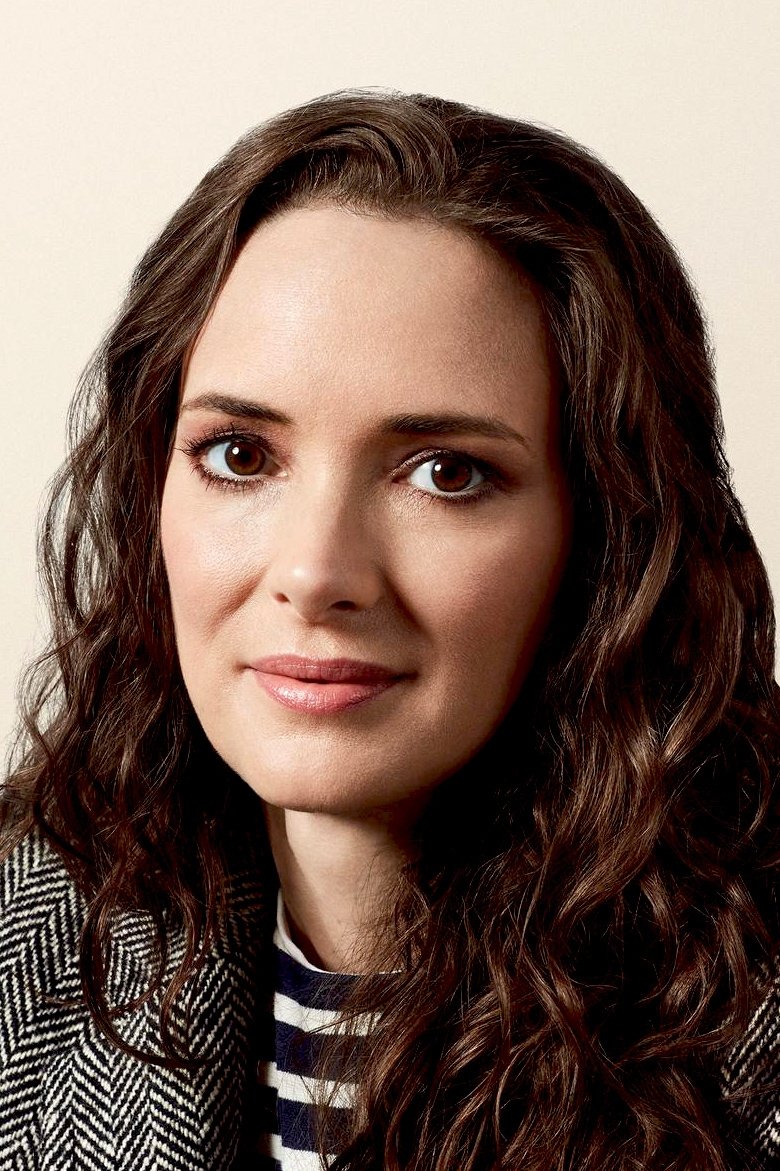
Born Winona Laura Horowitz, she adopted the stage name Ryder when her agent asked how she wanted to be credited in her first film. She suggested the name because a Mitch Ryder album happened to be playing in the background at the time. This change effectively masked her Jewish heritage, which her family had maintained since emigrating. She went on to achieve stardom in ‘Beetlejuice’ and ‘Heathers’ under this professional moniker.
Portia de Rossi
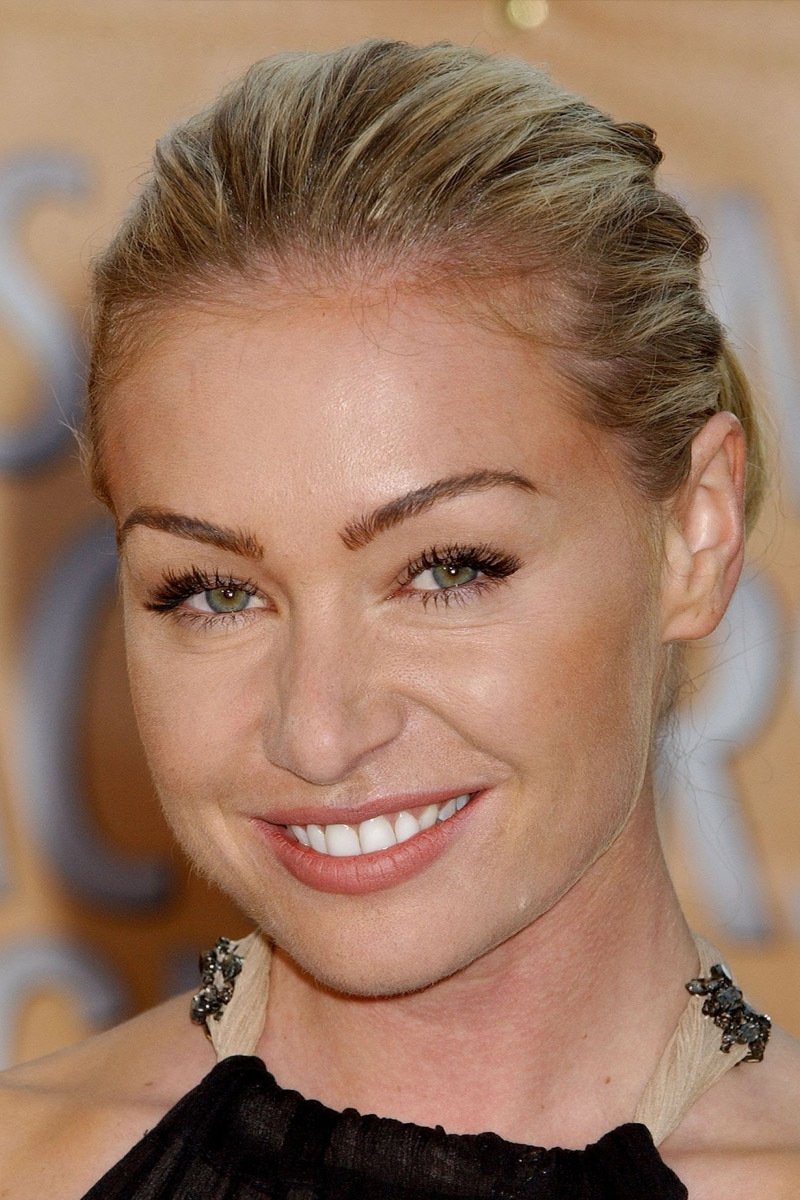
Born Amanda Lee Rogers, the actress legally changed her name at the age of 15 to reinvent herself. She chose the name Portia from a character in William Shakespeare’s ‘The Merchant of Venice’ and added the Italian-sounding de Rossi. The change was a deliberate attempt to distance herself from her Australian upbringing and create a sophisticated professional persona. She later rose to prominence in ‘Ally McBeal’ and ‘Arrested Development’.
Sophia Loren
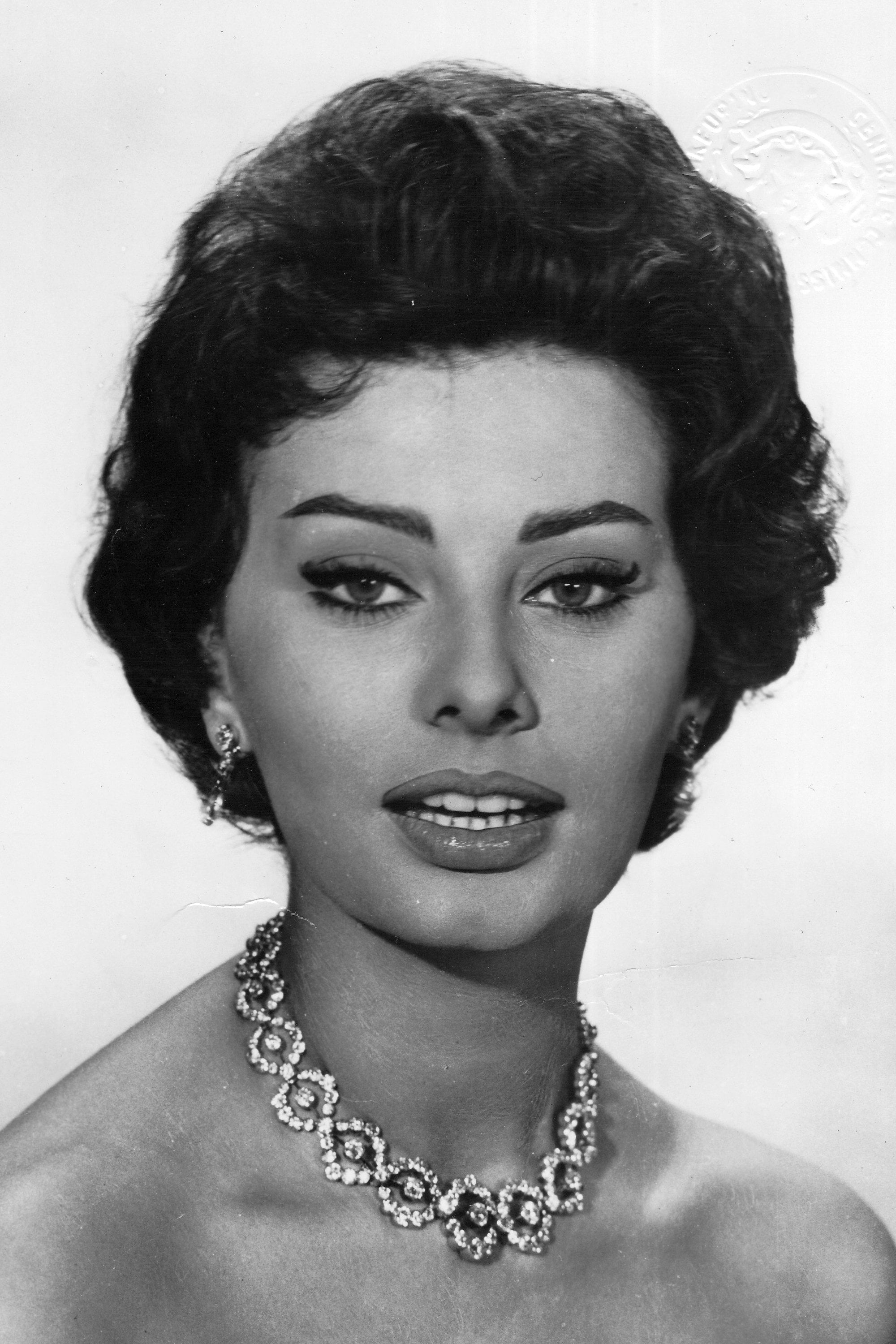
Born Sofia Villani Scicolone, the actress faced a difficult childhood as an illegitimate child in Italy. She initially used the stage name Sofia Lazzaro before producer Carlo Ponti suggested she change it to Loren to sound more international. The name change helped her transition from local Italian films to global superstardom in ‘Two Women’. It effectively distanced her from the social stigma associated with her early family background.
Téa Leoni
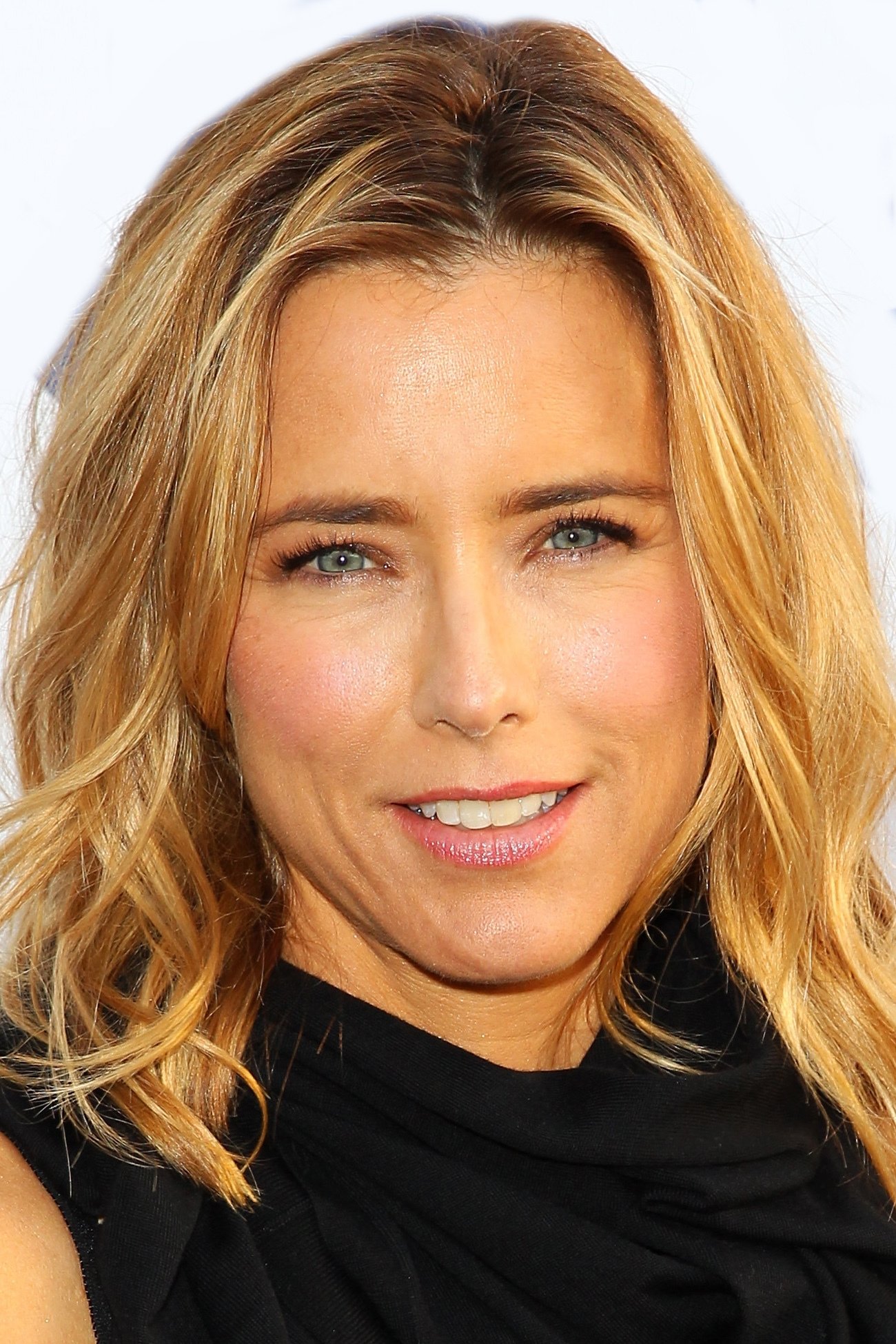
Born Elizabeth Pantaleoni, the actress chose to use a shortened version of her surname for her professional career. This change made her name more “punchy” and easier for casting directors to pronounce while obscuring her family’s prominent social background. Her grandfather was a well-known economist and her grandmother was a notable actress, but Leoni wanted her own path. She utilized this name in ‘The Naked Truth’ and ‘Madam Secretary’.
Jennifer Aniston
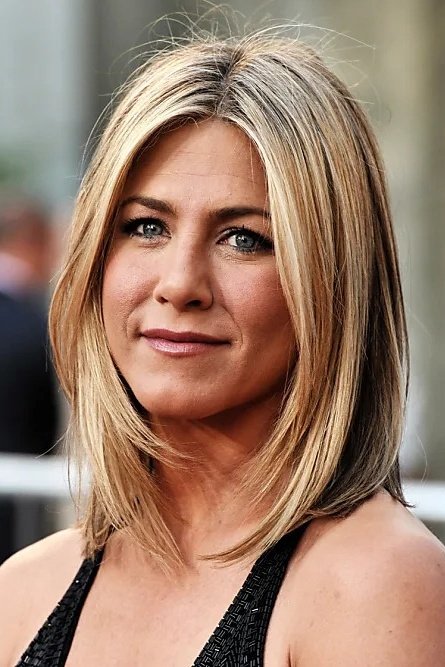
While Jennifer kept the name Aniston, it was her father, John Aniston, who originally changed it from the Greek surname Anastassakis. Jennifer continued to use the shortened name to maintain the professional identity her father had established. This change helped hide the family’s specific ethnic background from a public that, at the time, favored more homogenized names. It eventually became one of the most famous names in television history.
Mila Kunis
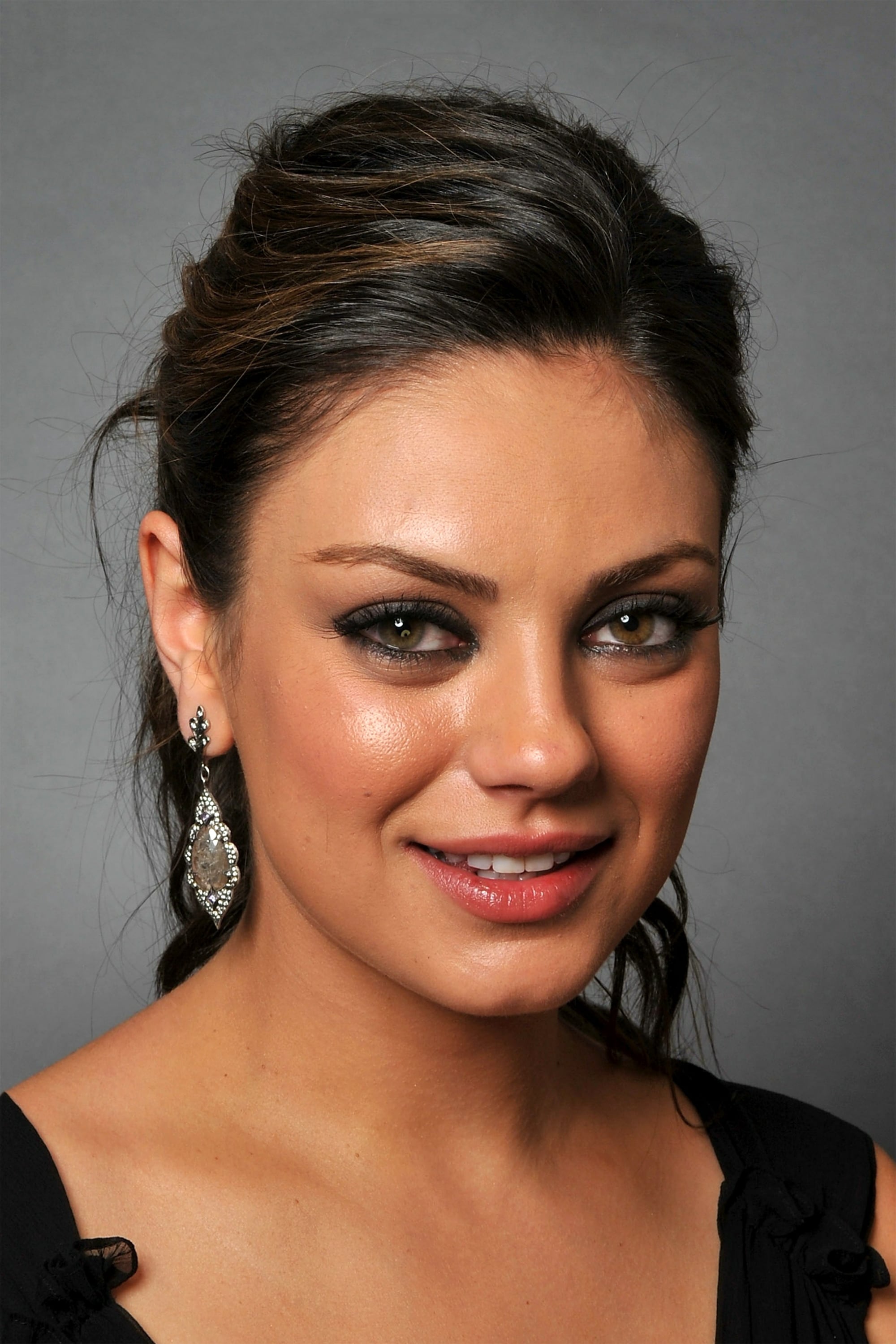
Born Milena Markovna Kunis in the Soviet Union, she shortened her name to Mila upon arriving in the United States. This minor adjustment was part of a larger effort to assimilate into American culture and escape the prejudices often associated with Eastern European backgrounds. By simplifying her name, she made it more accessible for her early work in ‘That ’70s Show’. It allowed her to build a career that felt distinct from her immigrant origins.
Anne Bancroft
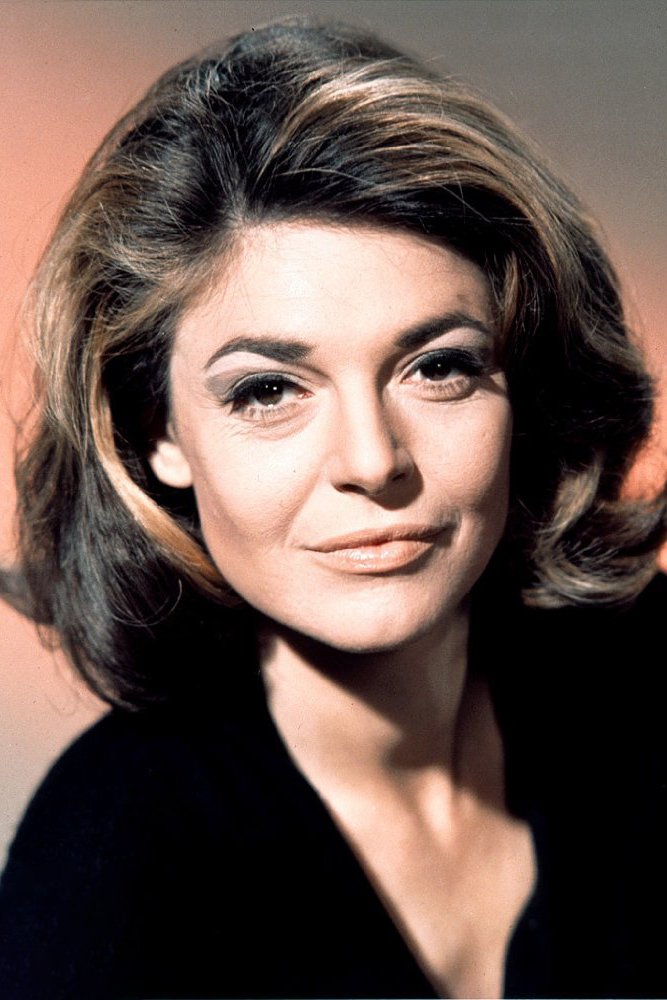
Born Anna Maria Louisa Italiano, the actress was pressured by producers to change her name early in her career. She chose Bancroft from a list of names provided by director Darryl F. Zanuck to sound less ethnically specific. This change helped her secure a wider range of roles in ‘The Miracle Worker’ and ‘The Graduate’. The name shift was a common practice at the time to mask European or immigrant backgrounds.
Vivien Leigh
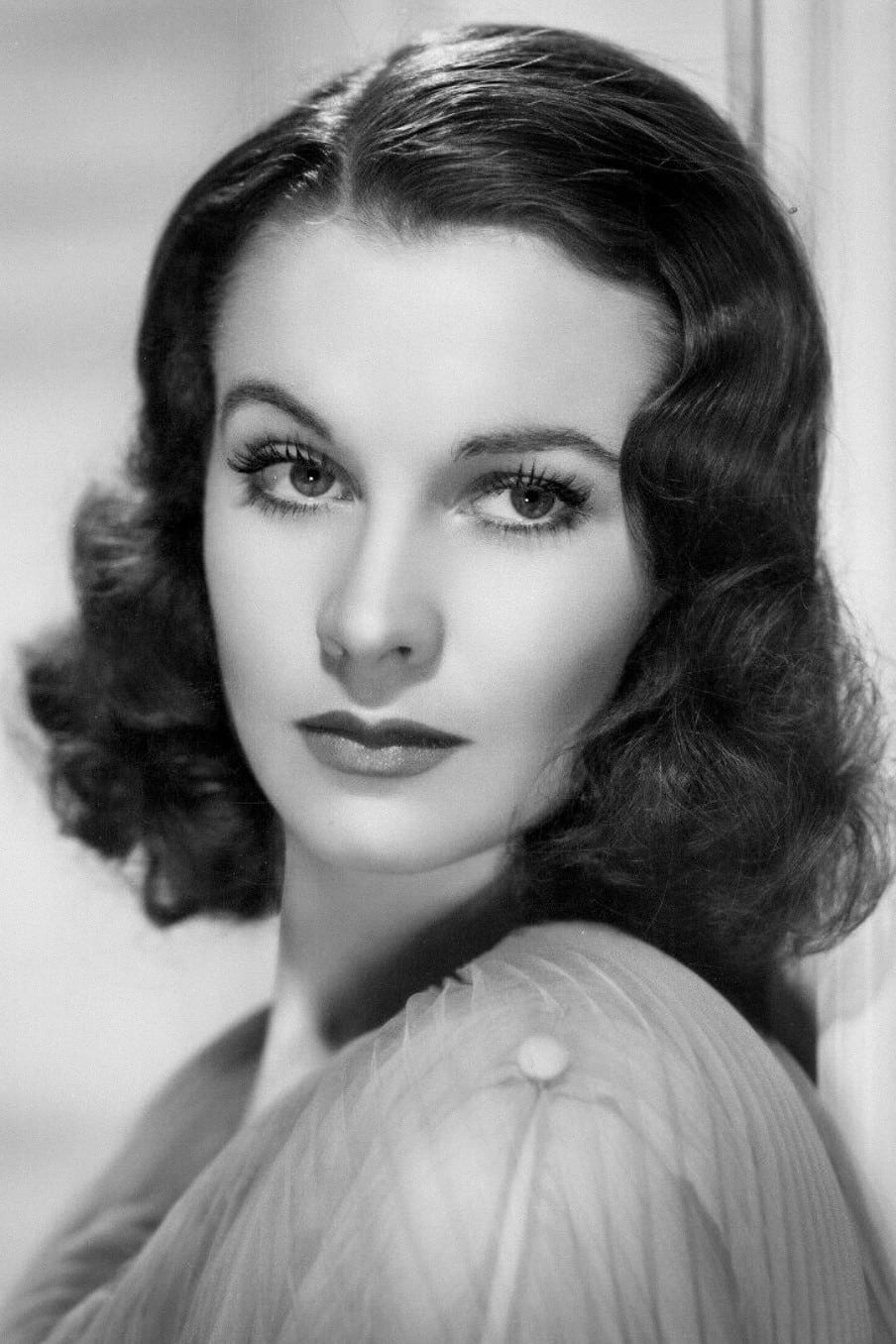
Born Vivian Mary Hartley, she changed the spelling of her first name and took her first husband’s middle name, Leigh, as her surname. This change was made to create a more professional and elegant persona for the London stage. It also allowed her to separate her career from her life as a wife and mother, which was important to her at the time. She eventually became synonymous with the name through her roles in ‘Gone with the Wind’ and ‘A Streetcar Named Desire’.
Judy Garland
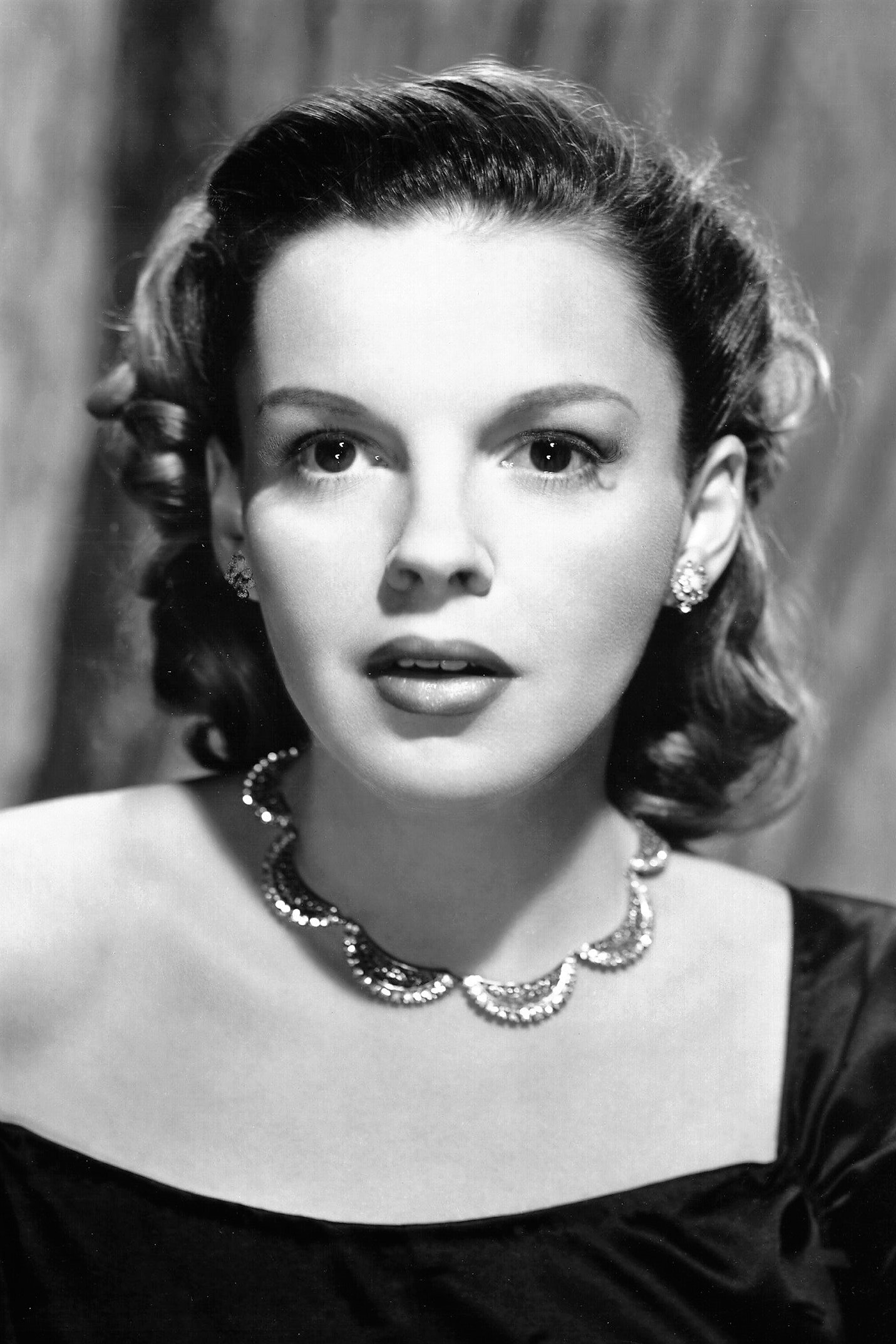
Born Frances Ethel Gumm, she and her sisters were encouraged to change their name by actor George Jessel. He felt the name Gumm was unappealing and often led to jokes during their vaudeville performances. She chose the surname Garland and the first name Judy from a popular song of the time. This transformation helped her transition from a child performer to a major star in ‘The Wizard of Oz’.
Diane Keaton
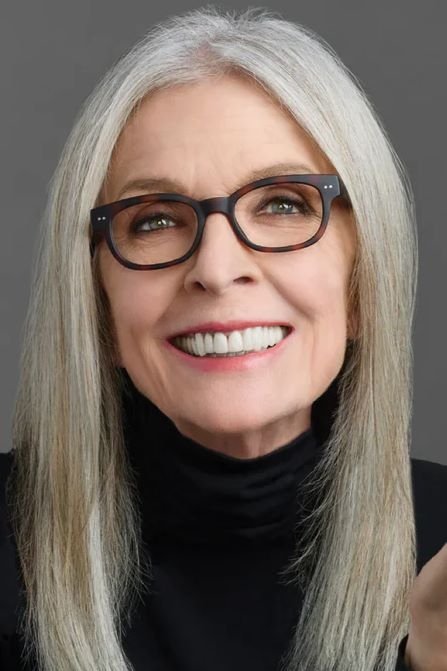
Born Diane Hall, she took her mother’s maiden name, Keaton, when she joined the Actors’ Equity Association. The name change was required because there was already an actress named Diane Hall, but it served the secondary purpose of giving her a distinct professional identity. She wanted to separate her public persona from her private life as the daughter of a real estate agent and a homemaker. She won an Oscar for ‘Annie Hall’ using this professional name.
Share your thoughts on these actresses and their fascinating name changes in the comments.