


Actresses Who Don’t Support AI in Filmmaking

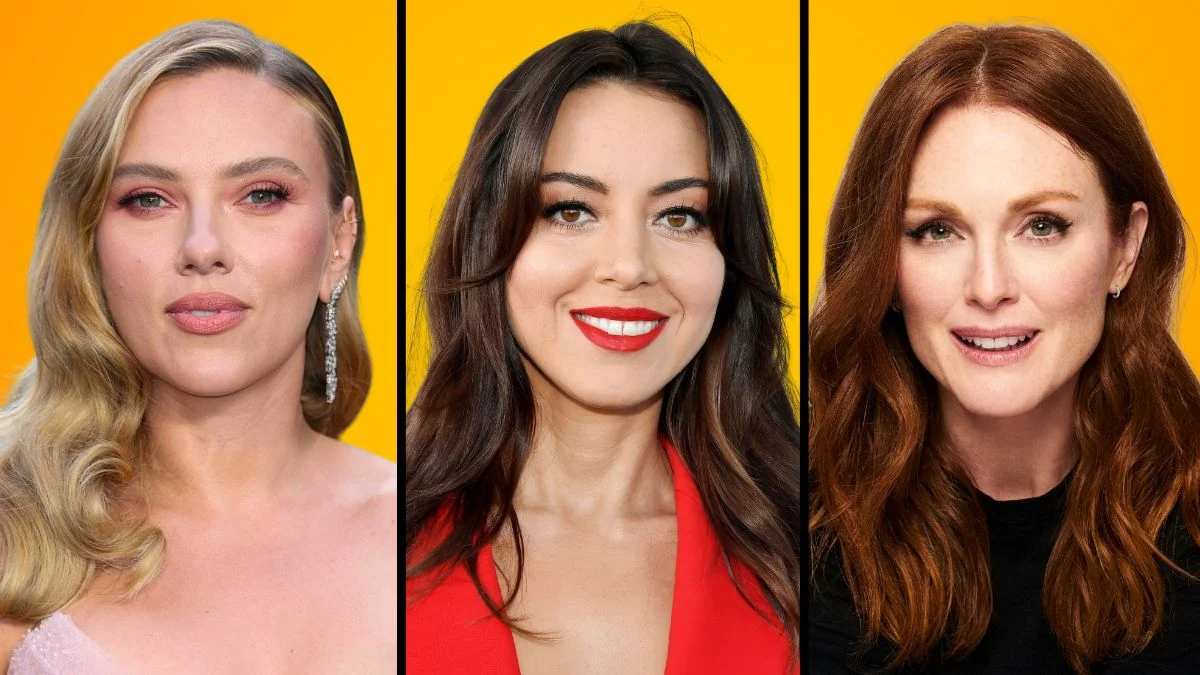


The rapid advancement of artificial intelligence in Hollywood has sparked intense debate regarding the protection of human artistry and likeness rights. Many performers view the unregulated use of generative AI as an existential threat to their livelihoods and creative ownership. This concern became a central pillar of the 2023 SAG-AFTRA strike where members demanded strict contract protections against digital replacement. The following women have publicly opposed the encroachment of AI technology in the entertainment industry.
Justine Bateman
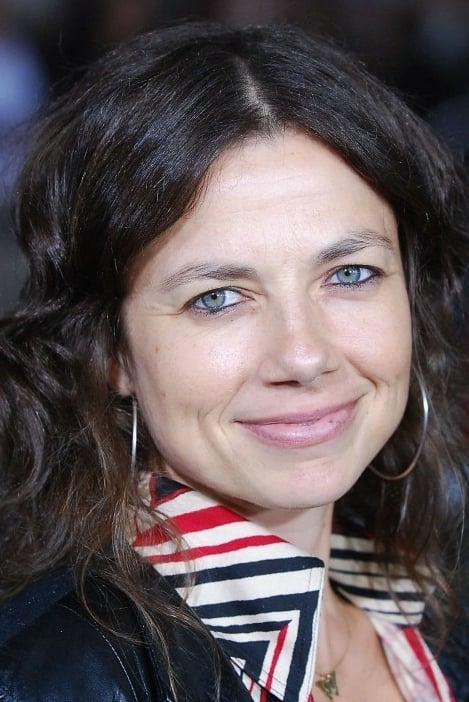
Bateman serves as one of the most vocal critics of artificial intelligence in the entertainment industry. She acts as an advisor to the SAG-AFTRA negotiating committee regarding the technological parameters of generative AI. The filmmaker frequently speaks at industry events to warn artists about the potential destruction of the human element in cinema. Her advocacy focuses on the necessity of strict regulations to prevent studios from replacing actors with digital replicas.
Scarlett Johansson
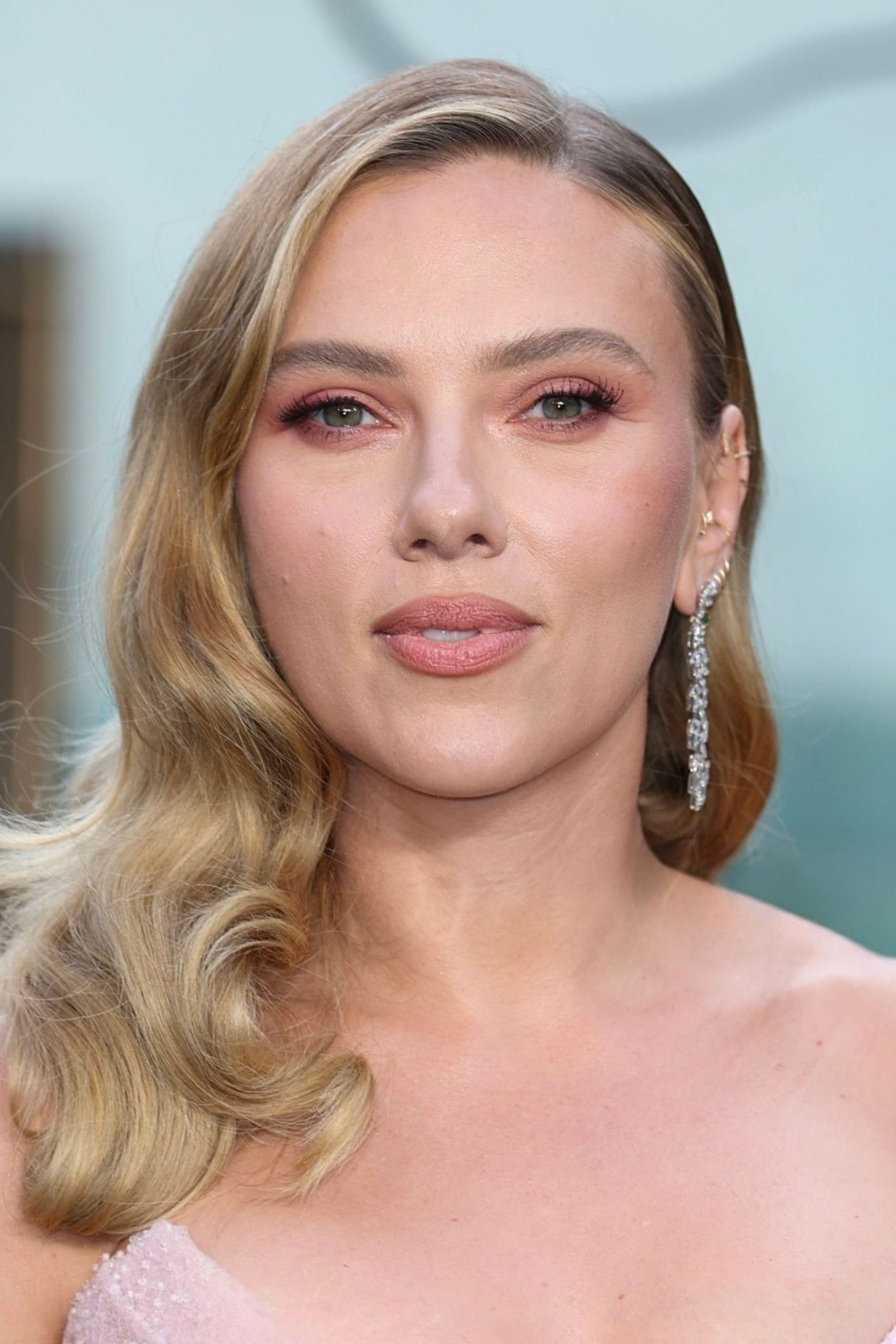
Johansson took a firm public stance against OpenAI after the company released a voice assistant that sounded eerily similar to her own. She detailed how she had previously declined an offer to license her voice for the system before the similar version appeared. The actress hired legal counsel to force the company to detail exactly how the voice was created. Her actions highlighted the vulnerability of performers regarding the unauthorized use of their vocal likenesses.
Fran Drescher
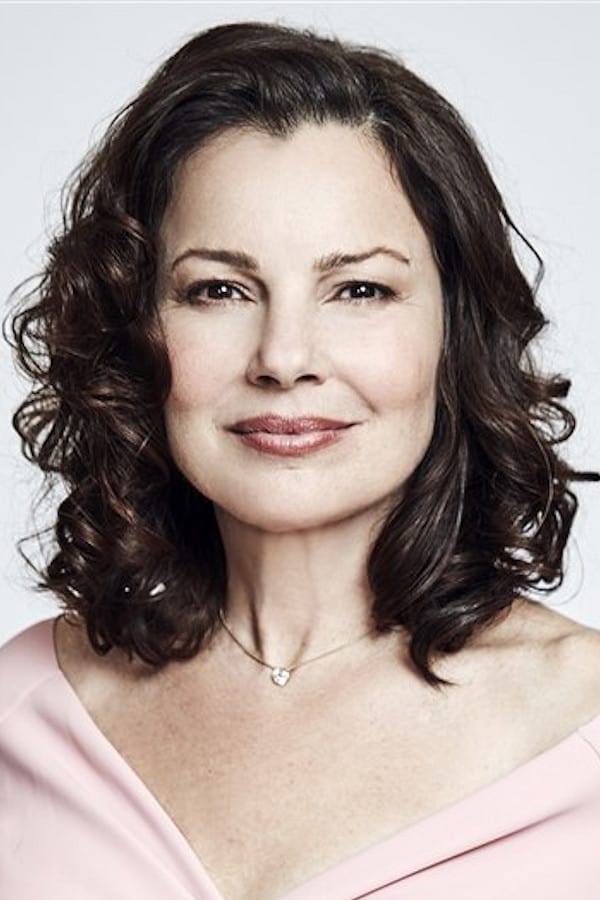
As the president of SAG-AFTRA during the 2023 strike, Drescher led the charge against the use of AI to replace background actors and principal performers. She delivered fiery speeches emphasizing that actors would not be replaced by machines or algorithms. Her leadership resulted in a contract that established guardrails requiring consent and compensation for digital replication. Drescher frames the fight as a necessary battle to preserve the soul of the creative profession.
Keira Knightley
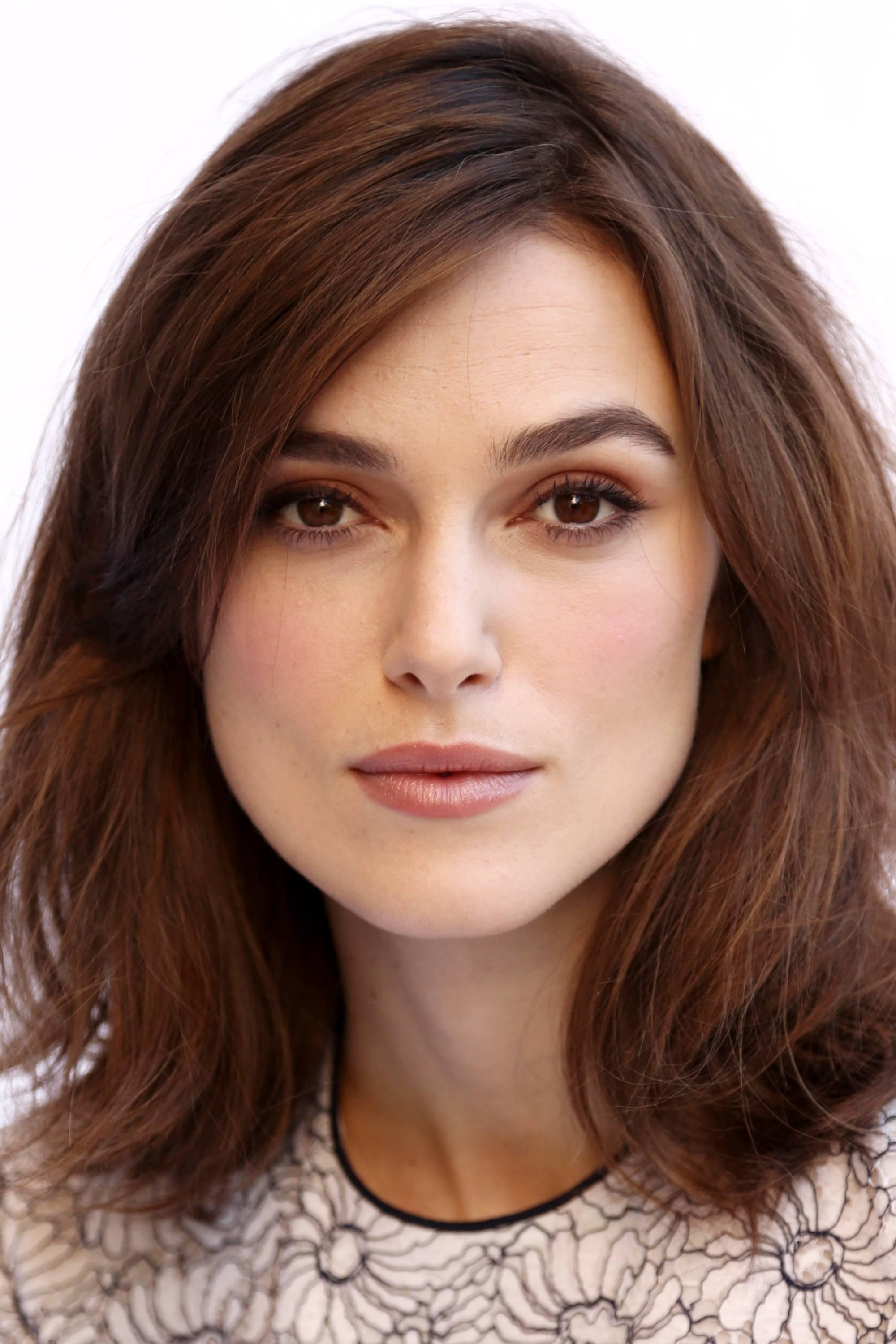
Knightley expressed significant concern regarding the rise of deepfake technology and the digital theft of likenesses. She took proactive steps to copyright her face to protect against unauthorized digital manipulation. The actress stated that the rapid evolution of these tools poses a terrifying prospect for women in the public eye. Her legal moves set an early precedent for how performers might protect their image rights in the future.
Jamie Lee Curtis
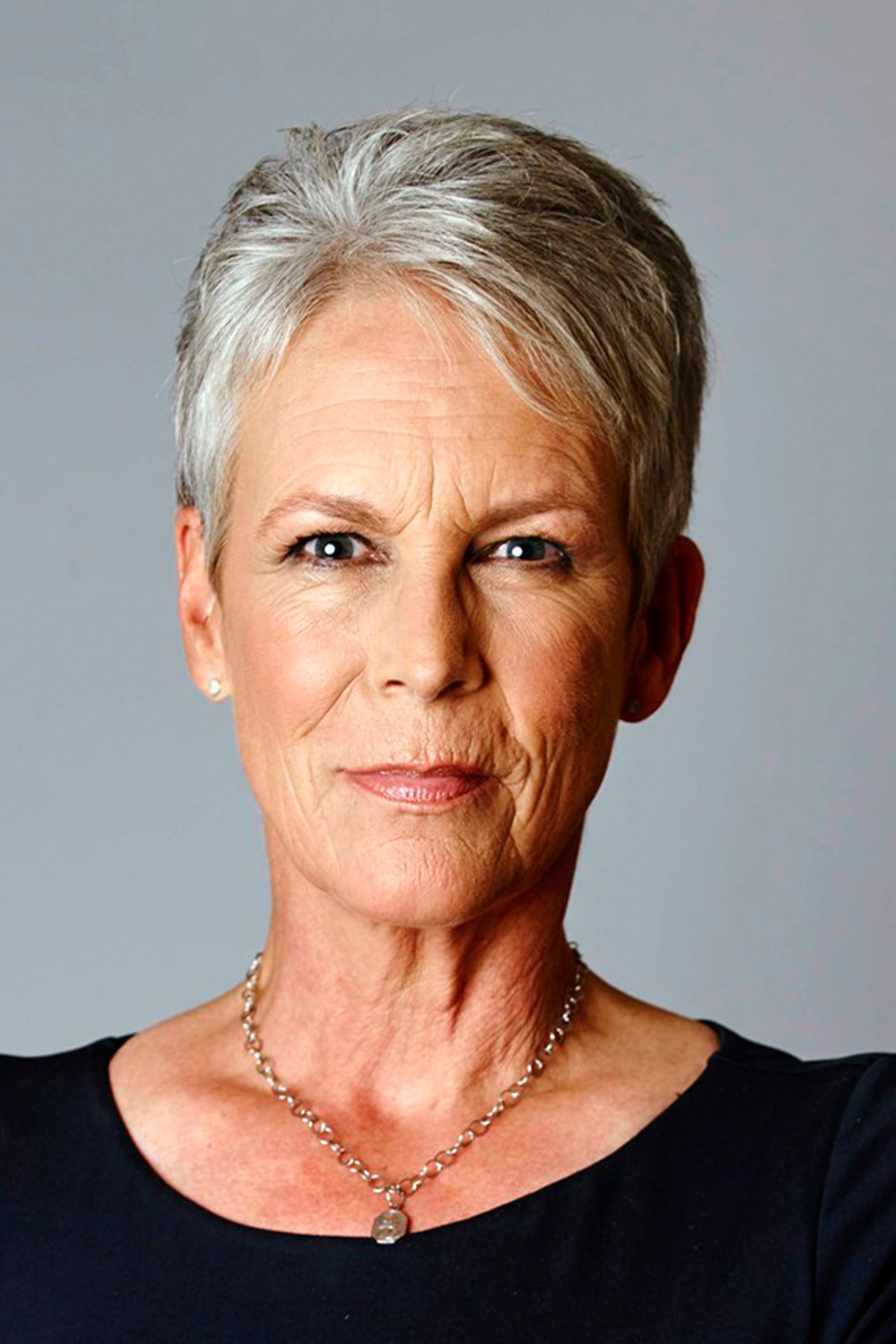
Curtis has been an outspoken opponent of AI since the early discussions of the strikes. She frequently uses her social media platforms to declare that she does not want to watch movies made by algorithms. The Oscar winner emphasized that the current technological push undermines the essential human connection found in storytelling. She actively supported the guild’s refusal to settle without comprehensive protections against digital replacement.
Tatiana Maslany
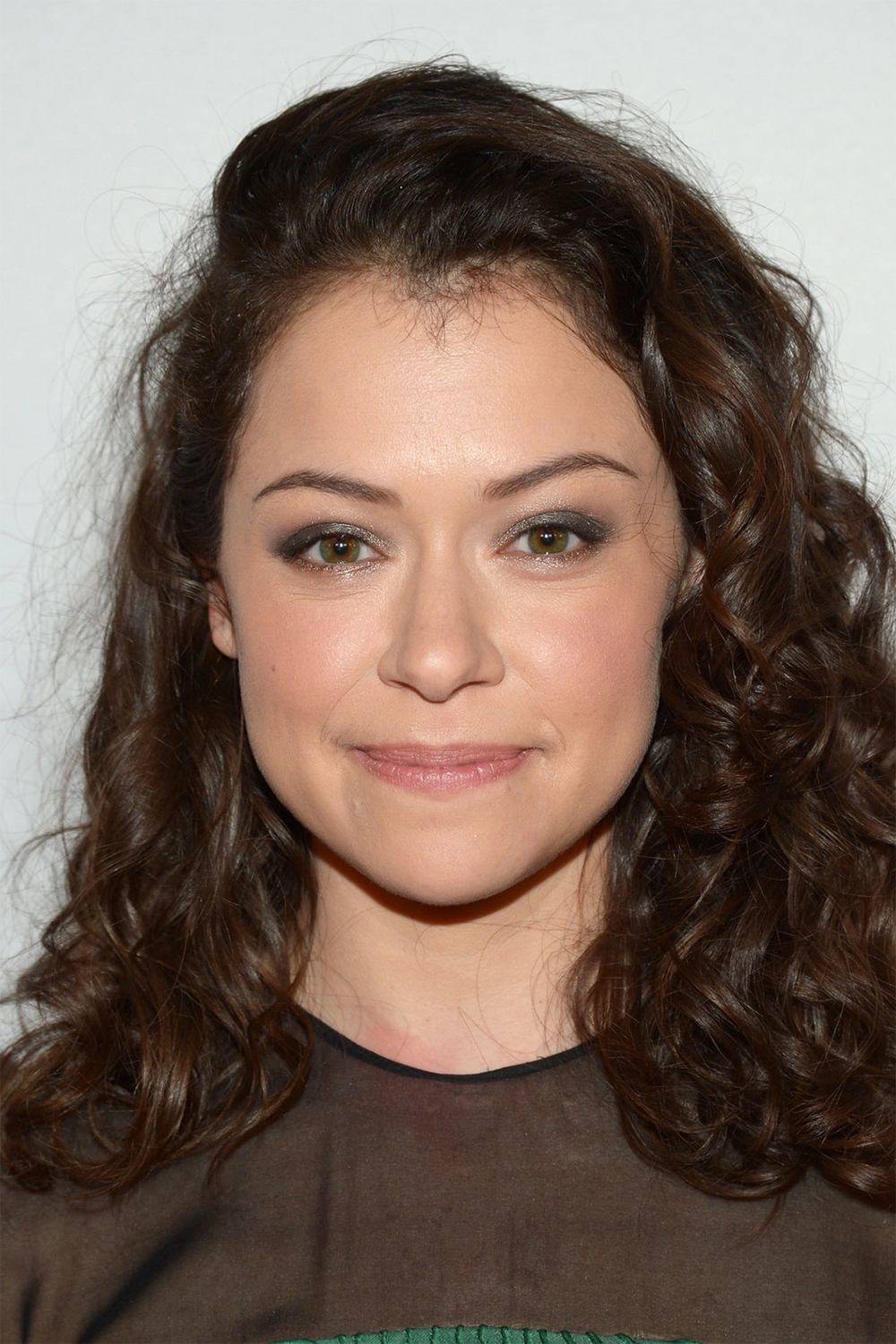
The star of ‘She-Hulk: Attorney at Law’ voiced strong opposition to the practice of scanning background actors for perpetual use. She criticized the concept of studios owning a digital version of a performer that could be used indefinitely without further pay. Maslany highlighted how this technology specifically threatens the livelihoods of working-class actors who rely on background work. Her comments brought attention to the practical dangers AI poses to the entry-level workforce.
Rachel Zegler
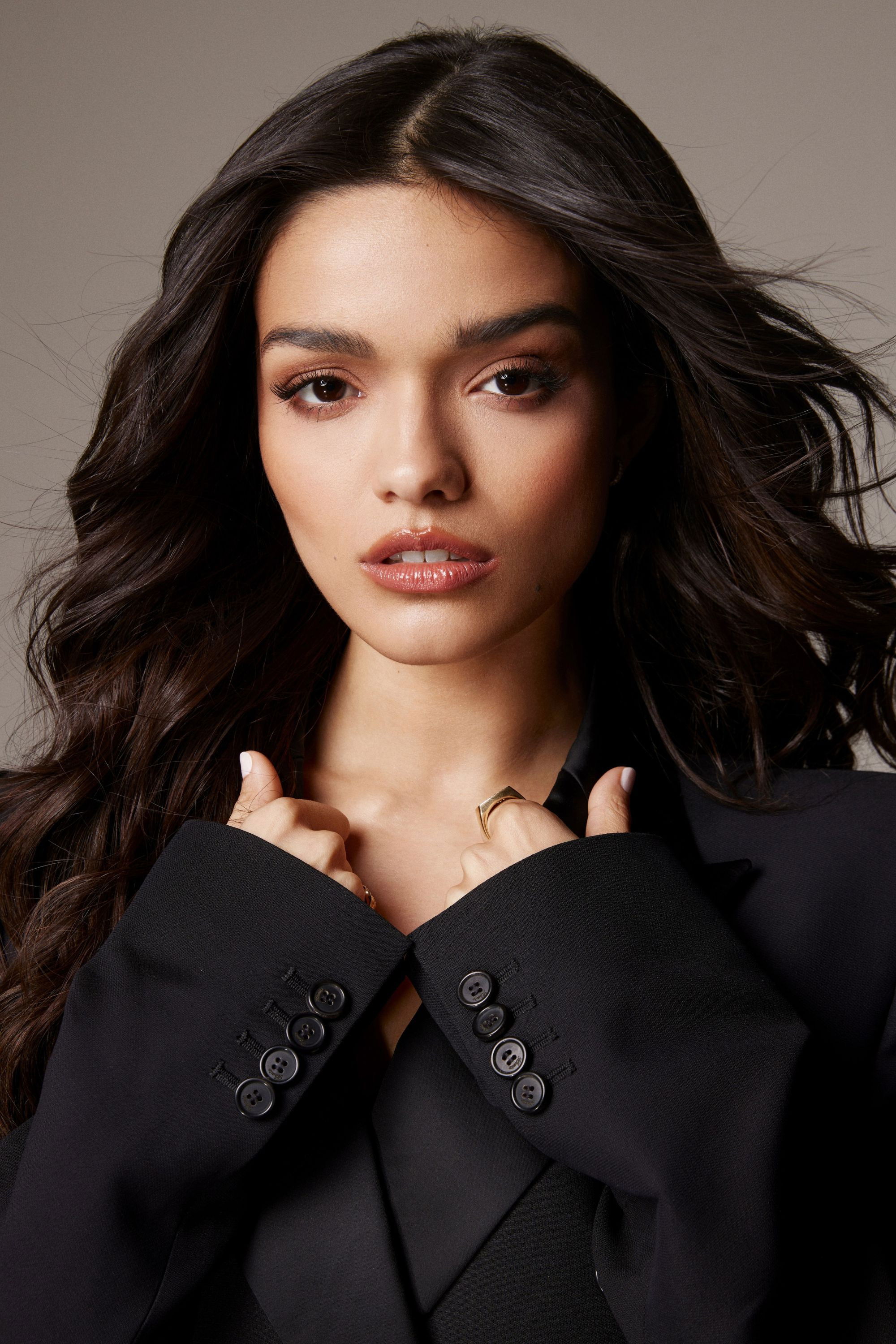
Zegler utilized her platform during the release of major franchise films to advocate for fair compensation in the age of AI. She argued that if studios intend to use AI to replicate performers then those performers must be paid for every hour the digital version is utilized. Her comments underscored the fear that technology is being used to bypass residuals and fair wages. She remains a staunch supporter of maintaining human performance as the standard.
Zelda Williams
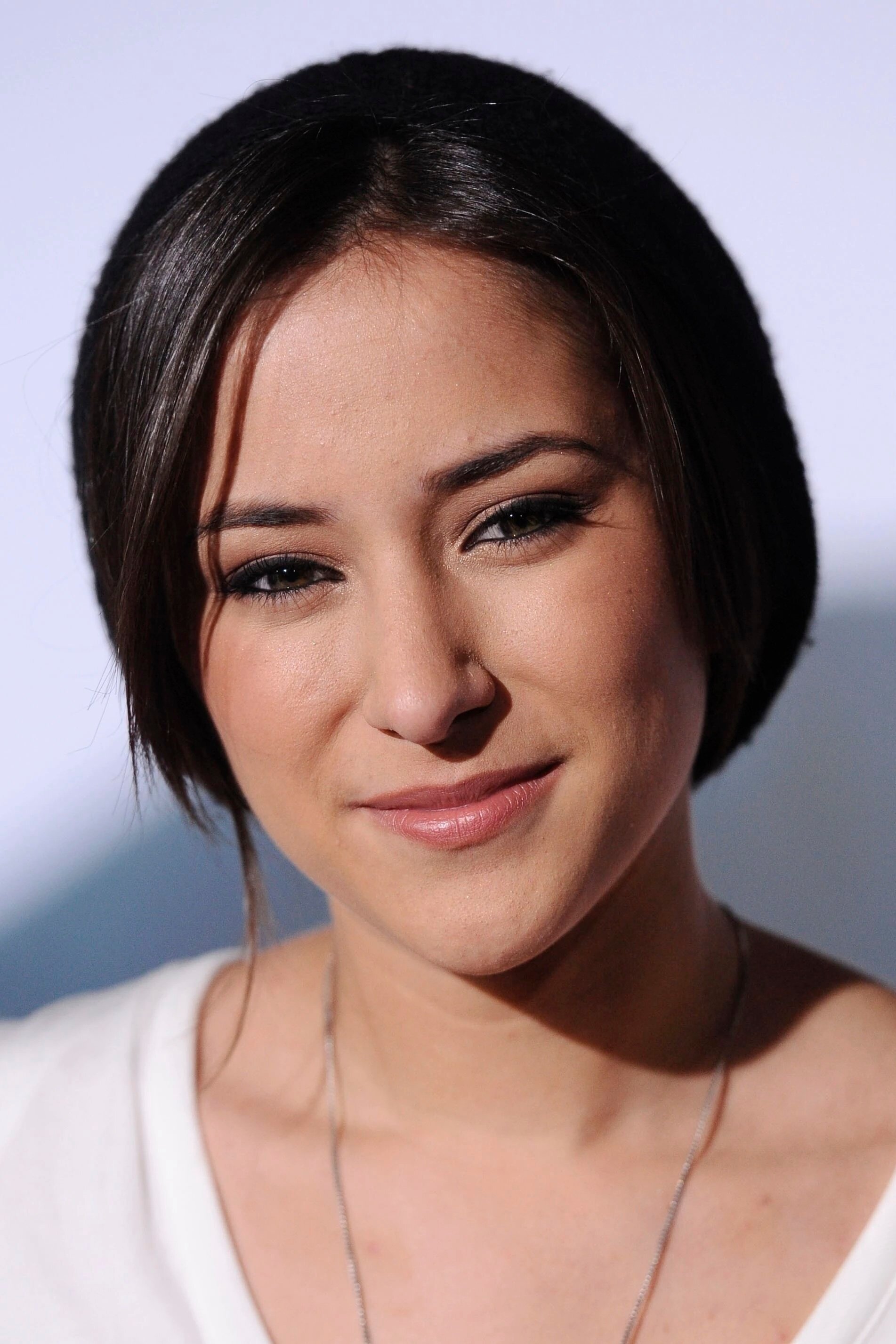
Williams spoke out against the use of AI to recreate the voice of her late father Robin Williams. She described the technology as a disturbing Frankenstein monster that patches together bits of a person without their spirit. The actress and director urged the industry to respect the agency of living and deceased performers. Her personal testimony highlighted the emotional and ethical violations involved in non-consensual digital resurrection.
Viola Davis
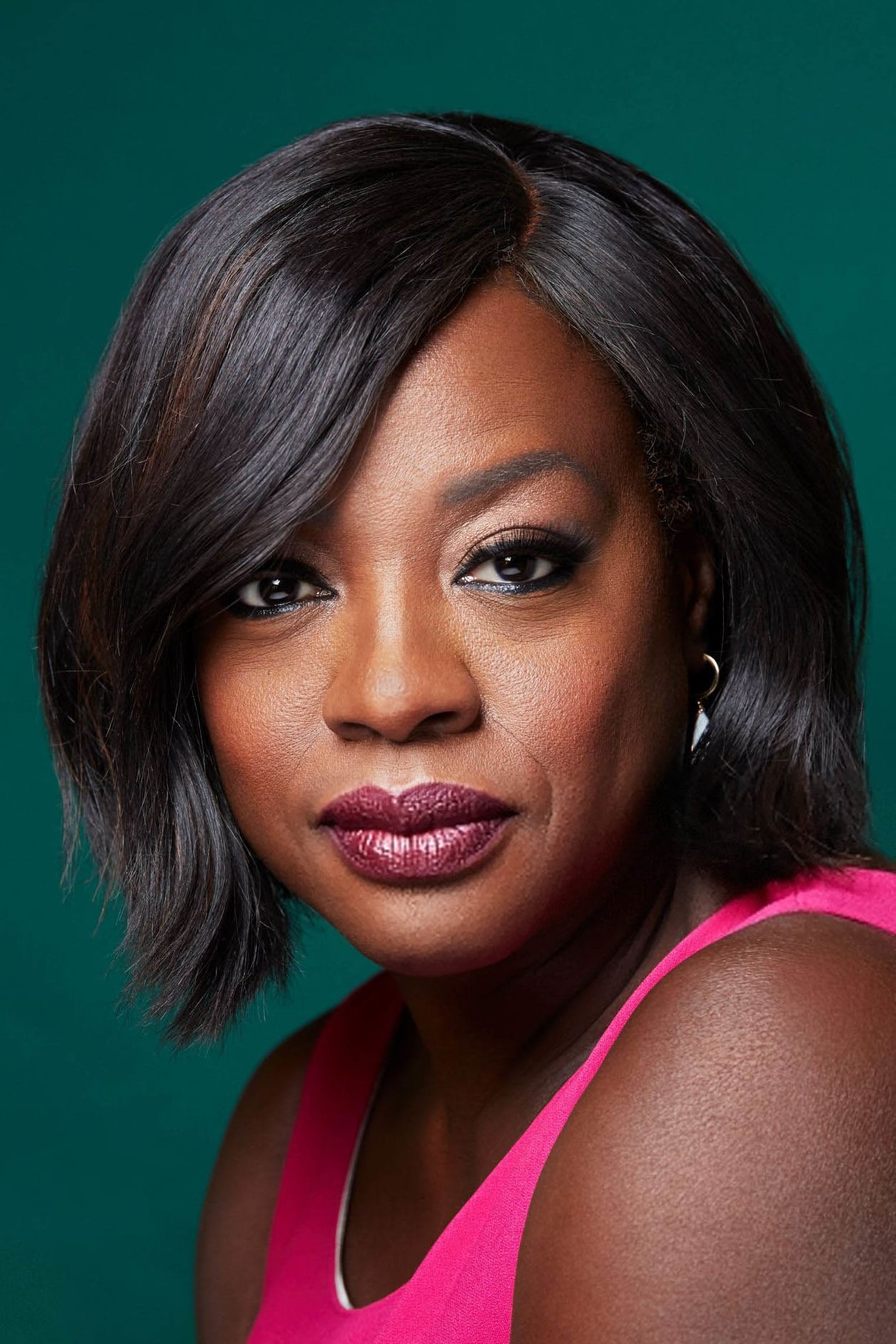
Davis has been a vocal proponent of actors retaining ownership over their physical likeness and voice. She signed the open letter to guild leadership urging them not to compromise on the issue of artificial intelligence. The actress argues that the unique quality of human emotion cannot be synthesized by a computer program. She supports strict contractual barriers that prevent studios from exploiting a performer’s image in perpetuity.
Meryl Streep
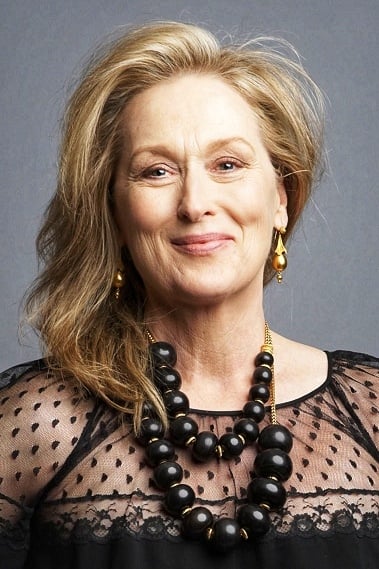
Streep added her significant influence to the cause by signing the letter warning SAG-AFTRA leadership that the industry was at an inflection point. She expressed that she was prepared to strike to ensure that actors were not replaced by digital technology. Her participation signaled to the studios that even the most established names viewed AI as a serious threat. Streep advocates for the preservation of human craft over cost-cutting technological shortcuts.
Jennifer Lawrence
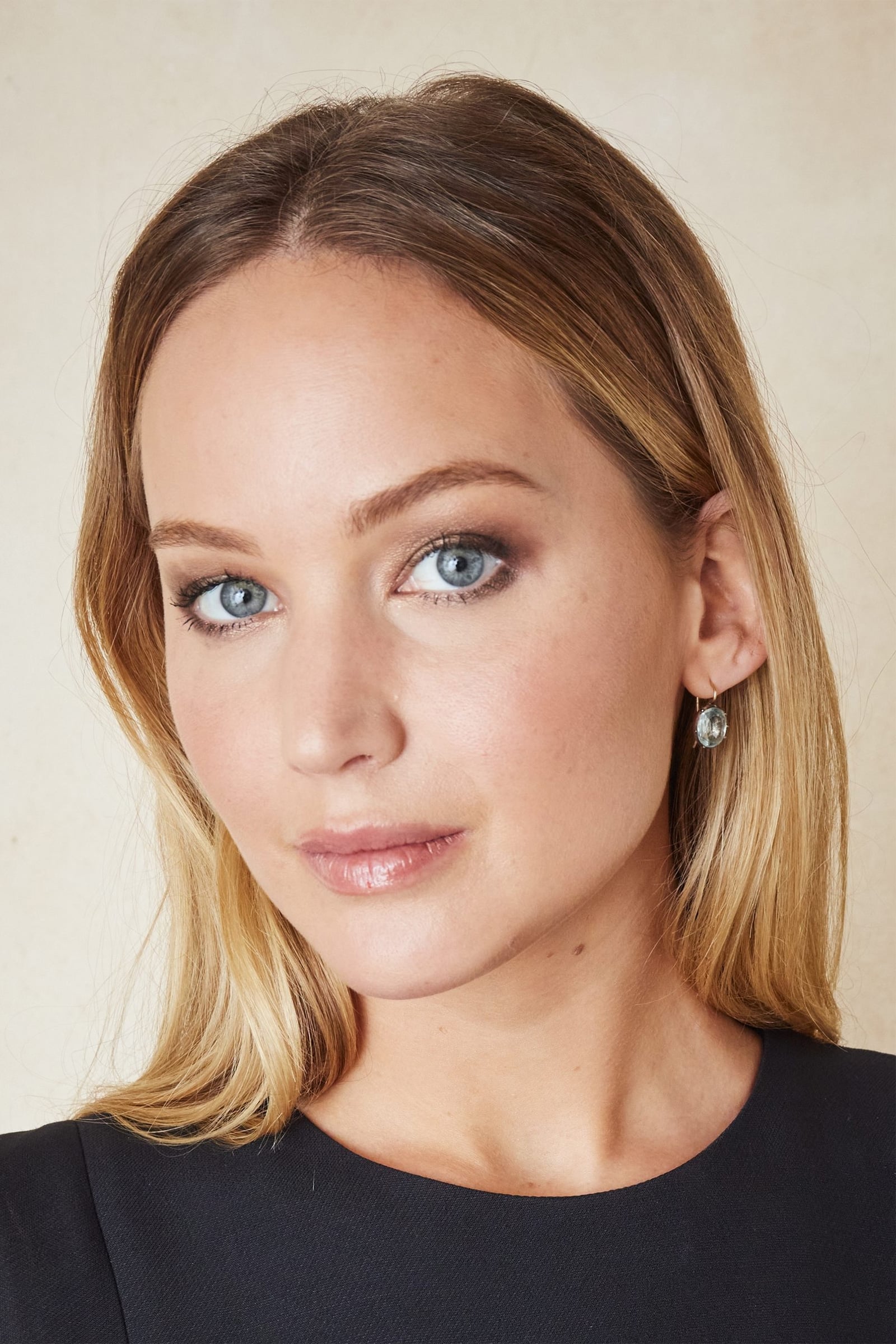
Lawrence joined the coalition of A-list stars who demanded that the union hold the line against AI encroachment. She publicly supported the idea that digital protections were non-negotiable for the future of the profession. Her involvement helped galvanize media attention around the specific dangers of generative AI in contract negotiations. She believes that the human element is irreplaceable in the art of filmmaking.
Jane Fonda
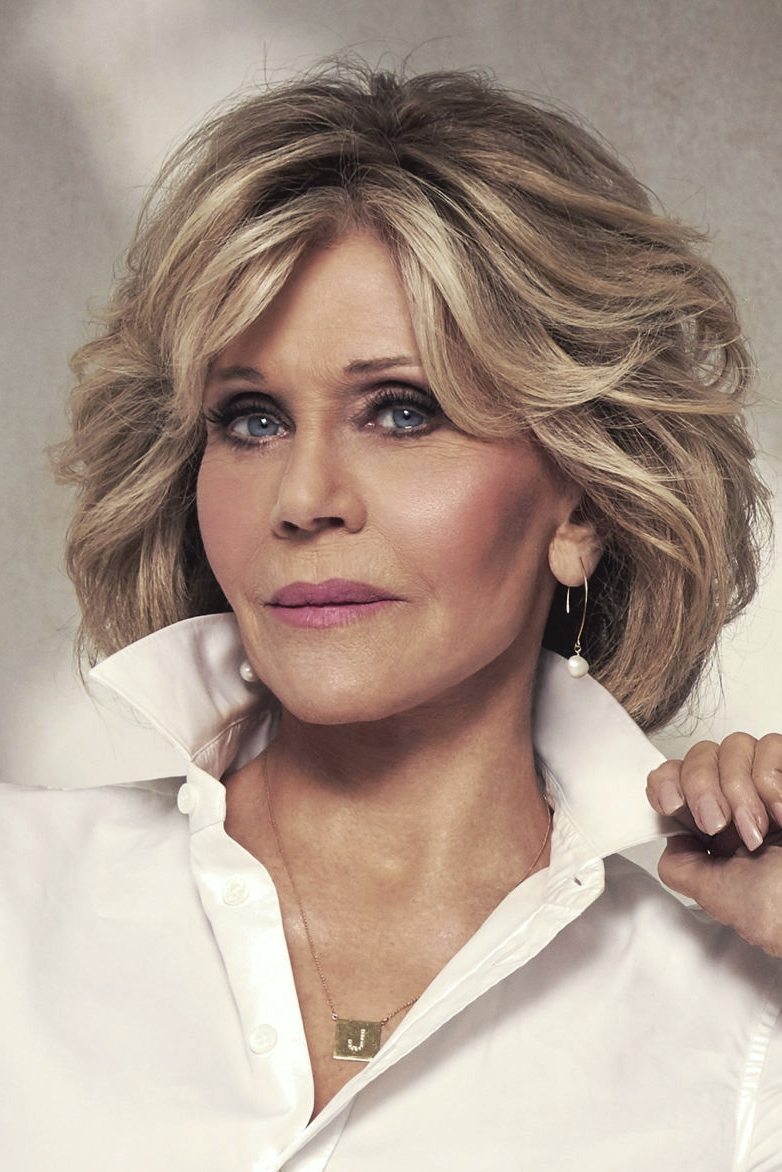
Fonda was a regular presence on the picket lines where she spoke about the dangers of unregulated technology. She connected the fight against AI to broader labor issues and the protection of workers from corporate greed. The legendary actress argued that studios would readily replace humans if it meant saving money. She continues to advocate for strong union rules that keep technology as a tool rather than a replacement.
Susan Sarandon
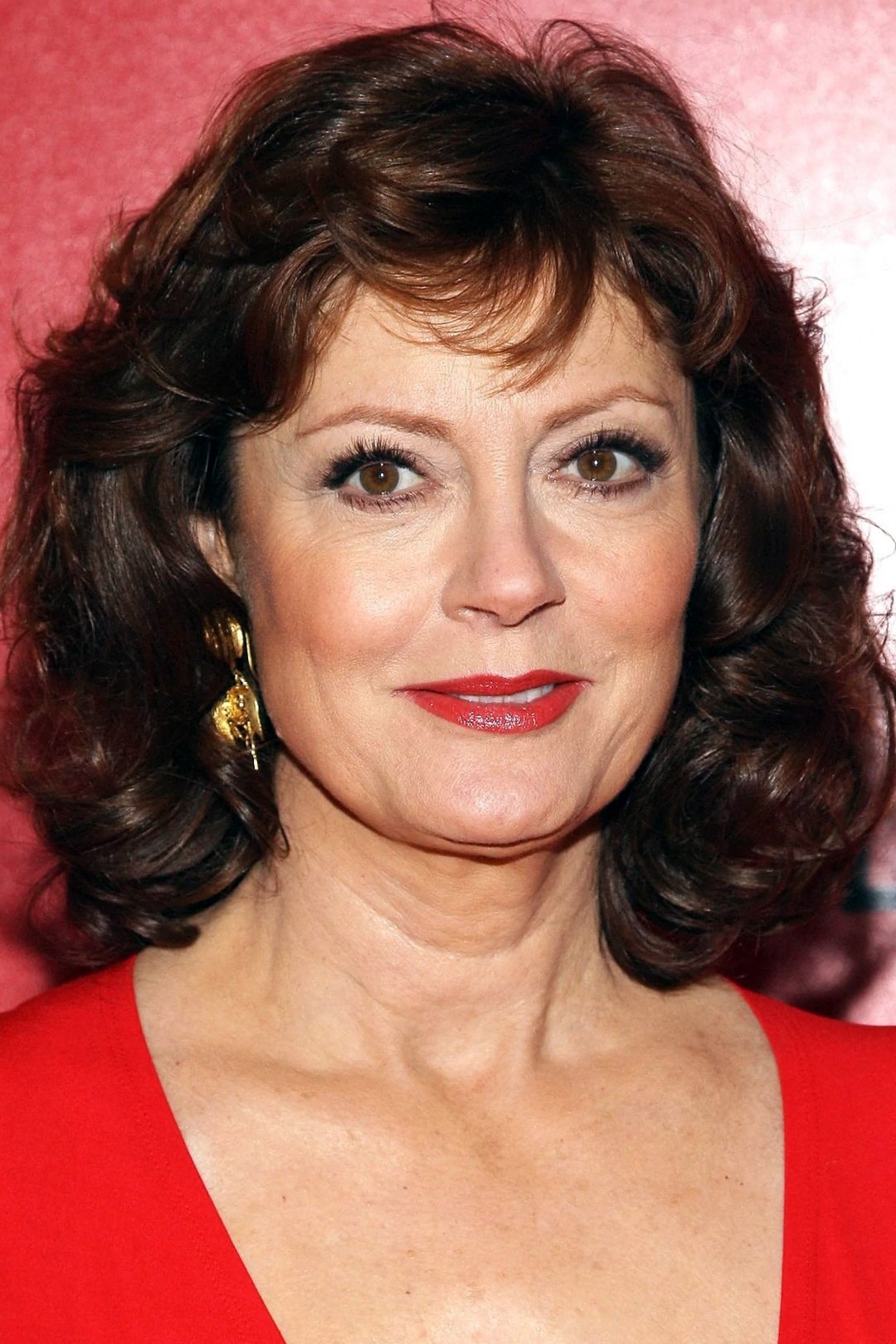
Sarandon frequently joined picket lines to protest the studio proposals regarding artificial intelligence. She voiced concerns that AI would eventually make the average working actor obsolete if left unchecked. The actress criticized the corporate mindset that views performers as data points rather than artists. She remains committed to the idea that storytelling requires a human heartbeat.
Jessica Chastain
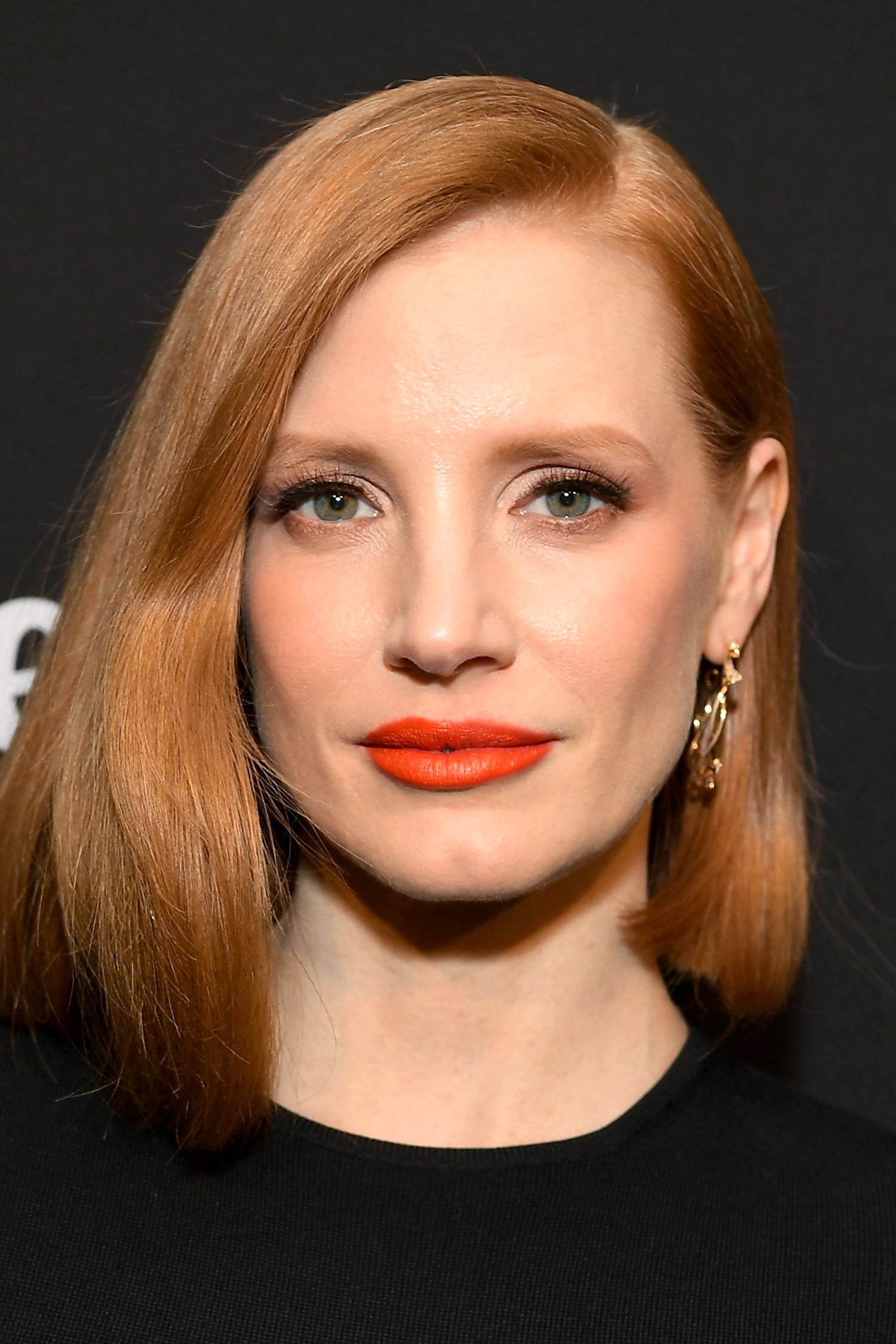
Chastain expressed her support for the strike and the necessary protections against digital exploitation. She used press opportunities to discuss the importance of the union’s fight for control over one’s own image. The actress believes that without regulation the industry will lose the authenticity that audiences crave. She stands with her peers in demanding that human consent is mandatory for any digital use.
Emily Blunt
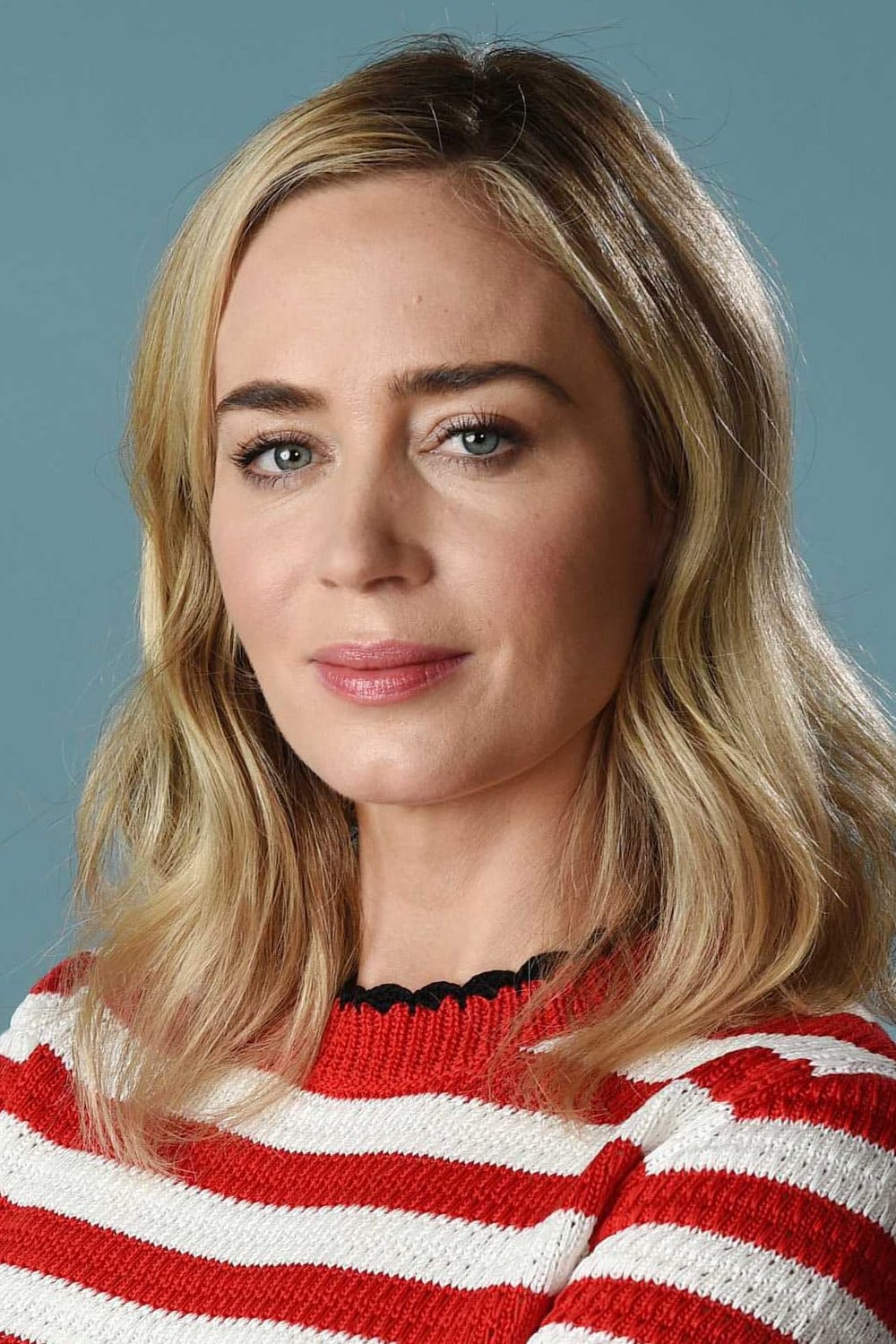
Blunt demonstrated her solidarity by walking out of the ‘Oppenheimer’ premiere as the strike was called. She stated that the issues of AI and residuals were critical for the survival of the acting profession. Her actions drew immediate global attention to the urgency of the union’s demands. She advocates for a future where technology supports actors rather than displaces them.
Julianne Moore
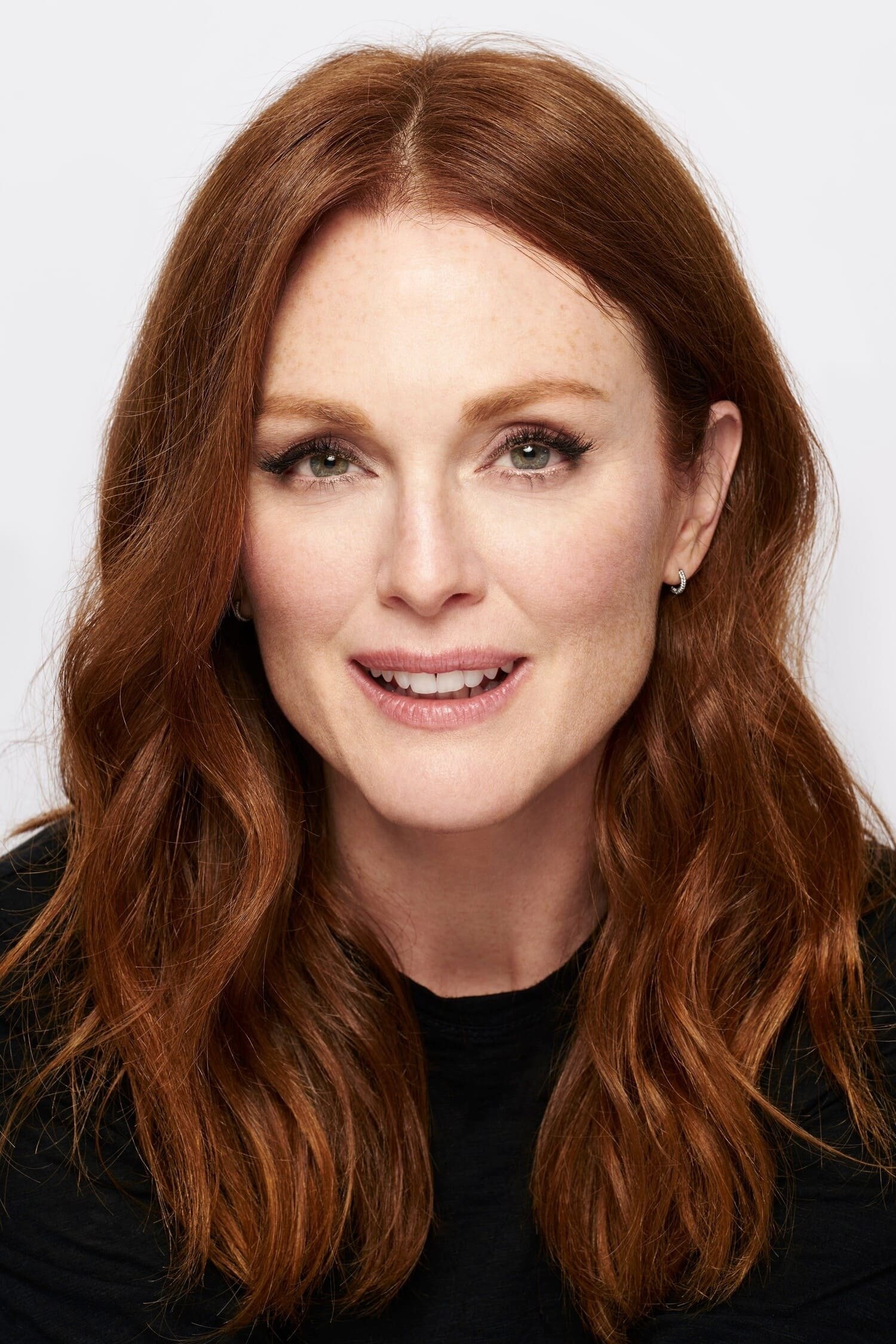
Moore was among the high-profile signatories of the letter urging the union to remain firm on AI issues. She expressed deep concern over the potential for studios to use digital replicas without adequate compensation. The actress views the protection of likeness rights as a fundamental human right for performers. Her stance reinforces the need for clear legal boundaries regarding digital synthesis.
Charlize Theron
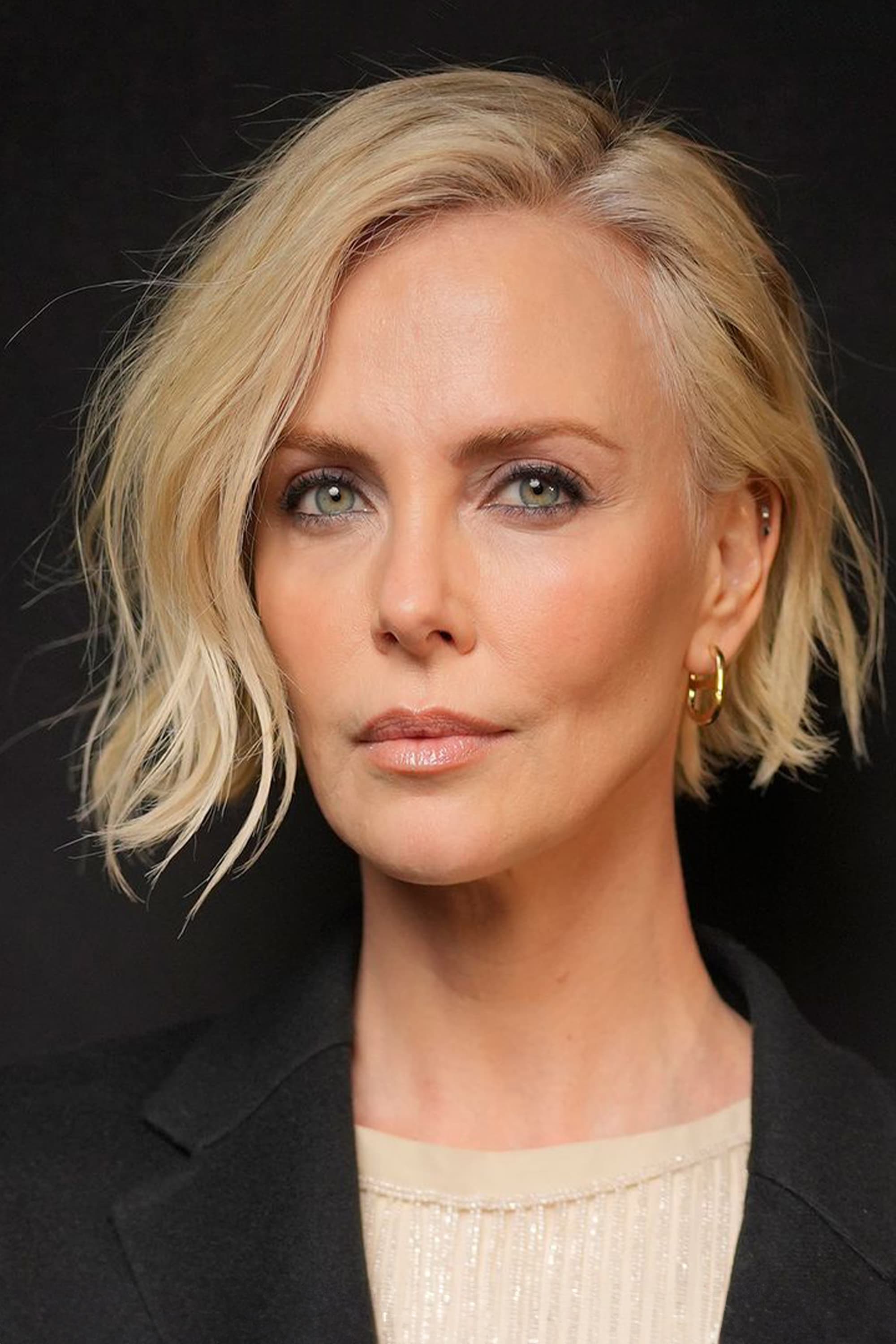
Theron supported the push for aggressive limitations on how studios can utilize generative AI. She recognized that the technology poses a threat not just to background actors but to the integrity of lead performances as well. The action star advocated for contracts that ensure actors have the final say in how their image is deployed. She stands firmly against the unauthorized use of a performer’s digital twin.
Rosario Dawson
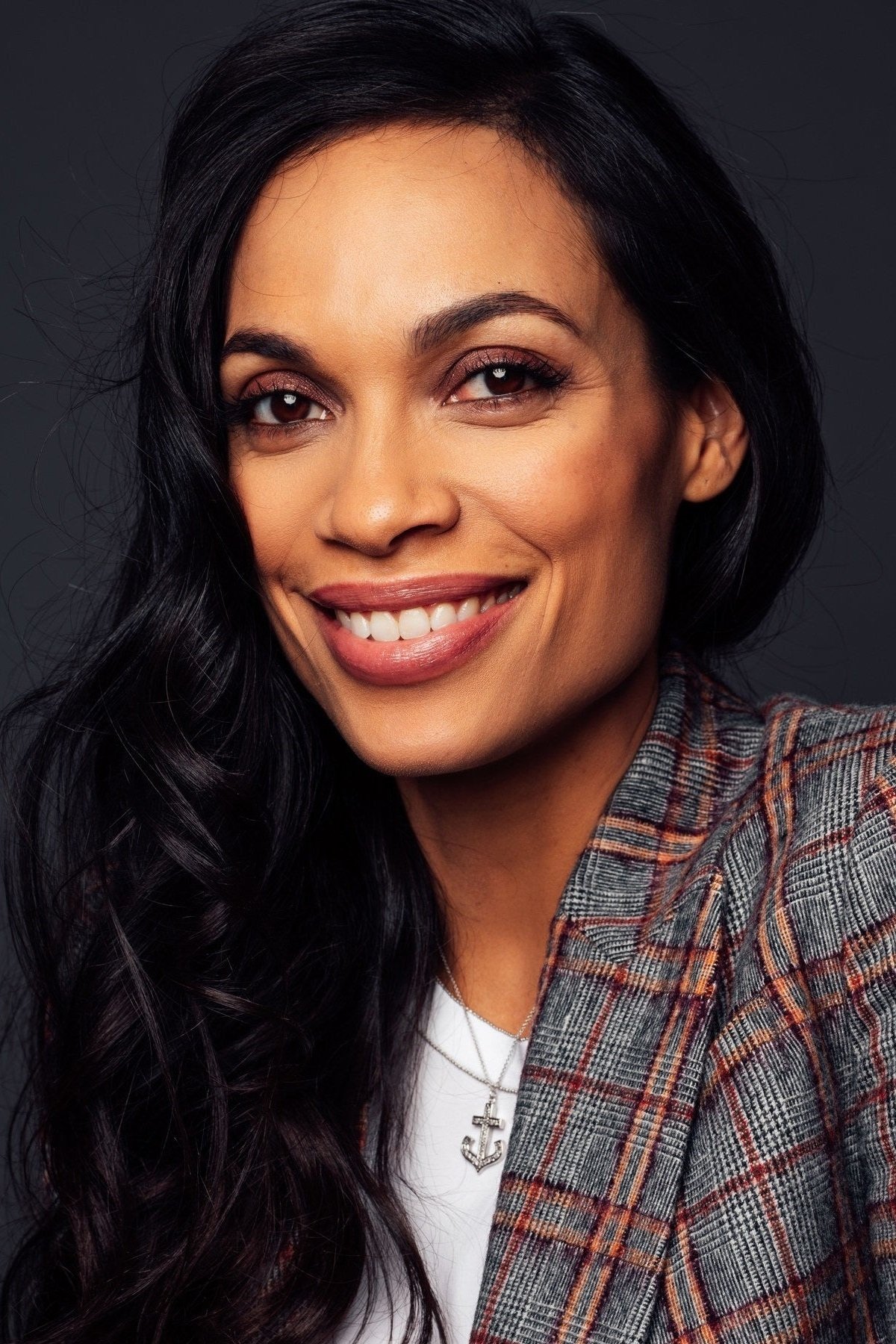
Dawson was a frequent voice on the picket lines speaking about the dehumanizing aspects of the proposed AI usage. She highlighted the absurdity of studios wanting to scan actors for a single day’s pay to use them forever. The actress emphasized that the fight was about dignity and the right to own one’s work. She supports a model where technology serves the artist rather than the corporation.
Olivia Wilde
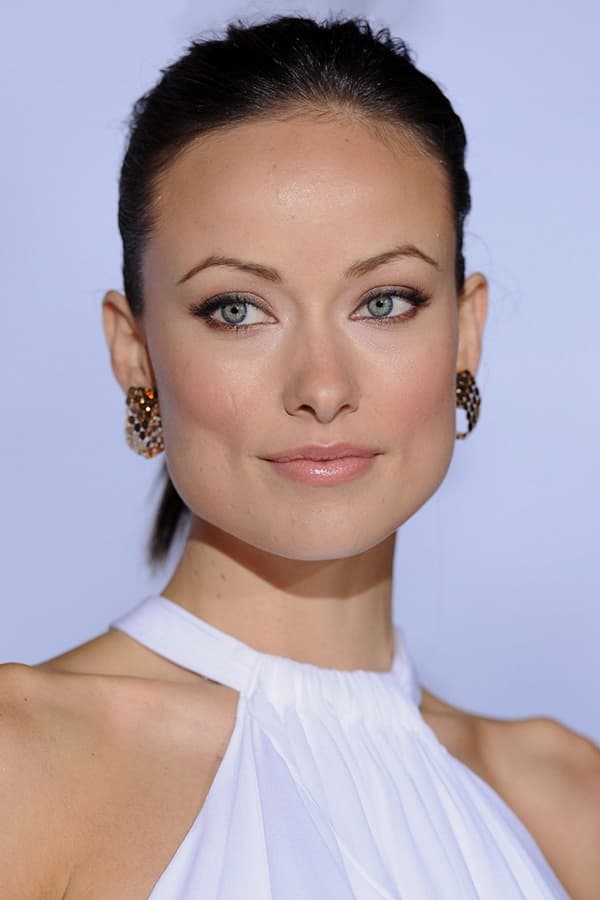
Wilde walked the picket lines and spoke about the intersection of directing and acting in the age of AI. She argued that the creative process relies on spontaneous human choices that algorithms cannot replicate. The filmmaker expressed fear that AI would lead to a homogenization of storytelling. She advocates for preserving the imperfections and nuances that human actors bring to a role.
Mandy Moore
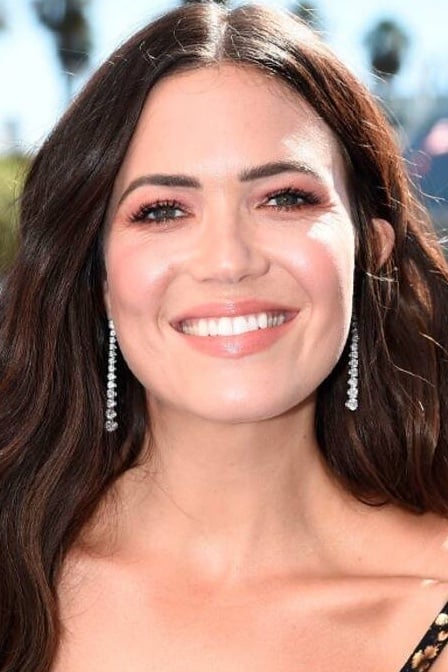
Moore spoke candidly about the diminishing residuals in the streaming era and the threat AI poses to future earnings. She argued that allowing AI to generate performances would further erode the ability of actors to make a living. The actress highlighted that the battle is about maintaining a middle-class existence for working performers. She rejects the notion that efficiency should trump artistic integrity.
Juliette Lewis
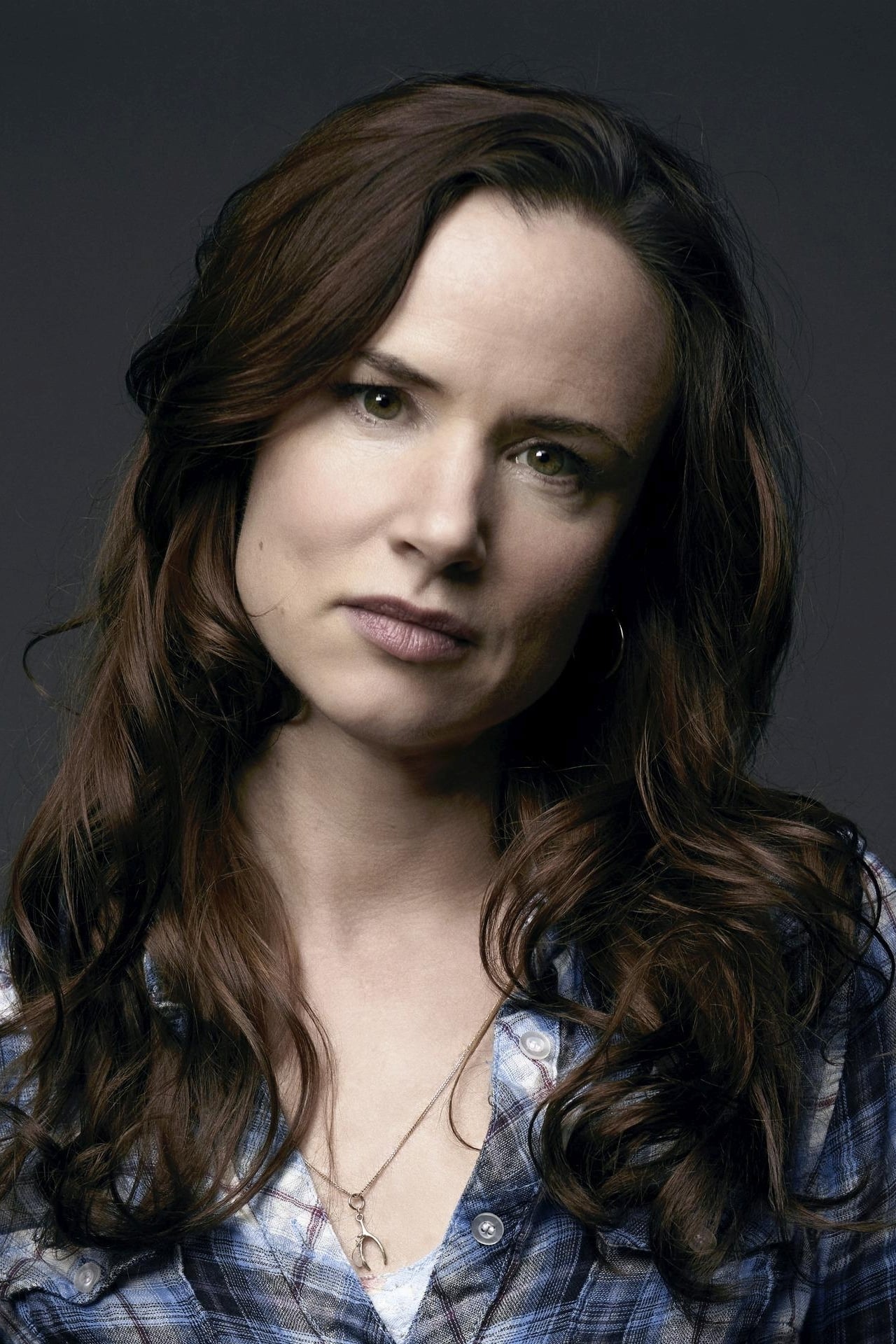
Lewis utilized social media to criticize the studio proposals that would allow for digital scanning. She expressed disbelief that the industry would attempt to automate the emotional labor of acting. The actress championed the unique energy that a living person brings to a character. She views the reliance on AI as a soulless approach to creativity.
Lupita Nyong’o
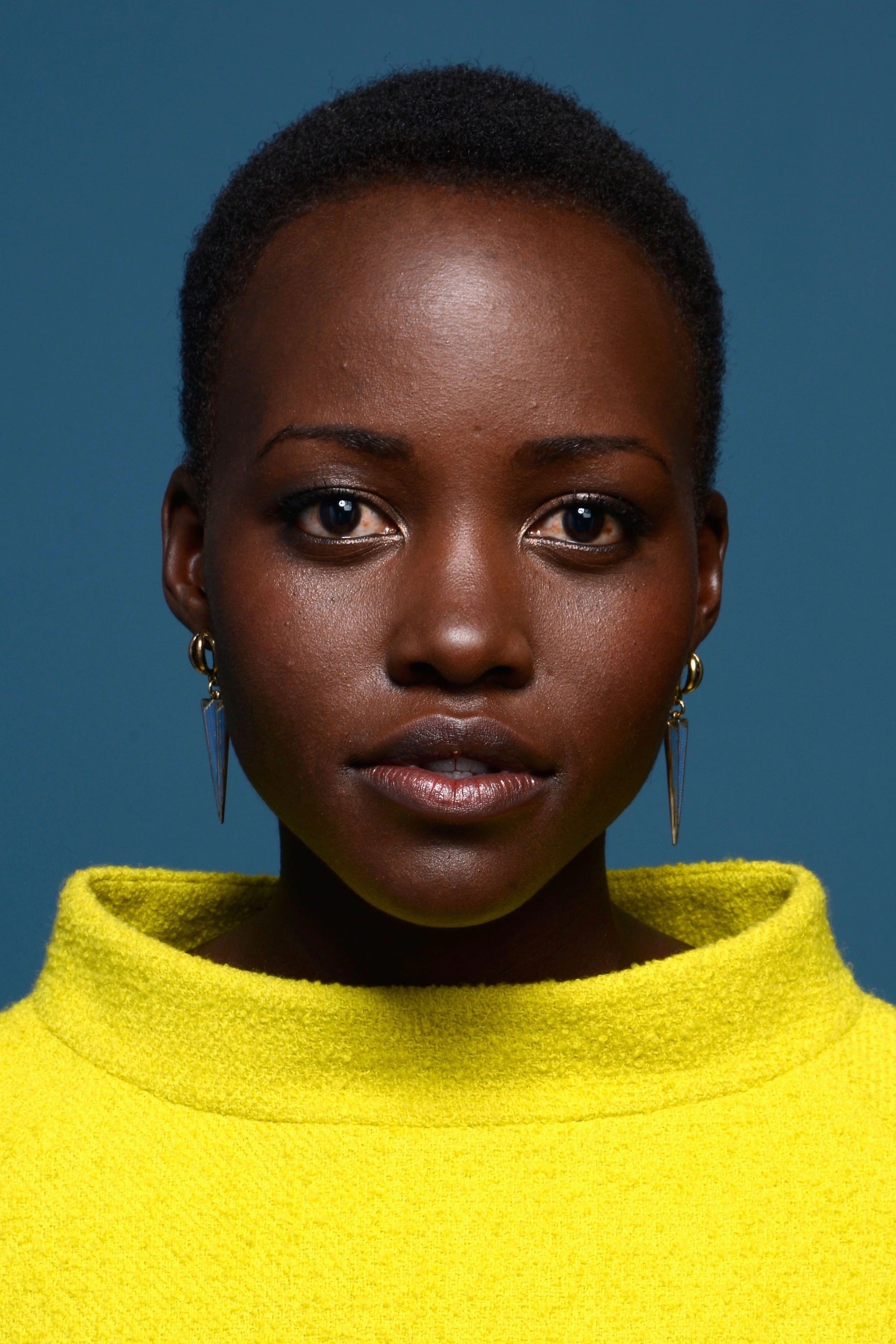
Nyong’o signed the letter to guild leadership demanding that they not settle for weak protections on artificial intelligence. She supports the position that an actor’s face and voice are their personal property. The actress recognizes that digital exploitation disproportionately affects marginalized communities who may have less legal recourse. She advocates for ironclad consent protocols in all contracts.
Florence Pugh

Pugh supported the strike and the collective effort to regulate the use of technology in film. She joined her castmates in walking away from promotional duties to stand with the union’s demands. The actress believes that the physical presence of an actor is essential to the medium of film. She opposes any system that attempts to separate a performance from the human who created it.
Sarah Paulson
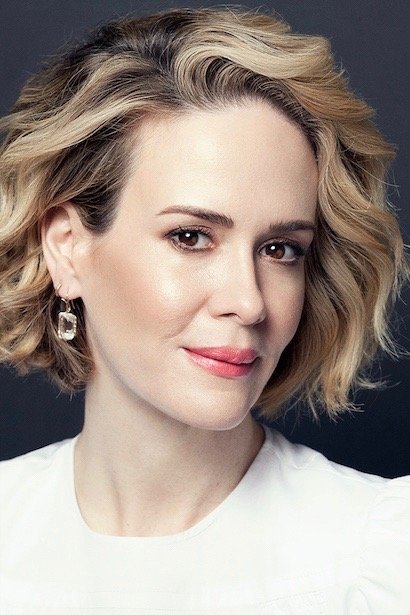
Paulson was active during the labor dispute and voiced her concerns about the changing landscape of Hollywood. She argued that the introduction of AI without regulation would destroy the craft of acting. The actress supports the union’s efforts to define clear boundaries for generative technology. She believes that audiences ultimately want to see humans connecting with humans.
Amy Schumer
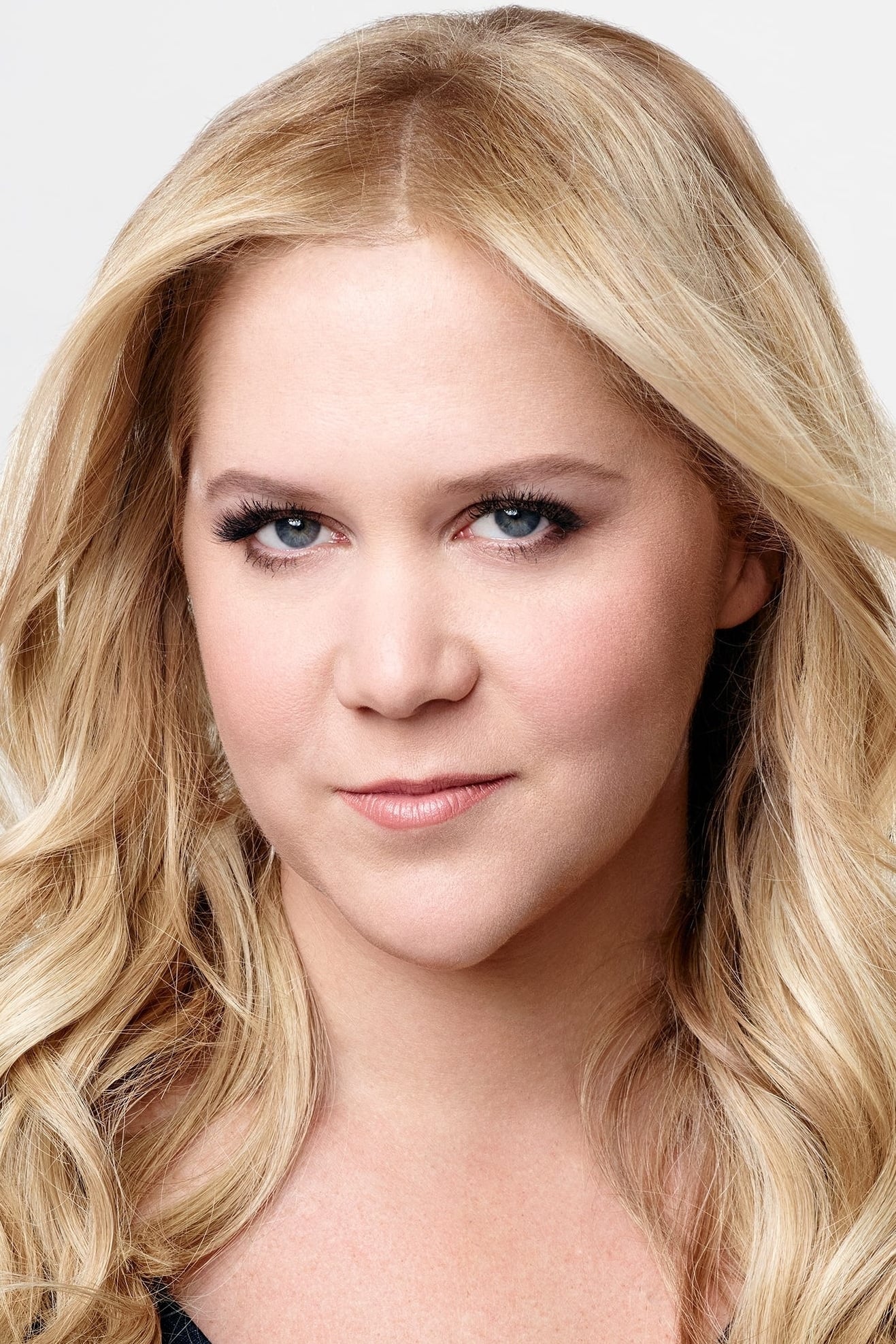
Schumer added her name to the list of stars demanding that the union prioritize the AI issue. She utilized her platform to amplify the message that performers must control their digital selves. The comedian and actress views the technology as a potential tool for theft if not strictly governed. She supports the fight for compensation whenever a digital likeness is employed.
Riley Keough
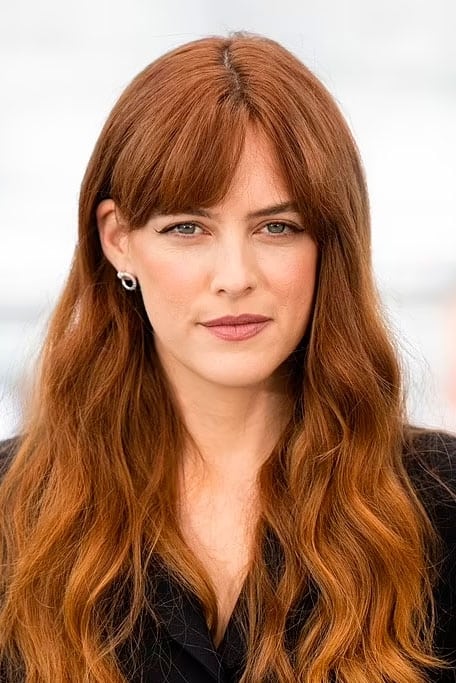
Keough supported the movement to secure rights against digital replication. She signed the letter urging the union to reject any deal that did not secure the future of the profession. The actress believes that the heritage of cinema is built on human performance. She opposes the commercialization of digital acting doubles.
Christina Ricci
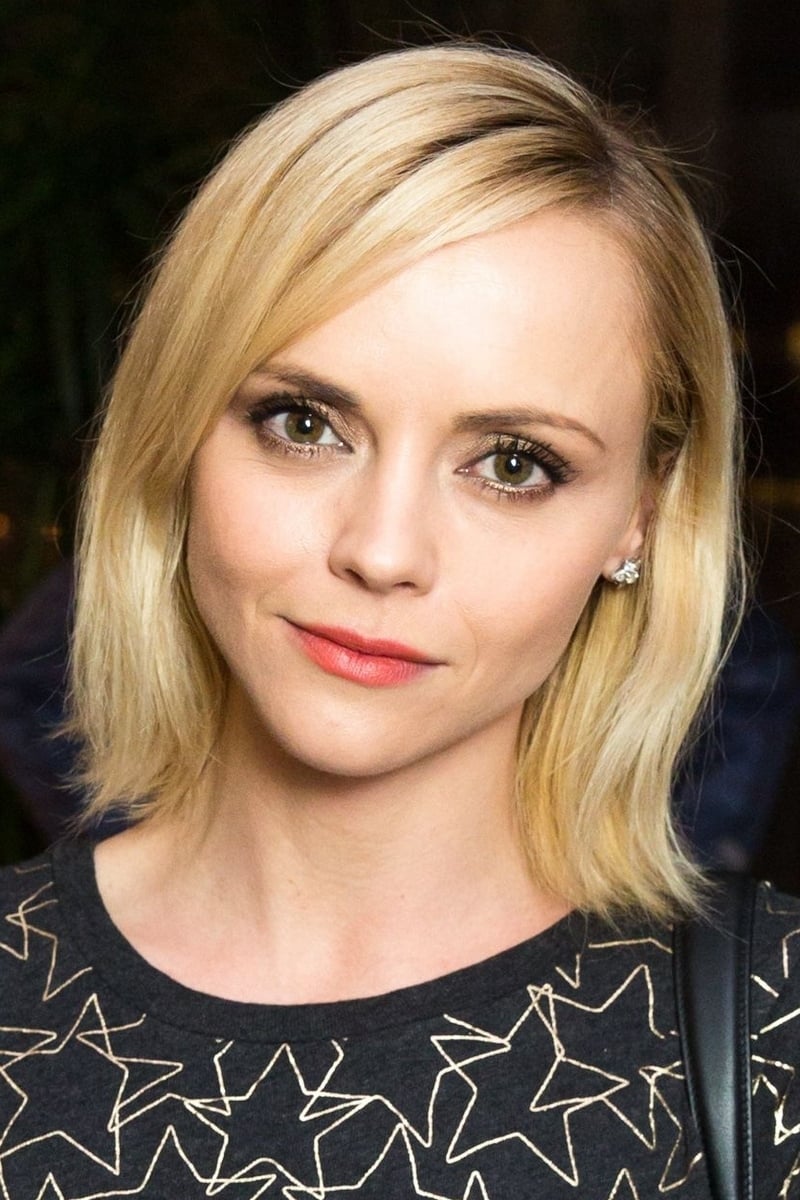
Ricci has been vocal about the need to protect the rights of actors against corporate overreach. She signed the statement declaring that the use of AI poses a direct threat to the acting community. The actress advocates for a distinct separation between human work and generated content. She supports the union’s mandate to keep the industry human-centric.
Lena Dunham
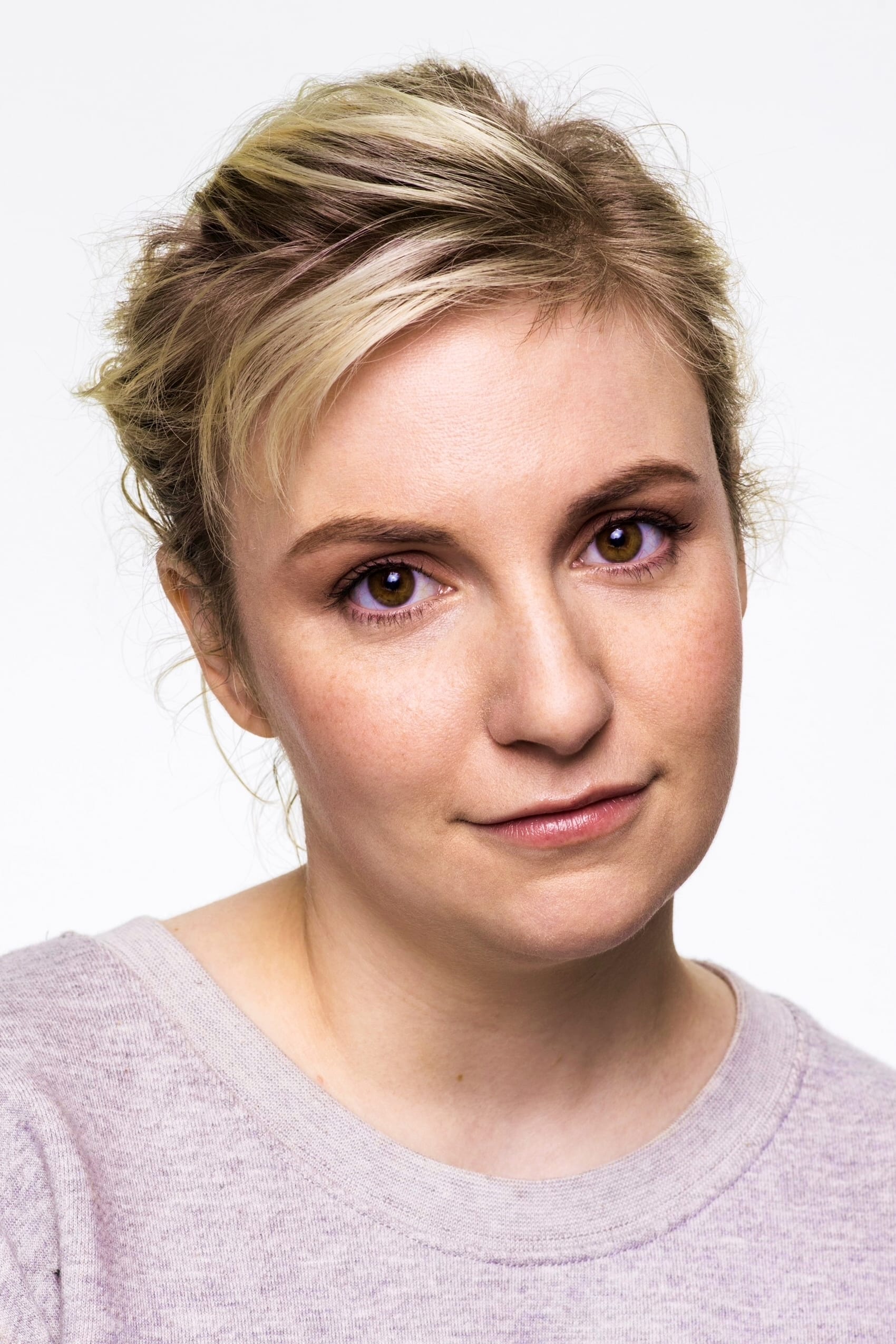
Dunham signed the open letter to SAG-AFTRA leadership emphasizing the critical nature of the AI negotiations. She expressed concern that the industry was moving toward a model that devalues human contribution. The creator advocates for the protection of writer and actor voices against algorithmic generation. She believes that personal experience is the foundation of all good art.
Julia Louis-Dreyfus
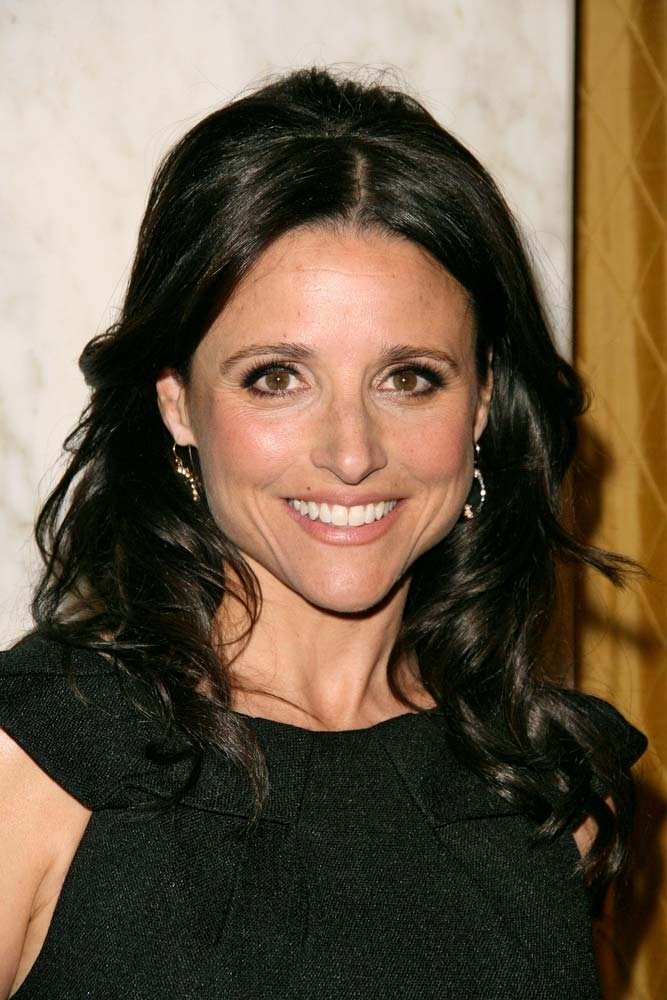
Louis-Dreyfus joined the chorus of voices demanding strict regulations on artificial intelligence. She signed the letter that warned leadership against settling for half-measures regarding digital rights. The comedic actress believes that timing and delivery are human traits that computers cannot master. She stands for the protection of the comedic craft from automation.
Laura Linney
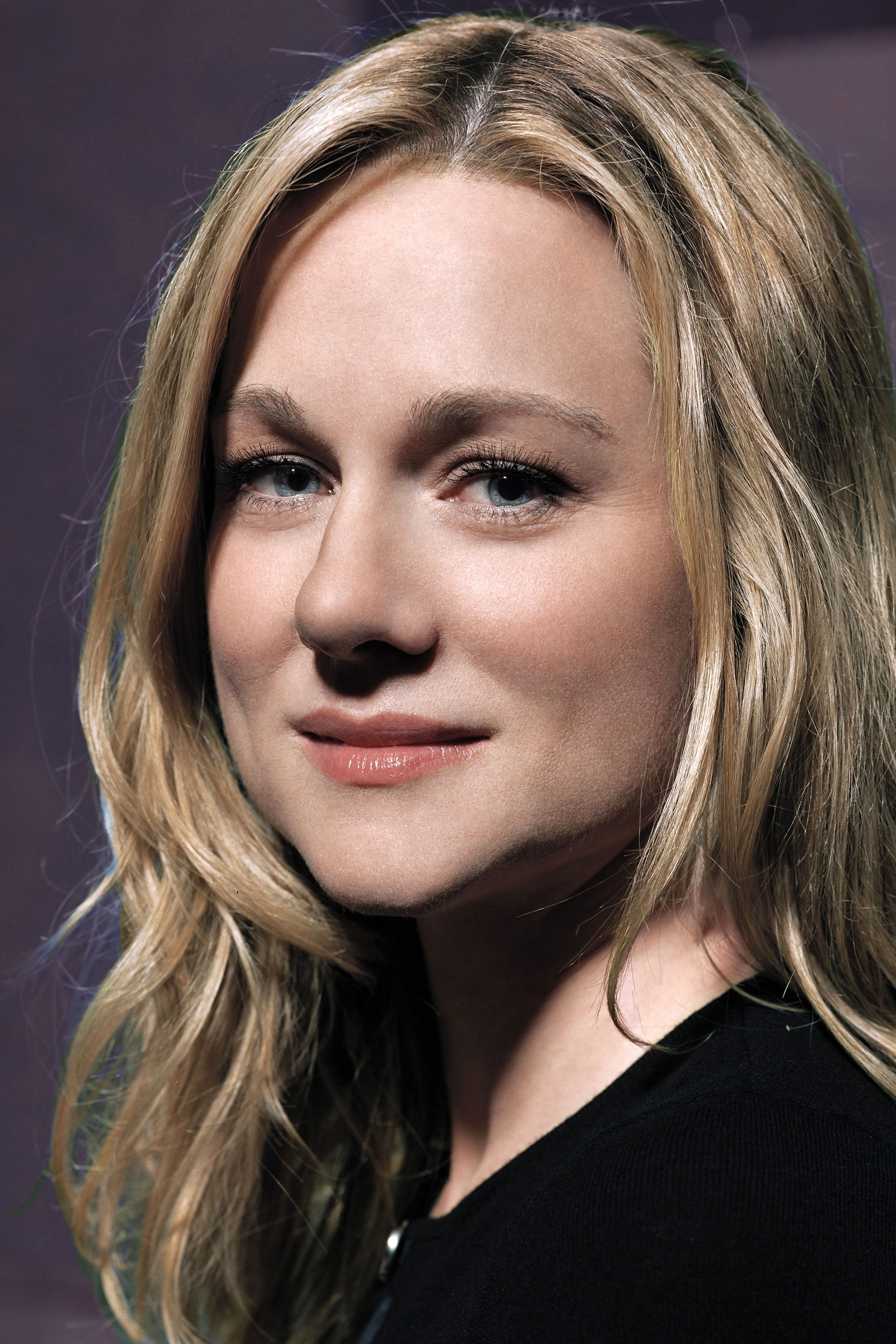
Linney supported the collective action to safeguard the profession from digital replacement. She signed the correspondence to union leadership that highlighted AI as a dealbreaker issue. The actress argues that the nuance of dramatic acting requires a living soul. She opposes the use of technology to synthesize emotional performances.
Danai Gurira
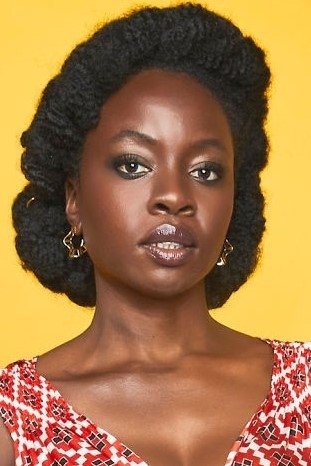
Gurira advocated for the protection of performers’ rights during the contract negotiations. She signed the letter urging the union to hold out for comprehensive AI language. The actress and playwright emphasized the importance of ownership over one’s cultural and physical expression. She rejects the idea that a digital scan can replace the presence of an actor.
Michelle Williams
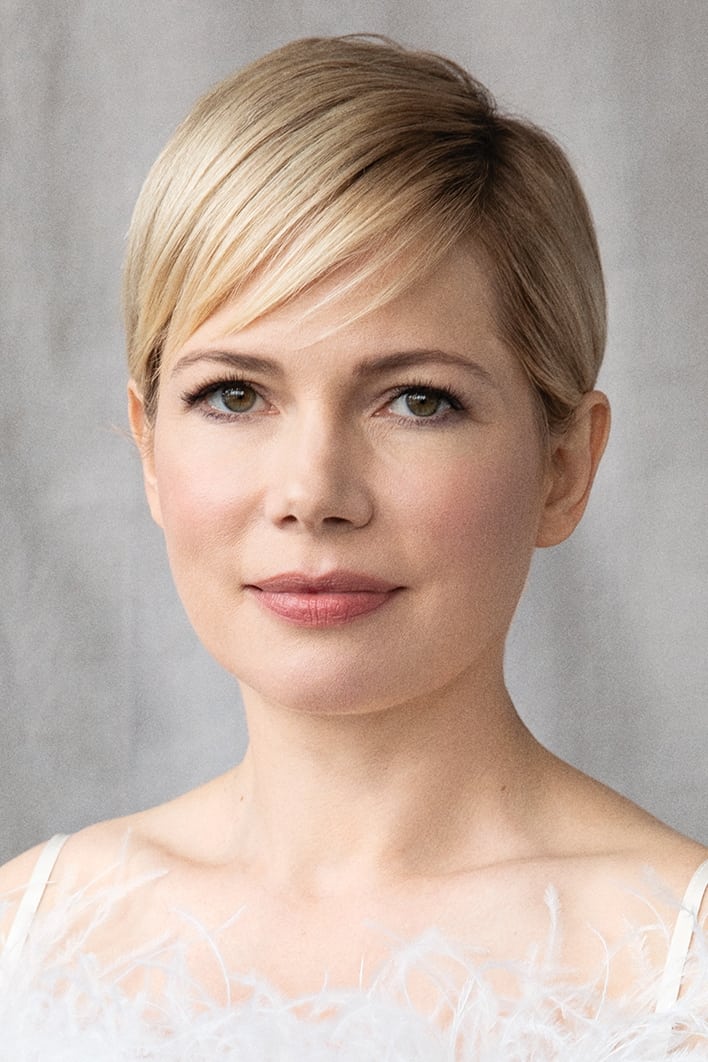
Williams added her support to the faction of actors demanding robust protections against AI. She signed the letter that framed the issue as a turning point for the history of labor in Hollywood. The actress believes that the vulnerability of acting cannot be coded. She advocates for the continued primacy of human performance in film.
Aubrey Plaza

Plaza supported the strike mandate and the specific fight against digital encroachment. She signed the letter to leadership asking them to remain strong on the issue of likeness rights. The actress views the potential for AI abuse as a serious concern for the future of comedy. She stands with the union in demanding consent for all digital uses.
Cate Blanchett
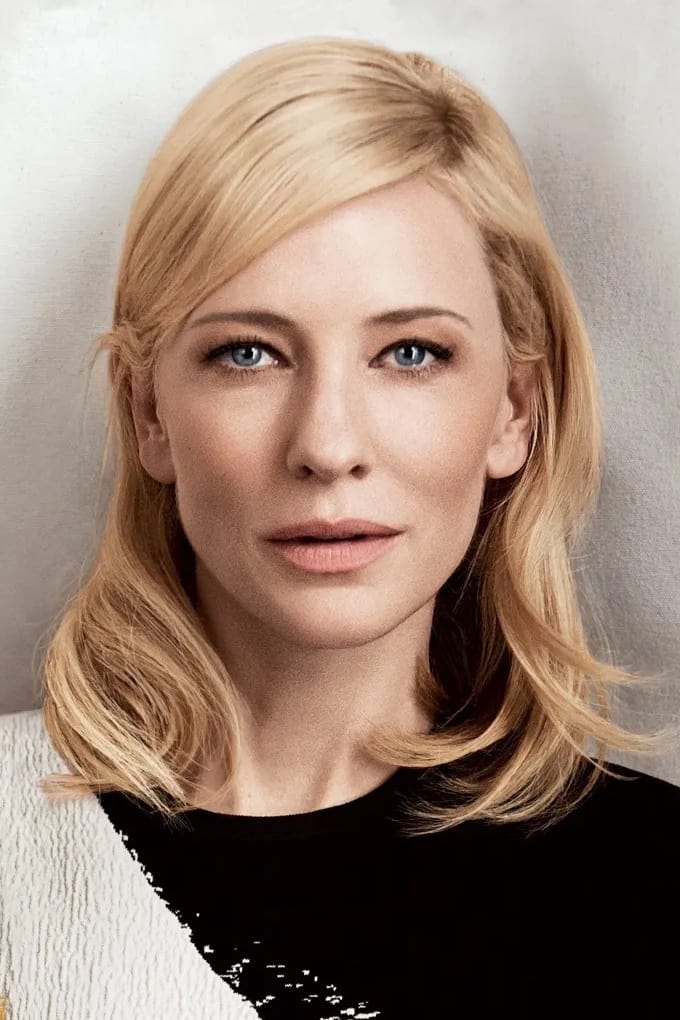
Blanchett has spoken about the creative dangers of relying on technology rather than human ingenuity. She warned that the industry should not become lazy by leaning on algorithms to solve creative problems. The actress advocates for a cinema that is tactile and rooted in human experience. She views AI as a tool that must be subservient to the artist.
Quinta Brunson
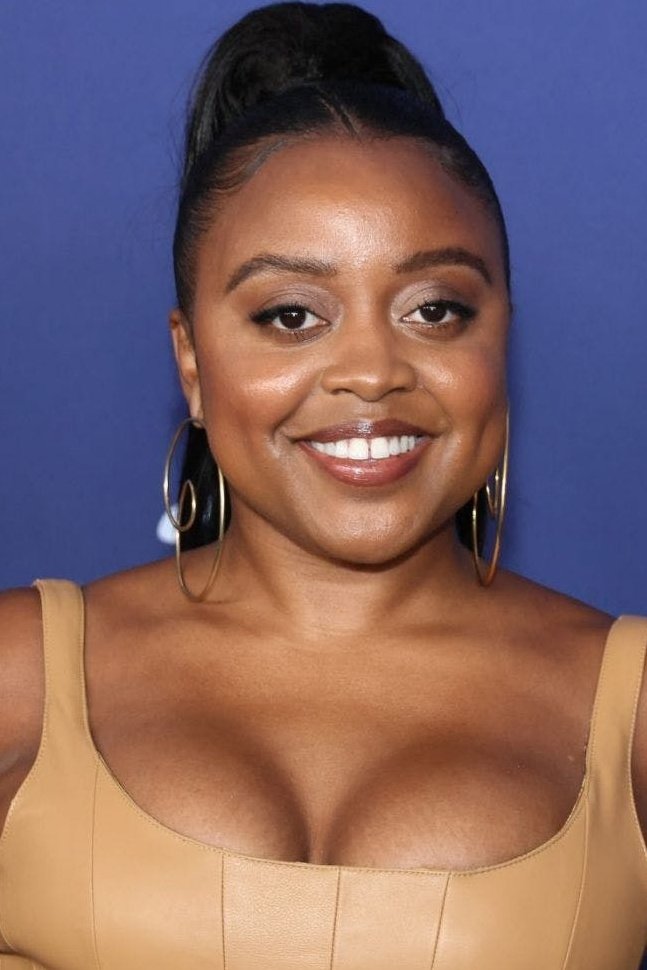
Brunson has been a strong advocate for labor rights and the protection of creative ownership. She supported the strike actions that focused on limiting the role of AI in both writing and acting. The creator believes that the specificity of human voice is what makes television relatable. She opposes the use of generative tools to undercut the value of human labor.
Rooney Mara
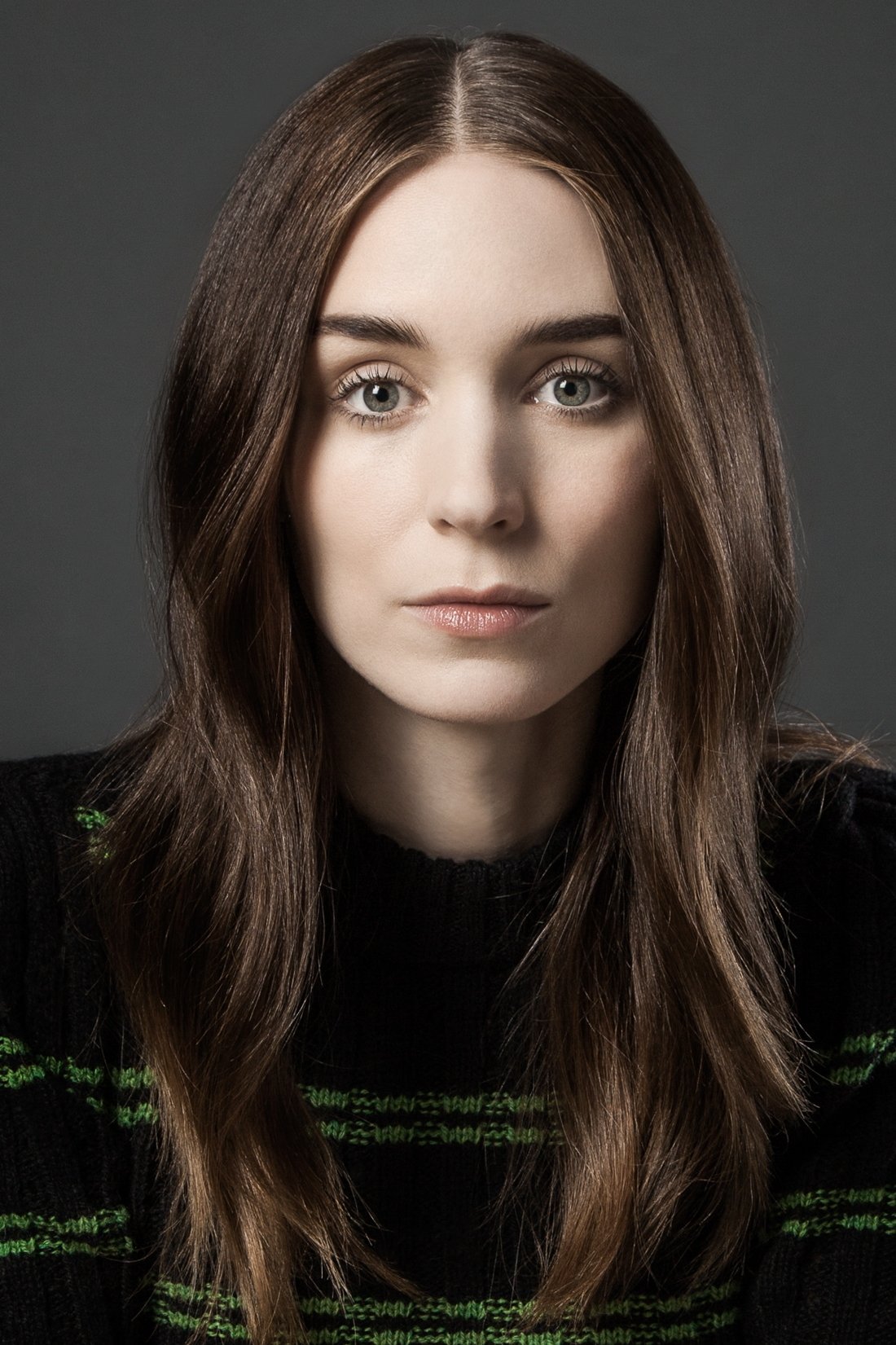
Mara joined the list of high-profile actresses who signed the letter demanding better AI protections. She expressed that the union needed to secure the future of the profession against digital replacement. The actress values the authenticity of performance above technical perfection. She supports the restriction of AI in the creation of character work.
Claire Foy
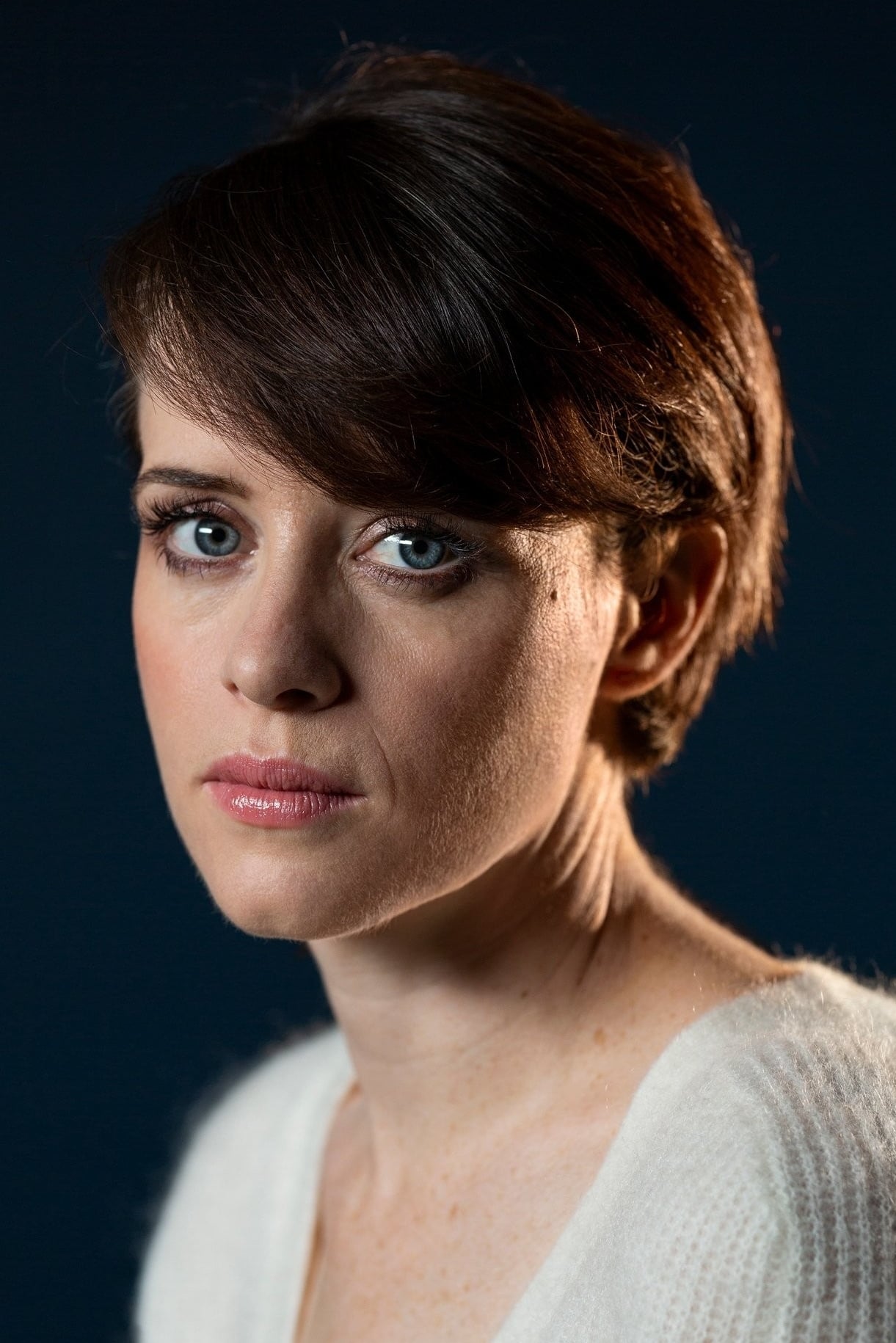
Foy supported the movement to establish clear legal boundaries for the use of artificial intelligence. She signed the letter urging the union to prioritize the issue of digital likeness. The actress believes that the unique identity of a performer is their primary asset. She opposes any contractual language that allows for the perpetual use of a digital double.
Dakota Johnson
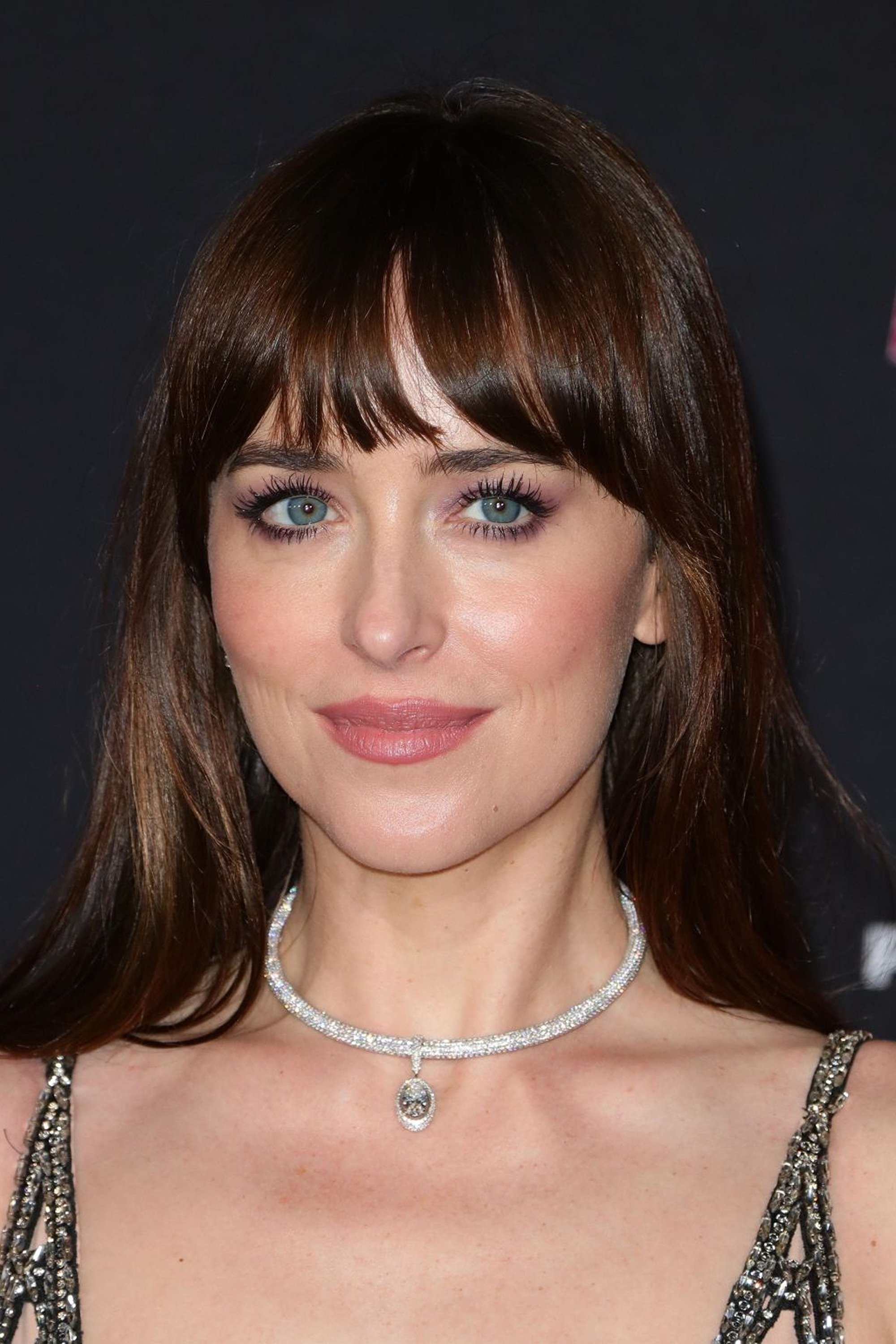
Johnson voiced her support for the strike and the protection of artistic control. She signed the letter to guild negotiators emphasizing the existential nature of the AI threat. The actress argues that the industry loses its magic when it relies on computer generation over human connection. She advocates for the preservation of traditional filmmaking methods.
Sheryl Lee Ralph

Ralph spoke passionately about the need to maintain the human element in entertainment. She argued that machines cannot replicate the soul and struggle that an actor brings to a role. The veteran actress emphasized that the fight against AI is a fight for the respect of the artist. She supports strict regulations to ensure that technology does not displace talent.
Yvette Nicole Brown
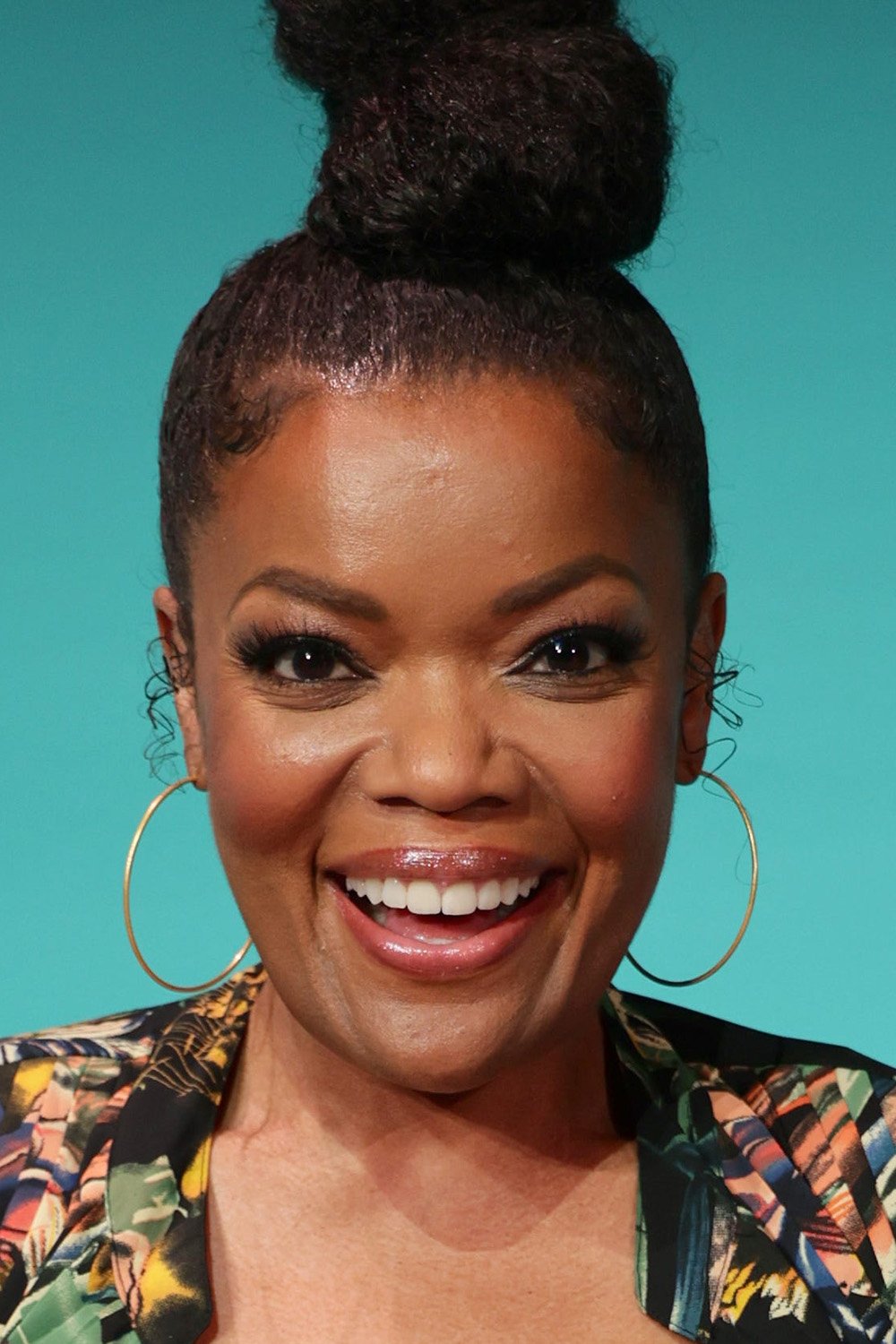
Brown served as a prominent voice on social media and the picket lines explaining the dangers of AI. She detailed how the technology could be used to erase the need for background actors and eventually leads. The actress advocates for a human-first approach to all film and television production. She tirelessly campaigned for the contract protections that are now in place.
Piper Perabo
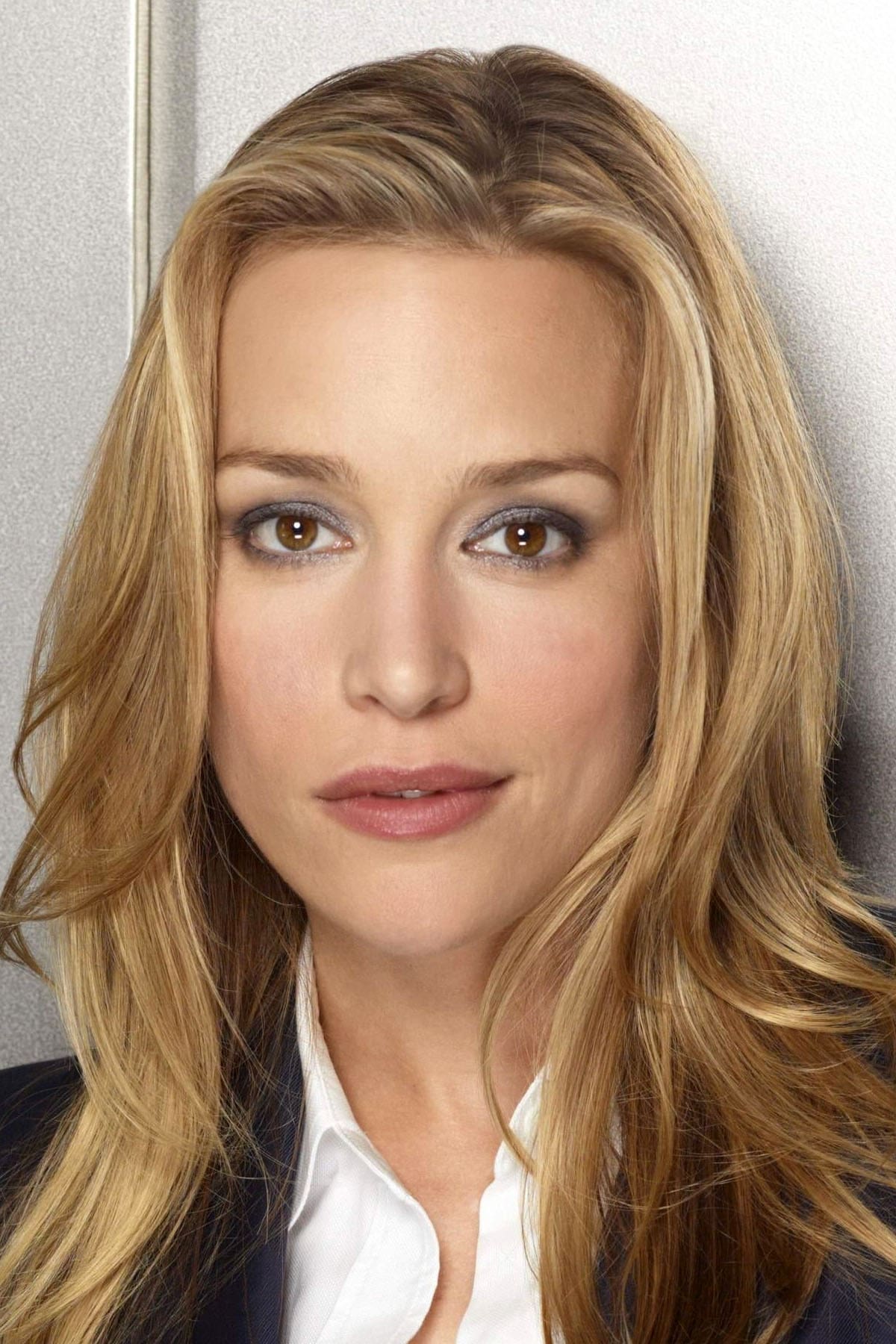
Perabo was deeply involved in the strike activities and the discourse surrounding digital rights. She spoke about the necessity of updating contracts to reflect the realities of modern technology. The actress believes that without regulation the industry would exploit actors’ likenesses for profit. She stands firm on the principle of consent and compensation.
Natasha Lyonne
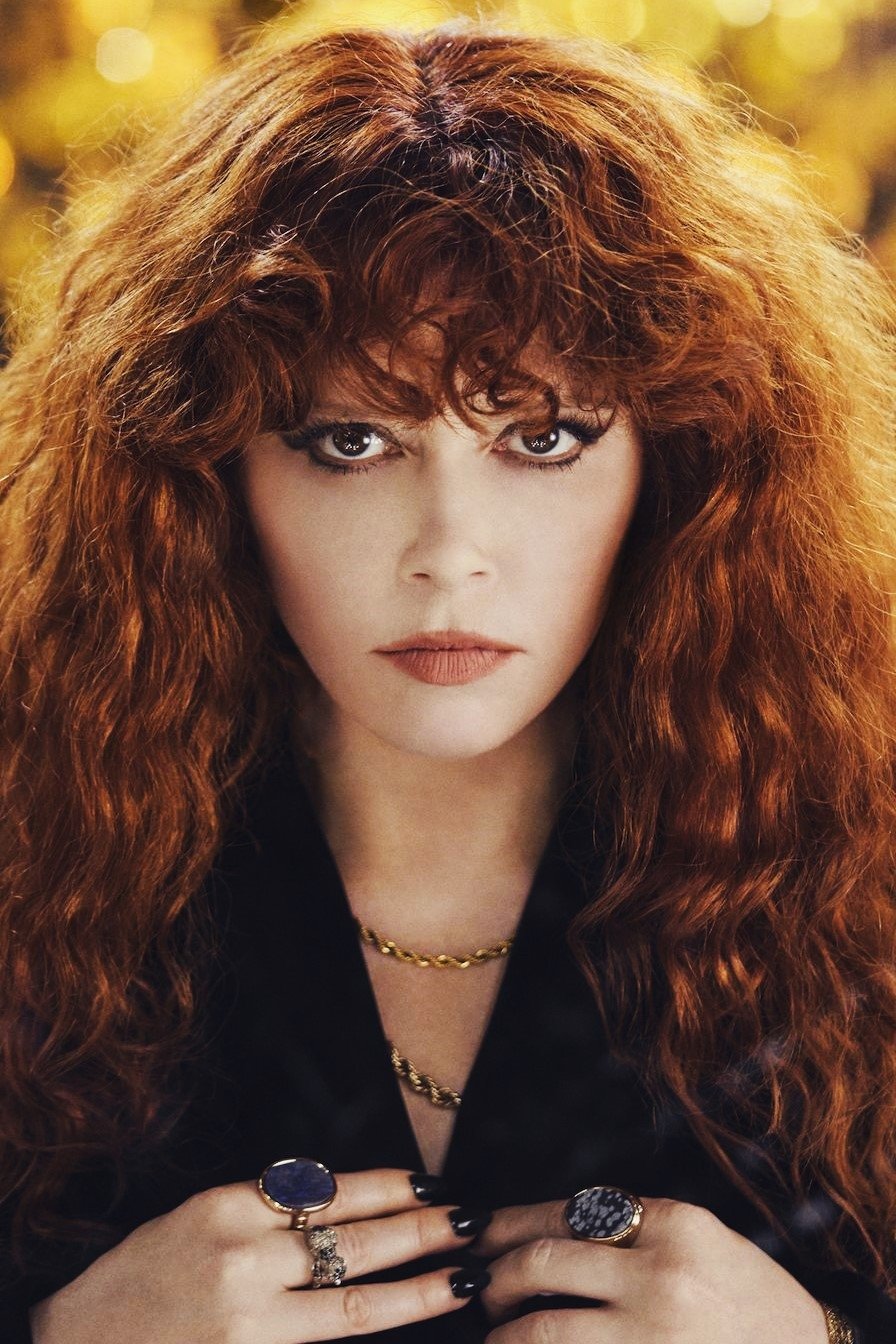
Lyonne supported the collective effort to rein in the use of generative AI. She signed the letter that demanded the union take a hard line on digital replacement. The creator and actress values the idiosyncratic nature of human performance. She opposes the standardization of art that algorithms tend to produce.
Keke Palmer

Palmer has been vocal about the need for artists to own their work and their image. She signed the letter urging the union to fight for the strongest possible AI protections. The multi-hyphenate entertainer believes that technology should not be used to bypass fair pay. She advocates for a future where creatives retain control over their digital footprint.
Constance Wu

Wu joined the coalition of actresses demanding that the union protect members from digital exploitation. She signed the letter that highlighted AI as a primary concern for the membership. The actress argues that the emotional truth of a performance cannot be manufactured. She supports the continued necessity of human actors in storytelling.
Maya Hawke
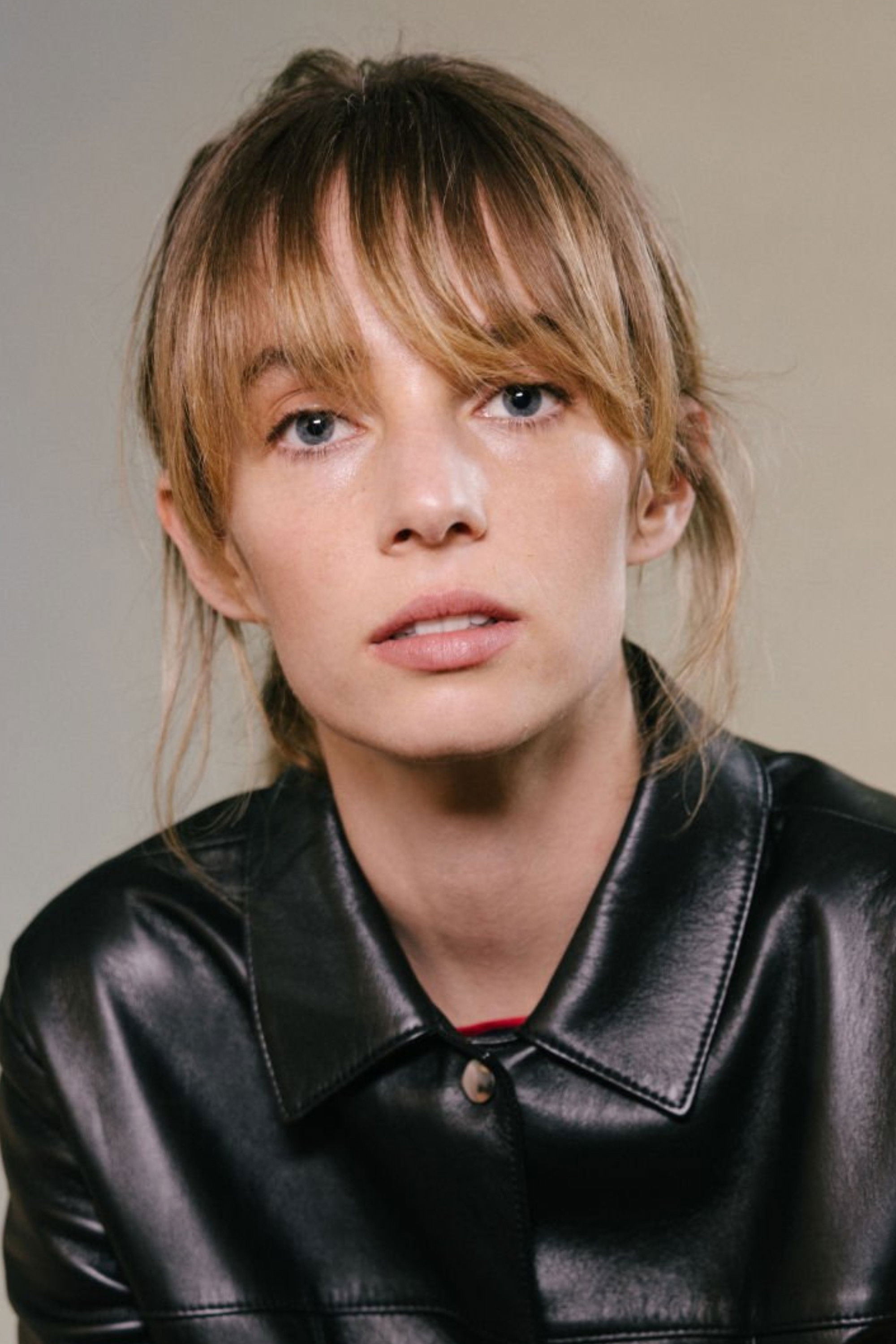
Hawke supported the strike and the specific demands regarding artificial intelligence. She signed the letter to leadership asking them not to cave on the issue of digital rights. The actress believes that the flaws and unpredictability of human acting are what make it beautiful. She opposes the polished and soulless nature of AI-generated content.
Sarah Polley
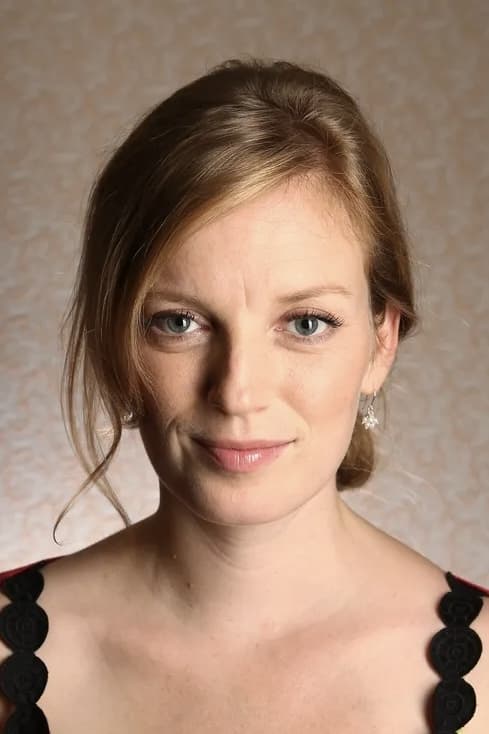
Polley has written and spoken about the importance of human perspective in storytelling. She expressed concern that AI could be used to generate scripts or performances that lack genuine insight. The filmmaker advocates for the protection of the writer and actor from algorithmic interference. She believes that art must come from the lived experience of a human being.
Share your thoughts on the role of AI in cinema in the comments.