


Actresses Who Don’t Support DEI Initiatives

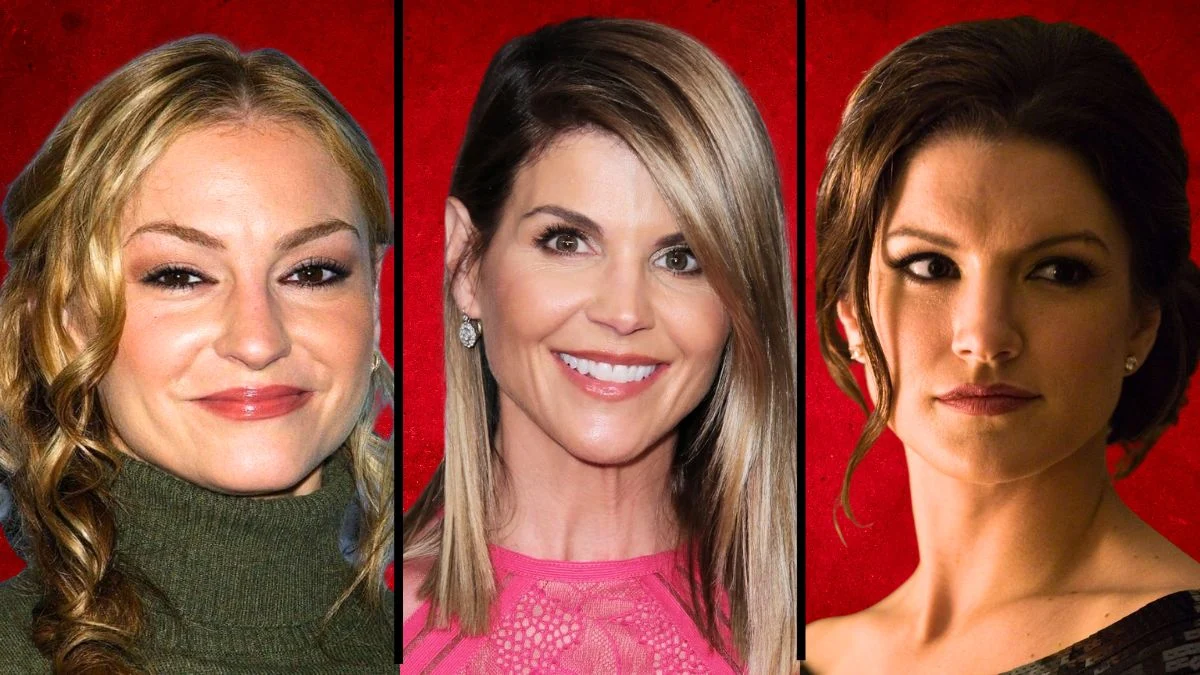


Diversity, Equity, and Inclusion (DEI) initiatives have become a dominant force in modern Hollywood, reshaping casting processes and storytelling mandates. While many in the industry have embraced these changes, a distinct group of actresses has voiced opposition to what they perceive as forced agendas or restrictive creative environments. Some have criticized specific quotas and inclusion riders, while others have moved to different networks to align with traditional values. This list highlights actresses who have either explicitly spoken out against these industry shifts or have aligned their careers with platforms that reject modern diversity mandates.
Gina Carano
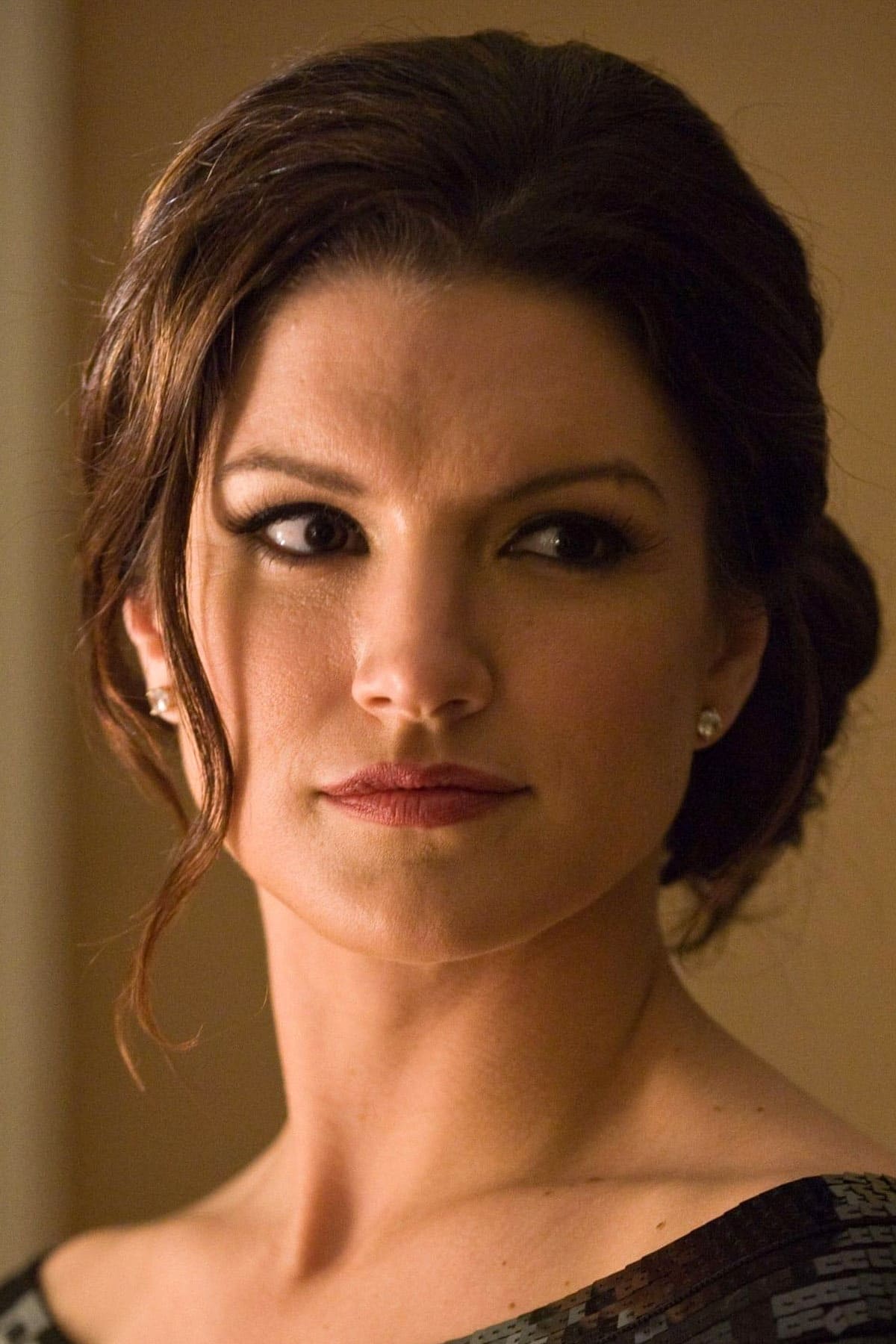
Gina Carano became a central figure in the debate over political expression and corporate mandates in Hollywood following her departure from ‘The Mandalorian’. She frequently used social media to mock pronoun usage and criticize the political climate, which led to her firing by Disney. Carano argued that she was targeted for her conservative views and refused to bow to what she described as a “totalitarian mob” demanding conformity. Her lawsuit against Disney and Lucasfilm challenged the industry’s standard of enforcing ideological alignment among its talent. Since her exit from mainstream Hollywood, she has partnered with media companies that explicitly oppose “woke” culture to produce her film projects.
Kirstie Alley
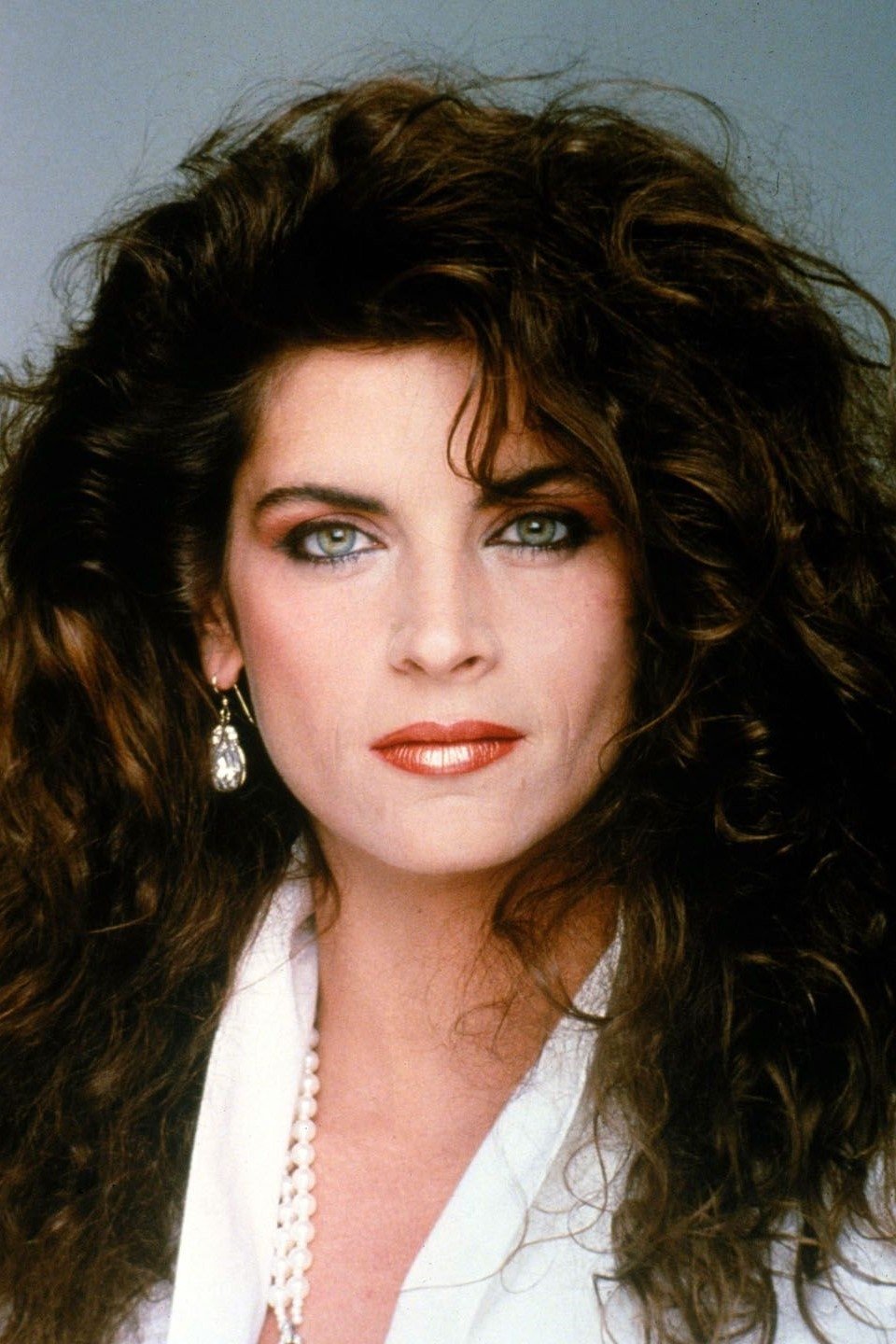
Before her passing, Kirstie Alley was one of the most vocal critics of the Academy of Motion Picture Arts and Sciences’ new diversity and inclusion standards. When the Academy announced that Best Picture contenders would need to meet specific representation quotas, Alley called the rules a “disgrace to artists everywhere” and compared them to “dictatorial” control. She argued that art should be judged on merit and creativity rather than arbitrary checklists regarding race or gender. Although she later clarified that she supported diversity in principle, she remained firm in her stance against mandated hiring practices. Her comments sparked a massive debate regarding artistic freedom versus institutionalized equity.
Roseanne Barr
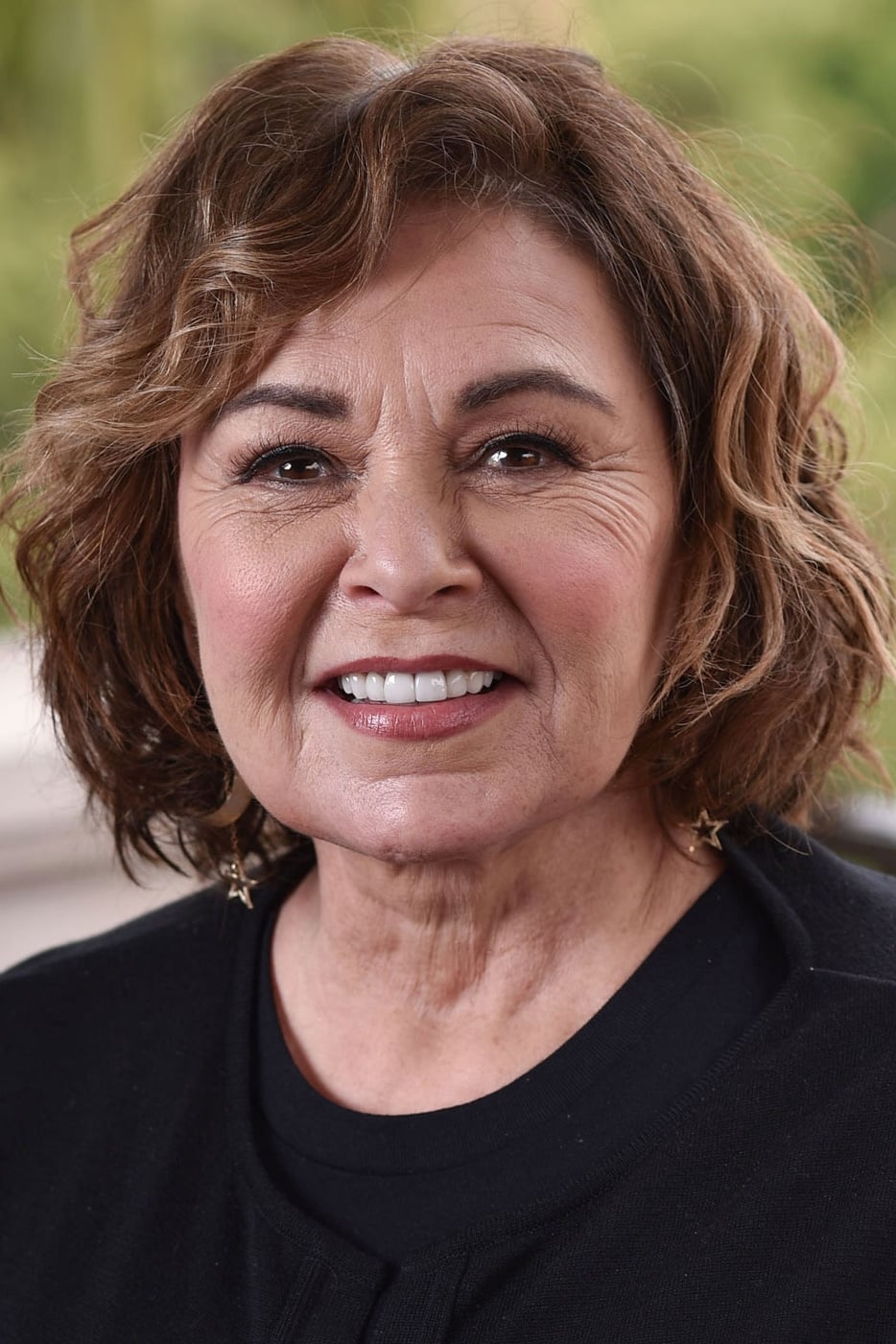
Roseanne Barr has been a fierce critic of what she terms the “woke mind virus” and the current state of the entertainment industry. After the cancellation of her rebooted sitcom ‘Roseanne’ due to a controversial tweet, she began targeting the culture of political correctness that she believes destroys comedy. Barr asserts that DEI and cancel culture have made it impossible for comedians to push boundaries or reflect the realities of the working class. She has since aligned herself with anti-establishment media platforms to voice her opposition to Hollywood’s progressive mandates. Her stand-up routines now frequently mock the sensitivity and identity politics prevalent in modern media.
Stacey Dash
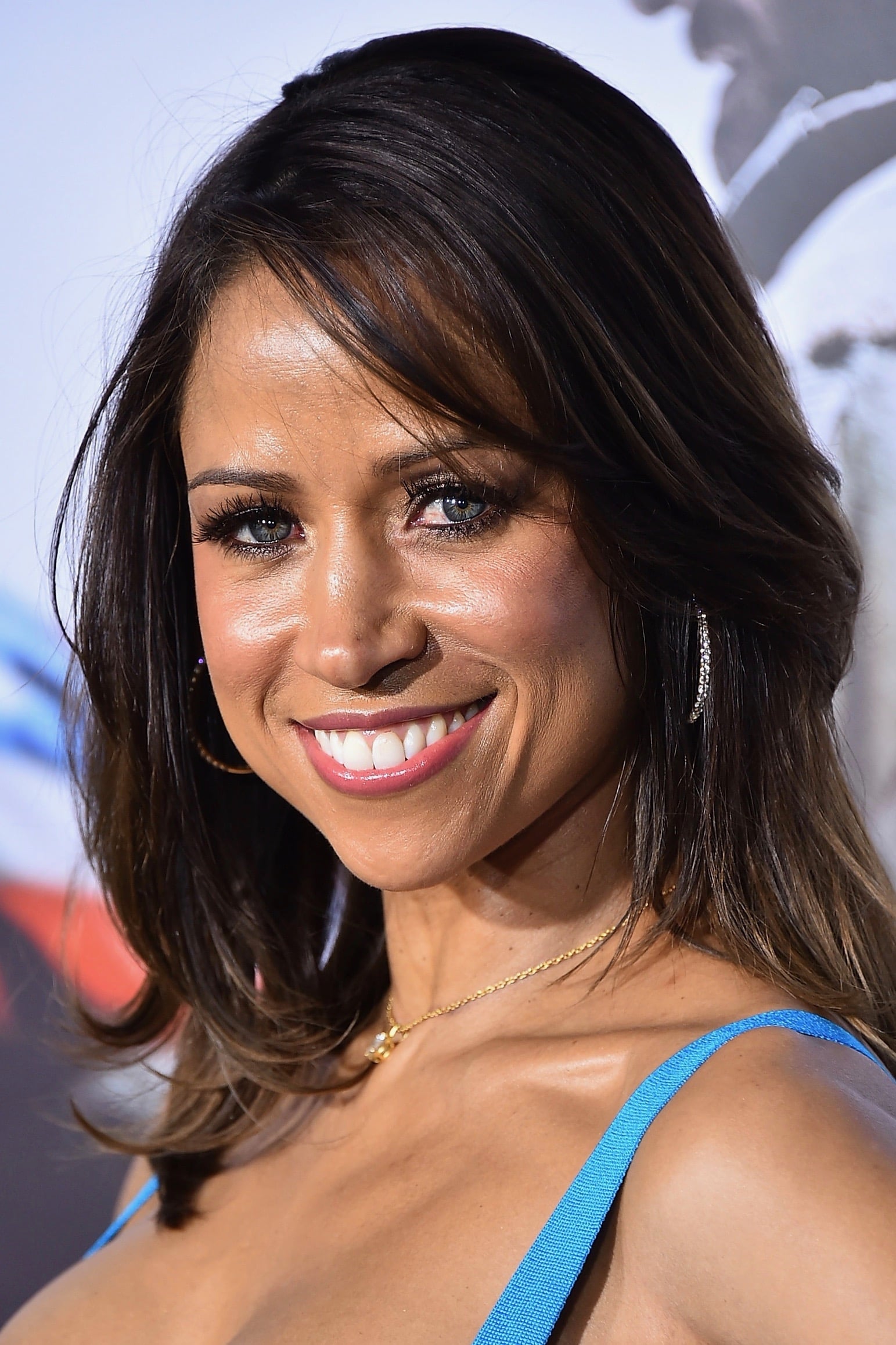
Stacey Dash famously transitioned from a beloved star of ‘Clueless’ to a controversial conservative commentator who openly questioned the existence of channels and awards dedicated to specific races. She argued that networks like BET and initiatives like Black History Month promote segregation rather than true integration and equality. Dash faced intense backlash for suggesting that if society wants true inclusion, it must eliminate double standards and identity-based categories. Her views led to her alienation from many mainstream Hollywood circles, but she remained steadfast in her belief that merit should supersede identity. She continues to criticize the industry’s focus on race over character.
Candace Cameron Bure
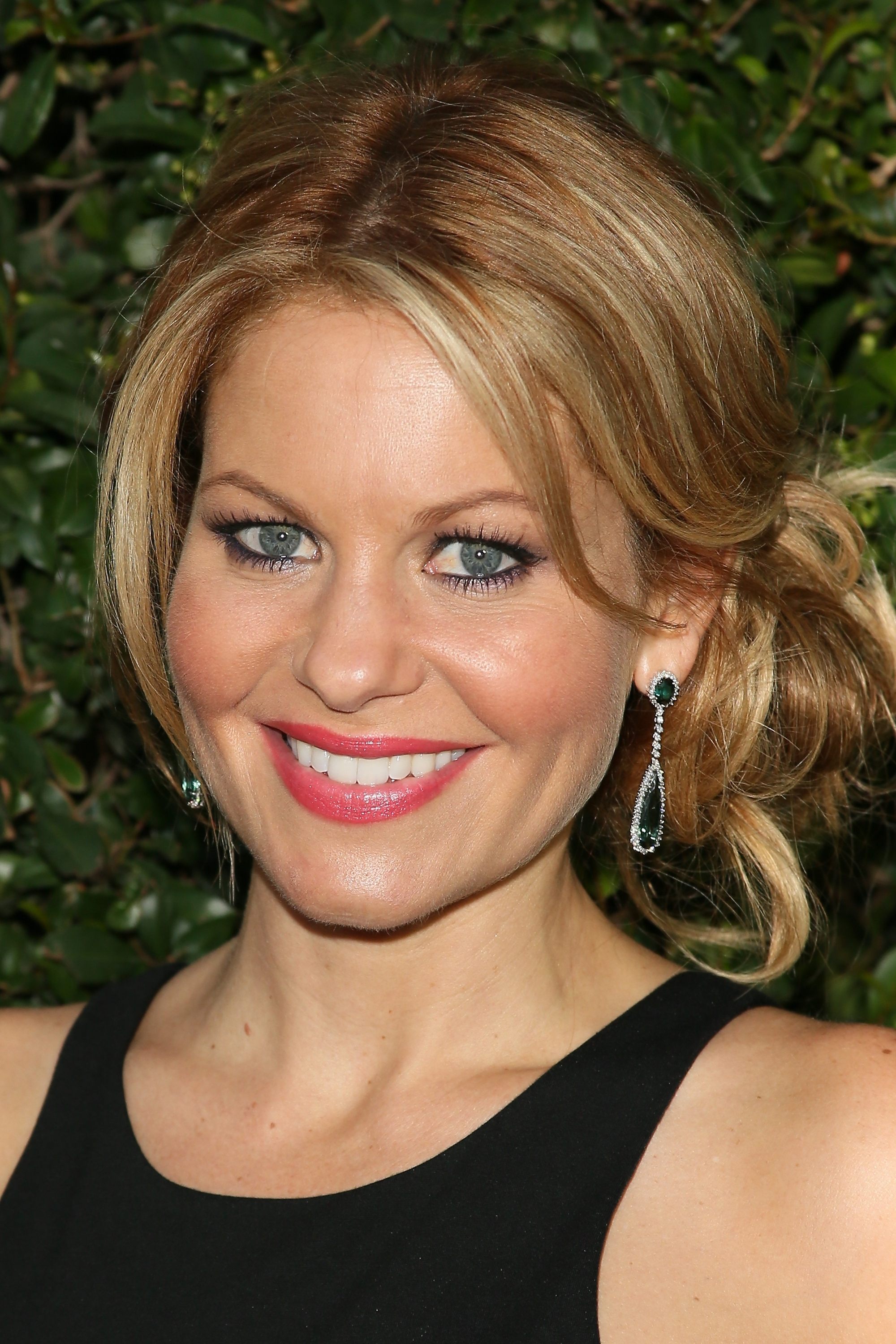
Candace Cameron Bure made a significant industry move by leaving the Hallmark Channel, which had begun incorporating LGBTQ+ storylines and broader diversity initiatives, to join Great American Family. She publicly stated that her move was motivated by a desire to keep “traditional marriage” at the core of her storytelling. This decision was widely interpreted as a rejection of the modern inclusion mandates that have become standard across other networks. Bure serves as the chief creative officer for the network, where she curates content that aligns with conservative, faith-based values. Her departure signaled a growing divide between mainstream DEI-focused content and traditional family programming.
Samaire Armstrong
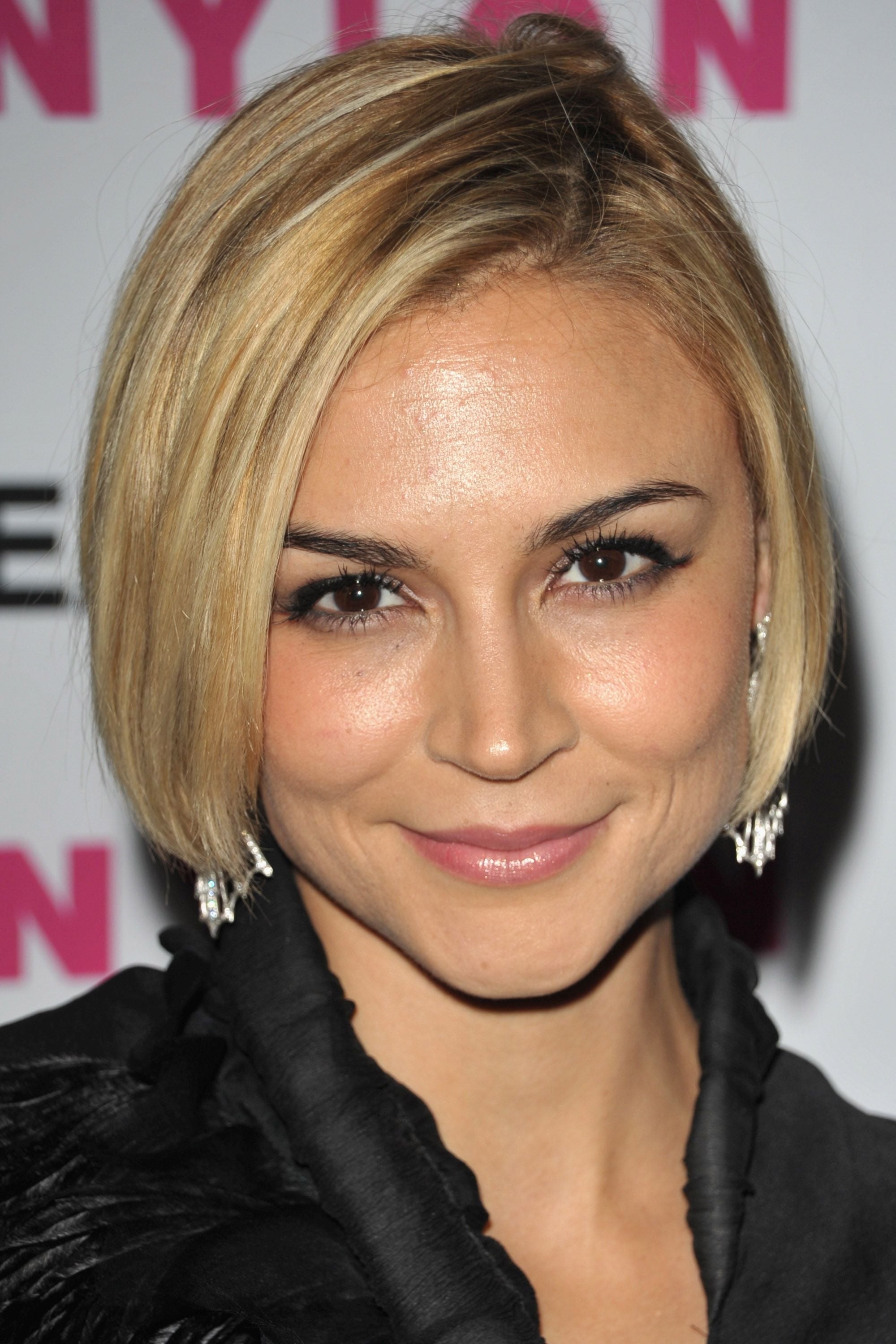
Samaire Armstrong, known for her roles in ‘The O.C.’ and ‘Dirty Sexy Money’, reinvented herself as a vocal political activist who opposes the “woke” narrative in Hollywood. She openly criticized the Black Lives Matter movement and the industry’s push for identity politics during the 2020 social unrest. Armstrong uses her platform to advocate for conservative values and has run for local office on a platform that challenges progressive education and social policies. She frequently argues that the entertainment industry uses virtue signaling to manipulate audiences rather than solving real issues. Her career has shifted largely away from mainstream acting toward political commentary.
Victoria Jackson
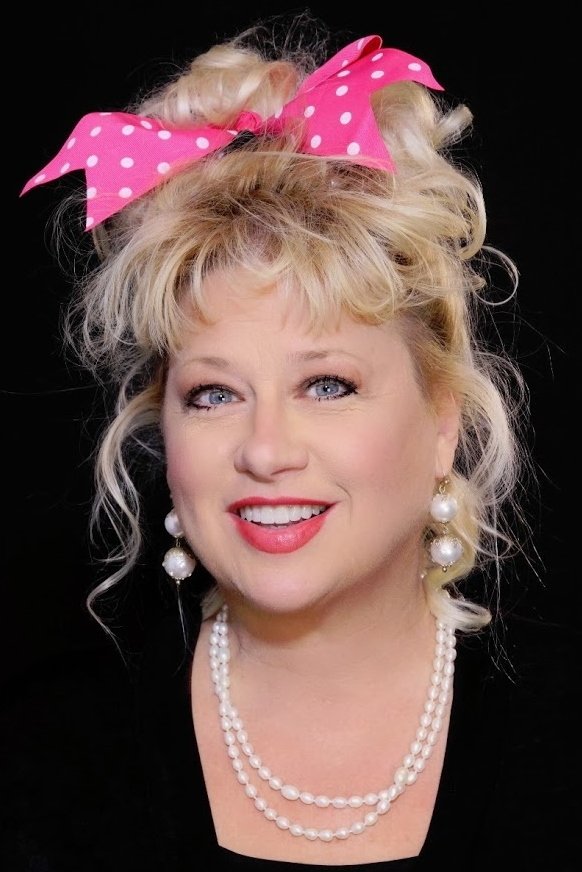
Victoria Jackson, a former cast member of ‘Saturday Night Live’, has been a long-time critic of the liberal drift in entertainment and the promotion of alternative lifestyles. She frequently protests against content that she views as blasphemous or socially destructive, often targeting LGBTQ+ representation in media. Jackson argues that Hollywood’s push for diversity undermines traditional Christian values and societal stability. She has been effectively blacklisted from mainstream comedy for her outspoken views but continues to perform in conservative circles. Her activism focuses heavily on preserving what she sees as the moral fabric of American culture against progressive encroachment.
Kristy Swanson
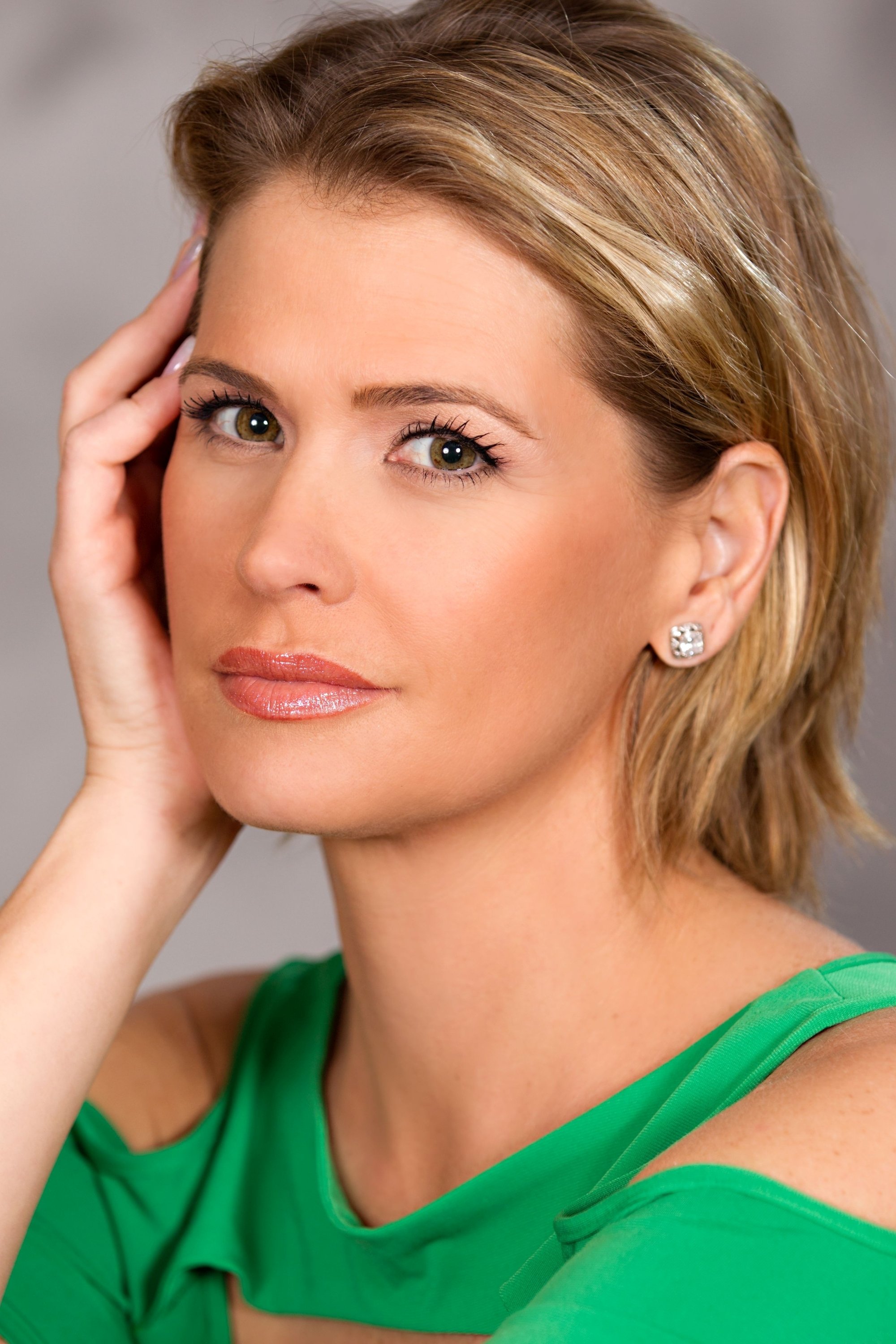
The original star of ‘Buffy the Vampire Slayer’ has become a prominent voice in conservative Hollywood, often using social media to criticize progressive policies and “cancel culture.” Kristy Swanson has expressed support for figures who have been ostracized by the industry for their political beliefs, rejecting the notion that actors must adhere to a specific ideological orthodoxy. She has criticized the “mob mentality” that drives DEI enforcement and casting decisions based on political alignment. Swanson often engages with fans who feel alienated by the current messaging in films and television. She continues to work in independent films that do not require adherence to major studio inclusion mandates.
Drea de Matteo
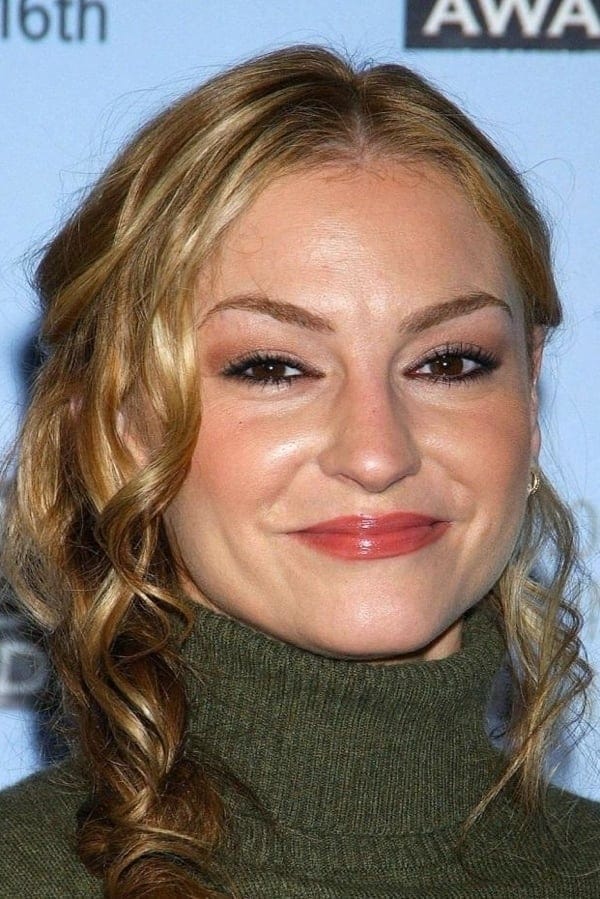
Drea de Matteo, best known for ‘The Sopranos’, took a strong stance against the industry’s vaccine mandates, which she viewed as a form of corporate overreach similar to ideological litmus tests. She has since launched an OnlyFans account and joined independent media platforms to bypass the “Hollywood machine” entirely. De Matteo has criticized the “woke” culture of the industry, stating that there is an undercurrent of silent actors who are afraid to speak out against the prevailing narratives. She champions individual liberty and refuses to apologize for views that contradict the mainstream consensus. Her career trajectory illustrates a refusal to comply with the industry’s increasing requirements for compliance.
Sam Sorbo
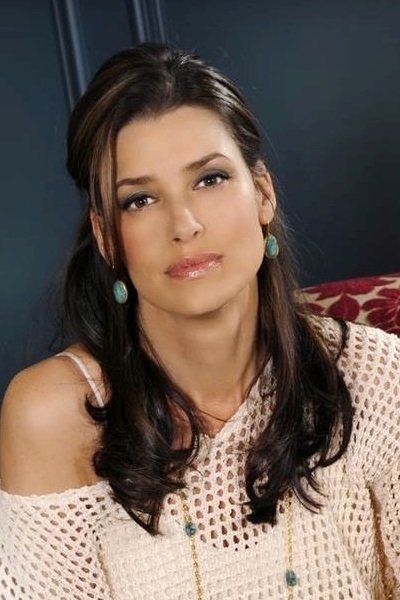
Sam Sorbo is an actress and education advocate who aggressively campaigns against the influence of progressive ideologies in schools and entertainment. She argues that the “woke” agenda in Hollywood is designed to indoctrinate children and destroy the nuclear family. Sorbo frequently speaks at conferences about the need to create a parallel entertainment industry that rejects DEI mandates and promotes traditional values. She collaborates with her husband, Kevin Sorbo, to produce faith-based films that operate outside the studio system. Her work is explicitly positioned as an antidote to the content produced by modern, inclusive Hollywood.
Charlotte Rampling
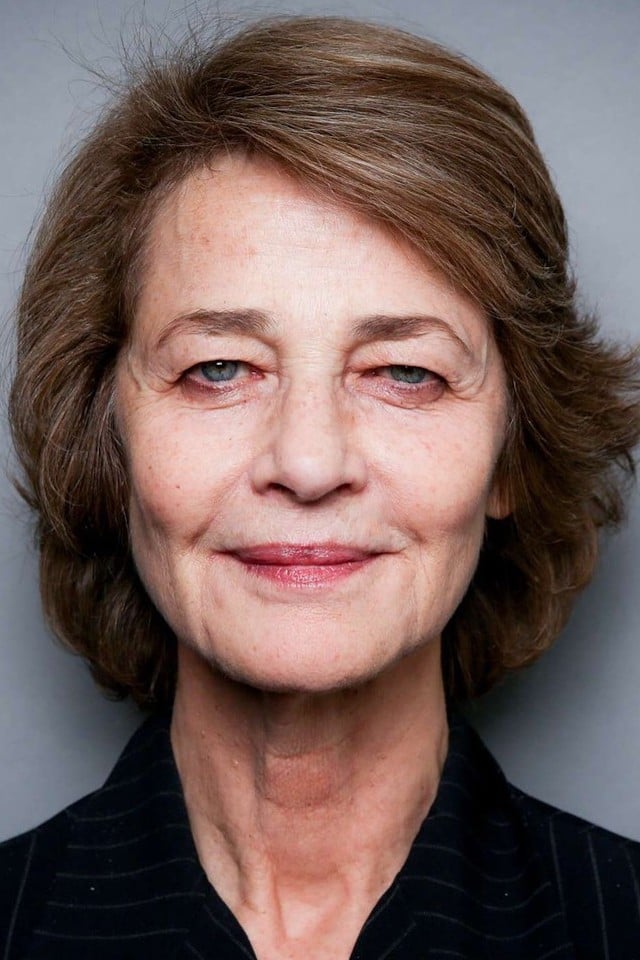
Legendary actress Charlotte Rampling sparked controversy during the “Oscars So White” boycott when she stated that the push for diversity was “racist to whites.” She argued that the demand for quotas and representation undermines the artistic merit of the awards and creates an unfair environment for performers. Rampling suggested that sometimes minority actors simply did not deserve to be in the final list of nominees based on performance alone. Her comments were seen as a direct rejection of the systemic changes being proposed to enforce equity in the Academy. Although she later expressed regret for how her words were interpreted, her initial reaction highlighted a resistance to forced categorization.
Catherine Deneuve

French icon Catherine Deneuve signed an open letter criticizing the #MeToo movement, which she argued had turned into a “witch hunt” that threatened sexual freedom and artistic expression. While not attacking DEI corporate policies directly, her stance opposed the “puritanical” wave of American culture that she felt was sanitizing art and relationships. She argued that the industry’s rush to judgment and exclusion of accused men was dangerous and anti-liberty. Deneuve’s position represents a European critique of American identity politics and the policing of behavior in the creative arts. She continues to defend the separation of the artist’s personal life from their work.
Brigitte Bardot
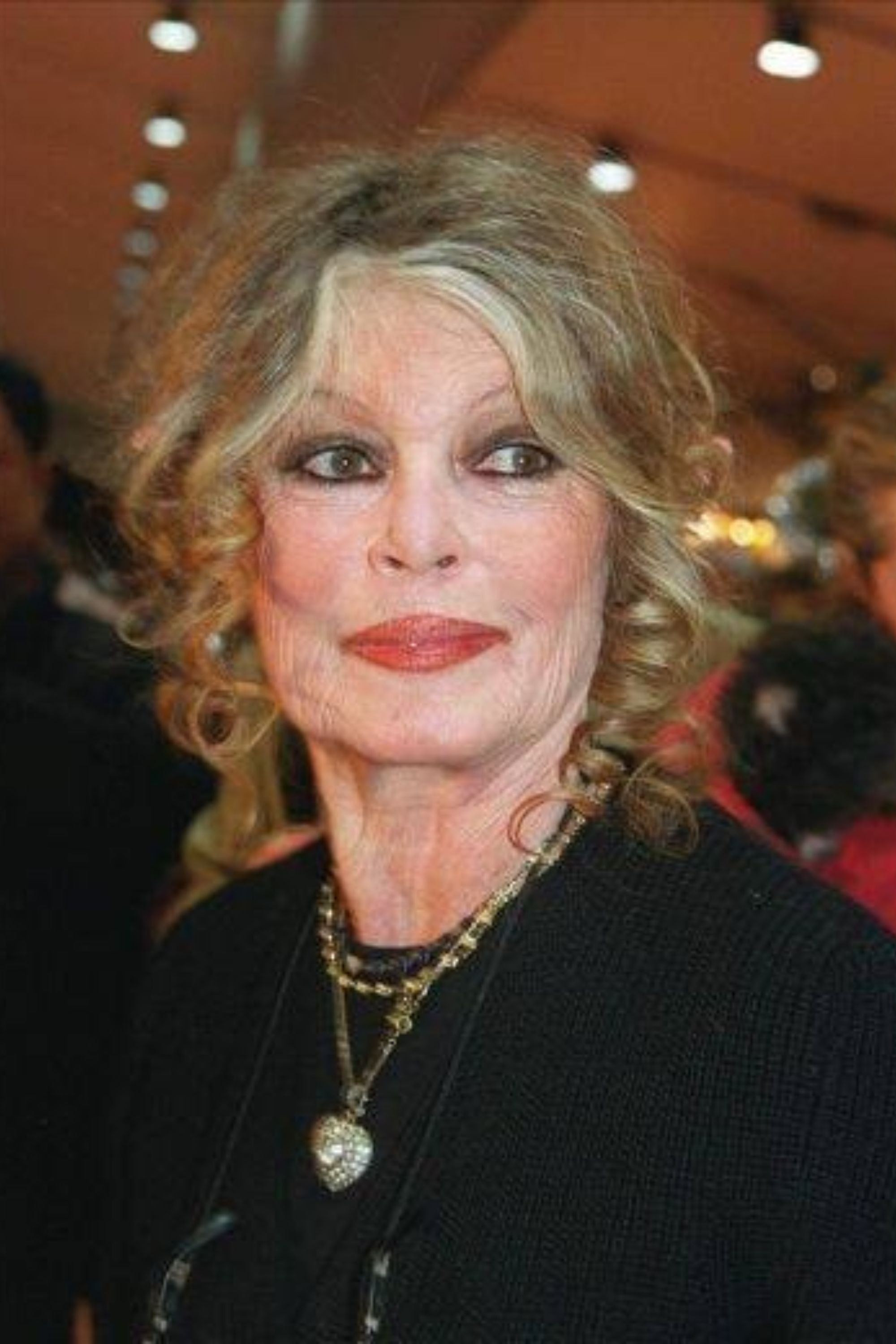
Brigitte Bardot has long been estranged from the entertainment industry, frequently criticizing modern social movements and the forced integration of cultures. She has been fined multiple times in France for inciting racial hatred, views that stand in direct opposition to any form of DEI initiative. Bardot argues that modern society and media have lost their traditional identity in favor of “woke” globalism. Her criticism extends to the film industry’s focus on representation, which she views as unnatural and politically motivated. She remains a symbol of an older era of cinema that completely rejects contemporary social justice standards.
Goldie Hawn
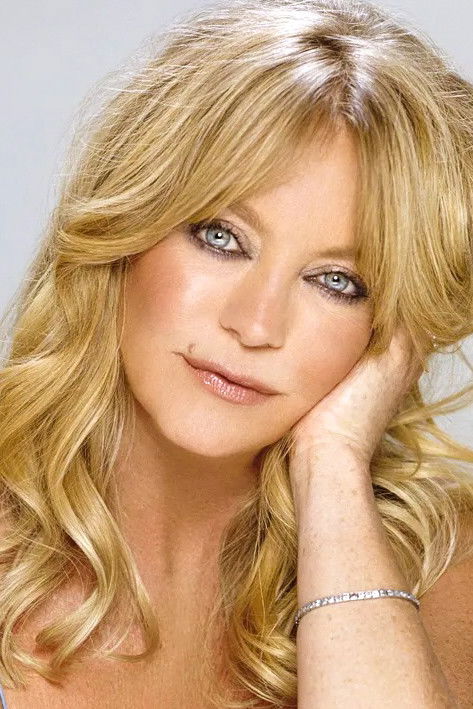
Goldie Hawn has expressed concern that modern Hollywood has lost its ability to entertain because it is too focused on “preaching” to the audience. She noted that the industry used to be about creating a sense of awe, but now often alienates viewers by lecturing them on social issues and political correctness. Hawn believes that movies should bring people together rather than dividing them with heavy-handed messaging. While she has not attacked specific diversity quotas, her critique addresses the content shift that results from DEI mandates. She advocates for a return to storytelling that prioritizes human connection over political agendas.
Jennifer Aniston
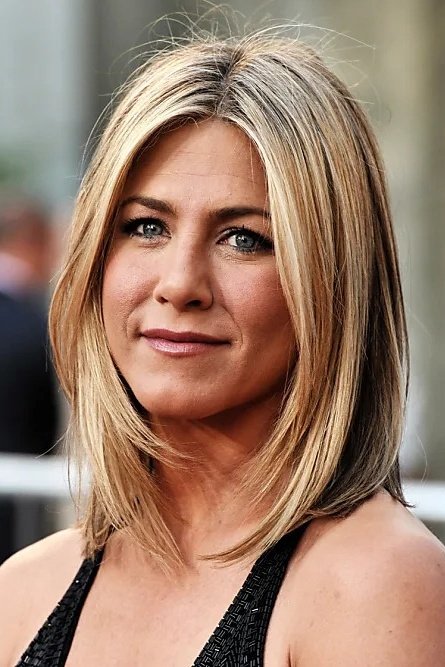
Jennifer Aniston sparked debate when she commented that comedy has become difficult because “you can’t say anything anymore” without offending a generation of viewers. She noted that younger audiences now find ‘Friends’ offensive due to its lack of diversity and specific jokes, a retroactive application of modern DEI standards. Aniston argued that the beauty of comedy is to make fun of life and people, which is being stifled by excessive sensitivity and policing of language. Her comments highlighted the tension between classic entertainment values and the new rules of acceptable content. She maintains that comedians need the freedom to work without fear of cancellation.
Helena Bonham Carter
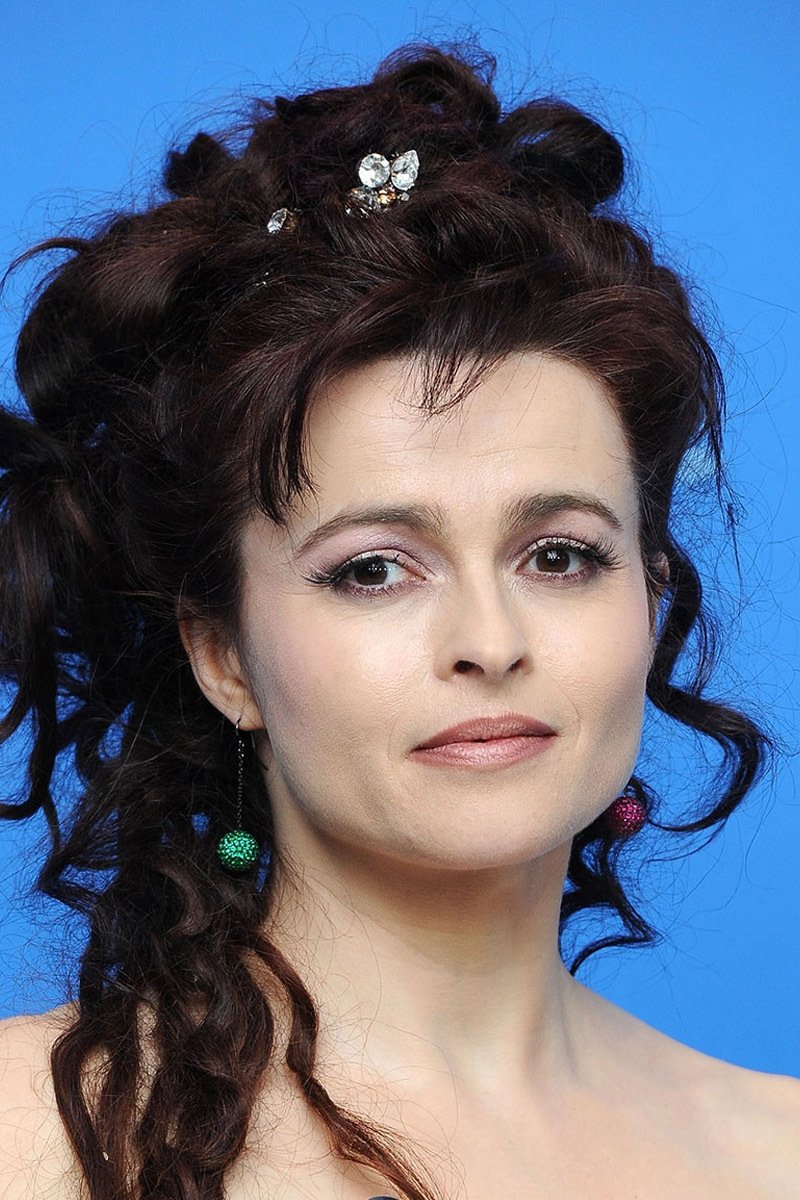
Helena Bonham Carter has spoken out against the “witch hunt” atmosphere of cancel culture, defending colleagues like Johnny Depp and J.K. Rowling against public ostracization. She argued that people are complex and should not be completely erased from the industry for their personal lives or controversial opinions. Bonham Carter criticized the lack of forgiveness and the rigid judgment that accompanies modern social justice enforcement in the arts. She believes that the “judgmental” nature of the current climate stifles creativity and honest expression. Her stance challenges the punitive aspect of the industry’s push for moral purity.
Scarlett Johansson
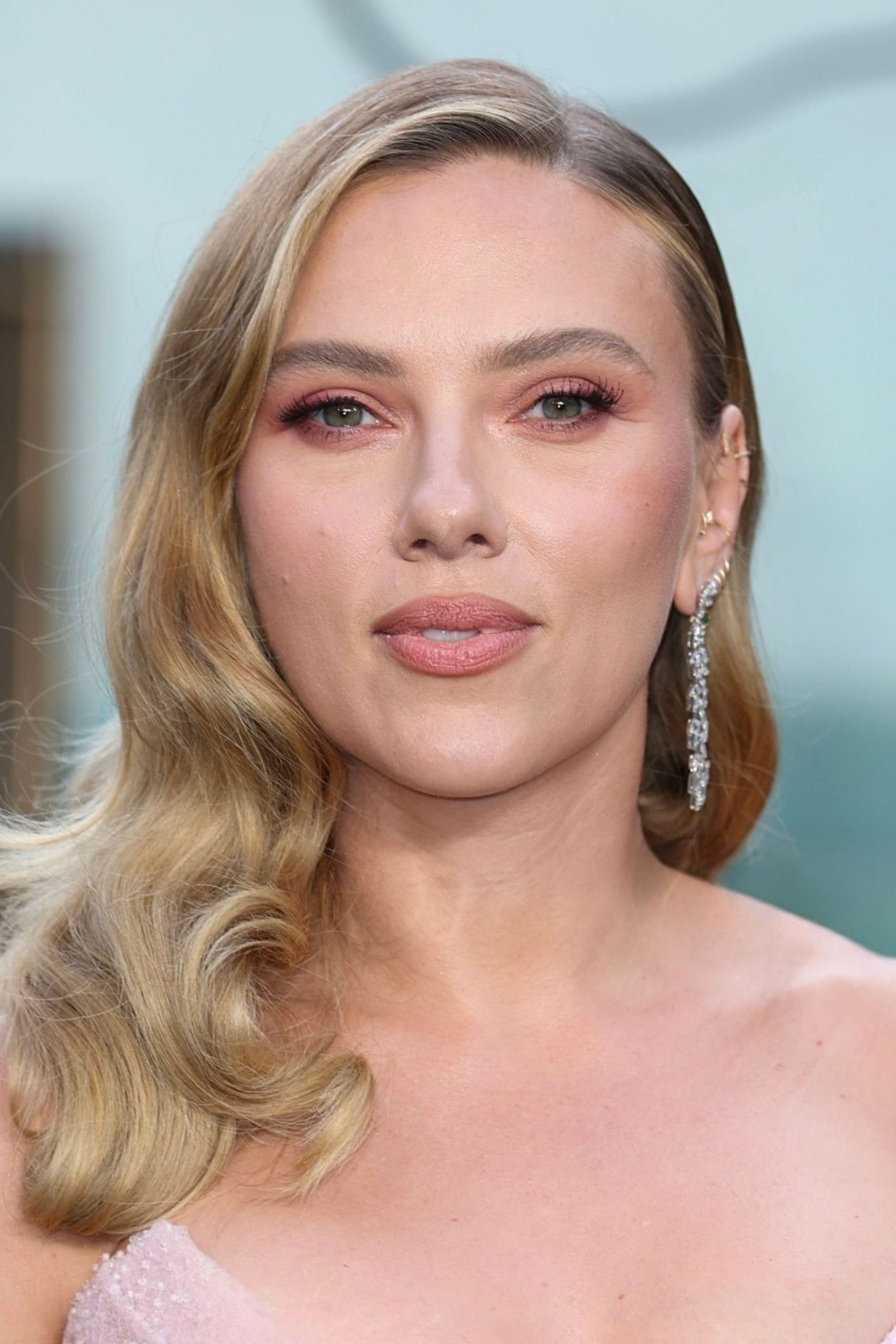
Scarlett Johansson has faced multiple controversies regarding casting, famously stating that as an actor, she should be allowed to play “any person, or any tree, or any animal.” This comment was a direct response to backlash regarding her casting in roles that some argued should go to marginalized groups, such as a trans character or an Asian character in ‘Ghost in the Shell’. She criticized the “political correctness” in casting that limits an actor’s job to their own lived identity. Johansson argued that the trend toward strict identity matching in roles undermines the art of acting itself. She later withdrew from the trans role but maintained her defense of artistic fluidity.
Emily Blunt
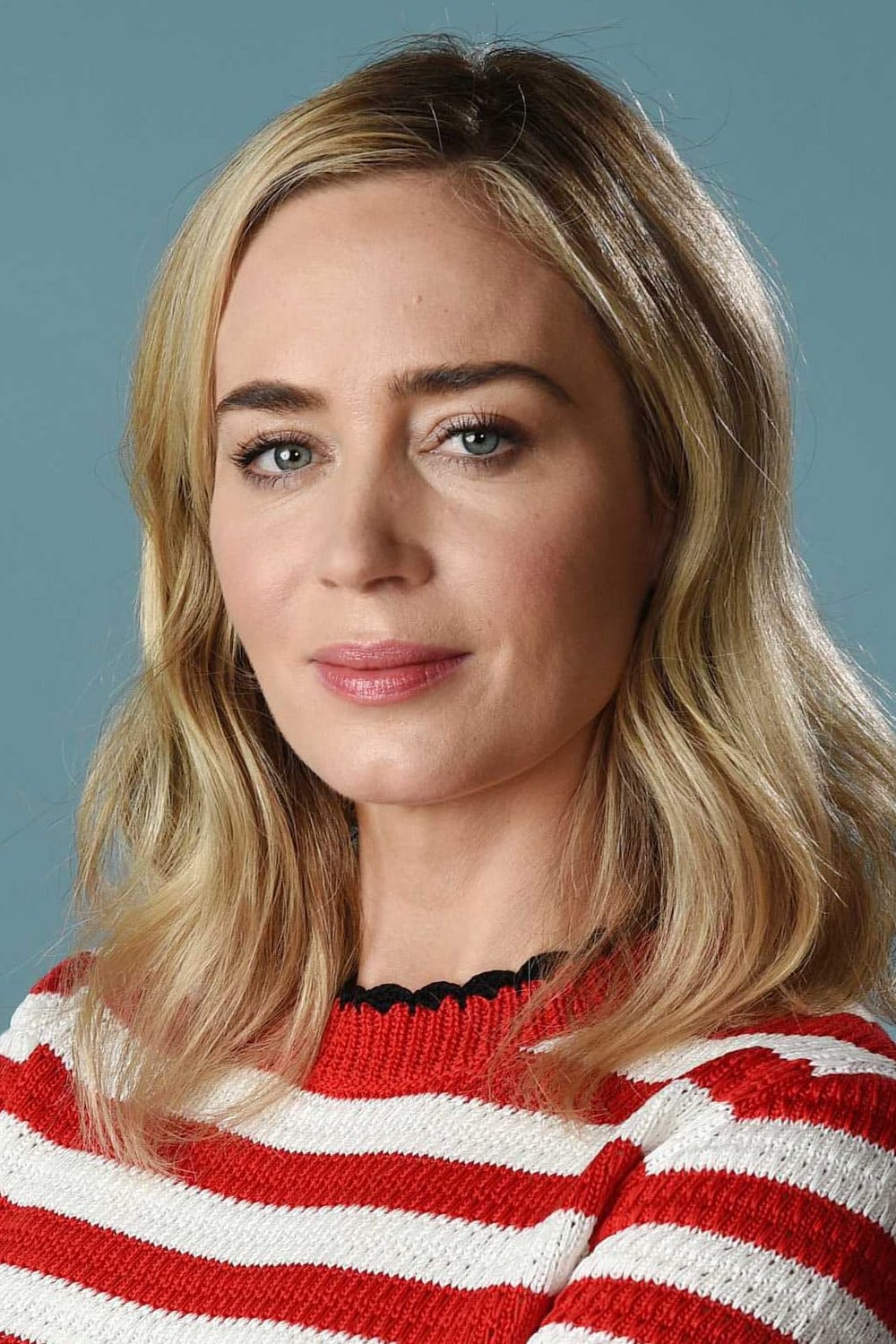
Emily Blunt has expressed exhaustion with the “strong female lead” archetype, which is often a product of initiatives to increase female empowerment on screen. She stated that the label makes her “bored” and usually results in a character that is stoic, acts “tough,” and lacks genuine human emotion or vulnerability. Blunt argued that these mandated character types, designed to fix gender imbalances, often result in poor writing and one-dimensional roles. She prefers characters with flaws and secrets over the sanitized versions often demanded by modern inclusion standards. Her critique focuses on how diversity mandates can inadvertently harm the quality of storytelling.
Janine Turner
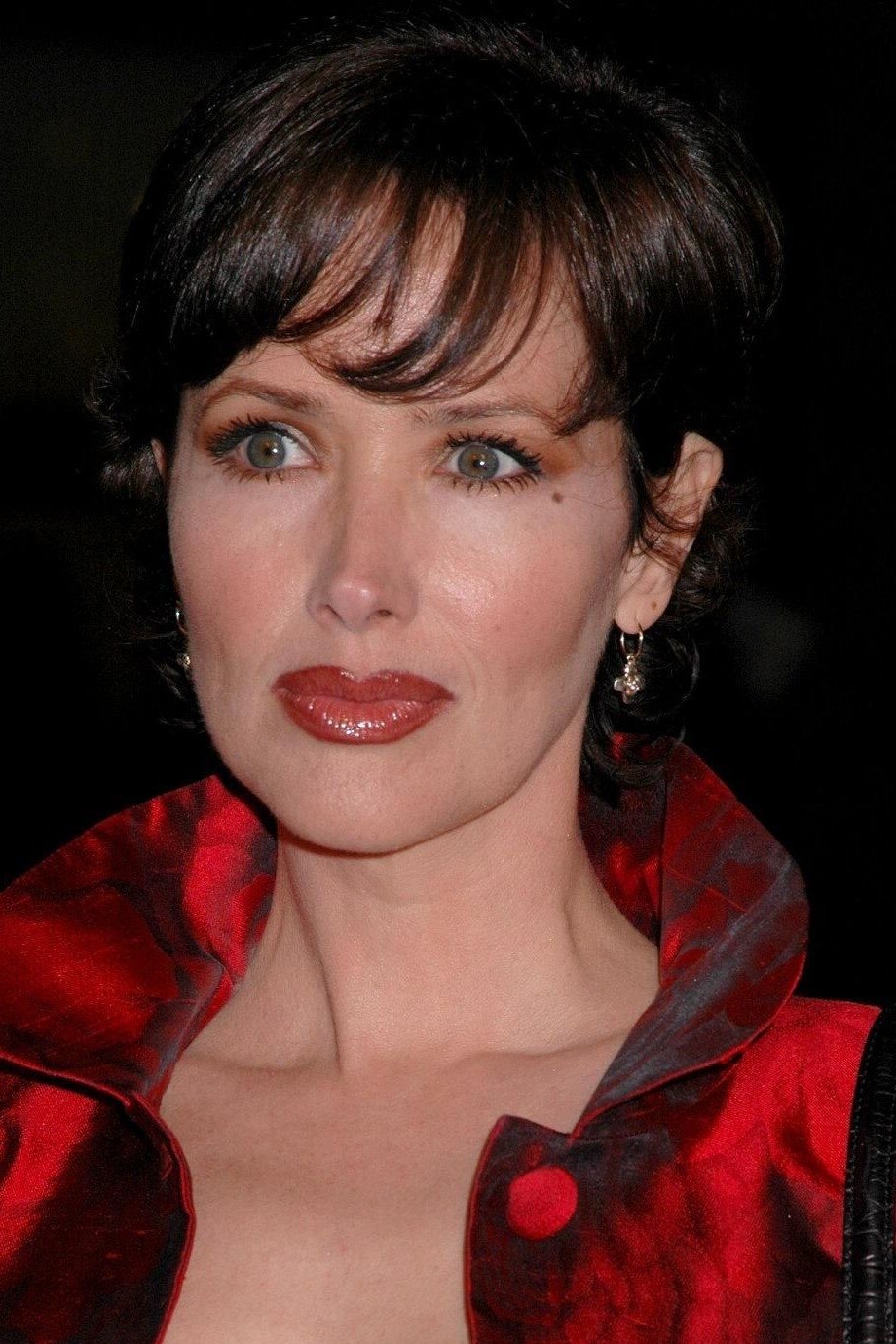
Janine Turner, the star of ‘Northern Exposure’, is a dedicated conservative activist who believes there is a significant bias against non-liberal viewpoints in Hollywood. She founded a distinct organization to promote the Constitution and American values, operating largely outside the current studio system. Turner has spoken about the difficulty of being a conservative woman in an industry that demands political conformity. She opposes the “groupthink” that she believes drives casting and production decisions in the modern era. Her career focus has shifted toward educational and patriotic content rather than mainstream entertainment.
Danica McKellar
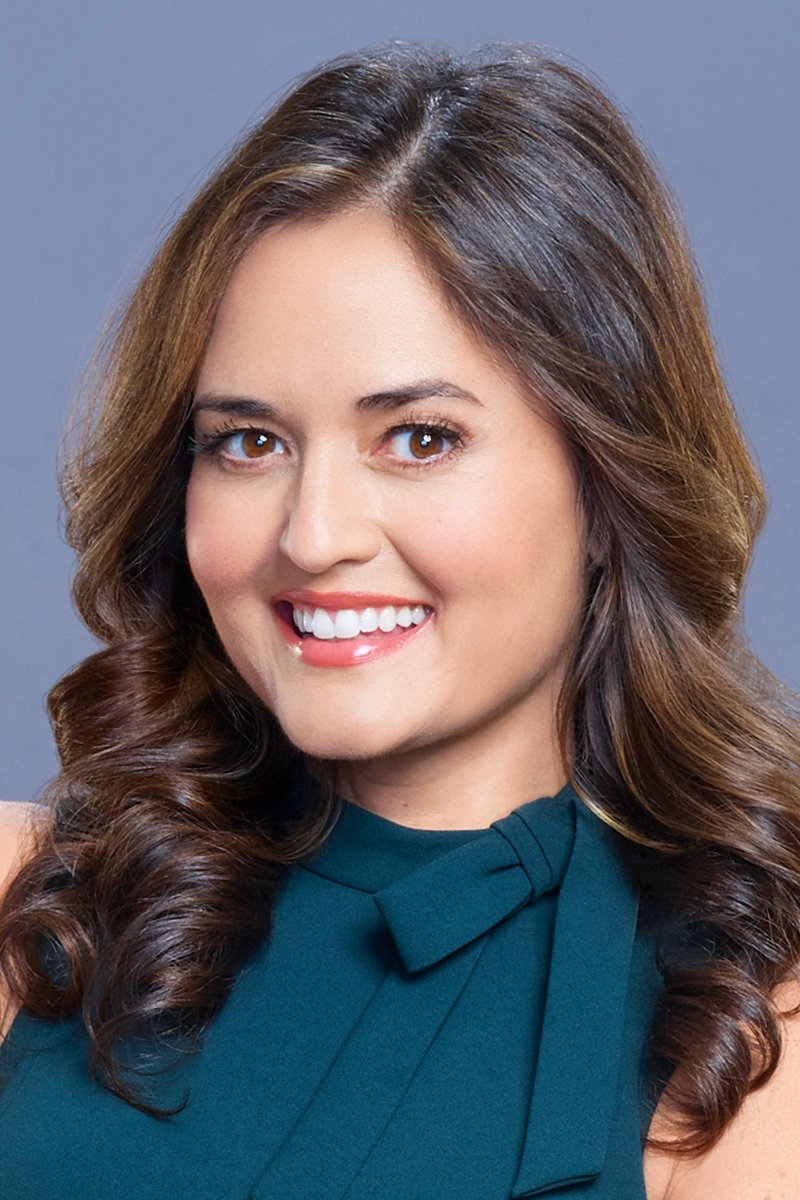
Danica McKellar was one of the first major stars to leave the Hallmark Channel for Great American Family (GAC), a network explicitly founded to counter the “woke” drift of other family channels. Her move coincided with GAC’s commitment to prioritizing traditional Christian values and excluding LGBTQ+ storylines from their primary rom-com slate. McKellar has spoken about finding a home that respects her faith and the kind of wholesome storytelling she wants to produce. By signing an exclusive deal with GAC, she effectively opted out of the diversity mandates that Hallmark was implementing. She continues to produce and star in films that cater to audiences seeking traditional representation.
Jen Lilley

Jen Lilley followed a similar path to McKellar, signing a multi-picture deal with Great American Family to produce content that aligns with her personal values. She has praised the network for its focus on faith, family, and country, distinguishing it from competitors that have broadened their inclusion criteria. Lilley’s move was a strategic decision to work within an ecosystem that does not require adherence to modern DEI checklists. She actively promotes the network as a safe harbor for viewers who feel alienated by mainstream cultural shifts. Her career now centers on building a brand that celebrates traditional American heritage.
Jill Wagner
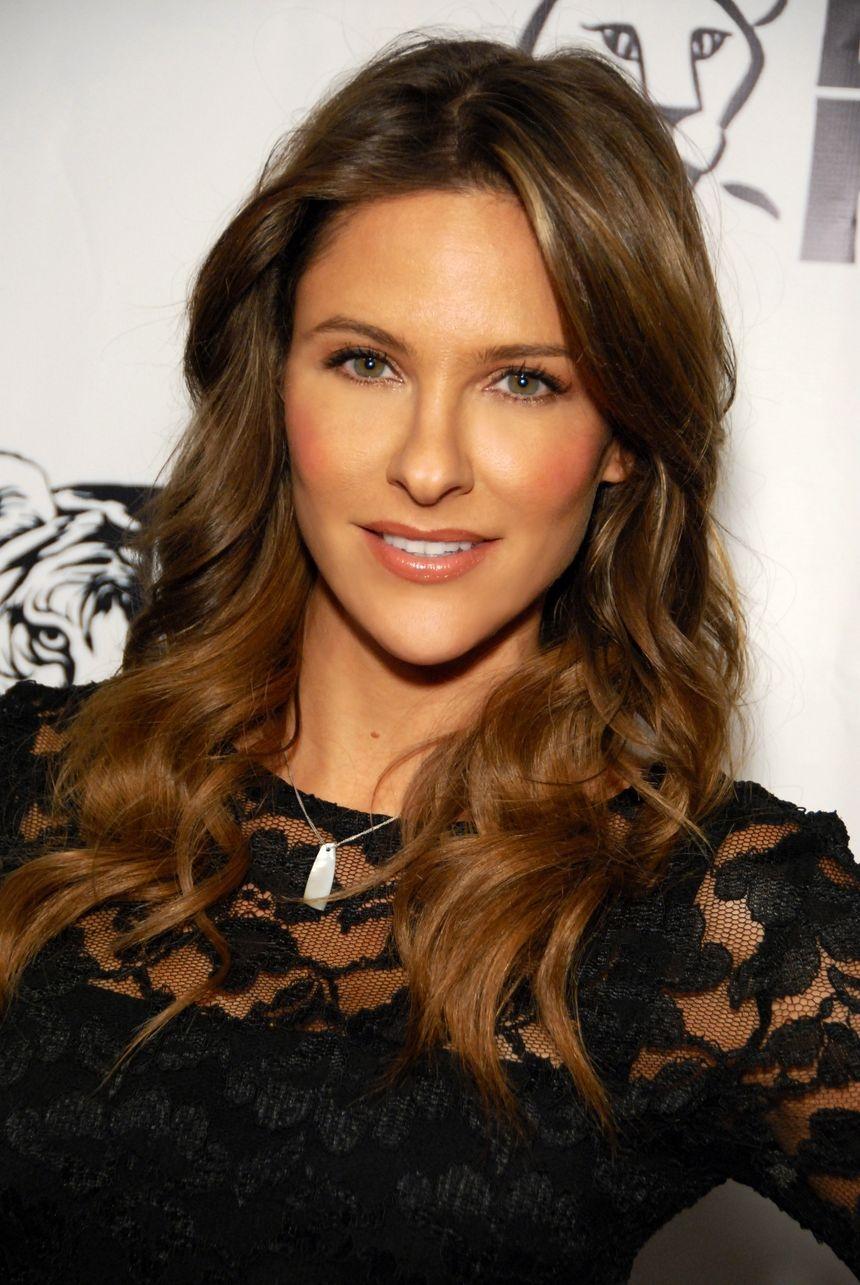
Jill Wagner serves as an executive producer and star for Great American Family, helping to shape the network’s creative direction away from modern Hollywood trends. She has emphasized the importance of creating content that honors military families and traditional faith without the “agenda” seen elsewhere. Wagner’s involvement with the network is a direct endorsement of its mission to provide an alternative to the inclusive programming mandates of mainstream studios. She focuses on storytelling that reflects a specific, often overlooked, demographic of the American audience. Her work prioritizes patriotic and faith-based themes over diverse representation.
Alexa PenaVega
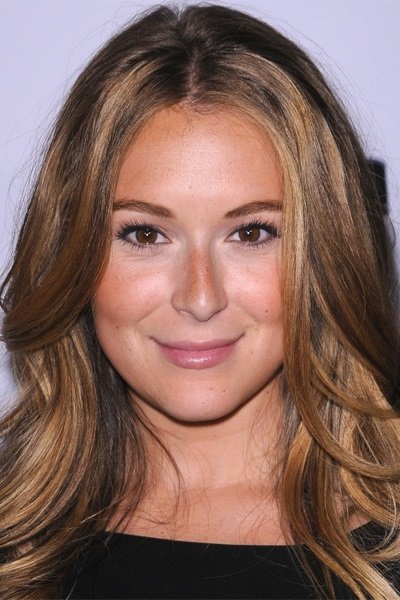
Alexa PenaVega and her husband Carlos PenaVega moved their professional home to Great American Family to produce faith-forward content. They have spoken openly about their desire to work on projects that do not compromise their Christian beliefs or force them to participate in stories they disagree with. The couple previously worked with Hallmark but transitioned as that network evolved its content strategy to be more inclusive of different lifestyles. Their move was a rejection of the secularizing and diversifying trends in family entertainment. They now focus on projects that explicitly promote nuclear family values.
Jessica Lowndes
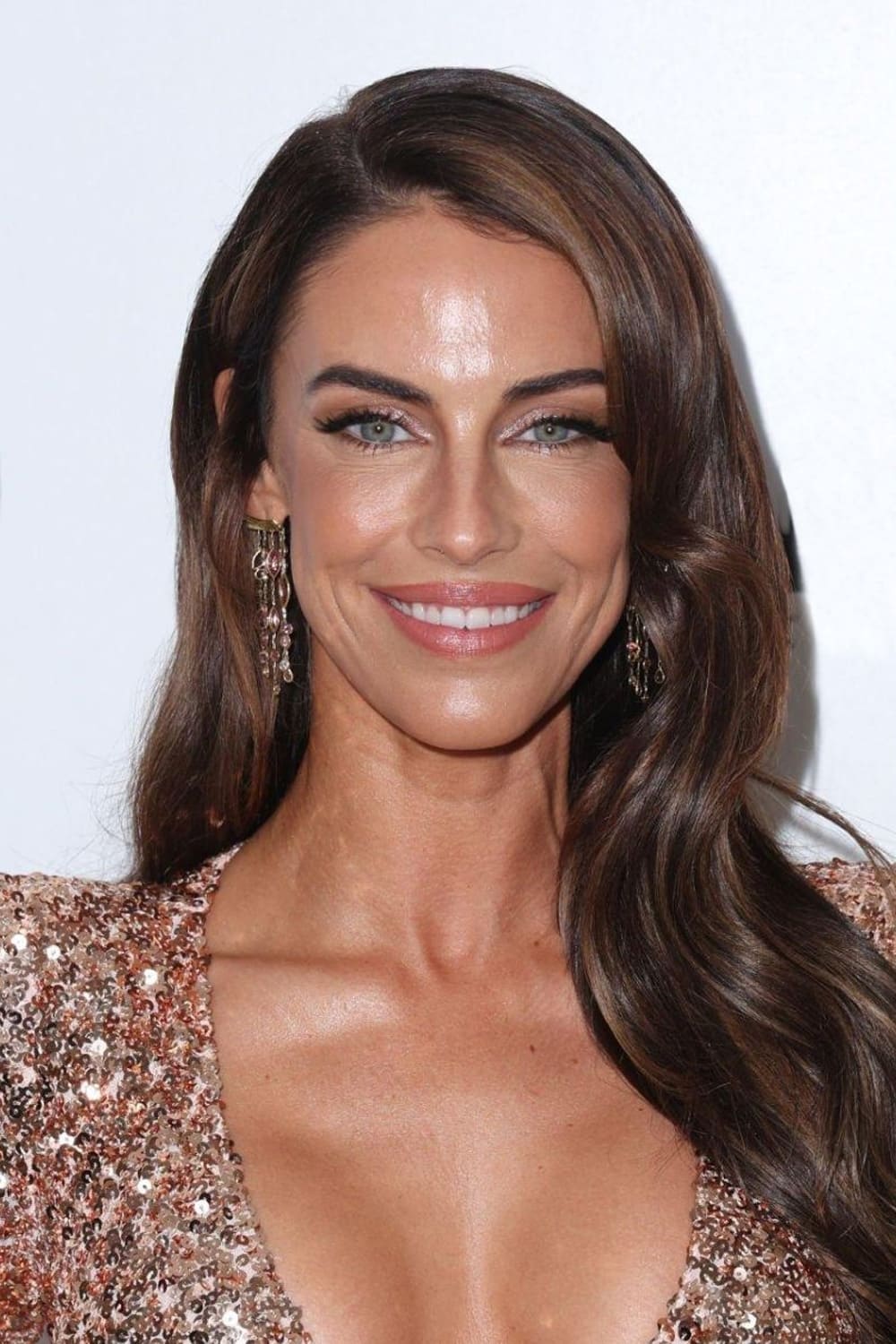
Jessica Lowndes, formerly of ‘90210’, joined the exodus to Great American Family, writing, directing, and starring in films for the network. Her creative output aligns with the network’s goal of preserving a specific style of traditional romance that avoids modern social commentary. Lowndes has embraced the platform’s freedom to tell stories that do not need to check specific diversity boxes. She leverages her creative control to produce content that appeals to conservative-leaning audiences. Her work represents a growing market for entertainment that exists separately from the Hollywood DEI ecosystem.
Merritt Patterson

Merritt Patterson is another staple of the traditional romance genre who transitioned to Great American Family. Her presence on the network reinforces its roster of actresses who are willing to work exclusively within a “traditional values” framework. By aligning with GAC, she supports a business model that was created specifically in reaction to the rapid social changes at Hallmark and other networks. Her filmography now caters to a demographic that specifically specifically seeks to avoid the inclusion initiatives found in mainstream programming. She remains a key figure in the alternative family entertainment market.
Lori Loughlin
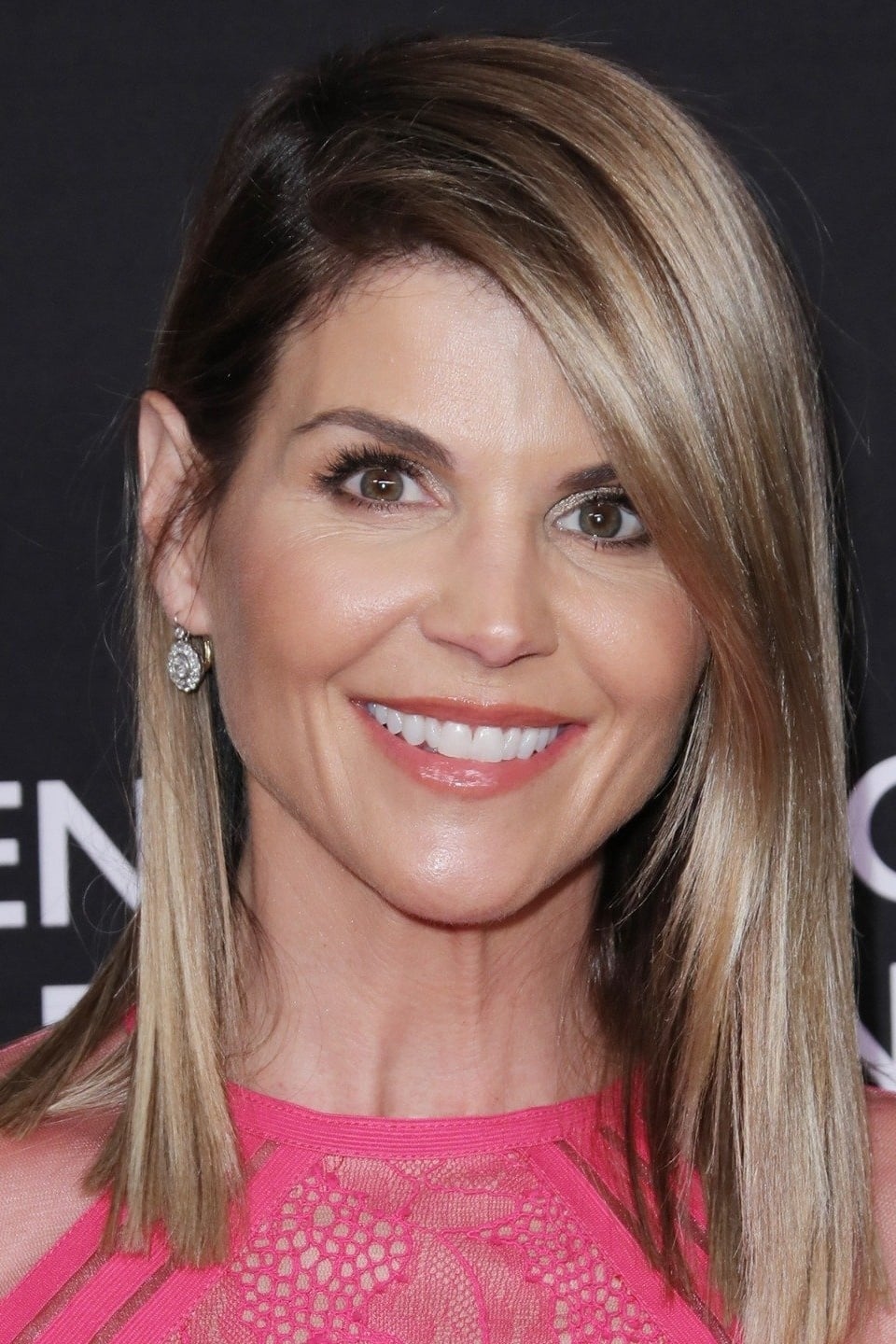
After the college admissions scandal, Lori Loughlin found her way back to television through Great American Family rather than the networks that had cut ties with her. The network embraced her as a star, signaling a forgiveness culture that contrasted with the “cancel culture” of mainstream Hollywood. Loughlin’s return to GAC was mutually beneficial, as she brought star power to a network defined by its rejection of modern progressive mandates. Her roles on the network focus on redemption and community, fitting the channel’s specific conservative branding. She has quietly rebuilt her career within this alternative ecosystem.
Morgan Brittany
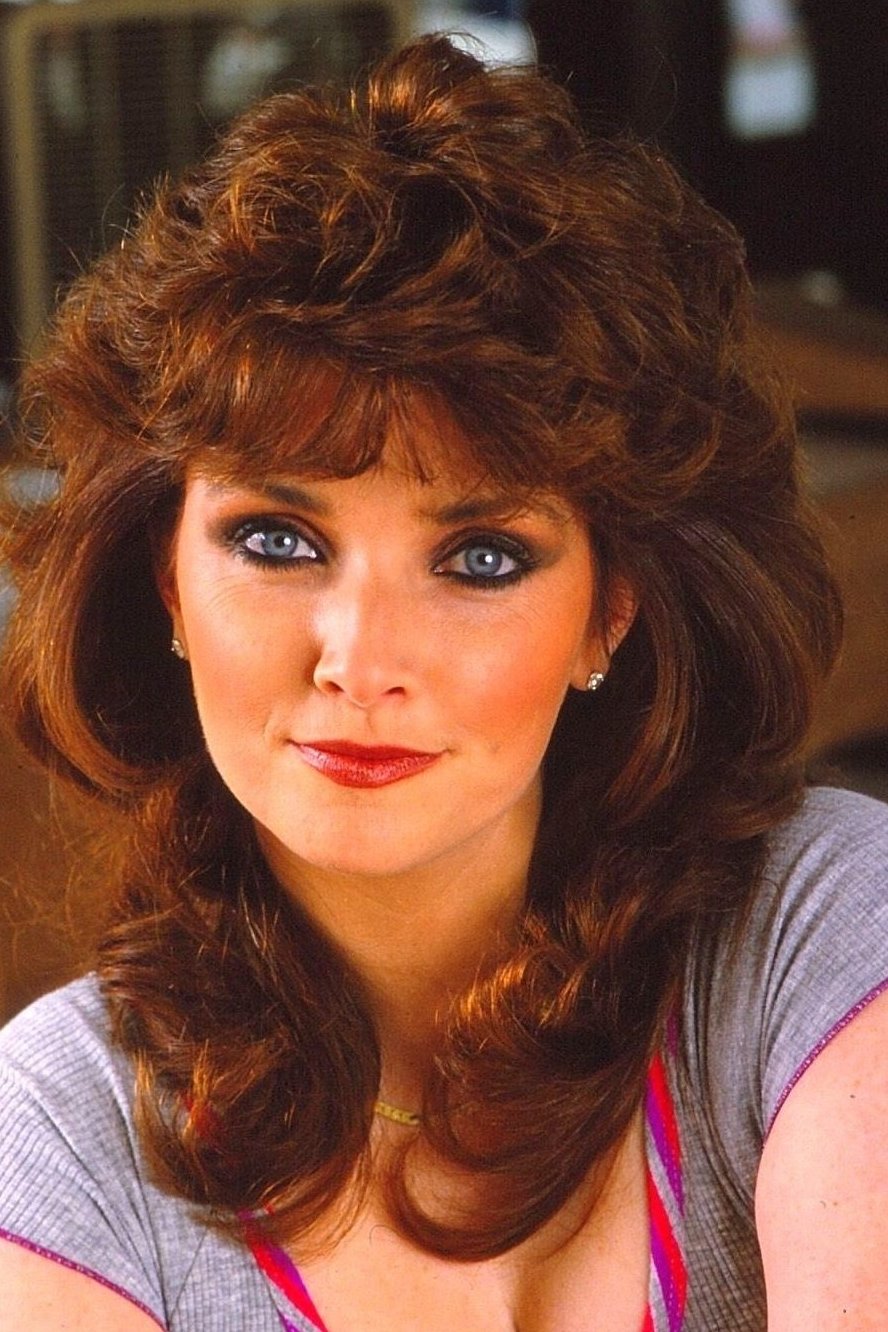
Morgan Brittany, known for her role in ‘Dallas’, is a politically active conservative who frequently critiques the liberal bias in Hollywood. She has served as a commentator and author, arguing that the entertainment industry has abandoned middle America in favor of coastal elites and progressive agendas. Brittany opposes the imposition of liberal social values through entertainment and has called for a return to patriotic storytelling. She believes that DEI initiatives are part of a broader strategy to reshape American culture in a way that marginalizes traditional viewpoints. Her activism is explicitly aimed at countering the “leftist” dominance in media.
Bo Derek
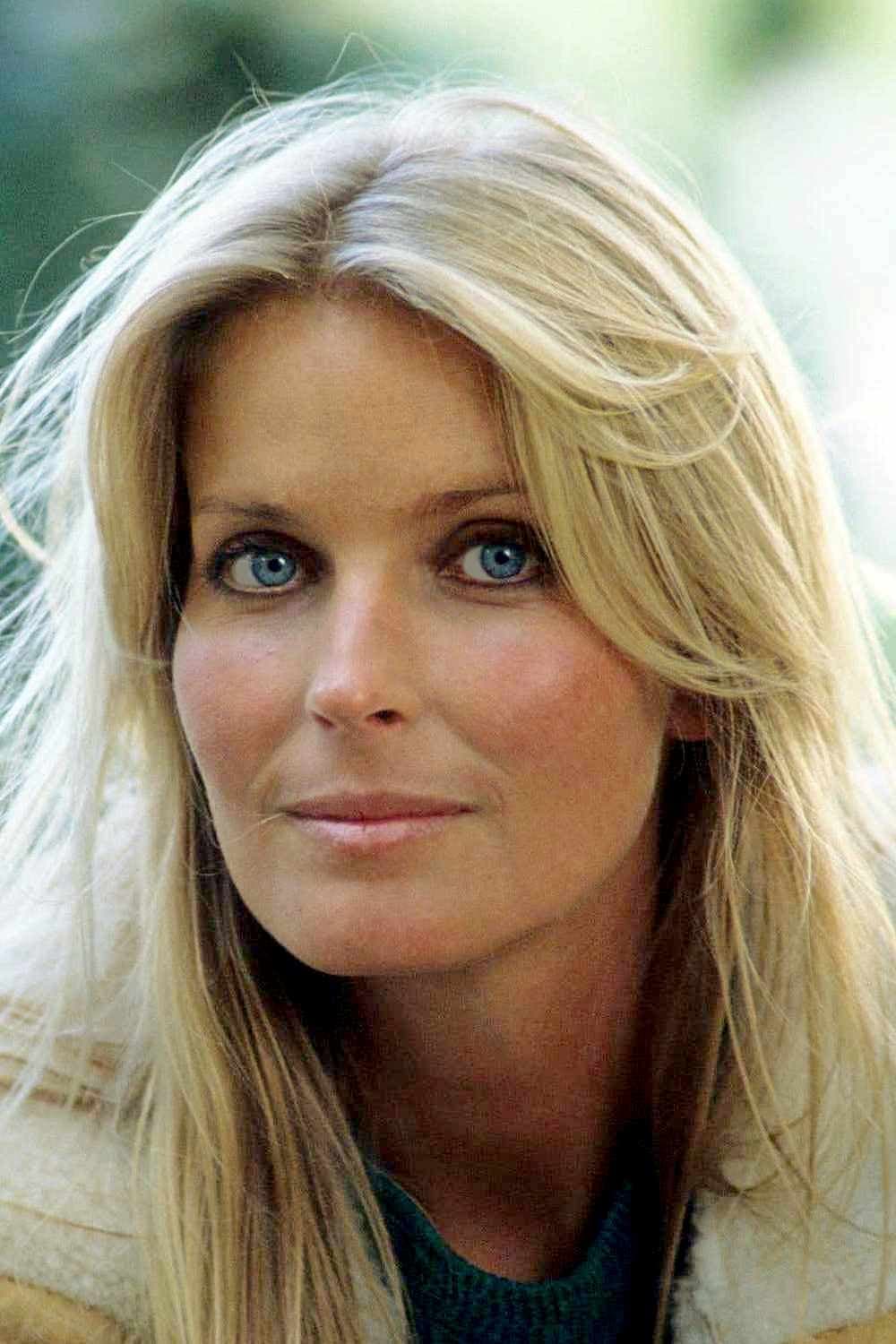
Bo Derek has long identified as an independent who frequently votes Republican and defends conservative figures, setting her apart from the Hollywood majority. She has criticized the way the industry treats those with differing political opinions, suggesting that tolerance in Hollywood only extends to those who agree with the prevailing narrative. Derek has defended Donald Trump against media attacks, arguing that the outrage against him was often manufactured or exaggerated. She prioritizes animal rights and veterans’ issues over the identity politics that currently dominate industry discourse. Her career has largely remained independent of the major studio mandates.
Patricia Heaton
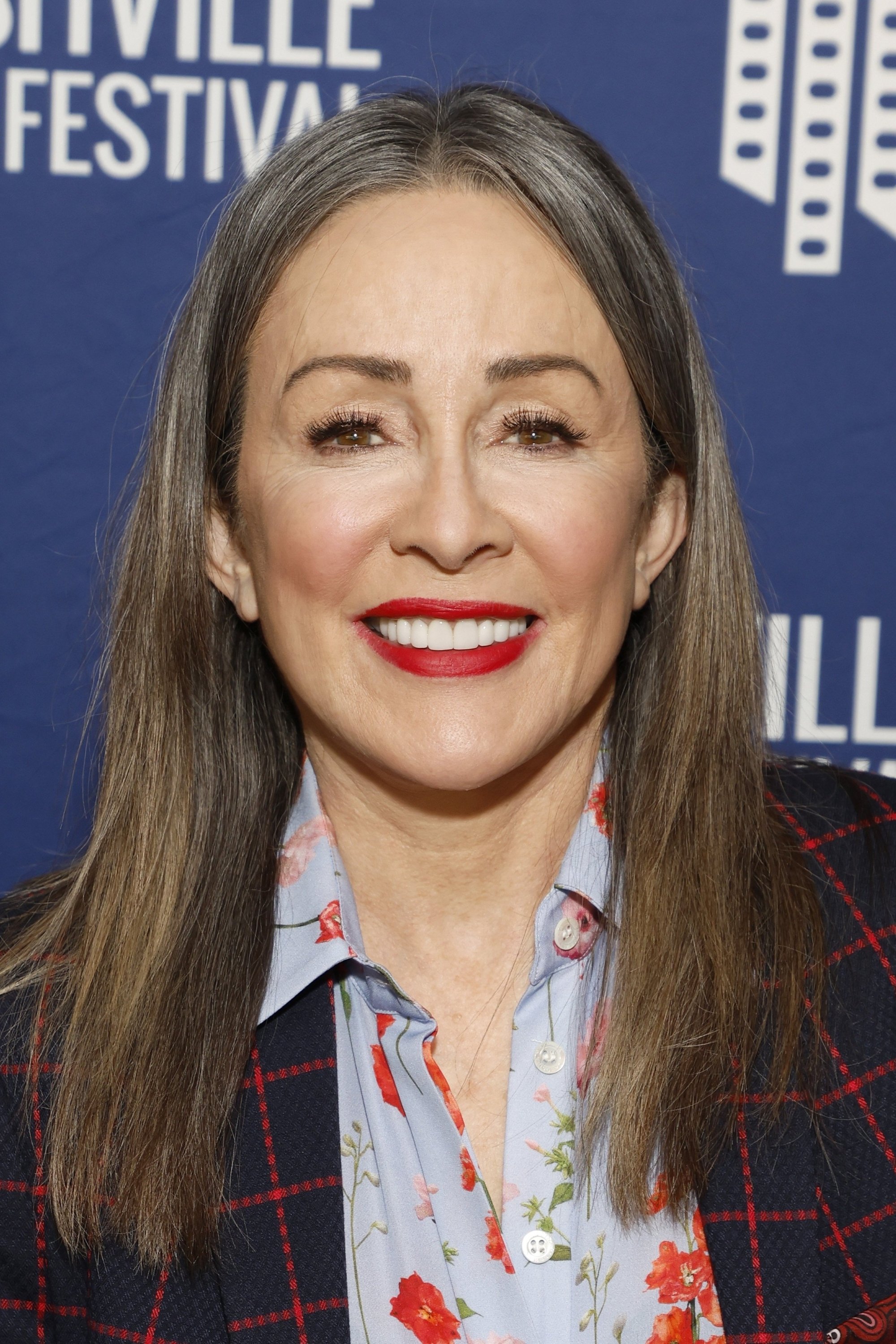
Patricia Heaton is one of the few outspoken pro-life conservatives in Hollywood, frequently using her platform to defend religious liberty and criticize media bias. She has pointed out the industry’s hypocrisy in preaching inclusion while excluding those with conservative or religious viewpoints. Heaton has noted that she is often the only conservative on a set, highlighting the lack of intellectual diversity in the entertainment world. While she advocates for kindness, she rigorously opposes the cultural mandates that marginalize faith-based perspectives. She continues to work but remains a vocal critic of the industry’s ideological uniformity.
Julie Delpy
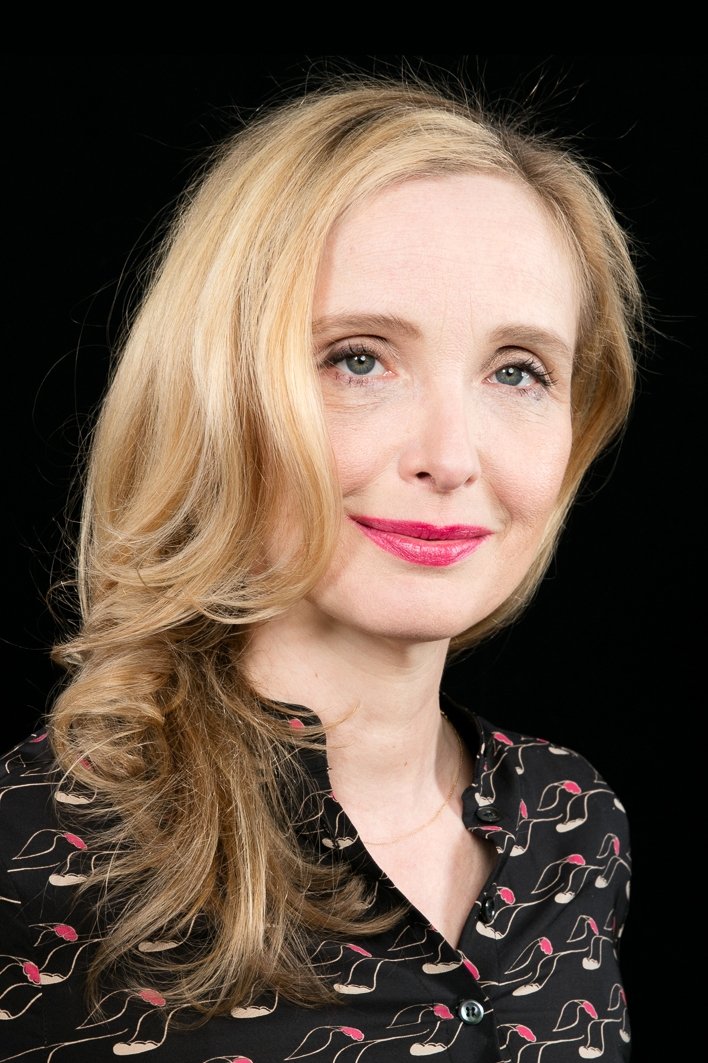
Julie Delpy faced significant backlash when she commented that there is “nothing worse than being a white woman” in Hollywood during discussions about diversity. She expressed frustration that the industry’s focus had shifted so heavily that she felt silenced and unable to speak about her own struggles as a filmmaker. Delpy argued that the hierarchy of victimhood created by the industry’s new standards made it impossible for certain groups to voice complaints. Although she issued an apology following the outcry, her initial comments reflected a deep frustration with how DEI conversations were categorizing and dismissing individuals. Her statement highlighted the tension experienced by established figures during the industry’s rapid cultural shift.
Don’t forget to share your thoughts in the comments.