


Actresses Who Don’t Support Diversity Initiatives

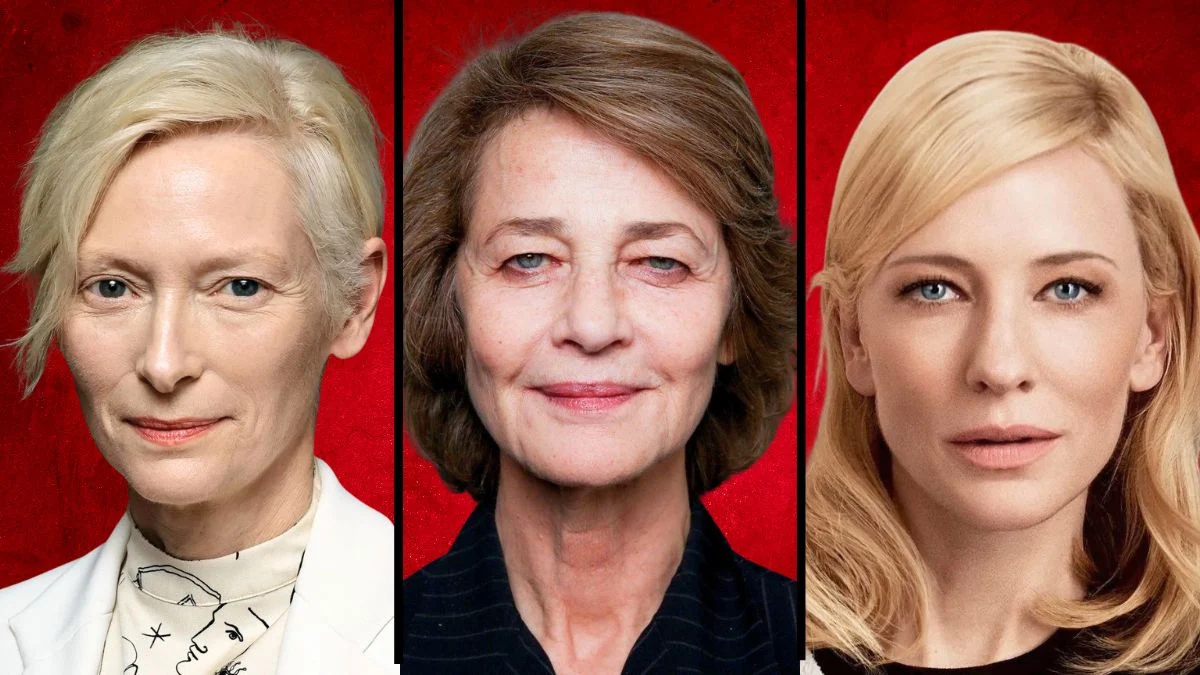


Hollywood has increasingly prioritized diversity and inclusion initiatives over the last decade, but not every figure in the industry agrees with the methods or mandates being implemented. Some actresses have voiced concerns regarding forced casting quotas, the alteration of established characters, or the impact of identity politics on artistic merit. These individuals have often faced significant backlash for their comments questioning the efficacy or fairness of modern diversity standards. The following list explores various actresses who have publicly criticized or questioned specific diversity initiatives and cultural shifts within the entertainment industry.
Gina Carano
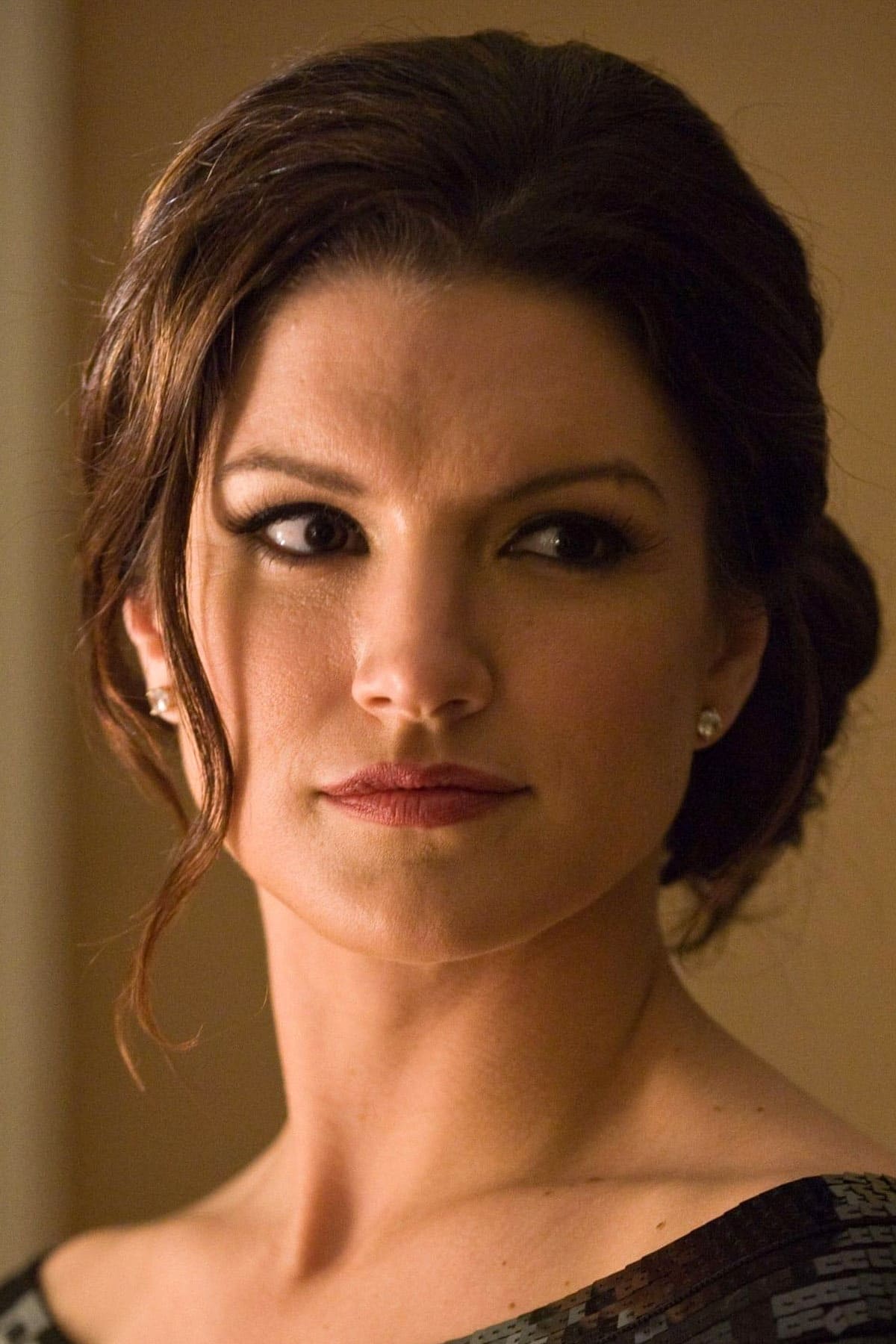
Carano became a central figure in the debate over political diversity in Hollywood after her dismissal from ‘The Mandalorian’ (2019–Present). She sued Disney and Lucasfilm for wrongful termination and discrimination while claiming she was targeted for her personal political views. The actress has been a vocal critic of what she describes as a totalitarian mob mentality in the industry that enforces ideological conformity. Her stance highlights a rejection of corporate inclusivity mandates that she believes exclude conservative voices.
Stacey Dash
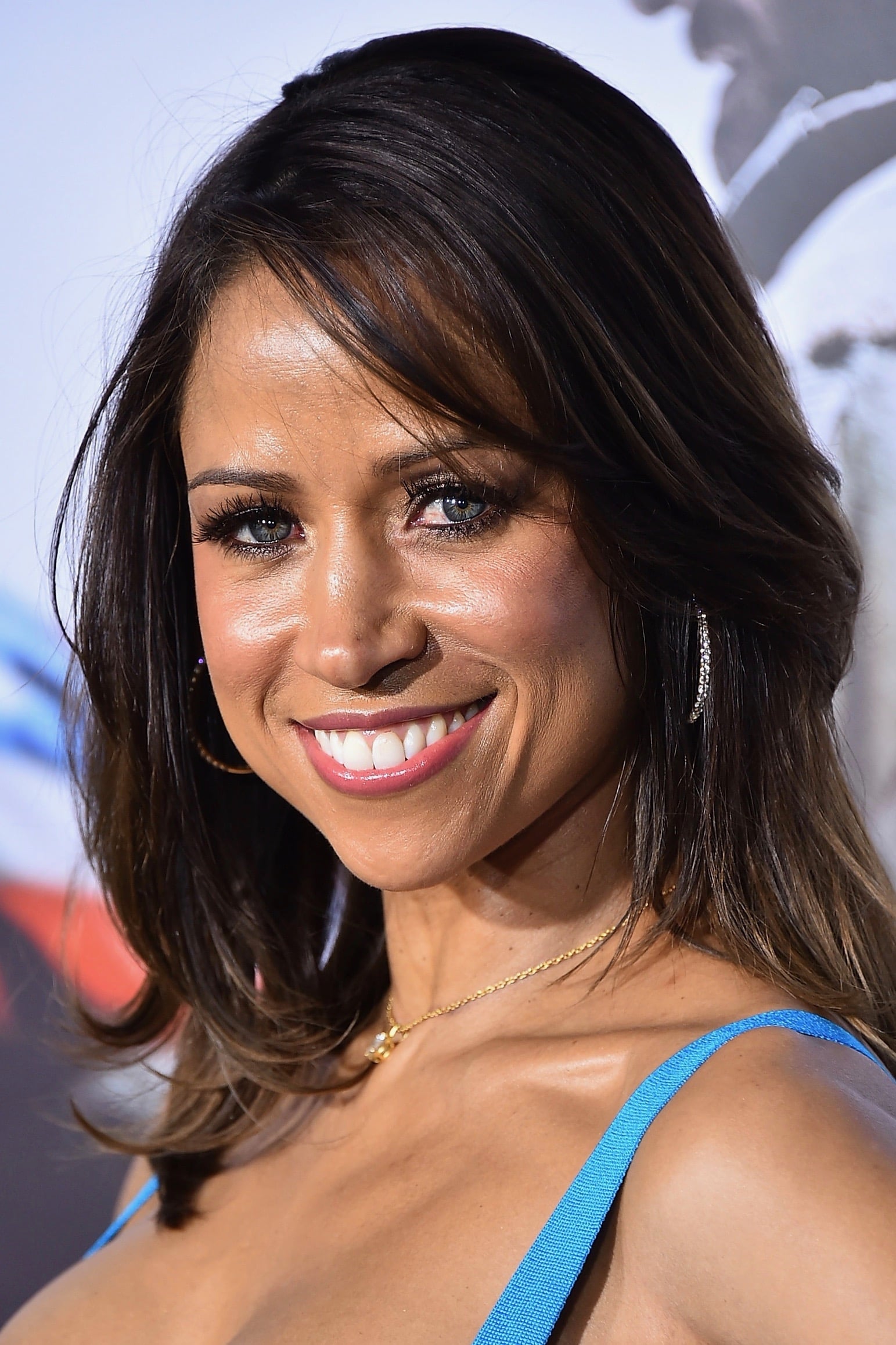
Best known for her role in ‘Clueless’ (1995), Dash sparked controversy by calling for the elimination of channels like BET and recognition months like Black History Month. She argued that these initiatives promote segregation rather than true integration and equality. Her comments drew widespread criticism but she maintained that Americans should not self-segregate based on race. Dash has consistently opposed identity politics and initiatives she views as divisive double standards.
Charlotte Rampling
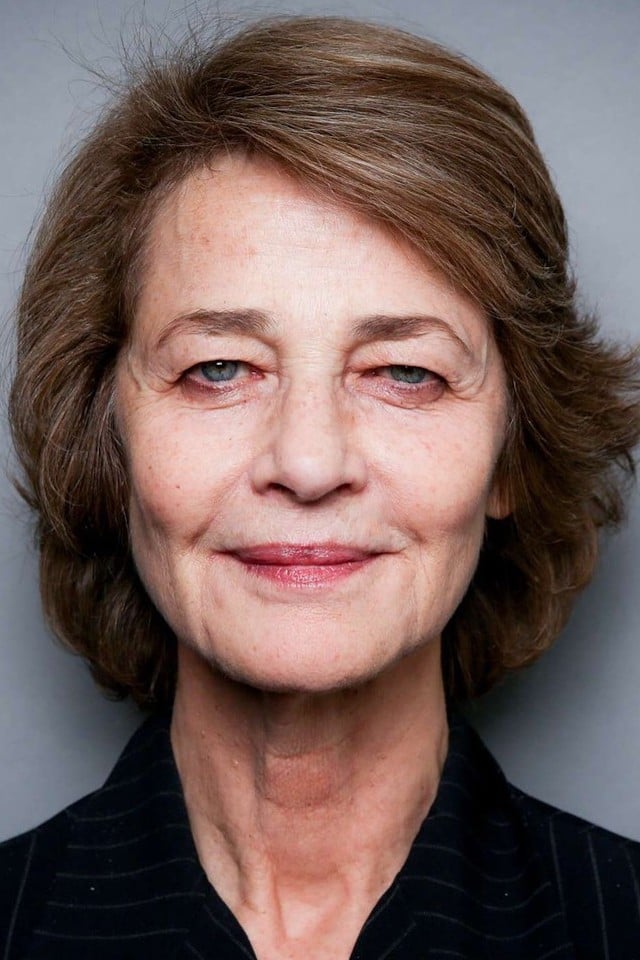
This acclaimed British actress found herself at the center of the #OscarsSoWhite controversy when she described the boycott of the ceremony as racist to white people. Rampling suggested that perhaps the black actors who were not nominated simply did not deserve to make the final list that year. She argued against the introduction of quotas in awards voting: believing that merit should be the only metric for recognition. Her comments were seen as a direct dismissal of the systemic barriers the diversity initiatives aimed to dismantle.
Roseanne Barr
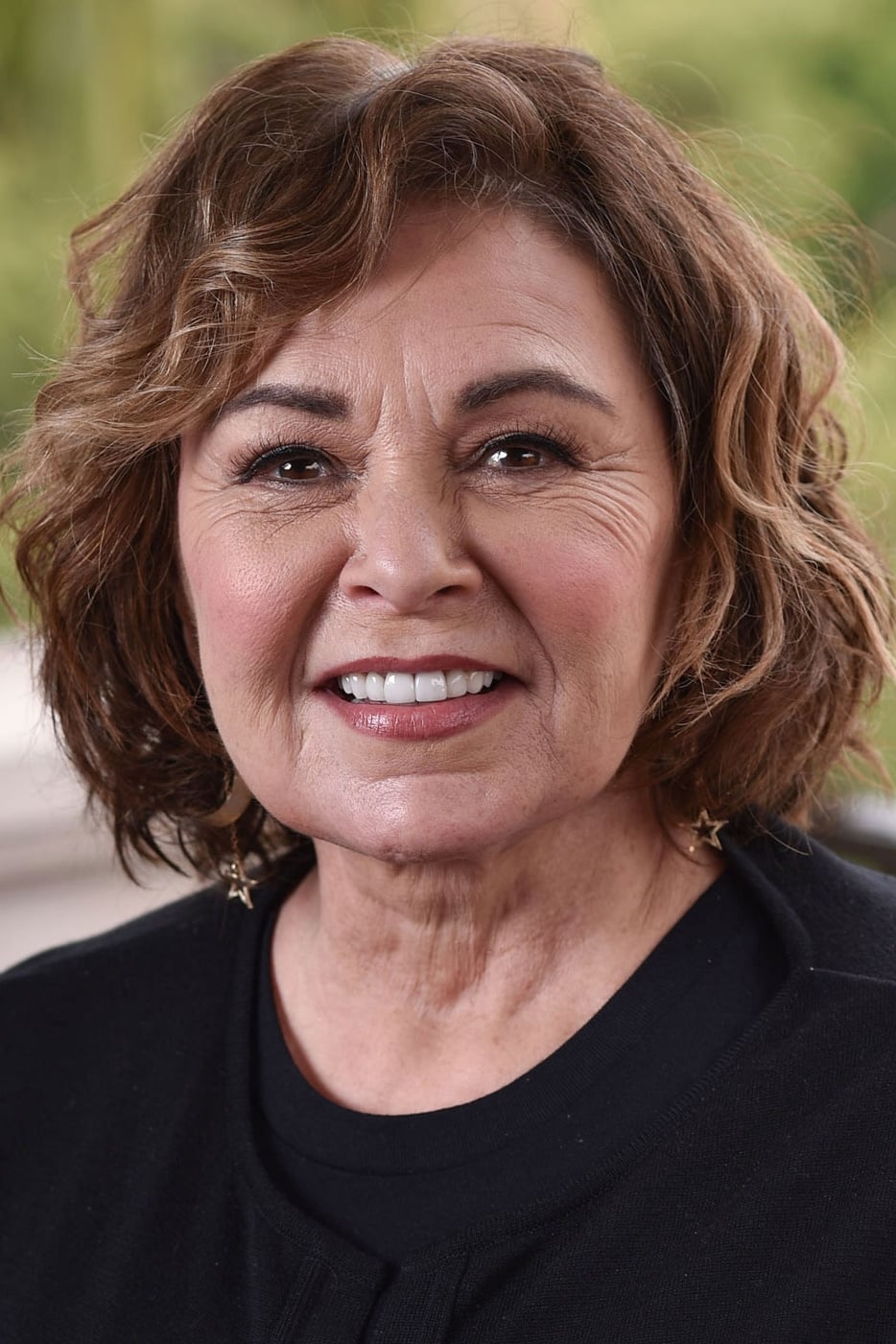
Barr has frequently used her platform to criticize what she terms “woke” culture and the diversity mandates she believes are ruining comedy. Following the cancellation of ‘Roseanne’ (2018), she became an outspoken opponent of the industry’s political correctness and casting standards. She argues that the push for inclusivity often results in the silencing of dissenting voices and the sterilization of humor. Barr remains a polarized figure who views modern diversity initiatives as tools of censorship.
Kirstie Alley
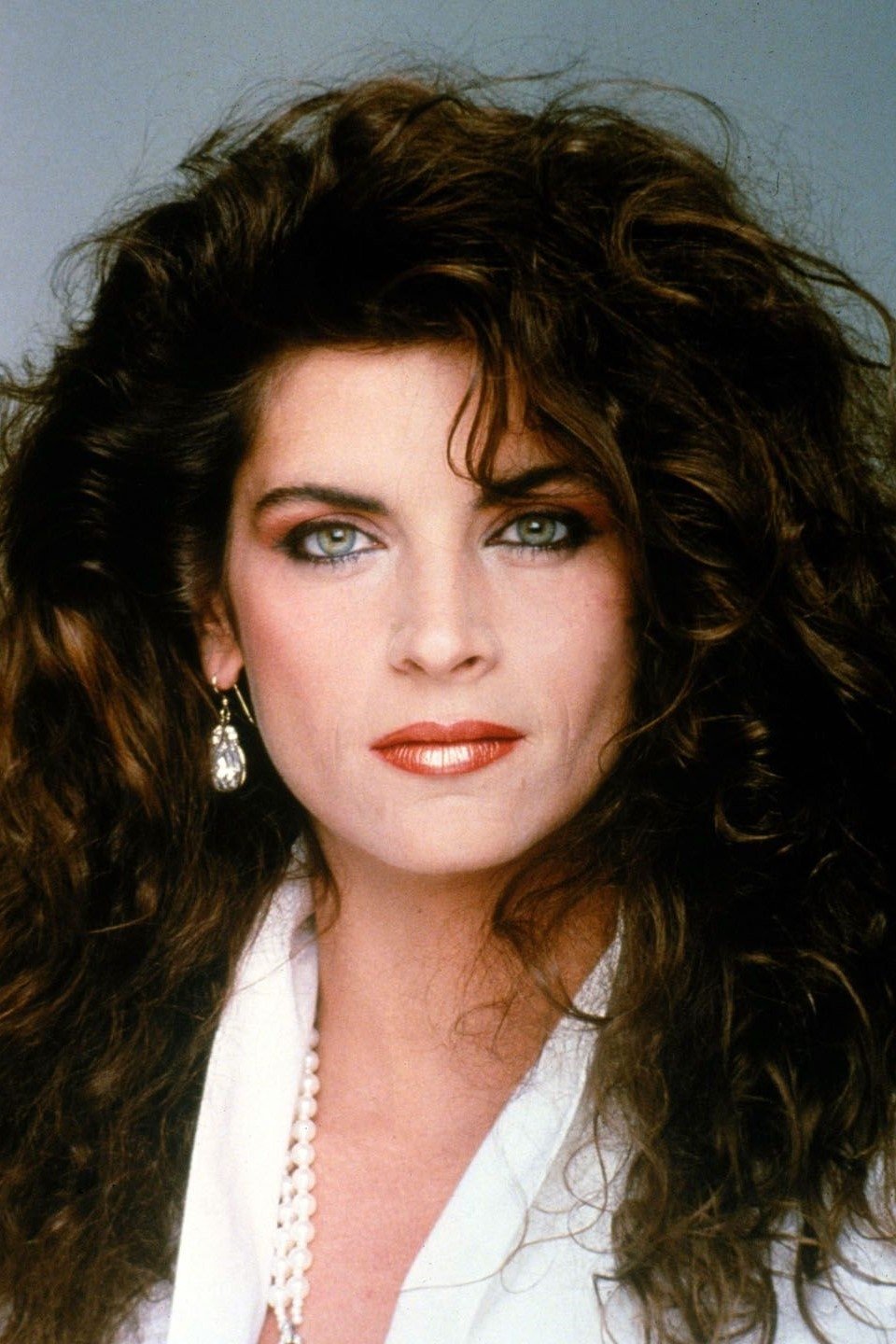
Before her passing, Alley was a vocal critic of the Academy’s new inclusion standards for Best Picture contenders. She described the mandates as a disgrace to artists and argued that you cannot regulate art with a checklist of diversity requirements. The actress believed that the government and organizations should not dictate the creative content of films through quotas. Her stance was rooted in the belief that artistic freedom should supersede enforced representation statistics.
Cate Blanchett
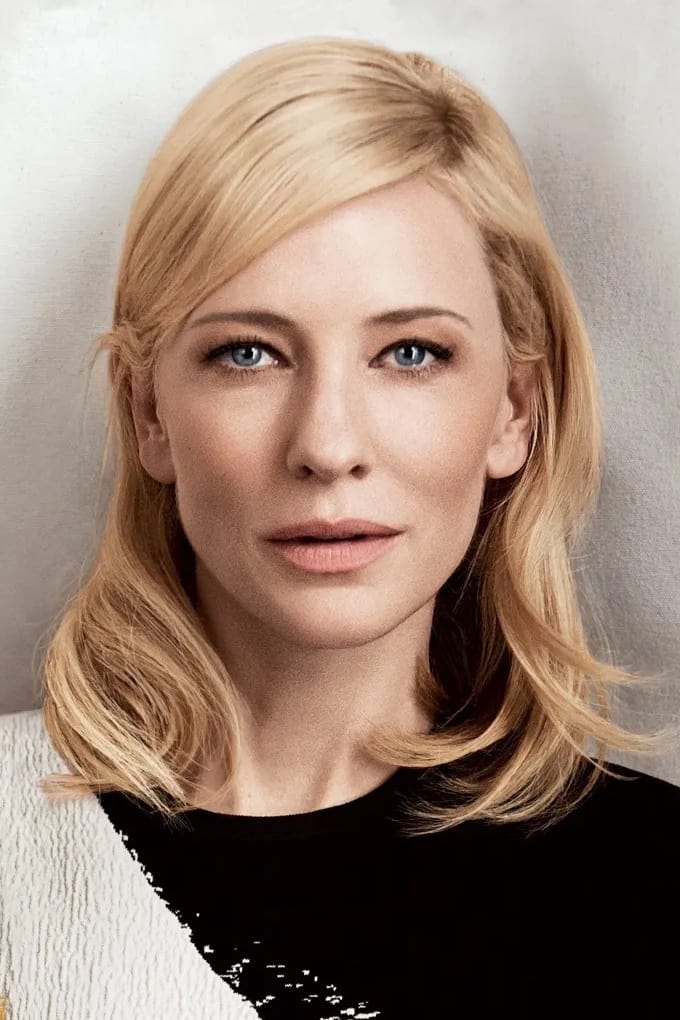
Blanchett has defended the right of actors to play roles outside their own lived experiences: a stance that opposes the modern push for “authentic casting” initiatives. She stated that she will fight to the death for the right to suspend disbelief and play characters different from herself. The actress argues that limiting roles based on an actor’s personal identity contradicts the fundamental purpose of acting. This perspective challenges the growing industry standard that requires minority roles to go exclusively to minority actors.
Scarlett Johansson
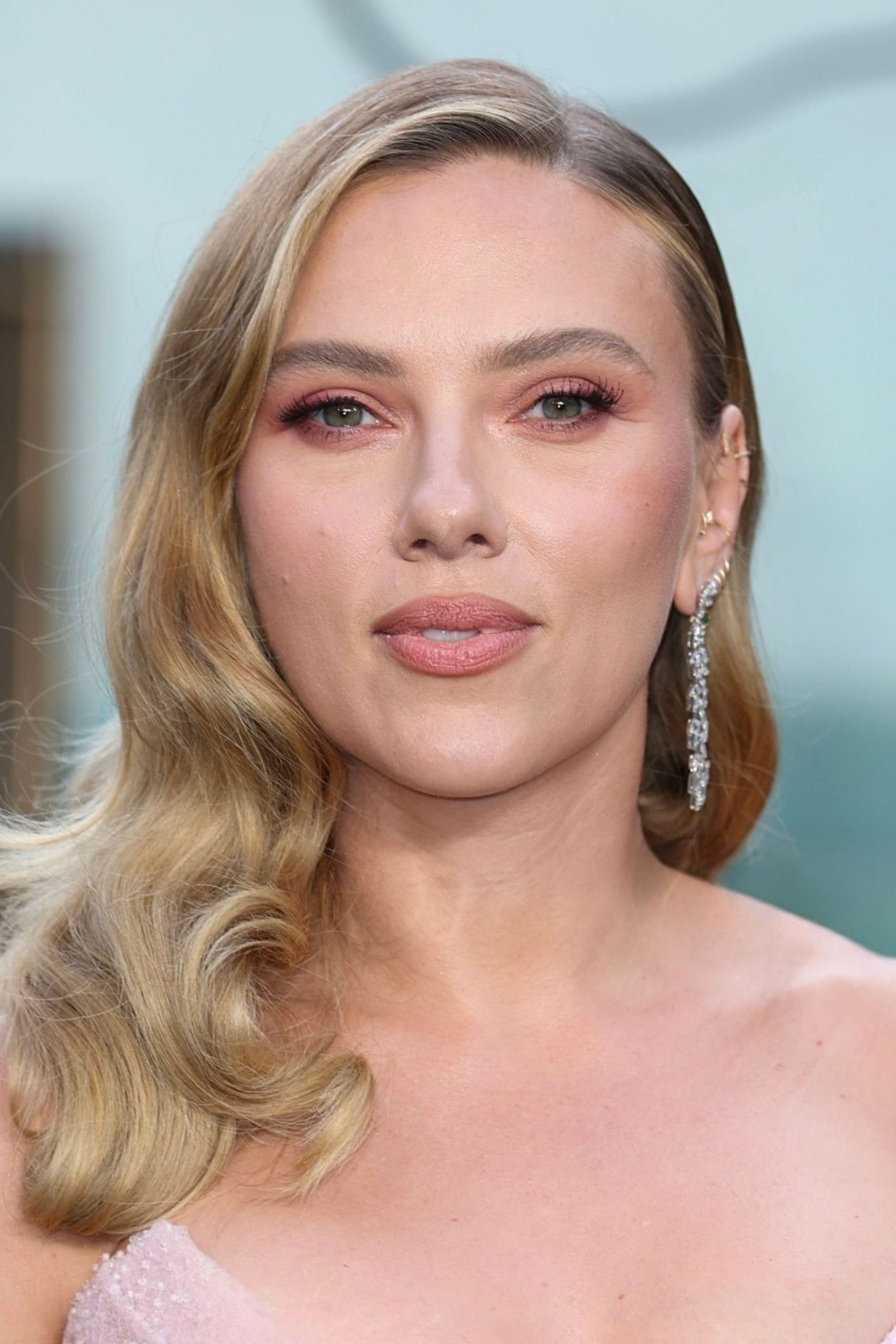
Johansson has faced multiple controversies regarding casting choices that conflicted with diversity advocates’ calls for representation. She initially defended her casting as a transgender man in ‘Rub & Tug’ and an Asian character in ‘Ghost in the Shell’ (2017) by citing artistic freedom. Although she later withdrew from the former project, she has expressed frustration with the political correctness she feels restricts casting decisions. Her comments reflect a resistance to the idea that actors must strictly align demographically with their characters.
Tilda Swinton
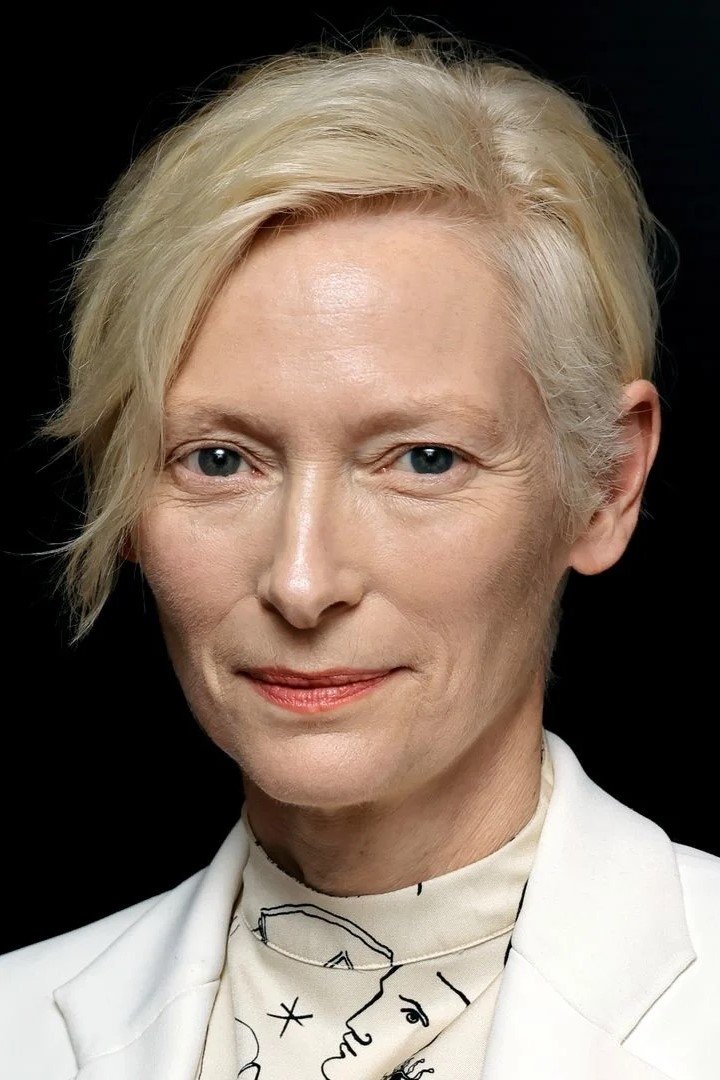
Swinton engaged in a contentious email exchange with Margaret Cho regarding her casting as The Ancient One in ‘Doctor Strange’ (2016). While critics viewed the casting as whitewashing an Asian character, Swinton defended the decision as a subversion of racial stereotypes. She argued that the choice was made to avoid the cliché of the “Dragon Lady” trope rather than to exclude Asian actors. The actress stood by the artistic decision despite the backlash from diversity advocates seeking faithful representation.
Ana de Armas
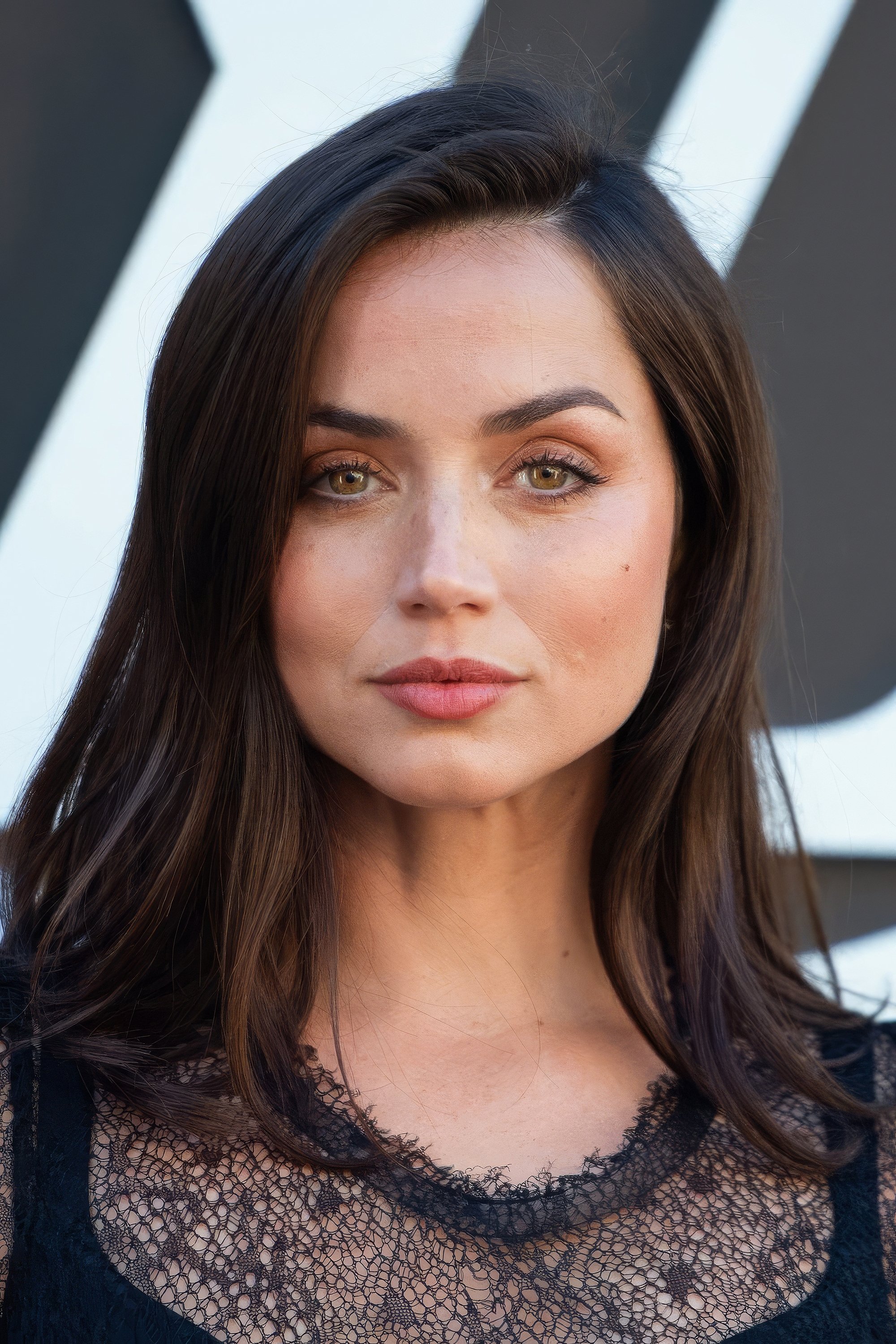
While starring in ‘No Time to Die’ (2021), de Armas spoke out against the initiative to gender-swap the character of James Bond. She stated that there is no need for a female Bond and that women should have their own complex roles created for them instead. Her comments reject the strategy of repurposing male-centric franchises to meet diversity quotas. She advocates for original storytelling over the superficial alteration of male icons.
Rachel Weisz
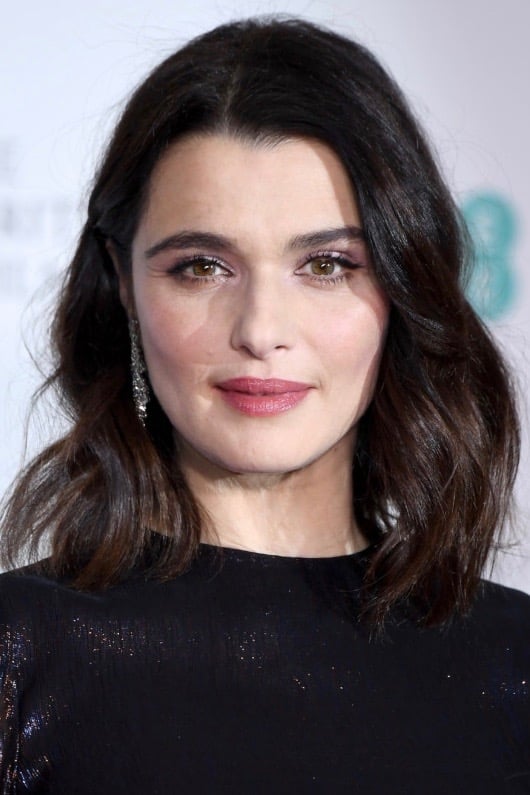
Weisz has publicly stated that James Bond should not be played by a woman because the character is patently male. She argues that women should not have to shoulder the history of male characters but should instead have their own stories told. This viewpoint opposes the trend of gender-swapping established intellectual properties as a shortcut to inclusivity. Weisz believes that true diversity comes from creating new narratives rather than changing old ones.
Halle Berry
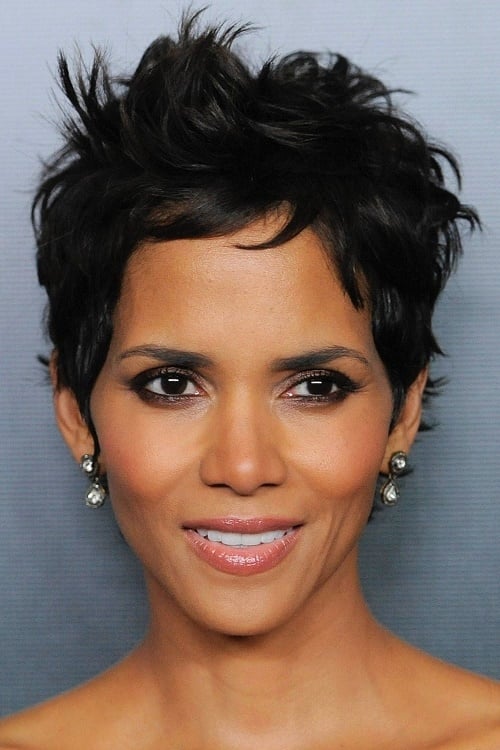
Despite being a Bond girl herself in ‘Die Another Day’ (2002), Berry has voiced opposition to casting a woman as James Bond. She expressed that the character is steeped in history that should not be changed merely for the sake of representation. Berry suggested that the industry should focus on creating new characters with their own legacies. Her stance aligns with those who view gender-swapping iconic roles as a lazy approach to diversity.
Eva Green
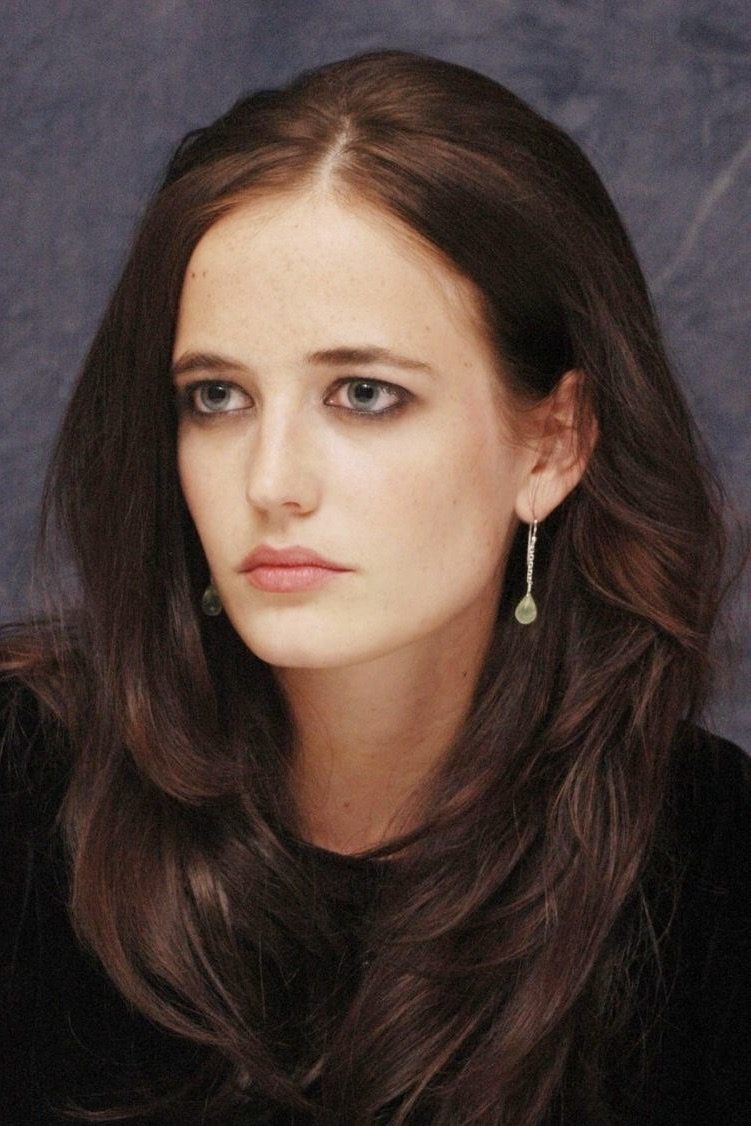
Green, who starred in ‘Casino Royale’ (2006), insisted that James Bond should remain a man to honor the original character’s identity. She argued that making the character a woman would not make sense and would undermine the specific history of the role. Green supports women playing strong characters but opposes the initiative to fundamentally alter male icons. She views this specific type of diversity effort as unnecessary and unfaithful to the source material.
Catherine Deneuve

Deneuve signed a public letter denouncing the #MeToo movement: which she characterized as a puritanical witch hunt that threatened sexual freedom. While the movement aimed to create a safer and more inclusive environment for women, Deneuve argued it went too far in villainizing men. She defended the right of men to hit on women and criticized the climate of censorship she felt the movement created. Her position clashed directly with the initiatives attempting to overhaul the industry’s power dynamics.
Brigitte Bardot
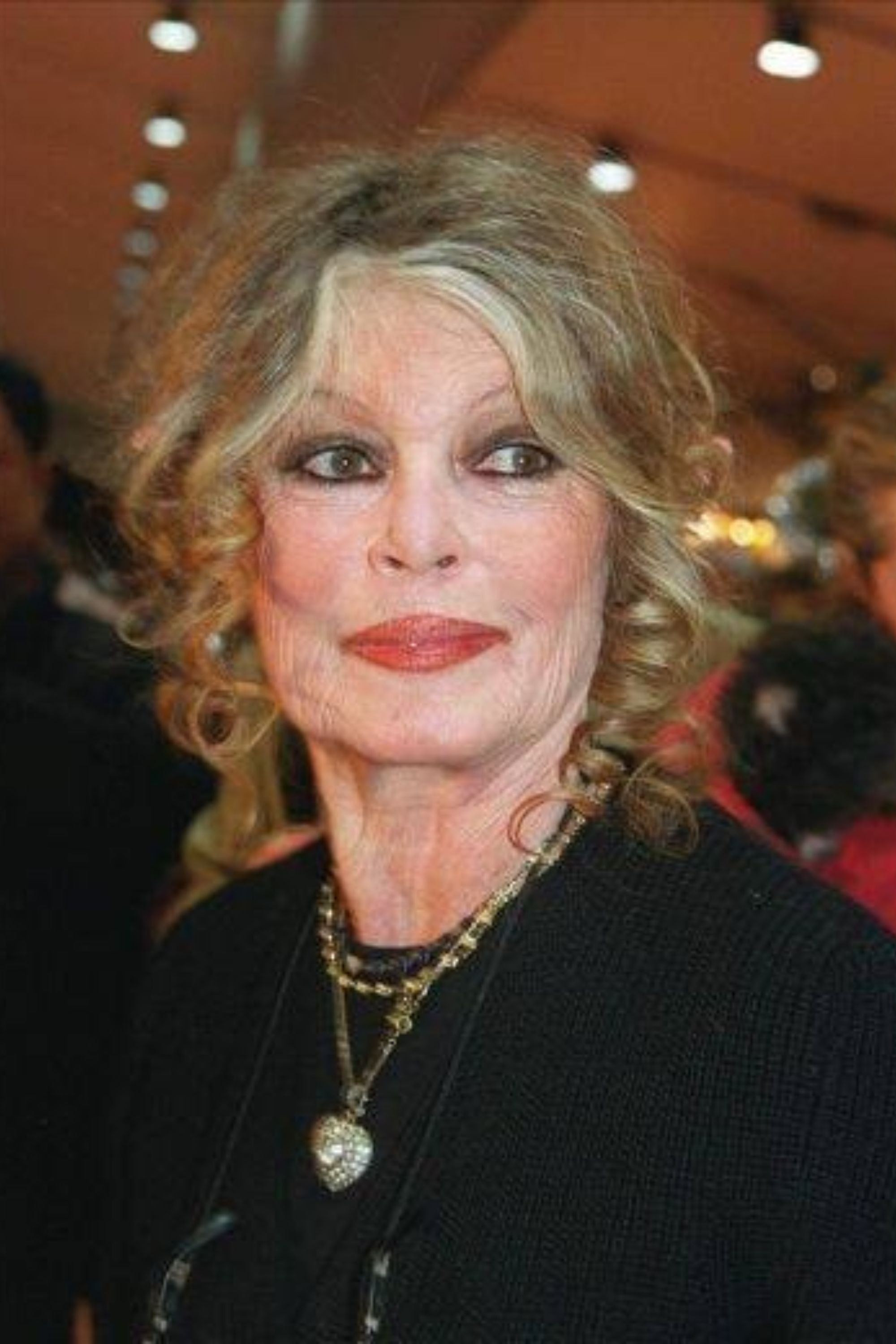
The legendary French actress has frequently criticized the #MeToo movement and modern diversity complaints in cinema. Bardot claimed that many actresses complain about harassment simply to generate publicity and described the movement as hypocritical. She has also expressed disdain for what she views as forced diversity in French media and society. Her comments reflect a generational divide and a rejection of the structural changes being implemented in the industry.
Helena Bonham Carter
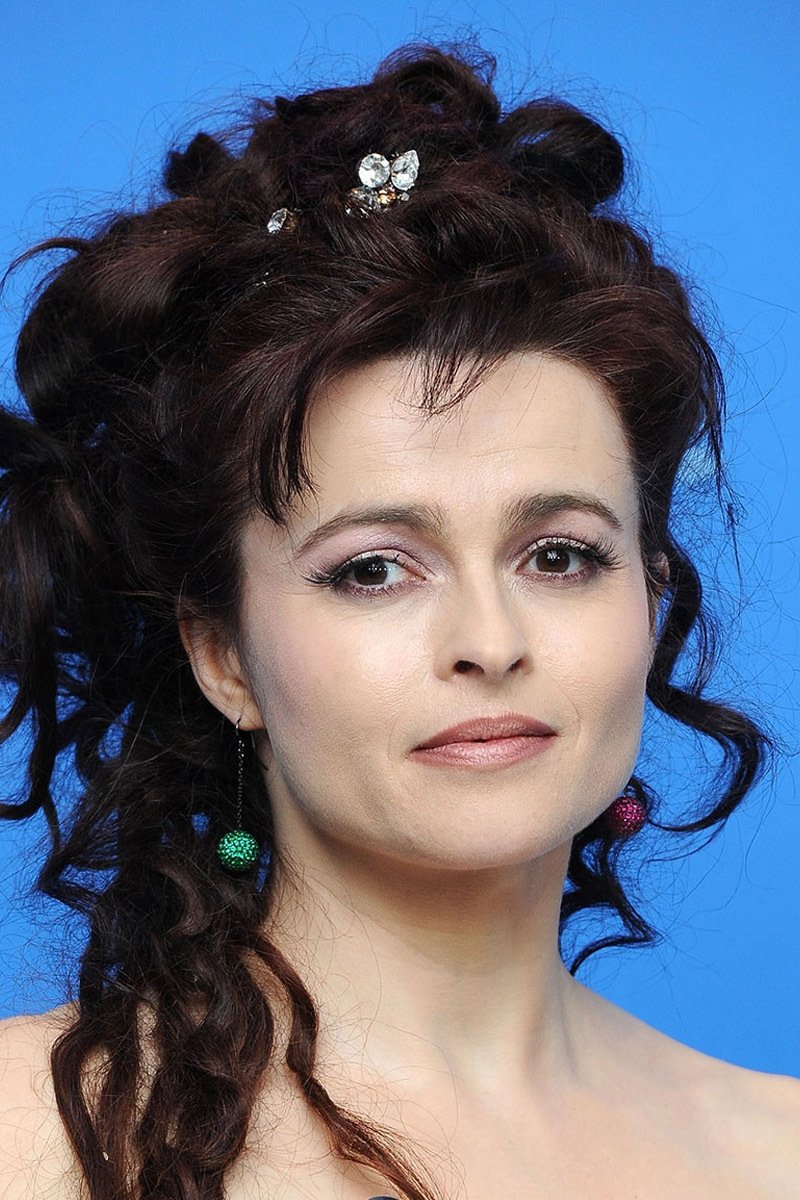
Bonham Carter has criticized the “cancel culture” that often accompanies modern social justice initiatives in Hollywood. She defended J.K. Rowling and Johnny Depp against what she perceived as a witch hunt driven by public opinion rather than facts. The actress argued that people should not be banned or silenced for having different opinions or complex personal lives. Her defense of these figures opposes the industry’s trend of distancing itself from controversial individuals to maintain an inclusive image.
Candace Cameron Bure
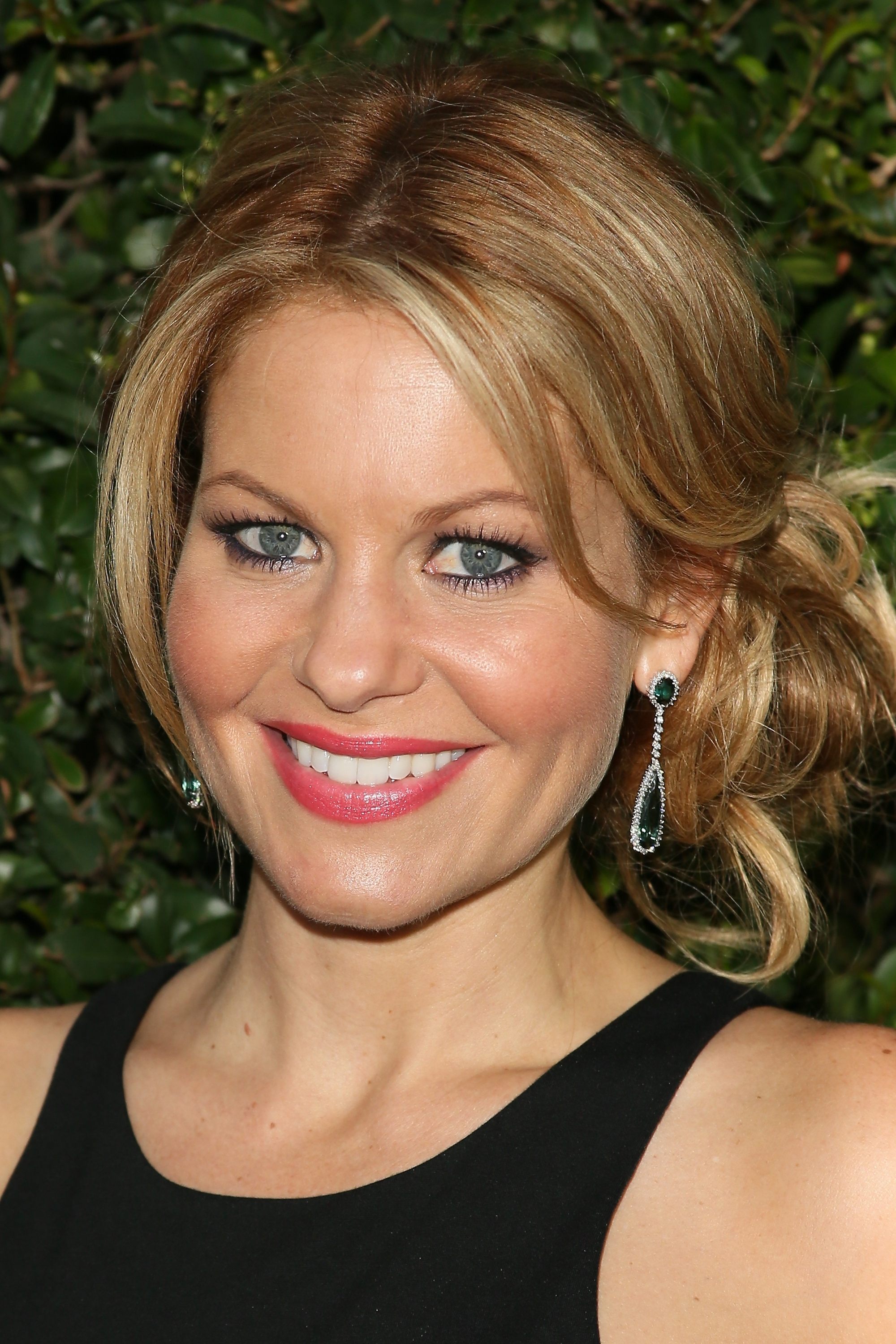
Bure left the Hallmark Channel to join Great American Family: citing a desire to tell stories that focus on traditional marriage. Her comments implied a deliberate exclusion of LGBTQ+ narratives which Hallmark had begun to integrate into their programming. She faced backlash for suggesting that “traditional” meant excluding same-sex couples from the network’s core storytelling. Bure’s move was a clear rejection of the broader industry’s shift toward inclusive LGBTQ+ representation.
Sam Sorbo
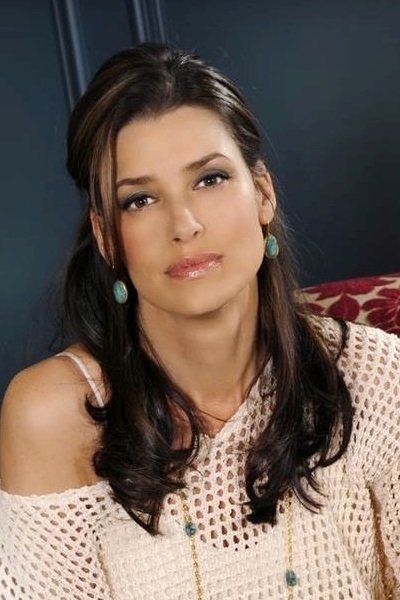
Sorbo is an outspoken critic of the public school system and the diversity, equity, and inclusion (DEI) agendas found in Hollywood. She argues that the industry pushes liberal narratives that are harmful to children and society at large. Sorbo actively promotes faith-based and conservative content as an alternative to mainstream media’s inclusive programming. Her work is explicitly positioned against the secular and progressive values she believes dominate the entertainment business.
Victoria Jackson
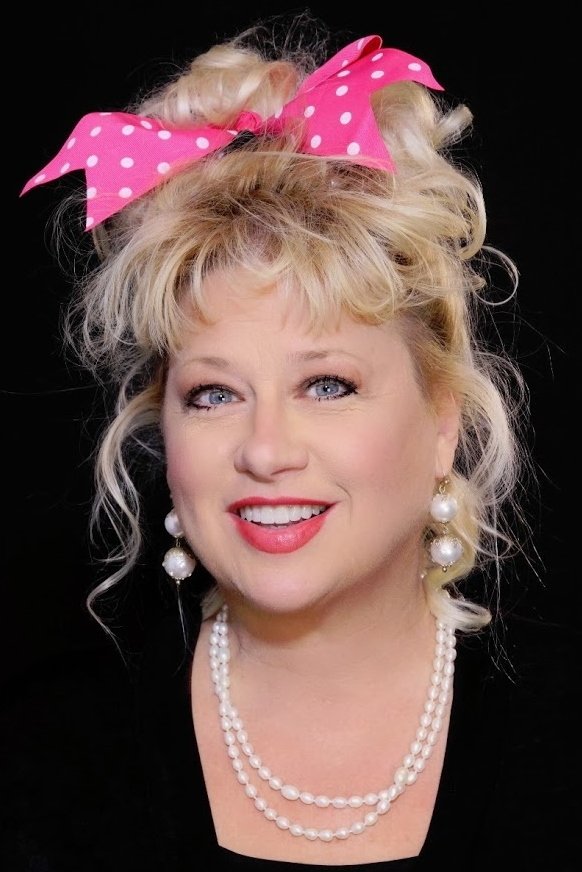
The former ‘Saturday Night Live’ (1975–Present) cast member is a staunch conservative who frequently criticizes the show’s current political direction. Jackson has voiced opposition to LGBTQ+ representation and what she views as the normalization of sin in media. She argues that Hollywood’s diversity initiatives are part of a larger agenda to undermine traditional Christian values. Her activism focuses on combating the very social progress that modern industry standards seek to promote.
Samaire Armstrong
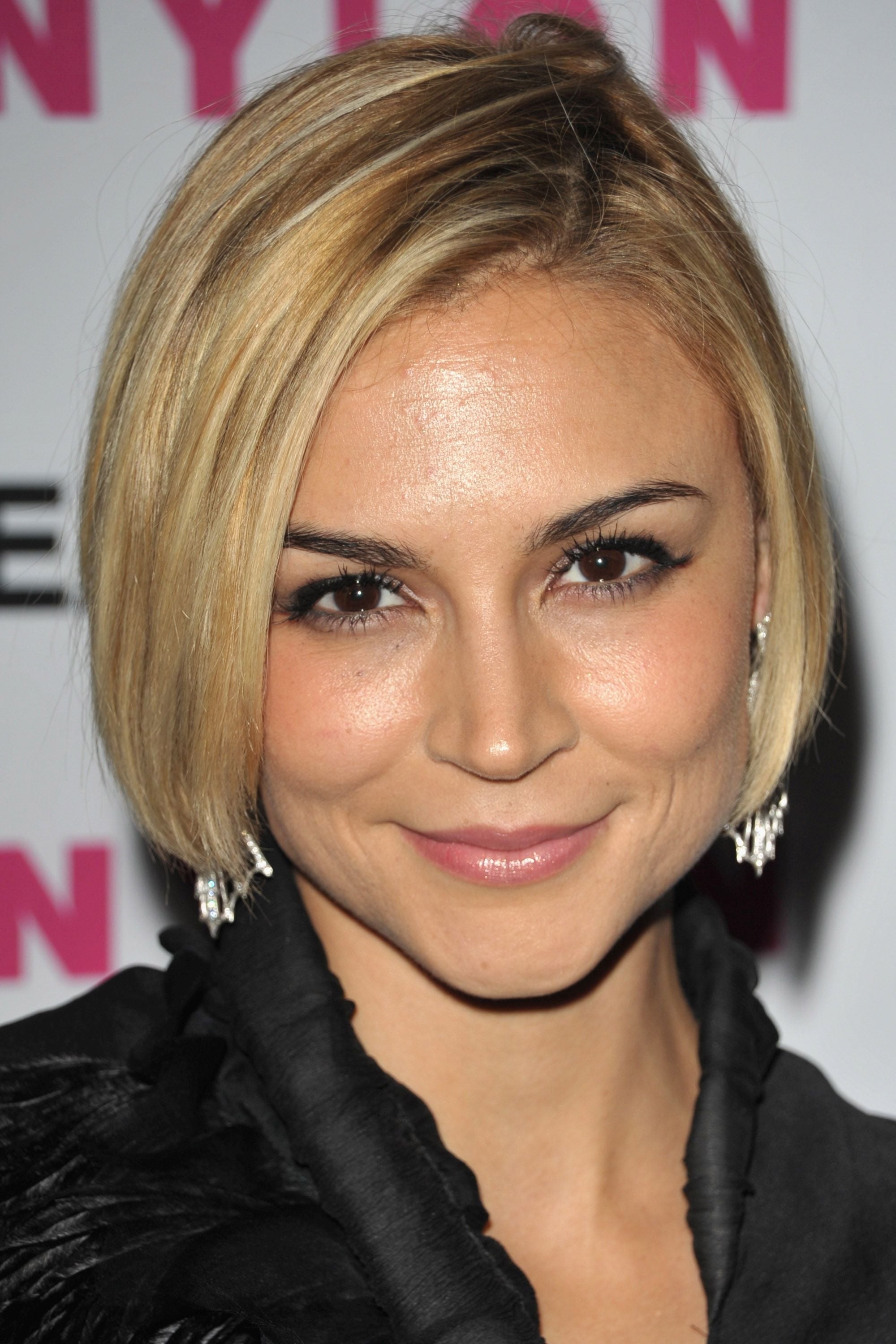
Armstrong has used her social media platforms to criticize the Black Lives Matter movement and the transgender rights movement. She has described the push for social justice in Hollywood as a performative narrative that ignores reality. The actress argues against the “woke” ideology she believes is dismantling American values through media and education. Her public stances are in direct opposition to the racial and gender inclusivity initiatives championed by her peers.
Kristy Swanson
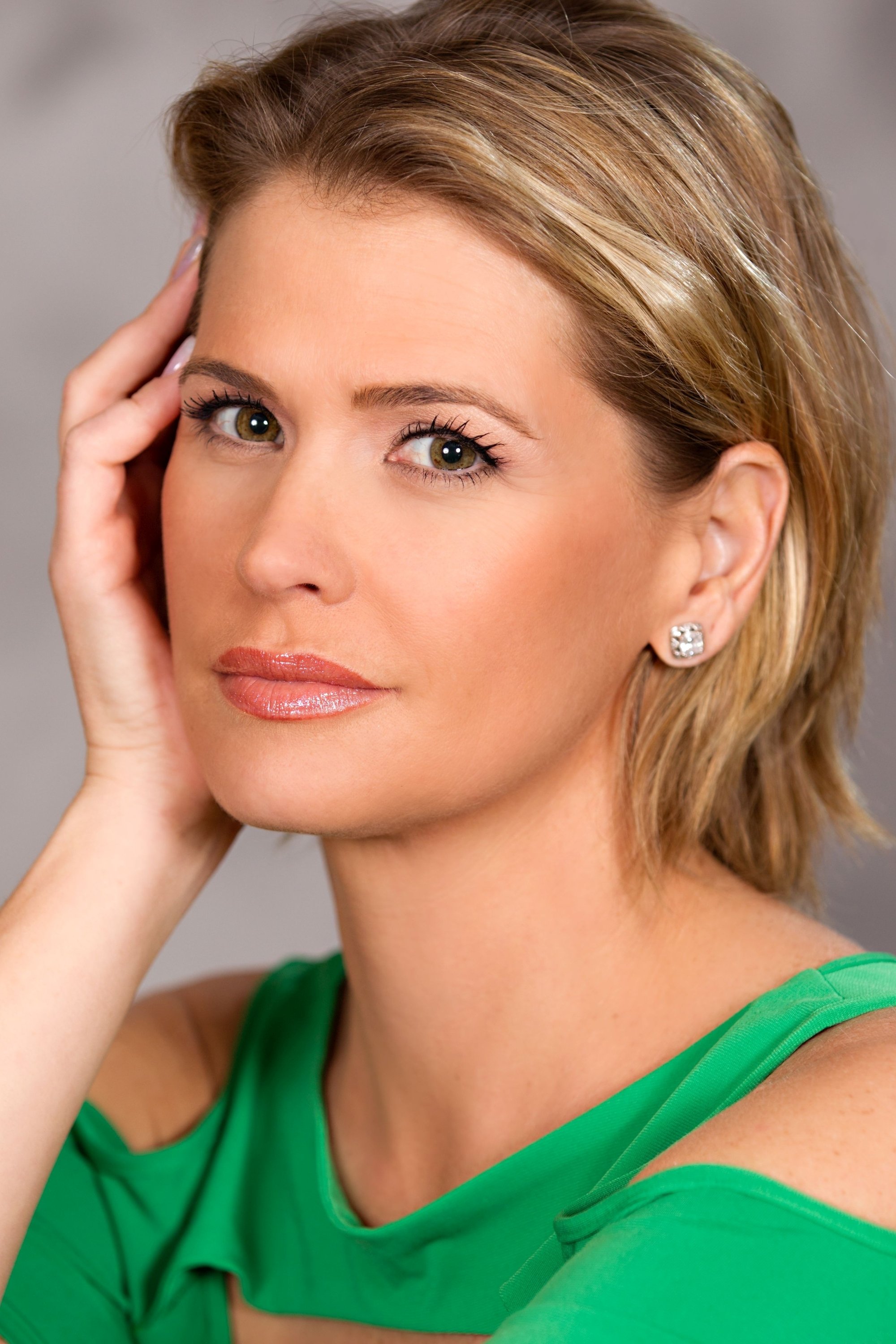
Best known for ‘Buffy the Vampire Slayer’ (1992), Swanson is a vocal supporter of conservative politics and a critic of cancel culture. She has argued that the industry punishes those who do not conform to the progressive consensus on diversity and social issues. Swanson frequently challenges the narratives around systemic racism and gender identity that are central to Hollywood’s current initiatives. She maintains that the industry practices exclusion against conservatives while preaching inclusion.
Meryl Streep
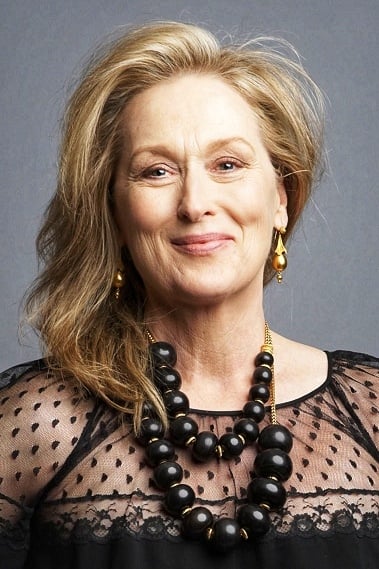
Streep faced backlash during her time as the Berlin Film Festival jury president when she responded to questions about an all-white jury. She stated that “we are all Africans,” which critics felt dismissed the lack of racial diversity on the panel. The comment was interpreted as an attempt to erase the specific struggles of people of color by claiming a universal human experience. While not an opponent of diversity broadly, this specific instance showed a resistance to acknowledging the necessity of representation quotas.
Rooney Mara
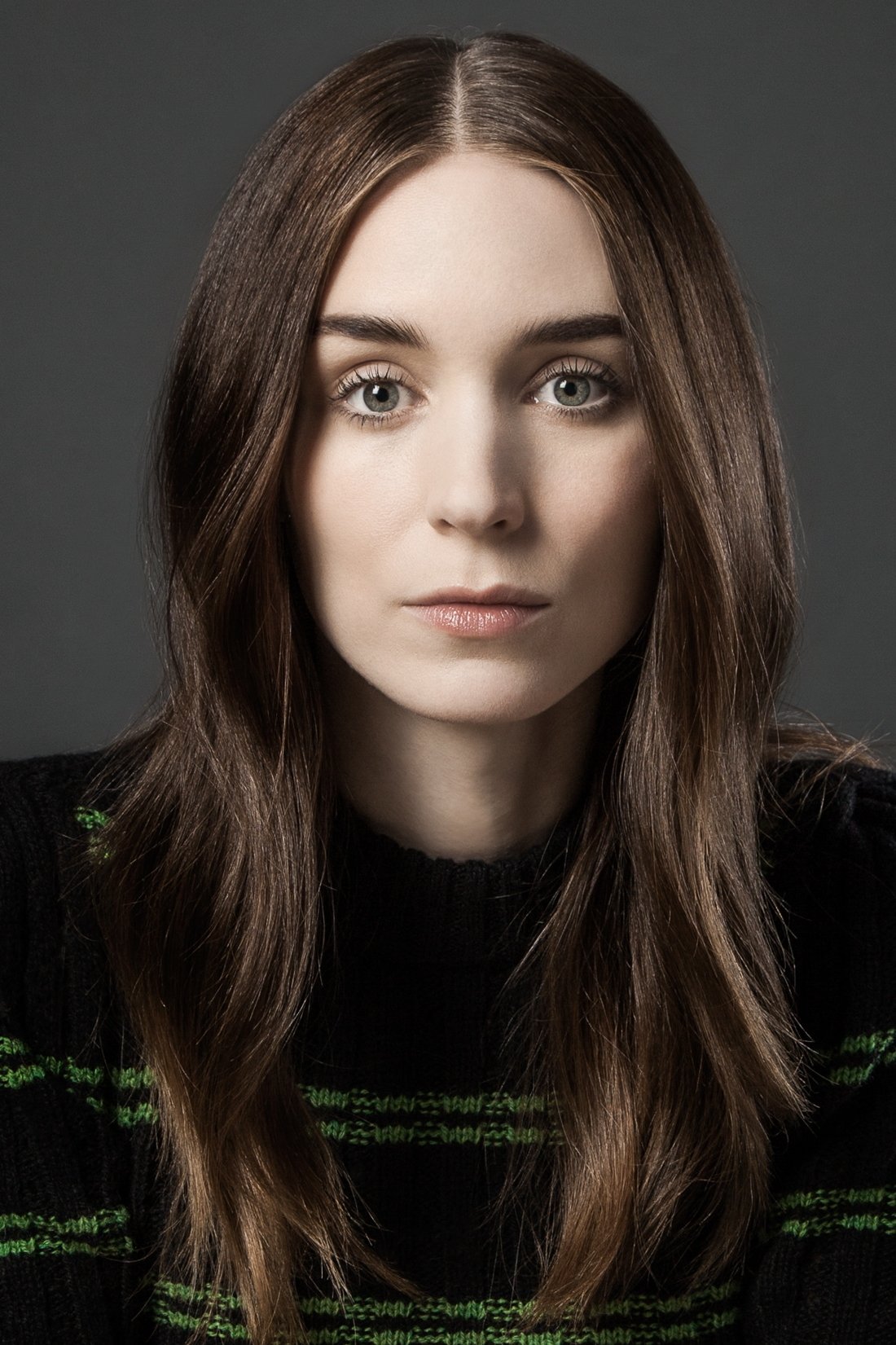
Mara faced intense criticism for her role as Tiger Lily in ‘Pan’ (2015): a character traditionally depicted as Native American. She initially defended the casting choice and the director’s vision before later expressing regret due to the public outcry. At the time of release, her participation was seen as complicit in the industry’s practice of whitewashing minority roles. The incident highlighted the friction between established casting practices and the growing demand for authentic representation.
Julie Delpy
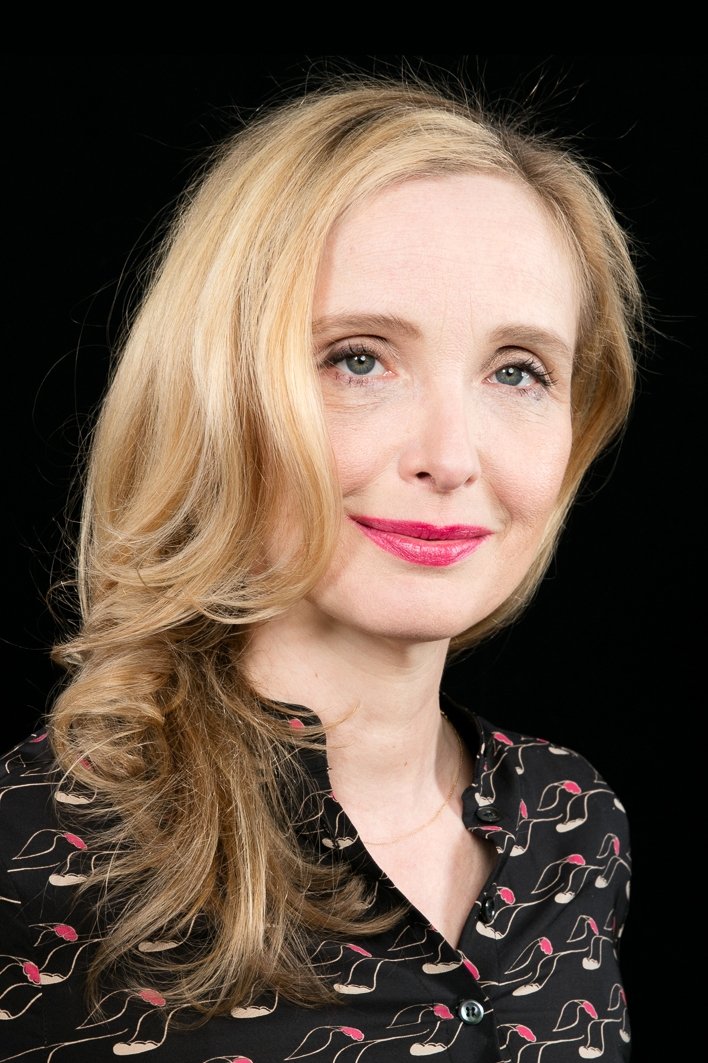
Delpy sparked a controversy when she commented that there is nothing worse than being a white woman in Hollywood during discussions about diversity. She was attempting to highlight the struggles of women but was criticized for ignoring the compounded difficulties faced by women of color. The backlash centered on her perceived dismissal of intersectionality and the specific initiatives aimed at helping non-white actresses. Delpy apologized but the comment was viewed as tone-deaf to the racial diversity conversation.
Angela Lansbury
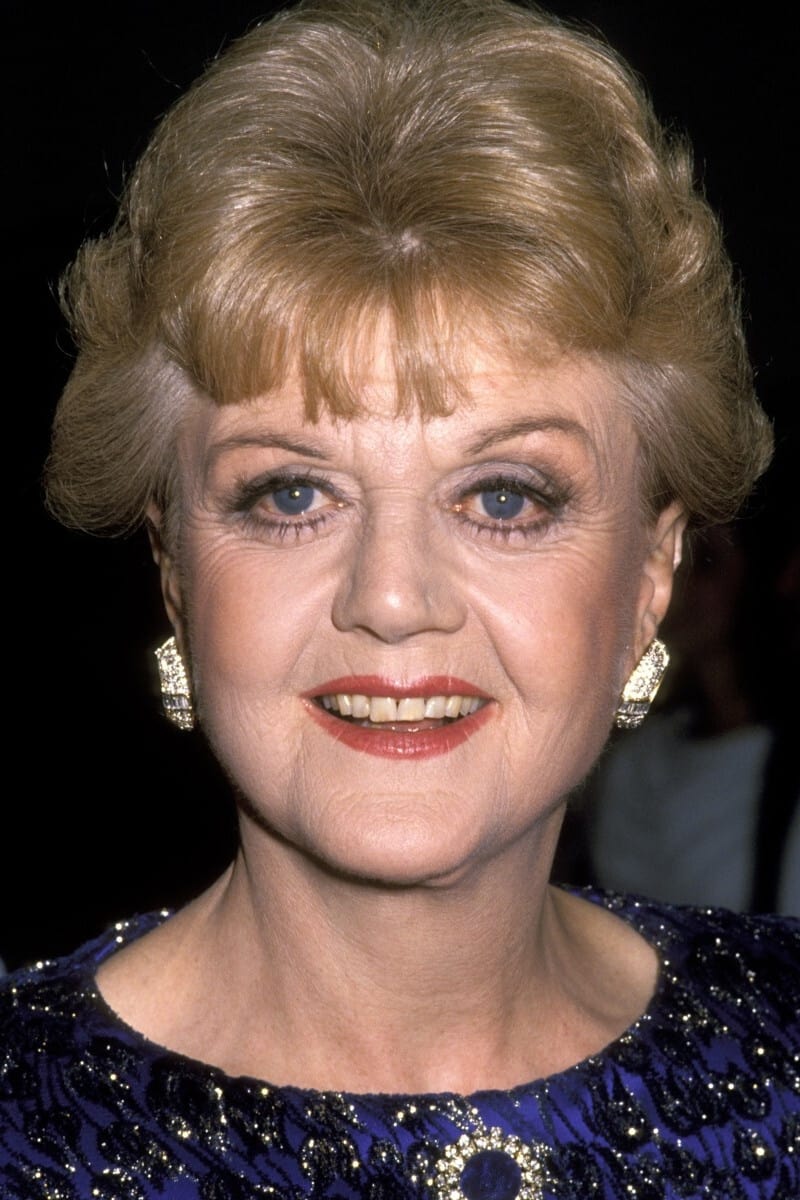
The late actress drew criticism for her comments regarding the #MeToo movement and sexual harassment in the industry. She suggested that women must sometimes take the blame for harassment because they have gone out of their way to make themselves attractive. Lansbury argued that individual responsibility was being overlooked in the rush to condemn men. Her views clashed with the systemic reforms and safety initiatives being implemented to protect women on set.
Lindsay Lohan
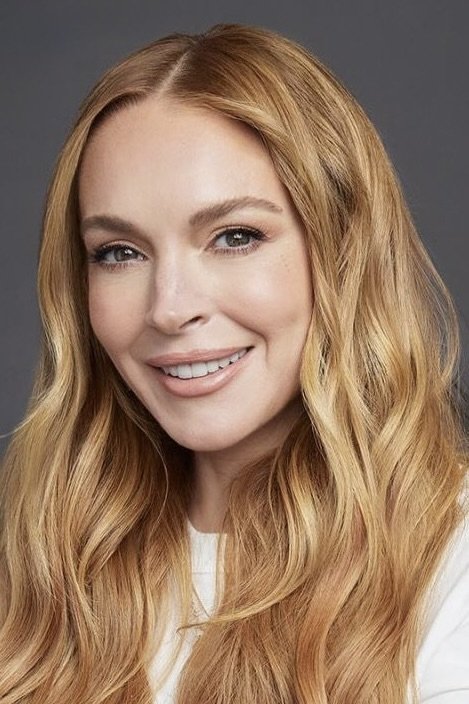
Lohan initially criticized the women coming forward during the height of the #MeToo movement: stating that they looked weak. She argued that handling these matters publicly was attention-seeking rather than a genuine pursuit of justice. Although she later clarified her stance, her initial reaction was to question the validity of the collective movement. This perspective opposed the initiative to create a supportive public forum for victims of harassment.
Sharon Stone
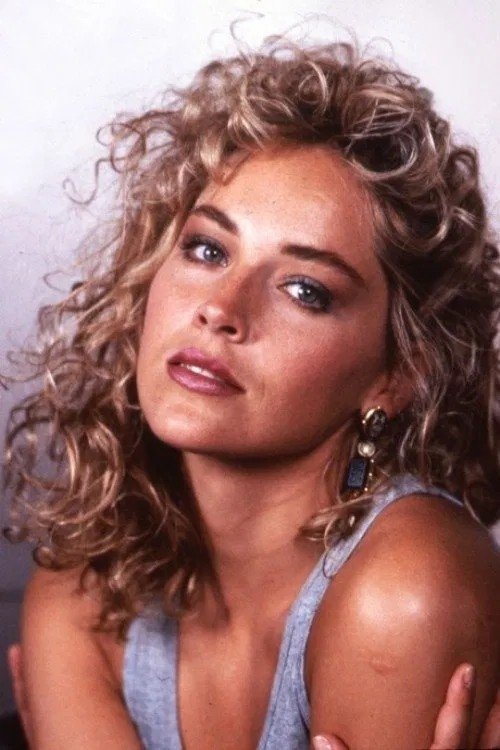
Stone has expressed concerns about “cancel culture” and the loss of due process in the wake of Hollywood’s social reckonings. She argued that the industry’s rush to judgment can destroy careers without fair investigation or nuance. While supporting women’s safety, she warned against a climate where accusations equate to immediate guilt. Her comments reflect a skepticism regarding the punitive measures often associated with modern accountability initiatives.
Jennifer Aniston
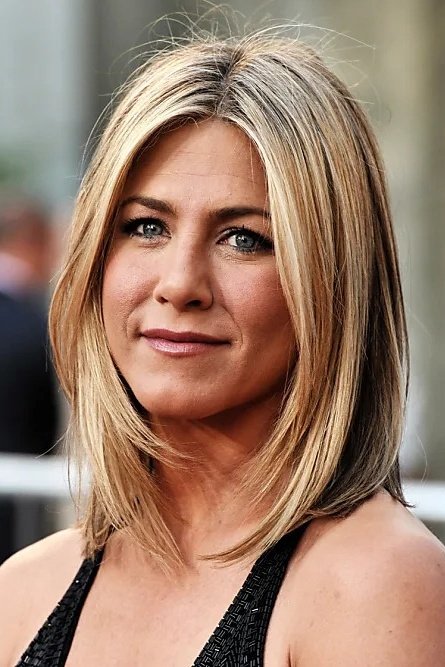
Aniston has famously complained that there are no funny movies anymore due to the hypersensitivity required by modern audiences. She argued that comedy has become restricted because everyone is looking for something to be offended by. Her criticism targets the cultural shift that demands content be vetted for potential offenses against marginalized groups. Aniston believes this vigilance stifles creativity and makes it impossible to make jokes about human stereotypes.
Goldie Hawn
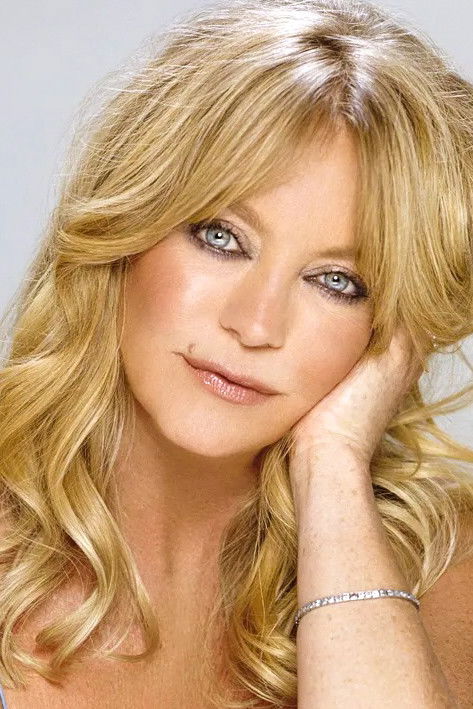
Hawn has echoed sentiments that the current cultural climate is ruining comedy and making people afraid to speak. She believes that the intention behind a joke matters more than the perception of offense by a specific group. Hawn argues that the industry’s focus on not offending anyone removes the joy and spontaneity from entertainment. Her stance challenges the initiatives that seek to sanitize content to ensure it is inclusive and non-offensive.
Emily Blunt
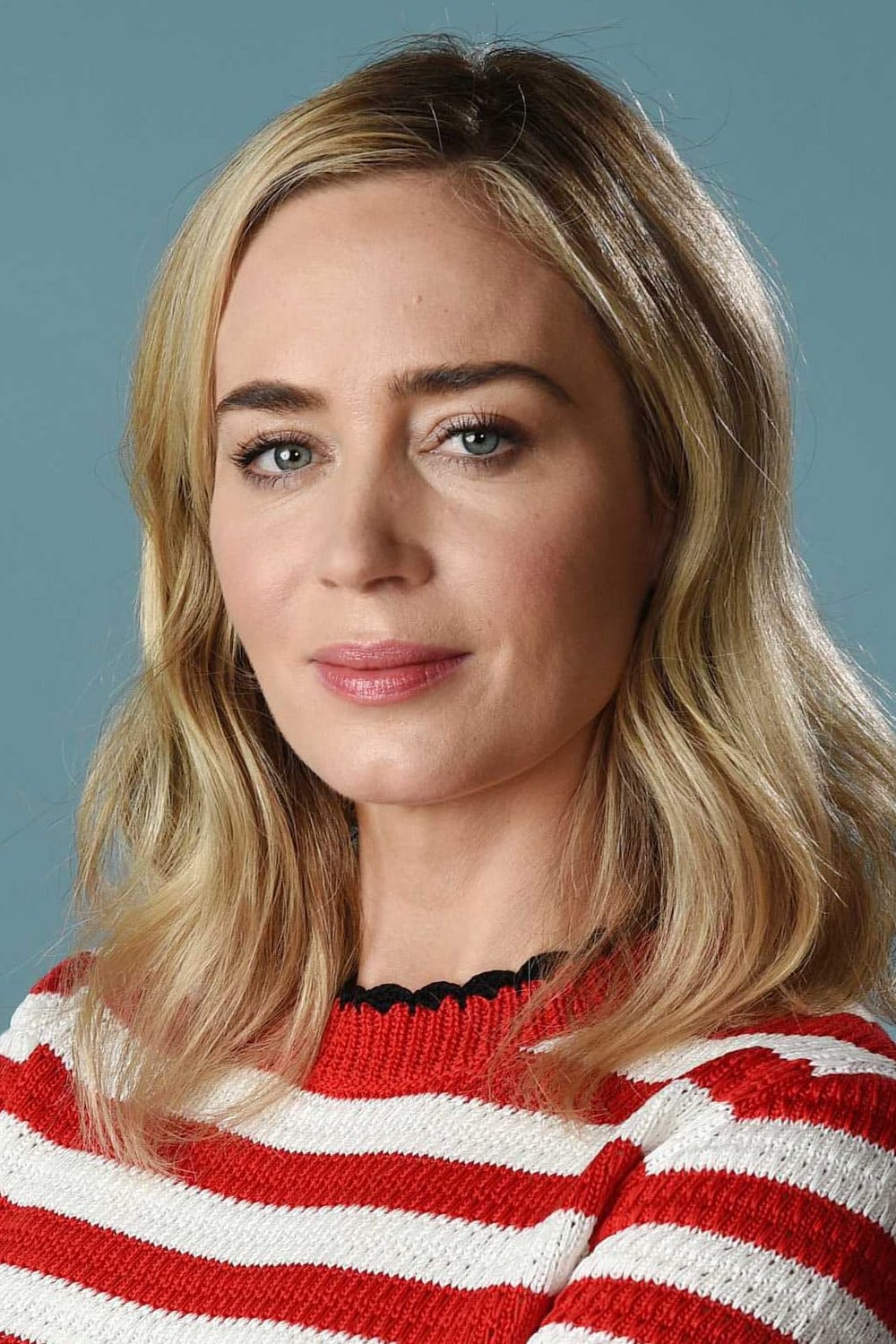
Blunt has criticized the “strong female lead” archetype that has become a staple of gender diversity initiatives in scripts. She argues that these roles are often one-dimensional and stoic: lacking the complexity and flaws that make characters human. The actress stated she is bored by the requirement for women to be constantly portrayed as tough and empowered. Her critique suggests that the initiative to empower women on screen has inadvertently reduced them to uninteresting tropes.
Joanna Lumley
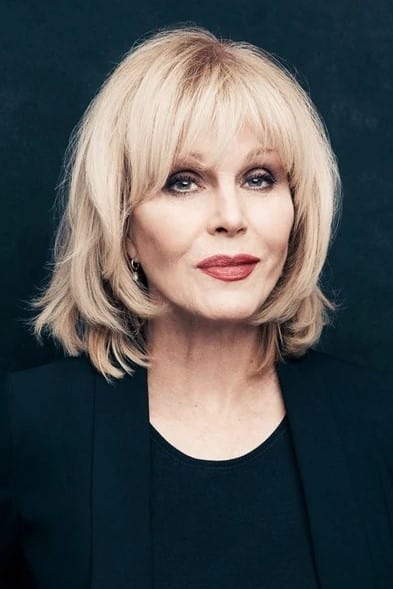
Lumley has criticized the modern “victimhood culture” she believes has taken over the entertainment industry and society. She advised actresses to toughen up and not jump on the bandwagon of social grievances. Lumley’s “keep calm and carry on” attitude rejects the validity of many modern complaints regarding on-set treatment and representation. She views the constant focus on grievances as a regression rather than progress.
Judi Dench
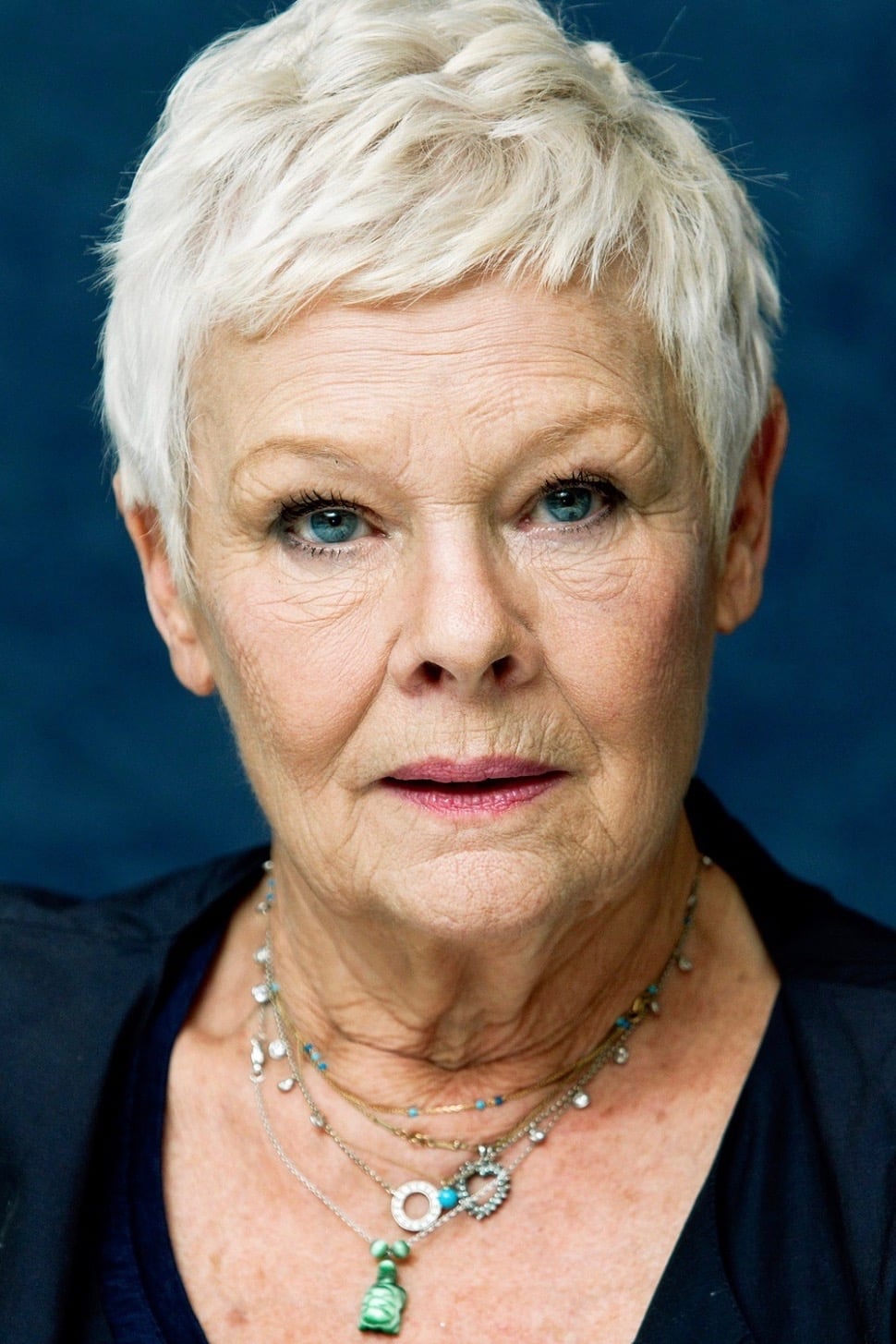
Dench publicly criticized the industry’s tendency to erase the work of artists accused of misconduct: specifically defending the output of Kevin Spacey and Harvey Weinstein. She argued that removing their work from history is a disservice to the other artists involved and to film history itself. While not defending their actions, she opposed the “cancellation” initiatives that seek to scrub controversial figures from the record. Her stance prioritizes the preservation of art over the punitive measures of social justice.
Drea de Matteo
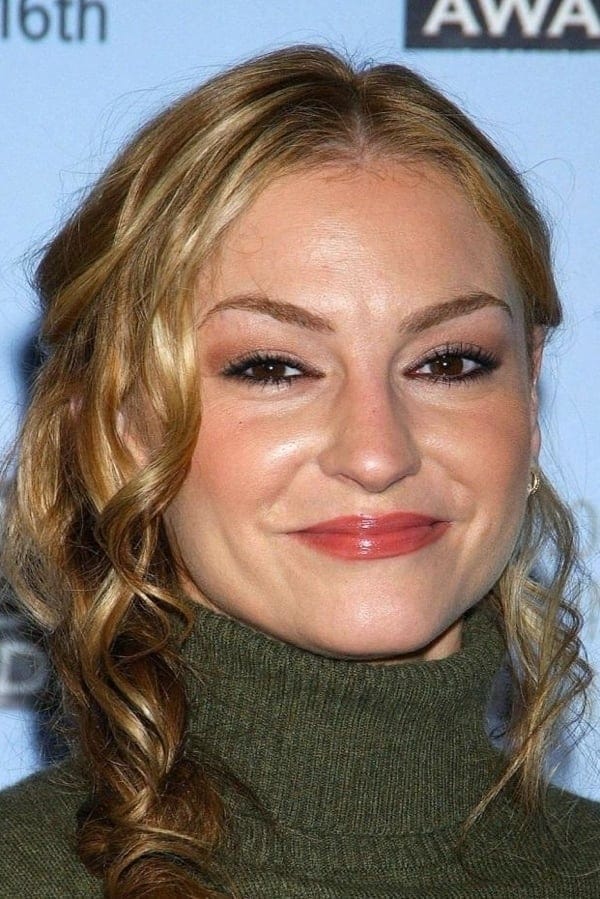
De Matteo became a vocal critic of Hollywood’s vaccination mandates and the broader social pressures she felt the industry exerted. She has aligned herself with anti-establishment figures and criticized the “mob” mentality of the entertainment business. Her stance extends to a rejection of the corporate liberalism that drives many diversity and compliance initiatives. She argues for individual freedom over collective industry mandates.
Janine Turner
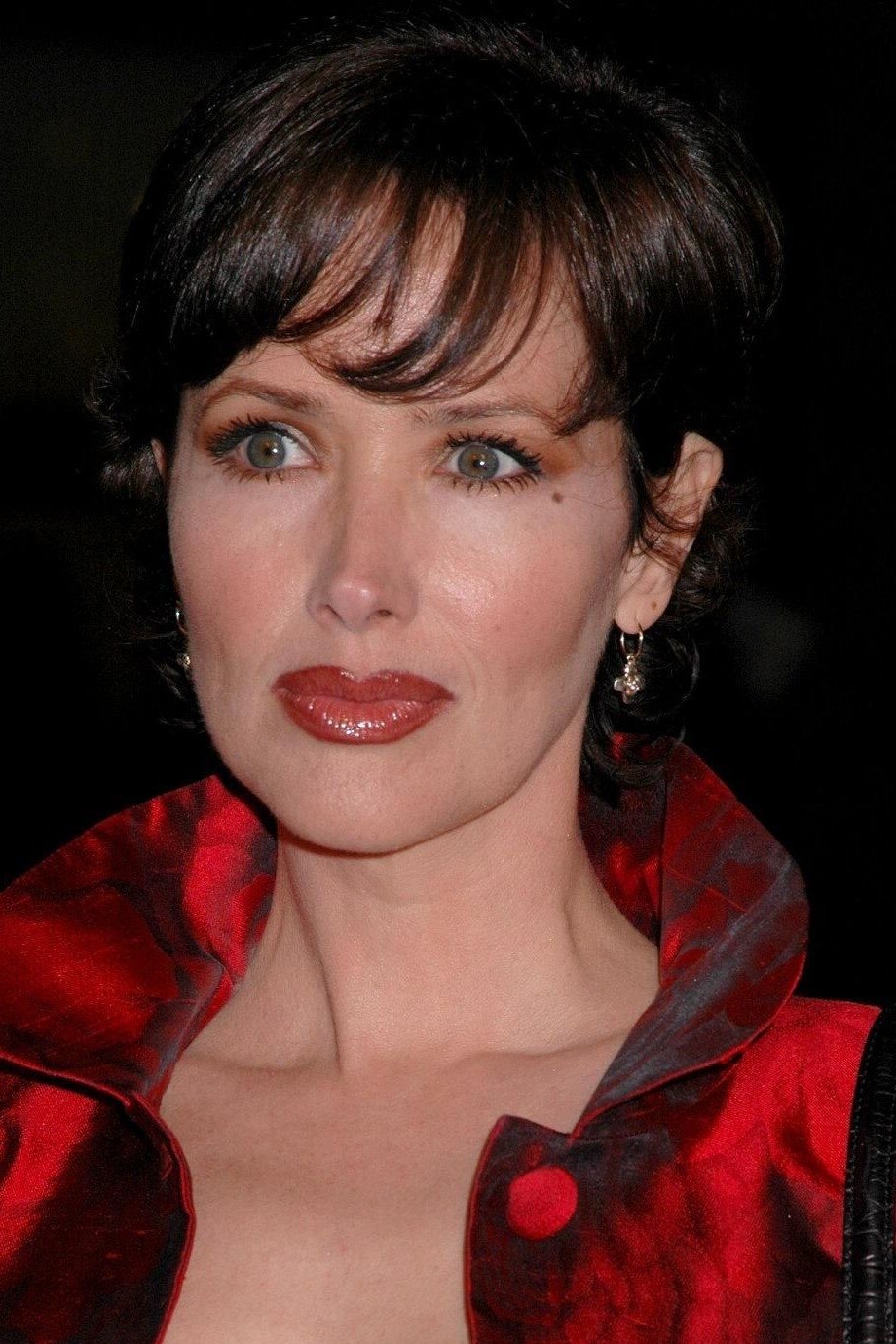
Turner is a conservative activist who has long argued that Hollywood discriminates against those who do not share its liberal worldview. She has criticized the lack of ideological diversity in the industry and the exclusion of faith-based perspectives. Turner advocates for a return to traditional American values in storytelling rather than the progressive themes currently favored. She views the current diversity initiatives as exclusionary toward conservative thought.
Patricia Heaton
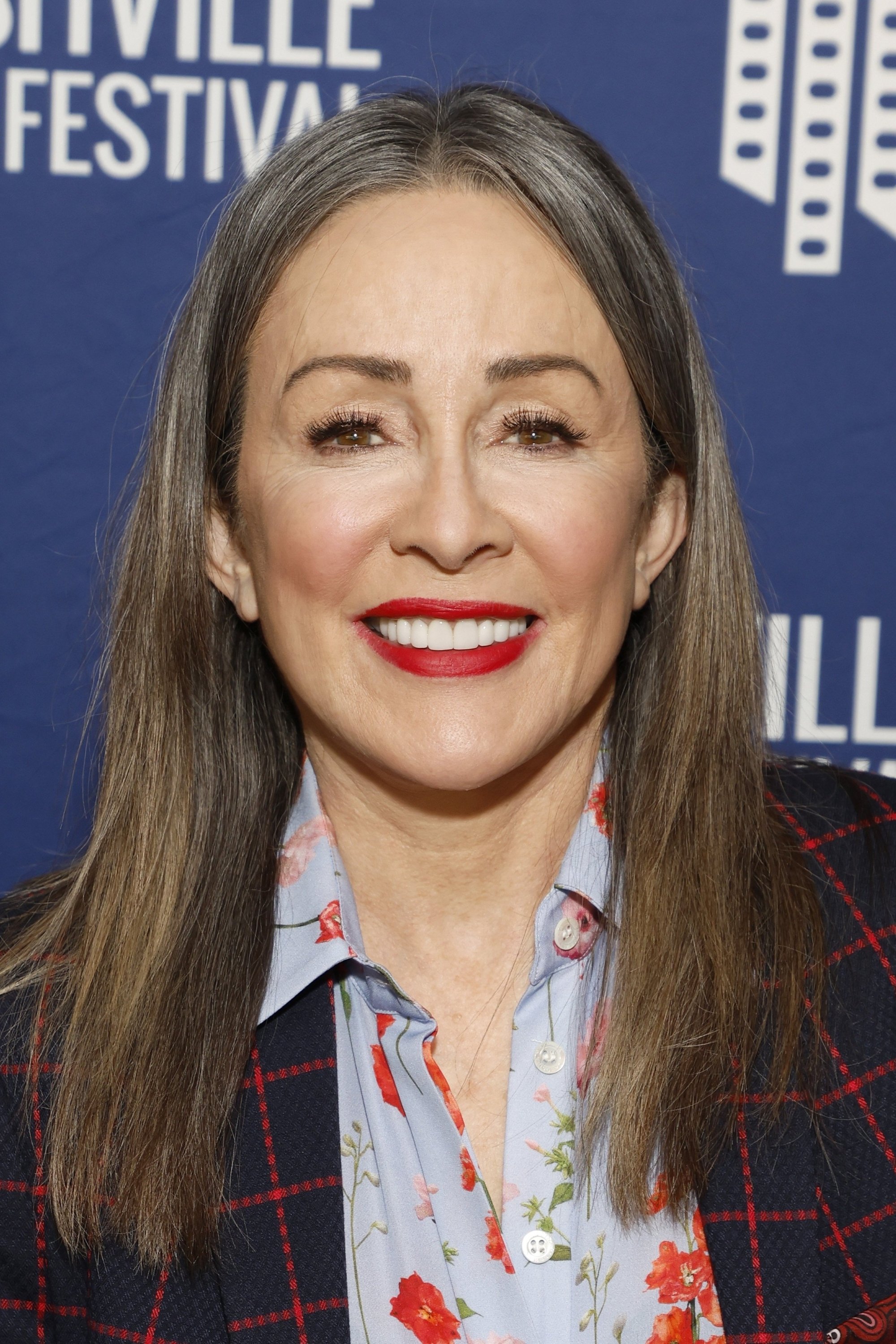
Heaton has frequently criticized the content produced by Disney and Pixar: specifically questioning the inclusion of certain characters in ‘Lightyear’ (2022). She argued that the company was casting aside established narratives to push a social agenda that alienated audiences. Heaton advocates for entertainment that respects traditional family values and avoids inserting modern identity politics. Her criticism is directed at the corporate strategy of embedding diversity initiatives into children’s programming.
Angie Harmon
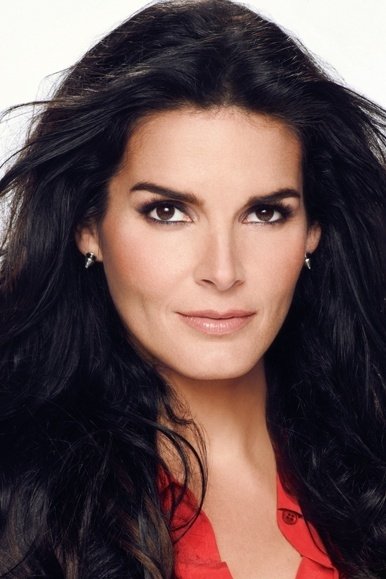
Harmon has spoken about the difficulty of being a conservative in Hollywood and the bias she faces for her beliefs. She has criticized the feminism of the modern industry: arguing that it is not truly inclusive if it rejects conservative women. Harmon believes that real diversity should include diversity of thought and political affiliation. Her comments highlight the tension between political diversity and the identity-based diversity the industry prioritizes.
Rose McGowan

While a key figure in starting the #MeToo movement, McGowan heavily criticized the “Time’s Up” initiative and the Hollywood elite for what she called fake activism. She famously called the actresses wearing black at the Golden Globes hypocrites for their silence in previous years. McGowan argued that the industry’s organized diversity and safety initiatives were PR stunts rather than genuine change. Her conflict was with the corporate co-opting of the movement she helped build.
Mayim Bialik
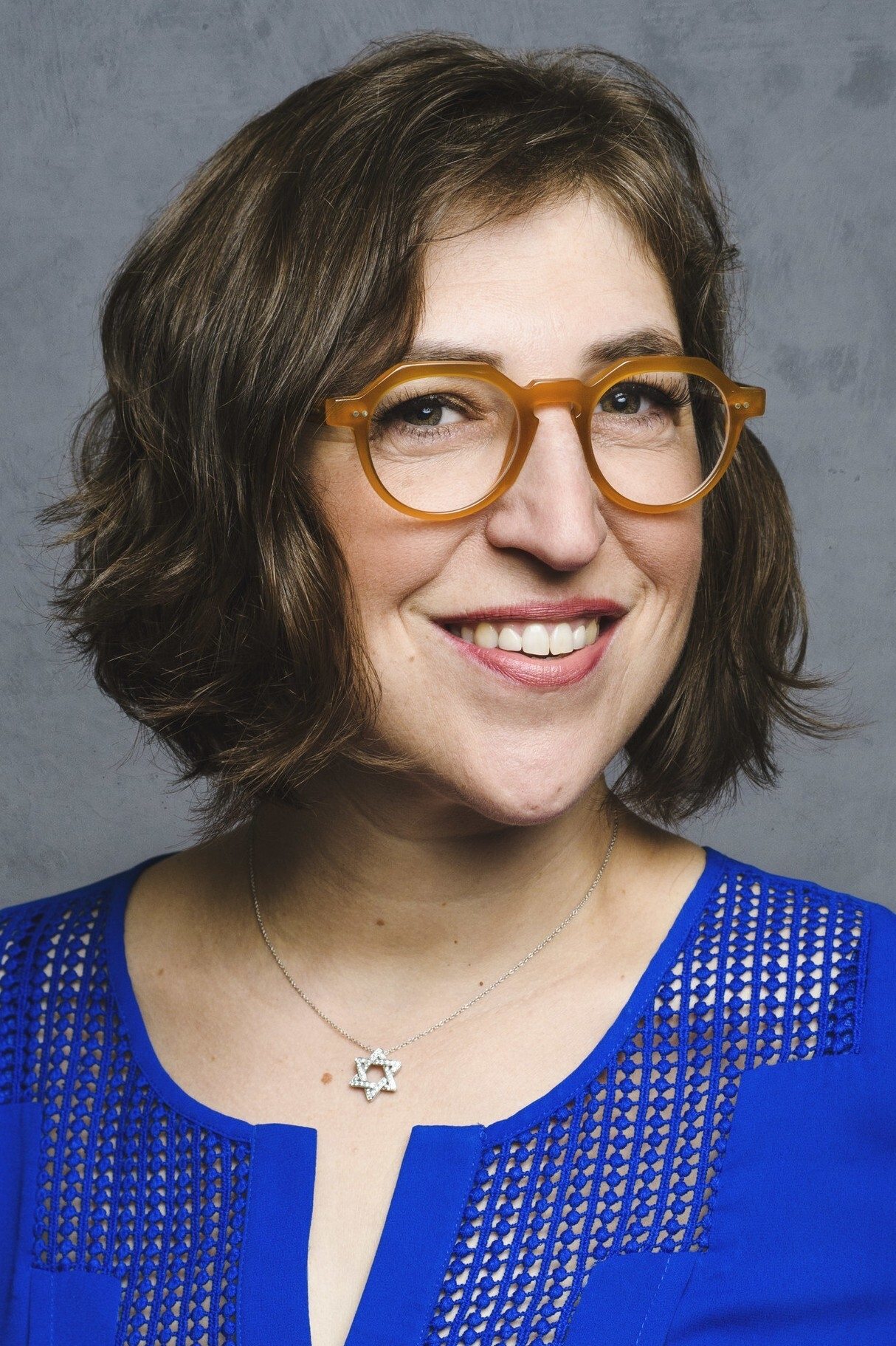
Bialik wrote an op-ed for the New York Times regarding the Harvey Weinstein allegations that sparked a massive backlash. She suggested that her choices to dress modestly and not flirt helped protect her from the industry’s predatory behavior. Critics argued this was victim-blaming and undermined the initiative to hold predators accountable regardless of a woman’s behavior. Bialik defended her perspective as a personal choice but it clashed with the movement’s core message of unconditional safety.
Patti LuPone
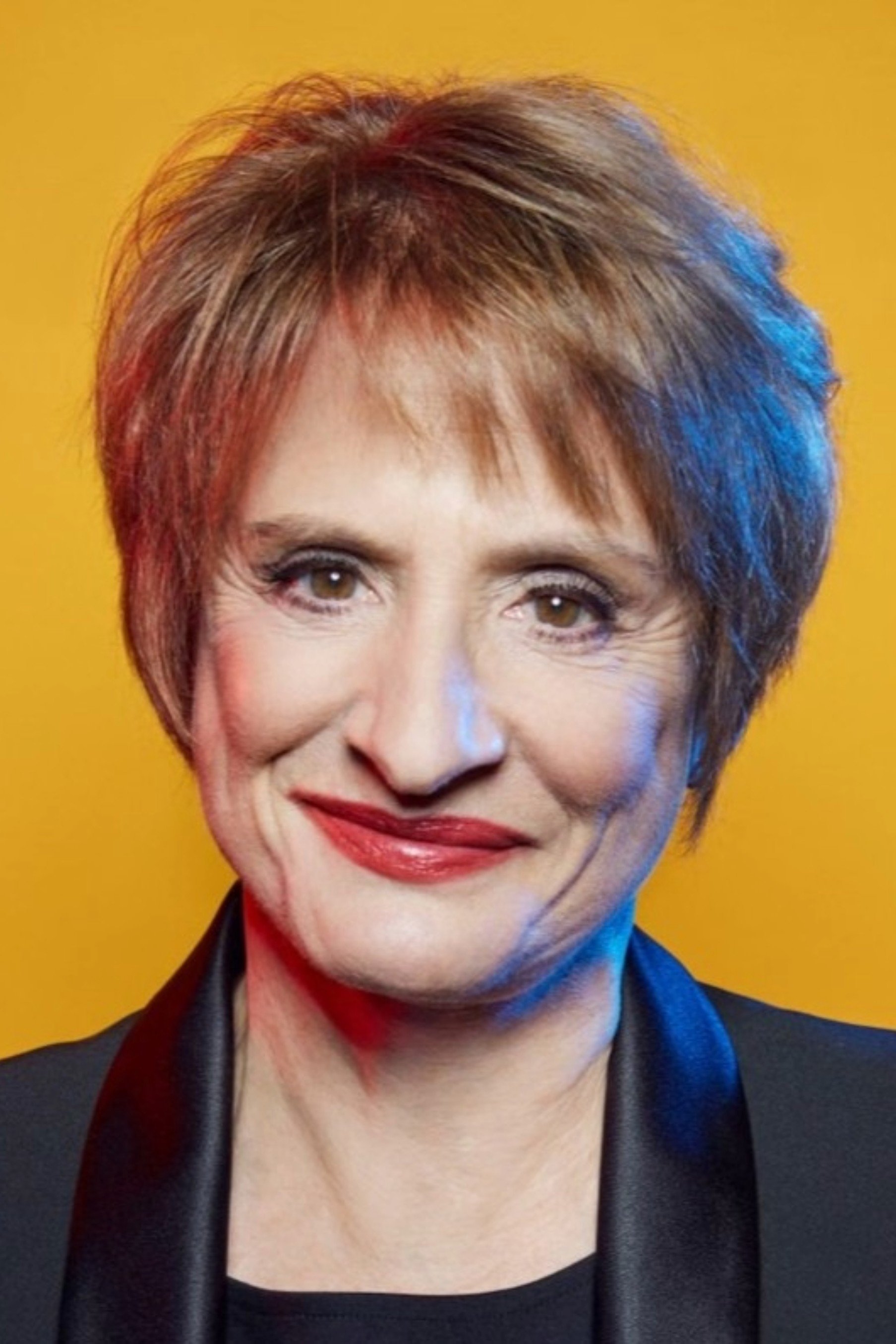
LuPone faced criticism for her comments regarding the casting of Kim Kardashian in ‘American Horror Story’ (2011–Present). She argued that roles should go to trained actors and that stunt casting takes jobs away from those who have dedicated their lives to the craft. While her argument was based on merit and training, it clashed with the trend of inclusive casting that seeks to bring in diverse figures from other mediums. LuPone’s stance prioritizes traditional theatrical hierarchy over populist casting trends.
Whoopi Goldberg
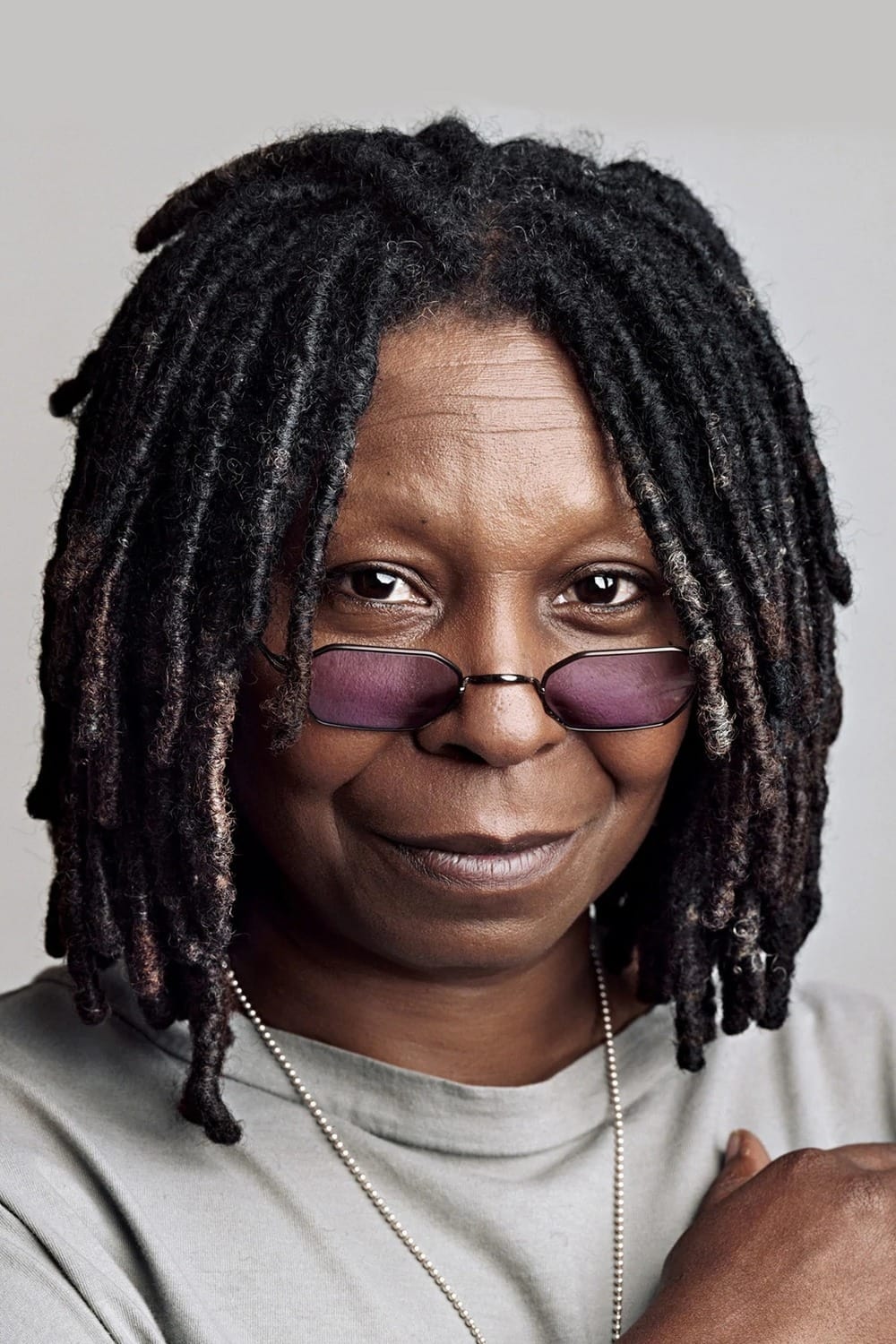
Goldberg faced a suspension from ‘The View’ after claiming that the Holocaust was not about race but about man’s inhumanity to man. Her comments were criticized for displaying a lack of understanding regarding the racial nature of antisemitism. The incident highlighted a blind spot in her definition of racism and diversity. She apologized, but the moment served as a flashpoint in the discussion about how different minority groups define and recognize discrimination.
Please share your thoughts on these actresses and their stances in the comments.