


Actresses Who Don’t Support Method Acting




Method acting is a controversial technique where performers stay in character even when the cameras stop rolling. This approach often involves extreme physical transformations or psychological immersion that can blur the lines between reality and fiction. Many celebrated actresses have publicly rejected this style in favor of more technical or instinctual approaches. They argue that acting should be a craft that can be turned on and off without personal torment. These women believe that excellent performances do not require a toll on their mental health or personal lives.
Charlize Theron
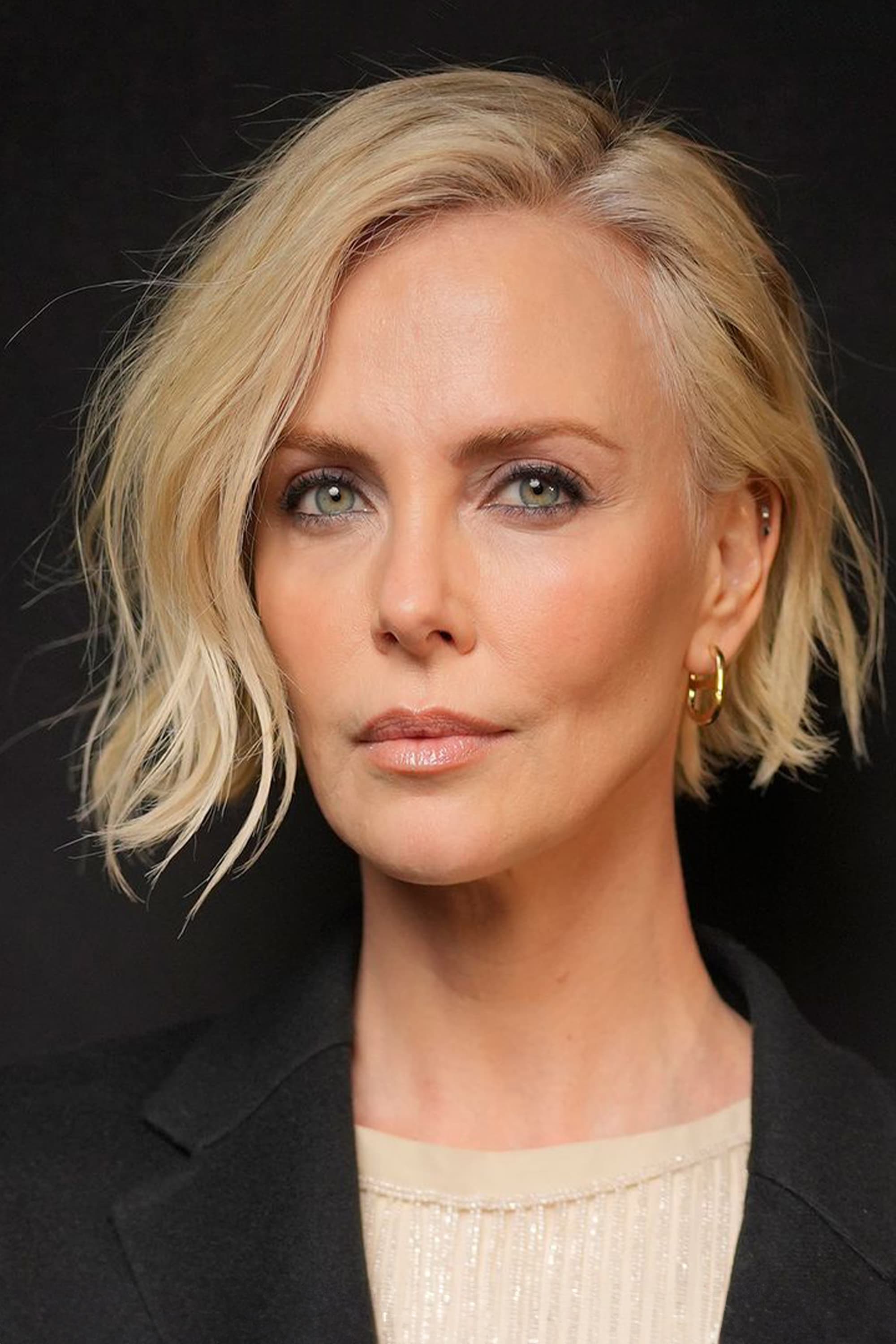
Theron famously transformed physically for her role in ‘Monster’ but she does not subscribe to method acting in her daily process. She admitted to trying the technique early in her career for ‘The Devil’s Advocate’ and found it exhausting and miserable. The actress now prefers to leave her character on the set and return to her own life immediately after a take. Theron believes that having a clear separation allows her to dive deeper into dark material without losing herself. Her approach relies on intense focus during filming rather than prolonged immersion.
Toni Collette
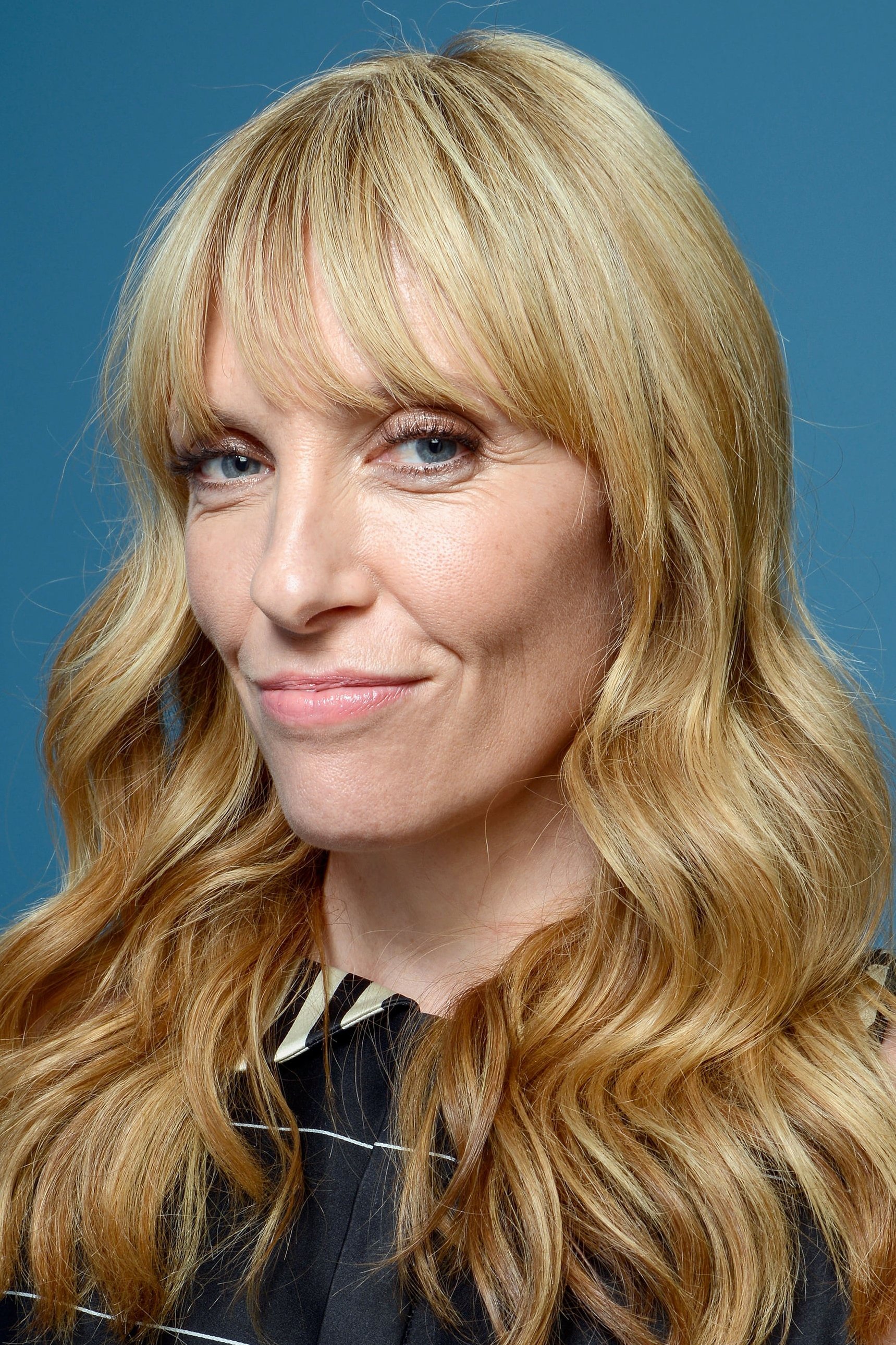
This Australian actress has expressed strong disdain for the concept of method acting in various interviews. Collette has labeled the practice as self-indulgent and unnecessary for delivering a believable performance. She emphasizes that acting is about imagination and empathy rather than living through the actual trauma of a character. Her vast range of roles demonstrates that she can achieve emotional depth without staying in character off-camera. Collette maintains a healthy boundary between her professional work and her personal identity.
Natalie Portman
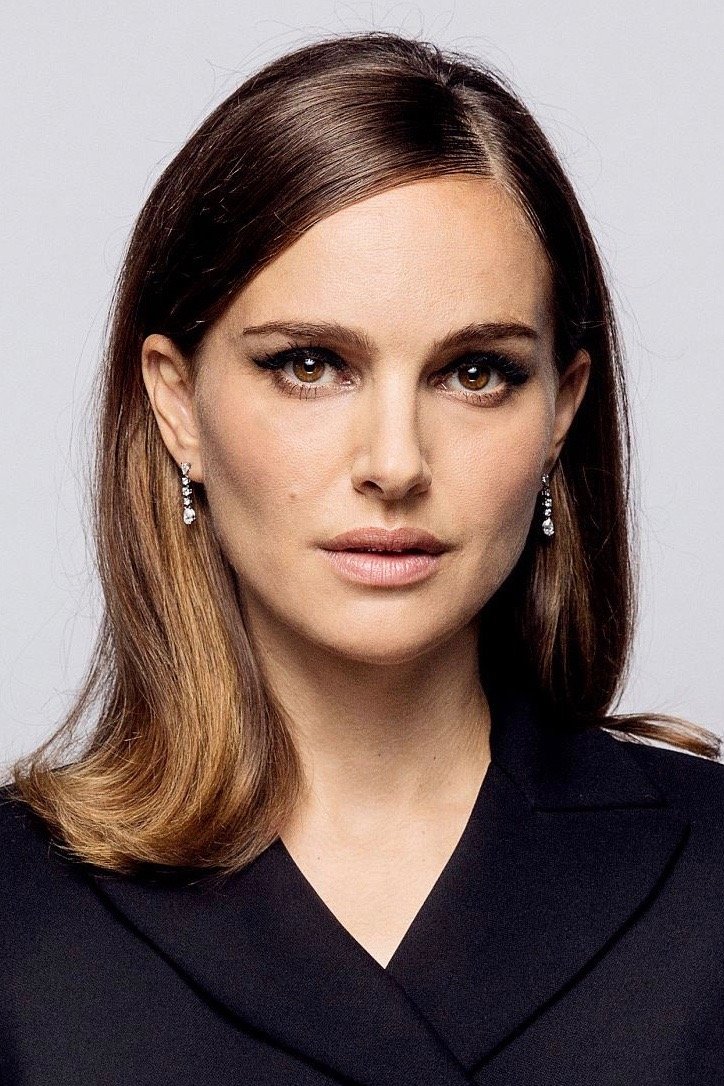
Portman has stated that method acting is a luxury that women cannot afford due to their familial responsibilities. She explained that she needs to switch off her character duties to attend to her children and partner at home. The actress rarely attempts to stay in character between takes and prefers to snap in and out of the role. Her performance in ‘Black Swan’ required intense physical training but she did not adopt the method lifestyle. Portman relies on rigorous preparation and research rather than psychological immersion.
Meryl Streep
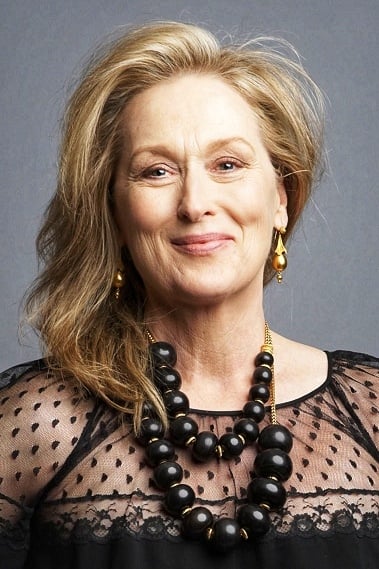
Streep is widely considered one of the greatest living actresses but she famously regretted her one attempt at method acting. She utilized the technique while playing Miranda Priestly in ‘The Devil Wears Prada’ to maintain an icy distance from her co-stars. The experience left her feeling isolated and miserable in her trailer while the rest of the cast bonded. She vowed never to use the method approach again after that production concluded. Streep now relies on her technical mastery and instant ability to access emotions.
Viola Davis
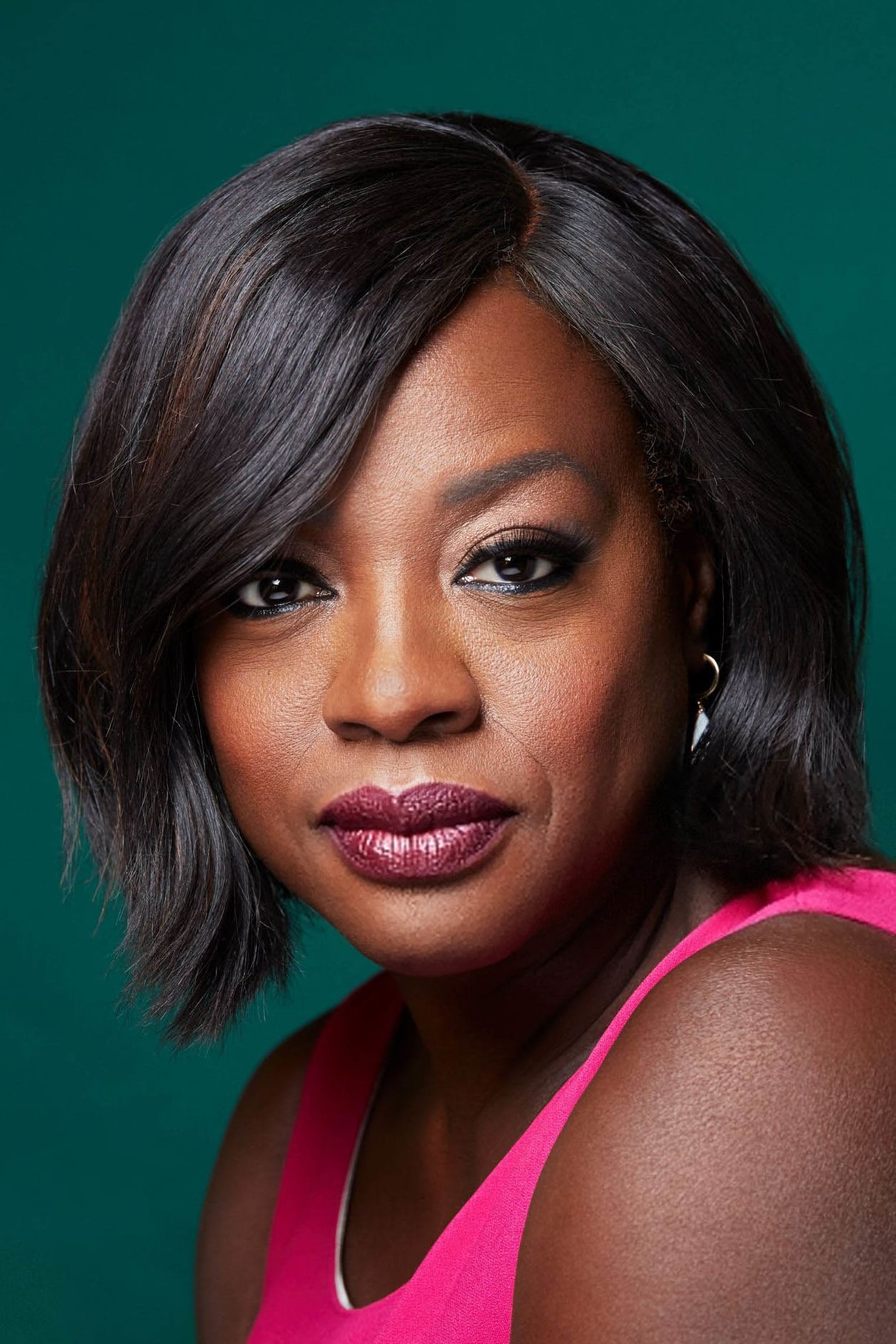
Davis is a Juilliard-trained actress who respects the craft but does not practice full method immersion. She uses a more technical approach that involves breath work and meticulous script analysis to find her character. The actress believes in creating a distinct boundary so she can return home to her family without carrying the weight of her roles. Davis has stated that she does not need to live as the character to understand their pain. Her powerful performances come from deep empathy and technical precision.
Jennifer Lawrence
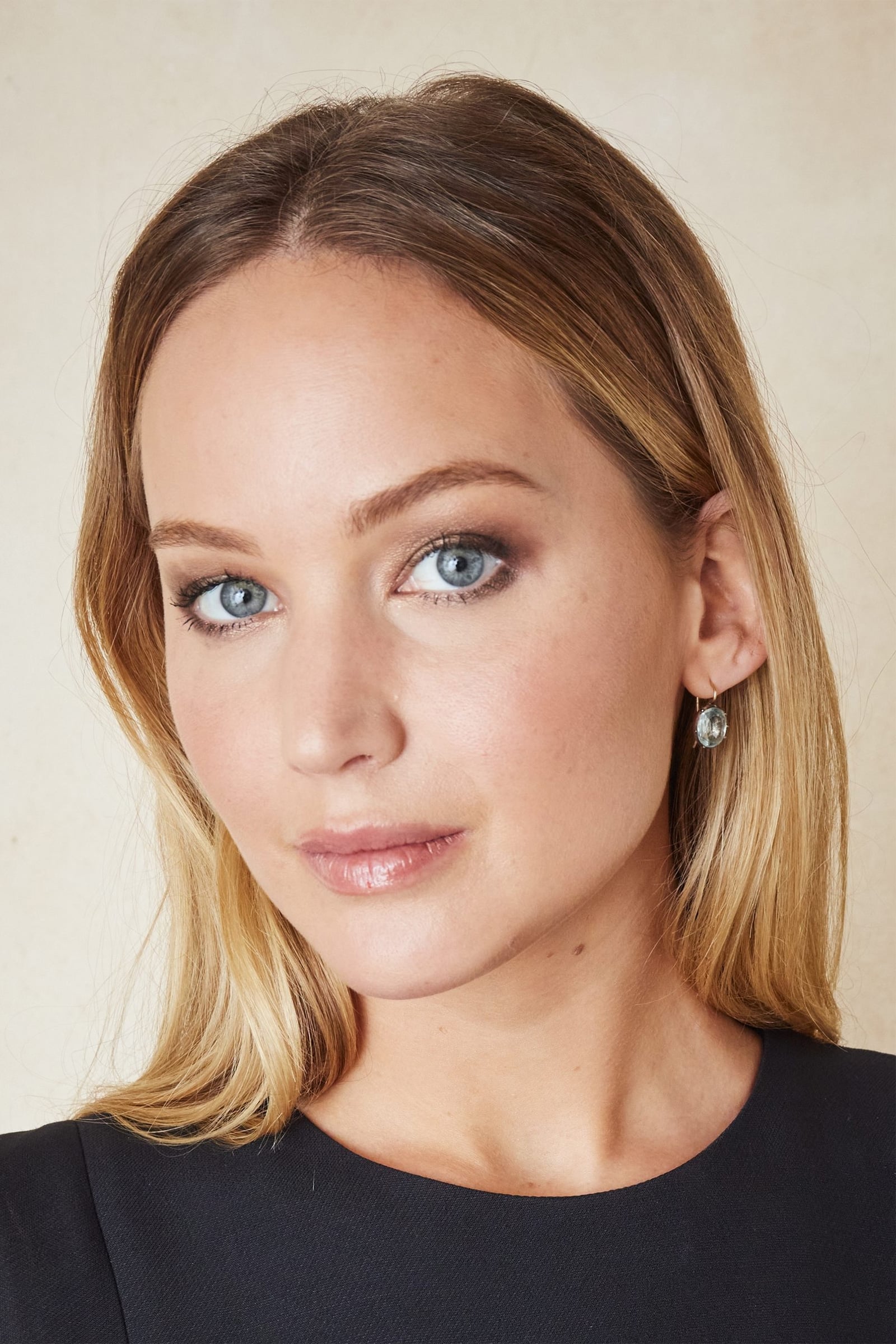
Lawrence has openly expressed her nervousness around actors who stay in character at all times. She prefers the approach of her co-star Christian Bale who can switch into character seconds before the director calls action. The actress finds it difficult to communicate with colleagues who refuse to break character between scenes. She relies on her natural instincts and ability to access emotions quickly without prolonged preparation. Lawrence views acting as a job that should not consume her entire existence.
Cate Blanchett
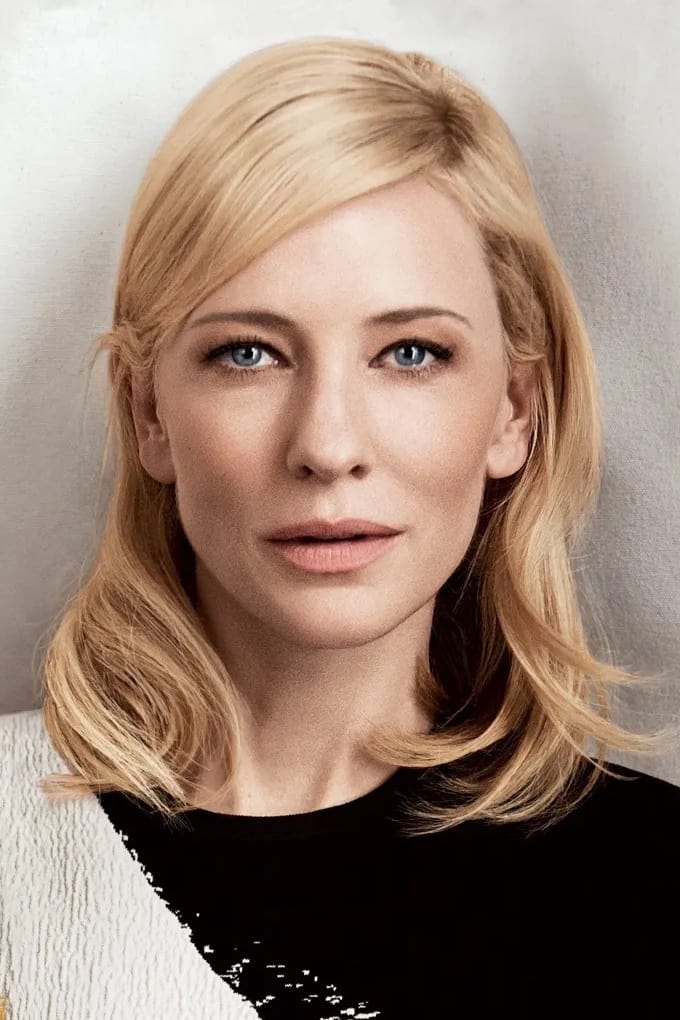
Blanchett views acting as a process of creating an illusion rather than living a reality. She has stated that she does not take her work home with her and prioritizes her sanity and family life. The actress believes the method is not for her and prefers to rely on her imagination and the script. She creates distinct physicalities for her characters without needing to inhabit their psyche off-screen. Blanchett maintains a professional distance that allows her to play a wide variety of roles effectively.
Florence Pugh

Pugh has criticized the idea that actors must be in pain to deliver a quality performance. She noted that she abused herself mentally for her role in ‘Midsommar’ but later realized such extreme measures were unnecessary. The actress believes acting should be a job that one can step away from at the end of the day. She advocates for a healthier approach where performers protect their mental well-being. Pugh proves that intense emotional work can be achieved without method techniques.
Julia Roberts
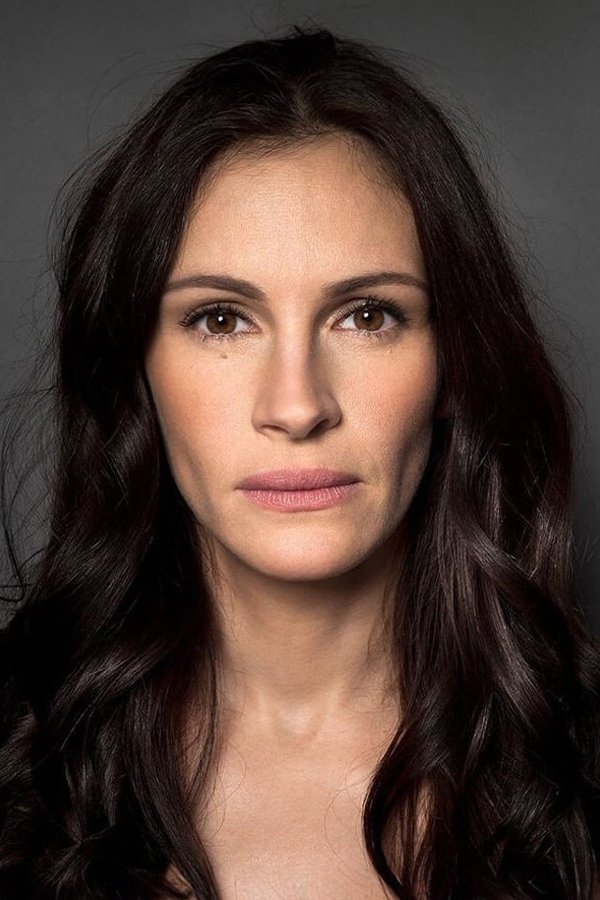
Roberts has explicitly stated that she would never try method acting because it looks too exhausting. She jokes that she admires the intensity of others but prefers to put the bag down when the work is done. The actress relies on her instincts and natural charisma to bring characters to life. She believes in being present in the moment during a scene rather than living the role 24/7. Roberts maintains a lighthearted energy on set and leaves the drama for the camera.
Rachel Weisz
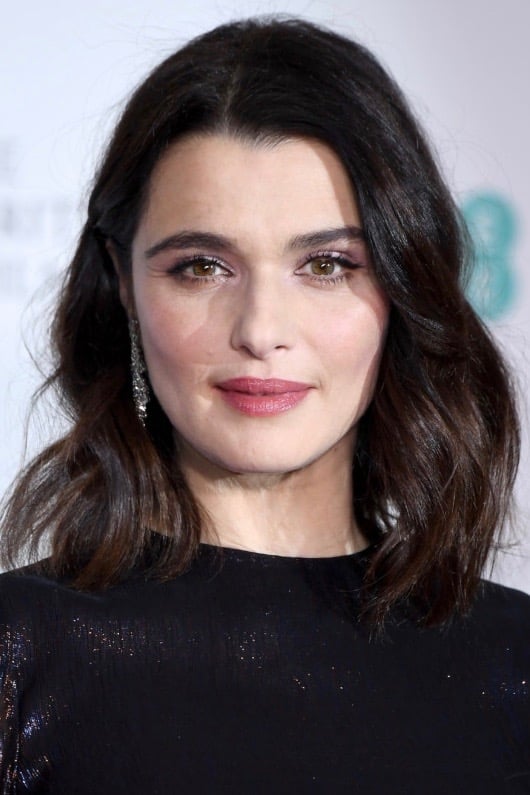
Weisz approaches acting as a constant process of discovery rather than a rigid system of immersion. She has admitted that she often does not know exactly how she will play a scene until she is in it. The actress prepares by reading the script repeatedly but avoids staying in character off-camera. Weisz believes in the suspension of disbelief and the power of imagination over lived experience. Her performances are grounded in the text and the immediate interaction with her co-stars.
Elizabeth Olsen

Olsen has bluntly stated that she is not a method actor and finds the concept unappealing. She believes that acting requires a level of control and technical awareness that method acting can sometimes obscure. The actress focuses on preparation and understanding the story rather than losing herself in a role. She values a collaborative environment where she can communicate normally with her castmates. Olsen prefers to treat acting as a professional discipline rather than a lifestyle.
Glenn Close
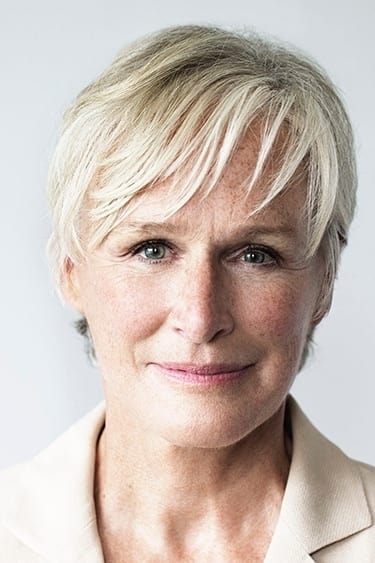
Close has described good acting as a magician’s trick rather than a result of deep psychological immersion. She views the craft as a way to make the audience believe in the illusion without the actor losing touch with reality. The actress relies on the text and her imagination to build her characters. She finds the technical aspects of filmmaking such as hitting marks and finding the light to be just as important as emotion. Close maintains that she does not need to suffer to create art.
Sandra Bullock
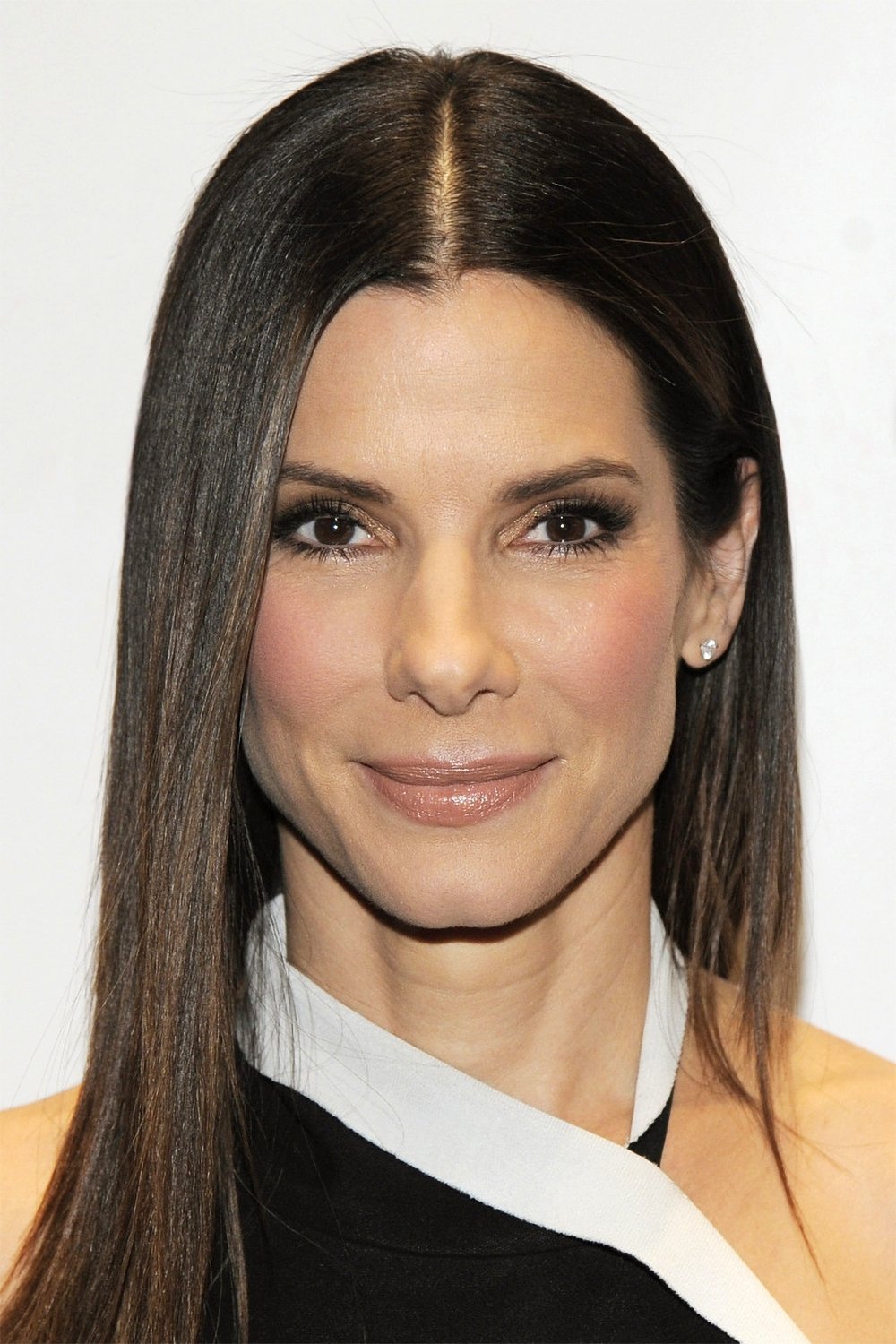
Bullock is known for her instinctual acting style rather than any formal method training. She believes in the reality of doing and reacting honestly in the moment. The actress often draws on her own emotions but does not stay in character when the director cuts the scene. She values spontaneity and the ability to adjust her performance based on her scene partner. Bullock approaches her work with a sense of professionalism and humor.
Helen Mirren
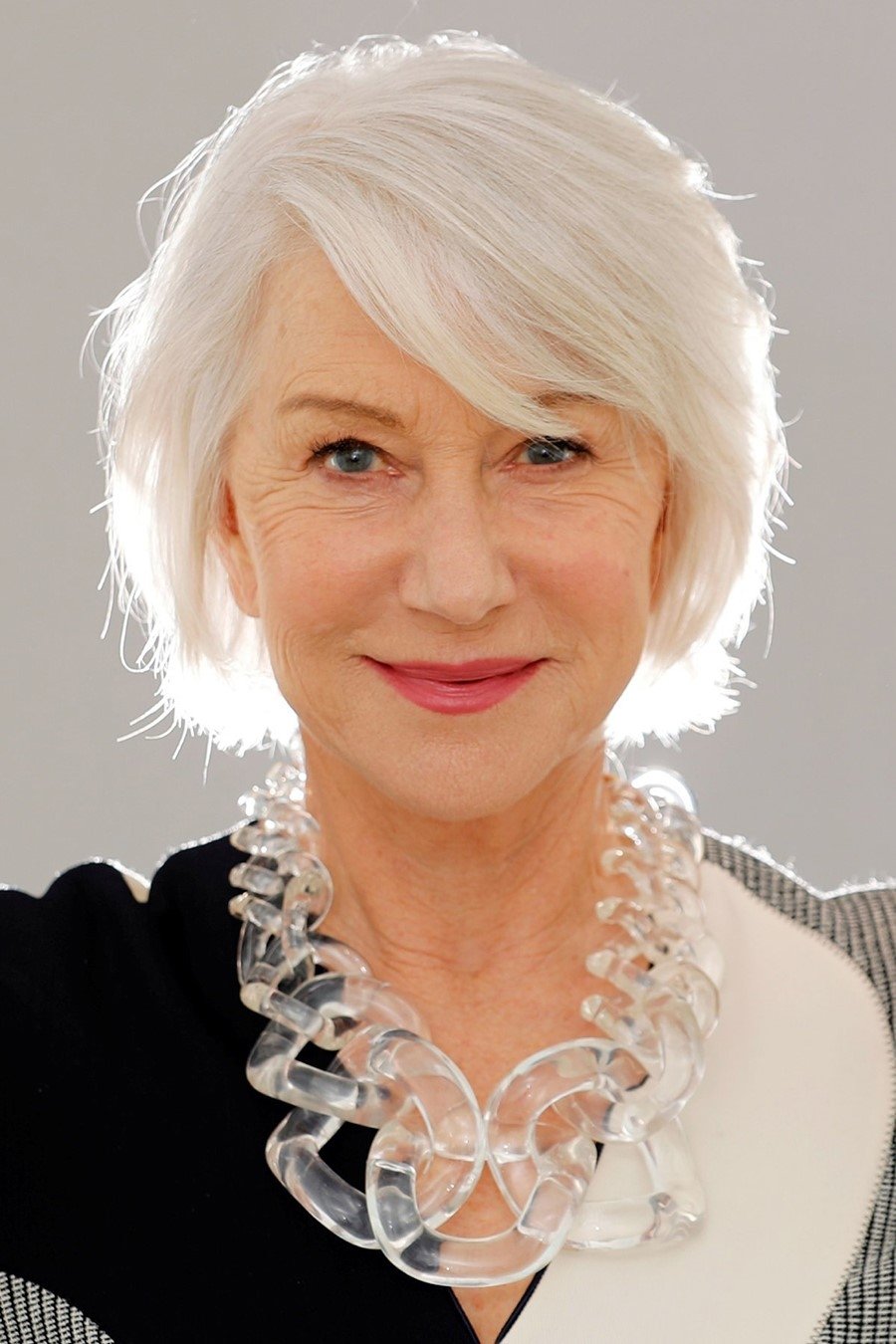
Mirren is a classically trained British actress who teaches a technical approach to film acting. She emphasizes the importance of understanding camera angles and continuity over deep emotional immersion. The actress views acting as a skill that is honed through practice and discipline. She dismisses the idea of losing oneself in a role and encourages actors to remain grounded. Mirren believes that technique allows for consistency and longevity in a career.
Emma Thompson

Thompson considers acting to be a trick of the psyche rather than a transformation of the self. She has compared the profession to a magic trick where the performer convinces the audience of a reality that does not exist. The actress relies on her intelligence and wit to construct her characters. She does not believe in taking the trauma of a role home to her personal life. Thompson approaches her work with a practical and often humorous attitude.
Olivia Colman

Colman is famous for her ability to chat about mundane topics right until the moment the camera rolls. Director Sam Mendes has confirmed that she is definitely not a method actress and does not even enjoy excessive rehearsals. She relies on her incredible natural talent and empathy to access emotions instantly. The actress prioritizes having a good time on set and maintaining a friendly atmosphere. Colman proves that profound performances can come from a place of joy rather than suffering.
Judi Dench
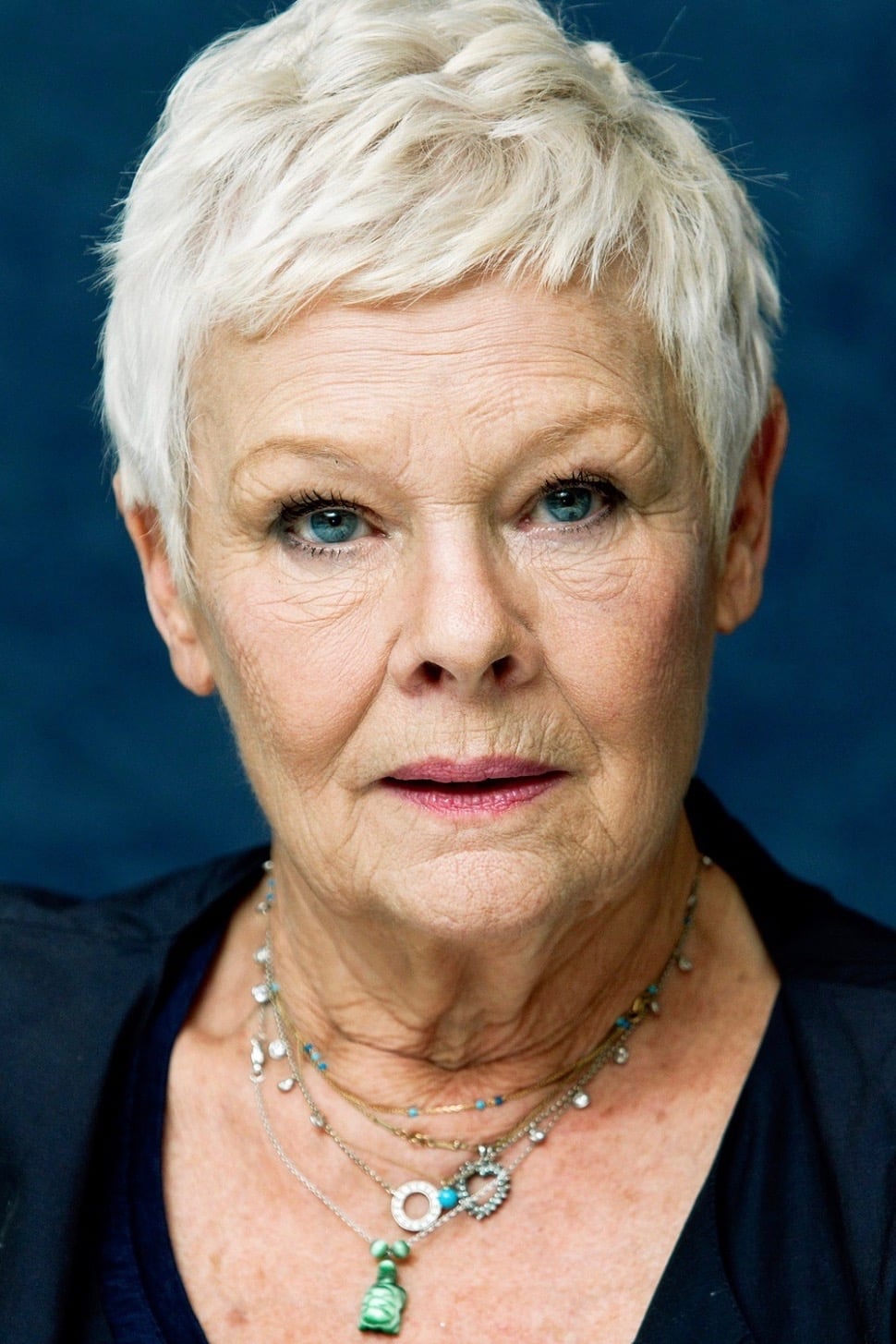
Dench is known for her no-nonsense approach to acting and her reliance on intuition. She famously does not read scripts herself anymore due to eyesight issues but learns her lines through repetition and listening. The actress dismisses the need for elaborate preparation or staying in character. She views acting as a job that requires her to walk into a room and deliver the truth of the moment. Dench relies on her vast experience and technical skill to command the screen.
Margot Robbie

Robbie uses a specific technique involving animal archetypes to find the physicality of her characters. She prepares extensively with movement coaches and dialect lessons so she can be free on set. The actress does not stay in character between takes and prefers to snap out of the role to preserve her energy. She treats acting as a technical craft that requires homework and precision. Robbie believes in doing the work beforehand so she can be spontaneous during filming.
Marion Cotillard
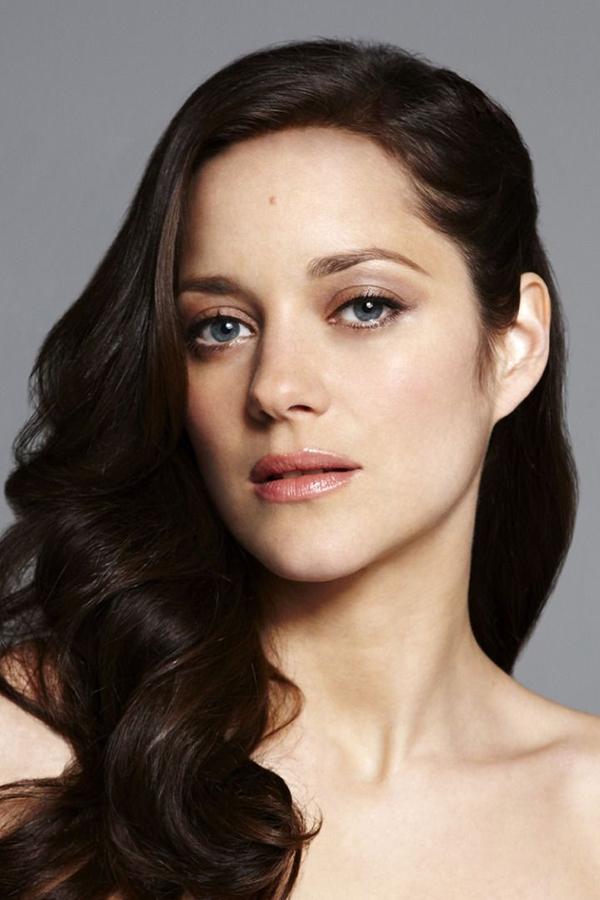
Cotillard has explicitly stated that she is not a method actor despite her intense roles. She admits that she is affected by the characters she plays but she does not intentionally stay in them. The actress believes in the importance of imagination and empathy in creating a performance. She strives to understand the character’s psychology without letting it consume her own life. Cotillard focuses on finding the truth of the character within the context of the story.
Tilda Swinton
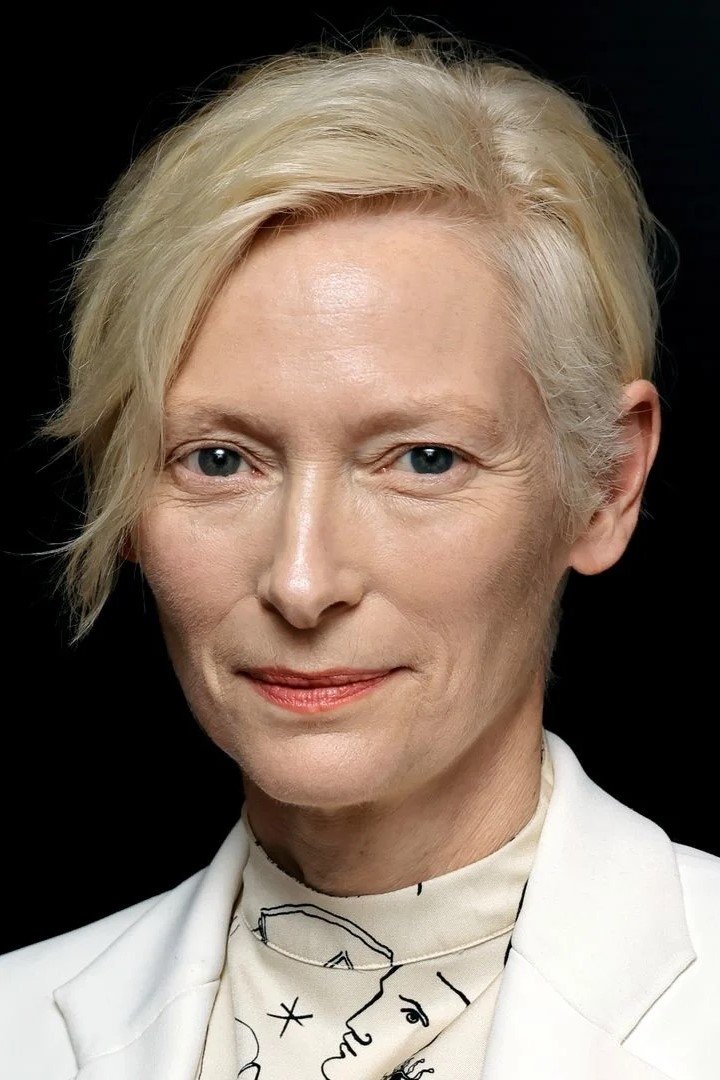
Swinton often describes herself as a performer rather than an actress and rejects standard acting labels. She approaches her roles with a focus on presence and physicality rather than psychological realism. The actress often creates distinct looks and personas that she steps into like a costume. She does not believe in the suffering artist trope and views her work as a form of play. Swinton maintains a detachment that allows her to be a chameleon on screen.
Mila Kunis

Kunis has a pragmatic view of her profession and has stated that it is called acting for a reason. She believes in living the character for the minutes the camera is rolling and then letting it go. The actress has mocked the idea of staying in character and prefers to relax with a glass of wine after work. She values her personal life and does not want her job to interfere with her happiness. Kunis relies on her natural instincts and charisma to carry her roles.
Amanda Seyfried
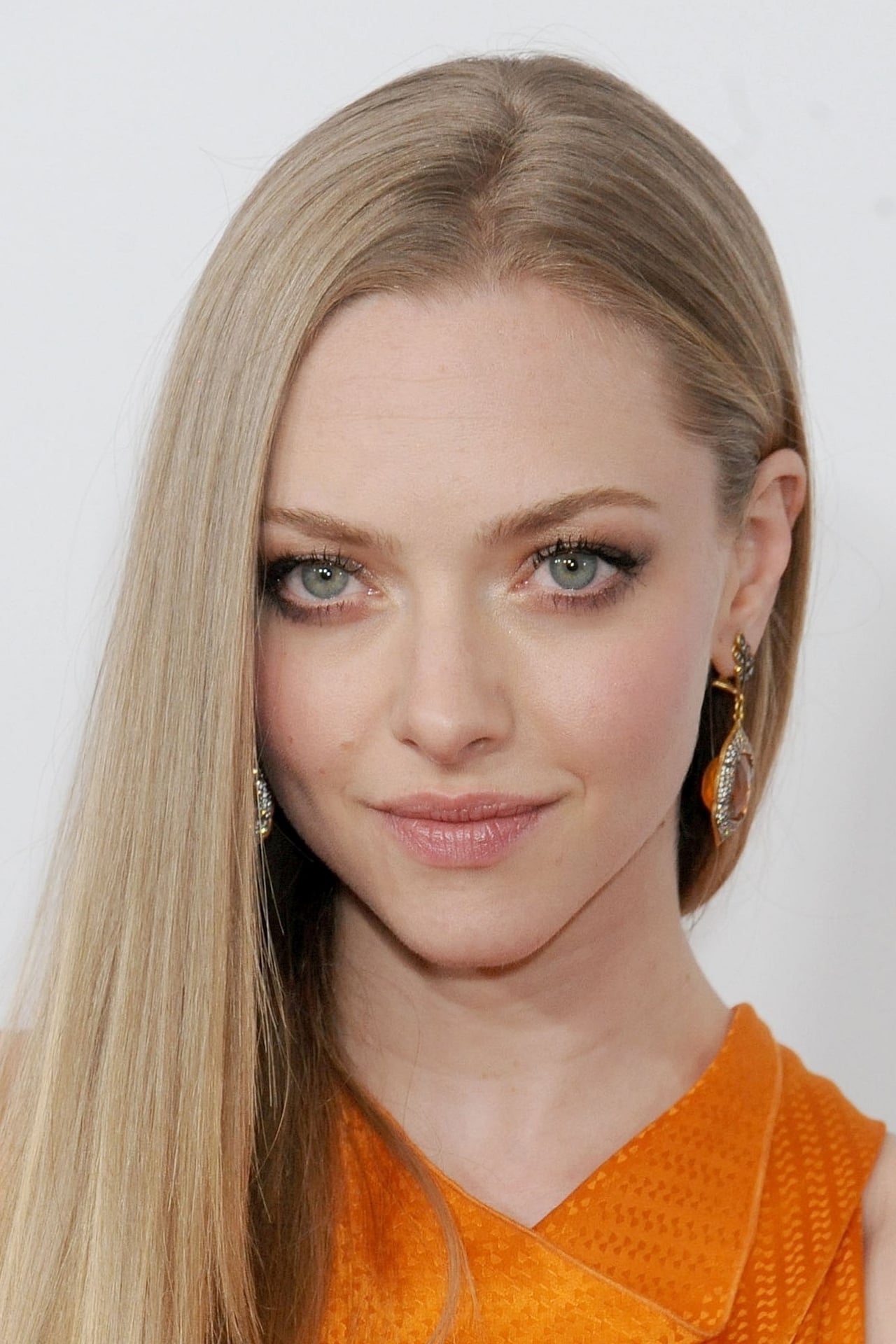
Seyfried has noted that she does not need to build a world around herself to perform effectively. She believes that all an actor needs is preparation and respect for the script and directors. The actress approaches her work with a healthy level of detachment and refuses to stress herself out unnecessarily. She finds that being present and listening to her co-stars is more effective than deep immersion. Seyfried proves that a relaxed approach can yield powerful results.
Blake Lively
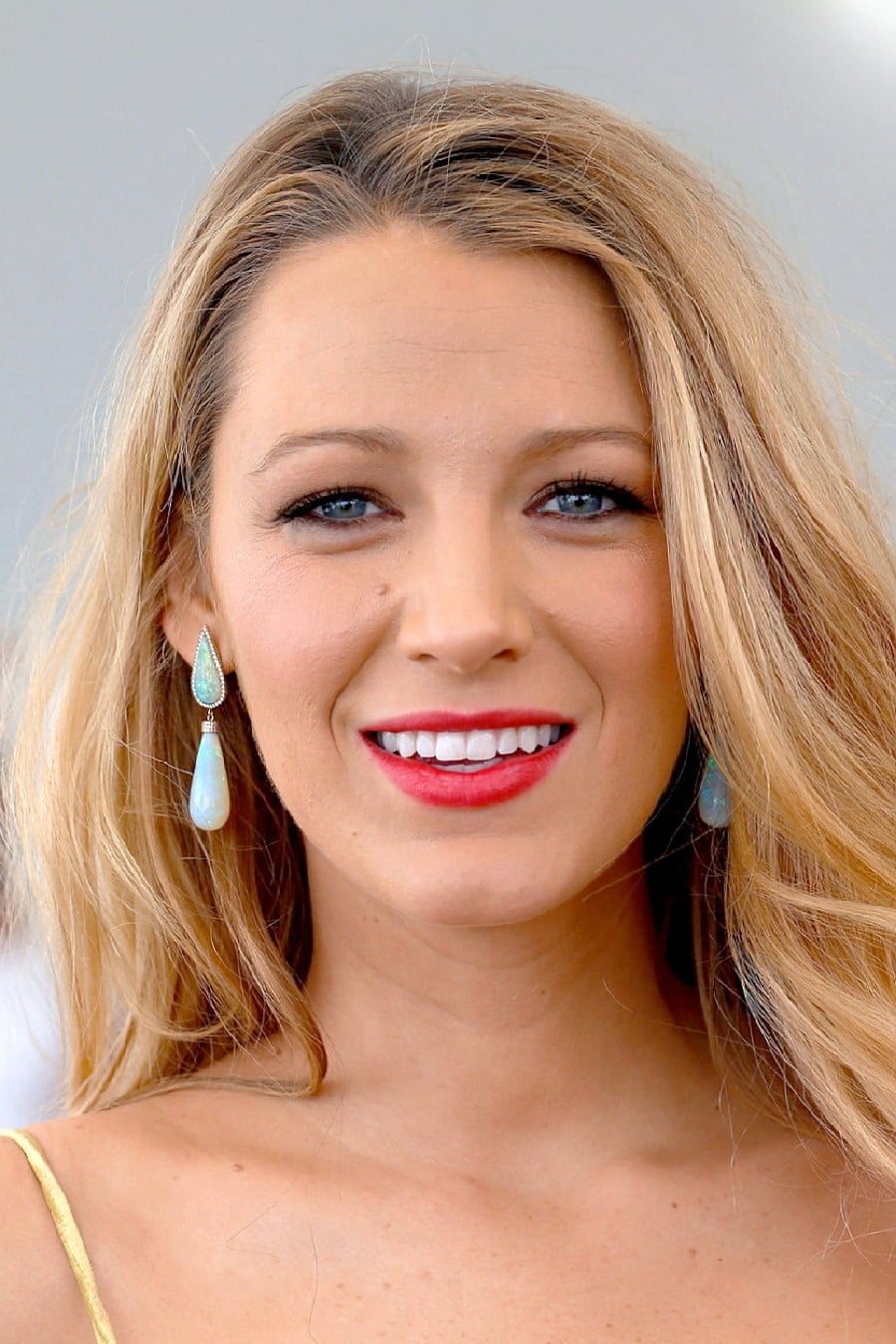
Lively does not subscribe to method acting and often plays roles that rely on her natural charm and presence. She views acting as a collaborative process that involves hair, makeup, and costuming as much as performance. The actress does not attempt to live as her characters and maintains a clear separation from her work. She has faced criticism for her lighthearted approach to press tours but remains consistent in her boundaries. Lively prioritizes her business ventures and family alongside her acting career.
Amy Adams
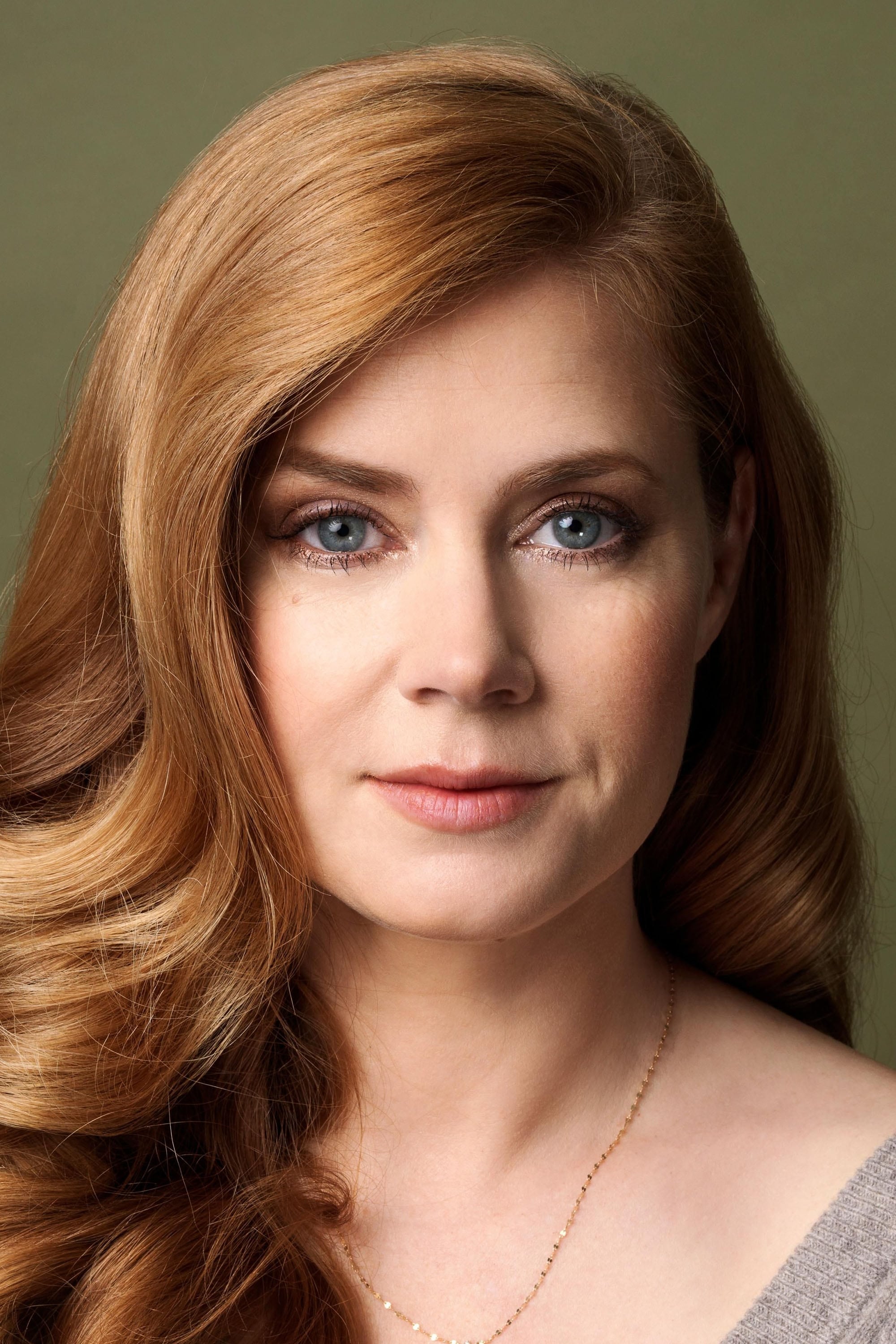
Adams has clarified that she does not consider herself a method actor despite her emotionally demanding roles. She tries to make her characters feel real and relatable but does not stay in their headspace off-set. The actress uses her own experiences to connect with the material without losing her identity. She believes in the importance of empathy and understanding human behavior. Adams relies on her ability to access deep emotions while maintaining technical control.
Jessica Chastain
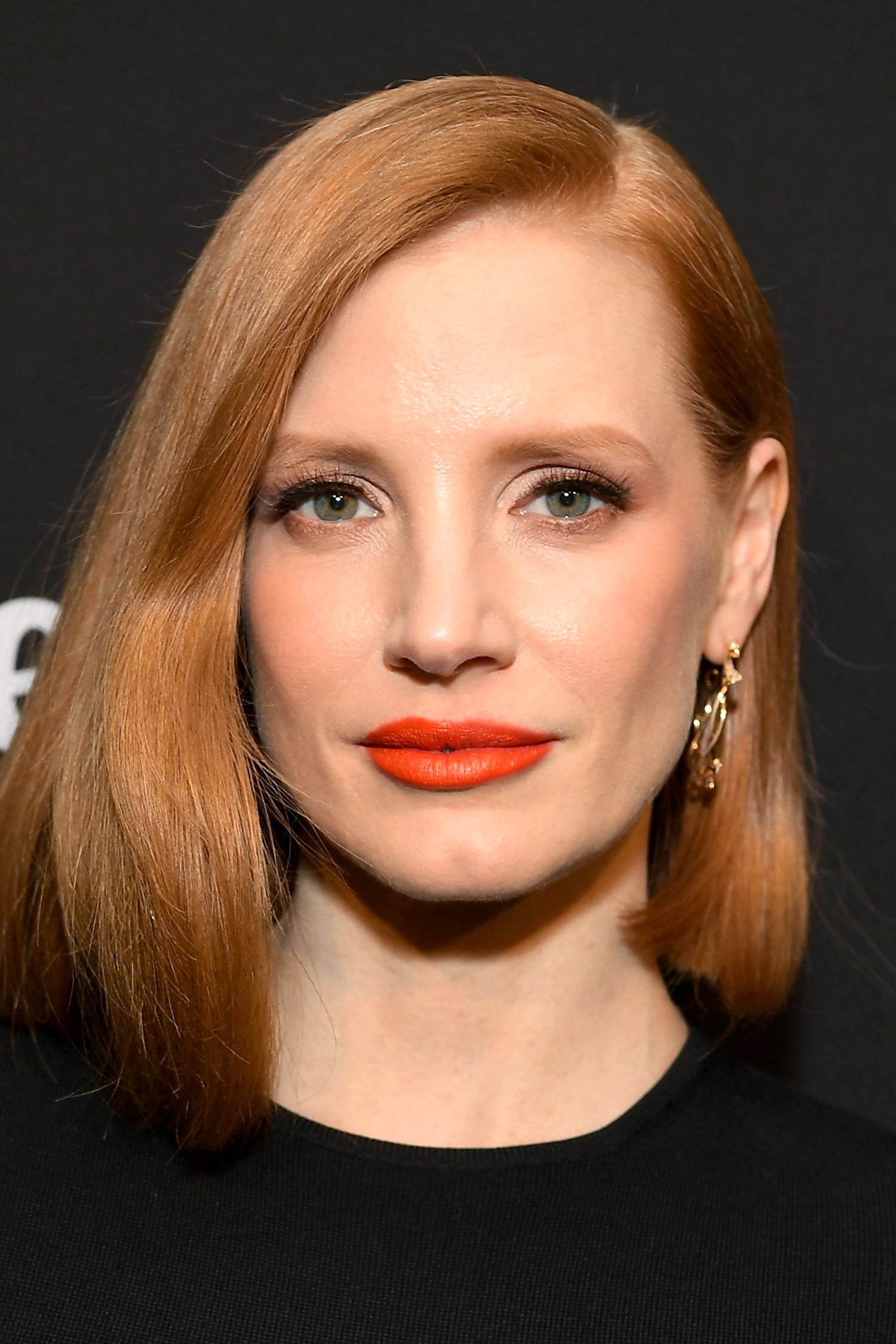
Chastain is a Juilliard-trained actress who values rigorous preparation and research over method immersion. She works incredibly hard to understand the history and psychology of her characters before filming begins. The actress views acting as a discipline that requires focus and dedication but not madness. She creates a boundary that allows her to step away from the intensity of her roles. Chastain believes that technique provides the safety net needed for emotional risk-taking.
Emily Blunt
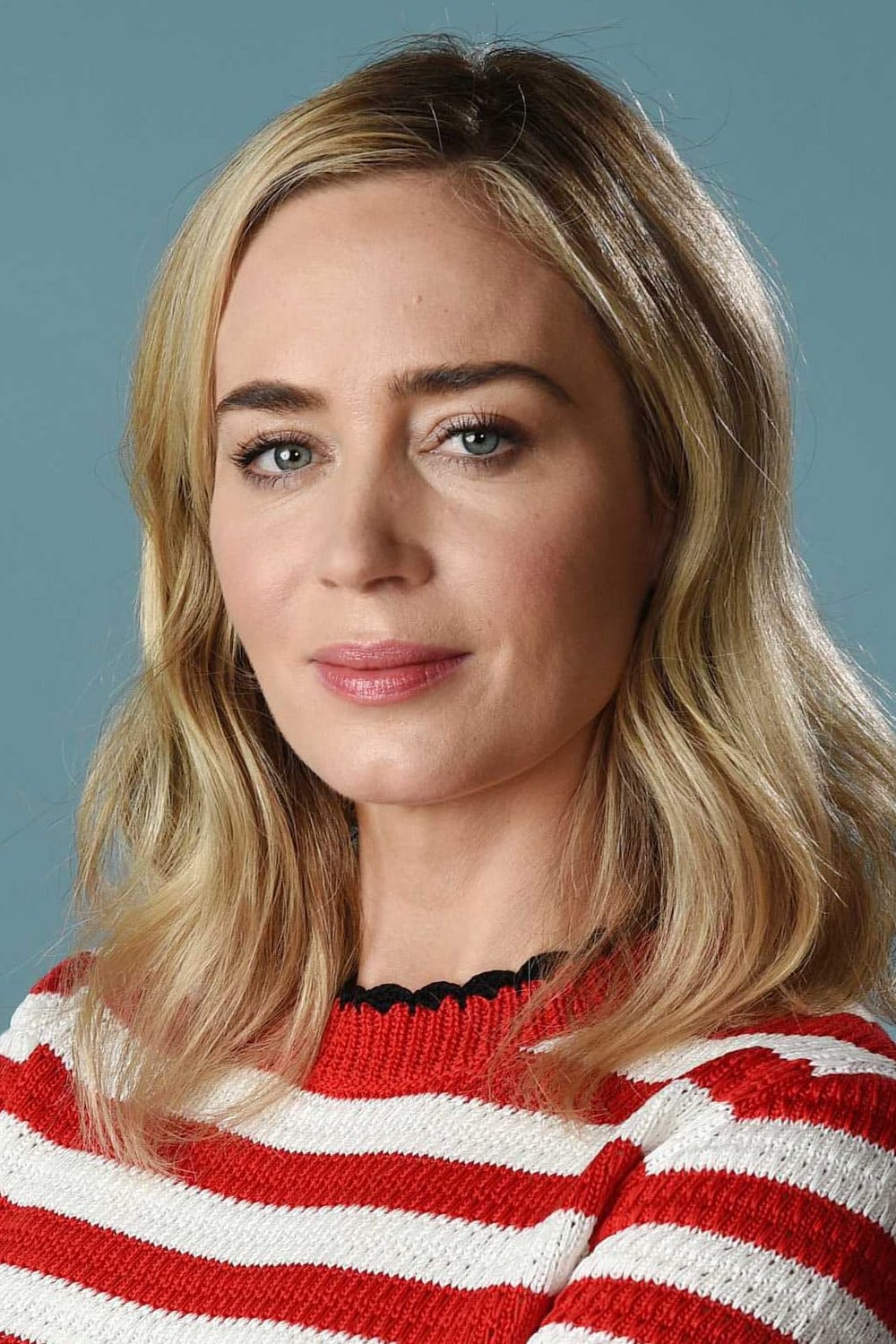
Blunt has described her acting process as switching a light on and off. She prefers to joke around with the crew right until the director calls for action. The actress finds that this ability to detach helps her stay fresh and energized for her scenes. She does not believe in wallowing in the emotions of a character when the camera is not rolling. Blunt relies on her technical skills and instant emotional access.
Anne Hathaway
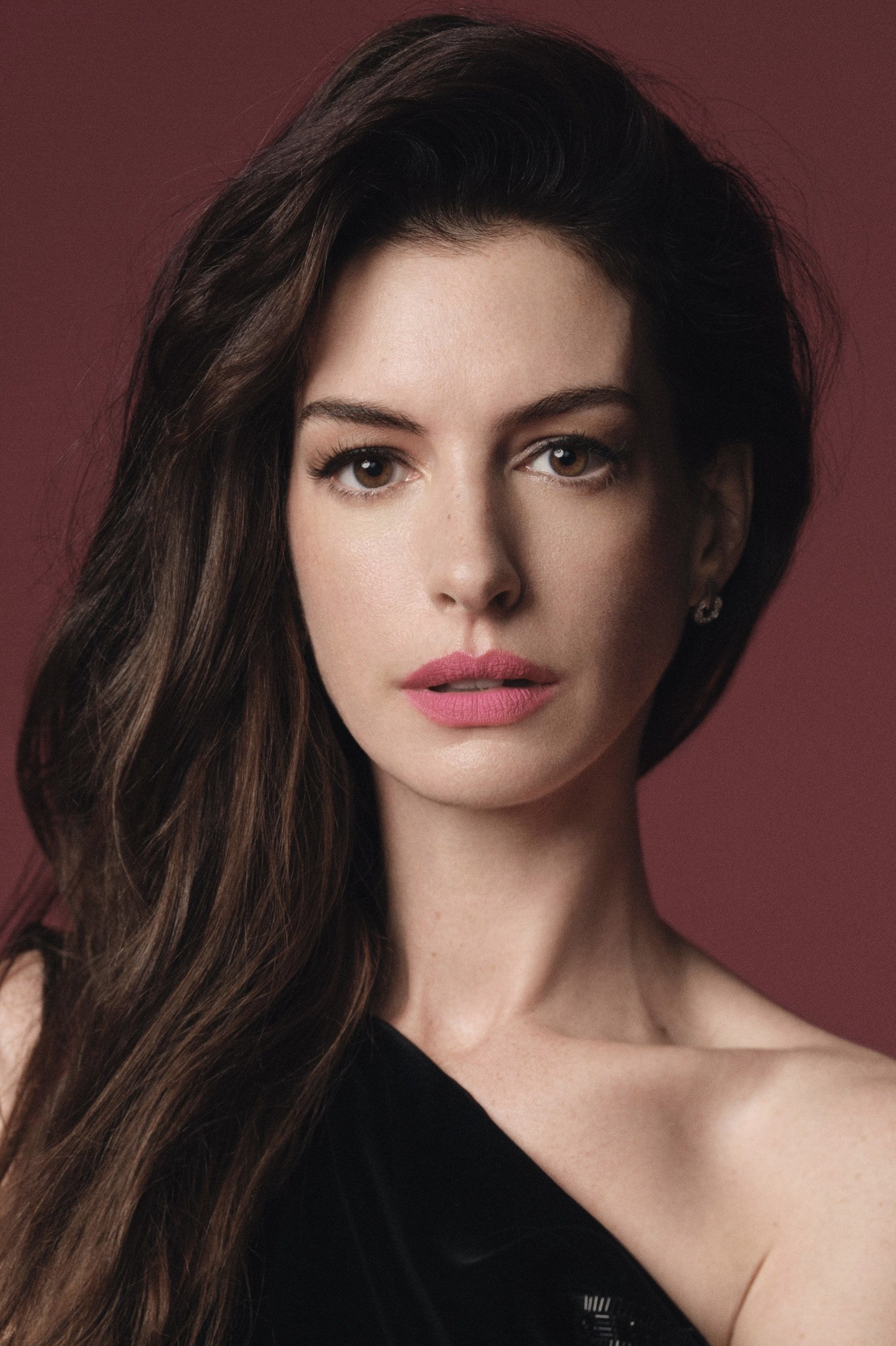
Hathaway has moved away from immersive techniques since becoming a mother. She explained that she can no longer afford to bring her work home because her children need her to be present. The actress now relies more on technical preparation and focus during the workday. She values the safety and boundaries that come with a non-method approach. Hathaway proves that life circumstances can shift an actor toward healthier working habits.
Kathy Bates
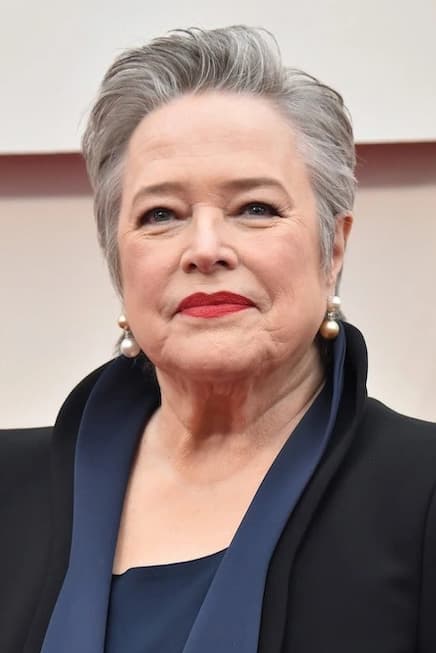
Bates has shifted her focus from trying to be a blank slate to acting out of curiosity and compassion. She emphasizes the importance of empathy in understanding her characters rather than personal substitution. The actress believes that imagination is a powerful tool that removes the need for method techniques. She approaches her roles with a desire to tell the truth of the human experience. Bates relies on her vast experience to ground her performances.
Laura Linney
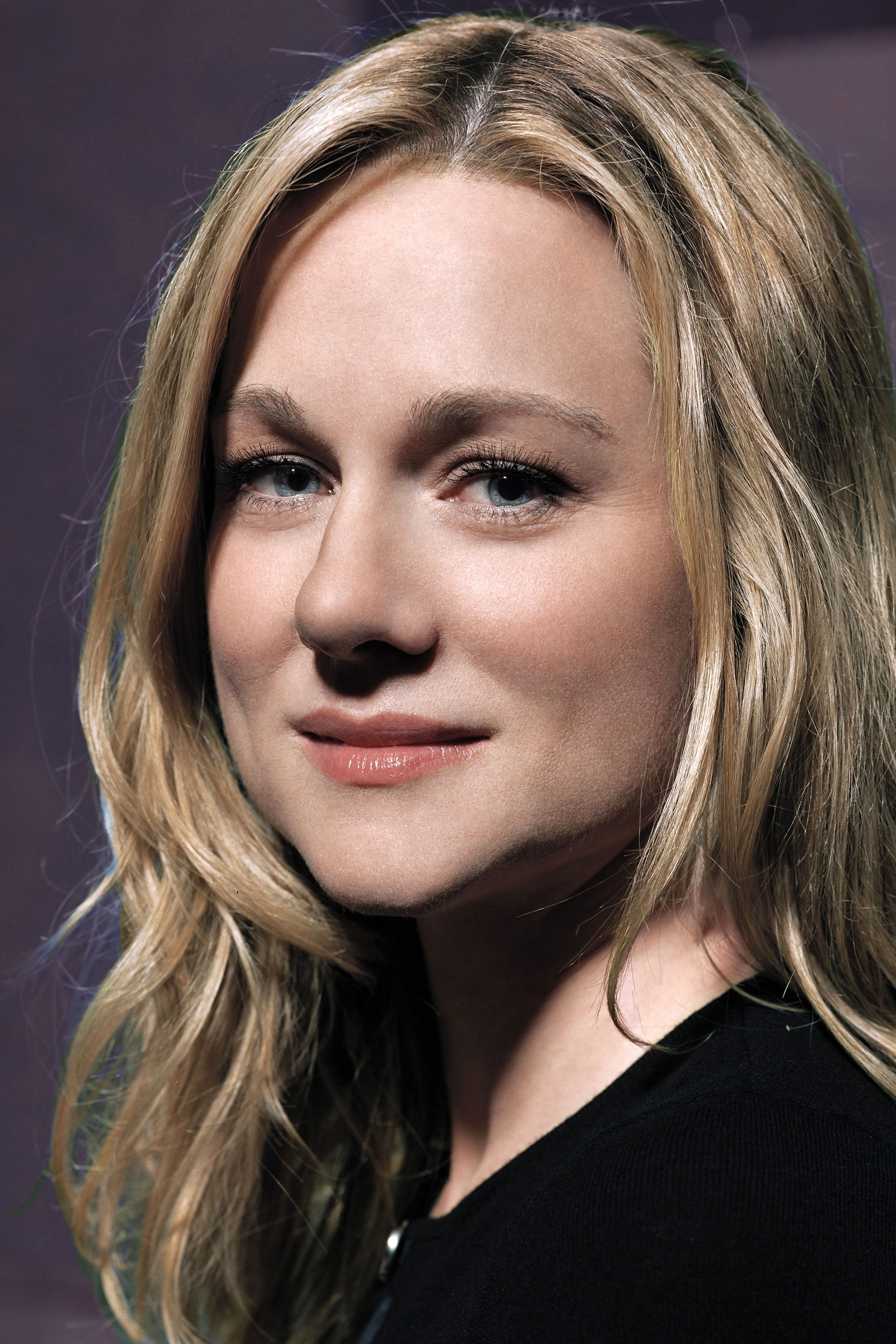
Linney is a technically proficient actress who trained at Juilliard and Brown University. She believes in the text and the structure of the scene as the foundation for her performance. The actress does not practice method immersion and prefers to rely on her craft. She views acting as a form of communication that requires clarity and precision. Linney maintains a professional attitude that separates the work from the self.
Michelle Yeoh
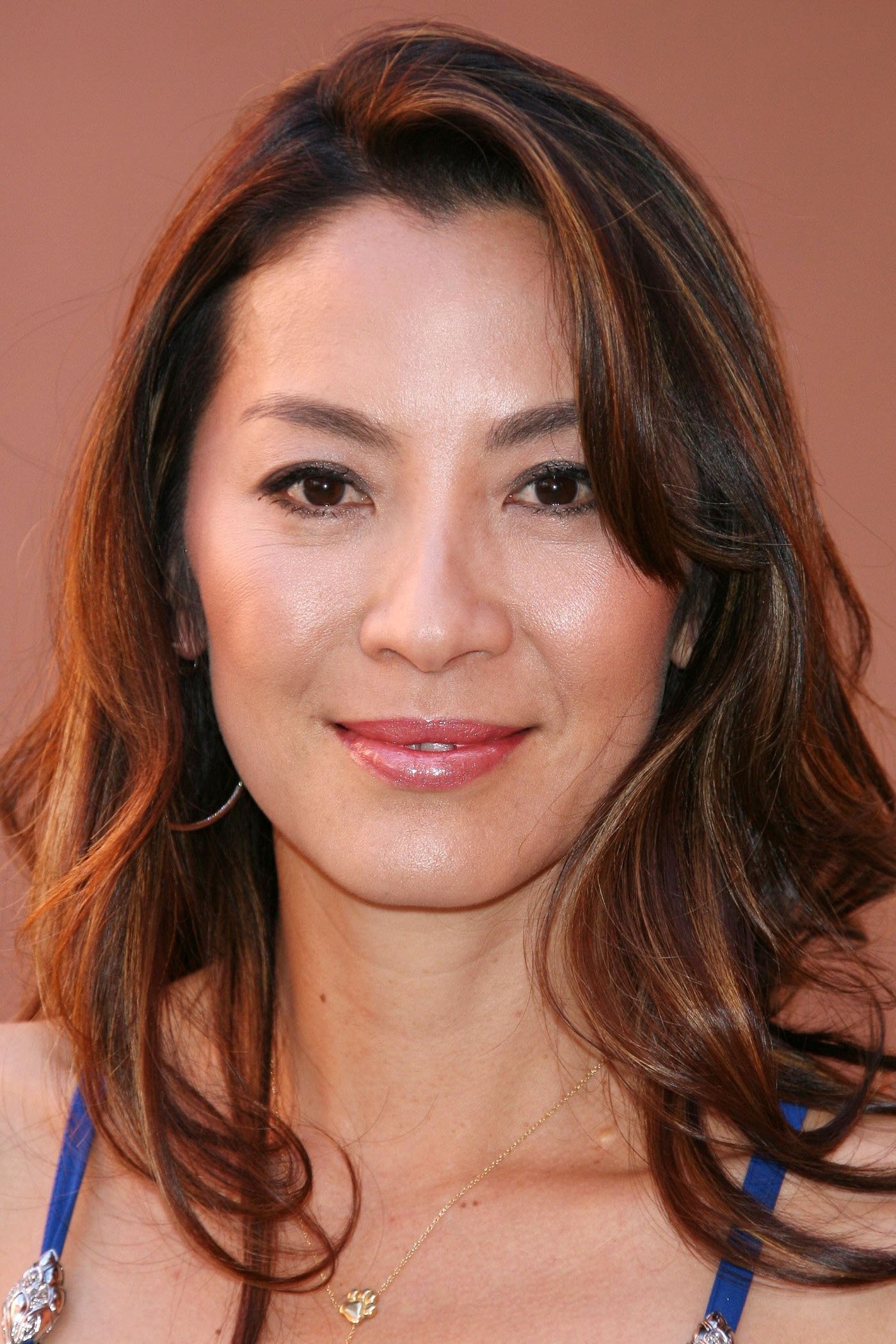
Yeoh comes from a background of dance and martial arts which informs her disciplined approach to acting. She focuses on the physical and emotional precision required for her roles without staying in character. The actress believes in preparation and choreography as the keys to a successful performance. She does not carry the emotional burden of her characters after the filming stops. Yeoh relies on her focus and inner strength to deliver commanding performances.
Share your thoughts on which acting style produces the best movies in the comments.