


Actresses Who Don’t Support The #MeToo Movement

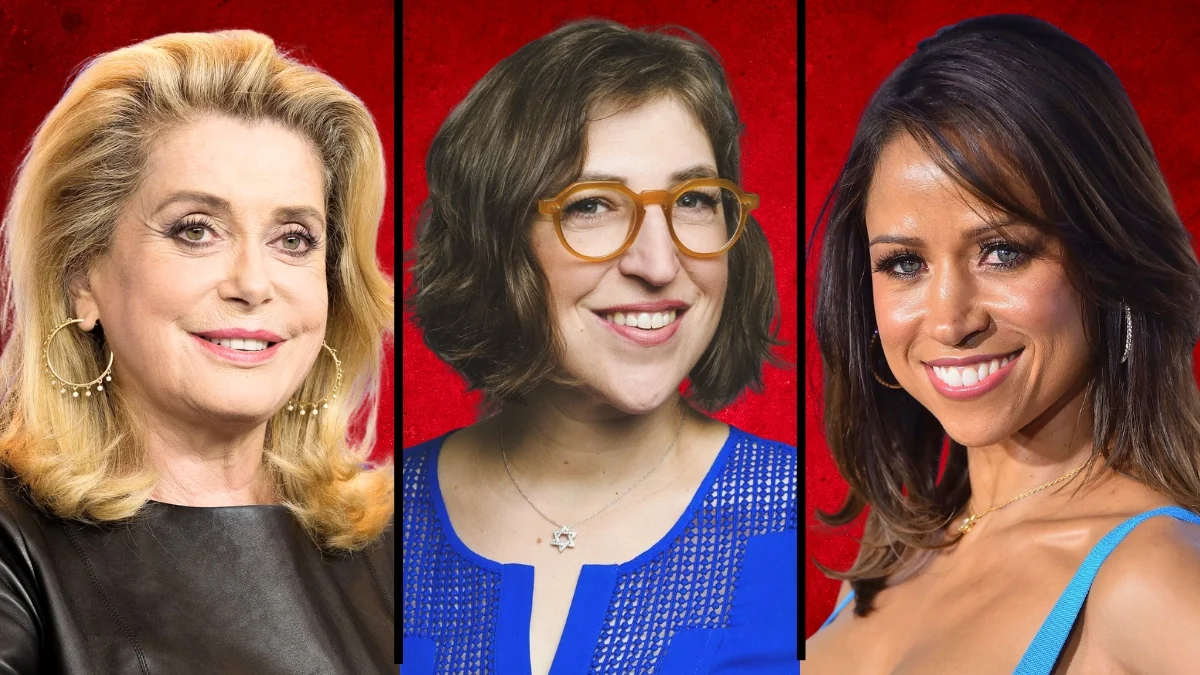


Since the #MeToo movement gained global traction in 2017, it has fundamentally reshaped the entertainment industry and social discourse regarding sexual misconduct. While many public figures have championed the cause, several prominent actresses have voiced skepticism, criticism, or outright opposition to its methods and cultural impact. These women have raised concerns ranging from the erosion of due process to the emergence of what they describe as a new era of puritanism. Their diverse perspectives highlight the complex debate surrounding the movement’s long-term influence on society and the arts.
Catherine Deneuve

The French film icon, known for ‘Belle de Jour’, was a lead signatory of an open letter in ‘Le Monde’ that criticized the movement. She and 99 other women argued that the campaign had become a “witch hunt” that threatened sexual freedom. Deneuve expressed that the movement fostered a climate of puritanism and restricted artistic expression. Although she later apologized to victims of sexual assault, she remained critical of the movement’s methods. She believes that the public denunciation of individuals without due process is harmful to society.
Brigitte Bardot
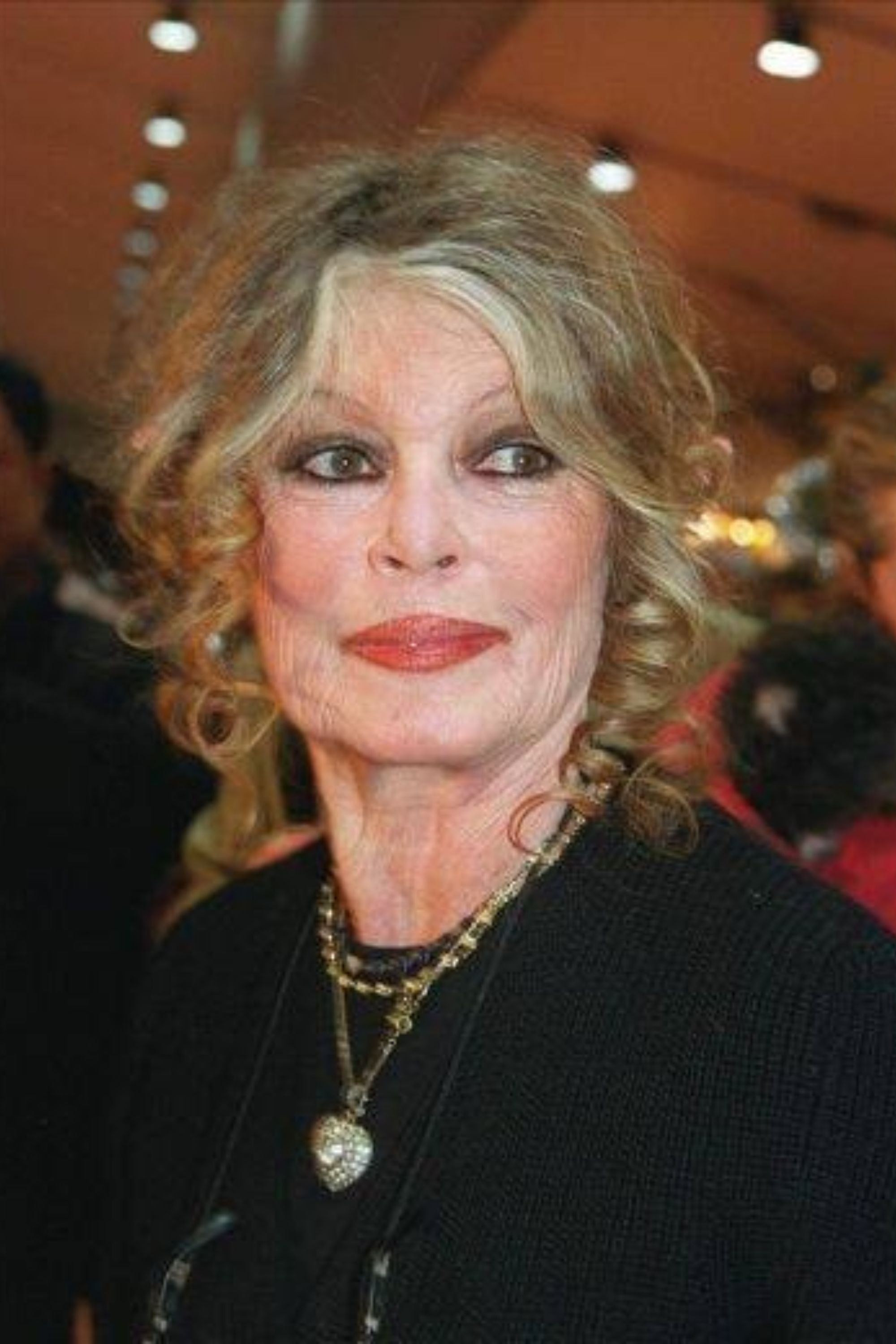
The legendary actress from ‘And God Created Woman’ dismissed the movement as “hypocritical and ridiculous” in multiple interviews. She claimed that many actresses who complain about harassment often use flirtation to land roles and then speak out later for publicity. Bardot stated that she never felt like a victim of sexual harassment during her extensive career in French cinema. She argued that the movement takes away from the charming and natural interaction between men and women. Her comments sparked significant controversy among activists and fellow performers who support the movement’s goals.
Pamela Anderson
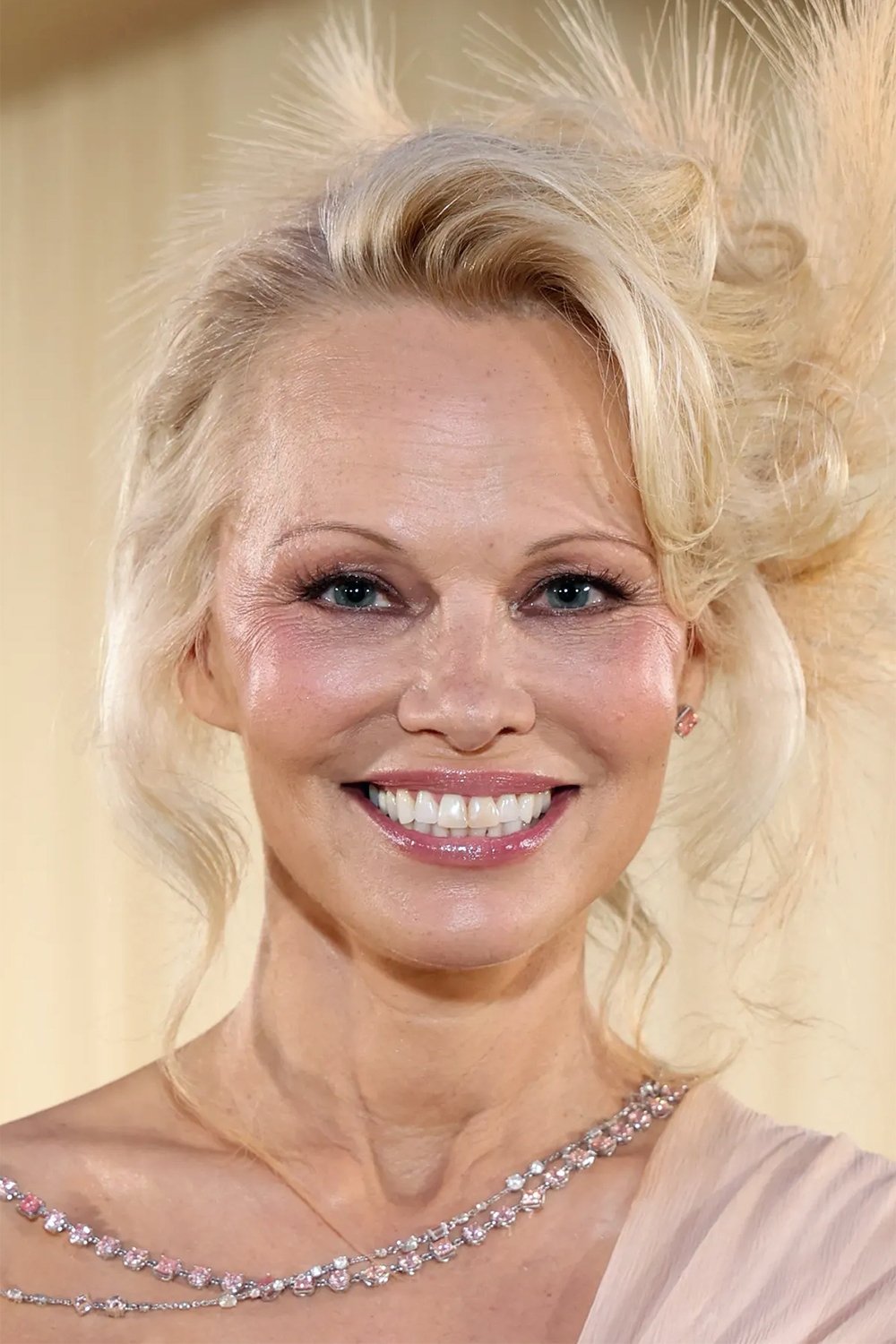
The ‘Baywatch’ star expressed skepticism during an interview on ‘Megyn Kelly Today’, stating that the movement could be “too much.” She suggested that women should know what they are getting into when they agree to private meetings with producers. Anderson argued that her own mother taught her to avoid certain situations to ensure her personal safety. She also voiced concerns that the movement’s approach could hinder the natural interaction and chemistry between men and women. These remarks led to a wide range of reactions from the public and media outlets worldwide.
Lindsay Lohan
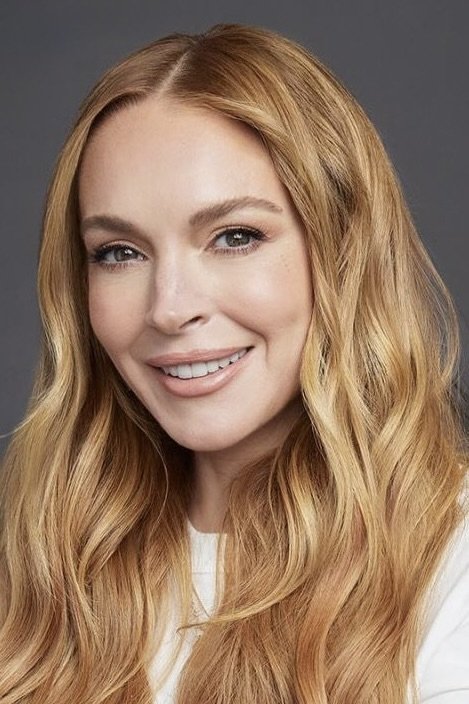
The actress, famous for ‘Mean Girls’, criticized the way many women have handled their stories during the movement’s rise. In an interview with ‘The Times’, she stated that speaking out publicly about these experiences makes women look “weak.” Lohan argued that these issues should be handled as legal matters rather than through public social media campaigns. She expressed concern that the movement could result in unnecessary and harmful attention-seeking behavior. While she later offered a clarification of her comments, she maintained a critical view of the movement’s public nature.
Mayim Bialik
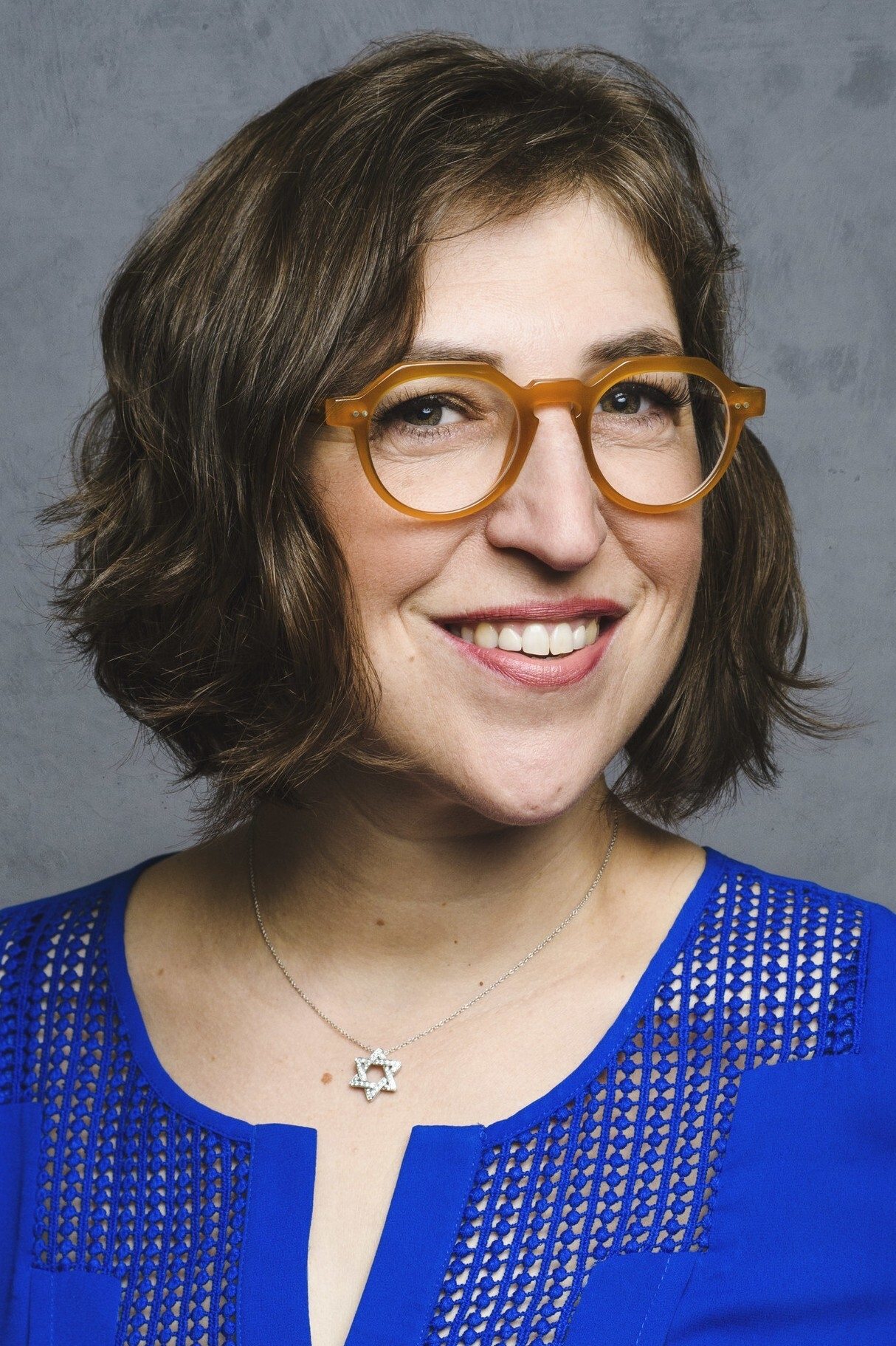
‘The Big Bang Theory’ star faced backlash after writing an op-ed in ‘The New York Times’ regarding her experiences in Hollywood. She suggested that her personal choices regarding modesty and dating helped her avoid the predatory side of the industry. Critics argued that her perspective shifted the blame onto victims of sexual misconduct rather than the perpetrators. Bialik later clarified that she did not intend to victim-blame but stood by her views on personal boundaries and self-protection. She remains a figure who has voiced a more traditionalist or cautionary perspective on the cultural shift.
Angela Lansbury
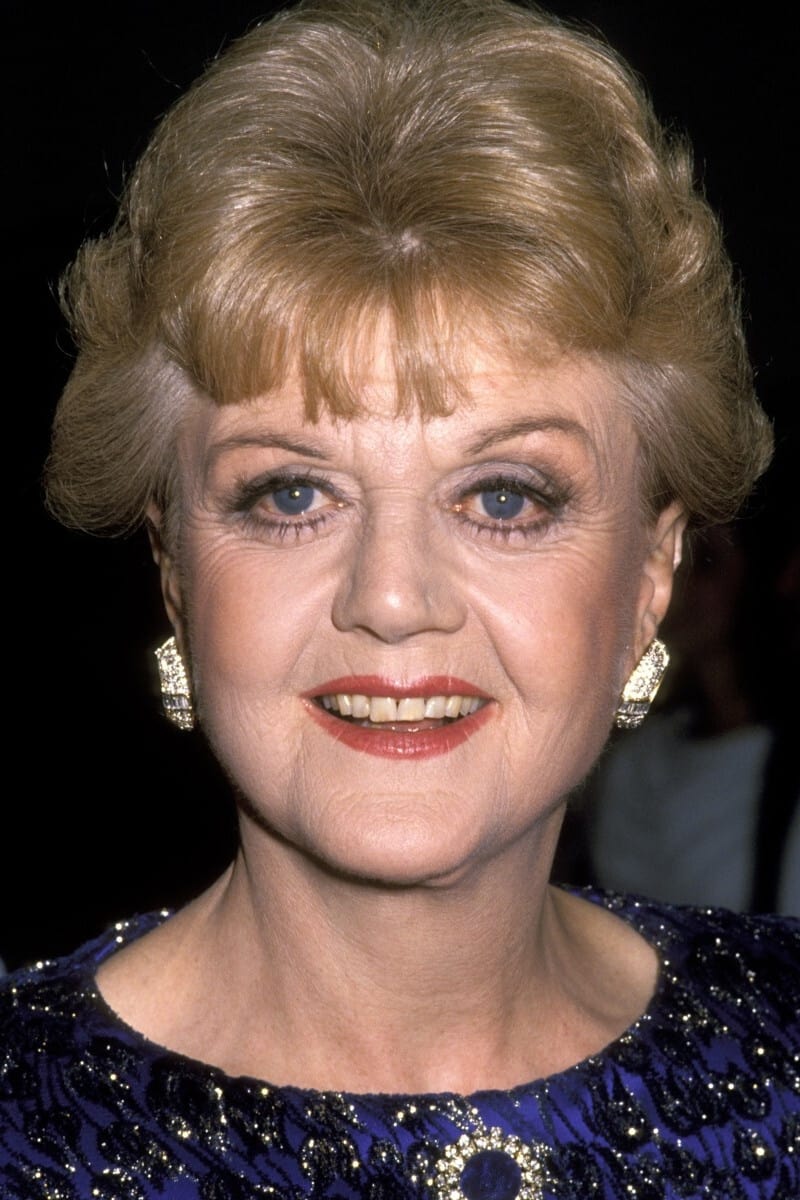
The ‘Murder, She Wrote’ star commented that women must sometimes take the blame for the way they are treated. During an interview with the ‘Radio Times’, she stated that women have historically gone out of their way to make themselves attractive, which has backfired. She clarified that there is no excuse for sexual assault but suggested that “the way things are” requires individual caution. Her remarks were widely criticized for suggesting that victims carry responsibility for the harassment they endure. Lansbury later expressed regret if her comments were misinterpreted but remained critical of the movement’s general rhetoric.
Sharon Stone
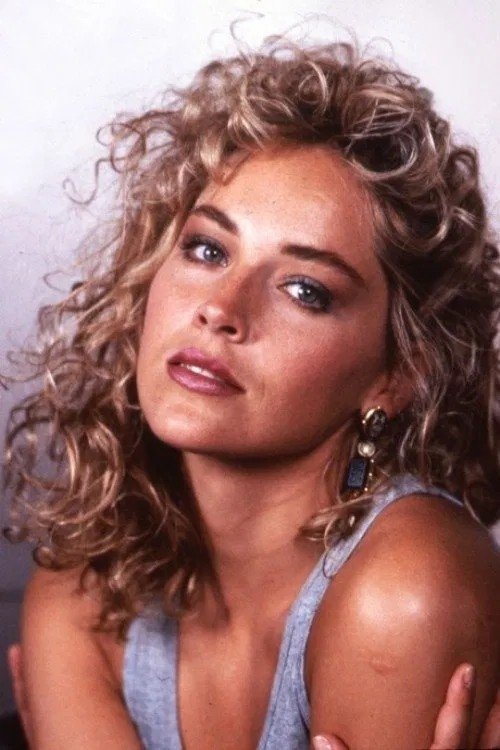
The ‘Basic Instinct’ actress gave a memorable response when asked if she had ever felt uncomfortable in Hollywood, bursting into laughter. She noted that she had seen it all during her forty years in the industry and did not believe the movement addressed the nuances of the business. Stone has expressed that some of the current cultural shifts may be “extreme” and lack a balanced perspective on human behavior. She emphasized that while change is necessary, the collective movement often overlooks individual complexities and professional realities. Her stance reflects a veteran’s skepticism of sudden and broad industry-wide shifts.
Melanie Griffith
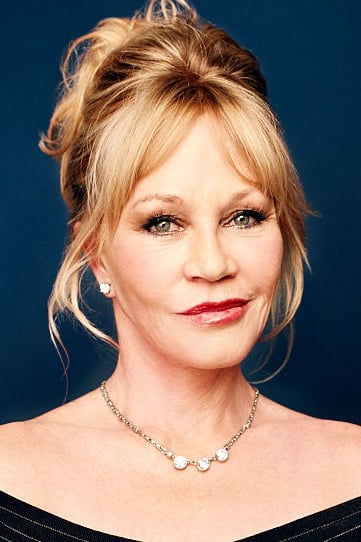
The star of ‘Working Girl’ has voiced her concerns about the direction of the movement in various media interviews. She stated that while the movement’s intentions might be good, it has created an atmosphere that is “not healthy.” Griffith suggested that the campaign has made it difficult for men and women to interact naturally in a professional setting. She expressed a desire for a return to a more balanced environment where due process and mutual respect are both prioritized. Her perspective highlights a concern for the long-term social consequences of the movement’s influence.
Juliette Binoche
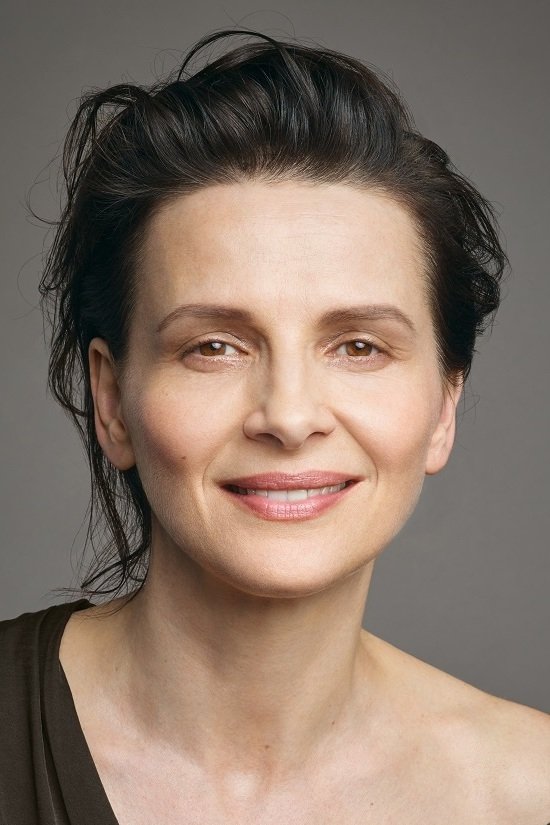
The Academy Award-winning actress from ‘The English Patient’ has called for more nuance in the conversation surrounding the movement. She expressed that the movement often falls into a “victimhood” narrative that does not serve women well in the long run. Binoche signed the French manifesto that criticized the “puritanical” turn the movement had taken in recent years. She believes that the focus should be on education and dialogue rather than public shaming and career destruction. Her views represent a common sentiment among certain segments of the European film community.
Kirstie Alley
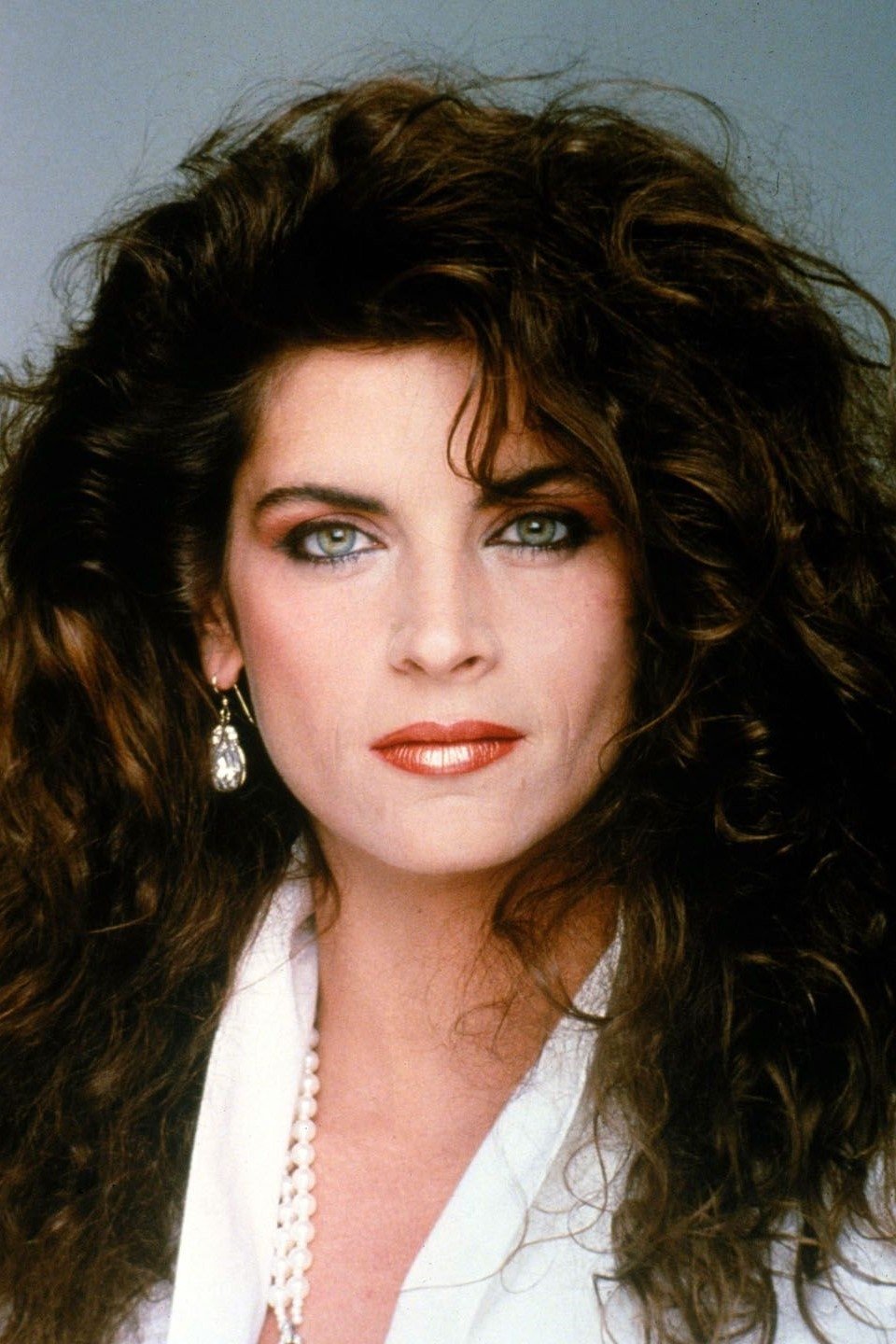
The ‘Cheers’ actress has been a vocal critic of the movement on social media, particularly regarding the loss of due process. She argued that the movement often bypasses the legal system and leads to what she describes as “mob rule.” Alley expressed concern that individuals’ careers are being destroyed based on accusations alone without any proper investigation. She has frequently clashed with supporters of the movement over these viewpoints on platforms like Twitter. Her comments emphasize a focus on the importance of the “innocent until proven guilty” principle in all circumstances.
Roseanne Barr
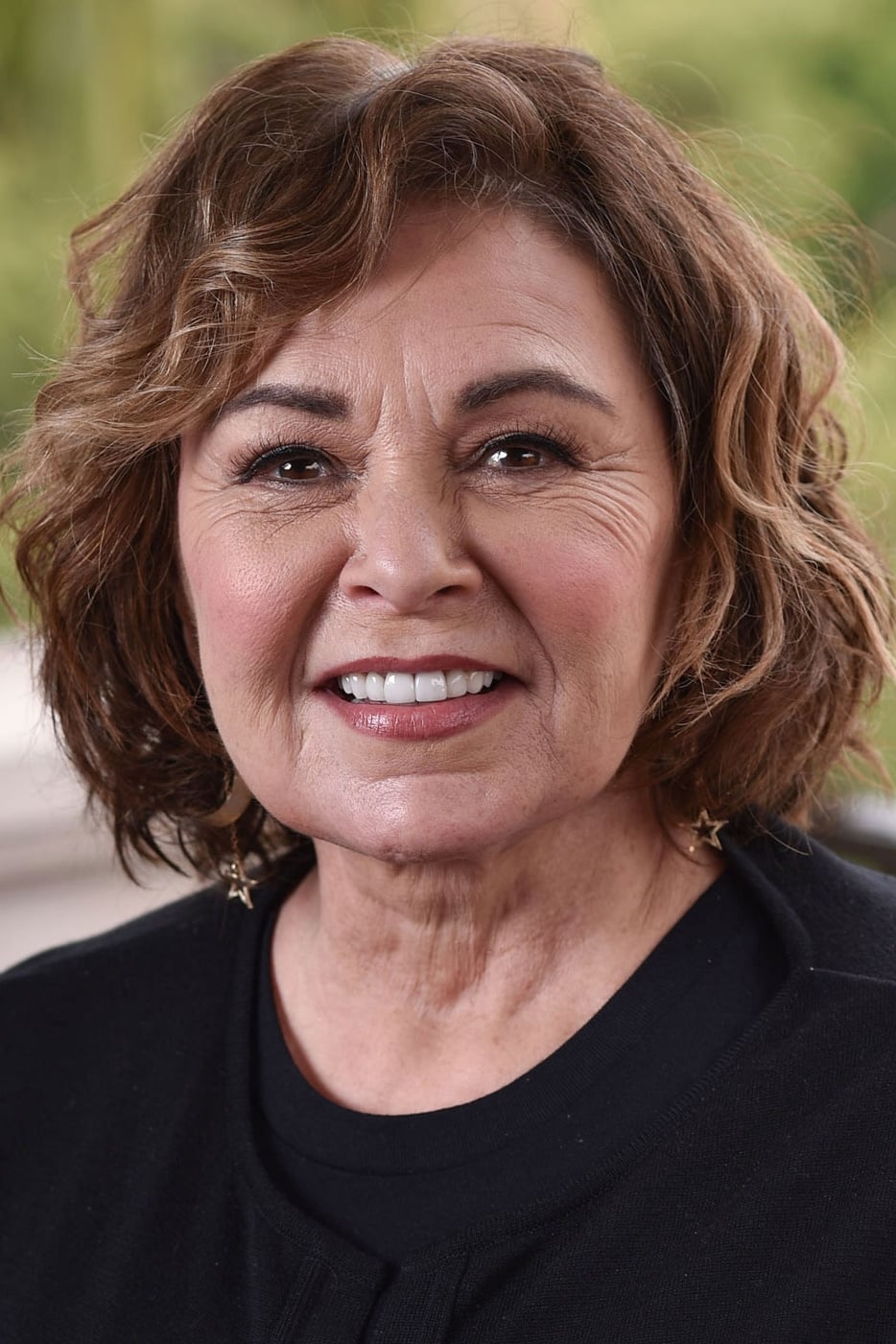
The star of ‘Roseanne’ criticized the movement for what she perceived as a culture of excessive “victimization.” She argued that many of the women participating in the movement were not victims but were looking for publicity and career advancement. Barr stated that the industry has always been difficult and that individuals must take personal responsibility for their professional choices. She voiced her opposition to the collective nature of the campaign, preferring individual accountability over group movements. Her outspoken nature has made her a prominent skeptic of the movement’s overall impact on Hollywood culture.
Joanna Lumley
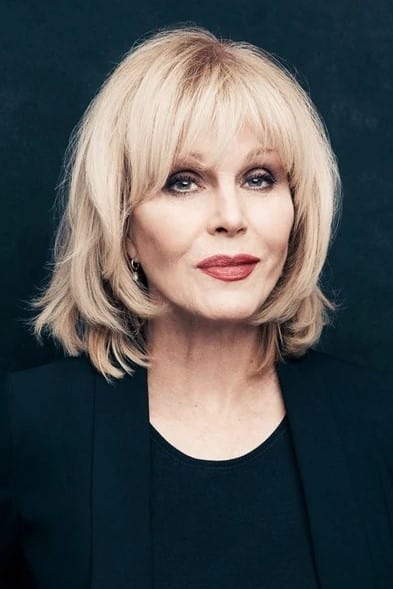
The ‘Absolutely Fabulous’ actress expressed her concern that the movement has created a “world of suspicion” between the sexes. She argued that the shift in social norms has made men afraid to be “chivalrous” or to offer simple compliments. Lumley suggested that the movement could lead to a loss of the “joy” that comes from the natural interaction between men and women. She has cautioned against a society where every action is scrutinized for potential misconduct or hidden agendas. Her perspective focuses on the preservation of traditional social interactions and mutual appreciation.
Miriam Margolyes
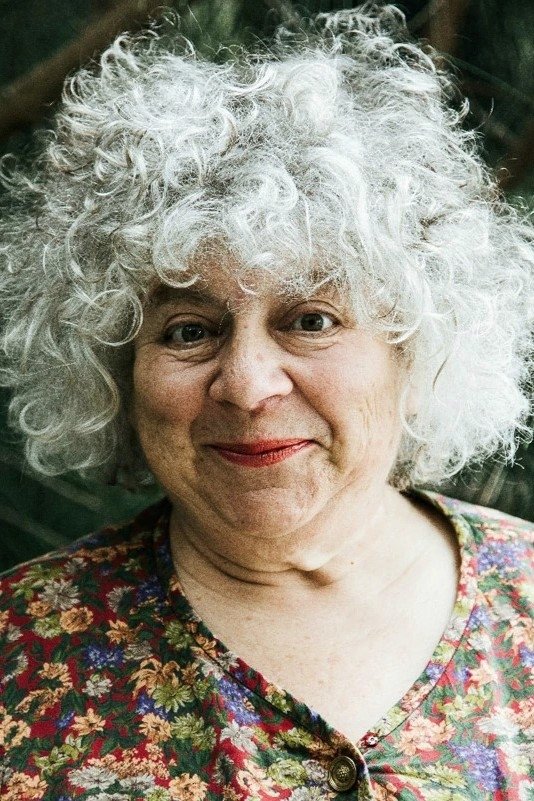
The actress known for the ‘Harry Potter’ series has described the movement as “excessive” in several recent interviews. She stated that while some aspects of the movement are necessary, the reaction has often been “over the top” and irrational. Margolyes expressed concern that the campaign has led to a climate where people are too afraid to speak or act naturally. She has called for a more “common sense” approach to the issues raised by victims of misconduct. Her comments reflect a desire for moderation in the cultural response to sexual harassment allegations.
Stacey Dash
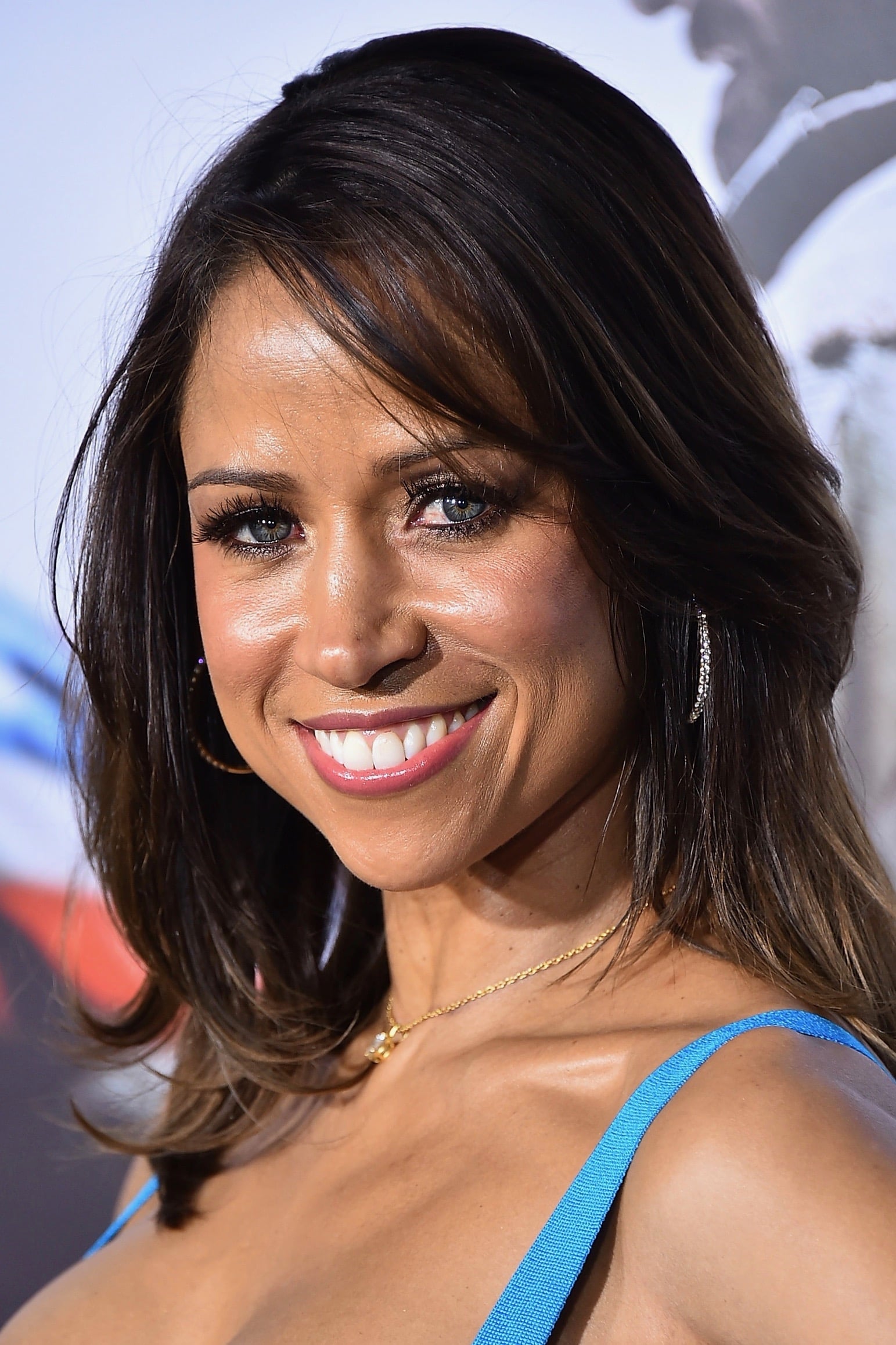
The ‘Clueless’ star has been a vocal opponent of the movement, frequently criticizing it on various news platforms. She argued that the movement is part of a “victimhood culture” that weakens women rather than empowering them. Dash expressed that she prefers a society where men are encouraged to be protectors and where “chivalry” is still valued. She has also raised concerns that the movement is politically motivated and lacks objectivity in its targets. Her views align with her broader conservative political stance and her critiques of modern social justice campaigns.
Carole Bouquet
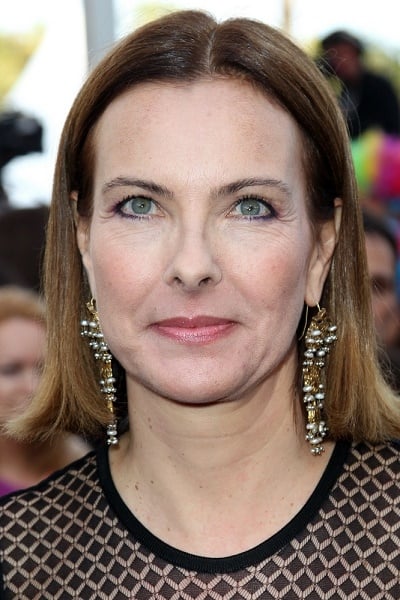
The French actress, who appeared in the James Bond film ‘For Your Eyes Only’, was another prominent signatory of the French manifesto. She argued that the movement had evolved into a “media lynching” of individuals without evidence. Bouquet expressed that the campaign restricts artistic freedom and the basic freedom to “be bothered” in a romantic context. She believes that the movement’s focus on public denunciation is a regression for modern society. Her participation in the open letter solidified her position as a critic of the movement’s methods and goals.
Fanny Ardant
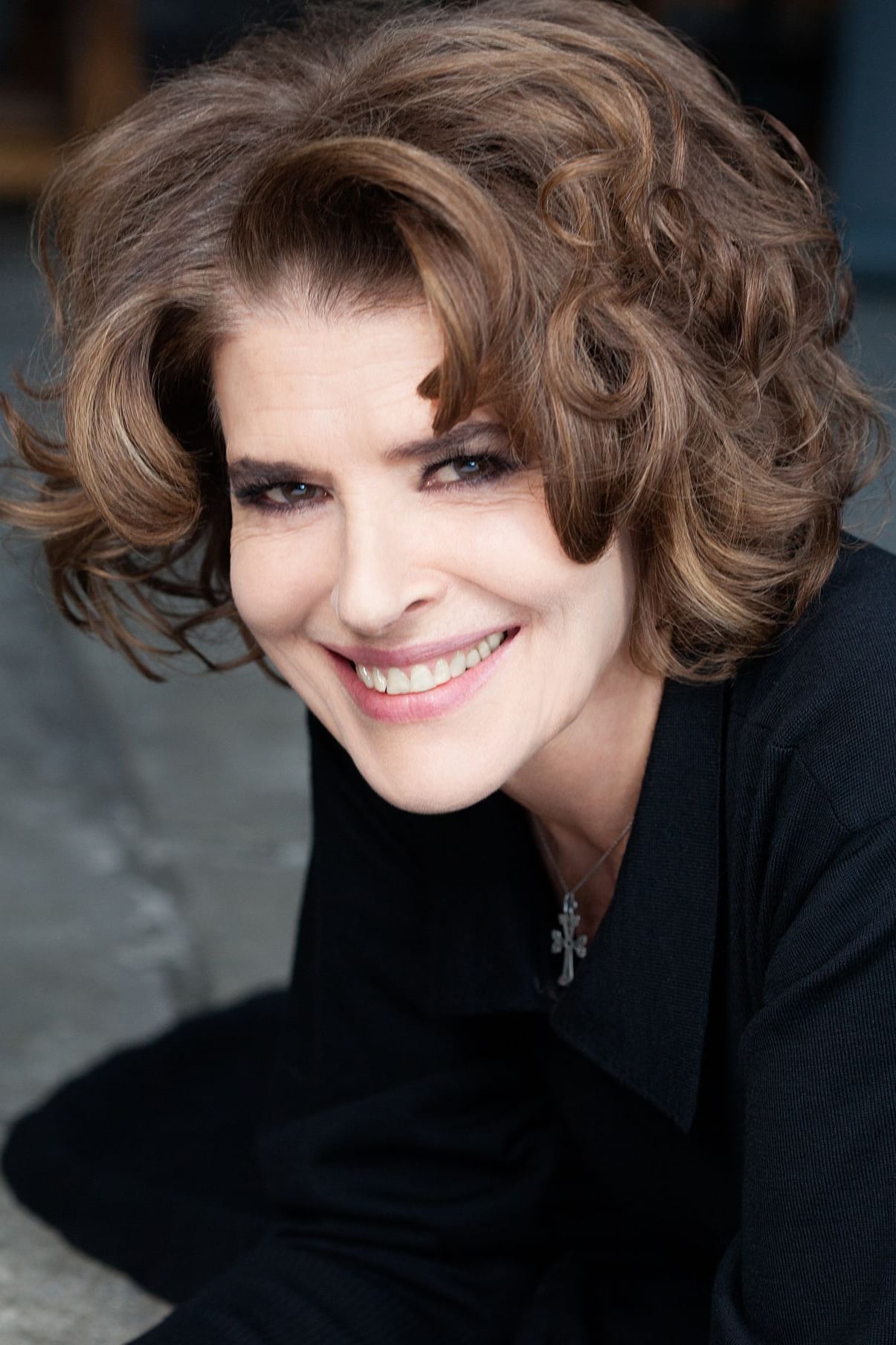
The actress, famous for ‘The Woman Next Door’, has faced criticism for her defense of controversial figures and her skepticism of the movement. She stated that she does not like the “spirit of the pack” that she believes the movement encourages. Ardant argued that she would rather defend an individual than follow a collective social trend or hashtag. She expressed a distaste for the way the movement judges people based on past actions without considering historical context. Her stance is rooted in a belief in individual loyalty and skepticism of mass social movements.
Béatrice Dalle
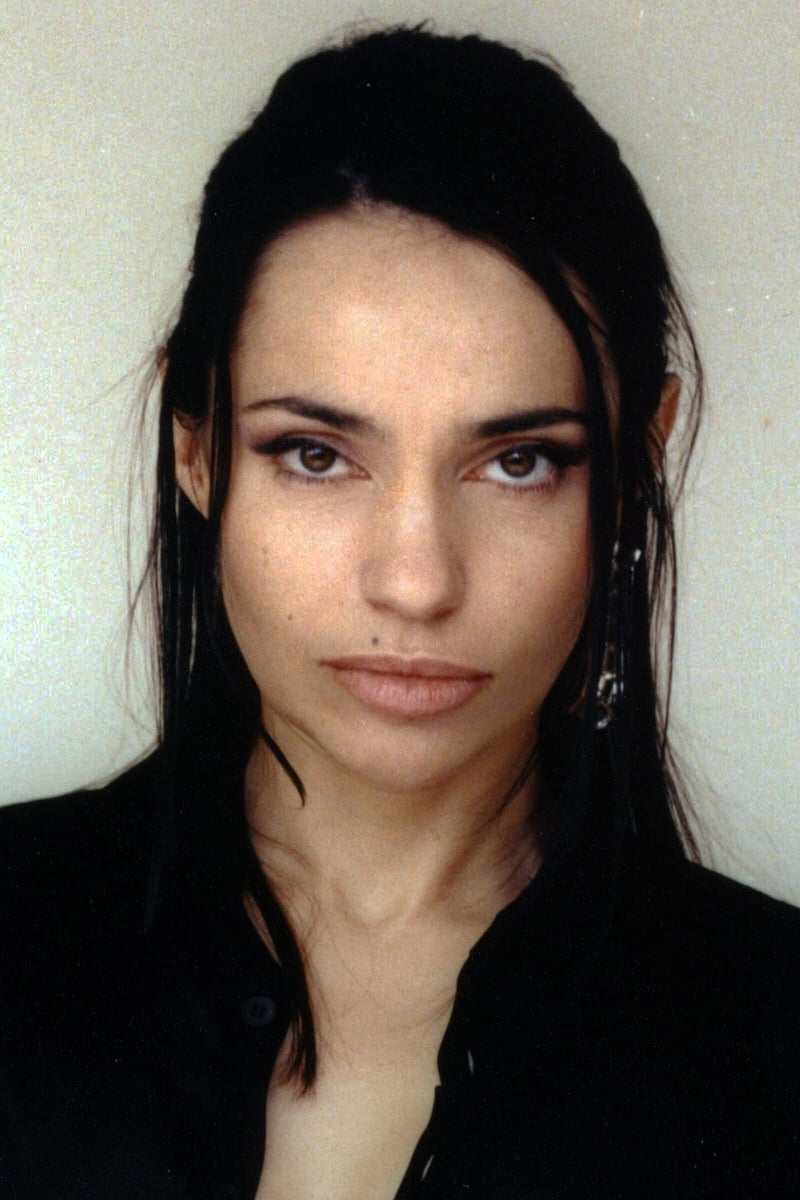
The ‘Betty Blue’ actress has spoken out against the movement, calling it “boring” and “annoying” in several public statements. She expressed that she never felt like a victim and does not relate to the women leading the campaign. Dalle argued that women are strong enough to handle themselves without the need for a global movement or legal intervention. She also criticized the movement for what she views as its “moralistic” and restrictive tone regarding human relationships. Her comments reflect a rebellious stance against the mainstream cultural narrative prevalent in modern media.
Anny Duperey
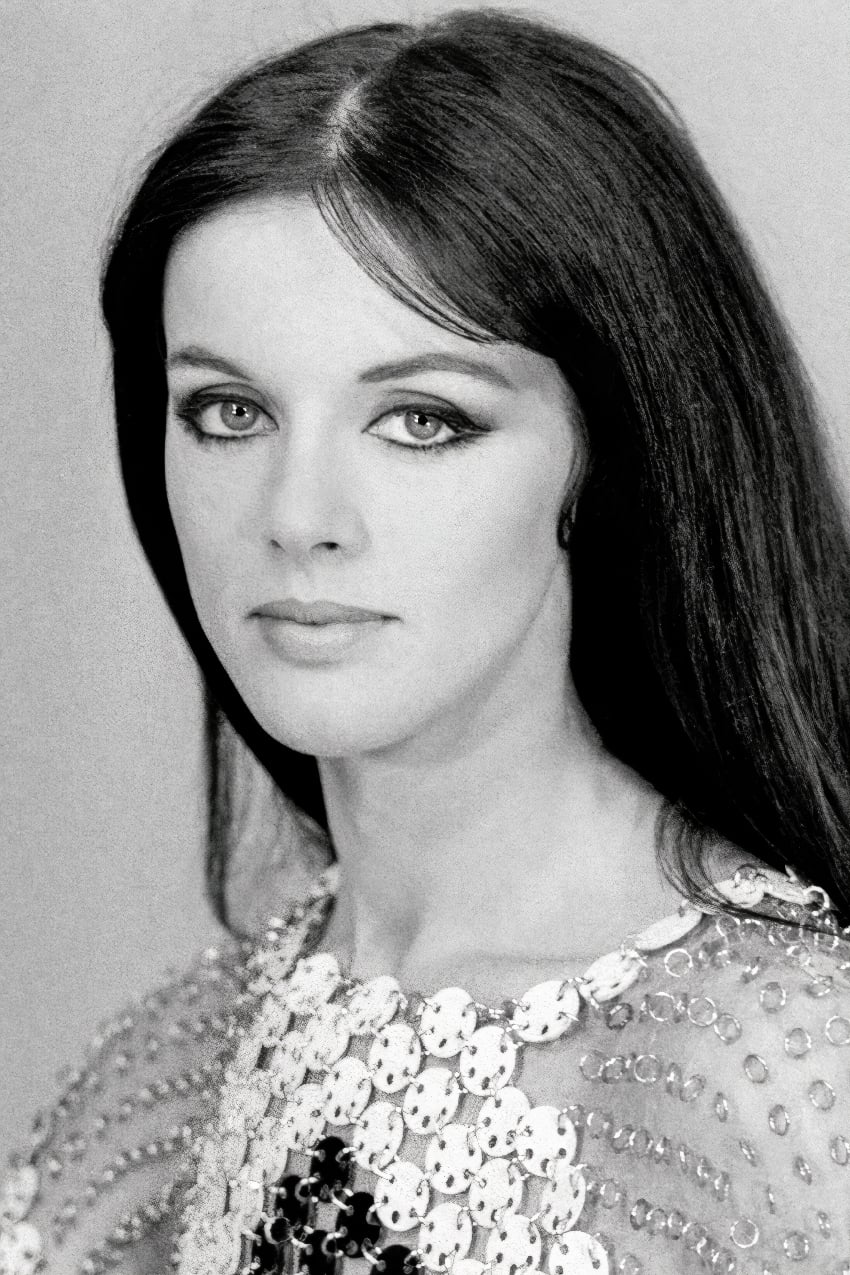
The French actress and novelist expressed her discomfort with the movement, describing the atmosphere it creates as “terrifying.” She argued that the campaign has created a climate of “permanent denunciation” that resembles dark periods of history. Duperey expressed concern that the movement focuses too much on the past rather than looking toward a positive future for both sexes. She believes that the movement’s focus on public shaming is detrimental to social cohesion and mutual trust. Her perspective emphasizes the importance of forgiveness, dialogue, and the protection of due process.
Diane Kruger
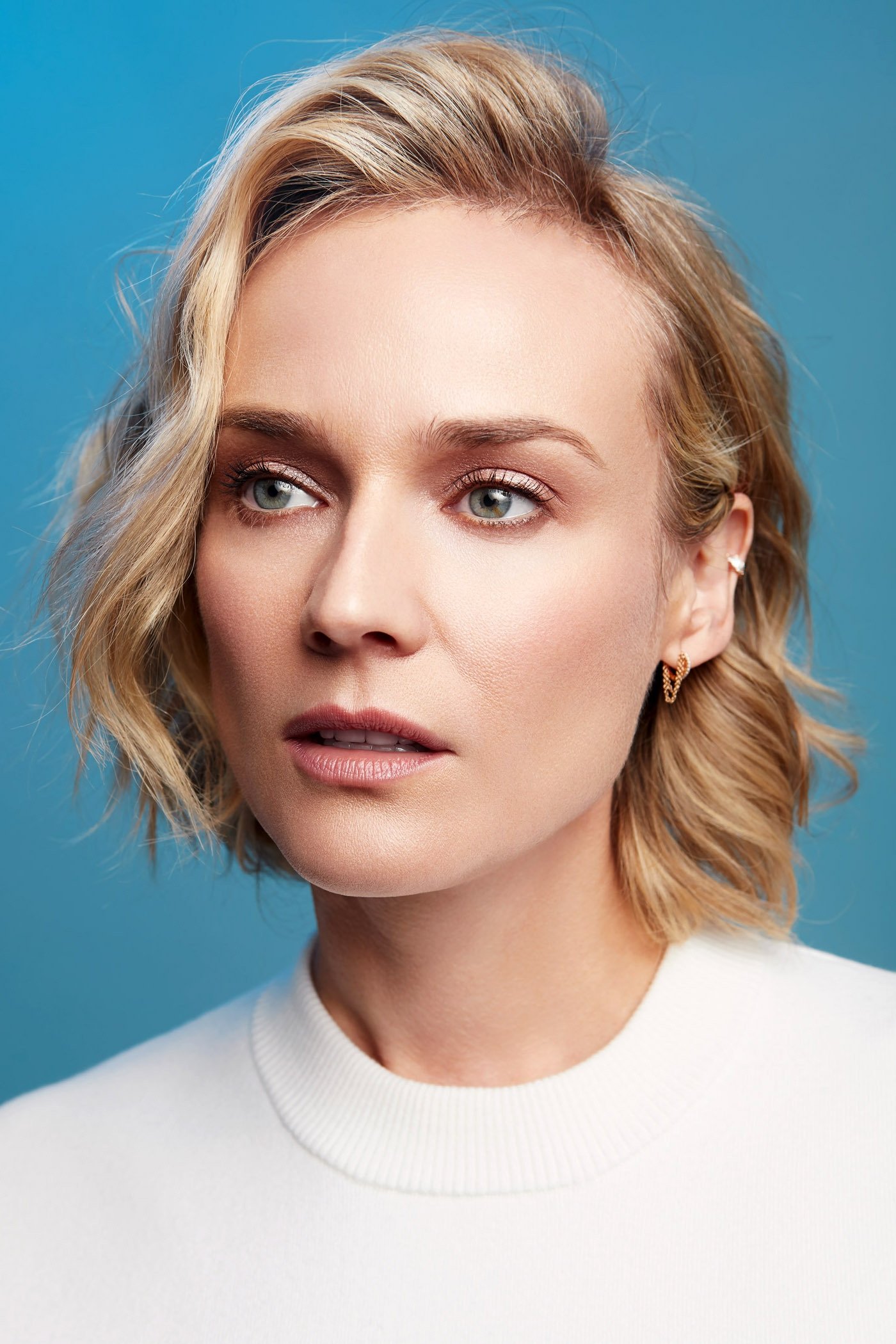
The ‘Inglourious Basterds’ star has voiced a cautious and sometimes critical view of the movement’s impact on the film industry. She expressed concern that the movement often results in “trial by social media” before all the facts are known. Kruger noted that while the goals are important, the speed of public judgment can be dangerous for individuals. She has called for a more thoughtful and measured approach to addressing misconduct within Hollywood. Her stance highlights the tension between the need for systemic change and the importance of legal and social fairness.
Share your thoughts on these actresses’ perspectives and the evolving conversation around the movement in the comments.