


Actresses Who Exposed Hollywood’s Ageism on Set

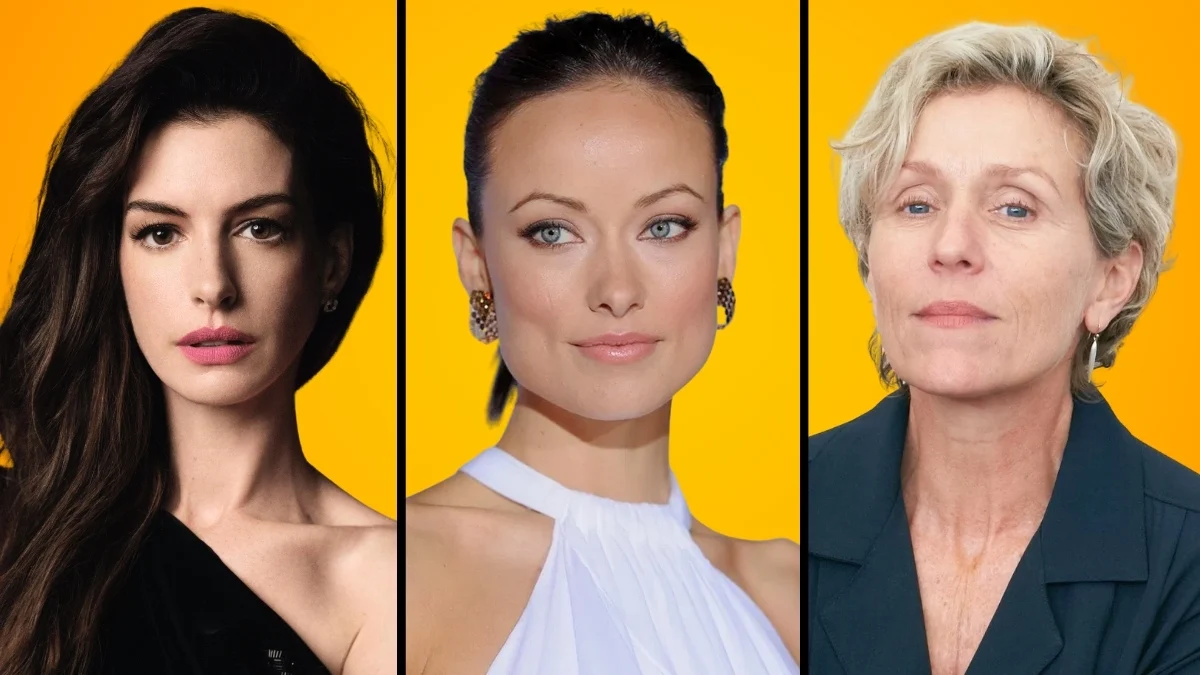


Hollywood has long faced criticism for maintaining a narrow window of visibility for female performers, often favoring youth over experience. These thirty actresses have publicly addressed the systemic ageism they encountered during casting processes or while working on major productions. Their accounts reveal a consistent pattern of double standards regarding how aging is treated for men versus women in the film industry. By speaking out, these women have highlighted the need for more diverse and realistic representations of age on screen.
Maggie Gyllenhaal
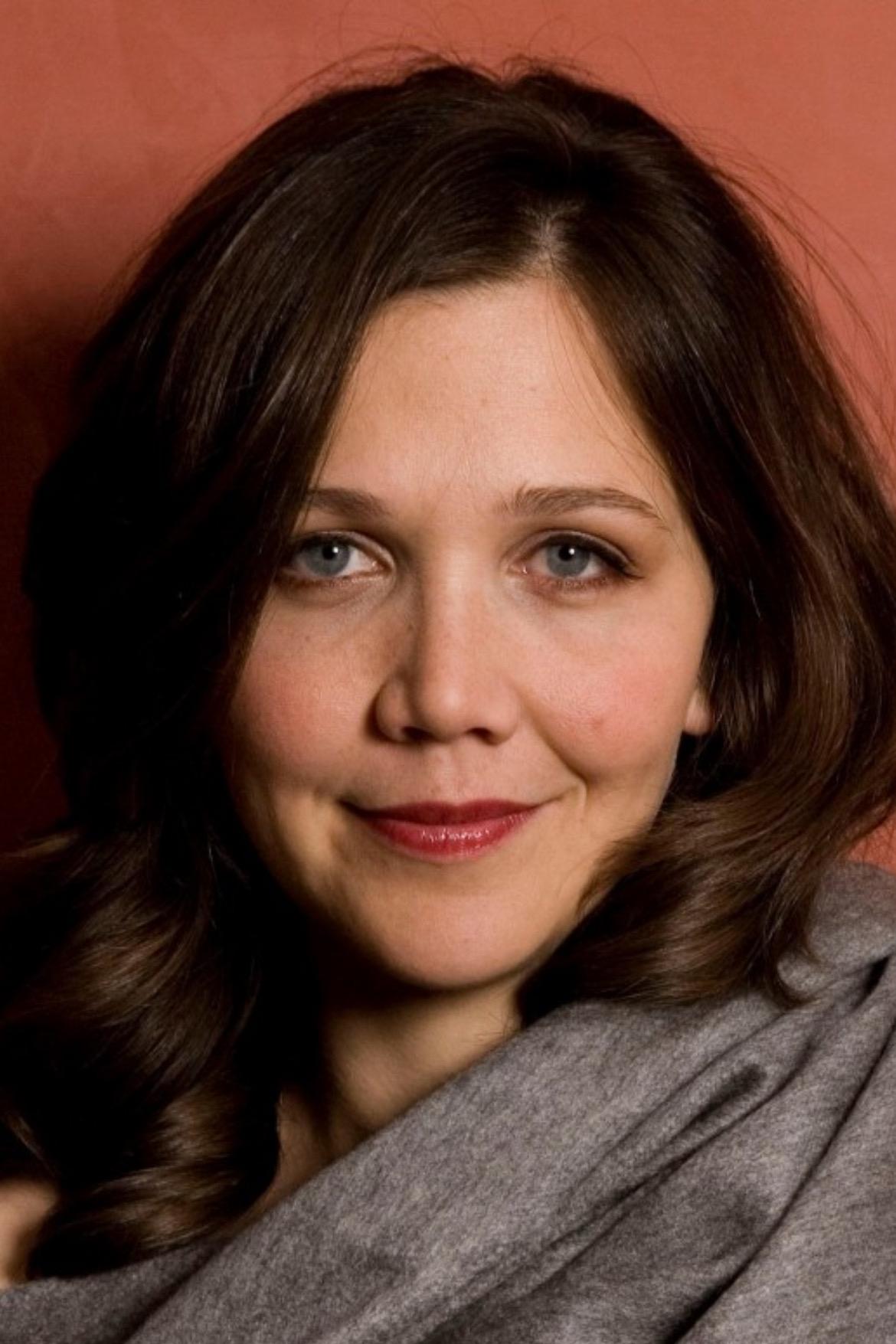
In 2015, Maggie Gyllenhaal shared that she was told she was too old to play the love interest of a 55-year-old male lead. At the time of the audition, the actress was 37 years old, making her nearly two decades younger than her potential co-star. Gyllenhaal described the experience as a “fascinating” look at the industry’s perception of female maturity. She noted that while the rejection was disappointing, it reflected a common reality for women seeking romantic roles in mainstream cinema.
Olivia Wilde
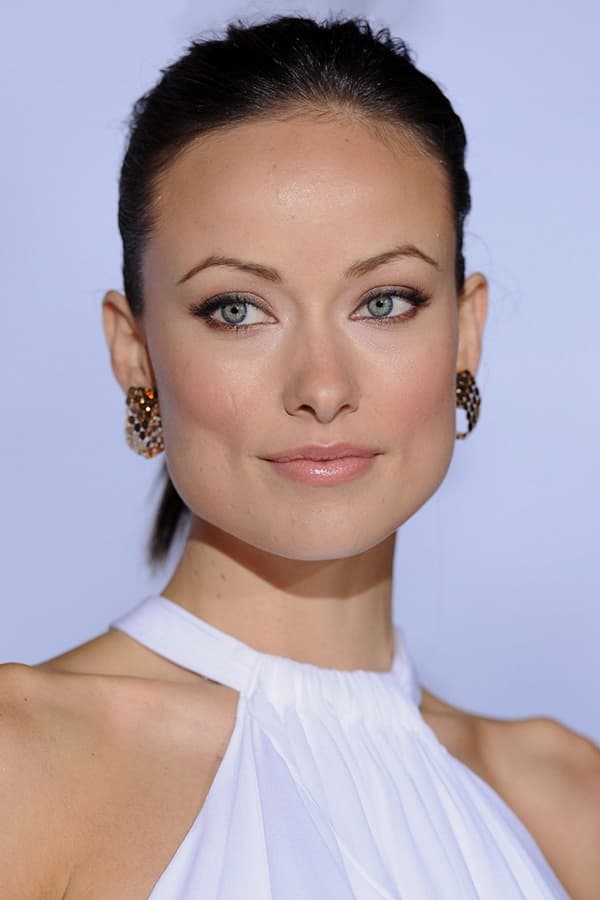
Olivia Wilde revealed that she was deemed too “sophisticated” for a role in ‘The Wolf of Wall Street’, which she later learned was industry shorthand for being too old. The actress was 28 at the time and had auditioned for the role of Naomi Lapaglia, the wife of Leonardo DiCaprio’s character. The part eventually went to Margot Robbie, who was 22 during production. Wilde praised Robbie’s performance but used the experience to illustrate the narrow age range allowed for female leads.
Elizabeth Banks
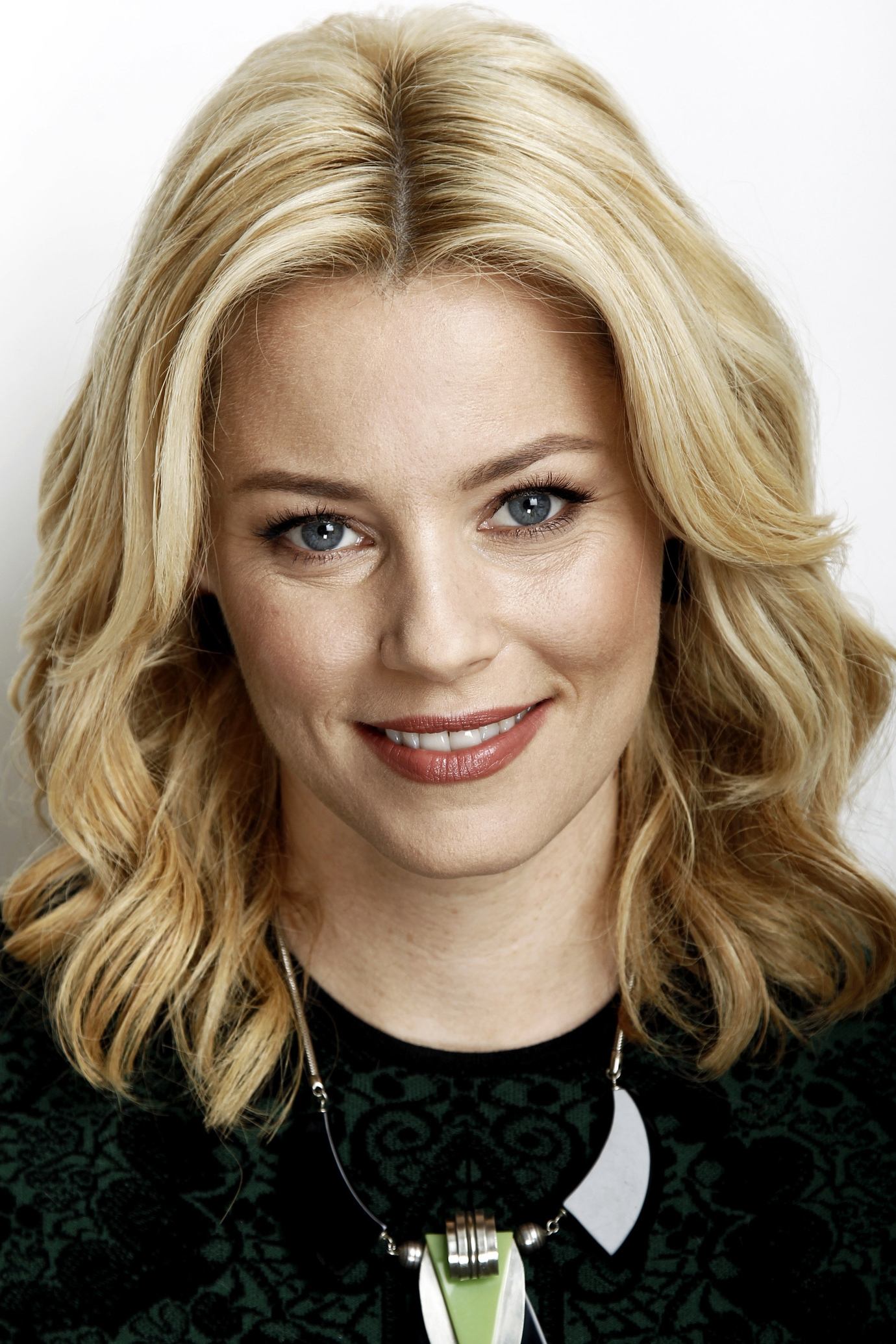
Elizabeth Banks disclosed that she was told she was too old to play Mary Jane Watson in the 2002 film ‘Spider-Man’. Despite being only 28 years old and roughly 16 months older than the lead actor, Tobey Maguire, casting directors felt the age gap was insurmountable. Banks was instead cast as Betty Brant, a supporting character in the Daily Bugle offices. She has since used this anecdote to highlight the disparity in how romantic pairings are aged in superhero franchises.
Meryl Streep
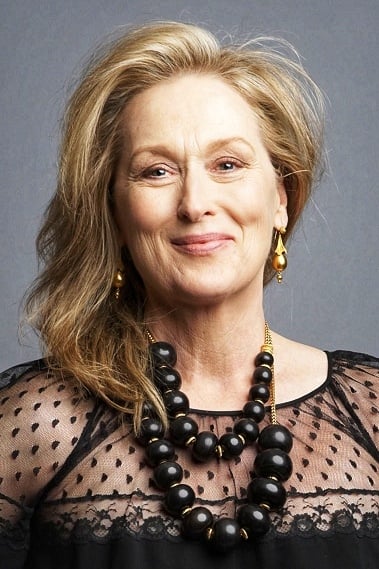
Even a performer as celebrated as Meryl Streep faced age-related typecasting after reaching a certain milestone in her career. The actress noted that upon turning 40, she received three separate scripts in a single year that all featured roles for witches. She interpreted this as the industry’s way of signaling that she was no longer viable for leading romantic or professional roles. Streep eventually accepted a witch role years later in ‘Into the Woods’, but only after she felt the industry had evolved slightly.
Anne Hathaway
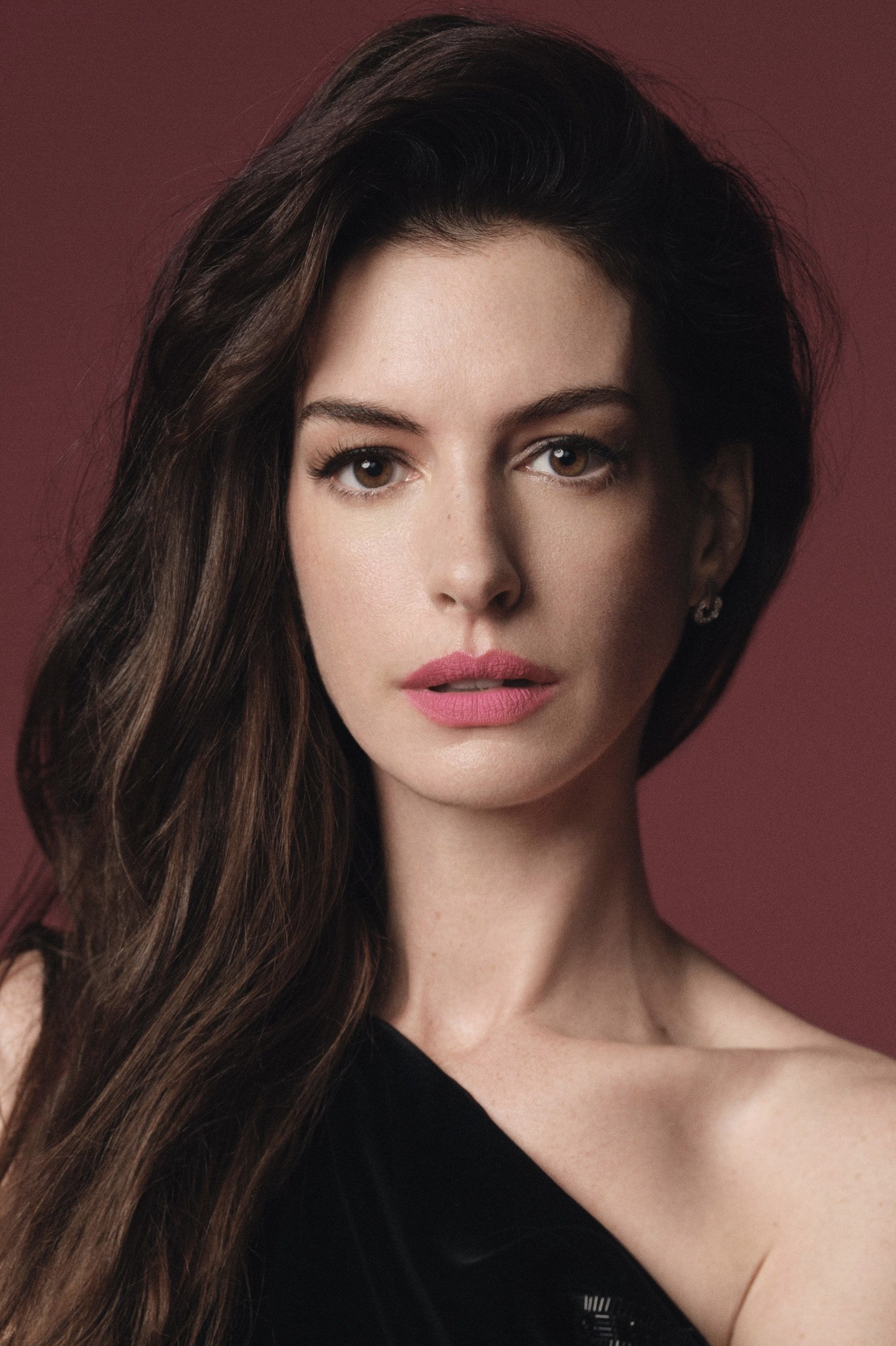
Anne Hathaway observed a shift in her career opportunities once she entered her early 30s. In interviews, she noted that roles she would have easily secured in her 20s were increasingly being offered to younger actresses. She acknowledged that she had benefited from the same system earlier in her career but found the transition frustrating. Hathaway emphasized that the experience made her realize how quickly the industry “cycles through” female talent.
Jamie Lee Curtis
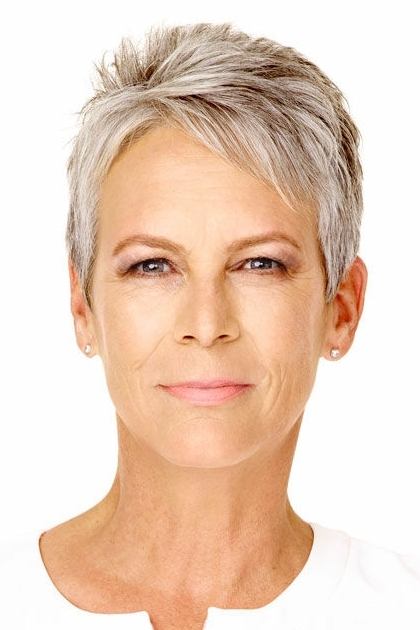
Jamie Lee Curtis has become a vocal critic of the term “anti-aging” and the pressures it places on women in the public eye. She has spoken about the negative impact of cosmetic procedures she underwent earlier in her career to meet industry beauty standards. Curtis now advocates for natural aging and has criticized the film industry for making women feel invisible once they reach middle age. Her performance in ‘Everything Everywhere All at Once’ was widely cited as a rejection of traditional Hollywood glamour expectations for older women.
Emma Thompson

Emma Thompson has frequently criticized the “outrageous” age gaps between male leads and their much younger female love interests. She famously pointed out that while men are allowed to age and remain romantic leads, women are often replaced by younger versions of themselves. During the press tour for ‘A Good Night to You, Leo Grande’, she discussed the difficulty of finding scripts that treat older women as sexual beings. Thompson continues to challenge directors to cast women in roles that reflect their actual life experiences.
Helen Mirren
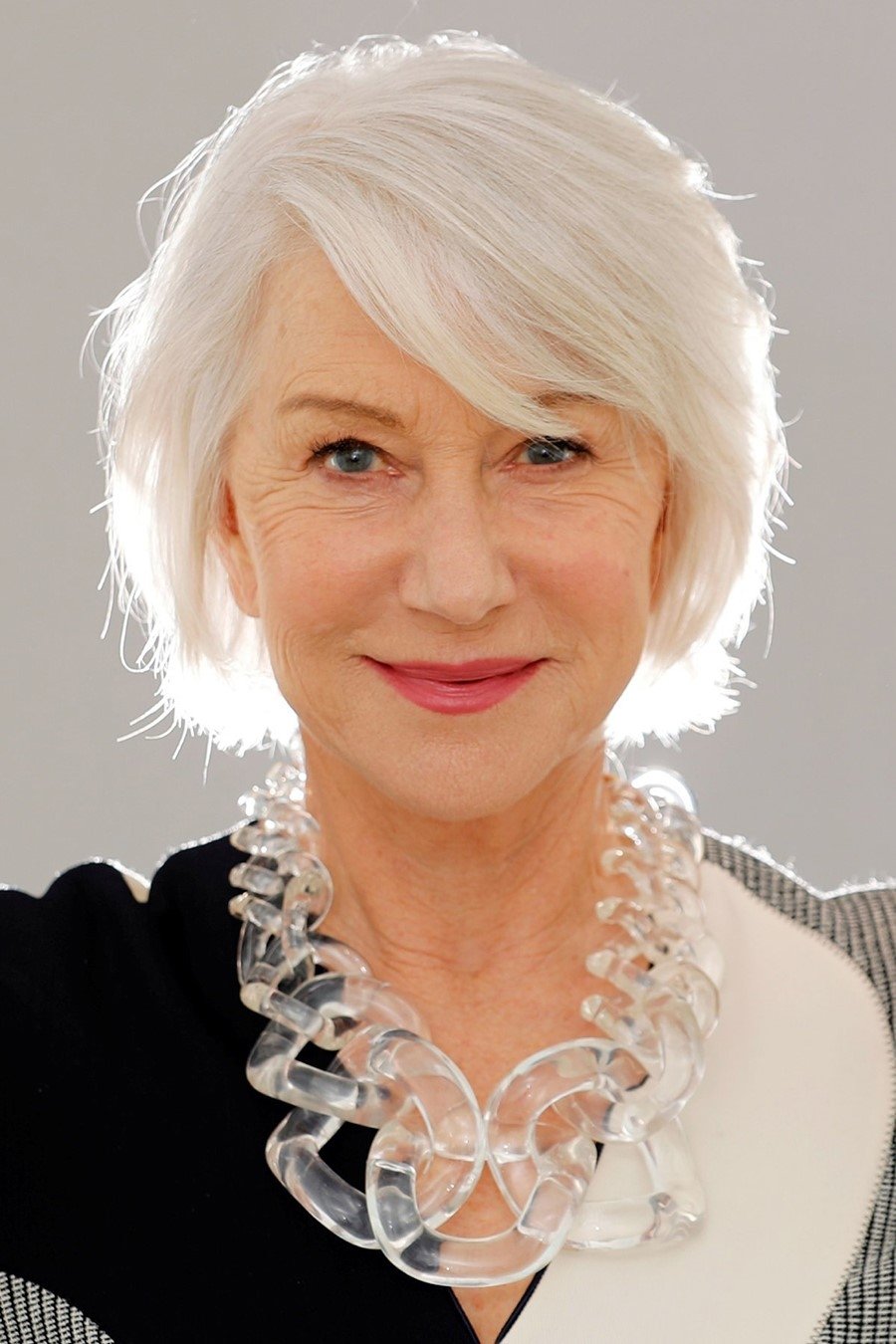
Helen Mirren addressed the issue of ageism by calling out the industry’s habit of casting older men with women young enough to be their daughters. She noted that this trend is not only unrealistic but also detrimental to the careers of middle-aged actresses. Mirren has praised the success of shows like ‘Prime Suspect’ for allowing her to play a complex, aging professional. However, she maintains that Hollywood still has a long way to go in overcoming its obsession with perpetual youth.
Geena Davis
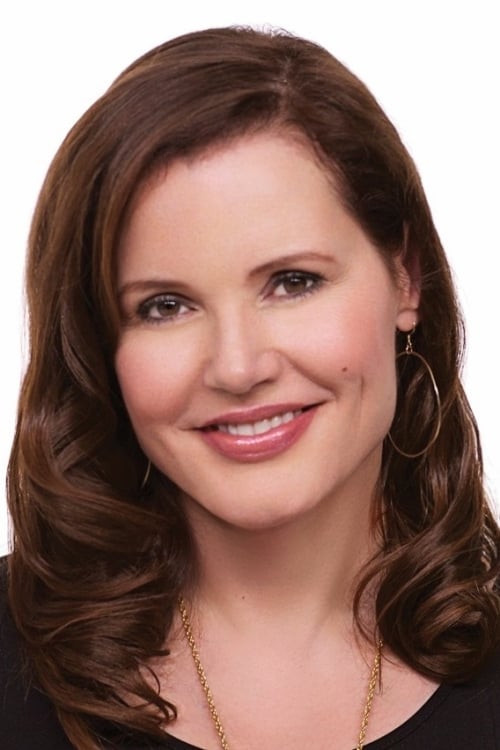
Through her work with the Geena Davis Institute on Gender in Media, the actress has provided data to support her claims of ageism. She has noted that female characters over the age of 50 are historically underrepresented and often relegated to stereotypical roles. Davis experienced this firsthand when she noticed a significant drop in role offers after she turned 40. She remains a prominent advocate for systemic changes that ensure women of all ages are visible in the media.
Nicole Kidman
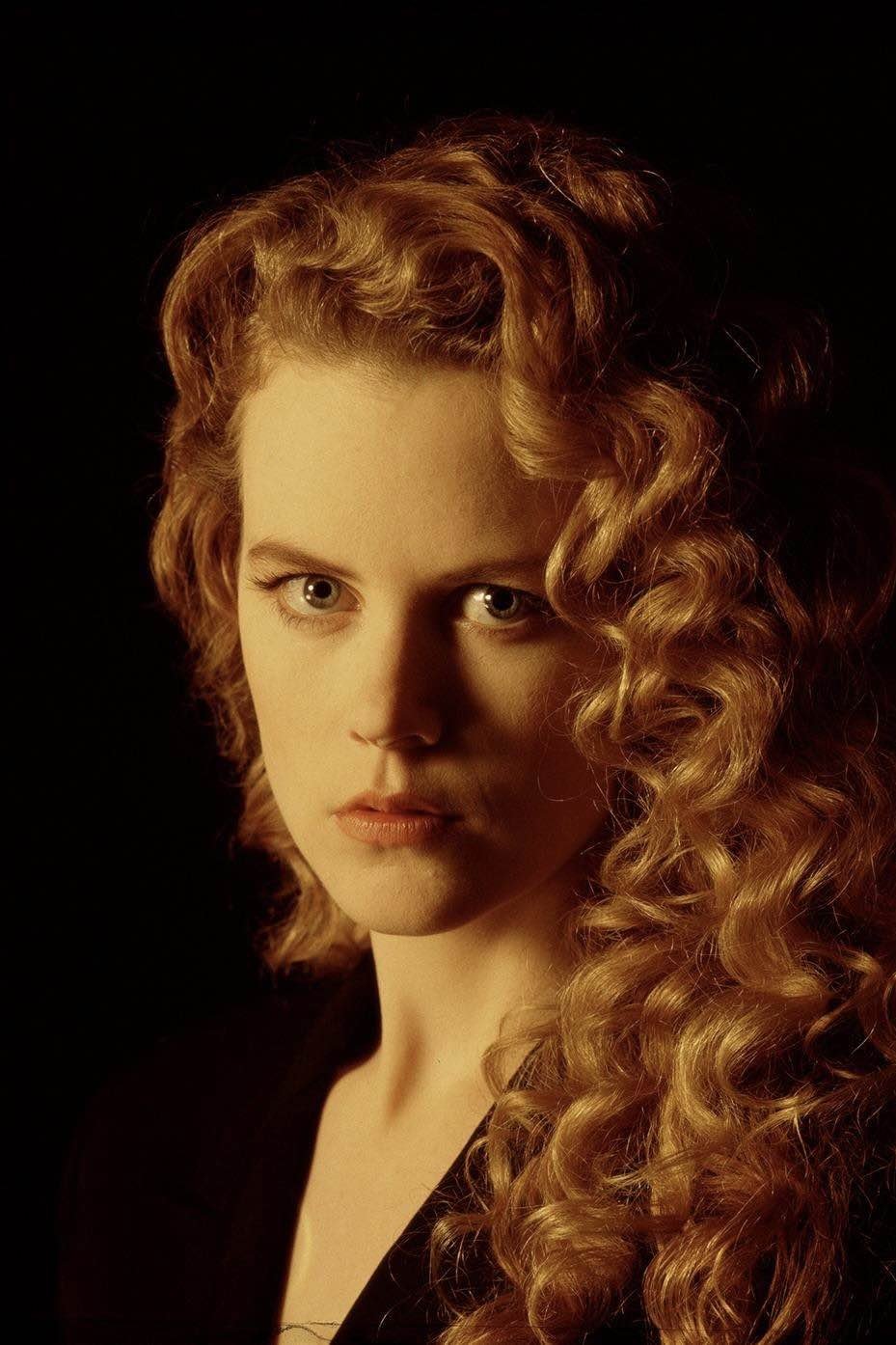
Nicole Kidman has spoken about the industry’s tendency to “write off” actresses once they hit their 40s. She described a period in her career where the scripts she received began to lack depth and variety compared to her earlier work. Kidman responded by moving into production to create her own opportunities in projects like ‘Big Little Lies’. She has stated that the industry often views women as having an “expiration date,” a concept she actively works to dismantle.
Jessica Chastain
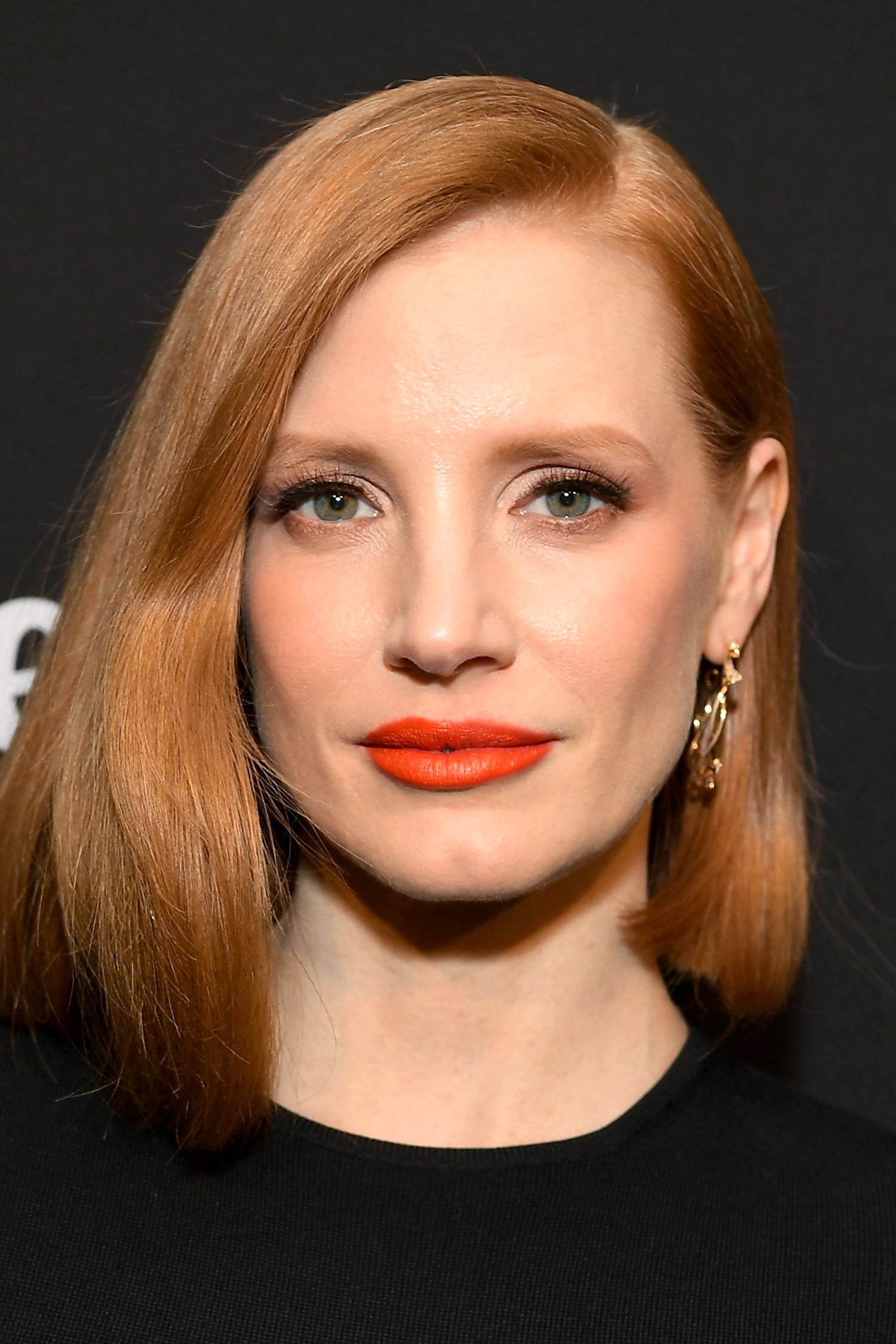
Jessica Chastain has been vocal about the “sell-by date” that Hollywood imposes on its female stars. She has pointed out that while male actors are often celebrated for their “weathered” looks as they age, women are pressured to remain frozen in time. Chastain has used her platform to advocate for more stories that center on the lives of women in their 40s and 50s. She frequently highlights the discrepancy in how the aging process is marketed to different genders.
Reese Witherspoon
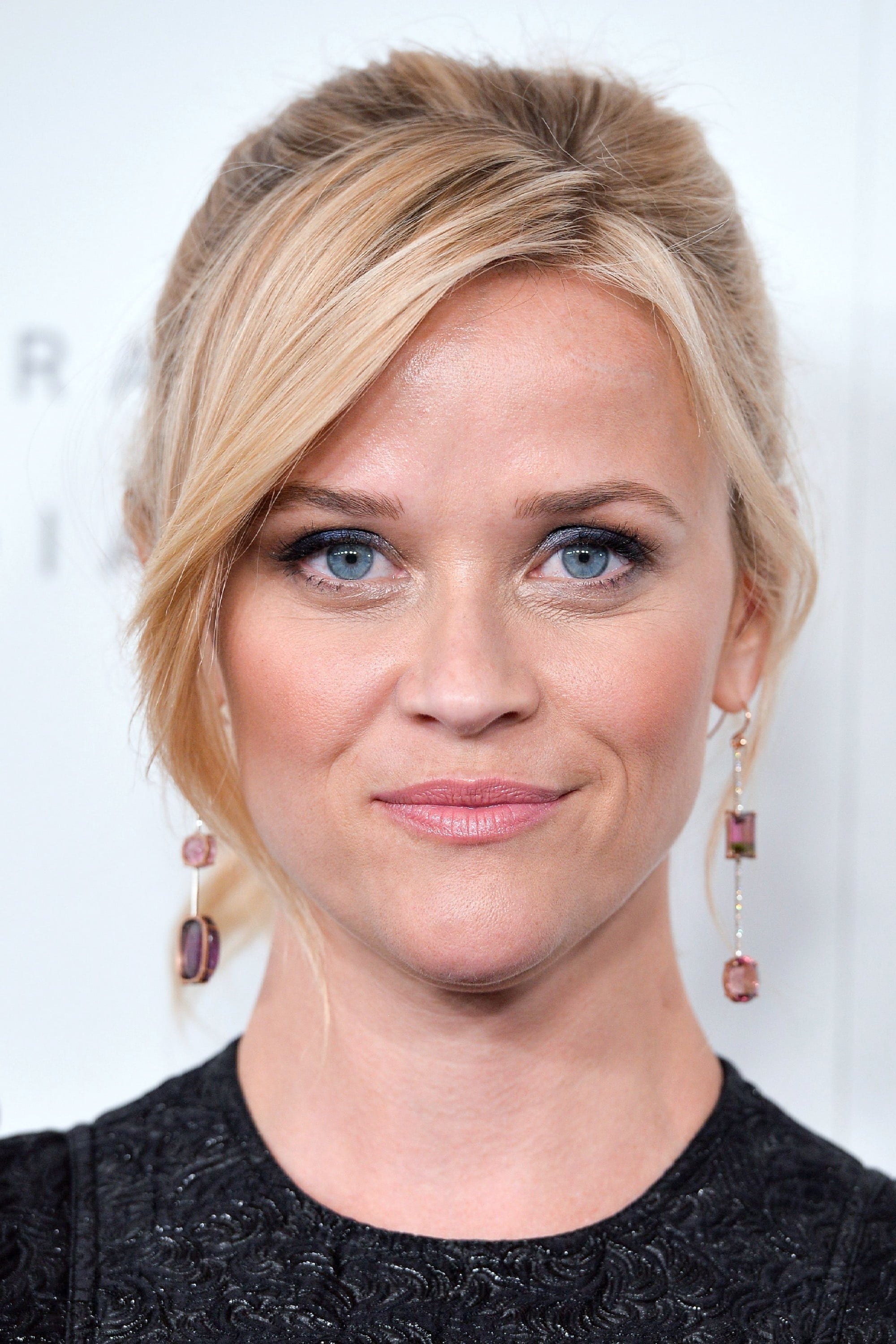
Reese Witherspoon founded her production company, Hello Sunshine, partly in response to the lack of quality roles for women over 30. She noted that she was frequently seeing scripts where female characters were merely extensions of the male lead’s story. Witherspoon has emphasized that the industry’s ageism often prevents talented women from reaching their professional peak. By producing ‘The Morning Show’, she has focused on narratives that explore the complexities of professional women navigating aging in the workplace.
Viola Davis
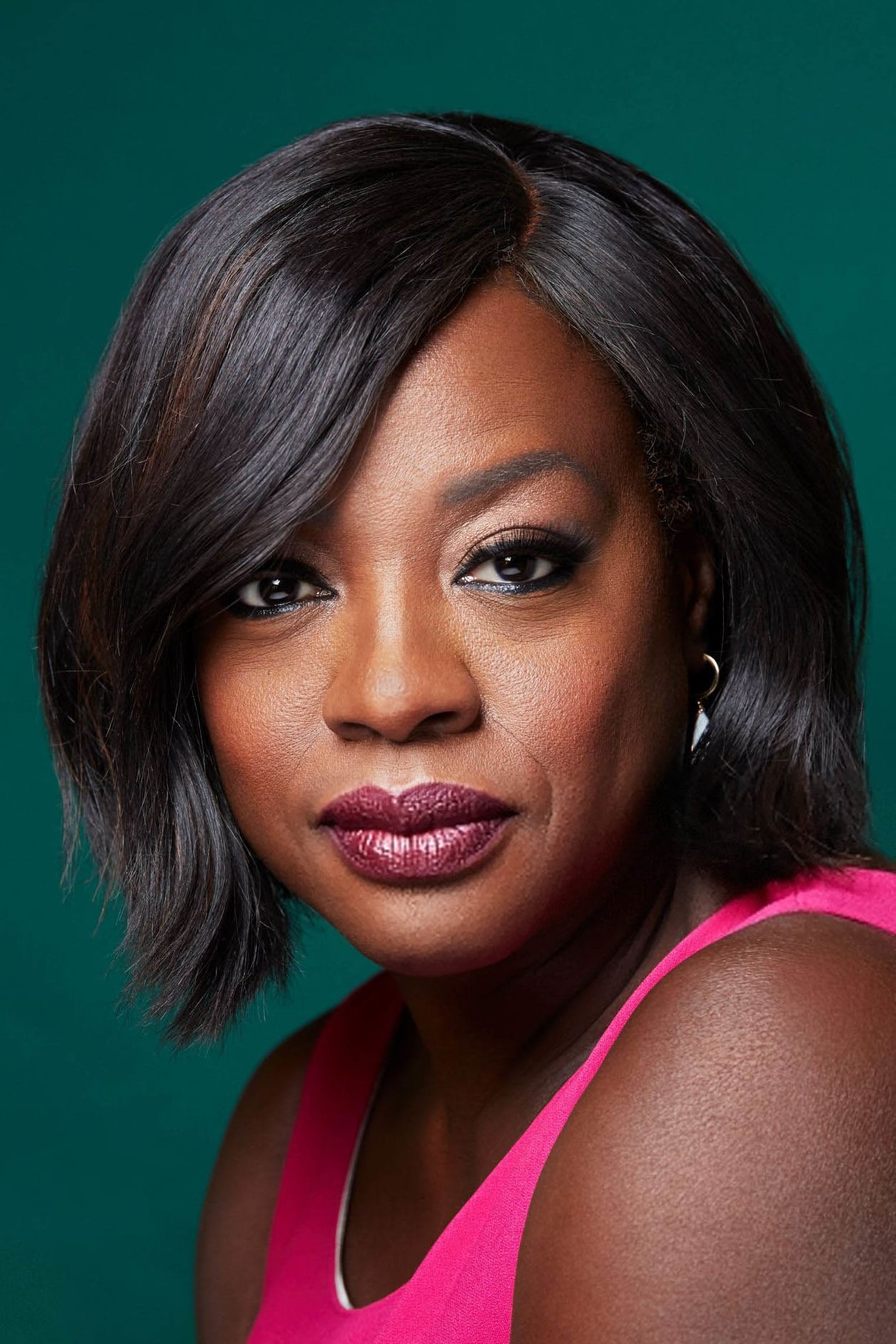
Viola Davis has addressed the intersection of ageism and racism, noting that older women of color face even fewer opportunities. She has spoken about the “cloak of invisibility” that falls over women as they age, particularly in the lead role category. Davis has criticized the industry for only offering “wise grandmother” or “domestic worker” archetypes to older Black actresses. Her role in ‘How to Get Away with Murder’ was a landmark for portraying an older woman as a powerful, sexual lead.
Sharon Stone
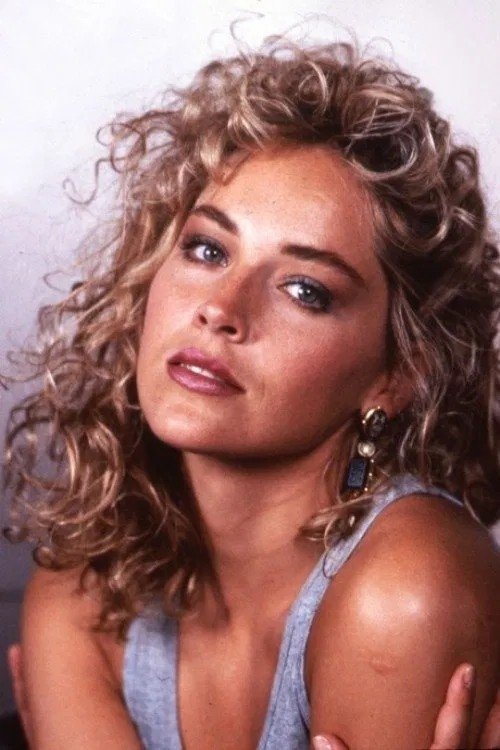
Sharon Stone has candidly discussed how she felt discarded by Hollywood after a health crisis coincided with her aging. She noted that the industry, which had marketed her as a sex symbol in ‘Basic Instinct’, seemed to lose interest once she was no longer in her 20s or 30s. Stone has stated that she had to fight significantly harder to be taken seriously for dramatic roles in her 50s. She continues to speak out against the physical perfection demanded of women in their later years.
Renée Zellweger
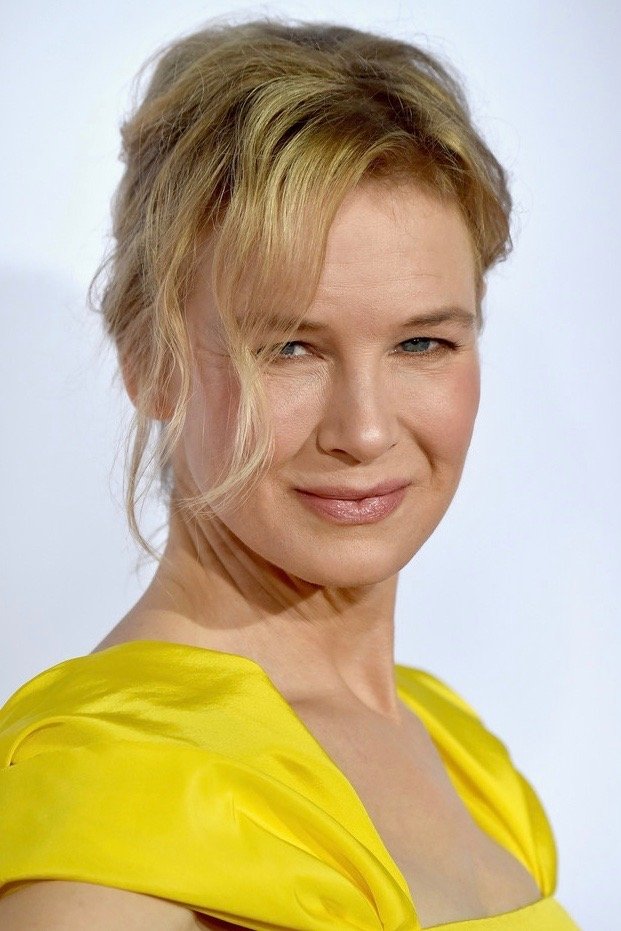
Renée Zellweger faced intense public scrutiny and ageist commentary regarding changes in her appearance as she got older. She responded by criticizing the societal and industry standards that equate a woman’s value with her youth. Zellweger noted that the conversation surrounding her face was a symptom of a larger problem with how aging women are perceived. Her Oscar-winning performance in ‘Judy’ served as a professional rebuttal to those who claimed her career was over.
Susan Sarandon
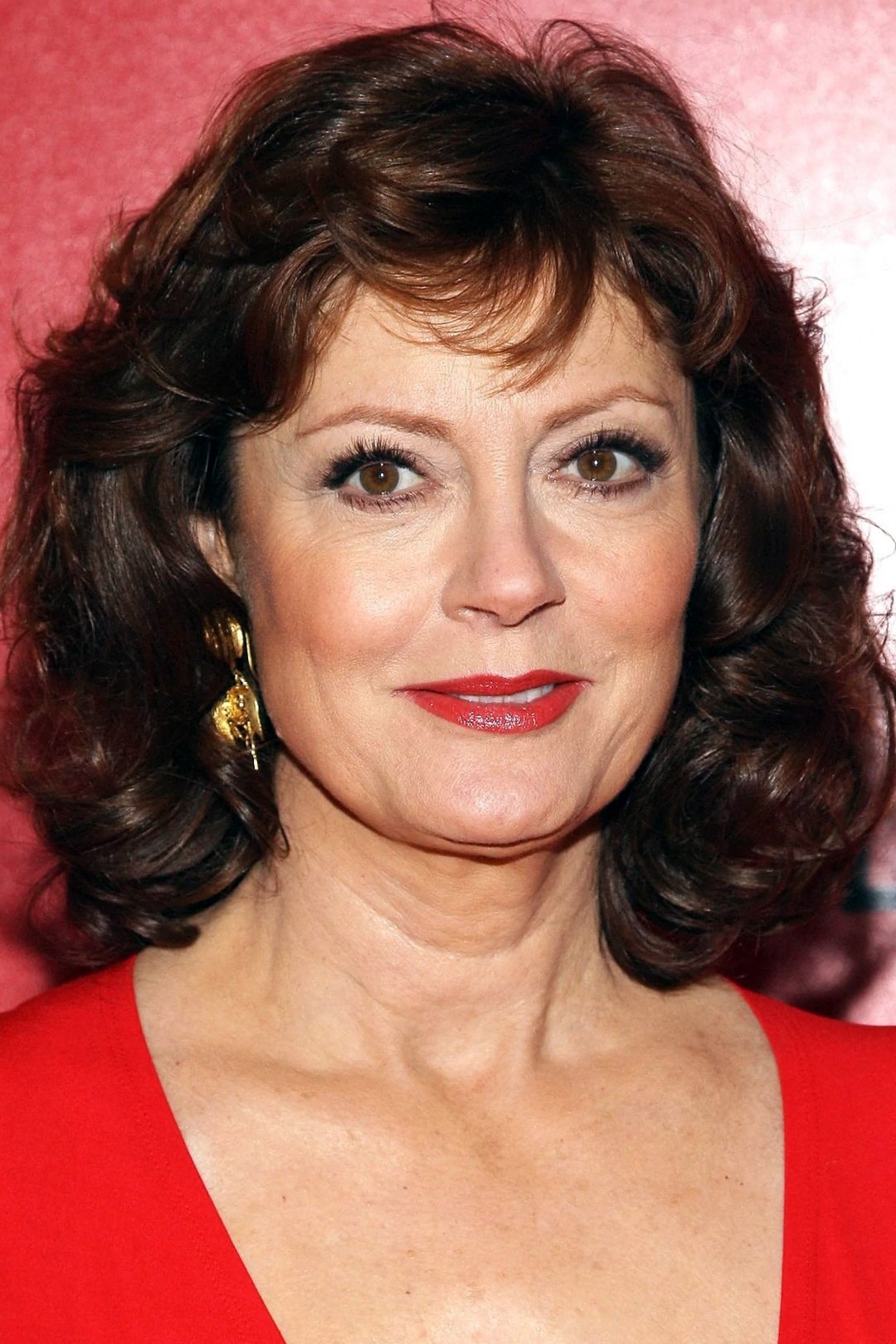
Susan Sarandon has often spoken about the “sensual” expiration date that Hollywood applies to its actresses. She noted that for many years, it was assumed that a woman’s career ended at 40 because she was no longer considered a romantic object. Sarandon has consistently chosen roles that defy these expectations, such as her work in ‘Thelma & Louise’. She remains an advocate for the idea that women remain vibrant and relevant throughout their entire lives.
Sigourney Weaver
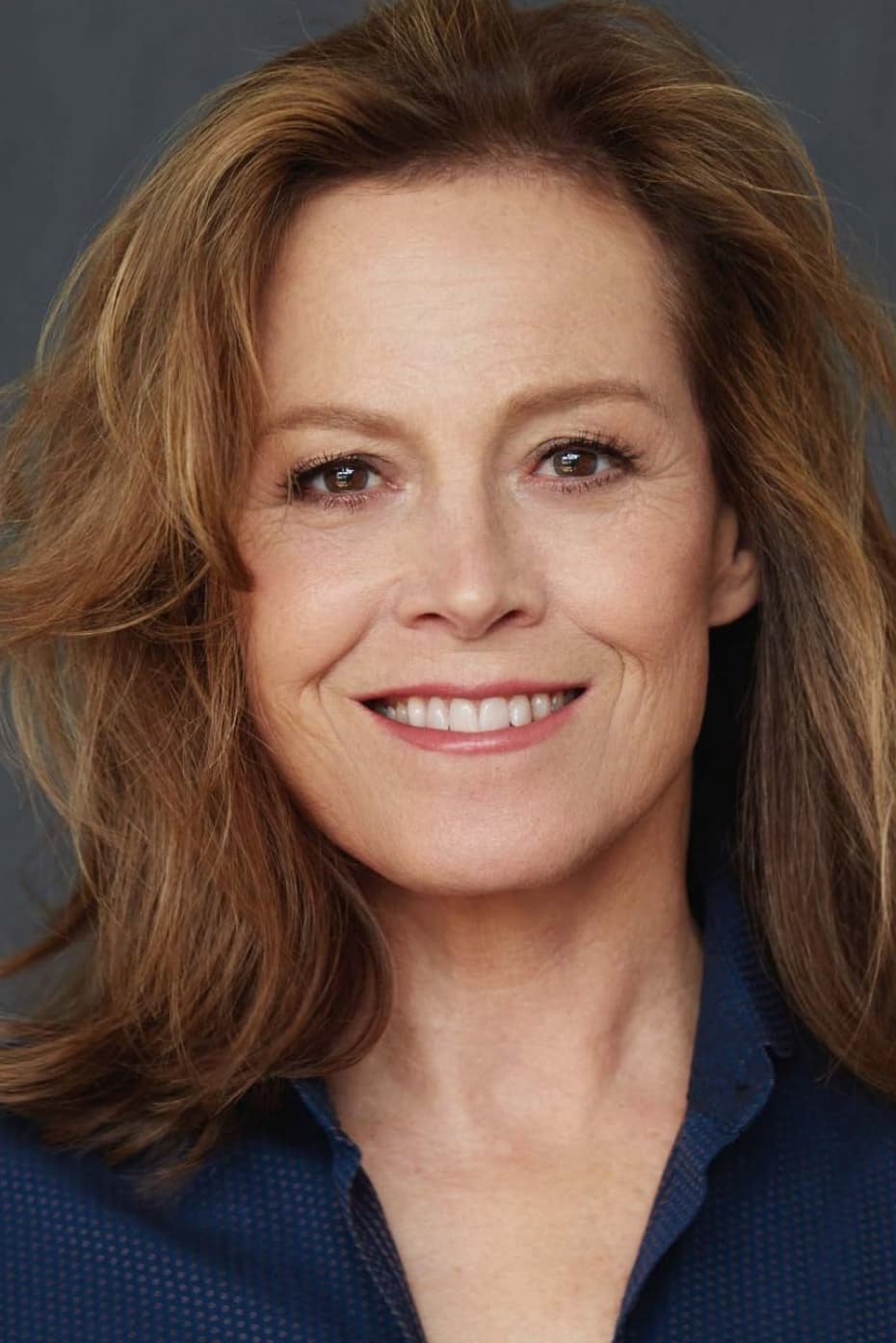
Sigourney Weaver has noted a shift in the way she was treated by the industry as she transitioned from action hero to character actress. While she has maintained a steady career with roles in the ‘Avatar’ franchise, she has acknowledged the lack of leading roles for women of her generation. Weaver has criticized the trend of “de-aging” technology, suggesting it reinforces the idea that aging is a flaw to be corrected. She continues to champion scripts that allow older women to be physically and intellectually active.
Melanie Griffith
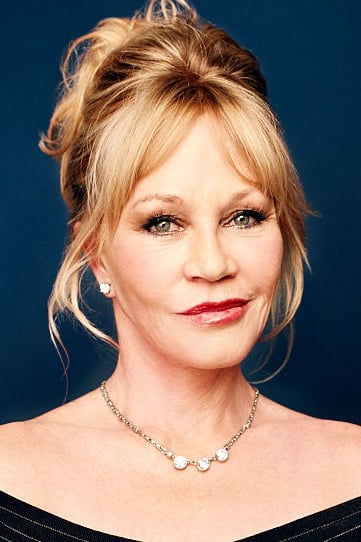
Melanie Griffith has spoken about the difficulty of maintaining a career in a youth-obsessed culture like Hollywood. She noted that after a certain age, the quality of roles offered to her diminished significantly. Griffith has expressed frustration with the industry’s focus on cosmetic surgery and the pressure to look decades younger than one’s actual age. She remains one of many actresses from the 1980s who have highlighted the “disappearing act” of middle-aged women in film.
Frances McDormand
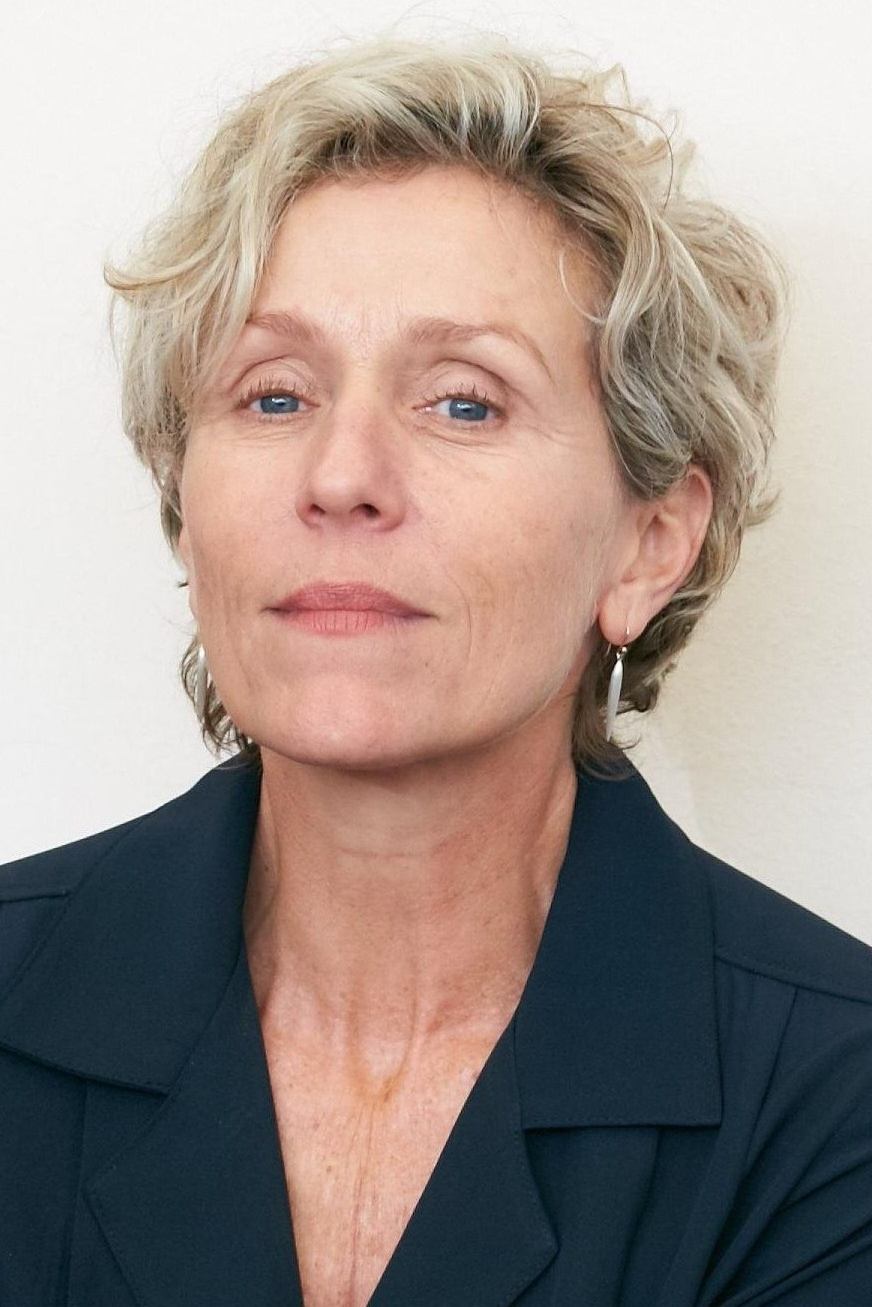
Frances McDormand is well-known for her refusal to conform to Hollywood’s beauty and aging standards. She has publicly criticized the industry’s obsession with plastic surgery and the “erasing” of life experience from women’s faces. During her Oscar acceptance speeches, she has promoted the idea of “looking like a human being” rather than a perfected image. Her roles in films like ‘Nomadland’ have proven that audiences are interested in authentic, aging characters.
Salma Hayek
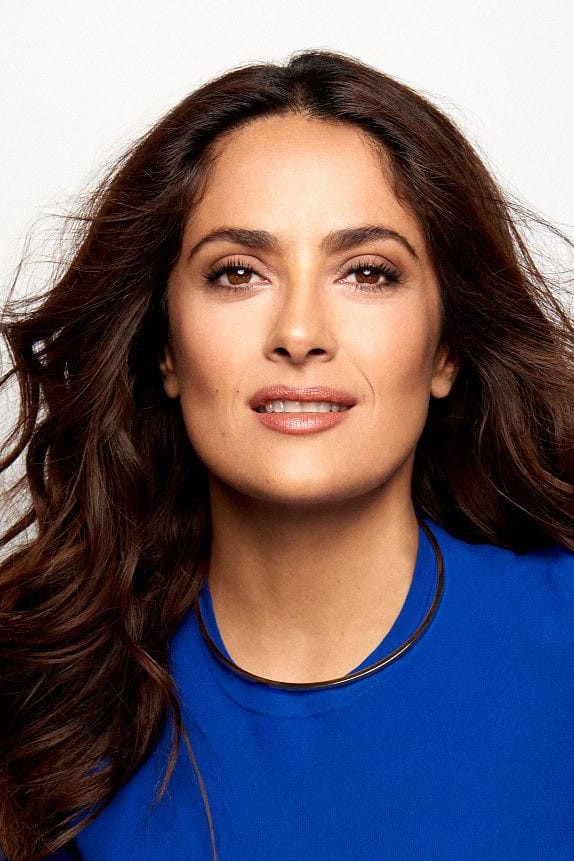
Salma Hayek revealed that she was told early in her career that her professional life would be over by the time she reached 30. She was informed that as a Latina woman, there would be even fewer roles available to her as she aged. Hayek has since surpassed those expectations, continuing to land major roles in films like ‘Eternals’ well into her 50s. She uses her success to point out that the industry’s “rules” for aging are often completely arbitrary.
Carrie Fisher
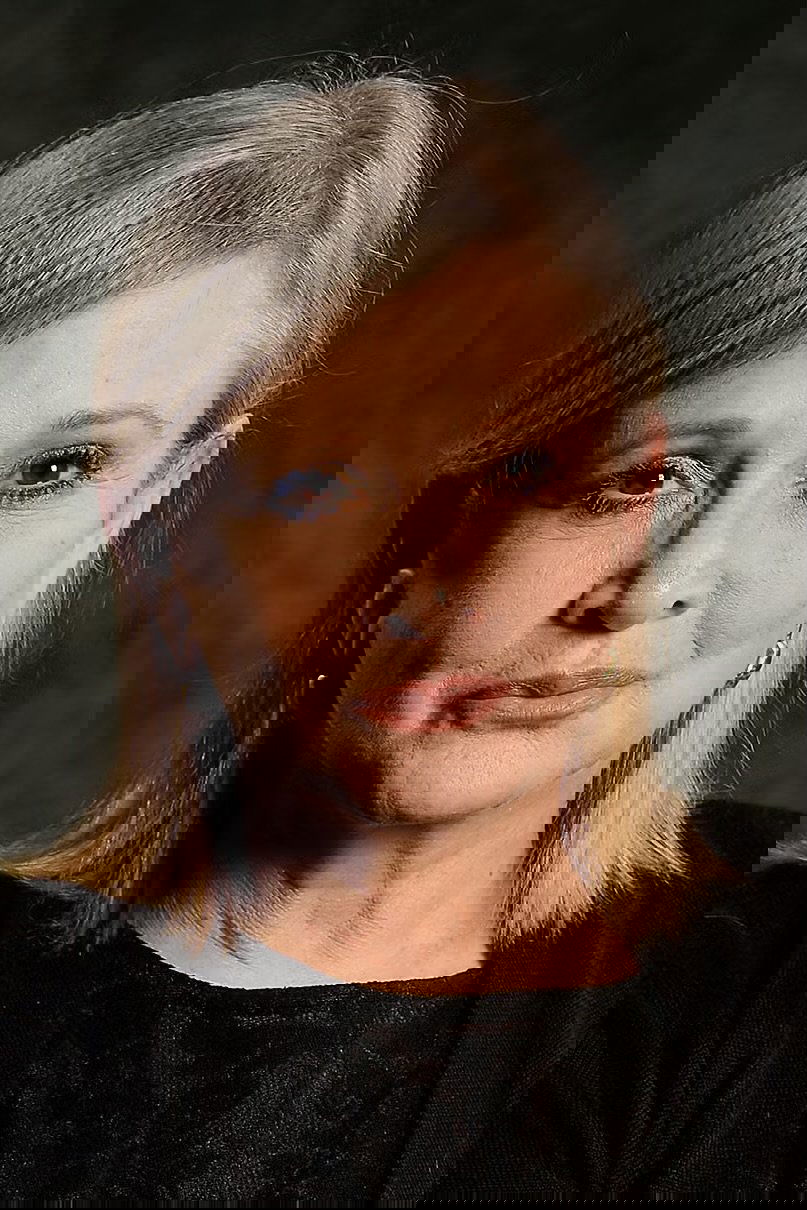
The late Carrie Fisher was open about the pressure she faced to lose weight and look younger for the ‘Star Wars’ sequel trilogy. She famously quipped that “they don’t want all of me, only about three-quarters.” Fisher criticized the industry for treating actresses like “products” with a limited shelf life. She used her wit to expose the absurdity of expecting a woman in her 60s to look the same as she did in her 20s.
Jane Fonda
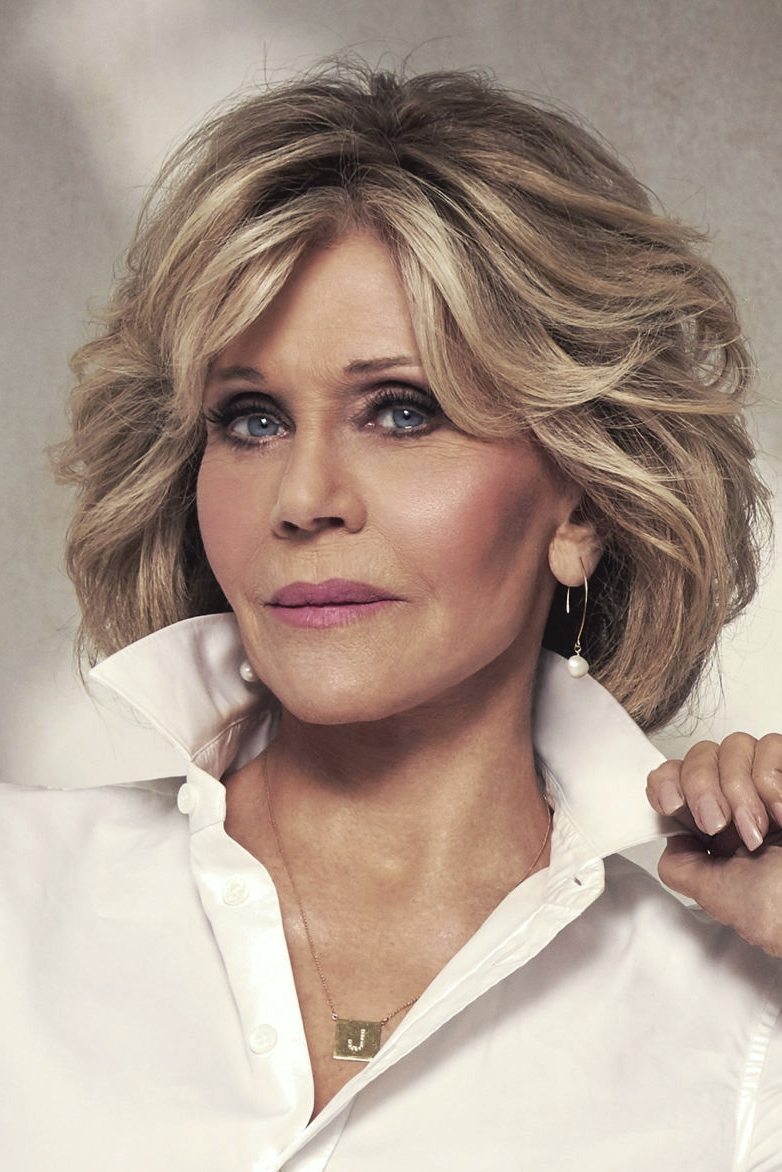
Jane Fonda has been a prominent voice against ageism for decades, often discussing the “third act” of a woman’s life. She has noted that she had to leave Hollywood for a time because she felt there were no meaningful roles for her. Upon her return, she focused on projects like ‘Grace and Frankie’ that specifically addressed the lives of older women. Fonda continues to challenge the notion that aging is a period of decline rather than growth.
Diane Keaton
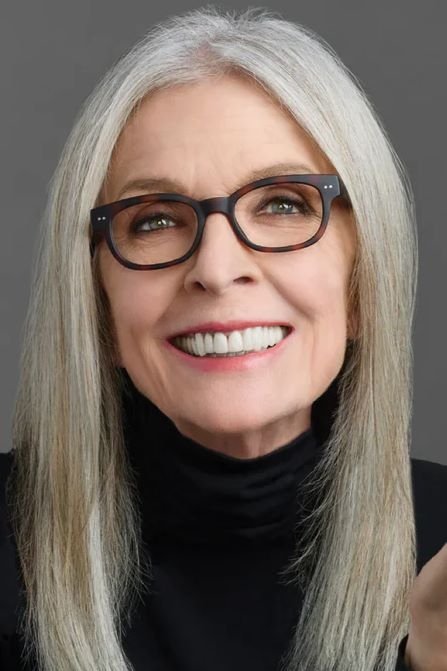
Diane Keaton has observed that romantic comedies featuring older women are becoming increasingly rare in the studio system. She has noted that while she still works frequently, the types of stories being told about women her age are often limited. Keaton has spoken about the industry’s reluctance to fund projects that center on the emotional lives of women over 60. She remains a style icon who refuses to hide her age or conform to traditional Hollywood expectations.
Brooke Shields
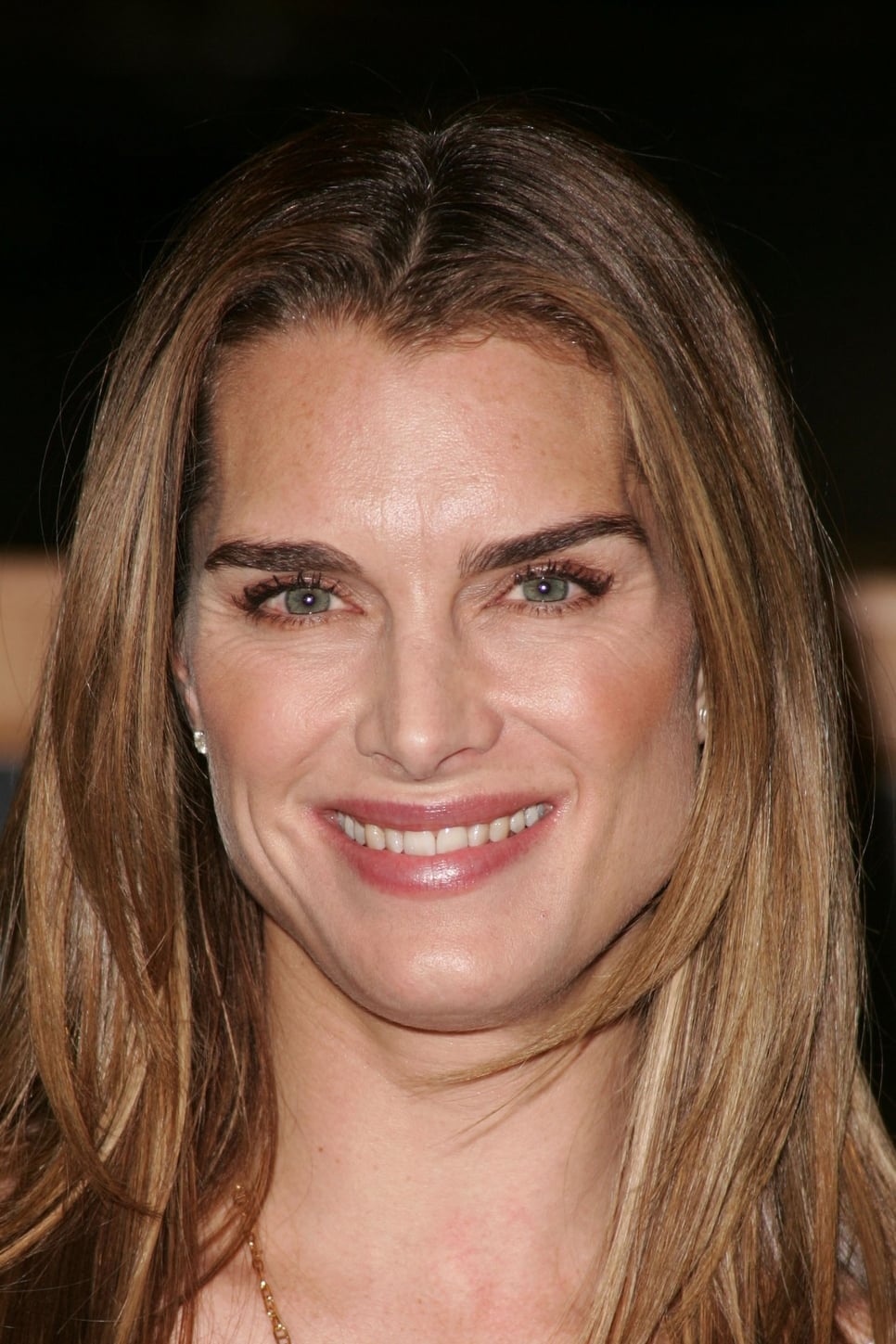
Brooke Shields has discussed the “invisible” feeling that many actresses experience once they cross the threshold of 40. She noted that despite her decades of experience, she found herself having to prove her worth all over again to a younger generation of executives. Shields has become an advocate for the “pro-age” movement, encouraging the industry to see value in the wisdom of older performers. She has highlighted the irony of discarding women just as they become more confident and skilled.
Gillian Anderson
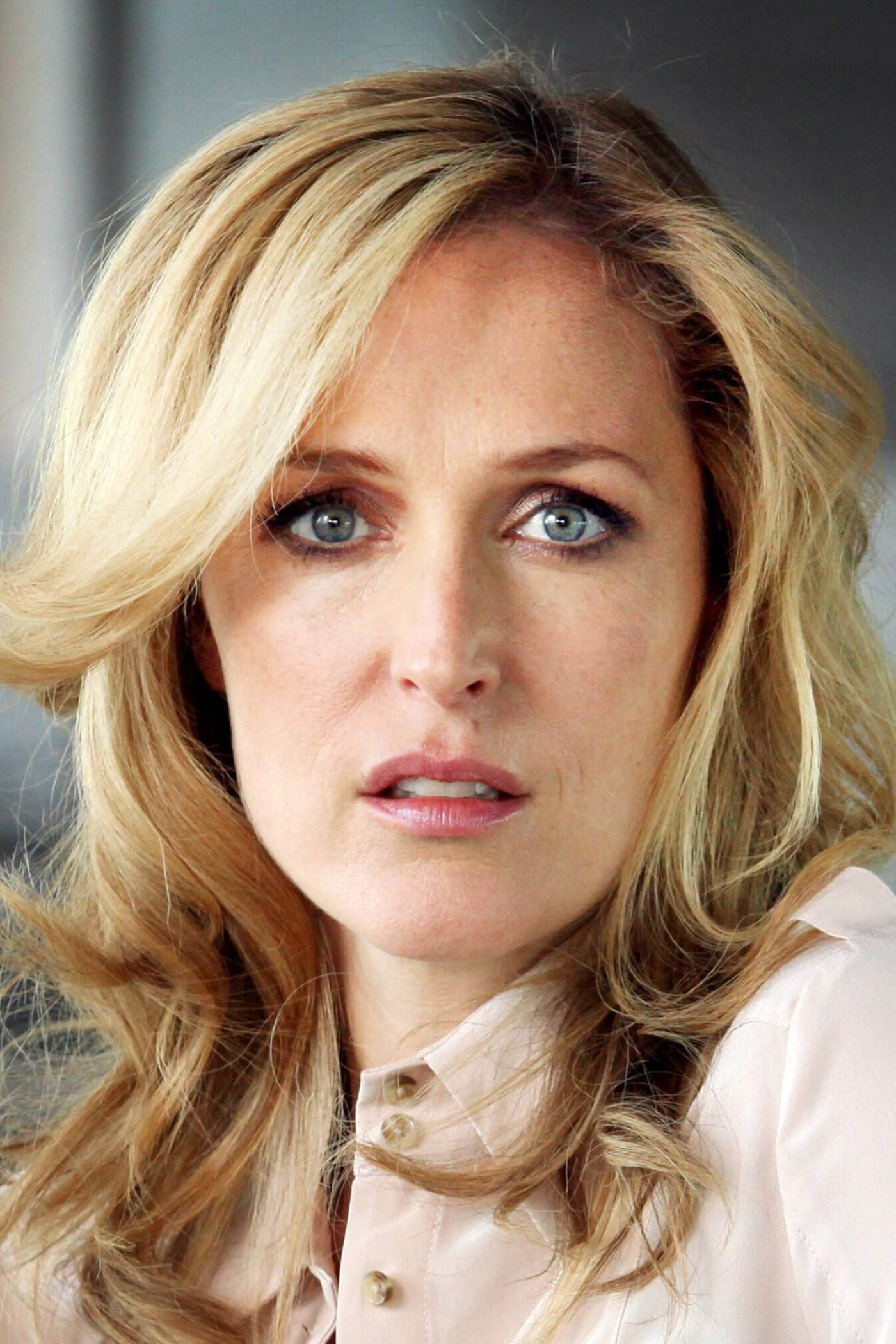
Gillian Anderson spoke out about the age disparity when it was rumored that she was offered half the pay of her male co-star for ‘The X-Files’ revival. She has also addressed the double standards in how she and David Duchovny were allowed to age on screen. Anderson noted that women are often scrutinized for every wrinkle, while men are described as “distinguished.” She continues to select roles in the UK and US that showcase the complexity of aging women, such as in ‘The Fall’.
Sarah Paulson
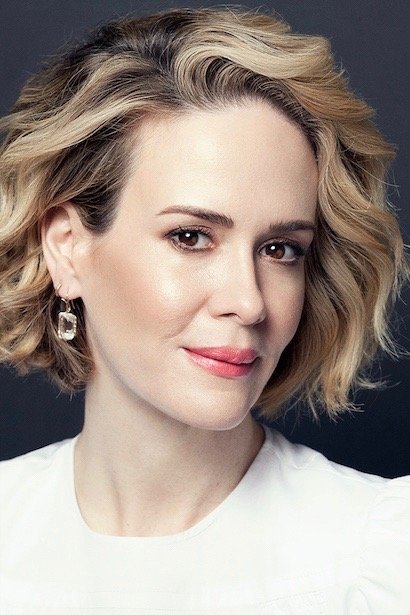
Sarah Paulson has criticized the backlash she received for playing characters that were older or younger than her actual age. She has spoken about the industry’s tendency to pigeonhole actresses based on their perceived “marketability” at different life stages. Paulson has noted that men are rarely questioned for playing a wide range of ages, whereas women’s ages are often a central point of discussion. She continues to push for roles that focus on the character’s journey rather than their birth date.
Julia Roberts
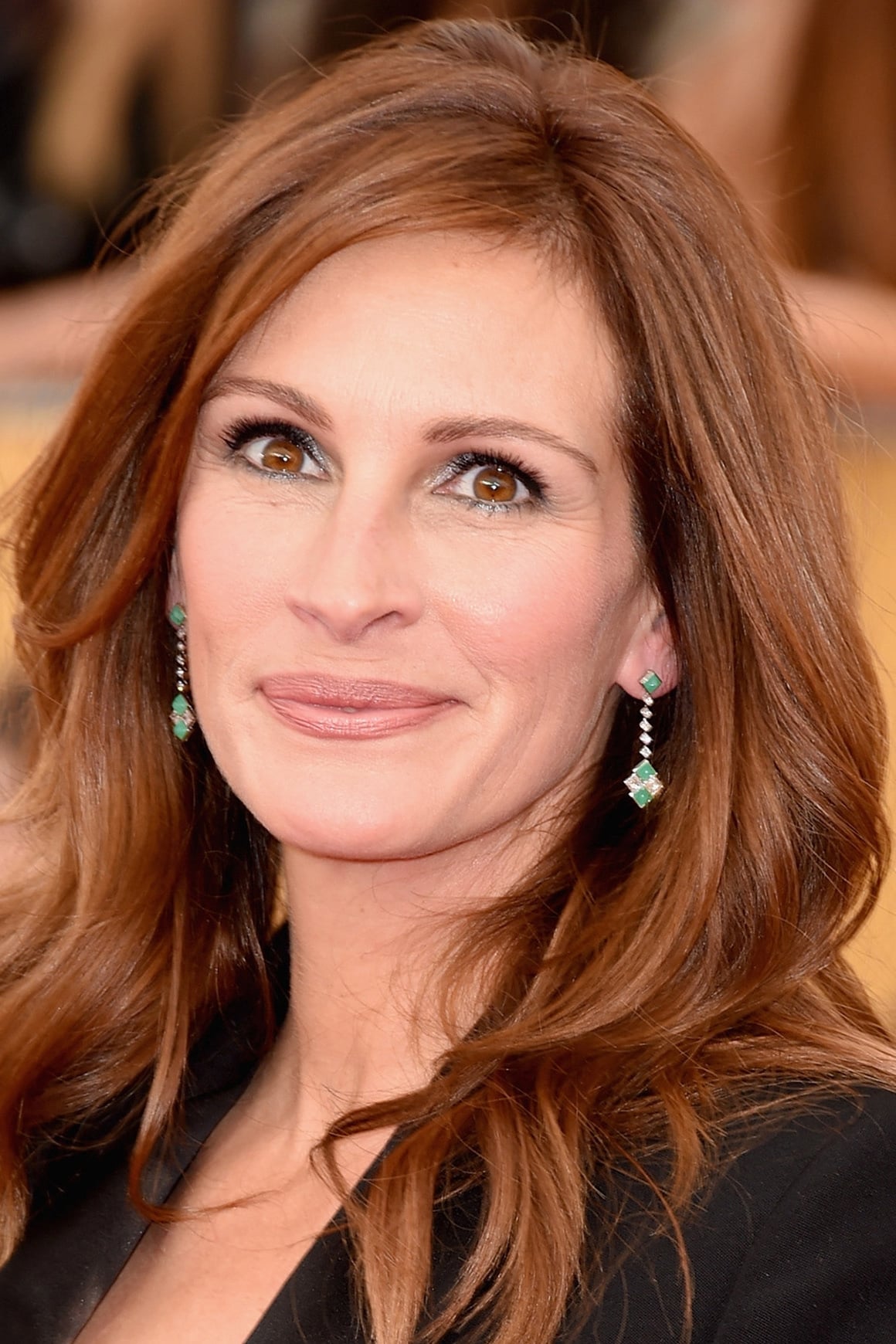
Julia Roberts has discussed the “ticking clock” that many actresses feel in their 30s and 40s. She noted that for a long time, the industry narrative suggested that a woman’s career peak was inherently tied to her youth. Roberts has intentionally stepped away from the “America’s Sweetheart” label to pursue more varied roles as she has matured. She has stated that the industry’s fear of aging is a reflection of broader societal anxieties that need to be addressed.
Sandra Bullock
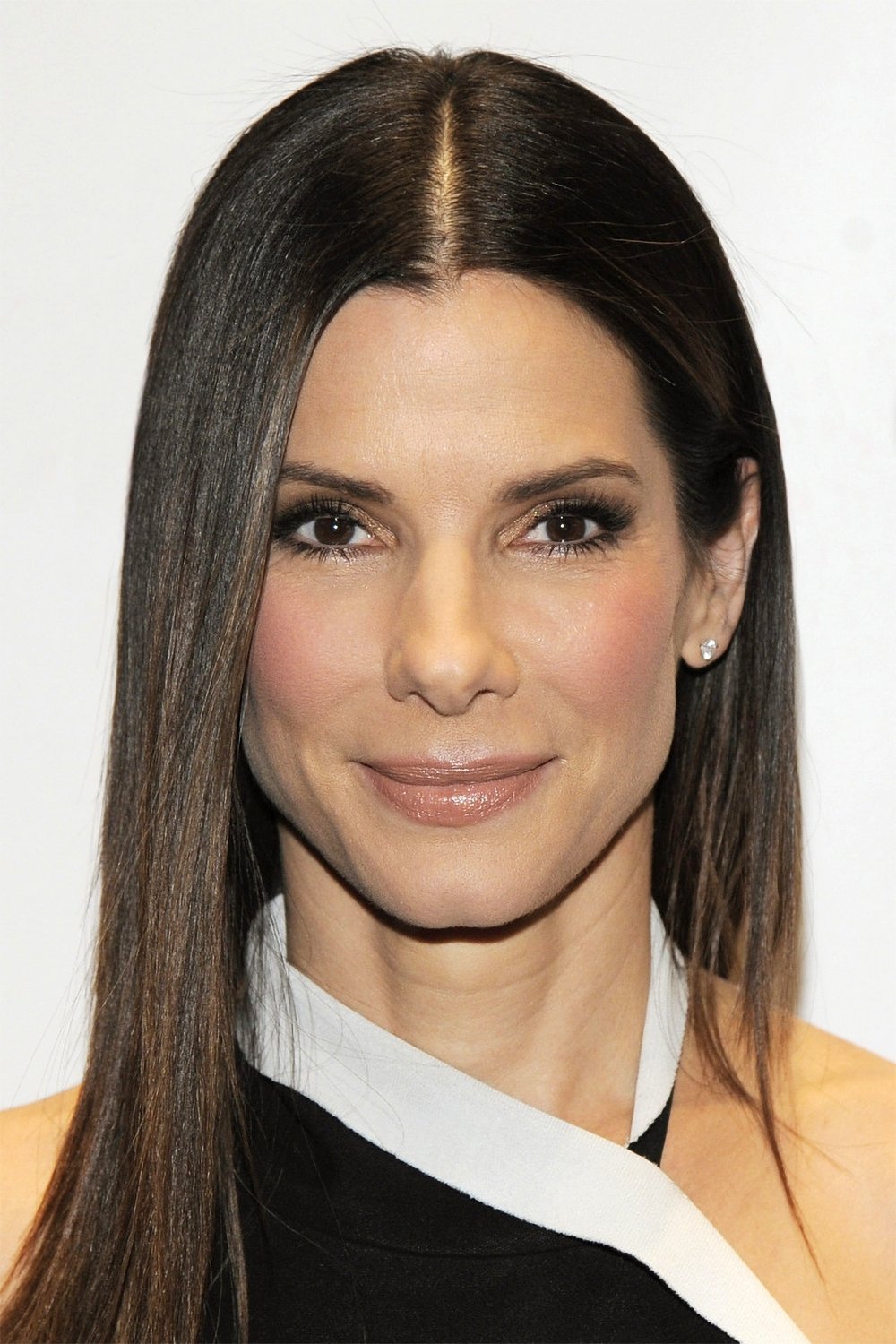
Sandra Bullock has spoken about the “expiration date” that the media and film studios place on women. She noted that she was frequently asked about her retirement or her “aging process” in ways her male counterparts were not. Bullock has highlighted the fact that she had to become a producer to ensure she could keep finding roles that challenged her. She remains a vocal proponent for judging actresses by their talent rather than their age.
Naomi Watts
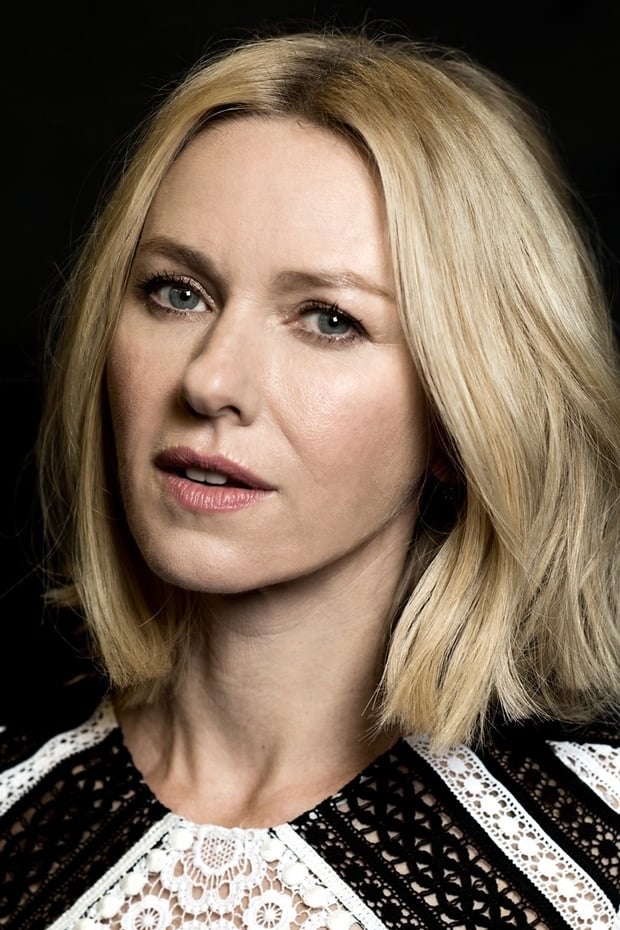
Naomi Watts revealed that she was told her career would be over by the age of 40. The actress, who found major success later than some of her peers, was warned that she was “un-fuckable” after a certain age by industry standards. Watts has since become an advocate for changing the conversation around menopause and aging in Hollywood. She continues to prove these predictions wrong by leadings films and television series well into her 50s.
Cate Blanchett
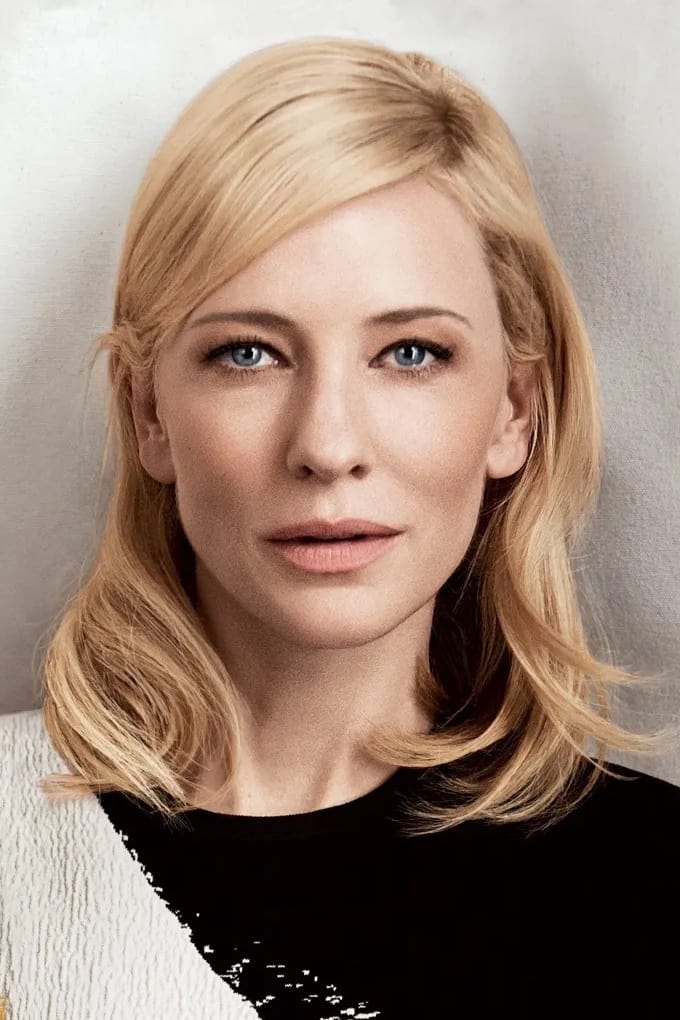
Cate Blanchett has used her various award acceptance speeches to call out the “patriarchal” structures of the film industry. She has specifically criticized the idea that female-led stories, especially those featuring older women, are “niche.” Blanchett has argued that the industry’s ageism is a missed financial opportunity, as audiences want to see diverse life stages represented. She continues to select transformative roles that prioritize artistic depth over youth-centric aesthetics.
Please share your thoughts on how Hollywood can better represent actresses of all ages in the comments.