


Actresses Who Faced Industry Blacklisting

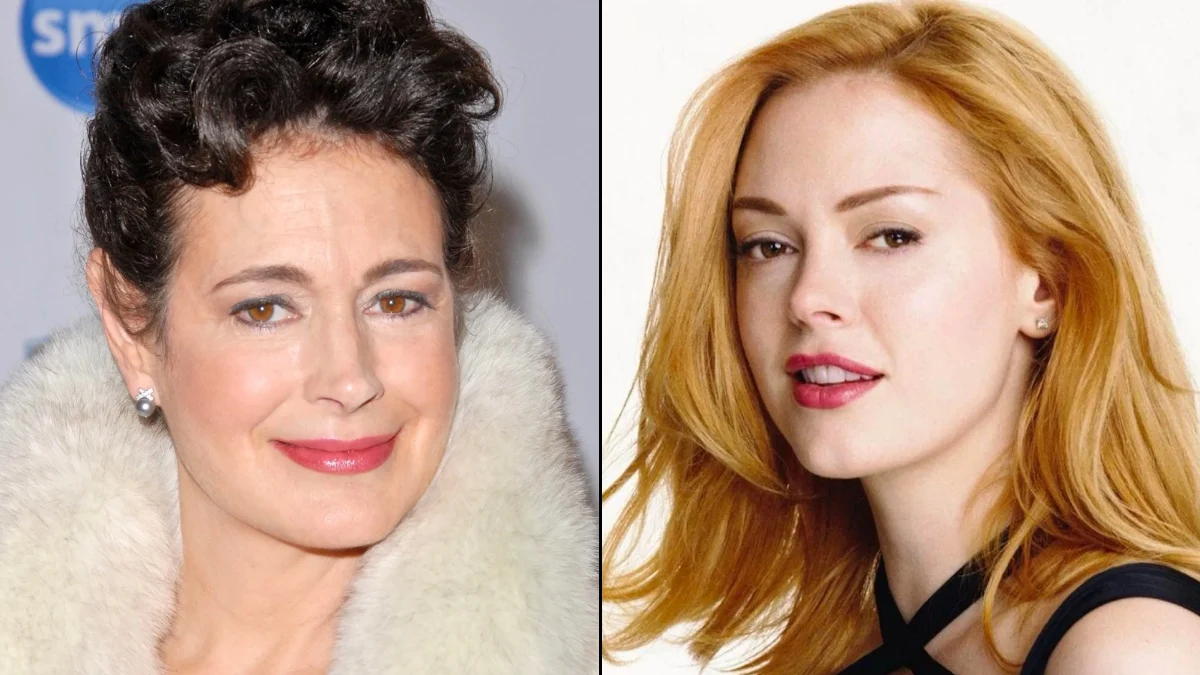


The film industry has long operated on a system of influence and reputation that can dictate the longevity of a career. While many performers enjoy decades of success, others find their opportunities suddenly vanishing due to behind-the-scenes conflicts or systemic gatekeeping. This phenomenon, often referred to as being “blackballed” or “quietly blacklisted,” has affected several high-profile actresses who challenged the status quo or fell out of favor with powerful executives. Understanding the circumstances surrounding these career shifts provides insight into the complex power dynamics of Hollywood.
Rose McGowan

Rose McGowan rose to prominence with roles in films like ‘Scream’ and the long-running television series ‘Charmed’. Her career trajectory shifted significantly after she became one of the first women to speak out against the conduct of powerful studio heads. Internal communications later revealed that her vocal stance led to her being actively discouraged for roles by influential industry figures. This forced her to move toward independent projects and advocacy work rather than mainstream blockbusters. Her transition away from major studio productions highlighted the professional risks associated with challenging entrenched industry power structures.
Mira Sorvino

After winning an Academy Award for her performance in ‘Mighty Aphrodite’, Mira Sorvino was one of the most sought-after actresses in the late 1990s. However, her presence in major motion pictures suddenly diminished despite her critical success and proven box-office appeal. It was later confirmed by director Peter Jackson that Miramax executives told him Sorvino was a “nightmare” to work with, leading to her removal from consideration for ‘The Lord of the Rings’ trilogy. This revelation validated long-standing rumors that her career had been systematically sabotaged through negative whispering campaigns. She has since found success in various television roles, including the series ‘Hollywood’.
Ashley Judd
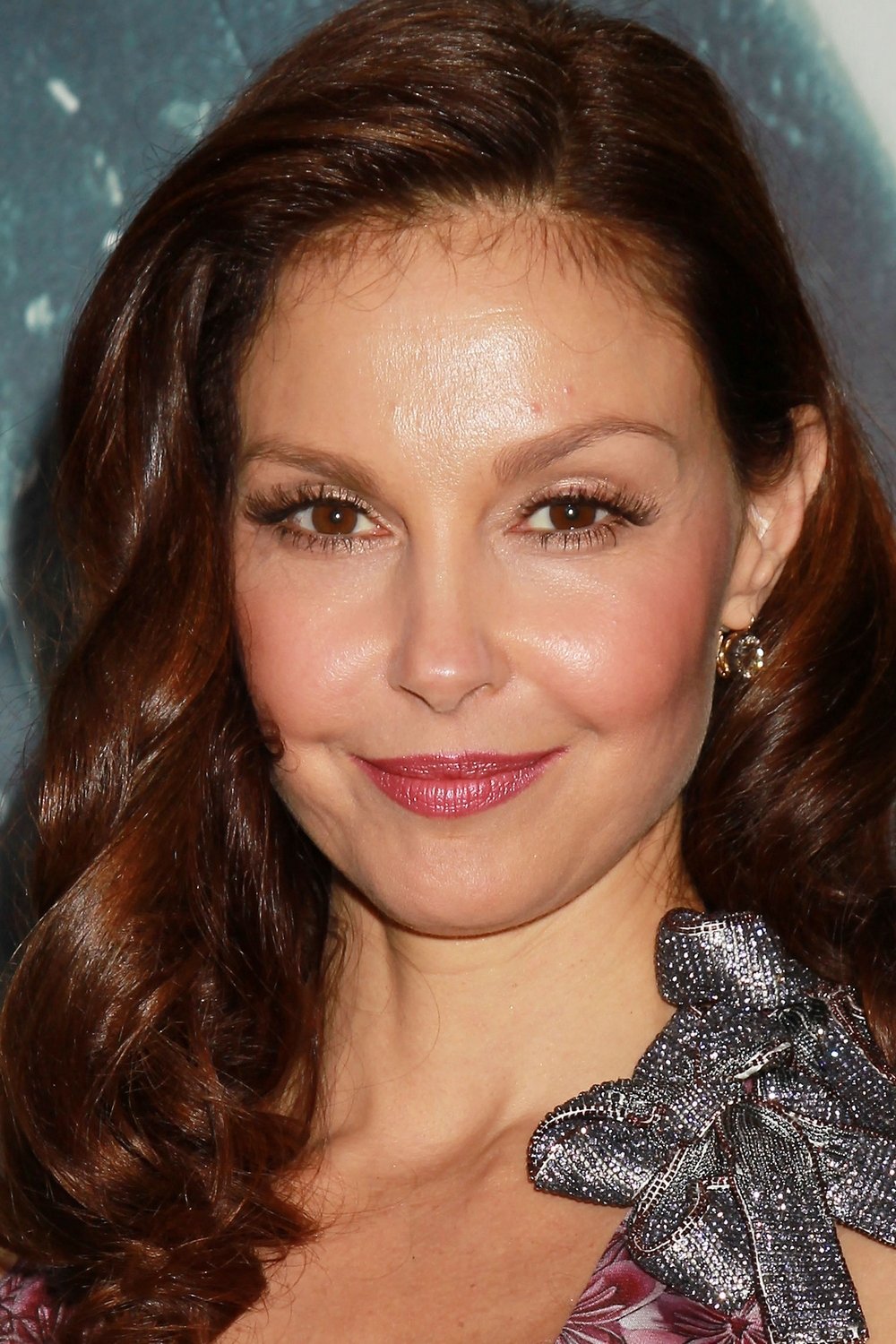
Ashley Judd established herself as a leading lady in the 1990s with starring roles in hits such as ‘Ruby in Paradise’ and ‘Double Jeopardy’. Her career saw a noticeable decline in high-profile opportunities during the early 2000s without a clear professional explanation. Investigation into industry practices revealed that she was another target of smear campaigns designed to limit her casting potential after she rebuffed unwanted advances. Directors who were interested in her were reportedly warned that she was difficult to manage on set, causing them to look elsewhere. She eventually took legal action to address the professional damage caused by these coordinated efforts to stall her career.
Mo’Nique
Mo’Nique earned widespread acclaim and an Academy Award for her supporting role in the 2009 drama ‘Precious’. Her professional standing changed when she refused to participate in uncompensated international promotional tours during the awards season. This led to a public dispute with director Lee Daniels, who later admitted that she had been blackballed for her refusal to follow traditional industry protocols. For several years, she faced a lack of offers for significant film roles despite her critical prestige. She eventually returned to the screen in projects like ‘The Reading’ after a long period of public advocacy for fair compensation.
Katherine Heigl

Katherine Heigl became a household name through her role in the medical drama ‘Grey’s Anatomy’ and the romantic comedy ‘Knocked Up’. Her career momentum stalled after she publicly criticized the writing of her television show and the gender dynamics of her film projects. These comments resulted in her being labeled as difficult and ungrateful by various producers and media outlets. The negative perception led to a decrease in major studio film offers and a transition toward smaller independent cinema and television movies. She has since transitioned back to leading roles in television with series like ‘Firefly Lane’.
Megan Fox
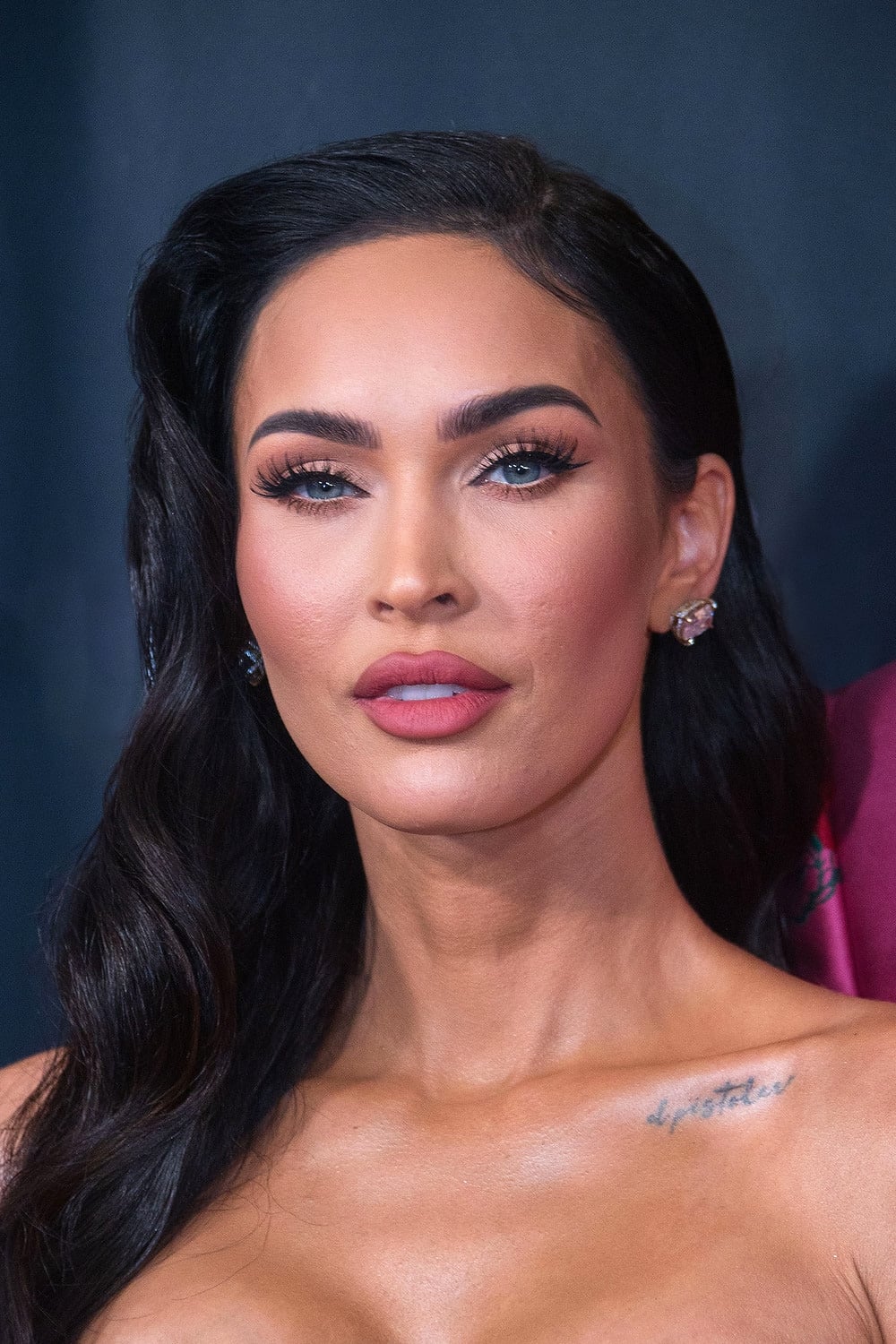
Megan Fox became a global superstar following her appearance in the action blockbuster ‘Transformers’. Her career took a sharp turn after she gave a controversial interview comparing director Michael Bay to Hitler regarding his behavior on the film set. Following these comments, producer Steven Spielberg reportedly ordered her firing from the franchise’s third installment. The fallout resulted in a period where she was largely excluded from big-budget studio projects as her reputation was scrutinized. She eventually reconciled with Bay for the ‘Teenage Mutant Ninja Turtles’ films, but her trajectory as a top-tier leading lady had been significantly altered by the incident.
Tippi Hedren
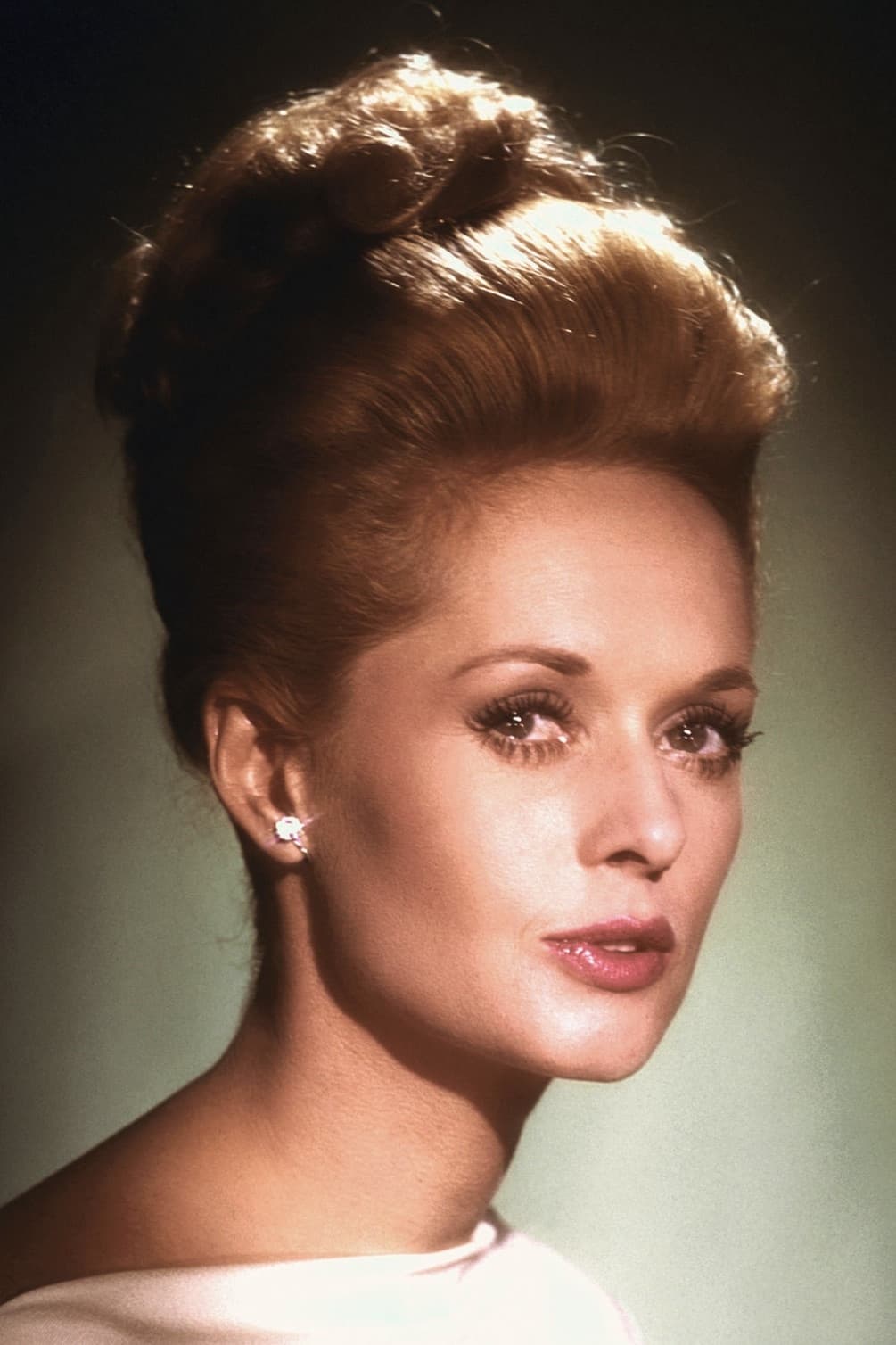
Tippi Hedren was discovered by Alfred Hitchcock and starred in his classics ‘The Birds’ and ‘Marnie’. When she rejected the director’s personal advances, he allegedly vowed to ruin her career by keeping her under contract while refusing to cast her in new projects. Because she was legally bound to him, she could not accept work from other directors who were interested in her talent during her professional prime. This period of forced inactivity effectively ended her status as a top-tier Hollywood star. Her experience remains a frequently cited historical example of the abuse of power within the studio system.
Sondra Locke

Sondra Locke received an Academy Award nomination for her debut in ‘The Heart Is a Lonely Hunter’ before entering a long-term professional partnership with Clint Eastwood. After their relationship ended, she filed a lawsuit alleging that a development deal she received at Warner Bros. was a sham intended to keep her from working. She claimed the studio rejected over thirty projects she proposed, which effectively sidelined her career as a director and actress for years. The legal battle eventually settled, but the situation had already cost her a decade of professional opportunities. Her case brought significant attention to how “pay-or-play” deals could be used to silence performers.
Sean Young
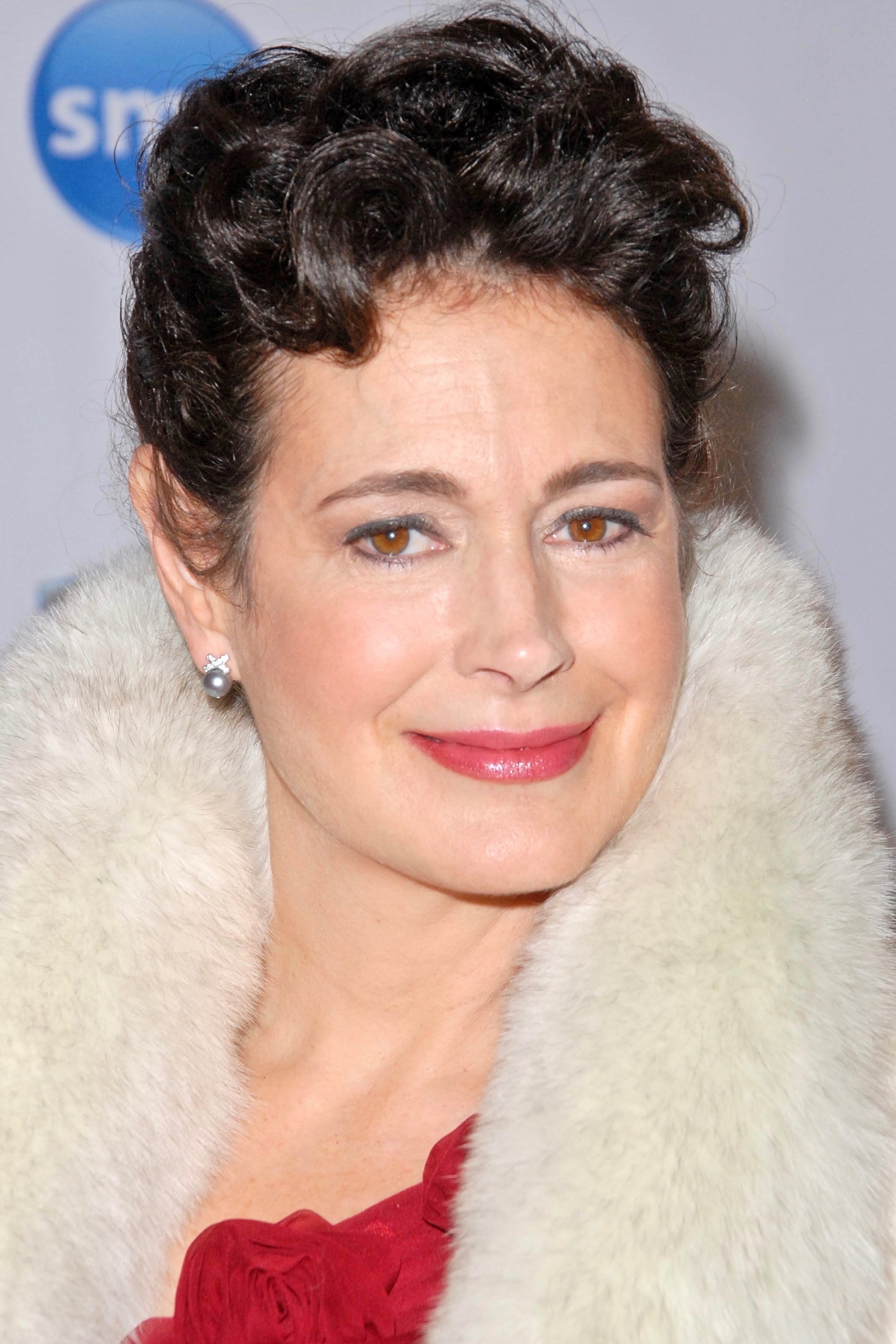
Sean Young was a prominent actress in the 1980s with iconic roles in ‘Blade Runner’ and ‘No Way Out’. Her reputation suffered after she was involved in highly publicized disputes on the sets of films like ‘Wall Street’. Her unsuccessful and very public attempt to campaign for the role of Catwoman in ‘Batman Returns’ further alienated studio executives who viewed her behavior as erratic. These incidents led to a shift from A-list productions to smaller independent films and guest appearances. She has remained active in the industry but has not regained the commercial standing she held during the peak of her career.
Tell us what you think about these industry stories in the comments.