


Actresses Who Faced Studio Retaliation for Speaking on Pay Gaps

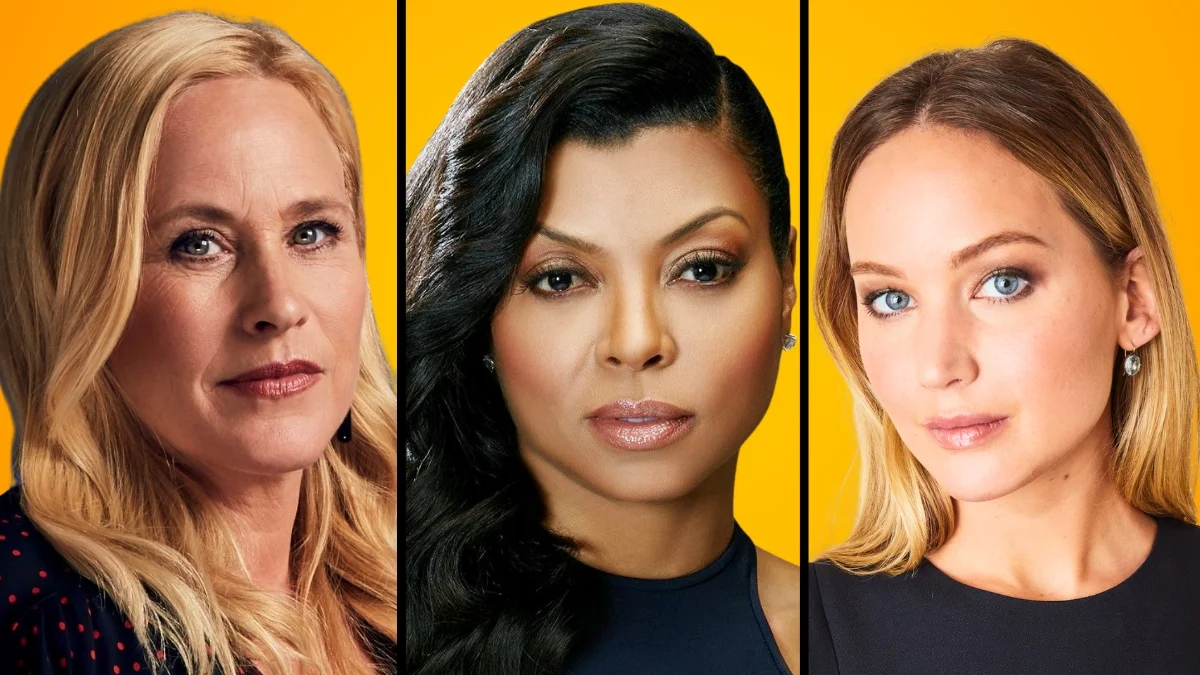


The gender pay gap remains a pervasive issue within the entertainment industry, often resulting in significant disparities between male and female leads. While many actresses have begun to demand transparency and parity, several have faced professional repercussions ranging from stalled negotiations to being labeled as difficult or even losing roles entirely. This struggle highlights the systemic challenges women navigate when challenging established studio practices. The following actresses have publicly addressed these inequities and the subsequent pushback they experienced from the industry.
Mo’Nique
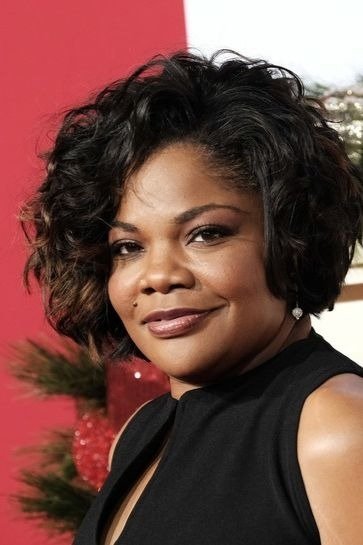
Mo’Nique famously sued Netflix for race and gender discrimination after receiving a significantly lower offer for a stand-up special compared to her peers. The Academy Award winner claimed that the studio attempted to “lowball” her and subsequently retaliated by stifling her career opportunities. After years of legal proceedings, a settlement was reached in 2022, bringing further attention to the intersectional pay gap faced by Black women. Her public stance sparked a broader conversation about how studios value seasoned talent of color.
Gabrielle Union
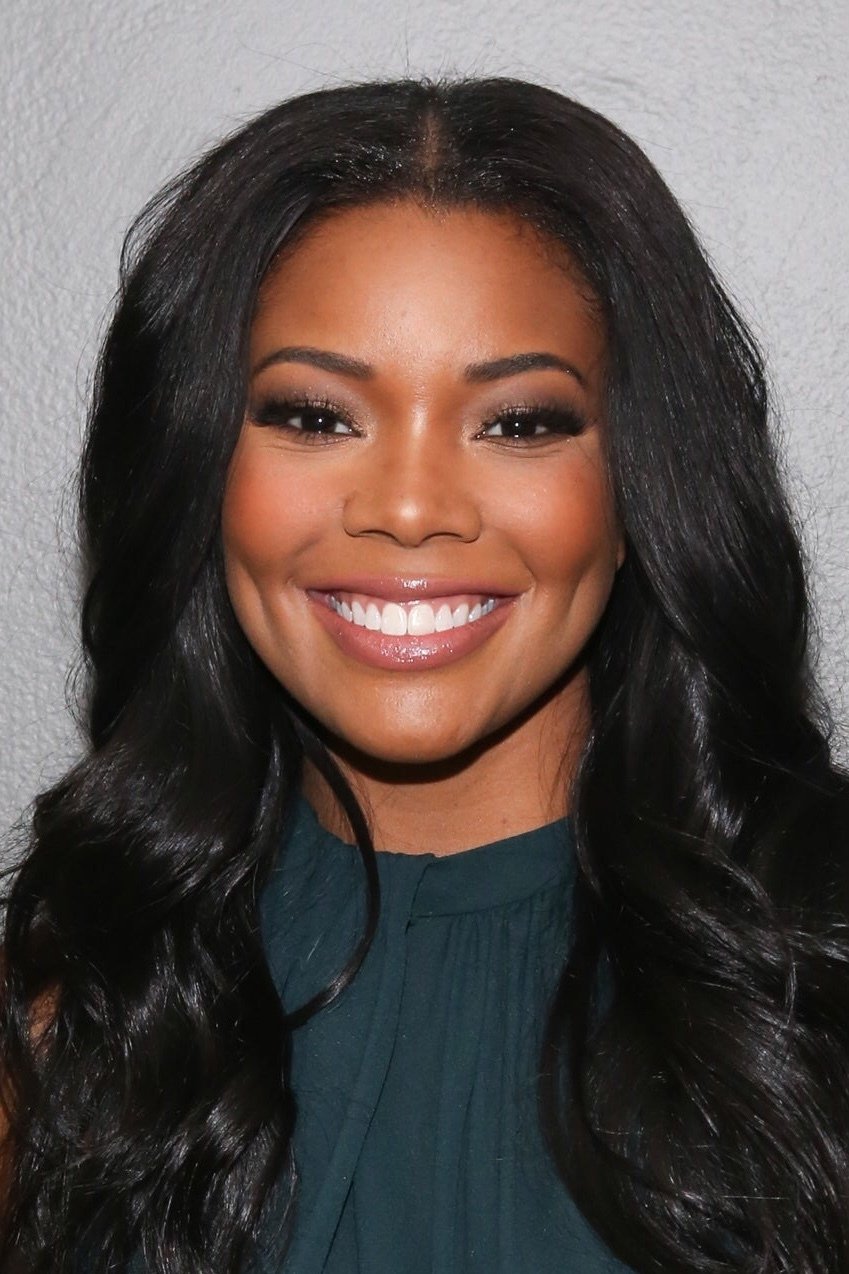
Gabrielle Union experienced a highly publicized exit from ‘America’s Got Talent’ after reporting a toxic work environment and concerns regarding pay equity. Reports indicated that Union was subjected to excessive critiques of her appearance and faced retaliation for speaking out against internal issues. The actress eventually reached a settlement with NBC, though the incident highlighted the risks of whistleblowing within major networks. She has since become a vocal advocate for systemic change regarding how studios handle internal complaints.
Patricia Arquette
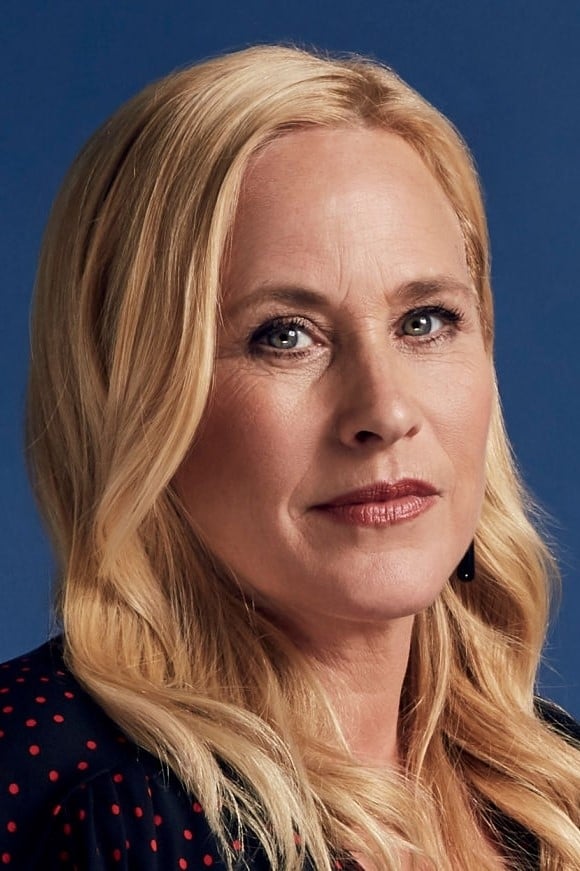
After using her 2015 Oscar acceptance speech to advocate for wage equality, Patricia Arquette revealed that she lost several film opportunities. The actress stated that her outspokenness led to an immediate cooling of interest from certain production circles and studios. Despite the professional pushback, Arquette continued to champion the cause, eventually testifying before Congress about the Equal Rights Amendment. Her experience remains a landmark example of the potential career costs of public advocacy in Hollywood.
Neve Campbell
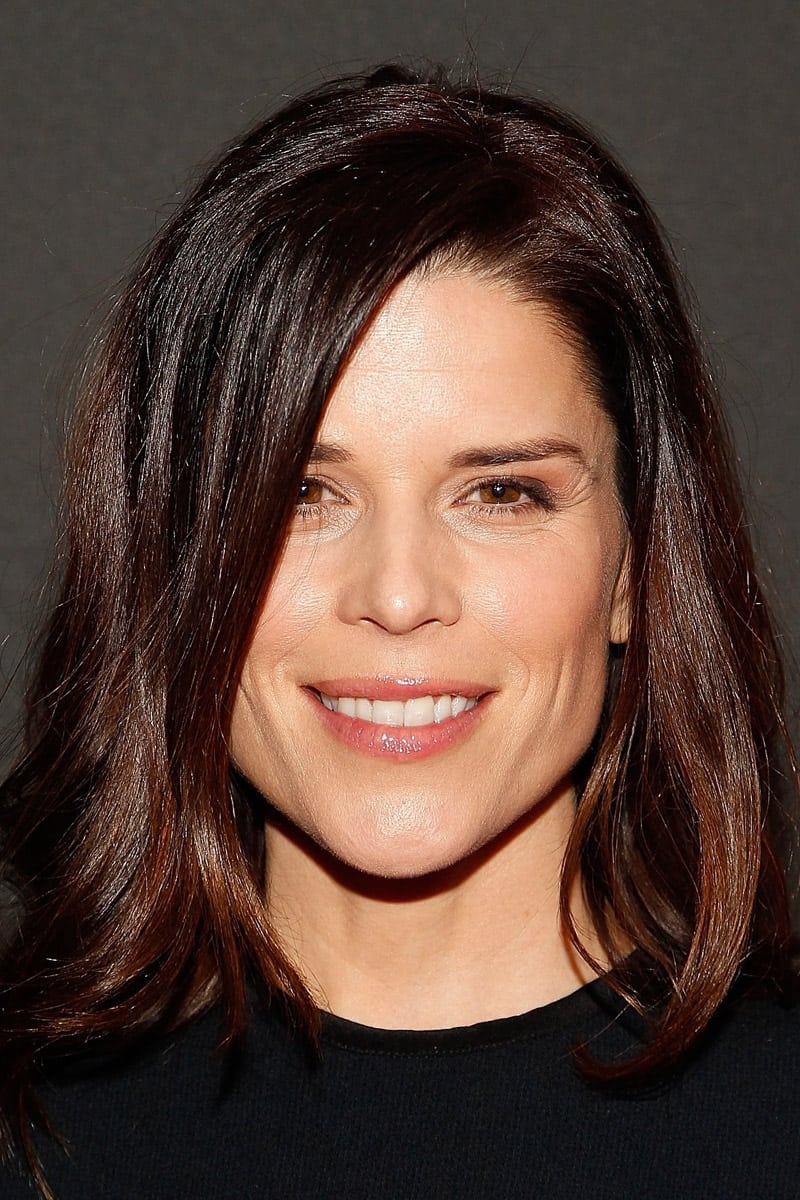
Neve Campbell made headlines when she announced she would not return for ‘Scream 6’ due to an inadequate salary offer that did not reflect her value to the franchise. The actress expressed that the offer presented to her was significantly lower than what a male lead with her longevity would have received. Studio negotiations reportedly stalled when she refused to accept the terms, leading to her absence from the sixth installment. This move was widely seen as a stand against the practice of underpaying legacy female stars in horror cinema.
Ruth Wilson
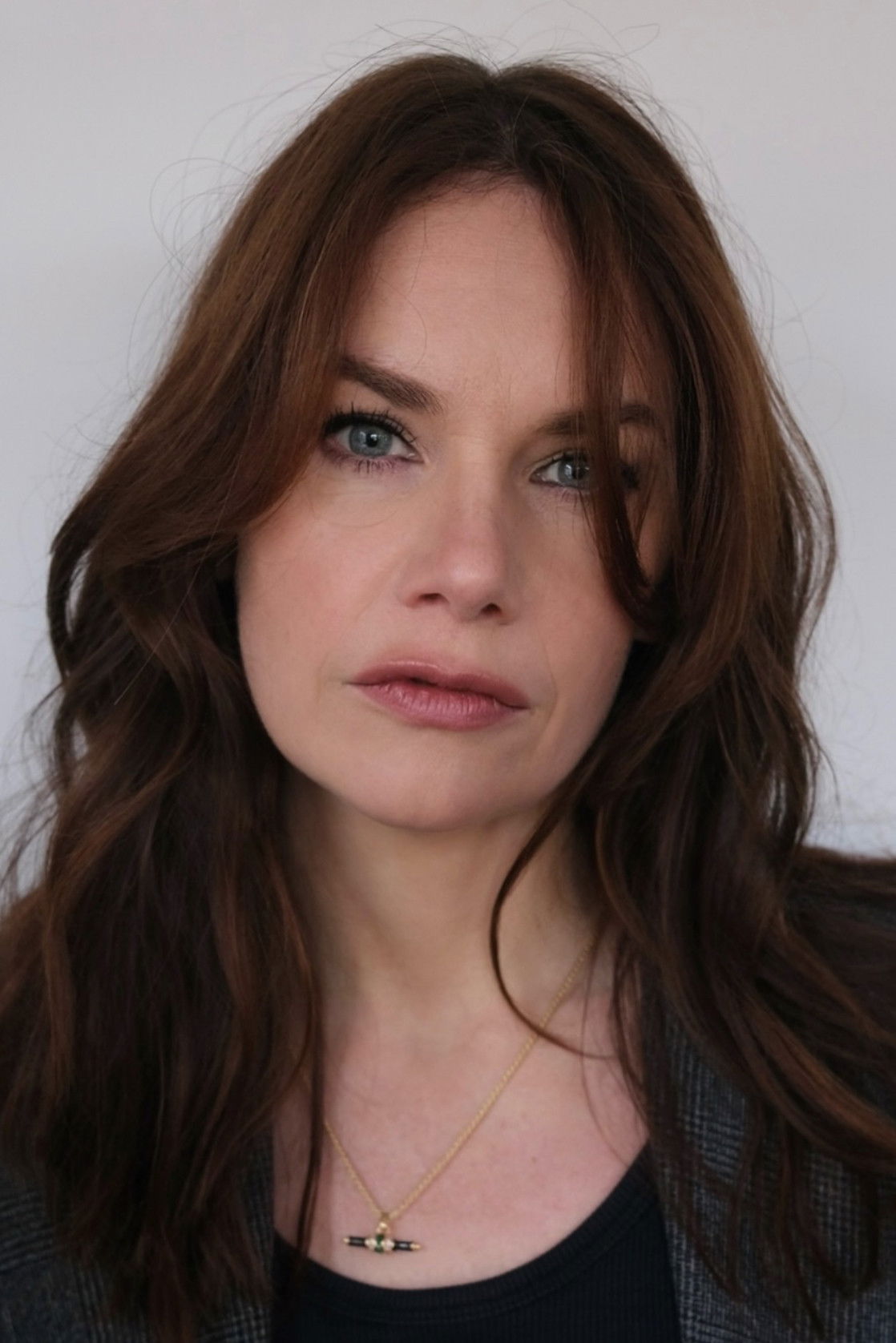
Ruth Wilson departed from the hit series ‘The Affair’ under mysterious circumstances that were later revealed to involve pay disparities and toxic workplace conditions. The actress spoke about the lack of parity between herself and co-star Dominic West, noting that she was paid significantly less despite equal billing. Following her complaints to the studio, she faced a challenging environment that ultimately led to her exit from the show. Wilson has since emphasized the importance of transparency in television contracts to prevent such imbalances.
Jennifer Lawrence
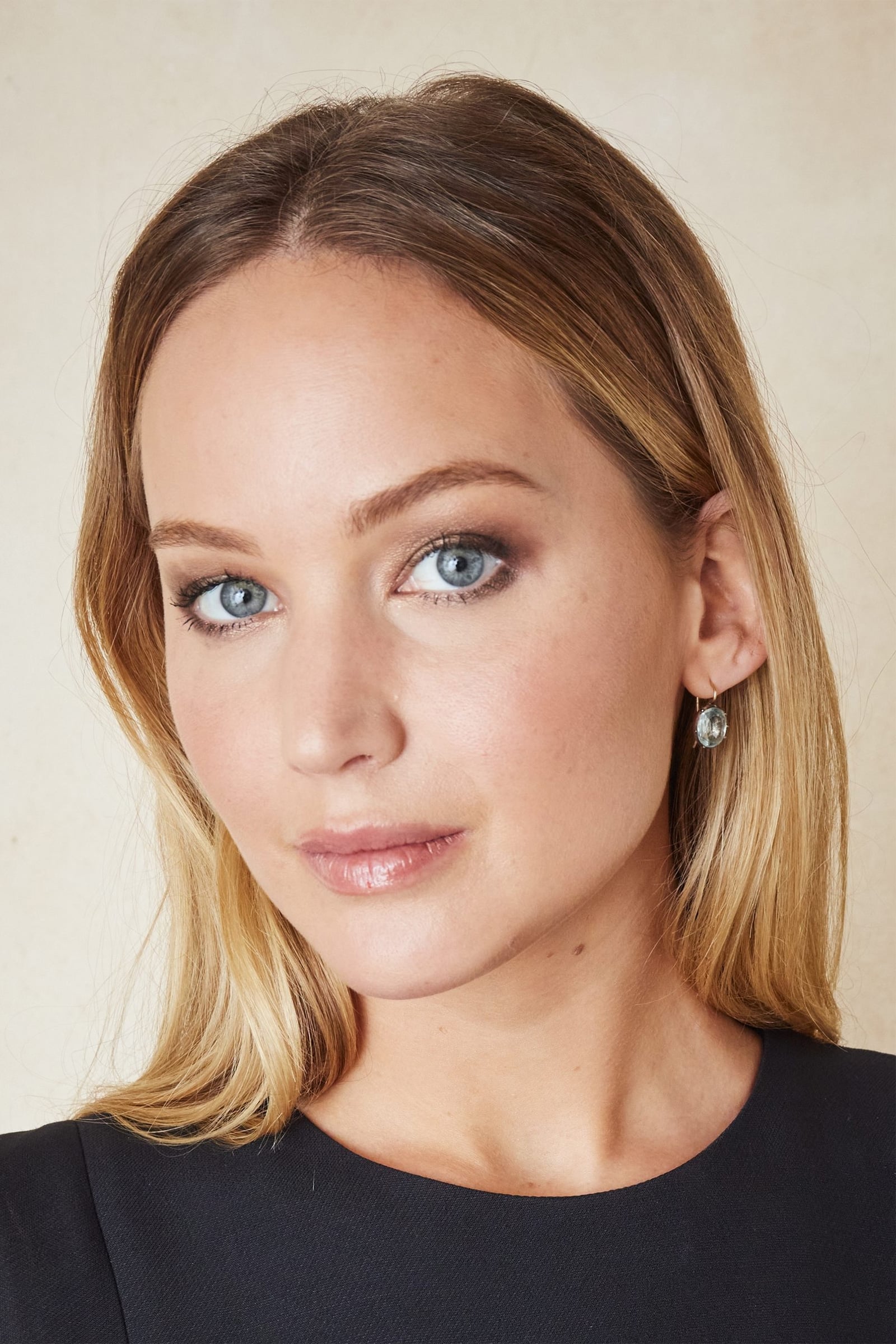
After the Sony Pictures hack revealed she was paid less than her male co-stars in ‘American Hustle’, Jennifer Lawrence published an essay about the gender pay gap. The actress noted that she felt she had failed as a negotiator because she didn’t want to seem “difficult” or “spoiled.” Following her public comments, Lawrence faced a wave of online scrutiny and industry commentary regarding her market value. She later successfully negotiated a much higher salary for ‘Passengers’ to ensure parity with her male counterpart.
Ellen Pompeo
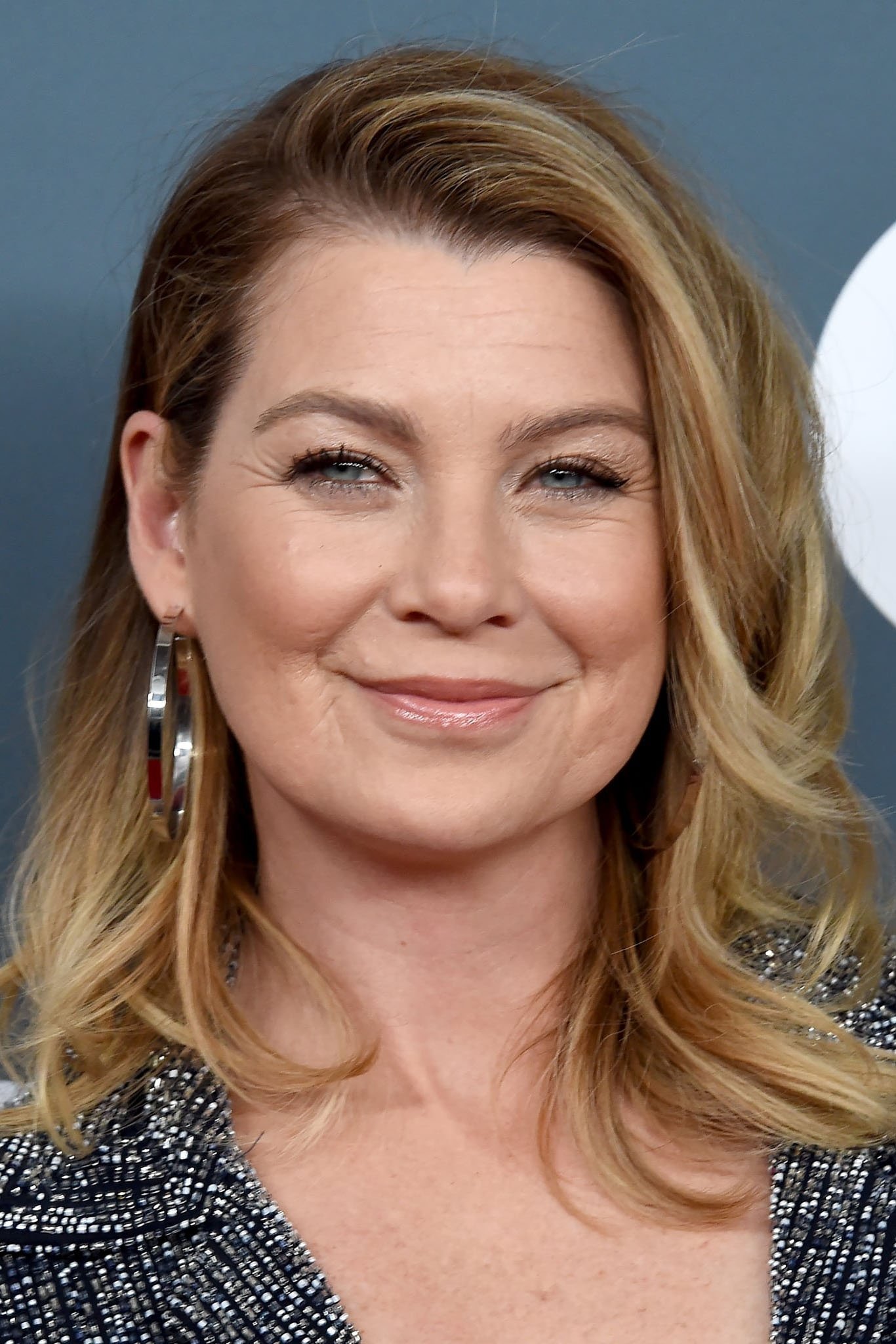
Ellen Pompeo has been open about the intense negotiations she faced to become the highest-paid woman on a dramatic television series. The ‘Grey’s Anatomy’ star revealed that the studio frequently used her male co-star as leverage against her during contract talks. When she asked for more than her male counterpart, she was told the show did not need her if they had him. It was only after his departure that she was able to secure a deal that reflected her central role in the long-running franchise.
Gillian Anderson
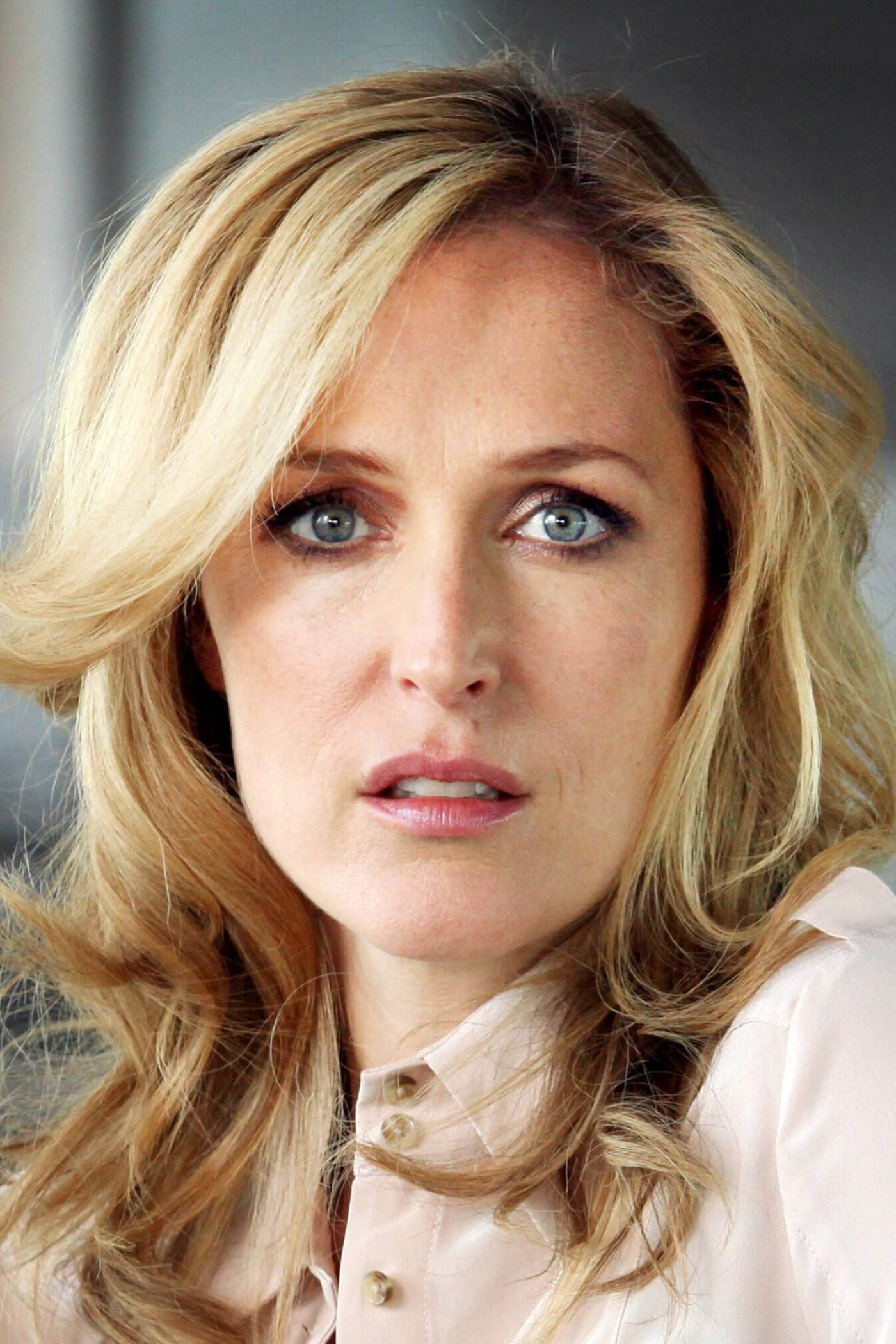
Gillian Anderson was initially offered only half of what David Duchovny was set to earn for the 2016 revival of ‘The X-Files’. Despite her character, Dana Scully, being an integral part of the show’s success, the studio reportedly resisted equal pay. Anderson went public with the disparity to put pressure on the production, eventually securing parity for the revival. She pointed out that it took years to achieve pay equality during the original run of the series as well.
Taraji P. Henson
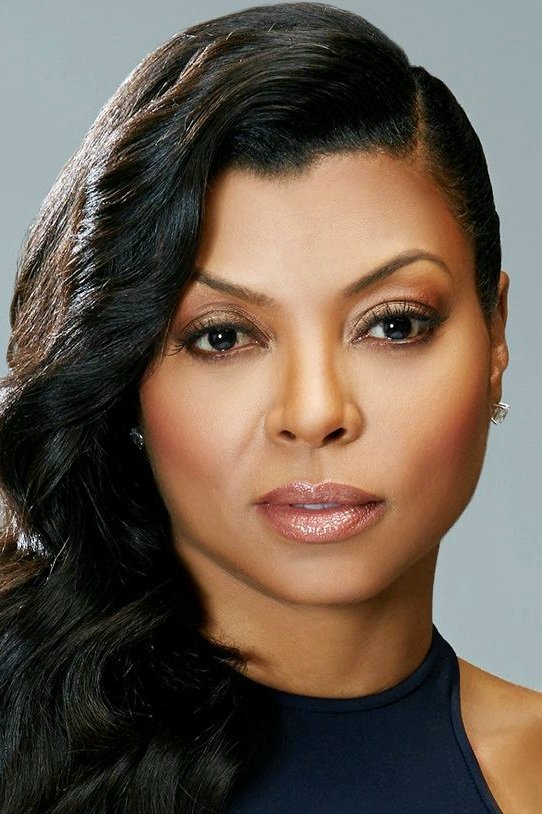
Taraji P. Henson has frequently discussed the “paycheck soul-crushing” reality of being a Black woman in Hollywood. During the press tour for ‘The Color Purple’, she broke down in tears while discussing how she is still fighting for fair compensation after decades of success. The actress mentioned that she is often told there is “no money” for her projects, despite her proven track record at the box office. Her transparency highlighted the ongoing struggle for veteran actresses to receive offers that match their industry contributions.
Michelle Williams
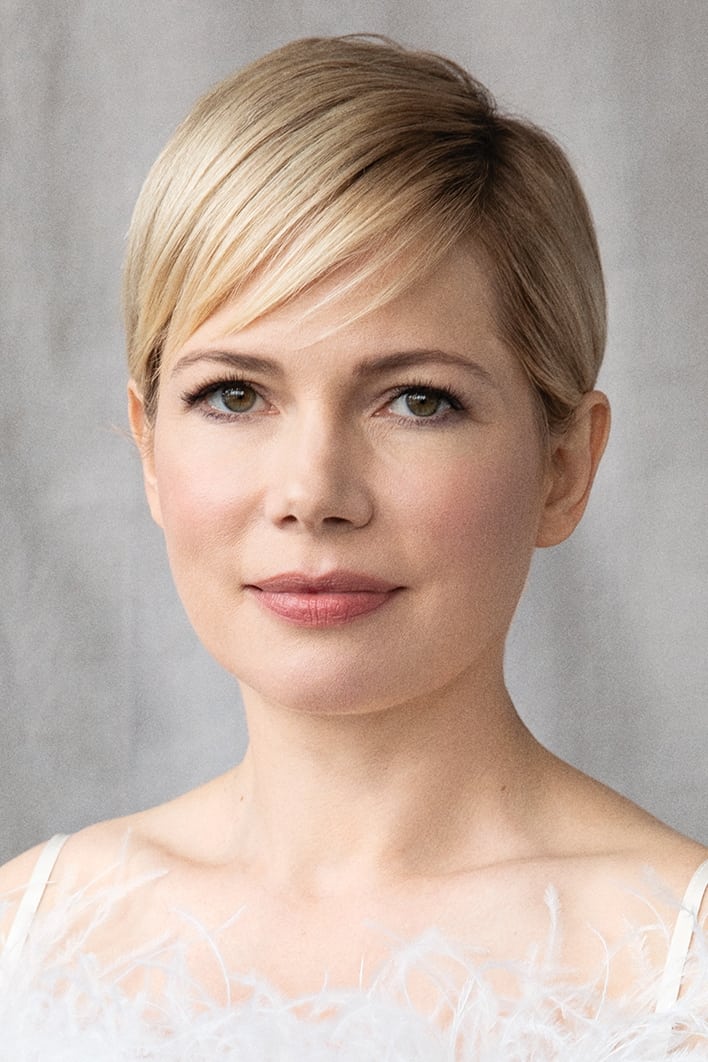
Michelle Williams became a central figure in the pay gap debate after it was revealed she earned less than $1,000 for reshoots on ‘All the Money in the World’. In contrast, her male co-star Mark Wahlberg received $1.5 million for the same period of work. The massive disparity caused a public outcry, leading Wahlberg to donate his salary to the Time’s Up Legal Defense Fund. Williams noted that the experience left her feeling paralyzed and underscored the lack of agency many actresses have in their contracts.
Emmy Rossum
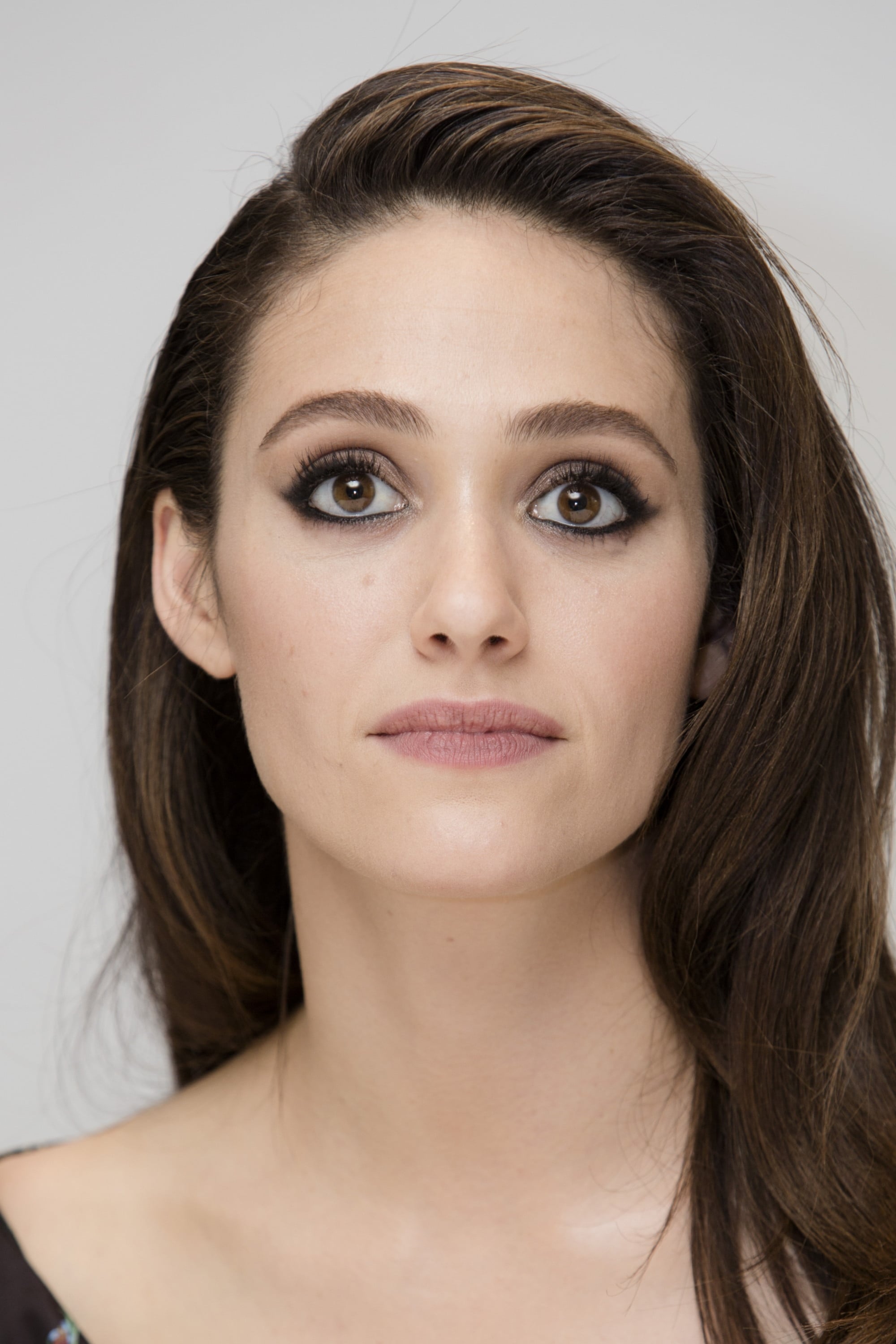
Emmy Rossum engaged in a high-stakes standoff with the producers of ‘Shameless’ when she demanded pay parity with co-star William H. Macy. The actress argued that after several seasons of being the show’s emotional anchor, her salary should reflect her contribution. Production on the eighth season was briefly delayed as the studio weighed her demands against the cost of her potential departure. Rossum eventually won her battle for equal pay, setting a precedent for other actresses in ensemble television casts.
Tracee Ellis Ross
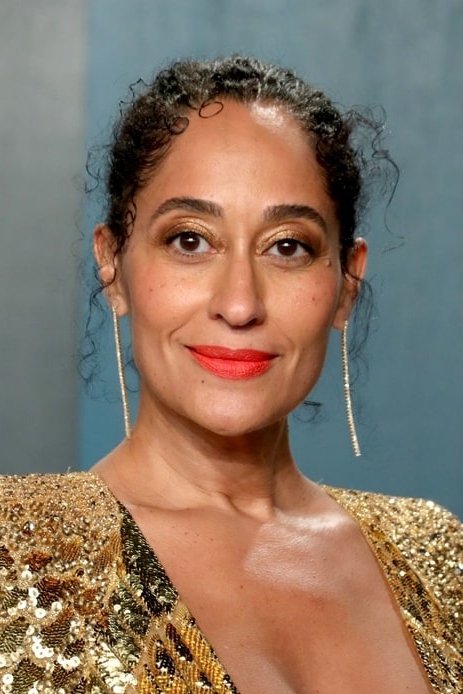
During negotiations for the fifth season of ‘Black-ish’, reports surfaced that Tracee Ellis Ross was being paid significantly less than Anthony Anderson. The actress reportedly considered reducing her appearances on the show if the gap was not narrowed. Her public stance brought internal studio negotiations into the spotlight, pressuring the network to address the inequity. Ross eventually reached a new agreement, though the friction during the process highlighted the difficulties of renegotiating established contracts.
Salma Hayek
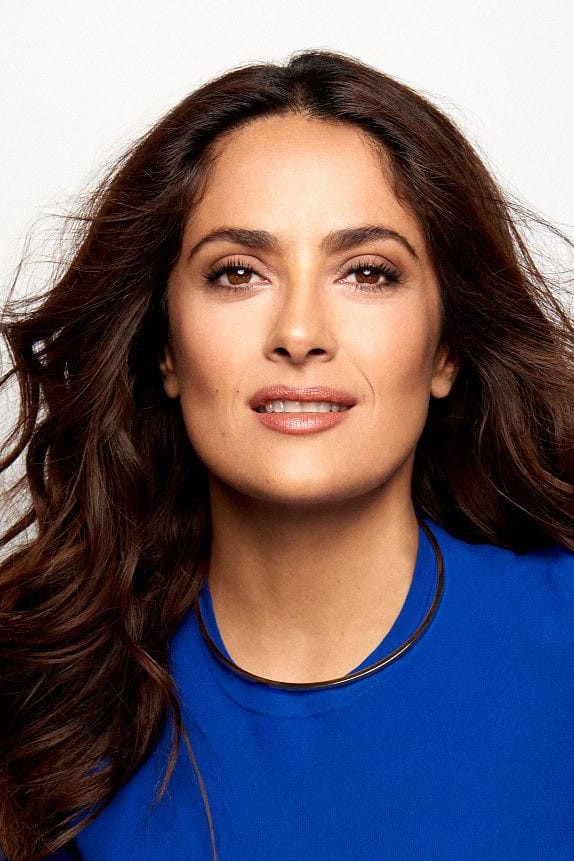
Salma Hayek has detailed the extreme difficulties she faced while producing and starring in ‘Frida’, including financial threats from Harvey Weinstein. She revealed that the studio attempted to shut down production and withheld promised support as a form of control and retaliation. Hayek also noted that she was frequently paid less than male counterparts throughout her career despite her international star power. Her experiences shed light on how studios use financial leverage to silence or manipulate female talent.
Rose McGowan

Rose McGowan has long claimed that she was blacklisted by major studios after speaking out against the toxic culture and pay inequities in Hollywood. The actress argued that her vocal stance on the mistreatment of women led to a significant decrease in acting offers. McGowan became one of the first women to publicly name the figures she believed were responsible for her professional stagnation. Her career trajectory serves as a cautionary tale for many in the industry regarding the risks of challenging powerful studio executives.
Jessica Chastain
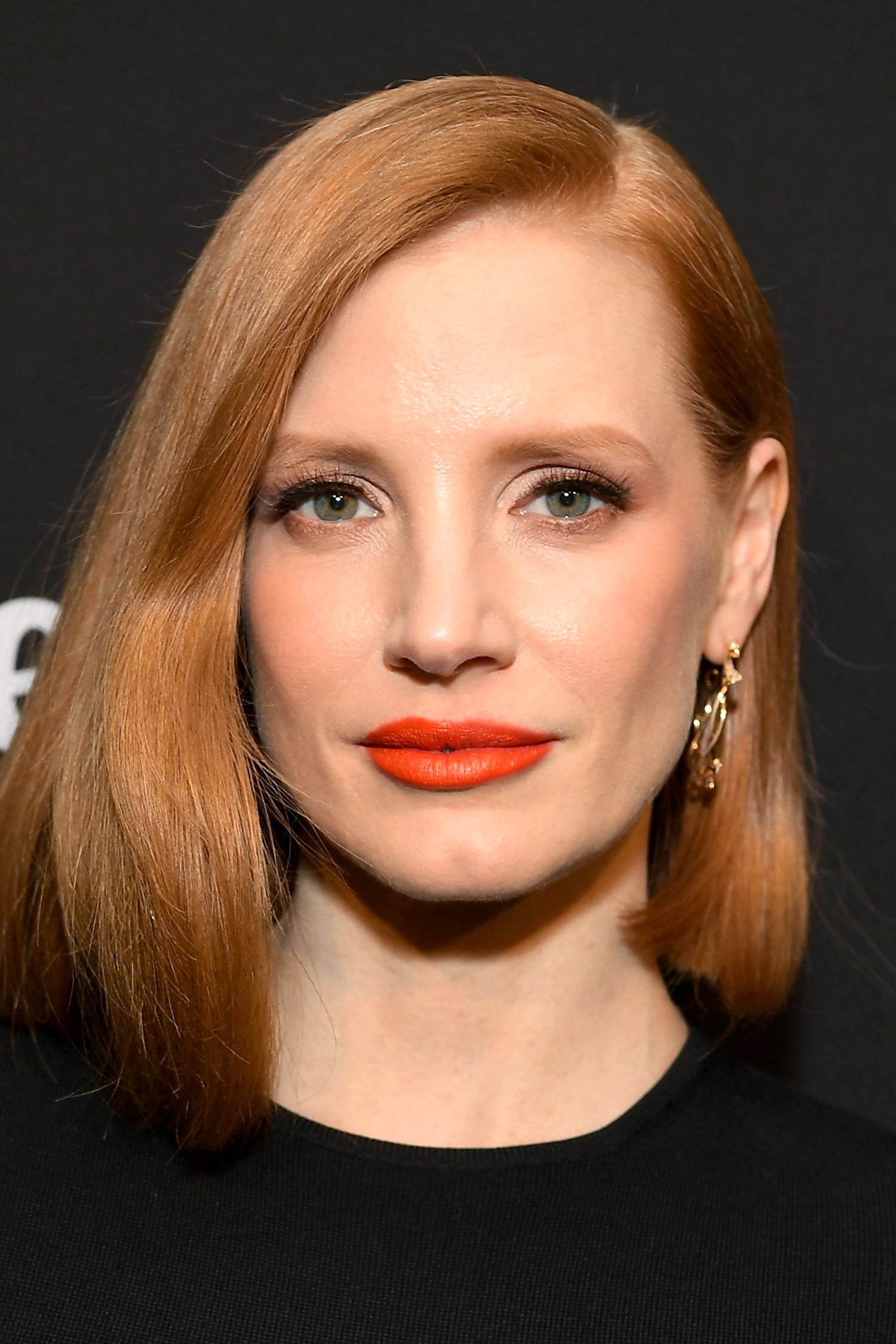
Jessica Chastain has been vocal about her refusal to accept roles unless she knows what her male co-stars are making. The actress admitted that this firm stance has caused her to lose out on several high-profile projects when studios refused to be transparent. Chastain has stated that she is willing to walk away from deals to maintain her principles regarding wage equality. While her career has remained successful, she continues to highlight how the industry often views parity demands as a deal-breaker.
Octavia Spencer
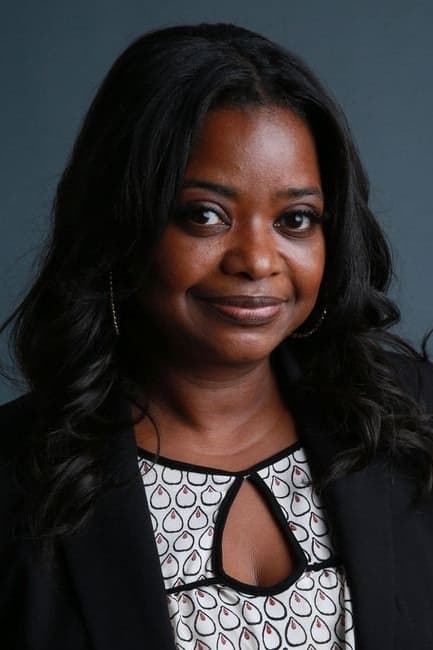
Octavia Spencer revealed that she had to rely on the help of Jessica Chastain to secure a fair salary for a project they worked on together. The Academy Award winner noted that as a Black woman, her starting salary was often much lower than her white female peers. By teaming up for joint negotiations, they were able to force the studio to pay Spencer five times her original offer. This instance demonstrated the necessity of allyship in overcoming studio-enforced pay tiers.
Hilary Swank
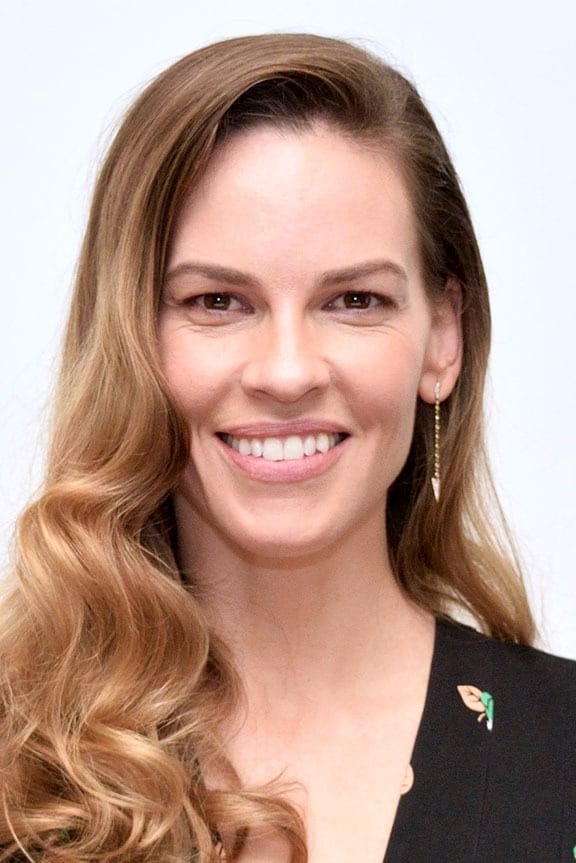
Hilary Swank shared a story about being offered $500,000 for a role while a male lead was offered $10 million, despite her having two Academy Awards. When she pushed for a more equitable salary, the studio reportedly moved on to a newcomer who was willing to work for even less. Swank used this example to illustrate how studios prioritize the bottom line over the accolades or experience of female performers. The actress has since become an advocate for transparency to prevent such extreme disparities from occurring in secret.
Debra Messing
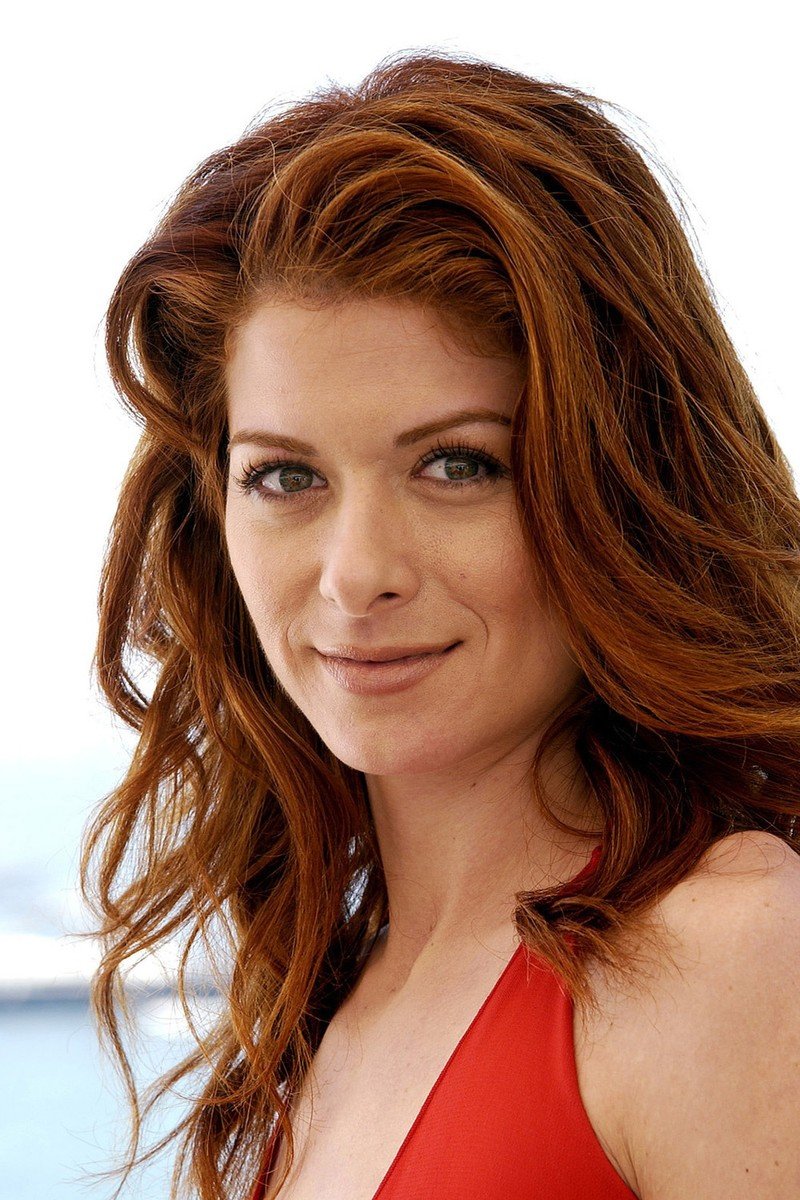
Debra Messing and her co-star Megan Mullally reportedly faced significant hurdles while negotiating their salaries for the ‘Will & Grace’ revival. The actresses sought parity with their male counterparts, Eric McCormack and Sean Hayes, to reflect the show’s ensemble nature. While they eventually secured equal pay, the process was marked by reports of tension between the cast and the studio. Messing has since used her platform to encourage other women to know their worth and stand firm during contract disputes.
Natalie Portman
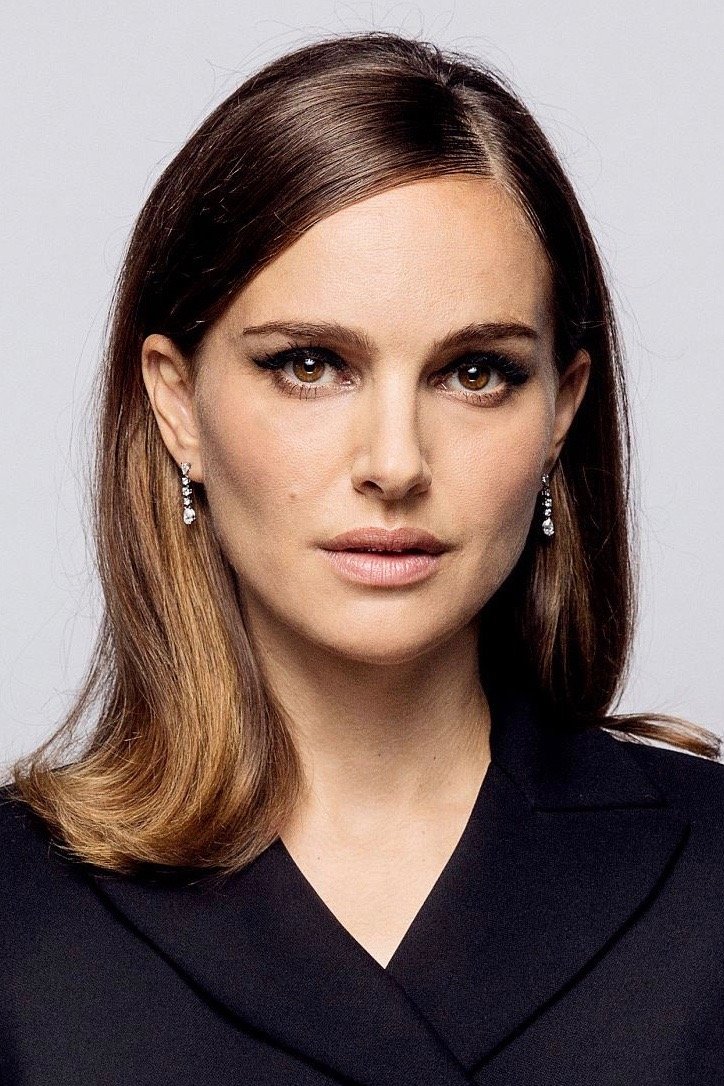
Natalie Portman revealed that she was paid three times less than Ashton Kutcher for the film ‘No Strings Attached’. The actress admitted that she didn’t get as “pissed” as she should have at the time, citing the industry’s culture of silence. Following this realization, Portman began advocating for “Time’s Up” and other initiatives to ensure younger actresses do not face similar disparities. Her admission helped validate the experiences of other top-tier actresses who found themselves significantly underpaid compared to male peers.
Evan Rachel Wood
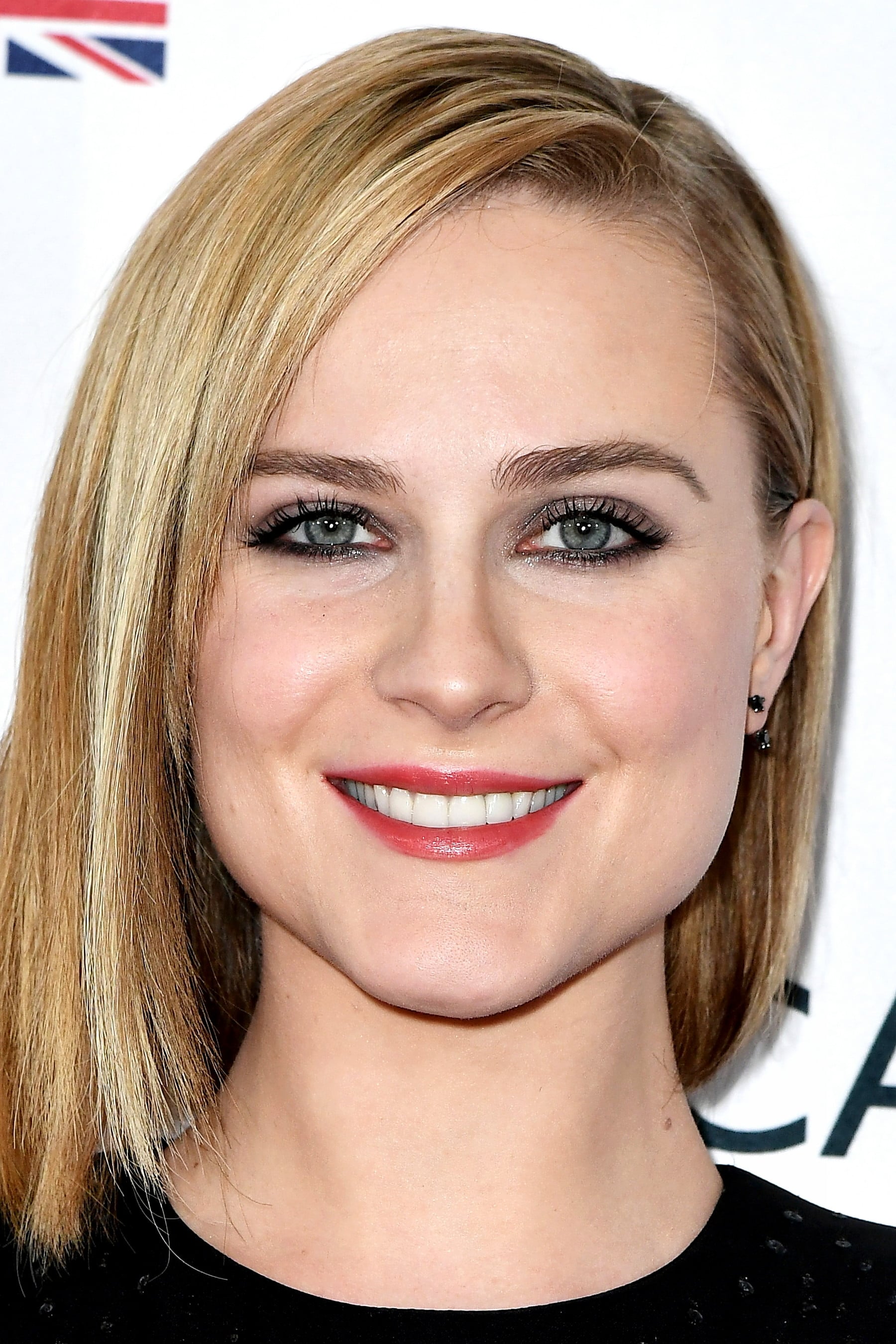
Evan Rachel Wood spent years fighting for pay parity on the HBO series ‘Westworld’ before finally achieving it for the third season. The actress noted that she was told for years that the budget could not accommodate her request for equality with her male co-stars. Wood’s persistence eventually led the studio to adjust her compensation to match the top-tier male actors on the show. She has since spoken about the importance of being “brave” enough to ask for what is fair, even when the studio pushes back.
Share your thoughts on these industry pay gap struggles in the comments.