


Actresses Who Flat-Out Refused to Memorize Their Movie Lines

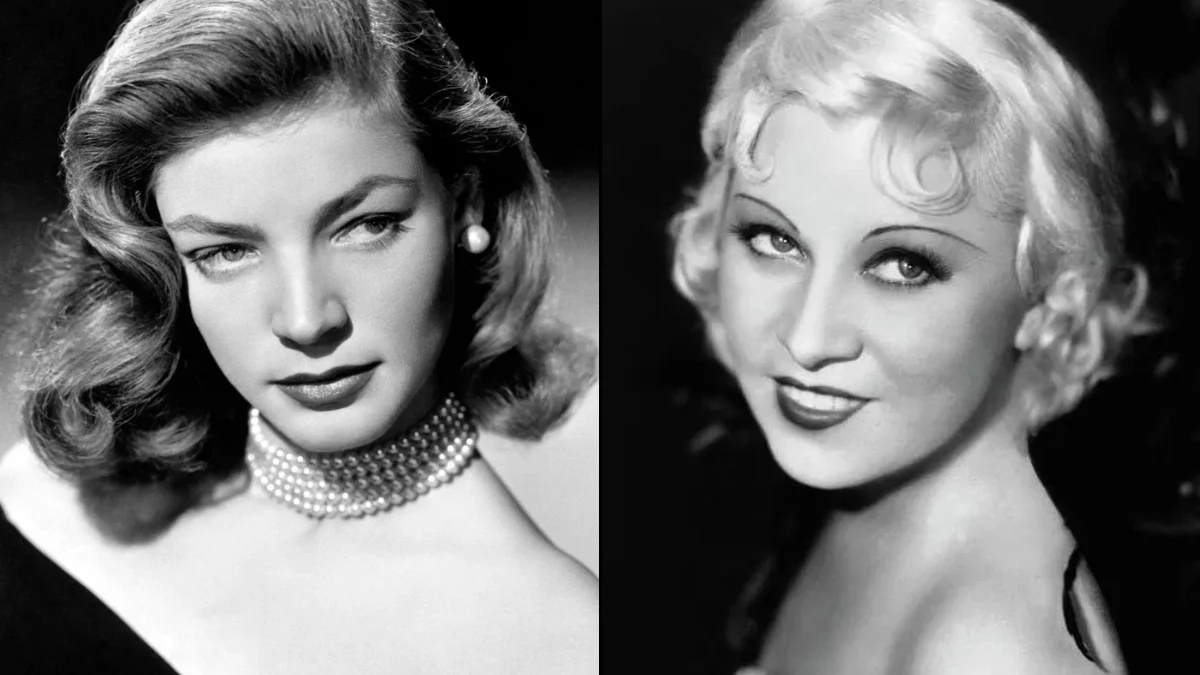


In the high-pressure world of professional filmmaking, memorizing dialogue is typically seen as a basic requirement for any performer. However, many legendary actresses have famously bypassed this expectation, relying instead on cue cards, hidden scripts, or earpieces to deliver their performances. Whether driven by performance anxiety, a desire for spontaneity, or the physical toll of long careers, these stars managed to captivate audiences without committing every word to memory. The following list explores the notable women who utilized these production aids to maintain their status as cinema icons.
Marilyn Monroe
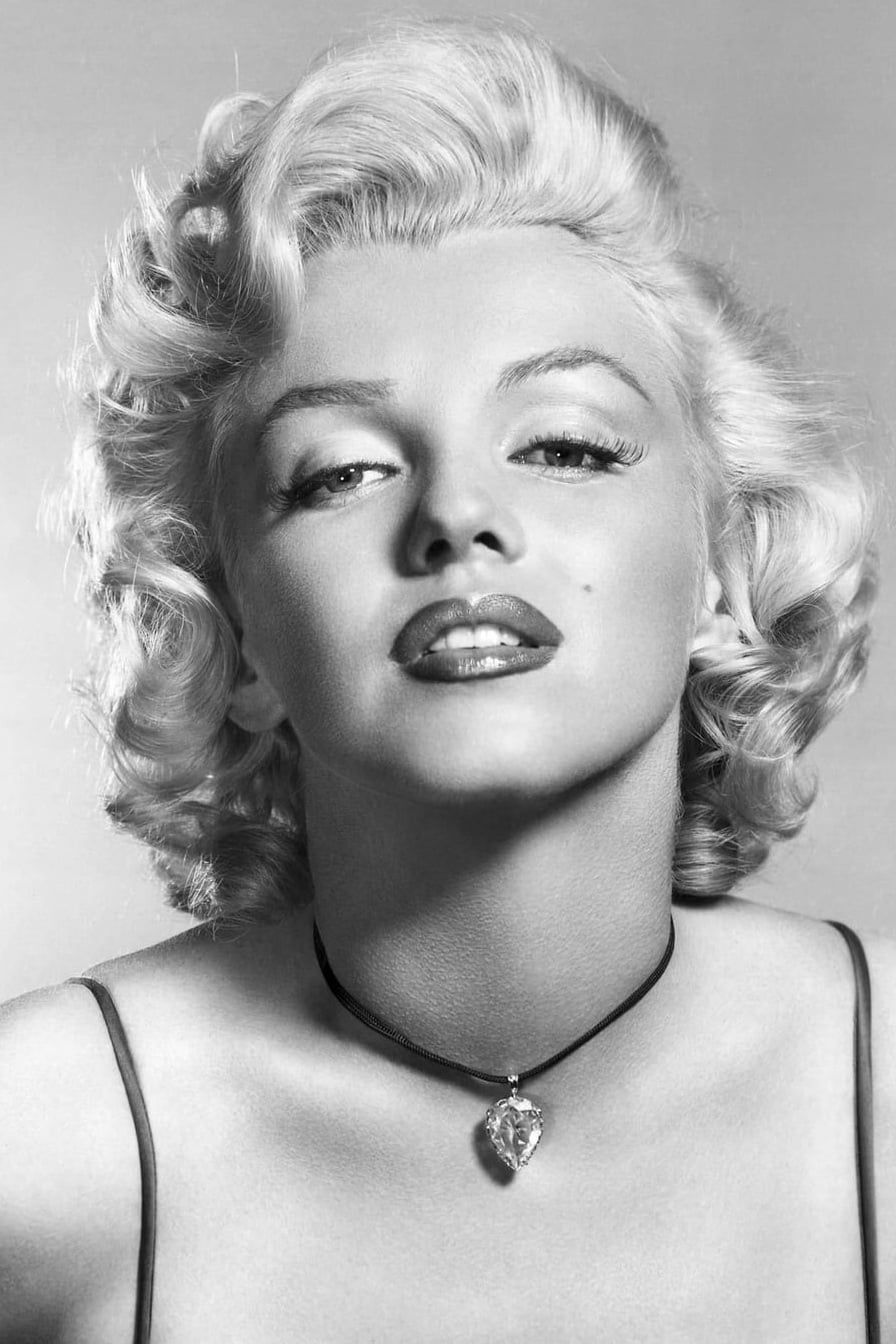
During the production of ‘Some Like It Hot’, this actress famously struggled to recall even the shortest lines of dialogue. Director Billy Wilder reportedly had phrases like “It’s me, sugar” written on pieces of paper and hidden inside props or drawers for her to read. This reliance on visual prompts was a recurring theme throughout her career, often resulting in dozens of takes for simple scenes. While some colleagues found the process frustrating, the results on screen remained undeniably charismatic. Her use of hidden scripts became a well-documented part of Hollywood lore.
Mae West
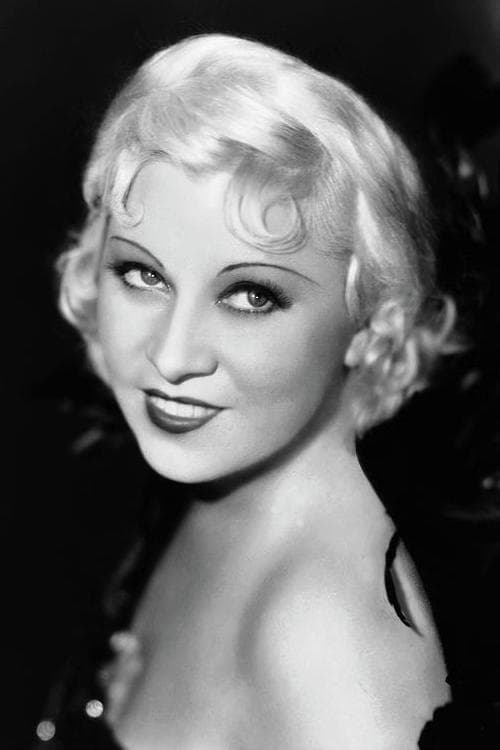
This iconic star was one of the most prolific users of “idiot boards” in the history of the film industry. She frequently had her dialogue written on large cue cards held by crew members just off-camera to ensure she never missed a beat. In films such as ‘She Done Him Wrong’, she used these prompts to maintain her signature slow-drawl delivery and precise comedic timing. This method allowed her to focus entirely on her physical presence and character persona rather than rote memorization. West continued this practice across her decades-long career in both film and stage.
Lana Turner
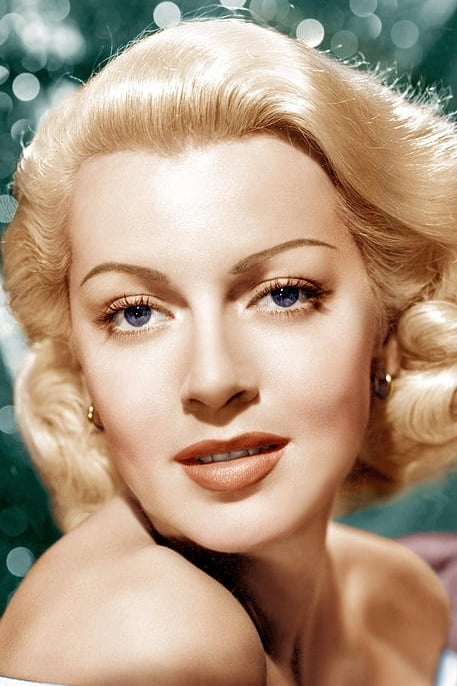
At the height of her fame at MGM, Turner was well-known for utilizing what the studio crew nicknamed “Lana’s blackboards.” These were large cue cards containing her dialogue, which were positioned around the set of films like ‘The Postman Always Rings Twice’. By having her lines visible, she was able to concentrate on her glamorous screen image and emotional intensity. The actress believed that this approach allowed for a more relaxed and natural performance during high-stakes dramatic scenes. This reliance on prompts became a standard operational procedure for her major studio productions.
Lindsay Lohan
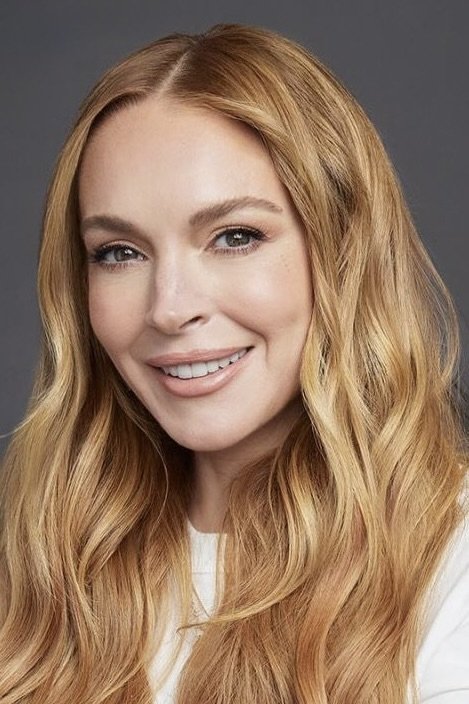
During the filming of the 2013 drama ‘The Canyons’, the production team noted the actress’s preference for using cue cards. Director Paul Schrader documented how prompts were utilized to help the star manage her dialogue-heavy scenes. This choice allowed the production to move forward during a challenging shoot and helped maintain the pace of filming. While unusual for modern independent cinema, the use of cards was necessary to capture the required performances. Her reliance on these aids was highlighted in several behind-the-scenes accounts of the film’s creation.
Melanie Griffith
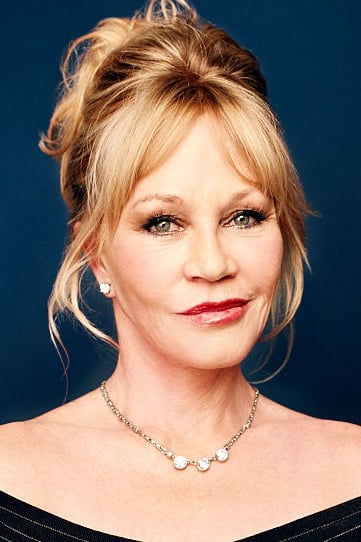
While working on the hit film ‘Working Girl’, the actress reportedly faced difficulties with the script, leading to the use of prompts on set. Director Mike Nichols eventually arranged for lines to be fed to her or placed within her line of sight to ensure the shoot remained on schedule. This practice continued in some of her later projects, where she utilized various aids to assist with her dialogue delivery. Despite these methods, she earned critical acclaim and an Academy Award nomination for her performance in the film. The use of prompts was often attributed to the high-pressure nature of the leading roles she inhabited.
Liza Minnelli
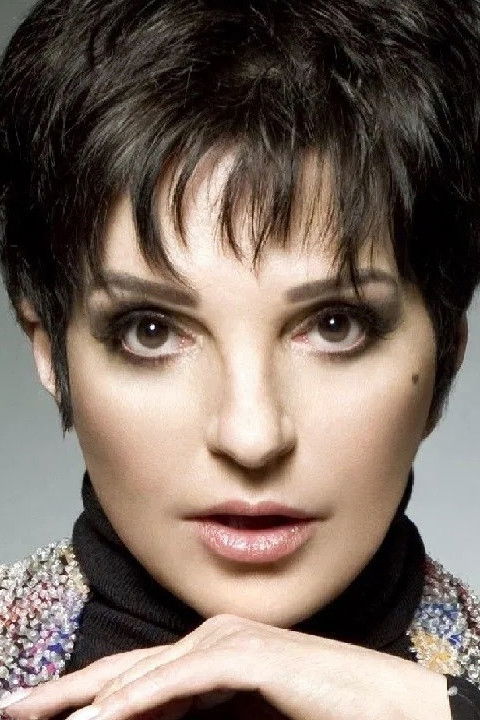
On the set of the comedy classic ‘Arthur’, this actress frequently relied on cue cards to navigate her scenes with co-star Dudley Moore. The production team utilized large boards held behind the camera to assist her with the fast-paced, witty dialogue. This method helped maintain the comedic energy of the film without the delays associated with forgotten lines. Minnelli has been open about her occasional use of such aids during her expansive career in musical cinema and theater. Her performance in the film remains one of her most beloved and recognized roles.
Joan Crawford
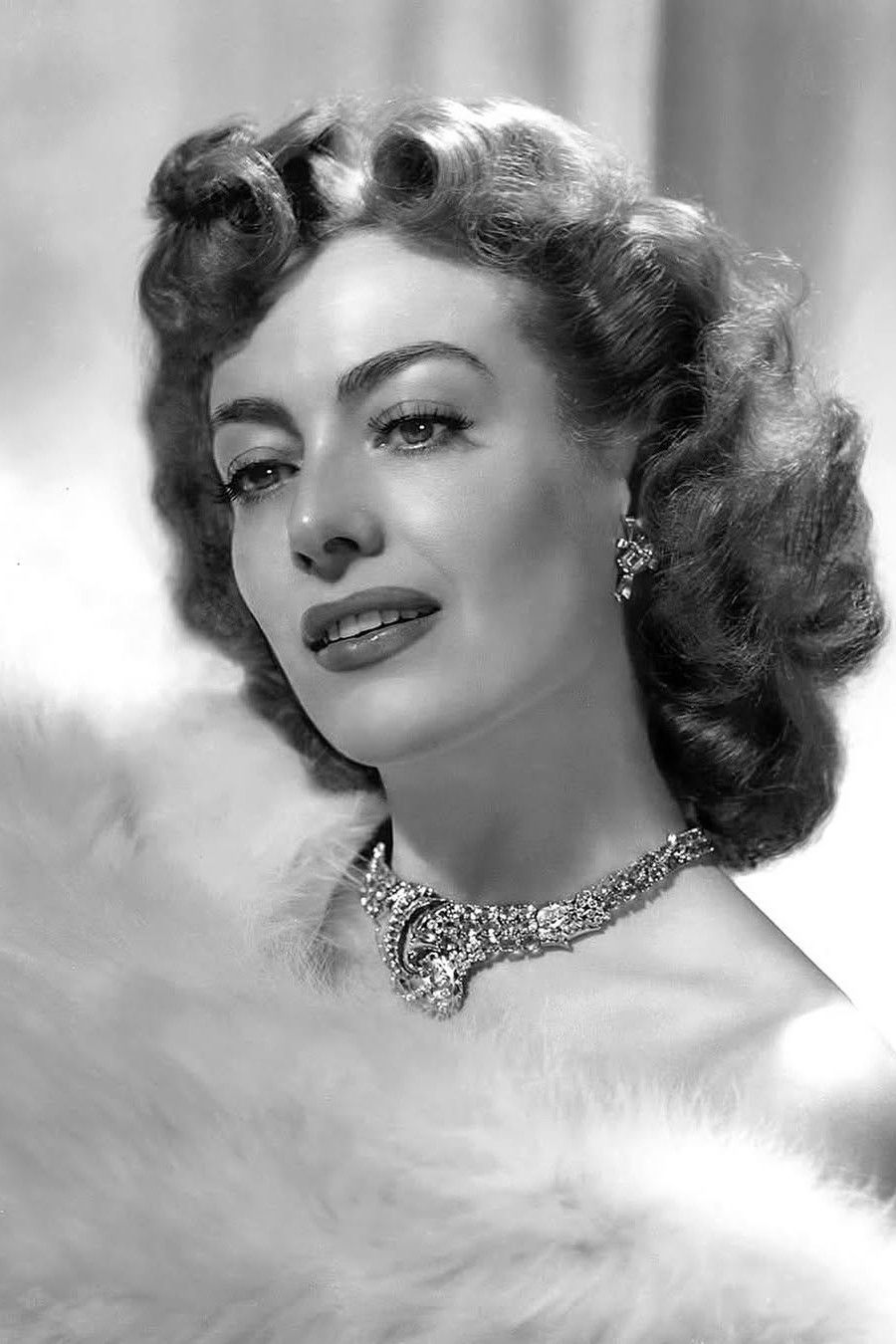
In the twilight of her career, particularly during the filming of ‘Trog’, this Hollywood legend made extensive use of cue cards. She reportedly had her dialogue written on large sheets of paper and taped to the camera or held by assistants just out of frame. This allowed her to maintain her authoritative screen presence despite the complexities of the script. Crawford was known for her professionalism, and she viewed the cards as a tool to ensure the best possible take for the director. The practice was a common sight on her later film sets as she transitioned into the horror and thriller genres.
Marlene Dietrich
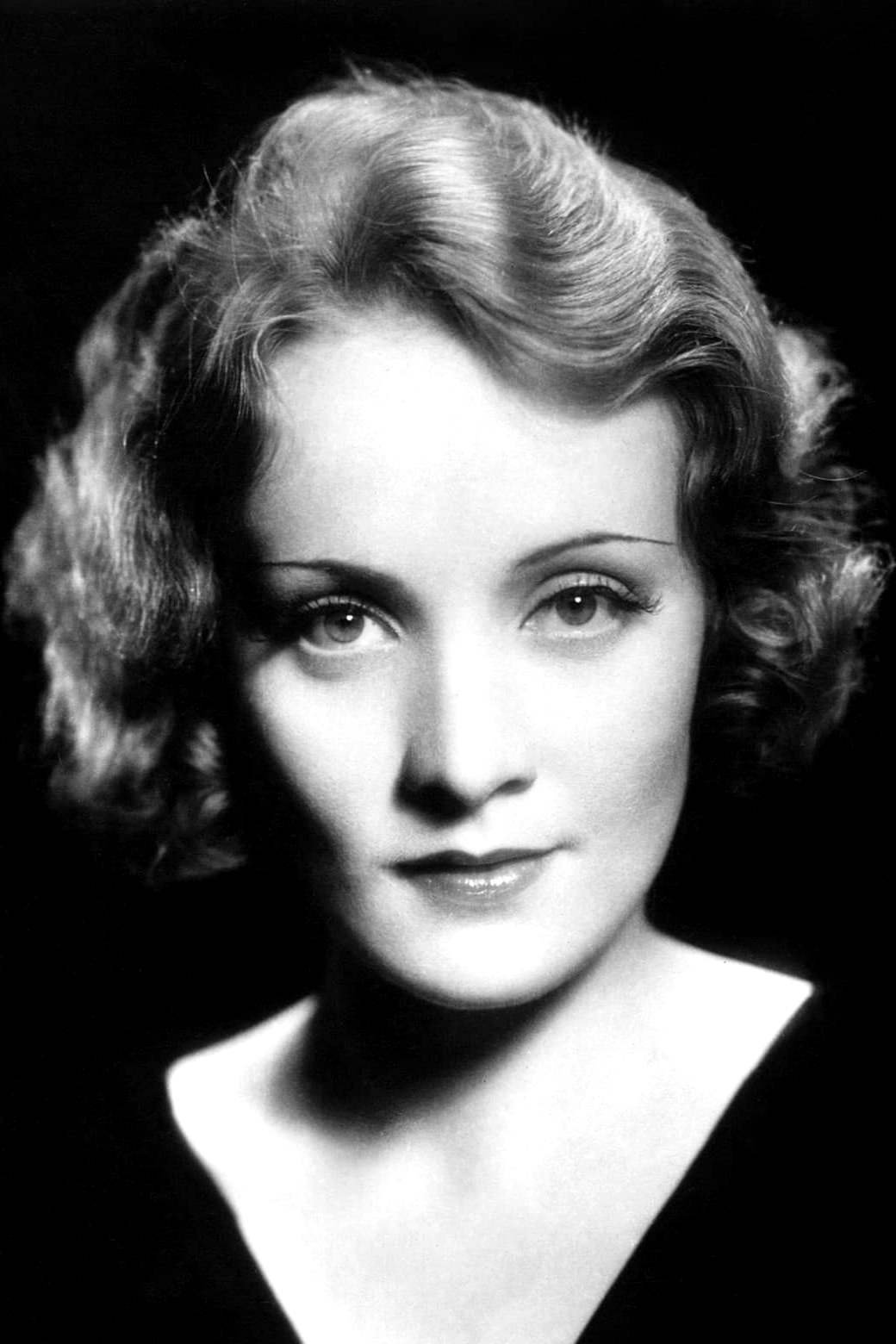
This international star was a frequent user of cue cards, a habit she maintained during her transition from film to her famous cabaret shows. On film sets like ‘Judgment at Nuremberg’, she often required prompts to be placed strategically around her environment. This allowed her to maintain her enigmatic and cool persona without the distraction of memorizing long passages of text. Her assistants were often responsible for managing these cards to ensure they were always within her line of sight. Dietrich’s reliance on these aids was a practical solution that sustained her career into her later years.
Zsa Zsa Gabor
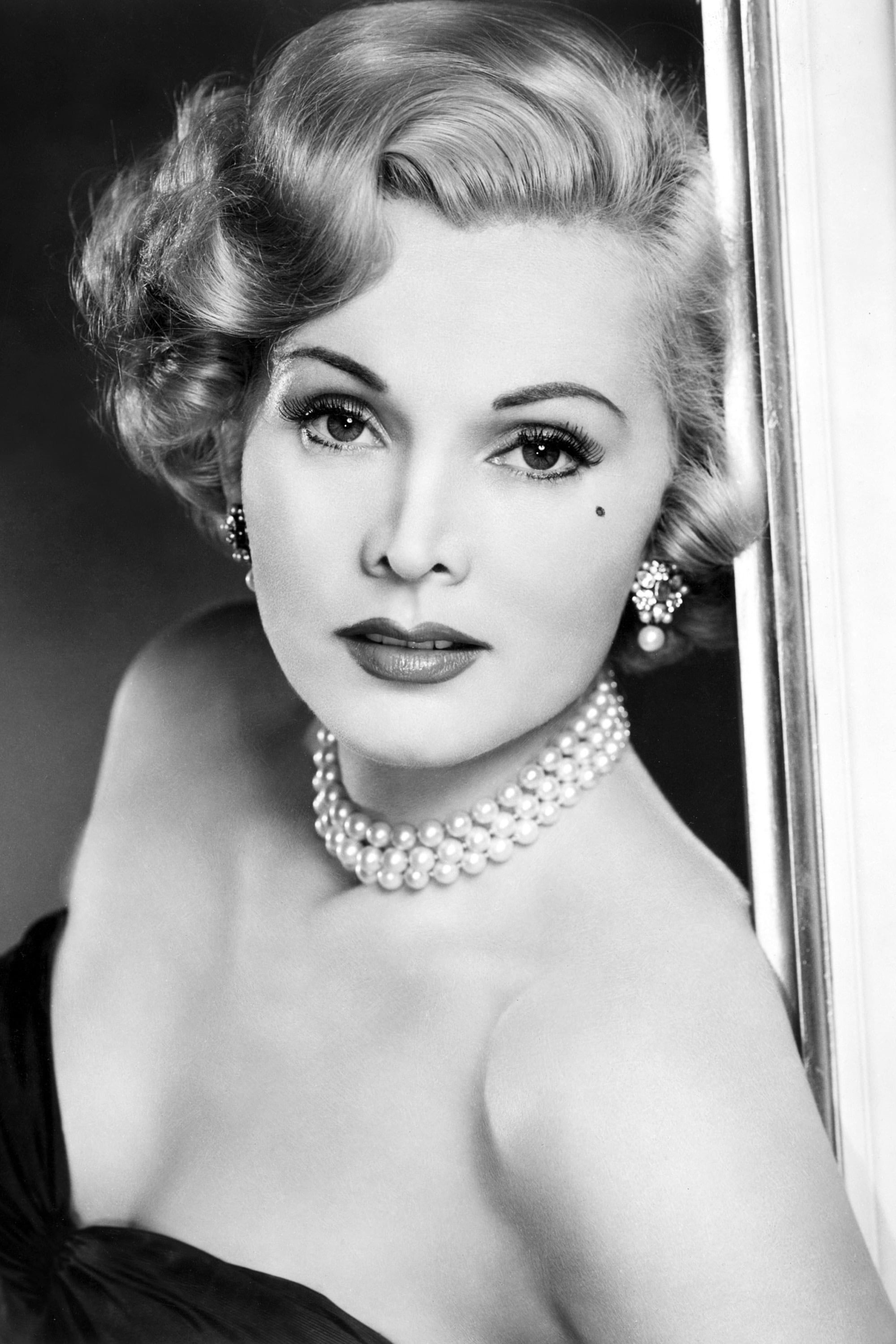
Known more for her persona than her dedication to scripts, this actress rarely committed her movie lines to memory. During productions like ‘Moulin Rouge’, she often relied on directors or assistants to feed her lines or provide visual cues. She preferred to focus on her charm and glamorous appearance rather than the technicality of the written dialogue. This approach often led to spontaneous moments on set that directors found useful for her specific character types. Gabor’s refusal to engage in traditional memorization became a signature aspect of her professional reputation.
Elizabeth Taylor
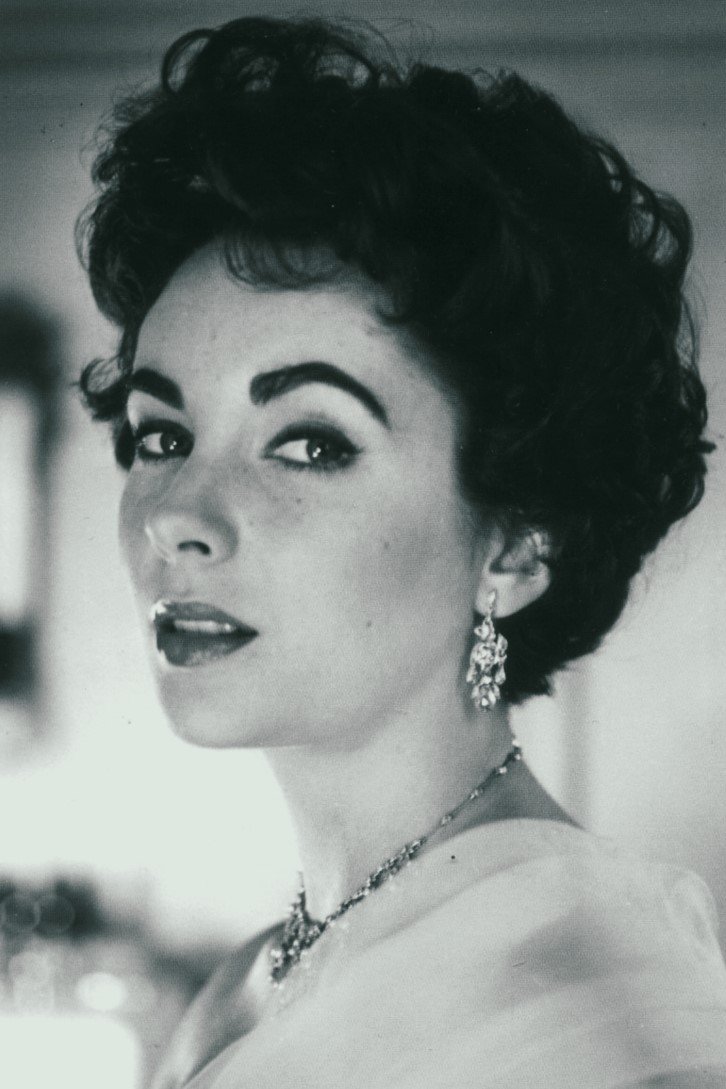
In her later films and stage performances, this two-time Oscar winner began to utilize cue cards and earpieces more frequently. During the filming of projects in the 1980s and 1990s, she used these tools to manage her lines and ensure accuracy. This allowed her to continue working at a high level despite the physical challenges she faced during that period. By using prompts, she could focus her energy on the emotional depth of her characters. Her ability to deliver powerful performances while using these aids is a testament to her enduring talent.
Hedy Lamarr
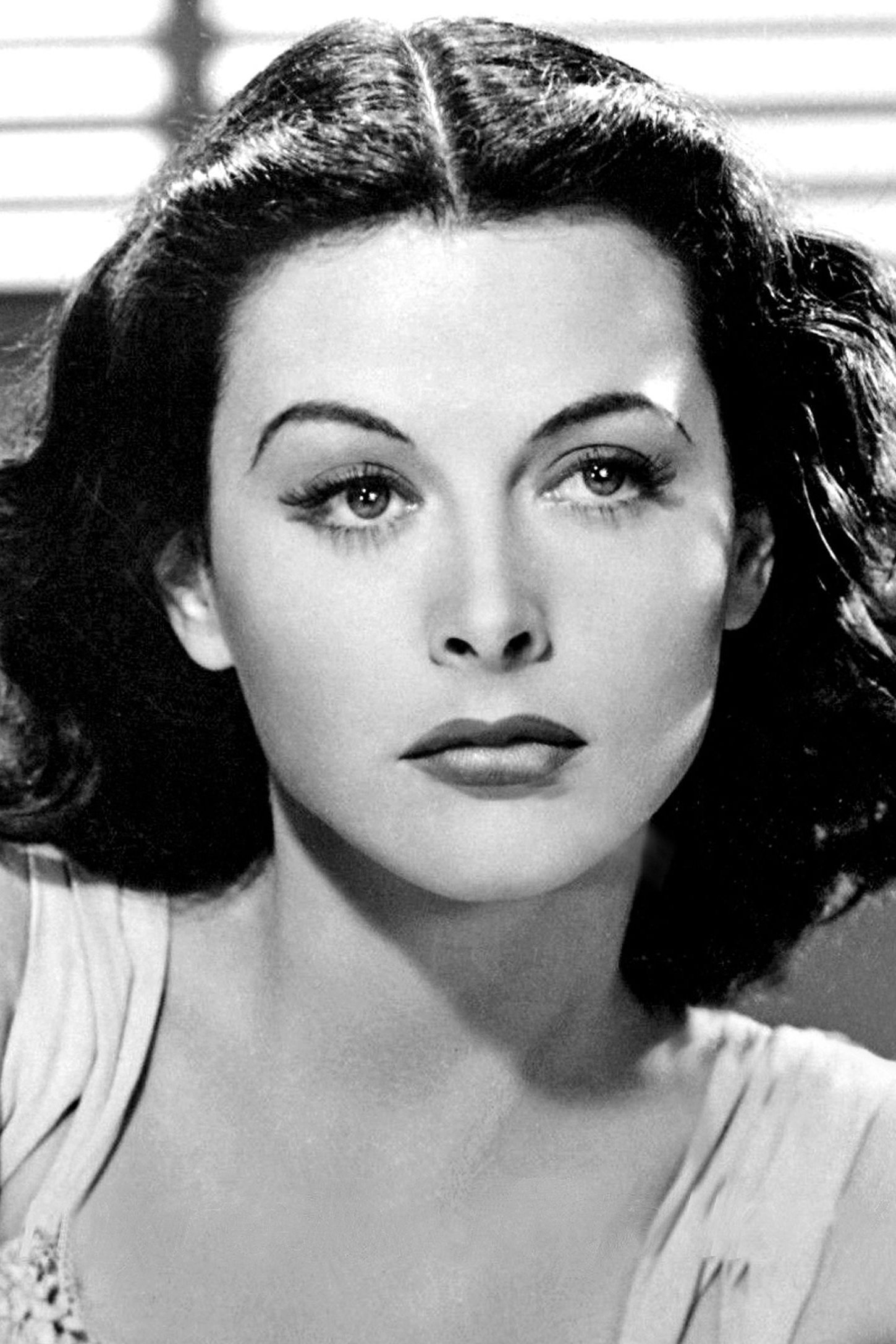
Despite her reputation as a brilliant inventor, this actress often found the task of memorizing movie scripts to be tedious. During the filming of ‘The Female Animal’, she reportedly used cue cards to help her through the dialogue-heavy production. This allowed her to maintain her “most beautiful woman in the world” image without the stress of constant study. Crew members were instructed to place prompts in locations where she could easily read them while appearing to look at her co-stars. This practice was a well-kept secret during the peak of her glamorous career in the Golden Age of Hollywood.
Gloria Swanson
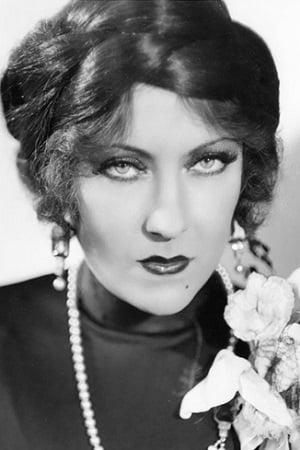
When making her iconic comeback in ‘Sunset Boulevard’, this silent film era star utilized various prompts to assist her performance. Because she had spent much of her early career without the need for spoken dialogue, the transition to lengthy sound scripts was sometimes aided by visual cues. Director Billy Wilder supported the use of these tools to help her capture the theatrical intensity of her character, Norma Desmond. The use of these aids helped her deliver one of the most celebrated performances in cinematic history. It demonstrated how veteran actors could adapt to changing industry standards using creative solutions.
Jane Russell
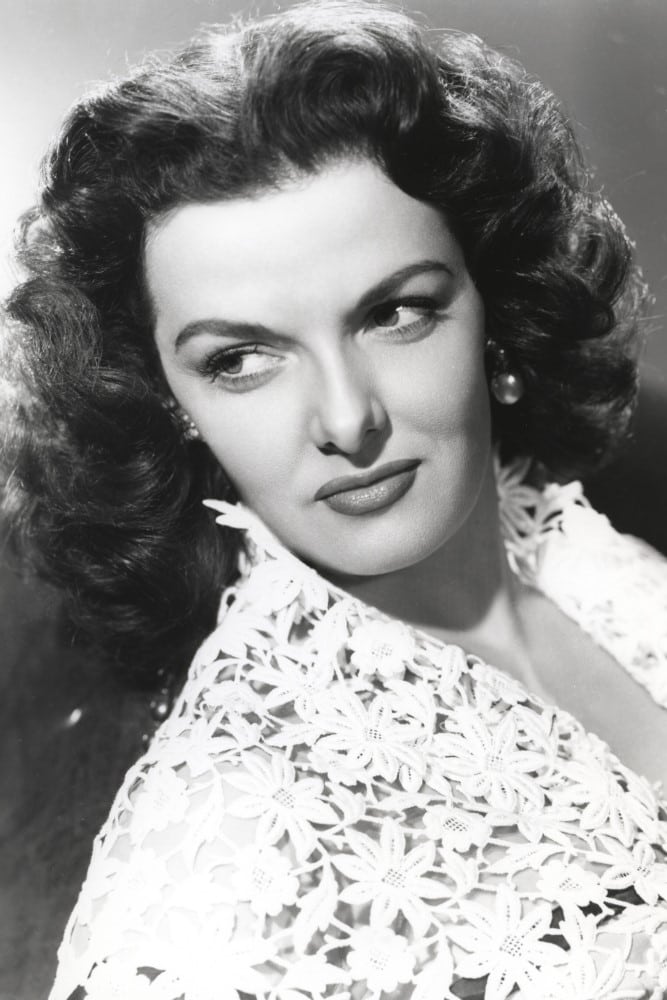
During the filming of ‘The Outlaw’, director Howard Hughes famously focused more on the actress’s appearance than her line delivery. To facilitate the shoot, cue cards were frequently used to help her through scenes without requiring extensive rehearsal time. This allowed the production to focus on the technical aspects of the cinematography and lighting. Russell found the cards to be a helpful way to stay on track during the long and often grueling filming process. She continued to use similar prompts in several of her subsequent musical and dramatic roles.
Rita Hayworth
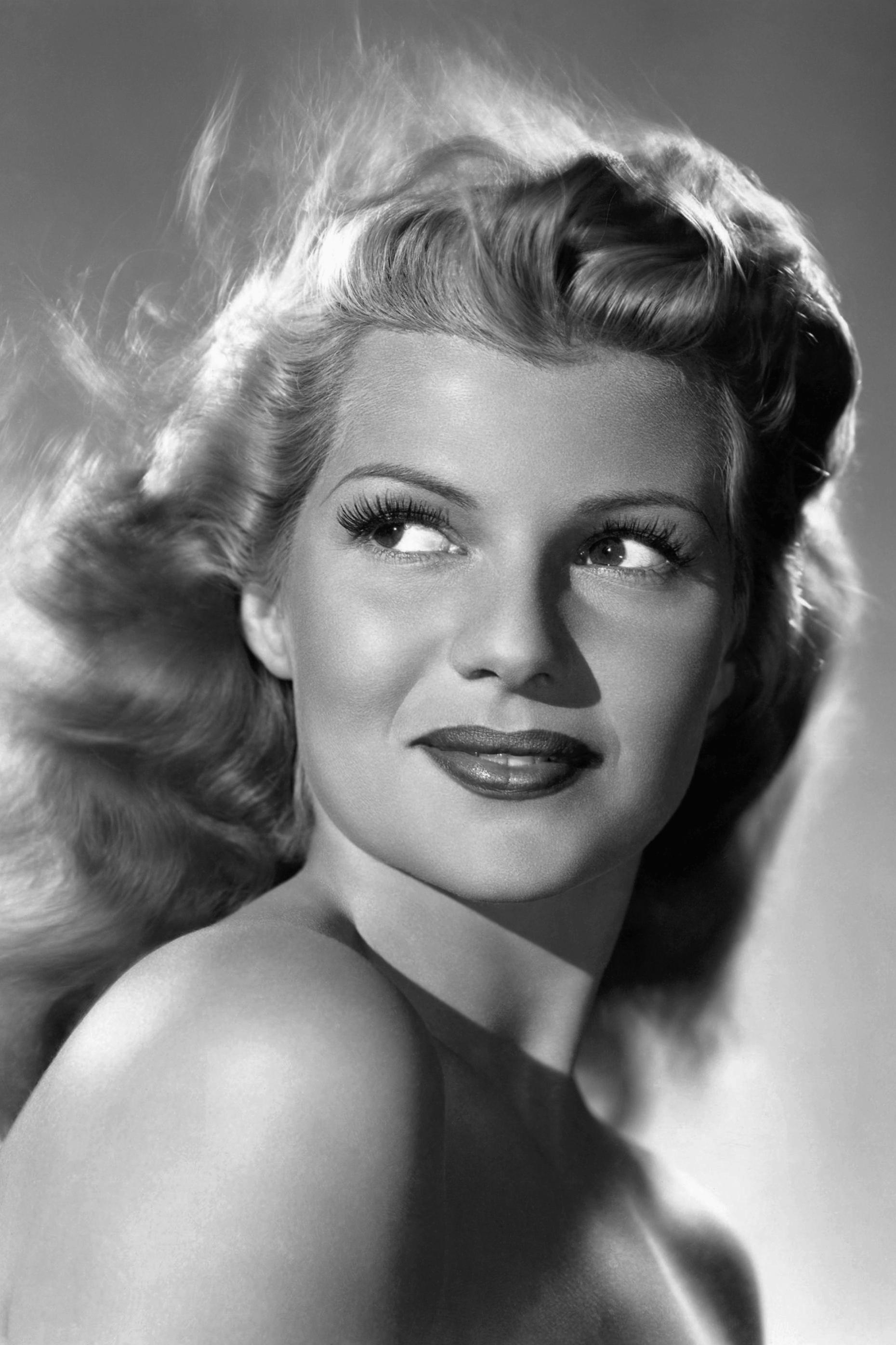
While working on the complex noir film ‘The Lady from Shanghai’, the actress reportedly utilized cue cards for some of her more difficult dialogue sequences. Director Orson Welles, who was her husband at the time, facilitated the use of these prompts to help her achieve the specific tone he required. This method was particularly useful during the film’s famous hall of mirrors climax, where orientation was difficult. The use of aids allowed her to maintain her captivating screen presence while navigating the intricate plot. Hayworth’s reliance on prompts was often kept private to protect her image as a leading lady.
Judy Garland
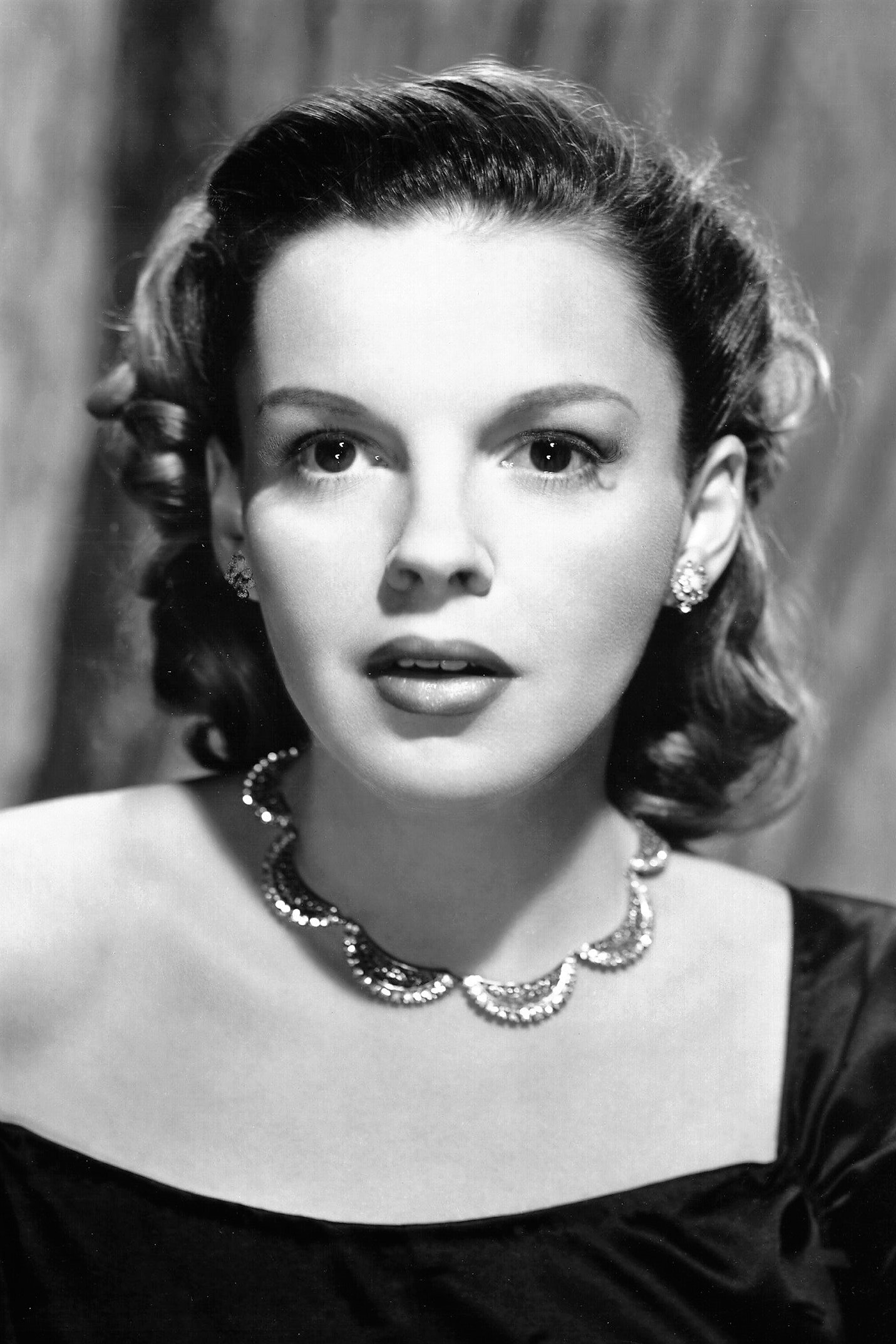
During her years at MGM, the intense schedule of filming musicals like ‘The Wizard of Oz’ often necessitated the use of cue cards. The actress frequently had to learn new songs and dialogue in a very short amount of time, leading the crew to provide visual aids on set. These prompts were often hidden behind scenery or held by stagehands to ensure she could deliver her lines perfectly. This support was crucial in helping her manage the immense pressure of being the studio’s top child and teenage star. Throughout her career, these aids remained a common feature of her film and television work.
Farrah Fawcett
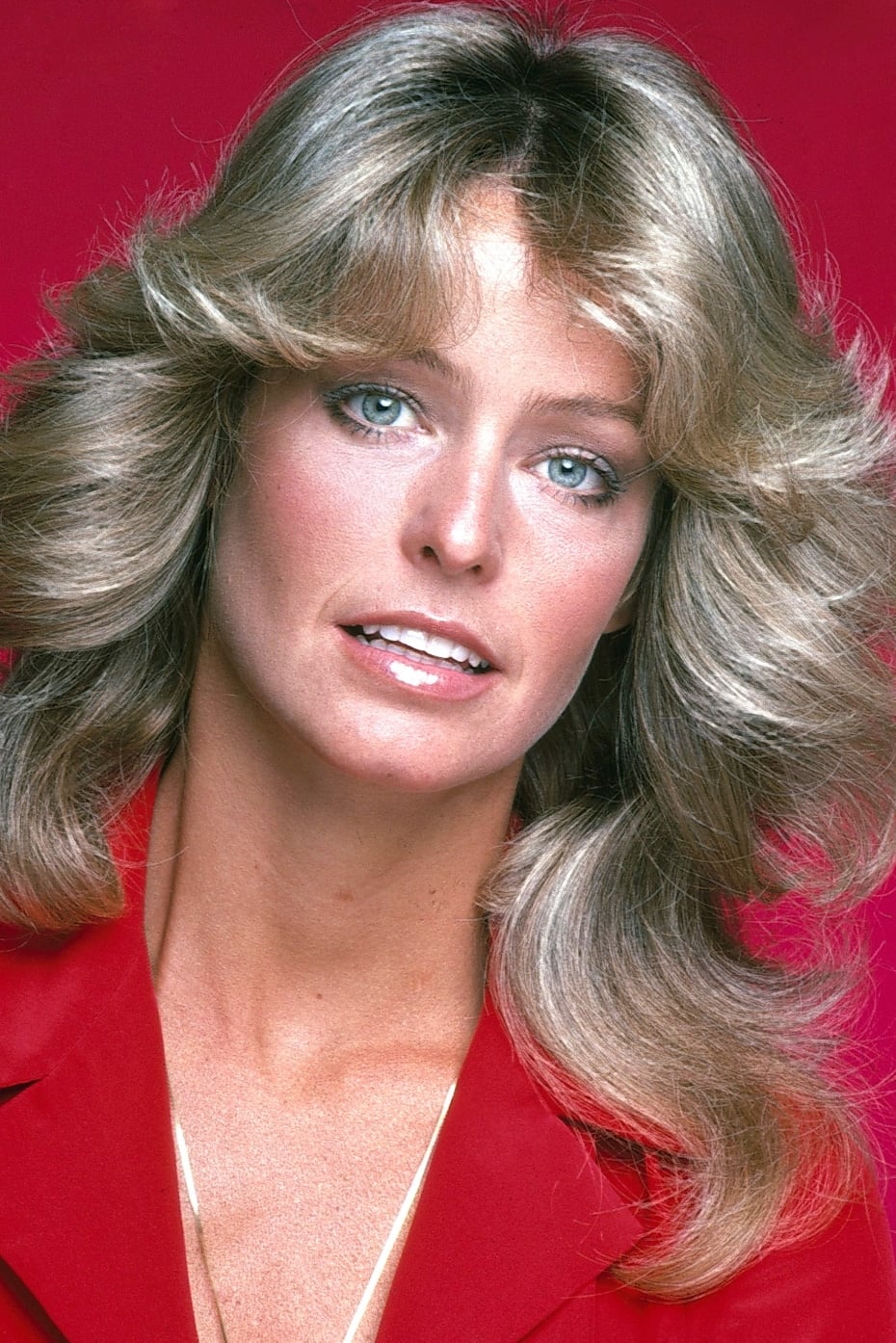
When transitioning from television to more serious film roles, such as in the movie ‘Extremities’, the actress utilized prompts to assist with the intense dialogue. The gritty and emotional nature of the script required her to stay in character, and cue cards helped her maintain that focus. By having the lines available to glance at, she could devote more energy to the physical demands of the role. This method was seen as a way to bridge the gap between her previous experience and the requirements of a high-stakes dramatic feature. Her performance in the film was ultimately praised for its raw intensity and realism.
Tallulah Bankhead

This legendary stage and screen actress was known for her disdain for traditional rehearsal and memorization techniques. During the filming of Alfred Hitchcock’s ‘Lifeboat’, she relied on cue cards to help her navigate the confined and difficult shoot. Bankhead’s preference for spontaneity meant she often looked for her lines in real-time, which the director incorporated into her character’s frantic energy. She famously treated the script as a suggestion, often requiring prompts to bring her back to the written word. This approach added to her reputation as one of the most formidable and unpredictable personalities in Hollywood.
Vivien Leigh
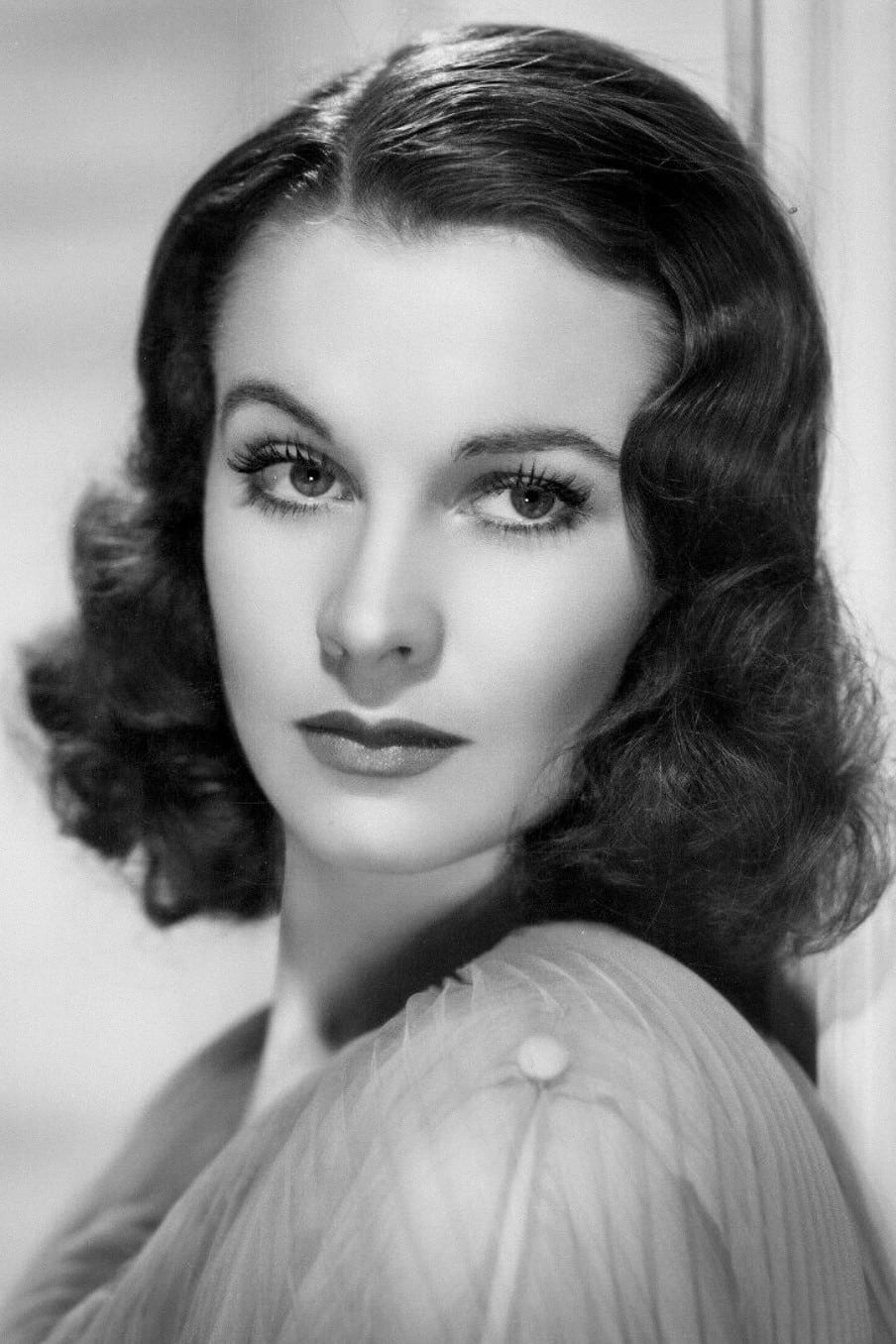
During the marathon production of ‘Gone with the Wind’, the actress faced extreme exhaustion and a massive amount of dialogue. To assist her through the final months of filming, the crew utilized prompts and cue cards for certain scenes. This was done to ensure that the production stayed on schedule despite the leading lady’s fatigue. The use of these aids helped her maintain the legendary intensity required for the character of Scarlett O’Hara. Even with the help of prompts, her performance remains one of the most acclaimed in the history of cinema.
Lauren Bacall
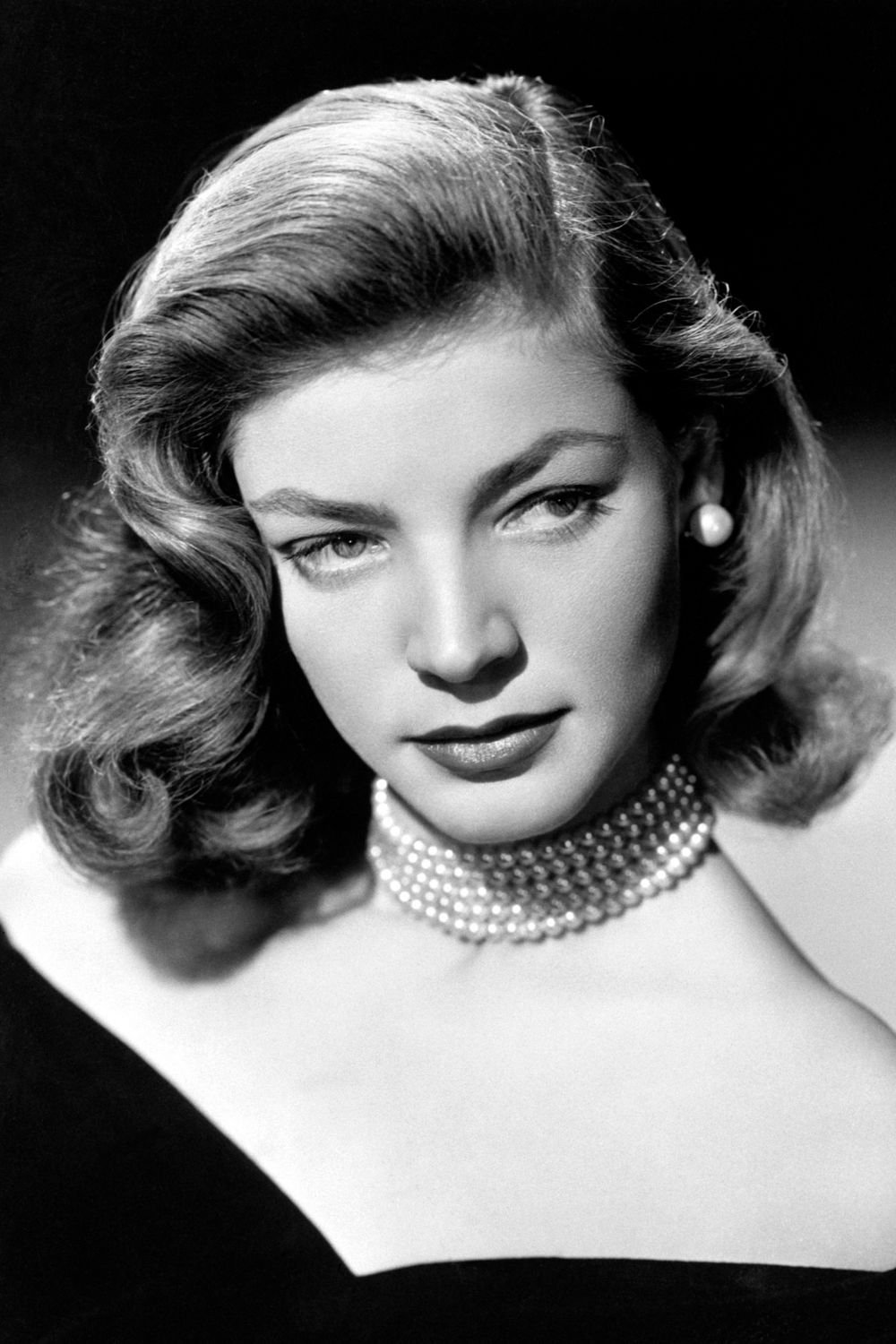
In several of her early collaborations with Humphrey Bogart, such as ‘The Big Sleep’, this actress used cue cards to help maintain her “cool” demeanor. The rapid-fire, hard-boiled dialogue of the film noir genre was often supplemented by prompts held near the camera. This allowed her to deliver her lines with the specific timing and low-register voice that became her trademark. The use of these cards was a practical way to handle the dense scripts provided by writers like William Faulkner. Bacall’s ability to use these aids while maintaining intense eye contact with her co-stars was a notable skill.
Helen Hayes
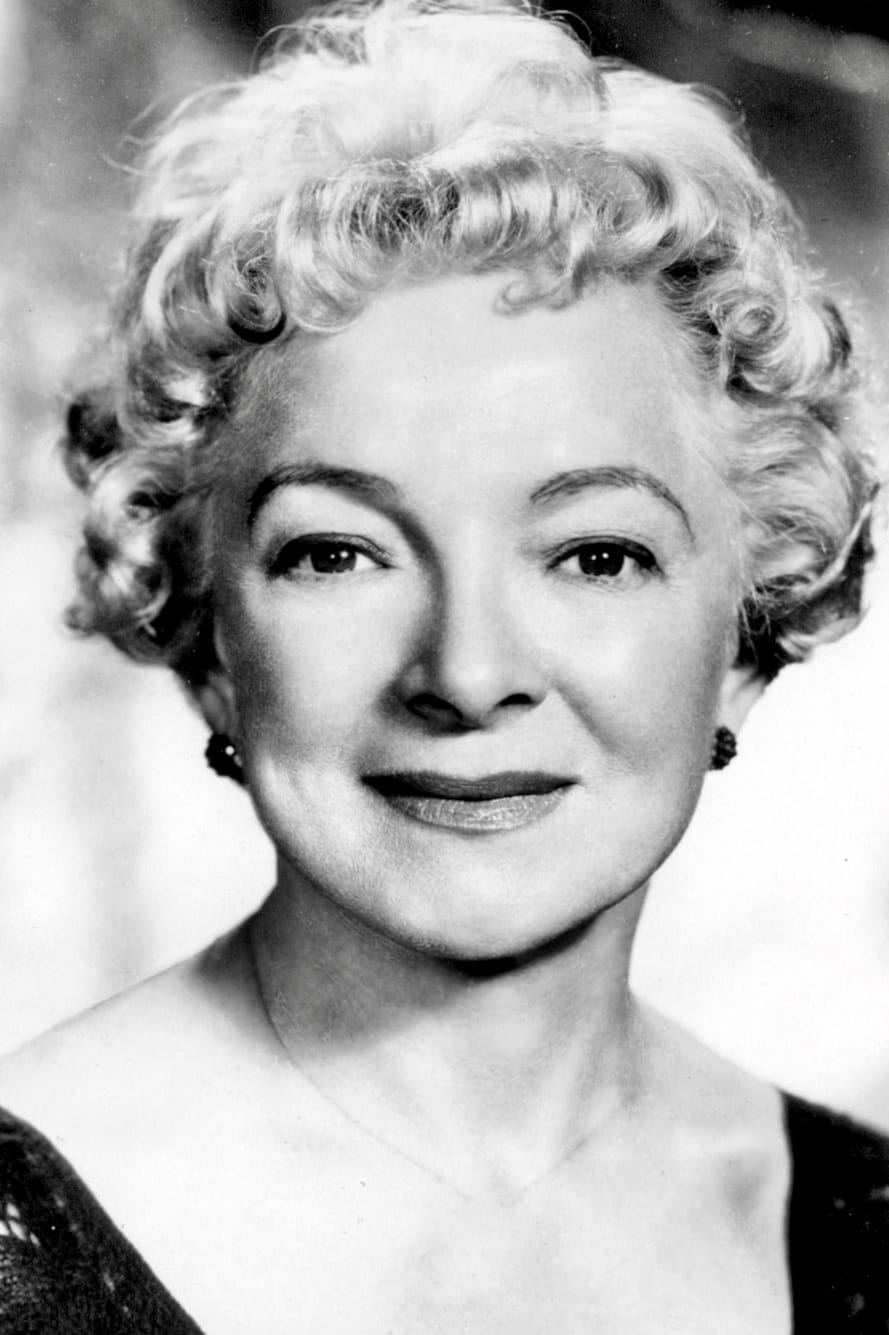
In her later years, the “First Lady of the American Theater” utilized cue cards for her film and television appearances. During the filming of the disaster epic ‘Airport’, she reportedly used prompts to assist her with the dialogue for her Oscar-winning role. This allowed her to continue delivering top-tier performances well into her seventies. She was very open about the fact that she used these aids to ensure she didn’t hold up the production. Her professionalism and grace made the use of cue cards a non-issue for the directors she worked with during that era.
Ingrid Bergman
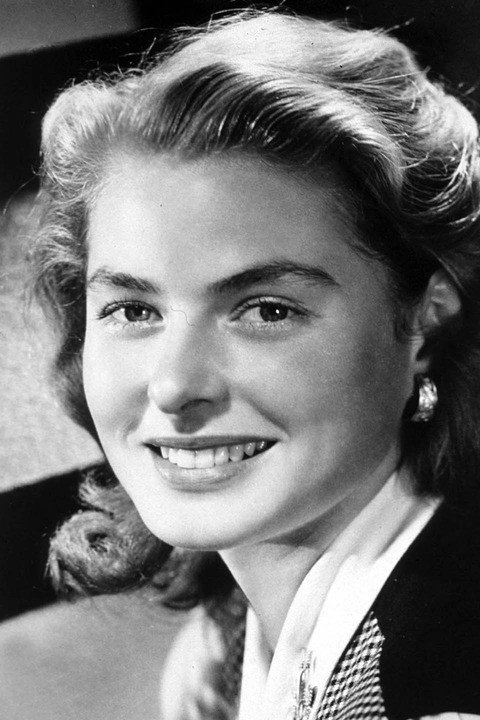
In the later stages of her illustrious career, particularly in television films and her final movie ‘Autumn Sonata’, this actress used prompts. Director Ingmar Bergman accommodated her need for these aids to ensure her performance was as precise as possible. This allowed the actress to focus on the complex emotional relationship between her character and her daughter. Despite the use of cue cards, the raw power of her acting remained undiminished, earning her several late-career award nominations. She viewed the prompts as a necessary accommodation for maintaining her high standards of performance.
Esther Williams
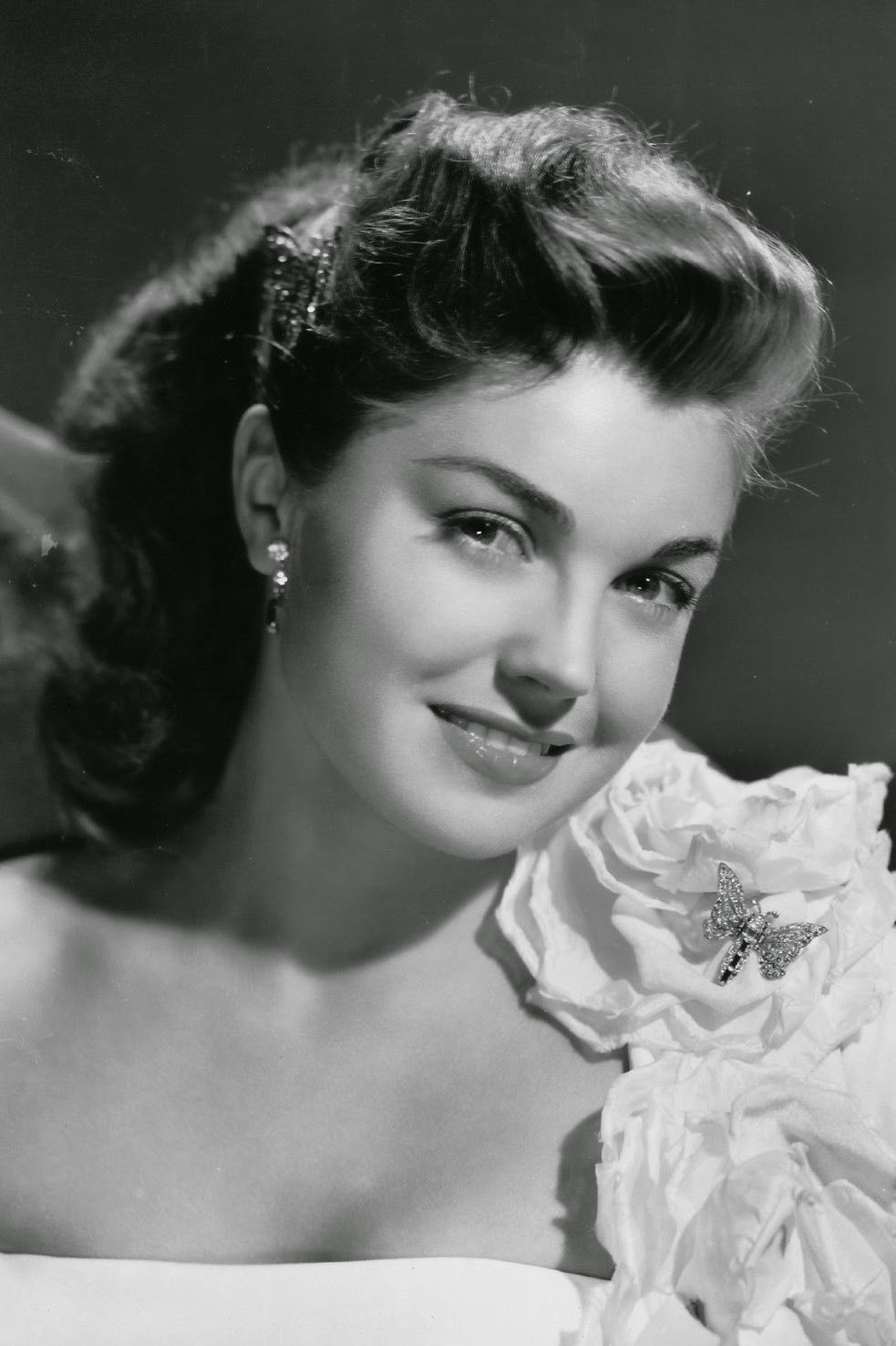
The “Million Dollar Mermaid” revealed in her autobiography that she frequently used cue cards during her years at MGM. Because so much of her time was spent rehearsing complex swimming sequences, there was often little time left for memorizing dialogue. The studio would place large boards around the pool or the set to help her through her scenes in films like ‘Million Dollar Mermaid’. This practical solution allowed her to remain the studio’s top aquatic star for over a decade. Williams was pragmatic about the use of these aids, viewing them as part of the studio’s efficient production machine.
Claudette Colbert
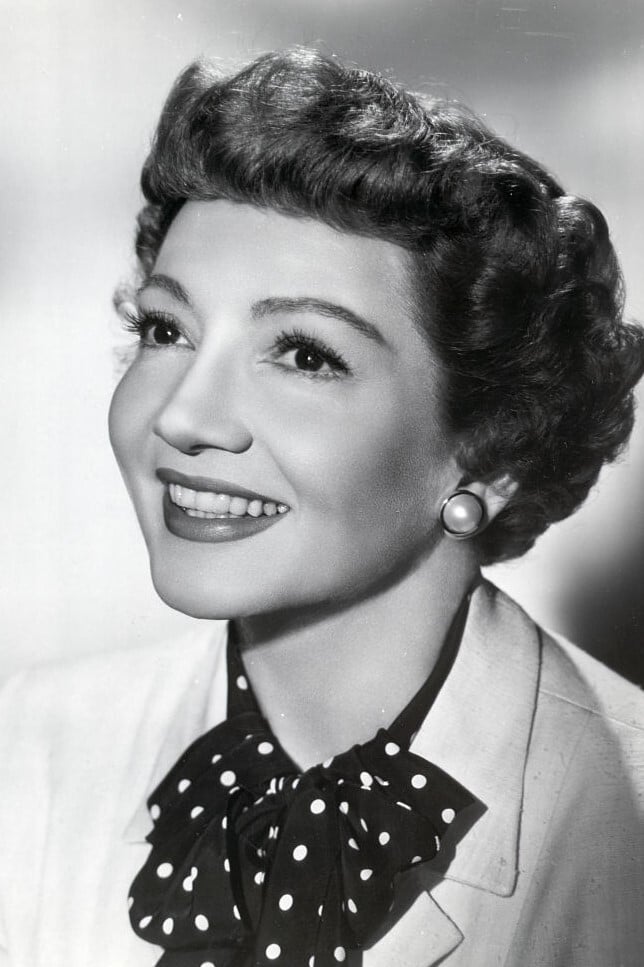
This sophisticated star of the 1930s and 1940s was known to use prompts to keep her performances sharp and fast-paced. During the filming of ‘It Happened One Night’, she utilized various aids to help manage the witty repartee with Clark Gable. This ensured that the screwball comedy timing remained perfect throughout the production. Colbert was a perfectionist who preferred having the lines available to avoid any unnecessary pauses or mistakes. Her use of these tools contributed to the seamless and effortless quality of her most famous screen roles.
Paulette Goddard
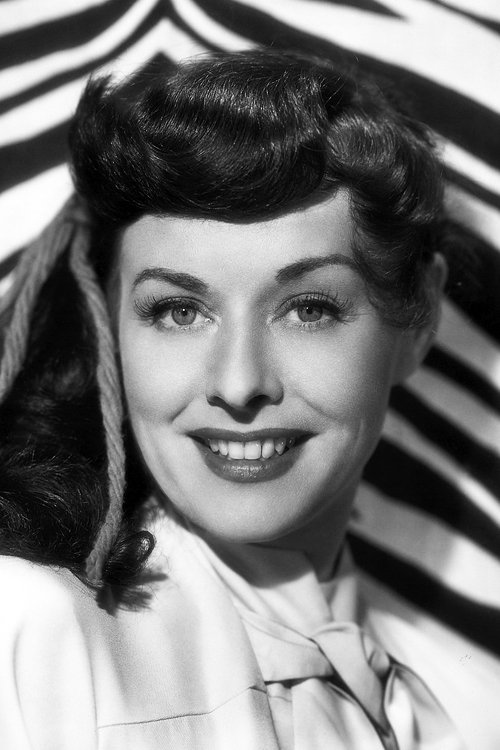
On the set of the ensemble comedy ‘The Women’, this actress utilized cue cards to keep up with the rapid-fire dialogue. With so many prominent actresses sharing scenes, the pace was incredibly fast, and prompts helped prevent any delays. Goddard was known for her vibrant energy, and having the lines visible allowed her to stay in the moment. This practice was common for her throughout her time as a leading lady at Paramount and MGM. She found that the cards provided a safety net that allowed her to take more risks with her physical performance.
Tilda Swinton
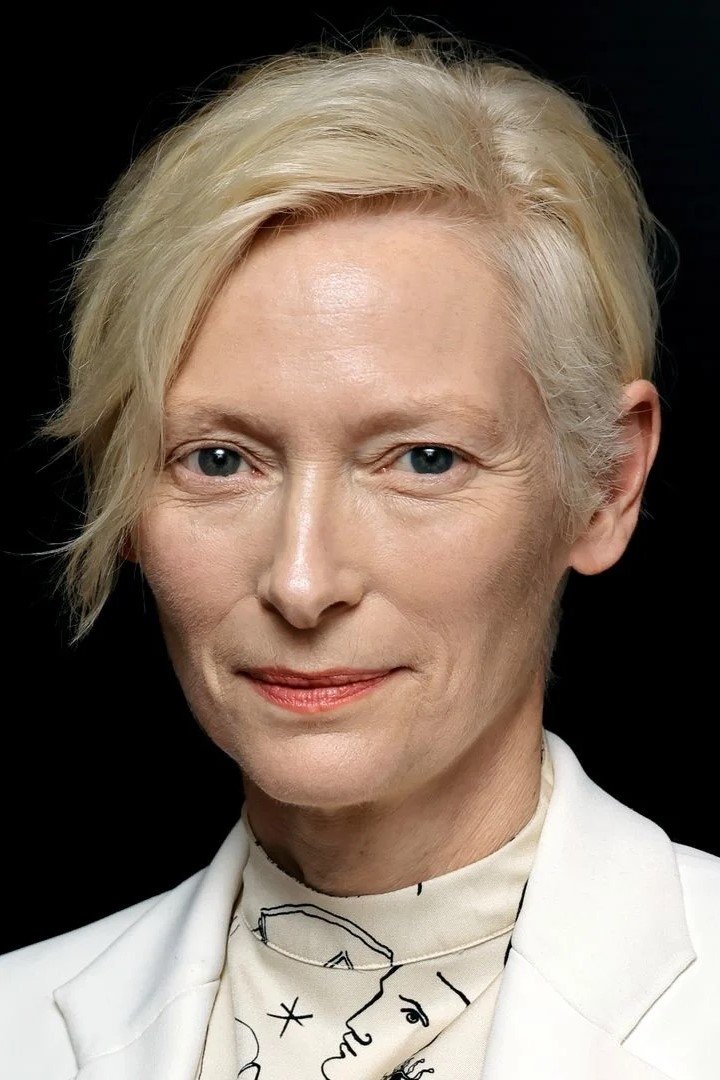
In a more modern context, this acclaimed actress has spoken about her preference for not memorizing scripts in a traditional way. For several projects, including ‘Michael Clayton’, she has utilized an earpiece to have her lines fed to her in real-time. She believes this method prevents the performance from becoming stale and allows her to react more authentically. This “live” delivery of dialogue helps her maintain a sense of mystery and unpredictability in her characters. Swinton is one of the few contemporary stars to openly champion this method as a valid artistic choice.
Bette Davis

During the filming of her later projects, such as ‘The Whales of August’, this screen legend relied on cue cards to assist her. Due to her age and previous health struggles, the prompts were essential for her to continue working in the industry she loved. The crew would place large-print boards around the set so she could easily read her lines while remaining in character. This allowed her to deliver a final series of poignant performances that cemented her legacy. Her commitment to the craft was such that she used whatever tools were necessary to provide a great show for her audience.
Sophia Loren
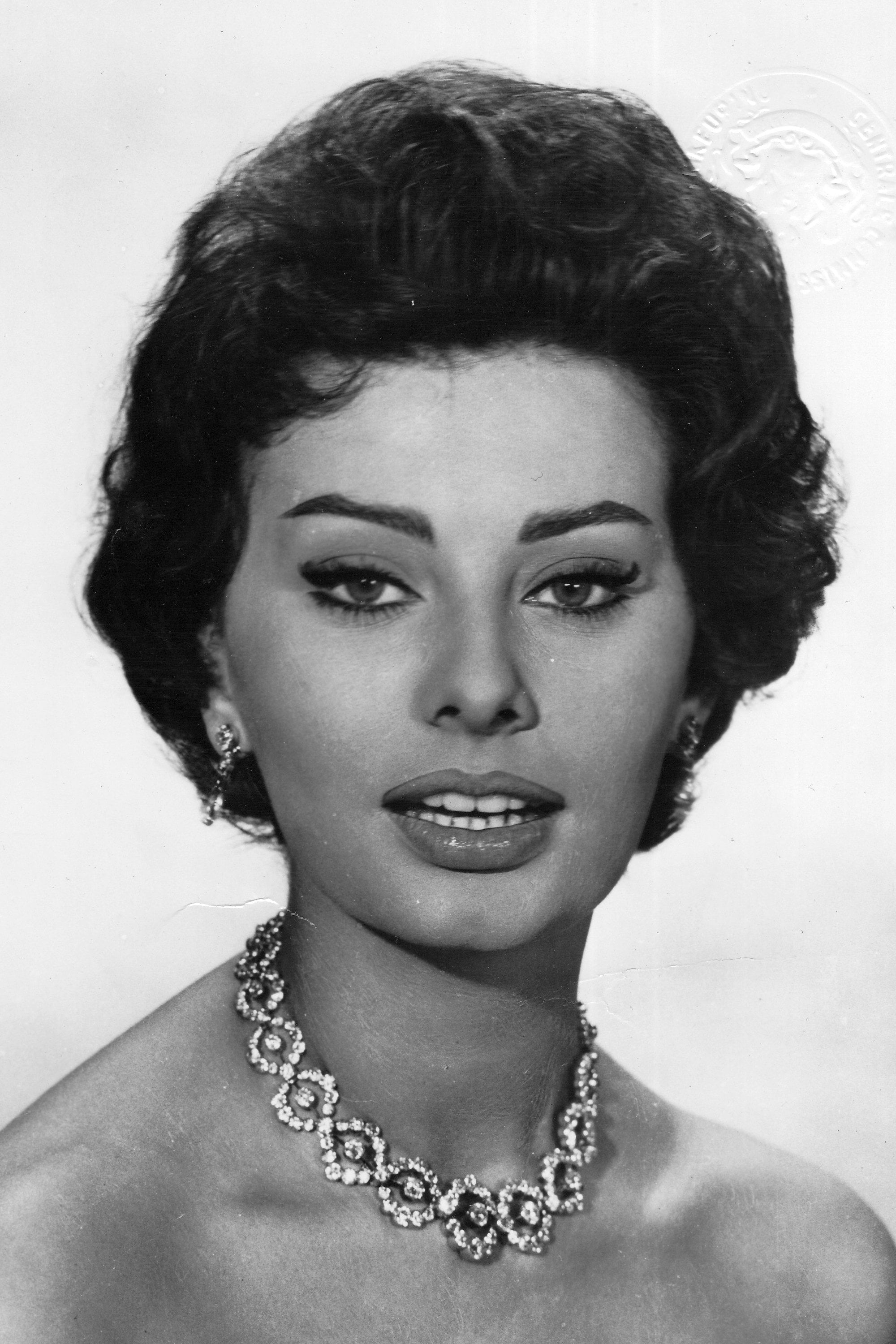
When she first began making English-language films like ‘Boy on a Dolphin’, this international star utilized cue cards to help with the language barrier. Not being a native speaker at the time, she found that having the phonetic lines written out on boards helped her deliver them with the correct inflection. This allowed her to focus on her acting and her chemistry with her co-stars rather than the mechanics of the language. As she became more fluent, she continued to use prompts occasionally to ensure the accuracy of her dialogue in major Hollywood productions. This practical approach helped her become one of the most successful international actresses in history.
Dorothy Lamour
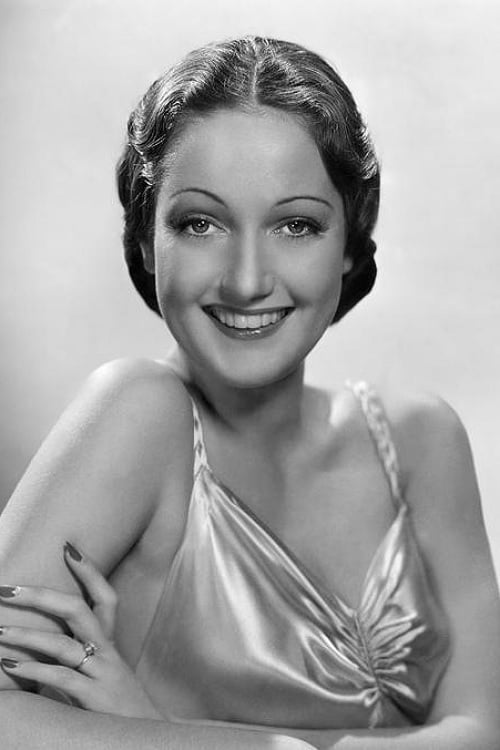
Best known for the ‘Road to…’ series with Bing Crosby and Bob Hope, this actress often used cue cards to handle the constant improvisations on set. Because her co-stars would frequently deviate from the script, she required prompts to help her get the scenes back on track. The “idiot boards” were a constant presence on the sets of her tropical adventure films. This allowed her to play the “straight man” to the comedic duo with ease and professional precision. Her ability to navigate these chaotic sets with the help of prompts made her an indispensable part of the franchise.
Ginger Rogers
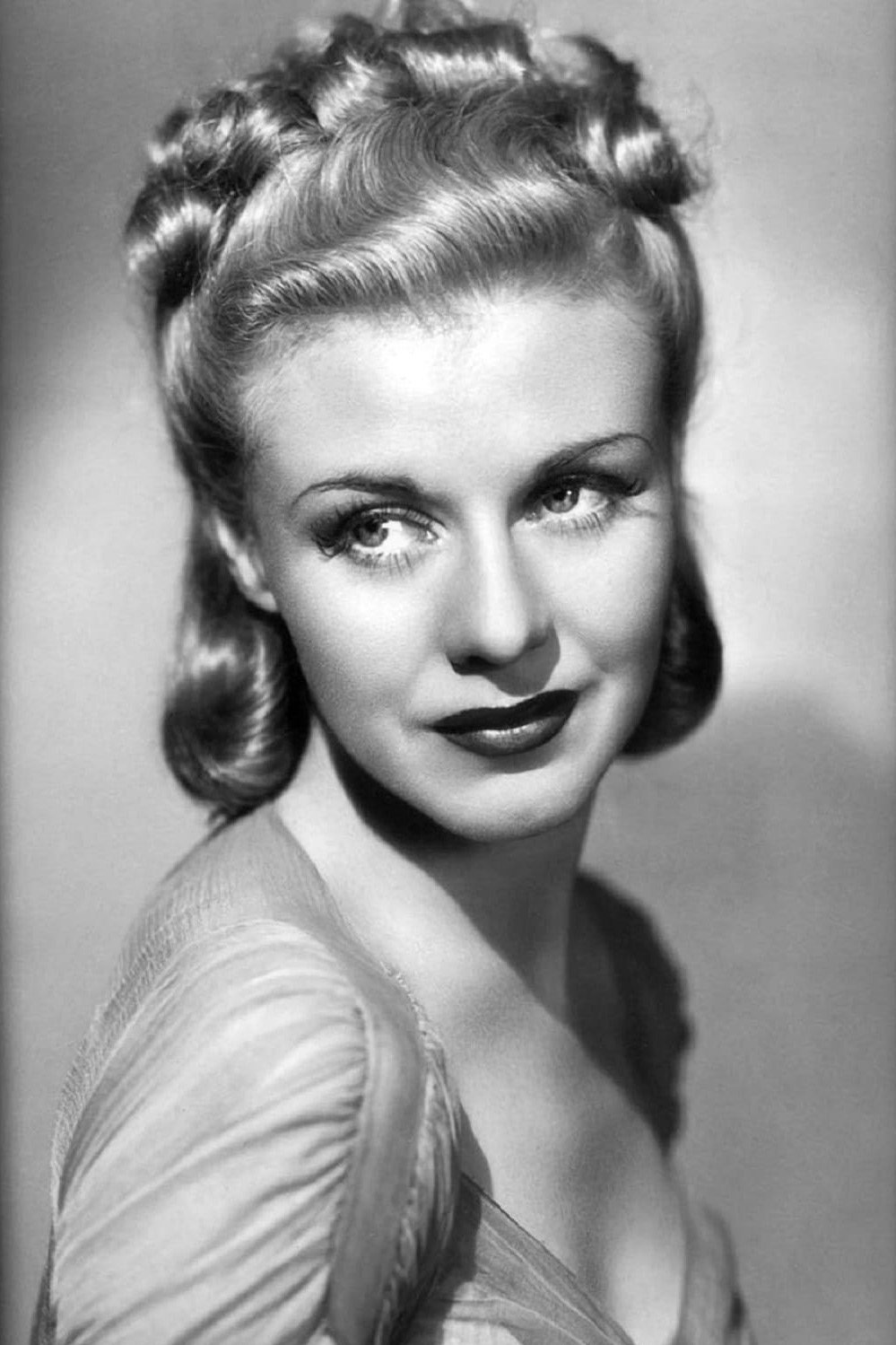
In her later career, particularly as she moved into guest roles on television and in smaller films, this versatile star used cue cards. She found that the shorter production schedules of later decades didn’t allow for the extensive rehearsal time she was used to during the Golden Age. Prompts allowed her to maintain her professional standards and deliver her lines with the same charm she displayed in her earlier musicals. She was respected by crews for her ability to use these aids without it ever being apparent to the audience. Rogers remained a dedicated performer who used these tools to stay active in the industry for over fifty years.
Greta Garbo
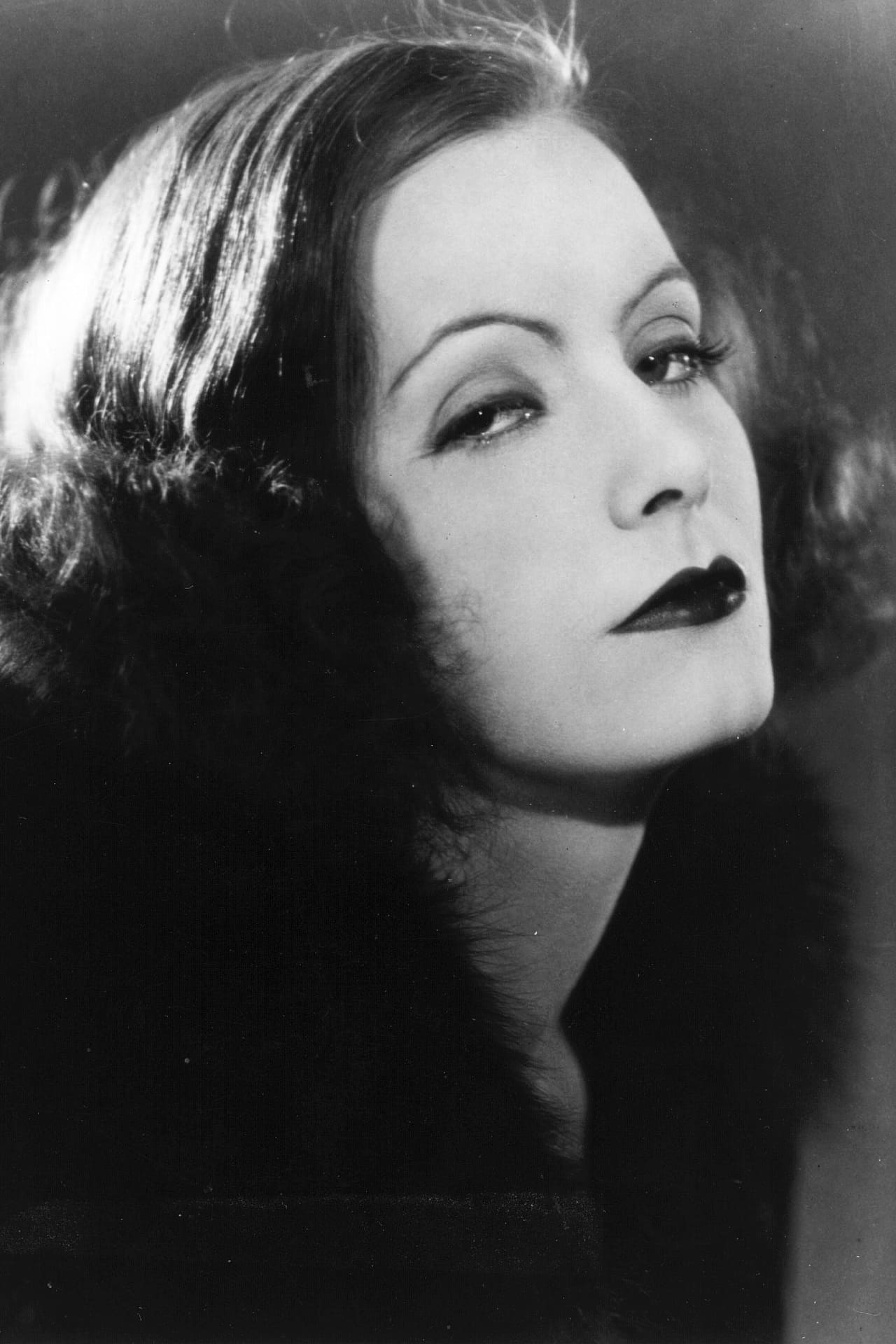
For her final film, ‘Two-Faced Woman’, the enigmatic actress reportedly required the use of cue cards on set. After a period of away from the screen, the prompts helped her manage the dialogue for the romantic comedy. This was a departure from her earlier work, but it was a necessary step to help her navigate the production’s difficulties. While the film was not a critical success, Garbo’s use of aids showed her willingness to adapt to the pressures of the sound era’s evolving scripts. Shortly after this production, she famously retired from the screen, leaving behind a legacy of mysterious and powerful performances.
Please share your thoughts on these acting methods in the comments.