


20 Actresses Who Fought for Equal Pay in Hollywood




Equal pay conversations in Hollywood have moved from backrooms to headlines thanks to a determined group of actresses who used contract negotiations, public statements, and producer roles to push for parity. Their efforts span television ensembles, prestige dramas, and blockbuster franchises and often involve transparent disclosures about salaries and back end terms. Several secured retroactive adjustments after disparities surfaced while others structured future projects to guarantee parity from day one. Together they set templates for dealmaking that agents and studios now reference across the industry.
Patricia Arquette
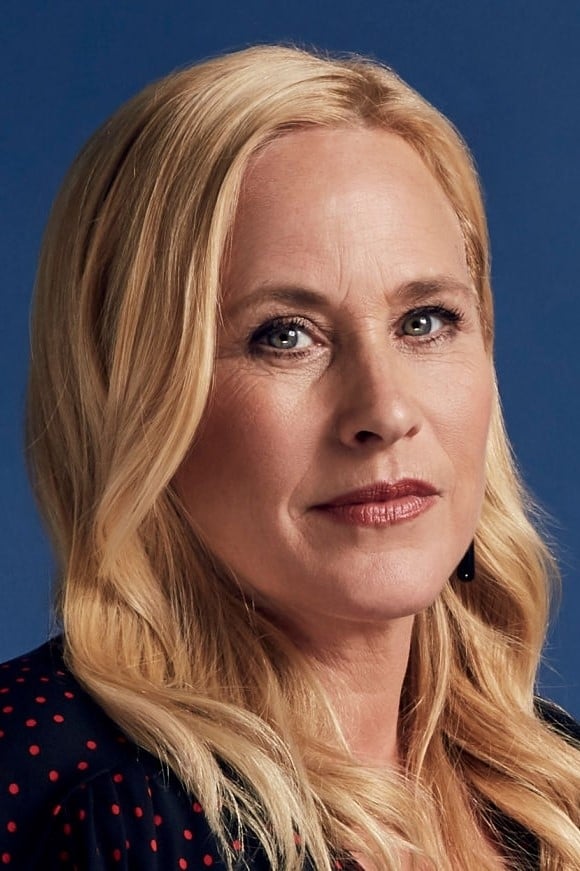
Arquette brought pay equity to the center of awards season when she used her Oscar acceptance platform to call for wage equality across the industry. Her advocacy spurred negotiations on subsequent projects that incorporated parity clauses and transparency around bonuses. She partnered with organizations that track compensation data to standardize best practices in contracts. Studios cited her remarks in internal reviews that examined how quotes and backend points were allocated.
Michelle Williams

Williams highlighted a striking disparity after reshoots on ‘All the Money in the World’ and later collaborated with her union to promote standardized reshoot compensation. The publicity around her case led to audits of overtime and per diem structures for principal cast. She has since used favored nation terms to ensure colleagues receive comparable treatment. Her efforts helped normalize disclosure of reshoot rates before cameras roll.
Charlize Theron

Theron learned of an imbalance on a franchise project and pushed for the same base pay and backend position as her male counterpart on ‘The Huntsman Winters War’. She has since insisted on parity language when attaching as both star and producer. Her teams request detailed revenue corridor definitions to prevent unequal participation in success. Those provisions have become reference clauses for other female leads in action films.
Robin Wright
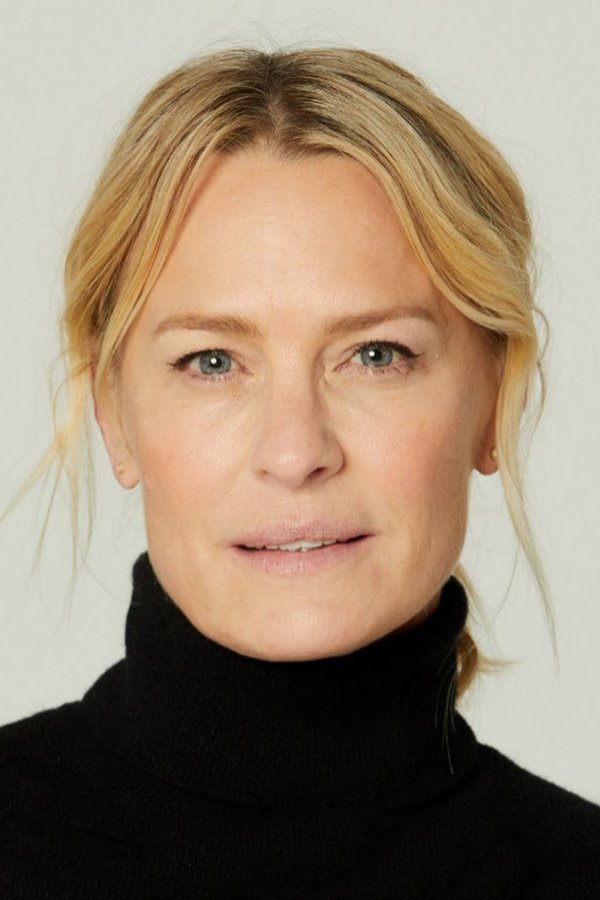
Wright negotiated equal episodic pay with Kevin Spacey on ‘House of Cards’ by leveraging her character’s audience metrics and storyline dominance. She requested access to performance data dashboards to support parity claims in renewals. The production updated cast deals to align quote steps for leads across seasons. Her approach demonstrated how viewership analytics can substantiate compensation adjustments.
Gillian Anderson

Anderson initially received a lower offer than David Duchovny for ‘The X Files’ revival and refused to sign until parity was reached. Her stance prompted the studio to rebenchmark legacy deals when original series return. She now includes parity riders in limited series agreements. Her case underscored how reboots should not replicate historical disparities.
Claire Foy

Foy’s compensation on early seasons of ‘The Crown’ was publicly acknowledged as lower than her male counterpart’s and producers issued back pay to address the gap. The incident led the production company to formalize a pay equity policy for future series. Casting negotiations on successor seasons used a parity baseline for all leads. The outcome became a widely cited example of corrective action after disclosure.
Ellen Pompeo
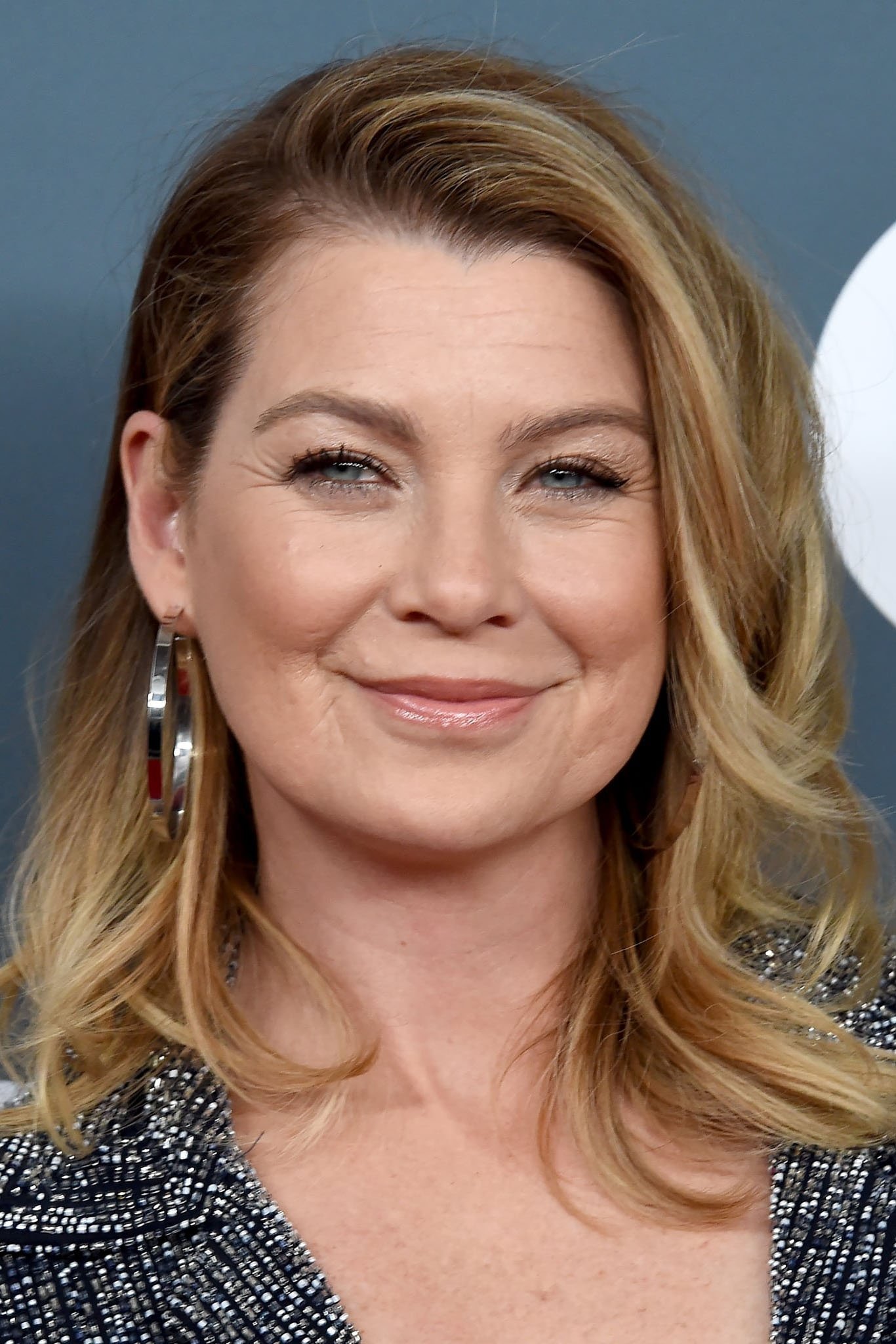
Pompeo negotiated a landmark deal on ‘Greys Anatomy’ that included a high per episode rate plus producing fees and backend participation. She revealed deal terms to encourage transparency for other actresses. The contract recognized her role in franchise stewardship and set floors for future renegotiations. Her agreement reshaped long running network series compensation structures.
Kaley Cuoco

Cuoco and the principal cast of ‘The Big Bang Theory’ moved in lockstep to secure equal salaries across the ensemble. They used collective bargaining to prevent one off disparities during renewals. Later seasons incorporated backend points that were distributed evenly among the core. Their approach is frequently referenced for ensemble parity strategy.
Jennifer Lawrence

Lawrence wrote a widely read essay after leaked correspondence showed she earned less than male costars on ‘American Hustle’. She thereafter required parity clauses and bonus triggers tied to box office thresholds. Her agents established a policy to present comparative compensation comps during negotiations. The episode accelerated industrywide conversations about transparency in profit participation.
Natalie Portman

Portman publicly shared that she was paid significantly less than her male costar on a romantic comedy and adjusted her dealmaking approach afterward. She integrated clear bonus ladders and escalators for leads regardless of gender. Her production work has prioritized budgets that account for parity at greenlight. She also supports disclosure of above the line spending to avoid opaque disparities.
Emma Stone

Stone has noted instances where male costars agreed to reduce their fees so that her pay could match theirs and she now builds parity into initial term sheets. Her teams push for equal quote recognition when awards or reviews indicate comparable contribution. She includes audit rights for backend statements to verify equitable calculations. These practices have carried into her producing ventures.
Octavia Spencer
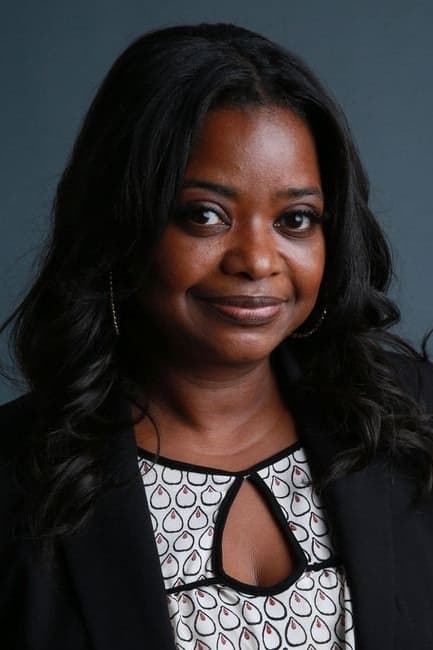
Spencer used a joint negotiation with Jessica Chastain on a comedy project to quintuple her quote and set a precedent for equitable deals for women of color. She has since requested bundled negotiations that raise all principal women together. Her contracts often include pay transparency among top billed roles. This method reduces information asymmetry that historically depressed quotes.
Jessica Chastain

Chastain leveraged her own compensation to lift a colead’s pay and now structures packages that mandate parity for female ensemble partners. She prioritizes projects where producing authority allows oversight of compensation allocation. Her term sheets often pair equal billing with equal pay. These stipulations have carried into her slate of independently financed features.
Viola Davis
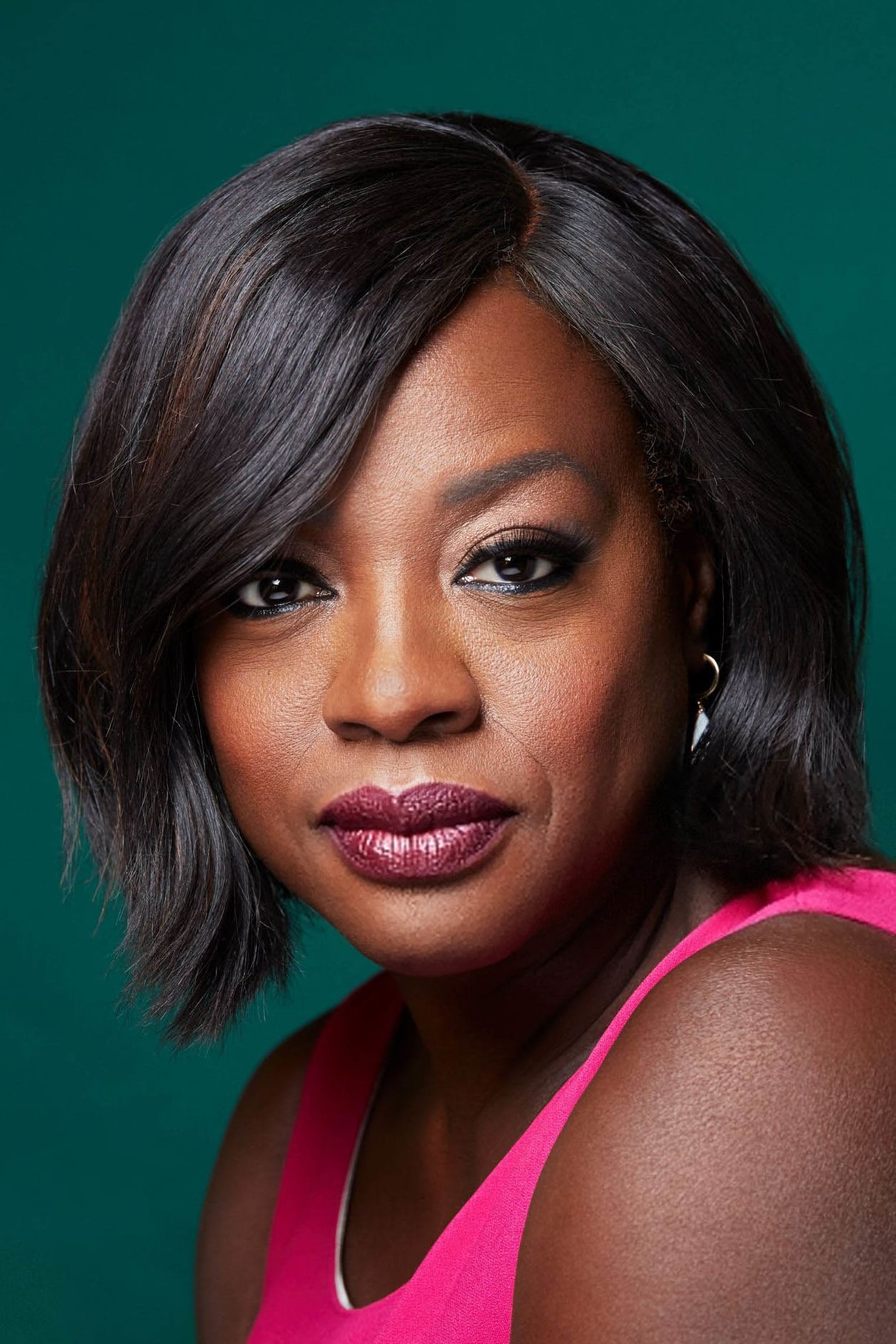
Davis has documented receiving lower offers relative to her credentials and now negotiates compensation aligned with awards standing and lifetime box office. She includes parity benchmarks for comparable roles when attaching to studio films. Her producing deals ensure equitable fees for actresses across supporting roles as well. She frequently cites data driven comps during negotiations.
Taraji P. Henson

Henson disclosed being paid well below expectations for a major feature and used that experience to negotiate stronger quotes on subsequent projects. On ‘Empire’ she secured raises through performance based escalators. She advocates for standardized travel and per diem parity for all principals. Her contract language now includes clear definitions for awards bonus triggers.
Kerry Washington
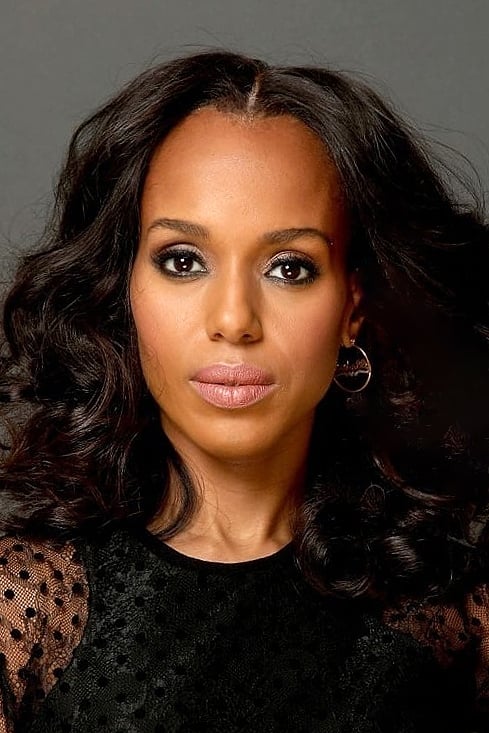
Washington entered producer roles on ‘Scandal’ to align salary with responsibilities and value. She established parity frameworks for guest stars and recurring roles under her banner. Her agreements specify equitable marketing commitments that can influence bonuses. This holistic approach ties compensation to measurable contributions beyond screen time.
Reese Witherspoon
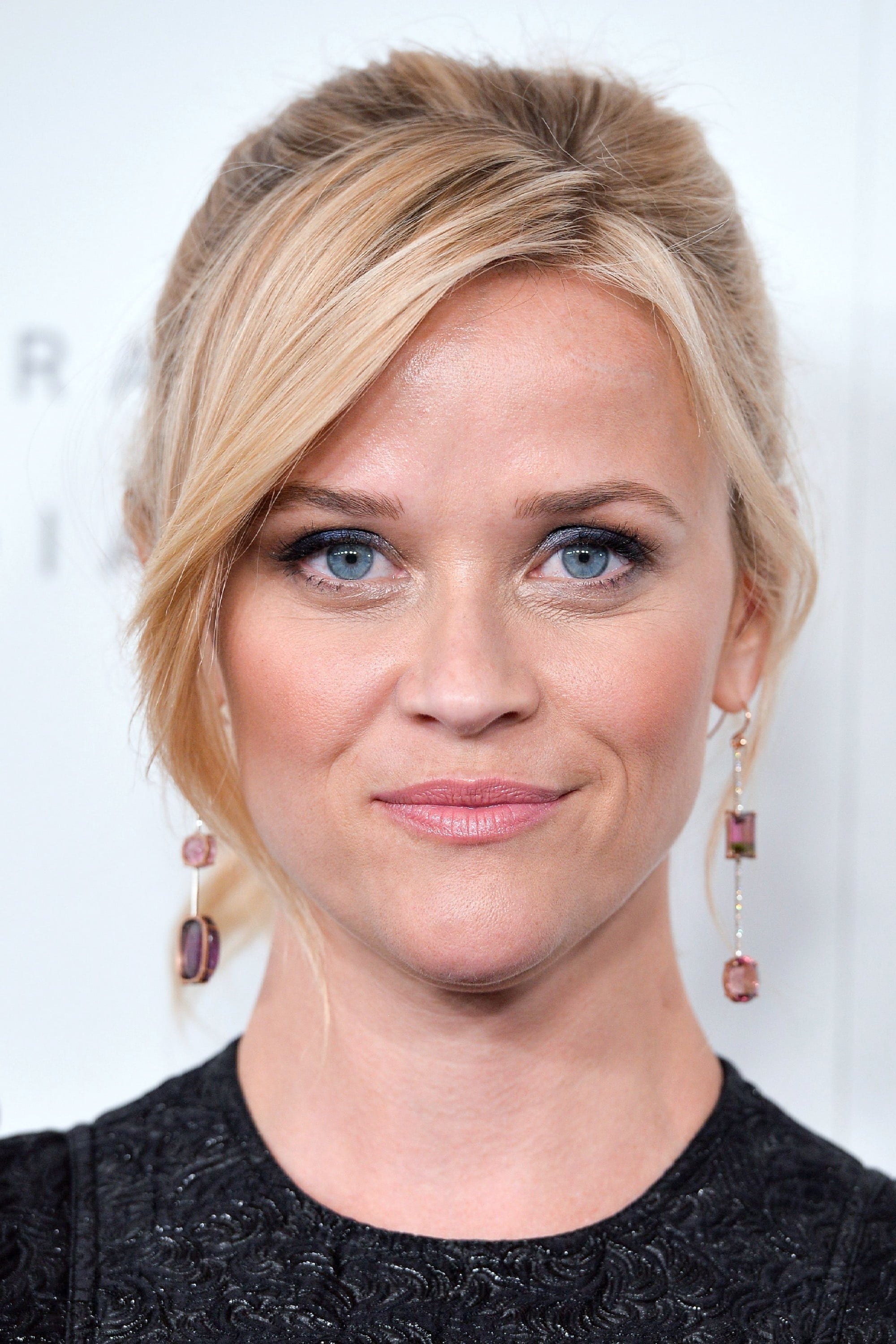
Witherspoon used her company to originate projects like ‘Big Little Lies’ and structured parity among leads from development onward. She applies salary floors and equal quote policies across her ensembles. Backend pools are split evenly to avoid leverage based disparities later. These mechanisms travel with projects sold to streamers and networks.
Scarlett Johansson

Johansson filed a high profile lawsuit related to simultaneous theatrical and streaming release of ‘Black Widow’ which affected backend participation. The dispute concluded with a settlement and prompted clearer definitions of streaming impacts on bonuses. Her subsequent deals contain explicit language about release patterns and revenue attribution. This clarified how hybrid distribution affects equal compensation.
Salma Hayek Pinault

Hayek has spoken about being underpaid relative to male counterparts and uses her producer status to recommend parity policies on set. She encourages early budget modeling that locks equitable salaries before casting announcements. Her contracts often integrate mentorship and inclusion requirements that correlate with fair pay practices. She promotes transparency across international cofinancing where disparities can widen.
Gabrielle Union
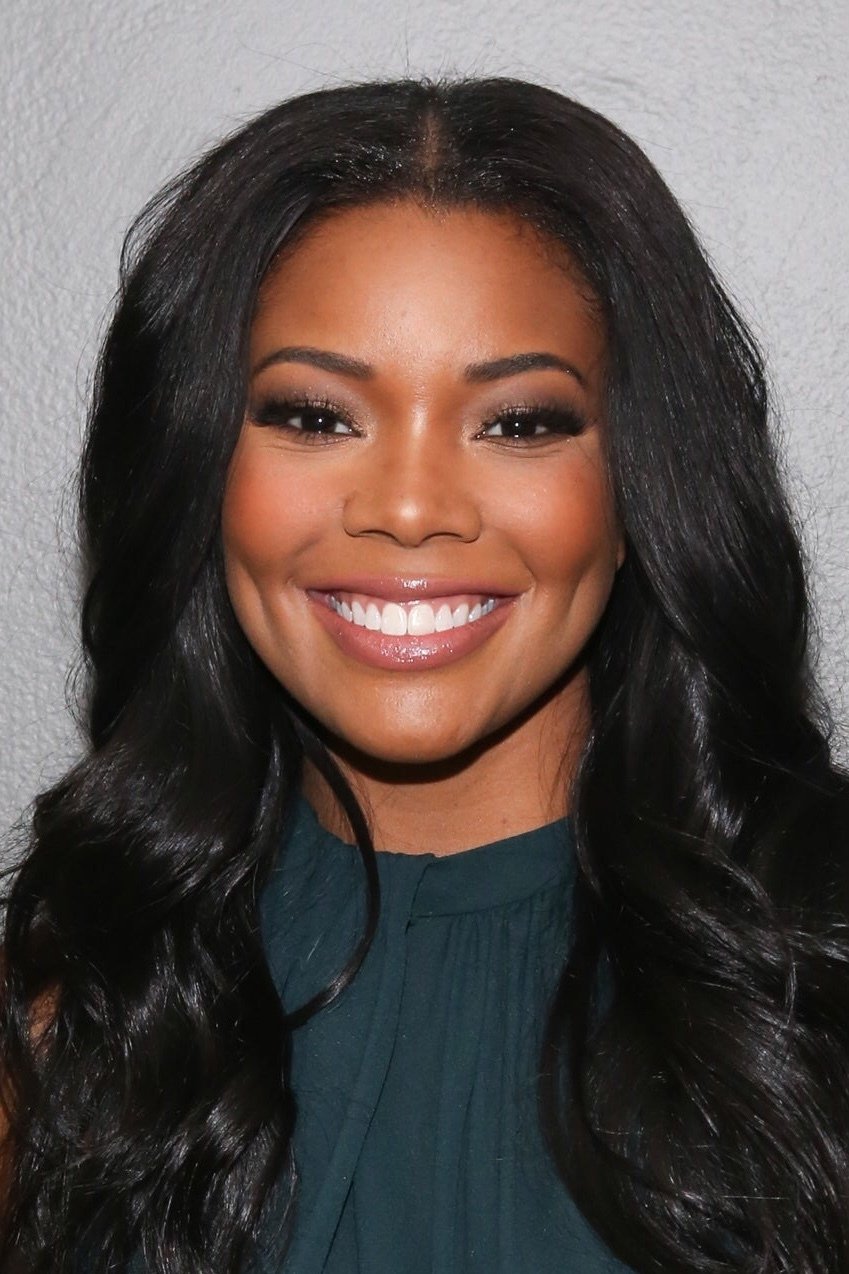
Union challenged unequal treatment on a network competition series and carried those lessons into scripted projects by requiring parity audits. She negotiated producer authority to oversee compensation bands for casts she assembles. Her deals include protections against retaliation for raising pay concerns. This framework has guided fair pay practices on her recent series work.
Share your thoughts on which stories resonated most and tell us who else deserves recognition in the comments.