


Actresses Who Sparked Massive Casting Debates Based on Their Physical Appearance

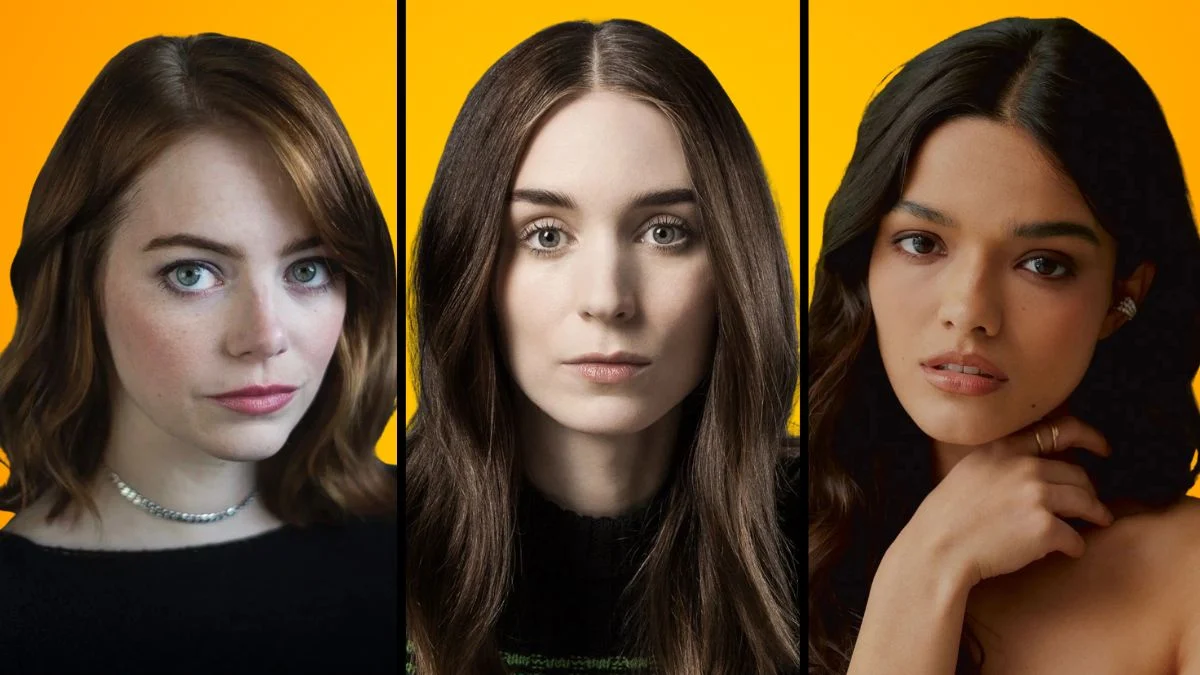


The casting process in Hollywood often generates significant public discourse when an actress does not match the preconceived physical image of a character. Fans and critics frequently engage in heated debates regarding how closely a performer should resemble their source material or historical counterpart. These discussions touch on various aspects of identity including race and age as well as specific physical attributes like height or weight. The following list highlights actresses whose roles became the center of intense scrutiny due to their physical appearance.
Halle Bailey
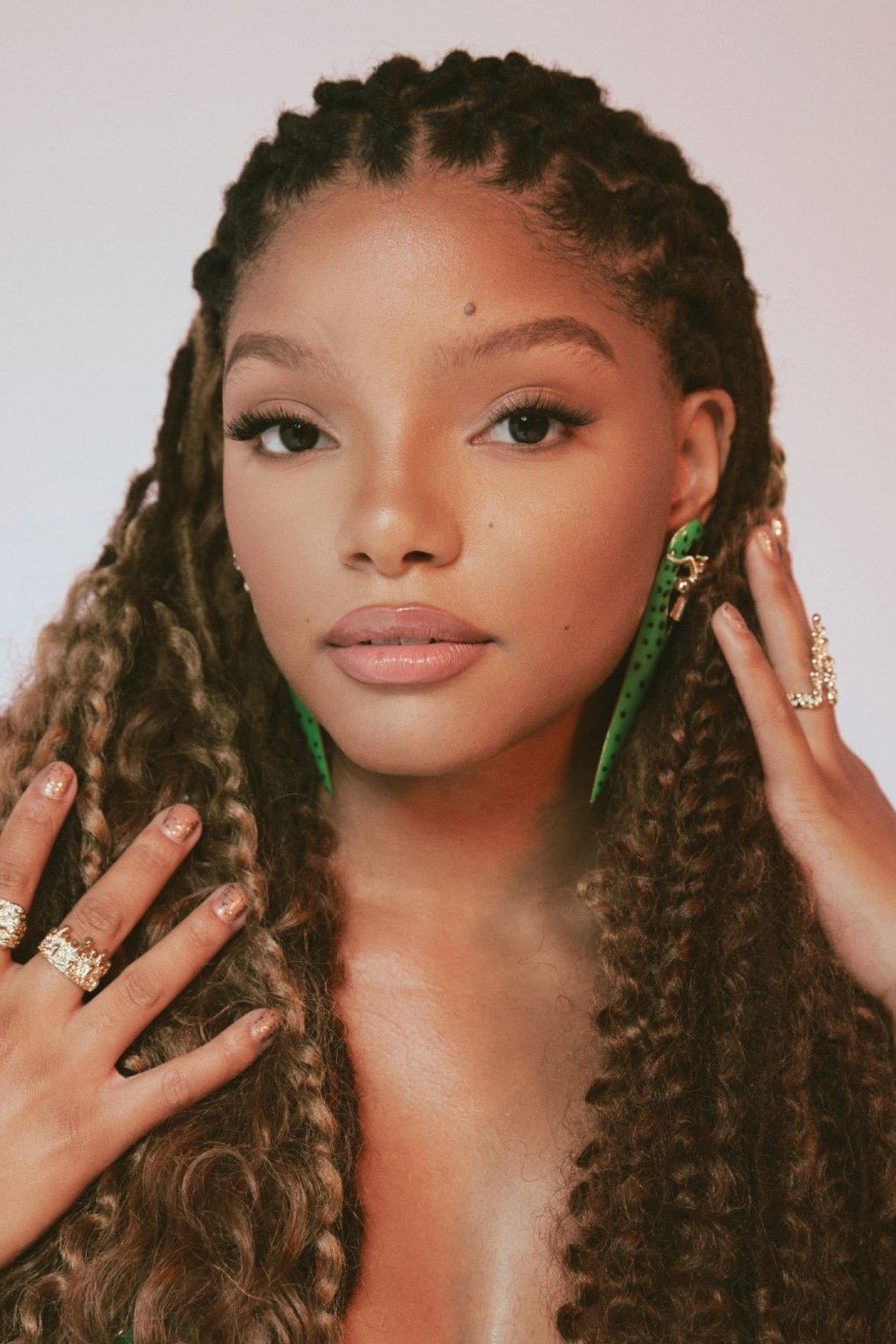
The announcement of Halle Bailey as Ariel in the live action version of ‘The Little Mermaid’ sparked a massive online conversation regarding the character’s appearance. Many viewers argued that the iconic mermaid should remain white as depicted in the original 1989 animated film. Others celebrated the casting as a significant step forward for representation and praised the actress for her exceptional vocal abilities. Bailey maintained a graceful presence throughout the controversy and ultimately delivered a performance that focused on the spirit of the character rather than her skin color. This debate highlighted the deep emotional attachment audiences have to the visual legacy of classic Disney characters.
Gal Gadot
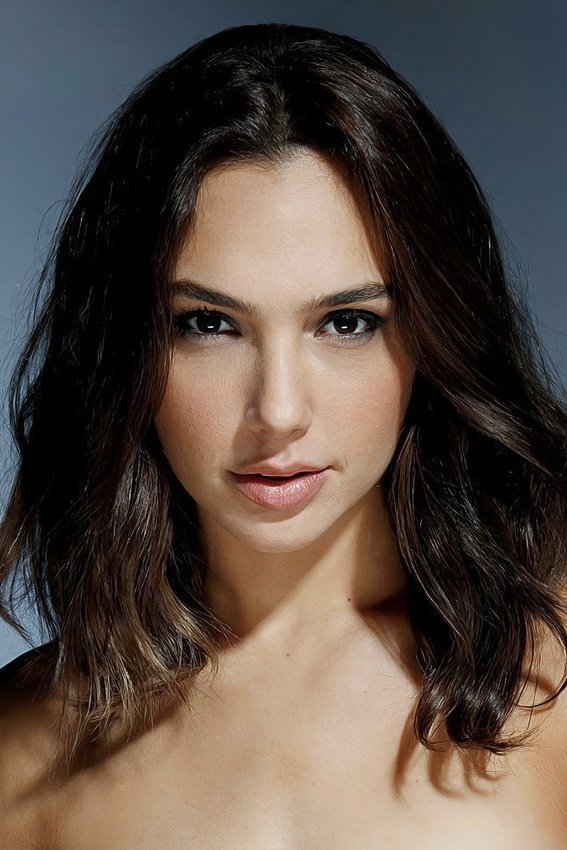
When Gal Gadot was first cast as Wonder Woman in the DC Extended Universe many fans questioned if she had the necessary physical stature for the role. Critics pointed to her slender frame and argued that the Amazonian warrior should possess a more muscular and imposing physique. Gadot responded by undergoing a rigorous training regimen to gain muscle and prepare for the demands of the action heavy role. Her debut in ‘Batman v Superman: Dawn of Justice’ and her subsequent solo film mostly silenced the skeptics through her screen presence. The debate shifted from her initial appearance to her ability to embody the strength and compassion of the beloved superhero.
Jennifer Lawrence
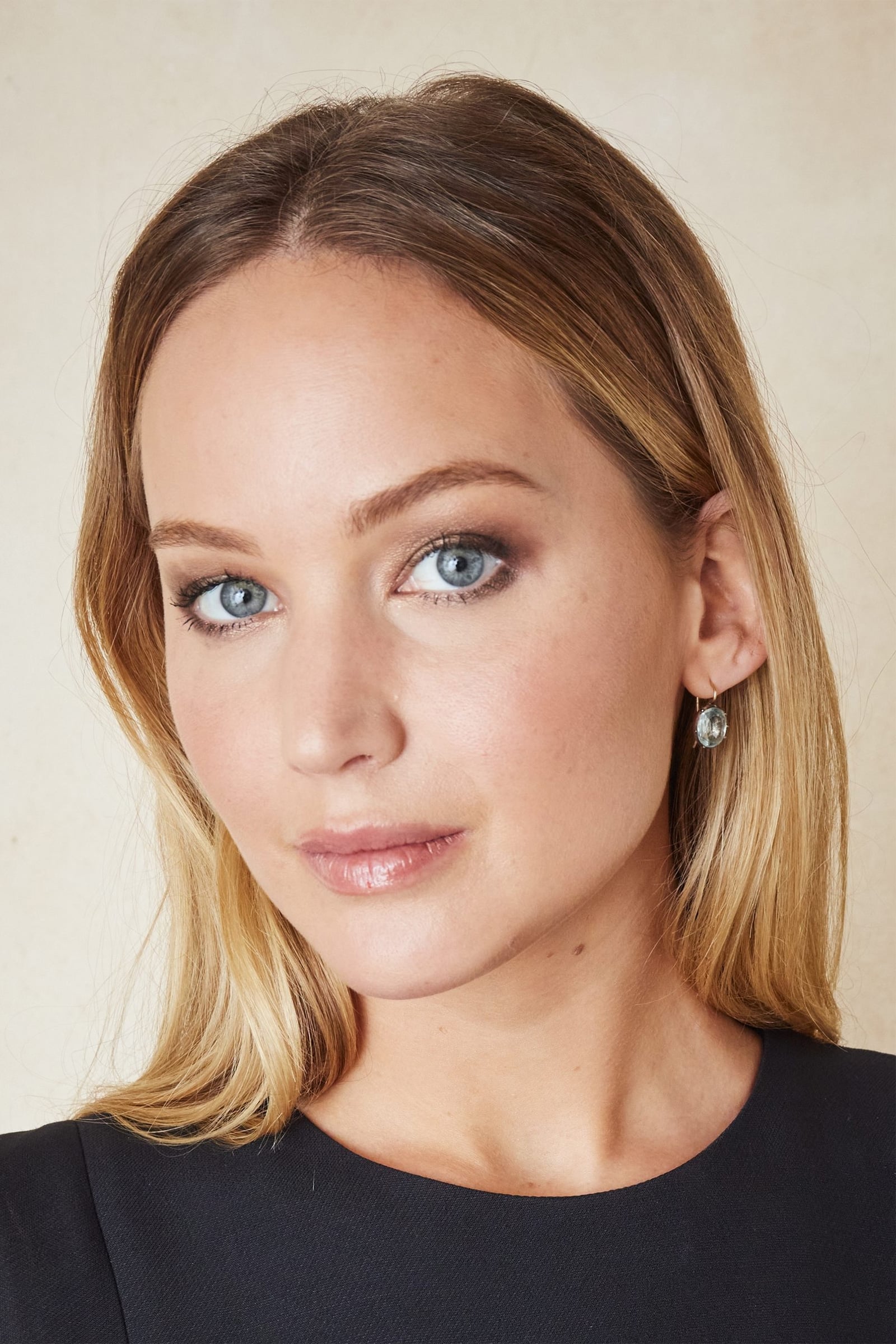
Jennifer Lawrence faced criticism for her portrayal of Katniss Everdeen in ‘The Hunger Games’ because some readers felt she did not look hungry enough. In the book series the character lives in a starving district and is described as being quite thin and small for her age. Some critics argued that Lawrence looked too healthy and well fed to accurately represent a survivalist living in poverty. The actress chose not to diet excessively for the role because she wanted to be a positive role model for young girls. Her performance eventually won over many fans and the films became a massive global success.
Zoe Saldaña
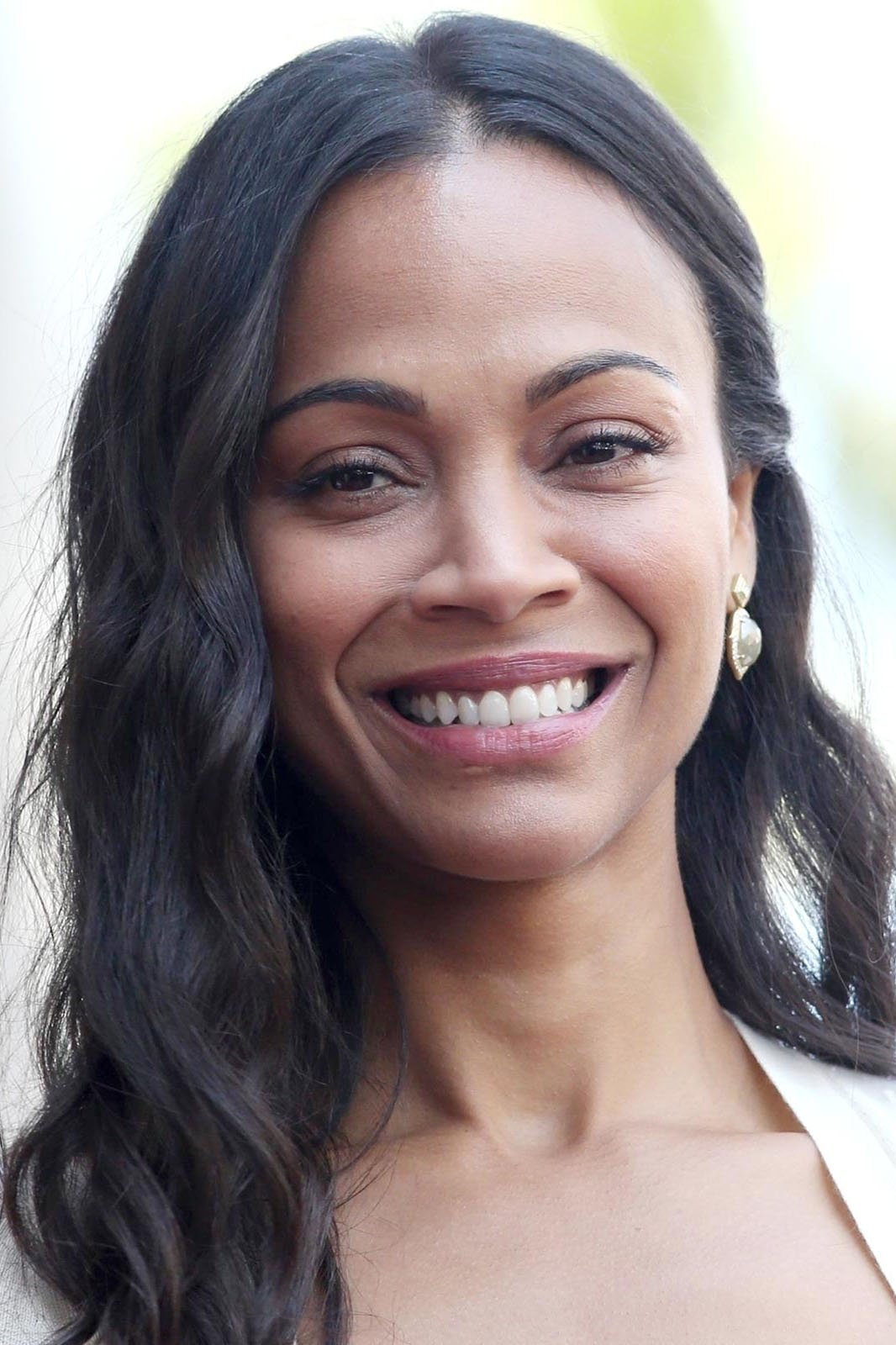
Zoe Saldaña encountered significant backlash when she was cast as the legendary singer and activist Nina Simone in the biographical film ‘Nina’. The controversy centered on the use of skin darkening makeup and a prosthetic nose to make the actress more closely resemble the real life figure. Critics and members of Simone’s own family argued that a performer with a naturally darker complexion should have been chosen for the role. They felt that the physical transformation was unnecessary and offensive given the specific colorism Simone faced during her career. Saldaña later expressed regret over taking the role and acknowledged the importance of authentic casting in historical narratives.
Scarlett Johansson

The casting of Scarlett Johansson as Major Motoko Kusanagi in the film ‘Ghost in the Shell’ led to widespread accusations of whitewashing. The original source material is a Japanese manga and many fans expected a woman of Asian descent to be cast in the leading role. Producers defended the choice by stating that the character’s cybernetic body did not have a fixed ethnicity but the public remained largely unconvinced. This debate became a focal point in the larger conversation about the lack of leading opportunities for Asian actresses in major Hollywood productions. The film’s commercial performance suffered as the controversy continued to overshadow its technical achievements.
Emma Stone

Emma Stone found herself at the center of a casting controversy after playing a character named Allison Ng in the film ‘Aloha’. The character was written as being of quarter Chinese and quarter Hawaiian descent which many felt was not reflected in the appearance of the fair skinned actress. Director Cameron Crowe later apologized for the casting and explained that the character was based on a real person who did not look like her heritage. Stone also expressed her own regret and noted that she became the butt of many jokes regarding whitewashing in the industry. The situation served as a prominent example of how physical appearance can clash with character backstory in problematic ways.
Rooney Mara
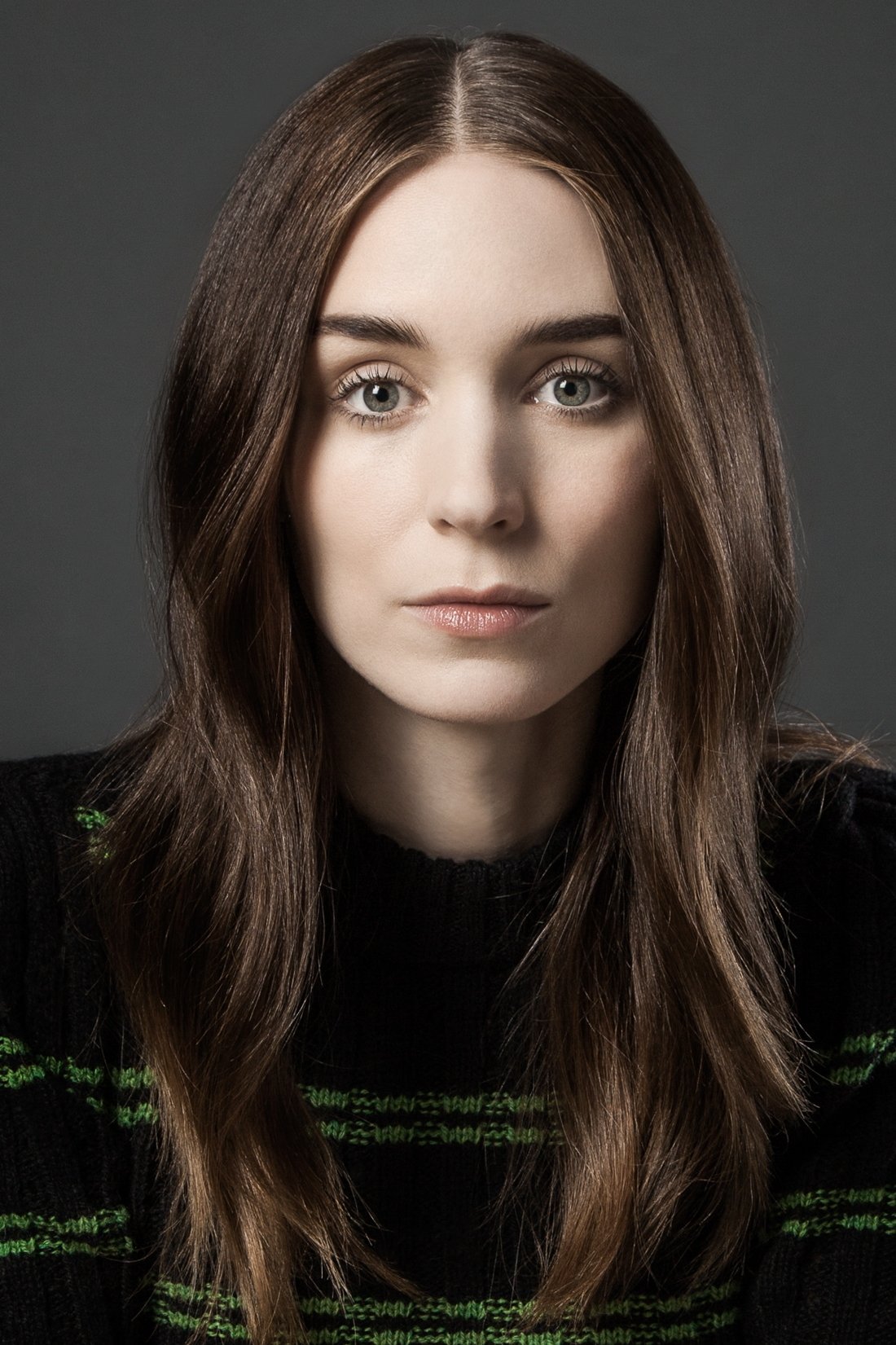
Rooney Mara was cast as Tiger Lily in the film ‘Pan’ which drew immediate criticism for the departure from the character’s Native American roots. The film reimagined the character as part of a multicultural tribe but many felt this was an excuse to cast a white actress in a role meant for a person of color. Thousands of people signed petitions protesting the decision and calling for more inclusive casting in fantasy films. Mara later admitted that she felt she was on the wrong side of the diversity conversation regarding that specific project. The backlash highlighted the growing demand for studios to respect the cultural and physical origins of established characters.
Rachel Zegler
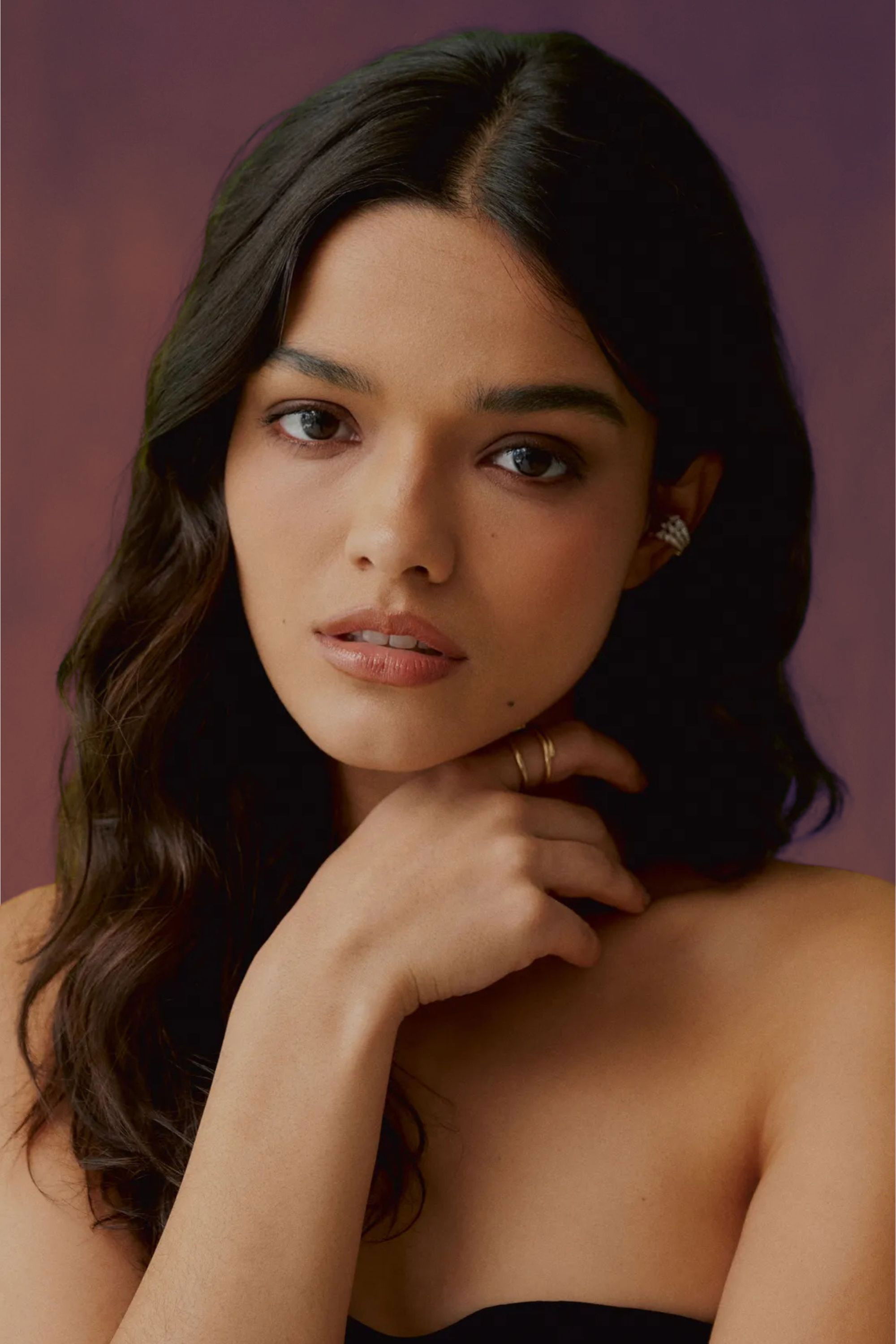
Rachel Zegler sparked a debate when she was cast as the lead in the live action adaptation of ‘Snow White’ due to her Latina heritage. Some traditionalists argued that the character should strictly adhere to the description of having skin as white as snow as mentioned in the original fairy tale. Zegler faced a wave of social media criticism but remained vocal about her excitement to bring a modern perspective to the classic princess. The discussion also involved her comments about the updated plot which moved away from the traditional romance of the original film. This casting choice remains a frequent topic of debate among Disney fans who are divided on the necessity of visual accuracy in remakes.
Yara Shahidi
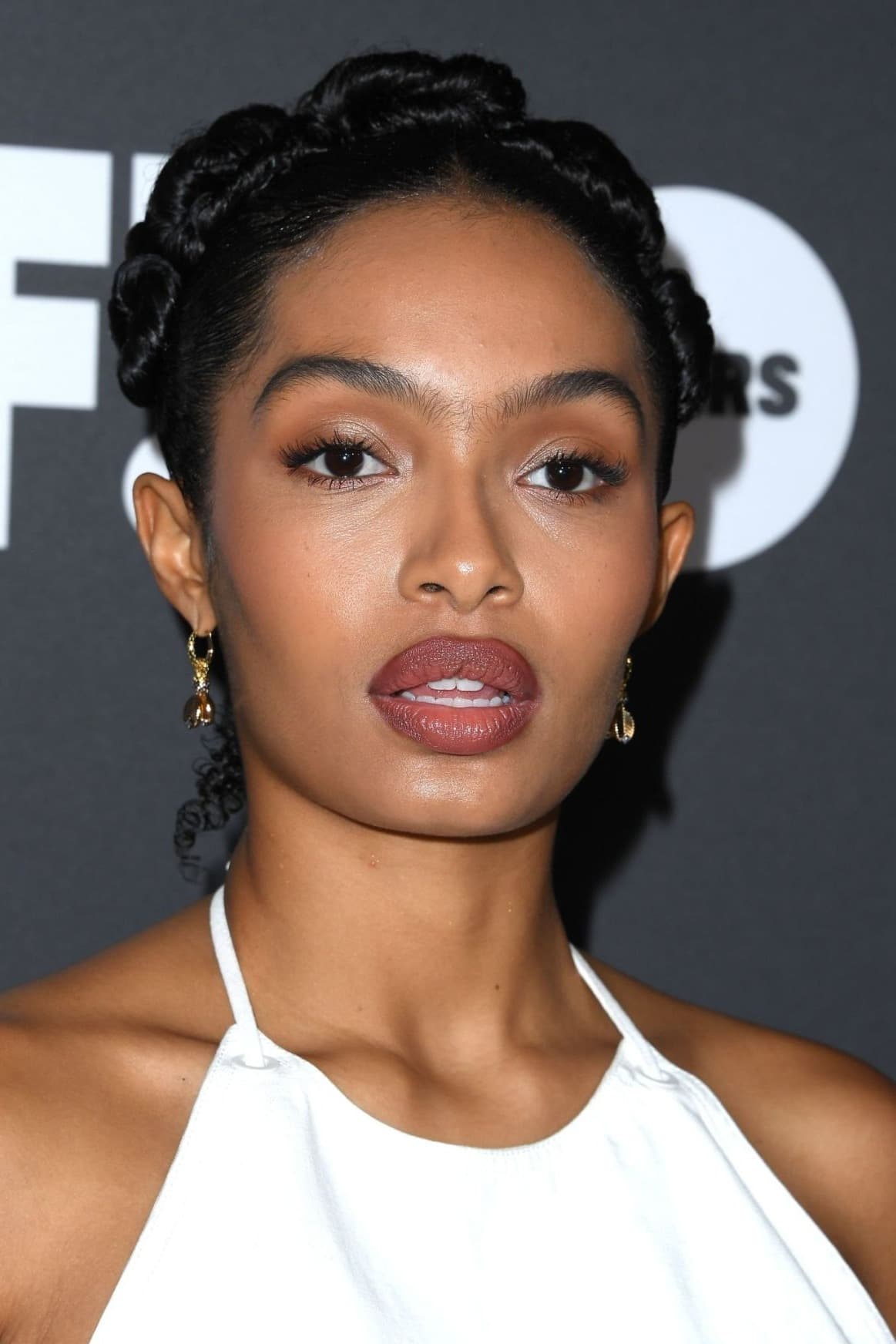
The casting of Yara Shahidi as Tinker Bell in ‘Peter Pan & Wendy’ led to a familiar discourse regarding race swapping in established franchises. While many welcomed the inclusion of a Black actress in the role of the famous fairy others felt that the character should look like her previous incarnations. Shahidi spoke about the importance of girls seeing themselves reflected in magical and iconic roles that were previously limited to one look. The debate often ignored the fact that Tinker Bell is a mythical creature with no defined human race. Her performance was eventually noted for its charm despite the initial noise surrounding her physical appearance.
Tilda Swinton
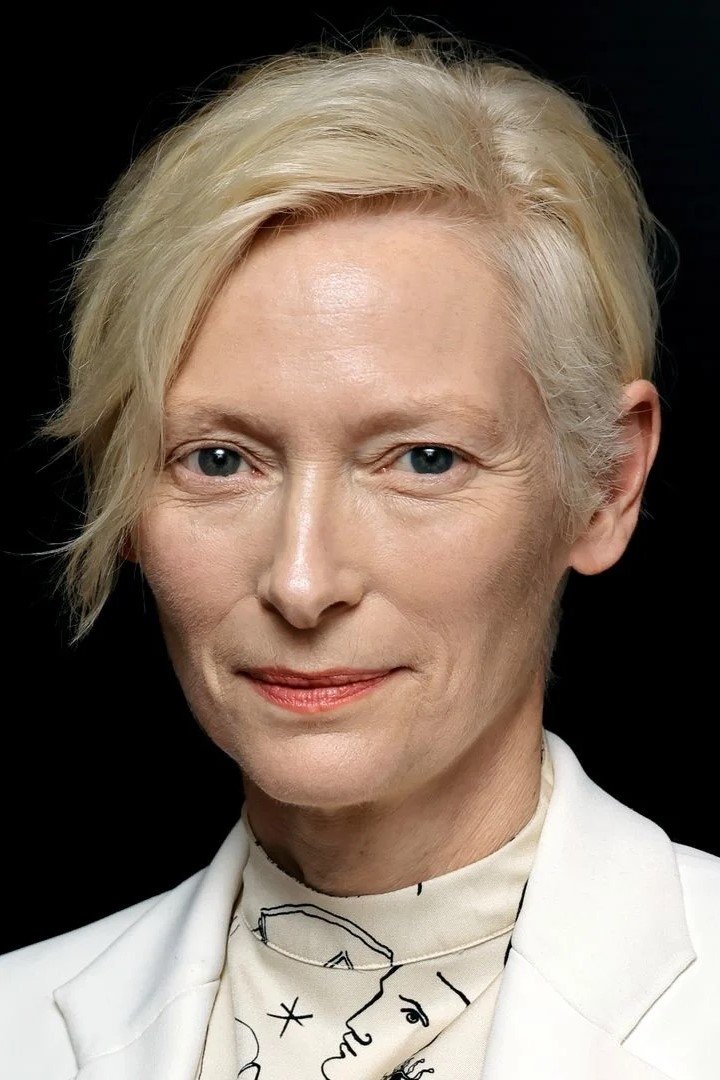
Tilda Swinton was cast as the Ancient One in the Marvel film ‘Doctor Strange’ which was a role originally depicted as a Tibetan man in the comics. The studio changed the character to be of Celtic origin to avoid certain stereotypes but this move was criticized as another instance of whitewashing. Many argued that an Asian actress could have been cast to maintain the character’s cultural ties while subverting gender expectations. Swinton defended the creative choice by highlighting the film’s attempt to be diverse in other ways. The controversy highlighted the complexities of updating older characters for modern audiences while trying to balance representation.
Salma Hayek Pinault
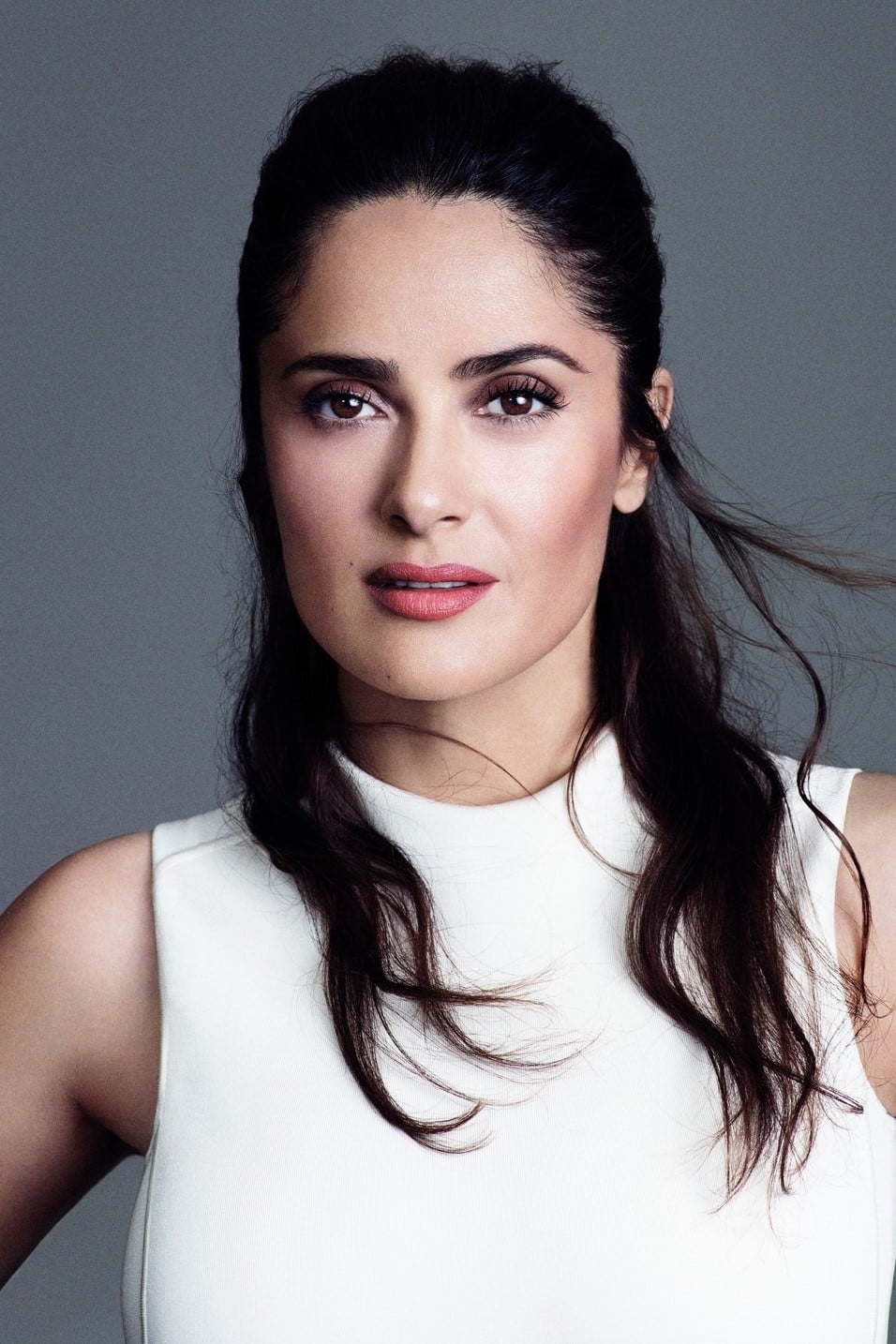
Salma Hayek Pinault spent years fighting to produce and star in the film ‘Frida’ about the life of artist Frida Kahlo. While she was praised for her dedication some critics questioned if her glamorous image would distract from the gritty reality of Kahlo’s life and physical struggles. The actress underwent a significant transformation that included growing out her natural facial hair to match the artist’s famous unibrow. Her commitment to the role eventually earned her an Academy Award nomination and silenced those who doubted her ability to embody the iconic figure. This role proved that a well known beauty could successfully disappear into a physically demanding biographical role.
Francesca Amewudah-Rivers
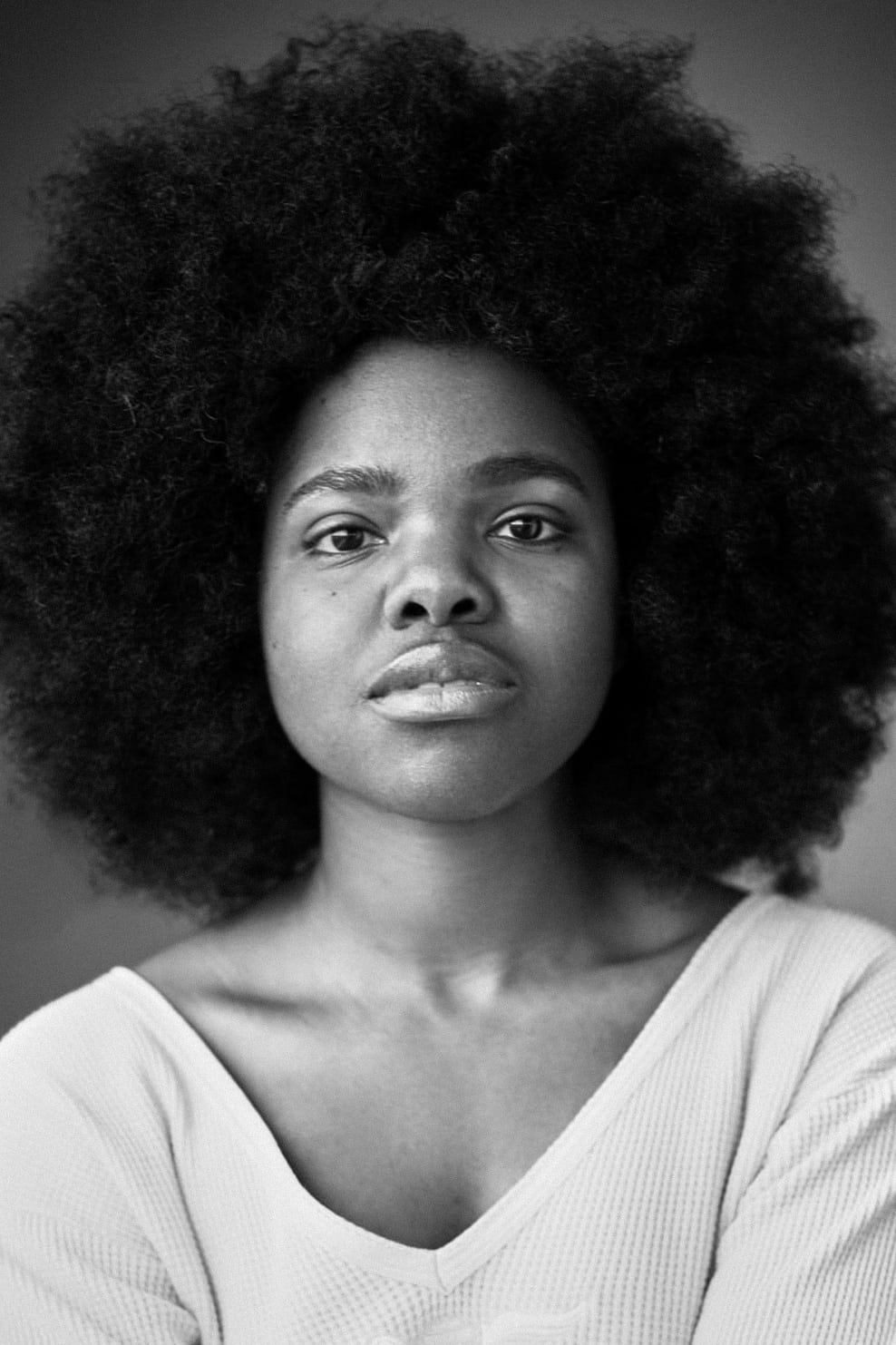
Francesca Amewudah-Rivers faced intense and often toxic online scrutiny after being cast as Juliet in a London stage production of ‘Romeo & Juliet’. The debate was fueled by her race and many people claimed that a Black actress did not fit the traditional visual expectation for the Shakespearean heroine. The theater company and her co-star Tom Holland issued statements condemning the racial abuse she received following the casting announcement. This situation illustrated how physical appearance can trigger extreme reactions even in theatrical settings where non traditional casting is more common. The controversy focused less on her acting talent and more on the narrow definitions of beauty often associated with classic literature.
Catherine Zeta-Jones
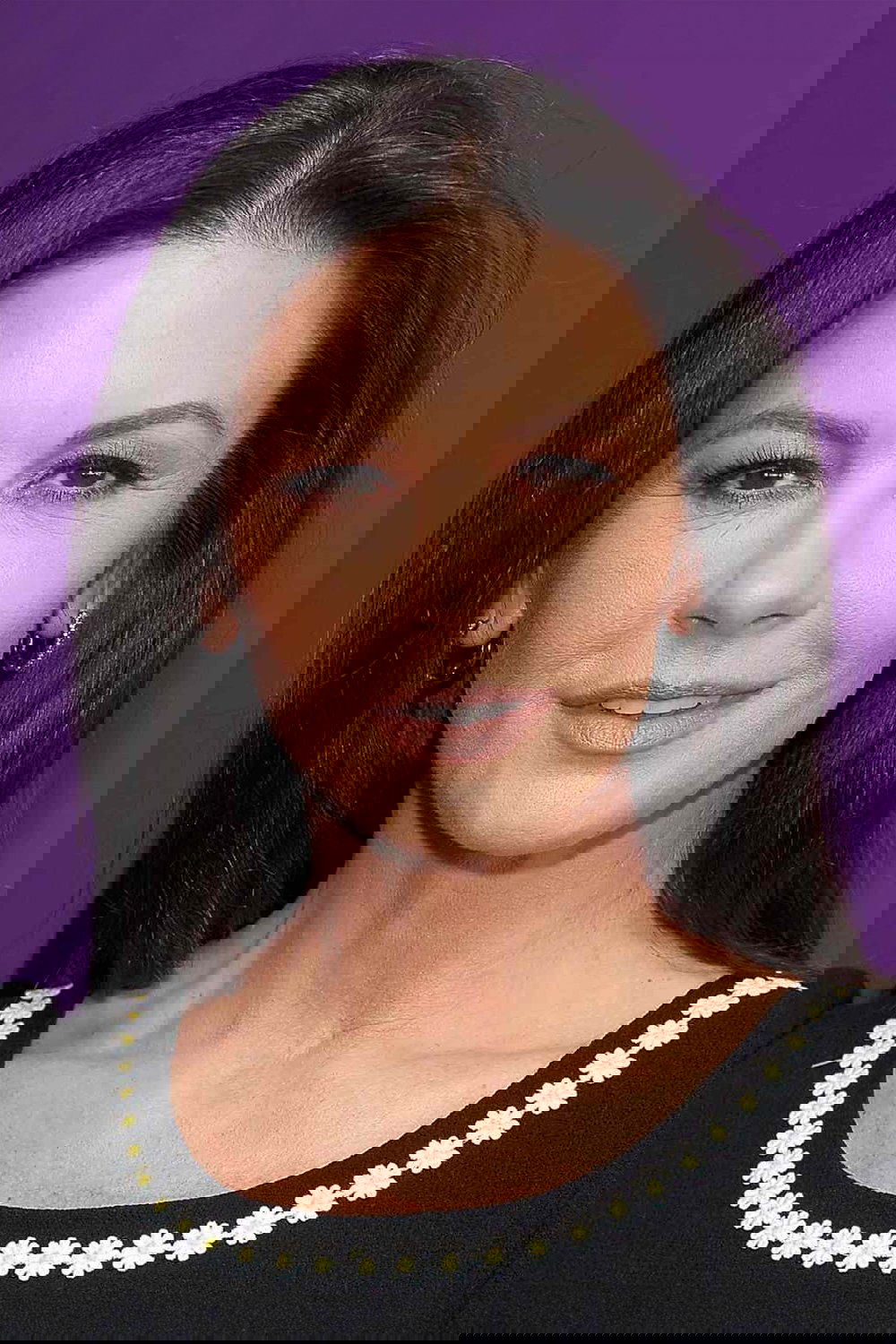
Catherine Zeta-Jones was criticized for her portrayal of the Colombian drug lord Griselda Blanco in the television movie ‘Cocaine Godmother’. Critics argued that a Latina actress should have been cast to play the real life figure who was known for her specific cultural background. Zeta-Jones defended her right to play the role by stating that she has played various ethnicities throughout her long career. Many viewers felt that her physical appearance was not a match for the woman she was meant to represent on screen. The debate centered on the ethics of casting European actresses in roles that belong to women from marginalized ethnic groups.
Nicole Kidman

Nicole Kidman faced skepticism when it was announced she would play the legendary comedian Lucille Ball in the film ‘Being the Ricardos’. Many fans of the classic show ‘I Love Lucy’ felt that Kidman did not physically resemble Ball and that someone like Debra Messing would have been a better fit. The actress used minimal prosthetics to alter her nose but the focus remained on her ability to capture Ball’s specific mannerisms and voice. Director Aaron Sorkin defended the choice by stating he was looking for an actress who could capture the essence of the person rather than a lookalike. Kidman eventually received critical acclaim and an Oscar nomination for her nuanced portrayal of the television icon.
Cynthia Erivo
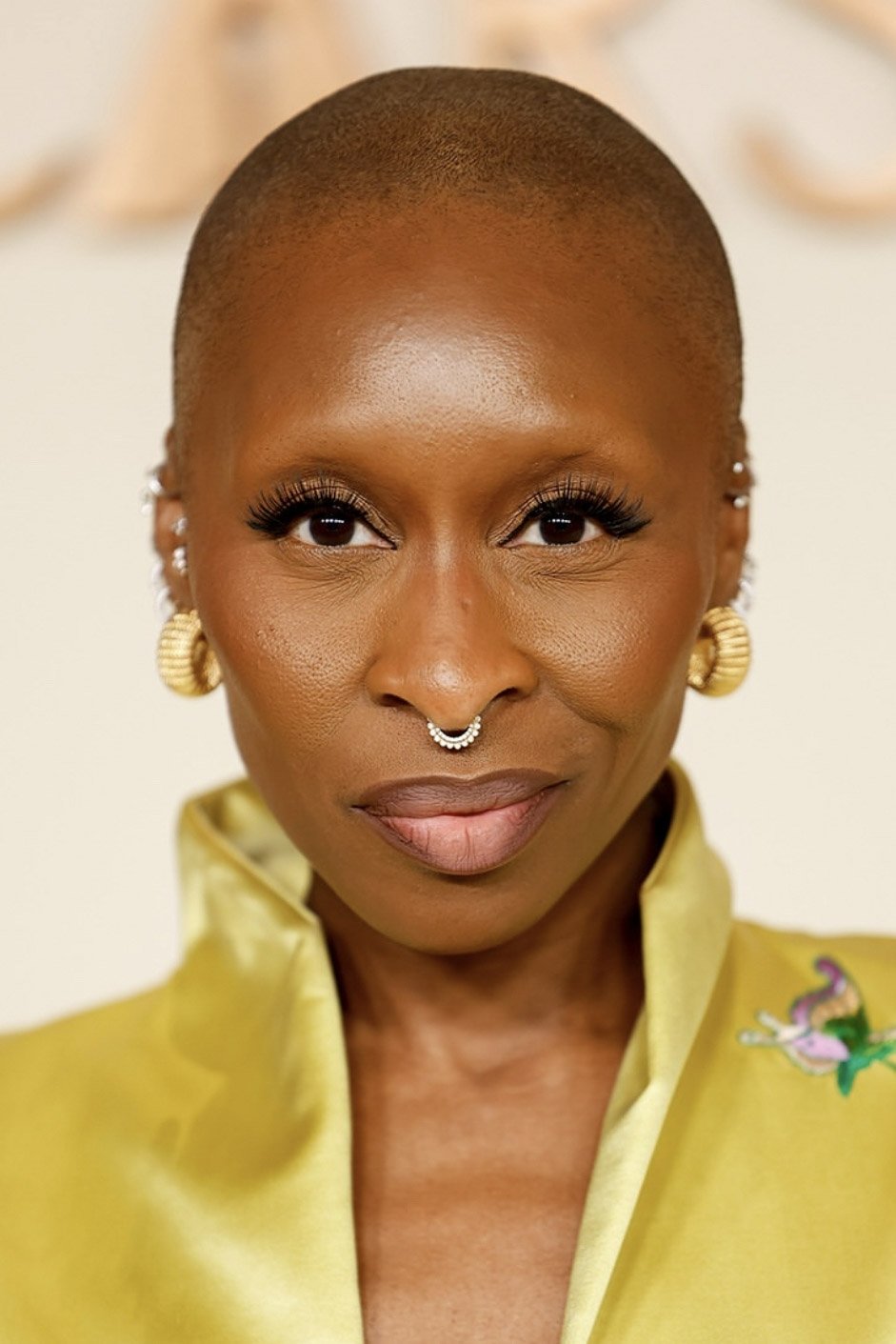
Cynthia Erivo was cast as Elphaba in the film adaptation of the musical ‘Wicked’ which led to discussions about her physical look compared to previous stage versions. While Elphaba is known for having green skin the debate focused on Erivo’s casting as a Black woman in a role historically associated with white actresses on Broadway. Fans of the musical were divided between those who wanted a traditional look and those who were excited for a new interpretation. Erivo has been very open about her connection to the character’s journey of being an outcast. The discussion emphasized how much the visual history of a theater role can impact the reception of its film counterpart.
Alexandra Daddario
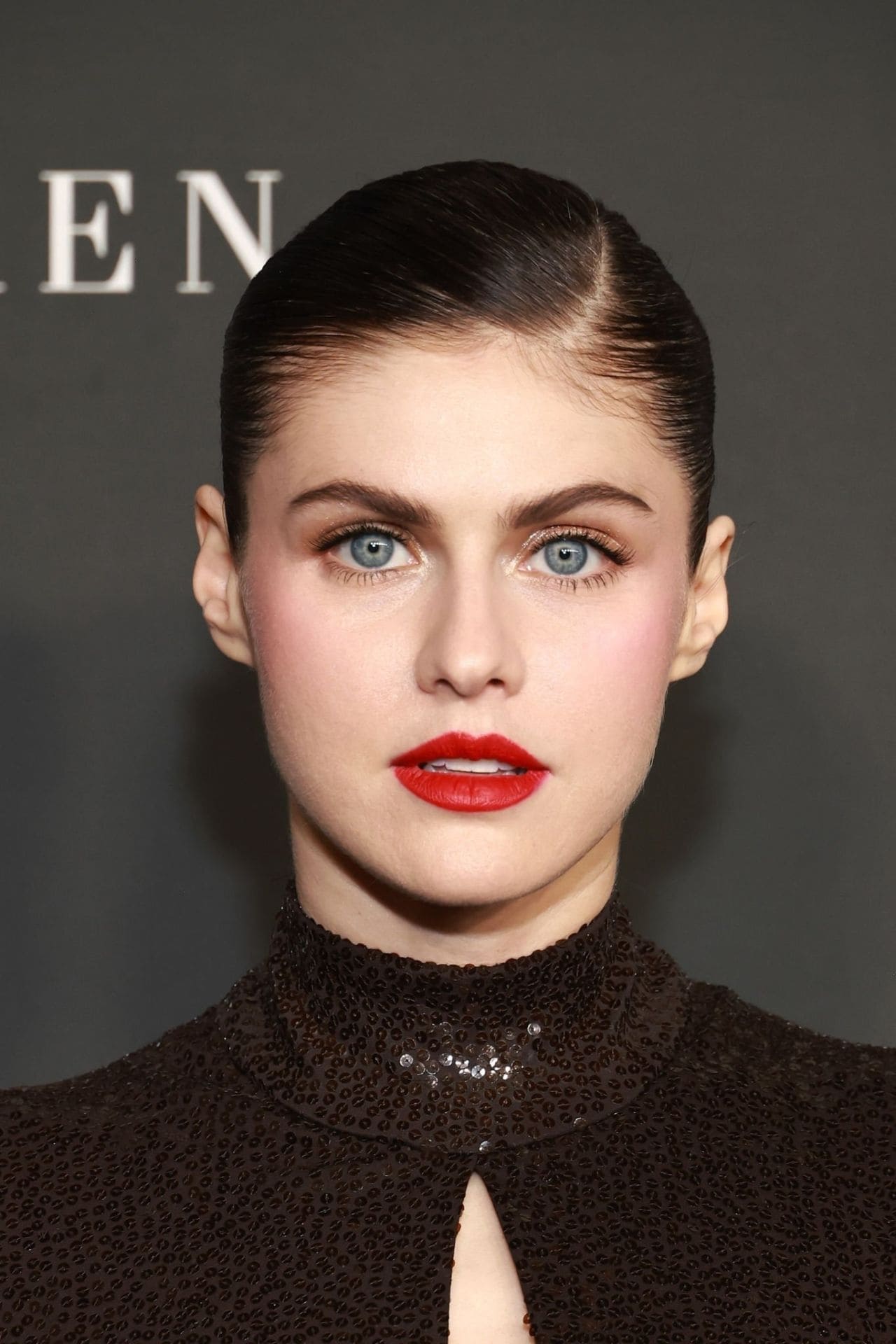
Alexandra Daddario was the subject of much debate among fans of the ‘Percy Jackson’ book series when she was cast as Annabeth Chase. In the books the character is described as having blonde hair and gray eyes which Daddario did not naturally possess. Many young readers felt that these specific physical traits were essential to the character’s identity as a daughter of Athena. The actress kept her dark hair for the first film which further fueled the frustration of the fanbase. Although the movies were not a long term success the debate over her hair color remained a primary point of contention for years.
Carey Mulligan
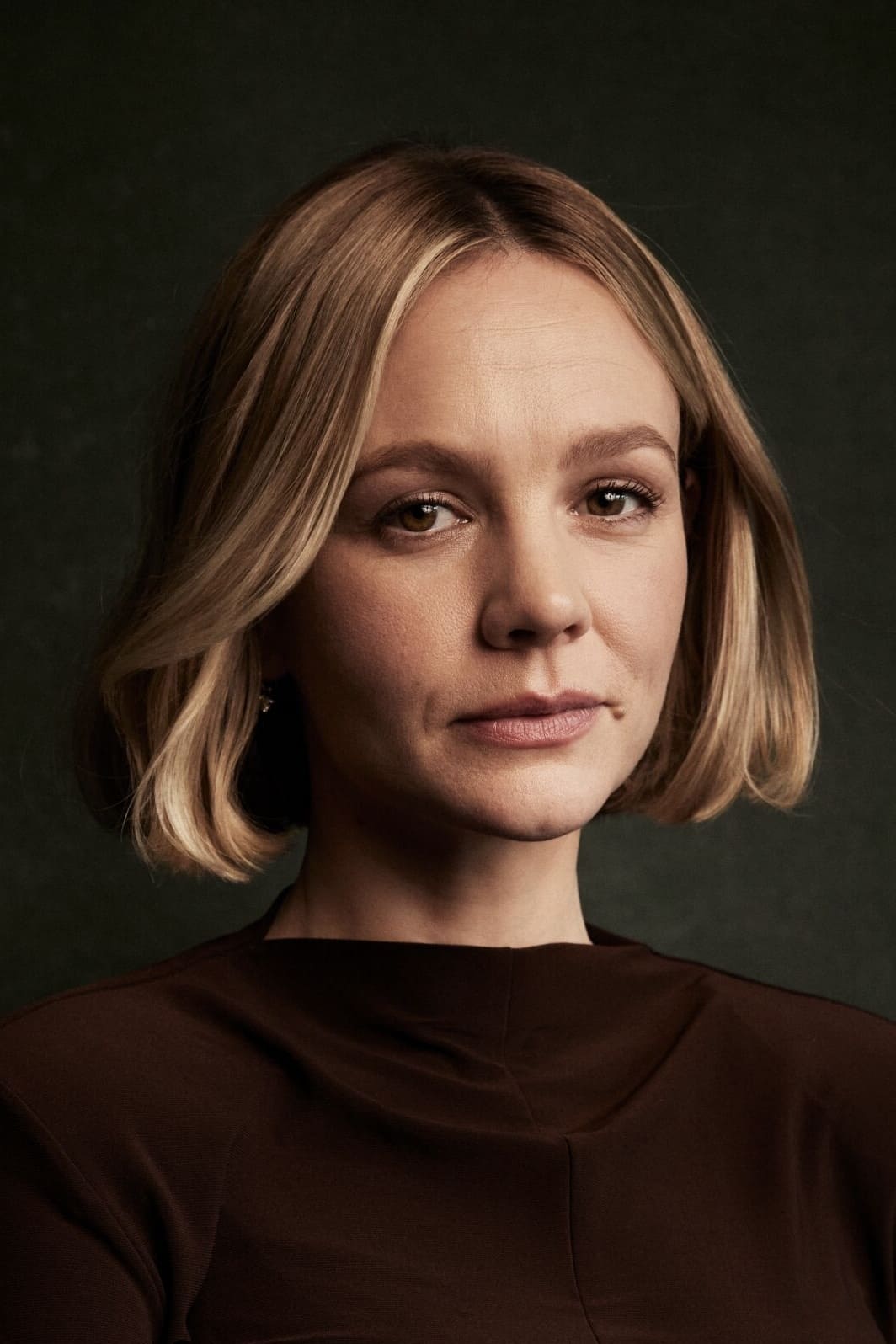
Carey Mulligan faced a controversial review for her role in ‘Promising Young Woman’ where a critic suggested she was not attractive enough for the part. The review implied that the character required a more conventional bombshell appearance to make the plot of the film believable. Mulligan responded publicly to these comments and criticized the focus on an actress’s looks over her performance. She argued that these types of critiques are damaging to women in the industry and distract from the actual work being produced. The debate sparked a wider conversation about the unfair physical standards actresses are held to by critics and the public.
Brie Larson
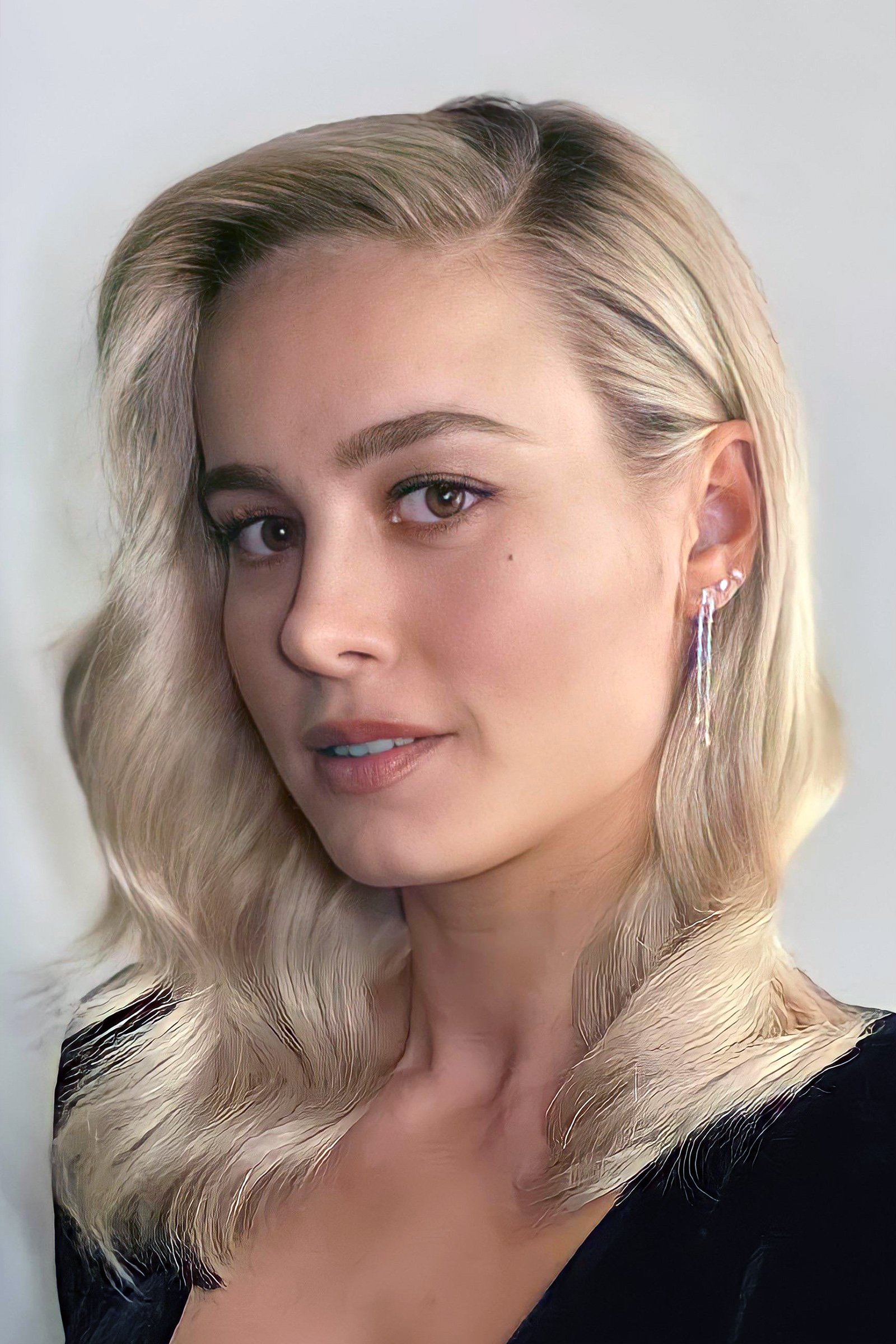
Brie Larson experienced a significant amount of online harassment and debate when she was cast as Captain Marvel. Some viewers complained that she did not smile enough in the trailers and that her physique was not muscular enough for a powerful superhero. This led to a wider discussion about the gendered expectations placed on female action stars compared to their male counterparts. Larson ignored the negativity and focused on her physical training and the character’s story of self discovery. The film went on to gross over one billion dollars despite the initial debates surrounding her appearance and personality.
Zendaya

Zendaya caused a stir when she was cast as MJ in the Marvel Cinematic Universe version of ‘Spider-Man’. Since the character was traditionally depicted as Mary Jane Watson with red hair and fair skin many fans were upset by the change in appearance. The filmmakers eventually revealed that her character was a new interpretation named Michelle Jones rather than a direct copy of the comic book version. Zendaya’s cool and awkward portrayal of the character eventually won over most of the audience. The debate showed how protective fans can be of the physical archetypes established in long running comic book franchises.
Margot Robbie
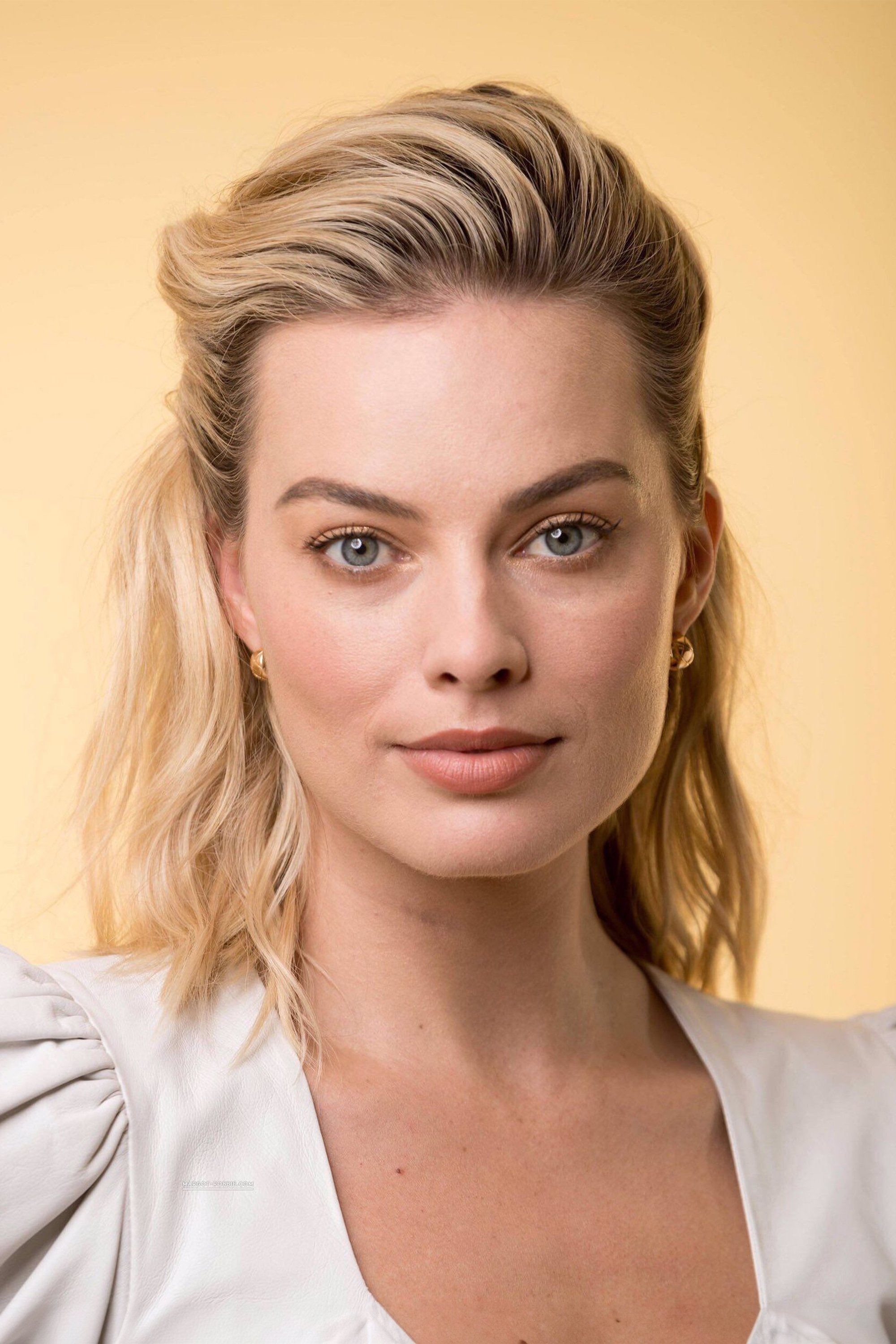
Margot Robbie was the subject of an unusual debate when she was cast as the lead in the ‘Barbie’ movie. While she was widely considered the perfect physical match for the doll some critics argued that she was too old for the role at age thirty-two. Others felt that her conventional beauty was exactly what the character needed to explore themes of perfection and reality. The film addressed these physical standards directly and turned the debate into a core part of its narrative. Robbie’s performance was praised for adding depth to a character that many people viewed as only a physical symbol.
Lily James
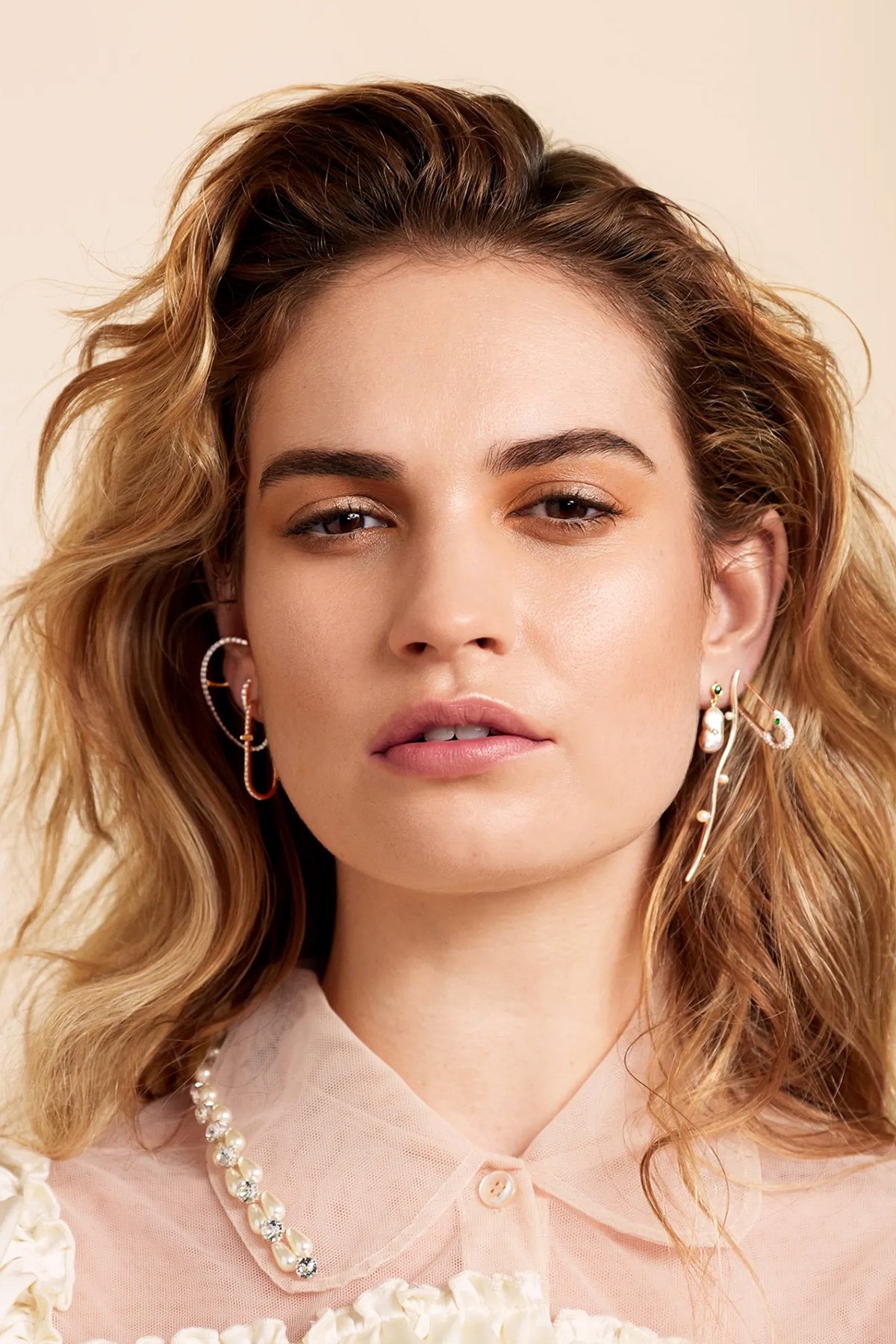
Lily James underwent a dramatic physical transformation to play Pamela Anderson in the miniseries ‘Pam & Tommy’. The debate surrounding this casting was less about whether she could play the role and more about the ethics of the transformation itself. Critics and fans were shocked by how much she looked like Anderson through the use of prosthetics and heavy makeup. Some felt that the focus on the physical resemblance overshadowed the real life trauma that the series was depicting. The discussion highlighted the thin line between a successful acting transformation and a caricature of a real person.
Lashana Lynch

Lashana Lynch made headlines when it was revealed she would play a new 007 agent in the film ‘No Time to Die’. This led to a massive debate about whether a Black woman should hold the iconic number that has always been associated with James Bond. While she was not playing Bond herself many fans were resistant to the physical change in who occupied the 007 codename. Lynch faced a significant amount of social media abuse but remained proud of the opportunity to expand the world of the franchise. The debate centered on traditionalist views of what a secret agent should look like in a long running series.
Gwendoline Christie
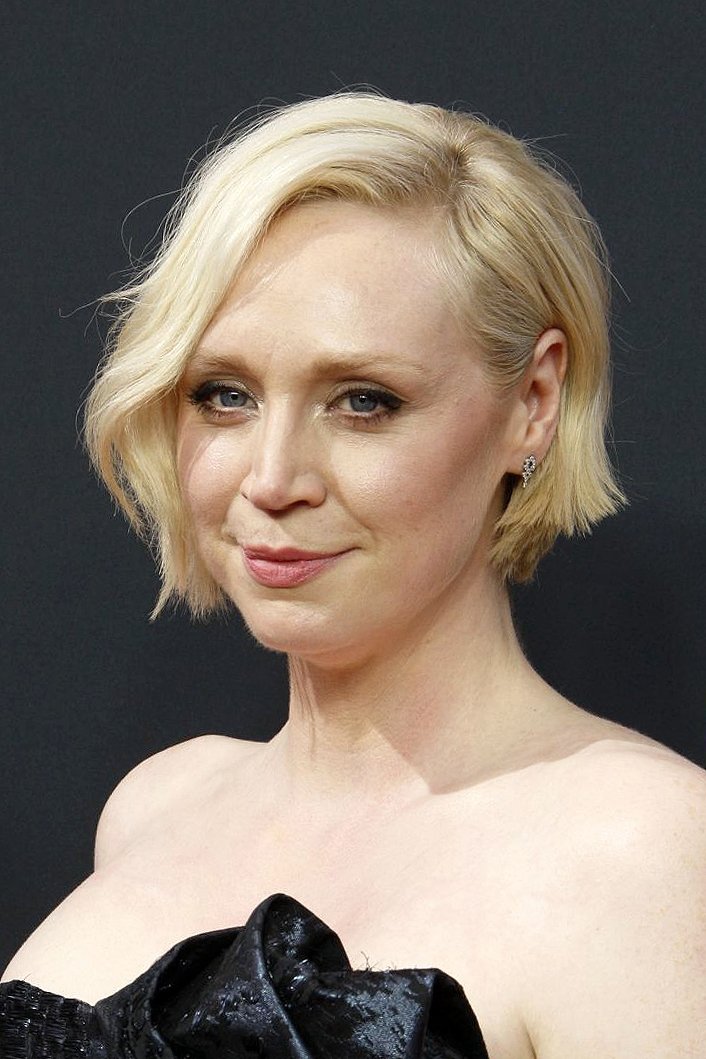
Gwendoline Christie was cast as Lucifer in the Netflix series ‘The Sandman’ which sparked a debate among fans of the original comics. The character was originally modeled after David Bowie and was often depicted as male or androgynous. Christie’s casting as a tall and imposing woman was seen by some as a major departure from the visual source material. However many others felt her height and regal presence were perfect for the ruler of Hell. The debate highlighted how gender and physical scale can be used to reinterpret classic literary figures for a new medium.
Elizabeth Banks
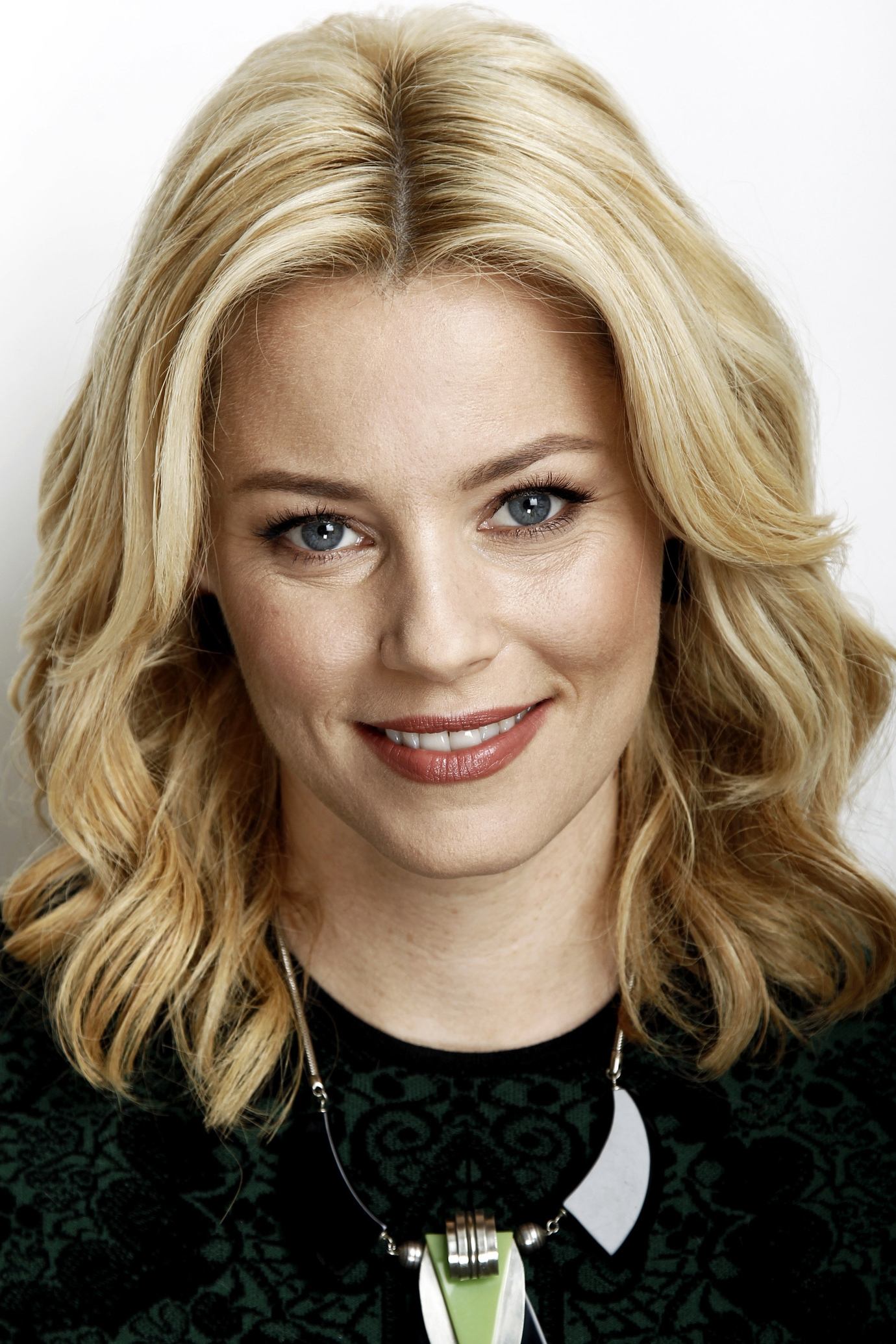
Elizabeth Banks was cast as the villain Rita Repulsa in the ‘Power Rangers’ reboot which led to a debate about her updated look. The character was traditionally depicted with a very specific and campy outfit in the original television series. The new version featured a more sleek and biological design that many fans felt strayed too far from the source material. Critics argued that the change in physical appearance made the character unrecognizable to those who grew up with the show. This debate showed how visual nostalgia can make it difficult for filmmakers to modernize the appearance of iconic villains.
Angelina Jolie
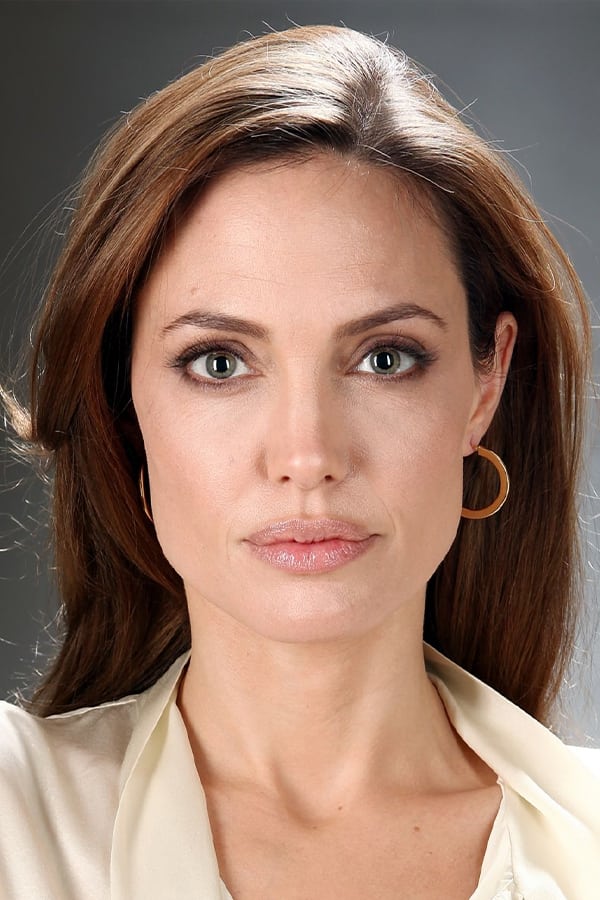
Angelina Jolie was cast as Maleficent in the live action Disney film which led to discussions about her sharp facial features and the use of prosthetics. The filmmakers used prosthetic cheekbones to give her an even more severe and otherworldly look similar to the original animation. Some critics felt the makeup was too distracting while others praised it for creating a truly iconic silhouette. The debate centered on whether an actress of Jolie’s fame needed such extreme physical alterations to play a famous villain. The look eventually became one of the most recognizable aspects of her career during that decade.
Priyanka Chopra Jonas
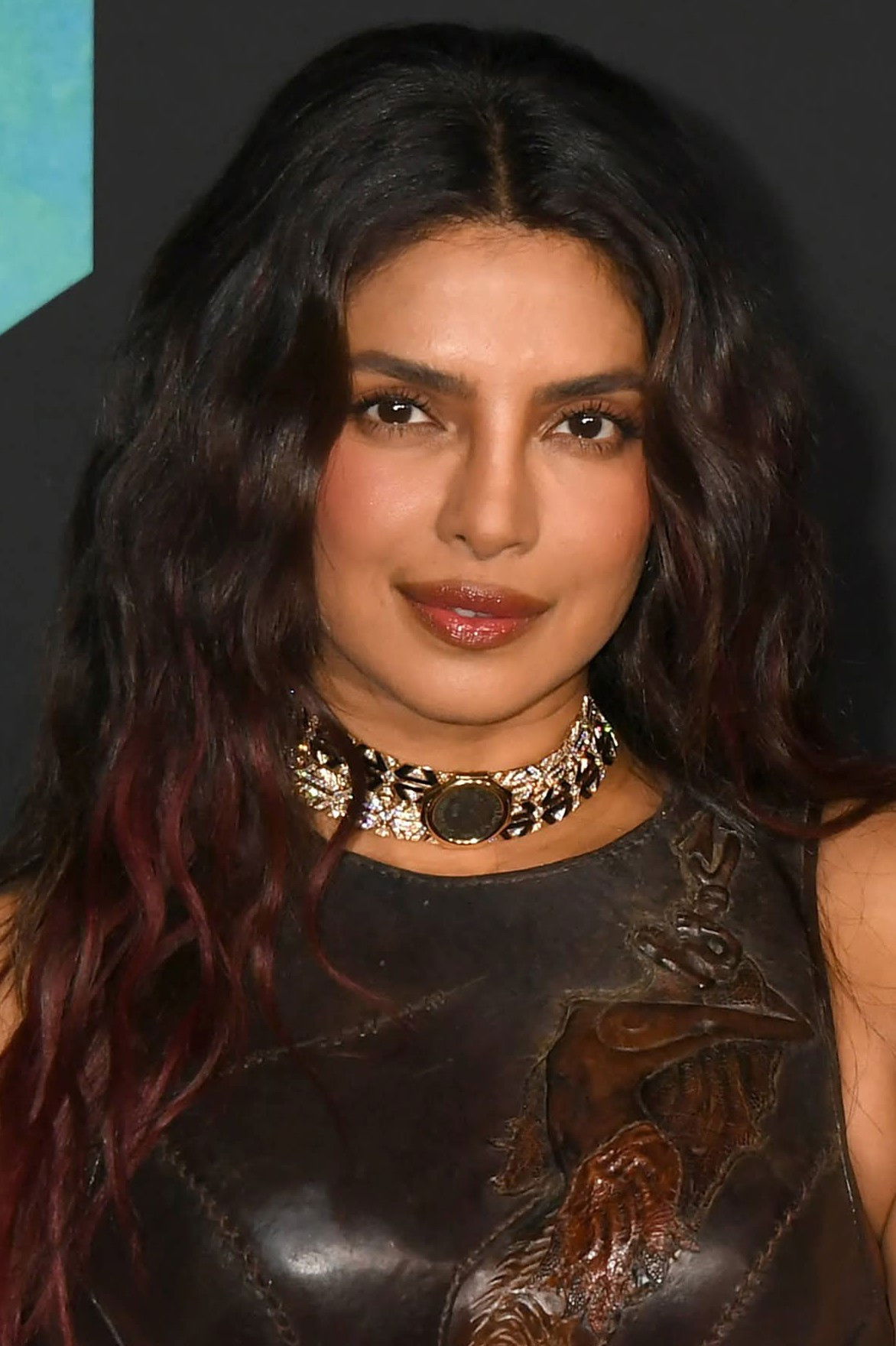
Priyanka Chopra Jonas was cast to play the Olympic boxer Mary Kom in a biographical film which led to accusations of insensitive casting. Mary Kom is from the North East of India and has specific features that Chopra Jonas does not naturally share. The filmmakers used prosthetics to make the actress look more like the boxer which many felt was a missed opportunity to cast an actress from the actual region. Critics argued that this was an example of the mainstream Indian film industry ignoring talent from marginalized regions. The debate remains a significant point of discussion regarding internal diversity and representation within Bollywood.
Renée Zellweger

Renée Zellweger faced constant public scrutiny for her physical appearance during the production of the ‘Bridget Jones’ film series. The actress had to gain a significant amount of weight to play the character which became a major talking point in the media. Many fans were protective of the character’s body type and debated whether Zellweger was the right choice as an American playing a British icon. When she appeared thinner in later years the public debate shifted to her changing facial features and weight loss. This scrutiny showed the intense pressure placed on actresses to maintain a specific look even when it contradicts their on screen roles.
Naomi Scott
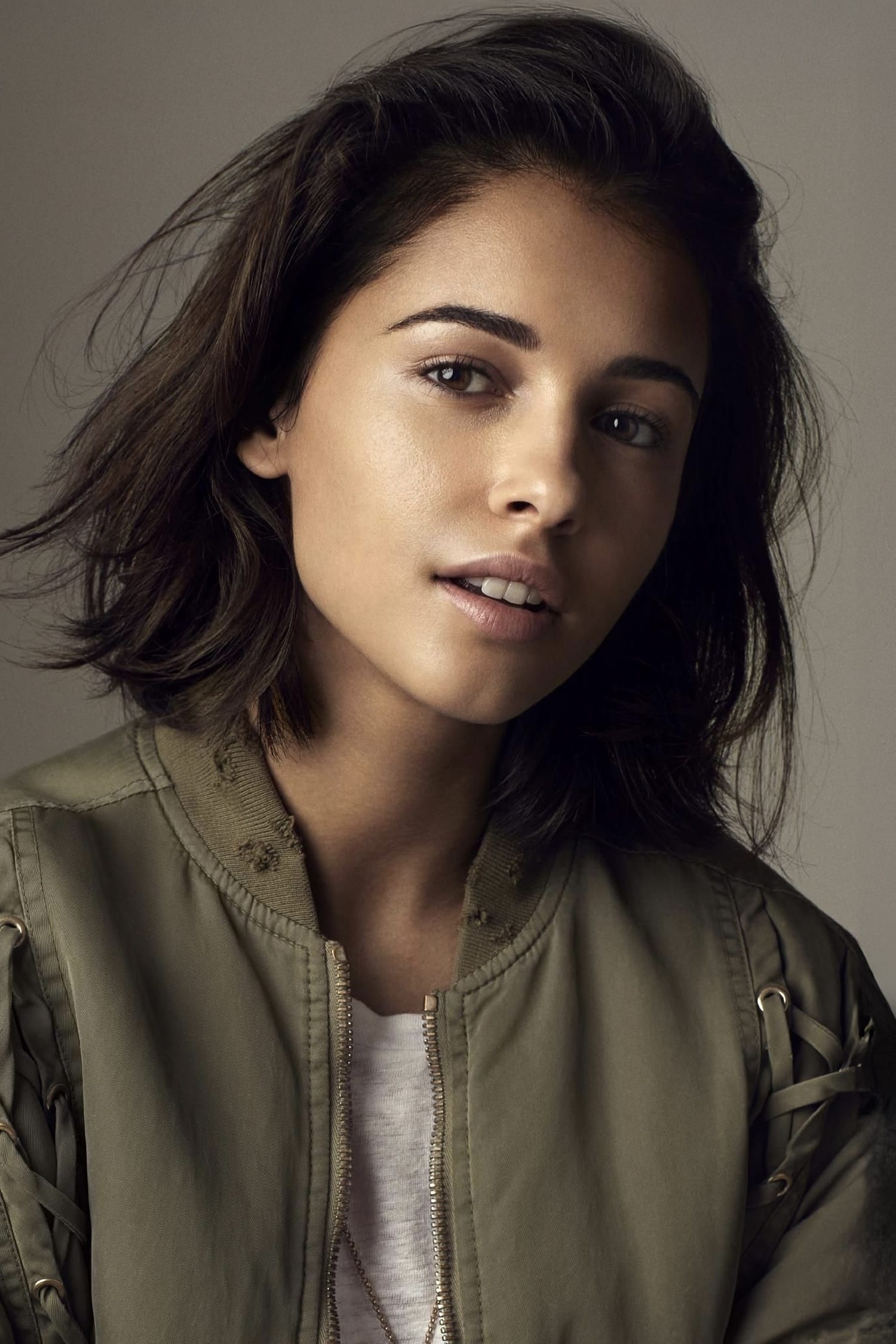
Naomi Scott was cast as Princess Jasmine in the live action ‘Aladdin’ which sparked a debate about her ethnic background. While the actress is of British and Indian descent some fans felt that a woman of Middle Eastern heritage should have been chosen for the role. The debate centered on the historical and cultural setting of the fictional city of Agrabah and which physical features were most appropriate. Producers argued that Scott was the best fit for the role because of her singing ability and chemistry with the cast. The discussion reflected broader concerns about the homogenization of different cultures in Hollywood casting.
Shailene Woodley
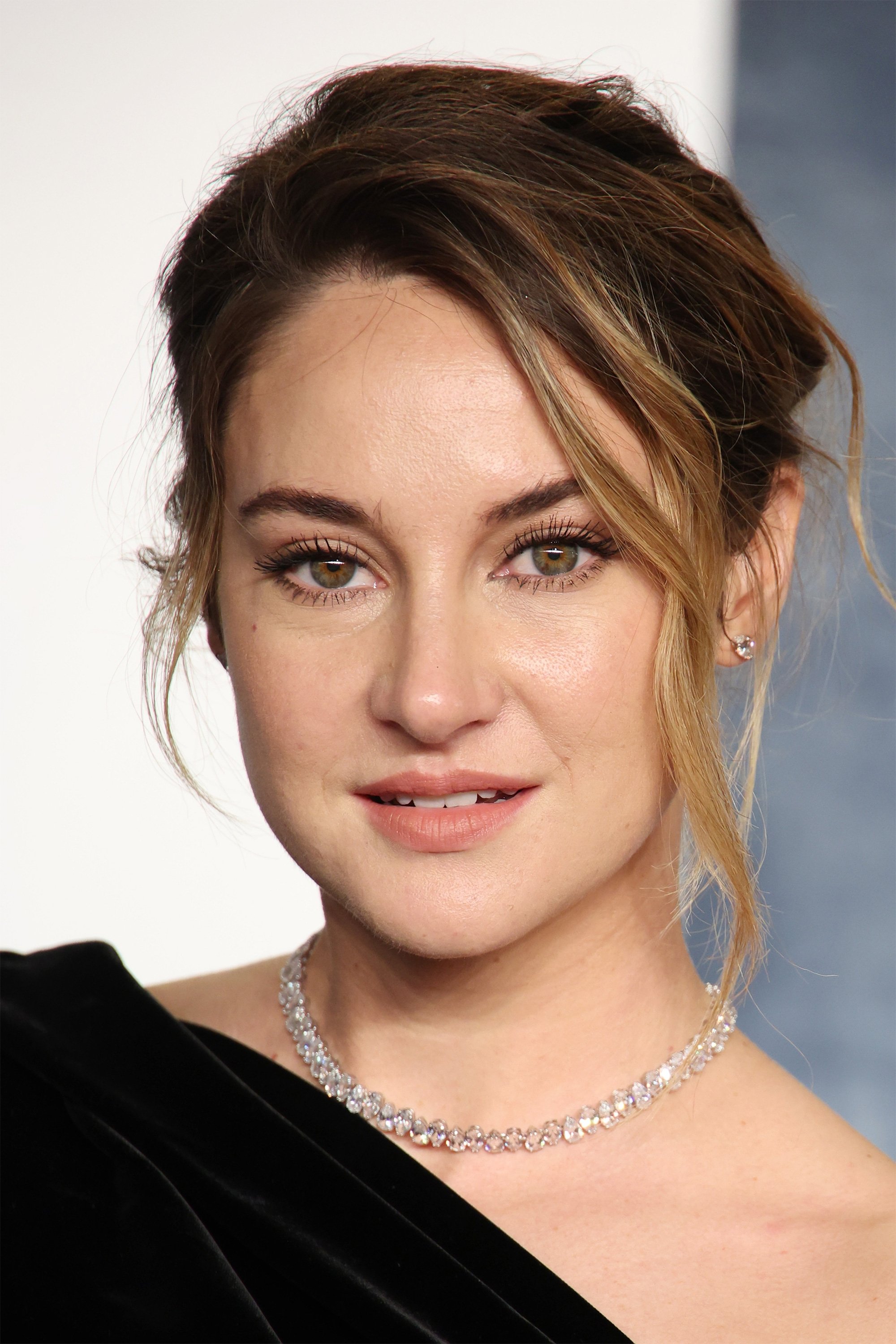
Shailene Woodley was the subject of debate when she was cast as Tris Prior in the ‘Divergent’ film series. In the books Tris is described as being small and looking somewhat plain which many felt did not match Woodley’s taller and more conventionally athletic appearance. Fans debated whether her physical presence would affect the character’s underdog narrative within the story. Some viewers also felt she lacked the specific intensity described in the source material during the action sequences. Despite the debate Woodley led the franchise through three films and became a major star in the young adult genre.
Anne Hathaway
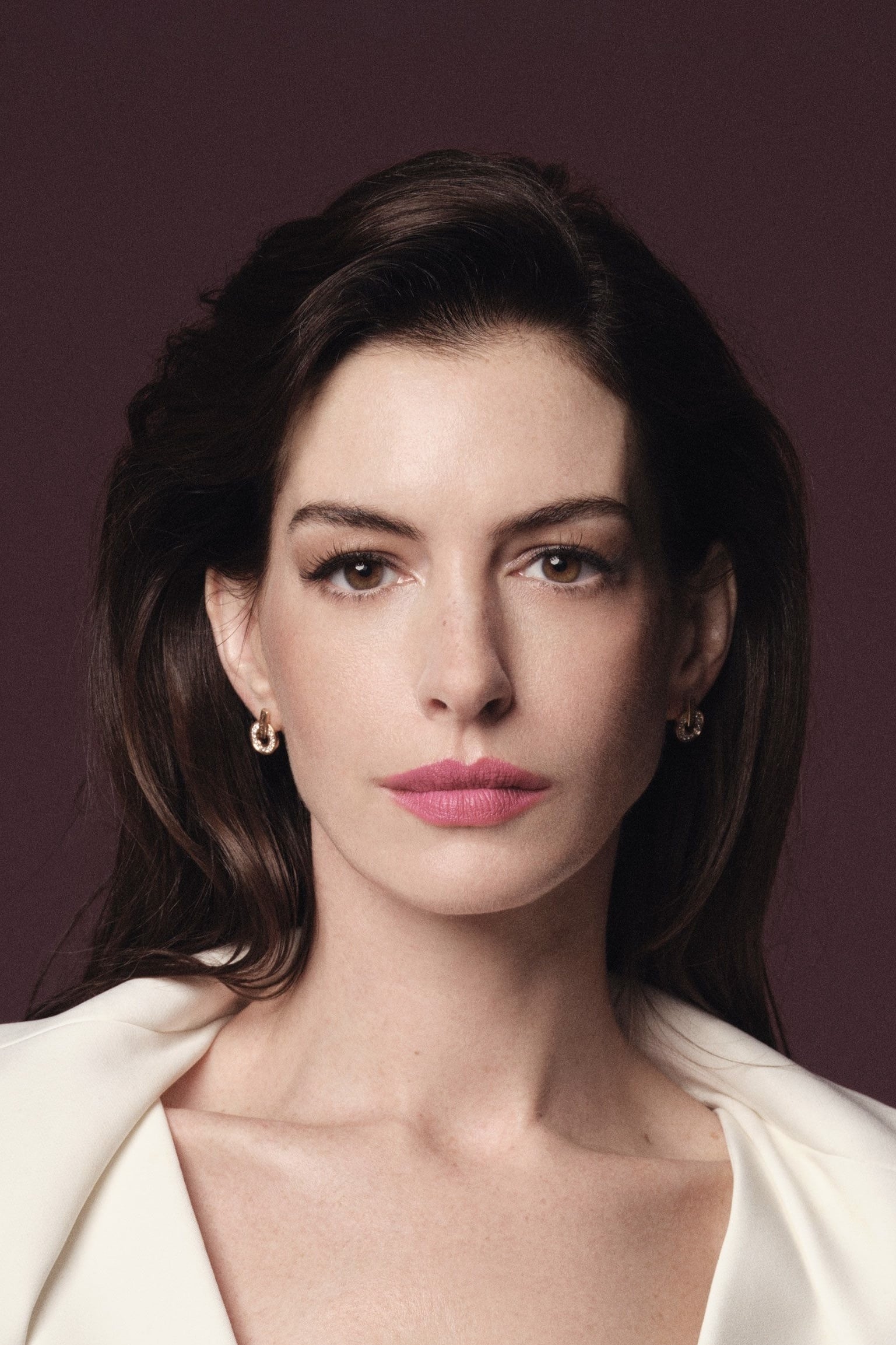
Anne Hathaway faced an uphill battle when she was cast as Selina Kyle in ‘The Dark Knight Rises’. Many fans were skeptical of her ability to play the gritty and physical role of Catwoman especially following the iconic performance of Michelle Pfeiffer. When the first images of her in the tactical suit were released the debate intensified over whether the look was too modern or not cat-like enough. Hathaway focused on her physical fitness and delivered a grounded performance that aligned with the realism of Christopher Nolan’s trilogy. The initial skepticism eventually turned into general acceptance after the film’s release.
Emma Watson
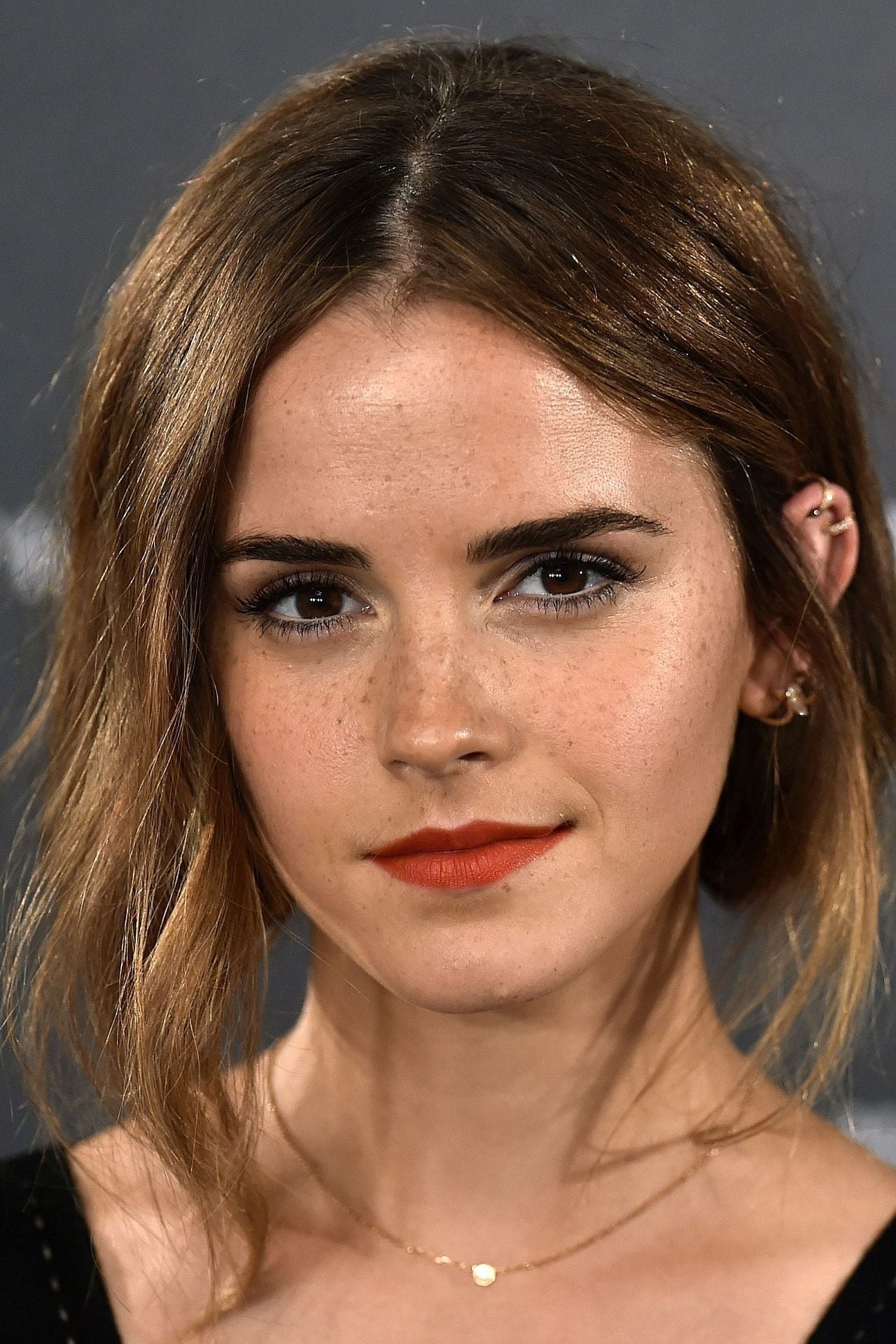
Emma Watson was cast as Belle in the live action ‘Beauty and the Beast’ which led to discussions about her physical suitability and vocal range. Some fans felt that her look was too modern for the period setting while others were concerned that she did not have the power house voice required for the musical numbers. The debate also touched on the design of the iconic yellow dress which many felt looked cheap compared to the animated version. Watson worked closely with the costume designers to ensure the character’s look reflected her feminist interpretation of Belle. The film was a box office hit despite the ongoing debates about its visual and musical choices.
Helena Bonham Carter
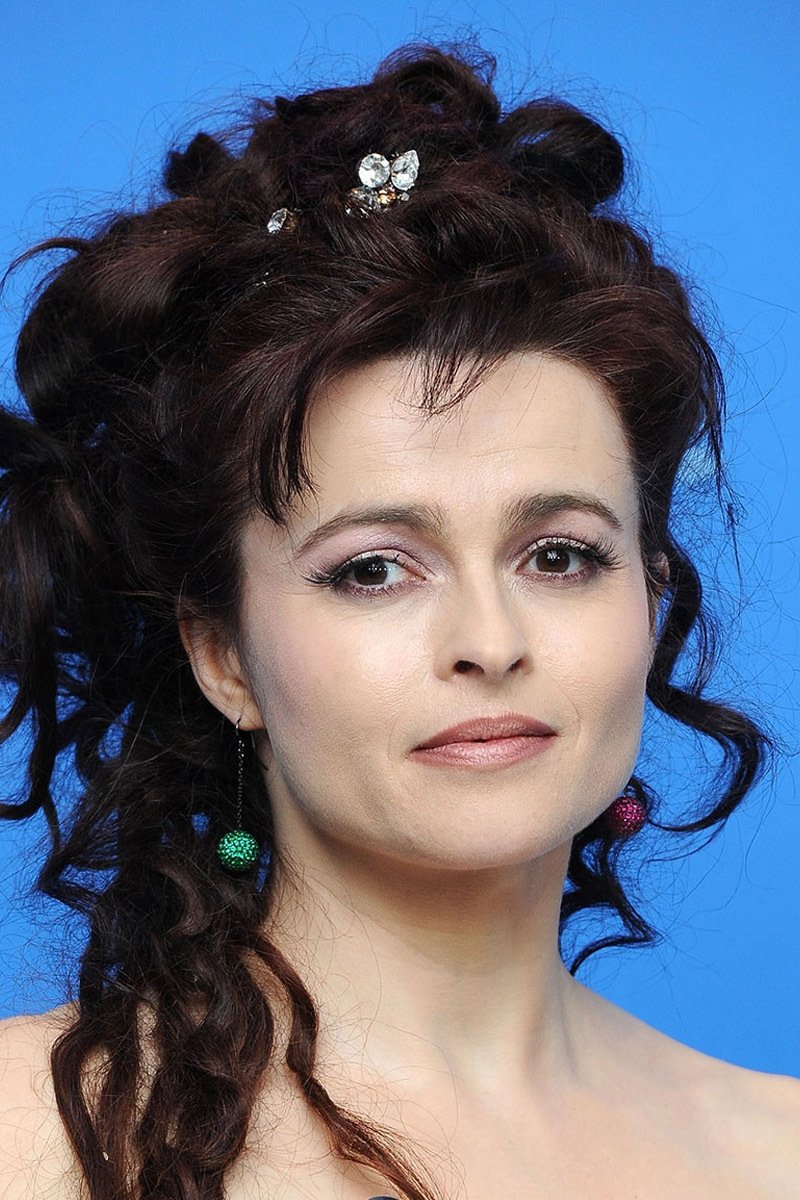
Helena Bonham Carter was cast as Bellatrix Lestrange in the ‘Harry Potter’ series and her physical appearance was a major point of discussion. The character in the books is described as having a tall and aristocratic frame with heavy lidded eyes and a gaunt appearance. Bonham Carter brought a more chaotic and disheveled energy to the role which some fans felt was a departure from the books. Her look included wild hair and decayed teeth to emphasize the character’s descent into madness during her time in prison. This interpretation became widely popular and redefined the character for the general public.
Melissa McCarthy
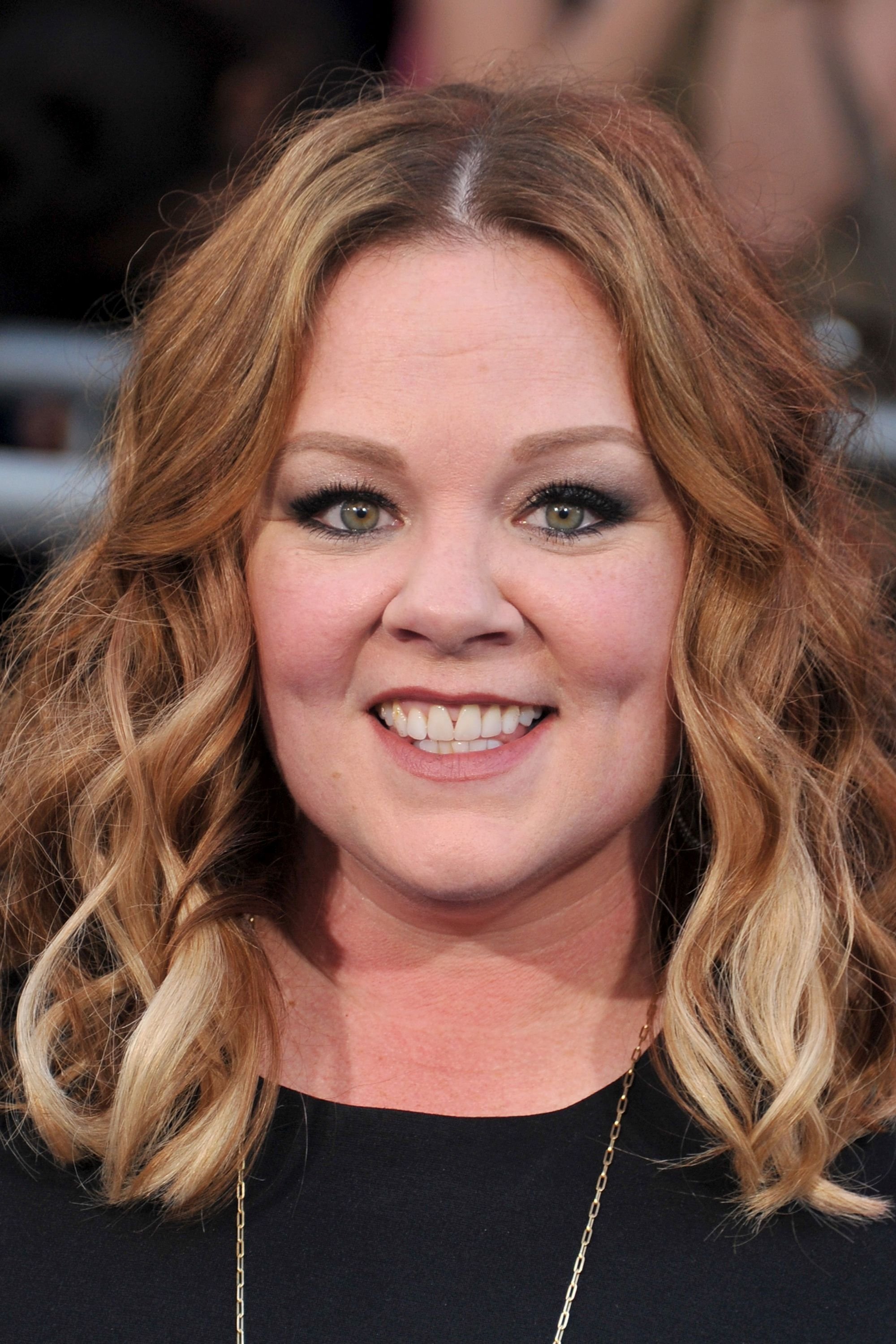
Melissa McCarthy faced a wave of physical criticism when she was cast in the 2016 ‘Ghostbusters’ reboot. Much of the debate was fueled by online trolls who attacked her body type and gender in the context of an all female cast. Some critics argued that her brand of physical comedy was not a good fit for the franchise which had previously relied on deadpan humor. The actress handled the backlash with humor and defended the film as a fun project for a new generation of fans. The debate surrounding her casting became a flashpoint for discussions about misogyny and body shaming in film fandom.
Amber Heard
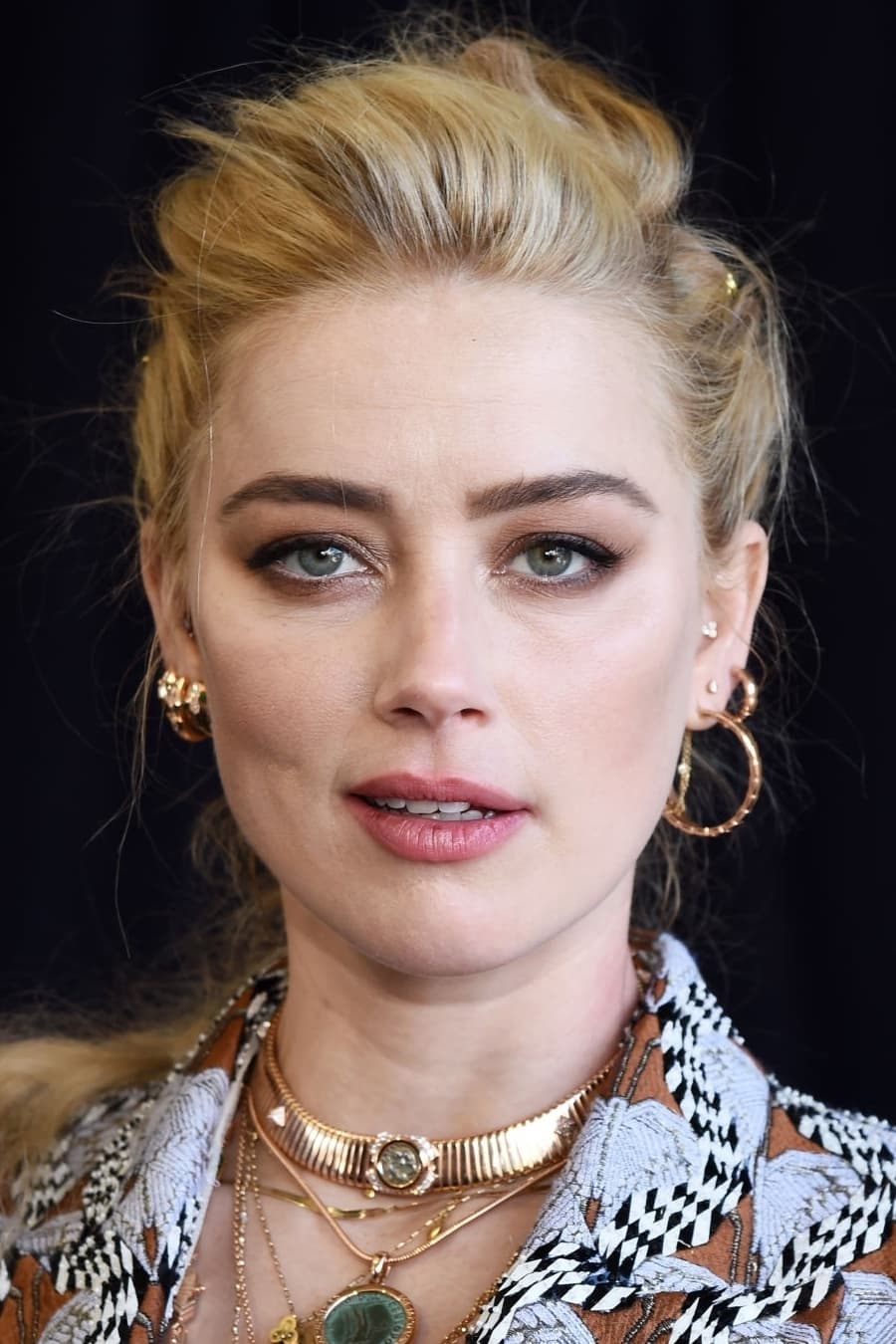
Amber Heard was cast as Mera in ‘Aquaman’ and her physical appearance became a major talking point due to her bright red hair and costume. Some fans felt that the vibrant hair looked unnatural and distracting in the underwater scenes. The debate shifted significantly when her personal legal battles began to overshadow her professional career. Many people petitioned for her removal from the sequel based on her public image rather than her acting performance. This situation highlighted how an actress’s physical presence on screen can become inextricably linked to her reputation off screen.
Lady Gaga
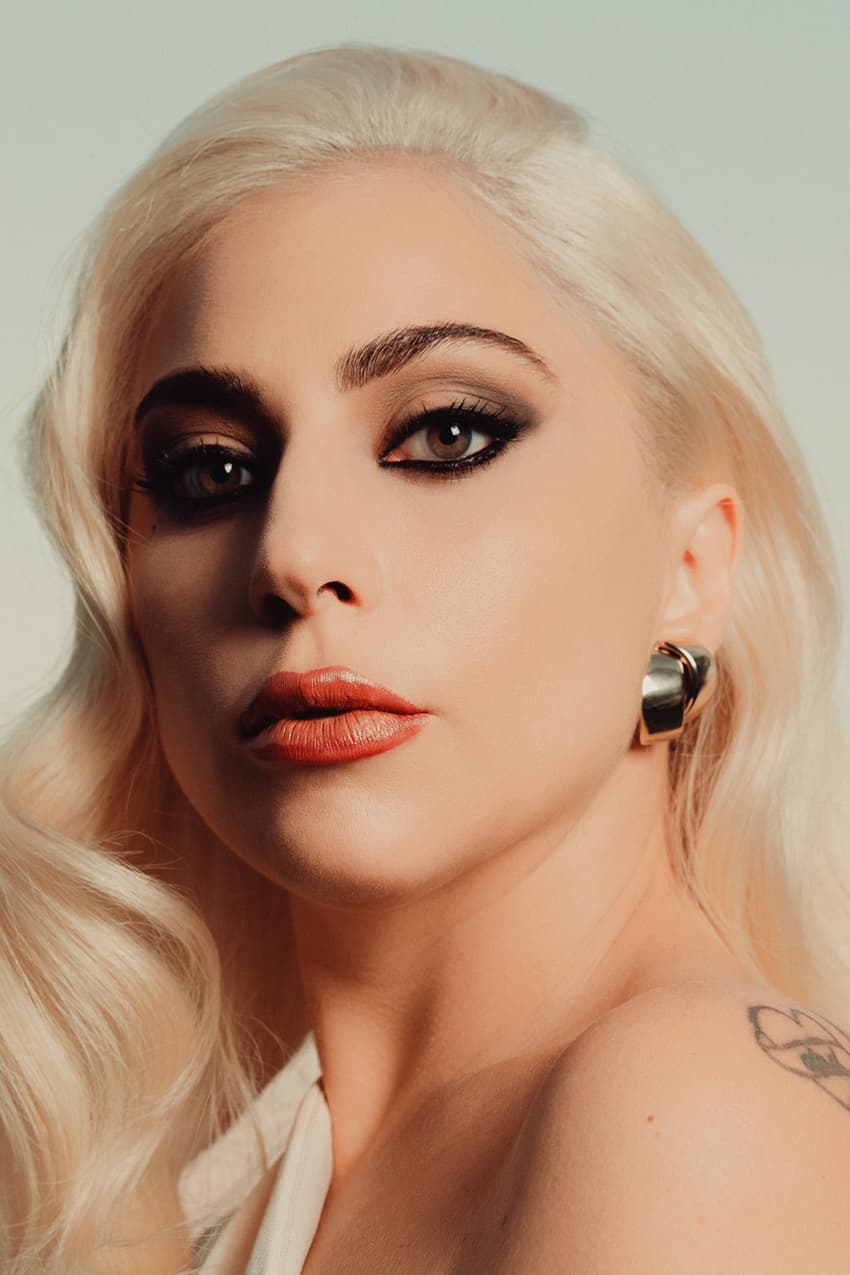
Lady Gaga underwent a significant physical and vocal transformation for her role as Patrizia Reggiani in ‘House of Gucci’. Some critics debated whether her look was a caricature of Italian culture and pointed to her fluctuating accent as a distraction. Others praised her for fully committing to the heavy makeup and period costumes that defined the character’s journey. The debate often focused on whether she looked too much like a pop star to be believable as a real person from history. Gaga’s performance remained the most discussed element of the film regardless of the physical critiques.
Anya Taylor-Joy
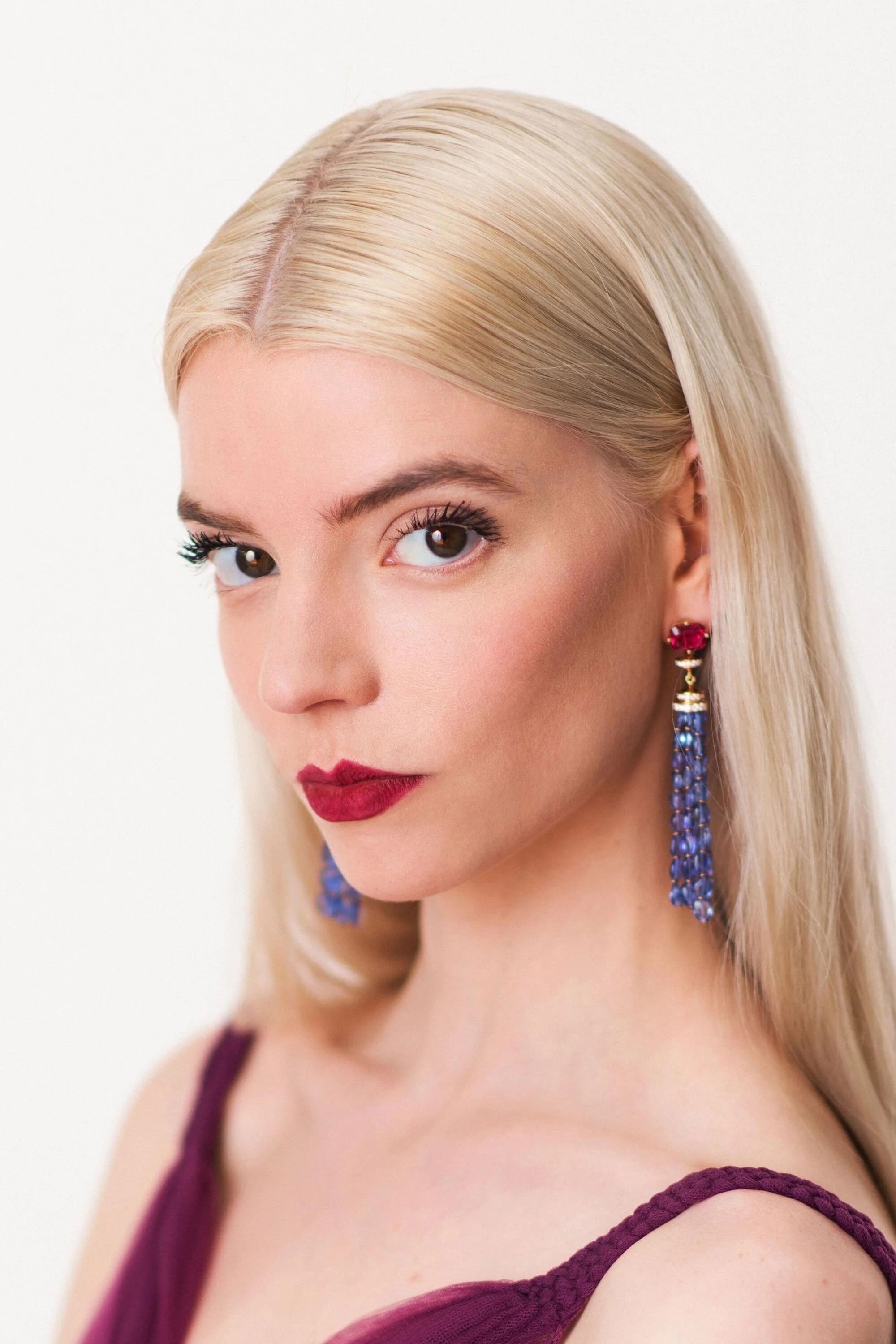
Anya Taylor-Joy was cast as the voice of Princess Peach in ‘The Super Mario Bros. Movie’ which led to a debate about her appearance versus the character. Some fans felt that her distinct and ethereal look did not match the bubbly and traditional image of the video game character. There were also concerns about whether a professional voice actress should have been hired instead of a high profile screen actress. The discussion included the updated character design which gave Peach a more active and adventurous role. Taylor-Joy’s performance helped the film become a massive success despite the early skepticism from the gaming community.
Gemma Chan

Gemma Chan was cast in ‘Eternals’ as Sersi which prompted a debate because she had previously played a different character in the Marvel Cinematic Universe. Some viewers felt that her physical presence as Minn-Erva in ‘Captain Marvel’ should have disqualified her from taking on a new lead role. This was a rare instance of a casting debate based on an actress’s prior visual history within the same franchise. Director Chloé Zhao defended the choice by stating that Chan was the perfect fit for the soul of the character. The debate eventually faded as audiences accepted her as a central figure in the new ensemble.
Constance Wu
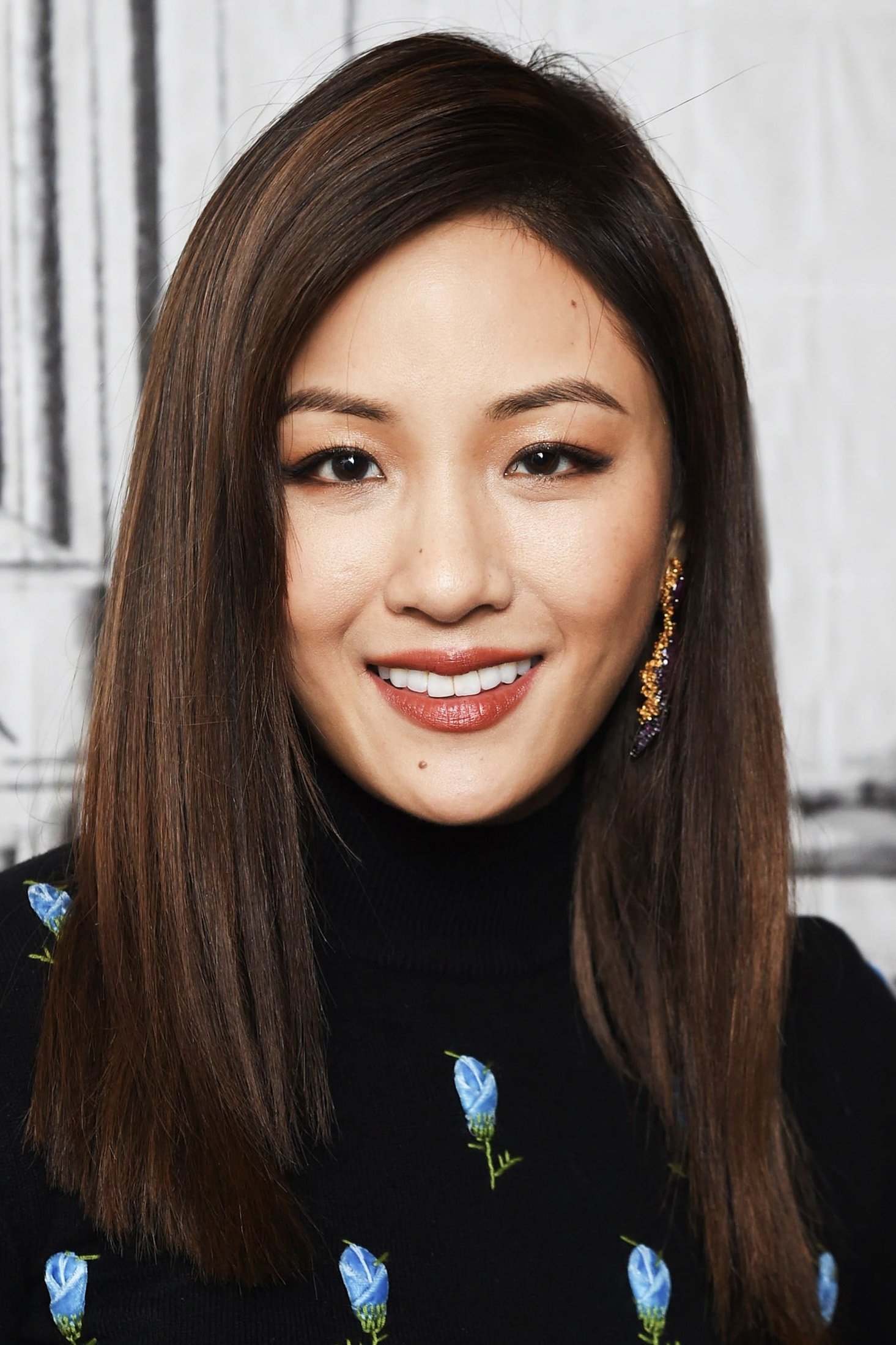
Constance Wu faced scrutiny when she was cast as Rachel Chu in ‘Crazy Rich Asians’ because of her specific look and background. Some critics in Asia argued that she looked too American and did not represent the specific aesthetics often seen in Singaporean or Chinese productions. This debate highlighted the tension between the Asian diaspora and those living in Asia regarding what a leading lady should look like. Wu’s performance was ultimately seen as a major milestone for Asian representation in Hollywood. The film’s success showed that physical appearance and cultural identity are complex and multifaceted topics.
Awkwafina
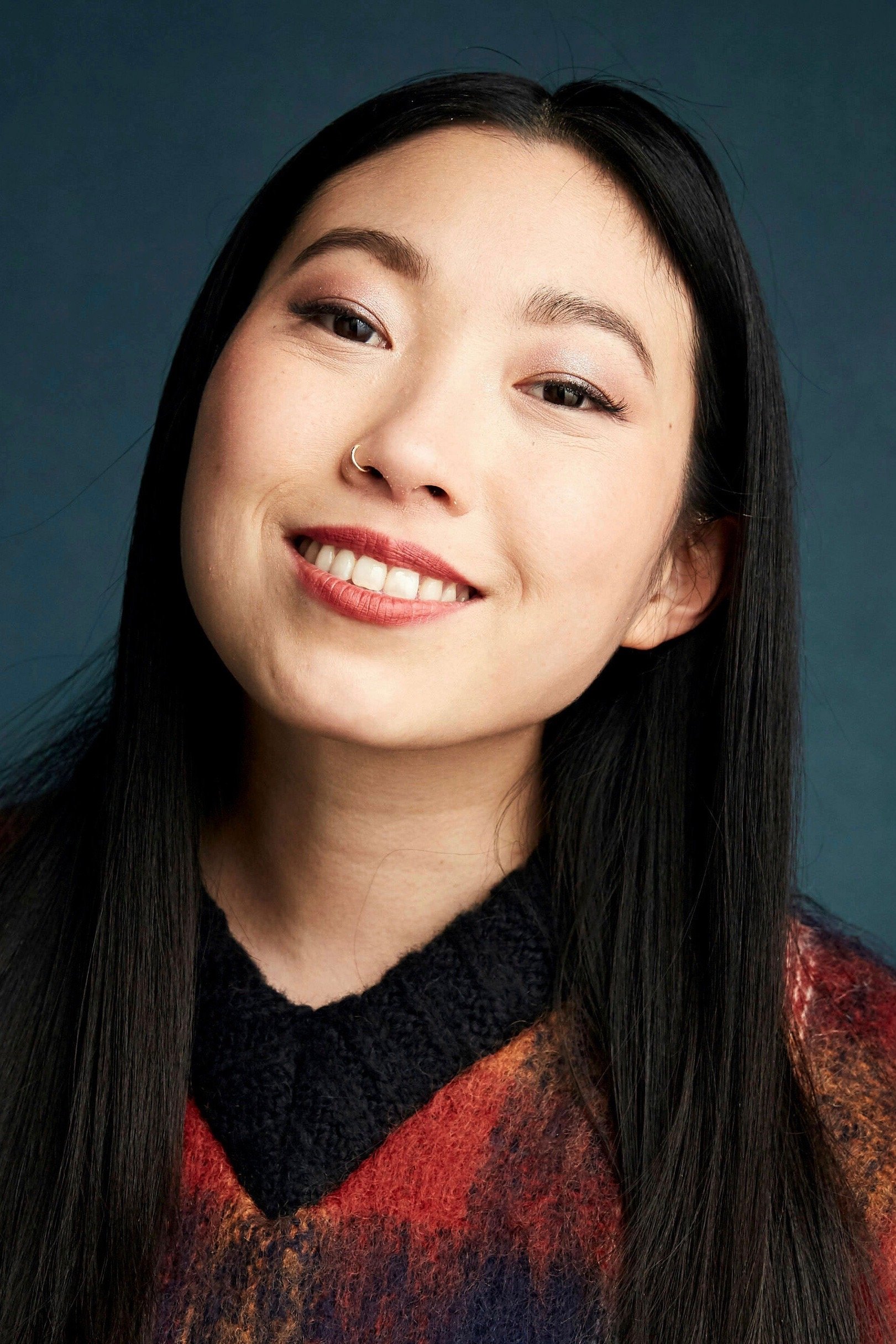
Awkwafina was cast as the voice of Scuttle in the live action ‘The Little Mermaid’ which led to a debate about the character’s physical redesign and gender. The original character was a male seagull but the new version was a female diving bird to allow for underwater scenes. Many fans were vocal about their dislike for the bird’s realistic and somewhat scraggly appearance compared to the cartoon version. Awkwafina’s distinct voice also became a point of contention for those who preferred the original comedic style. The debate illustrated the difficulties of translating animated animal sidekicks into a realistic visual style.
Florence Pugh
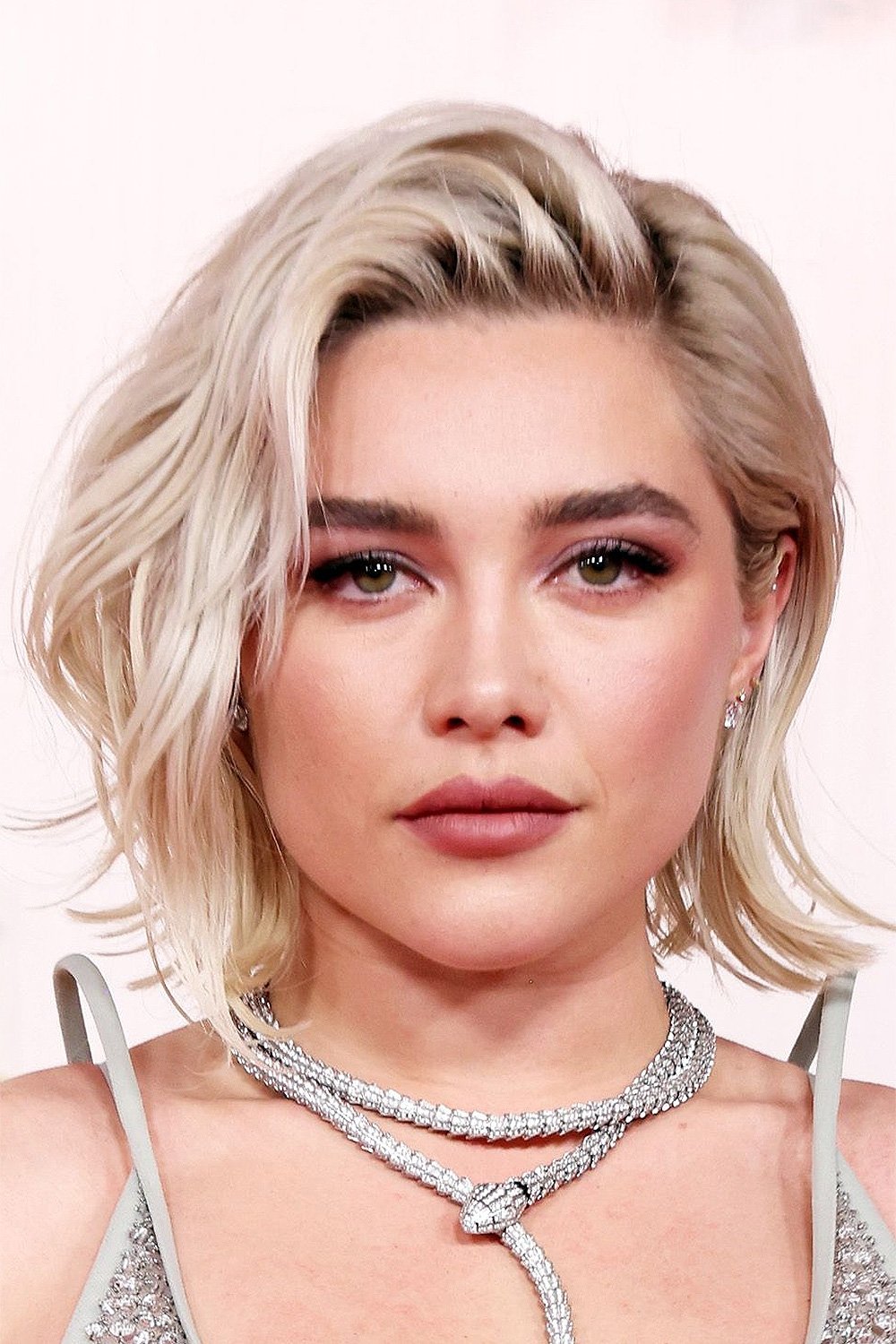
Florence Pugh faced criticism for her role as Amy March in ‘Little Women’ because of the age gap between her and the character. In the early parts of the film she plays a twelve year old girl which some viewers found physically unconvincing given her actual age. The actress defended the choice by explaining the importance of having the same performer play the character throughout her entire journey into adulthood. Most critics eventually praised her performance and noted that her acting ability overcame the initial physical hurdles. This debate highlighted the challenges of casting adult actresses in roles that span many years of a character’s life.
Natalie Portman
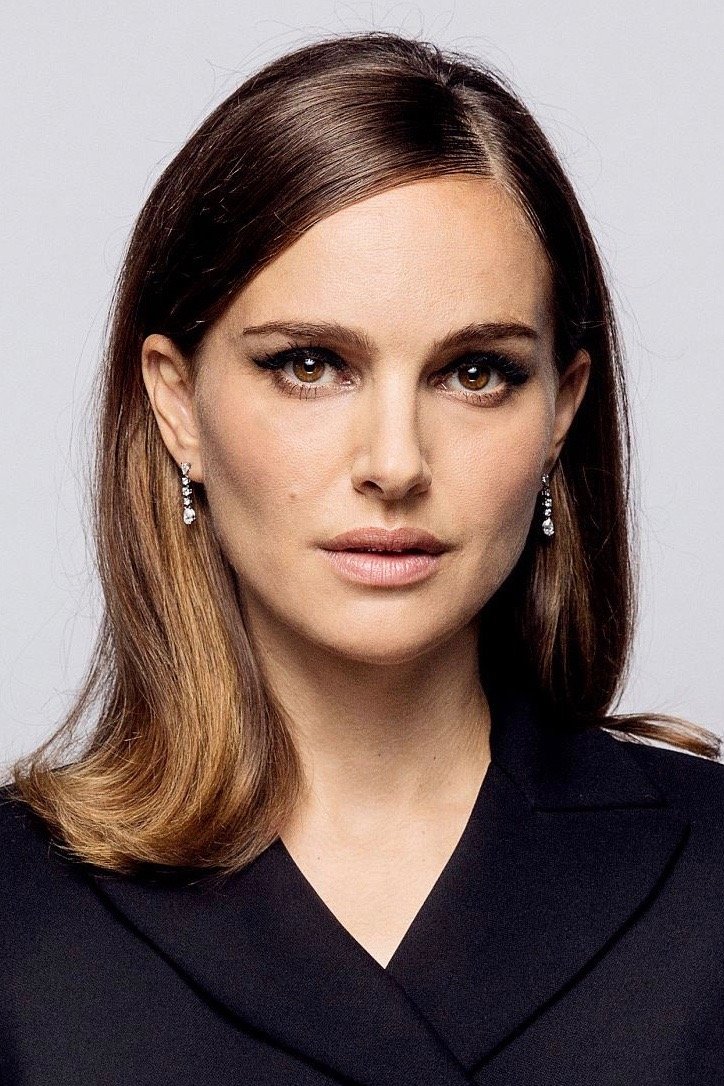
Natalie Portman’s physical appearance became a major topic of conversation when she returned to the Marvel Cinematic Universe for ‘Thor: Love and Thunder’. To play the Mighty Thor the actress underwent a significant muscle building transformation that was heavily featured in the film’s marketing. Some fans were surprised by her new physique while others praised the dedication required to look like a superhero. The debate also touched on the use of digital effects to enhance her height on screen. This situation showed that even established actresses can face new levels of physical scrutiny when entering the action genre.
Linda Hamilton
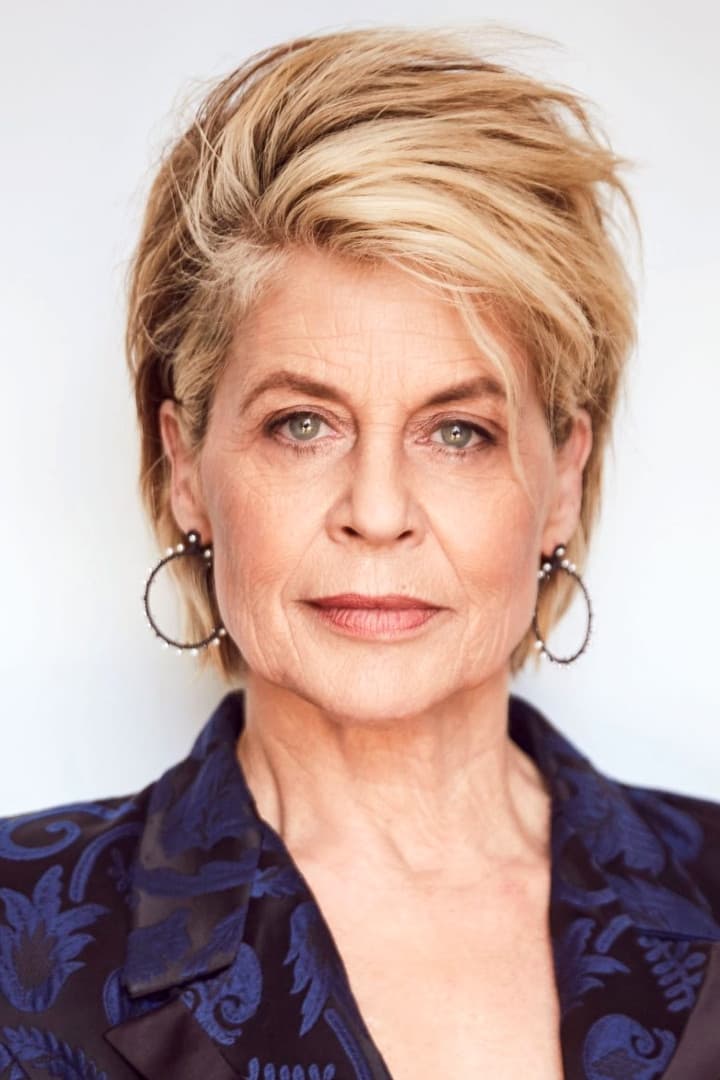
Linda Hamilton returned to the ‘Terminator’ franchise in ‘Terminator: Dark Fate’ which sparked a debate about aging female action stars. Many viewers were unaccustomed to seeing an older woman leading a major sci-fi blockbuster and some made negative comments about her appearance. Hamilton embraced her age and the physical changes that came with it stating that she wanted to represent a seasoned warrior. Her return was celebrated by fans of the original films who valued her contribution to the legacy of the character. The discussion highlighted the double standards that exist for male and female actors as they grow older in the industry.
Cate Blanchett
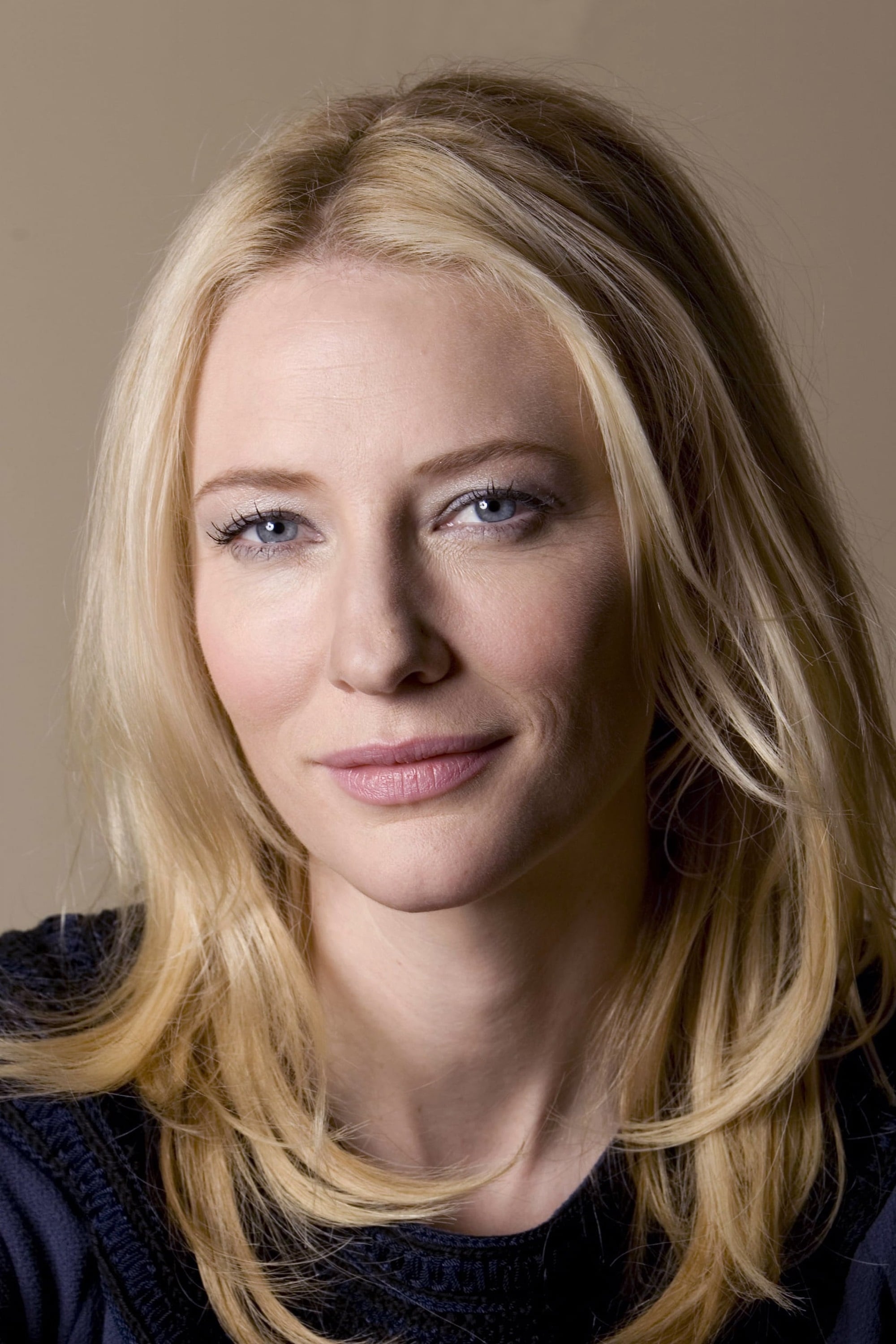
Cate Blanchett was cast as Lilith in the ‘Borderlands’ movie which led to a debate about whether she was too old for the role. Fans of the video game pointed out that the character is typically depicted as being much younger with a very specific aesthetic. Some critics felt that casting an Academy Award winner in a stylized action role was a strange physical mismatch. The production defended the choice by focusing on Blanchett’s star power and her ability to bring gravity to the sci-fi setting. The debate reflected the often rigid expectations that gamers have for the physical appearance of their favorite characters.
Lily-Rose Depp
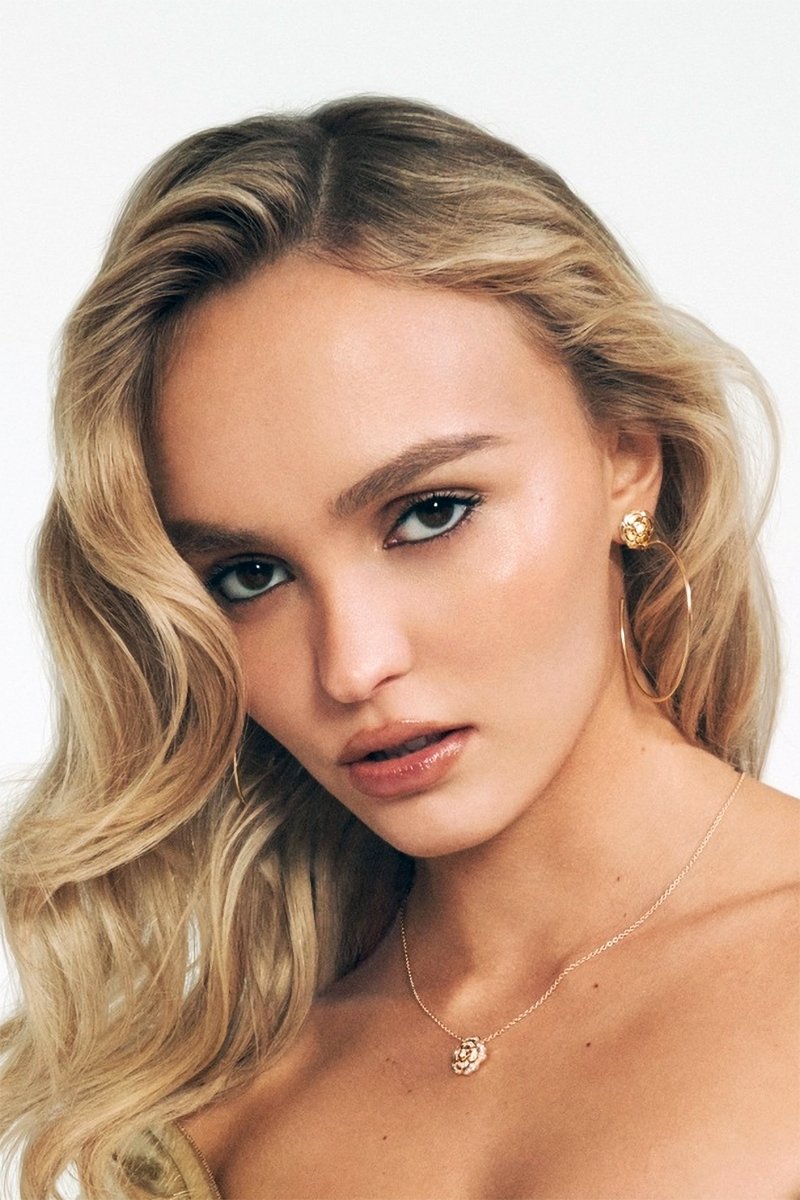
Lily-Rose Depp faced a wave of criticism for her appearance and performance in the series ‘The Idol’. The debate focused on the hyper sexualized nature of her character and whether her slender physique was being used provocatively by the directors. Many viewers felt that the show’s focus on her physical appearance overshadowed any actual character development. The actress was also caught in the middle of a larger conversation about nepotism and whether she earned the role based on her own merits. This controversy showed how an actress’s body can become a central point of debate in provocative television projects.
Sydney Sweeney

Sydney Sweeney was cast in ‘Madame Web’ and her physical appearance immediately became a topic of discussion among comic book fans. Many debated which character she would play based on her blonde hair and athletic build before it was confirmed she was Julia Cornwall. Some fans were critical of the costumes and felt that the physical depiction of the Spider-Women did not live up to the comic book source material. Sweeney’s popularity on social media also added to the scrutiny as every image from the set was analyzed by the public. The debate highlighted the high expectations for visual accuracy in modern superhero films.
Dakota Johnson
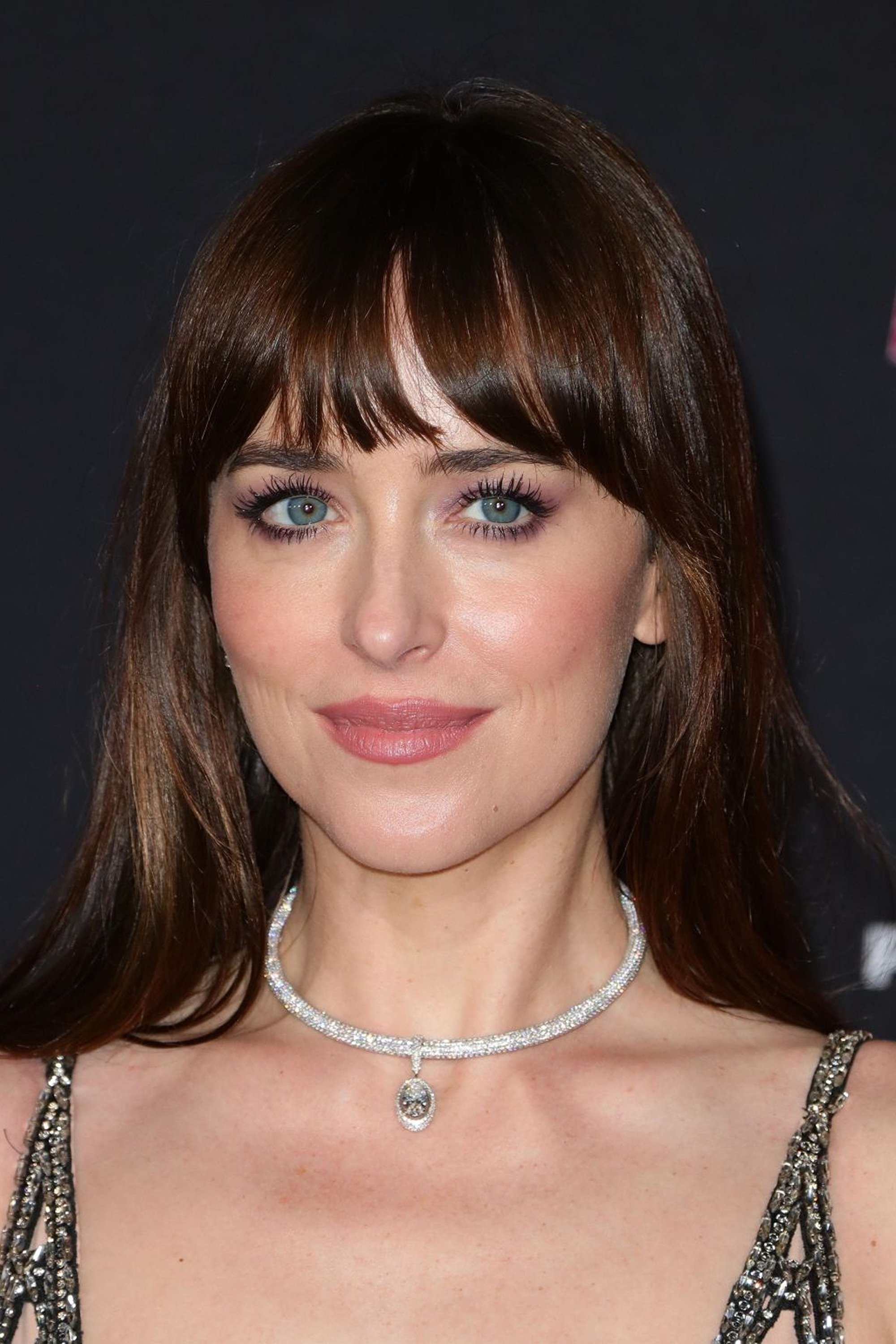
Dakota Johnson faced intense scrutiny when she was cast as Anastasia Steele in the ‘Fifty Shades of Grey’ trilogy. Many fans of the books had very specific ideas about what the character should look like and some felt Johnson was not the right fit. The debate often centered on her chemistry with her co-star and whether she possessed the right physical vulnerability for the role. Johnson had to navigate a high level of public interest in her body and her personal life throughout the series. Her performance eventually helped define the character for a global audience despite the initial skepticism.
Ana de Armas

Ana de Armas faced a unique debate when she was cast as Marilyn Monroe in the film ‘Blonde’. While she underwent a stunning physical transformation many critics were concerned that her natural Spanish accent would be a distraction. The debate touched on whether a Cuban actress could accurately represent an American icon like Monroe. De Armas spent months working with a dialect coach to perfect the famous breathy voice of the star. Her performance received a standing ovation at film festivals and proved that physical and vocal dedication can overcome cultural skepticism.
Kristen Stewart
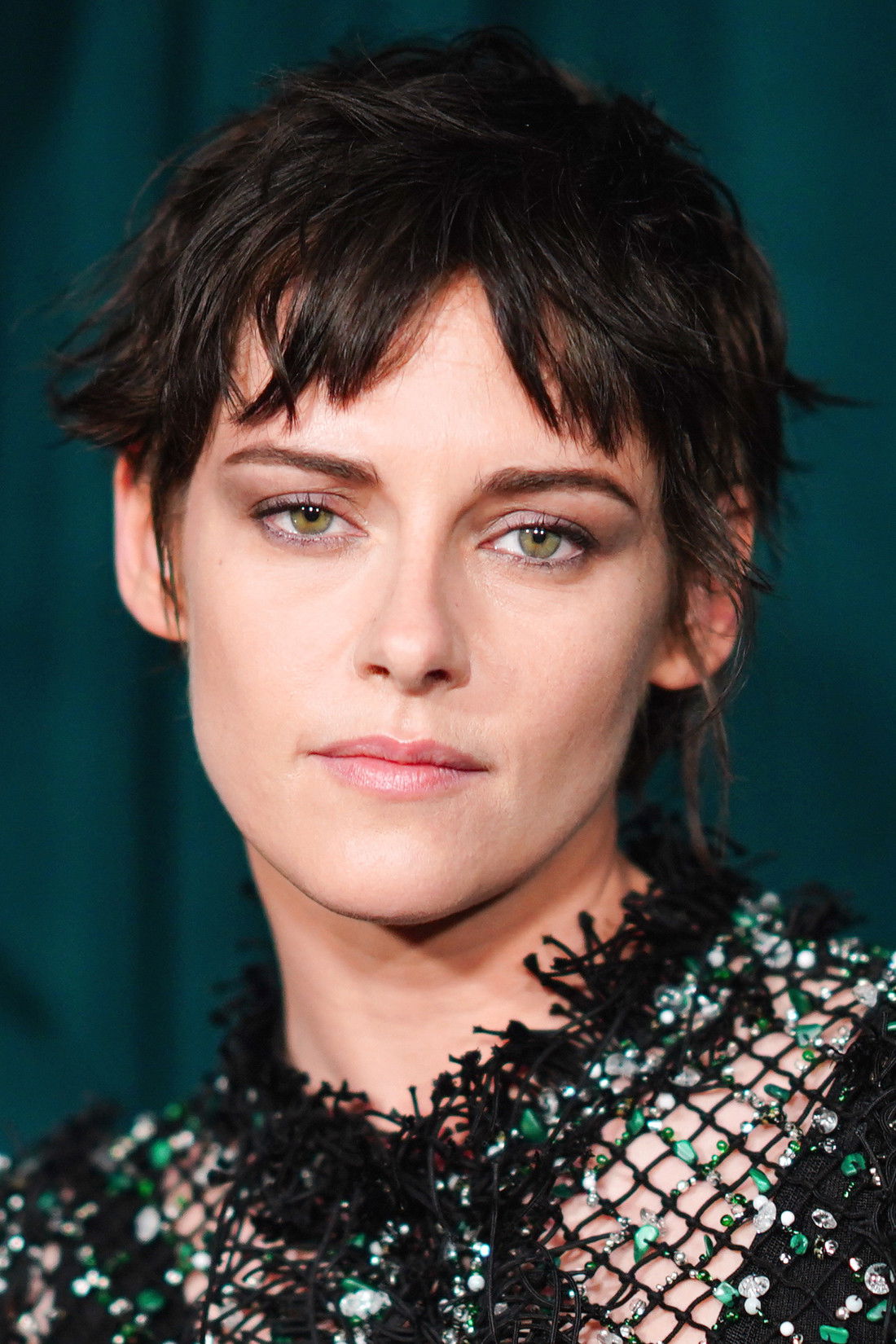
Kristen Stewart was cast as Princess Diana in the film ‘Spencer’ which led to a debate about whether an American actress could embody the British royal. Critics questioned if Stewart’s edgy and modern physical persona could be adapted to fit the elegant and tragic image of Diana. The first promotional images showed a remarkable physical resemblance that surprised many of her doubters. Stewart’s performance focused on the internal emotional state of the Princess rather than just a physical imitation. She eventually received her first Academy Award nomination for the role which silenced many of the initial critics.
Jennifer Hudson
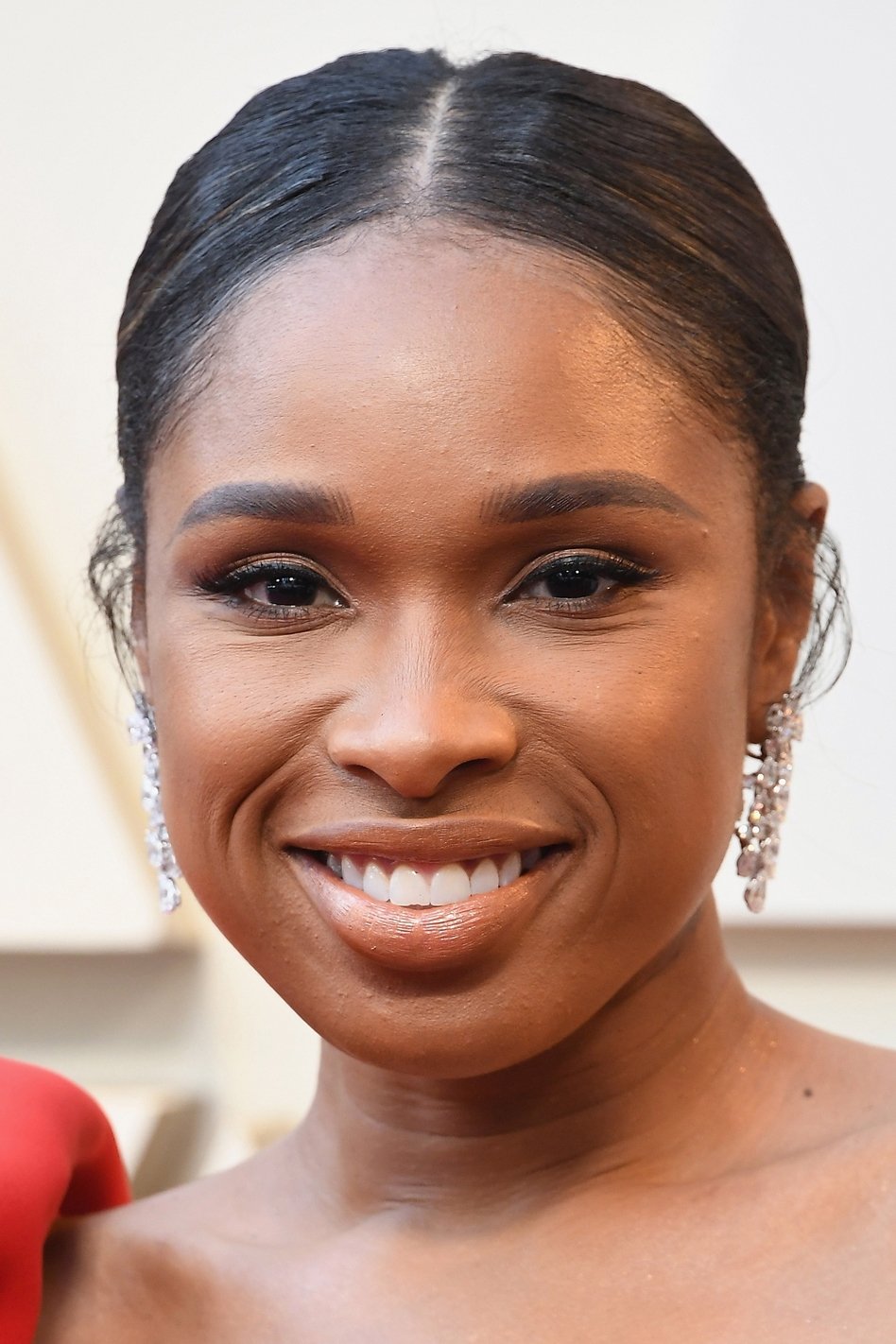
Jennifer Hudson was handpicked by Aretha Franklin to play her in the biographical film ‘Respect’. Despite this endorsement some critics debated whether Hudson’s physical appearance was the right match for the Queen of Soul at different stages of her life. The actress had to balance her own well known physical image with the iconic looks that Franklin was known for over several decades. The debate was largely settled by Hudson’s powerful vocal performance which many felt was the most important physical attribute for the role. This casting showed that the approval of the real life subject can carry significant weight in public opinion.
Jodie Turner-Smith
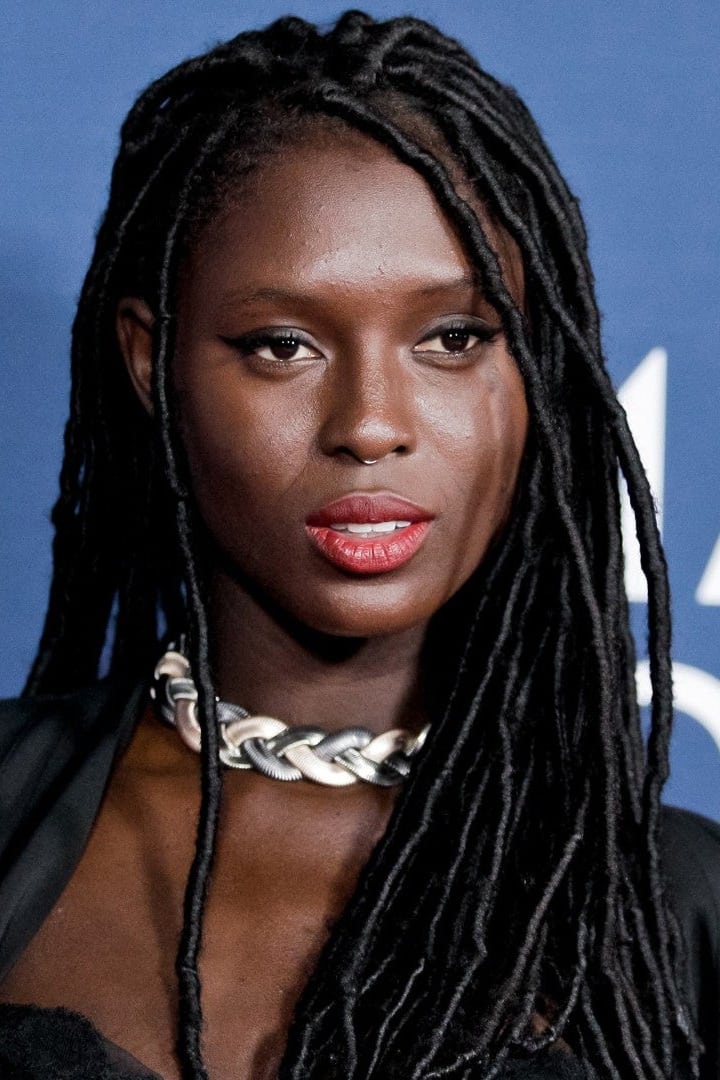
Jodie Turner-Smith made history and sparked a massive international debate when she was cast as Anne Boleyn in a British miniseries. The choice to cast a Black actress as the famous Tudor queen led to accusations of historical inaccuracy and race baiting from some viewers. Supporters of the casting argued that the physical appearance of the actress did not change the historical facts and allowed for a fresh perspective on the story. Turner-Smith spoke about the importance of reclaiming space in historical narratives that have traditionally excluded people of color. The controversy highlighted the intense debate over color blind casting in historical dramas.
Share your thoughts on these casting choices in the comments.