


Actresses Who Successfully Hid the Fact That Someone Else Sang Their Songs

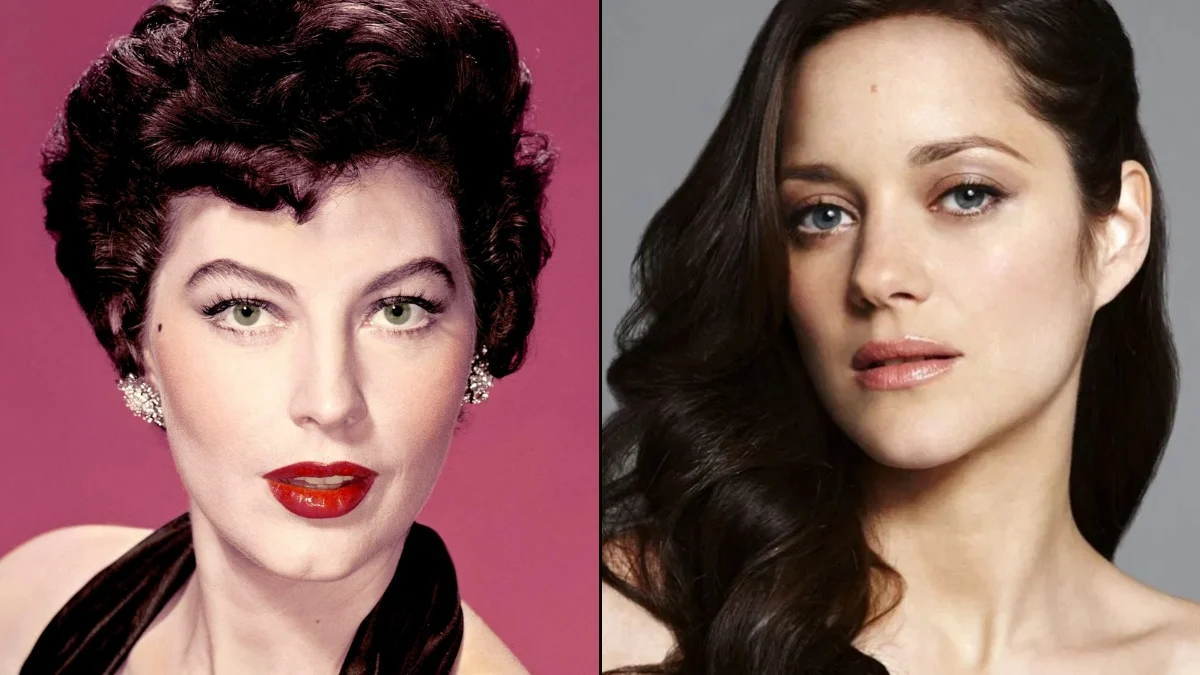


The Golden Age of Hollywood and the modern era of biopics have both relied heavily on the practice of vocal dubbing to ensure musical perfection. While many performers are celebrated for their on-screen presence and acting range, the demanding nature of operatic or high-tenor songs often requires the expertise of professional ghost singers. This technique allowed studios to maintain the illusion of a multi-talented star while delivering the polished vocal performances expected by audiences. From the uncredited work of Marni Nixon to modern lip-syncing in biopics, the history of movie musicals is filled with hidden voices.
Deborah Kerr
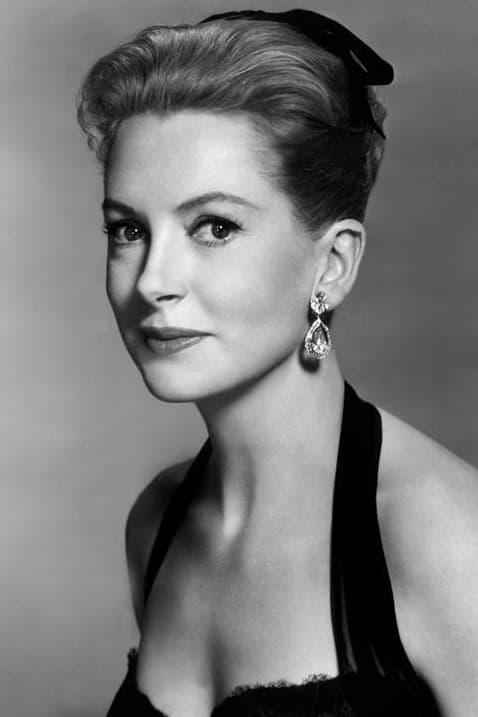
In the 1956 musical ‘The King and I’, this actress portrayed Anna Leonowens, a performance that earned her an Academy Award nomination. Although she appears to sing classics like “Getting to Know You,” her vocals were almost entirely dubbed by Marni Nixon. Nixon was a classically trained soprano who became Hollywood’s most prolific ghost singer during the mid-20th century. The studio initially kept the arrangement secret to protect the star’s public persona as a versatile performer. Kerr later acknowledged the collaboration, praising the seamless integration of their two voices.
Natalie Wood
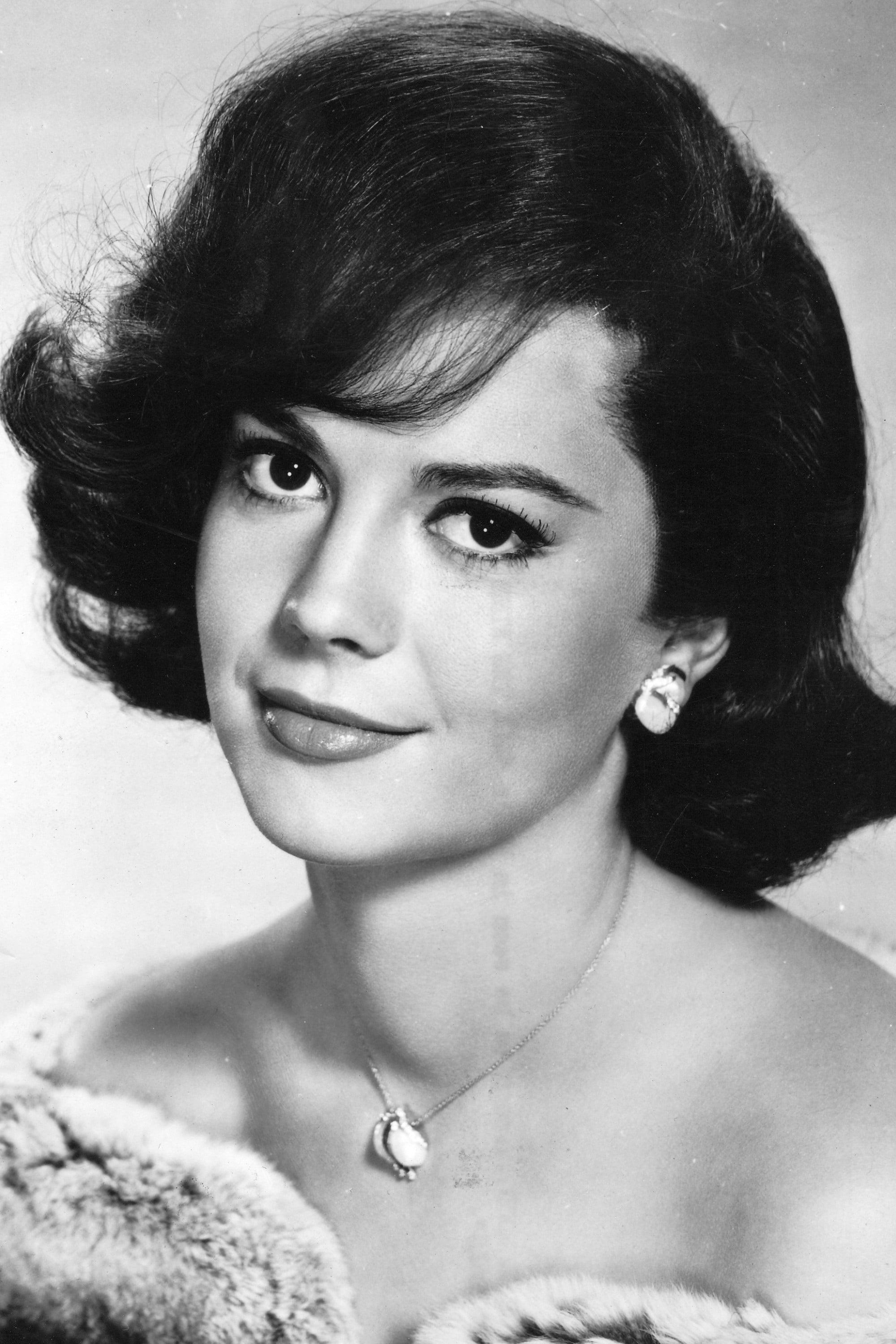
Playing the role of Maria in the 1961 film adaptation of ‘West Side Story’ required a vocal range that this lead actress could not quite reach. While she recorded all of her songs in pre-production, the music supervisors ultimately decided to use Marni Nixon’s voice for the final cut. Wood was reportedly not informed of the total replacement until she saw the finished film at the premiere. Despite this, her performance remains iconic, with Nixon’s high-soprano notes perfectly matching her emotional intensity on screen. The dubbing was handled with such precision that many fans believed she had performed the songs herself for decades.
Audrey Hepburn
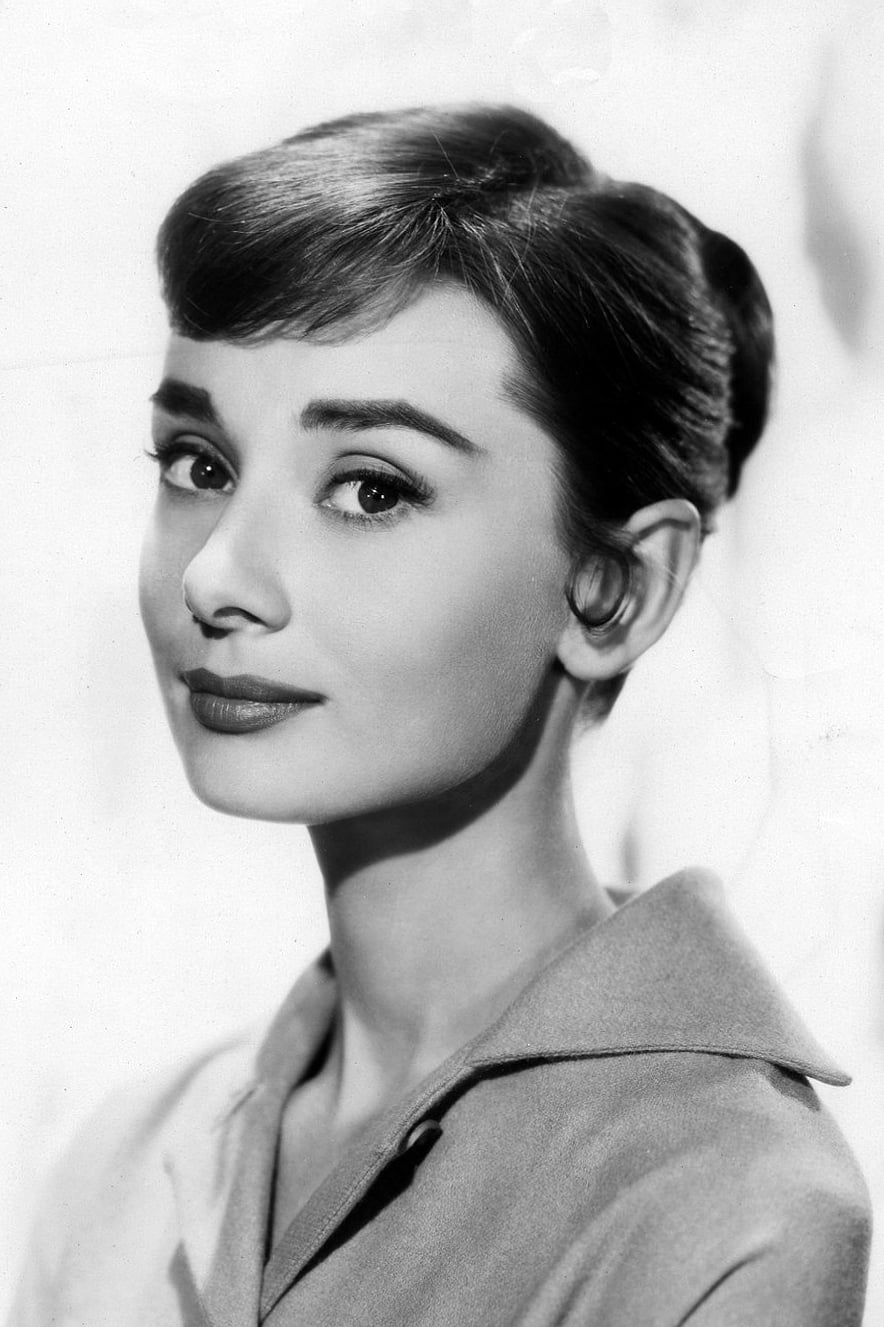
When the 1964 film ‘My Fair Lady’ was in development, the lead role went to this established star instead of Julie Andrews, who had played the part on Broadway. Producers were concerned about the actress’s vocal abilities for the demanding score written by Lerner and Loewe. Consequently, Marni Nixon was hired once again to provide the singing voice for Eliza Doolittle. Hepburn had worked extensively with vocal coaches and recorded her own tracks, but only small portions of her original voice made it into the final film. The choice was controversial within the industry, as it was a major factor in the actress’s lack of an Oscar nomination for the role.
Rebecca Ferguson
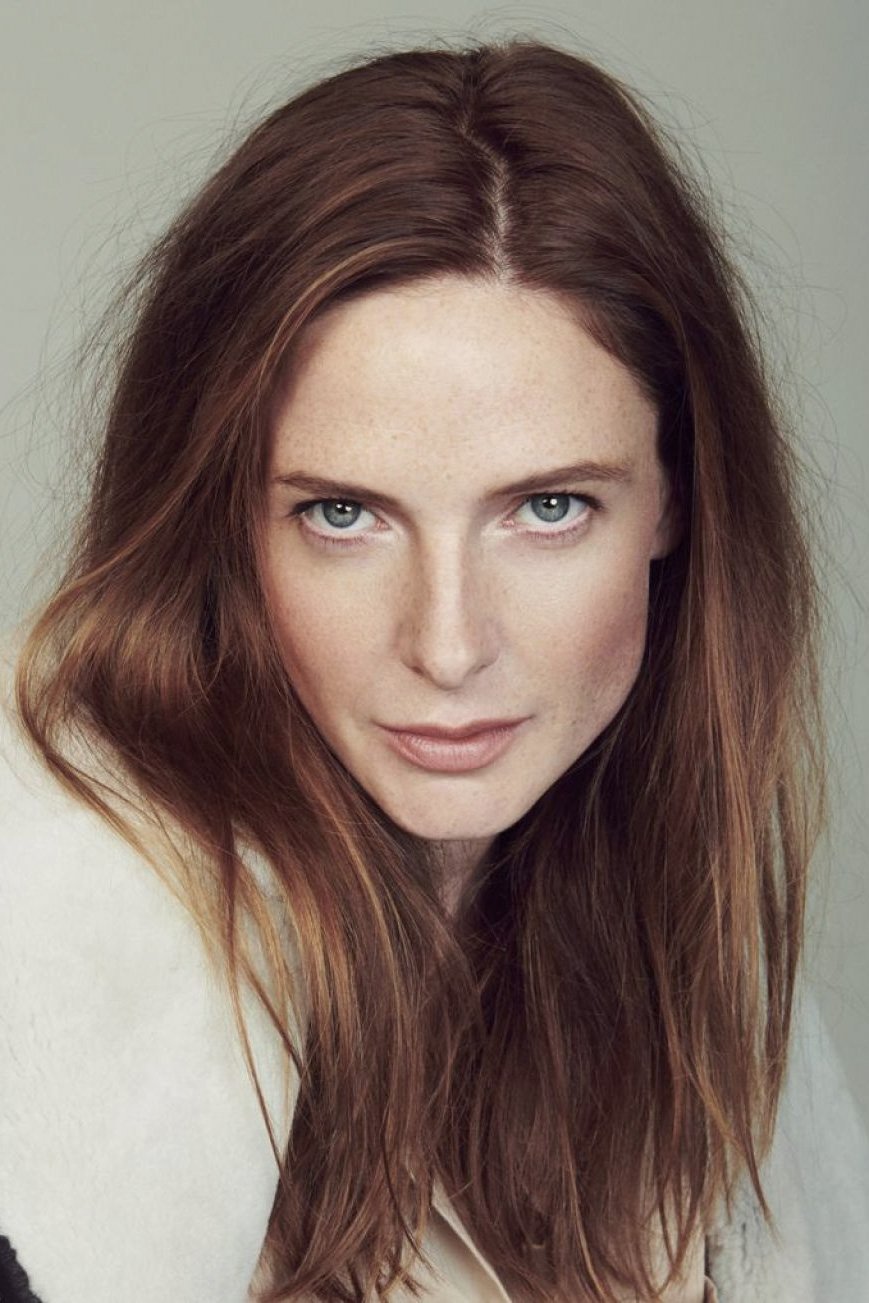
In the 2017 blockbuster ‘The Greatest Showman’, this actress played the Swedish opera singer Jenny Lind, famously known as the “Swedish Nightingale.” To match the character’s reputation as the greatest singer in the world, the production utilized the vocals of Loren Allred, a former contestant on ‘The Voice’. Ferguson has been open about the process, stating that she felt it was better to have a world-class singer provide the vocals for such an important musical moment. She practiced her lip-syncing meticulously to ensure that every breath and movement aligned with Allred’s powerful rendition of “Never Enough.” This transparency did not diminish the impact of her performance, which remained a highlight of the movie.
Marion Cotillard
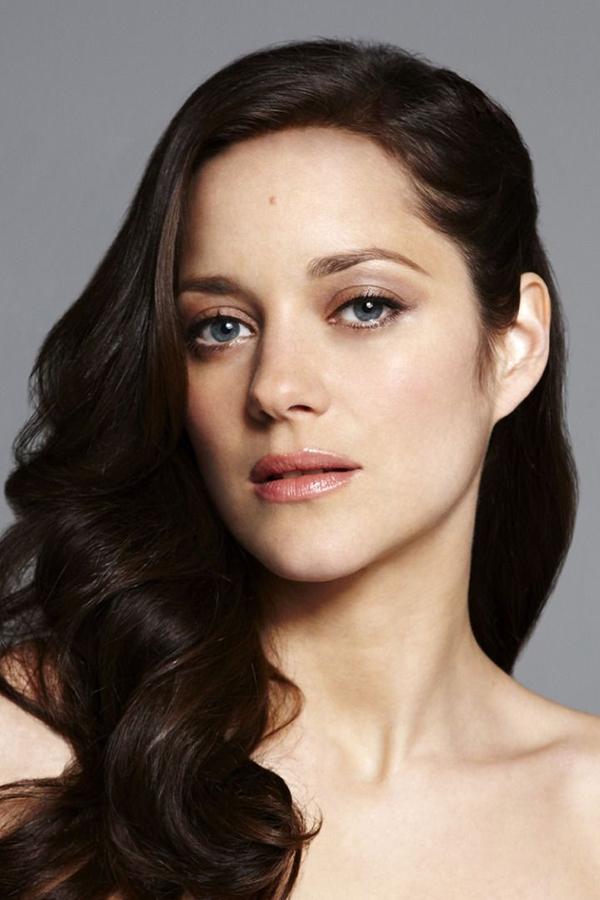
For her portrayal of the legendary French singer Édith Piaf in ‘La Vie en Rose’ (2007), this actress won the Academy Award for Best Actress. While she underwent months of physical transformation and vocal training, the singing in the film was provided by French singer Jil Aigrot. The production also utilized original recordings of Piaf for several sequences to maintain historical authenticity. Cotillard focused on mastering the technique of Piaf’s mouth movements and breathing patterns to make the lip-syncing indistinguishable from a live performance. Her dedication resulted in one of the most convincing musical portrayals in modern cinema history.
Naomi Ackie
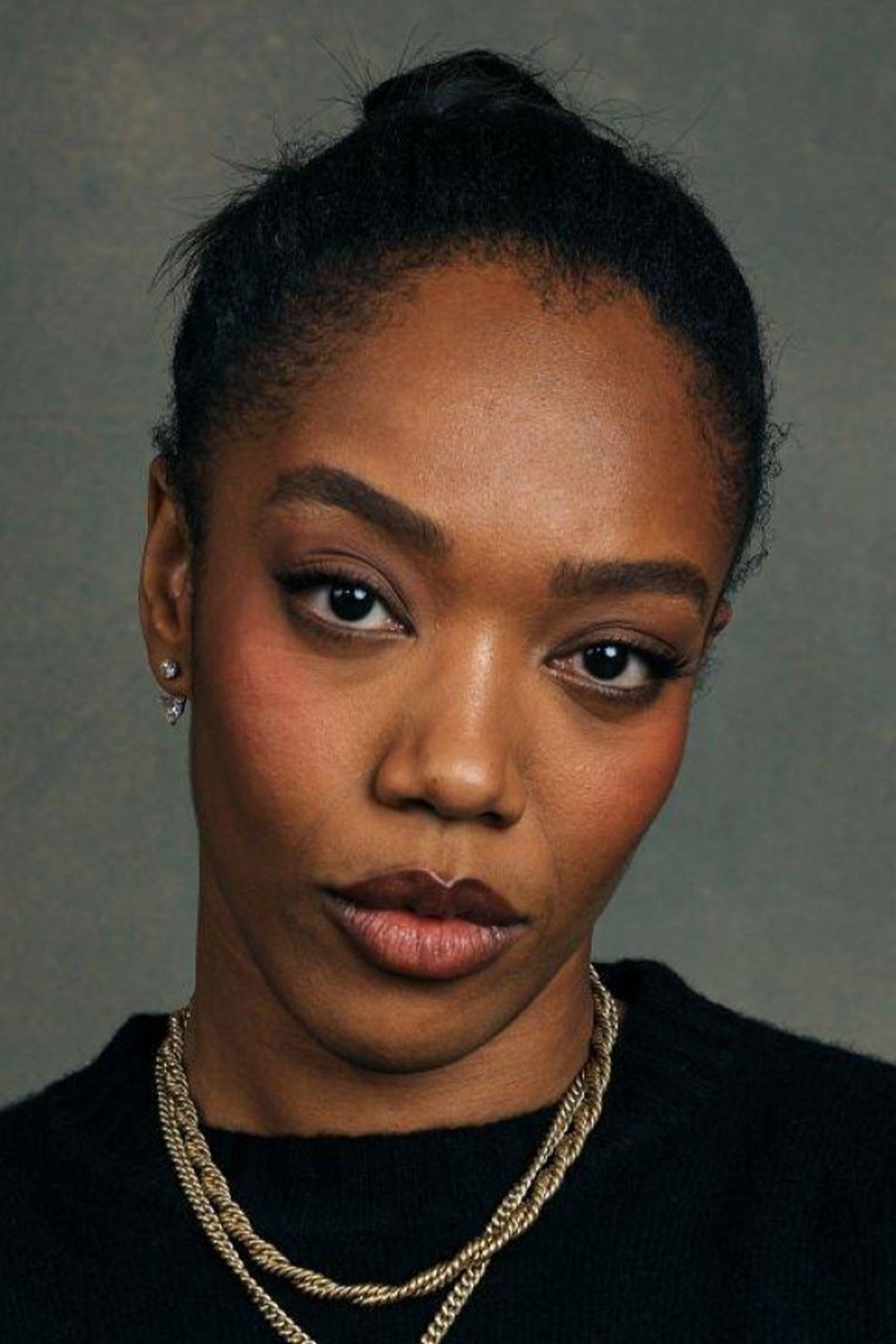
The 2022 Whitney Houston biopic ‘I Wanna Dance with Somebody’ features this actress in the starring role. Because Houston’s vocal prowess is considered nearly impossible to replicate, the film’s producers decided to use the late singer’s original master recordings for 95% of the musical numbers. The actress spent a year working with movement and vocal coaches to mimic Houston’s specific performance tics and lung capacity. While her own voice is heard in some quiet speaking-singing moments, the powerhouse solos belong entirely to the legendary diva. This approach allowed the film to celebrate Houston’s unique talent while showcasing the actress’s transformative acting skills.
Jennifer Lopez
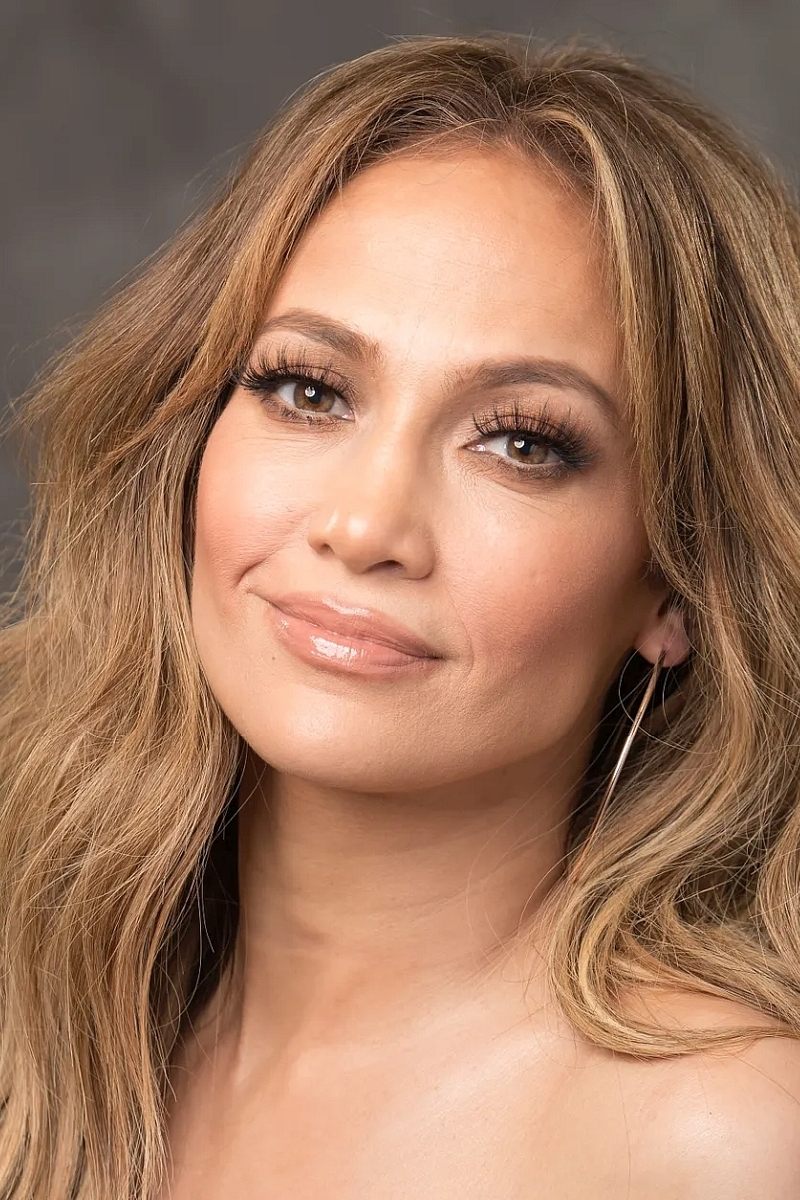
In the 1997 biopic ‘Selena’, this actress rose to superstardom by portraying the Queen of Tejano music. Since the film was made shortly after the singer’s tragic passing, the decision was made to use Selena’s actual voice for all the musical sequences. The actress had to learn how to move and breathe exactly like the real performer to ensure the lip-syncing was believable for the fans. Only the very beginning of the “Como la Flor” sequence features a small snippet of the actress’s own voice during a comedic moment. The success of the film helped launch her own career as a recording artist later that same year.
Yaya DaCosta
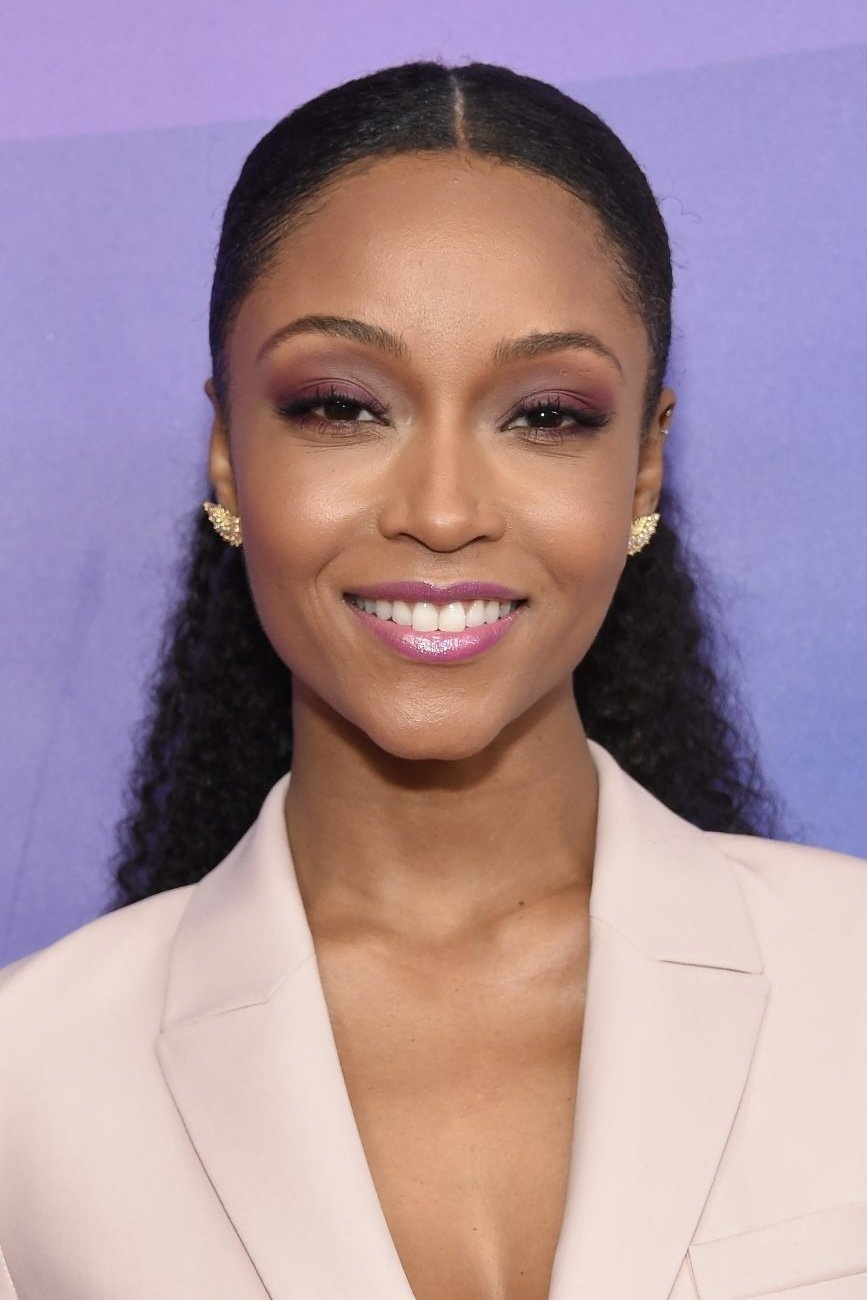
This actress portrayed Whitney Houston in the 2015 Lifetime television movie ‘Whitney’, which focused on the singer’s early career and relationship with Bobby Brown. Due to the high difficulty of the material, R&B singer Deborah Cox was brought in to provide all the vocals for the film’s musical numbers. Cox recorded covers of Houston’s greatest hits, including “I Will Always Love You” and “Greatest Love of All,” to be used in the production. The actress focused on the dramatic elements of the role while synchronizing her performance to Cox’s powerful vocal tracks. The arrangement allowed the production to honor Houston’s musical legacy without requiring the lead to match her legendary range.
Wendy Makkena
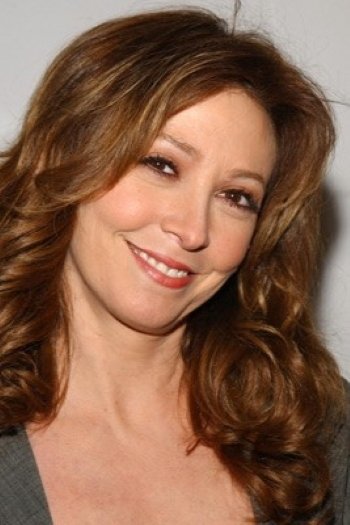
In the 1992 comedy ‘Sister Act’, this actress played the shy but talented Sister Mary Robert. Despite her character’s dramatic transformation into a powerhouse vocalist, the actual singing was performed by professional singer Andrea Robinson. Robinson’s voice provided the soaring notes for the choir’s renditions of “Hail Holy Queen” and “My Guy (My God).” The actress’s believable acting and expressive face during the musical numbers convinced many viewers that she was the one behind the microphone. She reprised the role in the sequel, with Robinson once again providing the singing voice for the character.
Rita Hayworth
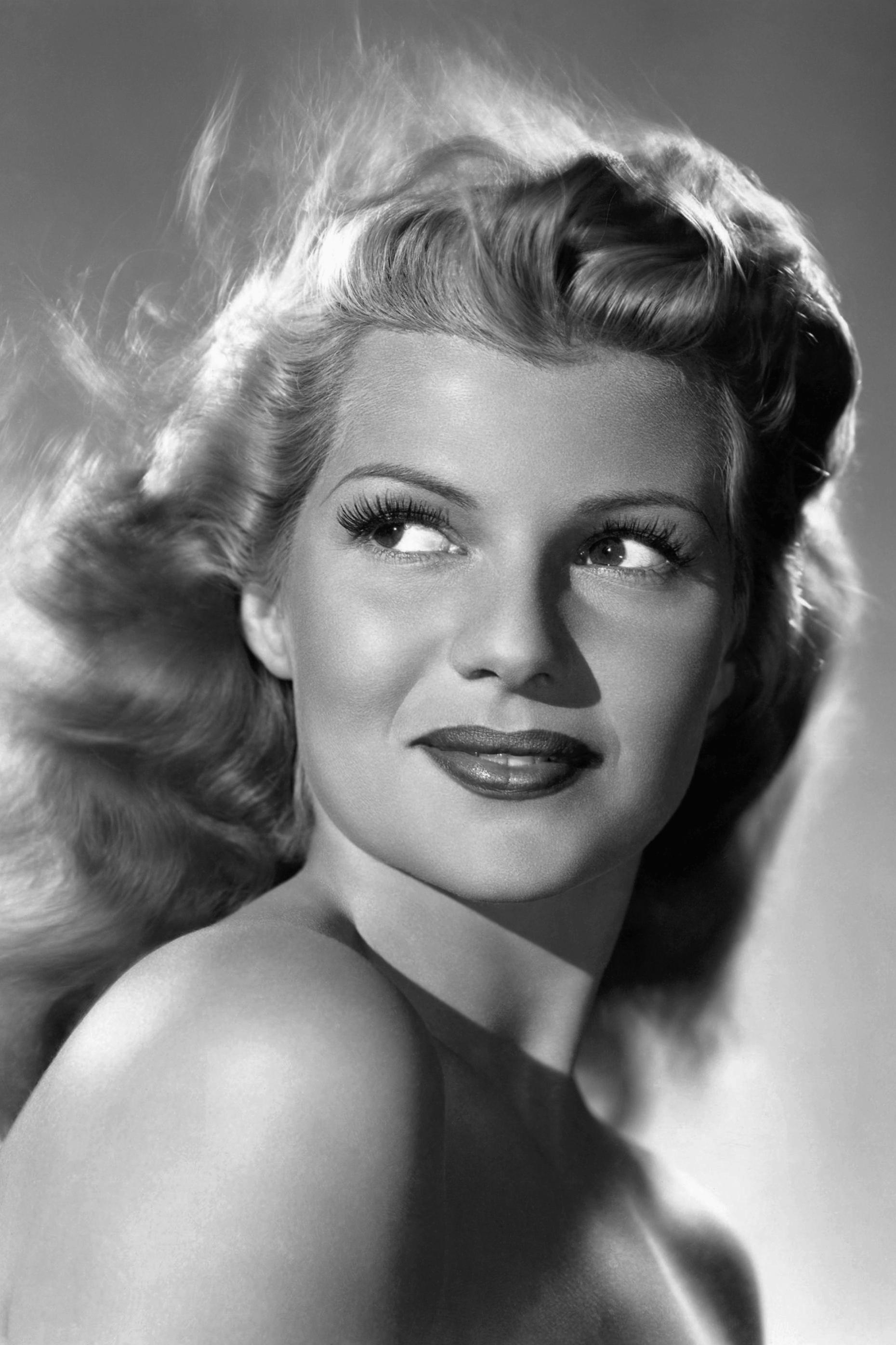
Known as the “Love Goddess” of the 1940s, this actress was a trained dancer but lacked the professional vocal training required for her musical films. In ‘Gilda’ (1946), her sultry performances of “Put the Blame on Mame” were dubbed by singer Anita Ellis. Throughout her career, she was dubbed by several different ghost singers, including Nan Wynn and Jo Ann Greer, depending on the needs of the production. Studios worked hard to keep this a secret to maintain her image as a complete triple-threat performer. Despite the dubbing, her charisma and dancing made her one of the most successful musical stars of the era.
Lucille Ball
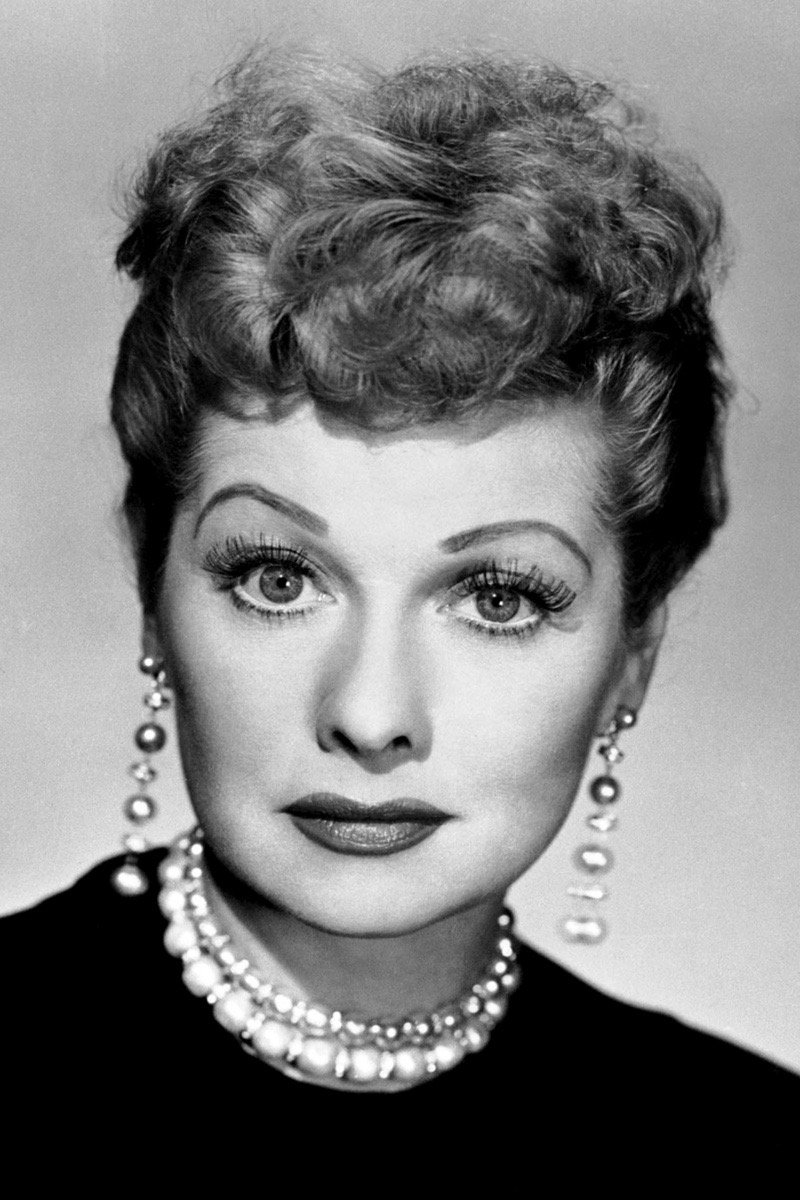
Before finding massive success in television, this actress appeared in various movie musicals during the 1940s. In the 1943 film ‘DuBarry Was a Lady’, her singing parts were voiced by Martha Mears, a well-known radio singer and frequent ghost vocalist. Mears also provided the singing voice for her in ‘The Big Street’ and other early career productions. While the actress had a natural singing voice, it was deemed too low and not musical enough for the soprano-leaning roles of the time. This allowed her to showcase her comedic timing and beauty while the music remained top-tier.
Marilyn Monroe
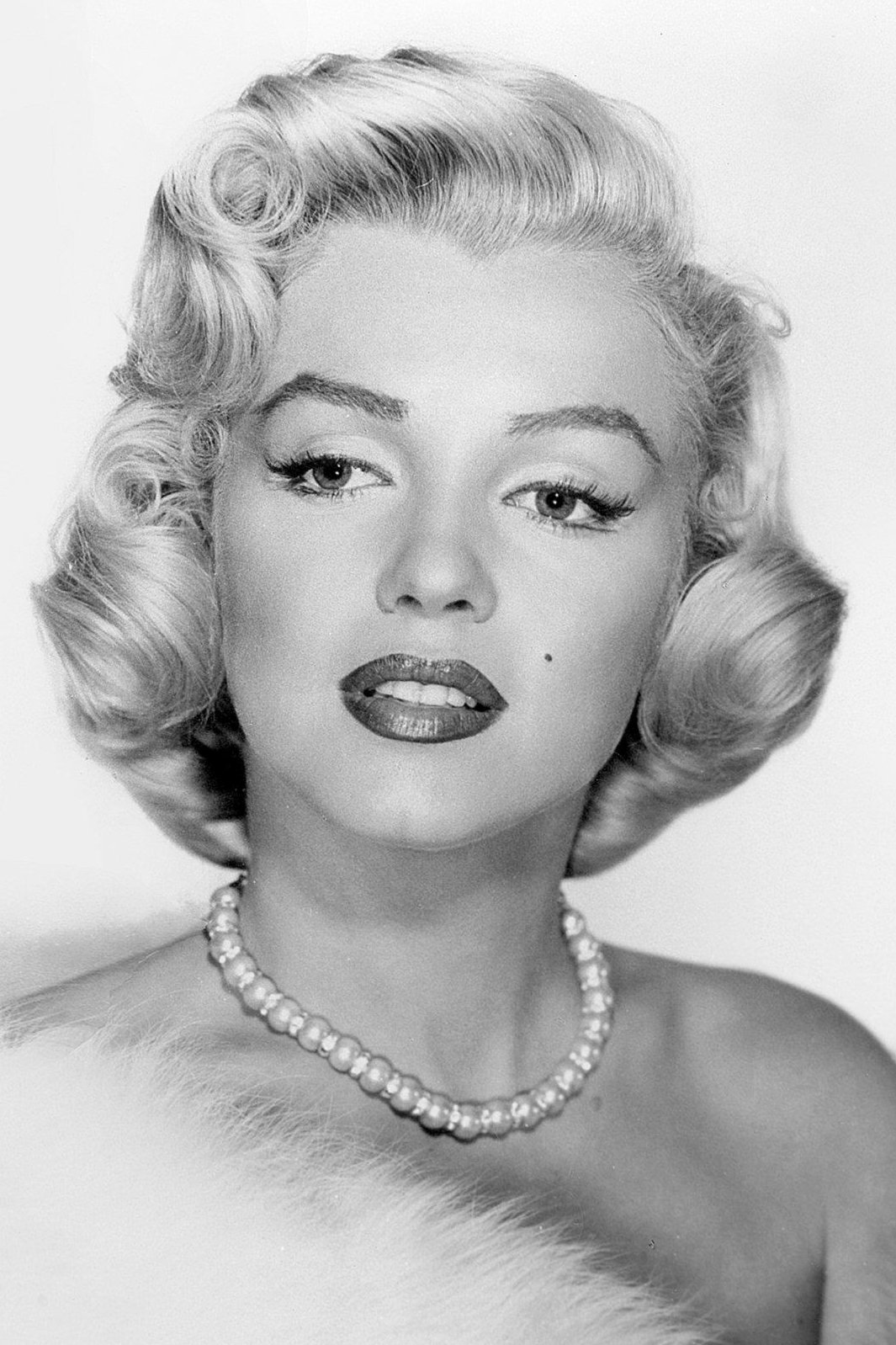
While she is widely known for her unique breathy singing style, parts of her performances were occasionally bolstered by professional vocalists. In ‘Gentlemen Prefer Blondes’ (1953), Marni Nixon was brought in to sing the high notes in “Diamonds Are a Girl’s Best Friend.” Nixon also provided vocals for the “Two Little Girls from Little Rock” number to ensure the harmonies were perfectly balanced. The actress performed the majority of her own vocals in most of her films, but these specific instances helped polish her most famous musical moments. These contributions remained largely uncredited to protect her status as a major star.
Rita Moreno
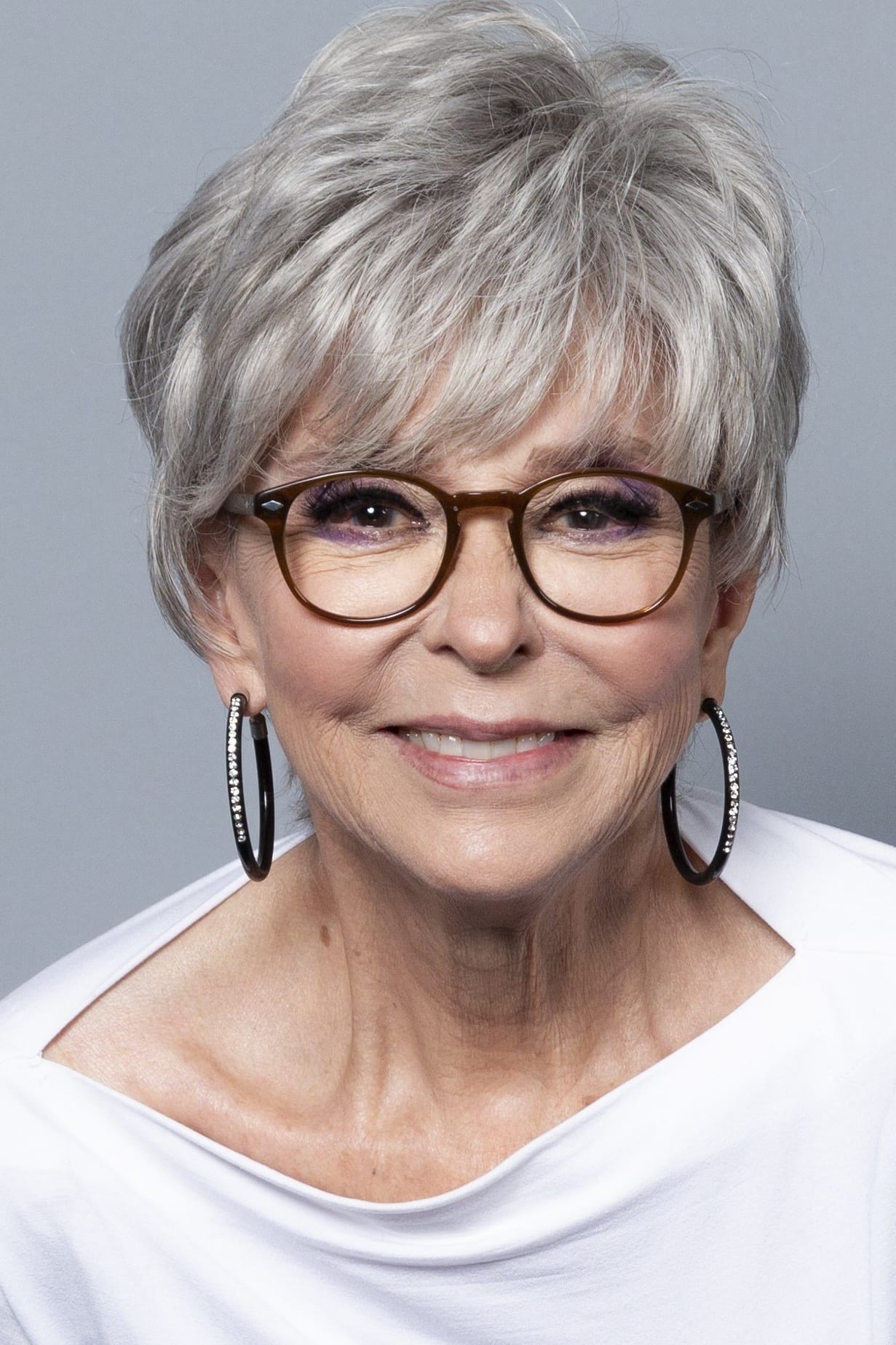
This legendary performer is an EGOT winner known for her immense talent, but she was partially dubbed in the 1961 version of ‘West Side Story’. While she sang many of her own parts, the song “A Boy Like That” featured vocals by Betty Wand. The decision was made because the song required a lower register than what she was comfortable with during the recording sessions. Additionally, Marni Nixon filled in some of the high notes in the “Tonight” quintet when she was unavailable to record. Despite these adjustments, her electric performance as Anita earned her the Academy Award for Best Supporting Actress.
Debbie Reynolds
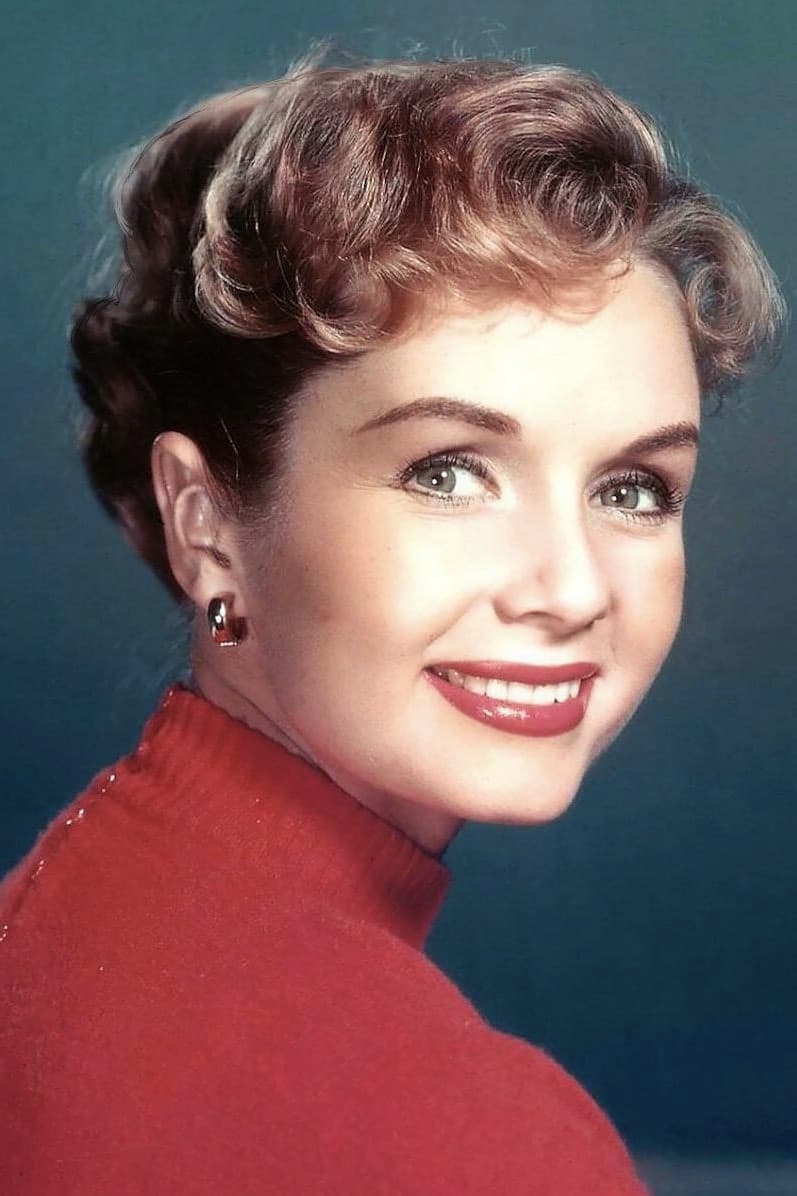
The 1952 classic ‘Singin’ in the Rain’ features a plot centered around vocal dubbing, making its real-life dubbing quite ironic. Although her character, Kathy Selden, is hired to ghost-sing for a silent film star, the actress was herself dubbed in several songs. Singer Betty Noyes provided the vocals for “Would You” and the duet version of “You Are My Lucky Star.” This was done because the producers wanted a richer, more operatic tone than the actress’s naturally youthful voice provided. It remains one of the most famous examples of Hollywood “meta” dubbing, as the film’s theme mirrors the production’s reality.
Kim Novak
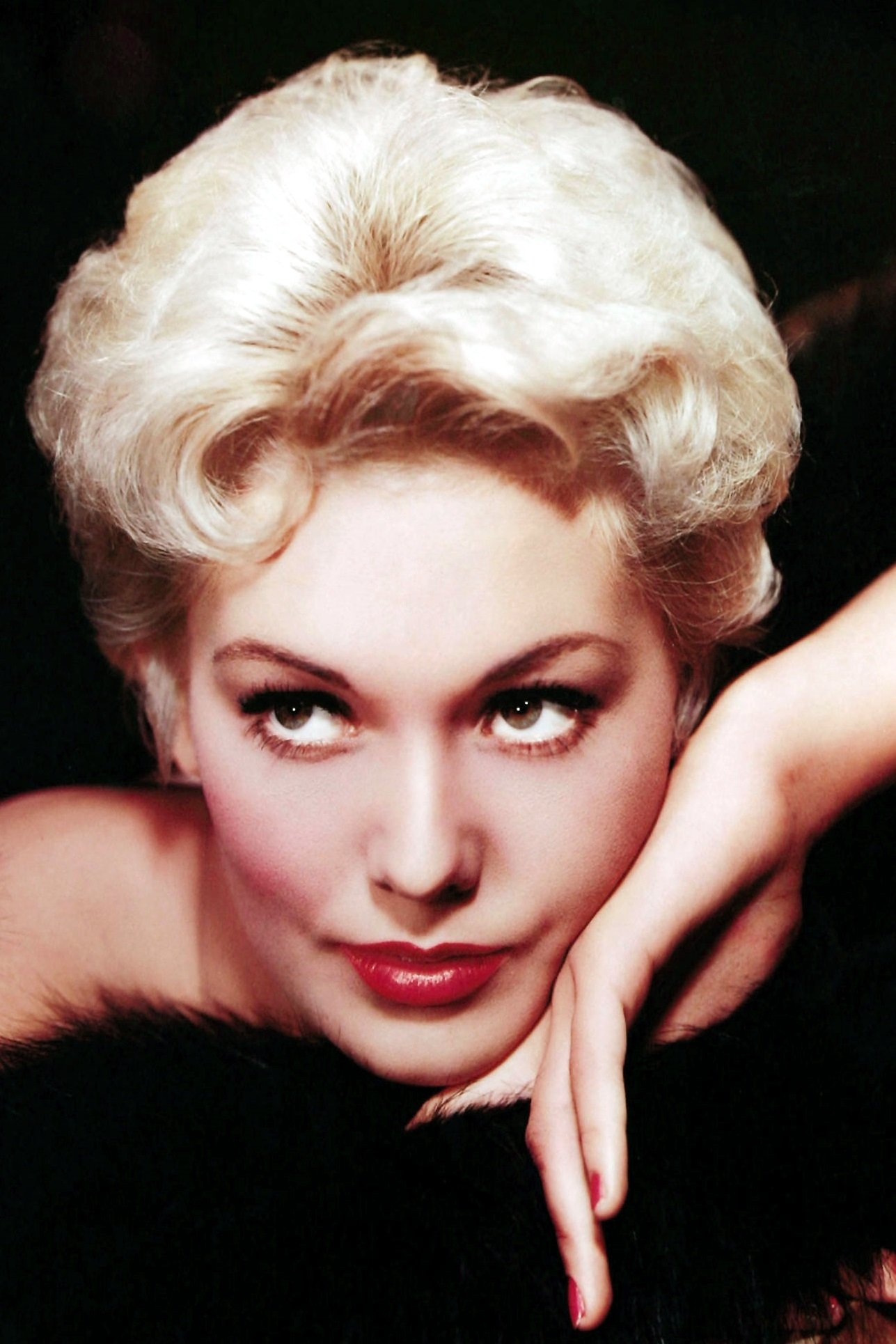
In the 1957 musical ‘Pal Joey’, this actress starred alongside Frank Sinatra and Rita Hayworth. Her character, Linda English, performed several musical numbers, but the vocals were provided by Jo Ann Greer. Greer was a prolific ghost singer who also worked on various films for Rita Hayworth and June Allyson. The actress’s soft-spoken nature was a perfect match for Greer’s singing style, leading many to believe it was her own voice. The secret was kept by the studio to ensure that the star remained a believable romantic lead in a musical setting.
Hilary Duff
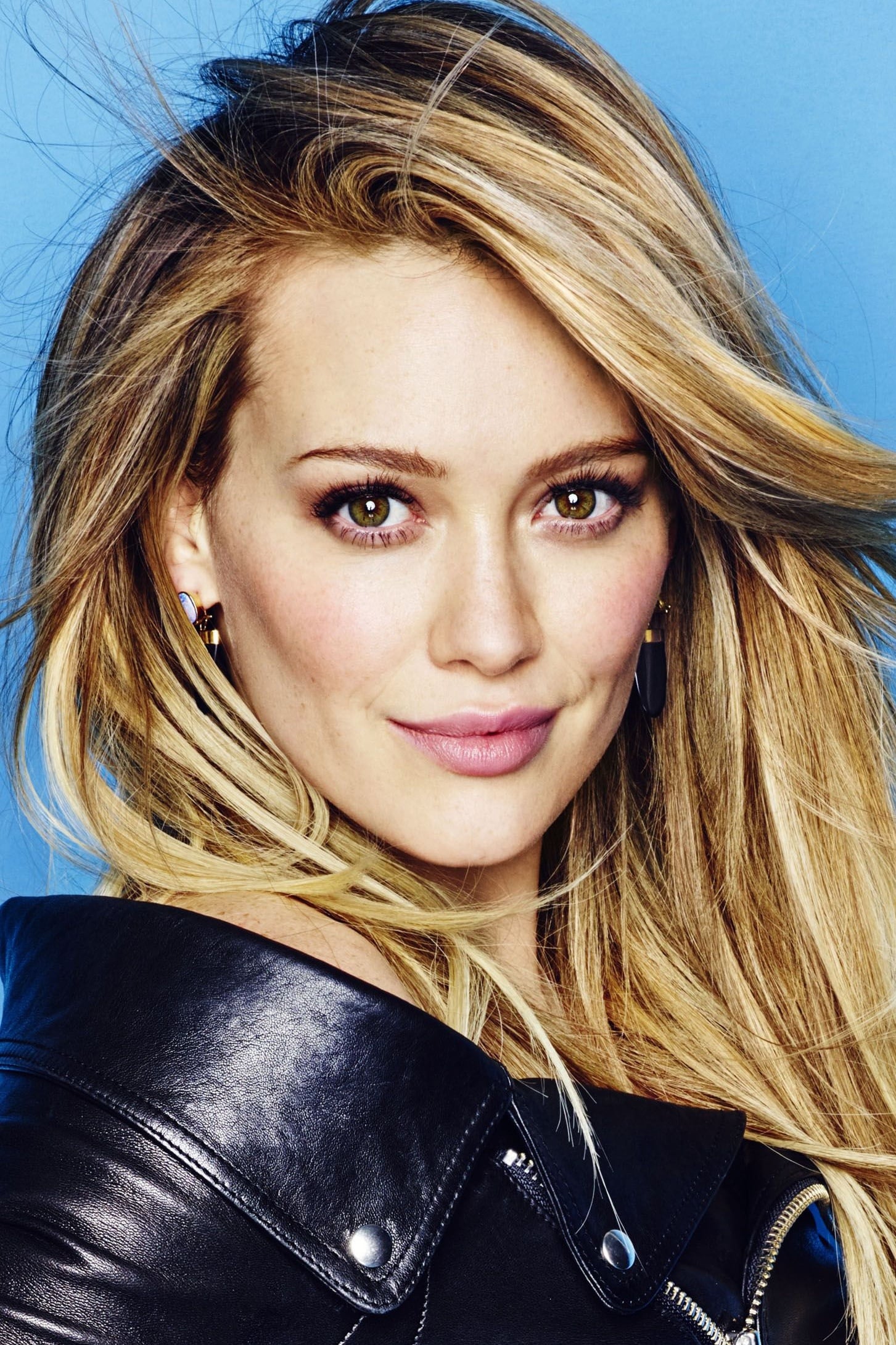
In ‘The Lizzie McGuire Movie’ (2003), this teen star played both the title character and an Italian pop star named Isabella. While she sang the main version of “What Dreams Are Made Of” as Lizzie, her sister Haylie Duff provided the singing voice for Isabella. The plot of the film actually involves Isabella being a talented singer while her partner is a fraud who relies on lip-syncing. Using her sister’s voice for the second character allowed the production to create a distinct vocal difference between the two look-alikes. Fans were surprised to learn later that the “Isabella” vocals belonged to another member of the family.
Leslie Caron
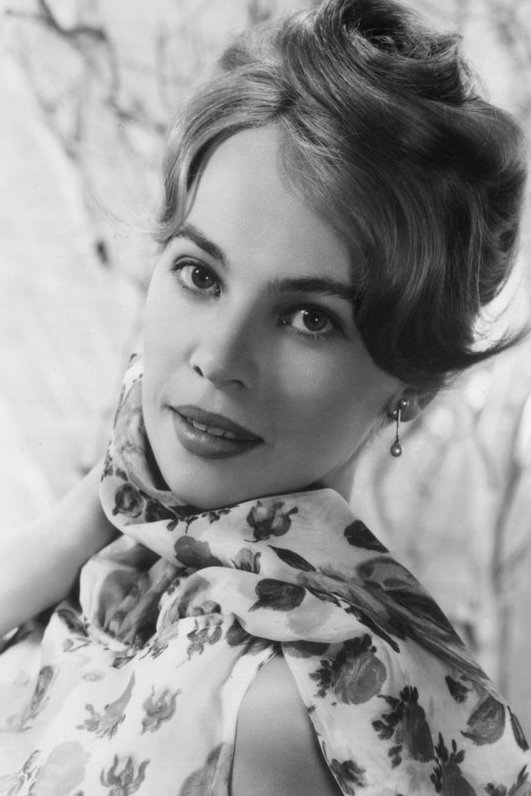
This French actress and dancer starred in the 1958 musical ‘Gigi’, which went on to win nine Academy Awards. Despite being the lead in a major musical production, her singing voice was entirely dubbed by Betty Wand. Wand had previously dubbed parts for Rita Moreno and was known for her ability to match the speaking timber of various actresses. The actress was a classically trained ballet dancer, and while she could sing, the studio preferred a more professional musical theater sound. The seamless dubbing helped the film become one of the most celebrated musicals in cinematic history.
Cyd Charisse
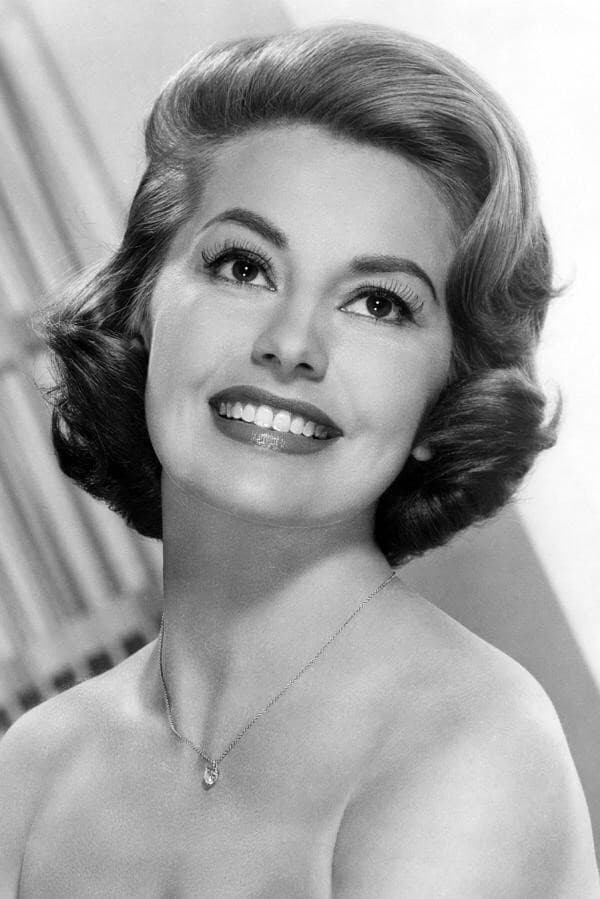
Recognized as one of the greatest dancers in Hollywood history, this actress rarely used her own singing voice in her films. In the 1953 musical ‘The Band Wagon’, her vocals were provided by India Adams. Adams also dubbed her in ‘Silk Stockings’ (1957), while Carol Richards provided the singing for her in ‘Brigadoon’ (1954). The actress often expressed that she was a dancer first and felt more comfortable letting professional singers handle the musical sequences. Her incredible physical grace on screen was so captivating that audiences rarely questioned the source of the voice.
Sophia Loren
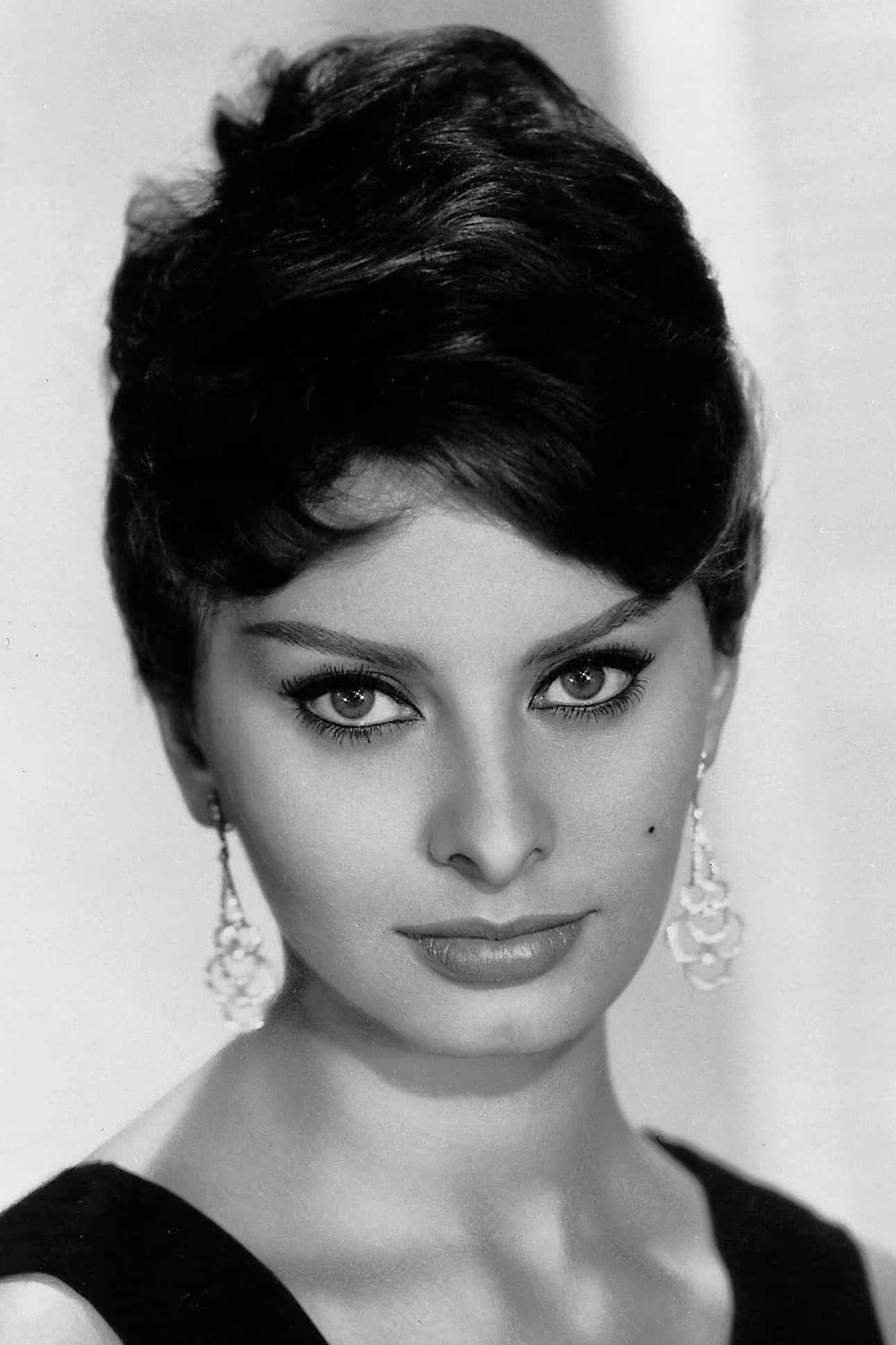
This international icon appeared in the 1957 film ‘Boy on a Dolphin’, where her character performs a traditional Greek song. Although she is a capable singer, the producers brought in Marni Nixon to provide the vocals for the song “S’agapo.” The dubbing was intended to ensure the vocal quality matched the high standards of the film’s soundtrack. Nixon worked hard to mimic the actress’s specific accent and breathy delivery to keep the illusion intact. Many viewers remained unaware of the dubbing because the vocal tone was so closely aligned with her speaking voice.
Ava Gardner

For her role as Julie LaVerne in the 1951 version of ‘Show Boat’, this actress spent considerable time practicing her songs. She actually recorded her own vocals for “Can’t Help Lovin’ Dat Man” and “Bill,” but the studio executives decided to replace them with recordings by Annette Warren. The decision was made because they wanted a more polished, traditional musical sound for the film’s release. Her original recordings were later released on the soundtrack and in special editions of the movie, allowing fans to compare the two versions. Despite the dubbing, her sultry screen presence made the character’s tragic arc deeply resonant.
Minnie Driver
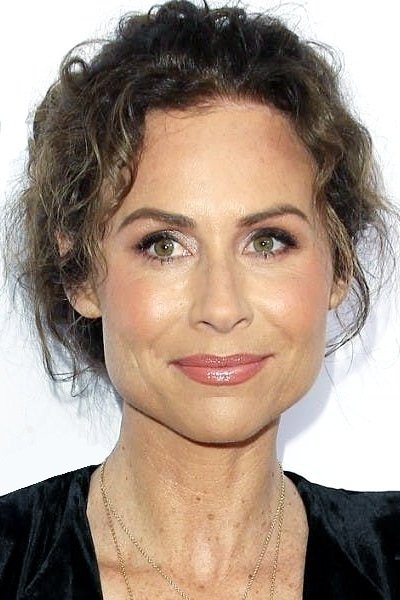
In the 2004 film adaptation of ‘The Phantom of the Opera’, this actress played the flamboyant operatic diva Carlotta Giudicelli. While she is a professional singer in her own right, the role required a specialized operatic soprano range that she did not possess. Professional opera singer Margaret Preece was hired to provide the singing voice for the character’s demanding arias. The actress stayed true to her role by providing her own vocals for the end-credits song “Learn to Be Lonely,” which was written specifically for her range. This distinction allowed her to showcase her real talent while maintaining the operatic authenticity of the film.
Claudette Colbert
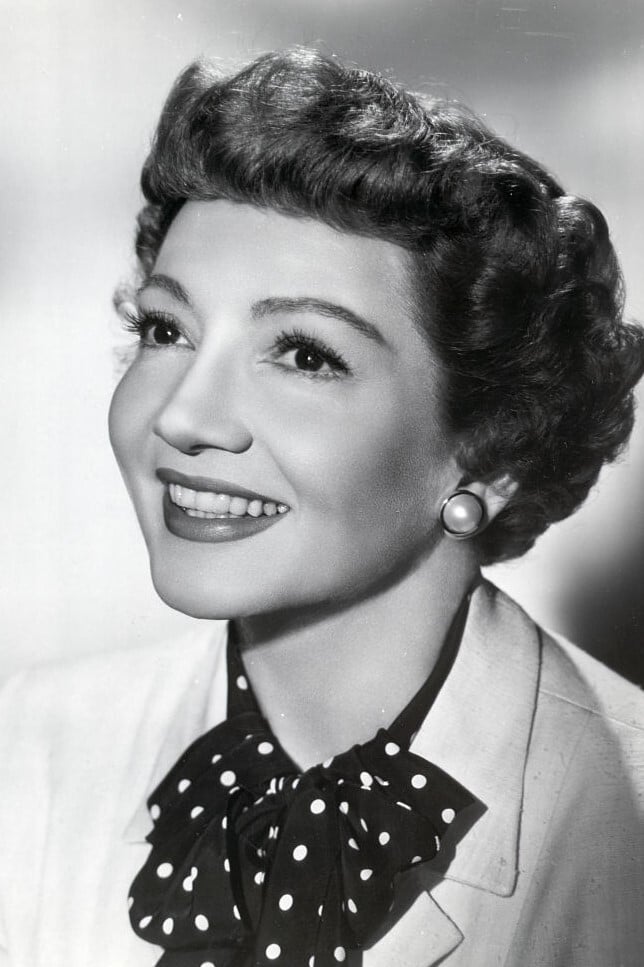
During the 1930s and 40s, this actress was one of the highest-paid stars in the world and appeared in several films with musical elements. In the 1938 film ‘Zaza’, her musical performances were dubbed by Martha Mears. Mears was the go-to singer for actresses whose voices were deemed too light for the orchestral arrangements of the era. The actress’s sophisticated image was maintained by the high-quality vocal work provided behind the scenes. Like many stars of the time, she did not receive public credit for the dubbing to keep the studio’s “perfect star” illusion alive.
Hedy Lamarr
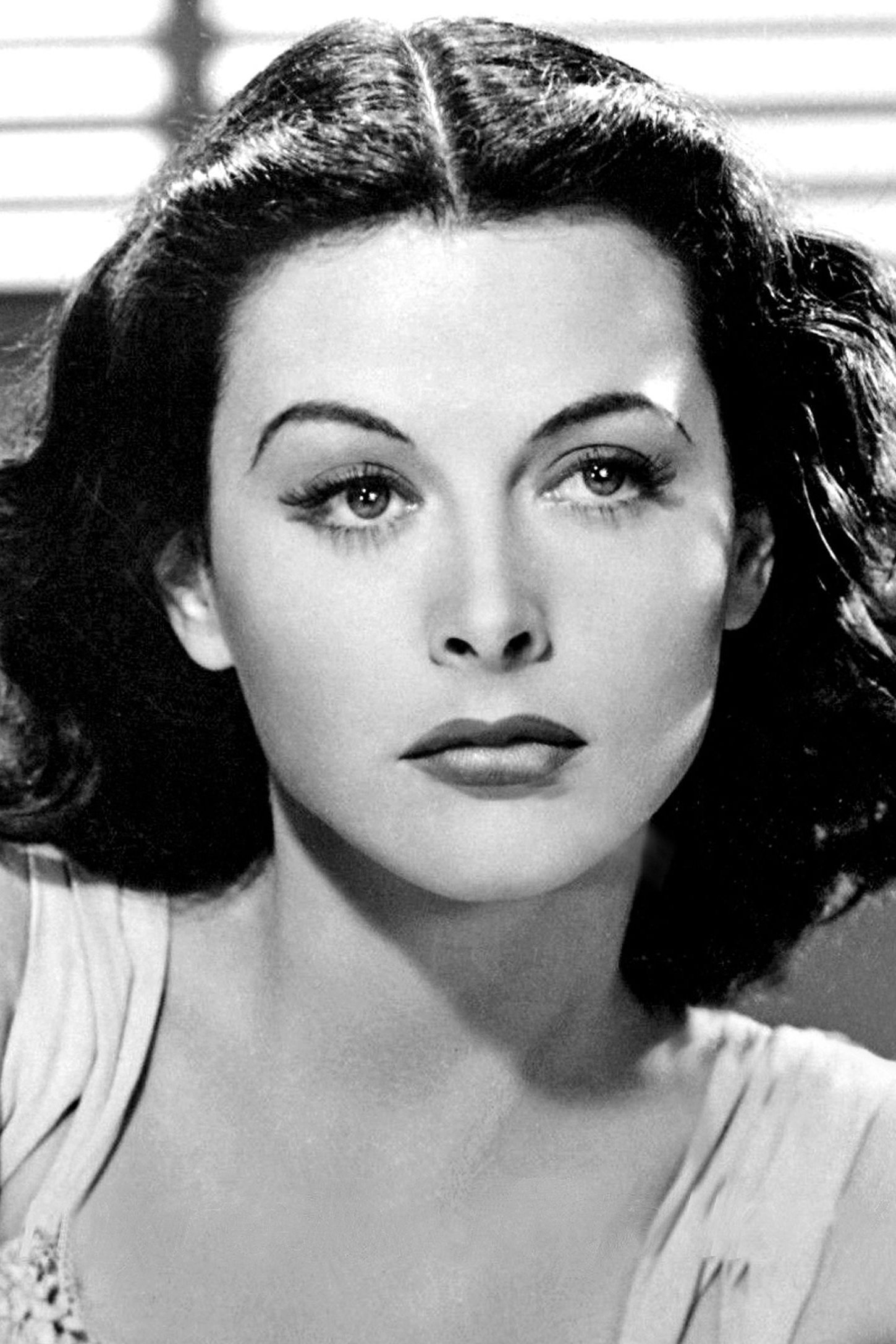
Known more for her stunning beauty and scientific inventions, this actress also appeared in musical roles during the Golden Age. In the 1939 film ‘Lady of the Tropics’, her singing voice was provided by Martha Mears. The studio felt that her accent and vocal tone, while perfect for dialogue, were not suited for the film’s romantic ballads. Mears was able to adapt her singing style to match her sophisticated persona, making the transition between speaking and singing appear natural. This allowed the actress to focus on her performance while Mears ensured the musical numbers were technically flawless.
Veronica Lake
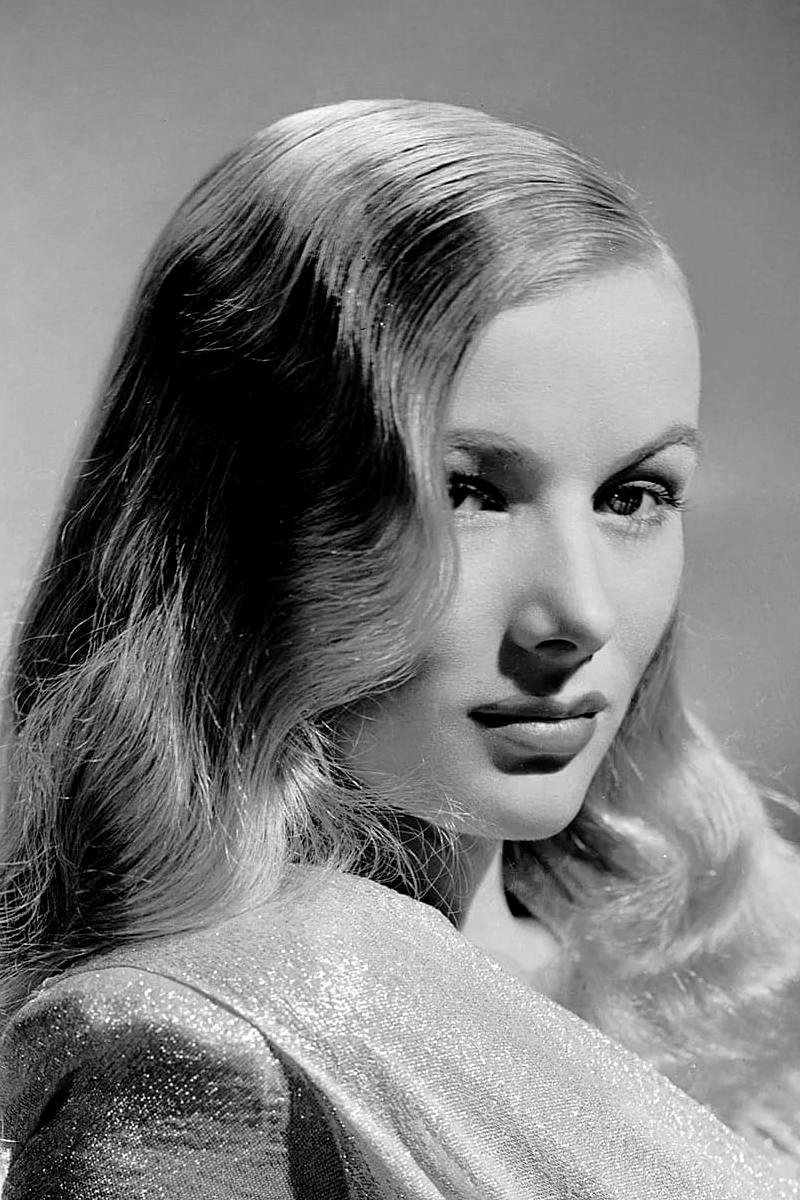
Famous for her “peek-a-boo” hairstyle and noir roles, this actress occasionally appeared in films that required a musical touch. In the 1942 thriller ‘This Gun for Hire’, she plays a nightclub singer, but the vocals were actually provided by Martha Mears. Mears’ deeper, more resonant singing voice was used to match the atmospheric and moody setting of the film. The actress’s performance was so convincing that the dubbing remained a little-known fact among general audiences for years. This practice was common for Paramount Pictures, which frequently used Mears to support their non-singing stars.
Loretta Young
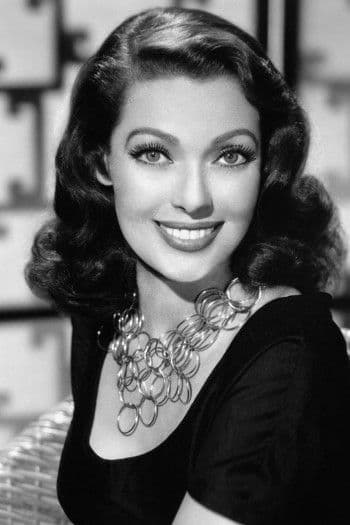
This Academy Award-winning actress appeared in ‘The Men in Her Life’ (1941), a drama that required her character to perform musically. Her singing in the film was dubbed by Martha Mears, who was at the height of her career as a ghost singer. The actress was known for her refined and elegant presence, and the studio wanted a singing voice that reflected that same level of sophistication. Mears provided the necessary vocal weight to make the character’s musical career believable to the audience. The collaboration was kept quiet, as was the industry standard during that period of Hollywood history.
Esther Williams
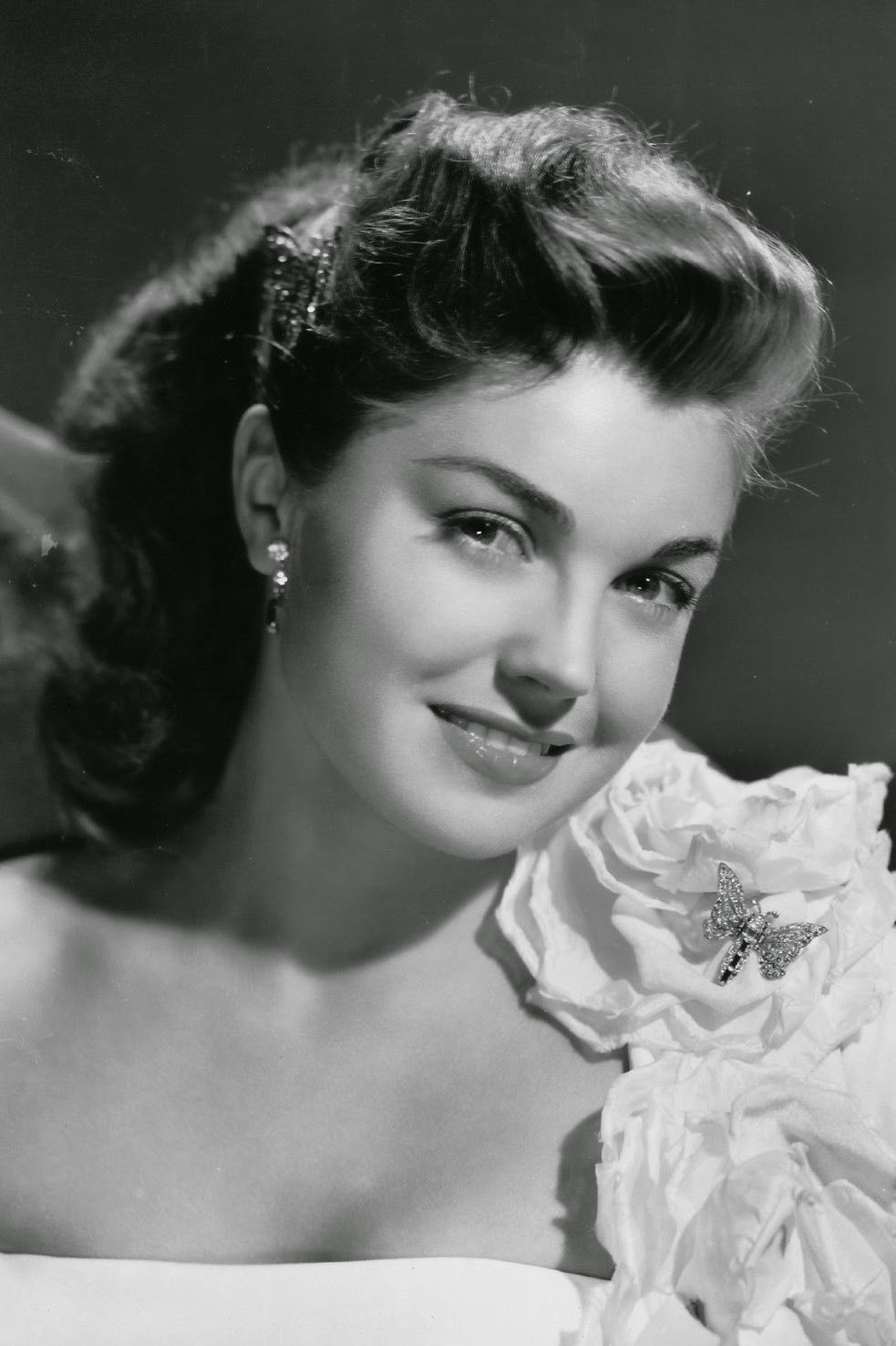
While she was primarily known as “America’s Mermaid” for her elaborate swimming sequences, this actress also headlined many musicals. In films like ‘Easy to Love’ (1953), her singing parts were often dubbed by Jo Ann Greer. Greer was a frequent collaborator for stars who were primarily known for their physical talents, such as dancing or swimming. The actress’s cheerful on-screen persona was well-complemented by Greer’s bright and clear vocal style. This enabled the studio to produce high-budget spectacles that featured top-tier athletics and music simultaneously.
Susan Kohner
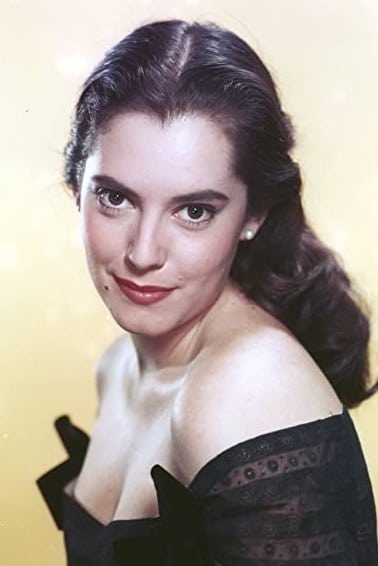
In the 1959 drama ‘Imitation of Life’, this actress played the role of Sarah Jane, a young woman who tries to pass as white and pursues a career as a performer. When her character performs in a nightclub, the singing voice heard is actually that of Jo Ann Greer. Greer’s professional jazz-influenced vocals added a layer of realism to the character’s aspirations of stardom. The actress received critical acclaim and an Oscar nomination for her dramatic performance, with the vocal dubbing supporting the emotional weight of her scenes. This remains one of the most effective uses of ghost singing in a non-musical drama.
June Allyson
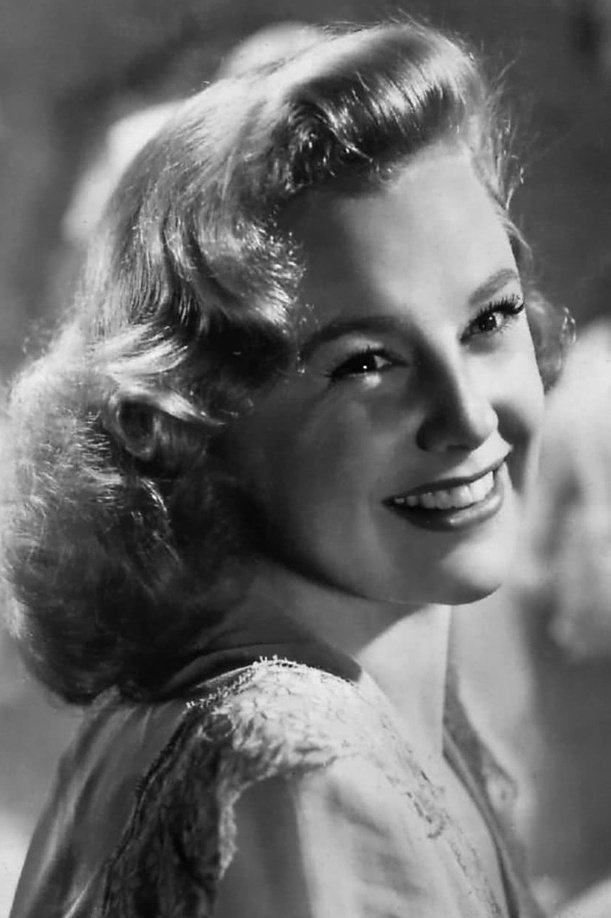
Often cast as the “girl next door” in MGM musicals, this actress had a raspy and distinctive speaking voice that fans loved. However, for certain high-production musical numbers in films like ‘The Opposite Sex’ (1956), she was dubbed by Jo Ann Greer. The studio felt that her natural singing voice lacked the range and power needed for the larger orchestral arrangements. Greer worked to incorporate some of the actress’s natural rasp into the singing to make the dubbing less obvious to the viewers. This allowed the star to remain the focus of the film while the music met the studio’s rigorous standards.
Joan Leslie
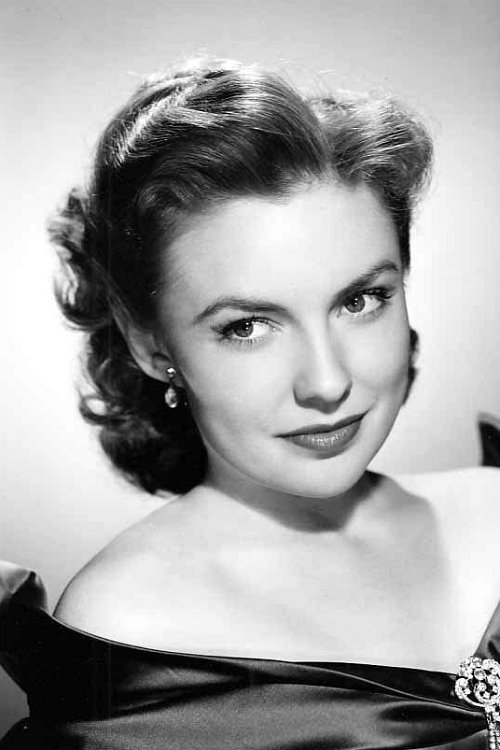
This actress is best known for her role as Mary in ‘Yankee Doodle Dandy’ (1942), where she played the wife of George M. Cohan. Her singing in the film was provided by Sally Sweetland, a prolific session singer who also worked on various Disney projects. While the actress could sing, the production required a very specific musical theater tone that Sweetland was able to provide. She also dubbed the actress in ‘Rhapsody in Blue’ (1945), further cementing their professional connection. These contributions were essential in creating the patriotic and grand musical atmosphere of the era’s biopics.
Margaret O’Brien
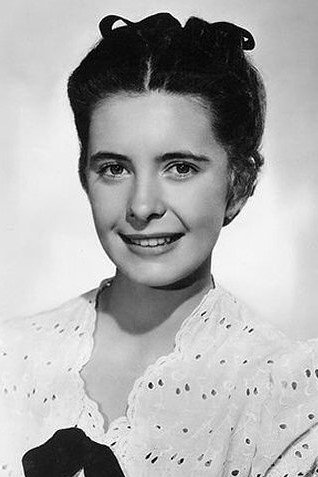
As a prominent child star of the 1940s, this actress was known for her intense emotional acting and dramatic range. In the 1949 film ‘The Secret Garden’, she has a musical moment that was dubbed by a young Marni Nixon. This was one of Nixon’s earliest roles as a ghost singer, setting the stage for her legendary career in Hollywood. The studio wanted a pure, bell-like vocal quality that the young actress could not produce on her own. This successful collaboration helped maintain the magical and innocent tone required for the classic children’s story.
Tell us which of these secret musical talents surprised you the most in the comments.