


Actresses Who Successfully Lied About Their Nationality or Background to Get Cast

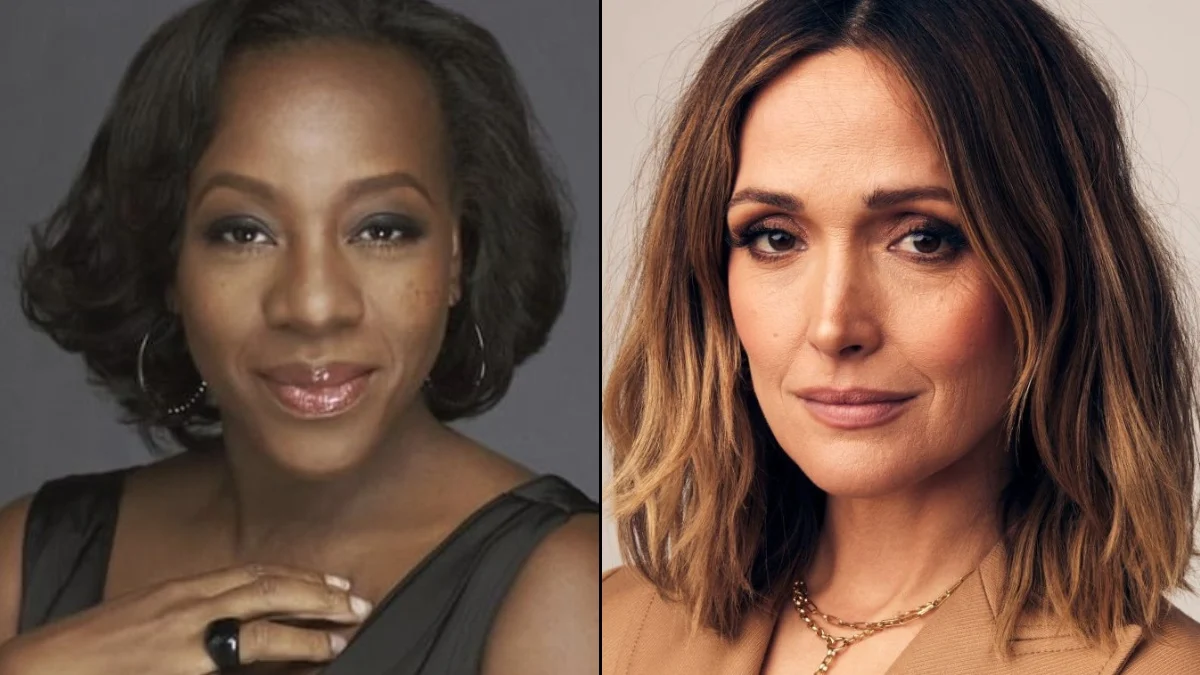


The film industry has long been a place where identity can be as fluid as a script. For decades, actresses have navigated the complex landscape of Hollywood by altering their origins, whether to avoid prejudice or to fit a specific “all-American” mold. Some used flawless accents to deceive casting directors, while others allowed studios to fabricate entirely new biographies to enhance their marketability. These stories highlight the lengths to which performers will go to secure a career-defining role and the impact of those deceptions on cinematic history.
Theda Bara
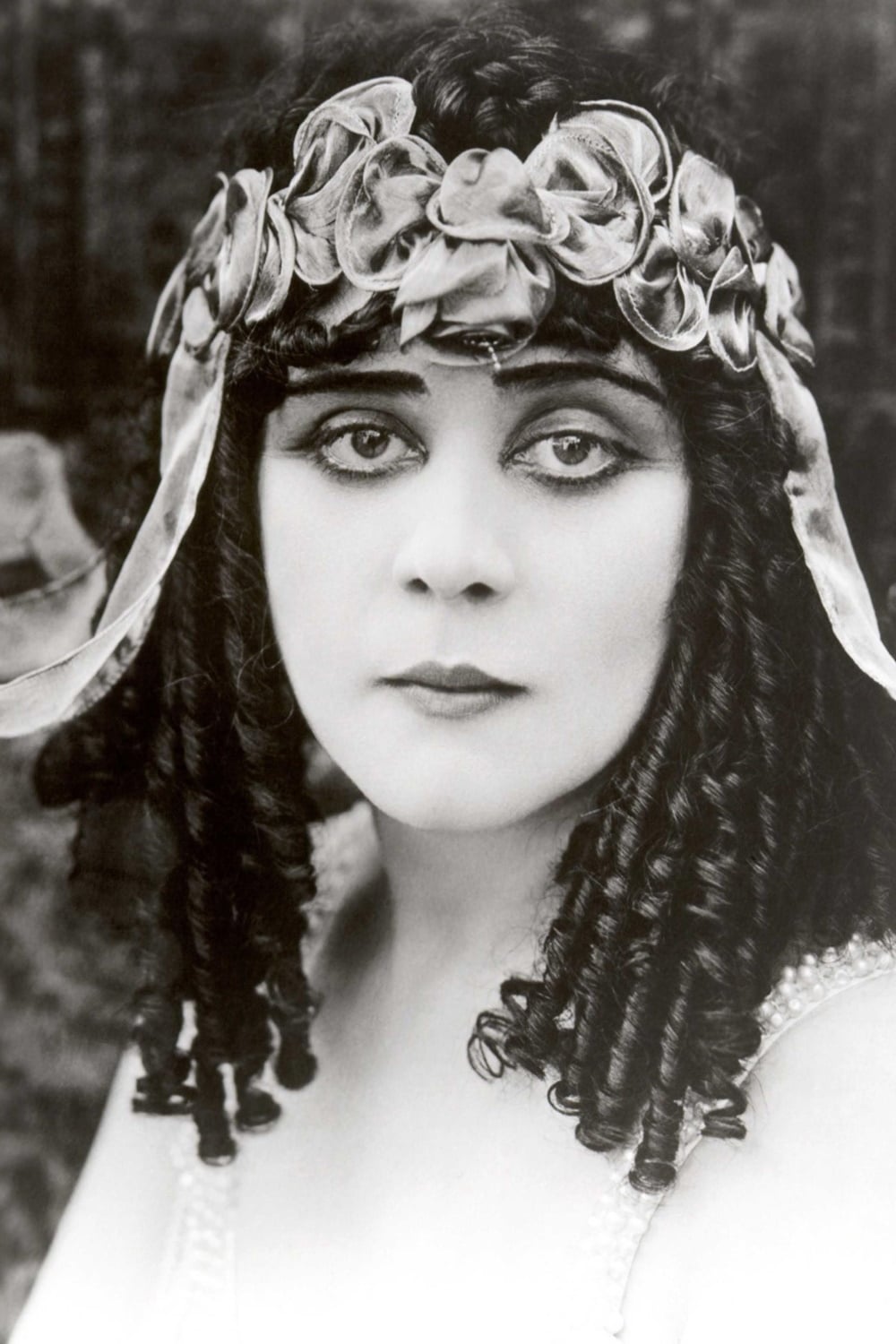
Theodosia Goodman became one of cinema’s first sex symbols after Fox Studios fabricated a completely new identity for her. To boost her appeal as a mysterious “vamp,” the studio claimed she was the daughter of an Arab sheik and a French woman, born in the shadow of the Sphinx. Bara played along with the elaborate lie, often giving interviews in darkened rooms while surrounded by incense and Egyptian artifacts. In reality, she was the daughter of a tailor from Cincinnati, Ohio. Her manufactured persona successfully captivated audiences throughout the silent film era.
Merle Oberon
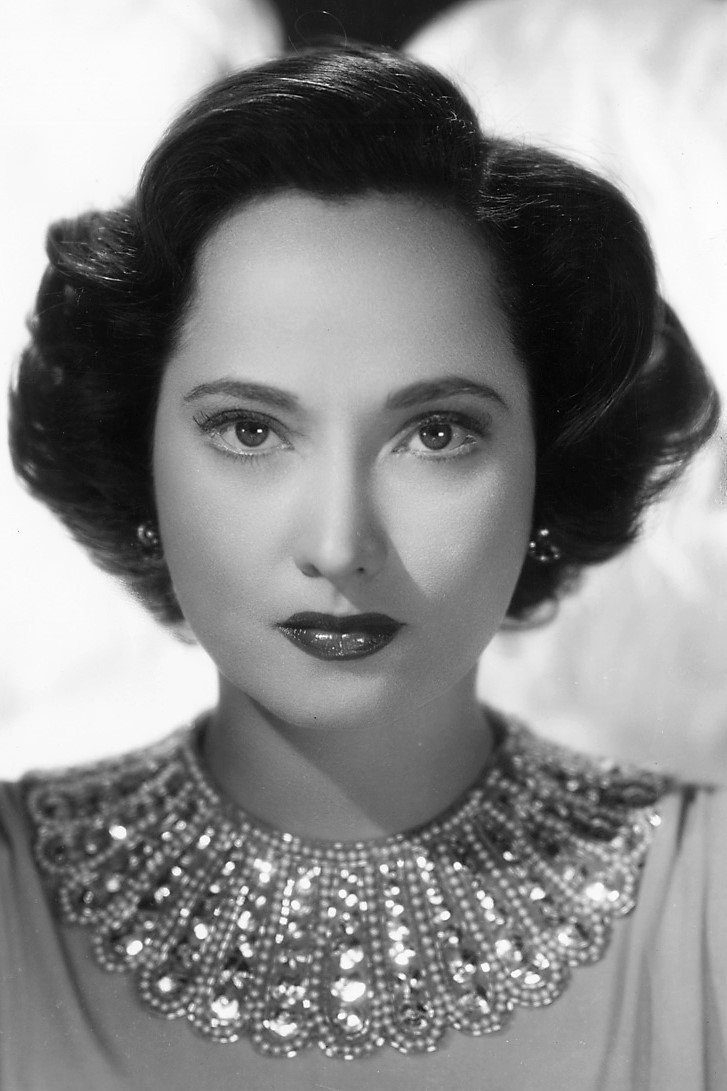
Merle Oberon spent her entire career hiding her true origins to avoid the racial prejudices of the early 20th century. While she claimed to have been born in Tasmania, Australia, she was actually born in Mumbai, India, to a mother of South Asian and Māori descent. Oberon went to great lengths to maintain the deception, even using light-colored makeup to pale her skin tone on screen. She never publicly admitted her heritage, fearing that the truth would end her career as a leading lady in Hollywood. It was only after her death that her actual birth records were discovered by researchers.
Rita Hayworth
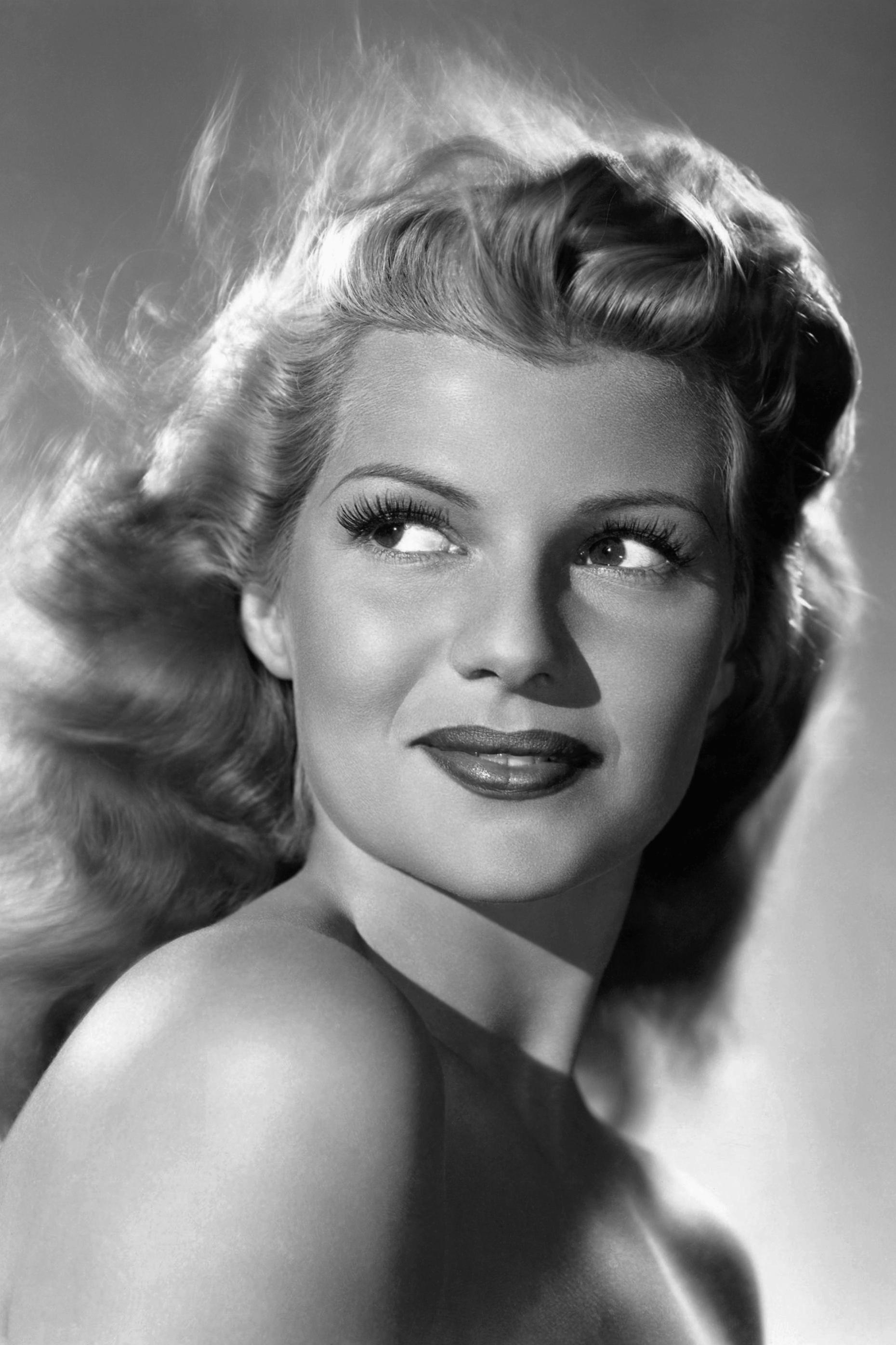
Originally known as Margarita Carmen Cansino, this legendary star had to hide her Spanish heritage to succeed in the studio system. At the behest of executives, she underwent painful electrolysis to raise her hairline and dyed her dark hair a signature red. She changed her name to Hayworth, using her mother’s maiden name, to sound more “American” and less “ethnic.” These changes allowed her to be cast in roles that were previously unavailable to Latina actresses during that era. Her transformation was so complete that many fans never realized her true background during her peak years of stardom.
Raquel Welch

Raquel Welch was born Jo Raquel Tejada and faced significant pressure to hide her Bolivian ancestry early in her career. Producers encouraged her to keep her married name and avoid mentioning her Latino roots to maximize her appeal to mainstream audiences. She was frequently cast as the “all-American” beauty or in generic exotic roles that ignored her specific South American heritage. Welch later spoke about the internal conflict of having to suppress her identity to secure leading roles in the 1960s. She eventually embraced her heritage later in life, becoming a proud representative of the Latino community.
Carol Channing
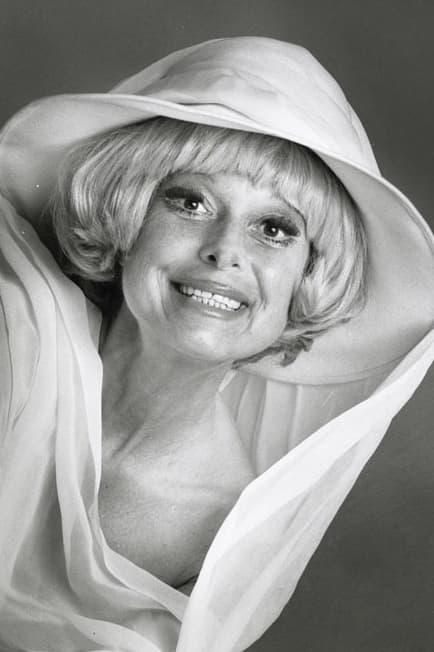
The Broadway and film legend Carol Channing hid a significant part of her identity for over half a century to ensure her career longevity. Her father was multiracial, making her part African American, a fact she kept secret from the public until her autobiography was published in 2002. She feared that if the truth were known early on, she would be denied the comedic and “blonde bombshell” roles that made her famous. Channing felt that the industry at the time would not have allowed her to become a mainstream star if her racial background were public knowledge. This personal secret remained hidden even as she became a household name.
Portia de Rossi
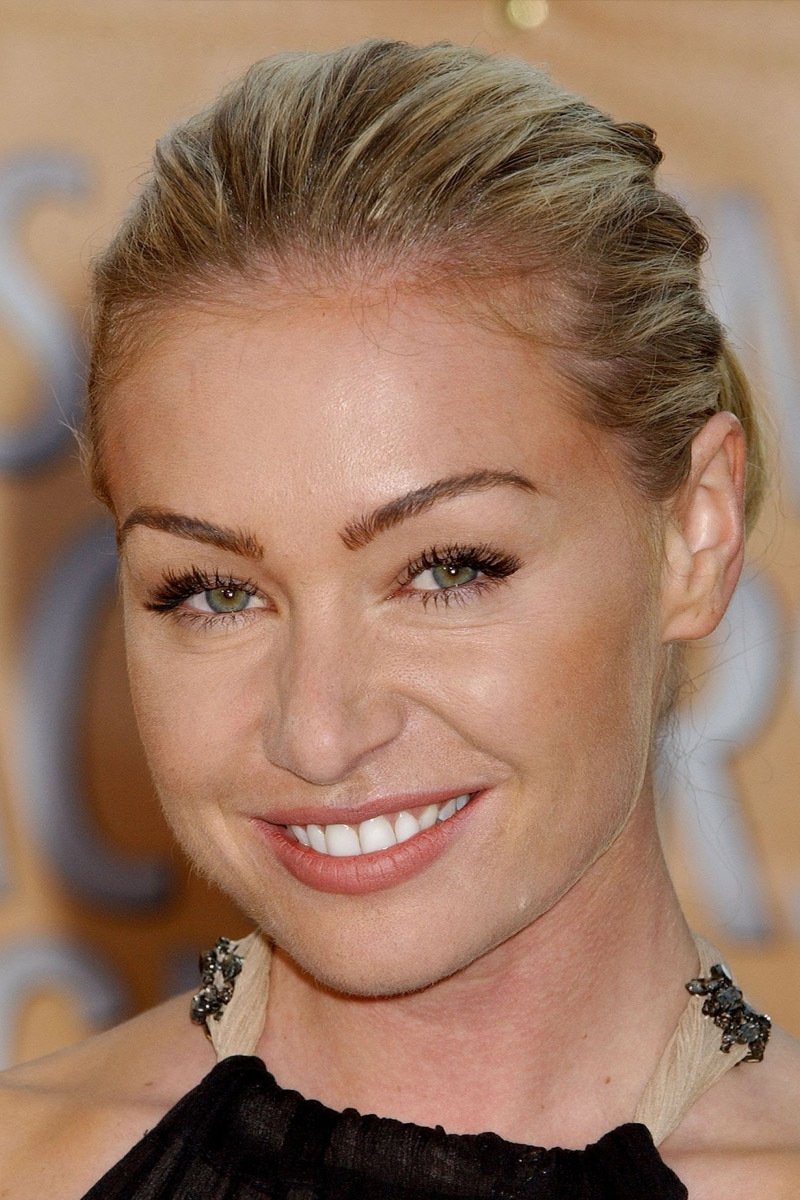
When Portia de Rossi first arrived in Hollywood from Australia, she realized that her natural accent might limit her casting opportunities. For her audition for the hit series ‘Ally McBeal’, she adopted a flawless American accent and did not disclose her true nationality. The producers were completely convinced she was American and only discovered her Australian roots after she had already been cast. She continued to use the accent for the duration of the show’s run, effectively launching her career in the United States. This strategic choice allowed her to avoid being pigeonholed as a foreign actress early in her journey.
Carey Mulligan
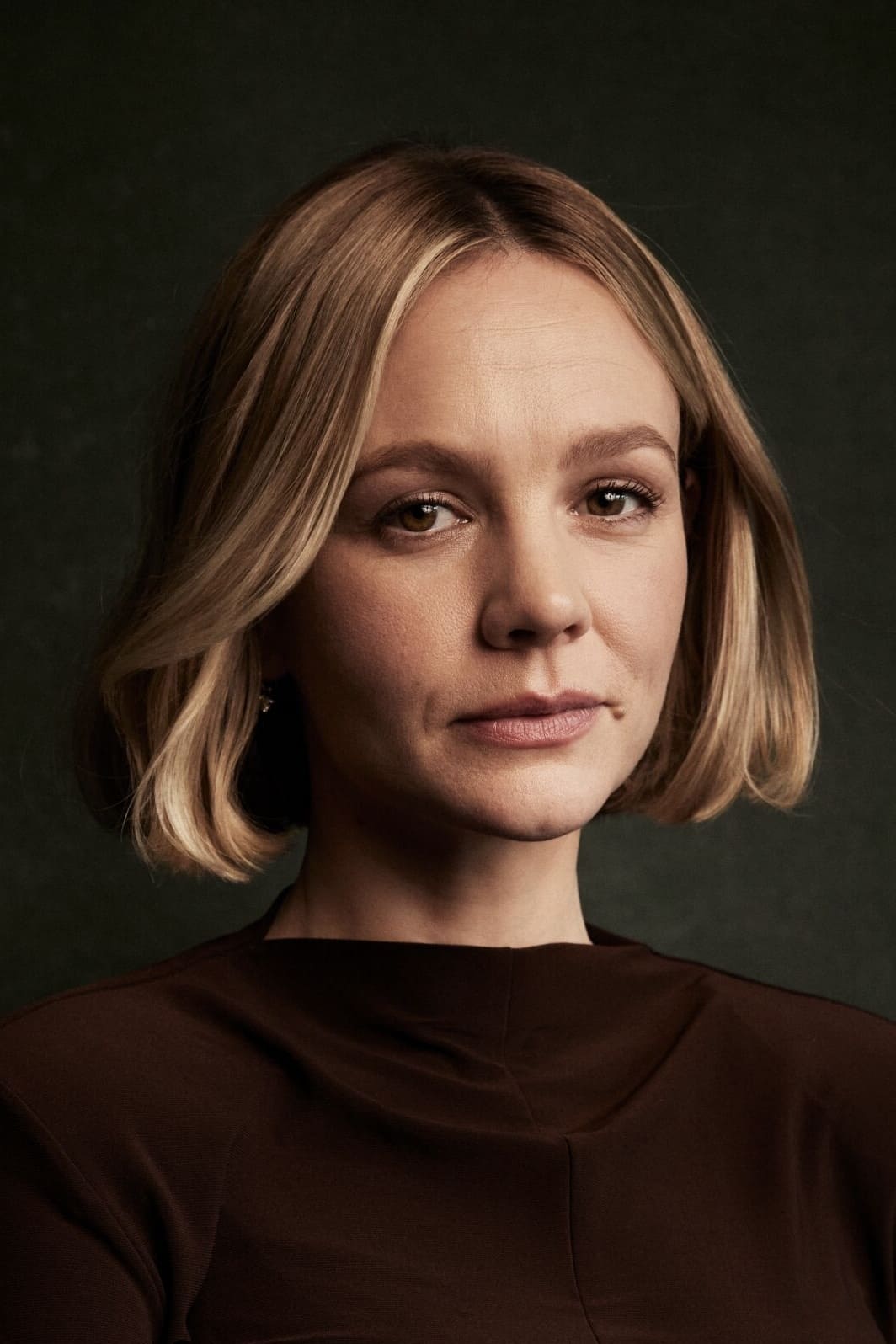
Carey Mulligan famously deceived director Nicolas Winding Refn during her audition for the film ‘Drive’. She maintained an American accent throughout their entire initial meeting, leading him to believe she was a domestic talent. It was not until after she had secured the role of Irene that she revealed her British nationality. Refn was reportedly surprised but impressed by her ability to maintain the persona so convincingly during their conversation. This performance helped solidify her reputation as a versatile actress capable of disappearing into diverse roles.
Kelly Macdonald
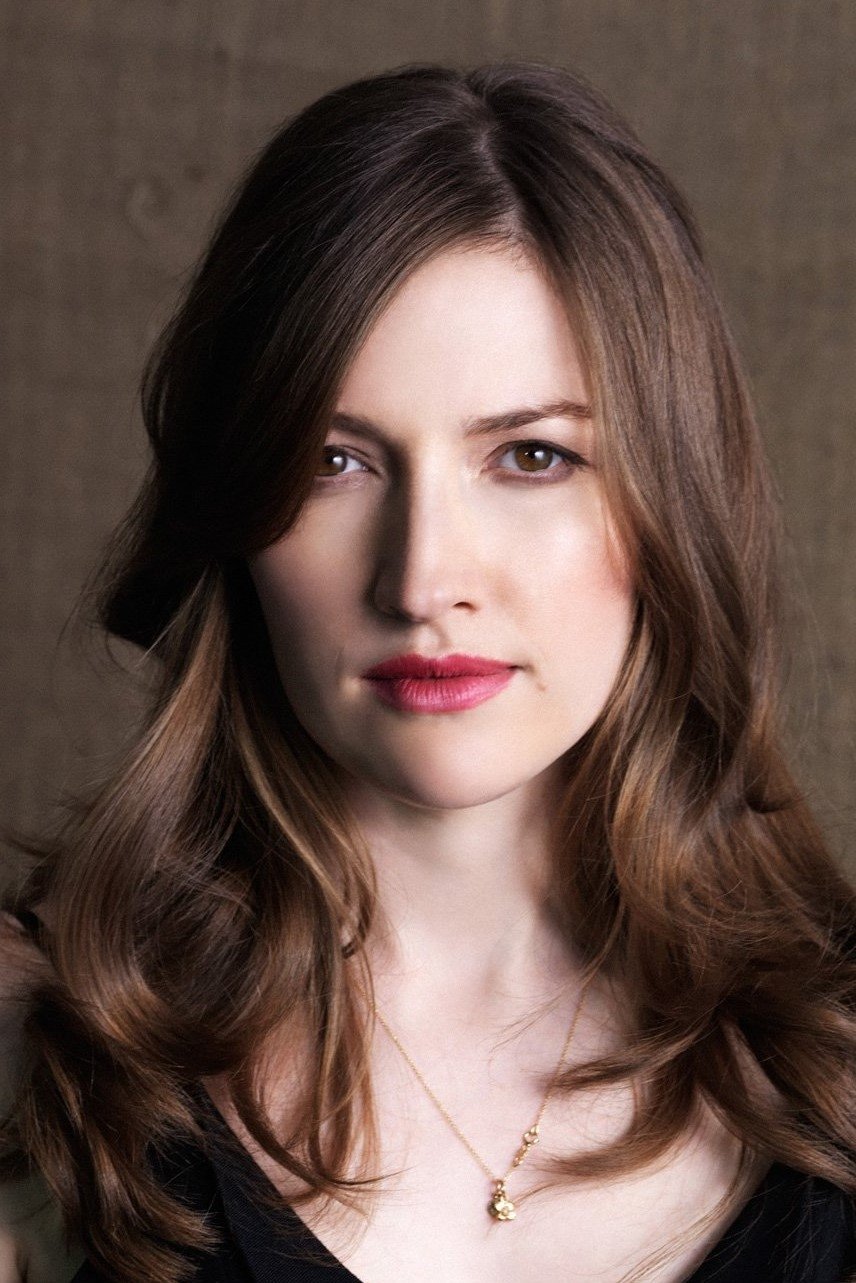
Scottish actress Kelly Macdonald faced a daunting challenge when auditioning for the Coen brothers’ film ‘No Country for Old Men’. She decided to commit fully to a West Texas accent, hiding her natural Glasgow dialect during the entire casting process. The directors were so convinced by her performance that they had no idea she was not American until the contract was finalized. Her convincing portrayal of Carla Jean Moss earned her critical acclaim and several prestigious award nominations. This success proved that her ability to mask her nationality was a key asset in her international career.
Marianne Jean-Baptiste
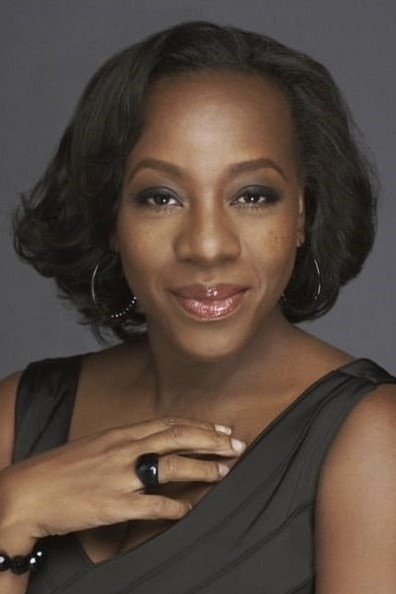
After experiencing a lack of diverse roles in the United Kingdom, Marianne Jean-Baptiste moved to the United States and changed her professional approach. She began using an American accent in all her auditions and professional meetings to circumvent any preconceived notions about British actors. This tactic worked, as she was cast as an American FBI agent in the long-running series ‘Without a Trace’. Many of her co-stars were shocked to learn months into production that she was actually from London. Her decision to hide her nationality was born out of a perceived necessity to find work that she felt was unavailable in her home country.
Rachel Griffiths
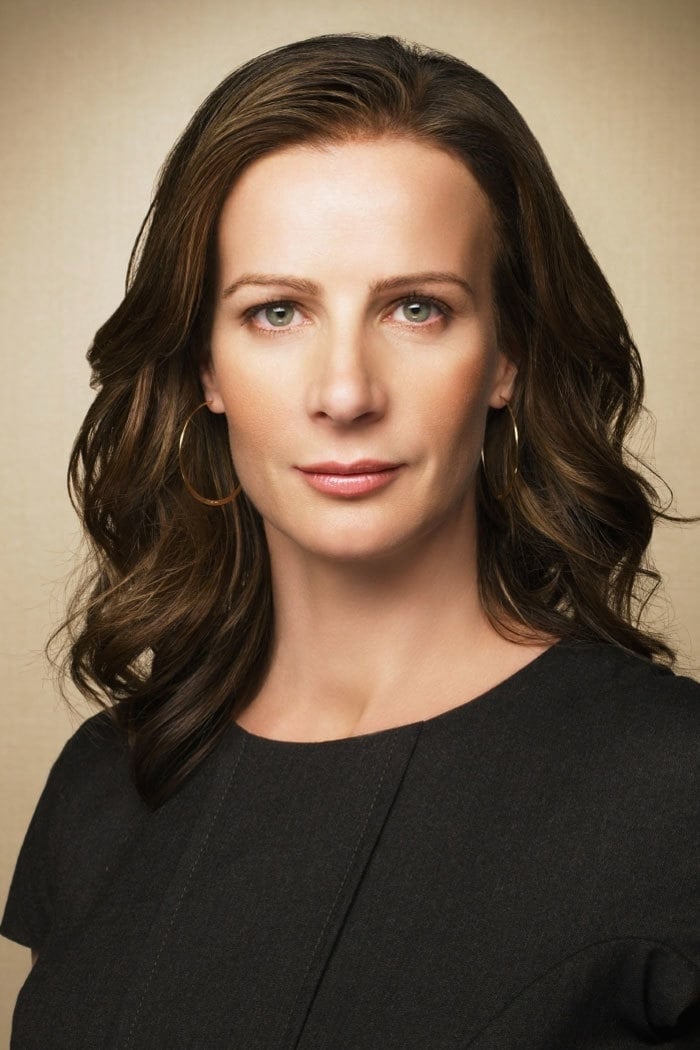
Rachel Griffiths is another Australian actress who successfully navigated the Hollywood system by concealing her background during high-stakes auditions. When she auditioned for the role of Brenda Chenowith in ‘Six Feet Under’, she spoke only in a California-inflected American accent. The creators of the show were under the impression that she was an American actress throughout the entire casting phase. It was only after she was officially hired that her true nationality became known to the production team. Her performance is still cited as one of the most convincing portrayals of an American character by a foreign actor.
Pola Negri
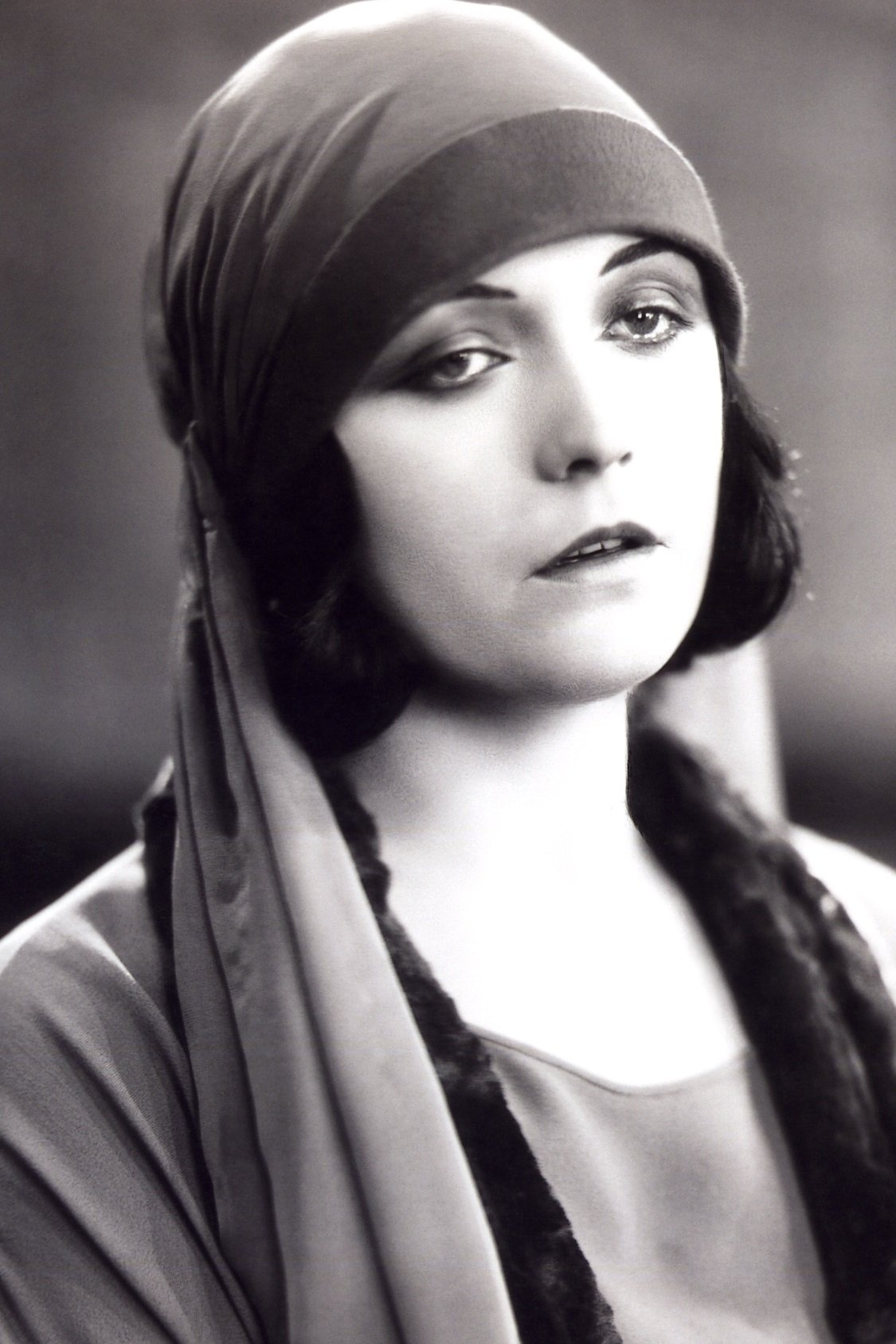
Pola Negri was a Polish actress who became a major star in Hollywood during the silent era thanks to a carefully constructed lie. Her studio fabricated an elaborate history, claiming she was a descendant of European royalty with a tragic and mysterious past. This persona was designed to compete with other “exotic” stars of the time and was maintained through staged publicity events and interviews. Negri embraced this fictional nationality and background to maintain her status as a glamorous international icon. The deception was a standard practice in the early studio system to create larger-than-life personas.
Maria Montez
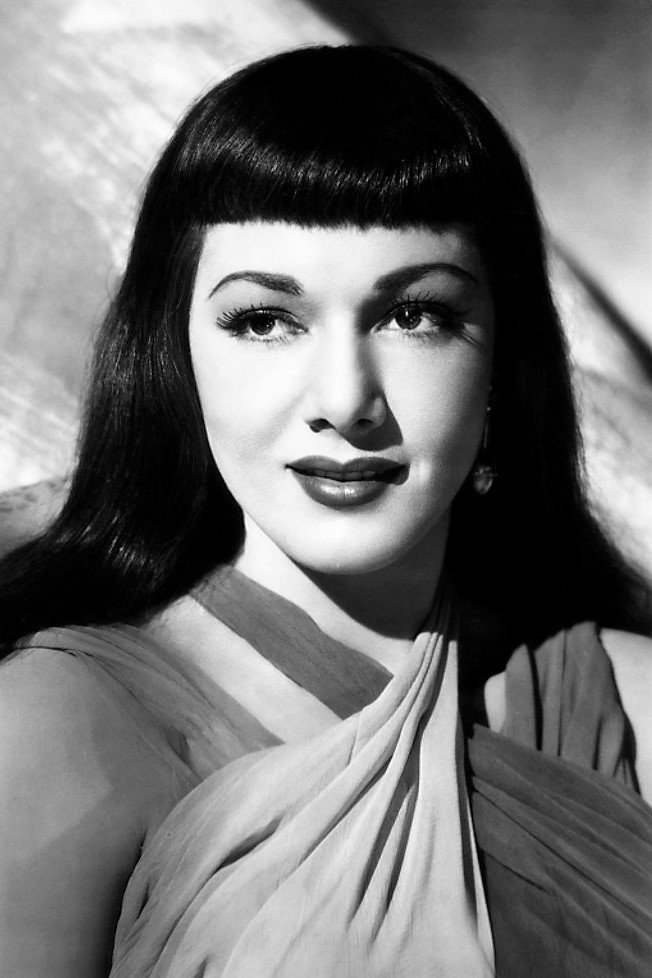
Maria Montez, a major star of the 1940s, was often marketed as the “Queen of Technicolor” with a fabricated origin story. She claimed to be a member of the Dominican Republic’s high aristocracy and often embellished details about her upbringing to seem more regal. In reality, while she was from the Dominican Republic, her background was more modest than the studio’s press releases suggested. She also hid her true age, a common practice at the time, to ensure she remained eligible for leading roles. Her success in adventure films was largely built on this manufactured, aristocratic persona.
Thekla Reuten
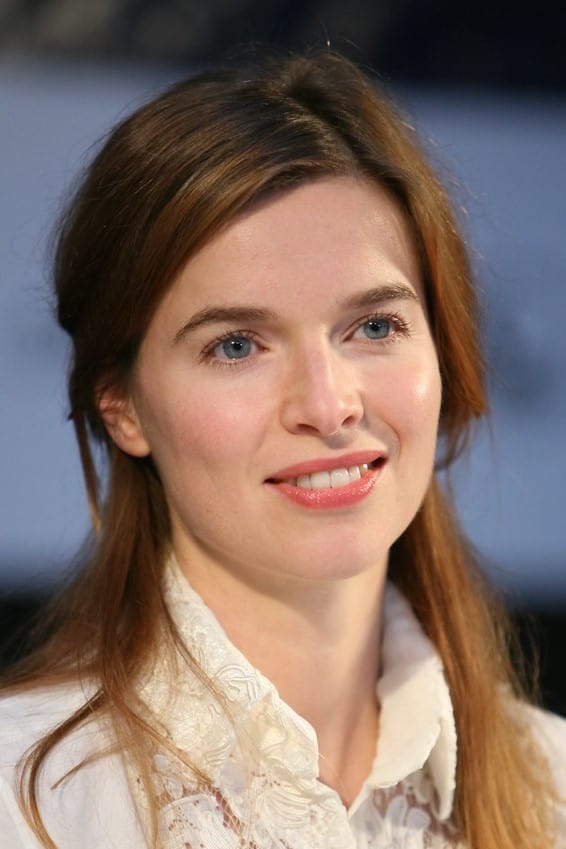
Dutch actress Thekla Reuten has admitted to hiding her true nationality during the casting process for various international projects. She found that when she identified as Dutch, she was frequently overlooked for roles that were not specifically written for someone from the Netherlands. By presenting herself as American or generically European, she was able to land roles in major films like ‘The American’ and ‘Red Sparrow’. Reuten believes that being ambiguous about her origin allows casting directors to see her potential in a wider range of characters. This approach has helped her build a successful career across multiple countries.
Rose Byrne
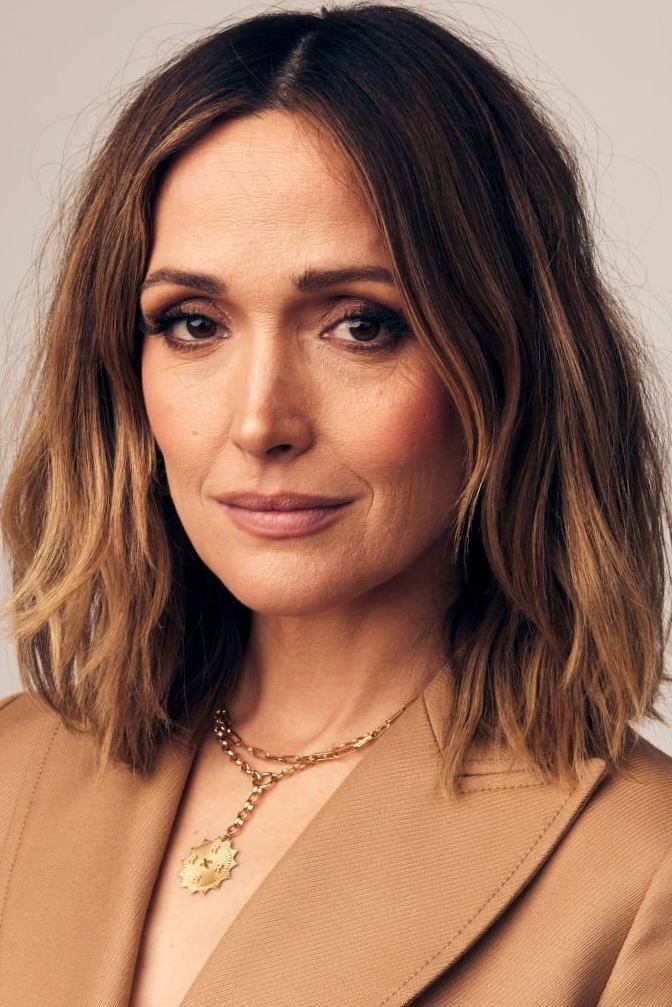
Rose Byrne utilized a strategic approach to her early career in the United States by hiding her Australian accent during meetings. She frequently attended auditions speaking only in an American accent to avoid being seen as a “foreign” actress by casting directors. This led many industry professionals to believe she was a local talent, which helped her secure roles in projects like the legal thriller ‘Damages’. She has since noted that once she established herself, she felt more comfortable revealing her true background. Her ability to pass as American was instrumental in overcoming the hurdles many international actors face.
Naomie Harris
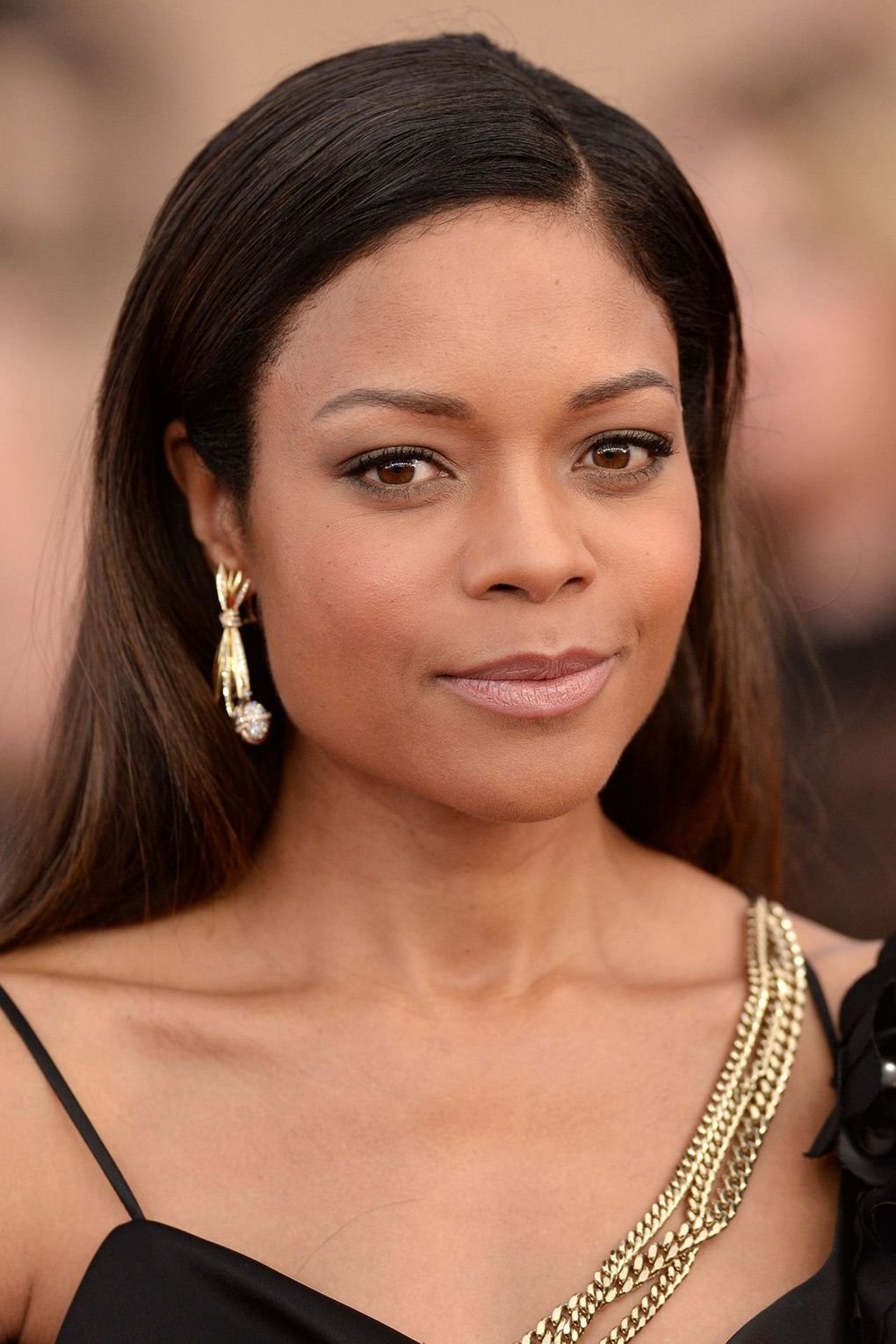
Naomie Harris used a deceptive tactic to secure her role in the action film ‘After the Sunset’. She chose to hide her British nationality and spoke in a consistent American accent throughout the entire audition and meeting process. The director and producers were completely unaware of her true origin until after the casting was finalized and production began. Harris felt that revealing her British background might have led the filmmakers to look for someone “more American” for the specific role. Her success in the film helped pave the way for her future roles in major franchises like ‘James Bond’.
Tell us which of these identity transformations surprised you the most in the comments.