


11 Adult Animated Series from the 90s/2000s That Hold Up Better Than Most Live-Action Shows

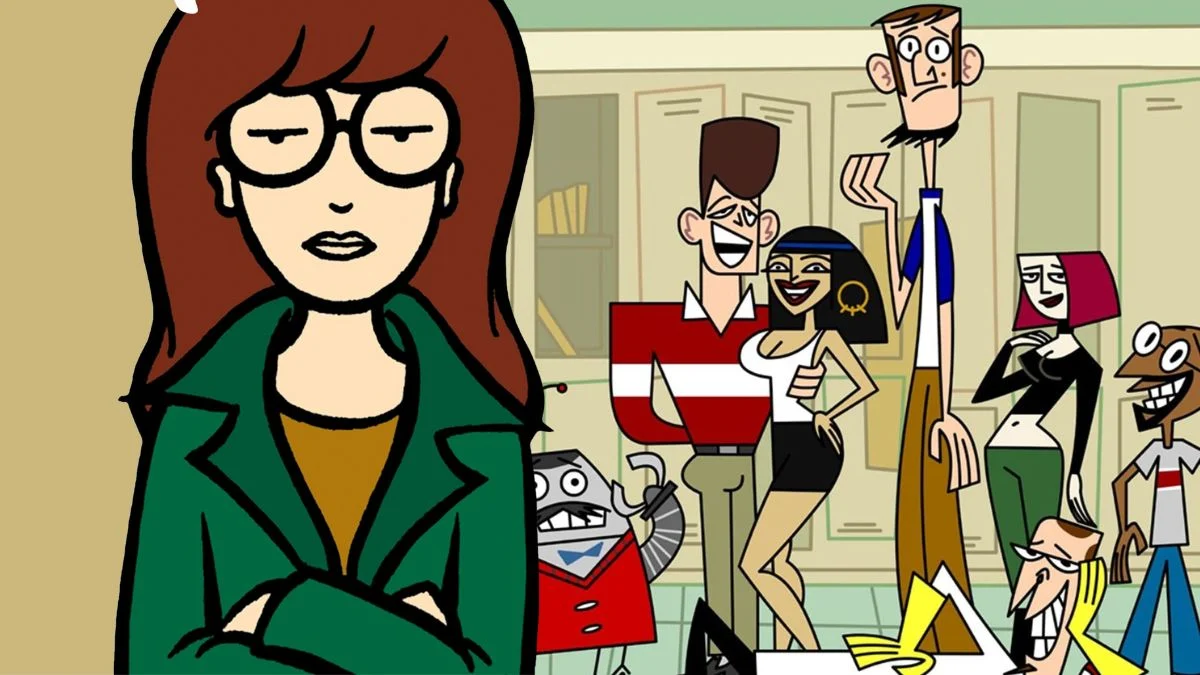


The landscape of television changed forever in the 1990s and 2000s with the explosion of animated series targeting mature audiences. These shows utilized the medium of animation to explore complex themes and push boundaries that live-action sitcoms could never touch. Writers discovered that drawing their characters allowed for sharper satire and more surreal humor. Many of these programs remain culturally relevant today because their commentary on society is timeless. The following series represent the creative peak of an era that redefined what cartoons could be.
‘South Park’ (1997–Present)
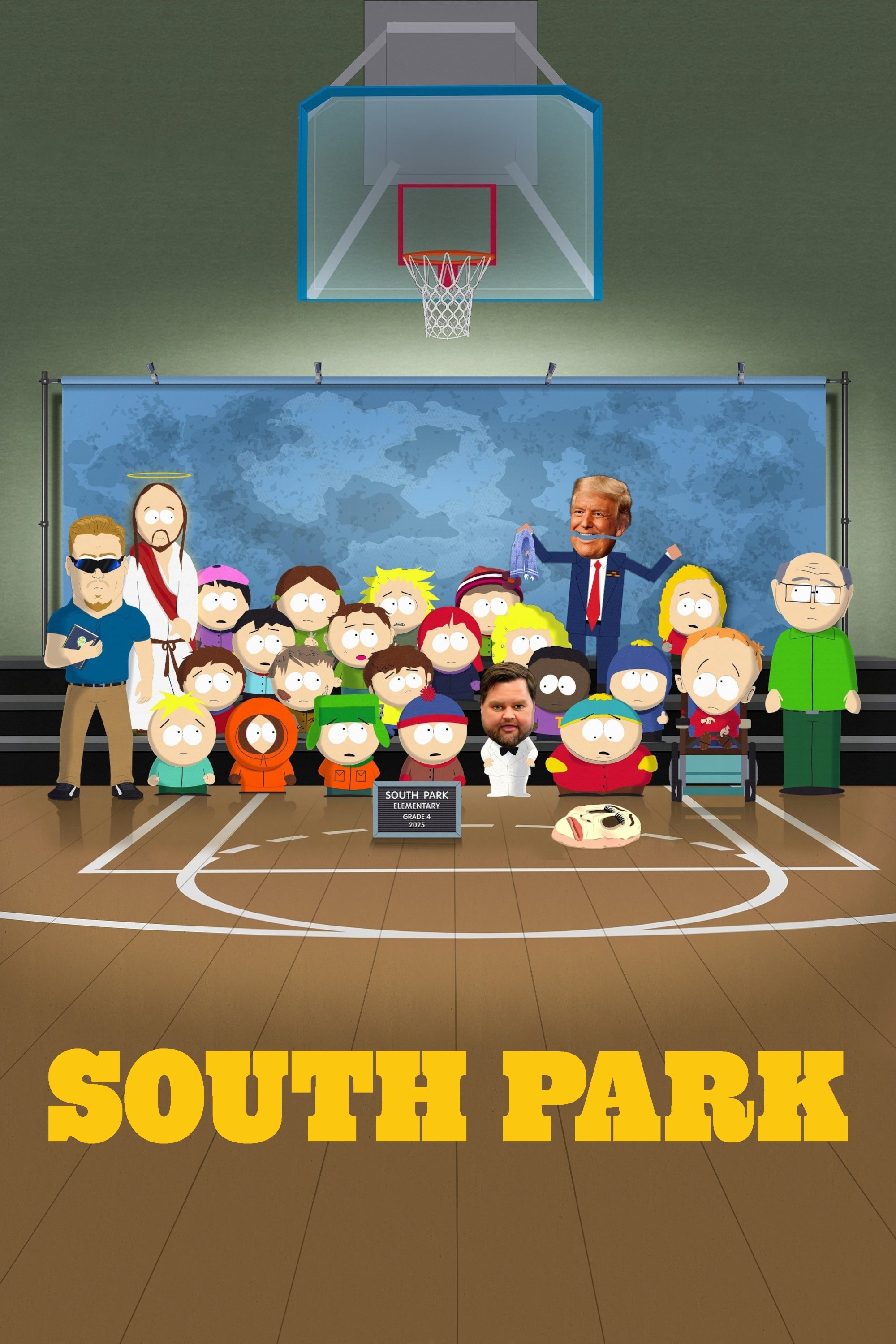
Trey Parker and Matt Stone utilize crude construction paper cutouts to deliver immediate social commentary from the perspective of four boys in Colorado. The quick production schedule allows the creators to react to news stories faster than any live-action production in history. Stan and Kyle often serve as the voice of reason while Cartman embodies the worst aspects of human nature. The show maintains its relevance through a fearless willingness to mock everyone equally regardless of political affiliation. It has evolved from simple shock humor into one of the most intelligent satires on television.
‘Futurama’ (1999–Present)
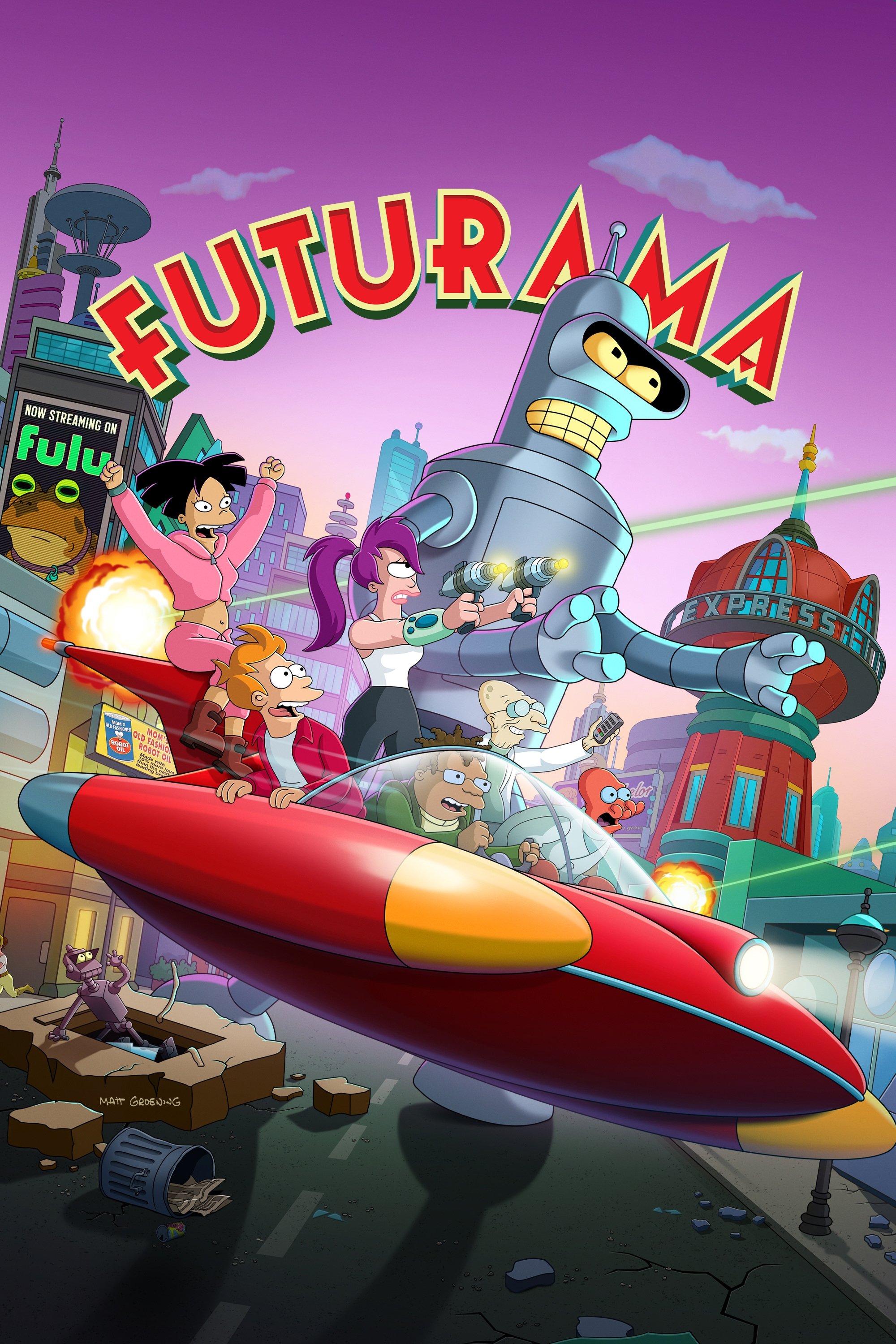
Fry wakes up one thousand years in the future to find a world filled with aliens and robots. The series uses its science fiction setting to explore contemporary issues through a lens of absurdity and high-concept mathematics. Bender serves as the lovable rogue who drinks alcohol to power his fuel cells while Leela provides competence as the ship captain. The writing strikes a delicate balance between slapstick comedy and genuinely emotional character moments. This show built a devoted cult following that revived it from cancellation multiple times.
‘King of the Hill’ (1997–2010)
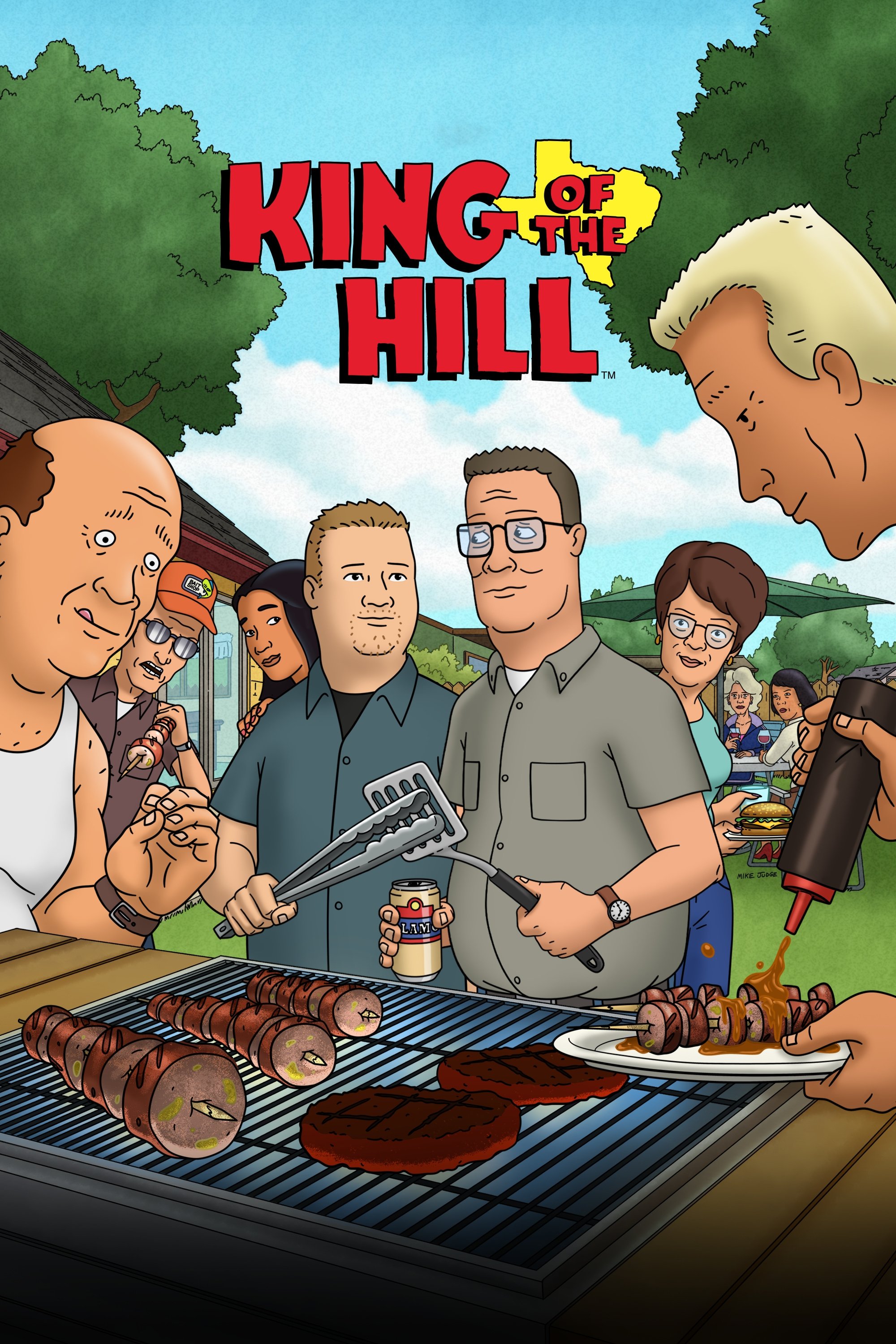
Mike Judge presents a grounded look at suburban life in Texas through the experiences of propane salesman Hank Hill. The humor derives from the realistic interactions between family members rather than fantastical situations or cutaway gags. Hank struggles to understand a rapidly changing modern world while trying to raise his son Bobby with traditional values. The writers treat the characters with dignity instead of turning them into caricatures of red state stereotypes. Its subtle observation of human behavior makes it feel more like a live-action dramedy than a cartoon.
‘Daria’ (1997–2002)

Daria Morgendorffer observes the superficial world of Lawndale High with biting sarcasm and intellectual detachment. The series captures the specific alienation of teenage life without resorting to melodramatic tropes found in other teen dramas. She relies on her best friend Jane Lane to navigate a social landscape filled with fashion obsession and administrative incompetence. The show resonates because it validates the feelings of outsiders who see through the hypocrisy of high school popularity. It remains a definitive portrayal of 90s disaffection and intelligent youth culture.
‘Family Guy’ (1999–Present)
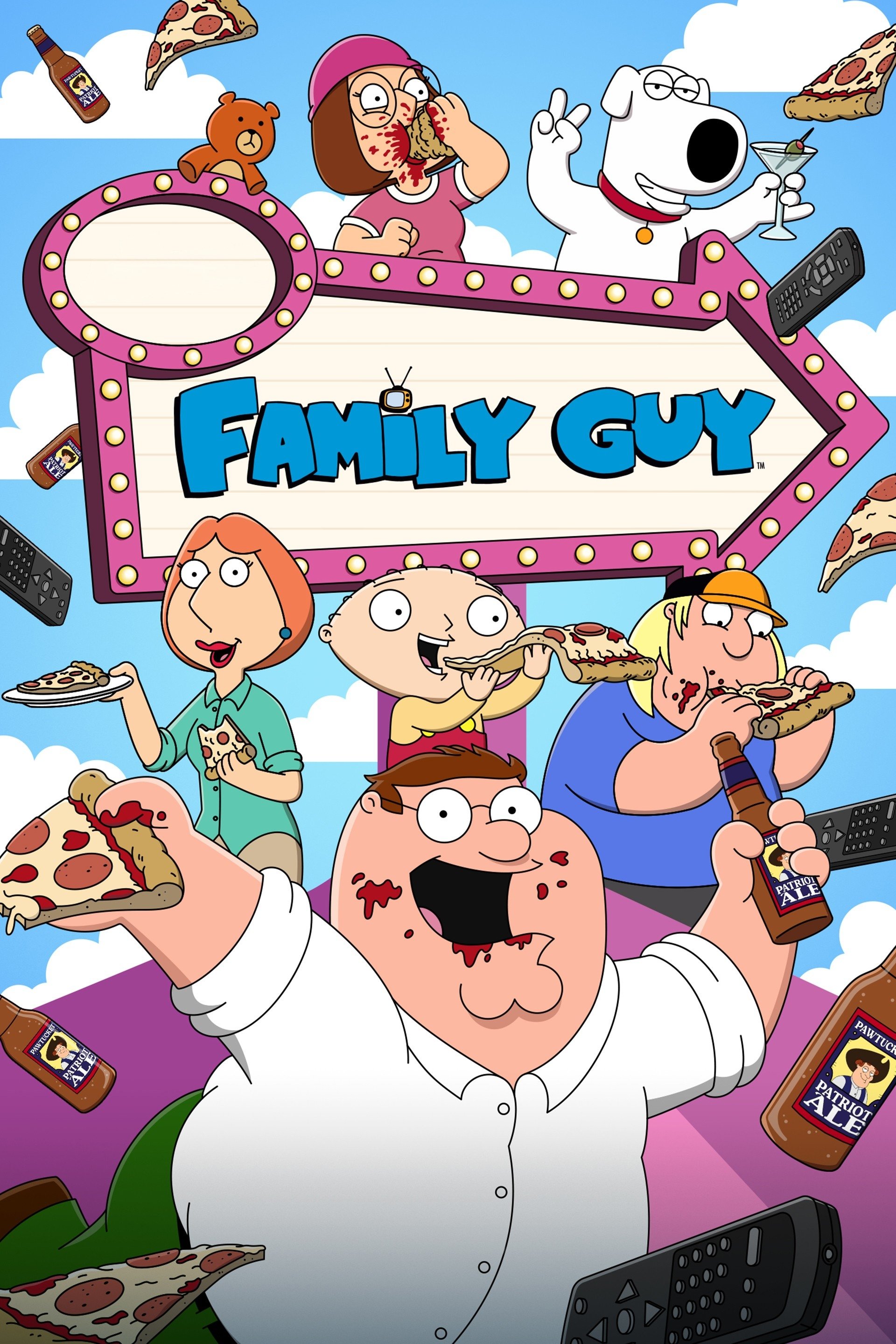
Peter Griffin acts as the bumbling patriarch of a dysfunctional family in Quahog Rhode Island. The show distinguishes itself through the heavy use of cutaway gags that reference pop culture history and obscure media. Stewie Griffin often steals the spotlight with his sophisticated inventions and complex matricidal tendencies. Seth MacFarlane voices multiple characters to create a cohesive universe of absurdity and sharp observational humor. The series survived two early cancellations to become a permanent fixture of adult television animation.
‘The Boondocks’ (2005–2014)
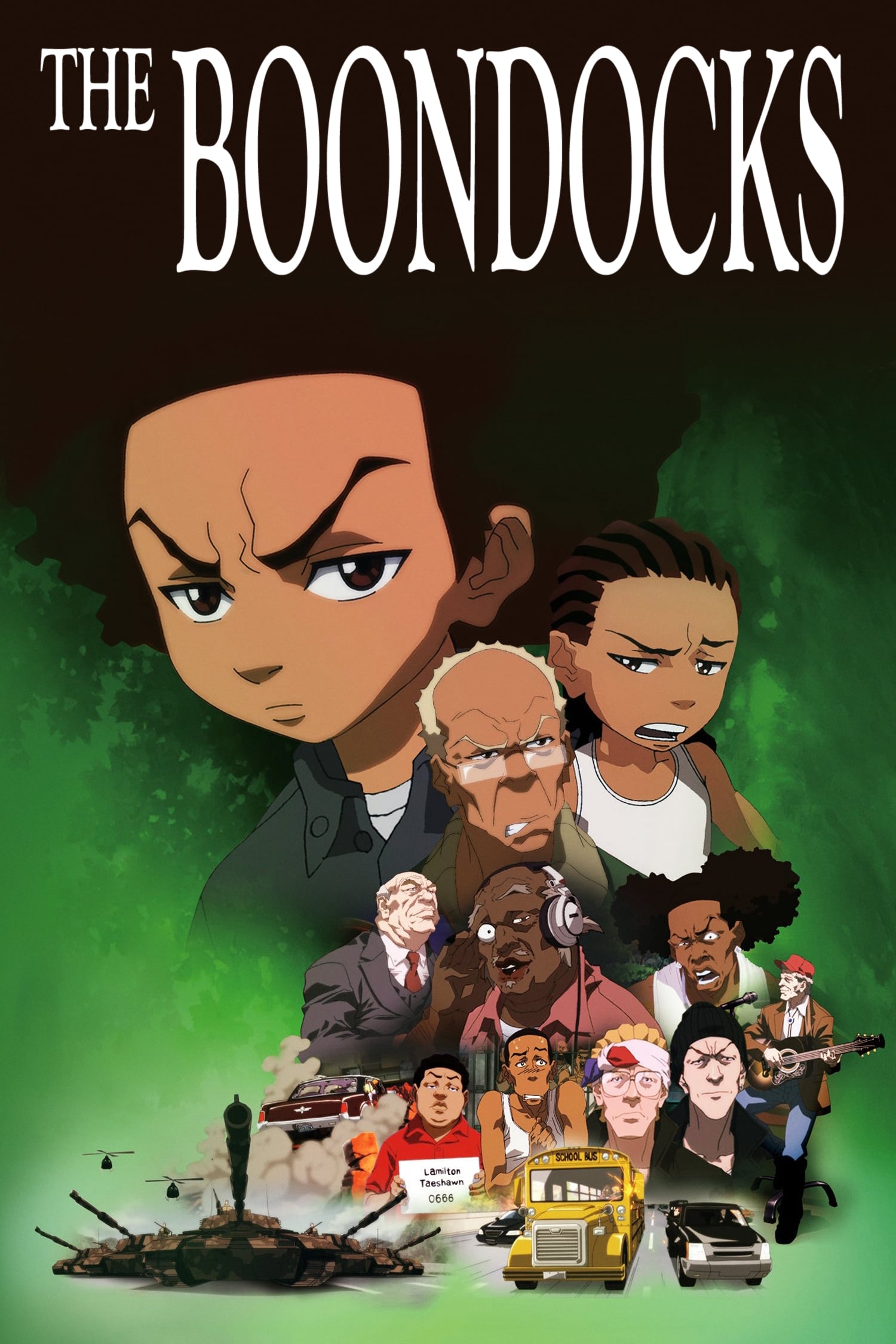
Aaron McGruder adapts his comic strip into an anime-influenced series that tackles race relations and American culture. Huey Freeman acts as a radical leftist voice of reason while his brother Riley embraces the gangsta rap lifestyle. Granddad Freeman tries to enjoy his retirement but is constantly pulled into the chaotic schemes of his grandsons. The animation style elevates the action sequences to rival serious action series while maintaining deep comedic undertones. It remains fearless in its criticism of political figures and media entertainment complexes.
‘Beavis and Butt-Head’ (1993–2011)
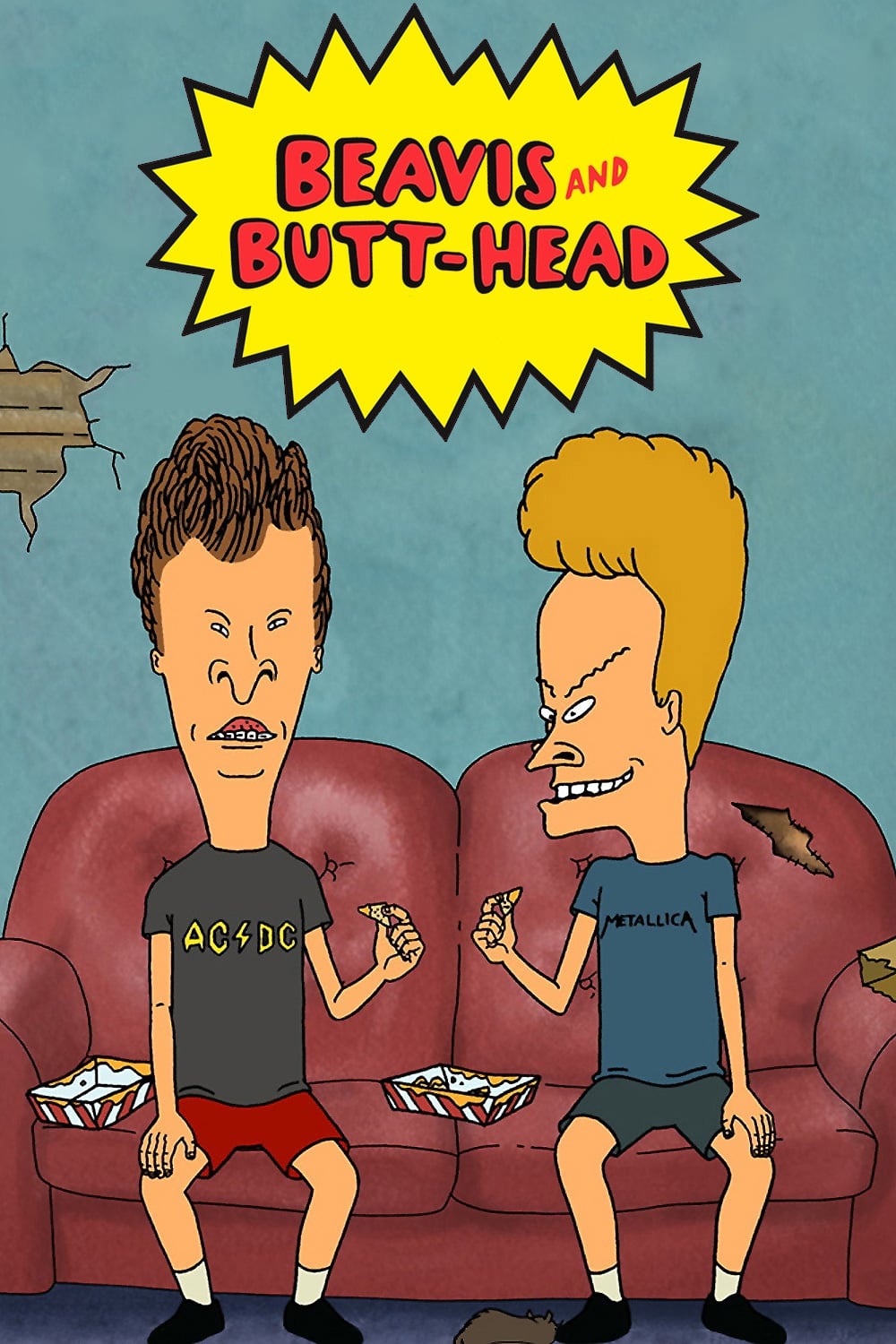
Two teenage delinquents spend their days watching music videos and providing commentary from their couch. The show captured the zeitgeist of the MTV generation while simultaneously mocking the very audience that watched it. Mike Judge voices both characters as they navigate a world they barely understand with complete apathy. Their stupidity serves as a mirror for the decline of social engagement and the rise of passive media consumption. The simple premise allowed the series to become a cultural phenomenon that defined the attitude of a decade.
‘Space Ghost Coast to Coast’ (1994–2001)
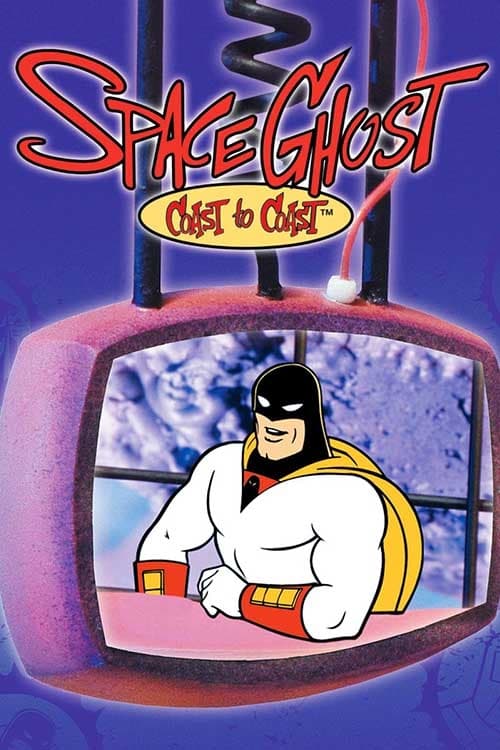
A retired superhero hosts a late-night talk show from his studio in outer space. The creators reused animation cels from the 1960s to create a low-budget aesthetic that emphasized the awkward dialogue. Real celebrity guests appear on a monitor to answer questions that have nothing to do with their actual lives. The surreal humor and deliberate pacing paved the way for the entire Adult Swim block of programming. It proved that limited animation could result in unlimited comedic potential through clever editing.
‘Aqua Teen Hunger Force’ (2000–2015)
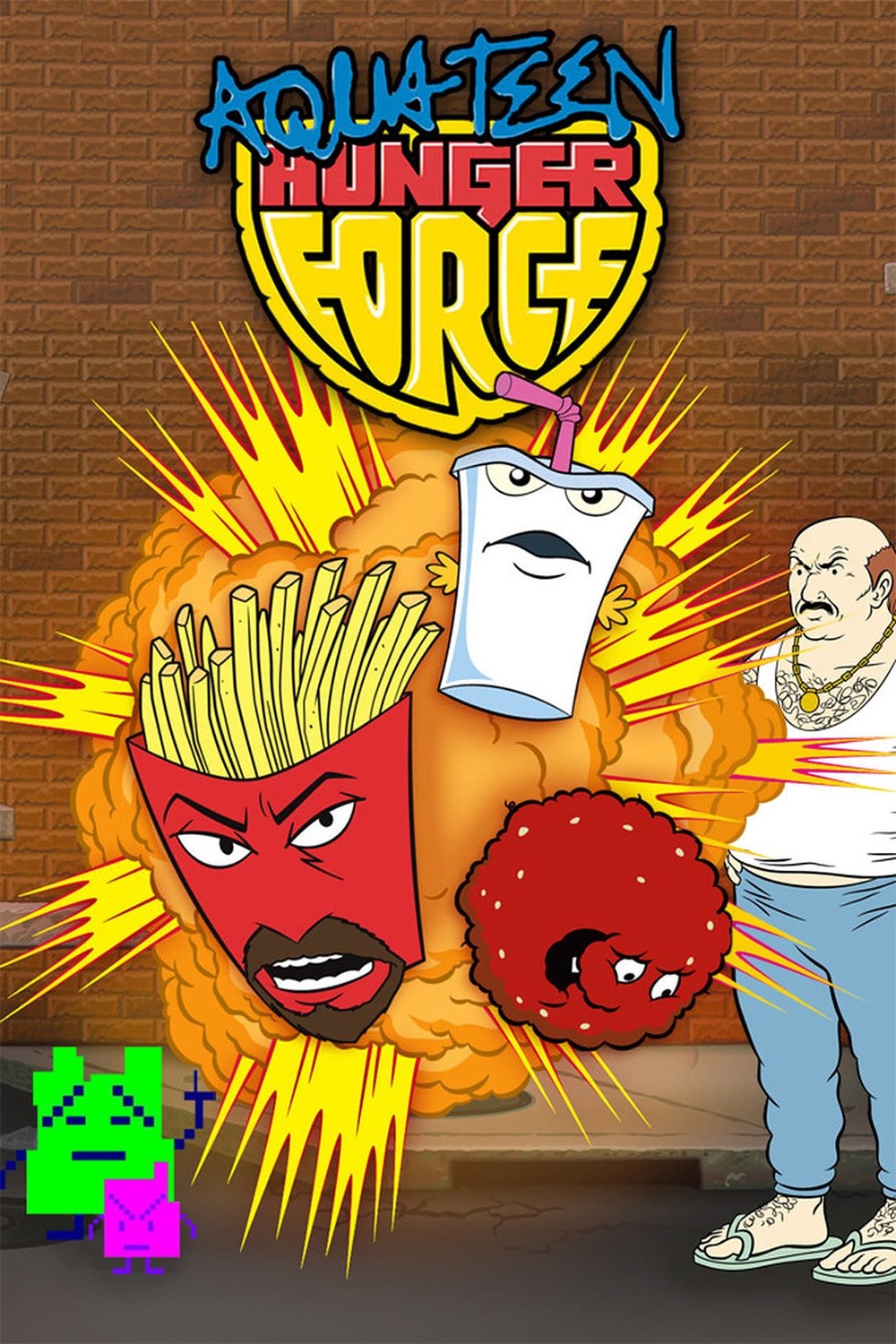
Three anthropomorphic food items live together in a rental house in New Jersey. Master Shake creates chaos with his narcissism while Frylock attempts to use science to solve their bizarre problems. Meatwad serves as the innocent shape-shifter who often falls victim to the schemes of his roommates. The episodes rarely follow a logical narrative structure and often end without resolving the main plot. This commitment to non-sequiturs and Dadaist humor created a unique voice in the landscape of comedy.
‘Clone High’ (2002–2003)
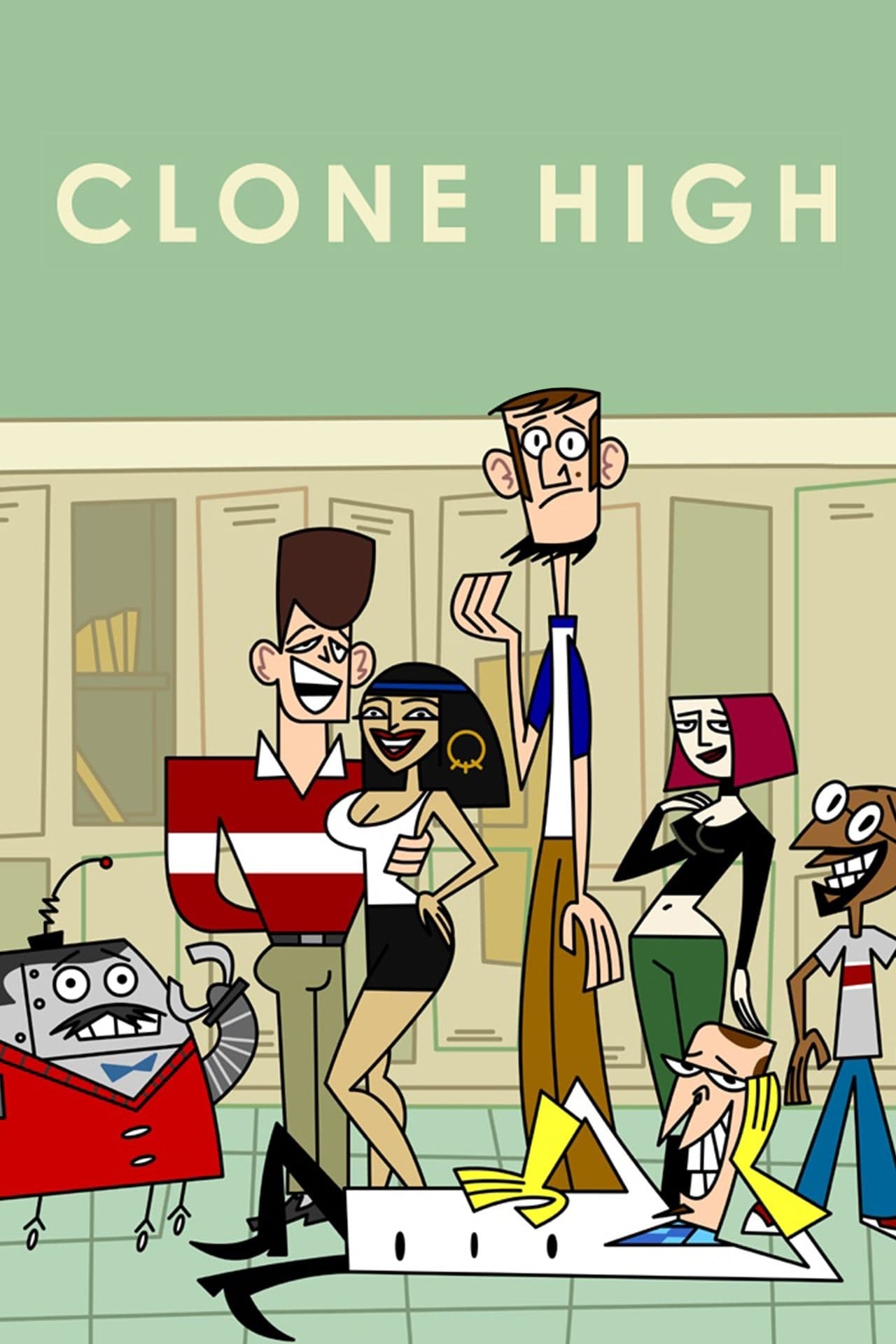
Genetic clones of famous historical figures attend high school together as part of a secret military experiment. Abe Lincoln struggles with his romantic feelings for Cleopatra while trying to be a good leader for his friends. Gandhi acts as the party animal sidekick who desperately wants to gain popularity among the student body. The show brilliantly satirizes the melodrama of teen dramas like ‘Dawson’s Creek’ by applying those tropes to distorted versions of history. Its cancellation after one season has only solidified its status as a cult classic.
‘Home Movies’ (1999–2004)

Brendon Small navigates the awkwardness of childhood while making amateur films with his friends Melissa and Jason. The series utilizes a distinctive animation style known as Squigglevision before switching to Flash animation in later seasons. H. Jon Benjamin voices the soccer coach John McGuirk who frequently offers terrible life advice to the children. The dialogue relies heavily on retroscripting which allows the actors to improvise natural conversations and overlapping lines. It captures the authentic feeling of hanging out with friends better than most scripted comedies.
Tell us which classic animated series you still rewatch today in the comments.