


All Catwoman Versions Ranked from Worst to Best

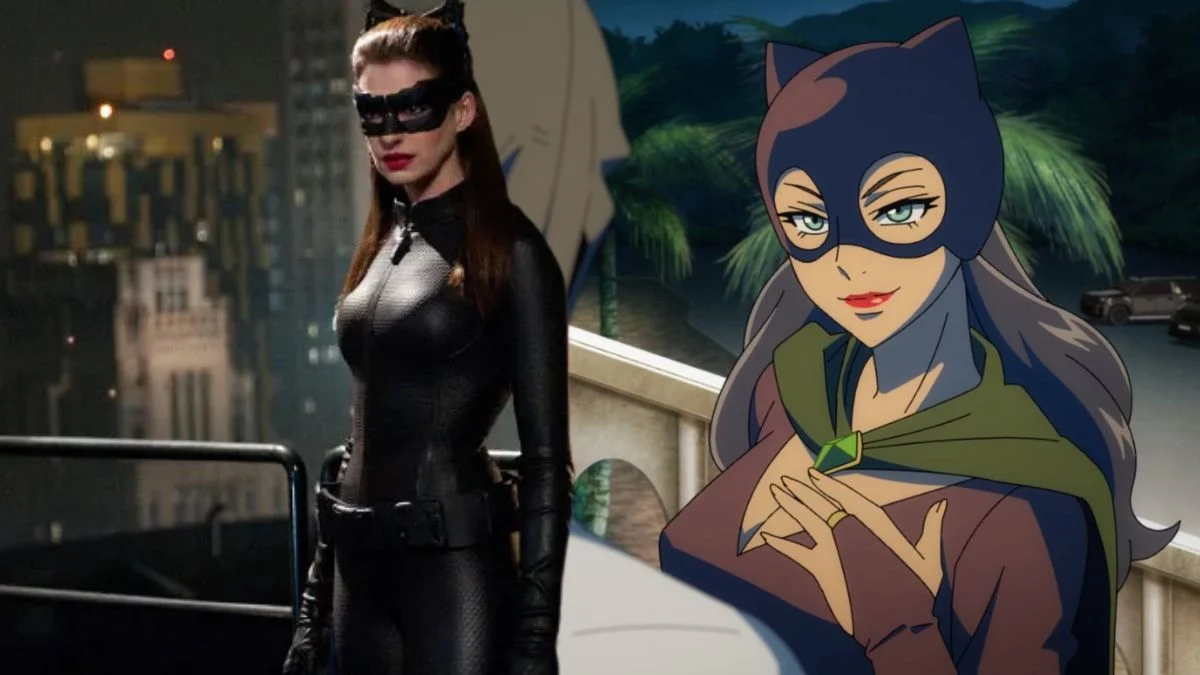


Catwoman has worn many masks across comics, animation, games, and live action, with each version adding new details to Selina Kyle’s skills, history, and relationships in Gotham. Some lean into classic heist capers while others anchor big detective stories or sweeping crime sagas. From early print origins to modern reinterpretations, the character shifts between thief, ally, and wildcard with surprising consistency. Here’s a tour through the major takes that shaped how fans understand the world’s most famous cat burglar today.
‘Catwoman’ (2004)
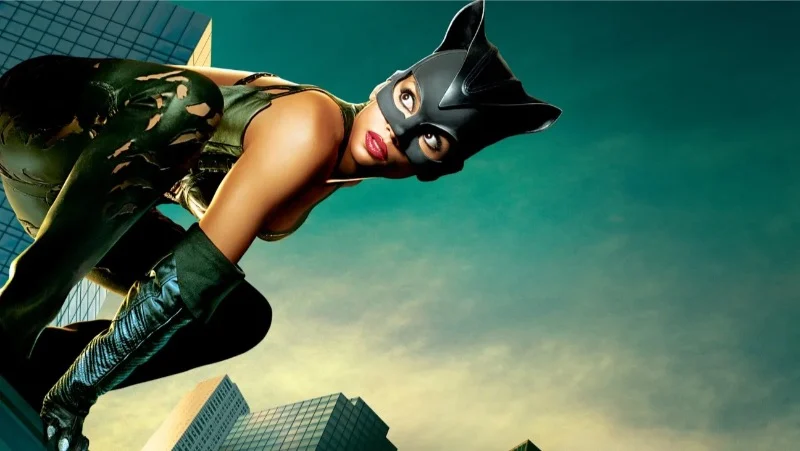
This film introduces Patience Phillips rather than Selina Kyle, creating a standalone mythology that separates the character from Gotham’s established history. The story centers on corporate crime and a supernatural twist tied to a cosmetics company instead of organized mob families. Signature comic elements like the Falcone connection, rooftop heists in Gotham, and long running ties to Batman are largely absent. The result is a version that functions as its own branch rather than part of the core Catwoman lineage.
Pre-Crisis Earth-One Selina Kyle
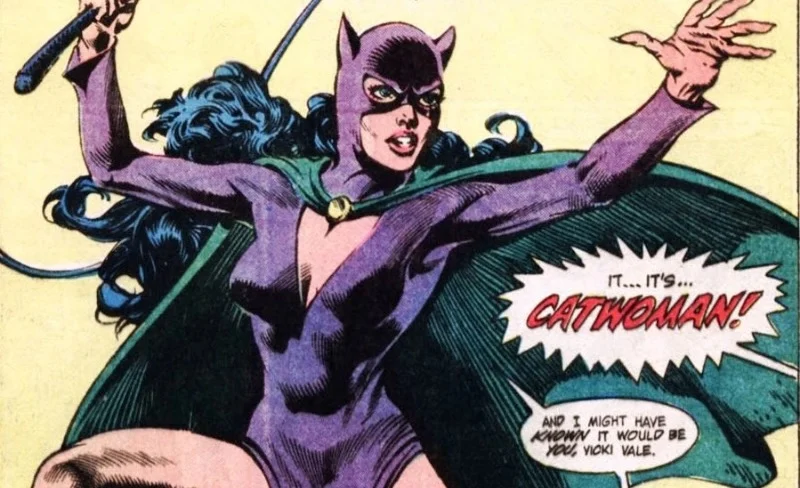
This Silver Age take emphasized elaborate themed capers and gadget driven heists that matched the era’s tone. Her background shifted frequently, including amnesia plots that explained sudden changes in motive. Encounters with Gotham’s costumed rogues followed tidy stand alone capers rather than long arcs. It helped normalize Catwoman as a recurring foe while keeping her history flexible for later creators.
‘Gotham’ (2014–2019)
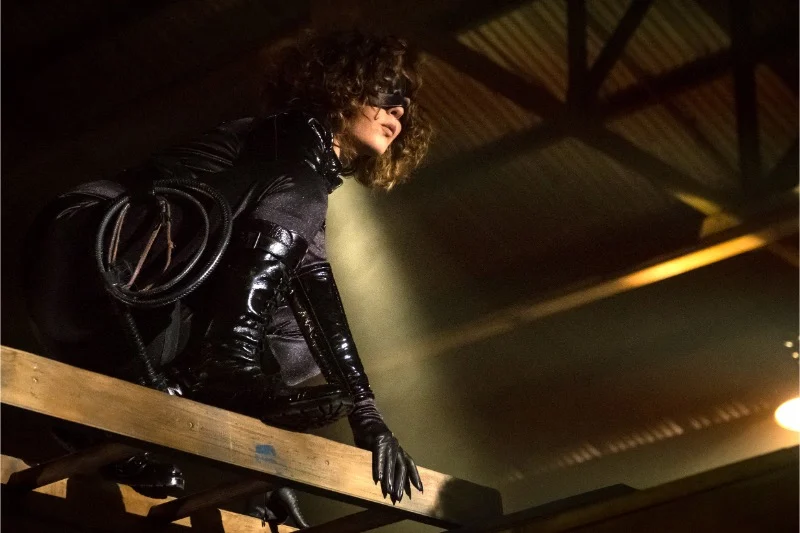
The series follows a young Selina who moves through Gotham’s alleys, pickpocket rings, and safehouses while crossing paths with future crime bosses. Her connection to Bruce Wayne grows from chance meetings to recurring alliances during investigations. The show builds out street level mentors and adversaries that shape her skills before any costumed identity fully forms. It frames Catwoman as a survivor whose instincts come from living one step ahead of the city’s shifting power players.
‘The Batman’ (2004–2008)
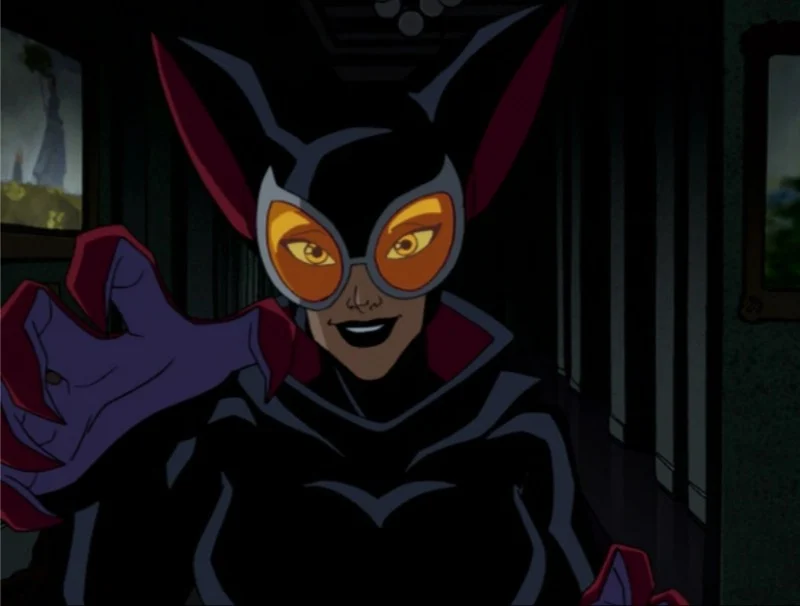
This animated version presents Selina as an agile thief who tests early career Batman with stealth and misdirection. Episodes spotlight museum thefts, decoy schemes, and close quarters fights that showcase her acrobatics. Visual design leans into sleek lines and a high tech aesthetic, keeping tools compact and quiet. The series uses recurring team ups and near misses to sketch a rivalry that doubles as an uneasy partnership.
Golden Age Earth-Two Selina Kyle
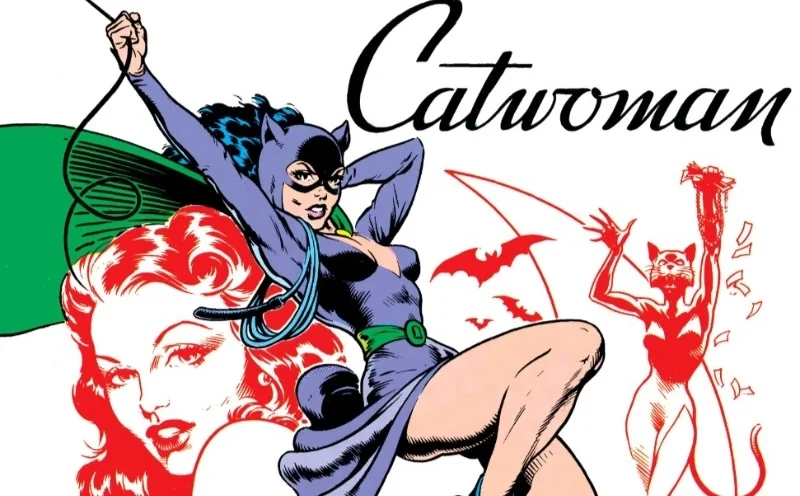
The earliest print incarnation introduced a costumed burglar known as the Cat who targeted jewels and socialites. Over time she adopted the Catwoman name and a whip as a calling card, with capers set at fundraisers, museums, and penthouses. Stories often placed her amid Gotham’s elite, highlighting disguises and social engineering as much as lockpicking. This foundation established the thief with a code that later versions would refine.
‘Batman’ (1966–1968)
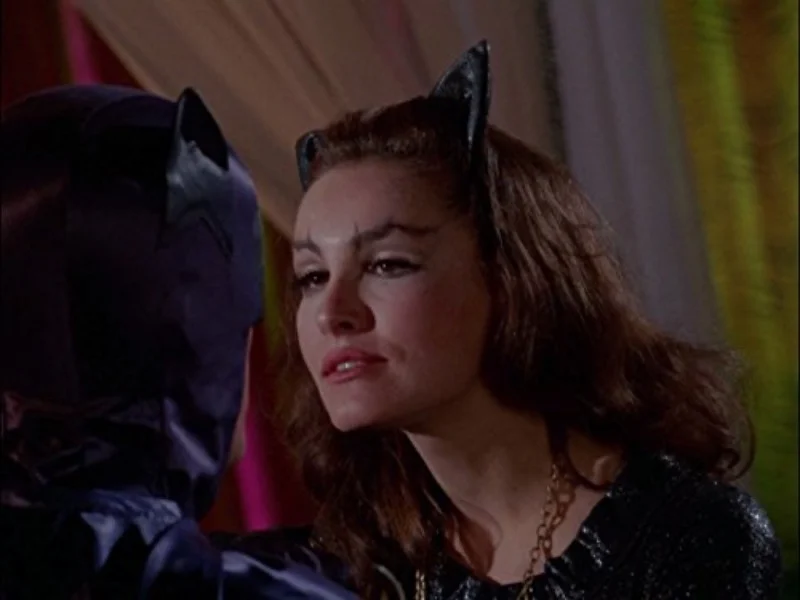
Across this series and its spinoff film, Catwoman appears with rotating performers who each bring a playful menace to the role. Plots feature themed hideouts, oversized props, and public challenges that draw in the Dynamic Duo. Heists unfold in bright daylight as often as at night, fitting the show’s tone. The version popularized the idea that charm can be as effective as brute force in Gotham.
The New 52 Selina Kyle
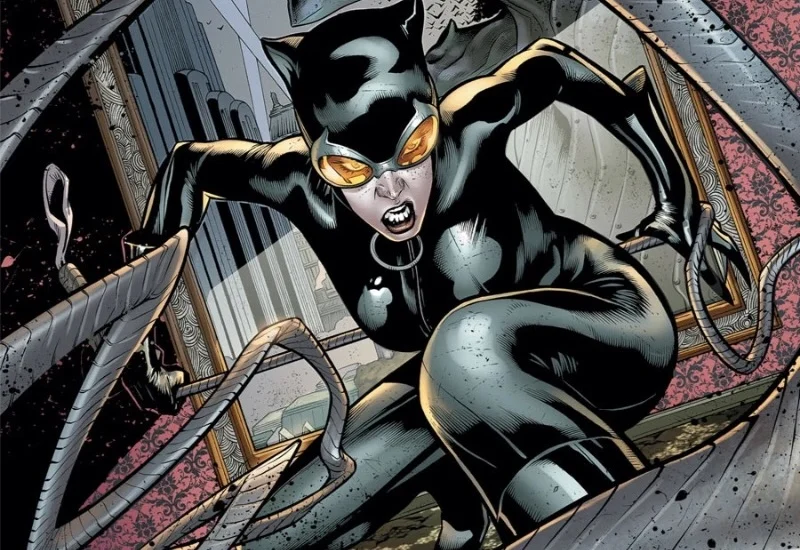
Relaunched continuity places Selina inside modern crime families and international theft circles. Stories spotlight undercover operations, safecracking, and high profile targets guarded by private security firms. Her network includes informants, fences, and getaway specialists who rotate through jobs. The run retools her mask and suit details to emphasize mobility and covert movement across rooftops.
Arkhamverse Selina Kyle
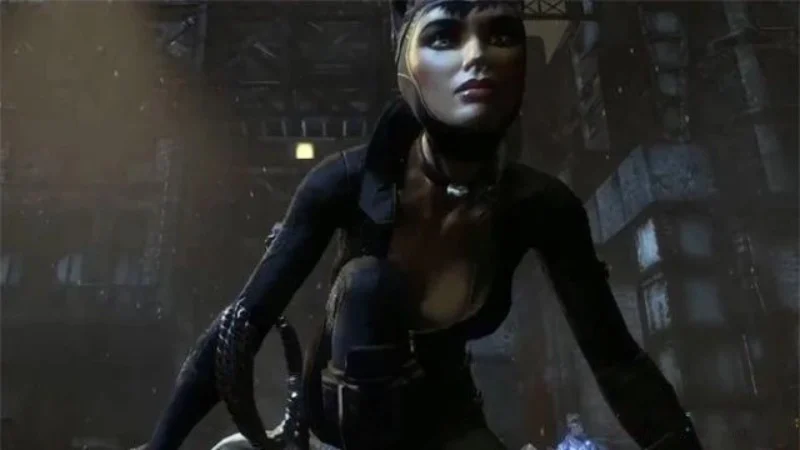
The game series folds Catwoman into a hostile Gotham where mercenaries, drones, and traps complicate every job. Playable segments center on stealth routes, timing windows, and gadget counters that mirror her comic toolset. Narrative beats show shifting loyalties as criminals and vigilantes compete for leverage. Files and character bios map her clients, safehouses, and favorite entry points around key districts.
‘Catwoman: Hunted’ (2022)

This anime inspired film sends Selina after a high value jewel that entangles her with global crime syndicates. The plot threads in Interpol, assassins, and rival thieves while keeping the focus on infiltration. Fight choreography highlights flips, holds, and whip work against multiple opponents. The tone favors caper energy with brief detours into espionage and underworld politics.
‘The Dark Knight Rises’ (2012)
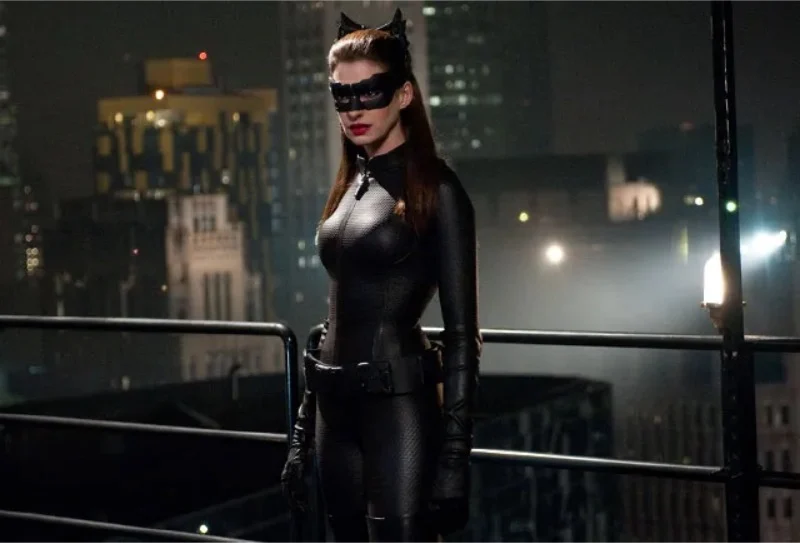
This take places Selina inside a Gotham under siege where class tensions and paramilitary control reshape every heist. Her record includes sealed files, a clean slate subplot, and ties to black market brokers who move identities. Scenes emphasize social engineering at galas and quick exits through layered security. The version integrates Catwoman’s survival skills with the city’s larger collapse and recovery.
Selina Kyle in ‘Batman: Hush’

In this storyline, Selina’s partnership with Batman is tested by a larger conspiracy that manipulates Gotham’s rogues. The arc uses staged crimes, coded messages, and planted evidence to undermine trust. Selina’s contacts in the underworld provide key leads while also putting her in the crosshairs. The plot positions her as both ally and target inside a citywide chess match.
Ed Brubaker and Darwyn Cooke’s ‘Catwoman’ era
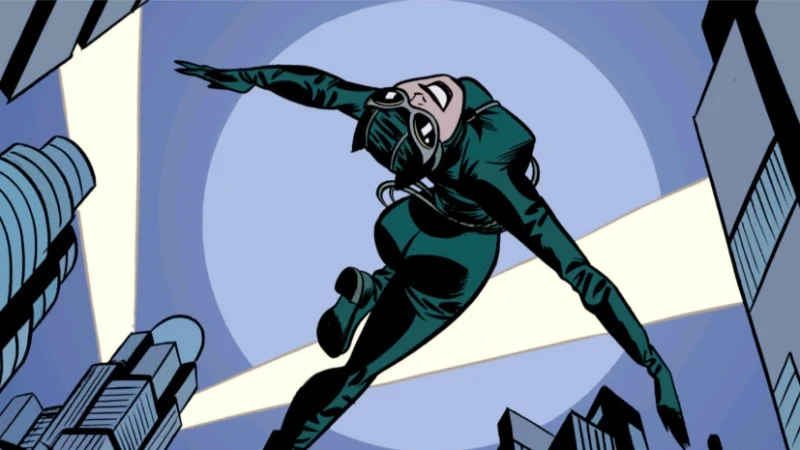
This run relocates Selina to the East End and reframes the series as a street level noir about community and crime. Supporting players include a trusted fence, a young protégé, and neighborhood allies who help protect vulnerable residents. Heists share space with investigations into corrupt landlords and predatory officials. The redesign of her suit emphasizes practicality for night work and quick getaways across rooftops.
‘Batman Returns’ (1992)
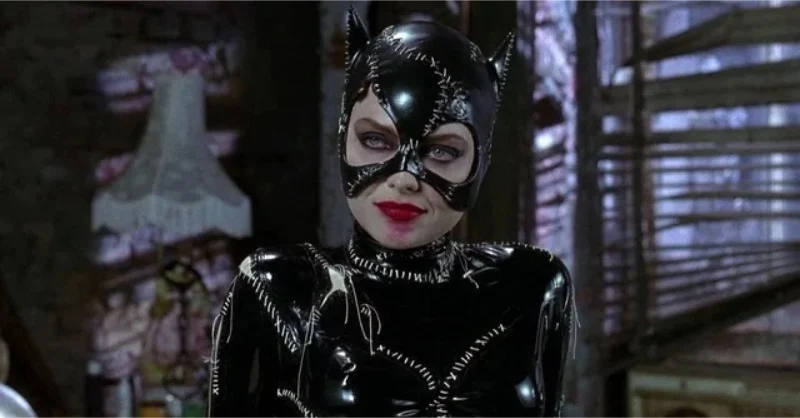
Here Selina’s transformation follows a corporate cover up that pushes her toward a new identity built on reclamation and revenge. Costuming uses stitched leather and a needle thin whip to telegraph broken edges and precision strikes. The story threads her through a mayoral plot, a department store job, and uneasy alliances with other villains. Settings range from high rise offices to frozen streets and sewer lairs, giving her a wide playground.
‘Batman: The Animated Series’ (1992–1995)
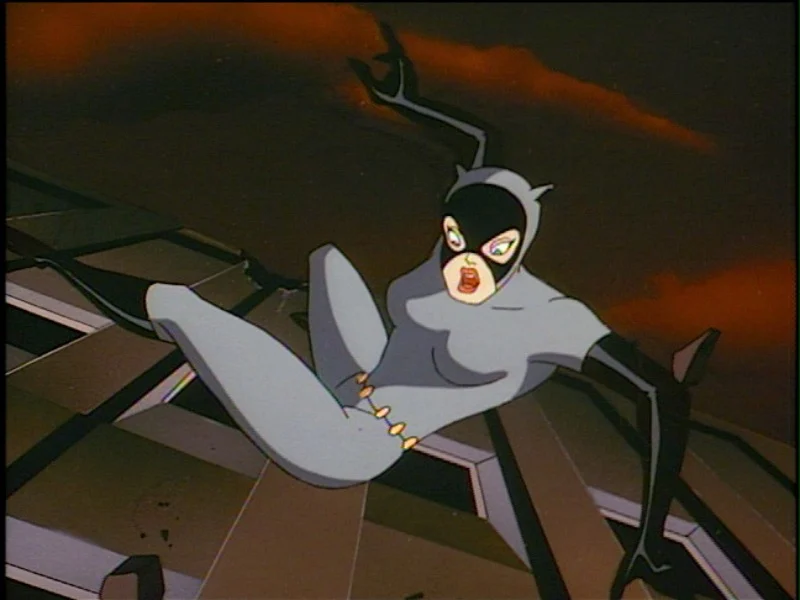
This version blends philanthropist cover stories with midnight heists that target collectors, smugglers, and trophy rooms. Episodes pair her with rare animals, museum artifacts, and conservation causes that complicate simple burglary. Vocal performance and music cues underline a cat and mouse rhythm during rooftop chases. The show’s design bible places Selina inside art deco skylines where shadow and silhouette do much of the talking.
Selina Kyle in ‘Batman: Year One’
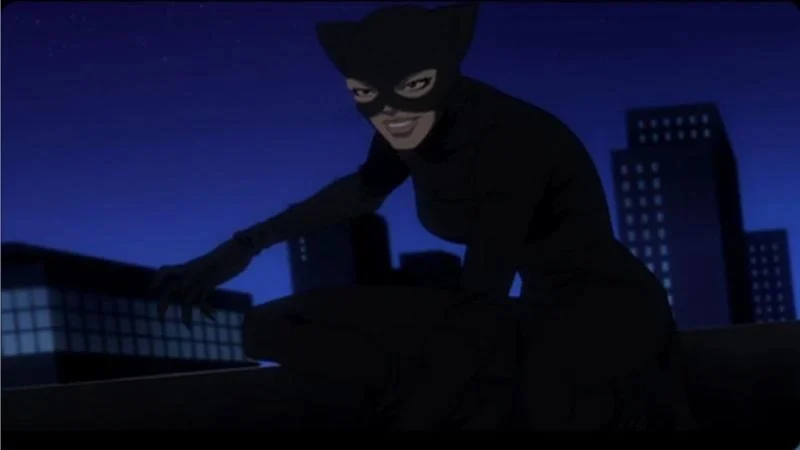
This origin era positions Selina amid Gotham’s vice corridors, where she hones survival skills that transition into disciplined thievery. Her training includes burglary technique, close combat, and careful casing of targets tied to corrupt power. Intersections with Jim Gordon and organized crime set long term stakes for her role in the city. The portrayal anchors future versions by grounding Catwoman’s path in street level experience and personal agency.
Share your favorite take on Catwoman in the comments and tell us which version you think best captures the character.