All the Best Odysseus Movies, From the 1954 Classic to Christopher Nolan’s Epic


Homer’s wandering king has been a fixture of cinema since the 1950s, and this summer he is once again at the center of the conversation. With Christopher Nolan’s take on ‘The Odyssey’ now in theaters, film fans have a fresh reason to look back at how filmmakers across decades have approached the same story of a soldier trying to find his way home.
Three films in particular trace this evolution, spanning from the golden age of the sword and sandal epic to the most technically ambitious production of Nolan’s career. Each one interprets Homer’s poem differently, and together they show how durable this myth remains for filmmakers.
‘Ulysses’
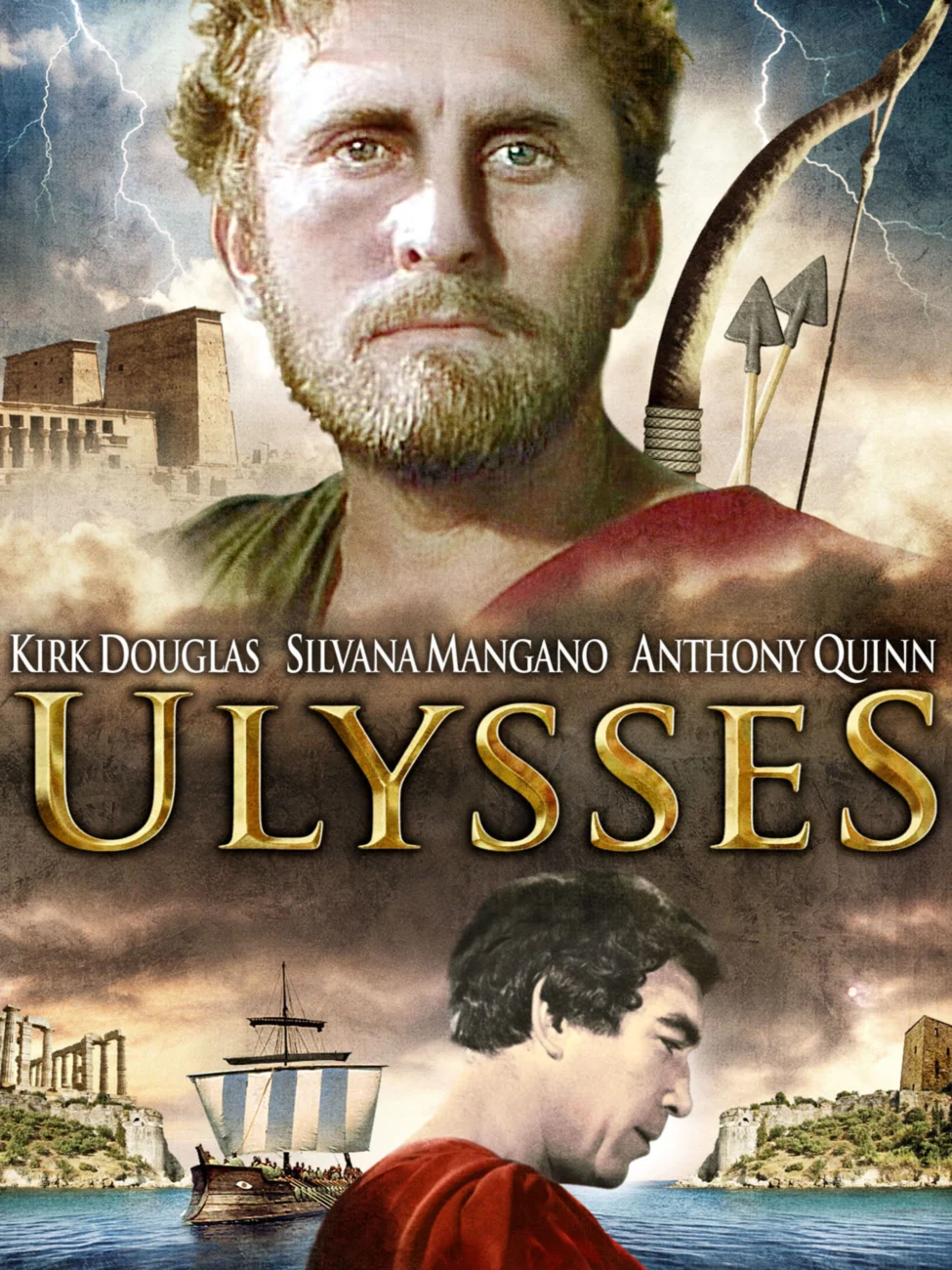
The earliest major screen version of the story is ‘Ulysses’ from 1954, an Italian, French, and American co-production directed by Mario Camerini and starring Kirk Douglas in the title role, with Silvana Mangano playing a dual role as Penelope and Circe. Anthony Quinn appears as Antinous, the leader of the suitors, and the film premiered in Italy in October 1954 before reaching American audiences the following year through Paramount Pictures.
The story follows the familiar shape of Homer’s epic. Kirk Douglas depicts Ulysses’ efforts to return to his home after ten years of war, and along the way he washes ashore in Phaeacia with no memory of who he is. He becomes enamored of Princess Nausicaa and is betrothed to her before fragments of his past return, reminding him of both the Trojan Horse and the perilous journey his crew endured.
Back home, the situation has grown desperate. Silvana Mangano’s Penelope is portrayed as a resourceful but trapped queen besieged by suitors, since Ulysses is presumed dead by nearly everyone on Ithaca. The film eventually builds to the hero’s violent reclamation of his throne, a sequence period reviewers noted was quite strong stuff for its era, with Ulysses slaughtering the suitors in the courtyard.
Decades later, the film is still regarded as a faithful, if theatrical, entry point into the myth. Critics have pointed out that of the tales from ‘The Odyssey’ it chooses to tell, the film handles them with reasonable fidelity to the original poem, making it a useful baseline for comparing how later adaptations chose to depart from the source material.
‘The Odyssey’ 1997 Miniseries

Long before Nolan’s version, NBC aired ‘The Odyssey’ in 1997, a two part miniseries directed by Andrei Konchalovsky and starring Armand Assante as Odysseus and Greta Scacchi as Penelope. The production also featured Isabella Rossellini as Athena, Vanessa Williams as Calypso, Bernadette Peters as Circe, and Christopher Lee as the blind prophet Tiresias, with Francis Ford Coppola serving as an executive producer.
Running 176 minutes across its two parts, the miniseries takes a more expansive approach than earlier films, giving meaningful screen time to episodes like the encounter with Polyphemus, the sorceress Circe, the trip to the underworld, and the monster Scylla. It was filmed across Malta, Turkey, England, and other Mediterranean locations to capture the scope of Odysseus’ journey.
The extended runtime allowed the production to dramatize a Trojan Horse sequence that Homer’s poem only briefly mentions, and Assante’s performance was widely praised for portraying the king as proud and resourceful even as the story occasionally softens the character’s recklessness. The miniseries won the 1997 Emmy Award for Outstanding Directing for a Miniseries or Special, along with an award for its visual effects, and Assante received a Golden Globe nomination for his performance.
Even nearly three decades later, the production remains a touchstone for fans wanting a fuller, more episodic take on the myth than a two hour feature film typically allows.
‘O Brother, Where Art Thou?’
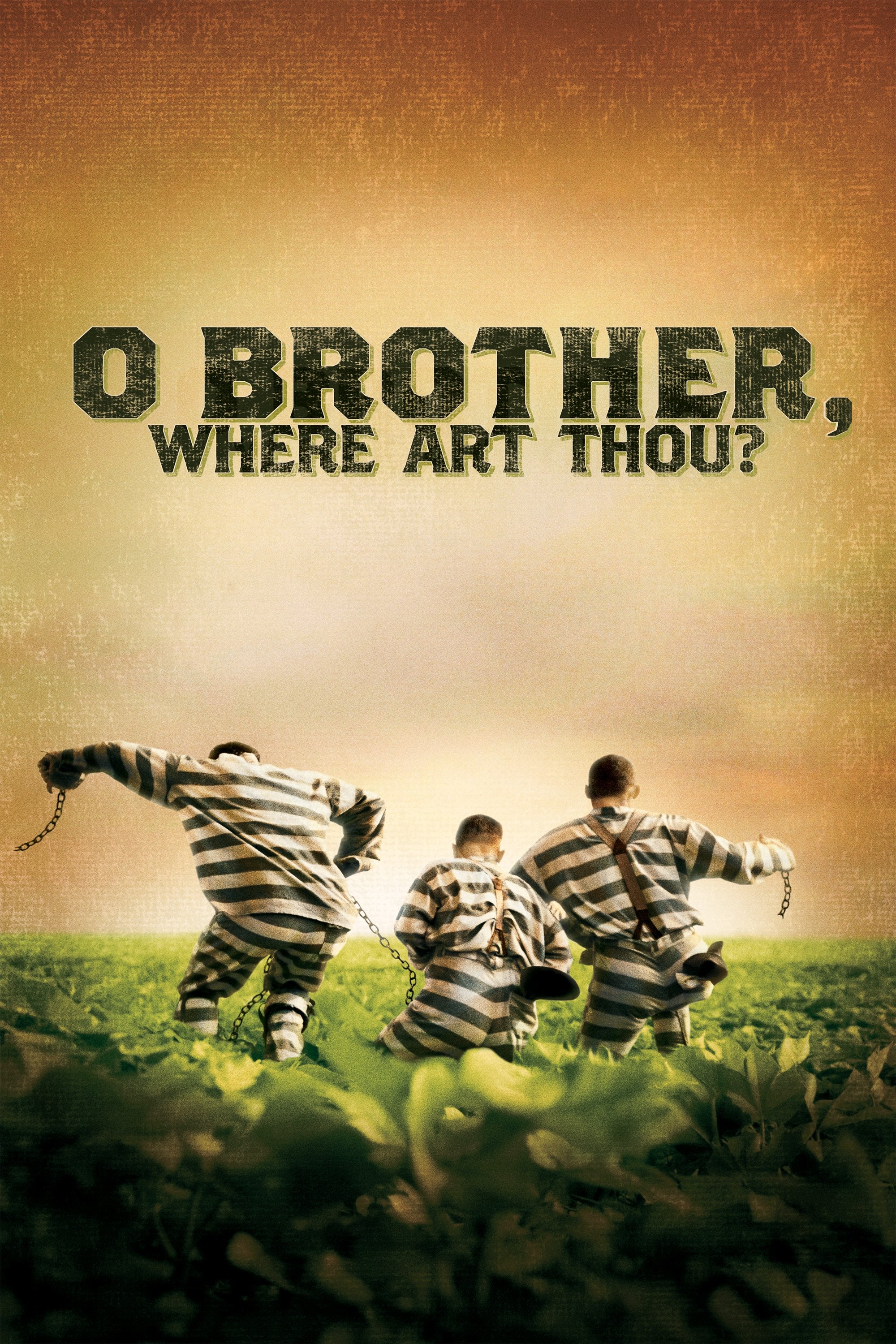
Not every Odysseus adaptation is a straightforward epic. In 2000, Joel and Ethan Coen released ‘O Brother, Where Art Thou?’, a satirical comedy musical starring George Clooney, John Turturro, and Tim Blake Nelson, loosely based on Homer’s poem and relocated to Depression era Mississippi. The film follows escaped convict Ulysses Everett McGill and his fellow chain gang members Pete and Delmar as they search for buried treasure while a relentless sheriff pursues them.
The Coens wove in Homeric references throughout rather than attempting a literal retelling. John Goodman’s one eyed con man Big Dan Teague stands in for the Cyclops Polyphemus, a lake full of alluring women mirrors the Sirens, and the sheriff pursuing the trio echoes Poseidon’s obstruction of Odysseus’ voyage home.
The film earned Joel and Ethan Coen a Best Original Screenplay Oscar nomination and became a box office success, pulling in nearly 72 million dollars against a 26 million dollar budget. Its Grammy winning bluegrass soundtrack, composed and curated by T Bone Burnett, became a cultural phenomenon in its own right and is often credited with reviving mainstream interest in traditional folk and roots music.
‘Troy’
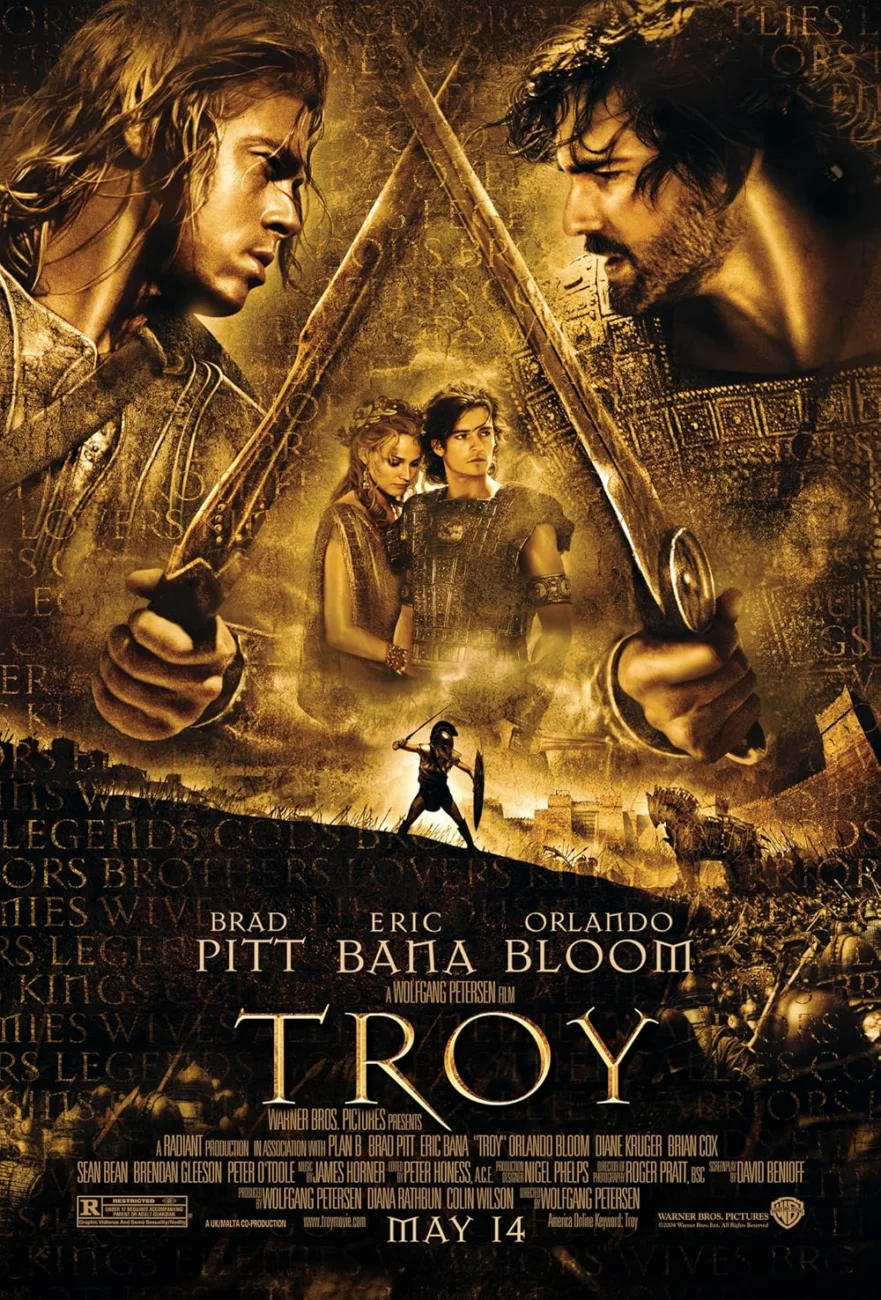
Technically an adaptation of the Iliad rather than the Odyssey, ‘Troy’ still gave Odysseus a defining screen turn. Directed by Wolfgang Petersen in 2004 and starring Brad Pitt, Eric Bana, and Orlando Bloom, the film cast Sean Bean as Odysseus and covered the full decade long war, from Helen’s abduction through the Trojan Horse and the sack of the city.
Bean’s Odysseus supplies the film’s wry, clever counterpoint to its more solemn warriors, and one retrospective noted that his friendship with Achilles and his closing monologue remain among the film’s most affecting elements even amid criticism that the character is somewhat watered down.
The film’s scale invites comparison to Nolan’s production, with one outlet describing ‘Troy’ as the spiritual predecessor to ‘The Odyssey’ given the similarities in budget, international casting, and ambition to recreate the ancient world on a massive scale.
‘The Return’
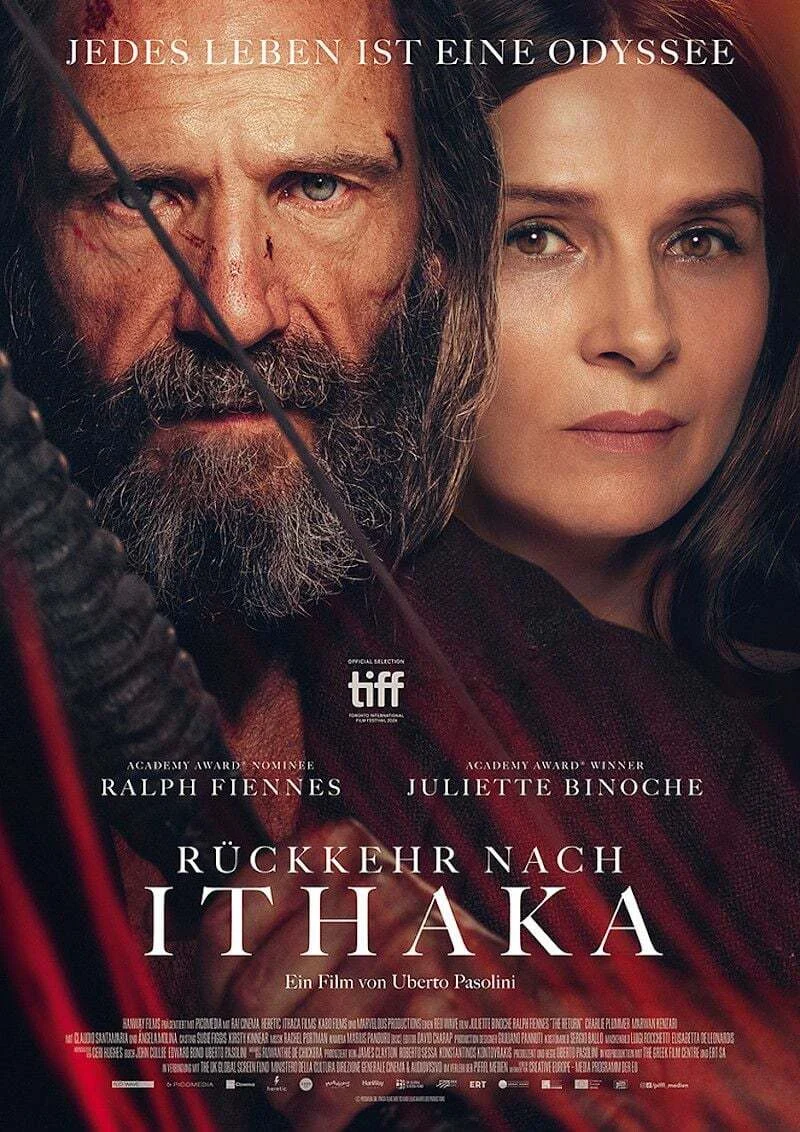
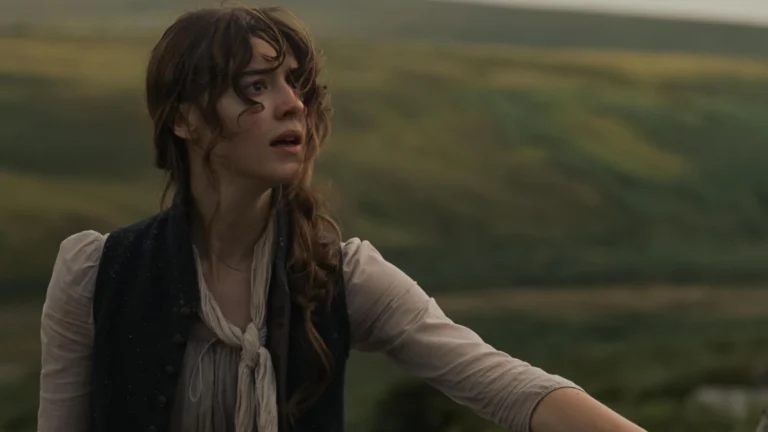
A very different approach arrived in 2024 with ‘The Return’, a drama directed by Uberto Pasolini and starring Ralph Fiennes and Juliette Binoche, adapted from the second half of Homer’s Odyssey by Edward Bond, John Collee, and Pasolini. It premiered at the Toronto International Film Festival in September 2024 and was released theatrically in the United States that December by Bleecker Street.
Unlike ‘Ulysses’, this version strips away the fantastical elements entirely. The film focuses on Odysseus’ return to Ithaca after his journeys abroad, portraying a man haunted by guilt and what plays as lingering trauma, struggling to reconcile his homecoming with memories of the troops who died under his command at Troy. The story picks up twenty years after he left to fight in the Trojan War, when he washes up on the shores of Ithaca haggard and unrecognizable.
Binoche’s Penelope carries much of the film’s tension. She stalls her suitors through cunning strategies to avoid choosing a new husband, holding on to hope for Odysseus’ return despite having no certainty he is even alive, while their son Telemachus, played by Charlie Plummer, has devoted himself to protecting her from the men who long to marry into the throne.
Critics largely praised the two leads for grounding the material. The film marked the third time Fiennes and Binoche worked together on screen, following 1992’s ‘Wuthering Heights’ and the 1996 film ‘The English Patient’, and reviewers noted the psychological intimacy of Pasolini’s direction as a deliberate contrast to more action driven takes on the same myth.
‘The Odyssey’
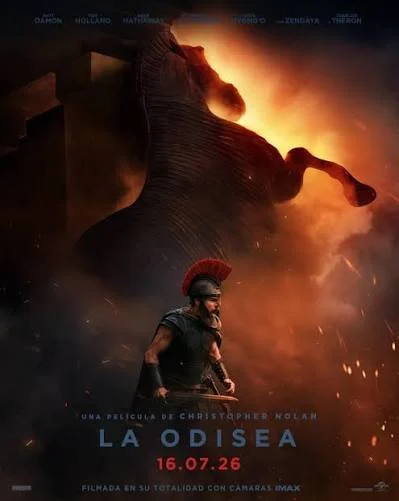
The most anticipated Odysseus adaptation in years is Christopher Nolan’s ‘The Odyssey’, an epic fantasy action film written and directed by Nolan with an estimated budget of 250 million dollars, believed to be the most expensive production of his career and the first film shot entirely on IMAX 70mm cameras. Shooting began in spring 2025 on the Sicilian island of Favignana, with additional filming across Greece, Italy, the United Kingdom, Iceland, Morocco, Scotland, and Ireland.
The cast is the largest of any Odysseus adaptation to date. Matt Damon stars as Odysseus, Anne Hathaway plays his wife Penelope, and Tom Holland plays their son Telemachus, while Lupita Nyong’o appears as both Helen of Troy and her sister Clytemnestra. Zendaya plays the goddess Athena, with a supporting cast that includes Charlize Theron, Robert Pattinson, Jon Bernthal, Benny Safdie, Samantha Morton, and John Leguizamo. Rapper and actor Travis Scott also joins the film, with Nolan explaining he cast Scott to draw a connection between rap and oral poetry as parallel art forms.
Nolan reunited with several of his usual collaborators for the production. Cinematography comes from Hoyte van Hoytema, the score is composed by Ludwig Göransson, and Nolan produced the film with his longtime creative and life partner Emma Thomas, who previously won the Best Picture Oscar alongside him for ‘Oppenheimer’. The film had its world premiere in London on July 6, 2026, followed by a New York premiere on July 14, before opening wide in theaters on July 17.
Early reactions have highlighted just how far Nolan pushed the format. One review from the film’s premiere run noted that there are sequences terrifying enough to suggest Nolan may eventually deliver on his stated desire to make a horror film, a sign that this version leans further into the myth’s darker, more otherworldly episodes than either of its predecessors.
Between the stripped down realism of ‘The Return’ and the IMAX spectacle of Nolan’s production, it is clear filmmakers still find new angles in a three thousand year old poem, and it will be worth watching how audiences respond to Matt Damon’s Odysseus once they have had a chance to sit with the film this weekend.