

Alternative Payments 101: The Quiet Revolution Beyond Credit Cards

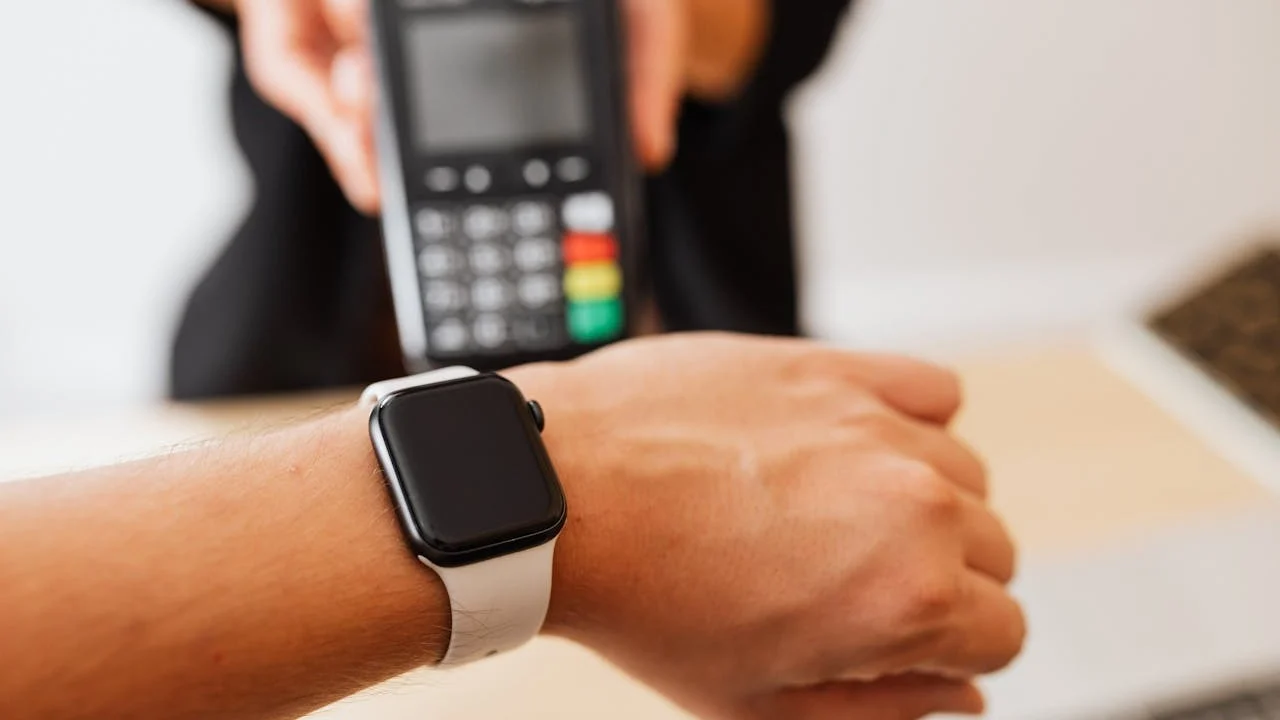


Still experiencing the frustration of hunting for your credit card at checkout while other customers pile up in line behind you? You can forget this scenario in Australia, as a quiet revolution of cardless and cashless payments is underway. A diverse ecosystem of instant, secure, and inclusive payment methods, both online and onsite, is rising to meet the modern customer’s demand for speed, control, and financial flexibility.
The widespread adoption of diverse payment options like PayID and the establishment of CashToCode casino platforms show that businesses are keeping up the pace, leveraging the digital payments trend to reach wider audiences. This creates a true transformation in customers’ behaviour. Understanding this new landscape of alternative payment methods (APMs) is a crucial and complex task, made easier with insights from the expert team at Aucasinoslist.
Drivers of the APM Surge in Australia
Several factors are fueling the rapid shift away from the familiarity of cash and credit card payments. The drivers are a mix of consumer demand for better speed, security, and inclusivity, and the technological advancements that enable them.
Australians are tired of dealing with cash and are becoming increasingly intolerant of the one to three business-day wait for traditional bank transfers to clear. They prefer the real-time finality of options like PayID and e-vouchers that give them instant control over their spending.
Security is another major factor, as APMs often reduce the need to share sensitive BSB and account numbers with every online or brick-and-mortar store. Moreover, cardless payments promote financial inclusion, catering to those living in underbanked regions or who prefer to manage their spending without relying on credit.
According to RFI’s 2025 data, debit card-powered mobile app payments will lead the future of retail. Their usage has surged from 8% to 56% in the last 10 years, especially among younger audiences across Australia (93%).
The APM Australian Landscape: Key Players
Successful navigation in the new world of payments means understanding the key players.
Real-Time Bank Account Connectors
In Australia, services like PayID are at the forefront of modern payments, working seamlessly with the Osko payment system — a 24/7 bank-to-bank account transfer system. Instead of remembering complex BSB (Bank-State-Branch) and account numbers, customers can use simple identifiers like a mobile phone number or email address. Payments are not only instantaneous but also highly secure, as customers will never have to share their private bank details with merchants.
Digital Wallets
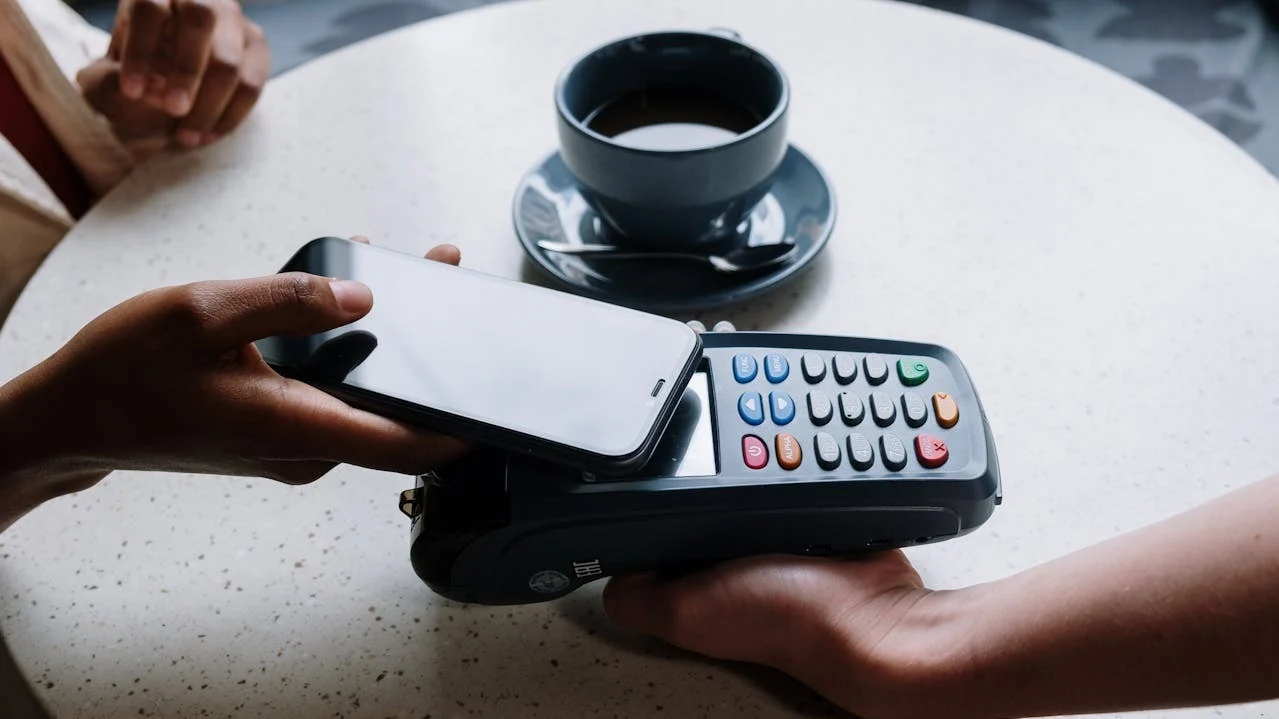
Digital wallets like Apple Pay, Google Pay, and Samsung Pay are among the most-trusted apps that turn smartphones into primary wallets. By using tokenisation — a process that replaces a credit card number with a unique, random digital token — they offer a layer of security far safer than a physical card.
BNPL Systems
For budget-conscious shoppers, the buy now, pay later (BNPL) services like Afterpay and Zip have reimagined layby, offering instant gratification with structured, interest-free repayments.
Voucher-Based and Prepaid Systems
Voucher-based systems like CashToCode represent a unique and vital part of the ecosystem. They bridge the gap between cash and digital commerce. A user can purchase a unique, prepaid voucher from a physical newsagent and use the code to fund online transactions.
This method offers privacy, as no personal banking details are shared with the retailer. It also provides spending control, as the transactions are limited to the voucher’s value. The diversity of the digital payments ecosystem in Australia ensures there’s a payment method to suit every need and preference in the modern Australian market.
Embracing APMs: The Business Perspective
For Australian businesses, using diverse payment options is primarily a strategic necessity. The most immediate benefit is reduced cart abandonment. A checkout process that offers customers one-click payment methods is far more likely to be completed. Furthermore, different payment options cater to diverse customer financial habits. They can keep those who prefer the speed of PayID, those who budget with BNPL, and those who value the privacy of voucher systems.
In short, by adopting APMs, businesses can tap into broader customer segments that they would otherwise miss. However, the expansion into diverse payment logistics requires careful management, particularly in highly scrutinised industries.
“From a regulatory standpoint, the diversification of payment methods is a double-edged sword. It offers greater consumer choice, but it also demands more sophisticated anti-money laundering (AML) frameworks,” explains Lola Henderson, an author and gambling expert at AuCasinosList.
The key for any business operating in a regulated online space is to ensure that its payment partners are no longer just convenient for users, but are also fully aligned with AUSTRAC’s stringent reporting and verification requirements. A seamless payment should never come at the expense of a compromised compliance protocol. This professional approach ensures that convenience and security are not mutually exclusive but built into the financial architecture from the ground up.
For CashToCode casino sites, adhering to these stringent regulations means they not only offer payment diversification but also implement robust security protocols and identity verification checks. These ensure that the anonymity provided by voucher-based systems is not exploited for illicit purposes, thus protecting both the platform and its users.
The New Normal of Payments
The payment revolution in Australia is set to accelerate. The next frontier includes the potential development of a central bank digital currency (CBDC) — a digital form of cash that could further streamline transactions.
Biometric authentication will also become more prevalent, moving beyond fingerprints to vein patterns and facial recognition, making payments both seamless and highly secure. The integration of payments directly into social media platforms and the so-called “super apps” will further blur the lines between commerce, communication, and banking.
The era of one-size-fits-all payment methods is conclusively over. The future is a diverse and dynamic mix of payment methods where consumer choice, driven by demands for better service, will reign supreme. For both businesses and buyers, understanding and adopting these alternatives is essential for navigating the modern economy, not just a matter of staying ahead of the curve.