


Amanda Seyfried Reveals Her Mental Health Diagnosis and Why She Still Takes Medication Today

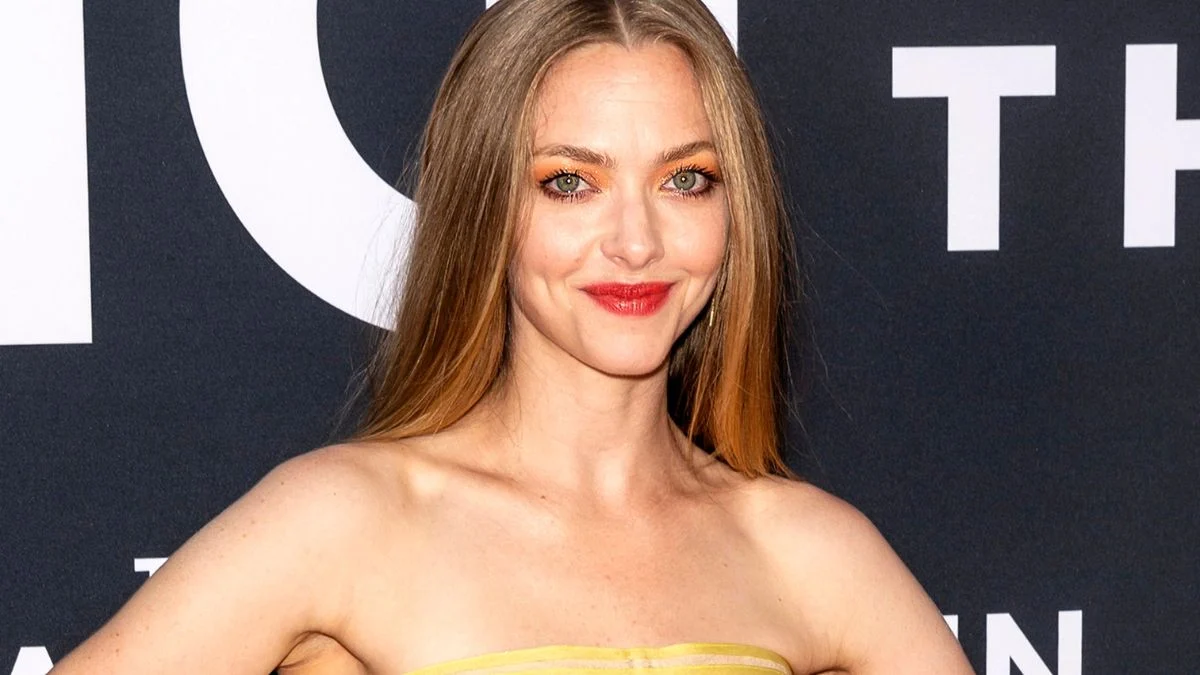


In a recent and vulnerable conversation with Vogue, Amanda Seyfried shared deep insights into her long-standing journey with obsessive-compulsive disorder.
The acclaimed actress, who recently turned 40, looked back on the “really extreme” symptoms that first surfaced when she was just 19 years old. At the time, she was living in Marina del Rey while working on the television series Big Love, and the severity of her condition required her mother to take a sabbatical from work in Pennsylvania to support her for a month.
Seyfried recalled that this pivotal period led to brain scans and a formal diagnosis that changed the course of her life. She noted that she began taking medication every night following that diagnosis, a routine she continues to this day without hesitation.
The star of the newly released film The Testament of Ann Lee emphasized that she views her treatment as a necessary tool, comparing mental health care to treating any physical ailment. She famously told Allure years prior that she sees no reason to fight against the stigma of using medication if it helps her navigate the world effectively.
Throughout the Vogue interview, Seyfried reflected on how her OCD actually shaped her early career in ways she now finds somewhat humorous. While many of her peers were immersed in the late-night social scene of Hollywood and frequenting nightclubs, Seyfried found herself opting out. She explained that she had to be incredibly careful about triggers such as staying out too late or consuming alcohol and drugs, which led her to lead a much quieter lifestyle than other young stars.
Interestingly, Seyfried credited her condition for helping her handle the inevitable rejections of the acting industry. She remarked that the “nature of the beast” didn’t faze her as much because she was already managing such intense internal challenges. By prioritizing her mental stability, she avoided the pitfalls of the party-heavy “realm of nightclubs” and instead focused on her craft and her well-being.
This openness about her mental health comes at a high point in her professional life. Seyfried is currently garnering significant awards buzz for her transformative lead role in The Testament of Ann Lee.
Directed by Mona Fastvold and co-written by Brady Corbet, the historical musical drama stars Seyfried as the real-life religious leader Ann Lee, who founded the Shakers in the 18th century. Her performance has already earned her a nomination for Best Actress at the 31st Annual Critics Choice Awards and a win at the Astra Film Awards.
The film features an impressive ensemble cast including Thomasin McKenzie, Lewis Pullman, Christopher Abbott, and Tim Blake Nelson. Known for its “animalistic” and unconventional musical sequences, the movie had a limited release in December and is scheduled for a wide theatrical expansion on January 23.
Critics have praised Seyfried for capturing both the spiritual ecstasy and the physical agony of the historical figure’s quest for a utopian society.
In addition to her historical drama, Seyfried recently appeared in the psychological thriller The Housemaid, directed by Paul Feig. Based on the bestselling novel by Freida McFadden, the film stars Seyfried as Nina Winchester, a wealthy woman with dark secrets who hires a housemaid played by Sydney Sweeney.
While reviews for the film itself were mixed, Seyfried’s performance was highlighted as a standout, with critics noting her ability to play a “campy” and “glamorous” character with intense energy.
Looking ahead, the actress has several other high-profile projects in the pipeline. She is set to star in the Peacock series Long Bright River, a true-crime drama based on the novel by Liz Moore.
There are also persistent reports that a third Mamma Mia! film is in the early stages of development, which would see Seyfried return to her beloved role as Sophie. Between her advocacy for mental health and her diverse range of upcoming roles, Seyfried remains one of the most compelling and grounded figures in contemporary Hollywood.
How do you feel about celebrities being open about their long-term use of mental health medication in the comments?