


Andrew Garfield Finally Reveals The Film That Always Makes Him Tear Up

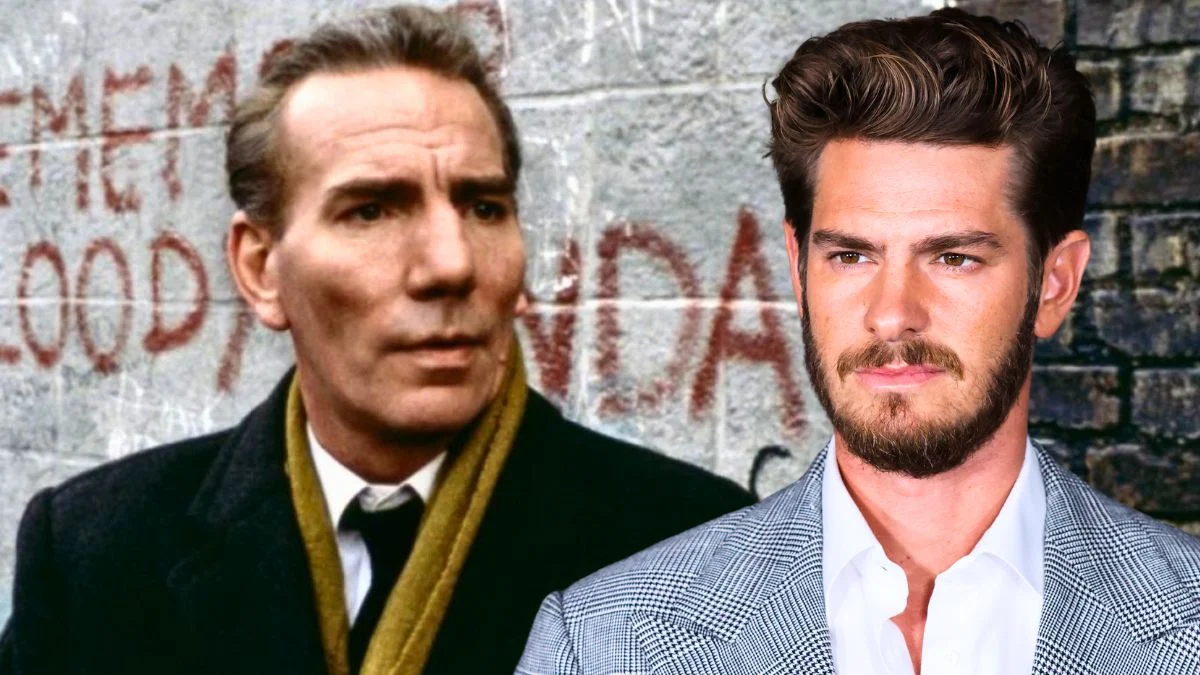


Andrew Garfield has never been shy about feelings. In interviews he often talks about love, loss, and the way stories open him up. He once put it simply and with a little laugh. “Oh, all movies make me cry. I’m a crier.” That is the starting point with him, not the end. He treats tears like a sign that a film found something true.
That openness has only deepened in recent years. After his mother died, he told an interviewer, “I hope this grief stays with me because it’s all the unexpressed love that I didn’t get to tell her.” It is a line people still repeat because it explains why he keeps seeking out stories that hit the heart. For Garfield, the right movie does not just make you sad. It helps you feel connected.
So when he is pressed to name the one film that overwhelms him every time, he does not choose a tidy crowd pleaser. He goes straight to Jim Sheridan’s courtroom drama about injustice and endurance. “Can’t get In The Name Of The Father out of my head,” he says. He describes Daniel Day Lewis in the film as someone “banging their head against a brick wall over and over and over again,” and calls the experience “compelling and upsetting and relatable and universal.”
If you know the story, his reaction makes sense. The film follows Gerry Conlon, wrongly accused in the Guildford bombings and fighting to clear his name alongside his father. It is a son and father pushed to the edge, and it builds to scenes that ask you to sit with rage and love at the same time. For an actor who is tuned to those frequencies, there is no avoiding the swell. That is the point.
Garfield has offered other picks over the years, which tracks with the way our touchstone films change as we do. In one conversation he admitted another classic never fails to undo him. “It’s a Wonderful Life is the one. That’s the movie.” The reason he gave was not fancy. He said it is about a person who longs to matter, and the revelation that simply being who you are is enough. That sounds like the same lesson he keeps reaching for across his work.
What is striking is how he talks about these choices. There is no ranking, no cool distance, only a belief that art is a place to be honest. When he says that a performance can feel like someone hammering at a wall until it cracks, you understand why “In the Name of the Father” lives rent free in his head. When he calls himself a crier, you believe him, because he treats tears like proof that a film did its job. In the end the title he names matters, but the why behind it matters more.