


Animated Movies for Grown-Ups That Hit Harder Than Live-Action

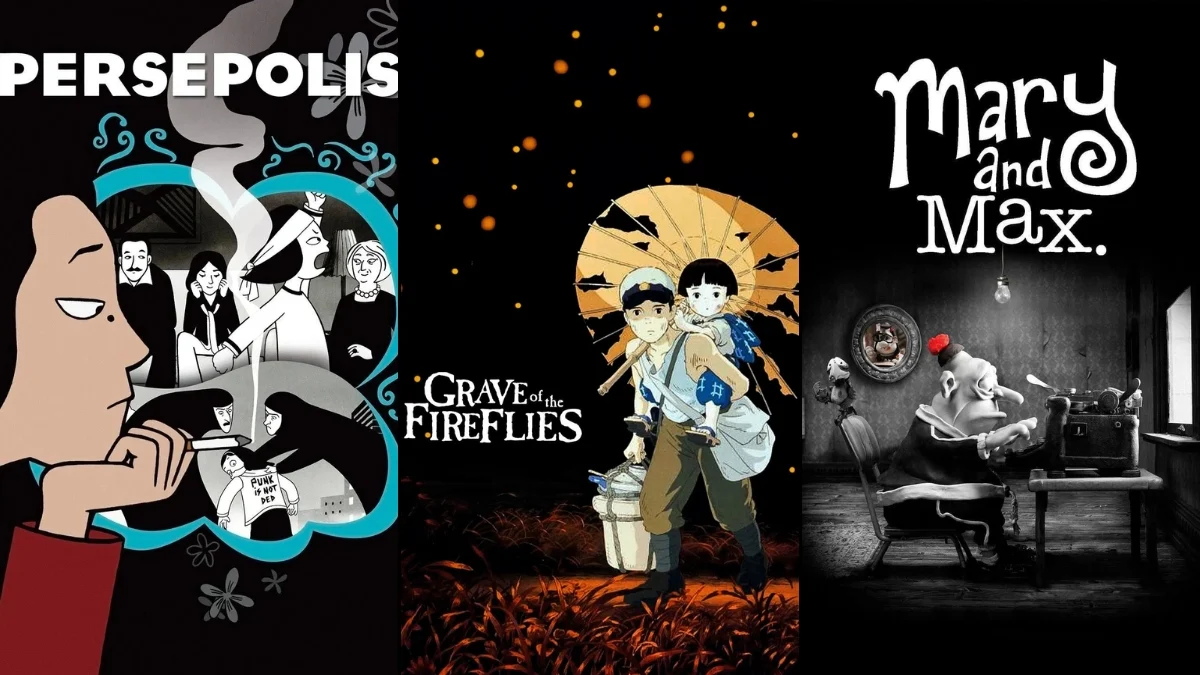


Animation frequently transcends the boundaries of children’s entertainment to explore complex and mature themes with unique visual languages. These films utilize the medium to depict psychological depth, political strife, and existential questions that often feel more poignant than their live-action counterparts. The following selection highlights movies that challenge viewers with their narrative weight and artistic innovation.
‘Grave of the Fireflies’ (1988)
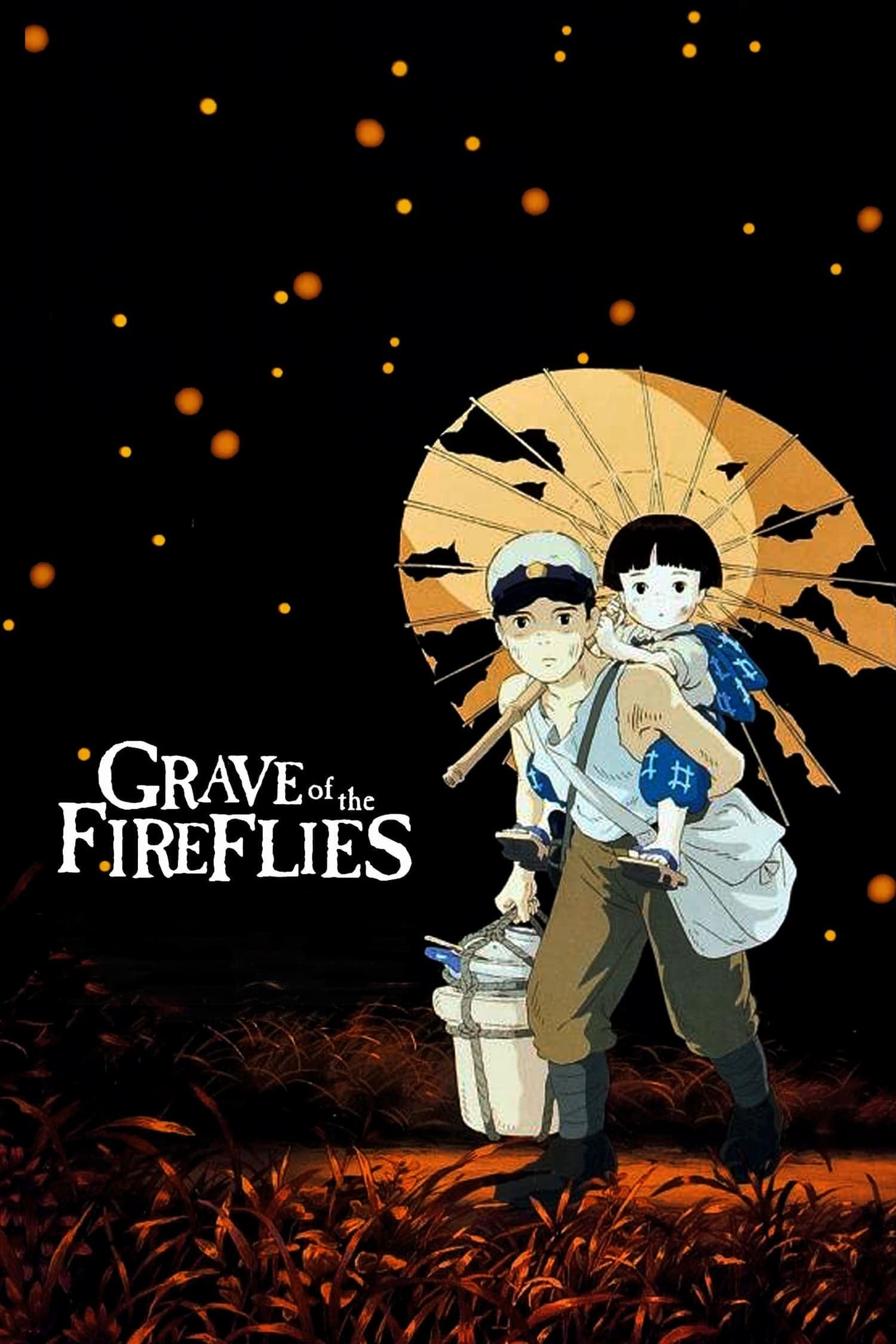
This harrowing war drama follows two siblings struggling to survive in Japan during the final months of World War II. Seita and his younger sister Setsuko face starvation and apathy after an American firebombing destroys their home and separates them from their parents. Director Isao Takahata focuses on the loss of innocence and the collateral damage of conflict rather than battlefield heroics. The film presents an unflinching look at the human cost of war through the perspective of vulnerable children.
‘Perfect Blue’ (1997)
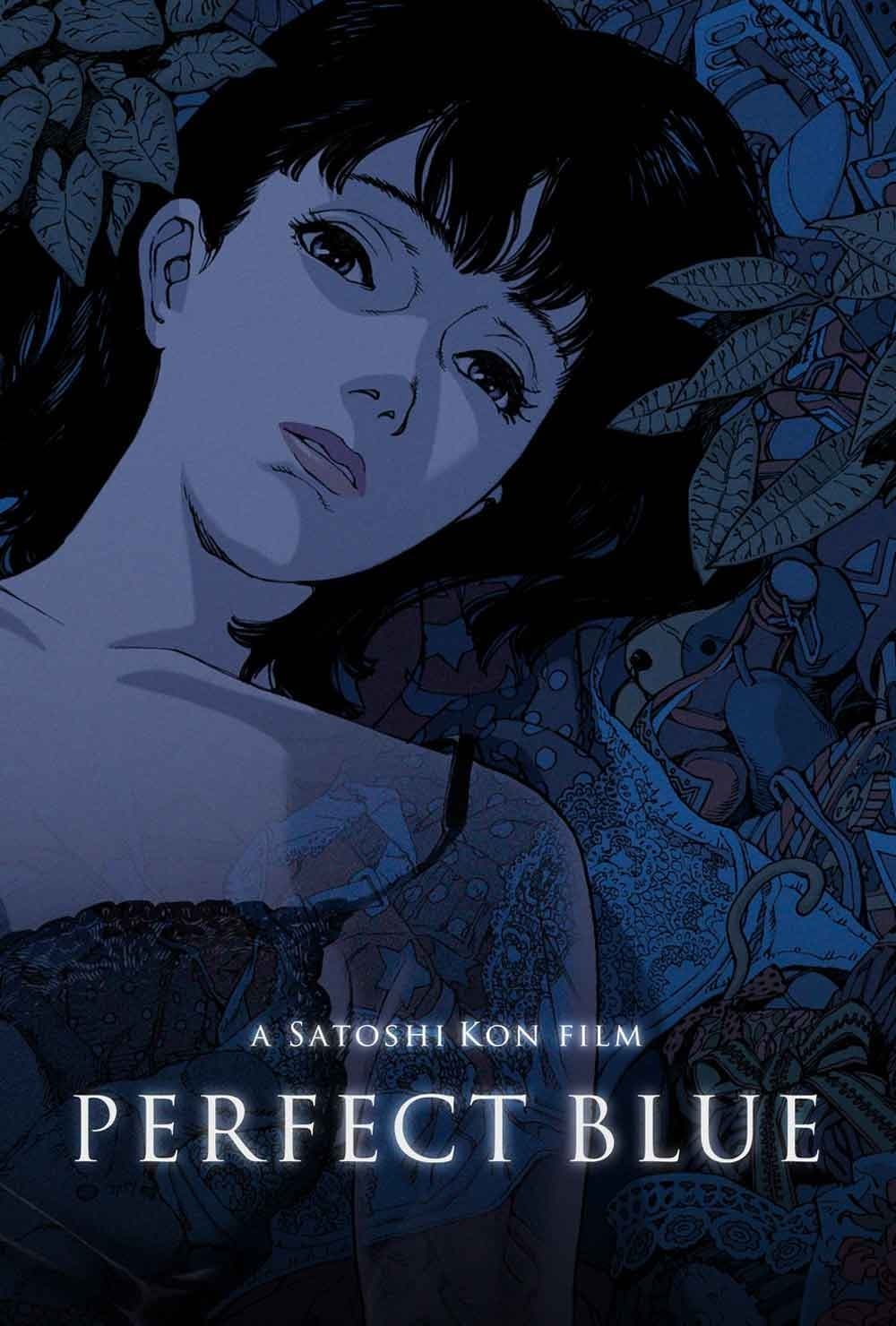
Pop idol Mima Kirigoe leaves her singing group to pursue a career as an actress in a gritty crime drama. Her transition triggers a mental breakdown as she becomes the target of an obsessive stalker and begins hallucinating her former stage persona. Director Satoshi Kon blurs the line between reality and delusion to create a disorienting psychological thriller. The narrative critiques the commodification of female celebrities and the toxic nature of parasocial relationships.
‘Waltz with Bashir’ (2008)
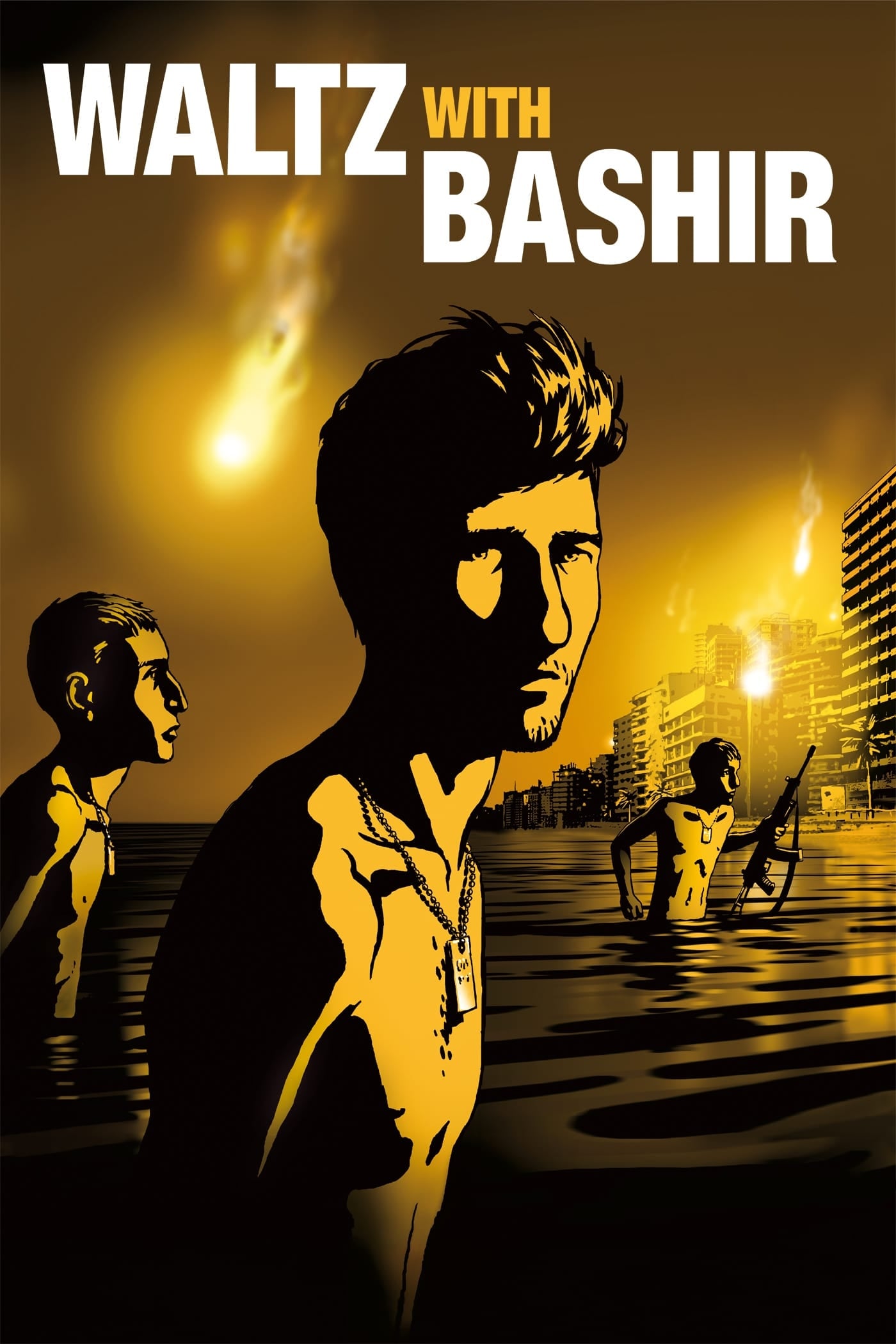
Filmmaker Ari Folman attempts to recover his lost memories regarding his service as a soldier in the 1982 Lebanon War. He interviews fellow veterans and friends to reconstruct the events surrounding the Sabra and Shatila massacre. The film employs a distinct animation style that mimics the fluidity of memory and the surreal nature of trauma. This animated documentary serves as both a personal memoir and a broader examination of collective amnesia and war guilt.
‘Anomalisa’ (2015)
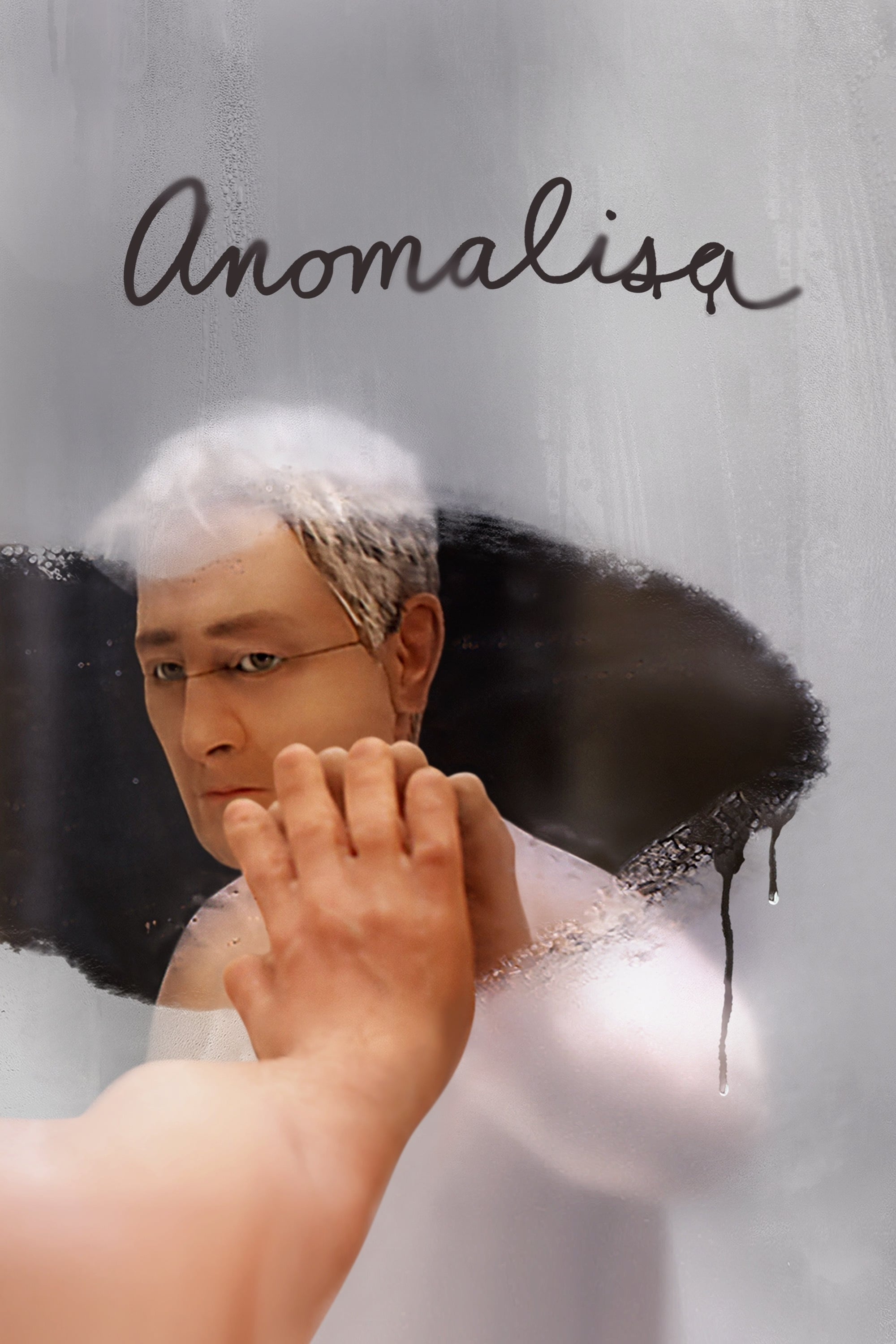
Customer service expert Michael Stone perceives everyone around him as having the exact same face and voice until he meets Lisa. He becomes infatuated with her unique presence during a business trip to Cincinnati. The film utilizes stop-motion puppetry to literalize the protagonist’s severe sense of isolation and the Fregoli delusion. Screenwriter Charlie Kaufman explores the fleeting nature of human connection and the mundane tragedies of modern life.
‘Persepolis’ (2007)
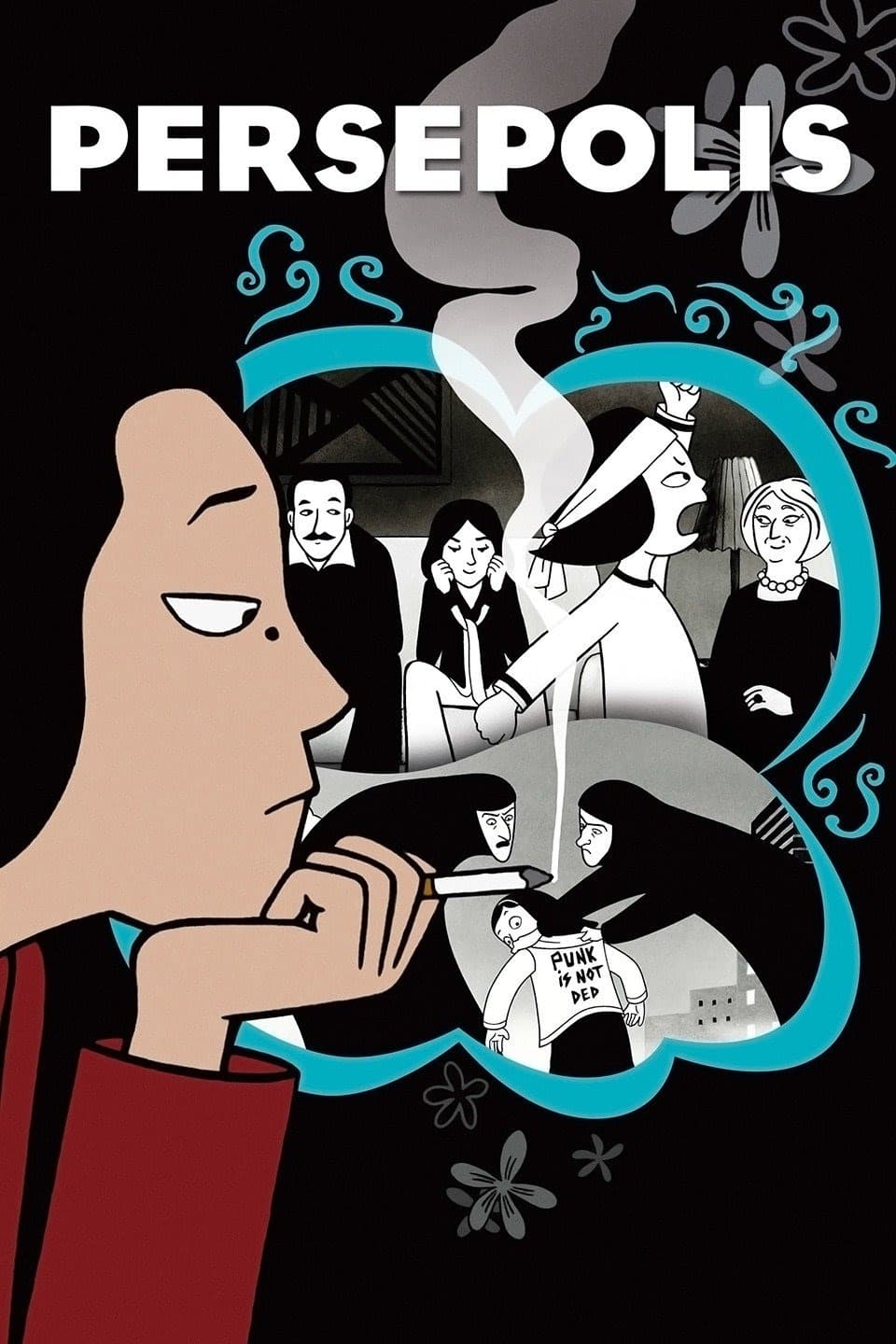
Marjane Satrapi adapts her graphic novel to tell the story of her coming of age during the Iranian Revolution. The narrative spans from her childhood in Tehran to her rebellious teenage years in Vienna and her eventual return to Iran. The high-contrast black and white animation reflects the stark political and social changes occurring around her. It offers a personal and humorous perspective on living under a repressive regime while trying to maintain individual identity.
‘Akira’ (1988)
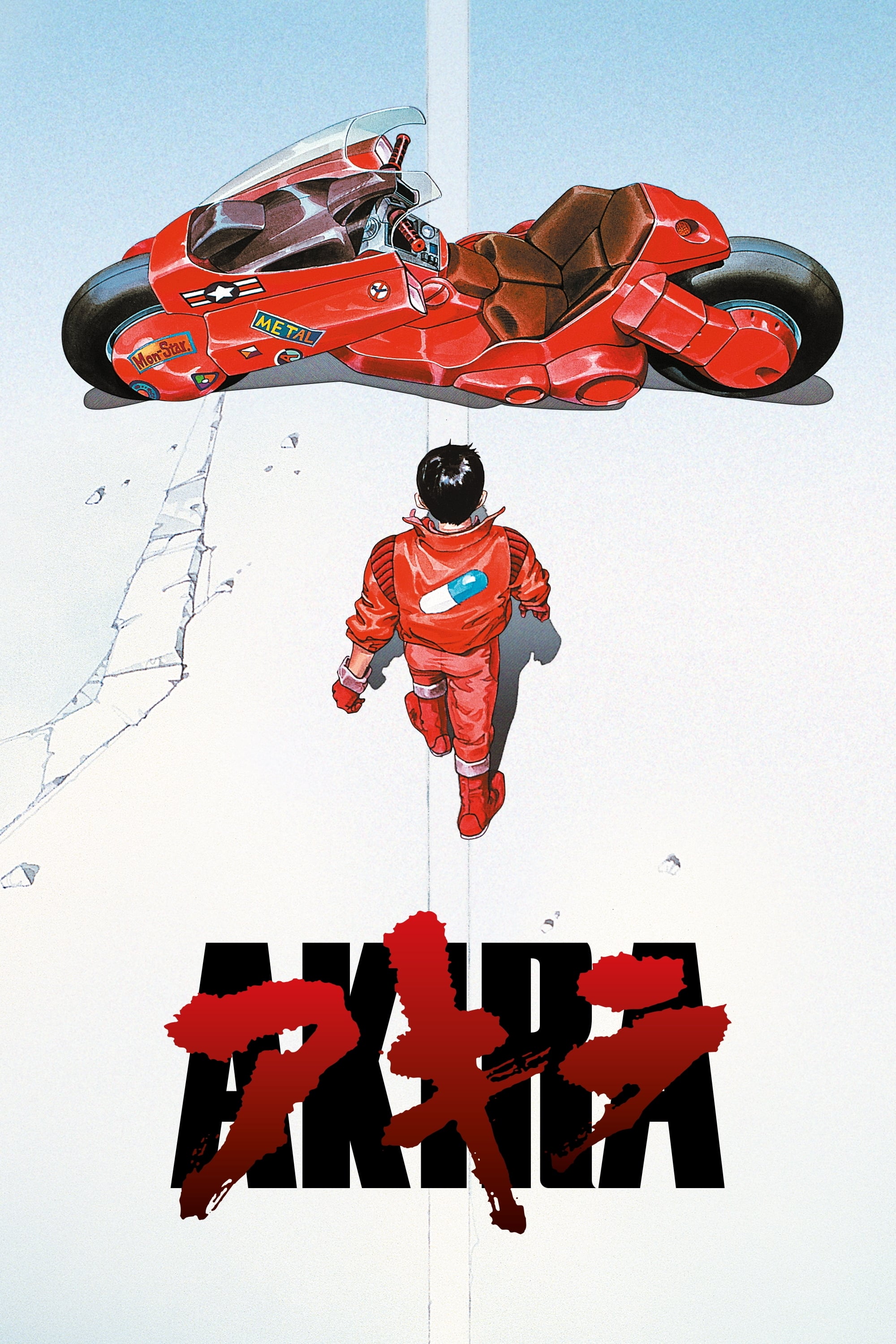
A biker gang member named Tetsuo acquires telekinetic powers after a motorcycle accident involving a mysterious child. His newfound abilities threaten to destroy Neo-Tokyo as military forces and his former friend Kaneda attempt to stop him. The film explores themes of corruption, youth rebellion, and the dangers of unchecked scientific power. Its detailed cityscape and fluid animation set a high standard for the cyberpunk genre and Japanese animation globally.
‘Mary and Max’ (2009)
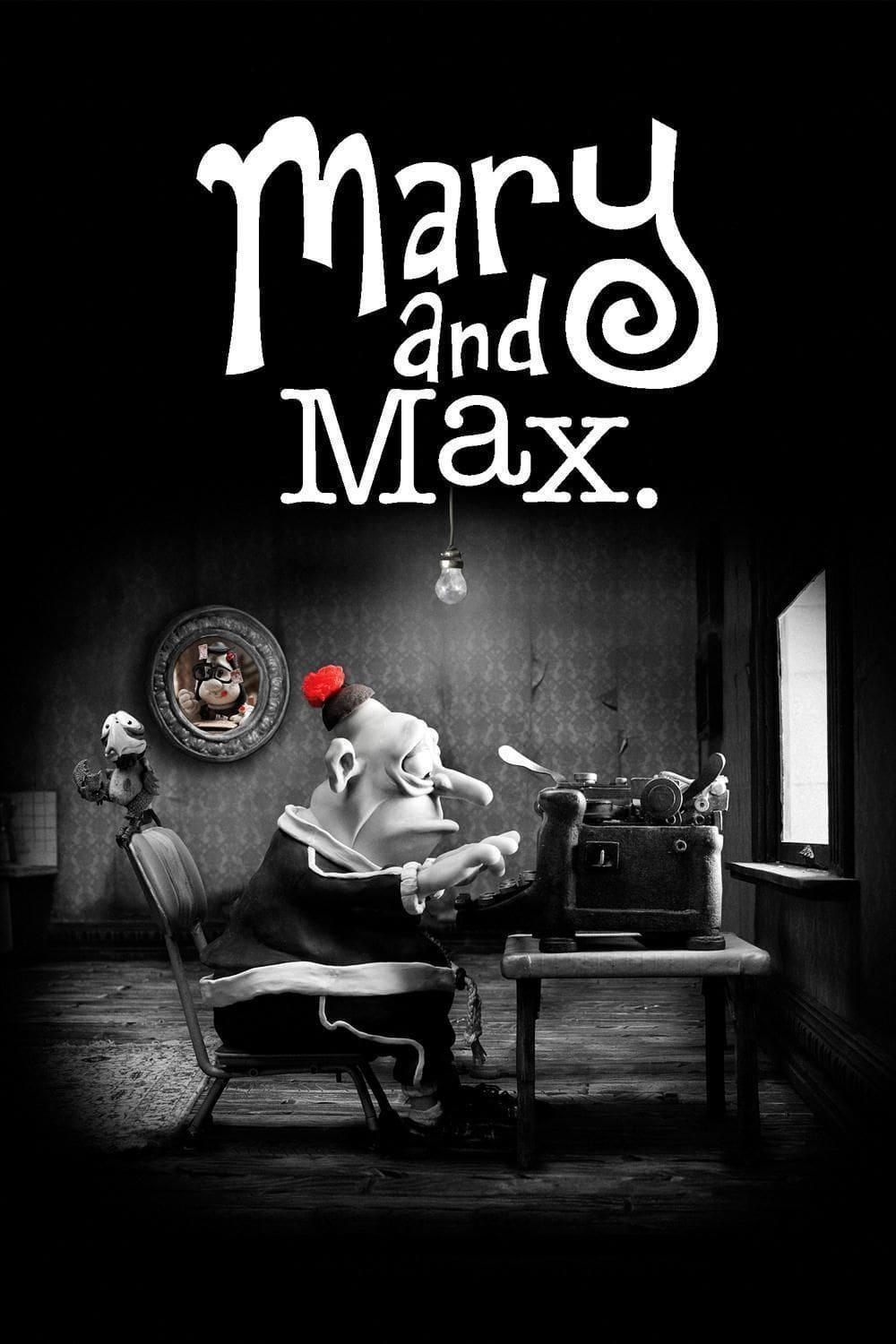
A lonely eight-year-old girl in Australia strikes up a correspondence with a forty-four-year-old man in New York City who has Asperger’s syndrome. Their letters span twenty years as they support each other through various life struggles including mental health issues and addiction. The claymation style contrasts the sepia tones of Australia with the noir atmosphere of New York. This tragicomedy examines the complexities of friendship and the acceptance of human imperfections.
‘Ghost in the Shell’ (1995)
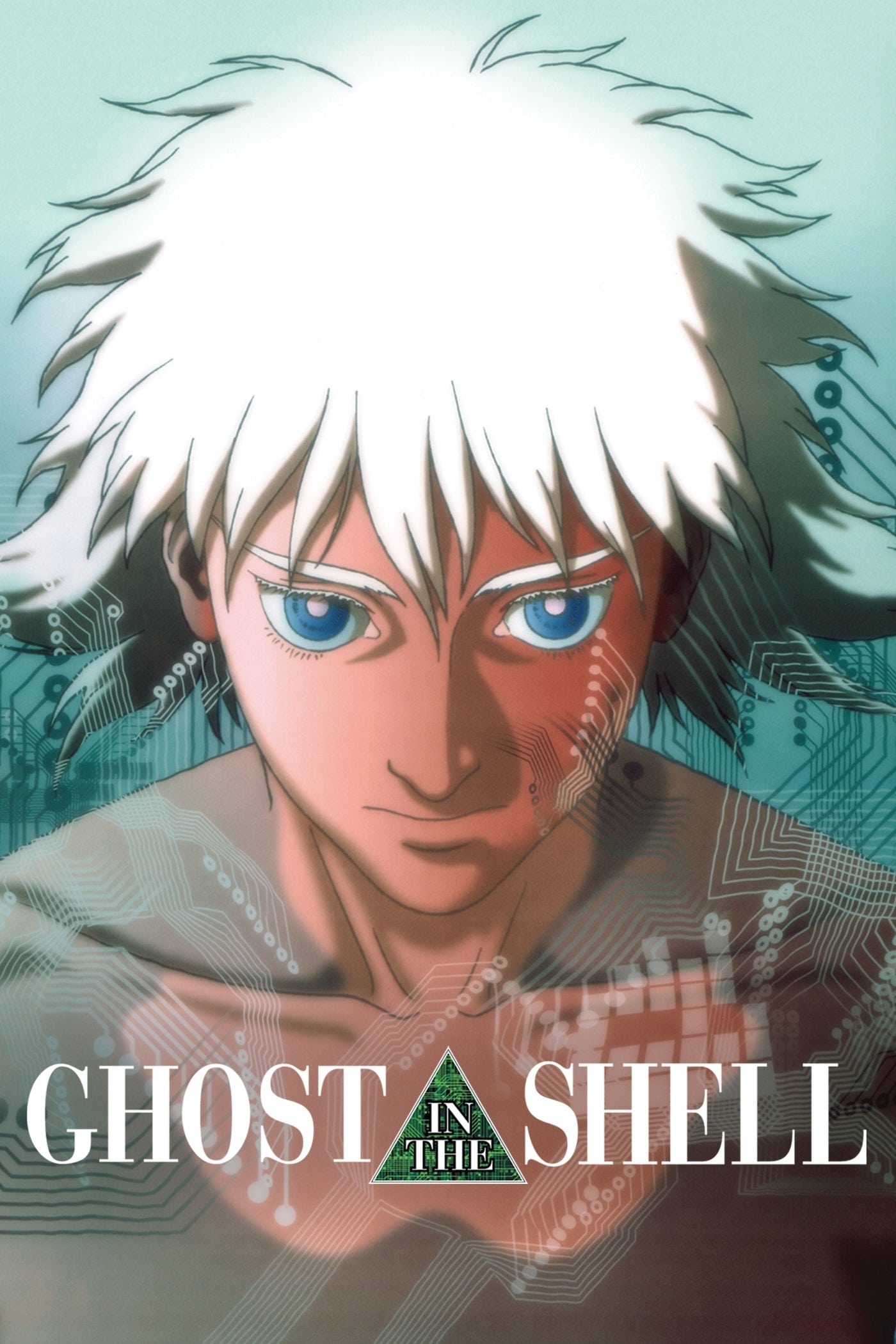
Major Motoko Kusanagi leads a cyborg security team hunting a hacker known as the Puppet Master in a future where humanity is interconnected with machines. She begins to question her own existence and whether her cybernetic body retains a human soul. The film delves into philosophical inquiries regarding identity, consciousness, and the merging of biological and technological life. Its visual direction heavily influenced subsequent science fiction cinema and the cyberpunk aesthetic.
‘Flee’ (2021)
Amin Nawabi shares his hidden past as a child refugee from Afghanistan with his close friend while preparing to marry his husband. The film uses animation to protect his identity while recounting his harrowing escape to Denmark via Russia. Archival footage intercuts the animated sequences to ground the story in historical reality. It presents a deeply personal account of the refugee experience and the lingering trauma of displacement.
‘Princess Mononoke’ (1997)
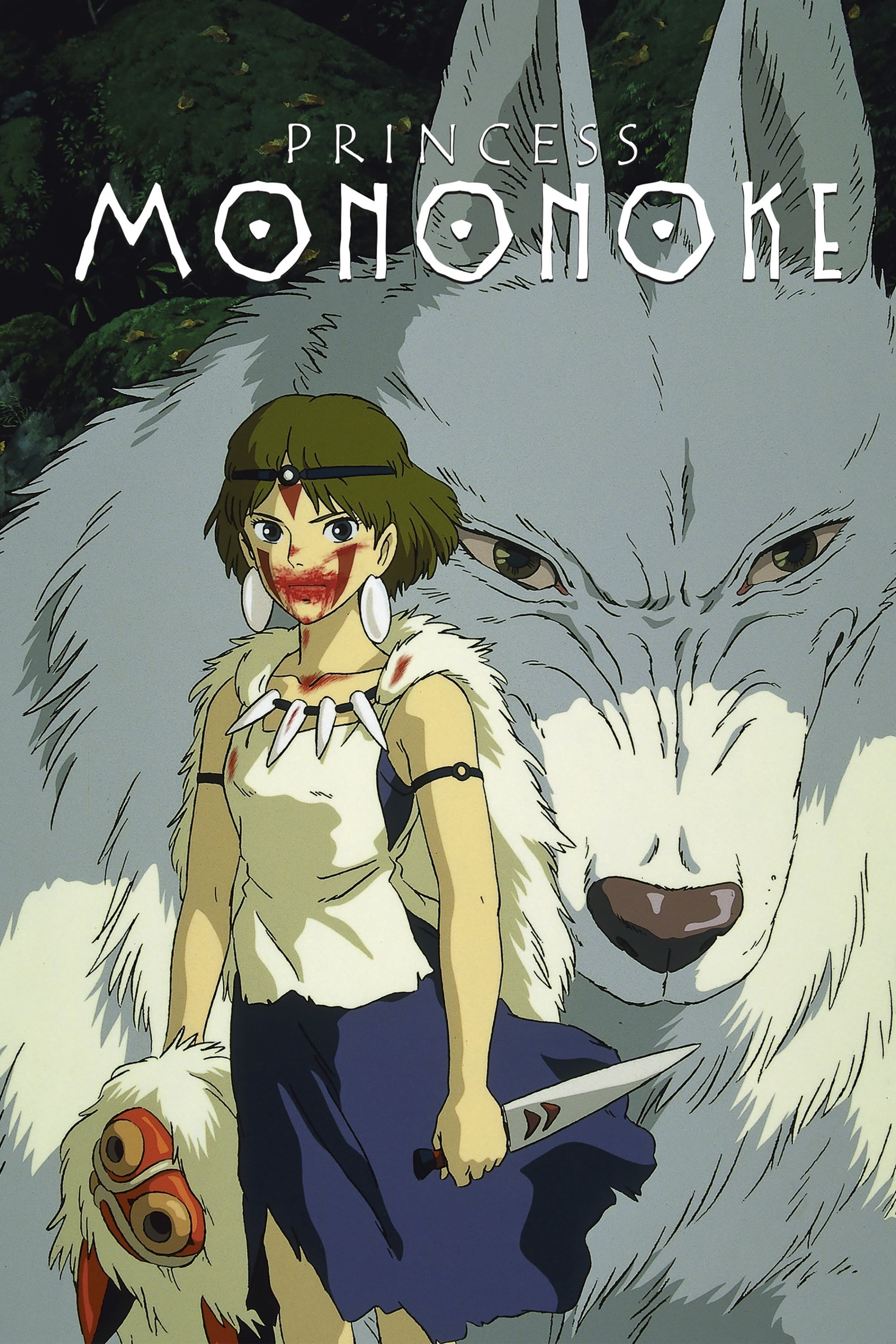
Prince Ashitaka becomes cursed while defending his village and travels west to find a cure. He finds himself in the middle of a war between the industrialist Lady Eboshi and the spirits of the forest led by a human girl raised by wolves. Hayao Miyazaki constructs a morally complex narrative where neither side is purely evil in their struggle for survival. The film addresses environmental destruction and the difficulty of finding harmony between human progress and nature.
‘Paprika’ (2006)
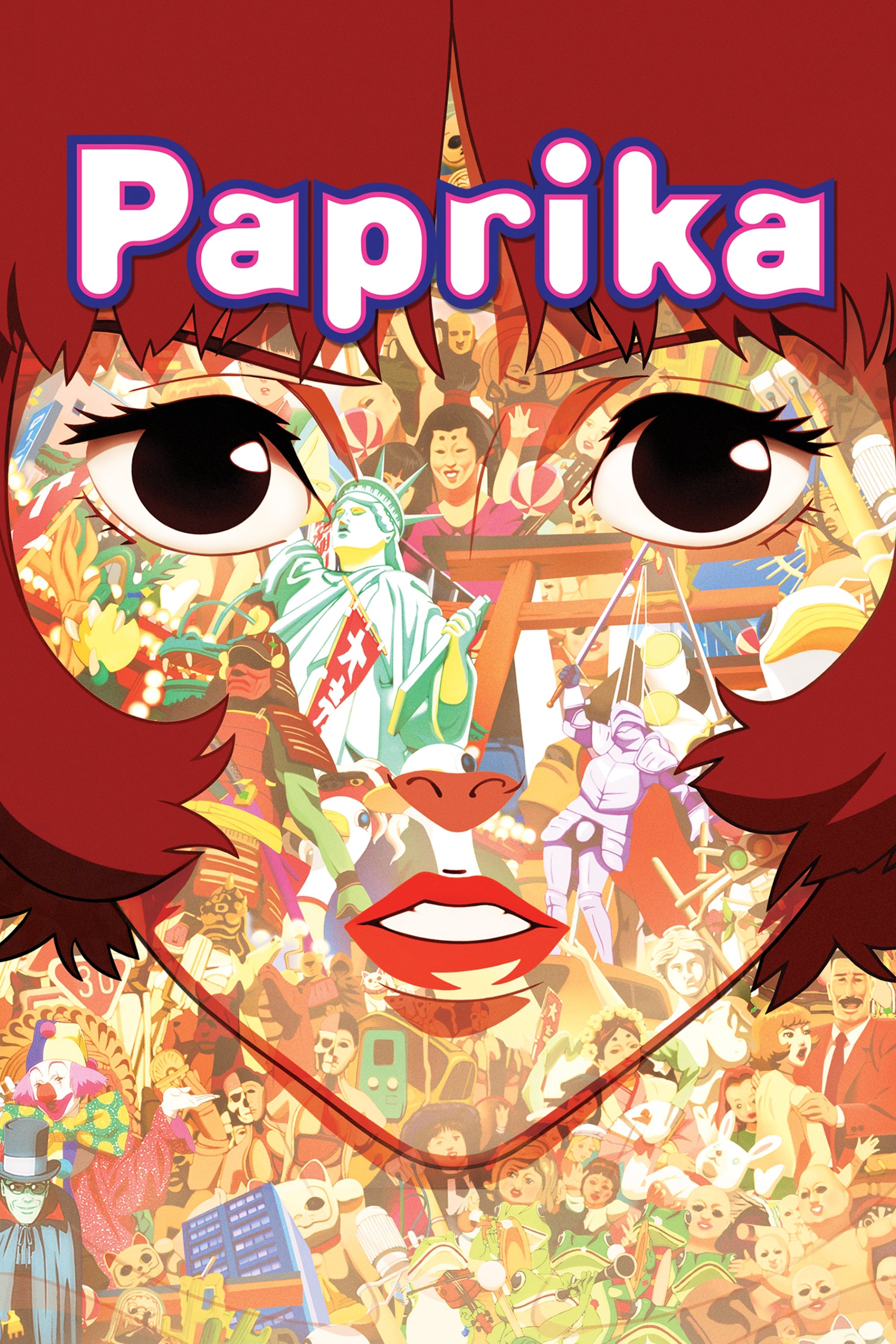
A research psychologist uses a device called the DC Mini to enter the dreams of patients and treat their anxieties. A thief steals the technology and begins merging the dream world with reality to cause chaos across the city. Detective Konakawa must navigate his own subconscious trauma to help stop the villain. The movie visualizes the illogical and fluid nature of dreams with colorful and surreal imagery.
‘The Wind Rises’ (2013)
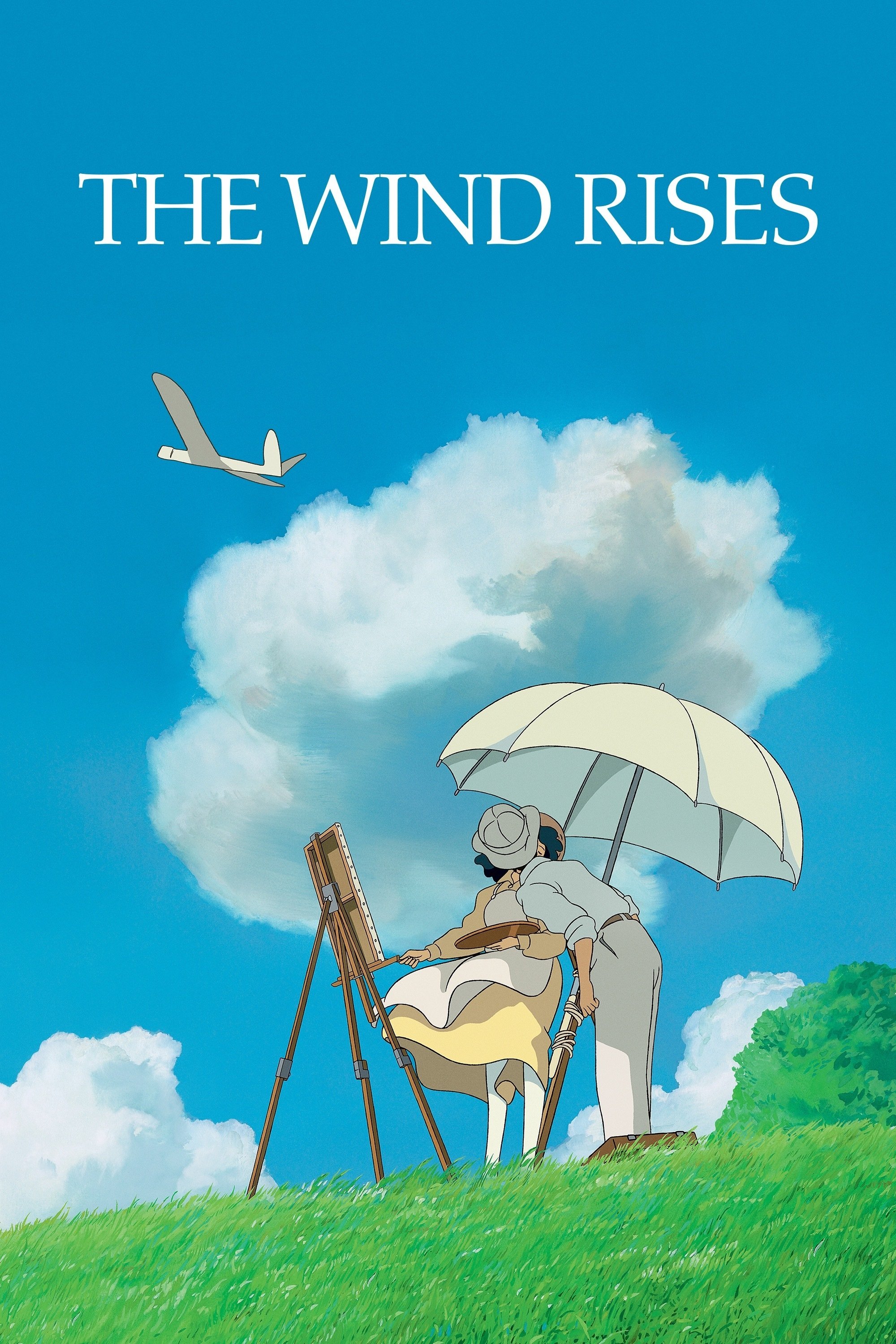
Jiro Horikoshi dreams of flying and designing beautiful airplanes despite his nearsightedness. The film chronicles his life as an aeronautical engineer creating fighter jets for Japan during World War II. It juxtaposes his artistic passion and romance with the grim reality that his creations are machines of death. The narrative serves as a meditation on the conflicting nature of creativity and the moral burden of invention.
‘Tower’ (2016)
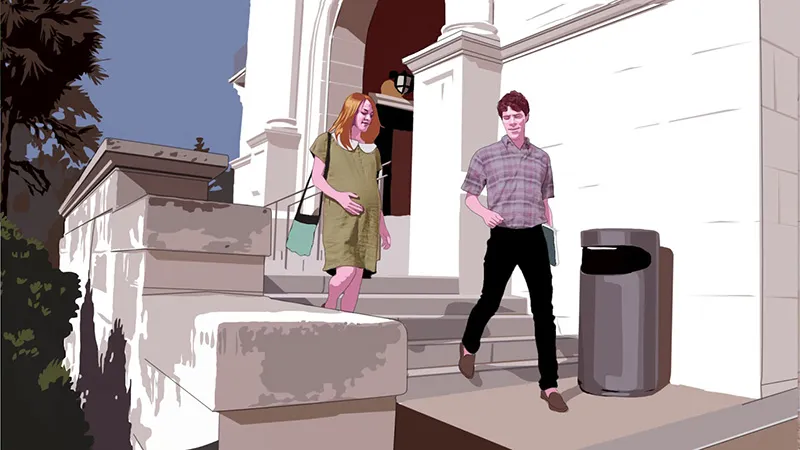
This documentary reconstructs the 1966 sniper shooting at the University of Texas at Austin. The filmmakers use rotoscopic animation to combine archival footage with re-enactments based on survivor testimonies. The visual style places the audience directly into the tension of the event while maintaining a respectful distance from the violence. It focuses on the bravery of civilians and law enforcement who risked their lives to save others during the tragedy.
‘Waking Life’ (2001)
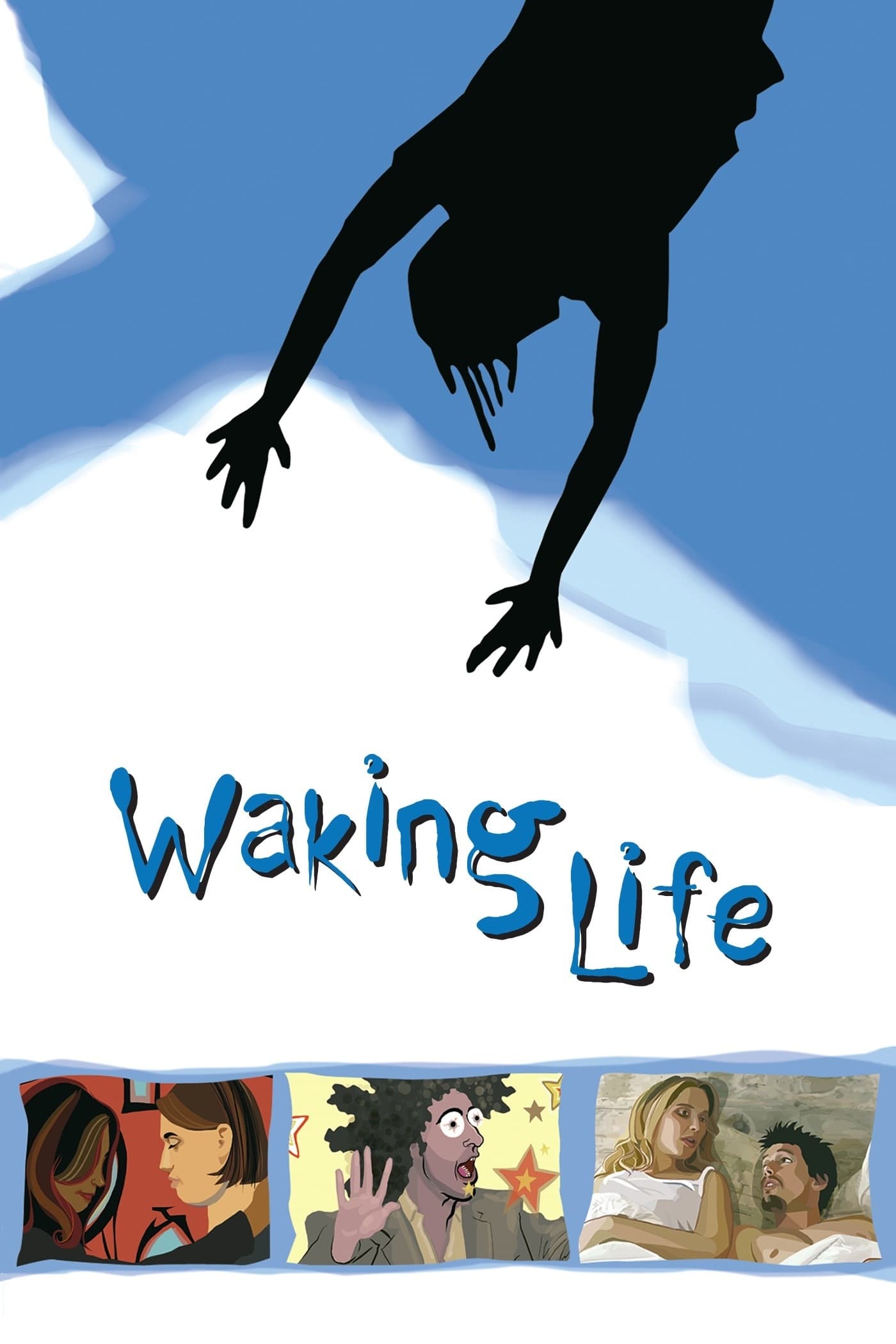
An unnamed protagonist wanders through a series of dreamlike encounters where he engages in philosophical conversations with various characters. The film discusses topics ranging from existentialism and free will to the nature of reality itself. Director Richard Linklater employs digital rotoscoping to give the visuals a floating and unstable quality. The structure functions less as a traditional narrative and more as a visual essay on consciousness.
‘I Lost My Body’ (2019)
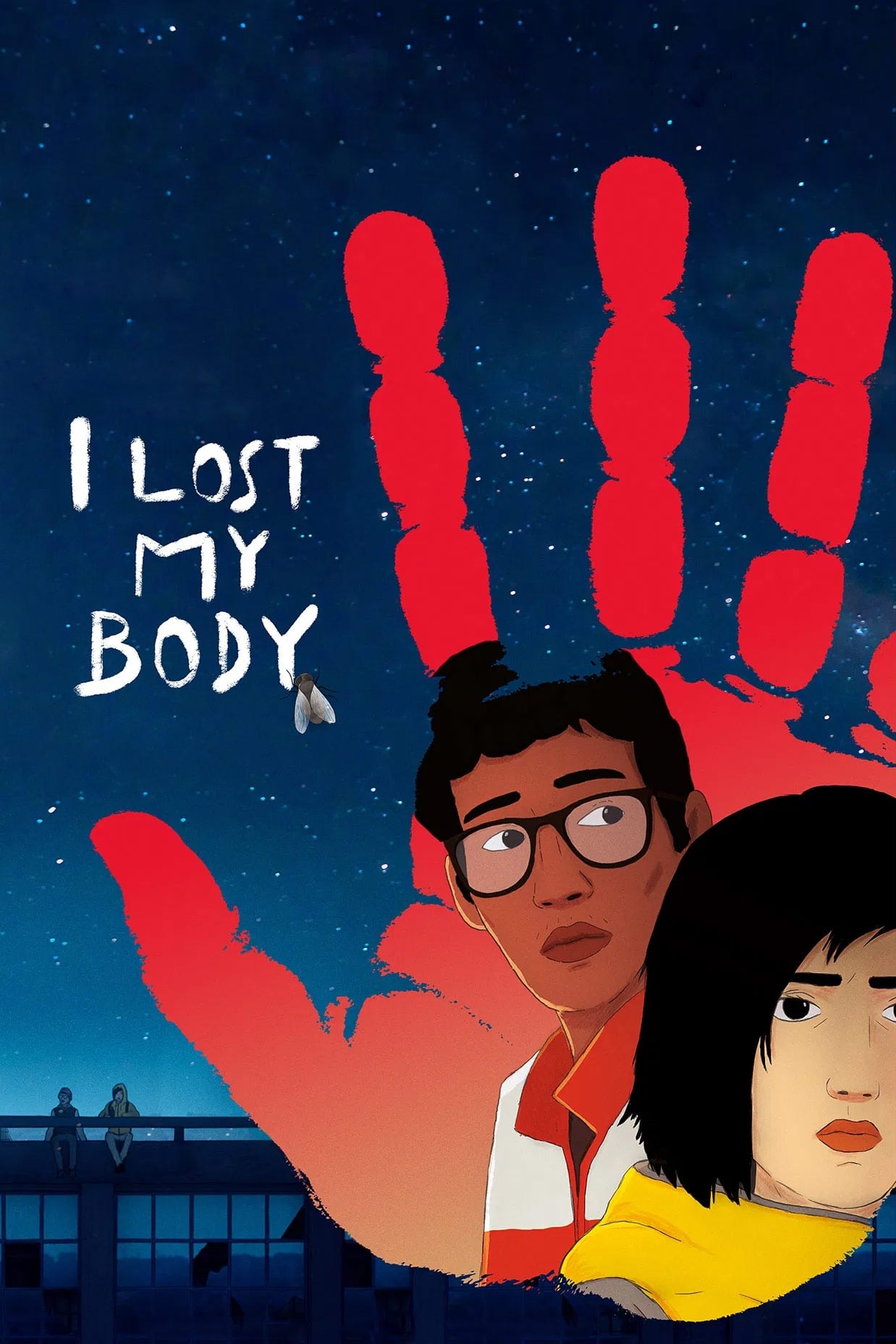
A severed hand escapes from a dissection lab and traverses Paris to reunite with its owner. The journey of the hand intertwines with flashbacks revealing the life of Naoufel and his budding romance with a librarian named Gabrielle. The film explores themes of destiny, loss, and the physical memory of the body. It combines a unique premise with sensory sound design to tell a story of resilience and acceptance.
Tell us which of these animated films left the biggest impression on you by leaving a reply in the comments.