


20 Animated Shows That Traumatized an Entire Generation of Kids

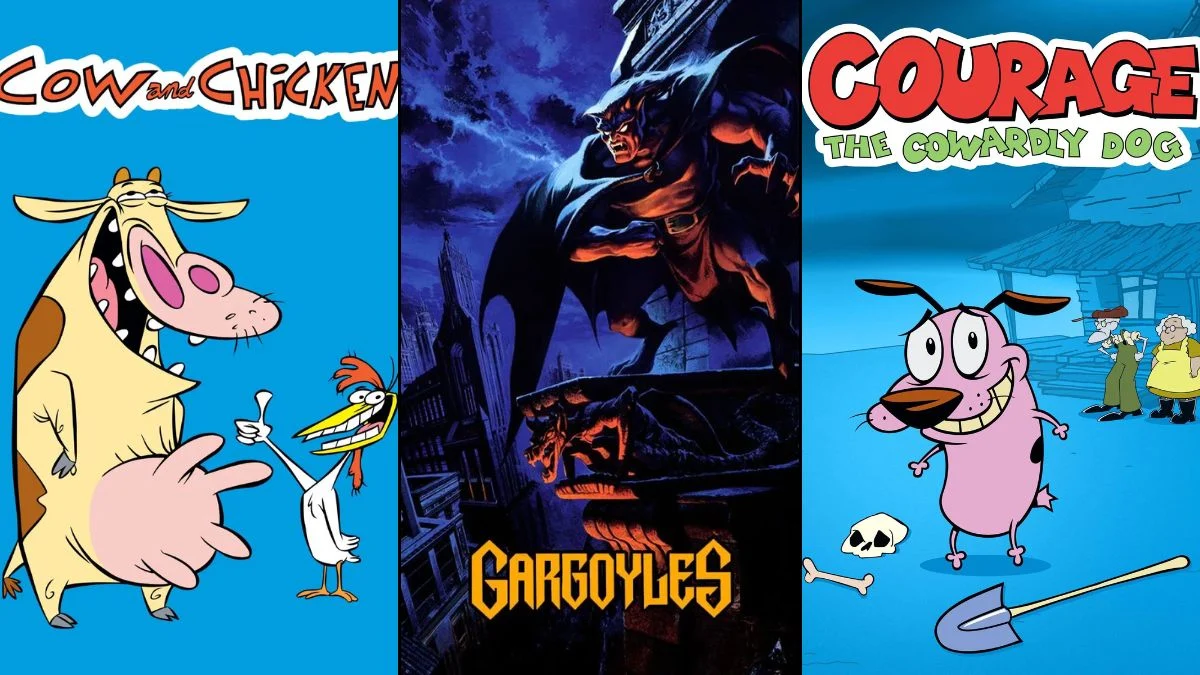


Animation has long been a medium that explores complex emotions and dark themes under the guise of children’s entertainment. Many adults today vividly recall specific scenes or episodes from their childhood that caused sleepless nights or lasting unease. Creatives often pushed the boundaries of what was acceptable for young audiences during the nineties and early two thousands. The shows listed here are remembered not just for their entertainment value but for the indelible scary marks they left on viewers.
‘Courage the Cowardly Dog’ (1999–2002)
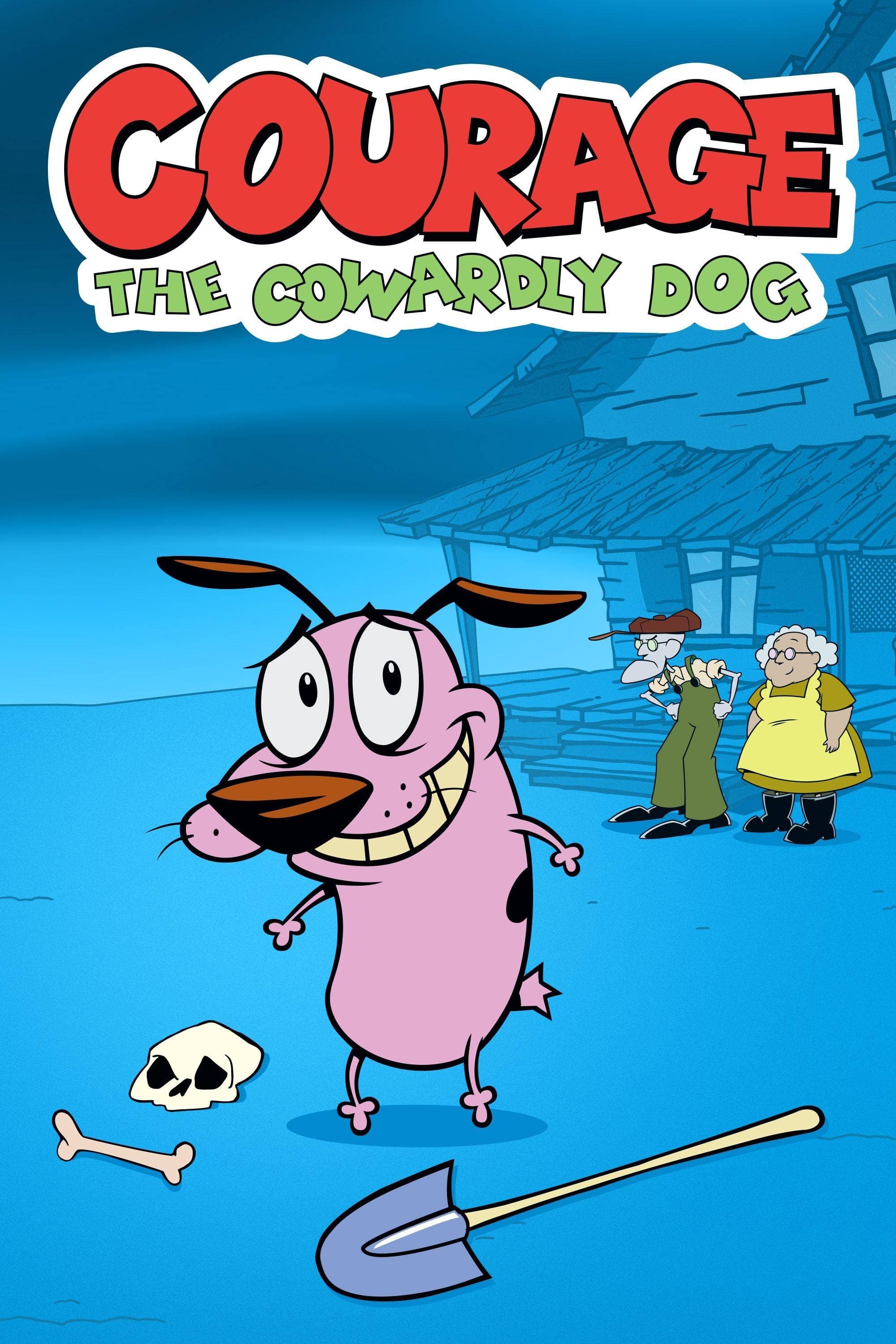
This series follows a pink dog living in the middle of nowhere who protects his owners from paranormal threats. The show utilizes shifting art styles to make its monsters appear distinctly unsettling against the standard background. Episodes often feature grotesque creatures like the spirit of the harvest moon or a cat obsessed with violence. ‘Courage the Cowardly Dog’ relies heavily on eerie sound design and silence to build tension before a jump scare occurs. It remains one of the most frequently cited sources of childhood nightmares for those who grew up watching Cartoon Network.
‘The Ren & Stimpy Show’ (1991–1996)
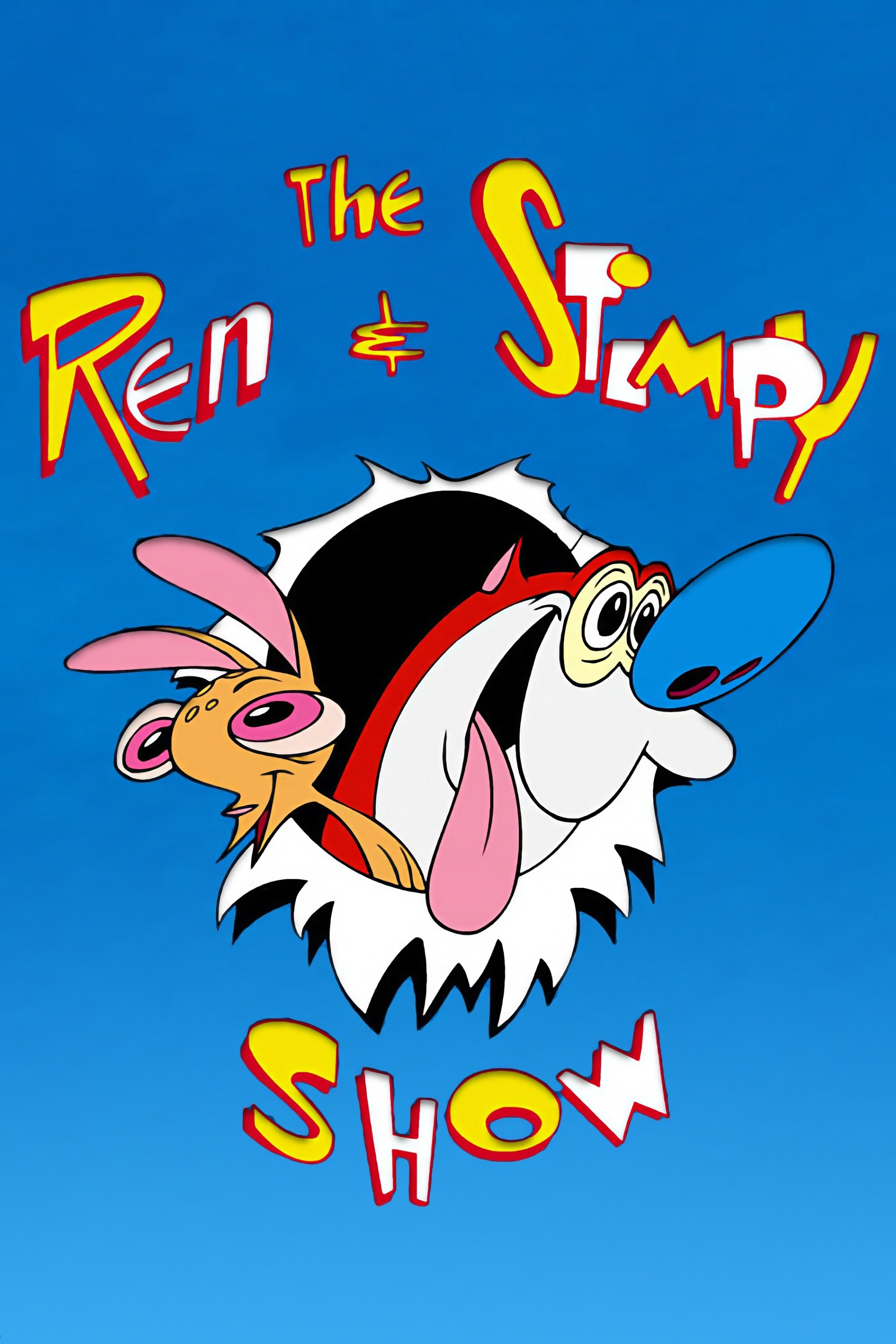
John Kricfalusi created a world filled with gross-out humor and highly detailed depictions of bodily decay. ‘The Ren & Stimpy Show’ frequently subjects its characters to excruciating pain and psychological breakdowns that feel intense for a youth audience. The animation often lingers on throbbing veins or bloodshot eyes to elicit a visceral reaction from the viewer. One particular scene involves a character grinding his teeth down to the nerves which remains a painful memory for many. The unpredictable aggression of the main character Ren adds a layer of genuine menace to the comedy.
‘Invader Zim’ (2001–2006)
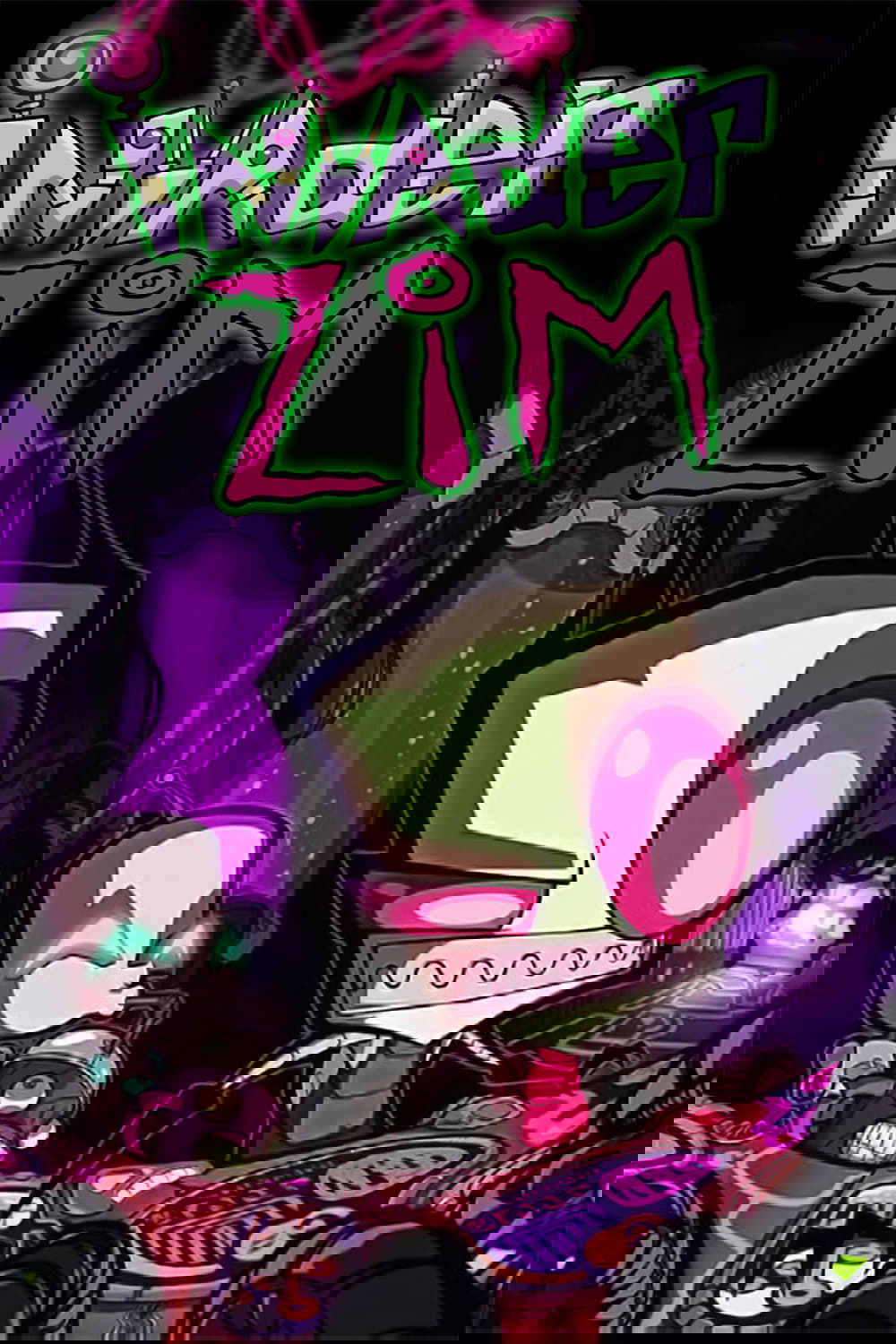
This sci-fi series features a harsh gothic aesthetic and a cynical view of humanity that stands out among its peers. ‘Invader Zim’ follows an alien conqueror and his malfunctioning robot as they attempt to enslave Earth. The show incorporates dark concepts such as organ harvesting and sensory deprivation into its frenetic storytelling. Characters often scream in agony or face grotesque transformations that emphasize the hostile nature of the universe. The sharp angular art style complements the abrasive tone that left many children feeling unsettled.
‘The Animals of Farthing Wood’ (1993–1995)

This European co-production tells the story of a group of animals forced to flee their home due to human development. ‘The Animals of Farthing Wood’ is notorious for its unflinching depiction of death and the harsh realities of nature. Beloved characters frequently meet violent ends through predation or environmental hazards like busy highways. The narrative refuses to sugarcoat the grief and trauma experienced by the survivors on their journey. It taught an entire generation about the fragility of life in a way few other children’s shows ever dared.
‘Batman: The Animated Series’ (1992–1995)
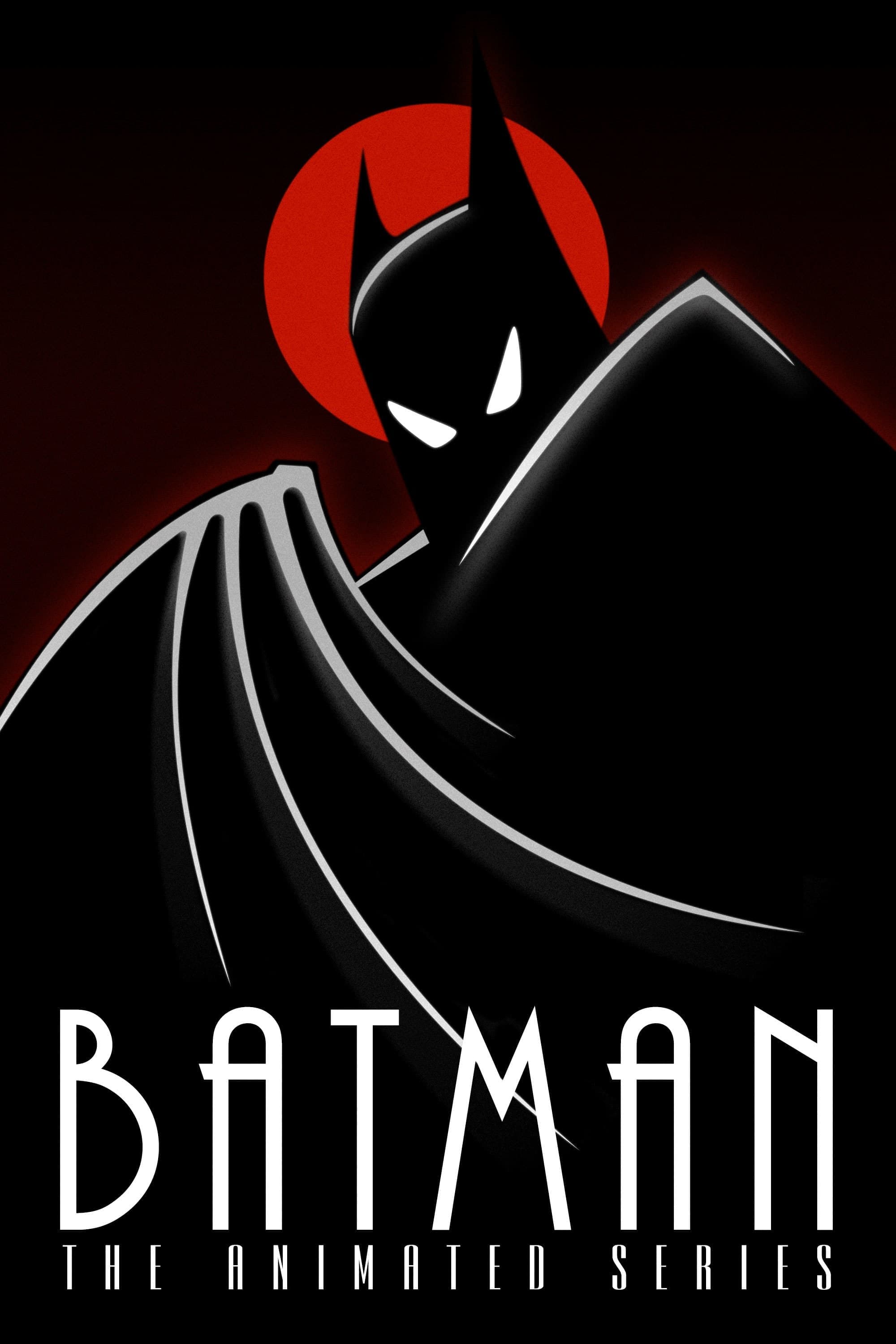
Bruce Timm and Eric Radomski created a noir atmosphere that treated its young audience with surprising maturity. ‘Batman: The Animated Series’ features tragic villains whose psychological issues are explored with significant depth. The show uses heavy shadows and a dark color palette to create a sense of pervasive danger in Gotham City. Episodes involving the Scarecrow or Clayface feature body horror and hallucination sequences that are genuinely frightening. The orchestral score underscores the serious dramatic tone that separates this iteration from lighter superhero fare.
‘Gargoyles’ (1994–1997)
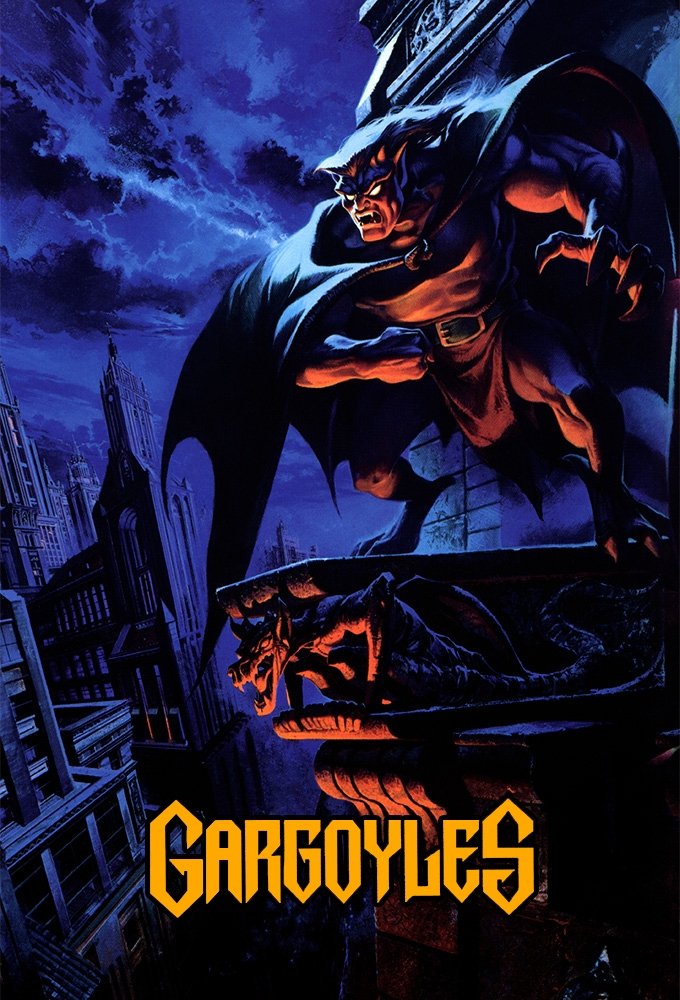
This series creates a dark urban fantasy world where ancient creatures turn to stone during the day. ‘Gargoyles’ incorporates Shakespearean tragedy and complex morality plays that often result in violent consequences. The villains are not merely evil caricatures but intelligent adversaries who pose a lethal threat to the heroes. Scenes involving betrayal and attempted murder are presented with a gravity rarely seen in afternoon cartoons. The show maintains a somber tone that respects the intelligence of its viewers while exposing them to intense themes.
‘Aaahh!!! Real Monsters’ (1994–1997)
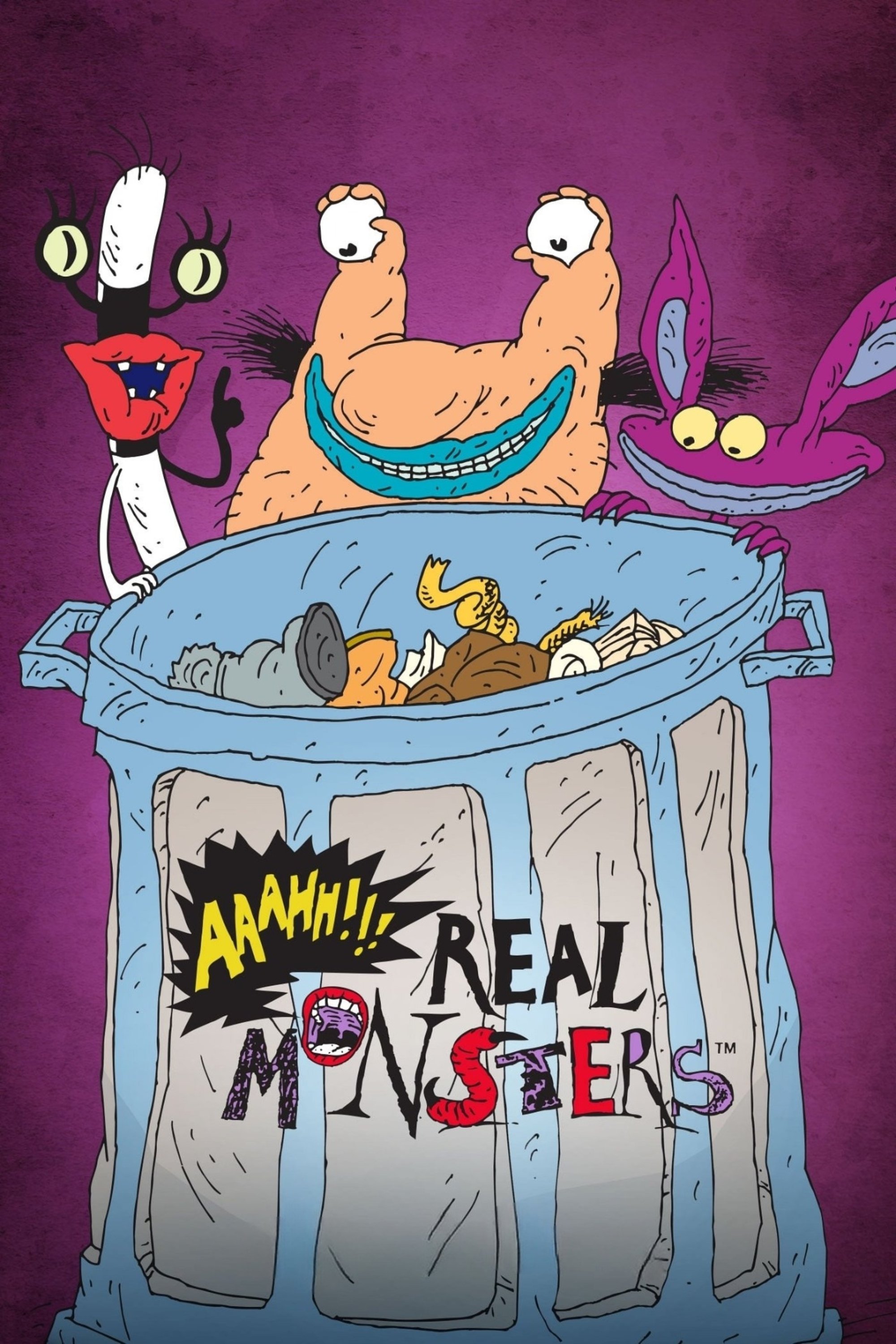
The premise of this show revolves entirely around creatures learning how to terrify humans effectively. ‘Aaahh!!! Real Monsters’ takes place in a grime-filled setting located beneath a city dump. The character designs are intentionally repulsive and include a rabbit-like creature who holds his own eyes in his hands. Episodes focus on the art of the scare and often depict humans in states of genuine panic and distress. The dark lighting and grimy aesthetic create a claustrophobic atmosphere that some children found overwhelming.
‘The Powerpuff Girls’ (1998–2005)
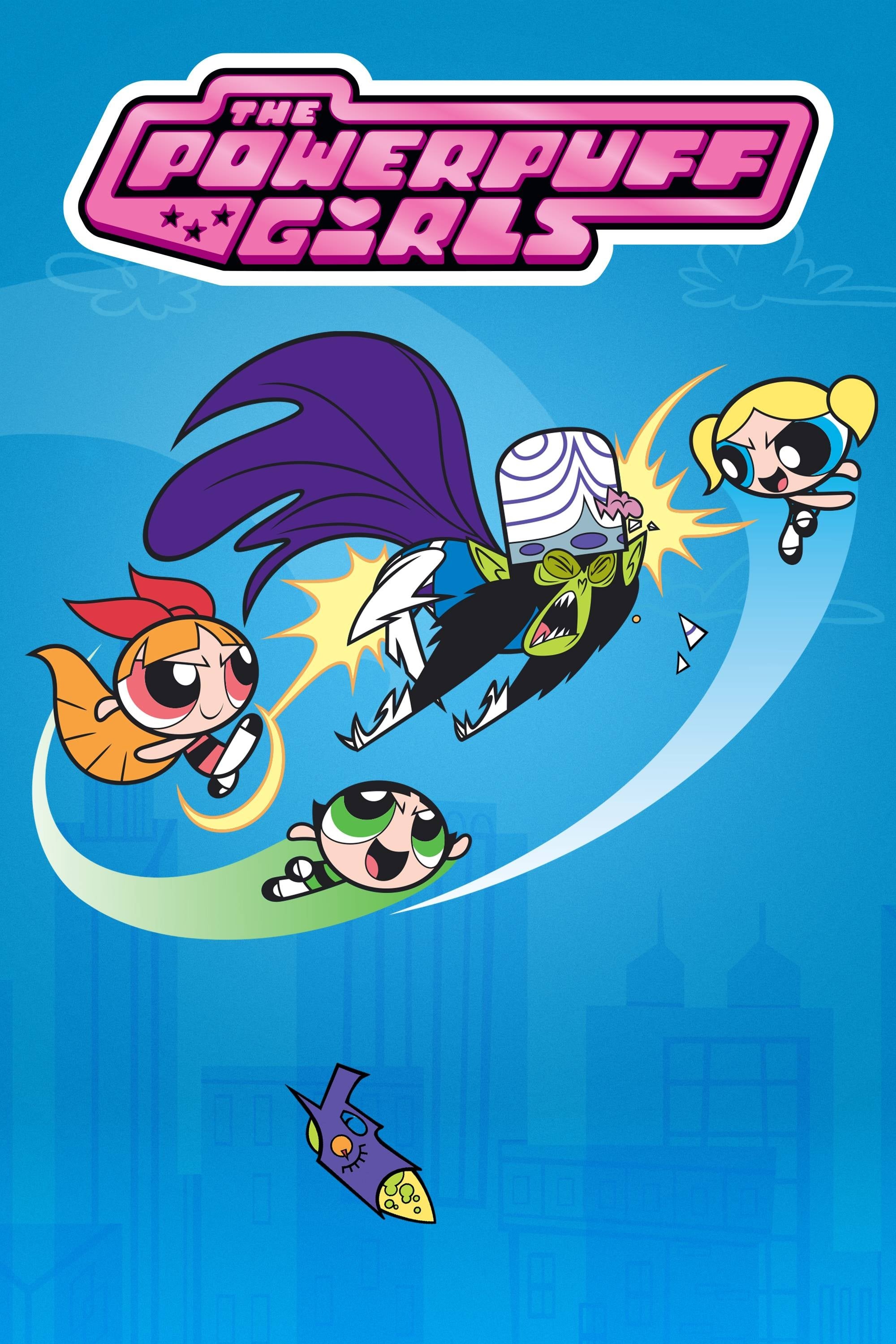
While the show is known for its bright colors and action, it features one of the most terrifying villains in animation history. HIM is a demonic entity with an echoing voice and immense psychological power over the protagonists. ‘The Powerpuff Girls’ shifts into a surreal horror style whenever this character appears on screen to torment the heroes. Another episode involves the girls traveling to a dystopian future where the world has been destroyed. These sudden shifts into darkness provided stark contrast to the usually bubbly tone of the series.
‘Samurai Jack’ (2001–2017)
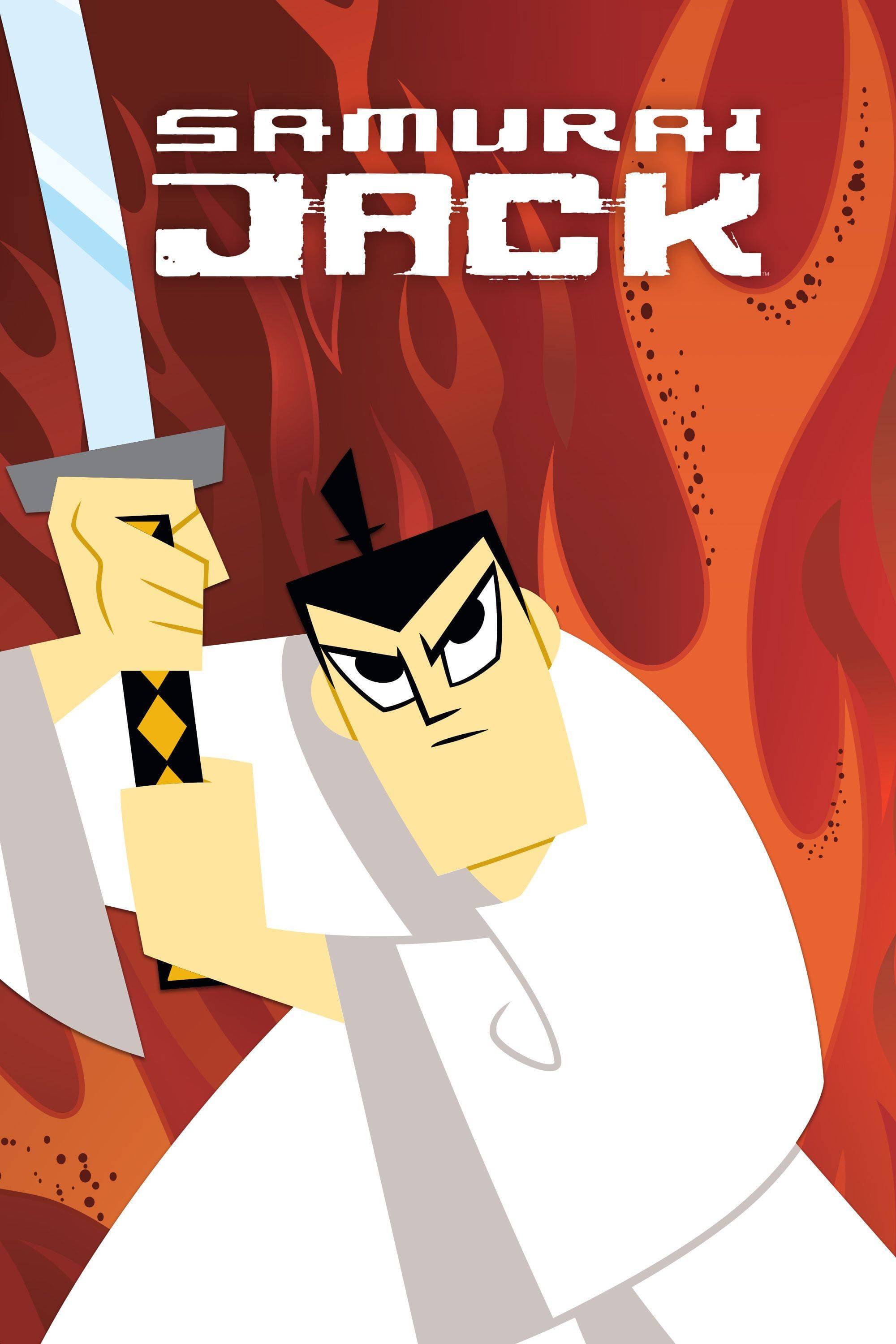
Genndy Tartakovsky crafted a visual masterpiece that uses silence and atmosphere to build dread. ‘Samurai Jack’ is set in a dystopian future ruled by the shape-shifting demon Aku. The series features stark imagery of ruined civilizations and robotic armies that hunt the protagonist relentlessly. A specific episode involving a haunted house and a monochromatic ink demon is often cited as a high point of horror in the show. The isolation of the main character contributes to a pervasive sense of loneliness and melancholy.
‘The Marvelous Misadventures of Flapjack’ (2008–2010)
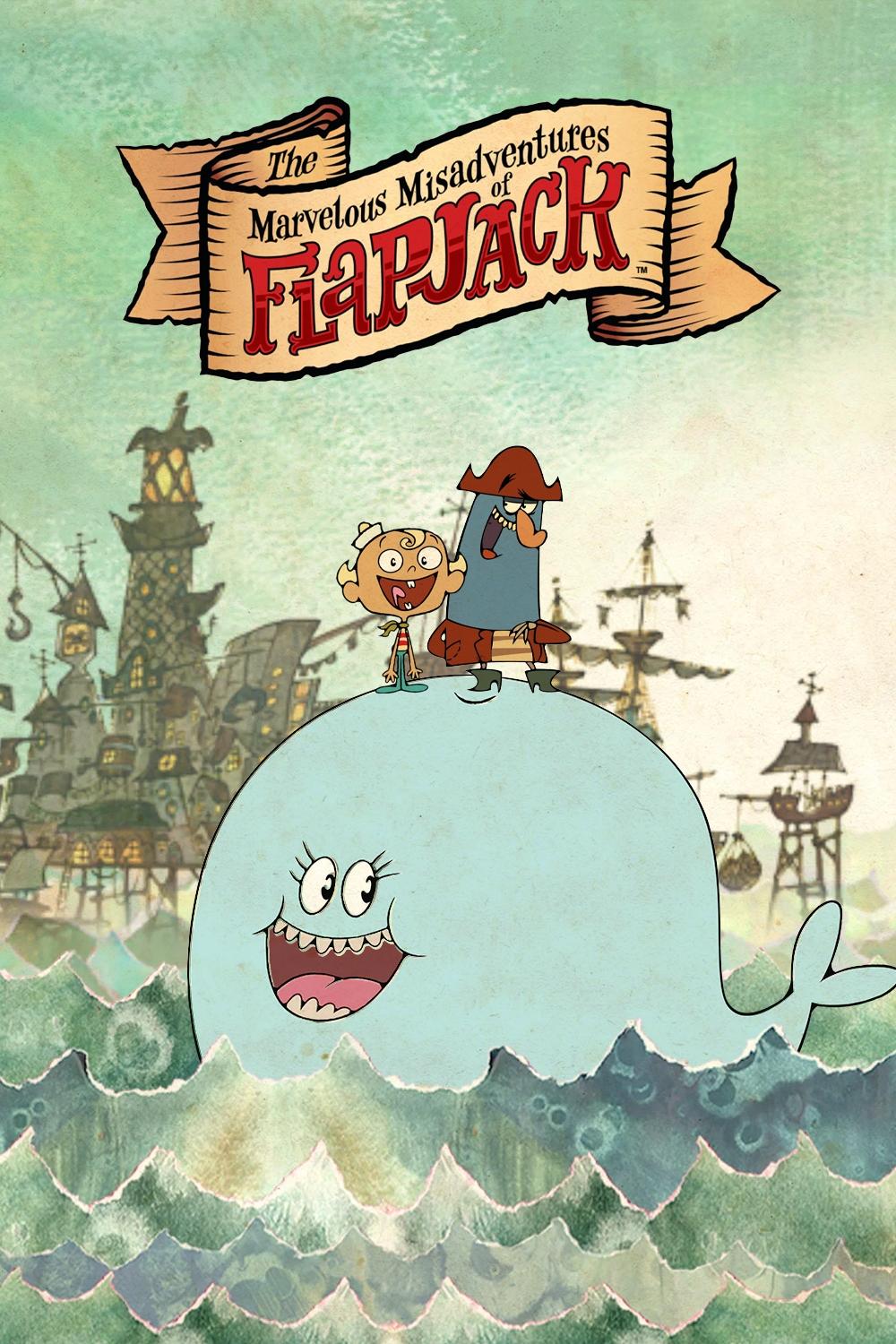
This series utilizes highly detailed close-ups similar to earlier gross-out cartoons but with a more sinister edge. ‘The Marvelous Misadventures of Flapjack’ combines surreal humor with imagery that borders on nightmarish. The show often integrates different animation styles including puppetry and claymation to create jarring visual effects. One prominent character named Dr. Barber evokes a sense of unease with his threatening demeanor and obsession with surgery. The general atmosphere of the show feels feverish and unpredictable.
‘Cow and Chicken’ (1997–1999)
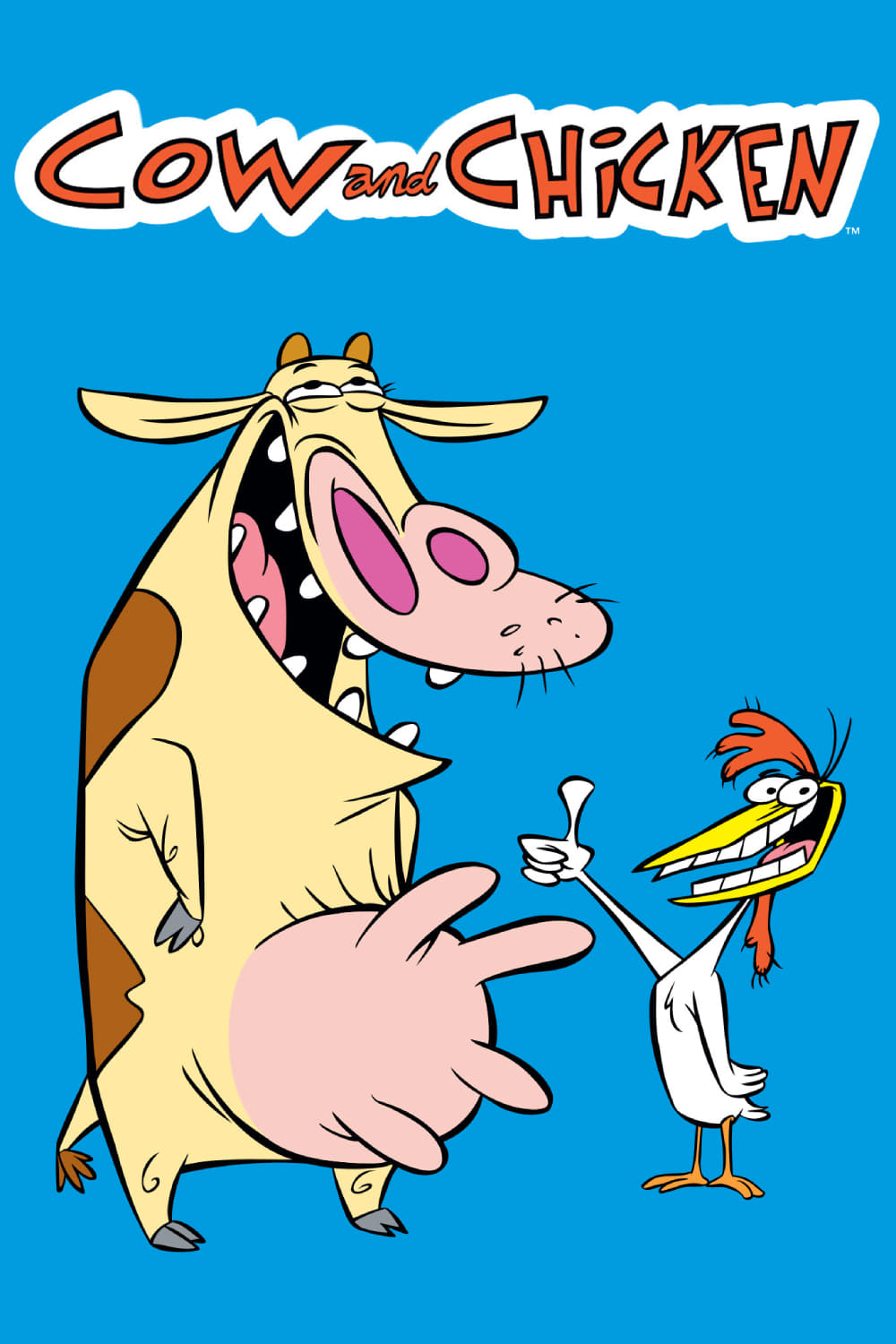
This surreal comedy features a grotesque art style and nonsensical plots that often venture into disturbing territory. ‘Cow and Chicken’ includes a recurring antagonist known as the Red Guy who displays erratic and predatory behavior. The show frequently places the young protagonists in dangerous situations involving this devil-like figure. Visual gags often involve inside-out bodies or other forms of biological distortion. The sheer weirdness of the scenarios left many viewers feeling confused and uncomfortable.
‘Hey Arnold!’ (1996–2004)
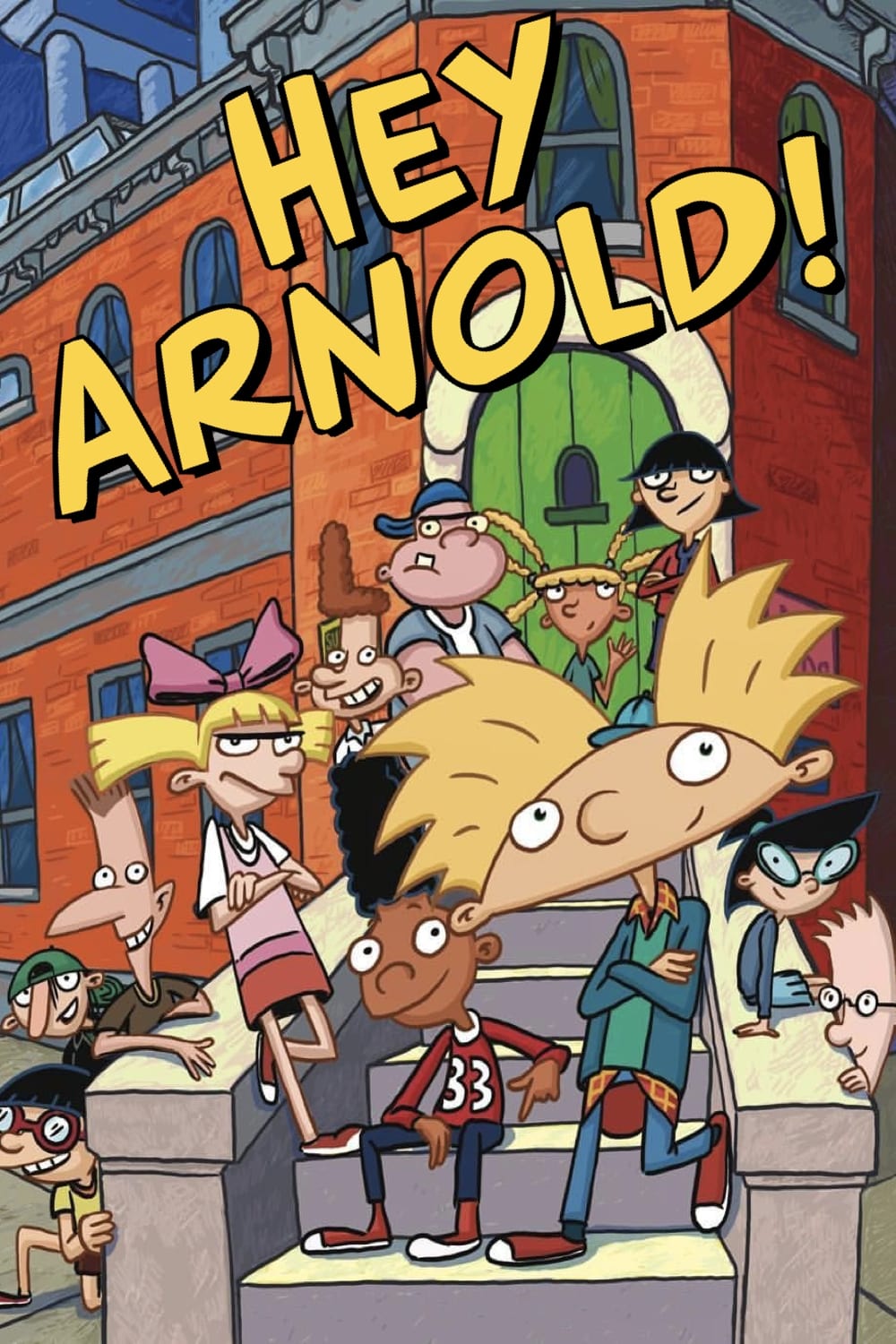
While generally a slice-of-life show about city living, this series contains several episodes centered on urban legends. ‘Hey Arnold!’ features stories about a ghost bride and a haunted train that play out with genuine suspense. The animation uses lighting effects to create spooky silhouettes and shadows during these special episodes. The narrative rarely dismisses the fears of the children and allows the tension to linger until the end. These departures from the usual grounded reality stand out as particularly frightening moments in the series.
‘SpongeBob SquarePants’ (1999–Present)
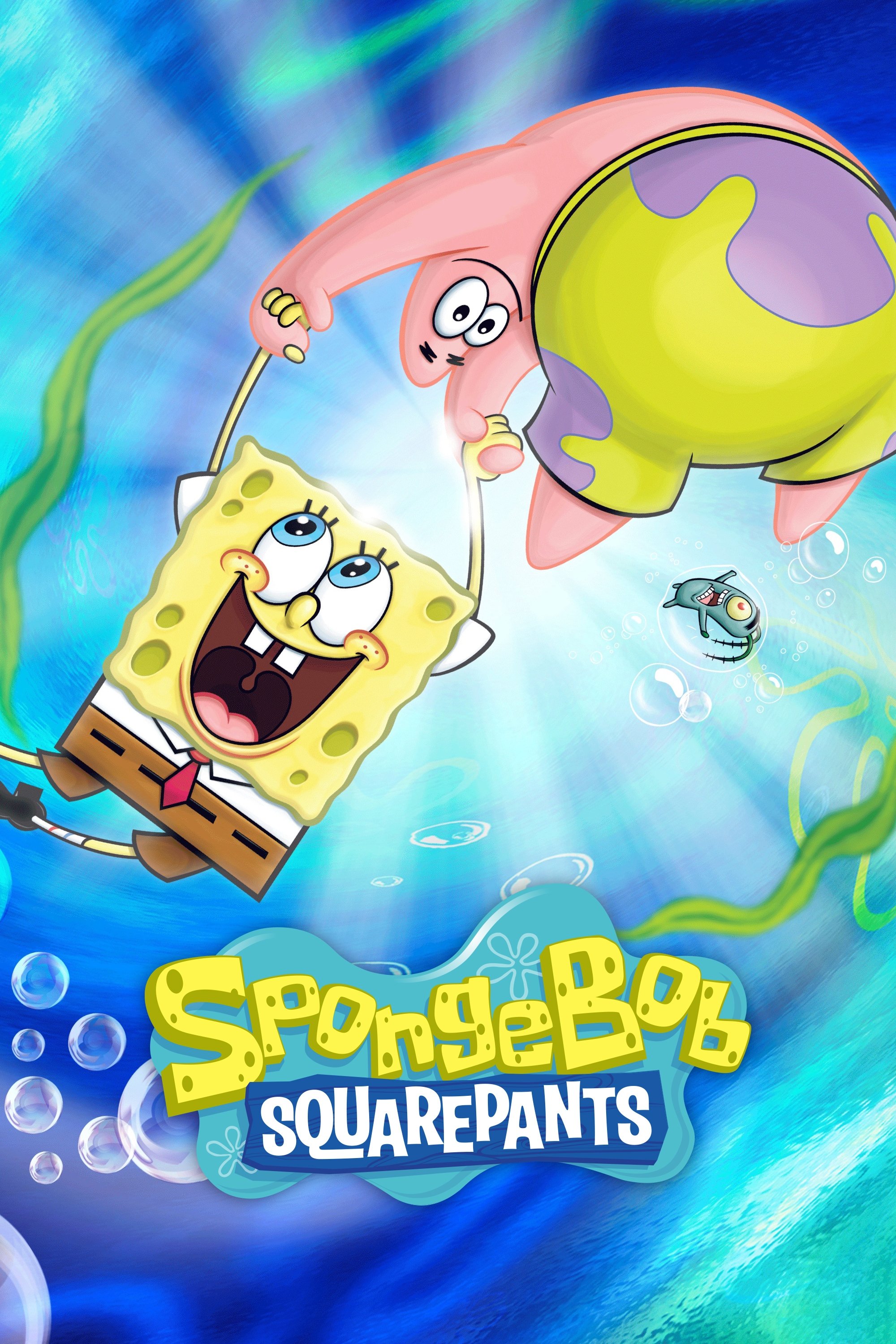
Even this cheerful show contains segments that are unexpectedly frightening for younger viewers. ‘SpongeBob SquarePants’ occasionally uses live-action footage or hyper-realistic paintings to create jarring visual contrasts. The episode featuring the Hash-Slinging Slasher builds suspense effectively through atmospheric storytelling and lighting changes. Another notorious moment involves a butterfly that is shown in extreme close-up as a buzzing insect monster. These sudden shocks are memorable because they disrupt the normally safe environment of Bikini Bottom.
‘Adventure Time’ (2010–2018)
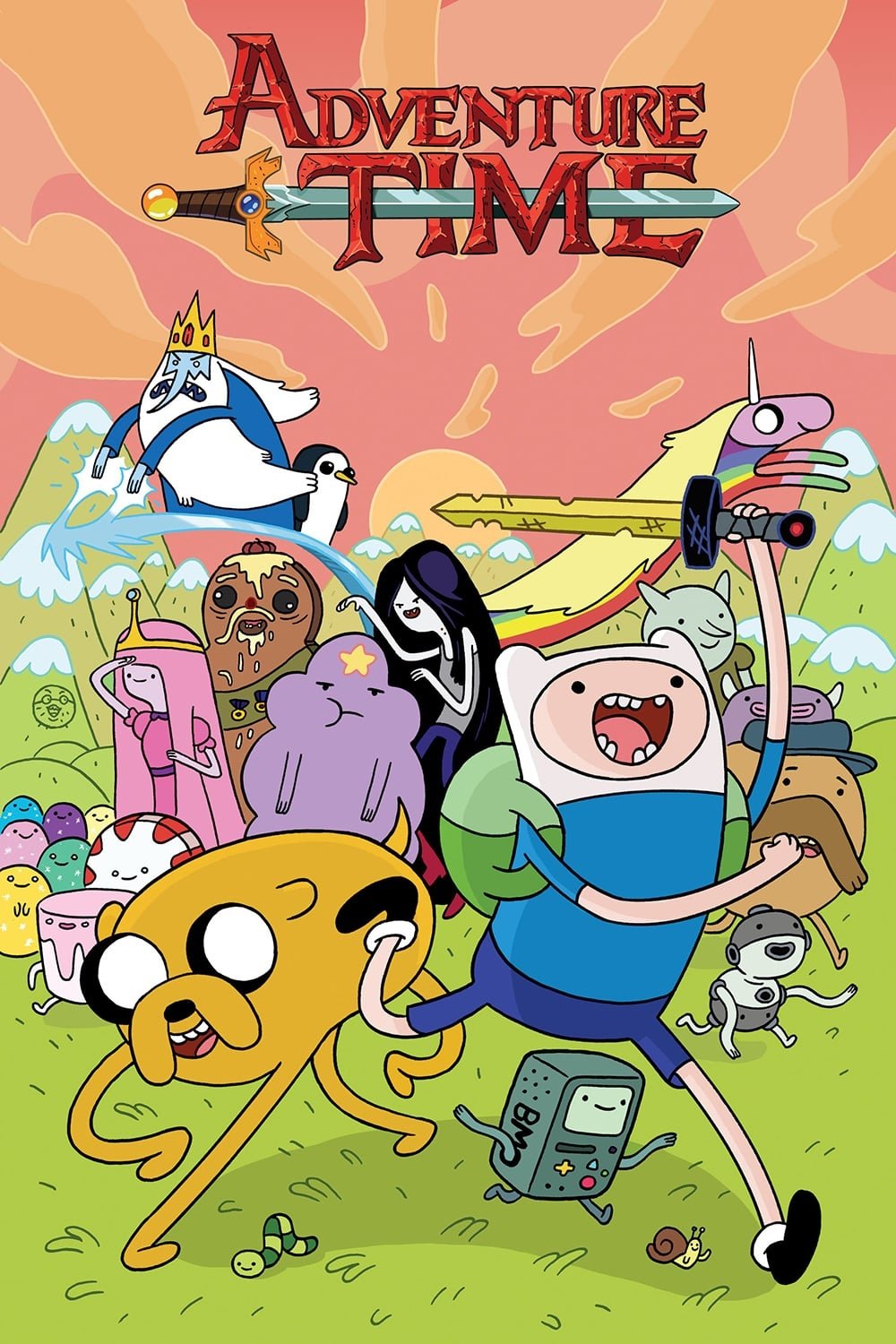
Pendleton Ward created a post-apocalyptic world that gradually reveals its tragic history over time. ‘Adventure Time’ features the Lich who is a skeletal embodiment of inevitable death and destruction. The show incorporates body horror and existential dread into its candy-colored aesthetic. Episodes featuring the deer with hands or the erratic Lemongrab are often cited as particularly disturbing. The series matured alongside its audience and eventually tackled heavy themes of dementia and abandonment.
‘Over the Garden Wall’ (2014)
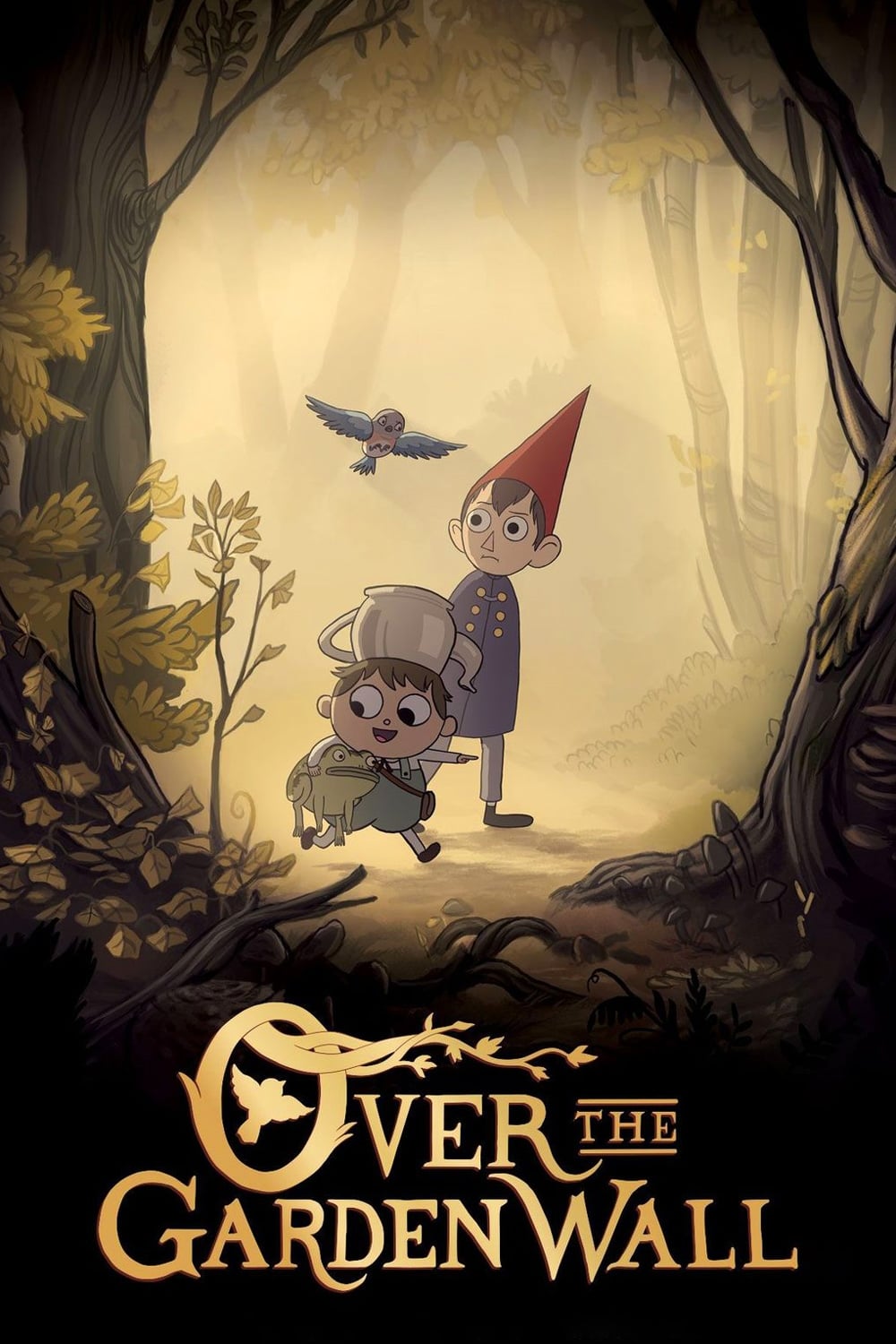
This miniseries draws heavy inspiration from folklore and Dante’s Inferno to create a somber autumn atmosphere. ‘Over the Garden Wall’ follows two brothers lost in a limbo-like forest called the Unknown. The primary antagonist is a shadow beast who seeks to turn the children into trees to fuel his lantern. The show balances whimsy with a creeping sense of mortality and darkness. The revelation of what the beast truly looks like remains one of the scariest images in modern animation.
‘Gravity Falls’ (2012–2016)
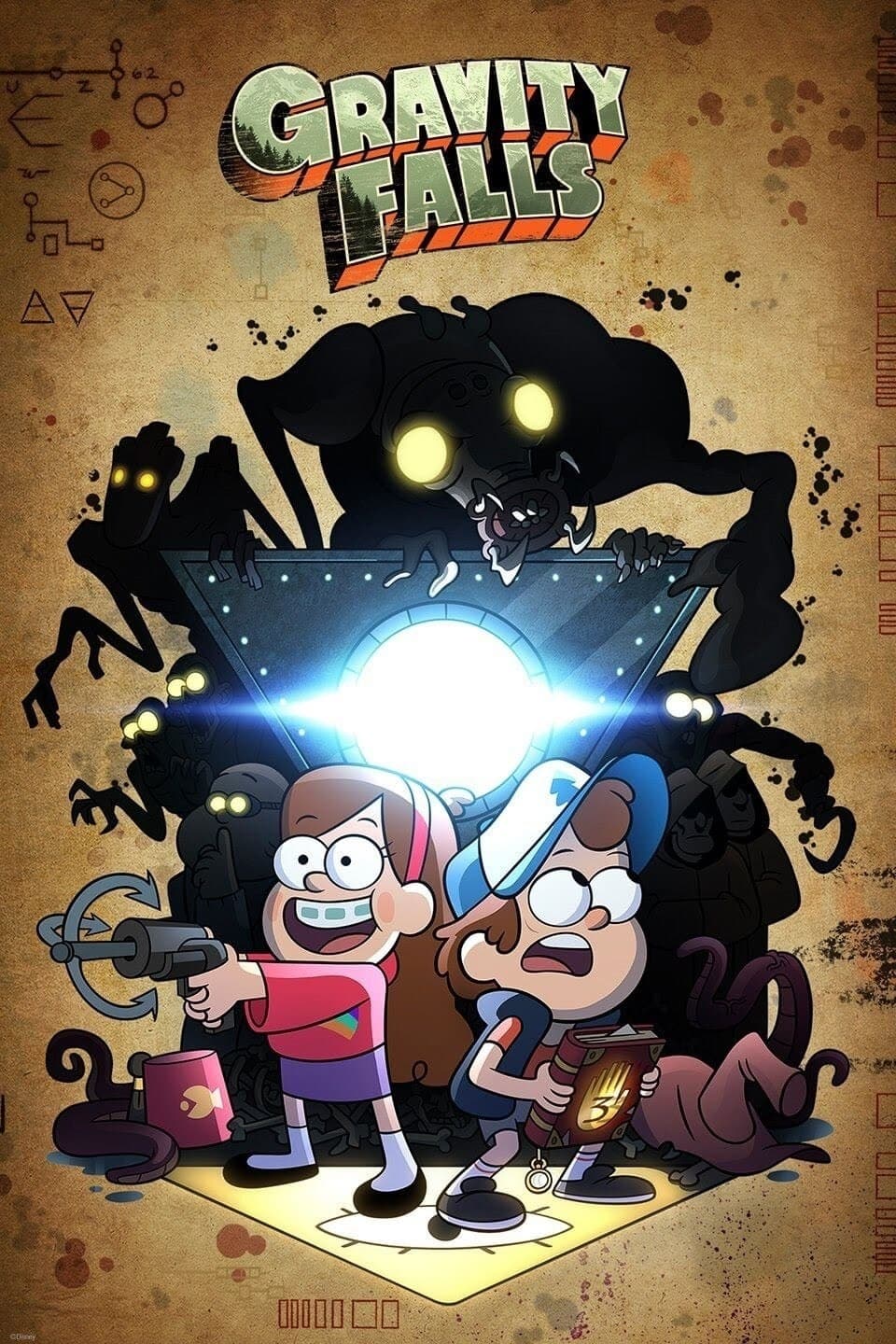
Alex Hirsch crafted a mystery series that incorporates cryptids and supernatural horror elements. ‘Gravity Falls’ features a triangular demon named Bill Cipher who creates chaos on a cosmic scale. The show includes imagery of bleeding animal heads and rearranged facial features during the finale events. A scene where a character has his teeth pulled out by magic is particularly cringeworthy for viewers. The lore involves dark rituals and possession that push the rating limits of the Disney Channel.
‘Teen Titans’ (2003–2006)
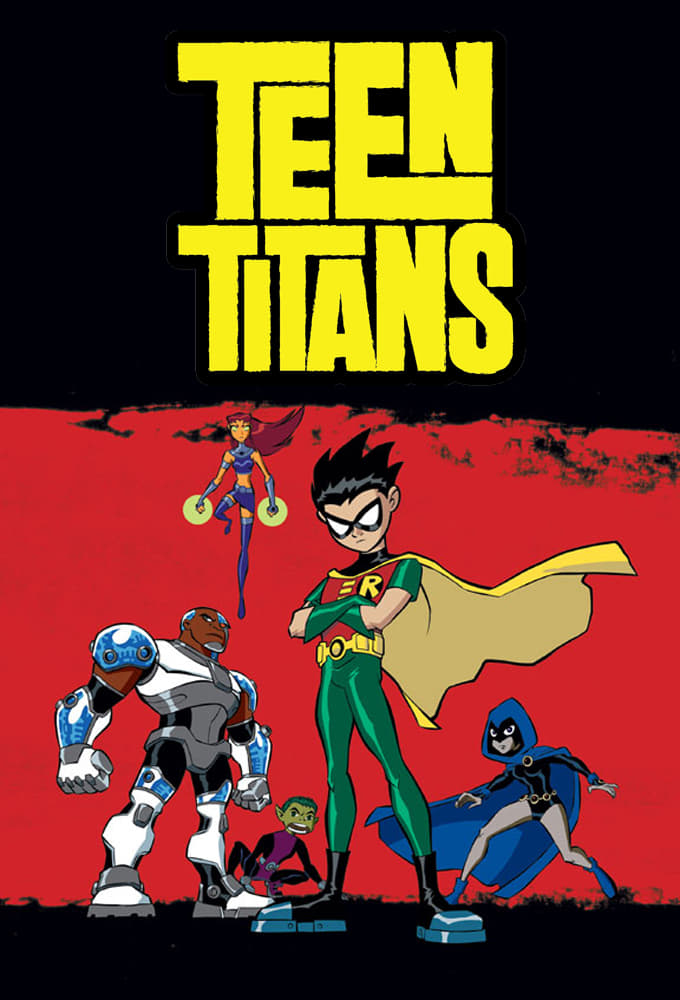
This superhero team show balances anime-influenced comedy with serious dramatic arcs. ‘Teen Titans’ features a villain named Slade who psychologically tortures the leader Robin to the point of hallucination. The episode where Robin sees his enemy in the shadows despite him not being there is a masterful depiction of PTSD. Another scary episode involves a monster that sends the heroes into a surreal horror movie setting within a television. The emotional intensity of these conflicts gives the show a lasting dark edge.
‘Avatar: The Last Airbender’ (2005–2008)
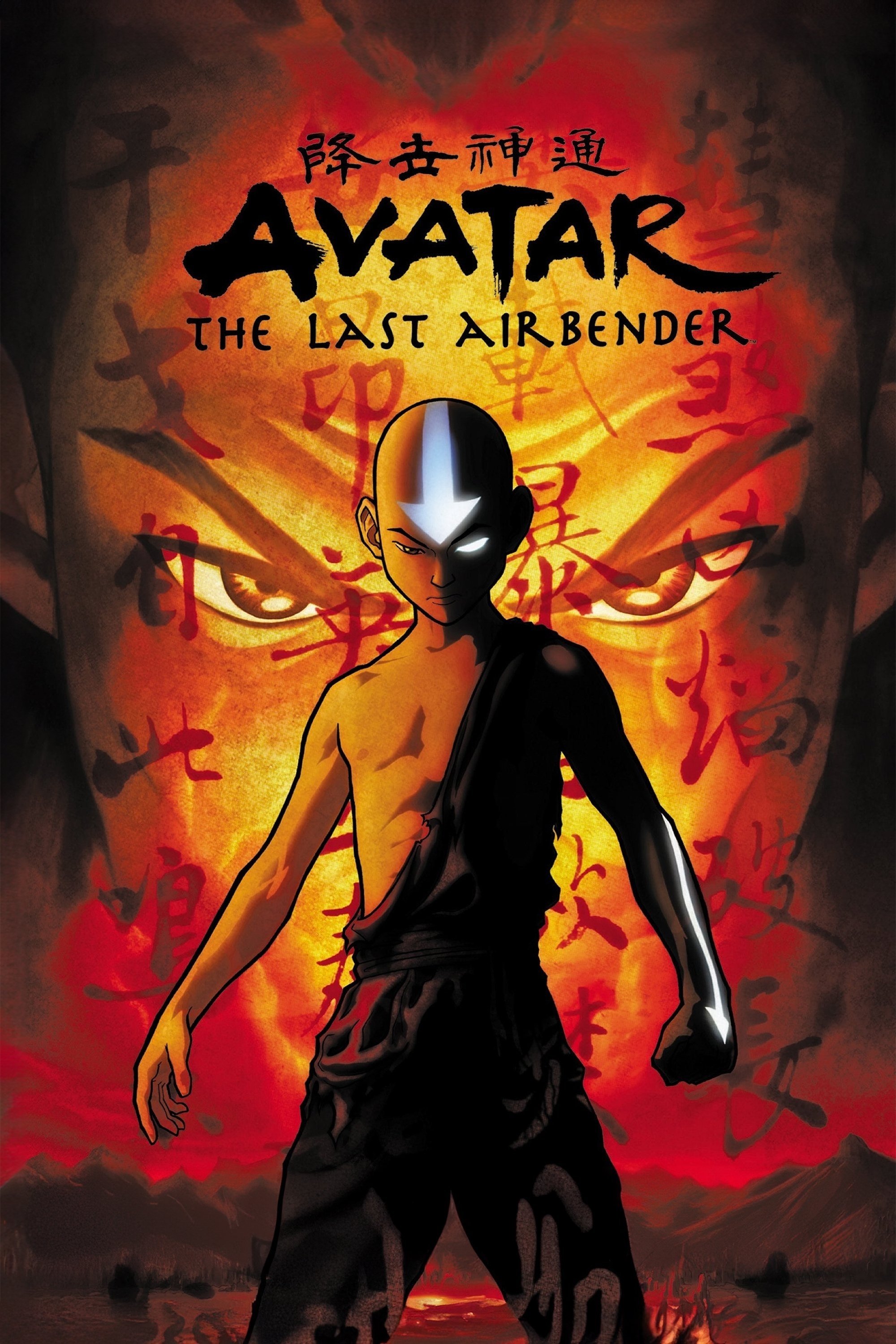
While celebrated for its world-building, this series does not shy away from frightening concepts. ‘Avatar: The Last Airbender’ introduces a spirit named Koh the Face Stealer who takes the faces of those who show emotion. The concept of bloodbending allows a character to control the bodies of others against their will like puppets. These elements introduce a level of violation and body horror that is shocking in a fantasy adventure. The show handles these mature themes with gravity and consequences.
‘Star Wars: The Clone Wars’ (2008–2020)
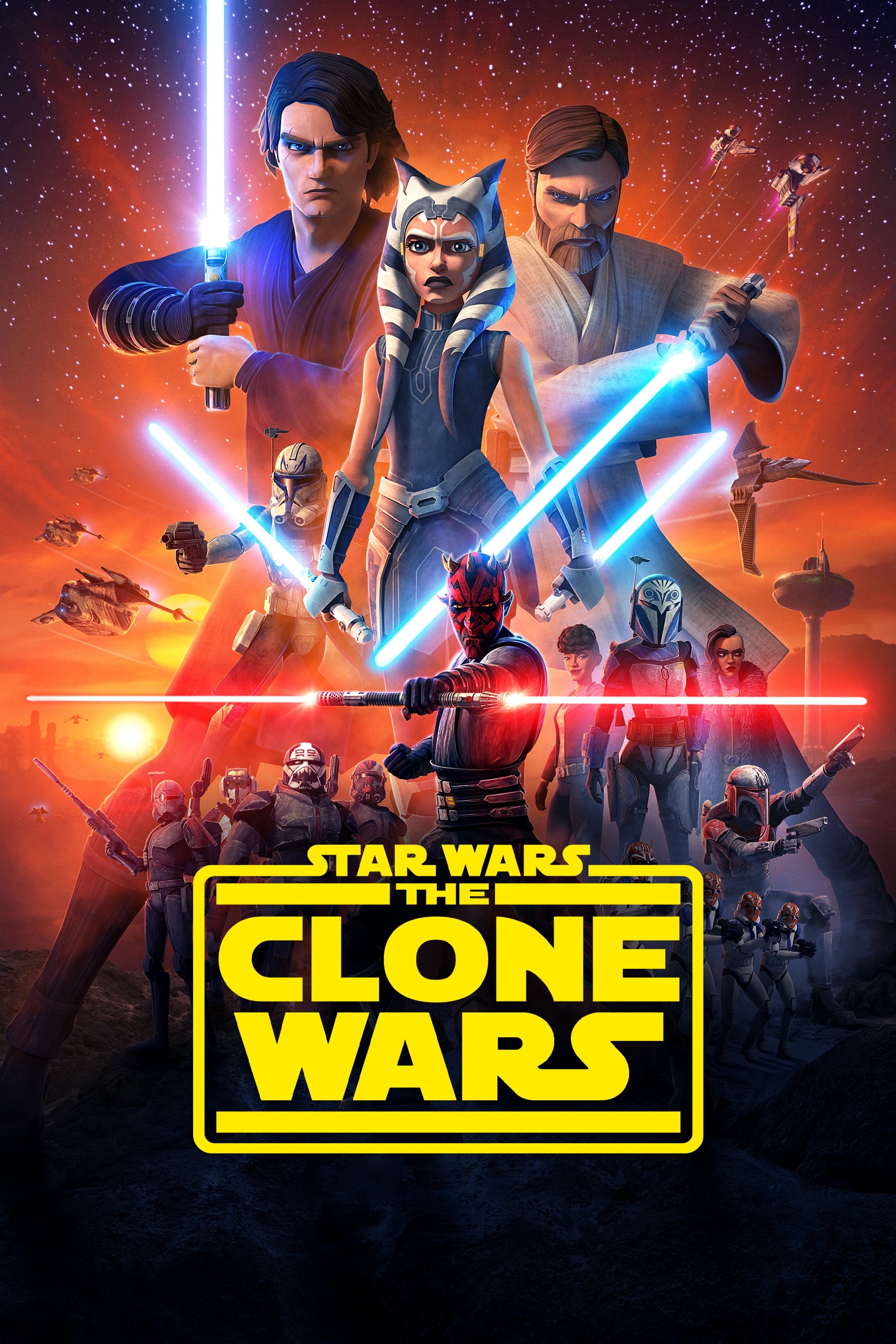
This expansion of the Star Wars universe depicts the gritty reality of galactic conflict. ‘Star Wars: The Clone Wars’ features zombies and brain worms that take control of both allies and enemies. The show includes on-screen deaths and torture scenes that are surprisingly graphic for an animated series. The return of Darth Maul involves him living as a cyborg spider creature in a state of madness. It consistently highlights the tragic and brutal nature of war.
‘Watership Down’ (1999–2001)
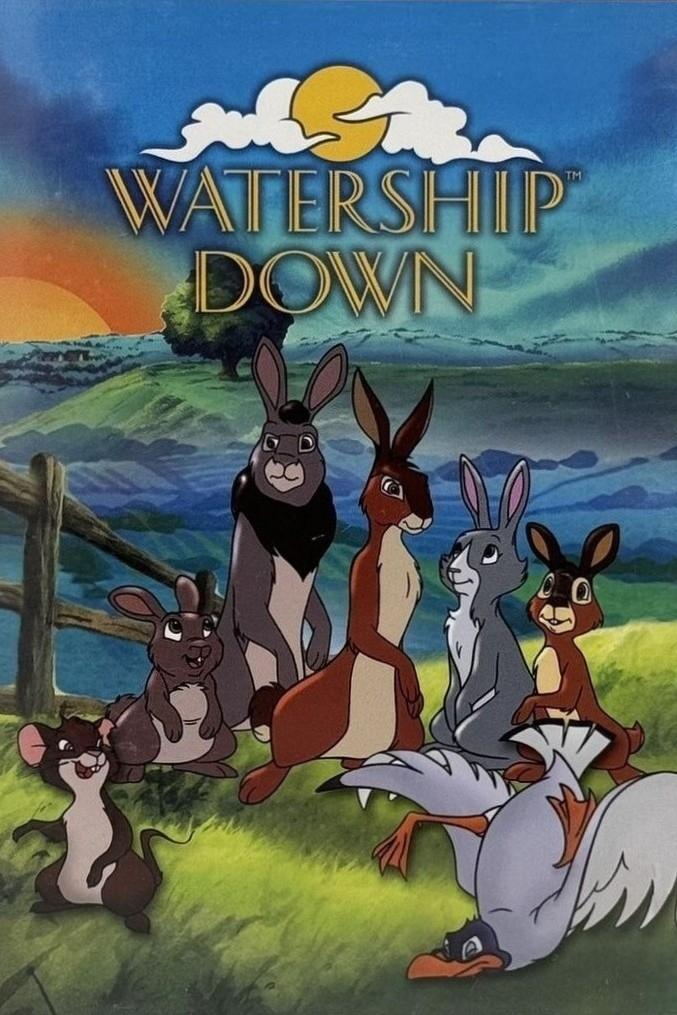
Based on the famous novel, this series tones down the gore of the film but retains the terrifying themes. ‘Watership Down’ presents a world where rabbits live in constant fear of predators and humanity. The show depicts the totalitarian regime of Efrafa where animals are ruled through fear and violence. Visions of the Black Rabbit of Inlé serve as a constant reminder of death for the characters. The pervasive sense of danger makes it a stressful watch for animal-loving children.
Please share which animated series caused you the most sleepless nights in the comments.