


15 Animated TV Shows for Adults That Tackle Heavy Topics Lightly

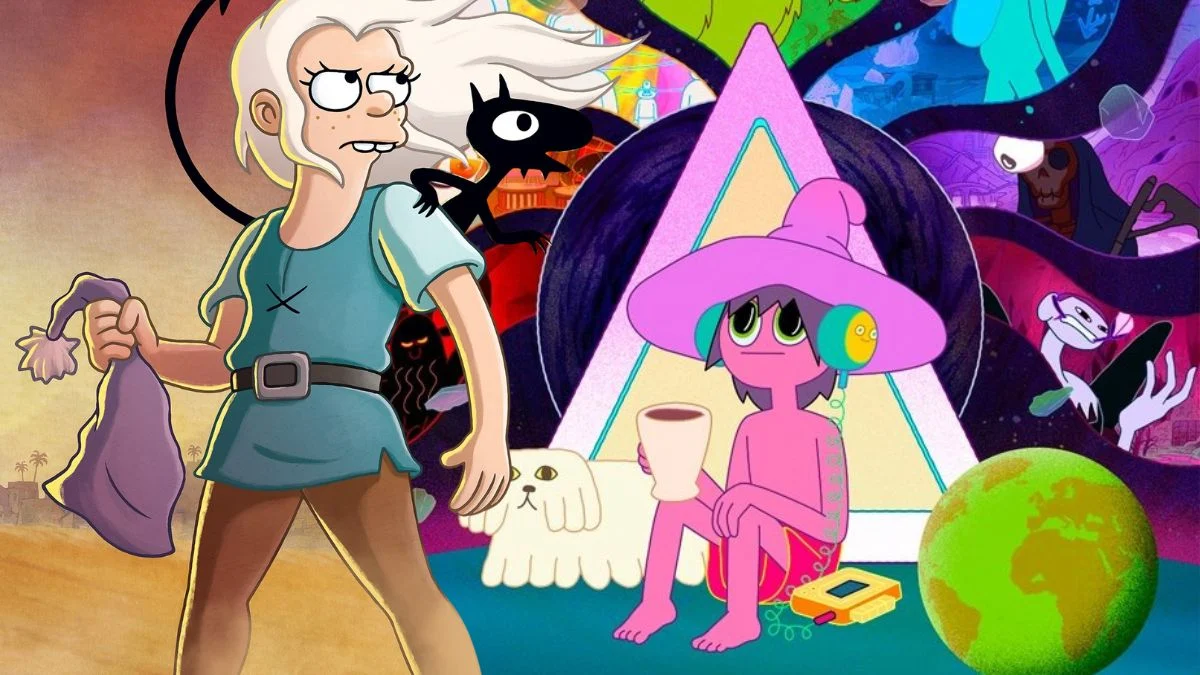


Adult animation has evolved significantly over the last few decades to become a medium capable of profound storytelling. These series utilize bright colors and fantastical settings to explore difficult subjects such as depression and existential dread without alienating the audience. Viewers often find themselves laughing at absurd scenarios while simultaneously processing complex emotional themes regarding the human condition. The following shows demonstrate how humor serves as an effective vehicle for navigating life’s heaviest burdens.
‘BoJack Horseman’ (2014–2020)
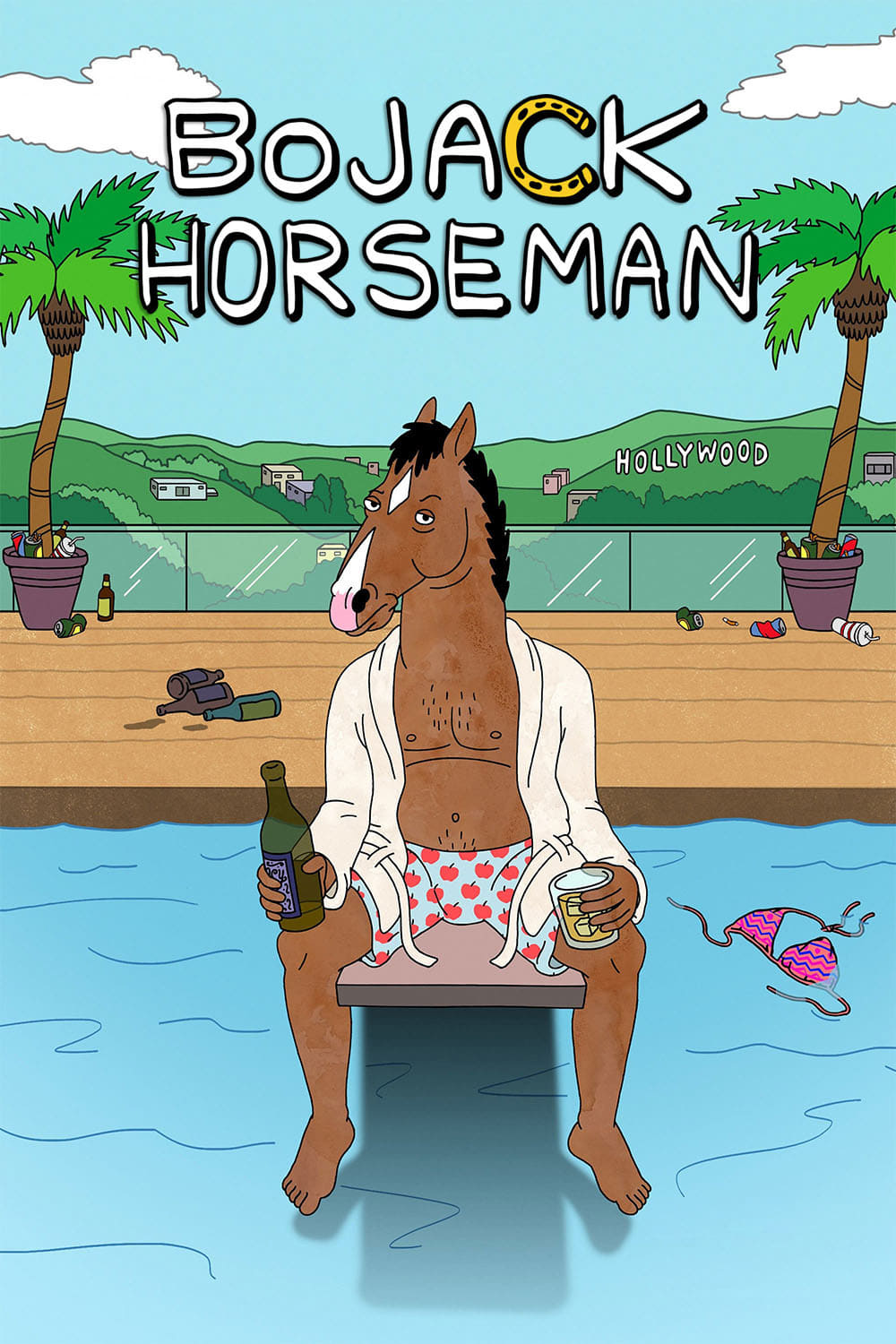
‘BoJack Horseman’ follows a washed-up sitcom star navigating addiction and depression in a satirical version of Hollywood. The series uses anthropomorphic animals to soften the blow of its devastatingly real portrayal of mental illness and trauma. Viewers watch BoJack make repeated mistakes that alienate the people who care about him most while he searches for redemption. It balances sharp industry satire with gut-wrenching moments of self-reflection that challenge the idea of a happy ending.
‘Rick and Morty’ (2013–Present)
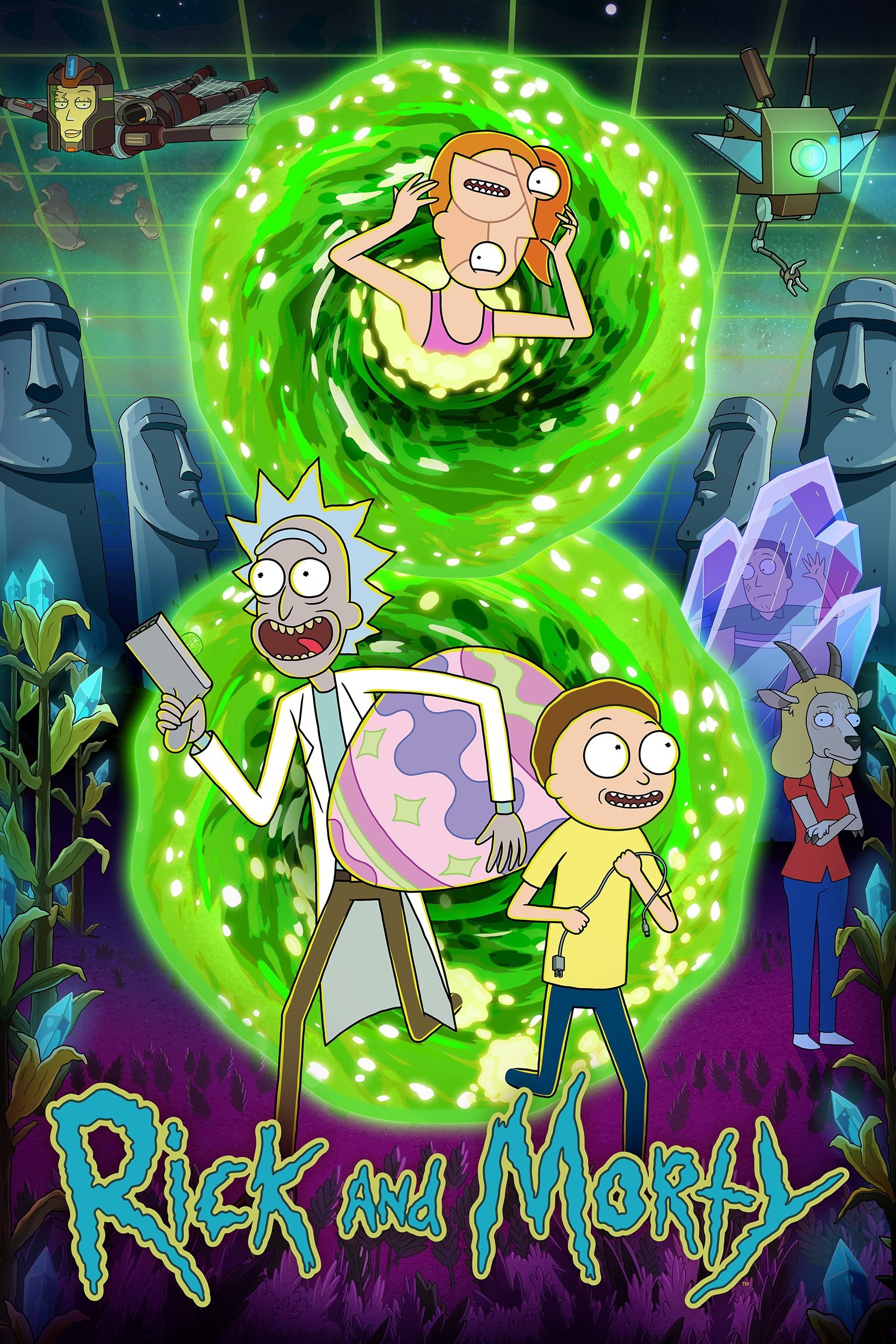
‘Rick and Morty’ centers on a cynical mad scientist and his anxious grandson adventuring through the multiverse. The high-concept sci-fi plots often serve as metaphors for family dysfunction and philosophical nihilism. Rick Sanchez masks his deep pain and loneliness with arrogance and alcohol while dragging his family into dangerous situations. The show deftly combines lowbrow humor with high-stakes questions about the meaning of existence in an infinite universe.
‘Big Mouth’ (2017–2025)
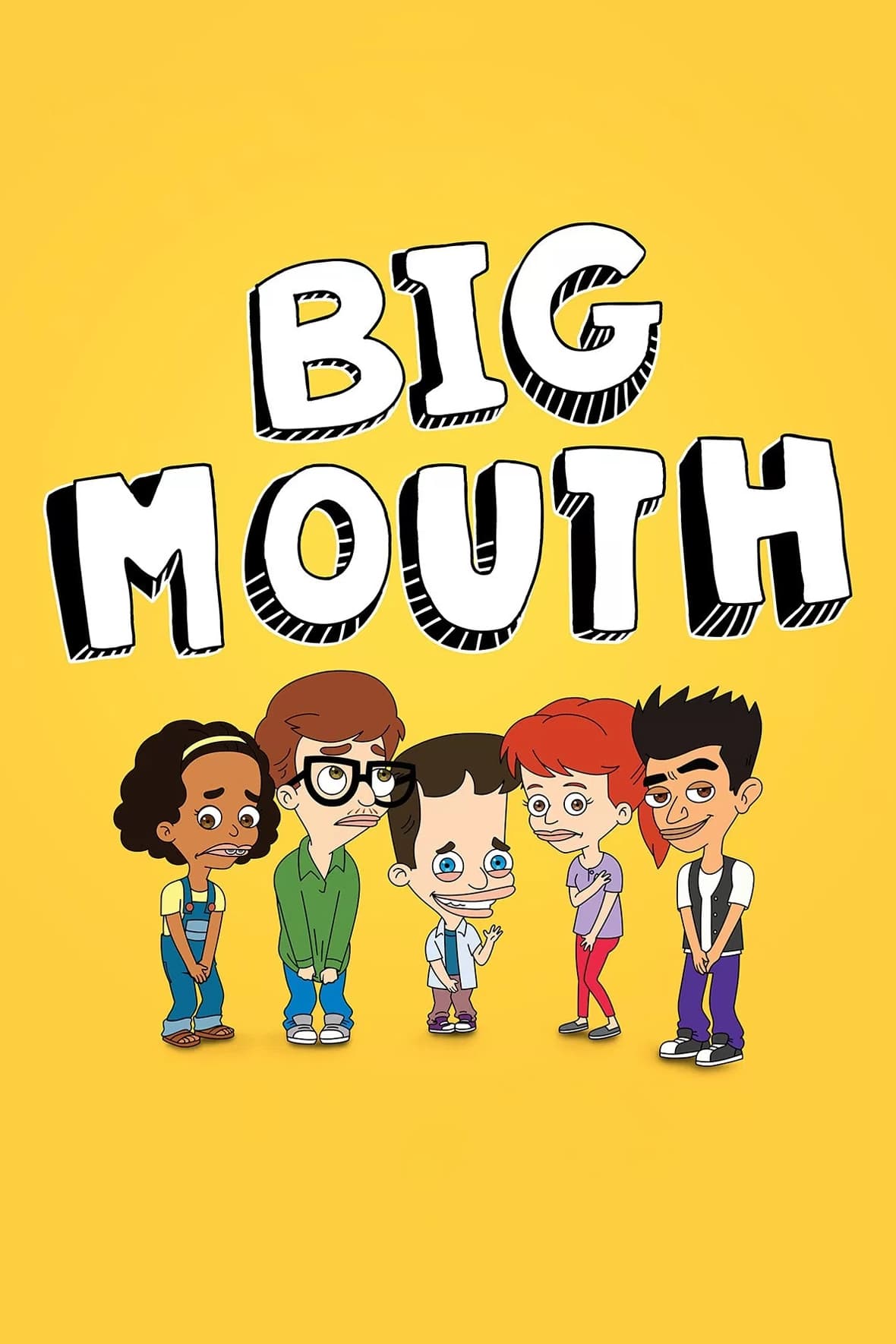
‘Big Mouth’ explores the horrors and wonders of puberty through a group of middle school friends in the suburbs. Physical manifestations of emotions like the Hormone Monsters help the characters navigate shame and sexual awakening. The creators use gross-out humor to destigmatize the awkward bodily changes every person experiences during adolescence. Beneath the crude jokes lies a sensitive examination of anxiety and the struggle to accept oneself.
‘The Midnight Gospel’ (2020)
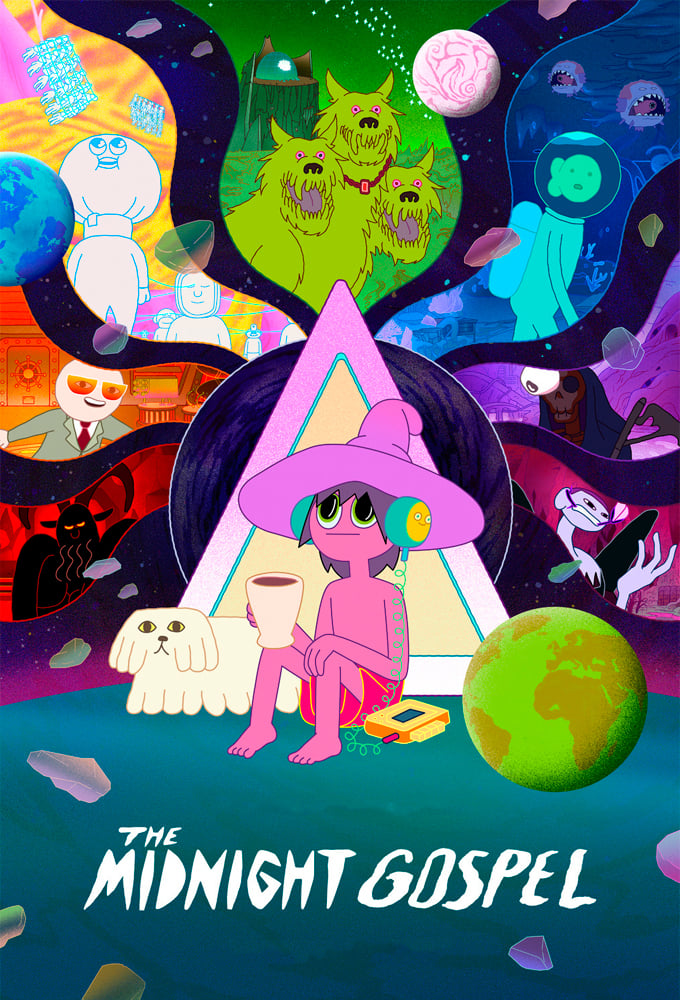
‘The Midnight Gospel’ features a spacecaster named Clancy who interviews beings from dying worlds about spirituality and life. The dialogue is derived from real podcast conversations involving topics like death and drug use and meditation. Psychedelic animation provides a visual metaphor for the intense and often therapeutic discussions taking place between the characters. The show invites the audience to practice mindfulness and acceptance even as the world crumbles around them.
‘Tuca & Bertie’ (2019–2022)
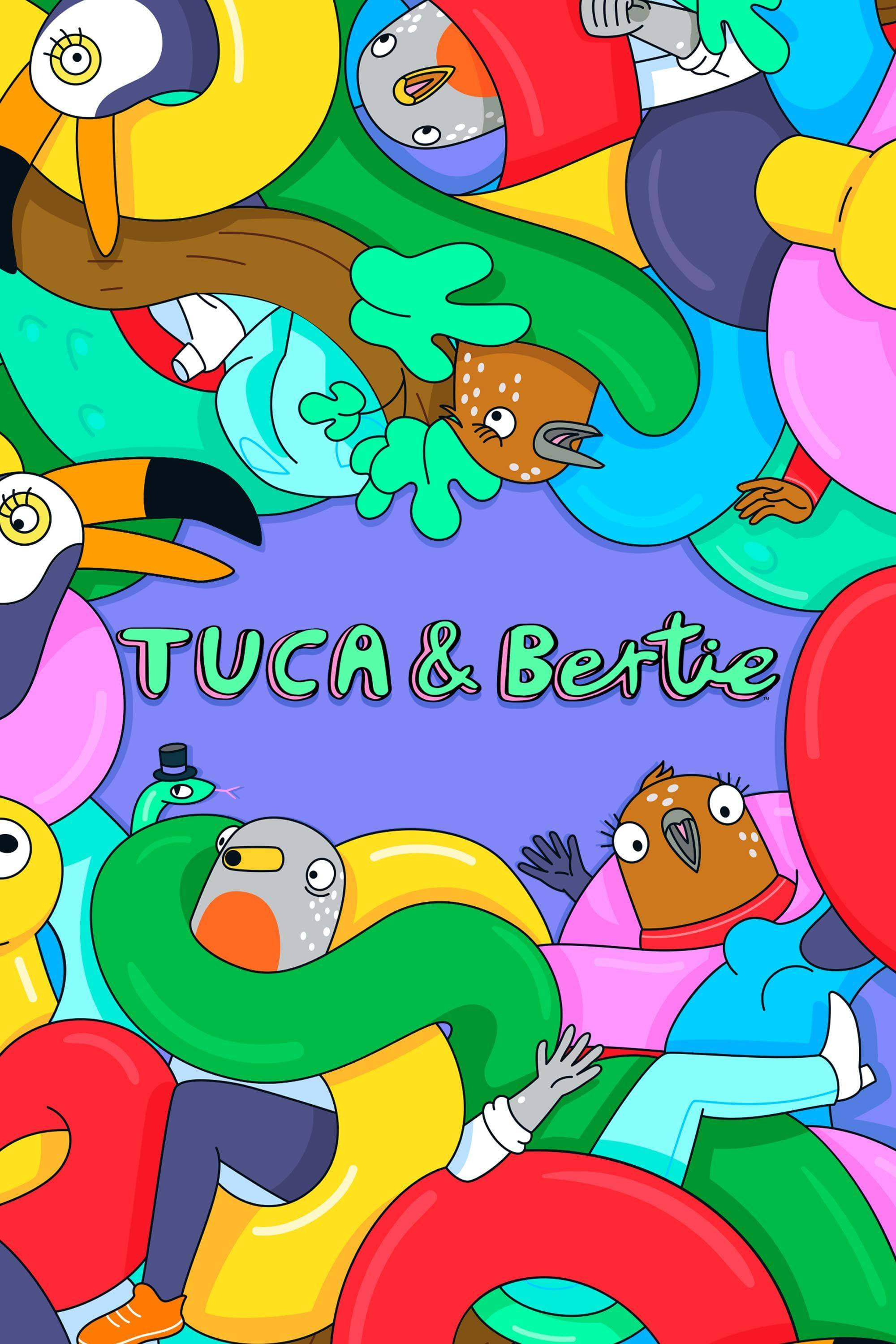
‘Tuca & Bertie’ revolves around two bird women who live in the same apartment building and navigate their thirties together. The colorful animation style hides serious discussions about sobriety and chronic pain and past trauma. Tuca deals with her newfound sobriety while Bertie processes anxiety and workplace harassment in a male-dominated world. Their friendship acts as the grounding force that helps them survive their personal struggles.
‘F Is for Family’ (2015–2021)
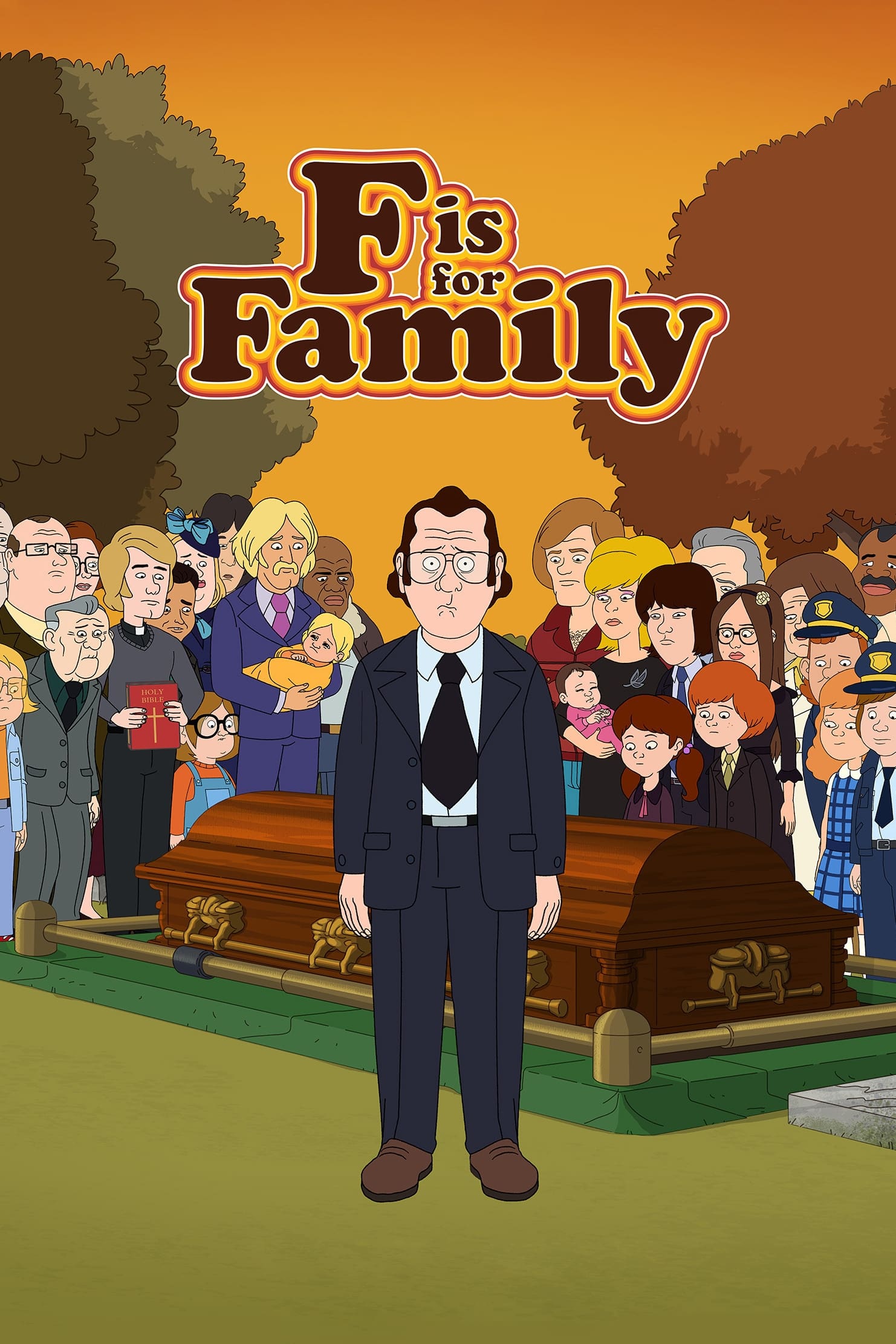
‘F Is for Family’ takes place in the 1970s and focuses on the volatile Murphy family as they struggle to make ends meet. The show tackles the cycle of emotional abuse and the suffocating pressure of economic stagnation. Frank Murphy projects his anger and career failures onto his children and wife while they attempt to find their own paths. It provides a raw look at the way unresolved trauma impacts family dynamics across generations.
‘King of the Hill’ (1997–2010)
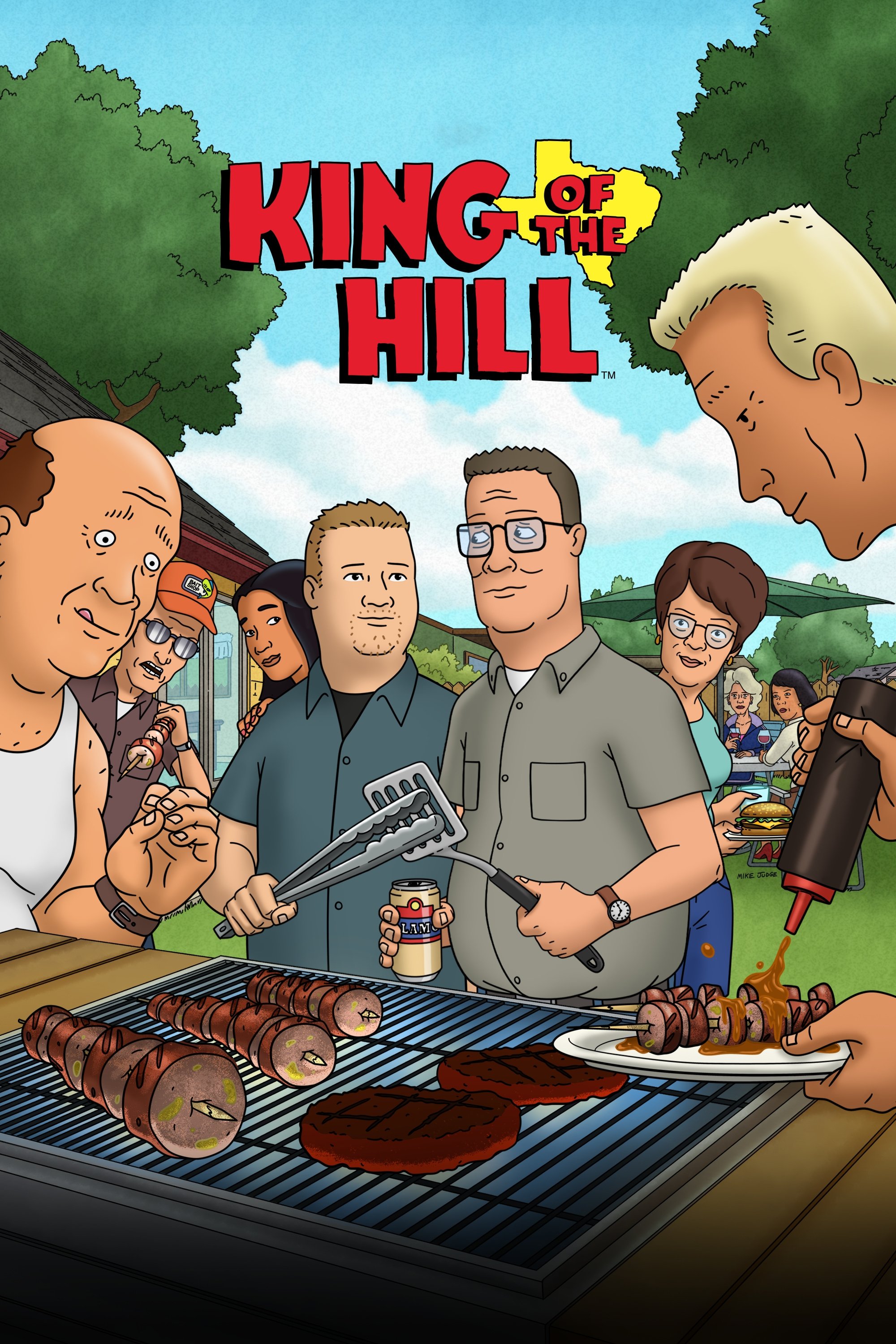
‘King of the Hill’ depicts the life of a propane salesman in Texas trying to maintain his traditional values in a changing world. Hank Hill frequently clashes with modern concepts but ultimately acts out of love for his eccentric family and friends. The series addresses issues such as masculinity and prejudice and suburban ennui with a grounded and observational wit. It remains a poignant study of the divide between conservative ideals and inevitable cultural shifts.
‘Futurama’ (1999–Present)
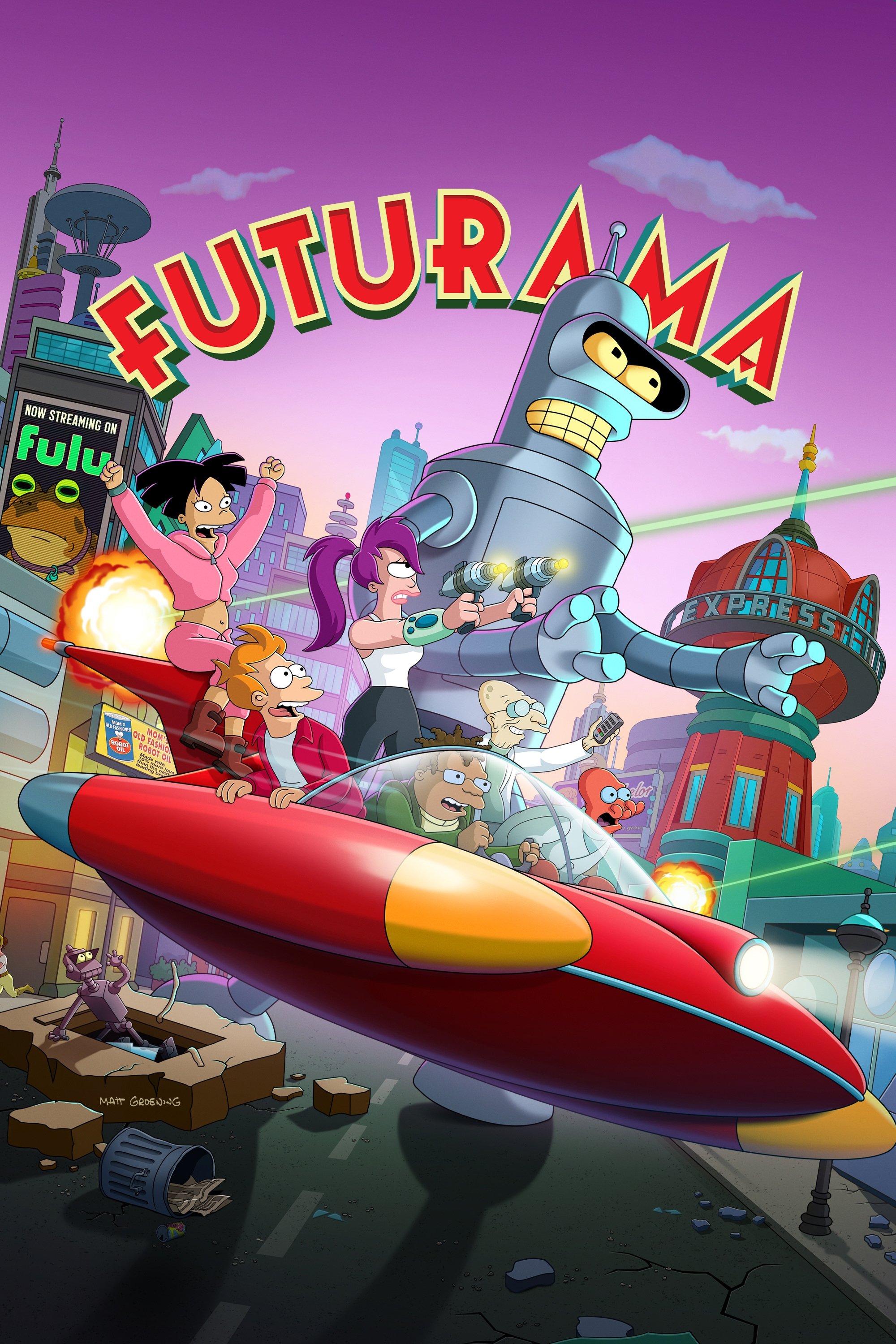
‘Futurama’ follows a pizza delivery boy who is cryogenically frozen and wakes up one thousand years in the future. The sci-fi setting allows the writers to explore themes of destiny and unrequited love and the loss of one’s past. Fry often struggles with the reality that everyone he ever knew is dead while he builds a found family with his coworkers. Episodes occasionally deliver powerful emotional payloads that deal with grief and the bond between siblings.
‘South Park’ (1997–Present)

‘South Park’ uses four elementary school boys to satire current events and controversial societal topics. The crude cutout animation style contrasts with the often intelligent commentary on censorship and politics and religion. Matt Stone and Trey Parker write episodes on a tight schedule to ensure the content remains relevant to the immediate cultural conversation. The show exposes the absurdity of extremism and hypocrisy found on all sides of the political spectrum.
‘Harley Quinn’ (2019–Present)
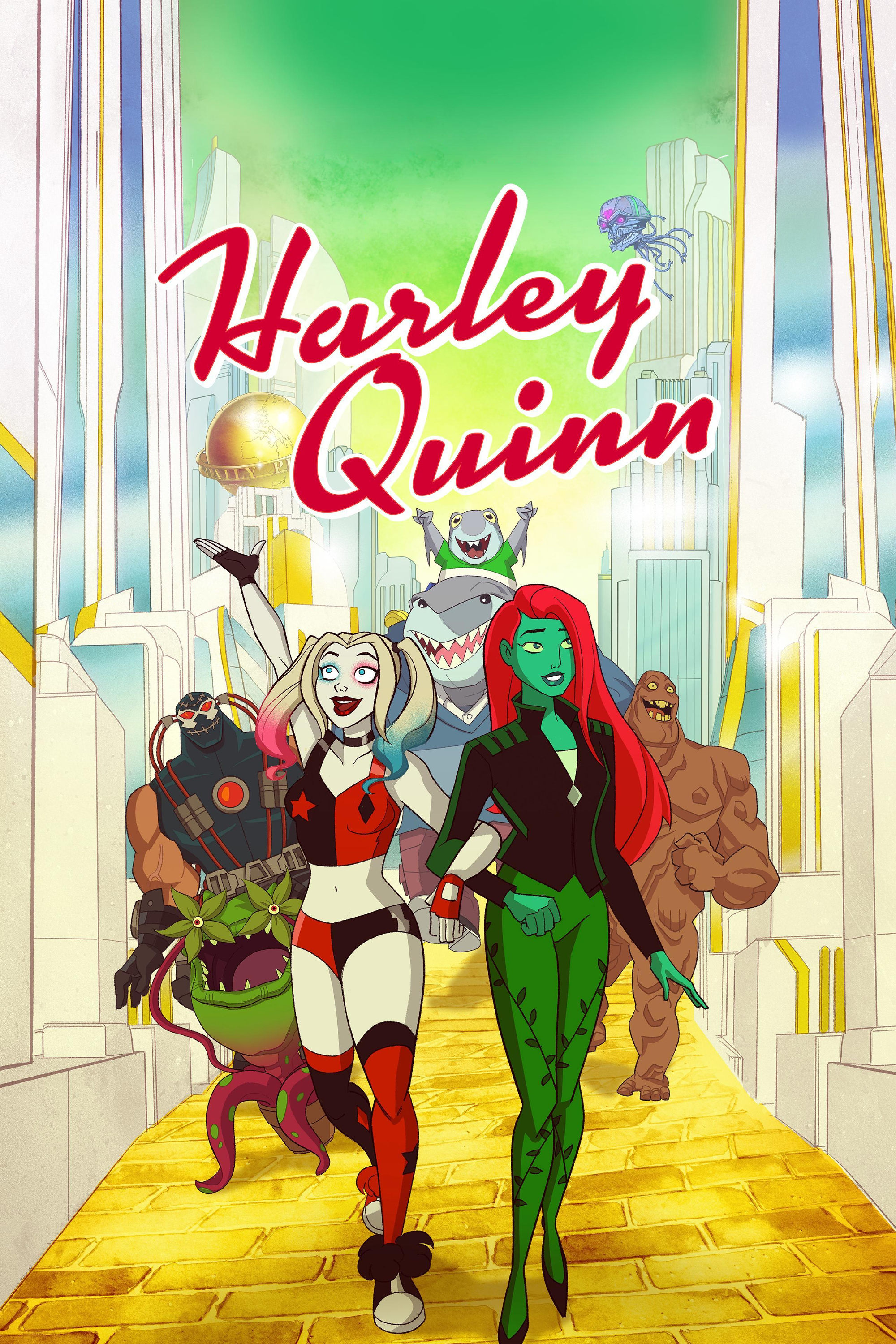
‘Harley Quinn’ chronicles the titular villain’s journey to establish her own identity after breaking up with the Joker. The narrative focuses heavily on escaping abusive relationships and finding self-worth independent of a toxic partner. Harley relies on her best friend Poison Ivy as she learns to navigate the criminal underworld on her own terms. The violence and profanity underscore the chaotic liberation of a woman reclaiming her agency.
‘Moral Orel’ (2005–2008)
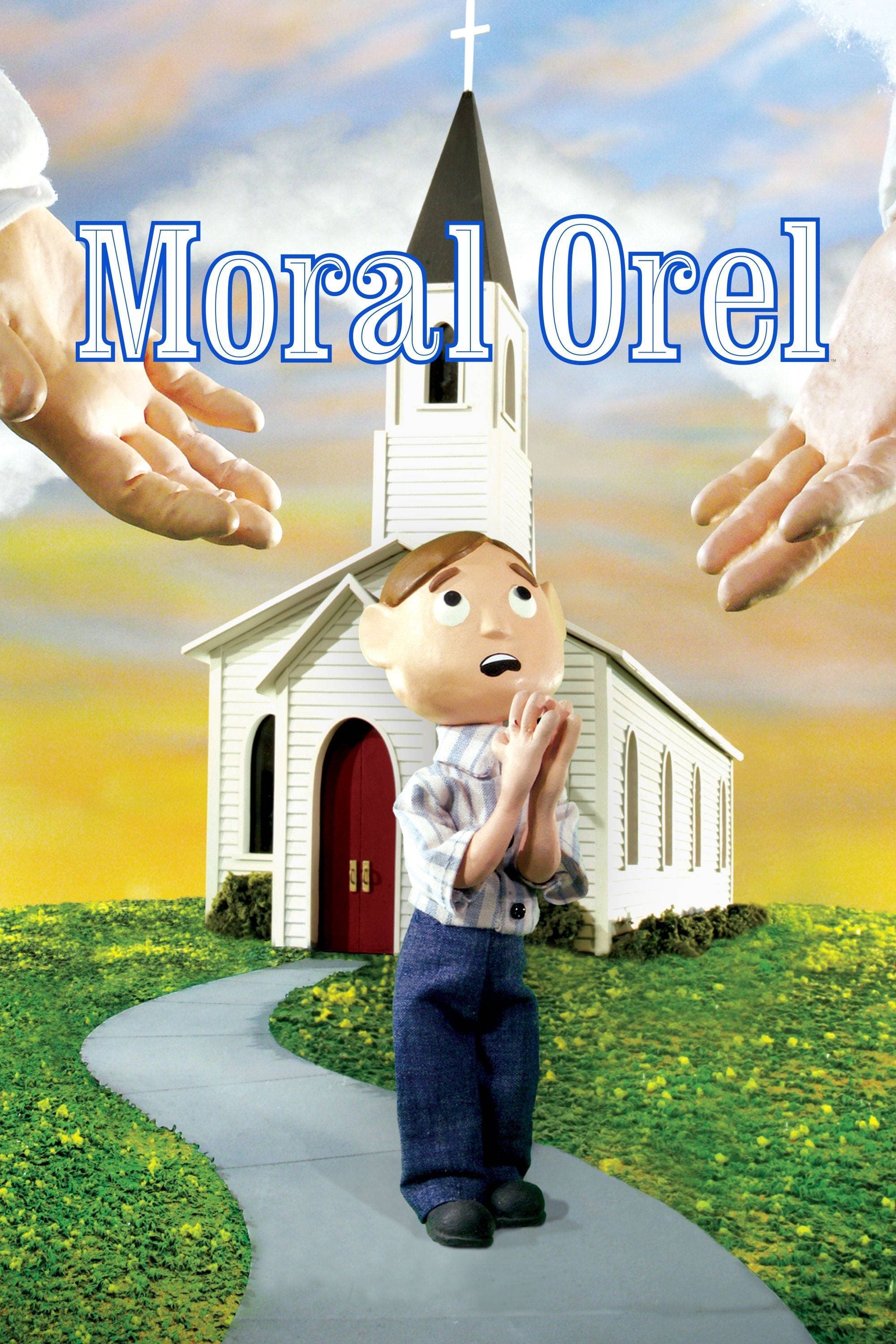
‘Moral Orel’ presents a stop-motion satire of a devoutly religious boy who constantly misinterprets church sermons. The early episodes appear to be light cynicism but the show quickly descends into a dark study of alcoholism and repression. Orel remains optimistically naive while the adults around him slowly destroy their lives through hypocrisy and neglect. It stands as a harrowing critique of how religious fundamentalism can damage a community.
‘Archer’ (2009–2023)
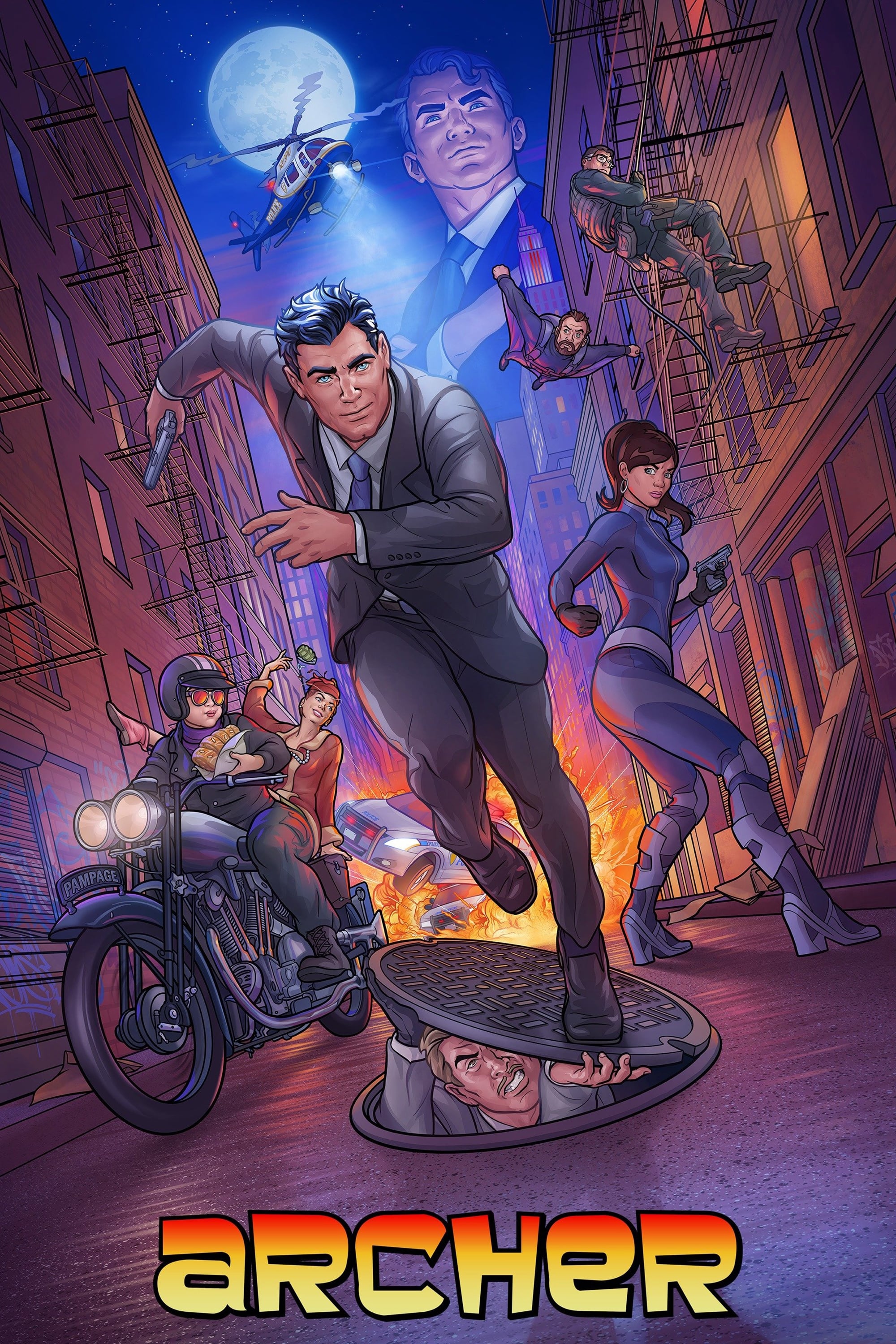
‘Archer’ is a spy parody that focuses on the dysfunctional employees of a private intelligence agency. The title character is a narcissistic agent whose competence is overshadowed by his reliance on alcohol and his unresolved mother issues. The dialogue is fast and packed with obscure references that mask the deep-seated psychological problems of the cast. Beneath the action sequences lies a story about a group of broken people incapable of forming healthy relationships.
‘Solar Opposites’ (2020–Present)
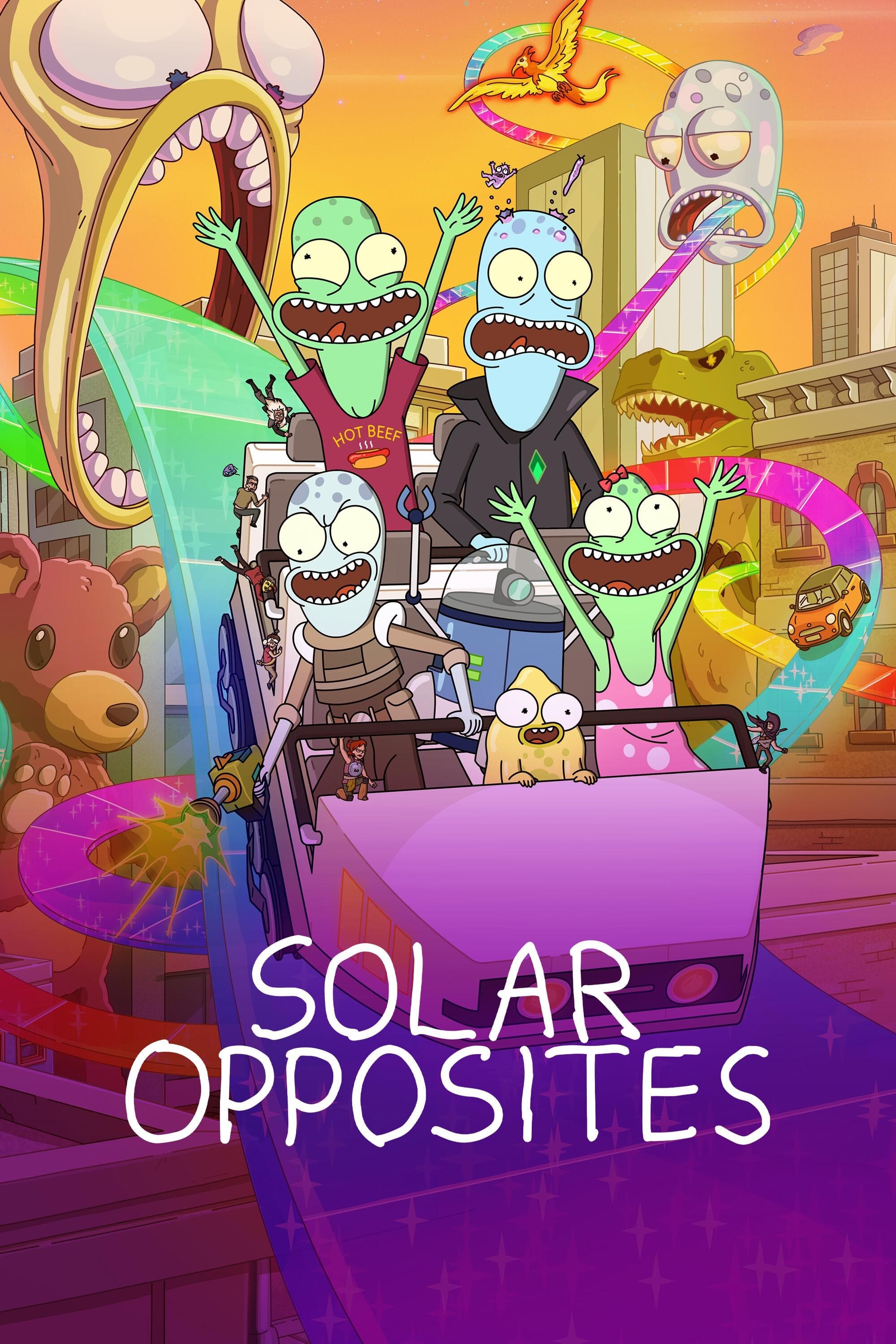
‘Solar Opposites’ follows a team of four aliens who escape their exploding home world to crash land in suburban America. They are constantly torn between hating Earth and finding the chaotic human culture fascinating. The subplot involving the Wall provides a grim look at a miniature post-apocalyptic society created by the alien child Yumyulack. It uses extreme sci-fi violence to highlight the petty and often destructive nature of humanity.
‘Disenchantment’ (2018–2023)
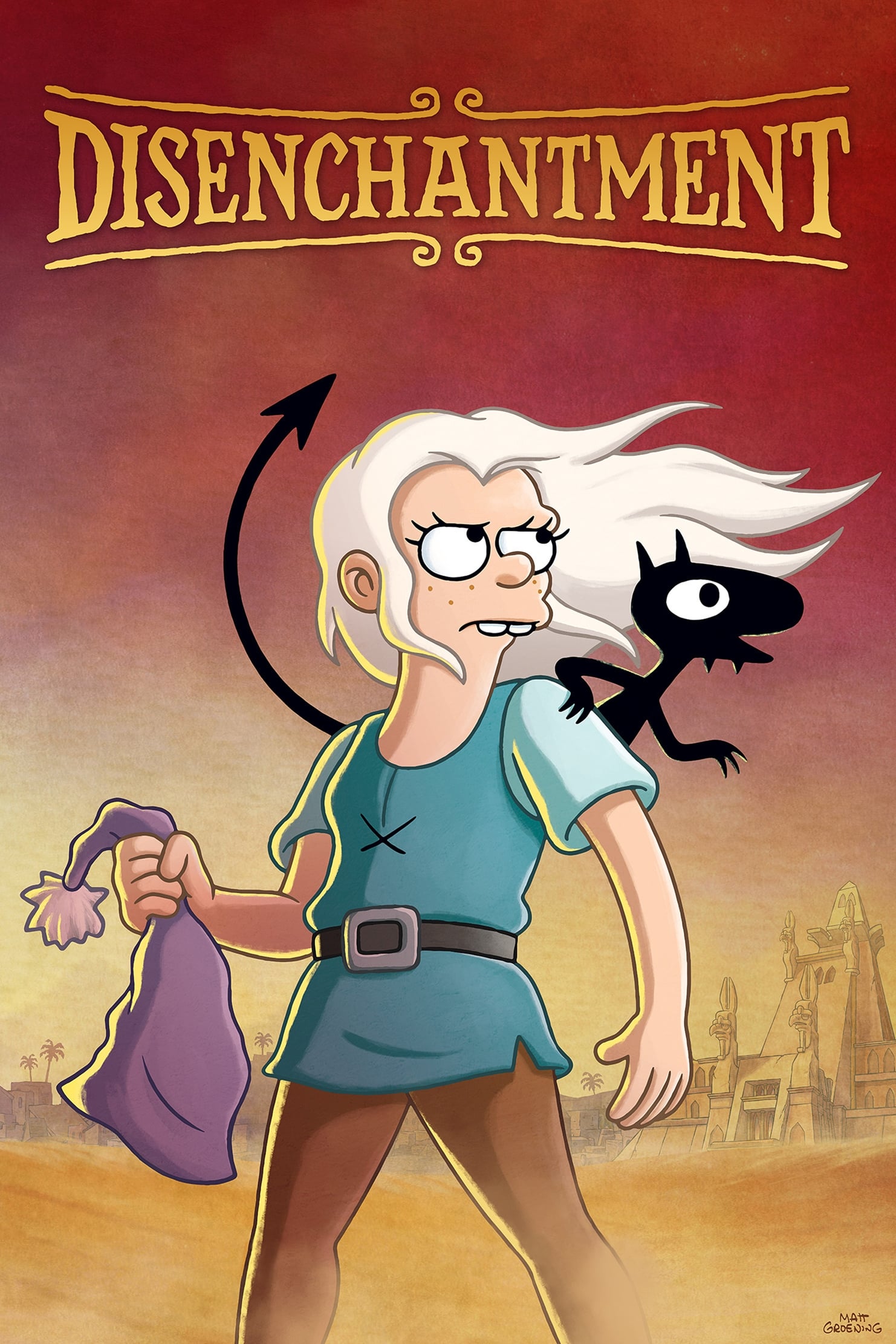
‘Disenchantment’ is set in a crumbling medieval kingdom and features a hard-drinking princess named Bean. She rebels against her arranged marriages and the expectations of her father while uncovering a dark family conspiracy. The show deals with the feeling of having no control over one’s destiny and the struggle to find purpose. Bean uses alcohol to cope with her mother’s betrayal and the burdens of her royal lineage.
‘Bob’s Burgers’ (2011–Present)
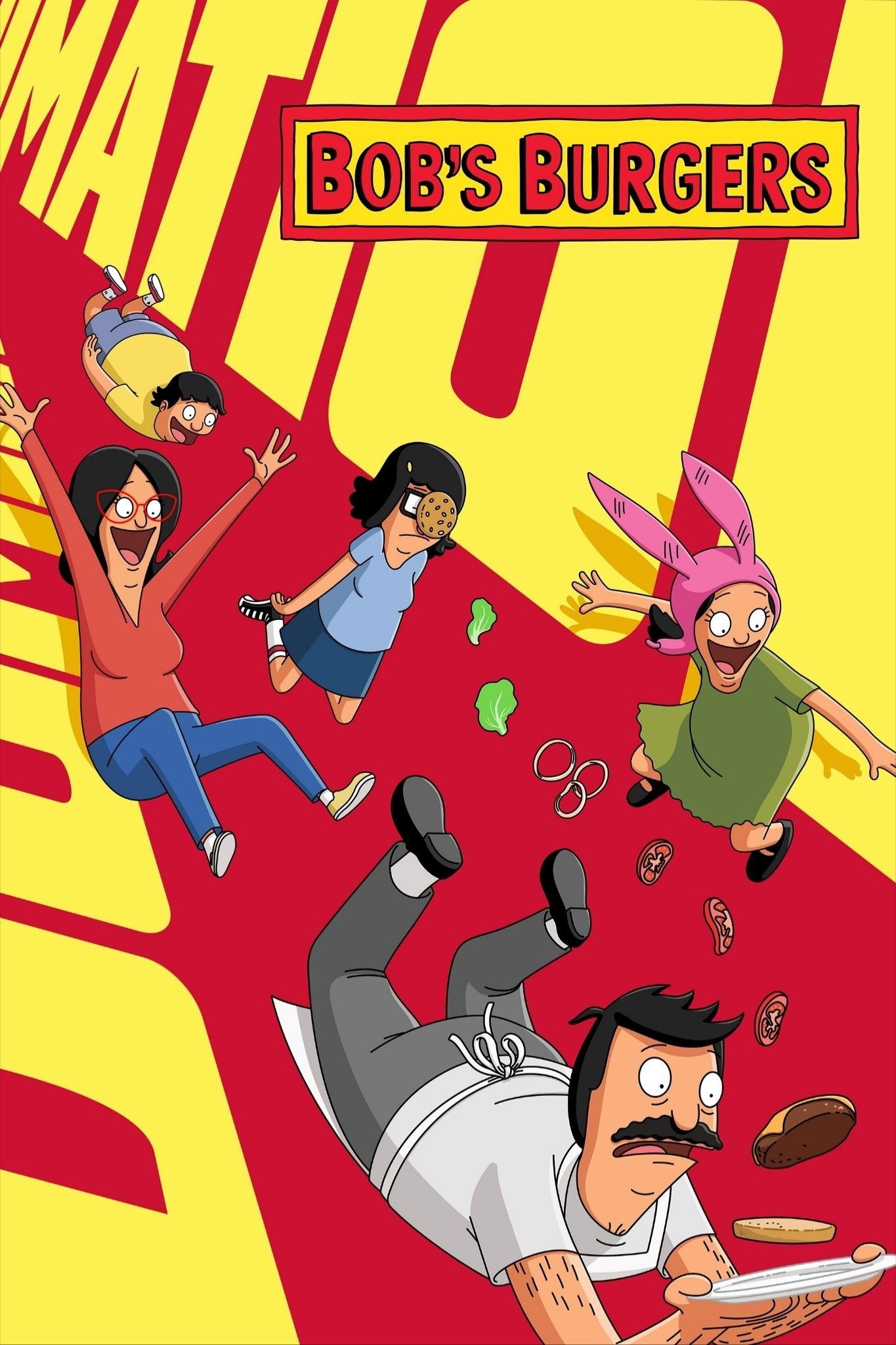
‘Bob’s Burgers’ showcases the Belcher family as they run a struggling burger joint in a seaside town. The show addresses working-class anxieties and the constant threat of financial ruin with unyielding optimism. Bob and Linda support their children’s weird quirks and creative endeavors despite their lack of resources. It celebrates the resilience of a supportive family unit facing the everyday challenges of modern life.
Please share your thoughts on which animated series helped you process a difficult time in the comments.