

Anime Adaptations Fans Hated More Than the Original

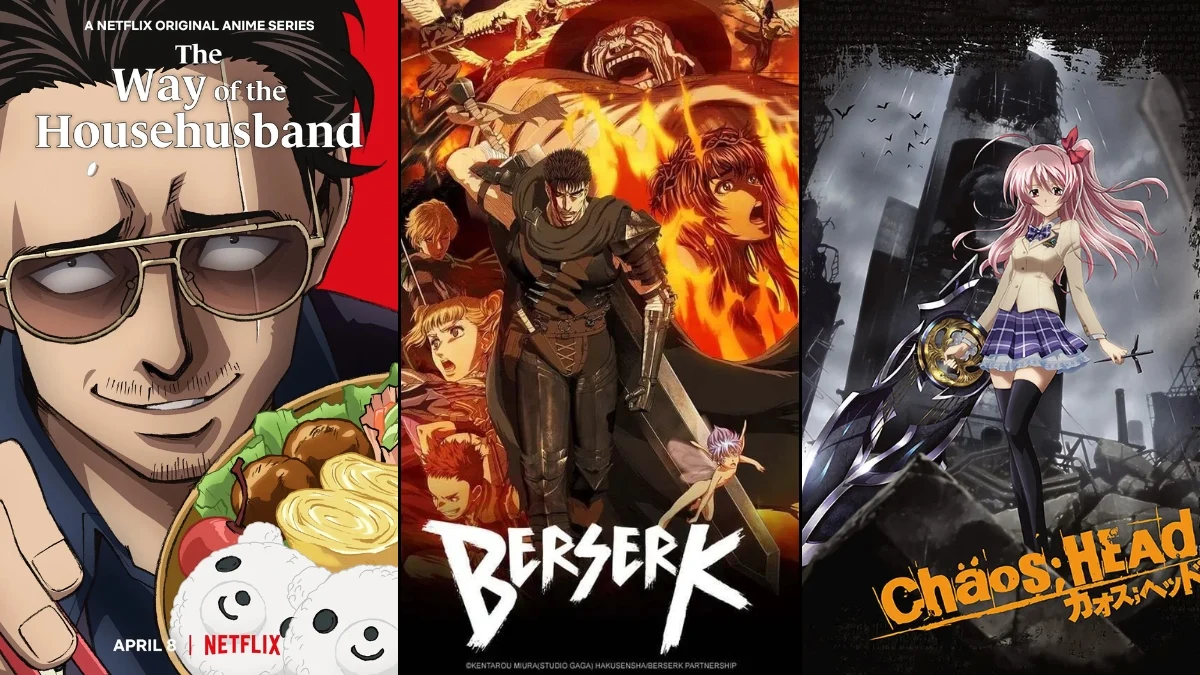


Adapting a beloved manga or light novel into an anime is a complex process that requires balancing faithful storytelling with visual innovation. While many adaptations elevate their source material, some fail to meet the high expectations of their dedicated fanbases due to poor animation, rushed pacing, or significant plot deviations. These instances often lead to widespread disappointment as viewers feel the essence of the original work has been lost. The following list examines twenty-five anime adaptations that were famously poorly received compared to their original versions.
‘EX-ARM’ (2021)
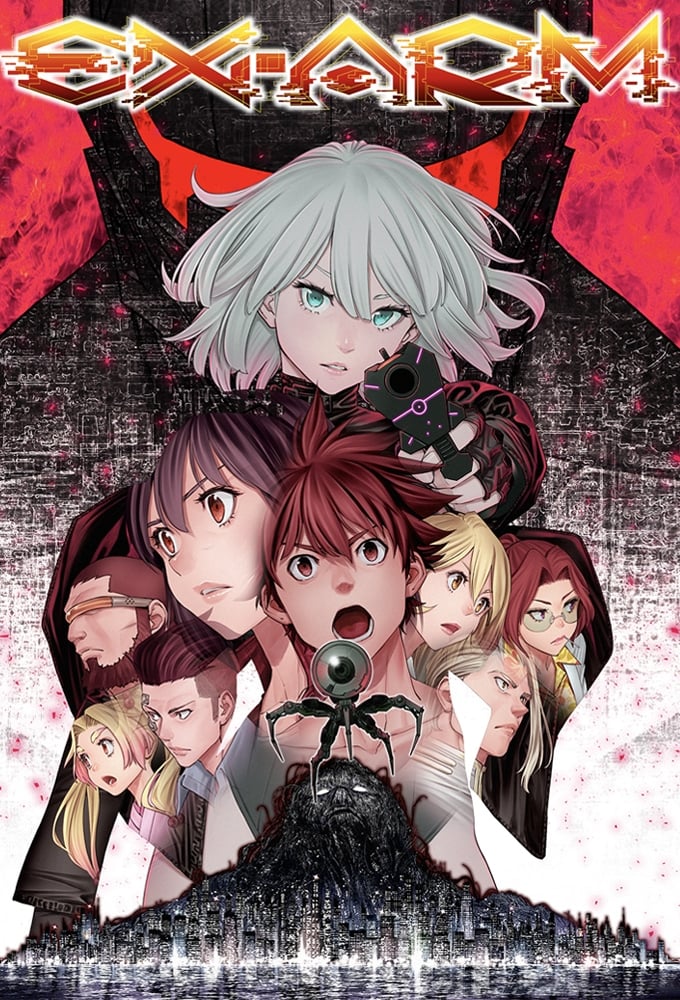
‘EX-ARM’ faced immediate backlash upon its release due to its jarring 3D animation style that many viewers found unpolished. The adaptation attempted to translate the detailed artwork of the manga into a digital format that resulted in stiff character movements and a lack of visual cohesion. Fans criticized the production for failing to capture the intensity of the source material’s action sequences. This series often serves as a primary example of technical issues overshadowing a narrative. The disconnect between the high-quality manga panels and the animated execution remains a point of contention for the community.
‘Berserk’ (2016–2017)
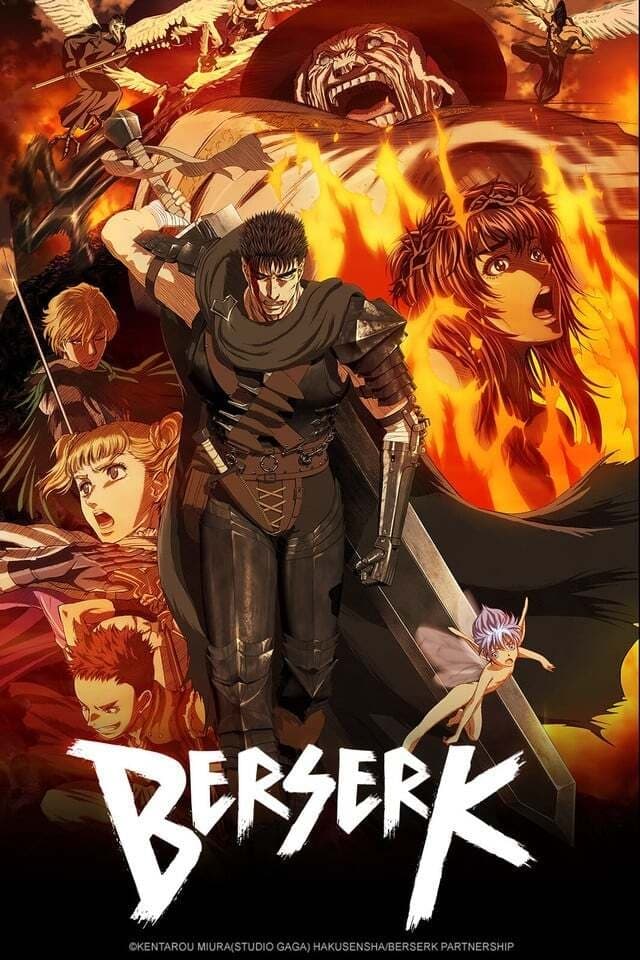
The 2016 continuation of ‘Berserk’ is widely criticized for its reliance on awkward CGI that failed to honor the intricate art style of Kentaro Miura. Long-time readers were disappointed by the clunky character models and the repetitive sound design, specifically the metallic clanging of the protagonist’s sword. The adaptation also skipped several crucial arcs from the manga, leading to a disjointed narrative experience. While the story remains a masterpiece in its original form, the technical shortcomings of this version frustrated many fans. It stands as a cautionary tale regarding the use of 3D animation in high-stakes dark fantasy.
‘The Promised Neverland’ (2019–2021)
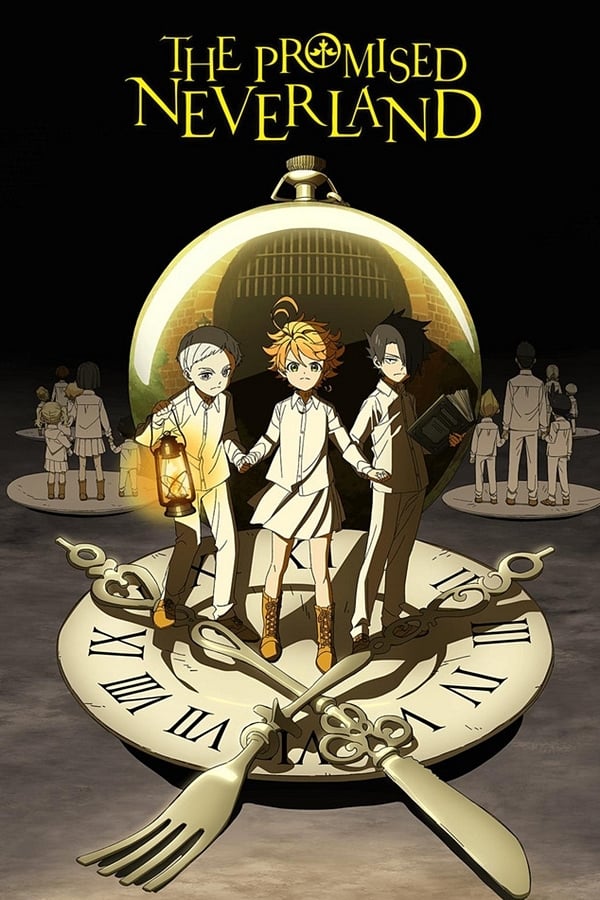
After a highly successful first season, ‘The Promised Neverland’ took a sharp turn in its second season by omitting major manga arcs and characters. Fans were shocked to see the “Goldy Pond” arc entirely removed, which stripped the story of its emotional weight and world-building. The series concluded with a rushed montage of images that attempted to summarize the remaining volumes of the manga in minutes. This drastic deviation caused the anime’s rating to plummet among viewers who had expected a faithful adaptation of the source material. The sudden shift in quality remains one of the most discussed letdowns in recent anime history.
‘Pupa’ (2014)
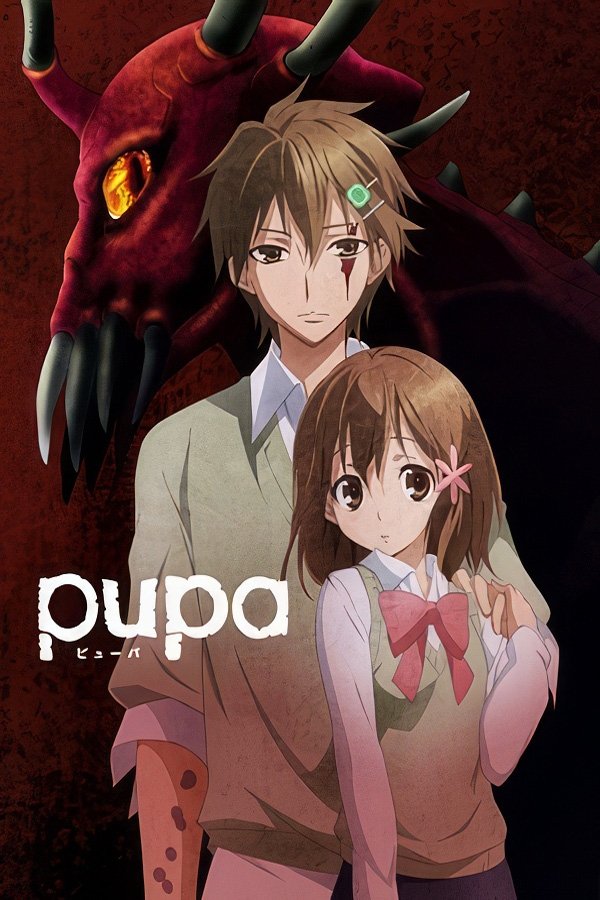
‘Pupa’ was originally a disturbing and atmospheric horror manga that gained a cult following for its visceral storytelling. However, the anime adaptation was reduced to four-minute episodes that lacked the depth and tension of the original chapters. Heavy censorship also obscured much of the horror elements, leaving many scenes incomprehensible to the audience. Fans felt that the limited runtime and visual restrictions made it impossible to properly adapt the psychological aspects of the story. The final product was largely dismissed as a missed opportunity to showcase a unique horror concept.
‘ChäoS;HEAd’ (2008)
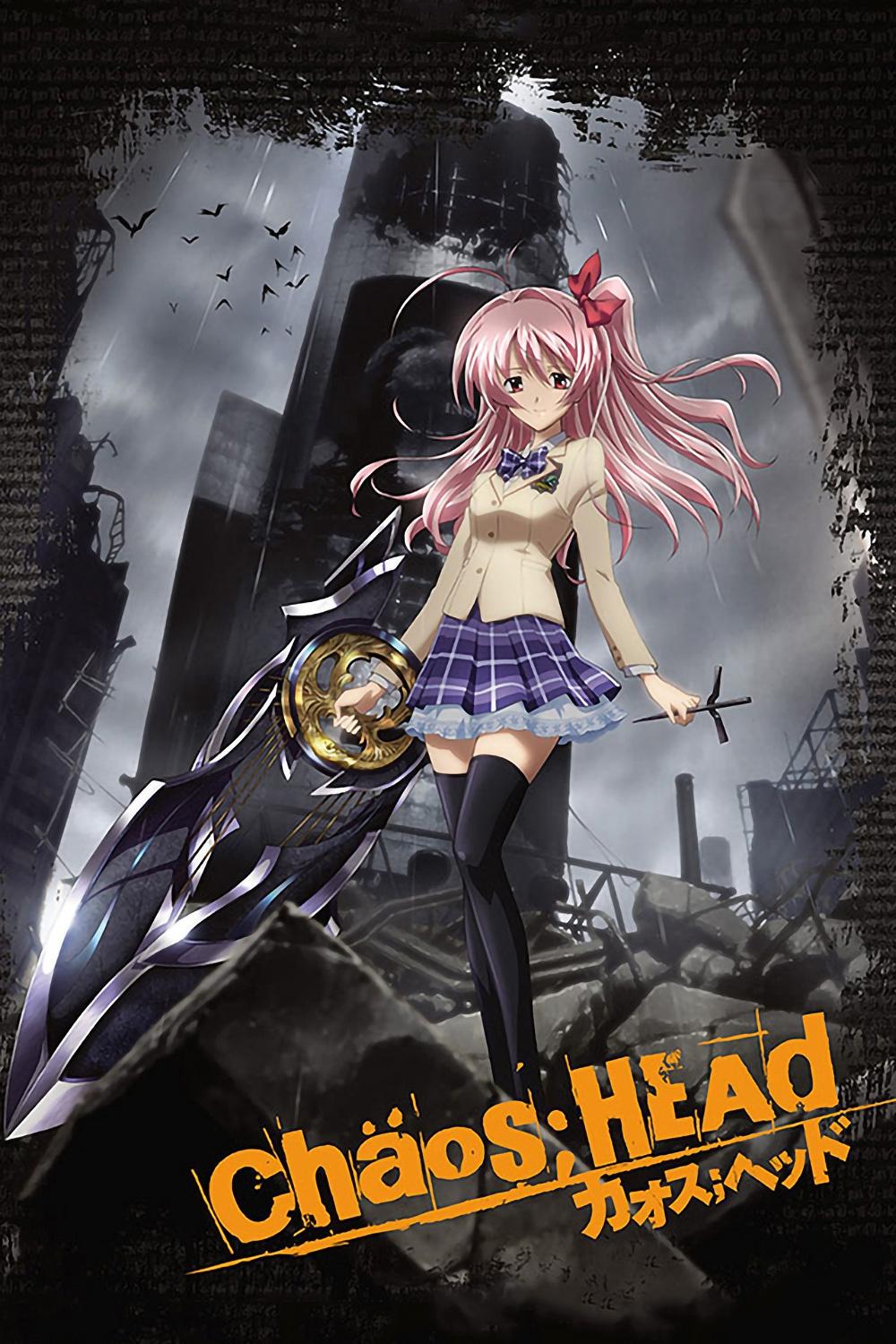
Based on the popular science fiction visual novel, ‘Chaos;Head’ suffered from trying to condense dozens of hours of gameplay into a short twelve-episode series. The complex psychological plot and the protagonist’s delusions were handled in a way that left many viewers confused. Significant character development was sacrificed to fit the limited runtime, making the stakes feel hollow compared to the original game. Fans of the source material were particularly disappointed by the simplified ending that ignored various narrative branches. This adaptation is often cited as a prime example of why long visual novels are difficult to adapt into short series.
‘Flowers of Evil’ (2013)
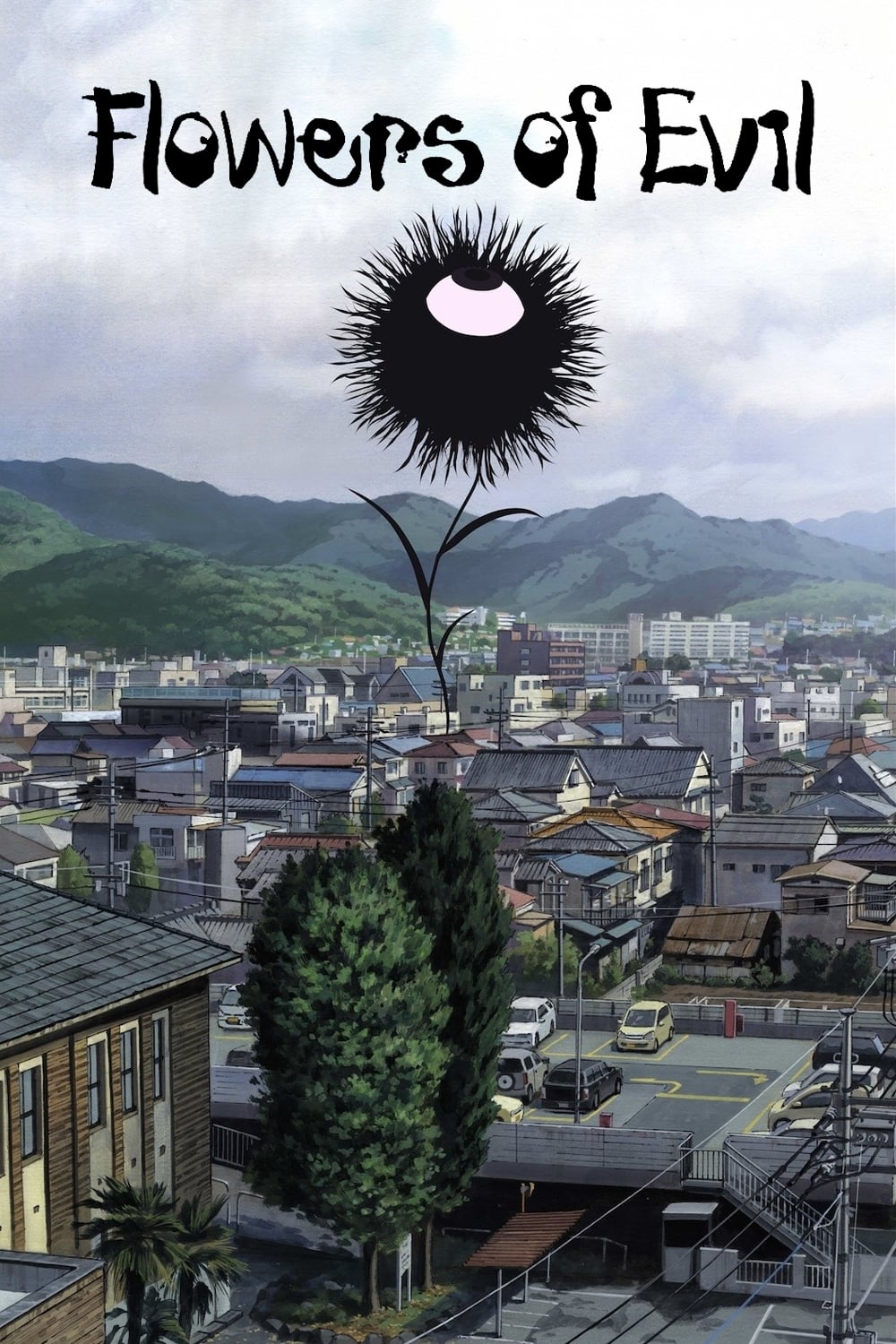
‘Flowers of Evil’ utilized a rotoscoping technique that replaced traditional anime aesthetics with a more realistic and unsettling look. While this was an intentional artistic choice to mirror the uncomfortable themes of the manga, it alienated a large portion of the existing fanbase. Many viewers found the character designs to be a distraction from the psychological depth of the story. The slow pacing of the adaptation also contributed to the negative reception from those who preferred the sharp artwork of the original manga. Despite some critical praise for its experimental nature, the visual departure remains highly polarizing.
‘Junji Ito Collection’ (2018)
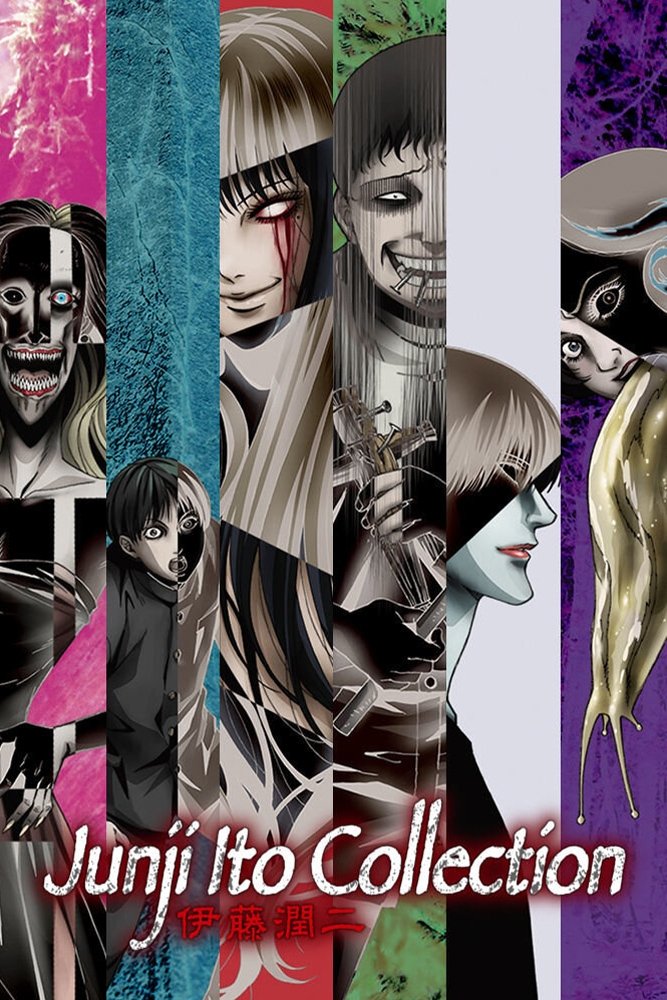
Junji Ito is renowned for his incredibly detailed and grotesque horror illustrations, which are notoriously difficult to animate. The ‘Junji Ito Collection’ was criticized for its flat art style and lackluster animation that failed to capture the terrifying atmosphere of the manga panels. Many of the stories lost their impact when translated to the screen, as the timing and visual dread did not translate well. Fans felt that the adaptation prioritized quantity over quality by trying to fit too many stories into a single season. As a result, the series is often viewed as a pale imitation of Ito’s legendary work.
‘The Seven Deadly Sins’ (2014–2021)
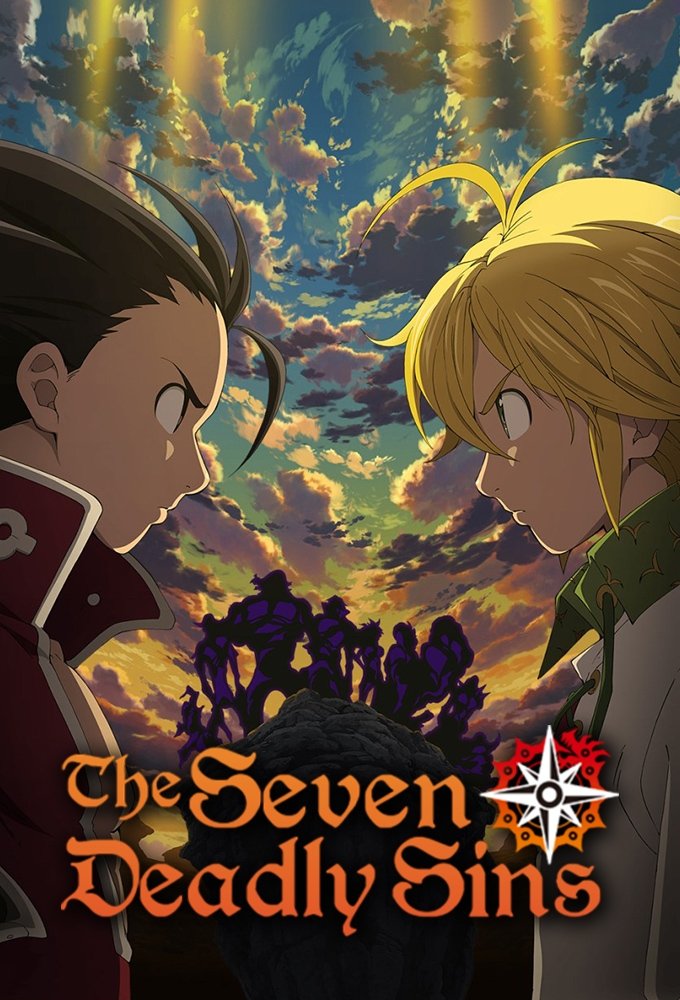
While the early seasons of ‘The Seven Deadly Sins’ were well-received, the quality of the animation took a significant dip starting with the “Wrath of the Gods” arc. A change in animation studios led to inconsistent character designs and poorly choreographed fight scenes that fans found unwatchable. One of the most infamous moments involved censored “white blood” during a pivotal battle, which many viewers felt ruined the maturity of the show. The decline in production values distracted from the climax of the story being told. This drop in quality led to widespread memes and disappointment within the anime community.
‘Tokyo Ghoul’ (2014–2018)
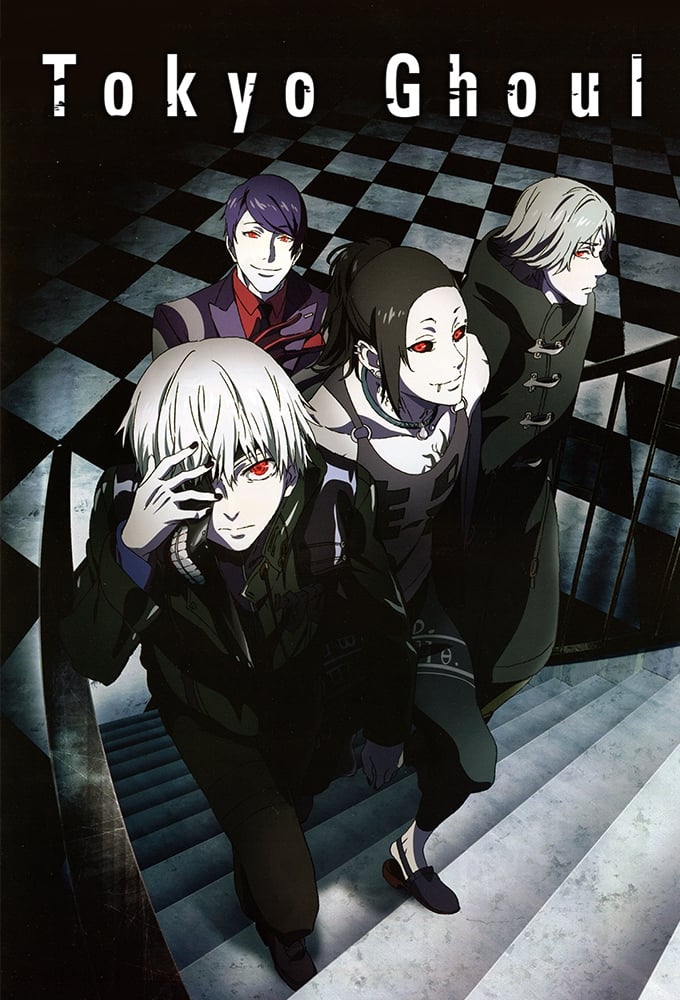
‘Tokyo Ghoul’ began as a faithful adaptation but quickly diverged from the manga with its second season, ‘Tokyo Ghoul √A’. This season featured an anime-original path that ignored the intricate plotting of Sui Ishida’s original work. Subsequent seasons tried to return to the manga’s storyline but did so with such rapid pacing that many essential details were lost. Viewers who had not read the manga found the later arcs nearly impossible to follow due to the sheer number of characters and skipped events. The lack of consistency across the seasons is a major point of frustration for the fanbase.
‘Rosario + Vampire’ (2008)
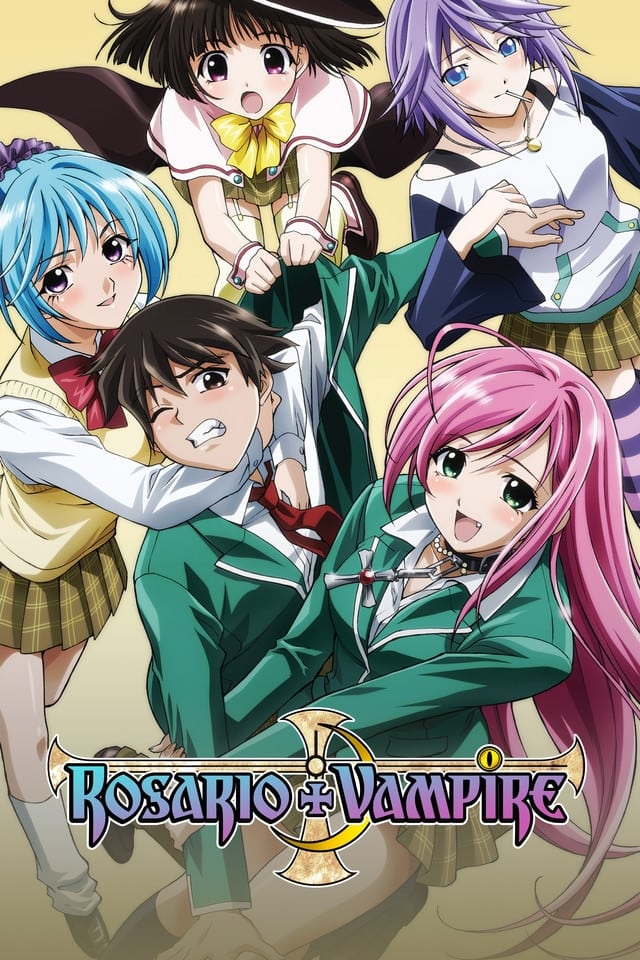
The ‘Rosario + Vampire’ manga is remembered for its transition from a typical harem comedy into a high-stakes supernatural action series. However, the anime adaptation focused almost entirely on the fanservice and comedic elements, largely ignoring the character growth and dark tone of the later manga volumes. Fans were disappointed that the protagonist’s training and power development were sidelined in favor of repetitive gags. The omission of the serious plotlines turned the adaptation into a generic parody rather than the epic it became in print. Consequently, those who enjoyed the manga’s depth often suggest skipping the anime.
‘Record of Ragnarok’ (2021–2023)
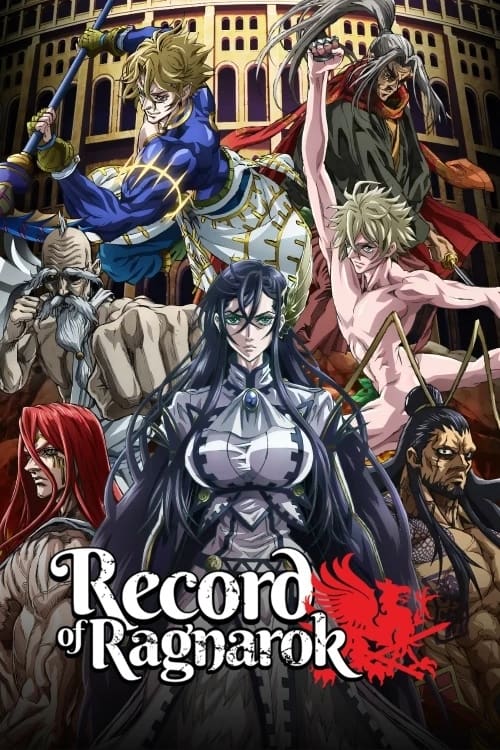
‘Record of Ragnarok’ is a manga defined by its high-octane battles between gods and historical figures, demanding dynamic animation. When the adaptation arrived, fans were disappointed by the use of static images and “slide-show” style sequences during the most anticipated fights. While the voice acting and soundtrack were praised, the lack of fluid motion hindered the excitement of the duels. Many felt that the intensity of the manga’s artwork was lost in the transition to the screen. Although the second season showed some improvements, the initial reception remained heavily critical.
‘The Way of the Househusband’ (2021)
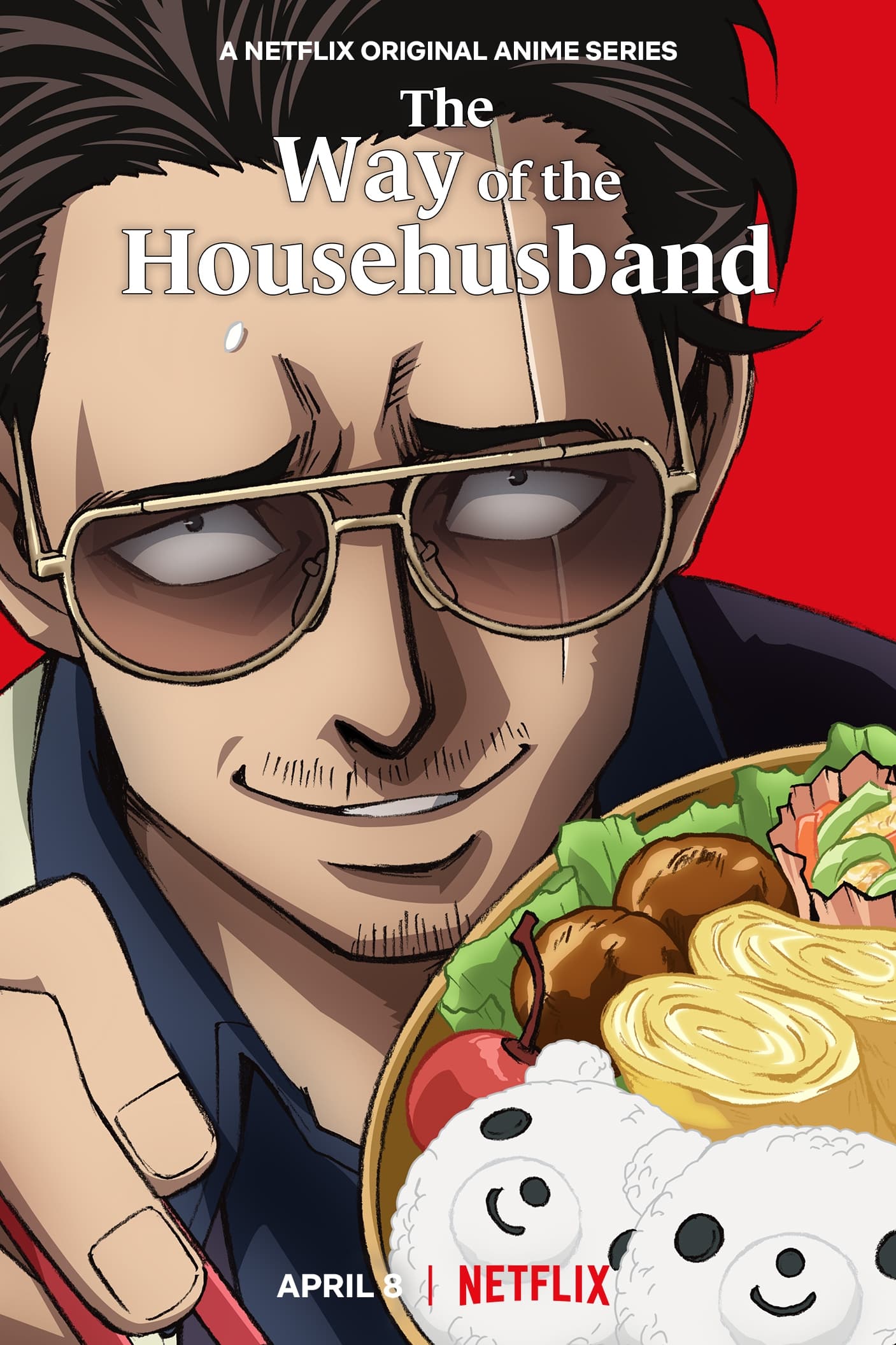
The adaptation of ‘The Way of the Househusband’ sparked controversy due to its choice of a “motion comic” style instead of traditional animation. While the creators stated this was a stylistic choice to preserve the comedic timing of the manga panels, many viewers found it lazy and distracting. The lack of movement made it feel more like a narrated slideshow than a standard anime production. Despite the excellent voice performance by Kenjiro Tsuda, the visual execution remains a sticking point for fans. The clash between the vibrant manga art and the static anime presentation created a divide in the audience.
‘Umineko: When They Cry’ (2009)
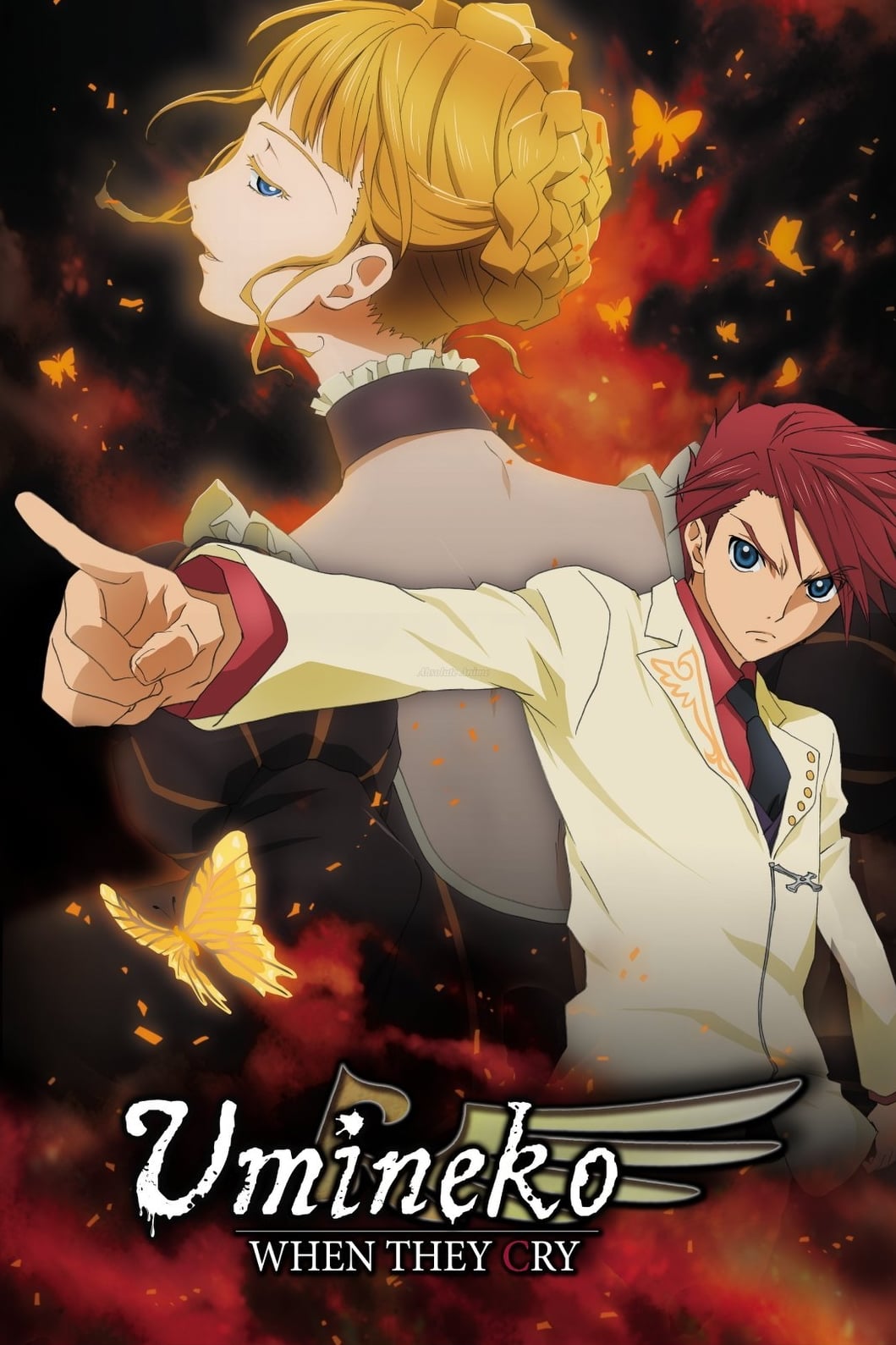
‘Umineko: When They Cry’ is a massive and intricate murder mystery visual novel that relies heavily on its internal logic and clues. The anime attempted to adapt the first four episodes of the story into 26 episodes, which resulted in many vital clues being omitted. This made the mystery nearly impossible for viewers to solve and left the story feeling incomplete as the second half of the visual novel was never adapted. Fans were also unhappy with the animation quality, which they felt did not match the prestige of the source material. The series is frequently cited as an example of a failed adaptation of a complex narrative.
‘Deadman Wonderland’ (2011)

‘Deadman Wonderland’ was initially praised for its dark setting and premise, but it quickly drew the ire of manga fans for cutting essential characters. By removing figures like Azami, the anime made it impossible to continue the story faithfully into a second season. The series ended on a cliffhanger that left many plot threads dangling and unresolved. This lack of foresight in the adaptation process meant that the show felt like a promotional tool for the manga rather than a standalone work. Because of these omissions, the anime is often viewed as a shallow representation of the source material.
‘Blade of the Immortal’ (2008)
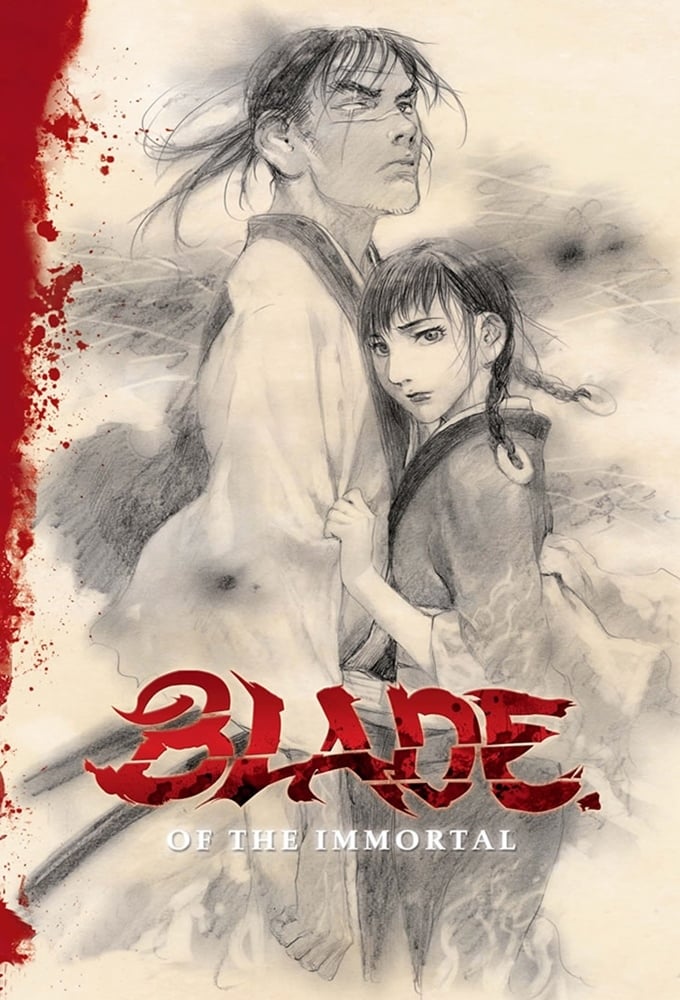
The 2008 version of ‘Blade of the Immortal’ struggled with pacing issues as it tried to cram a long-running manga into only thirteen episodes. This forced the production to skip massive amounts of character development and several major story arcs. The animation was also considered mediocre for a series known for its stylized and brutal swordplay. Fans of the manga found the resulting story to be rushed and emotionally hollow. While a newer adaptation was released years later, the original 2008 run is still remembered for failing to do justice to the source material.
‘Gantz’ (2004)
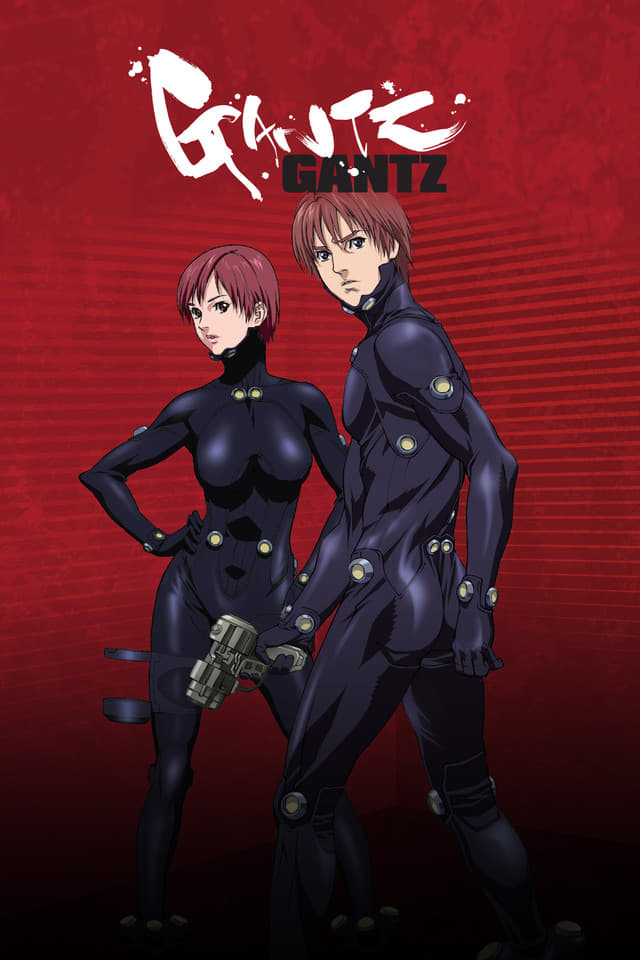
‘Gantz’ is a series known for its extreme violence and nihilistic tone, which the anime tried to replicate with mixed success. The adaptation suffered from a significant amount of filler and a completely original ending that many fans found unsatisfactory. Because the manga was still ongoing at the time, the anime creators had to invent a conclusion that lacked the scale of the original work. The pacing in the later half of the series also slowed down considerably, frustrating viewers who wanted more action. This led to a consensus that the manga is the far superior way to experience the story.
‘Akame ga Kill!’ (2014)

‘Akame ga Kill!’ followed the manga closely for its first half but began to diverge as it approached the end of its run. The anime staff opted for an original ending that resulted in the deaths of several major characters who survived in the manga. This change felt rushed and forced to many viewers, who preferred the more developed conclusion of the original source. The tonal shift in the final episodes was criticized for being overly dark without the proper narrative setup. Consequently, the anime is often polarizing among those who have read the complete manga series.
‘Fate/stay night’ (2006)
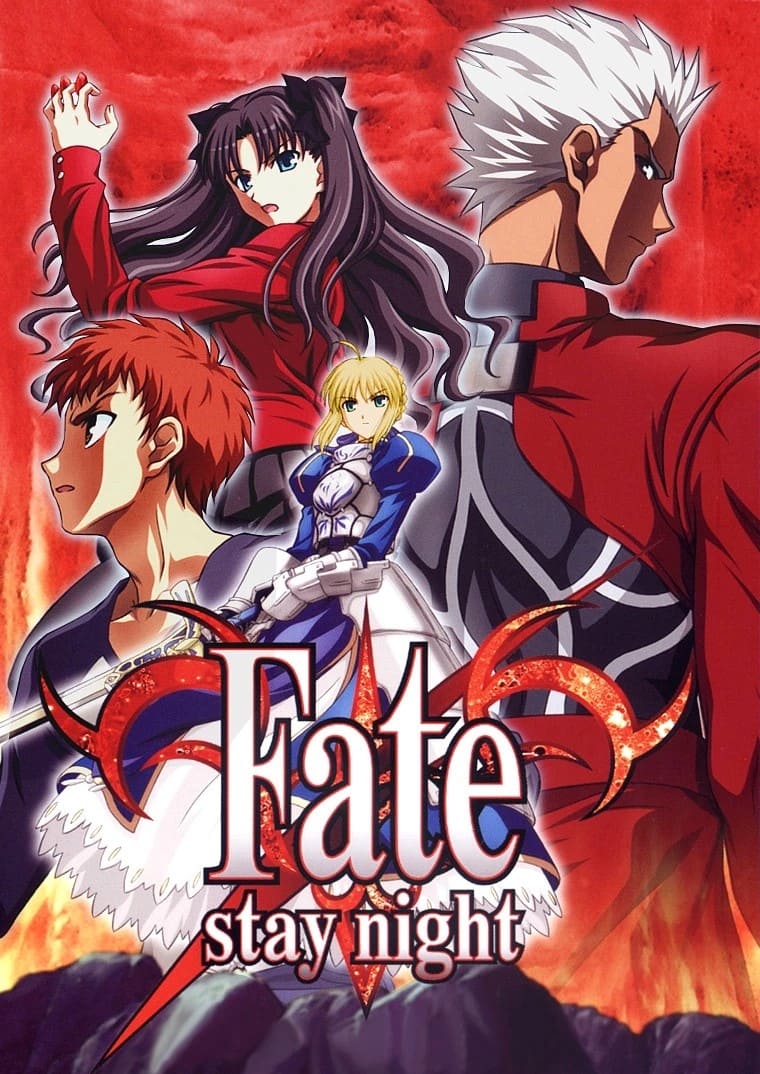
The 2006 adaptation of ‘Fate/stay night’ by Studio Deen attempted to combine elements from multiple narrative routes of the original visual novel. This decision resulted in a muddled plot that lacked the focus of the specific “Fate” route it was supposed to adapt. Fans were also disappointed by the animation quality, especially when compared to the later adaptations produced by Ufotable. The inclusion of spoilers for other routes made it a confusing entry point for newcomers. While it helped popularize the franchise, it is now widely regarded as the weakest adaptation of the story.
‘Soul Eater’ (2008–2009)
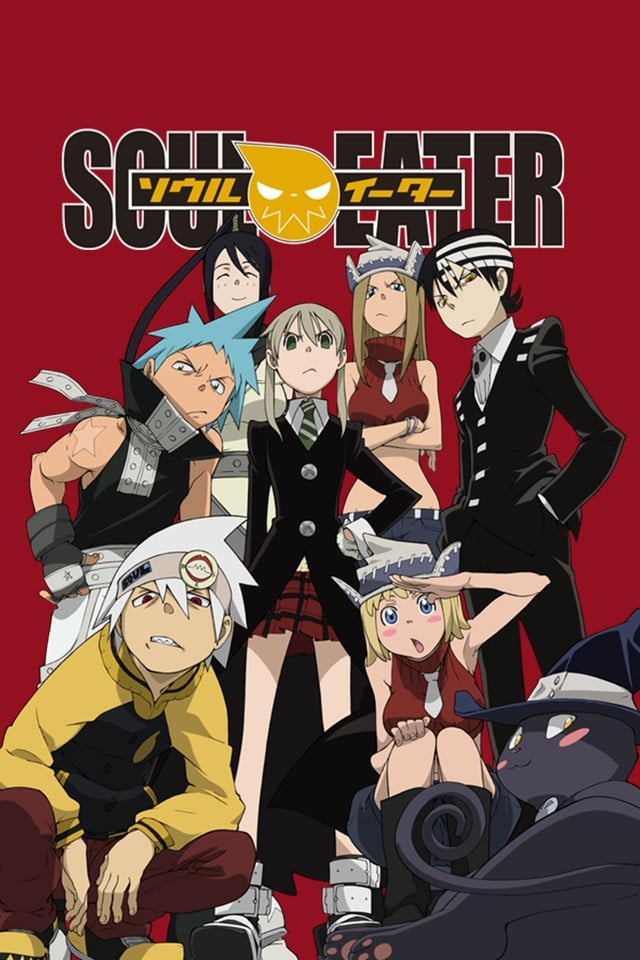
‘Soul Eater’ was a largely faithful and stylish adaptation for the majority of its run. However, like many series of its era, it caught up to the ongoing manga and was forced to create an anime-original ending. The final battle and the resolution of the conflict were criticized for being simplistic and relying on the “power of courage” in a way that felt out of place. Many fans were disappointed that the intricate world-building of the manga’s later half was discarded. Despite its great soundtrack and animation, the ending remains a major point of contention for the community.
‘Claymore’ (2007)
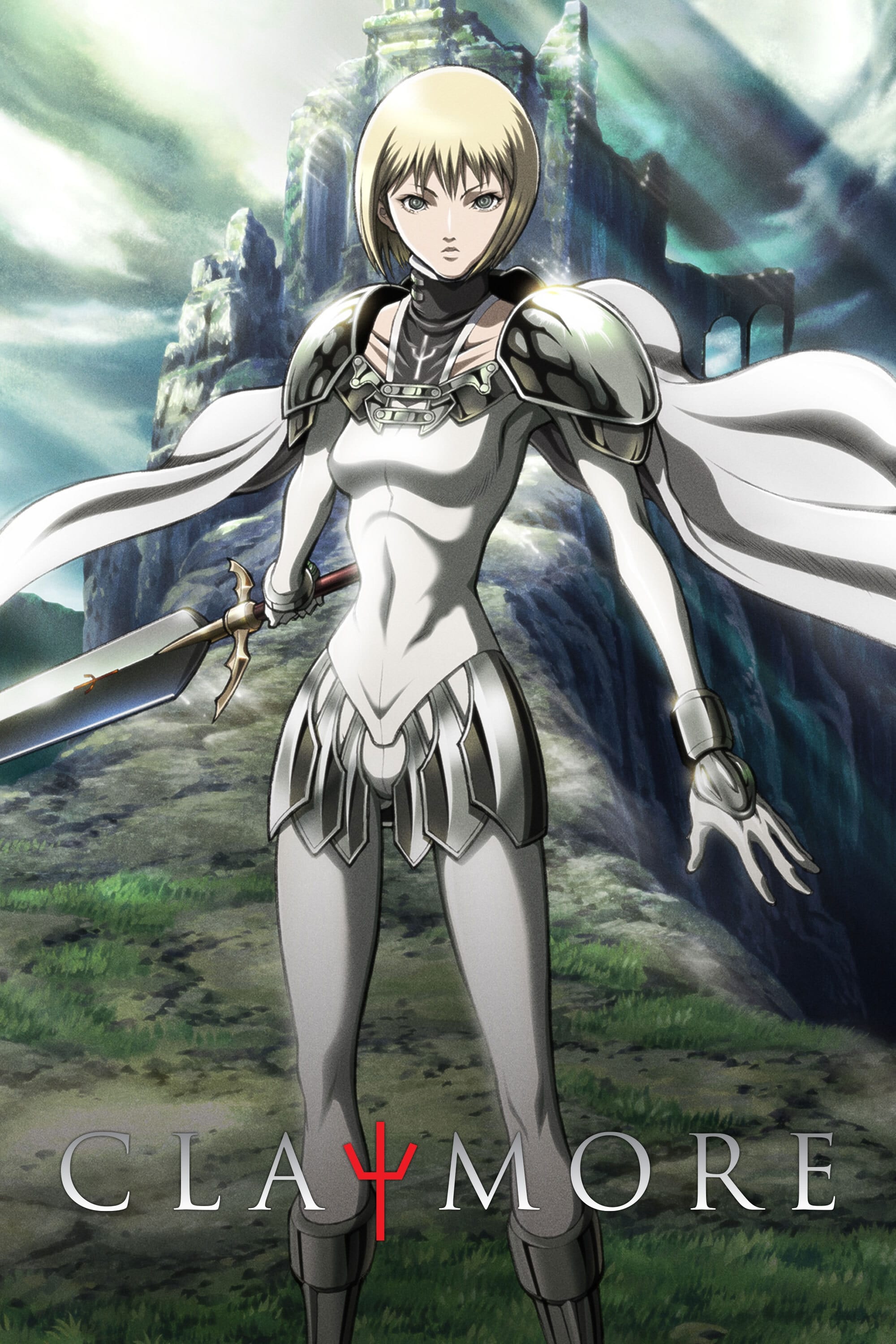
‘Claymore’ is a dark fantasy series that was praised for its intense action and grim atmosphere. However, the anime concluded with an original ending that deviated significantly from the manga’s progression. This ending felt premature and left several major antagonists’ stories unresolved, as the manga continued for years after the anime finished. Fans felt that the final episodes did not match the quality of the rest of the series and ignored the established lore. The lack of a second season to fix these deviations has left many viewers recommending the manga over the anime.
‘Blue Exorcist’ (2011)
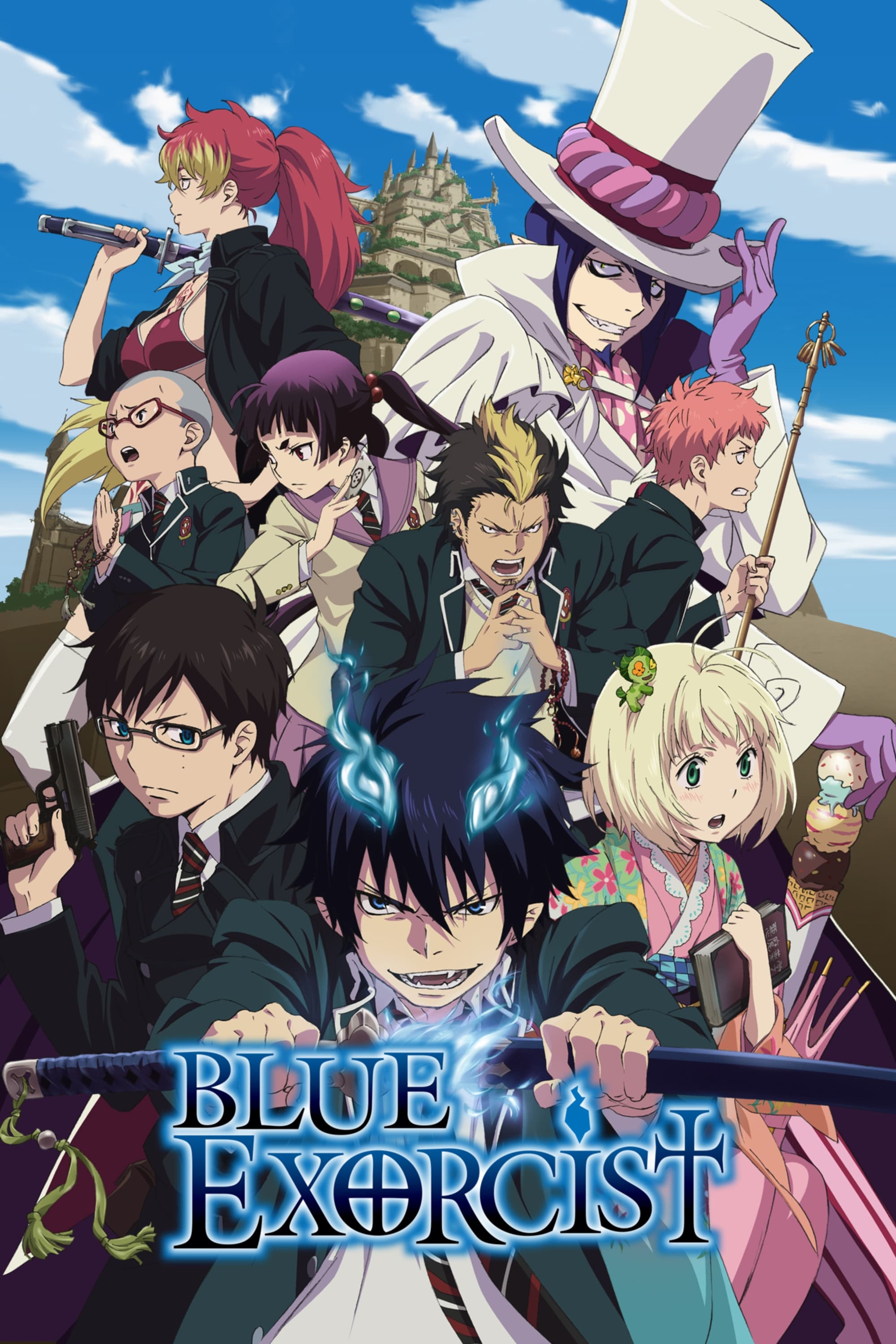
The first season of ‘Blue Exorcist’ diverged from the manga around episode seventeen, creating an anime-exclusive conclusion to the story. This ending introduced new plot elements that were never part of the original creator’s vision, leading to a confusing transition when the second season was released years later. The second season, ‘Kyoto Saga’, had to retcon the final episodes of the first season to return to the manga’s timeline. This narrative inconsistency frustrated viewers who had followed the series from the beginning. Many fans prefer the manga’s steady progression over the anime’s fractured timeline.
‘Kingdom’ (2012–2013)
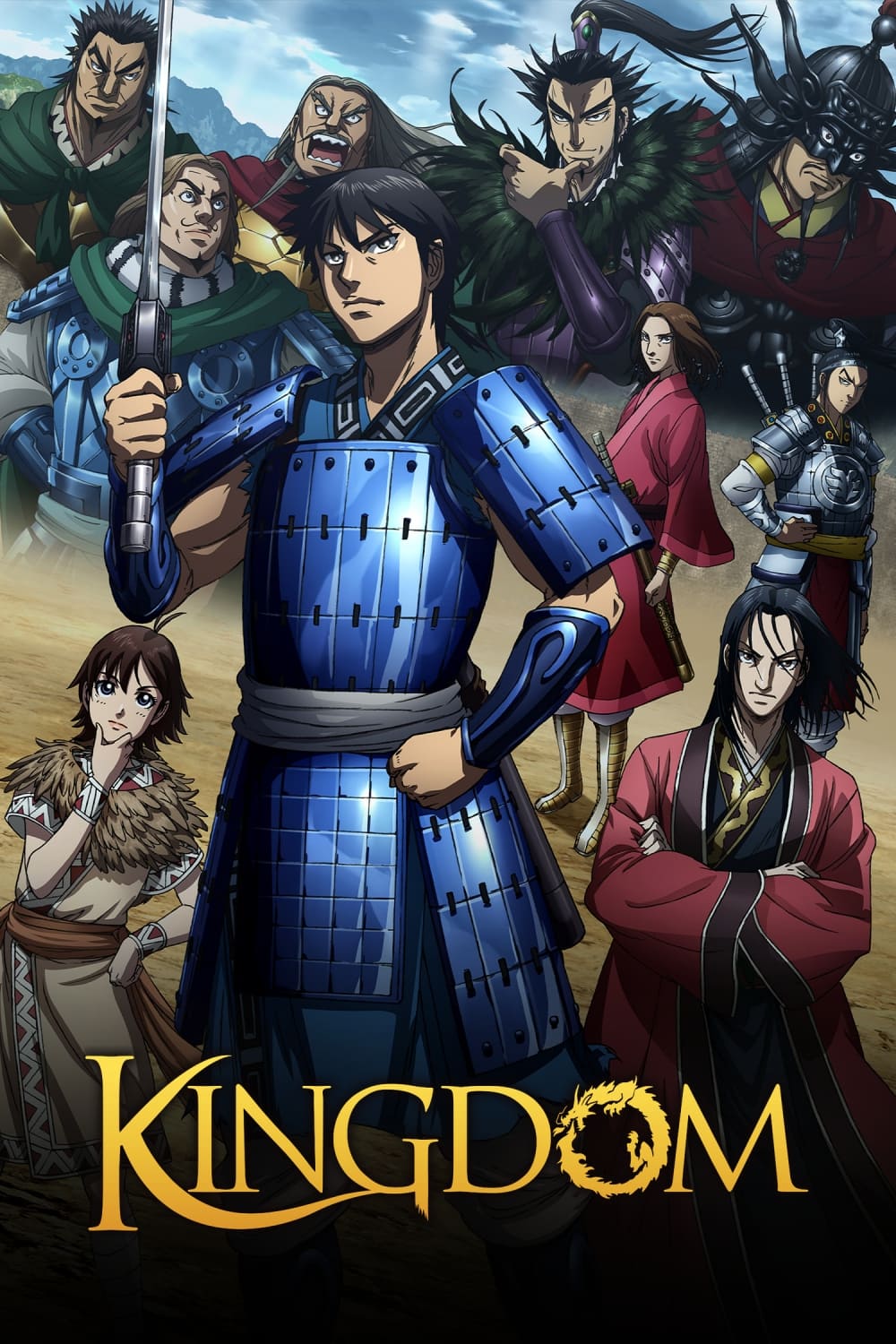
The first season of ‘Kingdom’ is notorious for its heavy use of low-quality CGI that many viewers found difficult to watch. The stiff movements and inconsistent character models distracted from the epic scale of the historical battles. While the story itself is a highly regarded masterpiece of strategy and warfare, the initial visual presentation turned many potential fans away. Later seasons significantly improved the art style by moving back to traditional animation, but the reputation of the first season remains a hurdle for the series. Readers of the manga often suggest skipping the first season entirely in favor of the source material.
‘Fruits Basket’ (2001)
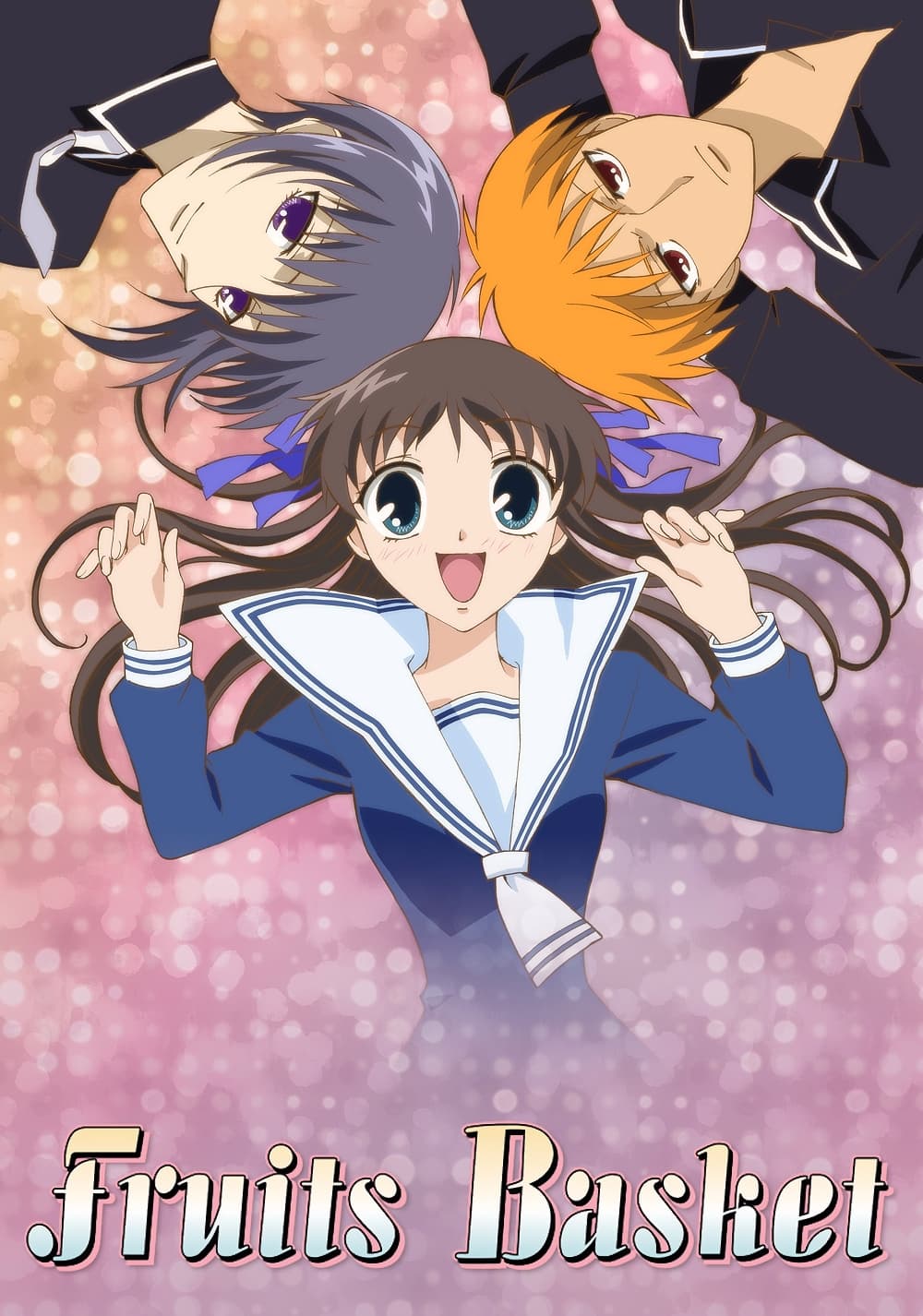
The 2001 version of ‘Fruits Basket’ was a popular series, but it only adapted a small portion of the manga and changed the tone to be more comedic. It also featured an anime-original ending that provided little closure for the complex curses affecting the Sohma family. The creator of the manga, Natsuki Takaya, was famously dissatisfied with some of the creative choices made during production. This led to the eventually successful 2019 reboot, which adapted the entire story faithfully. Compared to the complete 2019 version, the 2001 adaptation is now seen as an incomplete and tonally inconsistent work.
‘Hellsing’ (2001–2002)
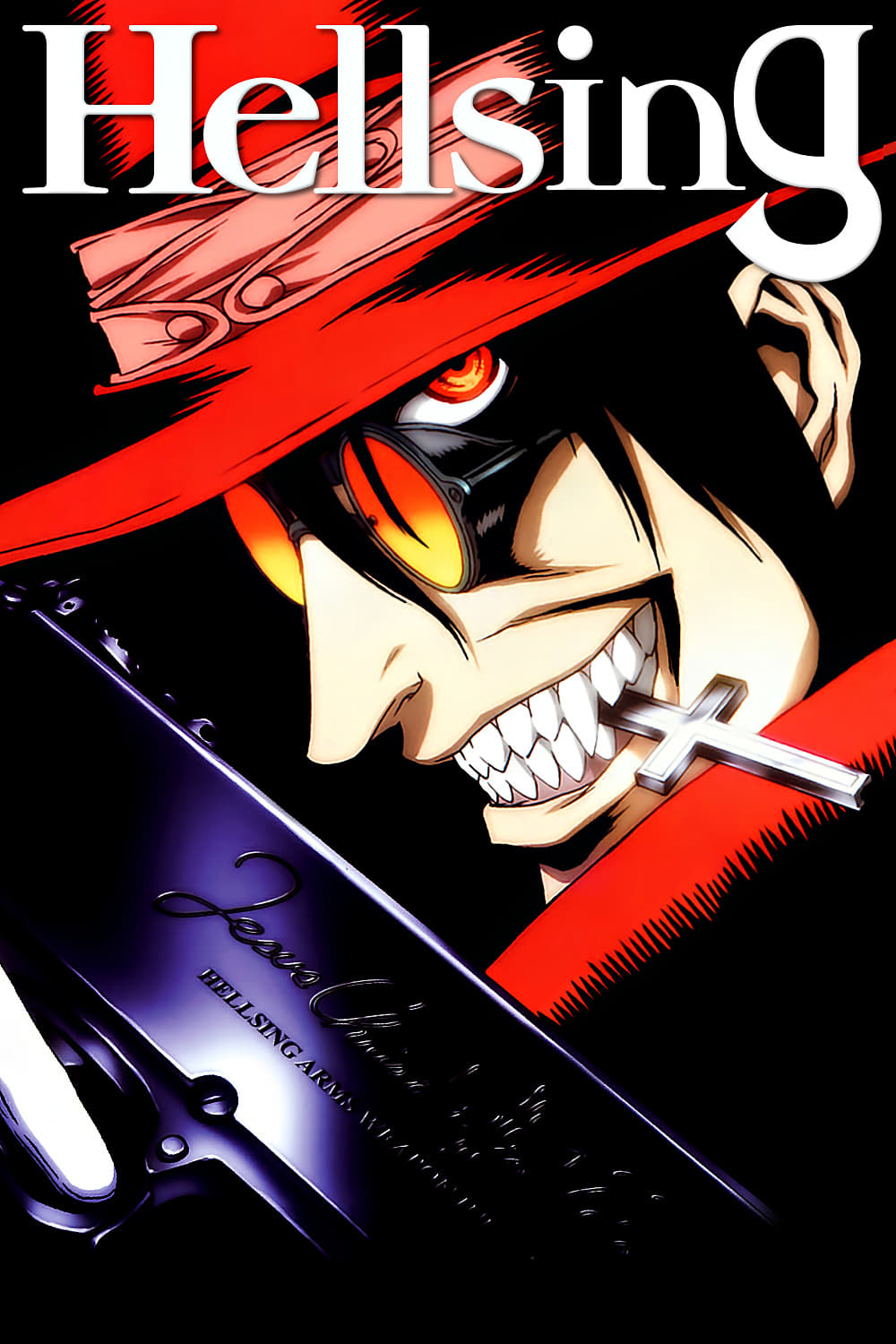
The original ‘Hellsing’ anime deviated from the manga very early in its run, introducing a new antagonist and a different storyline. While the series had a distinctive soundtrack and aesthetic, it lacked the over-the-top scale and gothic horror of the original source. Fans of the manga were disappointed by the exclusion of many iconic characters and the changes to Alucard’s backstory. This dissatisfaction was eventually addressed by the release of ‘Hellsing Ultimate’, which followed the manga exactly. The 2001 series is now largely remembered as an experimental take that failed to capture the manga’s essence.
‘Devil Lady’ (1998–1999)
‘Devilman Lady’ took the core concepts of Go Nagai’s manga and transformed them into a significantly different story with a different tone. While the anime explored psychological and philosophical themes, it moved away from the more straightforward horror and action found in the original work. Fans of the manga were often confused by the changes to the protagonist’s journey and the world-building. The slower pacing and darker visual style also contrasted with the high-energy pages of the source material. While it has its own followers, it is often viewed as a “loose” adaptation that misses the mark for many purists.
Share your thoughts on which anime adaptations you found the most disappointing in the comments.