

Anime Adaptations That Changed Character Races and Divided Fans

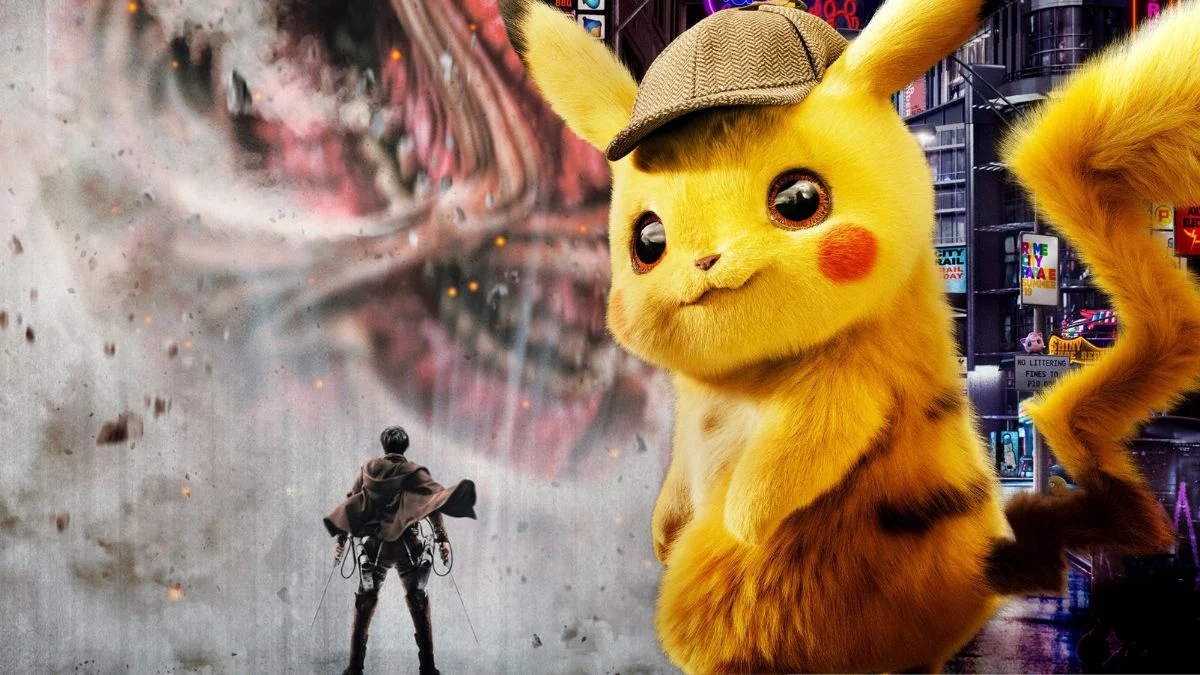


Adapting anime and manga into live-action formats is a complex process that often leads to controversial casting choices regarding the ethnicity of beloved characters. Studios frequently alter the racial background of protagonists to appeal to different demographics or to reflect the realities of local talent pools. These decisions can alienate devoted fanbases who prioritize faithfulness to the source material above all else. The following examples highlight productions where character race swaps sparked intense debate among viewers and critics.
‘Dragonball Evolution’ (2009)
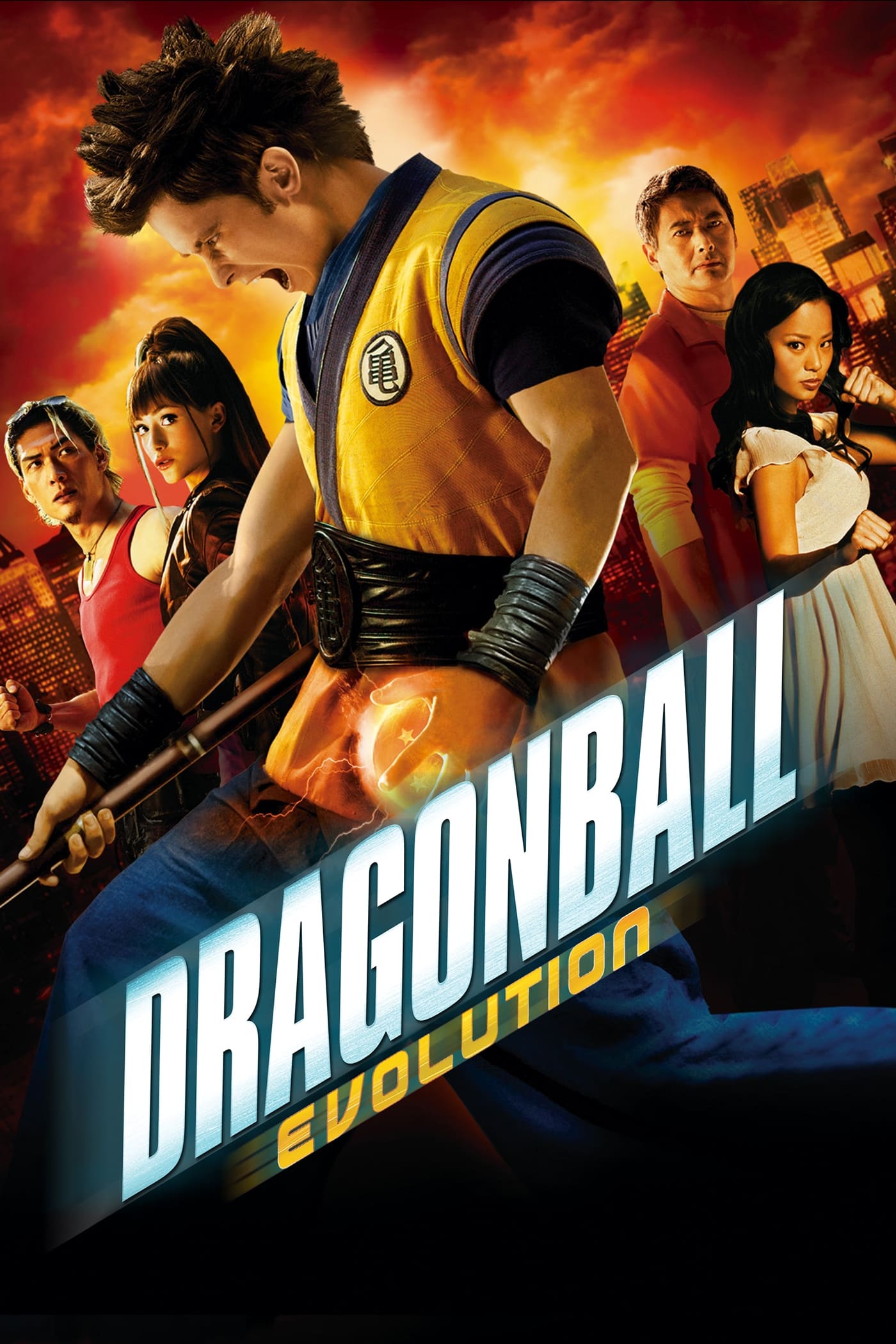
Justin Chatwin was cast as Goku in this loose adaptation of the legendary manga by Akira Toriyama. The studio reimagined the Saiyan warrior as a high school student in an American setting rather than a martial artist in a fantasy world. Fans criticized the decision to cast a white actor for a character deeply rooted in Asian mythology and aesthetics. This film remains one of the most cited examples of whitewashing in anime adaptations. The box office failure of the movie solidified the audience disapproval of the casting direction.
‘Ghost in the Shell’ (2017)
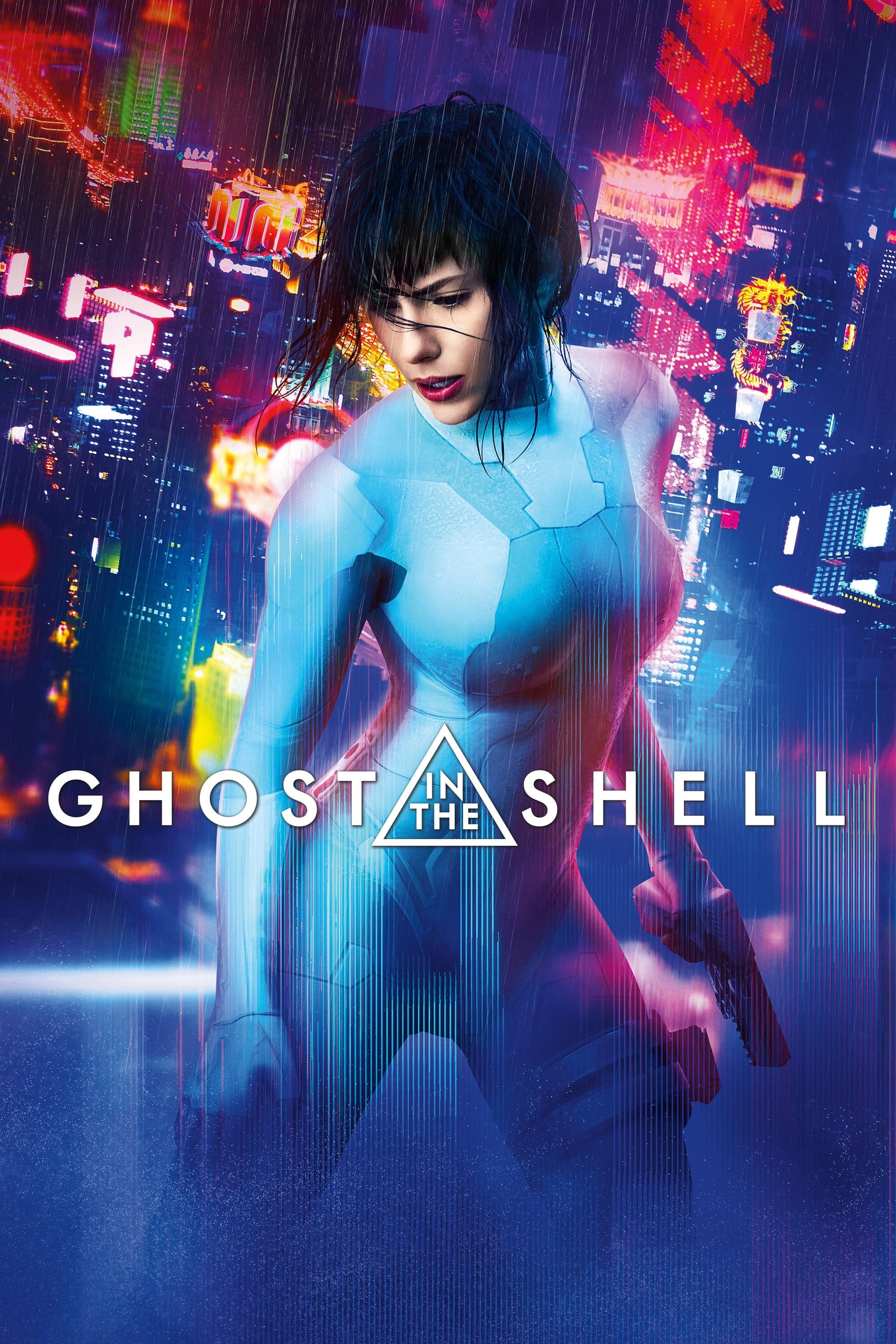
Scarlett Johansson took on the role of Major Motoko Kusanagi who was renamed Mira Killian for this Hollywood production. The casting sparked immediate backlash from fans who felt a Japanese actress should have played the iconic cyborg protagonist. Director Rupert Sanders defended the choice by stating Johansson had the international cyberpunk appeal required for the film. The movie attempted to explain the race change through a plot twist involving a stolen body. Critics and audiences remained divided over whether the visual fidelity justified the erasure of the character’s Japanese identity.
‘Death Note’ (2017)
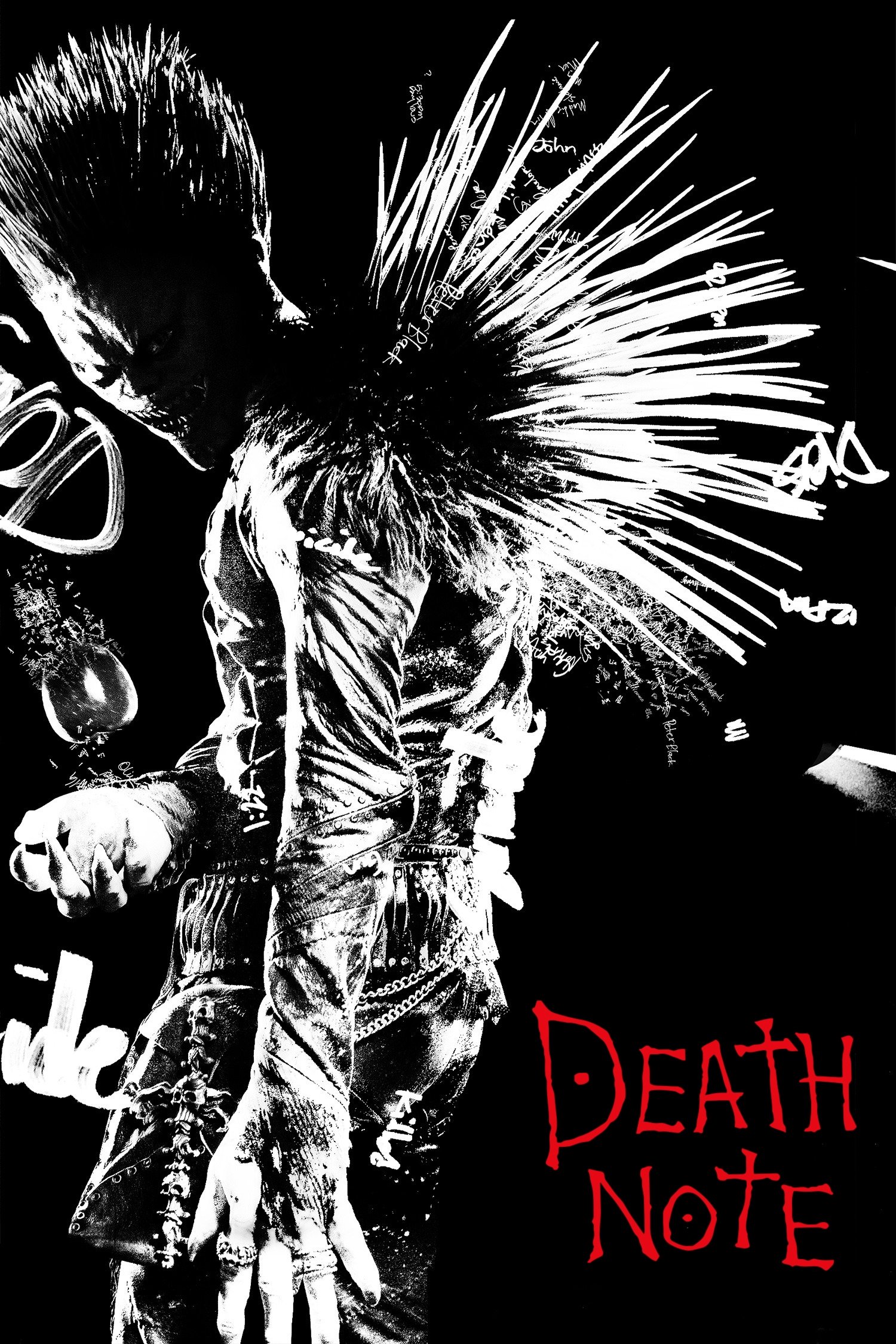
Netflix transported the story of Light Yagami from Tokyo to Seattle and renamed the protagonist Light Turner. Nat Wolff played the lead role while the brilliant detective L was played by Lakeith Stanfield. The decision to americanize the cast removed the specific Japanese cultural pressures that motivated the original character. Some viewers appreciated the unique interpretation of L by a Black actor while others felt the dynamic lost its essence. The creator of the original manga expressed support for the changes but the fanbase remained largely split.
‘The Last Airbender’ (2010)
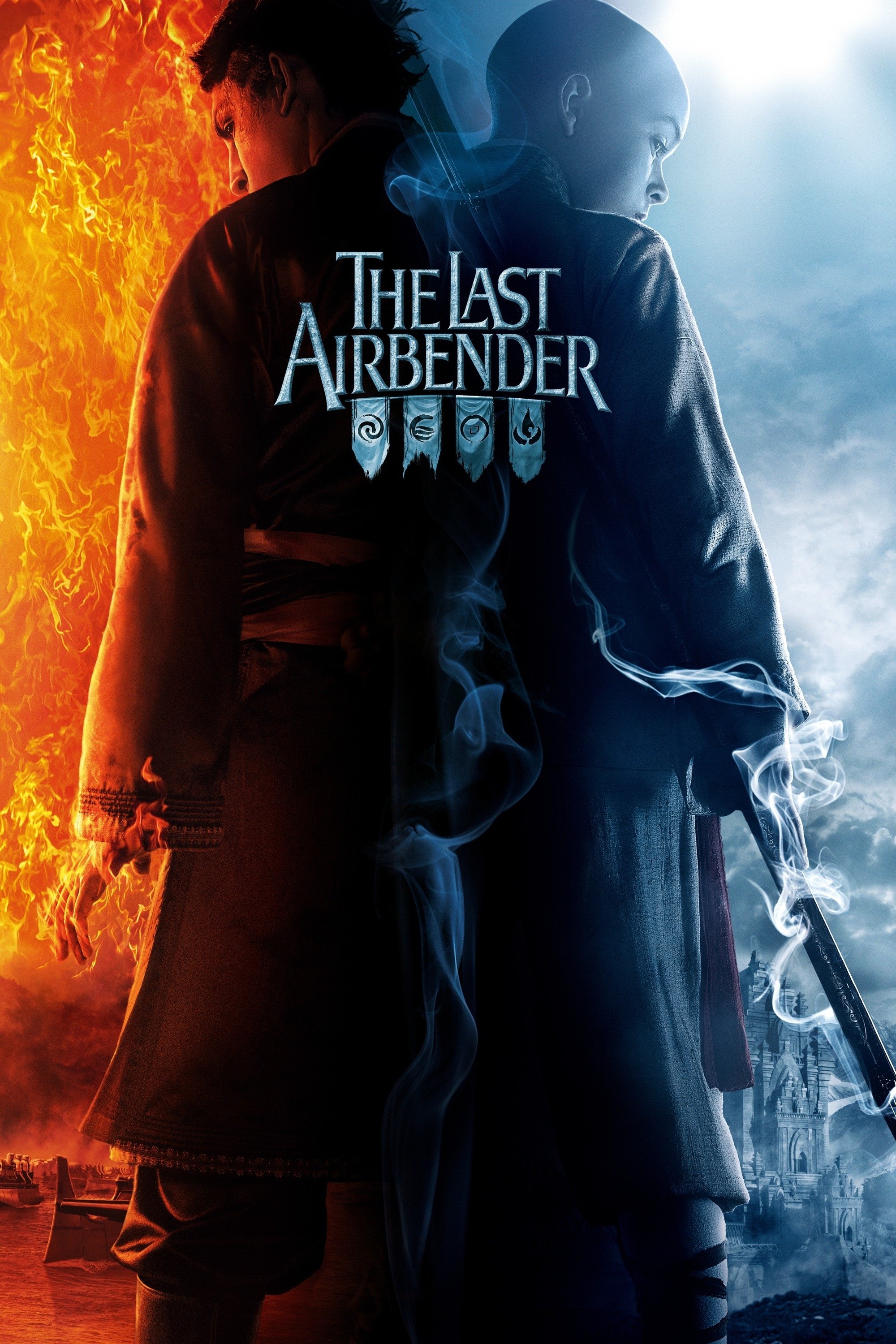
M. Night Shyamalan cast white actors for the roles of Aang and Sokka despite the show being heavily influenced by Inuit and Asian cultures. The villains of the Fire Nation were played by actors of Indian and Middle Eastern descent which created an unfortunate racial dynamic. Fans organized boycotts and protest campaigns to voice their frustration with the erasure of the source material’s cultural influences. This casting controversy overshadowed the release of the film and contributed to its poor reception. The original creators of the animated series eventually distanced themselves from this adaptation.
‘Attack on Titan’ (2015)

The live action adaptation of this massive hit featured an all-Japanese cast despite the source material featuring largely European characters. In the original manga the character Mikasa is explicitly stated to be the last person of Asian descent within the walls. The filmmakers changed the setting to a post-apocalyptic Japan to justify the casting of Japanese actors for roles like Eren and Armin. This decision fundamentally altered the lore regarding the last remnants of humanity and their origins. Many fans found the deviation from the diverse ethnic background of the Survey Corps jarring.
‘Fullmetal Alchemist’ (2017)
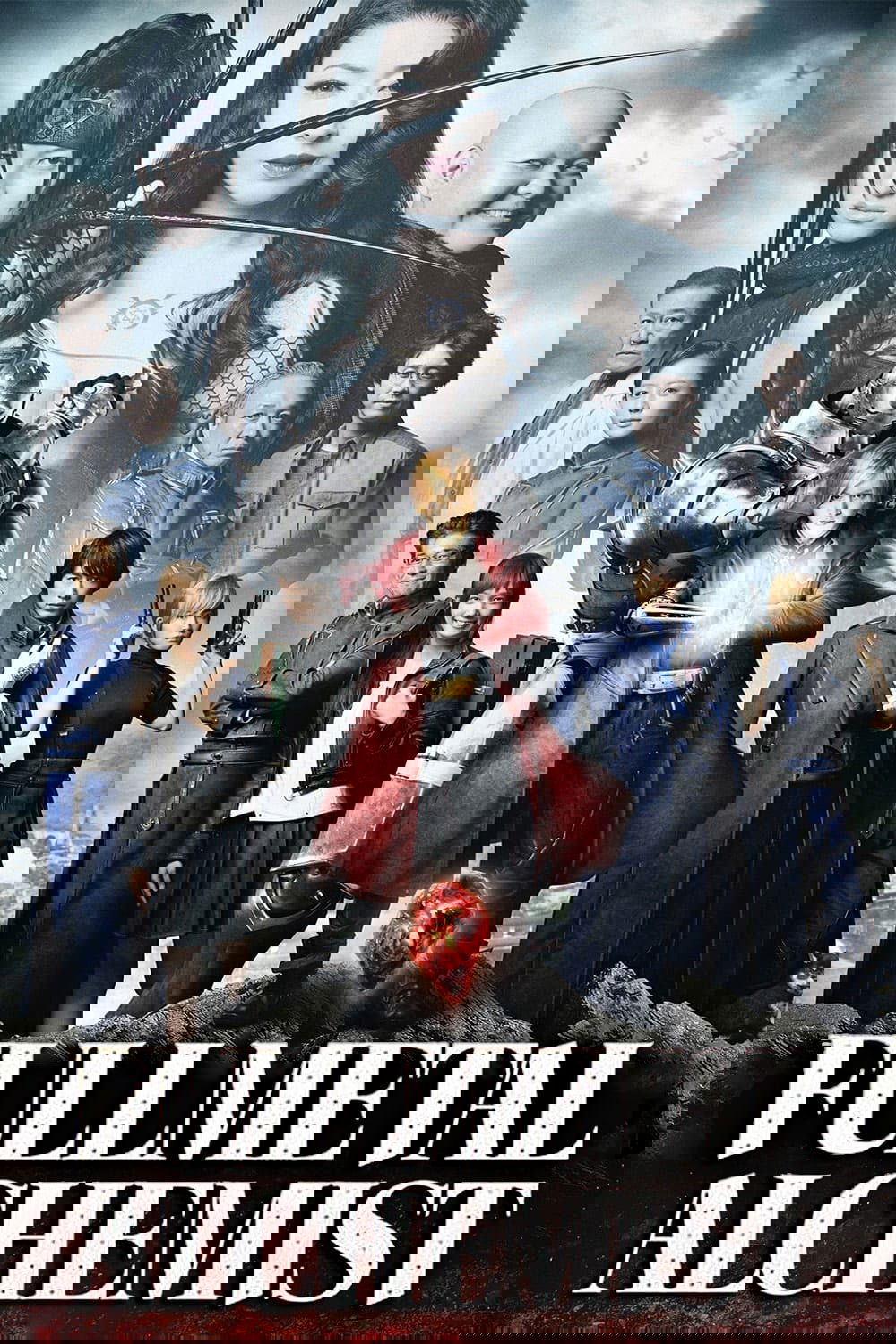
This production featured a Japanese cast playing characters with German names in a European fantasy setting. Edward Elric was played by Ryosuke Yamada instead of an actor who matched the Amestris nationality depicted in the anime. The production team chose to prioritize famous domestic talent over finding actors who fit the racial profile of the source material. While the costumes were faithful the visual disconnect of the casting divided international fans. Viewers struggled to accept the Japanese actors in blonde wigs as the Elric brothers.
‘Edge of Tomorrow’ (2014)

Tom Cruise starred as William Cage in this adaptation of the light novel ‘All You Need Is Kill’. The original protagonist was a Japanese recruit named Keiji Kiriya who fights in a futuristic war. The filmmakers westernized the entire setting and changed the lead character to an American officer. While the film received positive reviews for its action some fans lamented the loss of the original Japanese perspective. The change was justified by the studio as a necessary move to secure a global box office draw.
‘Bullet Train’ (2022)
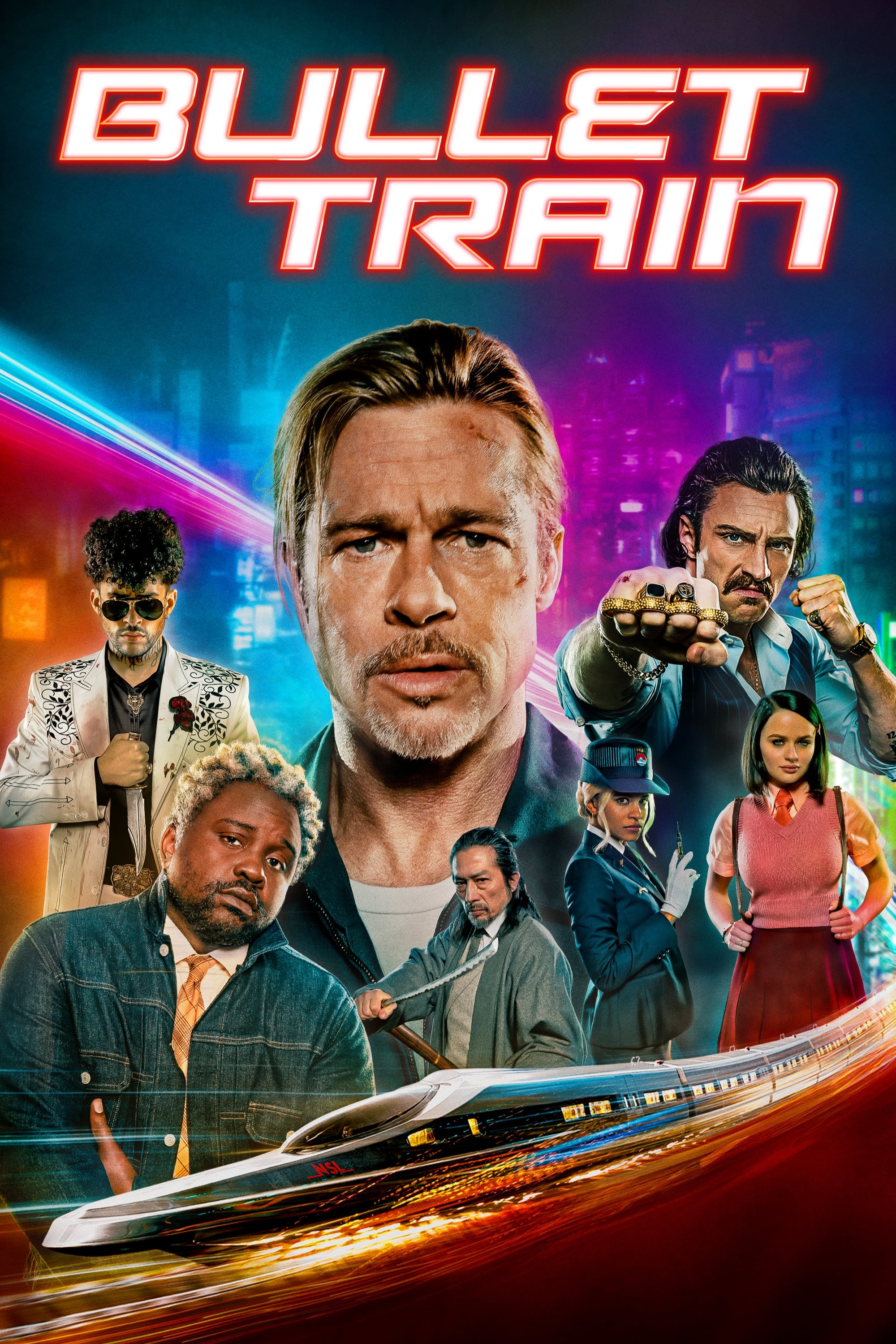
This action film is based on the novel ‘Maria Beetle’ by Kotaro Isaka which featured a predominantly Japanese cast of characters. Brad Pitt stars as Ladybug who was originally a Japanese assassin named Nanao in the source text. The production team argued that the story had a global appeal that justified an international cast rather than a strictly Japanese one. Several other characters such as the Prince were also changed to non-Japanese actors to fit the new Hollywood setting. The author of the novel gave his blessing but some purists wished for a more faithful representation of the original characters.
‘Speed Racer’ (2008)
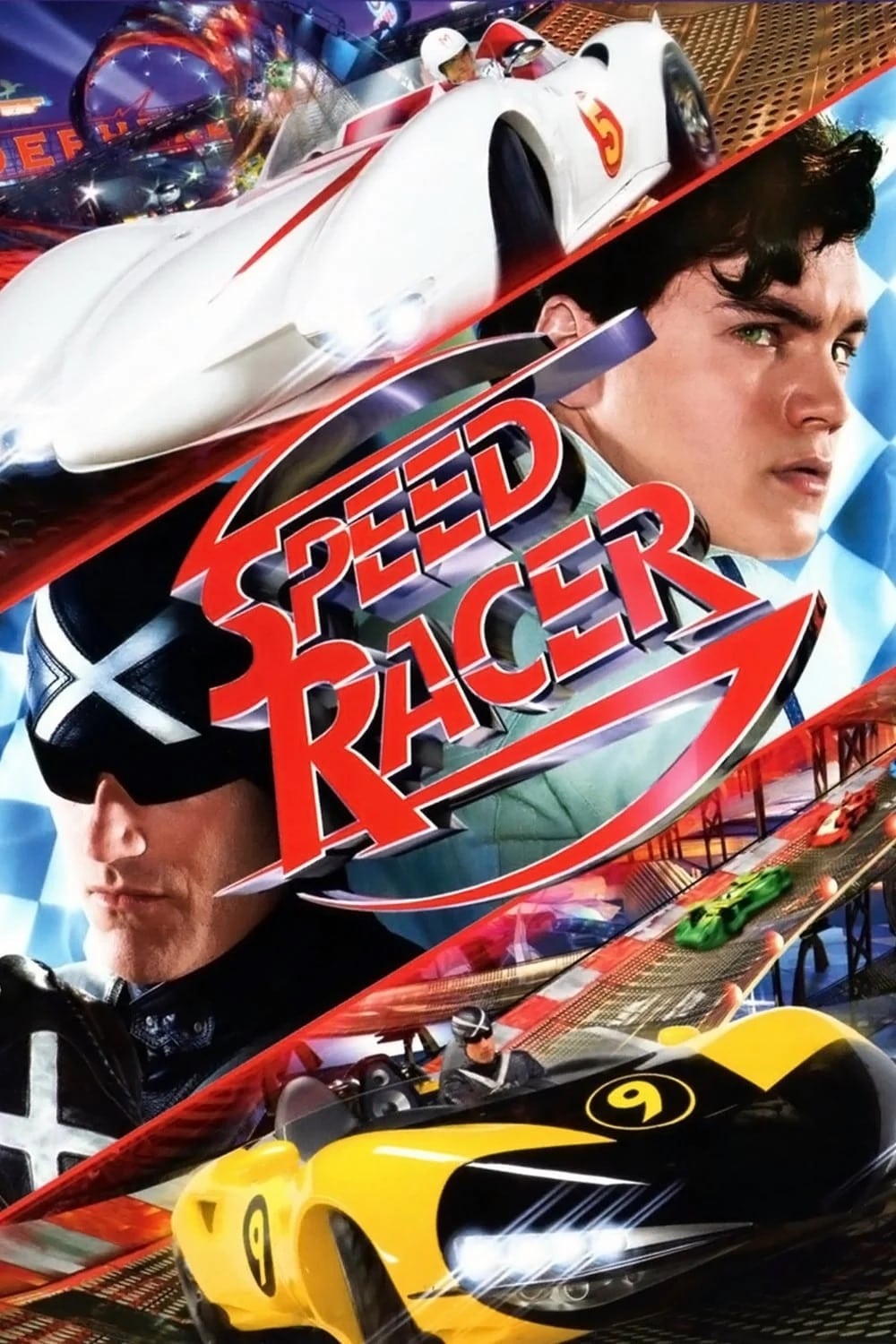
The Wachowskis directed this adaptation of the classic anime ‘Mach GoGoGo’ with Emile Hirsch as the titular hero. While the original anime characters were Japanese the 1960s dub had already americanized them significantly. The movie leaned into this westernized version by casting a primarily white family as the Racers. To add diversity the production created a new rival character named Taejo Togokahn played by Korean pop star Rain. This mix of casting choices created a unique world that honored the dub history but erased the Japanese roots of the Go Mifune character.
‘Street Fighter: The Legend of Chun-Li’ (2009)
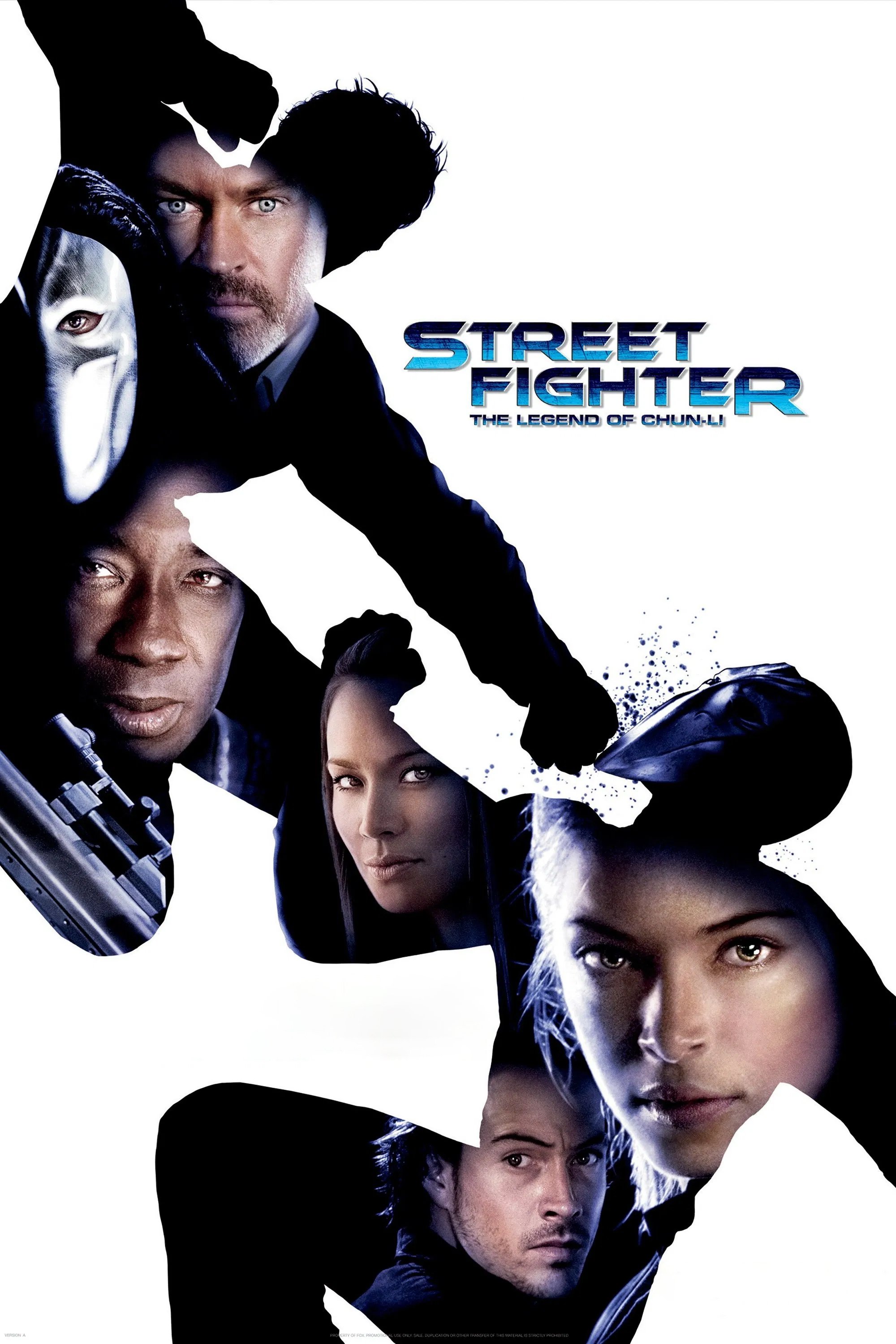
Kristin Kreuk was cast as the iconic Chinese martial artist Chun-Li in this critical flop. Fans were confused by the choice to cast a mixed-race actress who did not strongly resemble the video game and anime character. The film also altered her backstory significantly and removed her signature combat style. The supporting cast included actors of various ethnicities that did not match their animated counterparts. This production is often cited by gamers and anime fans as a failure to respect the source material.
‘Fist of the North Star’ (1995)
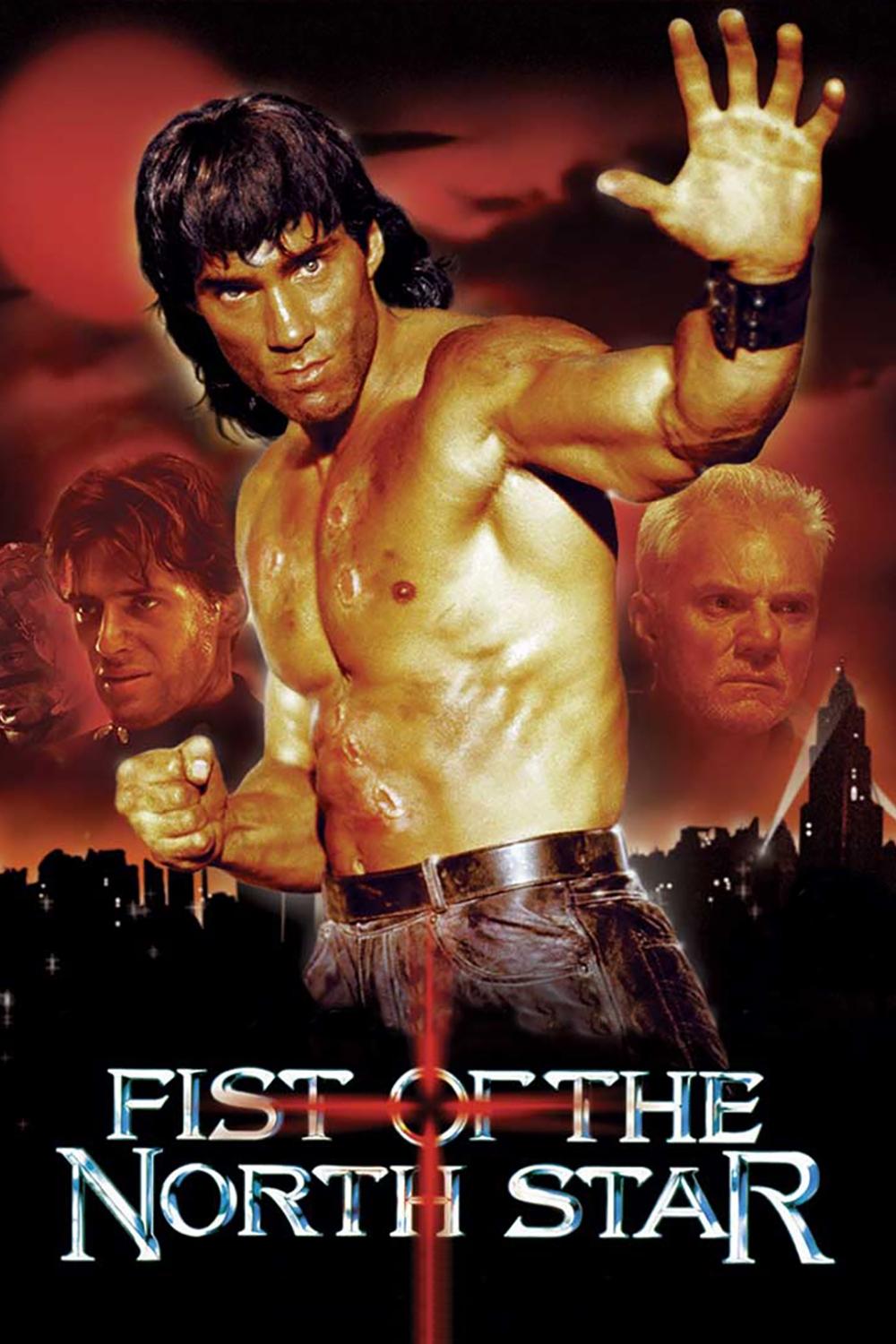
British martial artist Gary Daniels played Kenshiro in this direct-to-video American adaptation. The character Kenshiro is visually based on Sylvester Stallone and Bruce Lee but is canonically Japanese in the manga. The setting was shifted to a generic western wasteland which allowed for a multicultural but largely white cast. Fans of the ultra-violent anime felt the casting lacked the intensity and look of the original savior. The film attempted to replicate the action scenes but the casting changes made it feel like a generic brawler.
‘The Guyver’ (1991)
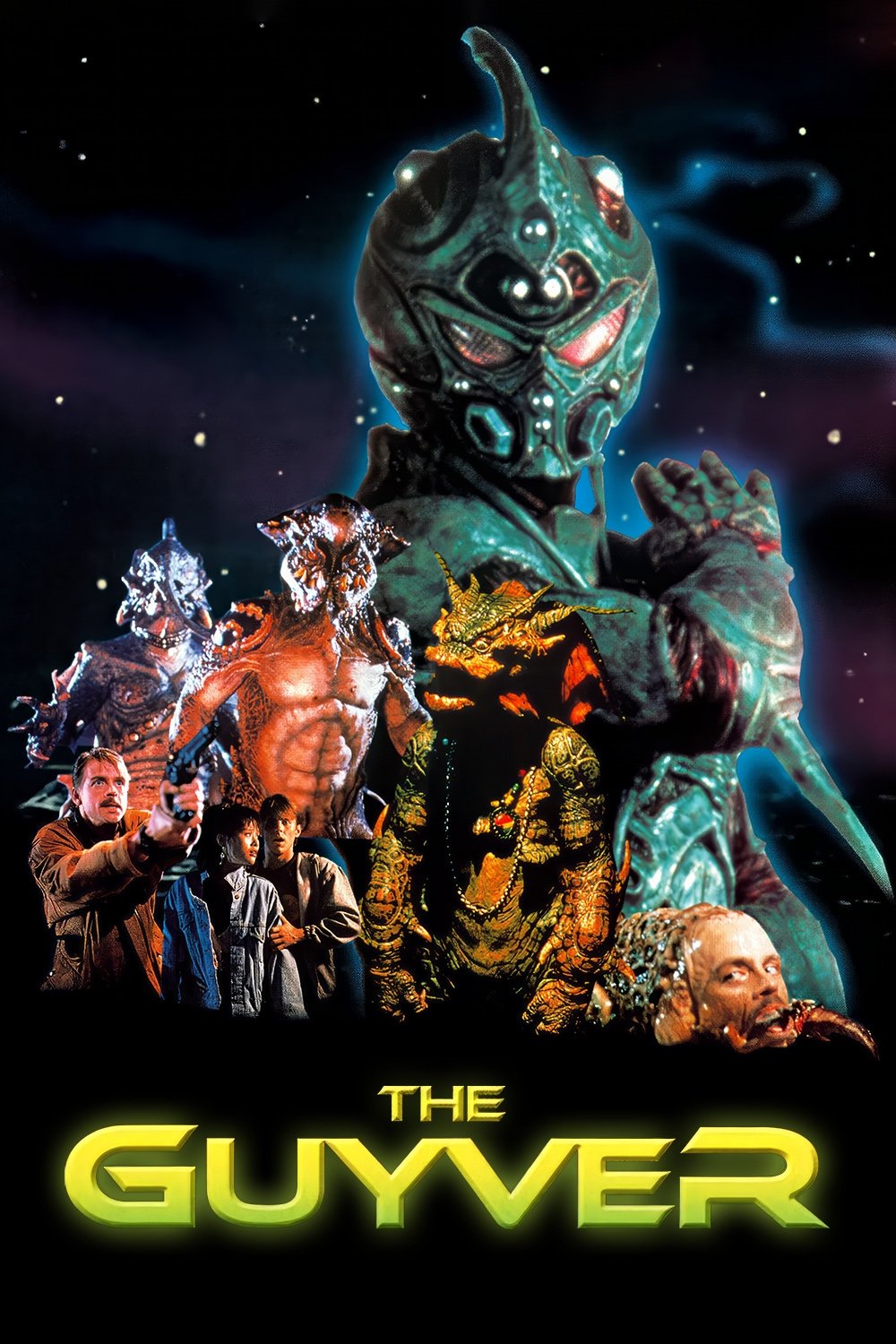
Mark Hamill and Jack Armstrong starred in this loose adaptation of the bio-punk manga series. The Japanese protagonist Sho Fukamachi was replaced by an American character named Sean Barker. This change was made to market the suit and creature effects to a western audience. The film achieved cult status for its special effects but alienated fans who wanted the original story. The sequel continued with the American protagonist and further distanced itself from the Japanese source material.
‘Oldboy’ (2013)
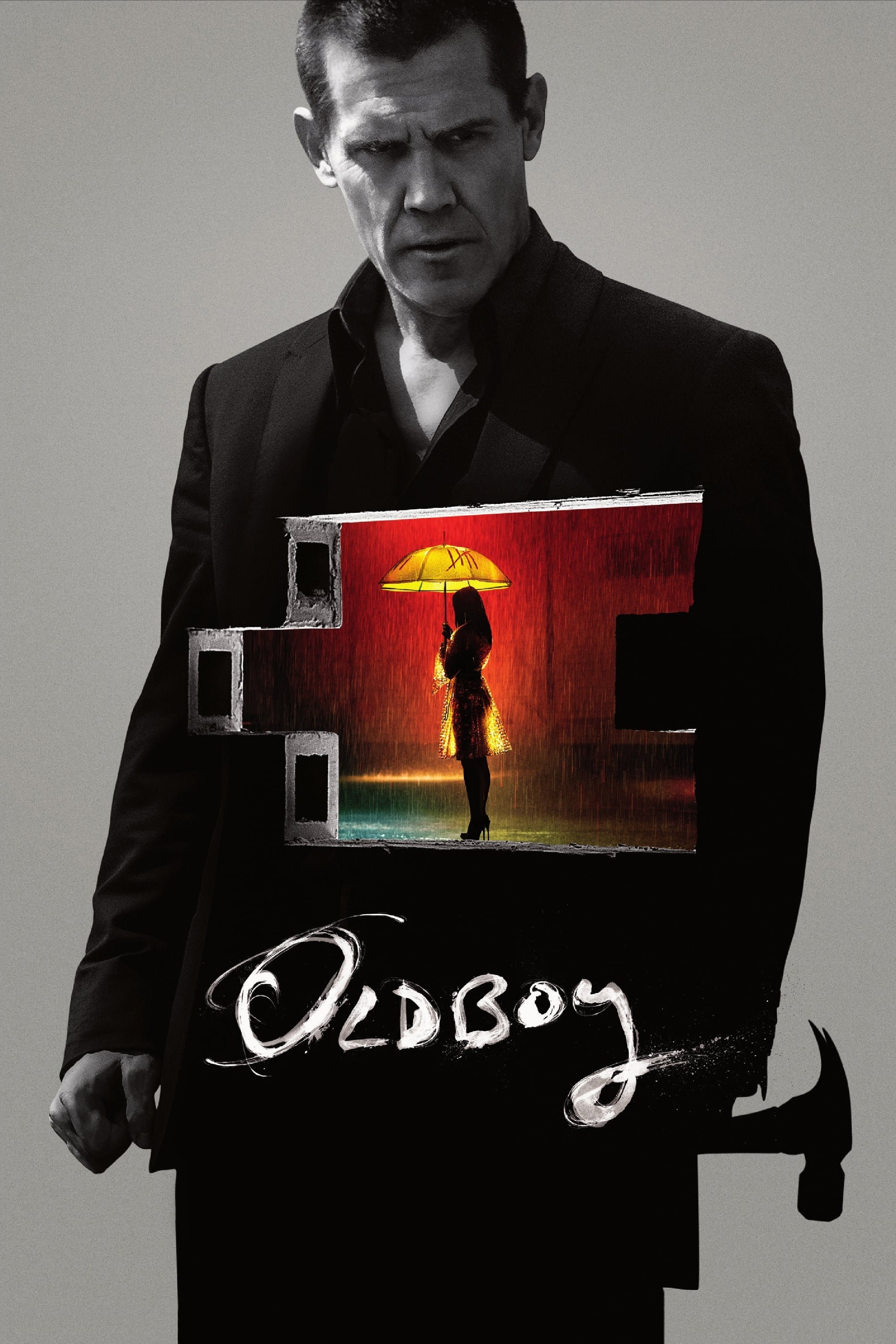
Spike Lee directed this remake of the Korean film which was itself based on a Japanese manga. Josh Brolin played the lead role of Joe Doucett who replaced the original character Shinichi Goto. The setting was moved to the United States and the cultural context of the imprisonment was altered. Viewers compared it unfavorably to the 2003 Korean adaptation which kept the Asian identity of the characters. The americanization of the story stripped away some of the nuance found in the original works.
‘Kite’ (2014)
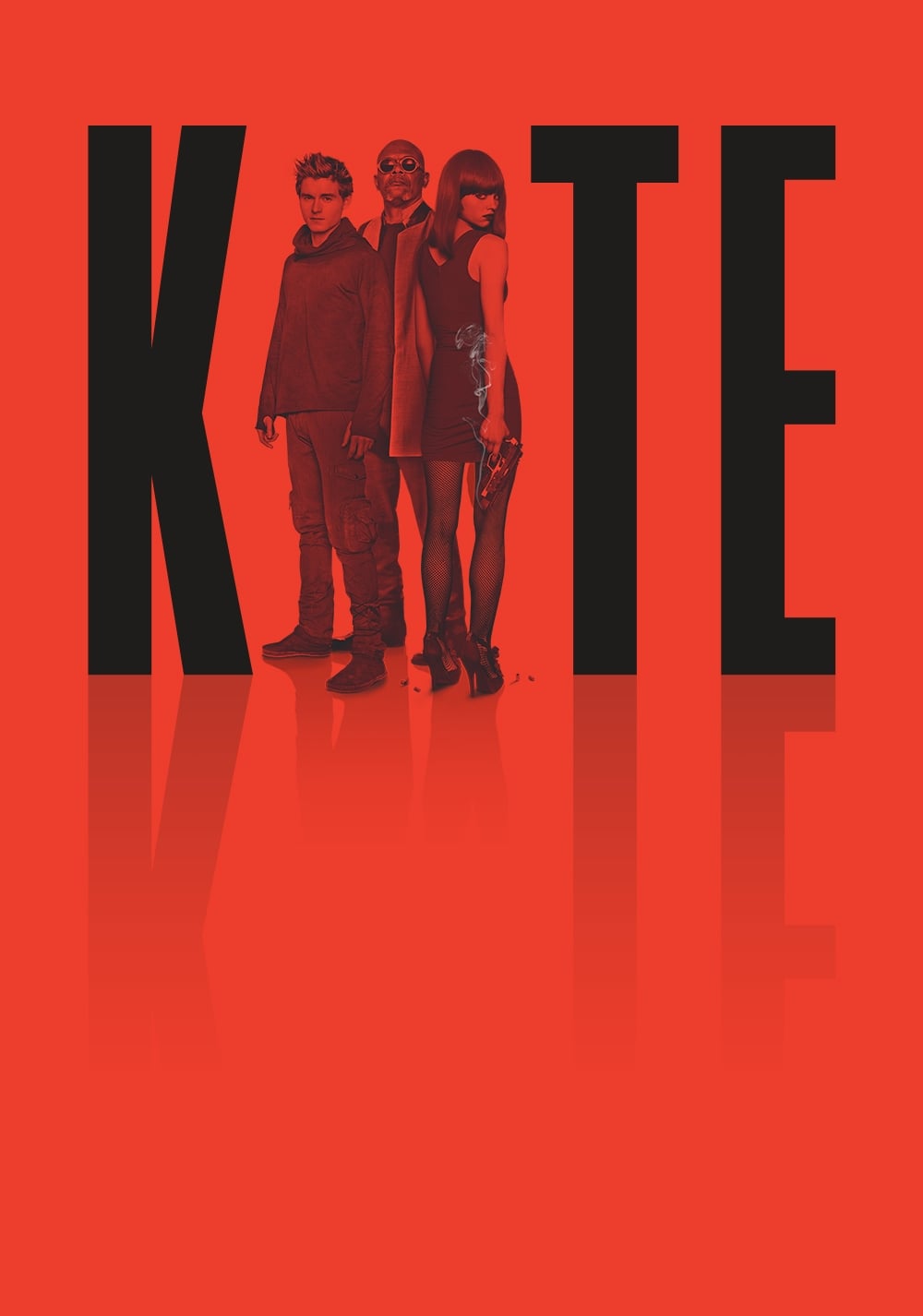
India Eisley played the role of Sawa in this live-action version of the controversial anime OVA. The original story was set in Japan but the movie utilized a dystopian Johannesburg setting. Samuel L. Jackson joined the cast as a race-swapped version of Sawa’s handler Akai. The film removed the extreme adult content of the original but also lost the specific noir atmosphere of the anime. Critics felt the shift in setting and ethnicity made the film feel like a generic action movie rather than a faithful adaptation.
‘City Hunter’ (2018)
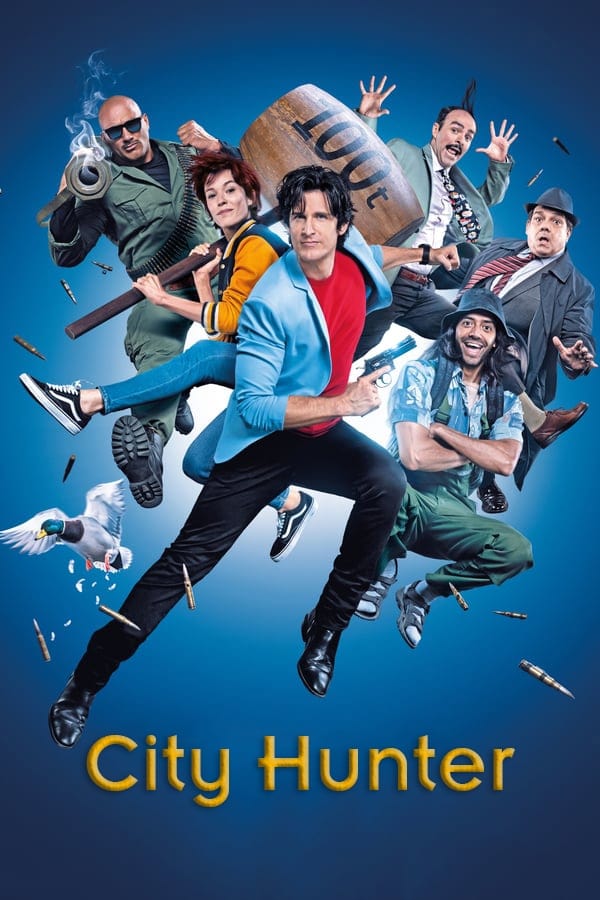
Philippe Lacheau directed and starred in this French adaptation titled ‘Nicky Larson et le Parfum de Cupidon’. The character Ryo Saeba became Nicky Larson to match the localized French dub of the anime. While the race of the character was changed to white the film was praised for capturing the goofy spirit of the original. Japanese creators and fans reacted surprisingly well to this interpretation despite the ethnic change. It stands as a rare example where a race swap was accepted because of the high fidelity to the source material’s tone.
‘Cowboy Bebop’ (2021)
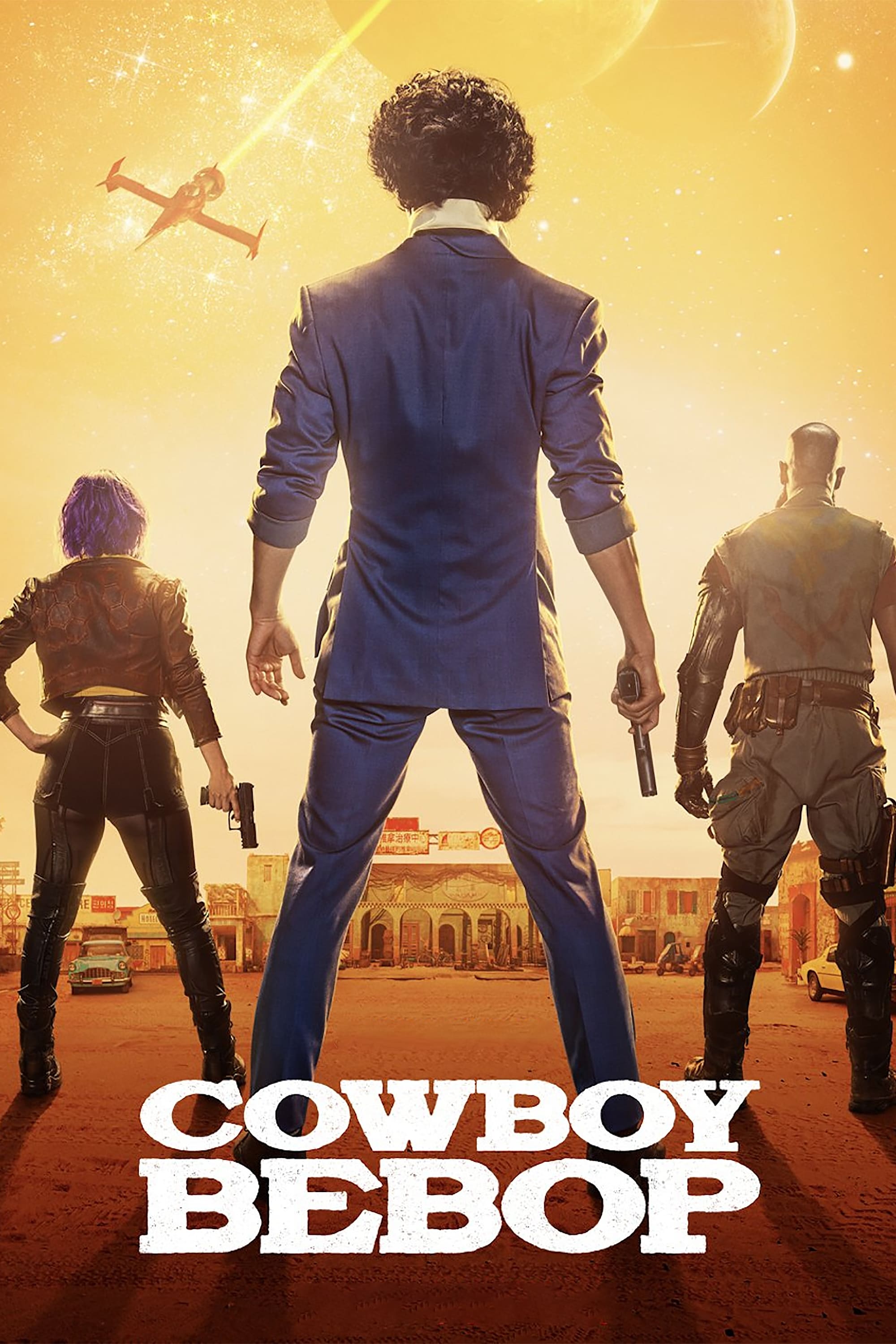
Mustafa Shakir was cast as Jet Black in the Netflix adaptation of the legendary space western. While the original character had a racially ambiguous design many fans saw the casting of a Black actor as a positive update. However the casting of Daniella Pineda as Faye Valentine drew criticism from those who believed the character should be Asian. The showrunners insisted the casting reflected the multicultural future of the anime. The cancellation of the series after one season left the debates about casting and characterization unresolved.
‘One Piece’ (2023)
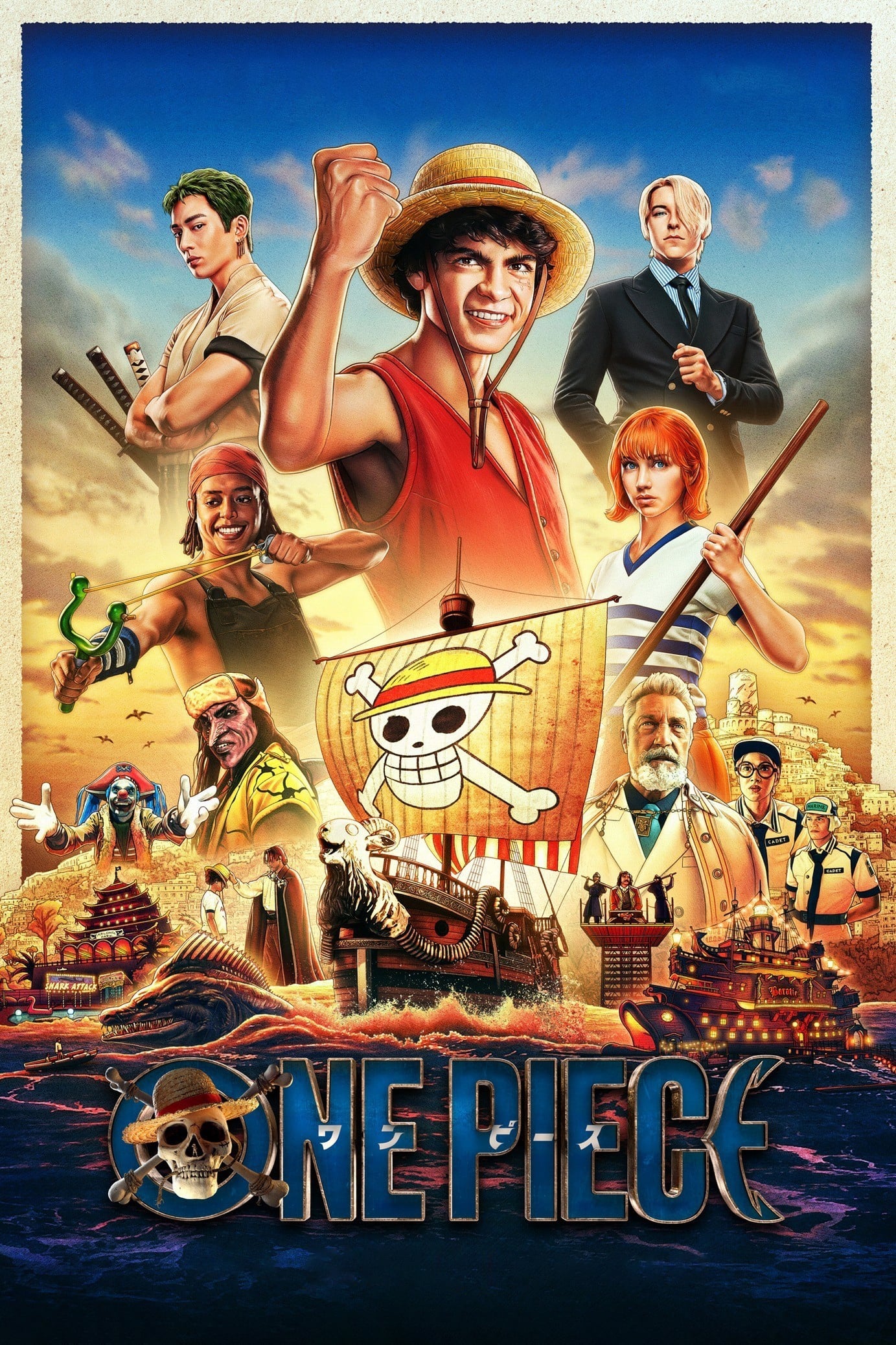
The Netflix adaptation of Eiichiro Oda’s masterpiece featured a diverse international cast. The character Nojiko was played by Chioma Umeala which changed the character from light-skinned in the anime to Black in the live action. Lucky Roux of the Red Hair Pirates was also played by a Black actor. While some purists argued for strict visual adherence to the anime drawings most fans embraced the diversity. Oda himself served as executive producer and approved the casting choices as fitting the spirit of his world.
‘Knights of the Zodiac’ (2023)
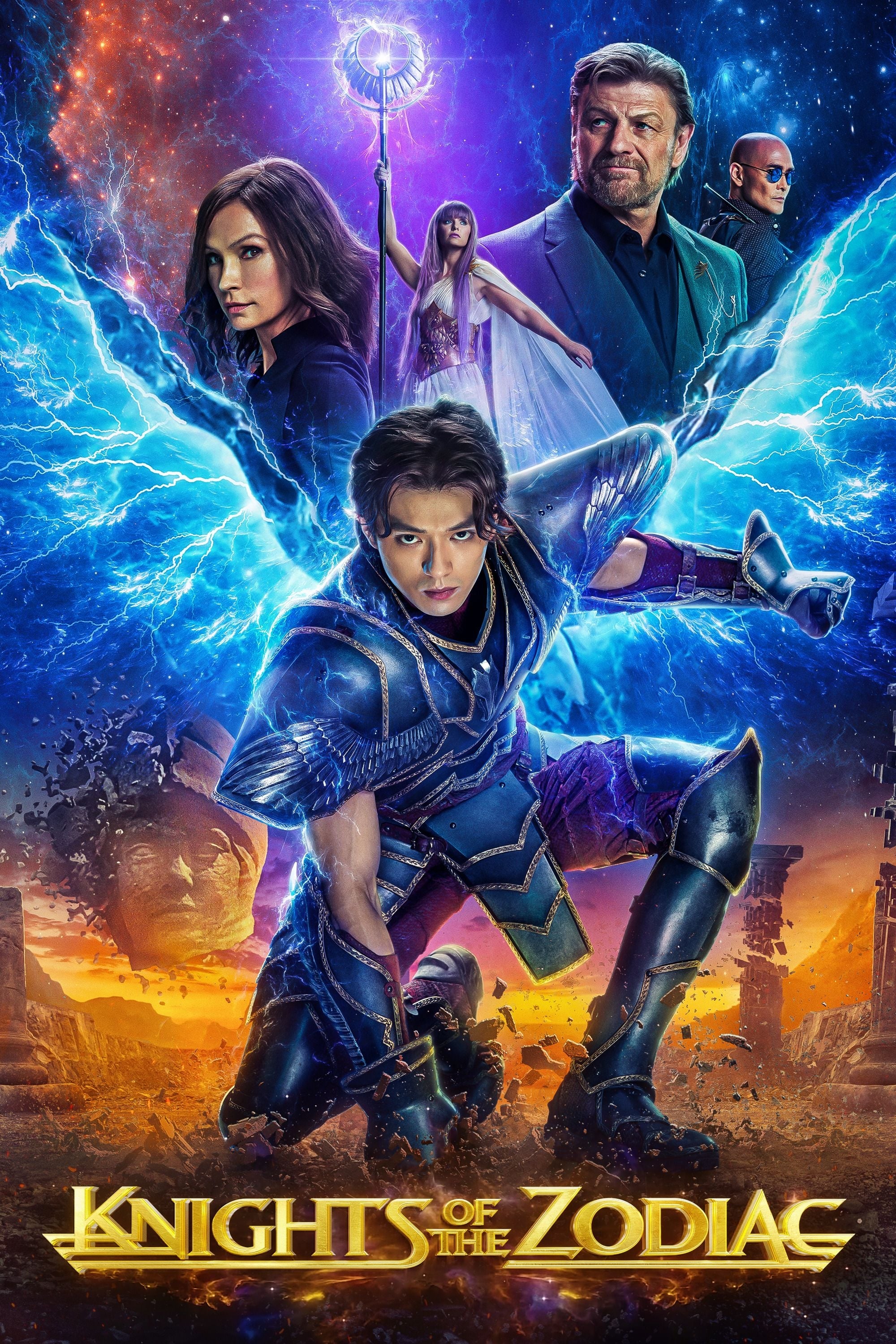
Mackenyu starred as Seiya in this adaptation of ‘Saint Seiya’ but the rest of the cast was largely westernized. The goddess Athena who is named Saori Kido in the anime was renamed Sienna and played by Madison Iseman. The character Ikki was renamed Nero and played by Diego Tinoco. These changes were part of an effort to make the franchise more palatable to American audiences. Longtime fans in Latin America and Japan were disappointed by the erasure of the Japanese identities of the supporting cast.
‘Kingdom’ (2019)
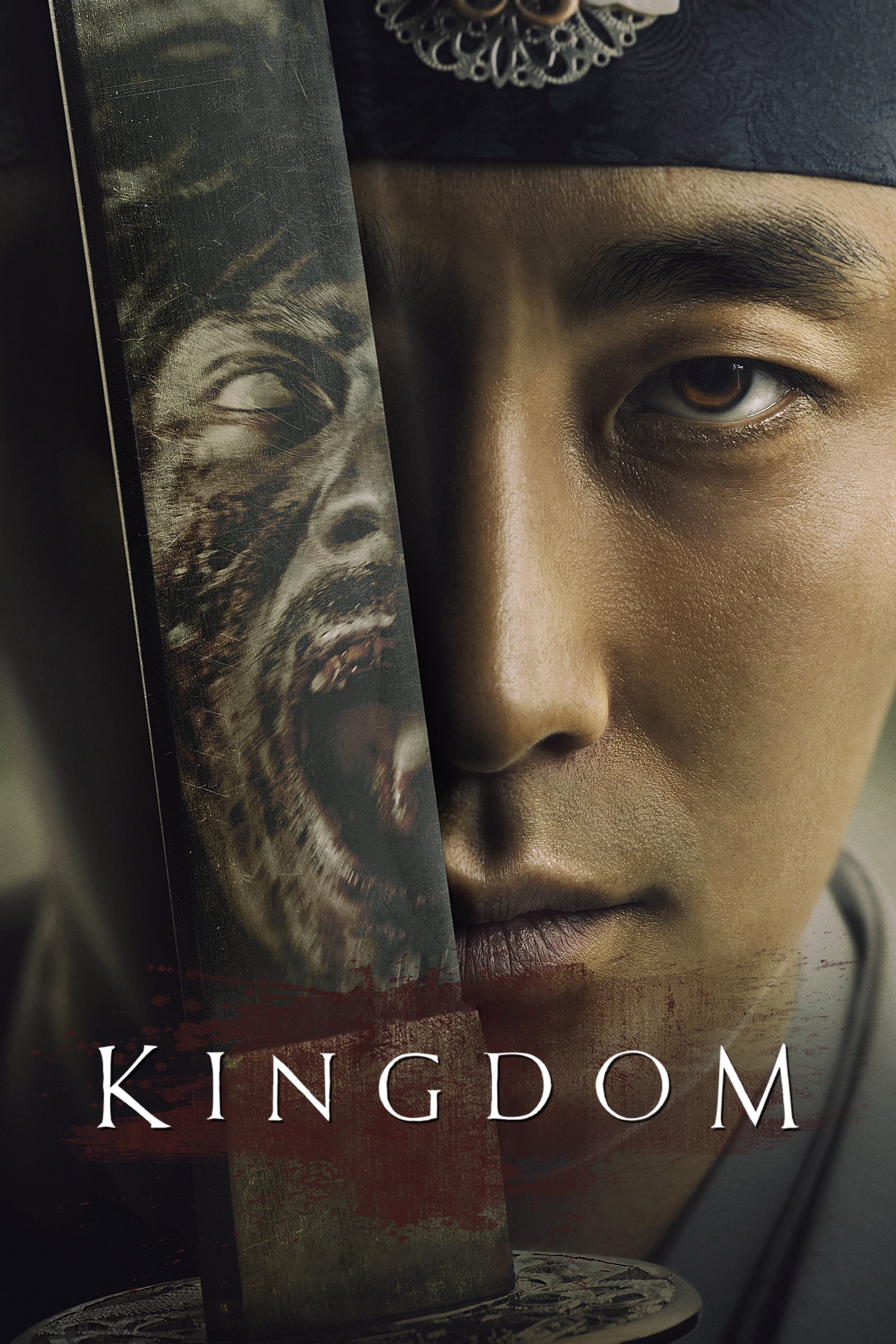
Kento Yamazaki starred as Xin in this film set entirely during the Warring States period of ancient China. The entire cast consisted of Japanese actors portraying historical Chinese figures. While this is common in Japanese domestic productions it represents a race swap from the historical and manga reality. The film was a massive success in Japan despite the lack of Chinese actors in the main roles. International viewers noted the disconnect but praised the high production values and action.
‘Thermae Romae’ (2012)

Hiroshi Abe played the lead role of Lucius Modestus in this comedy about a Roman architect who time travels to modern Japan. The filmmakers cast Japanese actors with distinct facial features to play the ancient Romans. This artistic choice was a deliberate running joke within the film about the similarities between Japanese and Roman bathing cultures. While not a “whitewashing” controversy it was a race swap that required suspension of disbelief. The film was well-received because it acknowledged the absurdity of the casting within the plot.
‘Terra Formars’ (2016)
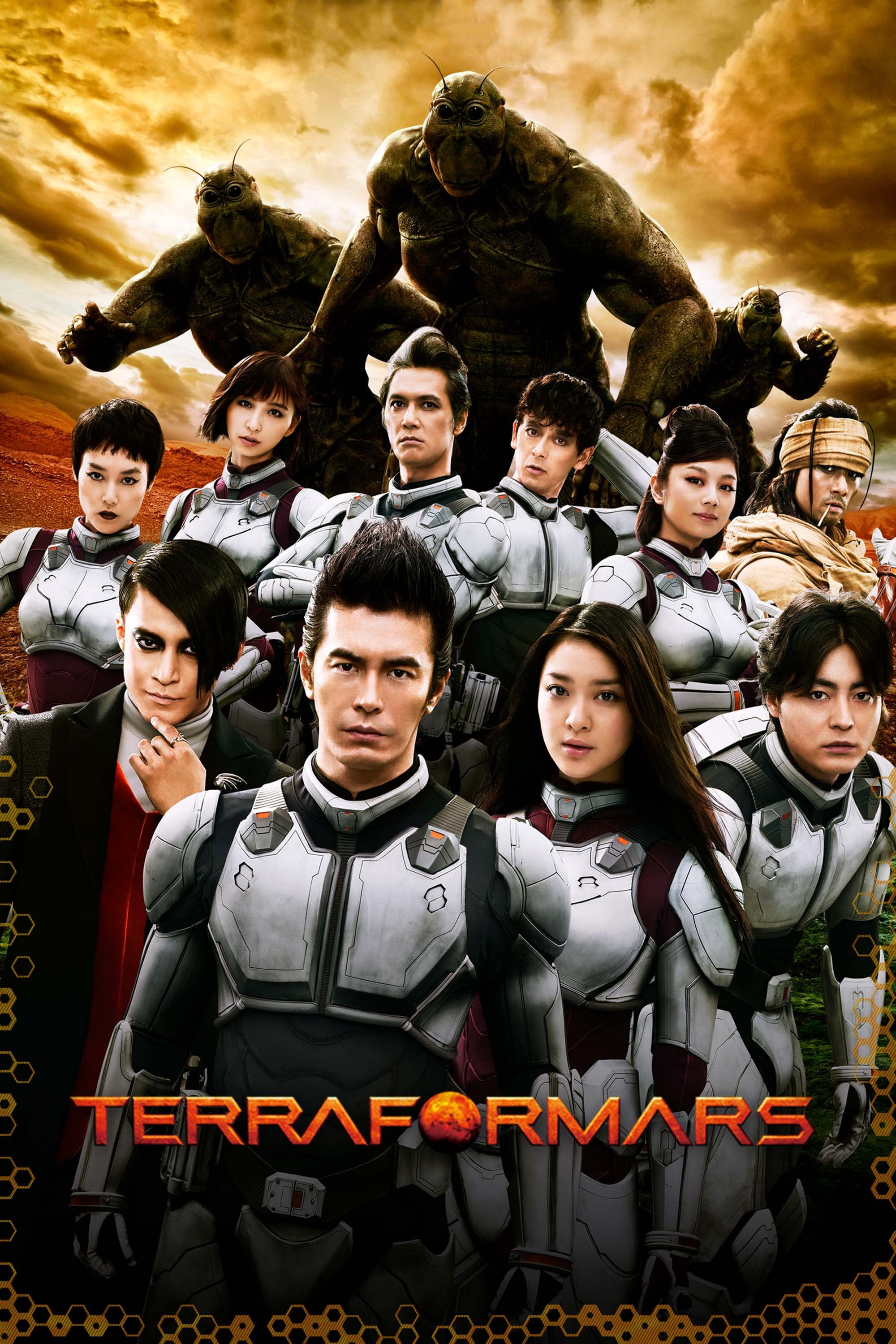
The original manga featured a multinational crew from all over the world sent to fight cockroaches on Mars. The live action movie directed by Takashi Miike cast Japanese actors for almost every role. Characters who were originally American or European were given Japanese names and backgrounds. This reduced the global scale of the story and disappointed fans who enjoyed the diverse interactions of the source material. The film was criticized for its poor visual effects and the unnecessary homogenization of the cast.
‘Initial D’ (2005)
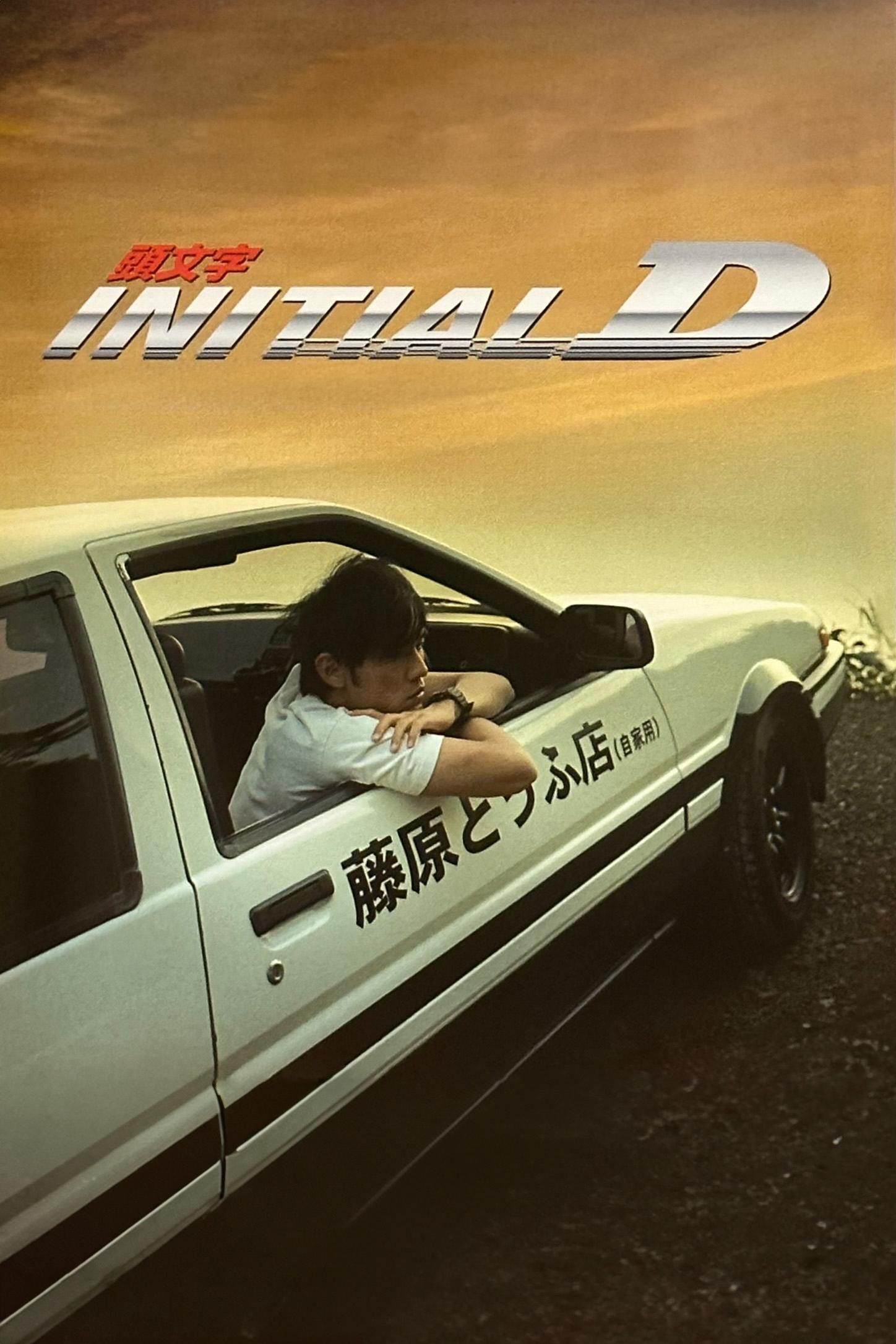
This Hong Kong production cast Taiwanese superstar Jay Chou as the Japanese drift racer Takumi Fujiwara. The setting remained in Japan but the characters spoke Cantonese and were played by Chinese actors. Fans of the anime found the language barrier and the casting of non-Japanese actors for iconic Japanese roles distracting. The movie successfully captured the racing action but altered the personalities of the characters to fit the actors. It remains a popular film in Asia despite the departure from the character’s ethnic origins.
‘Pokémon Detective Pikachu’ (2019)
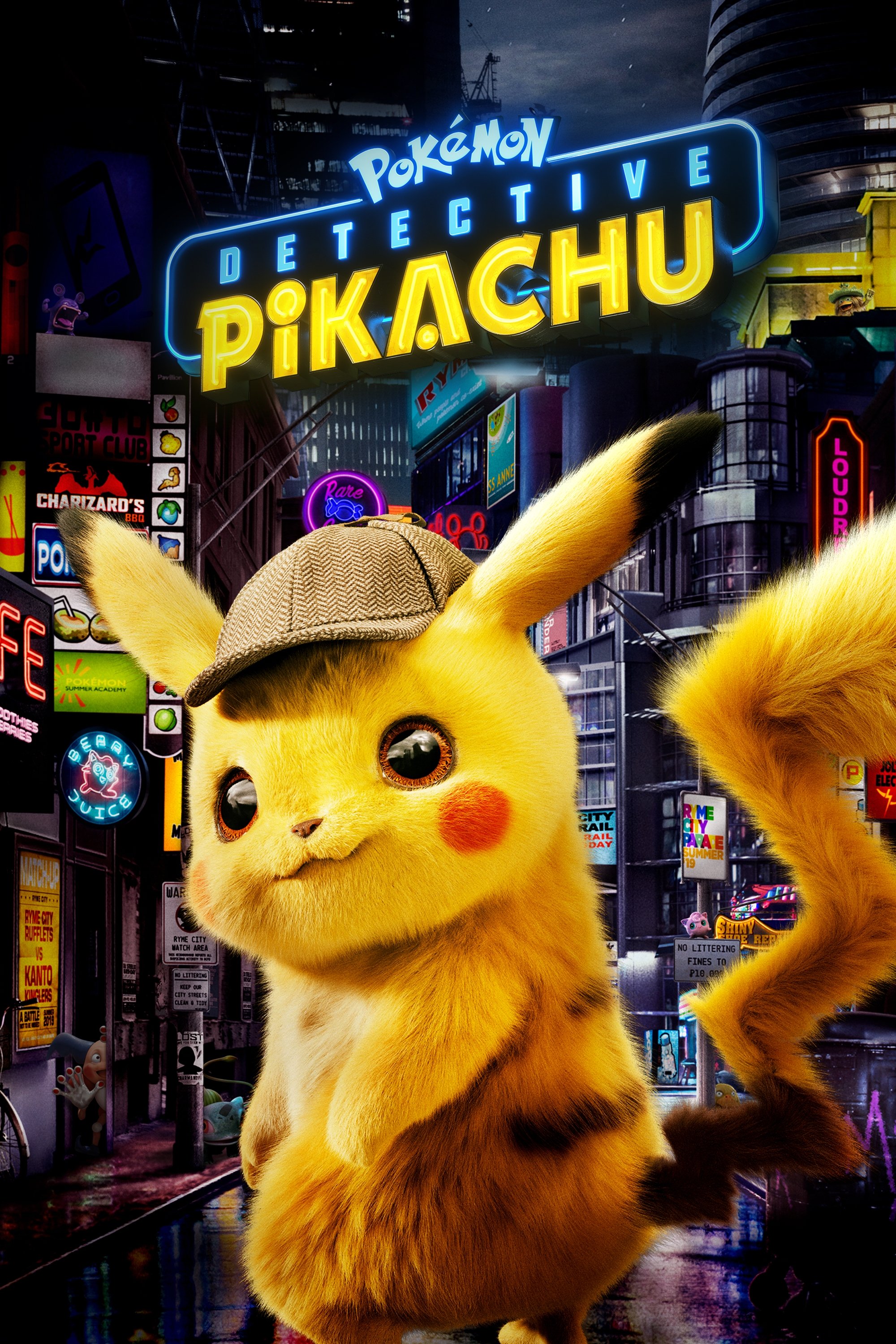
Justice Smith played Tim Goodman in the first live-action film for the massive franchise. The original game featured a white protagonist but the film cast a mixed-race actor for the lead role. This change was widely accepted and praised for adding diversity to the world of Pokémon. The film focused on capturing the realistic look of the creatures rather than strictly adhering to the human character designs. Most fans were far more concerned with the design of Pikachu than the ethnicity of his human partner.
‘Alita: Battle Angel’ (2019)
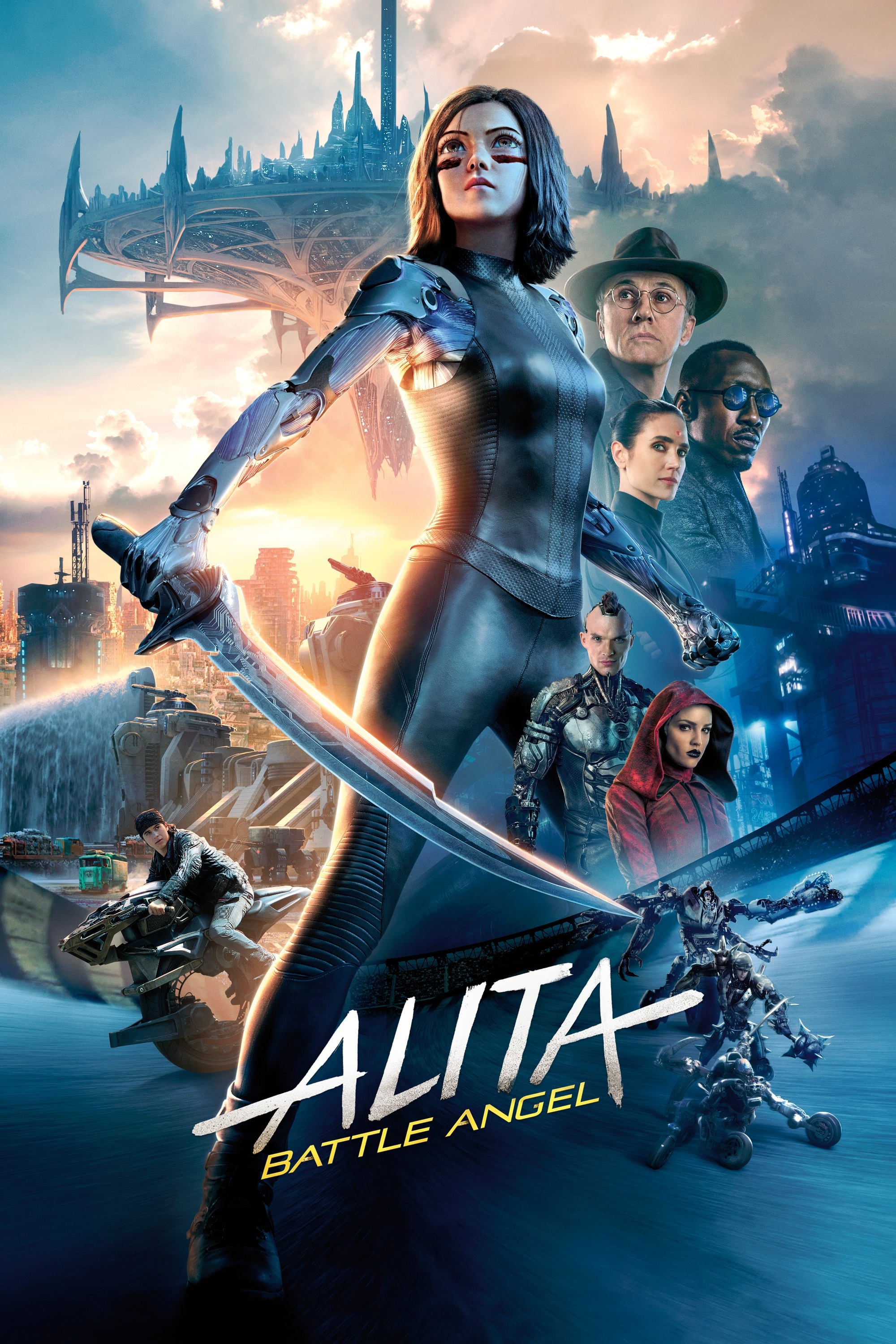
Rosa Salazar played the cyborg Alita using motion capture technology. The character in the manga is named Gally and has a distinct appearance that is stylistically Japanese. The film gave Alita large CGI anime eyes while the actress herself is of Peruvian and French descent. The supporting cast included Mahershala Ali and Christoph Waltz which changed the race of several key manga characters. Creator Yukito Kishiro praised the adaptation for capturing the spirit of his work despite the visual changes.
‘Crying Freeman’ (1995)
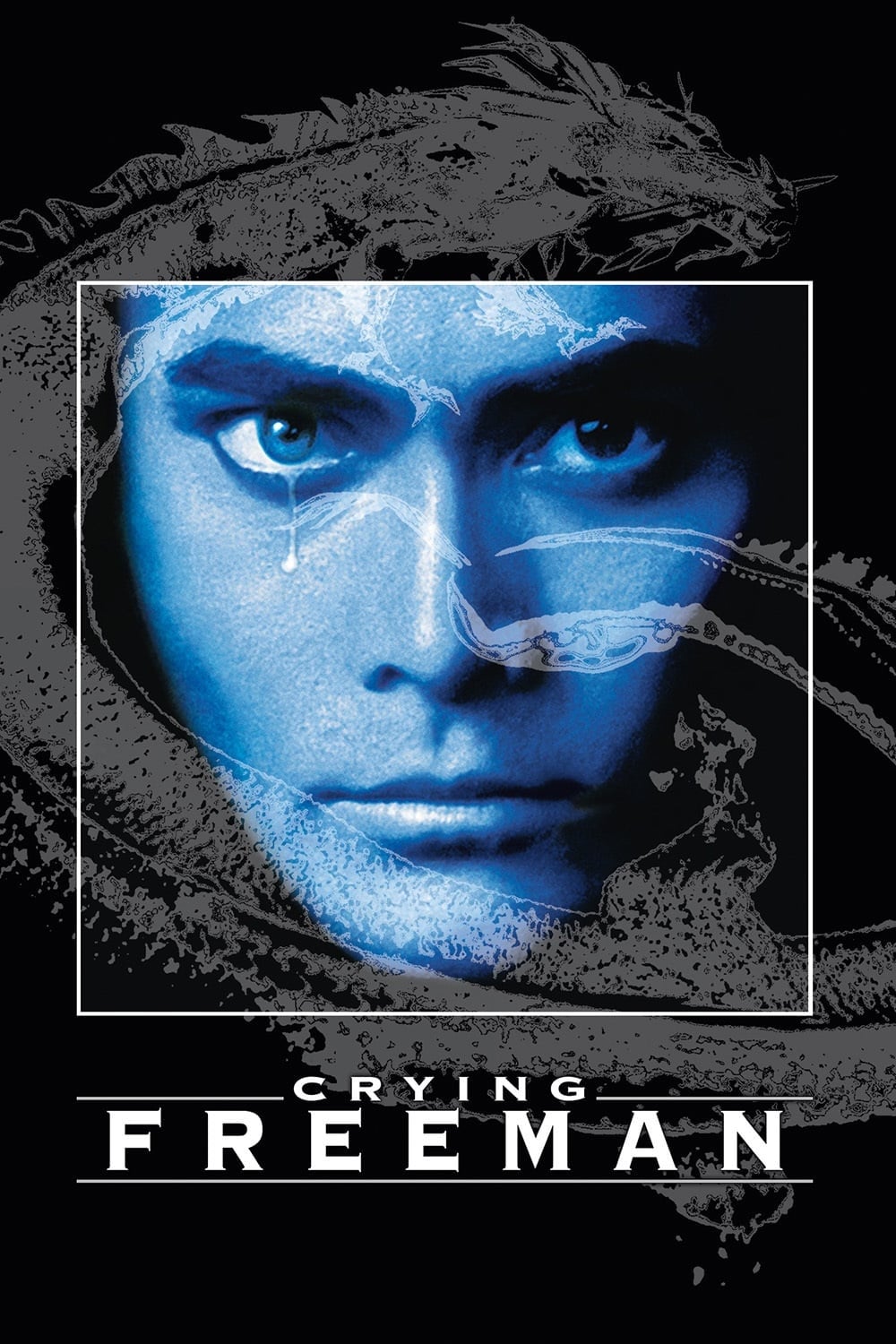
Mark Dacascos starred as Yo Hinomura in this adaptation of the manga by Kazuo Koike. The character is a Japanese potter forced to become an assassin for a Chinese triad. Dacascos is of mixed ancestry including Japanese and Chinese which made him a closer fit than many other adaptations of the era. However the setting and supporting cast were westernized to appeal to the video rental market. It is considered a cult classic that respected the source material more than most 90s adaptations.
‘Parasyte: The Grey’ (2024)
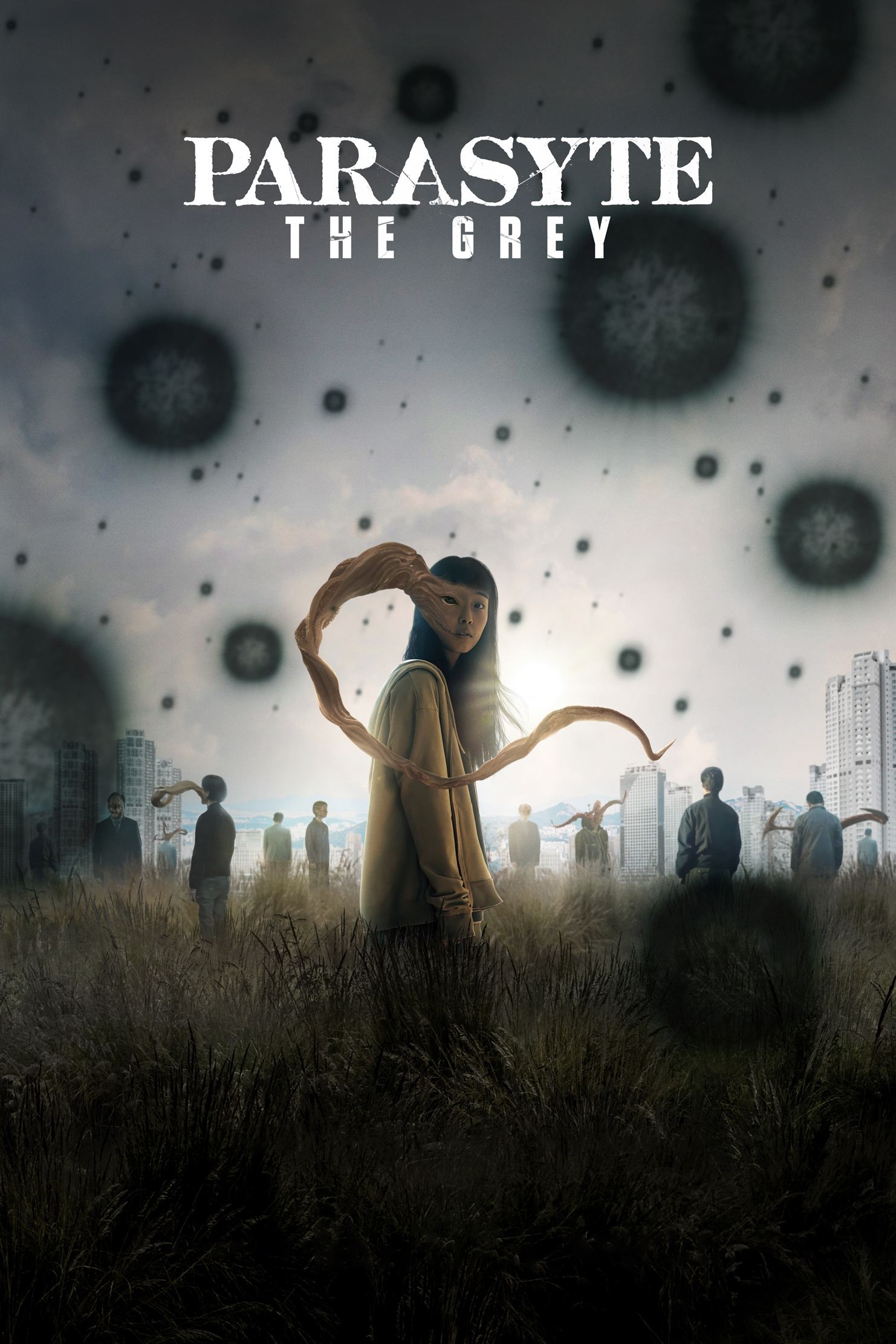
This South Korean series adapted the concept of Hitoshi Iwaaki’s manga but changed the setting and protagonist entirely. The main character Shinichi Izumi was replaced by a female Korean protagonist named Jeong Su-in. The story explores how the parasitic invasion would play out in Korea rather than Japan. While not a direct retelling the shift in nationality and gender marked a significant departure from the original text. Fans generally accepted it as a spinoff rather than a direct adaptation of Shinichi’s story.
‘Riki-Oh: The Story of Ricky’ (1991)
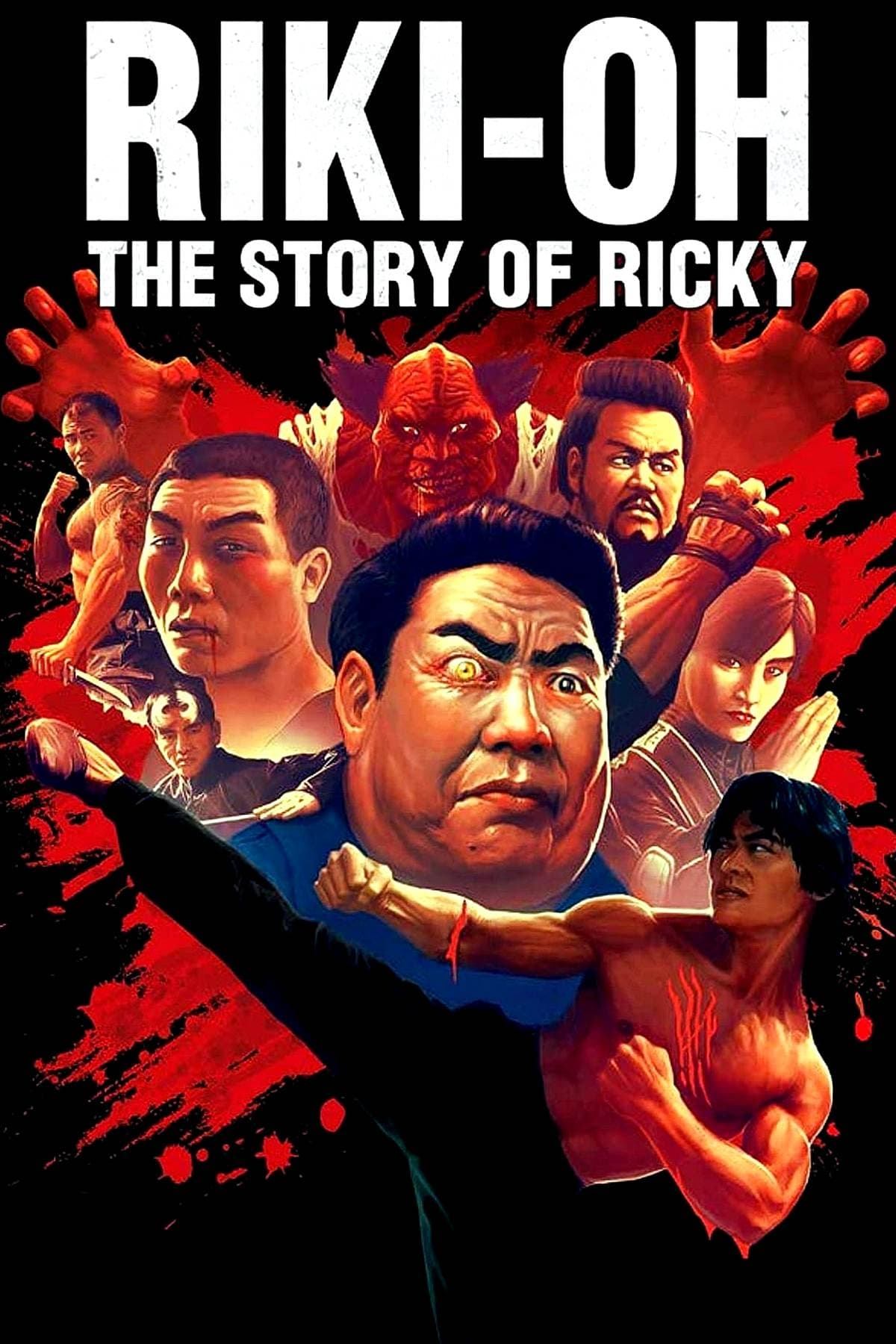
This Hong Kong film adapted the violent Japanese manga ‘Riki-Oh’ and changed the context to a futuristic Chinese prison system. Fan Siu-wong played the titular hero who was originally Japanese. The film is famous for its extreme gore and practical effects that mimic the manga’s style perfectly. The change in the protagonist’s nationality was largely ignored because the film captured the surreal tone so well. It became a cult hit in the West largely due to the English dub and the outrageous violence.
‘Meteor Garden’ (2001)

This Taiwanese drama was the first live-action adaptation of the shoujo manga ‘Boys Over Flowers’. The Japanese characters were reimagined as Taiwanese students with the F4 group becoming iconic figures in Asian pop culture. The setting change necessitated renaming the characters and adjusting cultural references. This adaptation launched a wave of international versions including Korean and Chinese remakes that also localized the ethnicity of the cast. It proved that the core story transcended the specific racial background of the original Japanese characters.
‘Black Butler’ (2014)

The movie adaptation of this gothic manga changed the setting from Victorian London to a futuristic Asian city. The demon butler Sebastian Michaelis was played by Hiro Mizushima while the master Ciel was changed to a female character named Shiori. The race swap of the setting and characters removed the essential British aesthetic of the series. Fans were highly critical of the decision to abandon the period piece aspect of the manga. The film failed to capture the charm of the original dynamic due to these drastic changes.
‘The King of Fighters’ (2010)
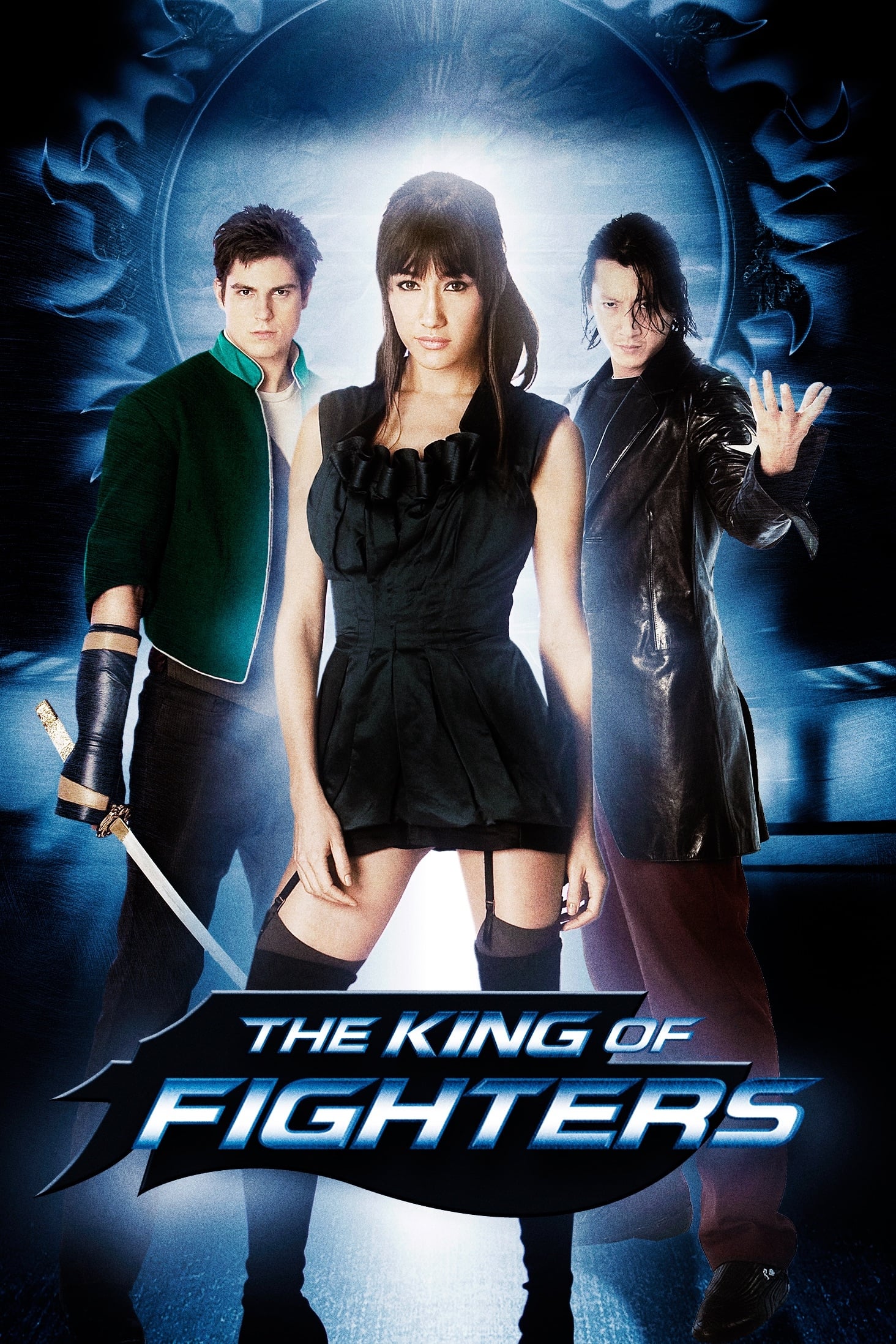
Maggie Q was cast as Mai Shiranui in this loose adaptation of the fighting game and anime franchise. The character is famously a Japanese kunoichi but was played by an American actress of Vietnamese and Polish descent. The film stripped away the ninja heritage of the character and gave her a generic action movie backstory. The entire cast was a mix of ethnicities that did not align with the established lore of the games. It is widely regarded as one of the least faithful adaptations in terms of casting and plot.
‘Tekken’ (2010)
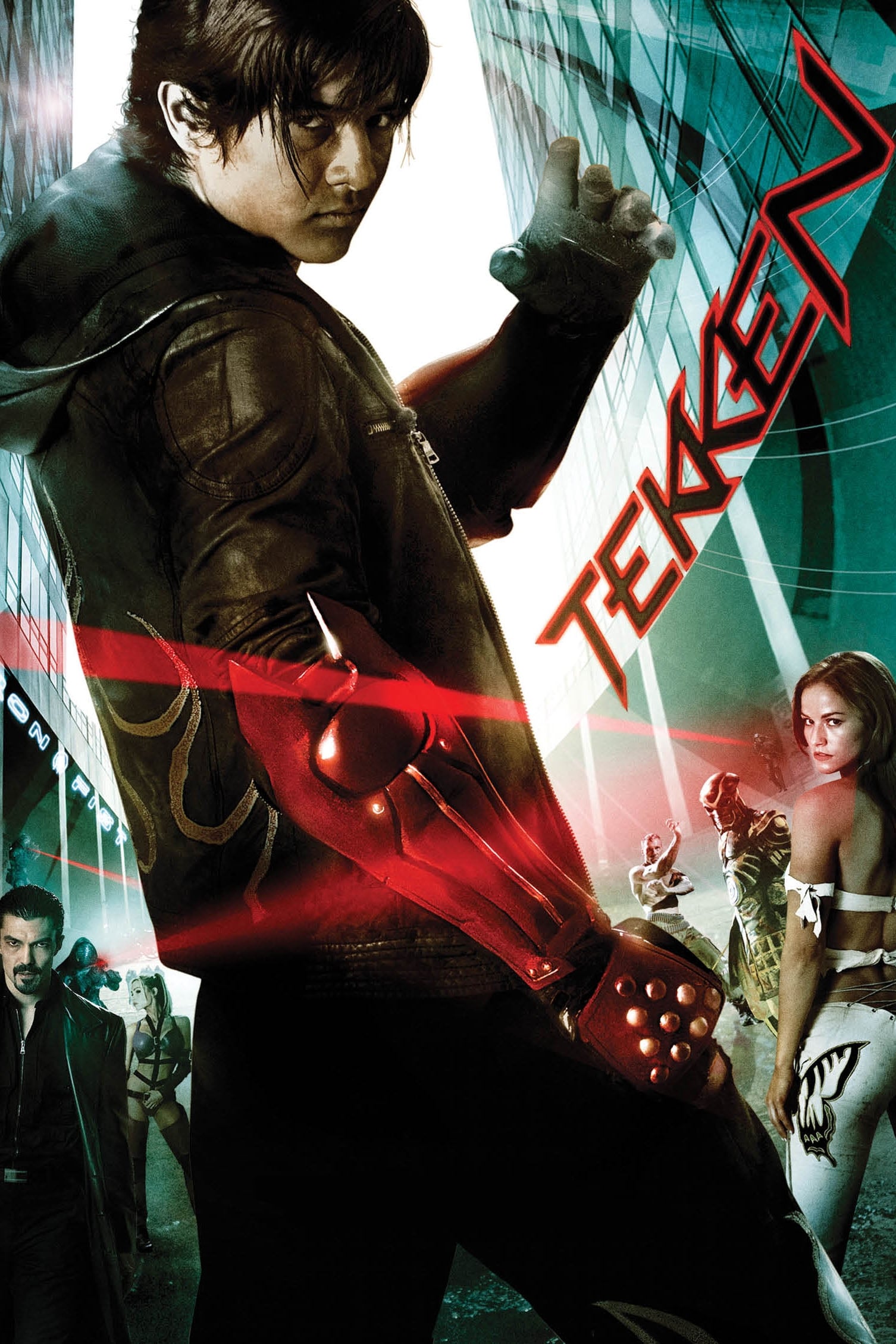
Jon Foo played Jin Kazama in this film based on the popular 3D fighting game. While Jin is Japanese in the games Jon Foo is of Chinese and Irish descent. The character Kazuya Mishima was played by Ian Anthony Dale who is American. The film struggled to balance the large roster of international characters and ended up misrepresenting the backgrounds of many fighters. The creator of the game franchise publicly criticized the film for its lack of quality and faithfulness.
‘Blood: The Last Vampire’ (2009)

Gianna Jun, a South Korean superstar, was cast as the Japanese vampire hunter Saya. The film was produced by a French company and filmed in English which created a disjointed cultural identity. While Saya is a Japanese schoolgirl in the original anime the film blurred her background to fit the international production. Critics felt the film lacked the atmosphere of the original animated feature. The casting of a non-Japanese actress for such a culturally specific role was a point of contention for purists.
‘G-Saviour’ (2000)

This live-action movie was produced as part of the 20th anniversary of the Gundam franchise. The cast was entirely western and the dialogue was in English despite Gundam being a Japanese cultural icon. The protagonist Mark Curran was played by Brennan Elliott. Japanese fans felt disconnected from the production because it lacked the anime aesthetics and Japanese cast members they expected. The film is often ignored by the studio and fanbase due to its deviation from the established style of the Gundam universe.
Share your thoughts on these casting choices and which ones you felt worked or failed in the comments.