

Anime Adaptations That Made Male Characters “More Macho” for West




The process of bringing anime to Western audiences often involves significant creative changes to ensure cultural resonance and commercial success. During the localized dubbing era of the eighties and nineties many male protagonists underwent personality shifts to better fit the American action hero archetype. These adaptations frequently emphasized physical strength and stoicism while diminishing emotional vulnerability or softer character traits. From deepening voice registers to adding aggressive dialogue the following series showcase how Western localizations transformed anime men into more macho versions of themselves.
‘Robotech’ (1985)
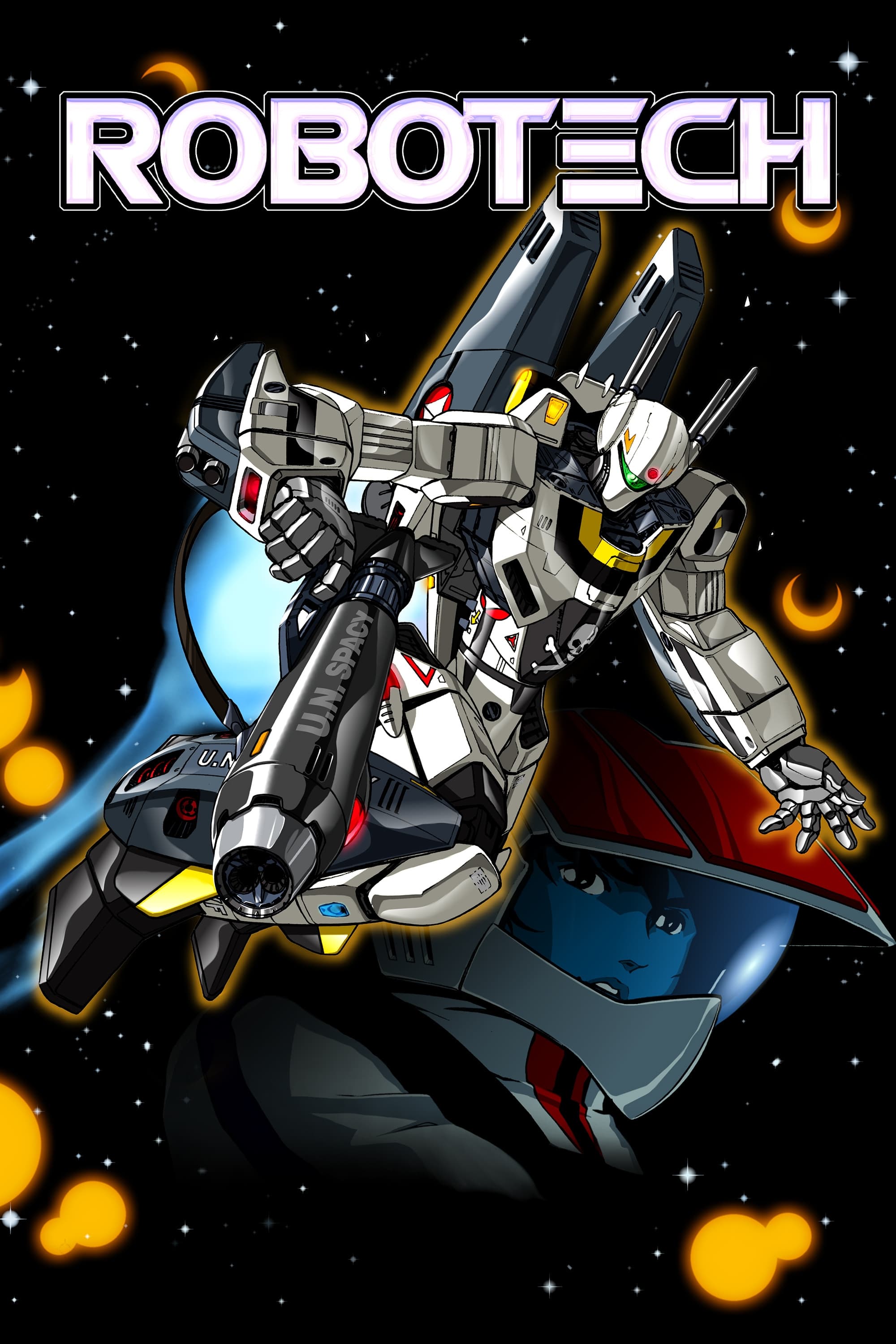
In this Western reimagining of the original Japanese series the character Rick Hunter receives a significantly more aggressive persona. The English dialogue replaces much of the original internal monologue with outward displays of traditional military discipline and bravado. This localization aims to align the character with the archetype of a classic American fighter pilot from the eighties. The script emphasizes his role as a soldier while downplaying the more sensitive and artistic traits found in the source material. These changes were intended to make the series more appealing to fans of American science fiction and action toys.
‘Voltron: Defender of the Universe’ (1984–1985)

The character Keith was adapted from the Japanese lead Akira Kogane with a focus on a more authoritative and commanding leadership style. In the English version his dialogue is stripped of the more youthful uncertainty present in the original performance. He is portrayed as a stern and unwavering captain who prioritizes mission success and tactical superiority above all else. The adaptation also removed scenes of character weakness to maintain a consistent image of a powerful and stoic hero. This shift helped establish the character as a definitive leader for the Western Saturday morning cartoon audience.
‘Battle of the Planets’ (1978–1980)
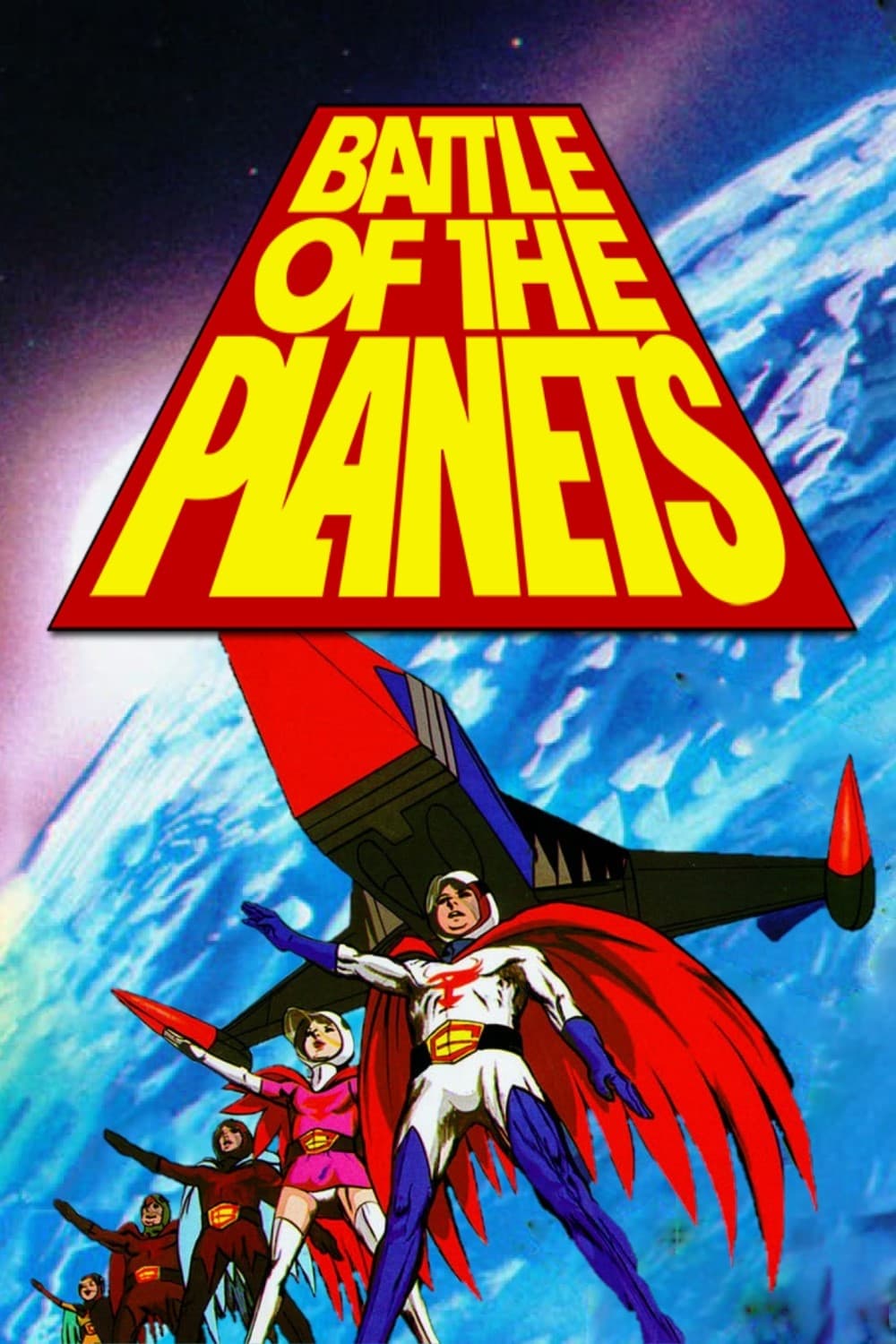
Mark the leader of the G Force team was adapted from the Japanese character Ken the Eagle to be a much more stoic and serious figure. The English adaptation added a narrator and removed large amounts of violence while simultaneously making Mark appear more invulnerable. His personality was adjusted to remove moments of doubt and emotional distress that characterized the original Japanese lead. The localized script focused on his role as a perfect tactical operative who rarely showed any signs of hesitation in battle. These adjustments were part of a broader effort to present the team as a traditional group of Western superheroes.
‘Speed Racer’ (1967–1968)
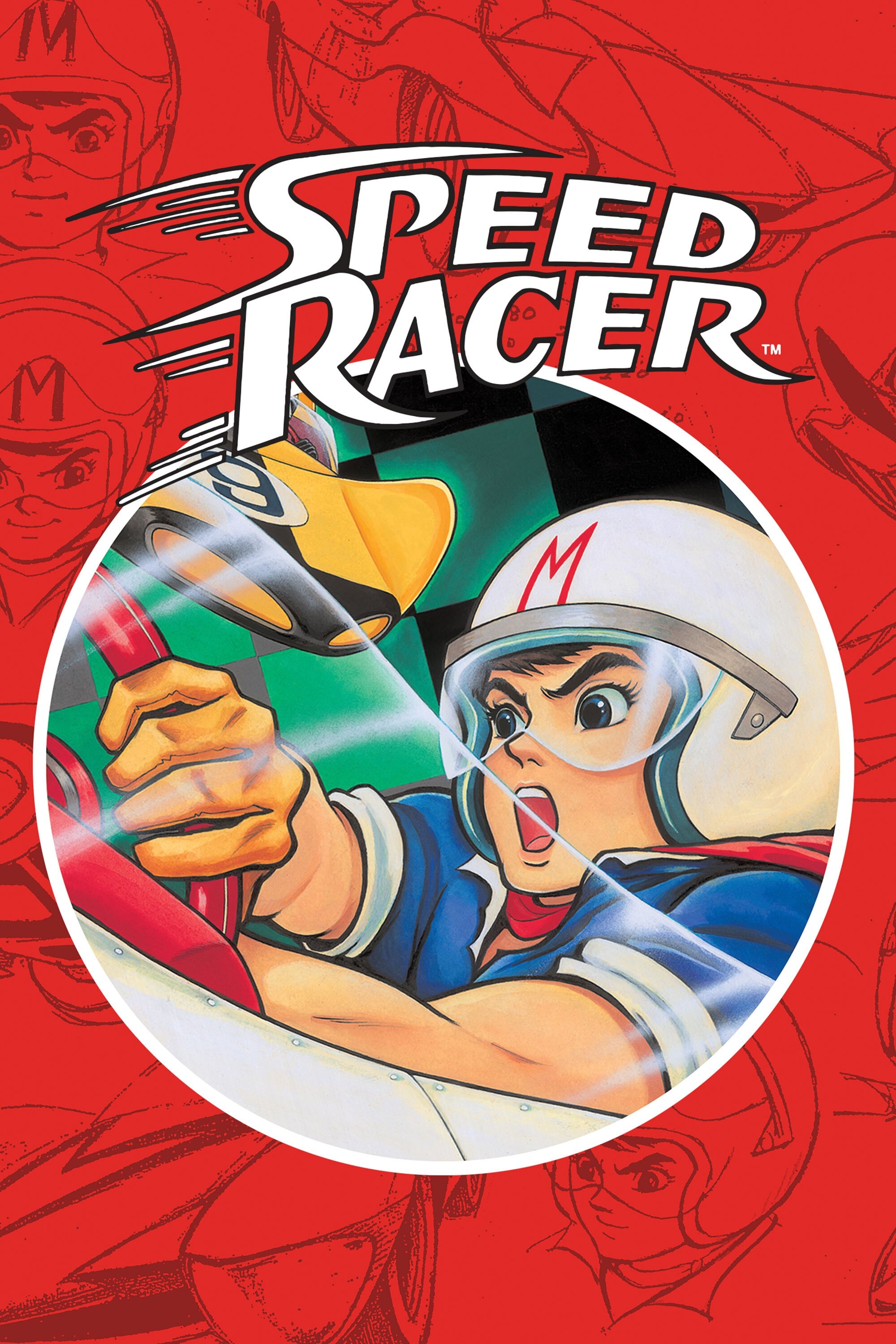
In the classic English dub the protagonist Speed is given a much faster and more intense vocal delivery than his Japanese counterpart Go Mifune. The Western adaptation emphasizes his competitive drive and aggressive racing style through a script that highlights his desire for victory and justice. While the original character had moments of softer reflection the English version presents him as a tireless and brave young man who never backs down from a challenge. This version of the character became the blueprint for the high energy action hero that would define early anime in the West. His macho persona is reinforced by his willingness to engage in physical combat whenever his racing career is threatened.
‘Digimon: Digital Monsters’ (1999–2000)
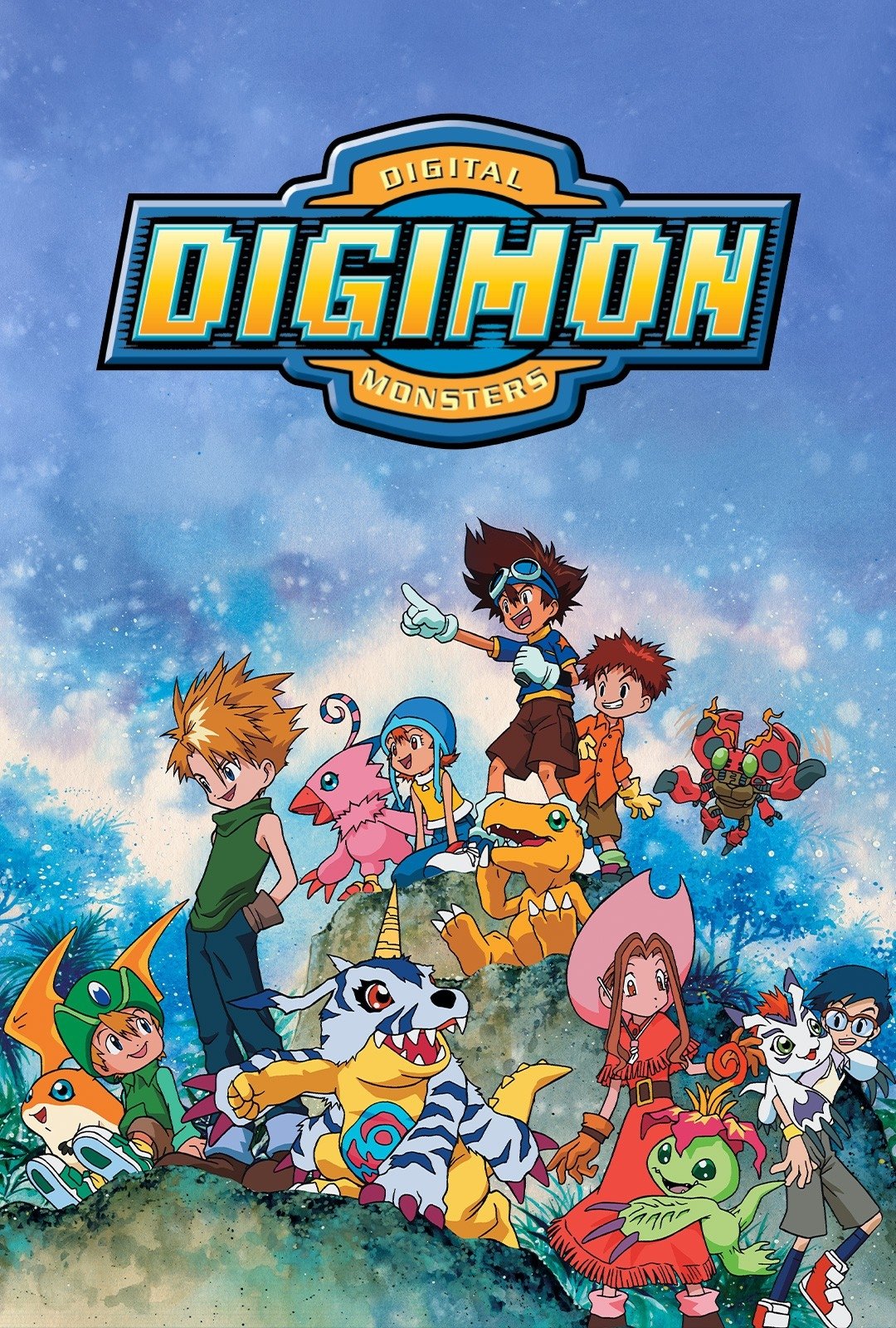
Tai Kamiya was portrayed in the English dub as a much more confident and traditionally athletic leader than in the original series. The Western adaptation added more humor and confident banter to his character while reducing the scenes where he expressed deep fear or anxiety. He was marketed as the primary jock of the group which emphasized his physical bravery and leadership during the digital adventures. The script often gave him more assertive lines during conflicts to ensure he appeared as a strong and decisive protagonist. This localization helped the show compete with other action oriented franchises that focused on powerful young leads.
‘Sailor Moon’ (1995–2000)
Darien who is known as Mamoru Chiba in Japan was made to appear more aloof and stoic in the original DiC English dub. His dialogue was rewritten to make him sound more mature and traditionally masculine while removing some of the softer interactions he had with the female leads. The Western adaptation often portrayed him as a mysterious and powerful guardian whose primary role was to provide physical protection. This version of Tuxedo Mask leaned into the archetype of the brooding and reliable hero who remains calm under pressure. By making him more of a traditional male lead the producers aimed to capture a wider audience that included young male viewers.
‘Zoids: New Century’ (2001)
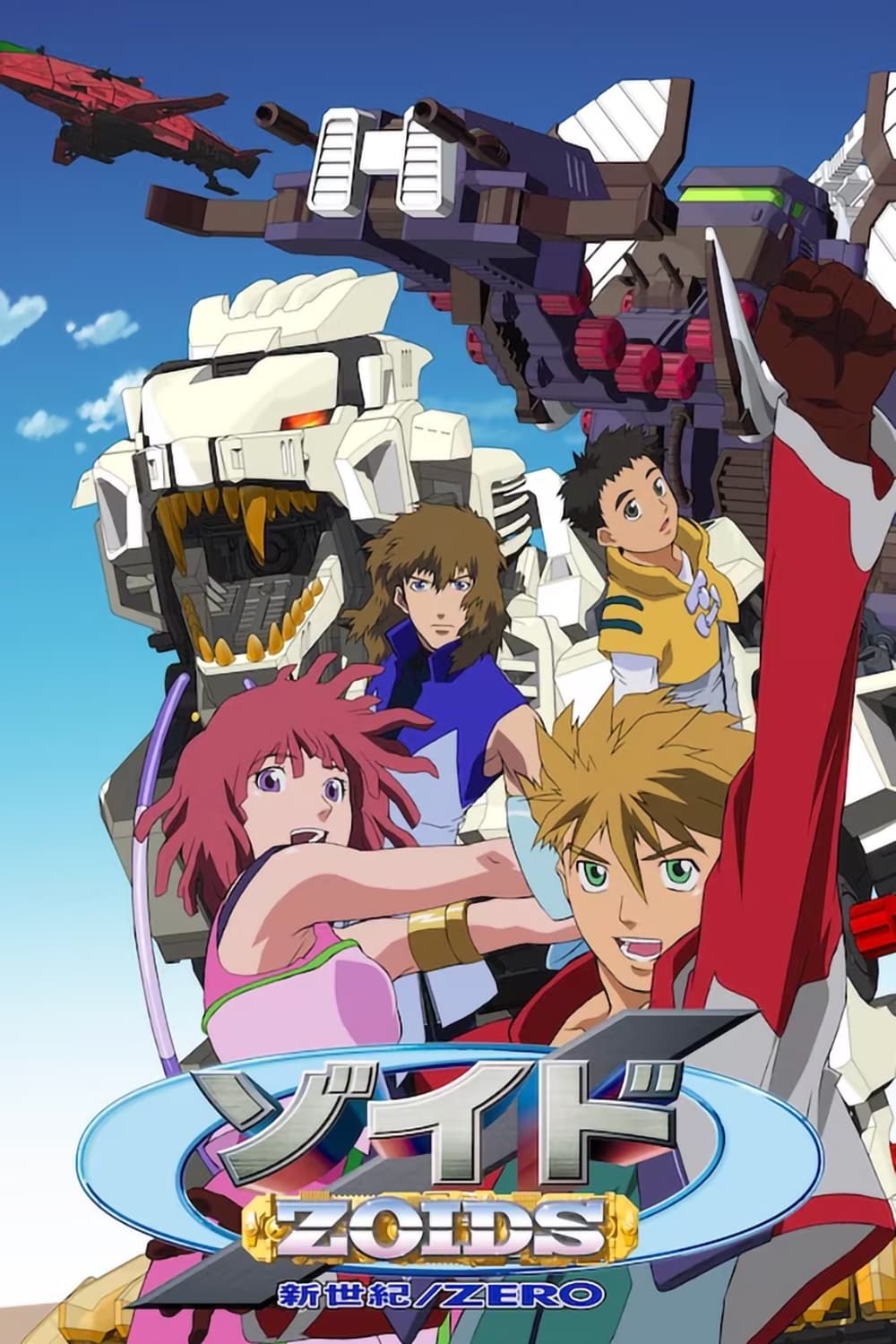
The protagonist Bit Cloud was adapted with a more laid back but highly competitive and confident attitude in the English version. The localization emphasized his natural talent for combat and his fearless approach to piloting his massive mechanical beast. His dialogue in the dub featured more confident declarations of victory and playful aggression toward his rivals. This made him appear as a more traditionally macho and talented young hero compared to the slightly more reserved Japanese original. The Western version of the show focused heavily on the physical power of the machines and the skill of the male pilots in battle.
‘Beyblade’ (2001–2005)
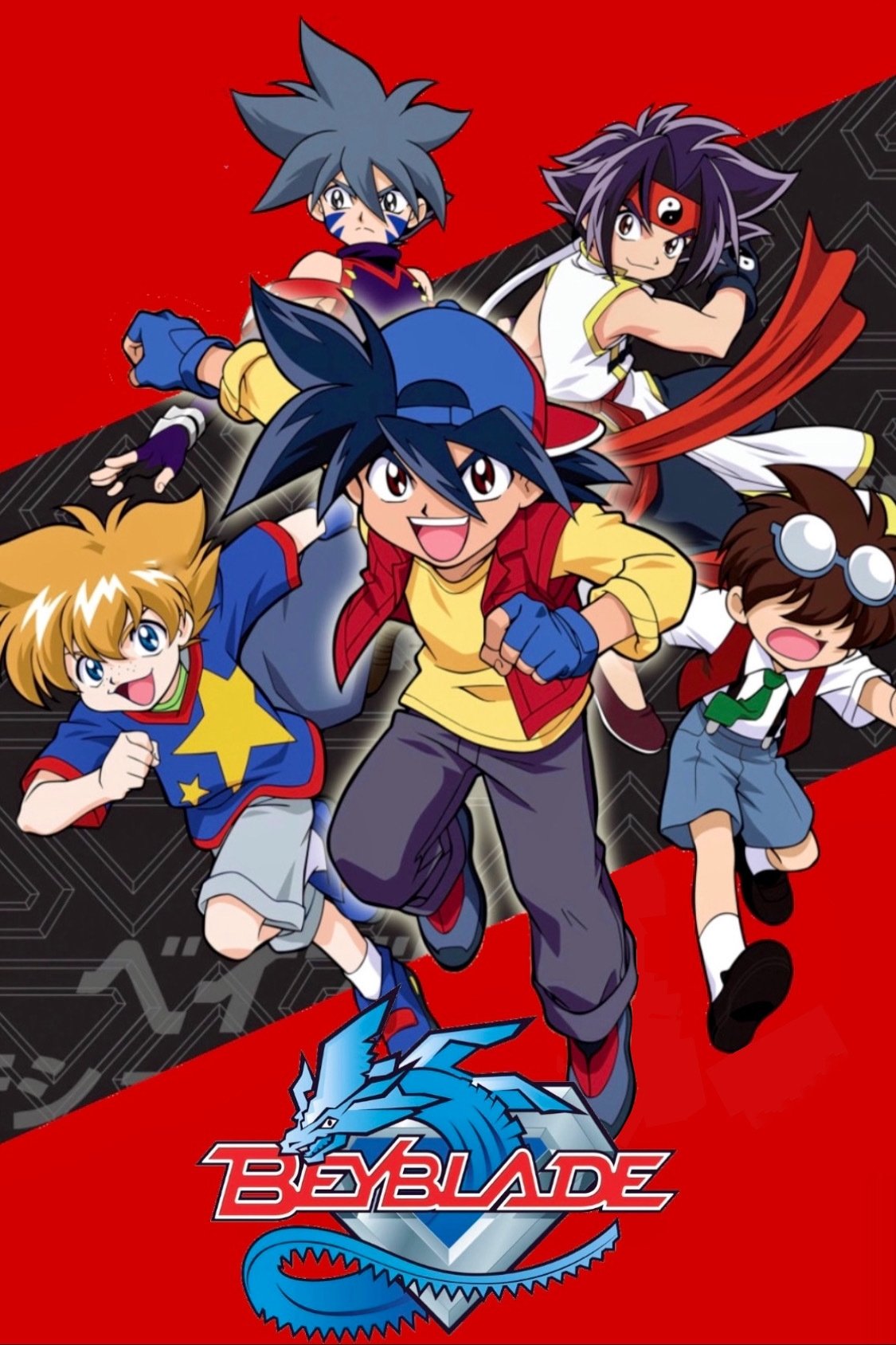
Tyson Granger was portrayed in the English dub as a loud and highly motivated athlete who was obsessed with being the champion. The localization emphasized his competitive spirit and his physical training routines to make him appear more like a traditional sports hero. His interactions with his teammates were filled with more aggressive motivation and displays of leadership than the Japanese version. The script focused on the physical intensity of the spinning top battles and the mental toughness required to win. This framing turned a simple game into a macho competition of strength and endurance for the Western audience.
‘Berserk’ (1997–1998)
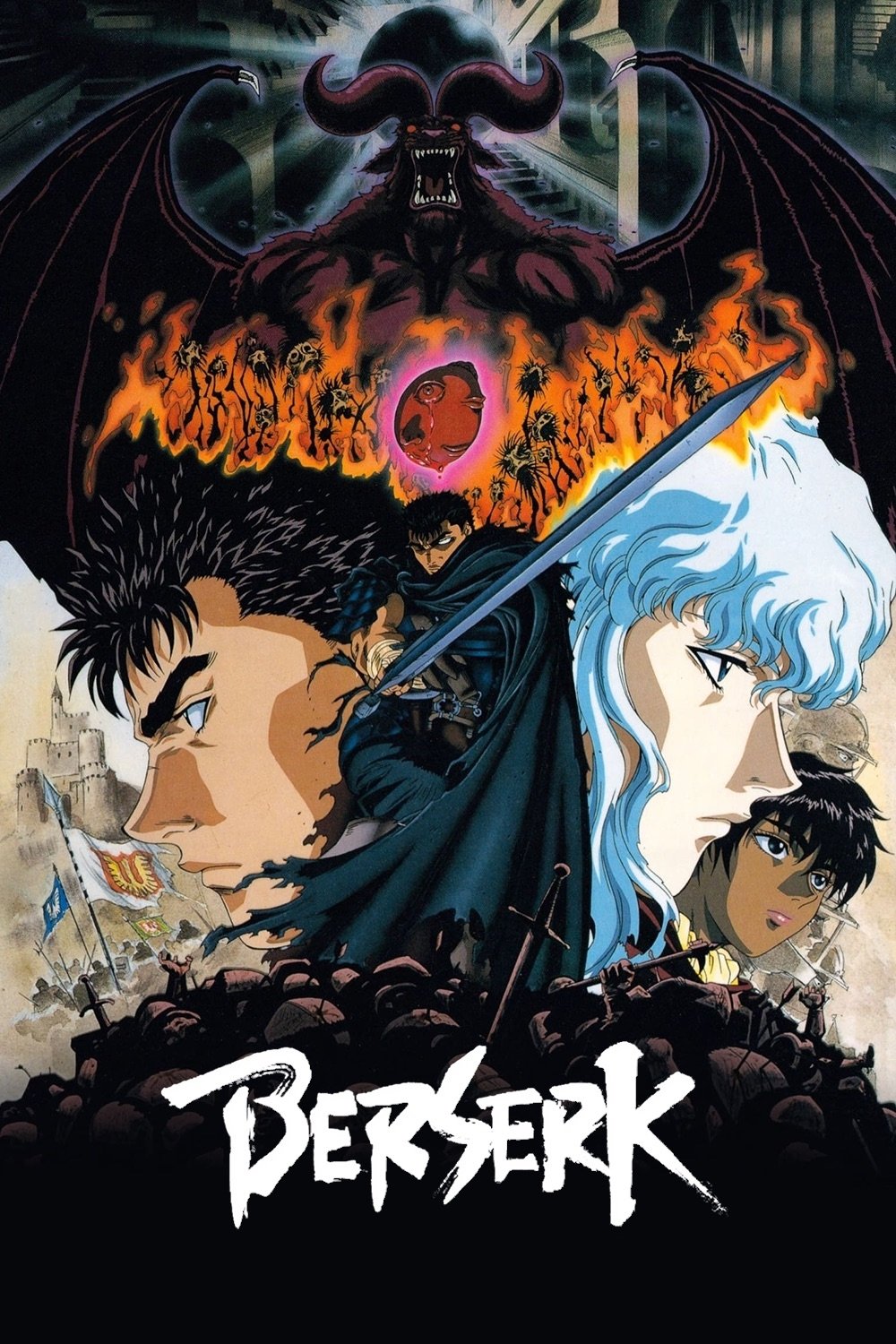
The English adaptation of Guts amplified his image as the ultimate gritty and tortured mercenary through a very deep and gravelly vocal performance. The localization emphasized his massive physical strength and his ability to survive extreme amounts of violence and pain. His dialogue was made more blunt and aggressive which highlighted his role as a man who speaks primarily through his sword. The Western version of the show leaned heavily into the dark fantasy and macho warrior tropes of the source material. This made Guts a definitive example of the hyper masculine and resilient hero in the Western anime community.
‘Fist of the North Star’ (1986)
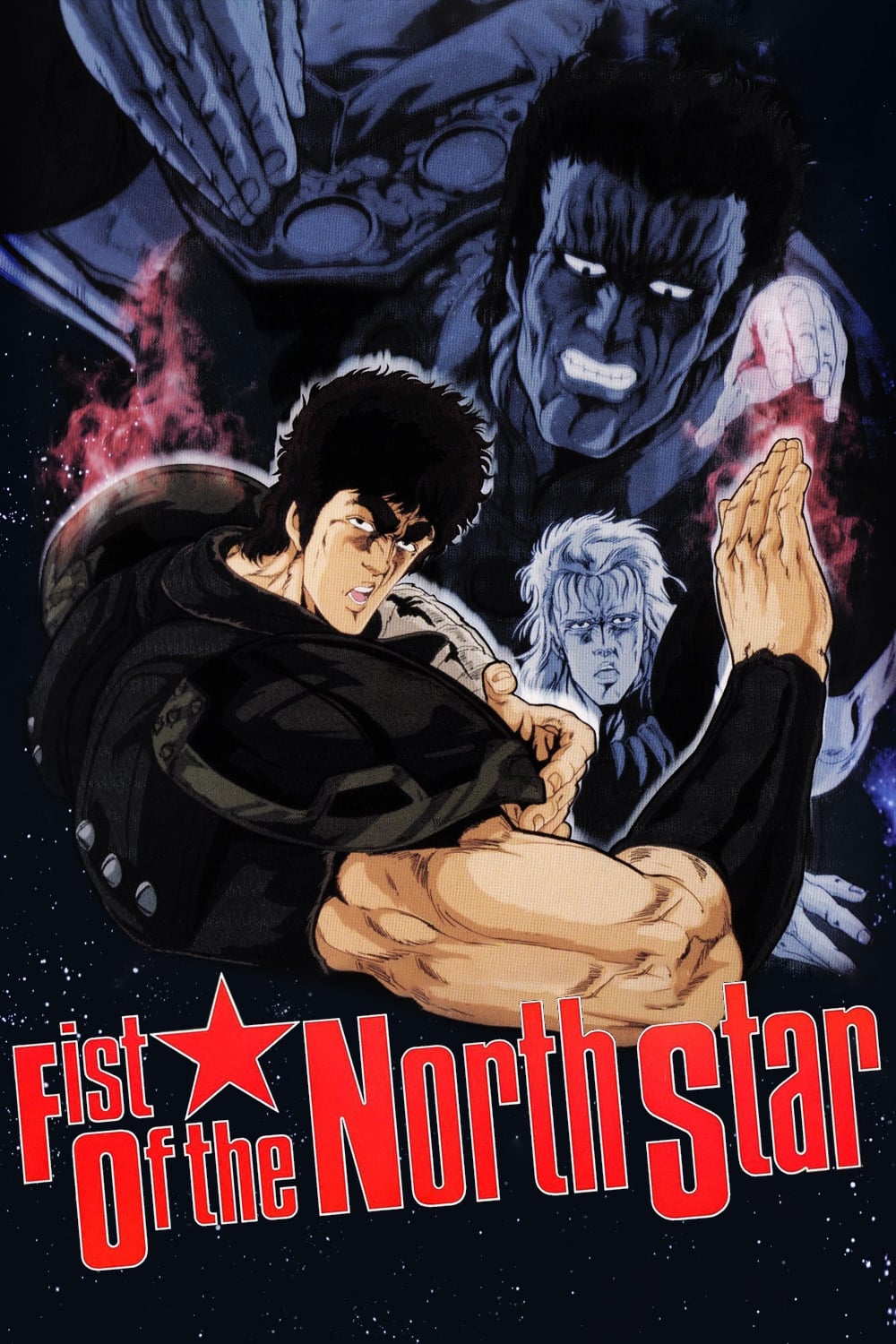
Kenshiro was already a hyper masculine character but the English movie adaptation and subsequent dubs pushed this to the extreme for Western viewers. His voice was given a very deep and stoic quality that made him sound like a post apocalyptic version of an eighties action star. The localization emphasized his physical dominance and his ability to destroy enemies with a single touch through aggressive dialogue and intense sound effects. The script focused on his role as a righteous but violent savior in a world of chaos. This portrayal was designed to appeal to the same audience that enjoyed films like Mad Max and Rambo.
‘Street Fighter II: The Animated Movie’ (1994)
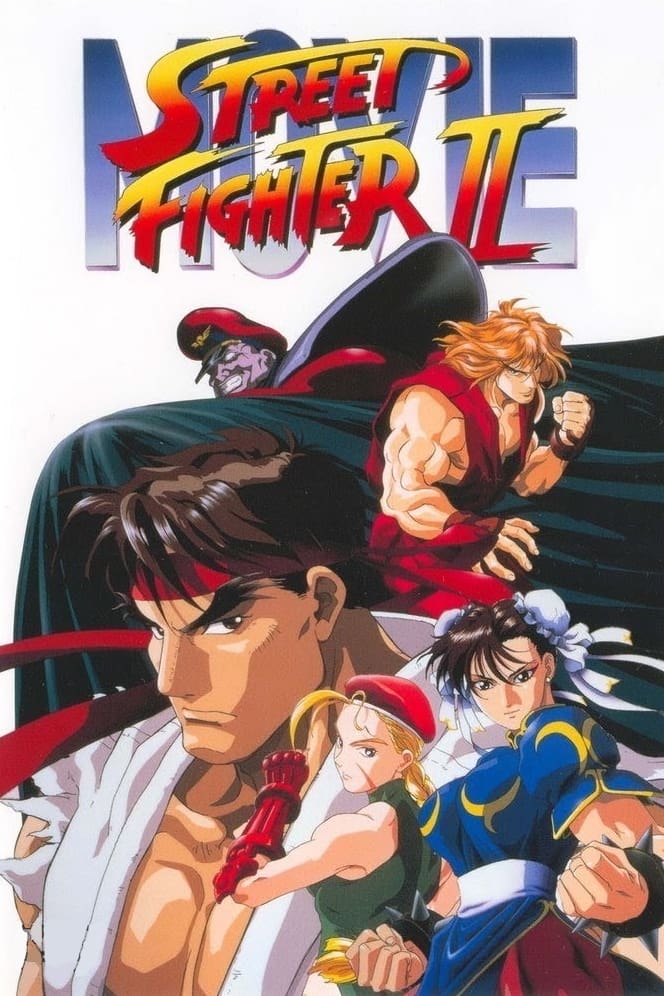
The protagonist Ryu was portrayed in the English version as a more stoic and traditionally heroic martial artist. The localization focused on his physical training and his dedication to becoming the strongest fighter in the world. His dialogue was adjusted to make him sound more serious and focused on his mission while downplaying some of the more spiritual aspects of his journey. The Western adaptation also emphasized the physical impact of his combat moves to create a more visceral action experience. This helped Ryu fit into the archetype of the powerful and disciplined male lead common in Western fighting games and films.
‘Vampire Hunter D’ (1985)
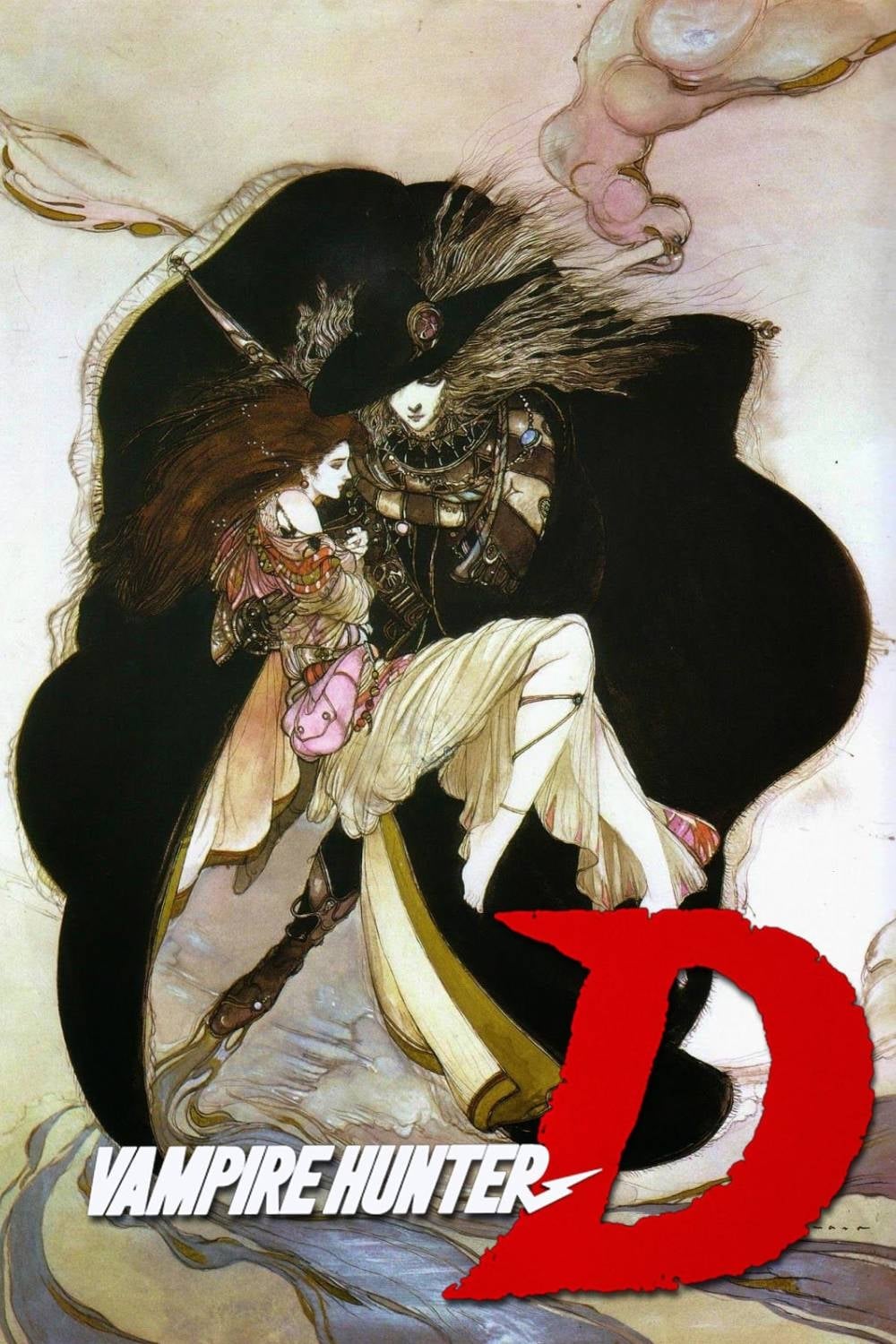
The titular character D was given a very deep and mysterious voice in the English dub to emphasize his stoic and legendary nature. The localization portrayed him as a man of few words who relies on his immense physical skill and supernatural powers to hunt his prey. His dialogue was delivered with a cold professionalism that suggested a lifetime of solitude and combat. The Western adaptation highlighted his role as a lone wanderer which is a classic macho trope in both Westerns and gothic horror. This made D appear as a more traditionally cool and intimidating hero for the English speaking market.
‘Akira’ (1988)
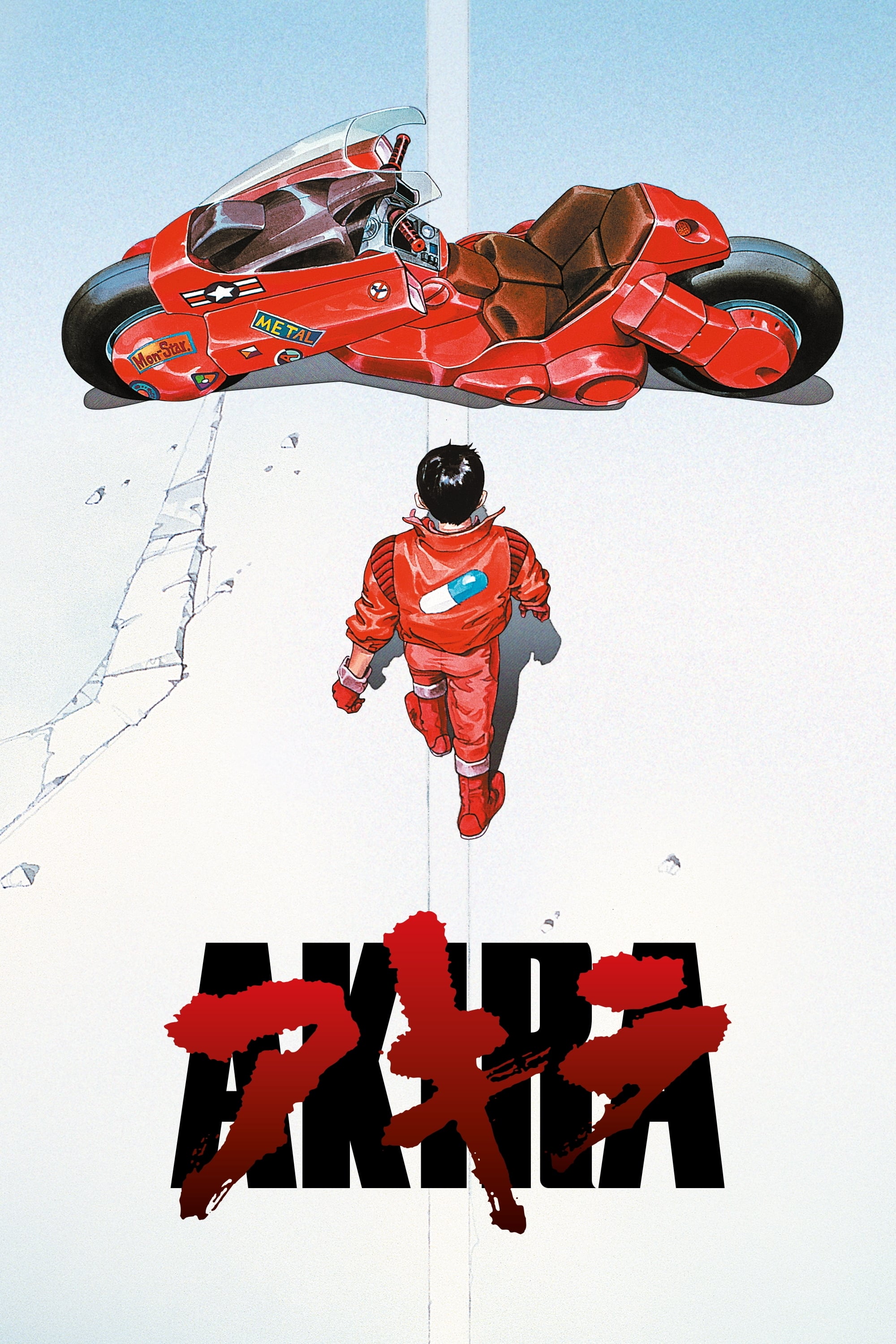
Kaneda was adapted with a more aggressive and cocky personality in the various English localizations of the film. The voice acting emphasized his role as a rebellious gang leader with a loud and confident delivery. His dialogue was filled with more street slang and aggressive challenges to authority which made him appear like a tougher urban youth. The Western versions of the movie focused on his physical bravery and his skill with his iconic motorcycle. This portrayal helped Kaneda become a symbol of the gritty and macho cyberpunk aesthetic that was popular in the West during the late eighties.
‘Ninja Scroll’ (1993)
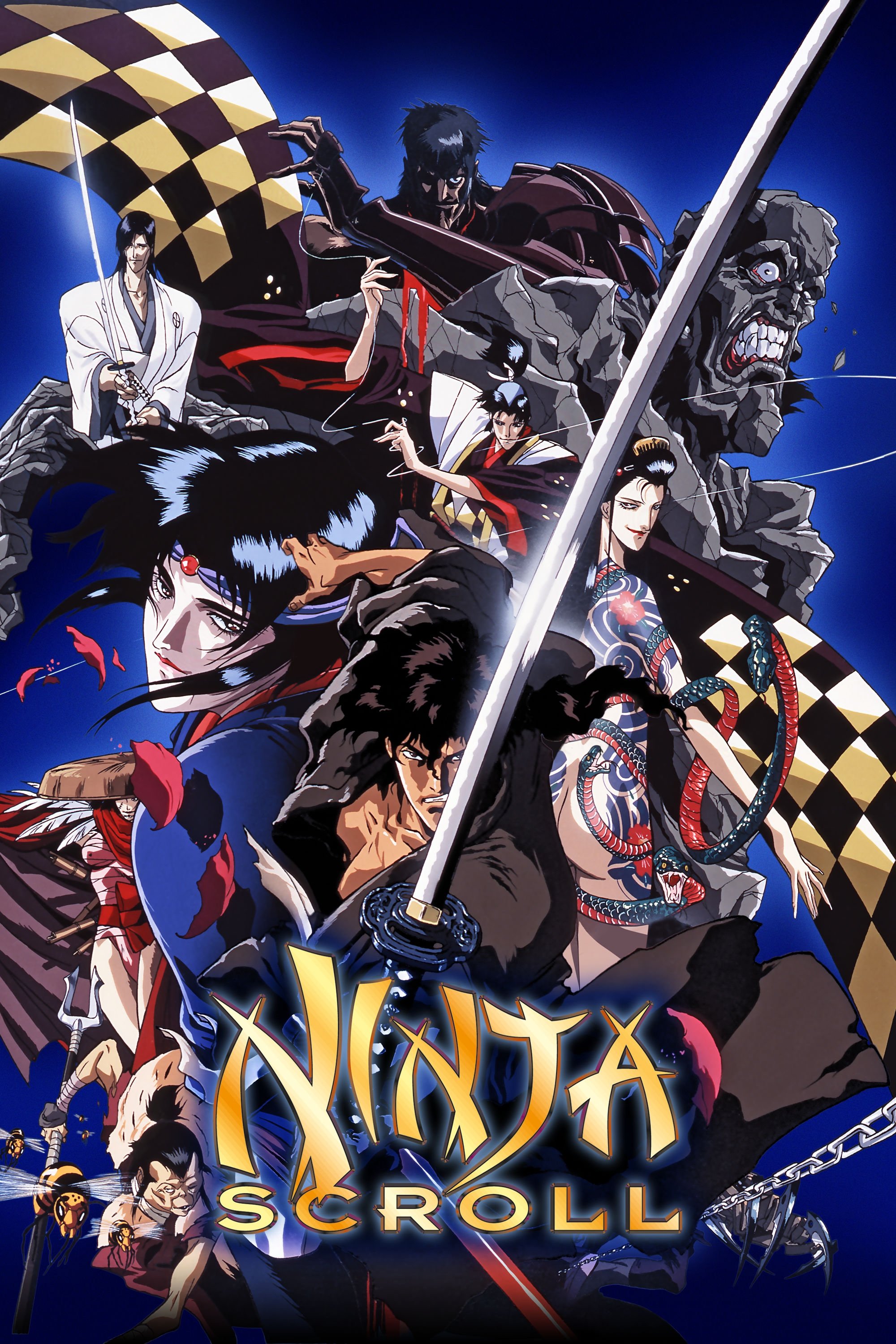
Jubei Kibagami was portrayed in the English dub as a classic ronin with a deep voice and a very dry sense of humor. The localization emphasized his role as a skilled and independent warrior who is more than capable of handling multiple supernatural threats at once. His dialogue was made more blunt and professional which highlighted his identity as a mercenary who values his freedom. The Western adaptation also focused on the visceral and violent nature of his combat scenes to appeal to an adult audience. This helped Jubei become a popular figure for Western fans of gritty samurai action.
‘Wicked City’ (1987)
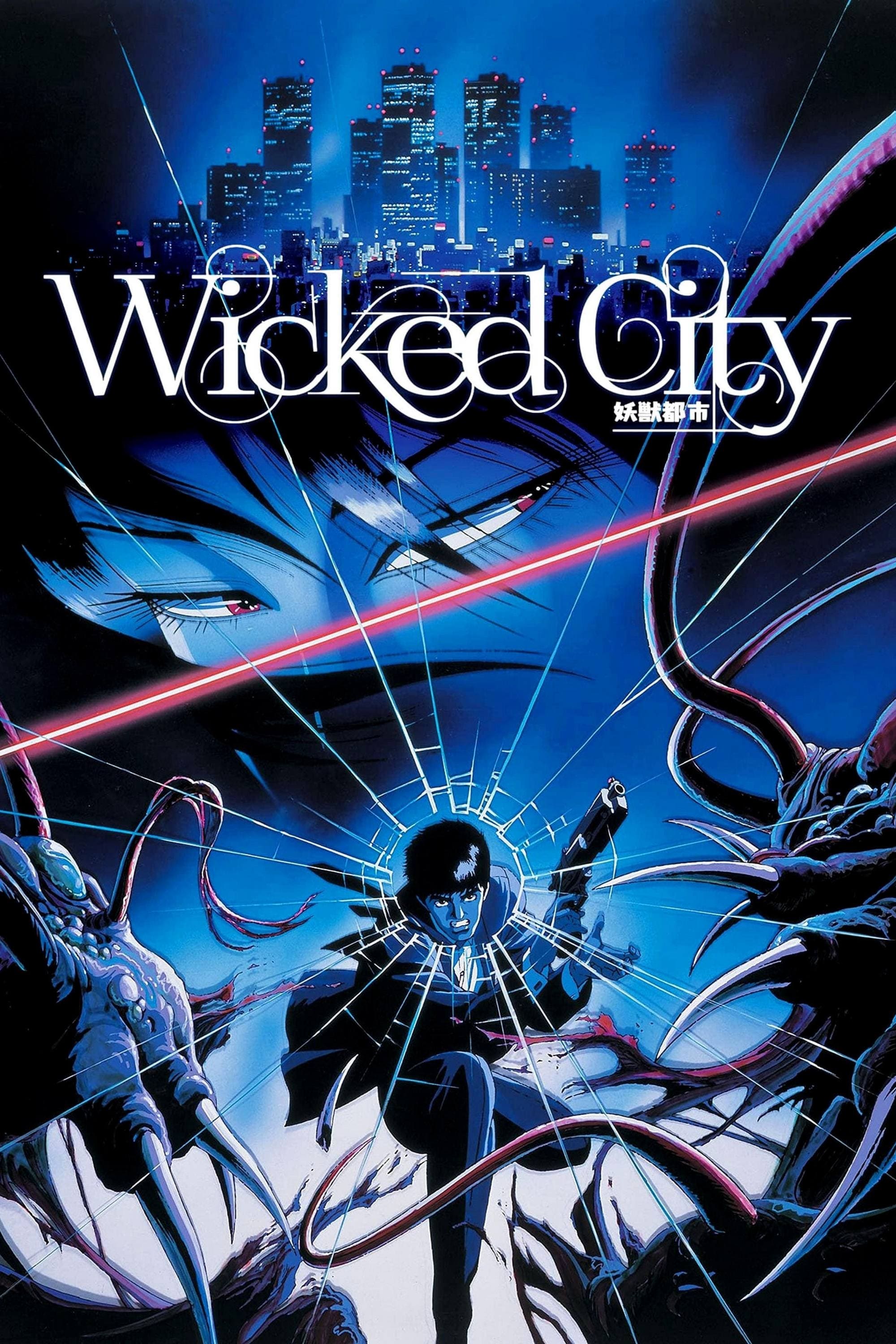
The protagonist Renzaburo Taki was given a more traditionally masculine and authoritative persona in the English dub. The localization focused on his role as a secret agent who uses his physical strength and advanced weaponry to battle demons. His dialogue was delivered with a sense of cynical toughness and confidence that made him appear like a supernatural version of a hard boiled detective. The Western adaptation emphasized the mature and violent themes of the series to create a gritty action atmosphere. This made Taki a definitive example of the macho and capable male lead in early adult oriented anime localizations.
‘Black Lagoon’ (2006)
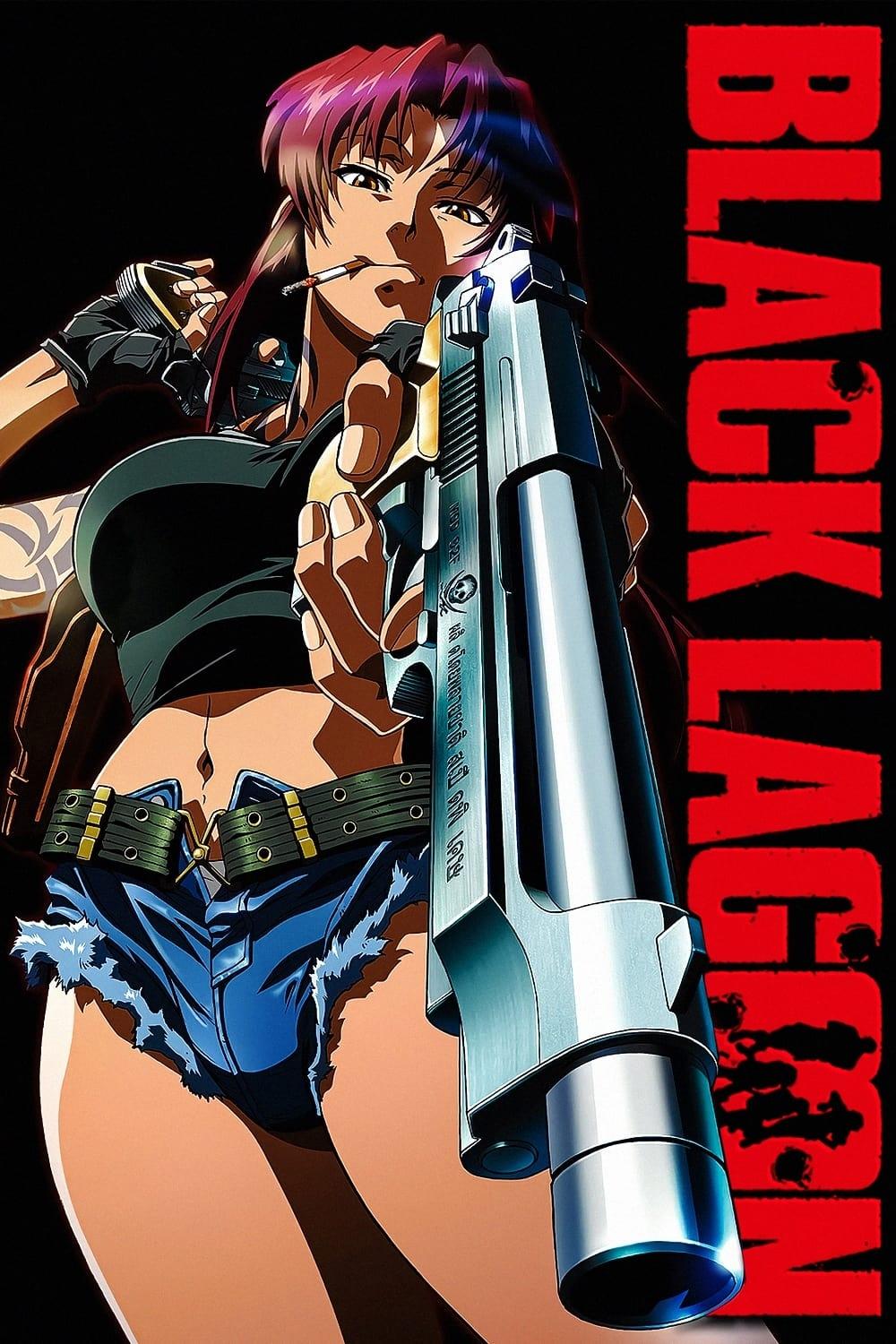
Dutch the leader of the Lagoon Company was given a very commanding and deep voice in the English dub that emphasized his military background. The localization portrayed him as a stoic and professional leader who remains calm under fire and manages a group of volatile mercenaries. His dialogue was written to sound like a veteran soldier with a no nonsense attitude toward his business. The Western adaptation highlighted his physical presence and his tactical mind making him the stabilizing macho force of the team. This portrayal was highly effective in grounding the series in a gritty and realistic underworld setting.
‘Devilman’ (1987–1990)

The character Akira Fudo was adapted with a much more aggressive and tortured personality in the English localizations. The voice acting emphasized his transformation into a powerful demon through a deeper and more monstrous vocal delivery. His dialogue focused on his struggle to maintain his humanity while using his immense physical power to destroy other demons. The Western version of the series highlighted the extreme violence and the tragic nature of his macho struggle. This made the character appear as a more intense and darker version of the classic superhero archetype for the Western audience.
‘Golgo 13: The Professional’ (1983)
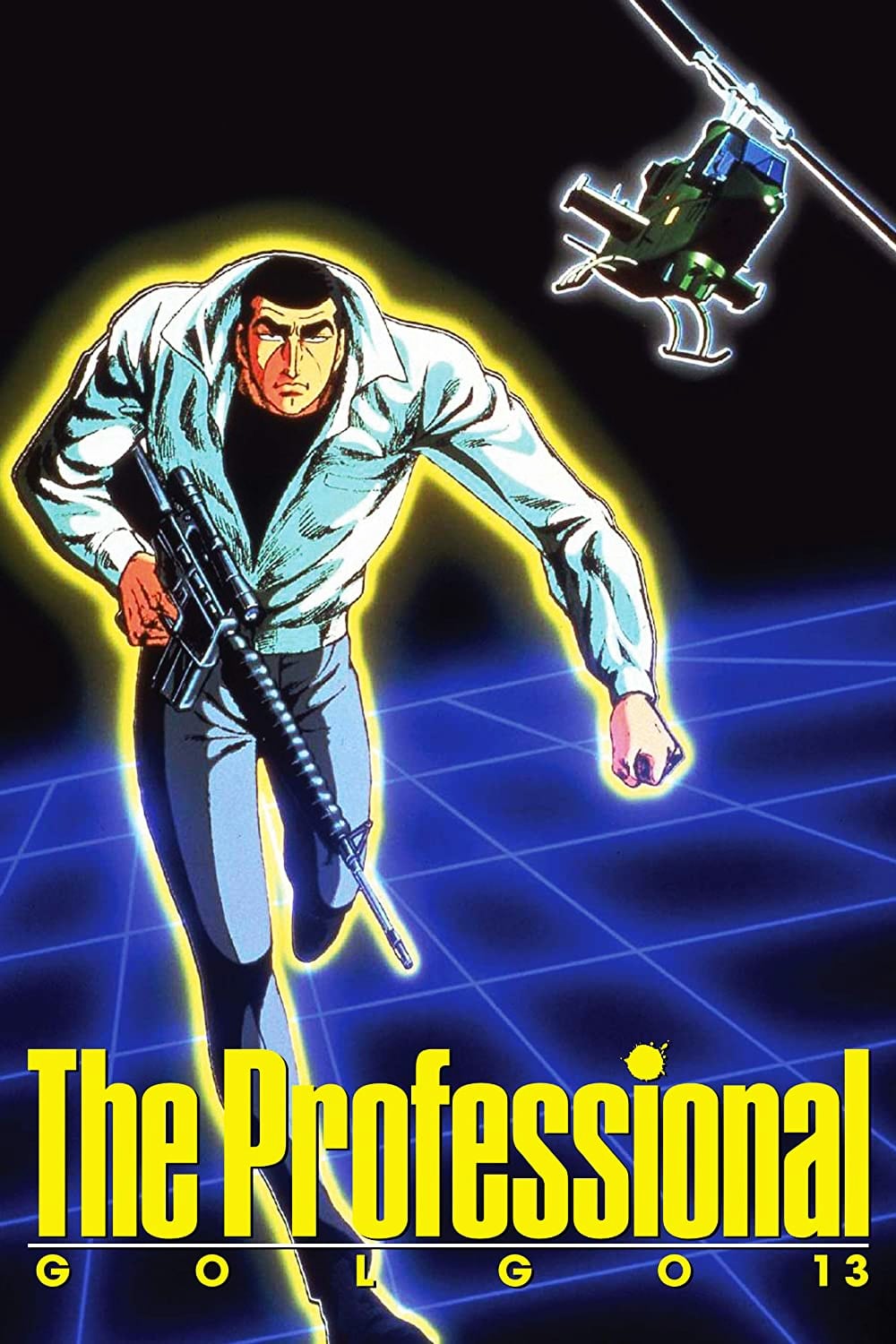
Duke Togo was portrayed as the ultimate stoic and professional assassin in the English localization of this classic film. His dialogue was kept to an absolute minimum to emphasize his cold and calculating nature as a master of death. The voice acting was deep and devoid of emotion which made him appear as an unstoppable and invincible macho figure. The Western adaptation focused on his physical precision and his ability to complete impossible missions through sheer skill and willpower. This portrayal helped establish Golgo 13 as a legendary icon of the professional and deadly male lead.
‘Crying Freeman’ (1988–1994)
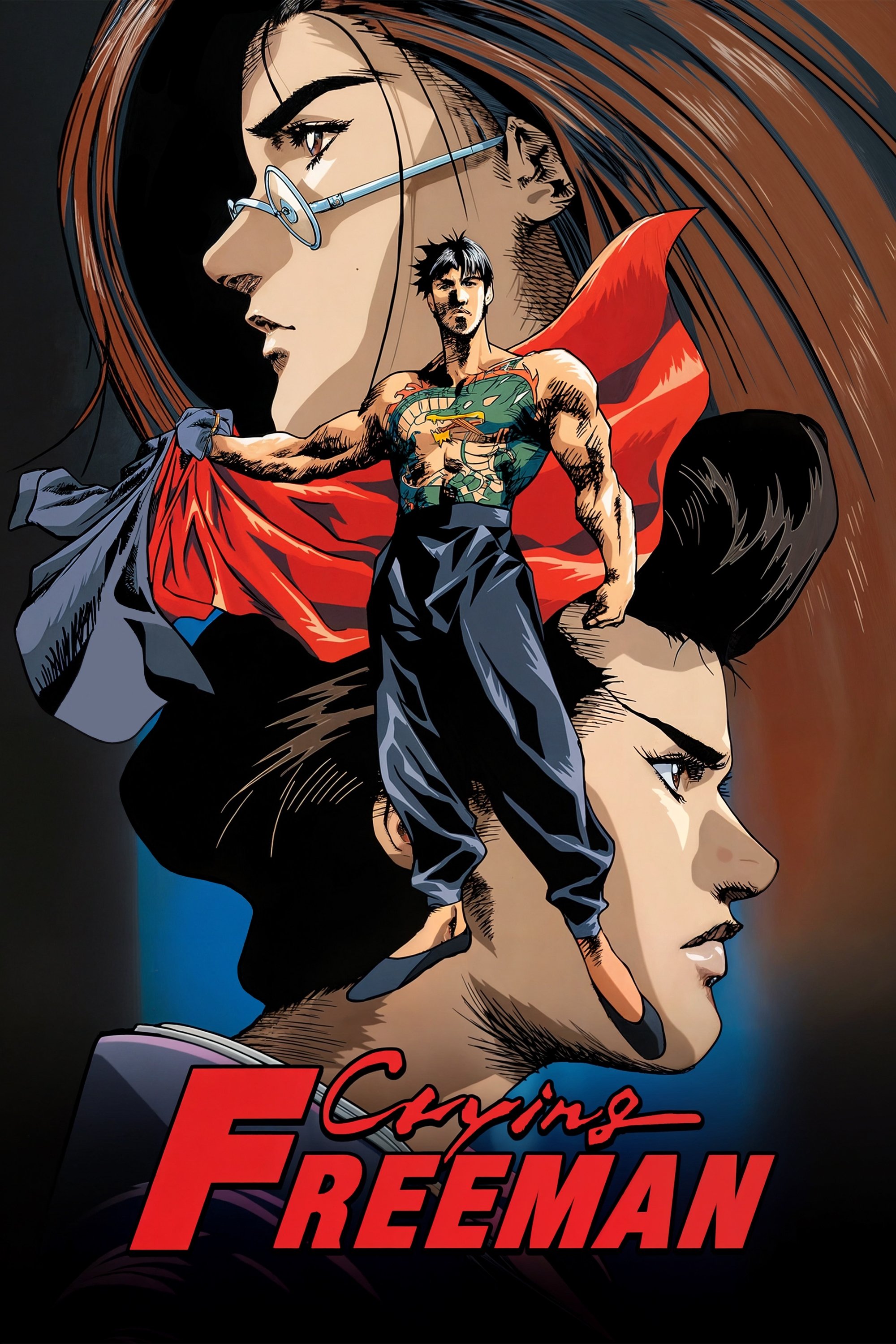
The protagonist Yo Hinomura was given a more serious and traditionally heroic persona in the English dub. The localization emphasized his role as a legendary assassin who is both physically beautiful and deadly in combat. His dialogue focused on his dedication to his organization and his physical prowess making him appear as a more traditionally capable and macho lead. The Western adaptation also highlighted the more mature and romantic elements of the story while maintaining a focus on the violent action. This made Freeman appear as a sophisticated and powerful male figure for the Western market.
‘M.D. Geist’ (1986)
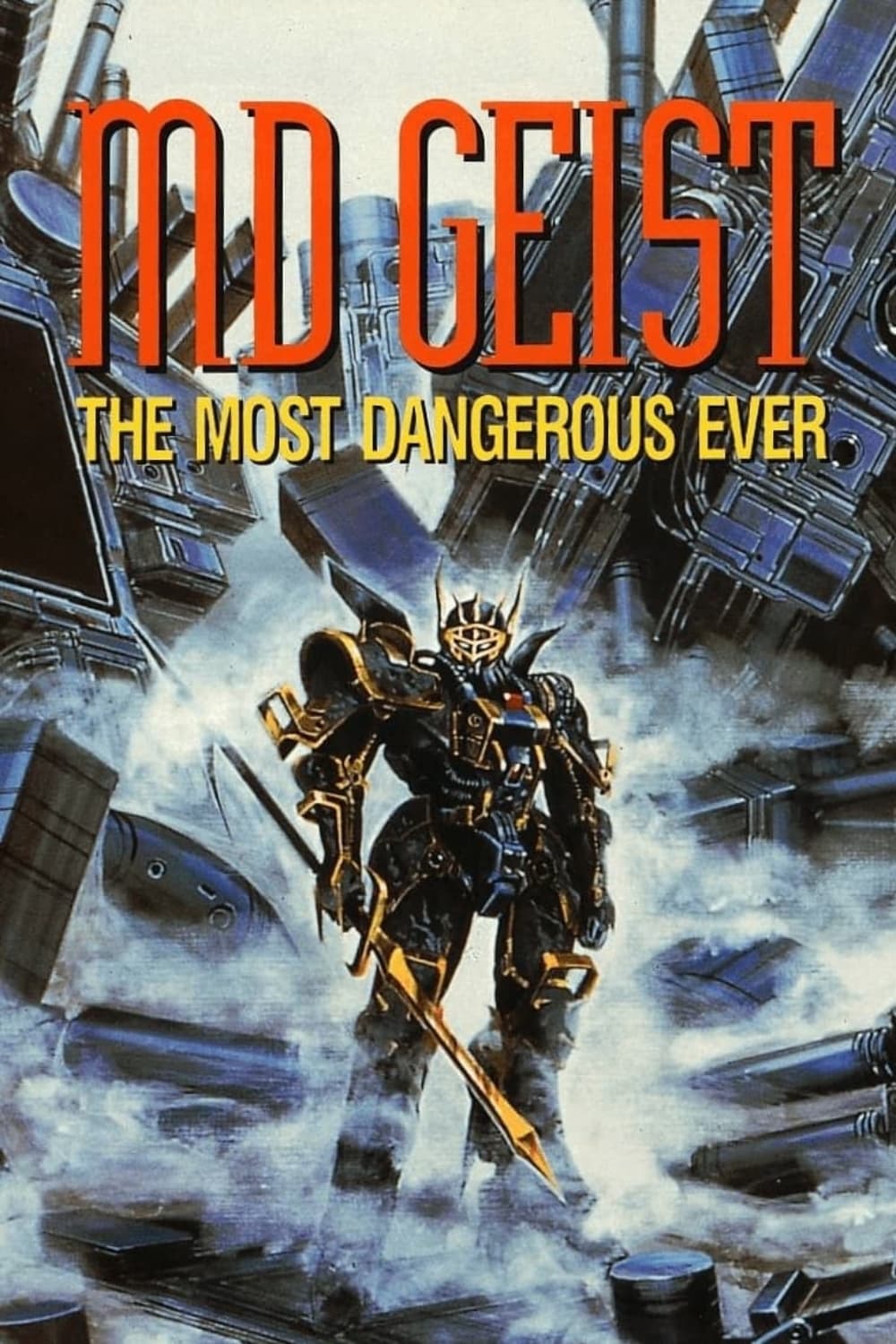
Geist was portrayed in the English dub as a hyper aggressive and sociopathic soldier who lives only for combat. The localization emphasized his status as a “Most Dangerous” soldier who possesses immense physical strength and a complete lack of empathy for his enemies. His dialogue was delivered with a cold and intense energy that highlighted his destructive nature. The Western version of the series focused almost entirely on the visceral action and the unstoppable power of the lead character. This made Geist a cult icon of the hyper macho and violent anime era of the late eighties and early nineties.
‘Genocyber’ (1994)
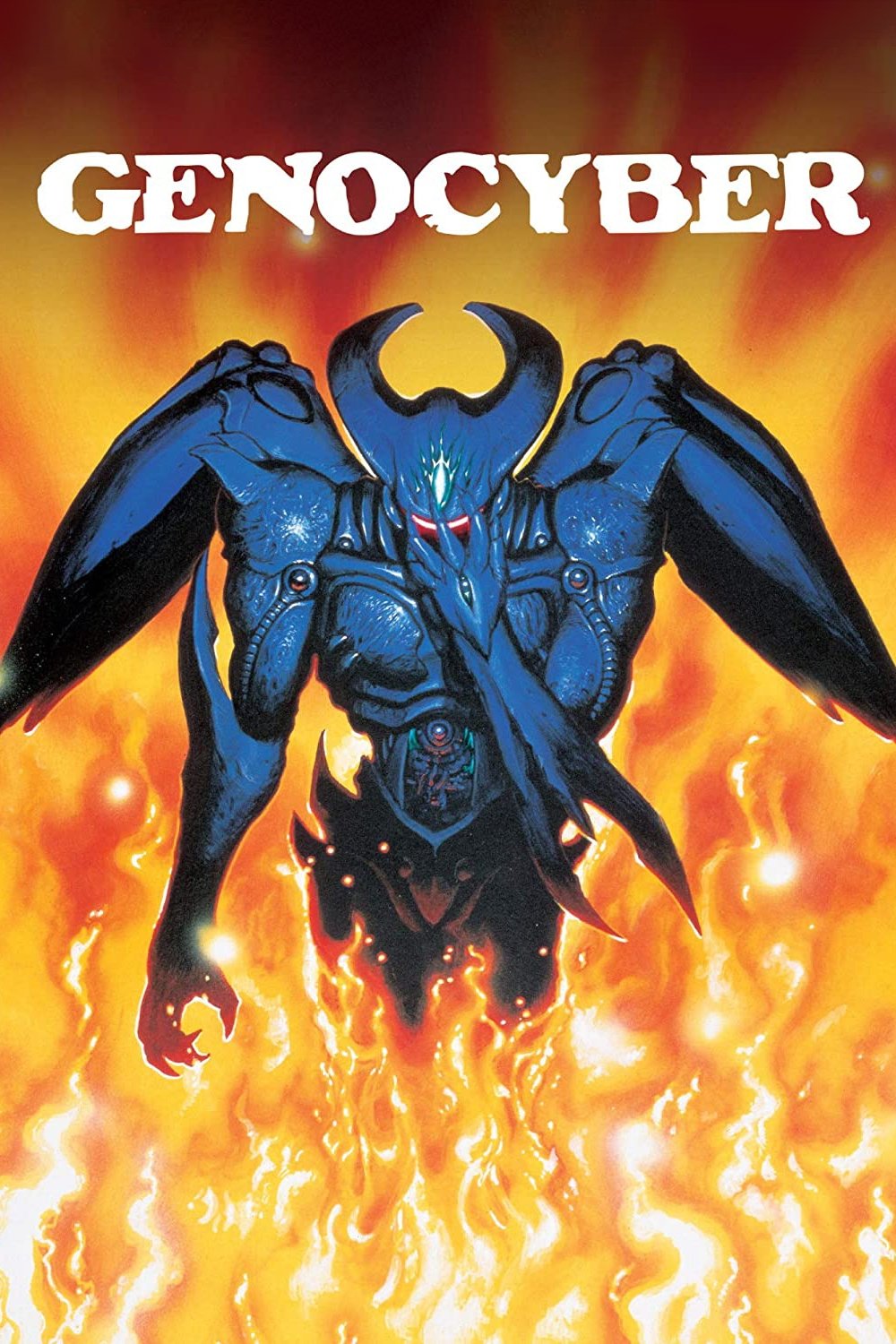
The male characters in this series were adapted with more aggressive and intense personalities to fit the extremely violent tone of the show. The English localization emphasized the military and corporate conflicts which gave the characters a more traditionally macho and professional demeanor. Their dialogue often revolved around power and control while ignoring the psychological horror elements of the story. The Western version of the series was marketed as an extreme action experience which relied heavily on the tough and capable male leads. This helped the show find an audience among fans of high intensity and gore filled media.
‘Bobobo-bo Bo-bobo’ (2005–2007)
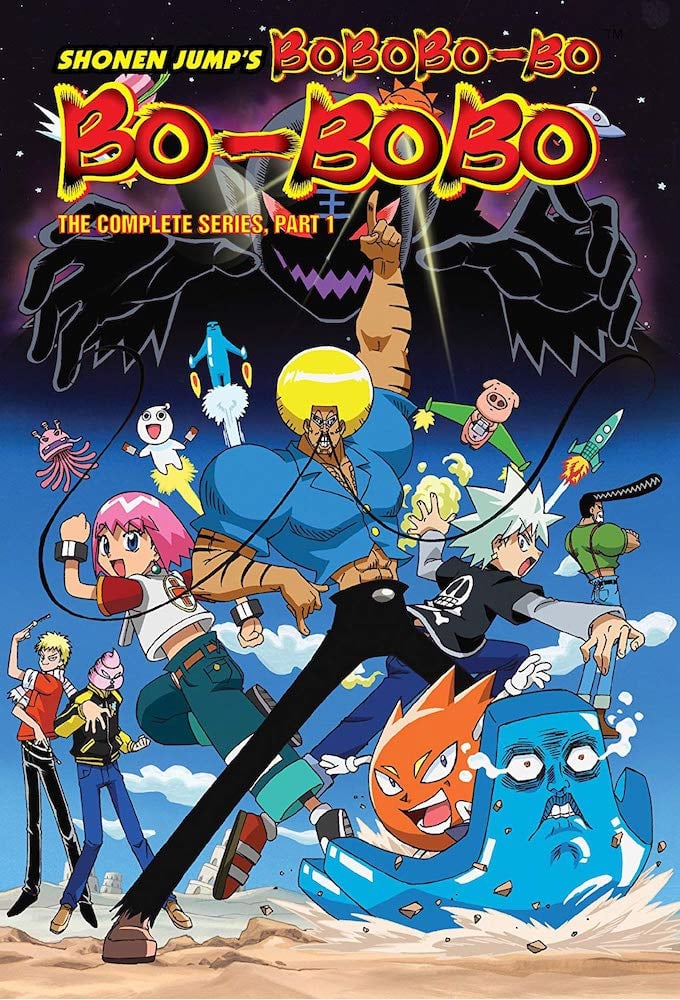
The titular character was given a deep and heroic voice in the English dub that satirized the macho tropes of action anime. The localization emphasized his absurdly large physical presence and his ridiculous combat moves which were delivered with the intensity of a serious battle. His dialogue was a constant stream of aggressive nonsense that parodied the way traditionally masculine characters speak in more serious shows. This version of Bobobo became a cult favorite in the West for its meta commentary on the hyper masculine nature of the shonen genre. The English adaptation heightened the macho aesthetic to make the humor even more effective.
‘JoJo’s Bizarre Adventure’ (1993–1994)
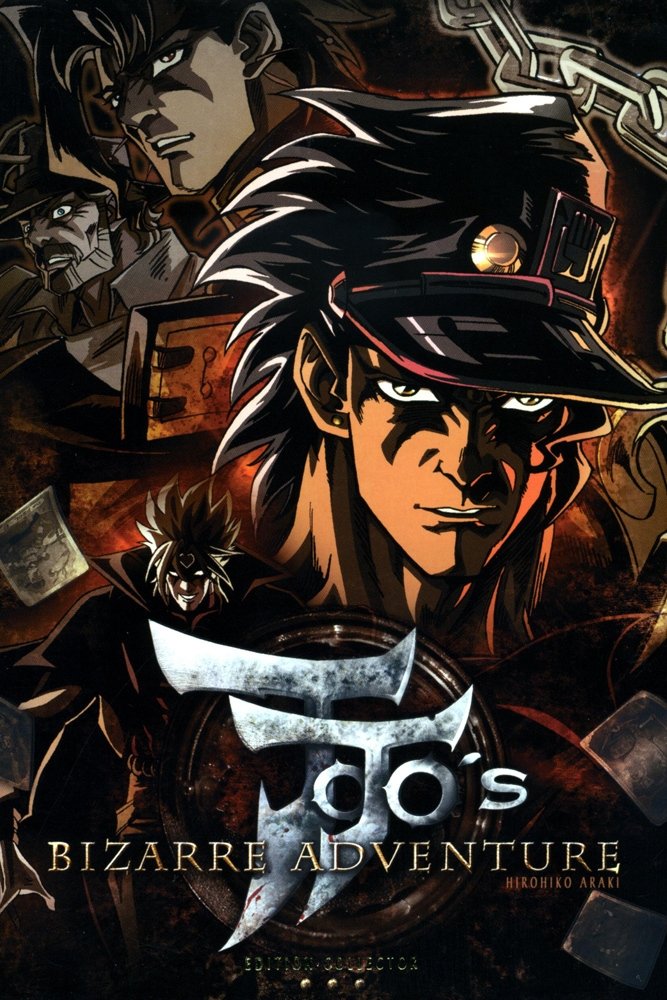
The original OVA adaptation of Jotaro Kujo was given a very deep and stoic voice in the English version to emphasize his tough guy persona. The localization focused on his role as a delinquent with a heart of gold who uses his powerful Stand to settle battles. His signature catchphrase and calm demeanor under pressure were highlighted to make him appear as a more traditionally macho and capable hero. The English script often made him sound more authoritative and less expressive than in the original Japanese version. This portrayal helped establish Jotaro as a symbol of cool and powerful masculinity for Western anime fans.
‘Macross Plus’ (1994–1995)

The character Isamu Dyson was given a very confident and boisterous personality in the English dub produced by Manga Entertainment. The localization emphasized his role as a rebellious test pilot with a chip on his shoulder and a love for dangerous high speed maneuvers. His dialogue was filled with more aggressive challenges to his rival and confident declarations of his superior flying skills. This made Isamu appear like a more traditionally macho and talented action hero in the vein of Western films like Top Gun. The English adaptation successfully highlighted his grit and determination as a top tier pilot.
Tell us which character you think had the most interesting change in the comments.