

Anime Anthems (Endings) You Never Skip

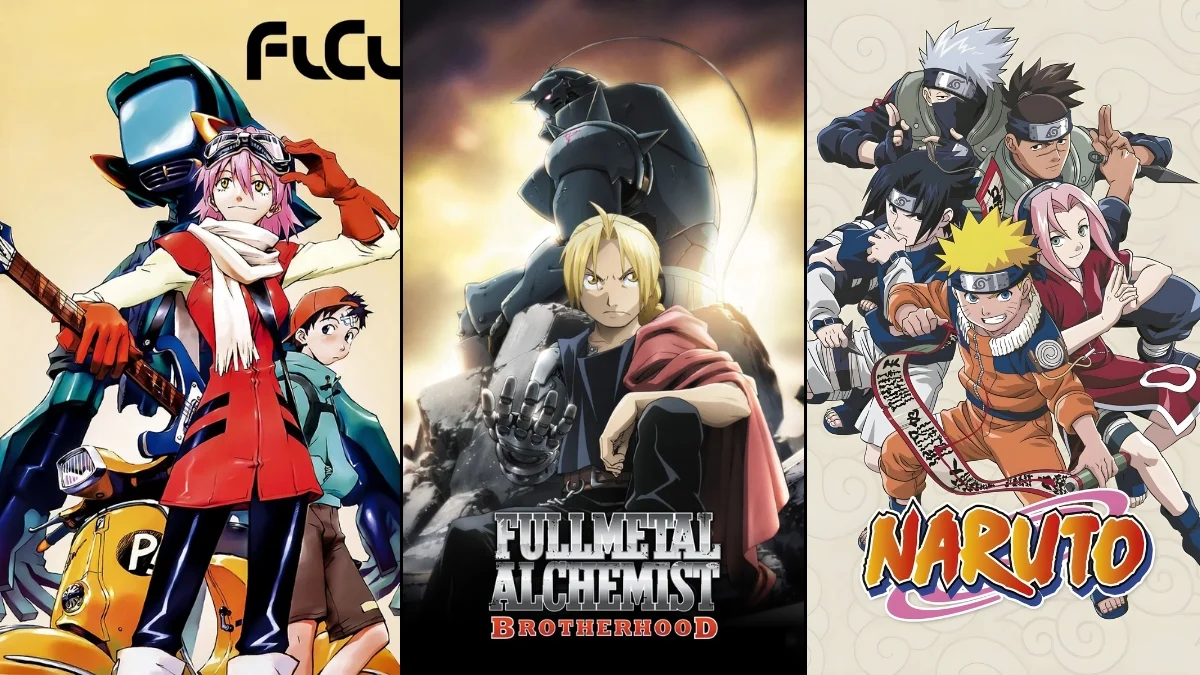


Anime endings do more than roll credits—they frame an episode’s final beat, spotlight artists, and often shift tones to highlight characters and themes you just watched unfold. From jazz and R&B to rock, hip-hop, and ballads, these tracks carry distinctive production stories, clever episode usage, and memorable visuals that fans instantly recognize. Below are twenty ending themes that left a mark through chart placements, creative credits sequences, or smart tie-ins with a show’s narrative and setting.
‘Cowboy Bebop’ (1998) – “The Real Folk Blues” by The Seatbelts feat. Mai Yamane
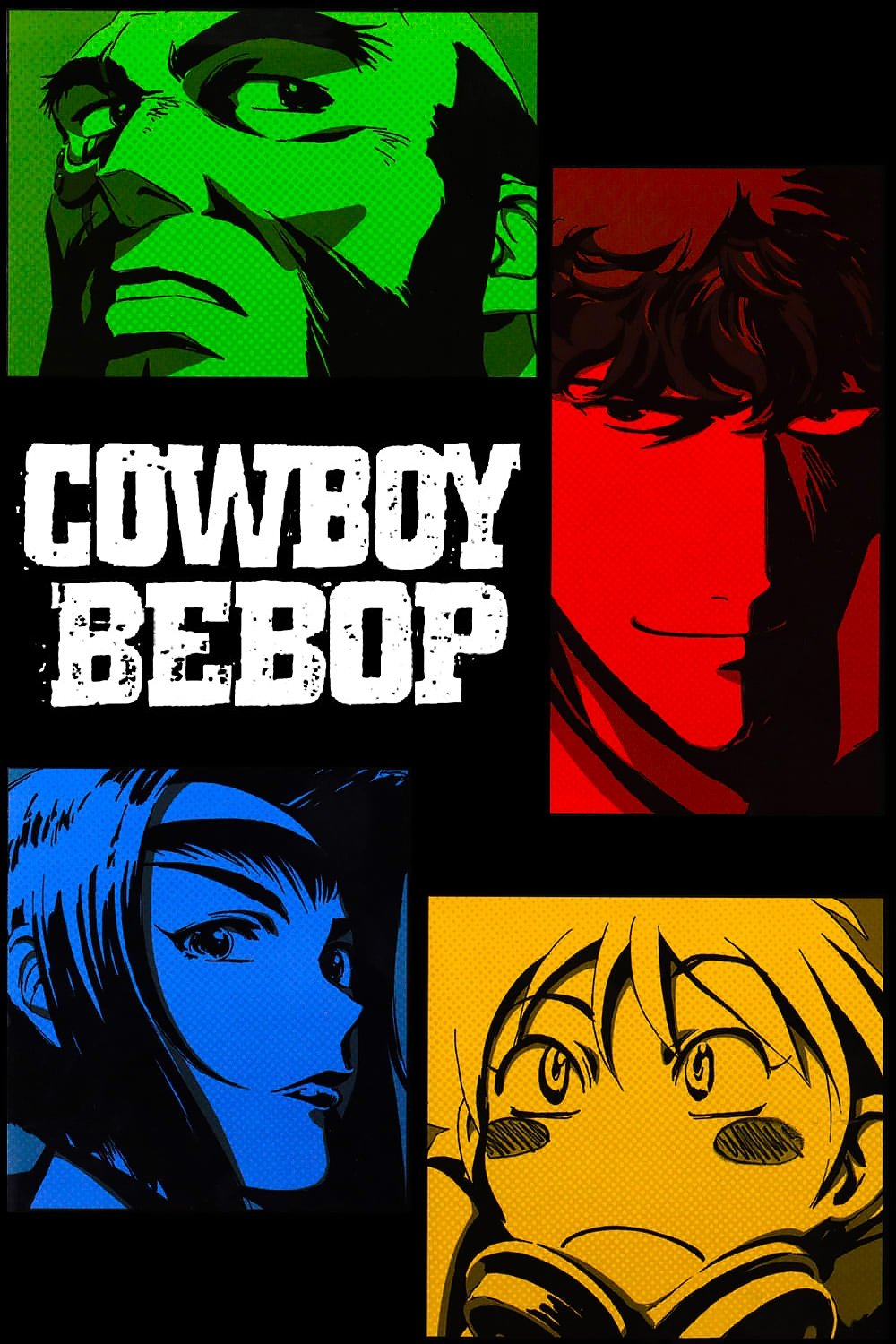
Composed by Yoko Kanno, this blues-rock track closes most episodes with The Seatbelts’ instrumentation and Mai Yamane’s vocal. The single appeared on the series’ official soundtrack releases and became a signature piece of the franchise. Its credits montage juxtaposes character portraits and noir imagery, mirroring the show’s genre blend. A later charity cover involving series alumni helped raise funds for relief efforts and renewed interest in the song.
‘Neon Genesis Evangelion’ (1995) – “Fly Me to the Moon” by various artists
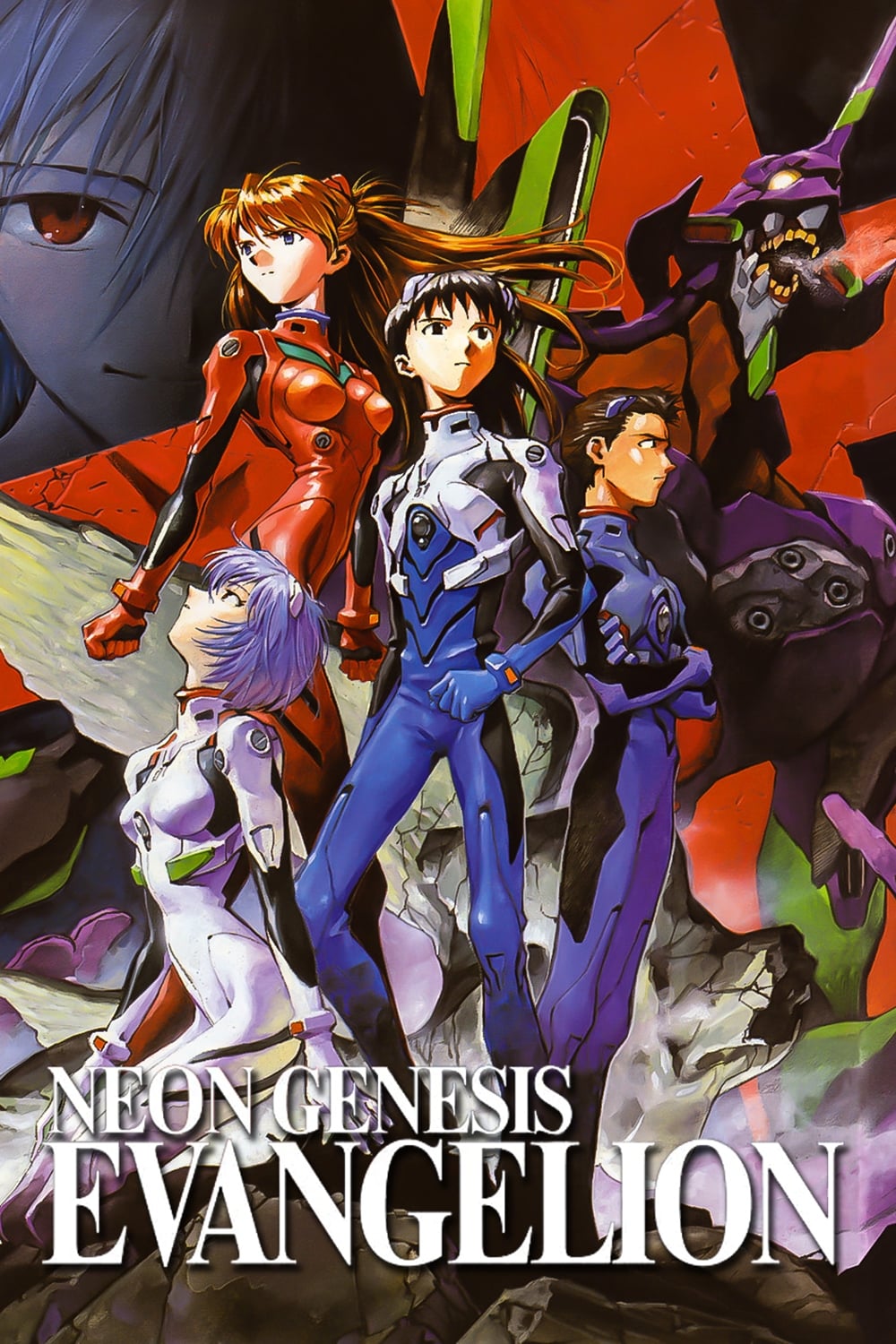
The series used multiple arrangements of the standard across episodes, featuring vocalists such as Claire Littley and Yoko Takahashi. Each variation aligns with shifting tones, from character-focused episodes to heavier arcs. The track appears on numerous soundtrack compilations tied to the franchise. Due to licensing differences, later platform releases have altered or omitted the ending, a change widely noted by viewers.
‘Samurai Champloo’ (2004) – “Shiki no Uta” by MINMI
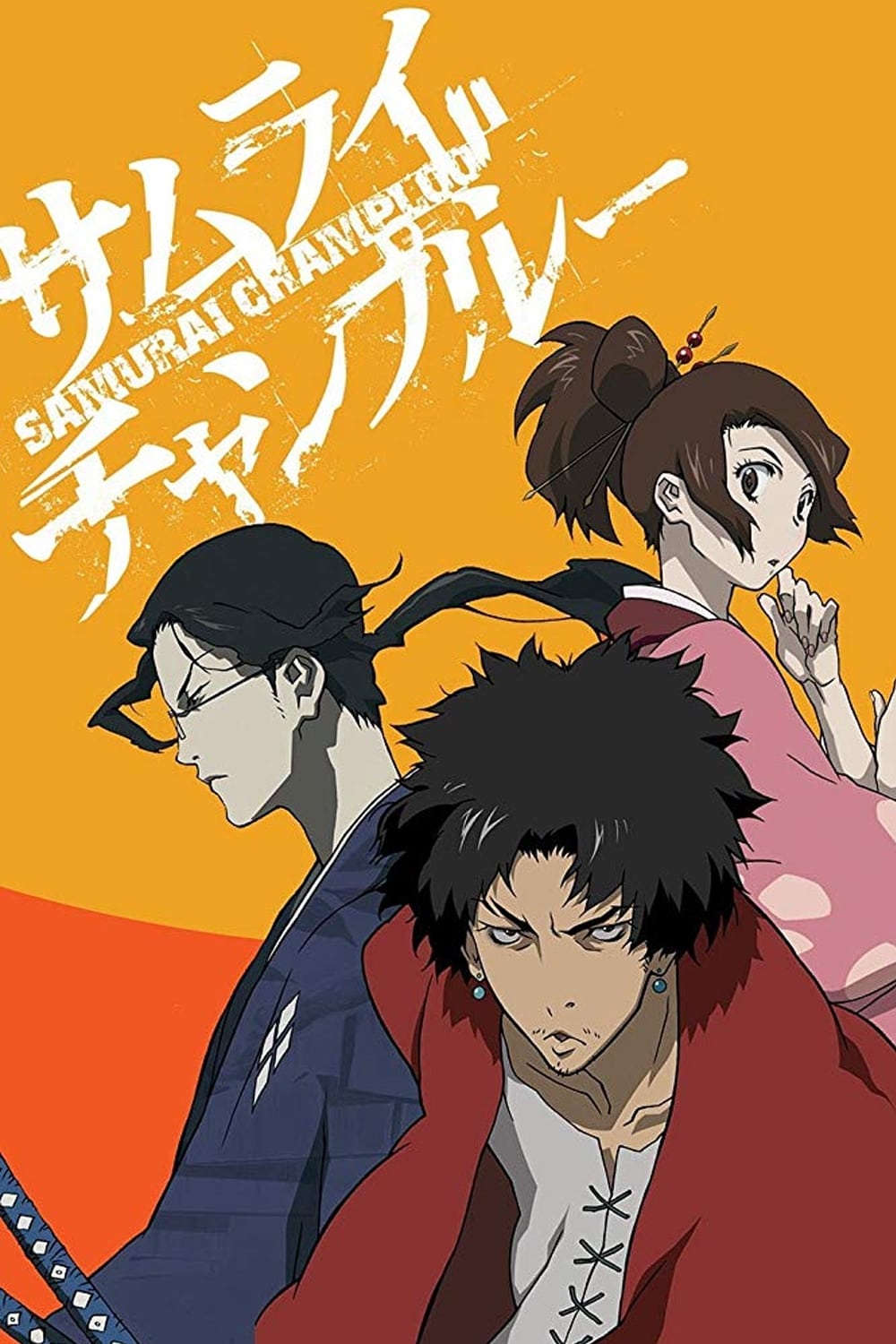
Performed by reggae and R&B artist MINMI, the song blends contemporary grooves with traditional melodic touches to fit the show’s Edo-meets-hip-hop aesthetic. It runs across the series as the standard ending, paired with seasonal imagery in the credits. The track is included on official soundtrack albums alongside Nujabes’ and Fat Jon’s contributions. Its bilingual lyrics and smooth cadence link directly to the show’s cross-cultural music direction.
‘Bleach’ (2004) – “Life is Like a Boat” by Rie fu
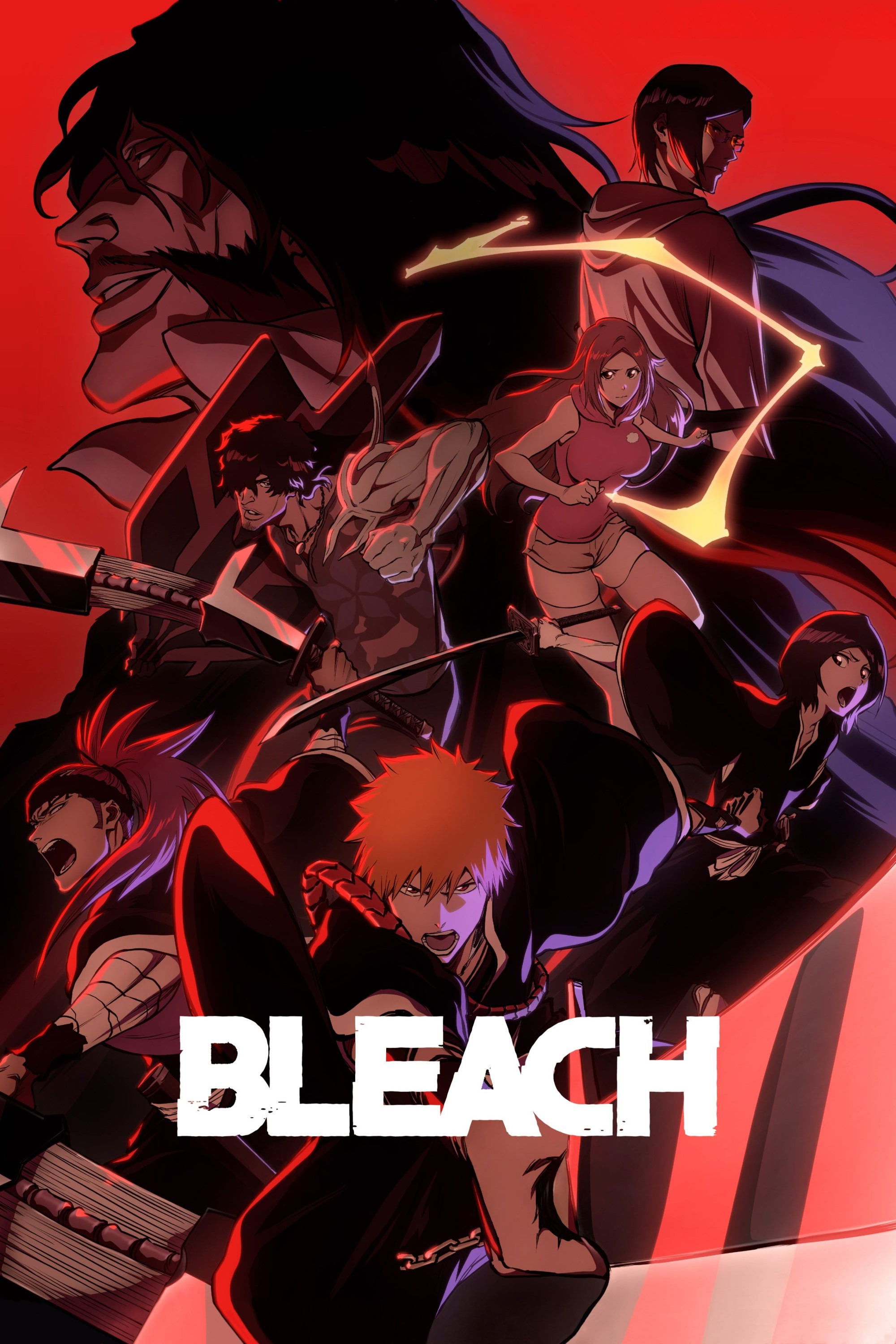
Rie fu’s bilingual Japanese-English lyrics made this the first widely recognized ending for the series. It accompanies early episodes with a calm visual sequence that contrasts the show’s action-heavy content. The song appears on Rie fu’s releases and on ‘Bleach’ soundtrack compilations. Its placement helped establish the series’ pattern of rotating high-profile theme artists.
‘Fullmetal Alchemist: Brotherhood’ (2009) – “Uso” by SID
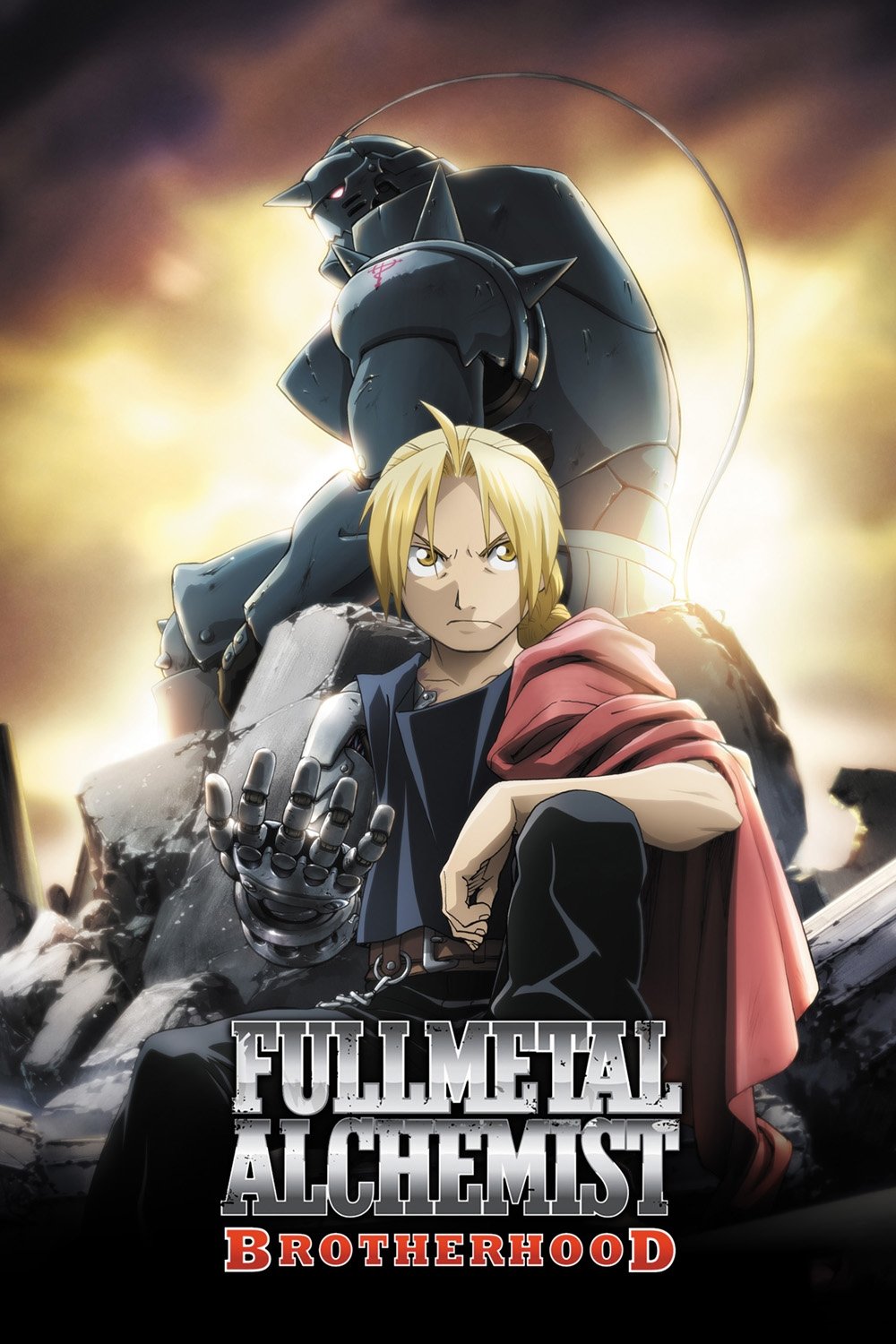
“Uso” serves as the first cour’s ending theme, introducing the series’ tone with a mid-tempo rock arrangement. The credits sequence intercuts character stills and symbolic motifs that foreshadow major plot threads. The track features on both SID’s discography and the anime’s official music collections. Its broadcast usage set the template for later endings that rotated each cour.
‘Naruto’ (2002) – “Wind” by Akeboshi
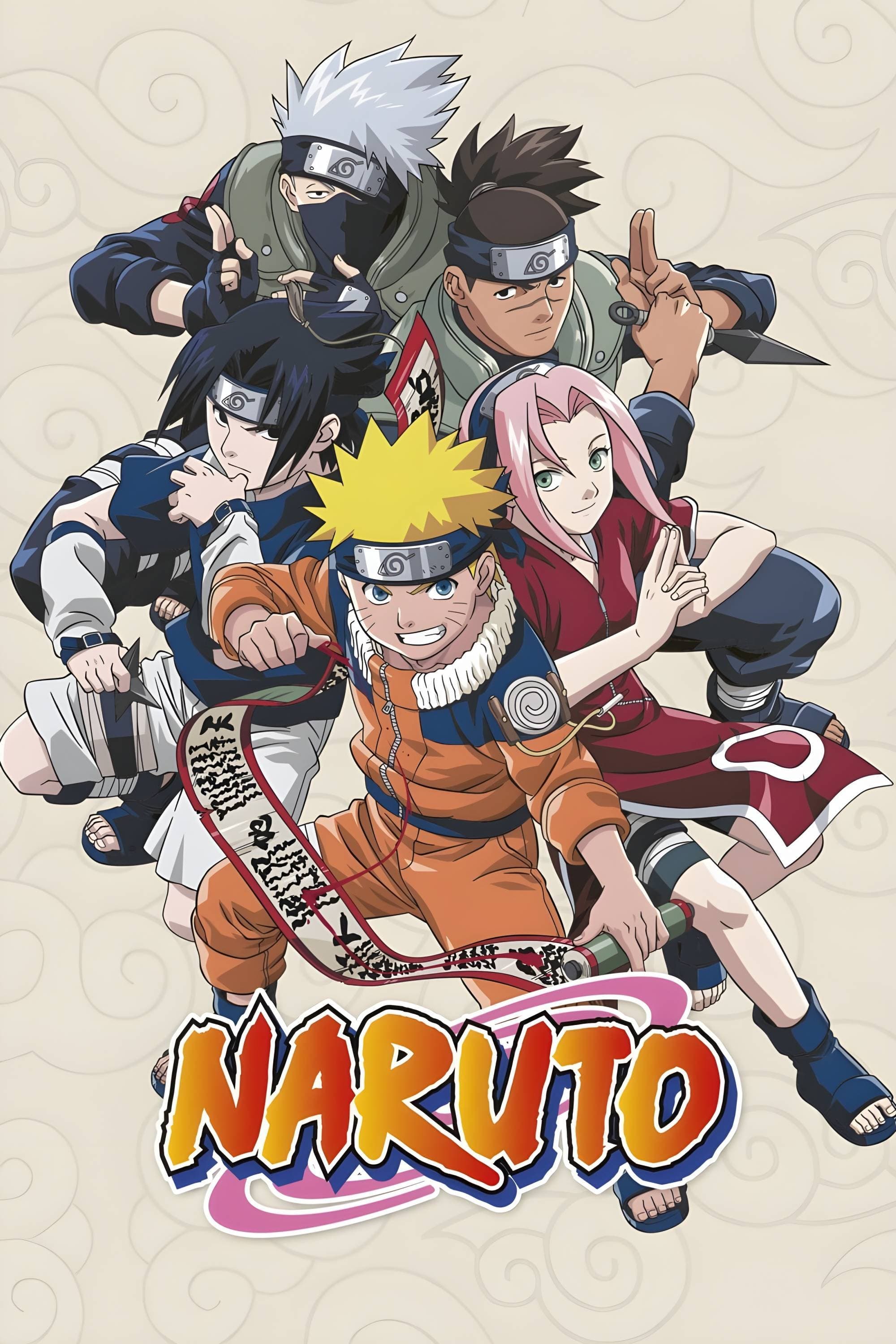
Akeboshi’s acoustic ballad was used as one of the earliest endings in the series, covering foundational arcs. The song appears on Akeboshi’s releases and on early ‘Naruto’ song collections. Its credits pair hand-drawn imagery and character studies that emphasize the coming-of-age focus. The minimal arrangement made it a recognizable counterpart to the show’s more energetic openings.
‘Attack on Titan’ (2013) – “great escape” by cinema staff
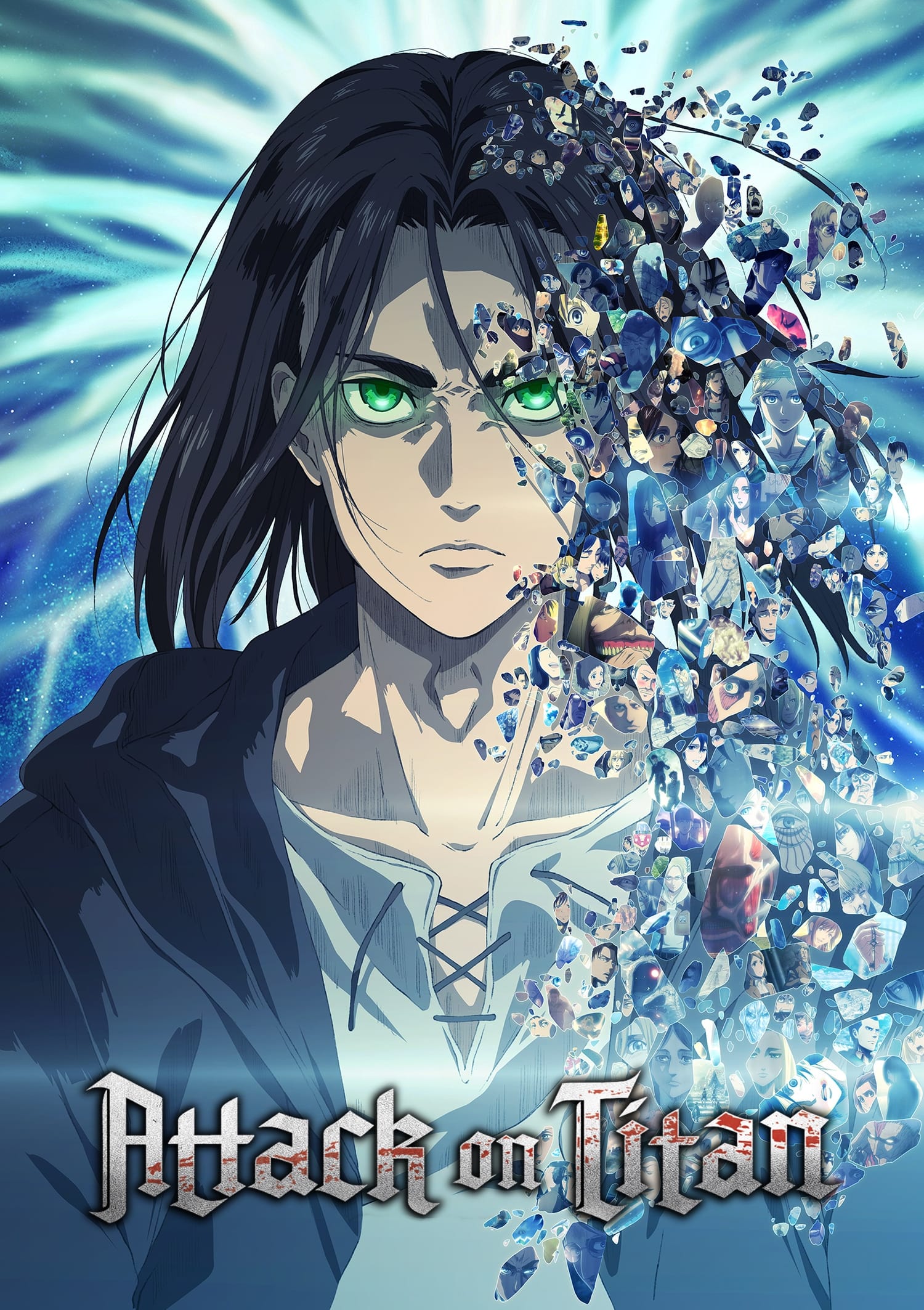
This track functions as the second ending of the first season, aligning with the story’s shift into larger military conflicts. cinema staff’s guitar-driven sound complements the series’ orchestral score by offering a leaner rock texture at episode’s end. The credits include stark iconography, gear schematics, and team imagery. The song is compiled on both the band’s releases and the anime’s theme collections.
‘Death Note’ (2006) – “Alumina” by Nightmare
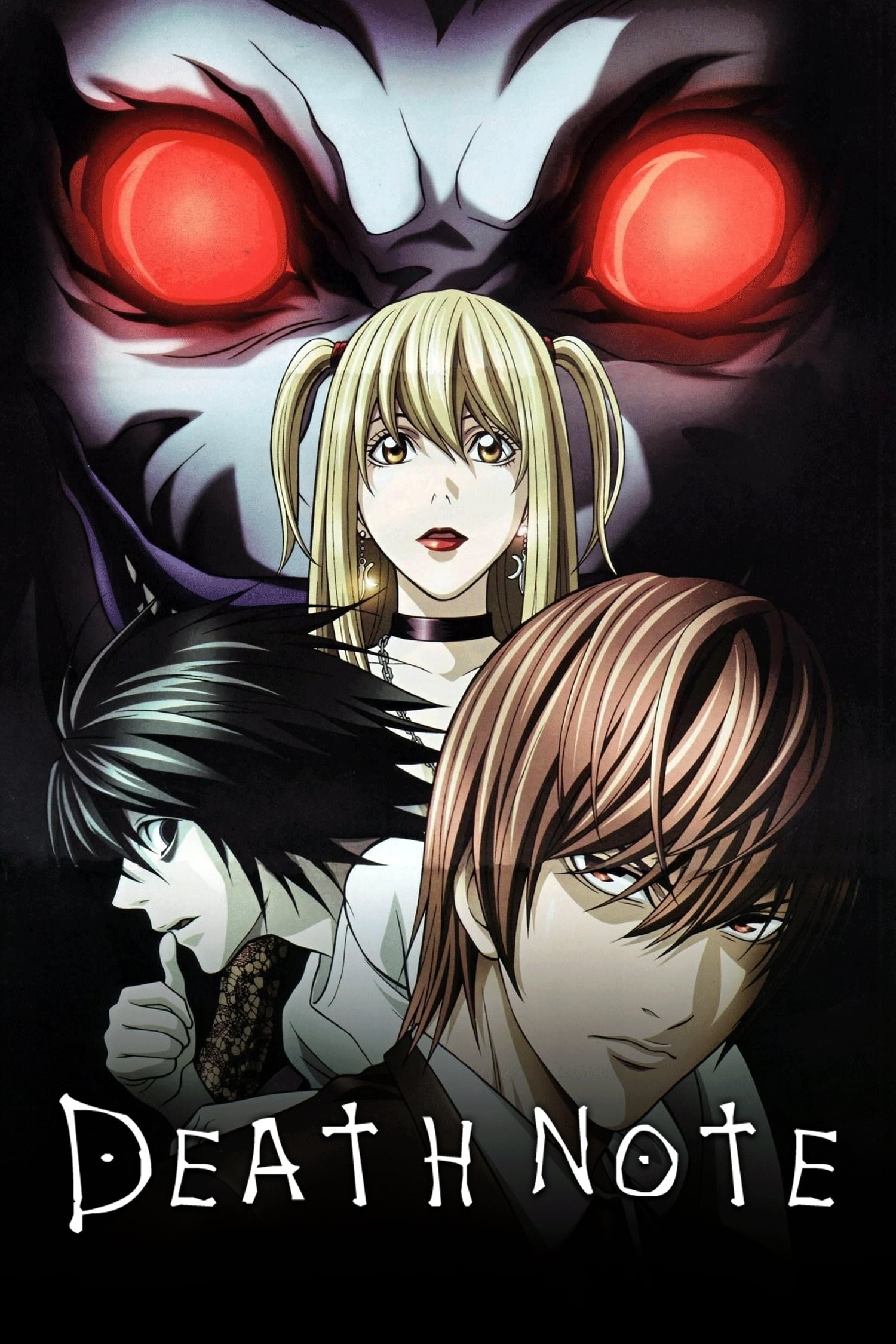
“Alumina” serves as the early ending theme and shares artist billing with the opening from the same band. The song’s arrangement underscores the show’s cat-and-mouse structure with a restrained rock production. It appears on Nightmare’s discography and official ‘Death Note’ soundtrack media. The credits’ abstract visuals and character silhouettes align with the series’ psychological framing.
‘Demon Slayer: Kimetsu no Yaiba’ (2019) – “from the edge” by FictionJunction feat. LiSA
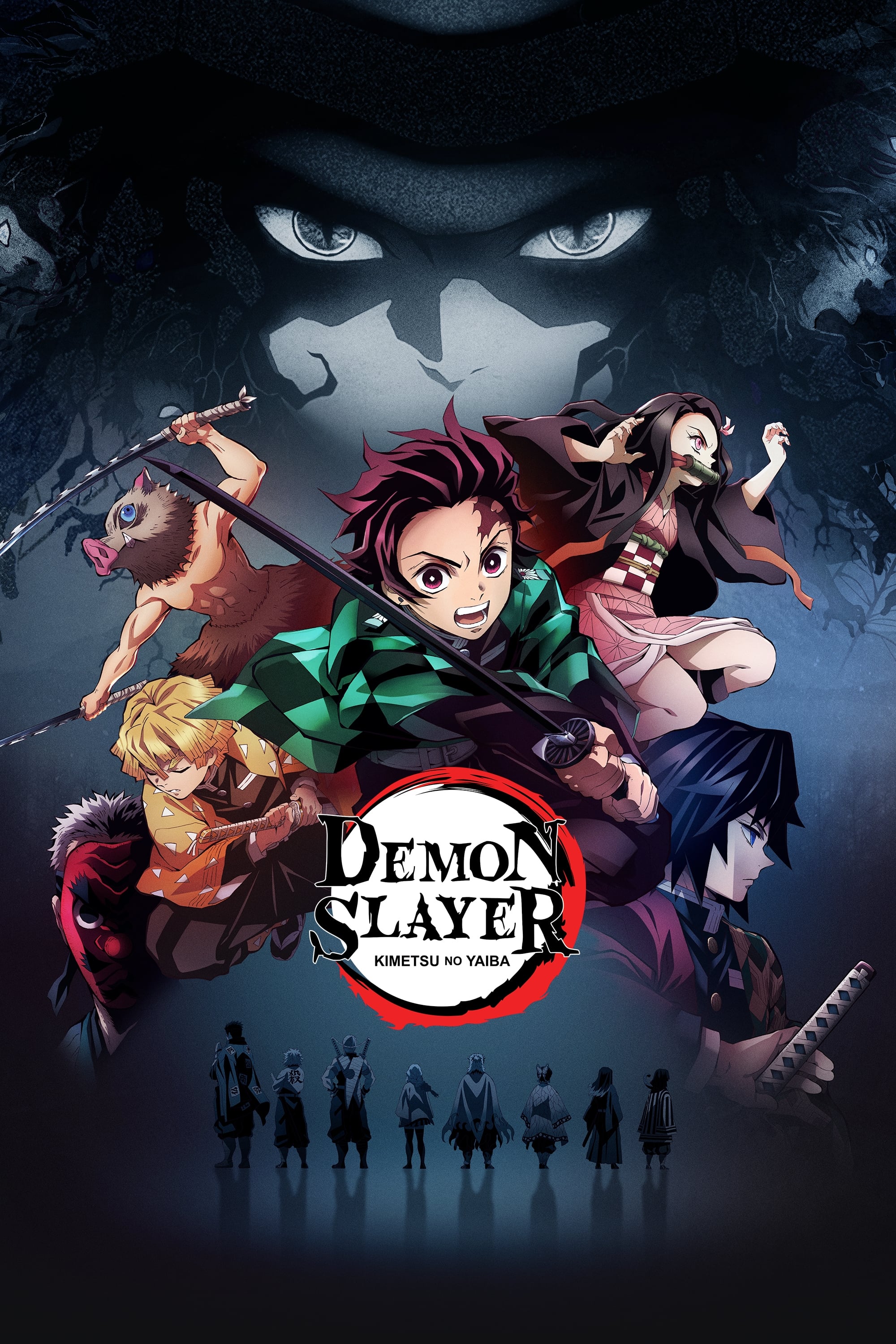
Composed and produced by Yuki Kajiura, the song features LiSA on vocals and is used as the first season’s ending for most episodes. The official credit sequence uses forest and lantern imagery that echo the Taishō-era setting. The track appears on franchise compilations and LiSA releases tied to the show. It also complements the series’ orchestral score with layered harmonies and signature Kajiura instrumentation.
‘Jujutsu Kaisen’ (2020) – “Lost in Paradise” by ALI feat. AKLO
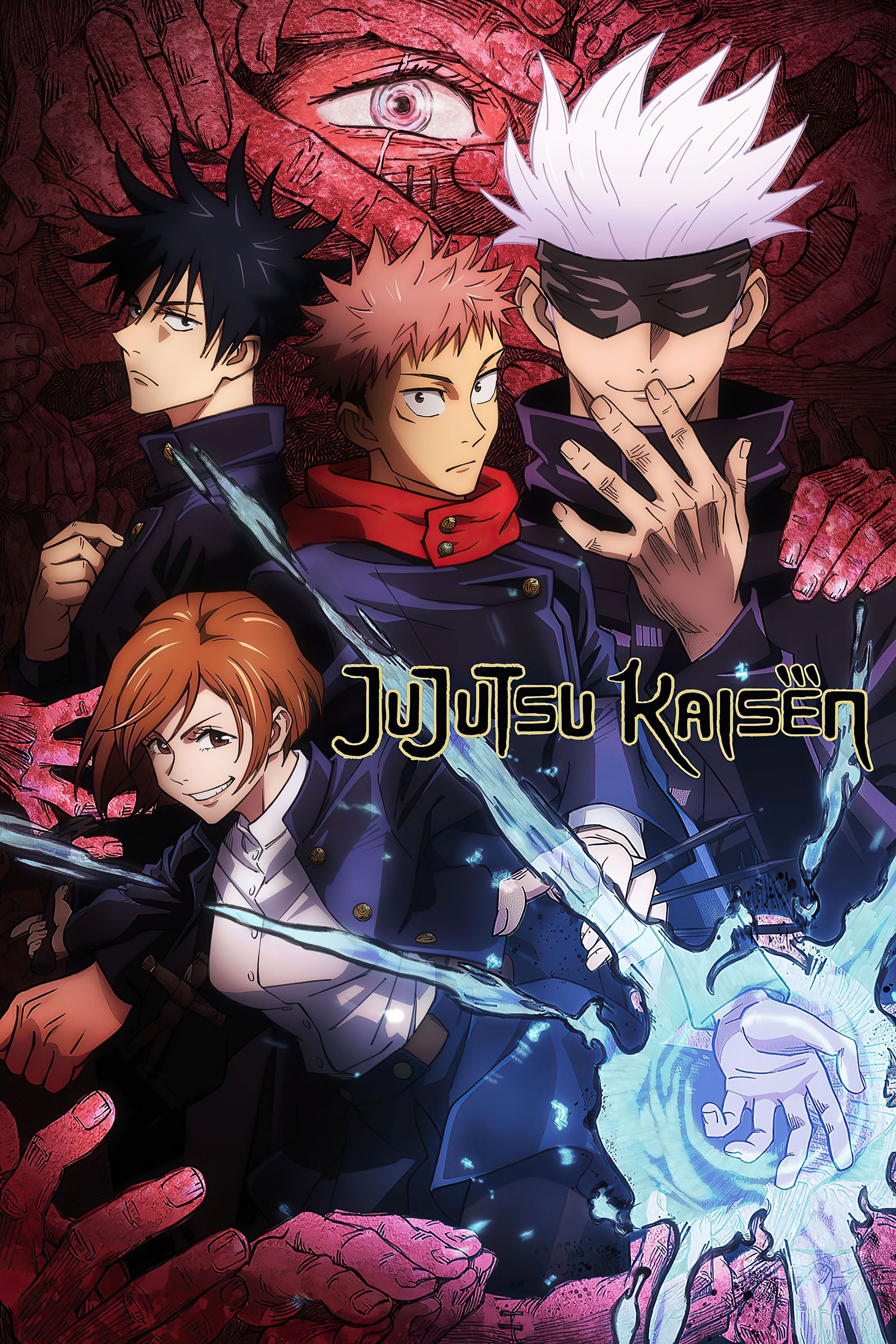
Used during the first cour, the track pairs funk and hip-hop elements with animated dance loops of the main cast. The song quickly racked up streams and views via the official credit sequence upload. It appears on ALI’s catalog and on anime theme compilations associated with the series. The pairing of urban visuals and groove-heavy production set a distinct stylistic identity for the show’s early run.
‘Hunter x Hunter’ (2011) – “Just Awake” by Fear, and Loathing in Las Vegas
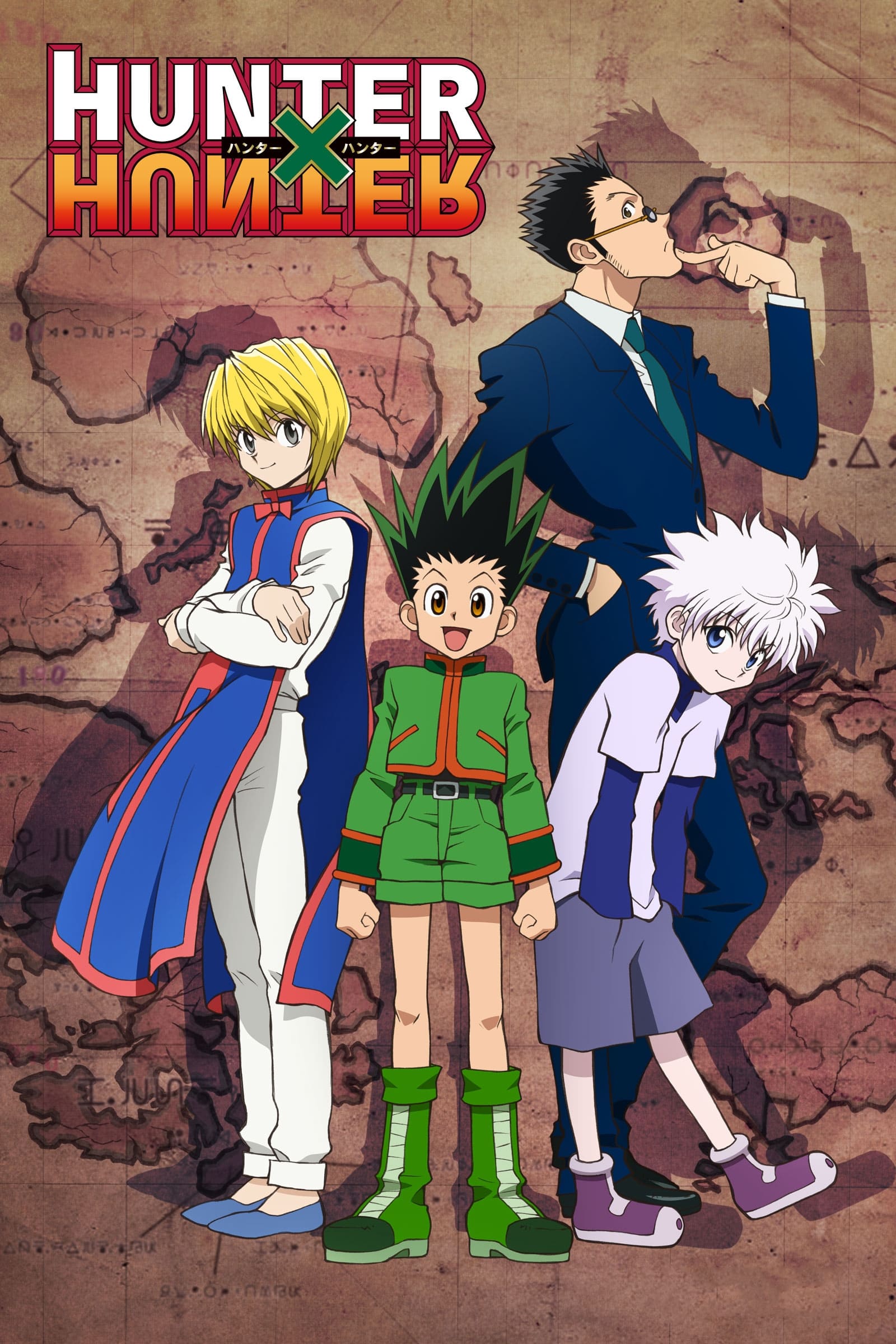
This screamo-electronic fusion track closes early episodes of the 2011 adaptation. The credits highlight the main quartet’s journey imagery, connecting arcs across the first major saga. The song is included in the band’s releases and in official anime song collections. Its use marked the series’ approach of rotating themes at key narrative transitions.
‘One Piece’ (1999) – “Memories” by Maki Otsuki
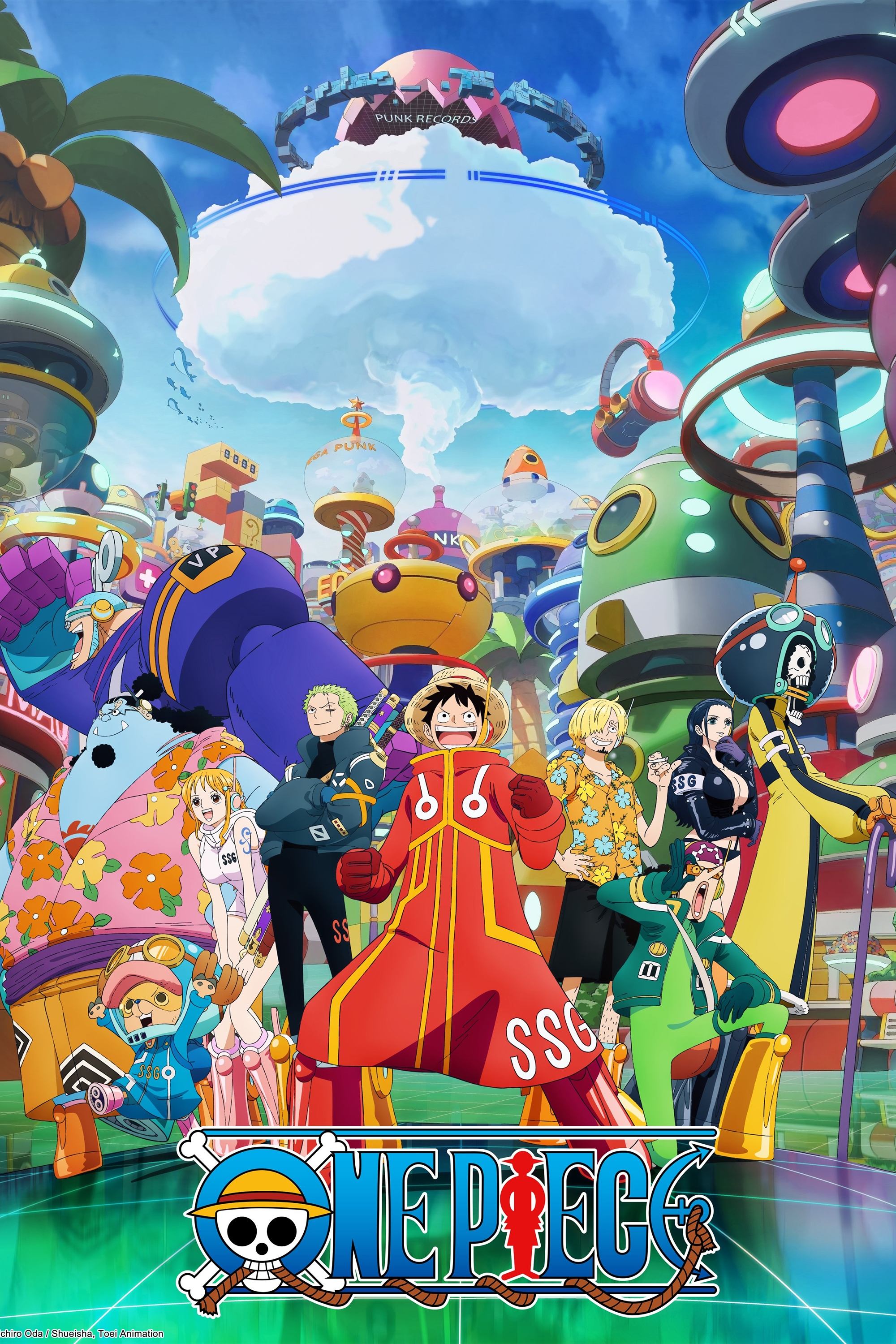
“Memories” was one of the show’s earliest endings and is tied closely to its initial broadcast identity. The credits employ watercolor-style visuals and early crew vignettes. The single appears in ‘One Piece’ song compilations and in Maki Otsuki’s discography. It helped establish the long-running pattern of theme rotations that track the series’ arcs.
‘Tokyo Ghoul √A’ (2015) – “Kisetsu wa Tsugitsugi Shindeiku” by amazarashi
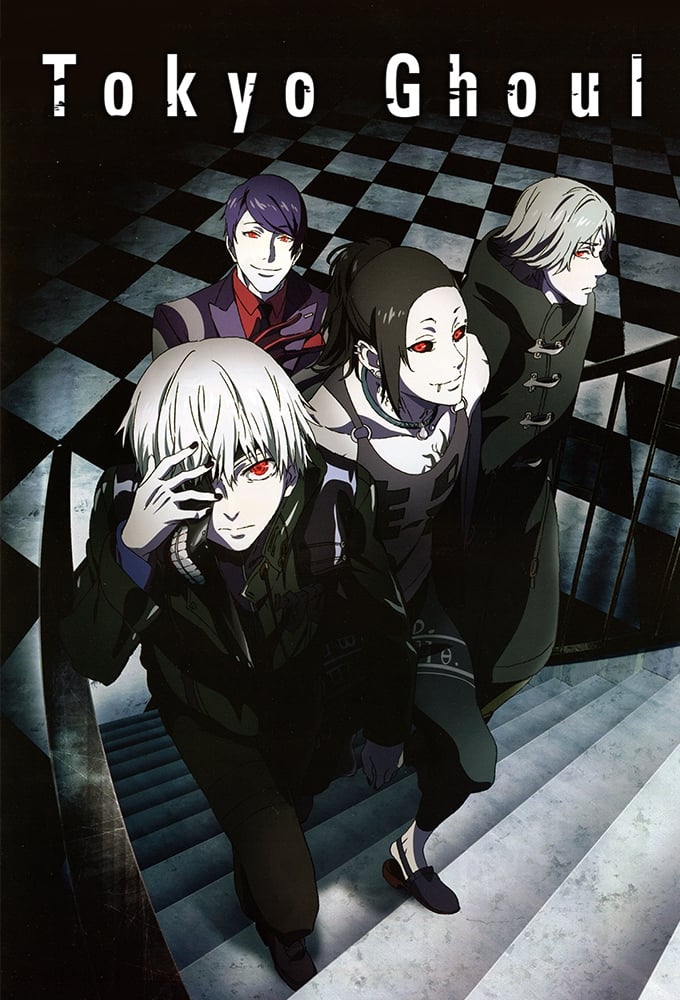
amazarashi’s lyric-driven rock piece serves as the season’s ending theme, accompanied by a monochrome-leaning credits palette. The official music video and TV size gained strong view counts through the franchise’s channels. The song appears on amazarashi releases and on the anime’s theme collections. Its arrangement emphasizes steady percussion and spoken-word-like phrasing characteristic of the band.
‘Vinland Saga’ (2019) – “Torches” by Aimer
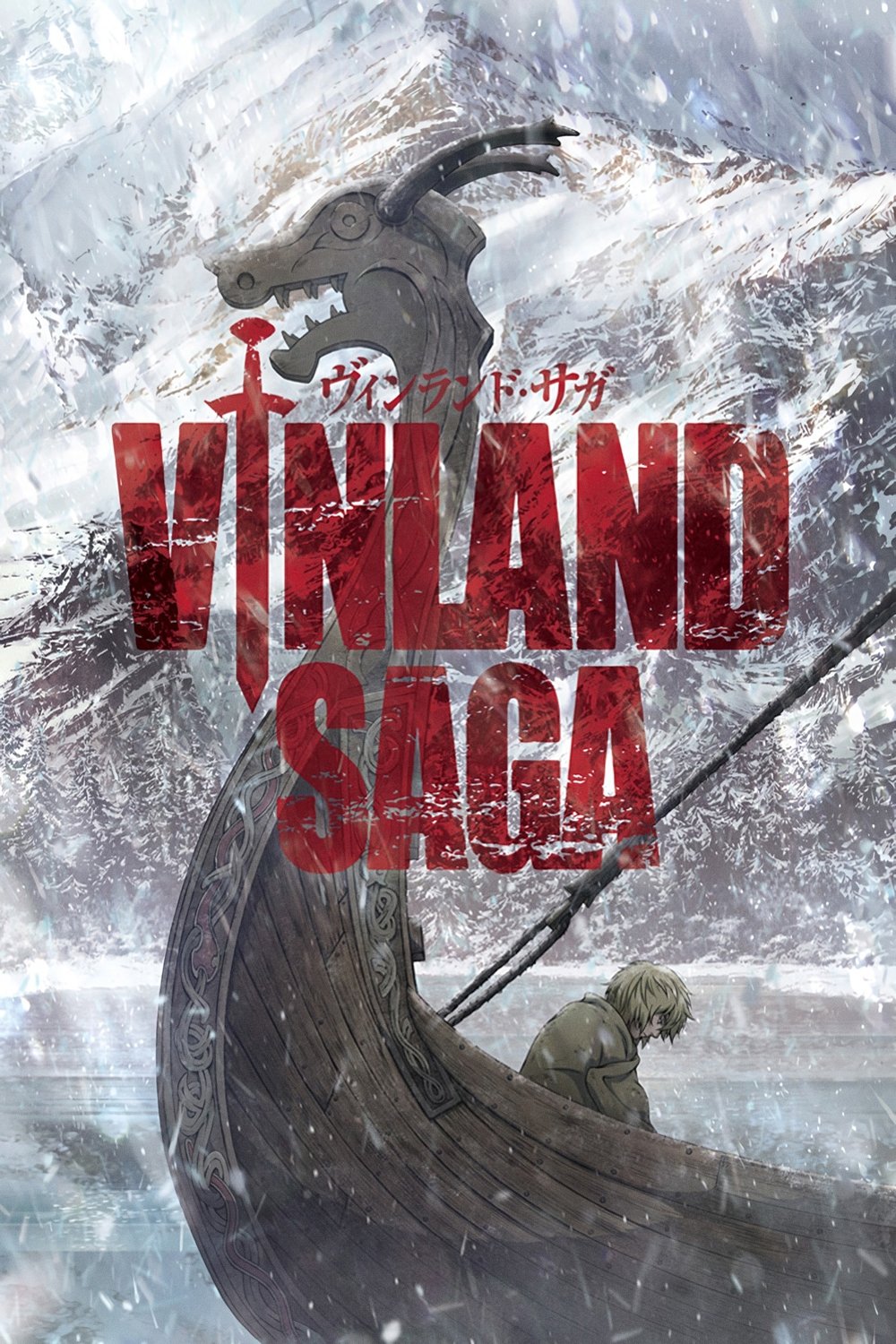
“Torches” is used as an ending theme during the first season, with Aimer’s low-register vocals and atmospheric production. The credit visuals favor coastline imagery and embers that reflect the show’s historical setting. The track is included in Aimer’s catalog and official series compilations. Its release coincided with the anime’s international streaming rollout, aiding global discoverability.
‘Fruits Basket’ (2019) – “Lucky Ending” by Vickeblanka
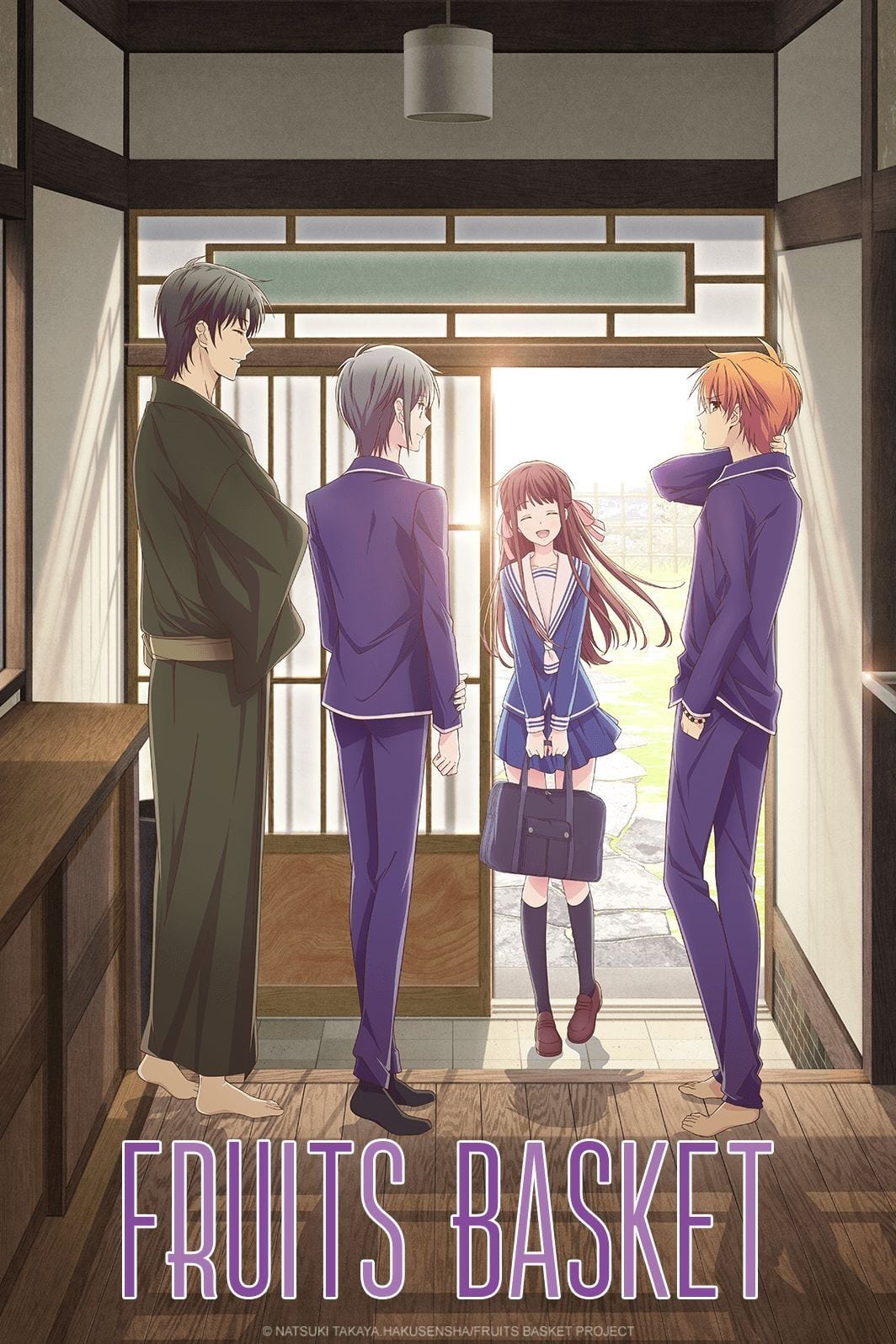
Appearing in the 2019 reboot’s first cour, the song brings piano-forward pop elements to the closing credits. The sequence showcases character art and seasonal motifs central to the story’s family dynamics. The track is featured on Vickeblanka’s releases and the series’ soundtrack sets. It signaled the reboot’s refreshed musical direction alongside newly recorded themes.
‘Inuyasha’ (2000) – “Fukai Mori” by Do As Infinity

This song appears as one of the series’ rotating endings and was released as a single that performed on the Oricon charts. The credits combine forest imagery and character stills consistent with the show’s Sengoku setting. It later appeared on Do As Infinity compilations and anime theme collections. The track’s TV size and full version were both circulated widely during the show’s broadcast era.
‘Bungo Stray Dogs’ (2016) – “Namae wo Yobu yo” by Luck Life
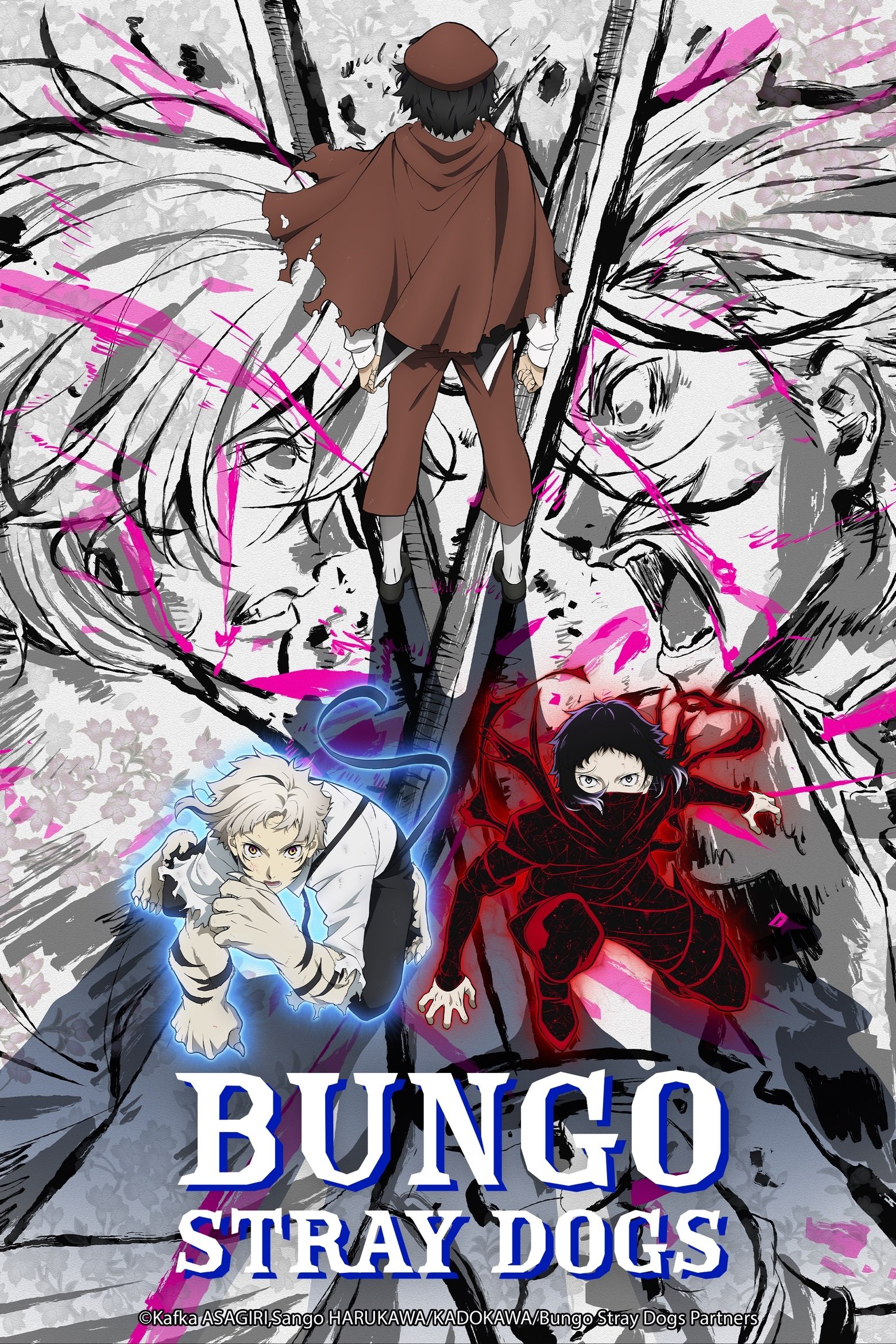
Used as an ending in the series’ early run, the track emphasizes clean guitars and steady tempo. The credits feature agency members and literary-inspired motifs corresponding to the show’s author-named cast. The song appears on Luck Life releases and on official anime song sets. The band returned for additional seasons, maintaining continuity across theme rotations.
‘SPY x FAMILY’ (2022) – “Kigeki” by Gen Hoshino
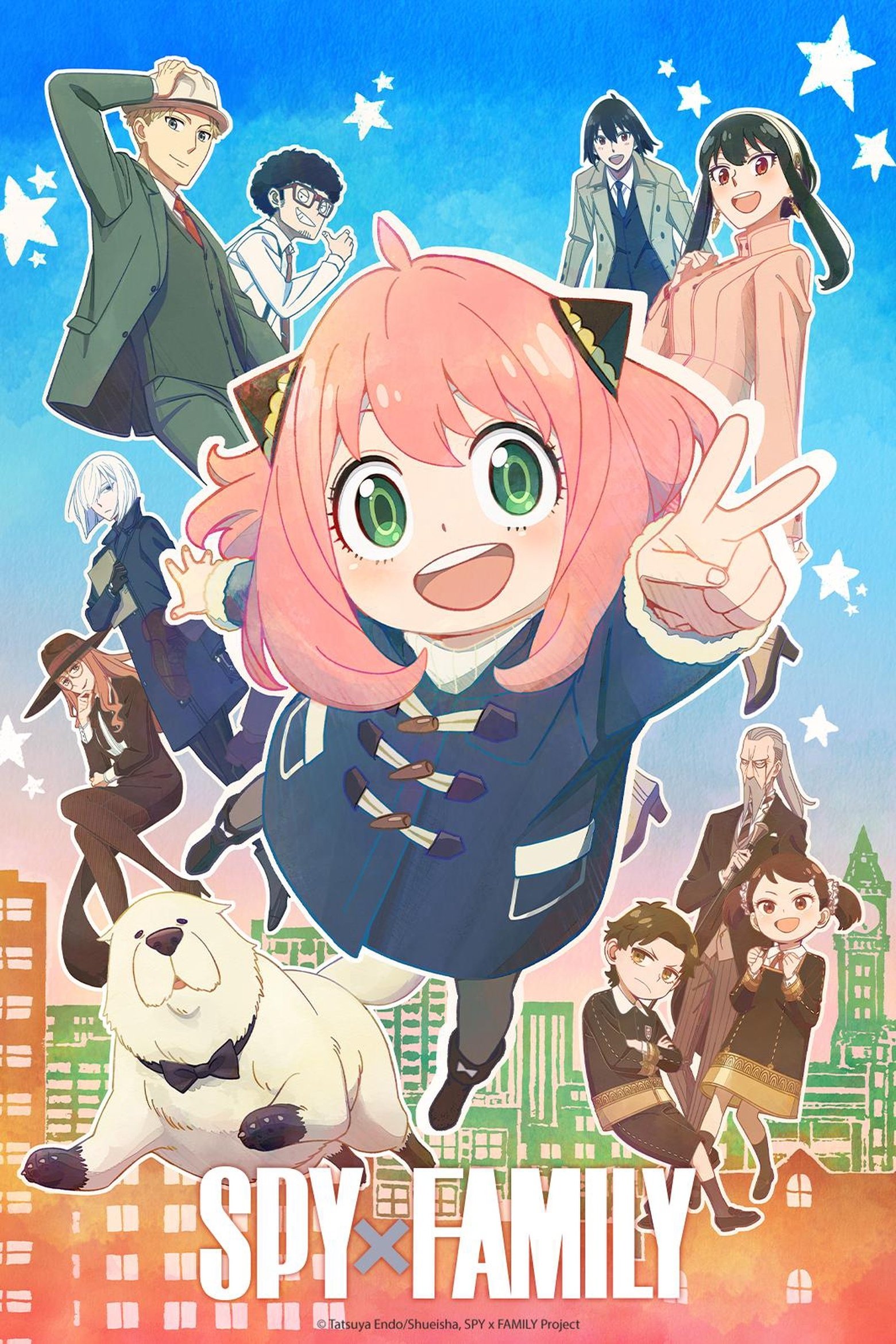
“Kigeki” serves as an ending theme for the first cour, written and performed by singer-songwriter Gen Hoshino. The credits adopt warm color palettes and domestic imagery aligned with the series’ family premise. The track charted on digital platforms and appears on Hoshino’s official releases tied to the show. Its TV size cut and full version were both distributed through franchise and label channels.
‘Haikyu!!’ (2014) – “Tenchi Gaeshi” by NICO Touches the Walls

This track functions as an early ending for the first season, accompanying training and match-focused episodes. The credits emphasize team shots, court lines, and motion graphics that echo volleyball tactics. It appears on the band’s catalog and on ‘Haikyu!!’ theme compilations. The series continued the practice of updating endings each cour to reflect evolving rosters and arcs.
‘FLCL’ (2000) – “Ride on Shooting Star” by The Pillows
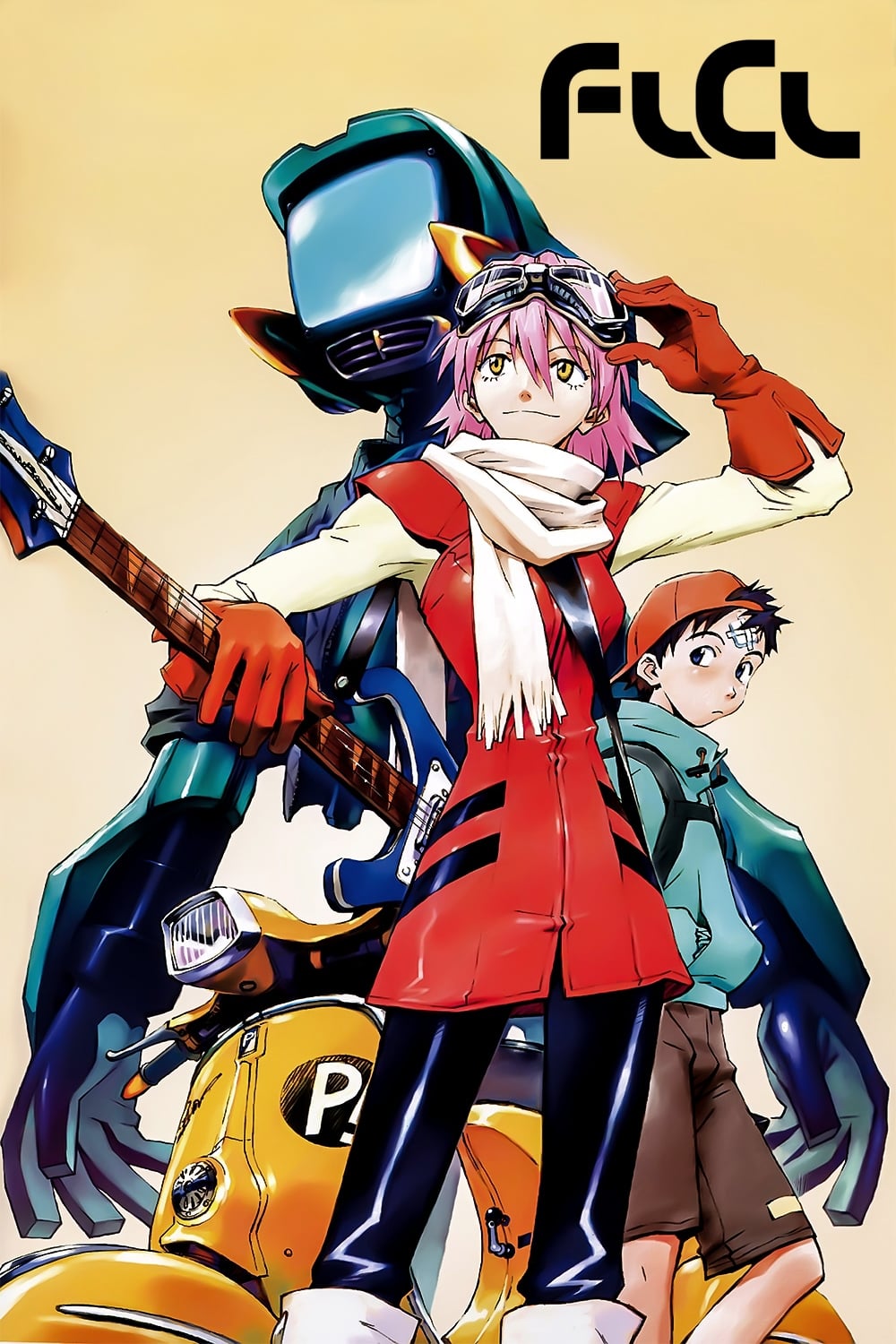
The six-episode series closes with this alt-rock cut, paired with credits featuring the show’s yellow Vespa and bold color blocks. The track anchors the franchise’s musical identity and appears on multiple Pillows compilations. It is used across the original OVA’s episodes with consistent branding in home-video and soundtrack releases. The song’s TV size edit and full version remain staples in franchise retrospectives.
Share your favorite unskippable anime endings in the comments and tell us which series we should add next!