

Anime Based on Video Games

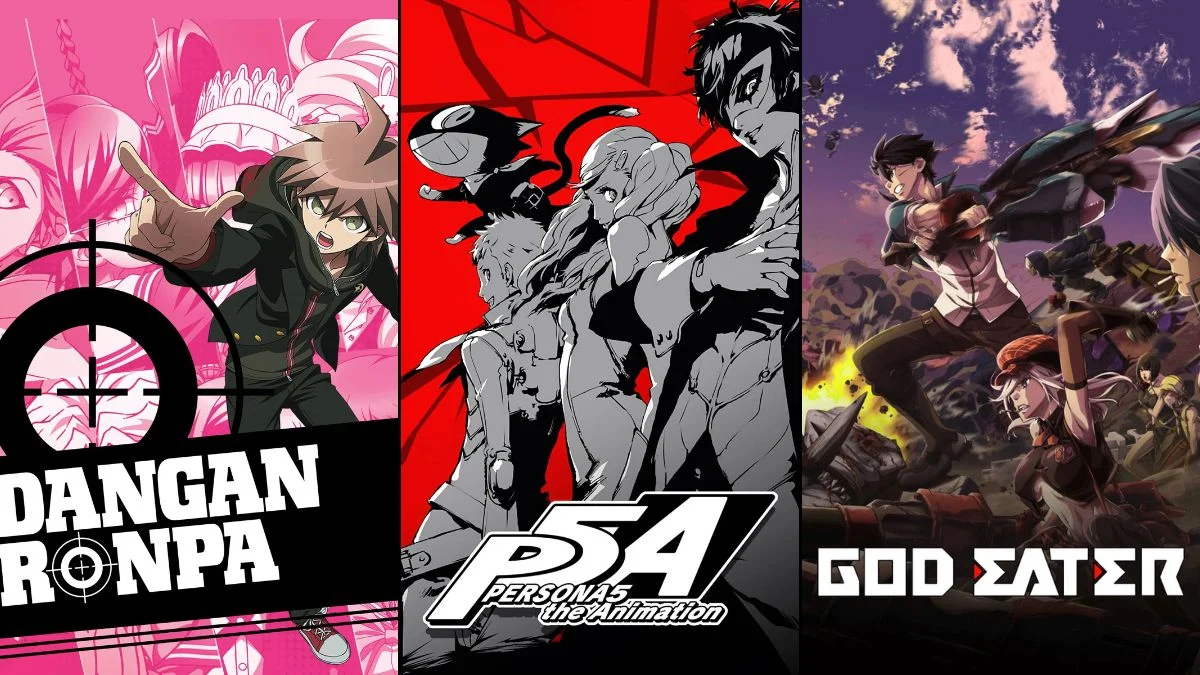


Video games and anime have crossed paths for decades, and the results cover everything from sweeping fantasy to courtroom drama. Studios adapt mechanics, characters, and story routes in ways that fit episodic TV or feature films while keeping the spirit of the source material.
This list brings together twenty anime that started as games, including visual novels, action titles, and online RPGs. Each entry highlights what the adaptation covers, who made it, and how it translates signature gameplay ideas into animation.
‘Steins;Gate’ (2011)
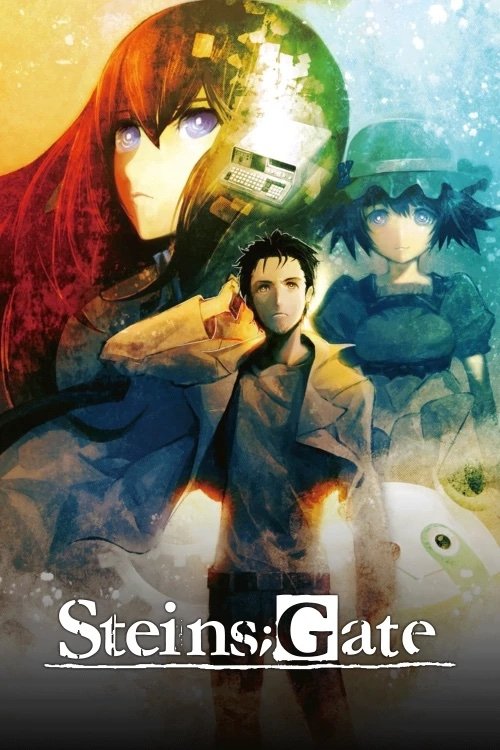
Based on the visual novel from 5pb and Nitroplus, ‘Steins;Gate’ follows a small group of friends who stumble into time manipulation through a cobbled together gadget. The anime was produced by White Fox and runs through the core narrative about cause and effect, branching choices, and the consequences of changing established timelines.
The series adapts the main route while weaving in select events from other paths to form a cohesive story for television. It presents the core cast, the PhoneWave device concept, and the world line framework that the game introduced, and it concludes with a canonical resolution that aligns with the true ending.
‘Clannad’ (2007–2008)
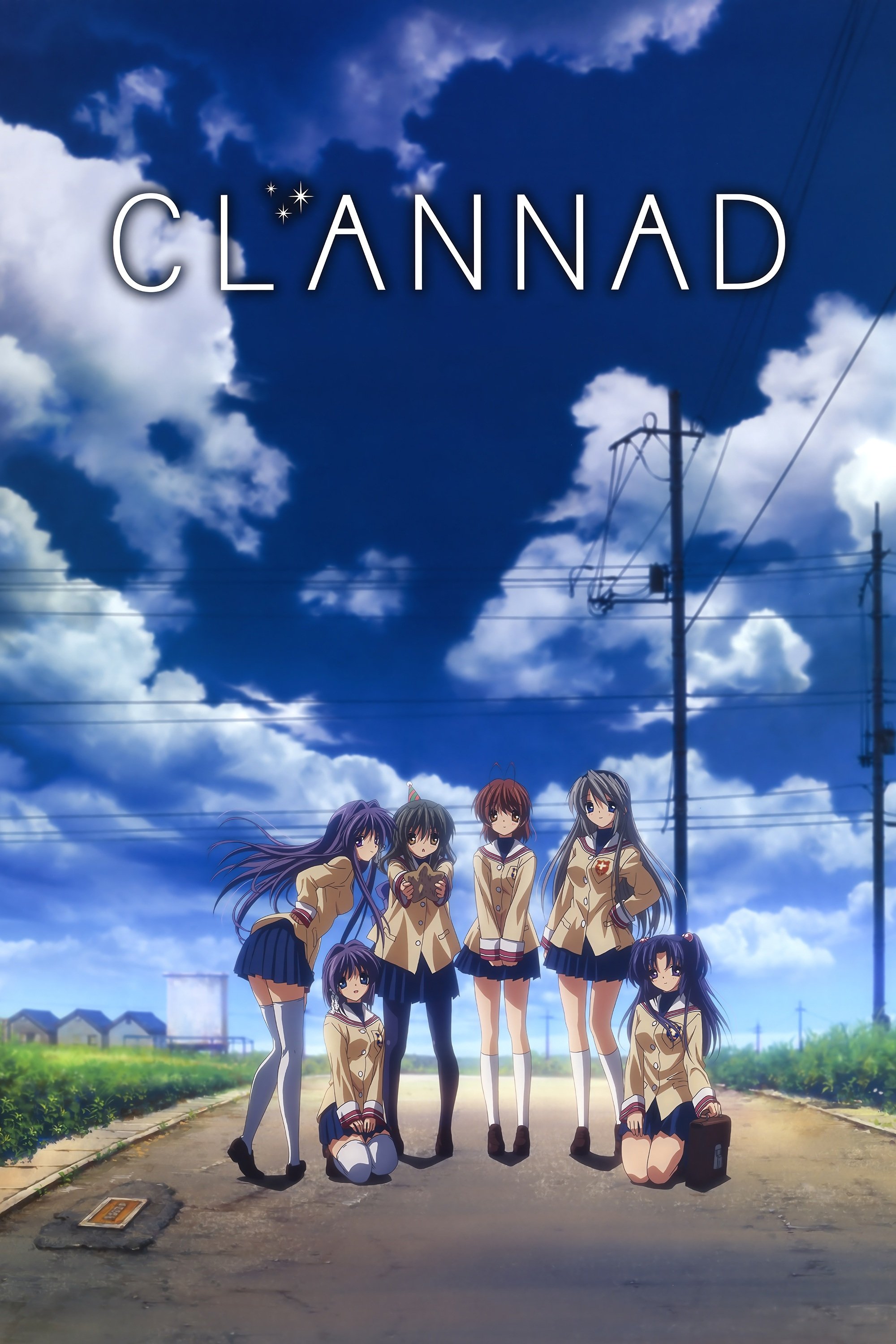
‘Clannad’ adapts Key’s visual novel about family, hardship, and community. Kyoto Animation produced the series and structured the story to reflect the original route system, emphasizing its character arcs and the central bond that drives the narrative.
The adaptation uses an arc based approach that elevates important scenes from specific routes while maintaining a consistent throughline. It continues with ‘Clannad After Story’, which extends the source material’s themes and brings the longer character journey to completion.
‘Fate/stay night [Unlimited Blade Works]’ (2014–2015)
!['Fate/stay night [Unlimited Blade Works]' (2014–2015)](https://image.tmdb.org/t/p/original/jyqi5BkDoKKIA2WAoz3HBtRHld3.jpg)
This ufotable production adapts the ‘Unlimited Blade Works’ route of the Type-Moon visual novel ‘Fate/stay night’. The anime focuses on the Holy Grail War through Rin Tohsaka’s route and positions Archer and Shirou Emiya at the center of the conflict.
The show mirrors the game’s branching by selecting one complete path and presenting its battles, contracts, and ideals in televised form. It features the Servant system, Command Spells, and summoning rules exactly as defined in the source, and it completes the arc that route is known for.
‘PERSONA5 the Animation’ (2018–2019)
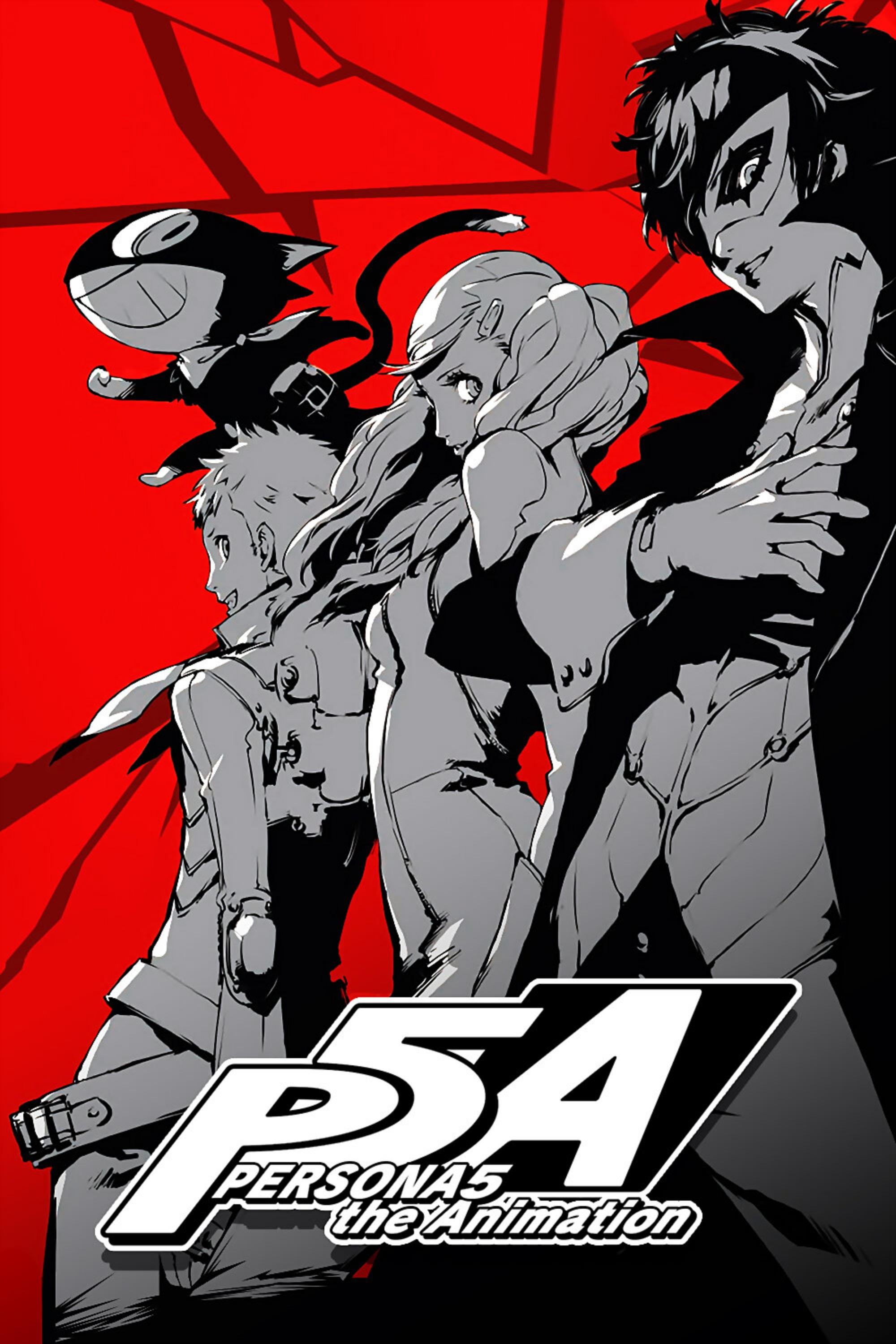
‘PERSONA5 the Animation’ adapts Atlus’s role playing game about the Phantom Thieves and their Metaverse heists. CloverWorks produced the series and translated dungeon infiltrations, Confidant relationships, and Persona awakenings into TV structure.
The show covers the main story through its Palaces, core party members, and key bosses. It closes out the narrative with television specials that serve as the finale, bringing the central conspiracy to a conclusion in line with the base game.
‘Danganronpa: The Animation’ (2013)
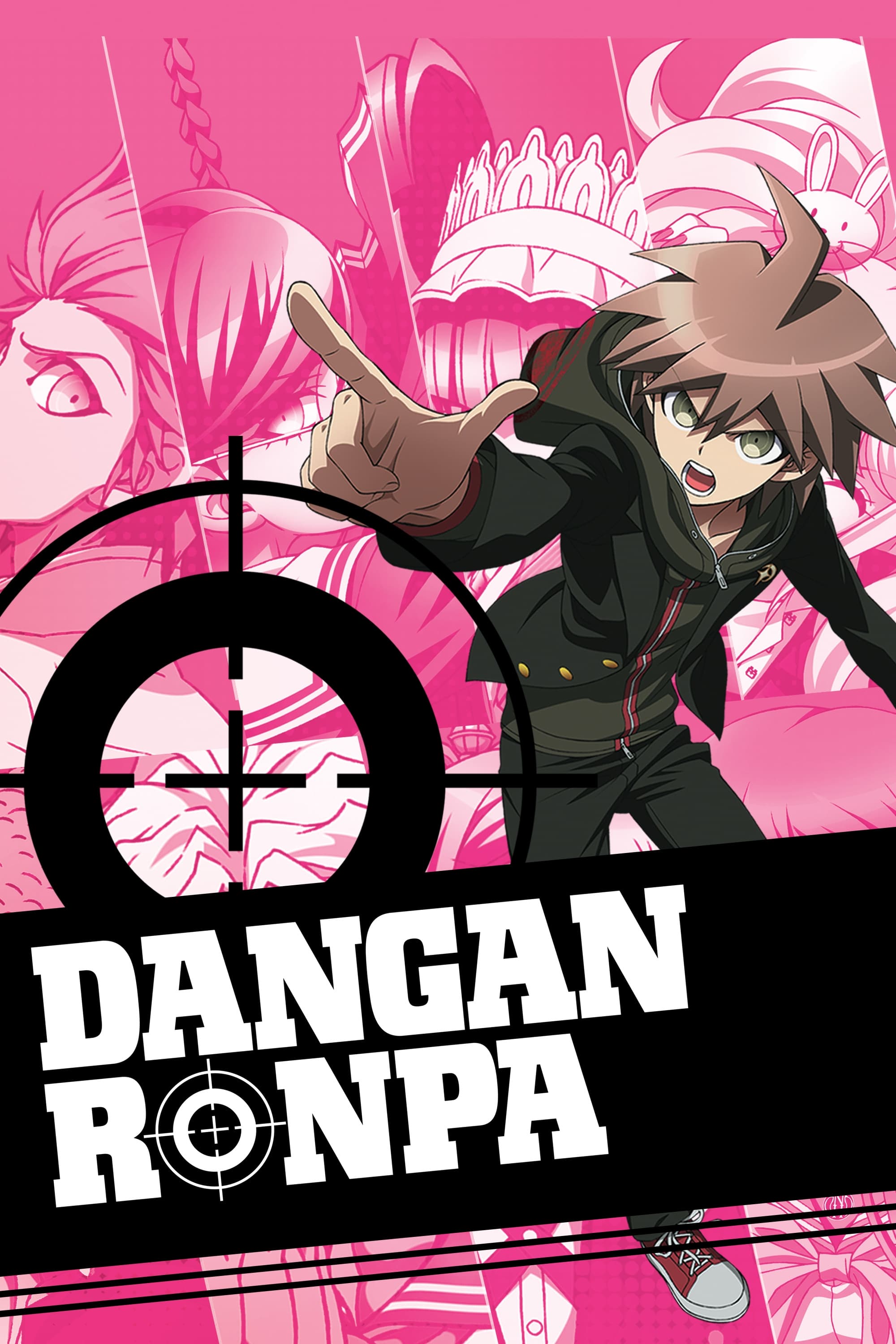
‘Lerche’s ‘Danganronpa: The Animation’ adapts Spike Chunsoft’s class trial murder mystery. It brings Hope’s Peak Academy, Monokuma’s rules, and the cycle of investigation and trial to the screen.
Each case follows the game’s loop of evidence gathering followed by a trial where contradictions are exposed. The adaptation presents Truth Bullets, special trial segments, and the culprit reveals in a way that matches the source’s structure.
‘Ace Attorney’ (2016–2019)

‘Ace Attorney’ adapts Capcom’s courtroom adventure games that follow Phoenix Wright and his partners through investigations and trials. A-1 Pictures produced the series and recreated the signature objections, cross examinations, and evidence turnabouts in animated form.
The show covers multiple game cases across its seasons, including early arcs and later storylines. It retains the game’s format of alternating investigation chapters and courtroom days, with recurring prosecutors and witnesses appearing as they do in the source material.
‘Professor Layton and the Eternal Diva’ (2009)
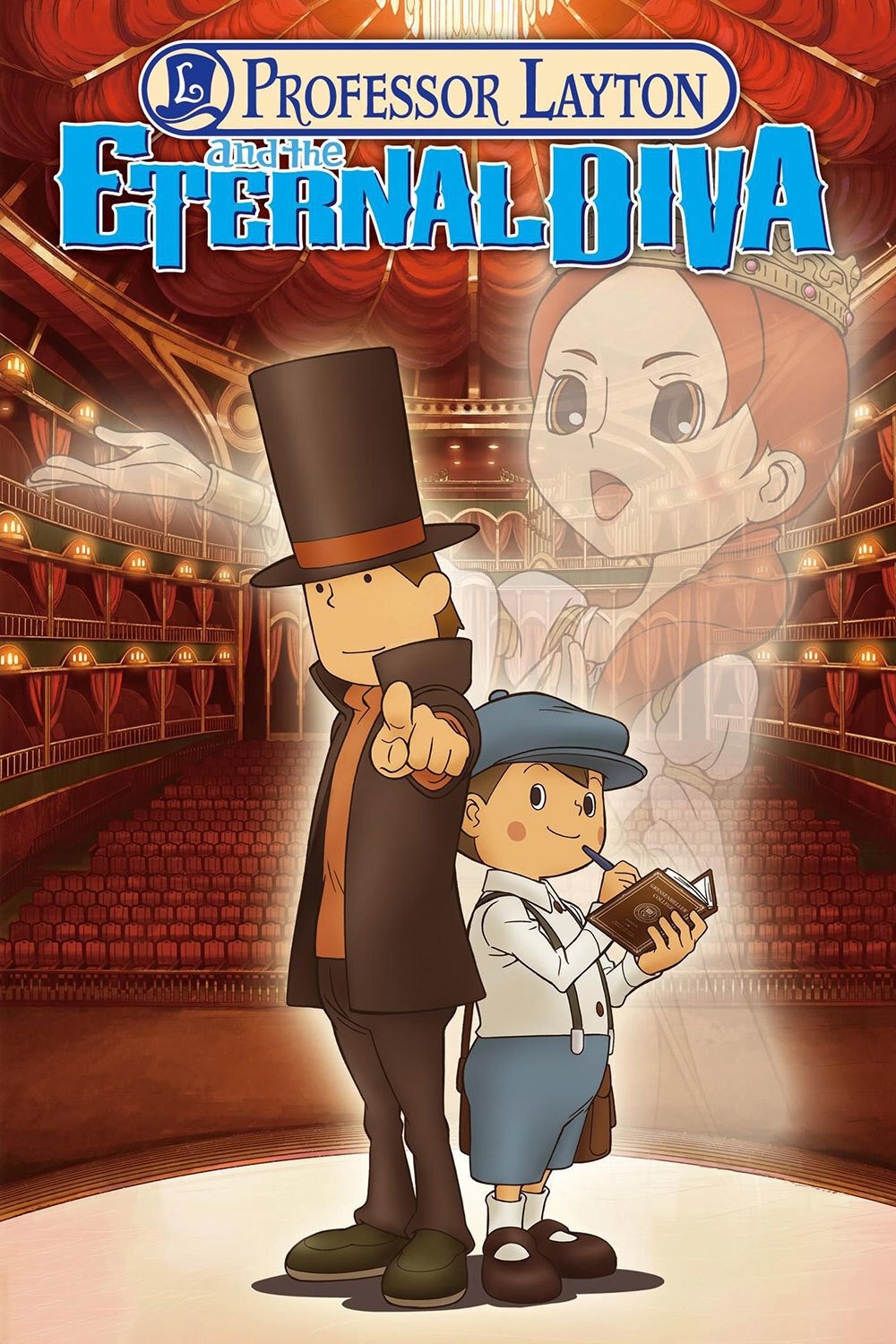
This feature film expands Level-5’s puzzle adventure series with an original mystery for ‘Professor Layton’ and Luke. OLM and P.A. Works produced the movie, which integrates standalone riddles and logic puzzles into the narrative in a way that mirrors gameplay.
The film uses the franchise’s hallmark puzzle reveals, theatrical performances, and archaeological themes. It fits within the game universe timeline and keeps character relationships and investigative beats consistent with the source.
‘Devil May Cry’ (2007)

Madhouse adapted Capcom’s stylish action series into a monster hunting procedural that follows Dante between game missions. The anime includes familiar characters such as Trish and Lady and shows Devil Arms, demon contracts, and job requests from clients.
Episodes center on assignments that introduce demonic threats and underworld dealings. The adaptation preserves signature elements like sword and gun combat styles and the agency work that supports Dante’s lifestyle between major game events.
‘God Eater’ (2015–2016)
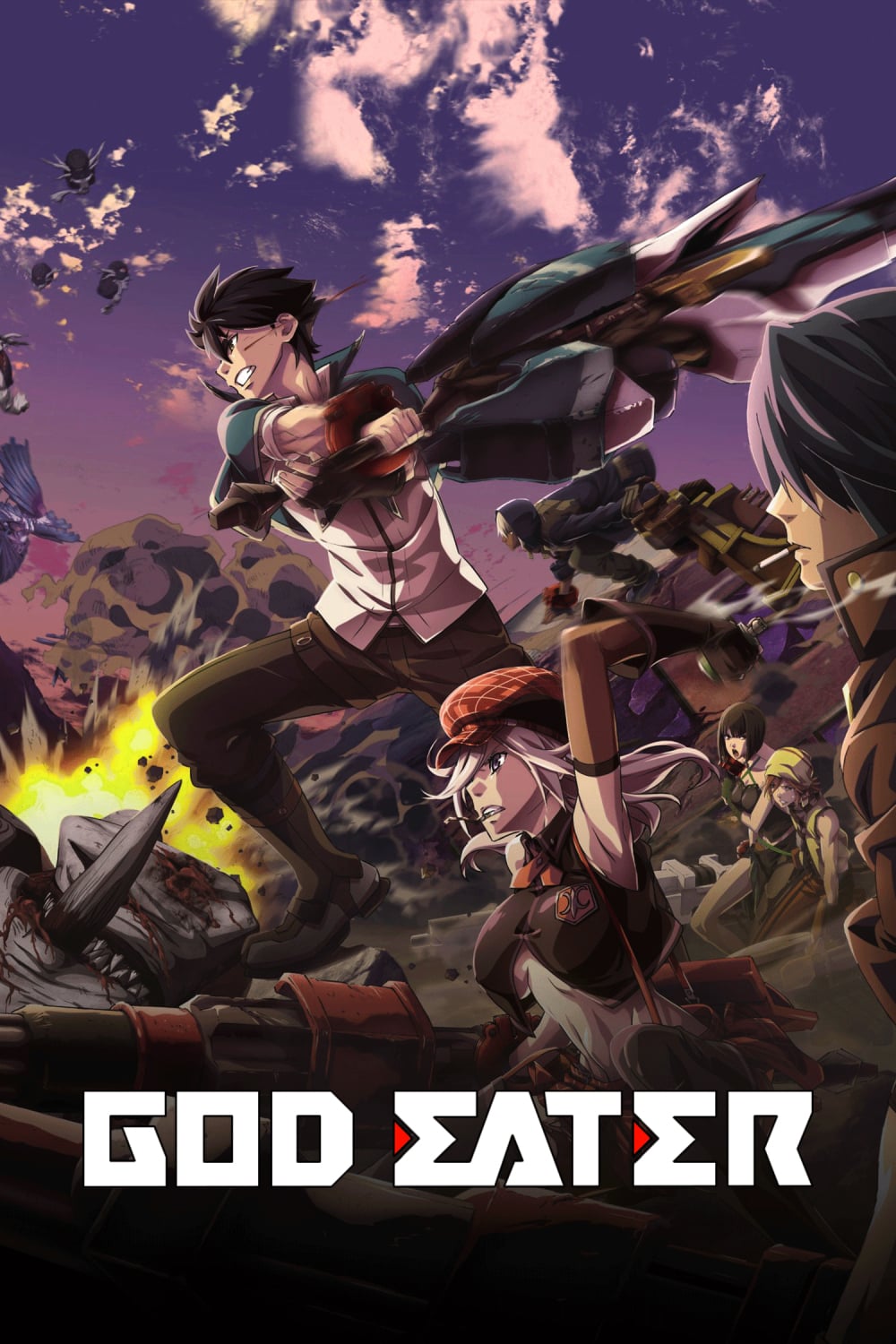
Ufotable’s ‘God Eater’ adapts Bandai Namco’s hunting game about humanity’s fight against Aragami. It presents the Fenrir organization, God Arc weapons, and the New Type and Old Type distinction that defines combat roles.
The series retells the first game’s storyline through the perspective of an original protagonist while keeping key plot events intact. It highlights resource scarcity, base operations, mission assignments, and the biology of Aragami as described in the source.
‘Sengoku Basara: Samurai Kings’ (2009–2010)
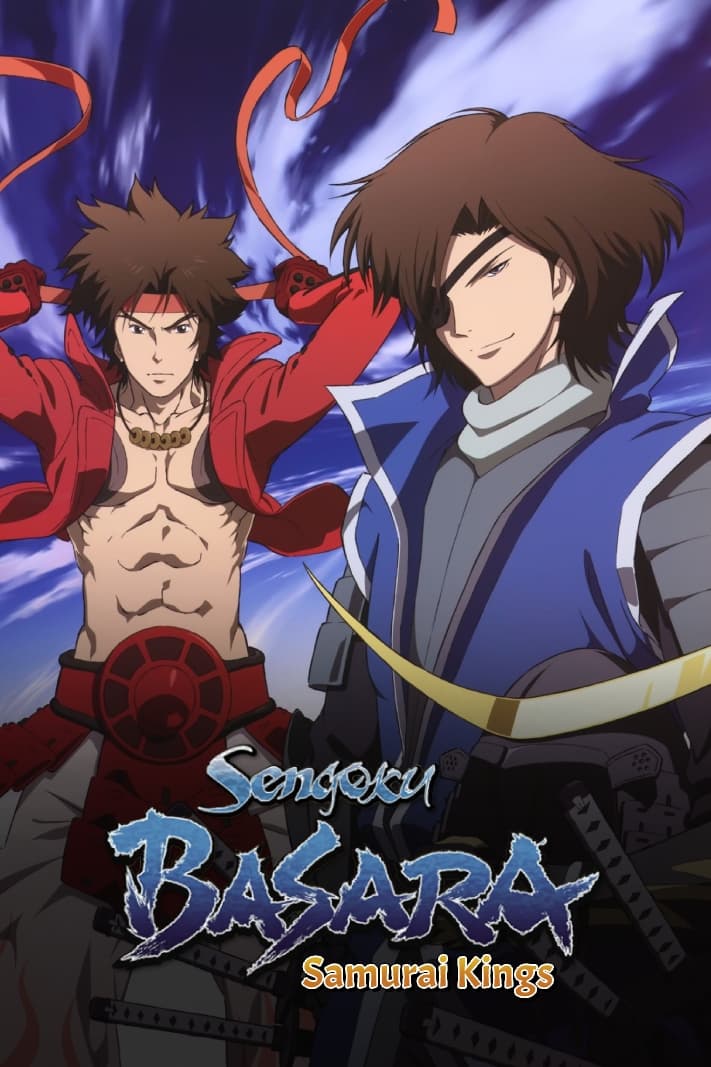
Production I.G adapted Capcom’s action franchise set during the Warring States era. ‘Sengoku Basara: Samurai Kings’ focuses on rival warlords like Date Masamune and Sanada Yukimura and stages their clashes across famous battlefields.
The anime draws its character rosters, move sets, and alliances from the games and structures arcs around major campaigns. It later continues with additional seasons and a film that expand on the same cast and conflicts established in the source material.
‘Tales of Zestiria the X’ (2016–2017)
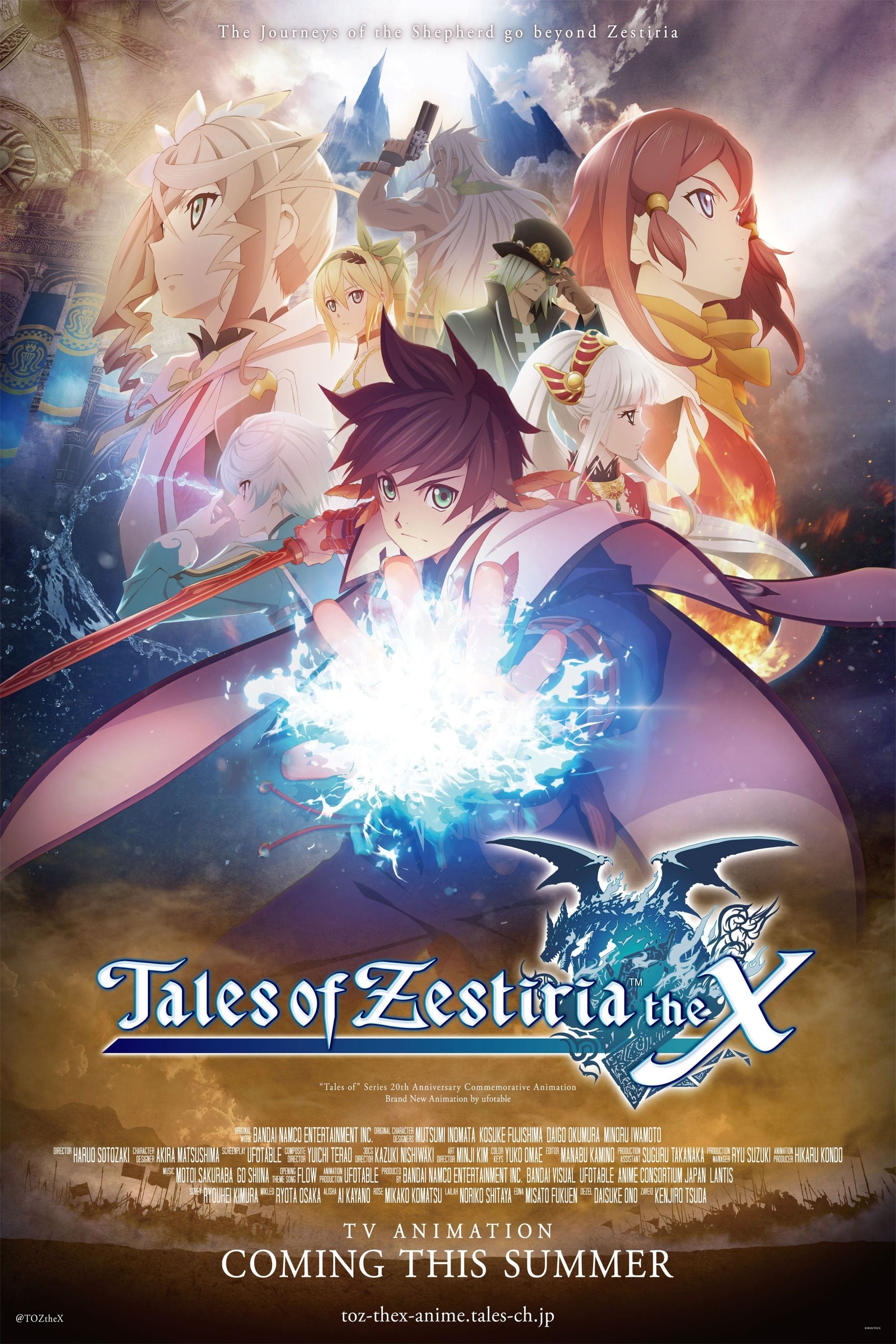
Ufotable adapted Bandai Namco’s ‘Tales of Zestiria’ and incorporated story elements from ‘Tales of Berseria’. The anime follows Sorey’s role as Shepherd, the concept of Malevolence, and the bonds with Seraphim that power artes.
The adaptation covers the central pilgrimage, features party members and antagonists from the game, and offers tie in episodes that introduce ‘Berseria’. It retains skit style character interactions and the lore terms used across the ‘Tales of’ series.
‘KanColle: Kantai Collection’ (2015)
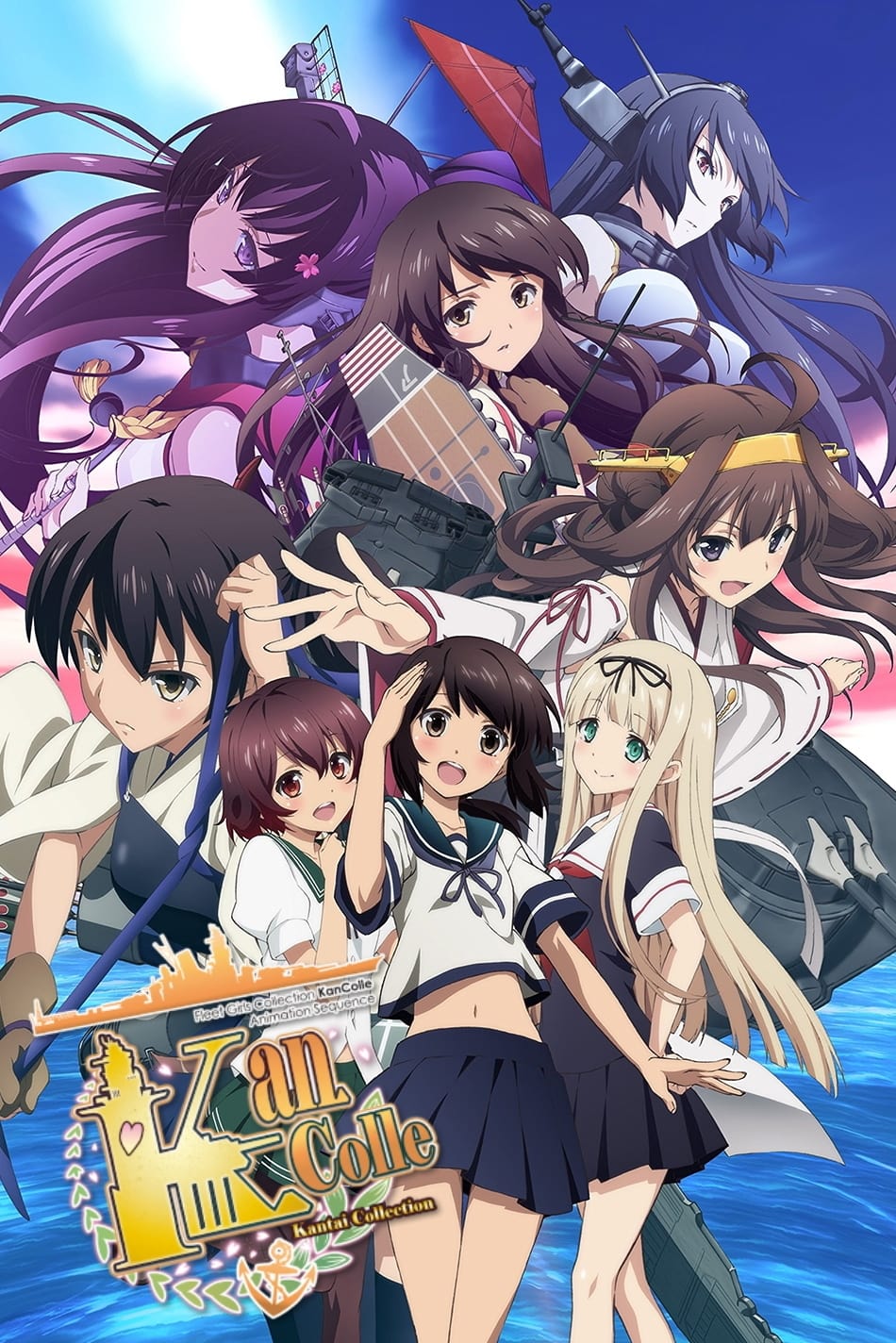
Based on the DMM browser game, ‘Kantai Collection’ personifies warships as Fleet Girls who battle the Abyssal Fleet. The series follows Fubuki’s arrival at a naval base and shows training, sorties, and fleet organization that reflect the game’s systems.
The anime brings formation choices, equipment fitting, and resupply into story scenes. It also features named ship classes and historical references that fans recognize from the source.
‘Azur Lane’ (2019–2020)
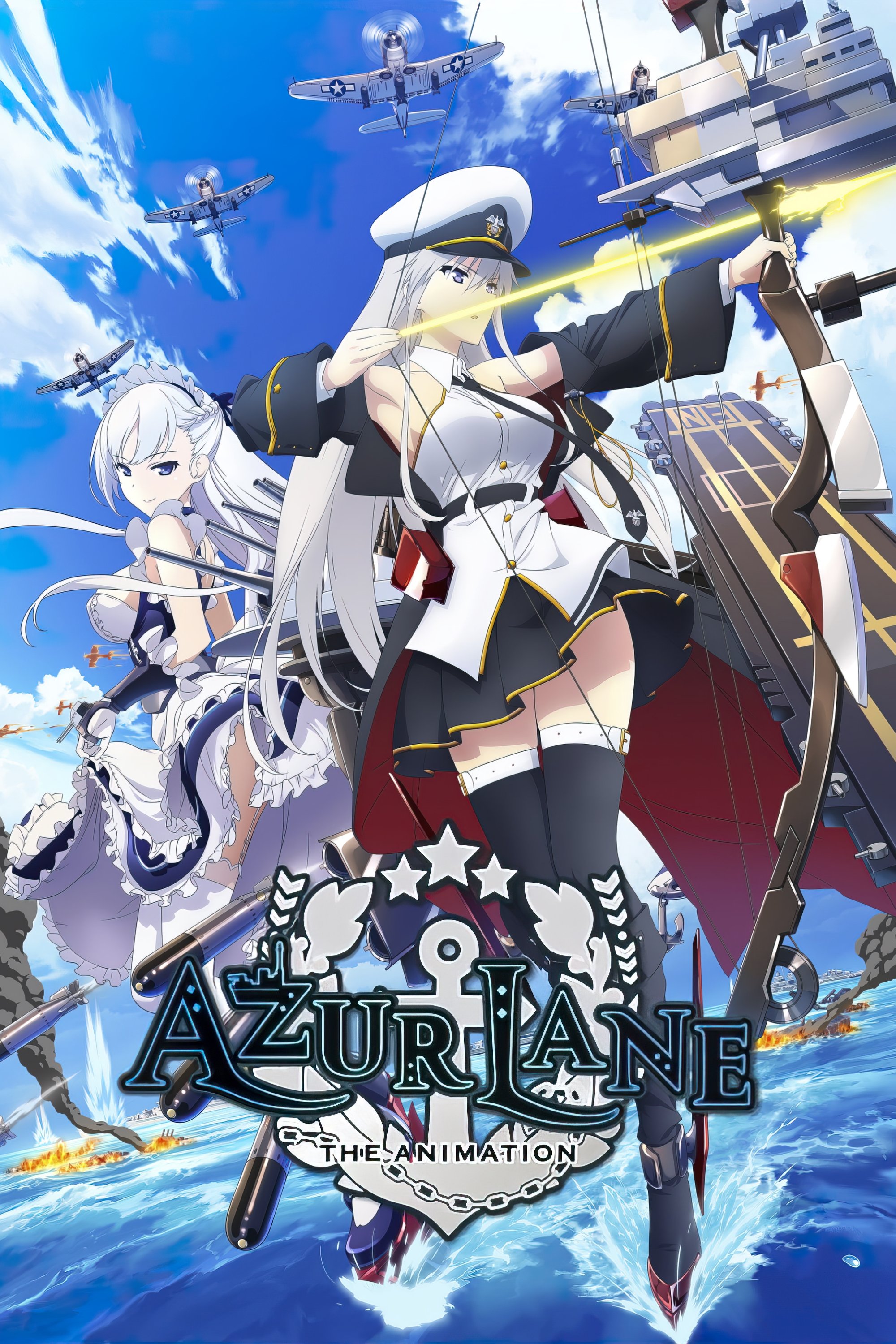
‘Azur Lane’ adapts the mobile game where shipgirls from different factions confront a common alien threat. Bibury Animation Studios produced the series and presented key groups such as Eagle Union, Royal Navy, Sakura Empire, and Iron Blood.
Episodes reflect the game’s faction dynamics, ship classifications, and retrofit like upgrades through character development and equipment changes. The story draws from in game events and showcases familiar vessels with their signature gear.
‘Granblue Fantasy: The Animation’ (2017–2020)
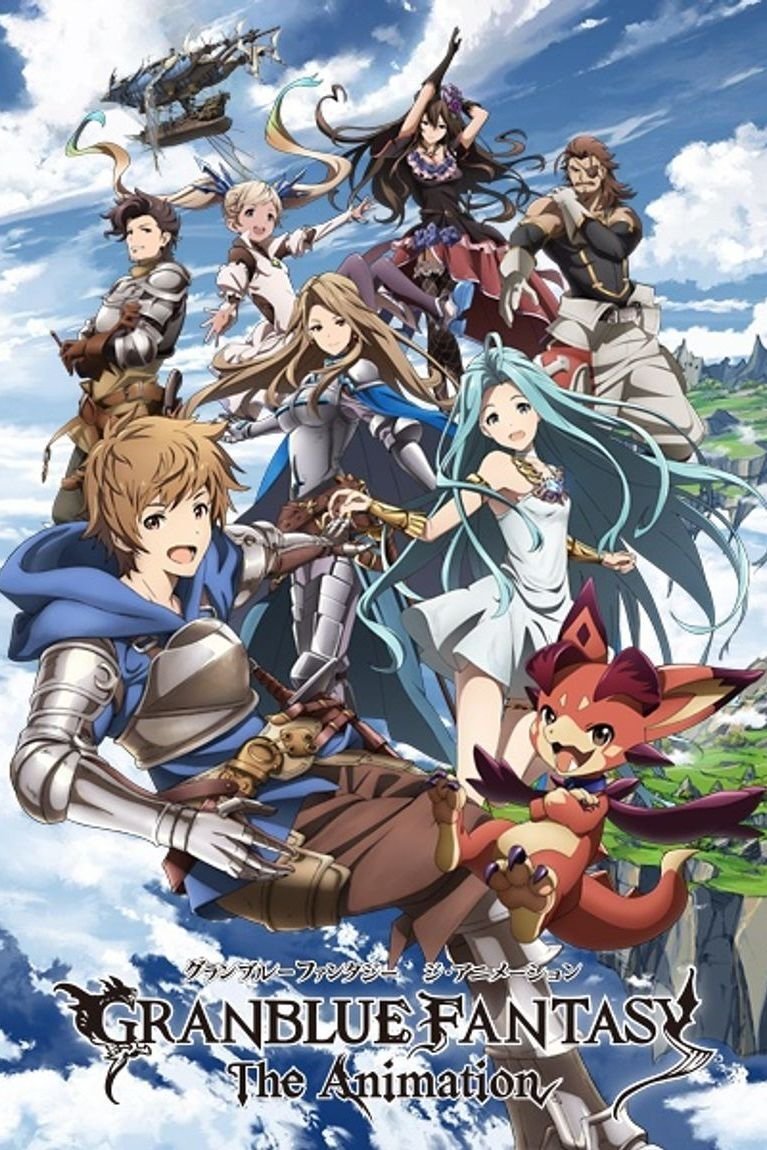
This adaptation of Cygames’ RPG follows Gran, Lyria, and their crew as they travel between islands in the Sky Realm. The first season was produced by A-1 Pictures and the second season by MAPPA, with designs and magic effects lifted directly from the game.
The show recreates quests, primal beasts, and skyfarer guilds while adapting story chapters into arcs. It includes summon mechanics and party formations and brings popular companions from the source into the mainline narrative.
‘Phantasy Star Online 2: The Animation’ (2016)
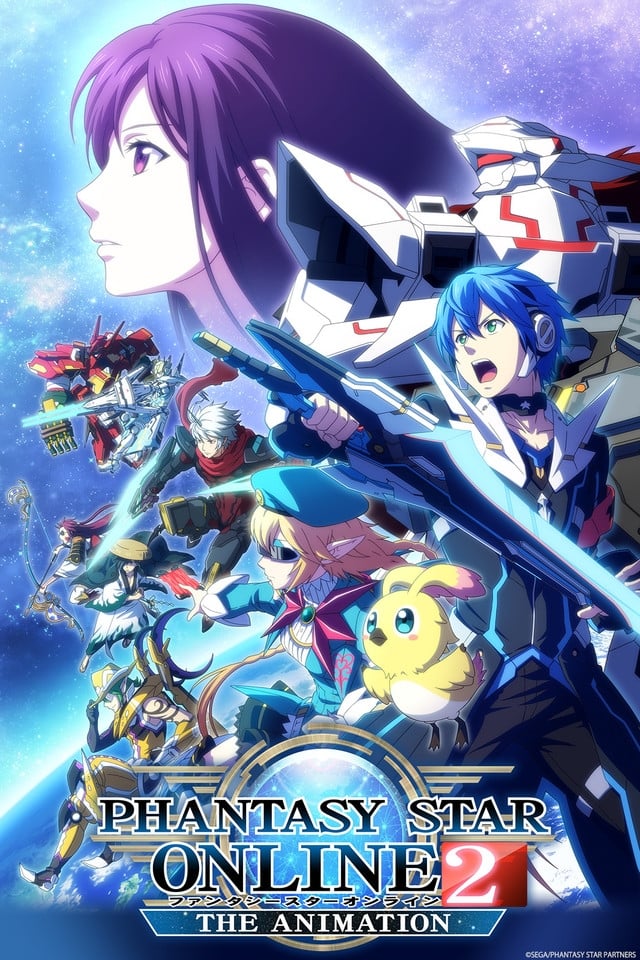
Rather than retelling the game’s main plot, ‘Phantasy Star Online 2: The Animation’ is set in the real world where students play PSO2 as part of school life. Telecom Animation Film produced the series and used in game classes, enemies, and lobbies as set pieces.
The show features character creation, party play, and emergency quests that mirror actual systems. It acts as a companion piece that explains terminology and event formats to viewers who know the online game.
‘Monster Hunter Stories: Ride On’ (2016–2018)
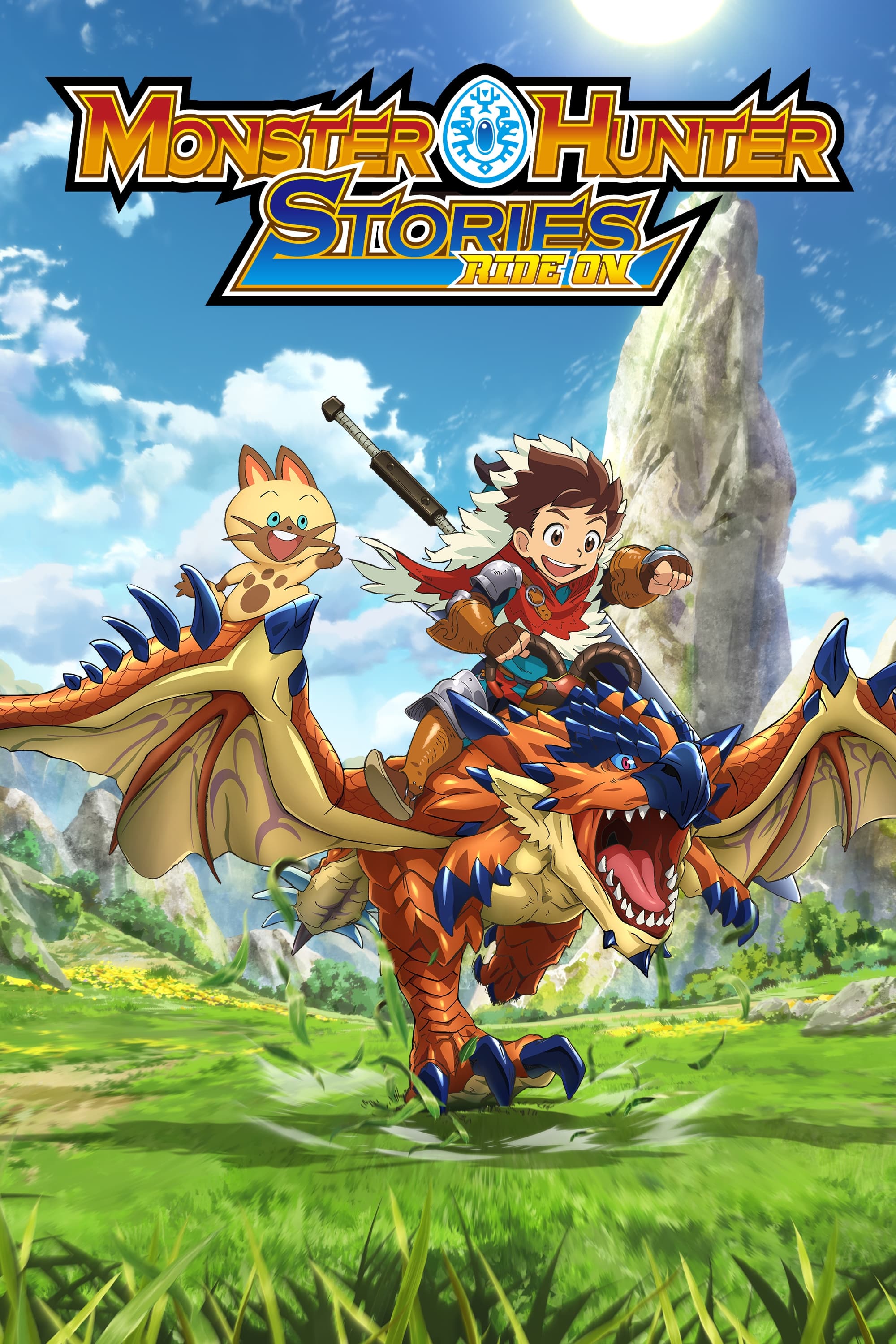
Based on Capcom’s role playing spin off, ‘Monster Hunter Stories: Ride On’ follows Riders who bond with monsters rather than hunt them. The anime centers on a young Rider and his Rathalos partner and introduces kinship stones and villages from the game.
It explores the difference between Hunters and Riders and shows how Monsties hatch, grow, and learn skills. The adaptation includes recognizable species, habitats, and equipment in a format designed for an ongoing adventure.
‘Ragnarok the Animation’ (2004)
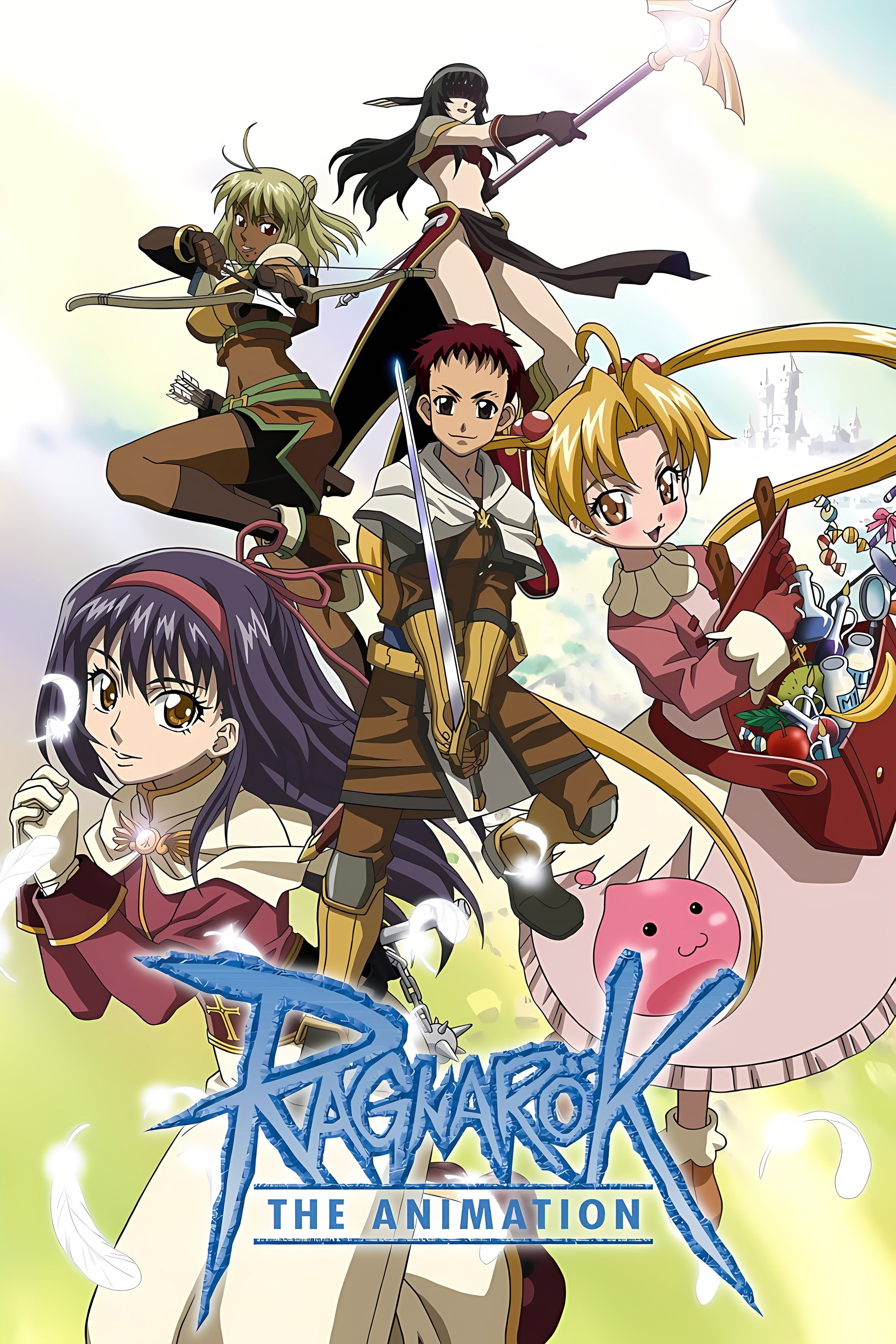
‘Ragnarok the Animation’ adapts Gravity’s online RPG and places an adventuring party in Rune Midgard. It uses job classes, status effects, and familiar monsters as part of the world structure.
The series reflects the game’s progression through job changes, gear acquisition, and dungeon runs. Towns and fields appear as they do in the source, and boss encounters follow recognizable patterns from the MMORPG.
‘Dragon Quest: Your Story’ (2019)
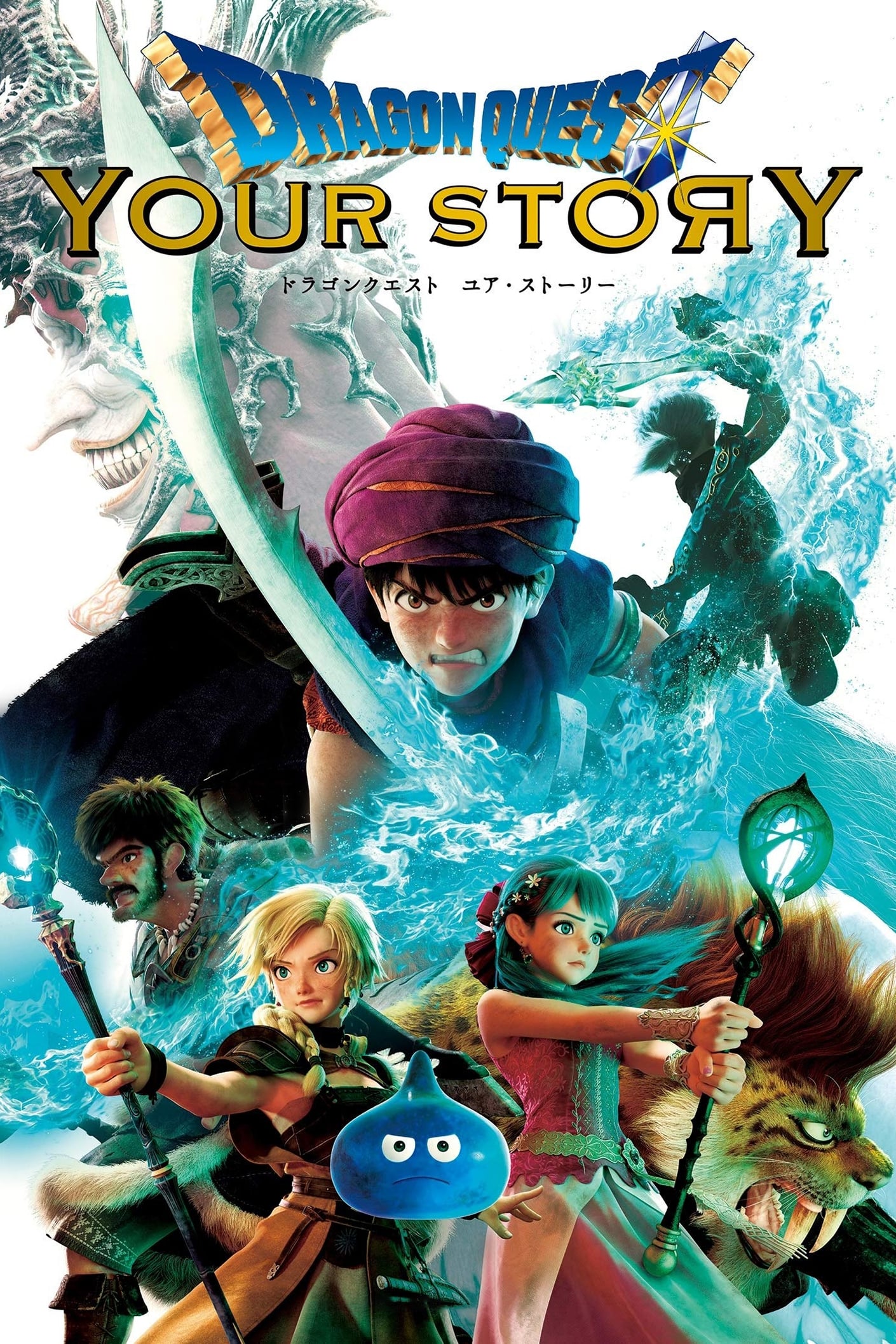
This CG film adapts the plot of ‘Dragon Quest V’, including the hero’s journey across generations and the monster companion system. It presents key locations, artifacts, and party members that fans know from the game.
The movie condenses branching choices into a single cinematic path while retaining iconic set pieces and spells. It also incorporates the tame and recruit feature through major story beats that drive the narrative.
‘Bayonetta: Bloody Fate’ (2013)
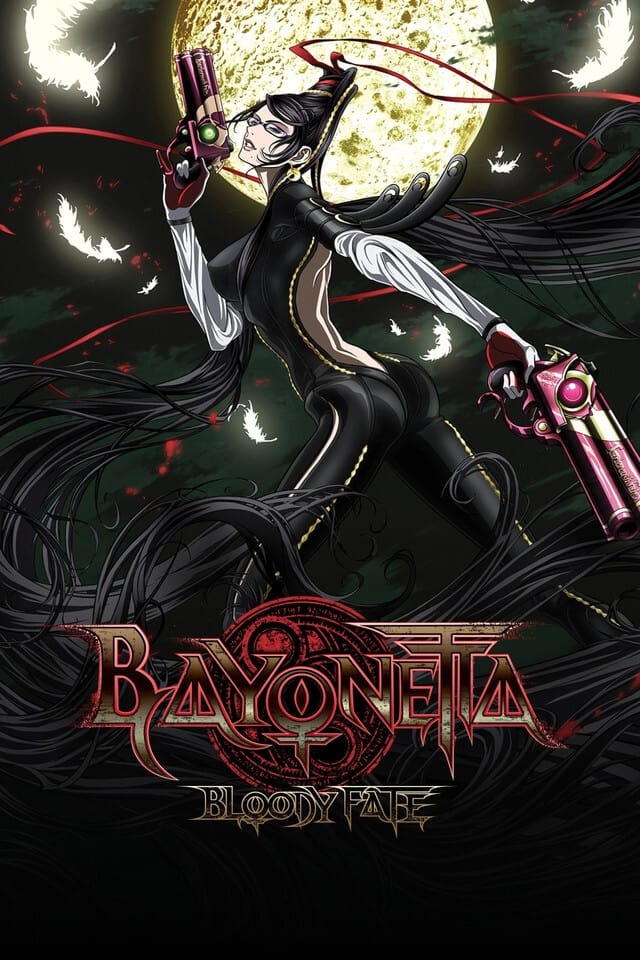
‘Bayonetta: Bloody Fate’ condenses the first game’s storyline into a feature length anime. The film includes Bayonetta’s arsenal, Umbra Witch lore, and set piece fights that mirror signature encounters.
It brings in core cast members and recreates weapons, accessories, and abilities from the source. The adaptation covers the central mystery around Bayonetta’s past and the celestial factions at the heart of the conflict.
‘NiNoKuni’ (2019)
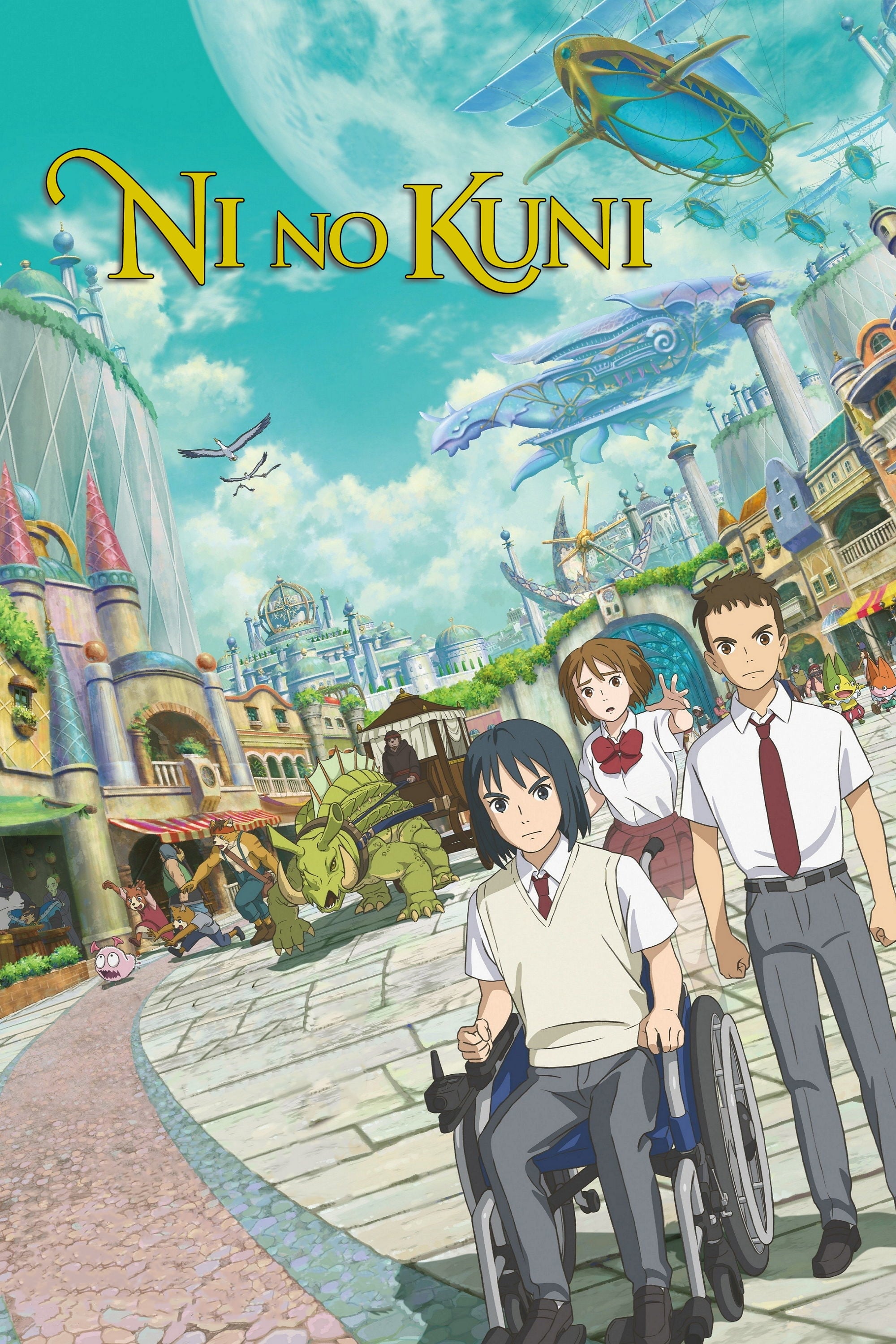
The ‘NiNoKuni’ film tells an original story that connects to the game universe and introduces new protagonists who cross between worlds. The production keeps the series’ hallmark creatures, spells, and kingdoms and presents them with a style consistent with the franchise.
It functions as a standalone tale that reflects the games’ themes of parallel worlds, friendship, and magic. Level-5’s involvement ensures continuity in terminology, character roles, and the way the setting operates.
Tell us which game to anime adaptation you would add in the comments.